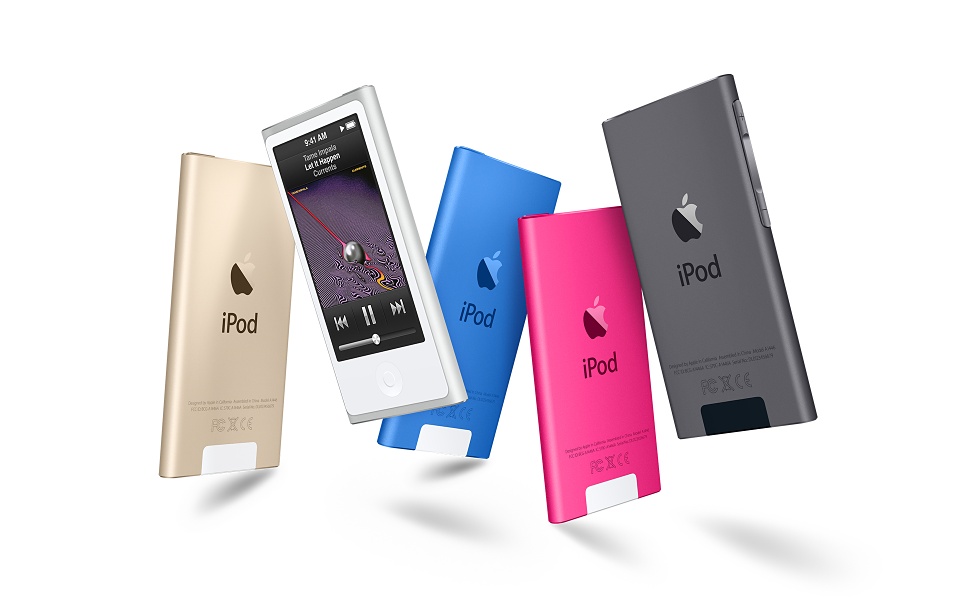
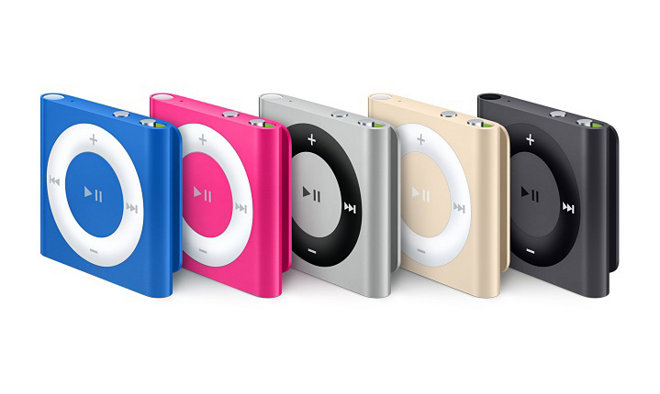
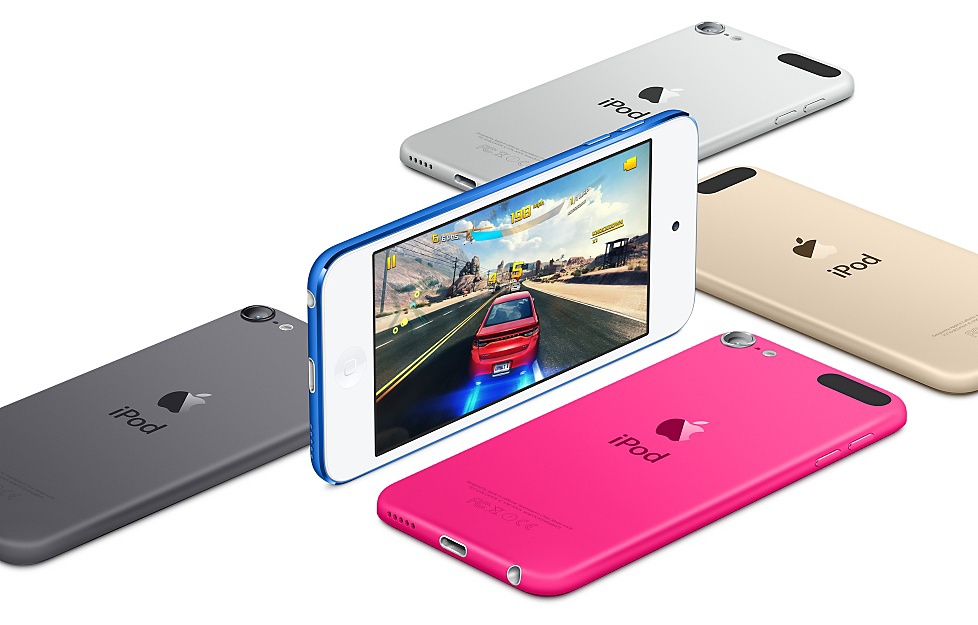
Earlier today, Apple announced with an official statement, that the company will discontinue the iPod Nano and iPod shuffle. The company spokesperson made the following statement in an e-mail, “Today, we are simplifying our iPod lineup with two models of iPod touch now with double the capacity starting at just $199 and we are discontinuing the iPod shuffle and iPod nano.”
The news of Apple pulling the plug on its traditional music players was somewhat expected. It has been three years since Apple discontinued the iPod Classic. Apart from the iPod Classic, iPod Nano and iPod shuffle were the only iPods which didn’t run an iOS. Apple already expected that its iPhone, iPad and iPod touch will take over the traditional music players. As none of them support Apple Music, Apple’s online streaming service for audio and video. It had already been predicted at the time of the launch of the first iPhone, that the iPhone, which included an “iPod” app for playing music would lead to iPod’s fall.
The last standing iPod, the iPod Touch (which is essentially an iPhone without the cellphone service) has also been “simplified” with two new models, killing the earlier 16GB and 64GB models. The new iPod touch lineup includes a 32GB variant priced at $199 and a 128GB model priced at $299.
The iPod Nano was last updated in 2012 with bluetooth support for wireless headphones and speakers. Apart from updating the colour options in 2015, no significant update has been available since past 5 years. The iPod Shuffle which was launched in 2005, saw its last upgrade in 2010 along with the updated colour options. The fact that no major upgrades were made available for both the traditional iPods was an indicator enough.
For those who plan on visiting Apple’s Website for hoarding the classics before they disappear, Apple has taken down the pages from the website. Nonetheless, the last of the traditional iPods might still be available online, till the stocks run out.
India being an agrarian economy, is largely dependent on farmers, the seasonal monsoon and a reliable irrigation system. In a country where power cuts are in abundance and money is scarce, being able to get a proper irrigation system going is a real challenge. Taking the present scenario in account, the farmers face multiple challenges to simply irrigate the fields. Apart from the endless power cuts and the cost of fuel, other factors like the safety, sustainability and durability of the irrigation system are extremely questionable.
Farmers currently resort to a device called “Jugaad pump” for irrigating the fields.This irrigation system is powered by a functional motor bike and is used for extracting water from open channels and ponds to deliver water for irrigation. While this “Juggad” works for some time, the bike run pump is not the ultimate and long term solution. A team of researchers from IIT Delhi has decided to build a solution which is sustainable and durable.
IIT Delhi researchers are designing solar pumps and invertors that are cost effective and energy saving. The project which is in partnership with industry partner Shakti Pumps Limited, will boost the productivity of the farmers and has received a massive funding of Rs 1.12 crore. The IIT Delhi research team includes Prof. Bhim Singh (Principal Investigator) and research scholars Utkarsh Sharma, Aryadip Sen, Md Kashif, Rashmi Rai, Hina Parveen, Yalavarthi Amarnath.
The research is carried out as a part of the project titled – Design and Development of Solar PV Based Super Efficient Agricultural Pumps and Hybrid Multidimensional Inverters- and falls under the Uchhatar Avishkar Yojana of the Ministry of Human Resource Development (MHRD).
The project is based on decreasing the irrigation cost, or the cost of the energy (electricity or diesel) to drive the water pumps in remote areas where electricity is not yet available. The current irrigation cost in remote areas is upto 30% of the total input cost incurred by a farmer. This cost can be drastically reduced by solar powered water pumps.
The solar pumps will incur one time installation cost and expected battery maintenance cost approximately every two years. The pump will convert solar energy into electricity and employ Direct Current (DC) as opposed to the Alternating Current (AC) which is being currently used by most farmers. A DC powered battery is more efficient and durable and will keep the solar powered pump working for a longer period.
Project investigator Prof Bhim Singh says, “Besides development of super-efficient pumps we aim to design solar water pump with suitable motor considerations and variable frequency operation. We will subsequently be designing and developing the on grid/off grid hybrid inverter,”
Professor further states that the project is aimed at design and development of the industrial products under three verticals. The team will also develop cost efficient inverters running on solar power which can be used to light up the household and feed the electrical grid. The final deliverables would include new technology in electrical drives fed from solar power, novel motor and pump design along with the hybrid inverter design.
This project can help improve the lives of millions by making solar powered technology available at an affordable cost. But the maintenance cost after approximately every two years may make the farmers stick to their traditional method. A one time installation of the solar pump is expected to be expensive as well which may dissuade farmers not willing to incur the installation and the additional maintenance cost.
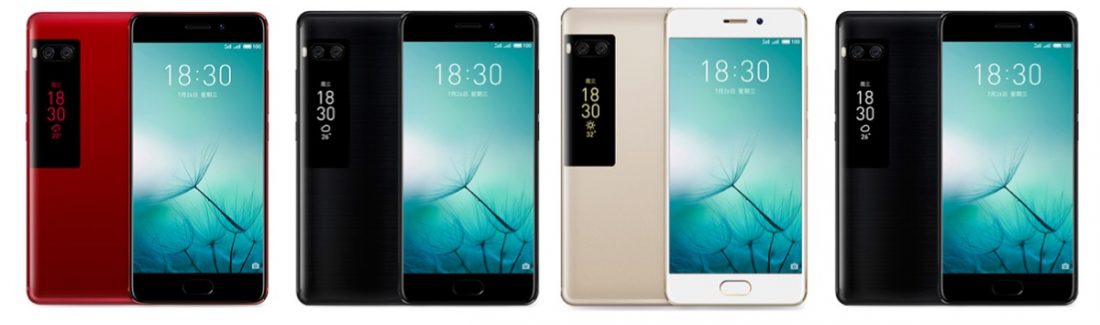
Meizu’s new Pro 7 and Pro 7 Plus dual screen rumours caught our attention a while back, thanks to the super AMOLED touchscreen on the back. Proving that the rumours were true, Meizu recently sent invites for the announcement of its Pro 7 lineup on 26th of July.
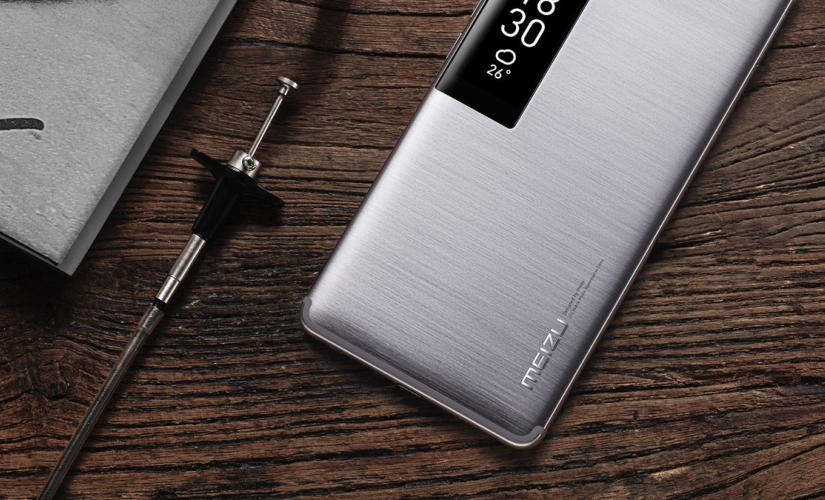
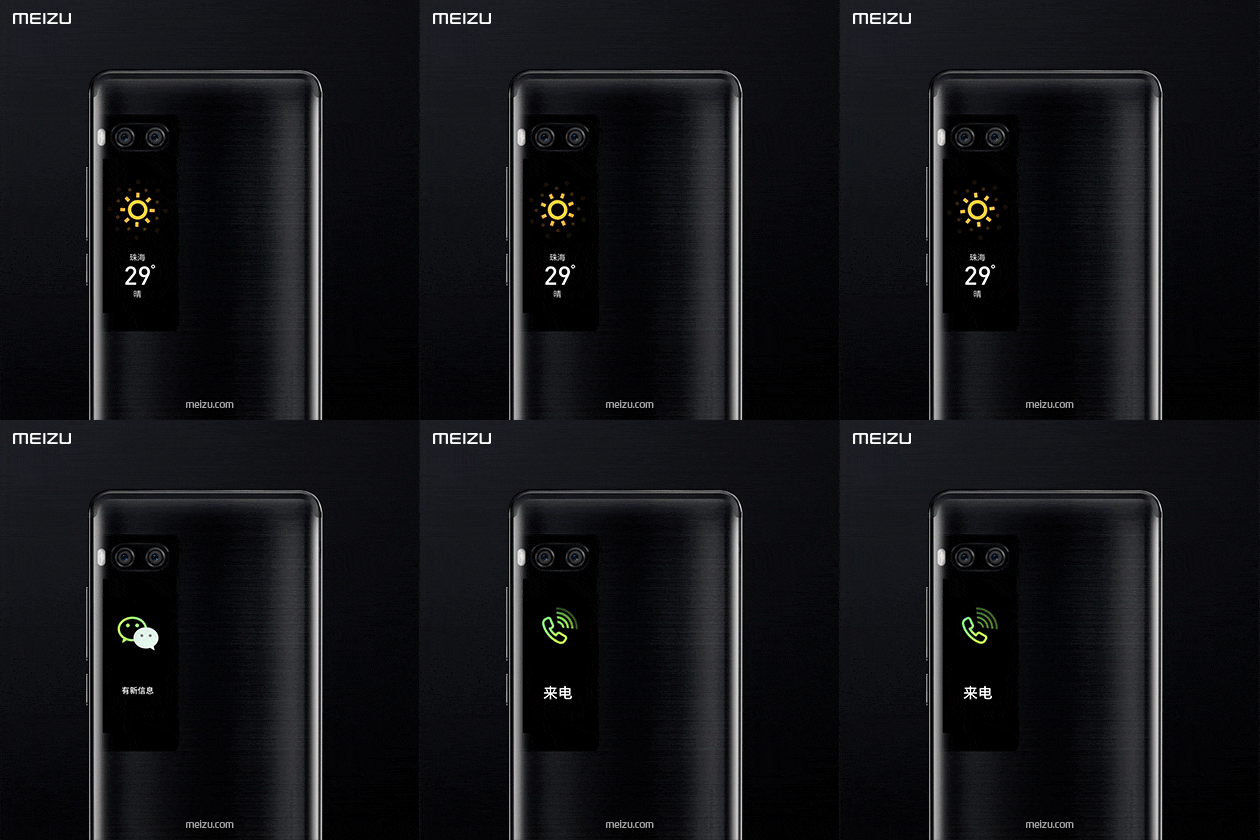
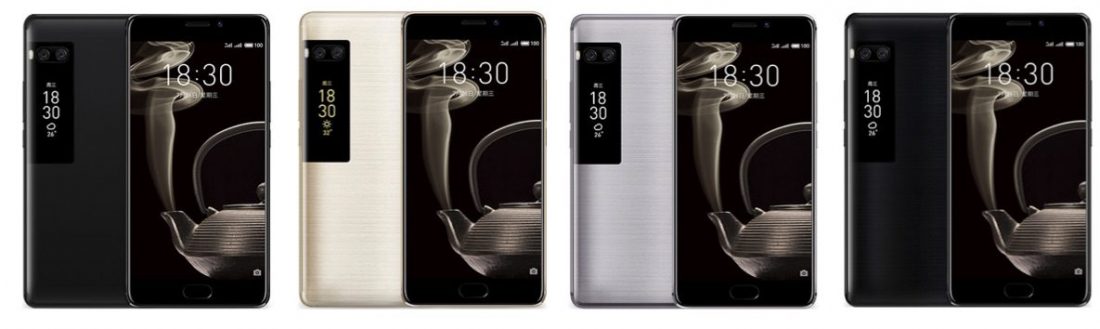
Meizu announced the Pro 7 and Pro 7 Plus in a tweet on Wednesday. The Pro 7 and Pro 7 Plus were launched with an interesting feature – dual super AMOLED display for the front as well as the back of the handsets. Designed by the design studio “Frog,” the 1.9-inch screen lights up when flipped over and can be used to display notifications, weather, time, playing music or maybe for a quick selfie session using the rear camera. Unlike LG and HTC’s “Second Screen” iterations, Meizu Pro 7 phones may be more practical and cooler versions of the dual screen setup. Priced at $430 and $530, the Pro 7 and Pro 7 Plus are expected to go on sale from 5 August 2017 in China.
The 5.2-inch Pro 7 features a 1920 x 1080 pixel Super AMOLED display and is powered by Helio P25 chip. 4 GB RAM and 64 GB onboard storage brings the phone to par with 2017 flagships. The Pro 7 has a 3000mAh internal battery and support for ‘mCharge 4.0’for faster charging. Meizu claims that mCharge 4.o technology will provide upto 67 percent battery charge in 30 minutes.
A high edition version is also available for the Pro 7 with an extended 128 GB memory and the Helio P30 chip which has a 10-core processor made by 10 nm manufacturing process, making it the first smartphone to use the technology. The higher version of Pro 7 also has IMG PowerVR 7XTP GPU.
Pro 7 Plus
For an extra $100, the Pro 7 plus boosts almost all those specs in the Pro 7 variant. A slightly larger variant of the Pro 7, the Pro 7 Plus offers a 5.7-inch QHD display, 6GB of RAM, a Helio P30 processor, and a choice of 64GB or 128GB of storage. Unlike the Pro 7, the Pro 7 Plus offers a slightly larger 3500mAh battery and offers support for ‘mCharge 3.0’. The phone also has a 10nm chipset including 10 cores made up of three clusters — two Cortex A73 cores that go up to 2.6GHz, four Cortex A53 cores clocked at 2.2GHz, and four energy-efficient Cortex A35 cores at 1.9GHz and a IMG PowerVR 7XTP GPU.
Both the smartphones have M touch fingerprint sensors, run Android Nougat 7.0 based Flyme skin and have Hi-Fi audio. The phones are decked with Sony’s IMX386 imaging sensors and 12 MP dual-camera setup – a primary RGB sensor and a secondary monochrome sensor with f/2.0 aperture for improved low-light performance, as well as a 16MP front-facing camera.
Though the phones are set to be up for sale on 5th August in China, no information about the release in other countries have been disclosed yet. Implying that the wait may be a bit longer than we expected. Meizu also announced the ‘Meizu Flow headphones’ along with the unveiling of the smartphones indicating that unlike Apple, the phones has decided keep the 3.5mm headphone jack.
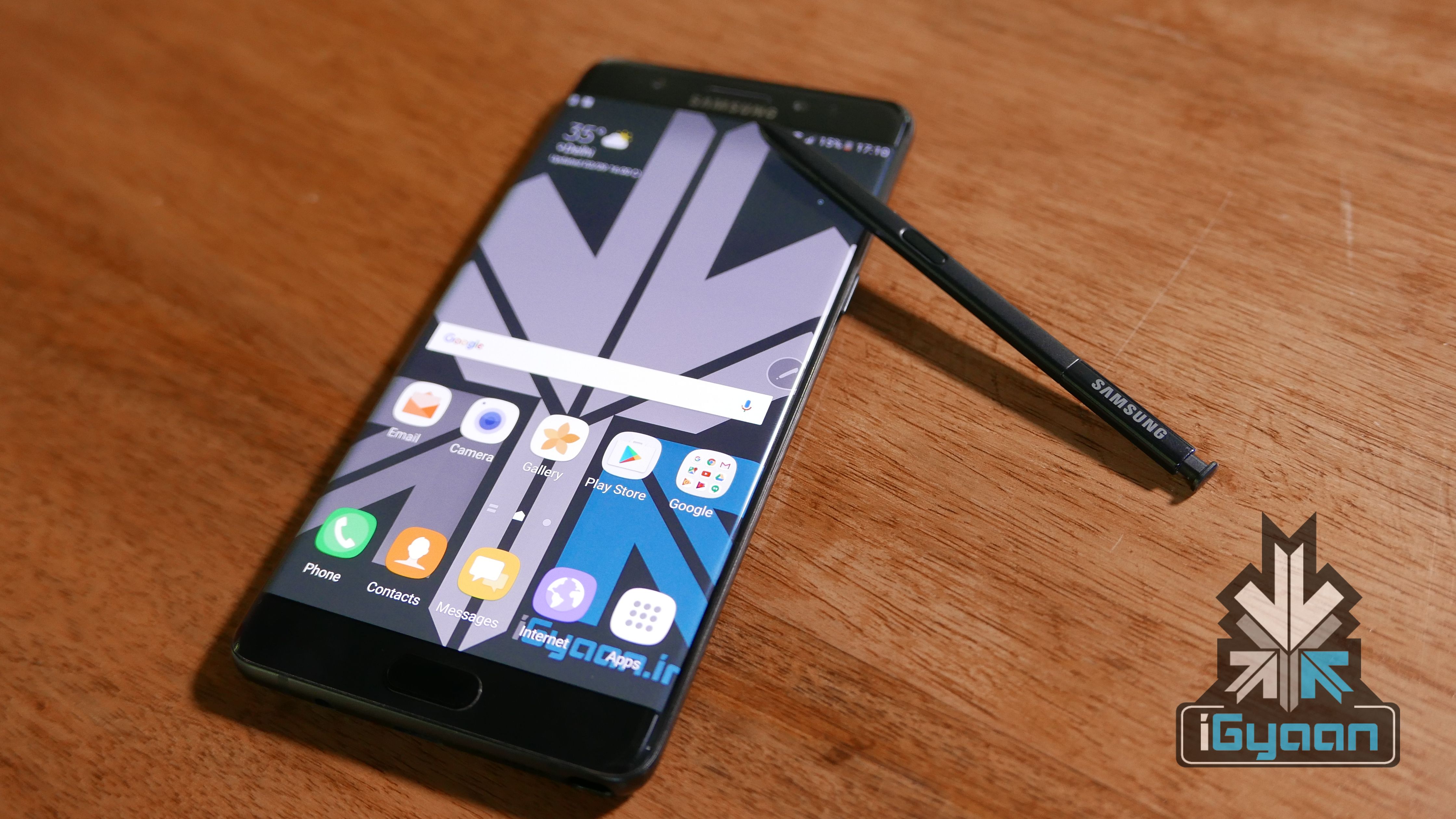
Samsung has finally made it official that the Galaxy Note 8 will be launched at 11 a.m. ET on the 23rd of August in New York’s Park Avenue Armory.
Samsung sent out the press invites and made the announcement that the Unpacked event would focus on “Samsung’s newest mobile device.” The invitation teaser shows an image with the silhouette of a device with an Infinity Display (similar to the one featured on the Galaxy S8) and thin bezels on the top and bottom. The S-Pen-like stylus in the teaser is also a big giveaway.
Though the name “Note 8” was to be seen nowhere on the unpacked event invitation, it was quite obvious from the “Do Bigger Things” and the outline of a phone.
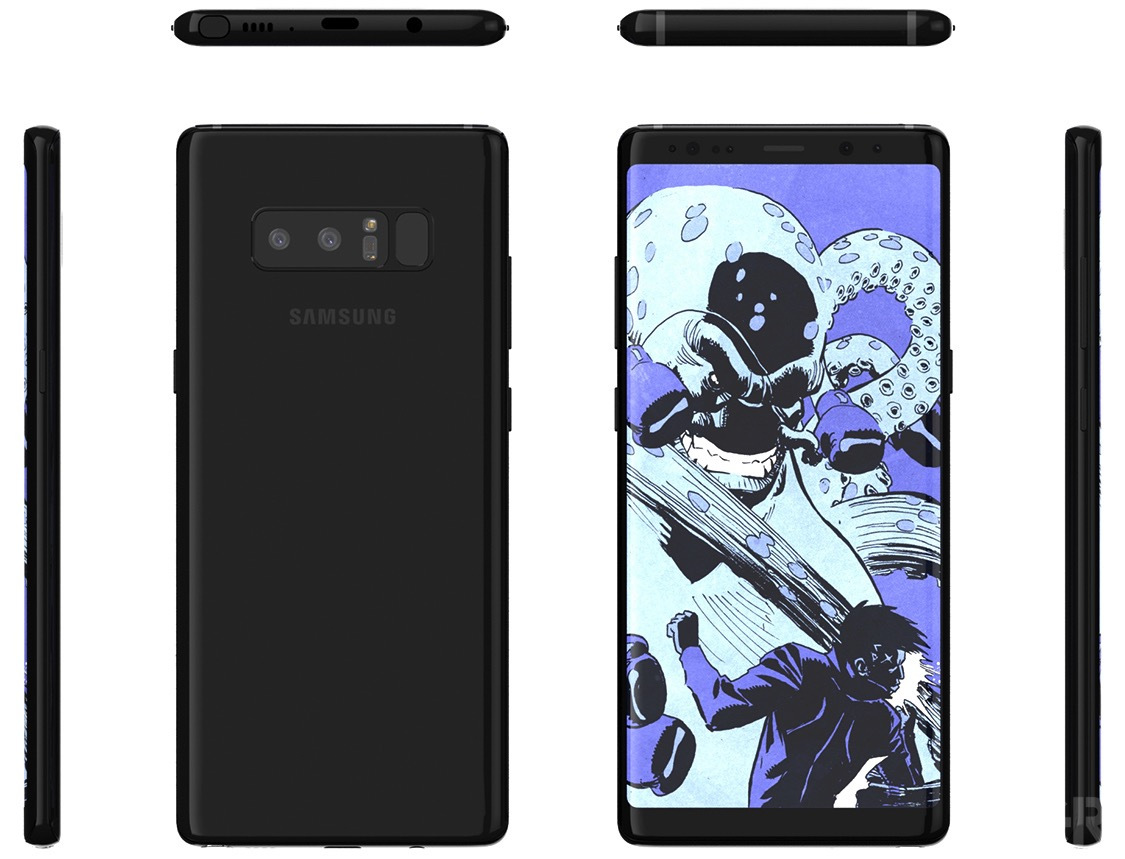
The Galaxy Note 8 is said to feature a 6.3-inch Super AMOLED curved infinity display, a Snapdragon 835 a massive 6GB RAM with 64GB on board storage. The device is also rumoured to have horizontally placed dual cameras, which are expected to be 12MP.
The Unpacked event is extremely important for the company, considering the last year’s Galaxy Note 7 lineup was recalled thanks to faulty batteries. While Samsung has been extra cautious and playing it safe all this time, the last year’s recall of the Note 7 handsets still has the company dealing with losses in excess of US$ 5 billion.
Samsung was also recently reported to recycle the recalled Galaxy Note 7 devices as the Note FE and salvage about 157 tons of rare metal like gold, cobalt and copper. By staying true to its promise of recycling faulty devices, the company has earned much appreciation.
Samsung also regained consumer trust with the introduction of Galaxy S8 and Galaxy S8 Plus in March. None of the devices have had any battery related troubles since they went up for sale. The launch of the Galaxy Note 8 will be a major milestone for the company.
Remember last year’s Taylor swift and Apple music collaboration, well Apple is back at it.
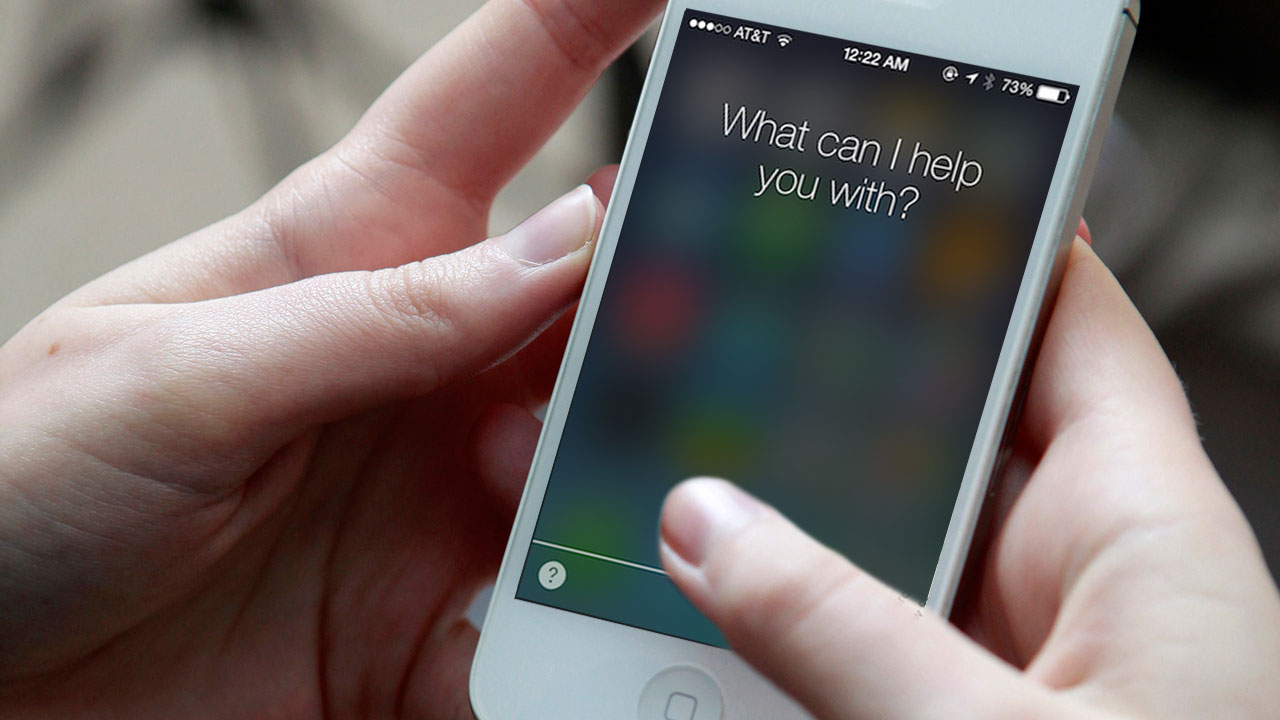
Rumours about the Siri integrated wireless charging have barely subsided and now Siri has been reported to star in a movie along with Dwayne “The Rock” Johnson.
While most of us are busy bossing Siri around, the voice assistant has managed to get its own movie titled, The Rock x Siri: Dominate The Day. Dominating the day or not, Siri is definitely dominating Hollywood now.
https://www.youtube.com/watch?v=ufBLI6bB9sg
Despite initially describing it as a “Movie”, Johnson now says that his partnership with Apple is a commercial.
Haha it’s a crazy fun commercial we’ll drop tomorrow. Dominate your day brother ??
The extended commercial or a movie is a collaboration between Johnson and Apple. The “movie” made quite an entrance with an over-the-top poster featuring automobiles, satellites, space, car crashes etc.
The Rock also tweeted along with the poster of The Rock x Siri: Dominate The Day.
By the looks of his Facebook page, Johnson seems quite excited about the collab. In his own words,the movie will be the “dopest” and was made to “motivate you to get out there and get the job done.”
The film itself will be released on July 24th, on Apple’s YouTube channel. Unlike most of the content being exclusive to Apple Music, Apple’s Siri co-starring movie with The Rock will be available for free on YouTube.
With Apple releasing the Siri integrated HomePod in a couple of months, this seems like an excellent opportunity to show that Apple’s virtual assistant can be held at par with Amazon Alexa and Google Assistant.
The latest in our top 10 tech segment are tech accessories under INR 1000. We scoured the web for best accessories to buy when them rainy days strike and for those who are looking for a perfect gift to give to your geeky friend, this is the place to be.
1. Clip-On Lens Kit
It’s time to get up close and personal with photography. The clip on lens kit consists of 3 in 1 detachable lenses for your smartphone. Available in three variants, fish-eye, macro and wide angle, this lens kit will add an extra element to your basic smartphone pictures. The fisheye lens offers a wide hemispherical image whereas the macro lens is used for clicking extreme close-up pictures of a far away object. The wide-angle lens projects a substantially larger image circle than would be typical for a standard design lens of the same focal length. Put those photography lessons to use and mount these lenses to any smartphone’s existing camera lens at just INR 899.00
2. Gaming Mouse Pad
We know how the mouse pad is never long enough to accommodate your mouse, keyboard and gaming gadgets. This gaming accessory is a perfect fit for all your gaming needs and is priced at INR 890. The HAVIT HV-MP830 Professional Gaming mouse pad is long enough to comfortably place all your stuff and its anti-skid base keeps it from sliding off the table. Made from high-quality fine mesh cloth, the gaming mouse pad is durable and ensures smooth working of the mouse.
3. Five-in-One Car Charger
This car accessory is one of a kind. Owing to its unique design, this Tantra 5 USB port smart car chargers capable of charging 5 devices at once. The charger consists two parts, one with 2 ports (4.8A) for the front seaters and the other 3 ports (6A) for the people in back. It also features rapid charging with intelligent recognition IC which detects your device’s current charge requirement to deliver fastest possible charging speed upto 2.4A per port.
4. Self Stirring Mug
Today I don’t feel like doing anything…
This self stirring mug is self explanatory and perfect for those lazy days. This battery powered mug has a dedicated button for stirring at the bottom, a double 304 stainless steel design along with a top storage unit for cookies, biscuits, crackers and even protein powder for those fitness junkies. At a price of INR 850, keep them frothy cappuccinos coming.
5. Programmable Timer Switch
The Walnut Innovations Programmable Timer switch is an energy-saving electronic timer with a load capacity of 1000 WATTS. Priced at INR 773, this smart timer can also serve as a security device by programming to turn on the house lights at a specific time in case you plan a trip and don’t want your house to appear vacant. This timer can also be used to charge your phone and save it from over charging the device.
6. AmazonBasics Nano BT Speaker
Perfect for the bathroom singers, this portable nano speaker is water resistant and available in different colours. For the price of INR 999, this bluetooth speaker can last upto 6 hours on a single charge and takes upto 2 hours to get fully charged. The speaker also has a built-in mic for making phone calls and power and volume-control buttons.
7. Mini Foldable Handy Tripod
This mini tripod can hold a camera of approximately 3kgs and is foldable, light weight and sturdy. It also doubles up as a camera stabiliser and opens up to height of approx 12-13 cm. This mini table top tripod can mount DSLR, digital camera and smartphones and is priced at INR 599.
8. Dragon War Gaming Mouse
This customizable gaming mouse from Aries is available in two colors – red and white. You can change the DPI from 800 to 3200. With six control buttons and eight programmable keys, the INR 990 gaming mouse can be programed with the included software. It also offers a braided cable and gold plated USB connector.
9. Sensy Smart Remote
Though this smart remote is originally priced at INR 1199, but for the first time, we have managed to bring the price down to under INR 1000. All you have to do is use Coupon Code: ZMBDHRMM on Amazon. The Sensy Smart Remote allows you to control your set-top box and TV from your smartphone using voice commands. You can also search and discover information regarding TV shows, switch between channels, set reminders and is compatible with Android & iOS.
10. Gel Wrist Rest
The name says it all. This gaming accessory is a must for every gamer. Simply keep the wrist rest under your wrist while typing or gaming for extra comfort. Filled with gel the wrist rest conforms to the shape of you wrist and provide proper cushioning. The Belkin -Wave gel filled wrist rest is available at INR 963.
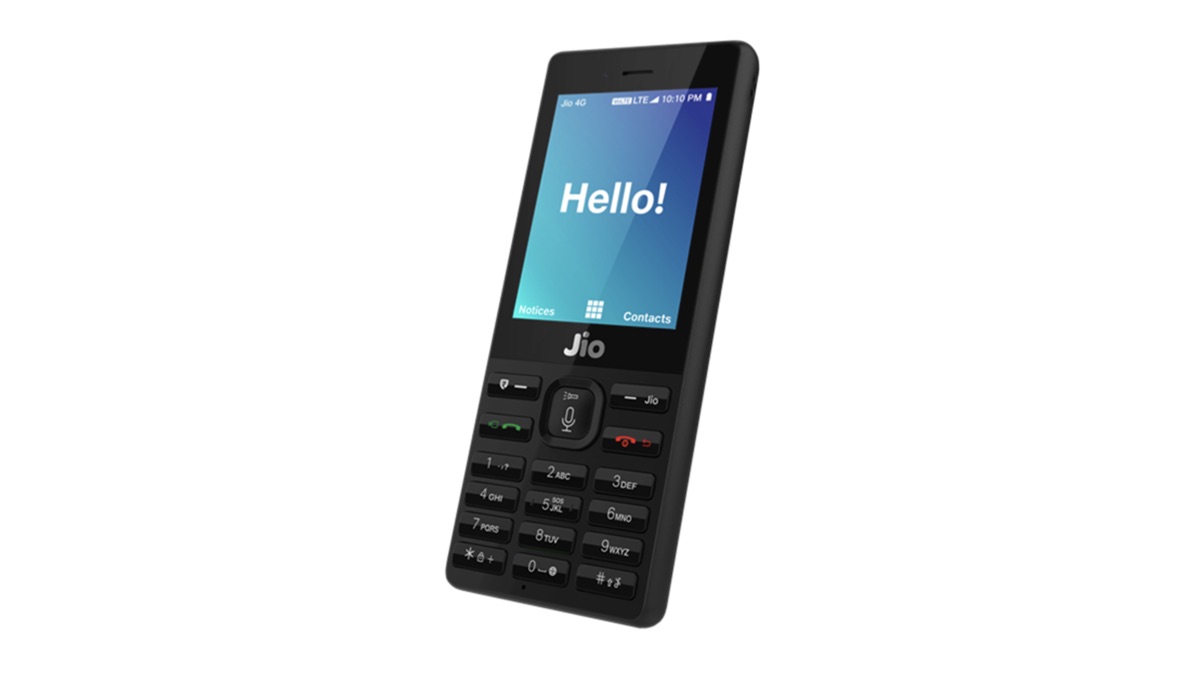
The recently launched “JioPhone” has taken the internet by storm. The handset was introduced as “India Ka Smartphone” with 4G-enabled features and was launched at an “effective price” of Rs. 0. Available for pre-booking from JioPhone will be available from August 24 and here is everything we know about JioPhone.
Launch And Availability
The phone was announced at Reliance Industries 40th annual general meet in Mumbai yesterday. The handset will be available on August 15 – for limited testing and will be up for pre-booking from August 24 onwards via the MyJio app or at Jio offline stores. Those who pre-book the JioPhone will be available to get their hands on the device September onwards. The company targets to make 5 million phones available every week at a first come first serve basis.
Price
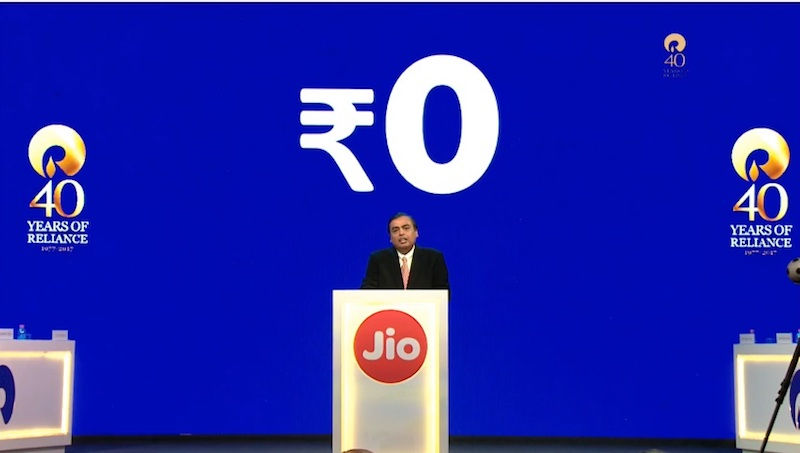
Price is one of the major attractions of JioPhone. Mukesh Ambani announced that the phone will be effectively for free with one time deposit of Rs 1500 which is refundable after 3 years on return of the handset. The release of the JioPhone will also be a step forward for the company in tapping the estimated 50 crore feature phone users who have not been able to join the Jio 4G bandwagon due to high-priced smartphones.
Plans
JioPhone users will have different plans on a monthly, weekly or daily basis to suit their needs.
For the price of Rs 153 per month, users will get free voice and SMS, and unlimited data (high-speed data FUP is 500MB per day)
Rs. 309 per month for free voice, SMS, unlimited data and the support for mirroring your screen on a TV.
Rs. 24 for two days users will get free voice and SMS, and unlimited data (high-speed data FUP is 500MB per day)
Rs. 54 per week users get free voice and SMS, and unlimited data (high-speed data FUP is 500MB per day)
Features and Specifications
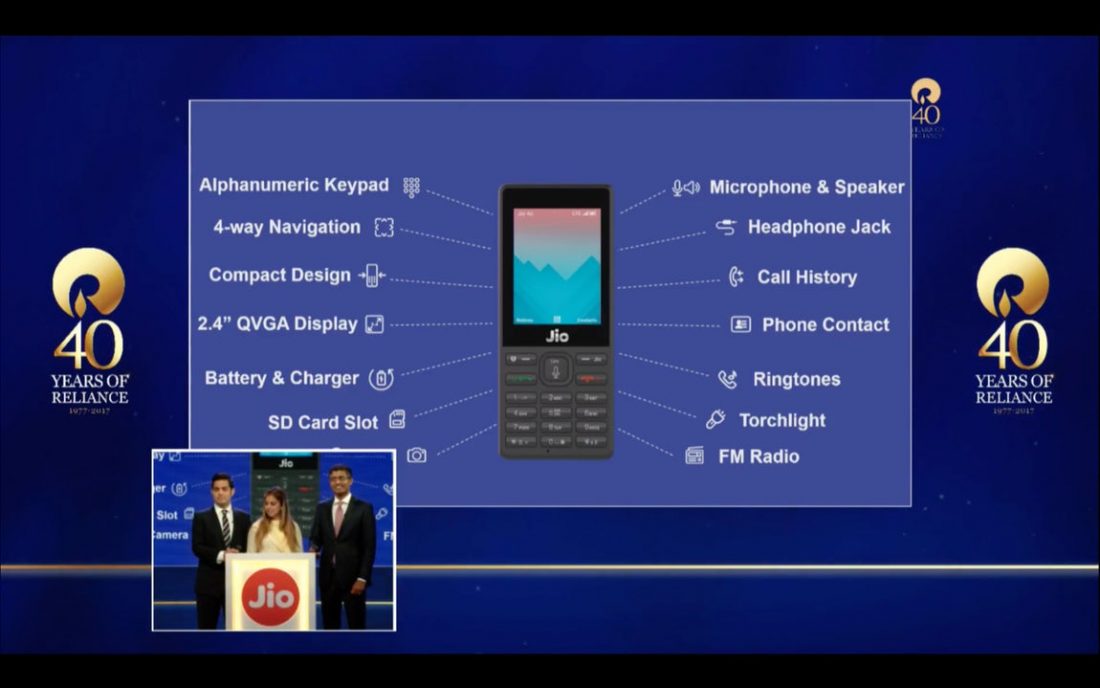
The JioPhone was introduced by siblings Akash and Isha Ambani, revealing standard feature phone functionality along with phone’s support voice commands. The design looks familiar and is easy to use, unlike the complex smartphones available in market. The handset also comes preinstalled with a browser and Jio apps like Jio Cinema, Jio Music etc.
Despite the price, the feature smartphone is loaded with specs.
Here’s a list of these features –
2.4-inch QVGA display.
2MP Rear Camera and a VGA front camera.
Multilingual Alphanumeric Keypad.
512 MB RAM.
Runs on KAI OS (OS version of the Firefox OS).
Dual Sim Feature.
4-Way Navigation.
Supports digital payment via NFC (to be enabled with software update)
Voice Commands to call, message, open apps and more.
JioPhone will support 24 Indian languages including English and Hindi.
2000mAh battery (Upto 10 Hours).
4GB Internal Storage along with SD card slot for upto 128GB expandable memory.
Supports 4G VoLTE for calls and data.
Offers SOS support button which can be accessed by long-pressing the ‘5’ button on the keypad to send a distress message. The message includes the location details of the user.
Torch light, Headphone Jack, Video playback and pre-installed Jio Apps.
Wireless networks – Bluetooth v4.1 +, Wi-Fi and FM Radio.
Phones shipped November Onwards will be fully Made in India.
The “India ka smartphone” with 4G VoLTE support, unlimited voice calls, dual sim feature and the unbelievable price makes up for the few misses. With the launch of JioPhone, Mukesh Ambani has made it possible for every Indian to purchase a smartphone and access the 4G VoLTE support.
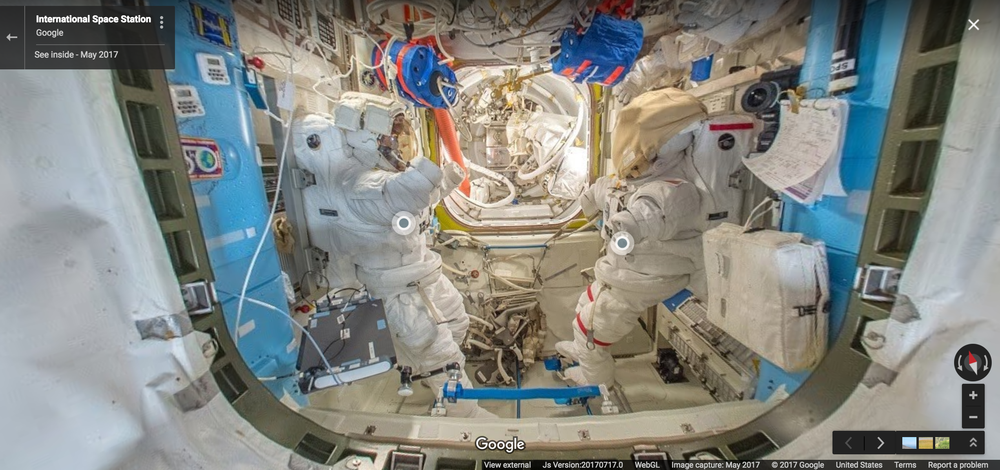
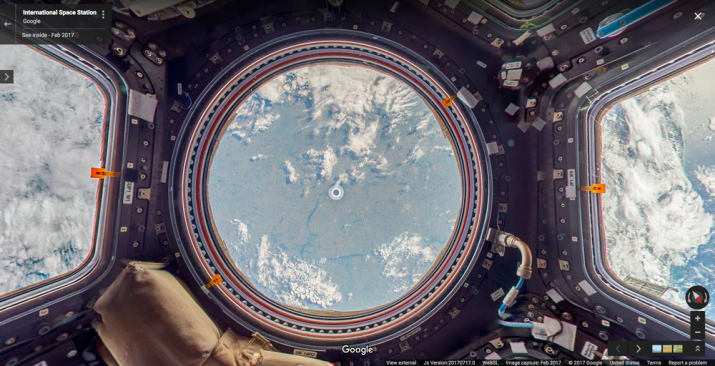
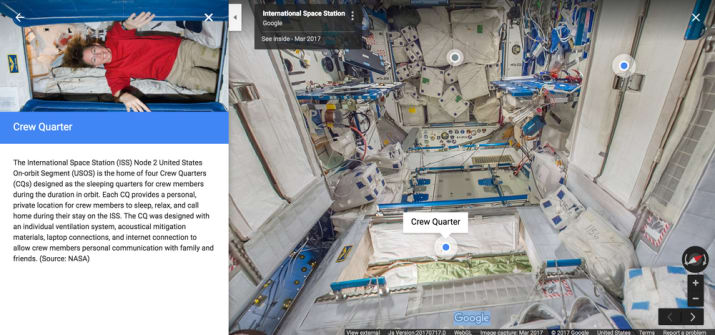
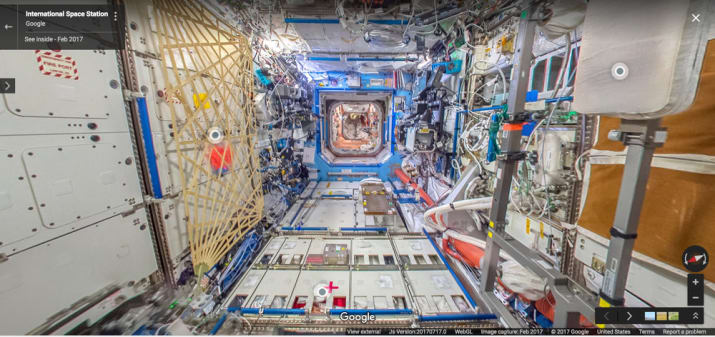
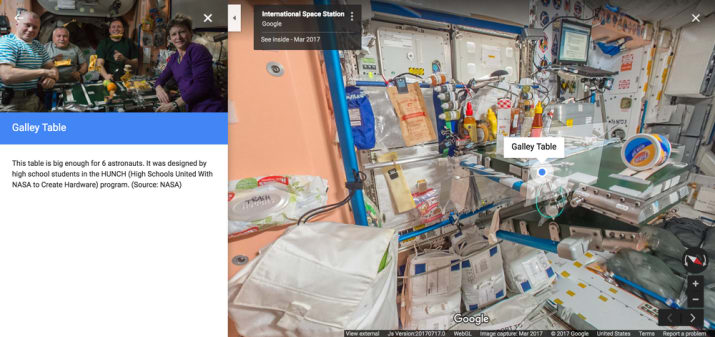
Google street view now works in outer space. Google Street View partnered with the European Space Agency to create a walk-through of the International Space Station. Taking the street view a little outside the planet Earth, Google now lets you pay a virtual visit and explore the entire habitable portion of the ISS and the interiors of two commercial spacecraft, Orbital ATK’s Cygnus and SpaceX’s Dragon.
Earth From Space via Google Street View – ISS Edition
While the regular street view let us see places like the Mount Everest, London. etc. navigating the ISS street view image is a bit different from the typical setup. Google also added side notes or as they call them – annotations to the images describing the significance of what you are viewing with additional information on items around the space station, because well, not all of us are bestowed with astronauts like wisdom. Besides, who is not curious about where astronauts eat or sleep, among other things.
Looking at the images, Google and Nasa did an impressive job, considering they were clicked in space. That said, Google’s typical street view wasn’t practical for the space station’s zero gravity therefore Thomas Pesquet, the ESA astronaut (who worked with Google to capture the images), improvised using the DSLR cameras which were already onboard the Space Station. The images were then amalgamated together to create the 360-degree views we see now.
Pesquet said that they “did a lot of troubleshooting” before they could get the images right. “The ISS has technical equipment on all surfaces, with lots of cables and a complicated layout with modules shooting off in all directions—left, right, up, down, And it’s a busy place, with six crew members carrying out research and maintenance activities 12 hours a day.”
Google and the ESA also made a video about the process of creating the simulation.
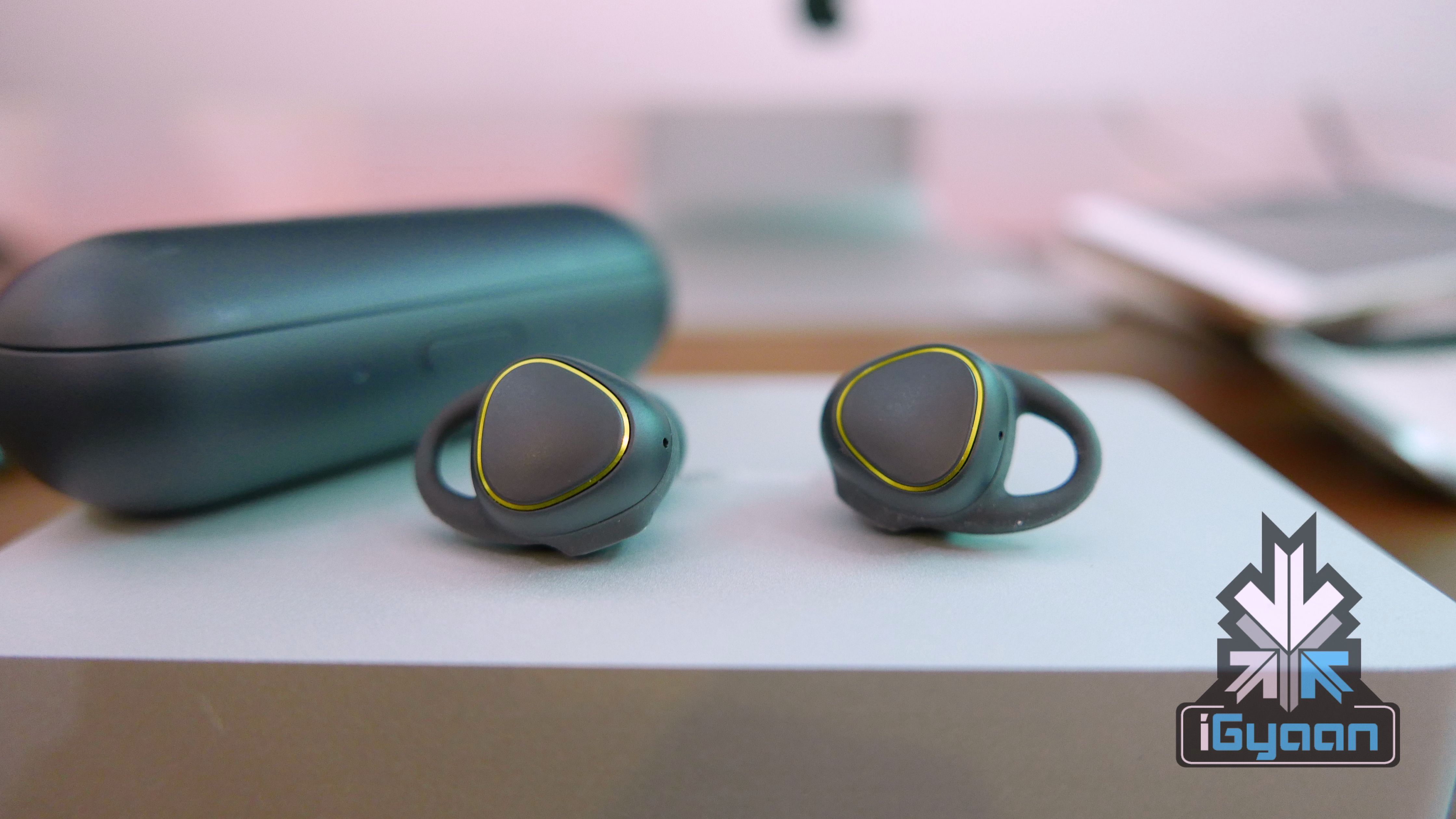
Recent announcement of Samsung’s Bixby voice support being available to Galaxy S8 and S8+ owners in US has kept Samsung in news. The latest rumour is that Samsung might be working on making AirPods-like headphones powered by its smart assistant Bixby. The headphones are expected to feature noise-cancelling tech and are expected to be launched alongside the Galaxy Note 8 launch next month.
The Bixby powered earphones are also reported to also allow users to talk to Bixby and ask the voice-activated assistant contextual questions, thanks to Bixby’s recently released voice support.
While Samsung’s Smart assistant is still in works and requires many updates, releasing a pair of expensive Bluetooth earphones might not be the best decision. Bringing Bixby to be up to par with the Alexa, Siri, Google Assistant might take some time.
Samsung is also reportedly working on a Bixby speaker, designed to compete with Google Home, Amazon’s Alexa-powered Echo and Apple’s HomePod. But the recent rumours suggest that the project might have been scuttled.
The rumours also state that the device isn’t fully ready yet, therefore, there are chances that the launch might not happen as soon as the Note 8 launch. Which, may also buy Samsung the time it needs to work on it’s smart assistant and launch with a much improved device.
It is all heresy till the end product is officially announced by Samsung. For now, their focus should be on the Note 8, as they have some really angry people to please in the Note world..
The Note 8 is expected to have a horizontally placed dual camera setup with 12MP dual pixel sensors each. Expected to run on the Qualcomm Snapdragon 835 with a 6GB RAM and 64GB on board storage, the Samsung Galaxy Note 8 will reportedly run Android 7.1 from the get go and is said to have a 3,300mAh battery pack. Recent reports also suggest that the Note 8 will feature a 4k borderless Super Amoled display design and a newly designed S-Pen with improved features.
Reliance Industries Limited chairman Mukesh Ambani announced the ‘JioPhone’ at Reliance Industries 40th annual general meet in Mumbai, terming it as ‘India Ka Smartphone’.
Adding a new 4G feature phone to its array of products, Mukesh Ambani said that the phone will be “effectively for free” with a one time security deposit of INR 1500. The deposit will be refundable after three years at the time of return. The phone will be available for beta testing from August 15 and for pre-booking from August 24.The company targets to make 5 million phones every week at a first come first serve basis. Along with a lifetime of free voice calls, ‘JioPhone’ will also have free unlimited data from August 15 with an affordable monthly plan of Rs 153.
At a plan Rs 153 a month, it is only 3 per cent of the existing price putting an end to unaffordable data for all Indians forever;- Mukesh Ambani
Similar weekly and two-day plans will also be available for Rs 54 and Rs 24. Further adding to the list of features, Ambani said “Users will be able to connect Jio Phone to any TV, not just smart TVs but even the old CRT (Cathode Ray Tube) TVs that some still own. All Jio Phone users can enjoy viewing their Jio content from their phones on their TV screens” Aside from the basic features like calling, texting, Internet surfing etc. the JioPhone also has
2.4-inch display
Supports digital payment via NFC
SD card slot for extended memory
Torch light
Supports 4G VoLTE for calls and data
New set of data plans, starting at Rs 153 for the device
Comes with preloaded Jio apps like Jio Cinema, Jio Music etc.
Major Attractions of JioPhone
Unlimited 4G data for Rs 153 a month
JioPhone will be effectively free of cost
One time security deposit, refundable at the time of return after 3 years
Available for advance booking from 24 August
Long press number 5 on the JioPhone and a distress message will be sent to all registered contacts.
PM Modi’s podcast Mann Ki Baat on the Jio feature phone will be available.
Most likely, NaMo app will come pre-loaded on the device.
The phone has been created by Indian engineers for an Indian audience, Mukesh Ambani said, “made in India for Indian users”.
We already have enough of the iPhone 8 rumours and speculations, but that hasn’t stopped new reports from claiming that LG will be the exclusive battery supplier of the L-shaped batteries of next iPhone, dubbed ‘iPhone 9’. According to the report, Apple and LG have reached an agreement, making LG the sole vendor of the iPhone 9’s battery.
Apple is usually known to hire multiple providers for sourcing parts but apparently, LG’s huge investment in dedicated battery manufacturing facilities was a major reason why Apple sided with them. One of the other reasons could be the recent backing out of providers from the agreement causing an expected further delay in launch of the iPhone 8.
As per the recent speculations, Apple’s next-generation iPhone will use a battery module that is either “bent” or extended to one side at its bottom to form an “L” shape. The L-shaped battery feature is also expected in the iPhone 8. The feature will not only allow Appleto increase the battery size without increasing the phone size but will also boost the charging speed.
LG’s focus on the L-shaped design can also be another reason for Apple to get in with the agreement. Whereas other suppliers like Samsung, Motorola etc., choose to stick with the traditional design featured in the most smartphones.
A report earlier this year said that Apple could also introduce two new OLED screen sizes with the iPhone 9, including 5.28-inches and 6.46-inches. Of-course nothing can be said for sure based on the far fetched speculations and considering the delays in the production of iPhone 8 we might want to get past the current launch season before taking a dive in the next one.
Meanwhile,
The “iPhone 8” is rumored to feature a full-front OLED screen, front-facing 3D-sensing camera, wireless charging and embedded Touch ID sensors. And is expected to be announced at Apple’s September event.
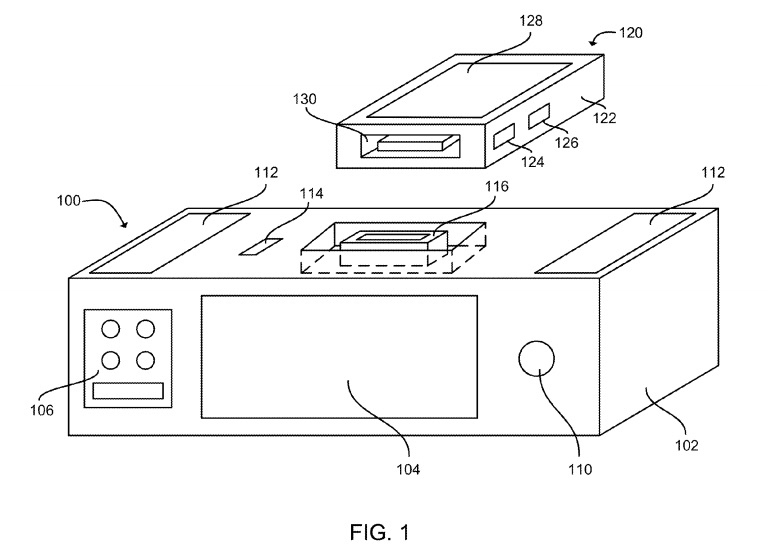
The rumours about Apple bringing wireless charging to its iPhone 8 lineup have been innumerous. Given its membership in the wireless power consortium, Apple is likely to depend upon the Qi inductive standard for its rumoured new feature. For a feature like wireless charging, the company will most likely have to come up with a pad- like device, may be like a -Siri powered wireless charging dock. And considering that Apple has recently been granted a new patent which states, “Smart dock for activating a voice recognition mode of a portable electronic device,” the company might just roll out a Siri powered dock sometime in the future.
The patent describes a device that could serve as a dock for “a portable electronic device”, an iPhone outfitted with microphones for voice commands, allowing the users to access the phone from a distance, processors and wireless charging. The microphone installation in dock indicates it being powered by Siri. Further, the patent also states multiple ways of powering the iPhone which includes wireless charging, docks that range from basic microphone and speaker integrated connectors to mini computers with displays.
Filed back in 2012, the patent defines Siri integration in the dock as “a voice recognition mode of the portable electronic device,” than a built in feature but considering the upcoming trends in the tech world, Apple might infuse Siri directly in the dock. The filing date of the patent also suggests that Apple might have been working on the idea for a while.
Amidst all the ongoing rumours and announcements, the $349 HomePod, one of the upcoming Apple product is also expected to hit the stores in December. The Siri supported speaker is rumoured to serious contender against the Amazon Echo and Google Home. As to when the Siri powered wireless charging will be announced or if it ever will be, its all upto Apple. Amongst all the speculation, we still can’t claim it for sure until Apple officially announces the rumoured Siri connected dock.
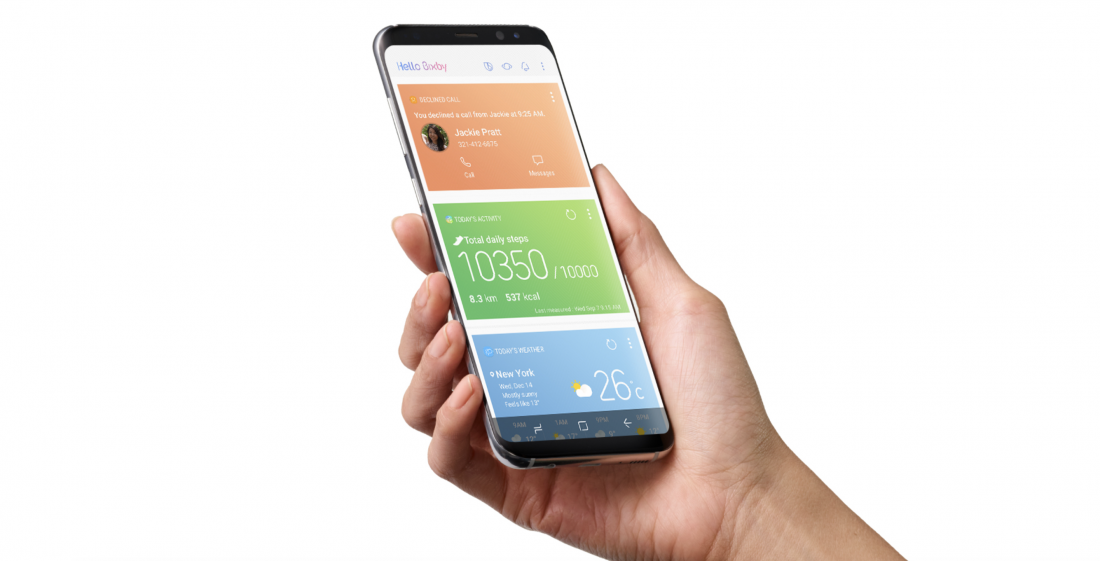
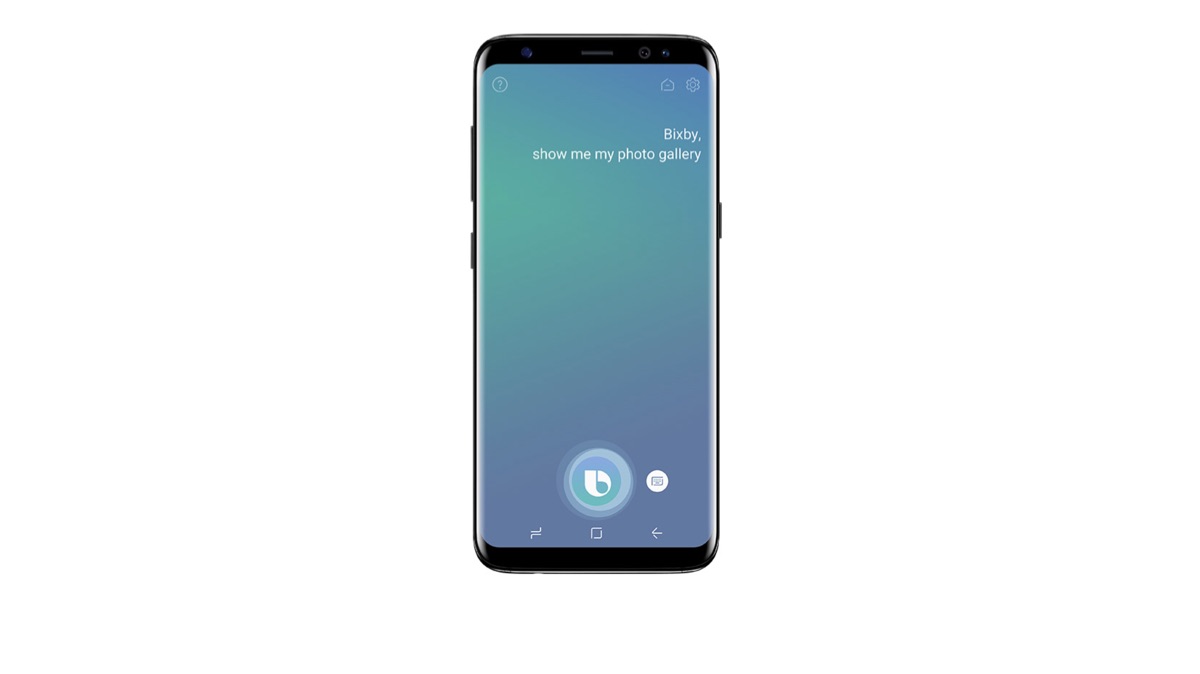
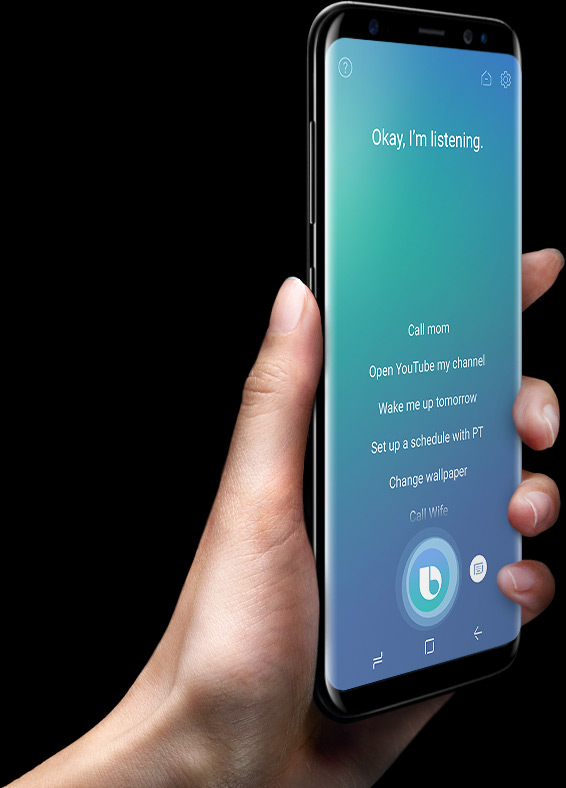
With the markets flooded with the likes of Siri, Google Assistant, Alexa etc. Samsung’s Bixby is the latest to join the mixer. The company recently announced that the voice support of its smart assistant is out in US, available to Galaxy S8 and S8+ owners. Samsung states that an opt-in Beta test in US on Bixby’s voice support which will be later available in other markets and an eventual release in India. Over 100,000 Galaxy users issued about 4 million voice commands in the early access programs. The test led to faster response time, improved understanding of phrasing the same query differently, better hands-free functionality and ability to read messages and emails aloud, provided you use its stock apps on Galaxy S8.
Similar to its competitors, Bixby can be launched with a push of a button (dedicate to Bixby) on the side of S8 or S8+ or by simply saying “Hi Bixby”. Very much like Siri, Google Assistant and the likes, Bixby can set alarms, send messages, read the news along with image recognition and barcode scanning. But what sets it aside from its contendors is the ability to access the granular phone setting and switch between different menu screens to run commands.
Samsung had earlier planned on making Bixby more aware of the user’s wants and needs, as to customize the user experience. Samsung believes that Bixby will gradually improve as it continues to recognise and learn user’s preferences and adapt accordingly. Choosing not to limit itself to smartphones, Samsung also added Bixby to its line of smart refrigerators last month though without voice support for now.
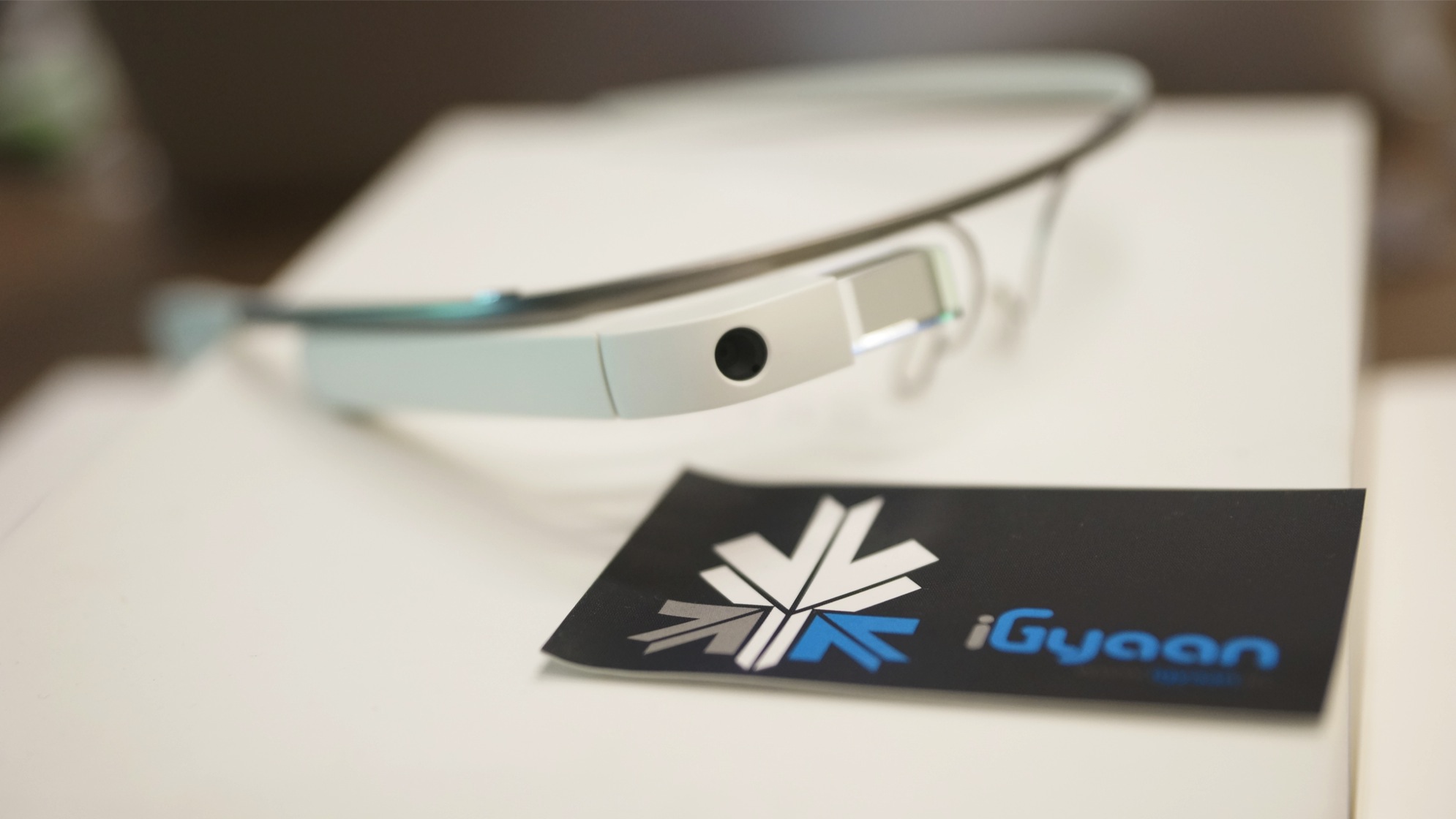
The original Google Glass was designed to log everyday life events, answer random search queries etc. The Glass designers expected people to live their lives in tandem with a wraparound frame and a tiny computer screen hovering over their eye. The glory of the consumer version of Google Glass was expected to take the streets by storm. But this glory was short lived as the initial users faced many problems with the Glass, delivering less than it promised and was further criticised for privacy violation. After three years of efforts to keep the product afloat, Google’s parent company, Alphabet and its sister company, the “moonshot factory” decided to shut down the operation. Later, few reports surfaced indicating that Alphabet had a small team working on a new version of Google Glass – Glass 2.0, for workplace. Google launched the Google Glass Enterprise Edition, officially resurecting the wearable as a workplace tool.
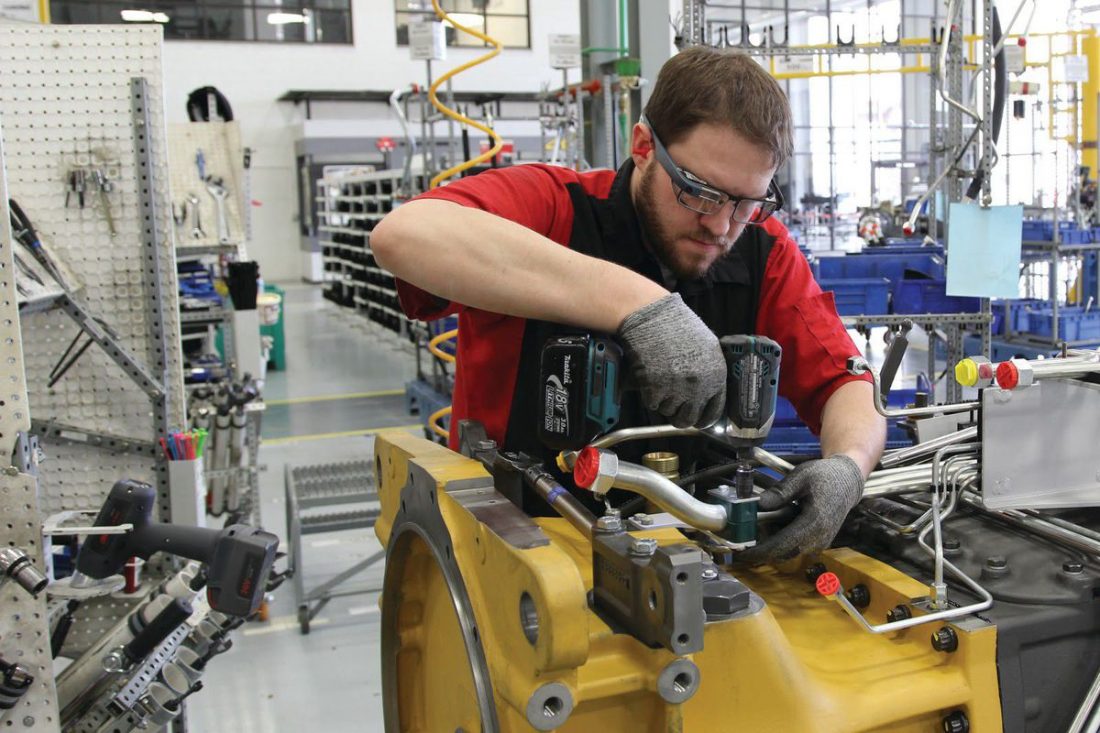
Workers will wear the headset to get hands-free guidance on tasks while keeping their eyes on their work. As to how the wearable works, the Glass 2.0 is not very different from its earlier prototype. The Glass places the information or messages in the wearer’s field of view. Built to support both regular frames and safety glasses, workers can activate their company specific softwares with command “OK, Glass, proceed.” The new Enterprise Edition Glass can be connected with other devices and has more processing power, extended battery life, faster Wi-Fi and a superior 8MP camera(an upgrade from earlier 5MP model). The major difference between the original Glass and the enterprise version is the new red LED light that turns on when recording video(Google’s way of addressing privacy concerns) and a detachable ” Glass Pod ” that can be reattached to Glass-compatible frames, which can also include things like safety goggles and prescription glasses.
Now that the Glass 2.0 has been officially introduced as a workwear tool, Boeing, GE, DHL, and Volkswagen have started testing the headset in hopes of expanding their pilot programs into full-fledged adoption. The glass has also been reported to increase the efficiency of mechanics by 8-12%, with the help of custom software designed by Upskill.
A pilot project with doctors has also led to some interesting help tools art their disposal.Using Glass with Augmedix, doctors at Sutter Health estimate that they have reduced the amount of time they spend on electronic health record keeping.
Glass has brought the joys of medicine back to my doctors. – Dr. Albert Chan, Sutter Health
Though off to a strong start, the company is facing competion with already existing smart-glasses upstarts like Vuzix, ODG, and Epson. While its still too early to speculate the success of Alphabet’s workplace-focused Google Glass Enterprise Edition, it is sill enough to offer the Google Glass a second shot in the smart-glass world.
Staying true to its promise made in March, Samsung will recycle parts from then recalled exploding Note 7 devices . Sales of the Samsung Galaxy Note 7 were suspended last year, due to the poorly manufactured batteries. As stated in the reports released in March, Samsung has recently released refurbished Galaxy Note 7 FE in Korea. Even with all the refurbished handsets for sale, Samsung will still be left with the heaps of devices to recycle.
Samsung will kick start its phone recycling process this month and is expected to recover 157 tonnes of rare metals like gold, cobalt and copper. Samsung also plans on utilising the existing parts like OLED display modules, memory chips, and camera modules from the unsold refurbished handsets as replacement parts for repairs. New reports have surfaced stating that Samsung might pair with local (in Korea) and international companies for the recycling initiative, though the names of the companies have not been disclosed.
Samsung’s Note 7’s failure cost the company a loss of US $5.4 billion. Though the rare materials like gold, cobalt and copper from salvaging the scraped Note 7 might not be enough to cover the losses, it will still offers some respite, to Samsung and to the environment. In a recent statement made by Samsung, the company has “actively lead the industry in terms of environmental protection and resource recycling.” and is working on discovering new ways to recycle materials from the products in an environmental friendly manner. Apple, amongst many others have followed the lead to recycle and reduce their impact on the planet by figuring out a way to use only renewable materials in its products. And while Apple’s Robot Liam helps them deal with the reduction of the company’s footprint, Samsung’s Note 7 recall has offset the company’s carbon footprint for the worse.
While Samsung’s Note 7 recycling efforts will be appreciated, it seems that the company has timed the announcement just around the soon to be launched Galaxy Note 8, being one of the crucial launches for the company. Good PR we’d say !