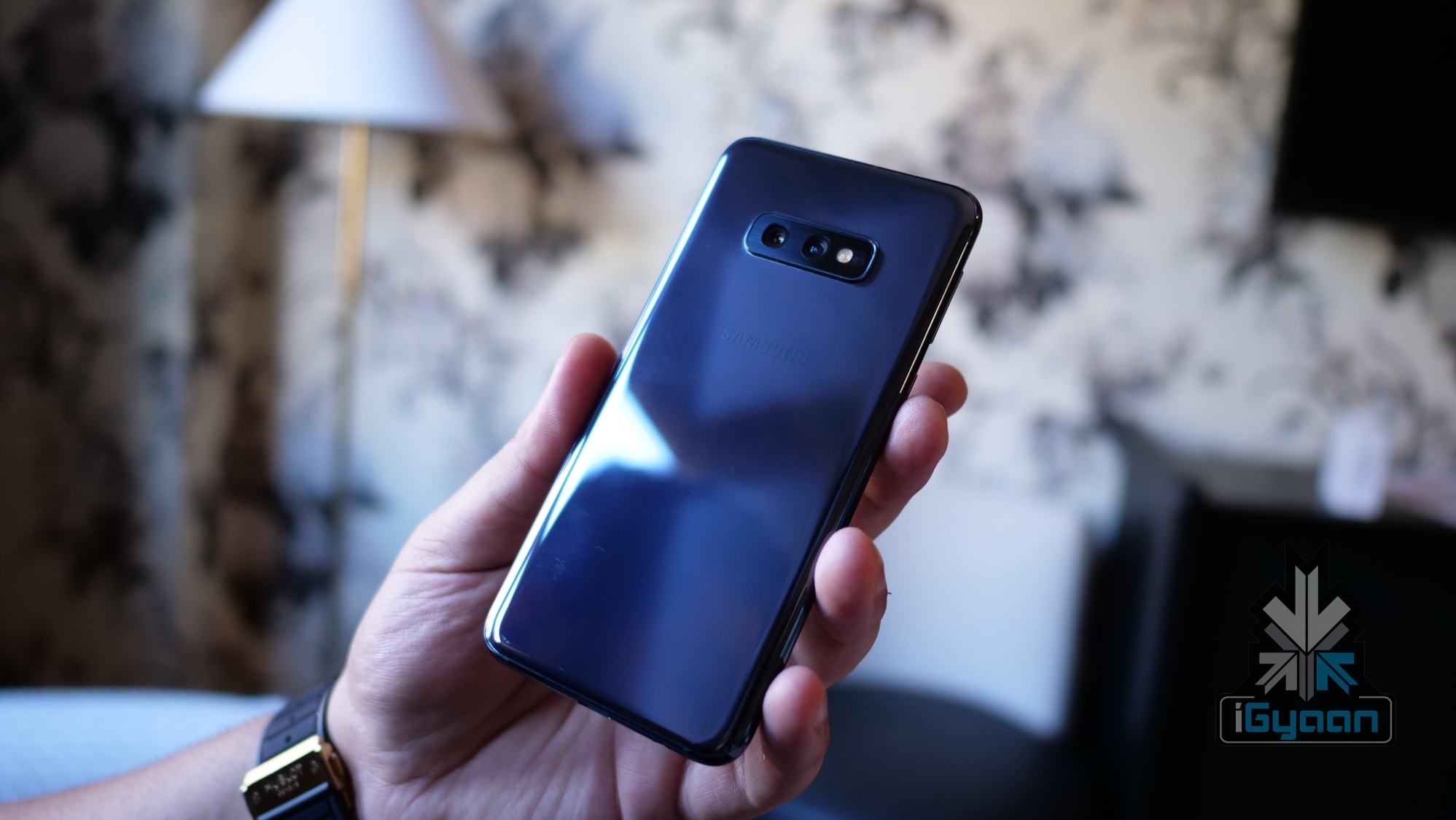
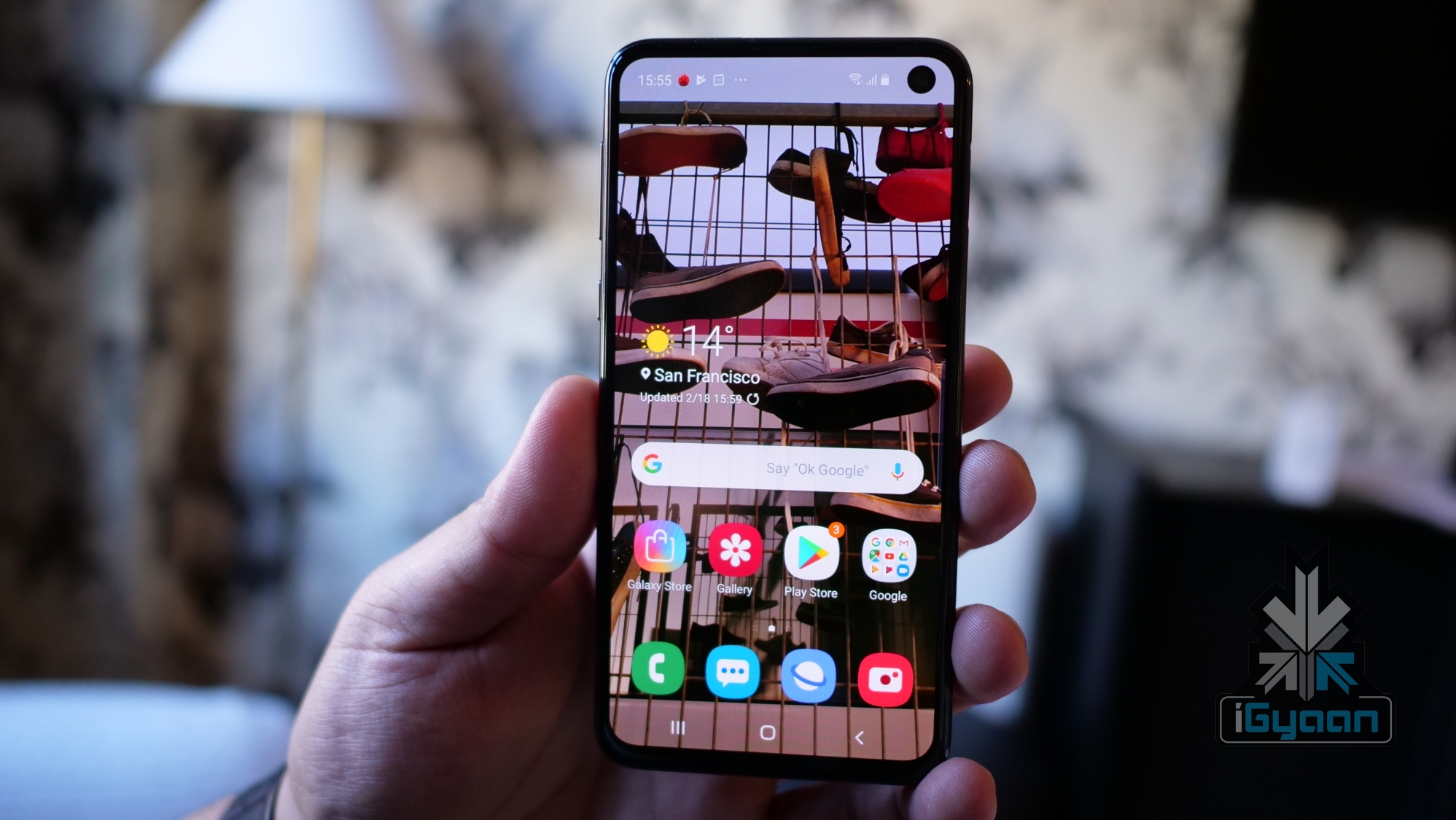
Samsung has launched the Galaxy S10e at the Galaxy Unpacked event which was held in San Francisco. It is the most affordable smartphone in the latest Galaxy S10 lineup unveiled by Samsung. Two other flagship smartphones that the company has unveiled include the Galaxy S10+ and Galaxy S10.
Specifications And Design
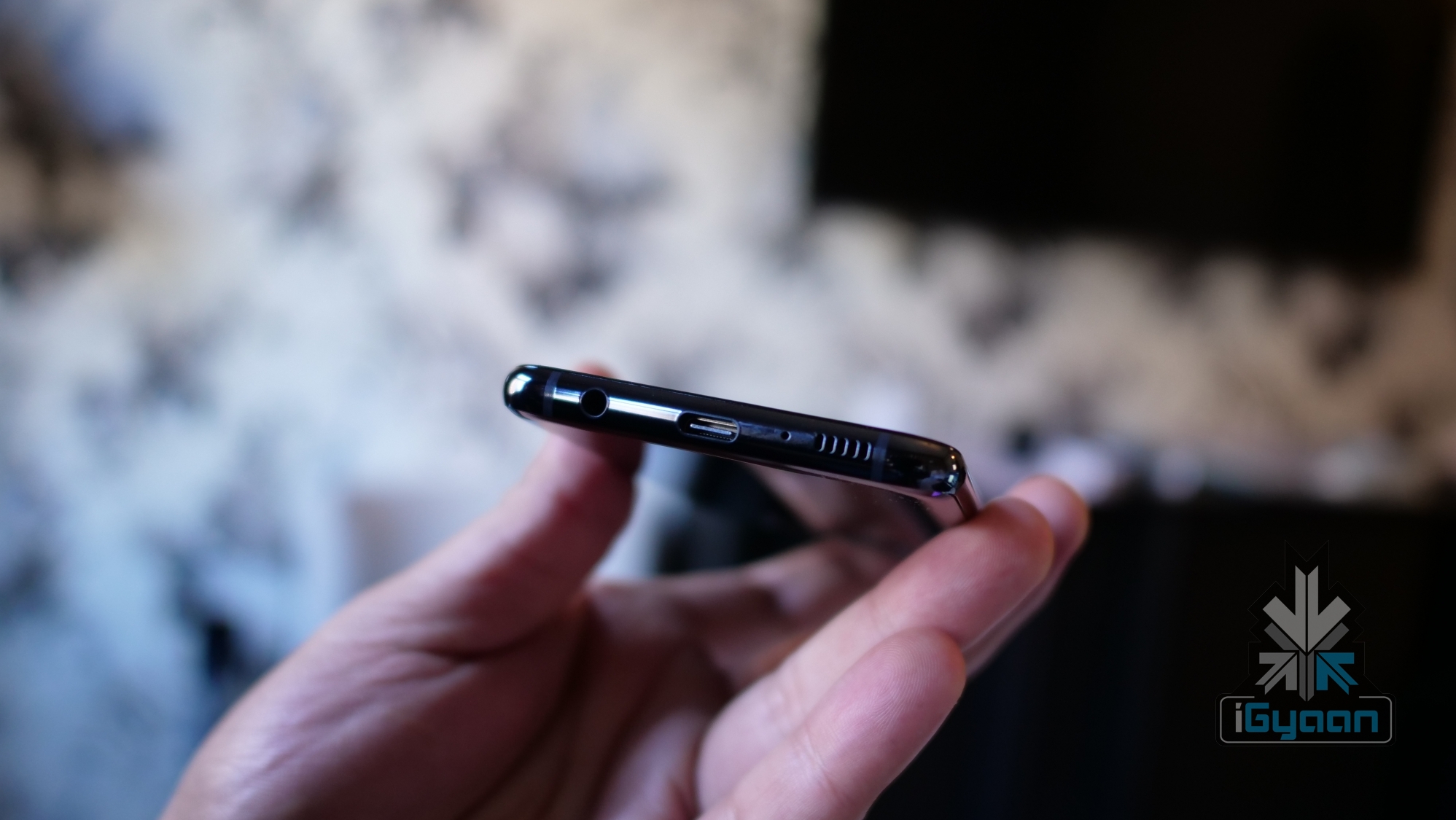
The Samsung Galaxy S10e has an opulent design with an all-glass front and rear build. The smartphone measures 142.2 x 69.9 x 7.9 mm and tips the scale at 150 gram. The right side of the of the device is occupied by the power button while the left side is occupied by volume rockers and a dedicated Bixby button. The bottom of the device houses the 3.5mm audio jack, loudspeaker grille and a USB Type-C port for charging and data transfer. The smartphone is also IP68 certified which makes it dust and waterproof.
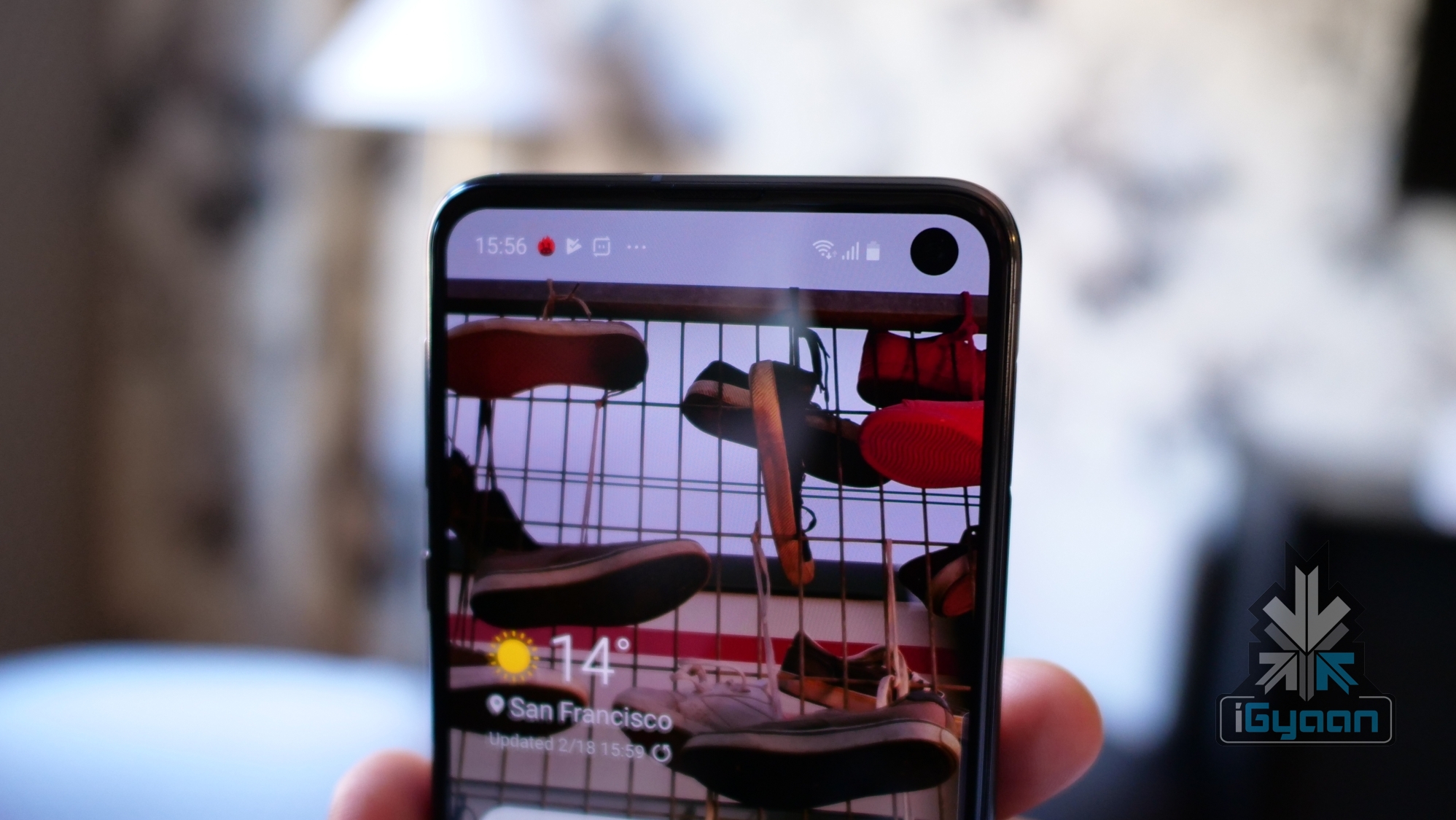
The Galaxy S10e sports a 5.8 inch Dynamic AMOLED, Infinity-O display. The edge-to-edge HDR+ screen has a resolution of 2280 x 1080 px and a pixel density of 438 ppi. The device is safeguarded from scratches and accidental drops by the Corning Gorilla Glass 5. The company has launched the smartphone with two different chipset options which vary as per the region the units are sold in. The EMEA variant is kitted with Exynos 9820 SoC while the USA, China variant features the Snapdragon 855 SoC.
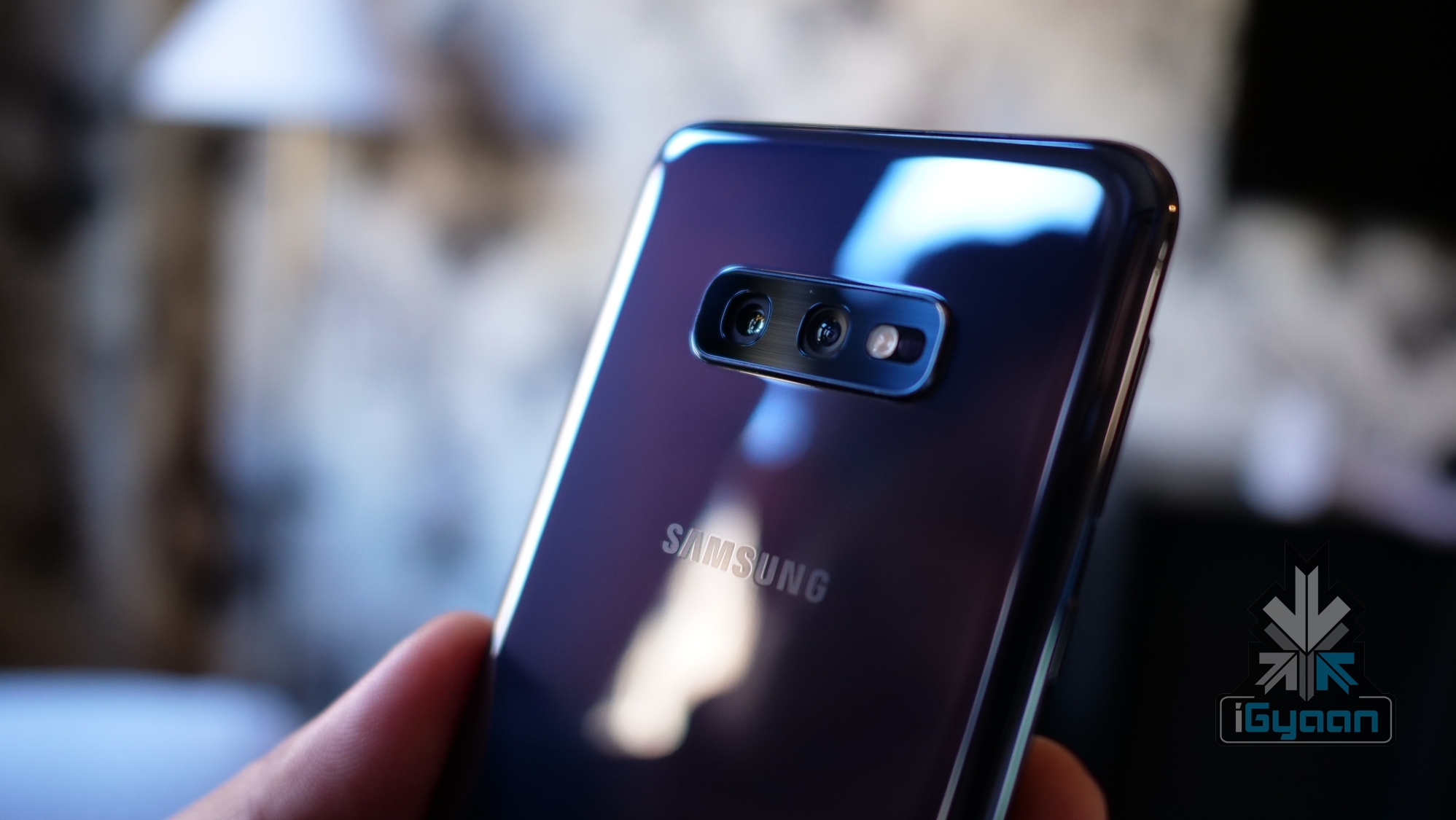
The Samsung Galaxy S10e is equipped with a dual camera module on the back. The rear camera setup consists of a 12 MP (f/1.5-f/2.4) primary camera paired with a 16 MP (f/2.2) ultra wide camera sensor. The smartphone also has a single 10 MP (f/1.9) front-facing camera, which is housed in the punch-hole display. Another noteworthy feature of the S10e is the side mounted fingerprint sensor that doubles up as a power button.
The Samsung Galaxy S10e is available in two variants, a 6GB+128GB variant and an 8GB+256GB model. The smartphone is available in four different colours which include Prism Black, Prism White, Flamingo Pink, and Prism Blue. The price for different variants of the Samsung Galaxy S10e is as follows:
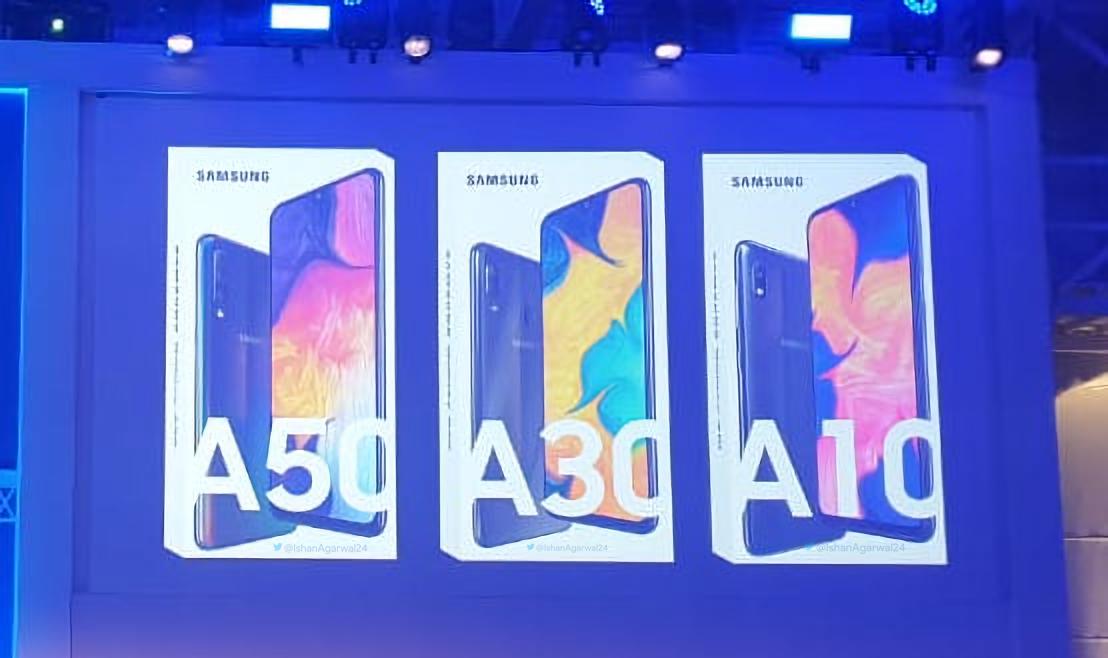
Samsung is expected to launch new members in its Galaxy A lineup of smartphones in India. As reported previously, the specifications of the three devices in the lineup were leaked online. Images of what looks like the retail packaging of the A10, A30 and A50 have been shared on Twitter before their official launch. While the image in itself is not very clear, they surely confirm some speculations about the much-awaited devices.
Samsung Galaxy A10
The Samsung Galaxy A10 will have a plastic body, and will feature a 6.2 inch Infinity-V display with HD+ resolution. The smartphone will pack the Exynos 7884B SoC with an octa-core CPU clocked at 1.6 GHz. It has a 13 MP primary camera and a 5 MP selfie camera. In terms of memory, the handset will launch with 3 GB of RAM and 32 GB of internal storage, with expandable memory up to 512 GB.
As per the leaked image, the Samsung Galaxy A10 has no visible fingerprint scanner whereas the ‘more feature-loaded’ Galaxy A30 has a rear mounted fingerprint scanner. This makes it highly probable that the Galaxy A10 will not have any biometric security options. Instead, it will rely on Face unlock and older unlocking mechanisms like pattern unlocking and PIN. The smartphone will feature dual SIM card slots, with a dedicated microSD card slot. It will be powered by a 4,000 mAh battery, which can be charged via the bottom mounted micro USB port. The handset will be launched in two colour options, Black and Gold.
Samsung Galaxy A30
The Samsung Galaxy A30 will have a glossy plastic body. The smartphone will feature a 6.4 inch Super AMOLED, Infinity-U display with a full HD+ resolution. Apart from that, the screen of the Galaxy A30 will also have the ‘Always-On’ feature. As the name suggests, this feature keeps the screen awake for displaying notifications like messages and missed call alerts. The smartphone will run on the 14nm Exynos 7904 chipset with a 1.8 GHz octa-core processor and the Mali-G71 MP2 GPU. The Galaxy A30 will be equipped with a 16 MP (f/1.9) primary sensor with a secondary 5 MP (f/2.2) ultra wide sensor. It will also have a front facing 16 MP (f/1.9) camera. Furthermore, the Galaxy A30 will have a plethora of other features such as AR Stickers, Background Blur and Pro Lighting.
The Samsung Galaxy A30 will feature a similar dual SIM card slot to the Galaxy A10. It will pack a 4,000 mAh battery with 15 W fast charging support. Unlike the Galaxy A10, the A30 will have a USB Type C port. The leaked image exhibits a rear-mounted fingerprint scanner on the device. The Galaxy A30 will be launched in two variants, a 3GB + 32GB variant and a 4GB + 64GB variant. The smartphone will support expandable memory up to 512 GB via microSD card. The Samsung Galaxy A30 will be available in 3 colours options which are as follows:
Black
Blue
White
Samsung Galaxy A50
The Samsung Galaxy A50 will be the most feature laden smartphone out of the three upcoming devices. The smartphone’s highlighting feature is an in-display fingerprint scanner which is slowly becoming the industry standard for premium smartphones. The device will run on the Exynos 9610 chipset which consists of an octa-core CPU and the Mali-G72 MP3 GPU.
The A50 will sport a triple camera module at the back with a front facing 25 MP (f/2.0) camera. The rear camera module will include a 25MP main sensor with f/1.7 aperture, a 5MP depth sensor, and an 8MP fixed-focus ultra-wide camera with f/2.4 aperture. The smartphone will be available in two different configurations, a 4GB+64GB version and a 6GB+128GB variant.
Huawei launched the Mate 20 Pro last year, and the triple rear camera of the smartphone was highly commended by its users. Huawei is stepping up their camera performance with their next flagship, the Huawei P30. Leaked camera samples from the smartphone have confirmed that the device will have a Quad Camera setup with extraordinary zooming capabilities.
Huawei P30 Specifications
The P30 will help Huawei to establish a foothold in the premium smartphone segment this year. For the same reason, the handset is expected to offer top-of-the-line specifications in the market. Leaked renders suggest that the P30 will feature a glass-sandwich design. The smartphone will reportedly have a waterdrop-style notch and have a high screen-to-body ratio. Renders also show the presence of a 3.5 mm headphone jack on the device, which is an appreciable add-on from the Huawei P20. Like its predecessor, the device may have a similar gradient pattern on the back. The Huawei P30 will supposedly run on the latest 7 nm HiSillicon Kirin 980 SoC, which features an octa-core processor and the Mali G76 GPU. Furthermore, a ‘pro’ version of the smartphone is also expected to be launched at the same event. The Huawei devices will reportedly have up to 8GB RAM and up to 256 GB of Internal storage.
The camera will undoubtedly be the highlight of the Huawei P30, because the Chinese company has already proved its capabilities with the Mate 20 Pro. The leaked images suggest that the Huawei P30 Pro will boast of a quad camera set up at the back, whereas the P30 will have a triple camera module. Although the specifications of the camera sensors are not available yet, both the devices are expected to feature a 40MP primary camera sensor. As reported previously, the second and the third camera will be the 3x optical zoom sensor and the ultra wide angle sensor respectively. The announcement video of the smartphone shows that the P30 will support 5x lossless zoom. As of now, the purpose of the fourth camera sensor in the P30 Pro is not clear, but it may be either a monochrome sensor or a depth sensor. Both the P30 and P30 pro will reportedly have a single 24MP front camera sensor.
Huawei has already announced the venue and the launch date for the highly-anticipated P30. Any new developments regarding the smartphones will be updated as they arrive in the upcoming weeks.
With the Flipkart Mobiles Bonanza Sale in full swing, now is a great time to upgrade to a better smartphone with new features. The sale begins on February 19 and concludes on February 23. Here is a list of all the smartphones which are getting their prices slashed.
Apple Deals
iPhone XS, XS Max
The top-tier smartphones from Apple, the iPhone XS and XS Max will be getting a price cut this sale. If a user is trying to get their hands on the iPhone XS or the XS Max, now would be a really great time to do that. The Apple iPhone XS has a 5.8 inch Super Retina display, with a resolution of 2436 x 1125 px. On the other hand, the iPhone XS Max has a 6.5 inch Super Retina Display with a 2688 x 1242 resolution. Both the devices run on the latest A12 bionic chipset coupled with 4 GB of RAM. The iPhone XS and XS Max have a dual (12 MP + 12 MP) camera setup with an aperture of f/1.8. The devices are available in 64 GB, 256 GB and 512 GB variants, with an new attractive gold colour option.
The iPhone XR is the most affordable smartphone from Apple in the latest iPhone series. The device sports a 6.1 inch LCD display with a 1792 x 828 px. The smartphone runs on the A12 Bionic Processor coupled with 3 GB of RAM. The iPhone XR has a single 12 MP wide-angle camera with an aperture of f/1.8 and a front 7 MP camera sensor. The smartphone packs a 2942 mAh battery and will be available in 5 colours – Black, Red, Yellow, Blue, Coral, and White.
The Samsung Galaxy S8 will see a huge price cut this Flipkart Sale. The smartphone has a 5.8 inch Super AMOLED display, with a 2960 x 1440 px resolution. The device runs on an Exynos 8895 chipset and packs 4 GB of RAM. The Galaxy S8 has a 12 MP (f/1.7) primary camera with a 8 MP (f/1.7) front selfie shooter. The smartphone is powered by a 3000 mAh battery and supports fast charging.
The Redmi Note 6 Pro is one of the highest selling smartphones in the country, and users can buy it for a lower price during this bonanza. The Redmi Note 6 Pro features a 6.26 inch IPS LCD display, with a 81.1% screen-to-body ratio. The smartphone runs on the Snapdragon 636 SoC and is available in 3GB, 4GB and 6GB RAM variants. The handset has a dual (12 MP + 5 MP) rear camera setup and a dual (20 MP + 2 MP) front camera setup with a depth sensor. Powered by a 4000 mAh battery, the device is available in 4 attractive colours.
The Poco F1 was one of the most talked-about smartphones of 2018. The device runs on the powerful Snapdragon 845 chipset and comes in 2 RAM configurations. The phone has a 6.18 inch display, and has a dual primary camera setup with a single front camera. The Poco F1 is available in Graphite Black, Steel Blue, Rosso Red and an Armored Edition with Kevlar.
The Redmi Note 6 Pro has a 5.99 inch IPS LCD display. The smartphone runs on the Snapdragon 636 SoC and is available in 4GB and 6GB RAM variants. The handset has a dual (12 MP + 5 MP) rear camera setup and a single 20 MP front camera. The device is Powered by a 4000 mAh battery, and is available in 4 colours.
Launched as the Motorola P30 Note in China, the Moto One Power has a 6.2 inch IPS LCD with a 81.3% screen-to-body ratio. Under the hood, the device packs a Snapdragon 636 chipset and 3GB or 4GB of RAM (depending on the variant you choose). In terms of camera, the device has a 16 MP + 5 MP dual primary camera setup, with a single 12 MP selfie shooter. The device is powered by a massive 5000 mAh battery with 15 W fast charging. Available in just midnight black, the device runs Android 8.1 (Oreo) upgradable to Android 9.0 (Pie).
The Moto X4 has a 5.2 inch IPS LCD with a 1920 x 1080 px resolution. The device packs a Snapdragon 630 SoC and 3GB, 4GB or 6GB of RAM (depending on the variant you pick). In terms of camera, the device has a 12 MP + 5 MP dual primary camera setup, with a single 16 MP selfie camera. The device is powered by a 3000 mAh battery with 15 W fast charging. Available in Super black and Sterling Blue, the device runs Android 7.1 (Nougat) upgradable to Android 9.0 (Pie).
The ASUS Zenfone Max Pro M2 is a strong contender in the budget segment. The device has a 6.2 inch IPS LCD with 82% screen-to-body ratio. Running Android 8.1 (Oreo) out-of-the-box, the handset packs a Snapdragon 660 chipset and is available with 3GB, 4GB and 6GB RAM options. The smartphone has a 12 MP + 5 MP dual camera setup, with a 13 MP front camera and a selfie flash. A huge 5000 mAh battery powers the device.
The ASUS Zenfone 5Z has a 6.2 inch IPS LCD display. The smartphone runs on the Snapdragon 845 SoC and is available in 4GB, 6GB and 8GB RAM variants. The handset has a dual (12 MP + 8 MP) rear camera setup with OIS and a single 8 MP wide angle front camera. The device is powered by a 3300 mAh battery and is available in 2 colours : Midnight black and Meteor Silver.
The Nokia 6.1 Plus has a 5.8 inch IPS LCD with a 81.5% screen-to-body ratio. The device runs on the Snapdragon 636 SoC and has 2 different RAM variants to pick from. The handset features a 16 MP + 5 MP rear camera module with a 16 MP front camera. Packing a 3060 mAh battery, the Nokia 6.1 Plus supports 18 W fast charging. The device is purchasable in Black, Blue and White.
The LG G7 ThinQ was launched in May 2018, so its a fairly recent addition to LG’s Smartphone Lineup. The smartphone has a 6.1 inch LCD display with a 19.5:9 aspect ratio and a high pixel density of 564 ppi. Running on the Snapdragon 845 chipset, the smartphone has a dual 16 MP + 16 MP primary camera module with laser autofocus. The device is sold in 2 different variants, and is available in 4 colour options.
The Honor 9N has a 5.84 inch IPS LCD with 79.5% screen-to-body ratio. Running Android 8.0 (Oreo) out-of-the-box, the handset packs a HiSilicon Kirin 659 chipset and is available with 3GB and 4GB RAM options. The smartphone has a 13 MP + 2 MP dual camera setup, with a 13 MP front camera. A 3000 mAh battery powers the device.
The Oppo F9 Pro has a 6.3 inch IPS LCD with a 2340 x 1080 px resolution. The device packs a Mediatek MT6771 Helio P60 SoC and 4GB or 6GB of RAM. In terms of camera, the device has a 16 MP + 2 MP dual primary camera module, with a single 25 MP selfie shooter. The device is powered by a 3500 mAh battery with 20 W fast charging. Available in Sunrise Red, Twilight Blue and Starry Purple, the device runs Android 8.1 (Oreo).
The Oppo A3S has a 6.2 inch IPS LCD with 81.2% screen-to-body ratio. Running Android 8.1 (Oreo) out-of-the-box, the handset packs a Snapdragon 450 chipset and is available with 2 GB of RAM. The smartphone has a 13 MP + 2 MP dual camera setup, with an 8 MP front camera. A 4230 mAh battery powers the device.
The highly popular Vivo V9 Pro will also see a huge price cut this Sale. The smartphone has a 6.3 inch TFT display, with a 2280 x 1080 px resolution. The device runs on Snapdragon 660 chipset and packs 4/6 GB of RAM. The Vivo V9 Pro has a 13 MP + 2 MP dual primary camera setup with a 16 MP (f/2.0) front selfie shooter. The smartphone is powered by a 3260 mAh battery and is available in 2 colours.
The Vivo V11 Pro has a 6.41 inch Super AMOLED screen with a 85.2% screen-to-body ratio. The device runs on the Snapdragon 660 SoC and has 6 GB RAM. The handset features a 12 MP + 5 MP rear camera module with a 25 MP front camera. Packing a 3400 mAh battery, the V11 Pro is purchasable in Starry Night Black, Dazzling Gold and Supernova red colours.
The Realme 2 Pro has a 6.3 inch IPS LCD with 84% screen-to-body ratio. Running Android 8.1(Oreo) out-of-the-box, the handset packs a Snapdragon 660 chipset and is available with 4/6/8 GB RAM options. The smartphone has a 16 MP + 2 MP dual camera setup, with a 16 MP front camera. A 3500 mAh battery powers the device. The Realme 2 Pro is available in Black, Deep Blue, Light Blue colour options.
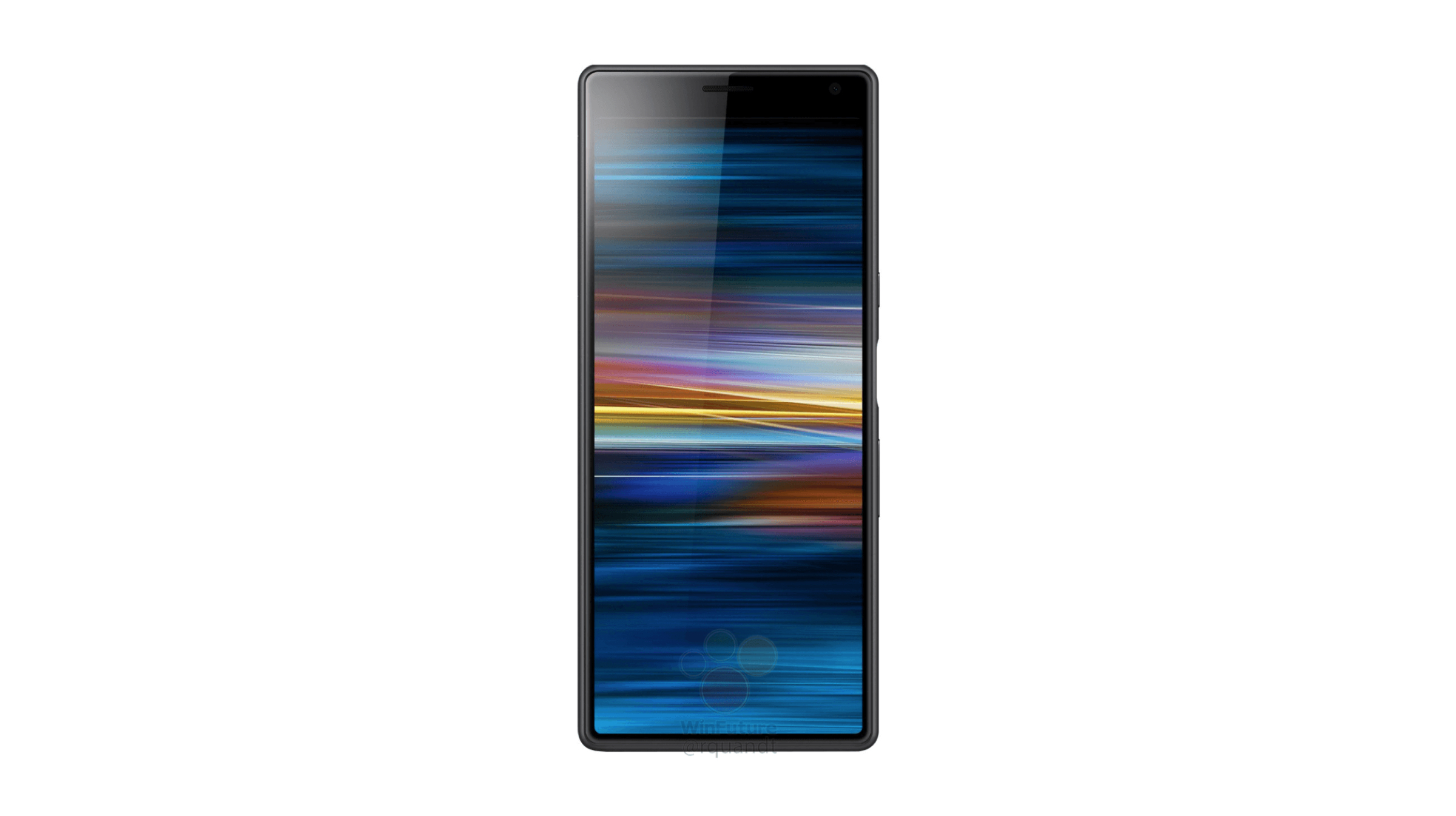
Sony is all set to unveil its flagship smartphone for the year 2019, the Xperia XZ4 at the Mobile World Congress (MWC) 2019. The Japanese electronics brand posted a 15 second teaser video on Twitter, which hinted at the launch of a “new smartphone design”. The teaser with the description “Embrace a new perspective” points towards the upcoming Xperia XZ4.
Although the teaser doesn’t exactly mention the Xperia XZ4, Sony creates speculations regarding a smartphone with an unconventionally tall display. A “new perspective” might mean the tall 21:9 display of the upcoming device. A lot of leaks have already revealed a lot of specifications and features of the Xperia XZ4. Furthermore, Sony has already filed a trademark for the term ‘Cinemawide’ with the European Union Intellectual Property Office on February 4. It is noteworthy here that a ‘cinemawide’ or 21:9 display will allow the user to enjoy cinematic widescreen movies without any black bars.
Specifications And Features
Sources have claimed that the Sony Xperia XZ4 may have 3 camera sensors on the back. The smartphone is expected to sport a 52 MP primary camera with an aperture of f/1.6, which will make it the highest pixel count so far in a smartphone. The device is supposed to be equipped with a 0.3 MP ToF sensor to increase autofocus speed, along with a 16 MP (f/2.6) telephoto lens.
The smartphone is expected to feature a 6.5 inch OLED display with a Quad HD+ resolution of 3360 x 1440 px. The Xperia XZ4 may run on the Snapdragon 855 SoC, and will probably be launched in two variants, a 6GB+128GB version and an 8GB+256GB variant. The device will supposedly be powered by a 4400 mAh battery with fast charging support. As mentioned before, the device is expected to launch at the MWC 2019 which is scheduled for 25 to 28 February in Barcelona.
Motorola unveiled the 5G Moto Mod for Moto Z devices last year. The mod enabled Moto Z users to gain access to Verizon’s 5G network. Motorola did not reveal the release date for the 5G mod, however, the company indicated that the mod will be made available to all US consumers in early 2019. The 5G Mod may soon be making its way into US markets because the FCC (Federal Communications Commission) has certified the mod.
Features
It is possible that the Moto Z users in the US can get their hands on the 5G Moto Mod by the end of March 2019. However, the 5G Moto Mod will only be compatible with the Moto Z3 at the time of its initial launch. But reports say that the support for the accessory will also be extended to the Moto Z2. Data transfer speeds via 5G are expected to be 10 times more than today’s wireless technology. Also, Ultra-low latency provided by the mod will significantly bump up the VR and AR experience. Users will also be able to distribute their bandwidth over different devices via Wi-Fi Hotspot functionality of the device.
The 5G Moto Mod is not just intended for blazing fast speeds on your device. It also packs a 2000 mAh built-in battery, reasonably because the battery drain will be significantly higher while using 5G on the device. Noteworthy, the 5G Moto Mod along with the integrated battery pack weighs almost 156 grams, so when it’s coupled with the Moto Z3, the total weight goes up to 281 grams, which is quite bulky in terms of a portable device. The dimensions of the 5G Moto Mod are 159.15 x 72.96 x 5.97mm. The price of the mod is currently unavailable and will be revealed a the time of its official launch.
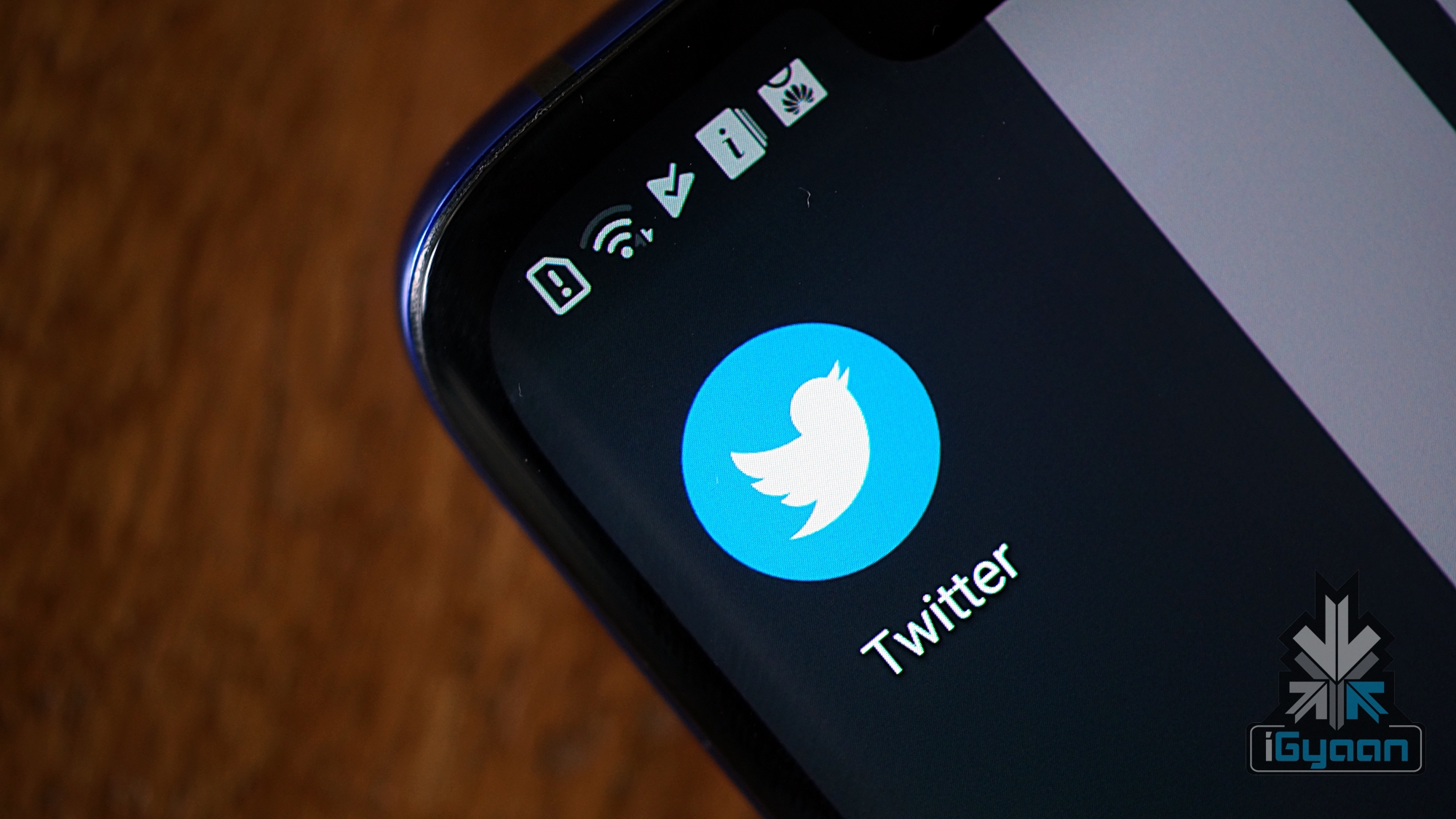
Twitter is constantly working on new updates that aim to provide its users with a better experience while retaining simplicity at the same time. It was reportedly testing the upcoming ‘editable tweets’ feature, the anti-abuse feature and a load of other tools. Twitter has confirmed that it is testing out its quick peek feature on iOS and Android Operating System.
About The Feature
The option will enable users to tap on the @username in the main app feed to pop up the profile which they intend to view. It can be a very helpful feature. Not all accounts on Twitter have relevant usernames which can tell a user more about the person. Also, if the user clicks on a person’s avatar/username, they are taken to the profile page, interrupting whatever they were originally doing. Instead, the new feature will act just like the ‘mouseover’ option which can be experienced on the Twitter desktop website. Users will get an option to follow the person or interact with other options on the profile.
This feature is already being tested on iOS. The company, however, followed up with a reply to its original post just an hour later, confirming an Android update too. Twitter has not posted about the release date of this feature, but users can expect it to be implemented soon.
If there is one unchangeable fact about Indians, it is their unconditional love for music. From Bollywood music to hip hop, Indian audience has a varied taste when it comes to music. With the launch of multiple music streaming platforms in the country, it’s tough to select one app which can fit all your music needs. The music streaming battle in India heated up when Apple Music, Google Play Music, and Amazon Prime Music stepped into the scene.
Potential users have recurring thoughts regarding the purchase of a dedicated music streaming service. Some users still prefer YouTube to listen to music, but that’s not very convenient as many of them will agree. For instance, you cannot minimize the YouTube app while playing a song. Doing so cuts off the music, so you have to keep the app awake at all times. This means that your battery drain is significant. Also, music applications don’t go very hard on your data plan, whereas 720p YouTube streaming consumes almost 1 GB per hour. Using YouTube for your music needs may be more hassle-free, but certainly not the best possible solution
We have compiled a list of the best music streaming applications available in India as of now. Audiophiles can pick a specific subscription as per their needs and taste. Read on to find what each of these applications has to offer.
1. Apple Music
Let’s not forget that Apple brought iPods into the market, changing the way music was played everywhere. Apple music is built on top of a similar infrastructure that focuses more on the ‘ease-of-use’ aspect than anything else. Agreed, it’s not the cheapest music streaming subscription out there, but it offers much more for the price what people pay. If you have an Apple ID, you can stream unlimited songs on all your devices. Furthermore, five people can use the Apple Music service at the same time. With one of the most sorted UIs, Apple Music is highly optimized for Android and iOS.
Apple Music has a massive library with over 45 million songs, and hundreds of songs are added every day. The library is especially tailored for Indian audiences, with the inclusion of songs from almost all Indian Languages. High quality music, Apple’s 24-hour radio and the social ‘Connect’ feature are useful features integrated into the app.
Platforms Supported : Android, iOS, Web, MacOS etc. Price :
Student: Rs. 60 per month Single Person: Rs. 120 per month Family: Rs. 190 per month
2. Amazon Prime Music
Amazon Prime Music was primarily launched in India with the motive of an Amazon Alexa integration. Eventually, Prime Music made its way on to newer platforms like iOS, Web, and Android. Amazon Prime also provides services for streaming movies and online shopping worldwide. The music streaming service has a huge music library with over 30 million tracks. Amazon Prime Music is also known for its seamless music playback over its popular voice assistant, Alexa. A person can easily manage playlists, queue songs and play/pause music using just voice commands. Prime music has full Chromecast support, unlike Prime Video. Also, the web app for Prime music is neatly designed to provide users with a good experience.
Platforms Supported : Android, iOS, Web, Amazon Alexa, Fire TV, etc. Price: Rs. 999 per year
3. Google Play Music
From a long time, the search giant has been trying to strengthen its foothold in the Indian Music Streaming service. The Google Play Music App is preinstalled on every Android phone, so almost every user notices the app one way or another. With competitive pricing, Google Play Music offers the solution of a single app for both online and offline music. It comes with both free and premium subscriptions, but the free version is limited to only Indian songs and radio stations. Once you start paying for a subscription, you’ll have access to a complete music catalog with a whole lot of international music and content.
The UI of the app follows the same design as the rest of the Google entertainment apps. On the first look, the application seems to focus more on radio station playback rather than music tracks. You can sync your music and playlists over multiple Google devices, which is quite convenient. On top of that, you get a free 14 day trial to experience the premium functions of the app.
Platforms Supported: Android, iOS, Web, Google Home etc. Price: Rs. 99 per month?
4. JioSaavn Music
Two popular music apps, JioMusic & Saavn Music integrated to launch the JioSaavn app on December 4. The app brought a host of features like interactive lyrics and live events to the user’s device. A lot of people confuse Saavn with an Indian app, but it was actually designed by two Indians in the US.
The music streaming service has a ad-based revenue model, but if you’re interested in downloading songs and getting rid of the advertisements at the same time, you can opt for the premium subscription. It offers an interactive UI with a Facebook integration, allowing you and your friends to see what you are listening to. You can adjust the music streaming quality as per your data connection. The application has a nice language filter which you can use to receive recommendations depending upon your selected region.
Platforms Supported: Android, iOS, Web, Google Home etc. Price: Rs. 99 per month
5. Gaana
Gaana was one of the earliest music streaming apps in India. Launched in 2010, the app had one of the largest music databases at that time. Over time, the minimal interface of Gaana was taken over by new features like on-screen lyrics and social media integration. Still, to this day, Gaana Music has one of the largest Indian Regional Music databases when compared to similar apps. Sure, it does have a wide selection of International music too, but it isn’t as extensive as its competitors.
The Gaana app has an option to turn off your profile activity if you like your music to be more personal. It also has a load of other features like a night mode, sleep timer, and gapless playback. If you’re a fan of Indian Music, Gaana could be your go-to app.
Platforms Supported : Android, iOS, Web, UWP etc. Price: Rs. 99 per month, Rs. 999 per year.
The highly-anticipated Galaxy S10 family will be launched shortly, and there will likely be a special version of the Galaxy S10+. The smartphone will arrive with 12 GB RAM and 1 TB of internal storage. Almost all specifications and images of the device have been revealed via leaks from a variety of sources. Recently, the Samsung S10+ with the model number SM-G975F was spotted on Geekbench and Antutu.
Geekbench Scores
As seen above, the Samsung Galaxy S10+ racked up an impressive single core score of 4,450, with its multi core score hitting 9,753. If us compare this score to its probable competitors, we find that the Huawei Mate 20 had a score 3,390 in single-core performance and 10,318 in its multi core performance. Furthermore, the iPhone XS had the highest single core score at 4,797 and a multi core score of 11,269.
Antutu Score
The Samsung Galaxy S10+ hit an Antutu score of 3,26,185. This places it at the top of the Antutu Android Performance Ranking Chart, right above the Huawei Mate 20 which scored 3,03,903 in the test. However, the iPhone XS is still the top performer in the Antutu benchmarking list as well. It has the highest Antutu score at 3,58,317.
Specifications
The Samsung Galaxy S10+ will reportedly have a 6.3 inch Infinity-O display with Corning Gorilla Glass Protection. The Dynamic AMOLED screen is expected to have a resolution of 3040 x 1440 px with HDR+ support. The Galaxy S10+ will supposedly run on the Snapdragon 855 for US & Latin variants, while it may be available with the Exynos 9820 chipset for the other variants. It is expected that the device will feature world’s first Ultrasonic Fingerprint Sensor.
The smartphone is expected to be equipped with a triple rear camera setup, with 12MP+12MP+16MP sensors. The device will supposedly be available in three different variants, a 6GB+128GB variant, 8GB+512GB version, and a top 12GB+1TB limited edition variant. The Galaxy S10+ is likely to be powered by a 4100 mAh battery with support for Fast Charging. Reportedly, the device will launch in three different colours, Prism White, Prism Black, and Prism Green. The Limited Edition variant, however, may be available in Luxurious Ceramic Black & Luxurious Ceramic White.
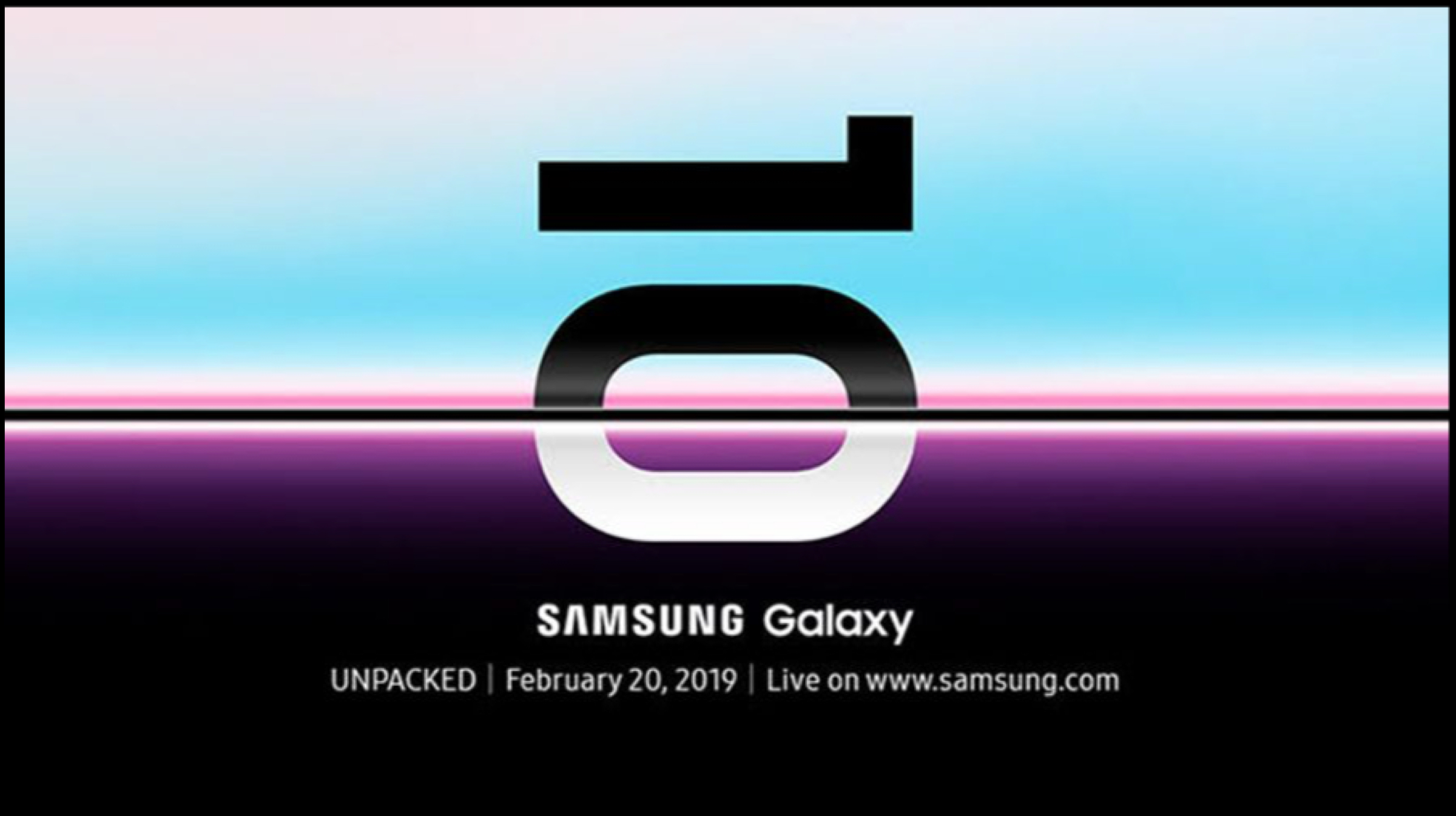
As of now, nothing can be confirmed regarding the price of the Samsung Galaxy S10+. The device will be officially launched at the ‘Galaxy Unpacked 2019’ event in San Francisco on February 20.
Shortly after announcing the latest Moto G7 lineup in Brazil, Motorola is going live with the sale of their Moto G7 Power in India. The smartphone will be available February 15 onwards, and it can be purchased via Motorola partnered offline stores or online via Flipkart. The reported price for the same is Rs. 13,999. Possibly, the device could be sold for the same price on Flipkart, but nothing can be confirmed as of now. The Motorola Moto G7 Power will be available in a single 4GB+64GB variant. The device is available in a single colour option which is Ceramic Black.
Specifications
The Moto G7 Power weighs 193g, owing to a massive 5,000 mAh battery which is the highlight of this device. Motorola claims that the battery can last for 3 full days on a single charge. Although the rear of the device is made out of plastic, it looks elegant. It has a 6.2 inch LCD display with a resolution of 1512 x 720 px and an aspect ratio of 19:9. The smartphone features the classic wide notch.
The Moto G7 Power packs the Snapdragon 632 chipset which is coupled with 3GB of RAM and 32GB of storage. The fingerprint sensor is rear mounted and embedded in the Motorola Logo. The smartphone features a single primary camera with a 12MP (f/2.0) sensor and a front facing 8MP (f/2.2) camera sensor. Moto G7 also has support for fast charging and it comes with a 15W charger. The device will run on Android 9 Pie out-of-the-box.
Samsung is ready to unveil the next iteration in its A series this year. We already know that Samsung is launching the Galaxy S10 lineup on February 20. As per sources, full specifications and details of the Galaxy A10, Galaxy A30 and Galaxy A50 are available now. Read on to find out more about the much-awaited A series.
Samsung Galaxy A10 Specifications
The Galaxy A10 will be available with a plastic body, and a 6.2-inch Infinity-V display with HD+ resolution. The device will have a 5 MP front facing camera, and a 13 MP primary camera. The phone will pack the Exynos 7884B chipset with an octa-core CPU clocked at 1.6GHz. The handset will have 3GB of RAM and 32 GB of internal storage.
The Galaxy A10 will not have a fingerprint sensor, so it will rely on Face Unlock and older security mechanisms. The device will have dual SIM card slots, with a dedicated microSD card slot. The smartphone will be powered by a 4,000 mAh battery. Surprisingly, the Galaxy A10 will ‘still’ retain a micro USB port. The phone’s dimensions are 155.6×75.6×7.94 mm, and the A10 will launch in 2 colours, Black & Gold.
Samsung Galaxy A30 Specifications
The Samsung Galaxy A30 will sport a glossy plastic body, with a 6.4 inch Super AMOLED display and a full HD+ resolution. The phone boasts of an Infinity-U design and the Always-on display. The Galaxy A30 will have a 16MP primary sensor with f/1.9 aperture and a 5MP ultra-wide camera with f/2.2 aperture. As for the front camera, the device will have a 16 MP (f/1.9) selfie shooter. The camera on the device will also support a ton of other features like AR Stickers, Background Blur & Pro Lighting. The device will run on the Exynos 7904 chipset, with an octa-core CPU clocked at 1.8 GHz. The device will be launched in two variants, a 3GB+32GB version, and a 4GB+64GB variant.
The Samsung Galaxy A30 will feature memory expansion up to 512GB, a similar dual SIM card slot to the Galaxy A10 and a USB Type-C port. The smartphone will pack a 4,000 mAh battery, and will also support 15W fast charging. Unlike the A10, the Samsung Galaxy A30 will have a rear-facing fingerprint sensor and Bixby support. The device measures 158.5×74.5×7.7 mm, and will be available in three colours, Black, Blue & White.
Samsung Galaxy A50 Specifications
The Samsung Galaxy A50 is the top variant out of the three devices in the new A series. The highlighting feature of this smartphone will be its in-display fingerprint sensor, which is the norm for any high-end smartphone these days. It will have a triple camera setup on the back, and a 25 MP front facing selfie camera. The triple camera setup would consist of a 25MP main sensor with f/1.7 aperture, a 5MP depth sensor, and an 8MP fixed-focus ultra-wide camera with f/2.4 aperture.
The Galaxy A50 will be kitted with the Exynos 9610 chipset, and will be available in two different variants, a 4GB RAM+64GB version and a 6GB RAM+128GB variant. It will have similar features to the Samsung Galaxy A30.
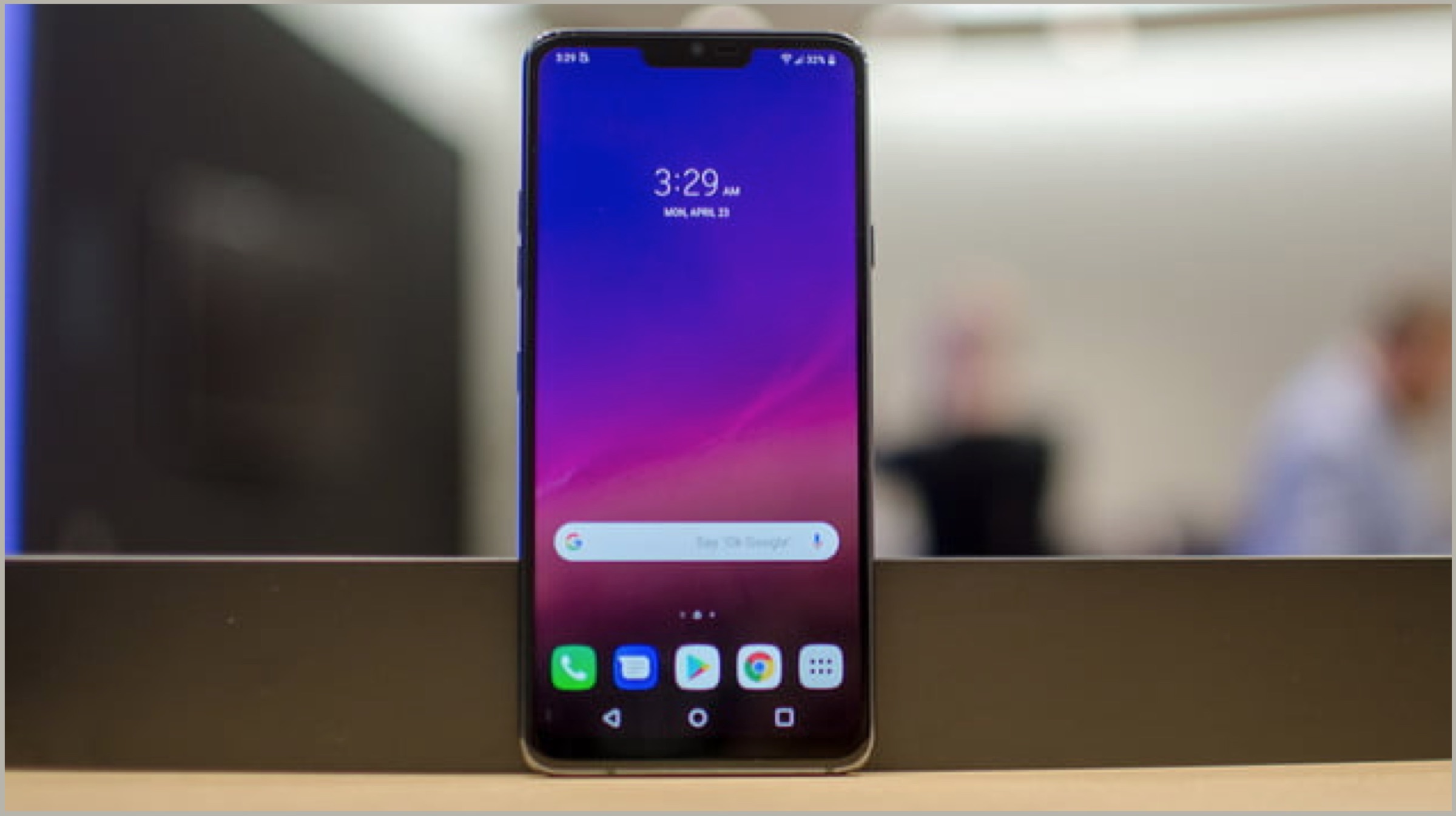
With the anticipation of the new LG G8 ThinQ building up, the company has confirmed that the LG G8 ThinQ will sport CSO (Crystal Sound OLED) technology. CSO uses the smartphone’s display as an audio amplifier to produce sound, which means you don’t necessarily have to place your ear near the speaker. The LG G8 ThinQ will be unveiled at the MWC (Mobile World Congress) 2019 this month.
About CSO
Basically, the entire OLED display of the device acts as a diaphragm, so the entire screen will vibrate to produce sound. In case you switch your phone to speakerphone mode, however, the sound will be produced through the speakers at the bottom. LG claims that this technology can work perfectly in smartphones, the same way it worked in LG TVs. Crystal Sound OLED technology boosts every musical note you hear while improving sound clarity at the same time. Also, the device has the capability to generate dual channel audio by using the bottom speaker & the display together.
Features
LG is using Meridien to deliver high quality audio via the LG G8 ThinQ. In addition to this, the LG G8 ThinQ will have support for DTS:X 3D surround sound as well as Hi-Fi Quad DAC. Using Quad DAC, you can listen to high quality sound which is very close to the original sound. Interestingly, the smartphone has Master Quality Authenticated (MQA) so that you can listen to studio quality recordings of your favourite music. Like the LG G7 ThinQ, the G8 will pack a Boombox Speaker too.
Specifications & Expected Price
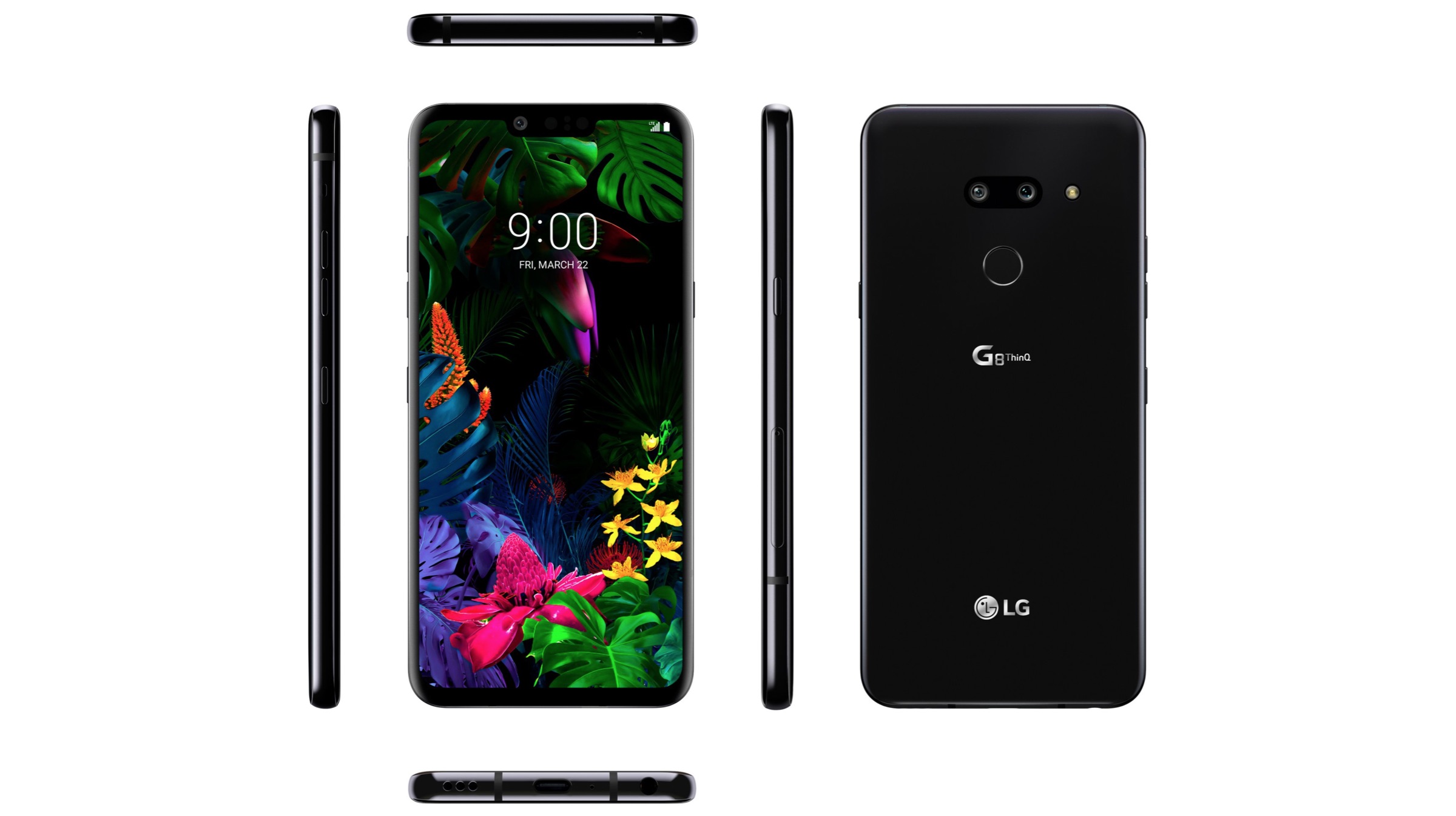
The leaked renders of the LG G8 ThinQ were received with mixed emotions, but nonetheless, the phone will sport a dual-rear camera module with a front camera that has support for 3D facial recognition. The LG G8 has a glossy back panel with a fingerprint sensor placed just below the camera setup. The device will be powered by a 3,400 mAh battery, and will have a 6.1 inch display with a 19.5:9 aspect ratio.
The price of the handset hasn’t been confirmed as of now, but it is supposed to be priced around $ 900 at its launch. We’ll have to wait for the MWC to get complete details regarding the LG G8 ThinQ.
A lot of Instagram users and brands have reported losses of millions of followers on the popular image sharing social media platform due to a bug. Big brands like Nike and even influencers like Don Benjamin, Yanet Garcia & Kyle Jenner faced a huge drop in their follower base. Some months ago, Instagram reported that they will take steps to keep fake followers and likes in check. We can’t help but wonder if this is a step that went wrong in the process.
Instagram’s Update
Instagram, however, made a twitter post announcing that the number of followers is decreasing because of a bug inside their system. At the moment, they were trying to investigate the source of the bug.
We’re aware of an issue that is causing a change in account follower numbers for some people right now. We’re working to resolve this as quickly as possible.
Instagram made it clear that it’s not a crackdown policy implemented by them. We believe the affected accounts and brands are supposed to get their ‘lost’ followers back very soon, as per Instagram. There is no clarification as of now regarding the details of the bug.
Influencers & Their Reactions
A lot of celebrities and creators from the ‘million follower club’ took to Twitter to express themselves.
why did I just lose over half a million followers @instagram wyd sis
As per an update by Instagram, they will have the issue resolved by 10:30 pm tonight. They consoled their users by informing that their team is working hard to fix the bug.
Update: we’re expecting to have this issue resolved by 9 a.m. PST tomorrow. We understand this is frustrating, and our team is hard at work to get things back to normal.
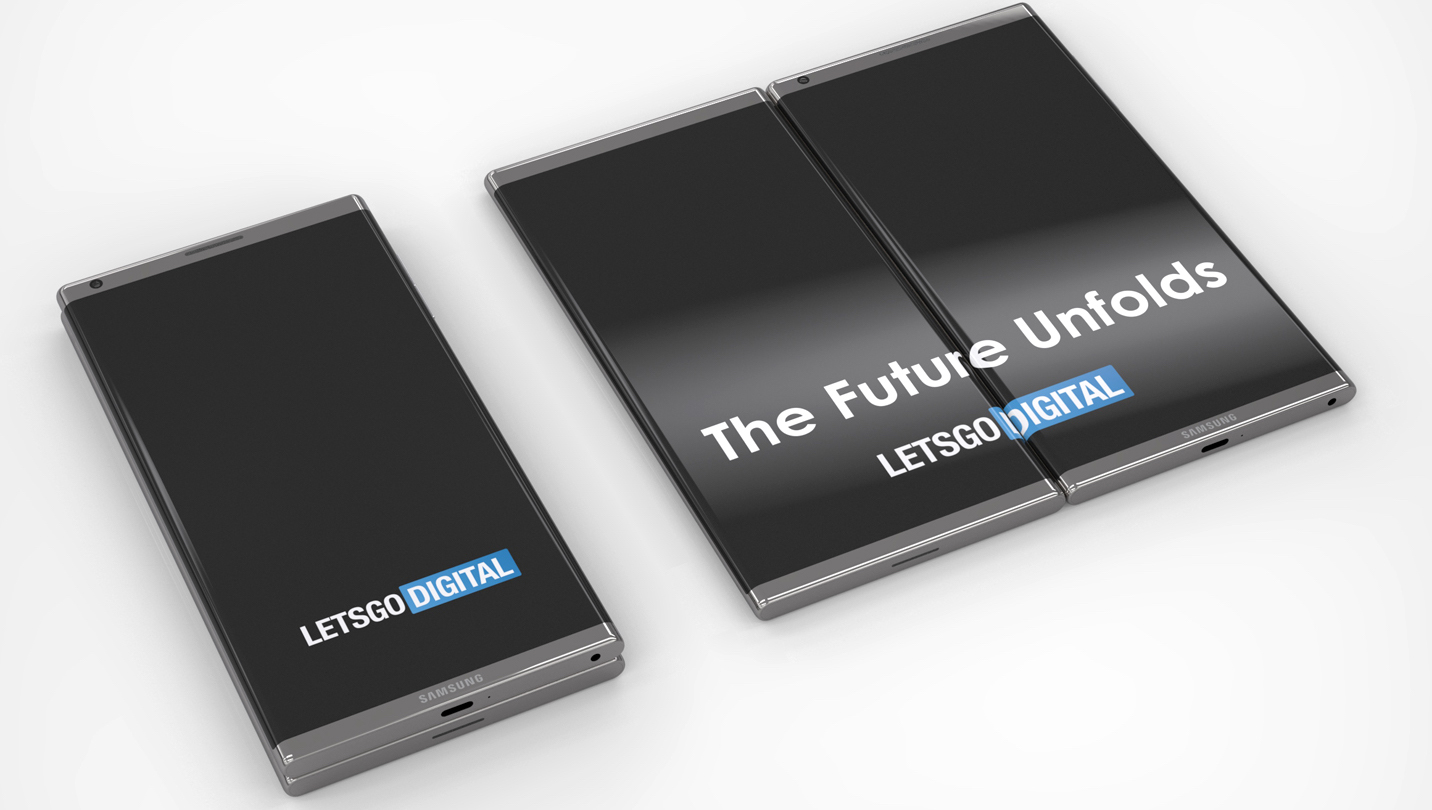
Previously, a teaser video was released, indicating the fact that Samsung is ‘maybe’ working on a dual sided smartphone. Speculations rose around the fact that if the display is on the outside of the phone housing, it’s not a foldable smartphone at all.
https://youtu.be/1KIKaS2221I
The text in the teaser video actually seemed to ‘curl around’ something. A freshly published patent reveals more about the kind of Galaxy Smartphones Samsung is working on.
About The Patent
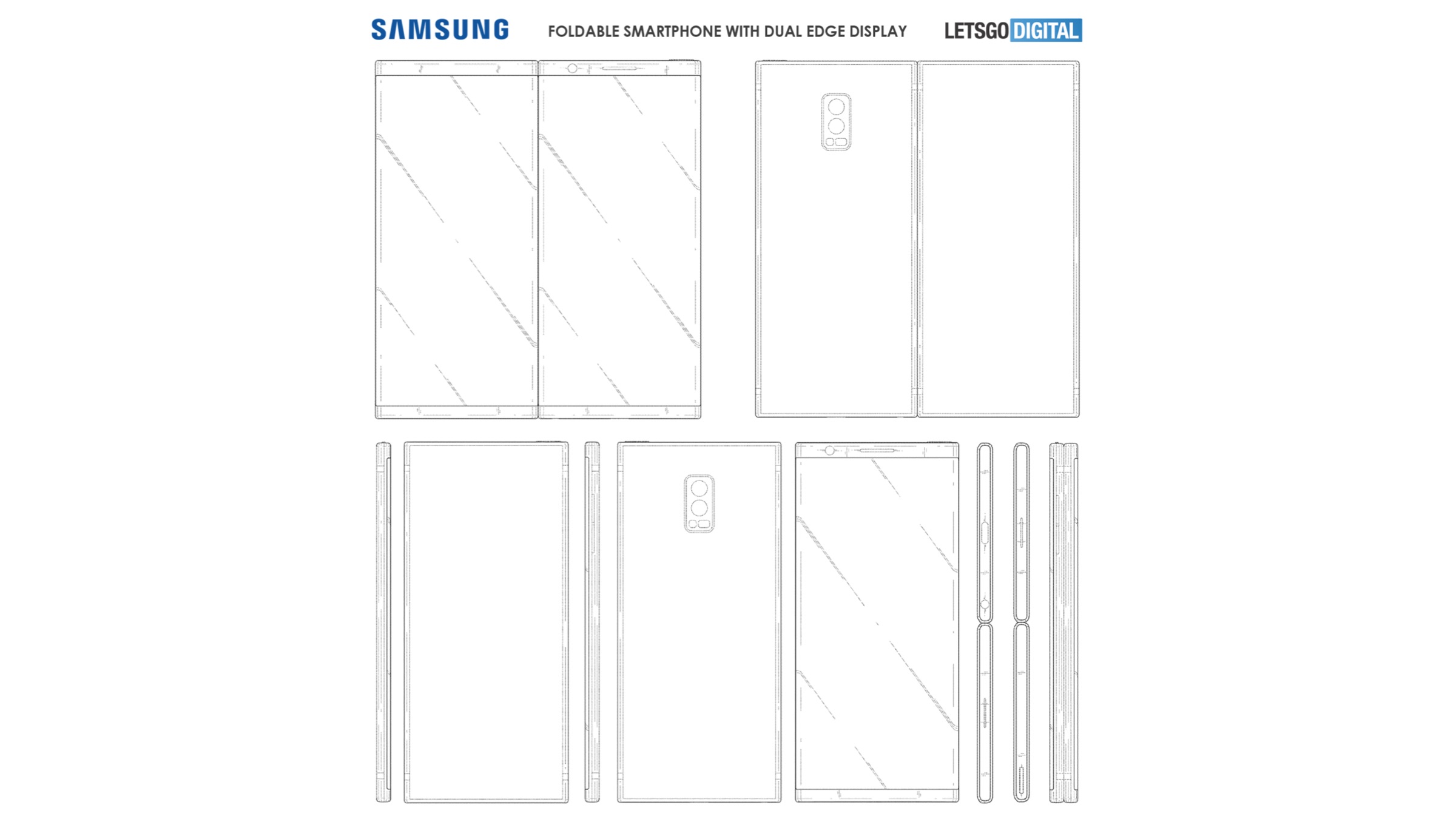
Samsung has a design patent published at the USPTO (United States Patent and Trademark Office), which is titled as an ‘Electronic Device’. The patent shows a smartphone that has two separate display parts, and apparently can be folded. The smartphone has very thin sides with an edge-to-edge display, which gives it a very elegant look, especially when the device is folded.
Design & Features
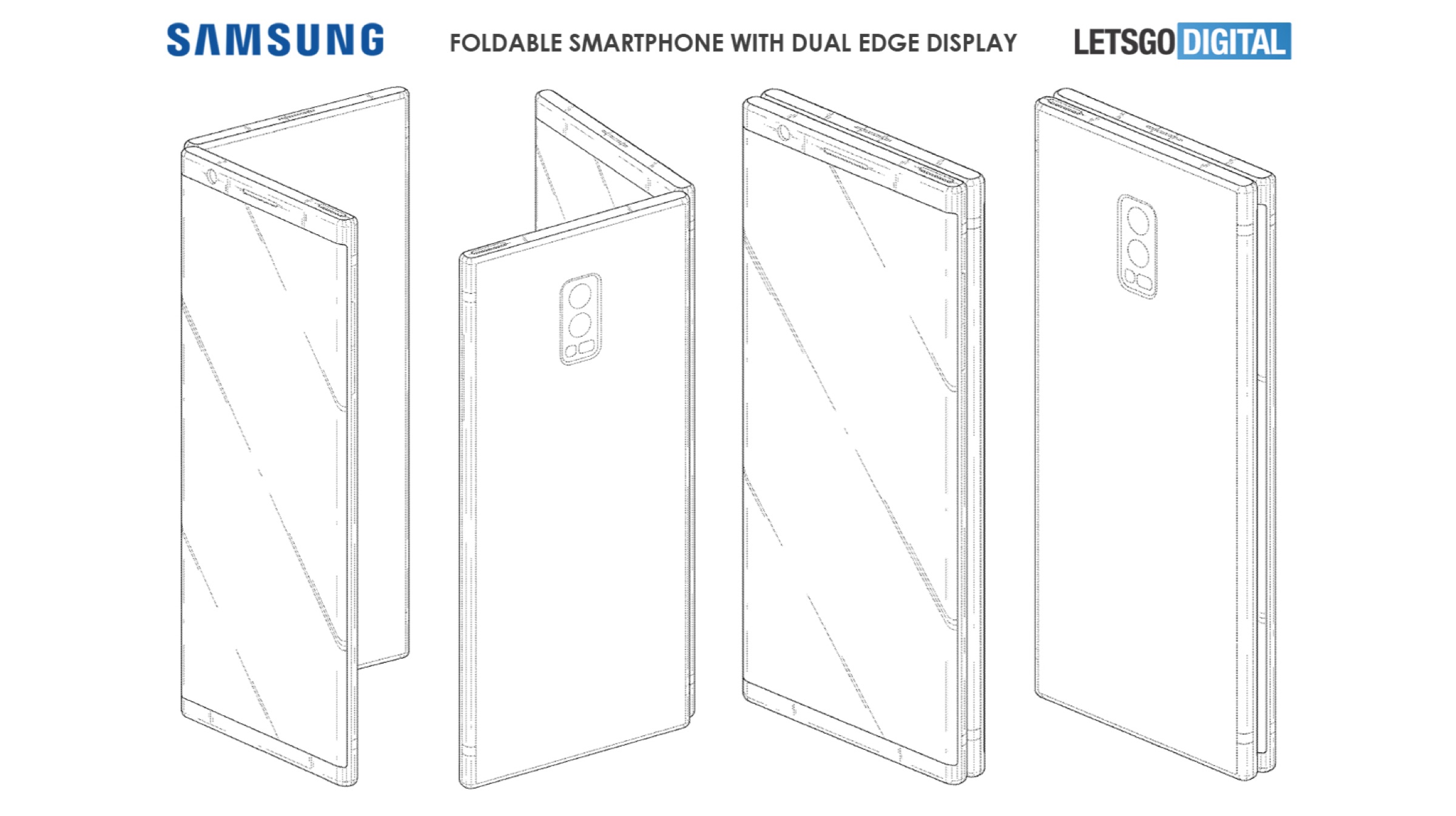
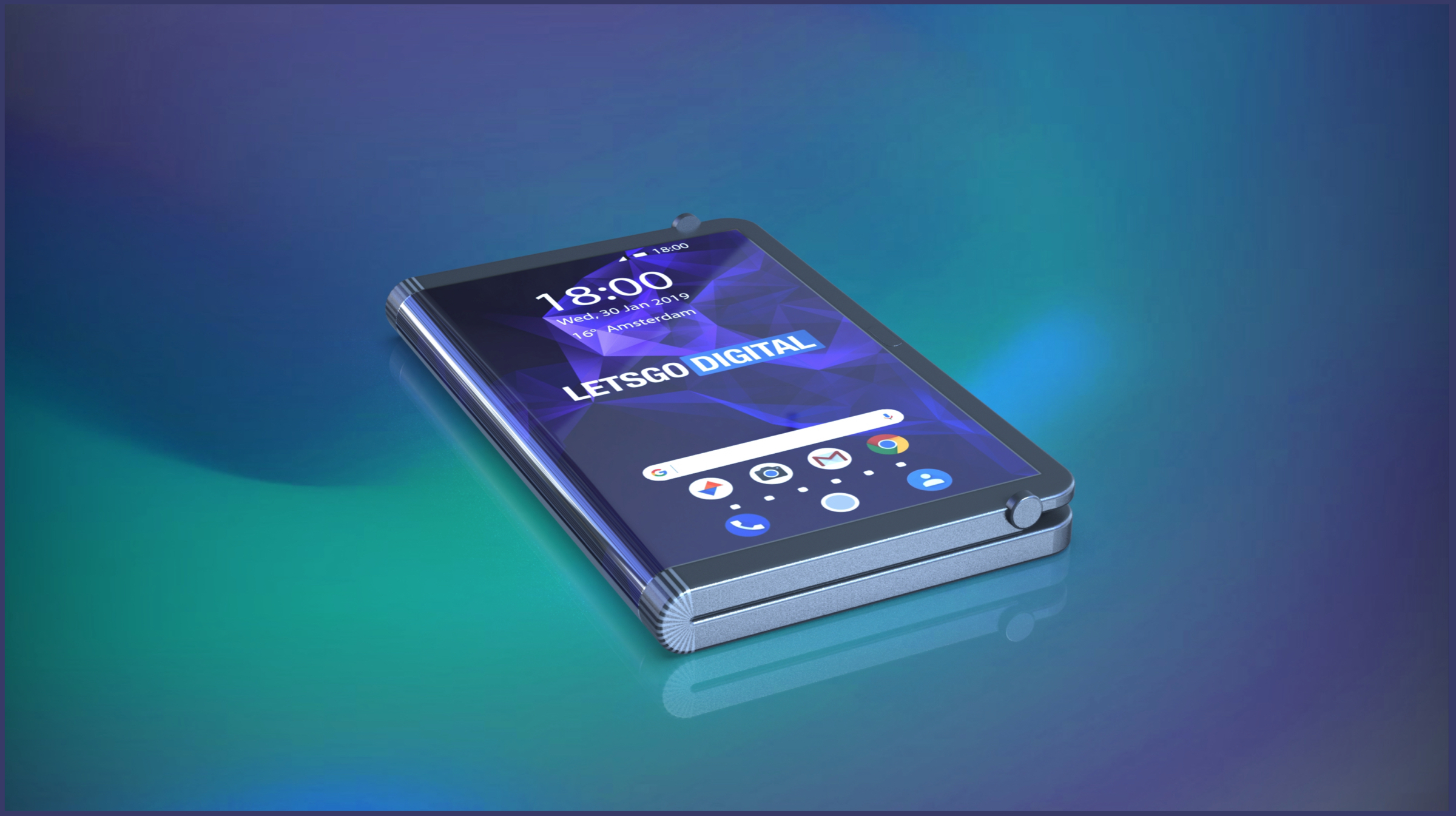
For mobility, the device can be folded so that the display gets shifted to the inside. This will ensure the protection of the display, as the screen won’t be scratched or broken while carrying the device. According to your convenience, the smartphone can be folded all the way back, so that you can use one single display just like a regular smartphone.
Images from the design patent show enough space at the front to house a selfie camera. The rear of the smartphone has a dual camera setup which is vertically positioned. Interestingly, the Samsung smartphone also features a 3.5 mm headphone jack.
Everyone is eagerly waiting for a device like this which could combine elegance and mobility into one single foldable smartphone. Samsung may or may not release any information about its foldable device anytime soon, but if it does so, we’ll have to wait for the MWC 2019 for that.
After launching the Moto G7 series lineup, Motorola is gearing up for the launch of their next series of smartphones. As per sources, the Motorola P40 is next in line to launch in the arena. The successor to 2018’s Motorola P30, the smartphone is expected to be powered by Samsung’s Exynos chipset. In addition to this, the device will also house a 48 MP primary camera & a punch hole display.
Expected Specifications
As mentioned before, The Motorola P40 will pack Samsung’s very own 10nm Exynos 9610 octa-core SoC. The device will probably be available in three different RAM & storage options, most likely in 3GB + 32GB, 4GB + 64GB and 4GB + 128GB. The Moto smartphone will sport a 48 MP primary camera.
Design And Features
Sources say that the Motorola P40 will have a punch hole display design, with a single front camera. Since the P30 was an Android One device, we can expect the same offering from the Motorola P40. The smartphone is also rumoured to support NFC technology, unlike the P30.
The Motorola P40 is expected to pack a 3,500 mAh battery, and the handset may be available in two different colours, Blue and Gold. There is no concrete information regarding the device’s launch as of now. The Motorola P30 was exclusively launched in China, but hopefully, we can see it’s upcoming successor making its way into the global market under the Motorola One branding.
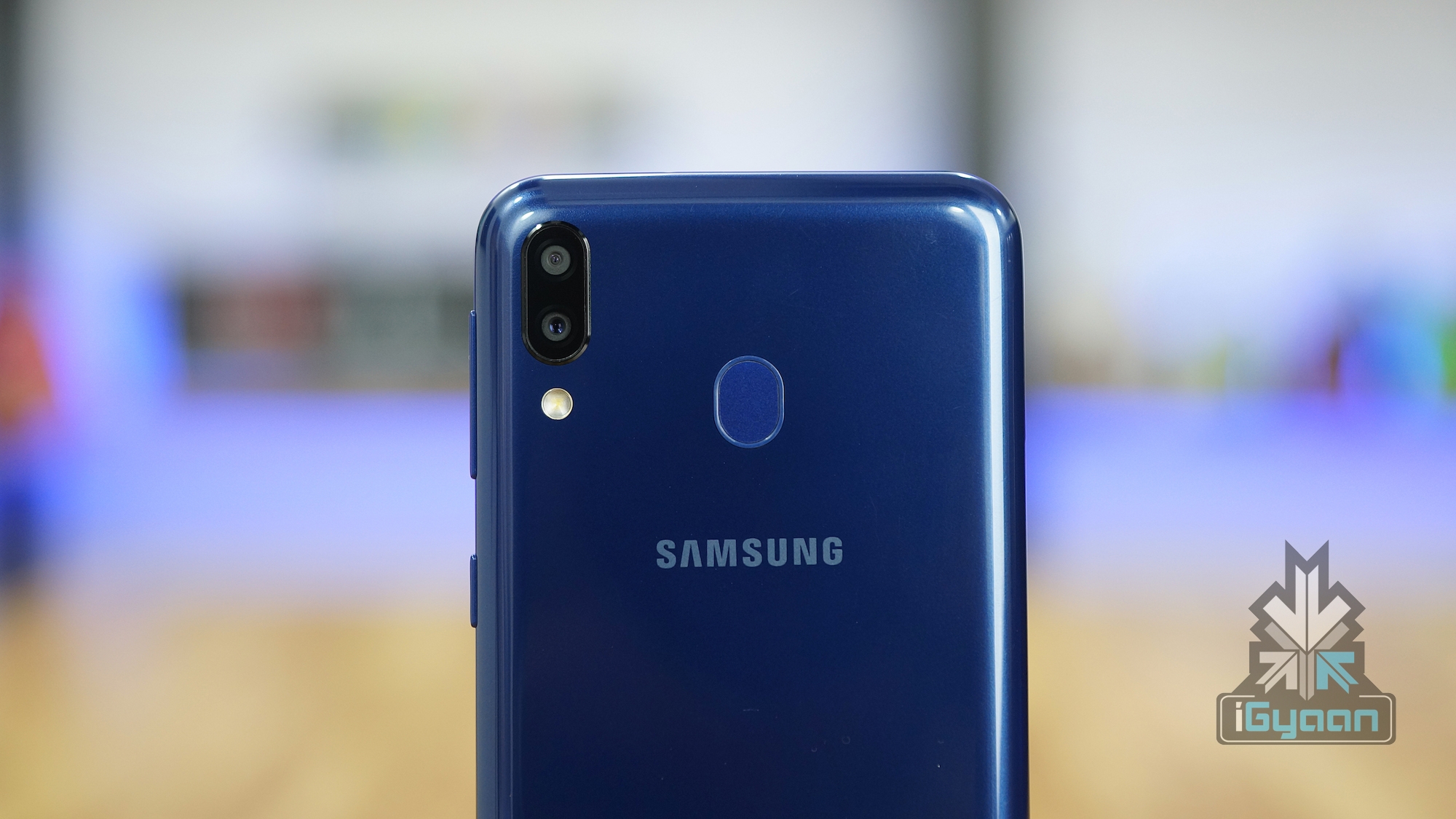 The Samsung Galaxy A30 will have a glossy plastic body. The smartphone will feature a 6.4 inch Super AMOLED, Infinity-U display with a full HD+ resolution. Apart from that, the screen of the Galaxy A30 will also have the ‘Always-On’ feature. As the name suggests, this feature keeps the screen awake for displaying notifications like messages and missed call alerts. The smartphone will run on the 14nm Exynos 7904 chipset with a 1.8 GHz octa-core processor and the Mali-G71 MP2 GPU. The Galaxy A30 will be equipped with a 16 MP (f/1.9) primary sensor with a secondary 5 MP (f/2.2) ultra wide sensor. It will also have a front facing 16 MP (f/1.9) camera. Furthermore, the Galaxy A30 will have a plethora of other features such as AR Stickers, Background Blur and Pro Lighting.
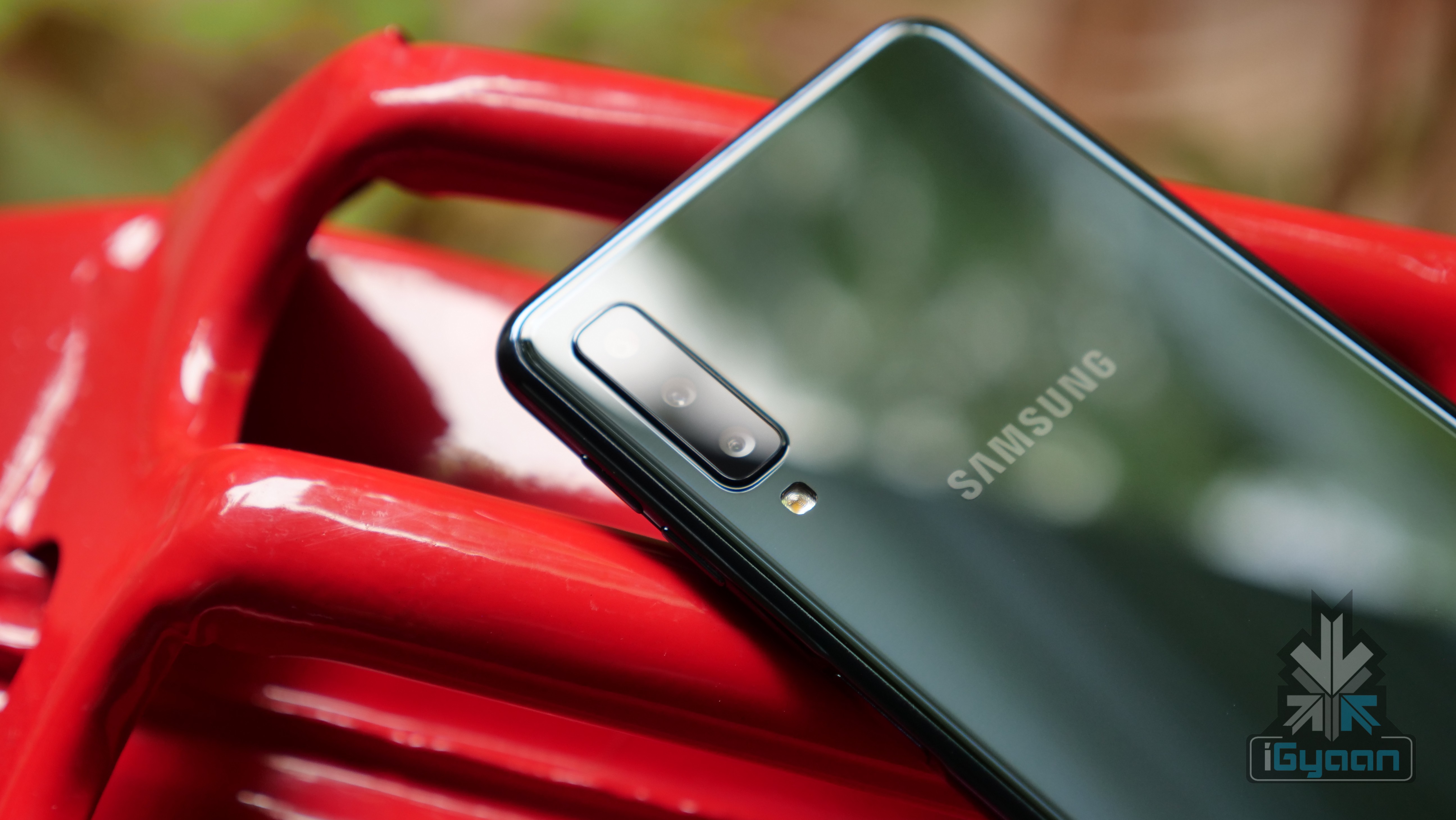 The Samsung Galaxy A50 will be the most feature laden smartphone out of the three upcoming devices. The smartphone’s highlighting feature is an in-display fingerprint scanner which is slowly becoming the industry standard for premium smartphones. The device will run on the Exynos 9610 chipset which consists of an octa-core CPU and the Mali-G72 MP3 GPU.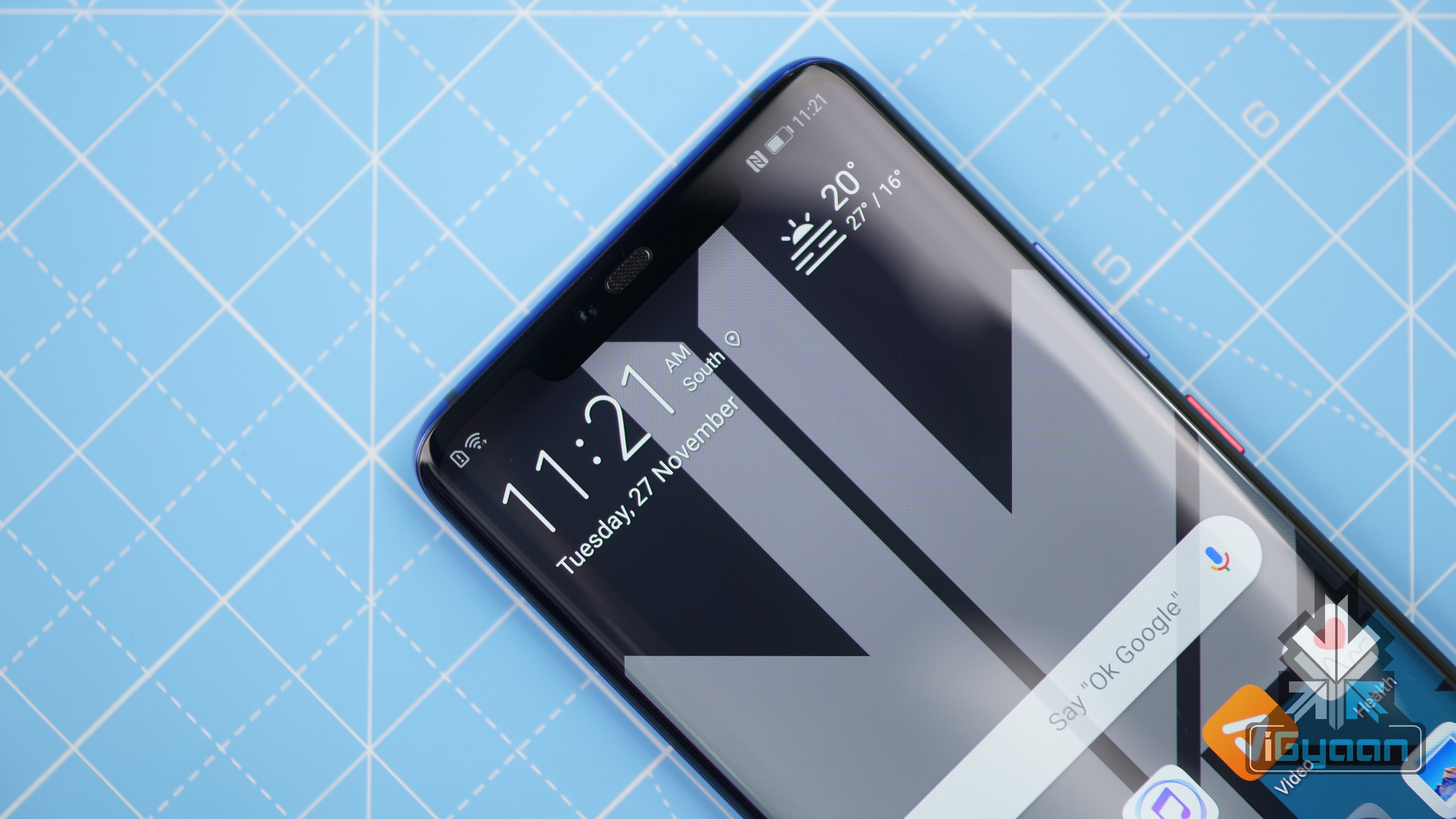
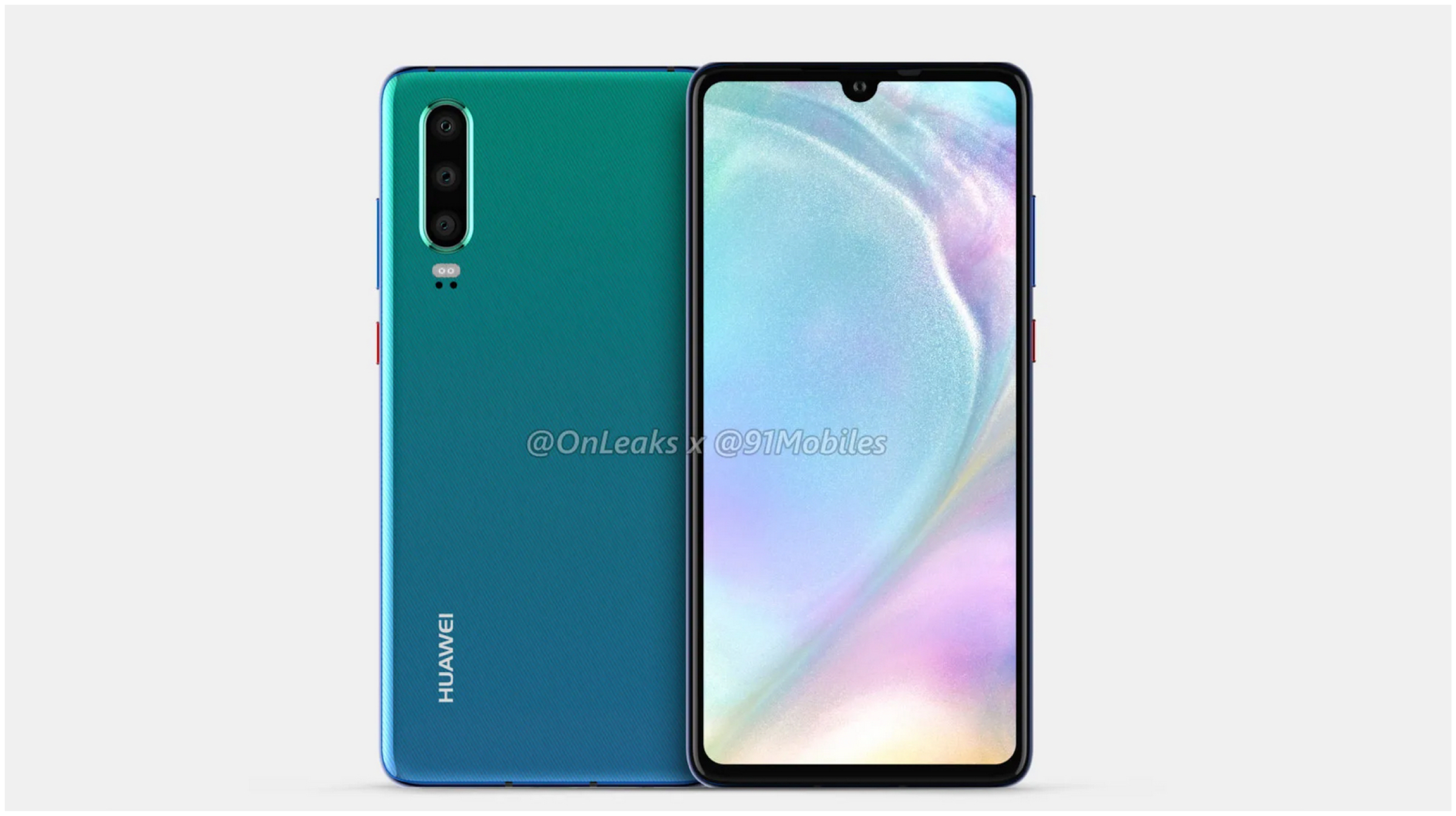 The P30 will help Huawei to establish a foothold in the premium smartphone segment this year. For the same reason, the handset is expected to offer top-of-the-line specifications in the market. Leaked renders suggest that the P30 will feature a glass-sandwich design. The smartphone will reportedly have a waterdrop-style notch and have a high screen-to-body ratio. Renders also show the presence of a 3.5 mm headphone jack on the device, which is an appreciable add-on from the Huawei P20. Like its predecessor, the device may have a similar gradient pattern on the back.
 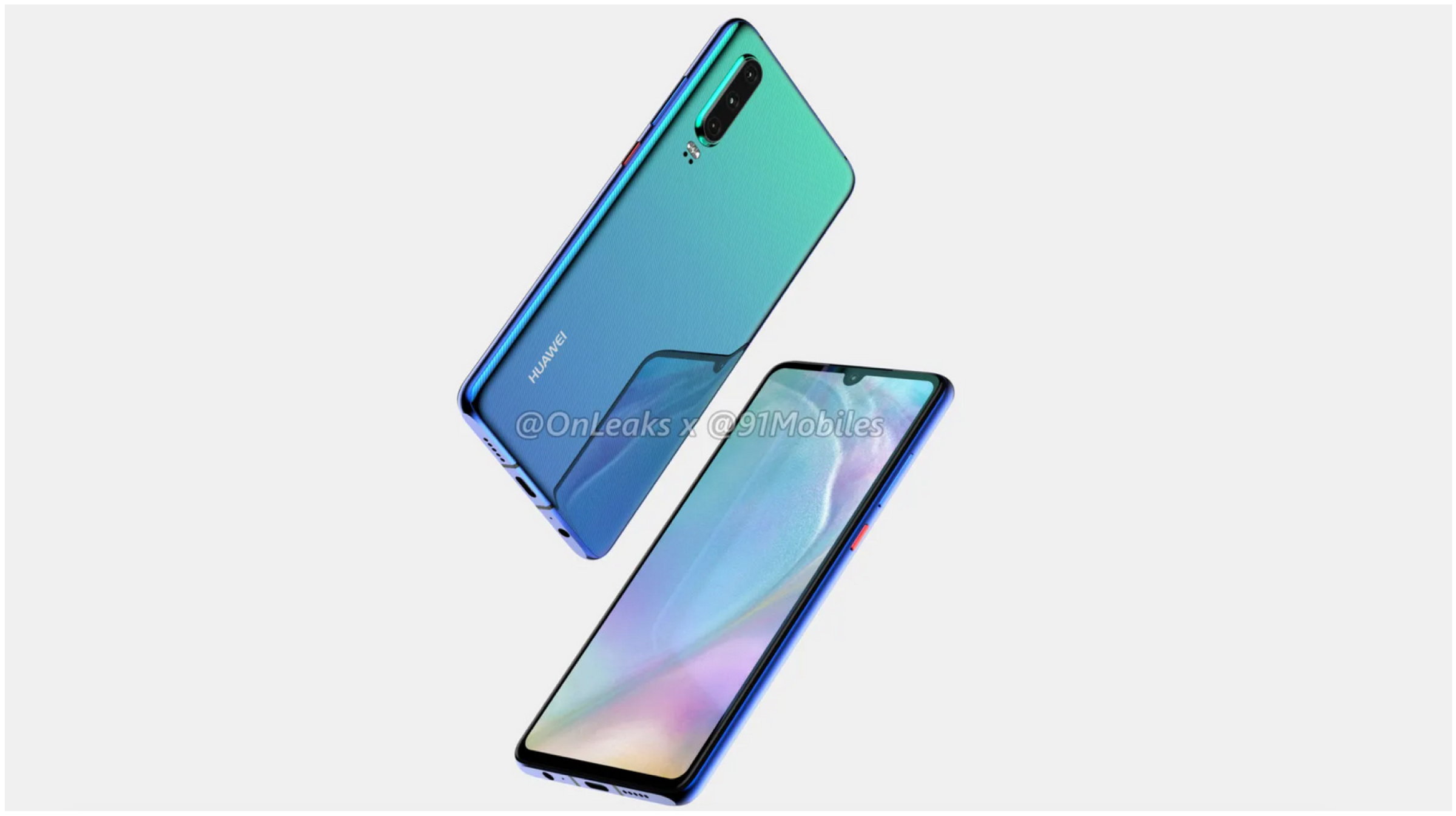 The Huawei P30 will supposedly run on the latest 7 nm HiSillicon Kirin 980 SoC, which features an octa-core processor and the Mali G76 GPU. Furthermore, a ‘pro’ version of the smartphone is also expected to be launched at the same event. The Huawei devices will reportedly have up to 8GB RAM and up to 256 GB of Internal storage.
 The camera will undoubtedly be the highlight of the Huawei P30, because the Chinese company has already proved its capabilities with the Mate 20 Pro. The leaked images suggest that the Huawei P30 Pro will boast of a quad camera set up at the back, whereas the P30 will have a triple camera module. Although the specifications of the camera sensors are not available yet, both the devices are expected to feature a 40MP primary camera sensor. As reported previously, the second and the third camera will be the 3x optical zoom sensor and the ultra wide angle sensor respectively. The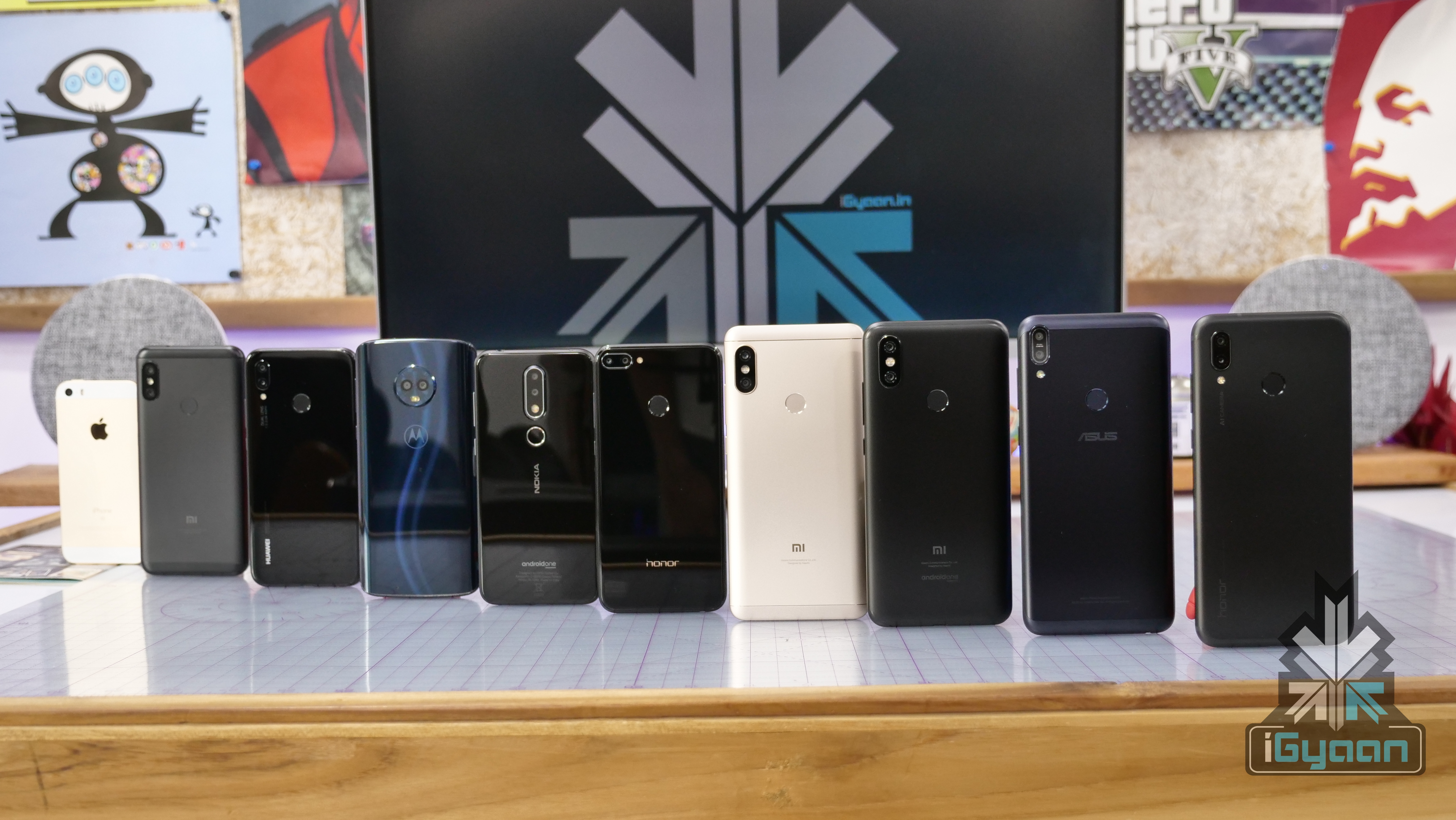
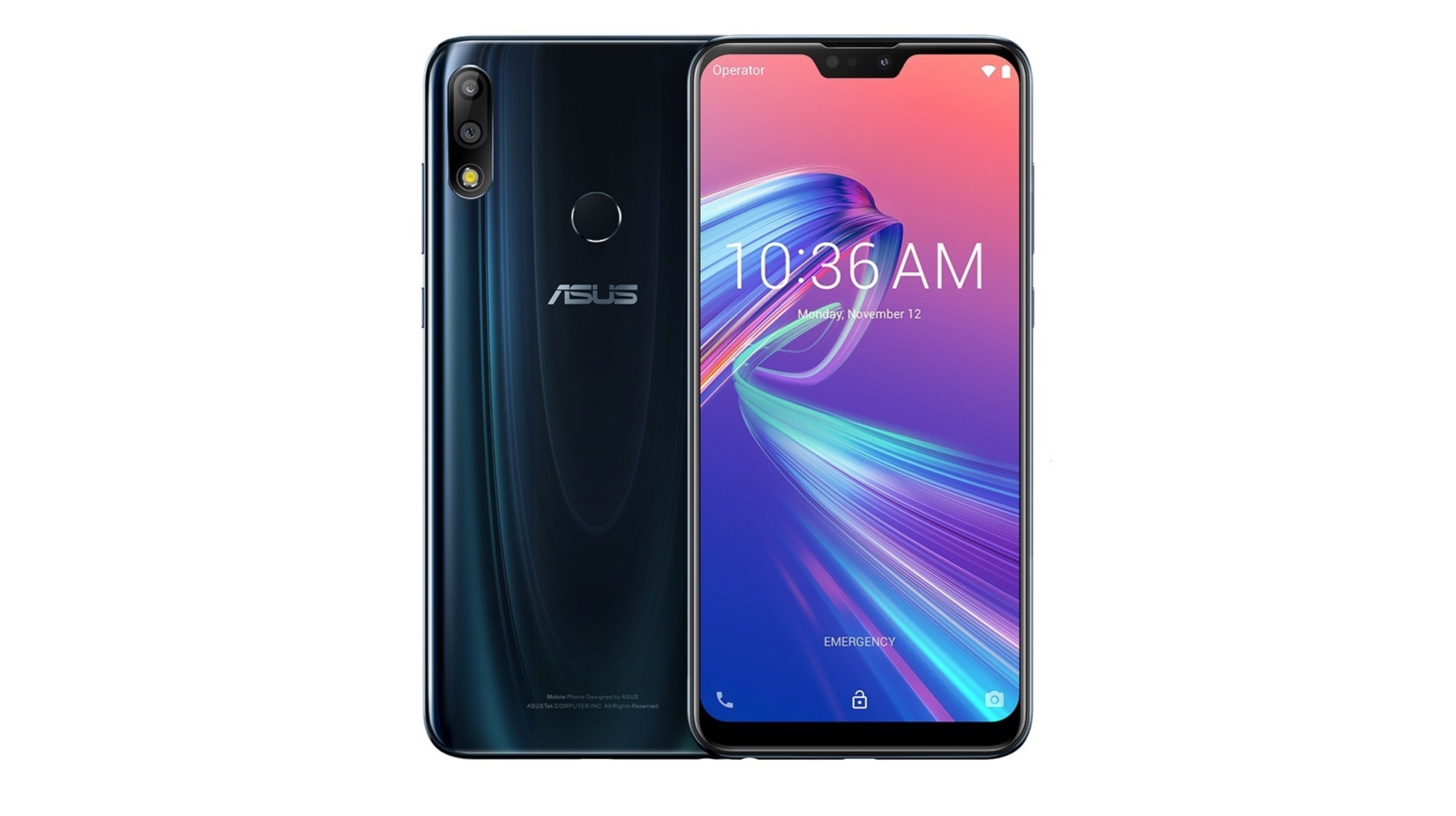 The ASUS Zenfone Max Pro M2 is a strong contender in the budget segment. The device has a 6.2 inch IPS LCD with 82% screen-to-body ratio. Running Android 8.1 (Oreo) out-of-the-box, the handset packs a Snapdragon 660 chipset and is available with 3GB, 4GB and 6GB RAM options. The smartphone has a 12 MP + 5 MP dual camera setup, with a 13 MP front camera and a selfie flash. A huge 5000 mAh battery powers the device.
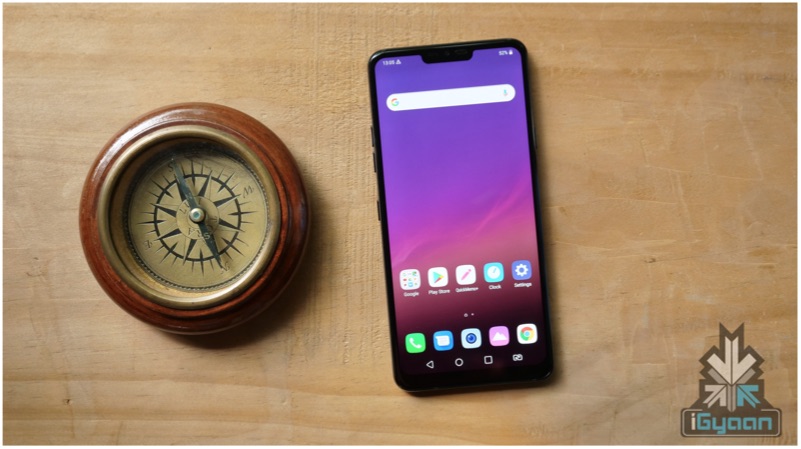 The LG G7 ThinQ was launched in May 2018, so its a fairly recent addition to LG’s Smartphone Lineup. The smartphone has a 6.1 inch LCD display with a 19.5:9 aspect ratio and a high pixel density of 564 ppi. Running on the Snapdragon 845 chipset, the smartphone has a dual 16 MP + 16 MP primary camera module with laser autofocus. The device is sold in 2 different variants, and is available in 4 colour options.
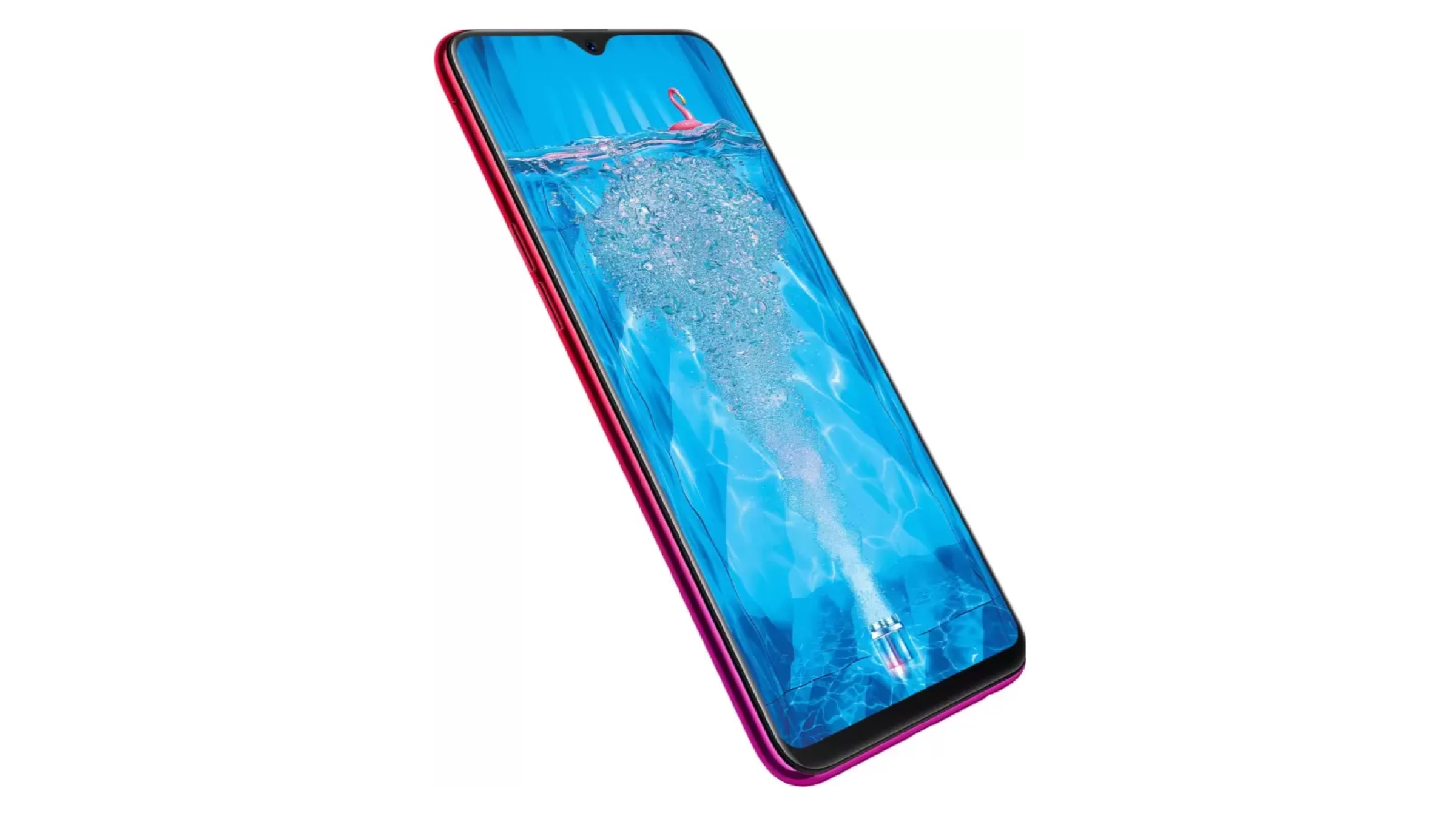 The Oppo F9 Pro has a 6.3 inch IPS LCD with a 2340 x 1080 px resolution. The device packs a Mediatek MT6771 Helio P60 SoC and 4GB or 6GB of RAM. In terms of camera, the device has a 16 MP + 2 MP dual primary camera module, with a single 25 MP selfie shooter. The device is powered by a 3500 mAh battery with 20 W fast charging. Available in Sunrise Red, Twilight Blue and Starry Purple, the device runs Android 8.1 (Oreo).
 The Oppo A3S has a 6.2 inch IPS LCD with 81.2% screen-to-body ratio. Running Android 8.1 (Oreo) out-of-the-box, the handset packs a Snapdragon 450 chipset and is available with 2 GB of RAM. The smartphone has a 13 MP + 2 MP dual camera setup, with an 8 MP front camera. A 4230 mAh battery powers the device.
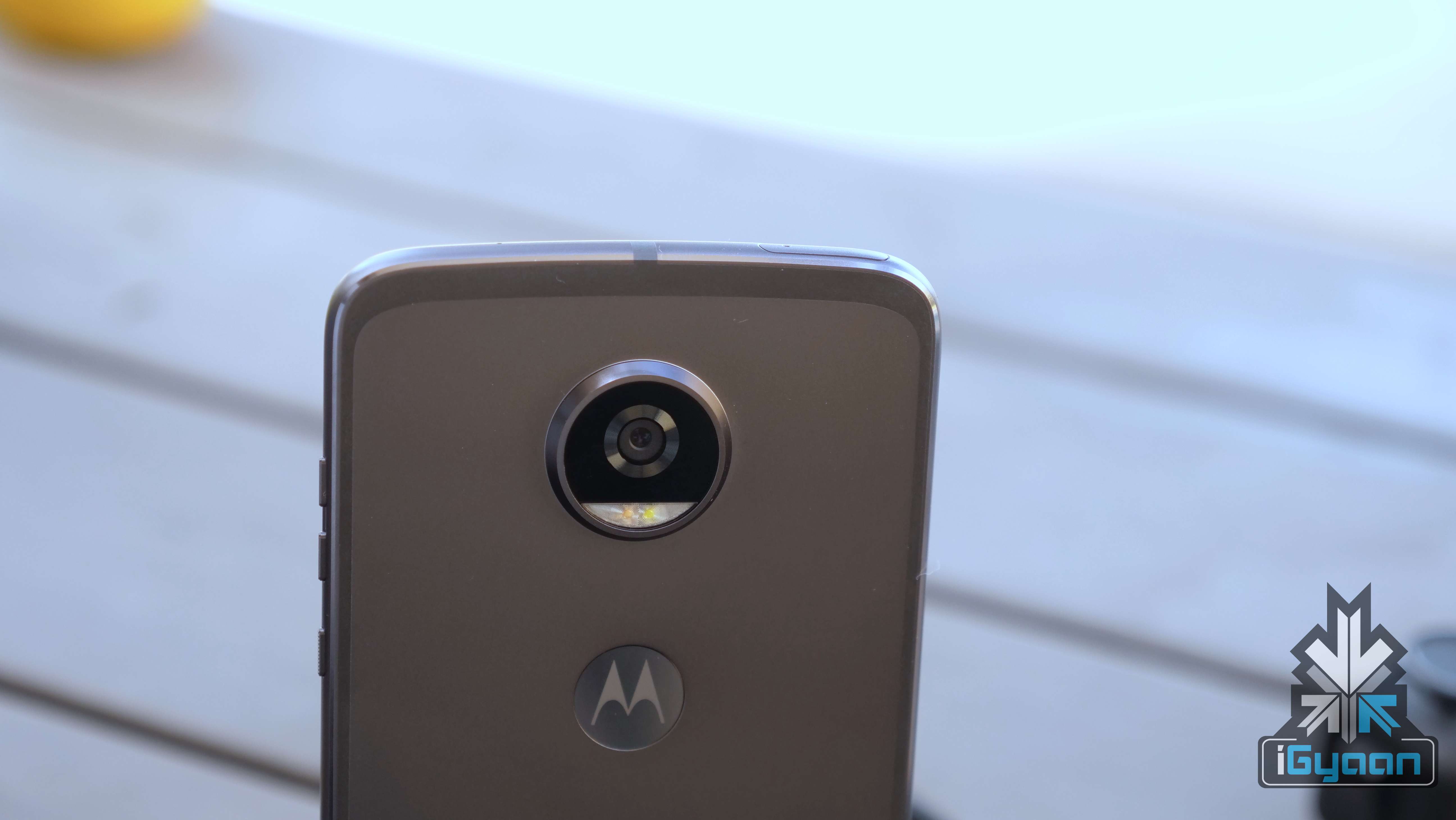
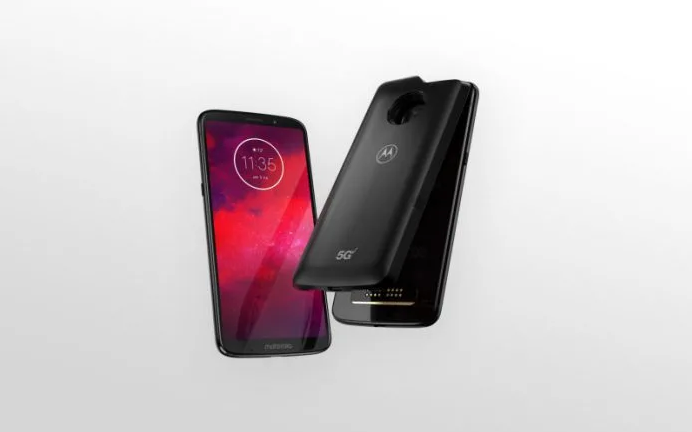 It is possible that the Moto Z users in the US can get their hands on the 5G Moto Mod by the end of March 2019. However, the 5G Moto Mod will only be compatible with the Moto Z3 at the time of its initial launch. But reports say that the support for the accessory will also be extended to the Moto Z2. Data transfer speeds via 5G are expected to be 10 times more than today’s wireless technology. Also, Ultra-low latency provided by the mod will significantly bump up the VR and AR experience. Users will also be able to distribute their bandwidth over different devices via Wi-Fi Hotspot functionality of the device.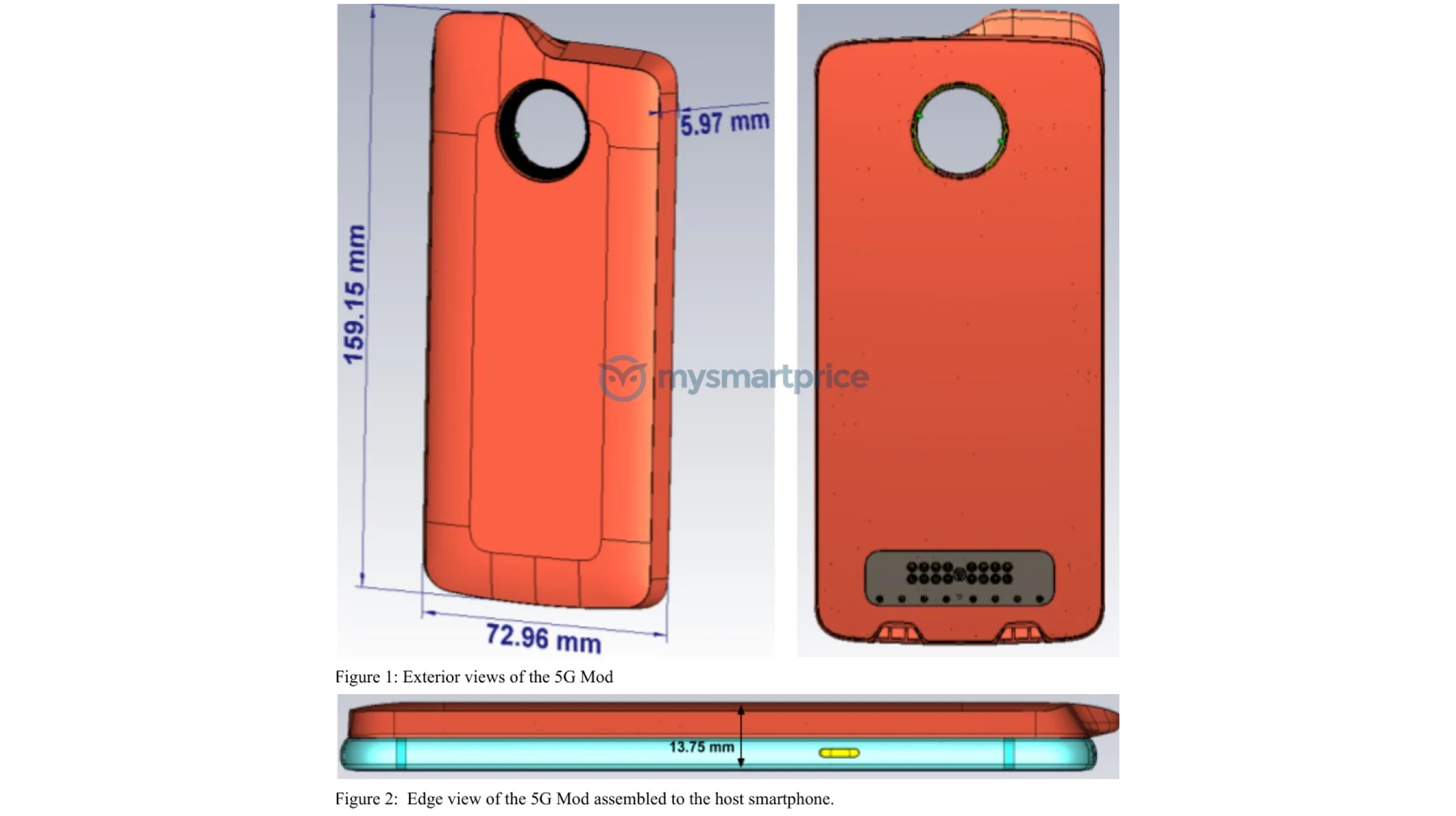
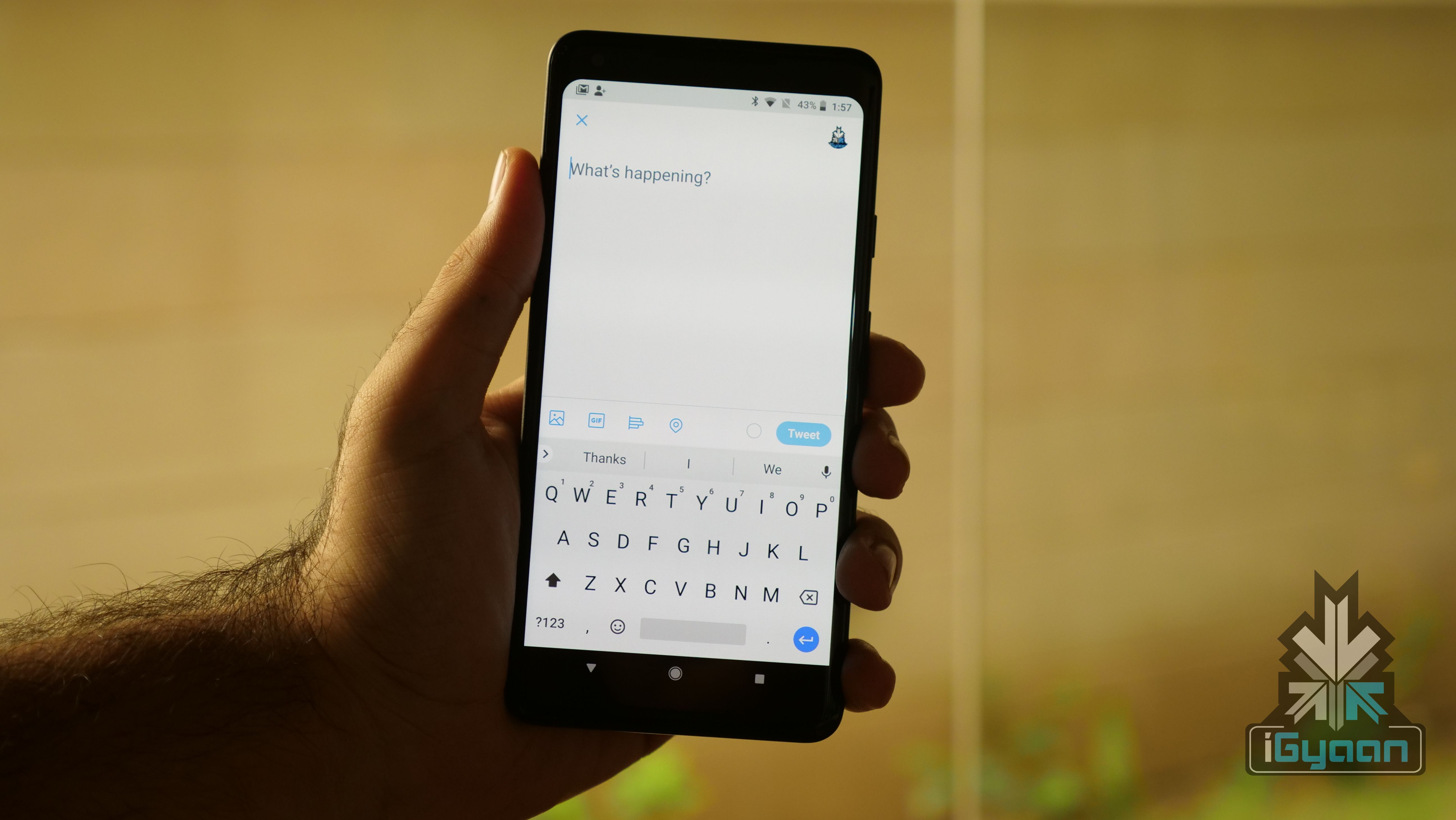 The option will enable users to tap on the @username in the main app feed to pop up the profile which they intend to view. It can be a very helpful feature. Not all accounts on Twitter have relevant usernames which can tell a user more about the person. Also, if the user clicks on a person’s avatar/username, they are taken to the profile page, interrupting whatever they were originally doing. Instead, the new feature will act just like the ‘mouseover’ option which can be experienced on the Twitter desktop website. Users will get an option to follow the person or interact with other options on the profile.
 Potential users have recurring thoughts regarding the purchase of a dedicated music streaming service. Some users still prefer YouTube to listen to music, but that’s not very convenient as many of them will agree. For instance, you cannot minimize the YouTube app while playing a song. Doing so cuts off the music, so you have to keep the app awake at all times. This means that your battery drain is significant. Also, music applications don’t go very hard on your data plan, whereas 720p YouTube streaming consumes almost 1 GB per hour. Using YouTube for your music needs may be more hassle-free, but certainly not the best possible solution
 Let’s not forget that Apple brought iPods into the market, changing the way music was played everywhere. Apple music is built on top of a similar infrastructure that focuses more on the ‘ease-of-use’ aspect than anything else. Agreed, it’s not the cheapest music streaming subscription out there, but it offers much more for the price what people pay.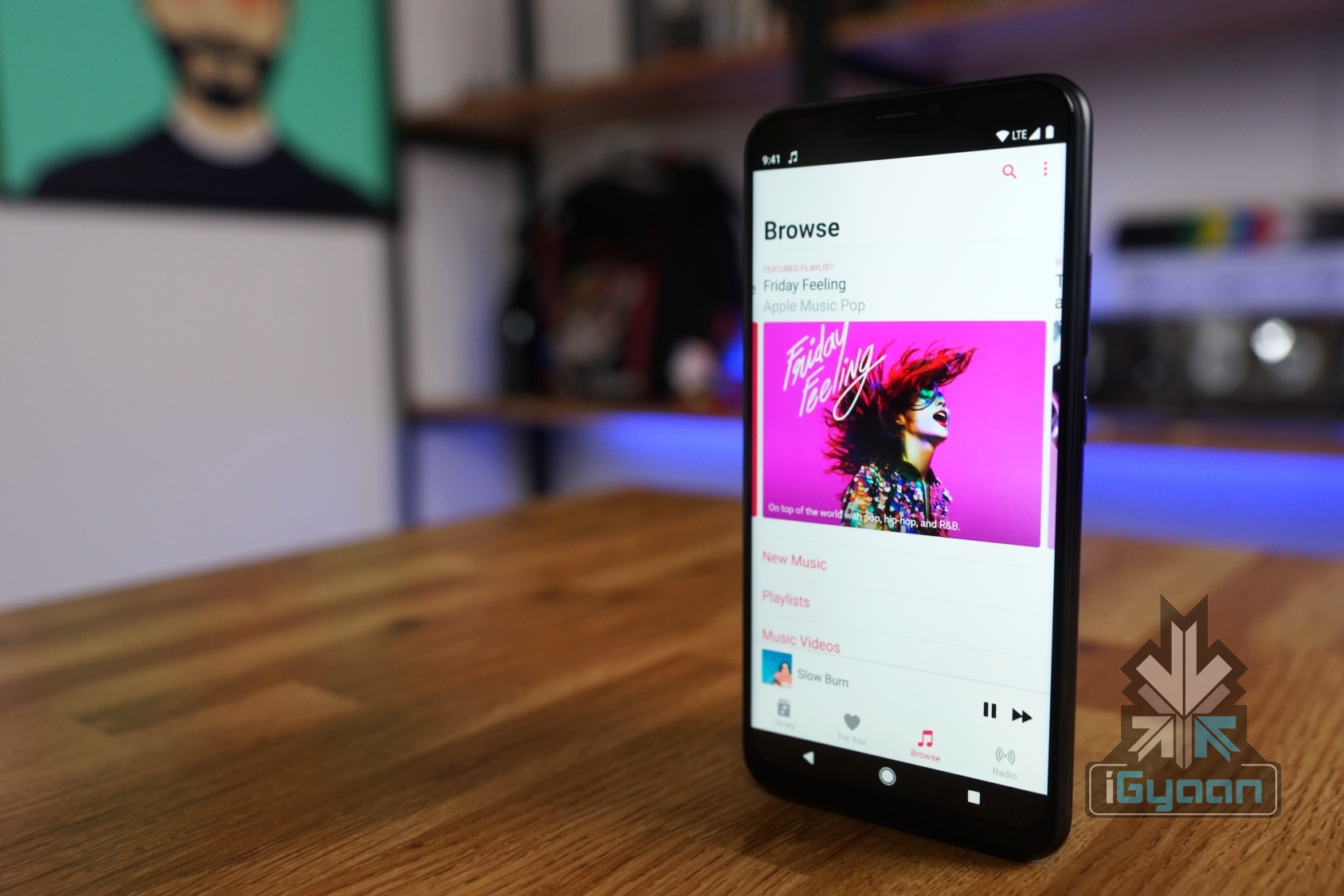
 Amazon Prime Music was primarily launched in India with the motive of an Amazon Alexa integration. Eventually, Prime Music made its way on to newer platforms like iOS, Web, and Android. Amazon Prime also provides services for streaming movies and online shopping worldwide. The music streaming service has a huge music library with over 30 million tracks. Amazon Prime Music is also known for its seamless music playback over its popular voice assistant, Alexa. A person can easily manage playlists, queue songs and play/pause music using just voice commands. Prime music has full Chromecast support, unlike Prime Video.
  From a long time, the search giant has been trying to strengthen its foothold in the Indian Music Streaming service. The Google Play Music App is preinstalled on every Android phone, so almost every user notices the app one way or another. With competitive pricing, Google Play Music offers the solution of a single app for both online and offline music. It comes with both free and premium subscriptions, but the free version is limited to only Indian songs and radio stations. Once you start paying for a subscription, you’ll have access to a complete music catalog with a whole lot of international music and content.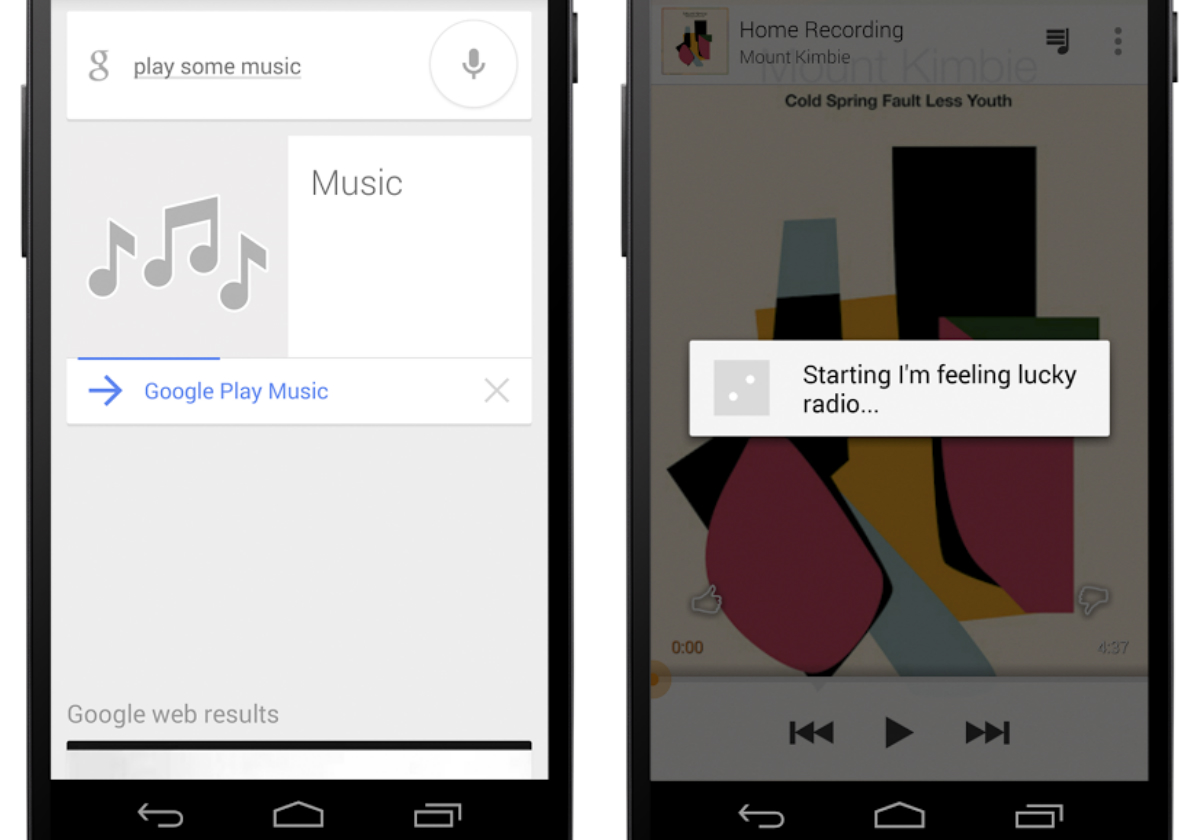
 Two popular music apps, JioMusic & Saavn Music integrated to launch the JioSaavn app on December 4. The app brought a host of features like interactive lyrics and live events to the user’s device. A lot of people confuse Saavn with an Indian app, but it was actually designed by two Indians in the US.
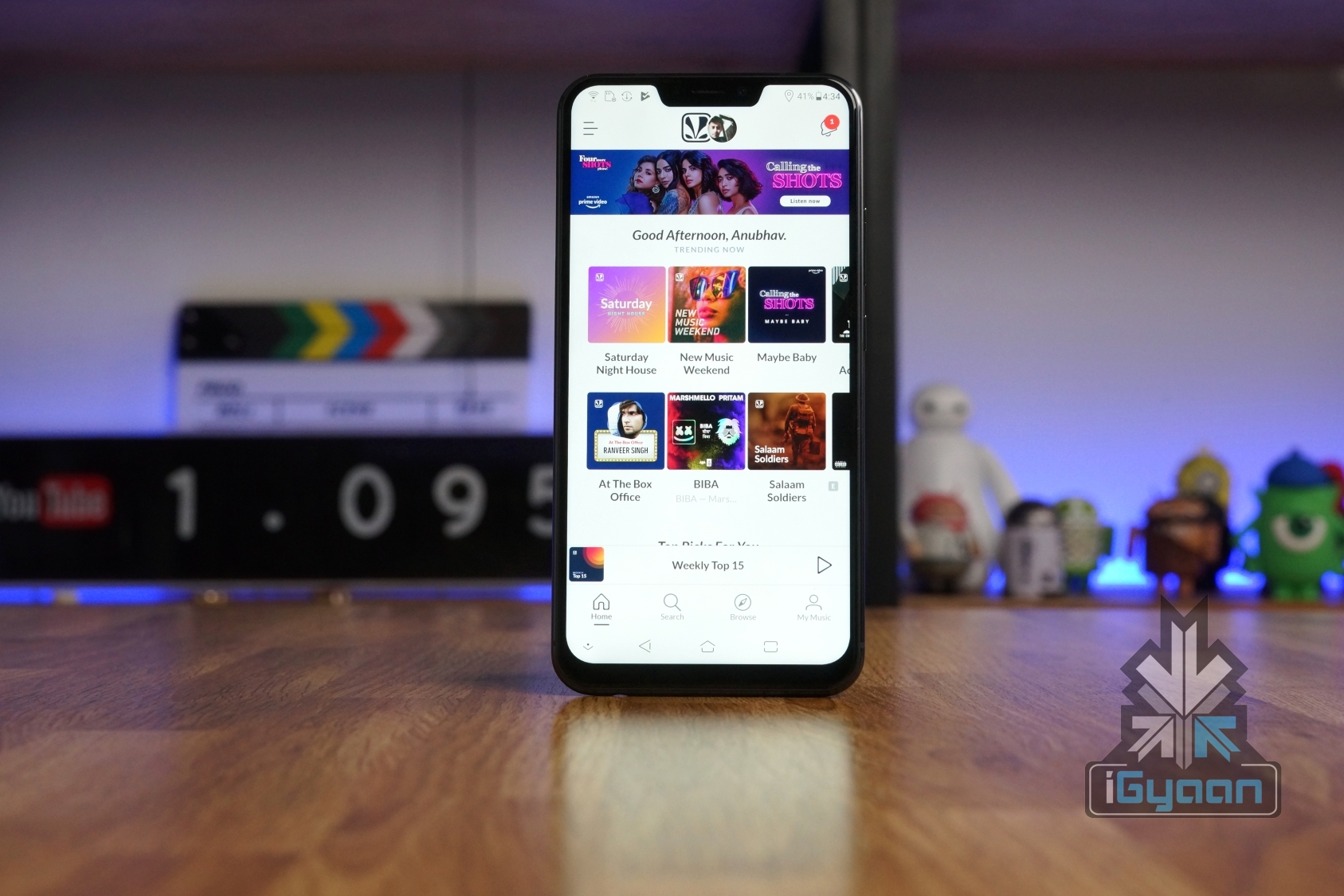 The music streaming service has a ad-based revenue model, but if you’re interested in downloading songs and getting rid of the advertisements at the same time, you can opt for the premium subscription. It offers an interactive UI with a Facebook integration, allowing you and your friends to see what you are listening to. You can adjust the music streaming quality as per your data connection. The application has a nice language filter which you can use to receive recommendations depending upon your selected region.
 Gaana was one of the earliest music streaming apps in India. Launched in 2010, the app had one of the largest music databases at that time. Over time, the minimal interface of Gaana was taken over by new features like on-screen lyrics and social media integration. Still, to this day, Gaana Music has one of the largest Indian Regional Music databases when compared to similar apps. Sure, it does have a wide selection of International music too, but it isn’t as extensive as its competitors.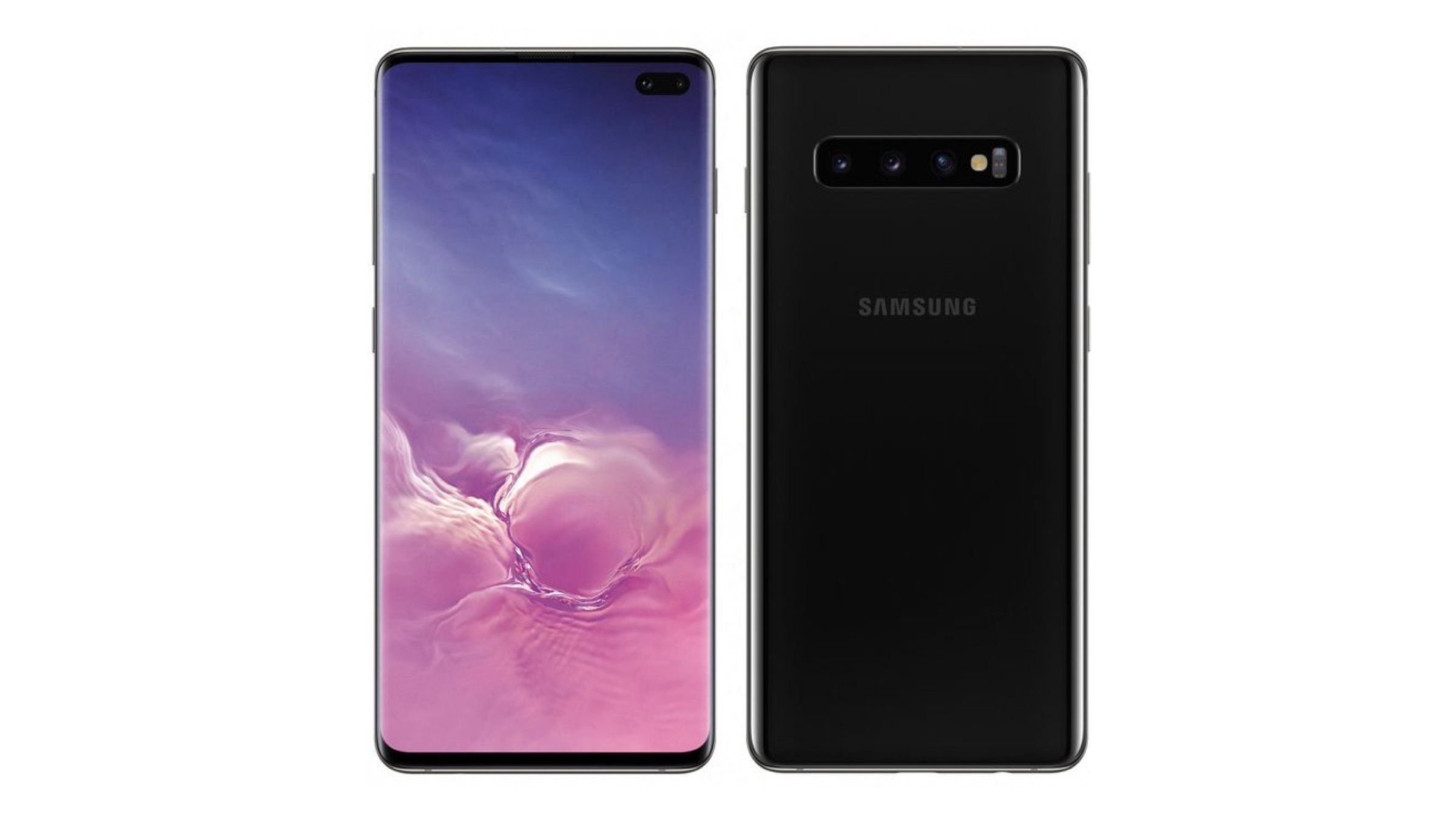
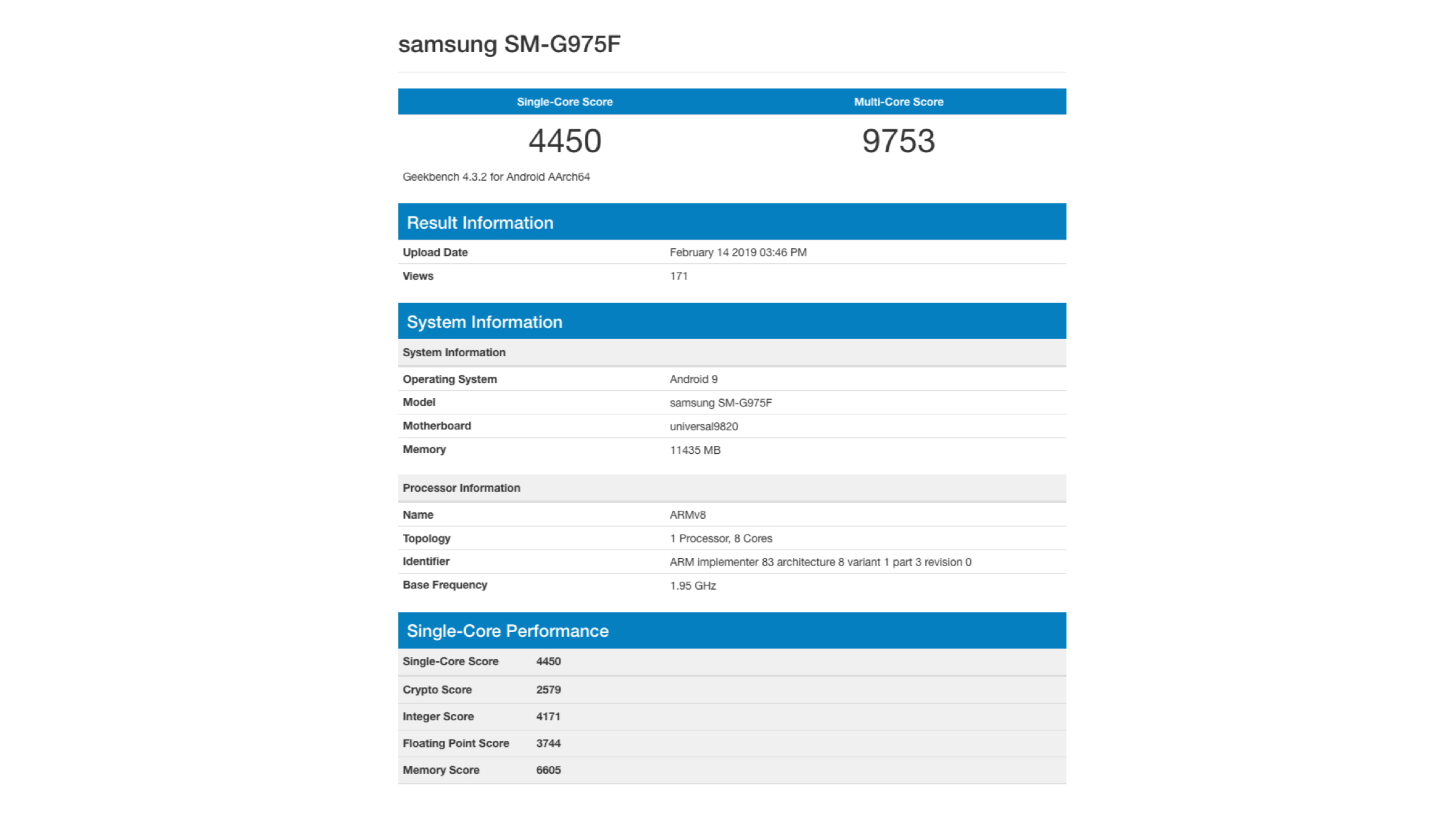 As seen above, the Samsung Galaxy S10+ racked up an impressive single core score of 4,450, with its multi core score hitting 9,753. If us compare this score to its probable competitors, we find that the Huawei Mate 20 had a score 3,390 in single-core performance and 10,318 in its multi core performance. Furthermore, the iPhone XS had the highest single core score at 4,797 and a multi core score of 11,269.
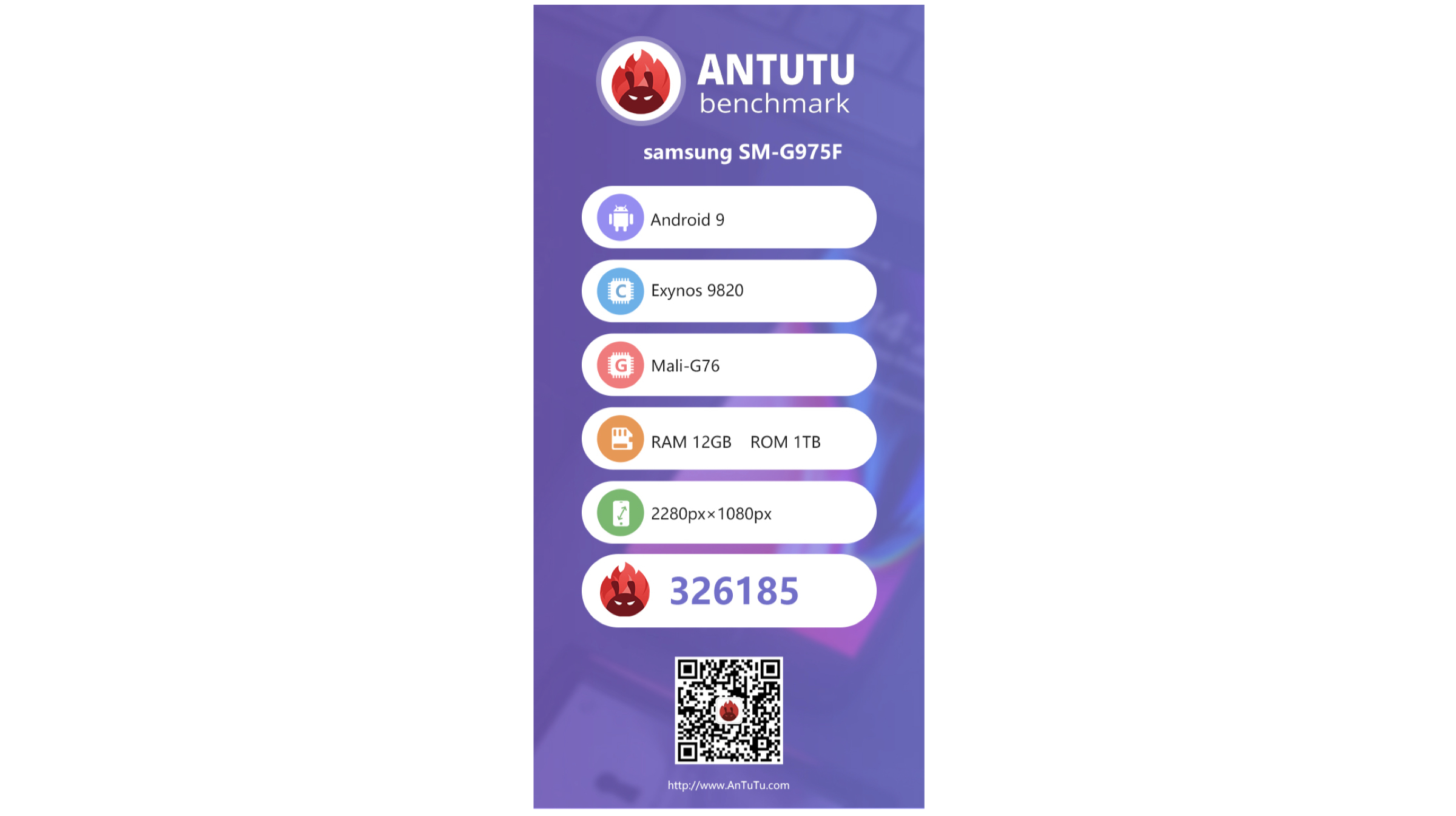 The Samsung Galaxy S10+ hit an Antutu score of 3,26,185. This places it at the top of the Antutu Android Performance Ranking Chart, right above the Huawei Mate 20 which scored 3,03,903 in the test. However, the iPhone XS is still the top performer in the Antutu benchmarking list as well. It has the highest Antutu score at 3,58,317.
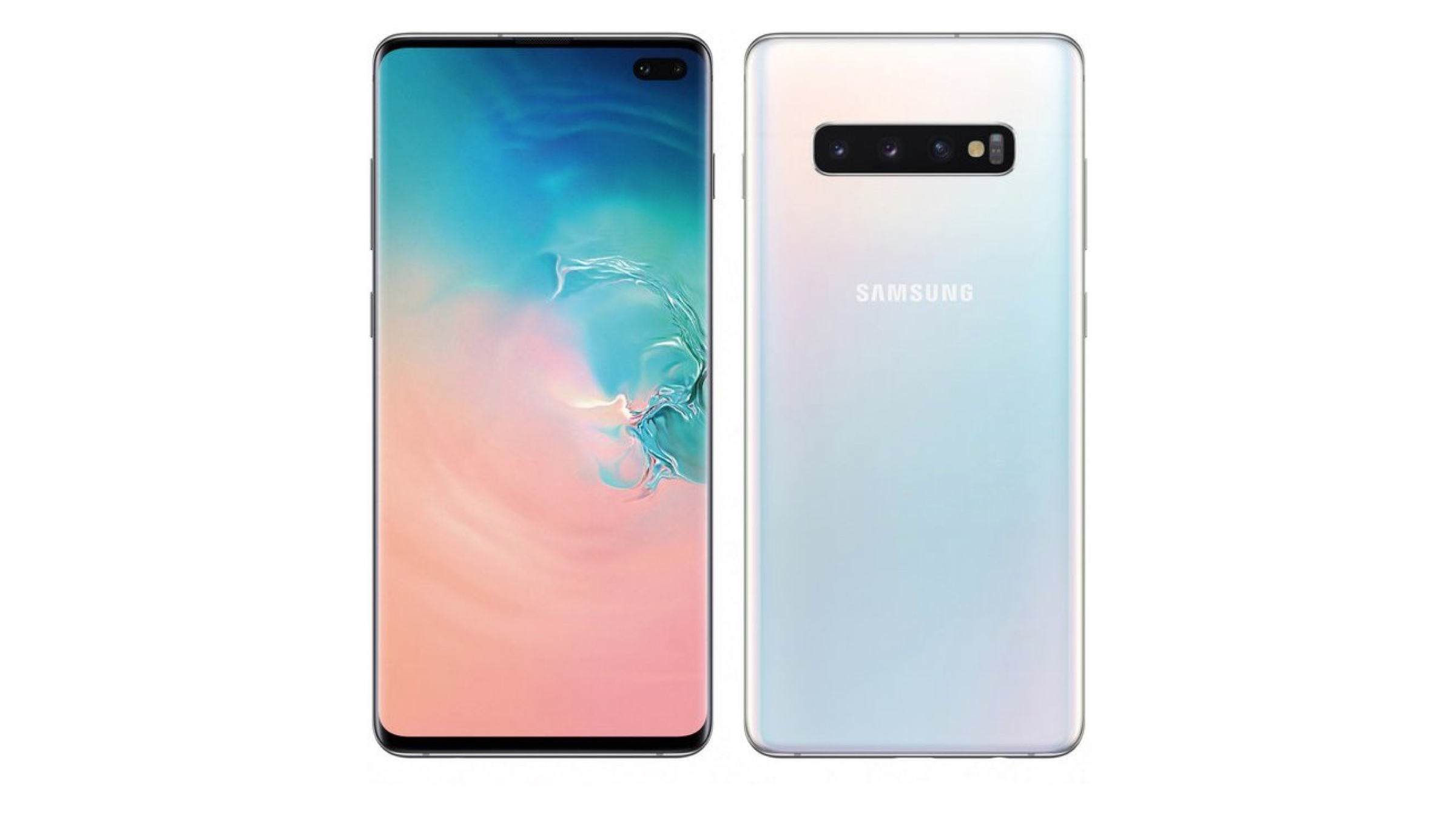 The Samsung Galaxy S10+ will reportedly have a 6.3 inch Infinity-O display with Corning Gorilla Glass Protection. The Dynamic AMOLED screen is expected to have a resolution of 3040 x 1440 px with HDR+ support. The Galaxy S10+ will supposedly run on the Snapdragon 855 for US & Latin variants, while it may be available with the Exynos 9820 chipset for the other variants. It is expected that the device will feature world’s first Ultrasonic Fingerprint Sensor.
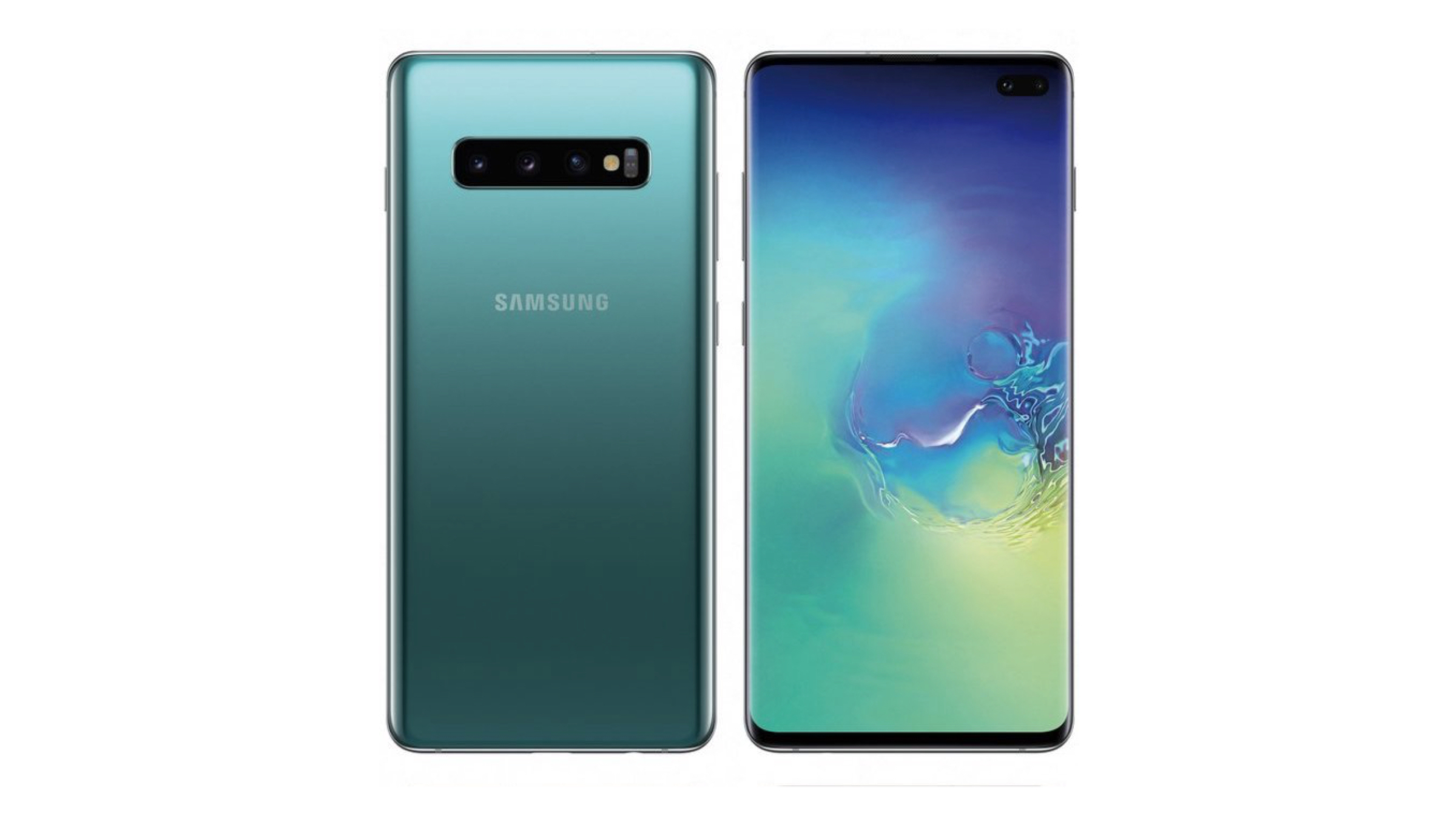 The smartphone is expected to be equipped with a triple rear camera setup, with 12MP+12MP+16MP sensors. The device will supposedly be available in three different variants, a 6GB+128GB variant, 8GB+512GB version, and a top 12GB+1TB limited edition variant. The Galaxy S10+ is likely to be powered by a 4100 mAh battery with support for Fast Charging. Reportedly, the device will launch in three different colours, Prism White, Prism Black, and Prism Green. The Limited Edition variant, however, may be available in Luxurious Ceramic Black & Luxurious Ceramic White.
 Also Read: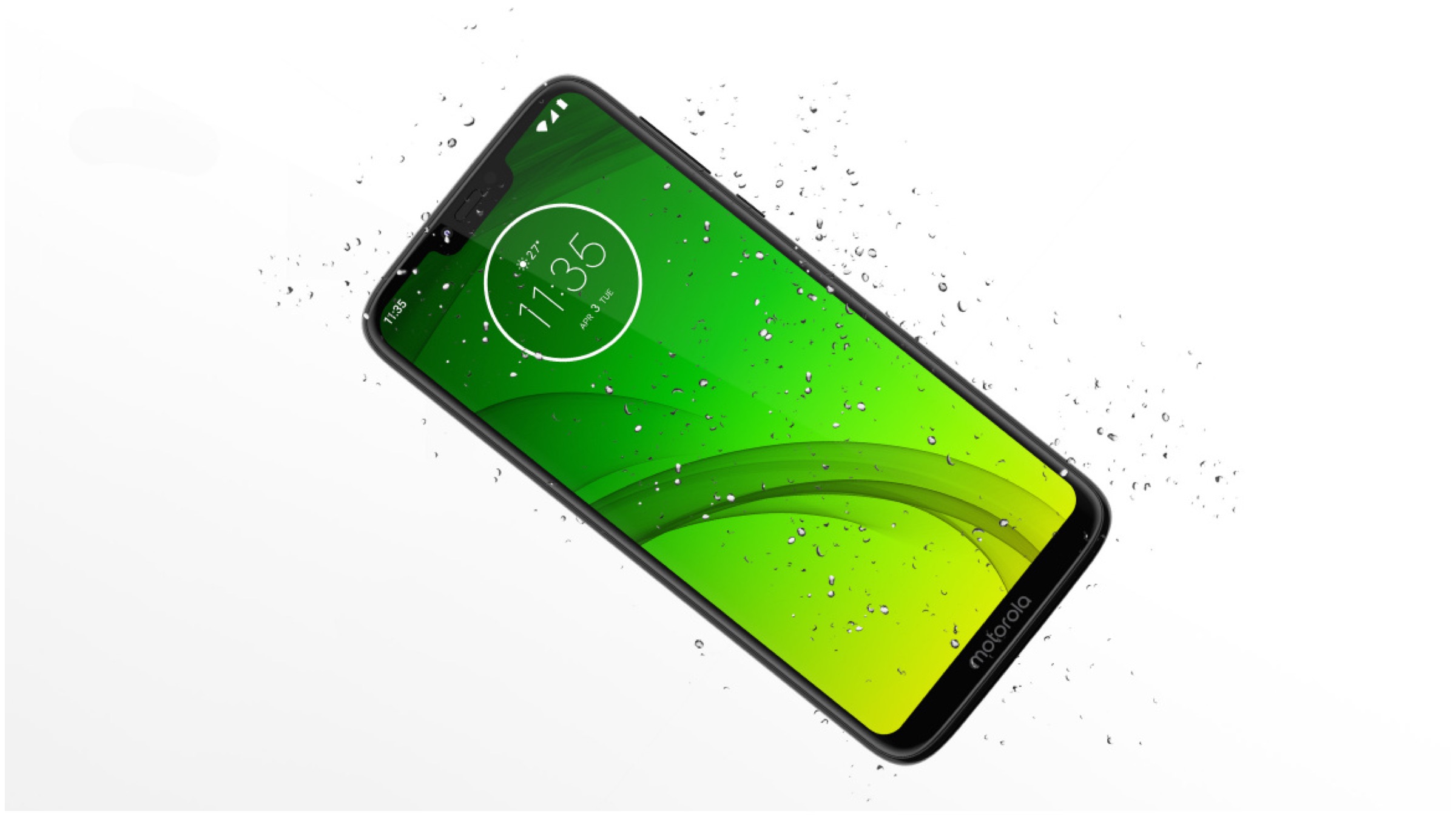

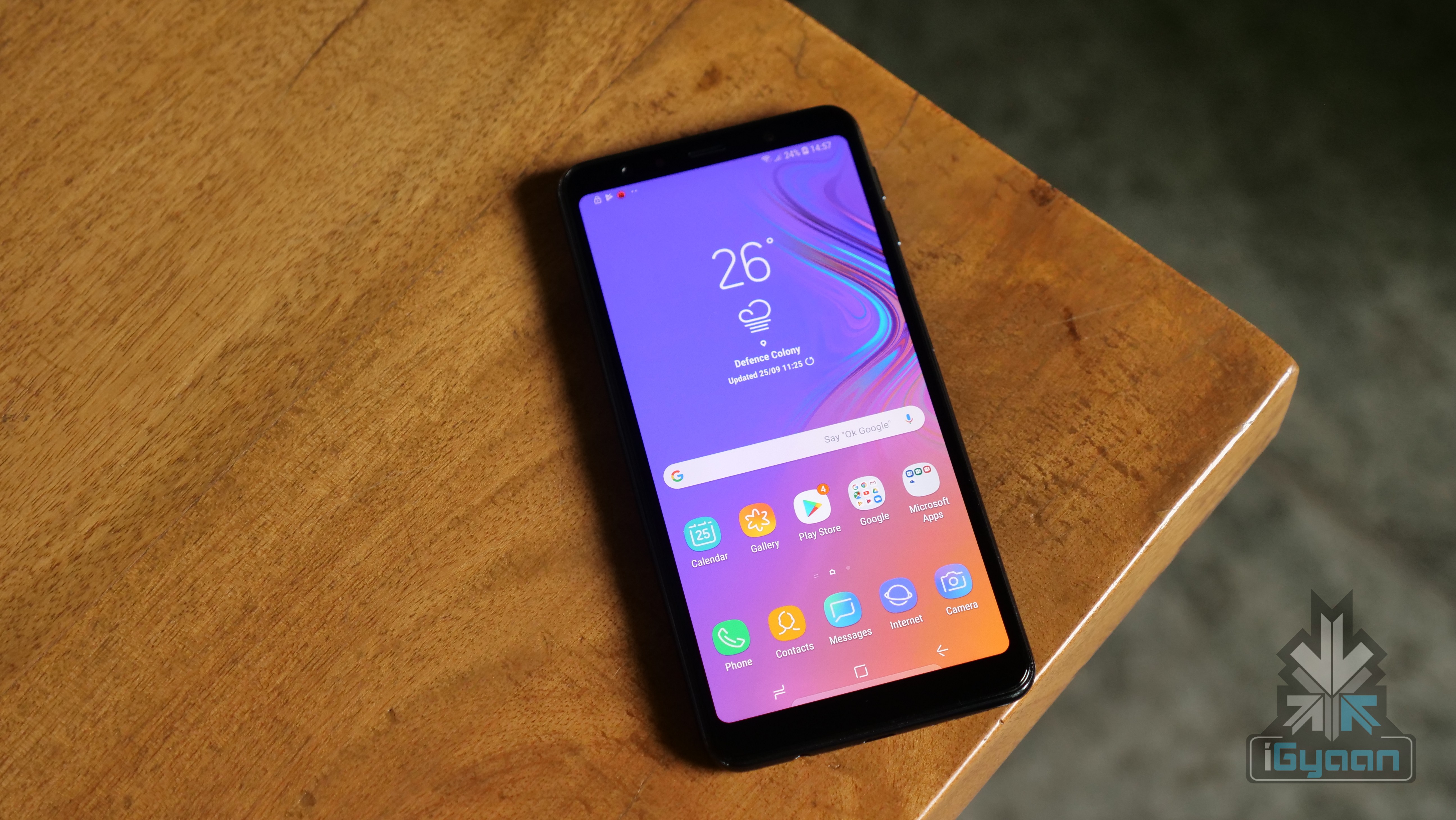 The Galaxy A10 will be available with a plastic body, and a 6.2-inch Infinity-V display with HD+ resolution. The device will have a 5 MP front facing camera, and a 13 MP primary camera. The phone will pack the Exynos 7884B chipset with an octa-core CPU clocked at 1.6GHz. The handset will have 3GB of RAM and 32 GB of internal storage.
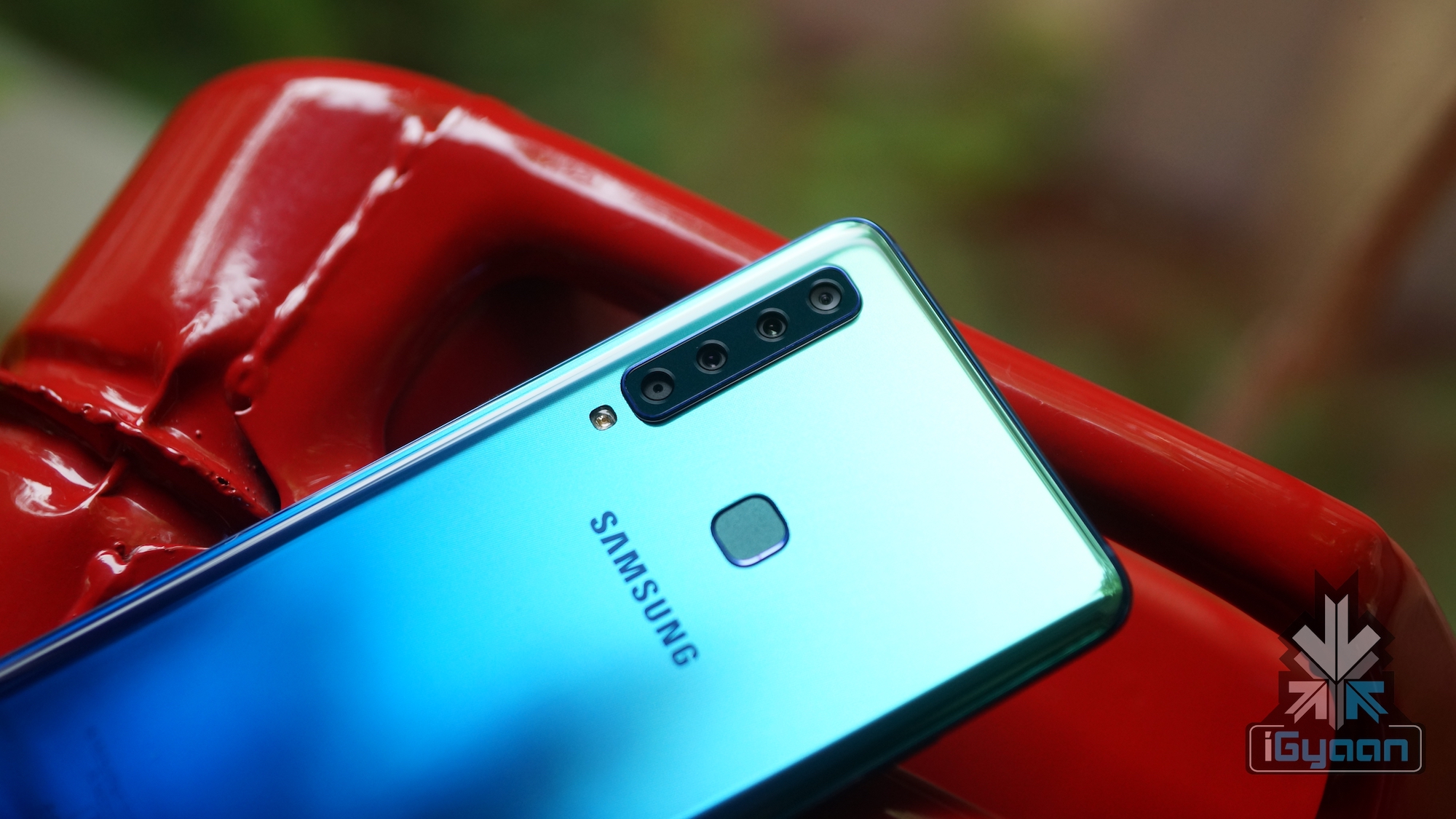 The Samsung Galaxy A50 is the top variant out of the three devices in the new A series. The highlighting feature of this smartphone will be its in-display fingerprint sensor, which is the norm for any high-end smartphone these days. It will have a triple camera setup on the back, and a 25 MP front facing selfie camera. The triple camera setup would consist of a 25MP main sensor with f/1.7 aperture, a 5MP depth sensor, and an 8MP fixed-focus ultra-wide camera with f/2.4 aperture.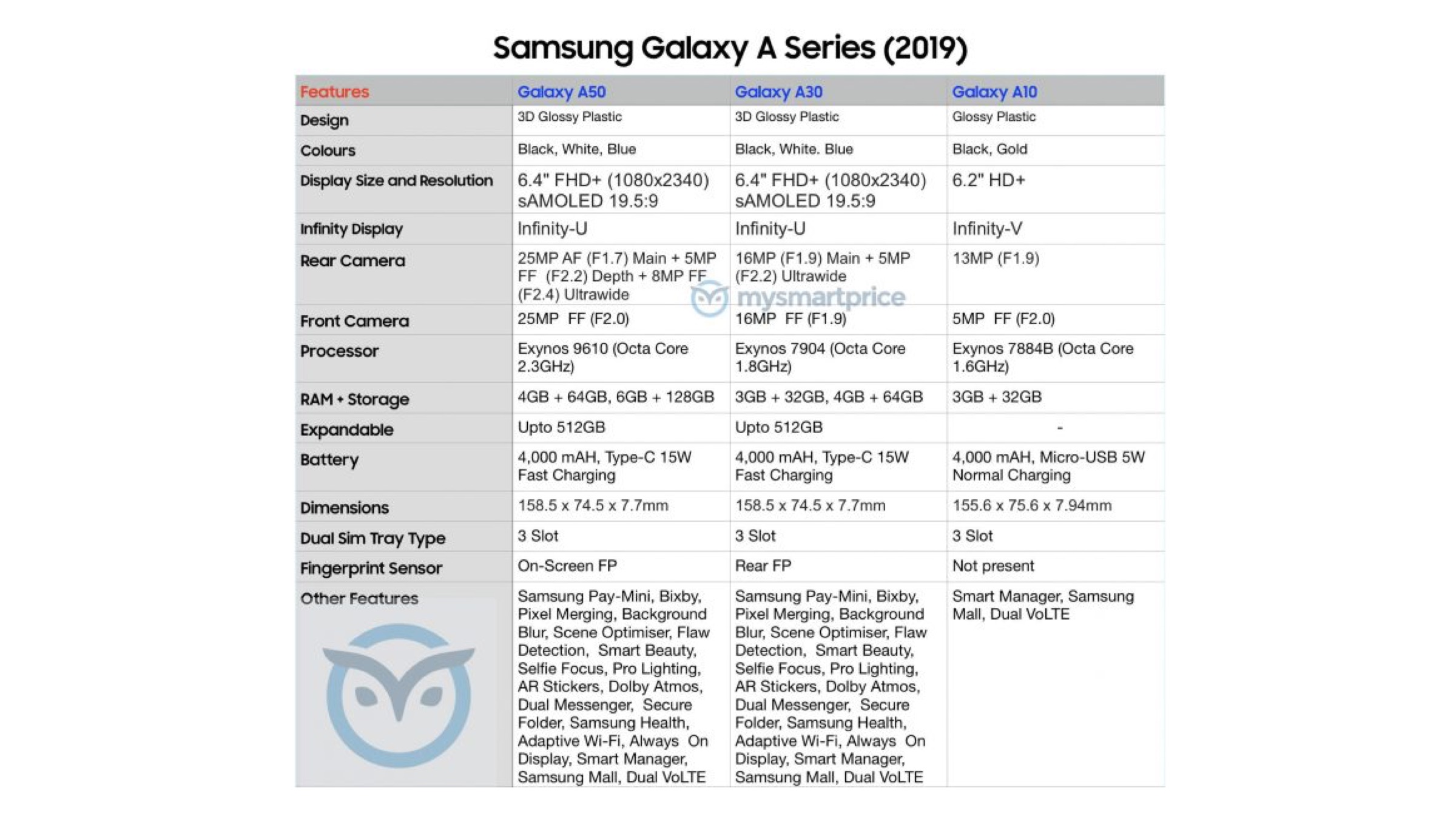
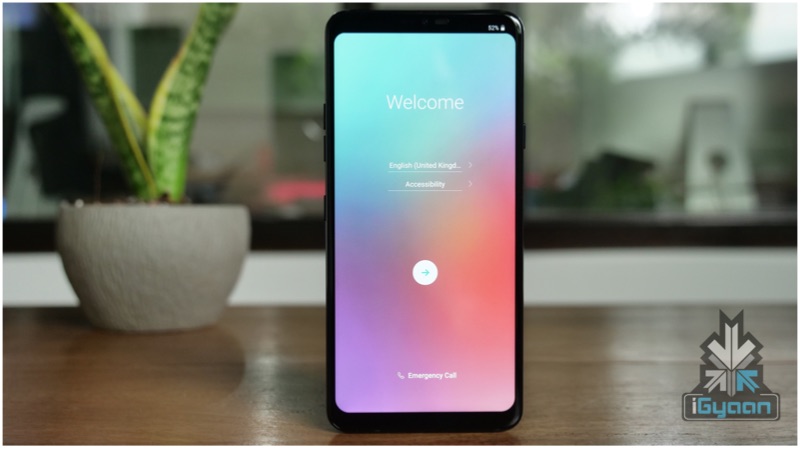
 Basically, the entire OLED display of the device acts as a diaphragm, so the entire screen will vibrate to produce sound. In case you switch your phone to speakerphone mode, however, the sound will be produced through the speakers at the bottom. LG claims that this technology can work perfectly in smartphones, the same way it worked in LG TVs. Crystal Sound OLED technology boosts every musical note you hear while improving sound clarity at the same time. Also, the device has the capability to generate dual channel audio by using the bottom speaker & the display together.
 The
The 
 Samsung has a design patent published at the
  For mobility, the device can be folded so that the display gets shifted to the inside. This will ensure the protection of the display, as the screen won’t be scratched or broken while carrying the device. According to your convenience, the smartphone can be folded all the way back, so that you can use one single display just like a regular smartphone.
 Everyone is eagerly waiting for a device like this which could combine elegance and mobility into one single foldable smartphone. Samsung may or may not release any information about its foldable device anytime soon, but if it does so, we’ll have to wait for the MWC 2019 for that.
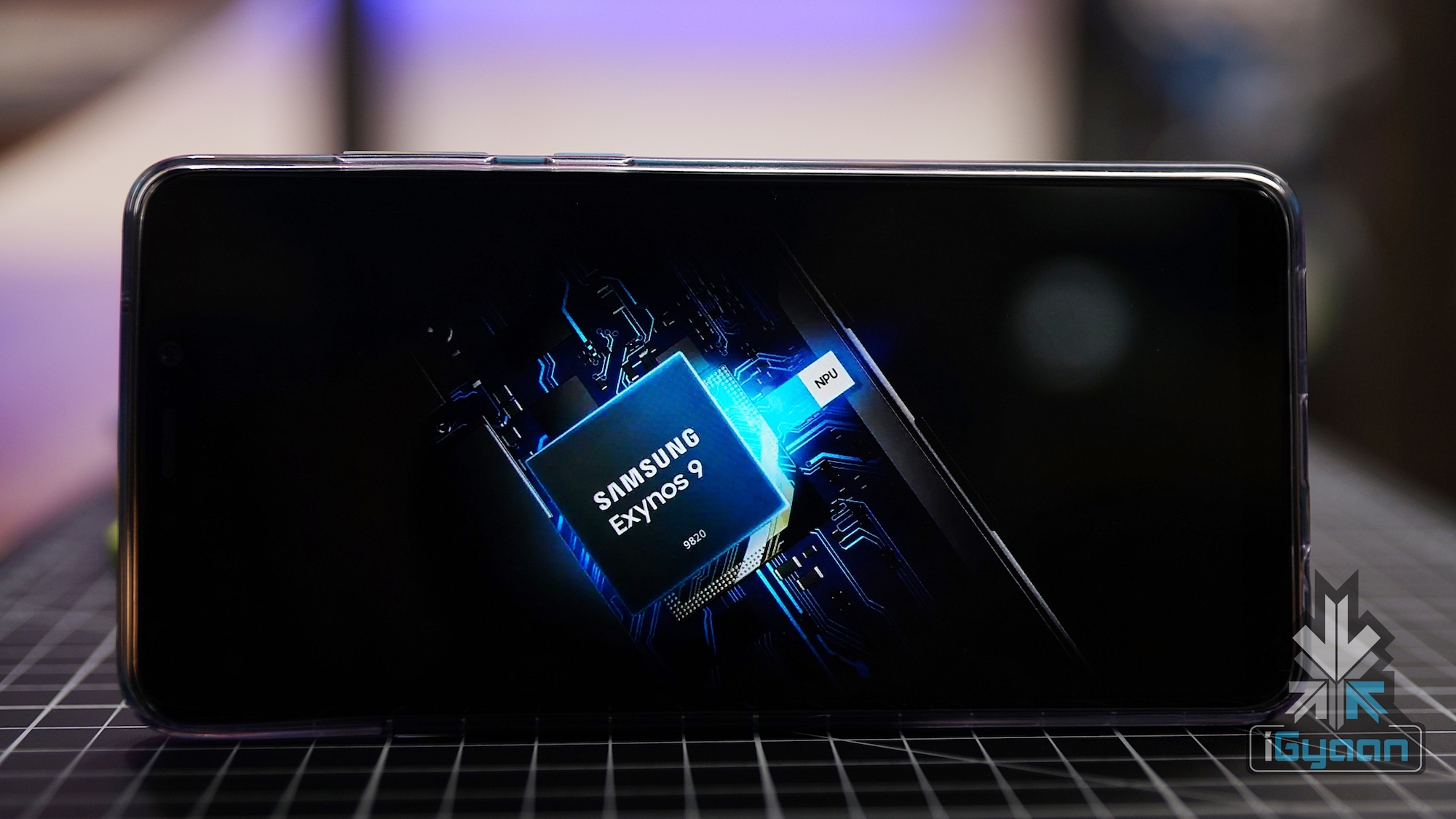 As mentioned before, The Motorola P40 will pack Samsung’s very own 10nm Exynos 9610 octa-core SoC. The device will probably be available in three different RAM & storage options, most likely in 3GB + 32GB, 4GB + 64GB and 4GB + 128GB. The Moto smartphone will sport a 48 MP primary camera.
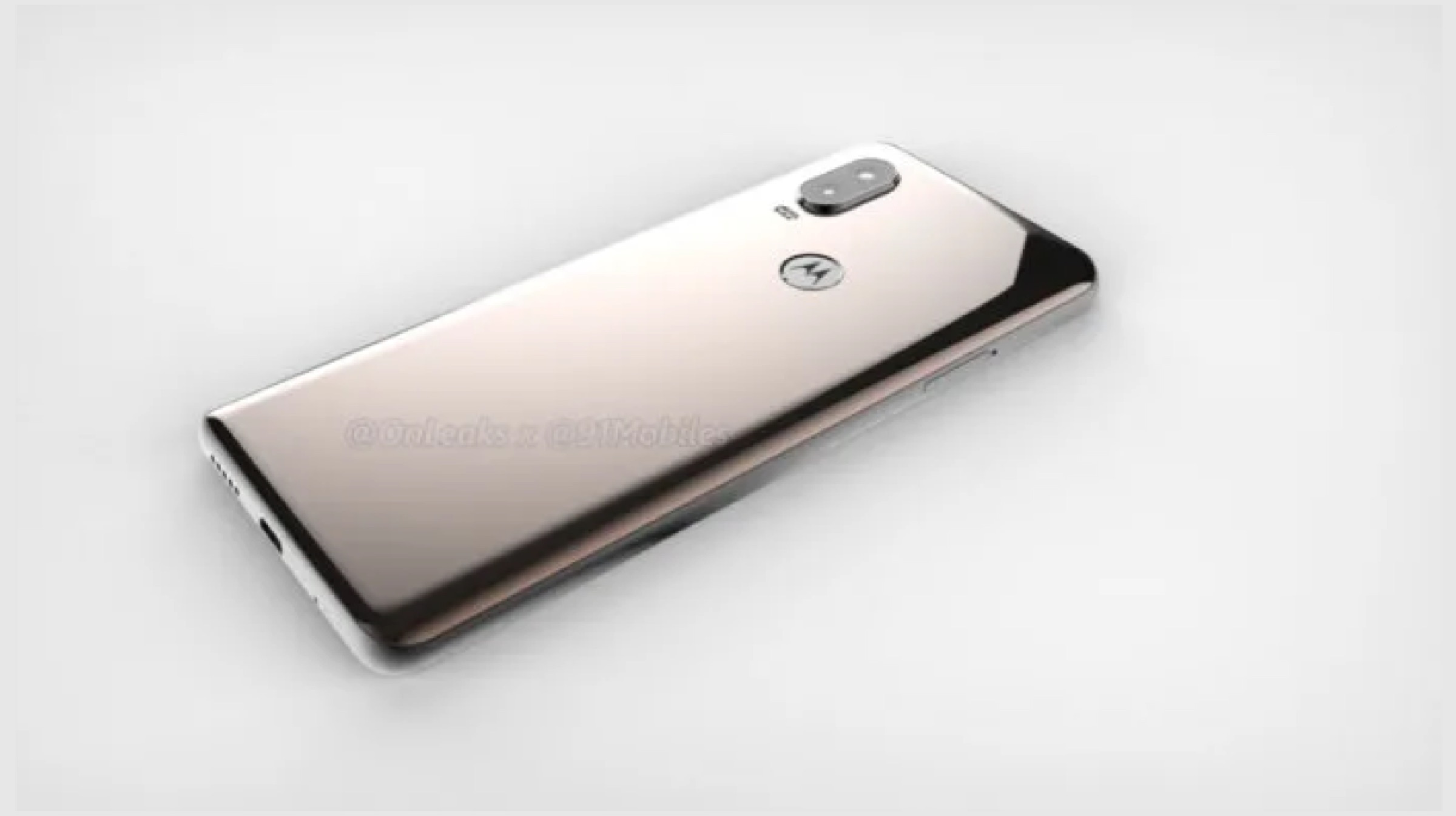 Sources say that the Motorola P40 will have a punch hole display design, with a single front camera. Since the P30 was an Android One device, we can expect the same offering from the Motorola P40. The smartphone is also rumoured to support NFC technology, unlike the P30.