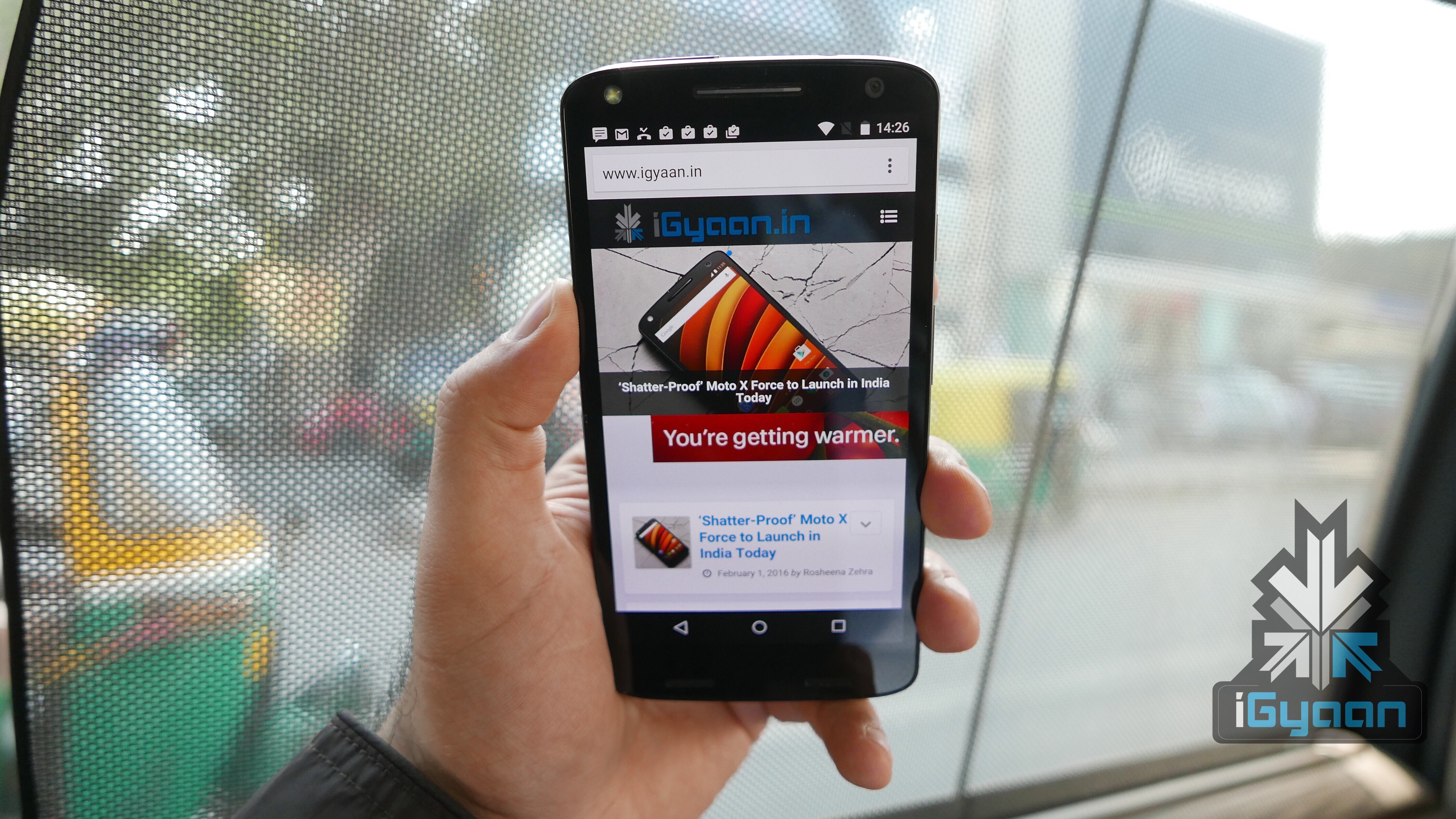
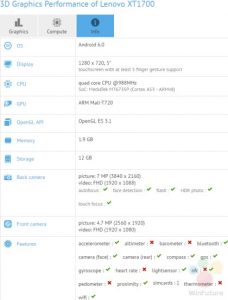
The next generation of the Moto E is already doing rounds of the internet with leaks thanks to GFXbench under the moniker Lenovo Moto XT1700, and Lenovo Moto XT1706. Made with Meditek chipsets, and sporting 5 inch 720p displays. The Moto E leaks are tying in nicely with the new leaks from an Indian Import information website.
According to the website, a device codenamed “Moto X3” with similar specifications has been imported in numbers to match test patterns. 4 of each means that the company is testing out these devices that have an estimated price of Rs. 6812.
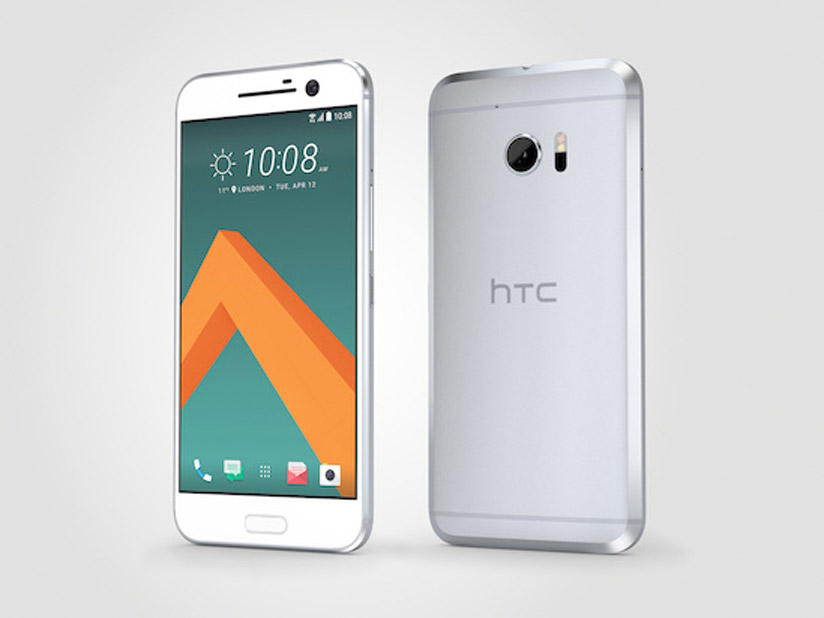
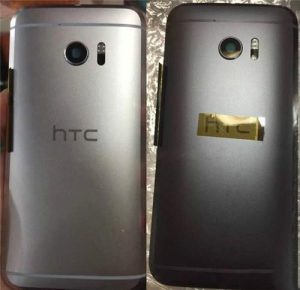
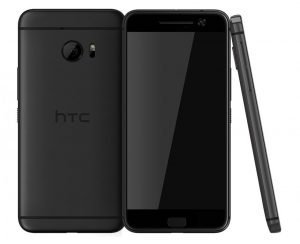
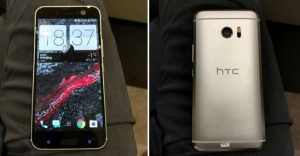
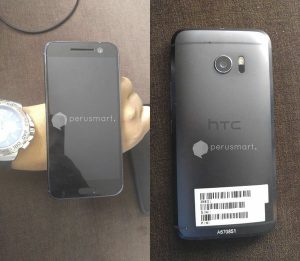
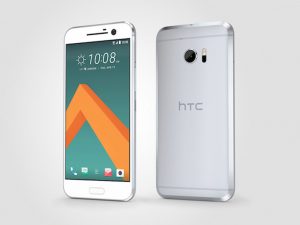
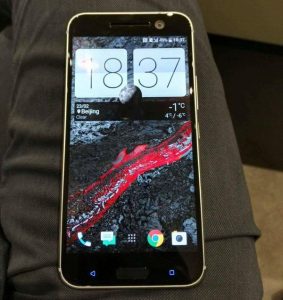
The HTC 10 aka One M10 is coming on April 12th and by the looks of it, the leaks have been accurate so far, leaving very little to guesswork with the HTC 10.
The new handset which is the successor of the HTC One flagship series and is expected to have a 5.2-inch QHD display and will run on Qualcomm’s Snapdragon 820 quad-core chipset with 4GB of RAM and 16GB/32GB and 128GB internal storage options with microSD card slot. Another variant of the HTC 10 with Qualcomm’s Snapdragon 652 processor with 3GB of RAM, was seen in the FCC filing, making possible an HTC 10 for markets like India.
The HTC 10 Mini, however, is expected to show up sometime in September, with a Snapdragon 823 and a smaller display size of 4.7 inches.
The cameras will be made up of 12 Ultrapixel and 8 Ultrapixel combos, making the cameras compete with the likes of the new Samsung Galaxy S7 and S7 Edge.
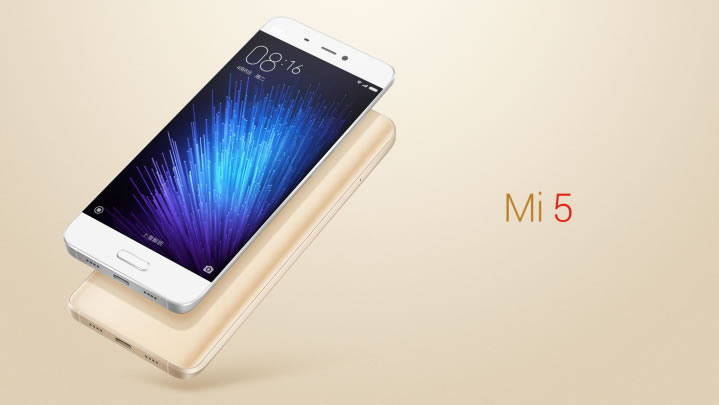
At an event held in New Delhi, Xiaomi has finally launched the Mi 5 in India for a price of Rs 24990 for the base variant.
The phone will feature the Snapdragon 820 processor with 3 GB or RAM and 32 GB storage. With a 16 MP main camera and a 4 MP, 2-micron pixel size, front camera, the Mi 5 will go on sale on the 6th of April.
The price of the phone is more than people expected, as the base variant was supposed to be around 22000, as the Chinese price of the smartphone is around Rs. 20000.
Xiaomi is not launching the 64 GB variant, or even the Mi 5 Pro in India today with 4 GB of RAM and 128 GB of storage. Which is a huge disappointment for Xiaomi and Mi 5 fans. Another let down is the launch only in the white color, with the gold and silver colors not in sight.
Has Xiaomi rushed the launch of the Mi 5 to an extent where they are just trying to fulfil a promise to people, with a price and fewer options than ever before? Either way, the phones are expected to run out of stock early, unless you can score an F-Code.
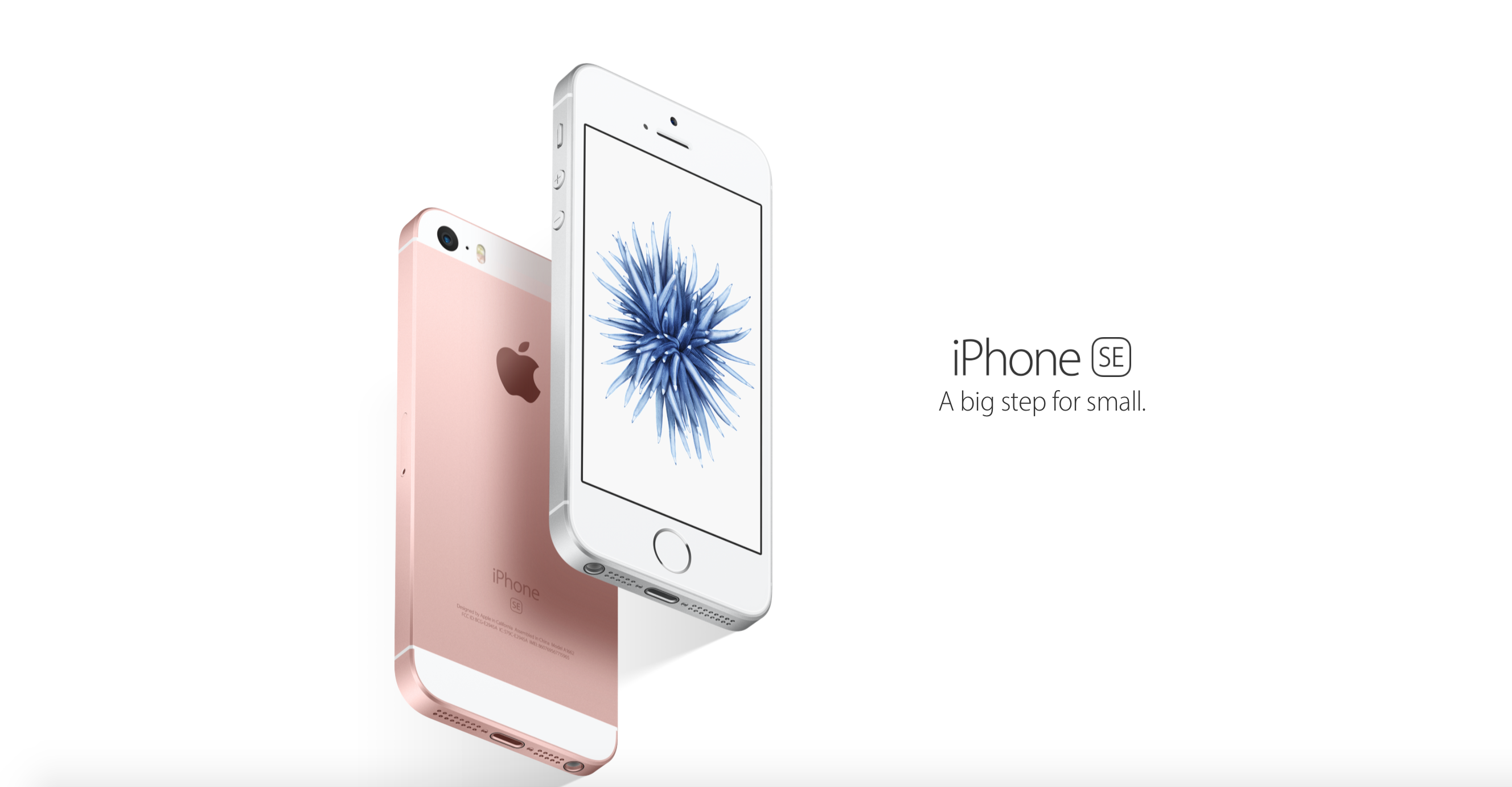
With Apple prepping the launch of the iPhone SE in India on the 8th of April for a whopping Rs. 39000 for the base 16 GB variant. The iPhone 6s which features better specs and a larger screen capable of 3D touch is presently available for as low as Rs. 41000 on online websites, and if you choose one of the credit card deals, you can have one today for approximately Rs. 40000. There is absolutely no need to purchase the hybrid old-new iPhone SE which has some components from the iPhone 5s and many from the iPhone 6s
The iPhone 6s however, has only one disadvantage for those looking to buy a smaller 4-inch phone, and that is the size of the iPhone 6s. The iPhone 7 launch is slated for September 2016, with anyone holding out for a new phone for all this while the iPhone 7 launch is expected to further lower the price of all phones, including the new iPhone SE.
However, if you cannot wait that long, choose the iPhone 6s over the iPhone SE, in India at least. It offers a lot more bang for its buck.
The Mi 5 launch which is slated to happen later today is an important moment for Xiaomi in India. This is the first time the company has managed to bring a flagship phone to India in time.
The phone which won the world over at MBW earlier this year has people begging for excellent pricing for India. Most Indian consumers have been led to by media outlets and otherwise believe that the Mi 5 will launch in India for Rs. 24000-25000 which may or may not be true.
But here is why it is important for Xiaomi to price the Mi 5 just right. The company which still relies on the flash sale model, has a little quantity of smartphones to sell, to a large and angry community which has been hyped up and filled with the hope of achieving the ultimate smartphone on a budget. Xiaomi has also seen major price falls in the past year.
Xiaomi has also seen major price falls in the past year. They had to remove the flash sale model of the Mi4 in expectations of achieving sales targets.
The Xiaomi Mi 5 which features the Snapdragon 820 chipset, will have either 3GB or 4GB RAM options and will allow you to choose between 32/64 GB variants in the regular edition along with a 128 GB PRO edition which may not be launched in India.
However, the anticipation is that Xiaomi will launch the Mi 5 base model in India for Rs. 22999 with the 64GB model going for Rs. 24999 and the pro- variant for Rs 27000. The phones should be available to order today shipping in about 10 days to happy owners.
However, if the company has any expectations of winning bigger consumers a large number of these phones should go on sale right after the first flash sale.
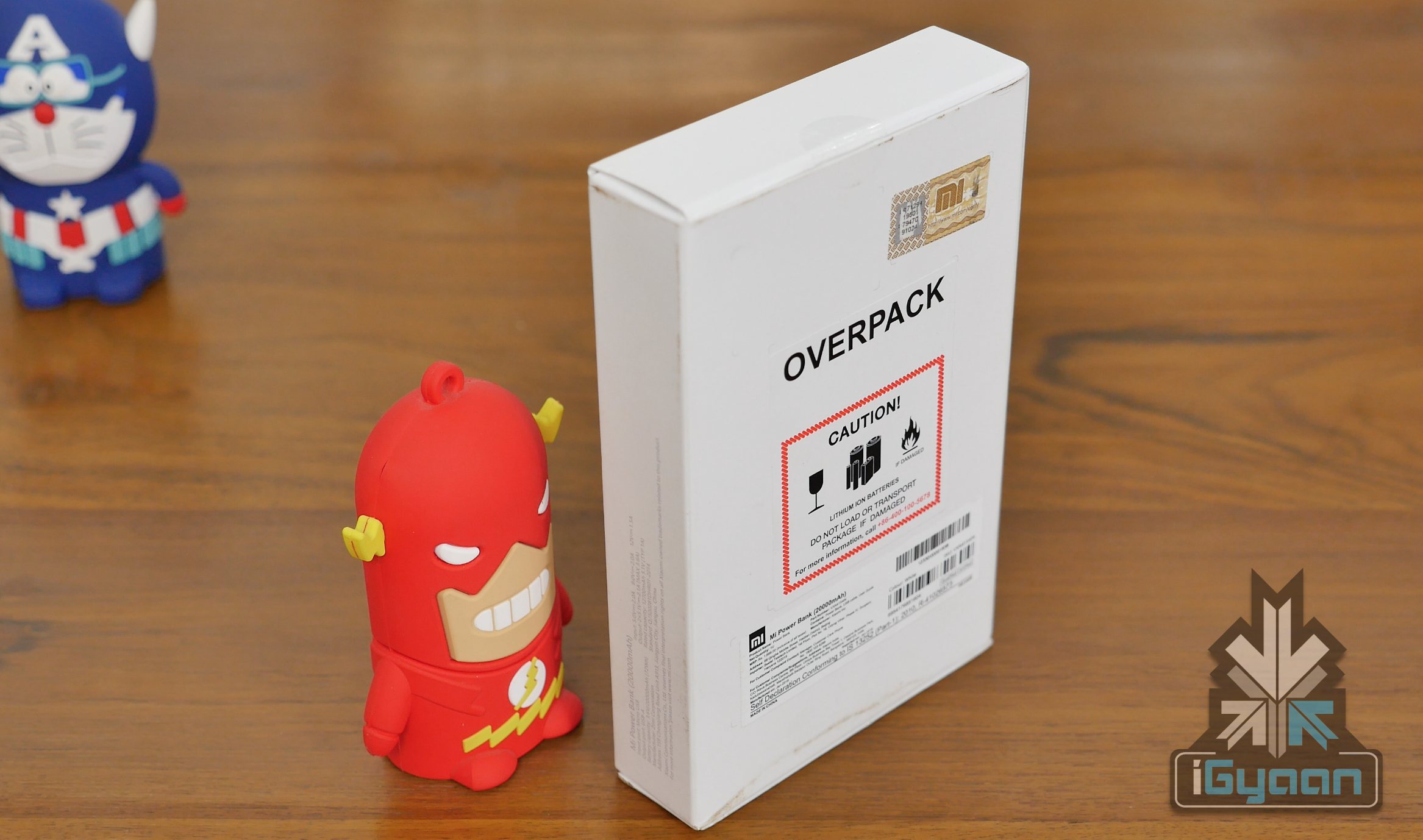
Xiaomi Mi 20000 mAh power bank will be launched for a price of Rs. 1699 . The big battery backup on the go Weighs only 338 gms and offers Dual 2.1A USB outputs.
With a lot of silence, expectations go down, and that is just about what the Chinese company “Xiaomi” needed to get their head back into the game. The Xiaomi Redmi Note 3 was launched in India with a lot of fanfare by a CEO resembling nothing less than a movie star riding in on the Ninebot hoverboard announced last year.
The Xiaomi Redmi Note 3 is a sequel to the popular Redmi Note series and does just about justice to the name of the product line and the company that is known for low-cost smartphones. Launched at a price of Rs. 9999 for the 2G RAM and 16 GB Storage variant and 11,999 for the 3GB RAM and 32 GB Storage option, the smartphone will be sold exclusively on the company’s website and e-commerce retailer Amazon till it becomes more readily available in offline channels. Redmi Note 3 on Amazon
So should you be getting in line for the Redmi Note 3, or is it all the Hype all over again, for a mediocre product? Let’s Find out.
Overview
The Redmi Note 3 has all the makings of a powerful budget smartphone. An all metal build, excellent specs, improved battery, good cameras and a new processor which impresses on benchmarks. The company continues its per-registration flash sale model which come 2016 seems unwanted. The phone impresses on many fronts and may turn out to the be the current choice of the masses just as the original Redmi Note did.
Build Quality and Design
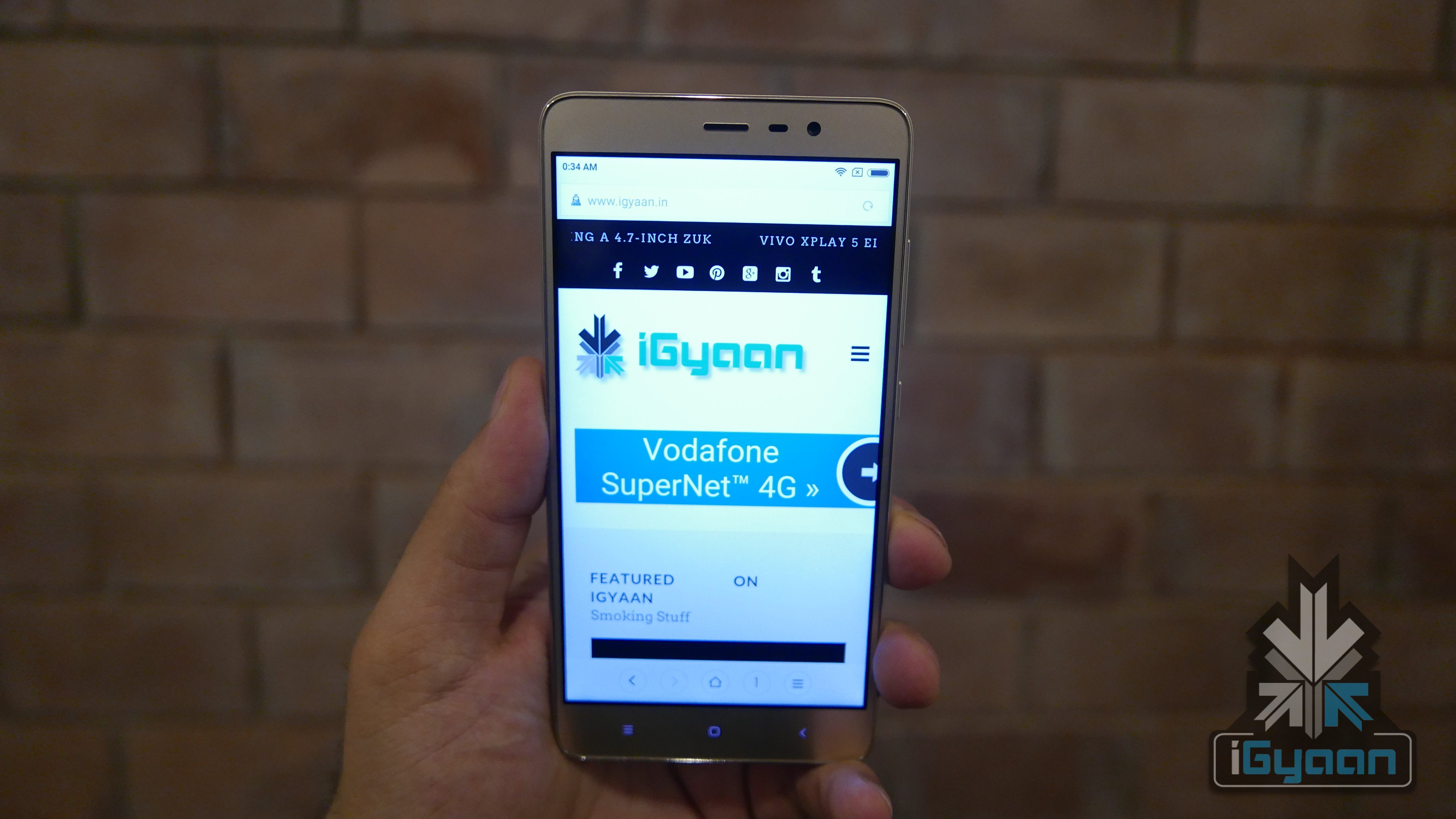
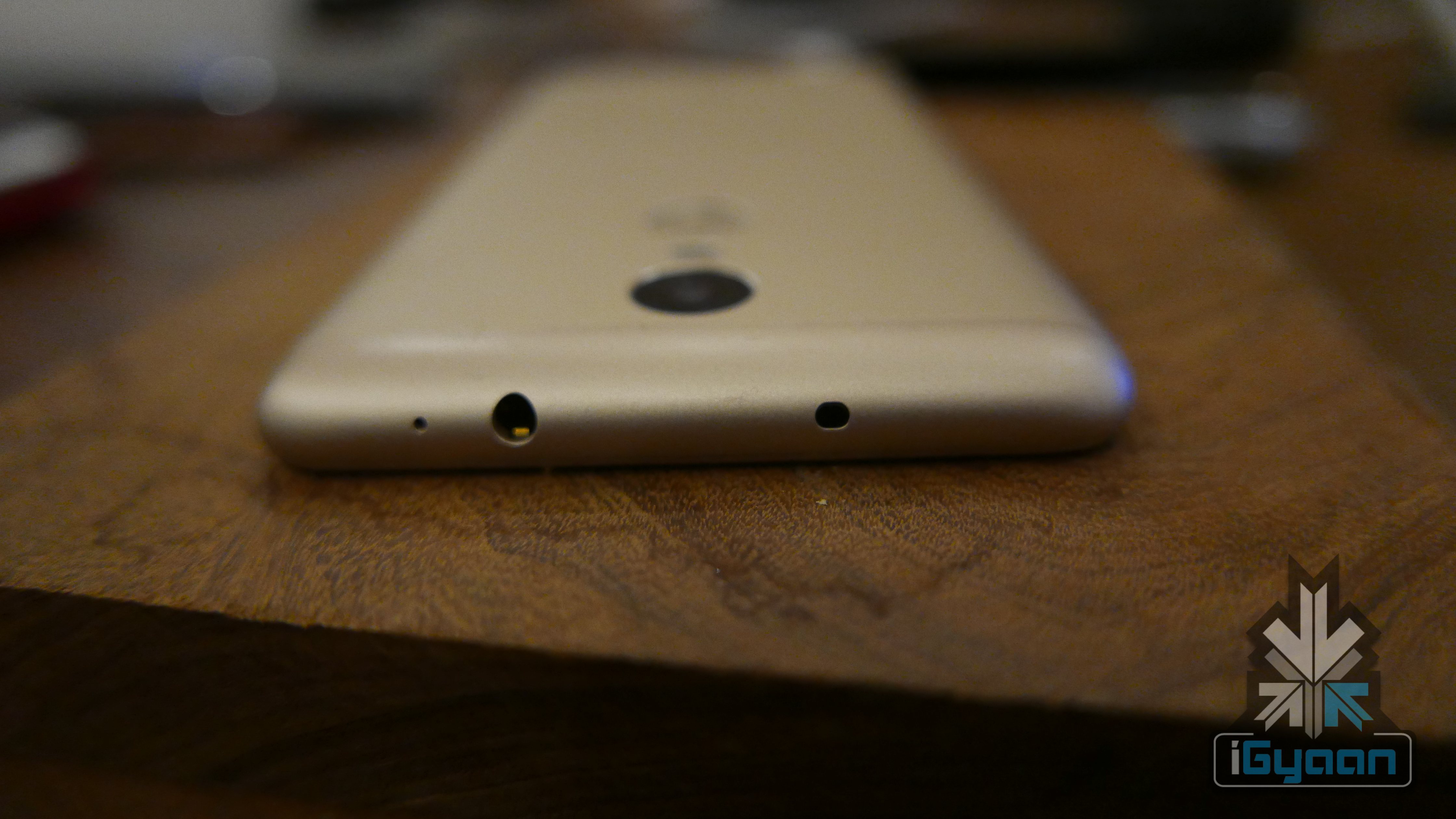
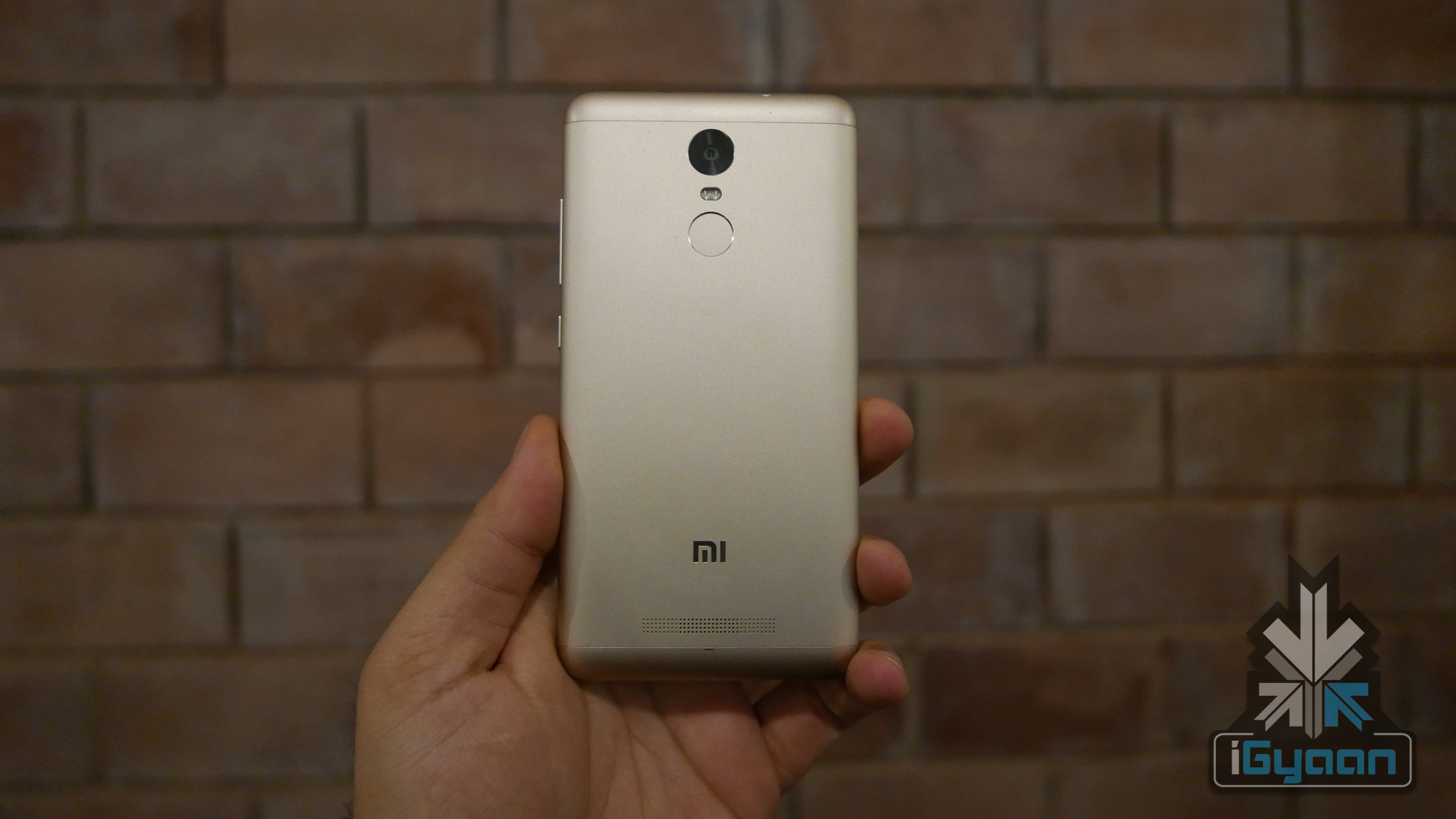
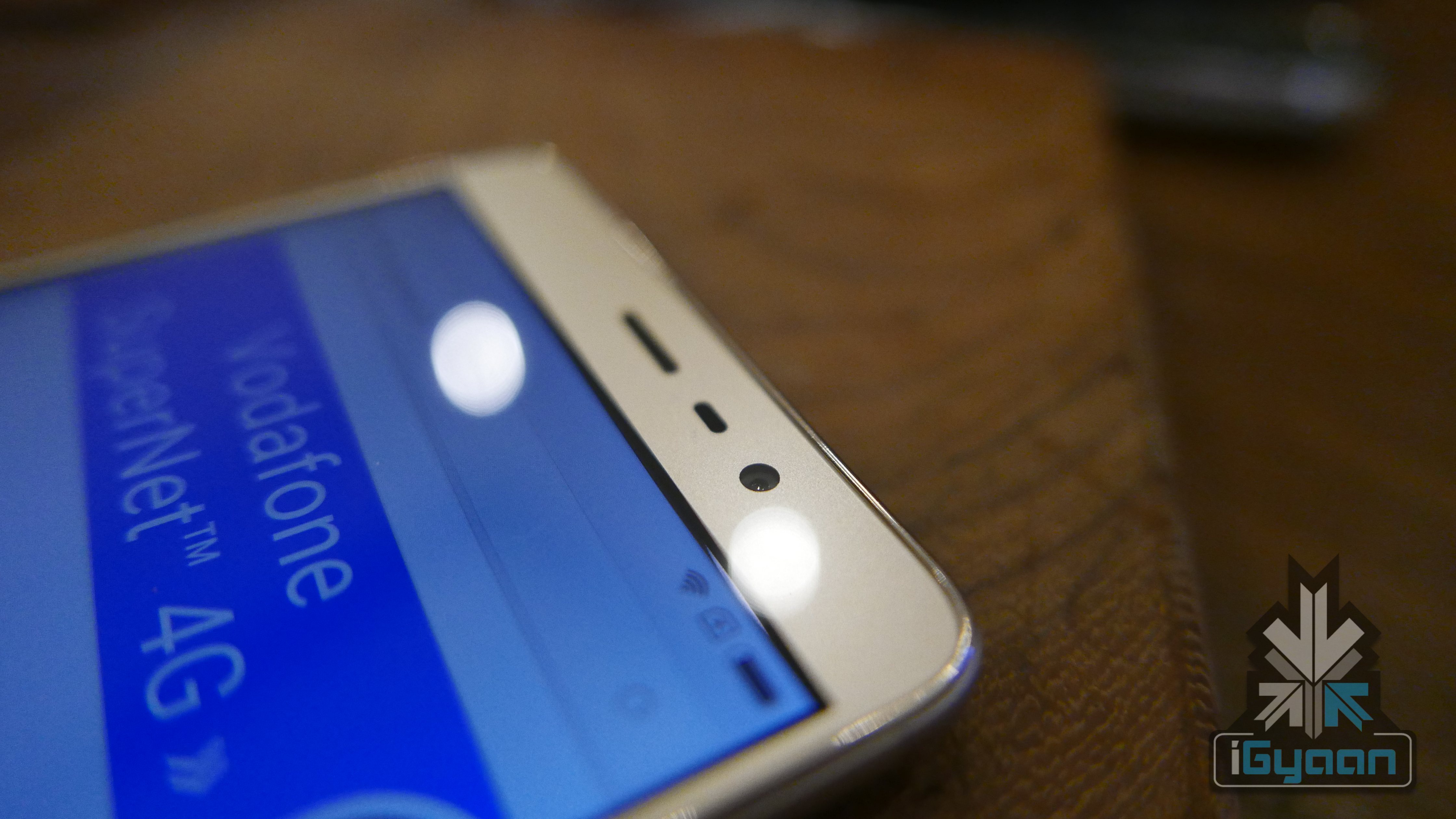
With an all-metal build, the Chinese origin smartphone has outdone its previous visions. Anodised and sandblasted aluminum make up for most of its outer covering along with a protection glass which has not been named.
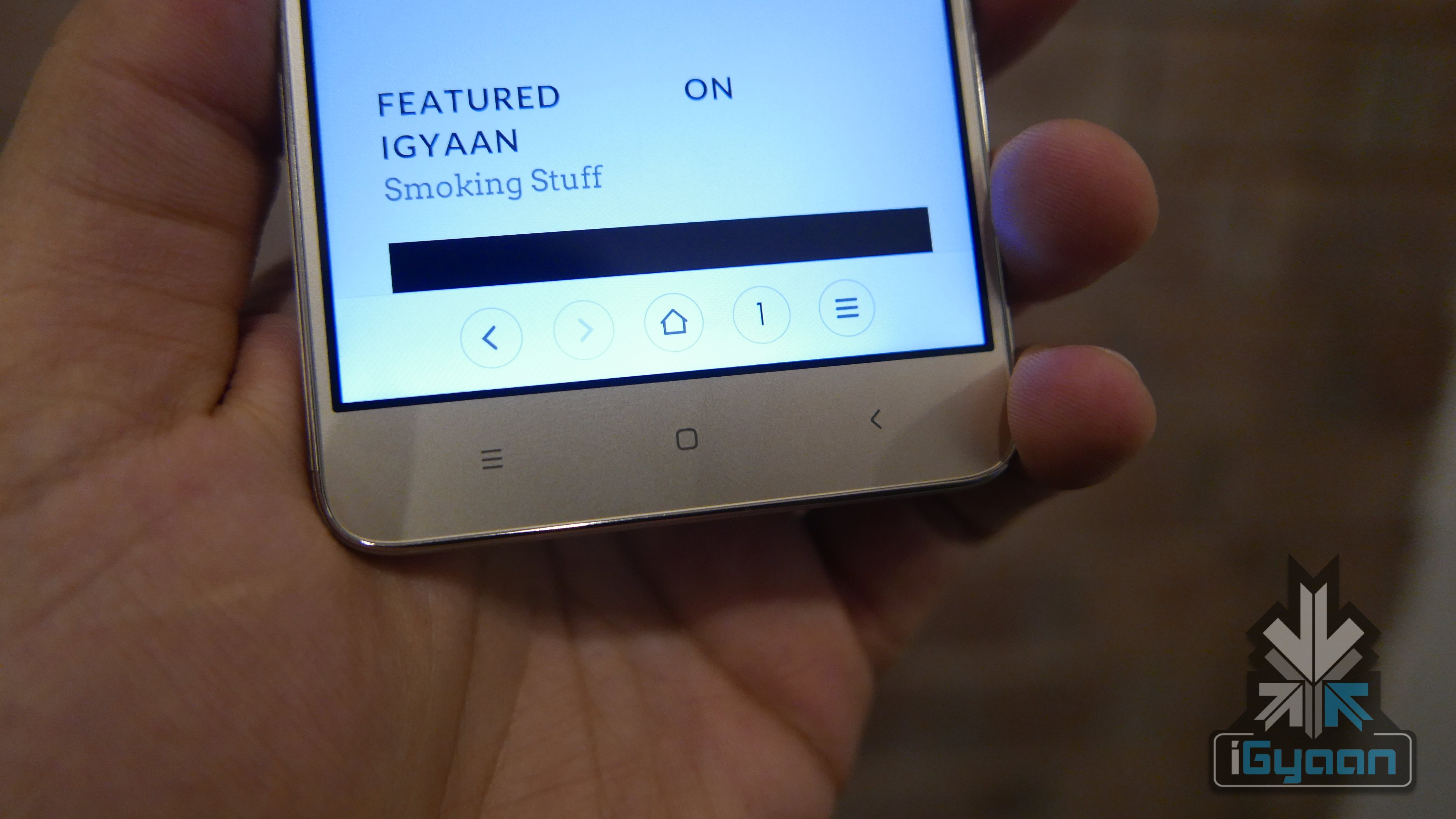
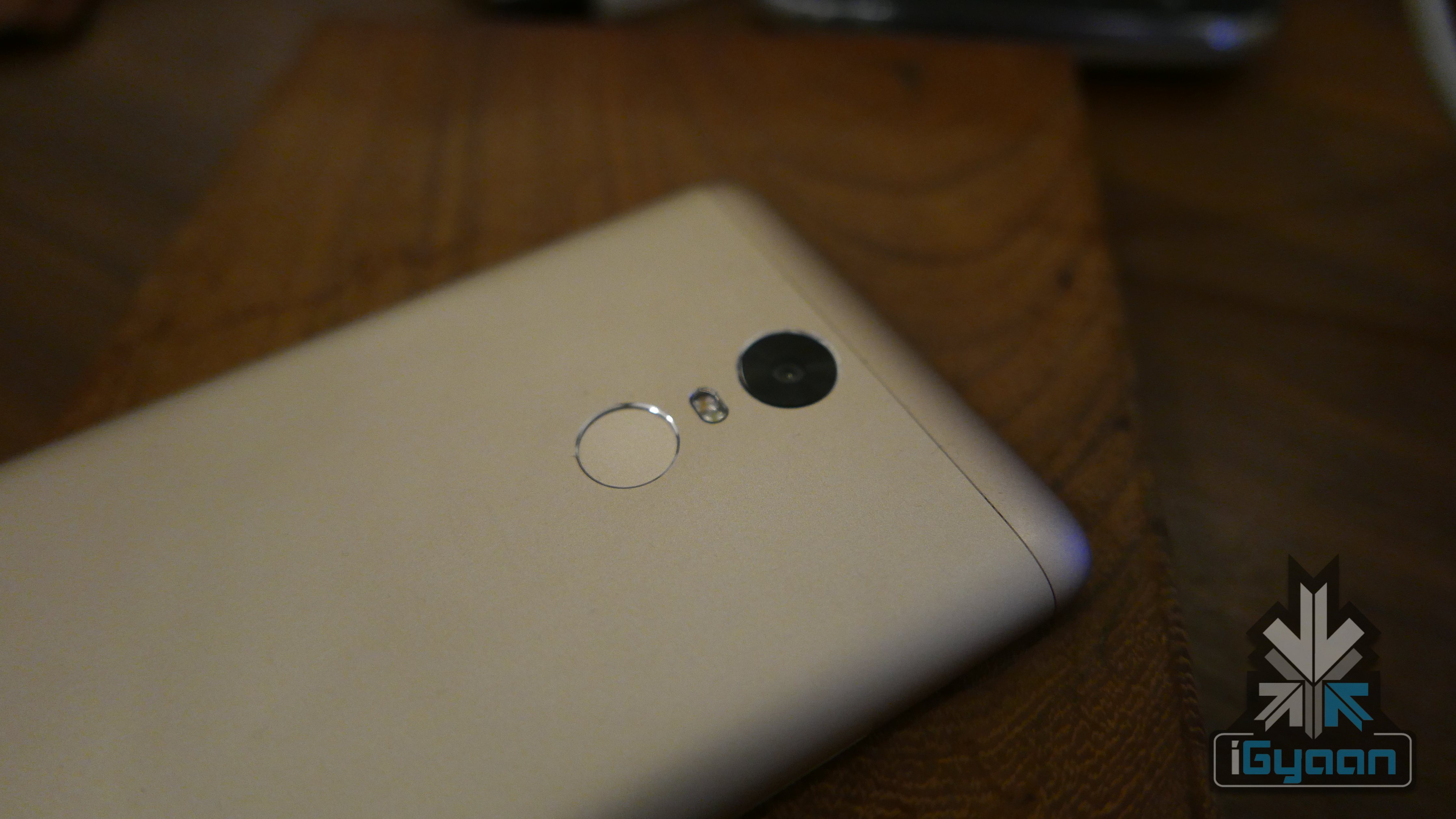
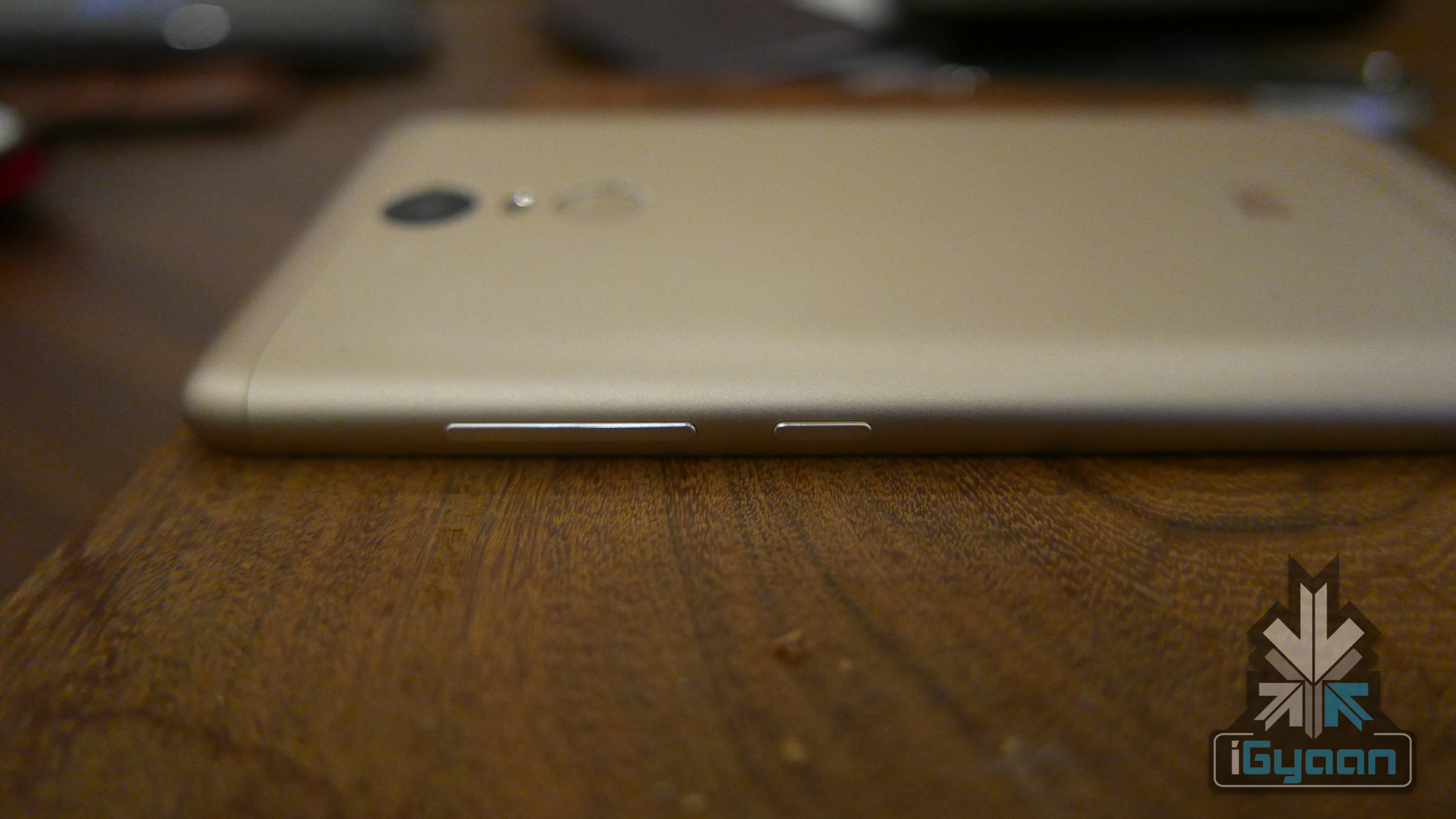
Design wise the phone follows the legacy of Xiaomi, the front is flat with no buttons, and the fingerprint sensor is placed at the back, identical in size and just below the camera module, giving the whole design a sense of completion. The form factor of the smartphone is great and thanks to the rounded back edges it fits ever so nicely in the hand. The speaker sits at the back, a not so prime position for sound. However, a small wedge on the back of the smartphone allows for the phone to sit slightly higher on the table, allowing sound to escape, albeit still not perfectly but better than if it were laying flat on the table.
Hardware
The Xiaomi Redmi Note 3 has all the makings of a Rs. 10000 smartphone. A new Snapdragon 650 chipset, 2/3 GB RAM options, expandable storage via MicroSD and a good set of cameras with wide lenses and an f2.0 aperture.
Specs
Xiaomi Redmi Note 3
Display
5.5 inches Full HD Display
Resolution
1920 x 1080
Dimensions
150 x 76 x 8.7 mm
Processor
Qualcomm Snapdragon 650 SoC
GPU
Adreno 510
RAM
2GB / 3GB LPDDR4
Storage
16GB / 32GB flash storage
Rear Camera
16 MP, f/2.0, phase detection autofocus, dual-LED
Front Camera
5 MP, f/2.0, 1080p
Expandability
128GB via microSD
Battery
4050mAh
Connectivity
4G+, Wi-Fi 802.11ad, VoLTE, Wi-Fi Direct, hotspot, Bluetooth v4.1, A-GPS, GLONASS, NFC, VoLTE
OS
Android 5.1.1 Lolipop with MIUI 7
Price
Display and Multimedia
Thanks to the new chipset and price drop in tech, the 1920 x1080p display is great and lag free. You also get a good enough chipset to run all your multimedia, which looks great on this display. The display has good viewing angles and a great outdoor visibility thanks to various display modes.
You will also get a reading mode which sort of, like Apple’s “Time Shift” mode, kills the blue in your screen to help you read better.
Video playback is buttery smooth, and the speaker does a decent enough job. However, external audio devices will do you better as with most smartphones.
Camera
The camera on the Redmi Note 3 is brilliant for the class of smartphone, and you will get an excellent depth of field and great bokeh. The camera focuses quickly and has great light detection. You will also get decent low light pictures thanks to the wide aperture on the lens of the camera.
The front camera is perfect for pictures, and you will almost always get good results. The video, on the other hand, is not all that great, the lack of any stabilization will make the video shaky. Also, the phone’s camera app does not natively record 4k video even though the likes of the LeEco 1s do. There are workarounds if you want 4k video. But, they are not recommended for the chipset.
Pre-Filter
Low Light 2
Low Light
Performance
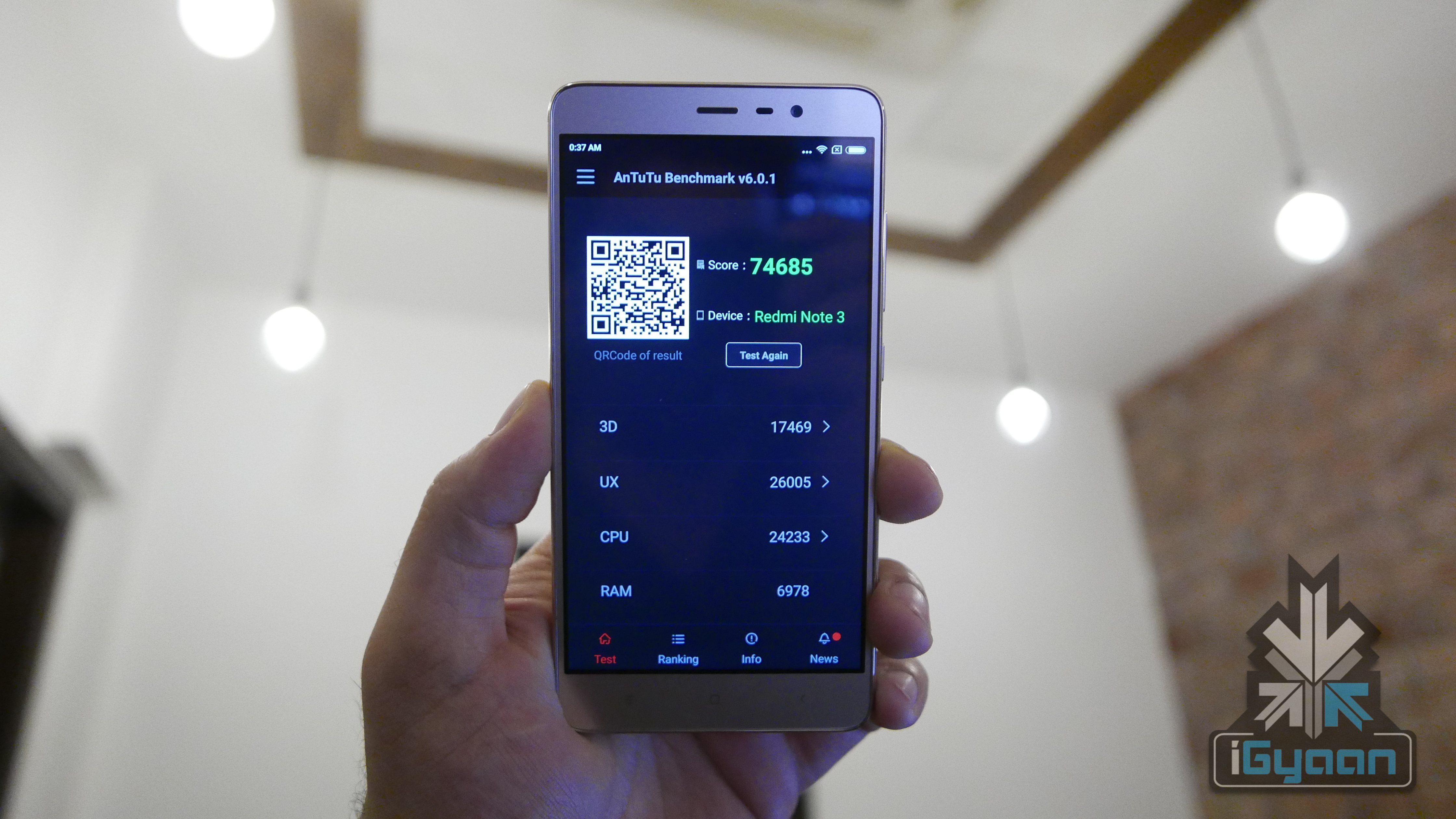
The Xiaomi Redmi Note 3, offers excellent performance in its class of smartphones. With Antutu crossing 70k easily on benchmark scores the device keeps its own in this highly competitive price bracket.
The overall UI is fast and responsive and offers a good day to day usage scenario. Multitasking works great and app optimization, as well as RAM optimization, works well on the Redmi Note 3.
Gaming is good too, with most games working flawlessly on the 3GB variant, which is recommended if you intend to do gaming a lot.
The fingerprint scanner which sits right under the camera is extremely fast and quick to unlock the device. The scanner rarely ever fails and will almost always get an unlock or help you click a picture. The MiUi software also allows you to encrypt folders using the rear fingerprint scanner, which can come in handy for those “A” rated apps and of course sensitive information.
Phone and Battery
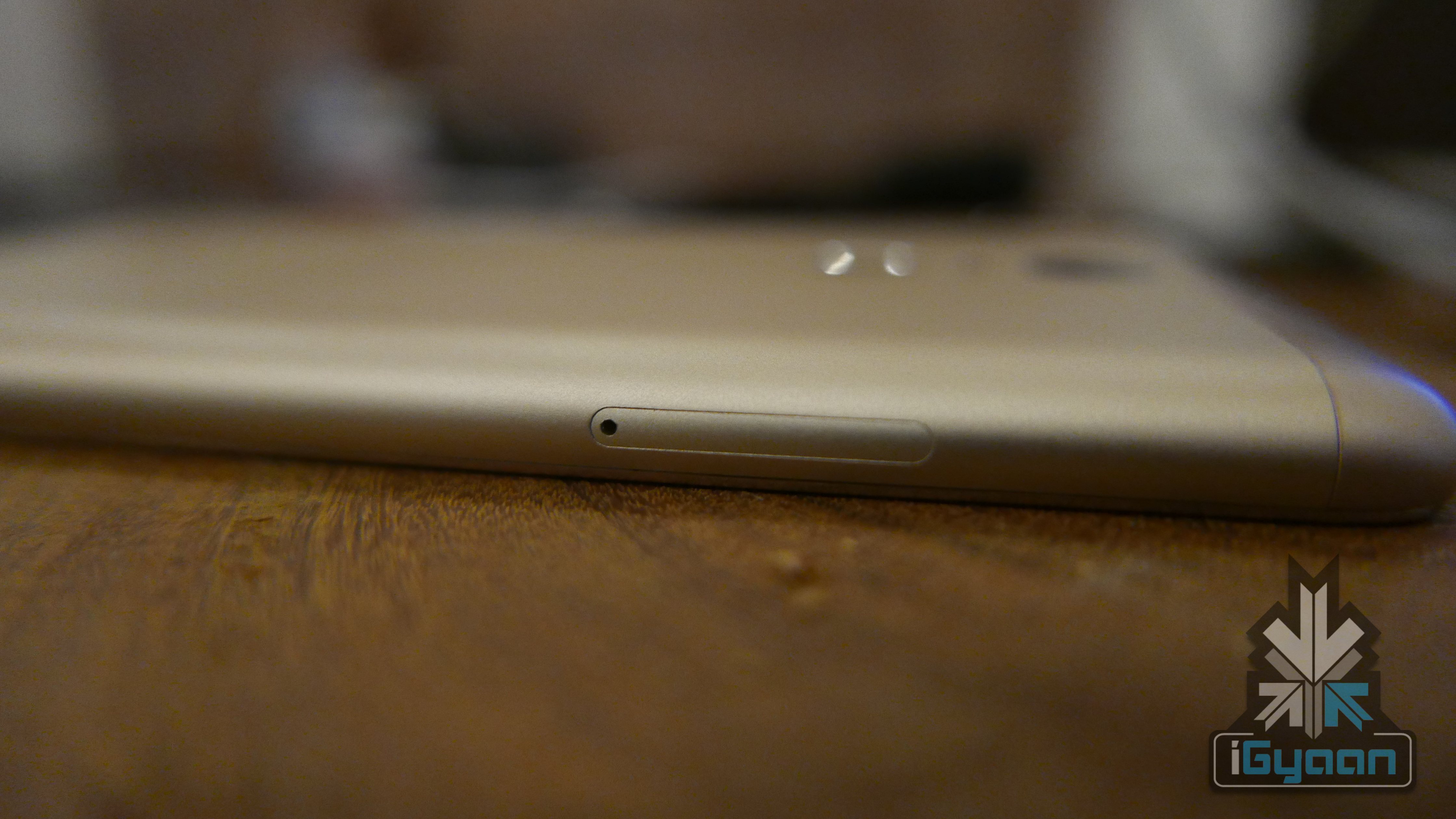
With support for two SIM cards, the Redmi Note 3 offers LTE across India, on both the cards, while you can also pop in a MicroSD card in case you choose to do that.
Dual Sim Hybrid Tray
The phone call capability is good, and overall network performance is at par within the category. You will also get good audio during calls whether incoming or outgoing.
Battery life is longer than expected, with a massive 4050 mAh battery you will get true to work one day of use without any compromises. Despite the battery being large, the chipset is designed to handle battery management well.
Talk Time: 6 Hours
Wireless Usage: 8 Hours
Music: 19 Hours
Gaming and Video: 10 Hours
Conclusion
Xiaomi is back with a vengeance. The company wants to earn back the goodwill of the market and no better device than the Redmi Note 3 to do that. At the launch the company promised timely updates and the Mi 5 launch in April, making the Mi fans jump up with joy.
As far as the phone is concerned, the Redmi Note 3 has excellent advantages over the competition, especially the LeEco Le1s. However, it also has drawbacks. The community that Xiaomi offers is unparalleled and large, and the overall support that you will get is appreciable. With both handsets offering their clout, it will come down to long term use and software support frequency to help decide the primary winner. However with the way things are going the Redmi Note 3 seems to be coming out on top.
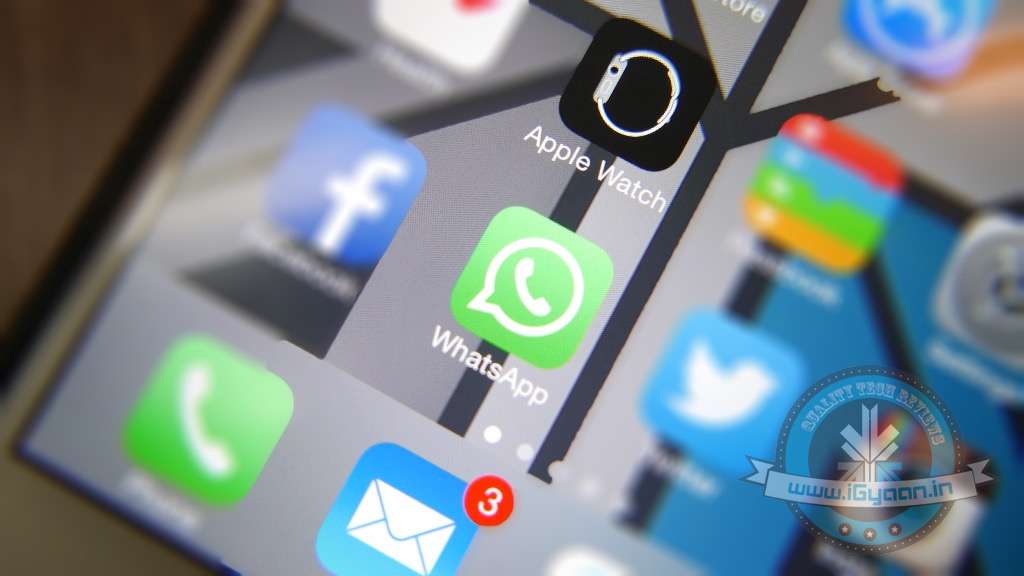
Blackberry is not doing so well, proof of that is the fact that WhatsApp and Facebook are officially killing App support for the platform. Previously known as RIM, Blackberry has not seen a good record in the past few years. With almost all their devices not doing well, either due to price or specifications.
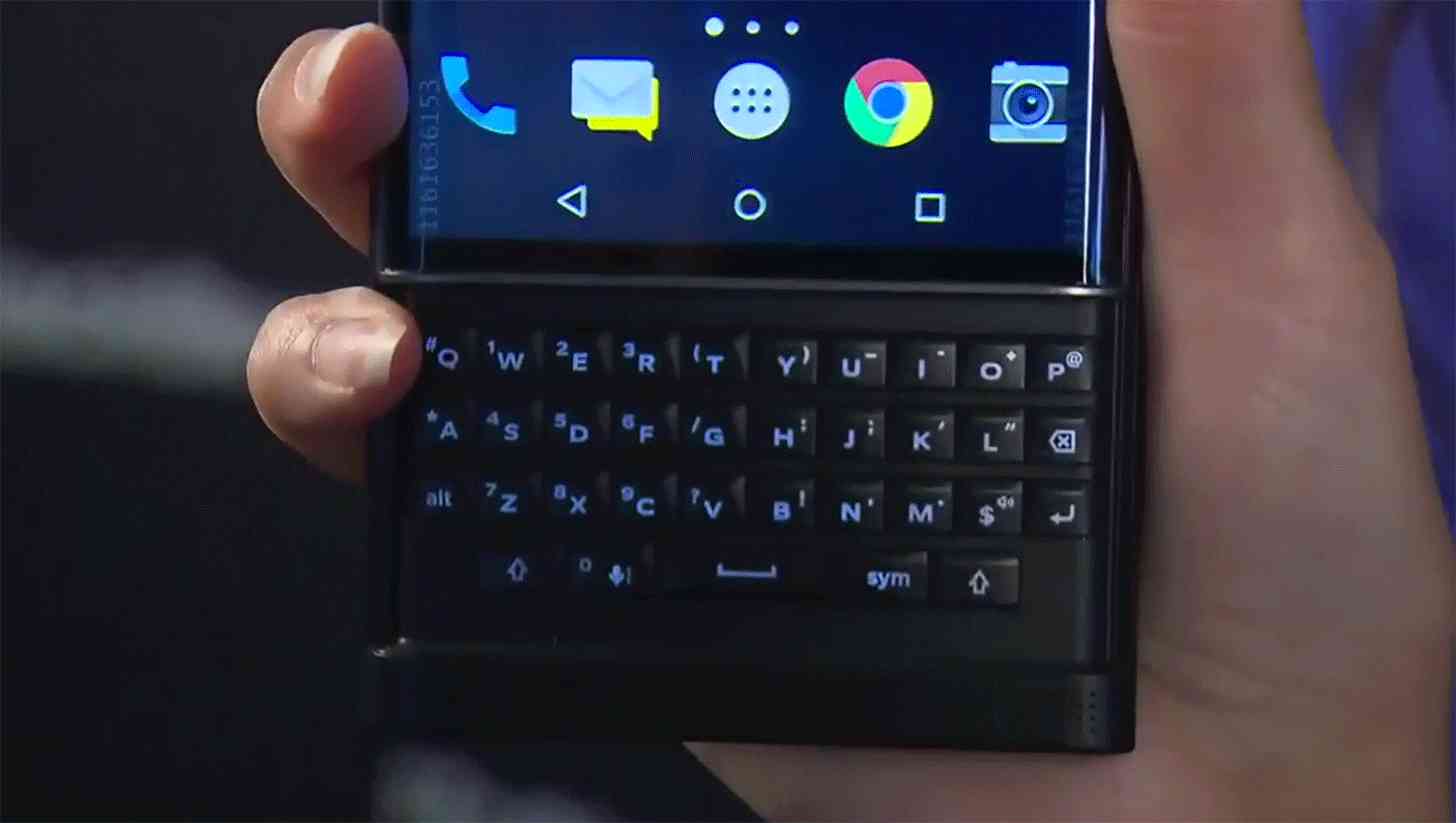
The news which is about a month old has left Blackberry in disappointment. The apps are supposed to end their support end of 2016 leaving any Blackberry users fending for themselves, as no more updates will be available post that. However, devices like the company’s Priv, that work on Android will not be a part of this end of service, and will continue to enjoy updates at the same time as any Android device.
In a blog post, Lou Gazzola, senior manager in charge of BlackBerry’s App Ecosystem and Developer Outreach team, said they are disappointed as they know so many users love these apps (Facebook and WhatsApp).
We fought back to work with WhatsApp and Facebook to change their minds, but at this time, their decision stands (but let them know how you feel on social media, using the hashtag #IloveBB10Apps) Our commitment to BlackBerry 10 and to developers has not changed – we know our developer community continues to be one of the strongest proponents of BlackBerry 10 and they are creating thousands of apps every month
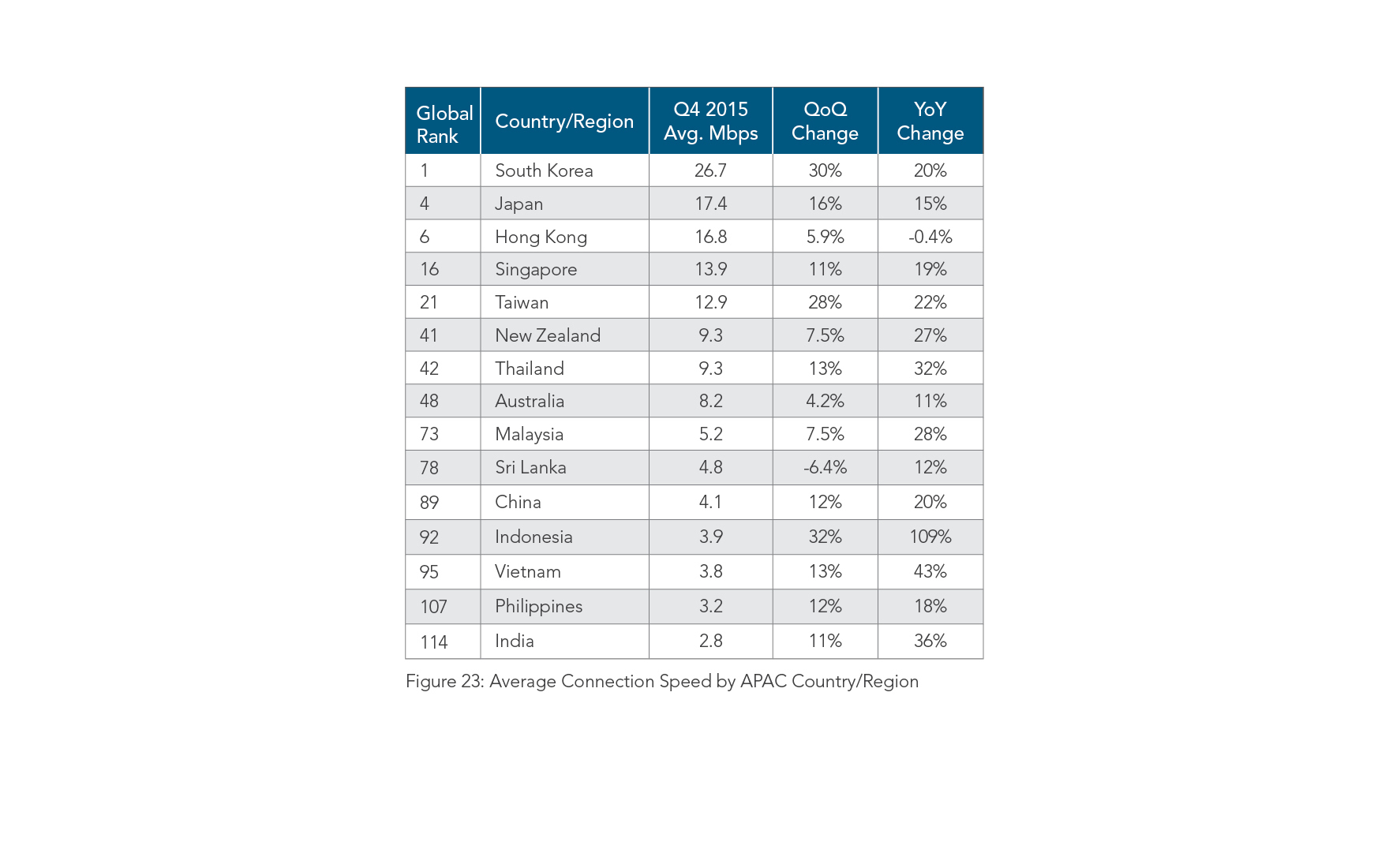
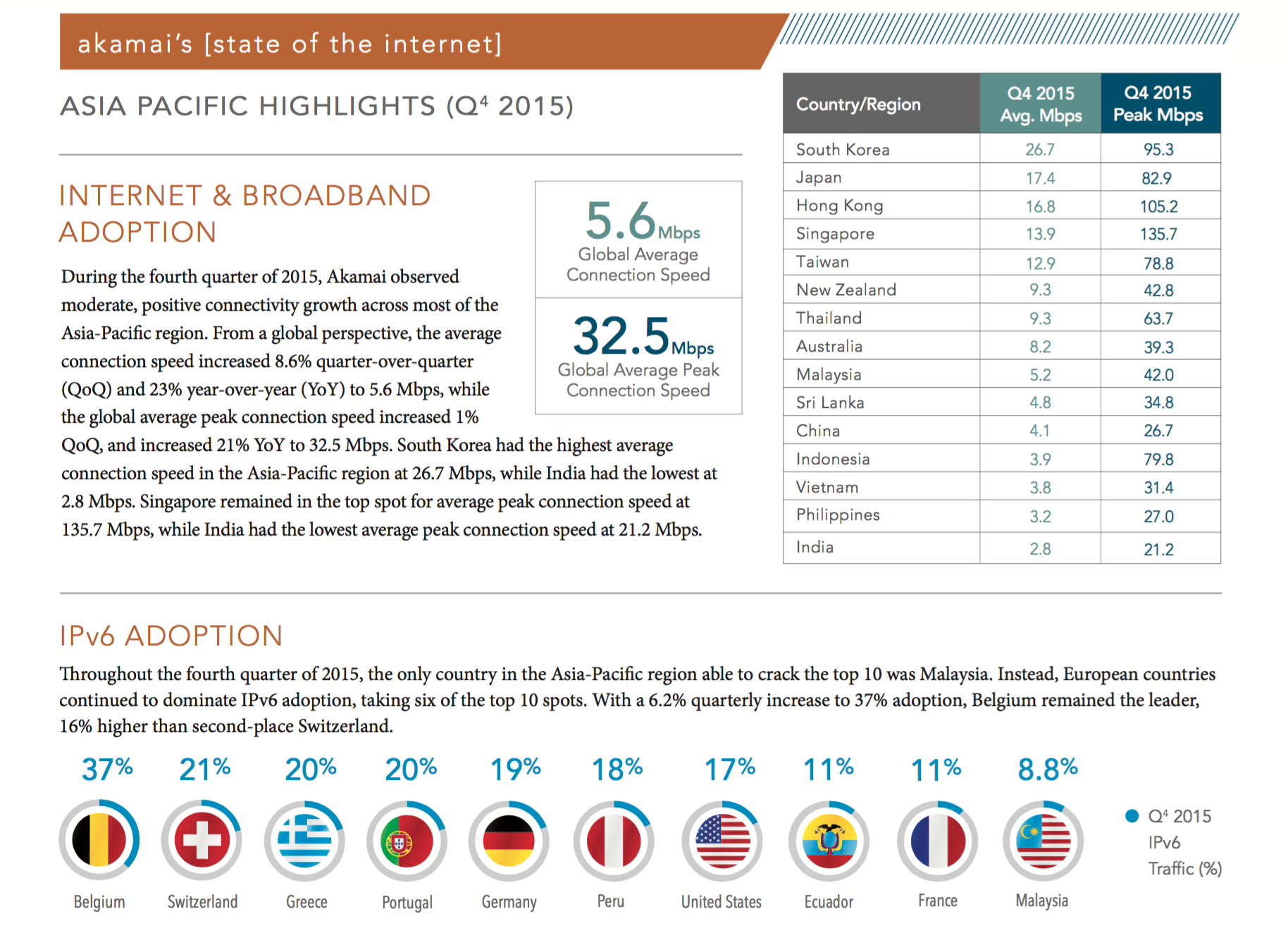
In December 2015 the global average internet speed increased to 5.6 Mbps, an increase of 23 % year on year. India however, looks at the picture differently.
Akamai released a State of the Internet Report which states:
From a global perspective, the average connection speed increased 8.6 percent quarter-over-quarter (QoQ) and 23 percent year-over-year (YoY) to 5.6 Mbps, while the global average peak connection speed increased 1 percent QoQ, and increased 21 percent YoY to 32.5 Mbps,
South Korea tops the rank in APAC, with an average of 26.7 Mbps, India on the other hand has an average of 2.8 Mbps. South Korea (95.3 Mbps) and Macao (83.1 Mbps) show 10% and 13% growth year on year respectively.
The report also pointed out that 43 countries/regions saw IPv4 address counts grow 10 percent or more in the quarter ended December 2015 while 13 saw counts decline 10 percent or more compared with the July-September quarter of 2015. You can read the full report in the source link below.
UPDATE : The Company has confirmed that it will not be launching the device on 7th April :
The April 7 event is focused on the China market. We will not be launching our next device then.
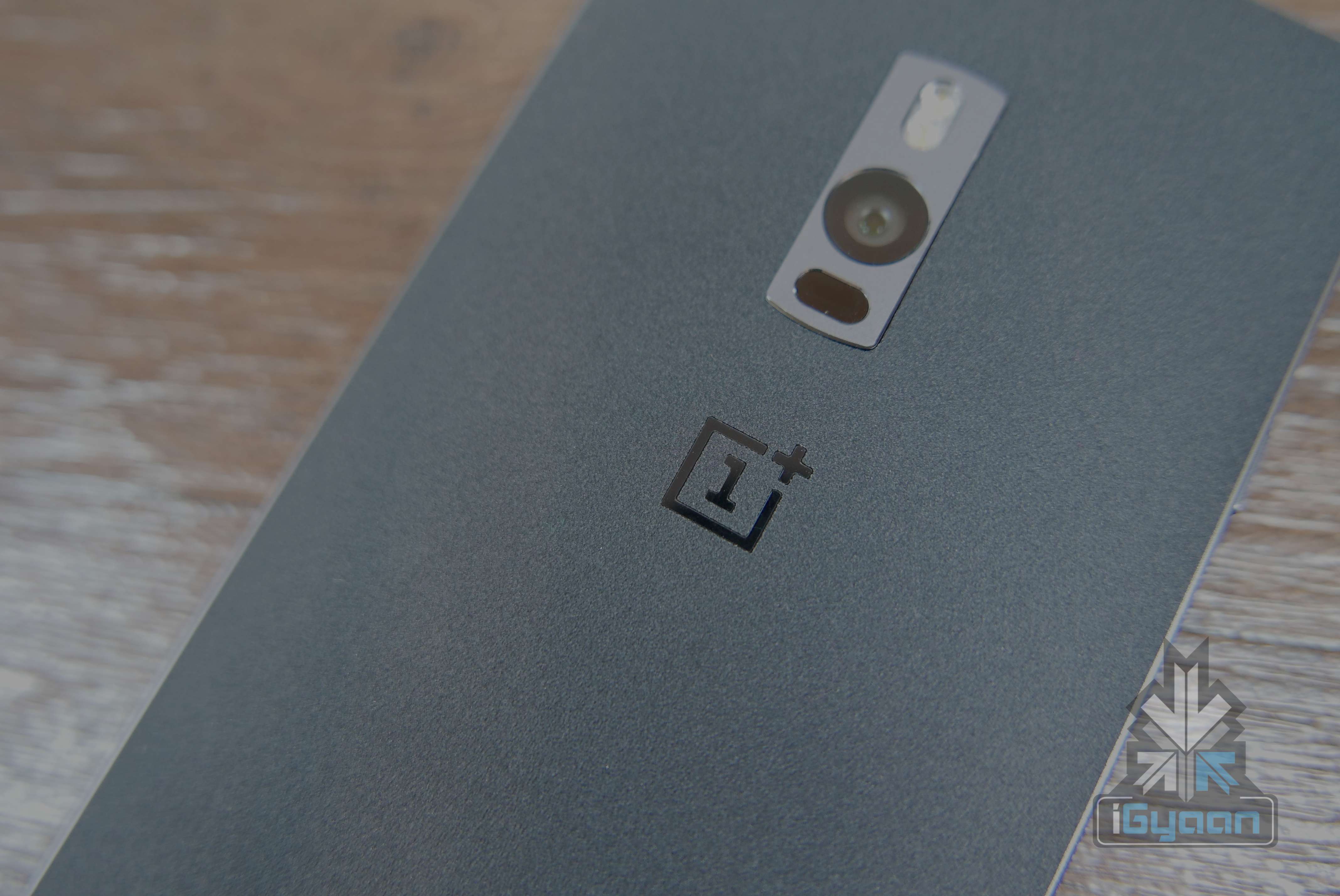
OnePlus made a big name with the OnePlus One. However, last year’s OnePlus Two launch was very cold, and although the company had their moments, the OnePlus Two was barely as a big a success as the OnePlus One. The company later released the OnePlus X, a cheaper yet power packed phones.
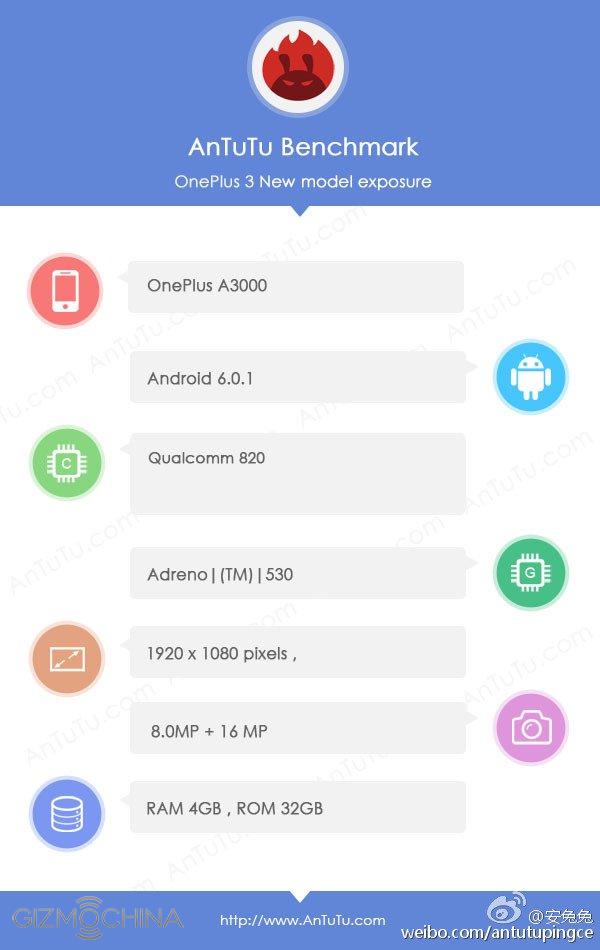
However, this Chinese smartphone company may have new tricks up its sleeve with the OnePlus 3. Leaks of the device from an Antutu benchmark test have revealed the specifications. The leak shows that the next-gen OnePlus handset will have a 5.5-inch display with a resolution of 1,920 x 1,080 pixels. The OnePlus three will boast a Snapdragon 820 CPU, an Adreno 530 GPU, 4GB of RAM, 32GB of base storage, a 16-megapixel rear-facing camera, an 8-megapixel front-facing camera, and a customized fork of Oxygen OS based on Android 6.0.1 Marshmallow.
OnePlus has an event planned on the 7th of April in Beijing, where they are expected to unveil the handset. If this is the case, OnePlus fans the world over will rejoice to the early arrival of their beloved handset. However, many will comment on the 1080p display.
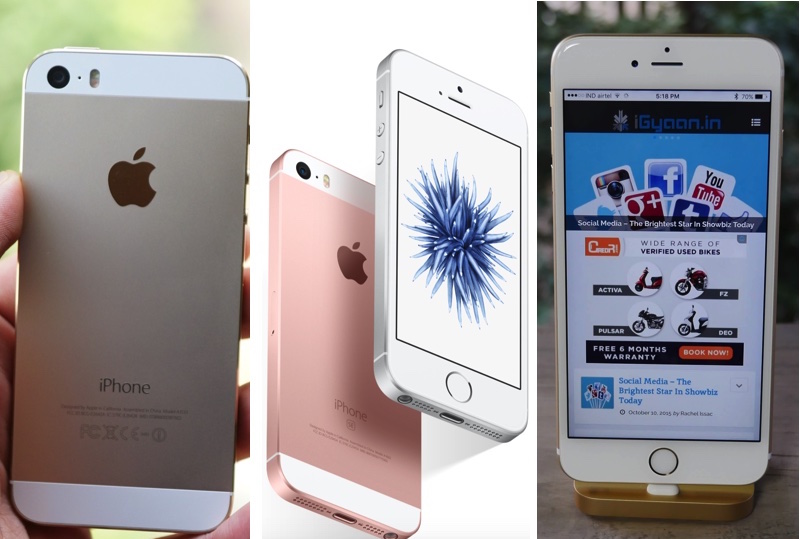
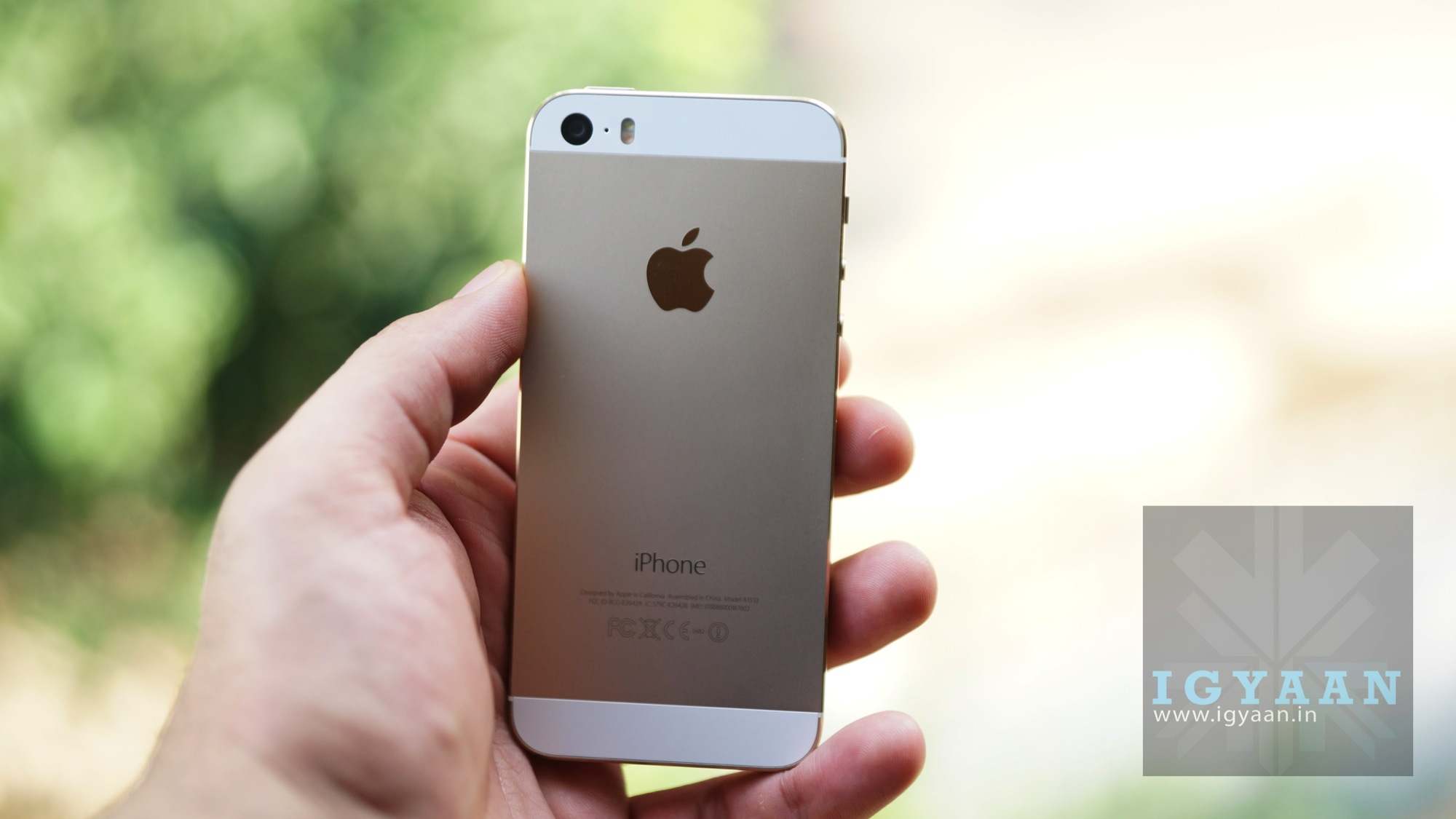
With Apple’s announcements on their March 21st event iPhone SE, Apple launched the iPhone SE. A smartphone which has the innards of an iPhone 6s, the screen size of an iPhone 5s and is missing out on 3D Touch. Also, no one appreciates the nomenclature “SE”.
However, now that Apple is offering so many iPhones for you to choose from, the choice has become difficult. Which one should you choose, and how do you decide?
For starters, if you want a 4-inch phone, and it has to be an iPhone, then you only have the iPhone 5s and iPhone SE up for grabs.
The iPhone 5s is available for as low as Rs. 20,000 in India for the 16 GB and Rs. 24,000 for the 32 GB variant. It still runs on the latest OS and offers most of the same features as the new gen phones minus a few new ones. You are missing out on extensive processing, 4K video capture and 3D touch in comparison to iPhone 6s. You also miss out on some software features like an always on “Hey Siri” among few others.
iPhone SE changes things by adding the latest processor hence you get all your speed and graphics. You also get 4k video capture. You are still missing out on 3D touch and 120 fps slo-mo capture on Full HD. The iPhone SE adds always-on “hey-Siri” and some of the other features found in Apple flagships. The iPhone SE, in India However, will cost upwards of Rs. 39000 for the 16 GB variant at launch and more for the 64 GB variant, our guess Rs. 45000, which makes it extremely pricey. You are looking at a 12 MP main camera and a 1.2 MP front camera.
If screen size is not a problem, the larger iPhone 6s comes with a 4.7-inch screen size. You can get the 16 GB one for as low as Rs. 40000 which is just Rs. 1000 more than the iPhone SE at launch. With only that much of a difference, the iPhone 6s offers up the whole suite, including 3D touch, 4k video, slow-mo (120 fps) at 1080p. Along with the Apple’s A9 chip and M9 motion co-processor. You will also get a new design phone vs. a new phone that looks over three years old.
While a small screen is something that a lot of people appreciate, the iPhone SE becomes the natural choice. However, on a price crunch, the iPhone 5s is still an impressive phone and has sold on deal sales for as low as Rs. 15000 for the 16 GB variant. But if, screen size is not an issue the iPhone 6s is their flagship phone (not considering the plus option) and will cost only Rs. 1000 more than the iPhone SE at launch and comes in the same colors, offers more features and looks better.
[poll id=”43″]
Specifications
iPhone 6s
iPhone SE
iPhone 5s
Display
4.7-inch Retina HD display with 3D Touch, LED-backlit widescreen
4-inch Retina display LED-backlit
4-inch Retina display LED-backlit
Resolution
1334×750-pixel resolution at 326 ppi
640 x 1136 pixels resolution at 326 ppi
640 x 1136 pixels resolution at 326 ppi
Motion Processor
Embedded M9 motion coprocessor
Embedded M9 motion coprocessor
Embedded M7 Motion Co processor
Chipset
A9 chip with 64-bit architecture
A9 chip with 64-bit architecture
A7 Chip
RAM
2GB
N/A
1 GB
CPU
Dual-core 1.84GHz
Dual-core 1.84GHz
Dual-core 1.3 GHz Cyclone
GPU
PowerVR GT7600
PowerVR GT7600
PowerVR G6430
OS
iOS 9
iOS 9
iOS 9
Internal Storage
16GB/64GB/128GB
16GB / 64 GB
16 GB / 32 GB
Exapandibility
N/A
N/A
Rear camera
12-megapixel iSight camera with 1.22µ pixels, ƒ/2.2 aperture
12-megapixel iSight camera with 1.22µ pixels, ƒ/2.2 aperture, Optical image stabilization
8 MP, f/2.2, 29mm, autofocus, dual-LED
Rear Camera Video
4K video recording (3840 x 2160) at 30 fps
Optical image stabilization for video, 4K video recording (3840 x 2160) at 30 fps
Apple at their Town Hall event at Cupertino had what is possibly their last event at the old campus. As Tim Cook left the stage, he announced that Apple crew will be shifting into the new campus by end 2016-early 2017. While Apple made many announcements, here are a few that should matter.
LIAM
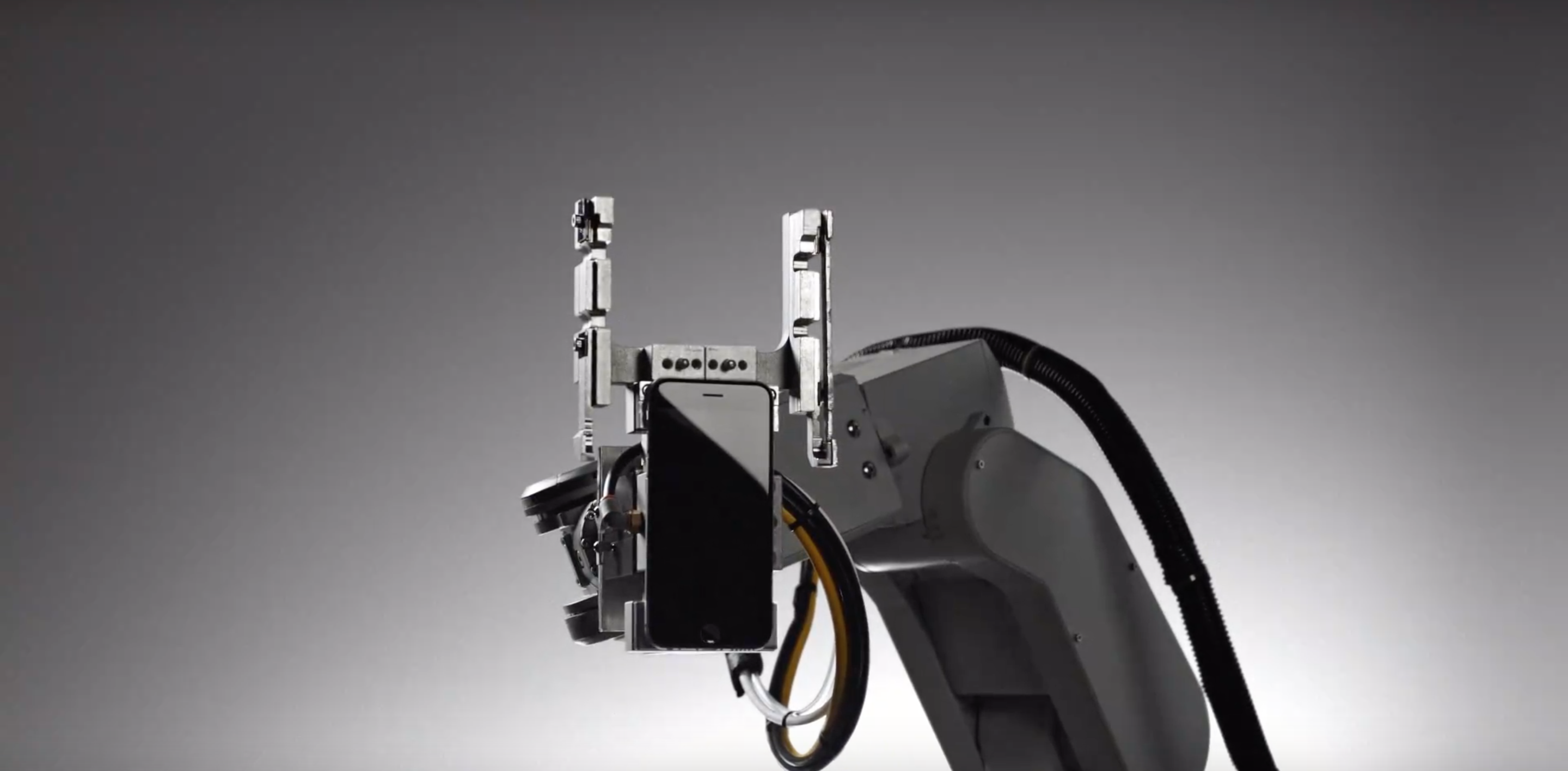
Apple started the event by talking about their responsibility towards the environment. Then came LIAM an intelligent machine/robot that has been two years in development in Apple labs. LIAM is designed to sense and disassemble iPhones and other proprietary Apple Devices, and break them out into components that can then be recycled easily. This Robot/ machine will help Apple reduce their carbon footprint and help get back precious materials like gold, silver and platinum into the recycle chain so they can get back on newer devices and not get discarded in landfills.
Apple Watch
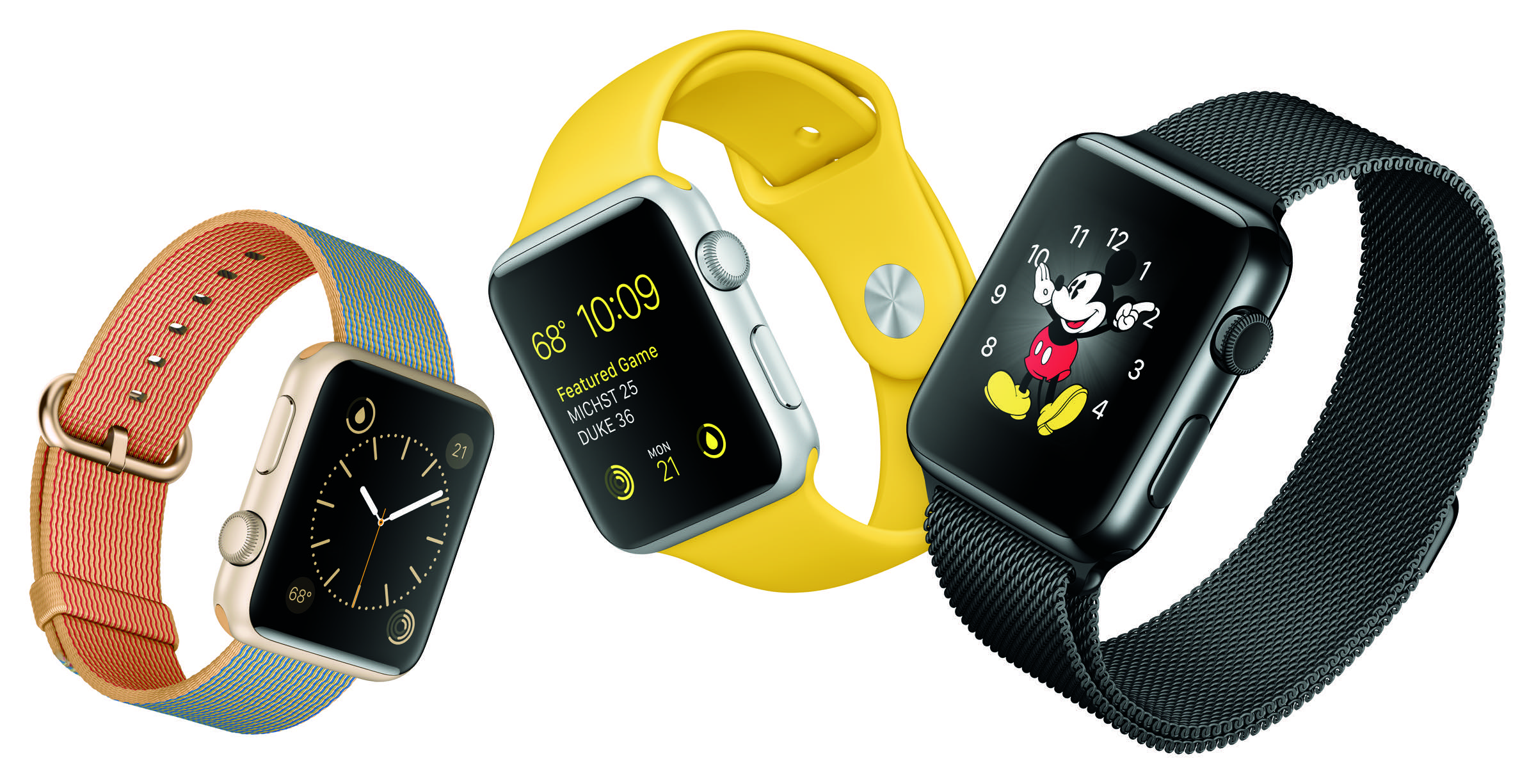
While no major upgrades of the Apple Watch itself, Apple is offering new colors for their Sports band and new leather band colors. Apple has also dropped the price of the Apple Watch to US $ 299 as the starting price.
Apple TV
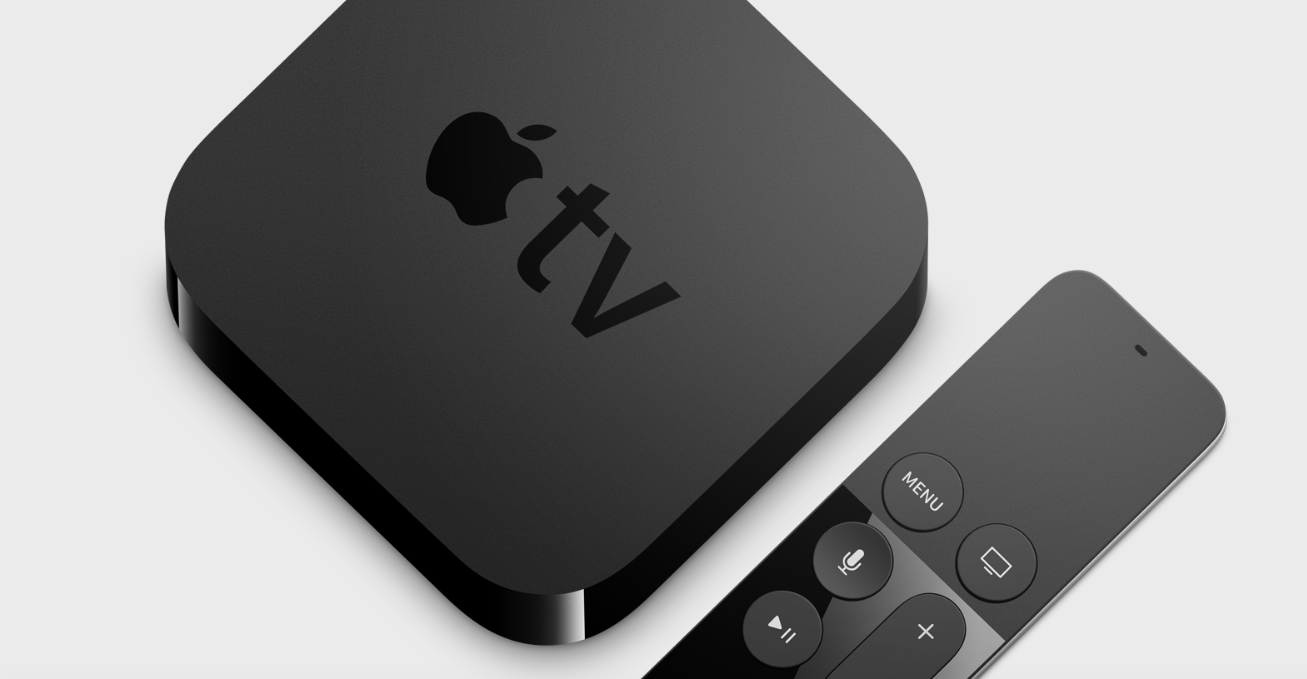
Apple is updating the TVOS today and offering new features for their connected box on the largest screen in your house. The new update brings to you folder support and support for dictation, which will allow you to perform searches or even enter usernames and passwords using Siri.
Siri can also be used to look up for apps in the App store and movies on Netflix. (#win)
iPhone SE
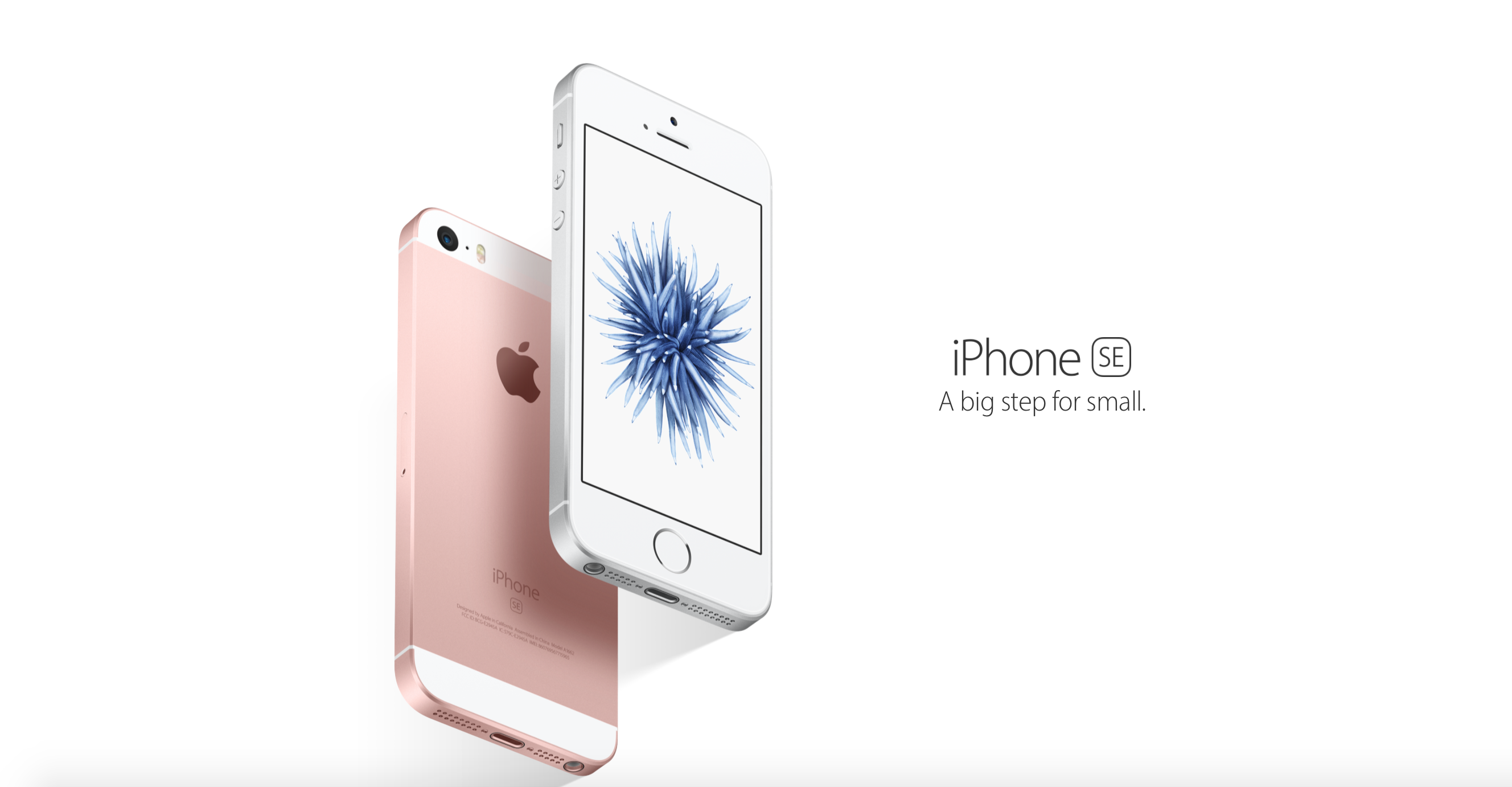
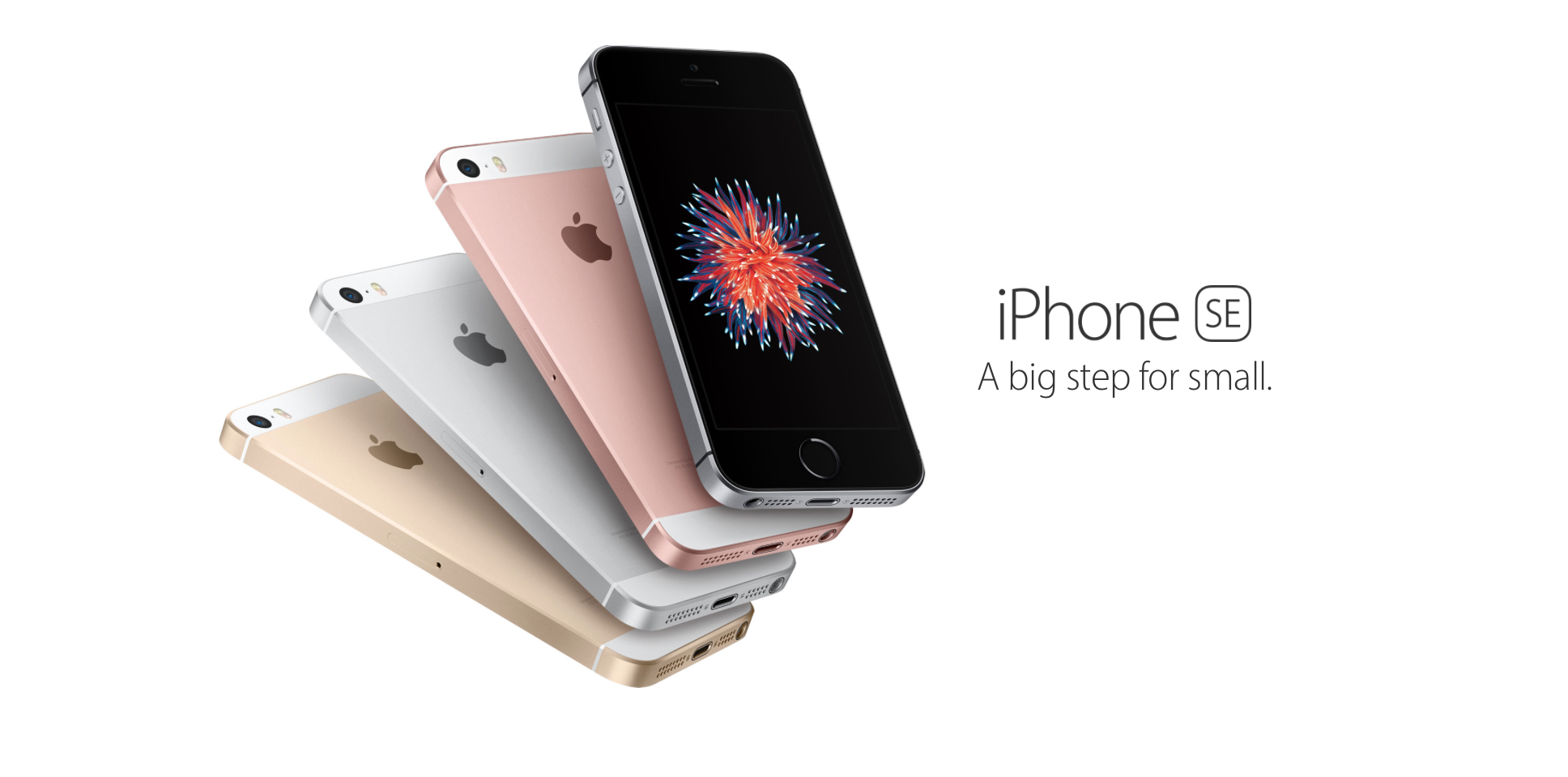
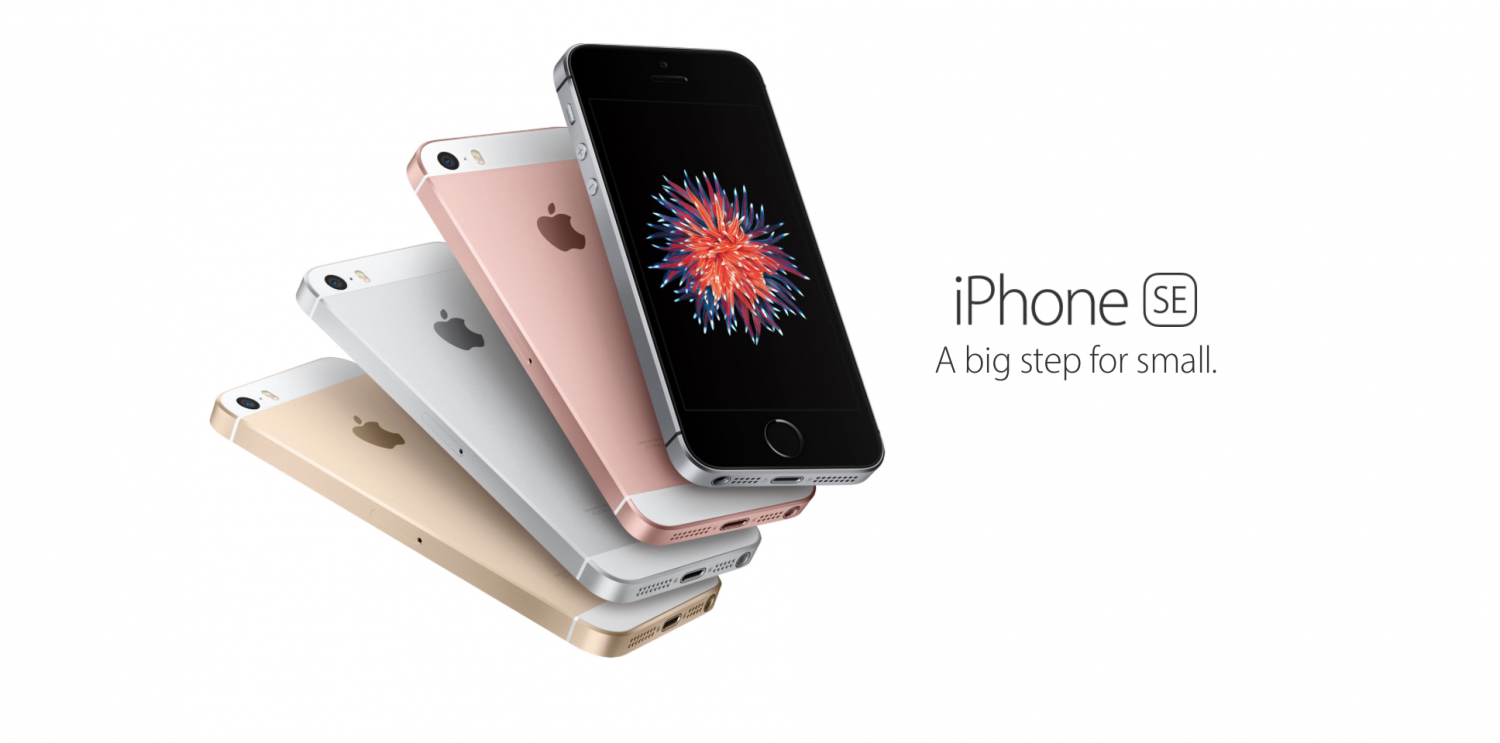
The biggest announcement of the day was the launch of the iPhone SE. Apple’s update to the iPhone 5s. Apple claims they sold 30 Million 4 inch devices in 2015 alone and hence they are not yet ready to let go of their small screen size loving audience. Packed with specs almost identical to the iPhone 6s the iPhone SE is offered up at US $ 399 for the 16 GB version in the US and will launch in India for Rs 30,000 for the 16 GB variant.
Apple’s A9 chip powers the iPhone SE, which is the same chip that powers the iPhone 6s and iPhone 6s Plus. That means the new 4-inch iPhone will be two times faster than the iPhone 5s with three times better graphics performance. You will also get a 12 MP camera and Live photos, but the iPhone SE does not support 3D touch.
iPad Pro 9.7
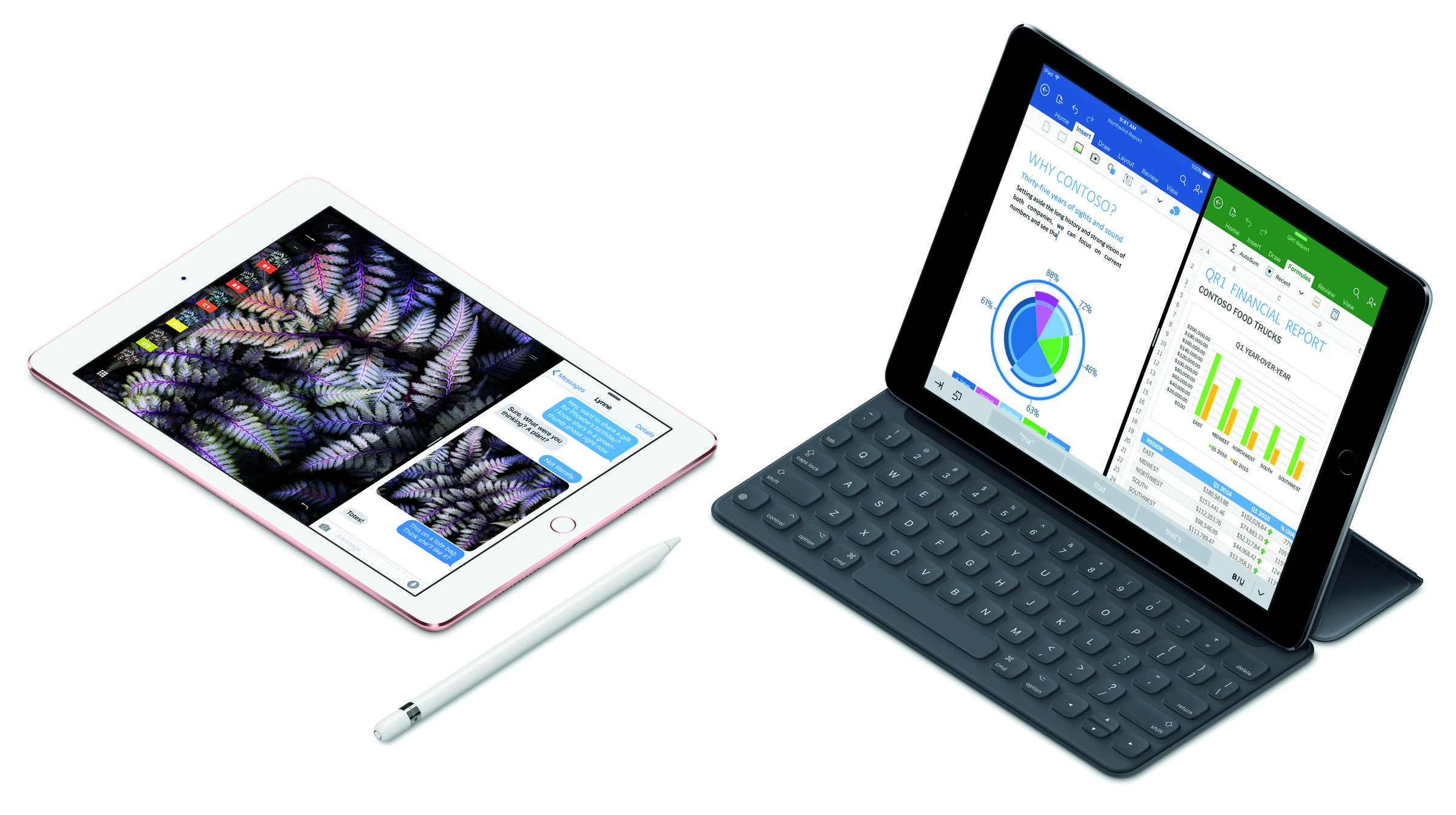
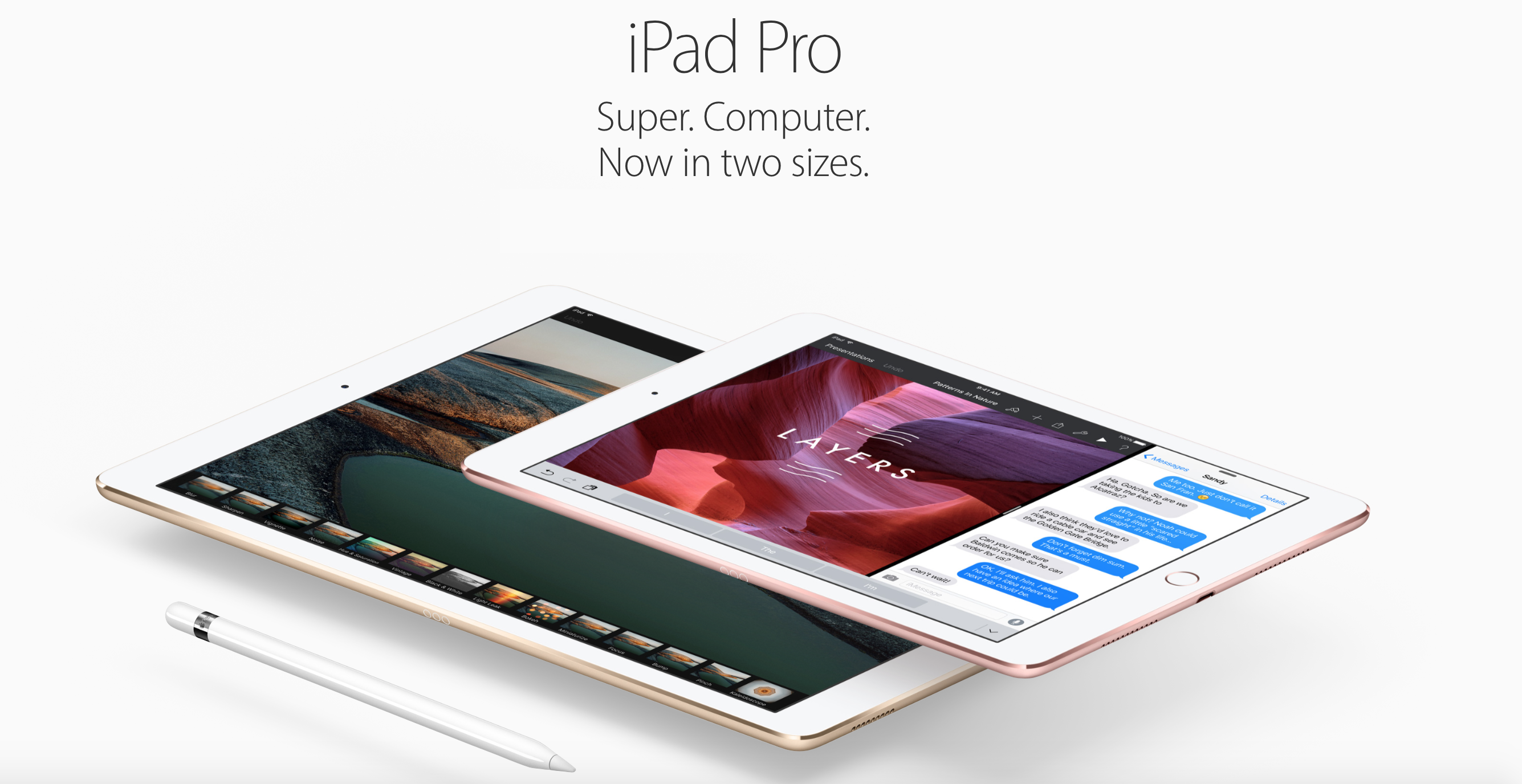
The next big announcement was the iPad Pro 9.7. The new iPad weighs less than 1 pound and has the same specs as the iPad Pro 12.9 inch. You will also get Apple Pencil support and four speaker output. The 9.7-inch iPad Pro starts at US $599 for the Wi-Fi model with 32GB of storage and is available up to size variant of 256GB of storage.
The iPad Pro 9.7 has the same A9x chipset and 12 MP camera with 4K video capture.
iOS 9.3
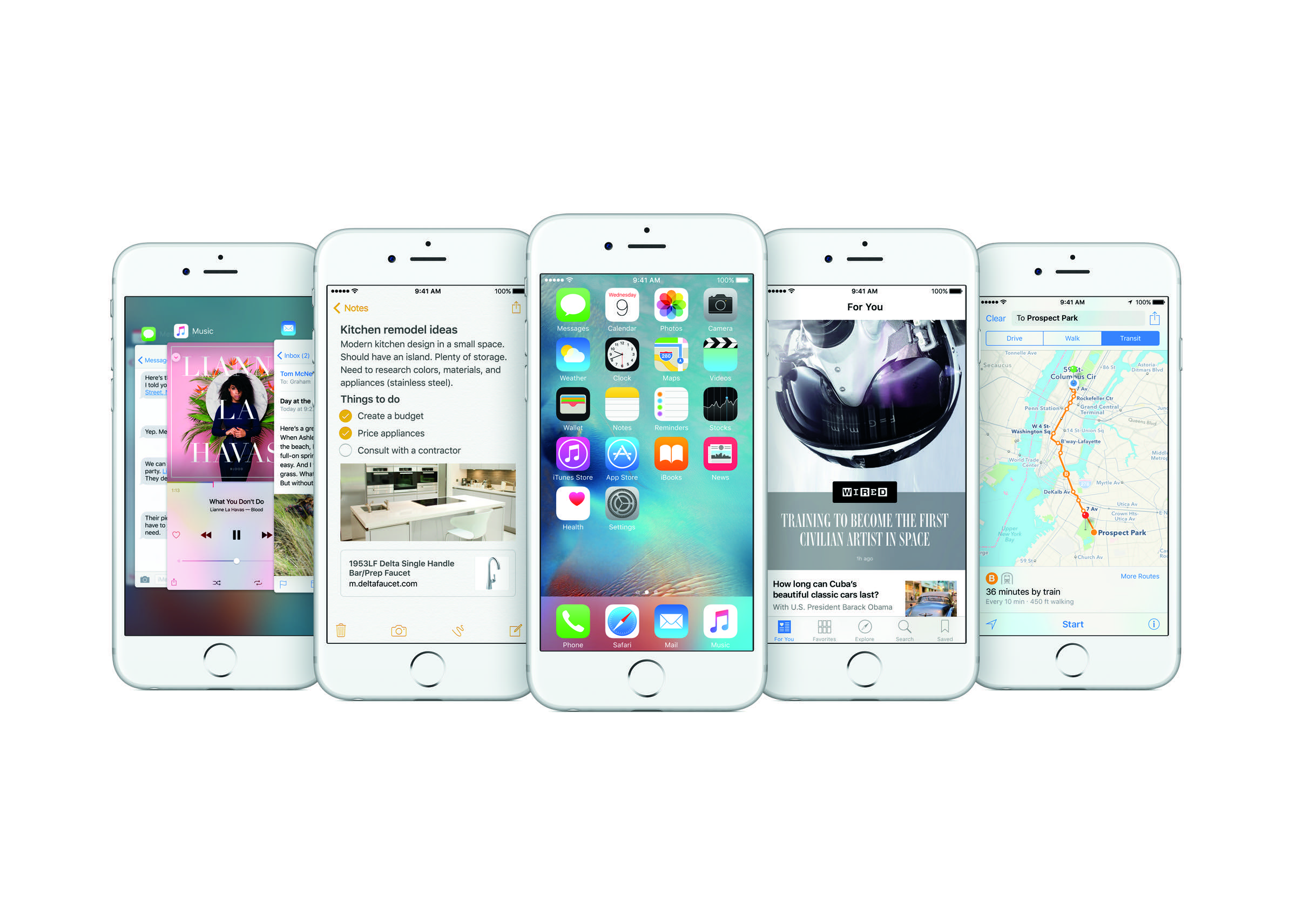
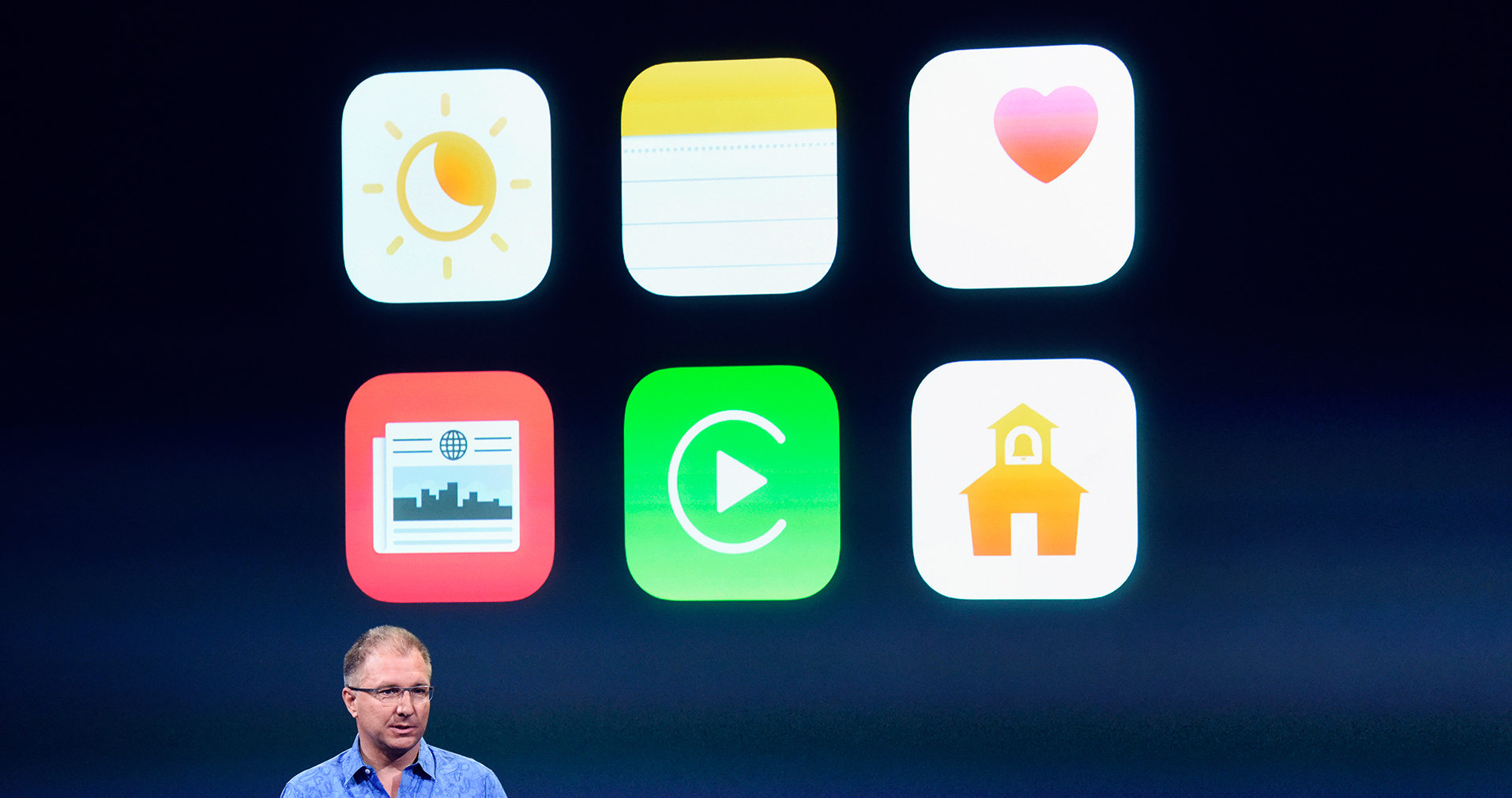
Apple also announced that they will push out the new update for iOS aka iOS 9.3 which offers up night shift, improved 3D touch along with security for Notes and major bug fixes and battery improvements.
Apple CareKit
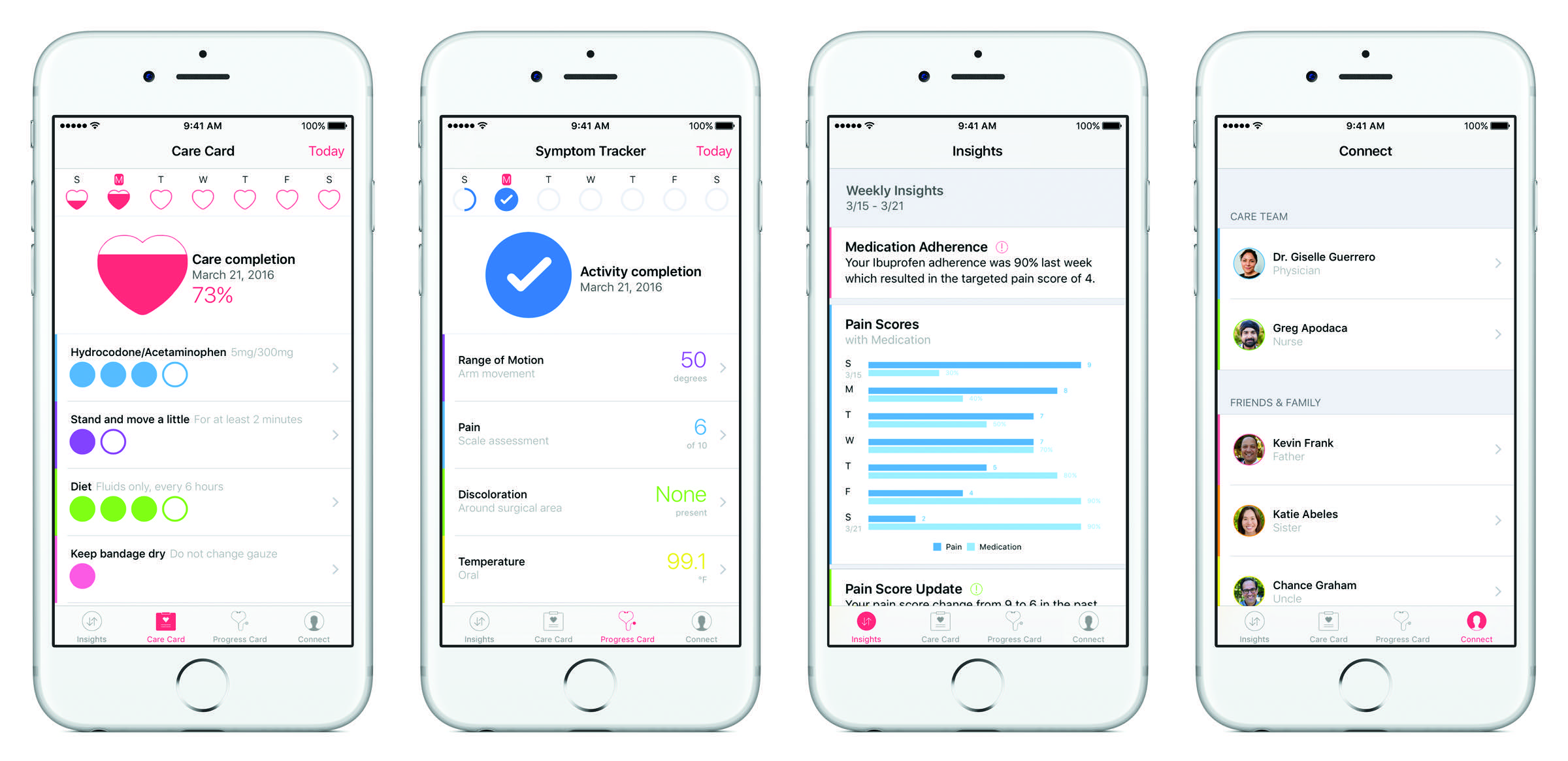
Apple’s update to ResearchKit, now called CareKit has a whole slew of new features to allow users to monitor their health and share it with loved ones and care professionals like doctors. This opens up new opportunities in the health care system and allows people to manage everything related to their health or treatment online on iCloud and on the go.
Care Card helps people track their individual care plans and action items, such as taking medication or completing physical therapy exercises. Activities can automatically be tracked and entered using sensors in Apple Watch or iPhone
Symptom and Measurement Tracker lets users quickly record their symptoms and how they’re feeling, like monitoring temperature for possible infections or measuring pain or fatigue. Progress updates could include simple surveys, photos that capture the progression of a wound or activities calculated by using the iPhone’s accelerometer and gyroscope, like quantifying range of motion
Insight Dashboard maps symptoms against the action items in the Care Card to quickly show how treatments are working; and
Connect makes it easy for people to share information and communicate with doctors, care teams or family members about their health and any change in condition.
Apple has launched the new iPad Pro 9.7 inch variant, and details of its price and launch in India are out. Apple will launch the iPad Pro 9.7 in India starting MRP INR 49900 for the 32GB with Wi-Fi model and MRP INR 61900 for the 32GB Wi-Fi + Cellular model. Both iPad Pro sizes are available in offerings of 32GB, 128GB and a new 256GB capacity.
The 9.7-inch iPad Pro comes in silver, space grey, gold and a new rose gold metallic finish, and starts at MRP INR 49900 for the 32GB with Wi-Fi model and MRP INR 61900 for the 32GB Wi-Fi + Cellular model. Both iPad Pro sizes are available in offerings of 32GB, 128GB and a new 256GB capacity, the highest of any iOS device. For more information, please visit www.apple.com/in/ipad.
The 9.7-inch iPad Pro will be available to order beginning Thursday, March 24, from Apple.com, through select carriers and Apple Authorised Resellers on Thursday, March 31, in Australia, Canada, China (Wi-Fi models only), France, Germany, Hong Kong, Japan, New Zealand, Puerto Rico, Singapore, the UK, US Virgin Islands and the US.
The 9.7-inch iPad Pro will be available in early April in Albania, Anguilla, Antigua and Barbuda, Austria, Belgium, Bosnia, Bulgaria, Cayman Islands, Croatia, Czech Republic, Denmark, El Salvador, Estonia, Finland, Greece, Greenland, Guam, Guatemala, Hungary, Iceland, India, Ireland, Isle of Man, Italy, Kosovo, Latvia, Lichtenstein, Lithuania, Luxembourg, Macedonia, Macau (Wi-Fi models only), Monaco, Montenegro, Netherlands, Norway, Poland, Portugal, Romania, Russia, Slovakia, Slovenia, Spain, Sweden, Switzerland, Thailand (Wi-Fi models only), Turkey and UAE.
Price for the Apple Pencil is MRP INR 8600 and Smart Keyboard in charcoal grey : MRP INR 13900. The Polyurethane iPad Pro Smart Cover and Silicone Cases for the 9.7-inch iPad Pro will available for MRP INR 3700 and MRP INR 5200.
The Lightning to SD Card Camera Reader will be available for MRP INR 2500, Lightning to USB 3 Camera Adapter for MRP INR 2900, Apple 29W USB-C Power Adapter for MRP INR 4100, Lightning to USB-C Cable (1 m.) for MRP INR 2300 and Lightning to USB-C Cable (2 m.) for MRP INR 2900.
Apple iPhone SE, aka the smaller 4 inch iPhone will sell in India Starting Rs. 30,000 39000 for the 16 GB variant according to Apple India.
iPhone SE will be available in space grey, silver, gold and rose gold metallic finishes in 16GB and 64GB models starting at MRP INR 30,000 39000 from Apple Authorised Resellers and select carriers.
Customers in Australia, Canada, China, France, Germany, Hong Kong, Japan, New Zealand, Puerto Rico, Singapore, the UK, US Virgin Islands and the US will be able to order iPhone SE beginning Thursday, March 24, with availability beginning Thursday, March 31.
iPhone SE will be available in early April in Albania, Andorra, Austria, Bahrain, Belgium, Bosnia, Bulgaria, Croatia, Czech Republic, Denmark, Estonia, Finland, Greece, Guernsey, Jersey, Hungary, Iceland, India, Ireland, Isle of Man, Italy, Kosovo, Kuwait, Latvia, Liechtenstein, Lithuania, Luxembourg, Macedonia, Maldives, Malta, Monaco, Netherlands, Norway, Poland, Portugal, Romania, Russia, Saudi Arabia, Slovakia, Slovenia, Spain, Sweden, Switzerland, Taiwan, Turkey and UAE.
Apple confirms that the iPhone SE will come to India early April 2016. April 8th is when the iPhone SE will launch in India and will be sold by distribution partner Reddington and will be available at 3000 retail outlets across the country. Apple will also sell leather cases in black and midnight blue for MRP INR 2900 and the Apple Lightning Docks in colour-matched metallic finishes for MRP INR 3700.
NOTE: This article earlier mentioned the price of the iPhone SE 16 GB as Rs. 30000 as mentioned by Apple, which the company later changed to Rs. 39000. The article reflects that change.
Apple has finally launched iOS 9.3, which the company has been testing for a while. The Update should pop up on your iPhones Sometime in the next few hours and will enable a slew of new features, including “Night Shift” which allows the display to sdjust automatically post sunset to reduce the blue tint on the display. This is done in order to help you sleep better.
Another cool feature is the fact that Notes can now be password protected and unlocked using Touch ID. So you can now store your sensitive information on your Notes.
Improvements are also present for 3D Touch shortcuts for Weather, Settings, Compass, Health, Stocks, and Store.
Apple is also improving the News app in iOS 9.3 and Health now has Apple Watch integration, alongside improvements to tracking third-party apps.
The new iPhone SE and 9.7-inch iPad Pro will come with iOS 9.3 preinstalled. Owners of the iPhone 6, 6 Plus, 6S, and 6S Plus should get a System Update alert to install the new OS on today.







 The biggest announcement of the day was the launch of