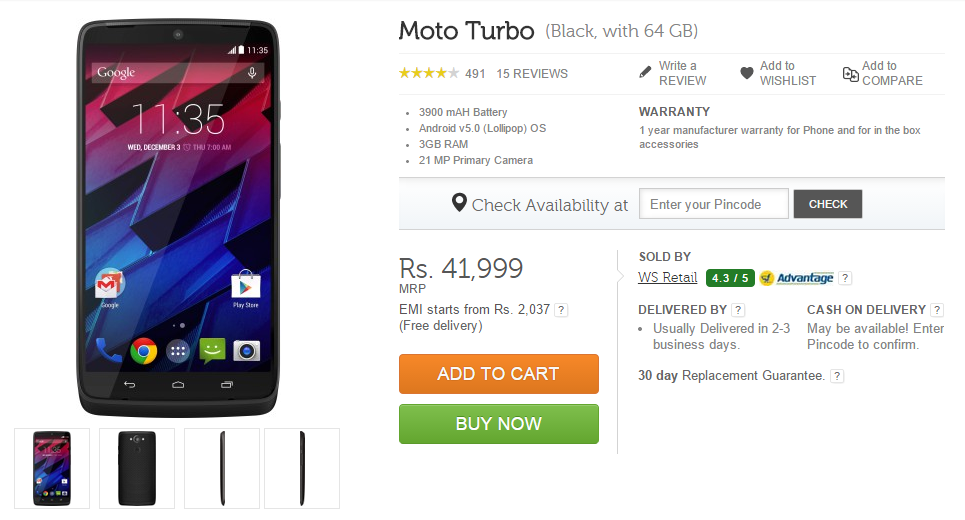
A while back, Motorola announced the arrival of the powerful Moto Turbo in India. The company has established itself in the Indian market at as a reliable budget smartphone provider, and the Turbo is its most expensive offering in the market. The device was up for pre-order since the time of its launch with the price tag of Rs. 41,999. The phone is up for grabs in India from today onwards.
The cash on delivery option is applicable on this device, and one can also buy the same on EMIs. The product can be delivered at the buyer’s doorstep in 2-3 business days.
The new Moto Turbo sports a 5.2-inch Quad HD display with 565 ppi pixel density. Powered by quad-core Qualcomm Snapdragon 805 processor, the device holds Adreno 420 GPU along with 3GB of RAM. A water-repellent coating is incorporated on the screen that protects the device. The battery support of Moto Turbo is 3,900mAh, and it comes with Motorola’s Turbo Charge feature that powers the device for up to seven hours of usage in just 15 minutes of charging.
The optics of the phone is also top-notch. A 21MP autofocus snapper with dual-LED flash sits at the back along with other features like slow motion video, burst mode, auto HDR, Panorama, and a few more. Though, the front camera is a conventional 2MP. The device runs on Android 5.0 Lollipop, and the connectivity options include Bluetooth, Wi-Fi, 4G LTE with LTE Cat 4 and Micro-USB.
It’s safe to say, Xiaomi has been on a roll. It has unveiled several new smartphones in the market, which are undoubtedly remarkable and are gaining fame for being reasonable priced. The Chinese smartphone brand showcased a new smartphone line back in January called Mi Note, which comprises of Xiaomi Mi Note and Mi Note Pro. It appears like the firm has one more device in the Mi Note series to offer which is being worked on secretly.
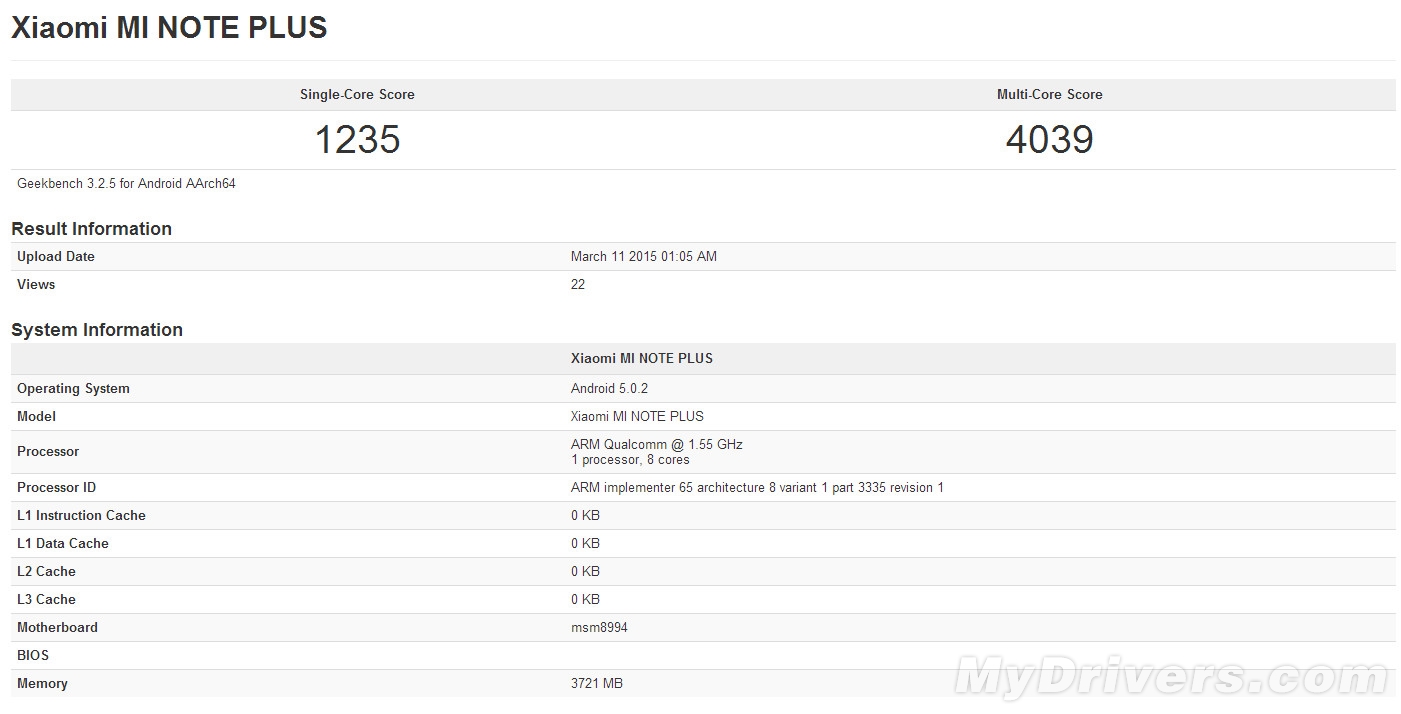
A new premium device showed up on GeekBench that speaks of the high specifications of the forthcoming device. It also illustrated the benchmark scores of Mi Note Plus, along with Samsung Galaxy S6 and HTC One M9. According to the cross-platform processor benchmark, Xiaomi Mi Note Plus sports a Qualcomm Snapdragon 810 processor and 4GB of RAM, just like the Mi Note Pro. The device will run on Android 5.0.2 Lollipop.
From the revelations, it is observed that the fundamental specifications of the Plus version of Mi Note are identical to Mi Note Pro. Also the GeekBench scores, the Mi Note Plus stood close to HTC One M9 with single-core score at 1282 and multi-core score at 3928. The Mi Note Plus, on the other hand, scored 1235 and 4039 in single-core and multi-core score respectively.
We doubt Xiaomi’s new offering will give th Galaxy S6 tough competition, but given the price range of the Galaxy S6, the Mi Note Plus is expected to attract more customers. Recently, Lin Bin, Co-Founder and President of Xiaomi also hinted that a special edition of Mi Note would be coming out soon. The fresh device is expected to release today. It is uncertain if Xiaomi is pointing to the Plus version as the special edition, but once the firm makes the announcement, things will come to light.
The Canadian electronics producer, Datawind, has reaped a reputation of providing the most affordable tablets in India. The Aakash tablet, Ubislate 7, and PocketSurfer are among the budget devices that have gained acceptance nationwide. The firm now intends to launch a line of budget-friendly Android smartphones in the country. The handsets will start from just Rs. 2,000 and will provide free internet services for one whole year.
The price of the 2G handset will start from Rs. 2,000, while the 3G version will cost Rs. 1,000 higher than the 2G model at Rs. 3,000. According to Datawind CEO Suneet Singh Tuli, the company is in talks with mobile operators to team up with them. The first target of Datawind is a mobile network carrier with vast customer base like Vodafone, Airtel, or Idea. The Canadian firm will later crack a deal with other operators to cover larger geographical boundaries. He also made clear that they are planning to tie-up with network carriers, the devices will be free to switch to other operators.
The company is eyeing on selling maximum number of devices in the price-conscious market. As per Mr. Tuli, as much as 50 lakh units of Android smartphones will be sold. He further added a statement clarifying the rate at which production of the low-end phone is going:
In line with the Government’s ‘Make in India’ initiative, we plan to shift production of 90 per cent of total smartphones within 90 days.
Datawind is dedicated to bringing together the unconnected parts of India and said that the company will be paying for the internet services to the data partners.
We haven’t heard anything about when is the company coming up with its new line of handsets, but whenever it arrives in the market, it will play a major role in pushing the country towards wide scale digitization.
Last year in December, OnePlus stepped into the portable charger segment and introduced the world its first-ever Power bank. Today, the company will launch the robust device with battery capacity of 10,000mAh. The official Google+ page of OnePlus reads, “Starting March 17. Are you ready to charge?”
The product can be launched today and is expected to be priced a little lesser than $15 (approximately Rs. 900). With a mammoth capacity of 10,000mAh, the upcoming OnePlus power bank can charge the 3100mAh battery of One device three times on a single charge. The powerful bank is ready for retail.
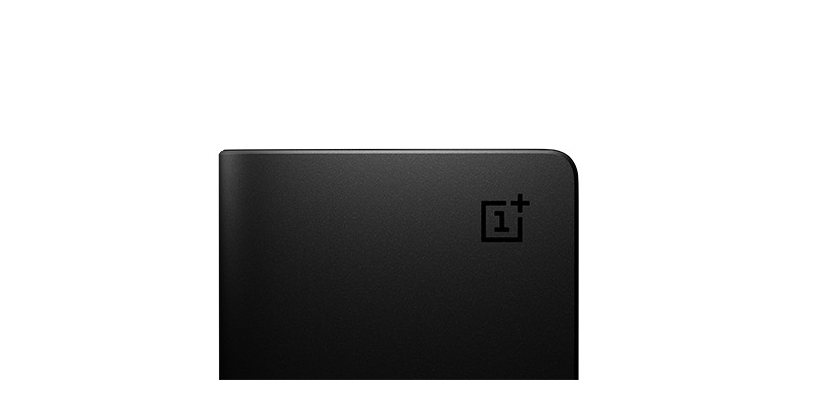
The overall look of the One Power bank is premium. The company has opted for smooth and rounded edges that give the compact charger a smooth finish. The battery weighs 220 grams and holds 16.2 mm thickness. The unit comes in two colours, Sandstone Black and Silver White. The company claims that the device takes 5.5 hours to charge completely.
OnePlus has launched many gadgets till date and the reason the company enjoys a vast user base is the affordable pricing. At $15, the One power bank can give tough competition to Xiaomi’s 10,400mAh power bank. A minor 400mAh difference will not attract the OnePlus fan base to Xiaomi as the One mobile battery has two USB ports instead of one. One can charge two devices at a time. Also, Xiaomi’s Mi Power Bank has been out of stock for quite some time on Flipkart. It’s the perfect time for OnePlus to jump in the game.
According to PhoneArena, OnePlus Power Bank will ship in the US on March 17. There is no word about its availability in India so far.
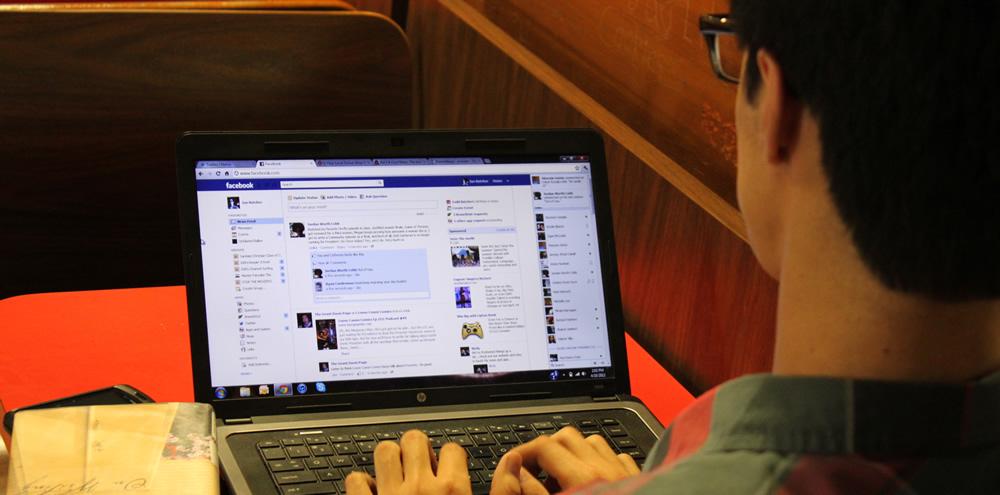
The world’s largest social network Facebook is a powerful tool to connect with billions of people across the globe at any given time. With an active user base of 1.39 billion users, the responsibility for establishing the proper code of conduct for the website gets really tough for Facebook. This is why the biggest social network in the world has to constantly update its community policies. Facebook has now clearly spelt out what kind of actions are likely to get a user suspended from using their service.
The social networking giant has set a standard to make sure no nuisance befalls on the website and today the company has updated its community standards section to make clear what all is prohibited on the site. The company didn’t change the policy and instead provided details ‘on what is and is not allowed’.
Gratuitous nudity and violence will definitely get you banned from the website
Without seizing the freedom to share and freedom of free expression from the users, Facebook gave a detailed policy description for nudity and hate speech; “We remove photographs of people displaying genitals or focusing in on fully exposed buttocks.” It said that “images of female breasts if they include the nipple” is unacceptable “but we always allow photos of women actively engaged in breast-feeding or showing breasts with post-mastectomy scarring.”
Facebook banned the terrorist organisations like ISIS a while back, and they also made clear that encouraging groups that show violent, criminal or hateful behaviour is also prohibited on their platform.
These measures have been taken to put an end to online bullying. Posting tailored images to degrade a person, and threatening someone for financial or physical harm is illegal and banned. The company has also opted strict rules for revenge porn videos where intimate images or videos of women are shared online without their consent to degrade them in public.
Meanwhile, it should also be taken into account that there is no set method to scan the image automatically and remove the offensive content once posted on Facebook. The previous method of reporting abuse still follows, and once a user reports about an abusive post, it will take about 48 hours to eradicate the content from the website. Monika Bickert from Facebook talked about the rules saying:
Sometimes the best way to share information about atrocities in the world is Facebook. We recognize that is a very challenging issue.
Along with updating its rule book, the company also released its ‘transparency report’, which had requests by governments of each country for user data. The overall governmental applications were 34,946 in the first half of 2014 and 35,051 in the second half. The government of India, Turkey and Russia made most of the request, while the western countries including UK and the US, showed a decline in applications.
Overall, the new announcement shows the kind intentions of Facebook. With a medium like Facebook where videos go viral in a matter of minutes, 48 hours is too long skip a prohibited content from eyes of the 1.4 billion users. Facebook wouldn’t be able to stop the content from being posted as its a matter of freedom of speech. Also as it has a massive varied user-base raging from different regions of the world, it would be difficult to have a one size fits all policy. So as of now, the user complaint based feedback model seems like the best way let Facebook know of your discomfort with the content on their website.
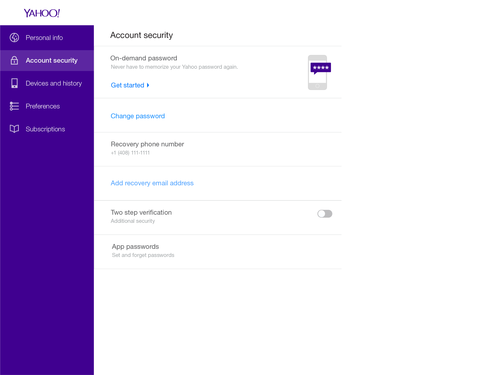
It has become awful hard to keep a track of our passwords these days. If remembering passwords is not your thing, then Yahoo has a way out for you. The company has introduced a new service called ‘On-demand passwords’ system that sends out a unique password to your handset whenever you want to sign in to your account.
The new approach by the company is much like Google’s two-step verification method, but Yahoo has made it hassle-free by encapsulating it into one easy step. Now, users don’t need to remember the tricky password. Whenever someone wishes to login to the account, he/she need to click the ‘Send me password’ button. The user will receive a code through an app or text message on their phones, which will be the password for your Yahoo account. Yes, exactly like the One-Time Password Service used by banks for online transactions.
The Director of Product Management, Chris Stoner, stated on the official Yahoo Tumbler page –
We’ve all been there…you’re logging into your email and you panic because you’ve forgotten your password. After racking your brain for what feels like hours, it finally comes to you. Phew! You no longer have to memorize a difficult password to sign in to your account.
The feature will not activate automatically, and one has to login to their account using the traditional method. Once you’re logged in, change the settings to enable ‘On-demand password’ service. Go to Settings > Security and turn on ‘On-demand passwords.’ Enter the phone number on which you wish to accept the password from then on. Enter the code you’ll receive on your registered device on your system, and you are done. You will now get a new password on the handset every time you wish to login.
It’s difficult to say how much the new method is reliable because once your registered phone gets lost, you’ll be unable to access your account anymore as there will be no set password. The best part is that Yahoo has not forced the new system on its users, and it’s optional.
Yahoo presented one more technology to secure emails, along with the single-step password system. According to the new feature, the emails will be encrypted, and only the sender and receiver will be able to see the content of the email. Again, the service would not enable automatically, and users can turn on the the security measure for specific emails.
Both the ‘On-demand passwords’ and mail encryption technology will release globally later this year. The former is available for the US users now. To know how the mail encryption service works, check the video below:
Xiaomi smartphones have been well received world over. The company has expanded itself to various sections with Mi purifiers, power banks and pen drives. The Chinese electronics producer had not shown any inclination to smartwatches till now, but the rumour mill suggest another story. Xiaomi seems to have taken the recently launched Apple Watch as a challenge and according to a report, the China’s Apple is working furiously to gain a foothold in the smartwatch segment.
GSM Arena recently reported a few features of Xiaomi’s first smartwatch. According to the source, the Xiaomi smart watch will be clad in an elegant metal design and boast a circular dial. Also, it is said to equip a pulse wave velocity determiner that keeps a check on the stiffness of arteries. Overall, Xiaomi’s upcoming smartwatches will gauge your internal body activities all the time.
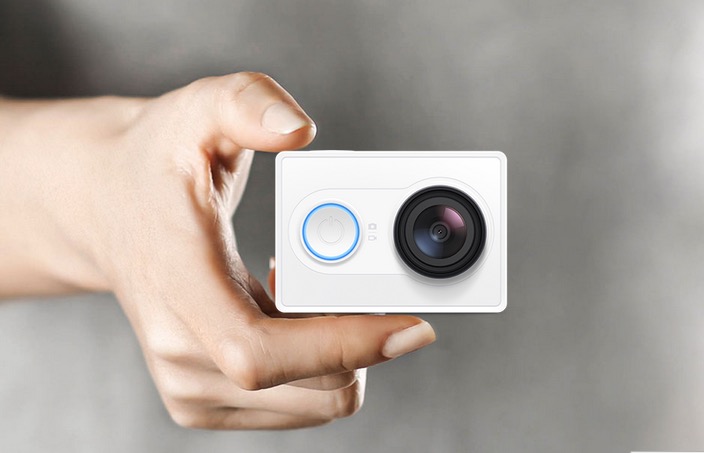
Xiaomi isn’t only known for its smartphones, the company recently unveiled a super affordable action camera.
For the time being, these are just reports and there’s no solid proof of its authenticity. Very scarce details are known about the watch, but from the little information, it can be said that Xiaomi is prepping to answer back to its competition. The company is renowned for providing superior specs at affordable prices like the new Mi Pad, Mi Note, and most recently, a super cheap action camera. It’s an easy conclusion, if the news turns out to be real, Xiaomi’s first smartwatch will be priced lesser than the other wearables in the market.
WhatsApp voice-calling is the feature Android users have been waiting for, for a long long time. The company has finally rolled out the update and the tool functions amazing on smartphones (on good network, of course.)
Now you don’t need to figure out a way to get an invite, users just need to download the latest version of the cross-platform mobile messaging service i.e. 2.12.5. Once downloaded, the free voice-calling service will be activated on your phones. It’s observed that some people, especially Samsung users, still don’t have access to the new calling feature, but it’s likely that they will receive it soon.
We tried the new WhatsApp free calling feature on an HTC model. Here’s what we found new in the mobile messaging service:
Split screen
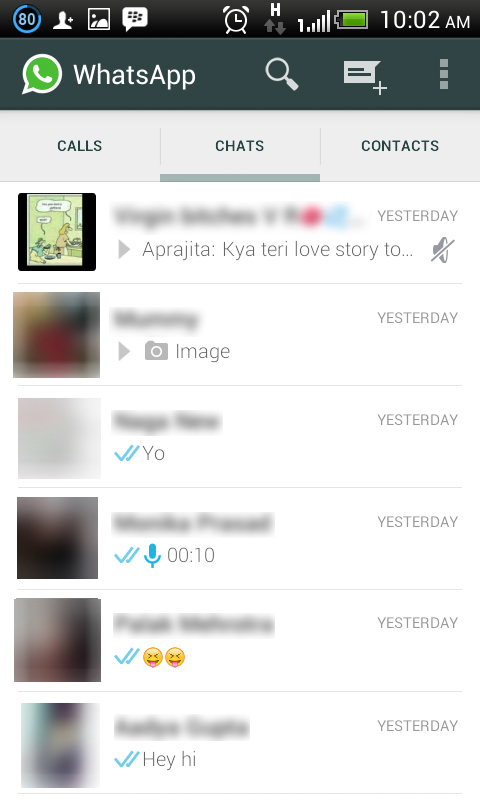
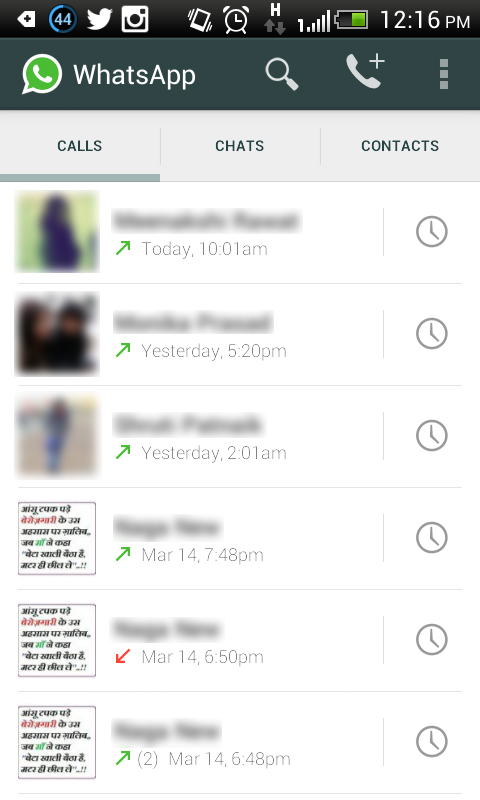
The new version of WhatsApp has a divided screen, just what we saw in the leaked images, a few months back. The page is split into three parts with categories: Calls, Chats and Contacts. Earlier there used to be one screen with Chats where you could find the chat history with your WhatsApp contacts.
Call Log
Just like the chat history, there is a call history option in the updated version. Just tap on Calls to see incoming calls, outgoing calls and missed calls. The feature is very much similar to the call log option on your phone, with notifications about the date and time of the calls as well.
New WhatsApp Panel
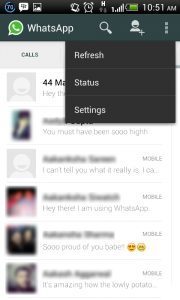
WhatsApp has done major modifications in the app along with embedding the voice-calling tool. The Contacts section is shifted to the bottom and given it a place in one out of the three split columns of the screen. A dropdown option sits at the top right of the new panel, and on its left is Contacts field to add more contacts. The dropdown menu comprises of three options: Refresh, Status and Settings.
Uncluttered Format
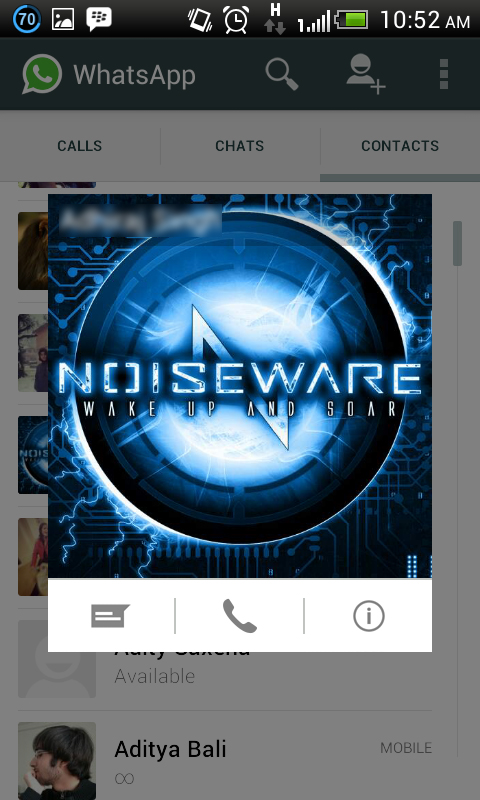
WhatsApp has become more organised with the new version. Earlier, users have to go to the user’s profile to see a particular profile picture, but now it’s pretty easy. Click on the image of the contact and the picture appears in another window with options to start a call or chat.
Tried and Tested:
We tried the voice-calling feature from an HTC phone with a Samsung S3 device, which doesn’t have the access to the upgrade. The calling was average, and there was a gap of a mere few seconds while sending out one conversation and receiving it at the other end. Overall, it’s not as smooth as a regular call, but again it depends on the strength of your internet.
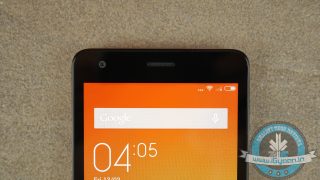
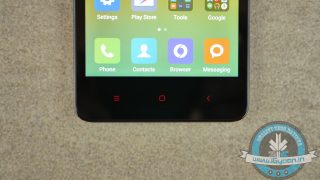
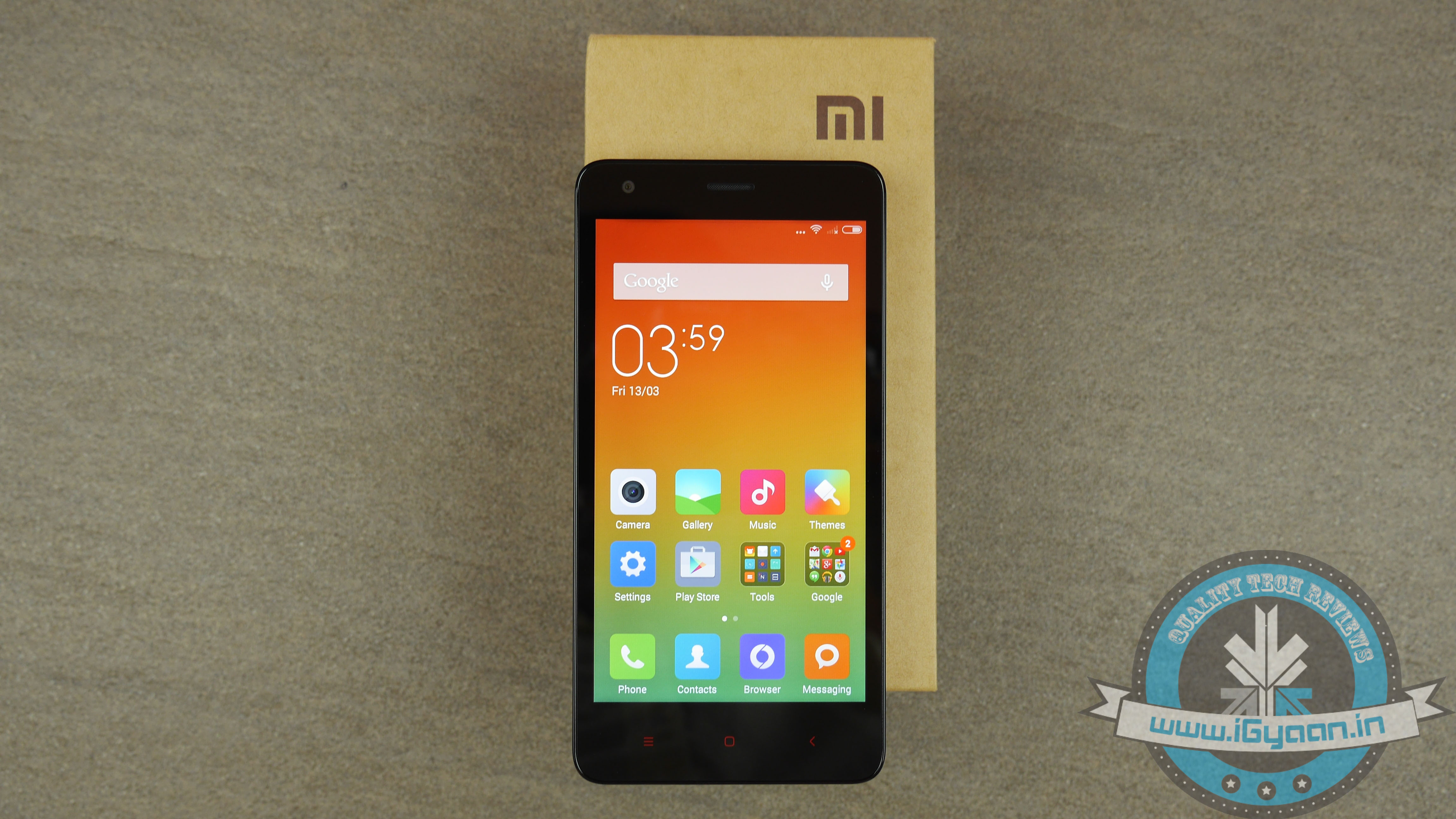
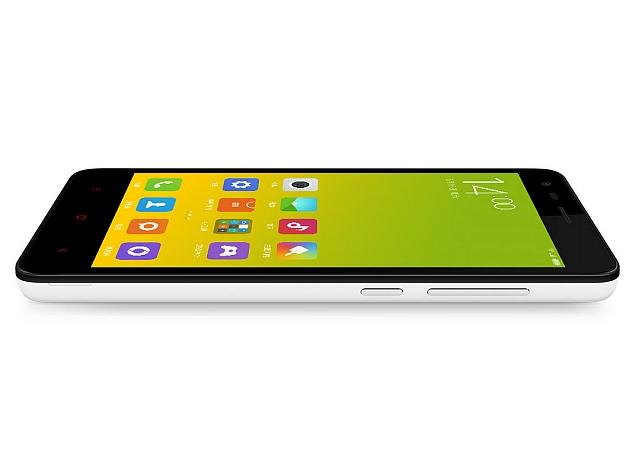
Xiaomi is back with another device, the Redmi 2, and it can be a blockbuster amongst the budget smartphones already in the market. The new device is more mature than its predecessor, Redmi 1s, and comes with much-required advancements such as better battery, a front camera and processor, and also an upgraded OS.
From the overall look of the phone, the Redmi 2 may remind you of the earlier version. It has the same 4.7-inch screen, but with a (1280x720p resolution) display with 312 ppi pixel density. A coating of AGC Dragontrail glass is at the top of the screen to give it protection from scratches.
The phone is considerably lighter than the Redmi 1S and feels good in hand. The rounded edges along with a soft touch back gives a subtle feel to the device and offers a comfortable grip.
The processor has been tweaked to 1.2 GHz Quad-core Snapdragon 410 with an enhanced Adreno 306 GPU. It comes with 1GB RAM and 8GB in-built memory capacity. The company provides an expandable card slot that makes the device capable of storing up to 32GB of data.
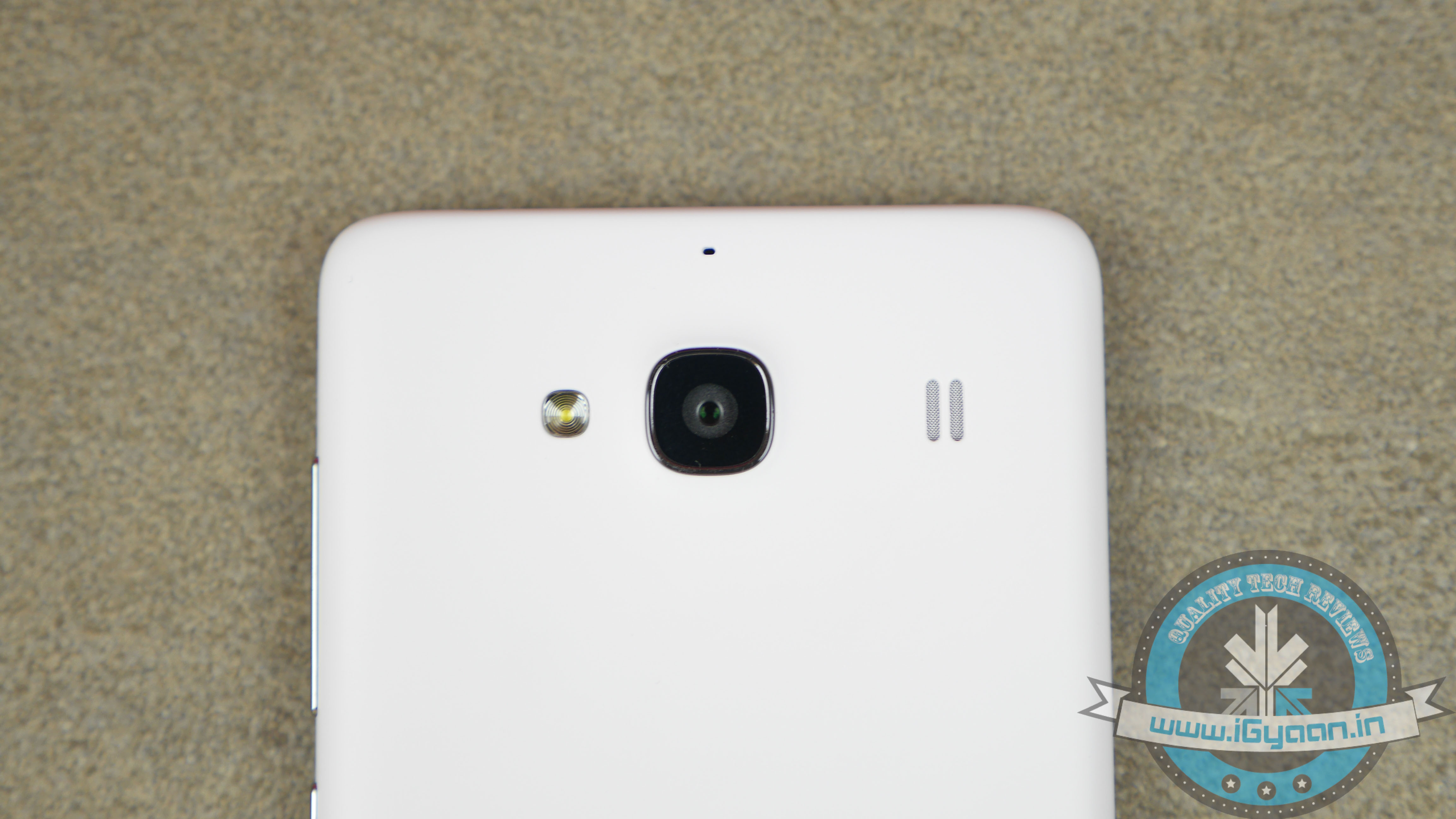
The rear shooter stands at 8MP while the front comes with a 2MP camera. The Redmi 2 gets its juice from the 2200mAh battery.
Redmi 2 is a dual-SIM phone that runs on Android 4.4 KitKat with the company’s MIUI 6.0 on top. The MIUI features various features like over 5,000 themes, smart filters for cameras, Flashlight, and much more.
Like the other devices, Xiaomi is opting for a flash sale model for this device as well. Registration for the same have already started. Priced at Rs. 6,999, the device will be available on March 24. There are only two colour options accessible in India for now – white and black grey. The company promises, more colours will come later.
NASA (National Aeronautics and Space Administration) has been working restlessly since its inception to find traces of water in our Solar system and the infinite universe. It has now been found that Jupiter’s largest moon Ganymede has been hiding something under its surface that might make it a prime contender for a life harbouring heavenly body.
NASA’s Hubble Space Telescope has made some observations that indicate the existence of an underground saltwater ocean. According to the US government agency, the subterranean ocean might have more water than the total water on the earth. An evidence of water on a heavenly body puts a tick ahead of one requisite component in the list for habitable worlds beyond Earth.
An aurora was spotted by NASA’s Space telescope that indicates the existence of water on the surface of Ganymede (the largest moon in the Solar System, and the only satellite to have a magnetic field of its own). An aurora is formed when charged particles interact with the magnetic field of any heavenly body. It is the glowing ribbons of charged particles that interact with its surrounding atmosphere. On earth these aururae are also known as Northern Lights.
It’s not just the aurorae that pointed out the presence of water on Ganymede, but the change in the behaviour of aurorae that can be caused by the existence of water. It was found that aurorae stayed in a stable position because of a salty, electrically conductive ocean. Had there been no water at its surface, the aurorae would have rocked back and forth. The observations by Hubble were done in UV light.
It is an essentially and important find, but the moon which is about the size of Mars, cannot be considered as an important place for further exploration. It is learnt that the saltwater ocean is around 100 miles deep below the outer crust of ice. Below the saline ocean lies the ice mantle that is then followed by rocky mantle and iron core. With present technologies, it would be impractical to make robots dig 100 miles below the upper crust, which is further separated from Saline Ocean through layers of ice.
Meanwhile, the Hubble project partner ESA (European Space Agency) will continue to conduct science operations. The agency will take a closer look at the other moons of Jupiter Europa, Ganymede, and Callisto. Europa is also one of the prime candidates for hosting liquid water which is crucial for hosting life. We won’t know for sure about the existence of life on this bodies unless we send a probe there but considering the low investment in the field of space research, it might be a while before we get there. Maybe its about time we cut down on the massive defence spending and use it to further our adventures in space.
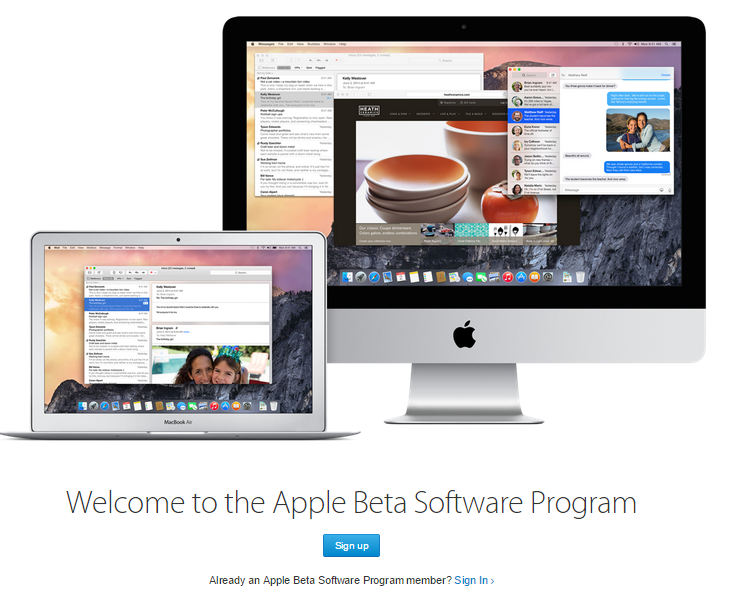
After unveiling the new MacBook and Apple Watch last week, Apple is paying attention to its software. It has released the beta version of iOS 8.3 for regular users. The Cupertino-based giant, for the first time, is inviting general public to test out the third beta of iOS 8.3 before officially releasing it officially.
The tech biggie has launched a webpage called Apple Beta Software Program. Users can sign in to test-drive the beta software and experience what Apple has more to offer. One can enrol their iPhones on the webpage and download the file software.
The software program page advises to back up the device, as the software is still in development mode. The new iOS 8.3 is expected to feature new emojis, easier logins for Google users, wireless CarPlay, and is likely to come with major bug fixes. It is highly possible that some applications may not run as directed as it’s not the final product.
Meanwhile, it is noticed that in spite of public release, only a few users have been able to try out the upcoming iOS. Apple hasn’t laid out the plan how it’s conducting the testing, but it is estimated that the users who took part in the ‘OS X Yosemite Beta Program’ will be able to give feedback to the iOS 8.3 program.
The official release of the new beta software for public use signifies that the iOS 8.3 has taken a step closer to the final public release, however we shouldn’t expect to arrive anytime soon since Apple released iOS 8.2 only a few days ago.
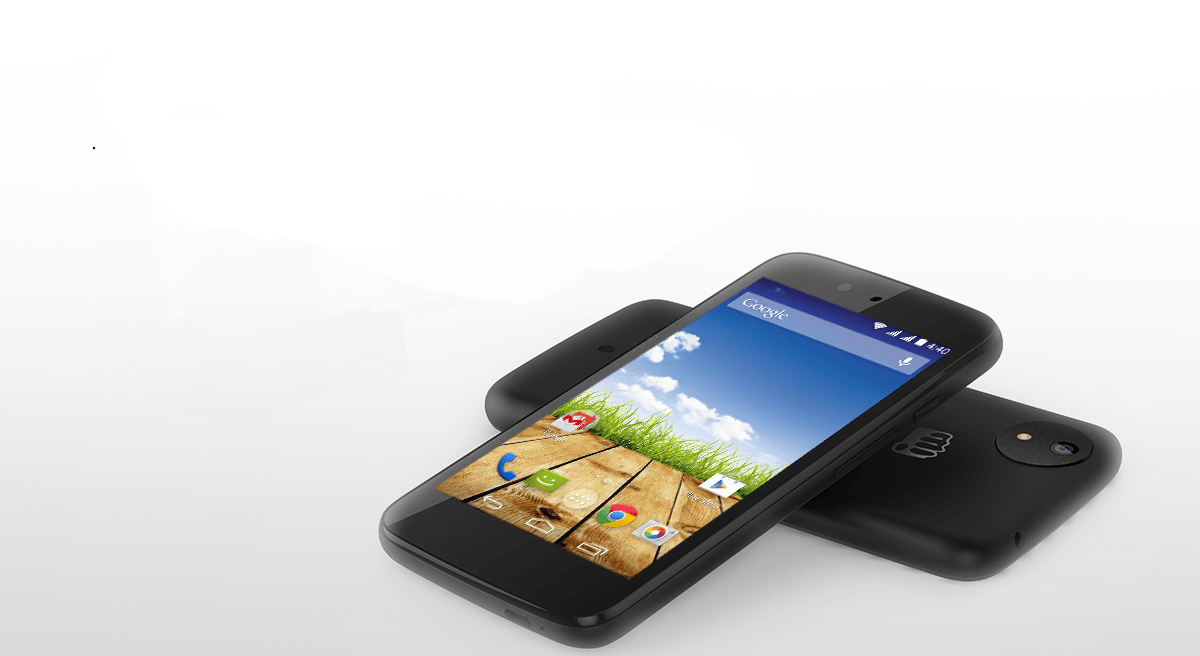
It’s not been long since Google updated its proprietary operating system and brought before the world 5.1 version of Android Lollipop. The upgrade is hitting many devices and the latest device to receive Android 5.1 Lollipop is the Micromax Canvas A1. The Indian electronics firm is skipping the 5.0 version and is straight providing the improved version of Android Lollipop with bug fixes and new features.
The new version is coming with a build number LMY471 and it will occupy 409.8MB space on your device. The update comes with stock Android features like device protection, HD Voice calling, redesigned Quick settings menu and more. Canvas A1 users can check the update by following these steps: Settings > About Phone > System Updates > Check now.
The upgrade was first released by the company for its own Android One devices in Indonesia and other countries are gradually receiving the advanced version. Meanwhile, Nexus 6 has also started receiving the update along with Nexus 4, 5,7 and 10.
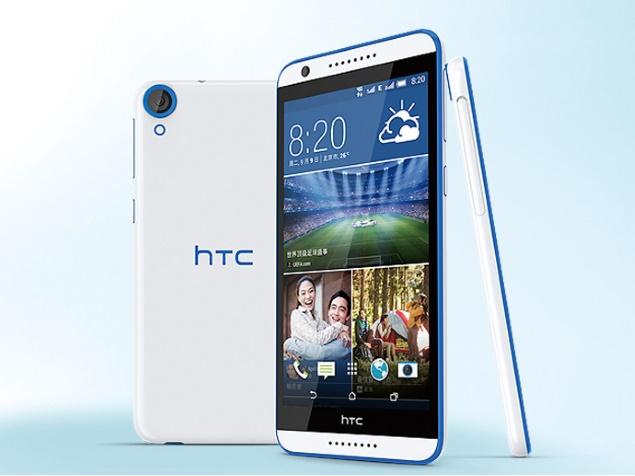
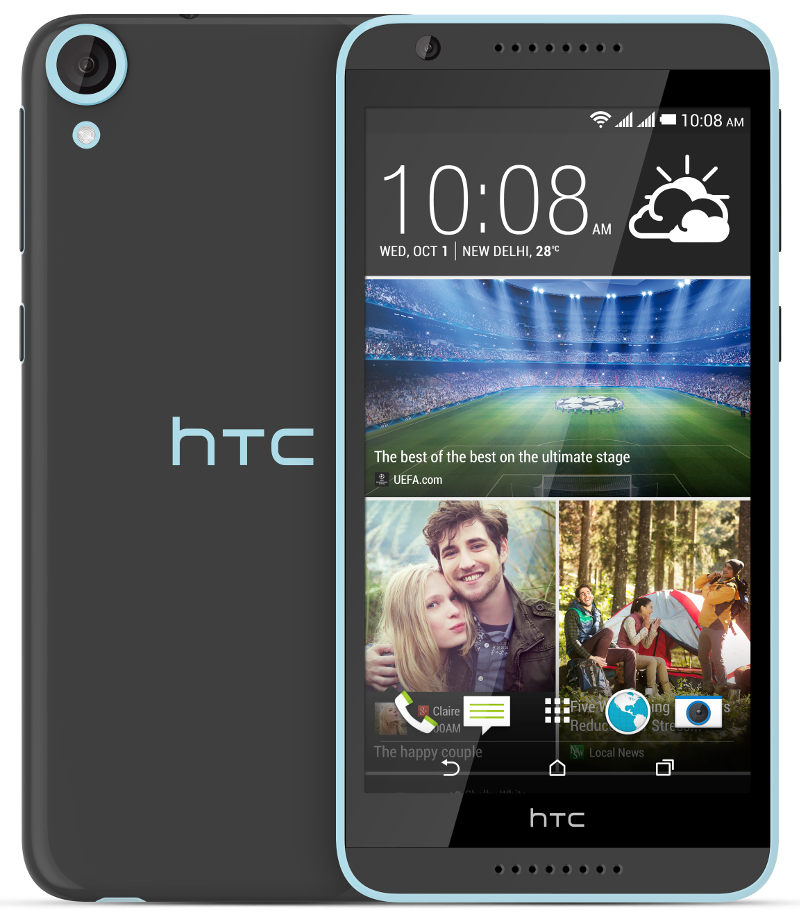
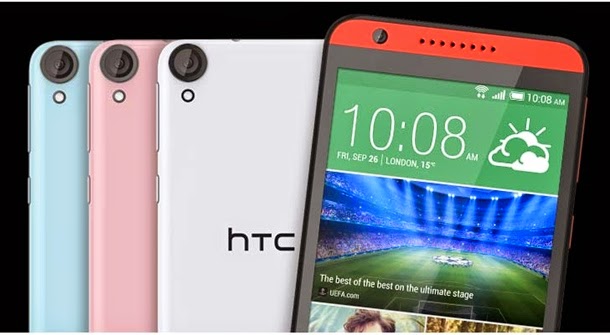
Months after the announcement of the Desire 820s, HTC has now launched the device in India. It has been priced at Rs. 24,890.
The Desire 820s boasts a 5.5-inch wide 720p display and is powered by the 64-bit Octa-Core MediaTek MT6572 processor clocked at 1.7GHz. The phone has 2GB of RAM, 16GB of storage space onboard, which is expandable. Running on Google’s operating system Android 4.4 KitKat, the device has the company’s Sense 6 UI on top.
Coming to the camera fitted onto the Desire 820s, a 13MP camera paired with BSI sensor and LED flash is installed at its back. The front has a huge 8MP shooter, apt to capture selfies. HTC has given particular attention to the audio quality. HTC BoomSound speakers are equipped at the front along with built-in amplifiers.
The handset offers dual-SIM support and provides 4G connectivity option. The battery stands fair at 2600 mAH. The connectivity options comprise of Wi-Fi 802.11a/b/g/n, Bluetooth 4.0 with aptX and GPS.
HTC has given two colour options with this device; one is the Milky-way Grey, while the other is Santorini White.
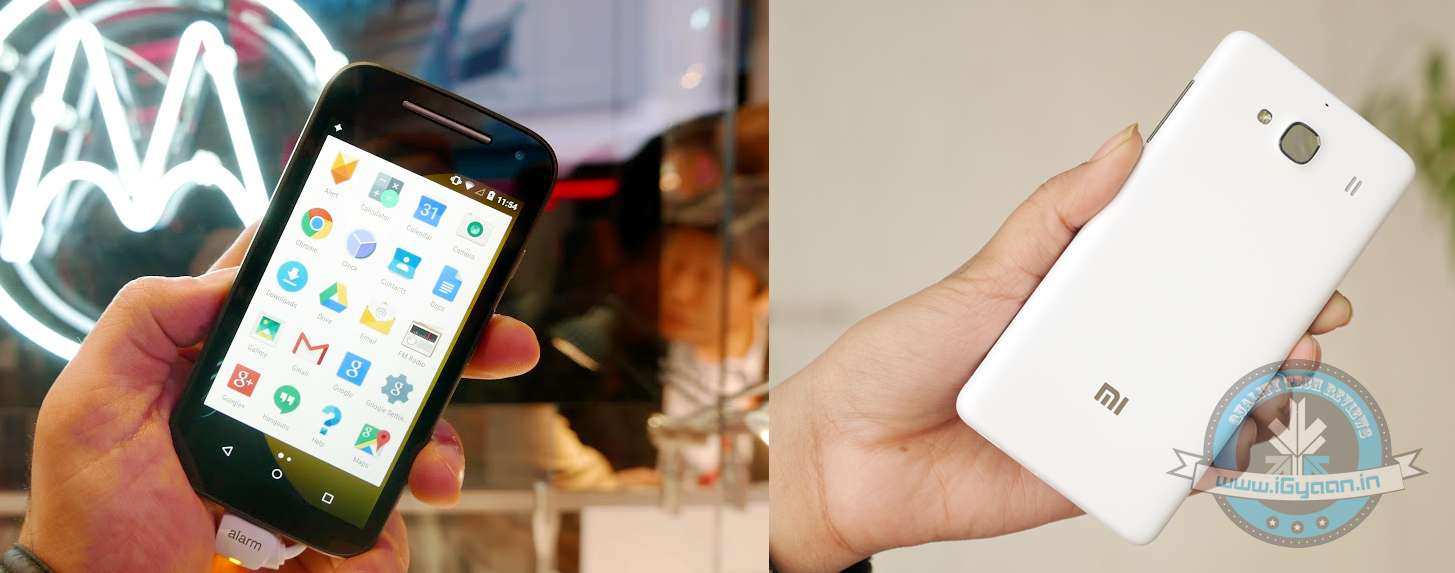
Xiaomi has launched the Redmi 2 (4G) in India, and it is a mere upgrade over its predecessor, the Redmi 1S. But even with the slight bump in the specs, the device is still unconquerable in its segment. The device that comes closest in competing with the Redmi 2 is the Moto E (Gen 2). So let’s take a look at how the two budget badasses fare against each other.
Specs
Xiaomi Redmi 2 4G
Motorola Moto E (Gen 2)
Display
4.7 inch
720 x 1280 pixels
4.5 inch
540 x 960 pixels
CPU
1.2 GHz, Quad-core, Snapdragon 410
1.2 GHz, Quad-core, Snapdragon 200
RAM
1 GB
1 GB
Main Camera
8 MP
5 MP
Front Camera
2 MP
0.3 MP
Internal Storage
8 GB
8 GB
External Storage
32 GB
32 GB
Battery
2200 mAh
2390 mAh
Operating System
MIUI 6.0, based on Android 4.4.4 Kitkat
Android 5.0 Lollipop
Price
Rs. 6999
Rs. 6999
The Redmi 2 definitely holds a lead in the specs sheet with its HD display and superior camera offering. The 4G ready Redmi 2 is priced the same as the 3G variant of the Moto E which would help it to attract the potential customers towards itself. The Moto E, on the other hand, can use its updated operating system and the bigger display in comparison to its predessesor to attract the buyers to itself.
The Redmi 2 also requires the troublesome effort of waiting for the flash sale whereas, the Moto E (Gen 2) is available right now for purchase which might work in Motorola’s favour.
Today, Xiaomi expanded its smartphone lineup in India with the launch of the new Redmi 2, the successor of Redmi 1s. Along with that, the firm brought to India its first tablet, the Mi Pad.
Now, shifting the attention back to the new smartphone, the Redmi 2 is another pocket-friendly device by the Chinese electronics brand. From the overall look, the Redmi 2 may look familiar with its predecessor, but its specifications are what makes it stand apart. With a revamped processor, front camera, GPU, battery, RAM, and many more things, the phone stands above the other devices in the same price bracket.
Have a look at the major tweaks done on the new phone:
Specs
Redmi 1S
Redmi 2
Display
4.7 inches 720×1280 pixels 312 ppi
4.7 inches 720×1280 pixels 312 ppi
Processor
1.6 GHz Quad-core Snapdragon 400
1.2 GHz Quad-core Snapdragon 410
GPU
Adreno 305
Adreno 306
RAM
1GB
1GB
In-Build Meory
8GB
8GB
Expandable Up to
32GB
32GB
Rear Camera
8MP
8MP
Front Camera
1.6MP
2MP
Operating System
Android 4.3 Jelly Bean with MIUI 5.0
Android 4.4 KitKat with MIUI 6.0
Battery
2000mAh
2200mAh
Price
Rs. 5,999
Rs. 6,999
Registration for the handsets will start today at 6pm and the phone will be available on March 24 through flash sale model.