Author: Parul Ritvik Sood

  • Xiaomi Dethrones Samsung from the Top Spot in China

    Xiaomi Dethrones Samsung from the Top Spot in China

    Seems like a bad day for Samsung, earlier we reported that their No. 1 position in India slipped away, and sounds like they’re headed towards trouble in China as well. Xiaomi is just four years old but the way the company has taken over the market in the last quarter is remarkable.

    Just last year, Xiaomi was just another dubious Chinese handset maker. Well, things certainly have changed and according to the report by research firm Canalys, Samsung is no longer the top phone manufacturer in China.

    Xiaomi distributed around 15 million phones in early 2014 while Samsung is lagging behind at 13.2 million. The report published on Monday by Canalys, revealed that Xiaomi’s remarkable growth, surpassing giants like Samsung and Lenovo to become the top player in China. Because of its huge growth in China, Xiaomi became the fifth largest smartphone maker in the world.
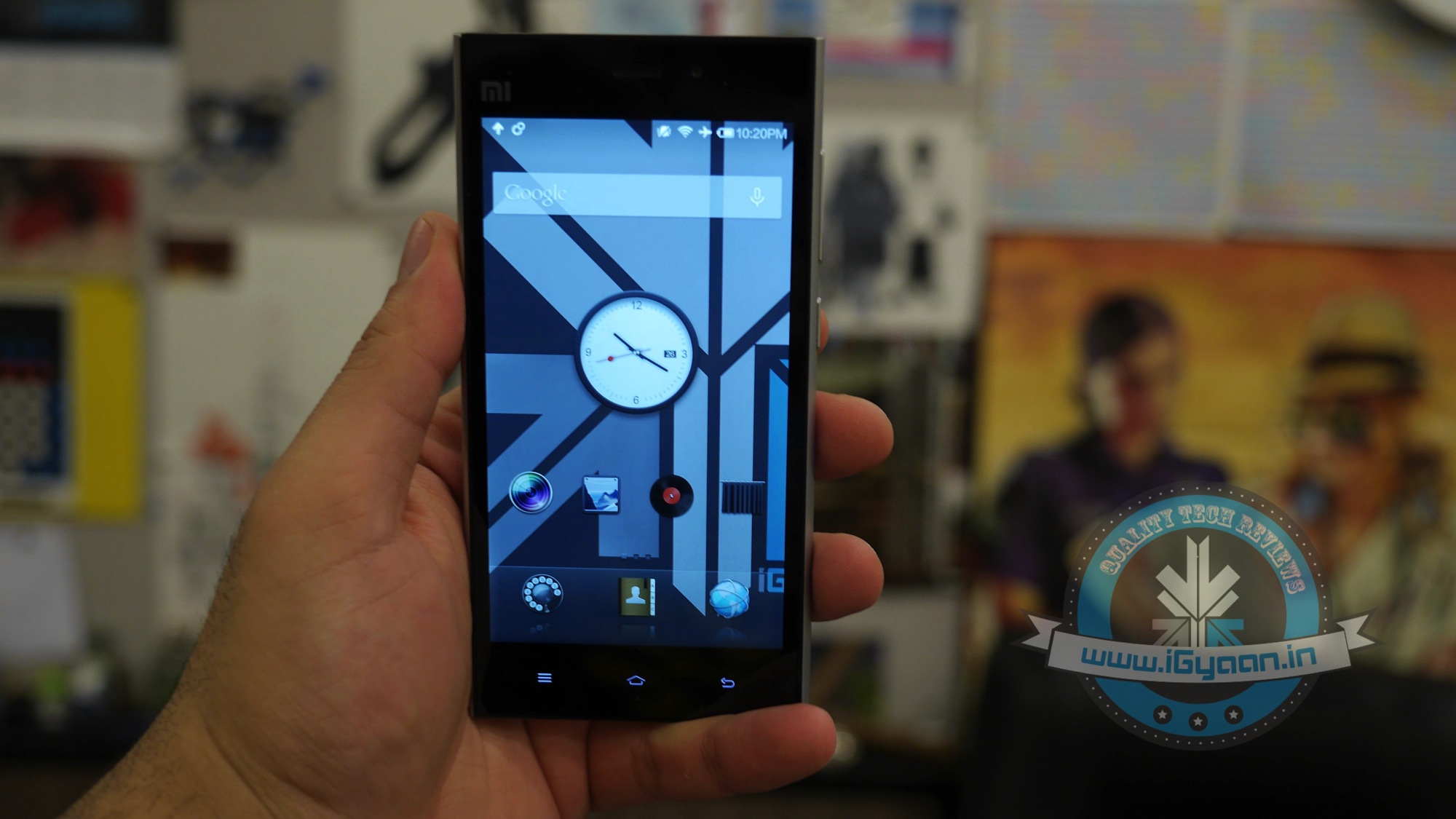
    Xiaomi mi3 Review 10

    Xiaomi is little known in Europe or in North America because it sells nearly all of its smartphones in mainland China. But strong growth in China and Indian-subcontinent (recently) was enough to get Xiaomi to a top five position among the world’s smartphone makers from nowhere the previous year.

    “Over all, Xiaomi grew 240 per cent, compared with the second quarter last year, to take 14 percent of the Chinese smartphone market. Undoubtedly, this was helped by an under-strength Samsung performance during the quarter,” Canalys research analyst Jingwen Wang wrote in a statement, “But that is only half the story — Xiaomi has also executed on its strategy to grow volume shipments. It has delivered compelling products at aggressive price points, backed by effectively targeted marketing.”

    04bits-xiaomi-tmagArticle

    To increase customer base, Xiaomi offered special software that customers cannot get with other Android devices. The company offers a customized version of Android, called MIUI, which customers can help design by giving feedback online; the company releases a new version of the operating system every Friday to keep fans excited.

    Samsung reported last week its lowest quarterly profit in two years for the second quarter, partly blaming a slowdown of cheap smartphone sales in China. Samsung said it faced higher competition from local brands and weaker demand for its 3G handsets as Chinese consumers shifted to 4G smartphones.

    China has highest percentage of mobile users than any other country and makes up 37% of the global phone market. Encouraged by its success at home, Xiaomi is looking to expand into other countries in the next year, including Mexico, Thailand, Indonesia, Russia and Turkey.
  • Images of the Upcoming Samsung Galaxy Alpha Leaked

    Images of the Upcoming Samsung Galaxy Alpha Leaked

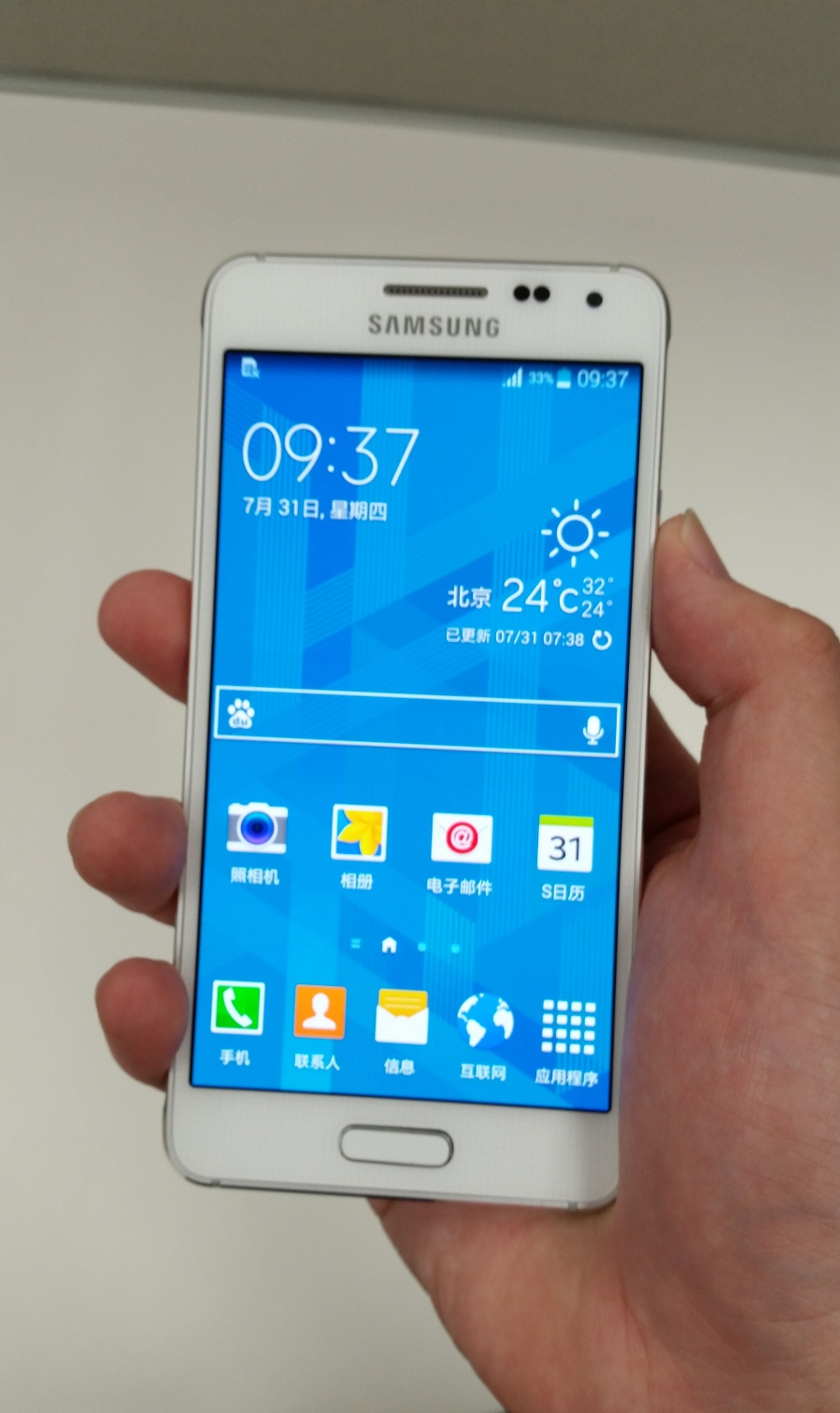
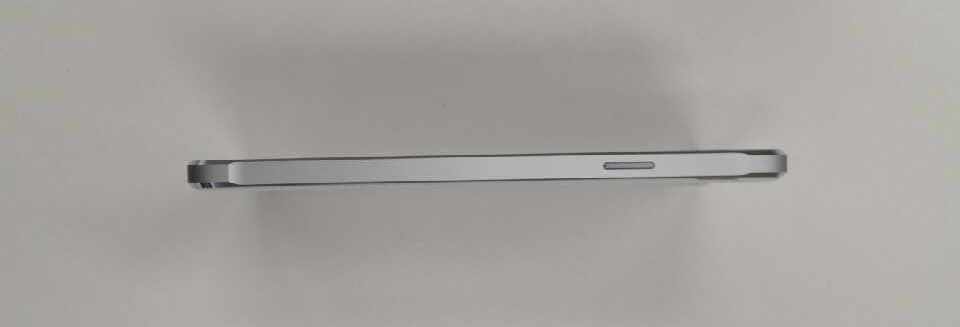
    The new Samsung Galaxy Alpha will soon be officially unveiled. The metal-clad phone has been taking rounds on internet and now photos of the white version of the Galaxy Alpha have leaked from the micro-blogging website Weibo.

    The metallic side looks more polished on this model. According to various reports, the Galaxy Alpha might be segmented as a high-end device. It is expected to sport a 4.8-inch Super AMOLED 720p display (same as Galaxy S III), Exynos 5433 processor, 2 GB of RAM, 13-megapixel camera, a fingerprint and heart rate sensor, 32 GB of non-expandable storage and Android 4.4.4 KitKat.

    galaxy-alpha-leak-white-7

    The Galaxy Alpha will be a step above the Galaxy S5 mini and will actually be sold as another watered-down variant of the Galaxy S5. There will also be an LTE-A variant, which is affirmed by an image leaked on a Vietnamese tech blog showing the device in the powered on state, and we’re guessing the LTE-A variant could be powered by Samsung’s recently announced Exynos ModAP processor, which brings support for 150 Mbps LTE-A speeds.

    galaxy-alpha-leak-white-5

    Unfortunately, there are no more details on other features and hardware, but more info should start popping up as we approach the rumored  launch of the Galaxy Alpha. As rumors have suggested, the Galaxy Alpha could see a limited release.

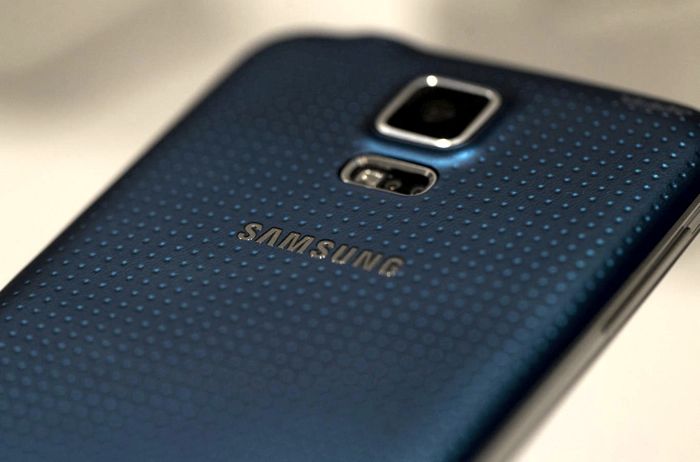
    Earlier, some pictures of black version of Samsung Galaxy Alpha were also released by Sammobile. The images confirm earlier reports that the Galaxy Alpha will sport a 4.7-inch screen and a metallic construction, though Samsung has opted to use aluminium on the sides while keeping the faux leather back that we’ve seen on the Galaxy S5 and the Galaxy Note 3. This should help in offering both a solid grip and a premium feel.

  • Microsoft Offers Football Fans an Improved Experience on Xbox One and Windows 8

    Microsoft Offers Football Fans an Improved Experience on Xbox One and Windows 8

    The start of a new NFL season is just around the corner, and Microsoft’s been working hard to improve the experience for football fans on the Xbox One. A new version of the NFL app for Xbox One, coming out later this month, is how the company plans to do it.

    There are a lot of new features, with Fantasy Football and NFL Now, the league’s upcoming online video service, is playing a huge role in the refreshed version. First and foremost, Microsoft wants its NFL app to feel like your own, which is why it lets you personalize it with content from team and players you’re interested in, as well as different media provided by NFL Network, NFL RedZone, NFL Sunday Ticket and NFL Now.

    nflxboxapplead

    The new version has an updated Snap mode that shows a stream of plays made by your fantasy players. And instead of navigating menus to play highlights, you’ll be able to set global Xbox One notifications for when fantasy players make big plays. Just hold the Xbox button and a replay will Snap to the side of the screen alongside whatever you’re doing. Perhaps most importantly, the new app will work with more fantasy football leagues beyond NFL.com. Microsoft representatives confirmed that ESPN is on board, and work is underway to bring Yahoo and CBS into the fold.

    The new app is a fruitful result of NFL and Microsoft’s $400 million, multi-year partnership. It’s worth noting that you won’t have to buy an Xbox One to get most of these features. The NFL app will be one of the very first “universal” apps on the console. That means the same app will work both on Xbox Ones and Windows 8 PCs — a feat made possible by the fact that the game console partially runs on Windows. Of course, the advantage of having a Xbox is that you can pass your cable feed directly through the console and use the NFL app side-by-side with live games.

    NFLSurfacelead

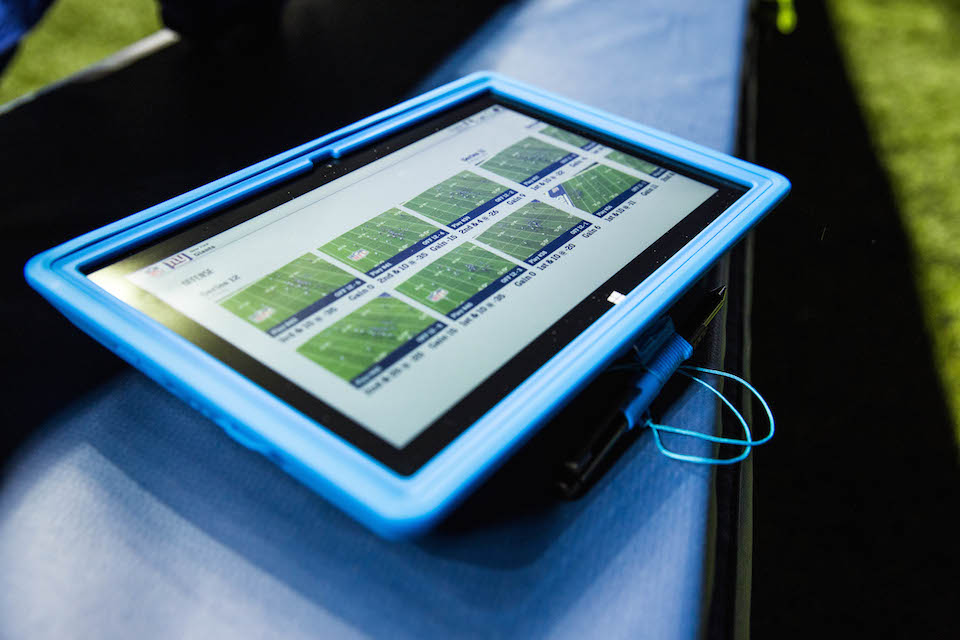
    To go along with the introduction of a new NFL app for Xbox One and Windows 8, the software giant has also planned to help professional coaches and players during games with Surface Pro 2 tablets. It allows NFL teams to review plays instantly on the sidelines.

  • Microsoft Rolls Out Major Updates of it Office Suite for iPad Users

    Microsoft Rolls Out Major Updates of it Office Suite for iPad Users

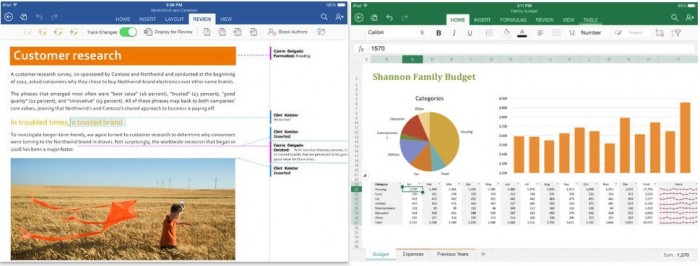
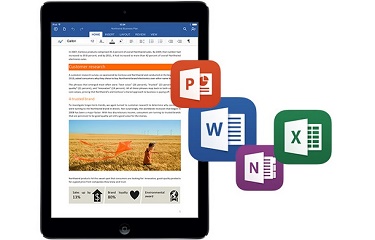
    Microsoft released the first major update to its Office suite for the iPad. Labeled as version 1.1, Word, Excel, and PowerPoint each received several new features that were widely requested since the suite was released on March 27, 2014.

    office-for-ipad-700x266

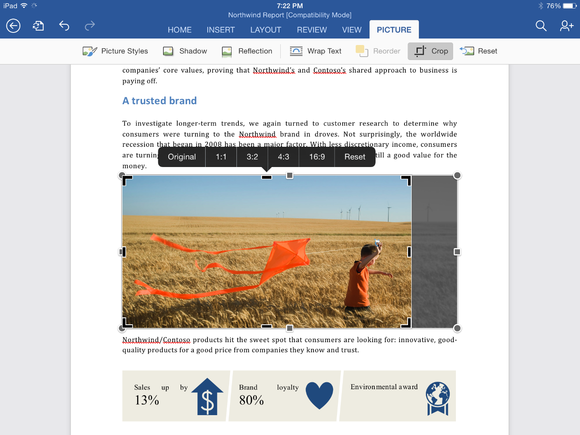
    Although both PowerPoint and Excel received their own unique updates, several features were added to all three apps, including the frequently requested ability to export documents as PDF files. Users can also manually crop photos and images in all three apps using a new crop tool that allows you to choose from a list of popular preset sizes, or create your own. (A reset button is also included.) Finally, Office for iPad also has the ability to import external fonts.

    Word for iPad (1.1 update):

    • Now you can send Word files as PDFs.
    • Picture Tools: Crop to focus on just the right part of a photo, or reset to undo your changes.
    • Fonts: Third-party fonts are now available in the Fonts menu.

    Excel for iPad (1.1 update):

    • Now you can send Excel files as PDFs.
    • Flick to Select: Flick a cell’s selection handle in any direction to quickly and easily select all the data in a row or column.
    • External Keyboard Support: Using an external keyboard is even easier. Use the same keys to input data and move around a worksheet as you would on your PC or Mac.
    • PivotTables: Interact with PivotTables that have source data in the same workbook.
    • Print Options: More paper sizes and scaling options give you more control over the layout when printing your workbooks.
    • Picture Tools: Crop to focus on just the right part of the photo, or reset to undo your changes.
    • Fonts: Third-party fonts are now available in the Fonts menu.

    cropping-a-photo-in-word-for-ipad

    PowerPoint for iPad (1.1 update):

    • Presenter View: View and edit speaker notes, see your next slide, or jump to other slides while presenting.
    • Play Media: Play videos, sound effects, and background music while presenting.
    • Insert Video: Insert videos from your Camera Roll.
    • Picture Tools: Crop to focus on just the right part of the photo, or reset to undo your changes.
    • Presenter Tools: Now you can erase highlights and drawings on your presentation.
    • Send PDFs: Send PowerPoint files as PDFs.
    • Hyperlinks: Add links to your presentation or edit existing ones.
    • Fonts: Third-party fonts are now available in the Fonts menu.

    This update is the second major update the Office software has gotten since its March release. Back in April, the three apps gained some important features that had been missing since the launch, including the ability to print directly from the apps. Microsoft’s Office for iPad apps have proven to be highly successful for the company. During its Q4 earnings call in July, Microsoft announced that its Office for iPad software had been downloaded more than 35 million times.

    microsoft-office-for-ipad

    Microsoft has committed to continually improving its Office for iPad apps, which now directly compete with Apple’s own iWork suite including Numbers, Keynote, and Pages. “As this wave of updates hopefully shows, we’re making good on our commitment to delivering continuous updates and improvements to the Office for iPad apps,” reads the company’s blog post on the new update.

    All of the updates to the new Office apps are currently available and can be downloaded from the App Store for free. While the apps can be accessed for free, unlocking full capabilities, including editing and creating documents, requires an Office 365 subscription. Adding to that, Microsoft’s OneNote app for iPad has also been updated.

  • Check Out the Redesigned Typo 2 Physical Keyboard for iPhones

    Check Out the Redesigned Typo 2 Physical Keyboard for iPhones

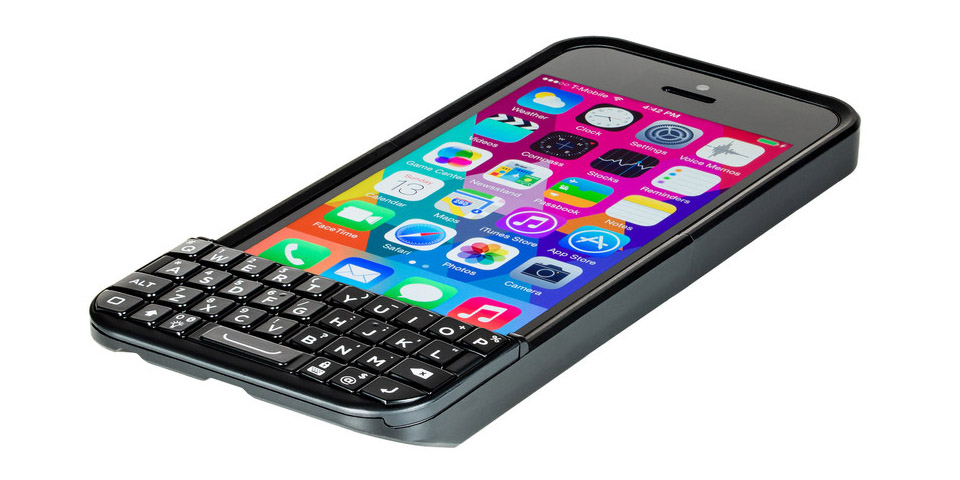
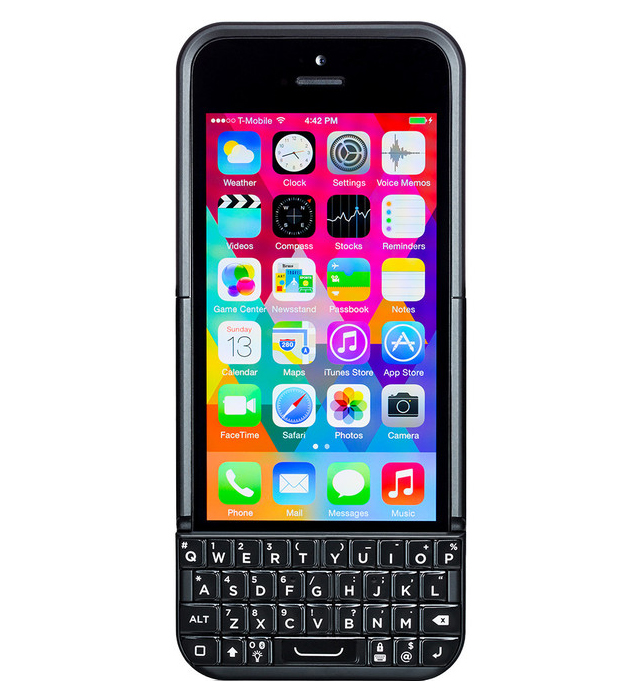
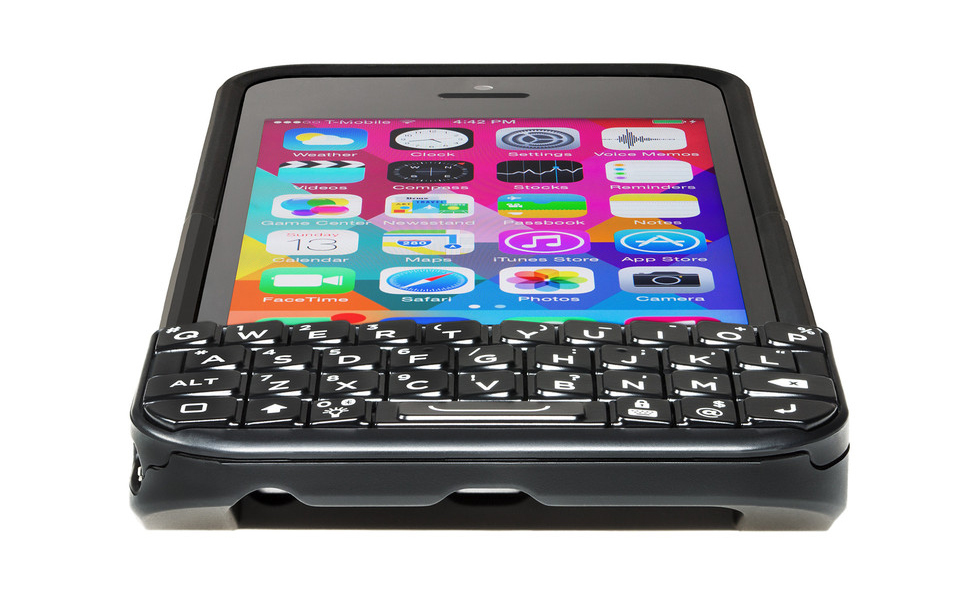
    After being accused of being similar to BlackBerry keyboards, the Typo 2 physical keyboard for iPhone has been redesigned in a new second-generation model that will begin shipping in mid-September. The Ryan Seacrest-backed product aimed to give iPhone 5 and 5s owners a case that would give them a physical keyboard. BlackBerry sued Typo and eventually won a sales ban on the accessory. Apparently that didn’t deter Typo, as the company recently introduced a new model of its iPhone case.

    iphone

    Typo 2 is out for pre-order now, and it’s meant for the iPhone 5 and 5S. Priced at $99, this iPhone accessory will start shipping to customers during mid-September. According to its makers, it has been aimed at those who carry around two phones, one of which is used for typing and the other, for everything else (an iPhone).

    With Typo 2 the company aimed to create a keyboard and case that would add the absolute minimum additional length and thickness to the iPhone, while still providing protection to the phone and smooth typing experience.

    The product description reads:

    The result is Typo 2, which adds just short of a 1/4 inch in thickness and a less than 3/4 inch in total length to the iPhone, while still providing an unrivaled typing experience. This is made possible by miniaturizing the components on our circuit board, using our patented TYPOTouch keyboard technology and one of the world’s smallest Lithium-ion battery, measuring at just 1mm in thickness.

    iphone2

    The people behind Typo believe that physical keyboards are superior to the virtual buttons featured on Apple’s iPhone. Their product was in development for two years, and the company calls it “an indespensible business tool that people simply can’t live without.”


  • Modbook Launches a Campaign for the New ‘Modbook Pro X’

    Modbook Launches a Campaign for the New ‘Modbook Pro X’

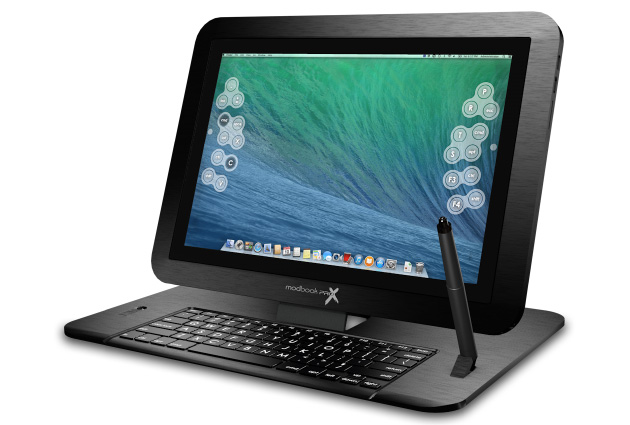
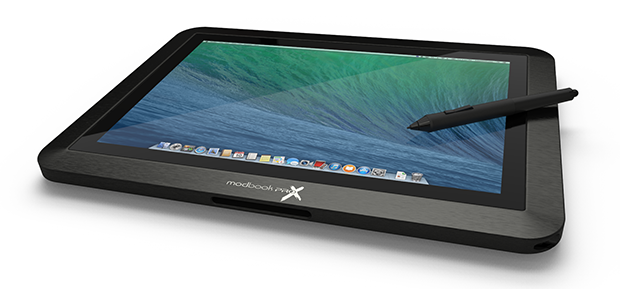
    Custom Mac tablet-maker, Modbook is back in news with a new spiced up with 15.4-inch display and the latest Mac hardware under the hood. The company, famous for turning Apple’s MacBook Pro into an iPad-like tablet, launched a Kickstarter campaign to fund its latest project – the Modbook Pro X.

    The Modbook has been around for about seven years, when Axiotron and Other World Computing teamed up to deliver the first Mac tablet at Macworld. Three years later in 2010, however, Apple released the first iPad, a much smaller tablet powered by Apple’s iOS. Subsequent upgrades yielded the Modbook Pro.

    modbook3

    The Kickstart backers will be able to convert their own Retina MacBook Pros into a tablet beginning early next year. The conversion incorporates the laptop’s original hardware, with components shifted from the lower half of the computer to just behind the 15.4-inch 2,880 x 1,800-pixel LCD.

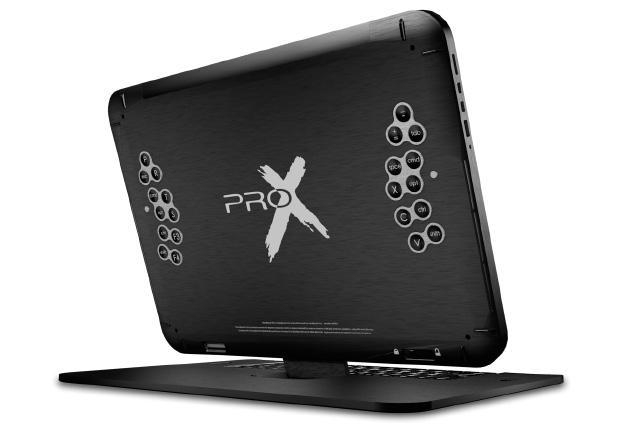
    Unfortunately, the modification doesn’t come cheap. You’ll have to provide your own 15-inch Retina MacBook Pro, which starts at $2,000. And to get the modification, you’ll have to pledge at least $1,999 to the Kickstarter project. A Modbook Pro X with a keyboard stand or with rear Keybars that allow one-handed text entry cost extra.

    Like other Modbooks, it ships with a stylus with 2048 levels of pressure. The tablet preserves the connectivity options of the MacBook Pro: Bluetooth, Wi-Fi, two USB 3.0 ports, one SDXC slot, one HDMI port and two Thunderbolt 2 ports. It will run OS X Yosemite when that OS becomes available in fall.

    modbook2

    Users can also select optional KeyBars—macro keys that can save time while the user is working with the stylus. An optional keyboard stand serves as an easel, keyboard, and screen protector. Another downer is that the modification voids Apple’s own warranty. But Modbook does provide a one-year guarantee for the device.

    And also, the project will need to surpass its $150,000 goal to be funded. If that does happen, it will be early next year before any rewards are shipped to backers.

  • Facebook Launches Internet.org App for Free Internet Access in Zambia

    Facebook Launches Internet.org App for Free Internet Access in Zambia

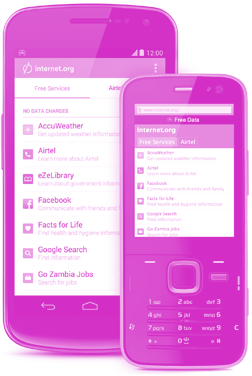
    Facebook’s internet accessibility initiative Internet.org today launched its Android and web app for the developing world with free data access to a limited set of services including Facebook, Messenger, Wikipedia, and Google Search. It also provides local health, employment, weather, and women’s rights resources.

    Internet.org_ (1)

    Internet.org’s app is just launched in Zambia before coming to other developing countries which is in partnership with local carrier Airtel who provides the free access in hopes that Zambians see the web’s value and buy pre-paid data through the app to explore the rest of the Internet.

    10574702_344525639029305_1278593965_n

    The Facebook Zero has been giving the developing world access to a stripped down version of Facebook since 2010. But this new Internet.org app with other services will be available as a compact, standalone Android app, baked into the Facebook for Android app, or freely available as a mobile website that the feature phones carried by the vast majority of Zambians can access.

    Online services accessible through the app range from AccuWeather to Google search, Wikipedia, a job search site as well as a breadth of health information. Facebook’s own app, along with its Messenger service, is also included. The app will work on Android phones as well as the simple “feature phones” that are used by the majority of people in Zambia.

    If users click on a link that takes them outside of the 13 predetermined services, they will get a warning that they may incur data charges. One thing missing from the features is email. Many people who are new to the Internet in developing nations don’t use email, opting to use messaging apps or social media sites instead.

    The company said Zambia is a country with 15 percent Internet penetration, it is a huge amount of people that can be connected. Zambia’s population is about 15 million according to the CIA World Factbook. The app will spread to additional countries down the line, but there is no word on which ones.

    The move comes as Facebook steps up investments in its Internet.org project, which seeks to connect the “next 5 billion” users to the Internet, many of whom lives in places like Africa and India. In March Facebook announced plans to use drones and satellites to deliver Internet connectivity to people in certain parts of the world.

    The initiative also has the potential to boost the size of Facebook’s audience, which currently totals 1.32 billion monthly users.

  • Chinese Vendors Trouble Samsung and Apple for Smartphone Market Share

    Chinese Vendors Trouble Samsung and Apple for Smartphone Market Share

    We all know that Samsung is losing market internationally as well as in India, now we have exact numbers to believe it. Over the past years, Apple and Samsung slugging it out at the top of the phone and tablet markets. But it seems that the recent boom in Chinese smartphone market has taken a toll on both companies.

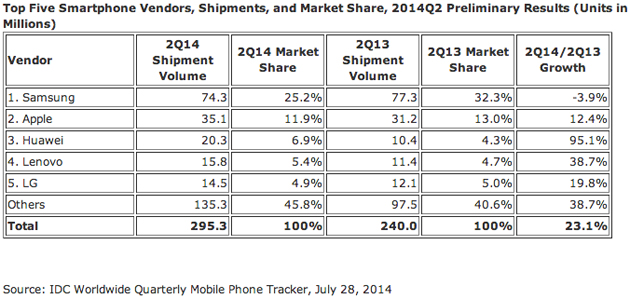
    IDC (International Data Corporation) estimates that Samsung’s smartphone shipments saw a rare year-over-year drop in the second quarter, taking it from a lofty 32.3 percent market share down to 25.2 percent. This week’s news that Apple suffered a slump in iPad sales would normally be accompanied by news of Samsung taking customers from Apple as it has done in the past. But not this time round.

    idc-smartphone-share-q2-2014

    The cause, analysts say, is the rapid rise of Chinese brands that cuts directly into Samsung’s low-end business. Huawei claimed 6.9 percent of the smartphone space after doubling its shipments, thanks in part to heavy discounts on phones; Lenovo too jumped to 5.4 percent on the back of both budget phones at home as well as rapid expansion abroad.

    The worldwide smartphone market grew 23.1% year-over-year in 2014 setting a record of 295.3 million shipments, reported IDC. The market grew 2.6% sequentially due to strong demand and low-cost smartphones. Next quarter is forecasted to be the first to surpass shipments of 300 million smartphone units worldwide.

    [quote text_size=”medium” author=”Melissa Chau” author_title=”Senior Research Manager with IDC’s Worldwide Quarterly Mobile Phone Tracker.”]

    As the death of the feature phone approaches more rapidly than ever before, it is the Chinese vendors that are ready to usher emerging market consumers into smartphones. The offer of smartphones at a much better value than the top global players but with a stronger build quality and larger scale than local competitors gives these vendors a precarious competitive advantage,

    [/quote]

    Samsung’s fall is especially troubling given that the measured quarter included the release of the company’s new flagship Galaxy S5. Despite the high-profile launch, Samsung shipped 3 million fewer handsets this year than last year. Chinese brands were the big winners in the second quarter, helped along by the still-significant growth from the domestic market. By far the most impressive was Huawei, nearly doubling its shipments from a year ago, followed by another strong performance from Lenovo.

  • Panasonic Officially Launched its Flagship Device in India

    Panasonic Officially Launched its Flagship Device in India

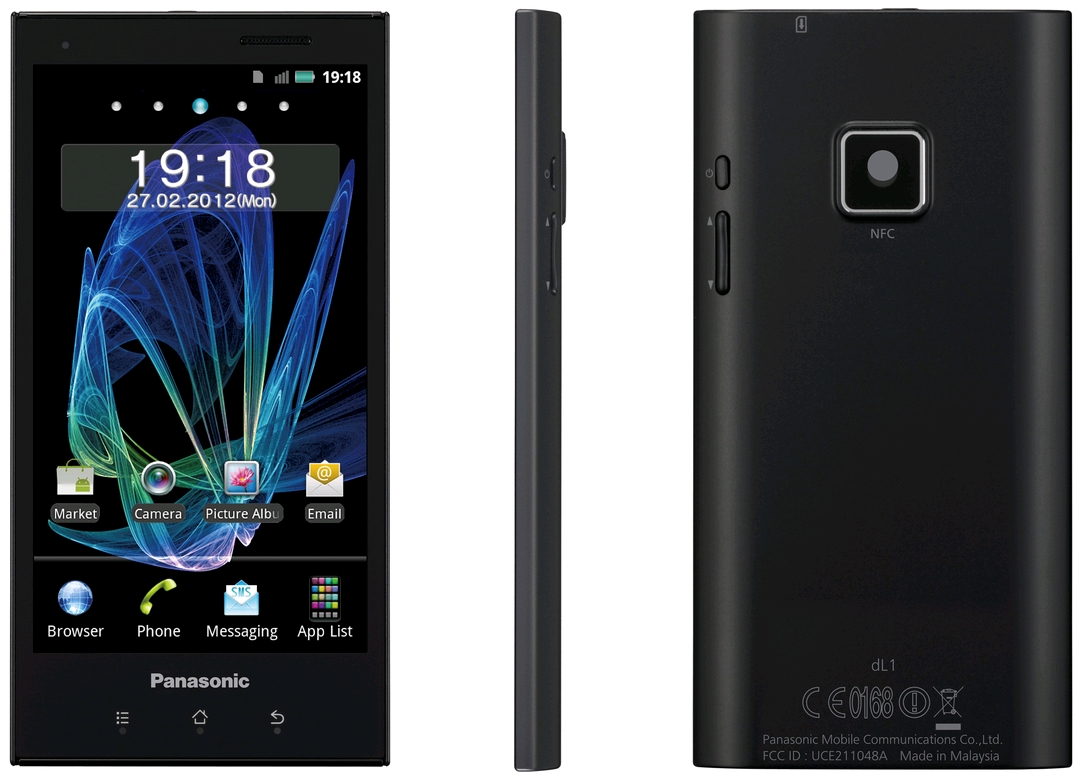
    Panasonic has recently introduced its new Eluga U flagship in India at an event in New Delhi. The smartphone has been priced at Rs. 18,990. Competing against the likes of the Xiaomi Mi 3 and the Micromax Canvas Knight, who also belong in this price range.

    The phone sports a 5-inch OGS IPS display(720x1280p) with Gorilla Glass 3 protection. That immediately puts it a peg lower than competing handsets in the price range. It features a unibody design and a glass back panel that has a mirror printed texture. It weighs 141gram and is 7.95mm thick.

    The Eluga U fashions a 1.2GHz quad-core Qualcomm Snapdragon 400 processor coupled with 2GB of RAM. With crowded market space of octa-core SoCs, and the launch of Xiaomi Mi3; a Snapdragon 800 smartphone for under Rs 15,000, Eluga U might struggle to catch the attention of a market spoiled with options

    panasonic_eluga_power_

    The Eluga U will come with a 13-megapixel autofocus rear camera with LED flash, and a 2-megapixel front shooter, which is standard nowadays. It has 16GB of internal storage with a microSD card for expansion up to 32GB. In terms of battery life, the 2500 mAh Li-ion unit is decent enough if compared to the other specs. It doesn’t look especially distinct and the patterned back reminds us of the Google Nexus 4. Connectivity options include Wi-Fi, Wi-Fi Direct, Wi-Fi Hotspot, Bluetooth 4.0, and GPS/ A-GPS.

    It also comes with Kwik Lock double tap on the home screen to lock the phone, Fit Home UI for single Hand operation, Pop i player, Music Cafe and Gesture Play.

    So far Panasonic has been actively launching the P and T series of smartphones in India. The company had launched three dual-SIM smartphones Panasonic T41, Panasonic P41 and Panasonic P61 running Android 4.4.2 KitKat OS. The devices are priced at Rs. 7,990, Rs. 11,990 and Rs. 14,990 respectively.

  • Lenovo is Working on a Google Glass Competitor

    Lenovo is Working on a Google Glass Competitor

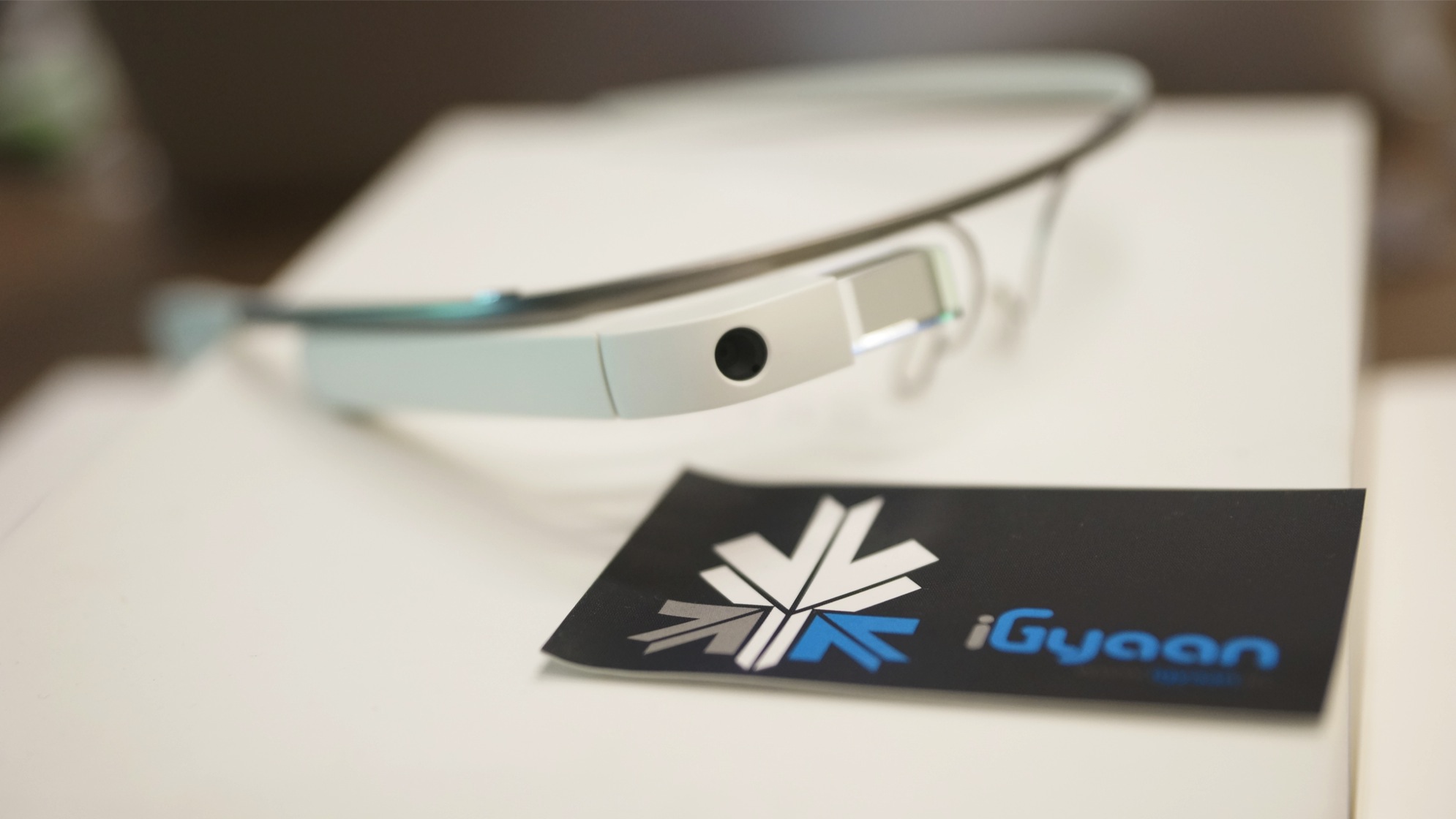
    Lenovo recently confirmed that it is working on a device similar to Google Glass. The device is said to a five-megapixel camera, voice recognition and gesture control, and around 12GB of internal storage.

    The Google-Glass look alike will have a battery attached down at the neck of the user. The Chinese computing giant said that more information will be revealed in October. However the company said that they are looking for partners to foray into the wearable market. It has reportedly created the “NBD” platform, which is Chinese for “new bench”.

    nbd
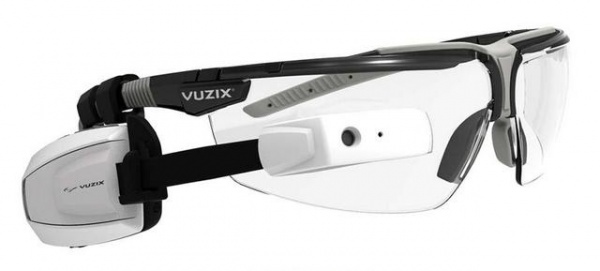
    Vuzix M100

    “Right now there are too many devices you can develop for the Internet of Things. It is too rich. Not a single company can do it all,” Chen Xudong, senior vice-president of Lenovo was quoted saying. The NBD platform is geared towards the Chinese market, but it may soon turn its attention to the rest of the world. “We hope to use Lenovo’s advantages to combine with innovators,” Chen added. “This platform can help them quickly start selling products, and create a supply chain for the market.”

    In a bid to achieve its goal, the company has launched the NBD platform. With NBD, Lenovo wants to “offer funding, manufacturing, hardware research and other logistical support to partners”, the report added.

    lenovo-smartglasses-
    Prototype of Lenovo C1

     The device, called C1, will support NBD platform that aims to make connected devices like web-enabled air purifiers more inter-compatible, by providing a framework, R&D, manufacturing support and will even provide funding to third-party firms.

    Lenovo has also partnered with German company called Luftmed which manufactures an affordable air purifier that can be controlled with a smartphone. Lenovo also announced that the company has partnered with Vuzix to launch M100 smart glasses in China.

    Lenovo now has two smart glasses in production, the M100 and the Google Glass-like C1. According to the report, the M100 uses Android 4.0.4 and is powered by a 1GHz dual-core processor. It will first go on sale to developers for 8,000 yuan ($1298) in August or September 2014, but its ultimate target is the business market.

  • Facebook is Forcing Android Users To Download the Messenger App

    Facebook is Forcing Android Users To Download the Messenger App

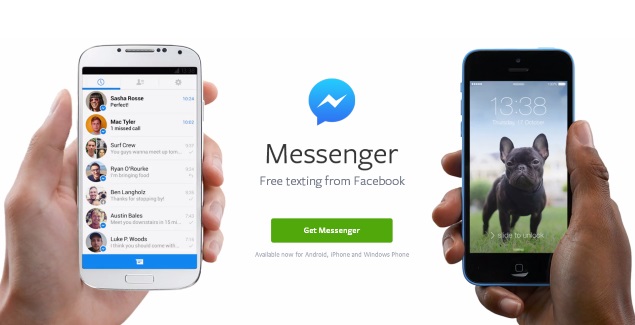
    Facebook announced on Monday that it will be removing the messaging feature from its mobile app over the next few days, and requiring people to use its standalone Messenger app instead. Hence, forcing users to download the Messenger app to chat with Facebook contacts on their mobiles.

    “In the next few days, we’re continuing to notify more people that if they want to send and receive Facebook messages, they’ll need to download the Messenger app,” a Facebook spokeswoman said.

    facebook_messenger_app_officialpage

    The change follows through on a plan announced in April and for now affects Facebook’s mobile app on iOS and Android. You’ll be able to send and receive messages on the desktop as before. The social networking giant told TechCrunch that it had seen “positive results” in Europe in terms of user engagement, and so decided to move ahead with rolling-out the standalone app to everyone.

    Facebook-messenger-sms-integrationThe company notes that users can continue to chat via the main Facebook app on iPad tablets, feature phones, Windows Phone devices, via Paper app, and the Web-based desktop interface. The company said that this move is to make the Facebook messenger, the best app for messaging. It is also an effort to avoid any confusion that might arise from having two mobile products for the same thing.

    The move will also greatly increase the number of people who use Facebook Messenger. CEO Mark Zuckerberg said on the company’s earnings call last week that Facebook was looking to turn Messenger into an important business. Messenger currently has more than 200 million monthly active users—just under a fifth of Facebook’s total user base. It can handle Internet-based voice calls, group chats, and exchanging photos and short videos, as well as sending text messages.

    Facebook says the change will help improve the performance of both the apps over time. It’s already working to improve Messenger; the company recently hired the former PayPal President David Marcus as part of a push to build new capabilities for Messenger, possibly including payments.

    Earlier this year, Facebook had announced an agreement to acquire WhatsApp, which also handles Internet-based messaging. Along with that the company also launched its own Snapchat-like app called Slingshot which is not well received.

    Slingshot may not have performed to the company’s expectations, but when you have a billion plus subscribers, you have the freedom to force them to use an additional app which only performs a part of the function that the current app does. But we are ourselves are so addicted to this man’s creation that we will do as he commands and give some more of our phone storage and RAM to conquer.

  • Activity Tracker Fitbit Now Available For Windows Phone Users

    Activity Tracker Fitbit Now Available For Windows Phone Users

    Fitbit is one of the major players in the activity tracker market, with an estimated 67 percent of all trackers in the US shipping with the Fitbit brand last year. It’s also grabbed more than one million app downloads on Google Play alone, though it remains tight-lipped about the specifics of its App Store figures.

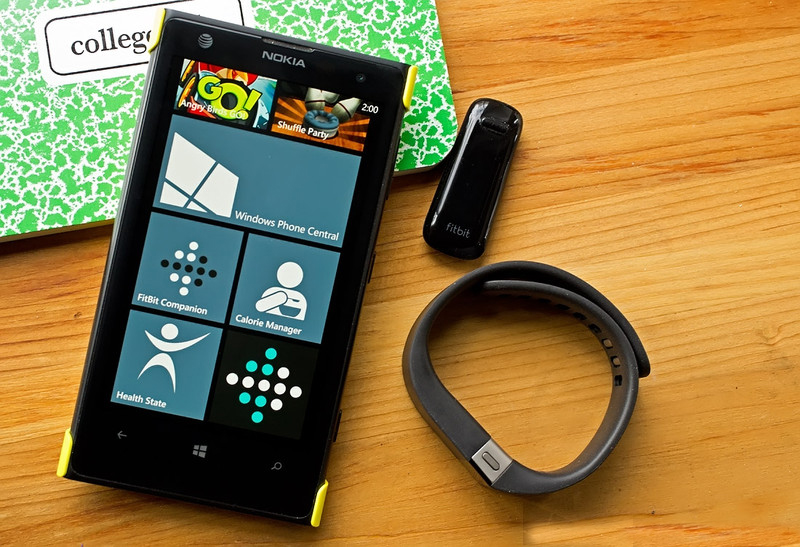
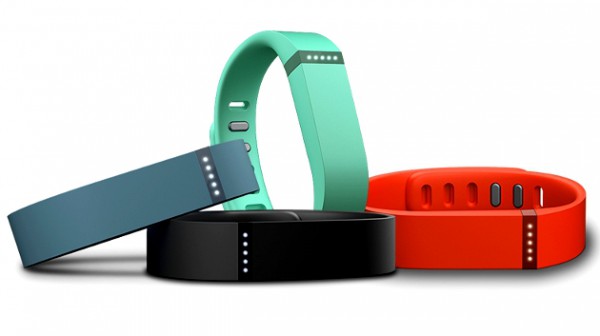
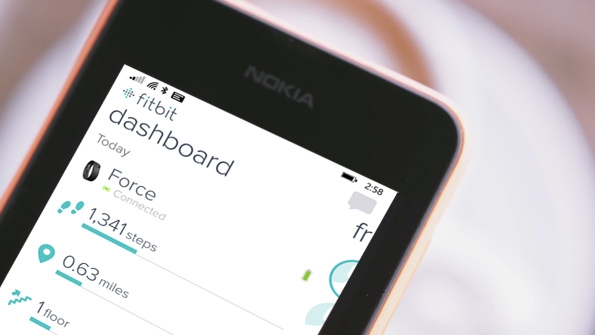
    Fitbit is finally expanding its mobile scope beyond that of Android and iOS by launching a version for Windows Phone. The app is near-identical to its iOS and Android counterparts. Simply pair your smartphone over Bluetooth with a Fitbit device like the Flex or the One, and your data will sync automatically.

    fitbit-flex-colours_fullwidth-600x336

    You can then use the app to monitor progress on your fitness goals by checking in on the steps you’ve taken and the calories you’ve burned. You can also log how much food and water you’ve had today. The Fitbit app is currently only compatible with Windows Phone 8.1 but the OS upgrade will be rolling out to all Lumia devices shortly.

    This is a notable move by Fitbit as it has a potential to gain many new users on a platform that’s largely been ignored by the big-brand trackers. Fitbit is among the first to bring such a fully-featured native app to Windows Phone. Some previous third-party attempts have been decent, though they ultimately lacked key features such as real-time Bluetooth syncing, something the official app from Fitbit offers.

    fitbit-hero

    Fitbit is staking for the monopoly in the market. Hence, the still nascent market of Windows Phones is targetted by the company which  was thought to have only 3% of the market in USA. Recently, the Windows Apps market has seen a lot of new apps rolling out. In just the last few weeks, both Adobe Photoshop Express and on-demand car service Uber have made their debuts as native apps. That doesn’t exactly signal the end of lack of app on the Windows platform. Although it does give Windows Phone enthusiasts some hope that the apps they wish for would soon arrive in their devices.

    You can grab the app for your Windows Phone 8.1 device from the Windows Phone store, it’s free and available worldwide in English, with additional languages to come later this year.

  • Apple Acquires BookLamp, The ‘Pandora For Books’

    Apple Acquires BookLamp, The ‘Pandora For Books’

    After making a giant purchase of Beats for $3 billion, Apple has now acquired BookLamp, a book recommendation maker. Apple confirmed reports that it recently acquired book analytics firm BookLamp which is dubbed the “Pandora for Books”. The acquisition happened in April to bolster Apple’s fight in the e-book sales market, bringing better discovery and analytics to its digital storefront.

    BookLamp’s most well-known product was the Book Genome Project, a platform that lets users find suggestions for books to read based on natural language analysis of other titles. BookLamp’s tech and talent could help Apple improve its iBooks service with better recommendations, search, and categorization.

    booklamp-apple-feature

    The report also states that Apple has bought BookLamp’s employees and technology for a price somewhere between $10 and $15 million. Meanwhile, the BookLamp website now states it will no longer be available as “the company evolves its mission.” It hasn’t mentioned any details about being acquired by Apple.

    Apple is thought to have acquired the start-up for the iBooks store, which offers e-books to iOS and OS X device owners but does not yet have an effective recommendations system for content discovery. Like the iOS App Store, Apple is likely looking to improve generated suggestions through BookLamp’s specialized software that can parse words and sentences to look for various metrics like genre, themes and even pacing.

    booklamp

    There are several big ways Apple could be using BookLamp to bolster its own e-book platform. One option would be to use BookLamp to build a competitor to Amazon X-Ray, which lets readers see where and how often terms or characters pop up in a book. That could be useful for classifying books into categories or flagging ones with sexual or violent content as being unsuitable for kids — or simply providing feature parity with Amazon’s Kindle app, which offers X-Ray on iOS.

    Considering Amazon’s headway into self publishing, it’s enticing to wonder whether BookLamp’s technology for screening manuscripts to figure out their market fit, or the other tools they were developing and using, may end up getting implemented under their new owner to determine what it should promote. BookLamp’s algorithms could augment Apple’s human editors who choose what’s highlighted on the iBooks homescreen.

    The most obvious way, though, would be to use BookLamp’s content and style analysis to power individualized iBooks recommendations. Before it was snapped by Apple, BookLamp had raised around $900,000 from local backers.

    With the WWDC release of the new Spotlight power upgrade and the acquisition of Swell, the radio curation app along with several other secret acquisition, it seems Apple is trying to give its best in class search boost to its ecosystem. Good curated content will simplify the life of many people and will attract them to the Apple ecosystem.

  • Gunnar Optiks Review : Do You Want Or Need It?

    Gunnar Optiks Review : Do You Want Or Need It?

    Today’s scenario do not let you escape the eye strain of screens, displays, LCD, AMOLED and what not. Result is, all that gaming, cellphone and television takes a toll on your eyes. Issues like dry and itchy eyes, headaches among others are becoming a common complain from tech related workforce. Gunnar Optiks hopes that you’re willing to drop some bank on making your eyes more comfortable. The company says their glasses can save the stress on your eyes caused by constantly looking at the screen and possibly save you some eye life. 

    gunnar3

    Gunnar offers you a variety of glasses, ranging from usual display glasses to 3D and gaming glasses too. The gaming and display glasses are almost identical. They come in various designs to suite your frame and taste. The downside is that you can’t really try them before you buy the glasses. But you do get to choose from a variety of styles and sizes they offer.

    gunnar
    Intercept Computer Eyewear

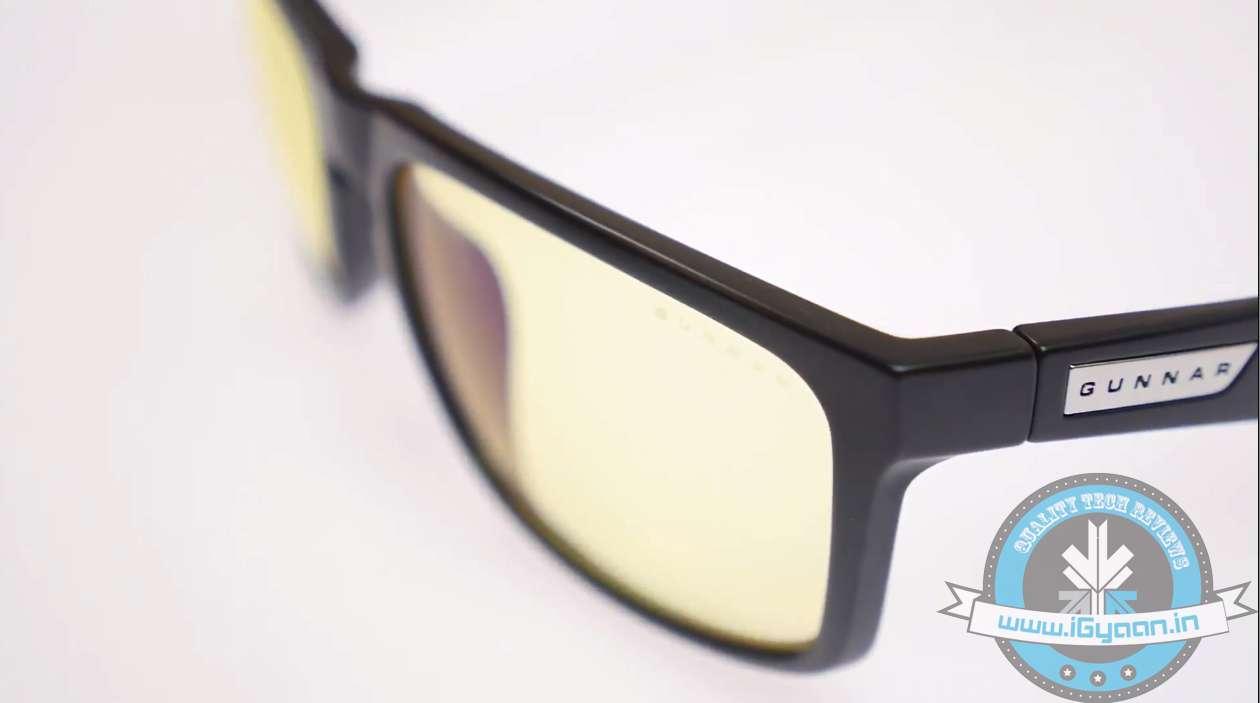
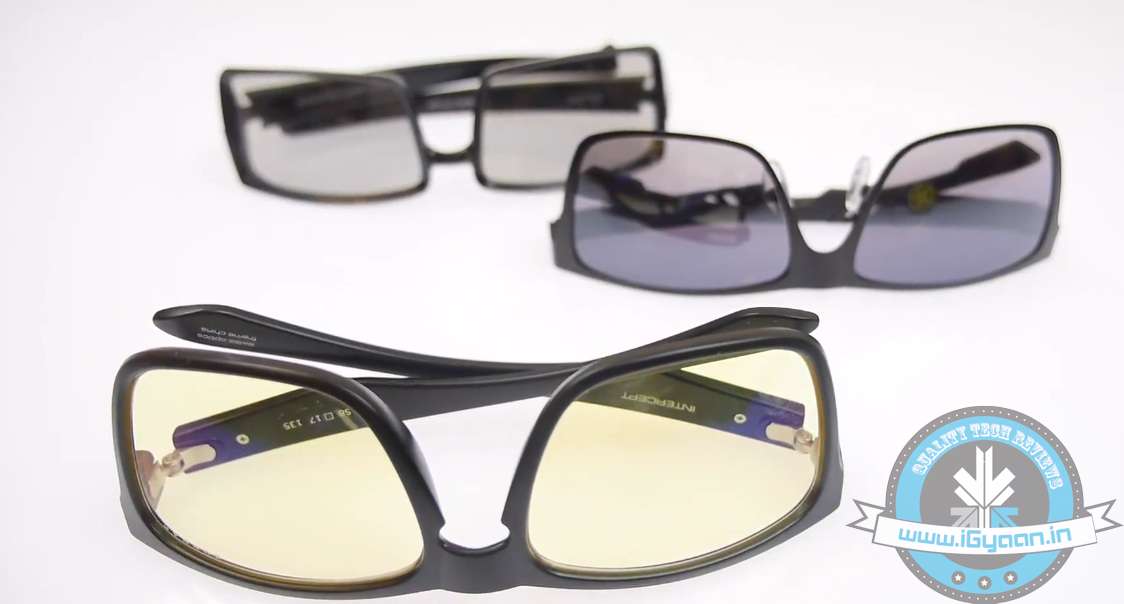
    The glasses range roughly from Rs. 2000 to Rs. 5000 in Indian market. The one we got for review are Regent and Intercept computer eyewear and Gliff 3d glasses. These are very comfy glasses and have a metal frame and the strain reduction glasses have yellow tint on them. The yellow tint do hinder with the your surroundings as well as the overall white balance of your view. 

    gunnar2

    So, if you’ve been viewing TV or playing your PlayStation a lot lately, wearing these glasses will, give a completely different hue that sort of tends to take away from original experience initially. After you have worn them for a while, you will go oblivious to its their existence on your head. Although again, the yellow tint may not be liked by some folks, but the glasses do reduce the strain on your eyes to quite an extent. If you are on screen for more hours than you sleep, these glasses will certainly help you reduce the effect on your eyes and help gi your eyes an extended shelf life.

    As far as the 3D glasses are concerned, they are very impressive. 3D glasses by Gunnar are much better than the ones you get at the movie theaters. They don’t darken up the whole view, they are light weight, and are really comfortable when compared to the usual 3D glasses. They give an actual 3D experience with better depth and clarity without compromising the picture quality.

    gunnar1
    Gunnar Intercept Gaming Eyewear

    Futhermore, there is not a big market for these product right now. In a normal day scenario, if you are not spending a lot of time on screen, you may not require these products. But, as we said earlier, if you spend more time on screen than you sleep, these might be worth a try. Honestly, the only downside here is that you will end up spending a couple or more thousand bucks for these glasses. But if you do get to save your eyes, it will be an automatic payback in long run.

    The end decision is obvious, need vs want. We can’t tell your accurate efficiency as there is no way we can measure it. But, it is surely a good bet if you are looking for a product that helps counter the heavy strain you subject our eyes to.

  • Xiaomi Mi3 Sells Out for the Second Time Within Minutes on Flipkart

    Xiaomi Mi3 Sells Out for the Second Time Within Minutes on Flipkart

    Xiaomi has created a huge wave in the Indian smartphone market by bringing in a high-end handset at a low-end price. Xiaomi is the top smartphone manufacturer in China which went from zero to the fifth position in just four years. After creating a success story back home, they have launched their devices in the Indian market, which have stirred up a storm, even before the users could get a unit in their hands.

    The first time, when Mi3 went on sale last week, it was sold out within 40 minutes of its availability.  A reported 100,000 people registered for the phone before the day of sale on July 22. On the day of sale, Flipkart ran out of their entire inventory within a record 39 minutes and also managed to get the website to its knees.

    mi3

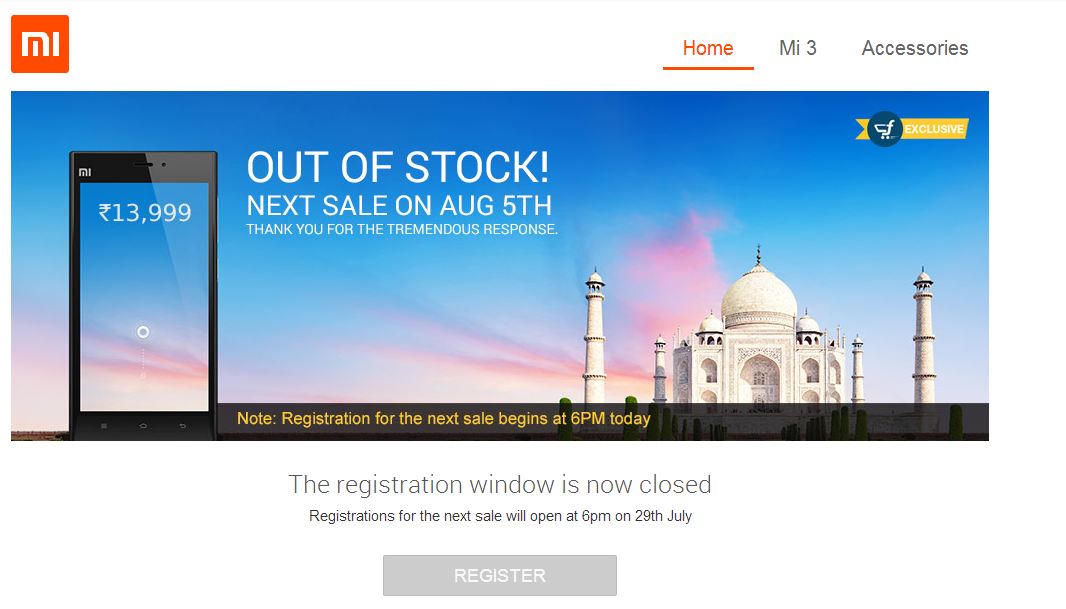
    The Xiaomi Mi 3 went on sale again via the website today at 2PM IST. However, same as the last time it sold reported 10,000 units within half an hour, 23 mins to be exact. The Flipkart page of the Xaiomi Mi3 thanked buyers for ‘tremendous response’ and also notified that next date for sale will be on 5 August while the registration for the next sale will start at 6PM IST today.

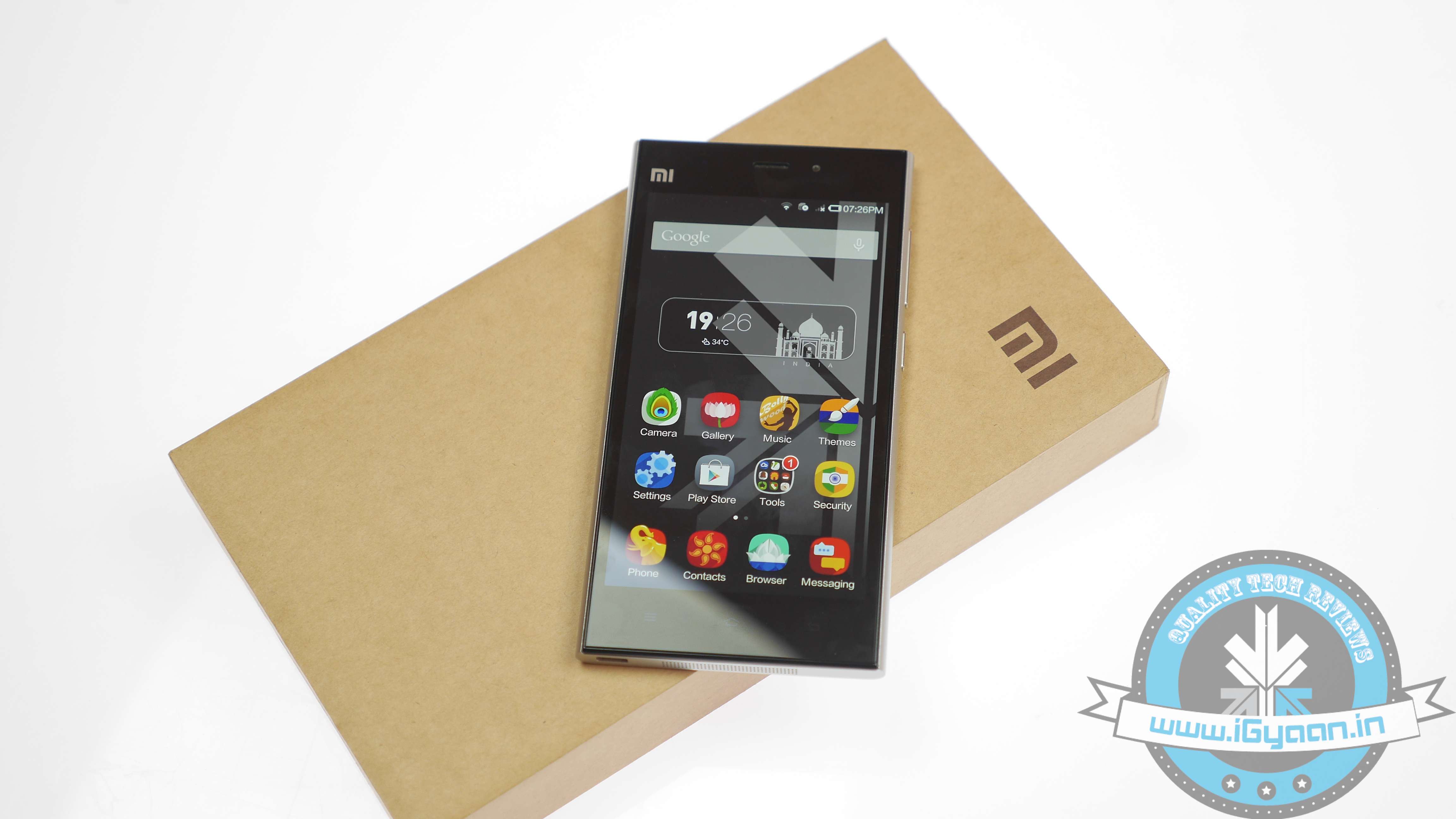
    The Xiaomi Mi 3 runs a highly tweaked version of Android 4.4 KitKat, with MIUI version 5 on top. It comes with a 5-inch full-HD LCD display (1080×1920 pixels) offering a pixel density of 441ppi; a 2.3GHz quad-core Qualcomm Snapdragon 800 (MSM8274AB) processor; 2GB of RAM; Adreno 330 GPU; 16GB of inbuilt storage; 13-megapixel rear camera; 2-megapixel camera, and 3050mAh battery.

    Xiaomi also launched its latest flagship smartphone, called the Mi 4, at the company’s “The Journey of a Piece of Steel” launch event along with the Mi Band, a budget fitness tracker priced at just $13 (roughly Rs. 790).

iGyaan Network
Privacy Overview

This website uses cookies so that we can provide you with the best user experience possible. Cookie information is stored in your browser and performs functions such as recognising you when you return to our website and helping our team to understand which sections of the website you find most interesting and useful.