Author: Parul Ritvik Sood

  • List of Top LTE-Capable Budget Smartphones (Under 10K)

    List of Top LTE-Capable Budget Smartphones (Under 10K)

    4G LTE is considered to be roughly 10-20 times faster than 3G standards. With the popular carriers embracing 4G LTE and offering attractive tariff plans, smartphone makers have come out with handful of budget devices with LTE support.

    Want a future-proof smartphone but don’t have the budget to shell out for a high-end device? We are listing the top 4 LTE capable Smartphones under 10K:

    1. Yu Yureka – Rs. 8,999
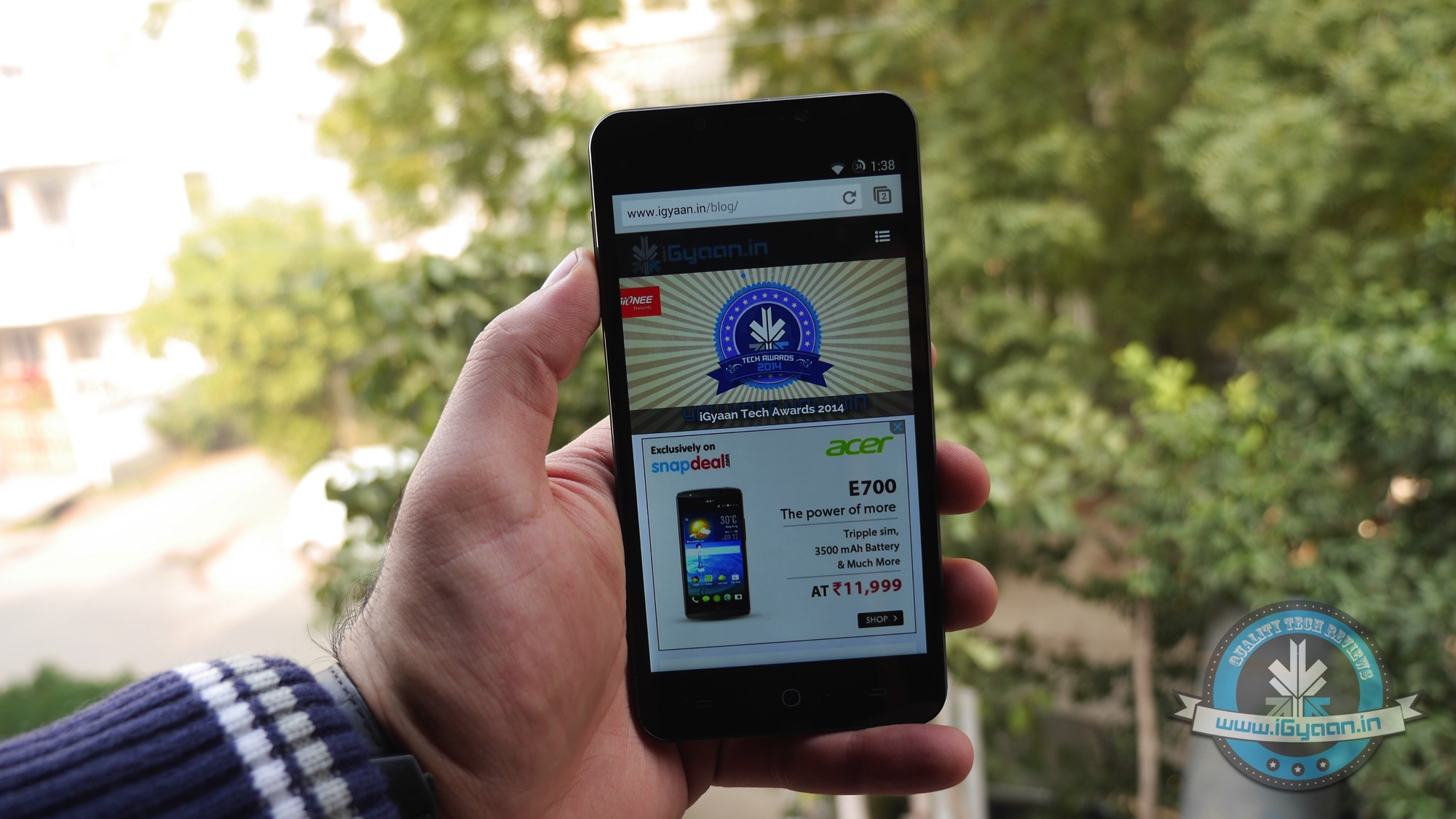
    In terms of hardware the Yureka is pretty great, in fact the closest devices in terms of hardware cost double. Cameras are a high 13 MP and 5 MP combination. At the front it has a 1280 x 720p 5.5-inch display. On the inside is the intriguing Snapdragon 615 CPU + Adreno 405 GPU combination, which is decent considering the price. For our full review of the device, click here.

    2. Xiaomi Redmi Note 4G – Rs. 9,999
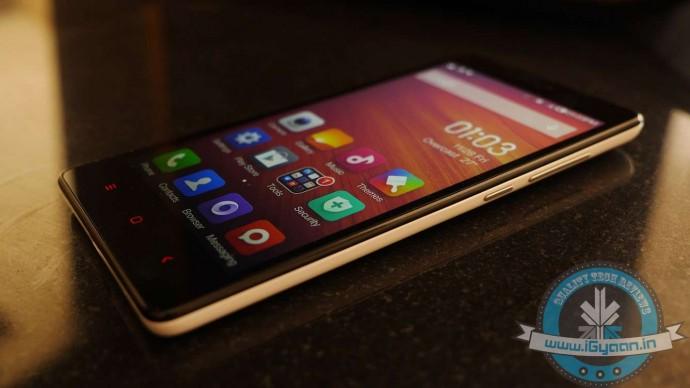
    redmi note 4g

    Xiaomi’s blockbuster Redmi series has been flying out of Flipkart’s shelves rapidly since its launch. Redmi Note is available in two variants, one is 3G, while the other one is the 4G LTE compatible variant. The 4G variant, made for India, has dual-band support for both TDD-LTE 2300 MHz (Band 40) and FDD-LTE 1800 MHz (Band 3).

    3. Lenovo A6000 – Rs. 6,999
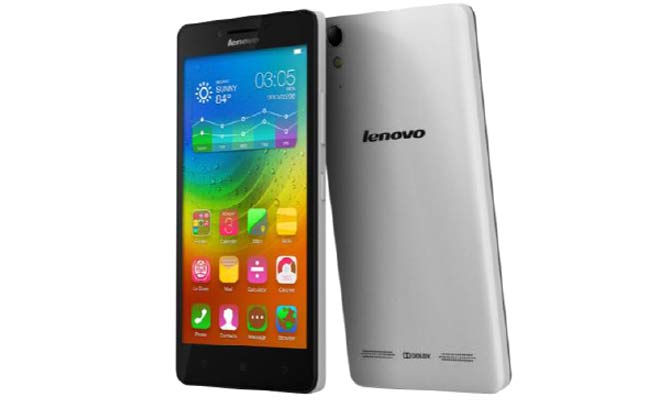
    lenovo-a6000

    Lenovo A6000 is India’s cheapest 4G enabled handset. The smartphone was first showcased earlier this month at the 2015 Consumer Electronics Show (CES), and India is the first market in which it has been released. Up front, the Lenovo A6000 features a 5-inch HD (720×1280-pixel) IPS screen, which is smaller than the 5.5-inch screen on both Micromax’s Yu Yureka and Xiaomi’s Redmi Note.

    4. Nokia Lumia 638 – Rs 8,299
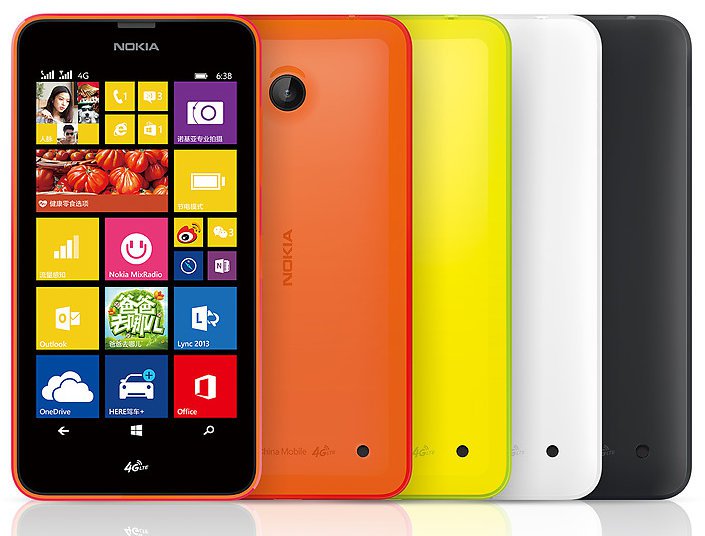
    Nokia-Lumia-638-4

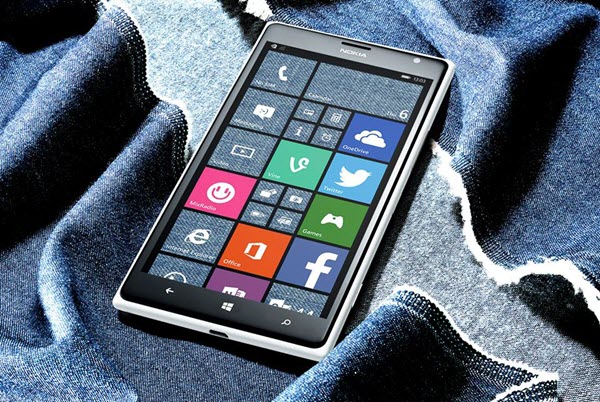
    Microsoft also jumped into the 4G game back in December with Lumia 638. Specs on the smartphone include a 4.5 inch FWVGA (480×854 pixels) ClearBlack LCD display with Gorilla Glass 3, a 1.2 Ghz quad-core Snapdragon 400 SOC chipset along with 1 GB of RAM. Optics will just include a 5 MP rear auto focus camera. On the memory front, there’s an 8GB of internal storage with microSD card compatibility (up to 128GB). Powering the smartphone would be a 1830 mAh battery while the OS on board would be Windows Phone 8.1 with Lumia Denim update.

    SPECS

    LENOVO A6000

    XIAOMI REDMI NOTE 4G

    YU YUREKA

    Lumia 638

    Display 5 inch HD IPS 5.5 inch IPS LCD 5.5 inch HD 4.5 inch IPS LCD
    Processor 1.2 GHz 64-bit Snapdragon 410  1.6 GHz quad-core Snapdragon 400 1.5 GHz  octa-core Snapdragon 615 Quad-core 1.2 GHz Snapdragon 400
    RAM 1 GB 2 GB RAM 2 GB 1 GB
    Storage 8 GB 8 GB 16 GB 8 GB
    Expandable Upto 32 GB 64 GB 32 GB 128 GB
    Main Camera 8 MP 13 MP 13 MP 5 MP
    Front Camera 2 MP 5 MP 5 MP
    Battery 2300 mAh  3100 mAh  2500mAh 1830 mAh
    Operating System Android 4.4 Android 4.2 Cyanogen OS 11 Windows Phone 8.1
    Price Rs 6,999 Rs.9,999 Rs.8,999 Rs 8,299
  • Motorola Acknowledges Nexus 6 Defect, Offers Replacements

    Motorola Acknowledges Nexus 6 Defect, Offers Replacements

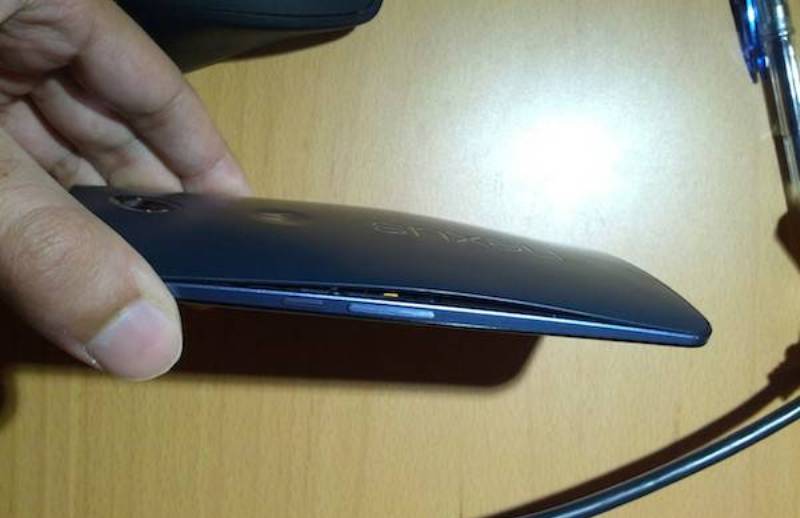
    Recently, there have been numerous reports of defective Nexus 6 units being shipped to customers. Multiple buyers around the web have been reporting that the Nexus 6’s back cover is coming unglued.

    45921294
    According to various Reddit posts, this is due to defective batteries that are expanding, causing the back cover to raise from its housing. Picture by a Reddit User.

    According to various Reddit posts, this is due to defective batteries that are expanding, causing the back cover to raise from its housing. Disgruntled users have reported the issue on social networks such as Twitter and Google+ and on Reddit forums.

    Motorola, which manufactured the Nexus 6 for Google, has acknowledged the issue and has said that it has come across a number of users who’ve reported the issue. The company is even ready to offer replacements to affected users.

    Several users have been asked to get in touch with the customer care team to get their units replaced. Some noticed the issue when they took their device out of the box, while others took time, saying the battery expanded over time.

  • Google Might be Planning its Own Mobile Payment Solution

    Google Might be Planning its Own Mobile Payment Solution

    Apple’s Apple Pay mobile payment system was unveiled last year on the same day we saw the Apple Watch, iPhone 6 and iPhone 6 Plus for the first time. With Apple Pay all you need to do for paying at stores is bring your phone near the payment sensor, and that’s it, your payment is done. Apple Pay is available on both, the iPhone 6 as well as the iPhone 6 Plus.

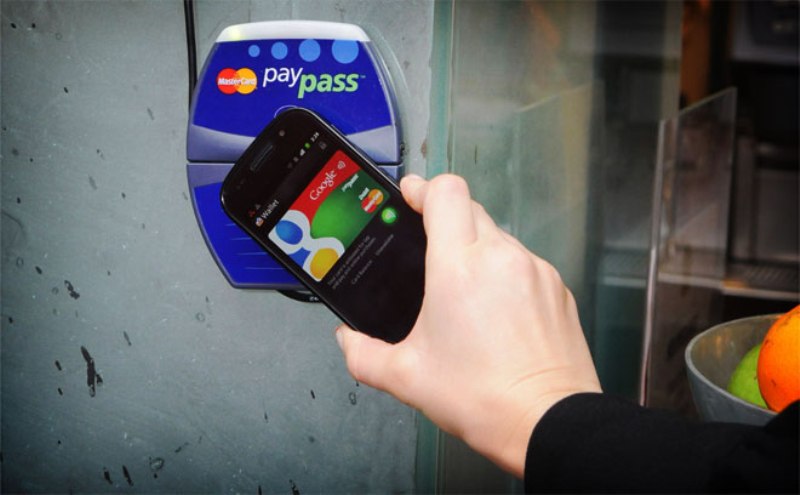
    Now it seems like Google is also looking to add the popular feature in its portfolio. NFC-based payment system is said to eliminate plastic money (credit cards) for hassle free payments. The Android maker is reportedly in talks to acquire Softcard, the a mobile payment company, and subsequently launch its own NFC-based payment system.

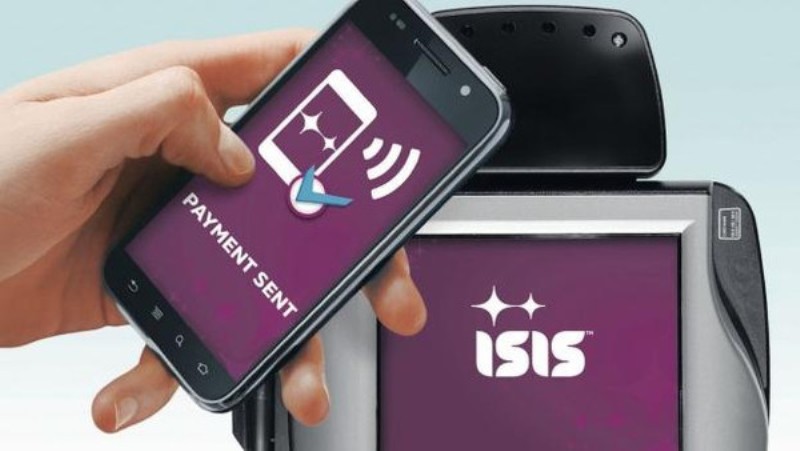
    Softcard, formerly known as ISIS, is a joint venture of
    Softcard, formerly known as ISIS, is a joint venture of  Verizon, T-Mobile, and AT&T

    Softcard is a joint venture of Verizon, T-Mobile, and AT&T which has been going through a rough patch lately. Softcard earlier this month laid off about 60 employees and has been in a consolidation phase. According to TechCrunch, hundreds of millions of dollars apparently were sunk into the company by all three carriers.

    Apple, right now, enjoys the monopoly of owning its own NFC-based payment system. Looks like we’ll have to wait a while to see Google’s retaliation.

  • Facebook is Testing a Voice Transcription Feature for its Messenger App

    Facebook is Testing a Voice Transcription Feature for its Messenger App

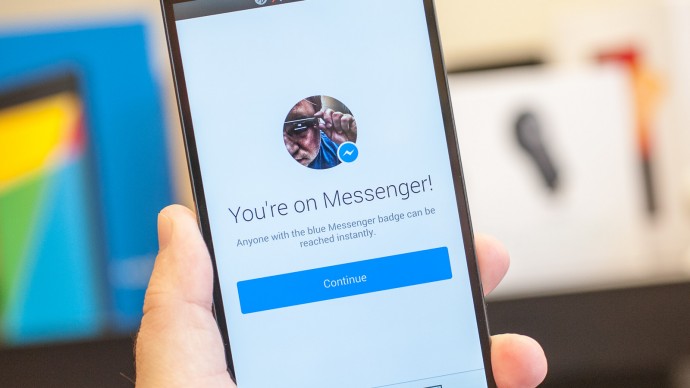
    Facebook’s standalone Messenger app is an important part of the company’s offering with 500 million Messenger users sending billions of messages everyday. The company has been focusing a lot on stickers lately, even releasing an app solely dedicated to applying stickers to your photos.

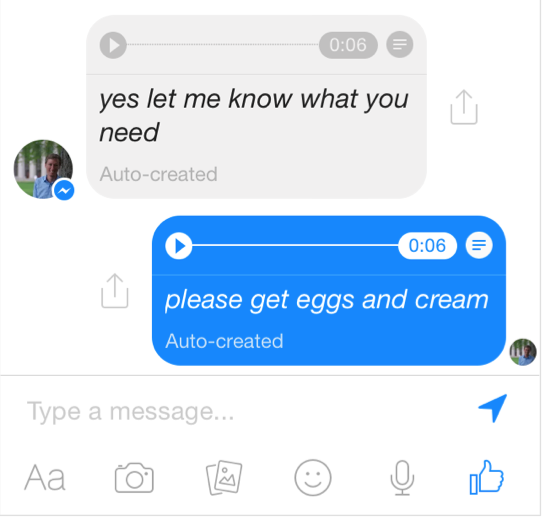
    However, now it seems like Facebook is shaking things up. The company is planning to add a new voice transcription feature for its Facebook Messenger. As announced by David Marcus, Head of Facebook’s Messenger team, this feature allows users of the Facebook Messenger app to read transcripts of voice messages instead of listening to them.

    voice transcript facebook

    So, now when you send or receive a voice clip, you’ll see a text preview of the message. Both sender and receiver can see the text, unless you decide to turn it off.

    Unfortunately, most of us won’t see the feature any time soon. Marcus wrote on the Facebook Post :

    Today we are starting to roll out a small test that helps people read the voice clips they receive instead of having to play them out loud. Our plan is to test this feature at a tiny scale for now and we’re looking forward to seeing what you think of it before making the experience more widely available.

    The transcription is automatic, and will hopefully become a more widely available feature in the future, though that isn’t guaranteed at this point.

  • Moto 360 Gets Premium Leather Bands Courtesy DODOcase

    Moto 360 Gets Premium Leather Bands Courtesy DODOcase

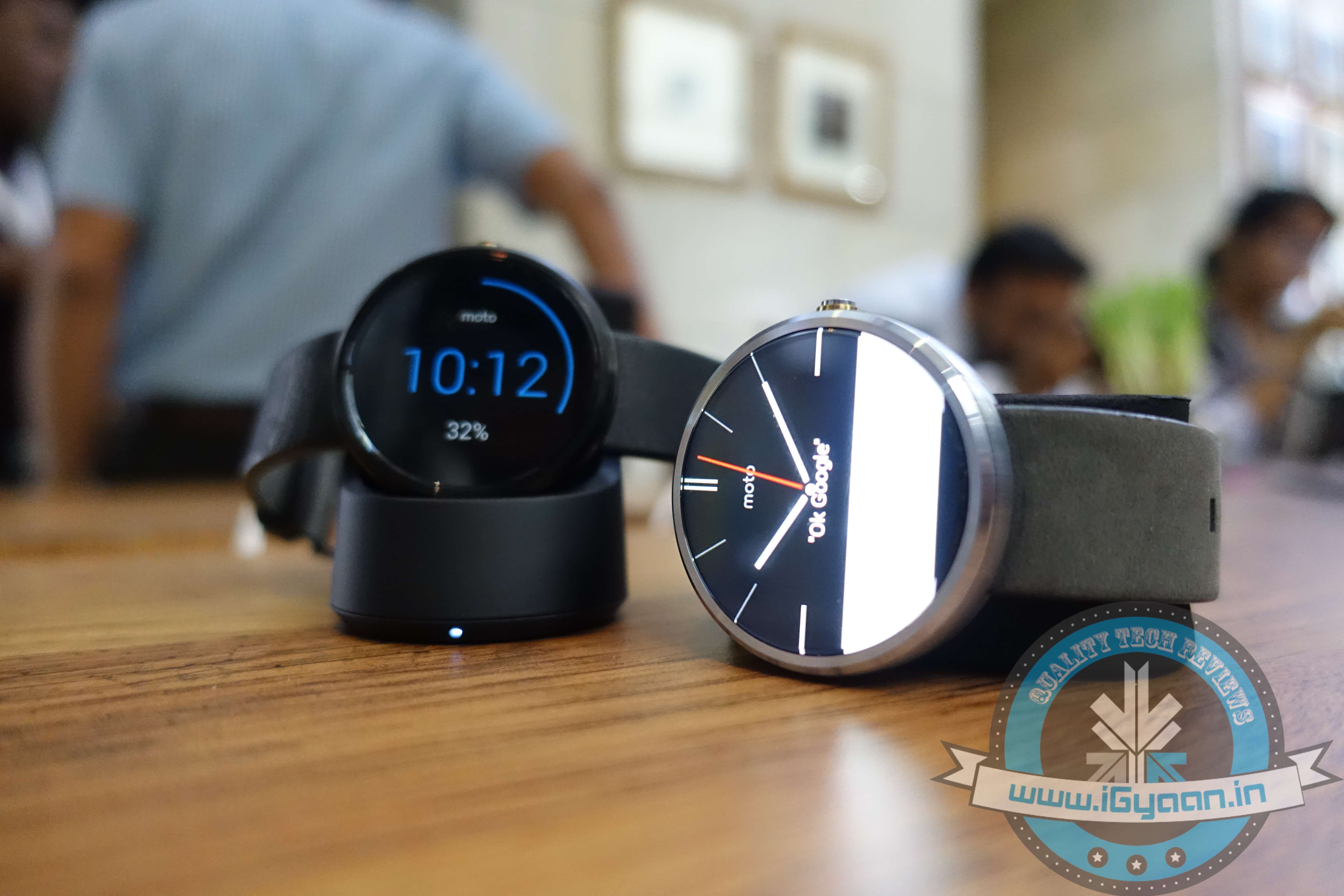
    The Moto 360, one of the best looking smartwatches available right now, is getting sexier with new premium leather bands by DODOcase. The San Francisco-based startup which is famous for its iPhone and iPad cases, collaborated with Motorola to make these bands.

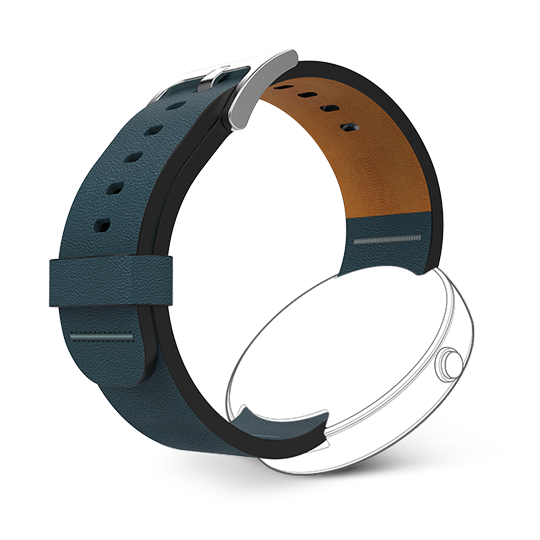
    A few months back, Motorola added brown leather to the black and stone coloured Horween leather options, but it seems that didn’t work out. DODO’s leather bands are made from premium Pergamena leather. They are available to order directly from Motorola’s online store in four different colors – red, blue, tan, and green.

    360Bands_Dodo_BlueBack

    The DODOcase leather come in eco-friendly colors died using materials safe for the environment. You’d have to shell out $59.99 for the leather bands. That’s a significant premium over the $29.99 price of Motorola’s own Horween leather straps, and quite close to the $79.99 that Moto charges for the available metal bands for the Moto 360.

    If you are curious about how this premium Pergamena leather are made, then watch the video below:

  • HTC’s Next Flagship is All Set to Take Centre Stage at the MWC

    HTC’s Next Flagship is All Set to Take Centre Stage at the MWC

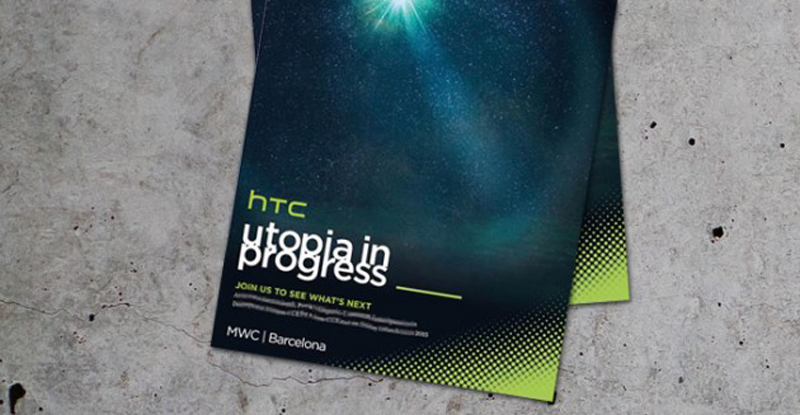
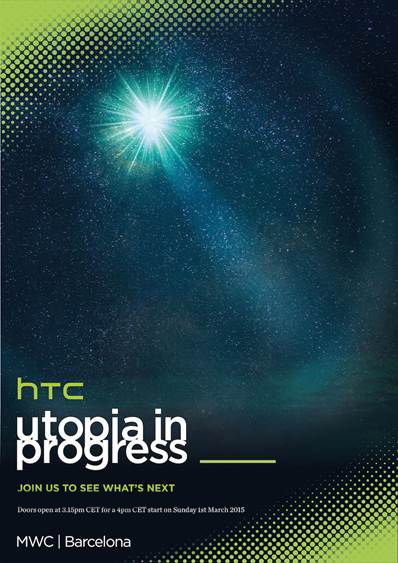
    Leading the race, HTC has sent out the invitation for its big event at this year’s Mobile World Congress in Barcelona, announcing March 1st as the day on which we’ll see “what’s next” from the Taiwanese company. As per usual, the invite doesn’t reveal much, just that HTC will be unveiling something new.

    htc invite mwc

    The invite also shows a bright star in the background with the tagline “Utopia in Progress”, the first ambiguous hint at what to expect. MWC is shaping up to be a particularly big show and HTC is the first amongst major Android phone makers to set a date and time for its next big launch.

    The current flagship device from HTC, the One M8, launched in March last year and marked a big change for the company. The expected HTC One M9, which also refered as ‘Hima’ is said to feature  a 1440X2560 QHD screen, 3GB of RAM and an Octa-core Snapdragon 810 CPU.

    It has also been reported that HTC might enter the wearable industry this year. We won’t be surprised if HTC decides to debuts the wearable device it’s been reportedly working on for sometime now.

  • The Simpsons Are Back! This Time, on Minecraft

    The Simpsons Are Back! This Time, on Minecraft

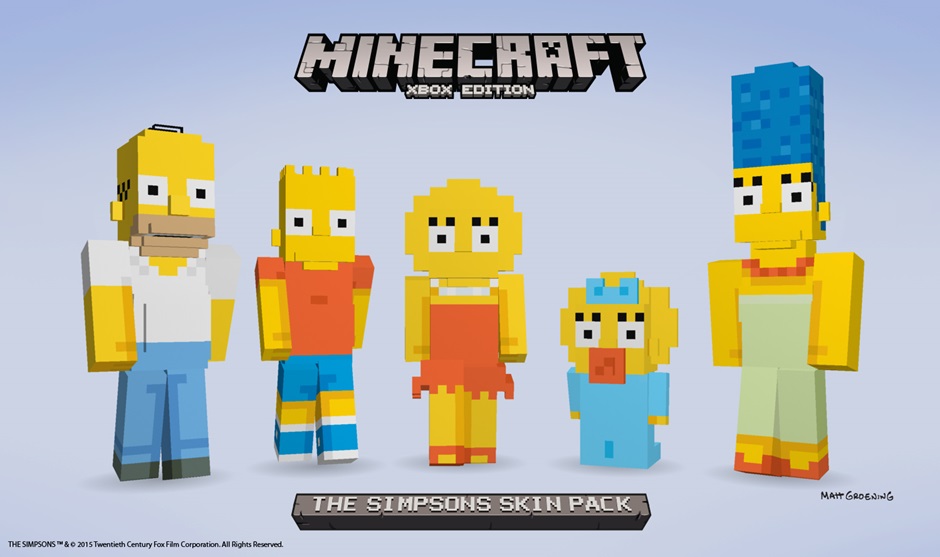
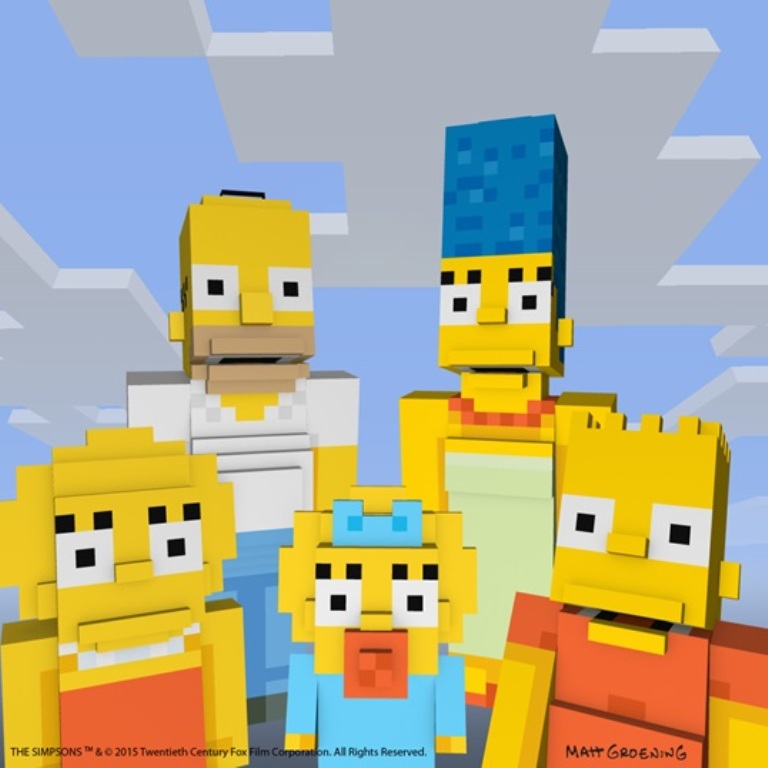
    Fox Broadcasting Company’s hit satirical family sitcom, the Simpsons has become a household name all over the world.  The show depicts the American Suburban lifestyle through frenzied family of Simpson family which includes Homer, Marge, Bart, Lisa and Maggie.

    Now, Microsoft is preparing to bring Simpson family, as well as 19 more characters to life in Minecraft’s cubic world next month. The pack contains the playable characters which will be released in late February for $1.99. The customizable models of the characters lets Homer keep his trademark potbelly and Marge her blue, beehive hair in the pixelated, polygonal forms.

    SkinPack_The SimpsonsB

    Microsoft acquired Minecraft for $2.5 billion in September and has teamed up with Twentieth Century Fox to transform the characters of Springfield to textured cubic blocks for Xbox 360 and Xbox One.

    Minecraft is an award winning sandbox independent video game originally created by Swedish programmer Markus “Notch” Persson and later developed and published by the Swedish company Mojang since 2009. Minecraft has become one of the most popular video games in history, with over 100 million downloads since its launch.

  • Microsoft’s Denim Update is Coming To Lumia Soon

    Microsoft’s Denim Update is Coming To Lumia Soon

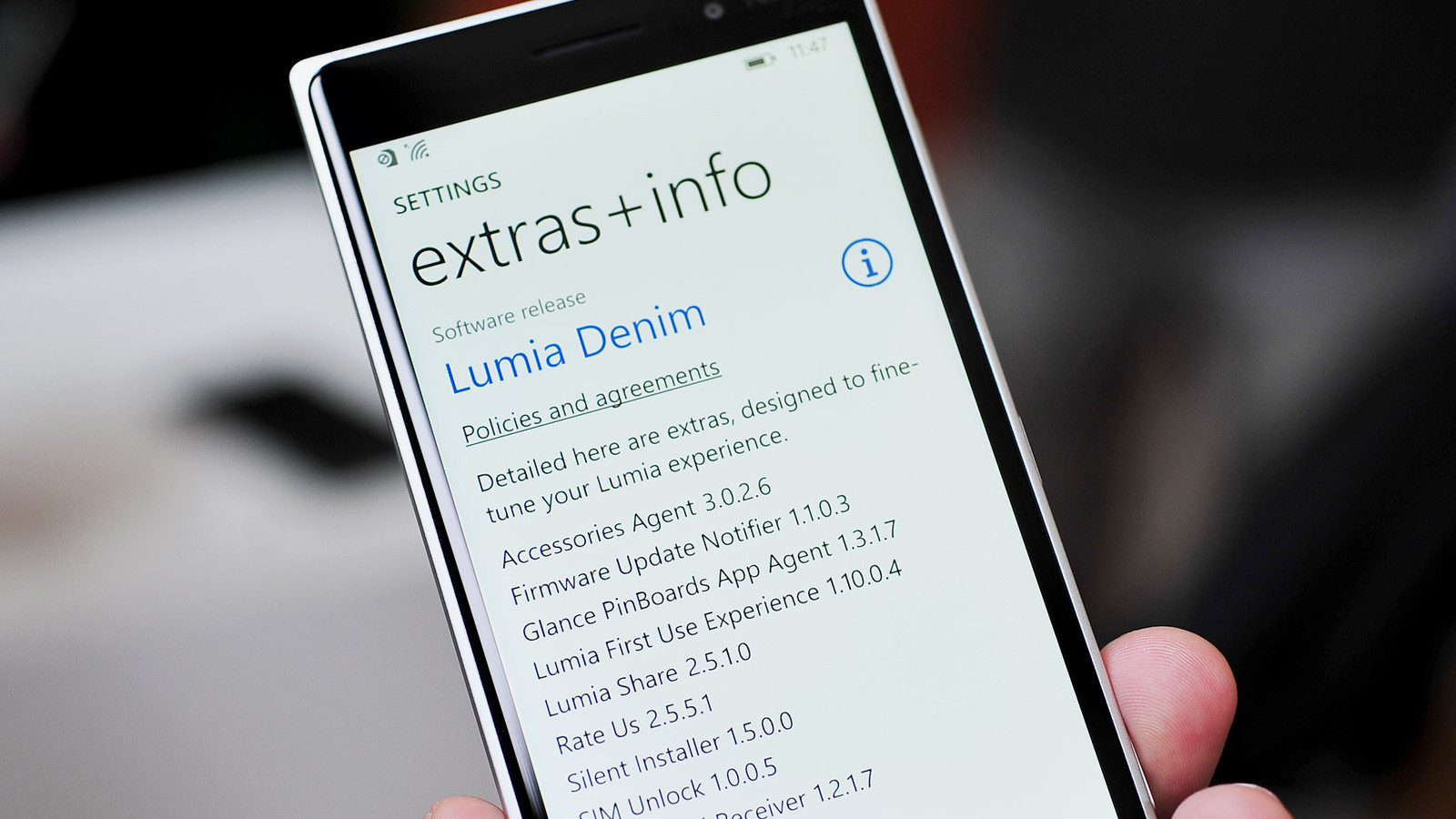
    The much-talked about Microsoft’s ‘Lumia Denim’ update for Windows 8.1 operating system has begun to roll out to Lumia devices, globally.

    According to the company, they are starting the wider roll out of Lumia Denim, a Windows Phone 8.1 Update 1 upgrade that packs a lot of improvements to both imaging and Cortana voice commands and new features like live folders on your start screen and an enhanced glance screen.

    Lumia_Denim_lede_0

    The Denim update has already debut in US through Verizon with 822 and 928 back in December, but the broader deployment suggests that other Lumias are due relatively soon. If you own new handsets like the Lumia 830, 930 or 1520 , you’ll get faster shooting, Rich Capture (high dynamic range, dynamic exposure and dynamic flash) and better image quality.

    Apart from the 830, these phones can also handle 4K video and hands-free Cortana commands. Everyone gets features like Start screen folders, a better web browser and Cortana refinements that include support for in-car speech. Denim is the fourth update to Windows Phone 8.1-equipped Lumia phones, after Lumia Amber, Black and Cyan.

    It’s arriving in waves by country and device, and a wider roll out will commence within the month, according to the company. There is still uncertainity as to whether Indian Lumias will be included in latest wave of update or not.

  • Here Are the Impressive Leaked Specifications  of LG’s Next Flagship

    Here Are the Impressive Leaked Specifications of LG’s Next Flagship

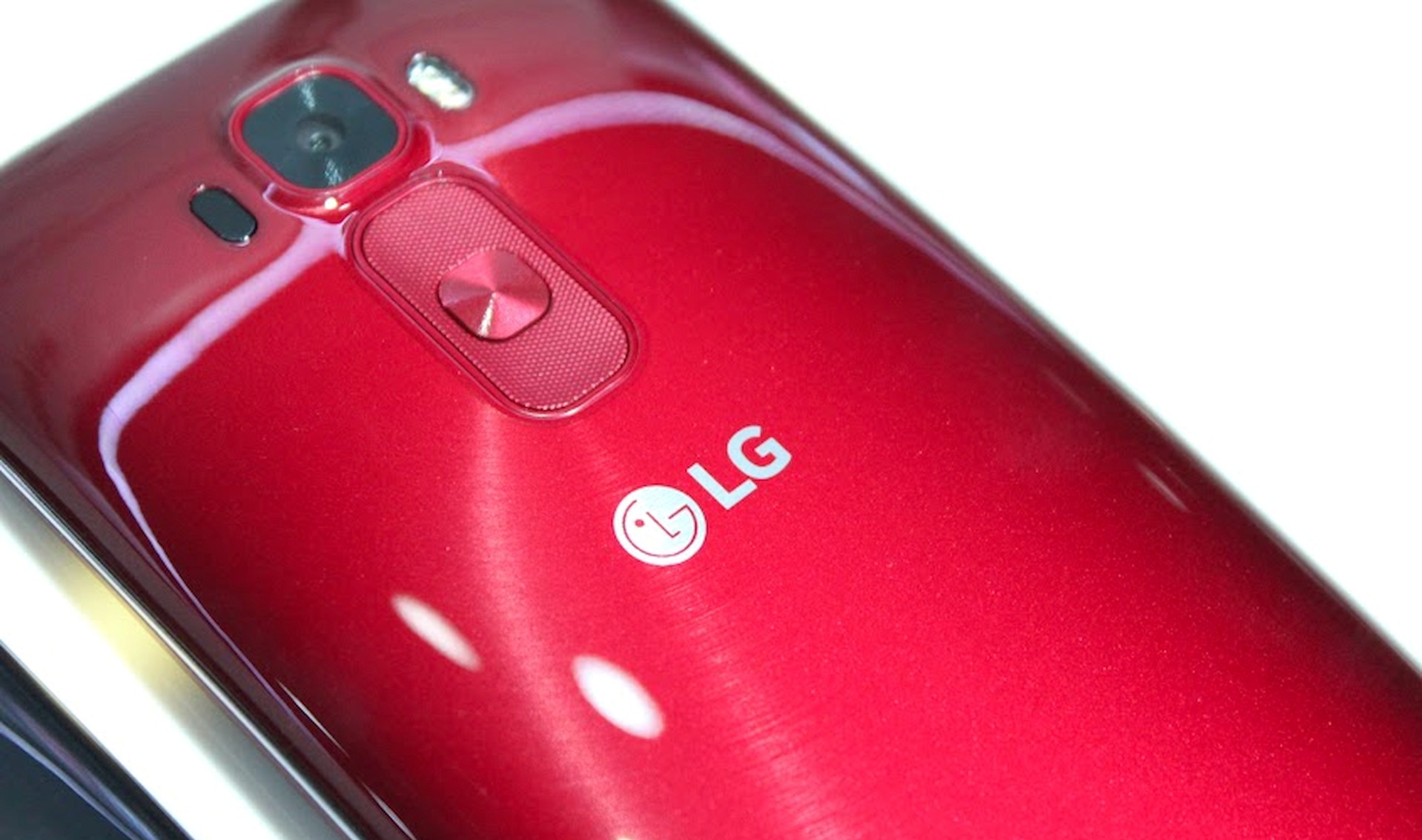
    LG had a string of hits in 2014 including LG G3 and G Pro 2 which have been received really well by consumers and critics alike. The smartphone maker’s next flagship, G4, is expected to launched at this year’s Mobile World Conference (March 2-March 5) in Barcelona.

    Recently, the system dump for LG’s next G series flagship smartphone has been leaked revealing a few of the hardware specifications of the smartphone. The leak confirms the Android 5.0 as well as 3GB of RAM and a Qualcomm Snapdragon 810.

    LG-G-Flex-2-24
    LG G Flex 2 was launched at CES 2015 with Snapdragon 810

    According to the past rumors, LG also working on its own ODIN processor for a bit now, and we heard that it’d be coming in one of their flagships. It was expected the G Flex 2 would launch with this processor, however, that didn’t happen.

    While there is a fresh rumour suggesting that Samsung Electronics will dump the Snapdragon 810 processor for use in its upcoming Galaxy S6 smartphone in favour of its own Exynos chip, LG may follow the suit and launch their own processor too.

    In addition to that, the purported forthcoming handset, the G4, could pack a wide angle 16-megapixel rear-facing shooter on the back. The LG G3 had a 13-megapixel rear-facing camera on the back side. After the release of the G Flex 2 at CES it will be interesting to observe the type of hardware and software specifications their next flagship will pack.

  • This Website Lets You Can Virtually Use The Apple Watch

    This Website Lets You Can Virtually Use The Apple Watch

    Word is that you have to wait till March to get your hands on Apple Watch. The Cupertino-based tech giant’s first bid on the wearable market will be priced at $349 and will come in three variations – Apple Watch, Apple Watch Sport and the Apple Watch Edition. The wearable will be compatible with iPhone 5, 5S, 5C, 6 and 6 Plus.

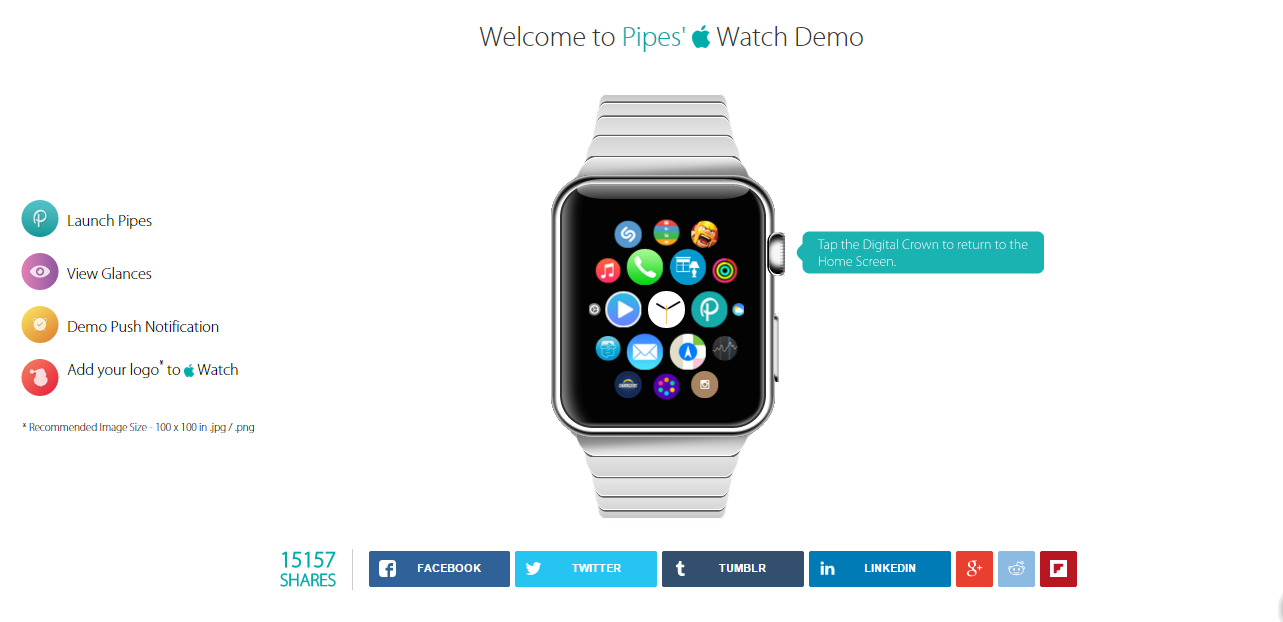
    apple watch demo

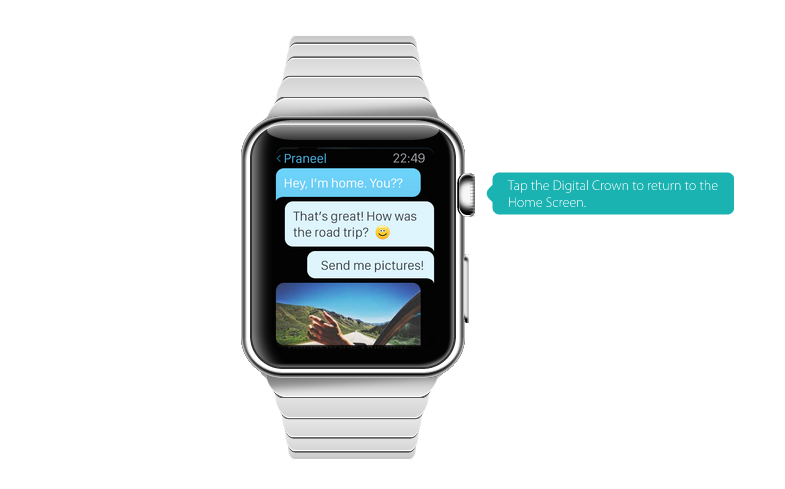
    Anyhow, some folk at Pipes news app have created a demo of the forthcoming Apple Watch, which you can try right on its website. The interactive demo lets you navigate through various features of Apple Watch by clicking and holding parts of the home screen and moving around. The demo lets you try out certain applications, like the Clock, Weather, Phone, and Music apps.

    The Digital crown of the demo watch is also interactive. While it doesn’t let you scroll or zoom like you’ll be able to once the real Apple Watch comes out, you can use it to return to the home screen. The demo can also show you a preview of some of the watch’s features, like Glances, which are cards that give you tidbits of information, and push notifications.

  • Google Glass to Get An Independent Division Headed by Nest’s Tony Fadell

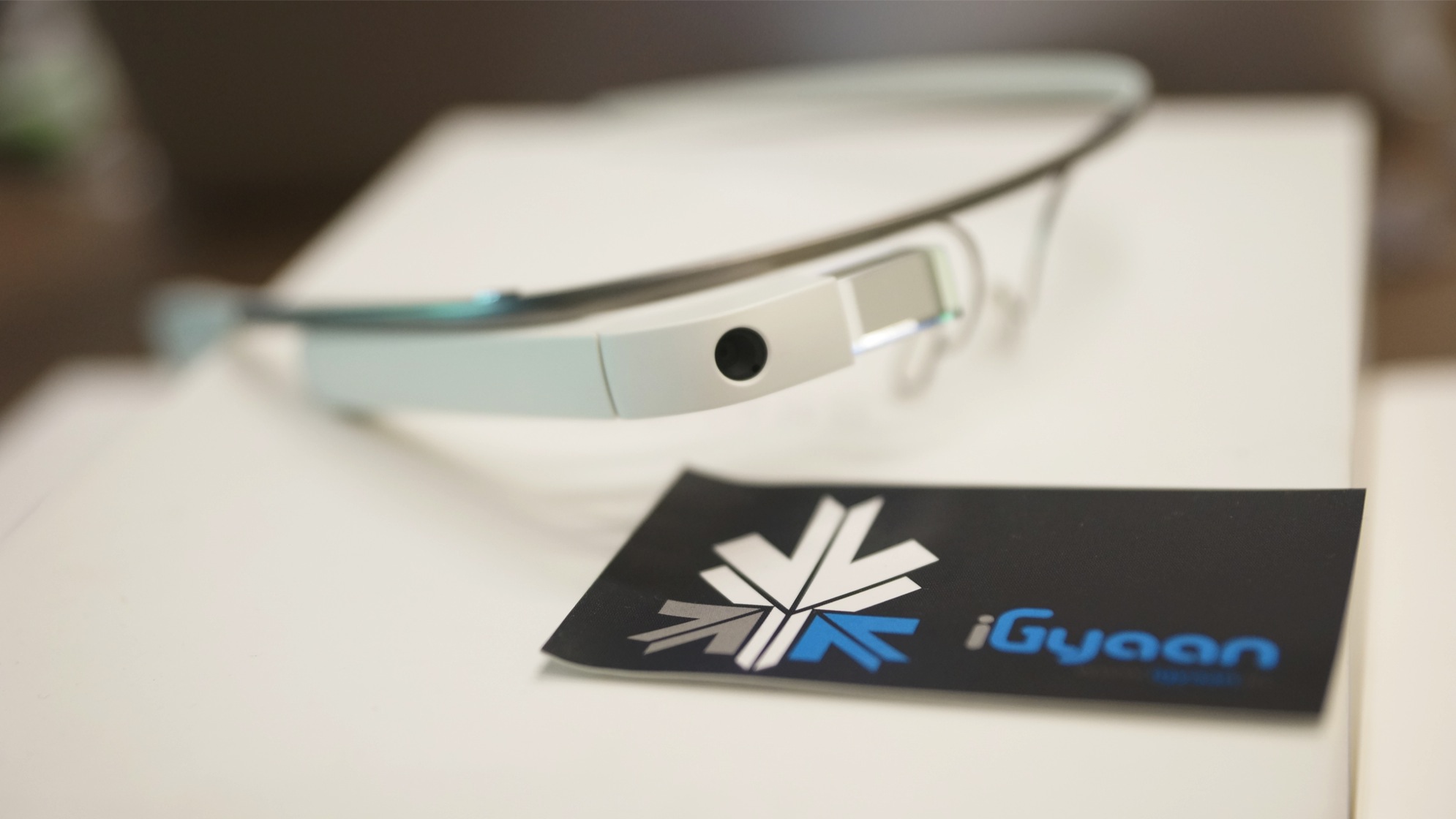
    Between the frenzy of latest flagships and CES launches, Google Glass has been missing the action for quite sometime now. But not anymore, because Google is shaking its wearable up with some major changes.

    The Google Glass team announced in a post to its Google+ page, that Glass is “graduating from Google[X] labs,” presumably still marching toward a “real” consumer launch. The Explorer program will come to an end on January 19th which is just three days away.

    According to the post, the research project will move to own division. This new standalone Google Glass group will be led by Ivy Ross, who will report to Tony Fadell, the head of Nest Labs, Inc. The development process for the head worn wearables has been a bit slower than some might have expected when it comes to available glassware(apps for glass)but it was strong nonetheless and it seemed to give off a promising future.

    Google Glass

    Google Explorer Program has spanned years and seen plenty of awesome, annoying, and controversial moments as Glass has looked for a place in the hearts and minds of tech consumers. Many tech enthusiasts believe it has a place in the broader wearable ecosystem including fashion, medicines, navigation, research etc.

    Google is also discontinuing consumer sales of the current Explorer Edition of Google Glass, beginning January 19. Google Glass will still be sold to approved developers and companies for both use and further development of the Glass ecosystem. This points again to the new version of Google Glass that will be arriving in 2015, though it is still unknown when it will arrive and whether it will be powered by an Intel Chip or not.

  • How Google’s Project Ara Will Reinvent the Existence of Smartphones

    How Google’s Project Ara Will Reinvent the Existence of Smartphones

    The whole idea of technology is to continuously evolve through introduction of new and feasible upgrades. However, this process of evolution makes the old devices inherently wasteful. As soon as a new device comes out, the old one is tossed in the garbage or put on the shelf to collect dust. But Google’s Project ARA wants to change that with a Lego-like device in which parts of the phone, although not the entire device, can be replaced.

    History

    The idea of modular smartphone may sounds exciting but it was not easy to build; we presently call it the PhoneBlok smartphone. PhoneBloks began with a single video, almost one and a half years ago, describing in some detail, the idea for a phone worth keeping. Even though it was just an idea, it generated quite a buzz in the tech industry with a social media reach of over 380,000,000 people. Shaking the mere foundation of the smartphone market, the idea presented by the PhoneBlok community questioned the idea of typical smartphones and showed an effective way for change.

    The roots of the modular smartphone can be traced back to Modu, an Israeli mobile phone company, founded in 2007 by Dov Moran. The company invented the Modu, a modular cellular device which could be used in various other devices. However, the company ceased operations in February 2011 as it attempted to pay back debts and salaries owed to its workers. In mid May 2011 Google acquired several Modu Mobile patents for $4.9 million. In 2013, Google-owned Motorola announced it is developing a modular phone and hence the Project Ara was born. Meanwhile, Google sold Motorola to Lenovo, but, retained the Project ARA Team.

    How Does it Work?

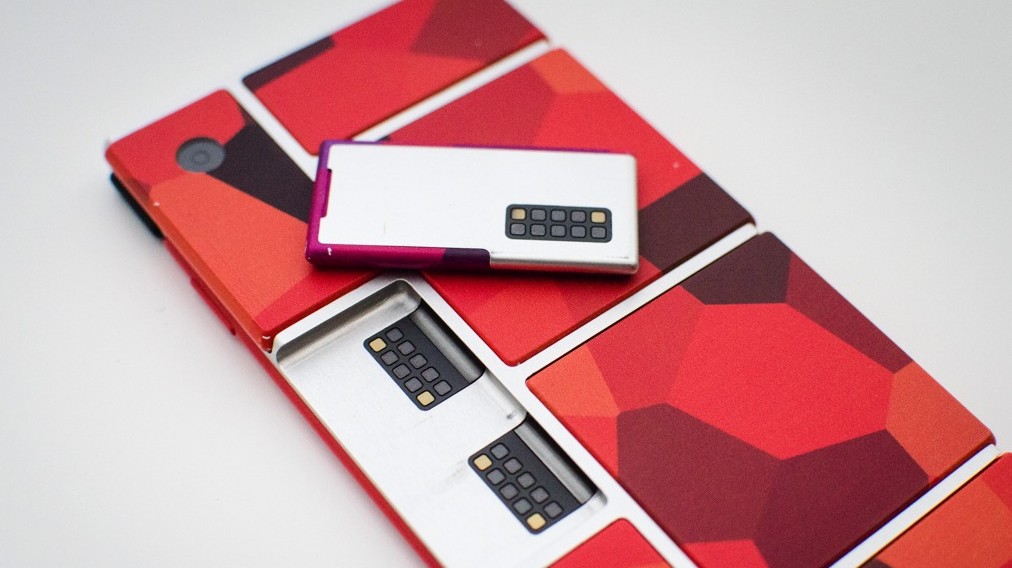
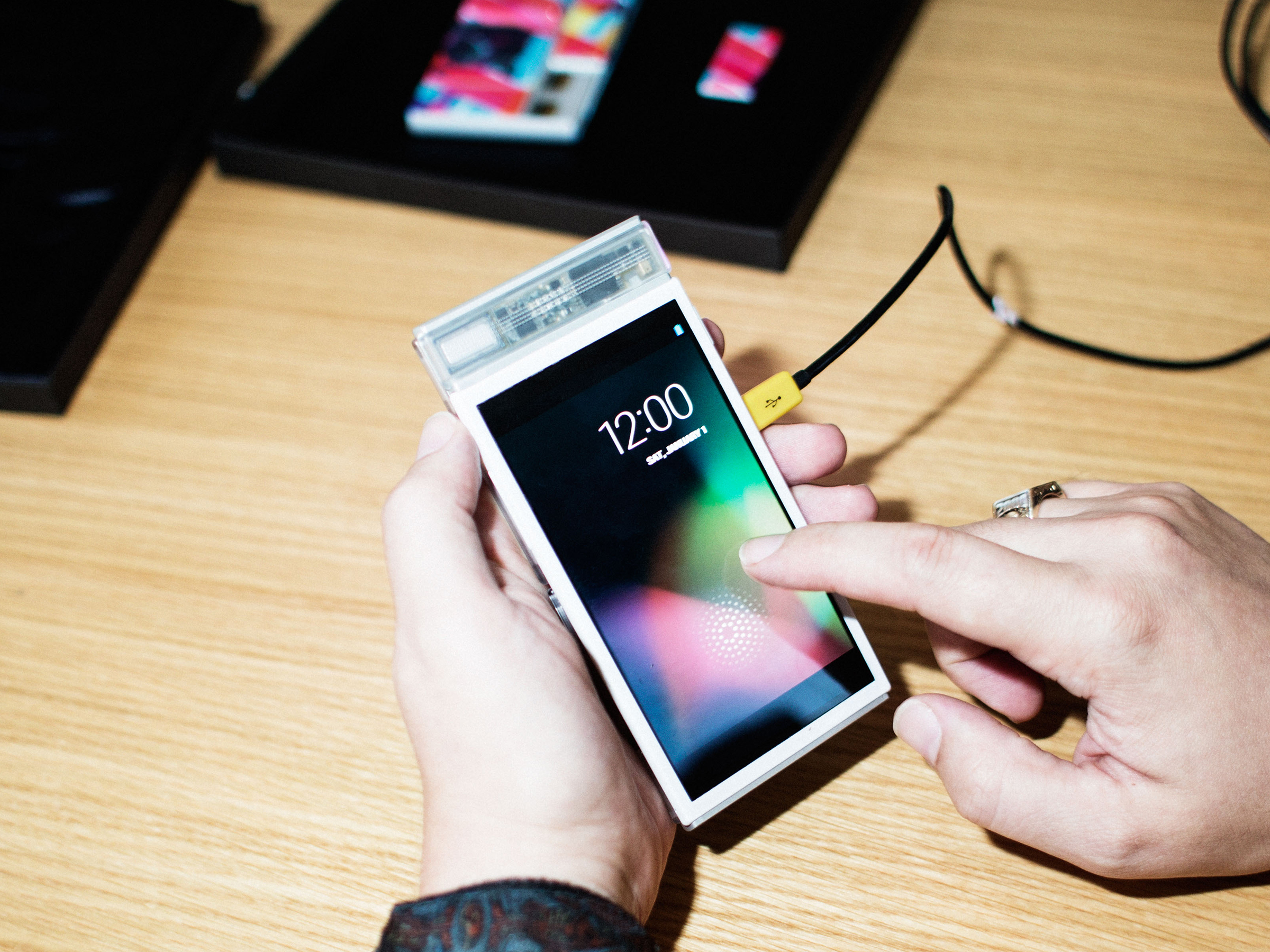
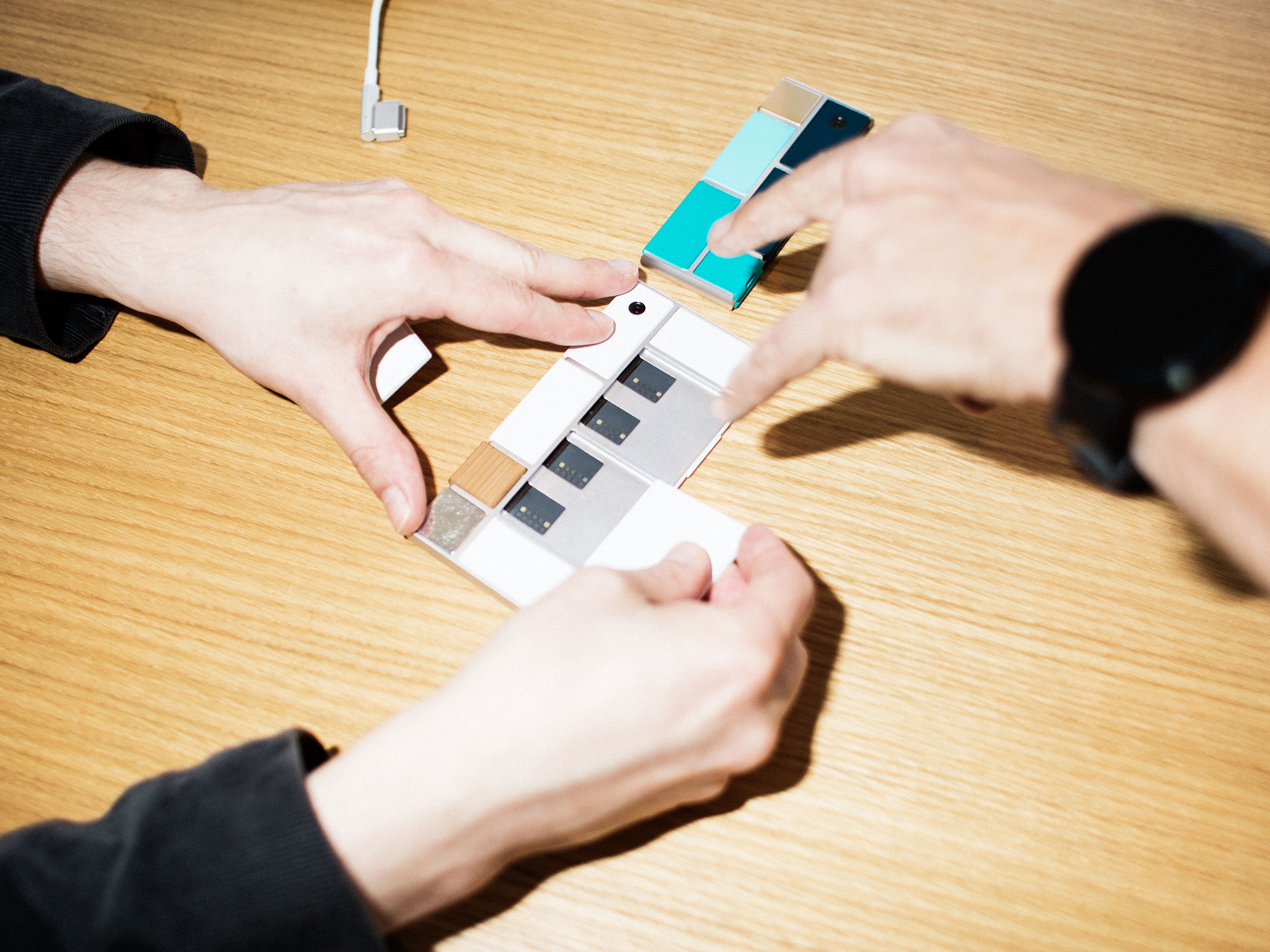
    The basic idea of the Phoneblok is creating a smartphone that has detachable components on its front and back so that everything from the processor to the camera can be easily upgraded without discarding the rest of the phone. The entire contraption is held together by a pegboard-style base, with a screen also replaceable mounted on the front.

    project-ara-8

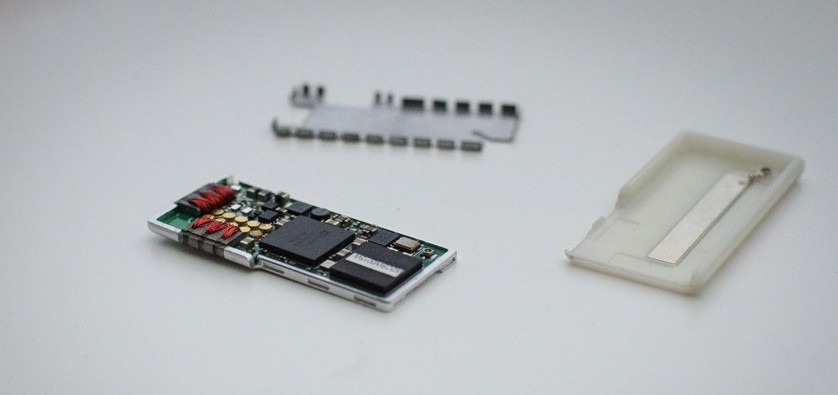
    There would be one block (also called modules) for the camera lens, one for the battery, one for storage and so on. Those blocks would plug into the base, and the blocks, base and screen would be secured together with two screws. Because individual blocks can be replaced when they become outdated or simply break. Additonally the electronic junk will be minimal with these smartphones.

    Ara modules need to have a way to communicate with the rest of the phone, but physical contacts are often cumbersome and prone to easy damage. So instead, the modules use “capacitive interconnects,” which are wireless and theoretically more reliable, especially at high speeds. The capacitive pads also help saving space on the modules, since they’re smaller than physical pins.

    project ara 1

    Modules will be available both at an official Google store and at third-party stores. Ara Smartphones will only accept official modules by default, but users can change a software setting to enable unofficial modules. This is similar to how Android handles app installations.

    When Will It be Available?

    At present, Google has announced the launch of Project Ara MDK 0.2. The second developers kit from the project is said take PhoneBlok closer to the reality. The MDK 0.2 is based on the Spiral 2 prototype that will be revealed at the upcoming developers’ conference. The company has added  a section on the Module Marketplace, which is said to be a lot like a Google Play Store for Ara hardware modules. Unlike the Play Store, however, it seems that this marketplace is going to be strictly curated.

    project ara

    Along with this, the company has also announced the release of Ara Manager app that will be made available in the near future. This app will let users control the functions of different modules and monitor their state and information.

    Coming February, Google will kick off second installment of Ara Developers’ Conference which will mark the roll out of MDK 0.2 to limited number of developers. The commercial release is still on hold, however, the recent advancement in the project has hinted that the modular smartphone are very close to become a reality.

    Project Ara could be a ground shaker in the Tech Industry. With a video managing a social media reach of 380 Million, and the smartphone market growing so rapidly; one can only wonder what impact it will have when this project becomes a reality.

  • Xiaomi Directly Targets OnePlus One With the Launch of 5.7-inch Mi Note

    Xiaomi Directly Targets OnePlus One With the Launch of 5.7-inch Mi Note

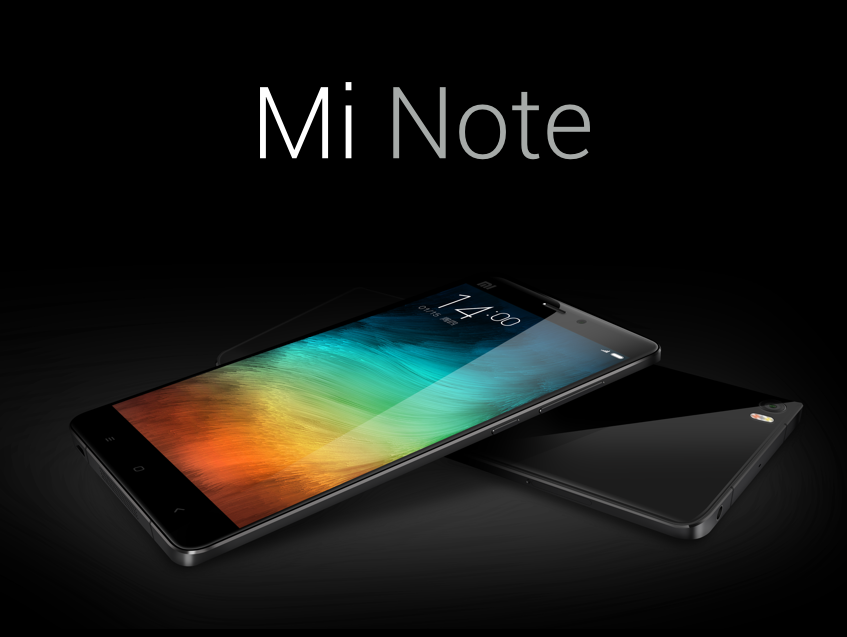
    World’s third largest smartphone maker, Xiaomi took a great leap in order to challenge the likes of Apple, Samsung and OnePlus with the new 5.7-inch phablet called the Mi Note.

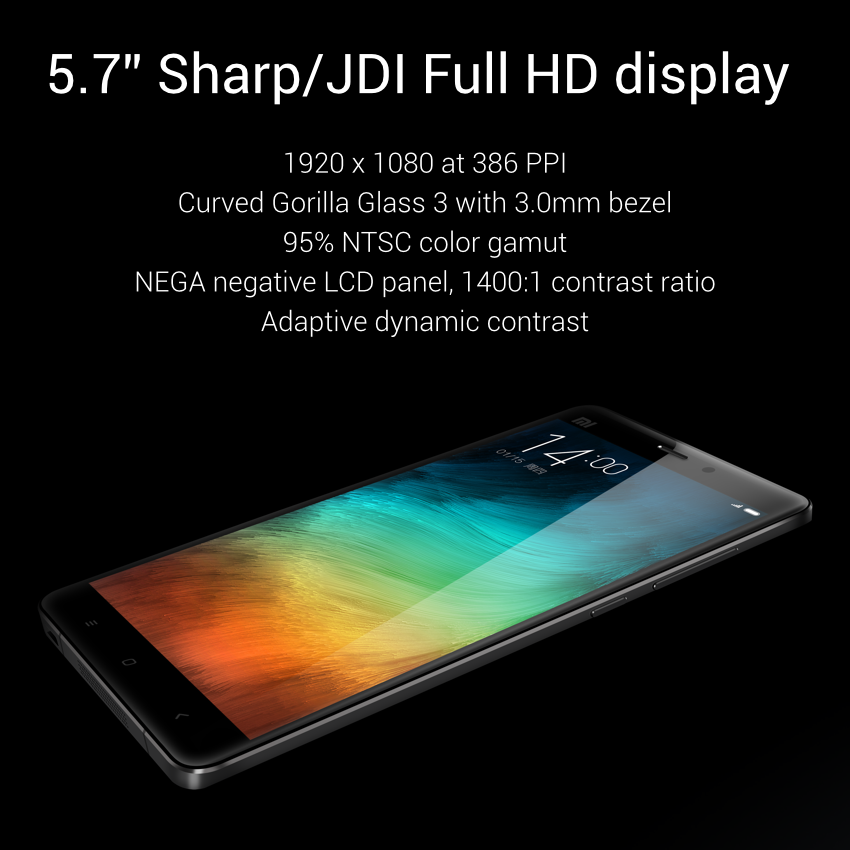
    Many expected the Chinese manufacturer to launch the second generation Redmi Note or the Mi5, but instead the company decided to take a step ahead and launched the Xiaomi Mi Note. The new device flaunts a 5.7-inch 1080p display and seems to be Xiaomi’s contender against the OnePlus One (with a price to match.)

    The device is powered by a Snapdragon 801 processor and comes with 3 GB RAM. The phablet will be available in 16 and 32 GB variants. The company has also launched a Pro version of the Mi Note which is powered by 64 bit Snapdragon 810, comes with 4GB of RAM and has a 64GB version only. The pro version flaunts an enticing 2560×1440 at 515ppi screen (2k display.)

    Both are powered by a 3000mAh battery. The devices also sport a 13MP main camera with Optical Image Stabilization (OIS) and a 4 MP front facing selfie camera. They run on MIUI 6, which is based on Android 4.4 KitKat. The Mi Note and Pro are 7 mm thin and weigh 161 gm.

    mi note 2

    Mi Note is protected on both sides with 2.5D + 3D curved Gorilla Glass 3. According to the company, it’s highly resistant to scratches and shattering.

    Xiaomi has become the world’s fastest growing smartphone manufacturer swelling its shipment three times last year. The new Mi Note will compete head to head with OnePlus’ One which was launched last year.

    There is no doubt the company has a strong hold on the tech market, however, Xiaomi is still struggling with the idea of breaking into the western market. With the launch of Mi Note, we can expect the Chinese smartphone giant to break free from the Asian market and focus on a more global scale.

    The Xiaomi Mi Note will retail for 2,299RMB, which is about $371 or Rs. 22,893, while the Mi Note Pro is priced for 3,299RMB, which is about $532 dollars or Rs. 32,800.

    Correction (19/01/15) : Front facing camera 4MP with 2-micron pixels. Thickness 7mm

  • Facebook Jumps into Business Social Networking With ‘Facebook at Work’

    Facebook Jumps into Business Social Networking With ‘Facebook at Work’

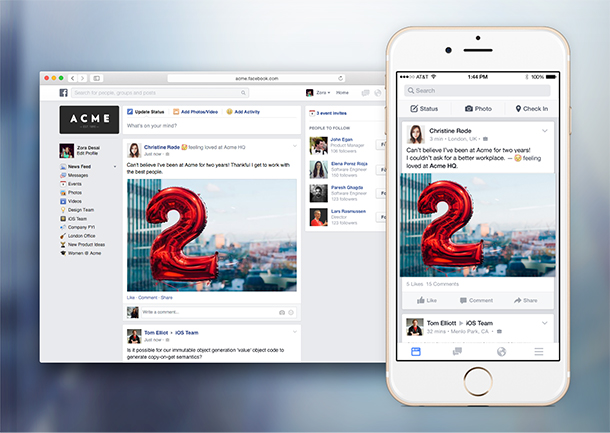
    Facebook’s previously rumored enterprise-focused social app, Facebook at Work, has been released for public. The company is launching new iOS and Android apps called “Facebook At Work,” along with a web version accessible via its main website.

    The app lets companies create their own social networks amongst their employees that are built to look and act like Facebook itself. The main purpose of the app and web tool is to eliminate the presence of E-mails as the primary communication medium and provide a collaboration tool that lets colleagues communicate with a more familiar interface. However, there are handful of differences between the two social apps.

    facebook work

    There are zero advertisements and the company doesn’t track users or hold their data. Facebook says a key feature of the app is Groups, which the company believes could replace email lists that appear never-ending and seem to grow larger with time. Employers can create separate log-ins for employees to use with their Work accounts, or users can link these up with their other profiles to access everything in one place.

    Facebook is jumping into this existing market with all of its social media knowledge and attempting to make a smooth transition to a business product. The workplace app puts Facebook head-to-head with the likes of Microsoft’s Yammer, Slack, LinkedIn, Convo, Socialcast, and a huge number of others who are trying to tackle this space.

    ‘Facebook at Work’ is currently free, while most of the other apps offer tiers of pricing. By making this free, Facebook could potentially drive a lot more users to its wider network. Facebook At Work is now available for download on iOS, and we’ll update with link to the Android version once it’s live, though both are usable via a limited access at present.

  • Google Translator Gets Smarter With Real-Time Language Detection

    Google Translator Gets Smarter With Real-Time Language Detection

    Google has majorly updated its Google Translate mobile app. The update brings promises to expedite the translation process while on the move.

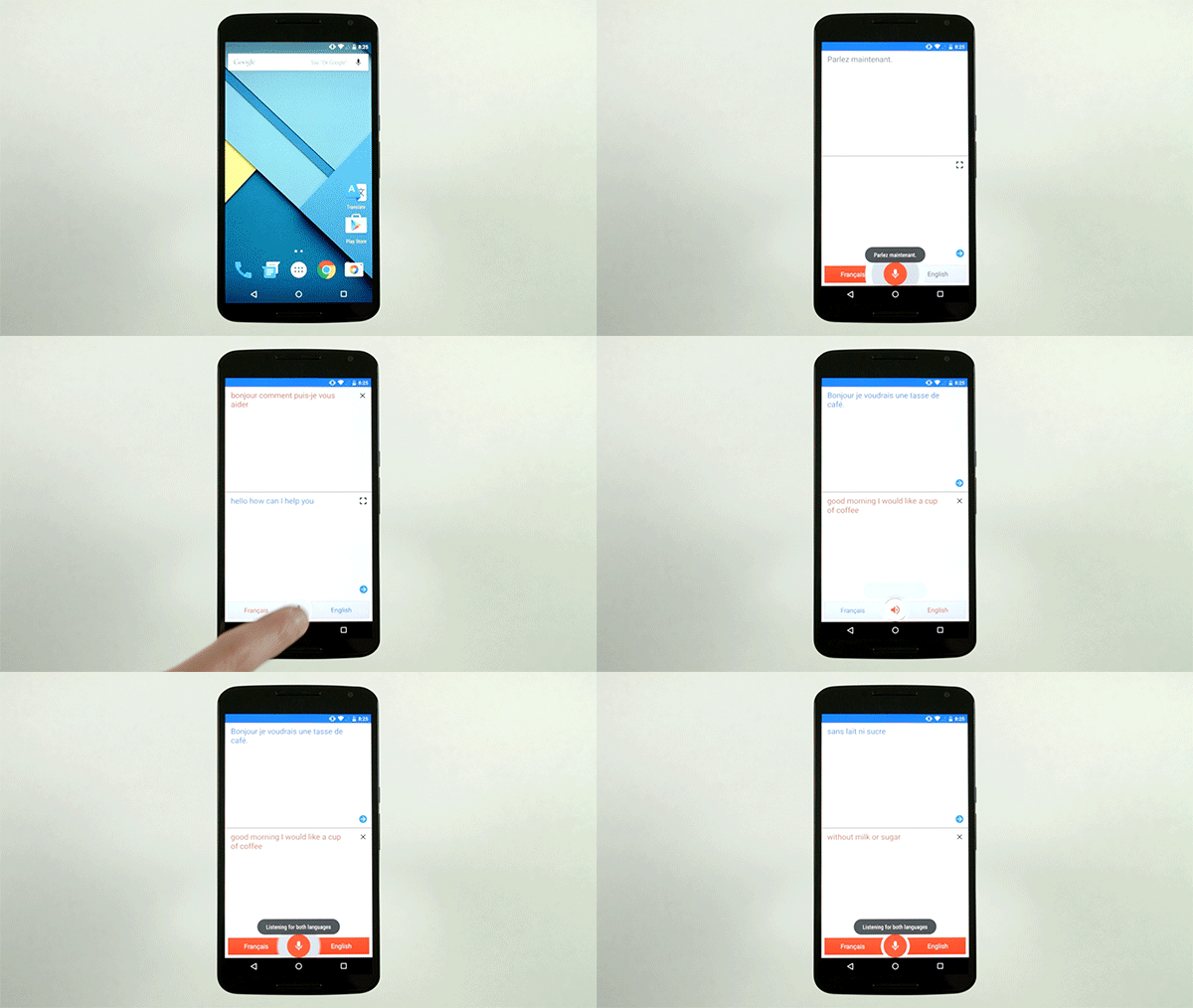
    As rumored, the new version includes automatic language detection in conversation mode, so having a conversation between two people who don’t speak the same language is actually possible. Once you’ve selected the two languages being spoken, Google Translate can now tell which one is being spoken at any moment. With no need to manually toggle them, conversations can be more natural.

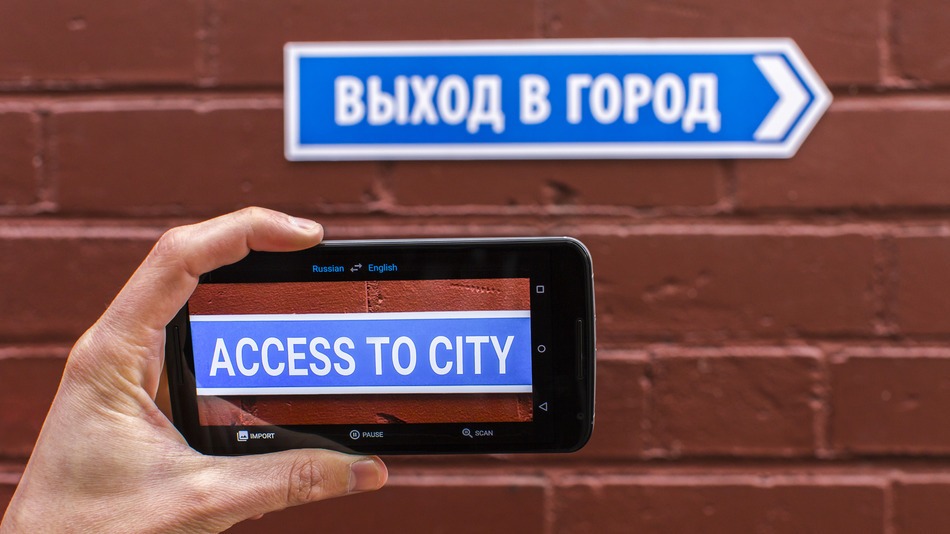
    Another big update is the integration of the World Lens tool in the app. Google acquired the Word Lens technology last year when it bought Quest Visual, a start-up founded by former video game developer Otavio Good. Word Lens uses video mode in smartphone cameras to scan scenes, identify writing and then display it as if it were written in English.

    Conversation Mode GIF

    While the Google Translate app already lets you convert words into 36 languages using your phone’s camera, this process will become more or less instant. So you can basically hover your device in front of menus, road signs, and more, and see the translated text overlaid on the screen immediately without any internet connection.

    The updated apps aren’t live yet, but the refresh will be rolling out starting today, according to Google’s blog post.

    Thanks to technological advancements, the barrier of language is rapidly disappearing with such tools. It may not solve all problems, but at least travel and tourism will get easier for many.

iGyaan Network
Privacy Overview

This website uses cookies so that we can provide you with the best user experience possible. Cookie information is stored in your browser and performs functions such as recognising you when you return to our website and helping our team to understand which sections of the website you find most interesting and useful.