Ming-Chi Kuo, a reliable Apple analyst has shared a note today which suggests the launch of a 4-inch iPhone early next year. Kuo says the company is working on a 4-inch handset likely to make an appearance in the first half of 2016.
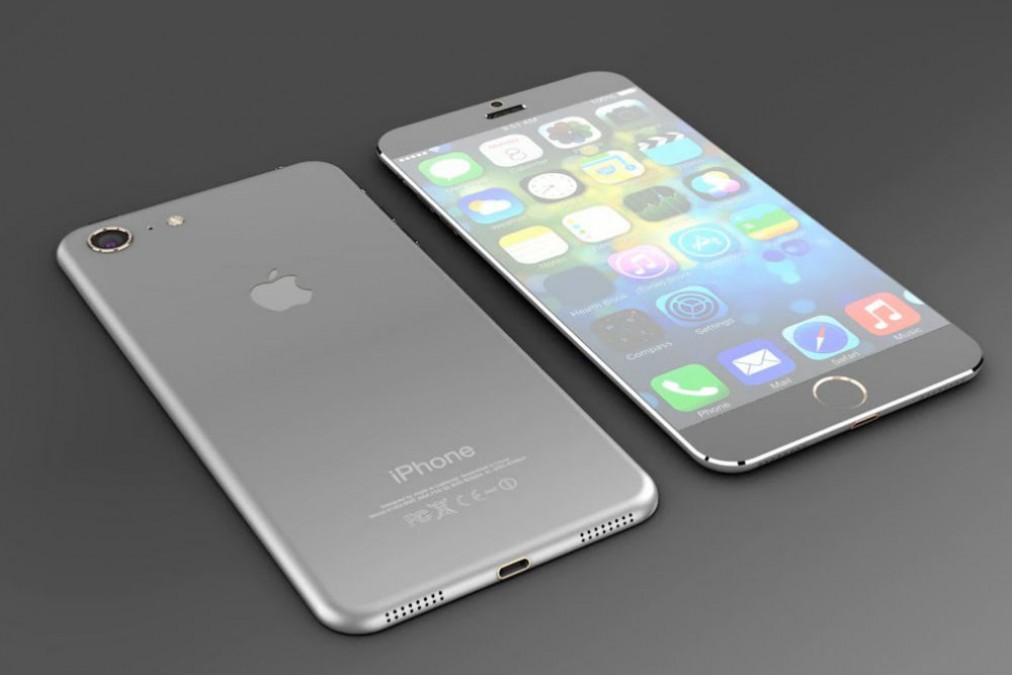
Unofficial render of the iPhone 7
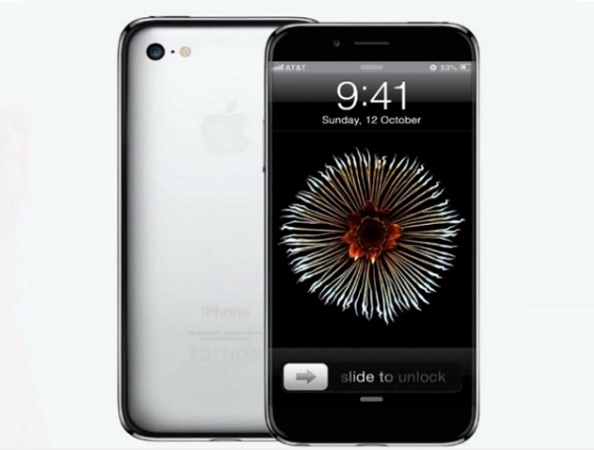
The phone, the analyst says,“resembles an upgraded iPhone 5s”. The new device is going to be different from its predecessors in many ways. Unlike the plastic body of iPhone 5c, Apple is likely to opt for an all-metal body this time, while also ditching 3D Touch. However, the iPhone will also feature an A9 processor. Post a launch early in 2016, about 20-30 million units will be ready for shipment by the end of next year.
When it comes to iPhone 7, Kuo believes that Apple will pretty much remain consistent with its pattern of the third quarter release of the iPhone. Both the 4.7 inch and the 5.5 inch iPhone 7 variants are expected to come equipped with the A10 chip, along 2 GB and 3 GB of RAM respectively.
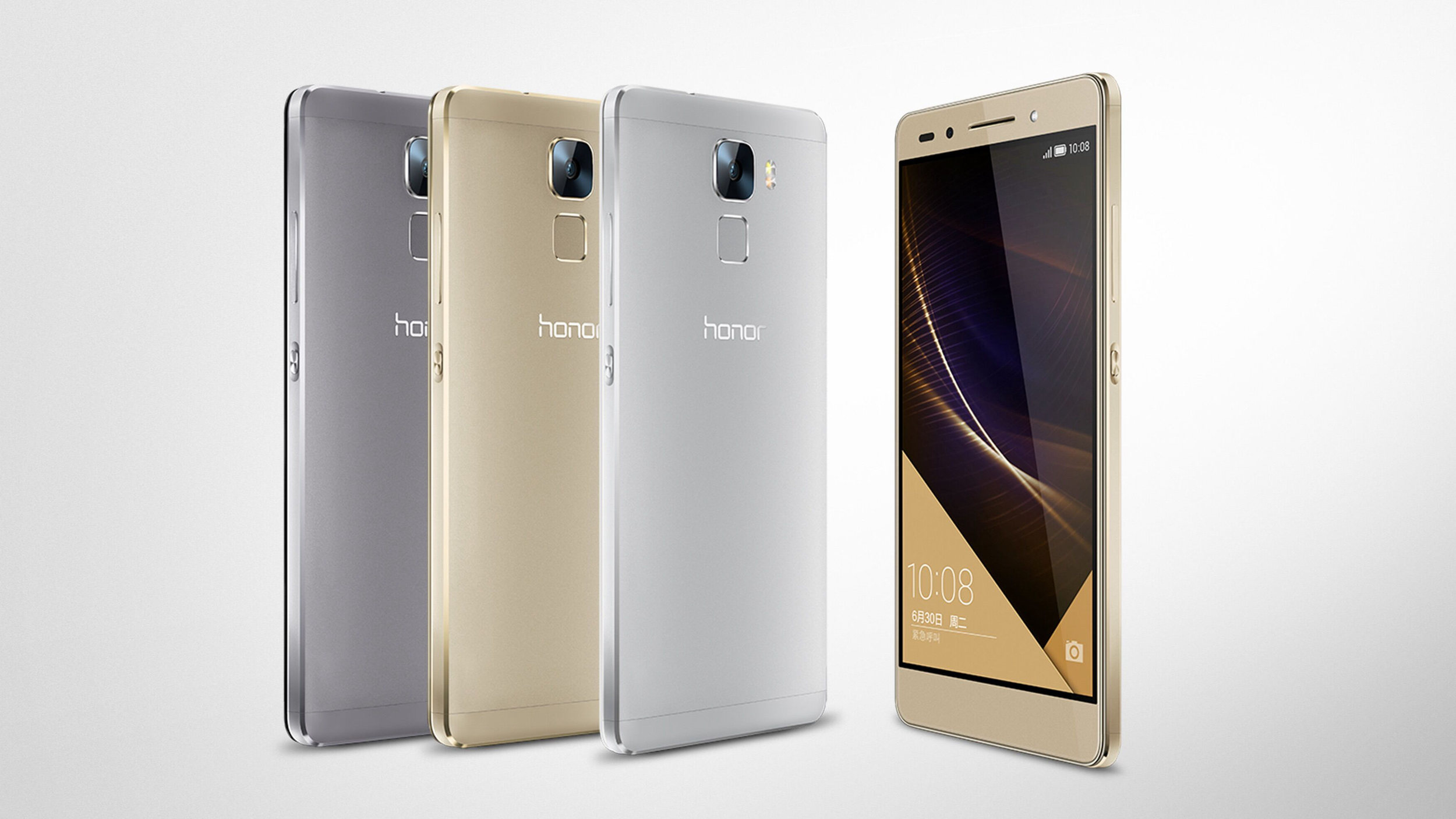
Huawei’s latest update is likely to get Honor users excited. The company has announced February 2016 as the time when Android Marshmallow 6.0 would be available as an update for Honor handset owners. Huawei made the announcement on its Twitter India handle.
Coming soon! Starting February 2016, we will be rolling out Android M to honor phones. pic.twitter.com/BN3gwPqs6g
However, the company is yet to announce when will this update be made available for other Huawei phones other than Honor. Looks like Huawei is busy basking in the success of Nexus 6P, the first Nexus device by the company.
In other news, Huawei is expected to hold an event on the 5th of November which could mark the announcement of its new chipset, Kirin 950. There could also be the announcement of the Huawei Mate 8, the first phone by the company which runs on this chipset. Watch this space for more news about the company.
Postal services in Australia are all set to get more tech-savvy with the help of 3D printers and drones. While Third World countries like India still struggle with basic technology, Australia is all set to incorporate sci-fi Hollywood-like gadgets in their postal system.
The CEO of Australia Post, Ahmed Fahour, said the service is discussing its plans with online retailers to make drones available in regional communities. As part of the same plans, 3D printers will also be installed in Post offices. Fahour commented,
“Some things you want, like household items, could be printed right there and then rather than waiting for it. This is the new world, the technological revolution as opposed to the industrial revolution.”
A fund of 14 million USD has been to set up to provide finances for these plans. They would be provided by the Melbourne Accelerator Programme of University of Melbourne, an initiative for entrepreneurs.
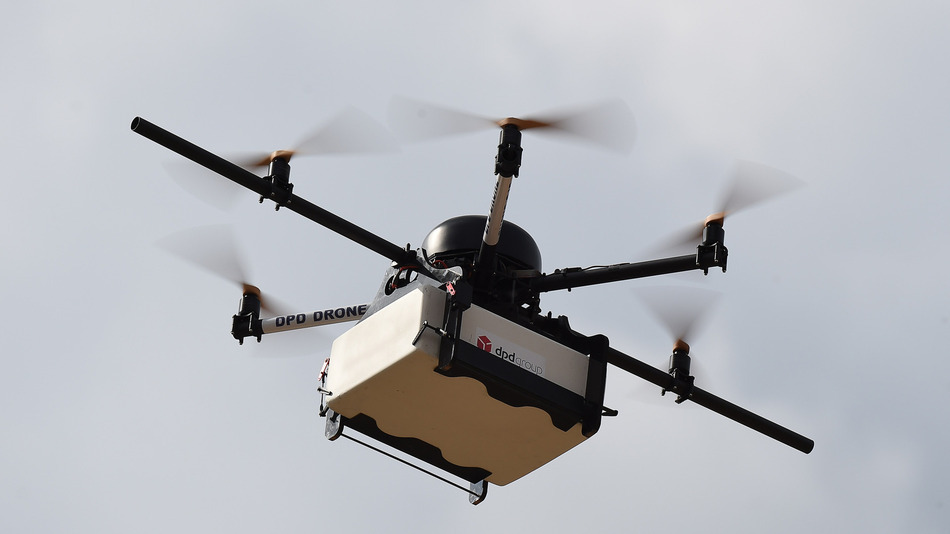
Drones have earlier been seen in Prime Air program of Amazon. The ones to be introduced in Australia will be similar to those and will be able to carry packages weighing up to 2 kilograms. GPS and back-up motors will be some of the technology they’ll come equipped with, to be able to deliver the package on the right address.
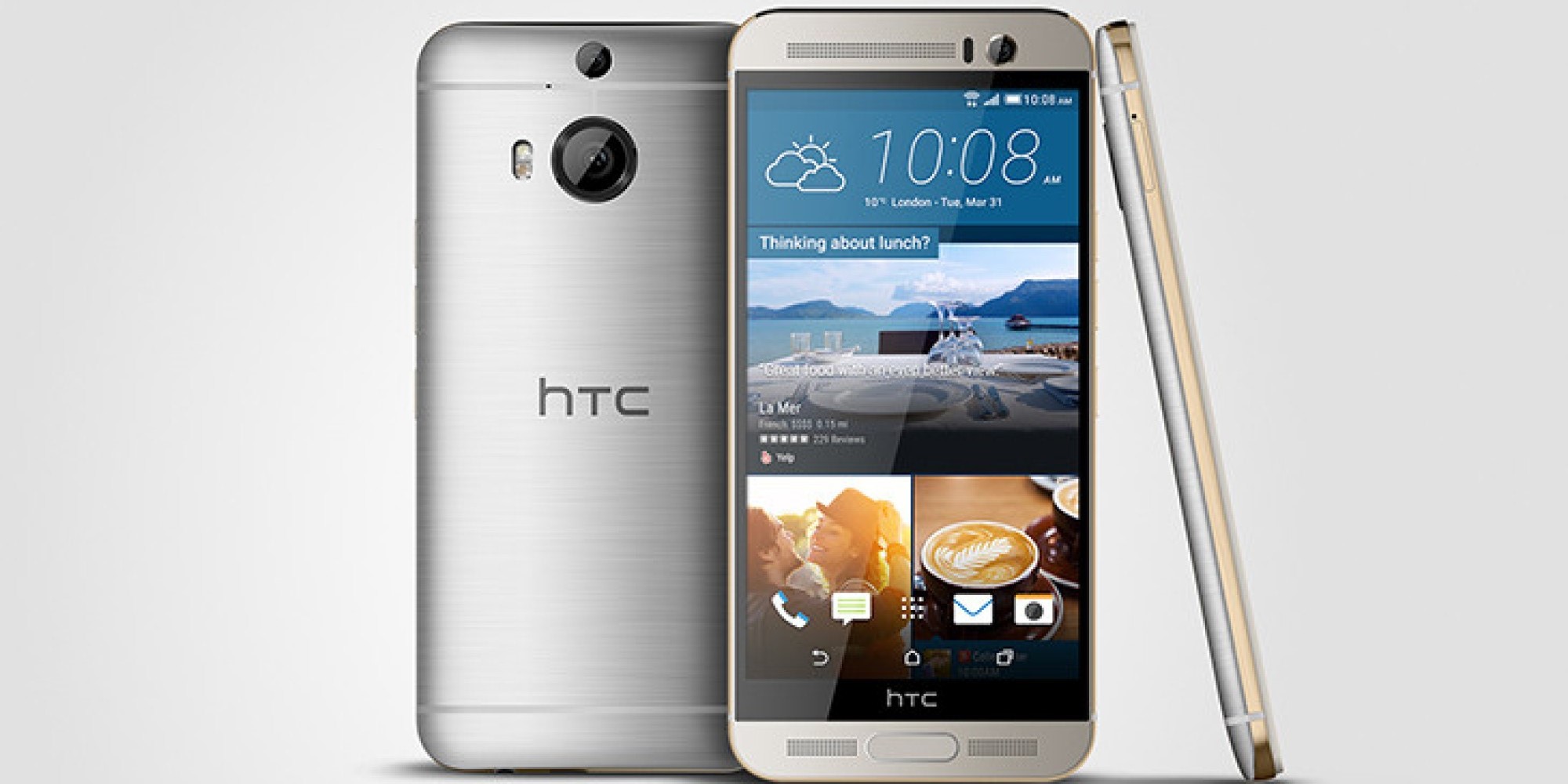
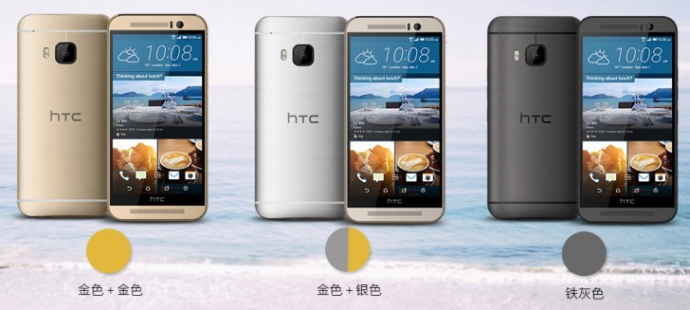
Adding to the fray of HTC’s complicated naming scheme, the company’s newest smartphone HTC One M9e (phew!) has been launched in China. Notice the presence of the ‘e’ here as opposed to the previous One M9, the M9+, the One E9, the E9+ and so on.
This device seems to be a hybrid of M9 and A9 with a 13 MP OIS camera and 1080p recording, minus 4K. The smartphone further incorporates the OneM9+ chipset -the MediaTek MT6795T Helio X 10. This is a step up from the Snapdragon 617 in the One A9 and therefore is capable of 2160p video recording.
HTC has equipped this phone with a 13 MP rear camera and an UltraPixel 4 MP front camera. M9e runs on the older Android 5.0 Lollipop featuring HTC sense. On the RAM front One M9e is marked at 2 GB and comes with 16 GB of storage.
In terms of display, the handset is marked at 5 inches with an 1080p screen. The aluminium unibody of M9e supports a single SIM. Connectivity options for One M9e include 4G LTE, Wi-Fi, Bluetooth 4.1, and MicroUSB 2.0.
HTC One M9e is priced at CNY 2,700 ($425 or close to Rs. 28,000). Though it has been launched in China, it is unclear when will it be made available in other countries.
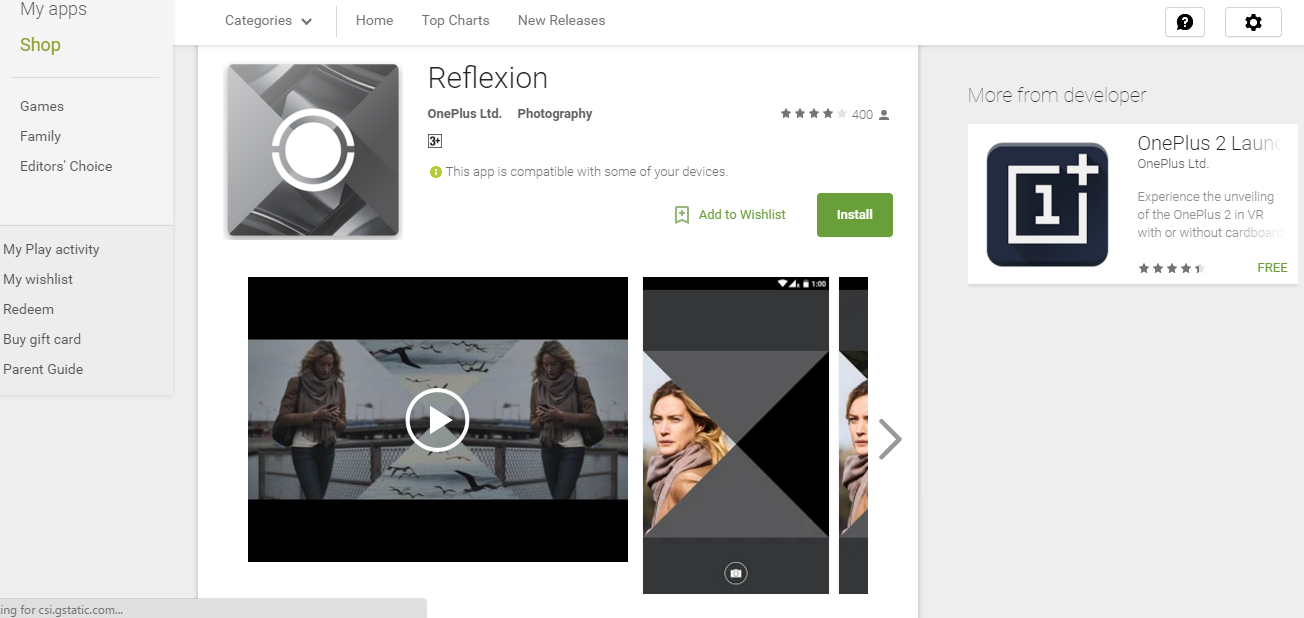
In another of its firsts, OnePlus has now launched a photography app called Reflexion. It has been released as an inspiration of OnePlus X, celebrating OnePlus’ latest device.
“Inspired by our latest device, Reflexion…easy-to-use photography app that explores contrasts and harmony in everyday moments. Capture your world, express your unique personality and share it with those you care about,” says the company.
The app is available for download on both iOS and Android devices. Basically, what the app does is take two photographs, one from the front camera, the other from the rear camera, and it stitches them together in an X-pattern on your screen. Like almost all other photography apps, Reflexion allows for easy sharing options of the picture on social media.
https://youtu.be/XczhUed1X_I
Don’t get too carried away by the fancy video though. We’re not too sure how exciting an addition Reflexion is to the app-world, especially post the song and dance of OnePlus X earlier this week. You can find more information about it on Reflexion’s official website, or you can check out the Google Play listing.
Are you as impressed by Reflexion as OnePlus would want? Let us know in the comments below.
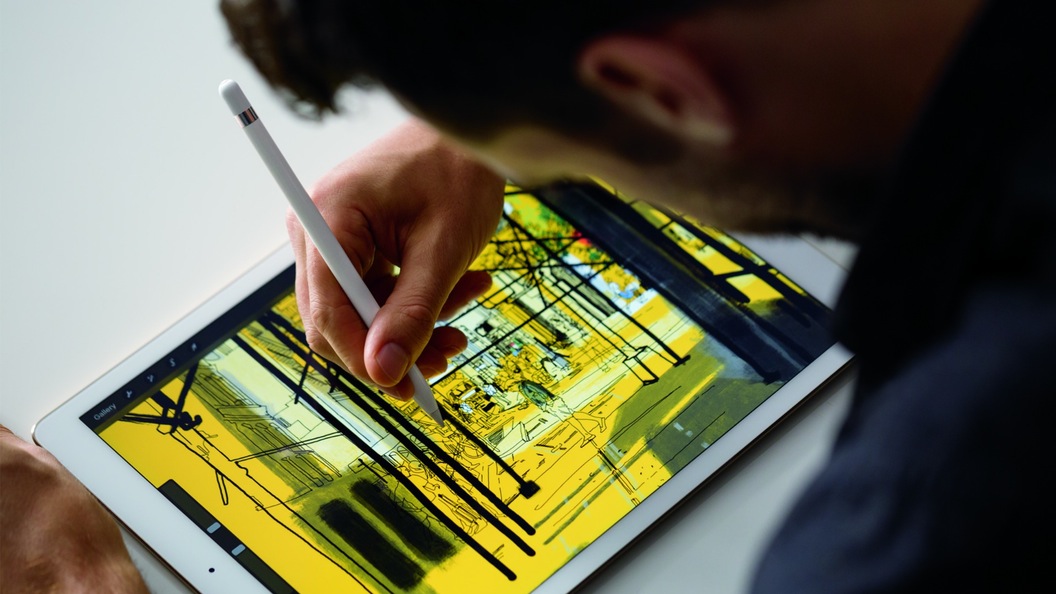
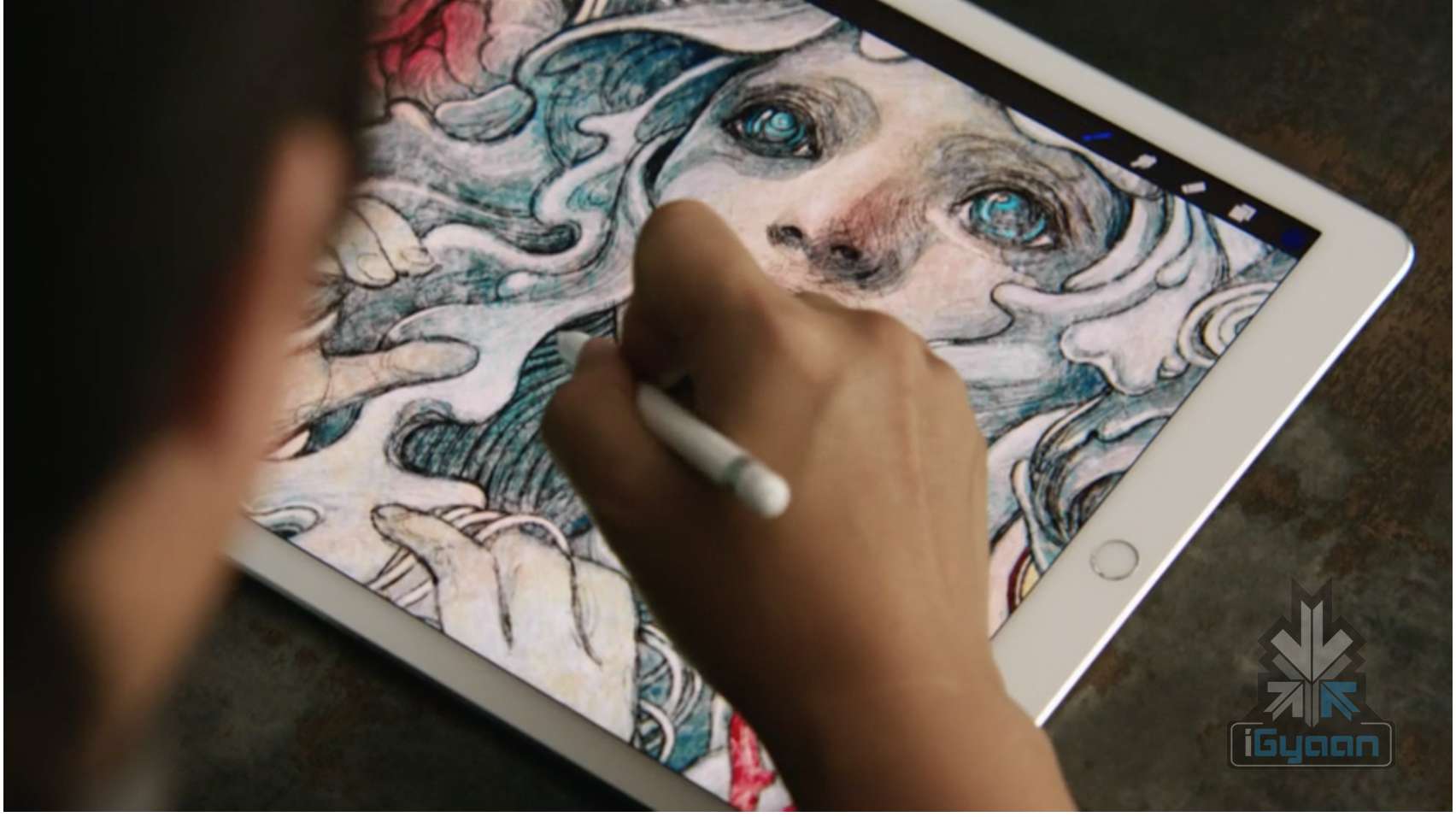
Following Samsung’s announcement of making its On series phones available in India next month, reports have confirmed 11th November as the date for Apple’s iPad Pro to come to the country. The device was launched in September, along with additional accessories and the new iPhones.
Apple had mentioned a November launch for the iPad Pro and now various sources have confirmed the date as eleventh. The Apple Pencil and the Smart Keyboard -accessories for the new iPad – will also go on sale on the same day. Current pricing of the device in the US marks it at $799 (about Rs. 52,000) while the Pencil costs $99 (about Rs. 6400) and the Smart Keyboard costs $169 (about Rs. 11,000). Click here for the specs of iPad Pro.
After the poor response to iPhone 6s and 6s Plus in the country, let’s see how the iPad is received by buyers. Many users believe that there isn’t a specific purpose for the iPad because all work gets done on laptops and cellphones in India. There isn’t basically a need of an in-between device. iPad Pro thus is not much more than another shiny new toy for tech lovers and Apple enthusiasts, don’t you think?
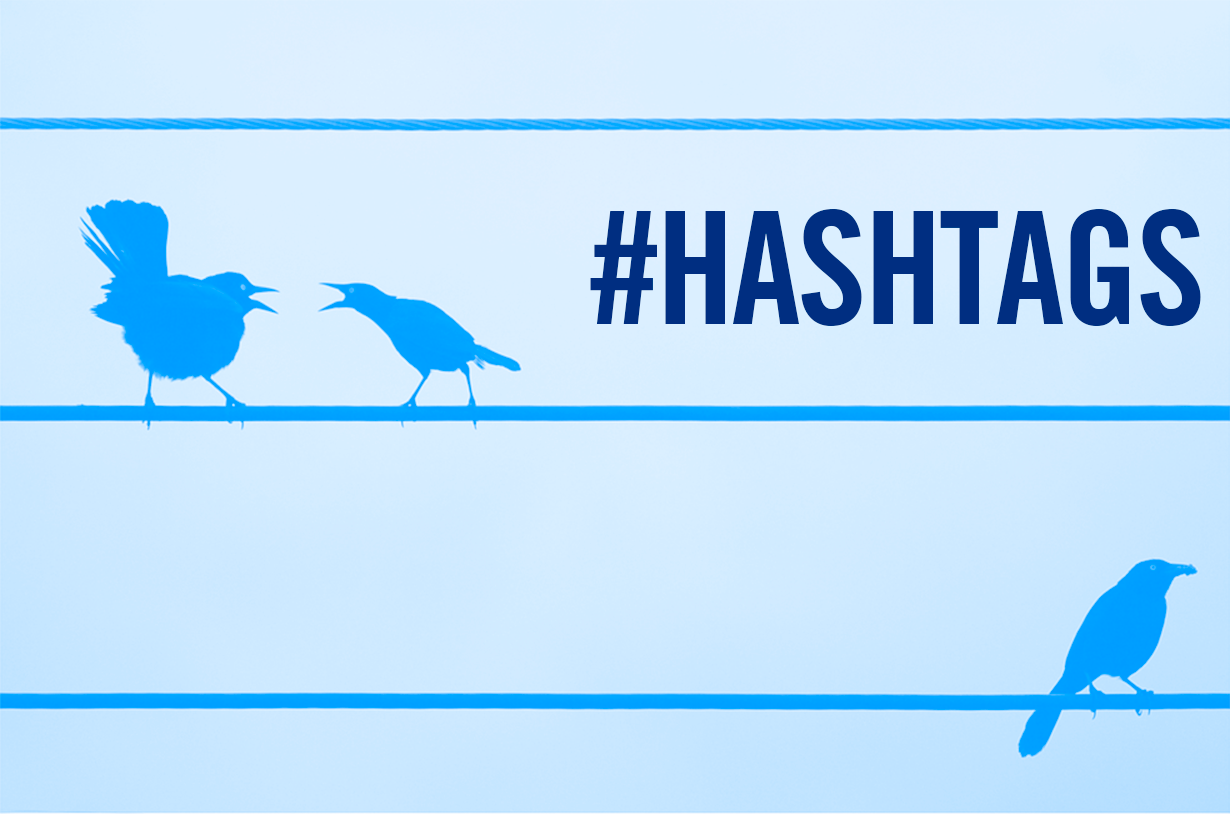
Hashtags are the necessary evil of social media, the quicksands you try to resist with all your might even though you know you are going to be pulled deeper the more you struggle. You continue to struggle anyway, until you give in. Almost every social media denizen goes through the same process of hating hashtags with a passion, and eventually willingly incorporating them in their internet-lingo.
Hashtag on chalkboard
Origin of Hashtags:
Twitter is assumed to be the genesis of this little virtual entity, though no one can pin-point to a specific person, time or day when hashtags came into being. Now they are used to search for topics of interests on social media platforms like Twitter and WordPress, draw traffic to your blogs and annoy everyone in your friend-list with a score of hashtags for a picture of your breakfast.
The Most Popular Hashtags on Instagram:
Believe it or not, #boyfriend happens to be one of the top 50 hashtags on Instagram. And no #cat is not part of this list. Here’s a list of the top ten hashtag on Instagram.
#fashion
#friends
#smile
#like4like
#instamood
#family
#nofilter
#amazing
#style
#sun
News and Updates Via Hashtags:
Hashtags allow users to stay abreast of all that’s happening in the world. Specific interests in sports or films can be taken care of with the help of hashtags like #cannes2015 or #worldcup2014. Cuing in these hashtags on a platform like Instagram would take you to hundreds and thousands of images on the topic.
Voicing Opinions:
In terms of social change, hashtags have played a big role. Even celebrities have taken to the internet, using hashtags to draw attention to important issues like gender equality, or to speak out against anti-social activities.
Actors David Tennant and Tom Hiddleston took to the internet to talk about feminism and gender issues in the pictures above. Emma Watson is another actor who used hashtags to raise awareness about the abduction of about 200 hundred girls by Boko Haram.
Both of the above hashtags, #heforshe and #bringbackourgirls have gone insanely viral on social media in the past with people all over posting pictures with the tag. Similarly, 2014 saw the usage of #illridewithyou to show support for Australian Muslims using public transport.
Acceptance of These Little Devils in Our Lives:
Following suit with the word ‘selfie’, hashtag was added in the Oxford English Dictionary in June last year. Also, a collaboration of Twitter with American Express allows individuals to purchase goods online on discounted prices. These are just some of the examples of how hashtags are part of our lives now and they are here to stay.
Who is to say the pictures of your pet, the last meal you had or that new haircut selfie would have been the same without a dozen hashtags? Here’s to hashtags and all that they’ve done for our virtual selves.
Hitler tried it, so did Soviet Russia, Hollywood cannot get enough of it and countless people still endorse it all over the world. Debates around the topic just don’t seem to end. Here’s a look at what eugenics is all about.
What is Eugenics?
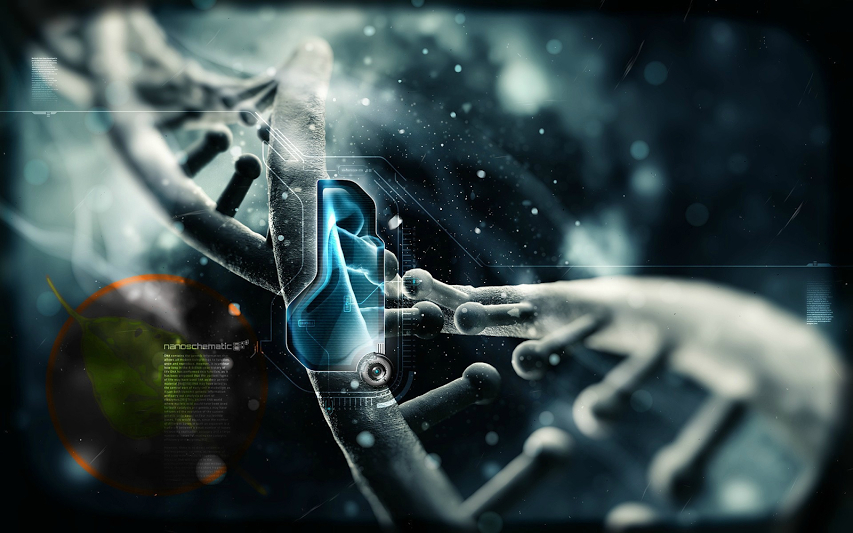
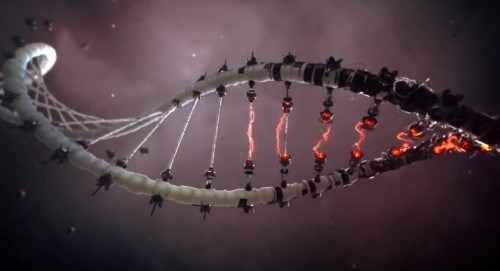
Eugenics refers to an attempt to improve the over-all quality of the human species by choosing which traits are to be passed on to the other generation. It basically is a borderline messed up concept about closely altering the genetic make-up of future generations.
How Recent is the Idea of Eugenics?
Not recent at all. The beliefs and principles of eugenics have been around since the time of Ancient Greece. However, modern eugenics date back to only as late as the 20th century. It began with Britain and spread to many parts of the world including the United States.
Messages about eugenics during the 1930s in an American city.
Hollywood, because that’s how it rolls:
Hollywood never disappoints when it comes to taking sci-fi theories to random levels of creativity and imagination. Two iconic products of this industry based on eugenics are the Ethan Hawke-Uma Thurman starrer Gattaca, and the 1917 film the Black Stork. The latter film was re-released in 1927 under the title Are You Fit to Marry?
Uma Thurman as Irene Cassini, a eugenically conceived character in Gattaca
Eugenics in Politics:
The most significant example in this case is that of Adolf Hitler and his campaign of ‘purifying’ the German race by the mass extermination of Jews. One of Hitler’s main goals was to preserve, or as he saw it, the purity of the Aryan German race as he went ahead to categorise large groups of people as “life unworthy of life”. Who else is glad this isn’t 20th century Germany?
The USSR has as disturbing a history as Germany when it comes to eugenics. It began as a systematic field of study in the 1900 with the Imperial era and lasted significantly right until the end of Stalin’s reign in 1939, when it begun to be viewed as a ‘fascist science’. It started as discussions on heredity, diversity and genes in the early 20th century and went ahead to become a full-fledged scientific discipline with societies and periodicals within a couple of decades. Though Stalin’s period saw the last of it, narratives about Russian eugenics are still prevalent in contemporary times.
Eugenics -the Foundation of Transhumanism:
We recently spoke about transhumanism and how this movement attempts to make the human species efficient with the use of technology. Transhumanism in a way, therefore stems from eugenics -a belief which conceives a world made of only the strongest and the best of their species, which in turn means getting rid of the weak and the inefficient.
Science has convinced us of its tendencies of being more than just disturbing -with phenomena like Artificial Intelligence, transhumanism and eugenics. There is also a sense of elitism among eugenicists who believe how some races are superior to others and therefore their existence should be privileged at the expense of other races. 21st Century Wire sums it up aptly when it says,
Eugenics rests on a necessity of there being superior and inferior genetic pools in the human population. It might be very socially unacceptable to speak publicly of there being some races, ethnic or cultural groups who are inferior to the rest, yet in secrecy this is exactly what elite Eugenicists believe.
Eugenics too joins the fray of one of the many theories and propositions ricocheting in the world right now. There has never been a consensus about it and it doesn’t seem likely to be reached in the near future. Do you think you’d be okay with genetically altering your progeny if it meant they would be the best of their kind, or would you rather let nature take care of it like it has done so far?
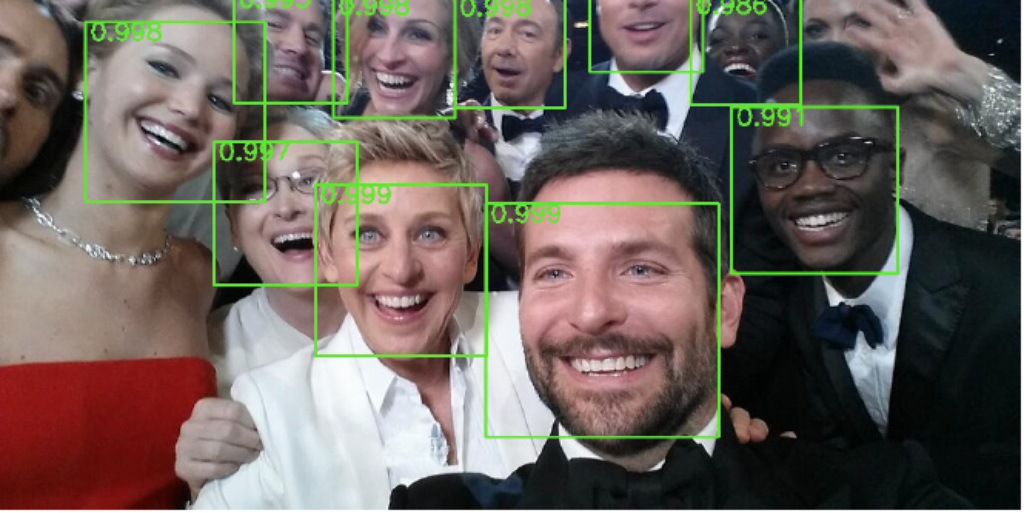
A team of researchers from Germany and the US have developed a first of its kind face break-through in video recording. They have developed a method which copies the facial expressions of the source actor and transfers them as it is to the target actor.
The software trackers keep a close track of the subject’s face even when it’s away from the camera, or in different light conditions of the source and the target actor. It was at the University of Erlangen-Nuremberg, the Max Planck Institute for Informatics, and Stanford University that this technique of facial expression reenactment was developed. It will be presented in the computer graphics conference in Japan in early November.
Imagine your words coming out of one of these pretty mouths.
Even though the software doesn’t register eye motions, it takes into account the shape, size, colour, angle of the face, and then transfers the facial expressions with the help of a proxy mouth on the target actor’s face. The technology holds immense potential if worked upon further. It can be used in multi-lingual video conferences for real-time translation, along with being used in virtual reality and editing.
“It seems like there’s a lot of demand for it. Essentially it can do to video what Photoshop did to images,” says team member Matthias Niessner.
However, as always, this software comes with its own potential dangers if put to misuse. It can be used in identity thefts and wreak different degrees of havoc depending on the person being impersonated. The team which developed this software is convinced that all these activities can be checked and prevented with the right technological regulations.
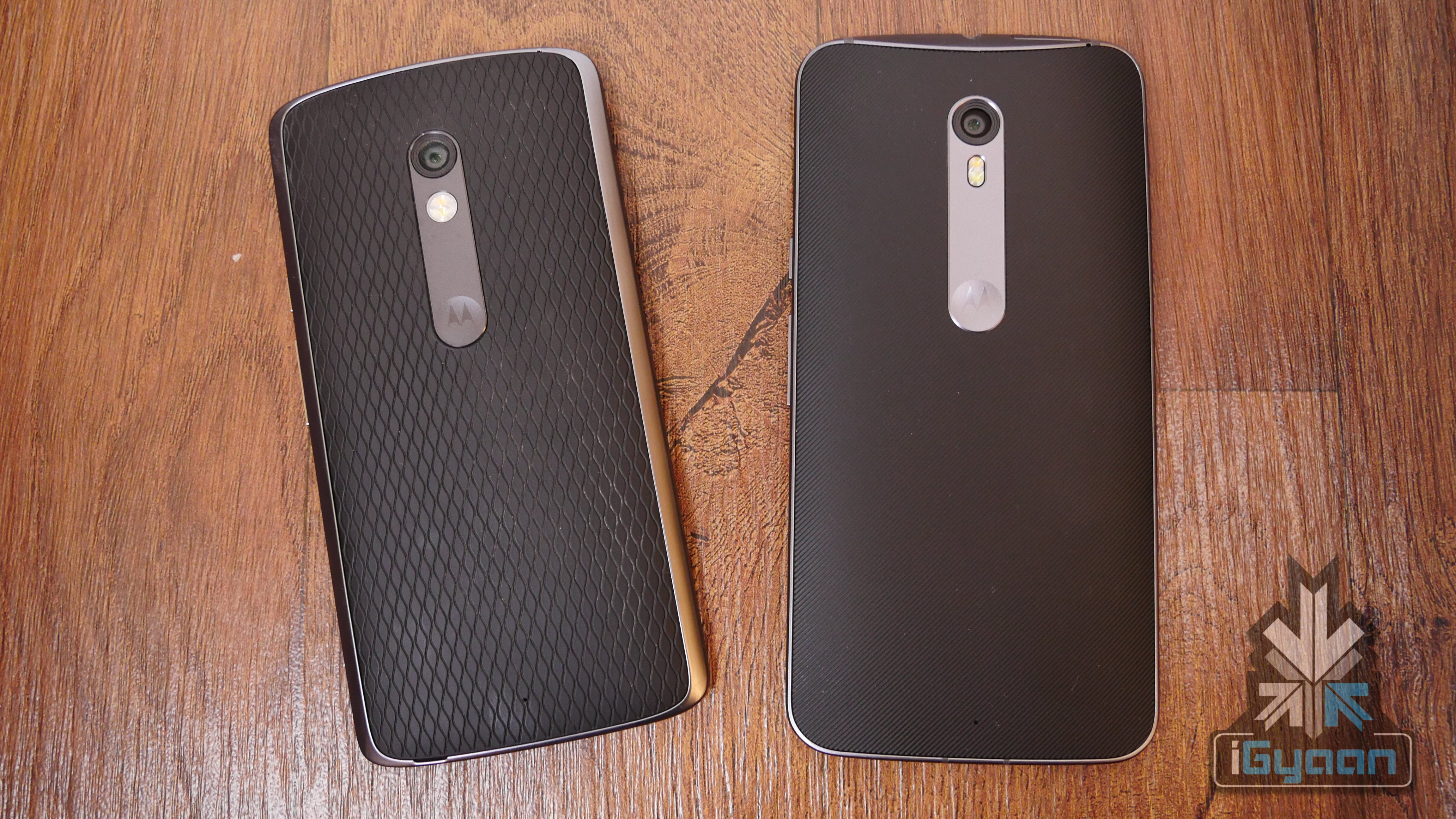
After making news with Moto X Play and Moto X Style, Motorola is all set to launch its new smartphone, Moto X Force, in India next month. The smartphone is expected to hit the market with its current price tag of $624 (Rs. 40,000 approximately) and $720 (Rs. 47,000 approximately) for the 32GB and 64GB variants respectively.
Moto X Style and Play
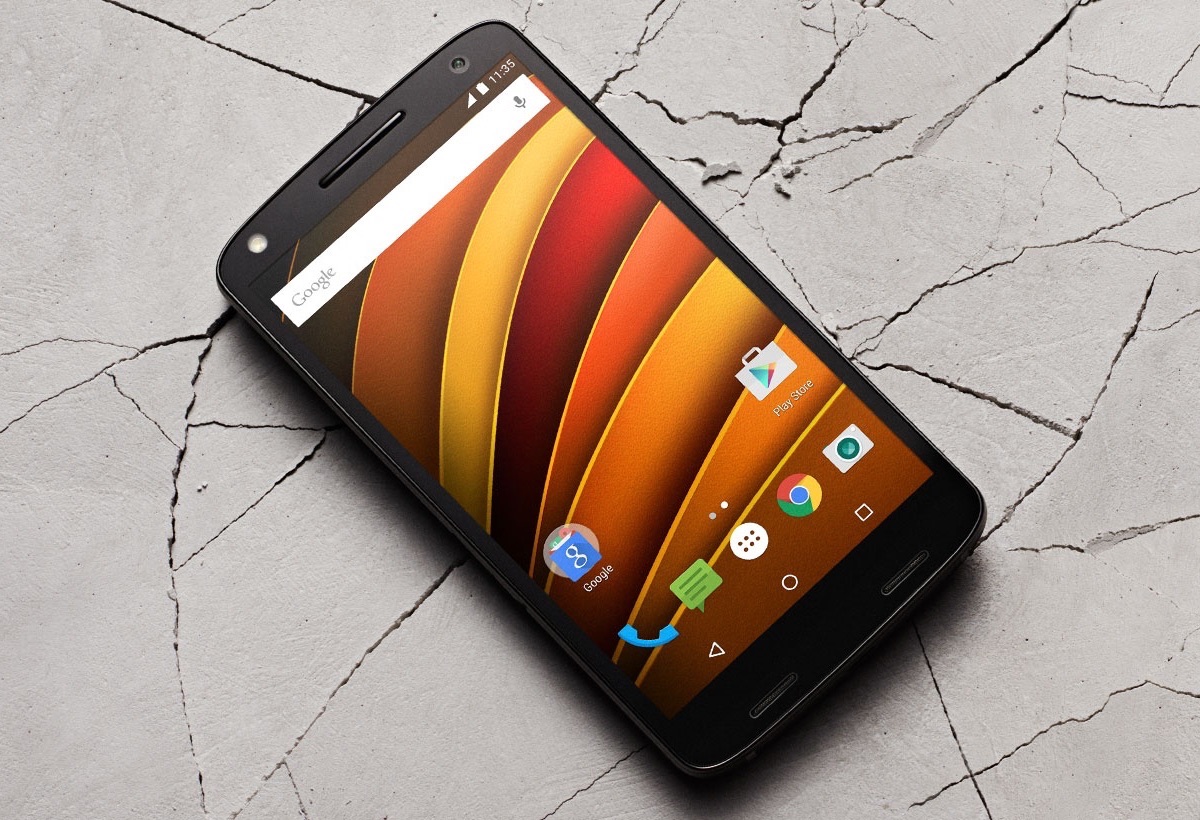
The highlight of the device is its super-hardy screen. Motorola claims to have integrated a ‘Moto Shattershield’ technology in the display of Moto Force which, it says, is the first shatterproof screen in the world. The company feels confident enough to affirm the screen would stay intact for up to four years, owing to the multiple layers of different materials used in making it capable of absorbing shock and providing protection against cracking.
Moto X Force has been already launched as Droid Turbo 2 exclusively for Verizon users in the US. Moto X Force is the name of the global variant of this smartphone which will go on sale in Latin America, EMEA, and APAC (including India) starting this November.
https://youtu.be/JJWmBFV2GHM
On the specs front, Moto X Force packs a 5.4 inch Quad HD display with a resolution of 2560×1440 pixels. It is powered by Qualcomm Snapdragon 810 octa-core chipset along with 3 GB of RAM. The two internal storage options of 32 GB and 64 GB are expandable up to 2 TB with the help of a microSD card.
The phone comes equipped with a 21 megapixel main camera along with a 5 megapixel selfie camera. The battery is marked at a 3,760 mAh, which Motorola claims is sufficient for lasting up to two days of mixed usage. The battery also features Quick Charging support. In terms of connectivity, Moto X Force includes single-SIM card slot, 4G LTE, Wi-Fi, Bluetooth, and runs on 5.1.1 Lollipop.
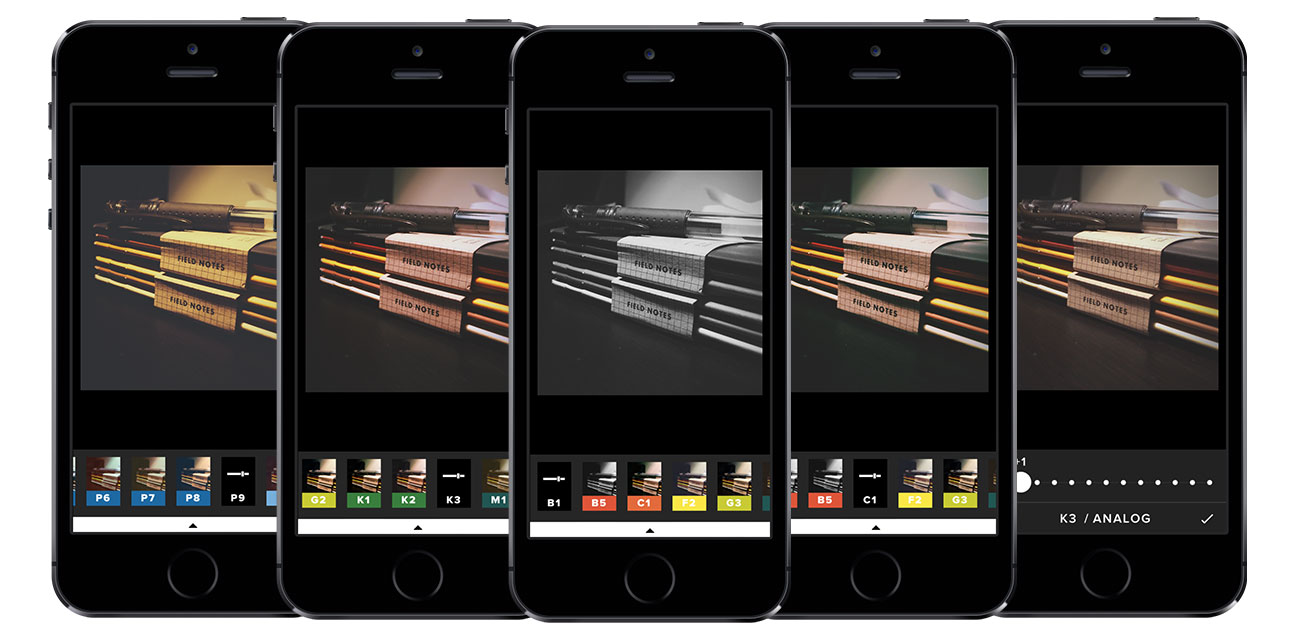
Whether or not a consensus has been reached on the pronunciation of the word, GIFs are all set be a bigger part of our virtual lives. VSCO Cam have decided to follow suit with lots of other developers and come up with its own GIF-making app. However, the glitch is this app is only for iOS users.
https://youtu.be/cthr_L7wt5A
DSCO, an Instagram-like app, is unveiled by the company for achieving the moving image effect for a footage of few seconds. This mobile photography app allows you to choose filters and presets, developed along with MTV and others, for your GIF before posting it on one of the social media platforms or on the company’s own portal. The app is available as a free download for all iOS users.
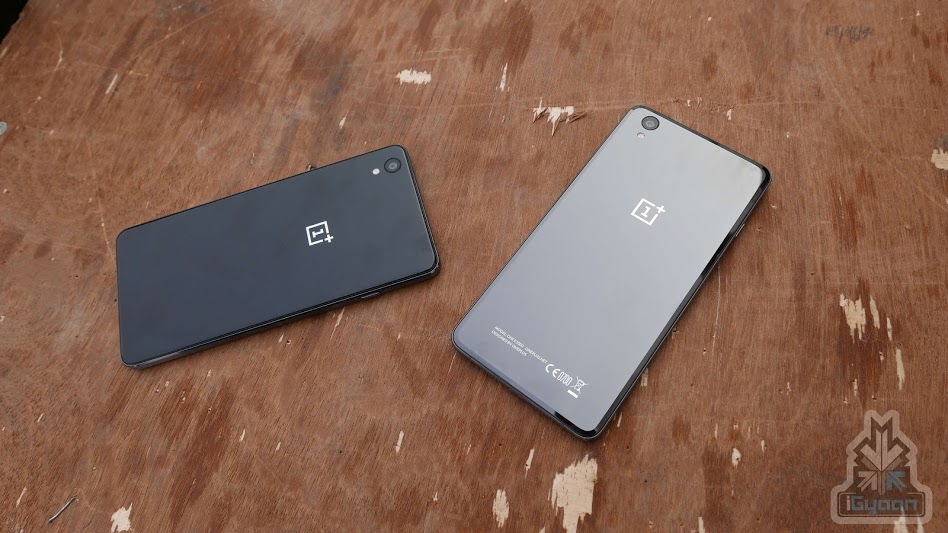
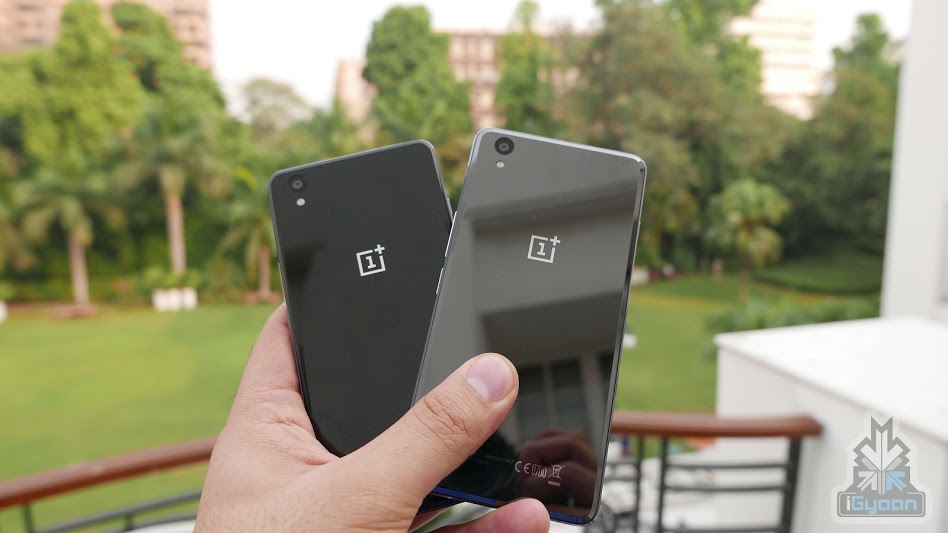
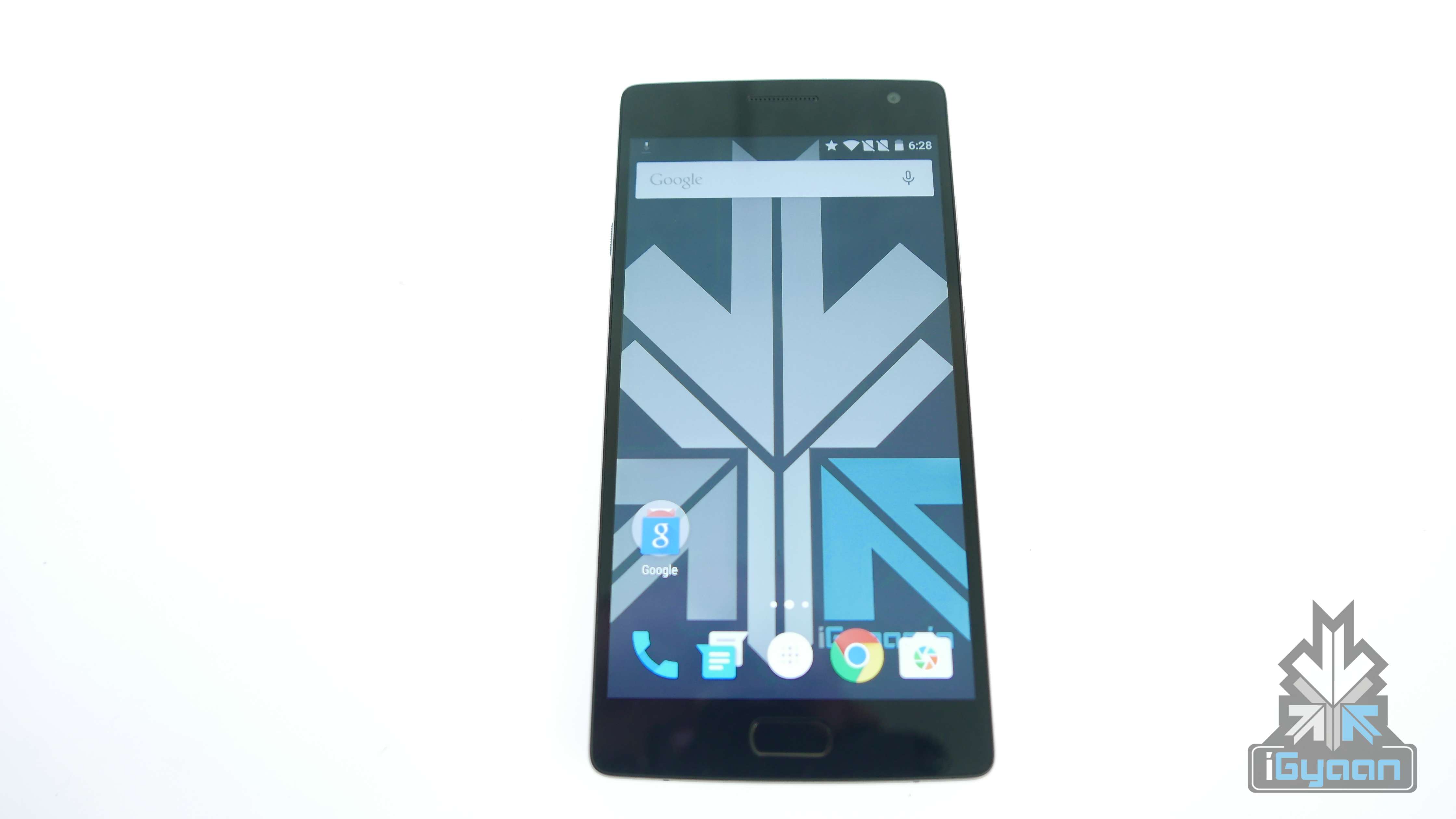
After teasing audiences for a while on social media, OnePlus launched OnePlus X in India today. The company launched its predecessor, OnePlus 2 in July this year. OnePlus 2 had been made available for sale on an invite-only basis initially, but later it was put up for open sale as well.
OnePlus X
The glass ceramic limited edition variant of OnePlus X costs Rs. 22,999. The price is same as that of the 16 GB variant of OnePlus 2. However, the 16 GB variant of OnePlus 2 is priced at Rs. 22,999 which is far ahead from the Rs. 16,999 of OnePlus X onyx-back variant.
OnePlus X has only one storage option which is 16 GB, but it’s expandable upto 128 GB with the help of a microSD slot. Find a comparison of the specs of the two OnePlus devices below and let us know which one you would be willing to stake your money on.
OnePlus 2
Specs
OnePlus X
OnePlus 2
Display
5 inch full HD Amoled display, Corning Gorilla Glass 3
In addition to the above mentioned specs, OnePlus X has dual sim, two variants -one with an onyx back, the other with a glass-ceramic back which is a limited edition variant, 11 mm drivers and is available in two colours -gold and graphite.
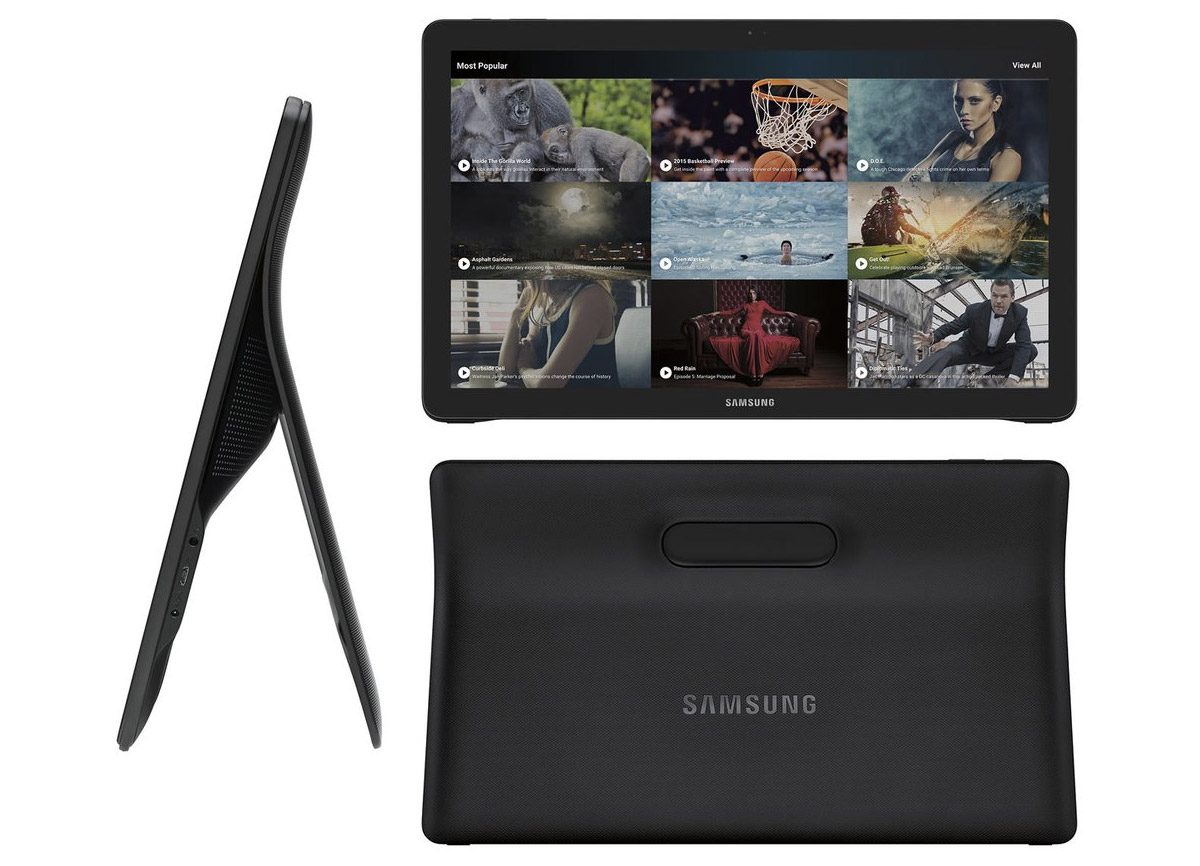
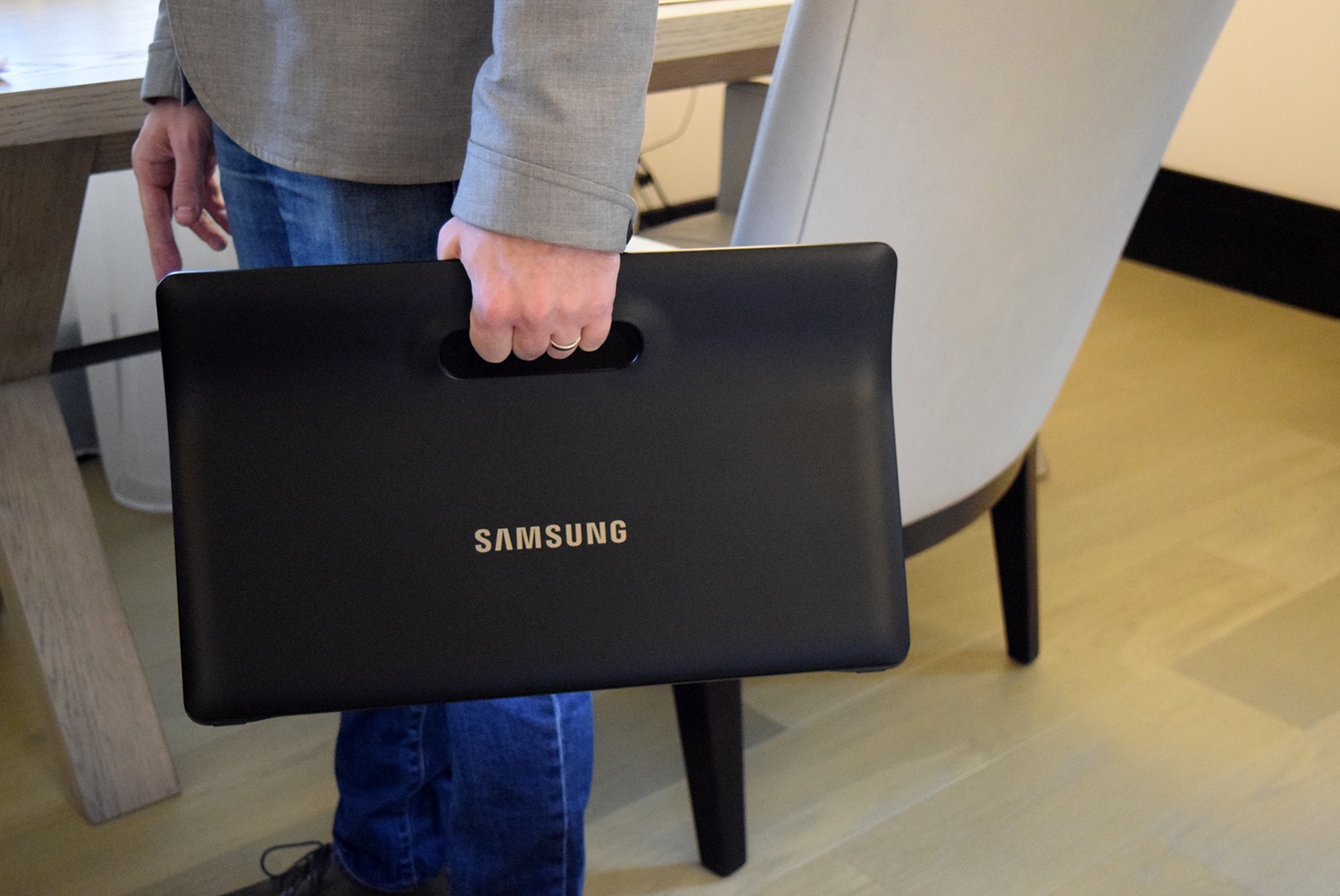
Samsung’s newest addition to the tech world includes an 18-inch device which is a hybrid between a TV and a tablet. With its size and measurements and a handle in its design, the device is meant to be carried around like a briefcase. It’s clear from the start the main purpose of this gadget, Galaxy View, is video streaming and viewing. But honestly, don’t we already have laptops and television sets for that? The physiological need to watch videos to the extent of lugging around an 18-inch device is a little hard to imagine.
The Korean company claims that Galaxy View is an attempt to achieve a middle ground between a TV and a tablet. However the screen has no 4K, QuadHD or Retina display. What it does have is full HD 1920X1080 resolution display instead. The screen specs were chosen keeping in mind the battery life. The Galaxy View can provide up to 8 hours of viewing with 5,700 milliamp-hour battery.
The team at Samsung cannot have enough of their little baby. Sean Bornheimer, a senior manager of product for Samsung Design of America says,
“Multiple people can view, which is very difficult with other kinds of portable devices. It’s really about the experience and less about the specs.”
The operating system of the device -since we’re unsure of what else to call it – is Android 5.1.1 Lollipop and it comes with a 1.6 GHz octa-core processor and 2 GB of RAM. The two variants are marked at 32 GB and 64 GB memory respectively expandable up to 128 GB. The base model is wi-fi only but an LTE model would be made available soon, claims Samsung.
It is unclear what exactly Samsung aims to achieve with this device, or who exactly is the target audience. However, because the specs of the device are not high-end, the price can be expected to be low enough to draw customers. Either way, all the best with being adventurous, Samsung.
Following the official announcement of its revenue and profits for the fourth quarter, Apple reported that one third of iPhone buyers during the quarter had been using Android devices before the switch. The company also claims this shift to be the largest ever since they started tracking people’s movements from one OS to another, three years ago.
Needless to say, Tim Cook is more than just glad about the news, especially in the light of the lukewarm response the new iPhones have received since their launch in September. Cook comments on the switch of so many users to iOS and says,
“That number is the largest that we’ve ever recorded since we began measuring it three or so years ago. It’s a huge number and we’re very, very proud of that number.”
No doubt this movement has been one of Apple’s goals for a while now and the company has left no stone unturned in achieving it. The recent ‘Move to iOS‘ app of the company which allowed users to switch their Android devices to iOS is one such attempt.
The fourth quarter ended on the 26th of September, which means it could include only two days of the iPhone 6s and 6s Plus sales. With the new iPhones not faring as well as Apple expected or would have preferred, it would be interesting to see Apple’s report for the next quarter. There will be more colourful bits of news for both Apple loyalists as well as haters once that report is made public. Hold your breath until then.
When the Facebook Messenger was launched for the first time in August 2011 as a standalone app for mobile phones, it was unclear where the company is headed with it. No doubt it was very convenient to have quick access to all Facebook messages, but the app didn’t serve any other purpose beyond that. In the face of other IM services like WhatsApp and Blackberry Messenger, the app was almost useless.
Other than eating up a lot of the phone memory and battery, Facebook Messenger for mobile phones did not do much. However, with the recent updates to the Messenger it seems Facebook might be headed somewhere with it.
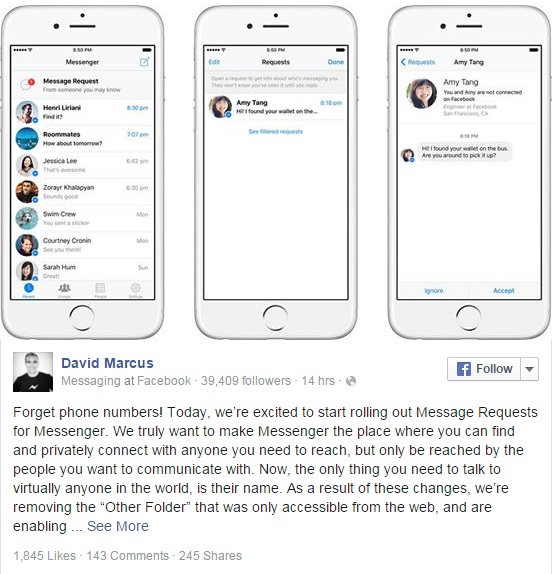
Post the update of the Facebook Messenger, users would no longer require phone numbers to communicate with each other. Only your name and Facebook Messenger would be sufficient for people to contact you. The “Other Folder” would cease to exist and the user would have the option of accepting or rejecting new requests.
Messages of people in your Facebook contact list or those whose phone numbers are recorded in your synced phone would be directed towards your inbox. The others would simply fall under the category of ‘pending’ messages.
A message from a contact would be differentiated from one from a stranger and therefore would be presented to the user accordingly for response. Therefore those worried about privacy concerns can let go of the anxiety. Additionally, ‘ignoring’ people’s requests on the Messenger won’t give them any notification. So you can ignore the messages away without the fear of coming across as a sociopath.
This development in the Messenger seems like an attempt by the company to provide people a new mode of communication where they don’t even have to depend on phones or emails. They would instead have to depend on Facebook.