Author: Sanket Vijay

  • Should You Subscribe to Netflix in India?

    Should You Subscribe to Netflix in India?

    Netflix announced that its taking measures to stop subscribers that use proxies in order to stream shows and movies that are only available outside their own country. “In coming weeks, those using proxies and unblockers will only be able to access the service in the country where they currently are,” David Fullagar, Netflix’s VP of content delivery architecture, wrote in a blog post. “We are confident this change won’t impact members not using proxies.”

    The internet streaming giant recently went global at CES 2016, launching its services in a number of new countries including India. However, the launch of Netflix also comes with a few potholes. Let’s have a look at some of the pros and cons of having Netflix in India, and whether those who have been eagerly awaiting the service should go for it or not.

    Pros

    Netflix is Completely Legal

    Online streaming, be it music or videos, is the next big thing. Gone are the days of actually owning physical CDs and a DVD player (Well, almost). And rightly so, when one can now find all the content available online. The only contention is does one take the privacy route or does one go completely legit. The problem was for a long time that privacy allowed people to get the latest of content in entertainment quickly through torrents and other ways that aren’t legal.

    Netflix, however, is one of those companies out there that’s trying to fight online piracy. It’s channel and the contents are completely legal and are available though subscription. Yes, you have  to pay, but it is worth given the content Netflix is offering.

    Censor Board’s Got Nothing on Netflix

    Netflix is completely and 100% uncensored. In a country where the censor board is looming around every corner, waiting to censor explicit (even mildly explicit) content. Netflix, however, does not fall under the jurisdiction of the censor board, as of now. And there are some shows and movies out there that just need to be seen the way they were meant to be seen. So for those who just abhor the beeps and cuts when enjoying their favorite movies and shows on television, can watch them uncensored on Netflix.

    neflix india

    Netflix Guarantees Top Notch Quality, No Pop Ups

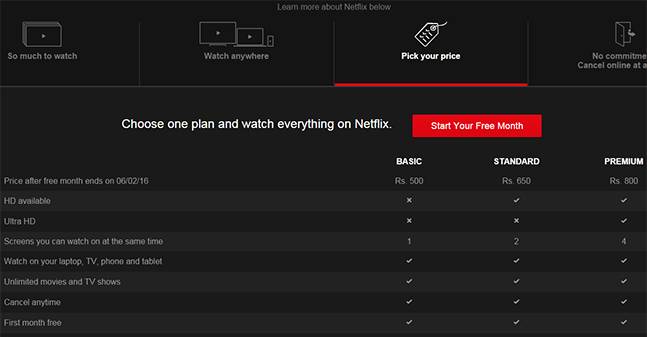
    Being a paid service mean subscribers expect some benefits. When it comes to watching videos (and streaming them more importantly), one expects quality and clarity. This is what Netflix promises with its service. The Subscription plans are divided into three – the basic plan which costs Rs. 500 doesn’t provide HD quality, while the Rs. 650 and Rs. 800 plans do. The best choice for customers would be the middle one where HD quality and unlimited streaming are both offered. So, the one thing you can expect, if not anything else, is good streaming quality.

    Another piggy back pro that can be included here is the lack of any pop ups or ads. While there are many free streaming sites available online that can give you shows and movies for free, these sites come cluttered with pop ups and possible viruses as well. So Netflix is the way to go for a clear screen with high quality streaming.

    netflix-devices1

    Anytime, Anywhere

    This is the main selling point of any online streaming site. The whole idea is that you can watch your favorite content anytime across multiple devices. That’s the one downside to television, isn’t it? Fixed airing times mean that one is bound to miss out on some shows a or movie.

    Netflix lets you watch any content (that’s available in its catalogue) anytime, and through laptop, mobile, tablet or even PlayStation and Xbox consoles. You can resume where you left off or binge through an entire season, the choice is yours.

    Cons

    Bandwidth Still a Problem in India

    India is still catching up in terms of bandwidth. Speeds are good these days but still has a ways to go before we’re quite there in terms of seamless connectivity. Netflix is a guzzler of bandwidth and you will you require a decent broadband speed (2 mbps and above is good), and a ton of gigabytes in your plan. In effect, your total cost (subscription and broadband) will be above Rs 1000 at least.

    Movies will drain a lot of data, be it on broadband or cellular, which means you will have to shell out a lot more for that. 3G connectivity will be needed while streaming and you may experience regular buffering.
    netflix-inline_010616113701

    Few Takers in the Indian Market

    At least initially, Netflix in India is going to find a very niche audience. Many are yet unaccustomed to the online streaming site or the content it has to offer. Moreover, indian streaming sites like Hotstar already enjoys a huge population and these sites also deliver a great variety of Indian content, more so than Netflix. So, audience may prefer sticking to local streaming sites rather than dabble outside.

    Lack of a Full Catalogue

    Netflix subscribers do not have access to a lot of content due to a number of restrictions that are country specific. Netflix has arrived in India with a number of shows and movies that are still wanting. In order for subscribers in India, for example, to stream a show like House of Cards (which is unavailable on Netflix India), they would have had to bypass their own country and jump on to say the US region using proxy applications to watch the show. This is due to television channels owning exclusive rights to broadcast these shows in India.

    The practice of using VPN, proxies and unblocking tools to bypass viewing restrictions has become pretty common these days. Indeed, since the launch of Netflix India, a number of stories have emerged online suggesting applications and tools with which one can do this. Netflix says it is working on bringing a full catalogue of content everywhere, and is working hard to stop proxy access.

    While the pros and cons seem evenly matched, there is no denying that Netflix is here to stay. Despite not having a full catalogue, Netflix has some pretty great shows on offer which are definitely binge worthy. The first month is free so there’s no harm in trying it out before you make up your mind, is there? We suggest you start binging on Black Mirror, Narcos, Daredevil, Jessica Jones, Orange is the New Black, for starters. Lastly, their original content is brilliant so go ahead, Netflix and chill!

  • Mi India Announces Price Cut for Mi Pad

    Mi India Announces Price Cut for Mi Pad

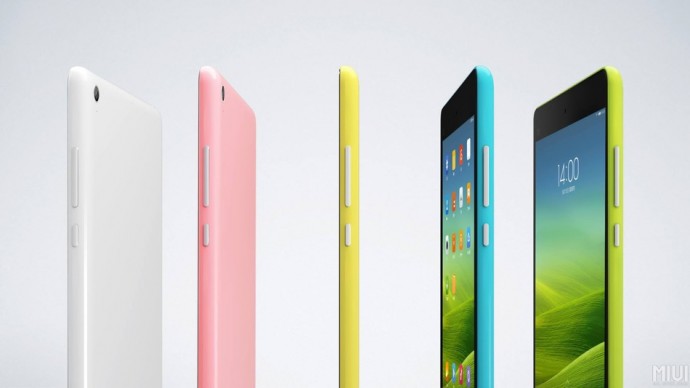
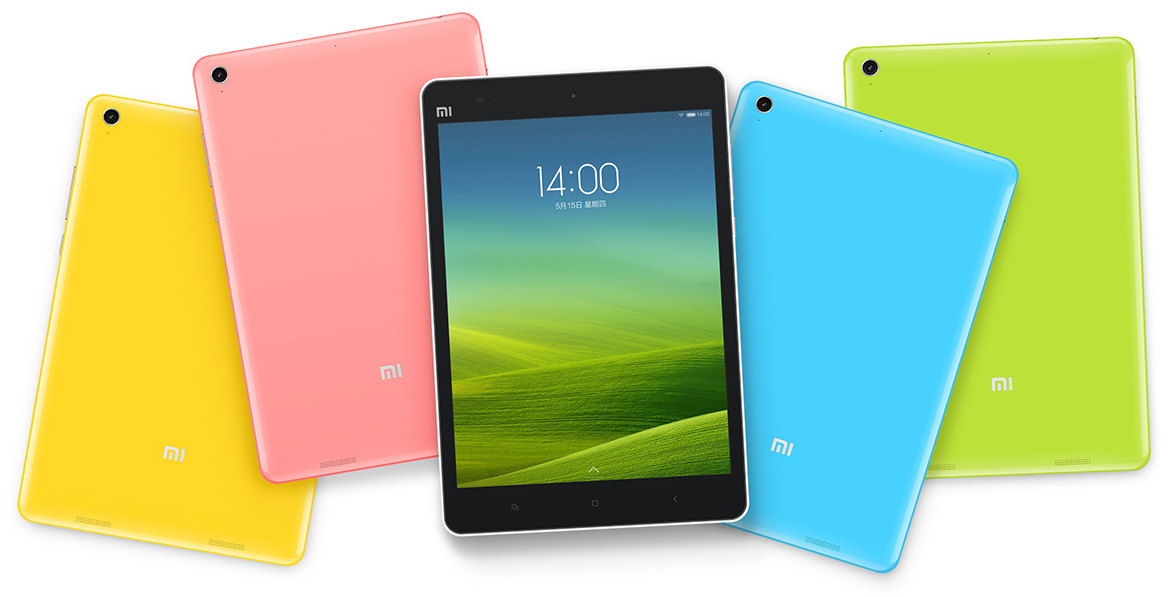
    Mi India has slashed the price of the Mi Pad. The Chinese electronics major announced today that the 16 GB Mi Pad is now available for Rs 10,999, down Rs 2,000 from the original launch price of Rs 12,999 and can be purchased through its exclusive online partner Flipkart or on Mi.com.

    The Mi Pad comes with specifications of a high-end device. The device is thin at 9.4mm and sports a 7.9-inch IPS display with a resolution of 2048×1536. The tablet is powered by a 2.2 GHz Nvidia Tegra K1 SoC ARM Cortex-A15 processor, 2GB RAM and 16GB inbuilt storage space. The Xiaomi tablet runs on Android 4.4 KitKat with MIUI skin on top. The device comes with an 8MP rear camera and a 5MP front camera, and has a powerful battery of 6700mAh.

    mi pad

    Brief details about its specs are provided below:

    SPECS

    Xiaomi Mi Pad

    Display 7.9-inch IPS326 PPI
    Processor 2.2 GHz Nvidia Tegra K1 SoC ARM Cortex-A15
    RAM 2GB
    Internal Memory 16GB
    Expandability Up to 128GB
    Camera 8MP rear, 5MP front
    Battery 6700mAh
    Operating System Android 4.4 KitKat
    Price Rs. 10,999
  • Fujifilm Unveils Three Powerful Cameras with Wi-Fi Connectivity

    Fujifilm Unveils Three Powerful Cameras with Wi-Fi Connectivity

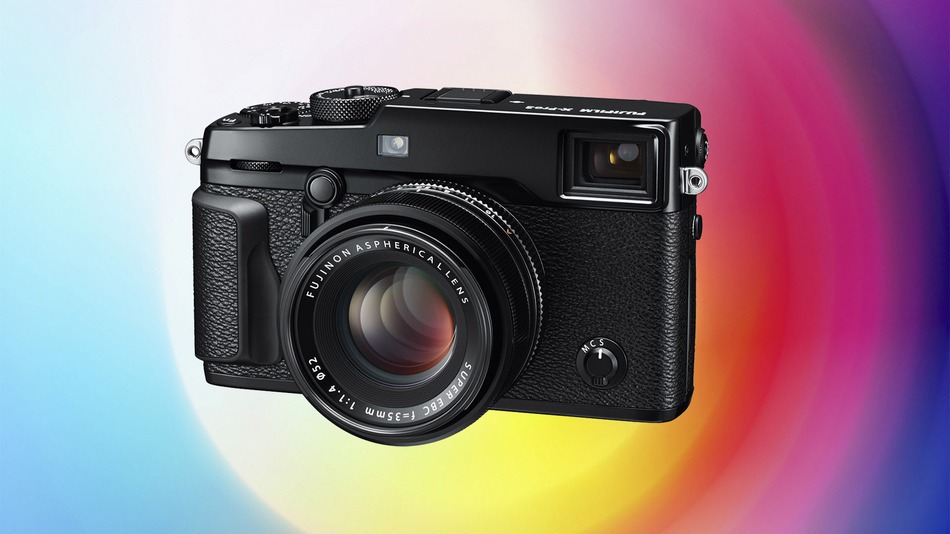
    Fujifilm unveiled a trio of powerful new cameras that are sure to find eager buyers. The new X-Pro2 is the biggest of the lot and the successor to the X-Pro1. These new cameras dare the camera world which is already being dominated by the likes of Sony’s A7R II, which won the Camera of the Year, according to Popular Photography.

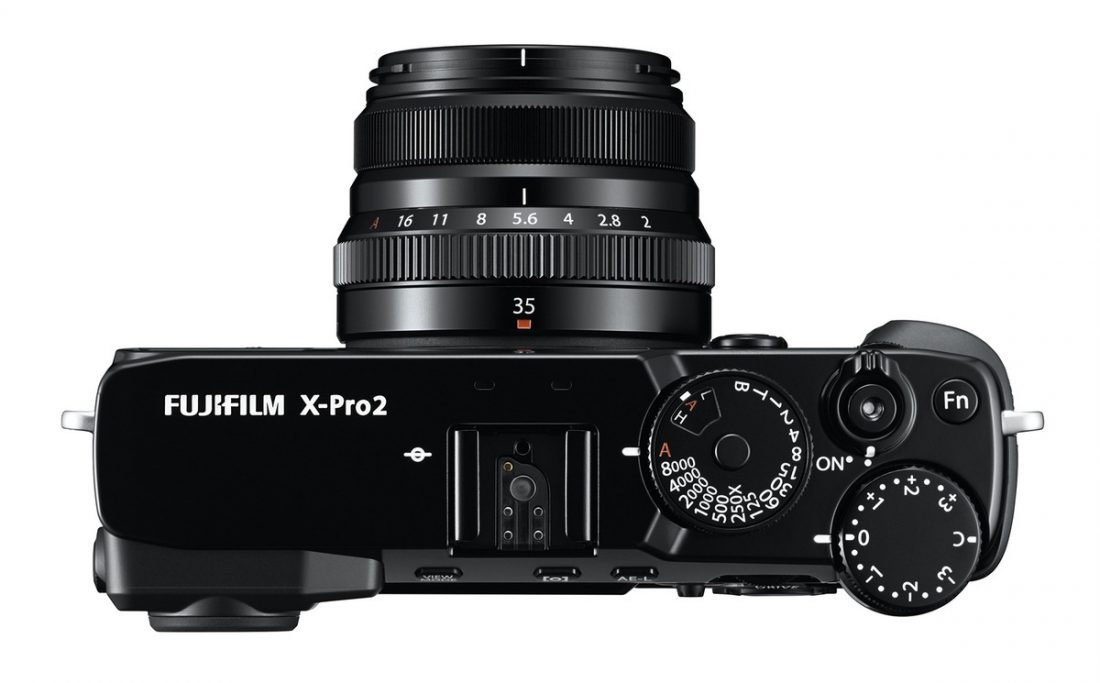
    The X-Pro2 comes with a new 24.3-magapixel X-Trans CMOS III sensor which is powered by the X-Processor Pro image processor. It takes 0.08 seconds for the camera’s autofocus to lock on to a subject and continuous shooting is at 8 frames per second. The ISO range goes fro 100-51200. Beautiful timelapses are guaranteed with the built-in interval timer that can shoot up to 999 frames. The maximum mechanical shutter speed has been doubled up to 1/8000 seconds.

    fujifilm-x-pro2-top
    X-Pro2

    The X-Pro2 is dust and splash-resistant like the X-TI with 61 points. While the camera cannot go underwater, it will survive rainfall and splashes. The camera’s 3-inch screen is sharper with a 1.62-million dot resolution, and the camera comes with two SD card slots, one compatible with UHS-II Standards, and built-in Wi-Fi connectivity.

    The only downside to the X-Pro2 is that it doesn’t shoot 4K video. The camera can, however, record full HD video at 1080p resolution at up to 60 fps. The camera comes with updated hybrid optical and electronic viewfinder. The camera also has a grain effect mode for grainy photos, which will win over film enthusiasts.

    The powerful camera comes with a massive price tag of $1,699 and will be available in February.

    fujifilm-x-e2s
    X-E2S

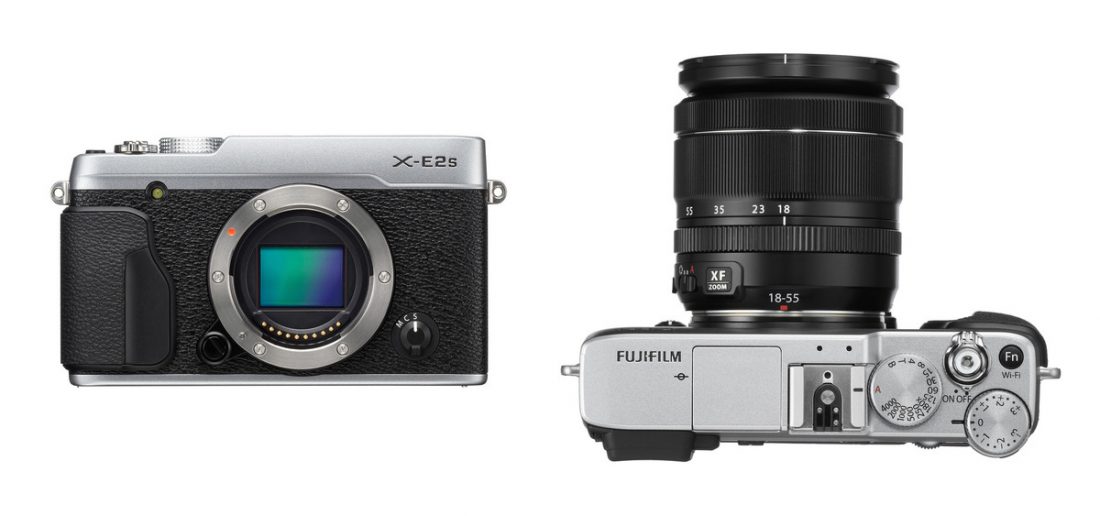
    Meanwhile, the company also updated its mid-range X-E line. The $699 X-E2S comes with a 16.3-megapixel APS-C X-Trans CMOS II sensor, a 49-point single focus mode, 77-point wide-tracking mode for freezing quick moving subjects, and ISO sensitivity up to 51200. Like the X-Pro2, the X-E2S records 1080p full HD video at up to 60 fps, and comes with a built-in interval timer and Wi-Fi connectivity. Though cheaper than the X-Pro2, the X-E2S packs some powerful specs and is a great choice for advanced photographers.

    fujifilm-x70
    X70

    The X-70 is priced exactly as the X-E2S and comes with a 16.3-megapixel APS-C X-Trans CMOS II sensor and a fixed 18.5mm lens with f/2.8 aperture, and ISO sensitivity up to 51200. The X-70 includes all the features seen in the X-E2S like 1080p video recording at 60fps, interval timer and Wi-Fi. The 3-inch screen here is a touchscreen and tilts 180-degrees. Both the mid-range cameras will be available in February as well.

  • Samsung to be Apple’s Primary OLED Display Supplier

    Samsung to be Apple’s Primary OLED Display Supplier

    Rumors of Apple finally shifting to OLED displays for its iPhones aren’t going away. It looks like Samsung is set to be the primary OLED supplier for the new iPhones as the Korean giant gets ready to invest up to $7.27 billion depending on order levels.

    Now, while the shift to OLED panels is imminent, the move will only happen in 2018, which means that the upcoming iPhone 7 will continue to sport LCD displays. Currently, the Apple Watch is the only device by the Cupertino giant that sports an OLED display.

    Earlier, it was rumored that both Samsung and LG will be the suppliers for the OLED panels, but it looks like Apple’s love-hate relationship with Samsung trumps all. Though this doesn’t completely rule out LG as a supplier.

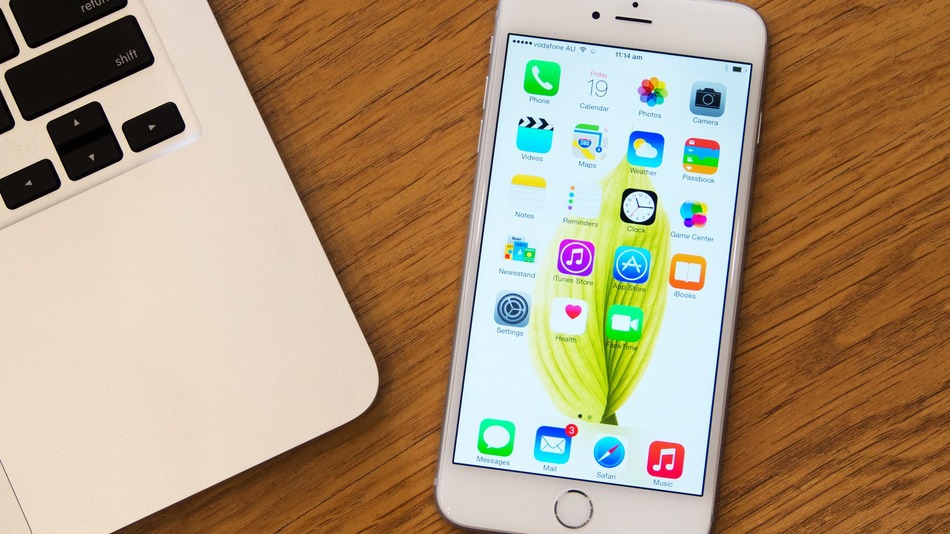
    iphone 7

    No official statement has been released by either companies yet, but insiders have claimed that the contract has been signed. Furthermore, it is rumored that Samsung is planning to invest up to $7.47 billion in its display business. This would go towards equipment, plant improvements and staff to increase production loads.

    The investment will be broken down to into an initial $2.49 billion to $3.32 billion this year, so that the company can begin production of 30 000 to 45 000 OLED sheets per month. Another set of recent rumors also suggest that Apple has a secret lab in Taiwan where where former Qualcomm and AUO employees are working on developing micro-LED screen tech for thinner, lighter, and brighter displays for the iPhone, though we’ll know how much of the latter is true once the next set of iPhones come out.

  • Oukitel K4000 Pro with 4,600mAh Battery Can Power Your Phone for 6 Days

    Oukitel K4000 Pro with 4,600mAh Battery Can Power Your Phone for 6 Days

    Back in December, we heard that a Chinese company by the name Oukitel was setting out to launch a smartphone with a 10,000mAh battery that could power the device for unto 10 days. The device, named K10000 Pro will start shipping from January 21st.

    But that’s not the only device Oukitel is pushing out. Word is that the company also has a smaller K4000 Pro, which, as the name suggests, comes with a 4600mAh battery that promises to give you enough juice for up to 6 days of “normal use” (according to the manufacturer’s standards), and up to 80.5 hours of talk time.

    While the main attraction of the device is the massive battery pack, the device also comes with decent specs for a low-priced phone. The K4000 Pro sports a 5-inch, 720p-resolution LCD screen. It is powered by a MediaTek 6735P chipset with a quad-core CPU running at 1GHz. Other features include 2GB of RAM and 16GB of expandable storage memory, which isn’t going to do well under graphic intense games, but that’s also one of the reasons behind the long-lasting battery.

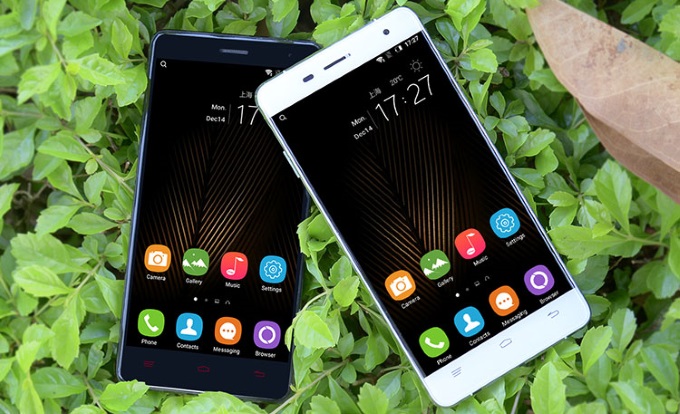
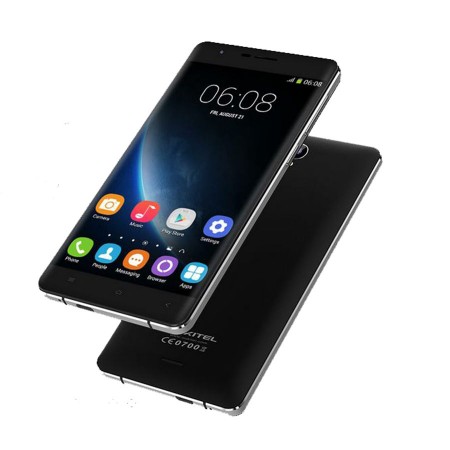
    Oukitel-K4000-image

    In terms of looks, the K4000 Pro comes with a machined metal frame whose four angles are reinforced to improve its endurance under drops. A 0.4-inch thick tempered glass gives the display device an added protection and durability, so much so that the device substitutes for a hammer, according to the company’s video.

    The device will run on Android 5.1 Lollipop and Ouktitel says that it will be upgradable to Android 6.0 Marshmallow later on. The handset supports dual-SIM and comes with basic connectivity features like Wi-Fi, Bluetooth, GPS, and USB OTG.

    Oukitel is having a pre-sale event between January 19 to February 1, where it will sell the device for $120. Furthermore, a limited batch of the K4000 Pro will be up for grabs for $90 on Tuesdays.

  • Samsung to Manufacture Qualcomm’s Snapdragon 820 Chipset

    Samsung to Manufacture Qualcomm’s Snapdragon 820 Chipset

    Qualcomm has struck a deal with Samsung which will see the latter manufacturing the former’s newest Snapdragon 820 chipsets. In a news that is surely going to make the tech world take notice, Qualcomm’s deal could see the two companies handle the chip manufacturing for a majority of flagship devices for the first half of 2016.

    We’ve been hearing a lot of rumors and speculations regarding Samsung’s upcoming Galaxy S7 flagship devices. The general word going around is that at least one variant will be featuring the Snapdragon 820 chip while the others will sport Samsung’s Exynos chipset.

    Samsung today announced that it has begin mass production of chips using 2nd generation of its 14-nanometer LPP (Low-Power Plus) process – a technology that will power both Samsung’s Exynos 8 octa processor and Qualcomm’s Snapdragon processor.

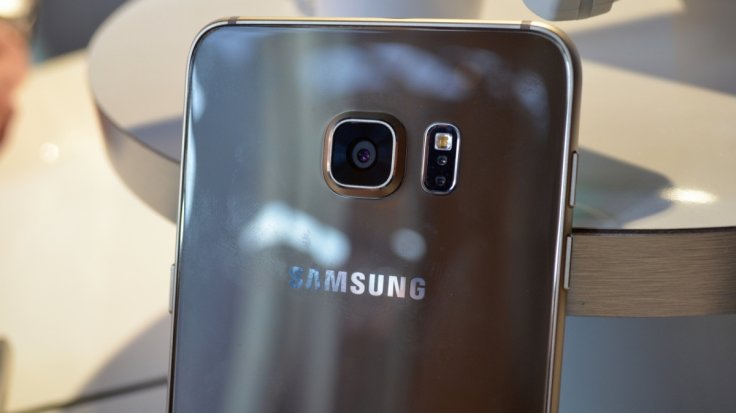
    Galaxy S7 rENDER 02

    Here’s why the Qualcomm-Samsung deal is likely to be a win-win for both companies. Using Samsung’s 14nm process will not only help produce cheaper chipsets that consume less power, but will also help Qualcomm emerge once again as a leader in performance processors, especially after the pubic’s anger over the Snapdragon 810’s heating issues and power consumption. Since the new SD820 is supported by 14nm chips (down from 20nm for the S810), it’s only fitting for Qualcomm to seek Samsung’s technology.

    Secondly, the move will benefit Samsung as well because the 820 offers better performance than the Exynos. “I do believe Samsung must use the 820 to be more competitive with Apple. 820 hits performance per watt levels Exynos just can’t hit,” said Patrick Moorhead, president and principal analyst at Moor Insights & Strategy.

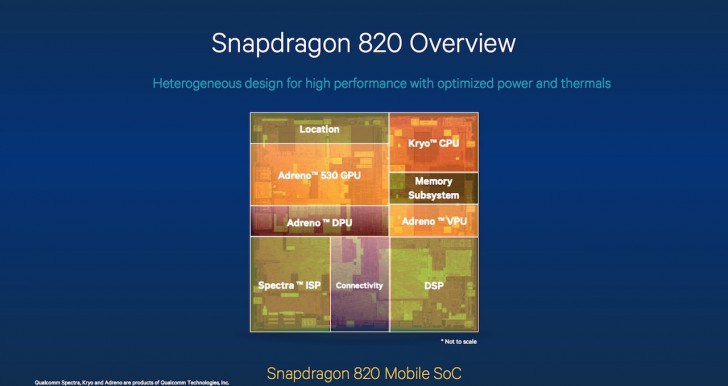
    Snapdragon 820

    Together, Samsung and Qualcomm are likely to produce the bulk of processors for major flagship devices this year. Samsung has claimed that the new 14nm  LPP process delivers up to 15 percent higher speed and 15 percent less power consumption over the previous 14nm LPE (Low-Power Early) process.

    This news, however, still doesn’t confirm whether Samsung will use the Snapdragon chip for its own S7 flagship devices, and the Korean giant has yet comment on the same. Looks like the two companies are ready to renew their friendship, and we’ll just have to wait and see how the Qualcomm’s new chip in the hands of Samsung will turn out.

  • Xiaomi Mi 5 Listed on Retailer’s Website with Specs

    Xiaomi Mi 5 Listed on Retailer’s Website with Specs

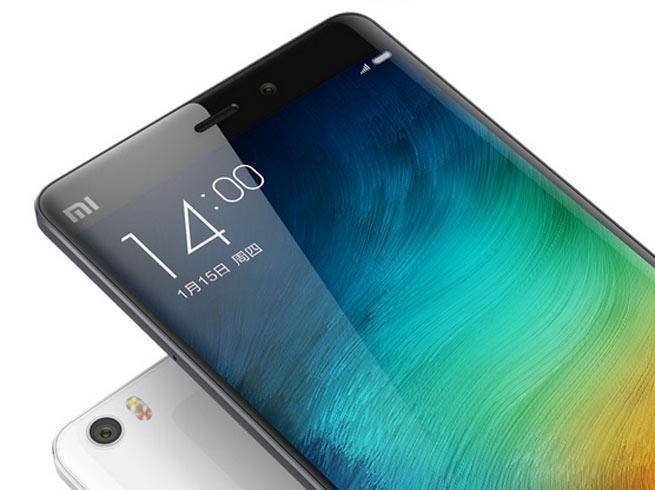
    Xiaomi’s Mi 5 flagship smartphone is set to take on Samsung’s Galaxy S7. The war has already begun even though the devices haven’t been officially launched yet. Fans on both sides have been closely following the many ruers and speculations surrounding the flagships. Xiaomi is set to unveil the Mi 5 on the 21st of February, and it looks like online retailers are already eager to out the device up on their site.

    GearBest put up a page of the Mi 5 and listed some juicy specs before it was taken down. The 5.2-inch QHD screen (565ppi) will be powered by a Snapdragon 820 chipset with 4GB of RAM. The storage on this one was 16GB, though a 64GB option is very likely. The device will run MIUI 7 (based on Android 5.1).

    Xiaomi Mi 5

    On the camera front, the Mi 5 is set to sport a 16MP camera on the back with dual-LED flash and an 8MP selfie camera. The device is complete with a 3,600mAh battery. The Mi 5 is also a dual-SIM handset, both 4G LTE-enabled.

    GearBest did not reveal the price of the device, but the specs are in line with what we have already come to know so far.

  • LG G5 Could Feature a Modular Design

    LG G5 Could Feature a Modular Design

    LG’s next flagship smartphone is just around the corner. The company will be unveiling the device at the MWC on the 21st of February. As it happens with every major flagship (and non-flagship) devices, rumors and speculations are always at its highest when nearing the launch date. We already know a lot about the G5, which we’ll get to in a bit. But this new rumor is sure to take your fancy.

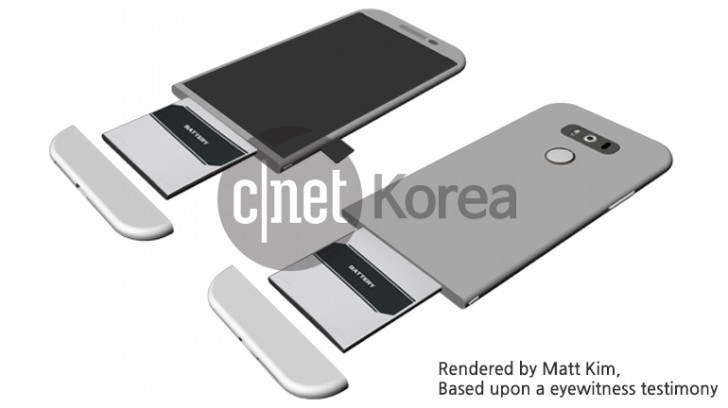
    A rumor straight out of Korea suggests that the LG G5 may come with a ‘modular’ design. Now before you thing of Google’s Proje ARA here, the G5 is going full modular, and you won’t be able to replace parts as you please. The G5’s modular nature is more to do with design rather than anything else. The design and the ability to still preserve the removable battery is LG’s top priority.

    LG G5 Modular

    The G5’s modular design, according to rumors, involves a detachable bottom, which will reveal the battery and allow it to simply slide in and out. Not only does this design help in making a thinner looking device, but it also gives easy access to the removable battery. This would put some of the hardware to be mounted on detachable connectors as well, like the speaker, USB port, microphone, among other things.

    Other than this latest rumor, what we know about the flagship is that it is rumoured to come equipped with a 5.3-inch QHD display, sporting a Snapdragon 820 processor and 3GB of RAM with 32GB of internal storage. It’s also suggested that LG G5 might include an eye scanner, USB-C connectivity and a fingerprint sensor. Speculation also points to a 21-megapixel rear camera and an 8-megapixel front-facing sensor.

  • Samsung Galaxy J1 Launched in Dubai

    Samsung Galaxy J1 Launched in Dubai

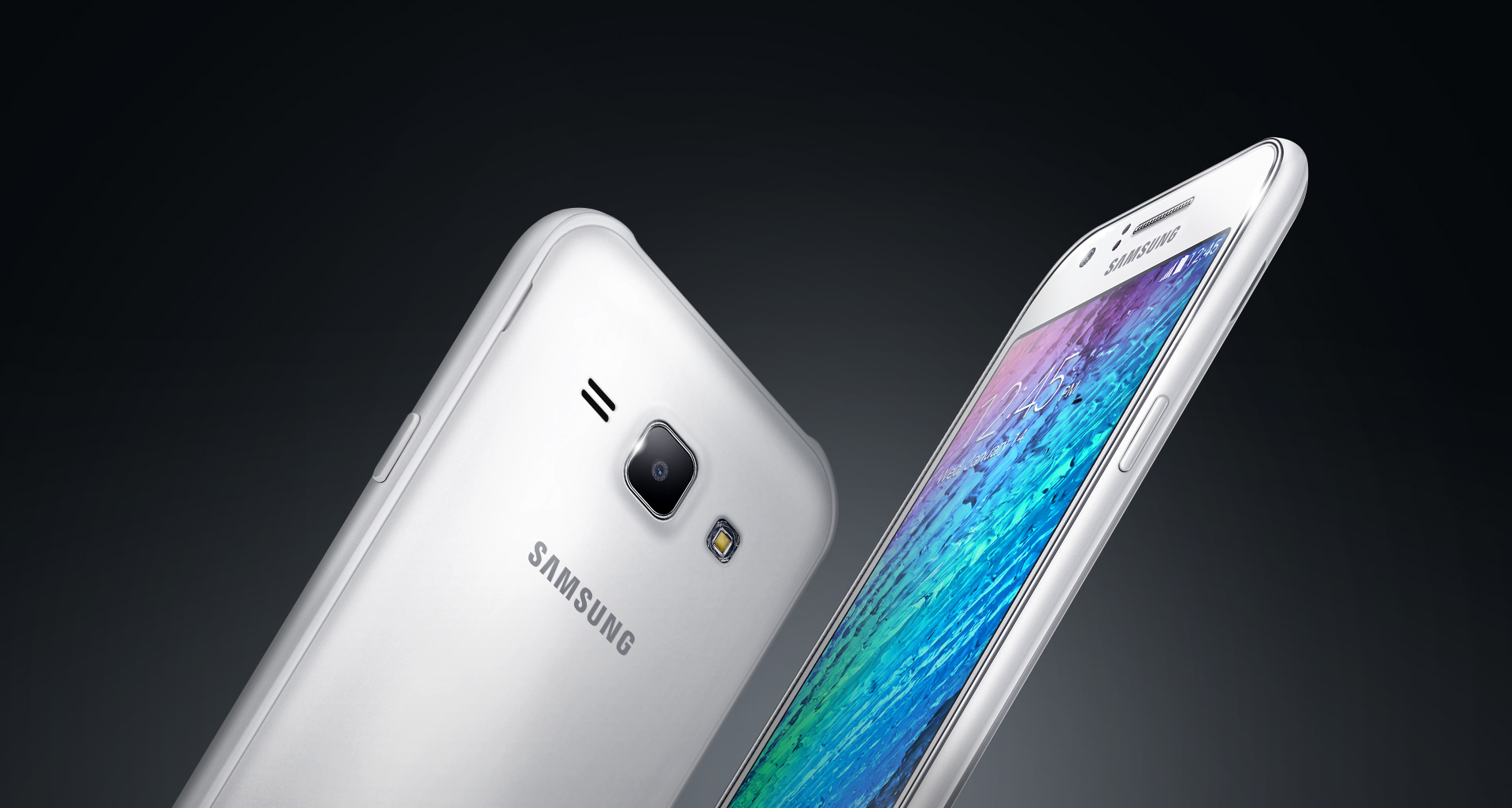
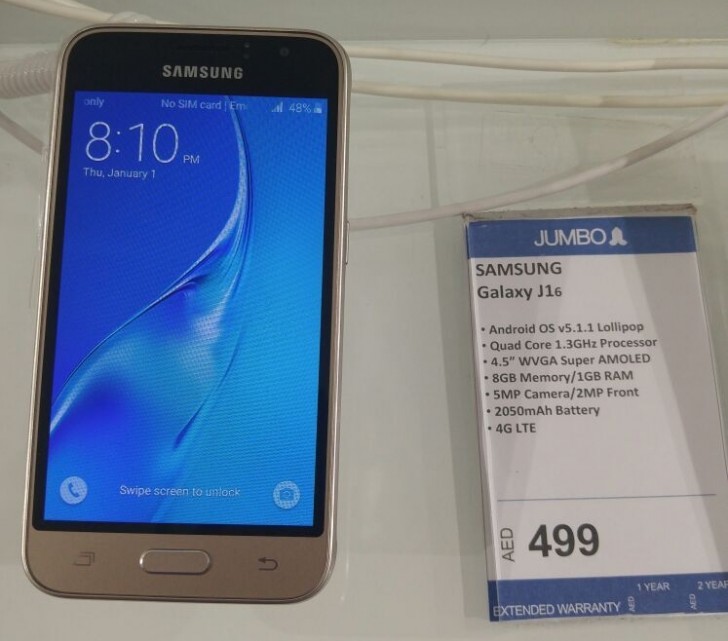
    Just until yesterday, the Samsung Galaxy J1 2016 edition was merely a device with a few rumors and speculations attached to it. Today, Samsung quietly launched the budget handset in Dubai without any major show or noise. Indeed, it looks like Samsung did not want to wait for its launches and is perhaps saving the big events for its upcoming flagship devices.

    The launch of the new Galaxy J1 smartphone comes with confirmed specs and price tag. The device sports a 4.5-inch display with a resolution of only 480 x 800 pixels, but still using Super AMOLED technology. Powering the handset is a quad-core chipset, clocked at 1.3 GHz, possibly Samsung’s Exynos 3475 SoC.

    Galaxy J1

    Other specifications include 1GB of RAM and 8 GB of internal storage. The rear camera is of 5 MP while the front houses a 2 MP shooter. Like its predecessor, the J1 comes with a 2,050 man battery. The device is 4G-enabled and runs on Android 5.1 Lollipop. It will be available in three colour variants -black, white and gold. The Dubai pricing of the J1 is at 499 AED (approximately Rs. 9000).

  • Lenovo Lemon 3 Launched with Snapdragon 615 SoC

    Lenovo Lemon 3 Launched with Snapdragon 615 SoC

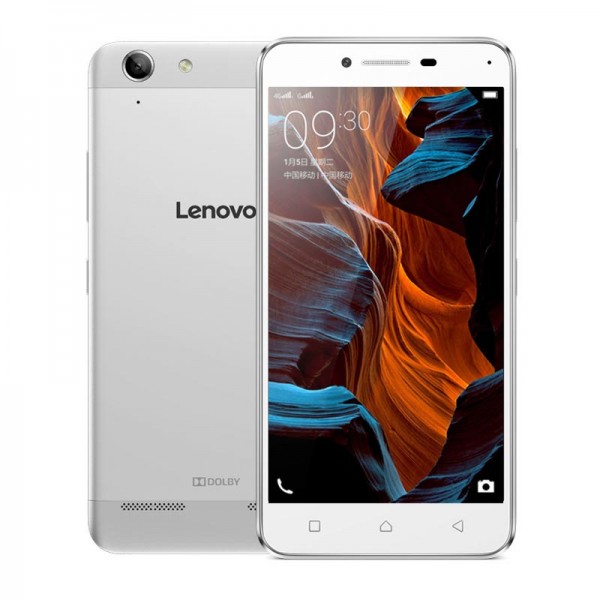
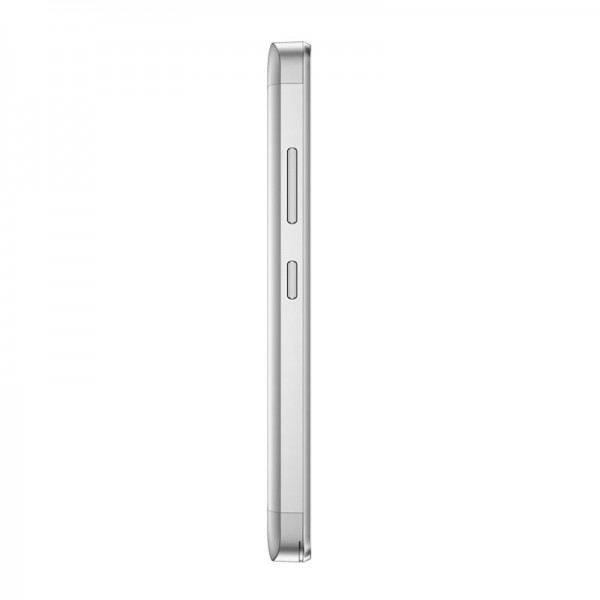
    Looks like Lenovo has a launched a direct competition to Xiaomi’s Redmi 3. The Lenovo Lemon 3 budget smartphone has been launched in China. The device sports a 5-inch Full HD (1080×1920 pixels) resolution IPS display with pixel density of 441ppi and is powered by a Snapdragon 616 chipset and Adreno 405 GPU.

    Lenovo Lemon 3

    Other specifications include 2GB of RAM and 16GB internal storage which is expandable via MicroSD card slot. On the camera front, the handset sports a 13 MP rear camera with LED flash and a 5 MP front. The device comes packed with a 2,750mAh battery, which is much smaller than the 4,100mAh battery found inside the Redmi 3. Connectivity options include 4G LTE, WiFi, Bluetooth, GPS and Micro USB. The device also features dual audio speakers.

    The specifications are similar to the Redmi 3 except for battery and display (the Redmi 3 sports a 720p display). The Lenovo Lemon 3 is available for RMB 699 (approximately Rs 7000). No word yet on when the device will reach international markets.

    Specs

    Lenovo Lemon 3

    Display 5-inch Full HD IPS
    Resolution 1080×1920 (441 ppi)
    Processor octa-core Qualcomm Snapdragon 616
    GPU Adreno 405
    Storage 16 GB
    Rear Camera 13 MP with LED flash
    Front Camera 5 MP
    Expandability Yes
    Battery  2,750mAh battery
    Connectivity 4G LTE, Wi-Fi 802.11 b/g/n, hotspot, Bluetooth v4.0, GPS with A-GPS, GLONASS, BDS, microUSB v2.0
    OS  Android 5.0 Lollipop
    Price  CNY 699 (about Rs. 7,000), Price in India unannounced


  • iPhone 7 Rumored to Sport OLED Displays

    iPhone 7 Rumored to Sport OLED Displays

    There’s no denying that when it comes to design and looks, Apple does incredibly well to draw the publics gaze. But if there is an area that is still left wanting, it’s to do with the display. Apple has rarely made any dramatic changes to its iPhones, both in design and hardware. But the little that the company does do tends to leave out the display that is still using LCD screens with 750 x 1334 pixel resolution, while other have moved on to bigger and brighter things.

    Back in November, fresh rumors surrounding the upcoming iPhone 7 suggested the Apple may be changing quite a few things this time around, one of which is the display. The iPhone 7 is rumoured sport an OLED display thereby giving up on LCD display that it has relied on so far. Apple followers will know that the Apple Watch is the only Apple device to sport an OLED display currently. In 2013, Tim Cook has expressed his distaste for the OLED displays calling them “awful” when it came to colour saturation.

    iPhone 6
    iPhone 6

    Furthermore, Samsung and LG are pegged as the two companies that will be providing the bulk of the OLED panels to Apple. Another new report also suggests that Apple is ready to invest in this particular screen technology by working with AU Optronics. According to Focus Taiwan, Apple wants to transform AUO into an AMOLED screen supplier for the iPhone.

    if the rumors do turn out to be true, this could be quite a catch for AUO who has currently been supplying OLED displays for Huawei and other Chinese handset makers.

    But that’s not all. Another set of rumors also suggest that Apple has a secret lab in Taiwan where where former Qualcomm and AUO employees are working on developing micro-LED screen tech for thinner, lighter, and brighter displays for the iPhone. We’ll just leave you here for now to let all of that sink in.

  • Microsoft Working on a Snapdragon 820-Powered Windows Phone

    Microsoft Working on a Snapdragon 820-Powered Windows Phone

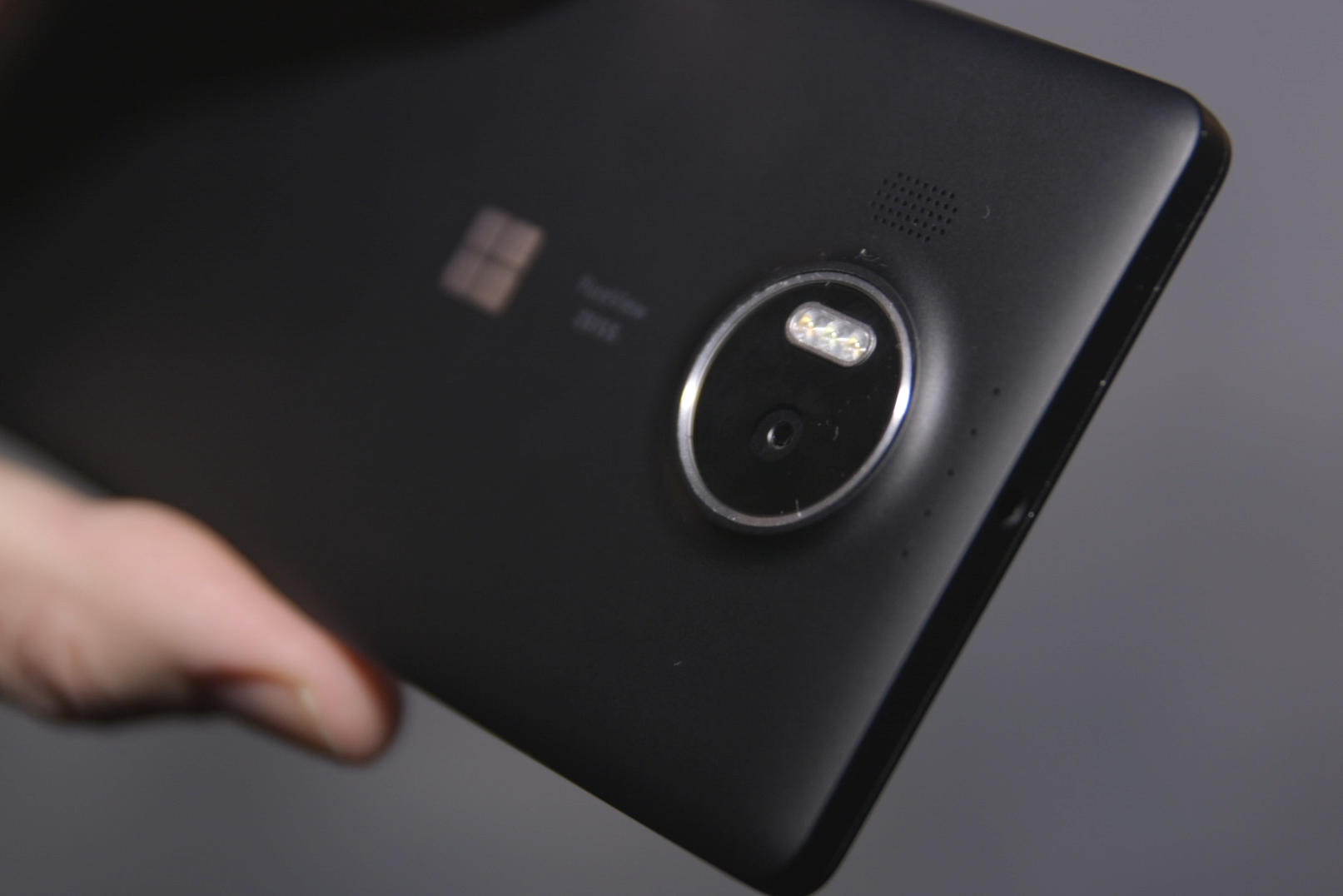
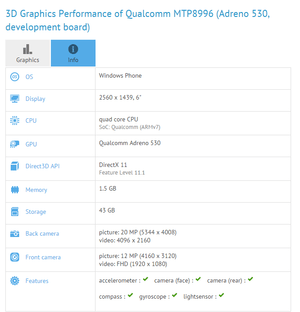
    Microsoft might have a new device in the works that going to rock Qualcomm’s new Snapdragon 820 chipset. Geekbench database revealed that Microsoft is working on a faster, more powerful device than the recent Lumia 950 and 950 XL smartphones. Before moving on, it must be known that the listing cannot be confirmed and must be taken with a pinch of salt.

    According to the Geekbench listing, the unnamed Microsoft phablet will sport a 6-inch display (2560×1440 pixels). Qualcomm Snapdragon 820 chipset will be powering the device along with a 2.2GHz quad-core Kyro CPU and an Adreno 530 GPU. The GFXBench also lists internal specs such 20MP primary camera, a 12MP selfie shooter, and 64 GB of internal storage.

    Snapdragon-820-Microsoft-Lumia-2

    The listing does seem a little off as well, mentioning RAM at 1.5 GB only, though it is likely to be twice as much given the specs of the device. Furthermore, the chances of the device being a new Lumia phone is high, since Microsoft is the only manufacturer currently developing high-end Windows 10-powered devices.

    These are just speculations as of now. We’ll know more in the coming months on whether Microsoft is in fact working on a 6-inch Windows 10 phablet powered by the Qualcomm Snapdragon 820 chipset.

    Source

  • Samsung Galaxy S7 3D Renders Suggest Possible Design Language

    Samsung Galaxy S7 3D Renders Suggest Possible Design Language

    Samsung is on course to unveil its Galaxy S7 flagship devices at next month’s Mobile World Conference. While the many, many rumors about the device have mostly surrounded the specs, which have pretty much been confirmed now thanks to an AnTuTu listing yesterday, not much has been spoken or even hinted at regarding the design.

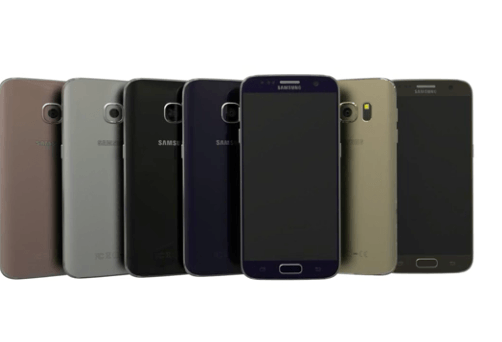
    But a new 3D renders of the device, designed by 3D designer Jermaine Smith, have surfaced that show what the flagship device could look like. The renders are of the 5.1-inch Galaxy S7 handset. The renders including the video show the device with curved sides at the back, much like the Galaxy Note 5. The 5.5-inch S7 Edge will have curved edges at the front. The front design of the S7 shows narrower side bezels, 2.5D glass covering the display and the Home Button.

    The video by Smith is based on popular tipster @onleaks leaked design blueprints of the Galaxy S7. The front design of the S7 shows narrower side bezels, 2.5D glass covering the display and the Home Button. Now while the renders cannot be confirmed, it is likely that the Galaxy S7 will sport the same design aesthetics as shown in the video. The video also shows 5 color variants for the phone including rose gold, silver, black, blue and gold, although this may just be the video maker’s personal choices.

    Galaxy S7 rENDER 02

    Meanwhile, the specs of the device remain unchanged from past rumors. It is already confirmed that the flagship device will sport Qualcomm’s latest Snapdragon 820 chipset. Other likely specs include 4 GB of RAM, 64 GB internal storage, Adreno 530 GPU. The device will run of Android 6.0 Marshmallow (no surprises there).

    On the camera front, Samsung is looking to downgrade to 12 MP camera and focus more on improving low-light imaging and wider dynamic range for the upcoming flagship. To do this, Samsung is taking help of the new BRITECELL setup. AnTuTu listing also confirms that the device will sport a 12 MP rear sensor and a 5 MP front. Looks like Samsung is sticking to quality rather than quantity here.

  • All Moto Devices to Feature Fingerprint Scanners in 2016

    All Moto Devices to Feature Fingerprint Scanners in 2016

    Motorola (and this might be the last time we use the name) has been the name attached to the advent of the phone back in the 90s, and even fingerprint sensors back in 2011 with the Atrix 4G, much before Apple did it with the iPhone 5s. However, Motorola was still behind in including the feature to many of its devices in the past few years, especially last year’s Moto X Style and Play, while other brands have largely embraced the feature.

    Speaking of fingerprint sensors then, Lenovo has stated that all of its Moto devices this yer will feature fingerprint scanners. Chen Xudong, SVP of Lenovo and president for Lenovo China and Asia Pacific, has revealed that all Moto-branded handsets launching this year will have fingerprint sensors. One can’t help but feel that Lenovo is ready to make some big changes to the Moto lineup after it officially kills off Motorola this year.

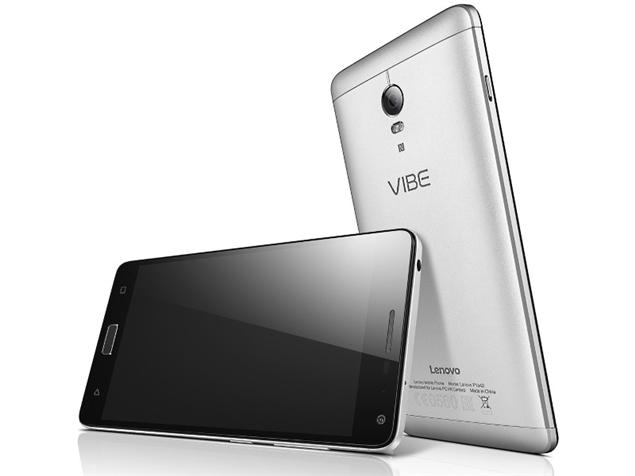
    Lenovo Vibe P1 with fingerprint scanner
    Lenovo Vibe P1 with fingerprint sensor

    Additionally, Lenovo has also stated that there will be no more devices with screen size under 5-inches, which, if one cares to venture, could mean the end of the Moto E line. Lenovo’s plan looks pretty straightforward – the Moto devices will be launched aimed at the high-end market, while budget devices will bear the ‘Vibe’ moniker. Between the two, Lenovo plans to launch no more than 15 devices this year.

    Lastly, Chen also stated that Google Play Store will launch in China, which is likely to give a stiff competition to many of the local app stores for Android in the country. In fact, Google was supposed to announce a China-only version of the Play Store last year along with the launch of the Nexus devices, but that did not happen.

  • Xiaomi Mi 5 Could Arrive in Two Versions

    Xiaomi Mi 5 Could Arrive in Two Versions

    It’s not uncommon at all for OEMs to release more than one options for flagship devices. Samsung, Apple, and Sony, among others, have been doing that for a while now, and if latest rumors are to be believed, Xiaomi is planning to do the same with its upcoming Mi 5 flagship smartphone.

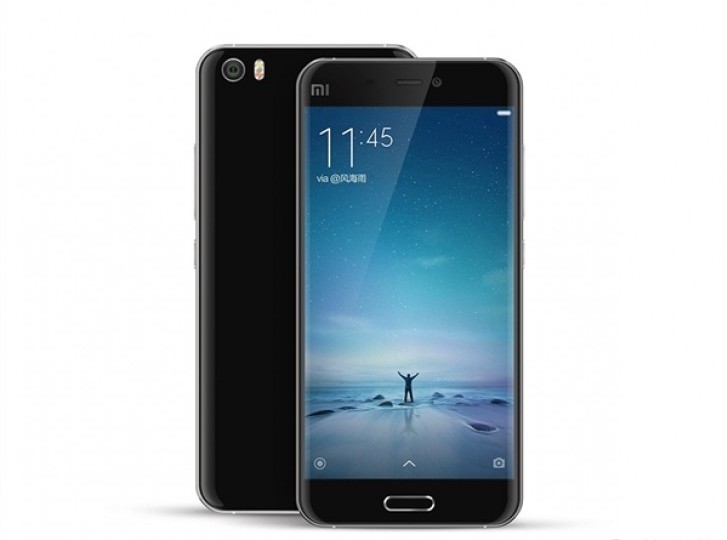
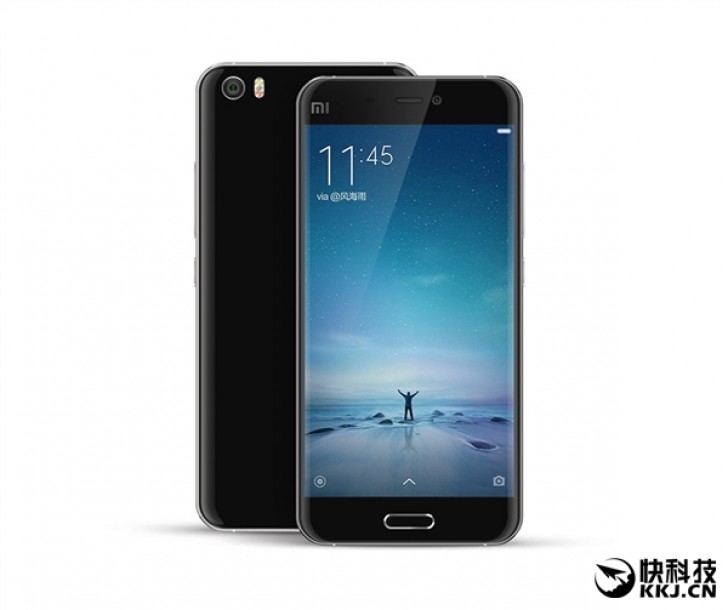
    A mobile industry insider let it slip that Xiaomi could have two variants for the Mi 5 up its sleeve. While one will sport a 2.5D curved glass for the front and back with a metal fame, the other will be a more premium version with an all-metal body. Furthermore, the former is said to have a 1080p resolution, while the latter (pricier) variant will sport a QHD resolution display.

    Xiaomi Mi 5

    However, the size of both the variants will remain the same. If this new rumor is true, Xiaomi is likely to offer the glass version with 3 GB RAM and 32 GB internal storage, and the full-metal handset with 4 GB and 64 GB storage. Meanwhile, yesterday’s leak also confirms a black color variant for the device.

    Just a refresher, the Mi 5 is slated to feature a 5.2-inch display with Quad HD resolution. The handset is confirmed to feature Qualcomm’s Snapdragon 820 chipset. Other rumored specs include 3GB or 4GB RAM, with a minimum of 32GB internal storage. The camera on the device is expected to be a 16-megapixel at the back, and an equally impressive 13-megapixel snapper at the front.

    This power hungry device is set to pack a battery of 3600 mAh with support for Quick Charge 3.0 technology. At the software end, the handset will run MIUI 7 based on Android 6.0 Marshmallow. Xiaomi is set to launch the Mi 5 on January 21.

iGyaan Network
Privacy Overview

This website uses cookies so that we can provide you with the best user experience possible. Cookie information is stored in your browser and performs functions such as recognising you when you return to our website and helping our team to understand which sections of the website you find most interesting and useful.