Author: Sushant Talwar

  • Moto X Force: Unboxing and Hands On

    Moto X Force: Unboxing and Hands On

    The much awaited phone with the “unbreakable display”, The Moto X Force is finally here. But before we put our hammers to work, check out our quick unboxing and hands-on of this handset.

    The Moto X Force has come to India in two storage variants, 32GB, and 64GB. Pricing is set at a steep Rs 49,990 only for the former while the beefier 64GB variant will come to stores for Rs 53,999.

    In terms of design, the phone does not stand out from any other Motorola phone in the family. It shares the DNA of most Moto phones already available in the market. The textured pattern at the back makes it easy to hold.
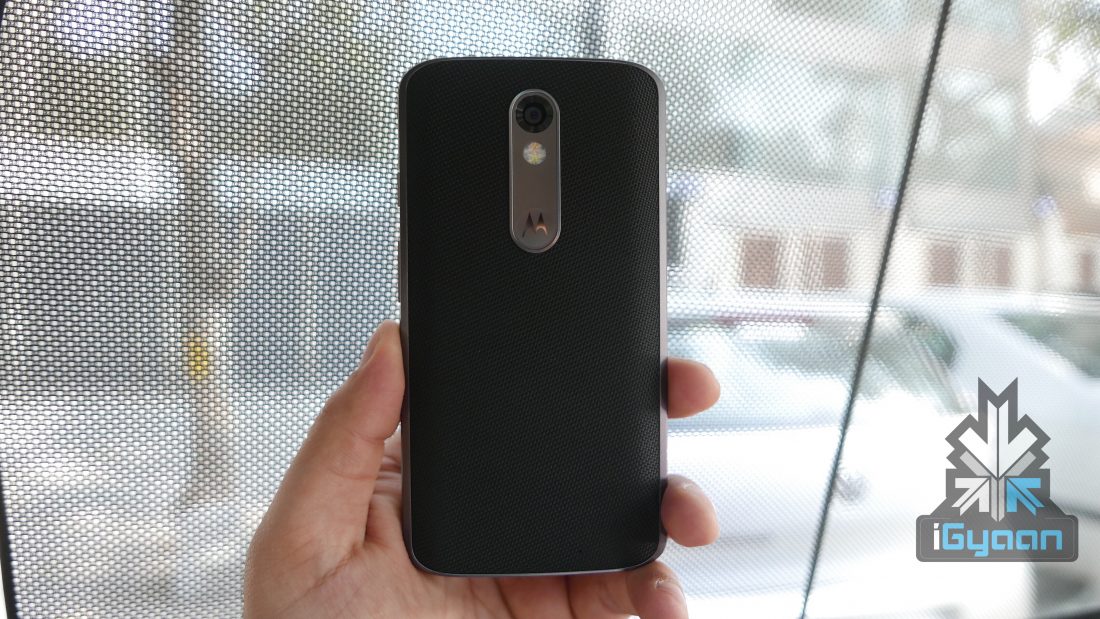
    Moto X Force Hands On iGyaan 13

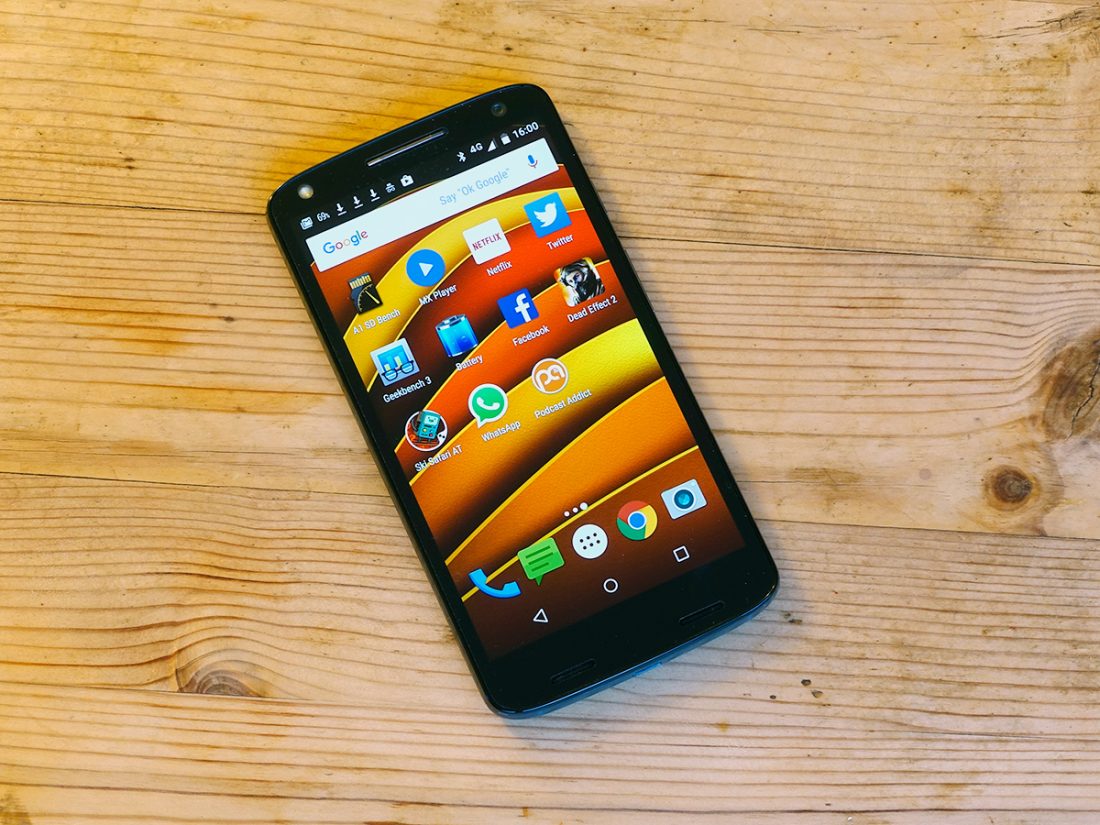
    The X Force comes with a design scheme which features a flat back merged with curved edges. The addition of the ShatterShield tech makes the bezel a bit thick for our liking but does not take anything away from the looks of the phone. To sum it up, the phone is not too big on looks, but you wouldn’t call it ugly. It’s plain, but pleasant to look at.
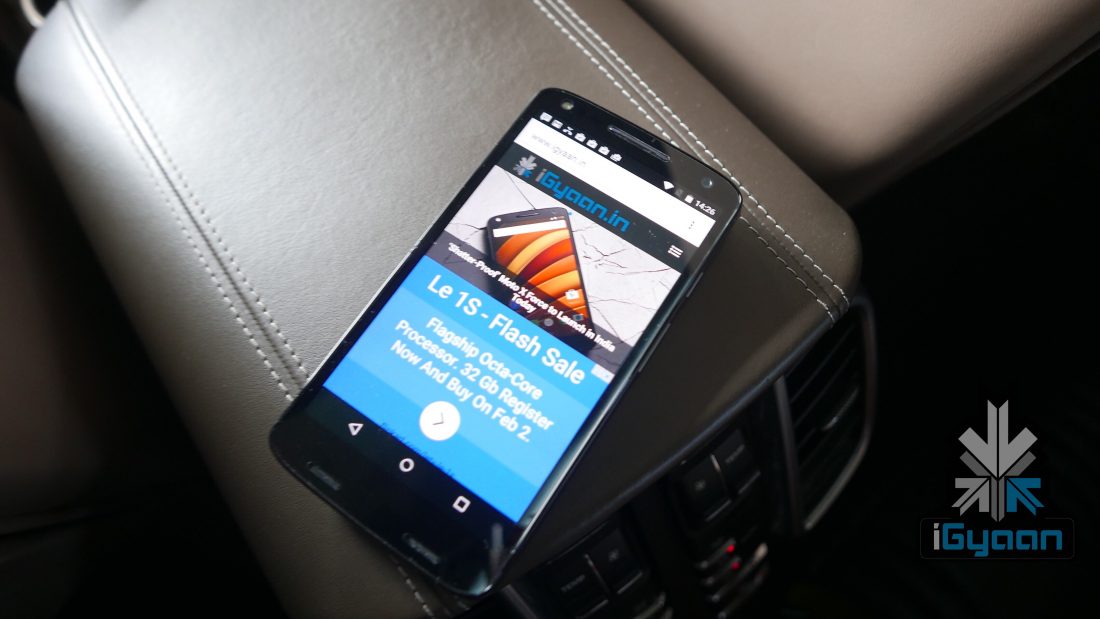
    Moto X Force Hands On iGyaan 02

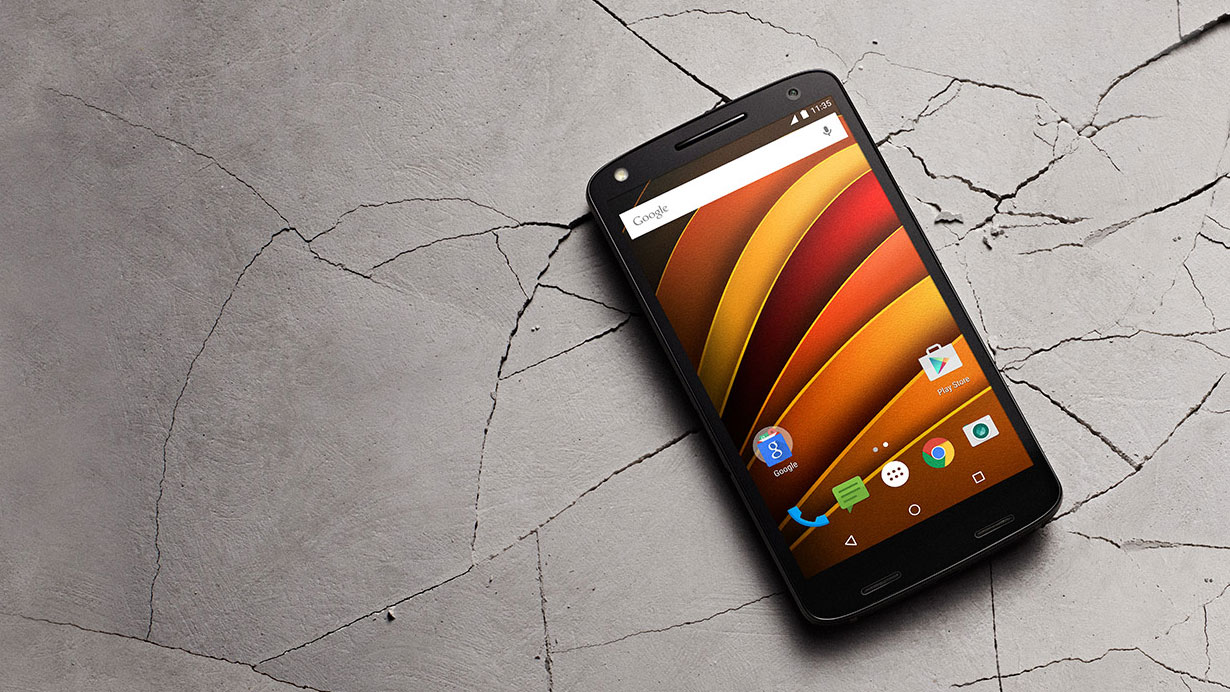
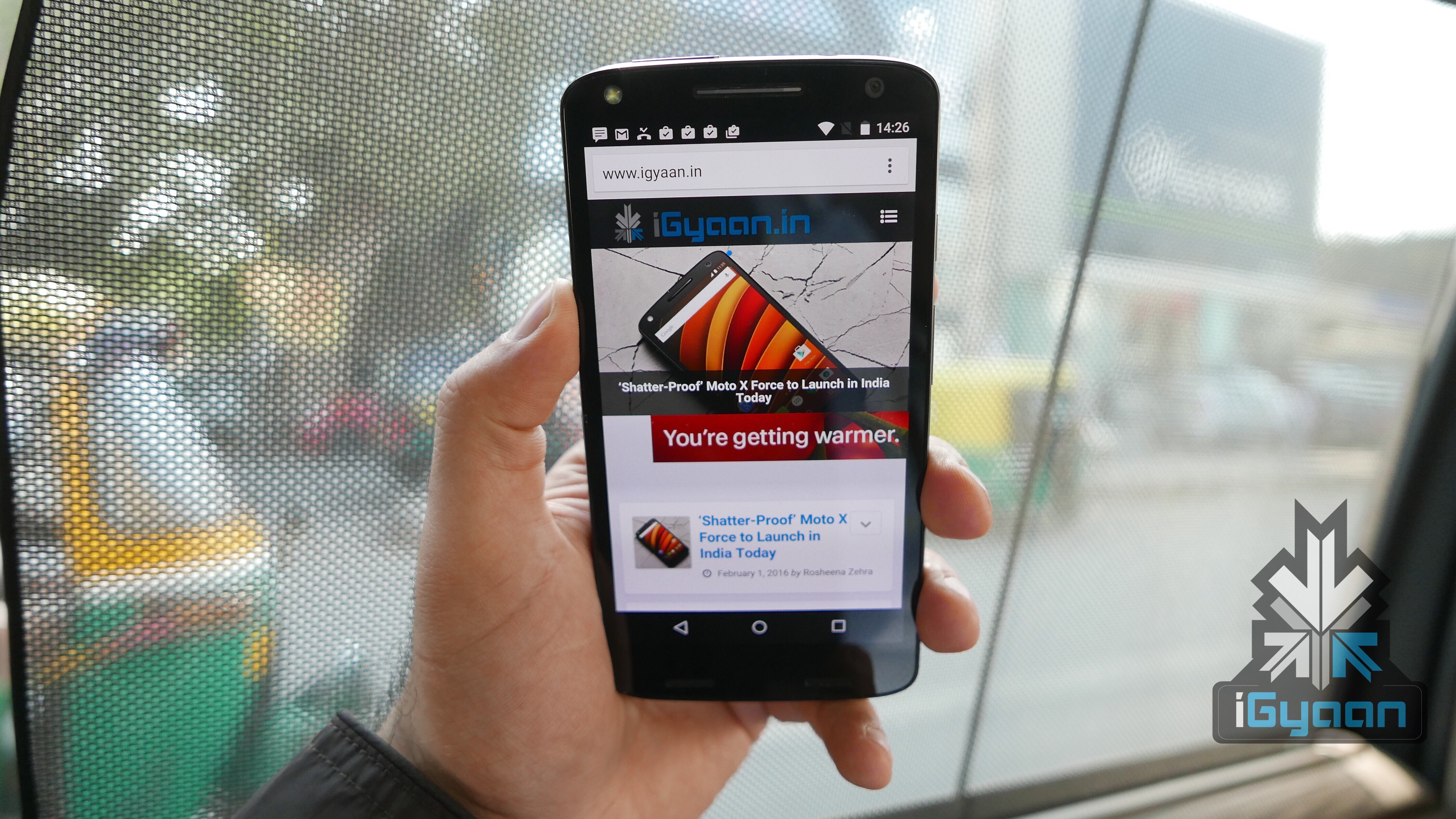
    The phone’s display is where all the magic happens. Moto X Force with its ShatterShield 5.4-inch Quad HD AMOLED display is the selling point of the phone, and to be honest, it does not disappoint. The display from beneath the multiple layer system shines bright and nice. Text, videos and games look crisp without any blurring or any such apprehensions that one might have using a phone with display protection technology like this.
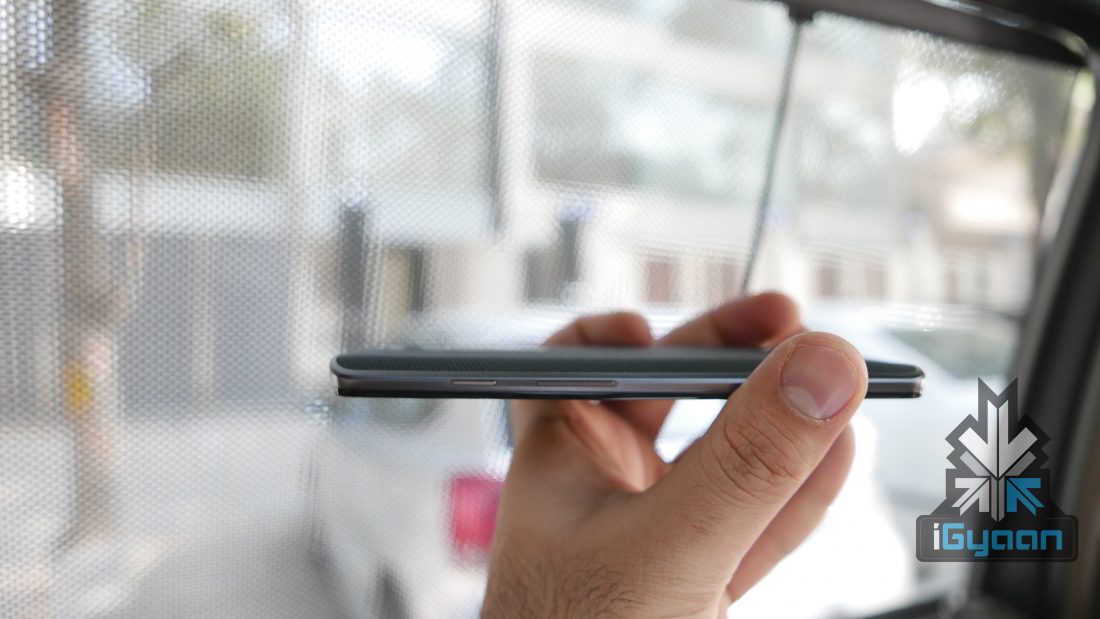
    Moto X Force Hands On iGyaan 02

    The phone comes packing a Qualcomm Snapdragon 810 octa-core SoC clocked at 2GHz and Adreno 430 GPU. There will be 3GB of LPDDR4 RAM on board, and it will be available in 32GB and 64GB inbuilt storage options. The phone will support expandable storage up to 2TB via a microSD card slot, and will be powered by a mammoth 3760mAh battery with Quick Charging support.
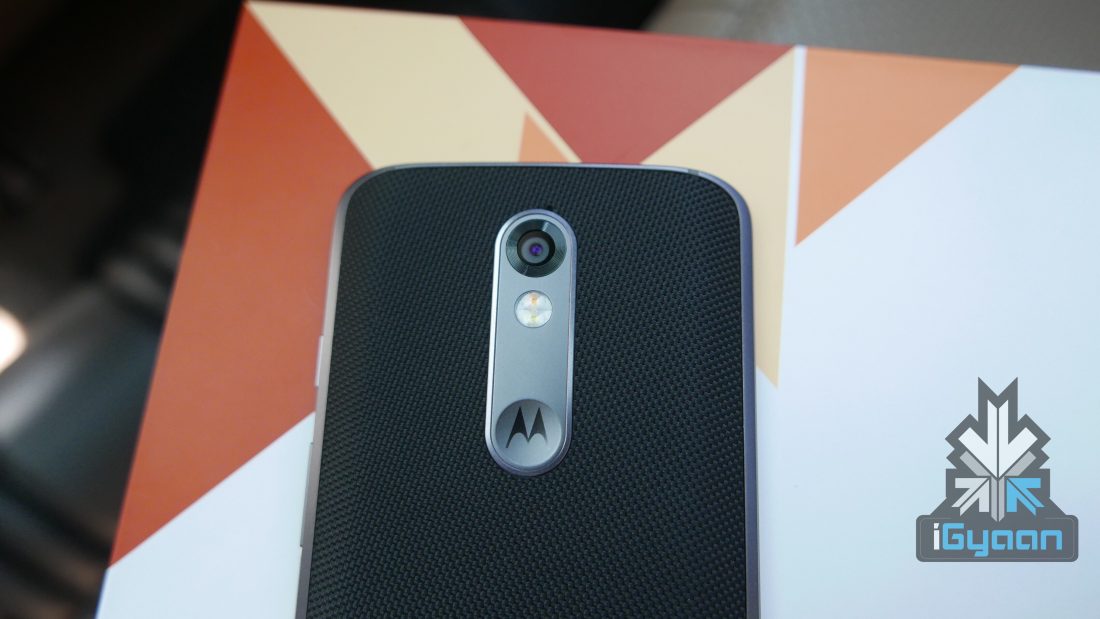
    Moto X Force Hands On iGyaan 08

    The Moto X Force packs a 21-megapixel snapper with f/2.0 aperture, dual-LED flash and Phase Detect Autofocus around the back, and a 5-megapixel selfie camera with flash and f/2.0 aperture. The 21MP rear does well in outdoor conditions but low-light captures are still poor. The device is equipped with a bunch of gesture controls that let you unlock the camera, turn on LED flash, wake up the device from sleep mode.

    To put the device’s shatterproof display to test, we dropped the Moto X Force from about a 1000-foot high and you can check what happens next by clicking on the video below.

    Specification Moto X Force
    Display 5.4 inch Quad HD AMOLED with ShatterShield technology
    Resolution 1440 x 2560 (~540 ppi pixel density)
    Processor Qualcomm Snapdragon 810 octa-core
    GPU Adreno 430
    RAM 3 GB
    Front Camera 5 MP,  f/2.0, LED flash
    Rear Camera 21 MP,  f/2.0, phase detection autofocus, dual-LED (dual tone) flash
    Storage 32 GB, 64 GB
    Expandability 2TB
    Battery 3,760 mAh
    Connectivity Wi-Fi 802.11a/b/g/n/ac, dual-band, hotspot, Bluetooth v4.1, A2DP, EDR, LE, GPS with A-GPS, GLONASS, NFC, Infrared port, microUSB v2.0
    Operating System Android OS, v5.1.1 (Lollipop)
    Price Rs. 49,999(32 GB), Rs 53,999(64GB)
  • Sony to Launch USB Type-C Flash Drives

    Sony to Launch USB Type-C Flash Drives

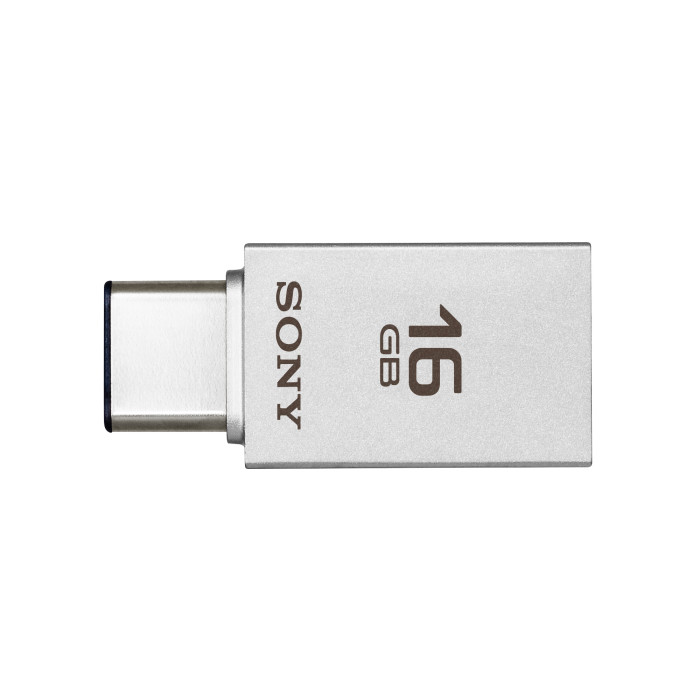
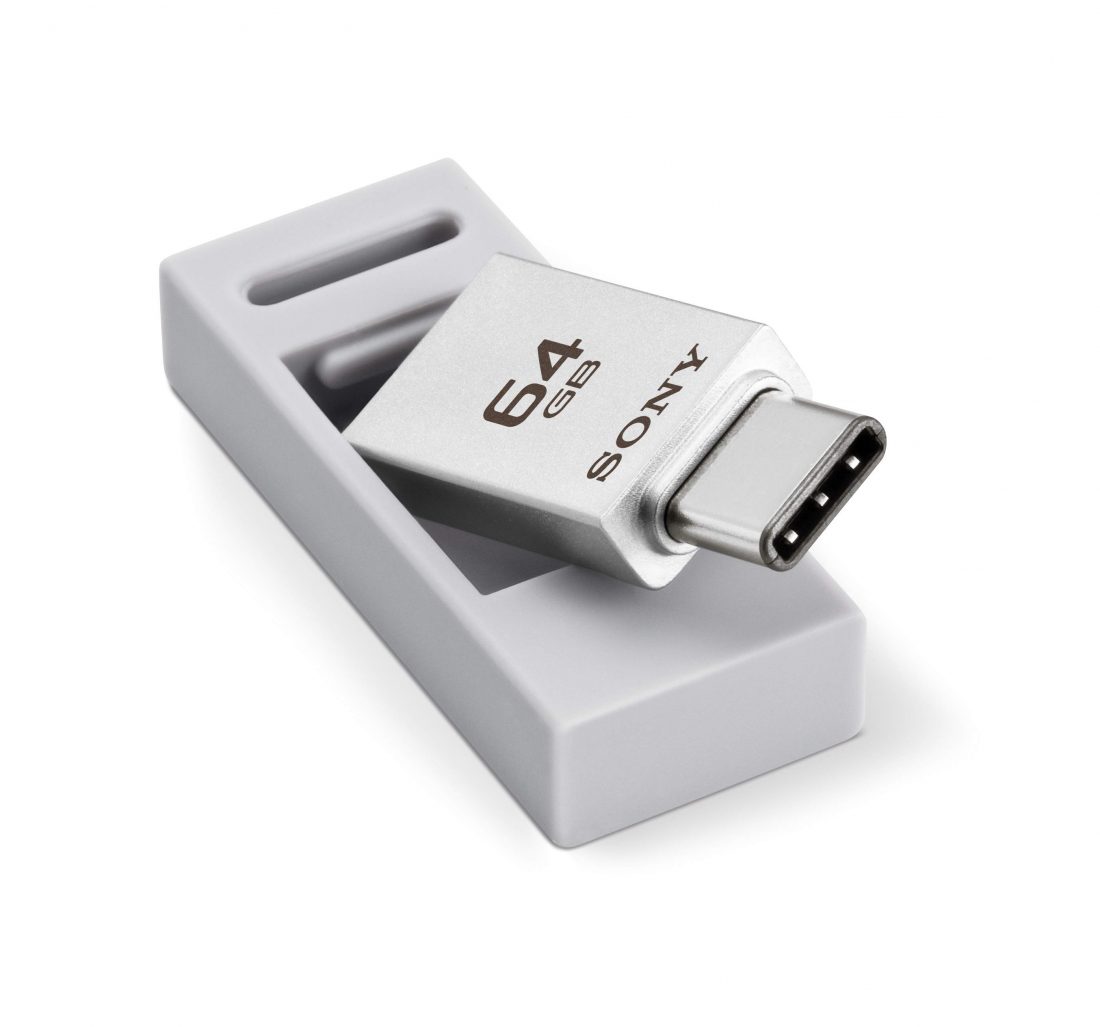
    Sony has launched a new portable flash drive that will be compatible for use with both USB-A connectors, along with USB-C ports.This might not come as the biggest news of the day, but for most struggling between older and new generation systems, these USB Type-C drives will be nothing short of godsend coming with a promise to make their lives a lot easier than before.

    USB-Type-C™-Flash-Drive

    USM-CA1 according to Sony will feature dual connectors to allow for wider connectivity. These will be available in three sizes, 16GB/32GB/64GB, and will have write speeds of up to 130 Mb/s.

    The USM-C1 will be available starting sometime next week. No information on pricing has been revealed. Sony also revealed that these drives will support Windows 7 and abov, OS X 10.8 and higher along with compatibility for Android 5 and above.

  • Moto X Force : Everything We Know

    Moto X Force : Everything We Know

    After storming the markets with the Moto X Style/Play, and Moto G Turbo, Motorola is all set to bring to Indian customers its new smartphone, the “unbreakable” Moto X Force. The phone which claims to come with a ‘crack-proof’ screen, will soon hit the Indian markets. The smartphone will launch in India tomorrow with an expected price tag of around $624 (Rs. 40,000 approximately) and $720 (Rs. 47,000 approximately) for the 32GB and 64GB variants respectively.

    Design 

    Moto X Force

    The X Force has a lot in common with other Motorola phones, and the evidence of it sharing DNA with Motorola handsets is available from the first time you lay hands on the smartphone. Having said that, there are subtle changes to the design scheme which make it distinct from the other members of the Motorola family. The device is flatter at the back with curved edges. It has a textured back panel to avoid costly slips out of the hand.

    Display with ShatterShield Tech

    Numerous-protective-layers-form-the-ShatterShield-panel

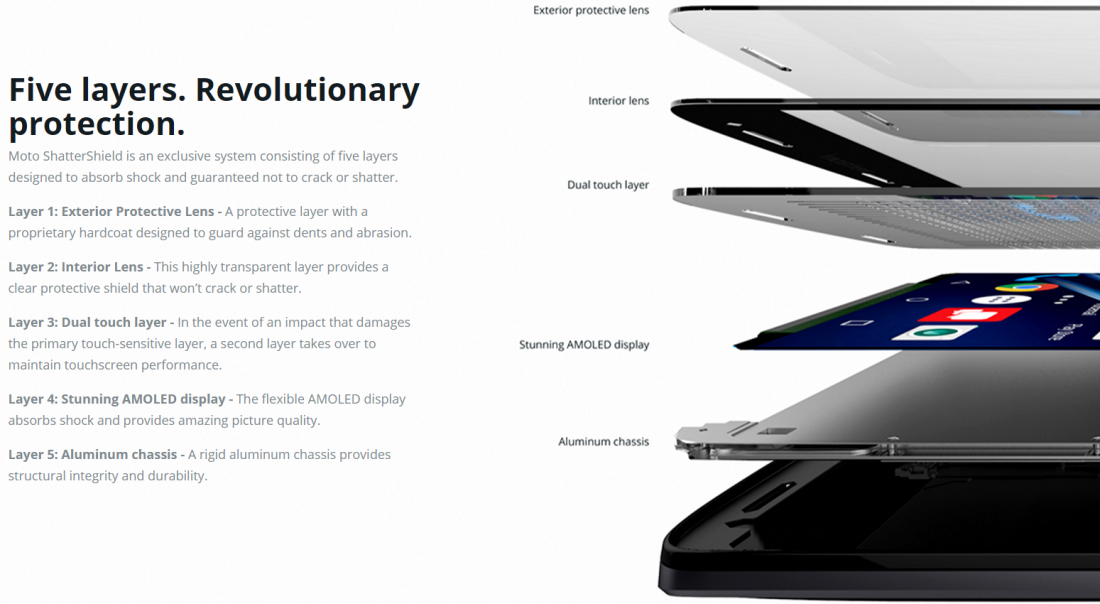
    The ShatterShield Tech of the Moto X Force is a marvel of modern day technology and quite rightly is the one feature that the company is heavily banking on to drive the sales ahead when the handset finally makes it way to the markets.

    The 5.4-inch 2,560 x 1,440 panel (QHD) panel is protected by a five layer system which has allowed Motorola to brand it the “world’s first shatterproof smartphone display” thanks to what Moto calls the ShatterShield technology. The company claims the screen would stay intact for up to four years absorbing shock and providing protection against cracks.

    Under-the-hood Specifications

    The phone will be powered by a Qualcomm Snapdragon 810 octa-core SoC clocked at 2GHz. There will be 3GB of LPDDR4 RAM on board, and it will be available in 32GB and 64GB inbuilt storage options. The phone will support expandable storage up to 200GB via a microSD card slot, and will be powered by a mammoth 3760mAh battery with Quick Charging support.

    Camera

    Motorola’s new super tough Moto X Force packs a 21-megapixel snapper with an f/2.0 aperture and dual-LED flash and Phase Detect Autofocus around the back and a 5-megapixel selfie camera at the front with flash and an f/2.0 aperture.

  • Activision to Bring new Ghostbusters Game to PS4 and Xbox One

    Activision to Bring new Ghostbusters Game to PS4 and Xbox One

    With the Ghostbusters franchise set for a much-awaited reboot this year, it shouldn’t come as a surprise to fans of the franchise that a video game is also in works which will look to complete the whole Ghostbusters experience for them.

    maxresdefault

    Activision which is the game studio behind the development of this “new Full-fledged Ghostbusters game” will bring the title exclusively to Next-Gen consoles later this year along with the movie launch. Not much is known about the game right now, and there is no information whether the new game will feature the female cast of the new movie, or it will give the chance to old fans of the franchise to go on ghost busting journey with the old team.

    But considering the fact that the timing of the movie and the game launch coincide, it can well be expected that this Next-Gen title would feature the new cast as a means to drive up the revenues of both the game and the movie at the time of the launch which is 15th July, 2016.

  • Samsung to Launch Ultra-Wide 144Hz Monitors

    Samsung to Launch Ultra-Wide 144Hz Monitors

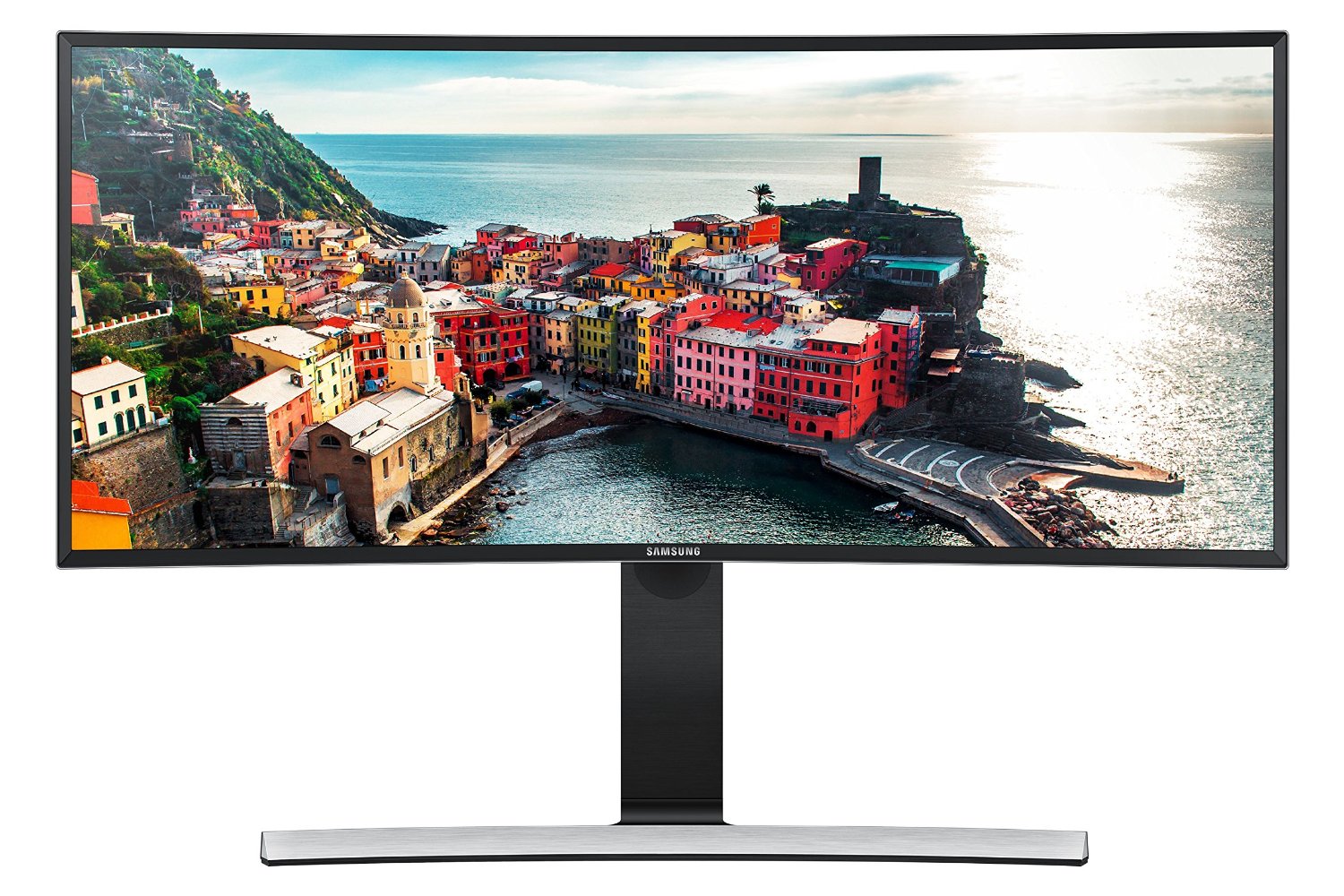
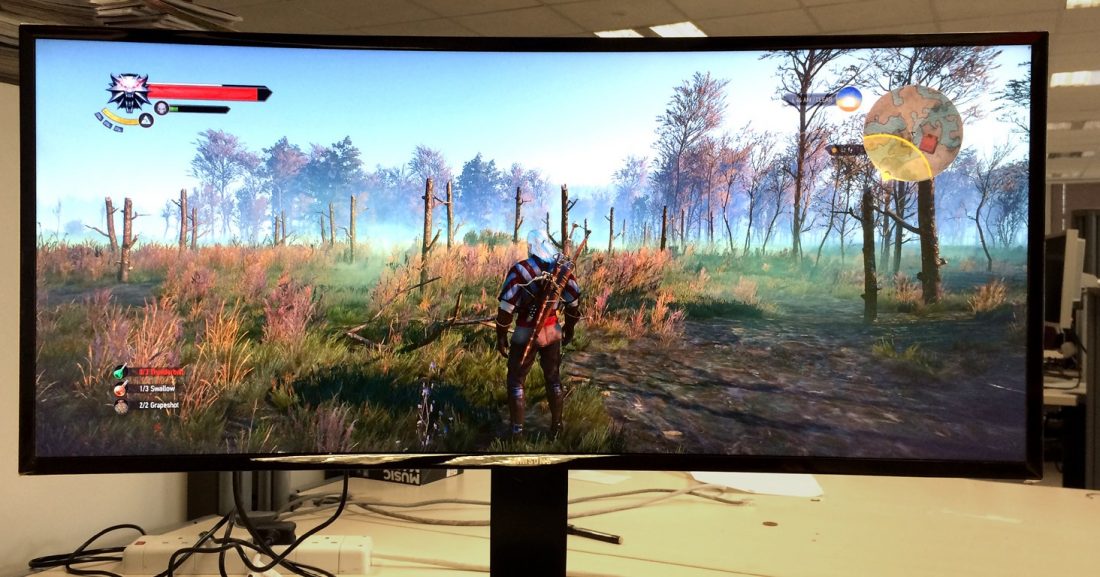
    Samsung, a leading name from the panel manufacturing industry has revealed its plans to launch two new ultra-wide (3440×1440) displays in the coming months. Both these panels will support a maximum refresh rate of 144 Hz and will be one of the first monitors in the world to support Display Port 1.3 tech.

    Samsung wide

    The new DisplayPort standard will be able to take monitors beyond 4k and into the realm of ultra high 5K resolutions with just a single cable. Additionally, the new video cable standard could allow 2016 graphics cards to drive HDR-enabled 4K monitors at high-frame rates of 144Hz.

    Current generation graphic cards do not support DisplayPort 1.3, but it’s expected to be a standard for high-end cards in the coming months.

    Samsung’s new monitors will be available in 30- and 35-inch variants, and use VA panels for their work. According to reports, Samsung, which is known to prefer IPS panels tried their luck with the technology for these ultra-wide high refresh rate monitors but settled for VA due to constraints of the current generation of iPS panel tech.

    The smaller 30-inch model is expected to be made available to markets sometime during Q3 of this year, and the 35-inch model is expected to hit stores during Q2. No pricing details have been released but considering the high-end tech used in these panels expect these to be anything but affordable when they finally hit stores later this year.

  • Samsung Galaxy J7 Specs Leaked

    Samsung Galaxy J7 Specs Leaked

    Looks like life’s all work at Samsung these days. After refreshing its A-series lineup, the South Korean tech giant is all set to come out with new offerings for its J series.

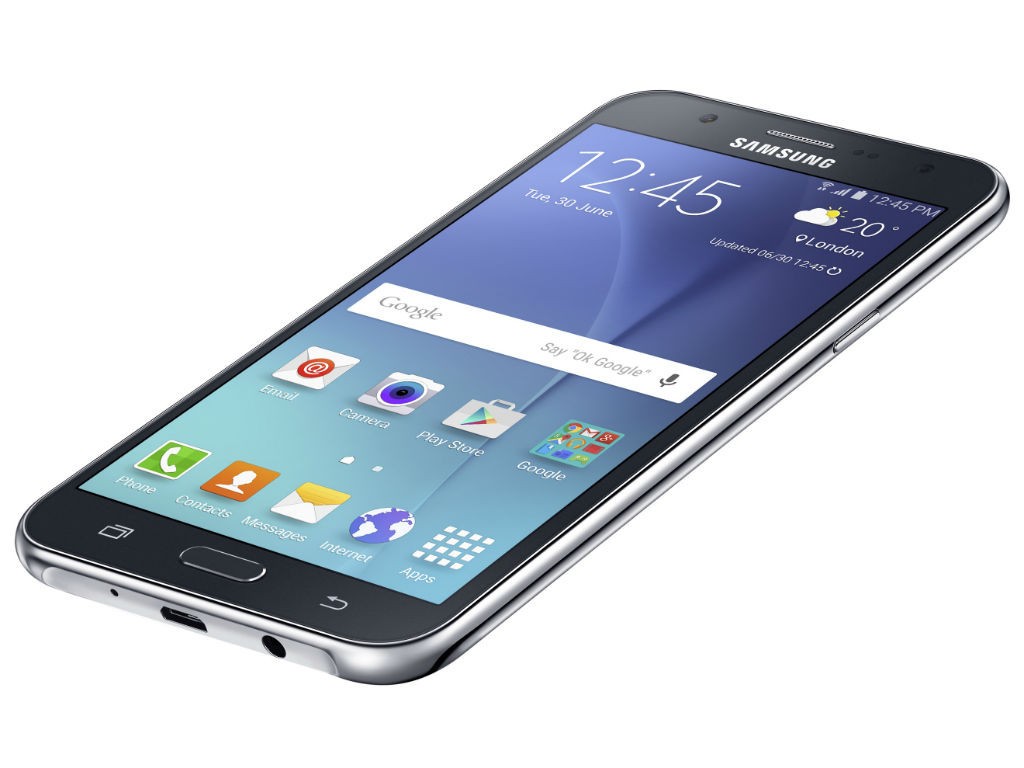
    The two new entrants to the J series are yet to make their way to the Indian market in the form of J1 and J5, and if latest rumours are to be believed the J7(2016) is already queuing up to be the next.

    Samsung J7

    Evidence of the phone being in the works and its specifications have been revealed courtesy of the Kernel source code entries found alongside the entries for the Galaxy A9 published earlier.

    The code also takes the lid of the specifications of device revealing in the process for the phone to come equipped with a Full HD display expected to be around 5.5 Inch in size.

    Under the hood, the phone will pack a Snapdragon 650 SoC paired with 3GB of RAM. The 2016 model of the J7 will come with a 13MP camera on the back, with a 5 MP shooter at the front. The kernel code also lists the J7 to come packing a finger-print sensor and lists a 4300mAh rated battery to power the device.

    Regardless to say, nothing of this is official so expect changes to the refreshed J7 by the time anything official is revealed about it.

  • Oppo F1 Unveiled in India

    Oppo F1 Unveiled in India

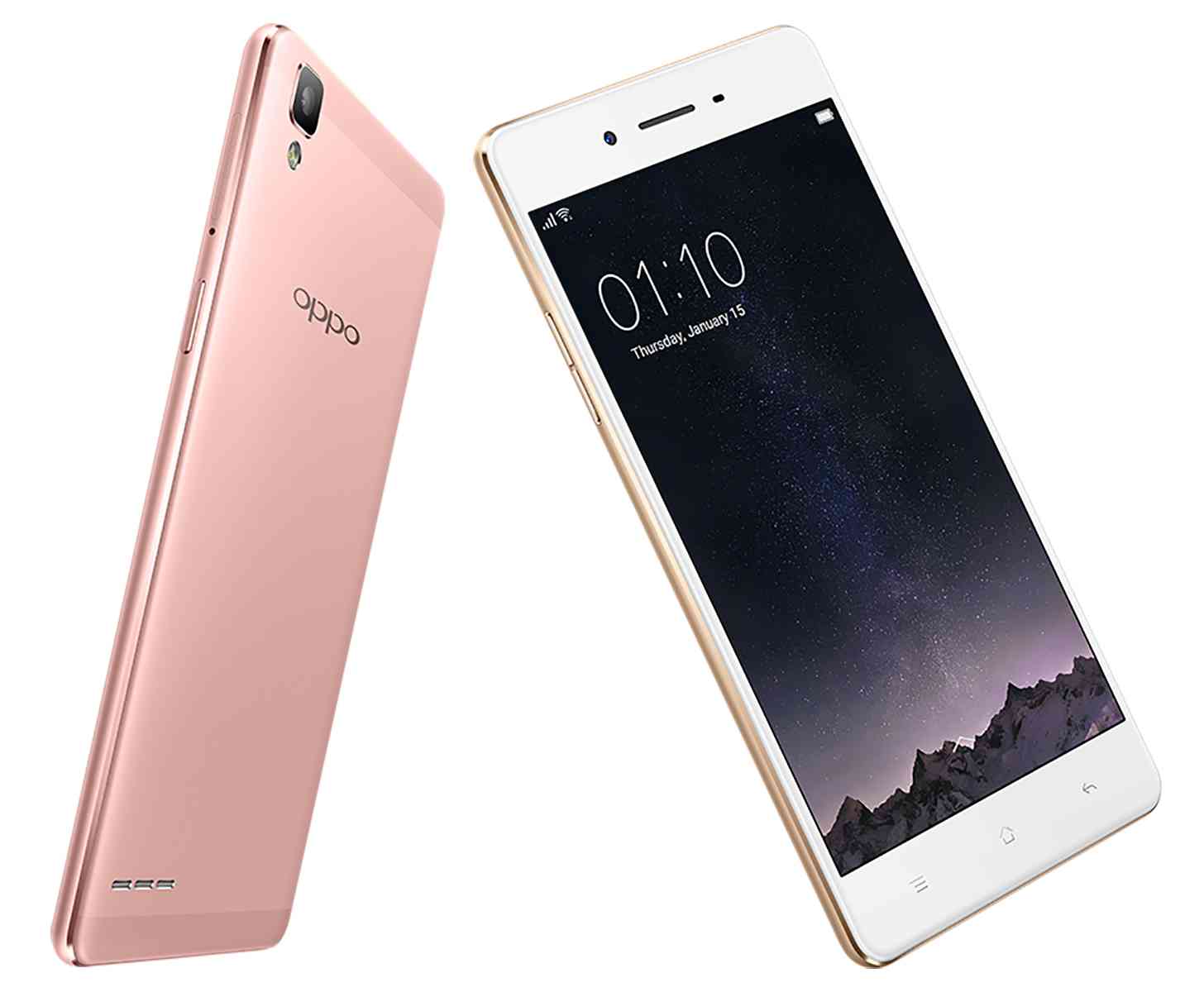
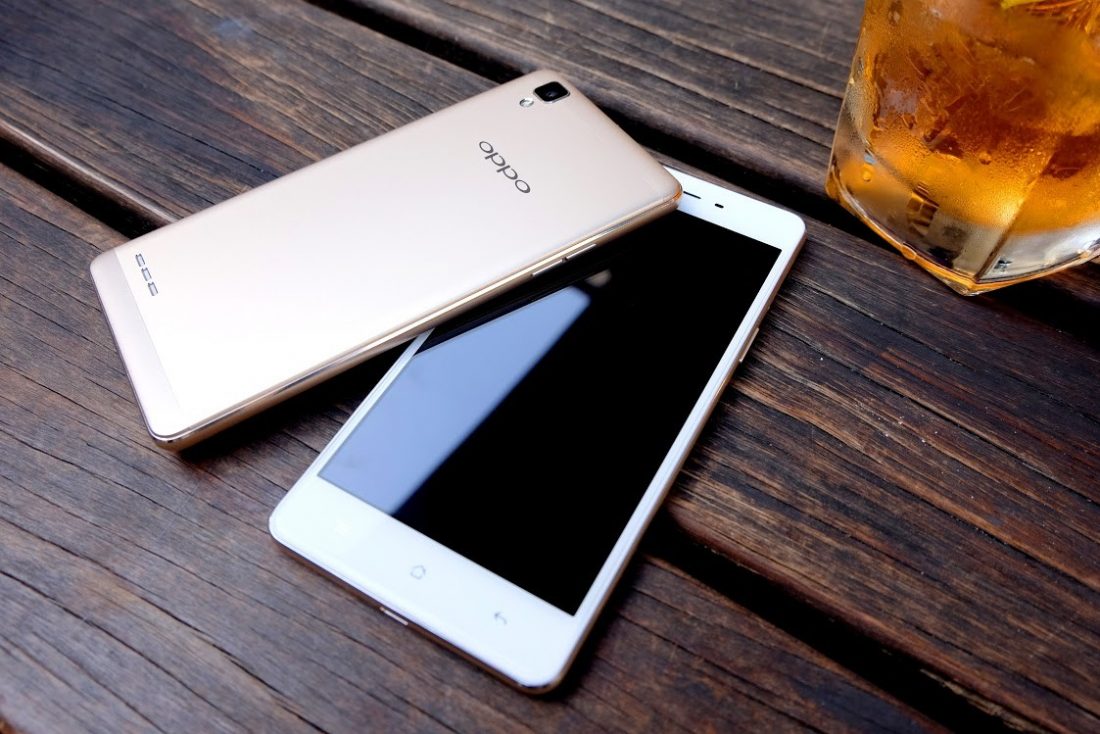
    Chinese smartphone maker Oppo has launched in India its first handset of the new F series smartphones which will target customers with an inclination towards photography. The Oppo F1 is the first of Oppo’s F series phones to arrive in India.

    oppo-f1

    Oppo has unveiled the F1 at the price point of Rs 15,990. The company also teased a 5.5-inch Oppo F1 Plus smartphone with 4GB RAM during the event which will be priced at Rs 26,990, and will be launched in April. It is said to be a high-spec variant of the camera focused F1 smartphone.

    The Oppo F1 is impressive when it comes to specs and features a 5-inch display with a 720 x 1280(294ppi) pixel resolution along with a 2.5D Gorilla Glass 4 coating. SoC on board is a 1.7GHz octa-core Qualcomm Snapdragon 616 processor paired with 3GB of RAM. Storage is listed at 16GB which can be further expanded up to 128GB via microSD card.

    The smartphone comes equipped with a 13MP rear camera along with a single LED flash. A front 8MP camera with a wide f/2.0 aperture lens and a sensor size of 1/4 inch is also included. Oppo its front camera can capture photos 30 percent clearer than a standard 5MP camera and 44 per cent brighter than those taken with an f/2.4 lens. Additional features such as Beauty 3.0 live color filters and more is also included. The device will be powered by a 2500mAh battery.

  • One Plus 2 16 GB Variant Launches In India

    One Plus 2 16 GB Variant Launches In India

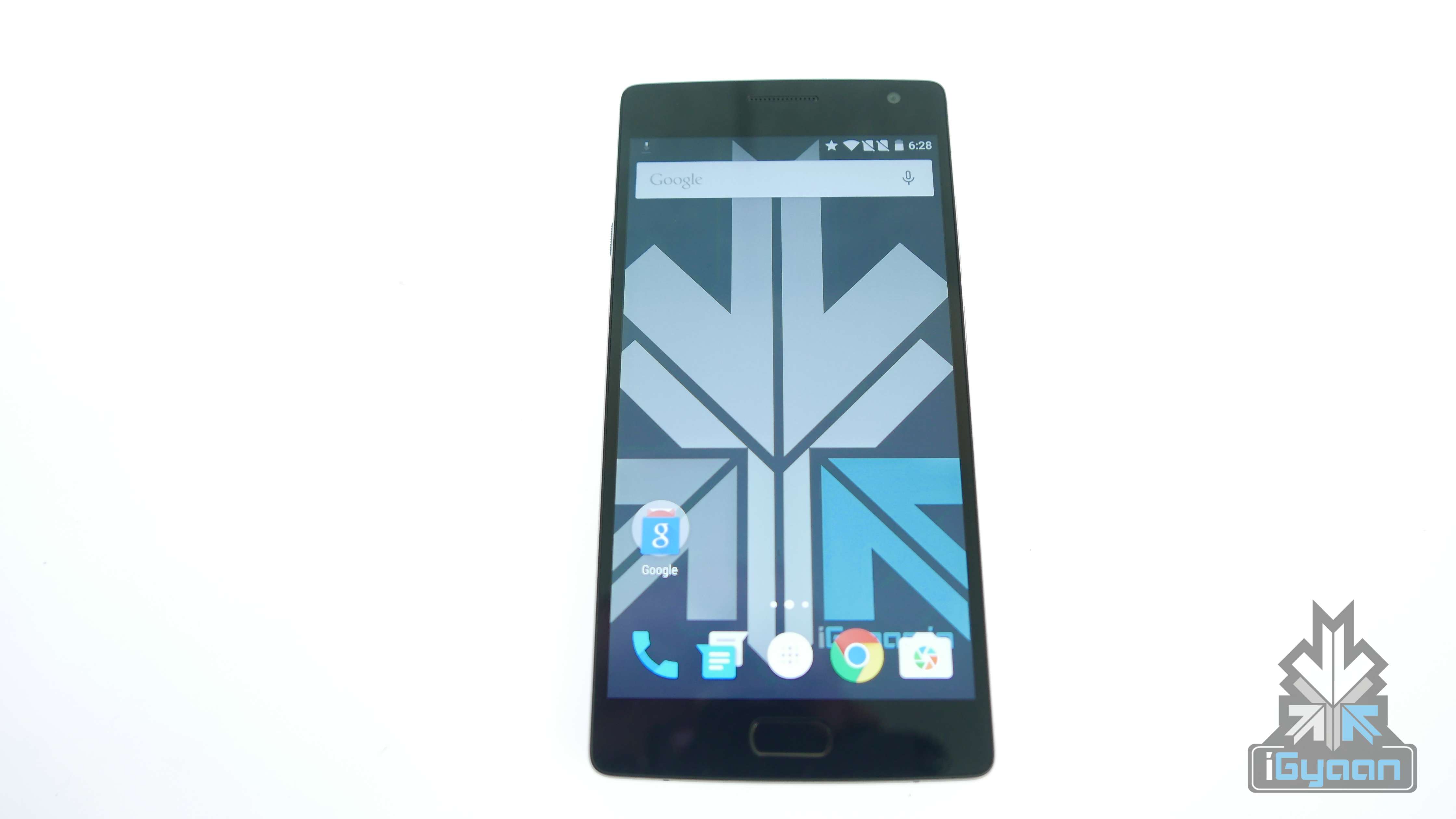
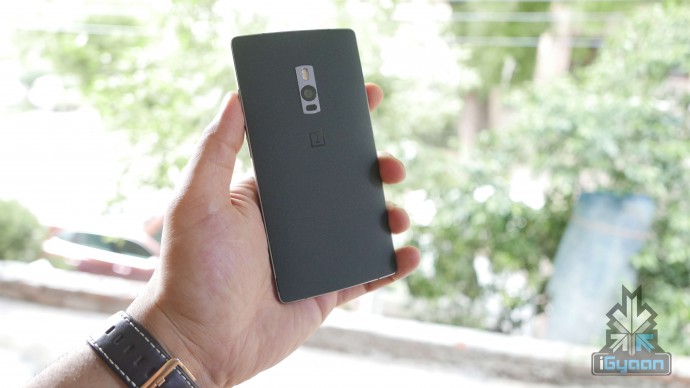
    Chinese smartphone maker, OnePlus, launched the OnePlus 2 in July last year in only a 64GB storage option. The handset was launched for a price tag of Rs 24,999, and back then the company promised a more affordable 16GB variant of the phone for Indian users in the future.

    OnePlus 2
    OnePlus 2

    Flash forward to today, and the company has finally lived up to its promise and come to the market with a new more affordable variant. The One Plus 2-16GB variant launched in India will be available exclusively via Amazon India for Rs 22, 999, and what will come as welcome news for customers waiting to buy the phone, the new variant will be invite free.

    The new variant of OnePlus 2 will come equipped with similar specs to the 64GB model, but will sport a16GB eMMC v5.0 inbuilt storage instead of 64GB, and also cut down on the RAM from 4GB to 3GB.

    The phone will feature the same 5.5-inch 1080p display as the 64GB variant. It is powered by a 64-bit octa-core Snapdragon 810 v2.1 SoC clocked at 1.8GHz and Adreno 430 GPU. The smartphone will also come equipped with Dual 4G Nano-SIM cards slots, as well as the popular USB Type-C.

    The OnePlus 2 16GB variant will share the same 13MP rear and 5MP front camera. The rear camera comes with a 1.3-micron sensor, laser autofocus, dual-LED flash, f/2.0 aperture, 4K video recording. Powering the phone will be a 3300mAh battery pack. It will also come equipped with a fingerprint sensor.

    Specification

    OnePlus 2

    Display 5.5-inch TPS LCD in cell, Corning Gorilla Glass
    Resolution 1080 x 1920 pixels (401 ppi)
    Chipset Qualcomm MSM8994 Snapdragon 810 v2.1 SoC
    Processor Quad-core 1.5 GHz Cortex-A53 & Quad-core 2 GHz Cortex-A57
    GPU Adreno 430
    RAM 3 GB LPDDR4 RAM
    Storage 16 GB
    Expandability N/A
    Rear Camera 13 MP 1.3-micron sensor, laser autofocus, dual-LED flash, f/2.0 aperture
    Rear Camera Video 2160p@30fps, 2160p(DCI)@24fps, 1080p@60fps, 720p@120fps, HDR, stereo sound rec.
    Front Camera 5MP
    Front Camera Video 1080p@30fps
    Battery Non-removable Li-Po 3300 mAh battery
    Operating System Android 5.1 Lollipop-based Oxygen OS
    Connectivity Wi-Fi 802.11 a/b/g/n/ac, Wi-Fi Direct, DLNA, hotspot
    Bluetooth v4.1, A2DPGPS with A-GPS, GLONASS
    NFC, Radio FM,microUSB v2.0, Type-C reversible connector
    Miscellaneous Fingerprint sensor
    Price Rs 22,999
  • LeEco to bring “Le 3D Helmet” to India

    LeEco to bring “Le 3D Helmet” to India

    Chinese Smartphone maker LeEco, according to reports, has plans of selling virtual reality headsets and bring to the markets smart Tv’s for its consumers in India during the next quarter.

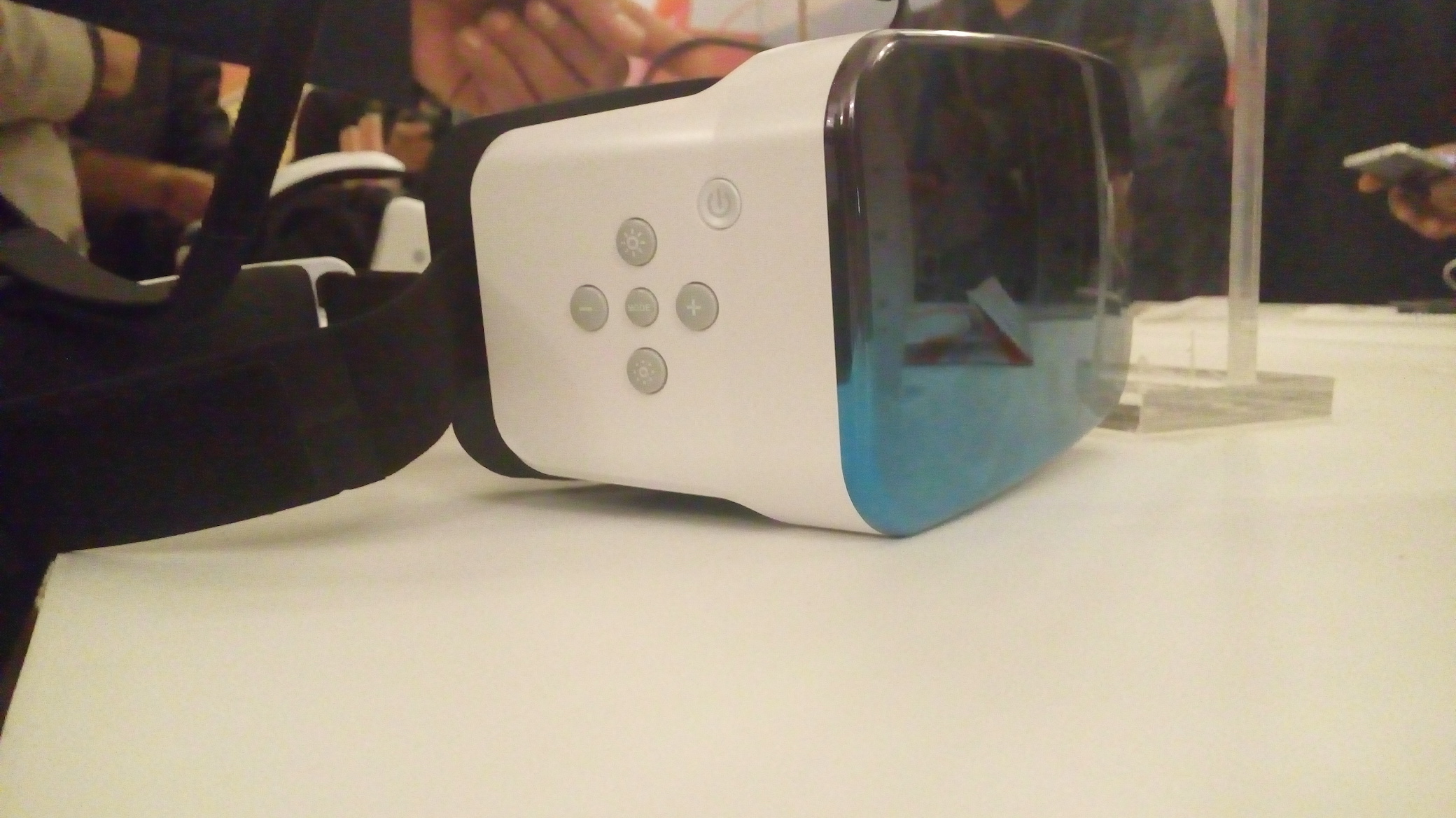
    LeEco’s VR headset which will be called the Le 3D Helmet will come equipped with a 5.5 inch, 2K resolution display with a 70 degree view. The 3D headset was launched in China and soon will make its way to India.

    le 3d helmet

    Virtual reality (VR)is soon becoming the next big thing in India but not too many VR headsets have made way to the Indian markets as of now, and as such there is a growing market space to be catered for VR hardware, and LeEco plans to take full advantage of that.

    Atul Jain, India chief operating officer of LeEco, is keeping his cards close to his chest and has declined to disclose the price of the company’s VR device.

    The company earlier this month unveiled three new smartphones to the Indian market and has disclosed impressive registration numbers for a flash sale which will see them retail on Flipkart. More than 300,000 customers have registered for the sale but the company expects numbers to go higher for subsequent sales.

  • Chrome for iOS Faster and more Stable after Major Update

    Chrome for iOS Faster and more Stable after Major Update

    Chrome for iOS has received a major update which the company says will give the browser a huge increase in speed and stability. The developers attribute this to using WebKit (WKWebView) instead of the older UIWebView.

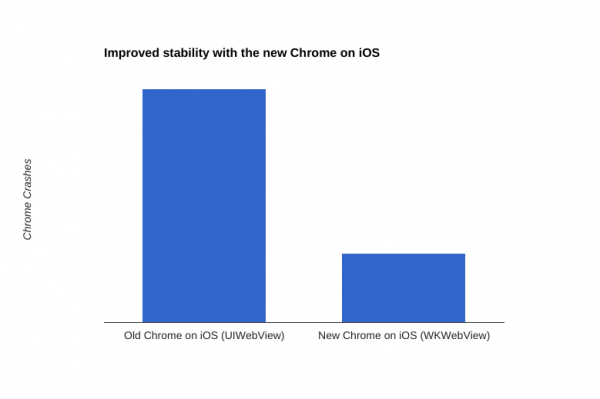
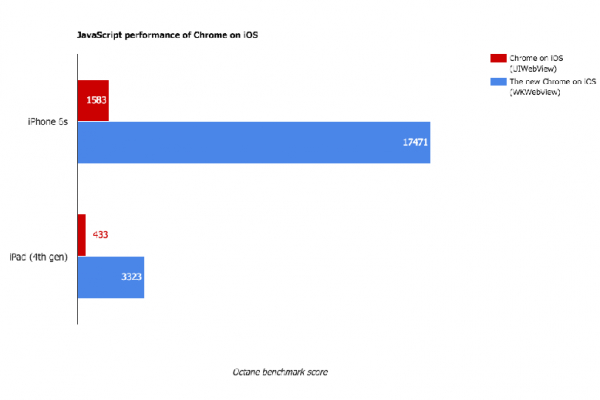
    With the introduction of the WKWebView rendering engine, Google said it has been able to update its Chrome Web browser in such a way that it can perform far better on iPhones and iPads than the previous version. The new 48th version of Google Chrome for iOS according to estimates is almost 10x faster and 5x more stable than previous generations of the browser.

    chrome_ver_48_for_ios_crashes-600x600

    This particular switch to WKWebView from the previous iOS rendering engine has enabled Google to reduce Chrome browser crashes for Apple device users by upto a whopping 70 percent. According to a blog post by Google software engineer Stuart Morgan, Even Google’s “Aw, Snap!” error page loads faster when the renderer does crash, he noted.

    chrome_ver_48_for_ios_speed-600x600

    Morgan further added  “Out-of-process rendering was one of Chrome’s earliest innovations, and we’ve always wanted to bring its benefits to our iOS users,” Morgan said. “Unfortunately UIWebView, the component used to render Web pages on iOS, is in-process, so that’s never been possible before.”

    This particular news comes on the heels of all the troubles Apple’s Safari web browser has been facing on iOS devices in the last couple of days. The issue of Safari crashing during searches has bothered iOS users for some time now.  A fix had been issued but the timing of Google’s latest announcement will certainly take away a number of frustrated Safari users away from the Cupertino-based company.

  • iPhone 5se Production begins, Manufacturers Launch Cases

    iPhone 5se Production begins, Manufacturers Launch Cases

    Whispers making their way out from the manufacturing centres in China and Japan suggest that what could be the next iPhone, the 5se, may already be rolling off the assembly line in a bid to be ready for a March 2016 launch.

    After witnessing decline in sales of iPhones, Apple looks in no mood to let things get worse in the coming quarters and hence is planning to launch a smaller screen variant of the iPhone for emerging markets where buyers can’t pay as much as their counterparts in western economies.

    iPhone 6s and 6s plus igyaan 10

    The iPhone 5se, news of which has not even been confirmed by Apple yet looks to become a reality very soon.Number of case makers have started to come up with custom cases for the next iPhone, seemingly confirming to the world the plans of Apple for launching this phone soon.

    KGI Securities analyst Ming-Chi Kuo, who has an outstanding track record making forecasts about the iPhone or iPad, expects the 4-inch device to resemble the iPhone 6. Case maker Rearth USA has also released renders of a case for what it is calling the Apple iPhone 6c.

    Latest reports further suggest that Apple had come up with this idea of the 4 inch iPhone last year only but was waiting for the perfect time to bring it to the markets.

    The iPhone 5se is expected to be powered by the A9 chipset, and come equipped with an 8 MP or 12 MP rear-facing camera and Live Photos. The handset will miss out on the 3D Touch feature The display could be the same as on the last 4- inch iPhone, the 5c.

    The 5se will be offered in two storage options, 16 GB, and 64 GB. Pricing is expected to be around $450 (approximately Rs 30,000).

  • Charging On : The Future of Mobile Device Batteries

    Charging On : The Future of Mobile Device Batteries

    We’re bang in the middle of the golden age of smartphones it seems. Almost like a ritual, phone makers every couple of months offer to eager audiences for their consumption new mobile devices with vastly improved tech.

    Over the past couple of years, we have been witness to the industry churning out new processors, RAM, cameras and more used for making these marvels of modern day technology, each smaller in size than its predecessors, and yet gaining in power with every upgrade. End product being thinner, faster phones and laptops for the end consumer year after year.

    oneline-games-for-android

    But one thing that the tech industry has still to find a good enough answer to is the lust for more and more energy for these devices!  Agreed, battery technology has come a long way and even though the batteries in our mobile devices are bigger and better than they have ever been before, they still aren’t the solution we have been looking for. Because of technological constraints, these oversized batteries are far from being good enough fix for mankind’s never ending ‘battery woes.’

    With an abundance of apps and services that require a significant amount of juice to run, we all have at some point of the other felt the pain of our mobile devices dying on us in the time of need. And to pacify us the tech industry for all its tall claims of advancements has only been able to come up with portable chargers, and at best the promise of fast charging battery packs.

    liion

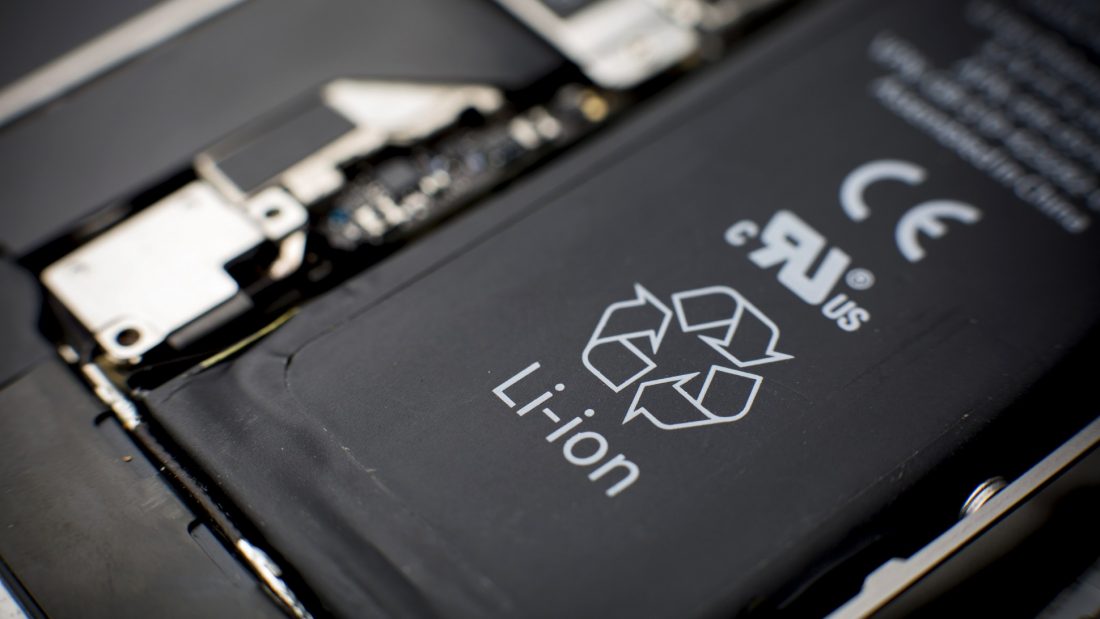
    In all honesty, the battery hasn’t advanced in decades as it should have. But looks like we’re on the verge of a revolution.Things are about to change. Scientists world over are working on battery technology advancements, and a breakthrough is just right the corner.

    The team at MIT in collaboration with Samsung, have discovered Solid-State Batteries that are better than current lithium-ion packs. These batteries should be safer, last longer and offers slightly better power capacity.

    According to reports, these new batteries could be charged for hundreds of thousands of cycles before degrading. They are expected to also provide a 20 to 30 percent improvement in power density simply translating into much more charge for whatever they are powering.

    nanoscale-yolk-battery-mit

    Another interesting prospect is the introduction of Nano Yolk Batteries which will not only power up in a fraction of the time it takes to charge current generation Lithium-Ion Batteries, but will also provide almost double the power capacity of the battery packs that we use in our mobile devices today.

    But one crucial thing holding back both these technologies is the cost involved in migrating to them. The industry has so far chosen to stick to the trusted infrastructure in place and find ways to fine tune the existing technology which not only feeds our phones but also helps feed millions of families through the ecosystem that has been created around the manufacturing of Lithium-based batteries.

    To keep everyone happy, the industry is fast working on a concept of a new generation Lithium based batteries which promises to store five times the amount of energy you find in the lithium-ion battery in your mobiles and laptops. The brains behind it call it the Lithium-Air Battery because it releases oxygen when it discharges.

    The idea which has been in the works for quite some time now faces difficulties in the form of an unwanted buildup of lithium peroxide on the electrode which hampers this type of battery’s performance, but a workaround has been found to avoid this.

    Instead of using lithium peroxide the new battery will use lithium superoxide to store energy to provide improved battery life with greater efficiency.

    These batteries are similar to lithium-ion batteries since they use a closed system, which would mean no extra intake of oxygen or any components to be removed. By doing away with clunky internal oxidizers these batteries will be leaner and simply charge up like the lithium based batteries we use in our current devices.

    The prospect of using a thinner phone with five times the battery life of our current devices sounds amazing. This long overdue upgrade to arguably the most important component of a mobile device could well see the light of the day before the year’s end. If, and when it does happen, there’s no denying how big of an impact it will have on the way we use mobile devices.

  • Mediatek to Launch Three LTE Ready SoCs for Affordable Handsets

    Mediatek to Launch Three LTE Ready SoCs for Affordable Handsets

    The mobile phone market over the years has grown by leaps and bounds. The evolution of the industry has been so staggering that it has seen hardware once thought only for the elite rich make its way to the pockets of the masses, and this evolution in no way looks to be coming to a halt.

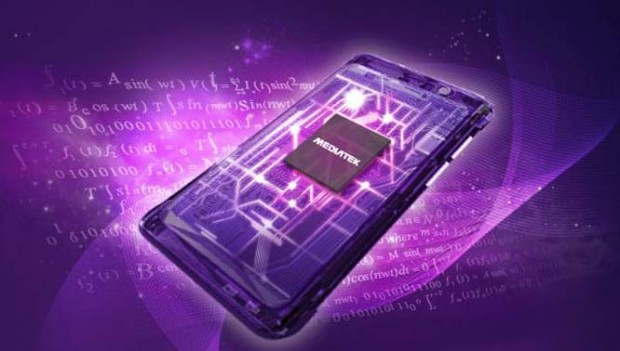
    Mediatek which has been at the forefront of this evolution looks set to do more in its aim of giving the masses access to phones with high-end specifications by equipping its low budget processor chips with LTE capability. Mediatek will be bringing to the phone makers three new chipsets, all affordable, and each one of them LTE ready for low budget handsets of the future.

    The MT6738 is the least expensive of the three chipsets on offer. It comes with four ARM Cortex-A53 chips running at 1.5 GHz and a Mali T860 MP1 GPU. On the downside, screen resolution support is capped at 720P, but the MT6738 will support up to 4GB of RAM and a 13MP camera along with the Cat.6 LTE support.

    Mediatek

    The MT6750 is the second offering, and sits above the MT6738 in the hierarchy order. It houses a total of eight Cortex-A53 cores, four clocked at 1.5 GHz and the other four at 1.0 Ghz. The GPU on the chipset is the more powerful Mali T860 MP2, but like the MT6738 resolution support is capped at 720p. The camera support, however, is bumped up to 16MP.

    Finally, the big daddy of the list, the MT6750T, is a beefed up version of the MT6750. It comes with the same octa-core configuration and support for 4 GB of RAM. Camera support is also 16MP for this chipset, and it will also come equipped with the same Mali-T860 Mp2 GPU.This processor will support 1080p displays.

    These chipsets are expected to be available to handset makers sometime in the second half of February.

  • Asus Announces Zenfone 2 Deluxe

    Asus Announces Zenfone 2 Deluxe

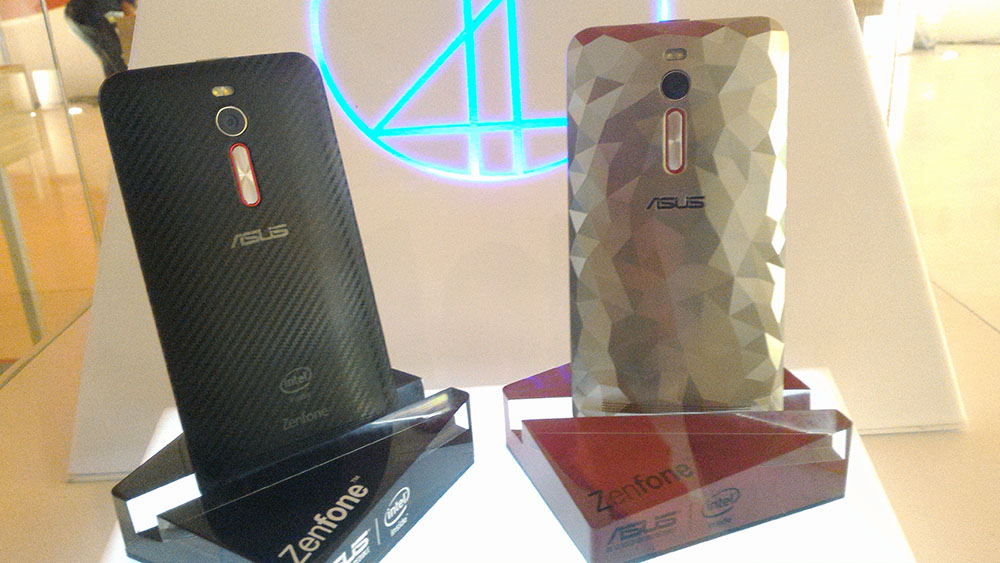
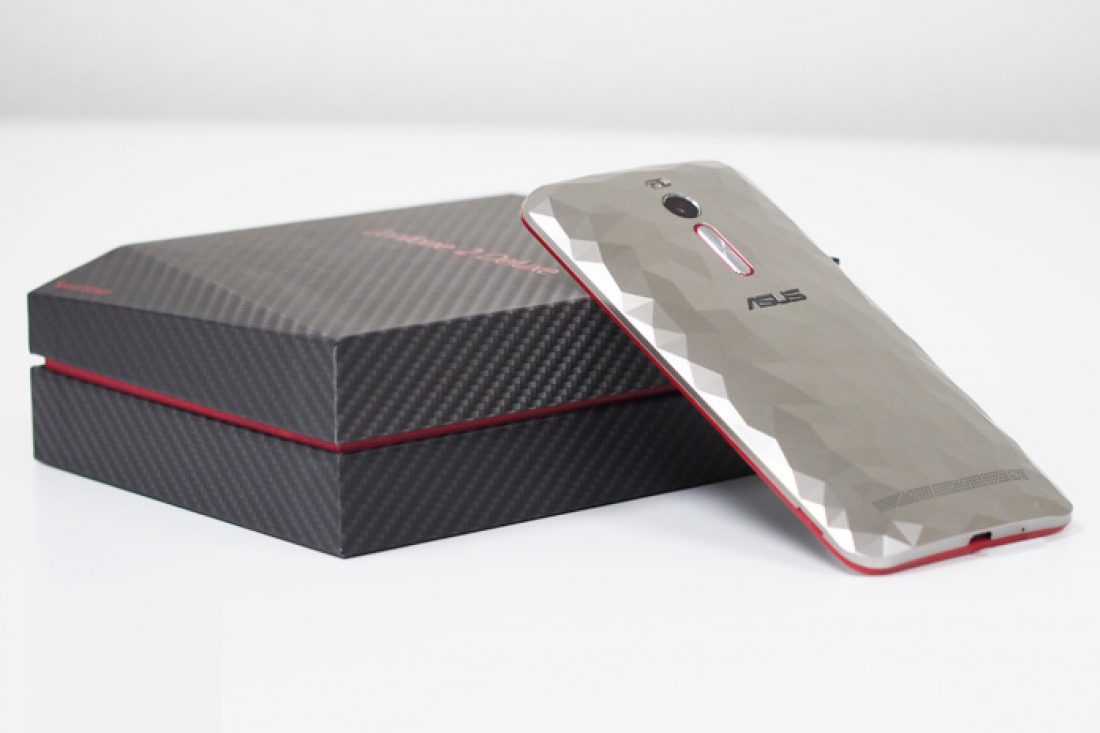
    Asus has announced a new phone for its much Zenfone lineup. This new phone will be the top of the line variant and will be called Asus Zenfone Deluxe. This new variant will come equipped with an Intel Z3590 chipset which boasts of four processor cores running at 2.5 GHz.

    zenfone2-deluxe-special


    The Zenfone 2 Deluxe will come packing 4GB of low power DDR3 RAM and 256 GB of internal storage. Option to further expand this using a memory card will also be available.

    Other than these the variant comes with the same specs as its siblings. There’s a 5.5 -Inch Full HD display with Gorilla Glass 3 protection shielding it from the outside. A 5-Megapixel camera will also be housed at the front with the beautiful display.

    At the back will be a 13-Megapixel PixelMaster snapper,and all this sophisticated hardware will be juiced by a decent 3000mAh battery pack.

    The Zenfone 2 Deluxe will be available in two designs, Silver Polygon and Night Carbon. No launch date or price has been revealed, but expect it to start retailing for around the Rs 25,000 mark in India.

  • Hands On With The Le 1s

    Hands On With The Le 1s

    LeEco (formerly known as LeTV) unveiled to eager audiences last week the Le 1s. This budget phone from the Chinese phone maker has finally arrived in India, and will be sold exclusively through Flipkart.

    The device is marked for a price of Rs 10,999, and will start retail via flash sales on the 2nd of February. Registration for the device is already open.

    The Phone will be available in one variant, with pretty impressive specs for the price. The Le 1s will come equipped with a MediaTek X10 Turbo running at 2.2 GHz. It will house a VR6200 GPU, 3GB RAM with 32GB storage.

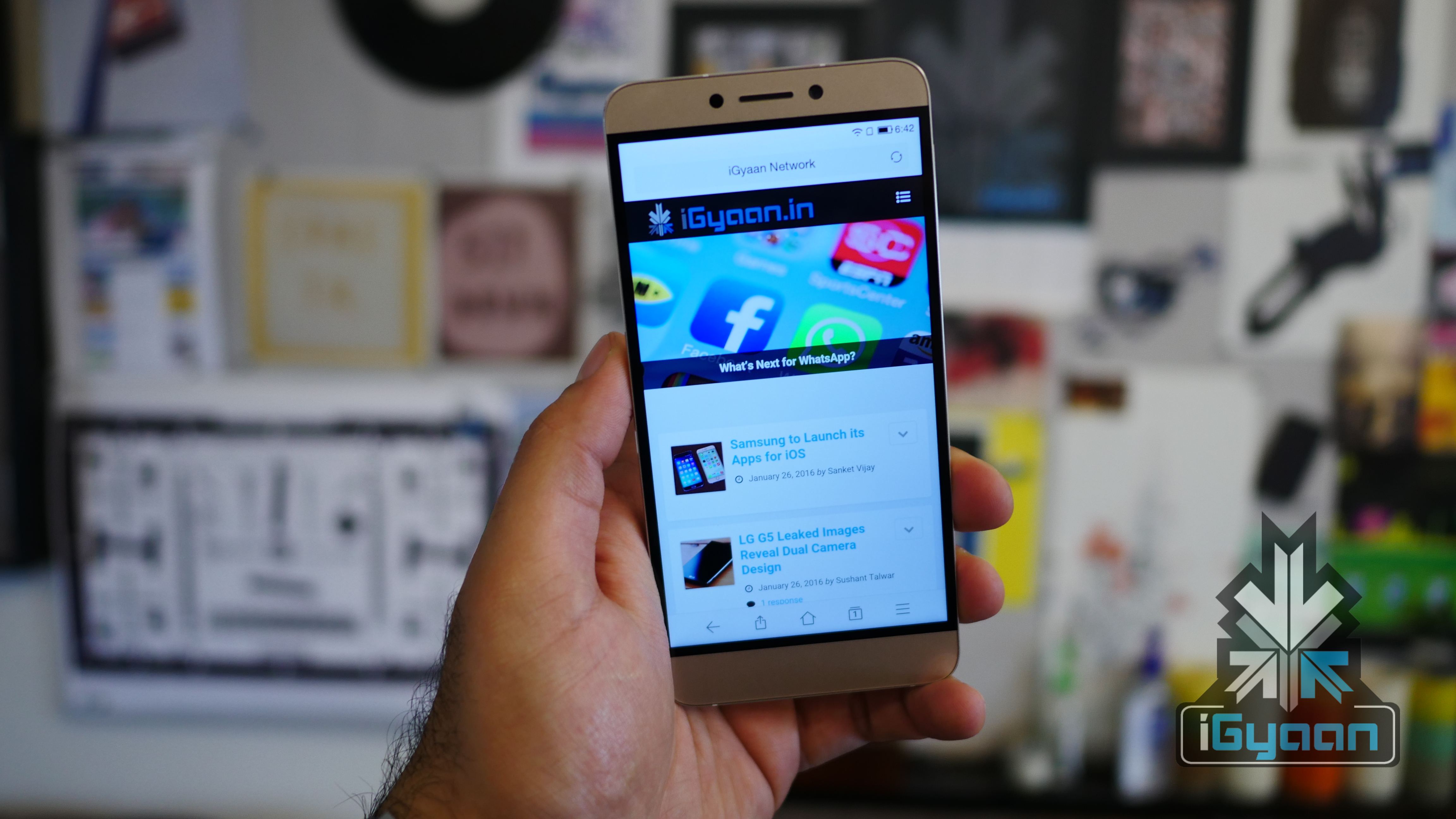
    Letv LeEco 1s iGyaan 1

    The ‘SuperPhone’ will also support Dual Sim 4G connectivity, backed by a 3000mAh battery pack in only one color option. It’s slimmer than the Le Max at 7.5 mm, and will boast of a 5.5-Inch Full HD Display, with a clarity of 403 ppi.

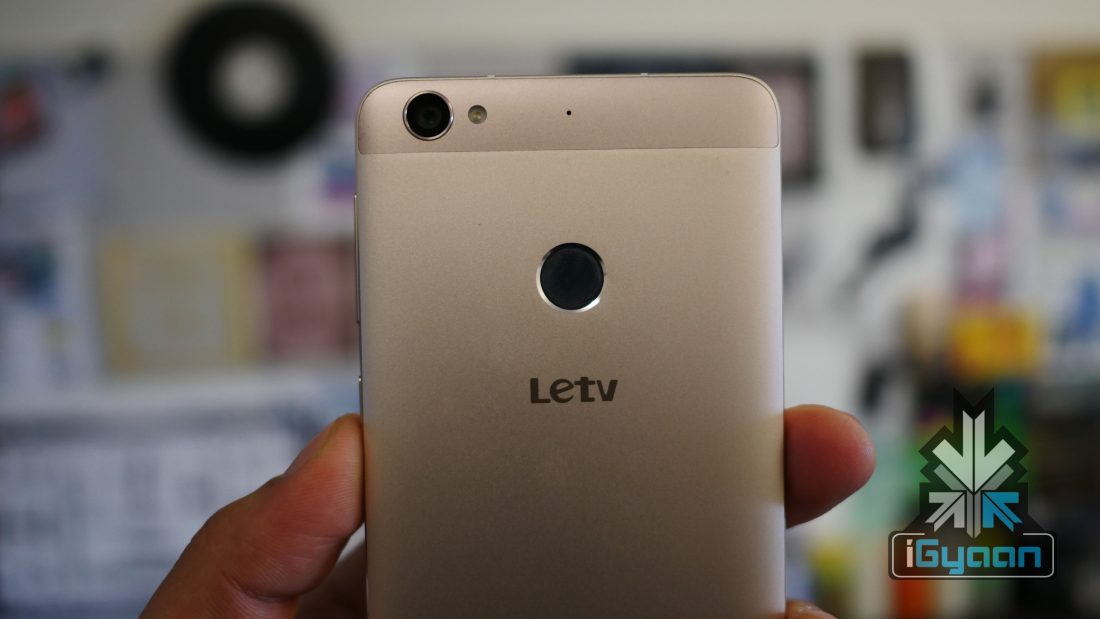
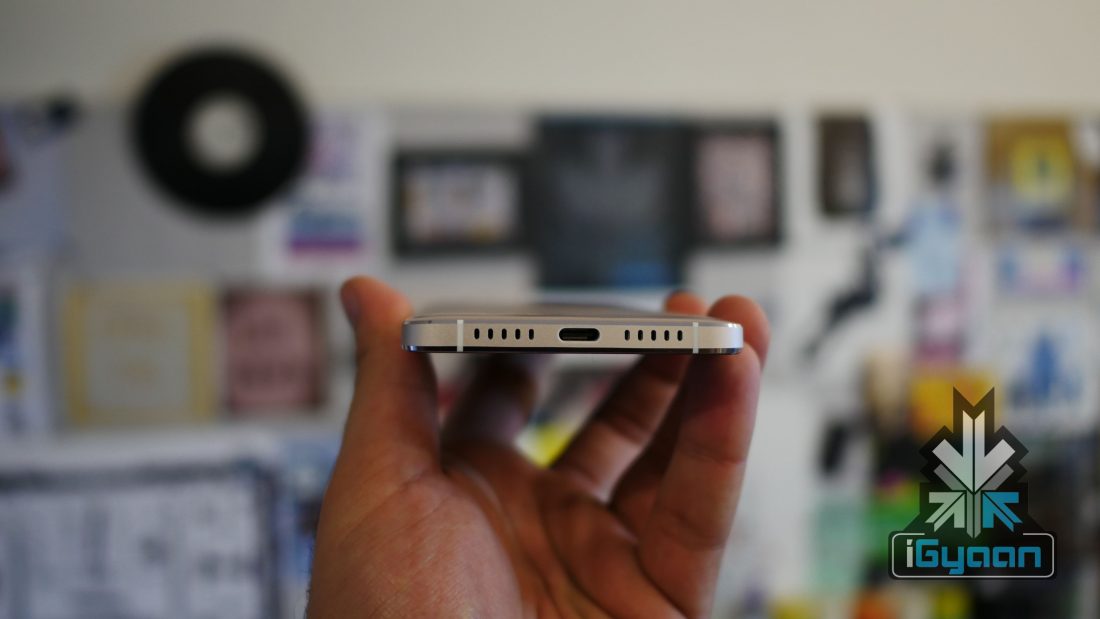
    The Le 1s has a couple of other  fancy tricks up its sleeve. It comes with the LeTouch Mirror Faced fingerprint scanner which will be the first finger scanner in the world with mirror surface. It will also come equipped with USB Type- C charging, and fast charging which will enable it to be used for 3.5 hours on a 5-minute charge.

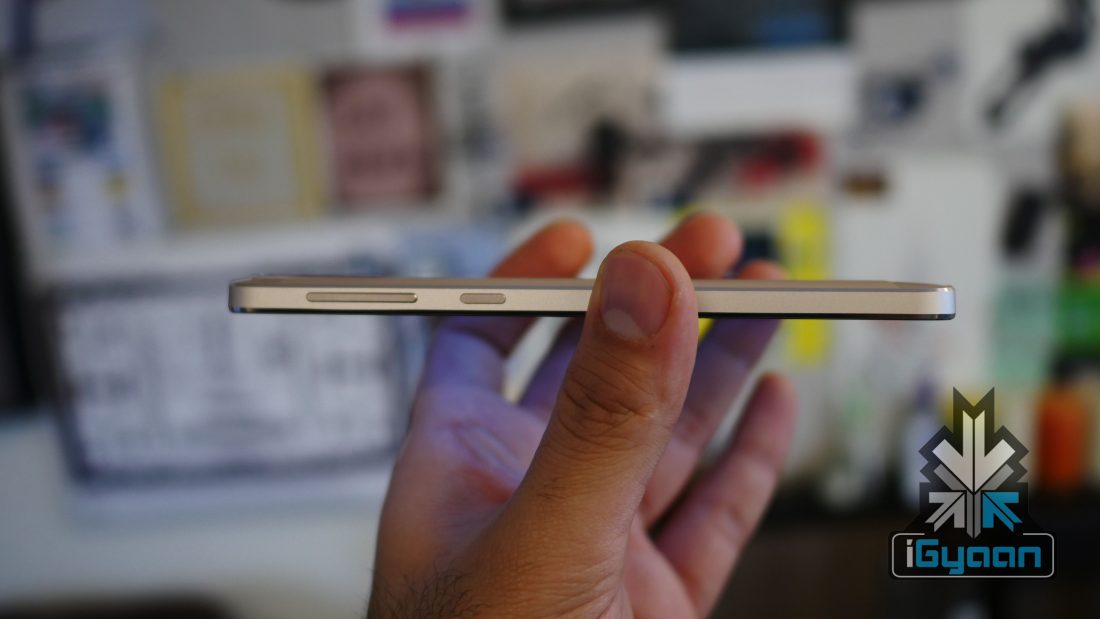
    The design is a full metal double chamber unibody design. It will be made completely out of Aircraft grade aluminium, and just like the Le Max will be bezel-less.

    Letv LeEco 1s iGyaan 7

    Our initial response towards the Le 1s is favourable. Design and build wise, the Le 1s looks premium and has a solid frame. The metallic body is smooth and feels great in the hand. The device is on the heavier side at around 160 grams, which is 30 grams more than the iPhone 6. The mirror faced fingerprint sensor on the back looks great as well, although the LeTV sticker gives it a rather cheap look.

    The display is bright and the colours are sharp especially the blacks. The bezel-less screen makes the display look big although there is a black frame within the display, but you won’t be complaining about that when the screen is turned off.

    Letv LeEco 1s iGyaan 6

    Coming to the camera, the phone comes loaded with a front 5 MP shooter, and a rear 13 MP high definition rear shooter. It will have a ‘Blue Glass Infrared Filter’ F2.0 aperture and High CSR Flash for great looking pictures. The camera is pretty good and the quality is sharp, especially in outdoor conditions.

    We’ll have an unboxing and hands-on video up soon so stay tuned for that, Meanwhile, have a look at the spec table for everything you need to know.

    Specification LeEco 1s
    Display 5.5-Inch Full HD  Besel Less Floating Glass Display
    Resolution 1080 x 1920 pixels (~403 ppi pixel density)
    Chipset  2.2 GHz MediaTek X10 Turbo
    CPU Octa-Core Helio X10
    GPU  VR 6200
    RAM 3GB DDR3
    Front Camera 5 MP
    Rear Camera 13 MP with F 2.0 aperture
    Storage 32 GB  ROM
    Expandability  NA
    Battery 3000 mAh (embedded)
    Connectivity Wi-Fi 802.11 a, b, g, n, ac / Bluetooth 4.2 / NFC / Type-C USB
    Operating System  Android OS 5.1 Lolipop with EUI Skin
    Price Rs 10,999
iGyaan Network
Privacy Overview

This website uses cookies so that we can provide you with the best user experience possible. Cookie information is stored in your browser and performs functions such as recognising you when you return to our website and helping our team to understand which sections of the website you find most interesting and useful.