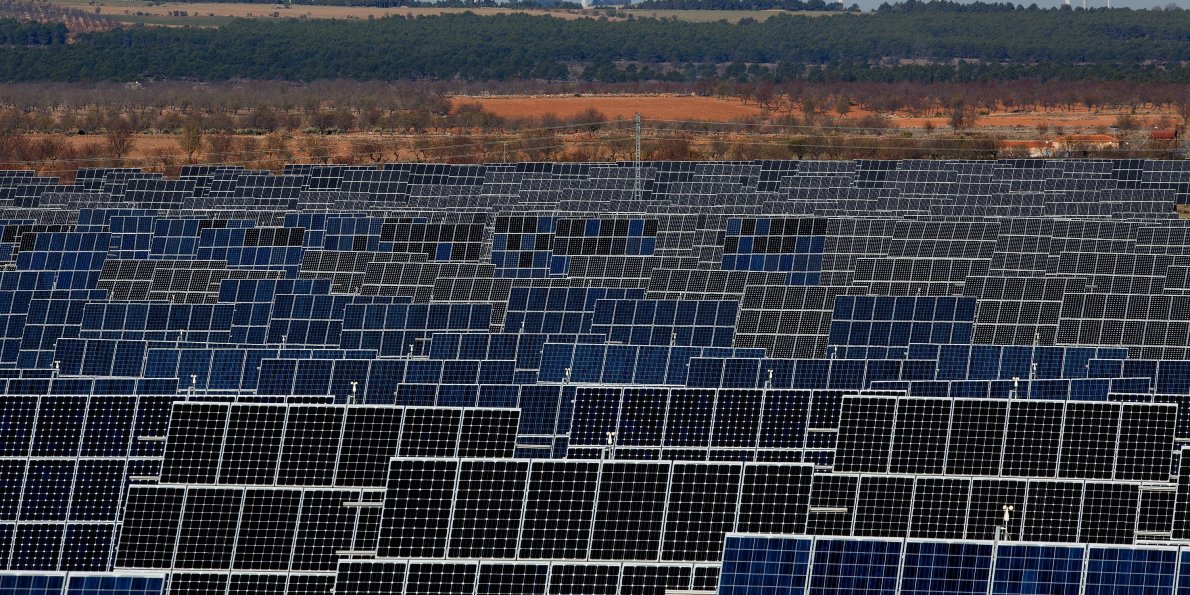
Morocco has switched on what will be the world’s largest solar power plant. The site near the city of Ouarzazate saw the launch of the first phase of the largest concentrated solar power (CSP) plant in the world.
When fully operational, the plant will produce enough energy for more than one million Moroccan households, and according to the Climate Investment Funds (CIF) finance group at the same time will help reduce carbon emissions by an estimated 760,000 tons which could further result in an estimated reduction of over 17.5 million tons of carbon emissions over 25 years.
The Noor Solar Complex uses concentrating solar power. It is comparatively more expensive than normal solar panels but also allows for the panels to save solar energy for future use on nights and cloudy days. The Noor Solar Complex currently in its first phase of launch has a production capacity of 160 megawatts but in two years when it reaches its third phase, it’s expected to have its capacity expanded to over 500 MW.
Mirrors installed at the facility diverts the sun’s rays on a liquid, which, when mixed with water, reaches high temperatures of around 400 degree Celsius. The process further produces steam which is used to drives a turbine that generates electricity.
Morroco which currently relies on imported fossil fuels for 97% of its energy requirements plans to bring that down to just over 60% by 2020 with the help of ambitious projects such as the Noor Solar Complex.
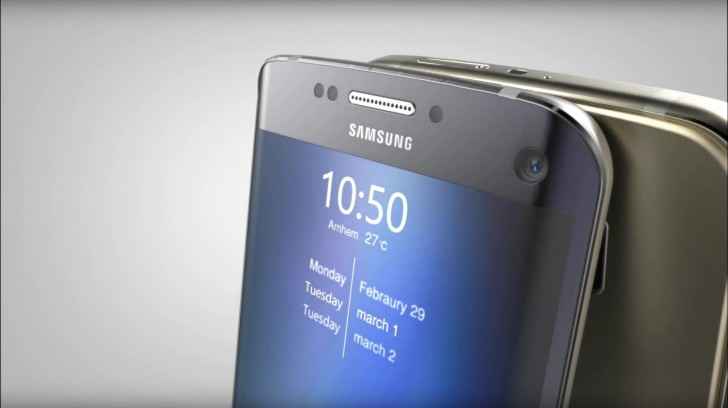
It’s hardly a couple of days wait for the official unveiling of the flagship Samsung Galaxy S series smartphones and the Internet has already gone into meltdown mode with leaks and rumours of the much-awaited phones. The latest comes in the form of very believable live shots of the Galaxy S7 edge directly from Vietnam.
These latest shots of the phone show its curved screen front with an instance of Antutu benchmark test running on it seemingly confirming its specifications. The leaked live shots also confirm the S7 edge’s model number as being SM-G935.
According to reports. the Galax S7 edge will come equipped with a 5.5-inch QHD AMOLED display, and will be powered by a Samsung Exynos 8890/Qualcomm Snapdragon 820 SoC. It will be paired with 4GB of RAM, and a 12 MP rear camera with f/1.7 aperture. A 8 MP selfie camera is expected at the front of the phone. The phone will come in two storage variants, 32GB and 64GB which will be further expandable via a MicroSD card.
Additionaly the phone will come with a larger, 3600 mAh battery, while also being waterproof and dustproof.
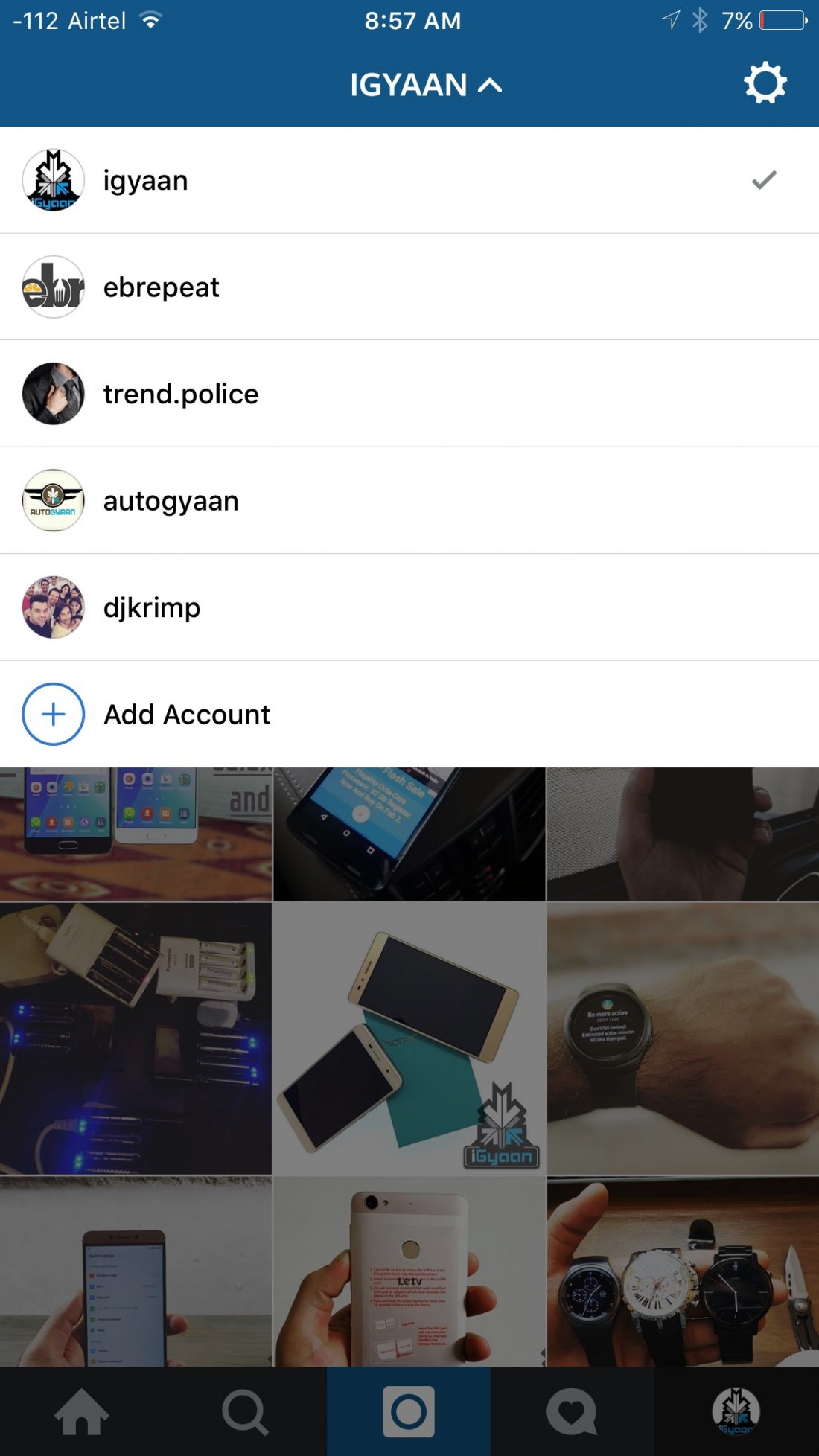
Instagram has today after a long delay added support for multiple accounts. This comes after months of testing of the particular feature. It is being rolled out with the latest update to the app, Version 7.15 which is currently rolling out for users on the iOS and Android platform.
This functionality can be availed by going to the options page and from there clicking to the ‘Add Account’ button at the bottom. After adding multiple accounts, users can switch between them by simply clicking at an account name and switching to it.
To the credit of the developers of the app, they have also added the support for push notifications for all linked accounts. Functionality to log out of one or all accounts at once at the click of one button has also been rolled out in the update.
Addition of support for Multiple accounts on the native app will make it more difficult for third party Instagram apps to survive now as the native app will carry the one feature that most users used third party apps for.
Move aside Netflix, Pirate Bay is here. The popular torrent sharing site has announced support for Torrent Time, a browser plugin that lets you stream a torrent directly inside your browser of choice. The addition of this new functionality has taken away the need for downloading a Torrent client such Utorrent or even downloading a small torrent file to your system.
To make use of the feature, the user will need to download the Torrents Time plug-in on their browser. It works in Firefox, Internet Explorer, or Chrome, on Windows and OSX. ‘Pirates’ can now go directly to the Pirate Bay website where they will find a new button to stream content easily.
Upon pressing this button a pop-up window will open where the streamable content will start buffering before playback. Streaming through Pirate Bay will include support for automatic subtitles as well as Chromecast, Airplay, and DLNA support, and hence has all the possibilities of becoming a major streaming solution in the future.
Having said this, streaming content from servers shared by Pirate Bay and its affiliates much like downloading torrents from it, is considered as piracy, so for all of you out there looking at this as a nice alternative to Netflix, know the risks before proceeding.
The Telecom Regulatory Athority of India (TRAI), today has announced final guidelines on differential pricing. Ruling heavily in favour of Net Neutrality, TRAI has said, ” No service provider shall offer or charge discriminatory tariffs for data services on the basis of content”
The telecom sector regulator with this ruling has barred differential pricing of data products, which effectively will mean that controversial zero-rating ideas such as Facebook’s Free Basics won’t be allowed to kick-off in the country.
TRAI also looks increasingly likely to disallow subsidised data packages already on offer which allow services, such as Whatsapp or Twitter etc to be availed at discounted prices through special packages.
The Regulator has warned operators that they cannot enter into any arrangement based on discriminatory pricing failing which they could be fined upwards of Rs 50,000 a day.
“Prohibition of discriminatory tariff is necessary to ensure that service providers continue to fulfill obligations in keeping internet open and non-discriminatory,” TRAI said.
This particular decision by TRAI will come as bad news for telecom operators who have been increasingly looking at differential pricing of data services as a source of increasing revenues. It will also come as a huge blow to social networking giant, Facebook which has invested heavily in Free Basics.
Our favourite modern-day assassin, Agent 47, is back in the latest instalment of the Hitman game series. The new game will find globetrotting Agent 47 in the prime of his career, stalking and bringing to end the life of his preys in trademark cold blooded Hitman style.
This latest instalment takes us back to a time before the chaos of Hitman Absolution. A time in which Agent 47 is an operative of the International Contract Agency, and Diana Burnwood still his handler helping 47 take out high profile targets from around the world.
https://www.youtube.com/watch?v=Oj3q6I_acQw
This new game is set to be released in an “Episodic” manner, with the first episode consisting of the prologue and the Paris Map slated to go live on 11th March, 2015. This will be followed by the next episode set in Italy in April, and Morroco in May. Further map locations such as the USA, Japan, and Thailand will be released along with monthly downloadable content.
Square Enix and IOinteractive with this strategy of releasing episodic content are looking at redefining not just the Hitman video game series, but the way mainstream games work in particular. The game studio has revealed that this is not just a simple marketing gimmick which will see the studio trying to tap changing consumer behaviours of the population of today, but will try to achieve something more.
Travis Barbour, a senior figure at IO posted on the PlayStation blog that this game will unfold over multiple seasons. Different Episodes of the game in the beginning will run parallel with each other, however, towards the end the end of the season they will merge together.
He further stated that the episodic nature of this video game allows them to create individual stories, and also create stories involving all of the new cast something which will not be possible if the developers are confined within the narrow structure that the industry currently follows for mainstream games.
This format will allow the developers to create a living world that will expand and evolve over time with the help of updates, and content additions helping the game to expand with future Hitman games.
Coming to the gameplay, the new game will also see a much-wanted return to the old stealth strategy gameplay for the franchise. The trailer hints for the game to be going back to its violent ways that made people like it in the first place. This new game will feature the classic Hitman formula of the puzzle game rather than simply being a gory blockbuster.
Like the earlier instalments of the series, the structure of the new Hitman game is based on killing a specific target or targets across each level but, disguises, exploration and concealed weapons will play more of a part than they did before because of the expanded sandbox nature of the game. The episodic format will now see big complex levels full of non-playable, but interactable characters and multiple options for terminating your targets.
Forget the fact that this game is an important milestone in the timeline of the franchise, the new Hitman has the potential of impacting the industry throughout. The episodic release structure has been typically used for smaller games such as Life is Strange or Minecraft: Story Mode but never before for big name titles such as the upcoming Hitman title. How the game does upon launch could persuade game publishers, and studios to come out with more such games which frankly could be a great thing for the evolution of the industry.
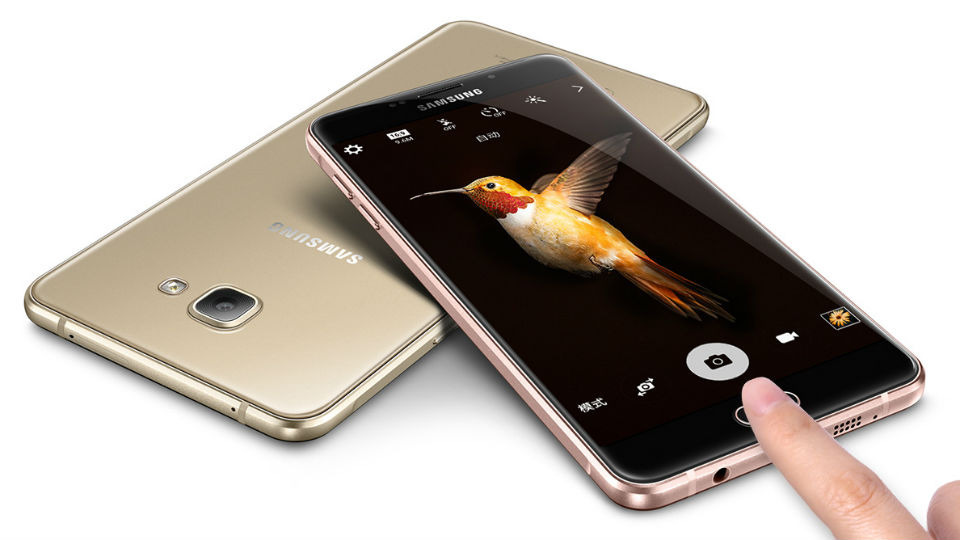
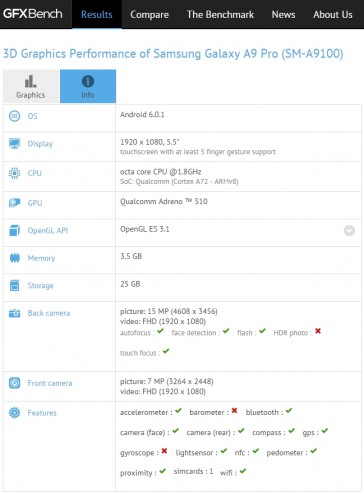
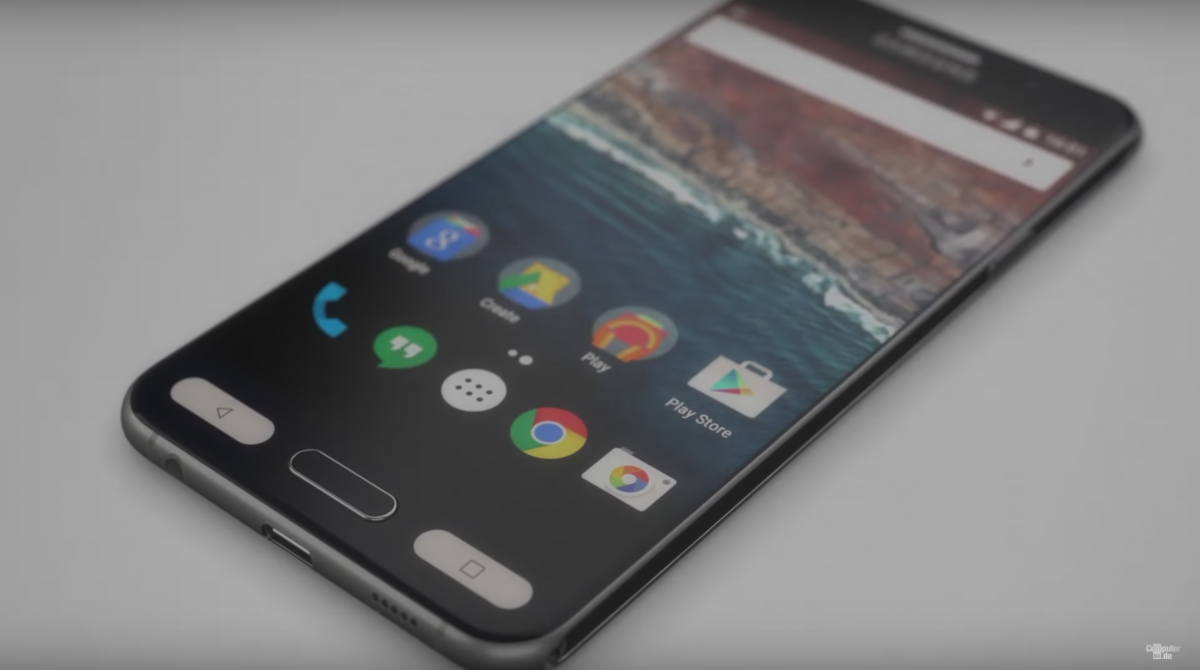
New leaks have surfaced on the internet regarding the Galaxy A9 Pro which not only provide further proof of its existence but also takes the lid off certain important specifications of the phone.
Latest GFXBench entry of the phone has revealed the phone to come with a 5.5-inch display. This is in conflict with earlier reports that the phone will come with a 6-inch display. This news will come as a surprise as the Galaxy A9 (2016) is already available to Chinese markets coming in at a size of 6-inches. Even the A7(2016) which has recently made its way to Indian markets comes in at 5.5 inches so this news of the phone being equipped with a display of the same size does not sound believable.
Coming to the other specs, the benchmark pegs the phone to come in with a Snapdragon 652 CPU running at 1.8GHz inside a Qualcomm chip. The SoC will be coupled with 4GB RAM for smooth performance. Camera at the back is a 15-megapixel shooter, while the front will be a 7- megapixel shooter. Battery is expected to be a massive 3500 mAh.
There is nothing concrete on the handset as of now, but the way these leaks are coming thick and fast expect the phone to be unveiled sometime in the month or so.
Microsoft and GoPro have announced a deal that would allow the action camera manufacturer to take advantage of the software giant’s file storage and other system technologies.
Both the tech companies have decided to keep the terms of the agreement confidential leaving the media speculating about which patents have been targetted in the deal.
In a statement, president of Microsoft Technology Licensing, Nick Psyhogeos, said, “This agreement with GoPro shows the incredible breadth of technology sharing enabled through patent transactions. Microsoft meets the demand in wearable tech licensing, an area that is continuously growing. Microsoft has a wide array of partnerships with firms from all industries in order to provide optimized solutions for global customers.”
The likely inclusion in the licensing partnership is the exFAT file system. ExFat is particularly interesting due to its capacity to store large media files, and keeping in mind the fact that GoPro cards below 64 GB still have to use in the old FAT format this partnership with Microsoft for licensing of the ExFat file system could be great news for the company.
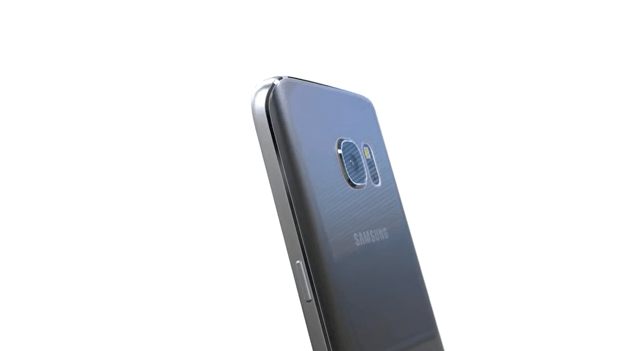
As MWC 2016 nears, and all sorts of rumours and leaks regarding the Galaxy S7 make way across the Internet, it’s really difficult to not stand up, and be impressed by what could potentially be the best Galaxy lineup of phones in the past few years.
Earlier today we reported that the Galaxy S7 on the back of certain improvements to its internals and the UI will come with a promise of great battery life which if reports are to be believed could even take you through two days on a single charge.
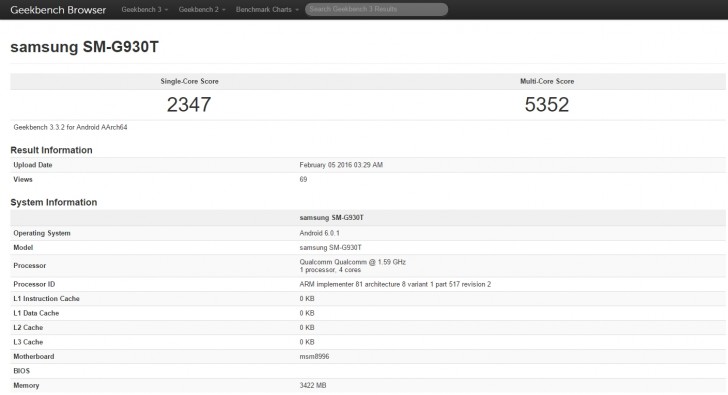
And now, to add to that, new reports suggest that the S7’s performance could be far better than what we had earlier expected. GeekBench scores of what is a unit bound for US with Snapdragon 820 SoC on board has clocked some pretty solid numbers on benchmark tests.
The benchmark results from today are much higher than initial benchmarks of the phone suggesting that the manufacturer has carried out some serious optimization work on the handset. Having said that, single core performance still sees Qualcomm’s 820 lag behind the A9 SoC found on the new iPhones.
The Samsung Galaxy S7 upon launch is expected to to feature a 5.1-inch Super AMOLED display with Quad HD resolution, a new 12 MP BRITCELL camera with f/1.7 aperture, and a 5 MP secondary cam. Two SoC configurations are expected. One being a Exynos-based version and the other a Qualcomm-powered model. The battery is expected to be upwards of 3500mAh.
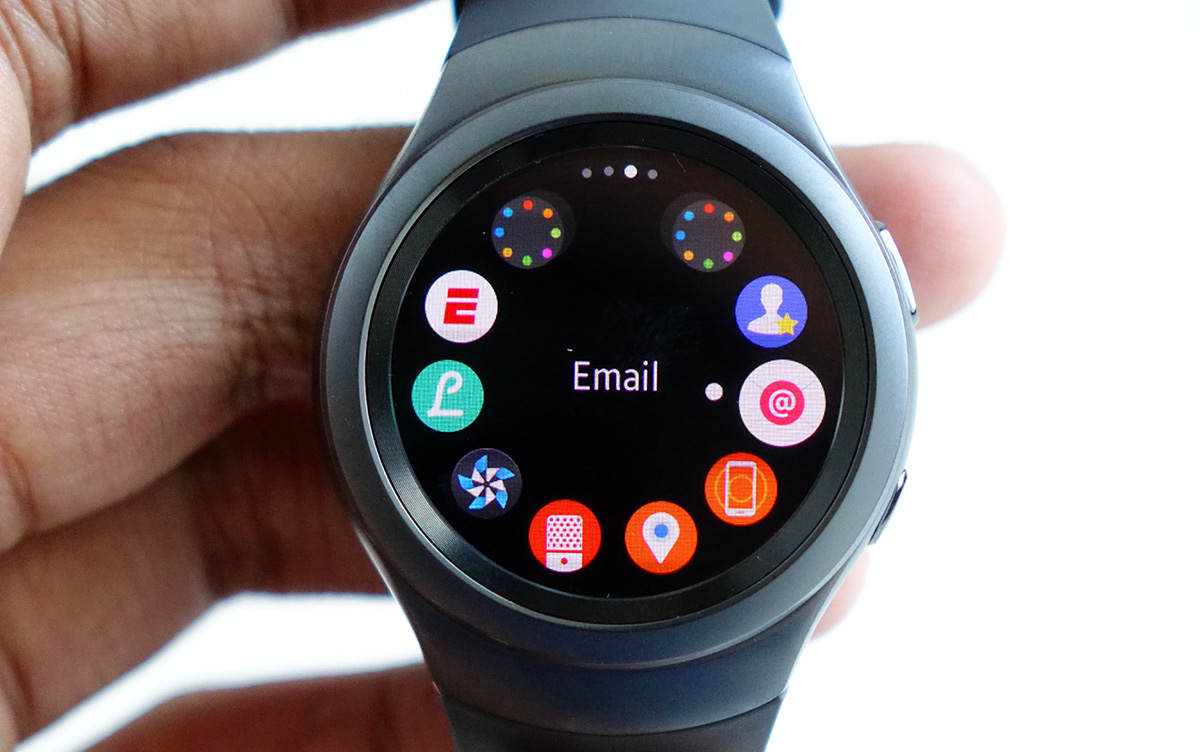
A new patent granted to Samsung hints that the south Korea based tech giant may bring to the wearable-market a concept futuristic enough to put the Terminator to shame. Samsung plans to incorporate a new biometric user authentication system in its smartwatches and other wrist-based wearables of the future.
According to a new patent filed by Samsung, the company is toying with the idea of using advanced biometrics in its smartwatches of the future that will recognize you by your veins.
The patent talks about a system in which light sensors work in tandem with the camera sensors trace the user’s vein structure and simultaneously also detect the user’s pulse. Since vein structure and pulse are unique to individuals they will be used for identification when the user puts on the smartwatch.
The patent information indicates that the software could offer custom contact lists and ringtones upon identification of the user. Further uses of a smartwatch equipped with such high-level biometric tech could be the smartwatch being used like a key to open a car door or your house. It also could be used to authenticate a mobile payment, replacing the currently used fingerprint sensor or password sign-in.
The patent filing describes the tech as:
“A wearable device comprising: a sensor configured to capture a vein image of a user;…identify the user by comparing the captured vein image with at least one registered vein image; and in response to determining that the identified user has an execution authority for the selected function or application, execute the function or the application.”
Samsung S7 launch is right around the corner, and it seems that the rumour mill has decided that its about time it goes into overdrive mode.The last couple of days have seen a number of leaks and rumours about the phone surface, but today’s probably the most interesting we have come across for a while.
Russian blogger Eldar Murtazin has made an interesting revelation about battery life of the S7. He says that the phone might last up to two days of continuous use on a single charge.
Murtazin, who previously claimed in an extensive pre-release review of the handsets that the Galaxy S7’s battery lasts for 17 hours while playing video with the screen at 100% brightness, today posted new screenshots from a dual-SIM version of the Galaxy S7. Murtazin has claimed today that the phone can last upto 2 days with a single charge with the battery draining 4G LTE on, and the phone’s brightness set at 75%.
The new Galaxy S7 phones are said to come in packing bigger battery packs of over 3500 mAh. Along with this, the phone is expected to also come with a better-optimized OS for improving battery life and the switch to Qualcomm 820 with better thermal, and power management is also expected to do well for the Galaxy S7 when it comes to providing good battery life.
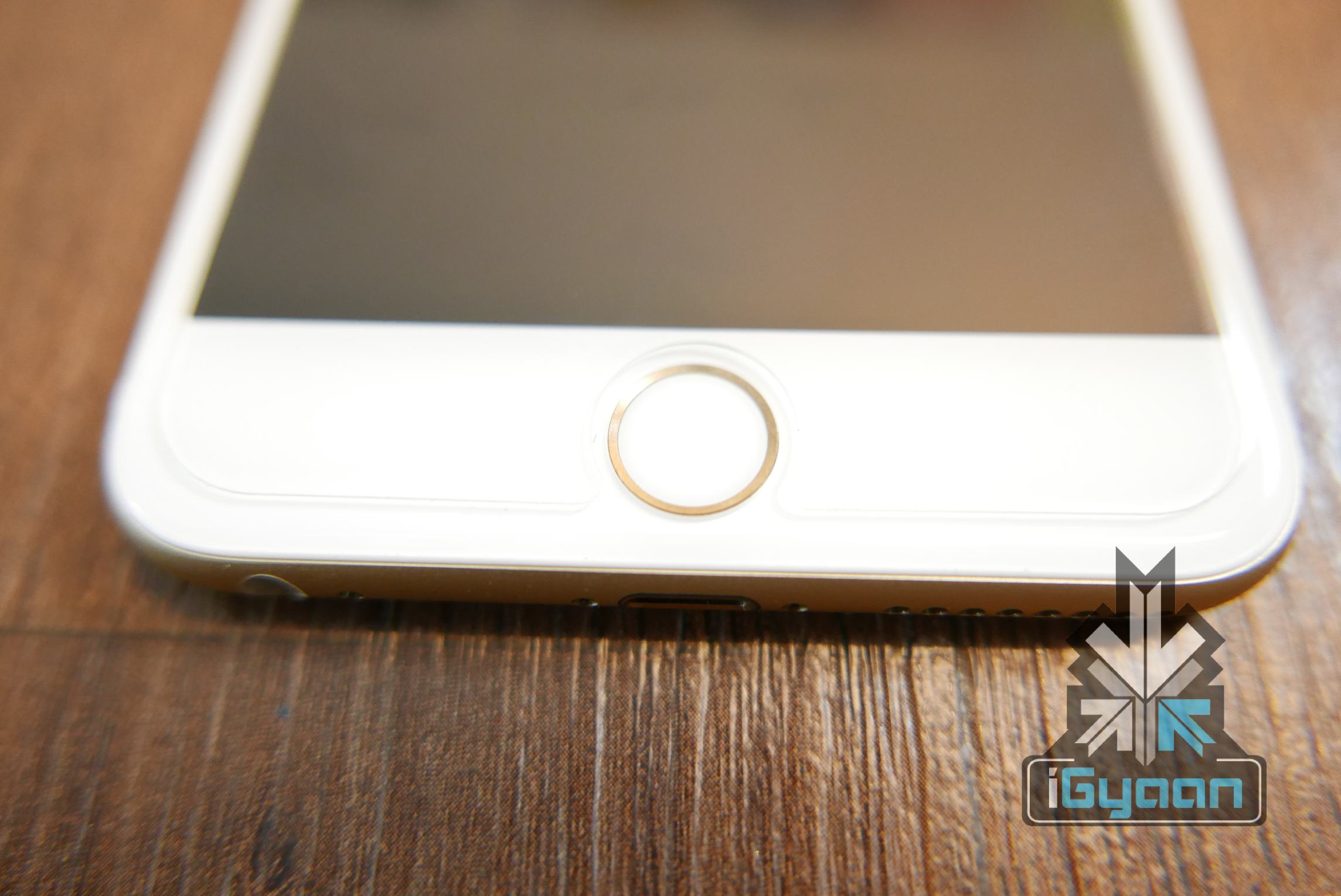
Apple for what it’s worth is exploring ways of getting rid of the bulky home button on its future iPhones. Apple’s 3D Touch technology could be at the heart of this change if the Cupertino-based company does end up going ahead with the idea.
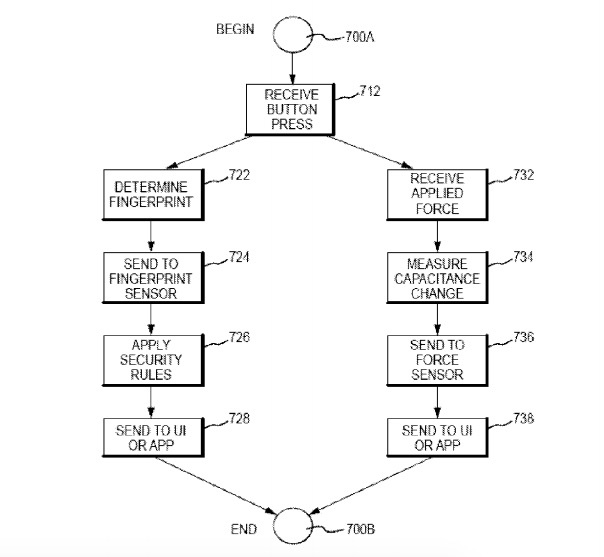
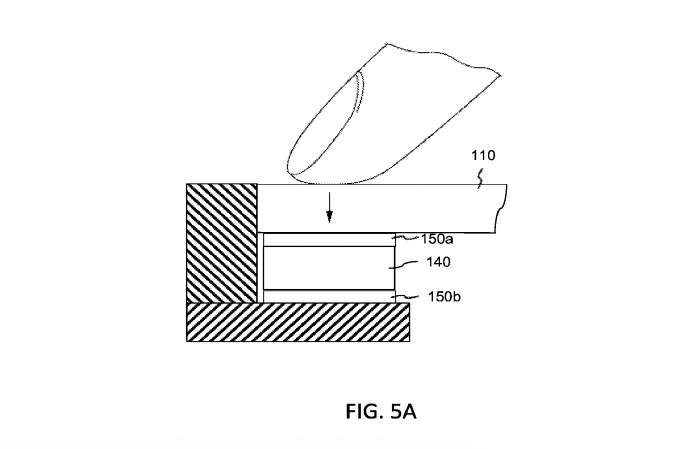
A new patent out of Cupertino shows how Apple might combine Touch ID fingerprint recognition and haptic feedback into a single module. The patent which was finally approved this week after 3 long years of talks shows what looks like an idea for a “Force-sensitive fingerprint sensing input.”
This will essentially mean the iPhone’s home button will not remain a physical button if and when Apple decides to implement this tech on their future handsets. Instead, it could simply merge into the rest of the flat touch sensitive surface.
Apart from the fact that it will herald an all new change in the way Apple uses home buttons on its phones, the idea of a button-less display without any capacitative buttons on it sounds pretty cool.
And if that’s not good enough for you, then try this for kicks. Apple details more features in the patent that could be possible with this new technology. The flat button space may recognize various gestures and even “near touches.” So yes, you basically interact with the button without even touching it. Don’t know about you, but we are already excited.
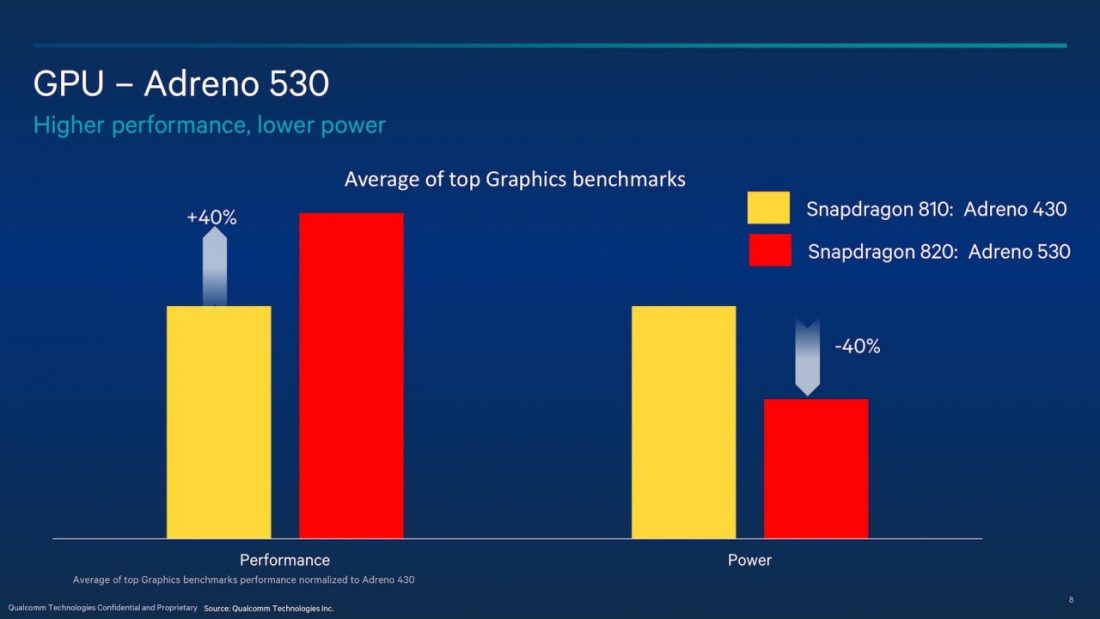
As MWC 2016 nears, news of new smartphones using Qualcomm’s latest 820 SoC is going to start coming in thick and fast. The snapdragon 820 SoC is slated to come with Adreno 530 GPU which is said to give almost 40-50% more performance than last year’s Adreno GPU, and as claimed by Qualcomm is going to be more energy efficient too.
Well, for starters Snapdragon 820 is a chip built from scratch. The CPU cores, the GPU, the DSP, the modem, the image processors. everything has been upgraded after the debacle that the Samsung 810 was. On this new architecture, Qualcomm claims to have upgraded things across the board.
The Adreno 530 will be offering up to 2.5 times an increase in video performance. It will also be coming with full support of OpenCL 2.0, Renderscript, Vulkan, OpenGL ES 3.1 + AEP. Shared Virtual Memory, which comes with OpenCL will now allow data sharing between an Open CL’s host and the device’s GPU.
Last year’s GPU was a nightmare for Android gamers who faced grave heating issues owing to the GPU of the chipset while all the time having to deal with dismal graphics performance. Qualcomm has revealed that a lot of work has gone into the GPU on the 820 SoC to ensure that the 530 can achieve 40-50% performance boost at acceptable energy levels.
Seeing is believing, and as such, early GFXBench tests have also revealed that the Adreno 530 might just really be the beast Qualcomm claims it to be. The 6-Core GPU, PowerVR GT7600 found on the iPhone 6s Plus comes close to the might of the Adreno 530 but loses out to it in the end.
Surprisingly, the only GPU that did beat the 530, and that too by a small margin, was the Nvidia Tegra X1 chipset. Worth a mention is the fact that the Tegra X1 because of its form factor is found on large tablets. Such is the might of the Adreno 530 that other GPUs like the Mali-T760MP8 and the Mali-T880 MP4 couldn’t even come anywhere close to it in the benchmark tests.
This will come as great news especially for those of us who are looking to buy the Galaxy S7 once it arrives. Samsung’s flagship offering from last year, the S6, and S6 Edge, though being heavy on specs did lose out to the iPhone lineup when it came to raw graphics processing power.
The Mali T760MP8 on the Exynos and the Adreno 430 on other Android handsets sporting the Snapdragon 810 were significantly under-powered for graphics tasks. The resurgence of Snapdragon with the 820 could close the huge divide that had been created over the last year.
For gamers and power users who prefer the Android platform this could indeed turn out to be a good year.
Apple, in a case that has been jumping around from one court to another since 2012, has been dealt a major blow. Apple has been ordered to pay VirnetX Holding corp a cool $626 million for violating patents related to FaceTime and iMessage amongst other technologies that the jury determined had been patented by VirnetX, and hence are its property.
VirnetX, is commonly known as a patent troll across the industry because of its habit of targeting tech companies and making almost all of its revenue from patent licensing and lawsuits. It has sued a number of tech companies over the past decade and has famously settled disputes with Microsoft over patents used in Skype, and made $200 million from the Redmond-based company in another patent infringement related case in 2010.
This recent verdict is in continuation from a case where a jury had found Apple guilty of violating the same patents back in 2012.The company then was asked to pay an amount of $368 million to VirnetX.
Apple appealed and won on a technicality, but as it is with the judicial system, the appeals court vacated the damages and sent the case back down to a bench at a District Court for retrial, where the jury found Apple guilty and ordered it to pay even more money to VirnetX because it found it guilty of “willfully” violating the company’s patents.
Reacting to the decision a member of the legal team from Apple said that the company would appeal the decision. The company argued that the patents in question are not valid.
“We are surprised and disappointed by the verdict and we’re going to appeal. Our employees independently designed this technology over many years, and we received patents to protect this intellectual property. All four of VirnetX’s patents have been found invalid by the patent office. Cases like this simply reinforce the desperate need for patent reform,” he said.
Last week, reports coming out of Samsung’s manufacturing and assembly units in China brought to us news of a new beast of a phone arriving in the coming months. The reports talked of Samsung working on a new extra-large smartphone which, if sources are to be believed,will be called the Galaxy A9 Pro.
And now it looks like this elder sibling of the China bound A9 looks to be more real than it was first thought to be. Latest reports suggest the Galaxy A9 Pro was imported to India for testing. The A9 Pro, as it had been reported earlier, is listed with a 6-inch display, the same as the regular Galaxy A9 that was launched late last year for Chinese markets.
The A9 Pro is expected to be powered by an octa-core Snapdragon 652 processor. The phone will reportedly also include 4GB RAM and 64GB inbuilt storage. The hardware will interact with the user through Android 6.0 (Marshmallow) out of the box. A battery pack of 4000mAh will power the Pro.
The pricing for the device as listed on import export tracking website Zauba is $360 (about Rs.24,000) , but owing to Zauba’s track record so far, this pricing source should not be considered too reliable.