Author: Happy Nagashetti

  • Unboxing | Lava Iris X1 Grand | Hands On

    Unboxing | Lava Iris X1 Grand | Hands On

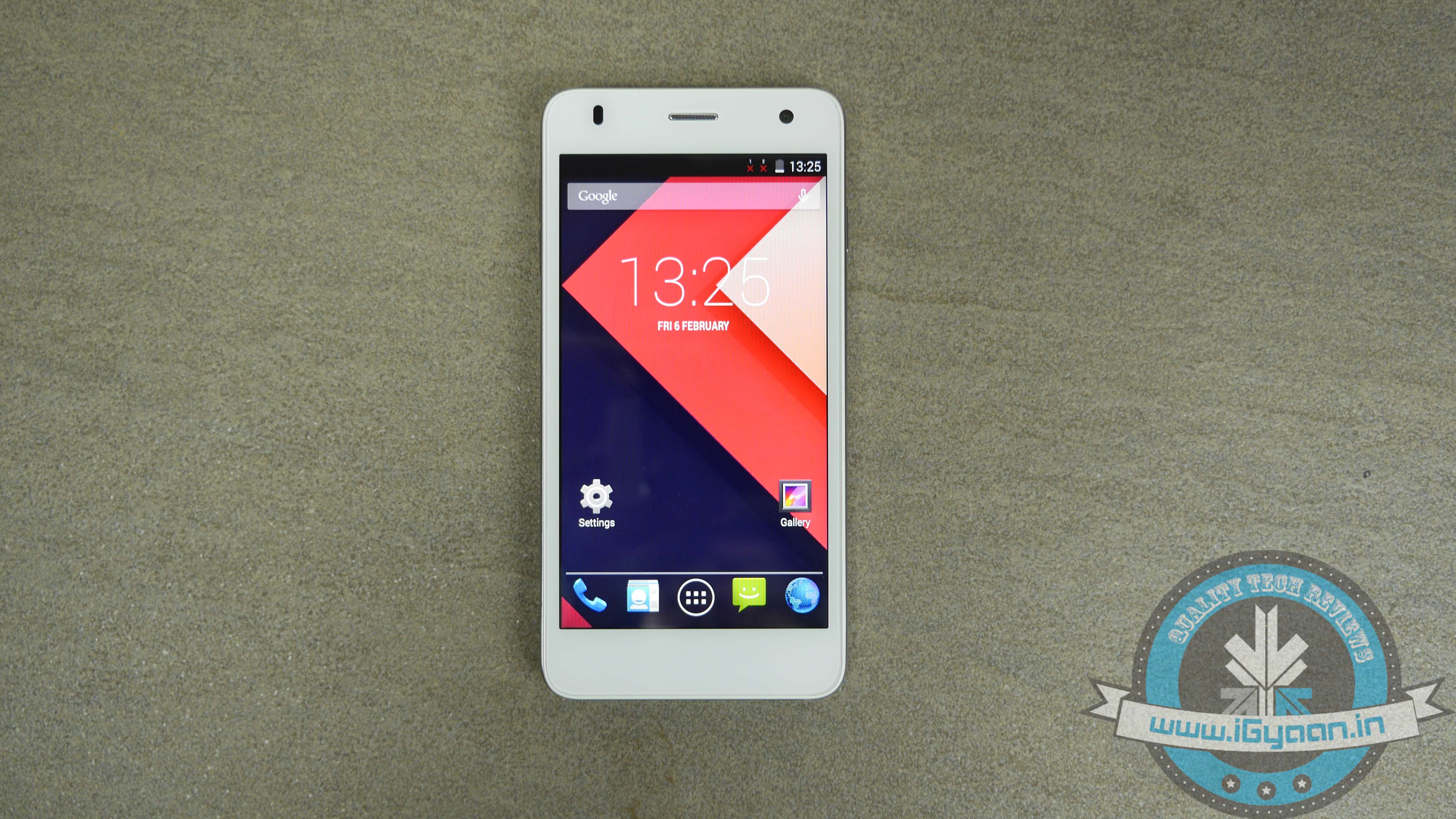
    Indian smartphone brand Lava recently brought out their new offering in the sub-Rs.10,000 market in the form of the Iris X1 Grand. This is a successor to the Lava Iris X1 that the company launched in the May of 2014. We unbox the device for you.

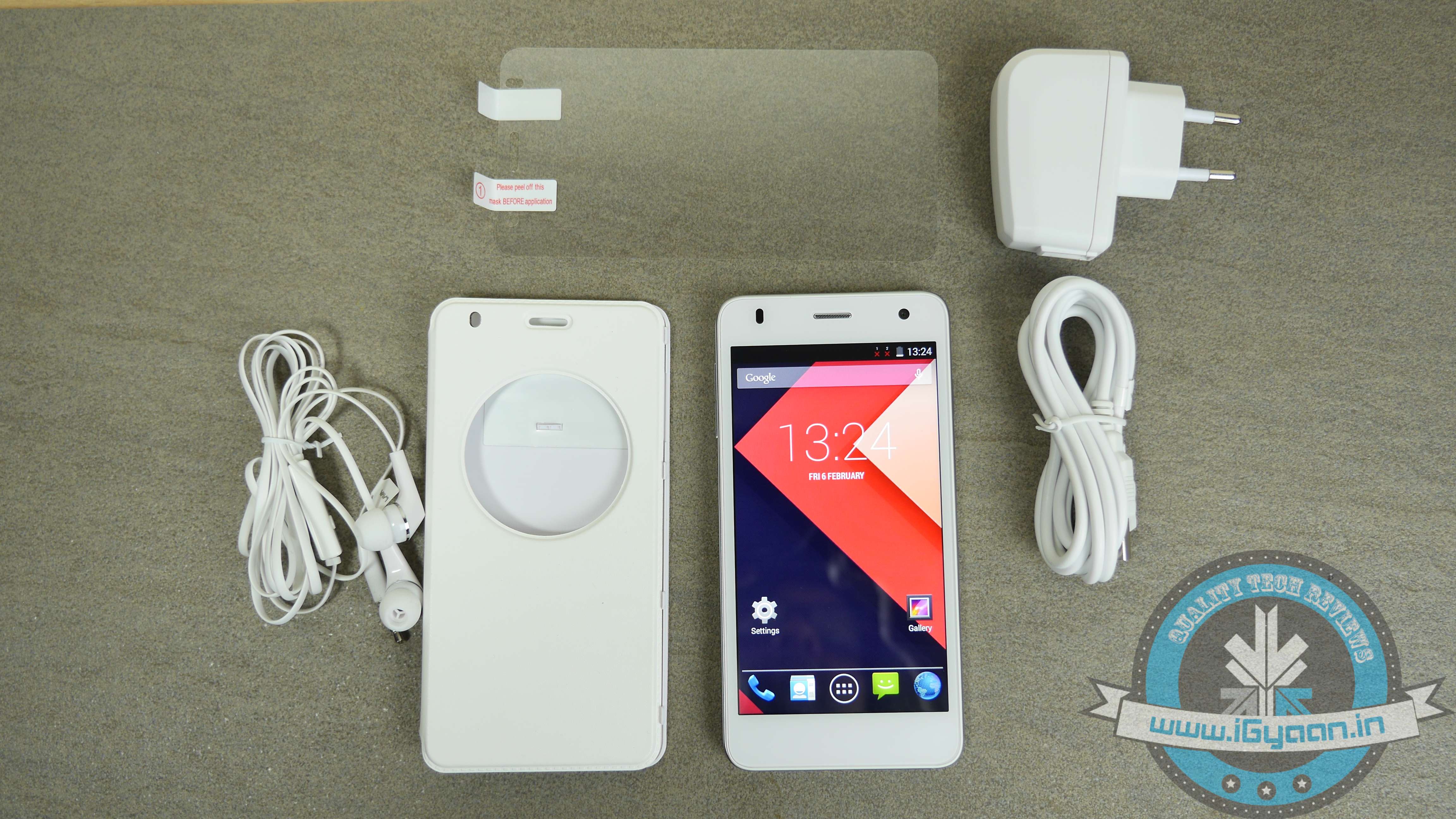
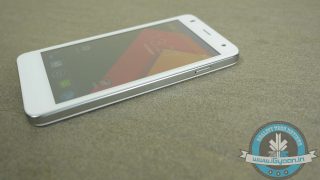
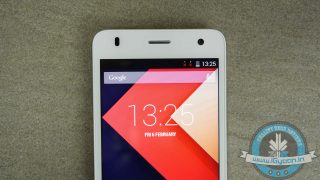
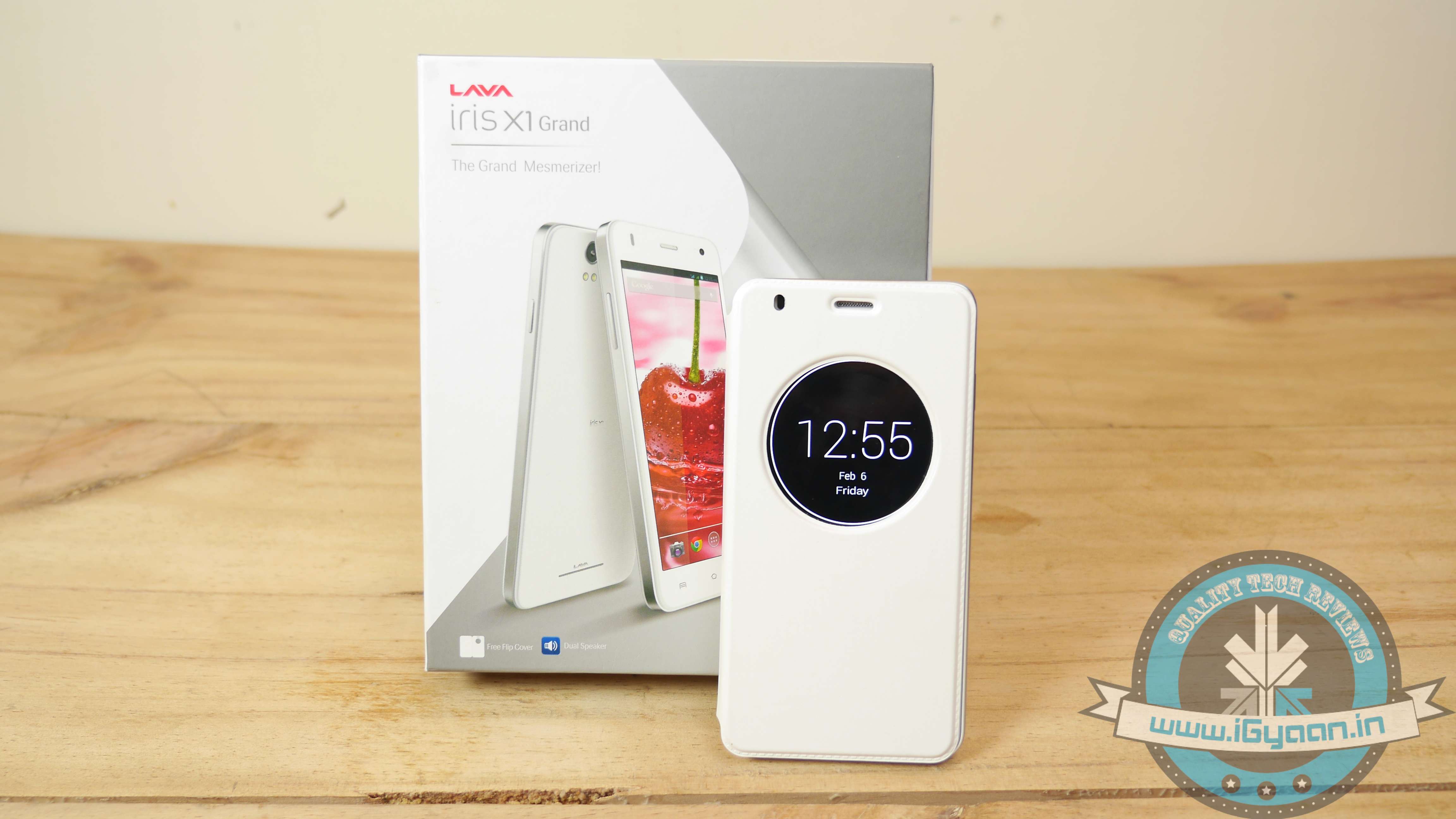
    The device looks like an elder sibling to the Iris X1. It sports a 5-inch display with a resolution of 480×854 pixels. The power button is located on the right while the volume rockers are placed on the left. The flip cover provided with the device has markings on it which lets you manipulate the volume without opening the case.

    The Lava Iris X1 Grand
    The Lava Iris X1 Grand

    In the Box you get:

    • Lava Iris X1 Grand Handset
    • In-ear Earphones
    • Charger and USB cable
    • Flip cover
    • Screen Protectors
    • Information booklet
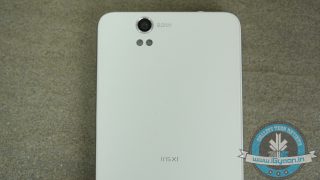
    The Iris X1 Comes along with a free Flip case and screen protector.
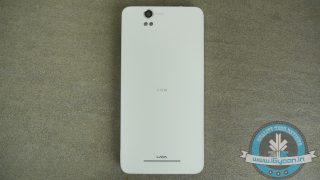
    The Iris X1 Comes along with a free Flip case and screen protector.

    The device runs Android KitKat 4.4.2, out of the box, but it promises a guaranteed upgrade to Android Lollipop 5.0 which makes the deal attractive for the price. There aren’t a lot of bloatware on the device and the interface felt snappy and responsive.

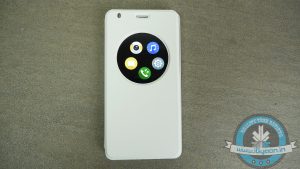
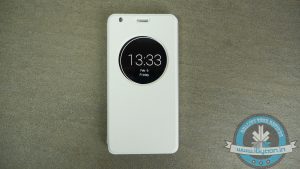
    Lava offers a free flip case with a round opening in the front which looks “inspired” from LG G3. The case is magnetic, so the screen shuts off when the case is on. You get quick access to the phone log, messages, music, settings and camera from the round screen so it would come handy when you are on the move.

    The Lava Iris is priced at Rs. 6,500 which along with all the freebies such as flip case and the screen protectors makes it a bargain. Overall, the Lava Iris X1 Grand felt great in its first impressions, and we’ll take the device to task in our in-depth video, so stay tuned for that.

    Specs

    Lava Iris X1 Grand

    Operating System Android 4.4.2
    Screen Size 5.0 inch
    480×854  pixels
    RAM 1 GB
    Battery 2200 mAh
    Processor  MediaTek MTK6582M
    CPU Quad-core 1.3 GHz
    Internal Storage 8 GB
    Expandable Up to 32 GB
    Front camera  2 MP
    Rear Camera 8 MP
    Price Rs. 6,500


  • Xiaomi Mi 4 64 GB Variant is Coming to India on 24th February

    Xiaomi Mi 4 64 GB Variant is Coming to India on 24th February

    Xiaomi recently launched its last flagship, the Mi4 in India. As with all the other Xiaomi launches, it was embraced warmly by the fans of the company. One major complaint with the device was the lack of expandable storage on the device and the lack of a 64 GB variant in the market. Heeding to the complaint Xiaomi will be launching a 64 GB variant of the Mi 4 on the 24th of February.

    On their Facebook page, the company has announced that the 64 GB variant of Xiaomi Mi 4 will be available for a price of Rs.23,999.

      The Mi 4 features 5-inch Full HD Display. It is powered by a 2.5 Snapdragon 801 processor along with 3 RAM. The handset sports a 13 MP camera on the back and an 8 MP selfie snapper on the front. It gets its juice from 3080 mAh battery and runs on the latest MIUI 6. With this device, Xiaomi will be directly competing against the OnePlus One in India.

  • State Telecom Companies BSNL and MTNL Not Participating in Spectrum Auction

    State Telecom Companies BSNL and MTNL Not Participating in Spectrum Auction

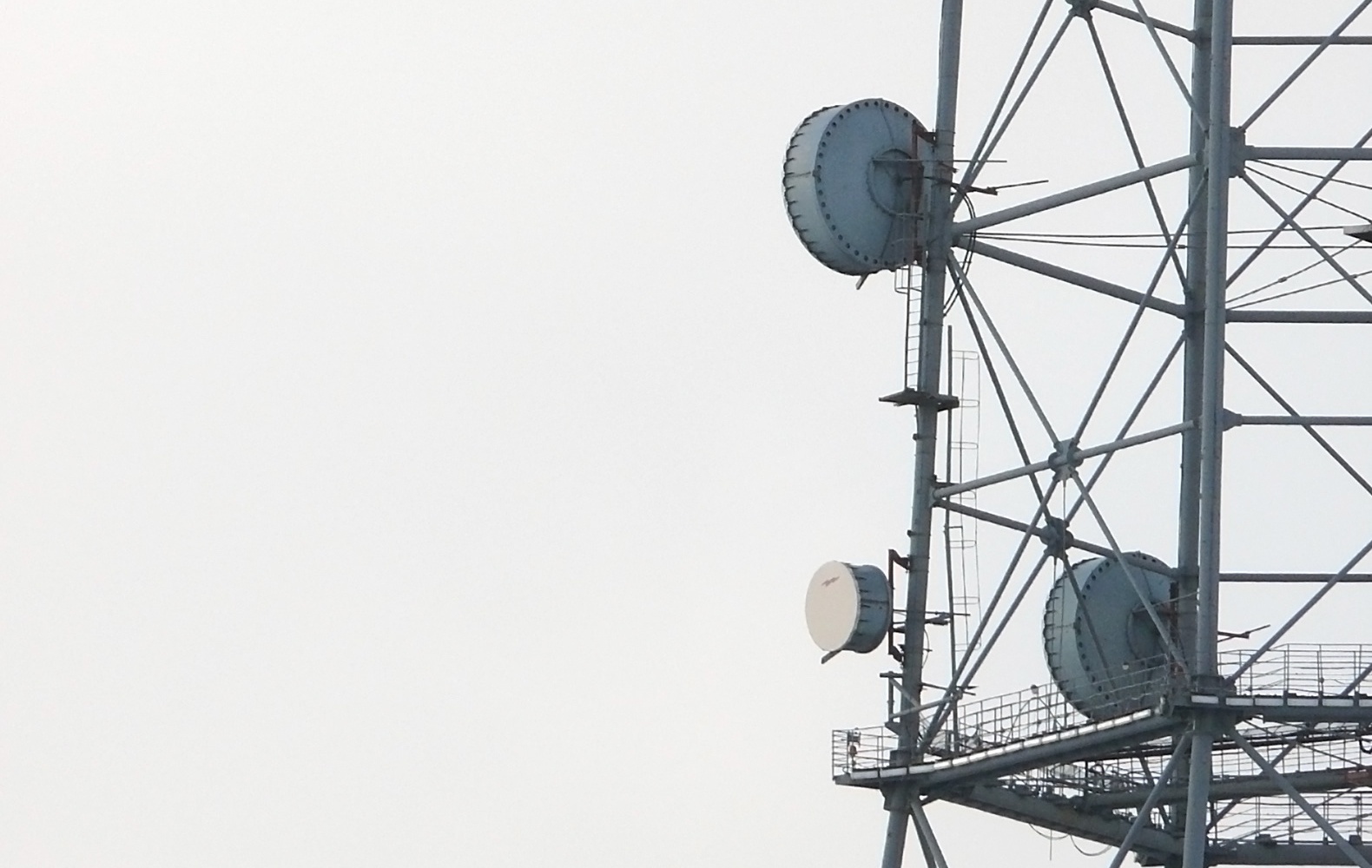
    The telecom industry is looking forward to the spectrum auction with bated breath. While the government expects to make massive profits, telecom companies will be battling each other to gain spectrum to stay in business. The competition became a little easy today as state telecom companies BSNL and MTNL have backed out of the auction.

    The Indian government plans to earn about Rs.1 lakh crore. Both BSNL and MTNL have said that they would now be engaging in the auction as they have no use for any additional spectrum.

    The Indian government has been criticized for the high base price for the spectrum; even TRAI had suggested lower base pricing for the spectrum. The association of GSM operators COAI and GSMA have said that the auction might end up being a dull affair because of the low availability of spectrum and high price tag.

    During the previous auction too, the telecom operators had to borrow heavy sums of money from the bank to buy spectrum that led to a staggering debt for the industry worth Rs. 2.5 lakh crores. COAI has also said that the high spectrum prices will also act as a major hindrance in the audacious Digital India Project of the present government. The auction will be held on February 25.

  • Lower-End Microsoft 8.1 Smartphones May Also Get Windows 10

    Lower-End Microsoft 8.1 Smartphones May Also Get Windows 10

    Microsoft has presented its new operating system, Windows 10, and it has impressed a lot of its critics. The latest Windows offering will act as Microsoft’s initiative to create an ecosystem for its devices. It will work on all the Microsoft devices – from desktops to tablets to smartphones. Microsoft just announced that even the lower end smartphones running on Windows 8.1 will also be getting the Windows 10 upgrade.

    In a tweet, Joe Belfiore, the Corporate Vice President of Operating Systems Group for Microsoft has said that they are making a version of Windows 10 for devices running on 512 MB RAM. The tweet specifically mentions the Lumia 520. But he also added that the features would vary in these devices. It would probably be a stripped down version of the operating system made to run on devices with lower specs.

    Microsoft has been struggling with its smartphone business. Its smartphone operating system runs in just about 3% of the devices sold. It has some good features, but the mass appeal of Android and iOS from Apple has not given it a chance to grow.  Joe also announced that the insider build announced at the Windows event would be coming out sometime in February.

  • Alibaba Invests Heavily in Chinese Smartphone Maker Meizu

    Alibaba Invests Heavily in Chinese Smartphone Maker Meizu

    Alibaba, the Chinese e-commerce giant, has been trying for a while to put its foot in the profitable smartphone business. The company created a record last year with the biggest IPO ever worth $25 Billion. Alibaba is now betting big on Chinese smartphone maker Meizu and has invested a sum of $590 Million in the company.

    Through this merger, Alibaba would try to take its operating system Yun OS further in the market. The os is based on the Android platform and provides cloud-based features like e-mail, Web search, weather updates, and GPS navigation tools. It is also called Aliyun OS. Google had previously dissuaded Acer to ship devices based on Aliyun as it was incompatible with other Android devices, and Acer is a signatory of the Open Handset Alliance (OHA).

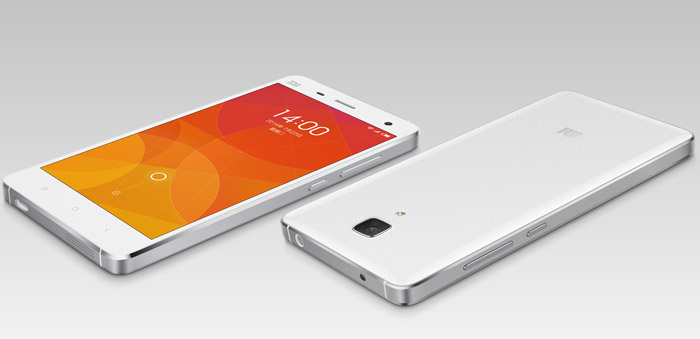
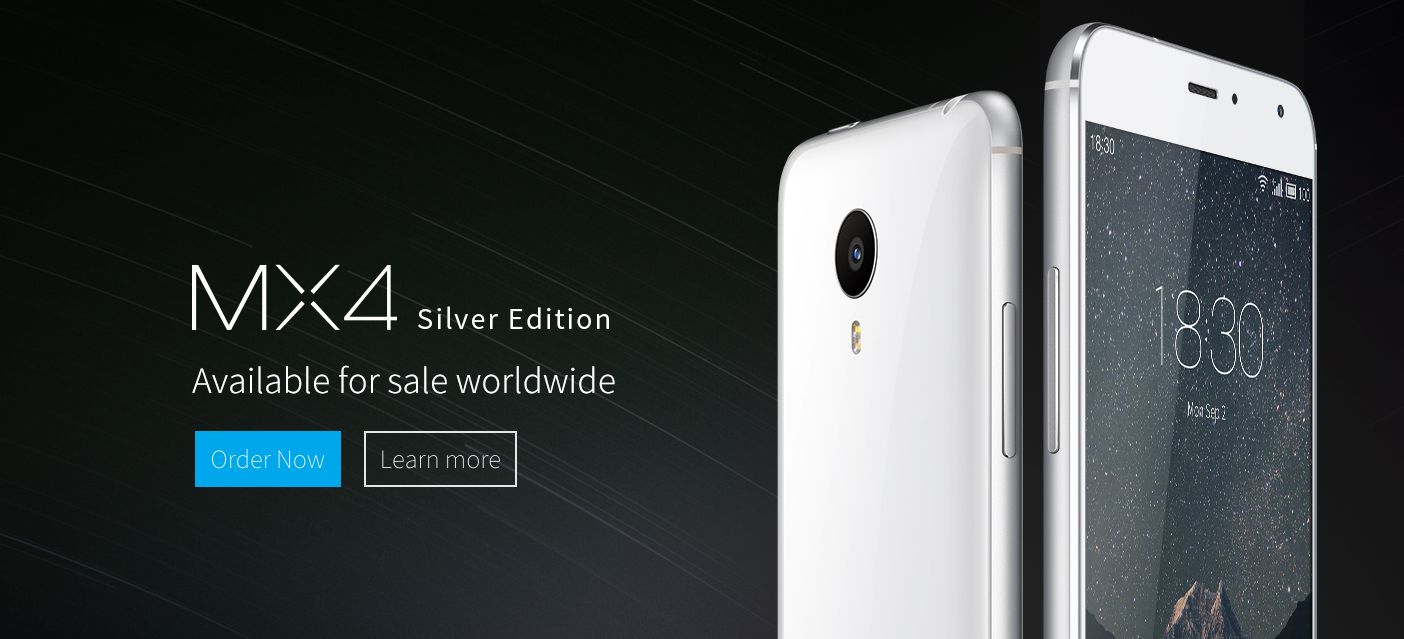
    Meizu like Xiaomi, gets its  design "inspirations" from Apple
    Meizu like Xiaomi, gets its design “inspirations” from Apple

    Meizu has tried to emulate Xiaomi, which in turn “borrows” from Apple. This deal might also help Meizu to take on Xiaomi, which has replaced Samsung in China as the biggest smartphone brand. Meizu isn’t even in the top-5 of that points tally, and a push by Alibaba might work in its favor.

    [quote text_size=”small” author=”Alibaba “]

    Alibaba Group will provide Meizu with resources and support in the fields of e-commerce, mobile Internet, mobile operating system and data analysis with the aim of developing Meizu’s smartphone ecosystem.

    [/quote]

    Alibaba has, in the past, invested $280 million in a messaging app called Tango and $120 million in US game maker Kabam. But these investments are yet to bear fruit for the company. It makes sense for it to invest in an established brand rather than starting a brand from scratch.

  • Future iPhones May Have Touch ID Right on the Display

    Future iPhones May Have Touch ID Right on the Display

    We have all seen those lame fingerprint sensor apps available on various app stores. They have been able to prank a lot of folks into downloading them. But Apple seems to have cracked the code to bring display-based Touch ID into reality.

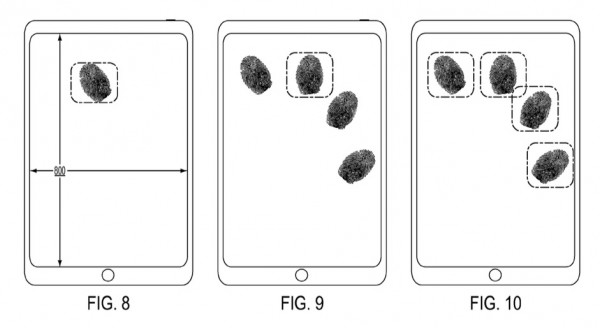
    In a patent titled “Fingerprint Sensor in an Electronic Device,” the company explains the technology. According to the abstract, a fingerprint sensor may capture fingerprint at a single pre-defined fixed location on a display, or they can opt for a full panel fingerprint sensor to capture multiple fingerprints.

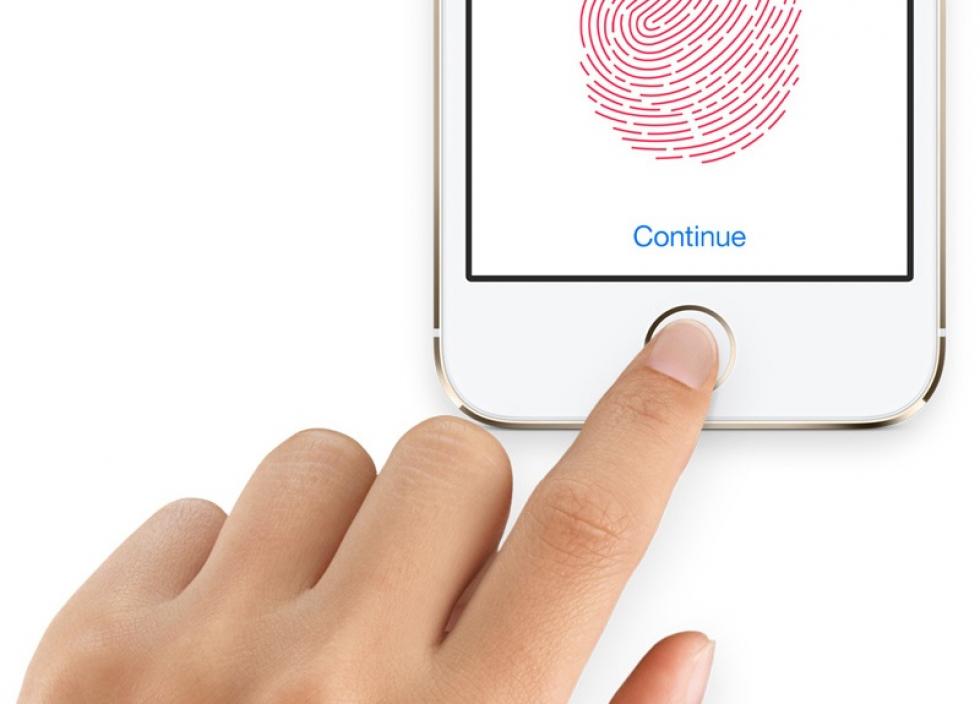
    The Fingerprint sensor can be placed at one spot or it can be used to scan multiple fingers at once.
    The Fingerprint sensor can be placed at one spot on the display or it can scan multiple fingers at once.

    Users may be able to unlock their device by placing a thumb at a predetermined spot on their iOS displays. On bigger displays like the iPad, there can be multiple fingerprint detection where you may scan with all five fingers.

    To keep the sensors sensitive enough, Apple plans to implement the sensor as an integrated circuit connected to a bottom surface of a cover sheet. They can also place it near the bottom surface of the cover sheet, or connected to a top surface of a display.

    This initiative will let Apple take off the round home button and make the device even slimmer. The technology still seems to be in the beginning stage and may not show up immediately on the next device by Apple. There will surely be some privacy concerns with this technology though as a thief could gain access to a person’s information by just acquiring their fingerprints. Apple would have to work seriously on the security features before it can bring the technology in the mainstream.

  • Google Acquires a Private Photo Sharing App, Team to Join Google+

    Google Acquires a Private Photo Sharing App, Team to Join Google+

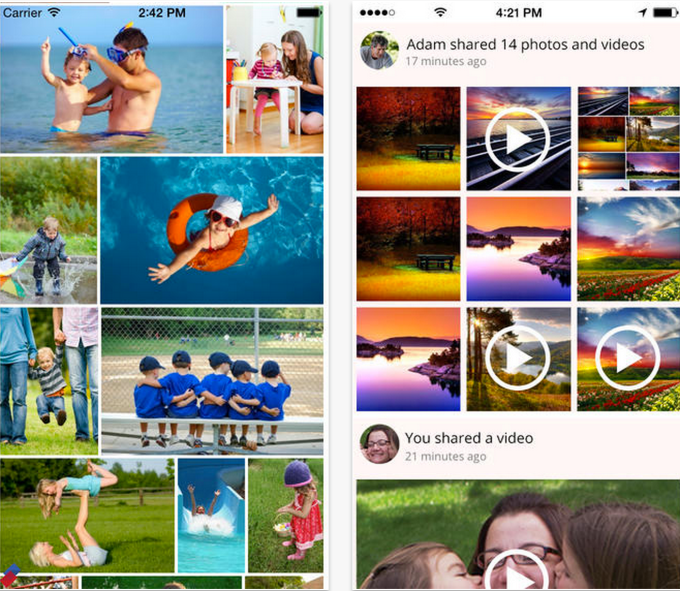
    Google, the company that stores almost all of our information has now hired the makers of an app that lets user send images privately. Odysee is an iOS and Android app that lets user automatically back up the photos and videos they’ve taken on their cameras or tablets on to their home computers. The creators of this app will now join the team at Google+.

    The feature that sets Odysee apart is its ability to share photos privately and automatically with other people. It gives the option to share with followers or a follower group so your pictures only reach the people you intend to share with. The app keeps the content in full quality on the home computer.

    The app was co-founded by Raghavan Menon and Shiva Javalagi. On their homepage, the Odysee team thanked the users and informed them that the service will come to a close on the 23rd of February. The current users will be able to download their photos and videos as archives.

    Google is rumoured to be transitioning Photos into an independent app. Giving an option to save content directly on a home computer sounds much safer than a cloud server after the entire iCloud fiasco last year. The photo sharing app space is really crowded right now with Instagram ruling the roost, so Google would have to offer a lot more features in the new independent app to get ahead in the race.

  • After the Epic 5DS, Canon Brings Out the T6i

    After the Epic 5DS, Canon Brings Out the T6i

    The Rebel series of Canon is perhaps one of the best tools for a budding photographer. This affordable camera family provides the same specs as the higher end 7D cameras but come at an affordable price tag. Canon understands the volume of sales in the segment and puts active efforts into updating these mid-range DSLRs. Now the company has unveiled the new Rebel T6i and Rebel T6s to take on the market.

    Canon t6i 1
    In Burst mode the camera shoots at 5 fps.

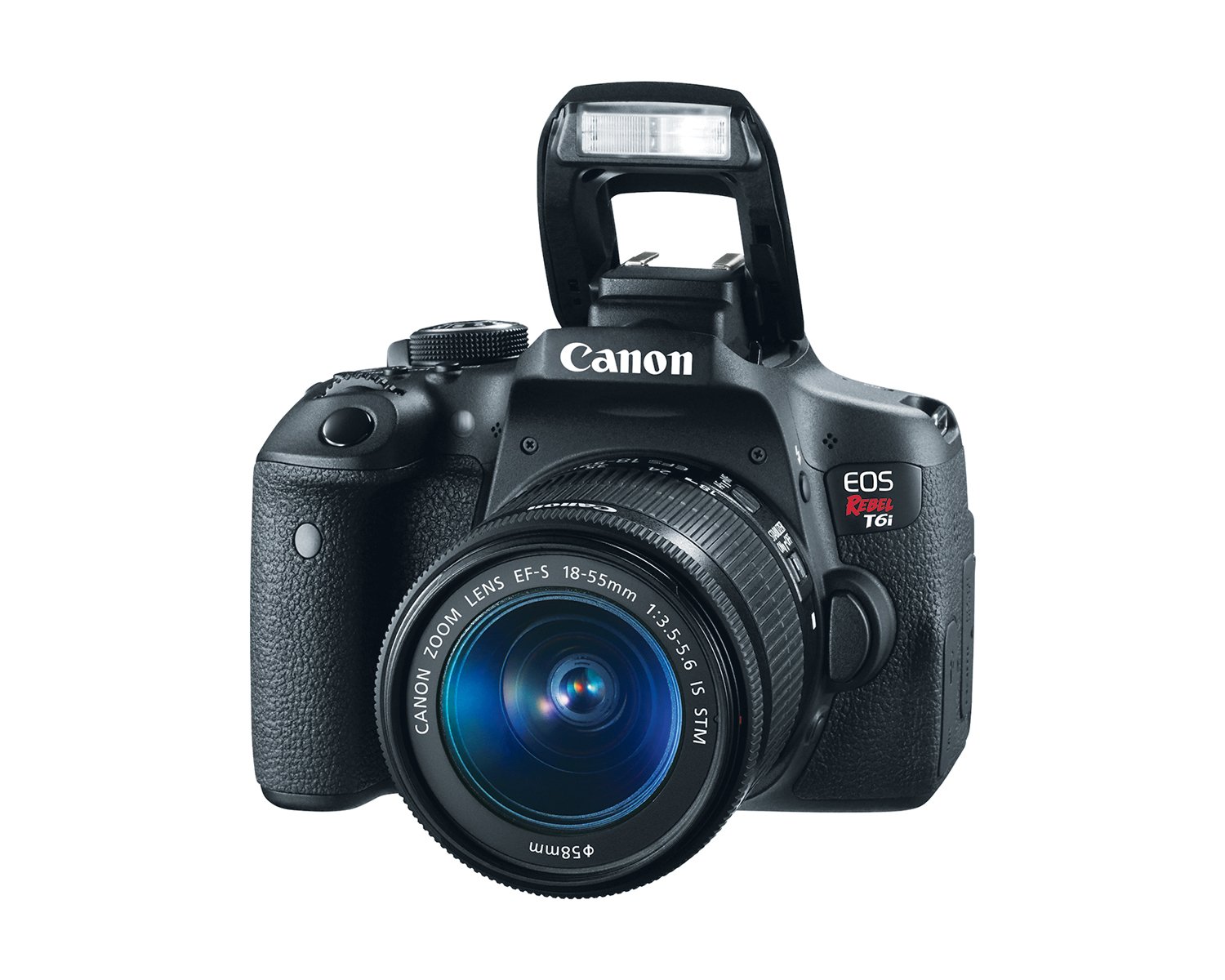
    This time around Canon seems to have given some thought into their product. The last offering known as the T5i (Canon 700D) was just a nominal improvement over its predecessor T4i (Canon 650D). Canon T6i gets 24.2 Megapixel APS-C sensor with 19-point autofocus. It offers an ISO range of 100-12800 which is expandable up to 25600. The camera shoots continuously at 5 frames per second (fps) which is great for shooting action shots.

    Canon t6i 4
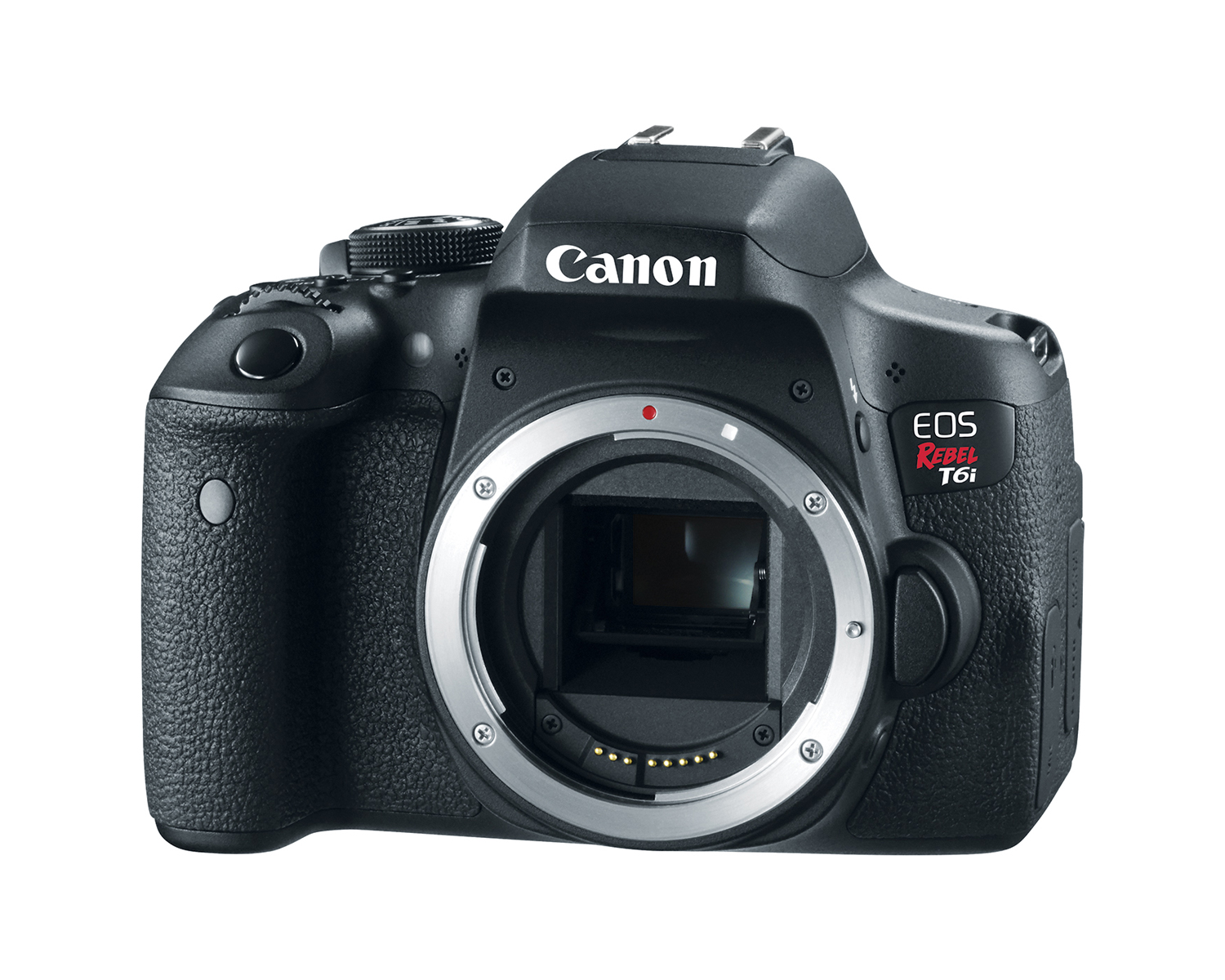
    The Rebel T6i comes with a 24.2 Megapixel APS-C image sensor

    The 3 inch swivel display also returns to this device that comes handy while shooting videos. Like the Rebel models before it, the T6i allows you to shoot 1080p videos at 30 fps.

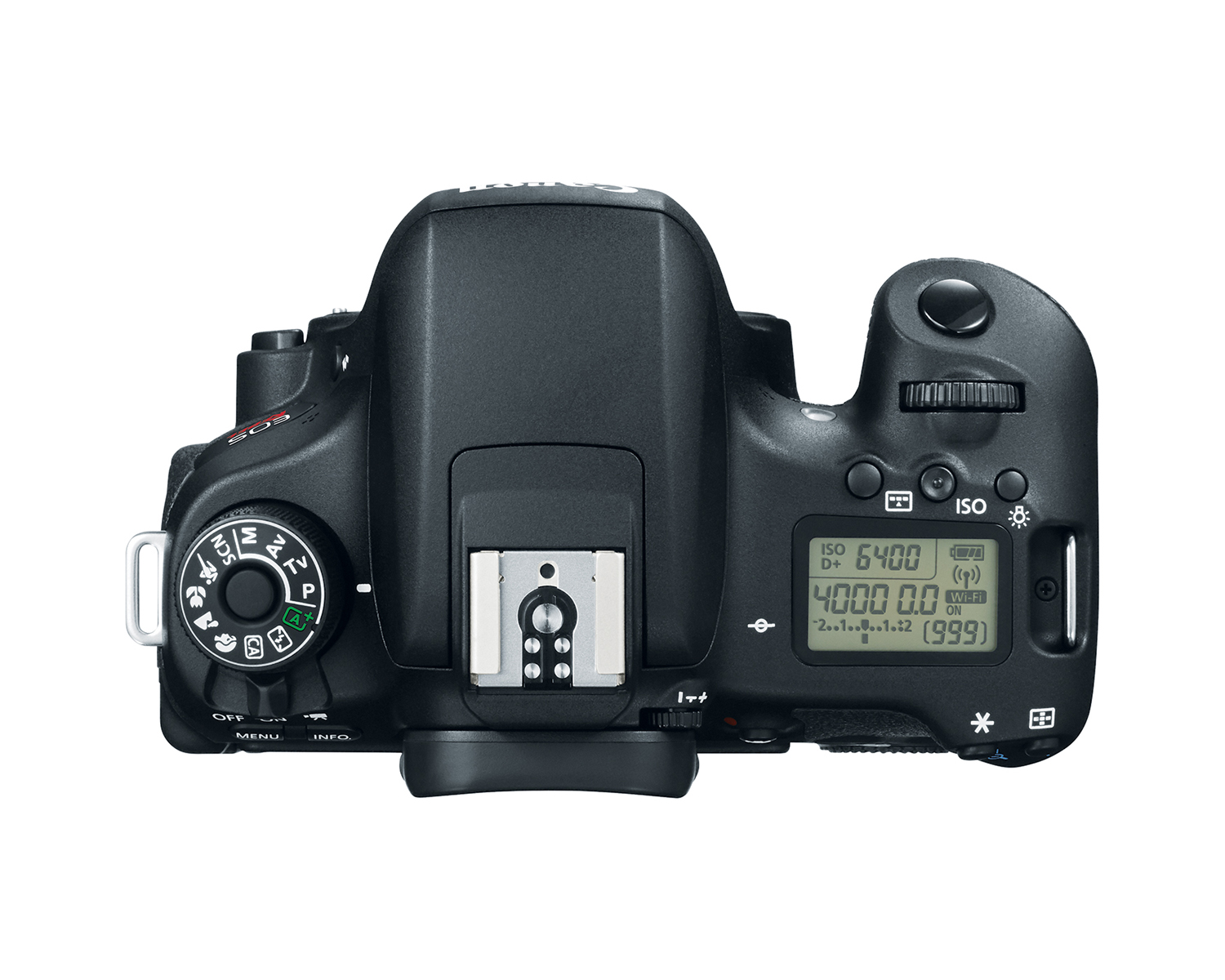
    The second launch from Canon is the T6s that offers a few additional features over the T6i. The T6s lets users shoot HDR video and also offers a built-in electronic level meter. The unique bit added to the T6s is the LCD data panel on the top. This feature till now was only available with the models above the 60D.

    Canon t6i 2
    The Rebel T6s is the first Rebel DSRL with an LCD information display.

    The T6i is priced at $749.99 for the body-only, $899.99 with an EF-S 18-55mm STM lens and $1,099 with an EF-S 18-135mm STM lens. The T6s will cost $849.99 the body-only and $1199 with an EF-S 18-135mm STM lens. The cameras are expected to arrive in the market by the end of April.

  • Xiaomi Allowed To Sell Devices Till March 18 Despite Ericsson Complaint

    Xiaomi Allowed To Sell Devices Till March 18 Despite Ericsson Complaint

    Late last year telecom equipment maker, Ericsson filed a complaint in Delhi High Court that Xioami was violating their patents. This complaint had led to a temporary ban on the Chinese smartphone maker. The ban was later lifted, and Xiaomi was allowed to import and sell their devices in the country till the 5th of February with the condition that these devices only have Qualcomm processors. Now Ericsson is alleging that Xiaomi is violating by selling non-Qualcomm devices through a website.

    The lawyers for Ericsson claimed that Xiaomi was selling its non-Qualcomm devices through a website called www.xiaomishop.com. The website at present seems to have been taken down.

    Responding to the complaint, Xiaomi’s lawyer said that the company has no stake in the website, and someone else was misusing their name. He also added that the company was complying with the court order, and this is a case of third party sale where Xiaomi has no control.

    There was also good news for Xiaomi as a single judge allowed the company to further sell their devices till March 18. The company would have to deposit Rs.100 per imported device to the Registrar General of the Delhi High Court.

    Xiaomi is currently selling its last flagship, the Mi4 in India and the extension of the sale period would be a good news for the company’s consumers. The next sale will be held on February 10th where the Mi4 and the Redmi Note 4G will go on sale.

  • China to Employ More Robots Than Any Other Country by 2017

    China to Employ More Robots Than Any Other Country by 2017

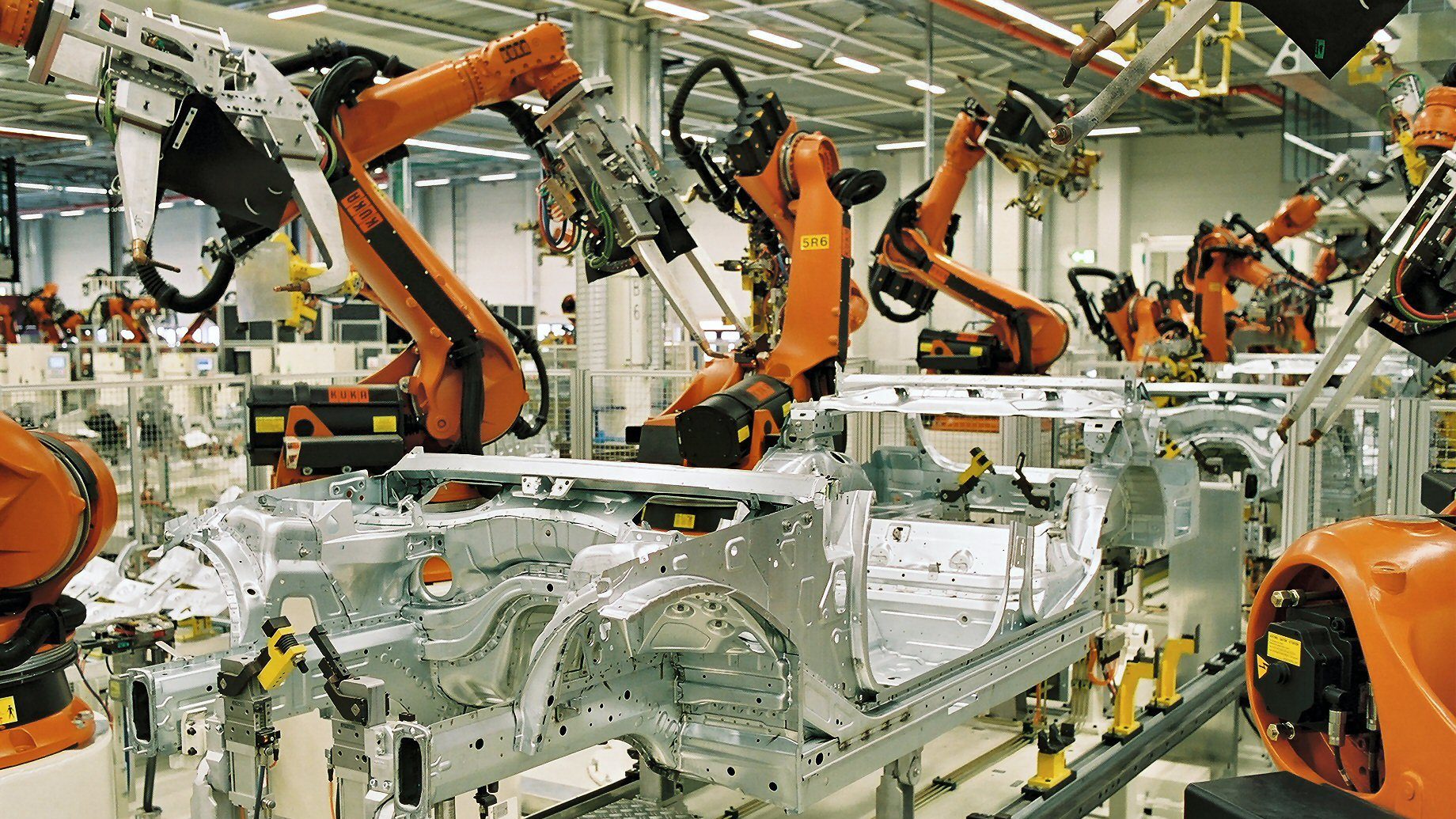
    China is the biggest manufacturing hub in the world. State provided incentives, low wages and the lack of strict labour laws have helped the country become a formidable force in the field of manufacturing. The country is slated to become the biggest employer for robots by 2017.

    To give a boost to its automotive and electronics production the country is in an active automation-drive. The wages have grown over the years and hence the companies are being forced to invest in robots.

    The trend has started with automobile production, but specialists believe it will soon be seen in the electronics production. The automobile industry accounts for about 40 percent of robots currently in operation.

    China is still lagging behind in terms of numbers of robot it employs now. While China has 30 robots per 10000 workers, South Korea boasts of 437; Japan has 323, and the United States has 152. But the the International Federation of Robotics (IFR) estimates the numbers of Chinese robots to grow exponentially.

    Japanese robot suppliers lead the race to supply to the industry and hold 60 percent of the market. Chinese suppliers are also fast gaining ground and have captured a quarter of the market.

    The robots will also actively take jobs away from human workers so its left to be seen how China will address that issue.

  • Lava Officially Brings Out a New Budget Smartphone, The Iris X8

    Lava Officially Brings Out a New Budget Smartphone, The Iris X8

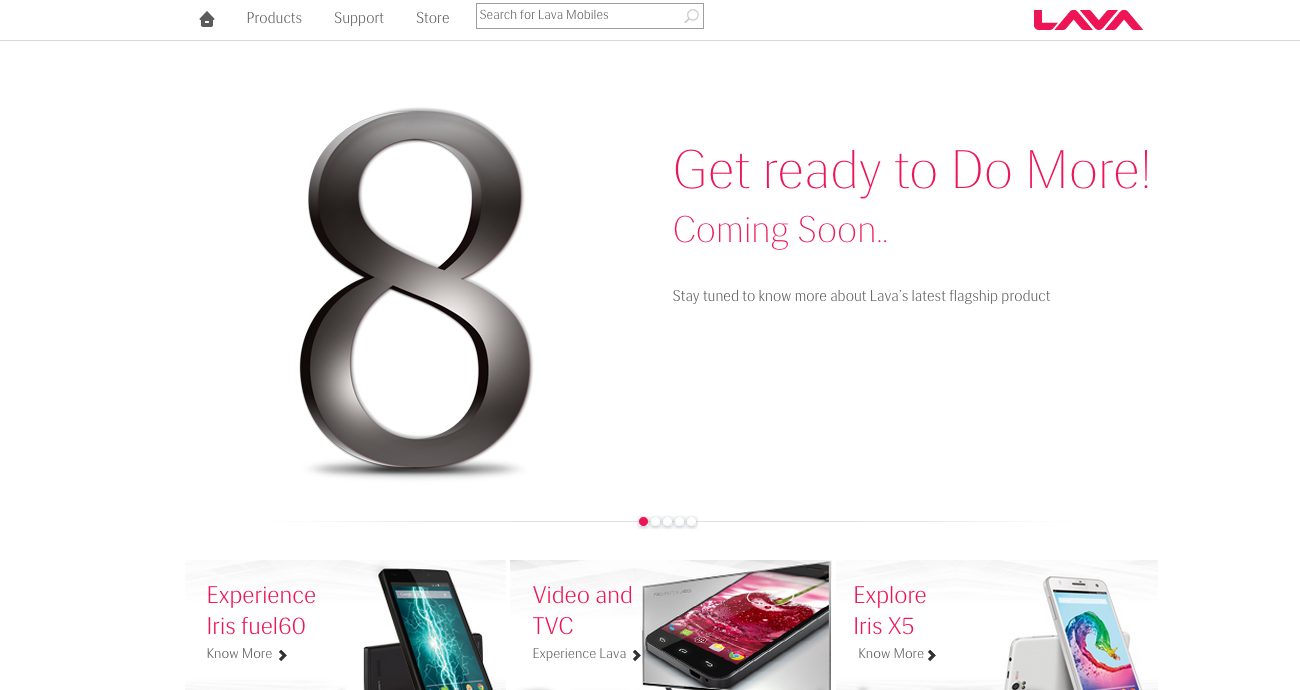
    Indian mobile phone brand Lava was all ready to unveil its brand new device to take on the likes of the Redmi Note and the Yureka. On its website, it only posted the number 8 with the tagline “Get Ready to do more!” calling it their latest flagship offering. Now the company has officially launched the device and its called the Lava Iris X8.

    Earlier Flipkart had mistakenly leaked the specs of the device. The listing was later removed, but it did flaunt off some impressive specs which got folks excited for the device.

    The Website listing for the upcoming Lava Iris X8
    The Website listing for the Lava Iris X8

    The Iris X8 sports a 5.0 inch, 1280×720 IPS HD display. The display will be protected with Asahi Dragontrail glass. The device is powered by a 1.4GHz octa-core MediaTek processor along with 2 GB RAM. It has 16 GB internal storage that is expandable up to 32 GB.

    On the camera front, the Iris X8 packs an 8 MP camera on the back along with dual LED flash, while a 3 MP selfie camera sits on the front. The device is powered by a 2500 mAh battery. It also offers features like Smart Wake-up and Gesture controls.

    The Iris X8 comes with Android KitkKat 4.4 out of the box and is apparently upgradeable to Lollipop. Lava has also tied up with Airtel to provide 500 MB of bundled 3G data per month for two months.

    By the looks of it, the X8 seems like a great device for anyone who doesn’t want to wait in line for the YU Yureka or the Redmi Note. With a price tag of Rs. 8,999, the device has good enough features to compete efficiently in the sub-Rs.10,000 market. Wait for the hands-on and full review of the Lava Iris X8 on iGyaan, coming up soon.

  • Uber Gets Responsible, Adds Panic Button in its Mobile App for India

    Uber Gets Responsible, Adds Panic Button in its Mobile App for India

    Uber has faced a barrage of criticism in the past. Whether it’s for unethical business practices or the behavior of its drivers. The company was in the news again in India last year following an incident of rape which also led to it facing a temporary ban. Now the company is trying to revamp its perception and has added security features on its smartphone app.

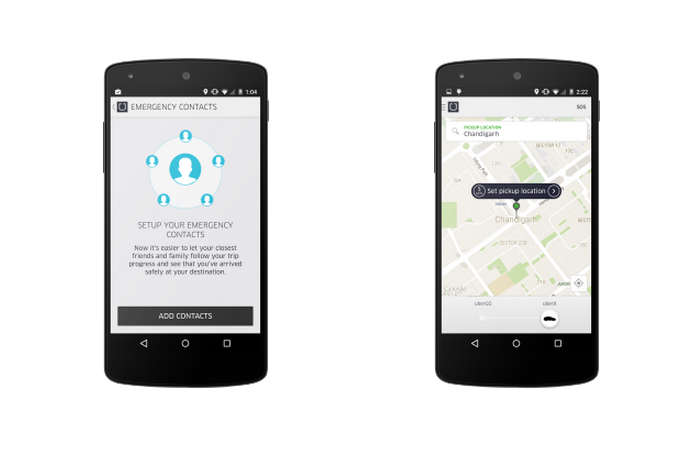
    From February 11th, Uber users will get a panic (SOS) button in their app which will allow users to share their location with up to five friends. In the case of an emergency, the user would just have to press the button, and it will alert the nearest police station.

    Uber panic

    Apart from the new in-app features, Uber will also establish local Incident Response Team to handle emergency situations. This team would also be alerted when the panic button is pressed, and it will assist the riders during the emergency situation.

    In its blog post, the company has also mentioned its focus on police verification. It says that every new driver interested in partnering with Uber is directed to the crime branch for police verification.

    Uber has been credited with revamping the cab business for the 21st century and now with these enhanced security features, it seems everything will be back on track.

  • At 50 Megapixel, Canon 5DS is the Highest Resolution Full-Frame DSLR

    At 50 Megapixel, Canon 5DS is the Highest Resolution Full-Frame DSLR

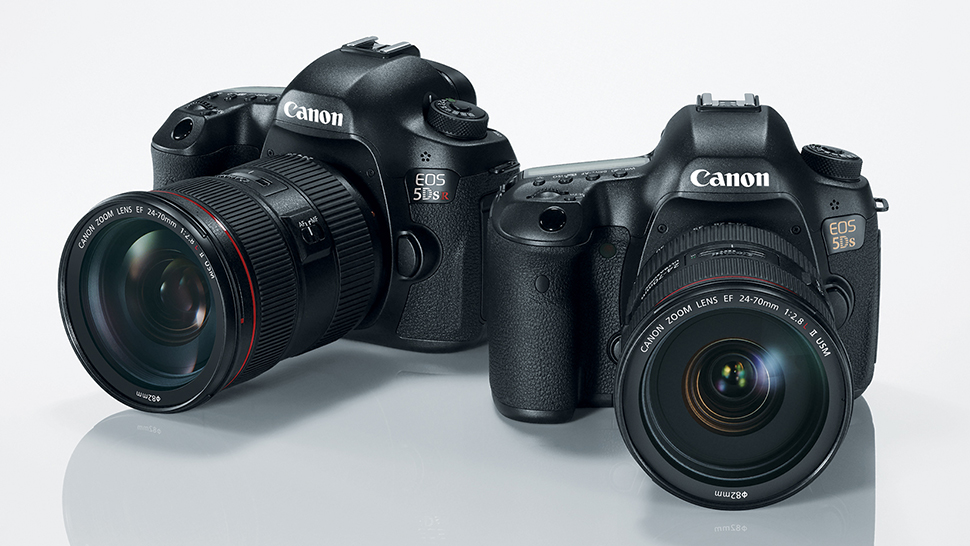
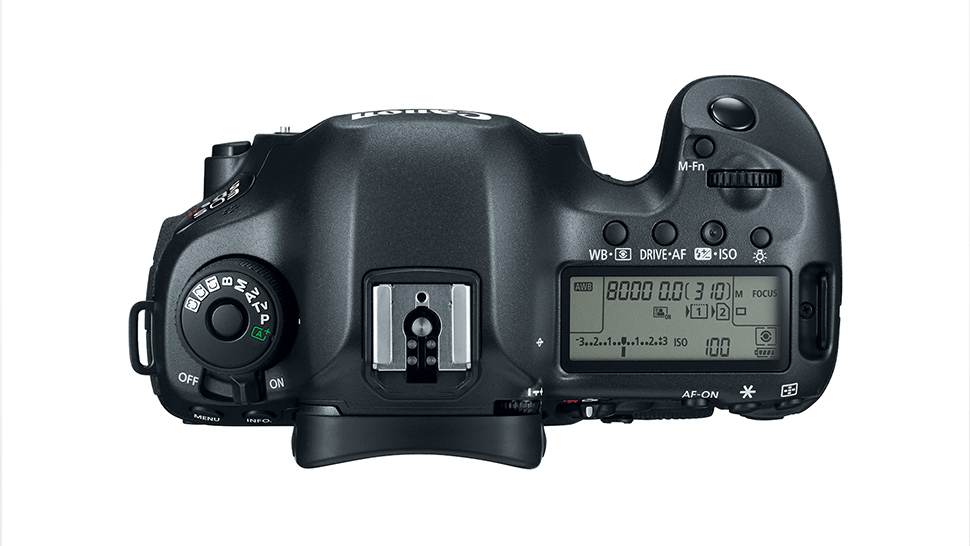
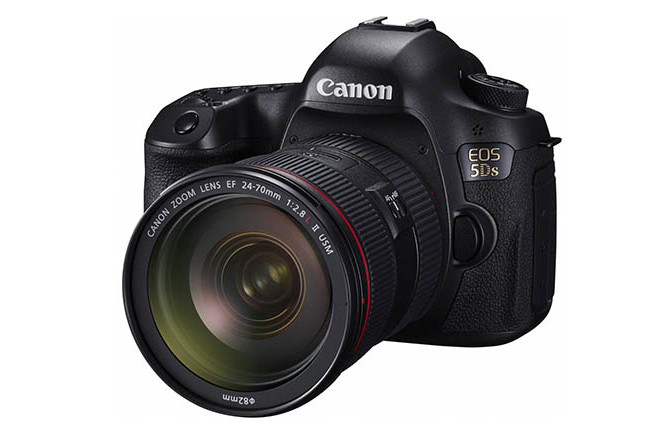
    Canon is one of the top choices for prosumers and professionals when it comes to DSLRs. The company has given a boost to photography with its wide choices of lenses and accessories. It is now trying to take on all its competition in the premium segment with the introduction of the 5DS and 5DS R.

    Canon has packed in a mammoth 50 megapixels into the camera that makes it the highest resolution full frame camera ever. The 5DS R is almost the same as the 5DS, but it gives you the option for canceling the anti-aliasing filter which helps give much finer details.

    Canon 5DS 1

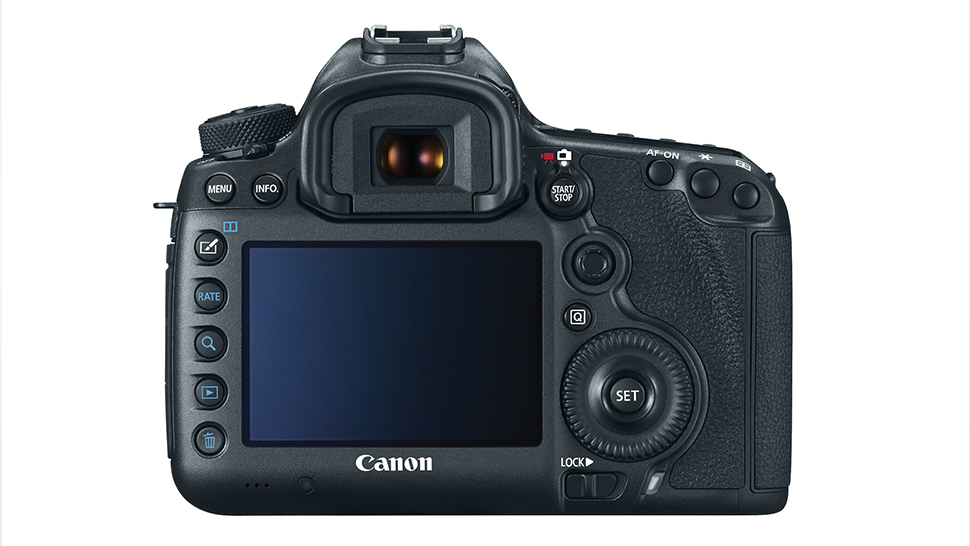
    The cameras are powered by dual DIGIC 6 processor and offers 61-point autofocus system that would provide it with snappy autofocus capabilities. The offering of 50 MP also means that the camera allows you to shoot 19 MP images on cropped APS-C sensor, which is fantastic.

    Canon 5Ds 2

    What maybe a disappointment to some would be the lack of advanced video features in the camera. Canon DSLRs are seen as a great tool for video production, but this camera doesn’t offer any extra features for video shooting. It does offer the usual 1080p video recording.

    Canon 5DS 3

    Overall, these new products from Canon’s stable seem only for the battle-hardened photographers and will help them create spell bounding images. The Canon 5DS is priced at $3700 while the 5Ds R will be $3900, and they will be available June onwards. For the normal folks going on their Sunday morning photo walks, your 18-20MP DSLR would work just fine, you would be better off investing in quality lenses for your camera instead of these monstrosities.

  • Next Step in Smartphone Evolution: A Handheld Disease Detector

    Next Step in Smartphone Evolution: A Handheld Disease Detector

    Smartphones have brought immense convenience to our lives. It has become an essential, part of our daily life and to some extent even control the schedule of our day. As the reach of these devices grows widespread, a lot of new uses are coming into prominence. One major field, where smartphones are proving useful, is medicine. These handheld machines can be a great tool for detection of diseases before they become life threatening.

    Detecting Aids and Syphilis
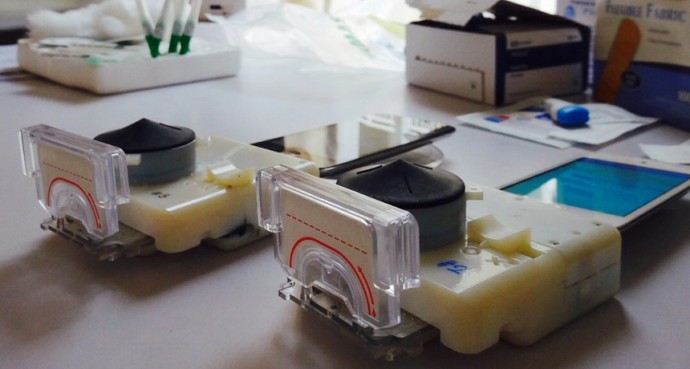
    Dongle Aids

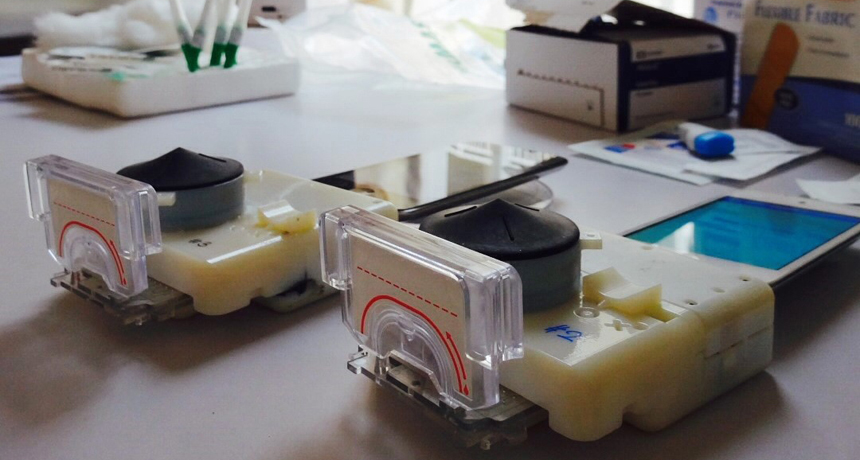
    Recently, researchers at the University of Columbia have unveiled a cheap accessory that can be plugged into the smartphone and could detect HIV and Syphilis. The device that costs just $34 and has been tested on 96 volunteers in Rwanda with promising results. Called a Dongle, it takes a fingerprick of blood, like a home glucose test and displays the result in just 15 minutes. This could come in as a handy detection tool as people can check themselves in the privacy of their home. So while the governments can work towards battling the stigma, this tool can get the patients to detect their disease and seek medical treatment.

    This is just one of the latest in the line of valuable research which hopes to give the power of disease detection to the public through their trusty smartphones. Smartphones have been actively seen as the tools for providing low-cost disease detection. Below are few of the instances where the smartphones can come handy in medical situations.

    Parkinson’s disease

    Researchers at Aston University have developed a phone app that can spot signs of Parkinson disease with more than 90 per cent accuracy. The app tests the individual through voice analysis by asking the person to pronounce a sound in the phone recorder. Then it asks the person to walk 20 paces so that it can record the moments through the accelerometer. Finally, the person has to complete a simple finger dexterity test on the touchscreen.
    Usually, Parkinson is tough to diagnose in the initial stages so a handy tool that is also accurate will help a long way to fight the disease.

    Mobile Eye Care
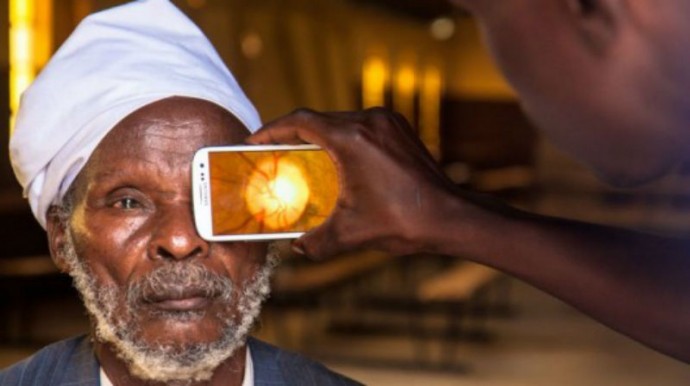
    peek-app

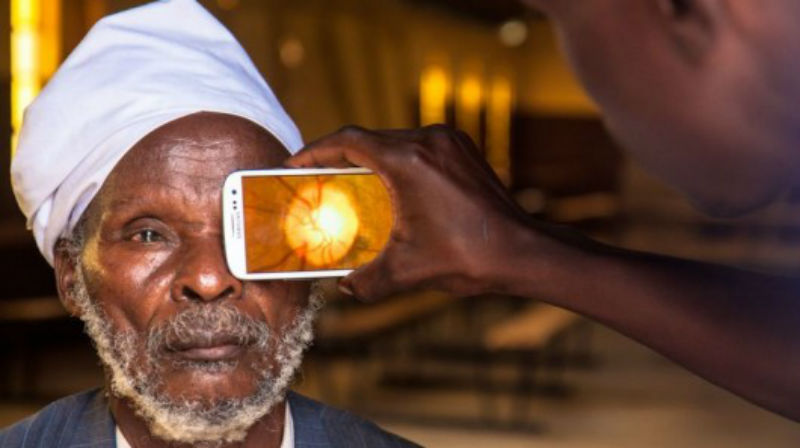
    The camera of the smartphone can be a boon for people living in poor regions of the world. The visually impaired population of these areas don’t have regular access to medical facilities and doctors. Most of these illnesses are avoidable, but the lack of medical attention makes matters worse for the patients. Dr. Andrew Bastawrous wanted to give these people the gift of prolonged eyesight and hence created a smartphone app called Peek. To further check the retina of the eye, his team created a clip on a 3D printed attachment that costs less than $5 to produce. This attachment gives high-quality view of the back of the eye which is almost as good as the expensive laboratory equipment. The results gathered by the app are stored in a database accessible by doctors from all corners of the world who can stay in touch with their patients.

    Urine Check
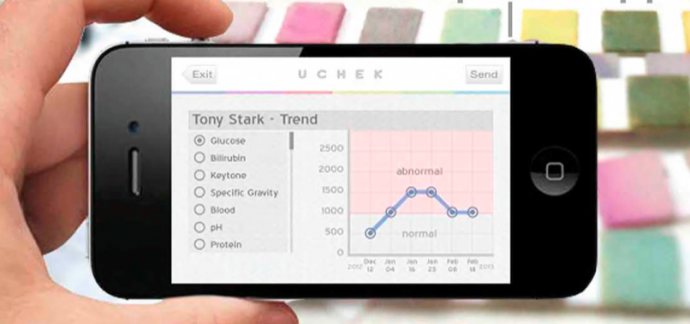
    Ucheck

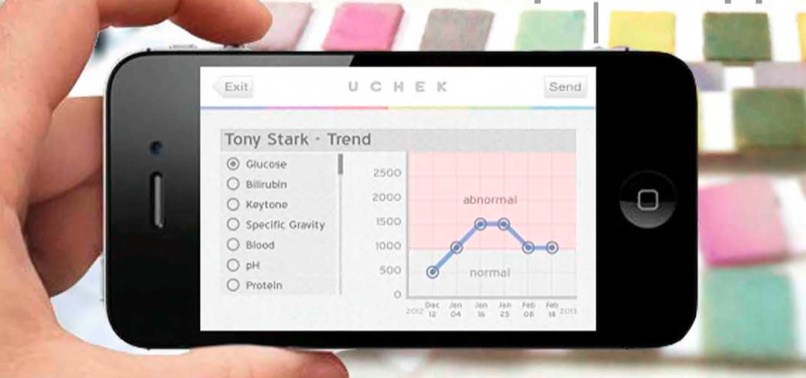
    MIT entrepreneur Myshkin Ingawale unveiled his new mobile app Uchek at TED conference. An individual has to dip in a urinalysis strip in a cup and just take a photo of the strip; that’s it. Uchek can measure the levels of glucose, proteins, ketones and other values in the body through the image. It can be used to detect diabetes, urinary tract infections and up to 25 other diseases. Tests have shown that the app is more accurate that humans are at interpreting the color coded strips. The app costs a meager 99 cents while the color-coded strips are priced at $20. This might be one of the cheapest and beneficial tools for self-monitoring.

    These are just a few ways in which smartphones are helping to make the lives of people better. It’s great to see how smartphone are evolving from simple communication tools into powerful machinery that can take care of our health and well being. People now have more access to smartphones than drinking and running water, and so they can come in handy to battle some of the most difficult human issues. Of course, smartphones won’t be able to take the place of doctors and health care workers any time soon, but they can become a valuable companion. With the arrival of healthcare wearables, it would become easier than ever to live a healthy life. The future looks good for a healthy humanity and smartphones may become one of the major reasons for that. And it definitely is a lot better use of these devices than crushing candies.
  • Unboxing | Samsung Galaxy A3 | Hands On

    Unboxing | Samsung Galaxy A3 | Hands On

    Samsung has been expanding the new metal frame design in its product portfolio. They recently unveiled low-cost Tizen based Z1 also flaunted the new design element. The company has launched two new mid-range devices called the Galaxy A3 and A5 that take the classy metal-based design forward.

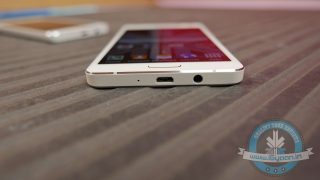
    On the looks front, the device looks classy and has a pocket-friendly size. The 6.9 mm thickness of the device coupled with metal frame makes it feel robust, slim and outdoorsy. The placement of the headphone jack and the microUSB port on the lower end might feel troublesome to a few users. The main camera has a prominent bulge on the back. The design features do seem reminiscent of iPhone 5S kind of styling.
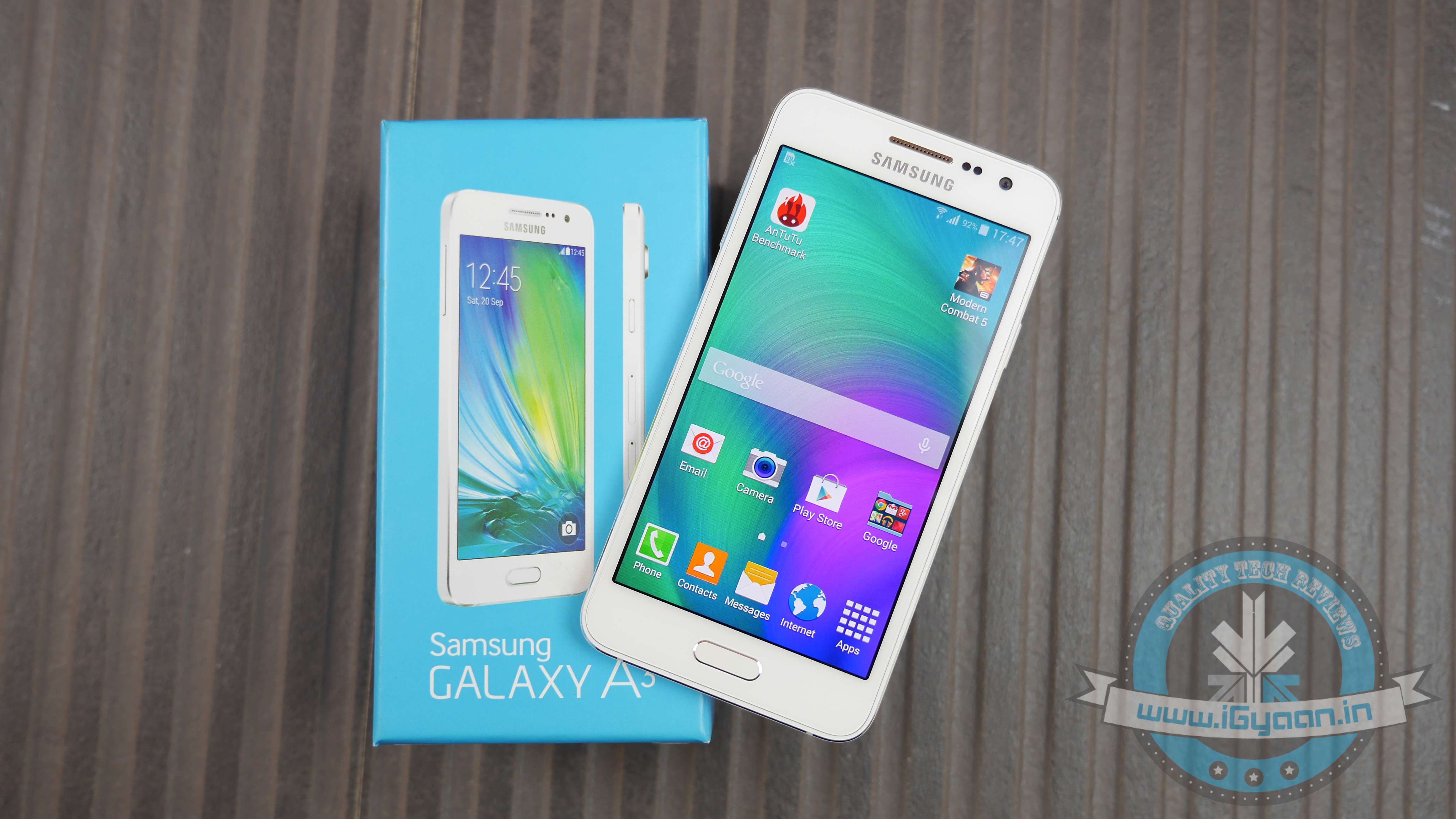
    The display of the device is quite a disappointment for its price. It has a resolution of 540 x 960 pixels with a pixel density of 245 PPI. At a time when sub-Rs.10,000 devices are featuring 720p HD displays, the A3’s display is definitely a downer.

    In the box you get:

      • The Galaxy A3
      • Earphones
      • Charger + Cable
      • SIM Removal Tool
      • Information Booklet

    In terms of performance, you get almost the same output as the Galaxy A5. The TouchWiz UI running on the device is a simplified version so you won’t get the Flipboard application on the left of the home screen. Samsung has also kept away bloatwares from the device which is a plus for the device.

    At the price of Rs.20,500 the low resolution display and low specs does make this device feel overpriced. We’ll delve in deeper into the Galaxy A3 and its bigger sibling the Galaxy A5 in our upcoming full review, keep checking iGyaan for more.

    Specs

    Samsung Galaxy A3

    Operating System Android 4.4.4
    Screen Size 4.5 inches
    Super AMOLED
    540 x 960 pixels
    RAM 1.5 GB
    Battery 1990 mAh
    Processor  Qualcomm Snapdragon 410
    CPU Quad-core 1.2 GHz
    GPU Adreno 306
    Front camera  5 MP
    Rear Camera 8 MP
    Price Rs. 20,500


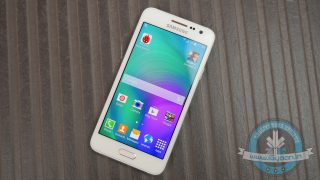
    At 4.5 inches the Galaxy A3 is pocket friendly.
    At 4.5 inches the Galaxy A3 is pocket friendly.
iGyaan Network
Privacy Overview

This website uses cookies so that we can provide you with the best user experience possible. Cookie information is stored in your browser and performs functions such as recognising you when you return to our website and helping our team to understand which sections of the website you find most interesting and useful.