Author: Happy Nagashetti

  • Make AI Beneficial to Humanity and Prevent it from Taking Over, says Experts letter

    Make AI Beneficial to Humanity and Prevent it from Taking Over, says Experts letter

    Artificial Intelligence (AI) has become a popular topic of public conversation. It all started since SpaceX and Tesla chief Elon Musk, and Physicist Stephen Hawking warned against creating an AI system that can think on their own. Now the experts in the field of AI research are coming together to sign an open letter to pledge for the creation of AI that can be controlled by humans and is beneficial to our lives.

    The letter was released by the Future of Life Institute (FLI) which is a volunteer-only research organization. It focuses on potential risks from the development of human-level Artificial Intelligence. The founders of the institute include Jaan Tallin, who is the co-founder of Skype and “Mad” Max Tegmark, who is an MIT professor known for his unorthodox ideas. The Scientific Advisory Board of the Institute includes folks such as Morgan Freeman, Alan Alda, Stephen Hawking, Elon Musk and some other great minds. So when the letter comes from people who are held in high honor in science, the letter gains credibility and needs to be taken seriously.

    The letter is signed by the top experts in the field including Prof. Hawking and Elon Musk
    The letter is signed by the top experts in the field including Prof. Hawking and Elon Musk

    In essence, the letter asks researchers to put more emphasis on the creation of an AI system which helps humanity but can also be controlled by humanity. AI-based systems such as voice recognition and self-driving cars are close to being accepted by the masses, at this juncture, it’s important to understand the potential challenges it might pose.

    The team at FLI has also attached a research document which highlights the priorities in AI research. The paper shows the multitude of uses of AI and how it can be robust as well as beneficial to humanity. The document encourages the fields of law, philosophy, economics, computer security and other fields of AI to be involved in interdisciplinary collaboration to set the priorities for AI research.
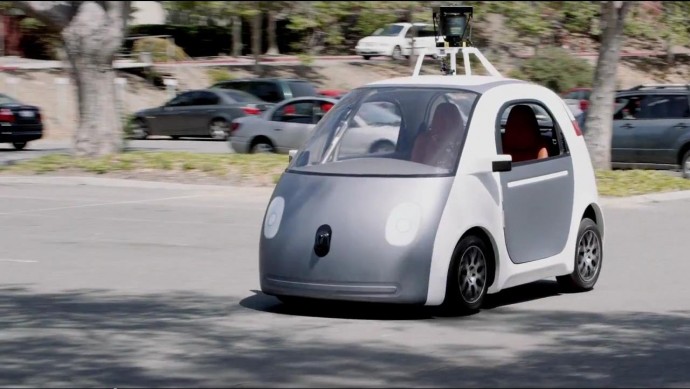
    Several AI based system such as autonomous cars are reaching the masses its important to research on potential challenges of the future.
    Several AI based system such as autonomous cars are reaching the masses, so it’s important to research on potential challenges of the thechnology in the future.

    The signatories of the letter are also some of the prominent folks in science. A number of professors MIT, Oxford, Harvard and other premier institutions have signed the letter. Also, several researchers from the industry, such as experts from IBM’s Watson Supercomputer team and Microsoft research have showed their support to the letter.

    Artificial Intelligence is already involved in many aspects of our lives such as speech recognition, translation and is expected to be more intertwined with our lives. It is important to put heavy focus on the topic and have a public conversation about it. There have been warning’s about the potential fallout of these systems, and they may end up taking charge over their human masters someday. Experts agree that a framework needs to be established to prevent a probable future that looks like something out of the Terminator or Matrix films.

  • Xiaomi to Raise Curtains Off its Next Flagship Killer on 15th January

    Xiaomi to Raise Curtains Off its Next Flagship Killer on 15th January

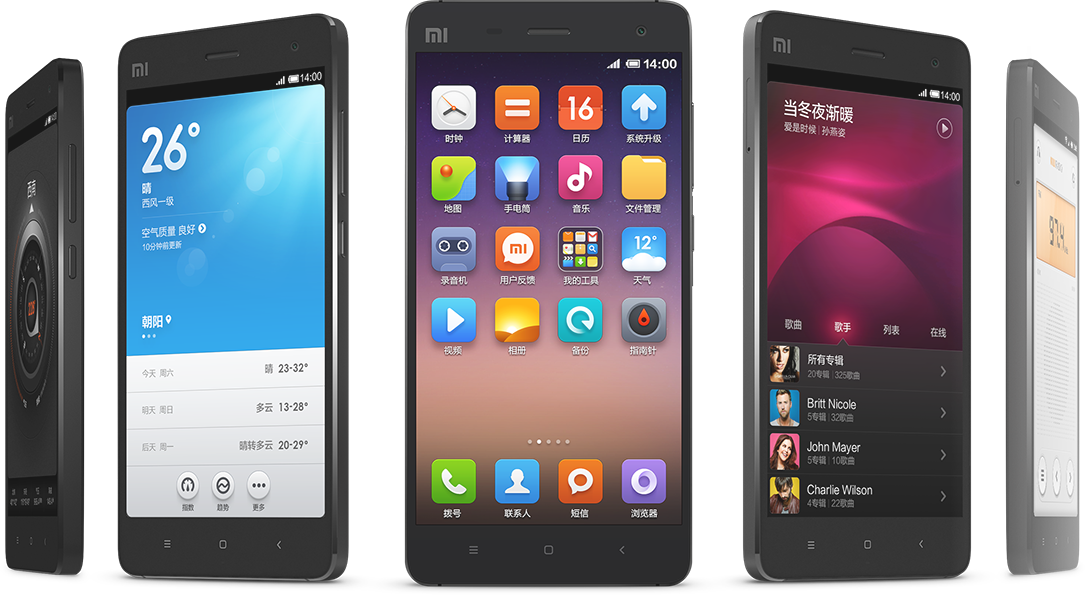
    After a very successful year, where Xiaomi managed to became the most valued startup, the company is now about to bring out its next flagship product. The company has sent out invites for the launch event set for 15th of January. According to the office MIUI thread, the launch will take place at 2.00 PM Beijing time. The page doesn’t specifically state what new device they’re launching, but the general agreement is that this launch is for the Mi5.

    The post asks the users on the thread to vote on what phone they expect Xiaomi is launching with the option given as Mi4s, Mi5 and others. With 70% in favour, Mi5 leads the polls.

    The invite only says that Xiaomi will unveil a new device on Jan 15.
    The invite only says that Xiaomi will unveil a new device on Jan 15.

    This upcoming premium launch by Xiaomi is expected to sport a 5.7 inches QHD display. It will get is processing might from the 64-bit Snapdragon 810 SoC which will be supported by Adreno 430 graphics engine and 3 GB RAM. It will offer 16 GB internal memory and feature a fingerprint sensor. It is also expected to flaunt a 20.7 MP camera with Sony Exmor RS sensor.

    There are also speculations that Xiaomi might unveil the new Mi Pad 2. It is expected to feature a 7.9-inch display with 2048X1536 resolution. It will come with 2 GB RAM and 16 GB internal storage. This does look like a quality update to the Mi Pad line and the resolution of the display might attract a good number of consumers.

    If Xiaomi prices it as competitively as it usually does, then it sure would have a winner on its hands. With the specs being offered in this edition of Mi smartphone, Xiaomi is directly challenging the authority of the flagship devices. Having knocked off Samsung from the top spot in China, Xiaomi has seriously taken a bullish approach to the market. Let’s hope it lasts long and encourages other manufacturers to duplicate Xiaomi’s business model and give consumers more functionality at affordable costs.

  • Industry Body says High Spectrum Costs Will Lead to Increased Mobile Tariffs

    Industry Body says High Spectrum Costs Will Lead to Increased Mobile Tariffs

    The Indian government will hold the auction of mobile spectrum in the month of February. The Indian Exchequer is expected to gain Rs. 80,000 crore(Rs 64,840 crore excluding 2100 MHz spectrum) from this auction. The bidding process is expected to start on February 23. But the industry association of GSM operators in India, COAI(Cellular Operators Association of India) are warning that the high spectrum costs would lead to higher mobile tariff for the consumers.

    COAI has written a letter to the Minister of Telecom, Mr. Ravi Shanker Prasad saying that the high prices would adversely impact the business viability for the telecom operators. They also added that the high spectrum costs would lead to tariff hike and will also effect government’s Digital India initiative and hinder rural penetration. The letter is also said to be forwarded to the Prime Minister.

    COAI claims that the high spectrum costs will lead to increased mobile tariff's which will hamper government Digital India plan.
    COAI claims that the high spectrum costs will lead to increased mobile tariff’s which will hamper government’s Digital India plan.

    The cabinet of ministers approved the following reserve pricing for the various spectrums:

    • Rs. 3,646 crores for pan-India license per MHz in the 800 MHz band
    • Rs. 3,980 crores for pan-India excluding Delhi, Mumbai, Kolkata, and J&K in the 900 MHz band
    • Rs. 2,191 crores pan-India (excluding Maharashtra and West Bengal) in the 1800 MHz band.

    COAI has also said that the government has priced the spectrum way above the pricing recommended by telecom regulator TRAI (Telecom Regulatory Authority of India). The pricing is said to be over 107% higher than the amount paid by the companies in the spectrum auction of 2010. TARI has also recommended a reduction of the license fee from 8% of adjusted gross revenue to 6%.

    The government plans to bring 5 Mhz for auction and will release an additional 15 Mhz on a later date. This low availability of spectrum will lead to even higher final prices as the companies would have to try to ferociously outbid each other to stay in business. The last auction also lead to heavy price wars which lead to the telecom companies borrowing huge amount of money from the banks. COAI claims that the combined debt of the industry now stands at a staggering Rs. 2.5 lakh crores.

    The present Indian government has some audacious plans to raise the standards of connectivity across India. For this a healthy cooperation with the telecom companies is essential. The issues raised by the telecom body seem valid, and the price is ultimately going to be borne by the consumers. We will await the government’s response for more updates on the story. Keep checking back on iGyaan.in.

  • iGyaan Spec Battle: Lenovo A6000 vs. Redmi Note 4G vs. Yu Yureka

    iGyaan Spec Battle: Lenovo A6000 vs. Redmi Note 4G vs. Yu Yureka

    At CES 2015, Lenovo introduced the A6000 capable of taking on the likes of Xiaomi Redmi Note and the newly launched Yu Yureka. The phone has some good specs for the sub Rs.10,000 segment. But how does it rate against its competition?

    Here is a comparison of specs for you to decide:

    Specs

    Lenovo A6000

    Xiaomi Redmi Note 4G

    YU Yureka

    Display 5 inch HD IPS 5.5 inch IPS LCD 5.5 inch HD
    Processor 1.2 GHz 64-bit Snapdragon 410 processor  1.6 GHz quad-core Snapdragon 400 1.5 GHz  octa-core Snapdragon 615
    RAM 1 GB 2 GB RAM 2 GB
    Storage 8 GB 8 GB 16 GB
    Expandable Upto 32 GB 64 GB 32 GB
    Main Camera 8 MP 13 MP 13 MP
    Front Camera 2 MP 5 MP 5 MP
    Battery 2300 mAh  3100 mAh  2500mAh
    Operating System Android 4.4 Android 4.2 Cyanogen OS 11
    Price Below Rs. 10,000 Rs.9,999 Rs.8999

    Overall it’s easy to come to the conclusion that Yureka’s spec sheet coupled with CyanogenMod and its attractive price give it an edge over the competition. Lenovo’s A6000 seems to lag a bit behind, but a competitive price tag might give it a chance to establish itself in the market. We just have to wait for the arrival of the A6000 to check out the final spec sheet and pricing for a final conclusion!

  • CES 2015: Lenovo A6000 Attempts To Take An Aim at Xiaomi

    CES 2015: Lenovo A6000 Attempts To Take An Aim at Xiaomi

    Xiaomi hasn’t faced a lot of adversaries who could hold out a real challenge against it in its short duration of existence. The company creates a havoc in the minds of smartphone makers wherever it launches its products. Many companies have tried to take a shot at Xiaomi with their own products, but they haven’t been successful in causing a real dent in Xiaomi’s armour. Now Lenovo is attempting to take a shot at challenging Xiaomi’s dominance in the sub-Rs.10,000 smartphone market with the new A6000.

    Lenovo launched the A6000 at CES 2015 which is being held in Las Vegas. The company has tied up with Flipkart for an exclusive partnership to sell the device. Flipkart is slowly and steadily becoming the primary destination to launch exclusive handsets online. The Indian price of the device hasn’t been declared yet but expect it to be close to the price of the Xiaomi Redmi Note.

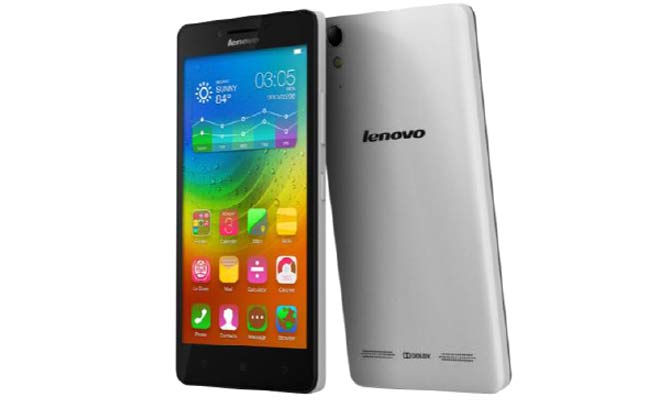
    lenovo-a6000

    The A6000 sports a 5 inch HD IPS display. It will get its processing from a 64-bit 1.2GHz, Snapdragon 410 processor. It holds 1GB of RAM and offers 8GB internal storage which can be expanded up to 32GB. It runs on Android 4.4 Kitkat and gets its juice from a 2300 mAh battery.

    On the camera front, the device offers an 8 MP camera on the back and a 2 MP camera on the front. The specs offered on the A6000 also seem to challenge a recent arrival in the Indian smartphone market, the Yu Yureka.

    Overall on the spec sheet, the A6000 looks like it could be quite a formidable opponent to the Xiaomi and YU. But both these companies have the advantage of customizable UI such as MIUI and Cyanogen, which are fast gaining popularity. So Lenovo is not going to have such an easy run in the market. But we still want to see it try because ultimately it’s the Indian consumer who wins from these affordable smartphone wars.

  • Android 5.0 Lollipop is Powering Less Than 0.1 % of Android Devices

    Android 5.0 Lollipop is Powering Less Than 0.1 % of Android Devices

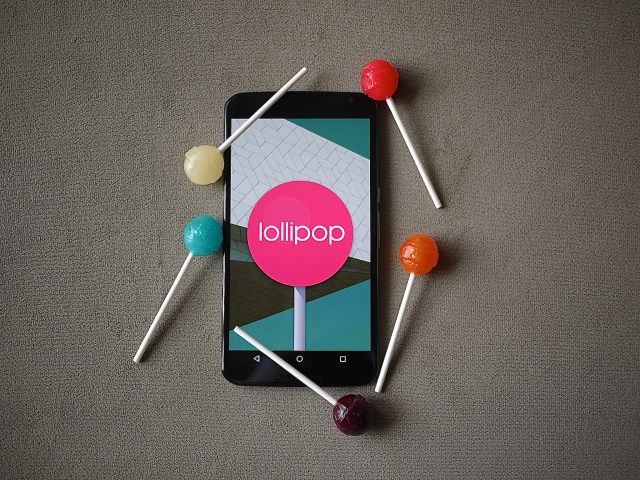
    Android Lollipop is one of the most significant releases from Google yet. It gave a redesigned look to Android that was long overdue. It also brought a barrage of new features including extended battery life. But even with such arduous effort that Google put into its latest mobile OS, it hasn’t found a lot of takers in the market.

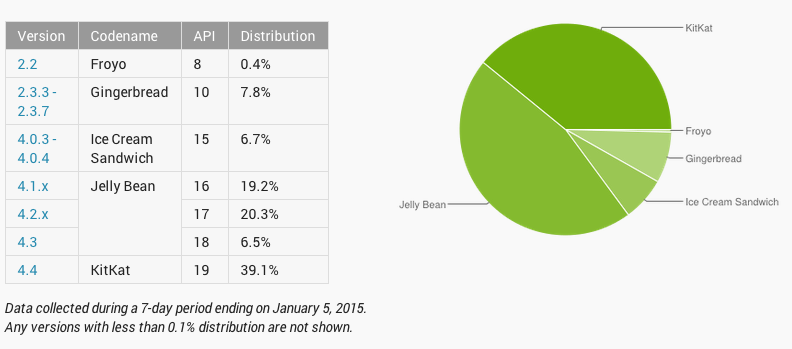
    According to data released by Google, Lollipop is running on less than 0.1% Android devices. Android’s last major release, the Android 4.4.4. Kitkat is on a growth path though, the operating system now runs on 39.1% of the devices. The operating system was running on 33.9% devices in December, so it grew by 5.2% in just over a month. One of the major reasons can be the boost in the number of lower-priced devices running Android Kitkat.

    With less than 0.1% market share, Lollipop doesn't even appear on the graph yet.
    With less than 0.1% market share, Lollipop doesn’t even appear on the graph yet.

    The leader of the Android corps of devices is still Jellybean, which accounts for different versions across the Android ecosystem. The good news, perhaps for Google is that the share of versions before Jellybean are fast disappearing from the market. In comparison to June, last year, the combined hold of OS’s before Jellybean (Froyo, Gingerbread and Ice Cream Sandwich) has gone from 35.2% down to 14.9%.

    One of the biggest headache for Google has been the massive segmentation of Android OS in the market, and it seems like Kitkat and Jellybean are fast bridging that gap. Google also launched the ‘Android One‘ line of low-cost devices, to have greater control over its OS in the lower segment of the market.

    Lollipop’s launch was followed by reports of bugs and that initially deterred the users from switching to the new operating system. The slow rollout process can also be blamed for the low market share of new operating system. Android’s previous version such as KitKat have also faced a slow start but did manage to gain the ground later. So we might expect a growth spurt for Android Lollipop to arrive soon.

  • CES 2015 : Intel’s Compute Stick is a Windows 8.1 PC on a Stick

    CES 2015 : Intel’s Compute Stick is a Windows 8.1 PC on a Stick

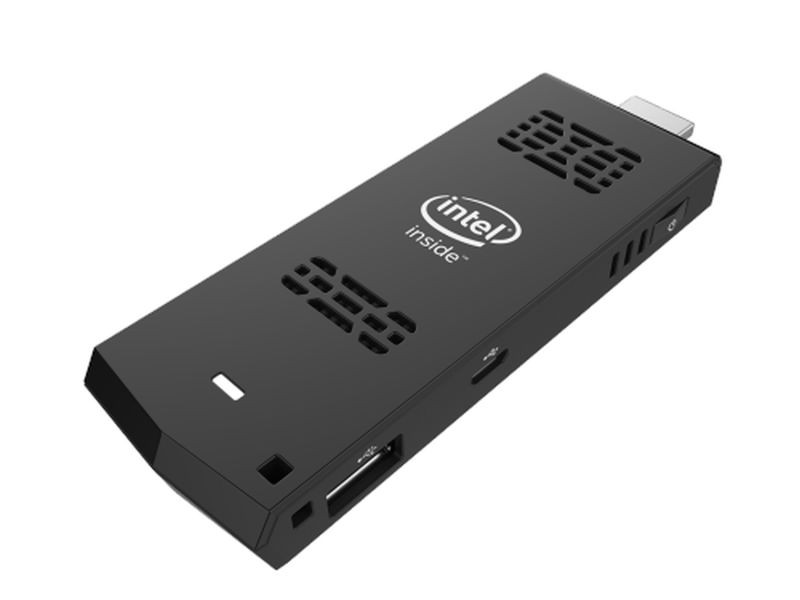
    In a time when mobile devices are gaining prominence over computer, its time for the good old computers to stand up and fight back. Intel seems to have a solution, and it’s an entire computer that fits in your hands. Meet Intel’s Compute Stick, a device that can turn your regular TV into a computer and costs just $150.

    There are at present many devices such as Google’s Chromecast and Amazon Fire Stick that provide streaming services, but the Compute Stick goes a little further. This device plugs into the HDMI port of your television and transforms it into a computer. It is available in Windows and Linux variants. The Linux variant comes at a price of $89.

    The Windows version of the Compute Stick comes with 2 GB RAM and 32 GB Flash storage. On the other hand, the Linux version comes with 1 GB RAM and 8GB storage. Both devices are powered by a quad-core Atom CPU.

    The stick sports a USB port, micro USB port, and supports Bluetooth 4.0, and 802.11b/g/n Wi-Fi. You can connect a Bluetooth keyboard and mouse and begin your task where ever you go. The company claims that this will help in bringing low-cost computing to schools, institutions and individuals too.

    The device will come to market in March and is a good option if you own an HDMI capable TV and are in need of a low-cost computer. You should, though, know that this is no-frills computing and don’t expect to play any high-quality games on it. Intel plans to bring an upgrade to the device that will feature a Core M processor to increase performance. In our view, what it should really provide is storage expansion through a micro SD card, as 32 GB is comparatively less for modern computing needs. Overall, this looks like a great effort by Intel.

  • Videocon Plans to Become a Major Internet Provider in India by Next Year

    Videocon Plans to Become a Major Internet Provider in India by Next Year

    Remember the 90s when the only phrase that came to your mind when you heard the name Videocon was “washing machine” in the exact tone from the ad. Well now, that company is planning to become an internet provider across India.

    Videocon at present is planning to invest Rs. 340 crore over the coming year to launch internet services across six-seven circles in the India. It plans to provide the service in states like Haryana, Madhya Pradesh, Chattisgarh and Gujarat. This will then be followed by introduction of services in metro and tier-1 cities.

    At present Videocon, has Fibre To The Endpoint (FTTX services) in Punjab that it plans to extend to other parts of the country. The company’s internet service provider (ISP) arm ‘Connect Broadband’ has already acquired a Unified License – ISP (Category-A). This Category-A license allows them to provide internet across the nation.

    This is a good step by Videocon, and it will be beneficial for the company as well as the consumers. Right now, there are few players in the internet provider arena and hence Indians get one of the worst internet services amongst developing nations. A healthy competition at the ISP level will lead to good quality services for the users. It will also encourage local players to try their hands at the internet business. India has a healthy technical workforce, and if given the access of quality connectivity to the internet, they can truly win the world.

  • This Massive Wearable Claims to be an Oculus Killer

    This Massive Wearable Claims to be an Oculus Killer

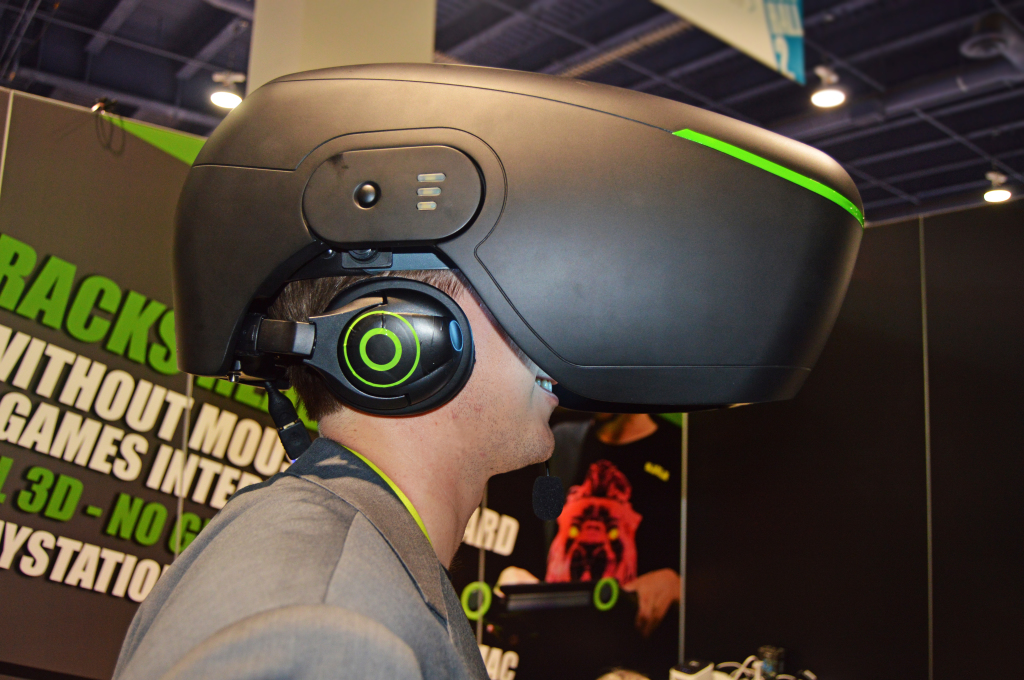
    There are many folks who are eagerly waiting for the Virtual Reality (VR) revolution to come in their hands soon. We have seen the Oculus Rift, Sony’s Project Morpheus and others that are some huge headgears. But never would have someone thought that they’d want to look like a B1 Battle Droid from the Star Wars prequel while being in the virtual world. For the few who did, here’s 3D head that you can wear in your battle against the Jedis.

    3DHead is really massive; it completely absorbs your head inside it. The visuals are played on an Android tablet that sits on the far end of the wearable, and the 3D is observed through the glasses placed inside the headgear. Just like other VR devices, you can use the device for gaming as well as watching 3D movies.


    The 3DHead is impractically large (Source: Uploadvr)
    The 3DHead is impractically large (Source: Uploadvr)

    The device also comes with a massive controller that has a slot to place the tablet. It is claimed to have good head tracking so playing first person games would be an immersive experience. 3DHead plays 3D as well as 2D games. The tablet can play the 3D content without the need of glasses. It can be connected to PC’s, Playstations and Xbox’s, and you can play all the games in VR mode. You can play the console games using their controllers. The makers claim that the device provides 2K picture resolution.

    Overall the massive size of the device might make it too impractical for consumers to acquire. The hefty price tag of $600 for the headgear and another $600 for the controller might also dissuade people from buying it. But for those who are into Star Wars or Tron Cosplay and also want to have an unreal VR gaming experience, this might not be that bad an investment.

  • CES 2015: LG Unveils a WebOS Powered Smartwatch That Unlocks an Audi

    CES 2015: LG Unveils a WebOS Powered Smartwatch That Unlocks an Audi

    The year 2014 was the year the smartwatch gained prominence in pop culture. Samsung, LG, Motorola along with Asus and others brought their models in the market. On the operating system front, most of the watches have gone for the Android Wear OS. Samsung has gone with its own Tizen OS for its smartwatch lineup; the only exception is the Gear live which was unveiled last year at Google I/O. Now LG has unveiled a prototype of new smartwatch that runs on webOS.

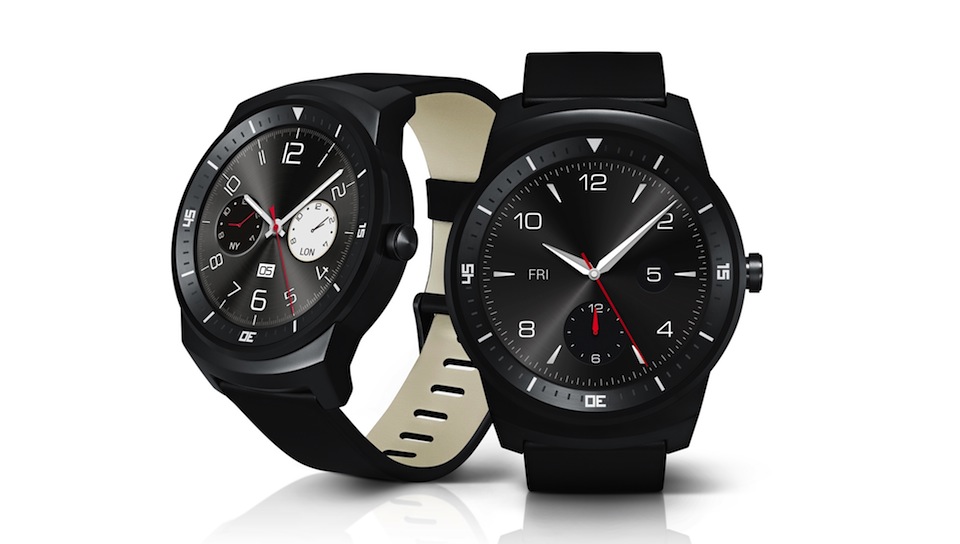
    LG’s new Smartwatch almost looks like the G Watch R that it released last year. It has a circular display which is more wrist and eye-friendly than the rectangular clock faces we have seen in the market. The patterned leather along with the machined crown and buttons give the watch a premium look.

    The circular UI does look user friendly. (Source: TheVerge)
    The circular UI does look user friendly. (Source: TheVerge)

    But the real revelation is what is on the inside. Observing a few demos, it is quite clear that the WebOS running on the device is user-friendly. It was Palm that originally developed the OS and later sold it to HP that subsequently sold it to LG. LG has inducted the OS in its Smart TV line-up making it quite easy to use and navigate. Even on this prototype smartwatch the OS seems to perform quite efficiently.

    The menu options are presented in a circular dial fashion where all icons can be rotated around. Unlike the Moto 360 where the edges of the display gets slightly cropped, this smartwatch has an OS that is tailored for a round display. The device also packs a phone dialer. The feature that might help it find a lot of premium consumers is its ability to unlock an Audi door lock using NFC. The company plans to bring a webOS powered smartwatch lineup by next year.

    Overall this prototype webOS smartwatch looks like a good effort on the part of LG. Android wear is still in its initial stage and considering the massive support it has from Google, it will stand as a formidable opponent to any OS in the industry. Apple Watch too is bound for the market in a few months. It seems like the Smartwatch market is finally ready to shed its infancy and ready to be recognized as a valid consumer technology.

  • CES 2015 : Now Shoot Thermal Images With Any Smartphone

    CES 2015 : Now Shoot Thermal Images With Any Smartphone

    FLIR is the company which specialises in making thermal image sensors. The company works from consumer level all the way up to military defense. Last year they brought an innovative back cover for iPhones that let them take thermal images. But ever since Apple went ahead and stretched out the size of its iPhone line-up, it became evident that FLIR had to take a new course of action to revive its market.

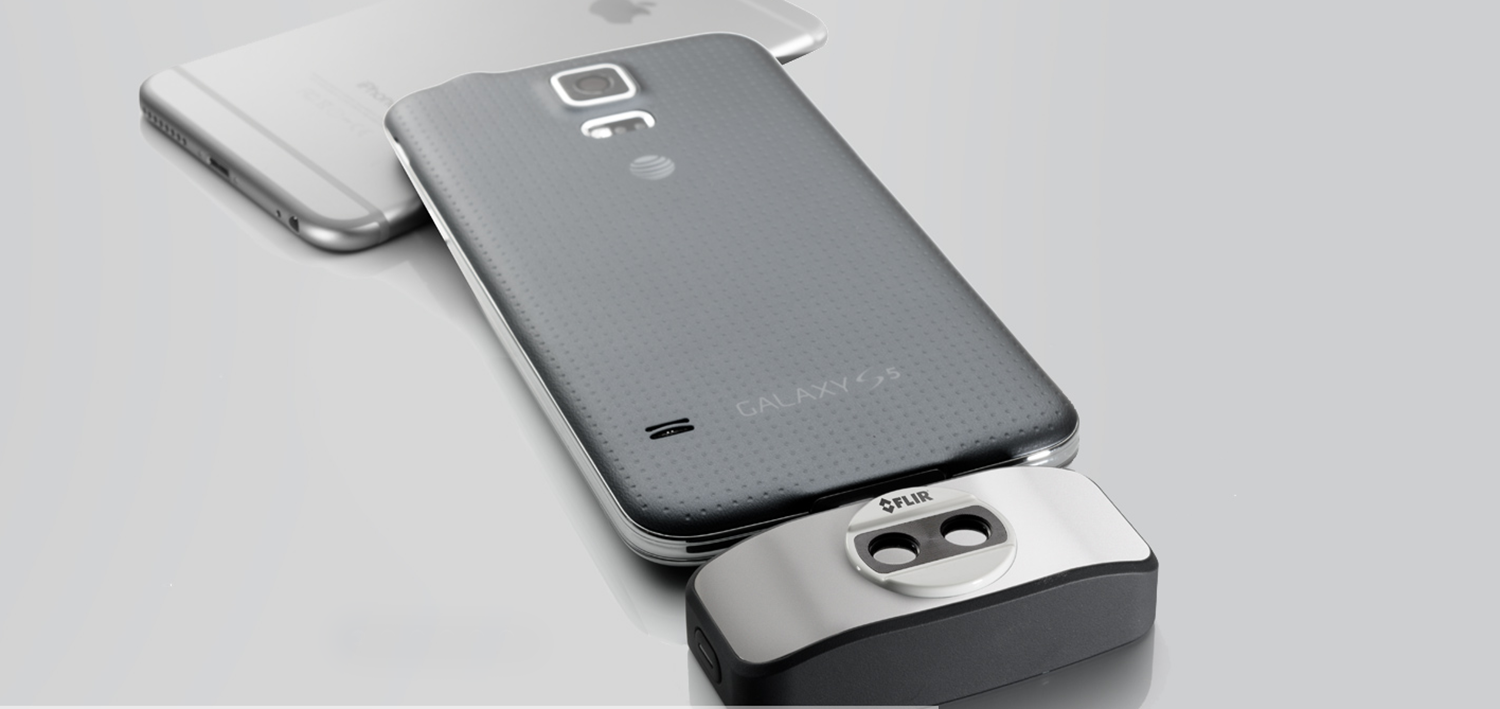
    So this year at CES, FLIR has come with a new gadget that works with just about any smartphone device. The FLIR One attachment can be plugged into a lighting port for Apple devices and the micro USB port for the Android devices. The variant seems more convenient than its previous generation as you have the option of using the device only when you need it.

    The device comes with its own internal battery so it doesn’t suck in the precious juice from your smartphone. Thermal camera in itself is not capable of capturing detailed images and so FLIR One has two cameras. One called the Lepton camera which shoots thermal images while a standard camera that shoots a normal image. Then both the images are blended together to give a better thermal image output.

    Thermal cameras let you see the world with a new perspective. This device is not just for educational and entertainment purpose but can also come handy in day to day life. You can use it to find the rodent or insects hiding inside your walls or even finding pets lost in the woods.

    The new FLIR One is expected to come into the market by the mid-2015 and is expected to be priced close to its predecessor at $350.

  • Beats Co-Founders Sued By Monster for Fraud

    Beats Co-Founders Sued By Monster for Fraud

    Dr.Dre, Jimmy Lovine celebrated publicly on the acquisition of their audio company, Beats by Apple for a sum of $3 Billion. Beats has grown strong since its inception and with massive celebrity endorsements, these expensive (some may consider overpriced) headphones have been selling like hot cakes. Beats now commands over half of US headphone market worth $1 Billion. But now the company has run into legal troubles with Monster, which originally created the technology behind the Beats headphones.

    Monster has been in the audio business since Noel Lee, an engineer and self professed audiophile founded the company in 1979. Since then it has grown to become a respectable audio brand. In 2008, Noel’s son Kevin Lee met Jimmy Lovine as he was looking for partners for a new line of prototype headphones. Jimmy brought Dr.Dre along on the deal and hence Beats audio came into existence. During the signing of the agreement, Monster gave permanent ownership rights to everything under the Beats brand name to Jimmy and Dr.Dre. This meant that even though the technology and designs were created by Monster, it was the Beats team who would reap the profits.

    In 2011, HTC bought 51% stake in Beats which fetched Dr. Dre and Jimmy Lovine about $100 million each. Beats and Monster parted ways in 2012, the reason cited internally was ‘financial disagreement’. Now Monster is alleging that the team at Beats is actively trying to erase the contribution of Monster in the making of the successful brand.

    Beats has fast grown to become the preferred audio brand for about half of the US market.
    Beats has fast grown to become the preferred audio brand for about half of the US market.

    In the complaint filed at Superior Court in San Mateo County, Califorinia, Monster alleges that Beats basically robbed Mr. Lee out of his invention. During the HTC deal a change-of-ownership clause was added which meant that all intellectual property such as technology and designs were to be transferred to Beats brand. After the deal Monster CEO Noel Lee’s stake in Beats was reduced from 5% to 1.25%.

    Monster has also called the HTC deal a sham, orchestrated by Dre and Lovine to cease control of the company. It is asserted in the complaint that Beats repurchased 25.5% of its own shares from HTC less than a month after the deal closed. HTC also sold back the shares of Beats in 2013 which made the complaint sound genuine but we’d rather the judge decide on the verdict.

    Beats most major gain came when last year Apple acquired it for $3 Billion. It’s major focus is on the Beats music service as it tries to take on new generation competitors such as Pandora and Spotify. Apple hasn’t been named as a defendant in the case. It is alleged though that during the deal, the role of Monster in creation of the Beats brand was concealed. It is said that months before the Apple deal Mr.Lee was misled to sell his shares as he was told that there was no “liquidity event” on the horizon for the next year or two.

    This case, if for anything shows the fierce nature of the technology industry. Here knowledge is power, but legal clauses are more powerful as they might make you compete against your own creation, as Monster has to now compete with Beats products. So it is important to not just be a good innovator, but also a good businessman!

  • CES 2015 : Samsung Eyes The Internet of Things as its New Cash Cow

    CES 2015 : Samsung Eyes The Internet of Things as its New Cash Cow

    Samsung hasn’t had a good time with its smartphone business in the past couple of years. As the smartphone market gets more saturated by new players, Samsung is looking for a new arena’s to assert its dominance before the other players catch-up. The company says that by 2020, all its devices will connect to the internet and to each other, thereby creating an internet of things ecosystem.

    During its presentation at CES, Samsung showed its dedication to the cause of the Internet of Things (IoT). Samsung, of course, is one of the biggest manufacturers of consumer electronics and hence it has a massive research background to play around with the technology. The company wishes to grab a big portion of the IoT market which is estimated to be worth $7.1 trillion by 2020.

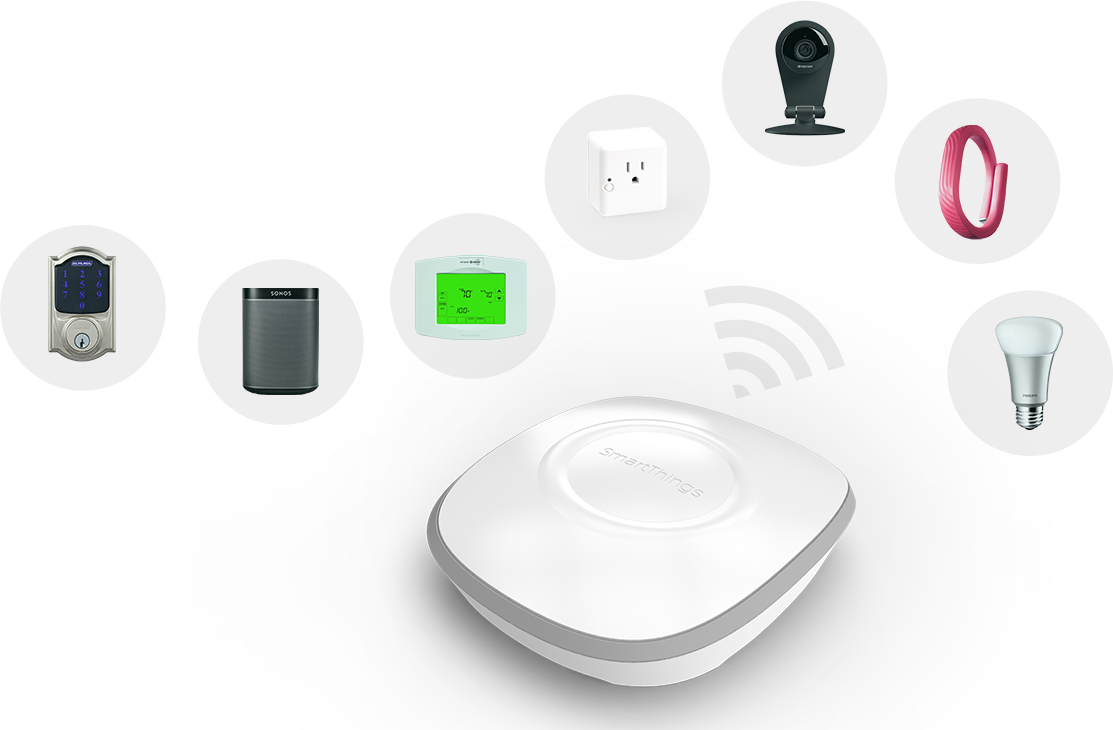
    Samsung acquired SmartThings last August which makes hubs that allow various devices to interact with eachother.
    Samsung acquired SmartThings last August which makes hubs that allow various devices to interact with each other.

    If you don’t already know, Internet of Things is a concept where all devices are interconnected and provide intuitive functionality and provides immense convenience to the users. For example, if you run out of milk, your refrigerator will recognize it and order milk for you. Another example could be that your keys can recognise when you have left the house and power down the house and when you are coming back it can set the lighting and temperature according to your needs.

    Samsung bought a company called SmartThings, last year in August. SmartThings makes hubs that allow internet connected devices to interact with each other. This is what Samsung is banking on for setting up its initial IoT infrastructure. But a proper channel and language for interaction between the various different kinds of devices is still in the process of development. There are some equipments in the market that provide limited experience of IoT, for e.g Google Nest, but a seamless interaction between the devices is still a few years away. Google Nest has an initiative called ‘Work with Nest’ where they are currently working with many companies including LG and Samsung to make the companies devices “smart.”

    One good act on the part of Samsung is that it has decided to keep this ecosystem, meaning that the devices will not be locked inside the Samsung infrastructure. This might help the devices to gain more acceptability in the market as people won’t be enthusiastic about investing in Samsung devices only for their houses.

    The arena of the Internet of Things is wide open for companies and innovators to plant a flag. This industry is still in the beta stage but once IoT is unleashed to its full potential, it will radically change the way we interact with technology. We hope Samsung does a far better job in this arena than it has done with its popular smartphone arm in the last few years.

  • CES 2015: Sony Brings Back the Walkman with High Quality Audio

    CES 2015: Sony Brings Back the Walkman with High Quality Audio

    Sony had revolutionized the way we listened to music when it launched the Walkman in the 1980’s. Since then the music players have gotten consistently tinier ultimately reaching the size of a biscuit before being absorbed into the smartphone. But the grandfather of portable music players, Sony, is not giving up on its baby just yet. At CES 2015, they have revived the Walkman as a high definition player which it says is a better entertainment device than any smartphone.

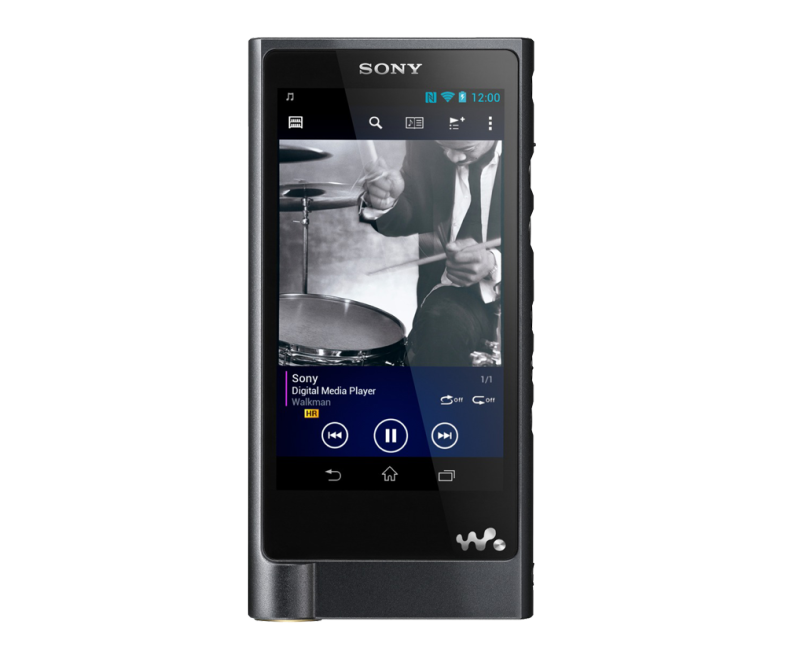
    Sony’s NW-ZX2 Walkman boasts of 128 GB of storage space with up to 60 hours of battery life. The company also claims that this device gives a better sound output than the conventional smartphones. It supports high-quality audio codecs like DSD, WAV, AIFF, FLAC, Apple Lossless, and more. Sony also added that the device is capable of increasing the quality of your existing songs.

    NW_ZX2-walkman

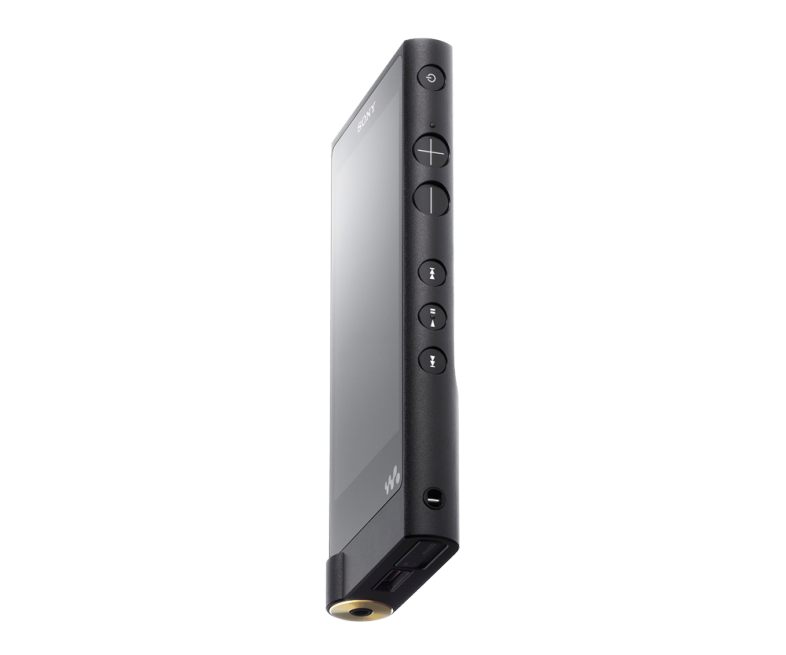
    The ZX2 is a peculiar looking device which has a bit of a retro appeal. It looks like a communication device from the older sci-fi movies. It looks like a big smartphone with a bulge at the bottom for the 3.5 mm headphone jack. The back panel has an uncanny resemblance to the Nokia 3230.

    There is a disappointment though on the software side of things. The device runs on Android Jellybean 4.2 which is presently outdated. It does give you the option to download and use apps from the Play store, so that’s a plus. The Walkman also provides you with a Micro SD slot which lets you extend the storage beyond 128 GB. It also supports Bluetooth and NFC output making this a complete entertainment device.

    But the question does remain; why would someone go for an independent device if they already own a smartphone that does it all and that too at a price of $1200? Well, it can be a device for music professionals to listen to with highest quality tracks. This would probably come handy to music enthusiasts too who want a player that gives them the best output on the move, but they’d definitely need quality earphones to get the best out of it. The device does have limited utility in a time when we have all-in-one devices called smartphones, and not a lot of folks will be enthused by the hefty price tag.

  • Government of India Unblocks Most of the 32 Banned Websites

    Government of India Unblocks Most of the 32 Banned Websites

    The biggest news of 2014 was, of course, about the brutal group ISIS or ISIL or simply Islamic State. This group has been raising terror in Iraq and Syria. ISIS has proactively used internet and social media tools to spread their pernicious propaganda. It was also recently found that a young executive based in Bangalore was responsible for operating a pro-ISIS Twitter handle. The Indian Government has gone ahead and issued directives to internet providers to ban 32 websites citing national security concerns. Now it seems like most of the websites have been unblocked and are functional.

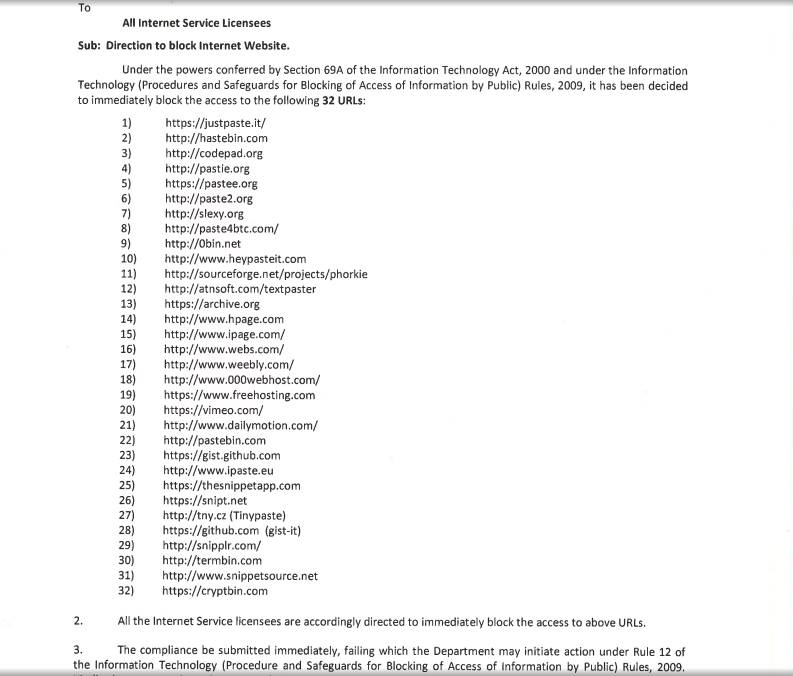
    There were some prominent names in the list including Vimeo, Dailymotion, Sourceforge and Github. A circular supposedly issued by the Department of Telecom (DoT)  also threatened actions against non-compliance of the order by the service providers. The circular came to prominence when it was shared on Twitter.

    Govt-blocking
    This circular supposedly from DOT was shared widely on Social media

    The head of ruling BJP’s IT cell, Arvind Gupta tweeted that the websites blocked were based on an advisory by Anti-Terrorism Squad, and were carrying Anti-India content from ISIS. To ban the websites the government used section 69A of the Information Technology Act (2000) and Information Technology (Procedure and Safeguards for Blocking for Access of Information by Public) Rules (“Blocking Rules”).

    This did cause a lot of furor especially amongst the developer community, which depends on websites like it Github for their projects. Hacktivist group Anonymous also said that they would start attacking Indian government websites if the websites weren’t unblocked. — AnonOpsIndia (@opindia_revenge) December 31, 2014

    As of now, it seems that most of the blocks have been lifted as we were able to access almost all of the websites listed in the circular. The block was said to have affected around 290 million Indian citizens.

iGyaan Network
Privacy Overview

This website uses cookies so that we can provide you with the best user experience possible. Cookie information is stored in your browser and performs functions such as recognising you when you return to our website and helping our team to understand which sections of the website you find most interesting and useful.