Author: Happy Nagashetti

  • With Moto-Power Lenovo Becomes the Third Largest Smartphone Company in India

    With Moto-Power Lenovo Becomes the Third Largest Smartphone Company in India

    The acquisition of one of the most adored brands, Motorola by Lenovo was met with a wide negative response in India. But this acquisition did more for Lenovo than just being the owner of an awesome brand. It took an enormous leap in the Indian smartphone market. The Chinese electronics company now is the third biggest smartphone company in India.

    Lenovo acquired Motorola from Google for a sum of $2.9-billion. The deal was finalized this Thursday, the 30th of October, and it will give Lenovo the boost in the Indian market that it was looking for. The deal got Lenovo in the third spot in India and many other markets globally.

    This may also mean a bit of a pull back for Xiaomi. According to data research by IDC, the company will move down to the fourth spot after just recently hitting the podium stand. Seems like celebrations didn’t last long for the company. This will be a neck and neck competition because both Motorola and Xiaomi are stars of the low-cost markets. This is a market where the maximum amount of sales takes place. Lenovo has a good market stand in the offline channels and combined with the high online demand for Motorola product it can easily set a flag post at the third spot.
    blog_post_banner-01-01v3

    The top spot in India is still in the hands of Samsung, that has come up to become an alternative recognizable brand after the demise of Nokia. It holds 23.8% of the mobile phone market and is distantly followed by Apple with a market share of 12%.

    Lenovo says that it considers India as an important market, and it will continue its original market plan. It will definitely benefit from the brand recognition of Motorola, especially  in the youth market. Since its return to Indian shores, the company has sold over 2 million products from its catalog.

    The Lenovo-Motorola partnership plans to sell about 100 million smartphones and tablets globally by march of next year which is an audacious task. The part of this acquisition that will be appreciated by most folks casting doubts on the future of Motorola products is that Lenovo and Motorola will continue on as separate entities. So you can expect your next Moto buy to still hold the Moto experience that you have come to love and appreciate.

  • Troubled Waters Lay Ahead for Sony as it Registers $1.2 Billion Loss

    Troubled Waters Lay Ahead for Sony as it Registers $1.2 Billion Loss

    Billion is an amazing number. It is used to signify the number of stars in the sky, the populations of India and China, and the number of atoms in a human body. But for Sony, the term means time to take drastic measures. The Japanese consumer-electronic giant has been in troubled waters for a while and seems like it’s not going to come to an end anytime soon.

    The company has registered a record loss of $1.2 billion. This has led the company to decrease its smartphone sales figures from 43 million to 41 million. This came after the company has decreased its sales projection from 50 million to 43 million in this financial year that runs from April 2014 to March 2015.

    There is some silver lining in this bleak news from the once-unanimously valued brand. The company saw an overall sales increase by 7.2% to reach $17.4 billion. Sony’s latest gaming console, the PlayStation 4, is the most visible product that is holding up its fort as of now.

    The Japanese company has been in damage control mode for a while. It increased its marketing expenses, and research and development expenses, in order to expand sales. This may pay off in some key markets.

    Sony’s latest flagships have been appreciated for their features, but they come at a flagship price range. Hence, the phones haven’t been able to provide the company the revenue they require. Sony has also given the charge of its smartphone business in the hands of a new head, Hiroki Totok. He will replace the current head, Kunimasa Suzuki, on 16th November. Hopefully, the infusion of new head might bring some ideas that will help get Sony back on track. Or else, it may go the way of Nokia, which is, fortunately, not a possibility as of yet.

  • Kerala Declares an Internet Strike Against High Mobile Data Charges

    Kerala Declares an Internet Strike Against High Mobile Data Charges

    If you own a smartphone, you know the state of the Indian mobile internet. The speed is pathetic, the access is limited, and the prices are high. The options are limited too as the major companies are monopolistic with the prices being increased unanimously across the board. In the age of heavy inflation, the data charges are a severe blow to the pocket. So the young folks in Kerala are going for an innovative way to protest against these arbitrary rises in data charges by organizing an internet hartal.

    Today on the 31st of October, the data subscribers will be disconnecting from their data connections. It is called the All Kerala Internet Hartal. The organizers have said that the reason behind the hartal is to protest against the day to day increase in the prices of data packs. The protest is specifically targeted at AVoId ( Airtel, Vodafone and Idea) who have now become mind-bogglingly huge with a massive number of users dependent on them.

    The folks are fed up with their inability to share their grievances with the companies, to which the companies tend to lend a deaf ear. Hartals are a proven way of civil disobedience, and this will definitely make the point across to the other side.

    The reason behind the massive leap in prices is the advance of messaging apps like Whatsapp, Hike, Snapchat and others who have caused a severe dent in the SMS revenue. The telecom companies have to pay a heavy sum for renting the spectrums to provide the services, and they want to squeeze every last penny of profit for the sum they invested. But they can also do this by providing cheaper internet and count on the massive users they will bring for the company, specially at the speed Indians are buying smartphones.

    People participating in the protest have also used the analogies from history. One of them has given the reference of bread strike in England. “…once in England when bread companies increased their prices, the whole country did not buy bread for few days, and the company had to decrease their price,” says a message.

    The sorry state of the internet in India calls for protests like this. We at iGyaan understand the need for a real internet revolution in this country. In the coming days, we’ll be announcing a massive initiative demanding a model internet which compliments a nation that sends spacecrafts to Mars. Keep checking the space for more details in the future.

    As for the hartal today, if you agree with the stand of the folks in Kerala, you can support them by switching off your data packs for the day. You can also organize a hartal in your own state. It is also a great way to get rid of all that noise in the digital world and have a glance at the beautiful 3D physical world, at least for a day.

  • New HP Sprout Seamlessly Blends Physical with the Digital World

    New HP Sprout Seamlessly Blends Physical with the Digital World

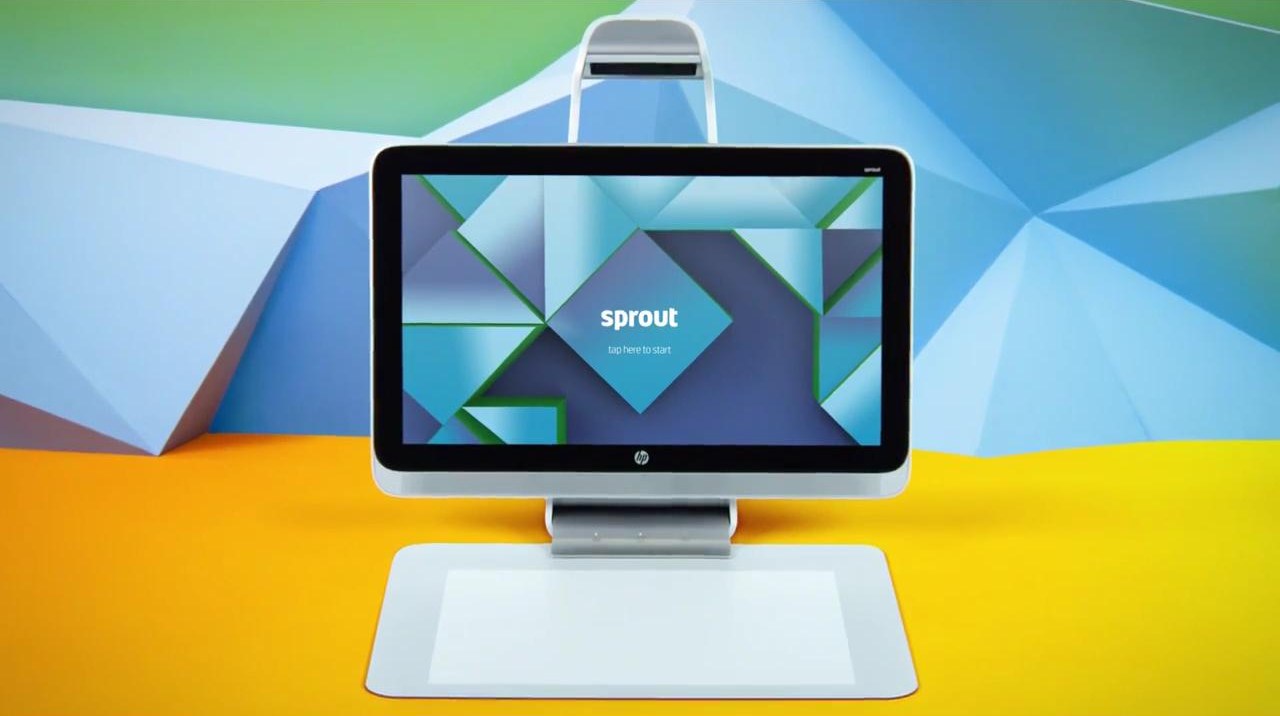
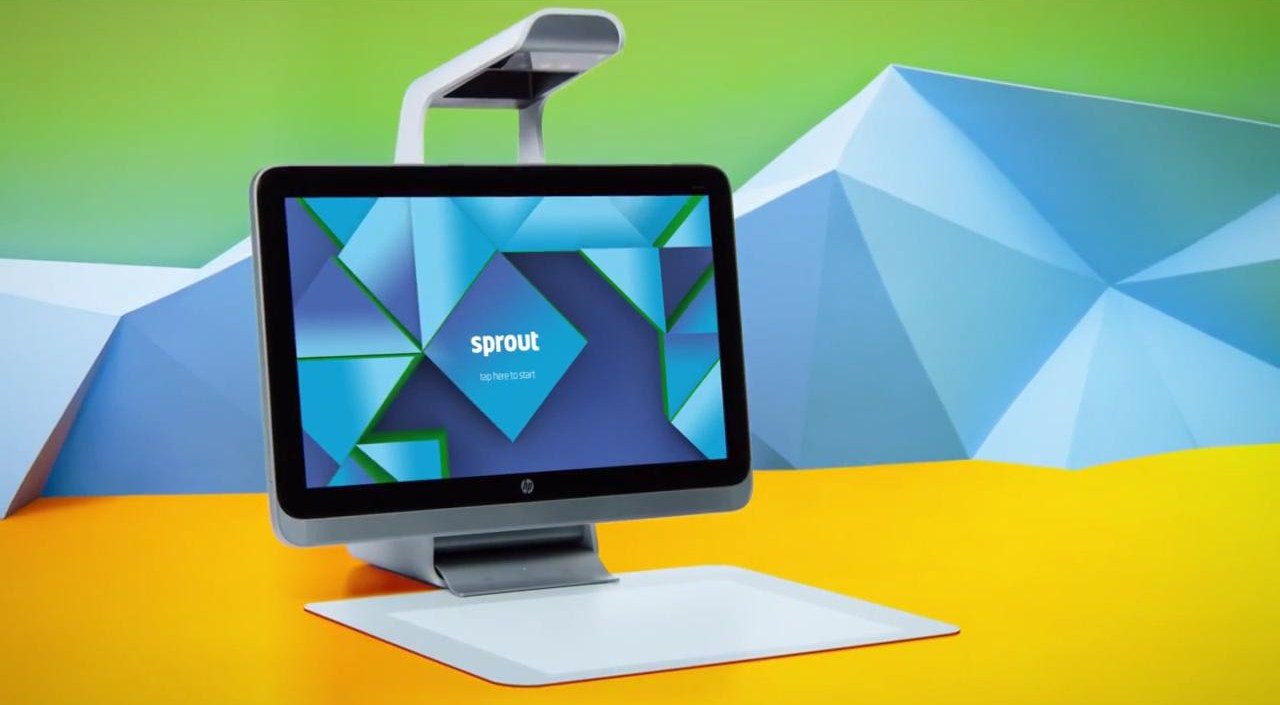
    HP had announced recently that it would be unveiling an all new form factor, and it’s here. HP calls it the ‘Sprout’ and it connects the digital and analog with an ease that till now was only possible on Sci-fi features.

    Sprout consists of two screens. The first one is a 23-inch LCD screen with 10 point multi-touch capabilities. The second and more interesting one is a 20 inch touch mat which is capable of 20-point multi-touch. The touch functionalities are integrated under the mat.

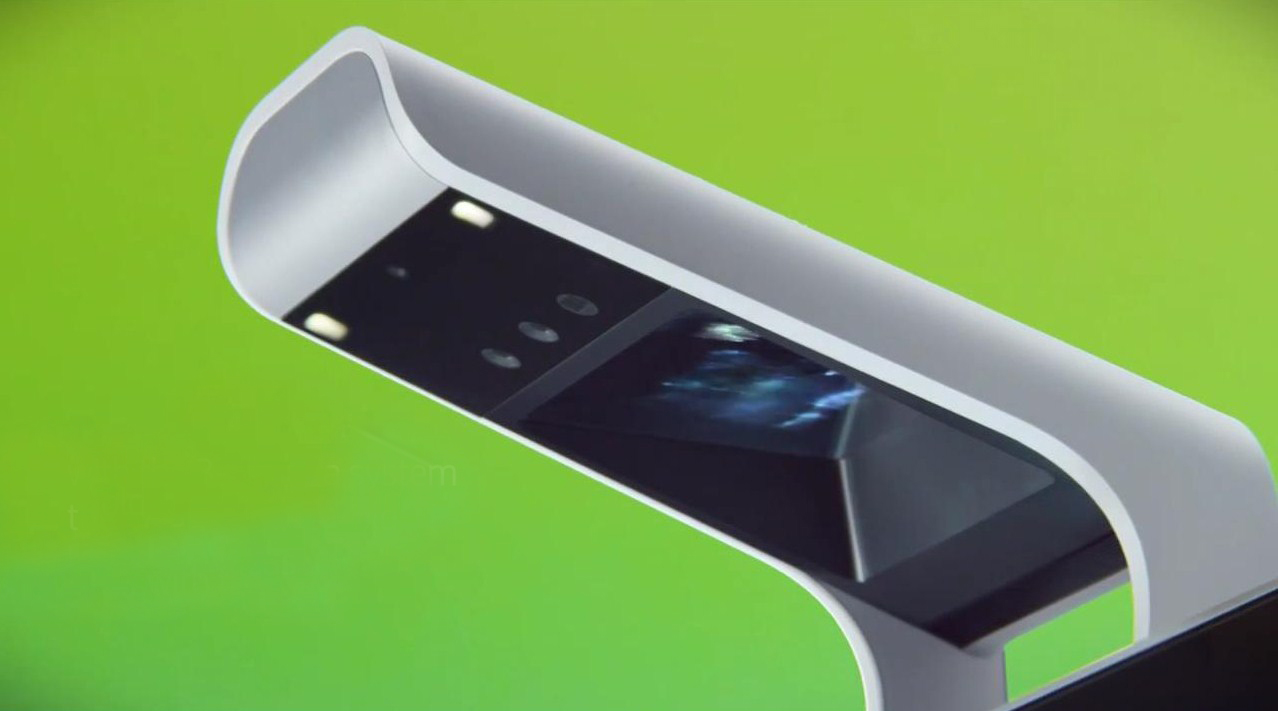
    The Illuminator is where all the magic happens.
    The Illuminator is where all the magic happens.

    What makes the Sprout fully functional is the ‘Illuminator’, which sure sounds like a name for a cyborg. The Illuminator is made up of a set of imaging technologies that are pooled together and placed on an extended arm on the top of the LCD display. It holds in itself a 14.6-megapixel digital camera, a DLP projector, and Intel’s RealSense 3D camera. The 3D camera lets users easily scan 3D Objects and being working on them right away.

    HP has created its own UI called the Workspace that is built on Windows 8.1 interface. The company will be releasing a Software development kit for the developers to create app for this innovative new product.

    With the specs on hand this is a creative professionals dream come true.
    With the specs on hand this is a creative professionals dream come true.

    It is powered by a 4th generation Intel Core i7 Processor. The graphics are taken care of by an NVIDIA GeForce GT 745A graphic card with 2GB DDR3 dedicated memory. It comes with 8 GB DDR3 SDRAM (2x4GB and is expandable up to 16 GB). The device flaunts 1TB SATA 6G Solid State Hybrid Drive with 8GB flash acceleration cache. It will also sport an Adonit Jot Pro stylus to write and draw comfortably, and it can be attached magnetically to the upper-right side of the Sprout display.

    Sprout is targeted mostly toward artists, designers, architects, publishers and other creative professionals. It will cost $1,899, which is a great price for a debut product with such innovative features. It ships with a 20-inch touchscreen monitor, a physical keyboard and a mouse. Though you may want to do away with the peripherals and just use the digital keyboard and feel its fantastic, futuristic pleasures.

  • Here’s the First Look at the Working Prototype of Google’s Project Ara

    Here’s the First Look at the Working Prototype of Google’s Project Ara

    Remember Phonebloks, the folks who came up with a revolutionary concept of a phone that can be easily updated and save the environment with the massive e-waste generated each year? The project was taken up by Motorola and named project Ara. The project got passed on to Google after Motorola’s departure from the company, and it seems that they have been working hard to get the concept to reality.

    Dave Hakkens, the Dutch designer who was the brains behind Phonebloks paid a visit to one of the contractors working on Project Ara. NK Labs is one of the dozen contract partners who are assisting Google in bringing out this new generation product.

    In the video, the engineer assembled various modules onto the device, and it worked. The device is operational and is running an Android operating system. The modules included the LED, battery, application processor, loudspeaker and USB charging bits. The camera and other complex features may be added later, but this is a great start for the project.

    Google had announced last week that it will be establishing independent stores where users can go and buy their choice of swappable modules. Paul Eremenko from Google had said that they will be creating a free and open platform on the lines of the Android project. The devices are expected to run Android Lollipop, and the “Spiral 2? prototype will be introduced on January 14th, 2015 at the next developers conference. Now this is one technology we can’t wait to get our hands on, not only is it economically viable, it has an environmentally conscious approach towards technology.

  • India May Plan a Sequel to the Successful Mars Orbiter Mission

    India May Plan a Sequel to the Successful Mars Orbiter Mission

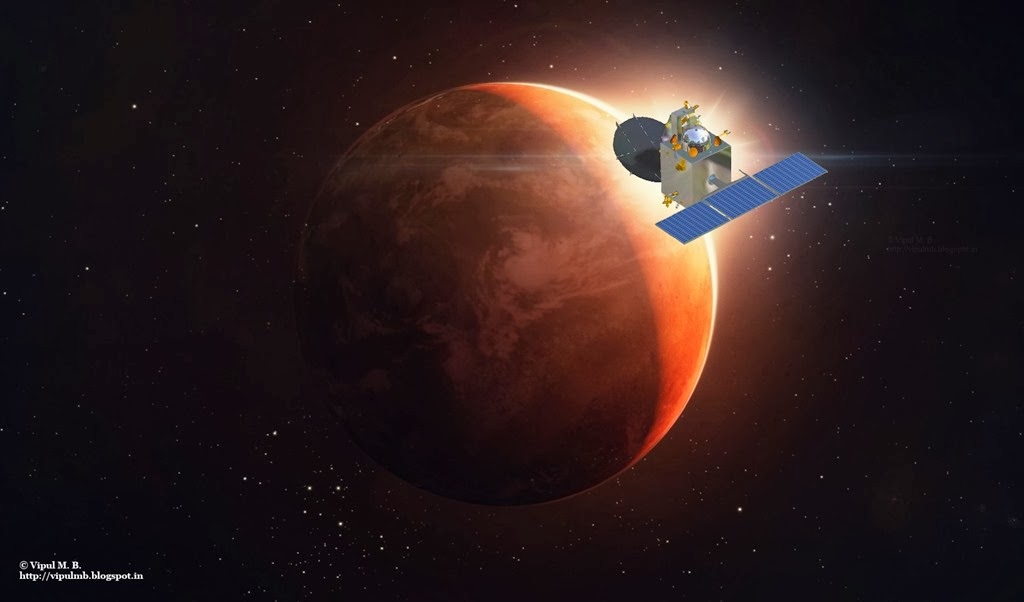
    The day India reached Mars was one of the proudest moment for the country in recent years. The spacecraft, also known as Mangalyaan took an epic voyage of close to ten months to reach the red planet. A feat that is achieved by only 50% of the space crafts and the Mars Orbiter Mission (MOM) achieved it in its first try. Now it seems that the scientists, while riding in the thrill of their phenomenal achievement, have begun toying with the idea of a second rendezvous with the neighboring planet.

    S.K Sivakumar, Director of the ISRO Satellite Centre said that the Indian MOM of 2013-14 should have a successor, but as of now it is not an active thought, neither is it in the realm of any planning yet.

    The director also added that his organization has achieved much maturity ever since the success of MOM. But any proposal for a second Mars mission will have to be first passed by the Advisory Committee for Space Science (ADCOS,) a think-tank that advises the government on its missions.

    The Oppurtunity to reach Mars arrives every 26 months, so ISRO may send a craft by 2018.
    The Oppurtunity to reach Mars arrives every 26 months, so ISRO may send a craft by 2018.

    MOM was especially lauded for being a cheap project. But considering the massive waiting period and uncertainties involved, ISRO should dig deeper into its pockets for more audacious plans for a sequel. A lander would ideal to launch, and if successful, it will again make India, the first developing country to land a rover on Mars.

    The window of opportunity to reach Mars efficiently arrives every 26 months. The next window opens in 2016 which would too early for a launch. Hence, the scientists are contemplating a 2018 launch if at all it is sanctioned. We hope ISRO does plan this and it sparks scientific interests amongst the population, especially the youth and push a science-oriented culture.

  • YouTube Updates Itself to Support 48 and 60 FPS Videos

    YouTube Updates Itself to Support 48 and 60 FPS Videos

    The ultimate video destination, YouTube, has come up with an excellent gift for the gaming community. The video sharing site has now introduced support for the 48 and 60 fps videos which will result in some sweet gameplay videos.

    YouTube has already uploaded three videos as examples for the new service. Currently, this support service is only available for Chrome and Safari browsers. You may also watch the videos in resolutions of 720p and higher.

    The higher frame rate means smoother motion and more detailed visuals. This will come handy for gamers as well as those who share their projects using YouTube. This, though, won’t result in older videos getting updated to the current frame rate.

    YouTube had promised this feature back in June and has finally made it available. So, if you were waiting to upload and flaunt some of your sweetest gaming escapades, this is your moment now.

  • Truecaller Brings Out the Truedialer App for Outgoing Calls

    Truecaller Brings Out the Truedialer App for Outgoing Calls

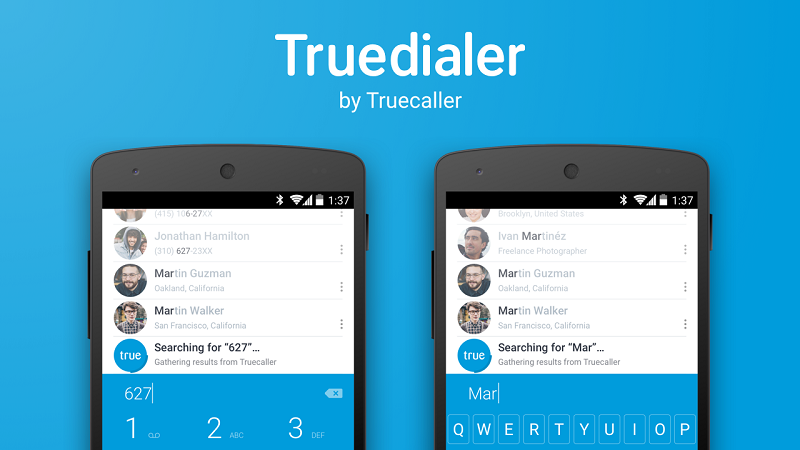
    Truecaller is an app that put caller ID on an adrenaline rush. Developed by True Software Scandinavia AB, the app has gained immense prominence since its launch specially because of its multiplatform access. The app also keeps itself updated through social media integration and keeps the phonebook up-to-date with pictures and birthdays. The company now has released a new app called Truedialer that will let keep a track of the numbers you are dialing.

    Truedialer will provide instant access to relevant information about contacts that users are trying to dial. When users dial a number that isn’t present in their phonebook, they will be able to see the name and a profile photo of whom they are about to dial before they place a call. This will come really handy for folks who don’t have the time or patience to store contacts in the phonebook individually.

    The company said that the integrated Truecaller technology works in conjunction with Truedialer. But the company has no plans of bringing the two apps together, though that would have been more convenient.

    Truecaller co-founder and Chief Strategy Officer Nami Zarringhalam said, “Until now, phone dial pads have not truly improved since the feature phone days. With the same infrastructure that powers Truecaller, our ambition with Truedialer is to replace the phone’s phonebook app.” It is clear that the company intends to make the phonebook obsolete. Truecaller currently has over 85 Million users worldwide, and it’s a healthy market for the company to try out their new app.

    For now the phonebooks on our phones are safe. But you can easily expect an app to replace it just like the contacts app replaced the physical phonebooks. Truedialer is currently available for free download at the Google Play store and at Windows Phone App Store.

  • BlackBerry to Bring QWERTY Back with the New ‘Q20’ Classic

    BlackBerry to Bring QWERTY Back with the New ‘Q20’ Classic

    BlackBerry, once the definition of a smartphone, has lost most of its market since the advancement of Apple and Google’s mobile ecosystems. It tried its hand at touchscreen phones but didn’t manage to create a whole lot of buzz. It seems like, in a desperate attempt to stay valid in the touchscreen era, BlackBerry is going back to its roots. The company will be releasing the new BlackBerry ‘Q20’ Classic, which will take it back to the ‘Bold’ era.

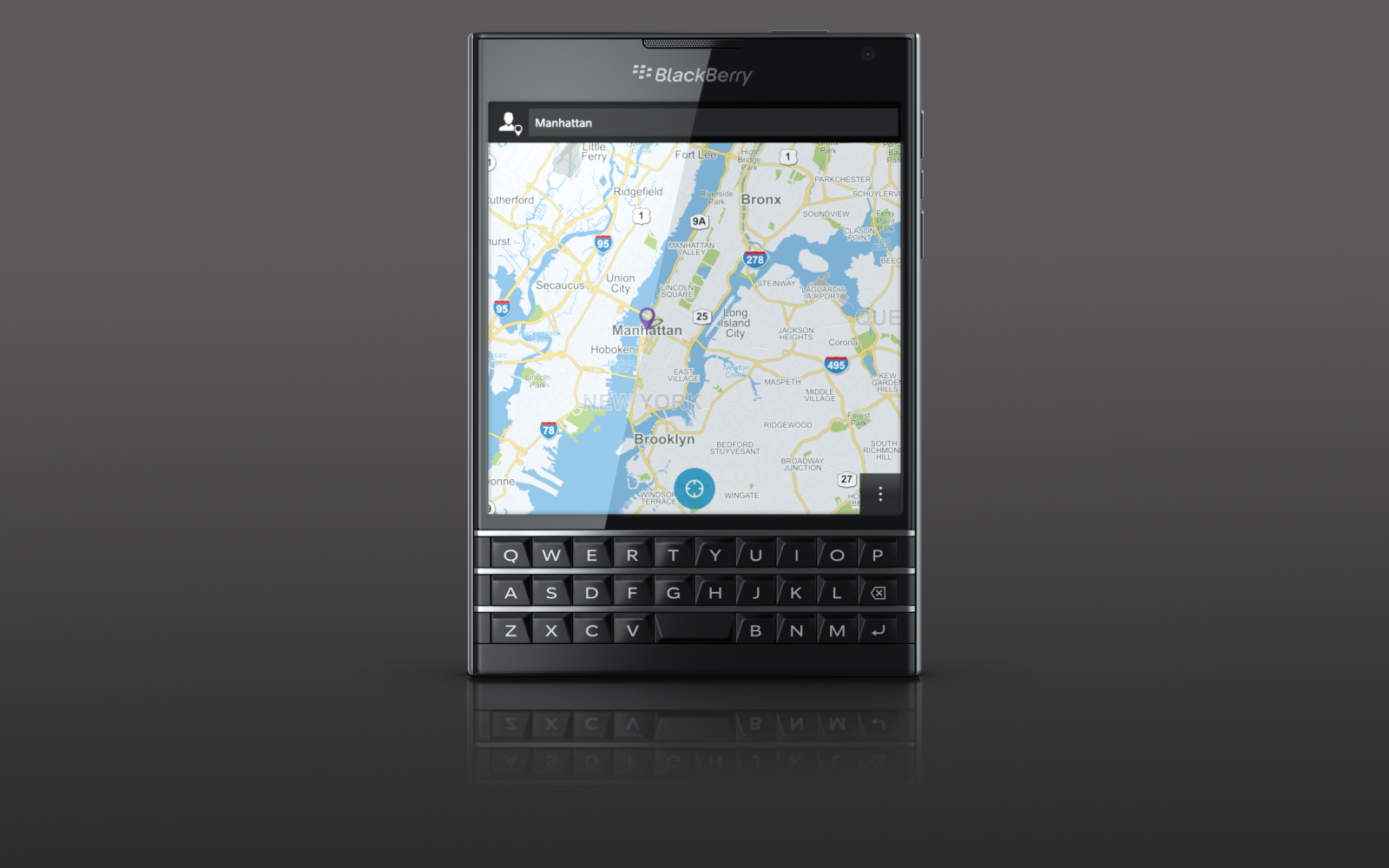
    BlackBerry’s recent and unique release, the BlackBerry Passport, has given an inclination to go back to its traditional looks. Passport’s square display received mixed reviews but was appreciated for the unique features like the touch-enabled touchpad that lets you scroll through the pages with ease.

    PAssport received mix reviews but was appreciated for its unique features.
    Passport received mix reviews but was appreciated for its unique features.

    The ‘Q20’ Classic is expected to release later this year. The device will come with nostalgic features such as a top row of navigation keys and a trackpad. The phone will run on the BlackBerry 10 OS and will have a bigger screen than its predecessors. The company also claimed that their application catalog has grown over the years.

    The company still has a steady following in the enterprise and government segment. These are the folks who want maximum utility off their devices so that the gadgets can assist them in their busy schedule.

    BlackBerry’s CEO, John S. Chen, recently published an open letter for the loyal BlackBerry users to create a buzz for the upcoming Classic. Chen said in the letter, “It’s tempting in a rapidly changing, rapidly growing mobile market to change for the sake of change – to mimic what’s trendy and match the industry-standard, kitchen-sink approach of trying to be all things to all people. But there’s also something to be said for the classic adage, if it ain’t broke don’t fix it.” This statement signaled their return to their original design philosophy.

  • OnePlus is Developing a New Android ROM for the OnePlus Two

    OnePlus is Developing a New Android ROM for the OnePlus Two

    Chinese mobile superstar, OnePlus is reportedly creating a new Android ROM for the upcoming OnePlus Two. The CEO of the company told the Chinese media that the company is planning to ship one variant of the Two with a home grown ROM.

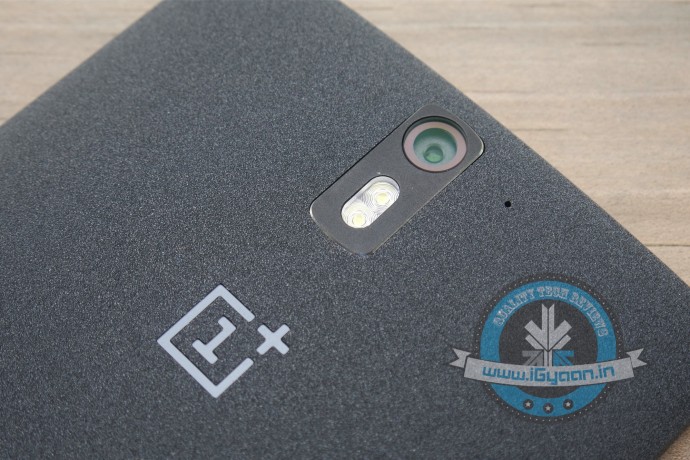
    OnePlus One is known and demanded world over for its high specs, awesome design and low price. The device is especially appreciated for running the Android based CyanogenMod, that keeps the devices updated. Apart from this, the device ships with Color OS in China. Color OS can be found on the devices from OnePlus’s sister enterprise, Oppo. It seems that OnePlus might bid farewell to the Color OS for its own operating system.

    The OnePlus One currently runs CyanogenMod and it is unanimously appreciated for it.
    The OnePlus One currently runs CyanogenMod and it is unanimously appreciated for it.

    In the past, the company has taken multiple steps to reduce its dependency on CyanogenMod. They had released a stock Android ROM for their devices. Apart from that they had also offered support for other ROM’s like Paranoid Android and SlimKat ROM.

    It is highly unlikely though that the company may dump CyanogenMod altogether after a regularly updated ROM is one of the centerpieces of the device. But it will be interesting to see if a homegrown ROM will match up to the amazing CyanogenMod.

    OnePlus has also just announced that they will be bringing the One to India with a geography limited invite system. Considering the massive demand for the device, we will assume that they will repeat the millisecond vanishing act that has been perfected by its compatriot, Xiaomi. As for the OnePlus Two, it would be arriving somewhere around the second or third quarter of next year. We are waiting for your arrival OnePlus.

  • Spectrum Delay to Disrupt Telephony Services in Three Megacities

    Spectrum Delay to Disrupt Telephony Services in Three Megacities

    If you are living in Delhi, Mumbai or Kolkata and are a subscriber of either of the two largest mobile service providers, Vodafone and Airtel, there might be trouble brewing ahead for you. Mobile telephony may get disrupted the coming month in these cities because of the delay in spectrum allocation.

    In February this year, the spectrum allocation bid took place. All major service providers got their share. But the government allotted the airwaves just this month. This might cause a lot of trouble especially for the subscribers of Vodafone and Airtel, whose spectrum expires in Delhi, Mumbai and Kolkata by the end of next month. The companies have to vacate the 900 MHz spectrum and shift to 1800 MHz.

    The delay in Spectrum allocation can result in disruption of Vodafone, Airtel and Idea services
    The delay in Spectrum allocation can result in disruption of Vodafone, Airtel and Idea services

    As the Department of Telecom (DoT) allocated the spectrum to the companies this month, they are asking for a six-month extension. This request was made by GSM industry body Cellular Operators Association of India (COAI). According to them, shifting of frequencies and bands require at least six months to make a smooth transition. They said that a lot of groundwork needs to be carried out, which includes new tower locations, antenna tuning, network configuration, etc. And hence, they require a minimum extension of six-month for a seamless transfer.

    The decision will affect a giant section of mobile users in those cities. It is estimated that combined user share of Vodafone, Airtel and Idea in Delhi accounts for 26 million, which is almost 79% of the GSM mobile users. In Mumbai, the trio provides GSM services to 72% of mobile users.

    DoT, however, hasn’t given any assurance to the companies. The representatives of the industry will be meeting with the officials at the DoT on Friday. The result of the meet will decide the fate of millions of mobile connections. If talks fail, it will not just create a connectivity issue but will create an economical issue as well, considering that a good number of businessmen are now dependent on their phones for their livelihood. We’ll get to know how things work out for everyone this Friday.

  • Wi-Fi Comes to Bangalore Railway Station, More Stations to Follow Soon

    With the Railway Budget announced this year, the Indian Railways has made a revelation that it would be introducing Wi-Fi connectivity to its Bangalore City Railway station. The plan will cost taxpayers a sum of Rs. 55 crores. The idea met wide appreciation and was necessary for travellers over the Internet age. India’s Silicon Valley aka Bangalore is going to be the first station to have Wi-Fi connectivity.

    Union Railway Minister D. V. Sadananda Gowda inaugurated the facility for the passengers of the Bangalore Station. This will be a pilot project which will be extended to about a hundred ‘A1’ and ‘A’ category stations over the nation. It will also be introduced in 50 rakes of important trains, like Rajdhani, Shatabdi and Duronto.

    The facility will be available free of cost for the first 30 minutes, after which you can purchase scratch cards for more access. The prices of these scratch cards are nominal; you can get 30 minutes of access for Rs. 25, and Rs. 35 for one hour of access that would be valid for 24 hours. You can also buy access using your credit or debit cards.

    The facility will be provided by RailTel Corporation of Indian Limited (CIL), which is a public sector undertaking under the Ministry of Railways. It provides Telecom and IT solutions to the railways.

  • At 255 Terabits/s, This is One Ultra Fast Optical Fiber

    At 255 Terabits/s, This is One Ultra Fast Optical Fiber

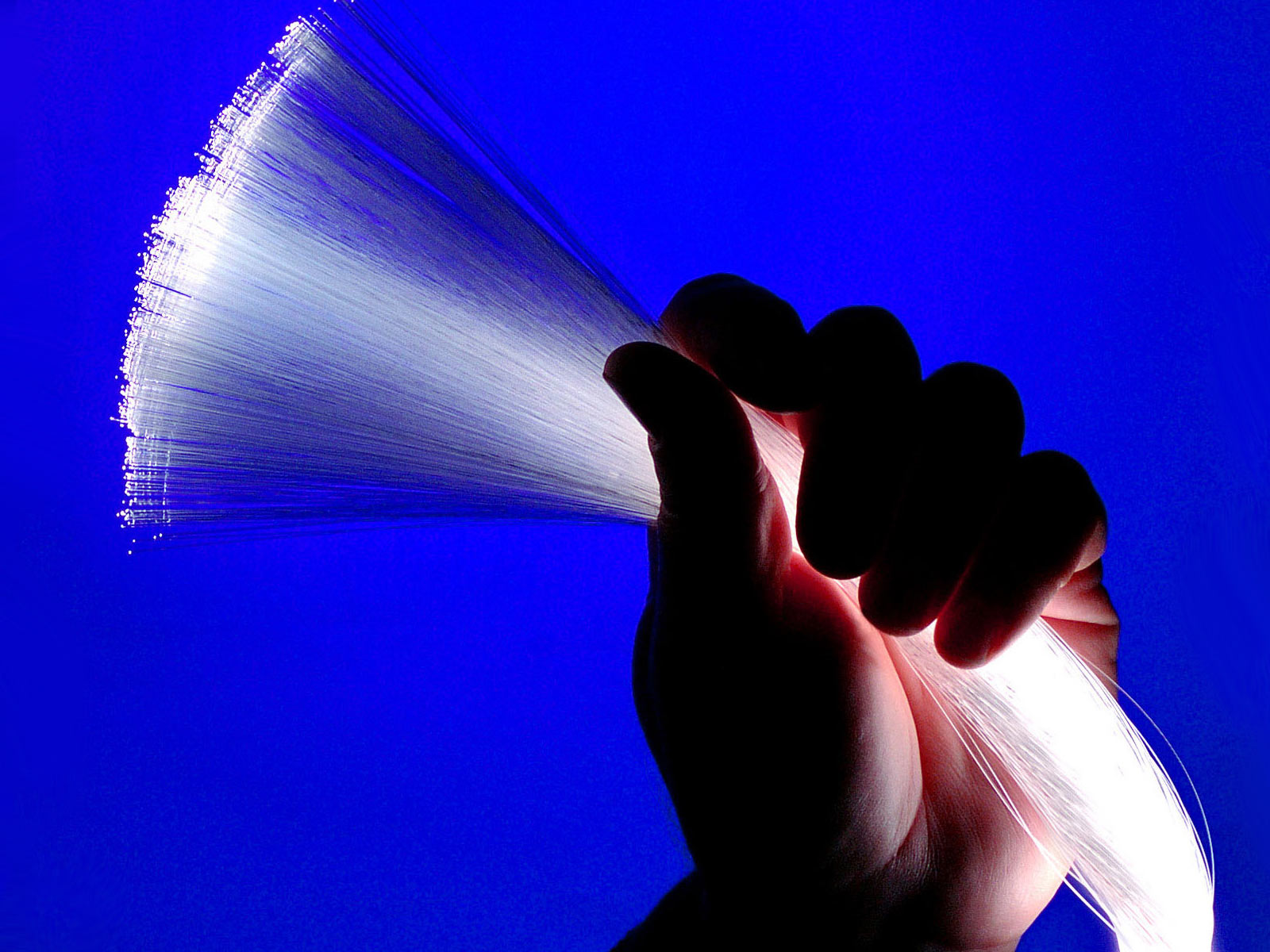
    Internet is now an essential utility in our lives. It has become at par with the telephone, electricity and for some more important than food. It’s a breeding ground for most of the world’s innovation and where people go to cut-copy-paste their assignments. But with the rapid increase in the new population gaining access to the service, the demand for bandwidth has also risen sharply. To meet this demand new technology has to be created, and one such research has brought out an optical cable that transmits data at an unbelievable speed of 255 Terabits per Second (Tbps).

    Researchers at the Eindhoven University of Technology (TU/e) in the Netherlands and the University of Central Florida (CREOL) have published a report in the journal Nature Photonics. The team reports that they were able to transmit data at a whooping 255 Terabits/s over a new type of optical fiber. Previously a team of Dutch scientists had achieved a speed of 43 Tbps. This new fiber is almost six times the speed of the Dutch efforts.

    To achieve this feat, the researchers used a new fibre that passes the information through seven different cores. The light waves that travel through these fiber’s face less photonic nonlinear effects, which limit the amount of information that can be recovered after transmission over the standard fiber. The fibre also makes a single road system into a seven-lane highway and also allows two additional vertical dimensions which significantly increases the transmission speed. It can be seen as a multilayered highway.

    The European Union Horizon 2020 research program is focused on creating Petabits per Second (Pbps or 1000 Tbps) connections. TU/e and CREOL say that their 200 microns thick optical fiber can possibly achieve that high target. That would be one great feat to look forward to. Get ready guys, things are going to get interesting on the internet space, but not if you are getting your internet from an Indian ISP. Literally only Bhrama can fix that issue.

  • Elon Musk Cautions Against Creating Artificial Intelligence

    Elon Musk Cautions Against Creating Artificial Intelligence

    In the knowledge and information age that we live in now, a great amount of research is targeted towards creating Artificial Intelligence (AI). The goal is to create a computing system which is as sentient as a human being with same levels of intelligence. But a barrage of people have warned against the creation of such a machine. Adding to the list is Tesla and SpaceX CEO Elon Musk.

    At MIT’s annual AeroAstra Centennial Symposium, Elon Musk said that developing an artificial intelligence maybe akin to summoning the demon. He explained, “You know those stories where there’s the guy with the pentagram, and the holy water, and he’s like – Yeah, he’s sure he can control the demon? Doesn’t work out”.

    He said that there is an immediate need for a regulatory oversight over the efforts of AI development. “I’m increasingly inclined to think there should be some regulatory oversight may be at the national and international level, just to make sure that we don’t do something very foolish.”

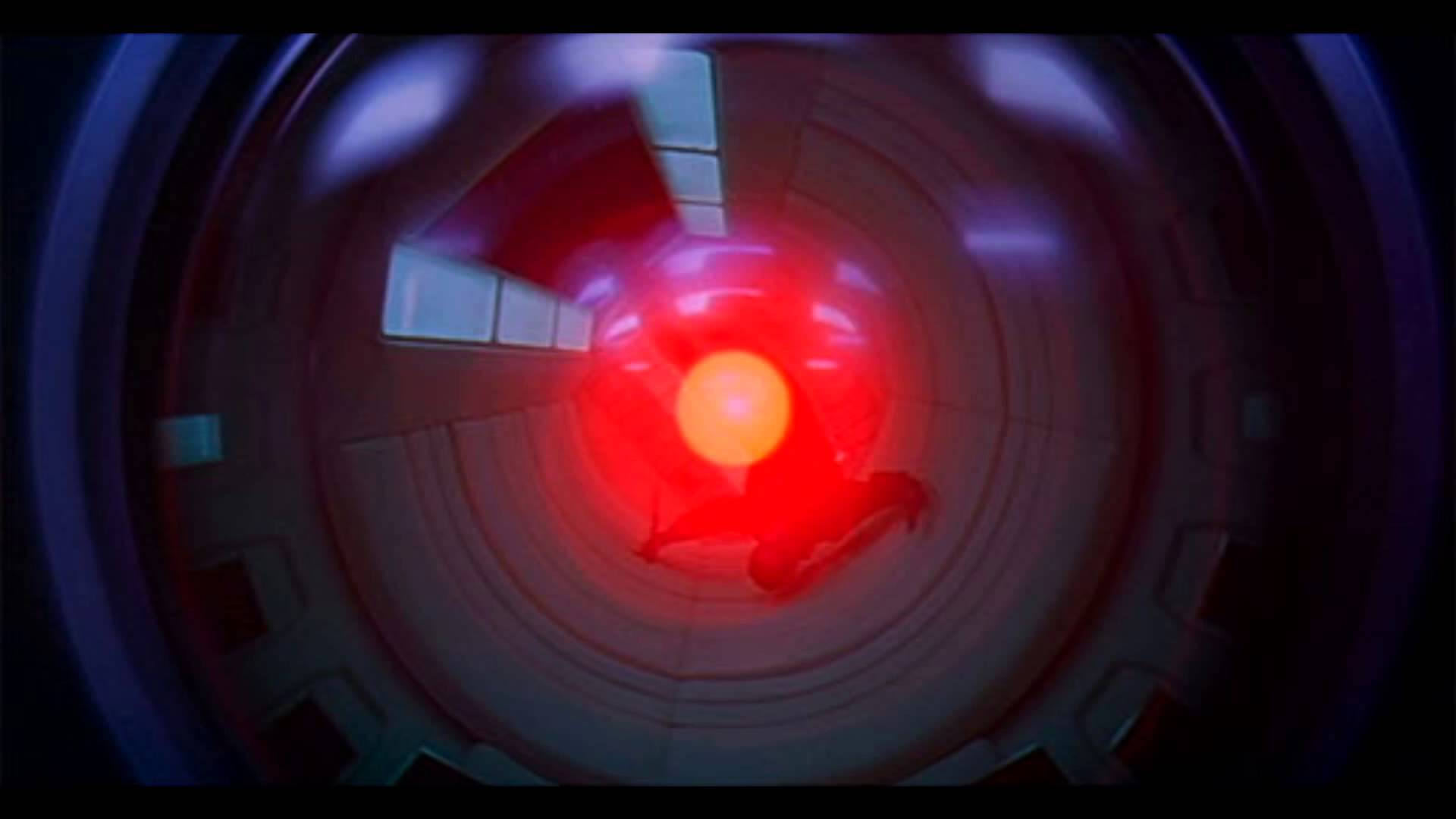
    Musk also warned that HAL 900 from 2001 A Space Odyssey is a Puppy dog infront of what humans can create
    Musk also warned that HAL 900 is a Puppy dog in comparison to what humans can create

    He went ahead to call it the biggest existential threat to humanity and added that the HAL 9000 from 2001 A Space Odyssey would look like a puppy dog in comparison to what humans can build.

    As a trusted name in the field of scientific research, this warning is concerning for folks who were dreaming of incorporating a JARVIS-like system in their house someday. Movies like Terminator, Matrix and many others have warned us about the consequences of AI taking over human civilization. A system that can get instant access to all of humanity’s knowledge in the first couple of seconds of its existence may indeed revolt against its imperfect human masters and overpower them. This is one cautionary tale that should be taken notice by not just the stakeholders but the entire population. We might inadvertently lose the alpha predator tag  to our own creation and become its prey.

  • Here’s How Facebook’s News Algorithms are Controlling the Way We Consume News

    Here’s How Facebook’s News Algorithms are Controlling the Way We Consume News

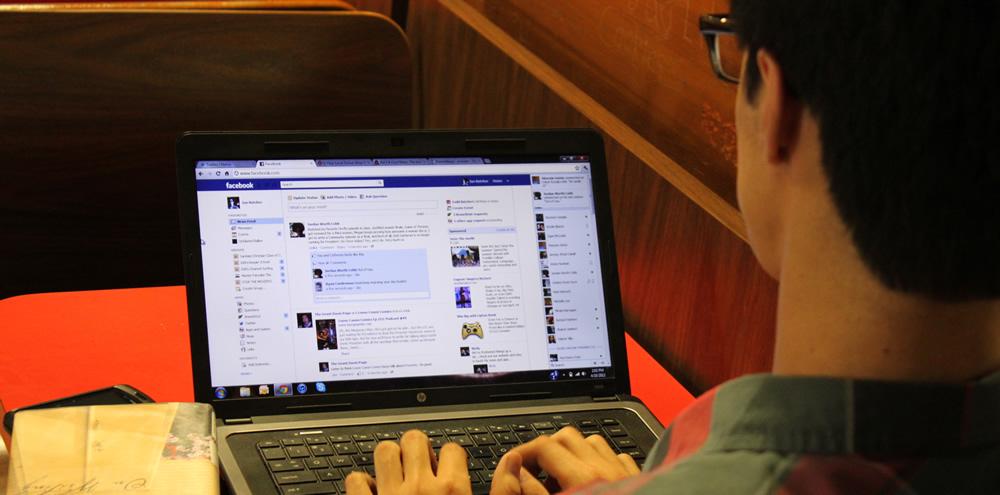
    Ever wondered how Facebook gets your interest and keeps your news feed updated? It is all a result of the heavy lifting done by an algorithm written by 26-year old Greg Marra and his 16 member team. With this algorithm at helm, Facebook is fast becoming the favored news source for the public in general. Tied to Facebook now are the fortunes of the news publications. A report on The New York Times digs into show how ‘Facebook Is Changing the Way Its Users Consume Journalism’.

    It is not a shocker that news publications are catching up with internet-only publication with the “listworthyness” and “You-won’t-believe-what-happens-next” genre of presentation. This is happening because they all want to please the great Facebook algorithm which is the most powerful news aggregation system in the world. Its closest competition, Twitter and Google News still lag far behind it. According to analytics company SimpleReach, Facebook is responsible for 20% traffic on news sites.

    Tailored News only gives us perspectives that we agree with creates a mental bubble.
    Tailored News only gives us perspectives that we agree with creates a mental bubble.

    The algorithm takes a lot of factors to decide which stories it delivers in the news feeds. It seeks patterns such as interests showcased by the user and what pages are frequently visited. It also takes in consideration the device a user is on, how many comments or likes a story has received and how long readers spend on an article. This ‘tailoring’ of news has led to a weird phase in time where people decide what to read based upon how the algorithm understands their needs. This can also lead to the creation of a bubble around a person wherein he/she is limited to the things they agree with. This is what leads to the creation of conspiracy theories, says Sean Munson, an assistant professor at the University of Washington who studies the intersection of technology and behavior.

    The news, even political stories are being presented in an entertainment format to engage the audience and increase ad revenue. This kills a lot of objective facts in the middle. Luckily new forces like John Oliver are emerging who are using the same method of entertainment reporting of News in an objective manner. This can be seen as a balancing act in an unsure time. Written media is still where most of the original journalism happens, and it’s sad to see it sway towards trend-worthy news stories. The television media’s 24 hour shouting quotient even dwarfs a fish market and is losing credibility for a lot of folks.

    There will always be a fight between editorial and the marketing and sales division of any publication. But now the addition of the social option has put more pressure on the writer’s side to come up with stories that can attract more clicks. This may be a fad or folks might actually get used to it in the long run like they get used to new Facebook formats. What is worrying though is that the move towards social can harm an industry that is crucial for a civil society. Journalism is often called the fourth pillar of democracy which keeps a check on the other stakeholders of the society. If this pillar gets hollowed out by senseless noise and selective picking of information, it will be a terrible loss to society. Hopefully, the art of humour induced reporting of facts that matter which is perfected by people like Jon Stewart, Stephen Colbert and John Oliver will stand in defense for quality, objective reporting of news.

iGyaan Network
Privacy Overview

This website uses cookies so that we can provide you with the best user experience possible. Cookie information is stored in your browser and performs functions such as recognising you when you return to our website and helping our team to understand which sections of the website you find most interesting and useful.