Author: Happy Nagashetti

  • Nokia Mobiles Will Soon Be Officially Known as Microsoft Lumia

    Nokia Mobiles Will Soon Be Officially Known as Microsoft Lumia

    Well, we had been dreading for this day to arrive and it’s here. The Verge reports that Microsoft might announce that it is killing off the Nokia brand. The transition is expected to begin soon in which all the branding of Nokia will be replaced by Microsoft Lumia branding.

    We had reported this summer about how Microsoft had planned to do away with the Nokia’s brand identity in its mobile business and seemed like the process has started. The devices are moving to Microsoft’s new mobile site. The French division of Nokia will be one of the first one’s to make the transition and adopt the “Microsoft Lumia” for its Facebook, Twitter, and other social media accounts. Microsoft had once claimed that the reason they are quitting the Nokia brand name for their phones is because they felt it comes from a bygone era.

    This move is done to absolve all relation to the original Nokia, which will now become a separate entity under the leadership of another Indian, Rajeev Suri. This Nokia will concentrate on Network, Software’s and Maps divisions. It also has a huge patents division which can ensure its profitability at least for the coming future.
    COnsidering the initial presentation of Windows 10, it seems like Lumia phones are only going to get better
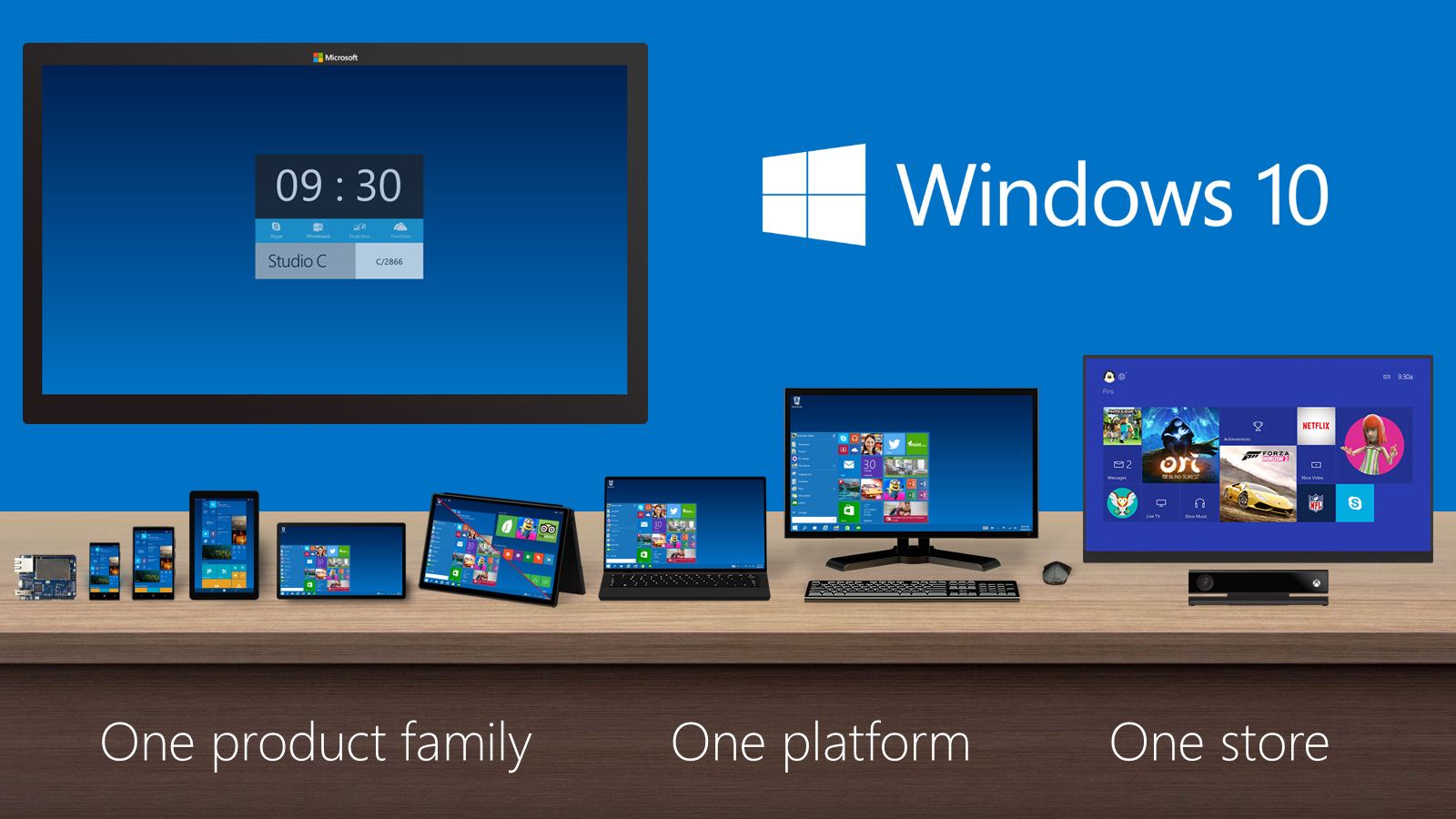
    Considering the initial presentation of Windows 10, it seems like Lumia phones are only going to get better

    Back at the beginning of the mobile era, Nokia was a brand name that everyone trusted. It had a stature of titans in the mobile phone industry. Now it will limit itself into a tiny corner of the tech industry. We still hope that the company can make a turnabout and see it making a return to compete in the market. Till then we’ll keep our eyes on how Microsoft plans to take on the mobile business. It has great products and a great operating system, it just needs to attract customers to them.
  • Lenovo Reportedly Bidding to Acquire BlackBerry

    Lenovo Reportedly Bidding to Acquire BlackBerry

    Blackberry was once a device of choice for major celebrities and business professionals alike. Now after the emergence of the touch-screen revolution, it has found it hard to cope with the competition. Even though its features have been well appreciated, there have been fewer takers of its devices every quarter.

    Now Lenovo, the Chinese company which has gobbled up some iconic business such as IBM’s workstation and Motorola Mobility, is now making a bid to acquire the Canadian firm. Benzinga claims that Lenovo might put forward the bid as early as this week.

    The company is expected to make the starting bid of $15.00 per share and is expected to be closed at around $18.00 per share. BlackBerry shares have been hovering around the $9 mark, and this would seem like a profitable option for the company’s shareholders.

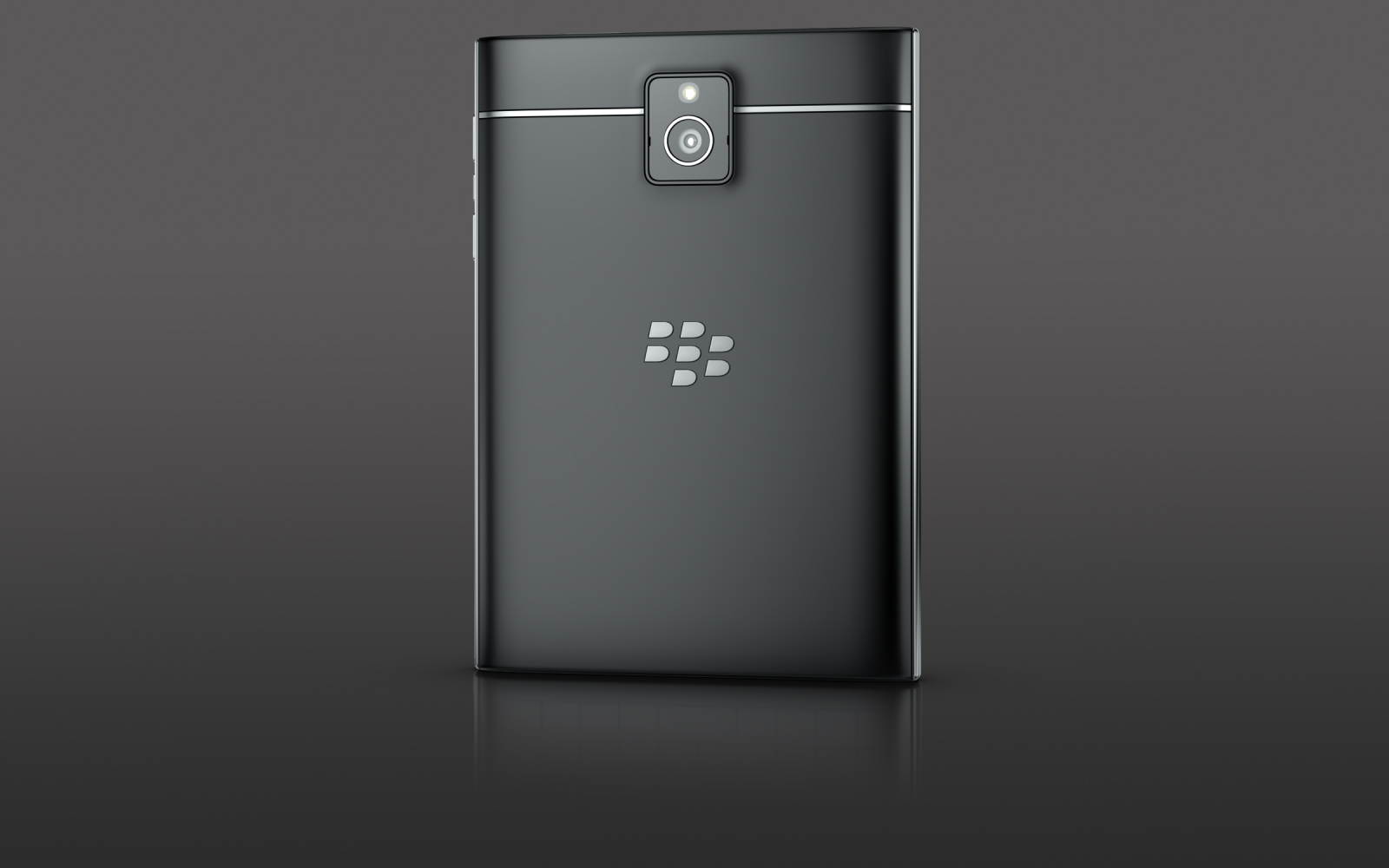
    Blackberry Passport 4

    Lenovo had previously made a bid for BlackBerry last year. It was though blocked by the Canadian government. One of the major causes cited for the block was that Lenovo is a Chinese company, and the government didn’t want any mobile infrastructure falling into the hands of a Chinese Company.

    Though it is unsure whether the Canadian government will allow a merger this time around. It sure will be a long process to convince the government the security of data. It is especially a concern because Blackberry is still used by entrepreneurial and government officials. They deal with sensitive data, and it might be a cause of concern for everyone using the device. This is a developing story, and we’ll keep our eyes on it. Come back for more.

  • Canvas 5 Might be Micromax’s First CyanogenMod-Based Smartphone

    Canvas 5 Might be Micromax’s First CyanogenMod-Based Smartphone

    We had reported a few weeks back of a possibility of a CyanogenMod powered device coming from Micromax’s stable. Now DroidGoblin is reporting that the device can be Micromax Canvas 5. The phone is expected to be launched at a price of about Rs. 22000.

    The phone is expected to sport a 5-inch full HD display. It will get its processing might from the Octa-Core processor from MediaTek, which it has been using in its top-end phones. It will come with 2GB of RAM and might have 16GB internal storage with an option to expand it through a MicroSD card. All of this is expected to come in an aluminum outer shell.

    According to the report the phone isn’t light in the camera department either. It is expected to offer an 18-megapixel rear camera and a 5-megapixel front-facing camera.

    The CyanogenMod on the device will be based on Android Kitkat 4.4.4 which will probably make it the most updated Micromax device out there. CyanogenMod is definitely the most popular custom Android ROM and the news of the device from Micromax has met with wide appreciation. As of now, there are over 12 million active installs of CyanogenMod till June 2014.

    On the spec-sheet, the device sounds great and will easily find a lot of takers here in India. This will be a great news for people looking for a device that offers regular updates. There are also tons of customizability features on the ROM, which will let you own a unique device designed by you. This seems like a great new step for the Indian company, and we can’t wait to check out the device.

  • China Rages a Massive Privacy Attack on iCloud

    China Rages a Massive Privacy Attack on iCloud

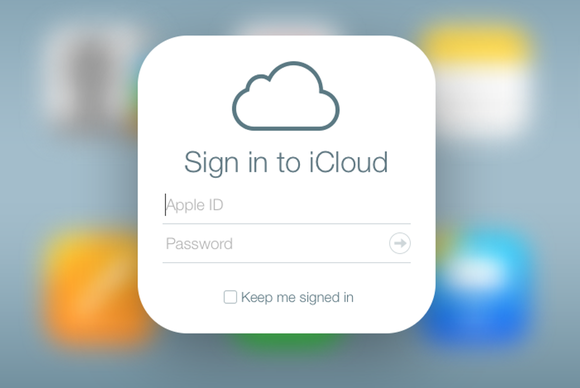
    Just when Apple fans were setting up their new iPhones, they discovered that they are being misled to an identical looking page. Web censorship watchdog Great Fire is reporting that the Chinese authorities are staging a man-in-the-middle (MITM) attack on Apple’s iCloud. The attacks coincide with the new iPhone launch, thereby giving the authorities’ access to a massive number of passwords of people setting up their new phones.

    According to Wikipedia, a MITM attack is a form of active eavesdropping. The attacker makes independent connections with the victims and relays messages between them. It makes them believe that they are talking directly to each other over a private connection, when in fact the entire conversation is controlled by the attacker.

    When a person tries to log into their iCloud, they are instead redirected to an identical looking page. When using a Firefox or Chrome browser, there is a warning that you are not on the authentic website, but when using China’s most popular browser, Qihoo there is no warning. Microsoft’s Live.com, Github, Google and Yahoo have also faced such attacks in the recent past.

    It is being said that this is a massive effort from the Chinese authorities to fish out usernames and passwords from a huge population. Doing so will give them access to all the data including personal documents, pictures and videos stored on the cloud. For folks who set automatic syncing to the cloud for their entire data, this news might be troublesome.

    It’s being said that the recent addition of encryption system might have attracted this unfriendly attention from the Chinese authorities. The system faced disapproval from security institutions like the FBI.

    China is infamous for censoring the internet using its giant firewall, known as Golden Shield Project or better known as the Great Firewall of China. But fishing out user information is a recent phenomenon which by the looks of it is gaining steam. There are few ways you can circumvent the impositions. The user can use a VPN service to access their real accounts just make sure that the VPN service is also not blocked by the country’s firewall.

    Internet freedom are considered a part of human rights and right to privacy is one of the cornerstones of a civilized society. But this recent surge of privacy theft should concern all.

    Here’s a TED talk by Glenn Greenwald who explains why privacy is such an essential element for our society:

  • Gmail’s Redesigned App to Support Yahoo and Outlook Accounts

    After the release of the long awaited Android L and its associated Material Design, it seems Google wants to take its feature a step further. Android Police has accessed Gmail 5.0 app for Android and discovered support for Yahoo and Outlook accounts. This will be a big blow to the independent apps of these mail clients; people might find it more convenient to access all their accounts from one place.

    The new Android OS was appreciated for its ease of use and simplified view with updated iconography and tweaked buttons. A companion video shows how the new update keeps the interface similar to what we have gotten used to, but adds more functionalities to the app.


    This will be a great new feature for folks who use multiple accounts for different purposes. It will work out for business and personal users and by using a single app to access all the mails will save a lot of precious time. Ok Google, we are waiting for our updates!

  • These Tiny Autonomous Quadcopters Might be the Builders of Tomorrow

    These Tiny Autonomous Quadcopters Might be the Builders of Tomorrow

    Drones are one of the buzzwords of our times. Although the name became associated with the deadly unmanned aerial vehicles operated by the US armed forces, it has quickly lost that. They are now everywhere. They are being used for shooting professional grade videos at low costs, used for making deliveries and are a boon to action sports. Now a research video released by the University of Pennsylvania shows them doing some amazing things.

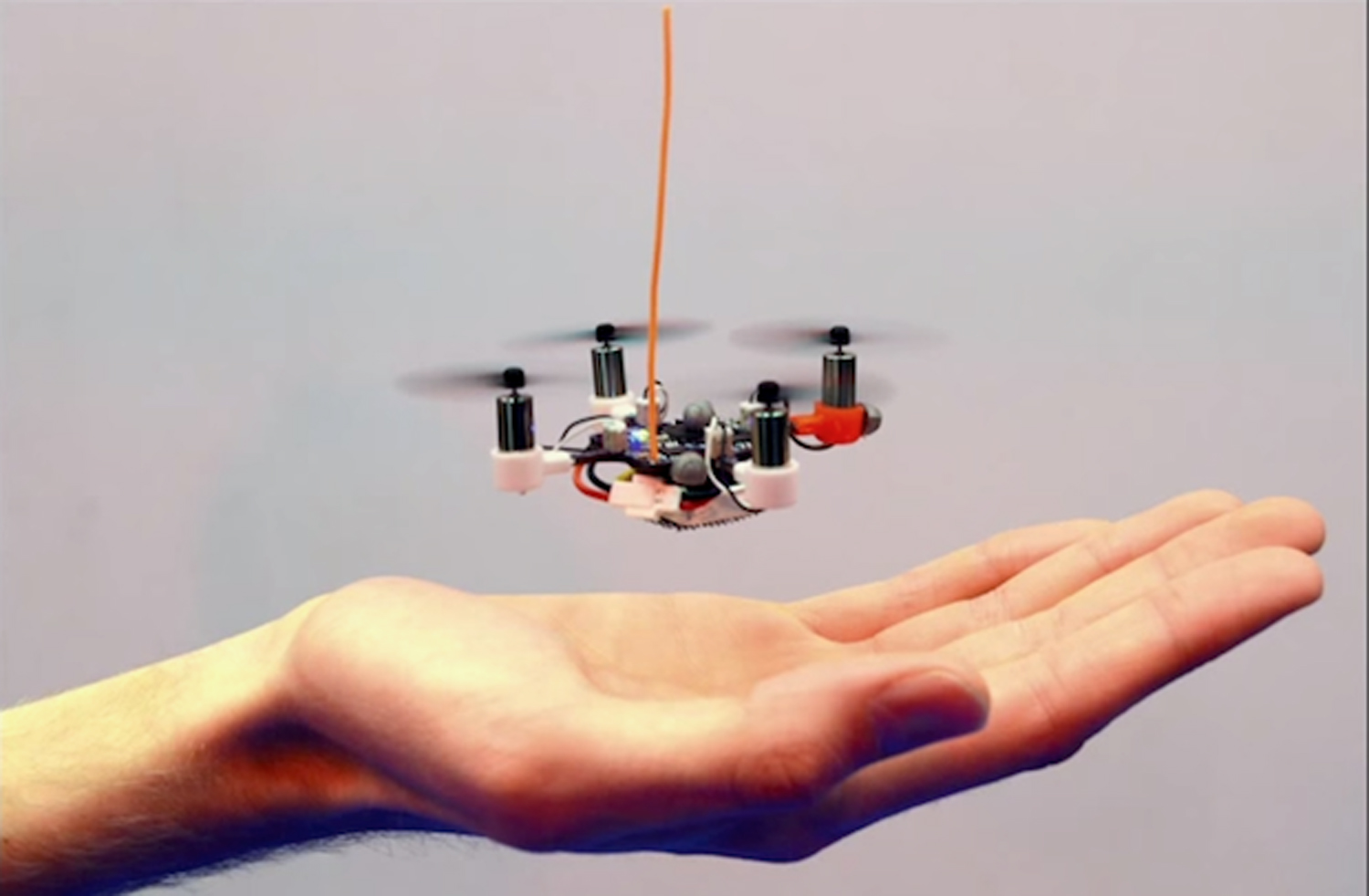
    The quad copters called the Pico quadrotor are developed at University of Pennsylvania’s General Robotics, Automation, Sensing and Perception (GRASP) Laboratory. It integrates computer science, electrical engineering and mechanical engineering to build autonomous vehicles and robots, develop self-configuring humanoids, and making robot swarms.

    It seems that the researchers at the GRASP Lab have already made robot swarms a reality. The quadroter showcased in the video flaunt their strong body, collision aversion systems and flying in a leader-follower formation.

    The pico quadrotor weighs just 25 grams and 11 centimeters long. They are capable of flying up to six meters per second, about half the speed of a hummingbird. The demonstrations of the tiny drones are extremely impressive. The copters can collide with walls and poles and still survive.

    The leader-follower bit of the demonstration blew our minds. These drones might as well inspire the future fighter planes and planets. Each quadrotor robot has its own set of sensors too, which assist it in making direction decisions in real-time, without the need to be connected to a computer. You can almost imagine a precision flying mechanism from any sci-fi movie. These almost feel like the DWARF drones from Agents of Sheild. Looking at experiments like this, it feels like the future is now.

    Yash Mulgaonkar, one of the researchers behind the project told TechCrunch that these drones can assist in search and rescue, first response, law enforcement due to their “ability to fly through unstructured, constrained, 3-D environments.”

    Though it does sound fantastic to look at, it does inspire speculation of a future where these devices can overpower humanity. Films like Terminator and Matrix come to mind. Even in the most basic of stages, the pico quadrotor looks capable of doing things better than a human mind. But these speculations are for a distant future, but it’s important to have a fail-safe plan before they are unleashed in the market.

    Here is a detailed TED talk about this amazing device and the future applications of the Pico quadrotors.

  • Now it’s Microsoft’s Turn to Bring Out a New Smartwatch!

    Now it’s Microsoft’s Turn to Bring Out a New Smartwatch!

    After the main forces in the mobility business, Google and Apple unveiled their smartwatches, Microsoft is readying itself to get into the fight. The desktop mega-power has been unsuccessful in making a solid mark in the mobility market. But the company has kept its pursuits in the business strong and with an edition of wearables’ segment, the company can make a claim in the market.

    The company plans to unveil the devices in the near future. The devices will have features like health-tracking capabilities, including a heart-rate monitor. What will make it really attractive is its ability to work with competitive devices such as iOS and Android. The device is expected to hold on to its battery juices for up to two days, which might help it find many takers.

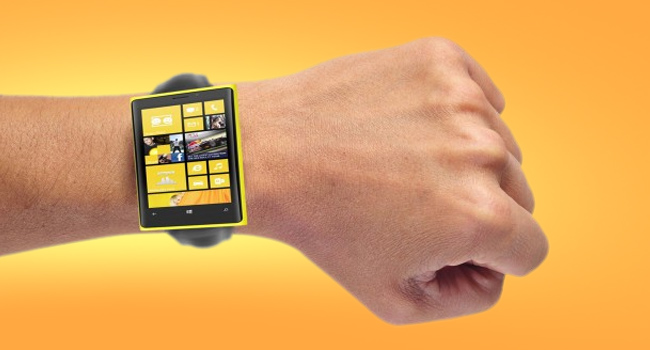
    Microsoft’s watch apparently ditching the popular chunky appearance we're seeing with current smartwatches like the Gear and the G Watch. Instead, Microsoft has gone with a slim band design that is said to resemble a thinner, flatter version of the Nike Fuel band.

    Microsoft had previously made efforts into the field when it partnered with Fossil, Suunto, and Swatch on high-end, touch-screen models that cost as much as $800. It was part of its Smart Personal Objects Technology (SPOT) initiative. The project shut down in 2008.

    Overall, the device does sound competent, and it tries to bring in the best of all devices in the market into one device. There is no talk of a solid release date but most probably the company will try to make hay while the festive sun shines so expect an announcement soon. Microsoft’s Windows 10 OS seems really promising, and if the wearable works on this operating ecosystem, it might shine out too. Now we have to wait for the device to come out to know for sure if it can live up to the hype.

  • Apple’s iPhone 6 Goes Out of Stock in India Within Days

    Apple’s iPhone 6 Goes Out of Stock in India Within Days

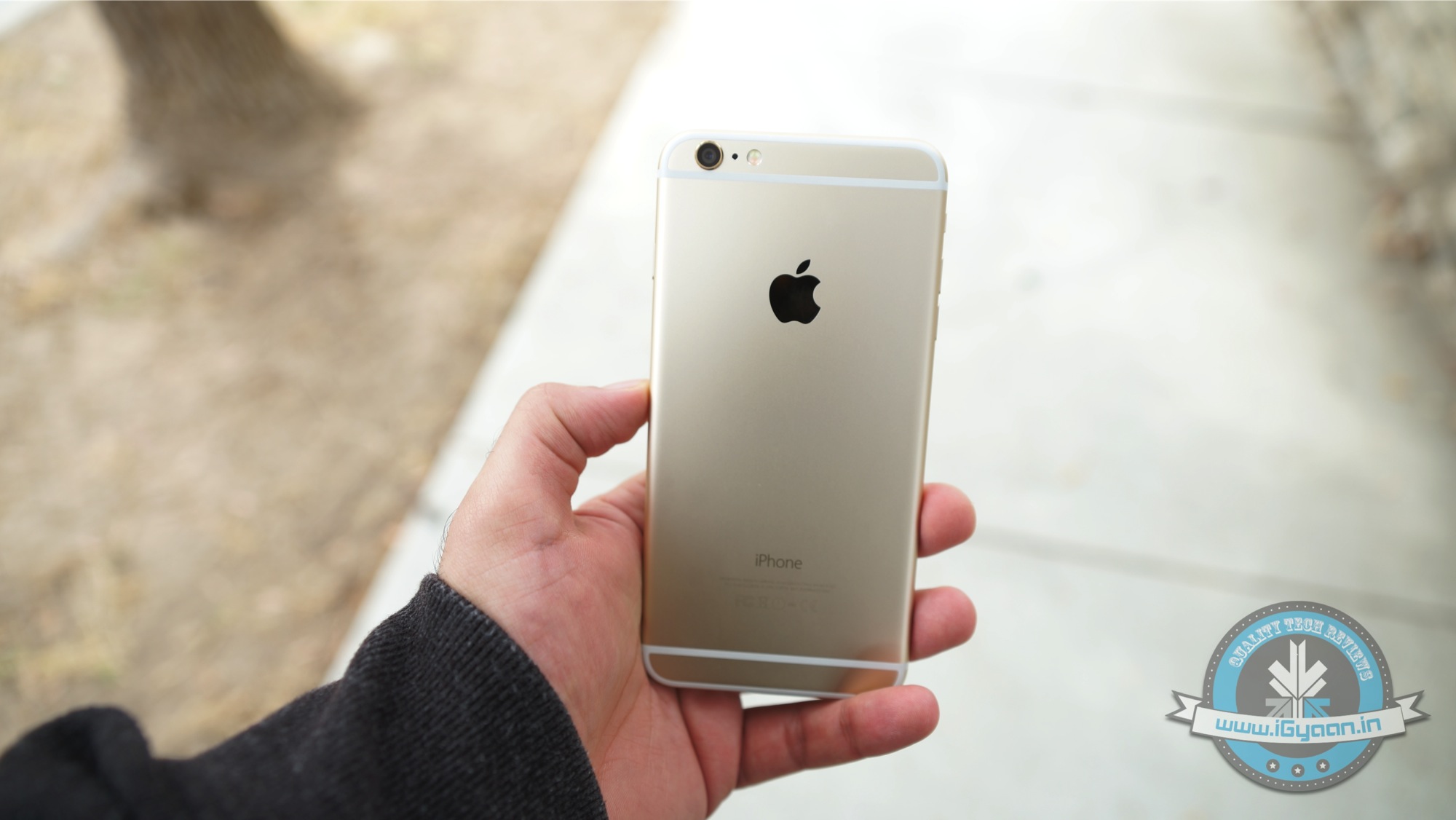
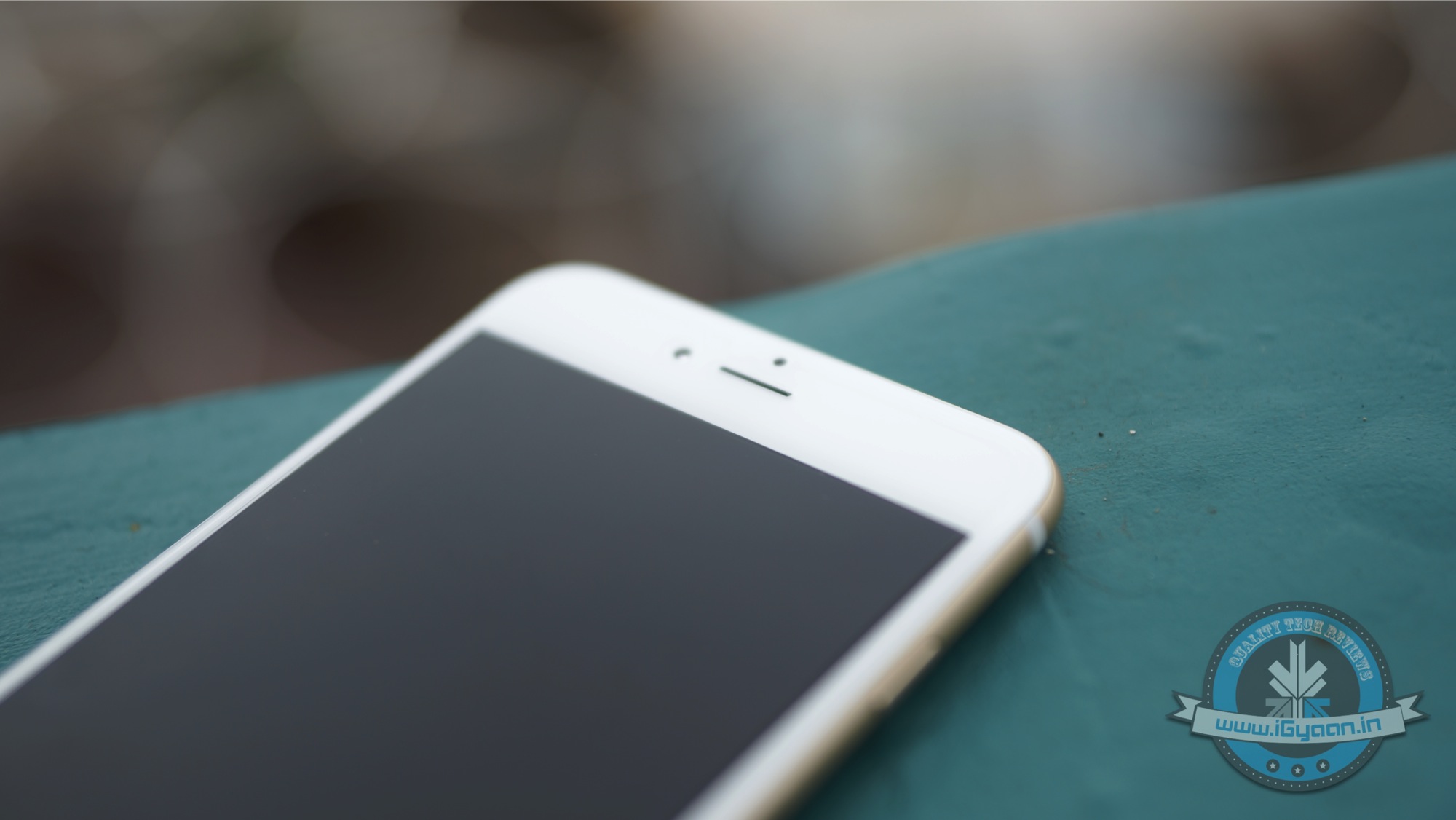
    A feat that was thought to be only achievable by Xiaomi has been achieved by its papa bear, Apple. The technology superpower’s latest flagship smartphone, the iPhone 6 has gone out of stock in India just days after its official release. In the nation’s capital, Apple’s ardent fans had even lined up at midnight to be the first to buy the device.

    Apple had brought in a stock of 55,000 devices for sale in India on the midnight of 16th October. The entire stock got sold in just 3 days. Now the company is planning to bring 25,000 new devices soon to quench the demand for the latest bestseller. It was said that there will be a delay of three days before the devices are available again.

    55,000 devices flew of the shelves in just three days.
    55,000 devices flew of the shelves in just three days.

    Apple’s new iOS based devices not only have bigger screens that make them more multimedia friendly, they also have seamless connectivity features with other Apple devices. This, for now, separates these devices from everything else in the market.

    The reason for the clearing up of shelves, even at such high price tag, might be the current festive season. With Diwali right around the corner, everyone is trying to attract new customers and seems like Apple has clearly made its mark. It wouldn’t be long before we get a final tally who scored the most off this festive climate.

  • Vertu Introduces the Aster, a Luxury Android Smartphone Priced at Rs. 4,75,000

    Vertu Introduces the Aster, a Luxury Android Smartphone Priced at Rs. 4,75,000

    Just when people were raising a hue and cry about how pricey the new generation flagships are, Vertu the king of luxury phones has brought its Aster to India. Vertu, which was formed by Nokia (hope you still remember that name,) is known for its premier hand-crafted and ornamented phones. The Aster too comes from this family of opulence.

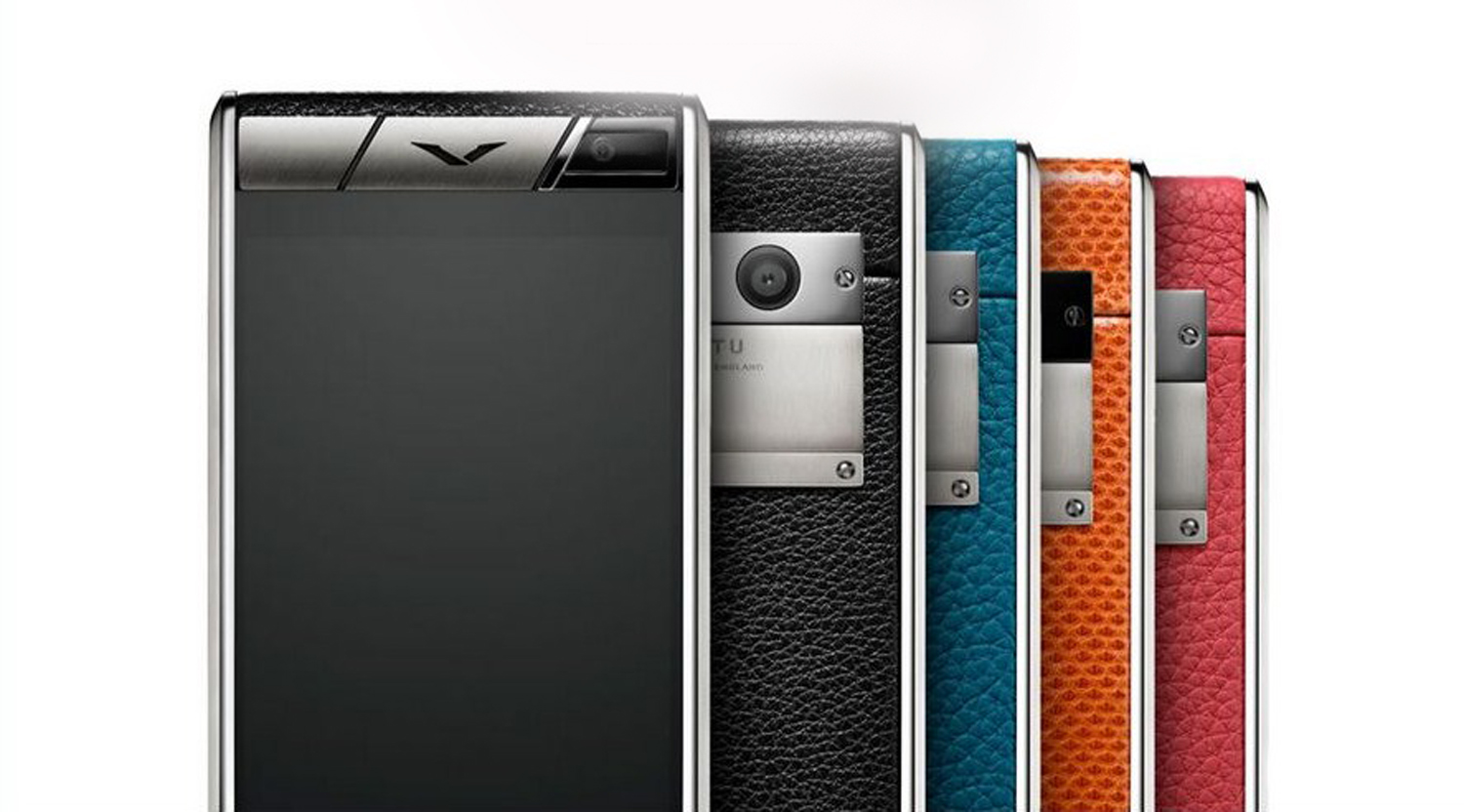
    The phone comes in multiple color options that are made of elegant materials.
    The phone comes in multiple color options that are made of elegant materials.

    Vertu had for long stayed with the Symbian operating system but now it has made a shift to the Android OS. The device runs Android KitKat. It comes with a 4.7 inch Full HD display protected by Sapphire Crystal display.

    The Aster is powered by a 2.3GHz Quad-core Snapdragon 801 processor. It comes with 2 GB RAM and 64 GB internal storage. It is juiced up (or rather champagned up) by a 2275 mAh battery. The phone is Qi Wireless Charging Compatible.

    Vertu also offers multiple phone case options
    Vertu also offers multiple phone case options

    It comes with a 13 MP camera on the back and a 2.1 MP camera on the front provided to have a skype chat about your new multi-million acquisition.

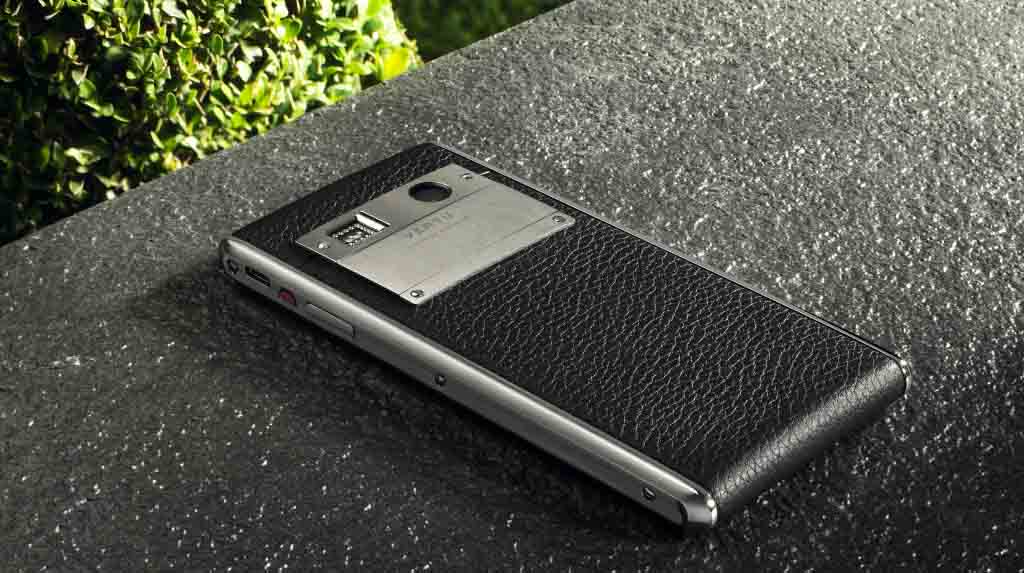
    But with Vertu, it’s not about what lies inside the device, but what’s on the outside. The materials used in the production of this device include carefully selected leathers and skins and space age hardened titanium for the side rails, back plate, pillow and sound bar. There isn’t anything as ostentatious as this one.

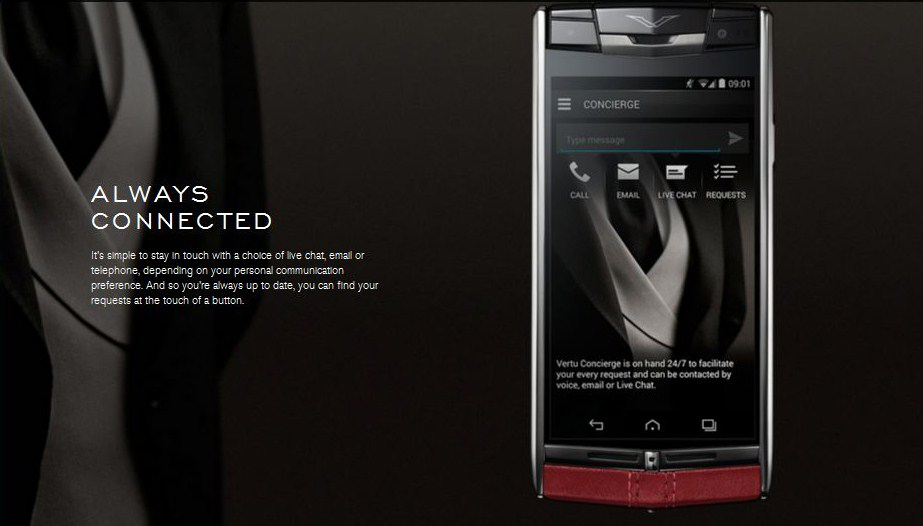
    The Conceirge service is a really attractive feature for the elites who buy this phone.
    The Conceirge service is a really attractive feature for the elites who buy this phone.

    The main service feature offered by the phone is the concierge service. Aster comes with six-month concierge service that can be extended. Using the service you can get in touch with a personal concierge who can assist you with recommendations and priority bookings. They facilitate your every request, from finding the perfect gift to accessing exclusive events. The service is accessible 24-hour from anywhere in the world.

    So if you have half a million rupees to spare for a communication device, this must be it.

  • Prices of Apple iPad Air 2, iPad Mini 3 and Retina iMac Announced for India

    Prices of Apple iPad Air 2, iPad Mini 3 and Retina iMac Announced for India

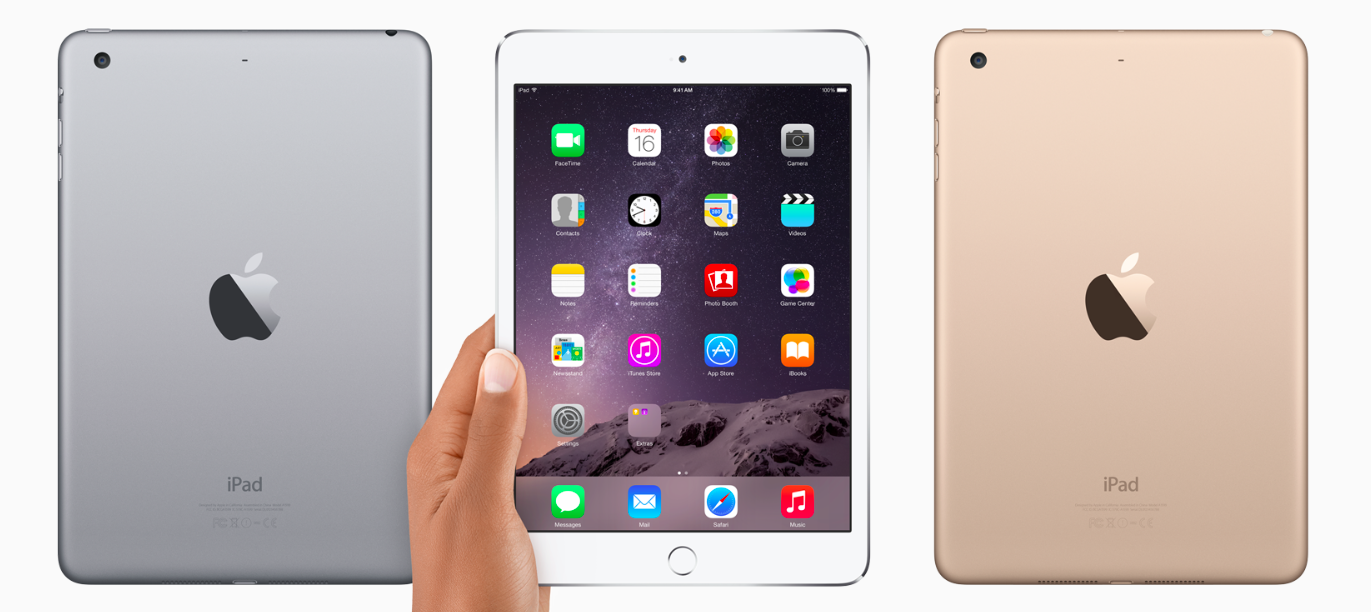
    A few days back, Apple completed the unvieling of all its latest devices. While there were several important announcements, the highlight of the event would be the release of the iPad Air 2, iPad Mini 3 and the latest iMac which carries the title of being the ‘World’s Highest Resolution Display’. And looks like the three are going to be arriving in India sooner than later.

    After releasing the latest generation iPads and iMacs, Apple has now unveiled the price of all their devices for the Indian market on their official website.

    First up, the iPad Mini 3

    The device comes in Wi-Fi + Cellular, and Wi-Fi only variants with storage options of 16, 64 and 128 GB. The Wi-Fi only models are priced as – 16GB for Rs. 28,900, 64GB for Rs. 35,900 and the 128GB variant comes for Rs. 42,900.

    For the Wi-Fi + Cellular models the pricing is, 16GB for Rs. 38,900, 64GB for Rs. 45,900 and 128GB has a tag of Rs. 52,900.

    iPad Air 2

    The bigger iPad is priced in about the same price category, just slightly heftier. The Wi-Fi only models are priced as follows: 16GB for Rs. 35,900, 64GB for Rs. 42,900 and the 128GB for Rs. 49,900.

    The Wi-Fi + Cellular models are priced at – 16GB for Rs. 45,900, 64GB for Rs. 52,900 and 128GB for Rs. 59,900.

    The new iMac is a creative professional's dream come true.
    The new iMac is a creative professional’s dream come true.

    iMac with Retina 5K display

    This was definitely the showstopper of the event. It is literally a desktop with the best display on the planet. The 27 inch 5K monster comes at a price of Rs. 1,79,900. The price is definitely justified when you check out the innards of the computer that flaunts the 3.5GHz quad-core Intel Core i5 processor and 8GB RAM. It also holds an AMD Radeon R9 M290X graphics processor with 2GB of GDDR5 memory. This is a creative professional’s dream come true.

  • HTC Finally Brings Desire 820 and 820q to Indian Shores Along with the Budget-Friendly 516C

    HTC Finally Brings Desire 820 and 820q to Indian Shores Along with the Budget-Friendly 516C

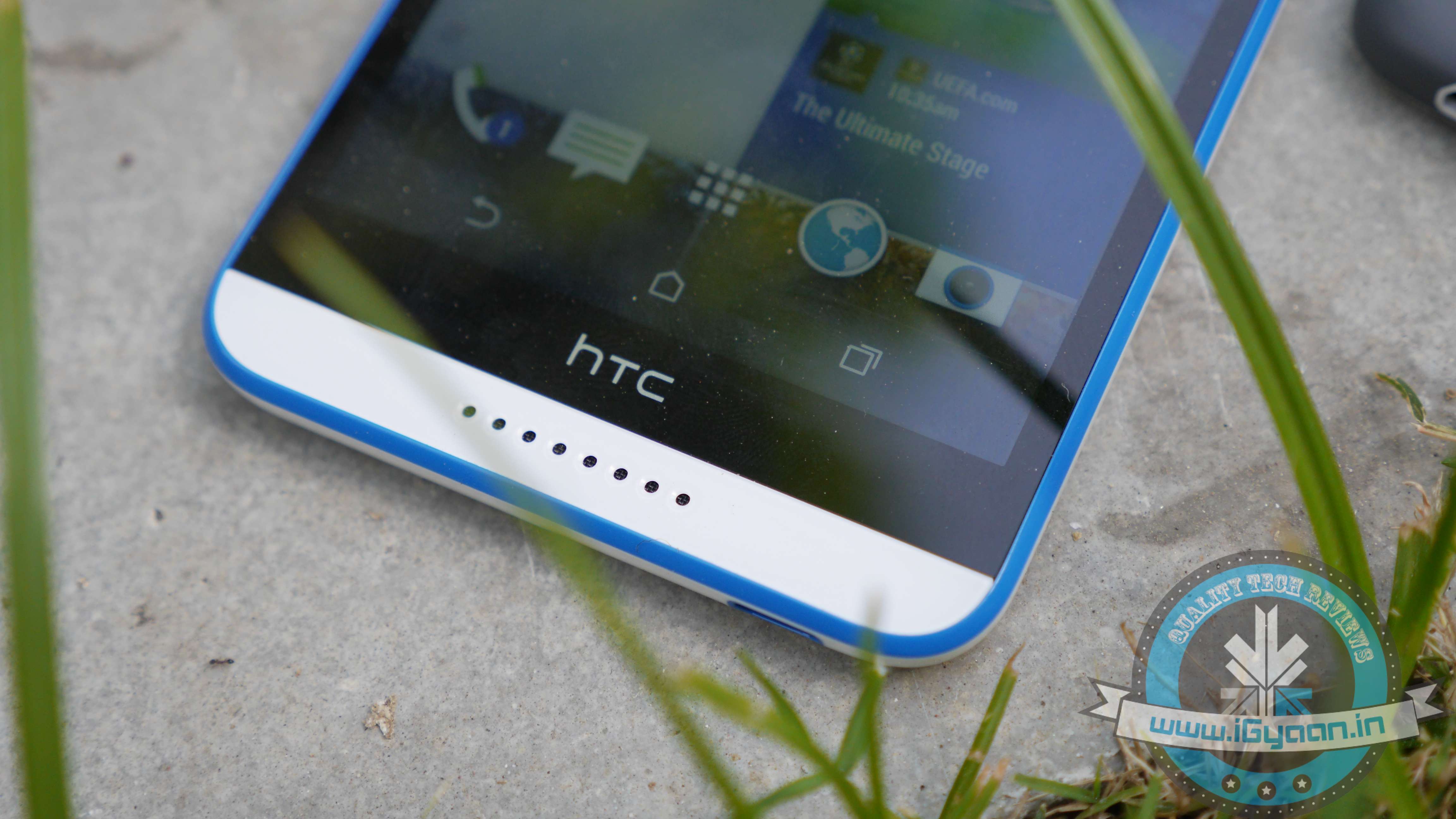
    Having unveiled the new Desire 820 and 820q in India last month, Taiwanese tech giant HTC has now released them for the market. This is part of a mass release by HTC, who also brought the recently launched Eye series to India. The phones are competitively priced and will find a lot of takers in the market.

    HTC Desire 820

    The HTC Desire 820 comes with an Octa-Core processor (4 x 1.5 GHz + 4 x 1.0 GHz,) which will give it a good boost in performance. The RAM on the device is 2GB. It has 16 GB of internal storage that is expandable up to 128 GB. Add this with a 5.5 inch 720p HD display and HTC’s Boomsound, this device becomes a multimedia delight.

    The main camera on the Desire 820 is a 13 MP shooter with a F/2.2 iris. The selfie camera on the front is a good 8 megapixels. The device is juiced up by a 2600 mAh battery.

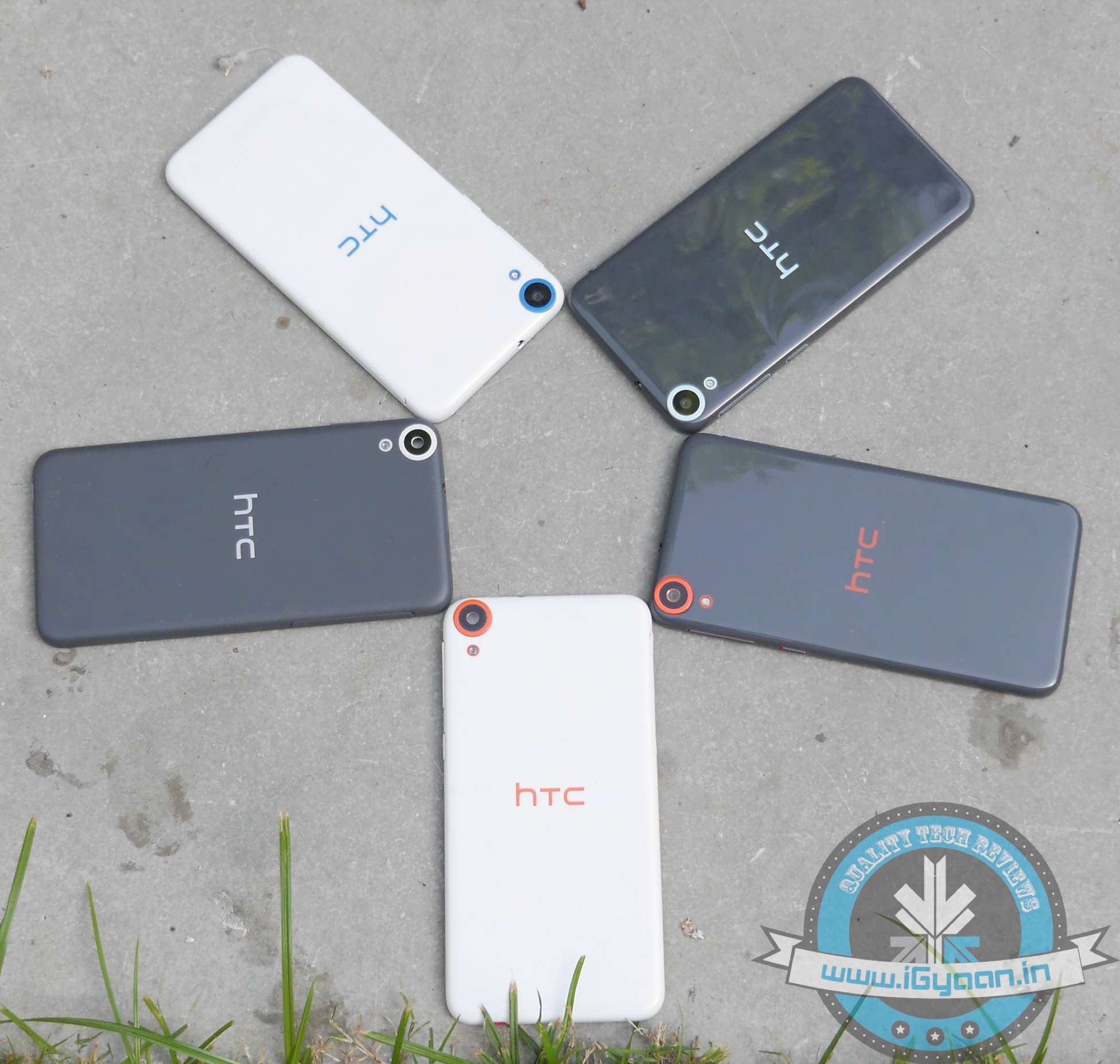
    The phones multicolor design option makes it look youthful and as it is priced at Rs. 24,990.

    The dual tone color options will entice a lot of people to buy the 820's.
    The dual tone color options will entice a lot of people to buy the 820’s.

    HTC Desire 820q

    HTC Desire 820q comes with pretty much the same features as the Desire 820, but with some miniscule tweaks. The device is powered by a `1.2 GHz, quad-core processor along with 1 GB RAM. That’s about the difference between the two models.

    The Desire 820q is priced at Rs. 22,500. Both Desire variants run Android KitKat 4.4 out of the box and will get a Lollipop update soon.

    HTC Desire 516C

    The last offering by HTC is going to play in the category of the Moto G and Xiaomi Mi3. The HTC Desire 516C is a budget offering from the company.

    It comes with a 5-inch qHD display. It processing capabilities are overseen by a 1.2 GHz, Quad-Core Snapdragon 200 processor. It has 1 GB RAM and has an internal storage of 4 GB that is expandable up to 32 GB.

    The 516C has a 5 MP main camera and has a measly 0.3 MP selfie camera. It is powered by a 1950 mAh battery. It will be available exclusively on Snapdeal.com for Rs. 12,990. For what it offers, this price is extortion. HTC should reconsider the price of this device.

    Overall, the Desire 820 and 820q seem like great devices to own, and their funky exteriors make them extremely ‘desire’-able.

    Do check out our hands-on of the devices:

  • India is Readying its Own GPS System

    India is Readying its Own GPS System

    The Global Positioning System or GPS has made our life extremely convenient. If you have access to a GPS device, you are never going to get lost on this planet. The GPS system is currently in control of the United States government. Now the Indian government’s plan to have its own navigation system is underway and got its 3rd satellite today.

    ISRO successfully launched the PSLV-C26 rocket that sent the third satellite in the Indian System. The rocket lifted off from the Satish Dhawan Space Centre in Sriharikota at 1.32 am and injected the satellite into the orbit about 20 minutes later.

    The Kargil war of 1999 had incited a need for an in-country navigation system. The US government back then had refused the request of the Indian government to use the navigation system to keep track of enemy movement. This led to the inception of the Indian Regional Navigation Satellite System (IRNSS.)

    The Satellite was launched through PSLV-C26
    The 3rd Satellite of IRNSS Constellation was launched through PSLV-C26

    The IRNSS will be a network of 7 satellites out of which 3 are already in orbit. The system is expected to be ready by its deadline of 2015, which is next year. Once fully functional, it will provide navigation support for terrestrial, aerial and marine navigation. Like the GPS and Russian GLONASS, it can also be integrated into mobile phones. But they should really think of a cool new name integrating with mobiles; it might be cool to have a navigation feature named in Hindi.

    IRNSS is expected to have an accuracy of less than 20 m over the Indian Ocean region and less than 10 m accuracy over mainland India, which sounds awesome. It will have a coverage of 1,500–2,000 kilometres. It will provide two chief functions: Standard Positioning Service (SPS) which is accessible by all users and Restricted Service (RS), which will be encrypted for military use.

    With the IRNSS becoming functional, India will join an elite league of countries with their own navigation systems. Currently, there are two functional systems of navigation: GPS and GLONASS. Apart from these there’s the planned European Union’s Galileo positioning system, China’s Beidou Navigation Satellite System and India’s IRNSS. This technological initiative taken by the country is appreciated, and its credit goes to the scientists at ISRO.

  • Apple Might Make the SIM Card Obsolete

    Apple Might Make the SIM Card Obsolete

    Yesterday Apple finally unveiled all the new generation of products from its stable. All the new-gen iPads and iMacs are here. The new iMac with a 5K display stands out amongst all the announcements as it will be a boon for creative professionals. But there was one announcement that caught everybody’s eye which was the announcement of the Apple SIM.

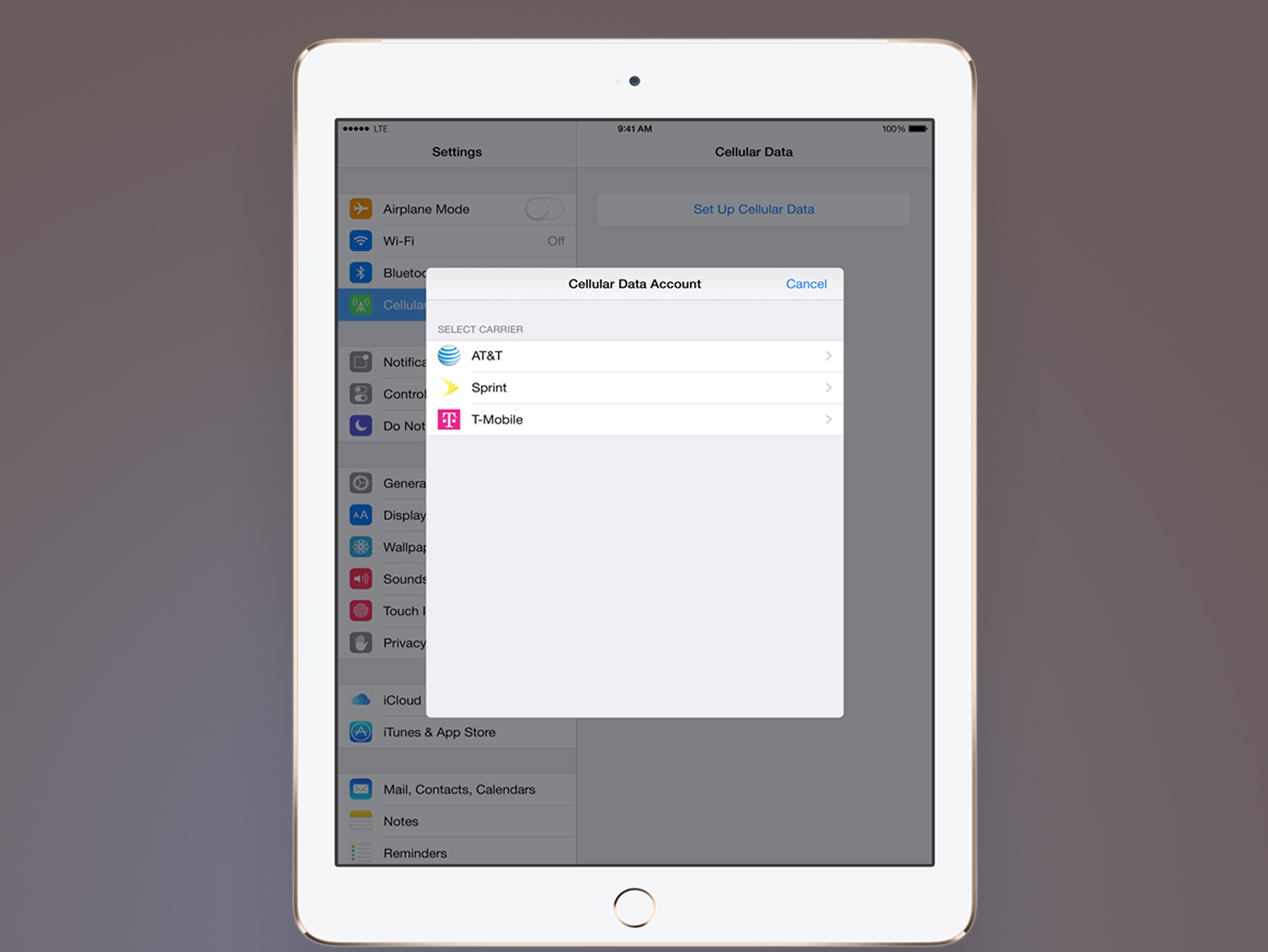
    Apple SIM is a reprogrammable SIM (Subscriber Identity Module) that you can use to switch from carrier to carrier, networks and pricing plans using just a user-friendly software in the device. The card will still be removable and if you buy a carrier locked device then it will carry the carriers SIM card. Though it though seems like this convenient new technology will be appreciated by people always on the move and might actually replace the concept of the SIM card in the long run.

    With Apple SIM you can switch between multiple networks and pay plans.
    With Apple SIM you can switch between multiple networks and pay plans.

    The concept of a universal SIM card sounds great, but it will come with its challenges. Presently removable GSM SIMs including the Nano-Sim and Micro-Sim are convenient and are easy to acquire. They also give the option of a removable battery which lets users carry multiple batteries always to have a charged device. Also convincing every mobile operator in every country to join in on the Apple SIM revolution would be tough.

    Apple does not like SIM cards and has been at the forefront of the introduction of the new age SIMs. But there is also a hope that this will usher in a new era of moving across multiple networks with ease. The folks, who travel internationally, can save tonnes of dough by switching to local networks without having to pay the excessive roaming charges.

    There is one other major issue that needs to be addressed, and that is the big Android, iOS fight that defines the present Smartphone. Both sides are equally formidable opponents to each other. While Apple has constantly challenged the market with new SIM innovation, the massive Android market has usually provided solutions. Android market would have to adopt to this SIM or maybe Google can use its sheer size to keep the SIM cards going. This might actually create a real divide between the two smartphone superpowers.

    As this is still the beginning of the Apple SIM, we won’t know its prospects as of yet. In the coming future, we’ll get a chance to reflect on the development of this innovation. We need to play with this new technology to give a definitive answer.

  • Nexus 9 vs iPad Mini 3: Which One Got it Right?

    Nexus 9 vs iPad Mini 3: Which One Got it Right?

    Apple has finally unveiled the new generation iPads and iMacs. The company had earlier “accidentally” released some information about the new generation products from its stable. Seems like Apple has put some real challenge for Nexus.  Both the iPad Mini 3 and the Nexus 9 are priced close to Rs. 24,000 ($400).

    Now that we have the knowledge of the juicy bits  of these devices that make them tick, we’d like to take them for a spec comparison.

    Specs

    Nexus 9

    iPad Mini Retina

    Display 8.9-inch QXGA 7.9?inch Retina display
    Processor 2.3GHz, 64-bit NVIDIA Tegra K1 Dual Denver A7 Chip
    RAM 2 GB 1 GB
    Storage 16/32GB 16/64/128 GB
    Expandable Upto
    Main Camera 8 MP 5 MP
    Front Camera 1.6 MP 1.2 MP
    Battery 6700 mAh
    Operating System Android 5.0 iOS 8.0.1

    Overall, on the spec sheet, it looks like the Nexus 9 is beating Apple’s latest offering quite easily; Google and HTC together have formed a good device. Apple’s Handoff features though will be truly appreciated by the fans, and thus the device will find many takers. The features can still be up for debate, and we’ll get you the full story once these devices are available.

  • Dual Screen YotaPhone Comes to India Exclusively on Flipkart

    Dual Screen YotaPhone Comes to India Exclusively on Flipkart

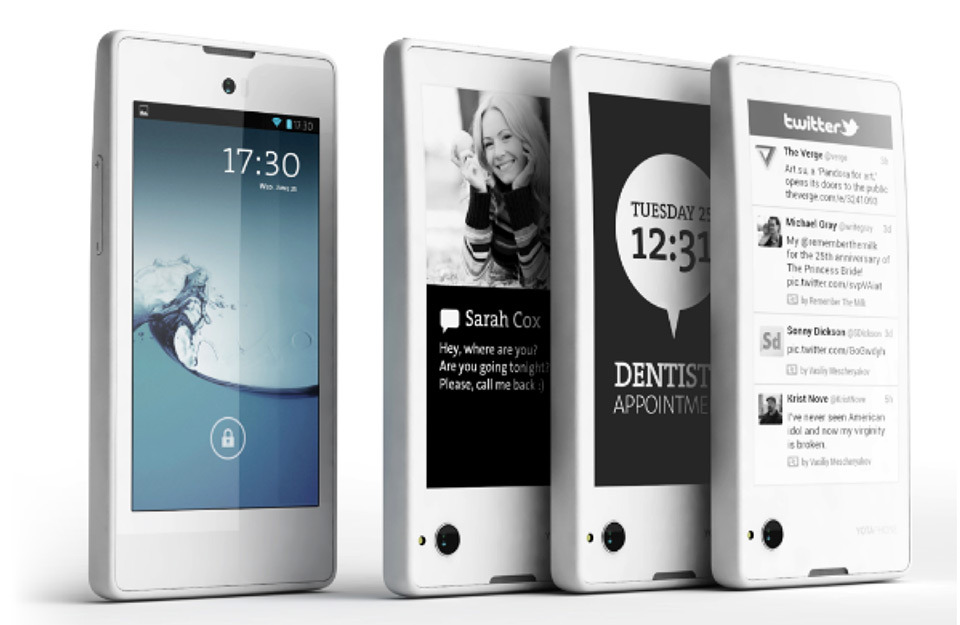
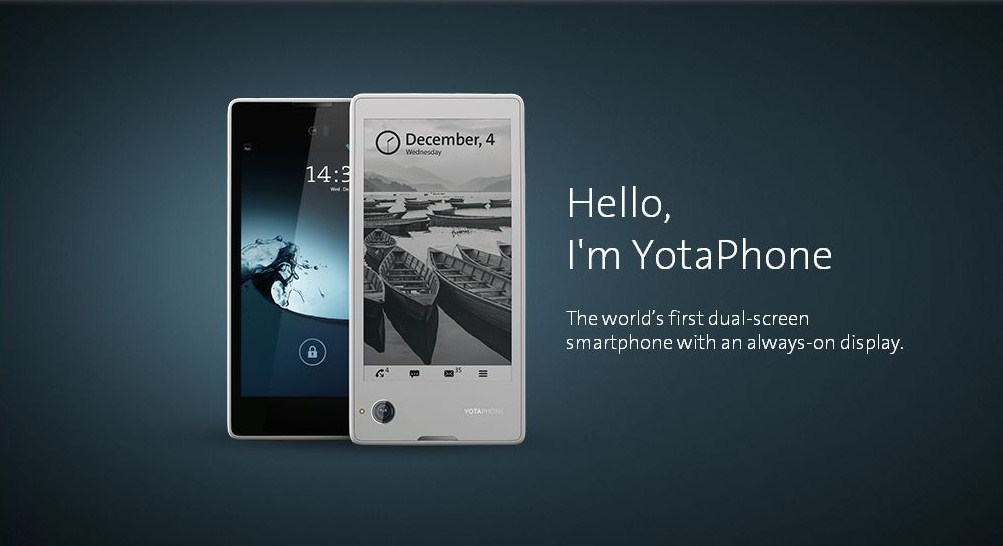
    YotaPhone is a one of a kind device. It features two back to back displays. The phone is developed by Russian company Yota, which makes some really cool products. The phone has now arrived in India and will be available exclusively on Flipkart for a price of Rs 23,499.

    The YotaPhone comes with two 4.3 inch displays. One display is a 720p HD LCD screen with a pixel resolution of 342 ppi. The second screen is an ‘always-on’, 640×360 pixels E-Ink display with a resolution of 170 ppi.

    yotaphone 1

    It’s a perfect device for those who want to have a good e-reader along with the functionality of a normal smartphone in one device. The 4.3 inch screen is equivalent to the Moto E, which is a decent size for a multimedia device.

    Yotaphone runs on Android 4.2.2 Jelly Bean. It is powered by a 1.7 GHz Snapdragon dual-core processor with 2GB of RAM. It has 32GB internal storage. The device gets its juice from 1,800mAh battery. It has a 13 MP rear camera with LED flash along with a 1MP front camera.

    Abdul Karim Sawan, Vice President for Yota Devices, said on the launch, “Yota Devices combines a smartphone and e-reader into one device for those who enjoy reading on-the-go even in the brightest sunlight. You can save images and information on the second screen, and it stays there, even if you lose battery power. You can save anything on the always-on display from a map to a boarding pass. Information, like a missed call or meeting reminder, stays on the always-on screen until it is no longer needed.”

    The device is brought to India in a tie-up with Jumbo Electronics. It is a leading IT, telecom and consumer electronics retailer and distributor from the UAE. The phone will go on sale on Flipkart on October 17.

iGyaan Network
Privacy Overview

This website uses cookies so that we can provide you with the best user experience possible. Cookie information is stored in your browser and performs functions such as recognising you when you return to our website and helping our team to understand which sections of the website you find most interesting and useful.