Author: Vipul Vij

  • Apple iPhone X Plus, ‘iPhone 9’ Dummy Hands-On Video Published

    Apple iPhone X Plus, ‘iPhone 9’ Dummy Hands-On Video Published

    The first half of 2018 saw the launch of some exciting smartphones. The second half of the year will witness the launch of the Samsung Galaxy Note9, the new Google Pixel lineup and the new Apple iPhone lineup. Just like every year, the chatter around the new iPhones has been on for a while now and more leaks are expected when we get closer to September. A new video of the dummy versions of the Apple iPhone X Plus and iPhone 9 has now surfaced online, revealing the possible size of the smartphones.

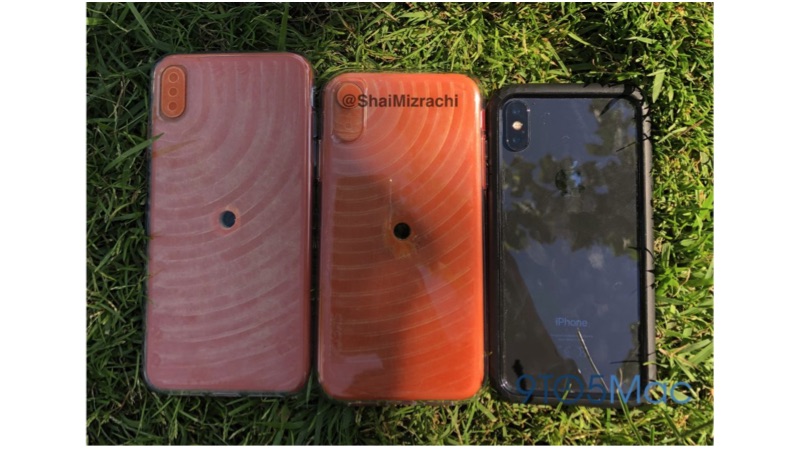
    In the video, the iPhone X Plus and iPhone 9 are compared with the iPhone X. This appears to be a fair comparison considering the iPhone X successor will have the same screen size. The one thing about the video that feels a bit out of place is its title. It doesn’t appear to be likely that the cheapest iPhone that Apple will launch in 2018 will go by the moniker of ‘iPhone 9’.
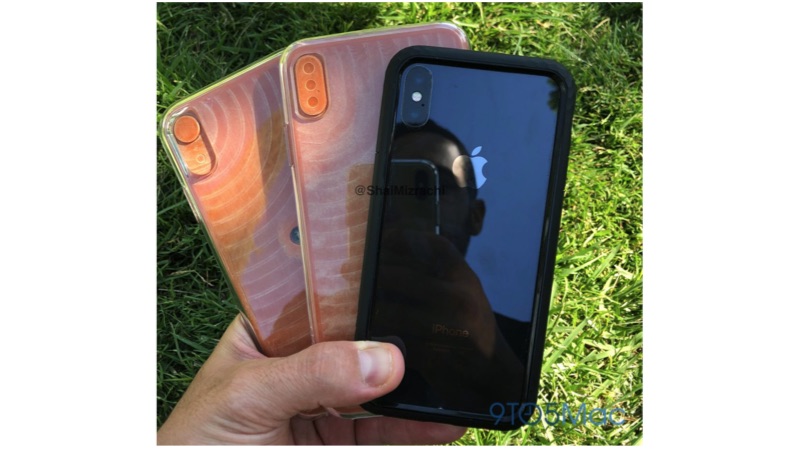
    As expected, both the smartphones have a design similar to the iPhone X. The iPhone X Plus is expected to feature a massive 6.5 inch OLED display while the iPhone 9 will have a 6.1 inch LCD display. It is believed that Apple will cut cost for the iPhone 9 by reverting to an LCD display and even removing features like 3D Touch. It is, however, expected to have wireless charging, thanks to the all-glass design. The iPhone 9 will also have a single camera setup on the back, compared to the dual-camera setup on the iPhone X successor and iPhone X Plus.

    The iPhone X Plus has a size very similar to the iPhone 7 Plus. The iPhone 7 Plus has a 5.5 inch display, meaning the iPhone X Plus will fit in a much larger display without increasing the overall footprint of the smartphone. This also means that the iPhone X Plus won’t be considered a phablet, because of its smaller size. The dual-camera setup is placed vertically on the top-left corner, just like the iPhone X.

    The dummies have a design very similar to what we expect from the 2018 iPhone lineup. However, it is still early days for the iPhone 2018 rumours.
  • Xiaomi Mi Max 3 Retail Box Revealed By Xiaomi CEO Before Official Launch

    Xiaomi Mi Max 3 Retail Box Revealed By Xiaomi CEO Before Official Launch

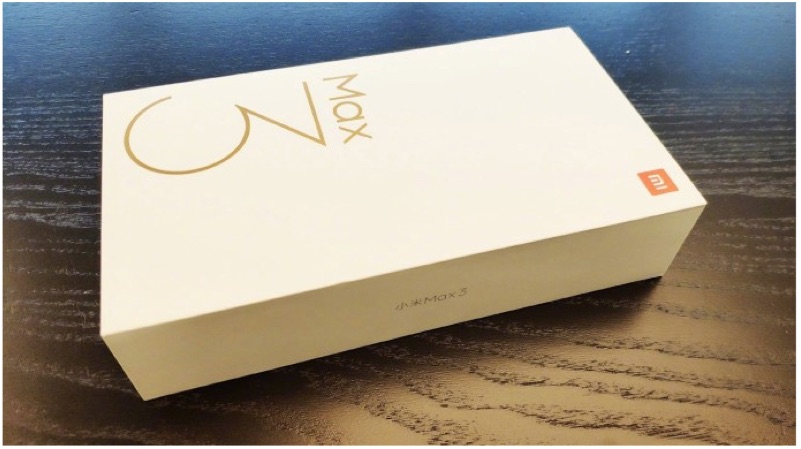
    Over the past few months, we have seen smartphone makers adopt varying marketing strategies. Lenovo took an extreme turn and hyped the Lenovo Z5 only to launch a mediocre version of what was expected. OnePlus teased a lot of new features of the OnePlus 6 before the official launch. Xiaomi has gone a step further with the Mi Max 3. Lei Jun, CEO of Xiaomi has posted an image of the retail box of the Xiaomi Mi Max 3 before its official launch.

    The box clearly states the Mi Max 3 moniker, hence confirming the existing rumours. The soon to be launched phablet will succeed the Xiaomi Mi Max 2 which was launched in late-July in 2017. The launch of the Mi Max 3 falls in line with the company’s launch pattern for the Max series. Unfortunately, the image does not give away any details about the smartphone.
    Must Read: Xiaomi Mi 8 Could Launch In India In July

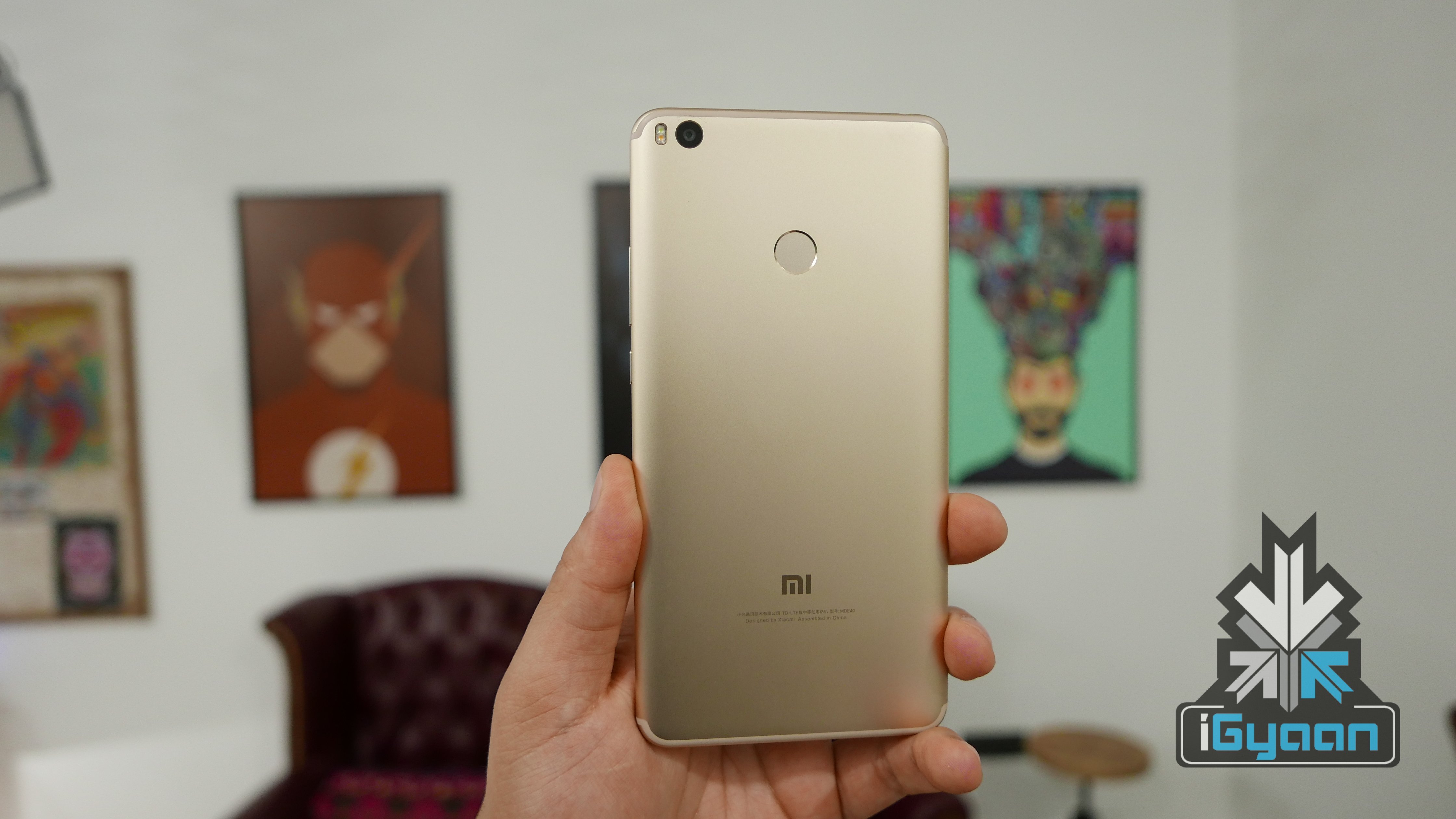
    Mi Max 2

    So far, there have been a few leaks regarding the Xiaomi Mi Max 3. According to the listing, the Xiaomi Mi Max 3 will sport a 6.9 inch display with a 2160 x 1080 px resolution. This resolution confirms that the Mi Max 3 will have thinner bezels than its predecessor and also that it won’t have a notch. While many smartphones in 2018 sport a notch, users in general, aren’t very stoked about a notched display.

    [amazon_link asins=’B073VLGL5Y’ template=’ProductAd’ store=’igyaan-21′ marketplace=’IN’ link_id=’06b4abe1-7466-11e8-afe1-19641fe560a5′]

    Despite the larger display, the Mi Max 3 won’t be much larger than its predecessor. According to the listing, the Mi Max 3 measures 176.15 x 87.4 x 7.99 mm and weighs in at 221 grams. The Mi Max 2, on the other hand, measures 174.1 x 88.7 x 7.6mm and weighs in at 211 grams. For context, the Mi Max 2 had a 6.4 inch display and a 5300 mAh battery.

    The Mi Max 3 will run on a 1.8GHz octa-core processor coupled with 6GB of RAM and 128GB of storage. Xiaomi will launch multiple variants and the one with 6GB RAM and 128GB storage will be the priciest. The fingerprint sensor will be placed on the back of the device just like almost all the Xiaomi devices off late. Powering the smartphone is a 5400 mAh battery which isn’t a significant upgrade over the 5300 mAh battery found on the Mi Max 2.

    The details about the camera department are scarce for now. The listing reveals that it will have a dual-camera setup on the back with a 12MP primary sensor. The dual-camera setup will be capable of shooting videos at up to 4K resolution. To the front is an 8MP front-facing sensor. The Mi Max 3 will run Android 8 Oreo out of the box with MIUI 10 on top.

    As bezels get thinner and displays get bigger, the line between smartphones and phablets will get blurrier. That, however, has not stopped Xiaomi from exploring the phablet realm. The Mi Max 3 could launch in India as well along with China. The pricing will be key for the device to have any impact on the over-crowded budget smartphone segment.

  • Google Accused Of Allowing Third-Party Apps To Read Users’ Gmail

    Google Accused Of Allowing Third-Party Apps To Read Users’ Gmail

    Online privacy has been at the centre stage of a global conversation for quite some time now. Every move by big tech companies is scrutinised for potentially risking the privacy of online users. The latest to join this ever-growing list is Google. One of the biggest tech companies in the world has been accused of allowing third-party apps to read users’ Gmail.

    In a report published by The Wall Street Journal, it has been revealed that Google allows partner companies to read Gmail messages in order to offer better products and services. This is not the first time a company has been accused of using private user data for better-targeted advertisements. Facebook was involved in a global controversy after Cambridge Analytica was exposed.

    Must Read: Google Sued For £3.2 Billion For Secretly Tracking Browsing Data For 4.4 Million iPhone Users

    It has been a common practice by many companies to use machines to go through emails for keywords and phrases. This helps them identify what sort of goods or services that particular user is on the lookout for. This data once studied properly allows advertisers to make targeted ads and display them across the user’s web browsing experience. In fact, some companies allow human employees to read through the emails and not rely on machine learning.

    Google, too, has been previously exposed for reading emails of users. In 2017, Google promised its users that it would stop reading Gmail content of users. However, this report claims that Google has done little to nothing to preserve the privacy of users. It is also worth noting that Gmail has over 1.4 billion users, making it the most popular email service in the world.

    Must Read: New Facebook Patent Reveals Tech That Will Turn On Your Smartphone Microphone

    WSJ quoted many representatives of partners that snoop through Gmail, claiming that this is indeed a “common practice.” There are, however, strict rules in place as specified by user agreements.

  • Spotify Lite Being Tested For Emerging Markets Like India

    Spotify Lite Being Tested For Emerging Markets Like India

    Over the past few months, music streaming in India has picked up its pace. Services like Gaane, Saavn have emerged as a great free alternative to Apple Music or Google Play Music. Amazon recently launched Prime Music in India as well. However, the most popular music streaming service in the world, Spotify, has so far been aloof when it comes to India. It appears that the company is finally starting to work towards launching in India with Spotify Lite.

    Must Read: Amazon Prime Music In-Depth Review

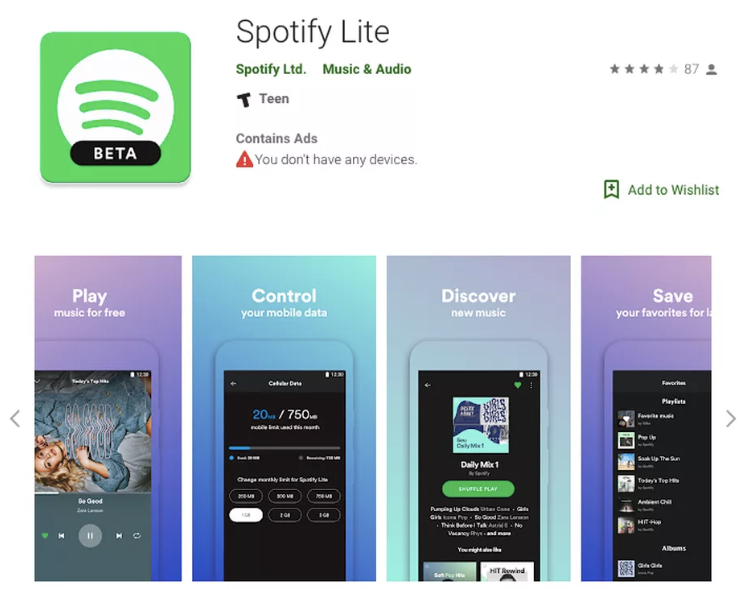
    Spotify Lite is now available on Google Play Store (not in India) which has a total app size of about 15MB. This is significantly smaller than Spotify app’s 100MB size. Essentially, Spotify Lite is being tested for emerging markets where the internet is not that fast and the majority of smartphones have less storage.

    The budget smartphone category dominates the market in India. This means people who buy cheaper smartphones tend to struggle with storage space running out after downloading a few essential apps. This is where the “Lite” version of popular apps comes into play. Facebook, Messenger, Instagram, Google already have a Lite version of their apps up and running. Spotify Lite, currently listed as a ‘test app’ becomes the latest to join the long list.

    Android Police first spotted the app on Google Play Store. It says that app visually looks similar to Spotify but, it does miss out on a few functionalities. There is no offline playback or an option for extreme quality playback (which streams songs at 320 kbps). There’s also no Spotify Connect, which allows for audio to be wirelessly be streamed from your phone to another device, like speakers or a TV. It also appears that despite being a Premium subscriber, the app doesn’t have an option to select a specific song, so all music has to be played via shuffle.

    Spotify has long been rumoured to enter the Indian market. With the rise of other music streaming services, this is the time for Spotify to launch in India with all its might. And Spotify Lite could be the first step in that direction towards the Indian market.

  • Samsung Galaxy Tab S4 Design Leaked In New Renders

    Samsung Galaxy Tab S4 Design Leaked In New Renders

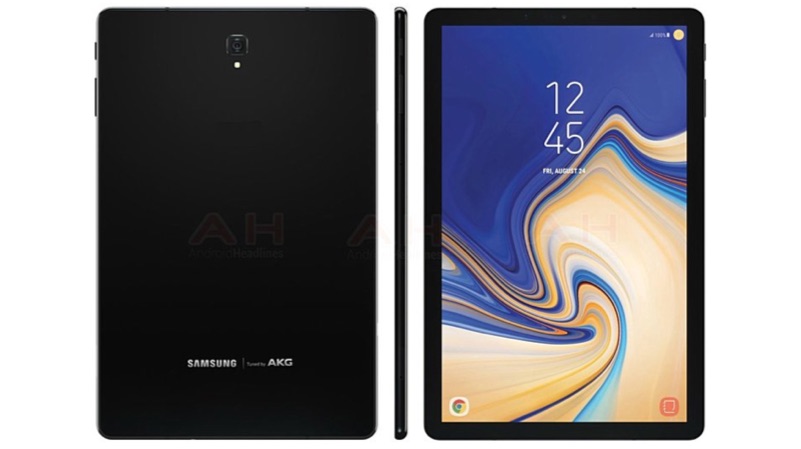
    The tablet industry is dominated by Apple’s iPad lineup. While Android smartphone makers have launched tablets consistently, good tablets have been few and far between. Samsung will also launch the next iteration of its flagship tablet, the Galaxy Tab S4. While the date of launch has not been confirmed yet, the first renders of the device have been leaked.

    One of the first things you notice about the tablet is the home button, or rather, the lack of it. While Samsung has gotten rid of the home button on many of its smartphones, the tablets have maintained the older design. This is mainly due to the fact that tablets won’t have thin bezels or as Samsung likes to call it, ‘Infinity Display’. This raises the question about the fingerprint sensor. The home button usually houses the fingerprint sensor.

    The power button appears to be placed on the right-hand side, just above the volume rockers. It will be interesting to see if Samsung goes for a side-mounted fingerprint sensor. It cannot be confirmed from these renders, however. Another outcome of the lack of a home button could be that there might be no fingerprint sensor at all. In fact, Samsung could go ahead and only provide iris scanning for the Galaxy Tab S4.

    From the leaks so far, the Galaxy Tab S4 is expected to have a 10.5-inch display with a 2560 x 1600 px resolution and a 16:10 aspect ratio. Under the hood, the Galaxy Tab S4 could run on the Snapdragon 835 chipset for the US and China market, and Exynos 8895 for the rest of the markets. Accompanying the last year’s flagship chipset will be 4GB of RAM and 64GB of onboard storage. There is no information on other storage variants as of now.

    Must Read: Nokia A1 Plus With In-Display Fingerprint Sensor, Snapdragon 845 To Launch At IFA 2018

    The tablet is rumoured to be powered by a massive 7300 mAh battery which will charge via USB-C port. Out of the box, it’ll run Android 8.1 Oreo with Experience UI on top. On the back of the tablet will be a 12MP camera with an LED flash. The top bezel on the front will house a 7MP camera. We expect in-depth details about the cameras to be leaked ahead of the launch.

    The Galaxy Tab S4 will try and compete with Apple’s well-established lineup of iPads across the globe. A lot, however, will depend on the pricing of the Android tablet.

  • OnePlus 6 Red To Launch On July 2nd

    OnePlus 6 Red To Launch On July 2nd

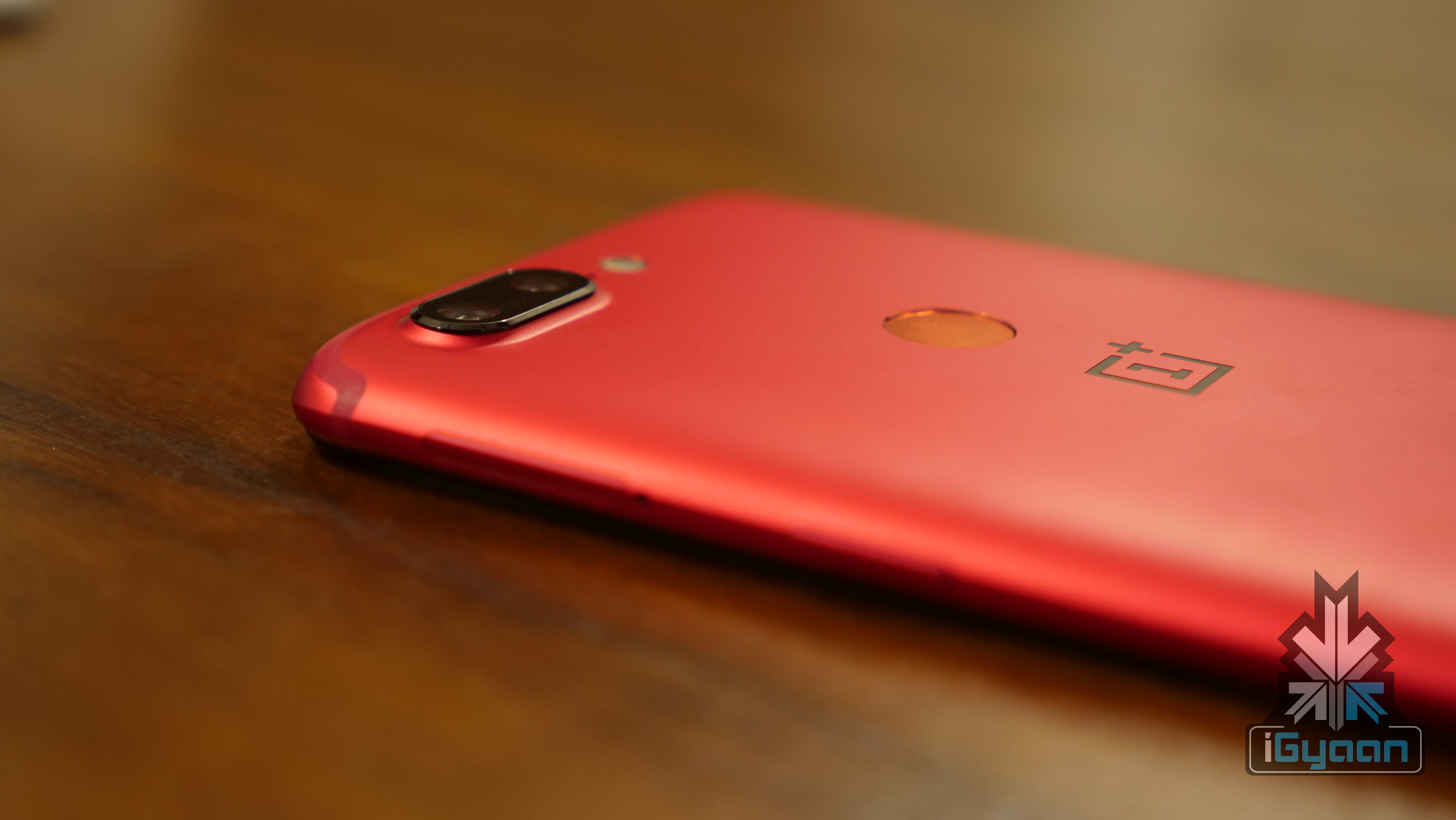
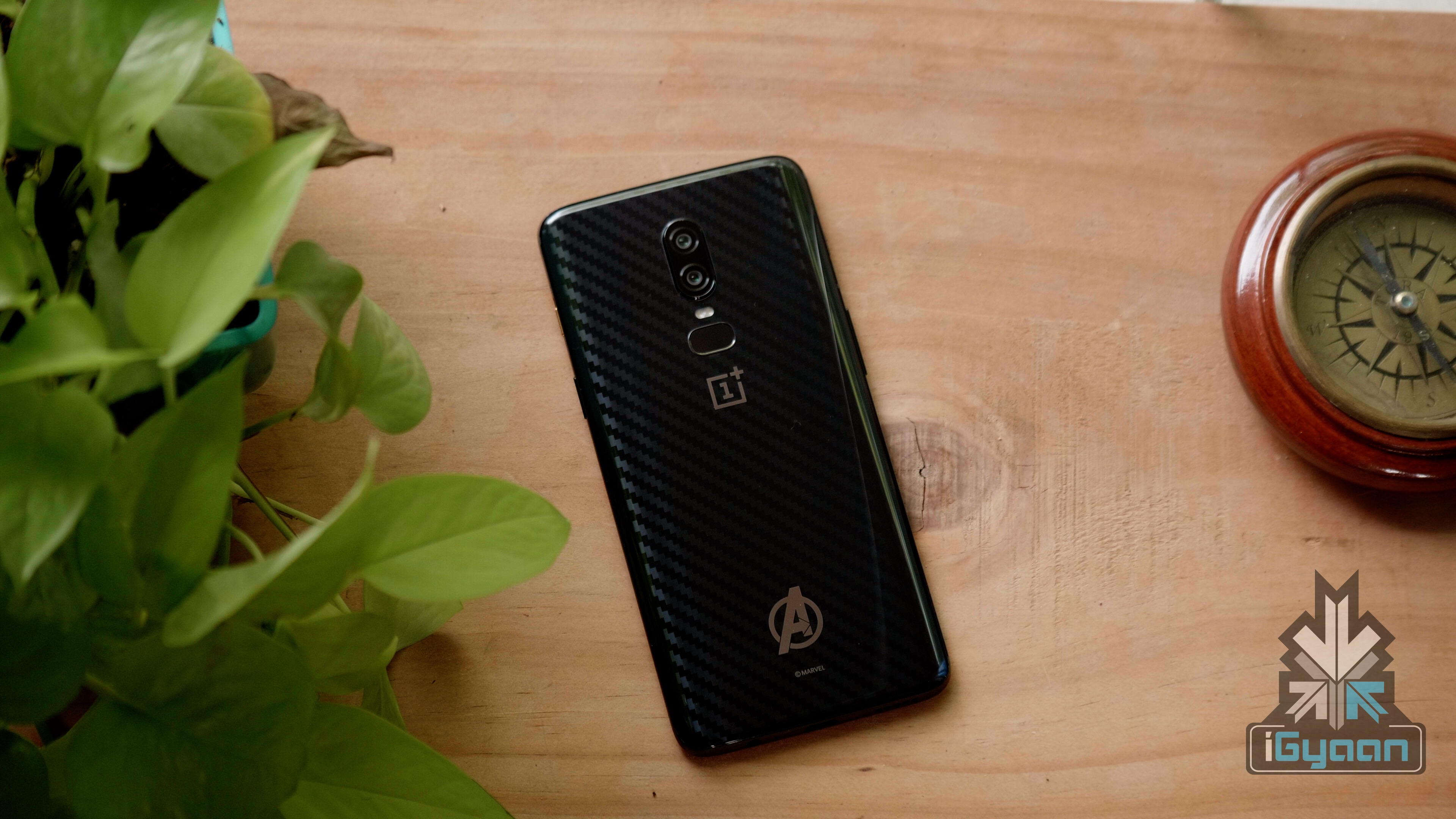
    The OnePlus 6 was launched in India on May 17th. Even at the launch, the smartphone was unveiled in three colours, the most for any OnePlus smartphone. In India, the company went a step further and launched the OnePlus 6 Avengers Limited Edition. Keeping up with the trend of launching special edition colour variants, the OnePlus 6 Red will launch on July 2nd.

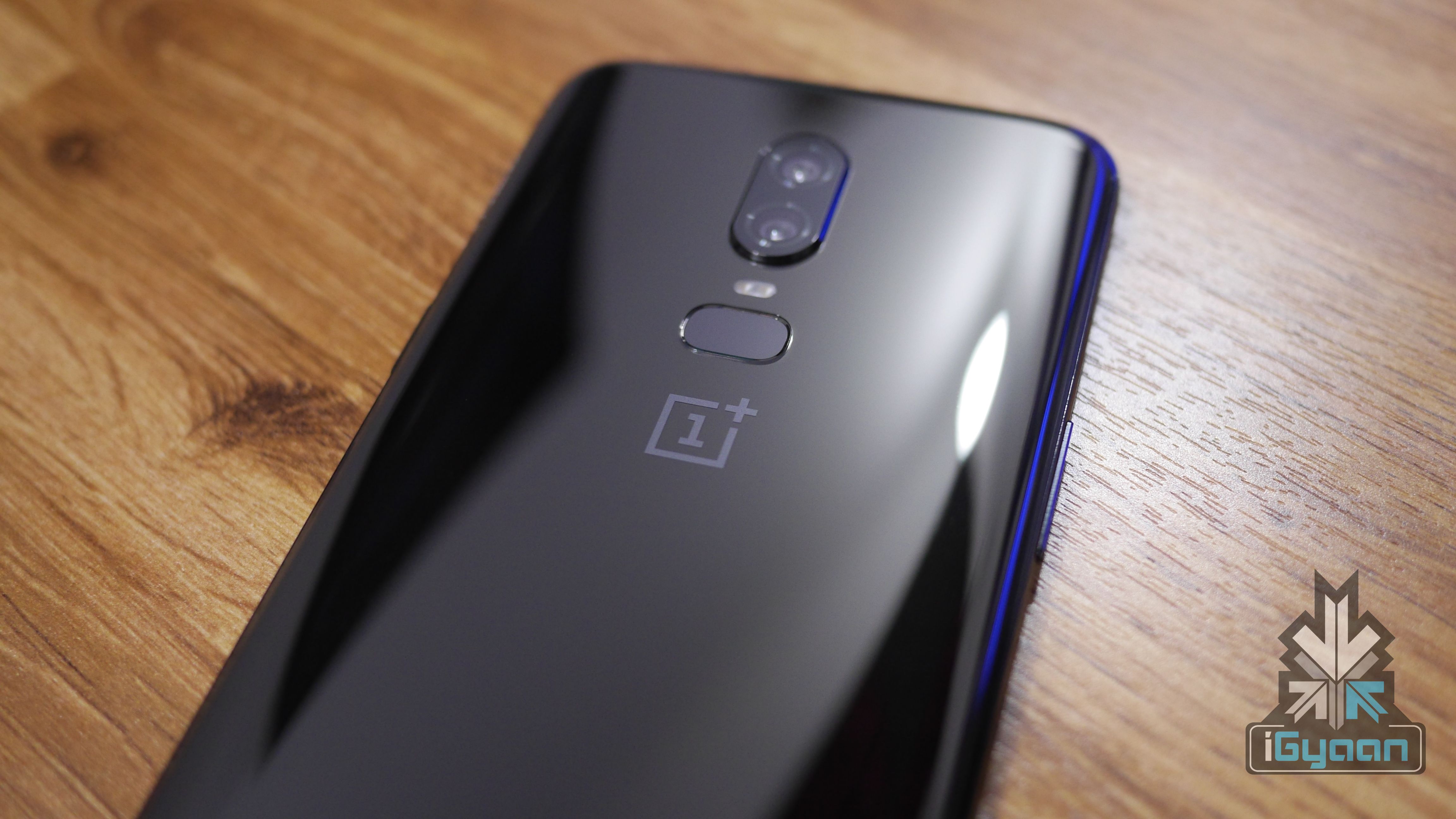
    OnePlus posted a teaser on Twitter seemingly confirming the existence of a red coloured OnePlus 6. The smartphone is expected to have the same all-glass design along with a notched display. Since its launch, the build quality and design (despite the notch) have been praised by critics and consumers alike. The OnePlus 6 is already available in Midnight Black, Mirror Black, and Silk White.

    OnePlus 6 Avengers

    It’ll be interesting to see if the OnePlus 6 Red will be available in both the variants or just the higher-end model with 8GB of RAM and 128GB of onboard storage. The OnePlus 6 Silk White is only available in the 128GB storage model while the Midnight Black and Mirror Black are available in both the variants. Apart from the new colour, all other specifications will remain the same for the new variant.

    The OnePlus 6 has a 6.28 inch Optic AMOLED display with a 2280 x 1080 px resolution. The aspect ratio is 19:9 which means it is slightly taller than the OnePlus 5T.

    Must Read: Unboxing The OnePlus 6

    The 6 runs on the Qualcomm Snapdragon 845 chipset which has an octa-core processor clocked at 2.8GHz. Coupled with the flagship chipset is either 6GB or 8GB of RAM with three storage options of 64GB, 128GB and 256GB. The storage is still not user-expandable just like every other OnePlus device. The fingerprint sensor is still placed on the rear but, it has a more oval shape this time around.

    Powering the device is a 3300 mAh battery with Dash Charge support. Dash Charge continues to be one of the fastest charging technologies and could be the reason why OnePlus did not think that wireless charging was necessary here. Out of the box, the OnePlus 6 runs Android 8.1 Oreo with OxygenOS on top. The smartphone has gesture support. The company has announced that users will be able to download Android P Developer’s Preview from the OnePlus website soon.

    The dual-camera on the OnePlus 6 includes a 16MP Sony IMX 519 sensor and a 20MP Sony IMX 376K sensor. Both are RGB sensors and have an f/1.7 aperture with OIS, another first for a OnePlus device. The cameras also record 4K videos at 60fps which is a great feature for content creators. To the front of the smartphone is a 16MP Sony IMX 371 sensor with an f/2.0 aperture and EIS which records 1080P videos.

    The OnePlus 6 Red will give consumers another option to choose from. With the Xiaomi Mi 8 possibly launching in India in July and undercutting the OnePlus 6, OnePlus would want to play its cards right to maintain the dominance in the affordable flagship segment.

  • Awesome Tech- An Airbag For Your Smartphone

    Awesome Tech- An Airbag For Your Smartphone

    After aluminium unibody design dominating the industry for a while, glass builds are taking over. From affordable flagship smartphones like the OnePlus 6 to the premium iPhone X, an all-glass build is the new gold standard in smartphone design. However, with a premium look and feel, also comes the danger of shattering that glass. While there are cases that can protect smartphones from damages to a certain extent, they aren’t foolproof.

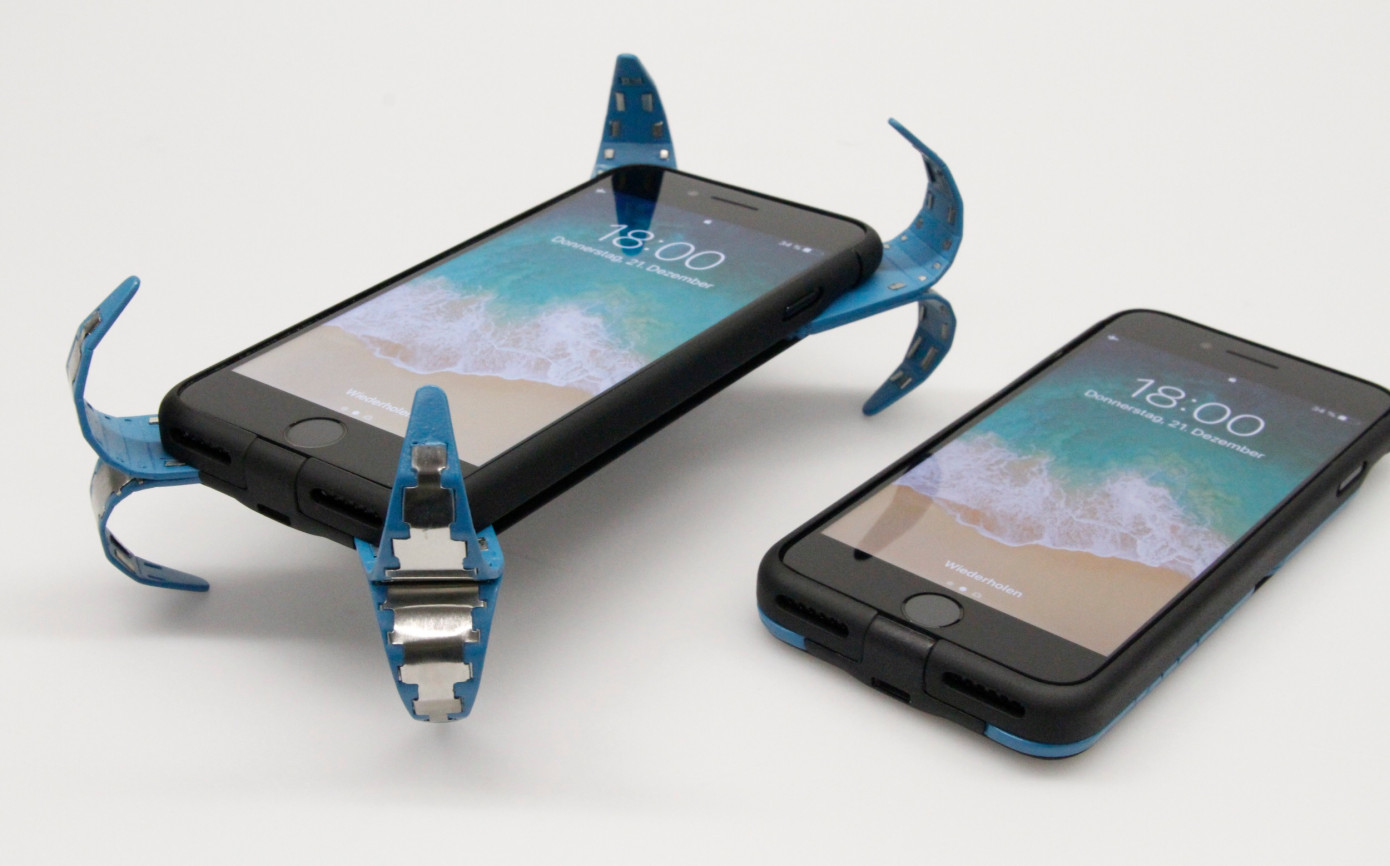
    A new “active damping” case acts as an airbag for your smartphone. Created by Philip Frenzel, an engineer at Aalen University in Germany, this clever case pops opens up to protect your phone when you drop it. His idea won the award from the German Society for Mechatronics, which considered projects from students all over the country.

    Watch the video here

    Frenzel’s idea behind this case was maintaining the phone’s aesthetic while providing the necessary protection. Most secure cases are very bulky and it becomes hard to recognise your phone when it is lathered in a tough plastic case with ugly patterns. With active damping case, there isn’t a layer of unattractive protection in your face all the time. Instead, it enters a safety mode just as it starts free falling to the ground.

    After juggling between different ways to protect the phone, Frenzel finally arrived at a very interesting solution. As seen in the video, he went ahead with a set of eight thin metal curls that normally lie flat inside the case. When the phone is released, they pop out and curl up, protecting the edges of the phone from impact. This considerably softens the blow compared to a flat contact with the concrete.

    The case looks interesting and in the video, at least, effective. It is yet to enter a production stage and there is still no Kickstarter or Indiegogo page for it. We could be a while away from this case hitting the shelves.

  • Motorola One Is An Android One Smartphone That Looks Similar To Motorola One Power

    Motorola One Is An Android One Smartphone That Looks Similar To Motorola One Power

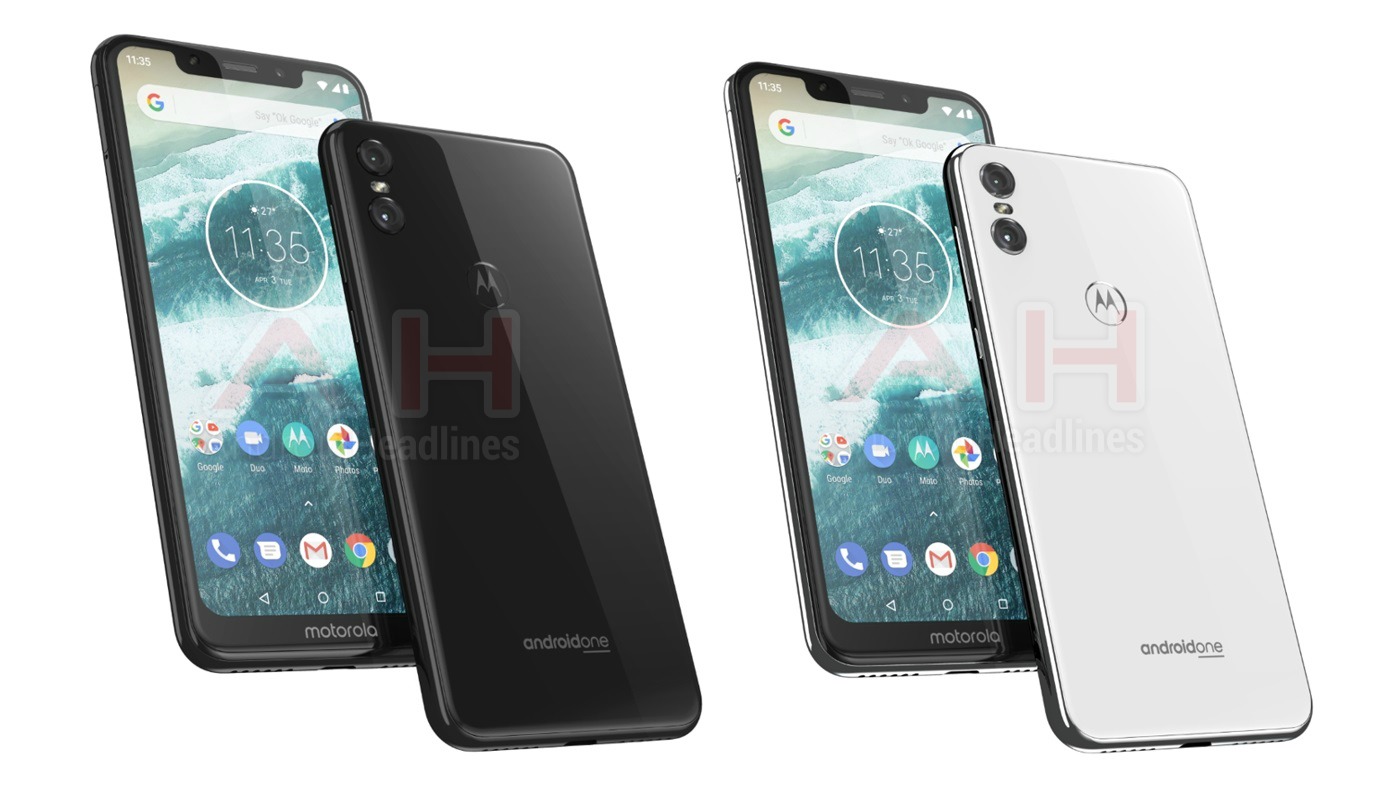
    The Motorola One Power has been in the news for a while now. The mysterious smartphone has been leaked consistently and is expected to launch sooner rather than later. A more compact version of the device, the Motorola One has now been leaked in new renders and will be an Android One smartphone from Motorola. The two smartphones look identical and could launch together.

    The renders leaked by Android Headlines reveal that the Motorola One will be a smaller phone when compared to the Motorola One Power. As of now, it has not been confirmed whether the device will be smaller in terms of the display, or smaller in regards to the thickness of the device, or both. It is possible that the word “Power” would suggest a bigger battery which means that the Motorola One would be thinner than the One Power.

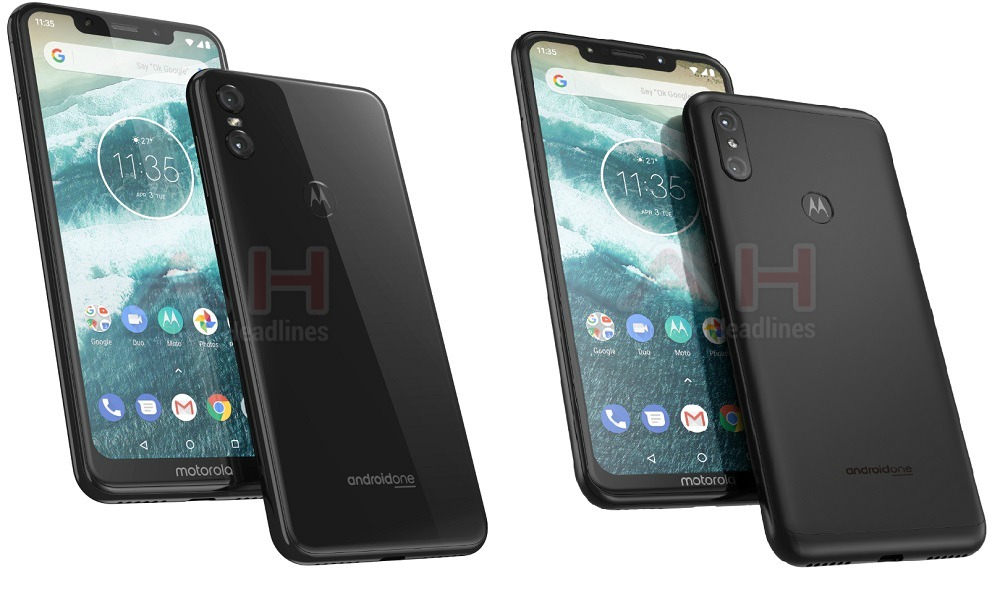
    Left: Motorola One          Right: Motorola One Power

    Looking at the renders of the Motorola One, it looks a lot like the Motorola One Power. There are, however, subtle differences between the two devices. The dual cameras on the back, for example, look separate. On the Motorola One Power, the protrusion is more pronounced. On the front, both the smartphones have a notch and a small chin that houses the Motorola branding.

    Must Read: Unboxing The Moto G6

    The fingerprint sensor appears to be housed inside the Moto logo on the back. So far, there are no details about the specifications of the Motorola One. However, we expect more details to be revealed before the eventual launch of the smartphone.

  • Xiaomi Mi 8 Could Launch In India In July

    Xiaomi Mi 8 Could Launch In India In July

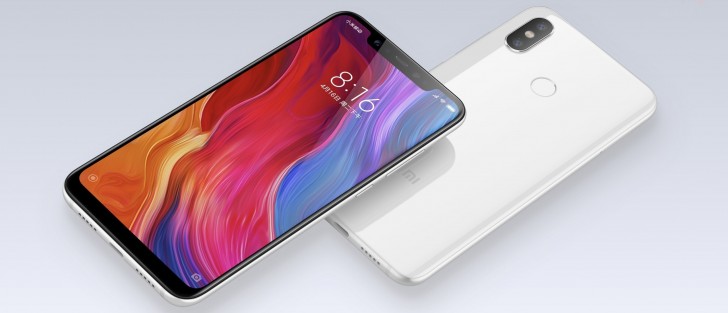
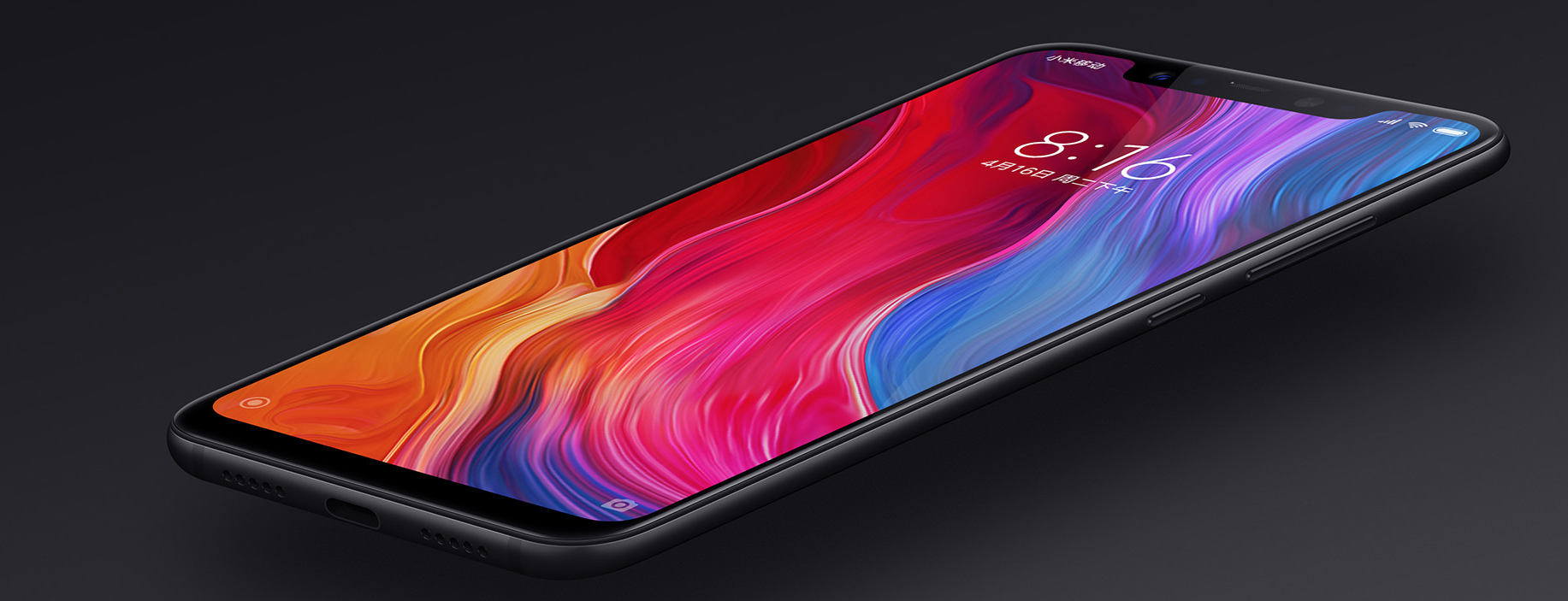
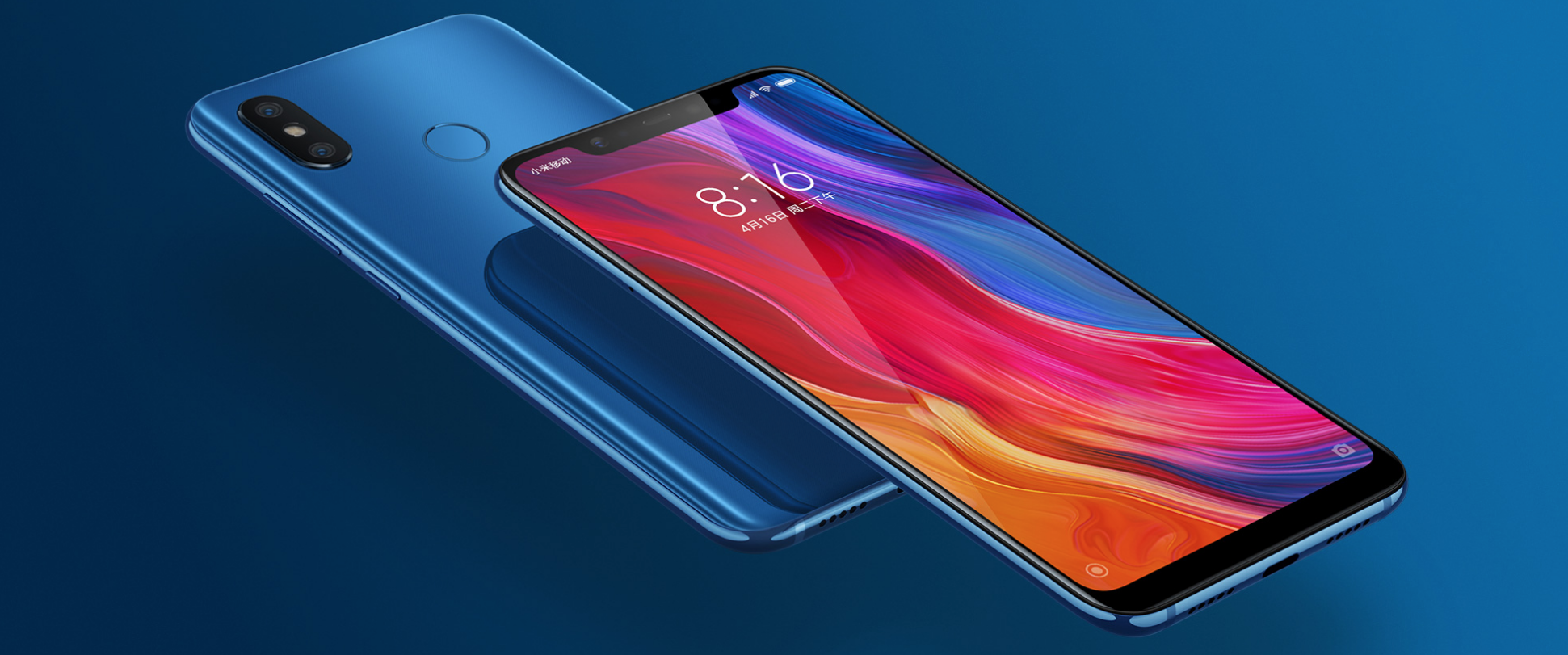
    The Xiaomi Mi 8 was launched in China on May 31st. The smartphone was highly anticipated for its design and Face ID-like facial recognition system. Since its launch, the Mi 8, along with the Mi 8 SE and Mi 8 Explorer Edition has sold over a million units in China. The company now plans on bringing its flagship smartphone to international markets as well.

    Xiao Zhiyuan, Xiaomi’s Product Marketing Director for Mobile Phones has confirmed that the Mi 8 will launch in international markets. He has conceded that its launch in other countries to begin as early as next month (July 2018). This essentially confirms that the Mi 8 will indeed launch in India as it is the biggest market for Xiaomi after China. Xiao Zhiyuan did not directly confirm the smartphone’s launch in India but, India is a highly probable destination for the notched flagship.

    In China, the Xiaomi Mi 8 is available in three variants. The 6GB RAM/64GB storage is priced at CNY2,699 (Rs 28400 approx.), the 6GB RAM/128GB storage model costs CNY2,999 (Rs 315000) and the priciest version retails for CNY 3299 (Rs 34700 approx.) with the same RAM and 256GB storage. Considering Xiaomi’s pricing pattern so far, the Mi 8 could launch in India at a starting price of Rs 30000, which is much more affordable than the OnePlus 6.

    Must Read: OnePlus 6 Vs Xiaomi Mi 8: Top Notch Flagships

    The Xiaomi Mi 8 has a 6.21 inch Super AMOLED display (by Samsung) with a 2248 x 1080 px resolution. The unusual resolution is a result of an 18.7:9 aspect ratio. Xiaomi, like OnePlus, has stuck to a FullHD+ resolution instead of a QuadHD+ resolution found in devices like the Galaxy S9.

    Under the hood, the smartphone runs on the Snapdragon 845 chipset with 6GB of RAM coupled with 64GB/128GB/256GB of onboard storage. The onboard storage will not be expandable, which has been the case for flagship Xiaomi devices for a while. The fingerprint sensor is placed on the back of smartphones, giving users an option to choose between Face Unlock and a fingerprint sensor.

    Powering the smartphone will be a 3400 mAh battery which charges via USB C port. Despite the glass back, the Xiaomi Mi 8 does not have wireless charging. Out of the box, the Mi 8 will run Android 8.1 Oreo with the new MIUI 10 on top. MIUI 10 was also announced at the same event and comes with Xiaomi’s own Xiao Ai smart assistant, similar to Google Assistant and Siri.

    Must Read: Unboxing The Honor 10

    The vertically-placed dual-camera setup is also reminiscent of the iPhone X. However, Xiaomi appears to have adopted the design for its 2018 lineup of smartphones. To the back is a primary 12MP RGB sensor with an f/1.8 aperture coupled with a 12MP telephoto lens with an f/2.4 aperture and 1-micron pixel size. The notch houses a 20MP AI camera with an f/2.0 aperture. Just like the iPhone X, it also has a portrait lighting feature and Xiaomi’s own take on the animojis.

    The Xiaomi Mi 8, on paper, is a very good affordable flagship smartphone. If launched in India, it will be up against the likes of the OnePlus 6 and Honor 10. The only caveat for the Xiaomi Mi 8 could be the flash sale system.

  • Xiaomi Redmi Note 5 Pro Starts Receiving Android 8.1 Oreo-Based MIUI 9.5.14 Update

    Xiaomi Redmi Note 5 Pro Starts Receiving Android 8.1 Oreo-Based MIUI 9.5.14 Update

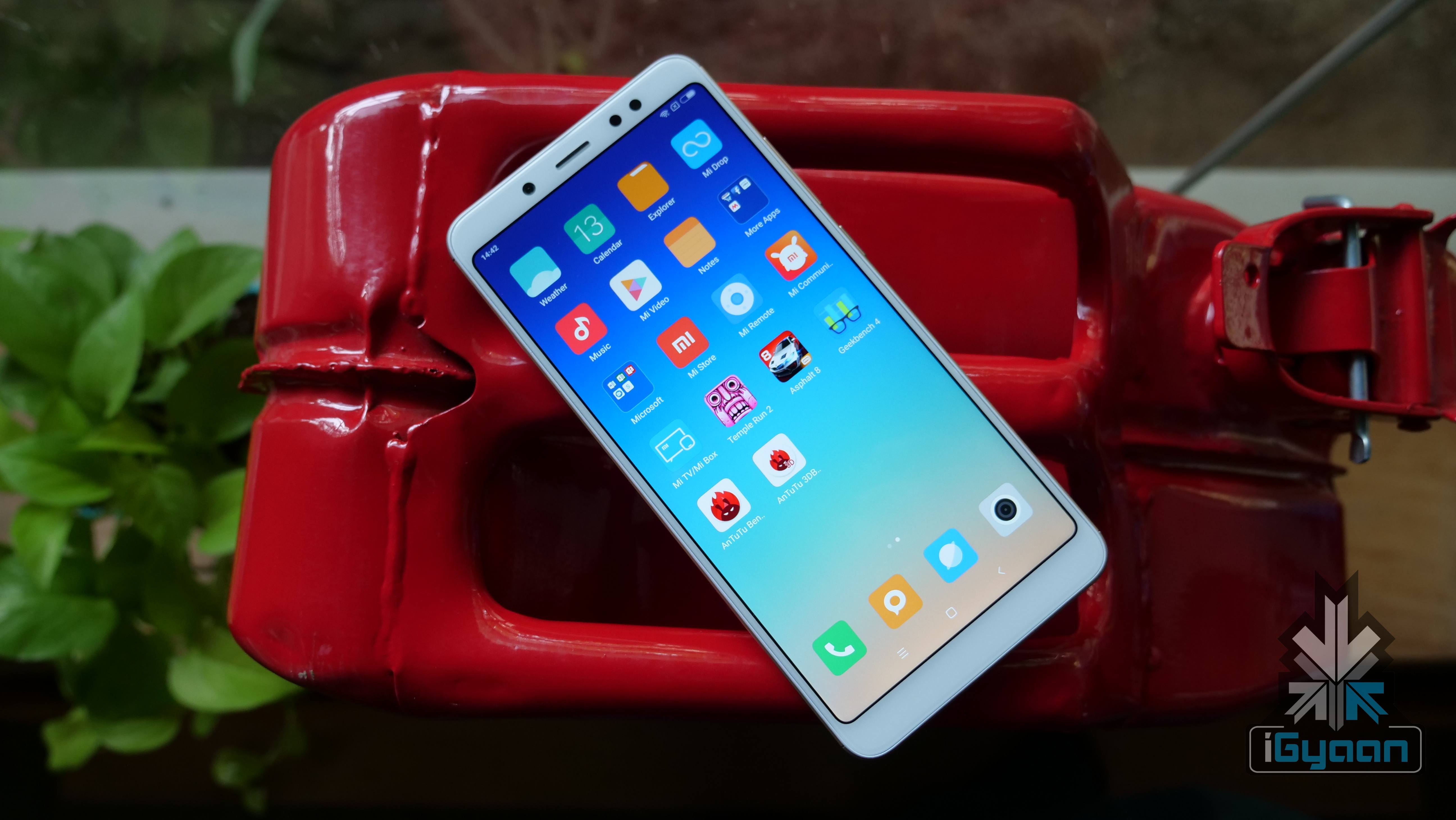
    The Xiaomi Redmi Note 5 Pro was launched in February along with the Redmi Note 5. At that time, it was the only smartphone on the market to run on the Qualcomm Snapdragon 636. Since then, the smartphone has received a host of software updates and the latest update is the biggest till date. The new update brings MIUI 9.5.14 to the Redmi Note 5 Pro which is based on Android 8 Oreo.

    While the company has made an official statement about the rollout, it is yet to publish the changelog. The most notable change with the new update is the upgrade to Android 8.1 Oreo. Xiaomi smartphones are not known for the regular Android updates. However, thanks to Project Treble, the Redmi Note 5 Pro will be one of the faster Xiaomi devices to receive software updates.

    What is Project Treble?

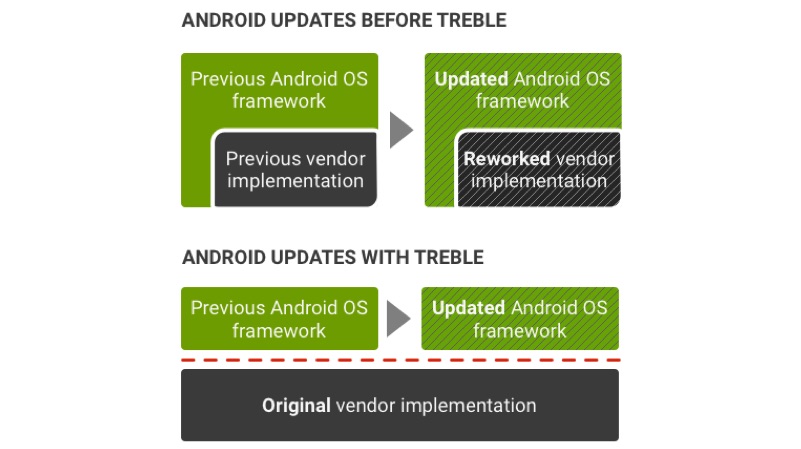
    Project Treble is a feature that is included as a part of Android 8 Oreo OS. This enables OEMs to make software updates faster and easier. A few months ago Android gained a “Vendor Interface” (VI), largely due to a new development effort from Google. The VI’s aim is to separate the “Vendor Implementation” (that is, “the device-specific, lower-level software written in large part by the silicon manufacturers”), from the Android OS framework.

    The new VI is supposed to sit between the Android OS framework and Vendor Implementation. And the new VI will be validated by a Vendor Test Suite (VTS), which is analogous to the Compatibility Test Suite (CTS) that Google has been using for API testing of apps. The VTS ensures forward-compatibility of the VI. Before, the VI needed to be reworked after every single Android OS framework update, while with Project Treble, that won’t be the case anymore.

    Xiaomi Redmi Note 5 Pro Specs
    Specifications Xiaomi Redmi Note 5 Pro
    Price Starting Rs 14999
    Display 5.99 inch
    IPS LCD
    Resolution 2160 x 1080 px
    18:9
    403 ppi
    Chipset Qualcomm Snapdragon 636
    1.8GHz
    Octa-core
    RAM 4GB
    6GB
    Storage 64GB
    Battery 4000 mAh
    Primary Camera 12MP f/2.2
    5MP f/2.0
    1.25-micron
    Primary Camera Video 1920 x 1080 px @ 30fps
    Secondary Camera 20MP Sony IMX376
    Beautify 4.0
    LED flash
    Add-Ons Fingerprint Sensor
    Face Unlock
  • Honor 7C Vs Xiaomi Redmi Note 5: The Ultimate Smartphone Under Rs 10,000

    Honor 7C Vs Xiaomi Redmi Note 5: The Ultimate Smartphone Under Rs 10,000

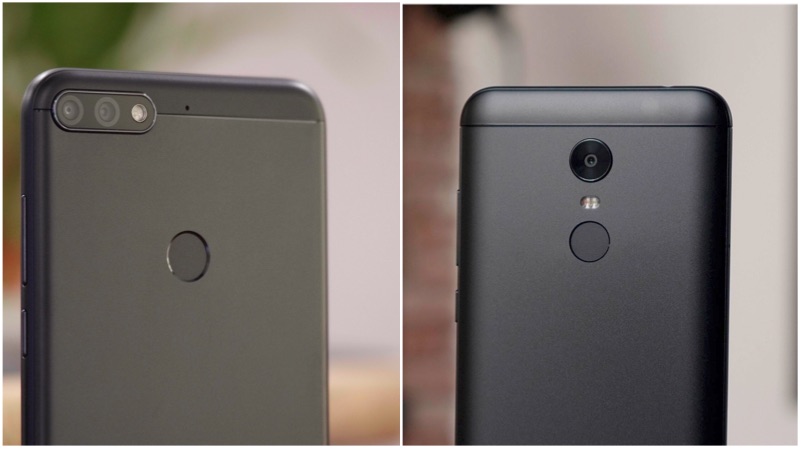
    India’s budget smartphone segment has been congested for some time now. Companies like Xiaomi, Honor, Motorola consistently launch Android devices at a price of under Rs 15000, giving consumers a plethora of options. At a price point of Rs 10000, Xiaomi and Honor have two very good offerings. The Redmi Note 5 is priced at Rs 9999 for the base variant while the Honor 7C also retails for Rs 9999 for the base model.

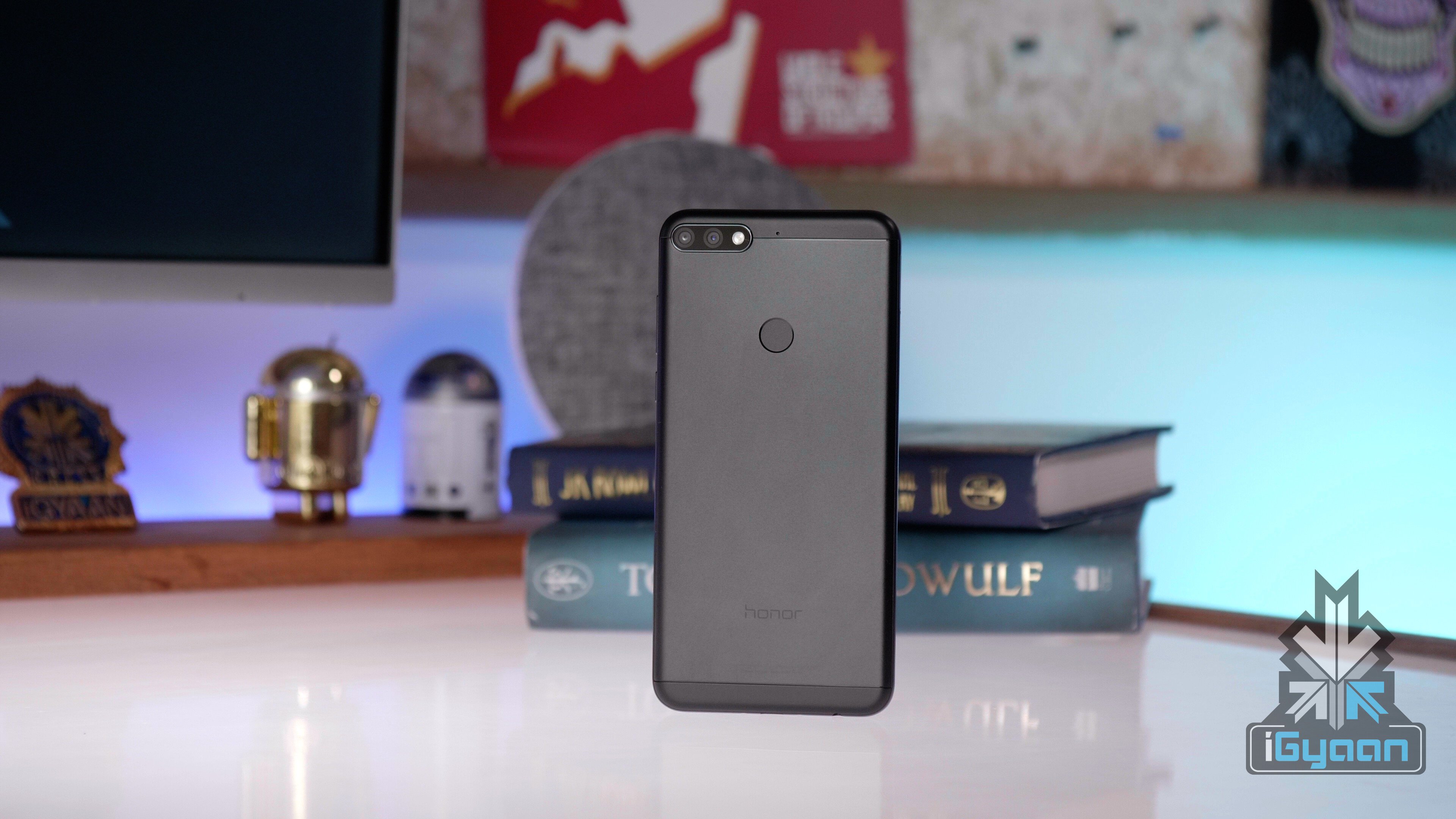
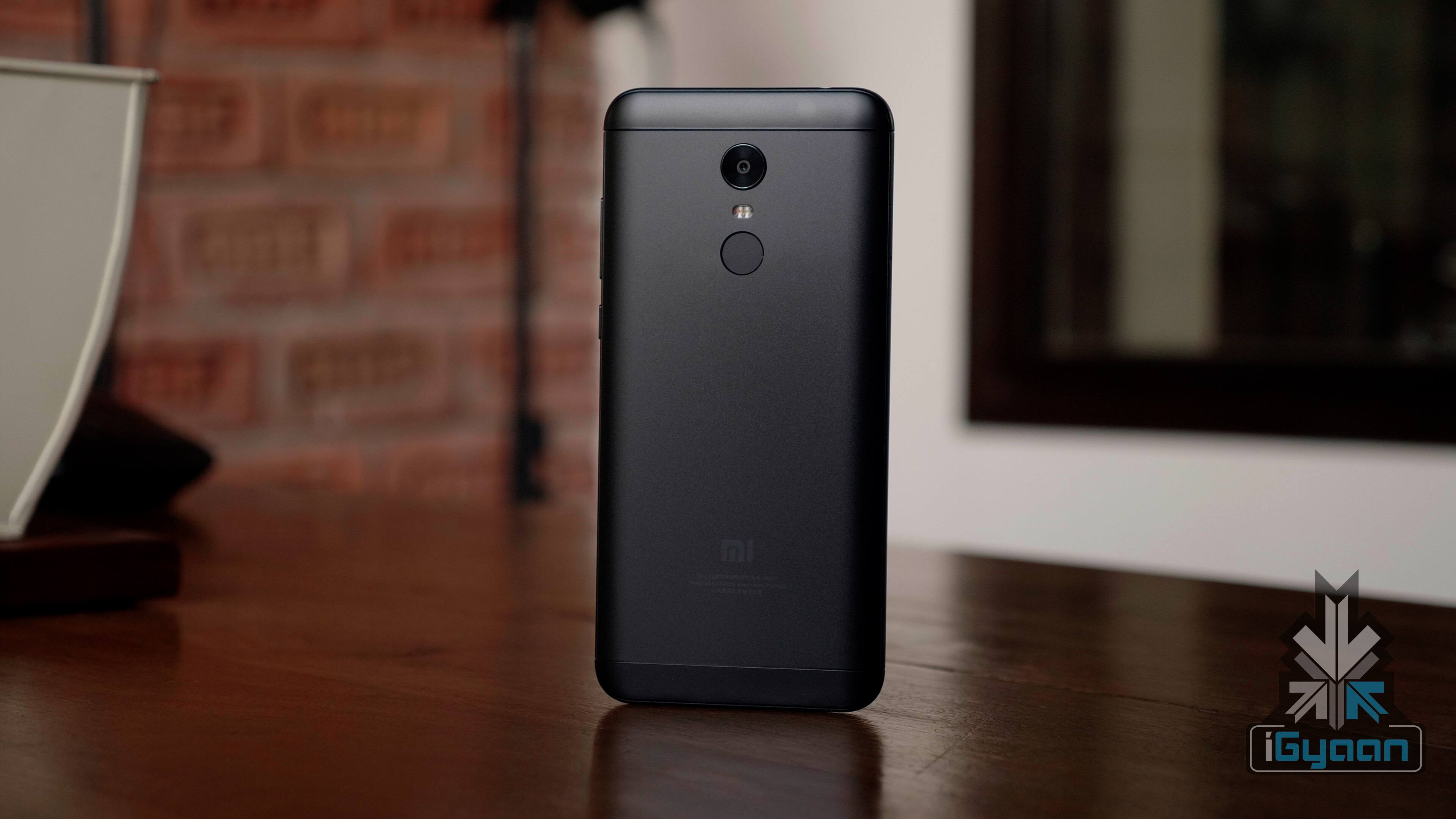
    The Honor 7C has an aluminium unibody build. The Redmi Note 5, on the other hand, has a plastic back which makes it feel much cheaper than the Honor 7C. Both the smartphones have an 18:9 aspect ratio. The Xiaomi Redmi Note 5 has a 5.99 inch IPS LCD display with a 2160 x 1080 px resolution. The Honor 7C, on the other hand, has a 5.99 inch IPS LCD display with a 1440 x 720 px resolution. The Redmi Note 5 has a 77.4% screen-to-body ratio while the Honor 7C has a 76.3% screen-to-body ratio.

    When the Xiaomi Redmi Note 5 and Note 5 Pro were launched, many people wanted the Note 5 Pro to be the Note 5. One of the main reasons for that was the cameras. The Redmi Note 5, just like the Redmi Note 4, has a single camera on the back. The Honor 7C, on the other hand, has a dual-camera setup on the back at the same price.

    The Honor 7C has a 13MP primary sensor which is coupled with a 2MP depth sensor. The primary sensor has an f/2.2 aperture. The presence of a depth sensor means that the Honor 7C can take portrait and bokeh shots. The Redmi Note 5 has a 12MP single sensor on the back with an f/2.2 aperture. The Xiaomi Redmi Note 5 records 4K videos at 30fps while the Honor 7C records 1080P videos at 30fps. On the front, the Honor 7C houses an 8MP camera with an f/2.0 aperture while the Redmi Note 5 has a 5MP sensor.

    Redmi Note 5

    Out of the box, the Honor 7C runs on Android 8 Oreo with EMUI 8.0 on top. The Redmi Note 5 runs Android 7.1 Nougat out of the box and with MIUI 9 on top. There is no specific timeline for when the Redmi Note 5 will be updated to Android 8 Oreo. It is, however, scheduled to be updated to MIUI 10 in the near future.

    Under the hood, the Honor 7C runs on the Snapdragon 450 octa-core chipset with 3GB/4GB RAM and 32/64GB storage. The storage is expandable using a micro SD card up to 256GB. The Redmi Note 5, on the other hand, runs on the Snapdragon 625 SoC, the same chipset found on the Redmi Note 4.

    The Honor 7C offers a dual-camera setup, a dedicated microSD card slot and a better build quality when compared to the Redmi Note 5. How do the two smartphones stack up when their specifications are compared? Let’s find out!

    Specs
    Specifications Honor 7C Redmi Note 5
    Price Rs 9999 (3GB RAM) Rs 9999 (3GB RAM)
    Display 5.99 inch
    IPS LCD
    5.99 inch
    IPS LCD
    Resolution 1440 x 720 px
    18:9 aspect ratio
    2160 x 1080 px
    18:9 aspect ratio
    Primary Camera 13MP f/2.2 RBG sensor
    2MP depth sensor
    12MP f/2.2
    Primary Camera Video 1080P @ 30fps 4K @ 30fps
    Secondary Camera 8MP
    f/2.0
    5MP
    f/2.0
    Chipset Snapdragon 450 Snapdragon 625
    Processor Octa-core
    1.8 GHz Cortex-A53
    Octa-core
    2.0 GHz Cortex-A53
    RAM 3GB 3GB
    Storage 32GB
    Dedicated microSD card slot
    32GB
    Hybrid microSD card slot
    Battery 3000 mAh 4000 mAh
    Add-Ons Fingerprint sensor
    Face Unlock
    Fingerprint sensor
    Face Unlock
  • New Facebook Patent Reveals Tech That Will Turn On Your Smartphone Microphone

    New Facebook Patent Reveals Tech That Will Turn On Your Smartphone Microphone

    Facebook, over the past few months, has been in muddy waters when it comes to user data privacy. Ever since the Cambridge Analytica controversy broke out, Facebook has been in the middle of a heated debate surrounding the internet and how brands use data of users. Since then, Facebook has come out and defended its stance while claiming that it doesn’t spy on its users. While that might be true for now, the future might be different.

    A new patent owned by Facebook has been discovered by Metro. The patent essentially details technology that triggers the microphone of a smartphone to start recording ambient audio. Some form of data based on that recording is then sent back to the company. This sure sounds creepy and straight out of a Black Mirror episode.

    The notion of Facebook spying on its users is not new. There have been theories doing rounds on the internet that claim Facebook already records ambient audio. Many people claim that they have deleted the Facebook and Messenger apps from their smartphones after coming across targeted ads for products they had recently discussed on calls. With this patent, Facebook is just proving these theories right.

    Must Read: Baba Ramdev’s Kimbho Messaging App Disappears From Google Play Store Within 24 Hours Of Its Launch

    The patent application was published on 14th June and details how Facebook plans on remotely triggering the microphone of smartphones. According to the patent, Facebook would embed high-pitched audio signals in “broadcast content” that would be inaudible to humans. While the human ears won’t be able to discern it, a client device as a smartphone would be able to hear it. This signal would essentially instruct the phone to start recording ambient audio and send “ambient audio fingerprint” back to Facebook for analysis.

    While this patent sounds a lot like something Facebook, especially after recent events, the company doesn’t intend on ever implying it. In fact, Facebook applied for this patent to protect users from other companies. At least that is what Facebook VP and Deputy General Counsel Allen Lo told Mashable:

    It is common practice to file patents to prevent aggression from other companies. Because of this, patents tend to focus on future-looking technology that is often speculative in nature and could be commercialized by other companies.

    Surely, Facebook would never use methods to gain insights into its users’ habits to earn money from advertisers.

  • Samsung Galaxy Note9 To Launch On August 9th

    Samsung Galaxy Note9 To Launch On August 9th

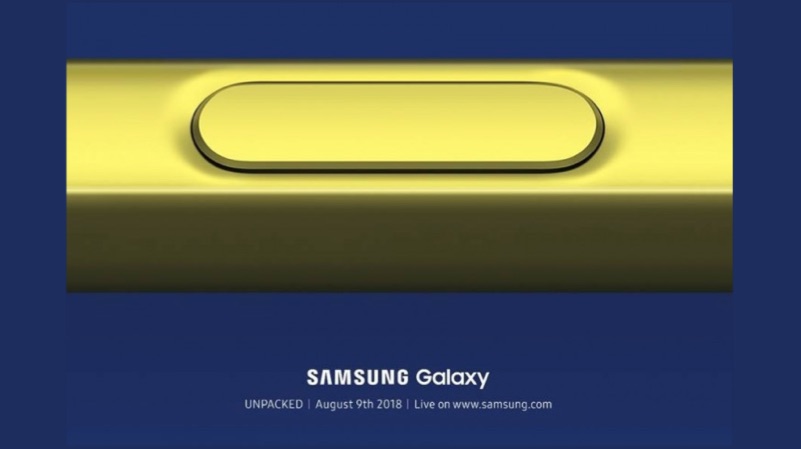
    On August 9th, Samsung will fittingly unveil the Galaxy Note9. The company has confirmed that the next ‘Galaxy Note’ smartphone will launch in New York and will be streamed worldwide via Samsung.com. The invite has an image of the S Pen button which hints at improved S Pen functionalities to be the star of the show.

    The invite image also led many people to believe that the Samsung Galaxy Note9 could launch in this yellow-ish gold colour. However, this seems unlikely, although the company recently launched a Sunrise Gold variant of the Galaxy S9 and S9+. It seems unlikely that Samsung would opt for such a colour for its flagship smartphone.

    In terms of specifications of the Galaxy Note9, leaks so far hint at a bare-minimum upgrade over its predecessor. The display would remain the same as the previous gen. It would have a 6.3 inch Super AMOLED display with 2960 x 1440 px resolution. This translates into an 18.5:9 aspect ratio.

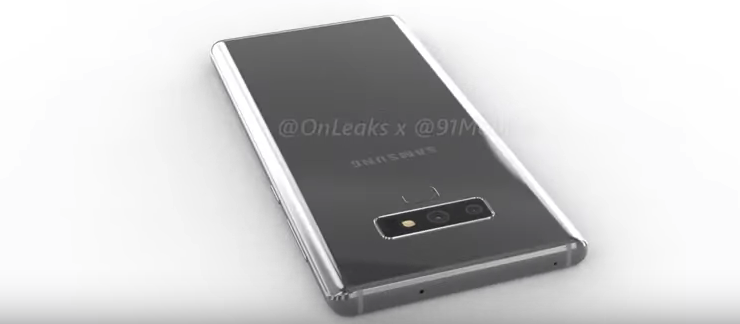
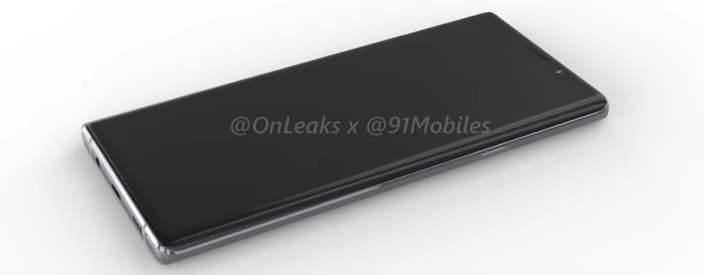
    Must Read: Samsung Galaxy Note9 Renders Reveal Rear-Facing Fingerprint Sensor And Thin Bezels

    Under the hood, the smartphone will run on the Qualcomm Snapdragon 845 chipset for the US and South Korea markets. For the rest of the markets, the smartphone will run on the Exynos 9810 chipset which is a Samsung SoC. The respective chipset will be coupled with 6GB of RAM along with either 64GB/128GB/256GB storage which will be expandable via microSD card.

    Powering the smartphone will be a 3300 mAh battery with QuickCharge 4.0 support. Out of the box, the device will run Android 8.1 Oreo with Samsung’s Experience 9.0 on top.

    The Galaxy Note8 was the first Samsung smartphone to be sport a dual-camera setup. This time around as well, the Galaxy Note9 will have a 12MP wide-angle camera along with a 12MP telephoto lens which will record 4K videos at 60fps. The Galaxy Note9 will also record 720P videos at 960 fps, just like the Galaxy S9 devices.

    Must Read: Samsung Galaxy Note9 To Launch In An 8GB RAM/512GB Storage Variant

    While the specifications might not be very exciting, the Galaxy Note series has a loyal fanbase. With improved S Pen functionalities, the smartphone will have a lot of suitors.

  • Nokia A1 Plus With In-Display Fingerprint Sensor, Snapdragon 845 To Launch At IFA 2018

    Nokia A1 Plus With In-Display Fingerprint Sensor, Snapdragon 845 To Launch At IFA 2018

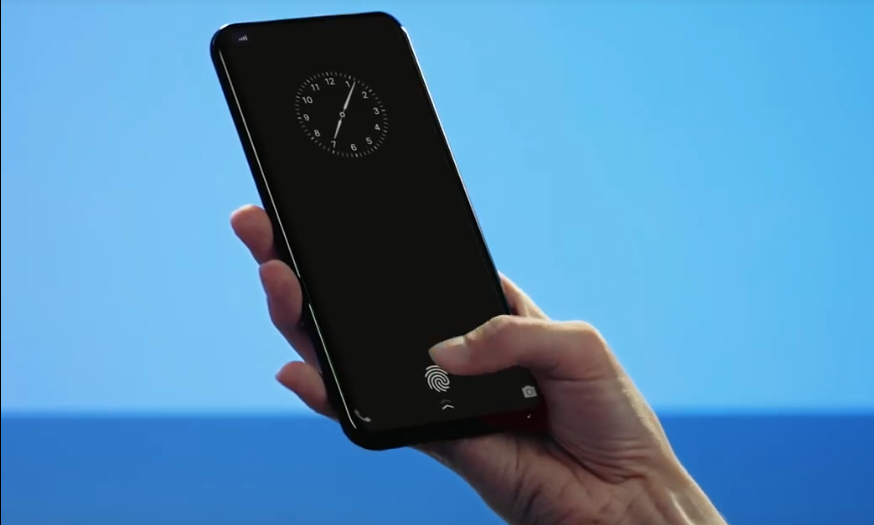
    Commencing on the 31st of August, the IFA Berlin conference is expected to see the launch of a few exciting smartphones. One such smartphone could be the Nokia A1 Plus. A report claims that HMD Global is gearing up to launch its first-ever smartphone with an in-display fingerprint sensor at IFA Berlin this year.

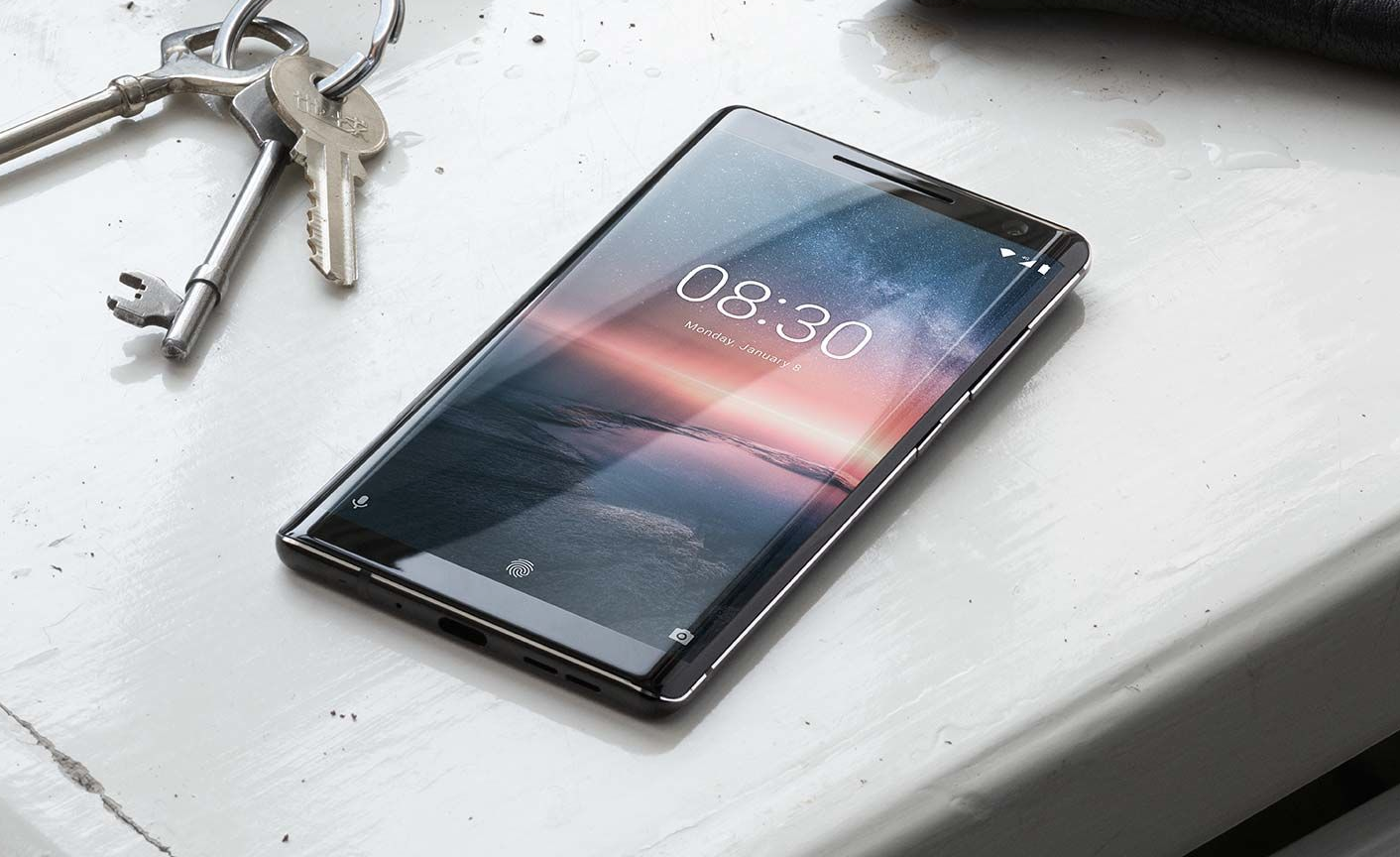
    The flagship smartphone will run on the latest high-end chipset, the Snapdragon 845. It is worth noting that a Snapdragon 845-running Nokia device, the Nokia 9, has been heavily leaked over the past few months. There are chances that the Nokia A1 Plus could be nothing but a rebranded Nokia 9, which will serve as a successor to the Nokia 8 Sirocco. The Nokia 8 Sirocco was launched at MWC 2018 which runs on the Snapdragon 835 chipset.

    Nokia 8 Sirocco

    HMD Global will use the same in-display fingerprint sensor found on the Vivo X21 Plus UD. The fingerprint sensor was developed by Synaptics and goes by the moniker ‘Clear ID’. The in-display fingerprint sensor sits between the mainboard and the OLED panel where it illuminates the finger and then processes the beams of light. Hence, this technology will not work on LCD panels as the sensor looks through the dots of an OLED panel, and then recognises the fingerprint.

    Reportedly, HMD Global is working with its manufacturing partner Foxconn to release the smartphone in the European market.

    The moniker of the smartphone is also interesting. HMD Global has so far stuck to using numbers for its Android smartphone lineup. The ‘A1 Plus’ here could signify a software difference between this smartphone and other Nokia-branded Android smartphones. The Nokia A1 Plus could be an Android One device. It is, however, worth noting that so far, Nokia smartphones have shipped with near stock Android OS. With Android One, the A1 Plus will receive faster software updates.

    While the Nokia A1 Plus seems like an exciting prospect, these are still rumours. With the IFA 2018 conference more than a month away, we are expected to get official announcements from brands in the coming days.

  • iRobot Roomba 966 Smart Vacuum Cleaner First Look

    iRobot Roomba 966 Smart Vacuum Cleaner First Look

    The world of technology is constantly evolving. We have smartphones that have replaced computers and Elon Musk recently launched a Roadster into space. Fair to say that we live in a time where we’re lucky enough to have our chores made easier thanks to technology. Cleaning your house or personal workspace is tasking, and with so much going on, not many people have the time to constantly clean their houses. That’s where the iRobot Roomba 966 Smart Vacuum Cleaner comes into play. This robotic vacuum cleaner sets about to clean pretty much everything in its way and it looks pretty futuristic while doing it.

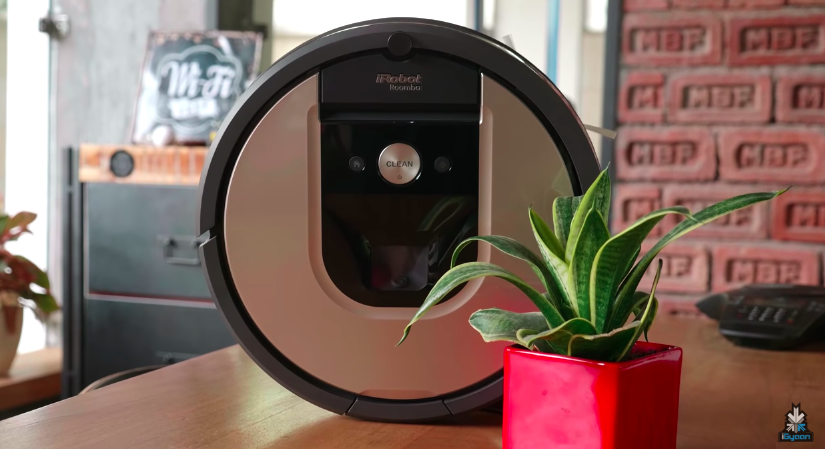
    When you first look at it, the iRobot Roomba 966 looks like a giant saucer. And like every modern smart gadget, it has an accompanying app. The previous gen Roomba’s had a remote to control the direction of the vacuum cleaner and now, it is done via an app. The app s available for Android and iOS devices and is free to download. The Roomba 966 works exactly like a regular vacuum cleaner, except users don’t have to physically get up and move as the Roomba 966 does that all by itself.

    It has sensors underneath to recognise its surroundings and move around the room. These sensors help the Roomba to navigate the room and not constantly bump into sofa legs or tables. If you’re cleaning a floor near the stairs, these sensors make sure that the vacuum cleaner doesn’t fall off the stairs. There is also a sensor on top of the 966 which looks like a camera. It essentially measures tall obstacles and figures out whether there is enough space at the bottom for it to enter and clean. This comes in handy in living rooms where there are plenty of sofas and the floor underneath them has to be cleaned. The virtual wall acts as a boundary for the Roomba 966. If you don’t want the Roomba 966 to move out of a particular room, simply place this virtual wall at the door and the vacuum cleaner won’t cross it.

    The Roomba 966 also intelligently finds its charging dock for charging. Once the room is clean, the iRobot Roomba 966 will automatically go back to its dock and start charging. It looks very futuristic. In India, it is priced at Rs 54900 and is available via iRobot’s official website.

    You can buy the iRobot Roomba 966 Vacuum Cleaner here

iGyaan Network
Privacy Overview

This website uses cookies so that we can provide you with the best user experience possible. Cookie information is stored in your browser and performs functions such as recognising you when you return to our website and helping our team to understand which sections of the website you find most interesting and useful.