Author: Vipul Vij

  • YouTube To Launch Music Subscription Service In 2018

    YouTube To Launch Music Subscription Service In 2018

    YouTube is planning to launch a music streaming service in March next year.

    Record label Warner Music Group has already signed up while Sony Music Entertainment, Universal Music Group, and Merlin, a consortium of independent labels, are in talks with YouTube as well. According to the report, the service is internally called Remix as of now and it will be interesting if that turns out to be the official name as well.

    YouTube hired former Warner Music executive Lyor Cohen last year to help oversee its music operations and serve as a liaison to the record business. Google folded much of the staff for Google Play Music into YouTube earlier this year, and Cohen announced plans to create a new paid service.

    The new service could help appease record-industry executives who have pushed for more revenue from YouTube. Warner Music Group, one of the world’s three major record labels, has already signed on, said the people, who asked not to be identified discussing private talks.

    The new service would include Spotify-like on-demand streaming and would incorporate elements from YouTube, such as video clips. YouTube has also reached out to artists to seek their help in promoting the new service.

  • LG Signature Is A US $1800 Smartphone

    LG Signature Is A US $1800 Smartphone

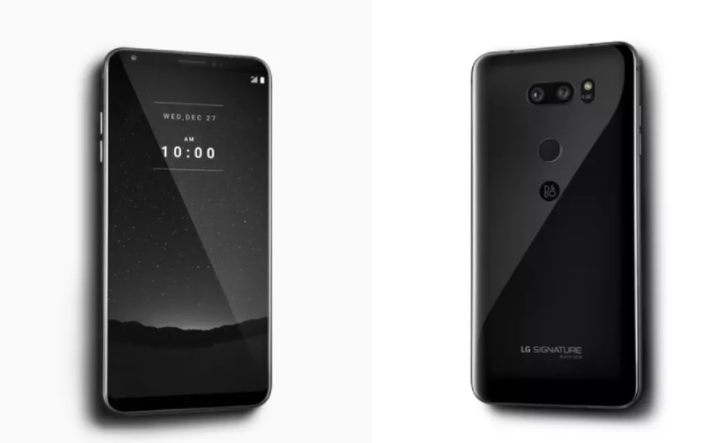
    If you are someone who believed in luxury over practicality, then the new LG Signature might be right up your alley. To only be sold in South Korea most will consider this a limited edition smartphone.

    The LG Signature Edition has a shell made of Zirconium Ceramic, which the company claims won’t scratch over time. Only 300 of the LG Signature will be made and cost about 2 million won (US $1800 approx.) which is almost double the price of the 64GB variant of the iPhone X.

    Barring the Zirconium Ceramic, what you’re paying for is the LG V30, LG’s new flagship which was unveiled back in August. Interestingly, the LG V30+ is scheduled to be launched in India on the 13th of December. Apart from the premium material used to make the LG Signature, there is no other difference between this and the LG V30. However, while the LG V30 ships with a pair of wired B&O earphones, the LG Signature will ship with a pair of wireless and wired B&O earphones. The LG V30 retails for US $799 which means you basically pay a thousand dollars more for a premium material and a pair of B&O wireless earphones.

    To learn more about the specifications of the LG V30, you can read the entire story here.

  • Huawei Nova 2s Launched

    Huawei Nova 2s Launched

    Huawei has launched the new Huawei Nova 2s at an event in China. The Huawei Nova 2s will be available in two variants, 4GB RAM variant at CNY 2,699 (roughly Rs. 26,300) and 6GB RAM variant at CNY 2,999 (Rs. 29,300). Huawei has also released a special edition ‘Yixing Zhang’ variant of the phone priced at CNY 3,399 (roughly Rs. 33,100).

    The Huawei Nova 2s has a 6-inch display with a 2160 x 1080 px display which translates to an 18:9 aspect ratio and a 402ppi.

    Under the hood, the Huawei Nova 2s has the HiSilicon Kirin 960 chipset, Mali-G71 MP8 GPU, 4GB or 6GB of RAM, and 128GB of onboard storage which will be expandable via microSD card. Despite the thin bezels, there is a front-facing home button which also houses a fingerprint sensor, similar to the Honor V10 which was launched on the 5th of December.

    Powering the device is a 3340 mAh battery which charges via a USB Type C port.

    The Huawei Nova 2s runs Android 8.0 Oreo with Huawei’s custom EMUI 8.0 on top.

    The Huawei Nova 2s has a dual camera setup at the back with a 16MP RGB sensor with an f/1.8 aperture and a 20MP monochrome sensor with a 120-degree wide-angle lens and an f/1.8 aperture. On the front, the Nova 2s had a wide-angle 20MP lens and a 2MP camera for portrait selfies.

    You may also like: Honor Launches The Honor View10 At A Price Of 499 Euros

    Huawei’s sub-brand Honor launched two new phones on the 5th of December, the Honor 7X and Honor View10. While the Honor 7X went on sale in India today, the View10 will go on sale in India in January of 2018. Both the phones offer an 18:9 aspect ratio display with thin bezels and dual camera setup at the back.

    You may also like: Honor 7X Launched In India At A Price Of Rs. 12999

    There is no word on the device’s availability in other markets such as India.

  • Some iPhone Variants In 2018 To Miss Out On Wireless Charging

    Some iPhone Variants In 2018 To Miss Out On Wireless Charging

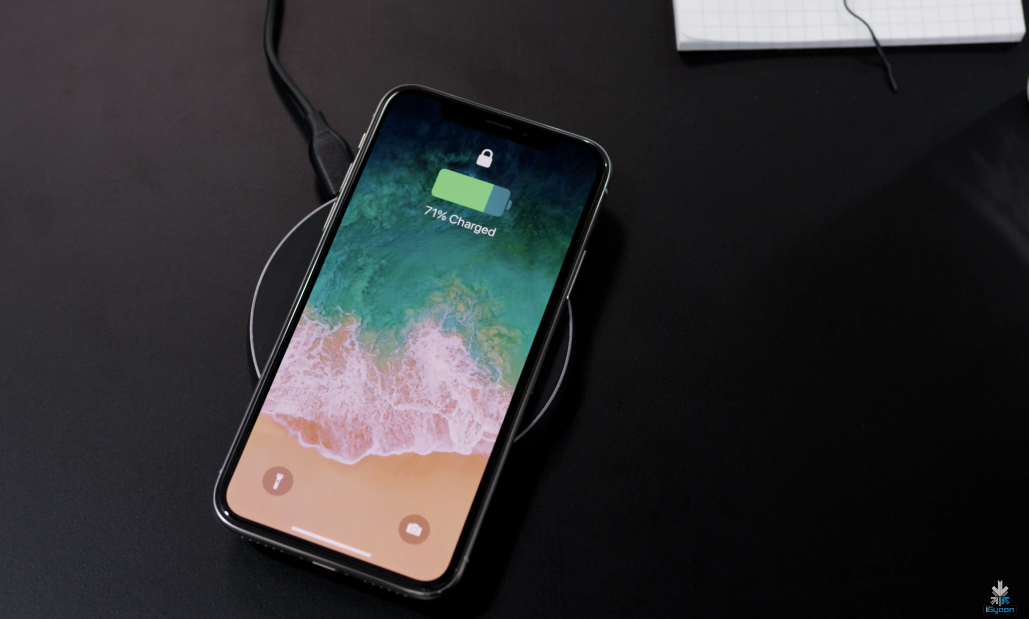
    In November, Ming-Chi Kuo of KGI Securities indicated that Apple would unveil a new 6.1-inch iPhone next year with the iPhone X design, but a traditional LCD display instead of OLED. A new report from Nikkei claims that the LCD iPhone will feature a metal back similar to the iPhone 7 and iPhone 7 Plus.

    The 6.1-inch LCD model will likely sport a metal back [like older iPhone handsets] that will come in several colors, and that the two OLED handsets will come in two sizes: one either 6.2 or 6.3 inches long, and the other 5.8 inches.

    A move back to a metal body will mean that the new iPhone might be available in a few more colour options than the iPhone 8 or iPhone X. It’s believed that it’s harder for Apple to produce additional colour options in the glass back design, hence why this year’s phones are available in fewer colour variants than last year’s.

    The iPhone 7 came in five different colour options-Rose Gold, Gold, Silver, Jet Black, and Matte Black. Meanwhile, the iPhone X only comes in Silver or Space Gray and the iPhone 8 in Silver, Space Gray, and Gold.

    It has barely been over 2 months since the iPhone 8 and iPhone X were launched and we already have multiple reports of what the iPhones launching in September of 2018 will look like. It is too early to call anything as of now but, we will keep you posted on all new developments.

  • OnePlus And Project Treble Explained

    OnePlus And Project Treble Explained

    Android phones apart from Pixel and Nexus devices have been known to receive slow software updates over the years. OnePlus recently conceded that its devices do not support Project Treble. Here is the reason:

    Partitions were not required for Android N and previous versions of Android, all of our current devices do not feature a partition. According to our tests, if we were to modify the partition layout via OTA there is a risk that devices will brick during the partitioning.

    The reason appears to be valid as the company decided to weigh the pros and cons of this major change and then decided against it. Even without Project Treble, OnePlus believes that it can still quickly and efficiently release Android updates. The good news for some, however, is that most, if not all, OnePlus devices in 2018 should support Project Treble by shipping with Android Oreo and the new partition scheme.

    Project Treble is Google’s effort at reducing the time it takes for OEMs to receive the new OS and optimise it for its devices and then push out the update. A few months ago, Android received a new Vendor Interface, which is largely what Project Treble is about. The VI’s aim is to separate the “Vendor Implementation” (that is, “the device-specific, lower-level software written in large part by the silicon manufacturers”), from the Android OS framework.

    The new VI is supposed to sit between the Android OS framework and Vendor Implementation. And the new VI will be validated by a Vendor Test Suite (VTS), which is analogous to the Compatibility Test Suite (CTS) that Google has been using for API testing of apps. The VTS ensures forward-compatibility of the VI.

    What all of this means is that if a phone supports Project treble, it is more likely to receive fast software updates as compared to other smartphones that don’t.

  • Samsung Galaxy S9 Will Not Launch At CES 2018

    Samsung Galaxy S9 Will Not Launch At CES 2018

    Samsung Galaxy S9 and S9+ have long been rumoured to be unveiled at CES 2018 in late-January of 2018. All these rumours might amount to nothing as Samsung has said that unveiling the new flagship phones at CES seems ‘unlikely’. This also means that instead of the Galaxy S9 and S9+, the South Korean tech giant might unveil its foldable Galaxy X at CES.

    That leaves two separate occasions for the Galaxy S9 and S9+ might be unveiled. It could either be in February during the Mobile World Congress (like the Galaxy S5, S6, and S7) or at a dedicated event in March, like the Galaxy S8 and S8+.

    There have been multiple reports chronicling the specifications and new features of the Galaxy S9 and Galaxy S9 Plus.

    The display size of both the phones will be identical to their 2017 counterparts with the Galaxy S9 sporting a 5.8-inch Super AMOLED display while the Galaxy S9+ will have a 6.2-inch display. The bezels will be thinner than the previous generation devices with the infamous curved edges and “Infinity Display.” It is also reported that the Galaxy S9 series will have a 90% screen-to-body ratio.

    Unlike 2017, where there were barely any differentiating factors between the Galaxy S8 and Galaxy S8+, Samsung is planning something different for 2018. It appears that the Galaxy S9 will have a single camera at the back while the Galaxy S9+ will have a dual camera setup at the back.

    Samsung is developing a new software to make facial recognition on the Galaxy S9 faster than the Galaxy S8. However, Samsung is planning to introduce a host of software tweaks to reduce the delay in recognising the face and scanning the iris of users. Contrary to popular belief and some reports, the Galaxy S9 and S9+ will not have a screen-embedded fingerprint sensor.

    Recently, the Snapdragon 845 chipset was unveiled and the Galaxy S9 series will be the first of the many smartphones which will be powered by the new flagship chipset.

    As far as pricing is concerned, it won’t be a surprise if the Galaxy S9+ surpasses the Galaxy Note8 price and touch the thousand dollar mark, similar to the iPhone X. The Samsung Galaxy S9 is expected to be priced similarly to the Galaxy S8+.

  • Xiaomi Redmi 5 And Redmi 5 Plus Launched

    Xiaomi Redmi 5 And Redmi 5 Plus Launched

    Xiaomi has launched two new budget-oriented smartphones Redmi 5 and Redmi 5 Plus at an event in China today.

    The Redmi 5 is priced at CNY 799 (Rs 7,800 approx) for the 2GB RAM/16GB storage variant and CNY 899 (Rs 8,800 approx.) for the 3GBRAM/ 32GB storage variant and will be available in Black, Blue, Gold and Rose Gold colours. The Redmi 5 Plus is priced starting at CNY 999 (Rs. 9,800 approx.) for the 3GB RAM/32GB storage variant and CNY 1299 (Rs. 12,700 approx.) for the 4GB RAM/64GB storage option and will be available in the same colours as the Redmi 5.

    Both the devices run Android 7.0 Nougat with Xiaomi’s custom MIUI 9 on top.

    Xiaomi Redmi 5
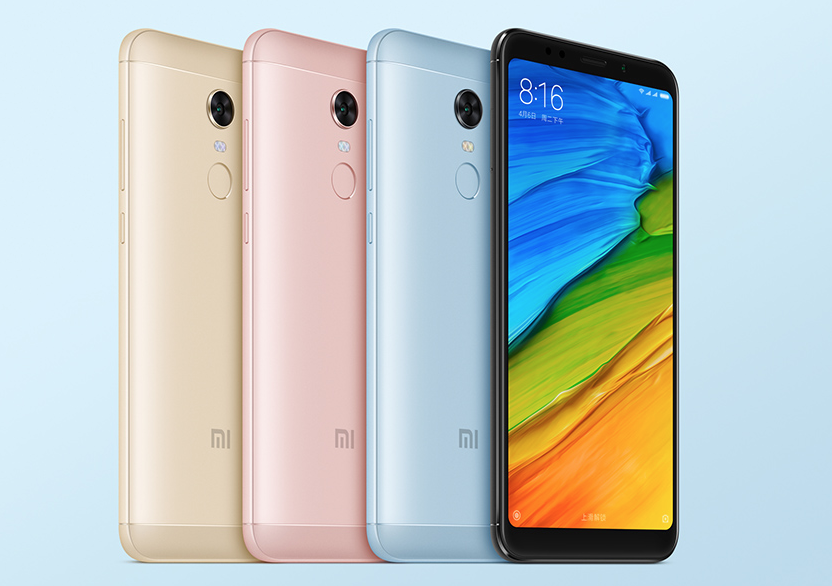
    The Xiaomi Redmi 5 has a 5.7-inch 1440 x 720 px display with an 18:9 aspect ratio.

    Under the hood, the Redmi 5 has the Qualcomm Snapdragon 450 chipset, a 1.8GHz octa-core processor, Adreno 506 GPU, 2GB or 3GB of RAM, 16GB or 32GB of onboard storage which will be expandable via microSD card. There is a fingerprint sensor placed at the back of the phone just below the camera.

    Powering the device is a 3300 mAh battery which, Xioami claims has a standby time of up to 12 days. The battery is charged via a micro USB slot which means no fast charging. There is a 3.5mm headphone jack placed next to the charging port as well.

    The Redmi 5 has a 12MP camera at the back with 1.25-micron pixel size. The camera records 1080P videos at 30fps. To the front of the device is a 5MP camera with Beautify 3.0, which is Xiaomi’s software for enhanced selfies.

    Xiaomi Redmi 5 Plus
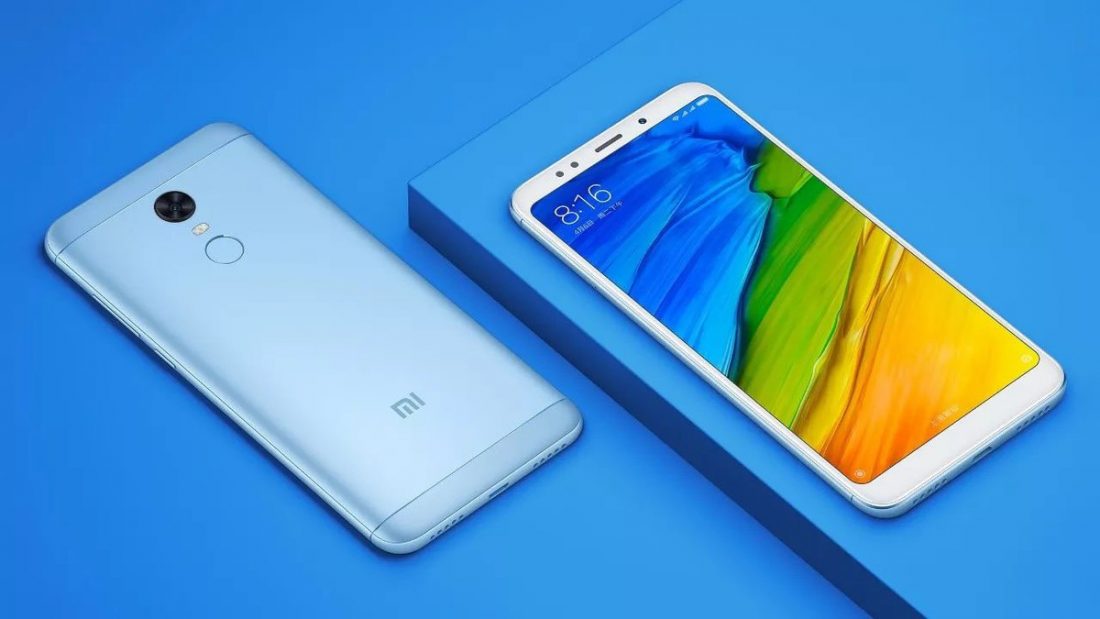
    The bigger sibling of the two is the Redmi 5 Plus. It has a 5.99-inch display with a 2160 x 1080px resolution which again, translated to an 18:9 aspect ratio. Similar to the Redmi 5, its display also has rounded corners.

    Under the hood, the Redmi 5 Plus has the Qualcomm Snapdragon 625 chipset, 2.0GHz octa-core processor, Adreno 506 GPU, 3GB or 4GB of RAM, and 32GB or 64GB of onboard storage which will be expandable via microSD card. The fingerprint sensor sits at the back of the device which has become a Redmi signature irrespective of thin or thick bezels.

    The Redmi 5 Plus is powered by a massive 4000 mAh battery which, according to Xiaomi, has a standby time of up to 17 days. The device has a micro USB port for charging and data syncing along with a 3.5mm headphone jack.

    Just like the Redmi 5, the Redmi 5 Plus has a 12MP primary camera and a 5MP secondary camera with beautify 3.0 software.

    There is no word on the availability in the global market. But, considering the popularity of the Redmi series in India, it won’t be a stretch to assume that at least one of the devices will be launched in India sooner rather than later.

  • MediaTek And Qualcomm Announce Support For Android Go Oreo Edition

    MediaTek And Qualcomm Announce Support For Android Go Oreo Edition

    Google recently announced the Android Go Oreo edition. A new variant of Android 8.1 Oreo OS optimised for smartphones with 1GB of RAM or less. Two of the most prominent chipmakers in the smartphone industry, MediaTek and Qualcomm have now voiced their support for Android Go.

    MediaTek, in a statement, said that it will be an SoC partner for bringing Android Go Oreo edition to smartphone makers and will offer support on Android devices with 512MB to 1GB of RAM.

    MediaTek Inc. today announced that it is a System-on-Chip (SoC) partner for providing Google’s Android™ Oreo (Go edition) software to smartphone makers, and after a deep collaboration with Google, MediaTek’s MT6739, MT6737, and MT6580 SoCs, among others, now have board support packages available to run Android Oreo (Go edition).

    Qualcomm has also announced that it will be working closely with Google to offer an optimised experience on smartphones with a memory of 1GB or less.

    We are excited to implement Android Oreo (Go edition) within the Qualcomm Snapdragon mobile platform family as it will enable consumers around the world to experience a more robust operating system for lower cost smartphones.

    This allows greater consumer flexibility as mobile users in emerging regions such as India, Southeast Asia and Africa gain access to a wider variety of Android smartphones with a more modern operating system.

    Google has claimed that Android Go’s Oreo edition will be a variant of Android Oreo that a manufacturer can just set by ticking off a configuration flag. What this basically does is that it sets up the phone to use the “Go” versions of a handful of Google apps such as the main Google app, Google Assistant, Google Maps, Gmail, and others. Google claims that the smaller apps and slimmer OS can as much as halve the amount of storage that’s taken up by default on a new phone running default OS.

    India is expected to be one of the first few countries to get Android Go Oreo edition thanks to its large budget smartphone segment.


  • Snapdragon 845: Everything You Need To Know

    Snapdragon 845: Everything You Need To Know

    A majority of Android phones are powered by the chipsets made by Qualcomm. From phones priced at Rs 6999 running Snapdragon 212 to the Galaxy Note8 priced at Rs 67900 powered by the Snapdragon 835, smartphones in all price range run on a Qualcomm chipset, with some exceptions running MediaTek chipsets.

    For 2018, the flagship phones will be powered by the new chip from Qualcomm, the Snapdragon 845 which was announced two days ago during the Qualcomm Tech Summit.

    The Snapdragon 845 has the new Kryo 385 CPU architecture and an upgraded Adreno 630 GPU. The chip is built on Samsung’s 10nm LPP FinFET, its second generation 10nm node that offers “10-percent higher performance or 15-percent lower power consumption compared to its first generation”.  Similar to the previous generation, the Kryo 385 is built on Arm Cortex technology. Qualcomm claims that thanks to its customised off-the-shelf design from Arm, the chip promises up to a 25% performance upgrade compared with the last generation Snapdragon 835. The four performance cores clock up to 2.8 GHz and are paired with four energy efficient cores that can reach up to 1.7 GHz.

    A lot of experts claim that what bezel-less design was to 2017 smartphones, AI and machine learning will be to 2018 smartphones. With Apple and Huawei already claiming a stake in the AI space with their new chipsets, a lot will be expected from the Snapdragon 845. In terms of performance, the Snapdragon 845 gets a 3X upgrade in AI tasks over the Snapdragon 835. This comes down to upgraded CPU and GPU performance but, the Snapdragon 845 also includes a third generation Vector DSP with HVX, called the Hexagon 685, which is optimised for AI and imaging workloads.

    Specifications Snapdragon 845 Snapdragon 835
    CPU Core Semi-custom ARM Cortex – Kryo 385 Semi-custom ARM Cortex – Kryo 280
    CPU Configuration 4x 2.8GHz (Cortex-A75)
    4x 1.7GHz (Cortex-A55)
    4x 2.45GHz (Cortex-A73)
    4x 1.9GHz (Cortex-A53)
    GPU Adreno 630 Adreno 540
    Manufacturing Process 10nm LPP FinFET 10nm LPE FinFET
    DSP Hexagon 685 with HVX Hexagon 682 with HVX

    For multimedia, Qualcomm’s latest Spectra image signal processor has been rebuilt from scratch. The new Spectra 280 ISP introduces new video capture options, such as 720P at 480fps, 60 fps video recording at up to 16MP of resolution, and the ability to capture 64x more high-dynamic range colour information than before.

    Qualcomm has also introduced a new security feature. It has added Security Processing Unit (SPU), a hardware isolated security subsystem inside the Snapdragon 845. This dedicated chip acts as a storage unit for any saved biometric information, such as fingerprint, face, or iris scans, and builds on Qualcomm’s existing security software.

    The Samsung Galaxy S9 and S9+ are expected to be the first of the many phones which will be powered by the Qualcomm Snapdragon 845 chipset. Xiaomi also announced that its new flagship, presumably Xiaomi Mi 7 will have the Qualcomm Snapdragon 845 chipset as well.

  • Next Huawei Phone Might Have A Triple-Lens 40MP Camera

    New leaks on Twitter suggest that Huawei is working on a new smartphone which will pack a triple-lens 40MP Leica-branded camera. Several ads for a “Huawei PCE Series” phone were spotted online by mobile tipster Evan Blass.

    https://twitter.com/evleaks/status/938234050917134336

    Apparently, the source of the ads is a creative agency that works with Huawei. However, the ads have not been officially published and the agency already removed them from its portfolio.

    The leaked advertisements reveal the specifications of what might be one of the most impressive and power packed smartphone cameras. The upcoming smartphone, according to the ad will have a triple lens rear-facing 40MP camera, 5X hybrid zooming (which uses a digital and optical zoom for better capturing far away objects) and a 24MP front-facing camera. The camera will also be co-engineered by Leica, the same company that co-engineered the cameras for the Huawei P10 and Huawei Mate 10.

    Blass claims that the phone in question here is the follow up to the Huawei P10, tentatively named Huawei P11. 2016 is the year that saw a rise in dual-camera setups on smartphones, and 2018 might see the first ever smartphone with a triple-lens if the leaks are true for the Huawei P11.

  • LG V30+ To Be Launched In India On December 13th

    LG V30+ To Be Launched In India On December 13th

    LG’s second flagship of the year, the LG V30+ will be launched in India on the 13th of December. There is no word on the price of the phone yet.

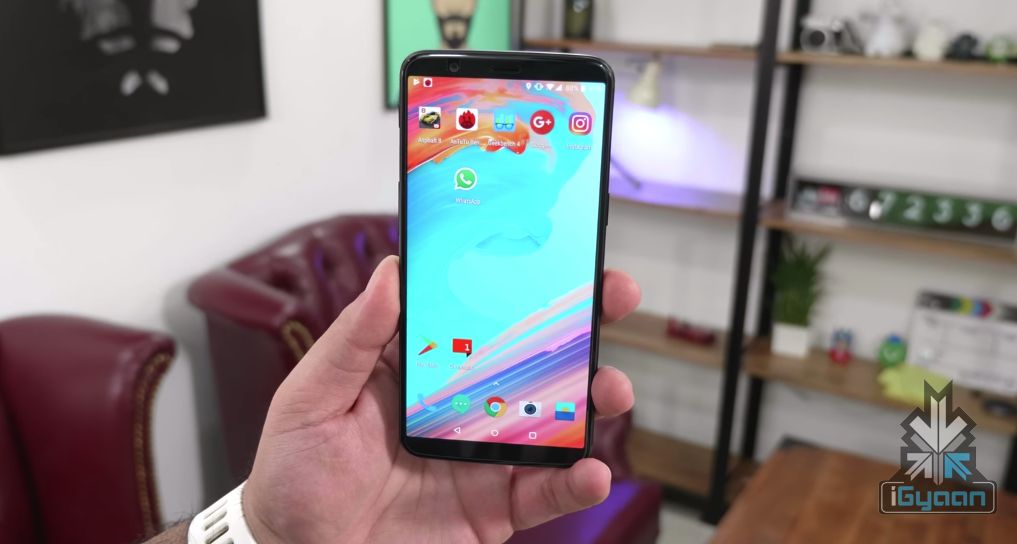
    The LG V30 has a 6 inch 2880 x 1440 px OLED FullVision display with an 18:9 aspect ratio. LG’s nearly edge-to-edge OLED display has HDR 10 format for a high level of colour contrast and the smartphone will be Daydream compatible.

    A big omission from the V30 is the secondary display, which was a signature in the previous V series devices. Instead, LG has introduced a Floating Bar which displays shortcuts and can be disabled when not required.

    The LG V30 has the Qualcomm Snapdragon 835 chipset, a 2.4GHz octa-core processor, 4 GB RAM and 128GB onboard storage with up to 2TB of expandable storage via a microSD card. The V30 has an IP68 rating for water and dust resistance and MIL-STD 810G rating for durability.

    The LG V30 is powered by a 3300mAh battery with wireless fast charging which supports 3.0 quick charge.

    The smartphone runs Android 7.1.2 with LG’s UX 6.0+ on top which offers a few customisation options.

    LG has partnered up with Bang & Olufsen this time around to deliver sound quality ideal for media consumption and the B&O logo appears on the rear of the smartphone just below the fingerprint scanner. Thanks to the partnership, the LG V30 incorporates a 32-bit Hi-Fi Quad DAC powered by Bang & Olufsen with few sound presets like enhanced, detailed, bass and live. The smartphone also has support for Master Quality Authenticated (MQA) technology for high-resolution audio streaming.

    Aside from the rear-mounted fingerprint scanner which also doubles as a home button, LG has introduced few new security features in the LG V30 such as facial and voice recognition. The voice recognition will even work along with the music playback.

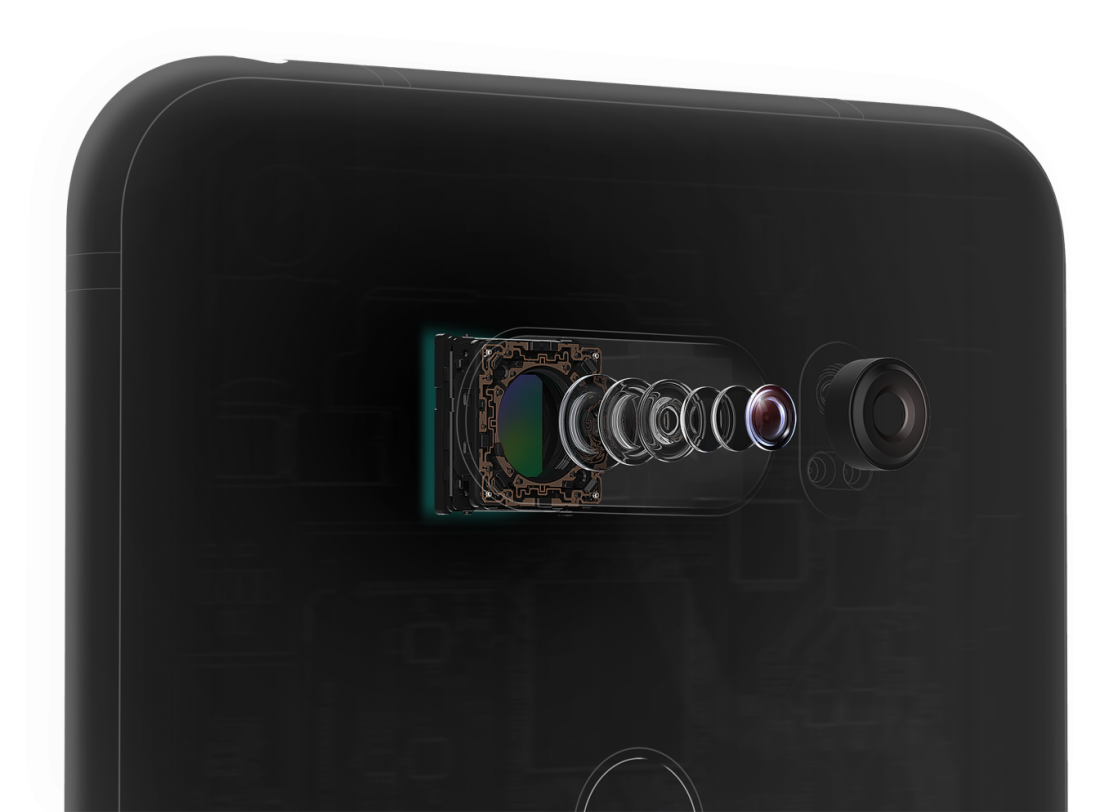
    The LG V30 features a dual-camera setup at the back. As LG had announced, this smartphone has the first ever inbuilt camera unit to feature a 16MP crystal clear lens made of glass with an f/1.6 aperture and another 13MP wide angle lens with an f/1.9 aperture. The camera has laser detection AF, optical image stabilisation and electronic image stabilisation. On the front side, the LG V30 sports a 5MP wide-angle camera with an aperture f/2.2.


  • Qualcomm Announces Snapdragon 845 Chipset

    Qualcomm Announces Snapdragon 845 Chipset

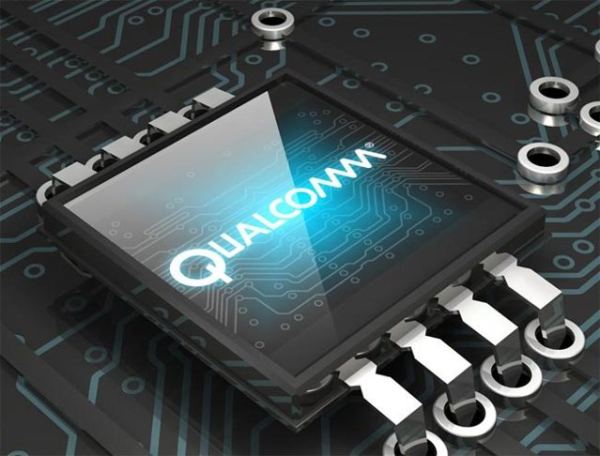
    Qualcomm has announced the new flagship chipset, the Snapdragon 845 at it Qualcomm Tech Summit.

    The Snapdragon 845 will be the successor to the popular Snapdragon 835 chipset which powered the majority of 2017 flagship phones, barring the likes from Huawei and some Samsung phones (that ship outside the US and South Korea). The Snapdragon 845 will likely be found in many high-end Android phones in 2018, though it is also expected to make its way to Windows 10 laptops as well.

    Just like the Snapdragon 835, the Snapdragon 845 is also based on a 10nm manufacturing process albeit upgrades to performance and power efficiency. Qualcomm will pair the 845 with its latest X20 LTE modem, which provides gigabit connectivity on supported networks.

    The Snapdragon 845 will definitely aim to compete with Apple’s A11 Bionic chipset since the Snapdragon 835 fell short against it in benchmark scores.

    Similar to the partnership that led to Samsung having early access to Snapdragon 835 chipsets, the Snapdragon 845 chipset might be found in the Galaxy S9 and S9+ before any other phone. Even though, the LG G7 is expected to be launched at a similar time. Also, Xiaomi has announced its plan to use the Snapdragon 845 chipset in its next flagship, which could be the Mi 7.

    The American chipmaker is hosting its tech summit right now where we will get to know more about the Snapdragon 845 chipset.

  • Jabra Elite 25e Launched In India At Rs. 3999

    Jabra Elite 25e Launched In India At Rs. 3999

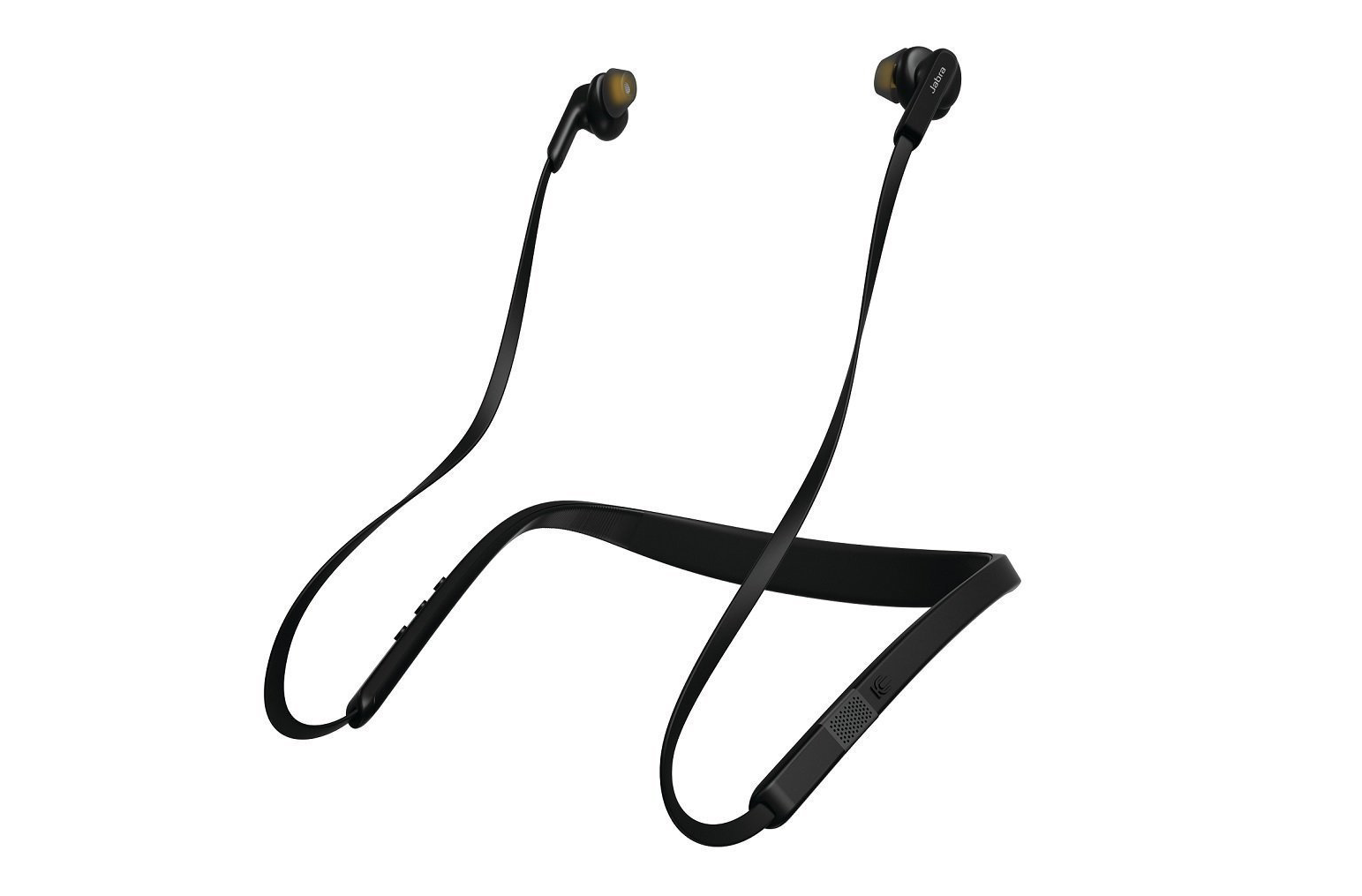
    Jabra has launched new Bluetooth earbuds in India, the Jabra Elite 25e at a price of Rs. 3999. The Bluetooth earbuds are available on Amazon and offline retail outlets such as Croma.

    Jabra claims that the earbuds have an 18-hour battery life. The Elite 25e are neckband-style wireless earbuds, which use Bluetooth 4.1 for connectivity.

    Calum MacDougall, SVP at Jabra said:

    The Jabra Elite 25e is engineered with the multi-tasking, on-the-go person in mind who values high-quality conversations and music while on the move. No product currently on the market delivers this level of battery life and experience for the Jabra Elite 25e’s price point.

    Therefore, we believe this product, following in the footsteps of the hugely successful Jabra Elite Sport, is worthy of the name Elite

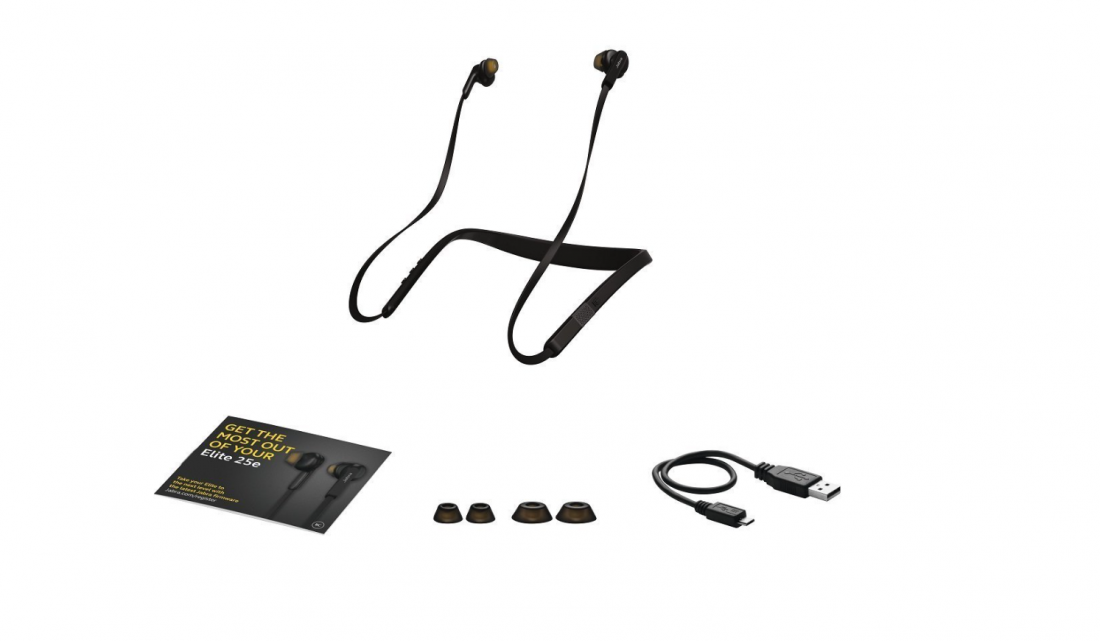
    Jabra Elite 25e and its accessories

    The Jabra Elite 25 weighs in at about 48 grams and are available in a Black colour variant only. Jabra claims that it has worked on the ear tips of the Elite 25e for a more secure and comfortable fit, with less audio leakage. There is a dedicated button to activate Google Assistant or Siri, depending on which smartphone you have connected the earbuds to.

    The earbuds have an IP54 rating for sweat resistance, which means that you can use the earbuds for workouts or jogging. It also has a feature wherein it reads out incoming messages so that you don’t have to reach out for your phone everytime a notification comes through.


  • Honor Launches The Honor View10 At A Price Of 499 Euros

    Honor Launches The Honor View10 At A Price Of 499 Euros

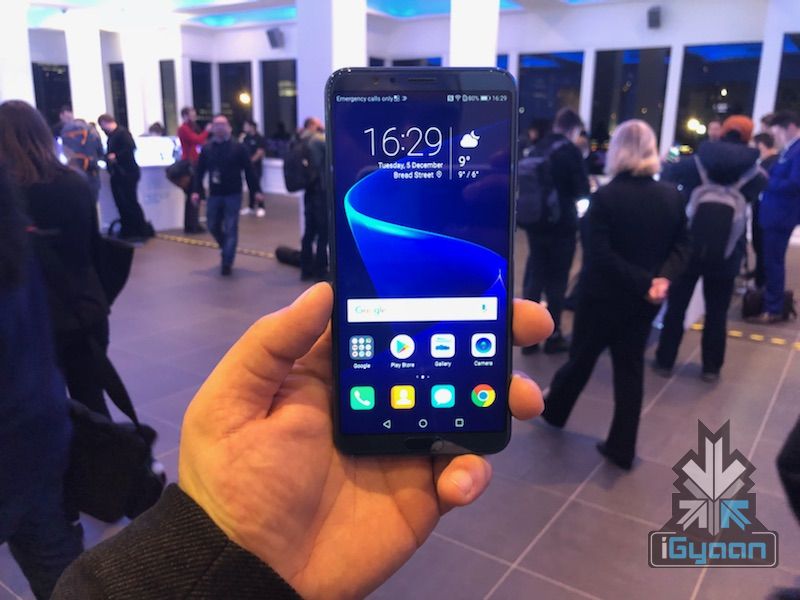
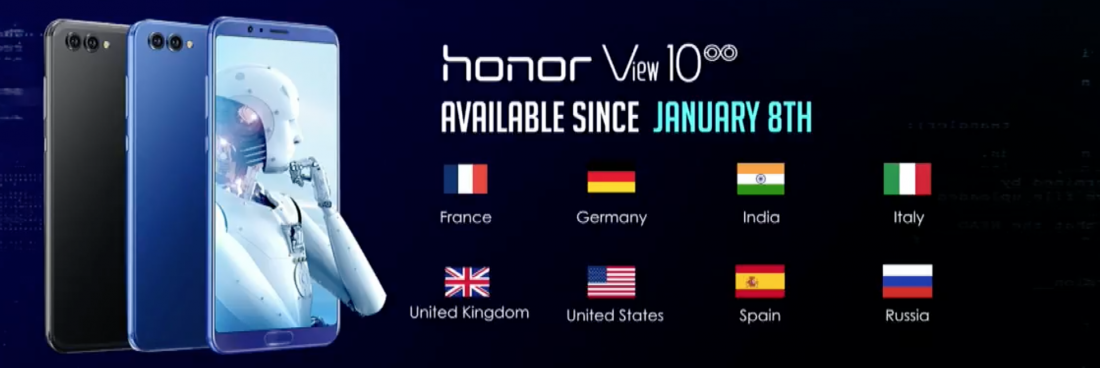
    Huawei’s sub-brand, Honor has launched the Honor View10. The Honor View10 was first announced in China on the 28th of November and has now been globally launched. It is priced at 499 Euros and will go on sale in India from the 8th of January, 2018.

    The Honor View10 has a 5.99-inch IPS LCD display with a 2160 x 1080 px resolution which translates to an 18:9 aspect ratio. The Honor View10 has minimal side bezels and thin top and bottom bezels.

    Under the hood, the device has the Kirin 970 chipset with a Neural Processing Unit, 6GB of RAM, and 128GB onboard storage. The onboard storage can be expanded up to 256GB via microSD card. There is a 3.5mm headphone jack at the bottom of the device along with a USB Type C port. The front of the device also has a home button which houses the fingerprint sensor.

    The Honor View10 also has facial recognition which is becoming more prominent since the launch of the iPhone X. The facial recognition works similar to the Face ID on the iPhone X, the accuracy of which, will be extensively tested in the coming weeks.

    Similar to the Google Pixel 2 and Pixel 2 XL, the Honor View10 also concentrates a lot on AI. For example, while on a call, AI will differentiate between the user’s voice and background noise to make sure the user’s voice is clearer. This is thanks to the presence of the Kirin 970 chipset which has a Neural Processing Unit on board.

    The new chipset will also mean better battery life as Honor suggests that it is “50 times more efficient than an average CPU.” Huawei being telecommunications giant has introduced new features in the Kirin 970 such as the Cat 18 compatibility, which means it can reach download speeds up to 1.2GB per second. Also, the Kirin 970 can support 4G data on both sims at the same time. Kirin 970 is powered by an 8-core CPU and a new generation 12-core GPU. Built using a 10nm advanced process, the chipset packs 5.5 billion transistors, which is about 2.5 billion more than the Qualcomm Snapdragon 835.

    Because of its facial recognition technology, the Honor View10 also has iPhone X-like animojis, which Honor claims are much more accurate than iPhone X since it tracks the user’s tongue as well.

    Powering the device is a 3750 mAh battery and supports 5V / 4.5A fast charging. Honor claims the phone will be 50% charged in 30 minutes thanks to Honor Super Charge technology.

    The Honor View10 has a dual camera setup at the back and has a single camera at the front. The back of the devices houses a 16MP RGB sensor and a 20MP Monochrome sensor with both having an f/1.8 aperture. The primary camera setup records 4K videos at 30fps. At the front of the phone is a 13MP camera with an f/2.0 aperture.


  • Honor 7X Launched In India At A Price Of Rs. 12999

    Honor 7X Launched In India At A Price Of Rs. 12999

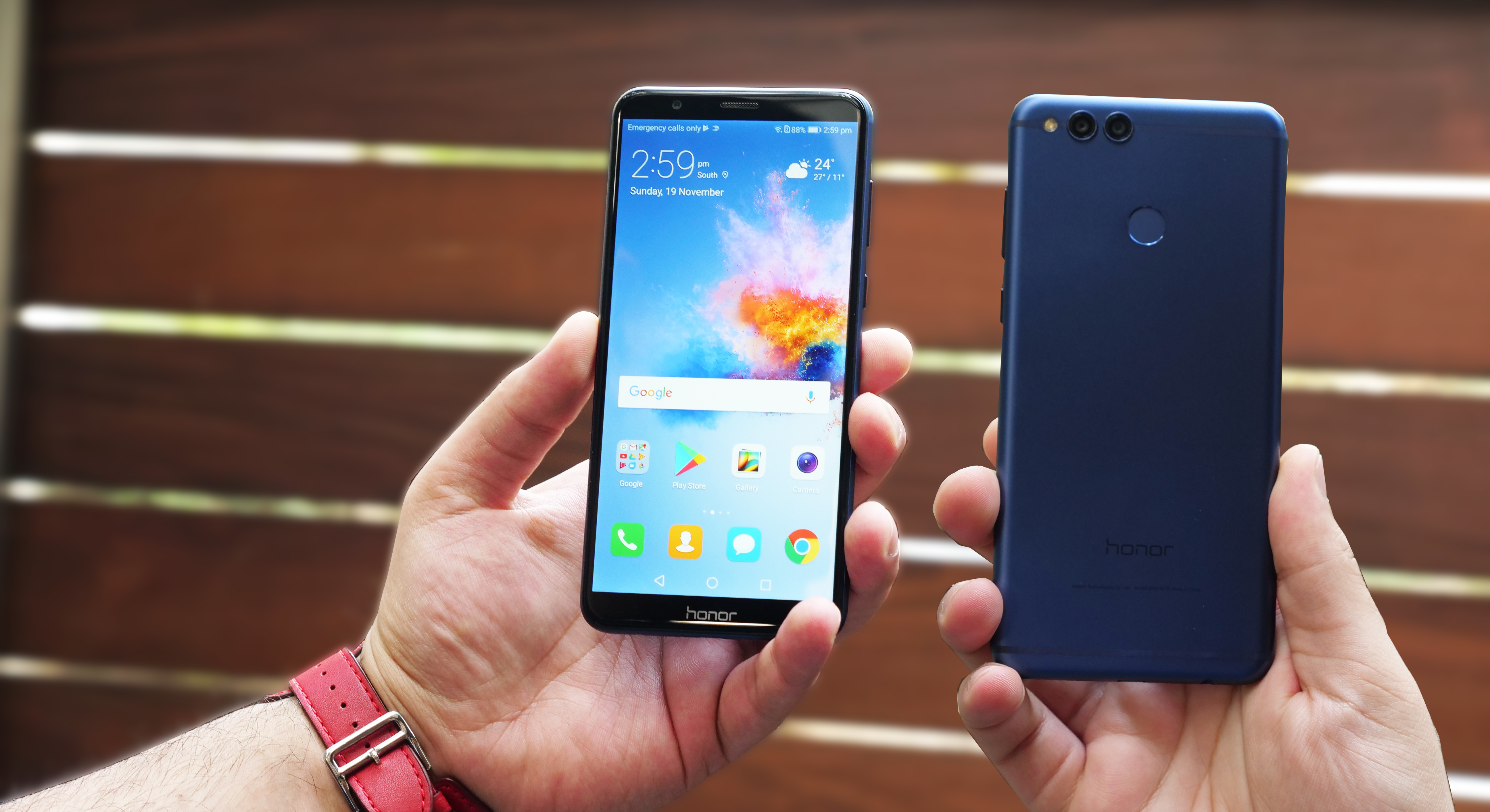
    Huawei’s sub-brand Honor has launched the Honor 7X for India at a price of Rs. 12999. The device will on sale from the 7th of December via Amazon exclusively.

    The Honor 7X has a 5.9 inch LTPS IPS LCD display with a 2160 x 1080 px display which translates into an 18:9 aspect ratio.

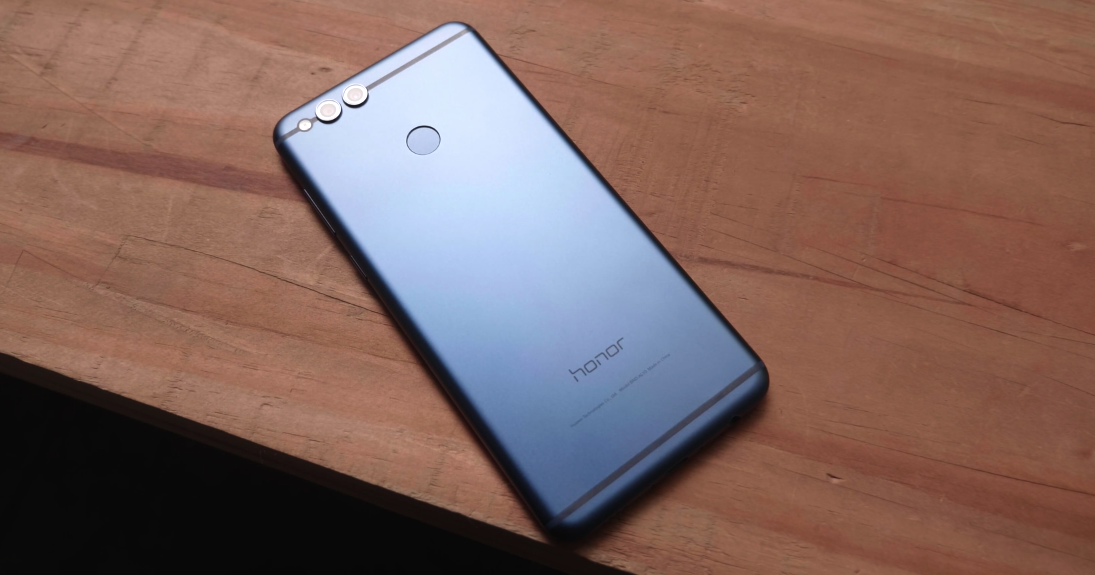
    Under the hood, the Honor 7X has the HiSilicon Kirin 659 chipset, Mali-T830 MP2 GPU, 4GB of RAM and 64GB onboard storage. The onboard storage is expandable up to 256GB via microSD card. The device is powered by a 3340 mAh battery which charges via a micro USB slot. Since the device has thin bezels, the fingerprint sensor is placed at the back of the below the dual-camera setup.

    The Honor 7X runs Android 7.0 Nougat with EMUI 6.0 on top which gives a user more options for customising their phones.

    The smartphone has a dual camera setup at the back. One of the cameras is equipped with a 16MP sensor while the other one is a 2MP depth sensor. The camera setup at the back has PDAF and records 1080P videos at 30fps. On the front is an 8MP camera which also records 1080P videos.

    Buy it here

    Watch Our Unboxing –

    [embedyt] https://www.youtube.com/watch?v=JRoUtlwFgP8[/embedyt]

iGyaan Network
Privacy Overview

This website uses cookies so that we can provide you with the best user experience possible. Cookie information is stored in your browser and performs functions such as recognising you when you return to our website and helping our team to understand which sections of the website you find most interesting and useful.