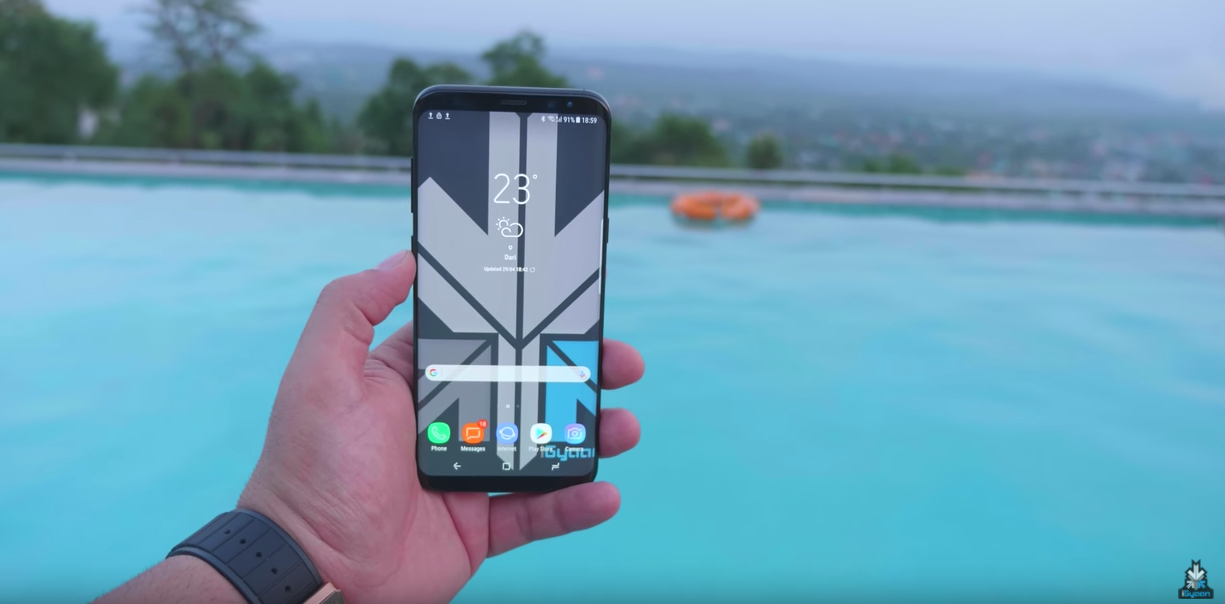
Samsung has announced that select Galaxy S8 and Galaxy S8+ users in the US, UK and South Korea will soon get the Beta update of Android 8.0 Oreo. Samsung had announced that its 2017 flagship smartphone lineup which includes the Galaxy S8 and S8+, and the Galaxy Note8will receive Android 8.0 Oreo update by January 2018.
The Android 8.0 Oreo beta version has the new ‘Samsung Experience 9.0’ on top. The South Korean tech giant announced:
Previously known as ‘TouchWiz’, ‘Samsung Experience’ is based on the Android OS and has expanded beyond the user interface to provide Galaxy users with a consistent and seamless experience across all Samsung mobile software, apps and services. This change is in recognition of the increasing suite of unique services Samsung has developed for the Galaxy devices.
The Samsung Galaxy S8 and S8+ were launched in March 2017 and were the first Android phones to have the Qualcomm Snapdragon 835 chipset. The two phones also set the precedence for the following flagships with a near bezel-less design.
You can check out our full review of the Samsung Galaxy S8 and Galaxy S8+ here:
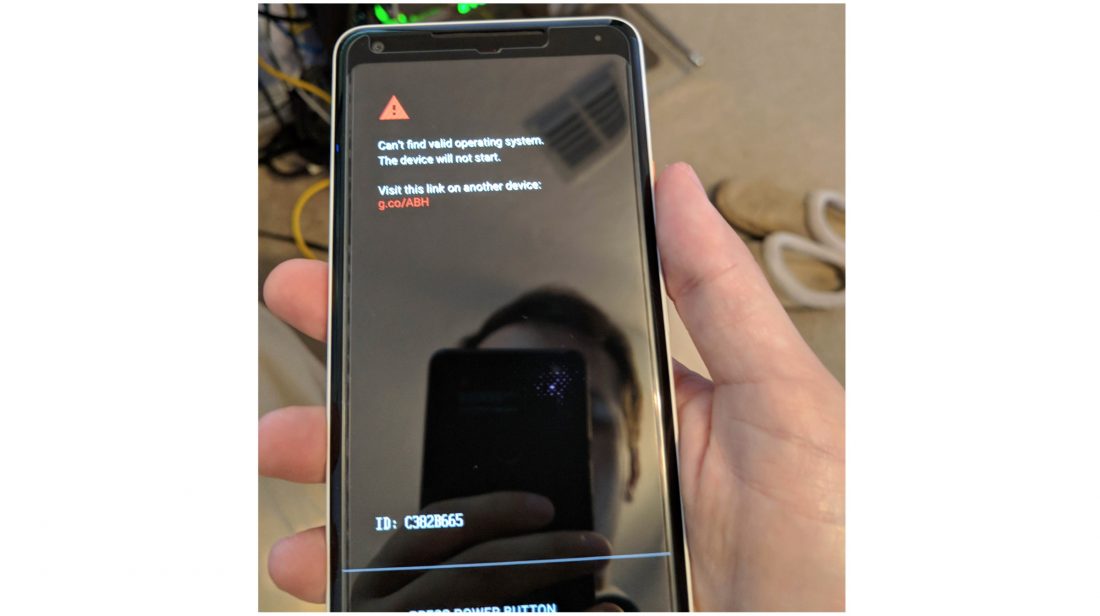
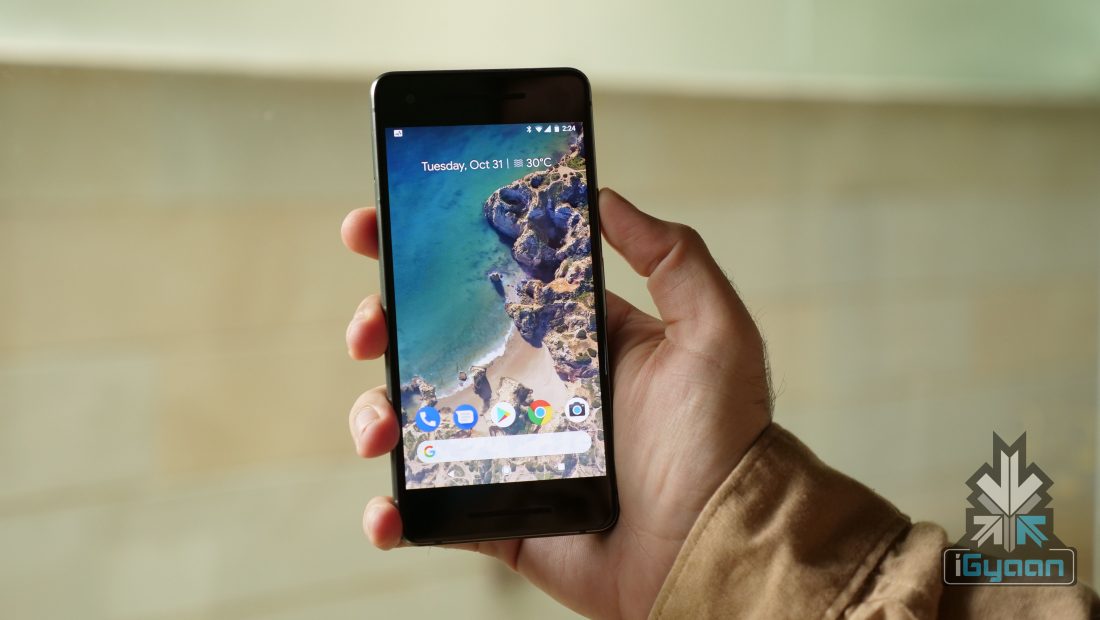
Google appears to have forgotten that an Android phone needs an Android OS to function. Reports from the US claim that a few Google Pixel 2 XL were shipped to customers without an operating system. There are multiple threads on Reddit on the issue, and almost all users complain about the same message welcoming them “Can’t find valid operating system. The device will not start.” After multiple issues were reported, Google responded that it will be replacing all the devices which were shipped with this issue.
One of the Reddit users wrote in a thread:
I came home excited to unbox my new Pixel 2 XL. Upon turning on the device I was greeted with a black screen stating, “Can’t find valid operating system. The device will not start.” Spent an hour on the chat with two different customer service reps and they are wanting to send me a replacement phone. Really frustrating.
There seems to be no end to the woes of Google’s new flagship phone, the Pixel 2 XL. Even though the phone’s software and camera has been appreciated, the dismal display has been panned by critics especially considering the fact that it costs close to Rs 80000 in India. Complaints of a blue tint and screen burnout have been reported and Google did come out and clarify its stand. Google has said that a future software patch will resolve the blue tint issue and the users will be able to tweak the display settings to show more vibrant colours.
Apart from the display, some customers complained that their Pixel 2 XL boxes had a cutout for Pixelbuds but, there were no Pixelbuds to be found inside the box.
Thanks to social media, little issues can be blown out of proportion but, shipping a smartphone without an operating system seems to be a first of its kind issue. To be successful in markets where Google has not even launched the device, it needs to negate these issues and start shipping the best version of the Google Pixel 2 and Pixel 2 XL.
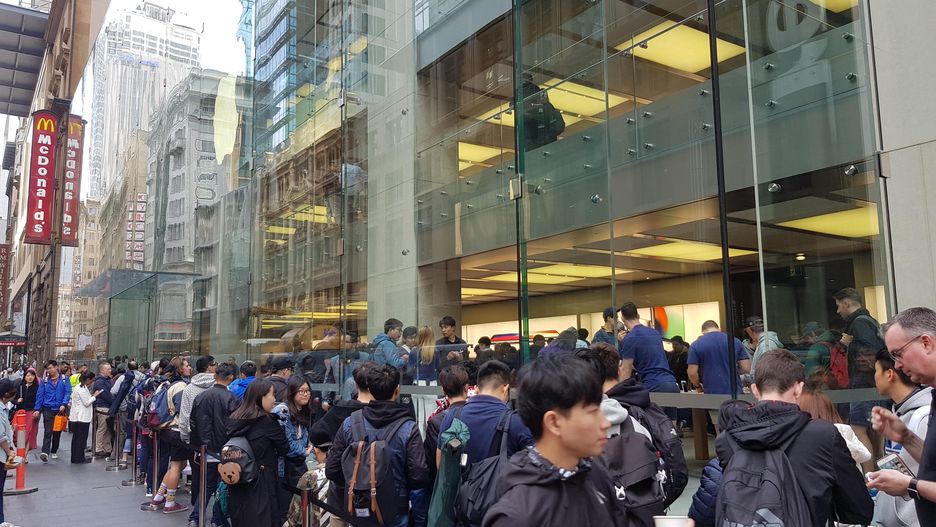
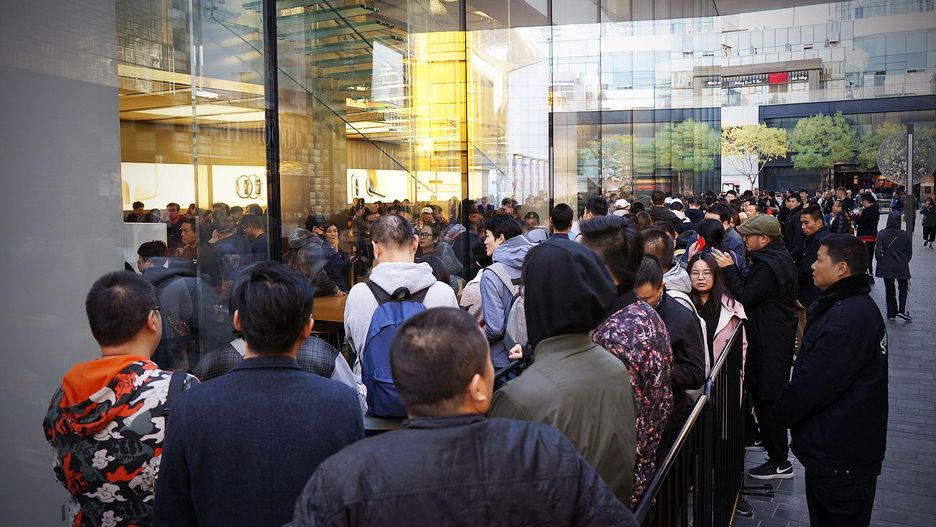
The launch of the Apple iPhone Xhas seen a huge turn out at Apple stores across the world. When the iPhone X was launched along with iPhone 8 and iPhone 8 Plus, Apple announced that the iPhone 8 will go on sale first and the iPhone X will be available to buy from the 3rd of November across the globe. It was predicted that a lot of consumers will hold off and upgrade to the iPhone X rather than the iPhone 8 or iPhone 8 Plus.
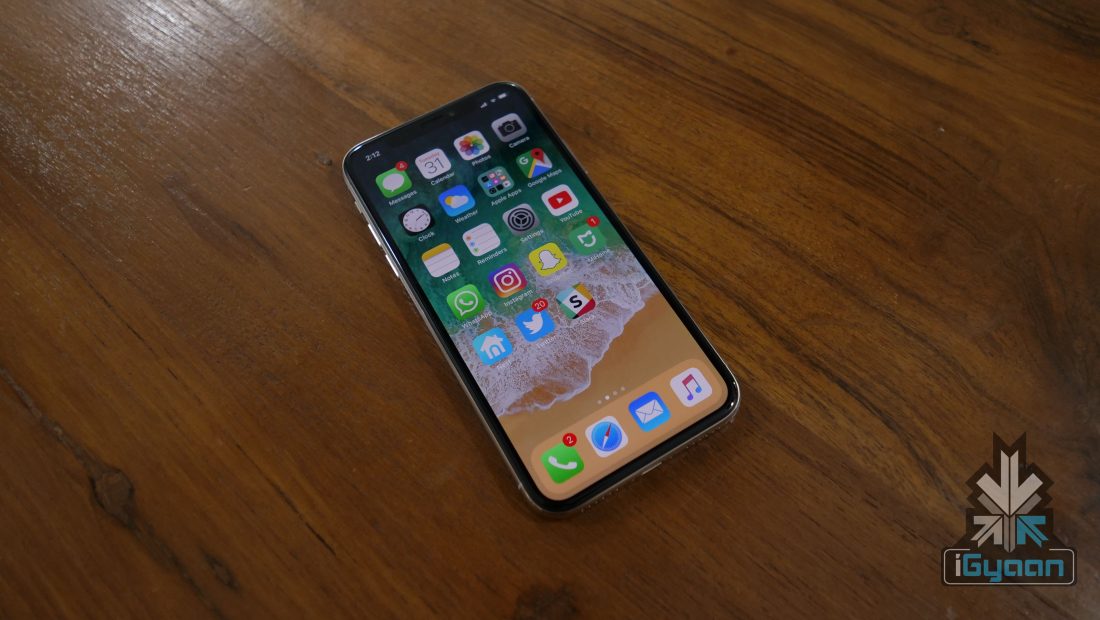
The Apple iPhone X is billed as the true successor to the original iPhone which was launched in 2007. This is the first major design detour that Apple has taken in many years and so far, people appear to like the it. The Apple iPhone X also has wireless charging like the iPhone 8 and iPhone 8 Plus along with a steel frame. The iPhone X has a 5.8 inch OLED display with minimal bezels around it and a prominent ‘notch’ at the top which houses all the sensor and the true-depth camera.
The iPhone X has dual 12-megapixel rear cameras, and it’s equipped with dual optical image stabilization. The sensors are both larger and faster, according to Apple, and the main camera is equipped with a wide angle lens and has an f/1.8 aperture while the secondary telephoto lens has an f/2.4 aperture. In between the two cameras is a quad-LED True Tone flash. Both the front and back cameras have the portrait mode. The rear cameras have the portrait lighting feature, just like the iPhone 8 and iPhone 8 Plus.
The Apple iPhone X is also the most expensive iPhone ever. The 64GB variant in India is priced at Rs 89000 and if you want more storage, you will have to shell out a whopping Rs 102,000 for the 256GB variant.
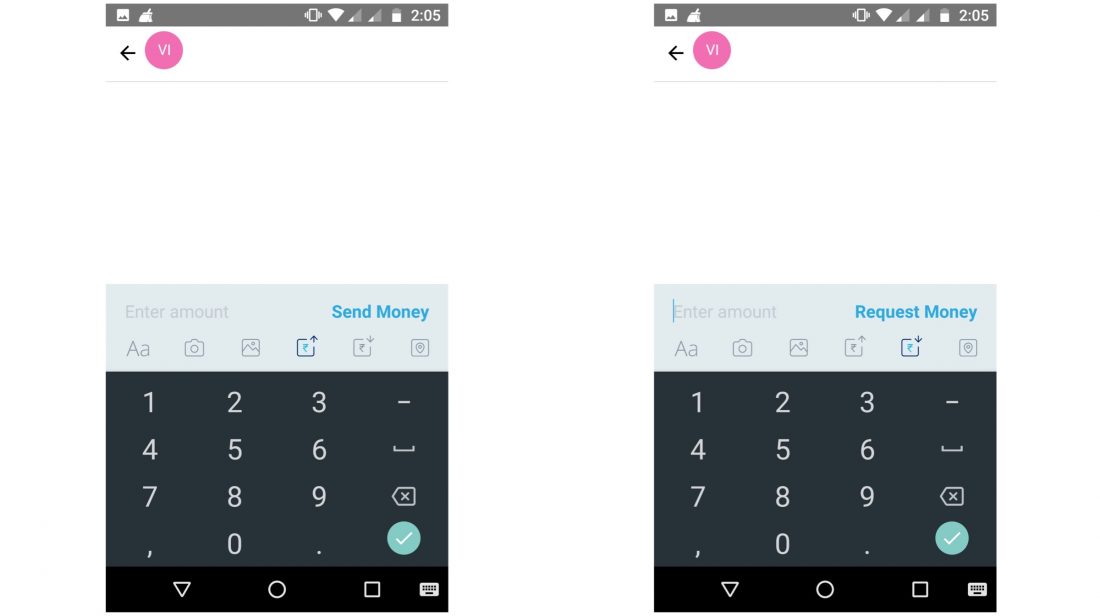
Paytm has rolled out a new update of its app which introduces a new feature called Inbox. The new feature is a full-fledged instant messaging app in itself which lets people communicate through texts, photos, videos or emojis and most importantly, lets you send or receive money as well. The money can only be transferred using the Paytm wallet and this update comes before WhatsApp rolls out its payment feature.
In a blog post, Paytm said:
We are excited to launchPaytm Inbox today, a new offering on our app with a fast and simple messaging service that will let you chat with your friends and family, and send/request money at the same time. You can even chat with your friendly neighborhood shopkeeper and order stuff easily and send them money instantly on delivery.
According to Paytm, Inbox will make payments easier, “as everyone from individuals to local retail stores to home-based entrepreneurs can now interact and initiate payments on-the-go.”
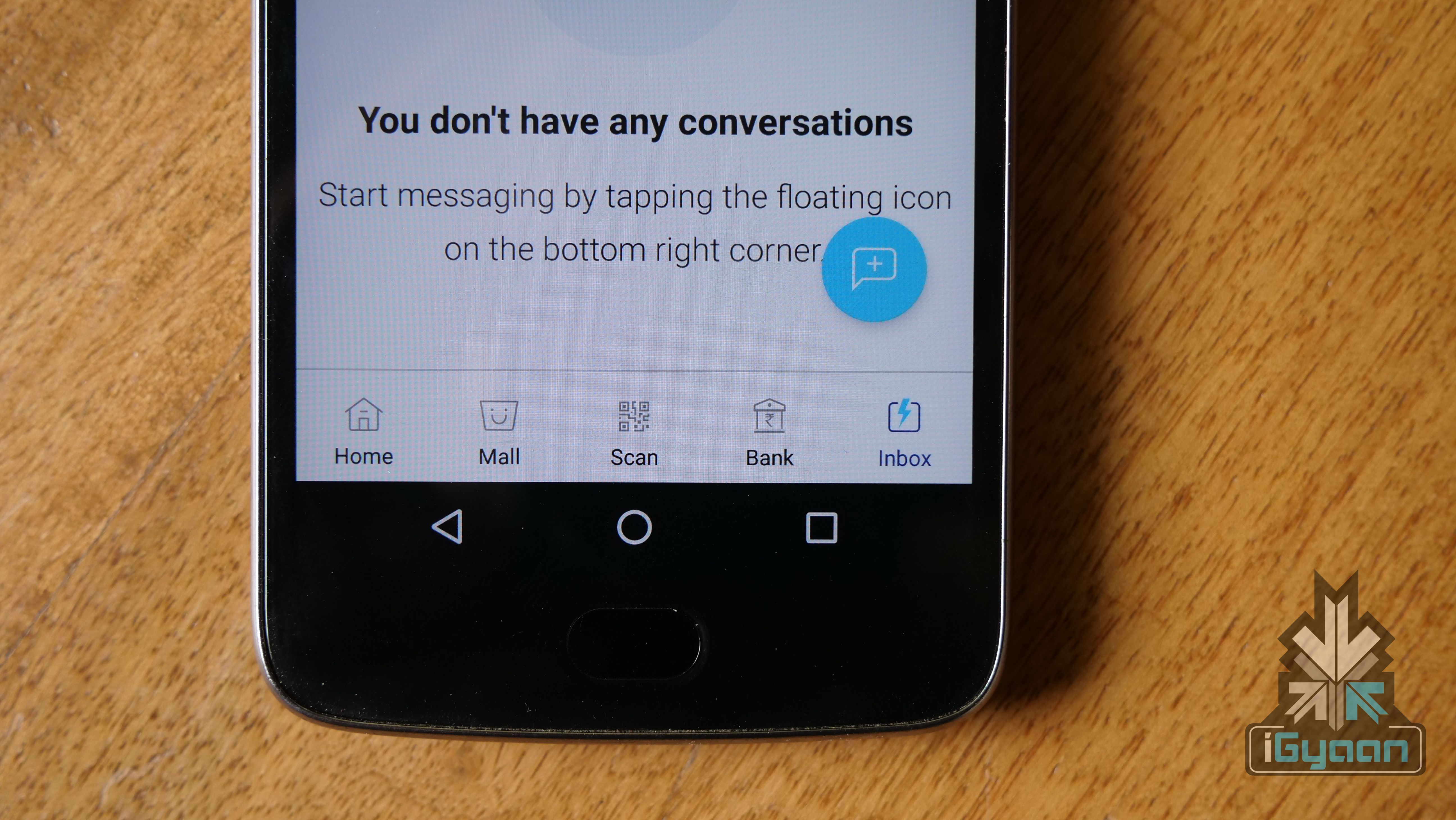
The update – which is already available on Android, will soon be available for iOS as well, adds Inbox to the main Paytm app, in the bottom navigation bar. Tap on the Inbox and you can start chatting with your friends. It uses your Paytm linked phone number and if you press the new message button, it shows you the phone numbers of all your friends who use the app as well.
The Inbox update will compete with WhatsApp’s upcoming payments feature. Paytm also announced that the Inbox messaging features has ‘delete for all’ option which WhatsApp recently rolled out for all the devices.
We understand you may send something by mistake. You can recall a message?—?whether to one person or a group by using the ‘Delete for All’ option. The good news is, there are no deadlines for this to work!
Paytm has certainly timed this launch to perfection. With more online payment apps entering India, Paytm needed something to differentiate from the rest of the products in the market. It will be interesting to see if people will actually shift from WhatsApp to Paytm just for the Inbox feature.
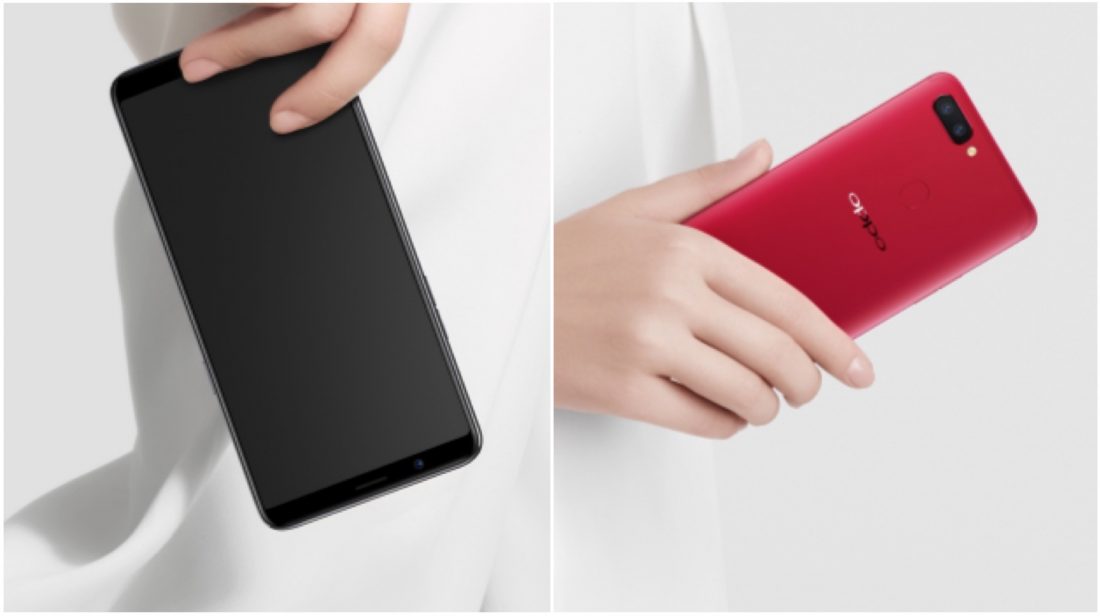
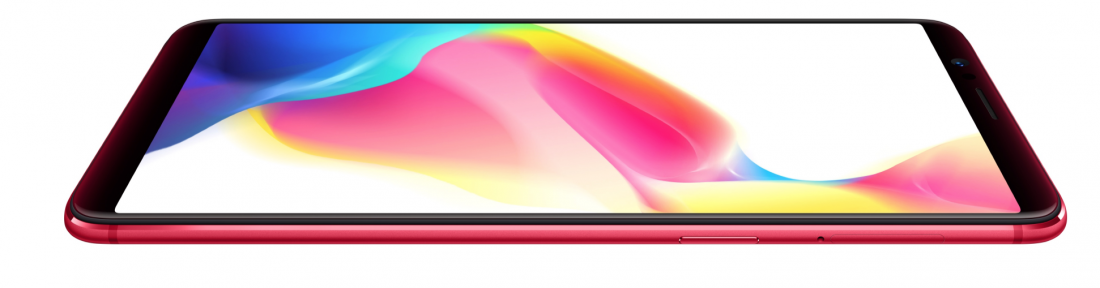
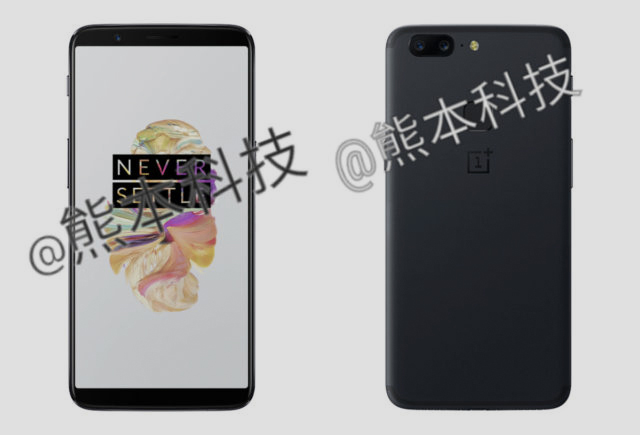
OnePlus confirmed that the OnePlus 5T is a real phone and not the work of someone’s imagination. It is expected that the OnePlus 5T will have a new design and display with same hardware as the OnePlus 5. On the 3rd of November, OPPO, OnePlus’ parent company launched the OPPO R11s and R11s Plus with thin bezels and tall displays and 18:9 aspect ratio. The OnePlus 5, when it was launched in June 2017 looked almost identical to the OPPO R11. This means that it is fair to assume that the OnePlus 5T will take a lot of design cues from the OPPO R11s.
The rumours and the launch of the OPPO R11s falls in line as well. The OnePlus 5T is expected to be an incremental rather than a drastic upgrade over the OnePlus 5. The OnePlus 5T is expected to have a 6-inch AMOLED display with an 18:9 aspect ratio. A tall display means that the phone will be sleeker than the OnePlus 5 and have thinner bezels as well. The fingerprint sensor is expected to be relocated to the back of the phone just above the OnePlus logo. All of these design elements can be found on the OPPO R11s as well.
Apart from a design change, the OnePlus 5T is expected to have the same hardware as the OnePlus 5. When the OnePlus 3T was launched, it had the same design and hardware except for a bigger battery and a new chipset. In this case, since the OnePlus 5 already has the best flagship chipset, the OnePlus 5T will stick to the Qualcomm Snapdragon 835 chipset with 6GB/8GB of RAM.
OnePlus has just confirmed that the upcoming OnePlus 5T will retain the 3.5mm headphone jack which is a good news for anyone waiting to upgrade to the OnePlus 5T. The speculated date of launch of the OnePlus 5T is the 20th of November and if that turns out to be true, then OnePlus should be sending out press invites soon.
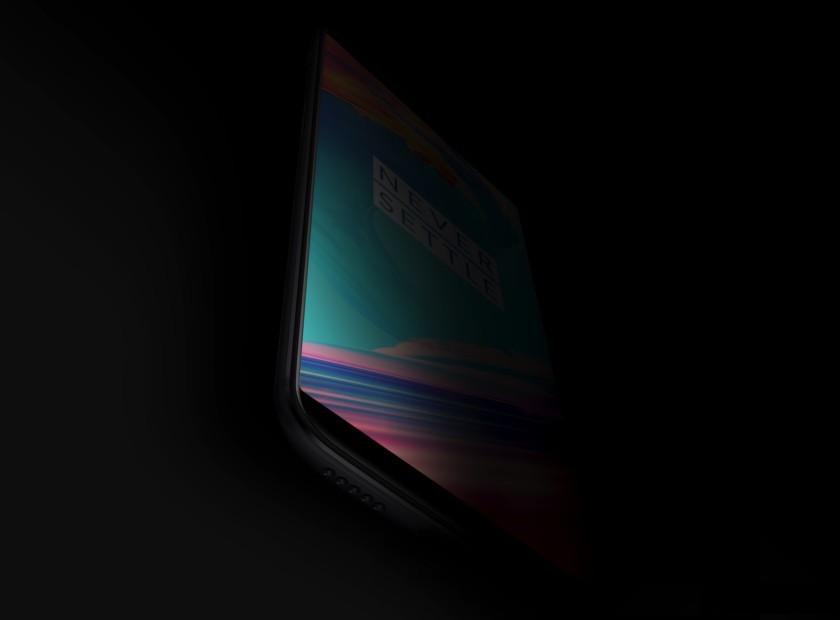
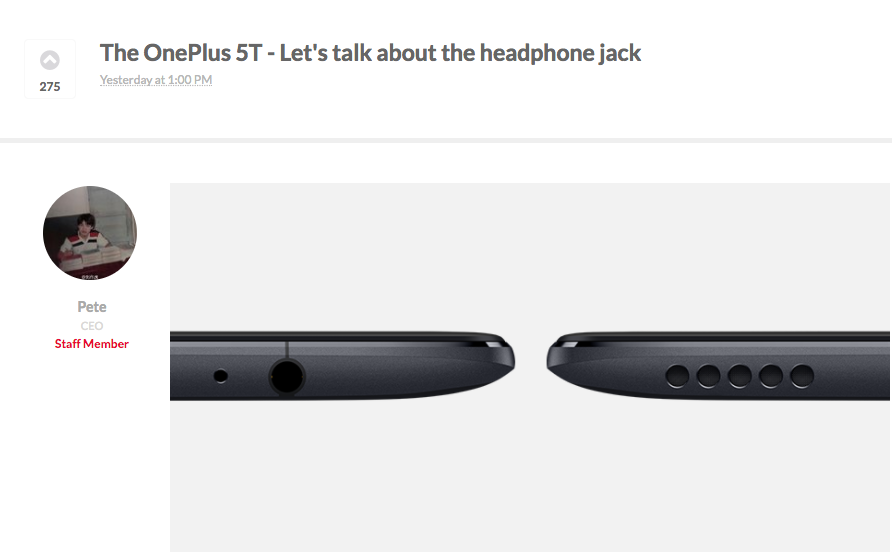
The OnePlus 5T has been leaked in listings and renders for the past few weeks now. Ever since the first render we saw a few weeks ago, the OnePlus 5T’s possible launch seems more imminent with every passing day. In a post on the OnePlus forum, Pete, co-founder of OnePlus wrote about the importance of a headphone jack and titled it, ‘The OnePlus 5T – Let’s talk about the headphone jack’. This post all but confirms that Chinese smartphone maker will be launching the OnePlus 5T soon.
Pete talks about the importance of a 3.5mm headphone jack and why OnePlus, at least for the time being, won’t be getting rid of it even when most of the smartphone makers appear to have moved on from it.
That’s why we prioritize the user and make good technology accessible. Sometimes, industry trends go against our core beliefs. This is one of those times when we respectfully disagree on what it means to be courageous.
Over the course of past few weeks, apart from the usual leaks and renders we see of every phone, the OnePlus co-founders Carl Pei and Pete Lau have taken to Twitter to teasethe portrait mode of an upcoming phone. They posted portrait mode photos with cryptic captions and has intrigued consumers and the tech community alike.
The OnePlus social media team has also jumped the hype train. In a Twitter post, OnePlus shared an image of 5 cups of tea, which suggests ‘OnePlus 5T’. Till now, all of this seemed like speculation and hoping a OnePlus 5T launch because of such cryptic social media activity was highly optimistic. But, this new post on the OnePlus forum by a OnePlus employee all but confirms that the OnePlus 5T is real.
Just like the OnePlus 3T, the OnePlus 5T is expected to be an incremental update rather than a drastic new upgrade in terms of hardware. The OnePlus 5T is expected to have the Qualcomm Snapdragon 835 chipset as it is the current flagship chipset. The dual cameras at the back are also expected to be the same as found on the OnePlus 5. The OnePlus 5T is expected to have a 6 inch AMOLED display with a 2160 x 1080 x resolution which translates to an 18:9 aspect ratio.
The smartphone is expected to run Android 7.1.1 Nougat with OnePlus’ Oxygen OS on top. The 2017 flagship will have the Qualcomm Snapdragon 835 chipset with a combination of either 6GB RAM and 64GB of storage or a whopping 8GB RAM and 128 of storage which can not be expanded. The OnePlus 5T is also expected feature dual cameras on the back, one of the main cameras is a 20 MP sensor with an f/2.6 aperture, while the other is a 16 MP camera with an aperture of F/1.7 . The secondary telephoto lens is used for 2X lossless optical zoom and a ‘portrait mode’ for blurred background images.
The speculated date of launch of the OnePlus 5T is the 20th of November and if that turns out to be true, then OnePlus should be sending out press invites soon.
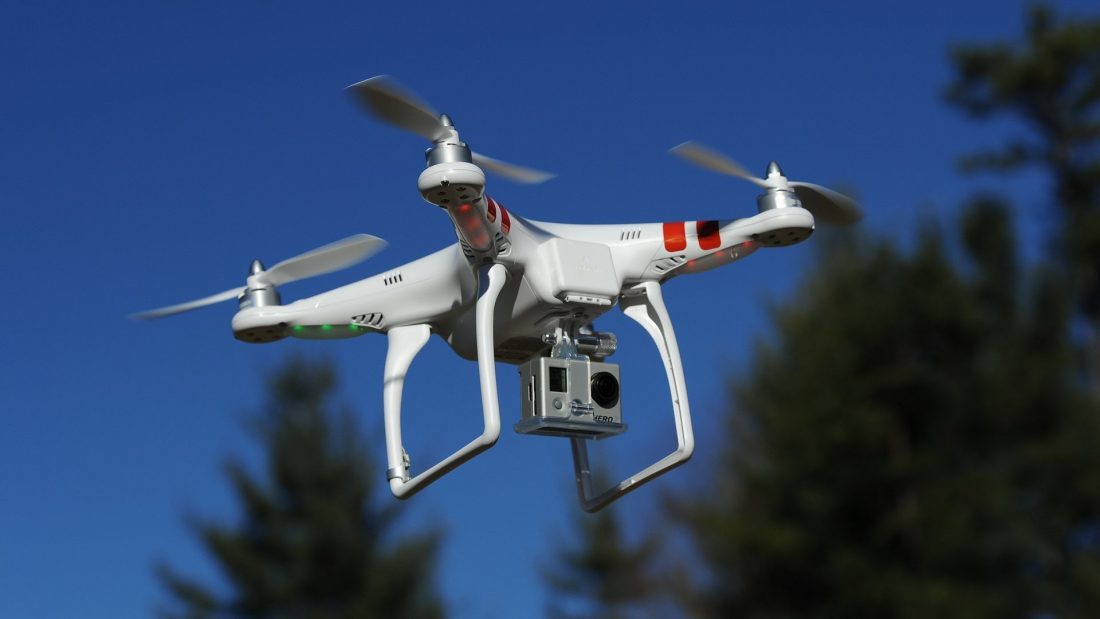
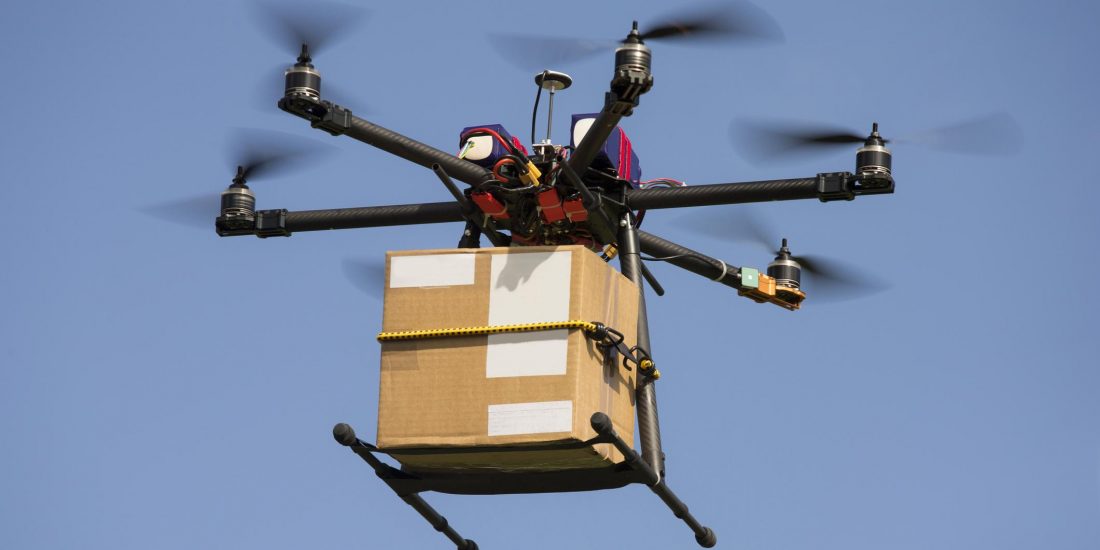
Unmanned Aerial Systems, or commonly known as Drones, have been around for a long time now. A lot of countries have tight regulations around the usage of drones but, getting access to drones and permissions to use it are easily available in such countries. In India, selling and purchasing drones is restricted.
Although it is used by the Army, getting permissions if you are a civilian are cumbersome and if you get permissions, it comes with a set of rigid regulations. However, it appears that the Indian government has identified the advantages of drone usage if conducted with fair and safe regulations. The Civil Aviation Minister P. Ashok Gajapathi Raju presented the first draft of regulations for drone usage in India and also announced that the final regulations will be presented on the 31st of December. This means that flying drones in India could be legal in 2018.
Civil Aviation SecretaryR N Choubey said, “We are making rules that are very user friendly.” At the press briefing on the regulations, Aviation Minister P. Ashok Gajapathi Raju said the drone industry could help India’s development in several sectors such as agriculture and oil and gas. He also added that the government intends to make India the world’s leader in the use of drones. He also expressed hope that the draft norms would encourage genuine and “discourage nefarious activities”.
The draft regulations firstly identifies the type of drones that exist and then categorises it in terms of the weight of the drones. Depending on the size and weight of the drone a person intends to fly, they will have to accordingly get the permissions and the time taken to to get such permissions will also vary. Here are the key points from the draft regulation for usage of drones in India:
There are five types of drones – nano, micro, mini, small and large.
The weight of these drones range anything from 250 grams to 150 kilograms.
Drones that weight under 250 grams do not need any security clearance
Micro category (250 grams to 2 kilograms) will get approvals in 2 days.
Most of the commercial drones will come in the ‘Micro’ category
Whenever someone has to operate a drone, they will need a different approval. Apart from nano drones, all other categories will need an air defence clearance so that aviation as well as security authorities are aware of the flight path.
Drones can be used for photography, medical uses, ad film making and so on. E-commerce companies should be able to use drones as well.
Air rickshaws and passenger drones can also be considered in this policy.
Drones that weigh under 2 kilograms and operating under 200ft above ground, once registered, can be flown without a nod.
There will be no-drone zones such as above operational aerodromes and within 5 km of Vijay Chowk in Delhi, within 500 metres from strategic locations, from mobile platforms such as car, ship or air craft, over eco-sensitive zones like national parks and wildlife sanctuaries (unless approved by Environment Ministry).
As announced, the final regulatory framework can be expected by the 31st of December. The policy-making process will not just include inputs from government officials but, also the stakeholders. Drone makers, companies that will primarily use drones and other stakeholders will be invites for inputs and at the end of it, a final framework for the usage of drones will be announced.
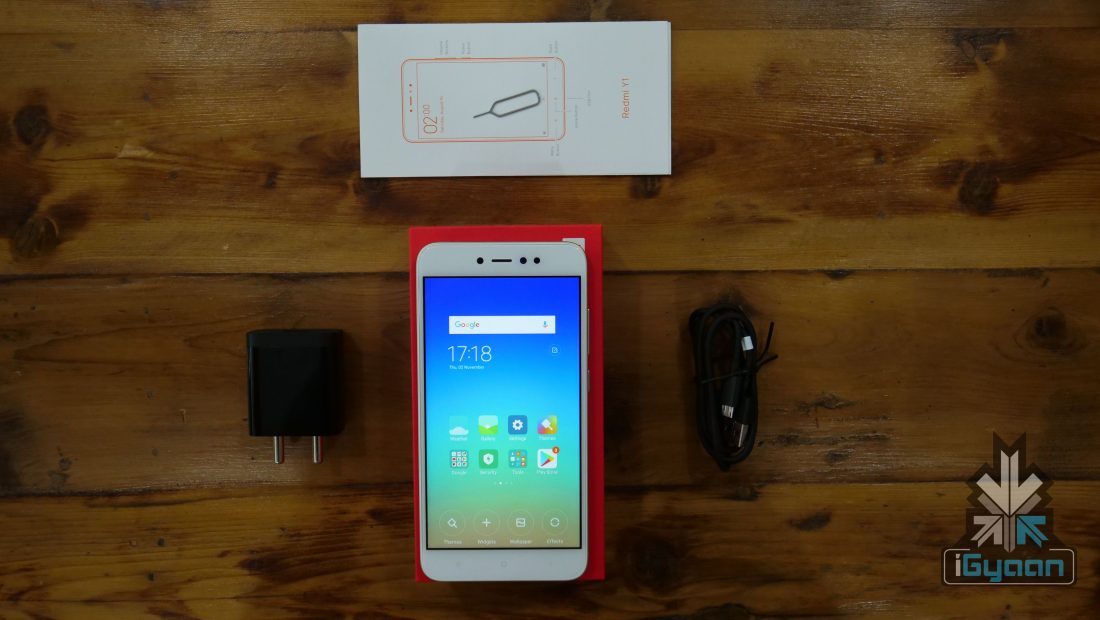
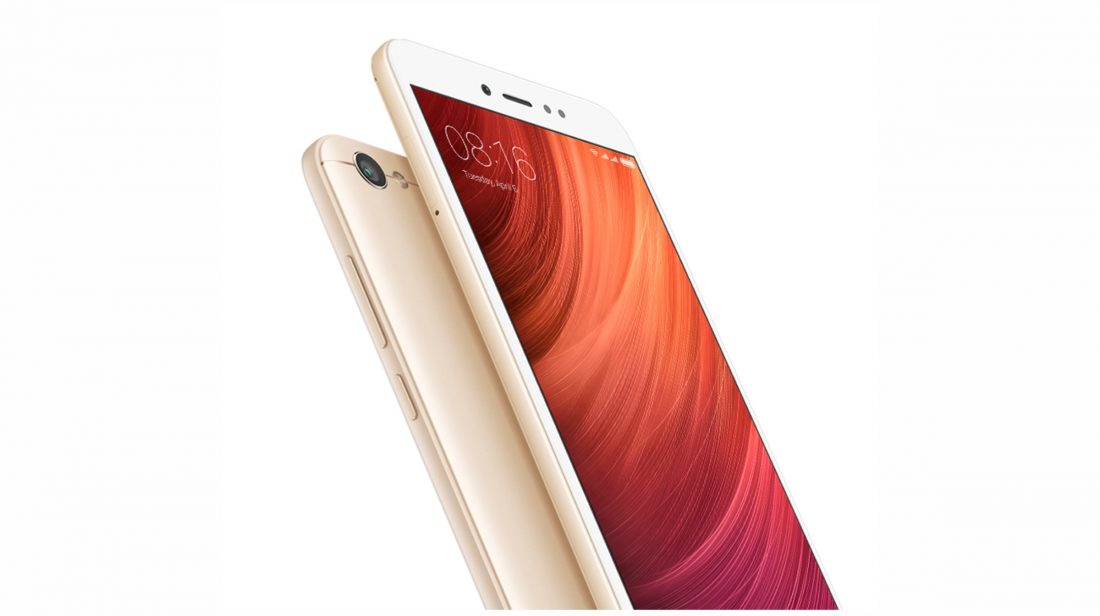
Xiaomi has launched a new lineup of Android powered smartphones in India. The new series, a part of the Redmi lineup will focus on the growing craze of selfies. The Redmi Y1 Lite and Redmi Y1 were launched as the first two smartphones in this lineup. The Redmi Y1 Lite will retail for a price of Rs 6999 and the Redmi Y1 is priced at Rs 8999 for the 3GB RAM/32GB storage variant and Rs 10999 for the 4GB RAM/64GB storage variant. The Redmi Y1 and Redmi Y1 Lite will go on sale on the 8th of November on Amazon exclusively. Let’s unbox the Redmi Y1 and see what we get inside the box:
Xiaomi Redmi Y1
Documentation
Micro USB cable for charging and data syncing
Wall charger
Sim ejector tool
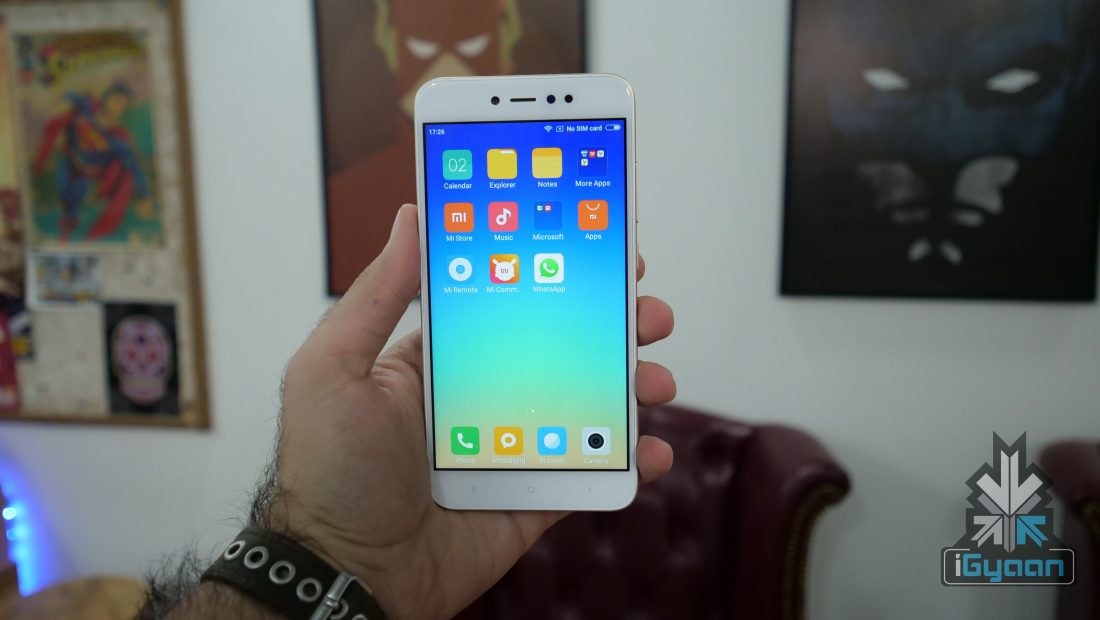
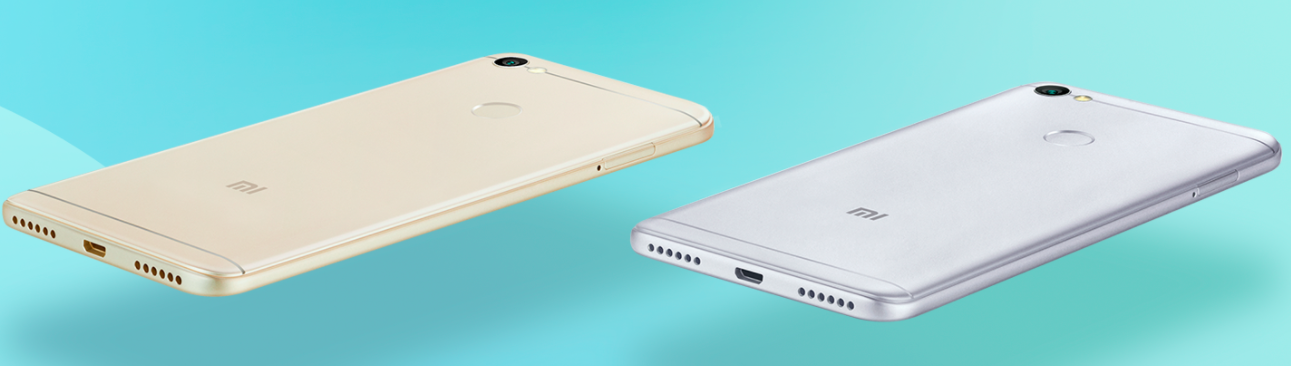
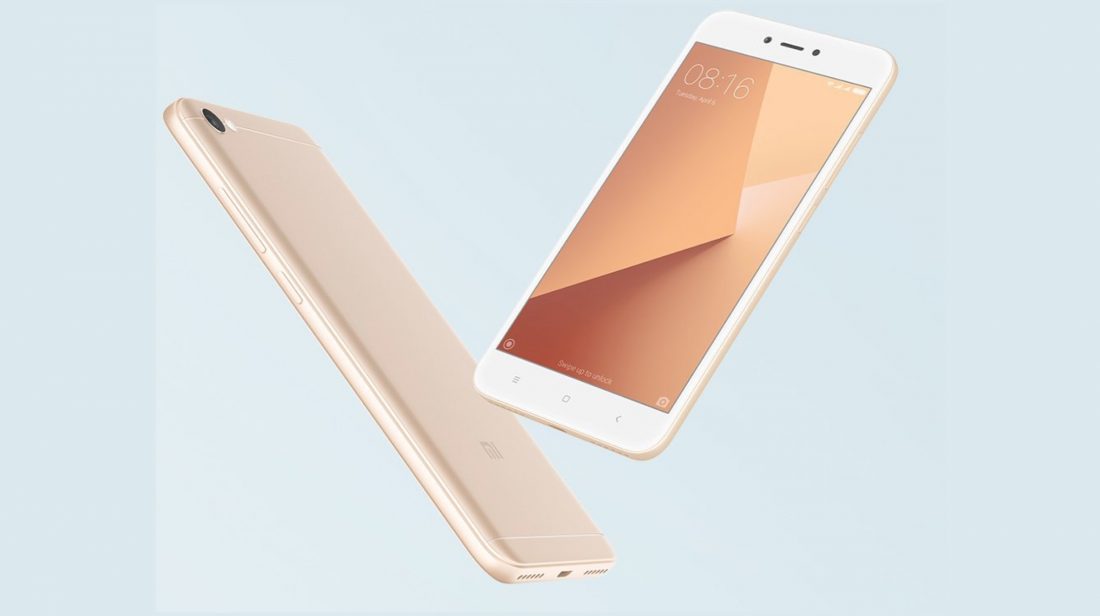
The Redmi Y1 is built similar to a lot of other Redmi phones. A fingerprint sensor placed at the back with antenna lines on the top and bottom of the device and soft metal finish are reminiscent of a lot of other Redmi phones like the Redmi Note 4 for example.
The Redmi Y1 has a 5.5 inch IPS LCD display with a 1280 x 720 px resolution. The device also has a 2.5D curved Corning Gorilla Glass on top for protection.
The smartphone is powered by a 3080 mAh battery and runs Android 7.1 Nougat with MIUI 8.5 on top. Xiaomi has announced that MIUI 9 update will be rolled out for the Redmi Y1 in November. The Redmi Y1 has the Qualcomm Snapdragon 435 chipset, Adreno 505, 3GB or 4GB of RAM and 32GB or 64GB of onboard storage. The onboard storage can be expanded via a dedicated microSD card slot.
The Redmi Y1 has a front facing 16MP camera with an f/2.0 aperture and an LED flash. Xiaomi claims that the software processing and beautify mode will result “in your best selfie ever.” The rear-mounted 13MP camera with PDAF and LED flash.
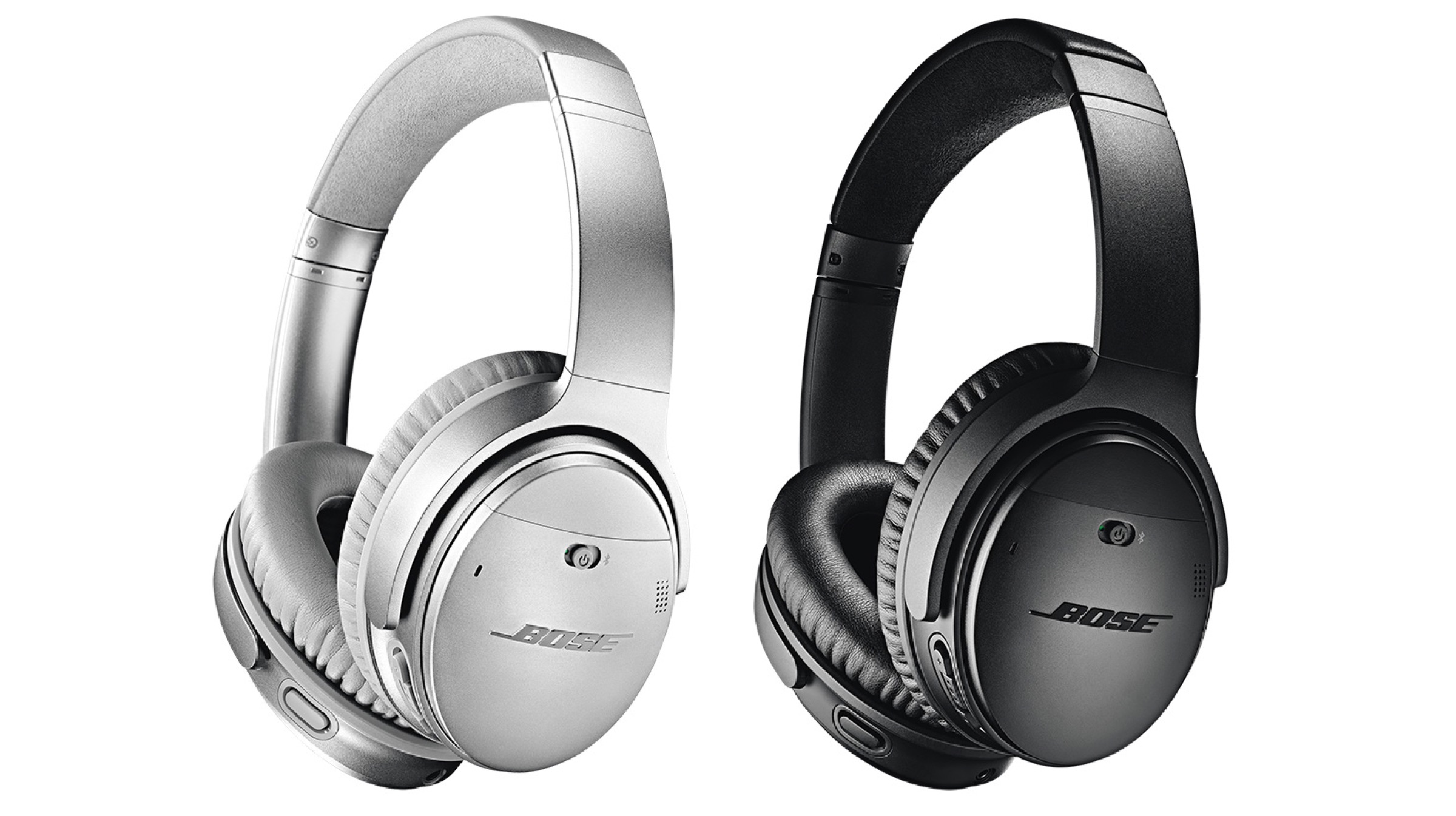
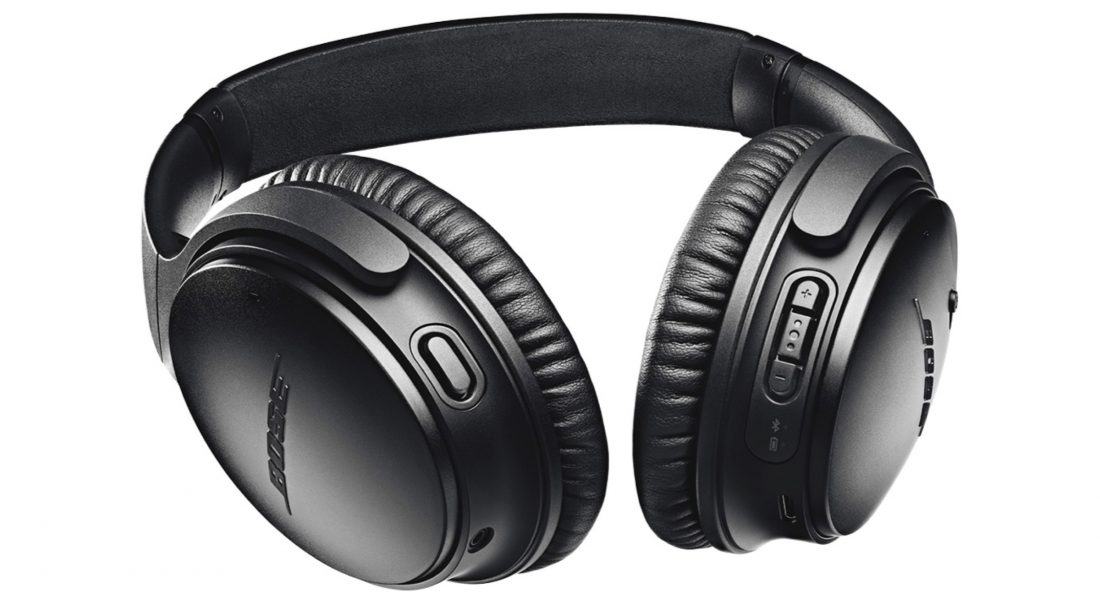
Bose has launched a new iteration of its highly acclaimed QC 35 noise canceling headphones, the QC 35 II in India. Priced at Rs 29,363 the Bose QC 35 II will be sold at Bose retail stores, Boseindia.com and Amazon.
The Bose Quiet Comfort 35 II have a battery life of up to 20 hours. Just like the QC 35, the same controls remain on the right ear-cup, audio volume, and the multi-function button for incoming calls and accessing Siri. And now, there’s a new Action Button on the left earcup to connect to your Google Assistant without having to grab your phone, unlock it, and find the app.
Like its predecessor, the QC35 II’s noise cancellation is fully activated when the headphone is on, but, the Bose Connect App now lets you choose to keep it on (high), turn it down (low), or disable it completely (off). The Connect App also lets you change the Action Button’s functionality, so you can control the noise settings from the ear-cup when you want, and switchback to your Google Assistant when you want.
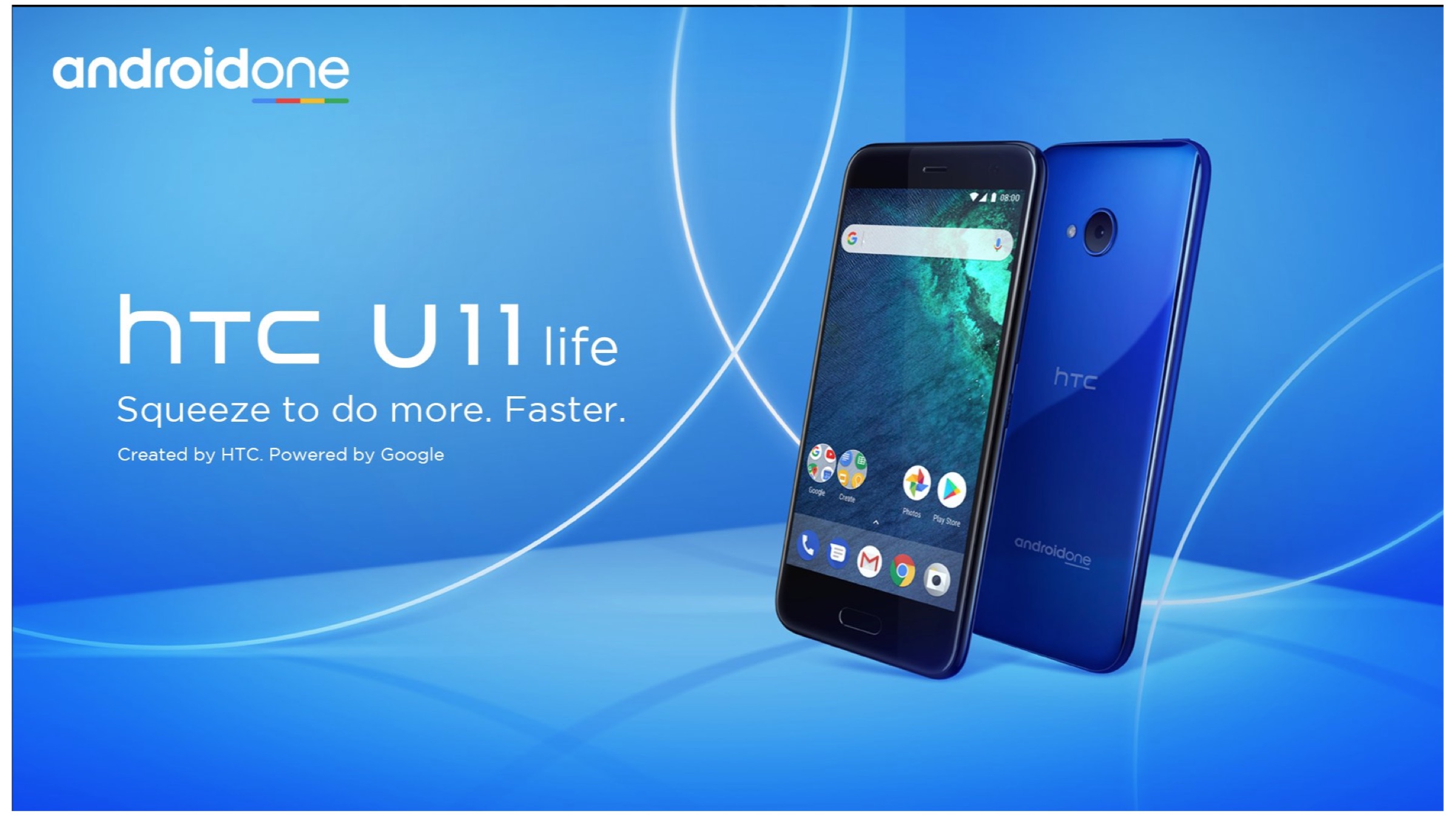
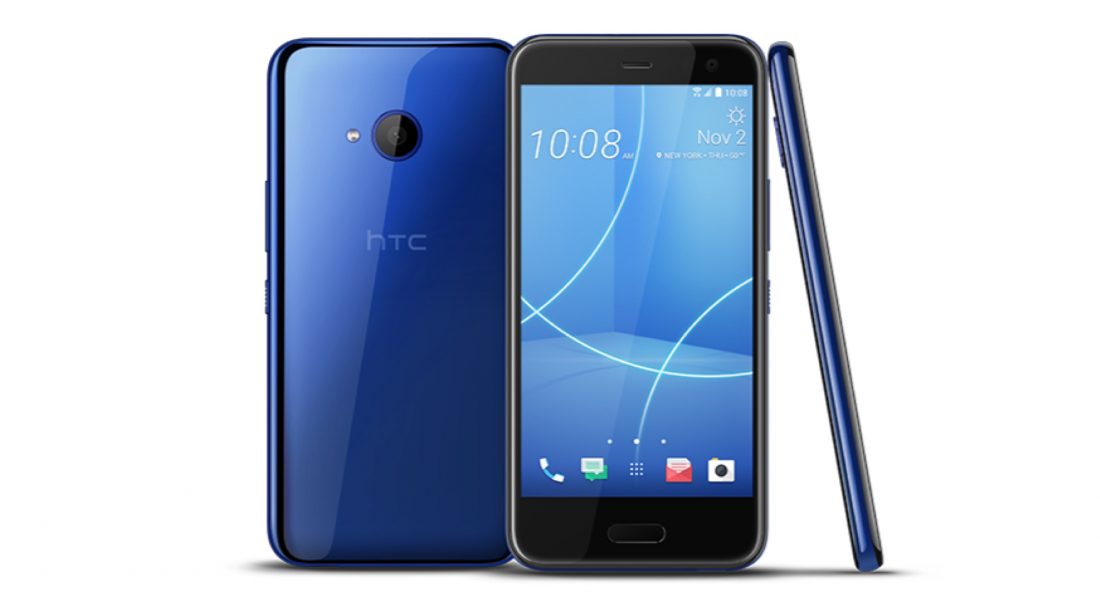
HTC has launched the HTC U11 Life in two variants, one variant running Android 7.1 Nougat with Sense UI and an Android One variant running Android 8.0 Oreo. The HTC U11 Life is priced at US $349 (Rs 22500 approx.) for the unlocked version in the US. There is no official word on its availability in India as of now.
Following up the launch of the flagship phone, the HTC U11+, the HTC U11 Life will be a part of the ‘U’ lineup from HTC and pegged as a mid-range device. The HTC U11 Life will offer the consumers a choice between custom skin and pure stock Android OS without compromising on any other aspect. The HTC U11 Life has HTC’s new “liquid surface” design language with two glossy panels that meld into a metal frame.
The HTC U11 Life has a 5.2 inch IPS LCD display with a 1920 x 1080 px resolution which translates to a 16:9 aspect ratio. The HTC U11+ also has Corning Gorilla Glass on top of the display.
Under the hood, the device has the Qualcomm Snapdragon 630 chipset, 3GB or 4GB of RAM, 32GB or 64GB of onboard storage which can be expanded via microSD card. The fingerprint sensor is housed inside the home button that is placed below the 5.2 inch display. The 3.5mm headphone jack is missing on the U11 Life but, the box will include a pair of USB C earphones with active noise canceling. Powering the device is a small 2600 mAh battery.
The HTC U11 Life has a 16MP rear-mounted camera with an f/2.0 aperture and PDAF. Similar to the HTC U11+, the camera records 4K and slo-mo videos as well. On the front of the device is a 16 MP fixed focus sensor with an f/2.0 aperture which records 1080P videos.
The Edge Sense feature from the U11 retains its place with new features and more customisability. With the HTC U11 Life, you can assign a light squeeze to access Google Assistant, and a hard squeeze to access the Amazon Alexa and vice versa. The squeeze feature is now a remappable button and can perform specific tasks depending on which app you’re in. If you have the YouTube app, you can remap the squeeze to take you to the subscriptions window or if you are in Google Maps, you squeeze to zoom in or zoom out. HTC has also added a new radial menu which can be accessed with a squeeze. It is a round shaped menu which customises on the basis of your usage.
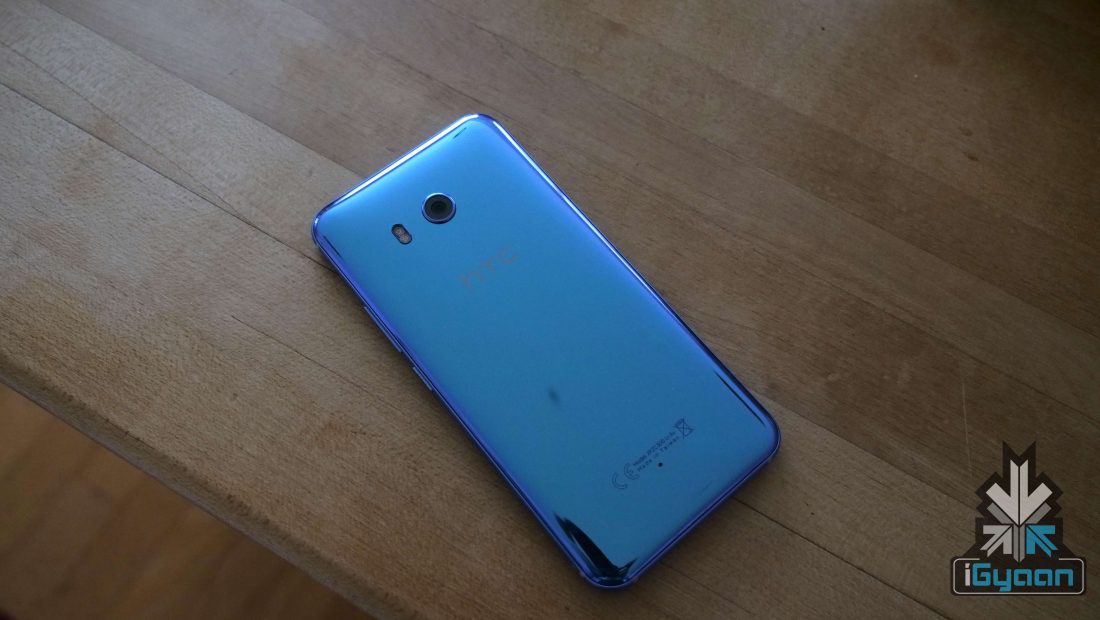
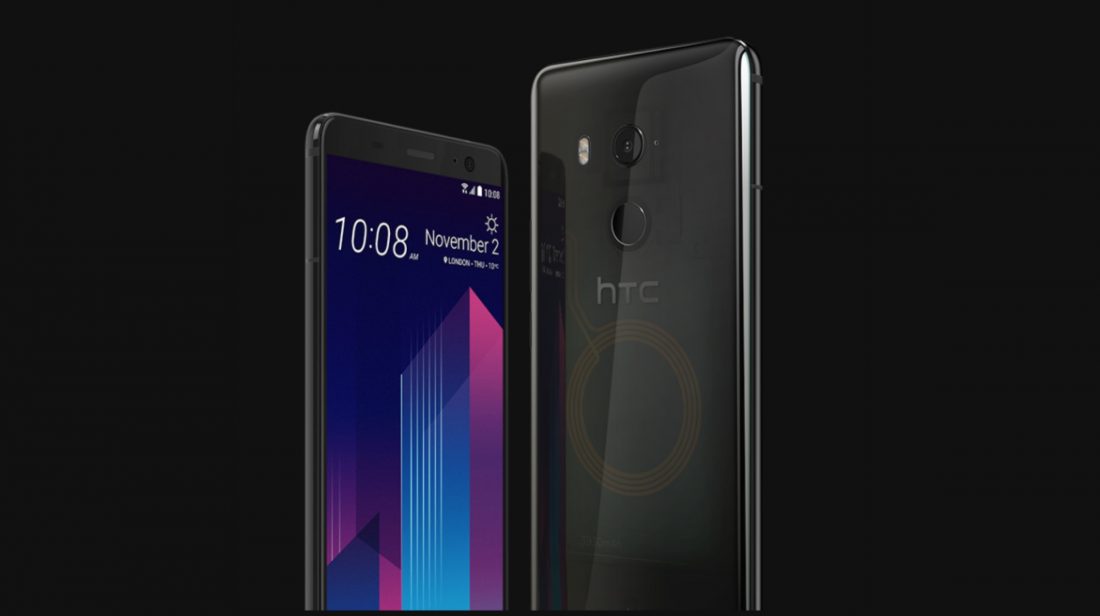
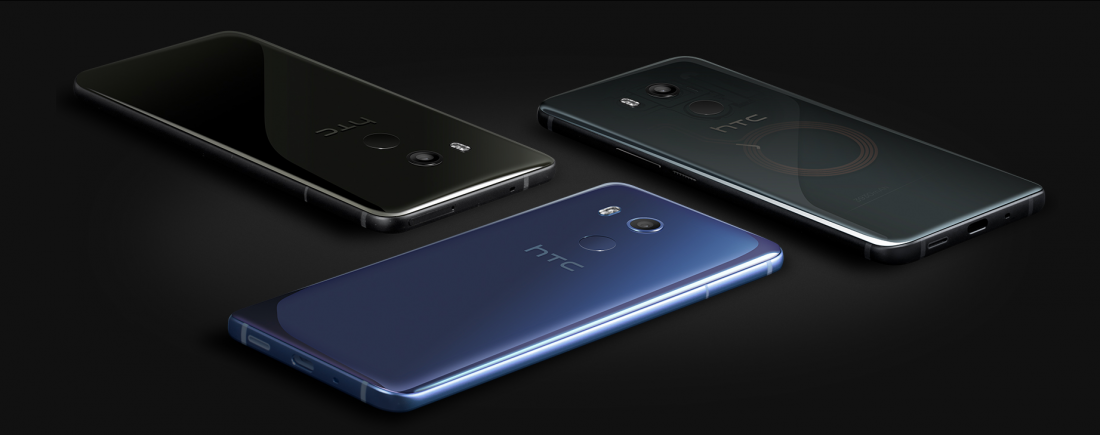
HTC has launched the HTC U11+ at a price of £699 (Rs 59800 approx.) in the UK. There is no official word on the phone’s availability in India as of now. There were multiple leaks leading up to the launch of the phone and most of them have turned out to be accurate. HTC U11+ will succeed the HTC U11 which was launched back in March 2017. Along with the HTC U11+, the HTC U11 Life was also launched, which is a mid-range device with design aesthetics similar to the HTC U11.
HTC U11
HTC seems to have finally caught up with 2017 flagships by offering a phone with an 18:9 aspect ratio. The HTC U11+ has a new 6-inch IPS LCD display with a 2880 x 1440 px resolution and Corning Gorilla Glass 5 on top of the display and at the back. The tall display means the bezels on the HTC U11+ are thinner than the ones found on the HTC U11.
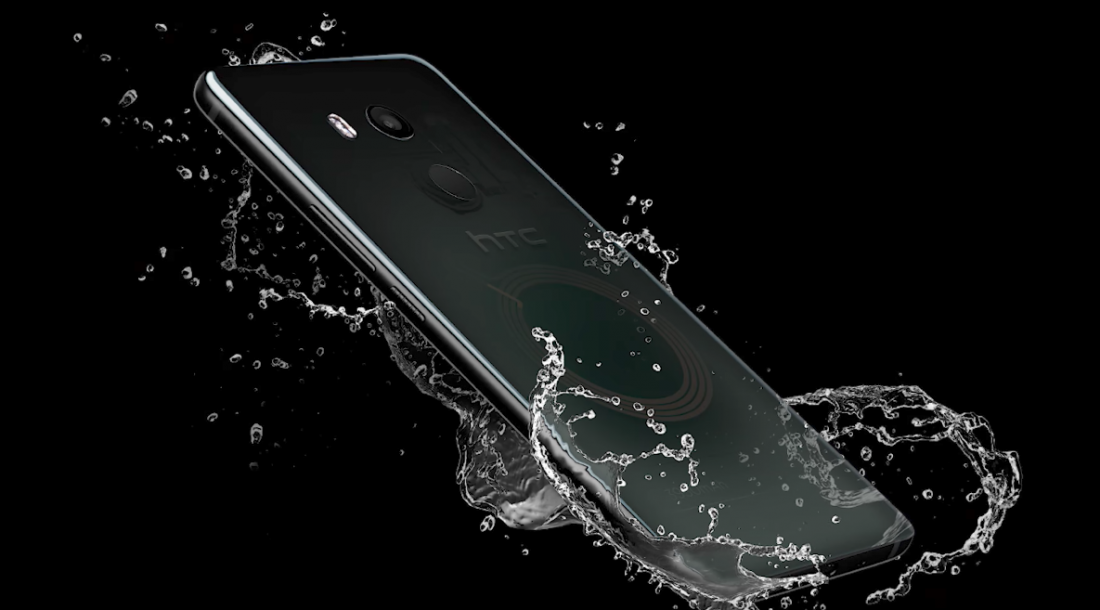
The smartphone is powered by a 3930 mAh battery with QuickCharge 3.0. Similar to the HTC U11, HTC U11+ has the Qualcomm Snapdragon 835 chipset, an octa-core processor, and Adreno 540 GPU. The HTC u11+ further has 6GB of RAM and 128GB onboard storage which can be further expanded up to 2TB. The HTC U11+ is IP68 rated water and dust resistant and due to the thin bezels, the fingerprint sensor is now placed below the rear-mounted camera.
The HTC U11+ has a 12.2MP rear-mounted camera with an f/1.7 aperture with optical image stabilisation and electronic image stabilisation. The camera can record 4K videos at 30fps and slo-mo 1080P videos at 120fps. On the front of the phone is an 8MP camera with an f/2.0 aperture and fixed focus. The front-facing camera can record 1080P videos at 30fps.via microSD card.
The HTC U11+ runs Android 8.0 Oreo with HTC’s Sense UI on top.
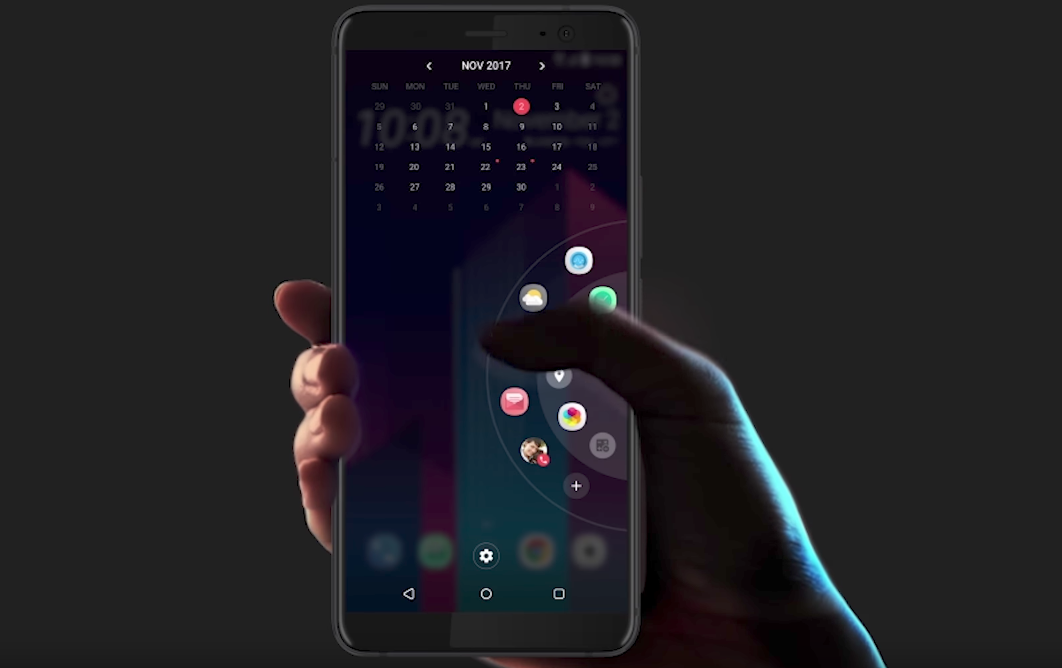
The Edge Sense feature from the HTC U11 retains its place albeit new features and customisability. With AI’s gaining more prominence, HTC has provided both Google Assistant and Amazon Alexa to give people the flexibility and choose which AI assistant they prefer. You can assign a light squeeze to access Google Assistant, and a hard squeeze to access the Amazon Alexa and vice versa. The squeeze feature is now a remappable button and can perform specific tasks depending on which app you’re in. If you have the YouTube app, you can remap the squeeze to take you to the subscriptions window or if you are in Google Maps, you squeeze to zoom in or zoom out. HTC has also added a new radial menu which can be accessed with a squeeze. It is a round shaped menu which customises on the basis of your usage.
HTC cleared the air of scepticism surrounding its smartphone business after the co operative agreement with Google, which saw its smartphone division’s personnel moving to work with Google. HTC announced in the press release after the agreement that it will continue making smartphones and with the launch of two new smartphones, it appears that HTC still has the desire to compete for smartphone supremacy with the likes of Samsung, LG and Apple. How the phones perform in the market is yet to be seen but, on paper at least, the HTC U11+ has all the specifications of a successful 2017 flagship phone.
At an event in Delhi on the 2nd of November, Xiaomi announced that MIUI 9 update will start rolling out to compatible devices in November. The compatible devices for MIUI 9 are
Mi 2, Mi 3, Mi 4, Redmi Note 4G, Mi Note, Mi 4i, Redmi 2, Redmi 2 Prime, Redmi Note 4G Prime, Redmi Note 2, Mi Mix, Mi Note 2, Mi 5, Mi 5s, Mi Max, Mi Max Prime, Redmi Note 3, Redmi 3, Redmi 3S, Redmi 3S Prime, Mi Mix 2, Mi Note 3, Mi 6, Mi Max 2, Redmi Note 4, Redmi Note 4xX, Redmi Note 5A, Redmi 4, Redmi 4A, Redmi Y1 and Redmi Y1 Lite.
Faster App Launching Speed
One of the main criticisms of MIUI has been its sluggish nature and the slow speed of general usage even in the flagship devices. Keeping that in mind, Xiaomi has promised much faster app launching speeds and navigation between multiple apps will be snappier as well. Performance enhancements are always welcome and this looks to be a step in the right direction for the Chinese giant.
Under The Hood Updates
Xiaomi has also introduced MIUI 9 with a few features that run in the background for example application prioritisation. This basically means that apps in the foreground will use up more power, but that has been on Android for a while. It also has better cache management, a new file system and a bunch of other tweaks to make the user experience crisper and snappier.
The ‘Smart’ Features
Xiaomi has also launched its Smart Assistant to compete with the likes of Google Assistant, Siri, Alexa and even Bixby. The voice assistant will be available in China only for the time being as localisation of the software may take time. Image search allows you to search your image talliers by image context keywords, so if you a looking for pictures with dogs that you have clicked you will be able to do that. The Smart App Launcher is a feature that makes a lot of sense as well. It basically means that you can open up a relevant app on the basis of the content on your current app. For example, if a friend sends you a restaurant’s name, you can open up Zomato to look up the restaurant.
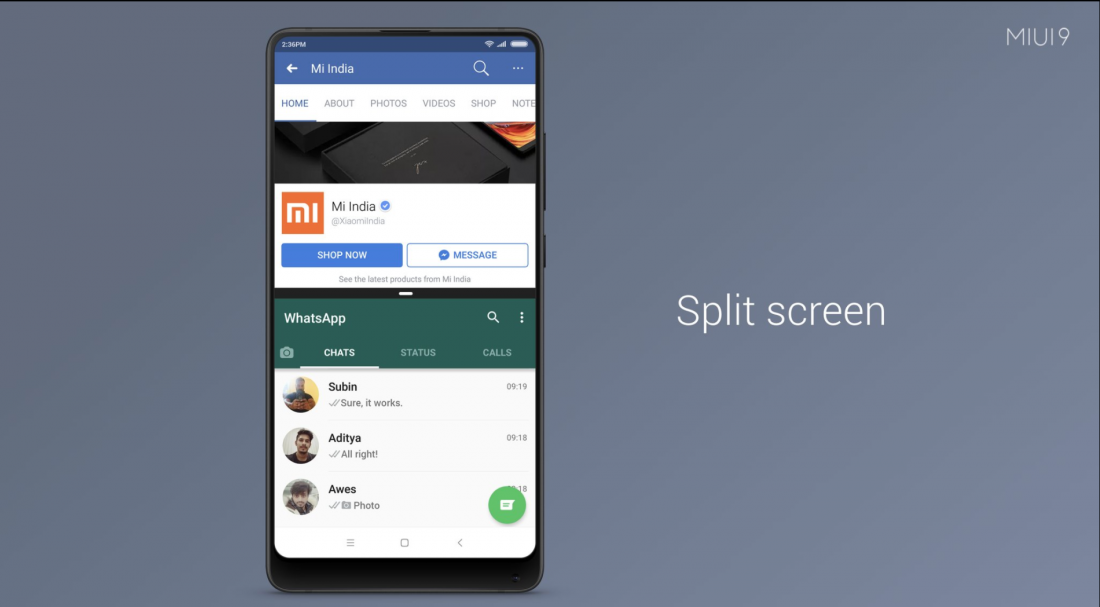
Split-screen Is here, Finally.
The split-screen feature was one of the major upgrades in Android Nougat and a plethora of phones from mid-rangers to flagships have embraced this handy little feature. Xiaomi, on the other hand, has launched it just now with MIUI 9 and it’s a welcome update.
Xiaomi has launched its first ever selfie focussed Android phone lineup in India. The Redmi Y1 and the Redmi Y1 Lite are the first part of a new lineup of smartphones in India which will focus on selfies. Along with the new phone, Xiaomi also introduced MIUI 9 in India. Launched back in August in China, the MIUI 9 brings new features like split-screen and CPU acceleration and new themes.
Redmi Y1 Lite
The cheaper of the two phones, the Redmi Y1 Lite has a 5.5 inch IPS LCD display with a 1280 x 720 px resolution. The device also has a 2.5D curved Corning Gorilla Glass on top for protection. The smartphone is powered by a 3080 mAh battery and runs Android 7.1 Nougat with MIUI 8.5 on top. Xiaomi has announced that MIUI 9 update will be rolled out for the Redmi Y1 in November. Under the hood, the smartphone has the Qualcomm Snapdragon 425 chipset, 2GB of RAM and 16GB of onboard storage which can be expanded up to 128GB via a dedicated microSD card slot.
The Redmi Y1 Lite has a 13MP rear-mounted camera with PDAF. On the front is a 5MP camera with an f/2.0 aperture and pro beauty mode. The Redmi Y1 Lite is priced at Rs 6999.
Redmi Y1
The Xiaomi Redmi Y1 has a starting price tag of Rs 8999 for the 3GB RAM variant. The variant with 4GB of RAM and 64GB onboard storage is priced at Rs 10999. The Redmi Y1 also has a 5.5 inch IPS LCD display with a 1280 x 720 px resolution. The device also has a 2.5D curved Corning Gorilla Glass on top for protection. The smartphone is powered by a 3080 mAh battery and runs Android 7.1 Nougat with MIUI 8.5 on top. Xiaomi has announced that MIUI 9 update will be rolled out for the Redmi Y1 in November. The Redmi Y1 has the Qualcomm Snapdragon 435 chipset, Adreno 505, 3GB or 4GB of RAM and 32GB or 64GB of onboard storage. The onboard storage can be expanded via a dedicated microSD card slot.
The Redmi Y1 has a front facing 16MP camera with an f/2.0 aperture and an LED flash. Xiaomi claims that the software processing and beautify mode will result “in your best selfie ever.” The rear-mounted 13MP camera with PDAF and LED flash.
Both the phones will see their first sale on the 8th of November and will be sold online via Amazon Exclusively. The Redmi Y1 and Redmi Y1 Lite will also be sold offline in Mi Home, Big Bazaar, Reliance Digital and various offline partners. Idea is offering up to 280GB 4G data to existing Idea customers.
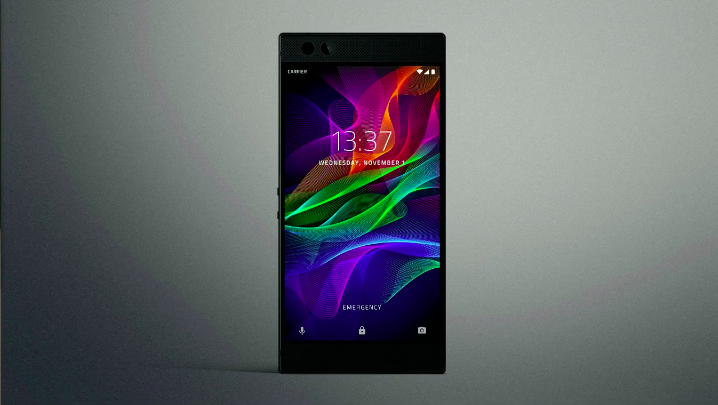
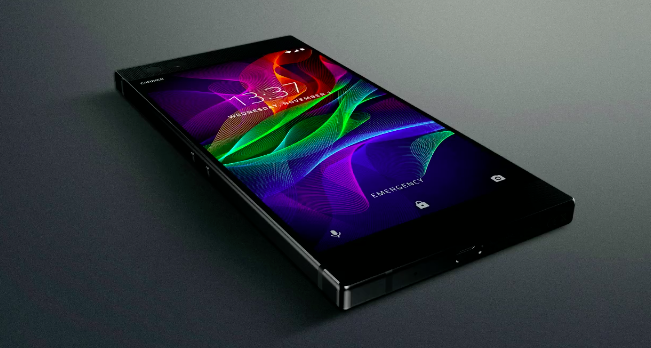
After weeks of speculation and leaks, Razer has launched the Razer Phone during an event in London. Launched as a gamer’s phone, the Razer Phone has flagship phone specifications. Razer poked fun at the price of its Razer products and announced that the phone will be priced at US $699 and ship it to the US and EU from the 17th of November.
The smartphone has a 5.72-inch IGZO display with 120Hz refresh rate which reinstates that the phone is targeted at gamers. Another interesting aspect here is the front-firing dual speakers. With bezels getting thinner, the trend of front-firing stereo speakers appears to be dying as well. The Pixel 2 XL managed to squeeze in stereo speakers with slightly larger bezels that its competitors. The Razer phone has bezels similar to a Sony smartphone with front-firing speakers with Dolby Atmos sound and amplifiers which are certified by THX. The device is powered by a 4000 mAh battery and runs Android 7.1 Nougat.
Under the hood, the Razer Phone has the Qualcomm Snapdragon 835 chipset, 8GB of RAM and 64GB onboard storage which can be expanded up to 2TB via microSD card. The Razer Phone will come equipped with special games which are specifically reprogrammed with a 2K display and 120Hz refresh rate like Tekken, Legend Of Valor and more. According to Tom Moss, Razer was able to use the technical know-how accumulated over many years in heat dissipation for the Razer Phone. A heat pipe and two-layer heat spreader ensure that the smartphone does not overheat in continuous use and under full load. Bad news for fans of the good old headphone jack, because the Razer phone doesn’t have a 3.5mm jack on the phone itself. To connect analogue headphones, there is a USB type C dongle, which has a THX-certified DAC inside. The fingerprint sensor is housed inside the lock/unlock button.
Razer also introduced a “game booster” feature which refers to additional software functions that adjust the clock rate of the processor and the resolution of the display, depending on the app requirements. The user can define whether the four performance cores of the Snapdragon 835 SoC should perform their service at full or lower clock rate.
The Razer phone has a dua l12MP wide-angle lens + 12MP telephoto lens setup at the back. The wide angle lens is the full beam lens with an aperture of f/1.75 and the telephoto lens with an aperture of f/2.6. The telephoto lens allows for portrait mode images and also bokeh effect photos. On the front of the device is an 8MP camera with an f/2.0 aperture.
There is no official word on the availability of the Razer phone in other markets including India.
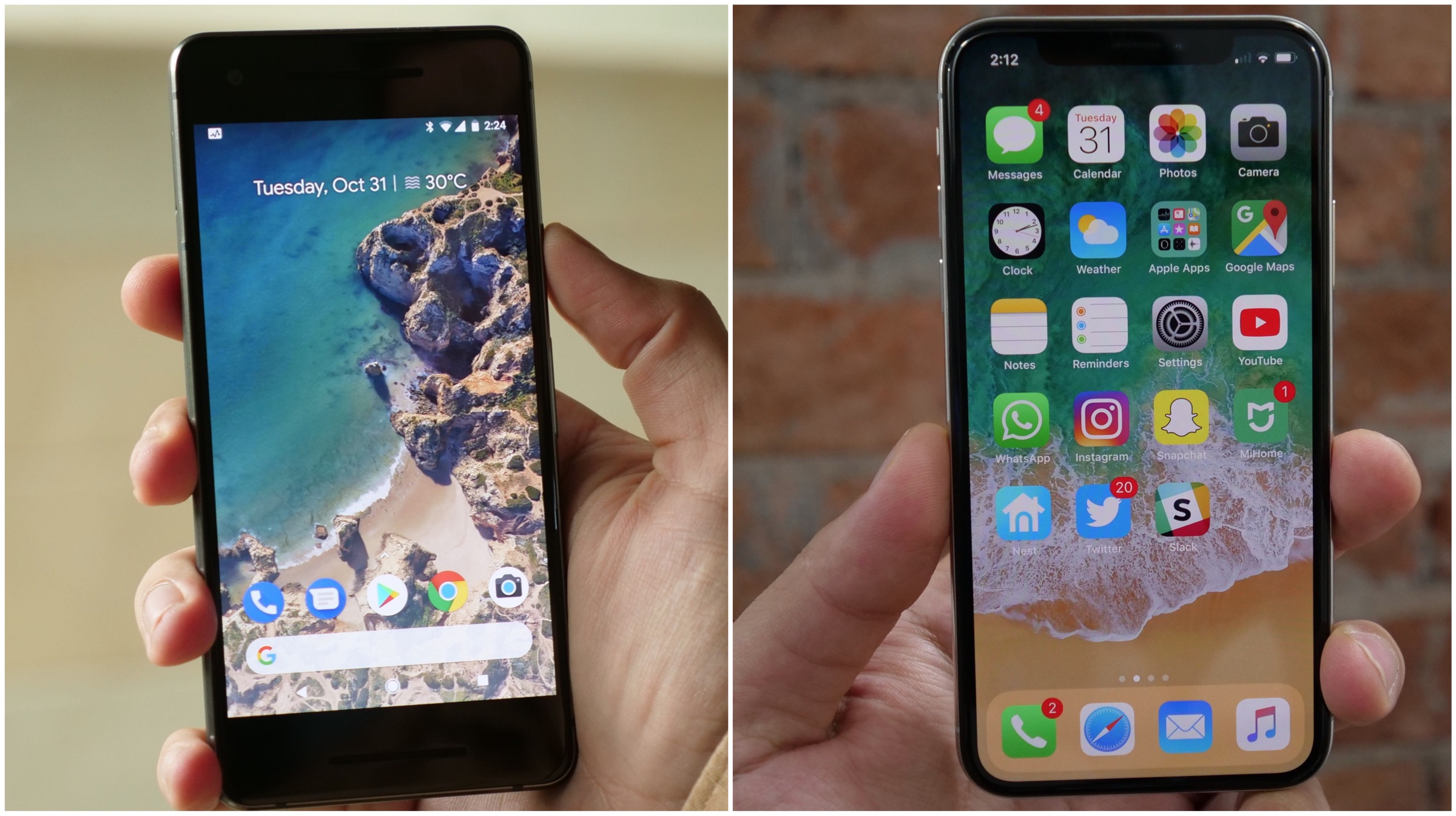
Apple and Google have been rivals in the world of tech for a long time now. For many years, Google was known for its software business but, it recently took control over its phones’ hardware as well with the rise of the Pixel lineup. In September, Apple launched the marquee iPhone X and Google launched the Pixel 2 and Pixel 2 XLa month later. While the iPhone X takes a huge detour in terms of design from its predecessor, you can still see shades of the original Pixel devices in the new Pixel 2 smartphones. Both, the iPhone X and Google Pixel 2 went up for pre-orders in India on the 27th of October. Let’s stack up the Google Pixel 2 against the iPhone X and see who comes out on top.
Price
If you care about your budget and are okay with either Android or iOS, then the Pixel 2 should be your choice. The Pixel 2 starts at a price of Rs 63000 for the 64GB variant while the iPhone X costs Rs 89000 for the 64GB variant. Even the Pixel 2 XL will be cheaper than the iPhone X and fit better in your budget.
Design
There isn’t a competition here in the design department. Even if it were the Pixel 2 XL against the iPhone X, the latter would win on any day under the Sun. The iPhone X has minimal bezels around a 5.8-inch OLED display while Pixel 2 , even though has the front-firing stereo speakers, still possesses those big 2015 bezels. The iPhone X has a glass back which enables the much-awaited wireless charging feature, while it eludes the Google Pixel 2 owing to an aluminium body. The “glass window” from the 2016 Pixel smartphone retains its place albeit a smaller size which, some people like and other people find hideous. The glass back on the iPhone X however means that it is a fingerprint magnet but, a skin or a cover can negate that. The design department goes hands down, to the Apple iPhone X.
Multimedia
With smartphones getting more expensive and people becoming more mobile, the media consumption has largely shifted from laptops and desktops to smartphones. When you buy thousand dollar, or a nearly thousand dollar smartphone, you better get excellent media consumption experience. Here’s where, again, the iPhone X trumps the Google Pixel 2. Despite the front-firing speakers on the Pixel 2, the speaker on the iPhone X is much louder and has a better sound stage than the Pixel 2. Pixel 2 is loud, no doubt, but when stacked up against the iPhone X, it falls short in quality and volume as well. The display on the iPhone X is an OLED panel with a 2436 x 1125 resolution in comparison to the 5 inch AMOLED 1920 x 1080 px on the Pixel 2. While watching videos, the notch on the iPhone X can be negated by pinching out of the video or, you can choose to embrace the notch. The viewing angles are much better on the iPhone X which translates to amazing video watching experience. Both the phones are missing the headphone jack so, if you are not willing to live the dongle-life, bluetooth headphones are the way to go. With a better display and speakers, the iPhone X beats the Google Pixel 2 in the multimedia department.
Software
Comparing iOS and Android is like comparing apples to oranges, you can do it, but, it doesn’t solve any purpose. The Google Pixel 2 runs pure Android 8.0 Oreo with some nifty features like ‘Now Playing’ and squeeze to launch the Google Assistant. On the iPhone X, you still have to long press the lock/unlock button to launch Siri. The iPhone X runs iOS 11 out of the box, and even though the latest version of iOS has run into some issues, it is a smooth experience over-all on the iPhone. With the riddance of the home button on the iPhone X, the navigation within the phone is replaced by gestures. Both the Google Pixel 2 and iPhone X will receive software updates for years to come, and in the end it is up to you to choose between Android and iOS.
Gaming Performance
If you are that person who swears by the benchmark scores, then the iPhone X scores a whopping 229507 on Antutu while the Pixel 2 scores 150957. Gaming on both the phones was a breeze and the Snapdragon 835 on the Pixel 2 and A11 Bionic chip on the iPhone X does not disappoint. Once you get used to the gestures on the iPhone X, you realise that multi-tasking and general usage is extremely smooth and same is the case with the Pixel 2. Android phones have been criticised for slowing down with time and it will be interesting to see how the two phones will perform in the coming months after extensive usage.
Camera
Both the iPhone X and Pixel 2 have great cameras. The 12.2MP camera on the Pixel 2 and the 12MP dual camera setup on the iPhone X perform great in low-light conditions and in brightly lit environments, there is barely anything to guess them apart. The difference comes in the video department, the iPhone X takes video recording a notch higher (no pun intended) with 4K videos at 60fps while the Pixel 2 still records 4K videos at 30fps.