Category: Google

  • Google’s Fix For Spectre And Meltdown Won’t Cause Significant Slowdowns

    Google’s Fix For Spectre And Meltdown Won’t Cause Significant Slowdowns

    A couple of days ago, Google along with a few other security researchers conceded that almost all the CPUs currently functioning across the world are susceptible to a major security breach. The company released two white papers chronicling the two main ways through which the CPUs can be affected, called Meltdown and Spectre.

    It now appears that Google has a fix for this flaw and it might not cause a significant slowdown as well. In a blog post, Google said that it has shared a new fix, called Retpoline which fixes one of the Spectre vulnerabilities (CVE-2017-5715). Along with that, the company also deployed a Kernel Page Table Isolation (KPTI) fix that protects against the Meltdown (CVE-2017-5754) vulnerability.

    There has been speculation that the deployment of KPTI causes significant performance slowdowns. Performance can vary, as the impact of the KPTI mitigations depends on the rate of system calls made by an application. On most of our workloads, including our cloud infrastructure, we see negligible impact on performance.

    However, Google has maintained that it doesn’t guarantee that there won’t be any slowdowns.

    In our own testing, we have found that microbenchmarks can show an exaggerated impact. Of course, Google recommends thorough testing in your environment before deployment; we cannot guarantee any particular performance or operational impact.

    Meltdown and Spectre exploit critical vulnerabilities in modern processors. These hardware bugs allow programs to steal data which is currently processed on the computer. While programs are typically not permitted to read data from other programs, a malicious program can exploit Meltdown and Spectre to get hold of secrets stored in the memory of other running programs. This might include passwords stored in a password manager or browser, personal photos, emails, instant messages and even business-critical documents.

     

  • Google May Open Offline Stores In India To Sell Pixel Devices

    Google May Open Offline Stores In India To Sell Pixel Devices

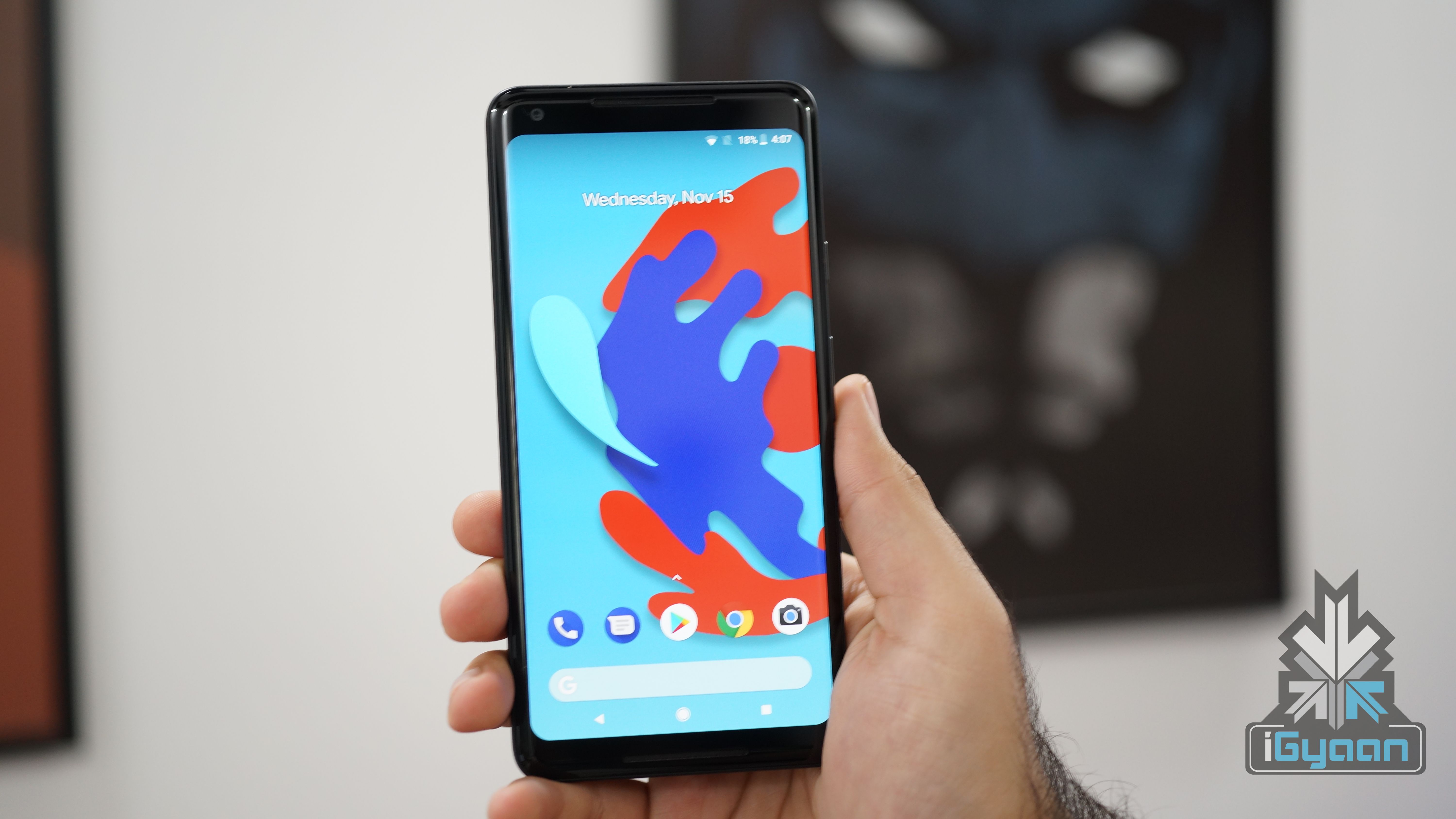
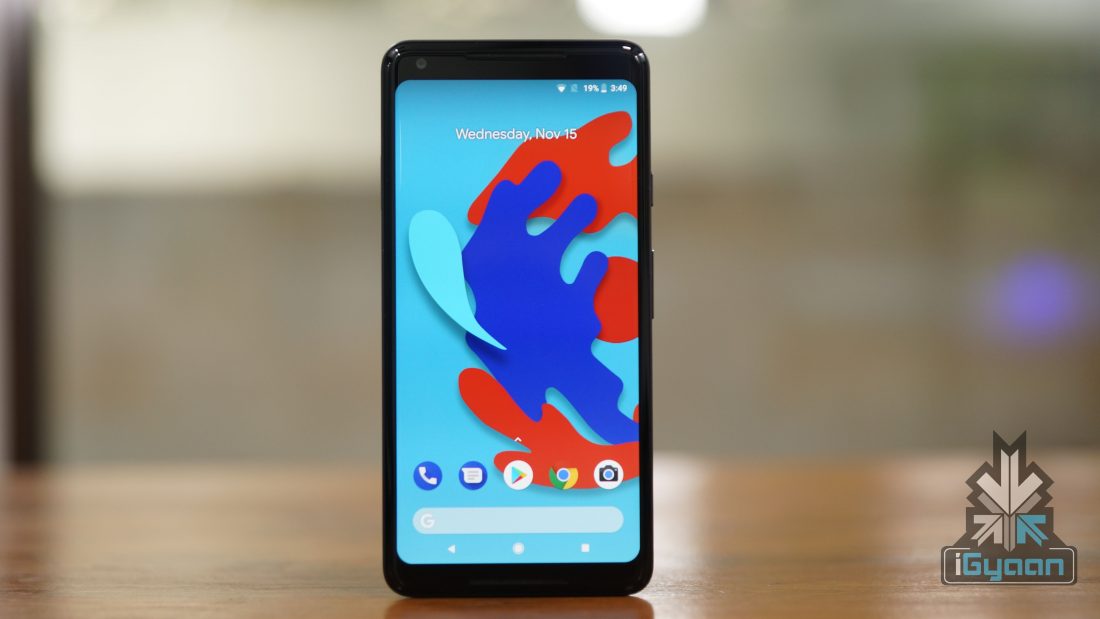
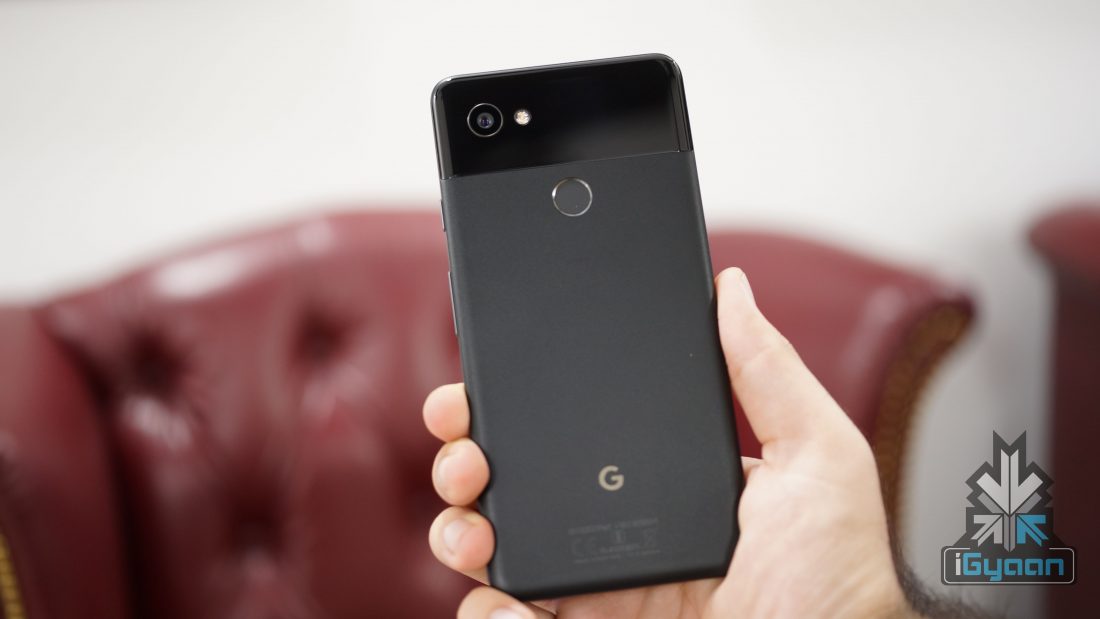
    Google launched the Pixel 2 and Pixel 2 XL on the 4th of October. It subsequently went on sale in India and ever since the launch, the two devices have been embroiled in controversies regarding a lot of software and hardware issues. To improve its sales in the country and catch up with its competition, the tech giant is planning to open offline stores.

    [amazon_link asins=’B0772YB7Y1′ template=’ProductAd’ store=’igyaan-21′ marketplace=’IN’ link_id=’d01d2b50-ea13-11e7-8200-b7868d257085′]

    The motive behind opening offline stores in India is more than just about increasing sales. The company wants to improve the brand awareness of its Pixel lineup as well. For years, Google has been known as a software company and its efforts to become a global hardware competitor won’t be fruitful unless it makes a dent in the Indian market since it is the second largest smartphone market in the world right now.

    To increase the visibility of its Pixel phones, Google has opened pop-up stores in the past few weeks in malls like Promenade, Select Citywalk and Mall of India, among others. The report claims that the positive response to these pop-up stores is one of the reasons to open an offline store.

    [amazon_link asins=’B077SGZJK2′ template=’ProductAd’ store=’igyaan-21′ marketplace=’IN’ link_id=’dc7395c6-ea13-11e7-a8ed-db22da0390b2′]

    Last year’s Pixel and Pixel XL, even though they received great reviews for their camera and software performance, didn’t perform all that well in India. At a starting price of Rs 61000, the Pixel 2 duo is already costlier than the Samsung Galaxy S8. Compared to the US$649 starting price of the Pixel 2, the price in India is inflated by almost US$300.

    At the time of the India launch of the two new smartphones, the VP of Product Management at Google said that the team has learned a lot since the 2016 Pixel phones were launched in India:

    We learnt quite a bit with the first Pixel in India and one of the things we’re doing is increasing our marketing investment, really to explain the product.

    We’ve expanded the channel and from a go-to-market perspective, we’ll be much more present this year compared to last year.

    The company conceded that one of the main drawbacks of the Pixel and Pixel XL of 2016 was its failure to capture the offline market. The Pixel 2 in India starts at a price of Rs 61000 for the 64GB variant and goes up to Rs 70000 for the 128GB variant. The bigger sibling, Pixel 2 XL costs Rs 73000 for the 64GB variant and Rs 81000 for the 128GB storage variant.

  • More Issues With The Pixel 2 XL Speakers Reported

    More Issues With The Pixel 2 XL Speakers Reported

    Google cannot seem to catch a break. Ever since the Pixel 2 and Pixel 2 XL were launched, the two devices have been surrounded by nothing but controversies. Constant updates from Google fix one thing and mess up two other things. The latest to go down the firing line is the bigger of the siblings, the Google Pixel 2 XL.

    A growing number of users on Reddit and Google’s forums are reporting a problem with one, and in a few cases both of the Pixel 2 XL’s front-facing speakers. The issue centres around a buzzing/rattling sound, as well as minor micro-vibrations that impacts call quality. Some users report that the problem only arises when the volume is set at maximum, while others are noticing the noises at lower volumes when using the regular speaker during a phone call, or playing media content like YouTube videos via the stereo speakers.

    This is not the first time that people have had speaker-related issues with their Pixel 2 devices. A few weeks after the launch, people complained about a buzzing noise in their Pixel 2 phones. Google addressed the issue and released a software update that apparently fixed the buzzing noise issue.

    We reported that the new software update had even broken the basic functionality of the Google Pixel 2 XL. Some users reported that they had to manually switch on the display during an incoming call as the display won’t actually wake up to reveal the incoming call.

    Let’s hope that Google fixes these issues soon as people have paid big money for the premium Pixel 2 smartphones.

  • Amazon Is Working On Its Own Version Of YouTube

    Amazon Is Working On Its Own Version Of YouTube

    It is no secret that Google and Amazon are embroiled in a battle of power. It might seem silly to consumers but, it might end up costing the two companies millions of dollars. Amazon has been refusing to sell Google hardware on its platform, and Google has responded by blocking YouTube access on Amazon’s line of Echo and Fire TV products.

    Now, it is fair to assume that Google can’t replicate Amazon’s online presence and Amazon, in turn, can’t make a platform as huge as YouTube right now. But, it appears that Amazon is not willing to give up the ambition of having its own YouTube-like platform. Amazon filed trademarks requests with the US Patent and Trademark Office for products called AmazonTube and OpenTube.

    Interestingly, this happened the same day Google announced that Amazon devices will lose YouTube access from the 1st of January.

    Amazon says Amazon Tube and/or Open Tube would provide “non-downloadable pre-recorded audio, visual and audiovisual works via wireless networks on a variety of topics.”

    In the description, Amazon says the new service would also provide “on-line network services that enable users to share content, photos videos, text, data, images and other electronic works relating to entertainment, including, movies, television, audiovisual works, music, audio works, books, theatre, literary works, sporting events, recreational activities, leisure activities, tournaments, art, dance, musicals, exhibitions, sports instruction, clubs, radio, comedy, contests, visual works, games, gaming, festivals, museums, parks, cultural events, concerts, publishing, animation, current events, fashion, multimedia presentations, history, language, liberal arts, math, business, science, technology, hobbies, culture, sports, arts, psychology, and philosophy.”

    Apart from that, a report claims that Amazon has been registering new domain names including AlexaOpenTube.com, AmazonAlexaTube.com, and AmazonOpenTube.com.

    If these are more than just routine patent filing activities and Amazon goes ahead with its plan of launching a YouTube competitor, it will be interesting to see how the consumers respond and whether it will be available to match up to the vast content that YouTube offers,

    [poll id=”58″]

  • New Software Update Breaks Basic Functionality Of Pixel 2 XL

    New Software Update Breaks Basic Functionality Of Pixel 2 XL

    Google launched the Pixel 2 and Pixel 2 XL back in October to much fanfare. When both the devices were launched, there were hardware and software issues that marred the progress of the two devices and definitely persuaded a lot of customers away from the two devices.

    The latest software update for the Google Pixel 2 and Pixel 2 XL has brought new issues to both the Pixel 2 and Pixel 2 XL. After the latest software update, users have to physically wake up the screen to see who’s calling and accept or decline the call. That is a basic function that every feature phone also has, to wake up the screen and display who’s calling.

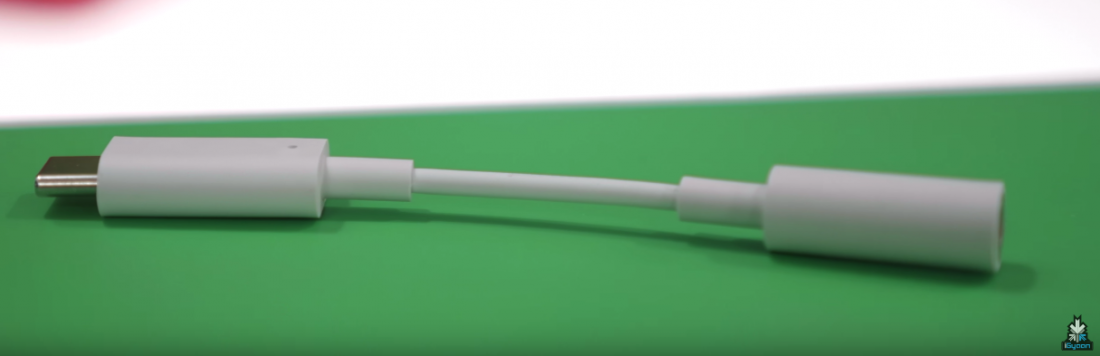
    The smaller of the two phones, Pixel 2 has its own set of issues. Since the latest software update, the USB-C to 3.5mm headphone jack dongle that comes inside the retail box is not working anymore. Users have reported that the adapter doesn’t work as the sound comes from the phone’s speakers instead of headphones.

    Google has not responded to any of the complaints so far.

    The Google Pixel 2 and Pixel 2 Xl are priced at Rs. 61000 and Rs. 73000 for the base variant, respectively. Users expect top-notch service and performance from phones that cost so much and it appears that the Pixel 2 devices are having a hard time coping with the demands of the consumers.

  • Pixel 2 XL Fingerprint Issues Reported After Android 8.1 Oreo Update

    Pixel 2 XL Fingerprint Issues Reported After Android 8.1 Oreo Update

    Google launched the Pixel 2 and its bigger sibling, the Pixel 2 XL back in October. The smartphones succeeded the 2016 Pixel smartphones, which were the first ever phones “Made By Google.” While the Pixel 2 phones brought in a few changes were pointed out in the original Pixel devices such as an IP67 rating and a refined design. But, ever since the launch, the Google Pixel 2 and Pixel 2 XL have been marred by controversial issues.

    Android 8.1 Oreo stable update started rolling out a few weeks ago for the Google Pixel 2 devices and ever since then, there have been multiple instances where users have complained that the fingerprint sensor on the Google Pixel 2 XL has slowed down. It was also reported earlier this week that some Pixel owners were facing multi-touch issues after updating their phones to Android 8.1 Oreo. No new update has since been rolled out to address those issues.

    A temporary fix that some users have discovered involves turning on the phone’s always on display. In theory, this feature should not consume a lot of battery since the Pixel 2 XL has an OLED panel but, if you like saving battery to the last iota, then this fix won’t help.

    A Google representative on the support forum has confirmed that the team knows about the issue and that it will be reaching out to affected users to obtain bug reports so they can isolate the issue and fix it. Google has been prompt in acknowledging and addressing issues to its products and a new software update to fix these issues should be seeding soon.

  • Google’s Tango Will Shut Down On March 1

    Google’s Tango Will Shut Down On March 1

    As smartphone makers and other tech giants move towards virtual and augmented reality, Google has announced that its first foray into AR, Tango will be shut down come 2018.

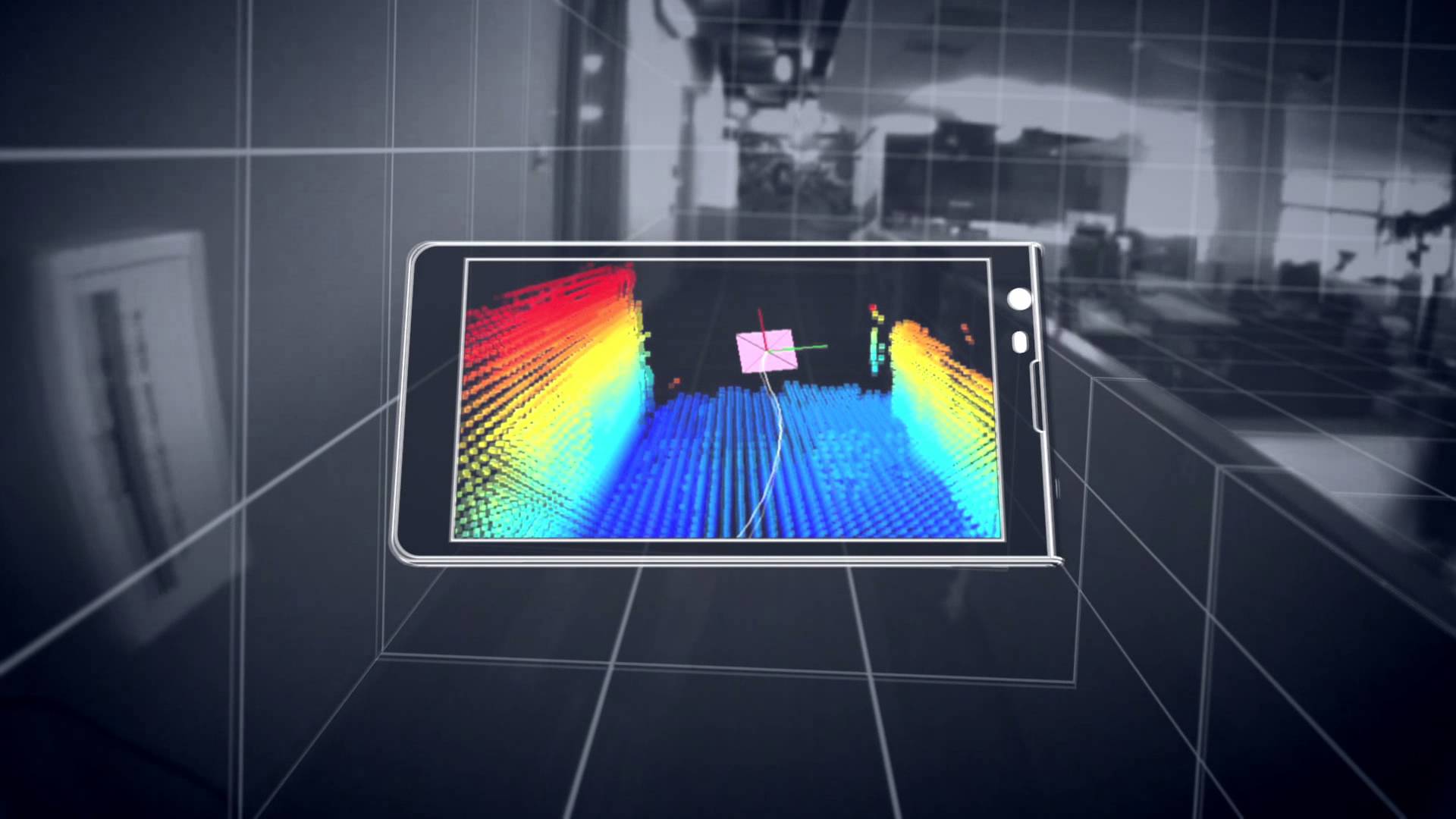
    Tango, originally Project Tango, was launched in 2014 and used special sensors and cameras on devices to display virtual objects. ATAP, Google’s advanced technology and projects lab, developed Tango but it was soon succeeded by ARCore.

    With ARCore now progressing quickly, Google feels that it doesn’t make sense to carry on supporting Tango. Google announced today that it will end the project on March 1, 2018.

    https://twitter.com/projecttango/status/941730801791549440

    Back in 2014, Project Tango was a new and exciting prospect as it enabled devices to utilise cameras and IR sensors to track and place objects, and was one of the first mobile options to do so. But, Tango soon started falling off the radar due to speed and accuracy issues. Also, the phones that supported project Tango were pricey due to the required hardware.

    As of right now, ARCore only works on Pixel devices and the Samsung Galaxy S8 and Galaxy S8+. But, Google already has a host of other companies on board like LG, Huawei, ASUS and more.

    Google believes ARCore is the future of AR and VR for the company thanks to its implementation. Even though ARCore can’t see in 3D, it works with the hardware already found on phones. That means that unlike Tango, no special sensors or cameras are required to make use of the software. Machine learning, something that Google showed off in the new Pixel 2 devices, is used to accomplish the same tracking that Tango required hardware for, which gives ARCore a leg up.

    Even Apple’s ARKit focuses on the future of AR and VR, and other company’s decision to support ARCore means that more smartphone makers want to make use of the technology in its upcoming phones.

  • Google Pixel 2 For Rs. 39999 And Other Top Smartphone Deals During The Flipkart New Pinch Days Sale

    Google Pixel 2 For Rs. 39999 And Other Top Smartphone Deals During The Flipkart New Pinch Days Sale

    As we approach the end of 2017 and holidays begin, Flipkart is back with a new sale where you can save quite a lot money on the best of smartphones from 2017. Let’s take a look:

    Google Pixel 2

    Arguably one of the best Android phones of 2017, the Google Pixel 2 might be a better choice than its bigger sibling, the Pixel 2 XL for a lot of people. It shares the same hardware with the Pixel 2 XL albeit, a smaller display and an old design.

    It has all the flagship phone specifications like the Snapdragon 835 chipset, 4GB of RAM and 64GB of onboard storage. It has a superior primary camera and a front-facing camera.

    Flipkart is offering a flat Rs. 11000 discount and an extra Rs. 10000 cashback which will essentially bring the price down to a whopping Rs. 39999.

    Read our full story here.

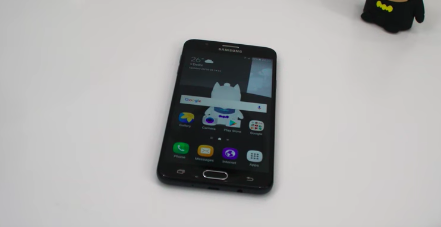
    Samsung Galaxy On Nxt

    Another budget-friendly offering from Samsung, this one is powered by the Exynos 7870 processor coupled with 3GB of RAM and 64GB of internal storage. Samsung Galaxy On Nxt 64 comes with a beautiful 5.5-inch 1080p display and a 3,300 mAh to give you a day’s battery life with ease. Grab it on Flipkart at a flat Rs. 6000 discount for Rs. 11,900.

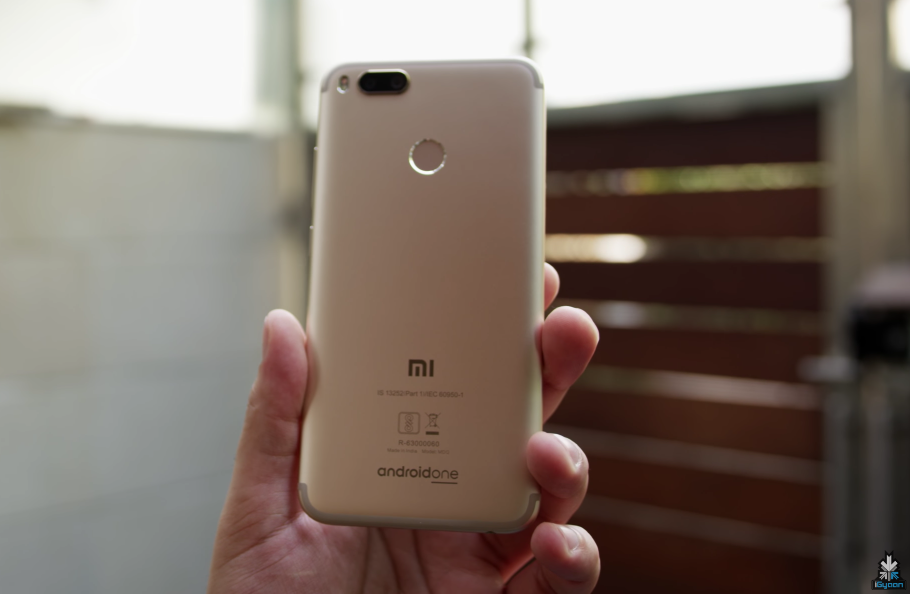
    Xiaomi Mi A1

    One of the best budget smartphones of 2017, any deal on the Xiaomi Mi A1 will be a great deal. A few days ago, Xiaomi announced that the Mi A1 had received a permanent price cut of Rs. 1000 which got its price down to Rs. 13999. The new deal on Flipkart brings the price down to Rs. 12999.

    The Xiaomi Mi A1 is the first smartphone from Xiaomi to run stock Android OS. It also has a dual-camera setup at the back which is one of the best in the category.

    Read the full story here.

    [widgets]

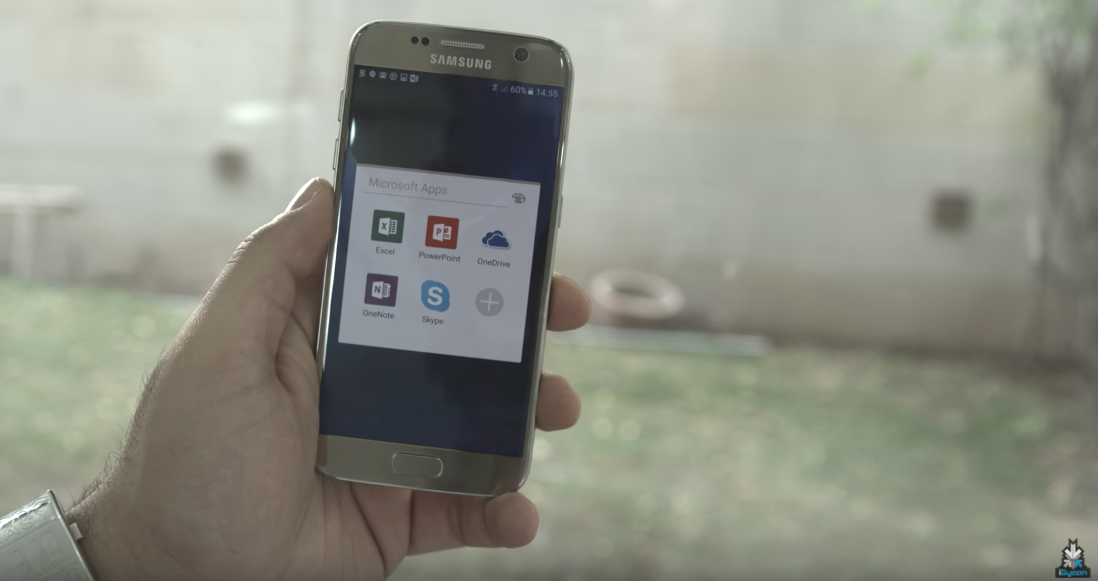
    Samsung Galaxy S7

    2016 and 2017 were great years for Samsung, barring the Galaxy Note 7 debacle. 2016 saw the launch of the Galaxy S7 and S7 Edge which still hold up for well for mid-range smartphones in late-2017.

    The Galaxy S7 is available at a price of Rs. 29990 during the Flipkart sale. The Galaxy S7 still has a great 5.1-inch Quad HD AMOLED display and a great camera.

    Under the hood, it runs a slightly dated Exynos 8890 chipset but, it is still a flagship chipset and will handle all sorts of gaming and day-to-day tasks with ease.

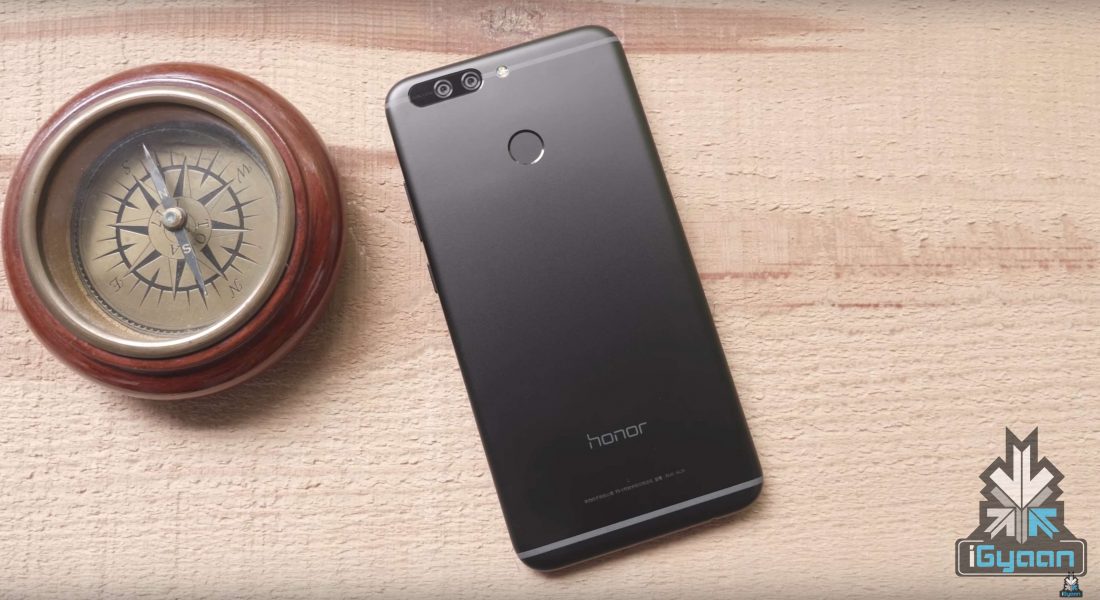
    Honor 8 Pro

    Flagship specifications under Rs. 30000 was the USP of the Honor 8 Pro at the time of its launch, similar to the OnePlus 3T. The Honor 8 Pro has a Quad HD display and the Kirin 960 chipset, and a 4000 mAH battery.

    The Honor 8 Pro is available at a price of Rs. 25999 after a Rs. 4000 discount.

    Read the full story here.

  • You Can Now Experience Google Assistant On Devices Running Android 5 Lollipop

    You Can Now Experience Google Assistant On Devices Running Android 5 Lollipop

    Google Assistant, the AI assistant that is omnipresent on all Android devices running Android 6 Marshmallow or higher is finally available for devices that are still on Android 5 Lollipop. The update has started seeding which will enable Android tablets and smartphones running Android 5 Lollipop to experience the smart assistant. On tablets, Assistant will be limited to Android 7 Nougat and Android 6 Marshmallow OS versions for now.

    At the time of its introduction, Google Assistant was only available for Android devices running Android 7 Nougat. Due to the highly fragmented Android smartphone market, it was quintessential on Google’s part to release the AI assistant to the previous version of the OS as well. One of the main reasons for a vast roll-out of Google Assistant is the staggering numbers that show that old Android OS versions are still prevalent in the market. Old devices running older versions of the operating system are still available in the market in abundance.

    Android 8.0 Oreo is currently available on only 0.3% Android phones, while iOS 11, which was launched in September is present in over 50% of iOS devices. For further context, here is the Android OS and the percentage of Android phones running it:

    • Android KitKat (13.8%) – 2013,
    • Lollipop (27.2%) – 2014,
    • Marshmallow (30.9%) – 2015
    • Nougat (20.6%) – 2016

    Google definitely feels that AI is the future and is trying its best to spread the Google Assistant to as many phones as possible. It recently announced that the JioPhone will also support Google Assistant. This could mean that other feature phones could also be Google Assitant compatible in the future.

    Google Assistant on Android 5.0 Lollipop has started to roll out to users with the language set to English in the US, UK, India, Australia, Canada and Singapore, as well as in Spanish in the US, Mexico and Spain. Google is also rolling out to the Assistant to users in Italy, Japan, Germany, Brazil and Korea.

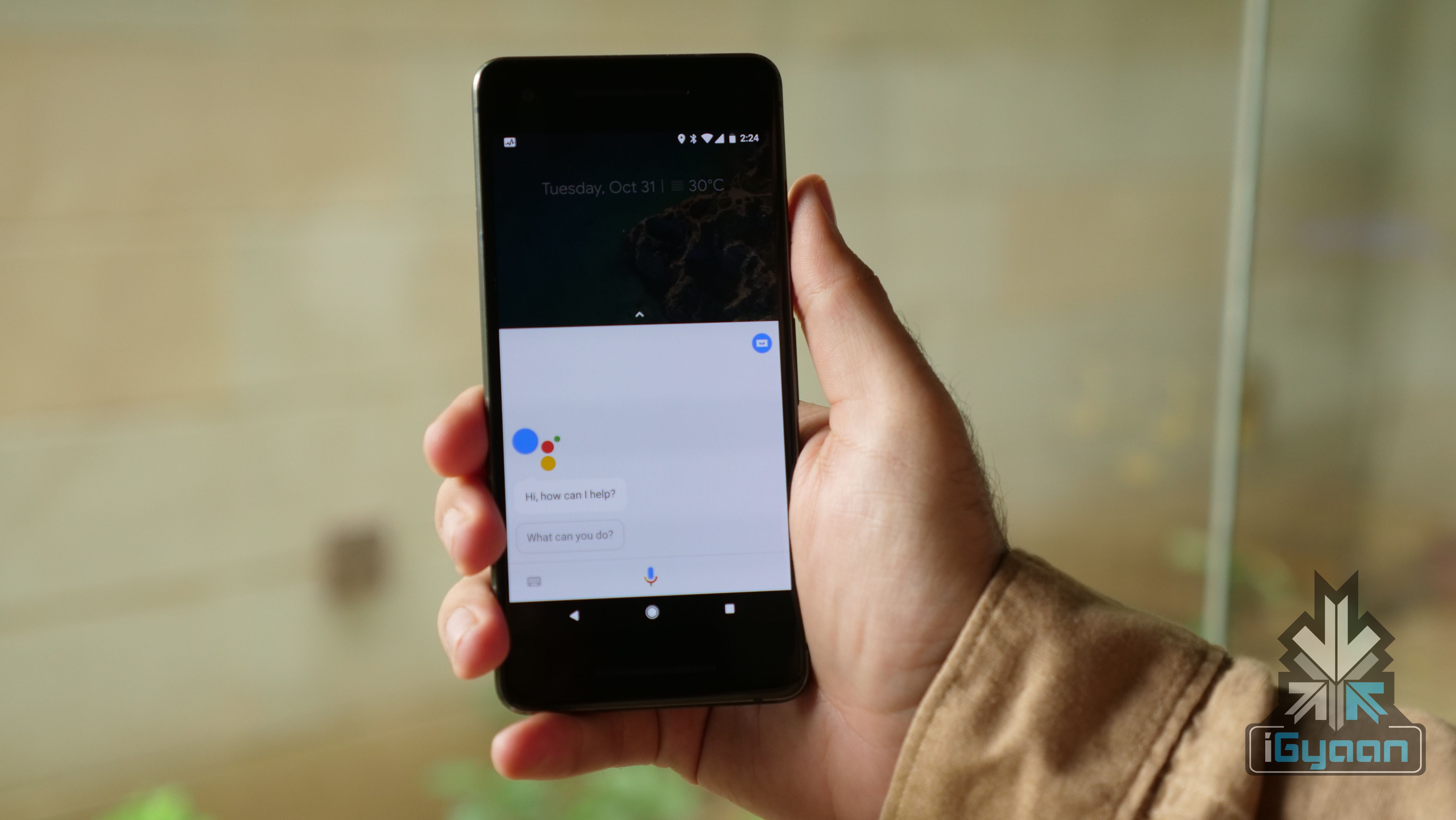
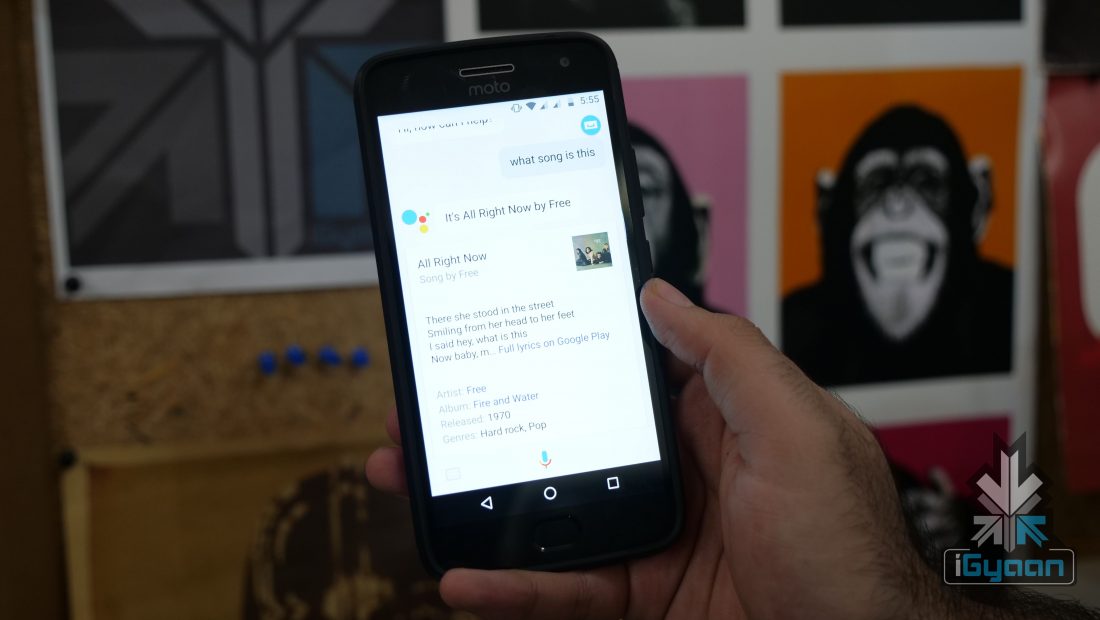
    Google Assistant is a smart AI assistant that can carry out tasks on the basis of your voice commands. It can set reminders, make a shopping list and tell the weather.

  • Another Hint That Google Is Working On A Touch Enabled Google Home

    Another Hint That Google Is Working On A Touch Enabled Google Home

    A new job listing by Google spotted online suggests that the company is indeed working on a touchscreen Google Home. The job listing reads:

    In this role, you’ll work on the next generation of Google Hardware to enable the best multi-touch user experience.

    Google might be working on a multi-touch Google Home as a rival to Amazon’s Echo Show.  Multi-touch gestures could also find their way to speakers like the next revision of the Home and Home Max.

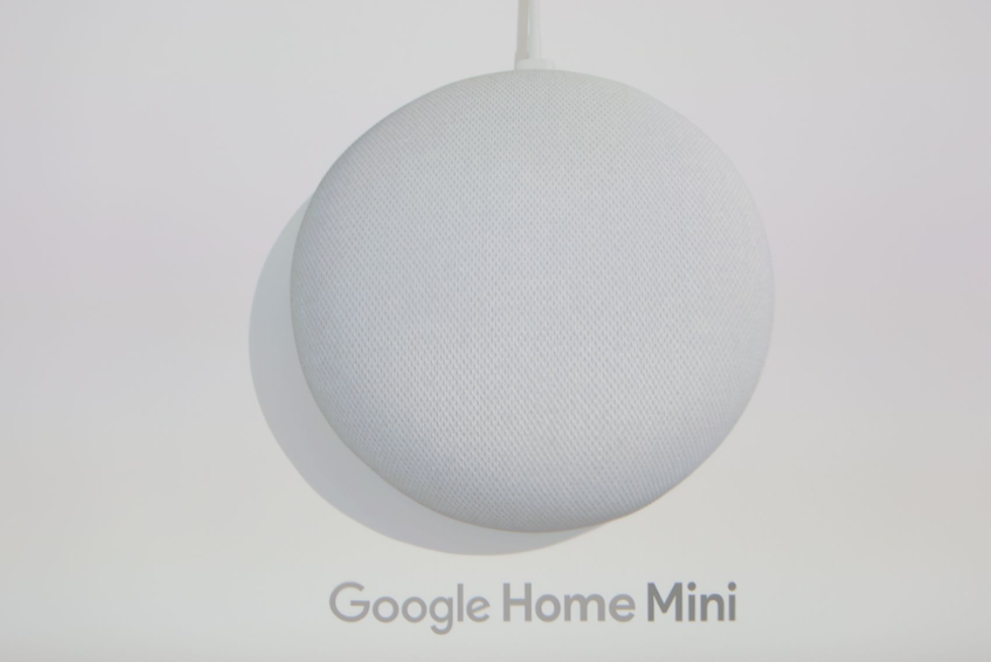
    Google has not had the best of times with its hardware this year. Back in October, its Google Home Mini speaker forced the company to permanently disable the touch sensor at the top of that device. That happened because of some bug, the Home Mini was recording everything around it even when no command was given. And while the decision to protect the customer privacy was the right one and to Google’s credit, it worked on the fix right away but, doing so crippled some of the Google Home Mini’s capabilities and appeal.

    Even Google’s Pixel phones have received a lot of flak for its under-performing hardware. It will be interesting to see Google’s approach to its products from now on and the integration of AI and machine learning in it upcoming smart devices.

  • Google Launches Android Go Oreo Edition For Budget Smartphones

    Google Launches Android Go Oreo Edition For Budget Smartphones

    Google has launched a version of Android 8.0 Oreo which is best suited for Android phones with 1GB of RAM or less.

    At the Google I/O event in May 2017, Google promised to launch a custom version of Android tailor-made for lower-end devices. On the 5th of December, Android Go (Oreo edition) was officially launched and made available to smartphone manufacturers and developers.

    As Google said, the idea behind Android Go is to create a version of Android software which is designed to run better on phones with either 512MB or 1GB of RAM. In the world of OnePlus 5T with its 8GB of RAM or Galaxy Note8’s 6GB RAM, it is easy to forget that there are lower-end smartphones currently available in the market which have 1GB of RAM or less.

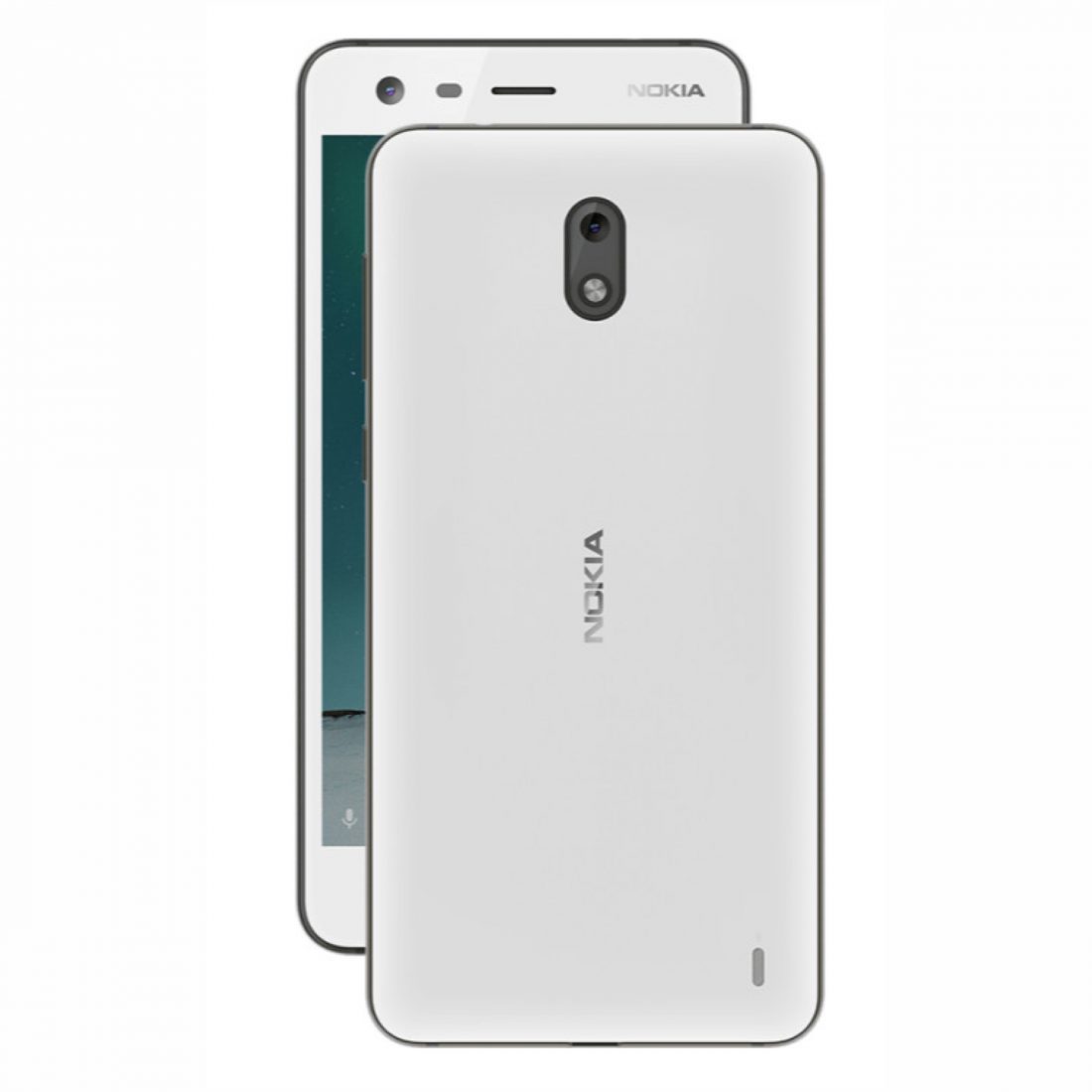
    Recently, the Nokia 2 launched in India at a price of Rs. 6999 with 1GB of RAM and running Android 7.1 Nougat. Android Go’s launch means that HMD Global will be able to push out an Android 8.0 Oreo update for the Nokia 2 faster since the build is already optimised for phones with such specifications.

    Nokia 2

    Google has claimed that Android Go’s Oreo edition will be a variant of Android Oreo that a manufacturer can just set by ticking off a configuration flag. What this basically does is that it sets up the phone to use the “Go” versions of a handful of Google apps such as the main Google app, Google Assistant, Google Maps, Gmail, and others. Google claims that the smaller apps and slimmer OS can as much as halve the amount of storage that’s taken up by default on a new phone running default OS.

    Google will also introduce a few other data saving features on Android Go. For example, in Chrome, everything will get run through a Google server that reduces file sizes before it gets delivered to the user’s phone. The new Datally app will also be pre-installed to keep a track of cellular data.

    Considering India’s budget smartphone segment, it might be one of the first few countries to receive Android Go.

  • Android 8.1 Oreo To Start Seeding Today

    Android 8.1 Oreo To Start Seeding Today

    Android released the developer preview of Android 8.1 Oreo on the 25th of October and has now announced that the official update will start seeding on the 5th of December. Google has kept its promise to release Android 8.1 to the public by the end of the year.

    The Android 8.1 will roll out to the Pixel 2, Pixel 2 XL, Pixel, Pixel XL, Pixel C, Nexus 6P, and Nexus 5X starting today.

    The second developer preview was released last week, which included the much-awaited developer access to the Visual Core image processing chip inside the Pixel 2 and Pixel 2 XL feature. Because of this access, camera app developers will be able to improve their apps to take full advantage of the hardware found on Google’s new smartphones.

    The update also fixes the infamous hamburger and beer emoji found on the Google keyboard app. So, if a consumer was offended by the previous emojis, then they can breathe a sigh of relief.

    With Android 8.1 Oreo out for Pixel and Nexus devices, it begs the question, where is the Android 8.0 Oreo update for other Android devices? So far, only a handful of devices from other OEMs have received an update to Android 8.0 Oreo update.

    One of the main new updates in Android 8.1 Oreo is in its back-end processing. The new feature would automatically flag apps as “inactive” and deprioritise the generation of cache files for that app. The phone will only consider an app as “inactive” if it hasn’t been recently used in the foreground and the app package isn’t being used by another app package in the background.

  • Google Pixel 2 Prices Dropped To Rs. 39999 Starting December 7th

    Google Pixel 2 Prices Dropped To Rs. 39999 Starting December 7th

    The Google Pixel 2 will be available at a price of Rs. 39999 from the 7th of December. Launched at a price of Rs. 61000 the Google pixel 2 is available at a discount of Rs. 11001, and starting December 7th buyers will get additional Rs. 10000 cash back for each Pixel 2 purchase. This offer is available during Flipkart’s big shopping days. Bringing the price of Google’s 2017 flagship down to Rs. 39999 for the 64 GB variant.

    Unlike its bigger sibling, the Google Pixel 2 has strayed away from controversy thanks to its AMOLED display instead of the p-OLED display found on the Pixel 2 XL. The Pixel 2 at a price of Rs. 39999 is a great deal for someone looking to get a flagship device with optimised Android and quick updates for the next few years.

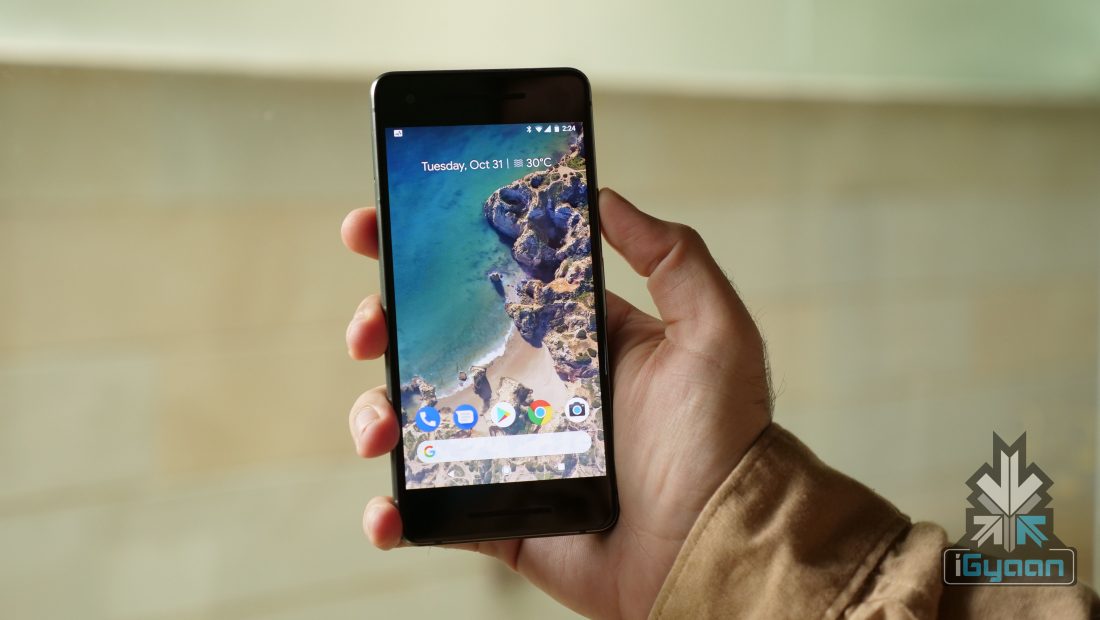
    Following the design language of last year’s Pixel phones, the smartphone features a 5 inch 1920 x 1080 px OLED display with Corning Gorilla Glass 5 on top for protection.

    Under the hood, the device has typical 2017 flagship specifications. It has the Qualcomm Snapdragon 835 chipset, 2.4GHz octa core processor, Adreno 540, 4GB RAM and 64GB/128GB onboard storage.

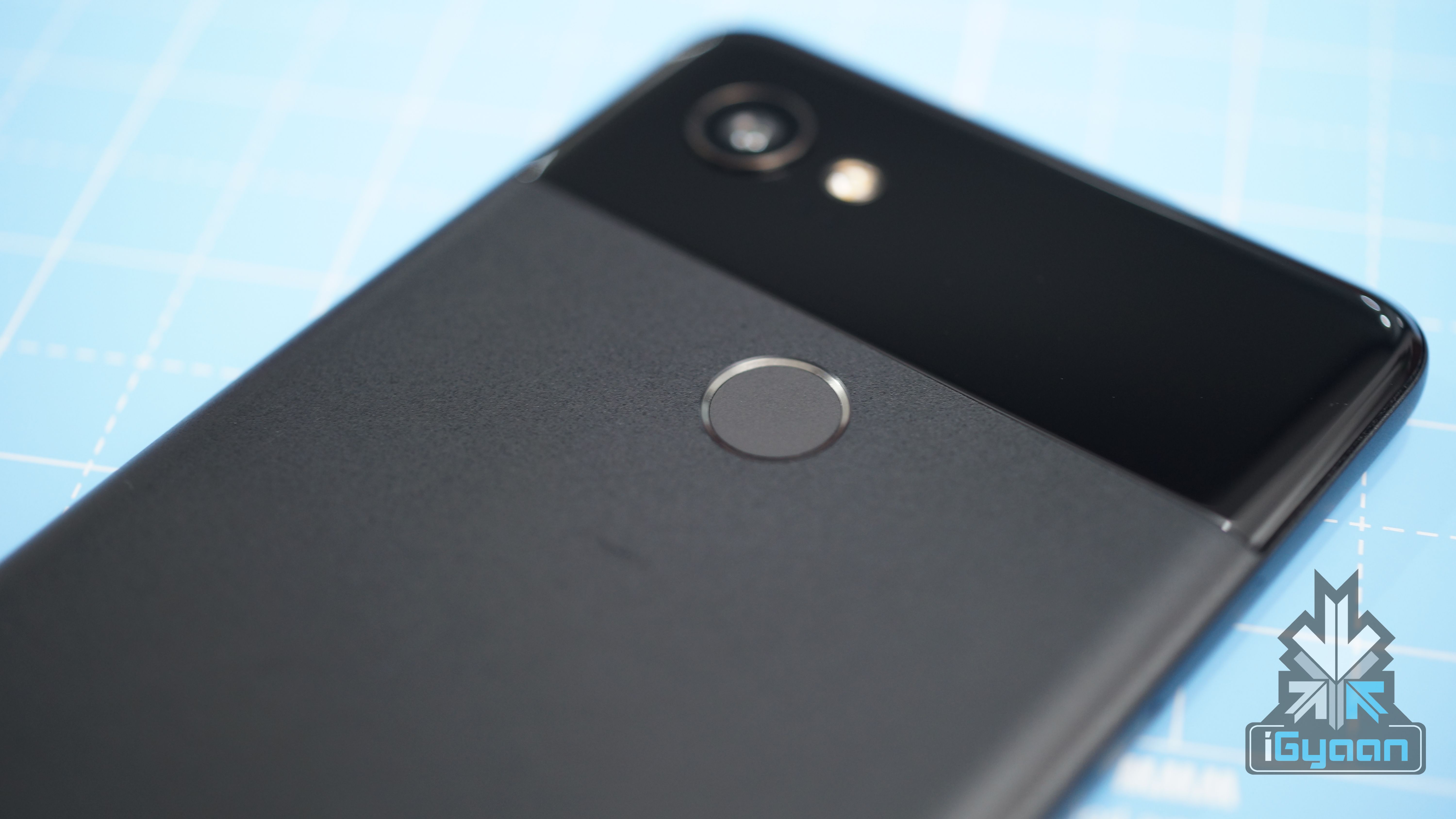
    The fingerprint sensor sits at the back of the device but, this time around the “glass window” is smaller. The two-tone colour of the phone is also reminiscent of the original Pixel from 2016. Google claims that the fingerprint sensor is the fastest on a smartphone. The Pixel 2 is water resistant as well.

    Powering the device is a 2700 mAh battery and it runs Android 8.0 Oreo out of the box. As is with with every Google phone, the new Pixel 2 will be first in line to receive Android P update in 2018.

    Google has decided to go for a single camera setup similar to last year’s Pixel phones. The rear-facing camera is a 12.2 MP sensor with an f/1.8 aperture and 1.4 micron pixel size. On the front is an 8MP camera with an f/2.4 aperture. Google has introduced new features in the camera department like the addition of AR.

    This year, the Pixel 2 and Pixel 2 XL use a technology called “dual-pixel” which divides every pixel into two. Google says Pixel 2 has greater high dynamic range, optical image stabilisation, and a portrait mode that doesn’t use a second camera but dual-sensor image technology. The Pixel 2 XL uses both OIS and EIS simultaneously for better clarity and stable images and videos. The portrait mode works on both rear and font facing cameras, just like the new iPhones.

  • Google Could Owe Over US $650 To Every iPhone User

    Google Could Owe Over US $650 To Every iPhone User

    Lawsuits and counter lawsuits within tech companies have been going on since as far as one can imagine. But, a tech giant owing considerable amount of money to consumers could be the new talking point. British consumers who used an iPhone between June 2011 and February 2012 could receive as much as US $672 each from Google as compensation for the search giant bypassing Safari privacy settings between those dates.

    Google’s backdoor method of installing cookies on iPhones despite them being blocked in Safari’s settings was discovered in 2012.

    A British campaign group launched a class action lawsuit on behalf of the 5.4 million iPhone users in England and Wales affected by Google’s ‘Safari workaround.’ The lawsuit could cost Google as much as US $3.63 billion.

    The campaign group, You Owe Us, has said that the British iPhone owners affected by the breach of privacy do not need to take any action at this stage to be included in the lawsuit.

    We have started a representative action against Google because we believe they abused the rights of iPhone users by taking their data unlawfully.

    A representative action is when a group of people affected by the same issue are represented by a single person to bring a claim. Consumers can use such an action to hold large companies to account. Representative actions need representatives, ours is Richard Lloyd.

    If you were affected you will automatically be part of the claim and you do not need to take any further action. Richard Lloyd and the lawyers are taking care of the case.

    The compensation amount has not been officially decided yet. The campaign group says that the amount would be decided by the court.

  • Google Knows When A Stranger Is Looking At Your Phone

    Google Knows When A Stranger Is Looking At Your Phone

    A lot of experts are touting machine learning and AI as the 2018 flagship smartphone feature, similar to what thin bezels and tall displays was for 2017. Google has kickstarted the trend of AI with its tight integration of Google Assistant and machine learning in the Pixel 2 smartphones.

    Implementing machine learning in day-to-day seemingly trivial situations will be important. That’s where this new software from Google comes into play. If you travel in public transport a lot, you’d be aware of that annoying feeling when you know someone is staring at your phone while you are watching a video or having a private conversation.

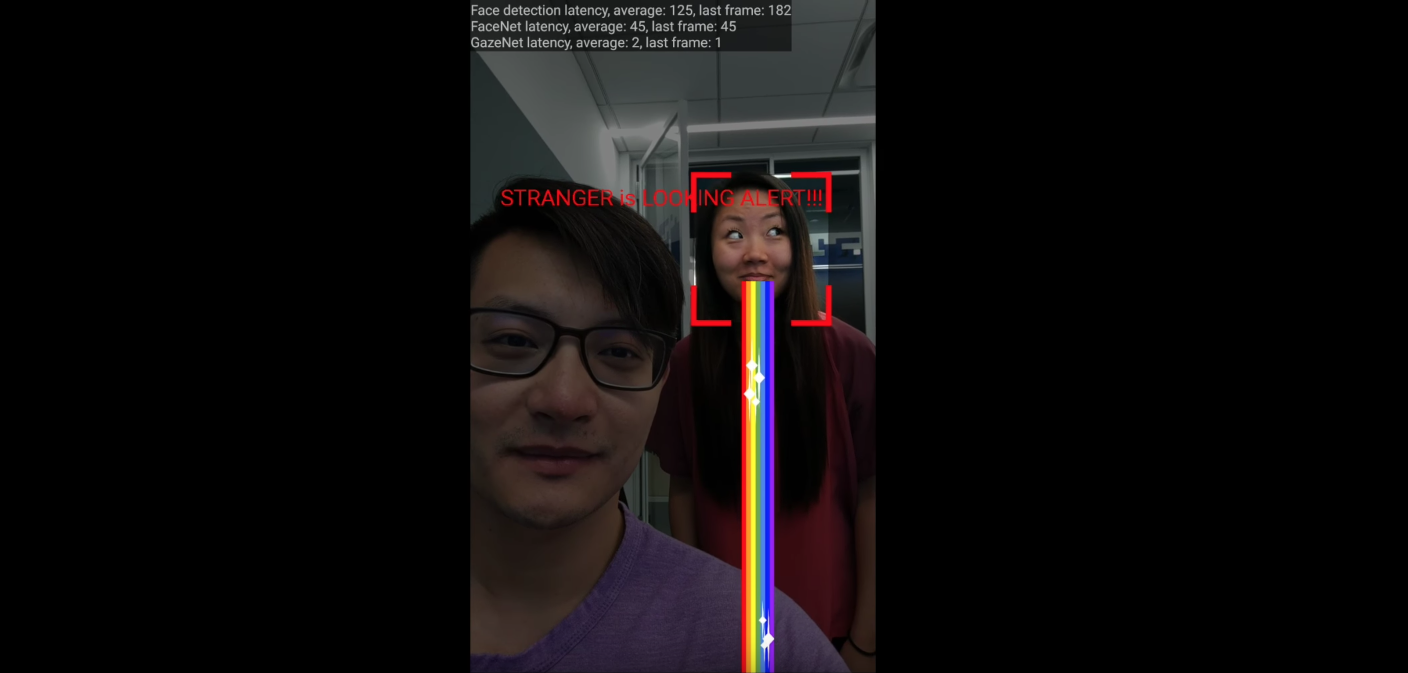
    This new software can recognise when a stranger is staring at your phone and will quickly prompt you about it. The software was first spotted by Quartz and is called “e-screen protector”, and is currently in the research stage. It uses your front-facing camera in combination with some face- and gaze-detection algorithms to identify if anyone else is looking at your display.

    As you can see in the demo video, it reacts almost instantaneously to a stranger’s glance on your screen. It then uses a Snapchat-like rainbow filter to tag the stranger and prompt him/her that they’ve been caught. The creators of the software, Google researchers Hee Jung Ryu and Florian Schroff, say the system works in all sorts of different lighting conditions, and has a reaction time of just two milliseconds.

    Considering Google’s ambitions of making machine learning an integral part of its smartphone ecosystem, this feature might make its way to future Pixel phones when Google is confident about its performance.

iGyaan Network
Privacy Overview

This website uses cookies so that we can provide you with the best user experience possible. Cookie information is stored in your browser and performs functions such as recognising you when you return to our website and helping our team to understand which sections of the website you find most interesting and useful.