Category: Apple

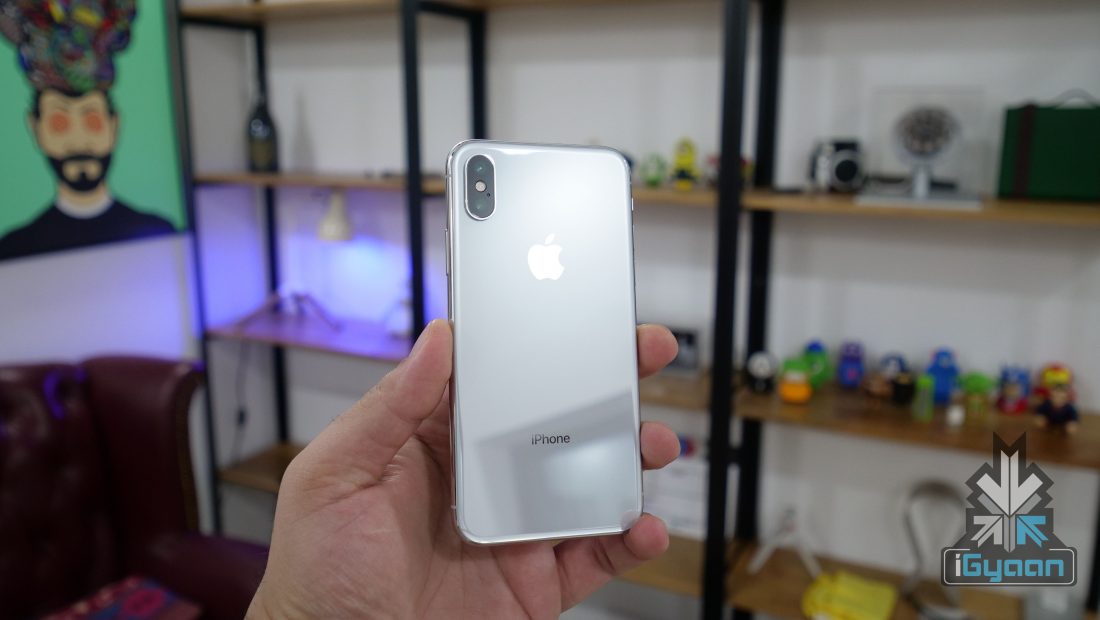
  • I Spent A Day With The iPhone X And I Am Done With The Home Button

    I Spent A Day With The iPhone X And I Am Done With The Home Button

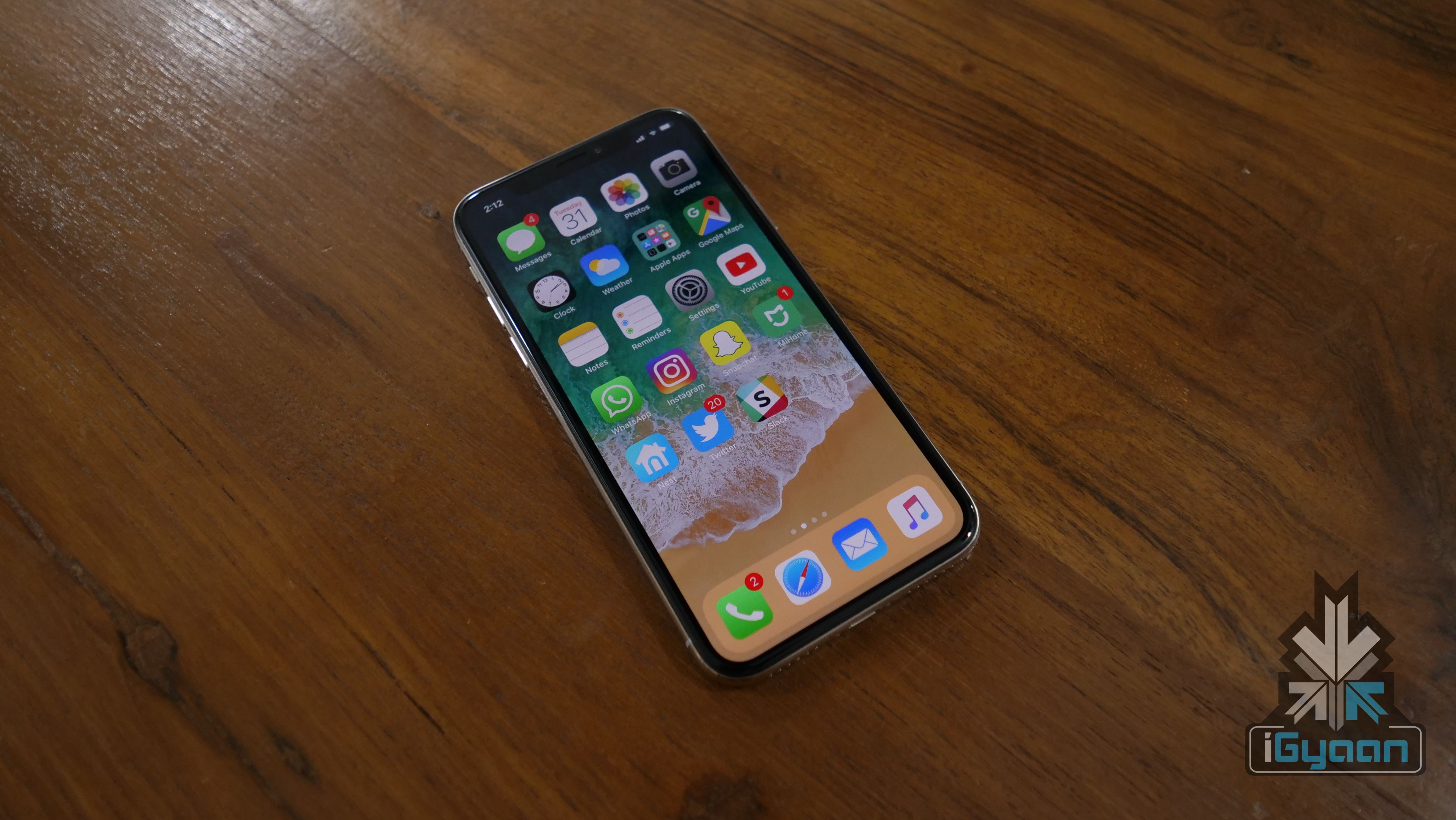
    The iPhone has been one of my two primary devices for many years. When Apple announced the iPhone X back in September the biggest concern as a potential iPhone X user was the lack of the two main things that had been engraved in my muscle memory; the home button and the Touch ID.

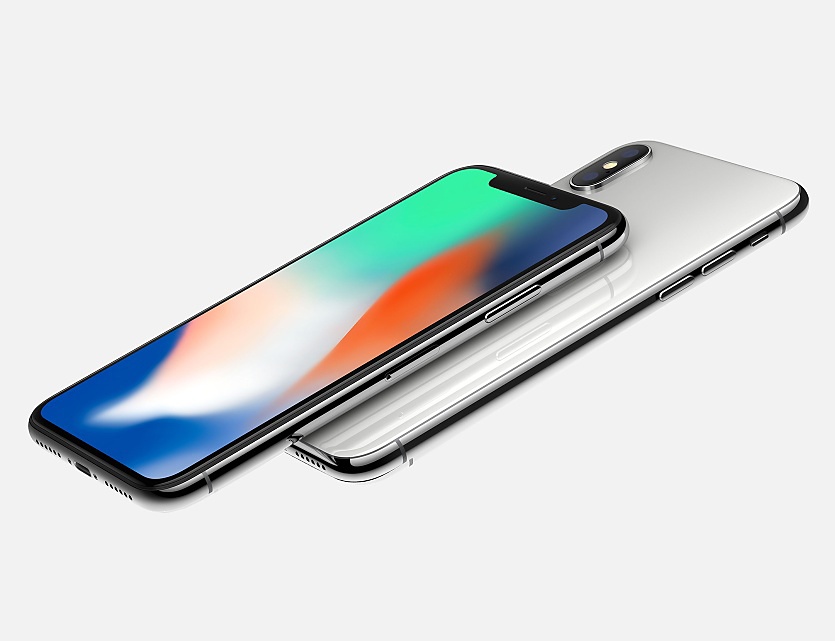
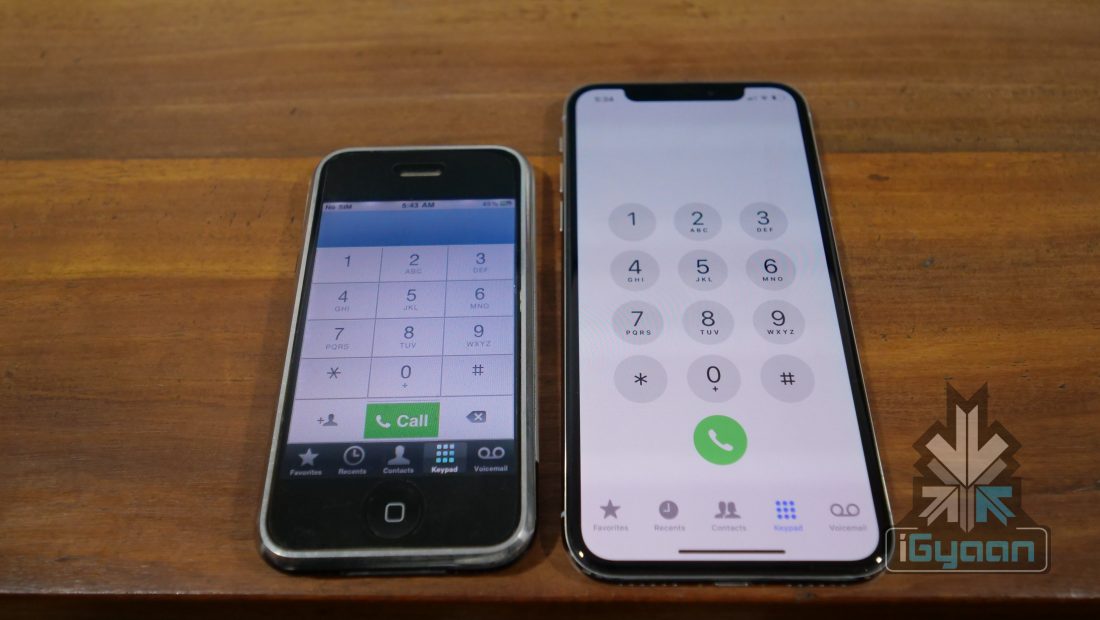
    The iPhone X has a new modern edge to edge design, and with this the iPhone X also loses the home button, the most iconic iPhone feature since the launch of the first iPhone. Using an iPhone required a lot of interaction with the home button and Touch-ID sensor which was also placed in the home button since the iPhone 5s. And it was this high usage of the sensor and button , that made Apple change the fragile physical button with a press mechanism with a more long lasting pressure sensitive sensor with no physical movement. This potentially means that the home button on the iPhone 7 and iPhone 8 will last you as long as the phone is functional.


    The Touch ID is also engraved into muscle memory, on an iPhone the Touch ID does a lot more than simply allow access to the phone, it allows access and security to auto-fill forms, logins for apps and passwords for the iCloud Keychain. TouchID is also fused with banking apps and security wallets to enable access. Apple Pay is one of the most common use case scenarios where the Touch ID is used frequently and it is pretty seamless as a payments system.

    Being a fan of physical and tactile keys, I was already disappointed that Apple had removed the physical button with a seamless pressure sensitive glass on the iPhone 7. But, since Apple had added a Taptic Engine inside the iPhone 7 and iPhone 8 the feeling of pressing button does remain for each time you press the home button, at least when the phones are powered on.

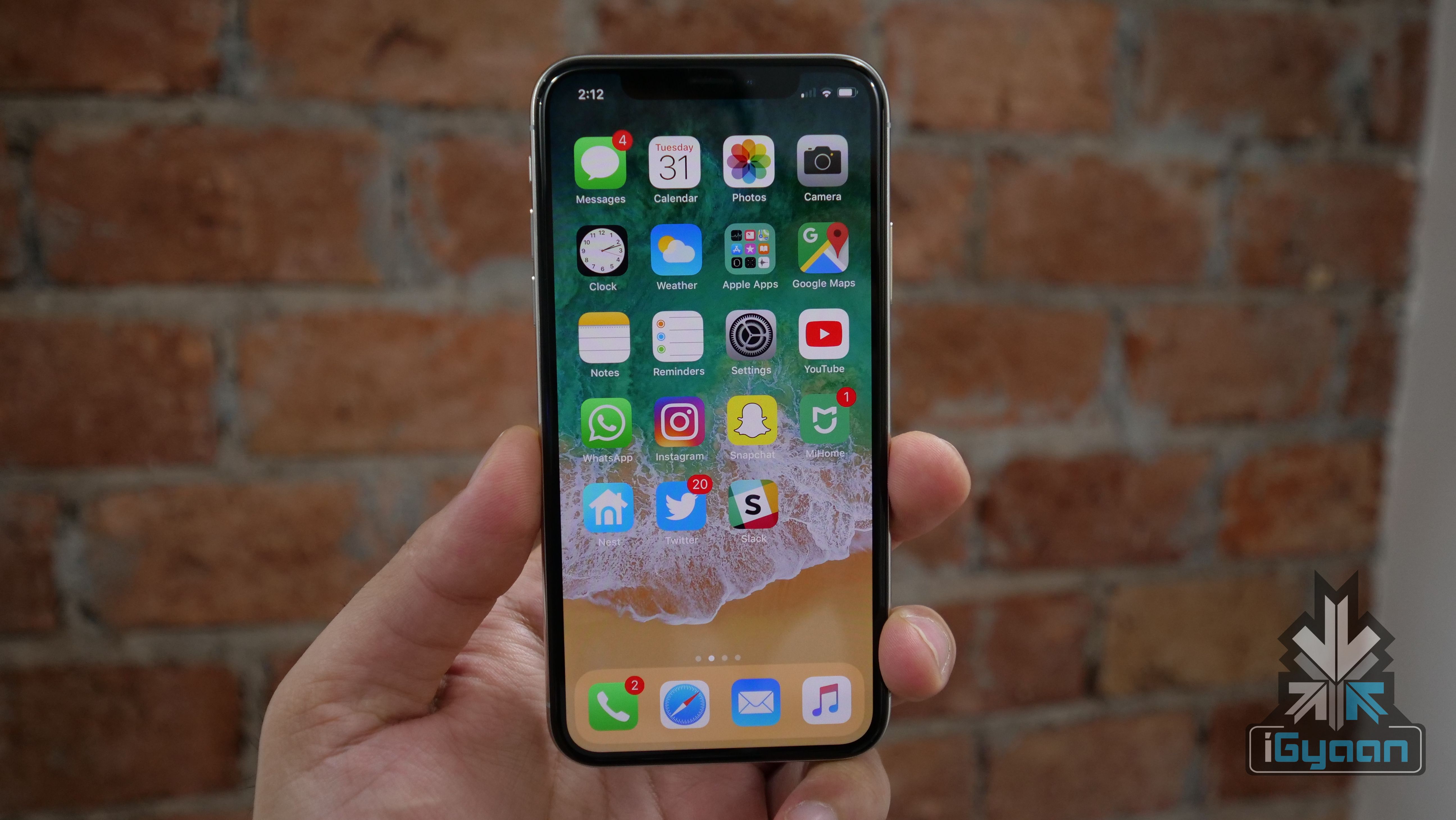
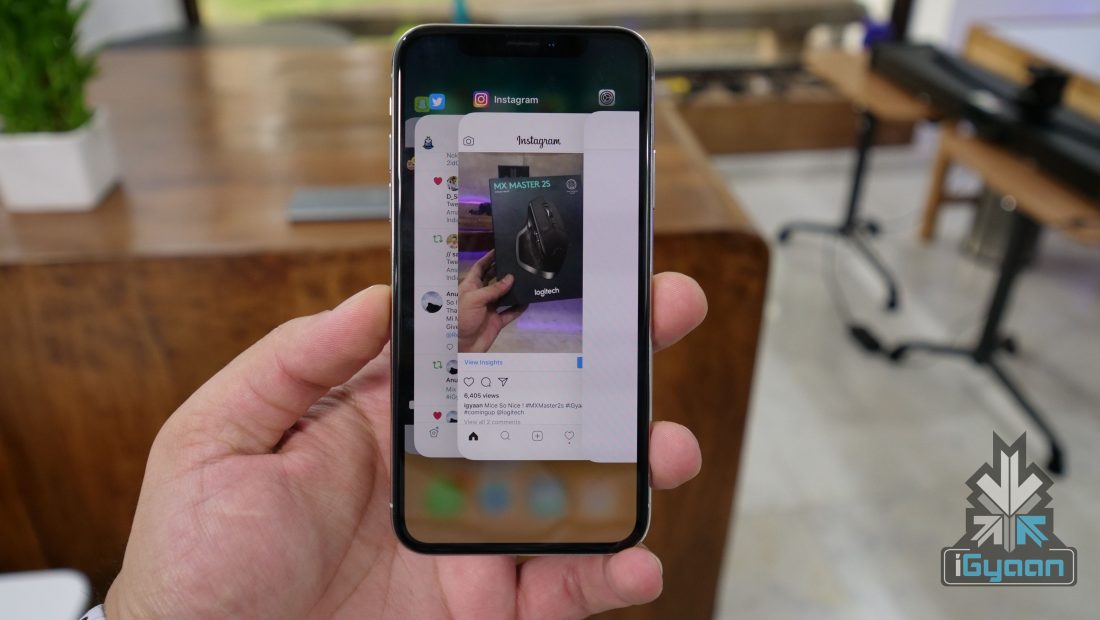
    With the iPhone X, I was pretty sure that getting used to an iPhone without Touch ID and more importantly without a home button would be rather disastrous, and time consuming. But, I couldn’t have been more wrong. The iPhone X has a natural feeling design, and even though that tiny bar at the bottom may appear to have no significance apart from being a design/visual cue, it seems to do a lot more. Only a few minutes into the usage of the iPhone X and the need of the home button seems to fade away. It also helps that apple has made the animations and the transitions very detailed and smooth.  iOS 11 for the iPhone X is also designed to fully make use of the large screen real estate using the edges in different areas differently. In Apple’s words “It just works”.
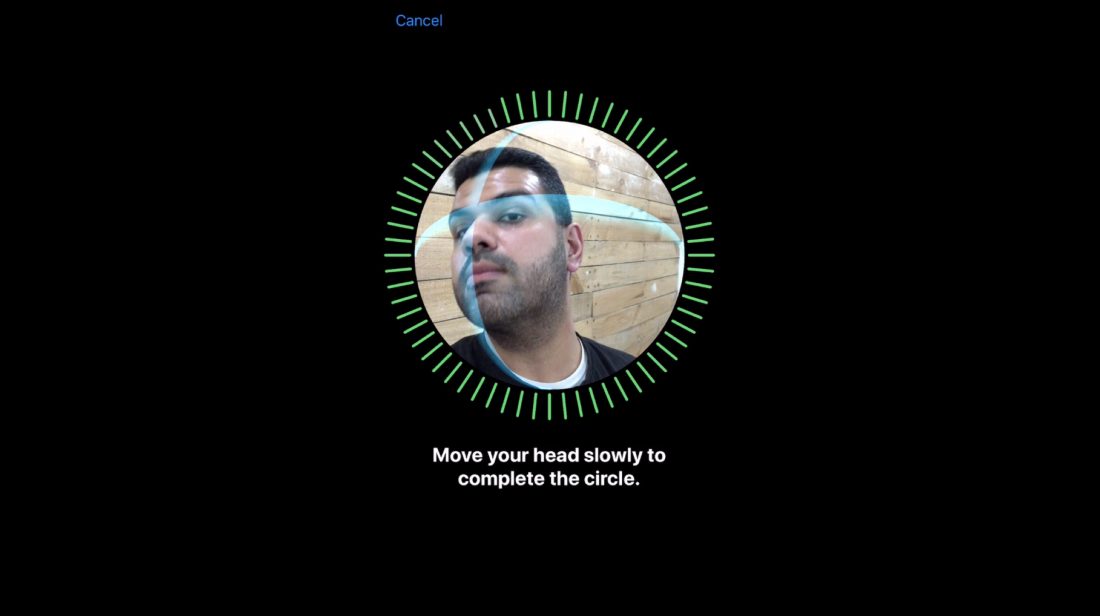
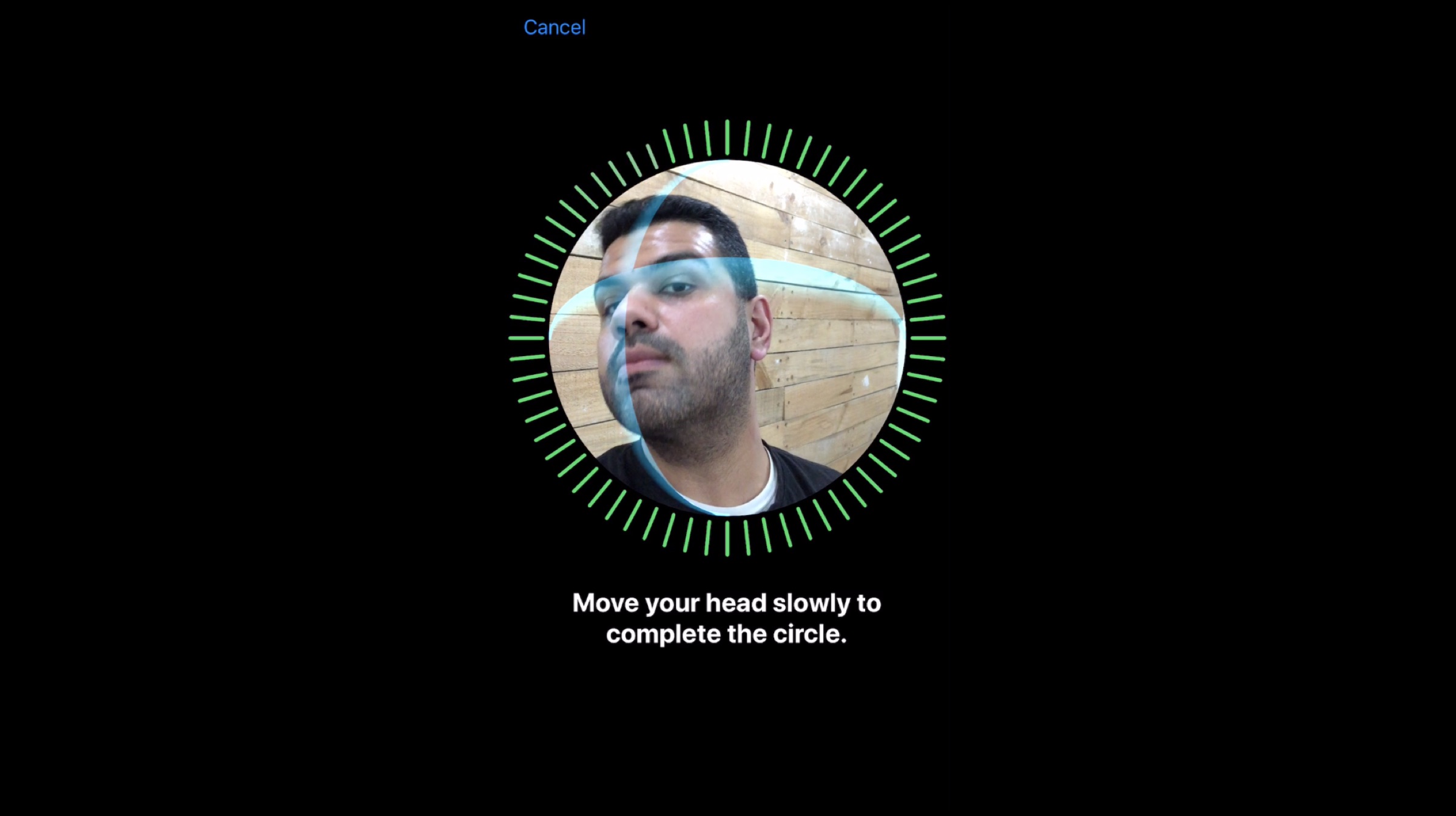
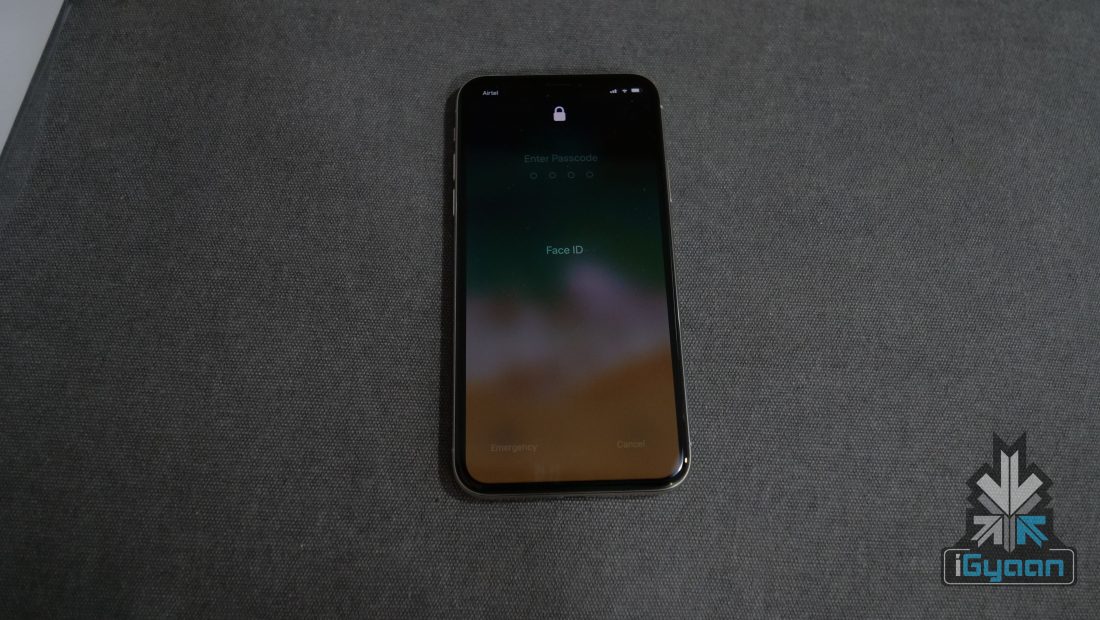
    Face ID on the other hand is something you will take some time with. The fact that you have to look at your phone before you unlock it means, that reaching the home screen from the lock-screen seems to take longer. Normally due to muscle memory you would place your thumb on the iPhone’s Touch ID before you even looked at the display, and would have found your phone already at the home screen by the time you glanced at the screen. This prior action would make the unlock process feel faster than the time it takes for Face ID to unlock, simply because now you have to stare at the phone while it unlocks.

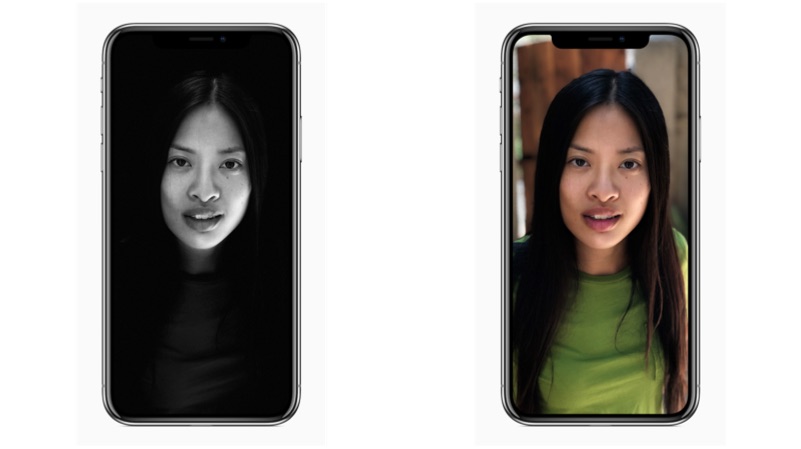
    Face ID is also surprisingly good, works in pitch darkness and even in bright light, in sunlight the phone does see IR interference from the sunlight and thus would require you to bring the phone closer to the face, but it works. It however is not ideal, not after how simple it was to unlock with Touch ID.

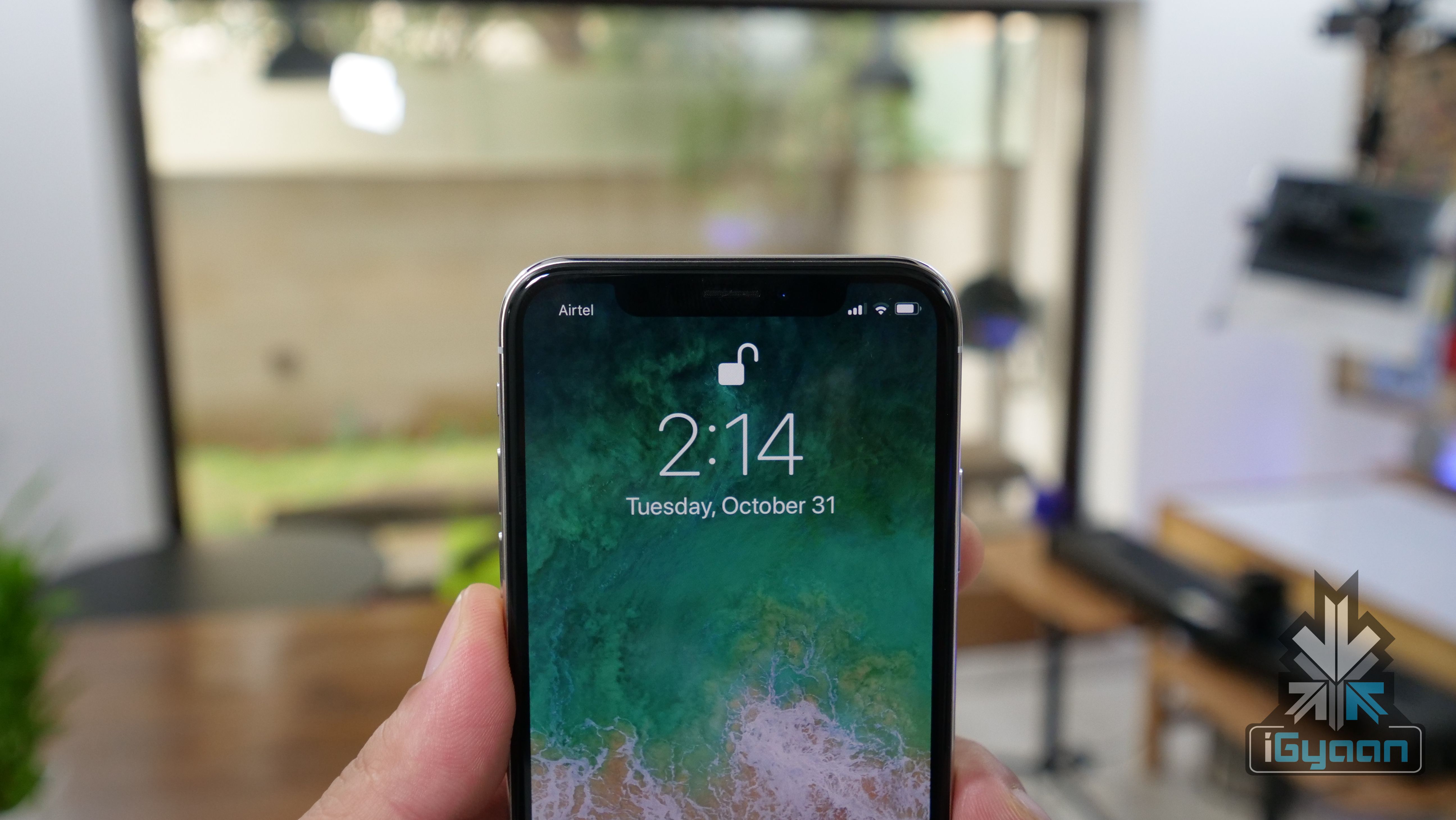
    The home button, however, is something that I have happily forgotten, and only realised this when I picked up my iPhone 8 Plus and attempted to swipe up to reach the home screen. This just after spending 24 hours with the iPhone X .

    #RIPHomeButton
  • Apple iPhone X To Go On Sale On Airtel Store On 3rd November

    Apple iPhone X To Go On Sale On Airtel Store On 3rd November

    The Apple iPhone X was out of stock within minutes of going up for pre-orders on Amazon and Flipkart. People who weren’t fast enough with the keys can breathe a sigh of relief, the iPhone X will go on sale on Airtel’s online store at 6pm on the 3rd of November.

    As an introductory offer, Airtel is offering up to Rs 10000 cashback for people who pay using the Citibank credit card. This offer will be vail between 6pm 3rd November and 7am 4th November. Airtel Prepaid and non-Airtel customers can upgrade to Airtel postpaid to be eligible for the purchase and can choose from a plans that offer large bundles of high speed data and unlimited calling.

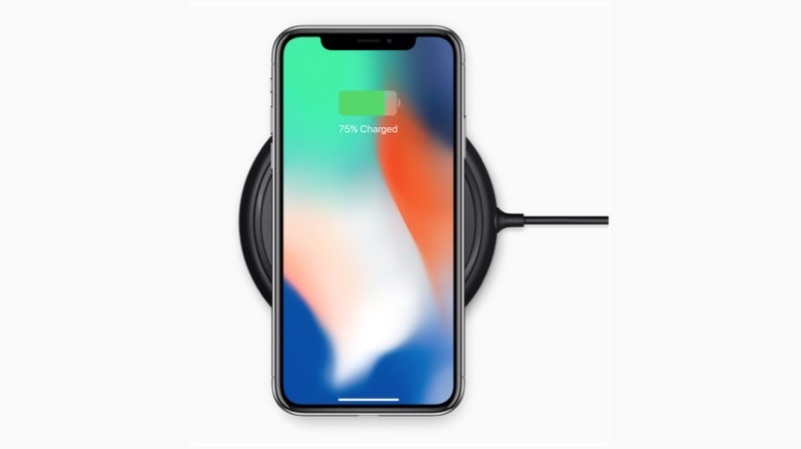
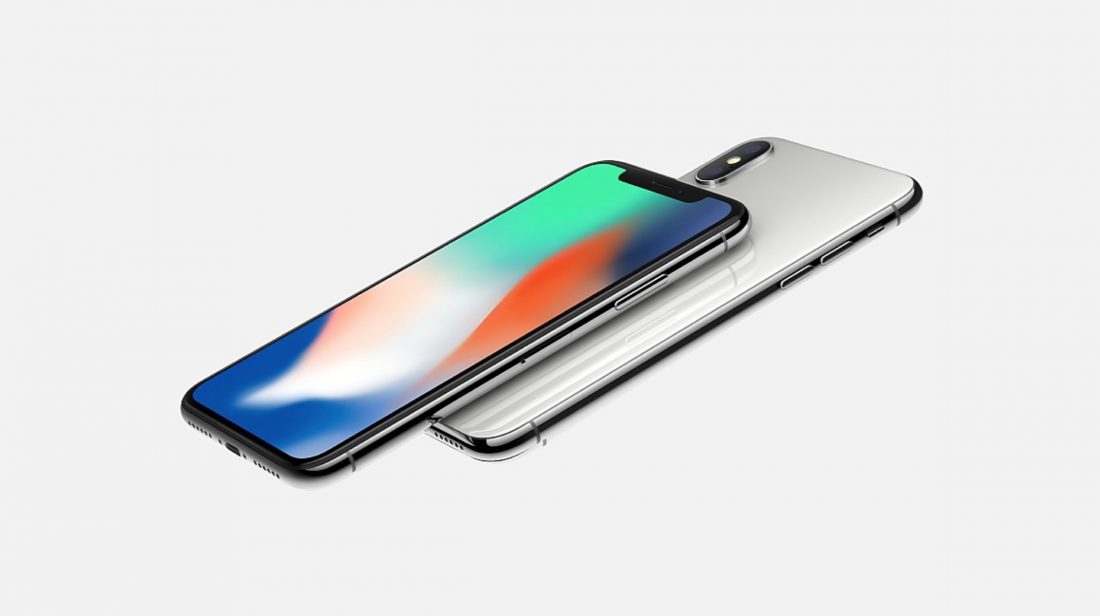
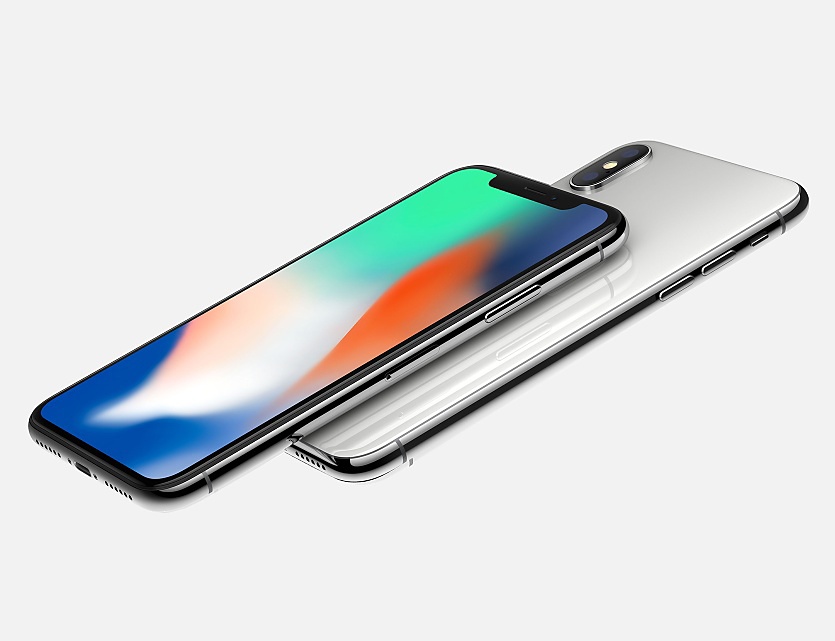
    The iPhone X has a 5.8-inch 2436 x 1125 px OLED True Tone Super Retina display. The phone runs iOS 11.1 and is powered by a 3,000 mAh battery which charges through the Apple signature lightning port placed at the bottom of the phone or via wireless charging. Because of the all-glass design, the iPhone 8 also has wireless charging. Under the hood, the smartphone has the Apple A11 Bionic chipset with a neural engine, a hexacore processor, 3GB of RAM and storage options of 64GB, and 256GB. The small bezels mean there is no physical home button, which is now replaced with gestures for navigation. Siri is activated by pressing the now larger lock/unlock button. The iPhone X is also IP67 certified for water and dust resistance, and wireless charging.

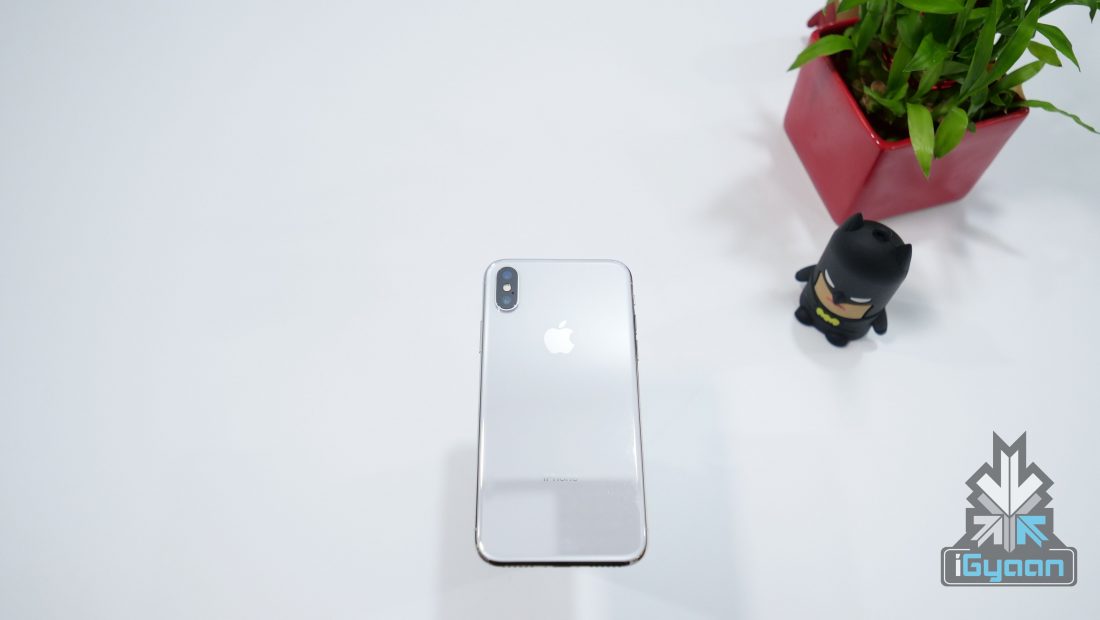
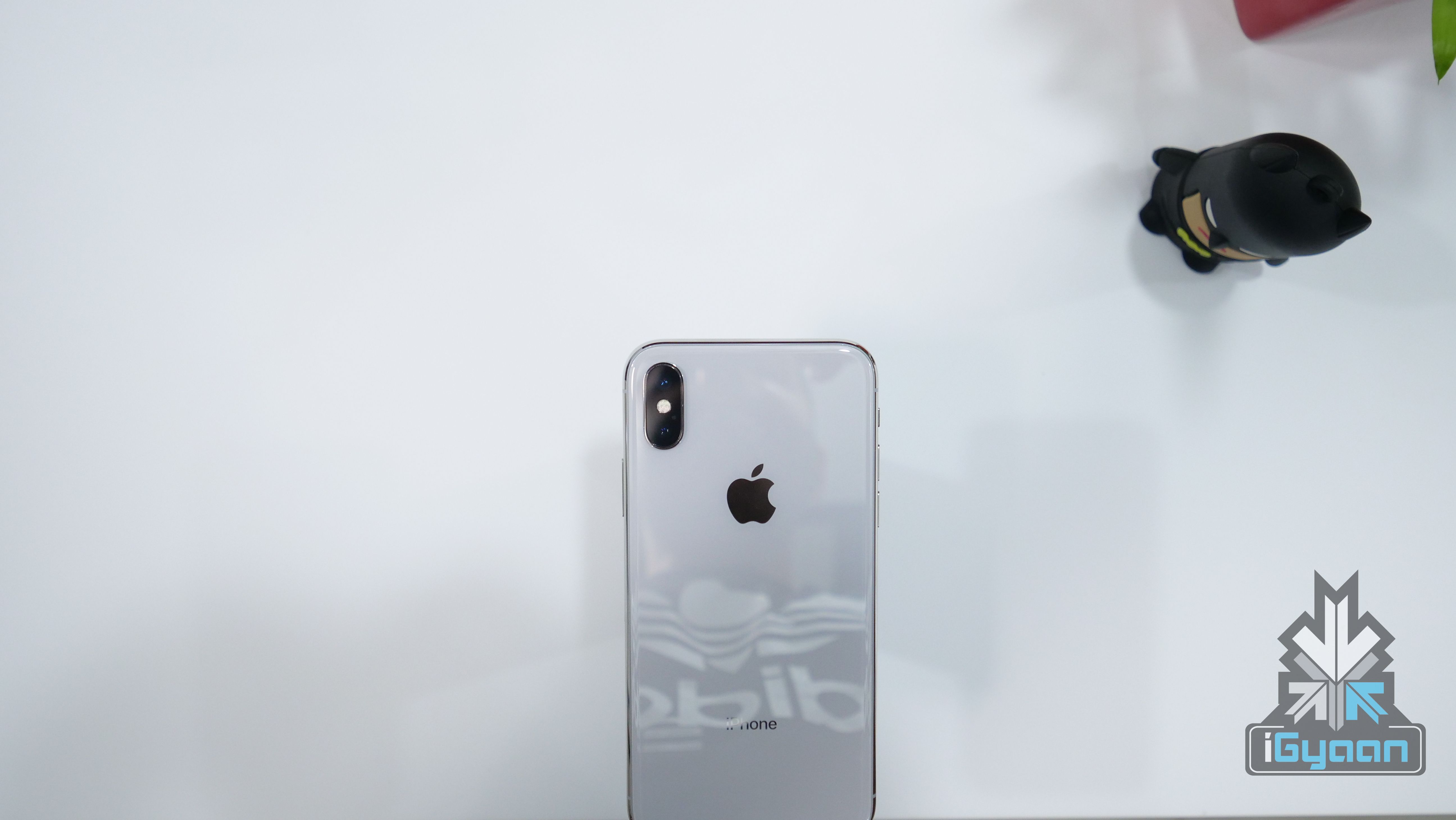
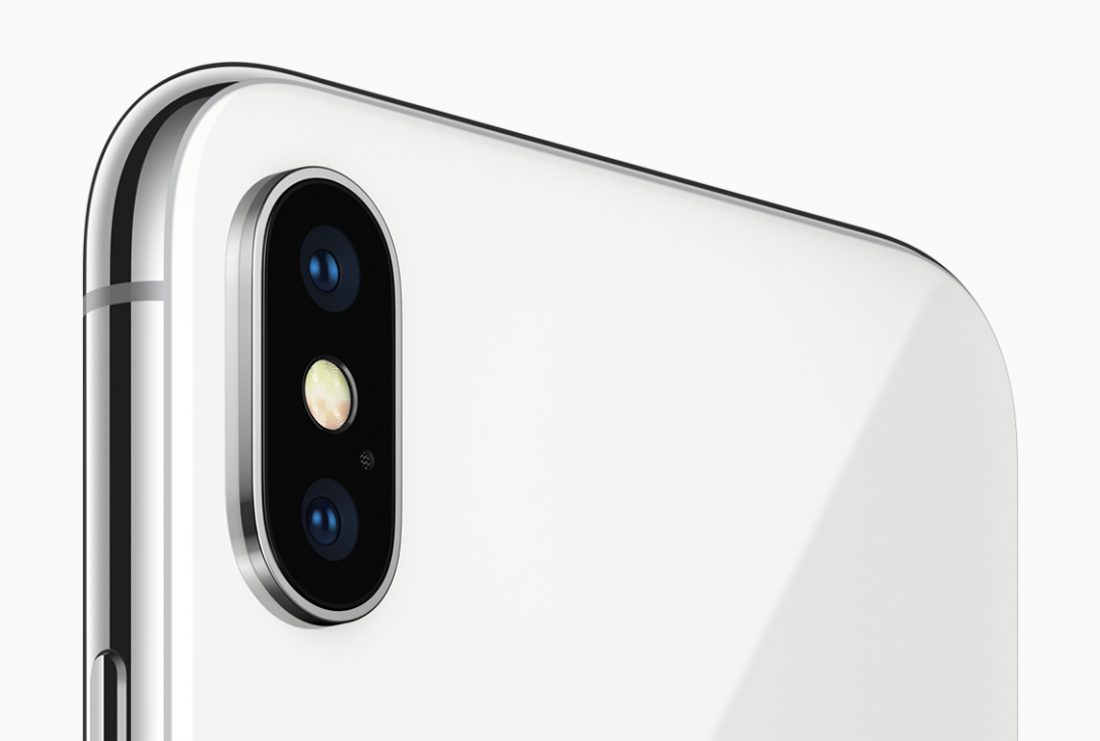
    The iPhone X has dual 12-megapixel rear cameras, and it’s equipped with dual optical image stabilization. The sensors are both larger and faster, according to Apple, and the main camera is equipped with a wide angle lens and has an f/1.8 aperture while the secondary telephoto lens has an f/2.4 aperture. In between the two cameras is a quad-LED True Tone flash. Both the front and back cameras have the portrait mode. The rear cameras have the portrait lighting feature, just like the iPhone 8 and iPhone 8 Plus.

    The Apple iPhone X is the most expensive iPhone ever and is priced at Rs 89000 for the 64GB variant while the 256GB variant costs Rs 1,02,000.

  • Early Face ID Identical Twins Tests Show Mixed Results

    Early Face ID Identical Twins Tests Show Mixed Results

    The iPhone X will be available to buy in India and a lot of other countries from the 3rd of November. When the smartphone went up for pre-orders on the 27th of October, it was sold out within minutes, showcasing a 180-degree repsonse to the iPhone 8 got at the time of its launch. The big 5.8 inch OLED display with minimal bezels around it on the iPhone X meant that the iconic home button/Touch ID got the axe. It was replaced with Face ID, which Apple claims much more secure than Touch ID with the probability of someone else unlocking your iPhone X with Face ID being 1 in 1,000,000 compared 1 in 50,000 with Touch ID.

    One question that came to everyone’s mind when Apple announced the Face ID was ‘what about identical twins?’ Apple even joked about it on stage and said that Face ID’s security is lower when it comes to identical twins. Now that a lot of outlets have had a few days to play around with the new iPhone X, videos of identical twins trying to fool Face ID were bound to surface online. So far, from what we’ve seen, the results are mixed with no definitive ‘Yes Face ID can’t be fooled’ or ‘No, it is very much possible to fool it with your identical twin’. Apple released a white paper a few weeks ago chronicling how the Face ID works, but, while it mentions a higher false match, it didn’t give any specifics.

    The probability that a random person in the population could look at your iPhone X and unlock it using Face ID is approximately 1 in 1,000,000 (versus 1 in 50,000 for Touch ID). The probability of a false match is different for twins and siblings that look like you as well as among children under the age of 13, because their distinct facial features may not have fully developed.

    News outlets like Mashable and Tech Insider shared videos of identical twins trying to fool Face ID in different circumstances. Mashable’s test saw the other identical twin unlocking the iPhone X even though their face was not stored in the phone.

    With both sets of twins, the other twin unlocked the iPhone X, even though neither one had registered his face with Face ID on the iPhone X. With the Franklin twins, we had both brothers remove their glasses and had the other brother register. Again, Face ID failed to tell the difference.

    Tech Insider also ran the test on a pair of identical twins and saw an opposite result. In this case, the other twin was not able to open the iPhone X and vice versa.

    With every technology, there is a chink in its armour. We will be nitpicking if we say that Face ID has failed on the basis of two or three videos and very few tests. Face ID has replaced Touch ID and people moving on to the iPhone X will have to make do with Face ID and so far, people without an identical twin have found Face ID accurate and easy to use (including us).

  • Apple To Drop Qualcomm Components From Future iOS Devices

    Apple To Drop Qualcomm Components From Future iOS Devices

    Apple and Qualcomm’s legal battles appear to be trickling down to their business decisions. Reports suggest that Apple Inc has designed iPhones and iPads that would drop chips supplied by Qualcomm Inc. Two people familiar with the matter said that this decision will come ion effect for the 2018 iPhones and iPads.

    The dispute arises from a change in supply arrangements under which Qualcomm has stopped providing some software for Apple to test its chips in its iPhone designs. Though Qualcomm has supplied Apple’s modems for several years, which help Apple’s phones connect to wireless data networks – Intel Corp has provided more than half of Apple’s modem chips for iPhones in recent years. Intel also recently acquired a firm that would let it replace more of Qualcomm’s chips in iPhones.

    Reports like these are too early to definitively say that Apple and Qualcomm will part ways. The main reason if this happens, will remain a speculation as well. While the legal dispute can be attributed to pushing it further than it should have been, the in cooperation between the two companies is also a major factor that could lead to such a split between two tech giants.

  • Unboxing The Apple iPhone X

    Unboxing The Apple iPhone X

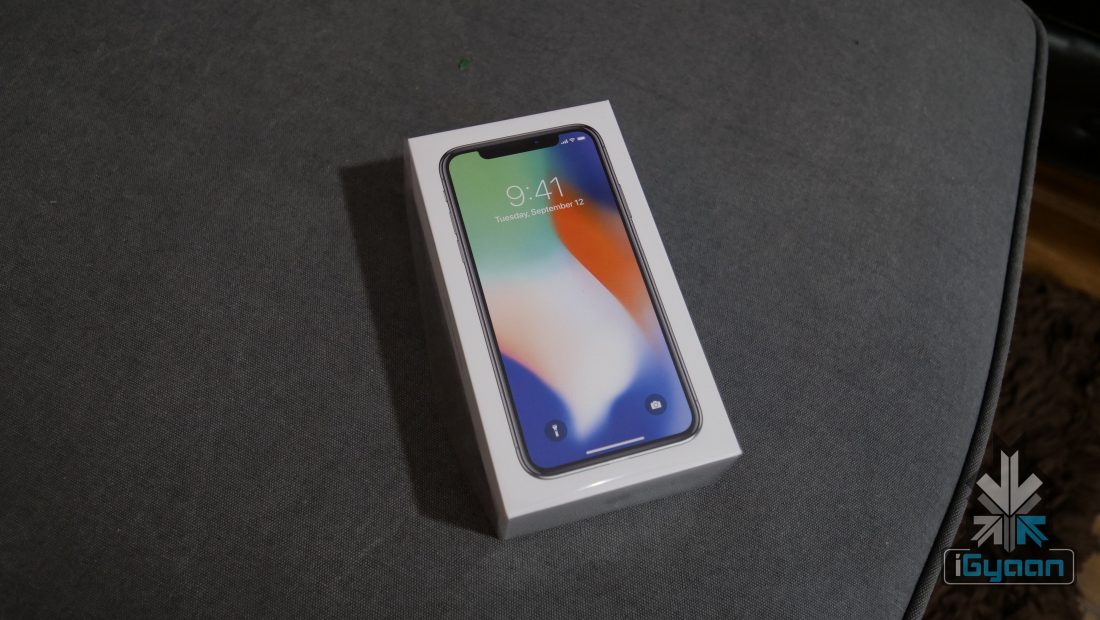
    Apple announced the tenth anniversary iPhone X along with the iPhone 8 and iPhone 8 Plus at a launch event on the 12th of September. As good as the iPhone 8 and iPhone 8 Plus are, they just could not capture the imagination of the consumers like the iPhone X did. Billed as the true successor to the original iPhone launched in 2007, the iPhone X is the first major departure from the signature iPhone design we’ve become accustomed to seeing over the years. It is the first iPhone to lose the home button since the iPhone was first ever launched. It has a near bezel-less design and what is poised to be an iconic “notch” on top that houses the true depth FaceID cameras and all the necessary sensors. The iPhone x is available in two sizes 64 GB and 256 GB

    Inside the box:

    • iPhone X
    • Documentation
    • Earpods
    • Sim ejector tool
    • Lightning to 3.5mm jack converter
    • Wall charger

    First impressions

    The iPhone X has a 5.8-inch 2436 x 1125 px OLED True Tone Super Retina display. The phone runs iOS 11.1 and is powered by a 3,000 mAh battery which charges through the Apple signature lightning port placed at the bottom of the phone or via wireless charging. Because of the all-glass design, the iPhone 8 also has wireless charging. Under the hood, the smartphone has the Apple A11 Bionic chipset with a neural engine, a hexacore processor, 3GB of RAM and storage options of 64GB, and 256GB. The small bezels mean there is no physical home button, which is now replaced with gestures for navigation. Siri is activated by pressing the now larger lock/unlock button. The iPhone X is also IP67 certified for water and dust resistance, and wireless charging.

    The iPhone X has dual 12-megapixel rear cameras, and it’s equipped with dual optical image stabilization. The sensors are both larger and faster, according to Apple, and the main camera is equipped with a wide angle lens and has an f/1.8 aperture while the secondary telephoto lens has an f/2.4 aperture. In between the two cameras is a quad-LED True Tone flash. Both the front and back cameras have the portrait mode. The rear cameras have the portrait lighting feature, just like the iPhone 8 and iPhone 8 Plus.

  • Top Smartphones Between Rs 10,000 – Rs 20,000

    Top Smartphones Between Rs 10,000 – Rs 20,000

    India recently became the second largest smartphone market in the world, only behind China. For years, the mid-range smartphone market has had a plethora of phones offering top of the line performance at an affordable price. 2017 saw dual-camera phones entering the sub-20K segment while other phones continued to deliver the best in class performance with very little compromises. Let’s take a look at the top smartphones between Rs 10,000 to Rs 20,000 that you can buy right now.

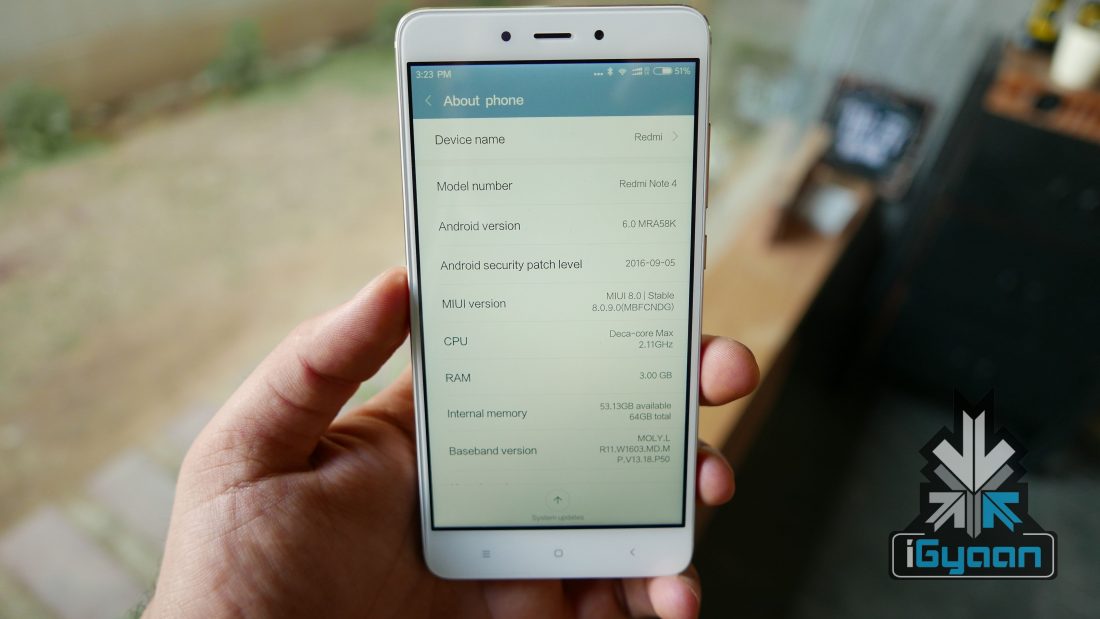
    Xiaomi Redmi Note 4

    Priced the cheapest in this list, the Xiaomi Redmi Note 4 is by no means the cheapest in terms of specifications and performance. The Redmi Note 4 has a 5.5 inch IPS LCD display with a 1920 x 1080 px resolution. Powering the device is a massive 4100 mAh battery and it runs Android 6.0 Marshmallow out of the box. Under the hood, the smartphone has a the Qualcomm Snapdragon 625 chipset, up to 4GB of RAM and 64GB of onboard storage which can be expanded via microSD card. It has a rear mounted 13MP camera with an f/2.0 aperture and records 1920 x 1080 px videos at 30fps. The front of the smartphone has a 5MP camera with an f/2.0 aperture which records 1280 x 720 px videos at 30fps.

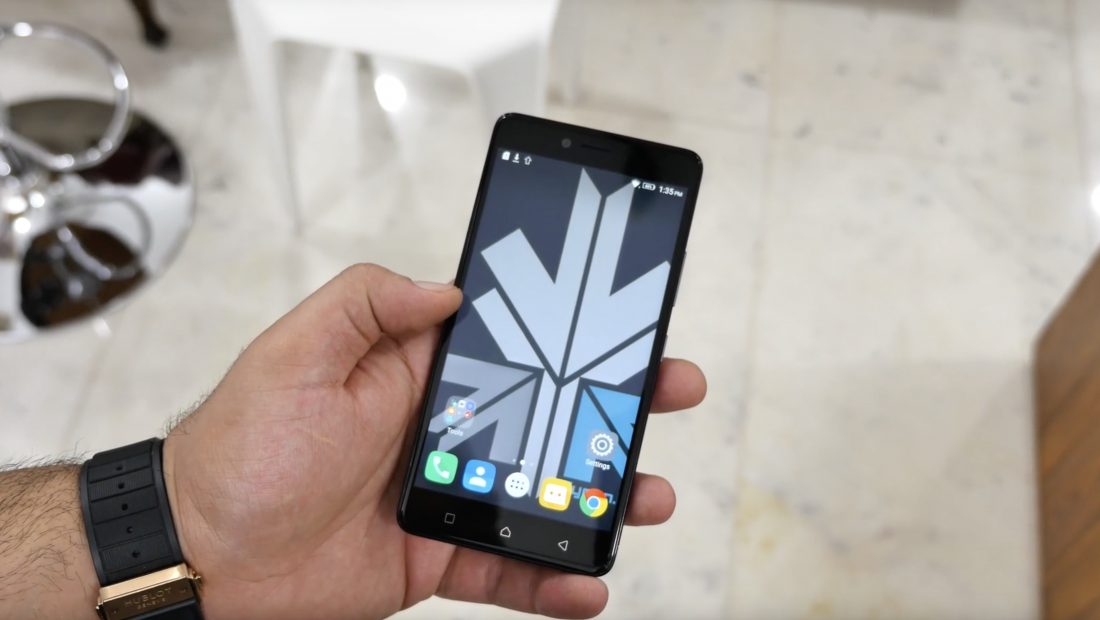
    Lenovo K8 Note

    Another smartphone with a dual camera setup at the back, the Lenovo K8 Note is priced slightly higher than the Redmi Note 4 and offers stock Android OS and a guaranteed update to Android 8.0 Oreo. The Lenovo K8 Note packs the Helio X23 chipset with a 2.3GHz high-performing deca-core processor and the Mali T-880 MP4 GPU. The device has two variants – 3GB RAM with 32GB onboard storage and 4GB RAM with 64GB onboard storage which is expandable up to 128GB via a microSD card and features USB OTG support for added storage options. The phone features a 5.5-inch 1920 x 1080 px display with a pixel density of 441ppi and a Corning Gorilla Glass with oleophobic coating for scratch resistance. The smartphone is powered by a 4,000mAh battery with turbo charge.

    The Lenovo K8 Note has a 13MP Pure cell sensor mated with a 5MP Samsung BSI sensor dual camera setup and dual LED flash at the back. The phone is capable of depth mode effects along with 1920 x 1080 px  Video capture. A 13MP camera with LED flash and an f/2.0 aperture sits on the front of the device above the display.

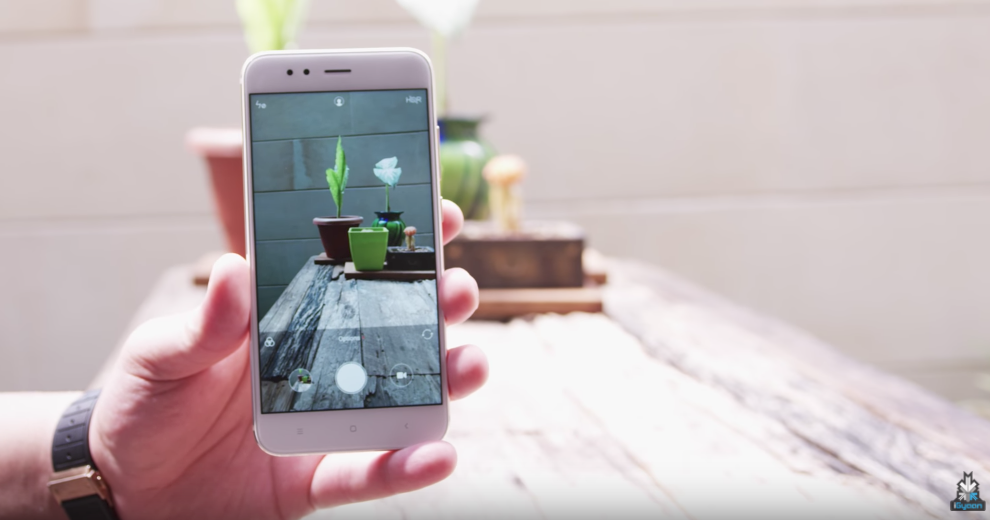
    Xiaomi Mi A1

    Stock Android OS with Xiaomi’s hardware and a confirmed upgrade to Android 8.0 Oreo and Android P for Rs 14999. This seemed surreal up until August when Xiaomi launched the Android One Xiaomi Mi A1 in India with a best-in-segment dual-camera setup at the back. The smartphone has a 5.5 inch 1920 x 1080 px LTPS display with Corning Gorilla Glass on top for protection and aluminium unibody build. Powering the device is a 3080 mAh battery and 2A charging through the Type C port. The Mi A1 runs pure Android 7.1.2 Nougat OS. Even though the phone has stock Android OS, Xiaomi has retained a few apps, such as the Mi camera app since the Google app doesn’t support dual-camera functions right now. The phone has the Qualcomm Snapdragon 625 chipset, 8x ARM Cortex A53 2.0GHz 64-bit processor, 4GB RAM and 64GB of onboard storage which is expandable via microSD card. Handling the graphics under the hood is the Adreno 505 GPU. The fingerprint sensor sits at the back of the device below the camera. Xiaomi has also included a dedicated headphone amplifier for better music listening experience.

    The Xiaomi Mi A1 features dual sensors – 12MP with an f/2.2 aperture (26mm) and 12MP with an f/2.6 aperture (50mm) setup with 1.25-micron pixel size. Out of the two cameras at the back, the primary one is equipped with a telephoto lens and the secondary camera has a wide-angle lens. The telephoto lens allows the user to take bokeh effect shots with blurred background and a 2X optical lossless zoom. For landscape shots, Xiaomi has introduced a wide angle lens while on the front is a 5MP camera.

    Moto G5s Plus

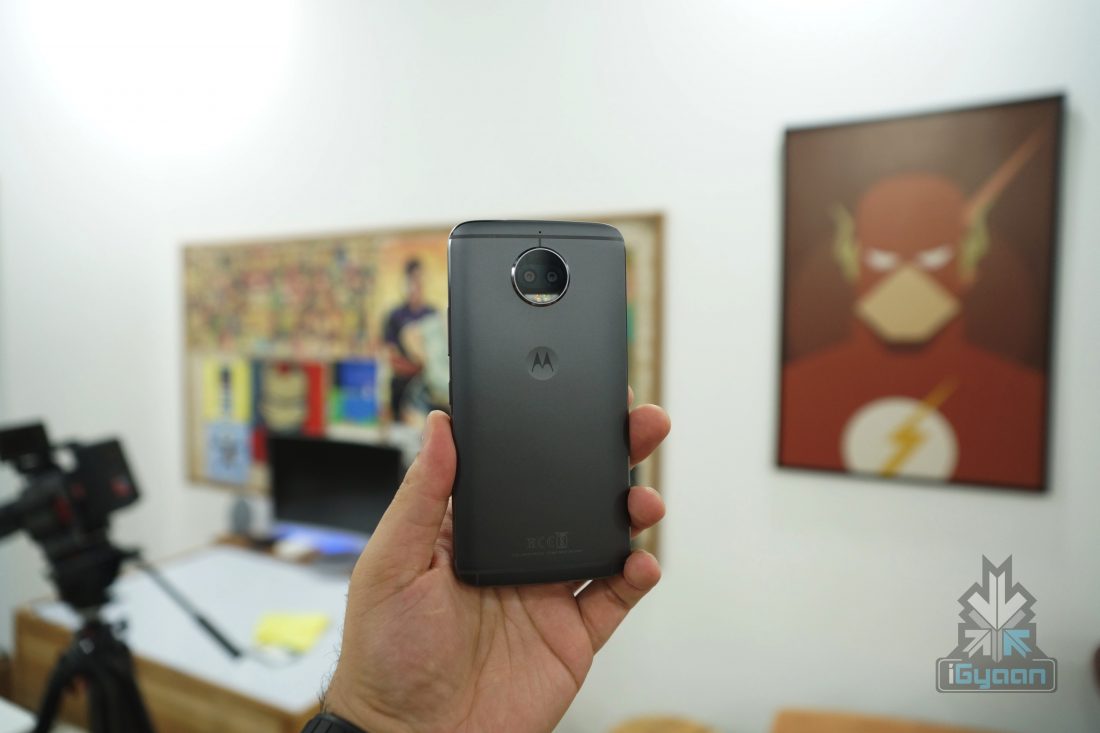
    Motorola followed up the highly successful Moto G5 Plus with the Moto G5s Plus. With stock Android OS and dual-cameras at the back, it really is a toss-up between the G5s Plus and the Mi A1. The Moto G5S Plus has a 5.5 inch 1920 x 1080 px display with Corning Gorilla Glass 3 on top for protection. The device is powered by a 3,000 mAh battery with included turbo charge capabilities. The Moto G5S Plus runs Android 7.1.1 Nougat with little customisation done by the manufacturer resulting in stock Android OS experience. The smartphone has the Qualcomm 625 chipset, an octa-core processor clocked at 2.0 GHz with 4GB RAM and 64GB of onboard storage which can be expanded up to 128GB via a microSD card. The fingerprint sensor is housed inside the home button which sits below the display.

    The Moto G5S Plus features rear-mounted 13MP dual-cameras with an f/2.0 aperture. The dual camera captures Bokeh, and selective focus shots, along with other capabilities of background replacement and exposure management. On the front is a wide angle 8MP camera with a single LED flash and a panoramic mode. The rear cameras capture videos in 4K at 30 FPS and the front camera records videos in 1080P at 30 FPS.  According to Motorola, additional features such as Night Display and Quick Reply enhance the software experience.

    Apple iPhone SE

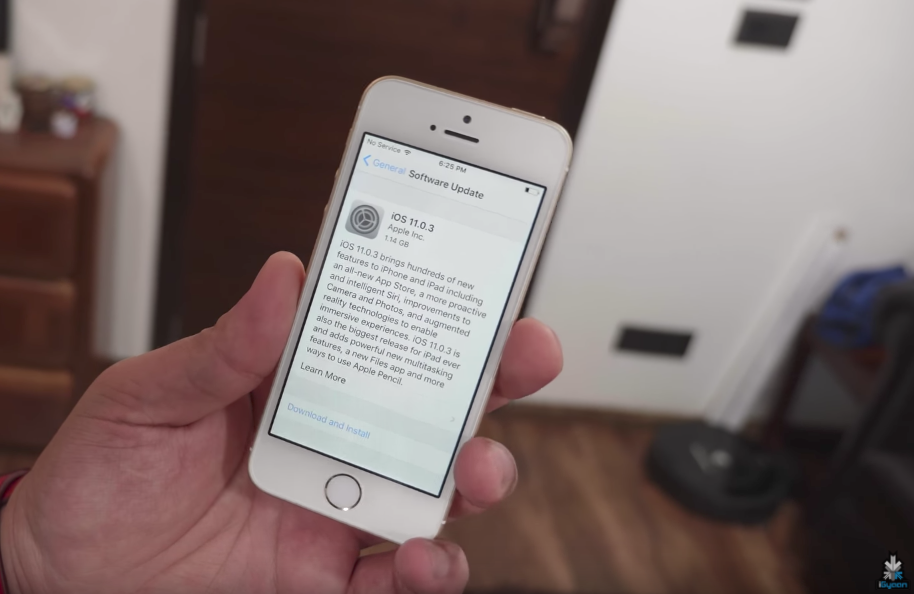
    The Apple iPhone SE was launched in India in March 2016, which should automatically make it a no-go. But, the good thing about an iPhone is the support it gets from Apple. The recently launched iOS 11 was made available to a phone as old as the iPhone 5s, which proves that the software of the iPhone SE will be up-to-date for another 2 years at least. If you miss the good old days of smartphones that were truly usable with one hand, then the iPhone SE is the way to go. The iPhone SE has a 4-inch 1136 x 640 px Retina display. Powering the device is Apple’s A9 chipset which can also be found in the iPhone 6s and iPhone 6s Plus. The iPhoen SE has a 12MP rear mounted camera with an f/2.2 aperture and a front facing 1.2MP camera with an f/2.4 aperture. The rear mounted 12Mp camera is capable of recording 3840 x 2160 px videos at 30fps while the front facing camera records 1920 x 1080 px videos at 30fps.


  • Repairing An iPhone X May Cost Up To US $549

    Repairing An iPhone X May Cost Up To US $549

    The Apple iPhone X went up for pre-orders across the globe and was sold out in minutes. The demand for the iPhone X was never in question but, looking at the steep pricing, it was speculated that a lot of people might hold off from buying the iPhone X and wait for at least a year and then upgrade to the 2018 variant. Apple has revealed its new repair policies for the iPhone X and it might just influence the buyers into paying an extra US $199 for Apple Care.

    The company has updated its flat-fee repair pricing page to show that a screen-only repair will cost US $279, and all other damage will cost a whopping US $549 which is more than half the purchase cost of the 64GB variant. Percentage-wise, the cost is in line with Apple’s repair cost for other iPhone models. The iPhone 8, for example, costs US $699 for the 64GB variant, and a repair will cost you US $349. With AppleCare+, the prices are reduced to US $29 for a screen repair, and US $99 for anything else. The catch here is the cost of AppleCare+ which will run you a steep US $199 for the iPhone X.

    If you are clumsy and do not want AppleCare+, make sure you use a tough case and never break it.

  • Apple iPhone X Pre-Orders Begin Today

    Apple iPhone X Pre-Orders Begin Today

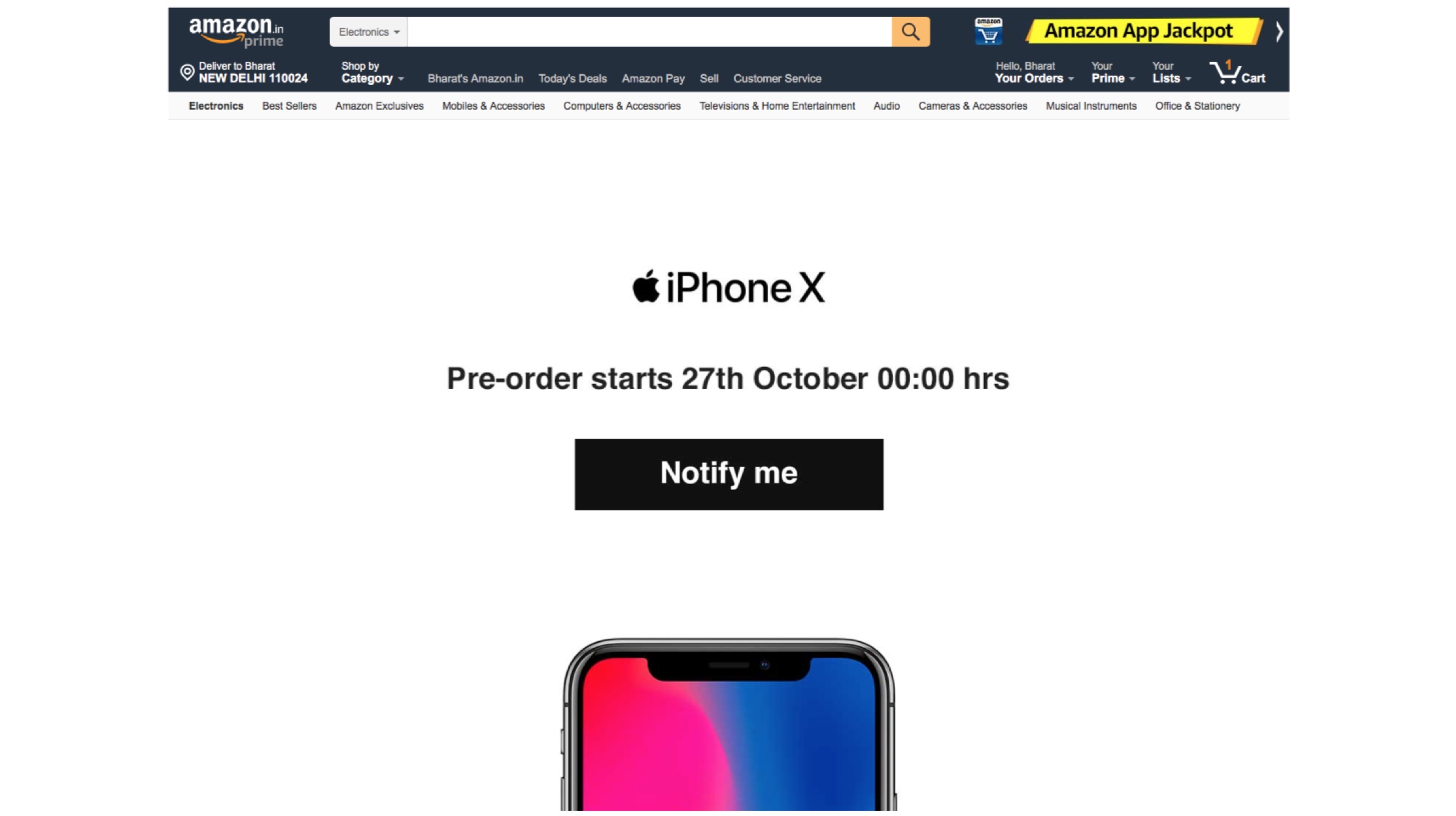
    Apple launched the iPhone X on the 12th of September in the US and announced that the phone will be available to pre-order from the 27th of October in markets such as India. Priced at Rs 89000 for the 64GB variant, the Apple iPhone X will be the most expensive iPhone ever launched in India and the pre-orders begin at 1. Reports suggest that due to the intricate manufacturing process of the FaceID technology, Apple has only been able to produce half the iPhone X’s it expected to make in 2017. This means that the demand will be high and you will have to be extremely diligent to successfully pre-order the iPhone X when the bookings go live.

    The iPhone X has a 5.8-inch 2436 x 1125 px OLED True Tone Super Retina display with minimal bezels around it. The phone runs iOS 11 and is powered by a 3,000 mAh battery which charges through the Apple signature lightning port placed at the bottom of the phone. Under the hood, the smartphone has the Apple A11 Bionic chipset with a neural engine, a hexa-core processor, 3GB of RAM and storage options of 64GB, and 256GB. As is with every iPhone, the onboard storage can not be expanded via a microSD card. The small bezels mean there is no physical home button, which is now replaced with gestures for navigation. Siri is activated by pressing the now larger lock/unlock button. The iPhone X is also IP67 certified for water and dust resistance.

    The iPhone X has dual 12-megapixel rear cameras, and it’s equipped with dual optical image stabilisation. The sensors are both larger and faster, according to Apple, and the main camera is equipped with a wide angle lens and has an f/1.8 aperture while the secondary telephoto lens has an f/2.4 aperture. In between the two cameras is a quad-LED True Tone flash. Both the front and back cameras have the portrait mode. The rear cameras have the portrait lighting feature, just like the iPhone 8 and iPhone 8 Plus.

    You can pre-order the iPhone X here.

  • Apple iPhone X Pre Orders Begin On 27th October – Here’s What You Need To Know

    Apple iPhone X Pre Orders Begin On 27th October – Here’s What You Need To Know

    Apple launched the highly anticipated iPhone X on the 12th of September along with the iPhone 8 and iPhone 8 Plus. Tim Cook took to stage to announce that the new marquee smartphone will have very thin bezels and now home button. The navigation inside the phone will be controlled by gestures and there will be no TouchID. Considering the tedious process of manufacturing and new technologies used by Apple, it was reported that the iPhone X will made made in limited numbers in 2017 and full-fledged manufacturing will start in 2018.

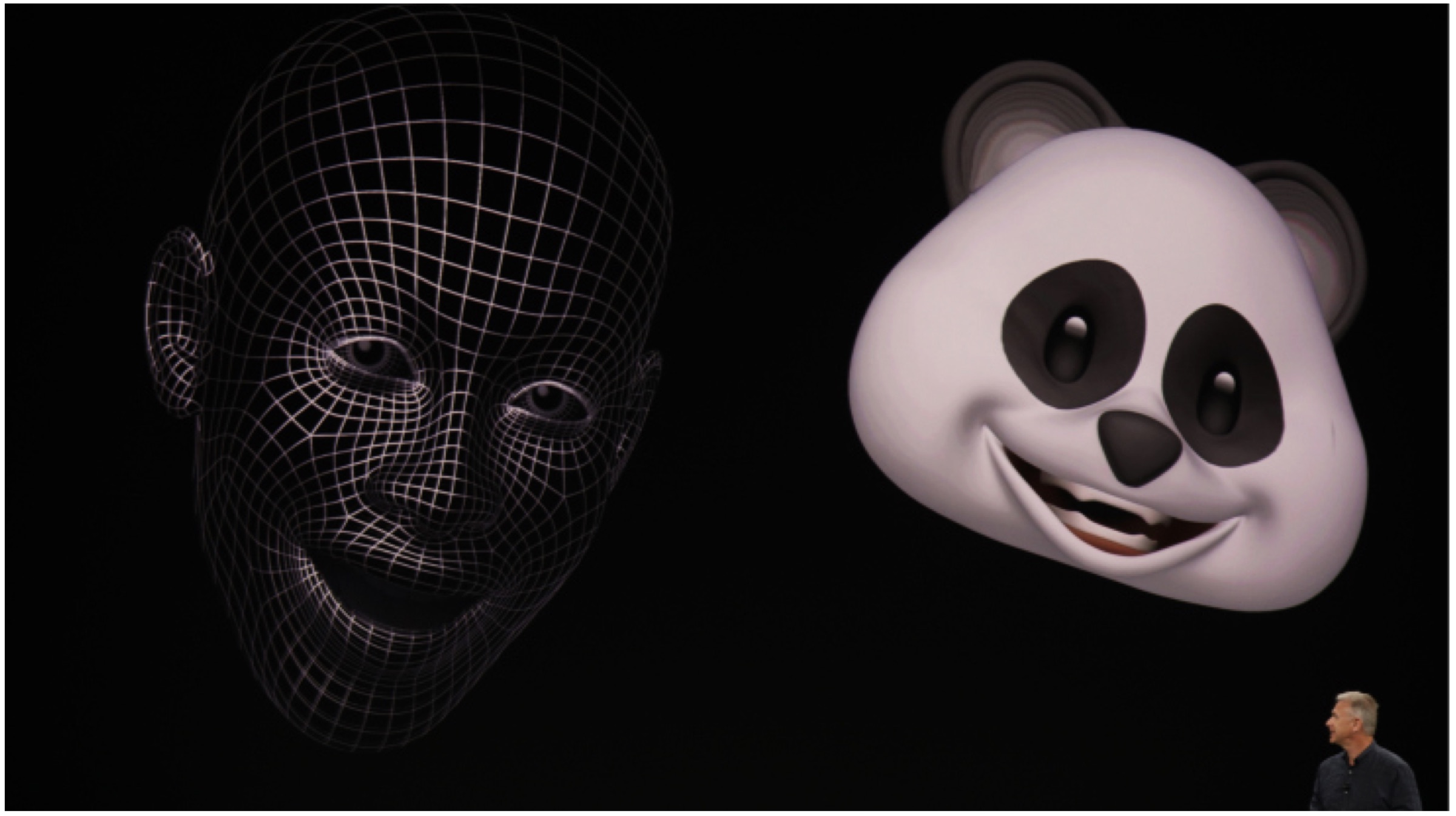
    The iPhone X is hands down the most anticipated iPhone ion the recent past and is dubbed as the “true successor” of the original iPhone which was launched in 2007. The design language is completely different from what we’ve become accustomed to seeing with an iPhone. The new facial recognition technology is apparently more convenient and safer than TouchID while the bezel-less display with a notch at the top has been well-received. The iPhone X will detect your face even in the dark by mapping your face. Apple claims the chances of someone else unlocking your iPhone through FaceID is one in a million. FaceID will work with Apple Pay and third party apps that supported TouchID. Another feature is called Animojis wherein you can create emojis controlled by your face and share it on iMessage.

    The iPhone X has a 5.8-inch 2436 x 1125 px OLED True Tone Super Retina display with minimal bezels around it. The phone runs iOS 11 and is powered by a 3,000 mAh battery which charges through the Apple signature lightning port placed at the bottom of the phone. Because of the all-glass design, the iPhone X also has wireless charging like the iPhone 8 and iPhone 8 Plus. Under the hood, the smartphone has the Apple A11 Bionic chipset with a neural engine, a hexacore processor, 3GB of RAM and storage options of 64GB, and 256GB. As is with every iPhone, the onboard storage can not be expanded via a microSD card. The small bezels mean there is no physical home button, which is now replaced with gestures for navigation. Siri is activated by pressing the now larger lock/unlock button. The iPhone X is also IP67 certified for water and dust resistance, and wireless charging.

    The iPhone X has vertically placed dual 12-megapixel rear cameras, and it’s equipped with dual optical image stabilisation. The sensors are both larger and faster, according to Apple, and the main camera is equipped with a wide angle lens and has an f/1.8 aperture while the secondary telephoto lens has an f/2.4 aperture. In between the two cameras is a quad-LED True Tone flash. Both the front and back cameras have the portrait mode. On the front is a 7MP camera with an f/2.2 aperture. Both the rear cameras and the front camera have the portrait lighting feature, just like the iPhone 8 and iPhone 8 Plus.

    The iPhone X is priced at US$999 for the 64GB variant in the US, GBP 999 in the UK and Rs 89000 in India for the 64GB variant. Pre-orders for the smartphone begin on the 27th of October and the device will go on sale on the 3rd of November.

  • Apple iPhone X Pre-Order Page Goes Live In India

    Apple iPhone X Pre-Order Page Goes Live In India

    When the iPhone X was launched on the 12th of September, it was announced that the phone will go on sale on 3rd of November while the pre-orders will begin on the 27th of October. India is one of the select few countries to get the marquee smartphone along with the US and UK. Amazon India recently made the iPhone X pre-order page live.

    The Apple iPhone X will be the most expensive iPhone in India and possibly the most expensive smartphone with the price of the 256GB variant expected to be around Rs 105,000. The 64GB variant will be priced at Rs 89000, which is about Rs 5000 more than the 256GB variant of the iPhone 8 Plus. The iPhone X has a new design and a few omissions which might not go down well for a lot of iPhone users. Due to the thin bezels, there is no home button and therefore, no TouchID. Apple has replaced it with FaceID, a facial recognition system which Apple claims is better and safer than TouchID. The 3.5mm headphone jack has started feeling like an anomaly and doesn’t feature in the new iPhone X.

    The iPhone X has a 5.8-inch 2436 x 1125 px OLED True Tone Super Retina display with minimal bezels around it. The phone runs iOS 11 and is powered by a 3,000 mAh battery which charges through the Apple signature lightning port placed at the bottom of the phone. Because of the all-glass design, the iPhone X also has wireless charging like the iPhone 8 and iPhone 8 Plus. Under the hood, the smartphone has the Apple A11 Bionic chipset with a neural engine, a hexacore processor, 3GB of RAM and storage options of 64GB, and 256GB. As is with every iPhone, the onboard storage can not be expanded via a microSD card. The small bezels mean there is no physical home button, which is now replaced with gestures for navigation. Siri is activated by pressing the now larger lock/unlock button. The iPhone X is also IP67 certified for water and dust resistance, and wireless charging.

    The iPhone X has vertically placed dual 12-megapixel rear cameras, and it’s equipped with dual optical image stabilisation. The sensors are both larger and faster, according to Apple, and the main camera is equipped with a wide angle lens and has an f/1.8 aperture while the secondary telephoto lens has an f/2.4 aperture. In between the two cameras is a quad-LED True Tone flash. Both the front and back cameras have the portrait mode. On the front is a 7MP camera with an f/2.2 aperture. Both the rear cameras and the front camera have the portrait lighting feature, just like the iPhone 8 and iPhone 8 Plus.

    The iPhone X will be available thrugh online and offline channels. More launch offers will be announced at the time of the launch of the phone in the country.

    Pre-Order the iPhone X here

  • Samsung And Apple To Face Retrial Over $400 Million Patent Damages

    Samsung And Apple To Face Retrial Over $400 Million Patent Damages

    Apple has its hands full at the moment, as the sale of the iPhone X nears, the company finds itself in a yet another prolonged legal battle against Samsung. The patent battle between Apple and Samsung over who owns the concept of smartphones with round corners is back for another trial. Back in 2012, the case was settled and Samsung was ordered to pay over US $1 billion to Apple. That figure is currently US $400 million and a successful appeal for a retrial means that this amount might be reassessed again.

    The judgement was made yesterday by Judge Lucy Koh of the United States District Court for the Northern District of California, with the ruling spotted and shared by patent lawyer Florian Mueller. Apple and Samsung now have until the 25th of October to propose a date for the retrial, although Mueller has said that there is a high chance that the two companies will settle out-of-court instead. Although there’s still a lot of money on the table, both sides have proved their willingness to go to the mats on this issue. Moreover, Samsung and Apple cannot be distracted right now since both companies will be up against Qualcomm in a legal battle.

    It is worth noting that the retrial isn’t to determine whether Samsung infringed the patents of Apple while making its smartphones. That bit is settled and Apple will receive the damages f0r it. This retrial is to see whether Samsung will pay the damages it pays based on the total profit it made from its handsets, or a percentage of that profit. Samsung argues that even if it copied certain aspects of Apple’s smartphones, these were only ever a part of the appeal of its own products. The Supreme Court Of America had already ruled that a judgement based on profit would be unfair.

  • Apple Sued By A Japanese Company Which Owns ‘Animoji’ Trademark

    Apple Sued By A Japanese Company Which Owns ‘Animoji’ Trademark

    Legal battles just doesn’t seem to go away for Apple at the moment. The Tokyo-based company, Emonster, which owns the trademark for “Animoji” in the US, is suing Apple for using the word to name its iPhone X feature. Legal worries continue for Apple with an ongoing legal battle with Qualcomm and recently losing a lawsuit against VirnetX.

    Emonster filed the suit on Wednesday in US federal court, saying,

    Apple made the conscious decision to try to pilfer the name for itself.

    Emonster owns an iOS app called Animoji that was launched in 2014, which lets people send emojis that are animated in a loop like GIFs. The app asks its users to compose the message in the lines of how you would format a line of code in Python or Javascript, with parentheses and brackets that separate the kinds of effects you want to add to text or emoji. The app costs US$0.99 on iTunes.

    The iPhone X’s Animoji feature, meanwhile, lets people transform their face into customised moving emoji. This is done using Apple’s face recognition technology. Apple tried to put a “fun and quirky” twist on its new flagship smartphone but, this suit couls cause some troubles to the American tech giant. The lawsuit alleges that because both the Animoji app and the iPhone X feature are on Apple’s platforms, and because both involve motion animation, the court should rule one out.

    According to the suit, Apple knew about Emonster’s ownership of the Animoji trademark since the app is in the Apple Store. Apple allegedly offered to buy the trademark, and when that didn’t work out, it kept using the name anyway. Emonster is seeking an undisclosed amount of money in damages and a court order to block Apple from continuing to use the name “Animoji” with immediate effect.

    It is reported that Emonster has owned the trademark for Animoji since 2015, Apple filed a petition in September 2017 to cancel the trademark, so the registration is now under review. Apple said that because of a filing error, Emonster registered the trademark to a nonexistent business and therefore can’t actually own the trademark for ‘animoji’.

  • Apple Has To Pay US$439.7 Million For Patent Infringement

    Apple Has To Pay US$439.7 Million For Patent Infringement

    Apple has been dealt with a US$439.7 million fine for apparently infringing four patented technologies of VirnetX used in FaceTime and other iOS apps. While this is the final judgment from the US District Court, Apple has plans to appeal the ruling which will prolong the legal battle which began back in 2012.

    Legal battles between these two companies has been a back and forth tennis match since 2010. VirnetX first filed suit against Apple in 2010, winning US$368 million two years later. It then sued Apple again in 2012, which is the suit that was being ruled on this time.  Apple initially lost the suit, and then filed for a mistrial. It won a new trial, lost that trial, and was ordered to pay around US$300 million, then lost some more money and is now having that amount increased even further. This happened because a judge found Apple guilty of wilful infringement, bumping its payment amount from US$1.20 per infringing Apple device to US$1.80 per device. In response to the ruling, VirnetX has said that this was a “reasonable amount.”

    US$440 million might not be a huge amount for Apple and the money involved is certainly not the reason behind Apple’s effort to appeal against the judgement. VirnetX has been known to make money out of filing patent infringement suits. The company’s SEC filing states, “Our portfolio of intellectual property is the foundation of our business model.”

    Legal battles seem to be following Apple nowadays. Qualcomm recently filed a lawsuit against Apple in China in an attempt to stop manufacturing and sales of iPhones in China. China is the largest smartphone market in the world and this lawsuit has come at an extremely crucial time as the company gears up for the sales of the iPhone X.

  • Apple Wants To Launch Apple Pay In India

    Apple Wants To Launch Apple Pay In India

    Apple is planning to bring its payment service, Apple Pay in India. During his recent visit to India, Eddie Cue, SVP for internet services and software admitted that seeing more and more international payment mechanisms entering India has encouraged Apple as well. Earlier in September, iGyaan had reported that Apple has begun testing Apple Pay in India and launch the payment service by the end of 2017.

    It is great that all of these payment mechanisms is coming out in India because it empowers people to be able to pay. What Apple pay does is make that process easy, integrated and safe. We absolutely want to bring Apple pay to market here

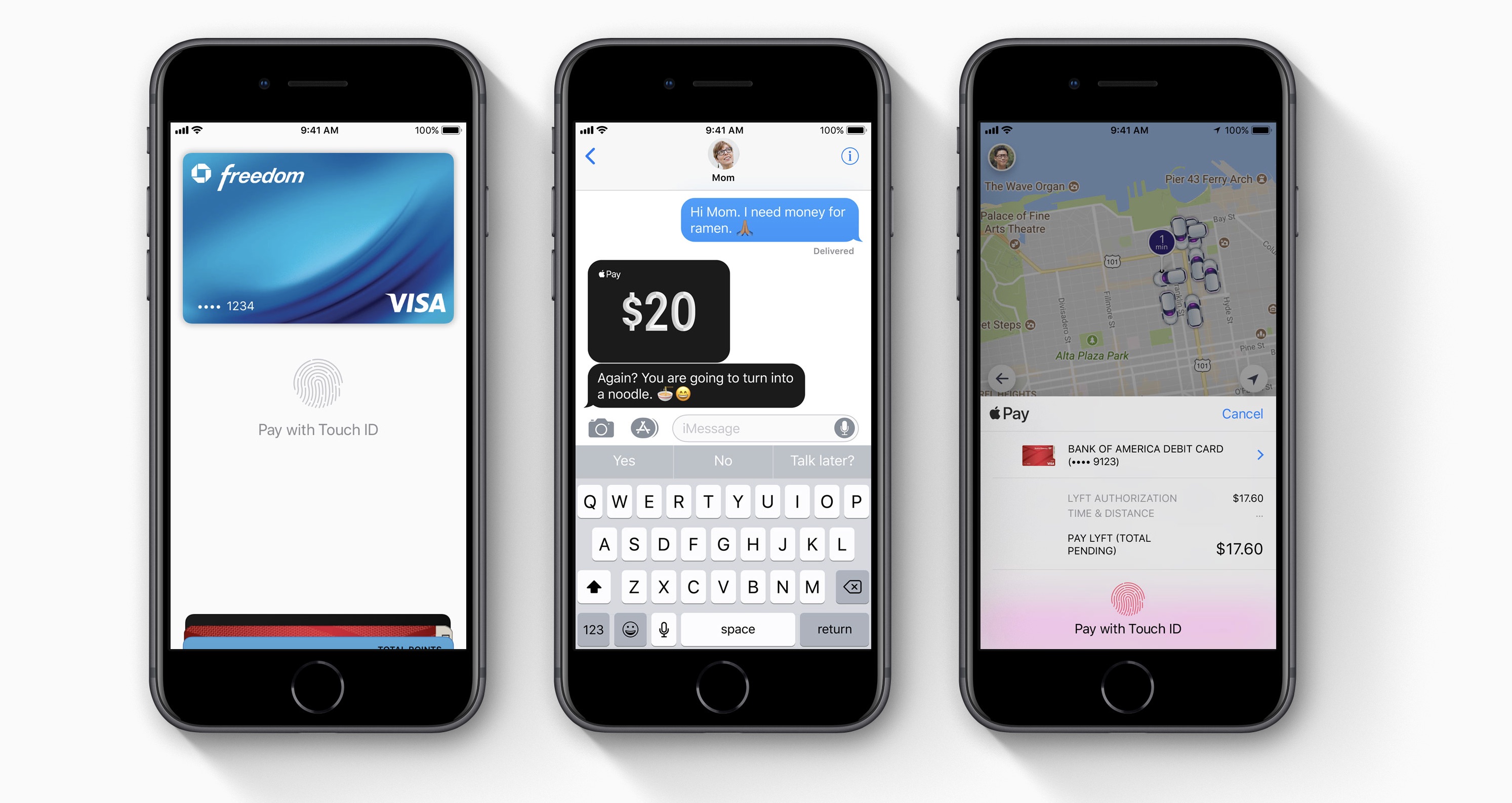
    Apple Pay securely stores credit cards, debit cards, or other sensitive payment information from the Wallet app and lets the user pay for goods directly from their mobile device. For Apple Pay to work, the merchant needs to have a contactless machine which is compatible with Apple Pay. During the transaction, TouchID or FaceID is required to authenticate the payment. Once the authentication is successful, a subtle vibration confirms that the transaction was successful.

    India has seen a floury of different payment services entering the country. Tech giants like Google, WhatsApp and Samsung has launched their payment services in India in the last couple of years. Other online payment apps like PayTM also allow its users to make cardless payments directly through the PayTM app, although, you need to top up your PayTM balance before making any transactions. In the case of Samsung and Apple Pay, transactions are made directly from the credit or debit card synced with your account.

    Google launched Tez in early September in India. The app has a widespread support of banks and has already hit over 5 million downloads on the Play Store.

    Apple may be late to join the online or cardless payment services party but, Apple is India’s second largest premium smartphone maker along with Apple Pay’s integration with iOS 11 and the Apple ecosystem will be a huge factor.

  • Qualcomm Confirms Lawsuit Against Apple In China

    Qualcomm Confirms Lawsuit Against Apple In China

    Qualcomm Inc, the San Diego based chipset maker has filed a lawsuit against Apple Inc in China. Qualcomm seeks to ban the sale and manufacture of iPhones in the country, the company’s biggest shot at Apple in a bitter and prolonged legal fight. Qualcomm filed the suits in a Beijing intellectual property court claiming patent infringement and seeking injunctive relief, according to Christine Trimble, a company spokeswoman.

    Qualcomm made the filings at the Beijing court on Sept. 29. The court has not yet made them public. Qualcomm wants to halt the manufacturing and sale of iPhones in world’s largest smartphone market. Apple’s iPhone business contributes to two-thirds of Apple’s revenue. In its statement, Qualcomm said:

    Apple employs technologies invented by Qualcomm without paying for them.

    Qualcomm’s suits are based on three non-standard essential patents. They include power management and a touch-screen technology called Force Touch that Apple uses in current iPhones.

    In its response to the lawsuit, Apple said:

    In our many years of ongoing negotiations with Qualcomm, these patents have never been discussed. Like their other courtroom manoeuvres, we believe this latest legal effort will fail.

    The two companies are months into a legal dispute that revolves around Qualcomm’s technology licensing business. While Qualcomm makes the majority of its money from making phone chipsets, it rakes in most of its profit from charging fees for patents. The legal battle started in early-2017 when Apple filed an antitrust suit against Qualcomm arguing that the company’s licensing practices are unfair and that it abuses its position as the biggest supplier of chipsets in the market. Qualcomm has countered with a patent suit and argued that Apple encouraged regulators from South Korea to the U.S. to take action against it based on false testimony.

    This isn’t an ideal time for Qualcomm either, just last week it was fined a record US$773 million by the Fair Trade Commission of Taiwan

iGyaan Network
Privacy Overview

This website uses cookies so that we can provide you with the best user experience possible. Cookie information is stored in your browser and performs functions such as recognising you when you return to our website and helping our team to understand which sections of the website you find most interesting and useful.