Google wants to launch a special version of its Play Store in China next year. Reports suggest that the company wants to launch a stand-alone version for the country in order to comply with their government’s censorship requirements.
Google has had a short and somewhat tumultuous relationship with the country. It left China in 2010 as a reaction to the Chinese hacking attacks and the government’s censorship requirements. However, with the new turn of events, it seems like the company is agreeing to comply with content censorship request, but will keep the Chinese version of the Play Store separate from the existing app store. This will be done so that the rest of the users located outside the country won’t have to comply with those specific censorship guidelines.
Even with Android being the most used operating system in China, many users do not have Google apps on their phone because of the above mentioned reasons. They currently use web browsers like Tencent and Baidu in order to access app stores from mobile phones. Therefore, hopefully with the introduction of the Google Play Store, things might change for the ‘techizens’ of China, and will inversely even help Google expand towards more areas of influence.
This app store can be expected to launch during the first half of 2016, sometime after the Chinese New Year in February.
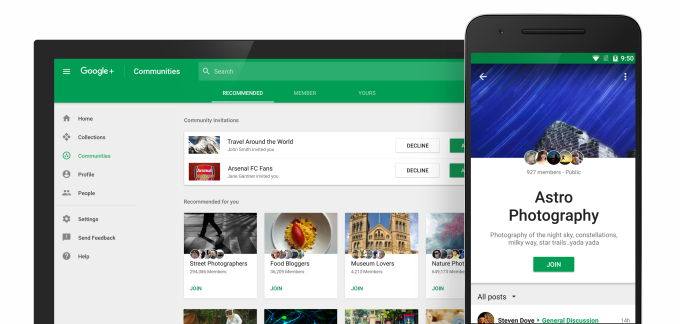
Google’s attempt at creating a social networking website sort of died down after the launch of Google+. It did not seem to get the attention it was looking for and seemed dormant for the longest time. However, Bradley Horowitz, the VP of Photos and Streams at Google and Luke Wroblewski, Product Director at Google; seemed to have re-worked and re-designed the app.
Some features like the Photos and backing up on YouTube have been highlighted. the main purpose was not to remove or eliminate features but to highlight the features that worked for Google+ and streamline the ones that didn’t.
“Photos wasn’t the only product with opportunity. We asked ourselves “how can we make this better and serve more people?” said Bradley Horowitz
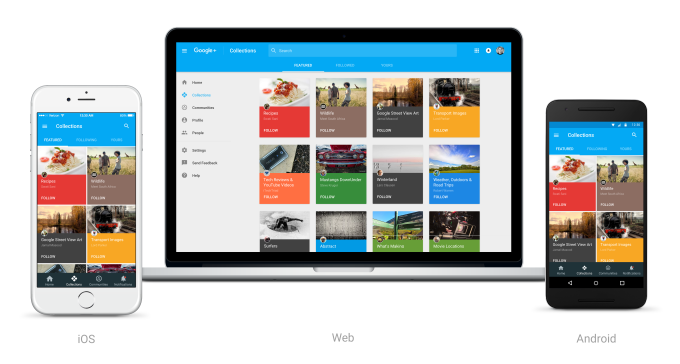
A lot of work seems to have been done in researching user needs, designing and archiving data to revamp Google+. The result of this is the new G+ with a focus on Communities and Collection. While, Communities was launched in 2012 in order to reduce the need for discussion groups; Collections is rather recent Pinterest-type feature, that was introduced only earlier this year.
However, after going on a road trip in order to survey the needs and difficulties of hard core Google+ users, the designers have come to the conclusion that these were the two main features that required to be highlighted. Their main aim was to make their pros stand out, and try their best to hide the cons while working on them.
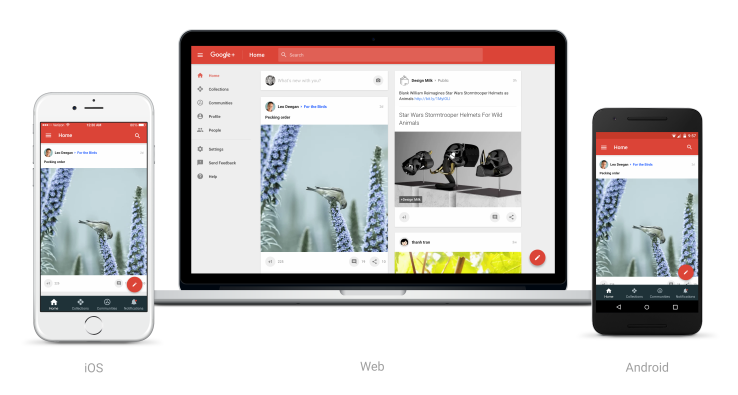
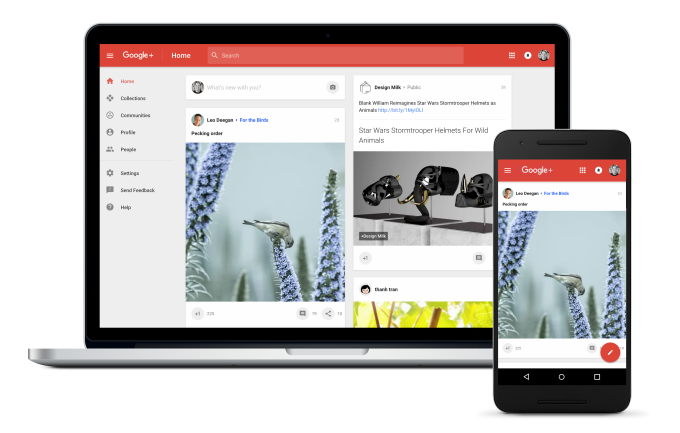
The new version also caters to a mobile first experience which was previously not one of the top most priorities for Google+. Therefore, the web design has been made much more responsive, and along with that, the iOS app has been fully rebuilt and redesigned. The Android version on the other hand will now cater to what people are using while pushing aside the unused features. Moreover, the new G+ runs on Material Design, which is a language developed by Android itself.
The new design is being compared to Facebook or other social networking site’s layouts. However, that is not entirely a bad thing, although it does look like they are still relying on their user base to fill their home pages with more interesting things. Google will now fill up your homepage with things that it thinks you are interested in, based on the content you surf and share.
One of the main realizations that they had was the fact that Google+ had too many features that were all over the place. So as Horowitz says they had to reinvent within the current framework. So, to conclude we can safely say that Google has focused on what worked for them by enhancing the presence of ad-friendly groups, adding a streaming focused feature, and reaching out to their users via the web, iOS and Android.
The team of Google Glass, now called Project Aura, is reportedly working on three new prototypes of wearable technology. One of them happens to be a gadget which relies entirely on audio. It is unclear at this point how it will be different from any other pair of headphones or a Bluetooth earpiece. However, it is highly likely to be part of the Project’s work on hands-free computing.
Started in June as the successor to the Google Glass division, Project Aura was initially part of Google X “moonshots” lab. It’s now headed by Tony Fadell, the Nest Labs CEO, along with the reputed designer, Ivy Ross.
When Amazon laid off a bunch of its engineers, many of whom were audio experts, Google gave them refuge. Now they seem to be working on developing the audio-focused gadget for Google.
At the same time, Project Aura won’t get rid of screens altogether. The company is working on two other devices other than this audio-only gadget. The other two gizmos are likely to have screens and are reportedly meant for businesses that require head-mounted display. Let’s see how this Project and its goals pan out. We’ll update you as soon as we have more information.
Gmail has recently announced two new features that will be available on the emailing website. The first one is a minor change brought about within the search engine tab. Previously, when you wanted to look for a mail, you would have to navigate through all three different files – Inbox, Spam and Trash, separately. However, the new change will allow Gmail to look for your email directly from the main search tab on the inbox screen page. This search will automatically look for files throughout your Gmail profile, including the Trash and Spam. This feature will not be available on the phone apps but only on the web.
Secondly, Gmail is increasing its security by warning you about emails that arrive over un-encrypted connections. Un-encrypted emails increase the risk of your personal information getting leaked and also makes you prone to getting attacked by viruses and other harmful activities. While Gmail to Gmail messages are mostly encrypted, there are still many email servers who do not use encryption. Therefore in the weeks to come, you might receive something like this:
Hopefully, all of this protects us from everything that we stand to lose – time and privacy. Who says only celebrities get all the attention?
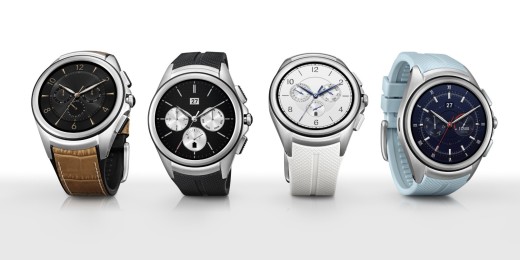
In today’s wearable news it seems Android has taken a leap forward and has finally made LTE support for its smartwatches a reality. Google has updated its Android Wear OS for smartwatches with cellular service, which means you can now leave your phones at home when you’re on the go. Android wearables will be able to stay connected with a SIM card even when your phone isn’t nearby.
LG’s Watch Urbane 2nd Edition will be the first smartwatch to ship with the SIM feature along with support for cellular connectivity. The watch will be available in the US and South Korea this week. This features puts Android Wear ahead of the Apple’s WatchOS 2 and other platforms out there that don’t support cellular connectivity.
What this feature does is that it allows you to use all the apps on your smartwatch including receiving and sending messages, calls, among other, without having your phone nearby. It will come in handy when you want to go out for a run and leave your phone at home.
While this does put Android Wear ahead of Apple’s WatchOS in terms of functionality, it may not attract too many buyers as cellular connectivity means more strain on your smartwatch’s tiny battery. You may find yourself having to charge your watch frequently. Currently, AT&T and Verizon are selling the watch with cellular connectivity from today.
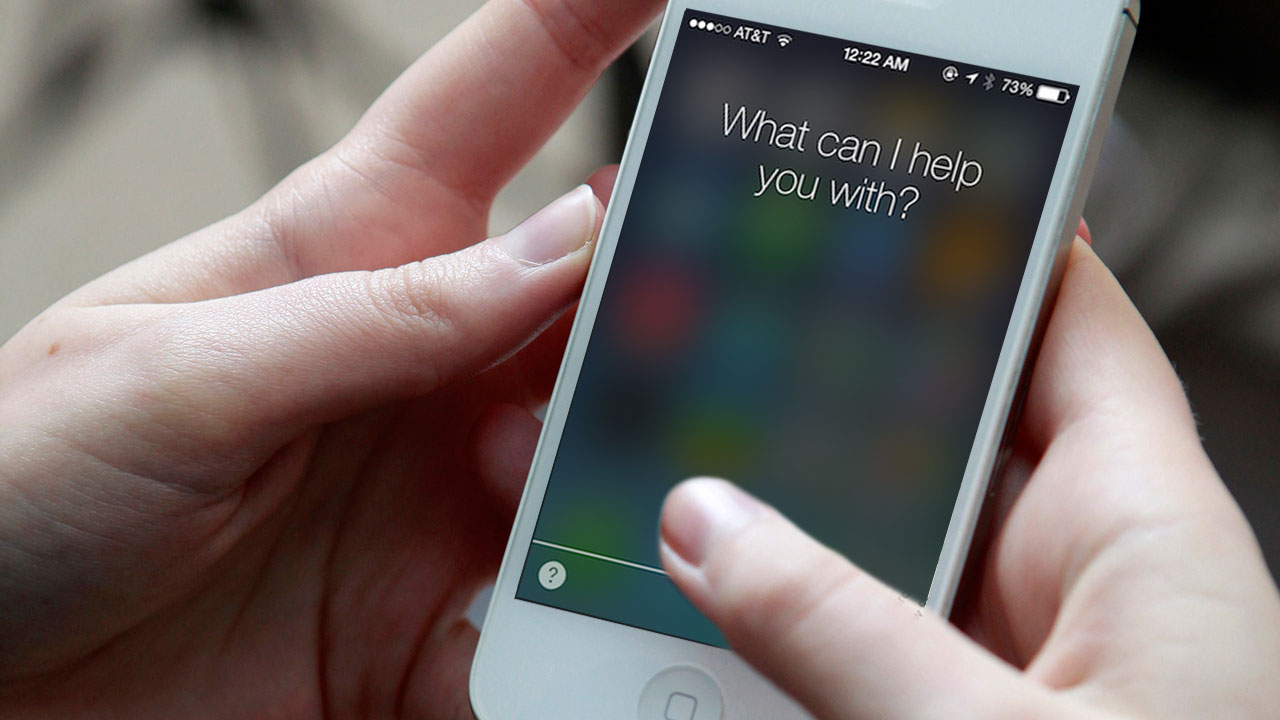
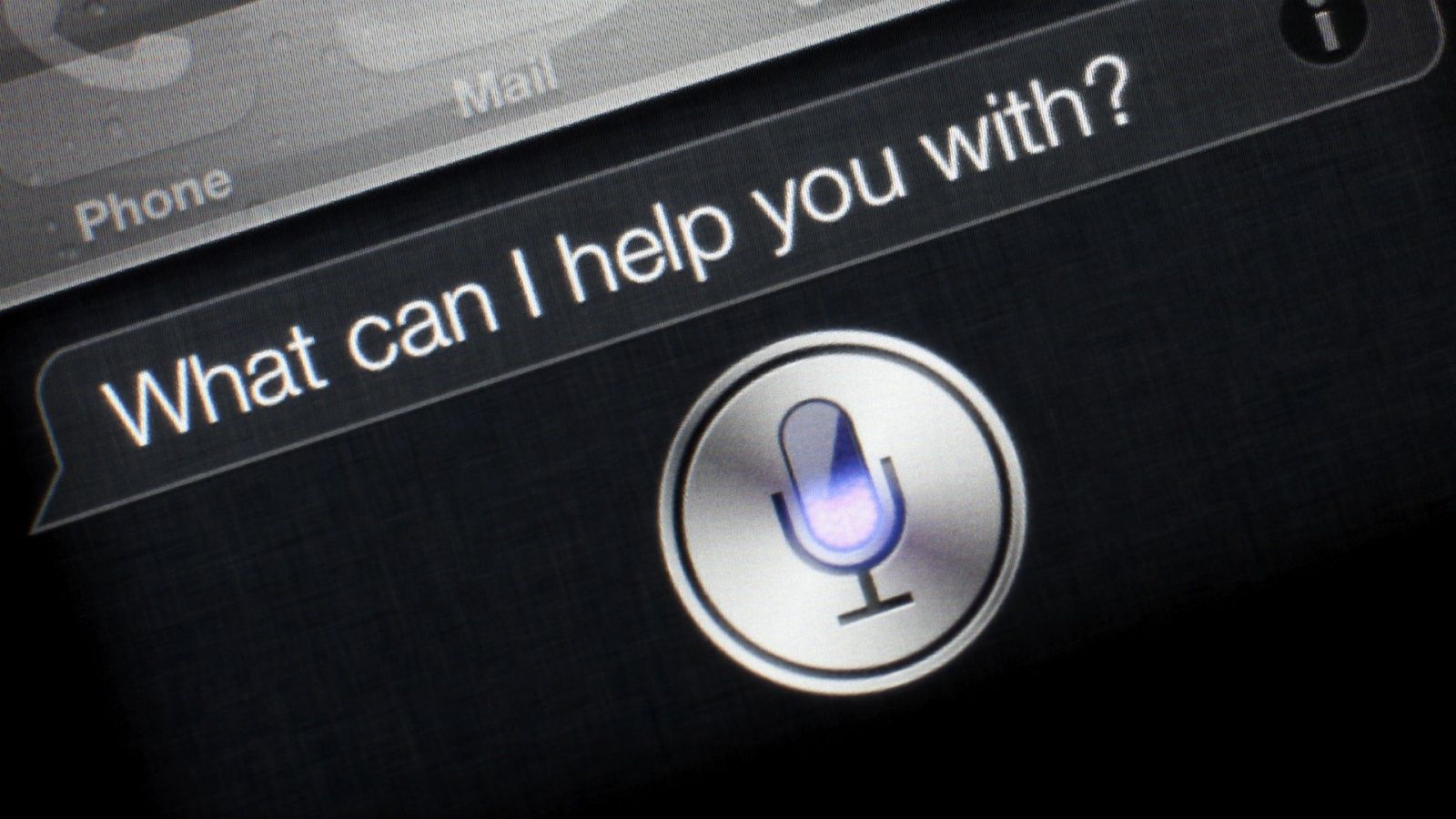
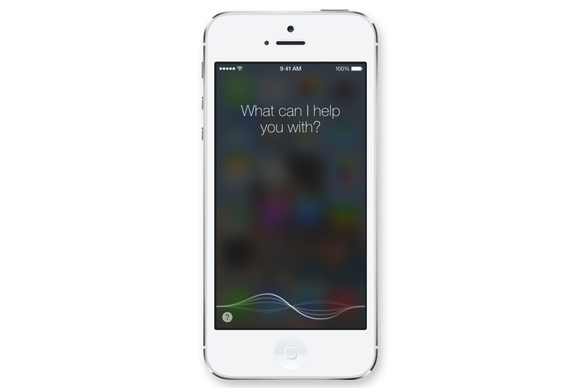
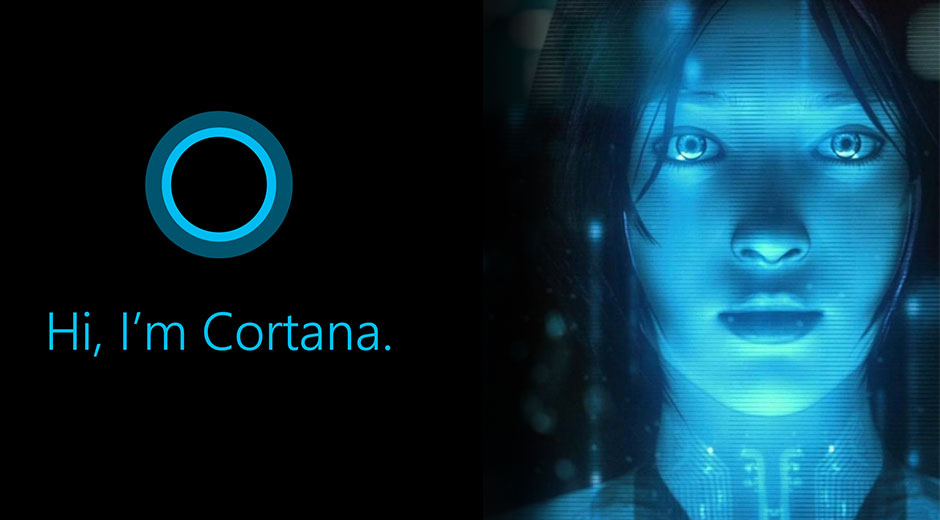
Ever wondered who will take the cake in a face-off between Siri, Cortana and Google Now? You are not the only one if you have because a company called Experts-Exchange in the US thinks just like you. The three virtual voice activated personal assistants were put to a test where they were asked four questions each and given three tasks to complete. The participants had to keep a record of the follow-up question each assistant required and closely watch for accuracy.
The following questions were made part of the test:
Who won the Super Bowl in 1978?
How many calories in a muffin?
Where can I buy tires?
When is “Kung Fu Panda 3” coming out?
The three tasks that the virtual assistants were supposed to perform included:
Ask your phone to set an appointment
Turn the Wi-Fi setting on
Send a text message.
In terms of the stats, when the first question was asked about the Super Bowl in 1978, Siri answered correctly 95.3% of the times, satisfying 86.1% of the participants. Google Now answered it correctly 88% of the times, and 80% of the times it responded with a web search. As far as Cortana goes, the wrong answer was given a mere 3.3% of the times.
When asked to set an appointment, Siri once again took the lead by being correct 92.3% of the times, satisfying 89.2% of the users. This was followed by Google Now being correct at 81.3% and satisfying 80% of the users. Cortana came in last with 73.3% and 70% respectively.
The total number of satisfied users for the three virtual assistants were 81% for Siri, followed by Google Now at 68% and Cortana at 57%. Siri also had the lowest number of incorrect answers, and found itself in a tie with Google Now for having least answers that were responded with a web search.
While the test results should be a matter of concern for Google and Microsoft, it should be noted that there was a certain pattern that both, virtual assistants as well as participants, followed. People living in the Western states seemed more satisfied with Siri than those living in the Eastern parts of the country. Conversely, Google Now and Cortana saw themselves faring better with people from Eastern states.
Also, follow-up questions with Google Now and Cortana were twice as much for women as men. On the other hand, Siri asked more follow-up questions with men than with women. This suggests a pattern and structure in the manner the questions were put forth by both men and women.
Have you ever conducted a similar face off? Which is your favourite virtual voice activated personal assistant? Let us know in the comments below.
Alphabet (Google’s parent company) and Facebook have brought their forces together to develop drones that can provide broadband internet access from above the Earth. Both companies have reportedly registered new drone designs with the US Federal Aviation Administration.
Apart from this, Alphabet is currently planning a secret operation at the Spaceport America allegedly creating a solar-powered drone. With smaller drones gaining the attention of big business firms like Alphabet and Amazon with their project Wing and Prime Air respectively, Google and Facebook are working on a larger drone that will be able to operate even as high as 90,000 feet above ground level.
If their assessments are to be trusted, we can safely assume that these drones could possible be flying for weeks or months, thereby could also potentially provide cities and towns with high-speed internet in underdeveloped countries.
“We’re working on ways to use drones and satellites to connect the billion people who don’t live in range of existing wireless networks,” said Facebook’s CEO, Mark Zuckerberg, in July.
This project was preceded by Facebook last year, setting up an initiative with Nokia, Samsung and others to provide online access to two-thirds of the world via internet.org. However, that was a lone project, this one on the other hand, is a collaboration with Alphabet which would in turn help both companies reach new users in their advertising market. All we can hope for is that this initiative churns out something good. What do you think of this collaboration? Feel free to post your comments in the comment section below.
Nexus devices are traditionally examples of what Google wants from companies in the year to come. They are devices designed to run on the latest versions of Android keeping the performance at its best, being a design and performance benchmark of sorts that run pure Android. However this year google seems to have changed its philosophy and has launched two new Nexus devices. So is the cheaper Nexus 5X actually up to standards with what Google usually puts out, or is it Google’s shadow attempt at keeping the mid-tier market happy?
Build Quality and Design
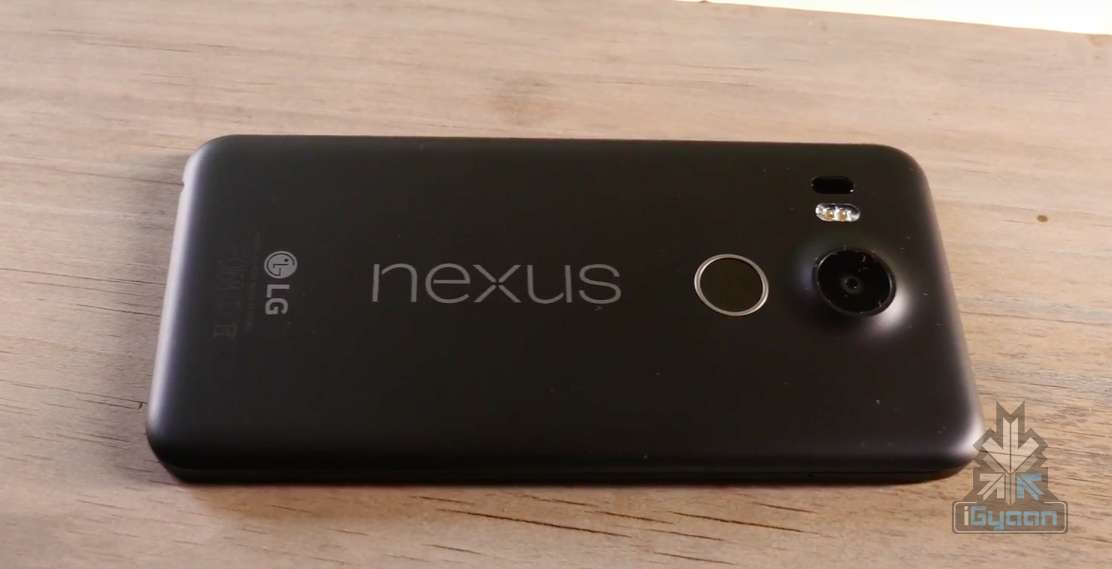
The Nexus 5X made by LG for Google appears to have a little too much plastic, and is extremely light -so much so that it does not feel premium at all. Made entirely of plastic, barring the display, the device is rather flimsy looking. However, it does not feel like it will break easily, the plastic is rigid, but in no way feels anything close to the feel on the Nexus 6 or the Nexus 5 for that matter. No mention of IP ratings and you get an outdated Gorilla Glass 3 with a simple Oleophobic coating.
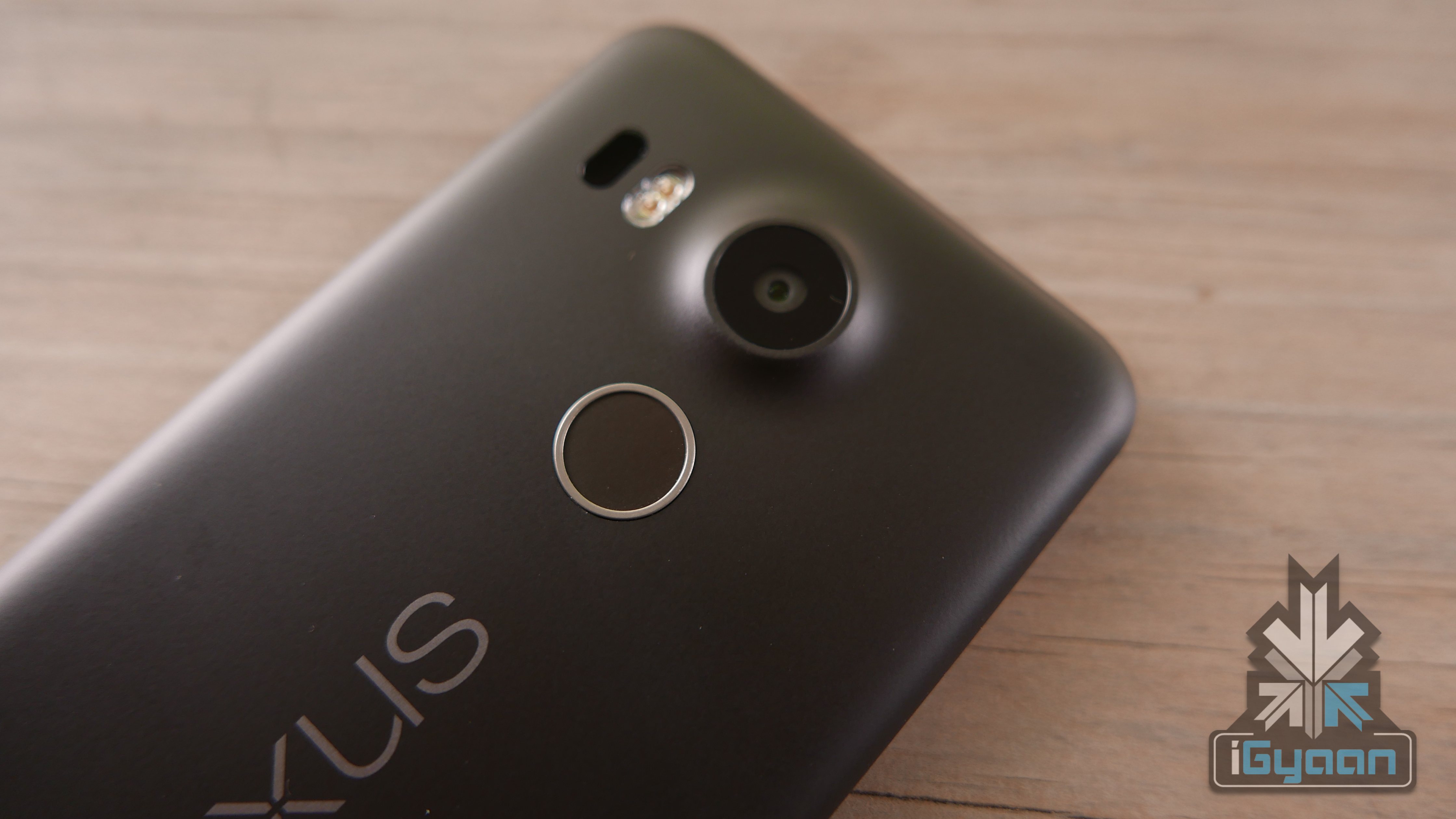
The design is not winning any points for now, the black Nexus 5X is fairly boring with a bump on the back for the camera. The back panel is extremely fingerprint and smudge-friendly and gets stained easily. Laying on a table the Nexus 5X is nothing out of the ordinary, and the complete use of plastic kills not only the aesthetic but a lot of the premium feel at the price bracket. Devices like the Moto X and Samsung A8 offer a lot more design and visual appeal. Push a little further in your budget and you get the Samsung Galaxy S6, one of the “prettiest” phones of 2015.
The great thing about the Nexus 5X is that, unlike the Nexus 6, it is very lightweight at only 136g grams and can easily used with one average sized hand.
Hardware
The hardware on the Nexus 5X seems to be a compromise, with Google sticking to Snapdragon 808 and 2 GB of RAM, the only major improvements are the cameras which now stand at 12.3 MP and 5 MP.
Wi-Fi 802.11 a, b, g, n, ac / Bluetooth 4.2 / NFC / Type-C USB
Operating System
Android OS, v6.0 (Marshmallow)
Price
Rs. 31,990/ Rs. 35,990
Camera
The new Nexus 5X and 6P have similar cameras, and they have to be the best Nexus cameras yet. While low light performance is questionable, the cameras do exceedingly well in good lighting. Good accurate colours, ample amounts of contrast and dynamic range are some the highlights of the cameras.
The main camera captures images just under the full resolution of 12.3 MP at 12.2 MP and UHD video. The front camera comes up with 5 MP pictures and 1920 x 1080p video. While the images are crisp and great to look at, the camera app does slow down once in a while and does not give the experience that is expected from Nexus devices. The rear camera gets laser assisted (IR sensor) auto focus, mostly seen on LG flagship phones, and works pretty efficiently in capturing focus points.
Video quality is great at 4k, but due to the lack of IS, the video tends to be shaky when shot by shaky hands. Sample below.
Android Marshmallow and Experience
The new Nexus 5X, just as each Nexus before it, comes with the latest version of Android, which in this case is Android 6.0 Marshmallow. With this new update you get improved UI features like an App search bar, a new Clock and lock screen messages.
You also get performance upgrades, a brand new RAM manager, standard support for fingerprint scanners and USB type C ports, and hence the new Nexus phones have those both.
Software updates like ‘Now on Tap’ allow you to look at Google Now throughout the UI. Apart from the usual “Ok Google” command, a long-press on the Home button makes the Google Now assistant scan whatever’s on the screen to find extra info online that might be helpful.
Privacy is now been updated and apps can no longer bypass this. A new security feature asks for passwords during boot, and not after booting to prevent unintentional battery drain if a non-owner tries to start the phone.
The new Doze feature is incredible at recognising when the phone is idle to put it in a rested state. This considerably improves battery performance on the Nexus 5X.
Performance and Battery
The Google Nexus 5X is losing out on one big thing and that is performance. Each year Nexus phones stand out as leaders defining performance standards for companies, however, this year the case is different. The higher of the two Nexus devices launched this year, the Nexus 6P, is more of a performance benchmark. The 5X is mostly being sold to cater to those who basically don’t like the idea of an expensive Nexus phone, as was seen last year with the Nexus 6.
The Nexus 5X runs dated and weak Snapdragon 808 chipset because, most manufacturers have preferred the 808 over the 810 pertaining its heat issues. The 808 scores considerably less on benchmarks achieving 48020 on Antutu which falls roughly below last year’s Note 4 by Samsung. So the Nexus 5X is not a flagship benchmark.
Battery life is assisted by the Doze feature and gives you extended use, especially if you have a long screen-off time.
The Nexus 5X will easily last a day for the average user going into the second day before requiring a charge. With a talk time of around 6 hours, we are not complaining.
Usage
LG Nexus 5X
Talk Time
5.5 – 6 hours
Internet on LTE
4 hours
Internet on Wi-Fi
5 hours
Gaming and Video
5 hours
Standby
6- 7 days
Conclusion
The Nexus 5X is available in India for a price of Rs 29,990 (at the time of review) for the 16 GB variant which is about Rs. 4,000 more than the US$ 379 price. At this price it lacks the essence of a Nexus phone. Its built in plastic lacks a QHD display and comes with 2 GB of RAM, the best advantage of the Nexus remains the quick updates. For a better hardware experience the Moto X Style offer better value for money, at the same price and has a QHD display 3 GB of RAM and better cameras, fast turbo charging and dual sim capabilities. More over you get expandability up to 128 GB. The Moto X style offers a near-Nexus Android experience and will soon get marshmallow.
You should consider one of the many other options instead of the Nexus 5X this year. For LG and Google the intent is wonderful and the phone brings back the brilliance of the Nexus 5, however the Nexus 6P is more Nexus than the Nexus 5X.
Allowing you to take laziness to the next level, Google’s new email app will come up with responses for emails and thereby saving your brain cells the extra effort. The Smart Reply feature of the Inbox by Gmail app was unveiled on Tuesday and offers three responses that can be customised by the user.
Smart Reply, Google’s smartphone app, uses deep learning, a modified version of Artificial intelligence to make the appropriate replies. Over time, the app would study the pattern of responses to emails, and suggest responses based on the most and least often used ones.
The president of the Google for Work program, Amit Singh commented on this, “The possibilities of machine learning are endless.”
Users tend to keep replies short on mobile phones and it was precisely this style of emailing on phones which led to the development of Google’s newest app. Google has also made sure to include or exclude responses which are more commonly used or steered cleared of. This ensures no private replies get mixed with business emails and vice versa. Smart Reply is expected to be available by the end of this week as part of the Inbox app that is compatible with both Android and iOS devices.
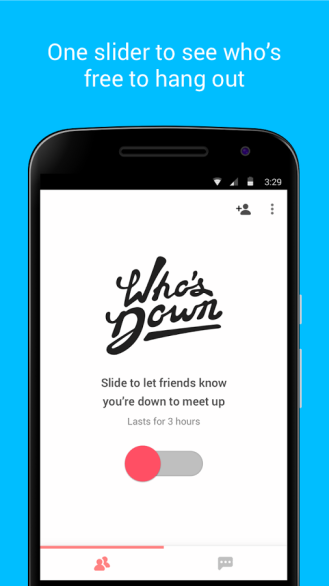
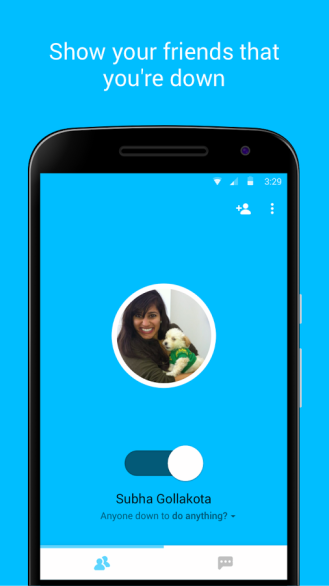
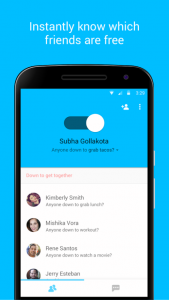
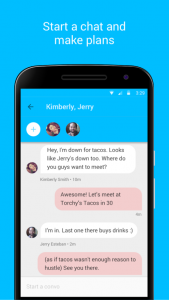
Google has launched a new app called “Who’s down”, which takes its hangouts concept to another level. Not a much higher level though, just a small step up. What we know so far about this app is that it is currently an invite-only app and is restricted to college students. It allows people who are interested in similar things to ‘group up’ and chat on the app.
The app does not require you to sign up with an academic email address, however, it does ask you which college you are from before joining the wait list. Google is clearly trying to expand into the social media sphere in small ways and yet trying to make a its mark. Targeting college students specifically seems to be quite a good business strategy since most of them, especially the freshers, are hooked to their smartphones all day.
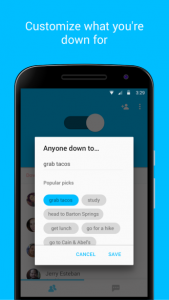
Design wise it is typically Google with its blue-white design scheme. Function wise, first you move the slider that indicates you are online or ‘down’ to meet people, then you type in an activity you would like to do or just select an option from the drop down list. Once you’ve voiced your intent, the app will wait for people to respond. The app will eventually notify you if a good number of people respond to your request. The chats that happen in this chat room will automatically get deleted after 24 hours.
This seems like quite an intrinsically thought out app for Google. However, chat rooms and chatting apps aren’t concepts that are so new that nobody else can make it. So, until then, let’s just hope that Google’s pretty interface keeps us hooked.
In a merger that could probably spell disaster for Google, the company is planning to fold its Chrome OS into its Android OS. Why is this a bad thing? Well, the Chromebook with Chrome OS was introduced as a lightweight operating system with limited native apps for low-powered netbooks. It was meant for students who would do most of their networking through the browser.
With this merger, Google has basically stated that the Chromebook is opening the gates for a horde of Android apps. This will not only leave the Chromebook more cluttered, but could also invite potential security concerns.
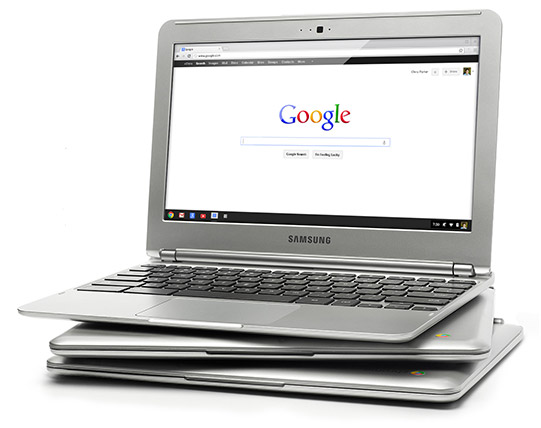
Samsung Chromebook
The news is not unexpected, though. Plans for a Chrome and Android merger have been on the cards since 2013. In the past few years, Google has been getting Android apps to run on Chrome, and back in 2009, Google co-founder Sergey Brin himself said that Chrome OS and Android would “likely converge over time”.
The end result of this merger will be an all encompassing OS for both mobile devices and notebooks. Again, net security is the primary concern for people after this merger news. While Chrome OS has been relatively malware-free due to its minimalism, Android apps have been riddles with vulnerabilities. As expected, users took to Twitter to express their disappointment at Google’s latest move.
Most experts I know have deep respect for the security in Google’s Chrome OS. None have respect for Android. Sad that Android won vs Chrome.
Following the official announcement of its revenue and profits for the fourth quarter, Apple reported that one third of iPhone buyers during the quarter had been using Android devices before the switch. The company also claims this shift to be the largest ever since they started tracking people’s movements from one OS to another, three years ago.
Needless to say, Tim Cook is more than just glad about the news, especially in the light of the lukewarm response the new iPhones have received since their launch in September. Cook comments on the switch of so many users to iOS and says,
“That number is the largest that we’ve ever recorded since we began measuring it three or so years ago. It’s a huge number and we’re very, very proud of that number.”
No doubt this movement has been one of Apple’s goals for a while now and the company has left no stone unturned in achieving it. The recent ‘Move to iOS‘ app of the company which allowed users to switch their Android devices to iOS is one such attempt.
The fourth quarter ended on the 26th of September, which means it could include only two days of the iPhone 6s and 6s Plus sales. With the new iPhones not faring as well as Apple expected or would have preferred, it would be interesting to see Apple’s report for the next quarter. There will be more colourful bits of news for both Apple loyalists as well as haters once that report is made public. Hold your breath until then.
The recently launched flagship Nexus phone, the Nexus 6P, will be available in India starting November. The phone has been up for pre-orders on Flipkart and other offline retailers since October 13. The response for the the Nexus 6P has been very positive and Huawei has ensured a smooth supply-demand cycle. The company will send out the smartphones in batches to be delivered across India from the first week of November.
The 6P features a 5.7-inch QHD touchscreen, Qualcomm’s Snapdragon 810 chipset, with 3 GB RAM, a 3450mAh battery, and a USB Type-C port. The camera sports a 12.3MP sensor with laser autofocus, dual-LED flash at the rear and a rather impressive 8MP on the front. This pure Android phone will run on the latest Marshmallow operating system.
The Nexus 6P is priced at Rs. 39,999 for the 32GB, Rs. 42,999 for the 64GB, and Rs. 47,999 for the 128GB variant. The handset is currently out of stock on Flipkart due to overwhelming responses. Have a look at the specs list below to know everything about the Nexus 6P.
Specs
Nexus 6P
Display
5.7-inch QHD Corning Gorilla Glass 4
Resolution
2560 x 1440 pixels, 518 ppi
Processor
Qualcomm Snapdragon octa-core 810 v2.1
GPU
Adreno 430
RAM
3 GB
Storage
32 GB/ 64 GB/ 128 GB
Rear Camera
12.3 MP, laser autofocus, dual-LED flash
Front Camera
8 MP, 720p@30fps
Expandability
N/A
Battery
3450mAh battery
Connectivity
Wi-Fi 802.11 b/g/n/ac; Wi-Fi MIMO support; Bluetooth 4.0 LE; GSM bands 850/1900; 3G bands; GPS with AGPS; NFC, USB Type-C
As you all know, Google’s Nexus 5X was launched in India on October 13, 2015. We managed to get our hands on the 5X and did a quick unboxing and setup of the device.
The Nexus 5X comes with a 5.2-inch FHD display, USB Type-C which allows almost 4 hours of battery post a 10-minute charging routine, and is available in three colours – Carbon black, Quartz white and Ice blue.
It is further packed with a 2 GB RAM, Qualcomm Snapdragon 808 chipset and OS Android Marshmallow 6.0. On the camera front, the device comes equipped with a 12.3 MP rear camera and a 5 MP selfie camera. The smartphone is capable of capturing 4K and slow-motion videos, making this phone the most advanced multimedia Nexus device to date.
The Nexus 5X is priced at Rs, 31,990 for the 16 GB variant and Rs. 35,990 for the 32 GB variant. We will have a full hands on review of the Nexus 5X soon.
Next time you think of leaving your wired headphones plugged into your iOS or Android phone, think again. The wires of headphones act as antennae which can be used to hack into your phone with the right equipment. Welcome to the world of hacking where radiowaves are the newest tool.
A group of researchers at a French government security unit have figured out a way to send silent commands to phones. All that they needed was a laptop and an antennae -things that fit pretty much in a bag.
Like FM radio chips, the antenna on the headphones catch radiowaves to convey the command of the hacker to your handset. Depending on these commands, your phone can be used to make calls, send messages, open websites, subvert governments or spark a revolution. However, since this specific kind of hacking doesn’t disable the display of the phone, users are highly likely to realise if their phones start obeying ‘silent’ instructions.
This test was conducted from a distance of 6 feet, with above average gadgets. If they throw in slightly fancier gadgets, hacking would be possible from a distance of up to 16 feet. Looks like it’s time for Apple and Google to sit up and listen.



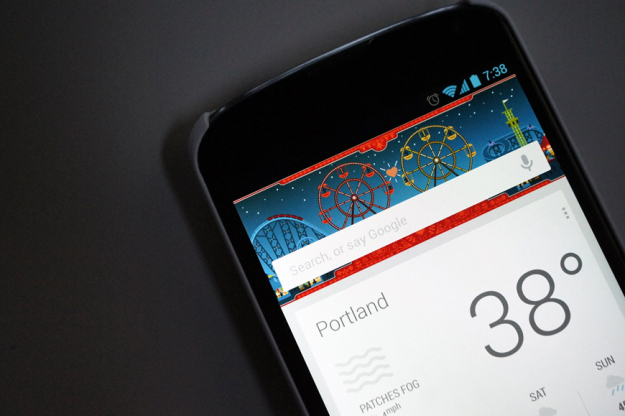


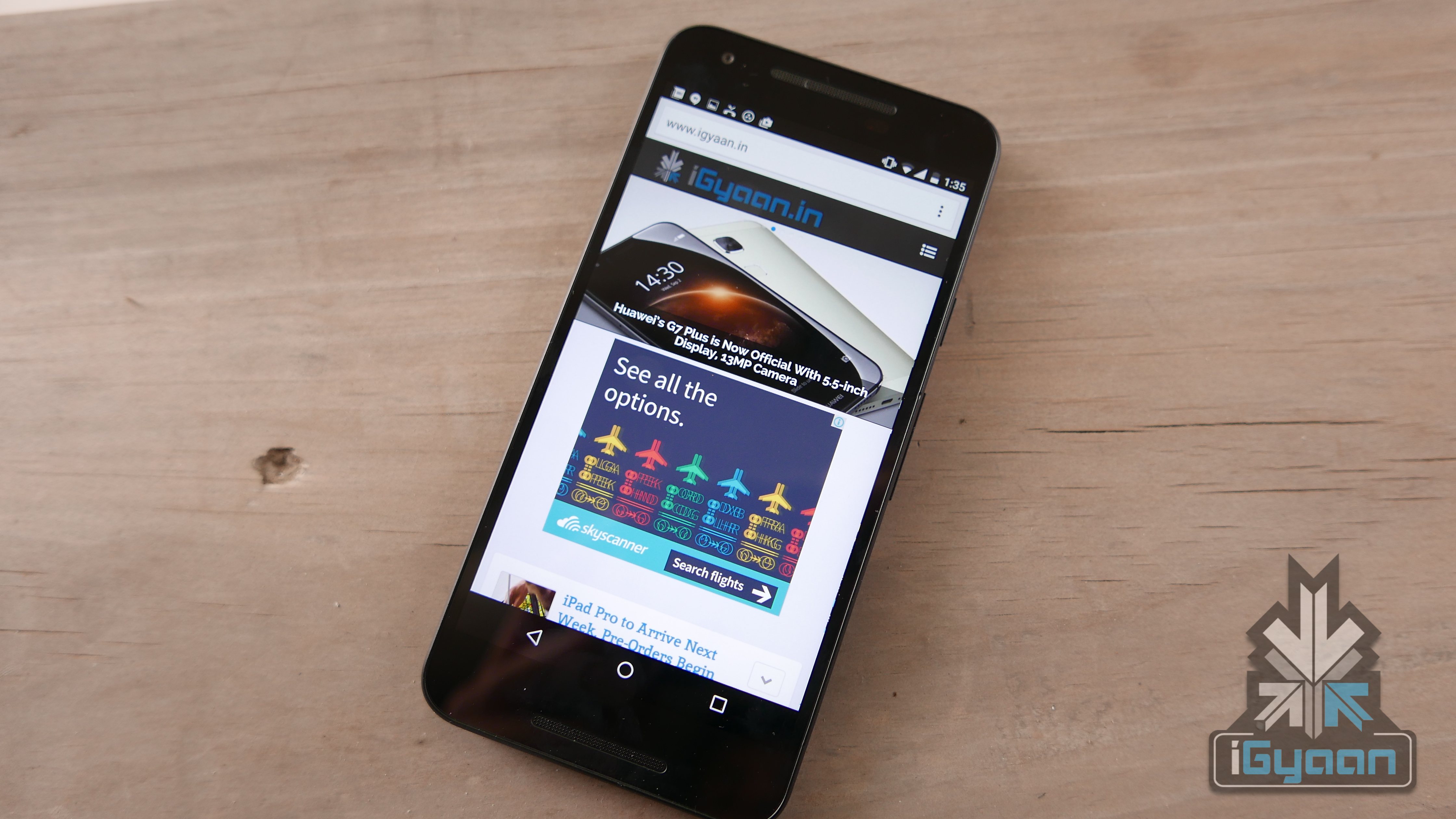








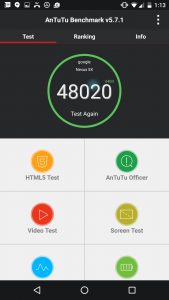 The Google Nexus 5X is losing out on one big thing and that is performance. Each year Nexus phones stand out as leaders defining performance standards for companies, however, this year the case is different. The higher of the two Nexus devices launched this year, the Nexus 6P, is more of a performance benchmark. The 5X is mostly being sold to cater to those who basically don’t like the idea of an expensive Nexus phone, as was seen last year with the Nexus 6.
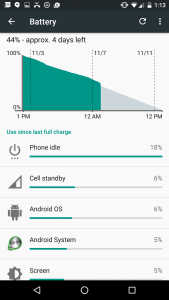 Battery life is assisted by the Doze feature and gives you extended use, especially if you have a long screen-off time.