Category: Google

  • Google Blames Nexus 6’s Supply Drought for its Revenue Dip

    Google Blames Nexus 6’s Supply Drought for its Revenue Dip

    Recently a performance report was released by an analysis firm, Strategy Analytics that declared Apple as the top grosser of year 2014. Apple earned the highest revenue that broke records and Google was nowhere to be seen. The company considers imbalance in demand and supply of the Nexus 6 as the reason for the revenue dip.

    Chief Financial Officer and Senior Vice President of Google Patrick Pichette said that the supply problem with the Nexus 6 hammered the company’s revenue. He also remarked that the demand of Nexus 6 could not be met, as they faced several production issues.

    The company doesn’t aim to produce the products to earn revenue from them. In fact, the company manufactures products as a guide to other manufacturers so that they can implement and improve the latest Android OS onto their products.

    Less mobile units means less sale, and less sale directly affects the overall revenue. It’s not the mobile division that fetch the company money, but the Nexus 6 problems contributed to the slow growth rate in other sectors too.

    Play Store’s earnings also saw a steep decline, which Patrick stated is because of the rising value of the dollar, especially in Japan. The company has stated the reason for the loss, but hasn’t commented what would its next step to fix it would be.

  • WikiLeaks Blames Google for Handing Over Private E-mails to the US Government

    WikiLeaks Blames Google for Handing Over Private E-mails to the US Government

    WikiLeaks, an open information group, has criticized Google for handing out personal data and emails belonging to three of its employees to the US government.

    Google had given away the digital data in response for investigation concerning espionage against three WikiLeaks staff members; Sarah Harrison, Kristinn Hrafnsson and Joseph Farrell to the Justice Department order. This data included emails, IP addresses, metadata and other content. According to Google, the company was unable to say anything as a ‘gag order’ had been imposed which restricts them to reveal information.

    Google also stated that it has a policy of informing the users about government requests, “except in limited cases like when a gag order is issued by the court, which sadly happens frequently.”

    A letter, written by WikiLeak’s New York based lawyer, Michael Ratner, to Eric Schmidt, executive chairman of Google, to protest that the search engine revealed this scam only a month ago. WikiLeaks says they are ‘astonished and disturbed’ by the fact that Google waited for almost three years to notify its subscribers, possibly robbing them of their rights to privacy.

    The letter asks Google to list everything they have provided to the FBI and whether it has yet to reveal any other data demands and as to why Google waited for more than two and a half years to provide any notice.

    WikiLeaks was formed by Julian Assange. It came to the public view in 2010 when they published a pile of classified government information, including leaked US diplomatic links.

  • Google Reportedly Launching its Own Wireless Carrier Service This Year

    Google Reportedly Launching its Own Wireless Carrier Service This Year

    Google is the front runner in the Internet search business and from the recent announcement, it is clear that it has plans to conquer space as well. The company has partnered with Elon Musk to connect the world through space-based internet. Now, recent reports have surfaced which say that Google will penetrate deep into the telecom sector by launching its own wireless service.

    According to the report, Google plans to directly sell the mobile phone plans to the end customers. The company will be handling calls and mobile data. Google is in talks with Sprint and T-Mobile to buy wholesale access of these carriers. If sources are to be believed then users can see the Google network later this year.

    rural-internet-nepal

    Codenamed ‘Nova’, the project is led by the Executive of Google Nick Fox. The firm wants to offer creative plan pricing, says a leading publishing daily. By bringing out a carrier service, Google would be able to have a better control on the devices manufactured by them.

    It’s still under wraps that where the company will launch its services, what will be the charges and what all manufacturers are involved. As the internet giant is dealing with Sprint and T-Mobile (available in the US), it will affect the US market and the carriers in the regions will be pressurised to cut down the price in order to sustain their user base.

  • Google to Shut Down the Google Maps Engine

    Google to Shut Down the Google Maps Engine

    Google Maps Engine is a tool that lets developers create their own maps on top of Google provided maps. The service now faces a shutdown as the engine is supposedly slowing down. Google Maps will remain functional, but the service to create customized maps will be pulled off.

    ZDNet reports that the search giant will end the service in the coming year after which users won’t be able to sign into the service. A rival map maker CartoDB is said to be replacing the service.

    Google has confirmed the shutdown and said that they will support the clients who use the Maps for Work product by Google through their contract period. Maps for Work gave enterprises and businesses the power to visualize their business on the map and attract more customers using the various features. There aren’t any reasons cited for the shutdown.

    CartoDB hopes to be the replacement of this Google Maps engine and is expected to run on the Google Cloud Platform. It can also be engaged with Google sign-in accounts.

    These are some of the moments when big corporations have to do the unfavorable thing. The company had given immense tools in the hands of the people in the form of the Maps Engine. The sting of shutdown will be felt by businesses as well as by Google.

  • Motorola Acknowledges Nexus 6 Defect, Offers Replacements

    Motorola Acknowledges Nexus 6 Defect, Offers Replacements

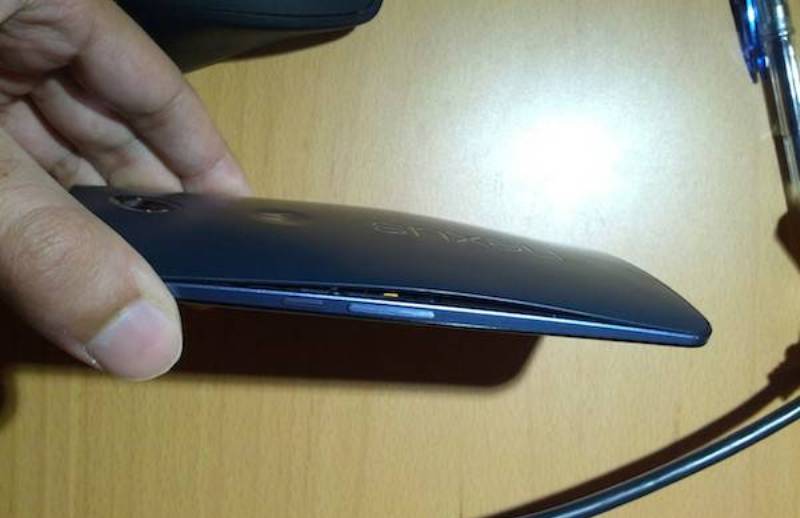
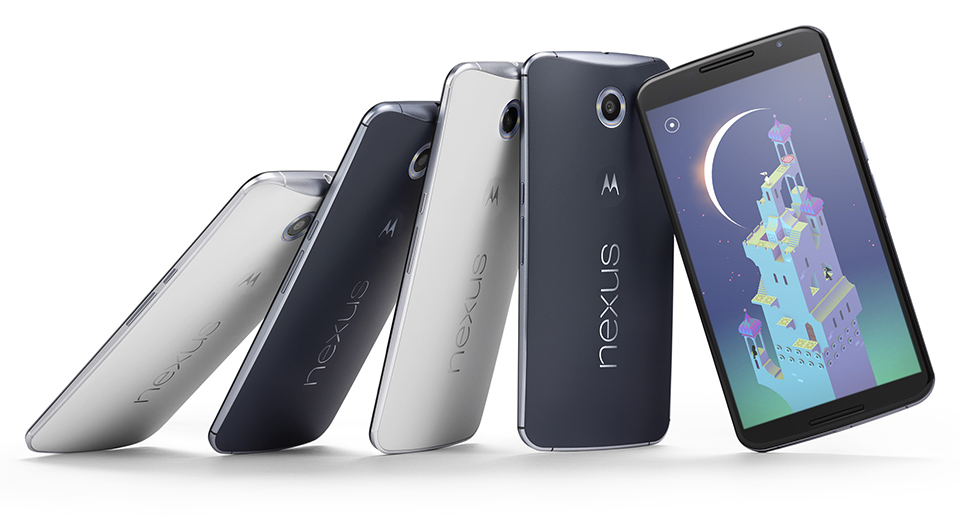
    Recently, there have been numerous reports of defective Nexus 6 units being shipped to customers. Multiple buyers around the web have been reporting that the Nexus 6’s back cover is coming unglued.

    45921294
    According to various Reddit posts, this is due to defective batteries that are expanding, causing the back cover to raise from its housing. Picture by a Reddit User.

    According to various Reddit posts, this is due to defective batteries that are expanding, causing the back cover to raise from its housing. Disgruntled users have reported the issue on social networks such as Twitter and Google+ and on Reddit forums.

    Motorola, which manufactured the Nexus 6 for Google, has acknowledged the issue and has said that it has come across a number of users who’ve reported the issue. The company is even ready to offer replacements to affected users.

    Several users have been asked to get in touch with the customer care team to get their units replaced. Some noticed the issue when they took their device out of the box, while others took time, saying the battery expanded over time.

  • Google Might be Planning its Own Mobile Payment Solution

    Google Might be Planning its Own Mobile Payment Solution

    Apple’s Apple Pay mobile payment system was unveiled last year on the same day we saw the Apple Watch, iPhone 6 and iPhone 6 Plus for the first time. With Apple Pay all you need to do for paying at stores is bring your phone near the payment sensor, and that’s it, your payment is done. Apple Pay is available on both, the iPhone 6 as well as the iPhone 6 Plus.

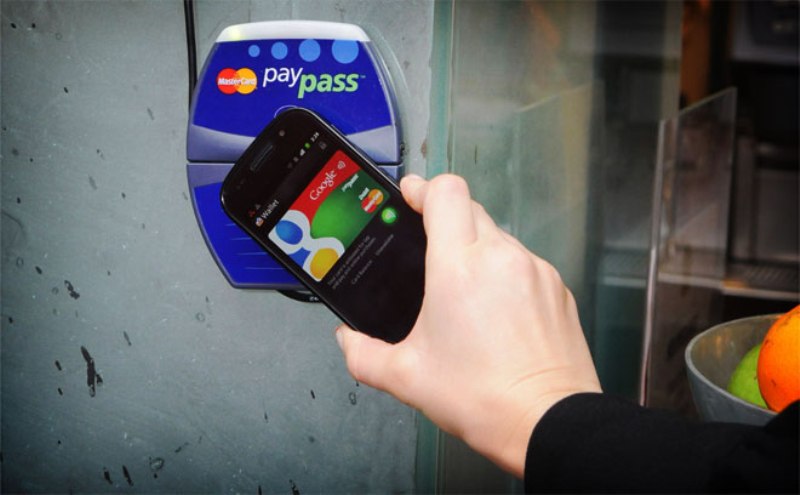
    Now it seems like Google is also looking to add the popular feature in its portfolio. NFC-based payment system is said to eliminate plastic money (credit cards) for hassle free payments. The Android maker is reportedly in talks to acquire Softcard, the a mobile payment company, and subsequently launch its own NFC-based payment system.

    Softcard, formerly known as ISIS, is a joint venture of
    Softcard, formerly known as ISIS, is a joint venture of  Verizon, T-Mobile, and AT&T

    Softcard is a joint venture of Verizon, T-Mobile, and AT&T which has been going through a rough patch lately. Softcard earlier this month laid off about 60 employees and has been in a consolidation phase. According to TechCrunch, hundreds of millions of dollars apparently were sunk into the company by all three carriers.

    Apple, right now, enjoys the monopoly of owning its own NFC-based payment system. Looks like we’ll have to wait a while to see Google’s retaliation.

  • Google Maps Lane Guidance Feature Makes For a Handy Travel Companion

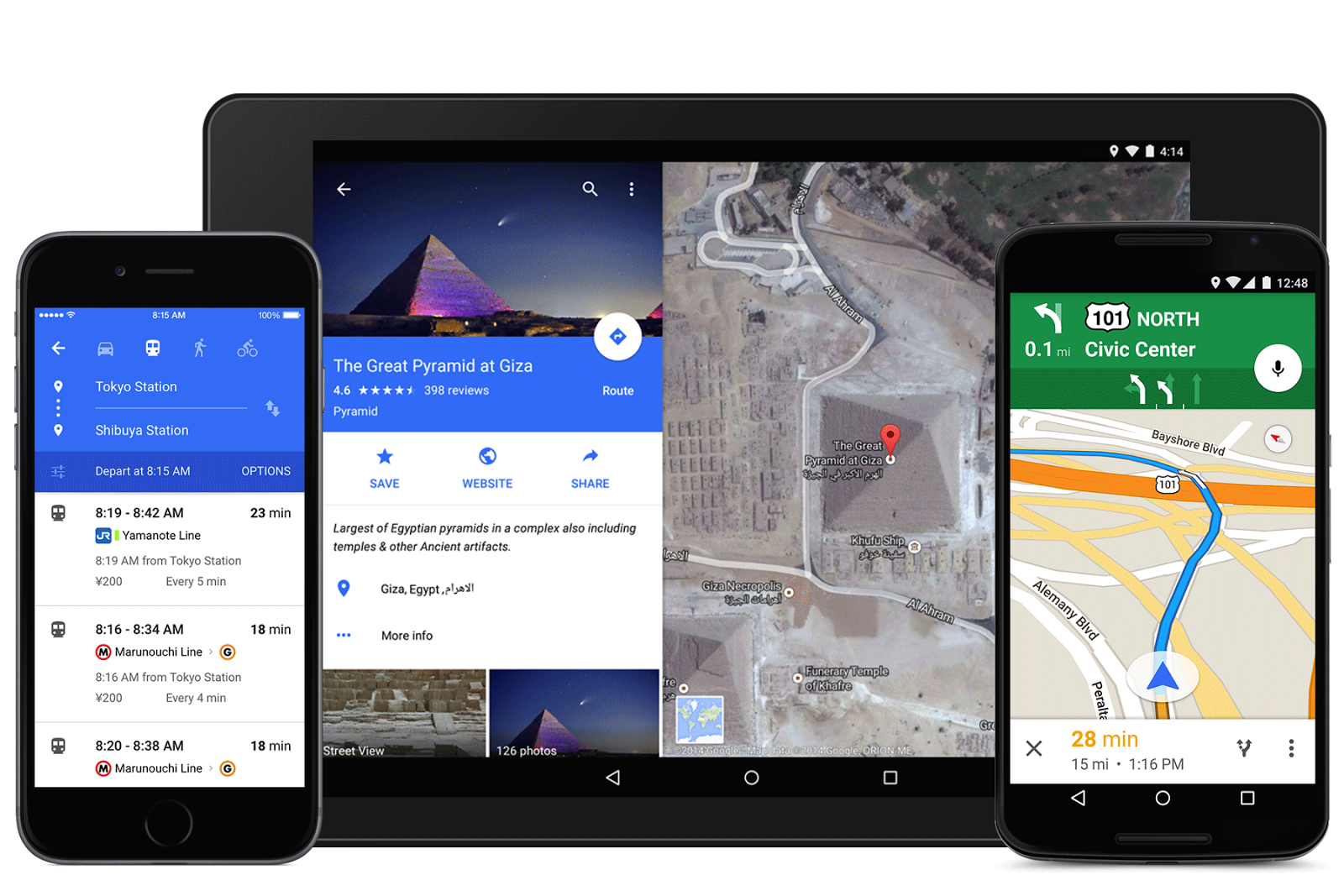
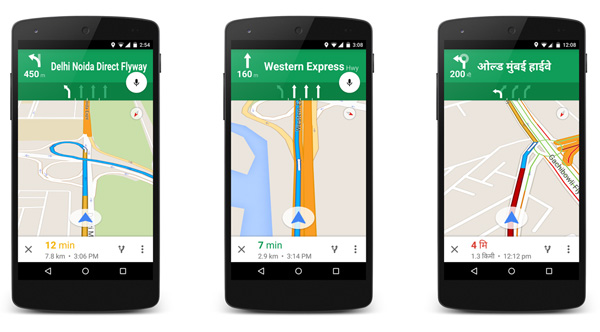
    Indian roads always remain packed with vehicles. These busy roads notice honking and screaming on working days as well as on weekends. People have to leave home half an hour or an hour in advance to counter traffic. Not any more! Now Indians don’t have to freak out in the traffic jam as Google Maps has launched a lane advisory system in India.

    Lane-Guidance

    With this new feature, Google Maps gives voice guidance to the users, enabling them to see and hear voice-guided instructions about the alternate lane they should take to avoid traffic. The app is compatible with both Android and iOS and gives lane guidance in around 20 major cities. Google aims to make the app handy and more useful for regular travellers. Director, Producer and Program Management of Google Suren Ruhela clarified the main motive behind updating the app saying –

    With the Google Maps app for iPhone/iPad and Android, users will now be able to see and hear voice-guided instructions, signalling which lane they should stay in or move to while in navigation mode.

    She further said that the company will continue to upgrade Google Maps for mobile to make it a handy travel companion.

    The 20 cities included in the lane guidance feature are Ahmedabad, Bengaluru, Bhopal, Chandigarh, Chennai, Coimbatore, Delhi, Hyderabad, Indore, Jaipur, Kolkata, Lucknow, Mumbai, Mysore, Nagpur, Pune, Surat, Thiruvananthapuram, Vadodara and Visakhapatnam. Drivers in this cities will be able to choose on lane option for easy commute in their mother tongue. The app added Hindi as a default accent last year in July.

    The app added a couple of other features as well like turn-by-turn voice guidance, which user’s can get in preferred language. Drivers can change the language from the ‘Language and input’ option. The added feature is a really supportive addition to improving search experience for Indian users.

    With traffic the way it is, even in the smallest towns in India, this is quite an initiative by Google Maps to help the hapless stuck in everyday traffic!

  • Google Glass to Get An Independent Division Headed by Nest’s Tony Fadell

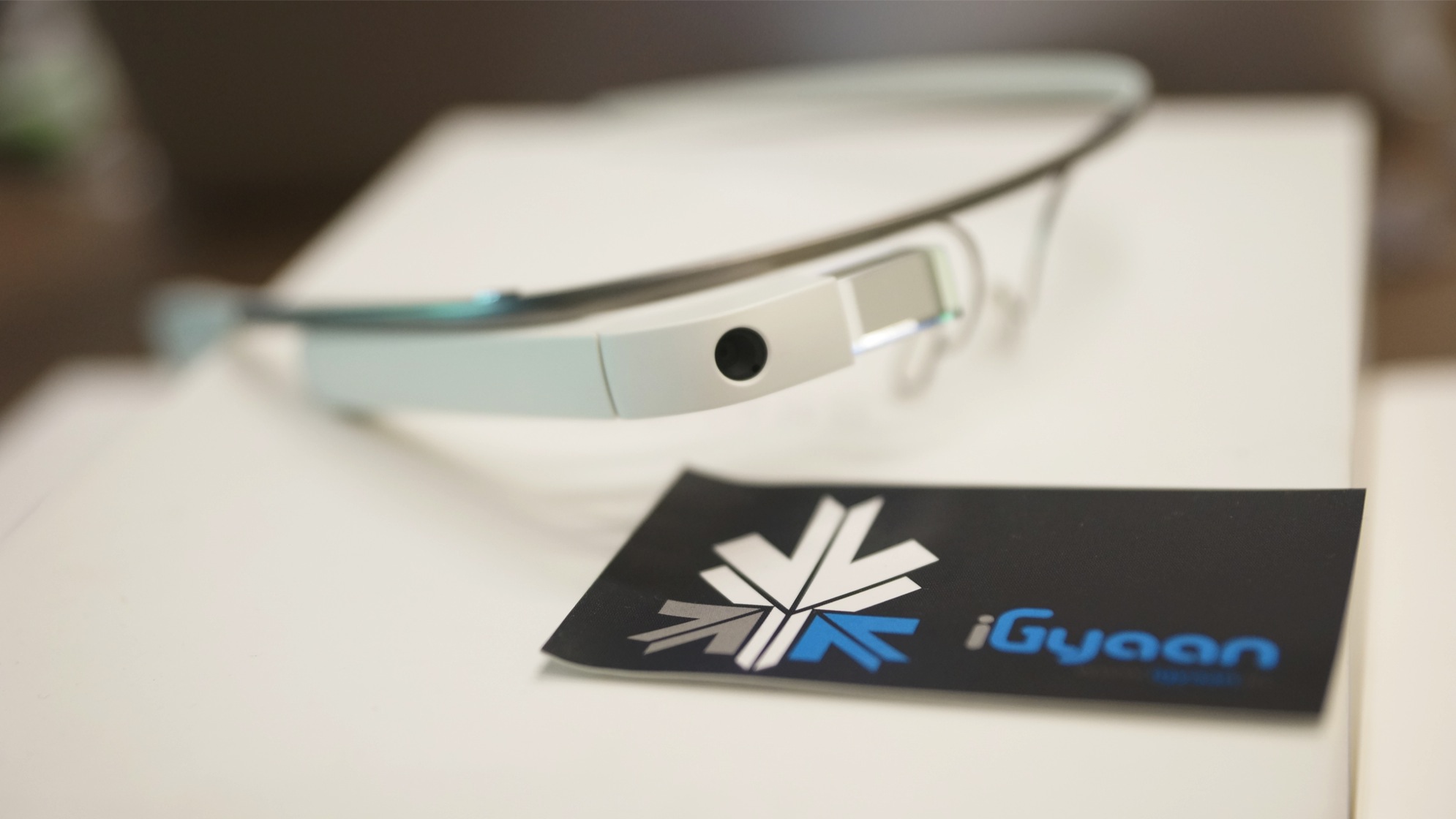
    Between the frenzy of latest flagships and CES launches, Google Glass has been missing the action for quite sometime now. But not anymore, because Google is shaking its wearable up with some major changes.

    The Google Glass team announced in a post to its Google+ page, that Glass is “graduating from Google[X] labs,” presumably still marching toward a “real” consumer launch. The Explorer program will come to an end on January 19th which is just three days away.

    According to the post, the research project will move to own division. This new standalone Google Glass group will be led by Ivy Ross, who will report to Tony Fadell, the head of Nest Labs, Inc. The development process for the head worn wearables has been a bit slower than some might have expected when it comes to available glassware(apps for glass)but it was strong nonetheless and it seemed to give off a promising future.

    Google Glass

    Google Explorer Program has spanned years and seen plenty of awesome, annoying, and controversial moments as Glass has looked for a place in the hearts and minds of tech consumers. Many tech enthusiasts believe it has a place in the broader wearable ecosystem including fashion, medicines, navigation, research etc.

    Google is also discontinuing consumer sales of the current Explorer Edition of Google Glass, beginning January 19. Google Glass will still be sold to approved developers and companies for both use and further development of the Glass ecosystem. This points again to the new version of Google Glass that will be arriving in 2015, though it is still unknown when it will arrive and whether it will be powered by an Intel Chip or not.

  • How Google’s Project Ara Will Reinvent the Existence of Smartphones

    How Google’s Project Ara Will Reinvent the Existence of Smartphones

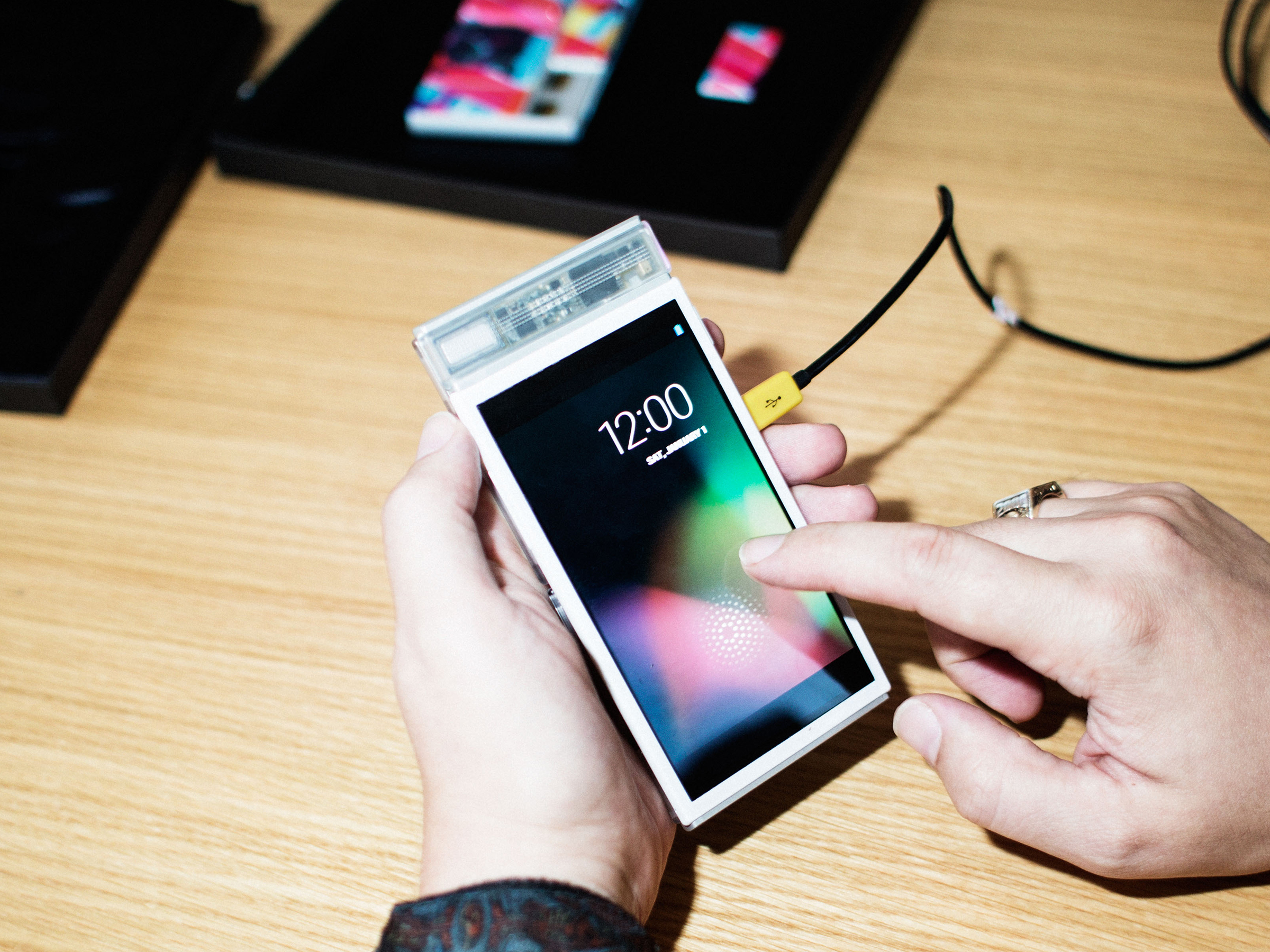
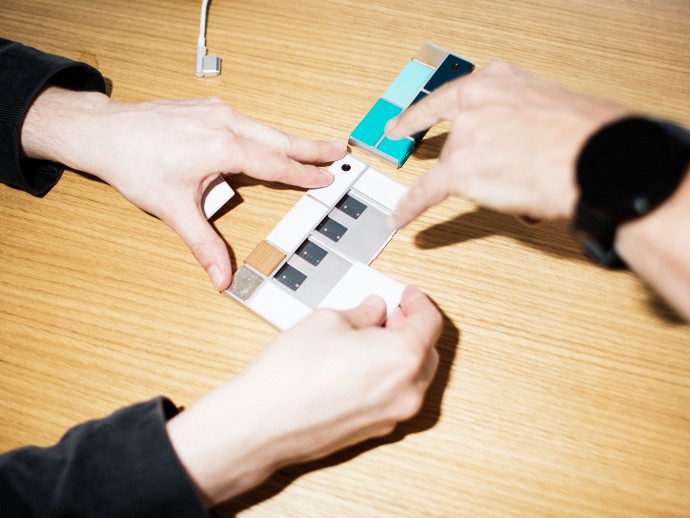
    The whole idea of technology is to continuously evolve through introduction of new and feasible upgrades. However, this process of evolution makes the old devices inherently wasteful. As soon as a new device comes out, the old one is tossed in the garbage or put on the shelf to collect dust. But Google’s Project ARA wants to change that with a Lego-like device in which parts of the phone, although not the entire device, can be replaced.

    History

    The idea of modular smartphone may sounds exciting but it was not easy to build; we presently call it the PhoneBlok smartphone. PhoneBloks began with a single video, almost one and a half years ago, describing in some detail, the idea for a phone worth keeping. Even though it was just an idea, it generated quite a buzz in the tech industry with a social media reach of over 380,000,000 people. Shaking the mere foundation of the smartphone market, the idea presented by the PhoneBlok community questioned the idea of typical smartphones and showed an effective way for change.

    The roots of the modular smartphone can be traced back to Modu, an Israeli mobile phone company, founded in 2007 by Dov Moran. The company invented the Modu, a modular cellular device which could be used in various other devices. However, the company ceased operations in February 2011 as it attempted to pay back debts and salaries owed to its workers. In mid May 2011 Google acquired several Modu Mobile patents for $4.9 million. In 2013, Google-owned Motorola announced it is developing a modular phone and hence the Project Ara was born. Meanwhile, Google sold Motorola to Lenovo, but, retained the Project ARA Team.

    How Does it Work?

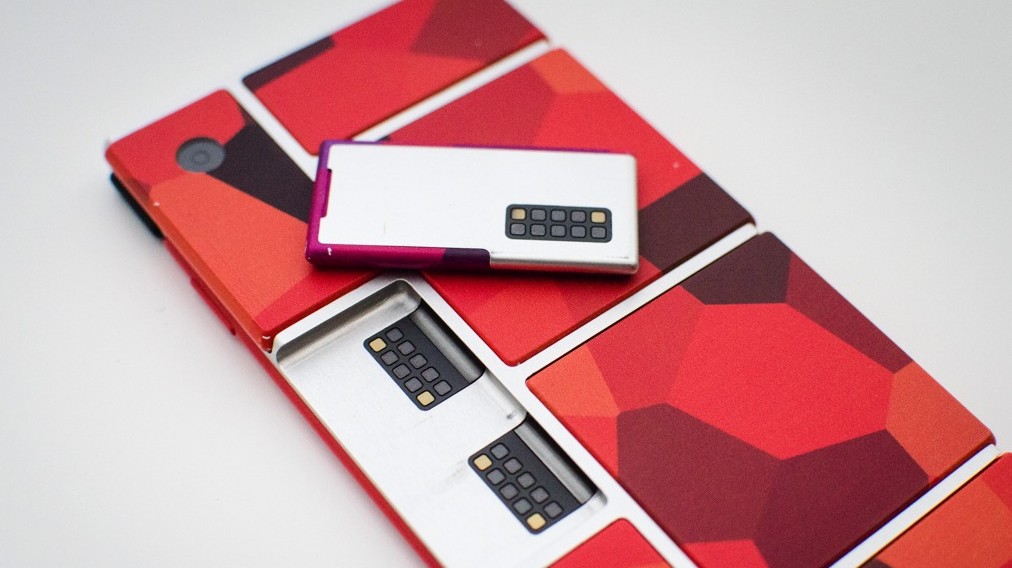
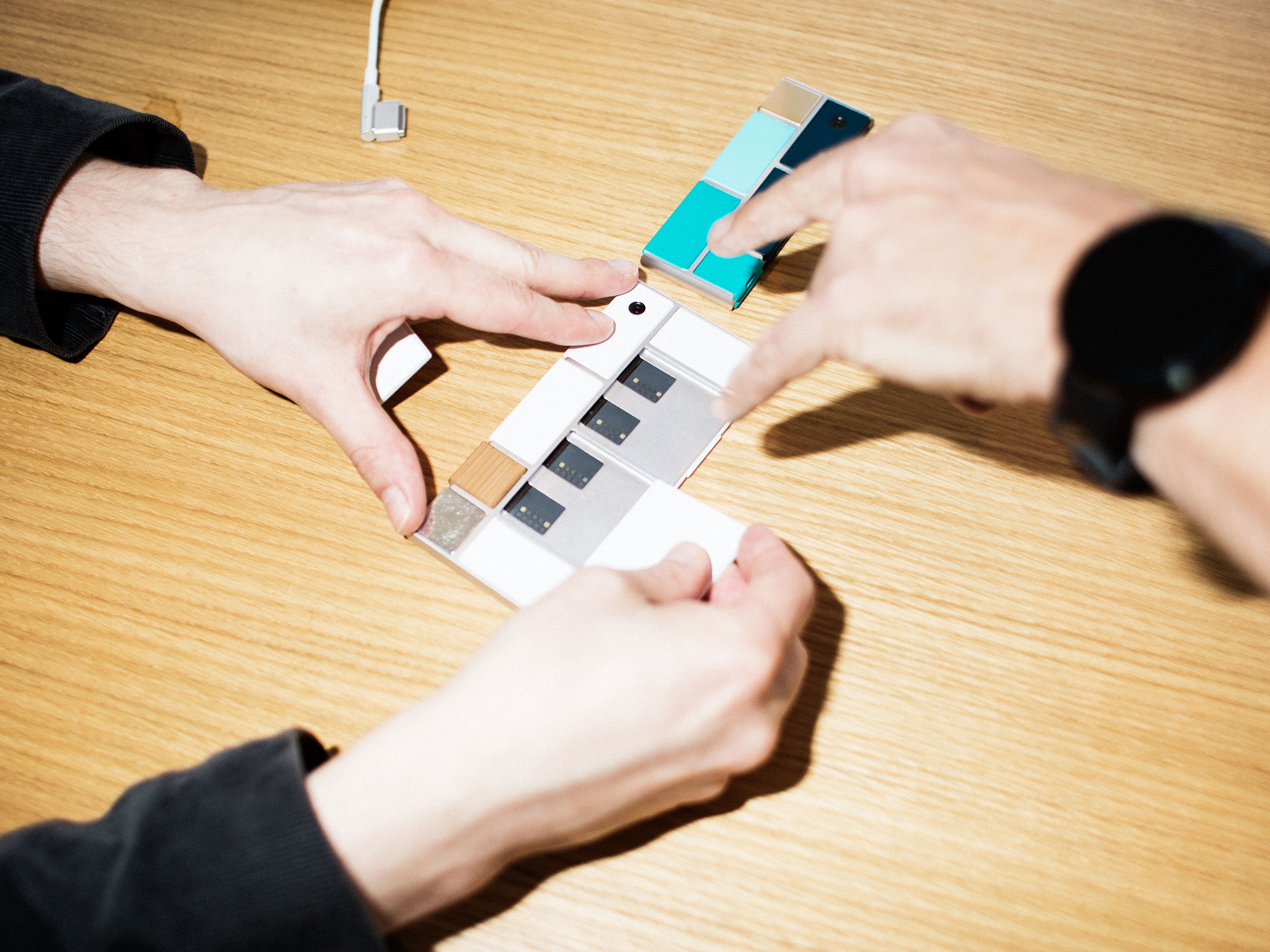
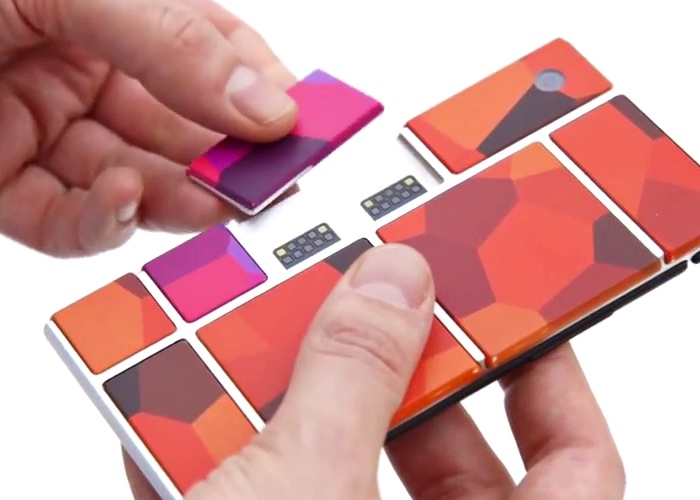
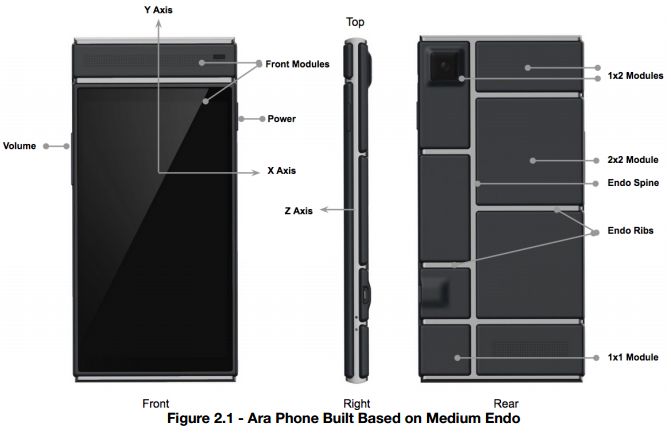
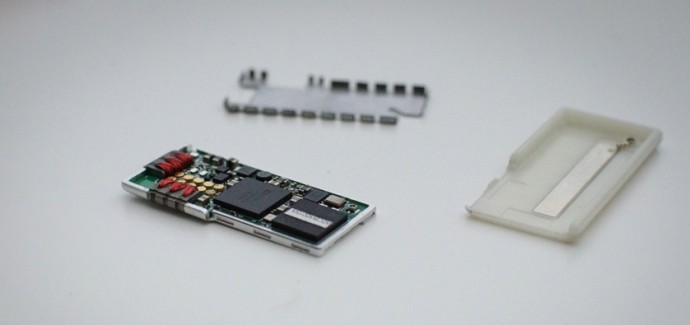
    The basic idea of the Phoneblok is creating a smartphone that has detachable components on its front and back so that everything from the processor to the camera can be easily upgraded without discarding the rest of the phone. The entire contraption is held together by a pegboard-style base, with a screen also replaceable mounted on the front.
    project-ara-8

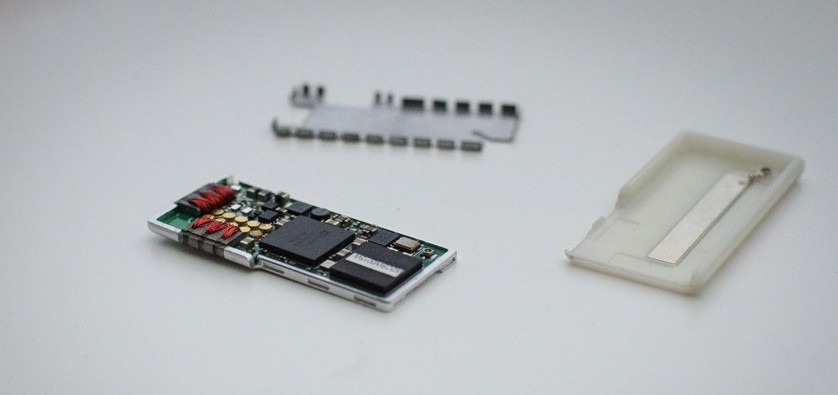
    There would be one block (also called modules) for the camera lens, one for the battery, one for storage and so on. Those blocks would plug into the base, and the blocks, base and screen would be secured together with two screws. Because individual blocks can be replaced when they become outdated or simply break. Additonally the electronic junk will be minimal with these smartphones.

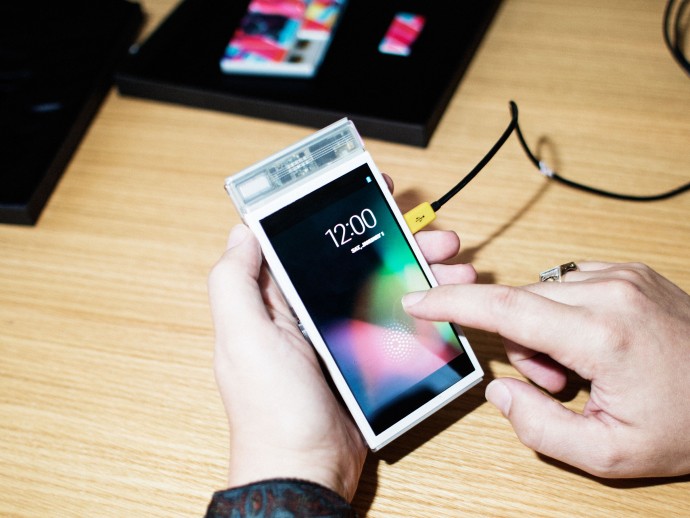
    Ara modules need to have a way to communicate with the rest of the phone, but physical contacts are often cumbersome and prone to easy damage. So instead, the modules use “capacitive interconnects,” which are wireless and theoretically more reliable, especially at high speeds. The capacitive pads also help saving space on the modules, since they’re smaller than physical pins.
    project ara 1

    Modules will be available both at an official Google store and at third-party stores. Ara Smartphones will only accept official modules by default, but users can change a software setting to enable unofficial modules. This is similar to how Android handles app installations.

    When Will It be Available?

    At present, Google has announced the launch of Project Ara MDK 0.2. The second developers kit from the project is said take PhoneBlok closer to the reality. The MDK 0.2 is based on the Spiral 2 prototype that will be revealed at the upcoming developers’ conference. The company has added  a section on the Module Marketplace, which is said to be a lot like a Google Play Store for Ara hardware modules. Unlike the Play Store, however, it seems that this marketplace is going to be strictly curated.
    project ara

    Along with this, the company has also announced the release of Ara Manager app that will be made available in the near future. This app will let users control the functions of different modules and monitor their state and information.

    Coming February, Google will kick off second installment of Ara Developers’ Conference which will mark the roll out of MDK 0.2 to limited number of developers. The commercial release is still on hold, however, the recent advancement in the project has hinted that the modular smartphone are very close to become a reality.

    Project Ara could be a ground shaker in the Tech Industry. With a video managing a social media reach of 380 Million, and the smartphone market growing so rapidly; one can only wonder what impact it will have when this project becomes a reality.
  • Google Translator Gets Smarter With Real-Time Language Detection

    Google Translator Gets Smarter With Real-Time Language Detection

    Google has majorly updated its Google Translate mobile app. The update brings promises to expedite the translation process while on the move.

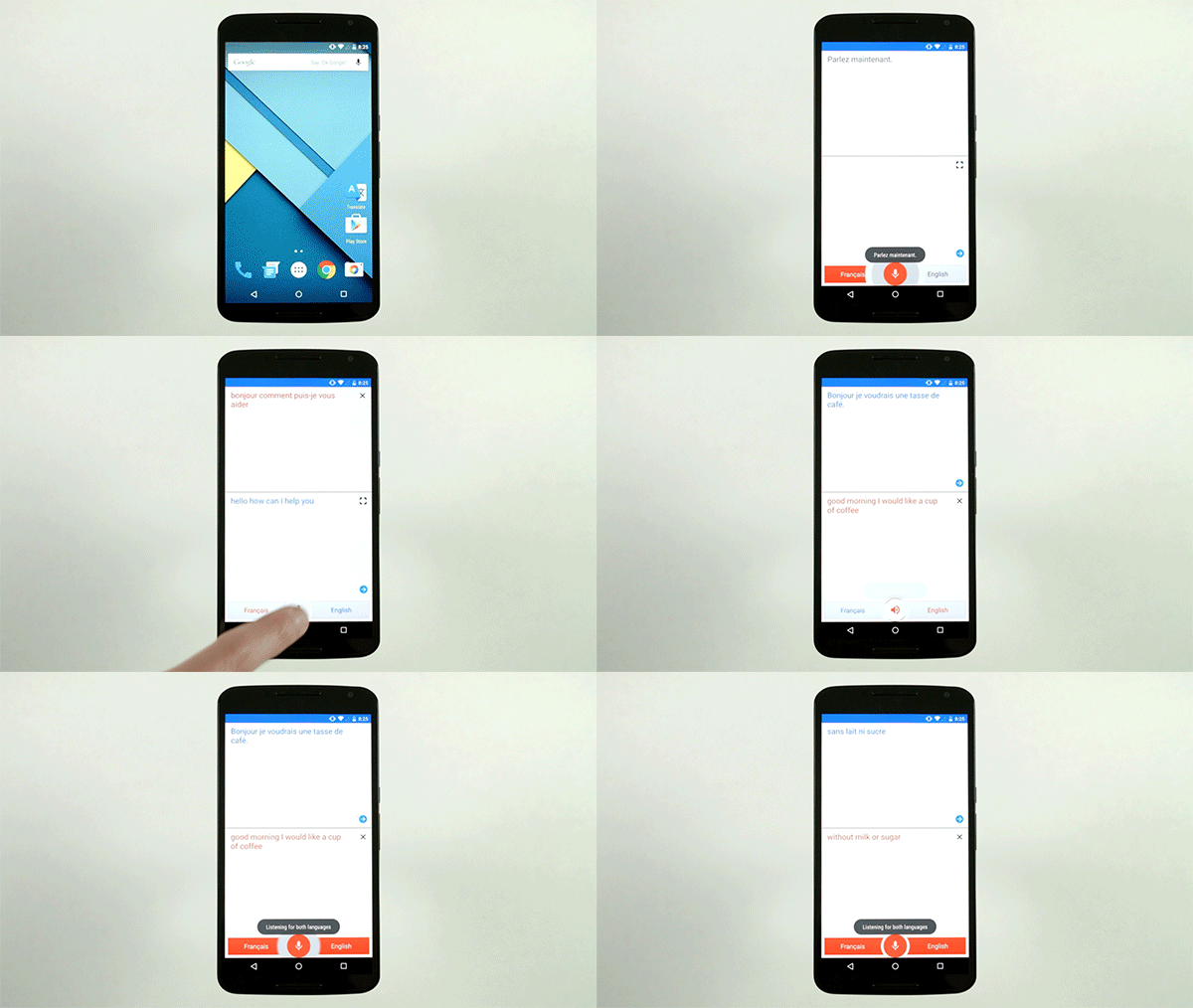
    As rumored, the new version includes automatic language detection in conversation mode, so having a conversation between two people who don’t speak the same language is actually possible. Once you’ve selected the two languages being spoken, Google Translate can now tell which one is being spoken at any moment. With no need to manually toggle them, conversations can be more natural.

    Another big update is the integration of the World Lens tool in the app. Google acquired the Word Lens technology last year when it bought Quest Visual, a start-up founded by former video game developer Otavio Good. Word Lens uses video mode in smartphone cameras to scan scenes, identify writing and then display it as if it were written in English.

    Conversation Mode GIF

    While the Google Translate app already lets you convert words into 36 languages using your phone’s camera, this process will become more or less instant. So you can basically hover your device in front of menus, road signs, and more, and see the translated text overlaid on the screen immediately without any internet connection.

    The updated apps aren’t live yet, but the refresh will be rolling out starting today, according to Google’s blog post.

    Thanks to technological advancements, the barrier of language is rapidly disappearing with such tools. It may not solve all problems, but at least travel and tourism will get easier for many.

  • Adobe, Intel, Google, and Apple Reach Settlement in Employee Poaching Lawsuit

    Adobe, Intel, Google, and Apple Reach Settlement in Employee Poaching Lawsuit

    Silicon Valley’s biggest names got together to a reach a settlement in an employee poaching lawsuit. The case was filed against Apple, Google, Intel and Adobe in 2011 by tech sector workers. It stated that these tech giants limited job mobility for workers and thus limited salary growth too. Now these companies have come together for an agreement to settle the case.

    Last year, U.S. District Judge Lucy Koh in San Jose, California, rejected the settlement amount of $324.5 million, calling it too low. The settlement was rejected after one of the complainant objected to the amount. That complainant has agreed to the new undisclosed settlement amount which was offered by the tech giants. Judge Lucy Koh has said that to match the earlier settlement, the amount must be at least $380 million to address the loss of potential wages to the employees.

    The case is mostly based on the emails between Apple Co-founder Steve Jobs and ex-Google CEO Eric Schmidt along with heads of other rival companies. The emails detailed their plans to resist from poaching each others’ top engineers. This would lead to limited opportunity for the engineers to grow in the market.

    The complainants (plaintiffs) will be filing a detailed explanation of the new deal “imminently”. The Judge will then have the option of accepting or rejecting the settlement. Guess the lesson from this case is to be good at your job, but not that good that your employer will try to keep you in forever.

  • Google Brings Out a Fast and Easy Flight Search Tool in India

    Google Brings Out a Fast and Easy Flight Search Tool in India

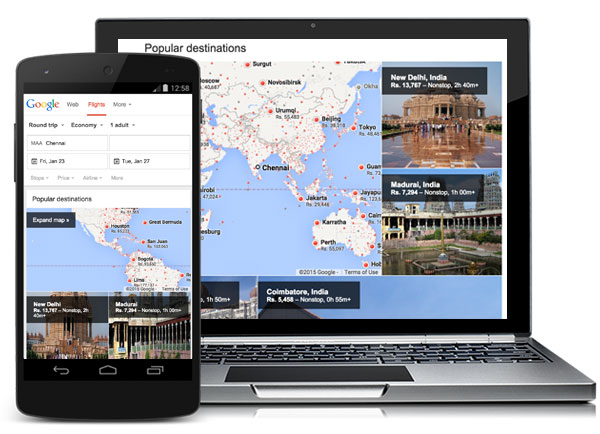
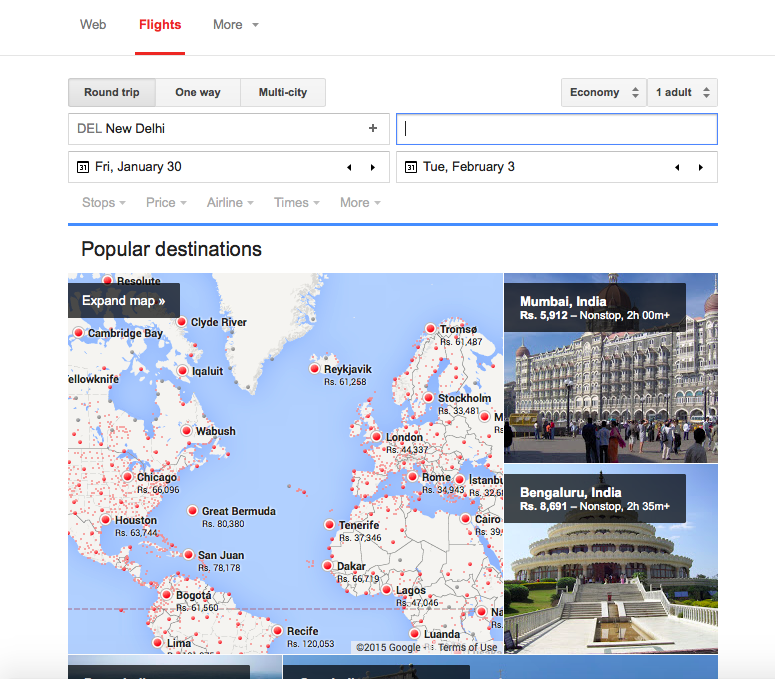
    Google has entered the Indian airline booking industry with its Google Flight Search which it launched yesterday. Internet giant’s new flight search tool allows users to search for flights, their prices, timings, etc directly within the search engine.

    The new feature from the search giant, reduces the need for users to check out different online travel aggregators. These aggregators provide flight information and take a cut on the tickets they sell. Google’s presence in this space could reduce traffic to their portals.

    Google Flight Search Tool
    Head over to www.google.co.in/flights to check it out now

    Along with this, the company has partnered with Goibibo to display results from its own portal along with options thrown in by Google search from airline websites, when a user keys in requirements such as destination and travel date.

    The service has been available to other markets since its launch in the US in 2011. In India, Google has been testing the waters for some time now. Previously online travel agents had threatened to lodge a complaint with the Competition Commission of India against the tool.

    Despite Google’s strength in web searches, the success of flights and hotel search products is dependent not only integration with key airlines and intermediaries in the country but, most importantly, displaying competitive fares and supporting multiple customization.

    Google Launches a Super Easy Tool to Help Search for Flights in India

  • Project Ara MDK 0.2 Details Module Marketplace, An Online Store for Ara Hardware

    Project Ara MDK 0.2 Details Module Marketplace, An Online Store for Ara Hardware

    Fast approaching Google’s second Ara Developers’ Conference seems to have kicked off with great excitement. The Phonebloks community has announced the release of the second Module Developers Kit. This kit takes the modular smartphone closer to reality.

    The second instalment of Project Ara developer kit is not just exciting for developers but even has something for users to anticipate. The biggest addition with the MDK 0.2 is a section on the Module Marketplace, which is said to be a lot like a Google Play Store for Ara hardware modules. Unlike the Play Store, however, it seems that this marketplace is going to be strictly curated.

    ara-mdk_01

    Developers will be able to submit details about their hardware through the Ara Developer Console, while users of Ara phones will be able to use an Ara Configurator app to choose the hardware they’d like. At the most basic level, this can let you customize your phone by choosing modules you’ll need most.

    There is also something in store for end-users, of course. Phonebloks has mentioned that an Ara Manager app will be made available in the near future. This app will let users control the functions of different modules and monitor their state and information.

    The MDK 0.2 is based on the Spiral 2 prototype that will be revealed at the upcoming developers’ conference. The second Project Ara modular smartphone MDK has been created in collaboration with numerous companies such as NK Labs, LeafLabs, New Deal Design, Metamorph Software, X5 Systems, Toshiba, Mixel, Quanta, Opersys, Linux Solutions, Linaro, BayLibre, NewOldBits, Oxford Systems, Foxconn and IDT Systems.

  • Android 5.0 Lollipop is Powering Less Than 0.1 % of Android Devices

    Android 5.0 Lollipop is Powering Less Than 0.1 % of Android Devices

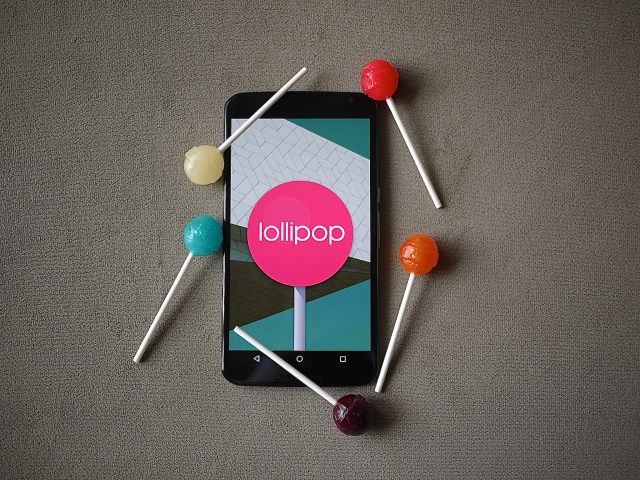
    Android Lollipop is one of the most significant releases from Google yet. It gave a redesigned look to Android that was long overdue. It also brought a barrage of new features including extended battery life. But even with such arduous effort that Google put into its latest mobile OS, it hasn’t found a lot of takers in the market.

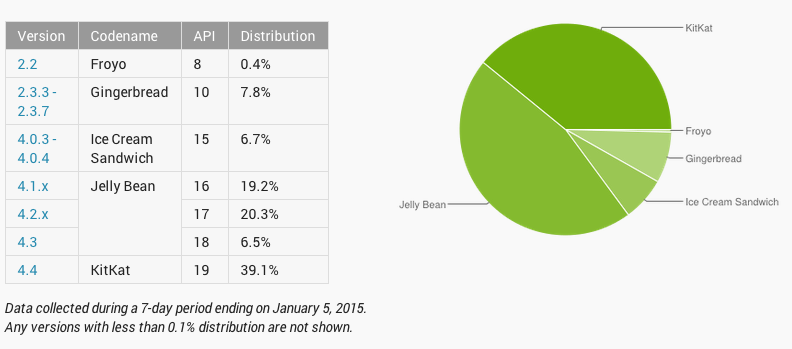
    According to data released by Google, Lollipop is running on less than 0.1% Android devices. Android’s last major release, the Android 4.4.4. Kitkat is on a growth path though, the operating system now runs on 39.1% of the devices. The operating system was running on 33.9% devices in December, so it grew by 5.2% in just over a month. One of the major reasons can be the boost in the number of lower-priced devices running Android Kitkat.

    With less than 0.1% market share, Lollipop doesn't even appear on the graph yet.
    With less than 0.1% market share, Lollipop doesn’t even appear on the graph yet.

    The leader of the Android corps of devices is still Jellybean, which accounts for different versions across the Android ecosystem. The good news, perhaps for Google is that the share of versions before Jellybean are fast disappearing from the market. In comparison to June, last year, the combined hold of OS’s before Jellybean (Froyo, Gingerbread and Ice Cream Sandwich) has gone from 35.2% down to 14.9%.

    One of the biggest headache for Google has been the massive segmentation of Android OS in the market, and it seems like Kitkat and Jellybean are fast bridging that gap. Google also launched the ‘Android One‘ line of low-cost devices, to have greater control over its OS in the lower segment of the market.

    Lollipop’s launch was followed by reports of bugs and that initially deterred the users from switching to the new operating system. The slow rollout process can also be blamed for the low market share of new operating system. Android’s previous version such as KitKat have also faced a slow start but did manage to gain the ground later. So we might expect a growth spurt for Android Lollipop to arrive soon.

  • Unboxing | Google Nexus 6 | Hands On

    Unboxing | Google Nexus 6 | Hands On

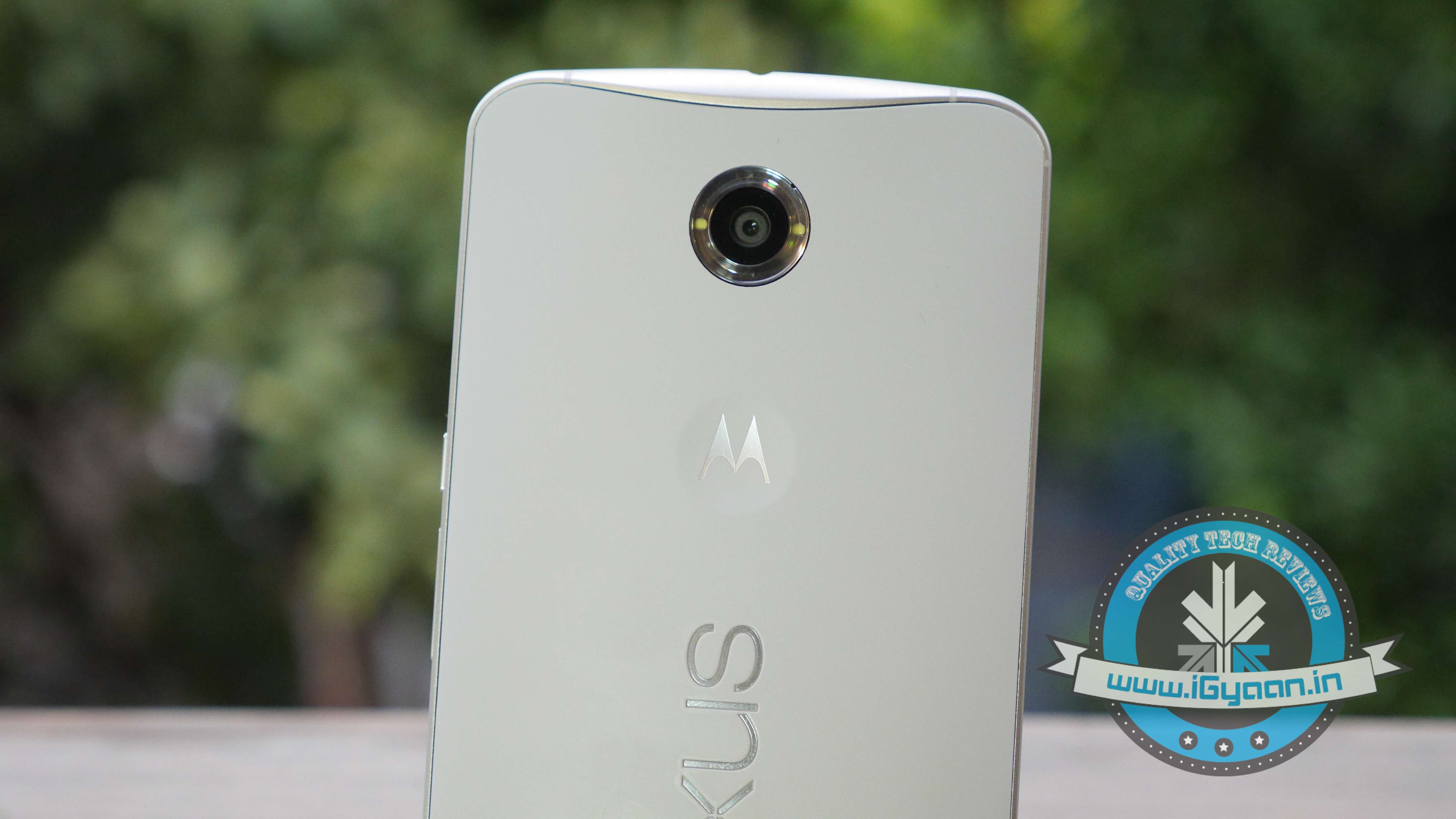
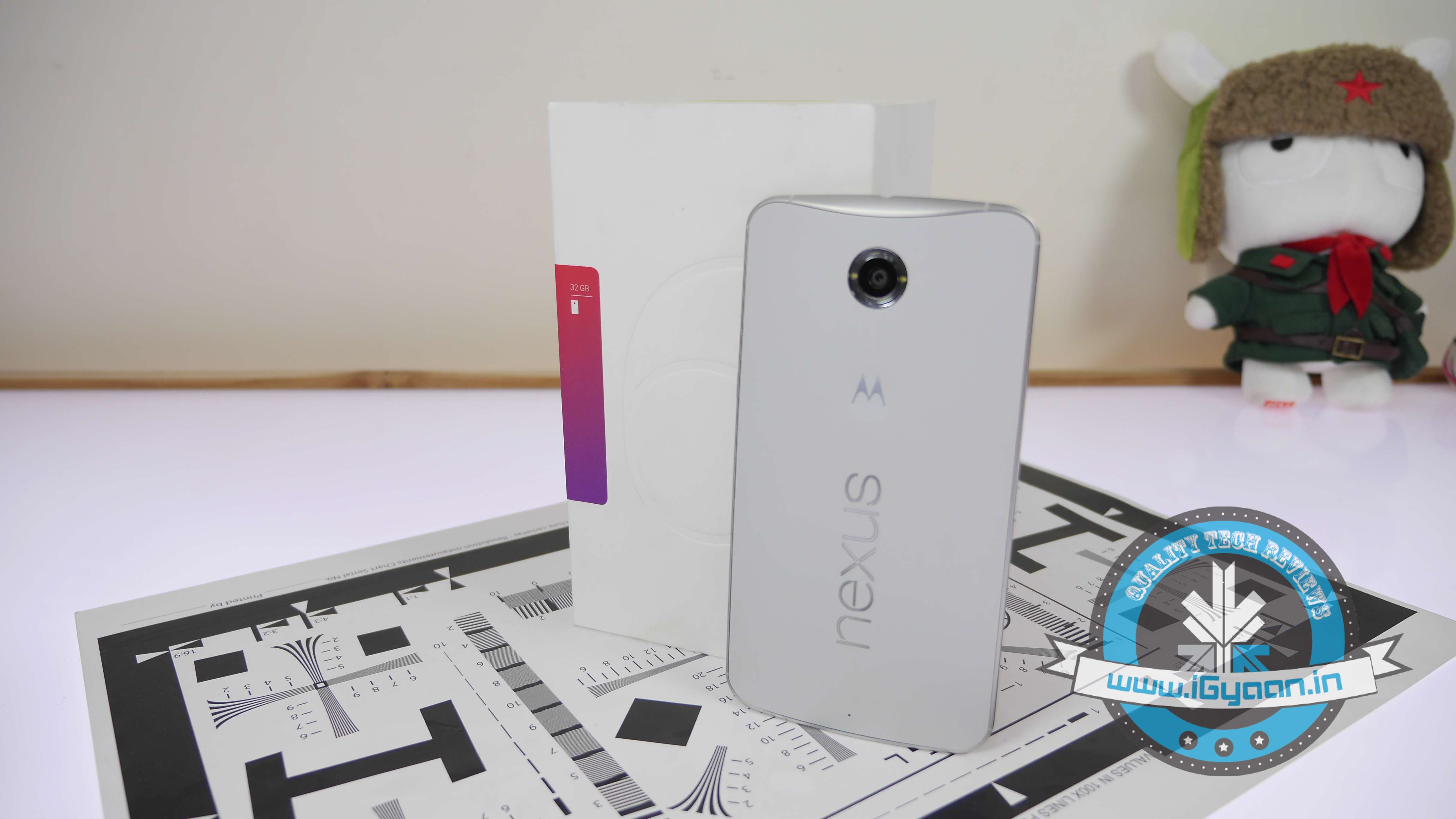
    The Nexus has been the star of Google’s Android stable, and each year the handsets have become more and more admirable. The new Nexus 6 is a complete overhaul , from what the nexus was intended to be, a developer phone. The Nexus 6 is a premium flagship that is meant to compete and defeat the real flagships and sort of set a precedent for performance and expectations of the users. Built to run the stock version of Android in the best possible way, the Nexus is also the first to get the latest software updates from Google, including the latest version of Android.

    The Box of the Nexus 6 also shows the premium nature of the device. The packaging is high quality and the in box accessories are superior in built as well. In the box you get

    • A Nexus 6 Handset
    • Documentation
    • In Ear Earphones
    • USB Charger
    • USB Cable
    • Sim removal Tool

    The first experience with the Nexus 6 is great, it has a brilliant build that is apparent the minute you hold the device in your hands. The Nexus 6 is a large device, almost too large, sporting a mammoth 5.96 inch super AMOLED display with a massive 2560 x 1440 px resolution. The sides of the Nexus 6, unlike its predecessors, is all metal and rounded-off which translates to a great in hand feel.

    Some users may not get the earphones, but the Indian variant, from flipkart will come with earphones. So it might be a good idea to get from them if you are in India. Amazon US sells the phone for US $ 650 without contract, which translates to roughly the same cost as here.

    Specs

    Google Nexus 6

    Operating System Android 5.0 Lollipop
    Screen Size 5.96 inches
    Super AMOLED
    1440 x 2560 pixels
    RAM 3 GB
    Battery 3220 mAh
    Processor  Qualcomm Snapdragon 805
    CPU Quad-core 2.7 GHz
    GPU Adreno 420
    Front camera  2 MP
    Rear Camera 13 MP
    Price Rs. 44,000 for 32 GB/ Rs. 49,000 for 64 GB


iGyaan Network
Privacy Overview

This website uses cookies so that we can provide you with the best user experience possible. Cookie information is stored in your browser and performs functions such as recognising you when you return to our website and helping our team to understand which sections of the website you find most interesting and useful.