Google may bring multiple user support to Android smartphones. The feature was mentioned by a Google project member in an official developer forum. In a discussion thread regarding multiuser functionality in Android handsets, the Google employee posted the following reply to forum members: “The development team has implemented this feature and it will be available as a part of the next public build.”
Although the statement isn’t exactly specific, but “the next public build” refers to Android L, unless Google is planning to introduce the feature in another minor KitKat update, which seems unlikely. Already available on Android tablets, the multi-user feature will surely make owners of Android smartphones a tad less wary of leaving their devices to others, especially children. It would also be useful to small businesses who want to create separate accounts for their office and home without investing in enterprise-managed mobile devices.
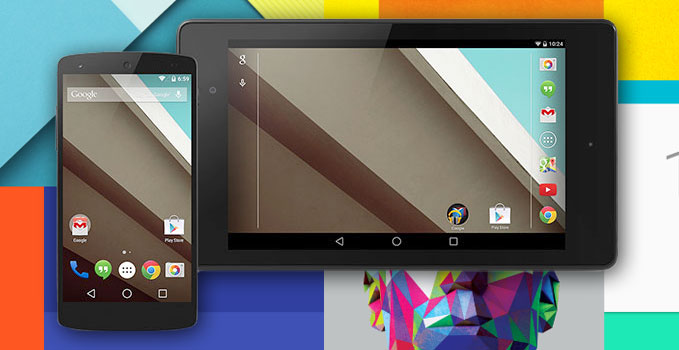
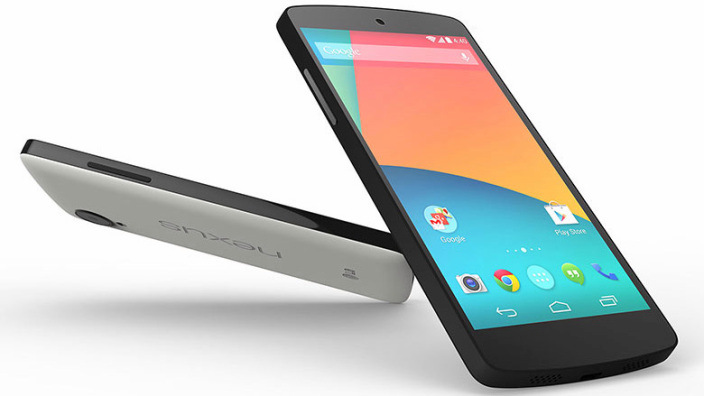
Google introduced Android L at this year’s Google I/O. Google has already made the developer preview available. As of now the update is available only for the Nexus 5 and Nexus 7.
According to reports Moto X and G will be first in line getting Android L updates. Android L is expected to be launched later this year, although no clear date has been mentioned yet. Motorola vice president of product management Punit Soni recently responded to a Google+ query on the smartphone receiving the L update. “Moto X is still going to get Android L (5.0) right?,” asked a user, to which Punit Soni simply responded, “Yup”.
Google has bought an intelligent, personal assistant based messaging app called EMU. The app is created by an ex-Google and an ex-Apple employee who worked on Siri. The basic premise of the app is close to what Google Now offers. It goes through your conversations and picks up leads to provide the users with recommendations related to their interest.
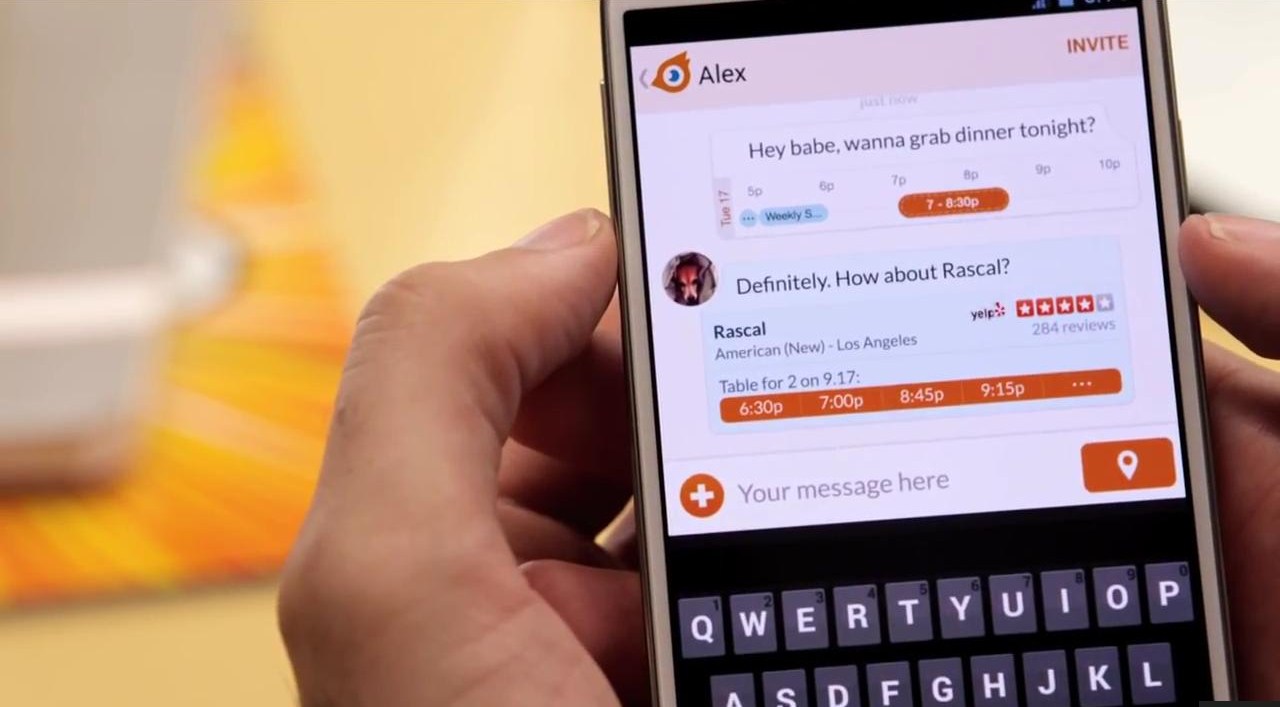
Emu began as an Android app, and its superior assistance feature must have prompted Google to loosen its purse strings. The app is capable of scheduling appointments to the calendar, set reminders and setting restaurant reservations with convenience like never before.
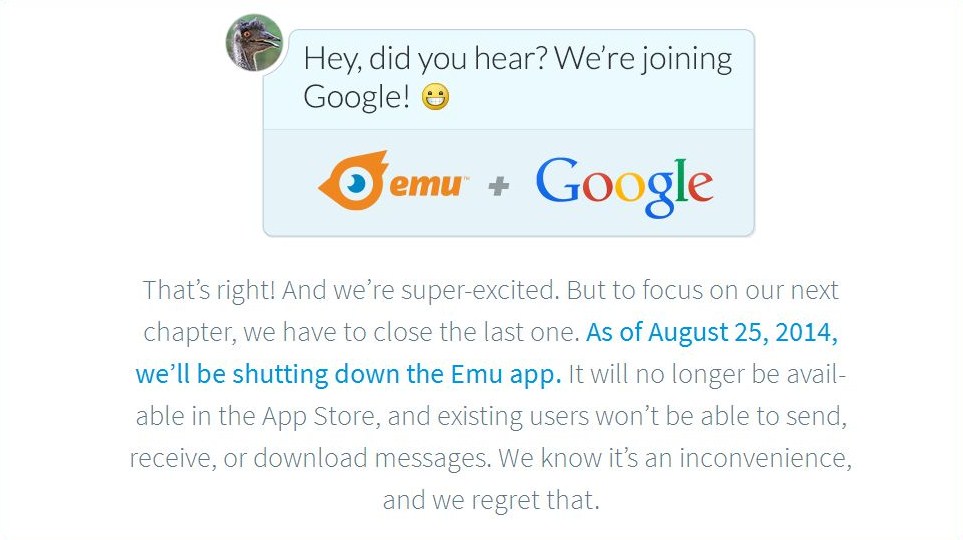
This is how the website looked soon after the acquisition announcement.
Messaging is where a lot of big companies have been investing. With Facebook buying Whatsapp, it was evident that messaging apps have grown in prominence and have overtaken the good old SMS. Now there is a race to perfect a messaging app. Apple, at WWDC this year has already presented a unique messaging feature which intertwines all its ecosystem’s messaging features. Apple’s messaging features were appreciated even though they seemed “inspired” by the features of various apps like Whatsapp, Snapchat, etc.
It is said that Google’s acquired Emu to strengthen its Hangout app, thereby giving an alternative to what Apple has to offer. Emu founders have announced that the app will cease to exist as an independent app and will be shut down by August 25. It will be interesting to see if Google plays the messaging game. Will it repeat its email success with Gmail or we’ll end up with another Google Plus fiasco?
Emu is impressive the way it was introduced and Google might have learnt its lessons by now and may be ready to go head-to-head with Apple.
Check out what the app can do in this video. Caution: They have a catchy background score that will be stuck in your head all day long.
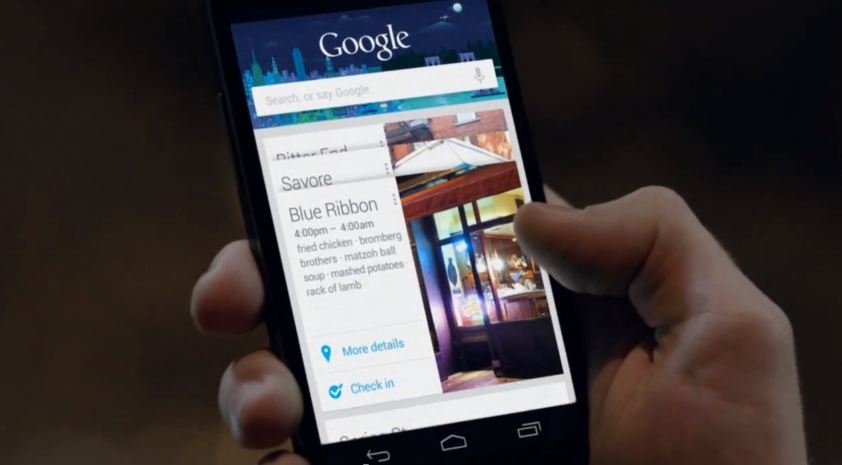
If you were one of them who were waiting for Google Nexus device like ability to have a Google Now Launcher on your Android phones, you’re going to be really happy today. Google has released the Google Now launcher for all Android 4.1 devices and above. Though some phones might not support it yet.
This update allows Android users to access a left panel which opens into Google Now. It also allows you to use the “OK Google” hot word on the main screen. This option is currently compatible with HTC One M8, One E8, One Mini 2, Desire 816, Huawei Ascend P7 and LG G3, among others.
Proprietary systems like HTC’s Blinkfeed get replaced after installing this update and instead you have the Google Now panel which is customizable to your liking. This will be a good addition for folks with stock Android devices who want a customizable information panel easily accessible with one swipe.
This is one more offering from Google that is now finding a wider user base. Google’s minimalistic looking apps also provide great functionality and that’s why they are preferred.
You can download the app from the Play store: [button link=”https://play.google.com/store/apps/details?id=com.google.android.launcher” size=”small” text_size=”gamma” newtab=”on”]Google Now LAuncher[/button]
Motorola and Google parted ways last January, but if rumors are to be believed, Motorola is working on a new Nexus device, codenamed “Shamu”, that is set to launch sometime this fall. A number of other reports have indicated that HTC has also been working on an 8.9 inch Nexus tablet for Google. It’s code-named “Volantis,” and probably has an NVIDIA Tegra K1 processor and a high-resolution display, among other things.
Now it looks like a new Nexus smartphone by Motorola is also on the way, although it is said to have a near tablet-sized screen.
The reports leaked by Android Police hint that the Nexus device is a 5.9-inch device with a fingerprint sensor.
Android Police seem confident that the rumor is true. “Point are deducted simply because hardware plans can change very quickly, even when a prototype device already exists,” Android Police writes. “We are confident that Shamu is a real device under active development, and fairly confident that it is a contender for the Nexus program.”
Being that it’s a Nexus contender doesn’t mean it’ll be the device consumers will be able to buy later this year. But Motorola is apparently working on a device, which is supposed to be “targeted at major U.S. carriers, and unspecified carriers in other parts of the world,” Android Police said.
It seems unlikely that a new Nexus device would appear before this fall, which is far enough away for the plans to change. But this report somewhere takes the sword off the Nexus program, which seems to be doomed. Not only is it still in play, looks like it may have a few great devices coming down the line.
If you use Google Voice to manage your phone calls and text message, then you must be waiting to see if Google will eventually merge Google Voice with Hangouts for Android and iOS. Well, Google went ahead and did it for PCs, integrating Hangouts into the Google Voice website.
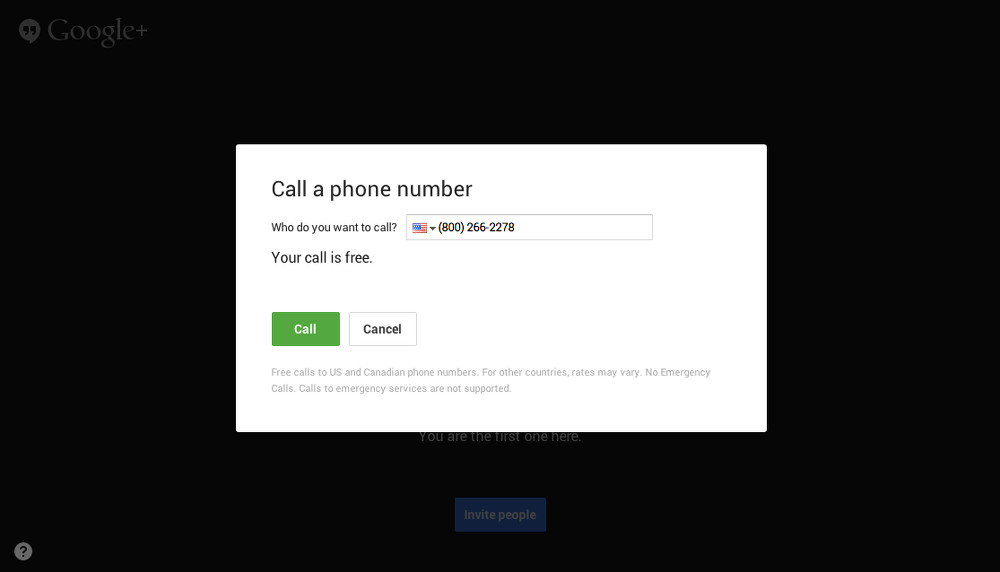
In a Wednesday post, Google Voice developer Alex Wiesen announced the addition of Hangouts as an option when making calls from the Web. The feature can be accessed selecting Hangouts from a drop-down menu labeled “Phone to call with.” The website will then launch a separate Hangouts window, allowing the conversation to take place as normal. Hangouts is seen as Google’s’ solution to its fractured messaging systems, and even offers the ability to place phone calls.
But while the new platform has been heralded as “the future of Google Voice,” little has been done to merge the two services. Nonetheless, the decision to integrate Hangouts in Google Voice shows the company is still actively developing the latter.
To use the new option, visit the Google Voice website and enter the number you’d like to call. Then, in the drop-down menu under Phone to call with, you’ll see an option for Hangouts. This will open a separate Hangouts window and you can carry on your voice conversation via Hangouts as you normally would.
In May 2013, Google began work on allowing outbound Google Voice calls within the new Hangouts experience; it arrived two months later. Earlier this month, the Google Operating System blog spotted a feature that migrates Google Voice numbers to Hangouts—a sign that the Web giant may be moving forward with the plan to integrate the two features, then shutter the separate Voice tool.
Google’s semi-secret workshop is one of the most innovation oriented institutions in the world. The research facility takes on some of the most fundamental questions on transportation, communication and others. Then, it takes an alternative bottom-up effort to understand them. The facility worked on concepts like Teleportation, Space elevators, and it is also the birthplace of projects like Google Glass, Driverless car and the upcoming Project Loon. Now with Project Baseline, Google plans to understand how a perfectly healthy human should look like and what factors restricts humans from achieving it.
The plan is as audacious as President Obama’s Brain Initiative.
The study will collect anonymous genetic and molecular data beginning with 175 people. They will eventually accumulate data of thousand more individuals. The study is lead by Dr. Andrew Conrad, who is a molecular biologist. He is credited for the development of cheap, high-volume tests for HIV in blood-plasma donations. Dr. Conrad has set up a team of about 70-to-100 experts from fields including physiology, biochemistry, optics, imaging and molecular biology for the study.
The study is a reimagination of the workings of the human body and how diseases can be prevented. This will be a prevention-oriented study which will try to find ways to inhibit naturally occurring diseases like stomach and heart ailments.
The project will collect hundreds of different samples using a wide variety of new diagnostic tools instead of focusing on specific diseases. Then Google will use its massive computing power to find particular biological patterns, or “biomarkers,” buried in the information. The researchers hope to use these biomarkers to see if they can be helpful in detecting diseases at an earlier stage. Google wants data on parameters like contributors’ entire genomes, their parents’ genetic history. Apart from that, information on how they metabolize food, nutrients and drugs, how fast their hearts beat under stress and how chemical reactions change the behavior of their genes will also be assessed.
Google has massive computing infrastructure for processing the massive information that will be generated by this project. According to the research team, Baseline, like previous Google X projects will be a look into the unknown. This project can also run in correlation with President Obama’s BRAIN initiative which is one of the most intensive looks into the functioning of the human neurons.
Like other Google X moonshot projects, this project is not time bound. Google’s look into teleportation was seen as scientifically unachievable, whereas a look into a healthy human body will be practical and help some of the fundamental problems with healthcare. Google has also promised that it will not share the data with corporate interests, and this will be anonymous study.
Baseline will try to identify Biomarkers which can be used to identify and prevent diseases earlier
There is of course series oversight as the study tries to peer into the human body at a molecular level. When the study kick starts, it will be monitored by institutional review boards comprising of medical professionals from Duke and Stanford University. The board will also keep a vigilant eye on how the information is being utilized.
This project basically is a massive pattern recognition exercise. It aims to understand in the most fundamental sense as to what makes us human and what makes us tick. Studies like this and the BRAIN initiative will certainly help us gaze into our self and figure out what separates and unites us. Health research should be a priority research and done by the government thereby democratizing the data. As they also involve massive costs; the BRAIN initiative will cost $300 Million a year for ten years; these projects should have public investment to prevent misuse of data for commercial purposes.
Google also deserves credit for envisioning this audacious study, for taking on the research in an open, transparent manner, unlike the healthcare industry which persists on closed patented knowledge. Google has always pushed for free knowledge and its most prominent success in this field has been the Android operating system. Also, they need to be appreciated for taking on resource intensive projects without compromising with their quarterly results. Google has shown that it is not hard for a giant corporation to not be evil.
It seems the year 2014 would be known as ‘The year of takeovers’. In just the last few months we have seen some major billion dollar acquisitions by tech giants. Without a doubt the golden throne of big dollar takeovers is ruled by Mark Zuckerberg with his takeover of Oculus, Whatsapp and Liverail. Microsoft finished the $7.2 billion acquition of Nokia this year. Google is now planning its own billion dollar deal. The Search giants are now interested in taking over gaming video streaming network Twitch under the Youtube brand name.
It was reported in Variety and the Wall Street Journal that Google was in talks with Twitch for acquiring the company. It is now being reported that the companies have reached an agreement and will announce it soon. Though as of now both parties have refused to comment on the issue.
Twitch is a cool service which lets users share their game video streams. It’s a great way for the nerds and super-nerds to hangout, share stats and their gameplay. You can easily see how this service can be in line with YouTube’s streaming medium. Maybe its an effort by Google to give gamers some kind of contact with the mainstream world.
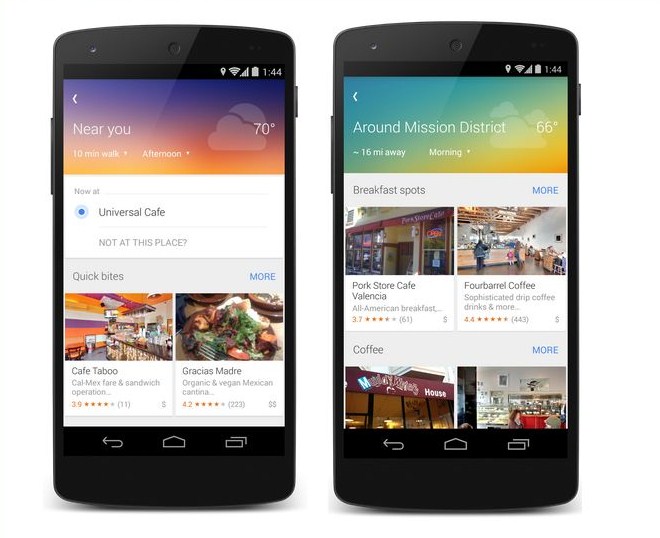
Remember the time when there was a profession dedicated to guides? oh yes they still exist and Google has plans to make that job obsolete. With the new ‘Explore’ feature, exploring new places will get a lot easier. The feature will be available on Google Maps app on both Android and iOS platform.
The Explore feature will be available on Android as well as iOS
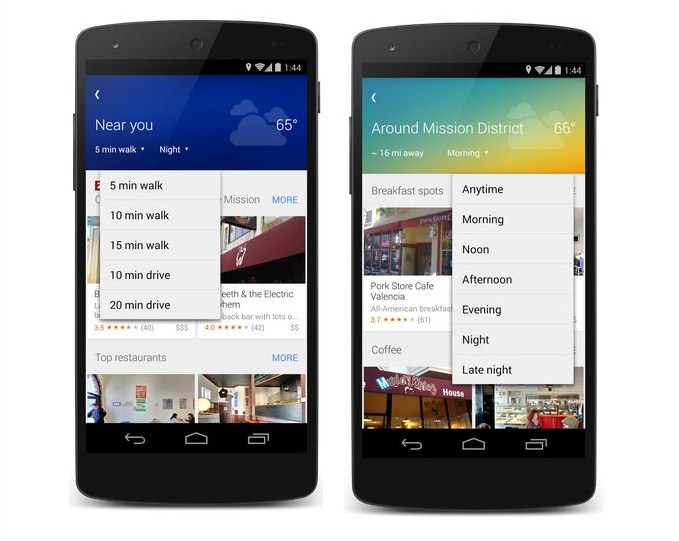
All the user needs to do with this update is to tap the new Explore button at the bottom right corner of the map to get a quick look at what’s nearby (where available). The feature will provide you information on different places and activities that adapt to each area and moment throughout the day. This also allows you to browse other neighborhoods and cities on the map so you can plan your day’s outing or daydream about your next vacation.
The feature also gives you an option of finding what is nearby the place where you’ll be in the next five minute walk or a 20 minute drive. The convenience of finding a spot that suits your taste has never been this easy. As the results change according to the time of the day and weather, you can be assured that you will find exactly what you are looking for. The feature performs optimally when the location reporting and web history have been turned on.
The Awesome functionality of this app will make it stand out.
The feature also lets you assess the reviews and relevant information about the spot you have chosen to hang at. This can be done by tapping on the ‘My location’ on an Android devices. You can also save these places for future references. Like other data analysis based system, the app will personalize itself with regular use.
On the look from, the upgrade features Google’s latest material design. The interface is simple, clean and easy to understand.
So if you have an itch to always be outdoor and exploring, Google Maps and the Explore feature was what the doctor would prescribe for you. So go ahead, get Exploring !
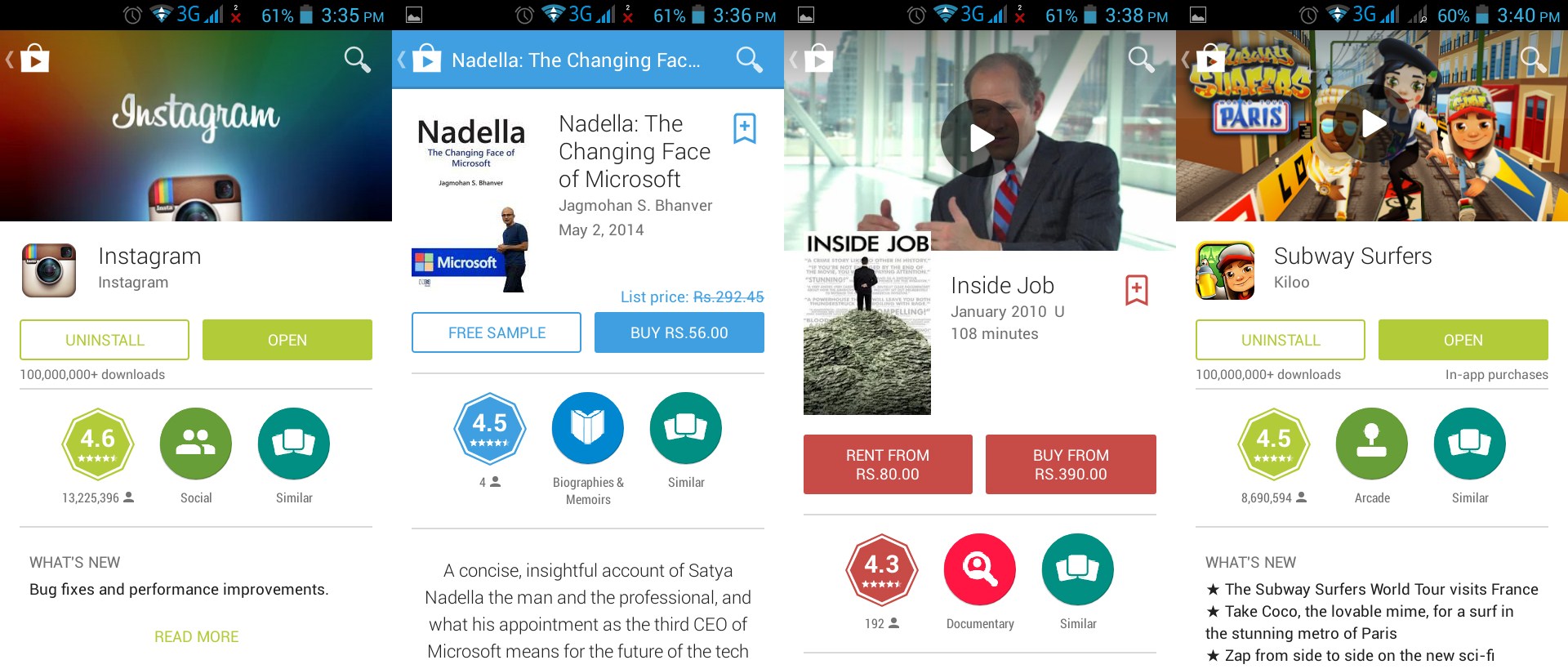
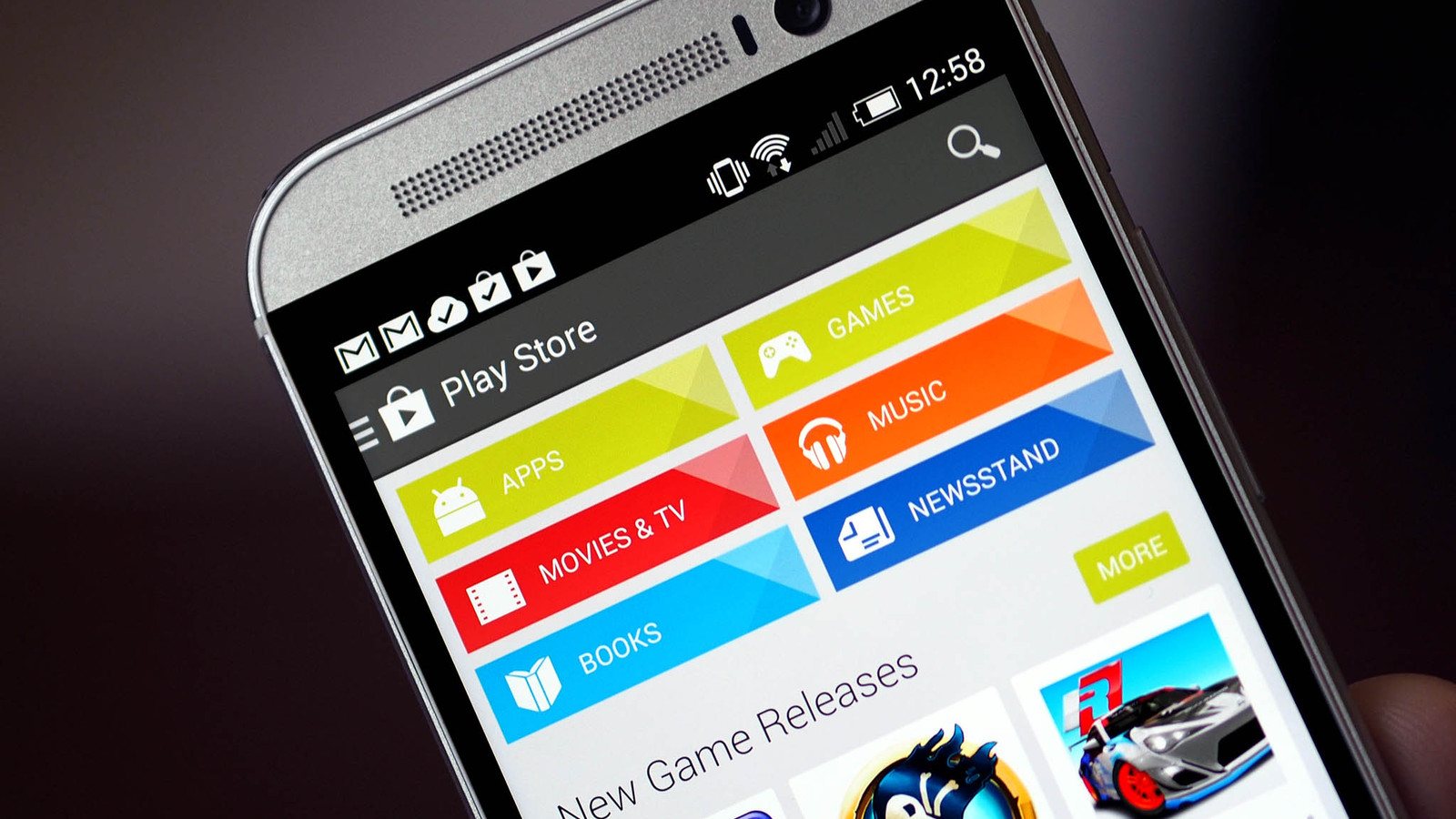
We saw material design at Google I/O and it was impressive with its minimalistic and clean user interface. Now Play Store Version 4.9.13 has been rolled out by Google and it has got the material makeover.
The new Play Store gets a visual makeover and this one does look more appealing. The app view especially looks much cleaner and better organized than its predecessors. The books, album and movie listing pages are much easier to move around in.
The material design elements, with drop shadows, add dimensional features to the interface which is fun to move around in. There is a lot of moving around that needs to be done as the bigger cover designs introduced by this update so that’s a tiny downer. Though the new animations and introduction of a lot more color, covers up that flaw.
Overall, this is a great new update from Google and we can’t wait for material design to now come to our phone and the entire Google ecosystem.
Our latest update is rolling out right now! We’re excited to share a sneak peek of what you’ll get in the coming days pic.twitter.com/k5BidxR4Vu
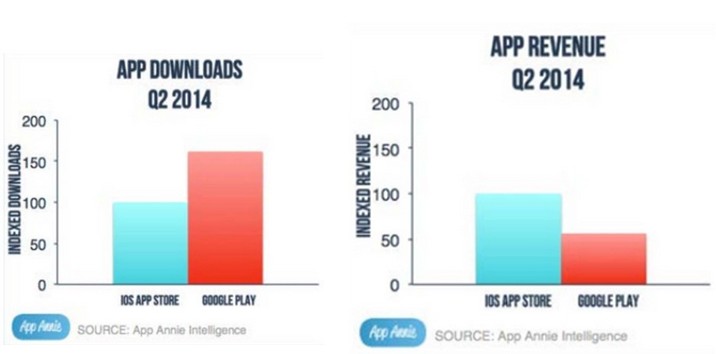
An app analyst at App Annie have compiled their data for Q2 2014 and have come out with the results. For the months of April, May and June, the Android Play Store has again surpassed the iOS App Store in terms of app downloads. In raw numbers, the Android Play Store registered about 150 million app downloads as opposed to 100 million app downloads against its iOS counterpart. This means a 60% increase from the previous quarter for Android, and a 45% increase for iOS.
App revenue, however, is a completely different story. iOS has a huge lead in this department with $100 million in app revenue as compared to $60 million for Android. Again, that is an increase of 45% for iOS from the previous quarter as against a 30% increase for Android. Now there can be a number of reasons for this, but the primary reasons being ‘free-medium’ apps on Android, which actually cost a few dollars on Apple’s iOS platform.
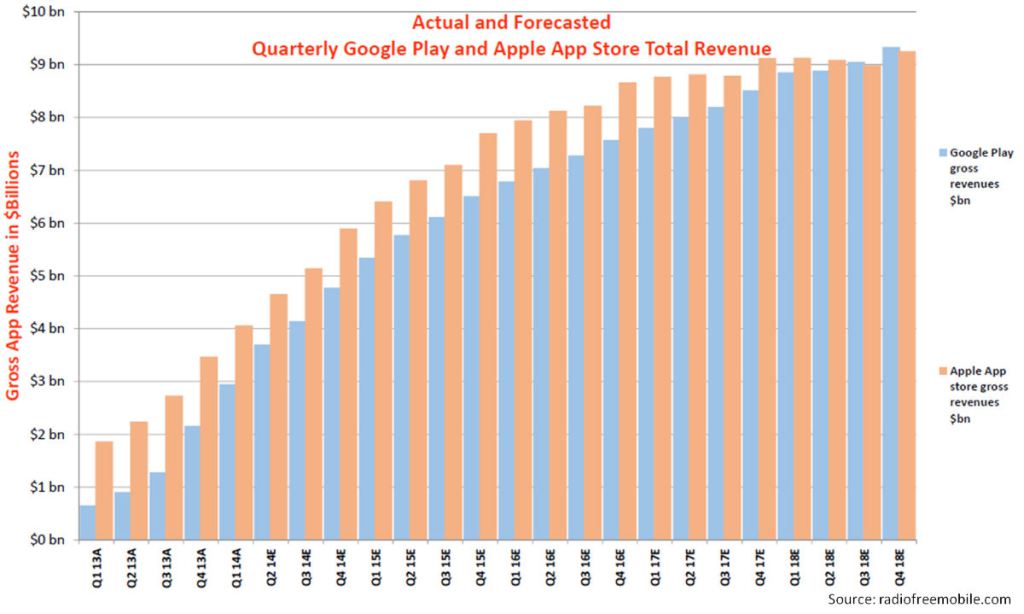
However, it is predicted by analysts that the Android Play Store will actually surpass the iOS App Store even in revenue by 2018. Android already dominates about 80% of the smartphone market, and app revenues are expected to reflect that soon.
In terms of app downloads by categories, both platforms are dominated by Games, Tools, Communication, Entertainment and Social applications. This is not news as these categories were dominant in the previous quarter as well.
The role of low-priced Android phones in emerging markets also makes a mark on these rankings. India jumped up two spots to claim the third overall spot in total app downloads on Android, behind the United States and Brazil. On the iOS platform, Japan, United States, South Korea, Germany and Taiwan continue to dominate the top five nations in terms of downloads.
Apple is presently preparing for the launch iPhone 6 which is said to be more expensive than the iPhone 5s, while on the other hand Google has recently announced the Android One, a cheap mobile platform for budget phone in India . It will be interesting to see how both companies with different marketing strategy compete with each other in this volatile technology market.
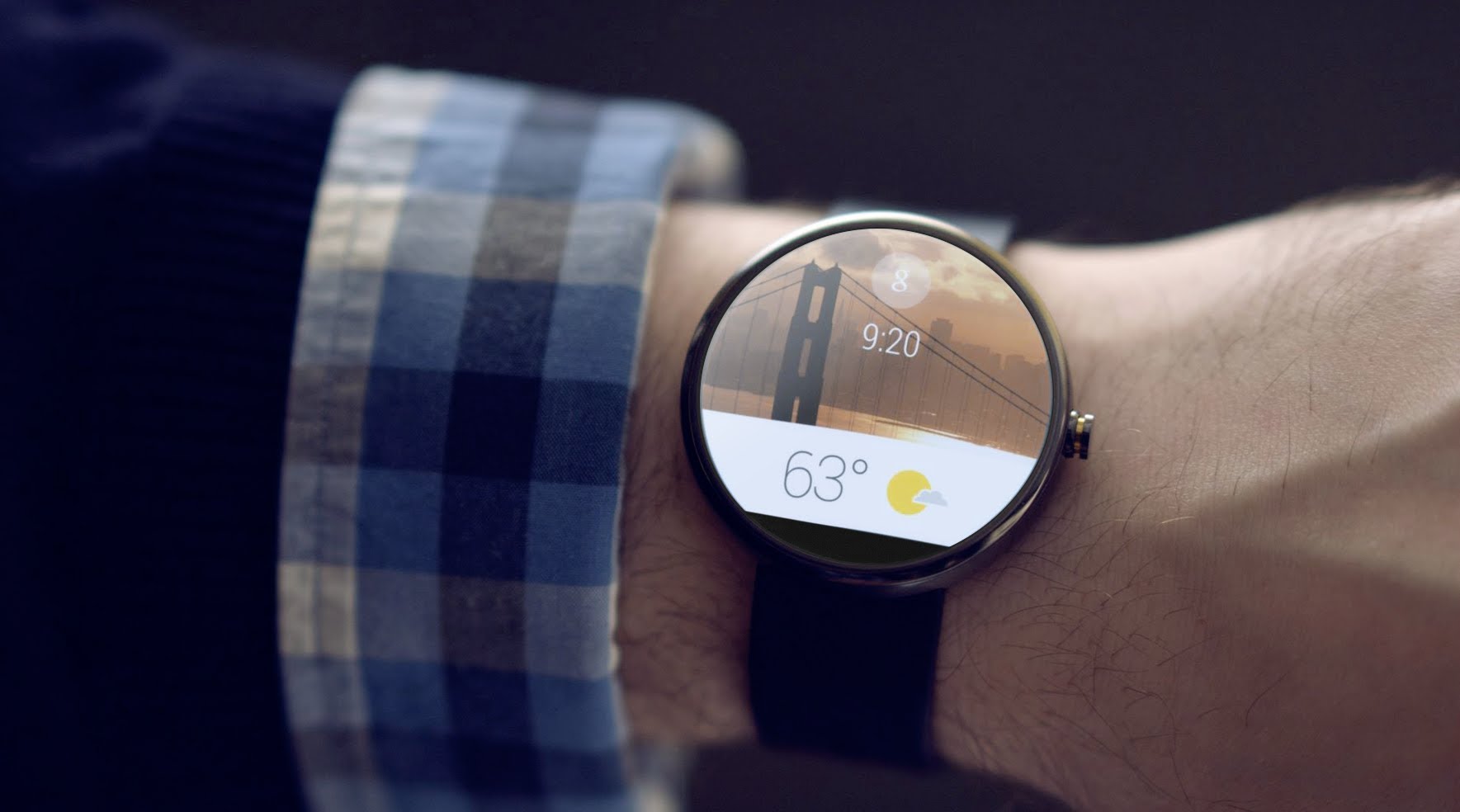
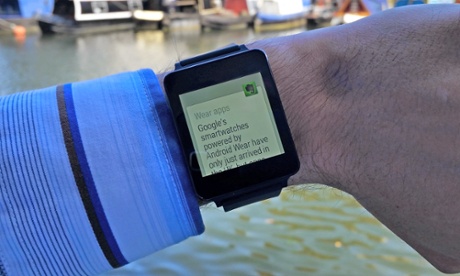
Android Wear is the darling of wearable technology these days. We can’t wait to put smartwatches around our wrists and find out all their capabilities. Android Wear smartwatches do a good job of delivering notifications and other alerts to your wrist, but the fun really starts when you start downloading apps that add additional functionality.
Although the selection of Android Wear apps is small for now, there are already some pretty useful options in the Google Play store.
We are listing 5 of the these amazing app that you will love to use on your Android smartwatch.
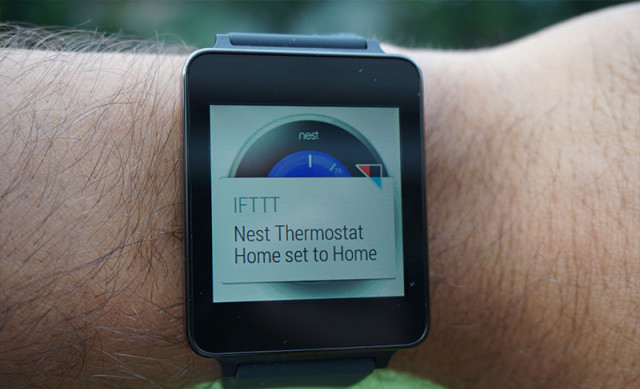
1. IFTTT
IFTTT, acronym for If This Then That, connects events into a simple statement that triggers an action. It performs a set action if an event happens, like firing off a text message to your phone if you receive an email or automatically uploading photos to Dropbox that you post to Instagram. On the wrist IFTTT gives users a big button that triggers some user configurable action. IFTTT is probably the most powerful app available yet on the smartwatch.
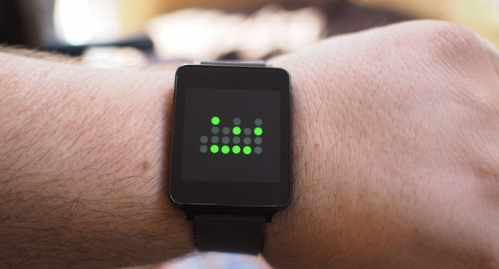
2. Binary Watch Face
The Binary Watch Face is a very clean and good looking binary clock for the smartwatch. One thing that does come up with regards to these custom watch faces is that whenever a notification pops up, they end up covering a part of the watch face design, which is something to look out for, especially if there is task with a persistent notification. The companion app installs on your smartphone with the Watch Face allowing you to configure the colors to your liking.
3. Evernote
With this you can dictate voice notes to your watch. The Android Wear extension of Evernote allows users to pull up recent notes on their smartwatch which is more useful than it sounds if you’re travelling and have to book references and other things on your wrist. Dictating new notes without having to pull out a smartphone does make life a lot simpler.
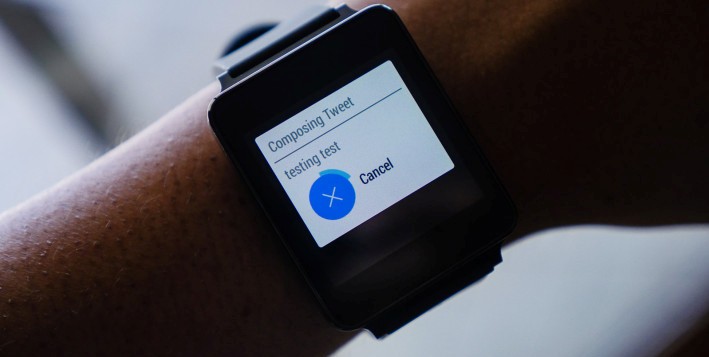
4. Bunting
Bunting is a simple Twitter client for Android Wear with a clean and sleek interface, that allows you to tweet messages directly from your Android Wear smartwatch. The set up is very easy. All you have to do is log into Bunting using your Twitter account, and once that’s done, you can start tweeting by dictating your message directly to the watch. If you tweet on a regular basis and own an Android Wear device, Bunting is a quick and easy way for microbloging on the go.
5. Flopsy Droid
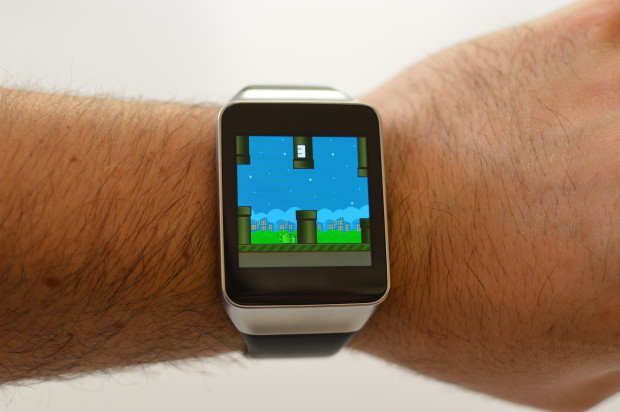
Well you must be wondering how pathetic it would be to play games on your Android wear with its small screen. But Flopsy Droid will amaze you. Created by the makers of Blunting, the game is a clone of Flappy Bird with similar gameplay. The bird is gone and has been replaced with the green Bugdroid we all know and love. But the big difference is the fact that this game is now playable from your smart-watch. If you’re looking to while away some time, Flopsy Bird is great way to do so.
Google’s plans that were announced this year at Google I/O are finally unfolding and creating a stir. Recently, Google came up with new Chromecast 1.7 update which now allows users to display their Android homescreens on a Chromecast-connected TV and lets you use any application on your television. And now, Google is set to launch the first Android One smartphone in October this year in India.
They’ve planned a strategic launch around the Diwali season, and it has also been said that the company is planning a 100 Crore investment on marketing and advertising.
Google is aiming big with these Android One devices, estimating a reach up to 5 billion people in emerging markets. They said that the handsets will be updated directly by Google. The all rounder technology giant will also provide hardware and software reference points, while manufacturers will be able to put in their own apps in the devices.
Back in June at the I/O 2014, Google announced Micromax will be the first one to release an Android One device which will be priced at $100. The reports are also saying that the much talked about Micromax Android One device will be available exclusively on Flipkart.
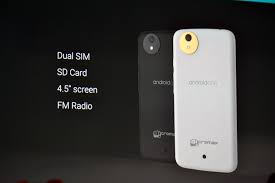
Google added that the device will have a 4.5 inch display screen, expandable memory, dual sim capabilities and integrated FM Radio. The Android One devices will come with Play Auto Installs, that tells users which apps are recommended for his smartphone.
The Economic Times reported that Google has also roped in Indian low-cost smartphone maker Celkon Mobiles and Intex Technologies is also in talks with Google for a similar partnership.
Google is really proud of its material design. The top team flaunted their new design at the Google I/O this year. The material design will bring a level of consistency throughout all the mediums that run on Google platform; Android, Chrome and Google account applications like Gmail. Google will now bring its material designs in their laptop based Chrome OS.
Google’s leaker François Beaufort who recently joined Google as a Chromium OS Evangelist has shared the first draft look of the new OS design in action. The design uses levels and shadows to add a kind of dimensional perspective which looks rather interesting. In the first look one can get a kind of Windows Aero window swipe feel.
Google is calling this Project Athena for Chromium OS and it looks like a good step forward. By bringing in a recognizable user experience through all its mediums, Google will be able to attract as well as retain a lot many users. The material design will arrive on phones with the Android L update and this will be widely used. Unlike the KitKat update which took a while to reach the devices, companies like HTC, Motorola, LG and others are promising to bring the update as soon as possible. Google is surely ready to take on Apple full on.
You’ve always known that there is a traveller inside you. But the biggest hindrance you had was the lack of enough paper currency in your wallet. You have read all about the elegance of London in the works of Charles Dickens, Shakespeare, Jane Austen and the stinging satires by D. H. Lawrence. You can’t wait to leave for this beautiful historic city and reminisce about the times when the city inspired those literary giants. Or you are a football maniac and want to pay homage to the temples of football may whatever your choice of club be.
Well, Google is here with its Maps update to give you a feel of what’s it like to roam those streets, so that when your wallet is finally ready you can wander around town like you belong there.
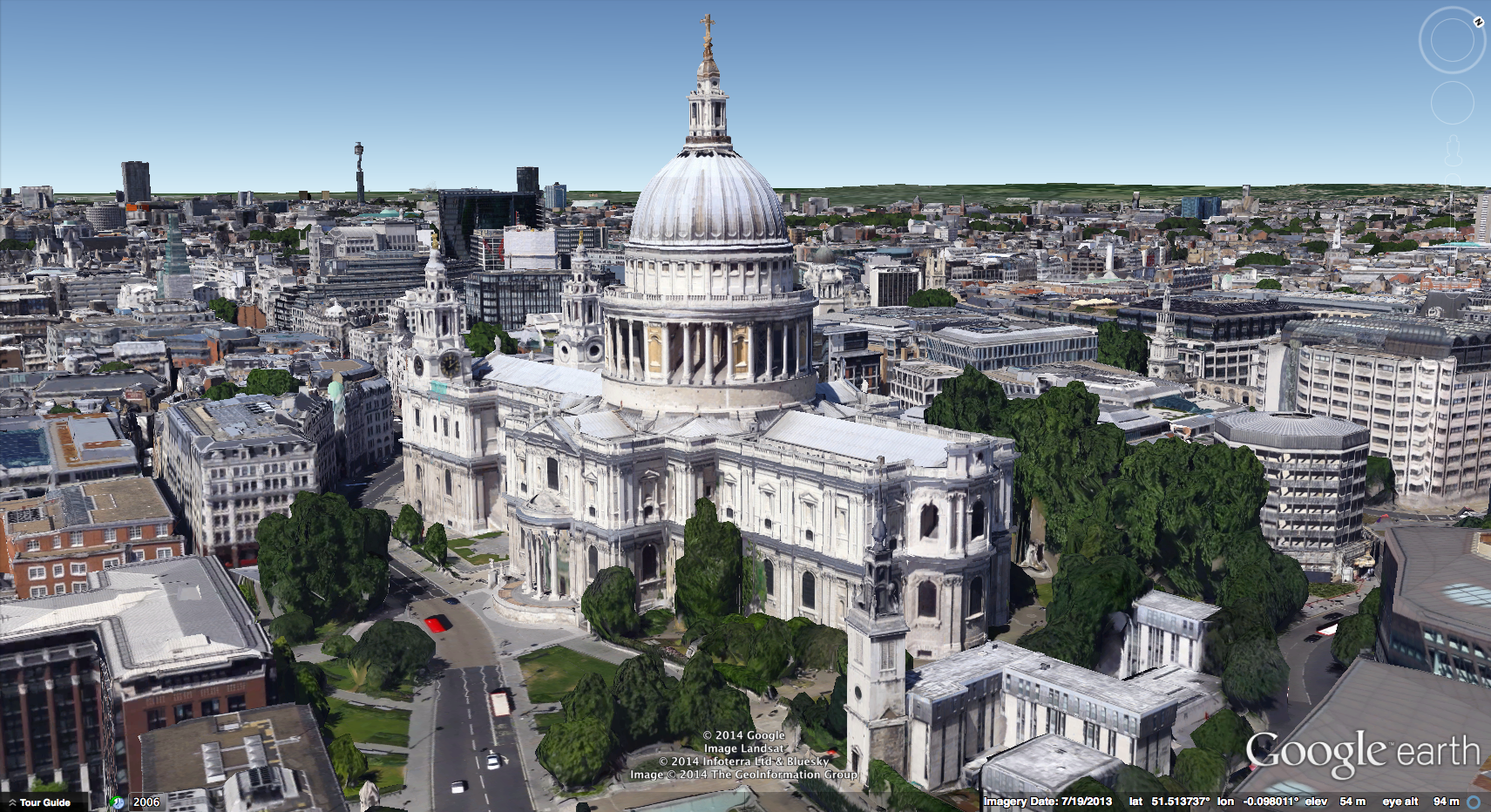
After bringing the 3D virtual tours of Reading, Leeds, Birmingham and Stoke on Trent, London is the next stop on the tour. The tour which is similar to the one that is available on Apple’s maps gives you a Superman eye view of the British capital. You can pan, zoom, rotate your way through all the sights you’ve always wished to see and feel good doing it.
This update is also helpful for Londoners who want to create a mental map of London like Benedict Cumberbatch’s version of Sherlock. The 3D tour is not just restricted to the tourist spots but gives you access to the entire city. So go ahead and take the Google Maps tour you’ve been waiting for so long. London is now just a few clicks away.
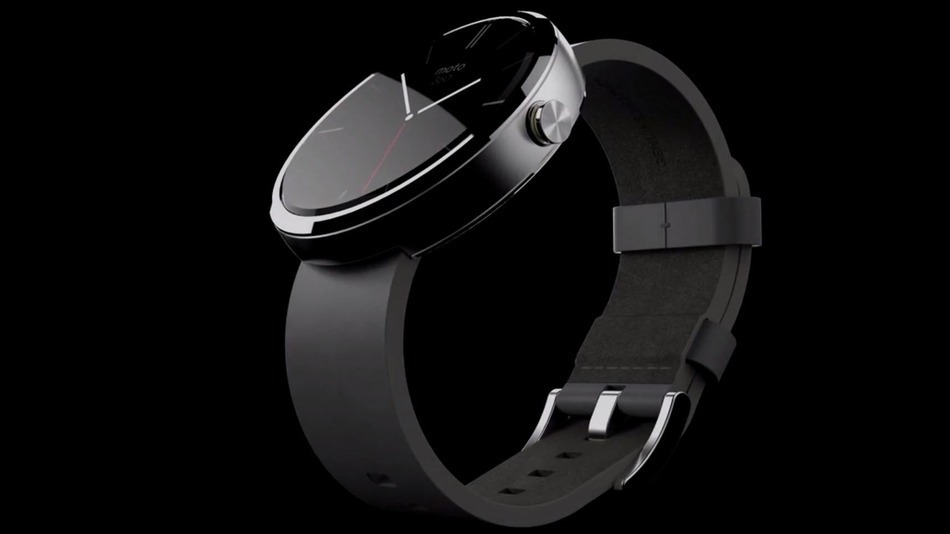
Smart watches are a buzzing product ecosystem right now. It’s a great new device and almost all major tech companies are trying their hands with this gizmo. Google’s Android Wear OS based devices are particular generating a lot of interest.
With Google providing development opportunities for apps for the Wear devices, there has been a boom in the apps for such smart watches. Android customizability has been its strength from the beginning. Now they are providing API to 3rd party developers to create new watch faces. With the options for square and circle shapes, the options can be endless.
Multiple watch face options will give versatile looks to the watches
Wayne Piekarski, Senior Developer Advocate at Google, announced through a Google+ post that the new API make it easy for developers to make all round watch faces. Think of the convenience of having multiple clock faces in one watch, you can literally have a new watch to flaunt every day.
Earlier, the process of making watch faces was a bit slow as a developer needed to integrate several tweaks for the watch faces but this API will simplify that process. He stated “Customization has helped Android thrive, and the same will be true for Android Wear.”