Category: Intel

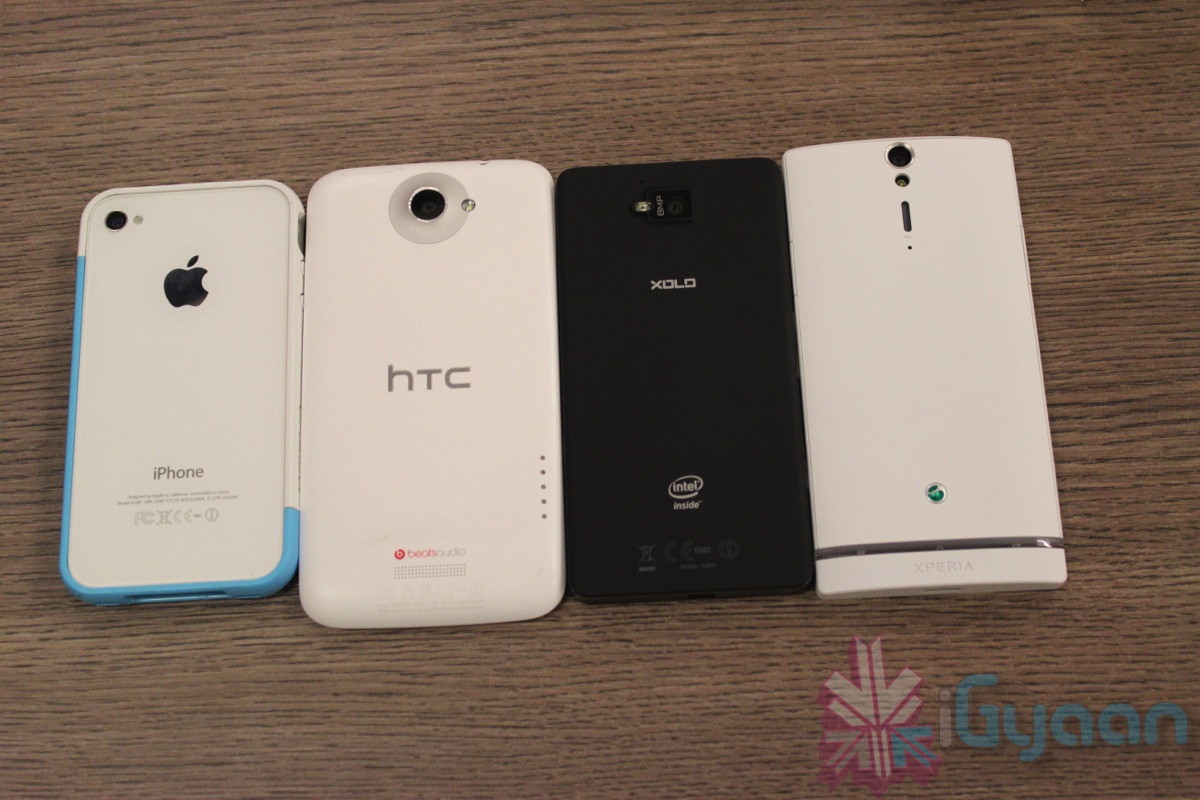
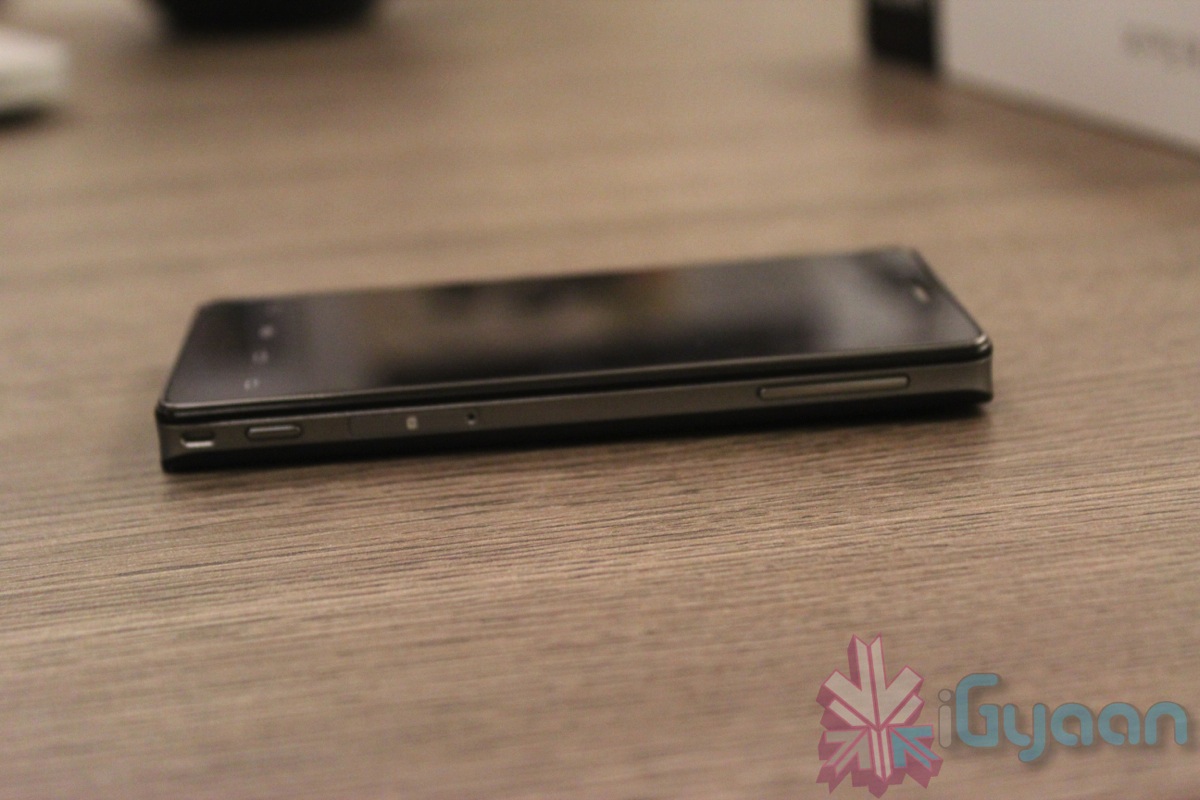
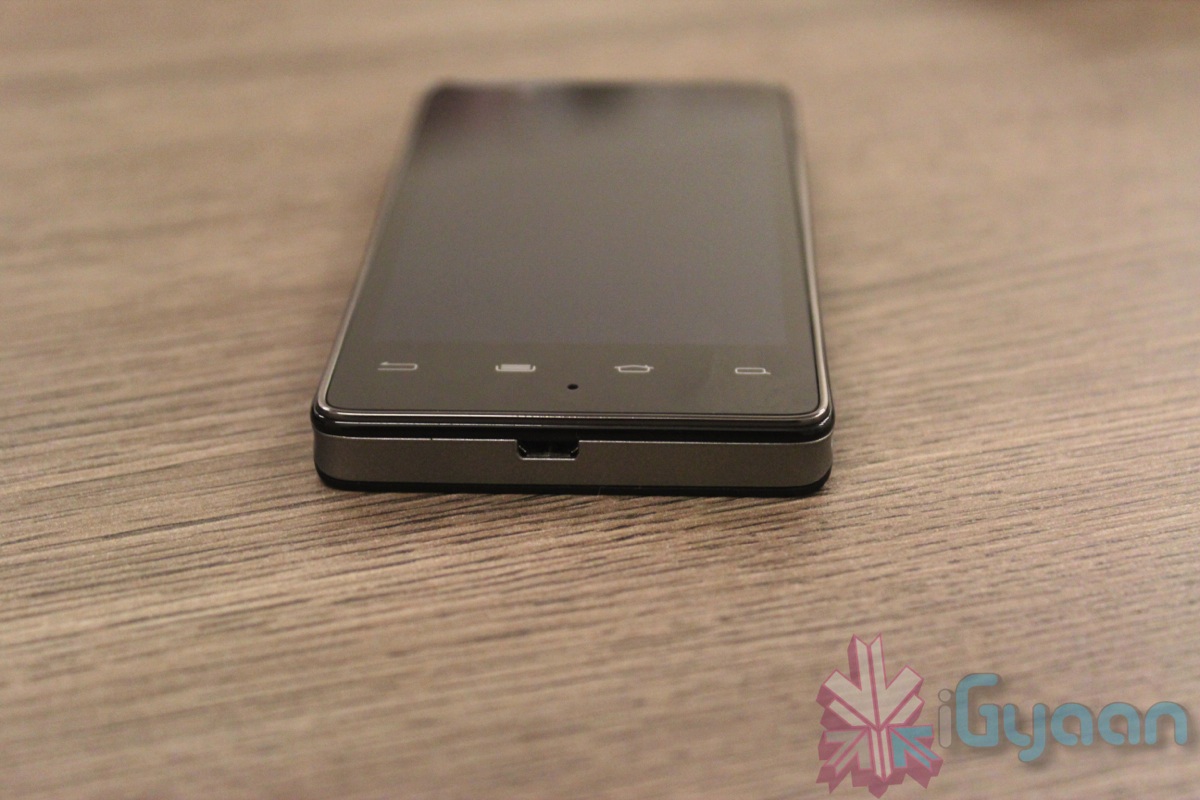
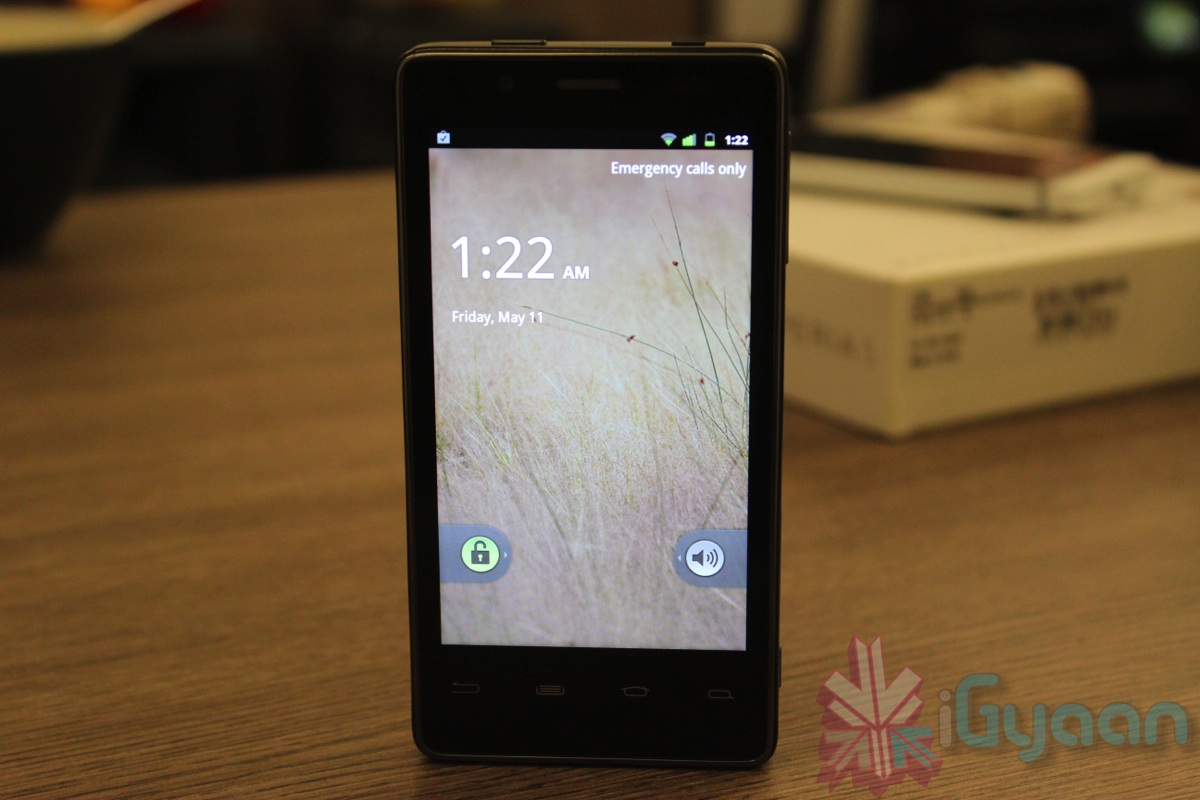
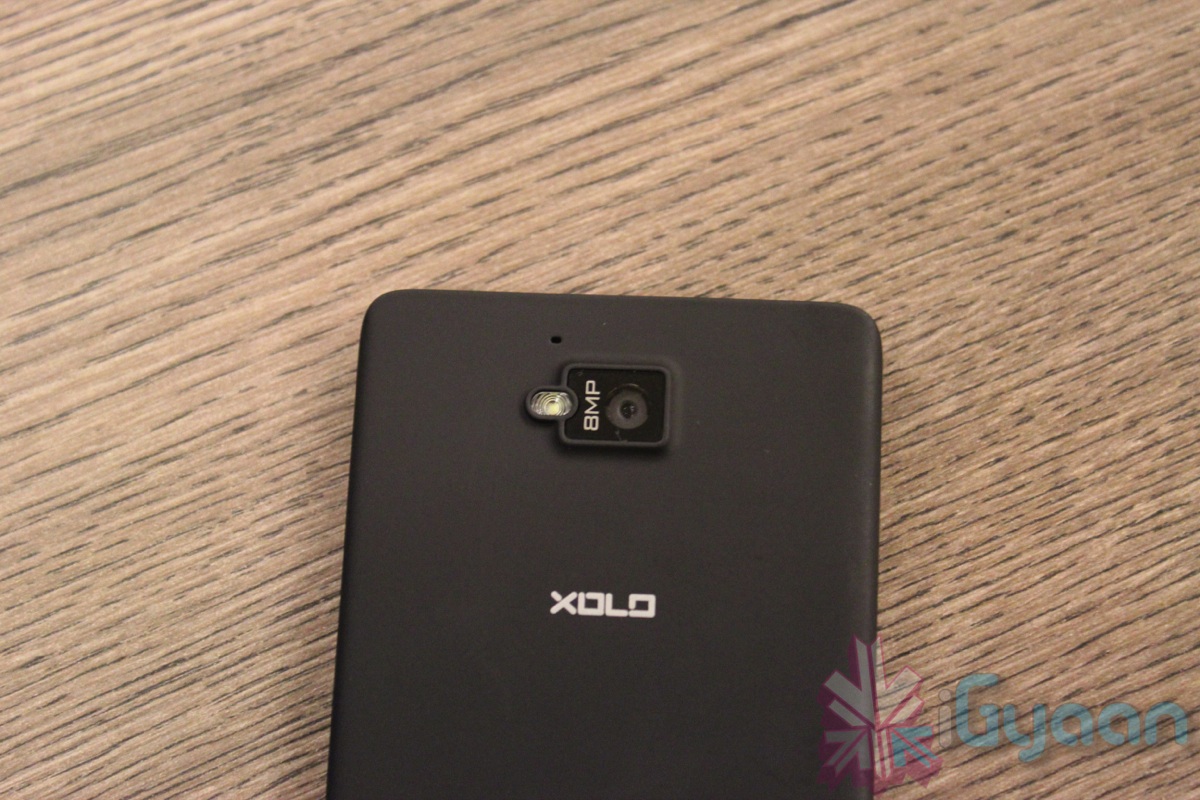
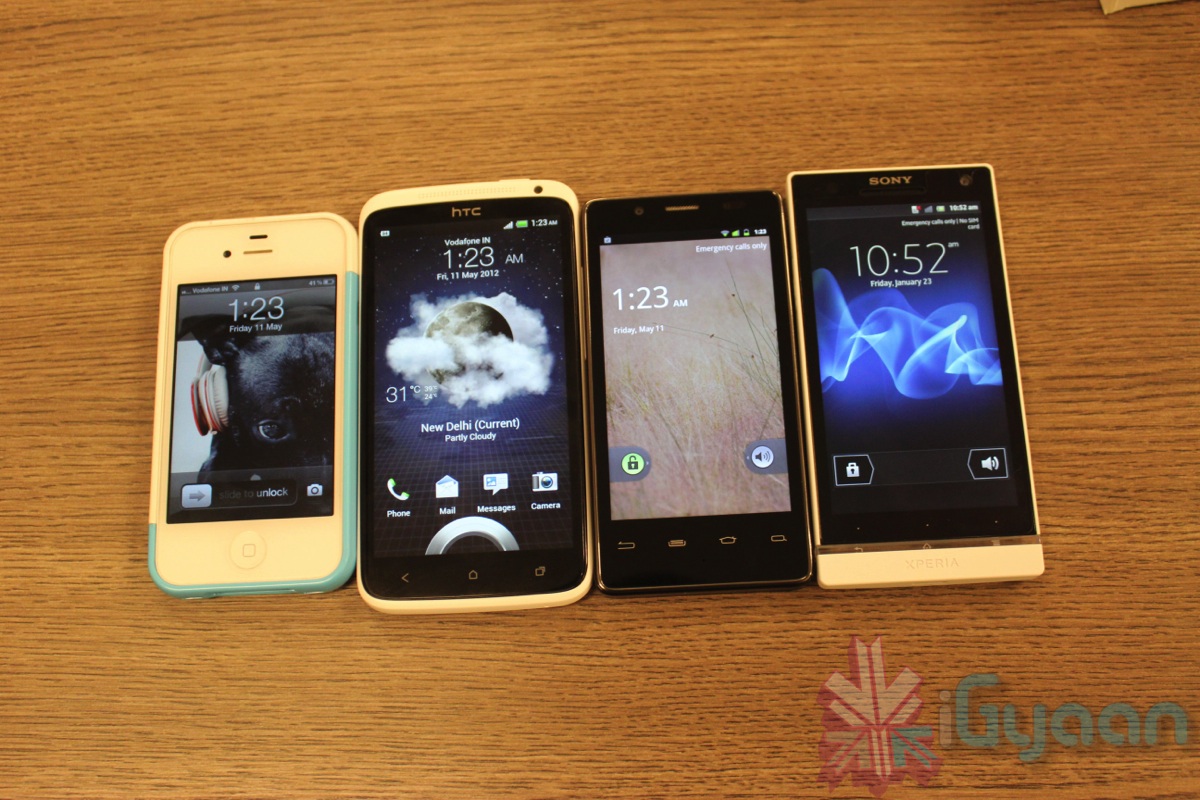
  • Lava Xolo X900 Hands On featuring, One X, Xperia S and iPhone 4s

    Lava Xolo X900 Hands On featuring, One X, Xperia S and iPhone 4s

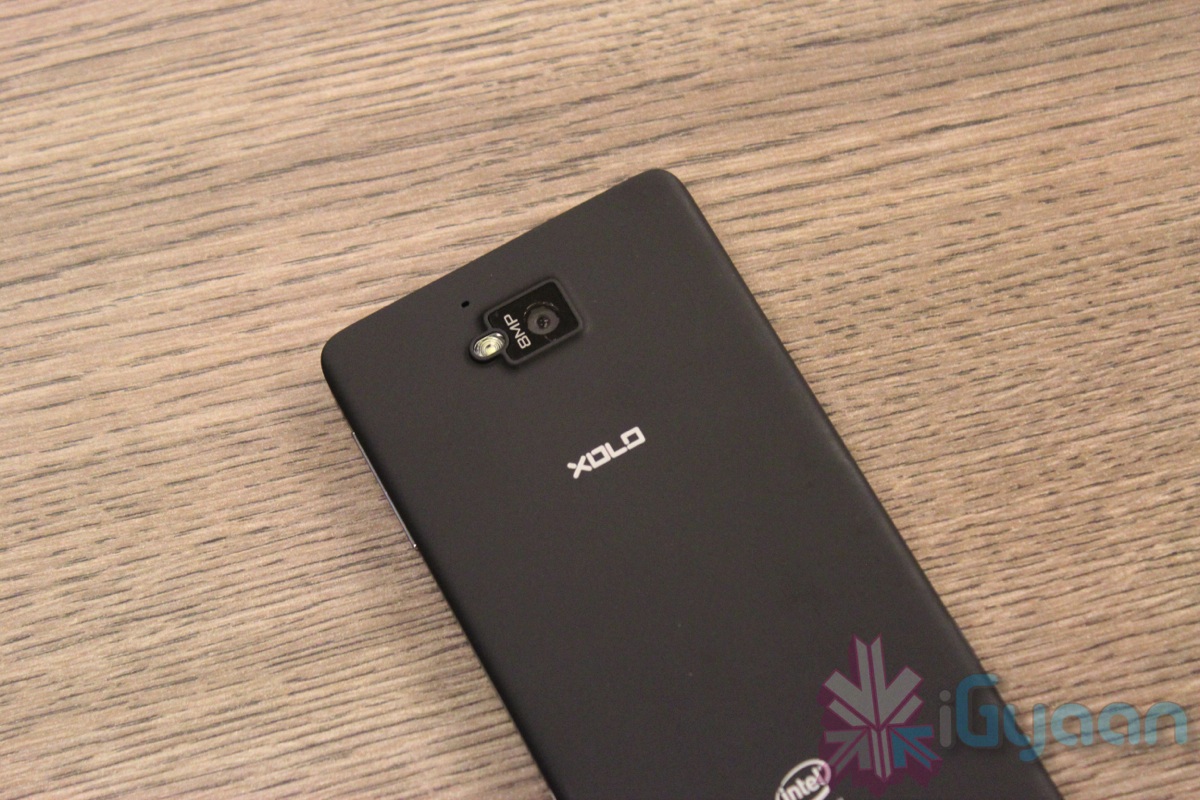
    The Intel based Android smartphone comes to India first, and has managed to create quite the buzz. The phone is powered by an Intel Atom Processor Z2460 which is a single core chip clocked at 1.6 GHz and Hyper Threading, there is also a 400 MHz GPU on the SOC.

    The x900 has a 4.03 inch display with a 1024 x 600 px resolution and gorilla glass protection. The back of the device is home to an 8 MP camera with 1080p  whereas on the front has a 1.3MP and 480p for video chat

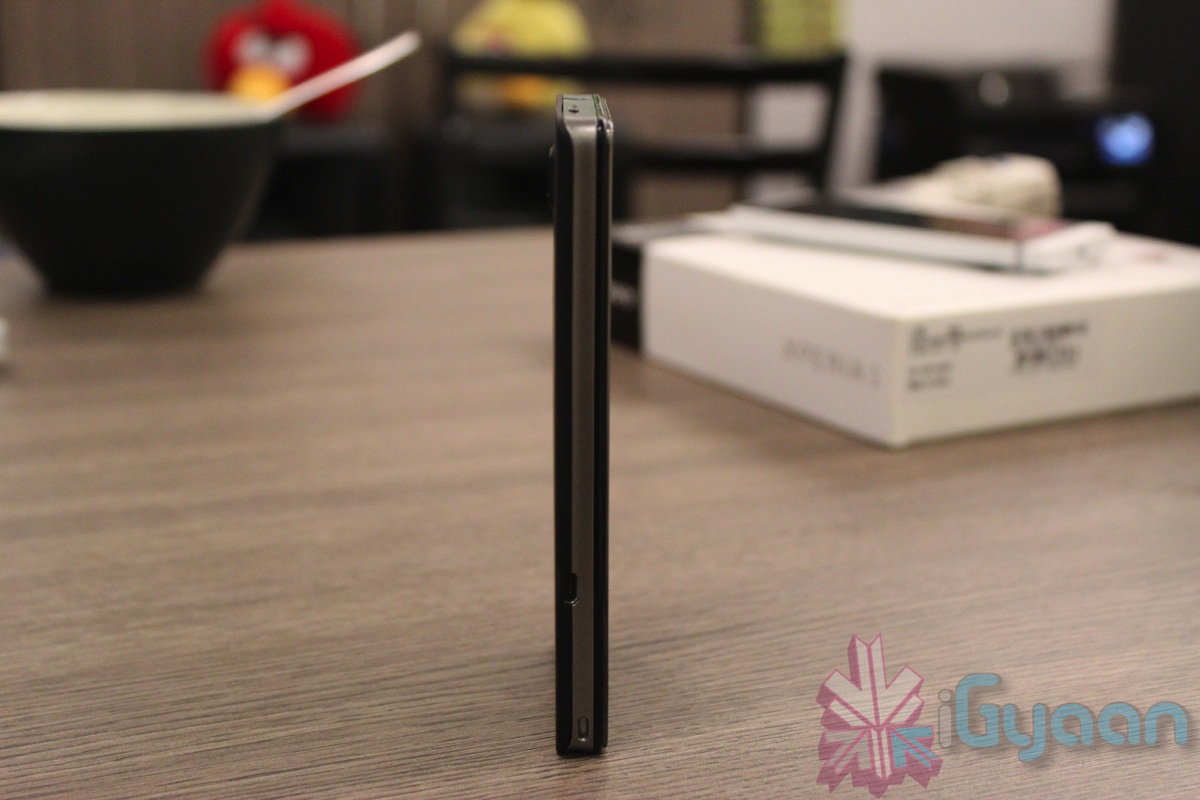
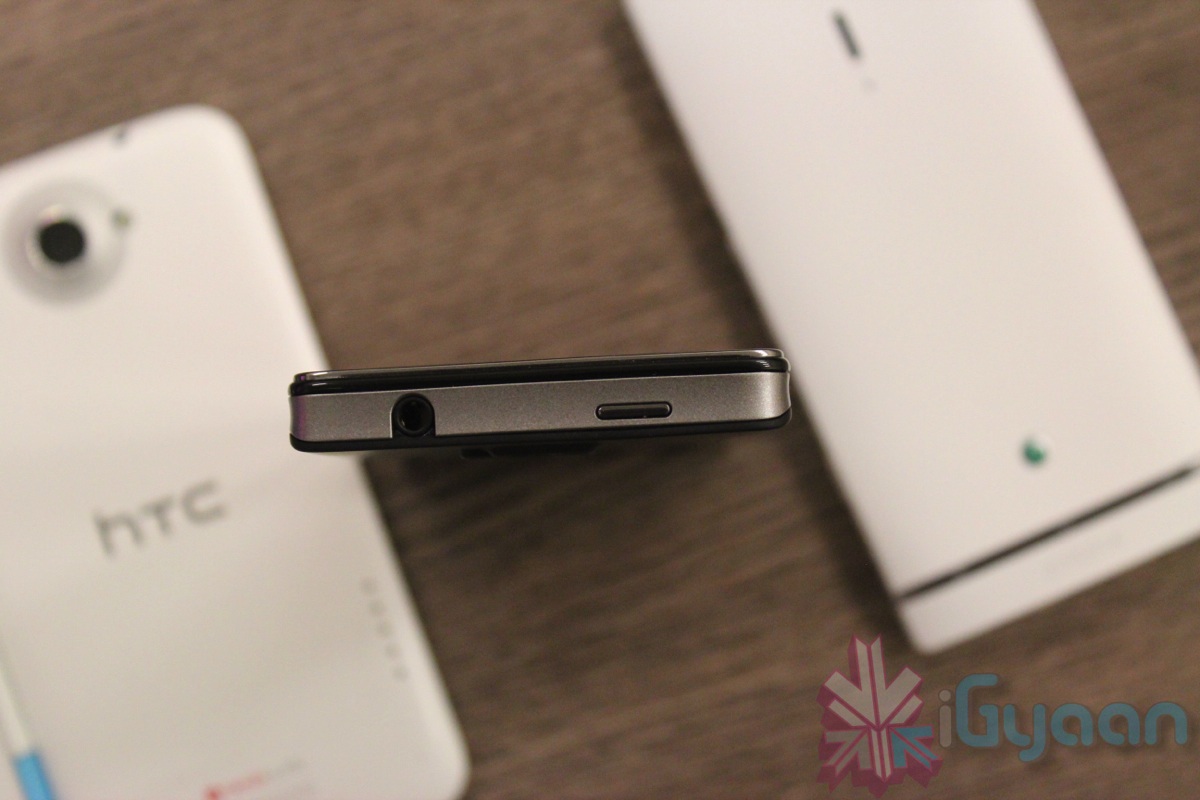
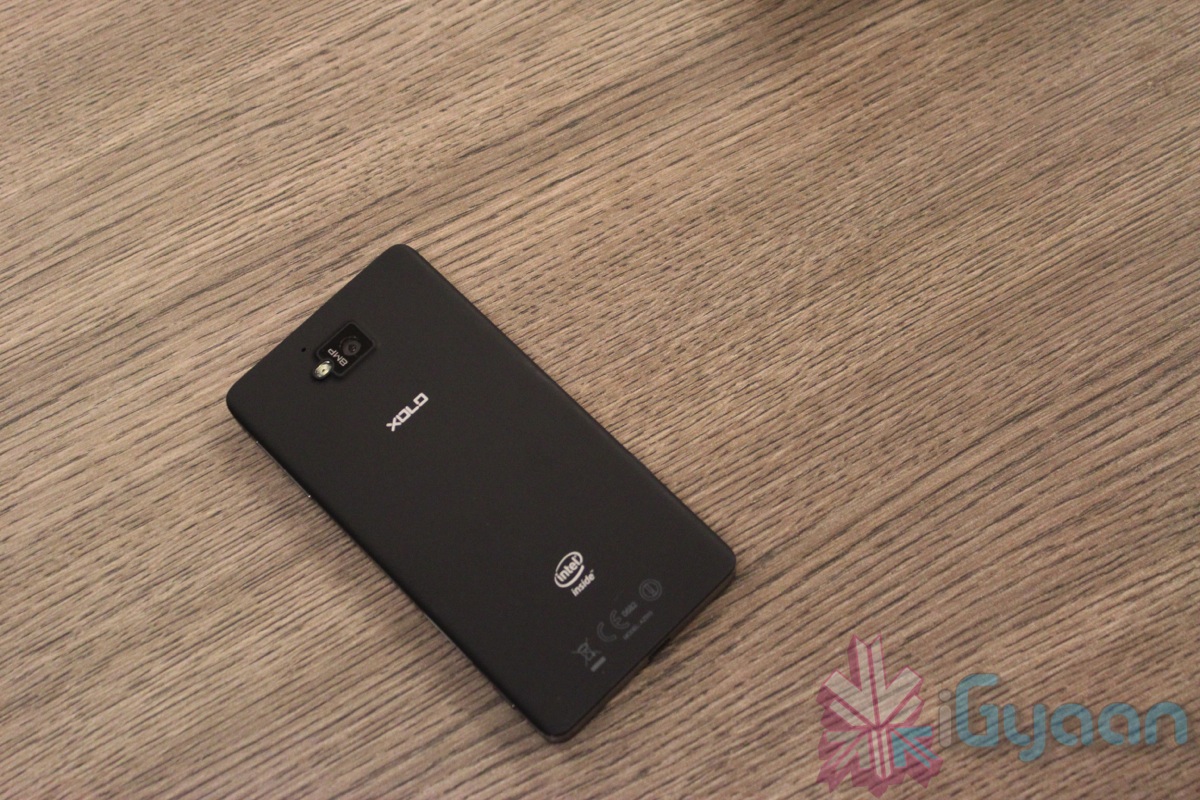
    The overall look of the phone is quite a disappointment, the build looks cheap and plasticky, it also has flimsy panels and the buttons are not tactile. the phone can easily be passed off as a cheap chinese replica model. The back however, has a nice soft touch rubber finish and is possibly he only real thing working for this phone in terms of aesthetics.

    Benchmarks on this device blew out of the roof with impressive results all around, you will see in our hands on video. The phone is priced at Rs. 22,000 (US $ 425) which seems justified for the hardware and the performance, but not for aesthetics or build quality.

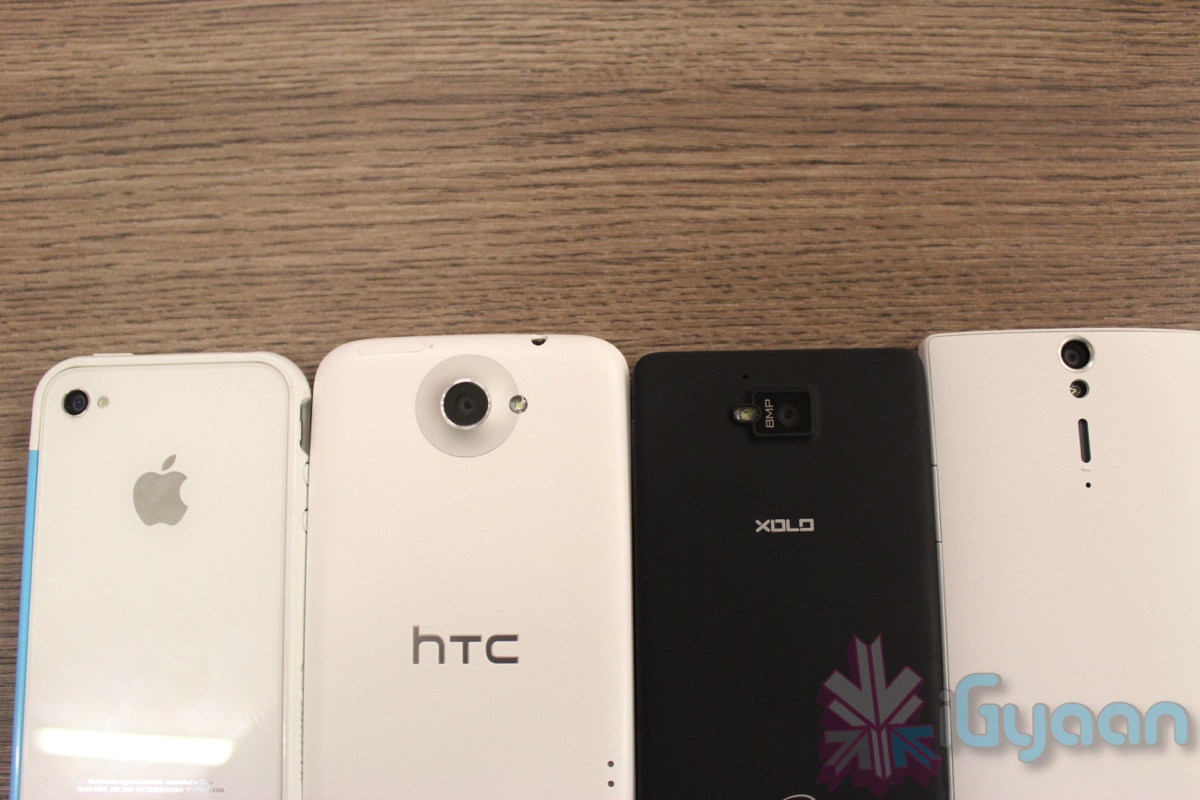
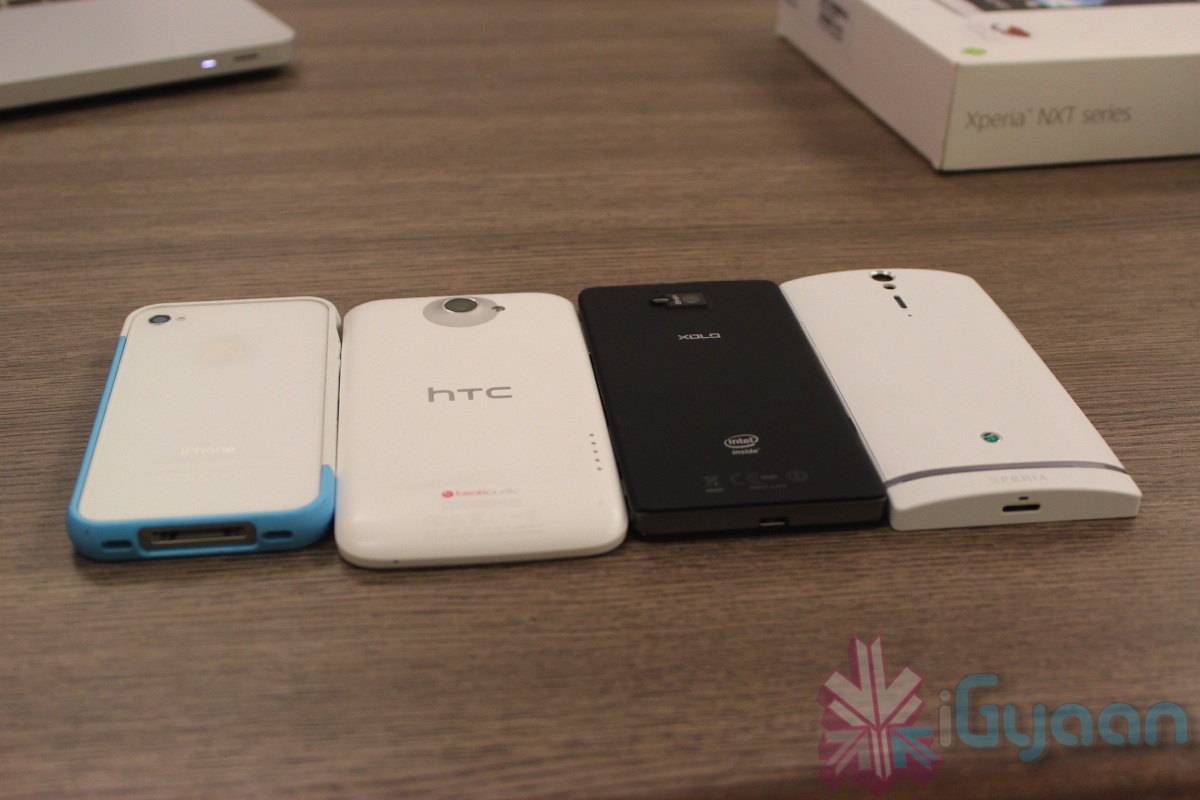
    Check out the hands on images, featuring the best of the devices from today. Stay tuned for the Hands on Video

    Images

    Video (Coming Soon)

  • Intel Releases 330 Series SSDs, Starting US $ 89 (PR)

    Intel Releases 330 Series SSDs, Starting US $ 89 (PR)

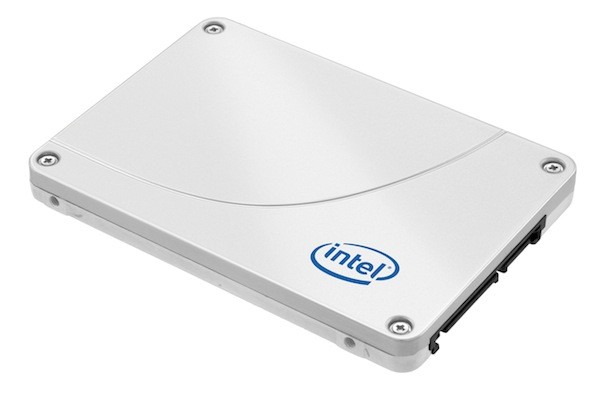
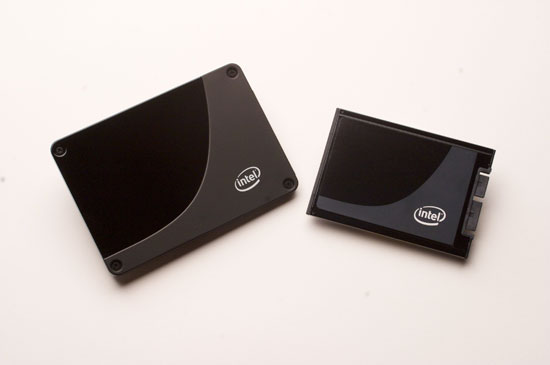
    Intel has finally made official their new line of budget SSDs, dubbed the 330 Series.The new 25nm NAND utilizes a SATA 6 Gb/s connection to deliver up to 500 MB/s sequential read and 450 MB/s write speeds.

    The SSDs are fairly cheap compared to competition starting prices — $89 for 60GB, $149 for 120GB, and $234 for 180GB, along with a 3 year warranty. They will supposedly hit India in another two weeks for relatively similar pricing.

    [toggle title_open=”Press Release” title_closed=”Press Release” hide=”yes” border=”yes” style=”default” excerpt_length=”0″ read_more_text=”Read More” read_less_text=”Read Less” include_excerpt_html=”no”]


    Intel Announces Intel® Solid-State Drive (SSD) 330 Series

    Now Available Through Worldwide Retail and E-Tail Outlets, Intel SSD 330 Series Offers Latest SSD Technology at Affordable Prices

    NEWS HIGHLIGHTS

    New Intel SSD 330 Series offers boosted system performance for the budget-conscious PC enthusiast.
    An ideal PC upgrade, Intel SSD 330 Series is a SATA 6Gb/s-based SSD that blends performance, Intel quality and value.
    Available in the most popular capacities, 60-, 120- and 180GB, Intel’s newest SSD starts at a suggested channel price of $89.

    SANTA CLARA, Calif.–(BUSINESS WIRE)–Intel Corporation announced today the Intel® Solid-State Drive 330 Series (Intel® SSD 330 Series), a SATA 6 gigabit-per-second (Gb/s) solid-state drive (SSD) that gives consumers a more affordable entry into the accelerated storage performance of SSDs.

    Ideal for upgrading desktop or notebook PCs, the Intel SSD 330 Series offers the price-conscious PC enthusiast a brand-name SSD that blends performance, Intel quality and value. Offered in the most popular capacity points, 60 gigabytes (GB), 120GB and 180GB, the Intel SSD 330 Series boosts overall system performance and responsiveness for a broad range of applications.

    “An SSD is still the single best upgrade you can make to your existing PC, and the Intel SSD 330 Series gives users the latest Intel SSD technology at a price to meet their budget,” said James Slattery, product line manager for client SSDs, Intel Non-Volatile Memory Solutions Group. “Backed by Intel’s rigorous testing process, the Intel SSD 330 Series offers our users the speed they need at a great price, backed by world-class manufacturing, reliability and tech support.”

    Unlike a traditional hard disk drive (HDD) with spinning disks and moveable parts, SSDs offer a more rugged, low-power storage solution that dramatically improves system performance to keep up with today’s I/O-intensive applications. The Intel SSD 330 Series contains Intel 25-nanometer (nm) multi-level cell (MLC) NAND memory. Its SATA 6Gb/s interface doubles the bandwidth of its current SATA 3Gb/s Intel® SSD 320 Series, providing up to 500 megabytes-per-second (MB/s) sequential read speeds and up to 450MB/s sequential write speeds for faster data transfers. Random read performance can go up to 22,500 Input-Output Operations Per Second (IOPS) and 33,000 write IOPS to boost overall application and system responsiveness, significantly outperforming a typical consumer hard disk drive.

    Intel offers a broad range of SSD choices within four product families. The Intel SSD 300 Family is aimed at entry-level, mainstream client users. The Intel SSD 500 Family offers more fully featured, higher-performing client SSDs for computer and gaming enthusiasts. The Intel SSD 700 and Intel SSD 900 Families are targeted for data center applications.

    The Intel SSD 330 Series comes in a standard 2.5-inch/9.5mm form factor as a replacement to a slower-performing HDD. It can be used in a dual-drive desktop PC configuration to speed up boot times and applications speeds, or as a single-drive notebook upgrade.

    Available beginning today at worldwide retailers and online e-tailers, the Intel SSD 330 Series is offered at the suggested channel price of $89 for a 60GB drive, $149 for a 120GB drive and $234 for a 180GB drive. It is also backed by a 3-year limited warranty.

    To download the multimedia press kit go to www.intel.com/newsroom/ssd. For more information on Intel SSDs go to www.intel.com/go/ssd or follow Intel SSDs on Twitter (@intelssd), Facebook (www.intel.com/go/ssdfacebook or communities.intel.com).

    [/toggle]

  • Intel Ready to Launch Ivy Bridge Processors on April 23rd

    Intel may be ready to announce their next in line Ivy Bridge Processors on the 23rd of April 2012 according to Digitimes. With companies like ASUS, Acer, Lenovo and Hewlett-Packard ready to launch their new ultrabooks in early May the timing only seems perfect for the new launches.

    Intel has also reportedly setup a budget of  $300 million to assist partners in promotion of the new chipsets on ultrabooks.  Rumors also point to the fact that Apple is planning to refresh its iMac family of computers with Intel’s 22nm-based Core i5 and Core i7 Ivy Bridge processors in June or July.

    Apple is also set to launch newer Macbook Pro models with a thinner design and possibly without the dvd slot drive boasting the new platform of chipsets.

  • Hands on with Intel’s Medfield – Penwell Android 4.0 ICS Tablet codename Red Ridge

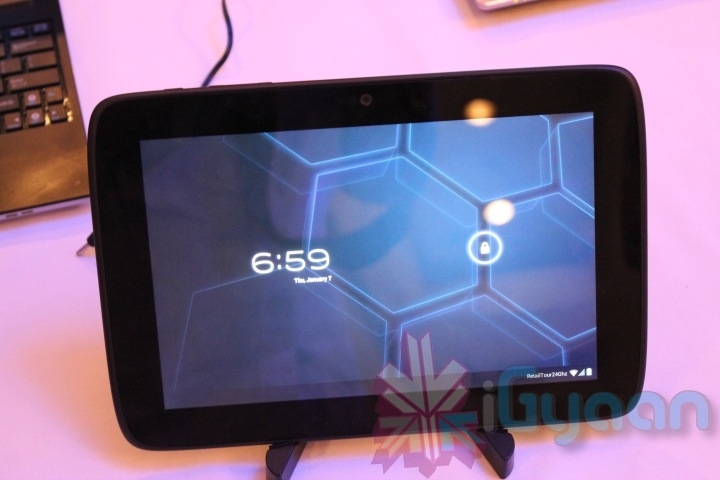
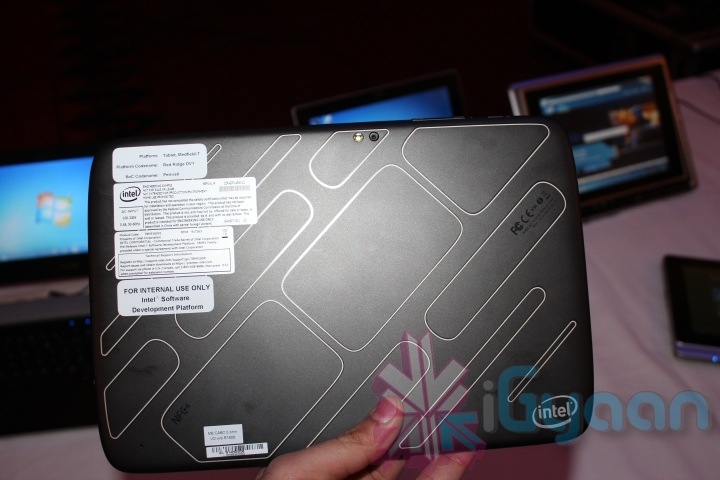
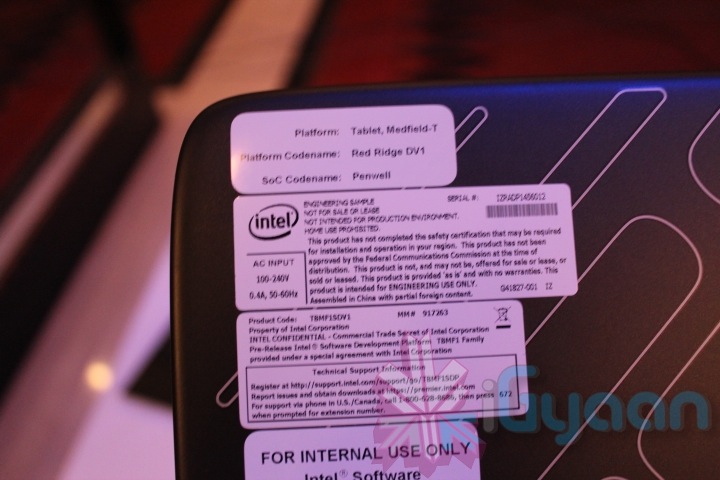
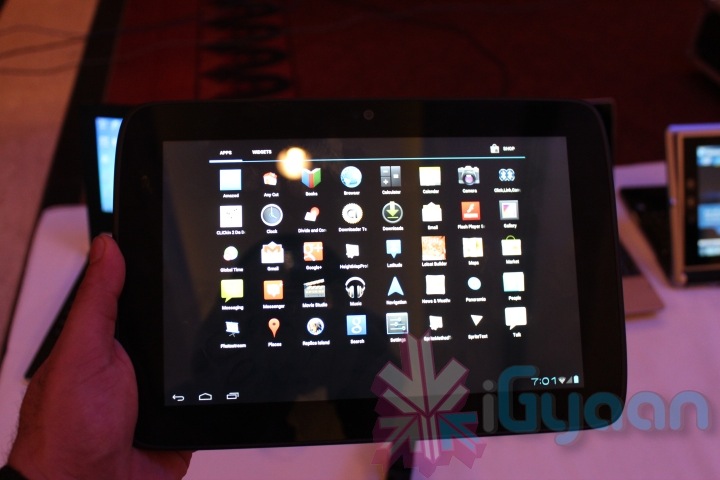
    Hands on with Intel’s Medfield – Penwell Android 4.0 ICS Tablet codename Red Ridge

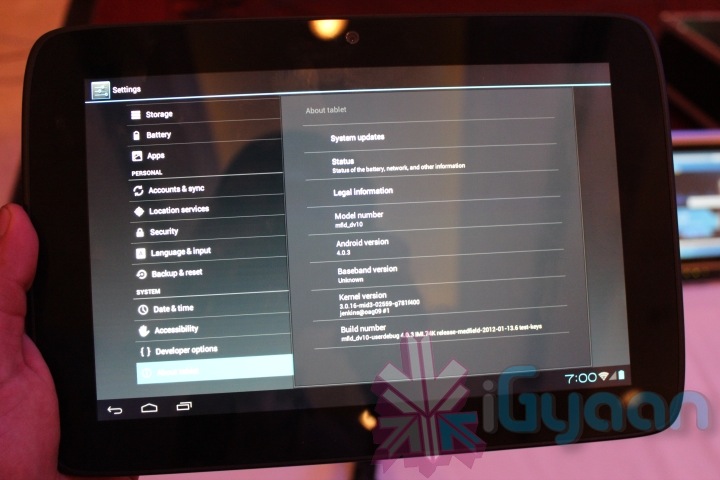
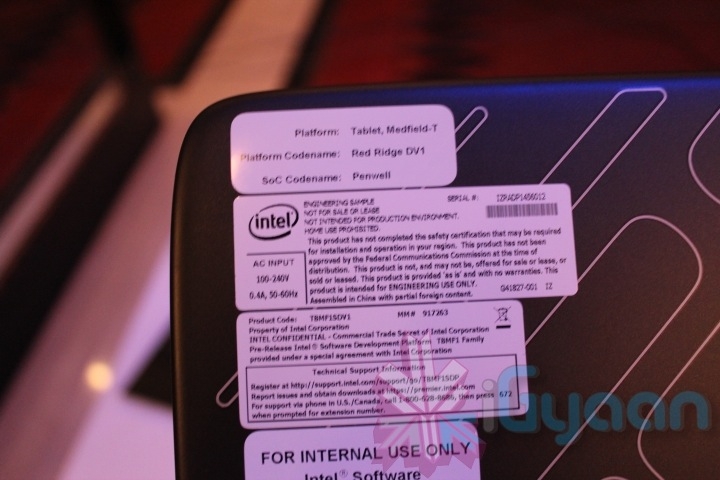
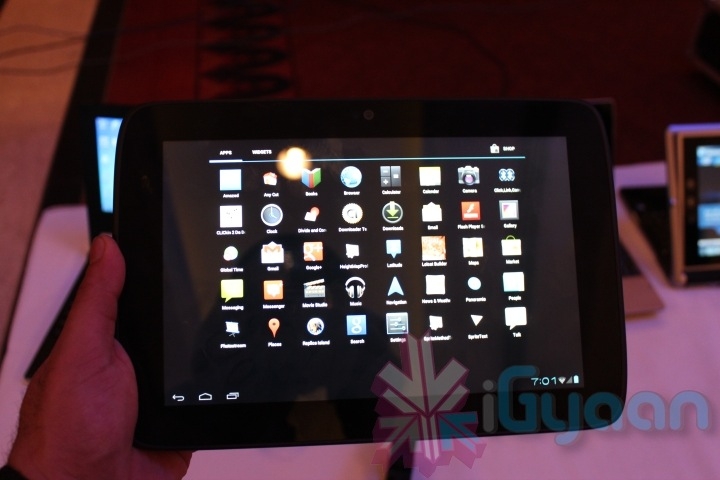
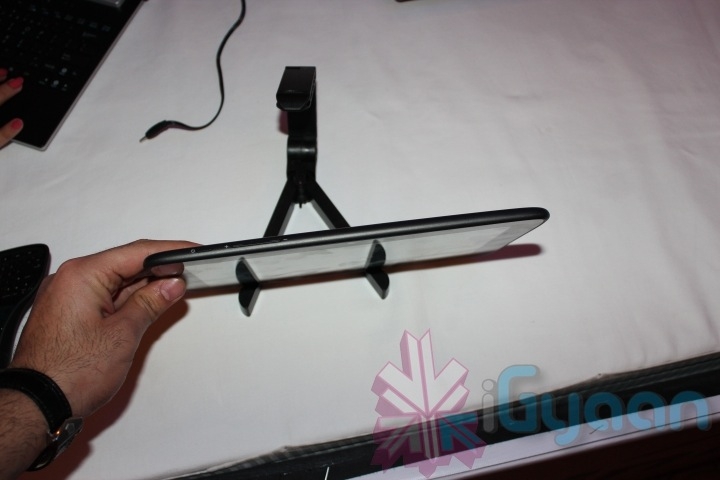
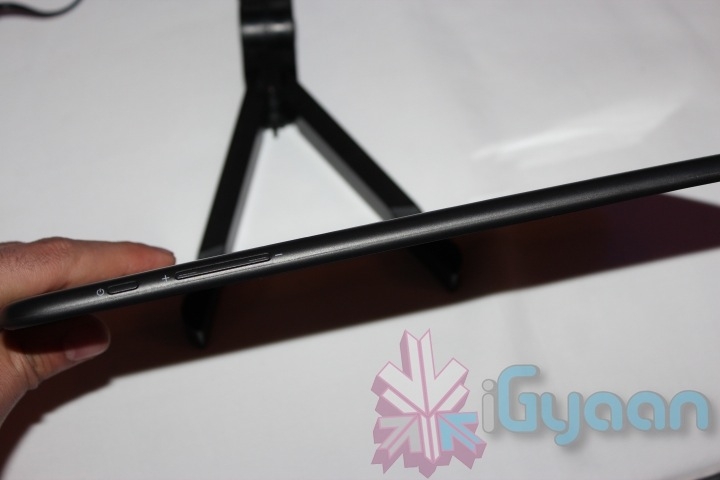
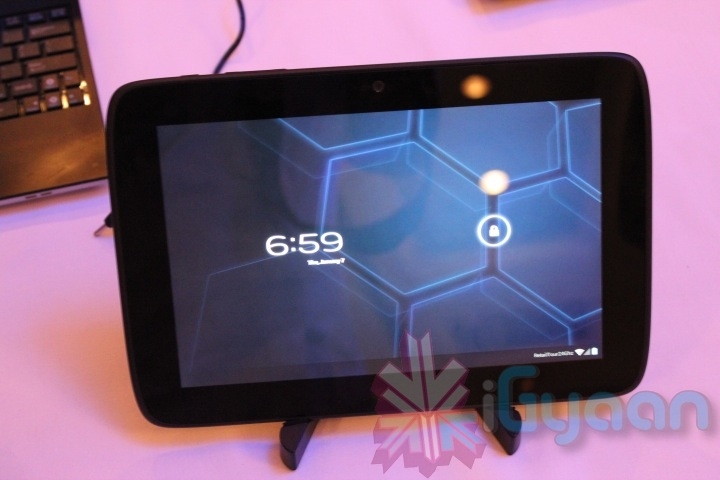
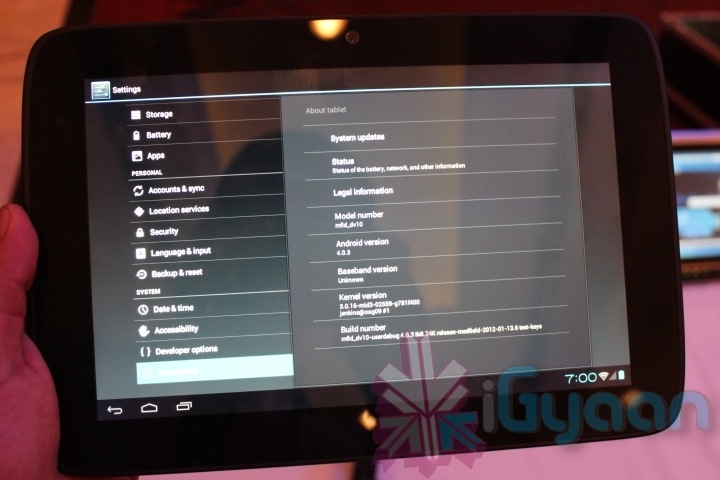
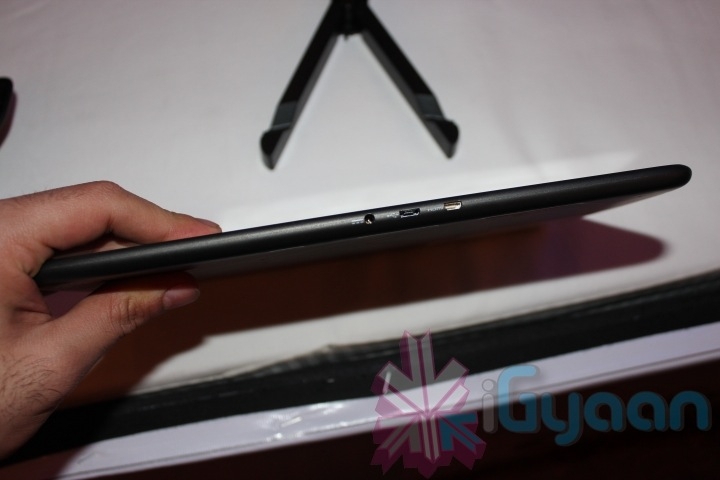
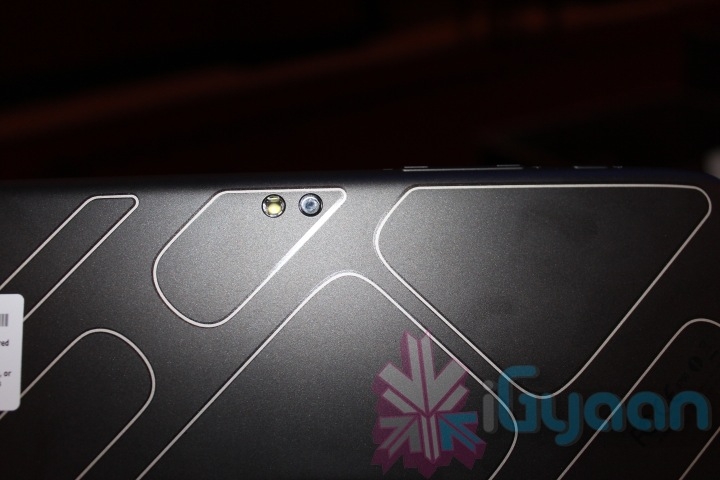
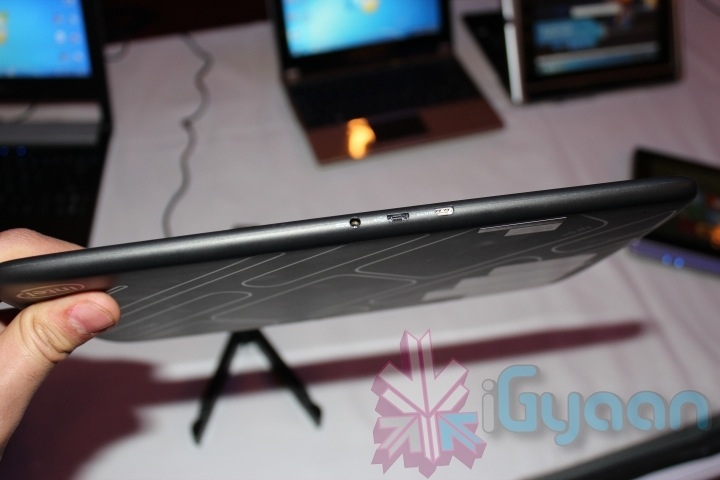
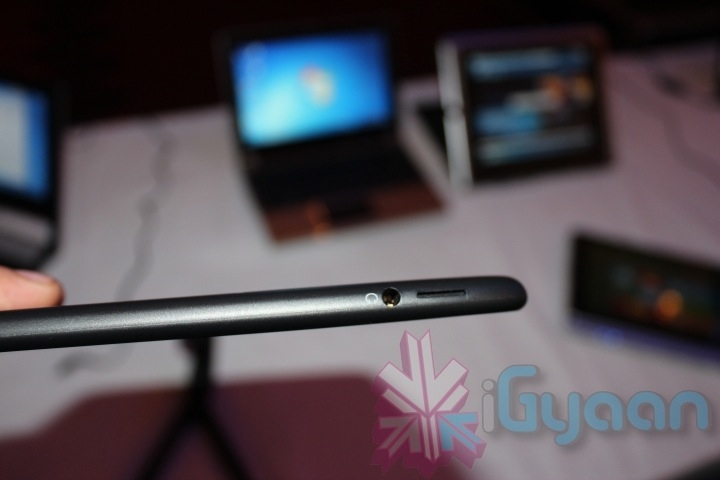
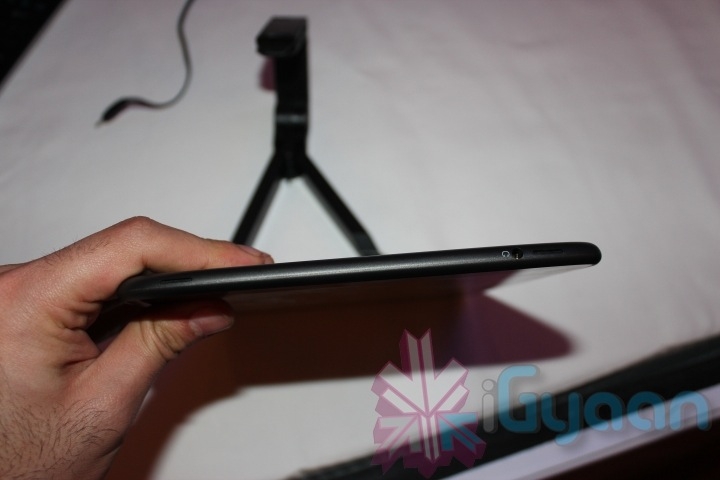
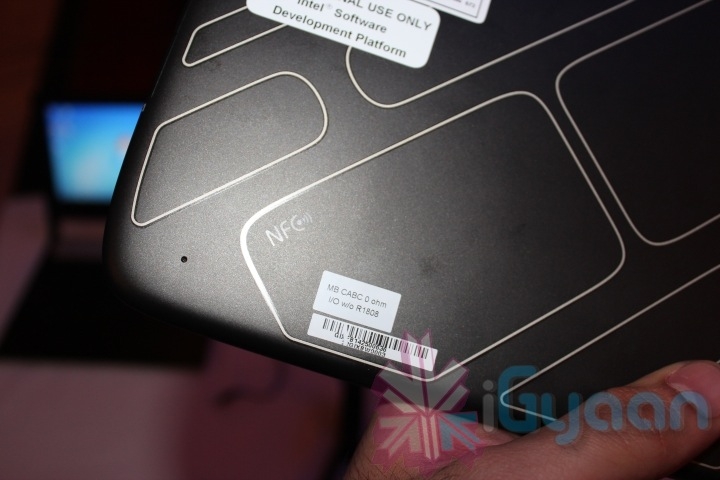
    We went hands on with the Intel Medfield reference tablet for OEM manufacturers, at the Intel Retail and innovation tour 2012, developed by Intel to give manufacturers an idea of the performance of the Intel SOC. 

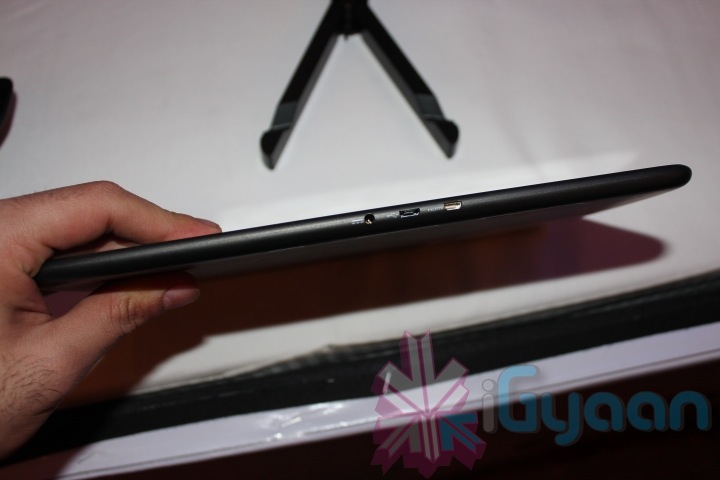
    Initial impressions of the Tablet were quite impressive, it was very lightweight and sleek, the tablet has a very responsive touchscreen and the usual Android lag was un-noticeable. The tab is8.5 mm thin (0.33-inch), weighs under 1.5 pounds (less than 680 grams) and packs a 28Whr battery for upto 9 hours on the go usage and a heavy 30 day battery standby claim. Further specs including processor speed and GPU were not disclosed.

    The Tablet  also has inbuilt NFC and HDMI Out.

  • Intel Showcases new Technology at the Retail and Innovation tour in New Delhi

    Intel Showcases new Technology at the Retail and Innovation tour in New Delhi

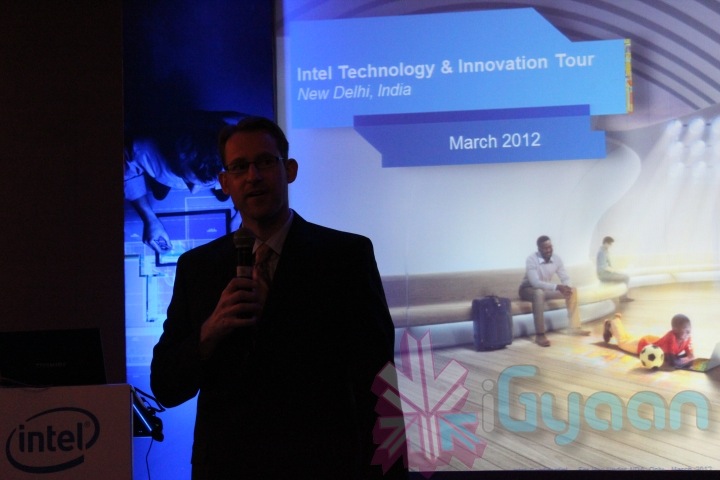
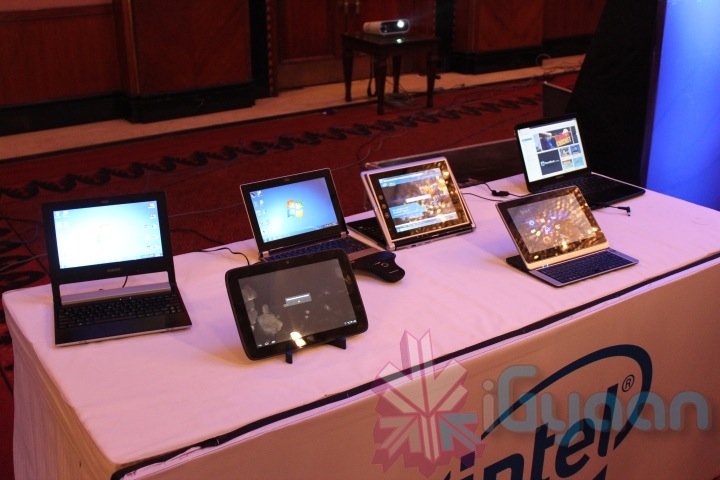
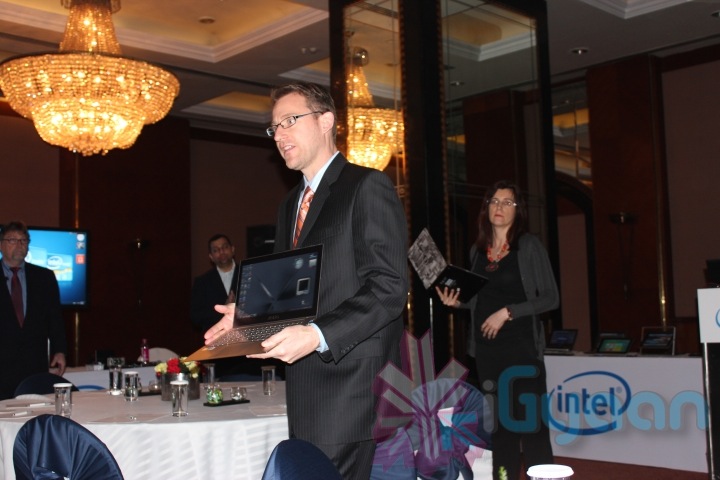
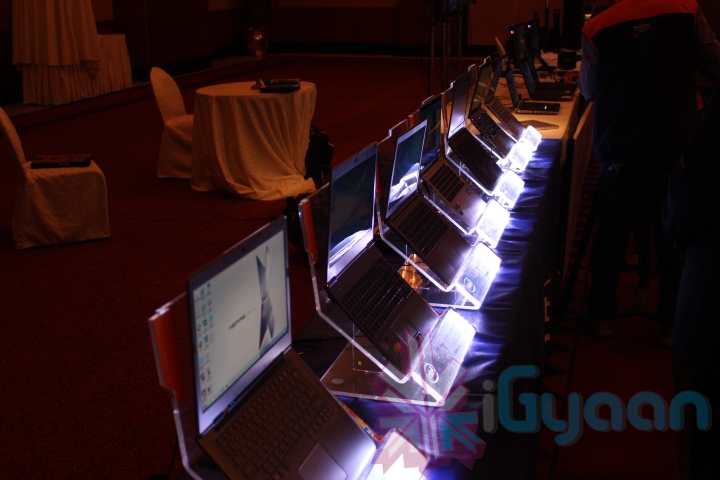
    Intel on Monday introduced their new technology and features in New Delhi, India. Talking majorly on the new trend of ultrabooks, Intel showcased some reference designs and some already existing retails products. 

    The company also showed off its lineup of Tablets and All in One PC’s with touch screens. The new line also includes some interesting technological improvements including smart cache and better battery life performance. 

    The highlight of the event was Intel’s new smart security technology, which like Apple iCloud, lets you monitor and secure your laptop if lost or stolen. This new layer of security is added at the base level firmware below the Bios of the manufactured machine. Which will not change even if the laptop is re-flashed with a new operating system.

    Intel also showcased the unique identifier for online security that is now inbuilt into their chipsets. Just like the One Time Password Generator handed out by banks to secure login credentials of your bank accounts, this technology can now be directly used via your personal laptop hence eliminating the need for a one time password device.

  • First Intel Powered Android Phone comes to Europe : Orange Santa Clara

    First Intel Powered Android Phone comes to Europe : Orange Santa Clara

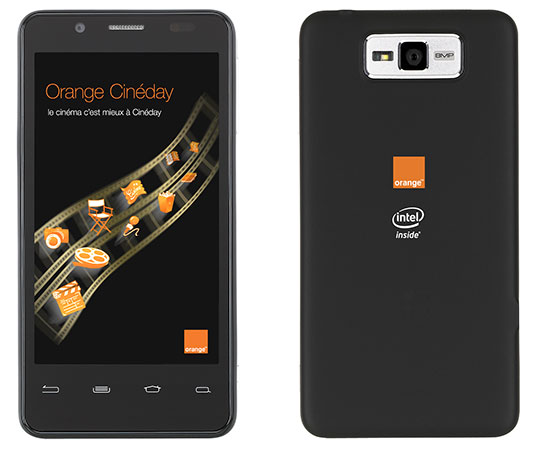
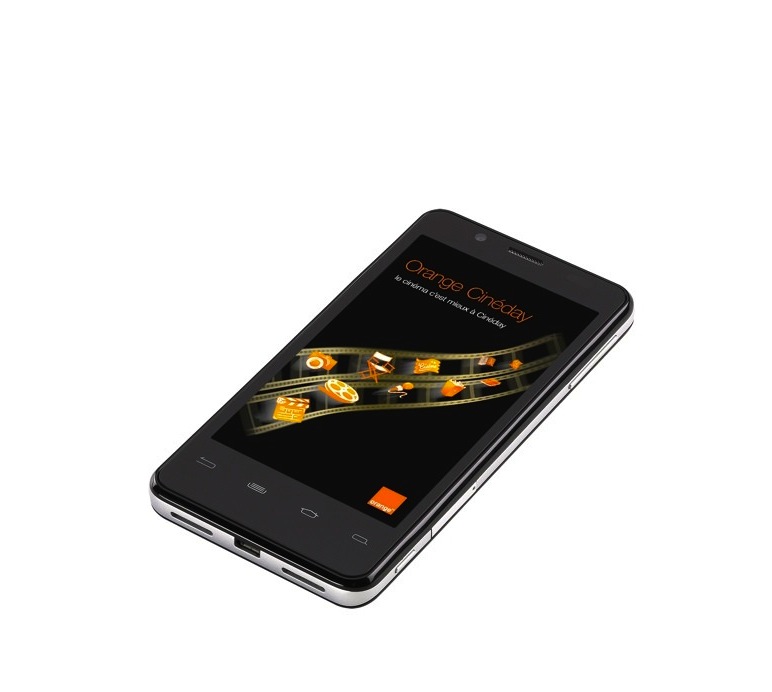
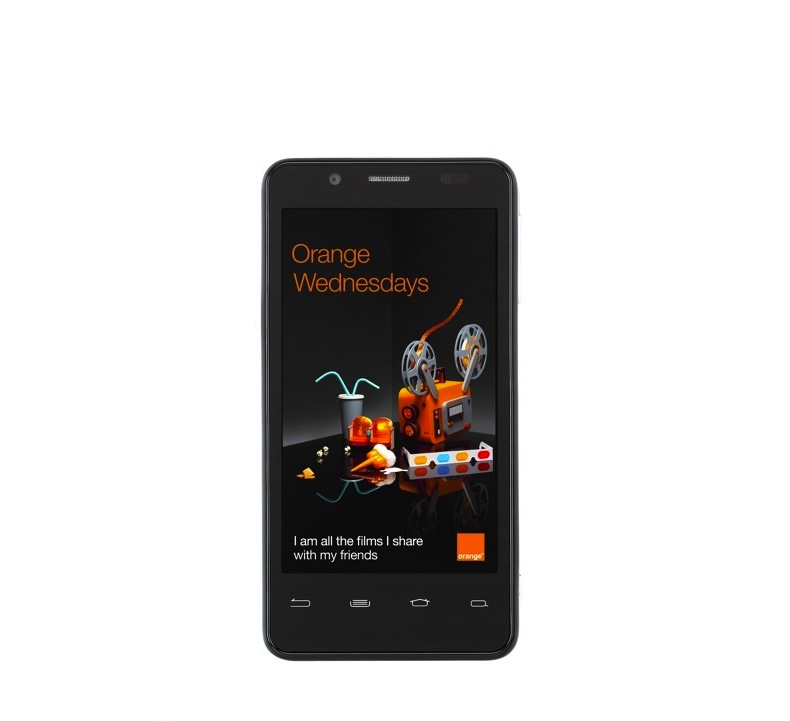
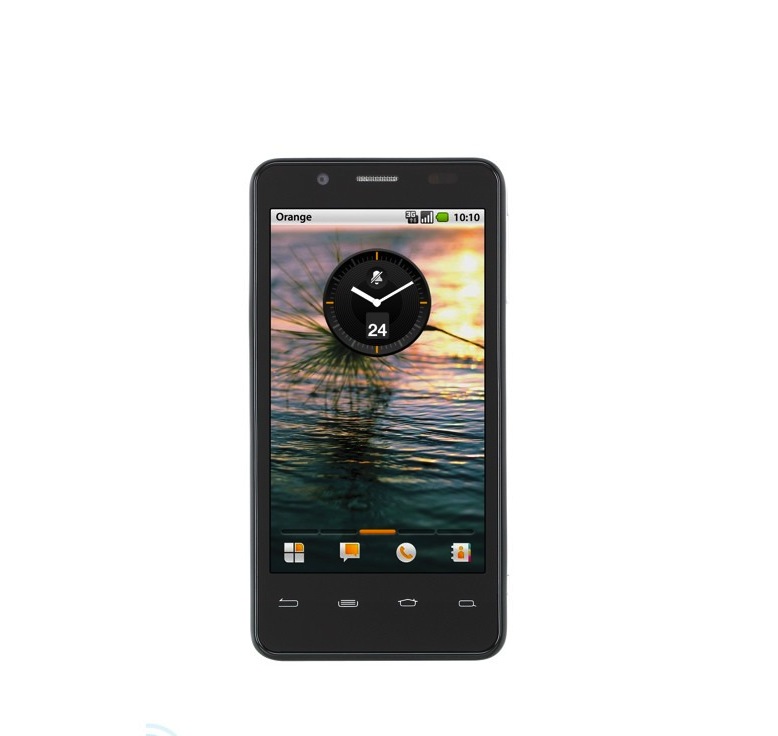
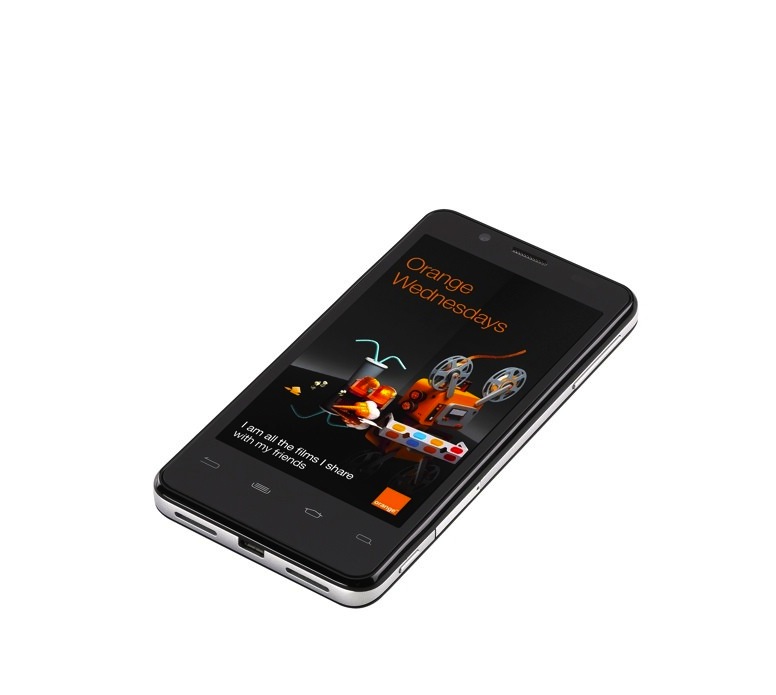
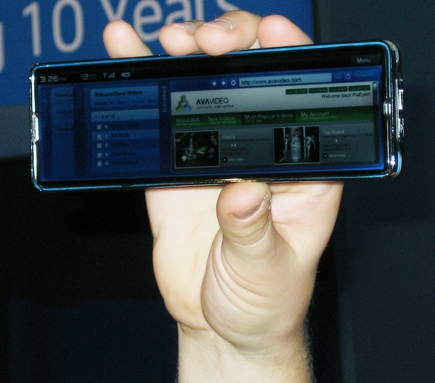
    Mobile network carrier Orange will be the first to offer an Intel Medfield powered Android phone to Europe. Codenamed Santa Clara,  the 4-inch 600 x 1024 display device will release this summer. The device has an impressive 8-megapixel camera capable of 1080p video and burst capture of up to 10 shots within a second. 

    The “Santa Clara” (not final name) runs on Intel’s Atom Z2460 processor, clocked at 1.6GHz. Running on Android 2.3 with a promised ICS update, from Orange. HSPA speeds of 21.1Mbps down and 5.6Mbps up, and an MHL port that also has HDMI out. 

    Other things for Europe include NFC and Orange voice features and gesture navigation, the talk time is touted at 8 hours of 3g and 14 days of standby, wow. 

  • Intel ‘Lynx Point’ chipsets leaked

    Intel ‘Lynx Point’ chipsets leaked

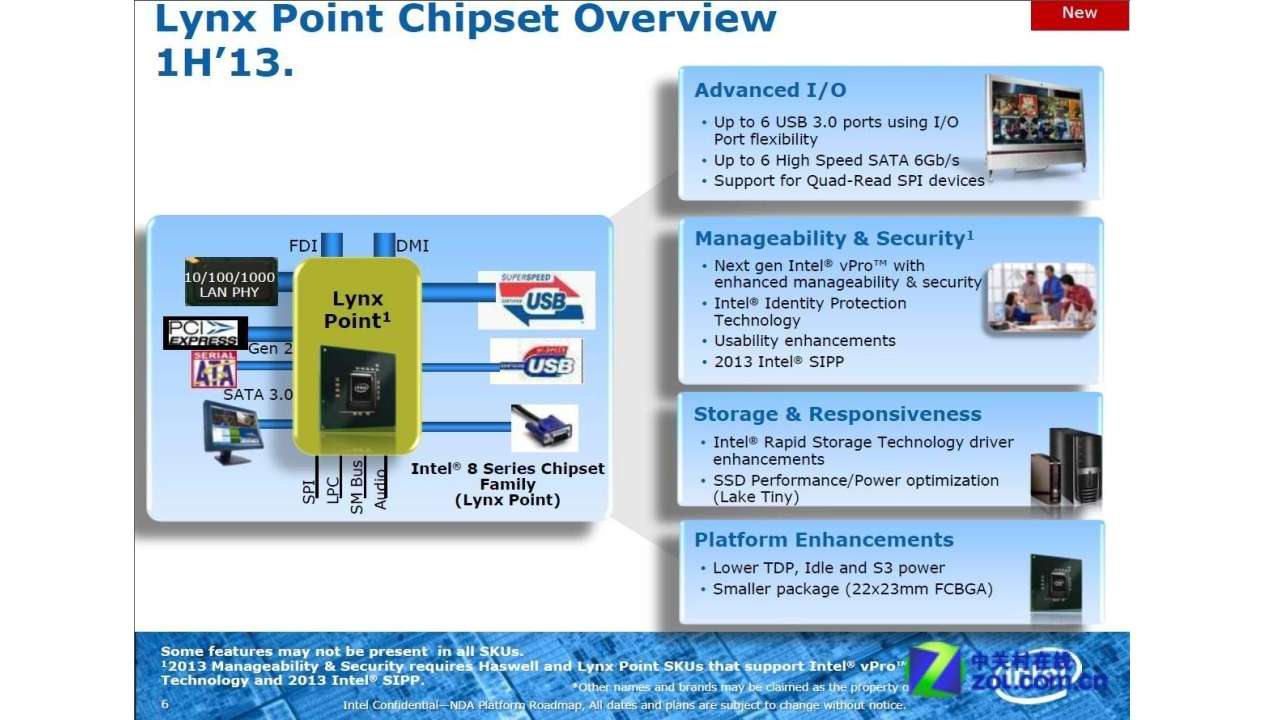
    Intel plans on releasing Haswell architecture-based microprocessors, sometime in 2013, these chipsets will replace the existing Sandy Bridge lineup. The upcoming chipset plans have been leaked courtesy a chinese website. The new platform will be based on a new socket the LGA 1150 that will replace the existing LGA 1155 socket. Existing coolers will be compatible with the socket however the pin count will be different. The chipset will now handle only analog video signals, whereas the digital signals, like DisplayPort is moved to the CPU.

    The chipset will support six USB 3.0 ports as well as power and performance optimizations for Rapid Storage Technology driver and vPro enhancements. The new design will cause less power consumption and hence less heat.

    Intel has not confirmed any of these tidbits, so its safe to say that they can be had with a pick of salt and a late glass of soda to gulp it down, till the official announcement is made.

    [ZOL]

  • Intel’s new Atom N2600, N2800 with 10 hour battery life start shipping for netbooks (PR)

    Intel’s new Atom N2600, N2800 with 10 hour battery life start shipping for netbooks (PR)

    Although major companies including Dell and Samsung have already confirmed that they will stop support for Netbook and further manufacture, Intel pushes forward with its new Atom lineup for those who may be still interested. The new Cedar trail Atom N2600 and N2800 promise unto ten hours of battery life on a single charge, also interesting is that Intel claims that the processors are also capable if “weeks of standby” . The new processors are heading to major manufacturers including those who said to to netbooks Acer, Asus, HP, Lenovo, Samsung, and Toshiba.


    [toggle title_open=”Press Release” title_closed=”Press Release” hide=”yes” border=”yes” style=”default” excerpt_length=”0″ read_more_text=”Read More” read_less_text=”Read Less” include_excerpt_html=”no”]

    Intel Begins Shipping New Intel® Atom™ Processors; New Features, Great Battery Life on Tap

    Systems Using New Intel® Atom™ Processor Available in Early 2012

    NEWS HIGHLIGHTS

    Third-generation Intel Atom processor-based platform introduces several new features for low-power designs such as netbooks, retail and healthcare IT devices.
    Platform’s power management features provide the potential to improve performance and battery life by 20 percent compared to previous generation.
    Netbooks based on this platform offer up to 10 hours of battery life, weeks of standby and full 1080p high-definition video.
    Systems using new Intel Atom processor-based platform from Acer, Asus, HP, Lenovo, Samsung, and Toshiba will debut in early 2012.

    SANTA CLARA, Calif., Dec. 28, 2011 – Intel Corporation today announced the availability of the latest mobile Intel Atom processor-based platform, formerly codenamed “Cedar Trail.” Designed to provide small, compact, on-the-go computing with great battery life at an affordable price, the latest platform adds several new features to netbook computers made popular by students, families, and those looking for light productivity and Internet browsing. These devices will be available in early 2012 from major OEMs including: Acer*, Asus*, HP*, Lenovo*, Samsung*, and Toshiba*.

    The new design’s dedicated media engine enables full 1080p high-definition playback of videos and Blu-Ray content and includes additional digital display and output options including HDMI and DisplayPort. The integrated Intel® Graphics Media Accelerator 3600/3650 combined with the integrated memory controller provides enhanced performance and system responsiveness, including an improvement in graphics performance up to 2X compared to the previous generation platform.

    Systems based on the new Intel Atom processors may have up to 10 hours of battery life and weeks of standby, allowing for all-day use between charges. Additionally, Intel increased processor and overall system performance while reducing power consumption up to 20 percent compared to the previous platform.

    Based on Intel’s leading-edge 32nm process technology, Intel incorporated several new features into the platform such as Intel® Wireless Display and Intel® Wireless Music. With these new features and wireless enabled devices, people can share videos or photos wirelessly from their netbooks to a television, or stream music through their home stereo speakers.

    Additional features such as Intel® Smart Connect Technology allows users to have an instant Internet connection as soon as they open their netbook, and have email, Twitter* and RSS feeds automatically updated even in sleep mode. Intel® Rapid Start Technology enables fast resume from standby mode and helps conserve battery life.

    The dual-core Intel Atom processor N2600 and Intel Atom processor N2800 are paired with the Intel® NM10 Express Chipset and feature a small form factor package size that saves system board real estate and enables thinner netbook designs. In addition to the mobile processors, Intel offers the Intel Atom processor D2500 and D2700 for entry-level desktop and all-in-one designs, as well as intelligent system solutions. The platform supports a range of operating systems including: Windows*, MeeGo*, and Tizen*.

    New Features, Lower Power Have Broad Appeal
    The new Intel Atom processors provide a lower thermal design power (TDP) and power management features such as Intel® Deeper Sleep and Intel® SpeedStep Technology that enable lower power designs, making it especially attractive for netbooks as well as intelligent systems including: healthcare equipment, retail systems and entry-level digital signage.

    In health care settings, the improved battery life and enhanced graphics means medical professionals can enhance patient care and bring infotainment services to a patient’s bedside. ARBOR* technology will release a new patient infotainment bedside terminal, based on the Intel Atom processor N2800 that helps clinicians improve workflow management and work efficiency, reduce human error, and enhance healthcare quality. Patients can also enjoy access to plenty of multi-media entertainment, hospital information and communication services on the system.

    The always on, always connected capabilities are also ideal for entry-level point-of-sale systems with the ability to boot up instantly to serve customer’s at a moment’s notice. Point-of-sale terminals based on the Intel Atom processor D2700 and manufactured by NCR Corporation* will be installed in restaurant and retail locations throughout the U.S. beginning in the first quarter of 2012.

    Intelligent system designs are offered 7-year lifecycle support, as well as support for Windows Embedded Standard 7*, Windows XP and XPe*, Windows Embedded Compact*, Yocto Project* and Wind River VxWorks* operating systems.

    [/toggle]
  • Thunderbolt ports to hit PC starting April 2012

    Thunderbolt ports to hit PC starting April 2012

    Envious of your friends Apple Computer with a high speed Thunderbolt I/O (not like he can do much with it yet) ? Intel is finally going to be able to bring their Thunderbolt technology to PCs starting April 2012. The next-Gen data transmission system which is currently only enabled in some Apple computer will come to PCs in time for Intel’s 22nm Ivy Bridge processors (Due April 2012). The only competition that Thunderbolt has, in terms of data transfer, is USB 3.0 which offers 10 times the speed of traditional USB 2.0. Thunderbolt ports however, have a couple advantages over USB 3.0 :

    • Thunderbolt ports offer double the speeds of USB 3.0
    • One machine requires only one Thunderbolt port, as all peripherals have an in and an Out Thunderbolt, so that the devices can be chained ( term : Daisy-chained) in a series. Eliminating the need for hubs or multiple wires connected to a single PC ( Gamers should start falling in love with Thunderbolt about now)

     Asus and Acer have already announced that their 2012 lineup will include Thunderbolt ports.

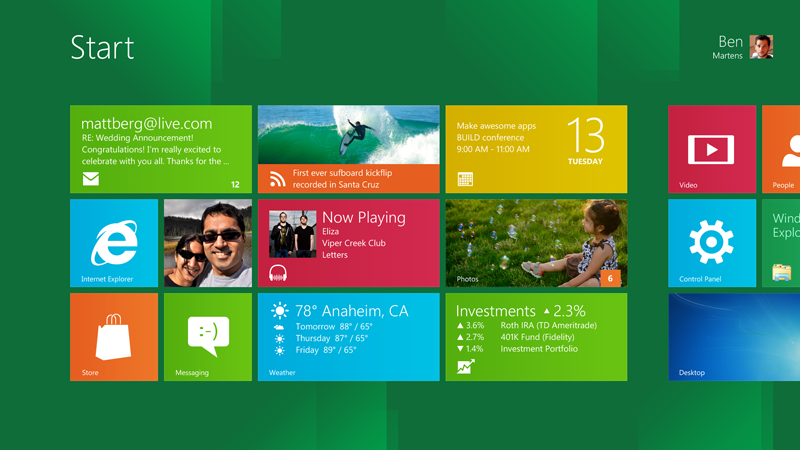
  • Microsoft Gives Windows 8 PCs to Windows 8 developers

    Microsoft Gives Windows 8 PCs to Windows 8 developers

    To ensure that their invited developers show up at the conference Microsoft gave away Windows 8 based PCs to all the attending devs. The company announced during its keynote that it’s giving away 5,000 Samsung-built developer “PCs” to attendees, and that will also include AT&T sponsored  year of 3G service (2GB per month). Microsoft is calling every Windows 8 device a “PC,” even tablets.

    Specs of this freebie include

    • Intel Core i5 processor
    • 11.6-inch 1,366 x 768 Samsung Super PLS display
    • 64GB SSD
    • 4GB of RAM
    • Dock with a USB, HDMI and Ethernet ports.
    Its one of those moments where you wish you were an App developer.
  • Intel Demos Android Running on Medfield based Device, in synergy with Google (PR)

    Intel Demos Android Running on Medfield based Device, in synergy with Google (PR)

    Google’s Andy Rubin and Intel CEO Paul Otellini announced the synergy between the companies while holding a Medfield-powered smartphone running Android 2.3 (Gingerbread).  Intel is working concurrently with Google in order to optimize future processors for use with Android. 

    Intel is also purportedly optimizing its structure and will be able to run Android on Atom chipsets.

    [toggle title_open=”Press Release” title_closed=”Press Release” hide=”no” border=”yes” style=”default” excerpt_length=”0″ read_more_text=”Read More” read_less_text=”Read Less” include_excerpt_html=”no”]Intel and Google to Optimize Android Platform for Intel® Architecture

    Santa Clara and Mountain View, Calif., Sept. 13, 2011 – Intel Corporation and Google Inc. today announced that they will work to enable and optimize future versions of Android™ for Intel’s family of low power Atom™ processors. This means that future versions of the Android platform will support Intel technology in addition to other architectures.

    The joint effort is designed to speed time-to-market of Intel technology-based smartphones running the Android platform. Intel will take advantage of the open-source accessibility of the Android platform to provide its customers with technology products that inspire continued innovation and also help enable powerful personal computing experiences that fully leverage Intel technology across a range of devices. This work will enable mobile device OEMs and wireless operators to draw upon the performance and low power capabilities of Intel® architecture and tap into the scale of the x86 developer ecosystem to further drive the adoption of the Android platform.

    “By optimizing the Android platform for Intel architecture, we bring a powerful new capability to market that will accelerate more industry adoption and choice, and bring exciting new products to market that harness the combined potential of Intel technology and the Android platform,” said Intel President and CEO Paul Otellini.”Together we are accelerating Intel architecture and bringing new levels of innovation to a maturing Android platform.”

    “Combining Android with Intel’s low power smartphone roadmap opens up more opportunity for innovation and choice,” said Andy Rubin, Senior Vice President of Mobile at Google. “This collaboration will drive the Android ecosystem forward.”

    Today’s announcement builds upon the two companies’ recent joint initiatives to enable Intel architecture on Google products, which include Chrome OS and Google TV along with the Android Software Development Kit (SDK) and Native Development Kit (NDK).[/toggle]
    [Engadget]
  • The Razer Blade Laptop

    The Razer Blade Laptop

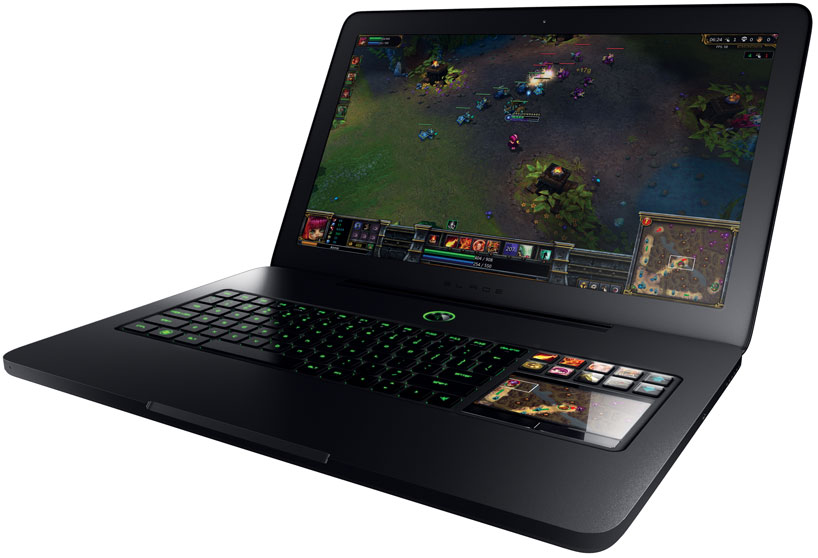
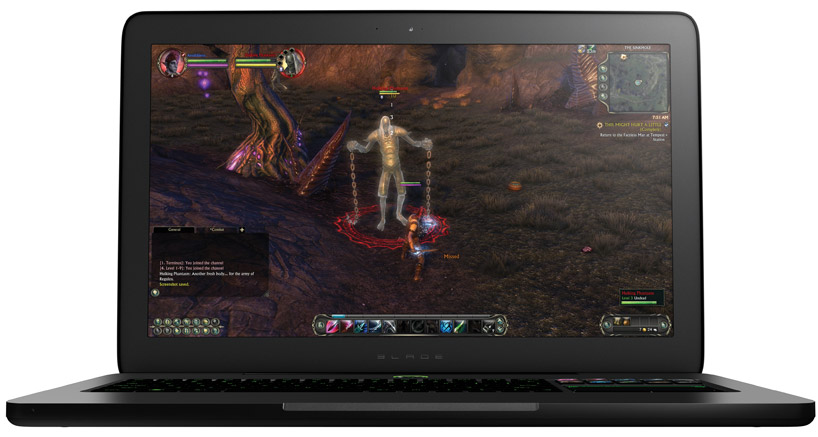
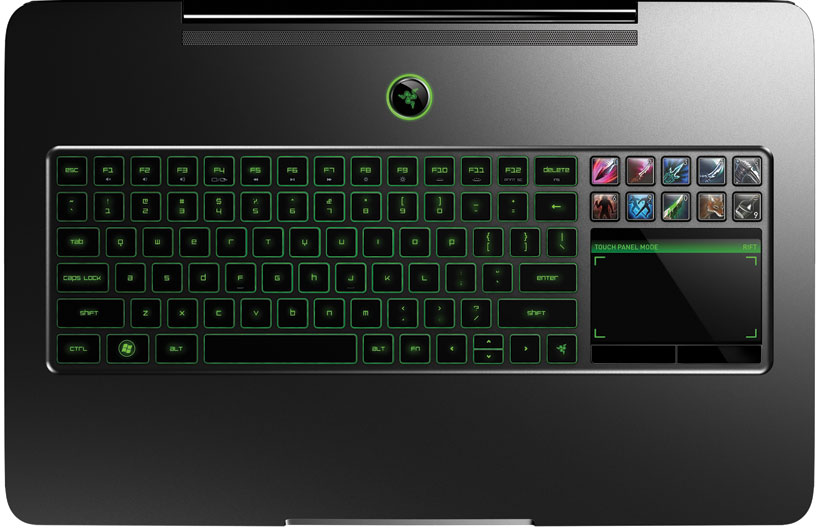
    Razer, nVidia and Intel have teamed up to create what they call the worlds first “True” gaming laptop.

    Dubbed the “Blade”, the laptop is made with an aluminium body that’s only .88″ thick, weighs 3.2 Kgs and houses some pretty mean hardware. It features a 17″ 1920 x 1080 px LED display which is powered by an nVidia GPU and the latest generation Intel Core i7 processor.

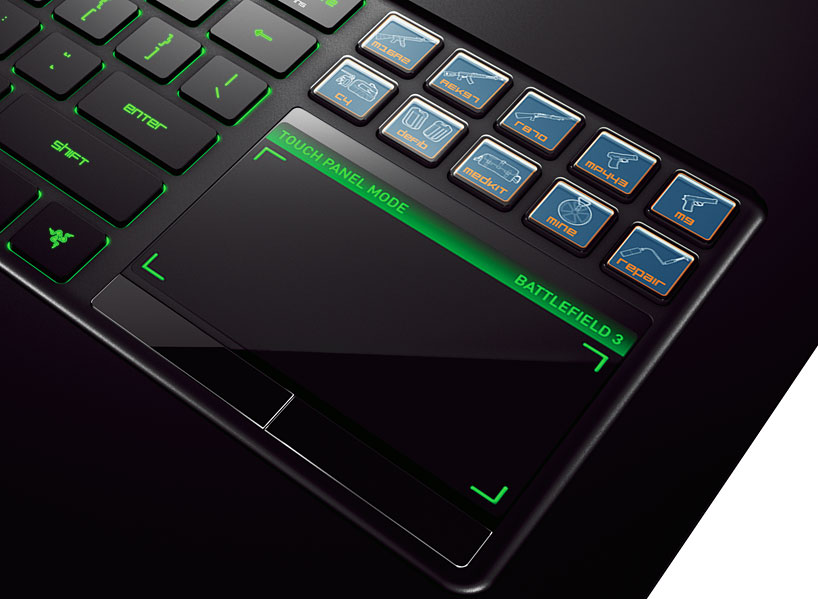
    The laptop also has a back-lit keyboard as well as Razer’s Switchblade interface which consists of ten programmable tactile keys and an LCD which doubles as a multi touch input and a display for in-game information when the system detects an external mouse being used. Each of the ten buttons can be programmed for in-game commands/actions and they can also be assigned an image which would be displayed on the in-built LCD.

    It also features a HD web-cam and is expected to retail for around USD 2800 later in the year.

  • Intel 710 and 720 Series SSD Specs Leaked

    Intel 710 and 720 Series SSD Specs Leaked

    The upcoming 710 Series, codename Lyndonville, and the 720 Series, codename Ramsdale, SSDs from Intel have had their specs leaked via a German Website. Both series are due for release in the next few months and set as replacements for the X-25E series of SSDs.

    The 710 series will be available in 100, 200 and 300 GB capacities and will use MLC NAND storage. They will have a read speed of 270 mbps and write speeds of 210 Mbps. While these speeds are not exceptional, these drives are geared towards the enterprise. They come with AES-128 encryption and a mean time between failure of 2 million hours. The 710 series is launching in this quarter and we should have a pricing soon.

    The 720 series is what we’re really exited about. It will come in flavours of 200 and 400 GB and will use the more reliable SLC NAND flash storage and will also come with AES-256 encryption. It will be the first Intel SSD line to switch from the SATA interface to a PCI Express interface. This will allow the drives to have a phenomenal read speed of 2200MBps and an unheard write speed of 1800 MBps. That is not a typo. The speeds are in Mega Bytes per second. These devices are expected to launch later this year at prices that would probably be through the roof.

  • Intel Promises Phones in the First half of 2012

    Intel Promises Phones in the First half of 2012

    Intel CEO Paul Otellini just told investors that those 32nm Medfield smartphones are indeed on the way. “You’ll see the first Intel-based phones in the first part of next year,” he said at the company’s annual investor meeting today, adding later that there will be “phones shipping in the market from major players” at that time.

    The Company also blames its partnership with Nokia as a major cause of the delay, “In hindsight, Nokia was the wrong partner to have picked,” said Otellini,

iGyaan Network
Privacy Overview

This website uses cookies so that we can provide you with the best user experience possible. Cookie information is stored in your browser and performs functions such as recognising you when you return to our website and helping our team to understand which sections of the website you find most interesting and useful.