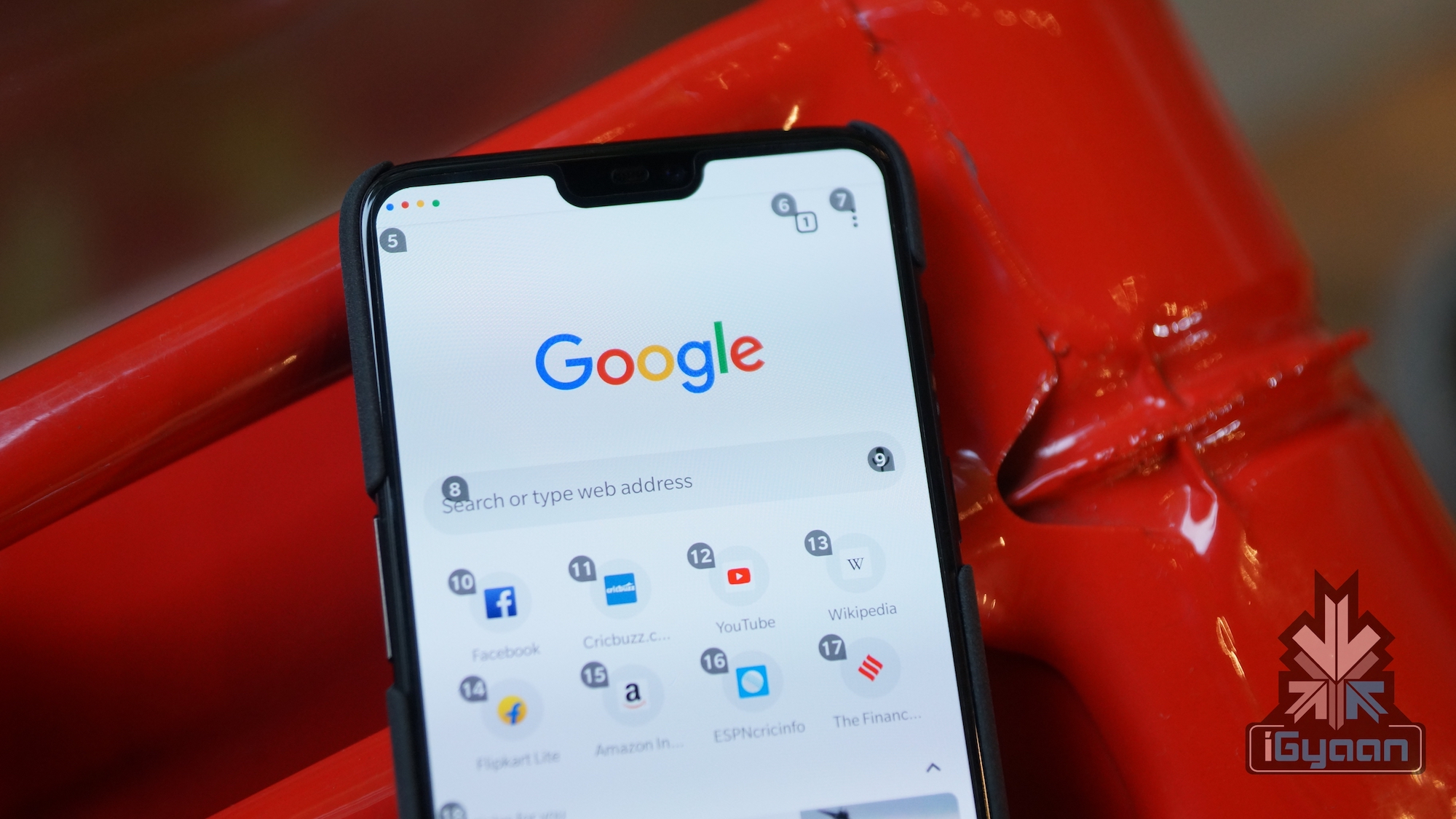
The Google Voice Access app has been launched and provides an entirely hands-free experience to users. The feature is only available on Android phones as of now and lets you navigate through apps, compose and edit text, and talk to Google Assistant. The tech giant has made this app keeping in mind the millions of people with motor and mobility impairments.
The app provides a much more extensive experience as compared to the Google Assistant. With the new app, you can “click buttons”, control apps, scroll and navigate app screens and basically do almost anything, without having to touch the phone. While Google has built the app to help people with disabilities, those without a disability can use it too. The app will is handy in tight situations like cooking or when one has got their hands full.
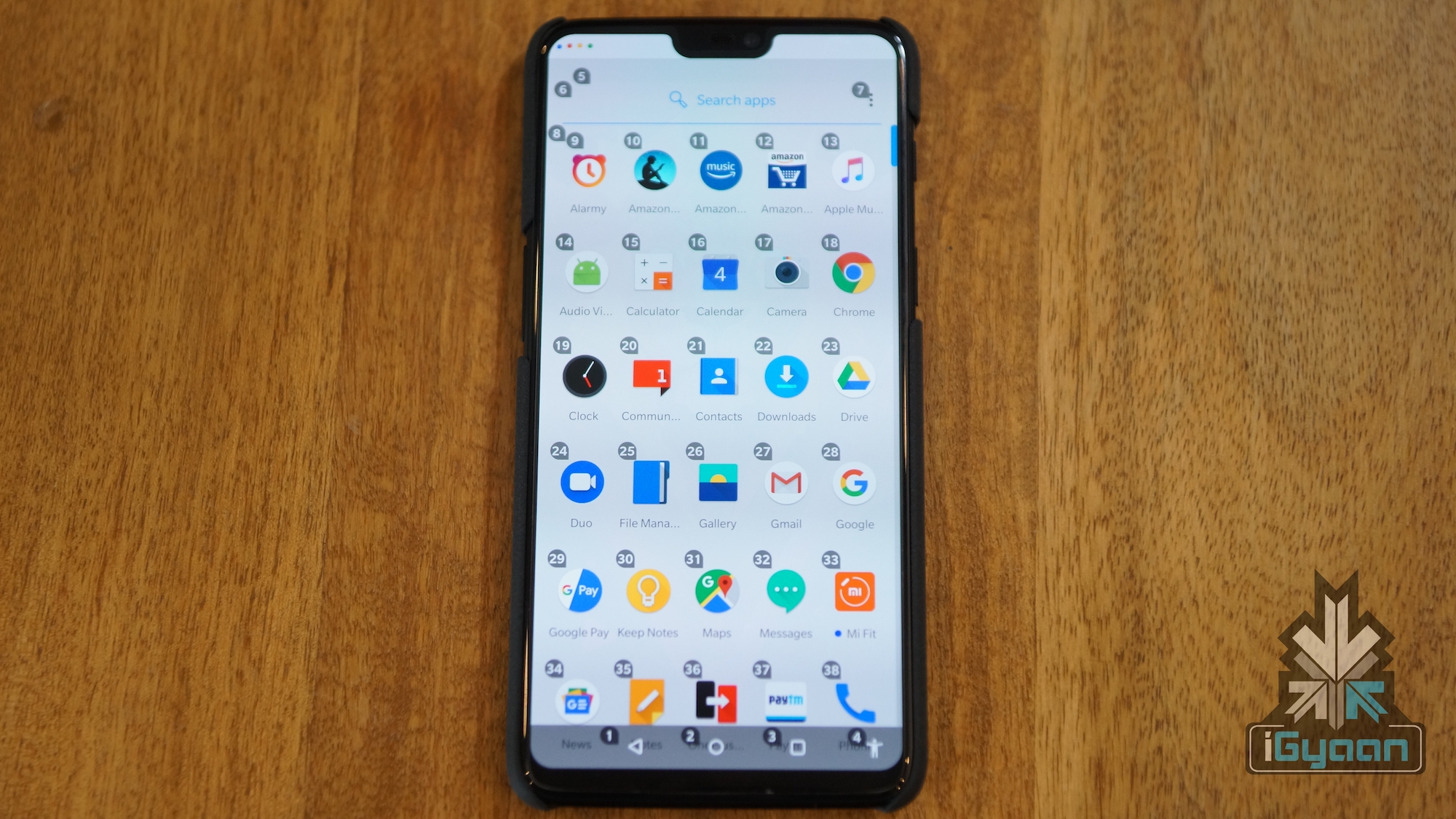
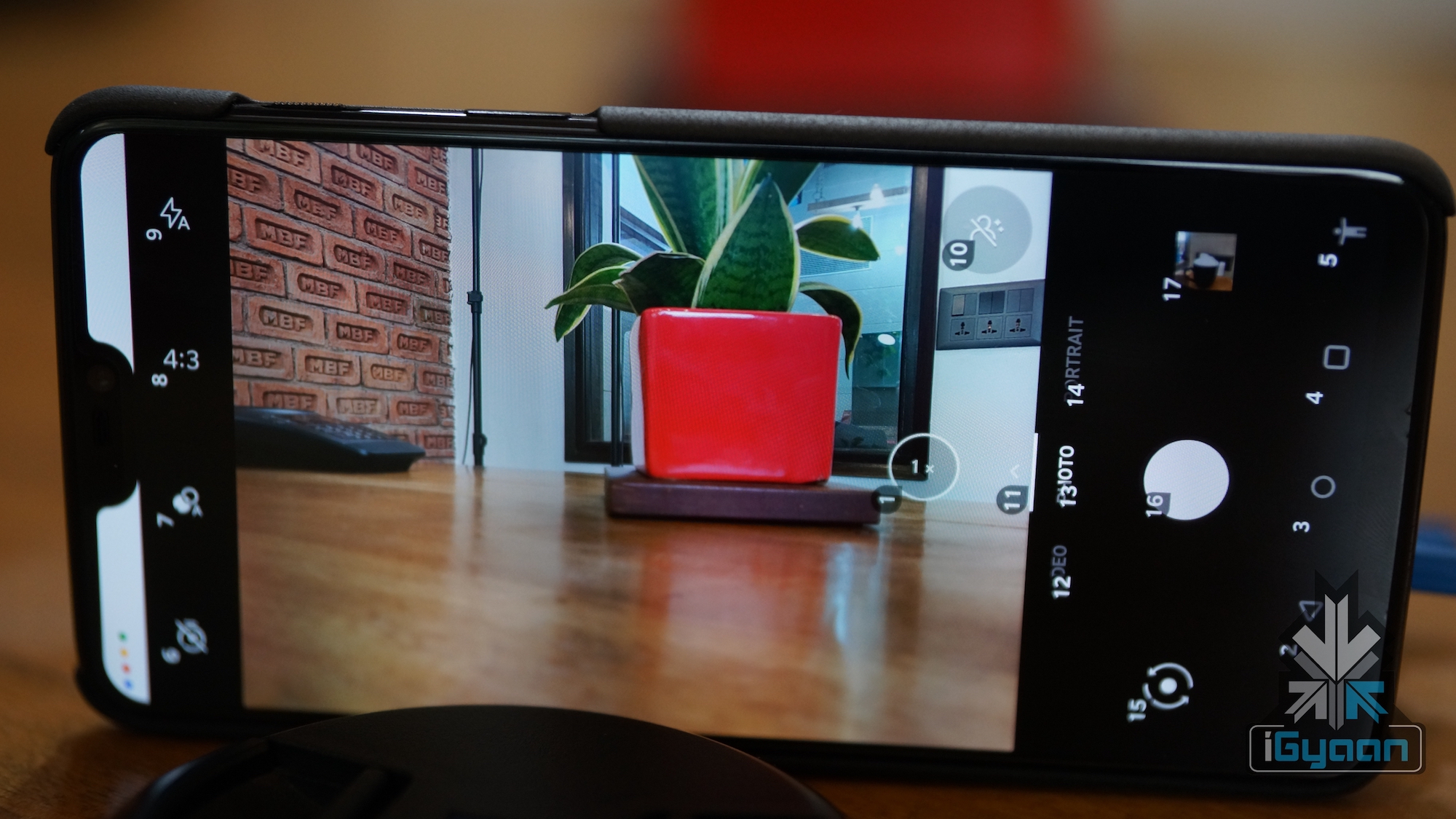
It works through a system which places numbers on the screen, which you can call out to access those features. Simply call out the number and the app will perform the specific task or open the feature. To get a better understanding the position of numbers, take a look at the image below.
Other than this, you can also instruct your smartphone to “turn up the volume” or “turn off device”. You can also change these in the settings menu. You can also instruct the device to scroll up or down through a menu. The app also helps you send whole messages and has simple editing tools as well. You can tell the app to change or delete certain words and even delete entire lines. You can also access the full list of commands under the “show all commands” section in the settings menu.
The Google Voice Access App is available Globally on the PlayStore for free. As of now, it only supports English language and Google is bringing additional languages to the app soon.
Lenovo is going to launch a smartphone with four rear cameras and a possible sliding front camera. This exciting new device is the Lenovo Z5 Pro and has been teased by the Lenovo Vice President on Weibo.
The post, which appears to be an invite says the words “AI 4 Shot”. This means that the camera setup has AI integration which will boost the performance of the quad camera setup. The design is unique when compared to other devices. The four lenses are placed in four corners of a square while the LED flash is strangely positioned in the centre of the square. The square design has been used by Huawei in the upcoming Mate 20 Pro. But it uses only 3 cameras and completes the square with an LED flash.
Earlier leaks of the alleged Lenovo Z5 Pro showing the front panel of the device had surfaced. The leak shows a device which has a nearly bezel-less screen, without a notch. The front camera is accessed by sliding a part of the device upwards, manually. The sliding camera design will be seen in many upcoming devices such as the Honor magic 2 and the Xiaomi Mi Mix 3. The video also shows the user accessing the device using an in-display fingerprint scanner, adding to the list of interesting features on the device.
The device is expected to be an upgrade from the Lenovo Z5 and might have a larger display. It is reported to run the Qualcomm Snapdragon 845 SoC.
More details about the device are not known, but the device is set to launch this month. The device is sure to stir up some excitement with its unique features and we might just see more of the Lenovo Z5 Pro in the coming few days.
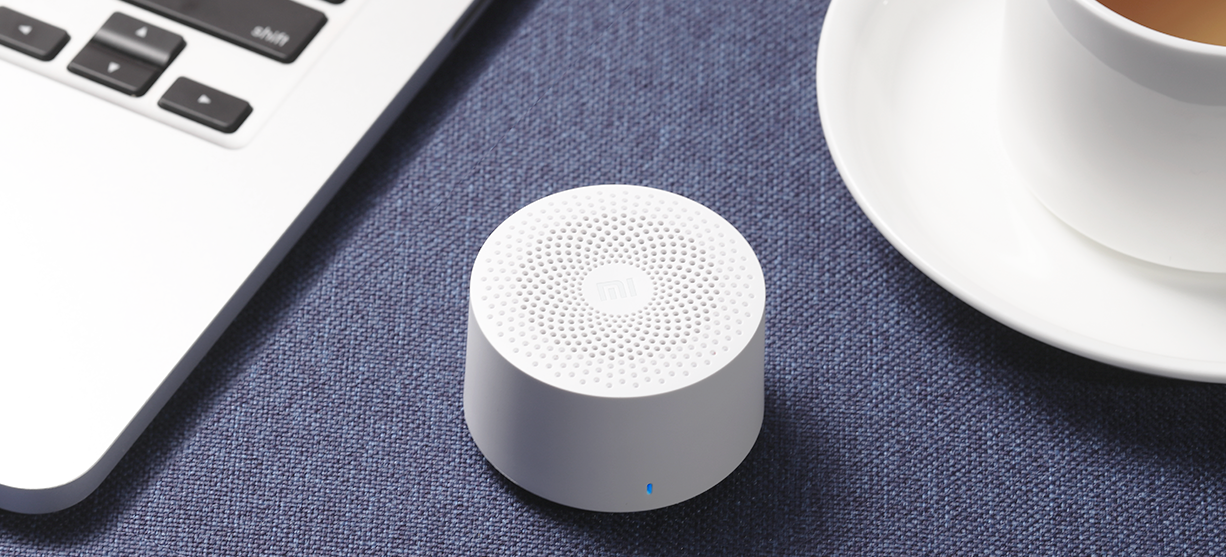
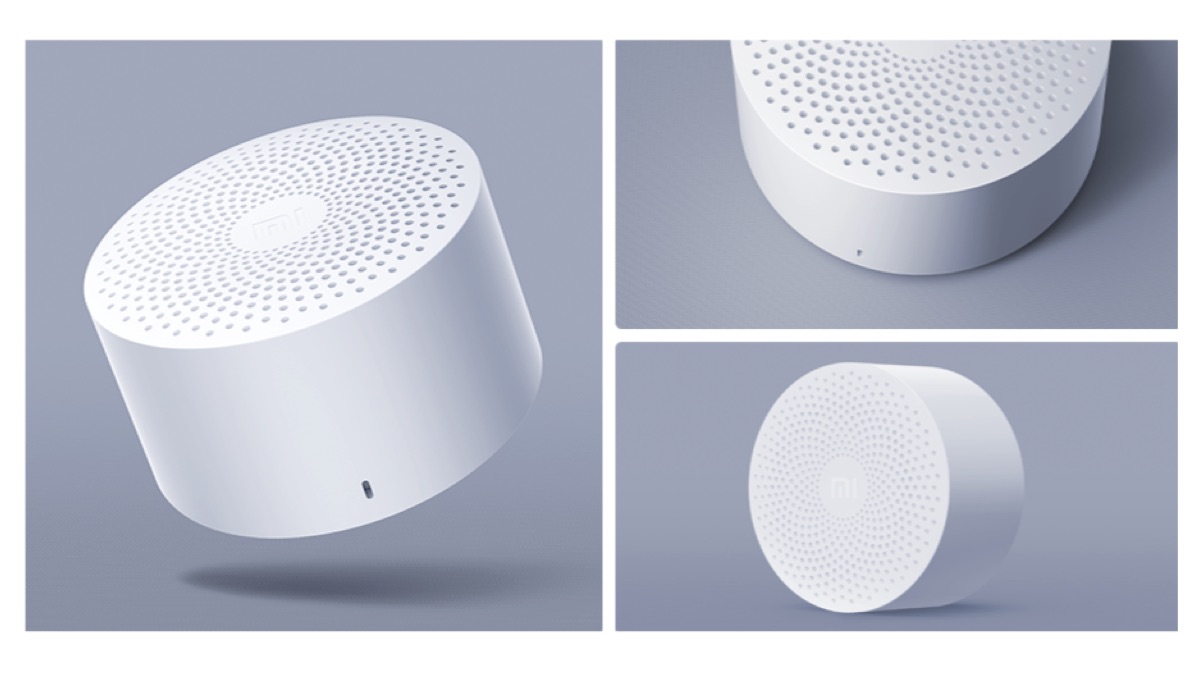
Xiaomi has launched their new Mi Compact 2 Bluetooth Speaker in India. The speaker is very compact in size and Xiaomi promises the speaker can deliver powerful audio. It measures 32 mm X 50 mm in size and weighs 54 grams. The small size of the devices makes it easy to carry. Above all the speaker of the device uses neodymium magnets. Neodymium magnets are super strong and help in creating a powerful speaker that also has crystal clear audio output.
Features & Design:
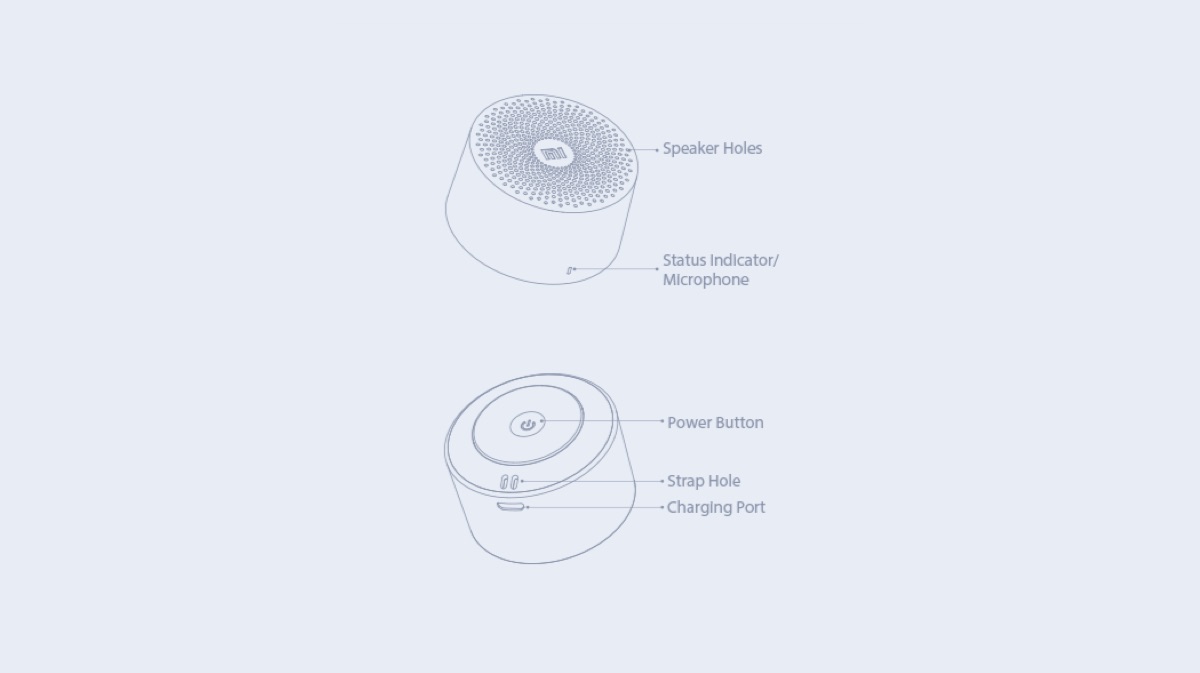
The Mi Compact 2 Bluetooth speaker has a built in mic for hands free calling and the user can pick up the calls directly from the speaker by pushing the power button. The device has Bluetooth 4.2 technology. The user can easily connect the speaker with smartphones or computers with bluetooth functionality. Xiaomi claims the device has a battery backup of 6 hours at 80% volume.
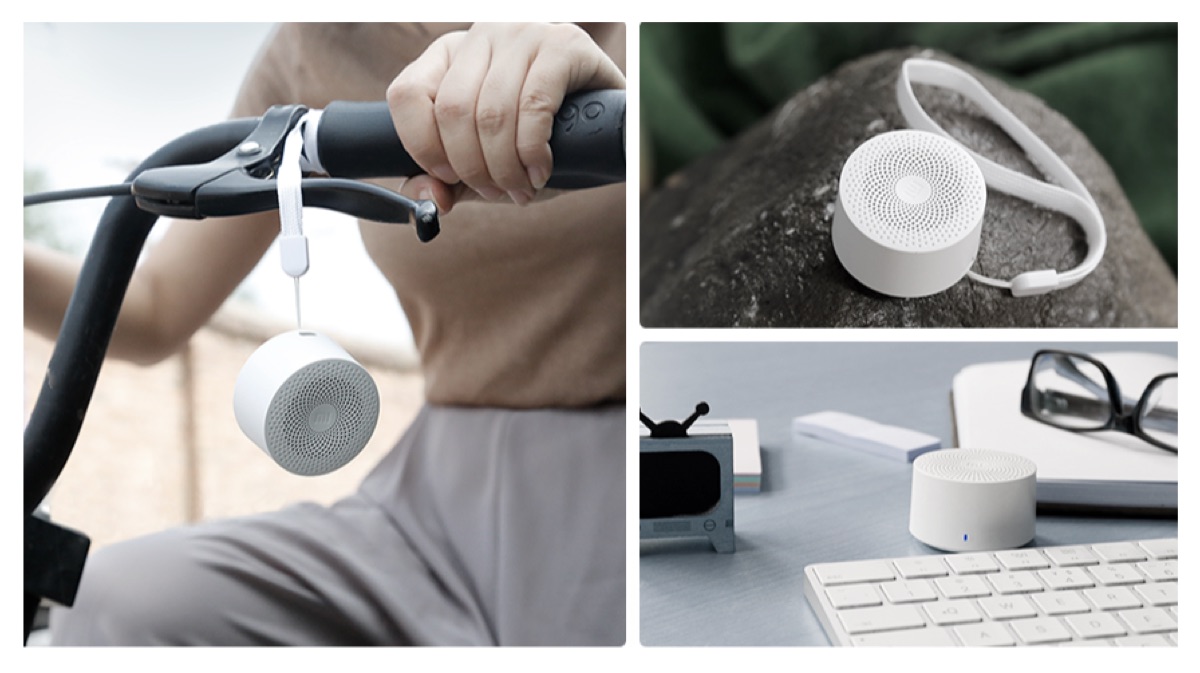
Talking about the design, the device has a Parametric mesh design. The mesh is scientifically designed the gives the device a good look and still allows the audio to pass virtually unaffected. Overall the design is very compact and will easily fit in the palm of your hand. Also the device has a lanyard which will make carrying the device even easier.
Physical Button & Controls:
The Mi Compact 2 only has one physical button and users can use it in various combinations to control different settings. To power on/off the device simply hold the power button for 2 seconds. Short pressing the button will play/pause the audio. Short press during a call will allow the user to directly take the call without pulling out the phone and holding the button for 1 second will reject the incoming call. Pressing the button for 6 seconds will reset the device to factory settings and clear all the paired devices.
Specifications & Price:
The device has a 480 mAh lithium-ion battery rated at 3.7 V and It can be charged with the inbuilt micro-USB port. However, Xiaomi does not ship the device with a USB charging cable. The device has Bluetooth 4.2 and it has a distance limit of 10 m which can vary depending upon any physical obstructions between the device and the connected phone. Package contents of the device include the speaker itself, a user manual and a auxiliary connection cable.
The device has price tag of Rs. 799 and is available directly from Xiaomi India’s official website.
Google has announced that users will be able to play the latest Assassin’s Creed Odyssey right on their Chrome browser, without the need of a high-end gaming PC. Google is partnering with Ubisoft and this plan is titled ‘Project Stream’. The company will use a limited number of people to conduct its first test, later this week.
Google might change the way we play games through Project Stream. With Project Stream, Google wants to make all kinds of games available on your Chrome Browser. This eliminates the need to download games or the need for high-end specifications on your device. Streaming such high- end games has its limitations. Google has to ensure that there is almost instant interaction between the game controller and the graphics on the screen. It has to figure out a way to do this, without compromising on graphics and avoiding any lag. Google promises to ensure all this, while providing a cutting edge experience.
Assassin’s Creed Odyssey is yet to be released. The lucky few who get to be a part of the program will be able to play it for free. There are a few conditions to be a part of Project Stream. First, you have to be a resident of the US. Unfortunately, the testing is still not open for other countries. Second, you need to have an Internet connection capable of 25 mbps or more and need to be at least 17 years of age. If you match all these criteria and want to be a part of the project, you can sign up.
The fact that streaming games has evolved from just being able to view other people playing a game to playing an entire game using just your browser, without the need to download it, is truly amazing. If the project gets through its testing, we might see a future where we do not need anything but a good internet connection to play any game. It will eliminate the need for high-end PC setups, helping gamers who cannot afford the same. The future of gaming is exciting, to say the least.
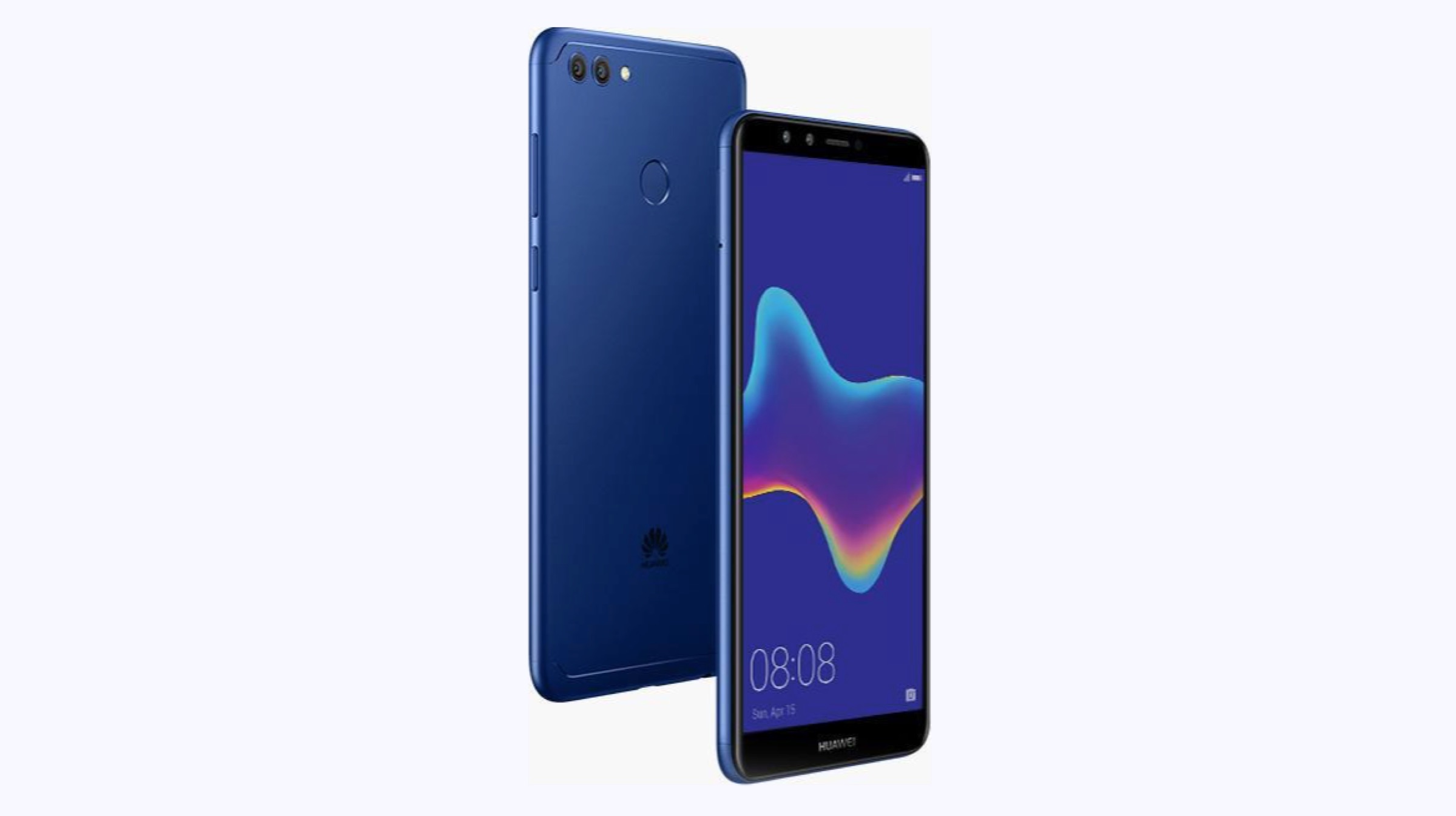
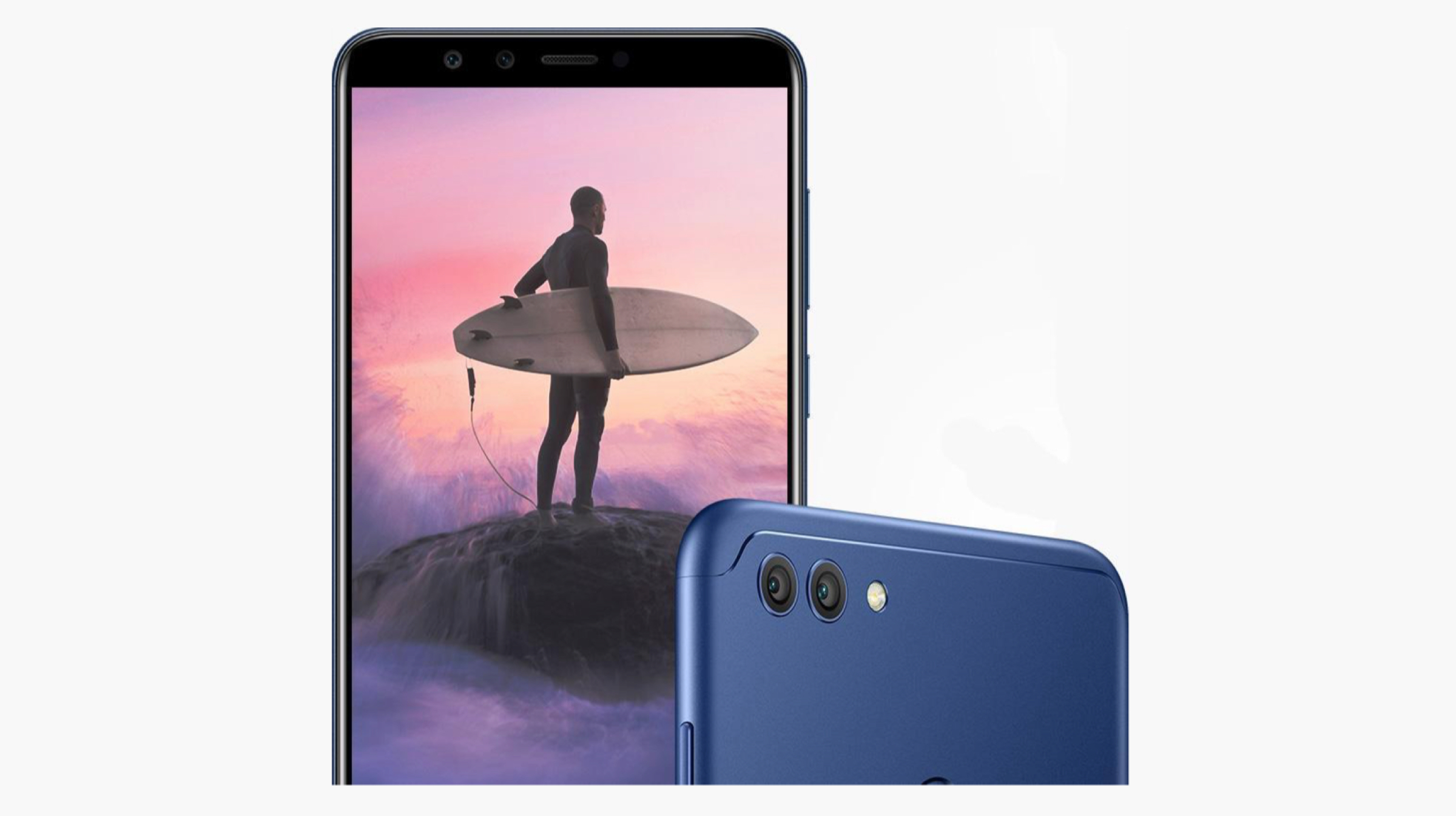
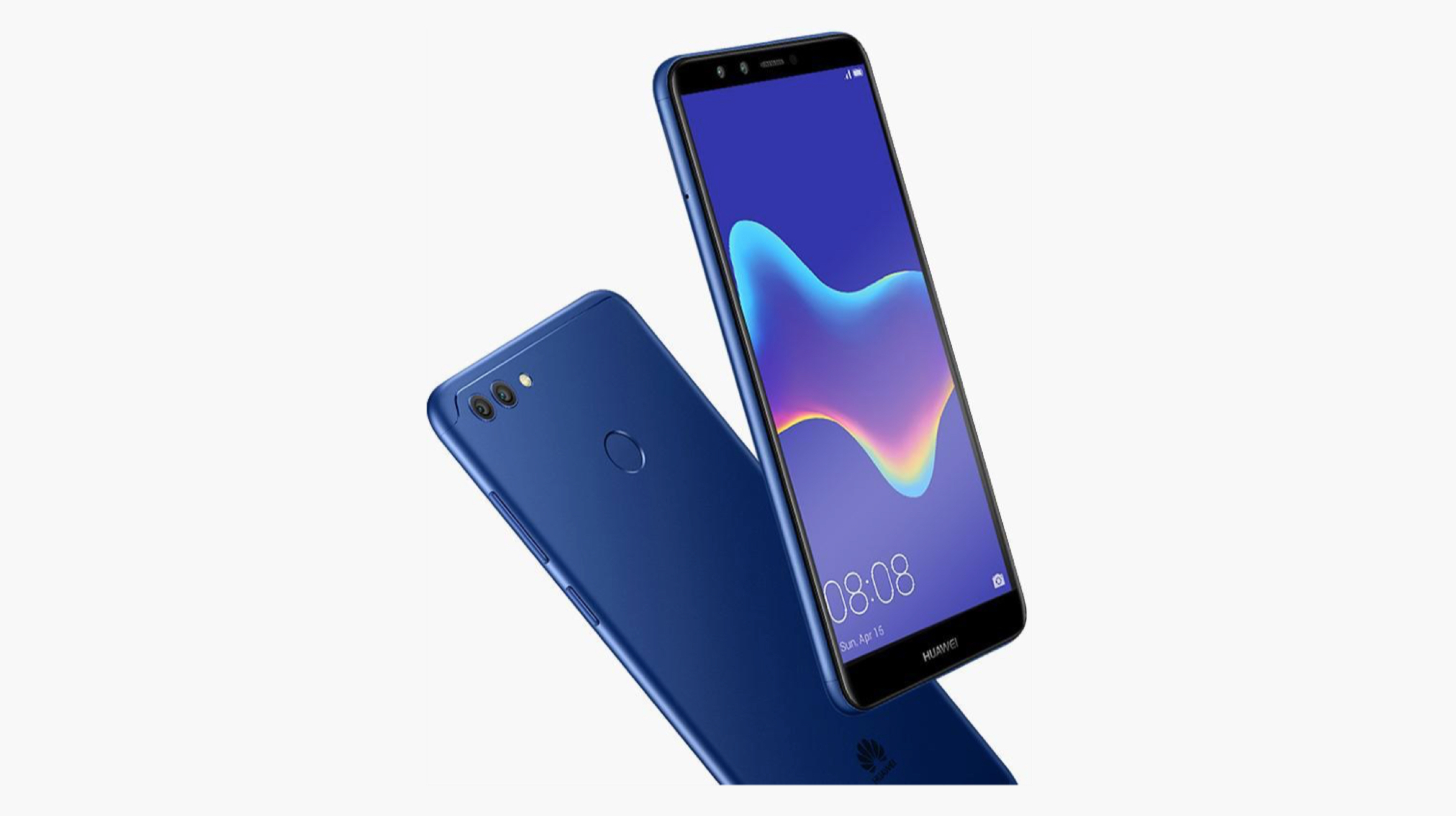
Huawei has launched the Huawei Y9 (2019) smartphone. This was done through a blog post on Huawei’s site. The device sports a dual camera setup on both the front and the back and a display notch. The device is set to launch around mid-October, according to the post. However, nothing has been said about the India release.
The Huawei Y9 has a stylish design and is available in various colours. The device has a 6.5 inch display with 3D curved design. The smartphone has a 13 MP + 2 MP rear camera and a 16 MP + 2 MP front facing camera. Both the 2 MP cameras are depth sensors for better portrait shots. The cameras are integrated with AI technology which will enhance the quality of the pictures.
Equipped with the AI Power 7.0, the Huawei Y9 brings a long – lasting user experience, according to the company. The device runs on the Kirin 710 SoC with AI capabilities. The Huawei Y9 also has the Fingerprint 4.0 identification technology and a fingerprint navigation system. This helps users manage all notifications with one key, according to the company.
Huawei has not revealed the price of the device or further details. Huawei has said it will bring the device to the Levant market by mid-October, but there is no word about the Indian launch.
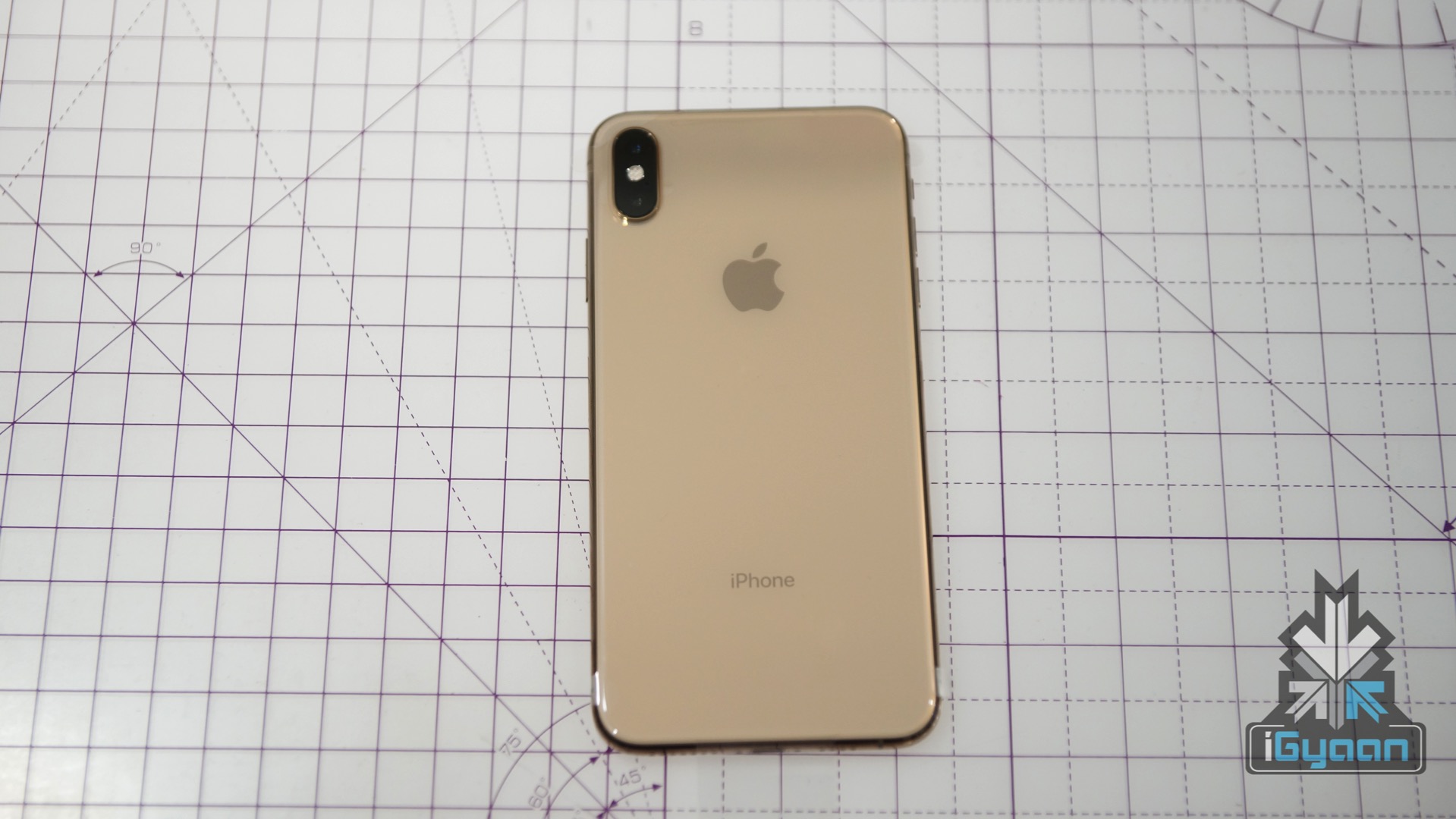
The new Apple iPhone XS and iPhone XS Max are now facing charging issues. Hundreds of users have said that the devices do not respond to a charger being plugged in. The issue could be to do with the iOS 12 update as some older iPhone and iPad variants have also reported the same.
The Issue:
Users onApple’s forum, reddit and also a YouTuber have been talking about this issue. The devices, mainly iPhone XS and iPhone XS Max variants, are not showing the ‘charging’ notification when they are plugged in. This doesn’t happen if you pick up the phone or wake the screen. This means that the device is only recognising the power source when there is user interaction. In some cases, the devices are also reportedly freezing, and not responding to screen taps or the power button as well. The users are using Apple’s very own lightning cables and not a third party adapter or wire. A videoon YouTube has tested multiple devices, displaying that this problem is pretty widespread.
This led to multiple users believing it to be a hardware issue with the new iPhones or a problem with the charging port present on the devices. However, AppleInsider tested an iPhone 7 and a 12.9 inch first-ten iPad Pro to have the same issue as well. This has led to thoughts that the issue is not with the devices but the iOS 12 update.
Some reports are also saying that the issue may be related to the USB restricted mode on the devices. This is a feature from Apple to help secure data on your phone against anyone trying to download your information without unlocking your device. However, users said that the device would start charging with a slight touch or tap and without unlocking the devices on most instances. Hence, it is unlikely that this is due to a security feature.
Chargegate:
As of now, there has been no official response from Apple as to what is causing these devices to function in this way. Users have already started referring to it as ‘chargegate’ and are a bit irked by the issue.
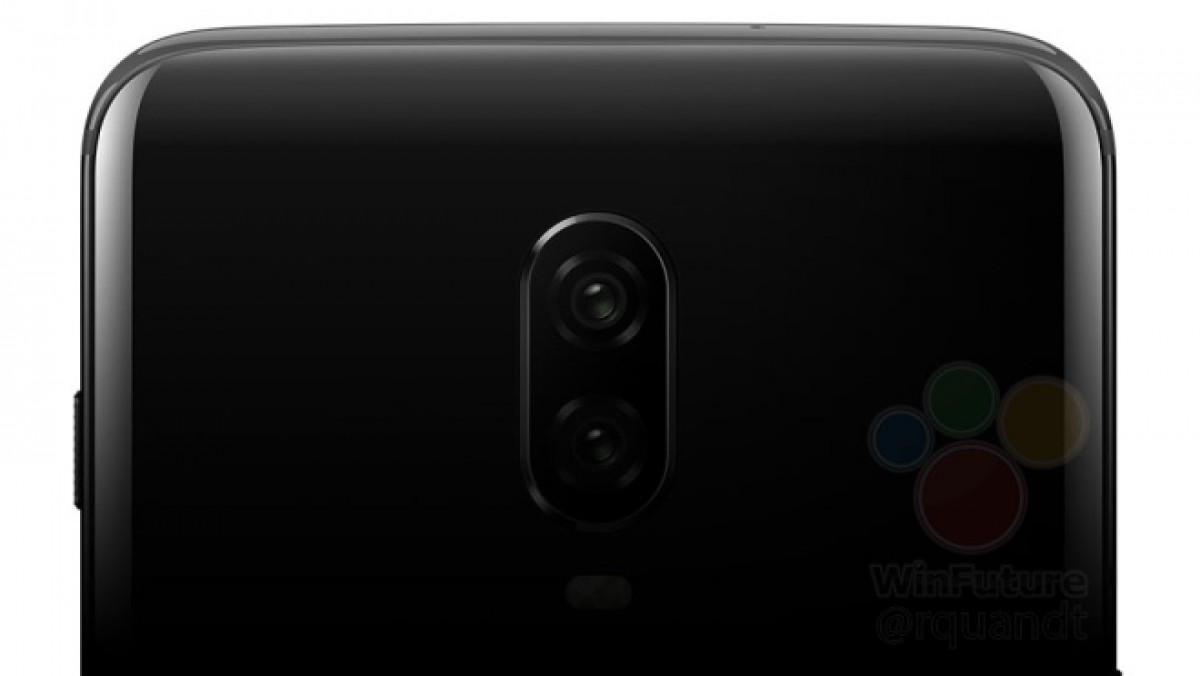
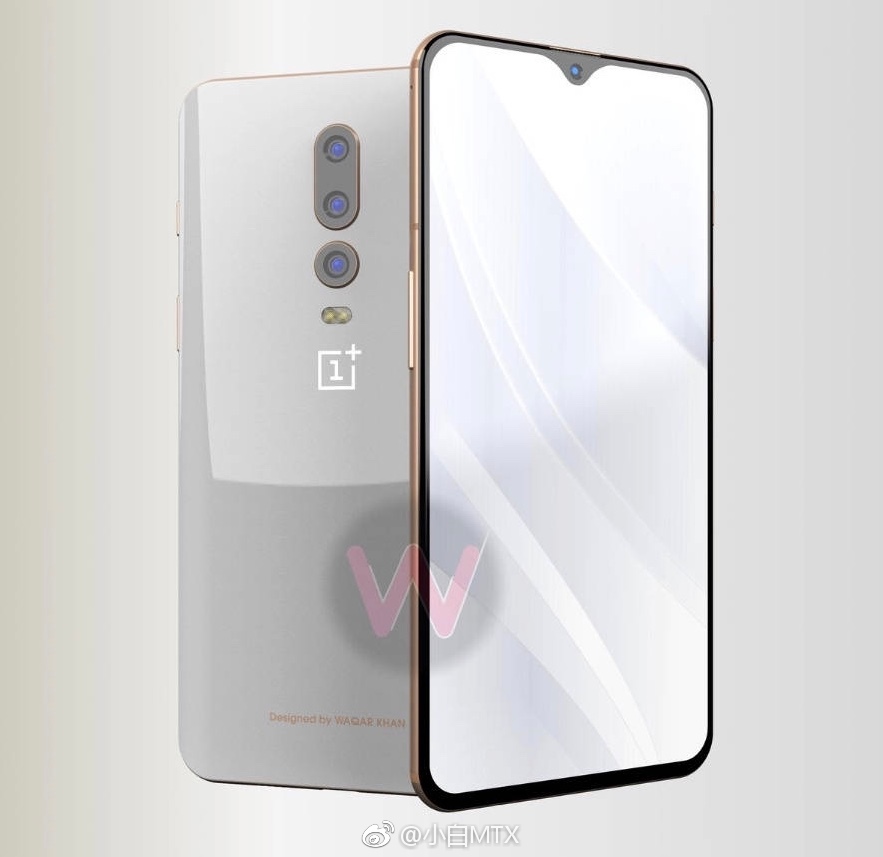
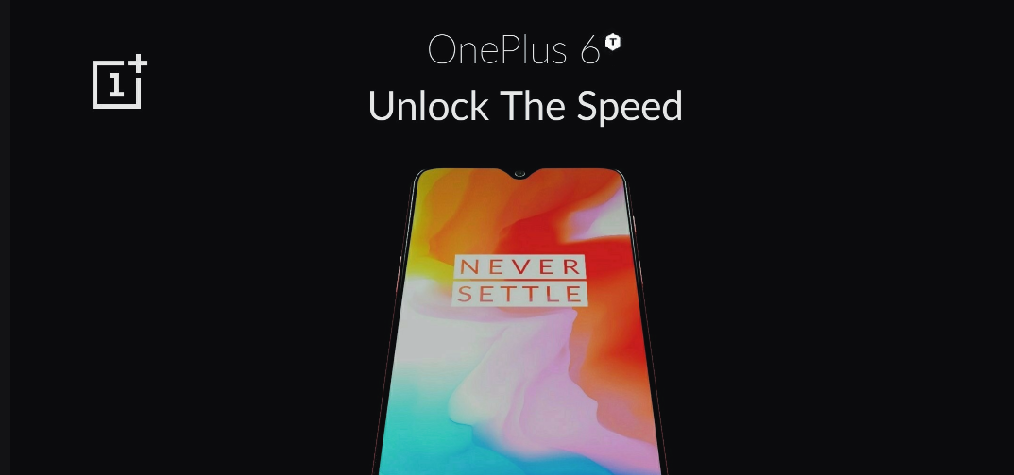
OnePlus has been releasing a bunch of teasers for the upcoming OnePlus 6T on twitter. Today, OnePlus posted another short clip on their twitter account. The clip shows a device with very thin bezels and emphasises on a key technology that lies beneath the screen. OnePlus is talking about the in-display fingerprint scanner which the upcoming device will have. OnePlus earlier confirmed that the new smartphone will have this feature. This technology was previously seen on the likes of the Vivo Nex and the Vivo V11 Pro.
The OnePlus 6T will be reportedly powered by the Qualcomm Snapdragon 845 as it it the best processor offered by Qualcomm right now. Talking about storage, the device is expected to have 8GB of RAM and OnePlus might offer a 512 GB storage variant of the smartphone as Apple is offering this storage capacity with their latest devices.
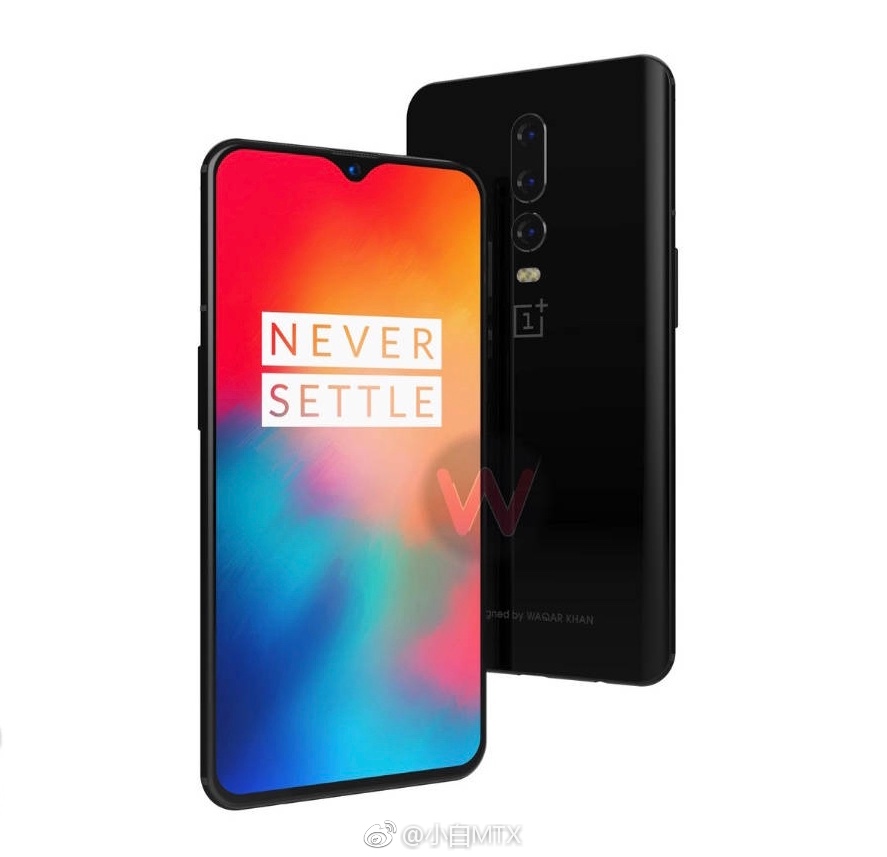
According to previously leaked posters the device will have a waterdrop notch display. The device will have a 6.41 inch Super-AMOLED display. The smartphone will run Android 9.0 Pie out of the box. OnePlus has also come up with a new slogan fror the device, which is “Unlock the speed”.
Battery & Other features:
OnePlus devices have been pretty solid in the battery department and OnePlus also has their proprietary Dash-Charging technology. This technology charges their devices rapidly. With the OnePlus 6 running on a 3,700 mAh battery, it is expected that OnePlus will offer a bigger battery for the upcoming device.
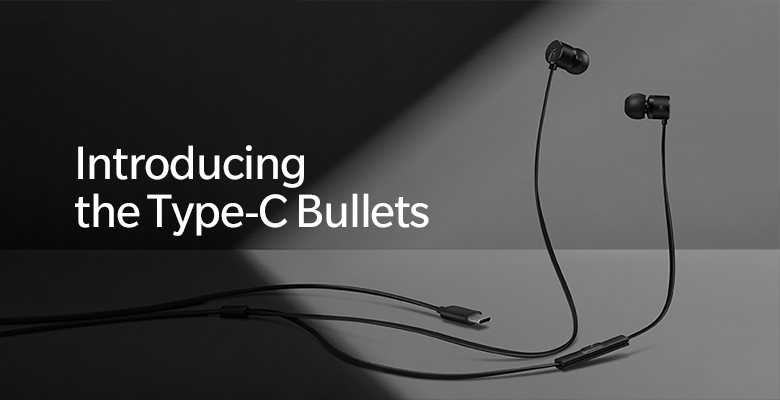
Also, OnePlus has confirmed that the upcoming device will not have a 3.5 mm headphone jack. This decision has mixed reactions from fans who might give it a thought before purchasing the device. But, the good thing is OnePlus will now be offering their Bullet headphones with the Type-C connector. The OnePlus 6t will come with these colour options: Midnight Black, Mirror Black, Silk White and Amber Red.
Price:
The OnePlus 6T might also see a hike in price from the current-generation. As OnePlus tends to increase the price of their smartphones with every new iteration.
Finally, OnePlus will launch the device on 17th October in India and reveal all the specifications and features then.
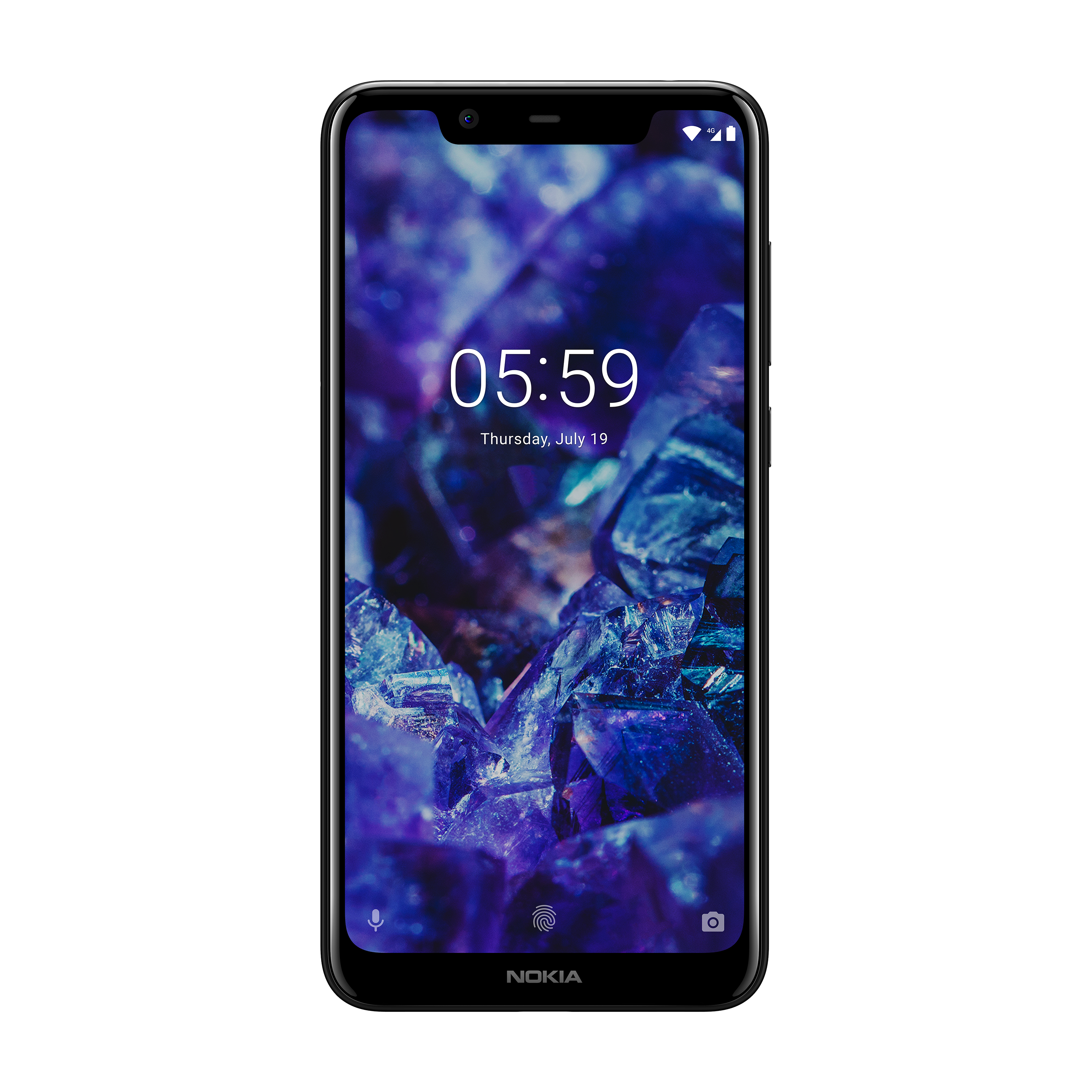
The Nokia 5.1 Plus had been launched in India a few days back and is finally going on sale for the first time. The smartphone is priced at Rs 10,999 and is available on Flipkart and the Nokia online store. At this price, it has a display notch, dual cameras, stock android and much more.
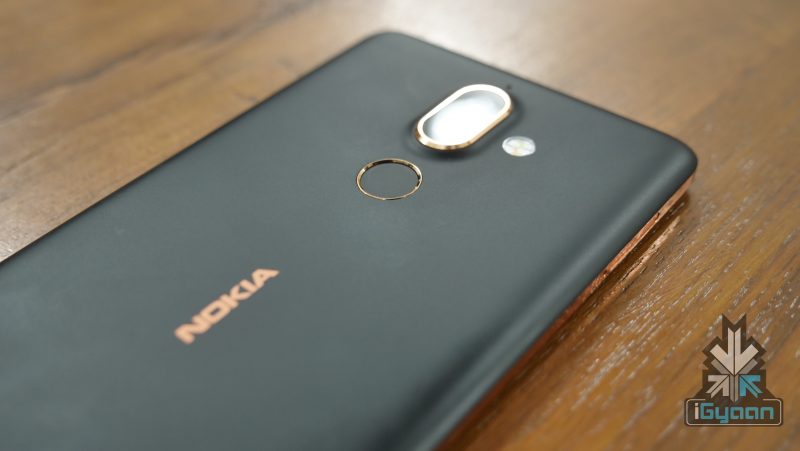
The Nokia 5.1 Plus has a 5.8 inch HD+ display with a 19:9 aspect ratio. It has a display notch, a thick chin and thin bezels on either sides. The device has a glass back, made of 2.5D curved glass. On the back, it sports a dual camera setup and a fingerprint sensor.
Under the hood, it runs on the Mediatek Helio P60 Quad-Core SoC with 3 GB of RAM. It also has 32 GB of inbuilt storage which is expandable up to 256 GB. It packs a 3060 mAh battery.
On the back, it sports a 13 MP + 5 MP dual camera setup. The 13 MP sensor has an f/2.0 aperture while the 5 MP camera is a depth sensor. It has an 8 MP front facing camera with an f/2.2 aperture. It also has AI assistant which might help in camera performance.
The device runs Android One, giving it a clean stock Android Experience, free from bloatware. It runs Android Oreo out of the box and promises regular updates. The Nokia 5.1 Plus will receive the Android Pie update soon. The device has Wi-Fi, Bluetooth 4.2 and USB Type-C connectivity. It also has a headphone jack.
The sale for the device starts at 12 PM today on Flipkart and the Nokia online store. The device is available for Rs 10,999. Airtel Prepaid connection users will get an instant cash back of Rs 1,800 on the purchase of the Nokia 5.1 Plus. It is available in Black and Blue colours.
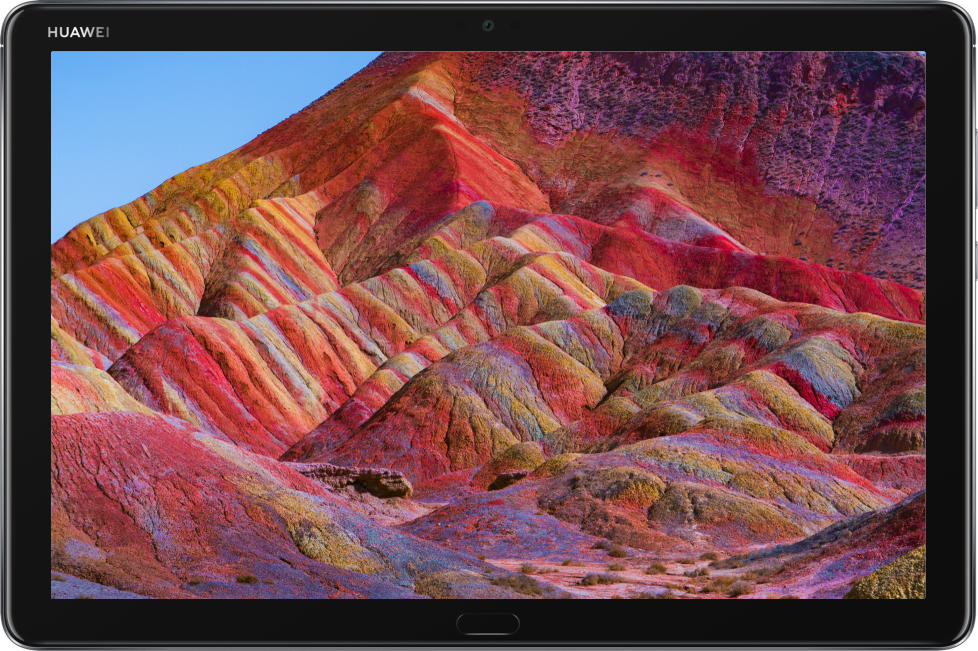
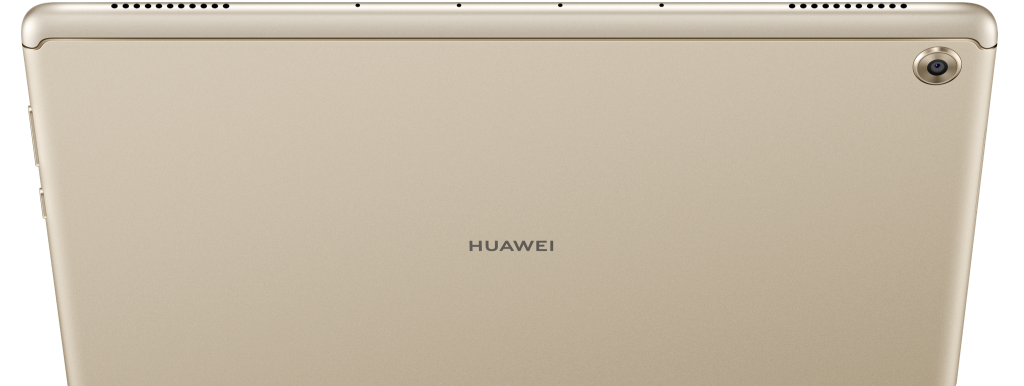
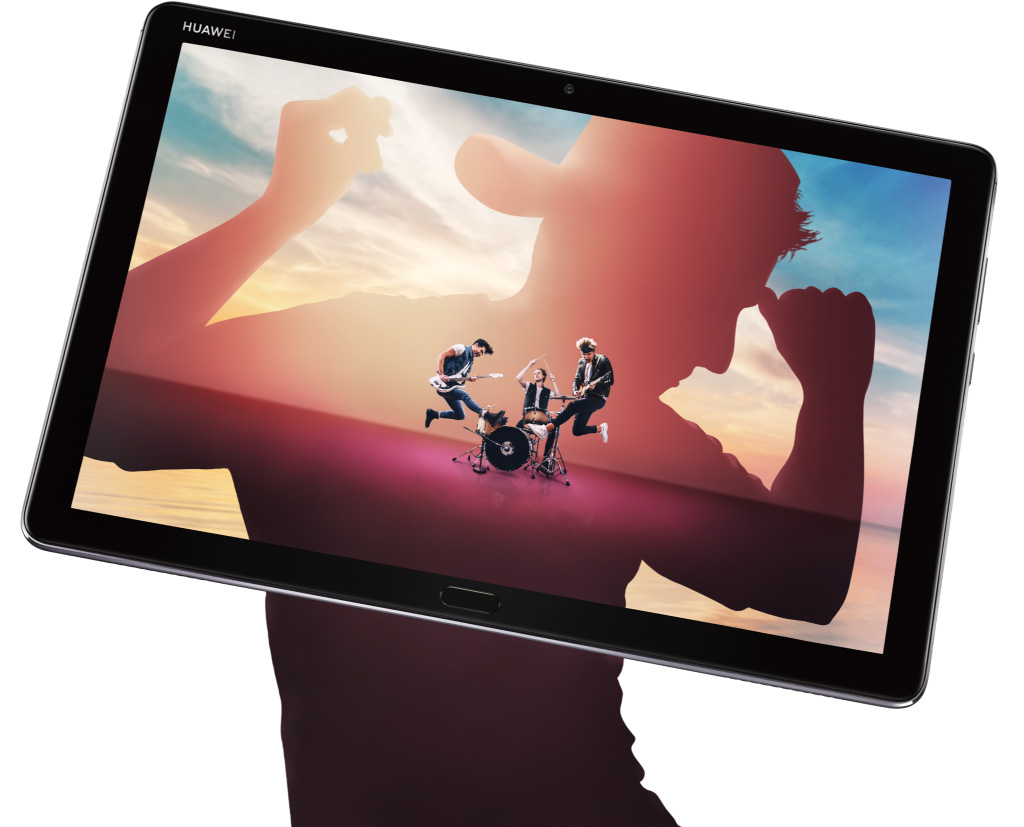
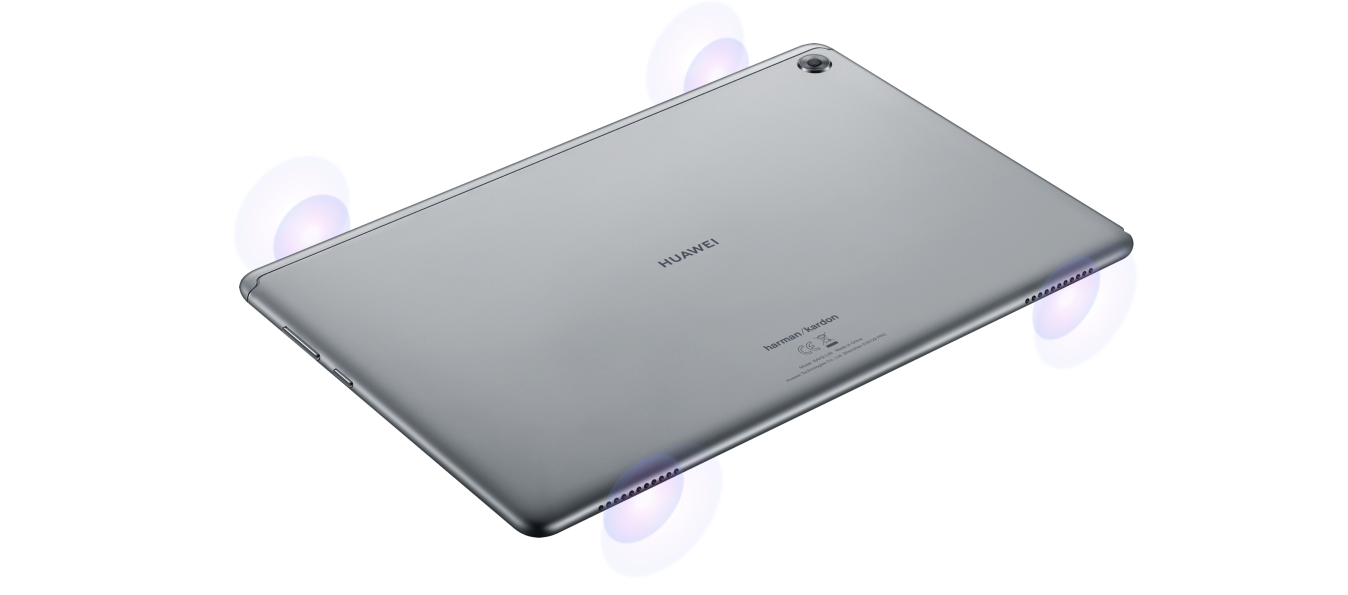
Huawei has silently lauched their new MediaPad 5 lite tablet. Like the name suggests, this is a lite version of their flagship tablet the MediaPad M5 pro. Despite being a lite variant it still seems like a very capable device. The MediaPad M5 lite has Android 8.0 Oreo and Harmon Kardon quad-speakers.
Features & Specificaions
MediaPad M5 lite has a 10.1 inch IPS screen with a resolution of 1920 x 1200 pixels. The screen has a pixel density 0f 224 ppi. Powering the device is the Hisilicon Kirin 659 CPU along with the Mali T830 MP2 GPU. This is an Octa-Core processor with 4 x A53 Cores clocked @ 2.4 GHz & 4 x A53 Cores clocked @ 1.7 GHz.
The tablet has 2 storage options: a 3 GB RAM/ 32 GB storage variant and another 4 GB RAM/ 64 GB storage variant. The tablet has expandable storage capacity and accepts MicroSD cards upto 256 GB. Talking about the camera, the device has an 8 MP front camera and an 8 MP rear camera. One key highlight of the tablet is it’s massive 7500 mAh battery. This battery will allow really long sessions of playback. The device has Harman Kardon quad-speakers to give concert hall like effects and audio. The device can be unlocked either by the pattern lock or the in-built fingerprint sensor. It comes in Champagne Gold and Space Grey colour options. The device has a plethora of sensors including a Gravity sensor, Ambient light sensor, Compass, Gyroscope, Hall Effect Sensor and an LED status indicator.
Sadly, Huawei has not announced the price of the tablet yet. We are gonna have to wait for Huawei to do the same. Overall it looks like a solid tablet with good specs in a well balanced package that can definitely compete with the likes of the Samsung Galaxy Tab lineup and other android tablets.
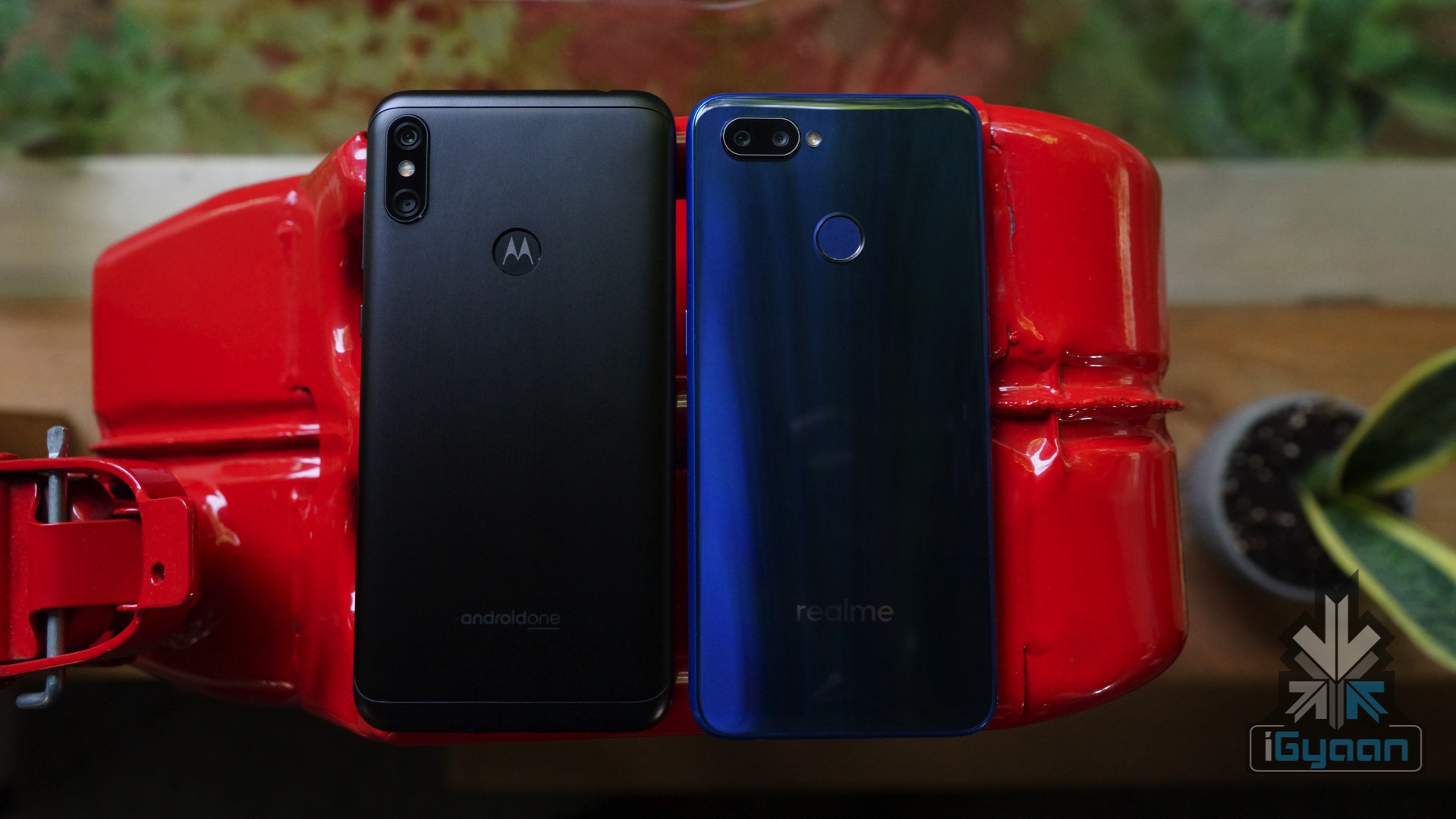
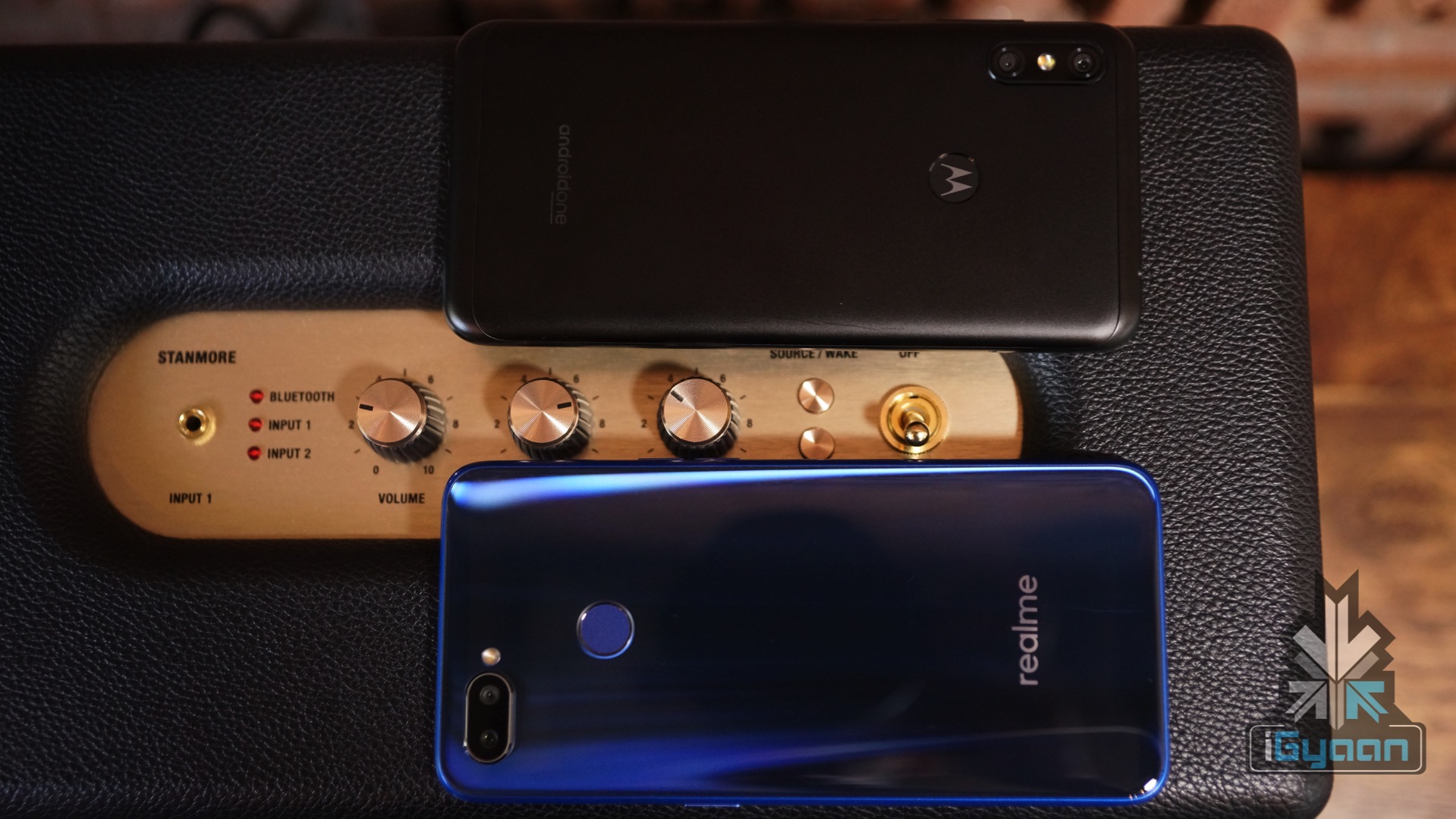
The Motorola One Power made a mark for itself and is one of the better phones from Motorola we have seen in a while. Motorola also got the pricing right with the device, giving it a good response from fans. However, Realme launched the Realme 2 Pro with a bunch of features and the price has pitted the devices against each other. So, here we take a look at the Moto One Power and Realme 2 Pro, head to head.
Display:
The Realme 2 Pro has a 6.3-inch Full HD display, complete with thin bezels on either side and a teardrop notch on the top. With a resolution of 2340×1080 pixels and a 19.5:9 aspect ratio, the Realme 2 Pro provides an immersive visual experience at 409 ppi. Not lagging behind, the Motorola One Power gives a similar performance with its 6.2-inch, Full HD display. At 2246 × 1080 pixels, it gives us a density of 402 ppi.
Both of the devices house the front camera in the notch. The Realme 2 Pro has a water drop style notch and the camera is placed along the middle of the top bezel which gives the device a really clean look. On the other hand Motorola One Power has a wide notch with the camera placed on the it’s right side.
Processor & Fingerprint Sensor:
The Realme 2 Pro is powered by the Qualcomm Snapdragon 660 with the Adreno 512 GPU. The device performs well running day to day tasks and moderately demanding games. Also, the Realme 2 Pro has an AIE (Artificial Intelligence Engine) which helps the device to take better pictures, optimise battery life and helps in better resource management. The Motorola One Power is no slouch either. It is powered by the Snapdragon 636 with Adreno 509 GPU. The device mostly runs lag free during basic tasks and even while playing casual games.
Both the devices come with fingerprint scanners and are equally good in unlocking the device. Additionally, the Realme 2 Pro has a lightning fast face unlock.
RAM & Storage:
This the segment where the Realme 2 Pro really emerges on top. The Realme 2 Pro offers upto 8 GB of RAM compared to the Motorola One Power’s single 4 GB RAM variant. The higher RAM allows the Realme 2 Pro to run even excessively RAM hungry games smoothly.
User Interface:
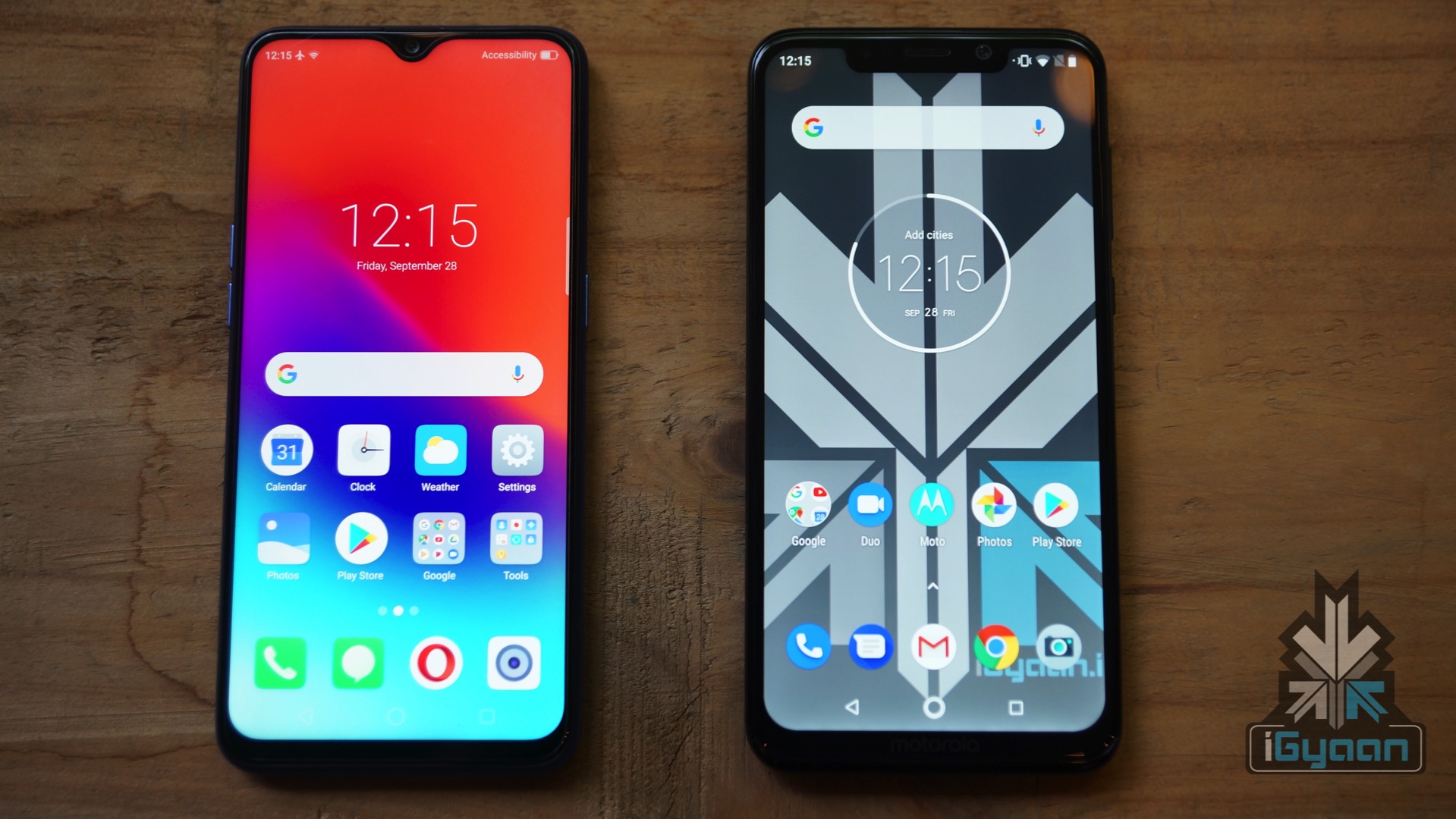
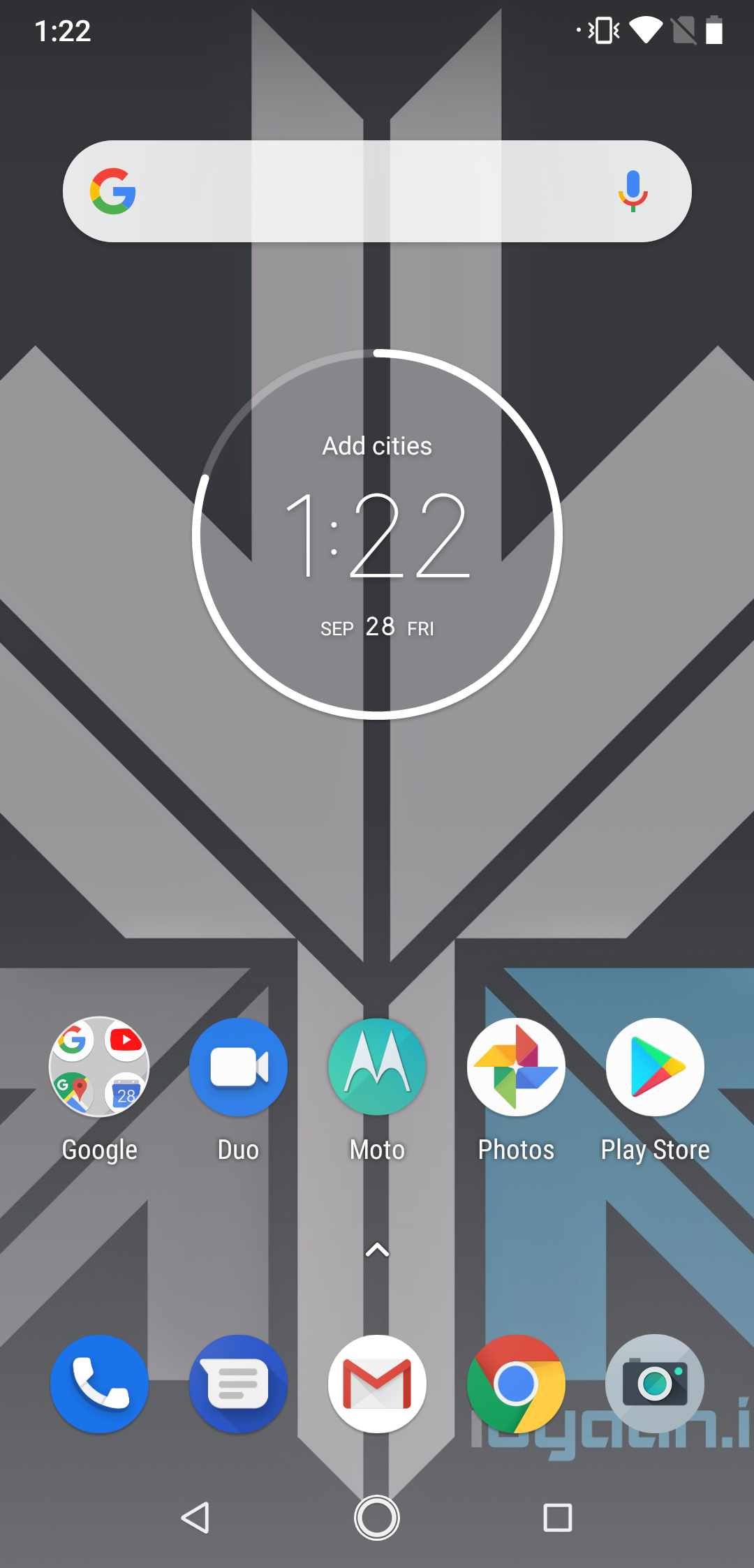
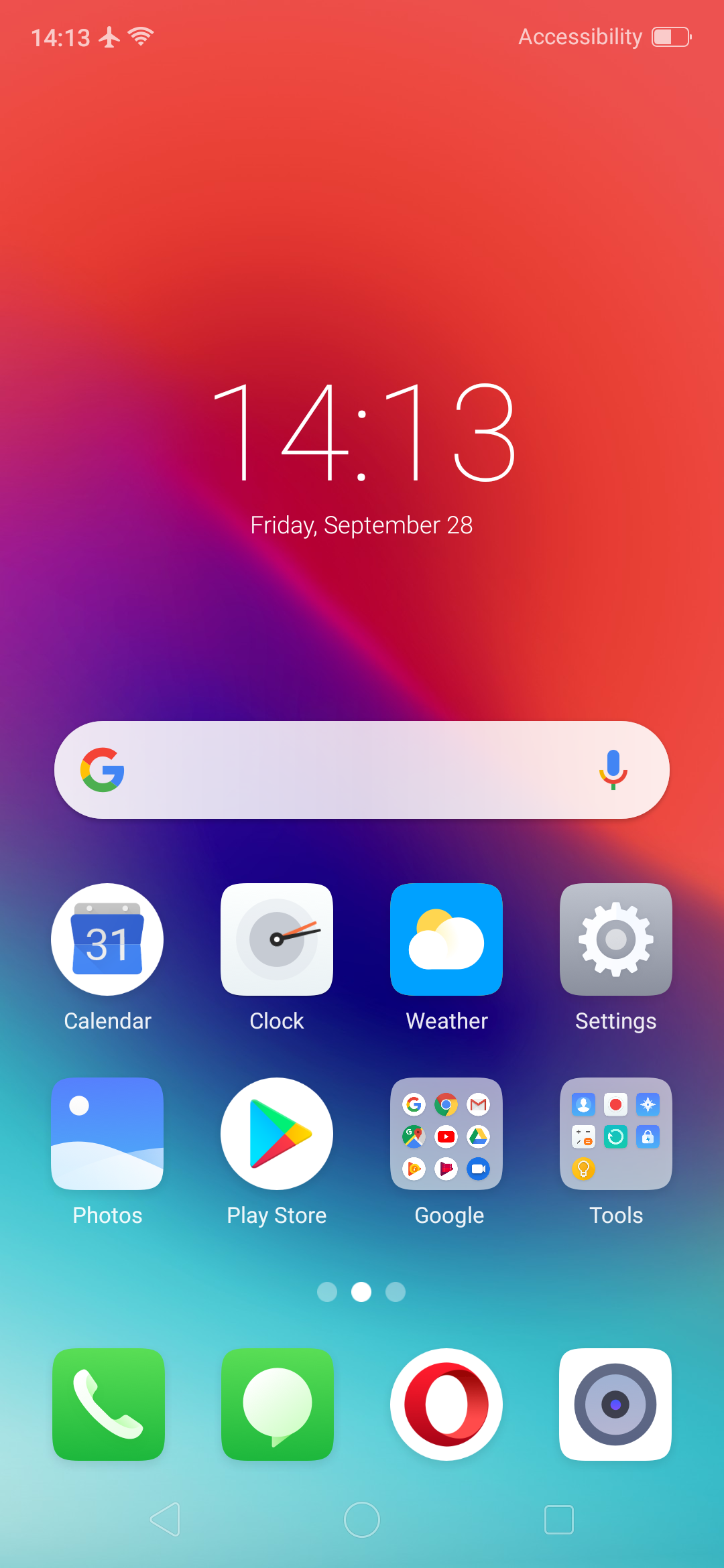
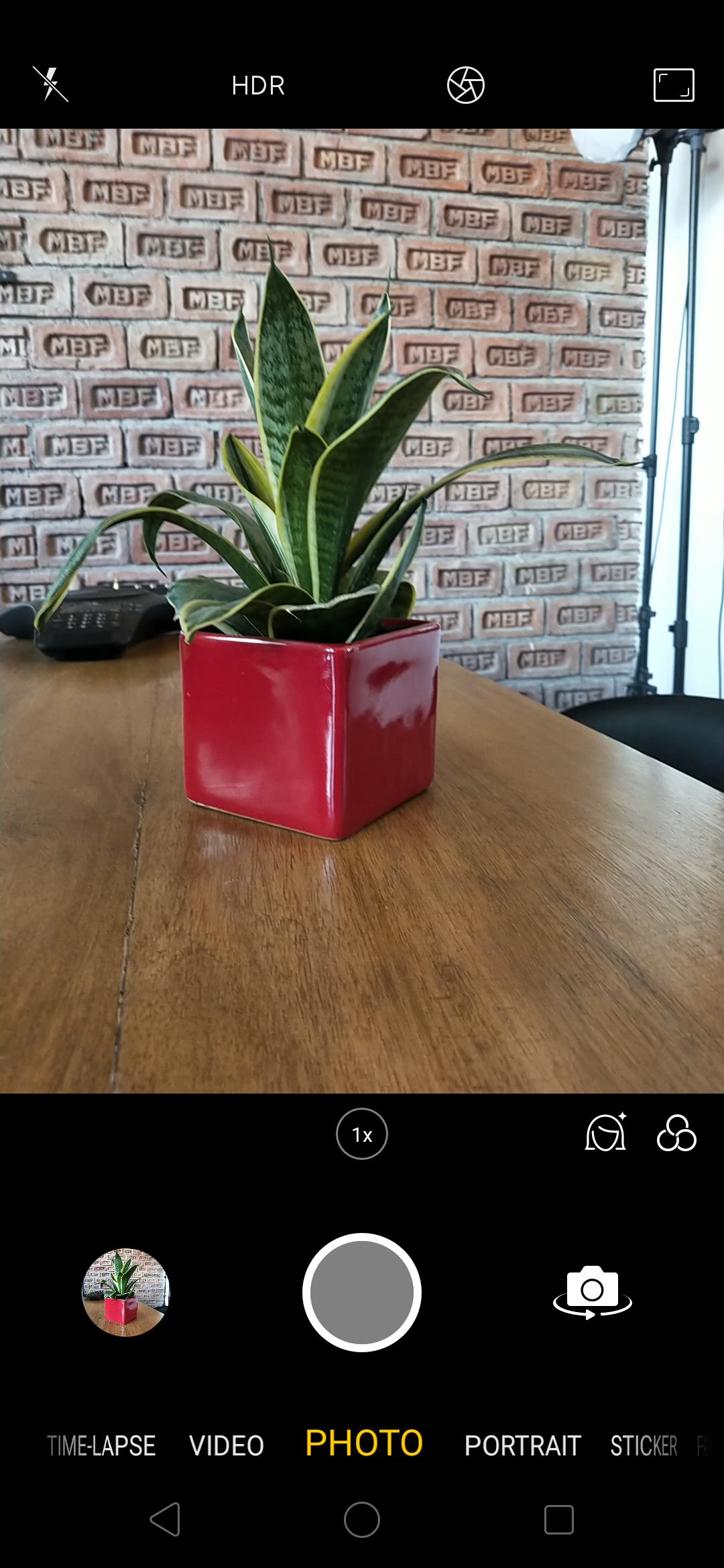
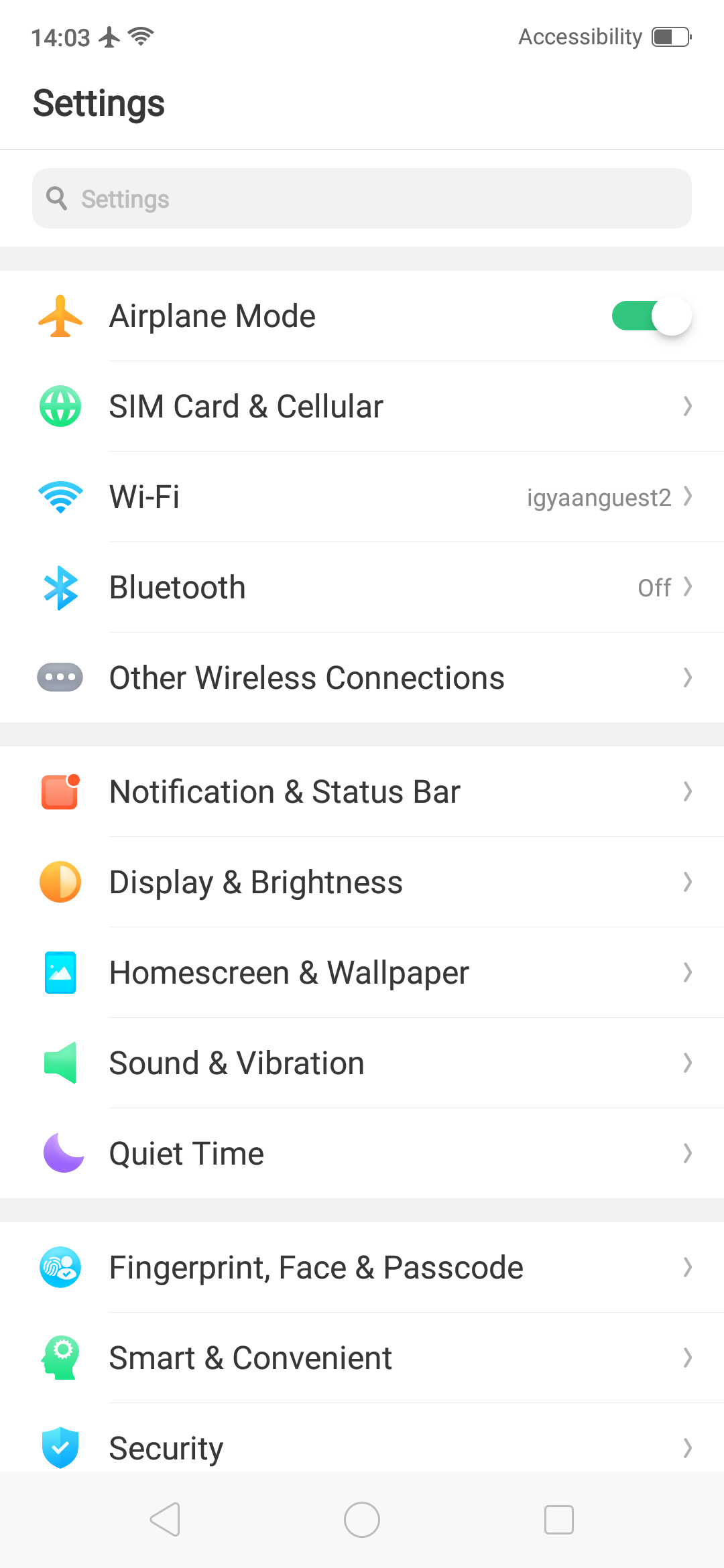
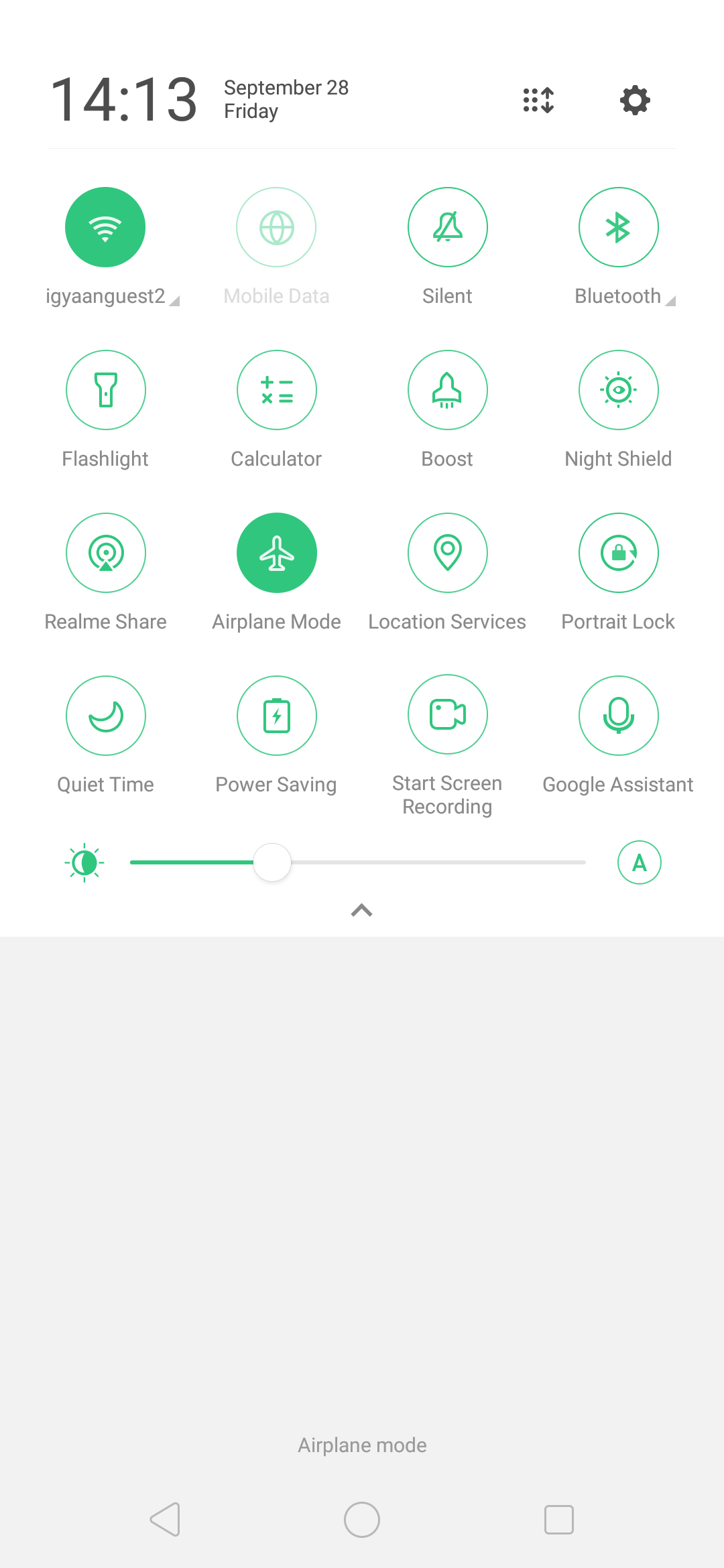
The two devices have a great deal of differences with regard to the interface. The Moto One Power runs Android One and gives a clean, stock android experience. The device has a very familiar interface and a traditional design. There are no surprises in this department and the UI is easy to use.
Moto One Power Home Screen
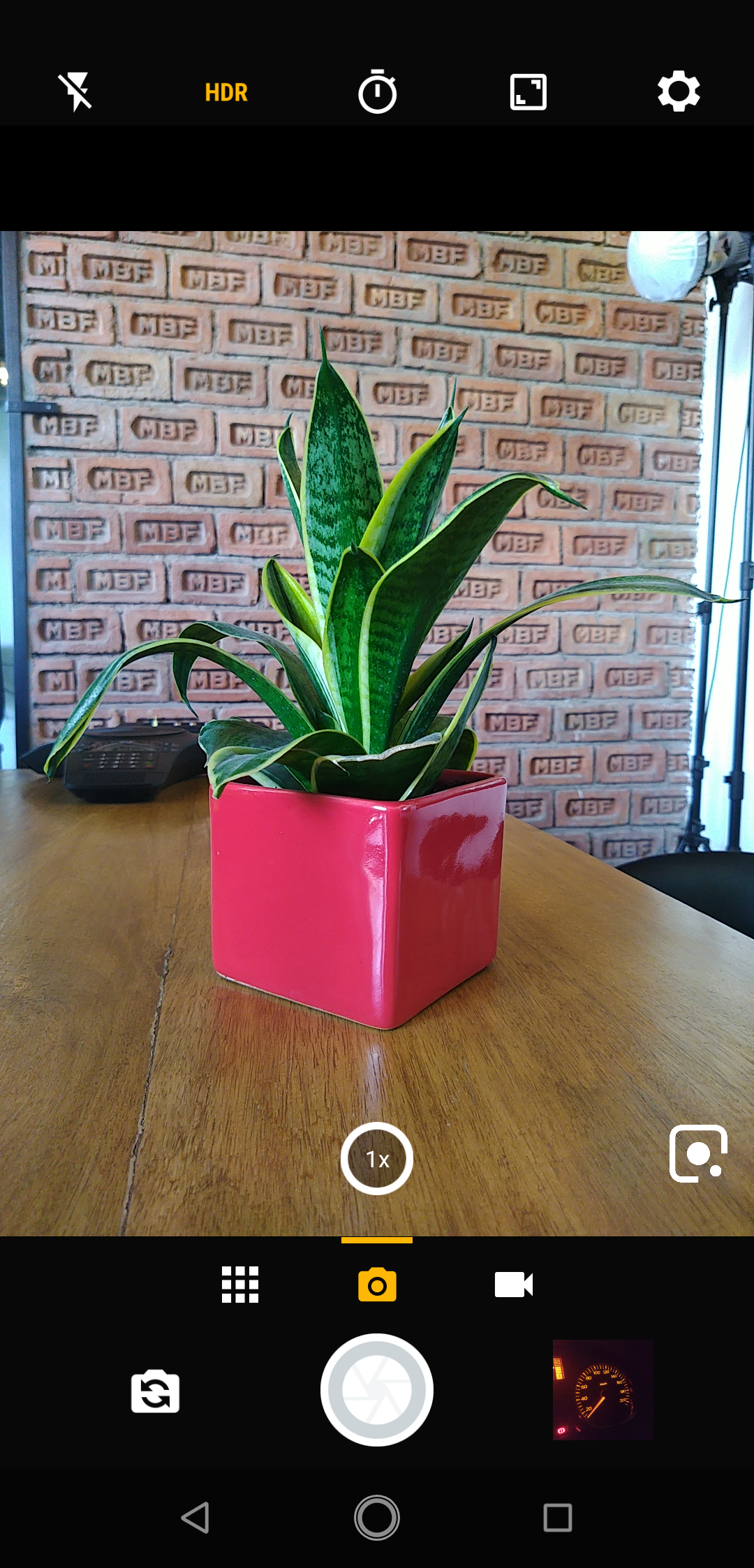
Moto One Power Camera Interface
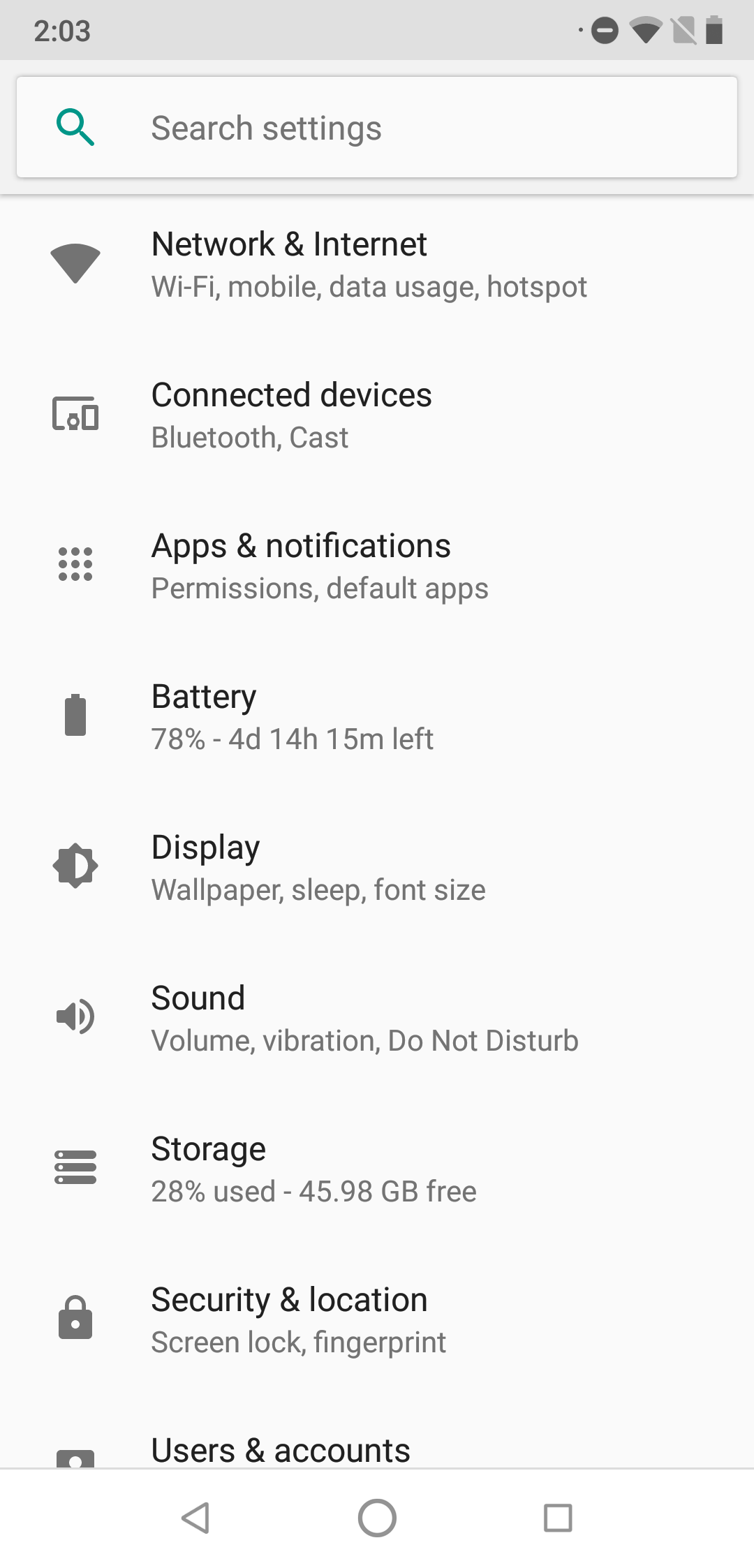
Moto One Power Settings Menu
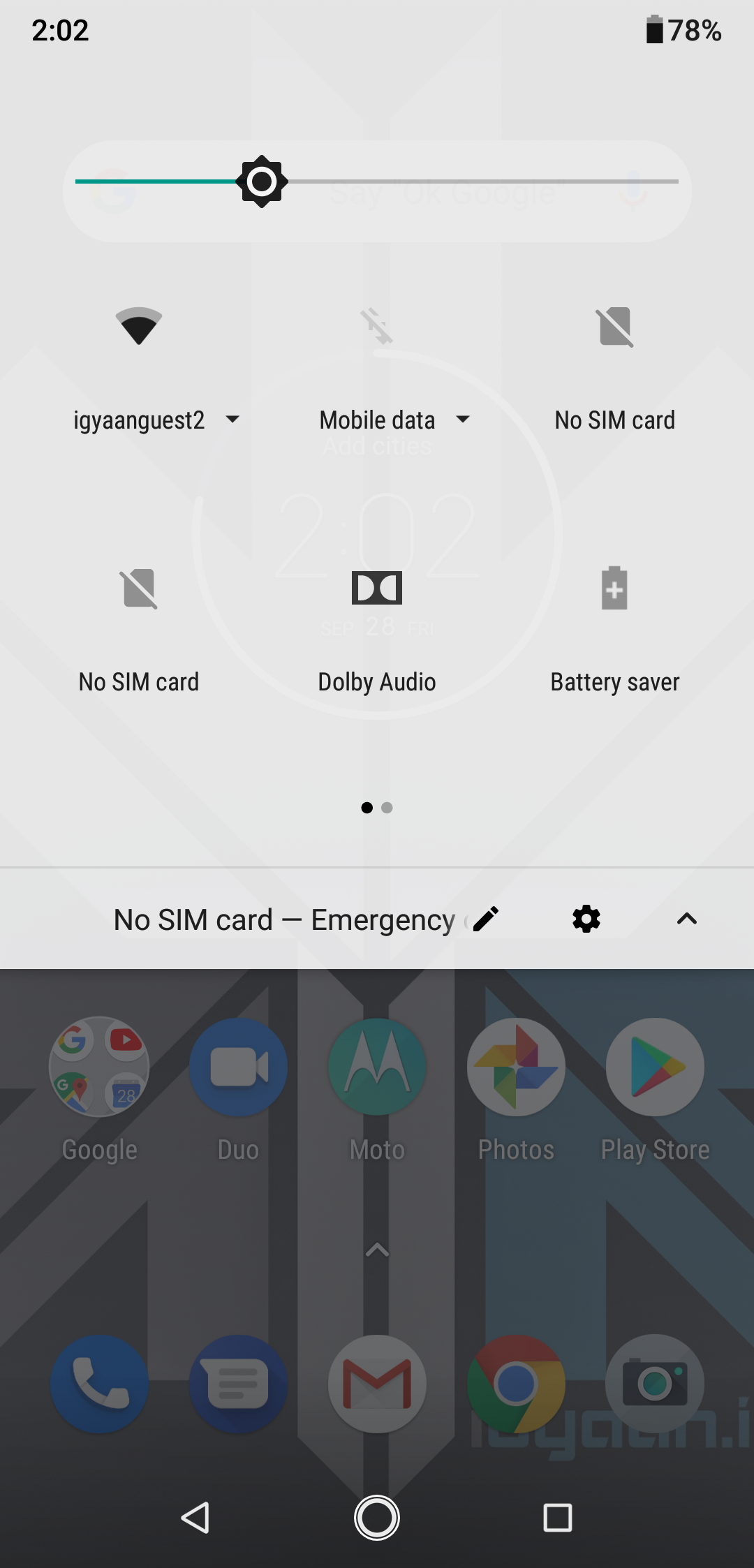
Moto One power Drop Down Menu
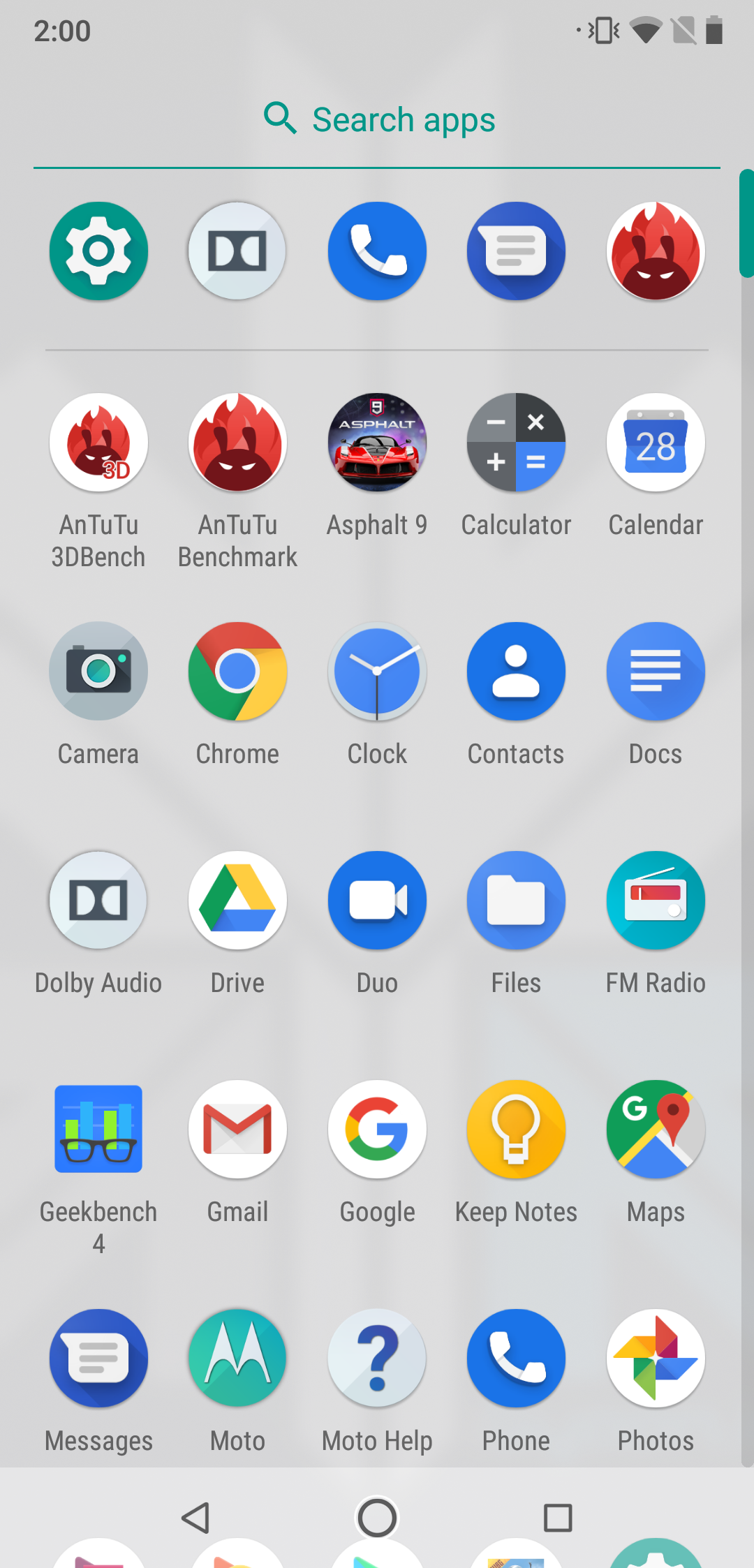
Moto One Power App Drawer
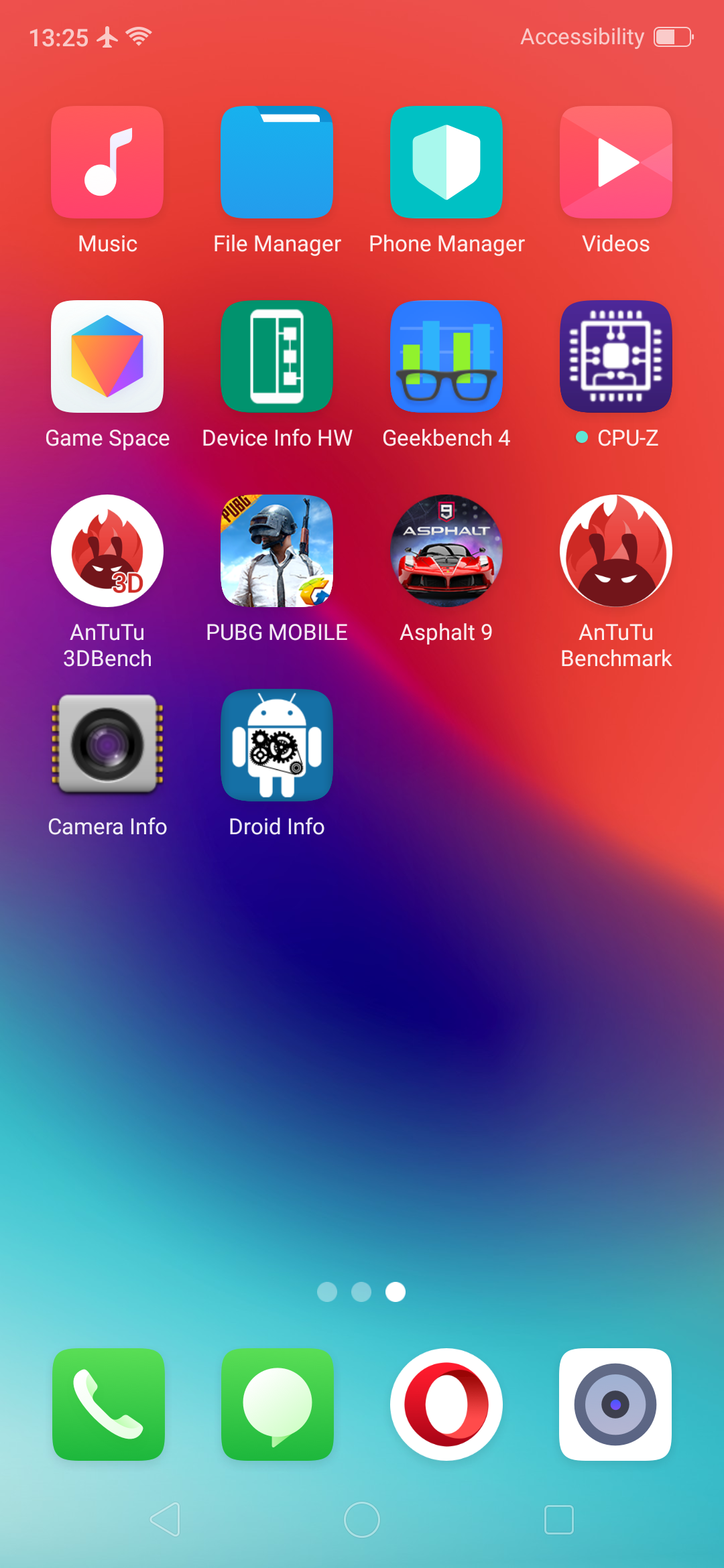
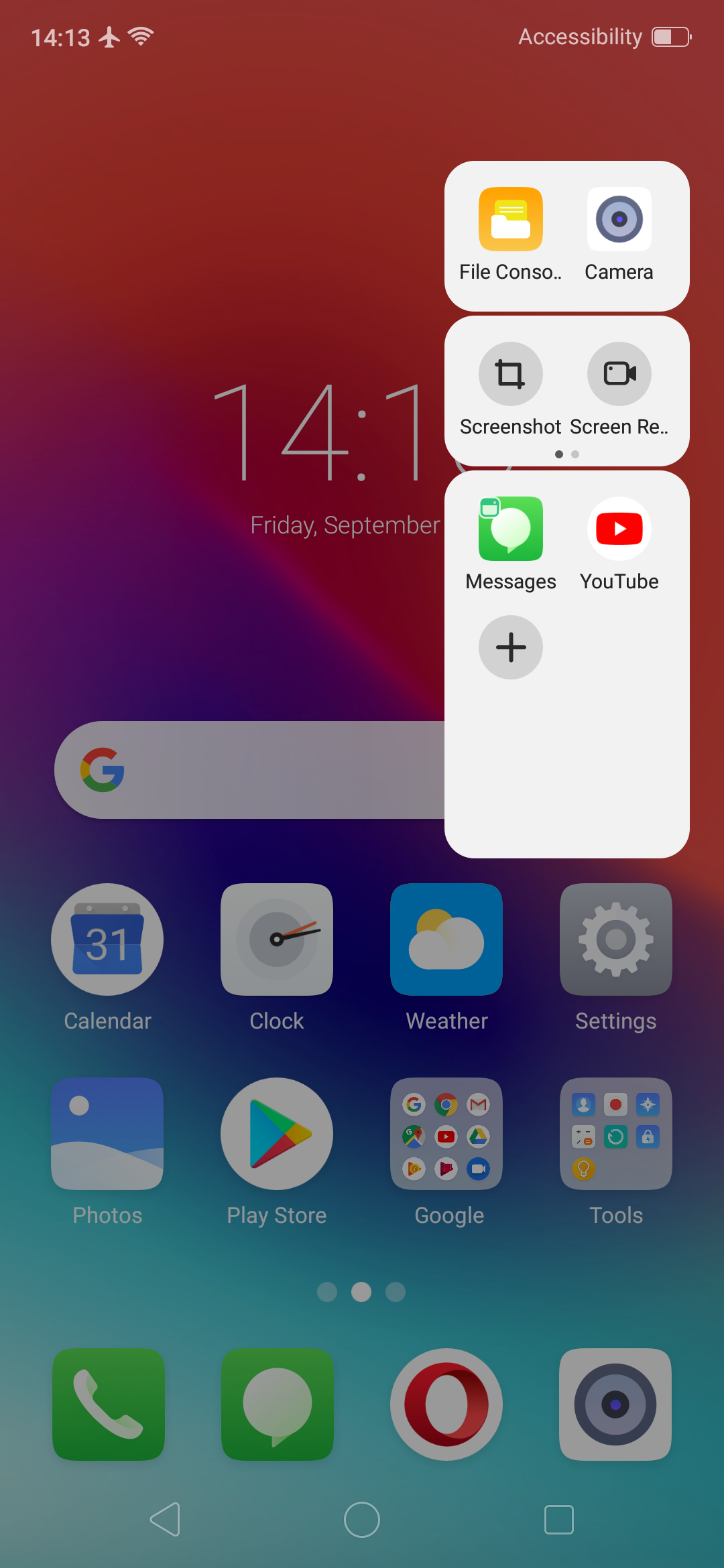
The Realme 2 Pro has a custom UI based. Although this doesn’t have an app drawer, it has an app grid which can be accessed once you swipe right. An interesting feature is a ‘quick drawer’ which lets you access shortcuts which can be customised. You can also take a screenshot or enable screen recording directly from this launcher.
Realme 2 Pro Home Screen
Realme 2 Pro Camera Interface
Realme 2 Pro Settings
Realme 2 Pro Drop Down Menu
Realme 2 Pro App Grid
Realme 2 Pro Quick Drawer
Camera:
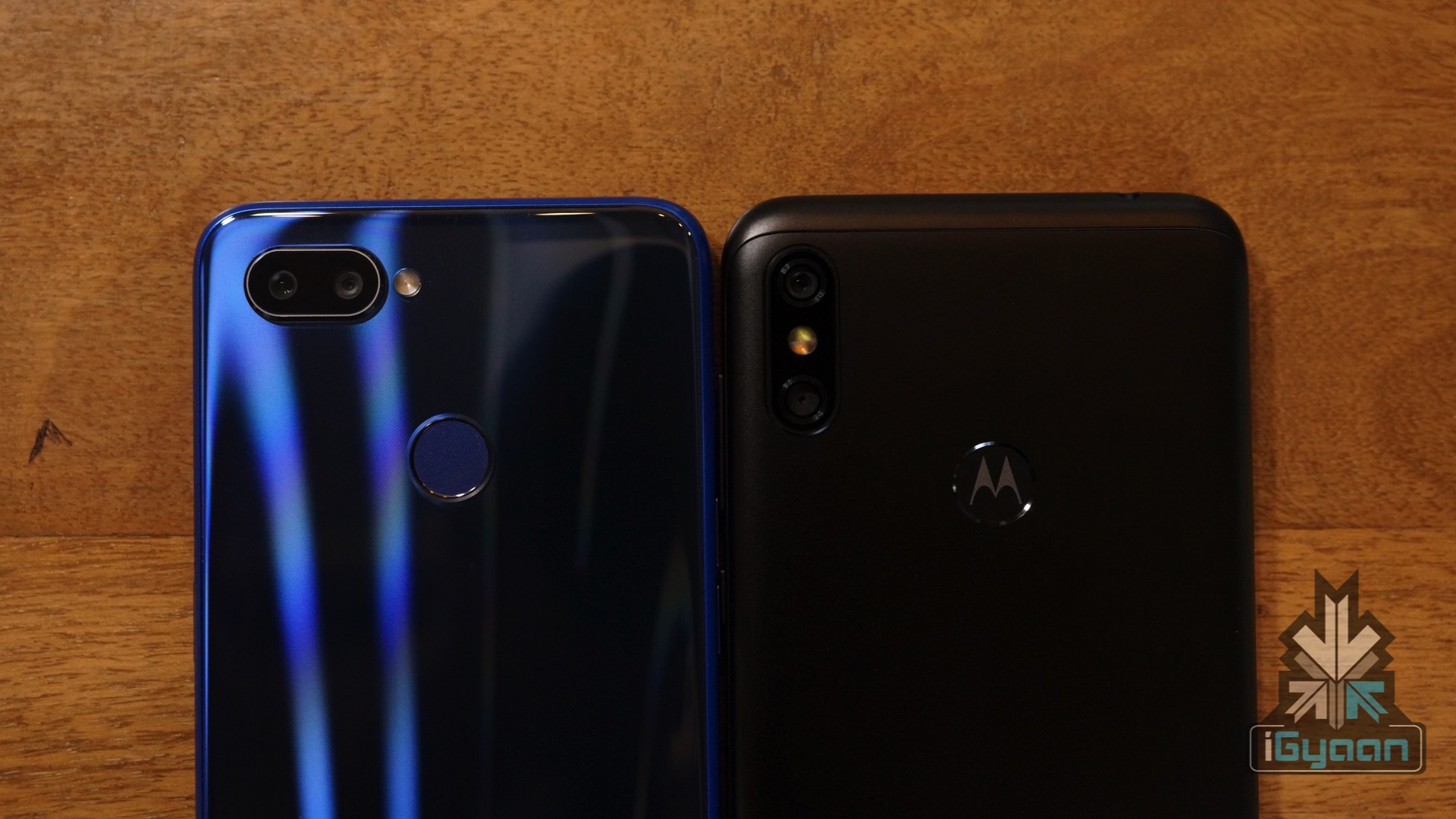
The Realme 2 Pro has an AI powered camera which helps in precise scene detection and multiple smart features. The Realme 2 Pro has a dual 12 MP+ 2 MP camera setup. Likewise, the Motorola One Power also has dual cameras. But it has a 12 MP + 5 MP camera setup. The Realme 2 Pro records 1080p video at 30 fps while the Moto One Power records 1080p video at 30/60 fps.
Realme 2 Pro
Moto One Power
The Realme 2 Pro has a 16 MP front facing camera with an f/2.0 aperture. The Moto One Power has a 12 MP front facing camera with an f/2.0 aperture. Both the devices can record 1080p video at 30 fps with the front camera.
Moto One Power
Realme 2 Pro
Battery:
This is the area where Motorola goes all guns blazing and leaves the Realme 2 Pro in dust. The Motorola One Power has a massive 5000 mAh battery compared to the Realme 2 Pro’s much smaller 3500 mAh battery.
Realme 2 Pro has a good battery life with everyday use. But, the Motorola One Power with its massive battery lasts even longer and outperforms the Realme 2 Pro in this department. Additionally the Moto One Power has fast charging capability and a fast charger included in the box. While the Realme 2 Pro also has fast charging capability, it is disappointing that the company hasn’t included a fast charger in the box.
Verdict:
There is no clear winner in this contest as both phones have their pros and cons. The Realme 2 Pro has water drop notch display, higher RAM, better camera and AI integration. But the Motorola One Power also stands out with its massive battery, solid build quality and the clean stock Android experience.
A notable leaker from twitter has shared the colour and price options for the upcoming Nokia 7.1 smartphone. He also clarified the confusion that has prevailed online regarding the name of the device. The leaker has been a trustworthy source for quite some time now.
Nokia 7.1 (4/64GB) Blue or Steel, 399 Euro. No Plus in that name.
According to leaker the new device is called the Nokia 7.1. It will not have the Plus suffix which was rumoured earlier. He reports that the device has 4GB of RAM and 64 GB of inbuilt storage. The device will be available in Blue and Steel colour options. The leaker states Nokia 7.1 will cost 399 Euro. This price roughly converts to Rs 33,590 in India.
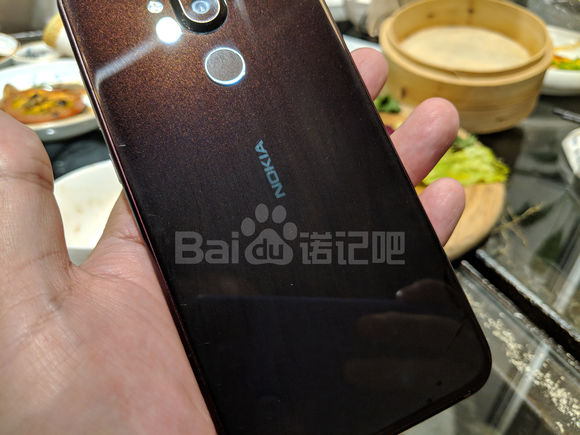
The device has been making rounds online for some time now. An image of the device’s back panel was leaked earlier this week. Reports suggest the device will come with a Qualcomm Snapdragon 710 SoC, a 19:9 ratio diplay with full-HD resolution of 1080 x 2280 pixels and the rear camera will have Carl-Zeiss optics. Information about the camera sensor is still unclear.
Finally, Nokia has scheduled a launch event in London for October 4. We might see the official launch for Nokia 7.1 at this event.
Benchmark scores are a very important aspect in a smartphone. A lot of the buyers consider these scores as standard before purchasing the device. So, Companies use these benchmark apps just to get maximum attention. Tech2, in an independent research found smartphone companies such as Huawei and Oppo manipulating these scores. The research also found that some companies are cheating upto 90% in terms of results.
Serial Cheaters?
The team conducted benchmarks score on these devices:
Honor 10
Nokia 7 Plus
Samsung Galaxy Note 9
Realme 2
Realme 1
Pocophone Poco F1
OnePlus 6
Redmi Note 5 Pro
Huawei P20 Pro
Oppo Find X
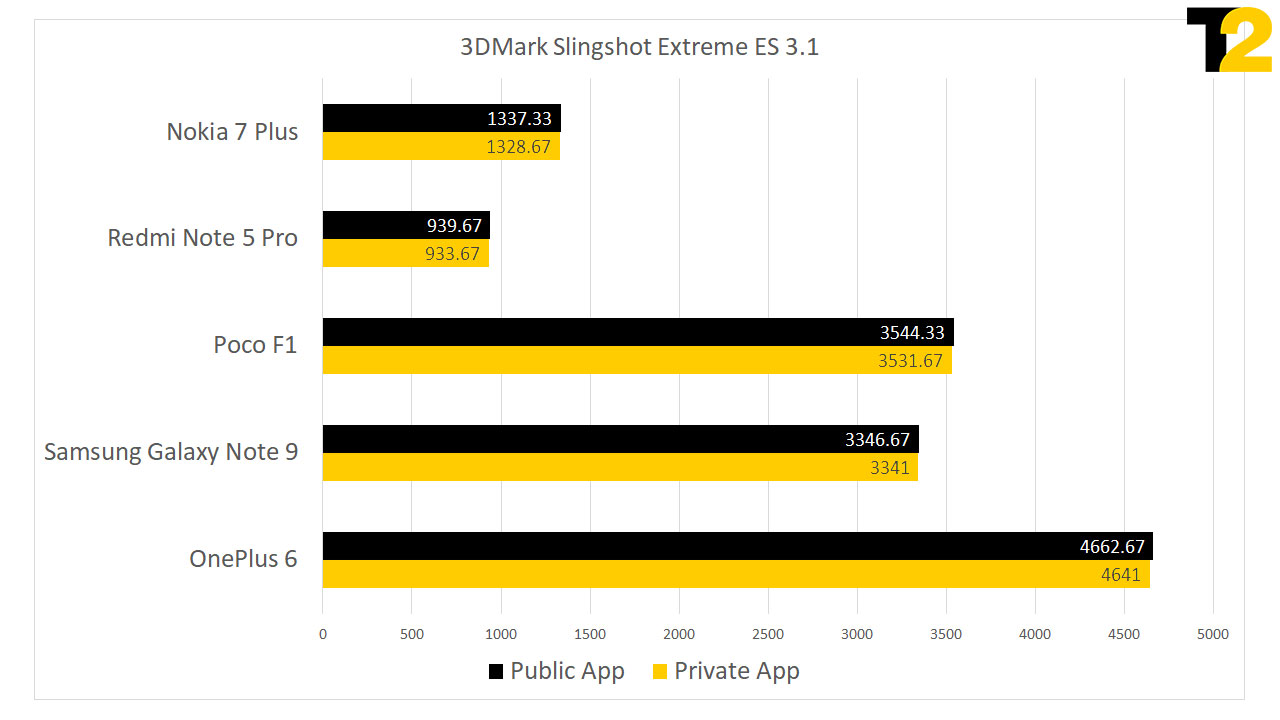
For the test, they used white-label apps for testing these devices. These are private versions of the top benchmark apps but and are not available on the play store. These apps have the same core-funcitonality but have different names.Hence, due to the different app name these smartphones are not able to detect which benchmark app is running. Some devices come pre-programmed to throttle performance while the top benchmark apps are running.
Top devices caught cheating the 3DMark Slingshot Extreme test are: Huawei takes the top spot by a huge margin. Their Honor 10 cheats the benchmark test upto 90%. Huawei P20 Pro also has cheating score of 75 %. Oppo is also found guilty with its Oppo Find X and smartphones from its sub-brand Realme 1 and Realme 2. These devices have a fake bemchmark claim of approximately 36%,45% and 60% respectively.
Honest Results.
The team also tested devices from Nokia, Xiaomi, Poco, Samsung and OnePlus. These device gave out pretty accurate score in the test. These companies seem to ensure integrity of their brand image by advertising true scores. The results for these devices are available below.
Overall, it looks the Chinese smartphone manufacturers are trying to trick the potential audience into buying their products using such tactics. These tactics even seem to work in upcoming markets like India and China where consumers dont have much in-depth information about technology.
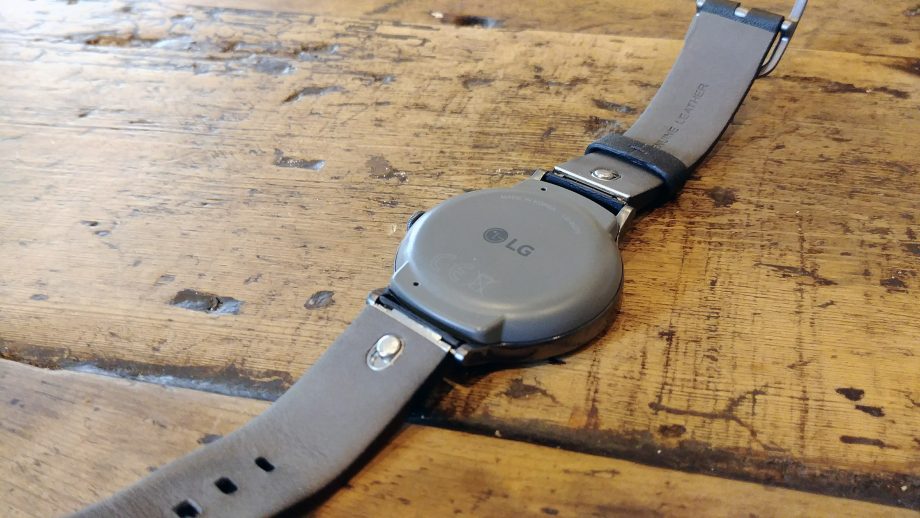
LG is reportedly set to launch the LG Watch W7 running Google’s latest Wear OS. The launch will be held along with that of the LG V40 ThinQ. The smartwatch had been revealed back in April, but more details and confirmations have surfaced only now.
The device is set to launch on 3rd October and is pitted to compete against the Apple Watch 4. This is due to the fact that is has the lated Wear OS and Qualcomm’s flagship processor for smartwatches, The Snapdragon wear 3100.The Snapdragon wear 3100 is designed exclusively for smartwatches and uses the ultra low-power system architecture. This results in better battery life and personalised experiences. The processor has 32 bit Quad Core A7 processors, an integrated DSP and a low power processor.
Specifications:
Half a year later, this will launch alongside the LG V40 ThinQ as the LG Watch W7. https://t.co/vEXJ6BOvvG
The update is through a tweet by a noted leakster who says that the watch is set to launch along with the new LG V40 ThinQ. According to reports, the watch has a 1.2 inch screen with a 360 x 360 LCD Display. It has 768 MB of RAM and 4 GB of internal storage. It is also water and dust resistant. One interesting feature is that the device is rumoured to have analogue watch hands, which will save battery life. The watch is said to have a battery life of around 100 days on a single charged when used solely as an analogue device, with the Wear OS disabled. It features a 240 mAh battery. Additionally, once the battery depletes, the device will continue to track time for around four days.
The LG Watch W7 is equipped with Wi-F, Bluetooth 4.2 and a USB-C port for connectivity. It will however, not feature cellular capabilities or NFC. More details about the device will be known at its upcoming launch on 3rd October.
Mobile technology has been evolving so fast that flagship devices released in past years see huge price-cuts by the manufacturers within a short time of being launched. We have picked up such top smartphones from last year that offer top specifications at really low prices.
Moto X4:
The device was originally priced at Rs 23,999 and is now available for Rs 15,549.
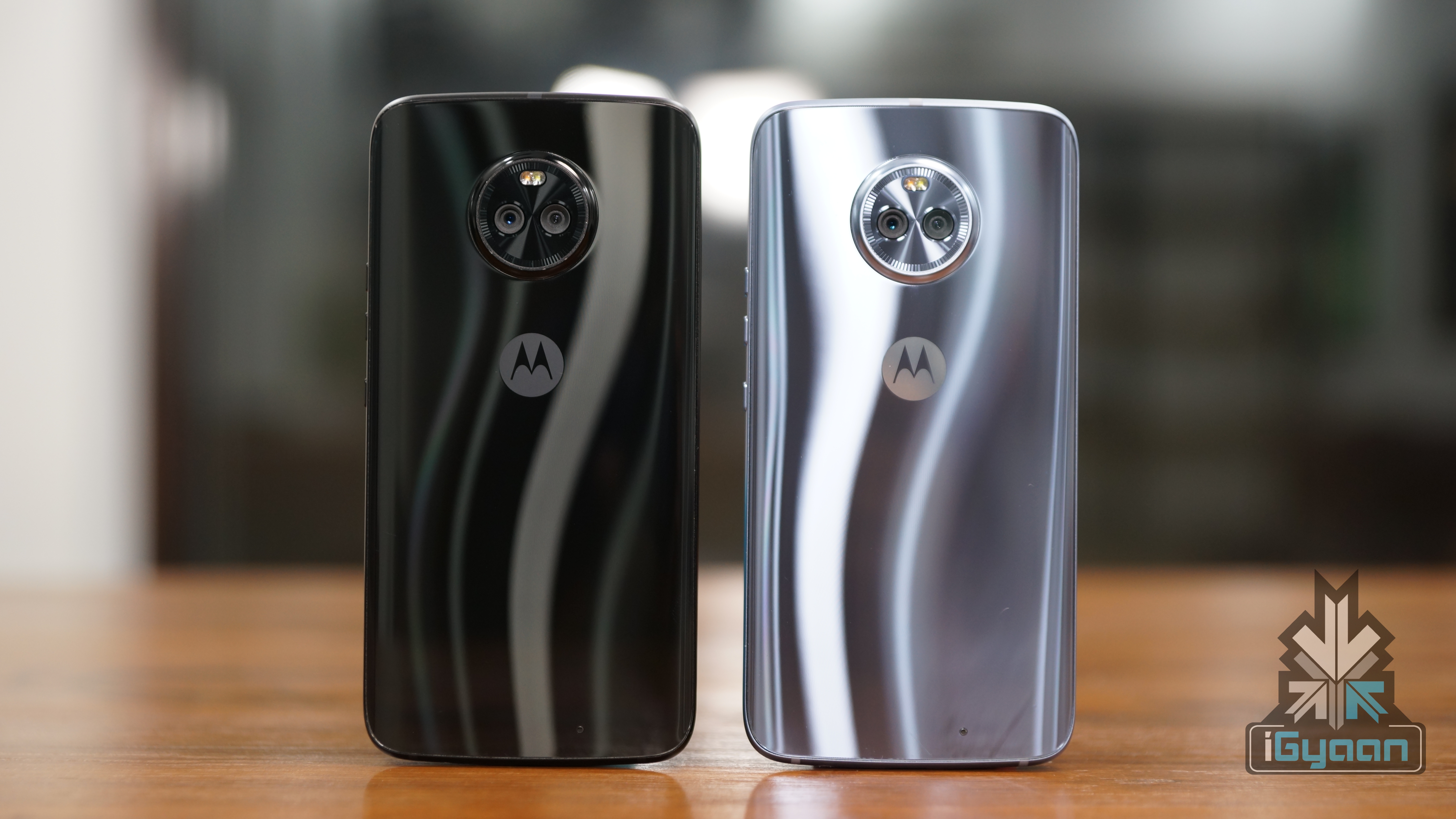
Motorola released the Moto X4 back in October 2017. The Motorola X4 has a 5.2 inch LCD capacitive IPS touchscreen. The device has 6 GB of RAM and 64 GB of storage. It runs on the Qualcomm Snapdragon 630 processor with the Adreno 508 GPU. The device has 12MP and 8MP dual back cameras with Dual-Led dual-tone flash along with a 16 MP selfie camera. The device can shoot videos at 2K @ 30FPS and 1080P @30/60FPS. The smartphone has a front-mounted fingerprint sensor. Motorola has planned an Android 9.0 Pie upgrade for the device.
Overall, this is a solidly built phone that came with flagship specifications from the yesteryear. The device excels in most of the tasks you throw at it. From great performance to exceptional camera quality this is a great deal at the price this is being offered.
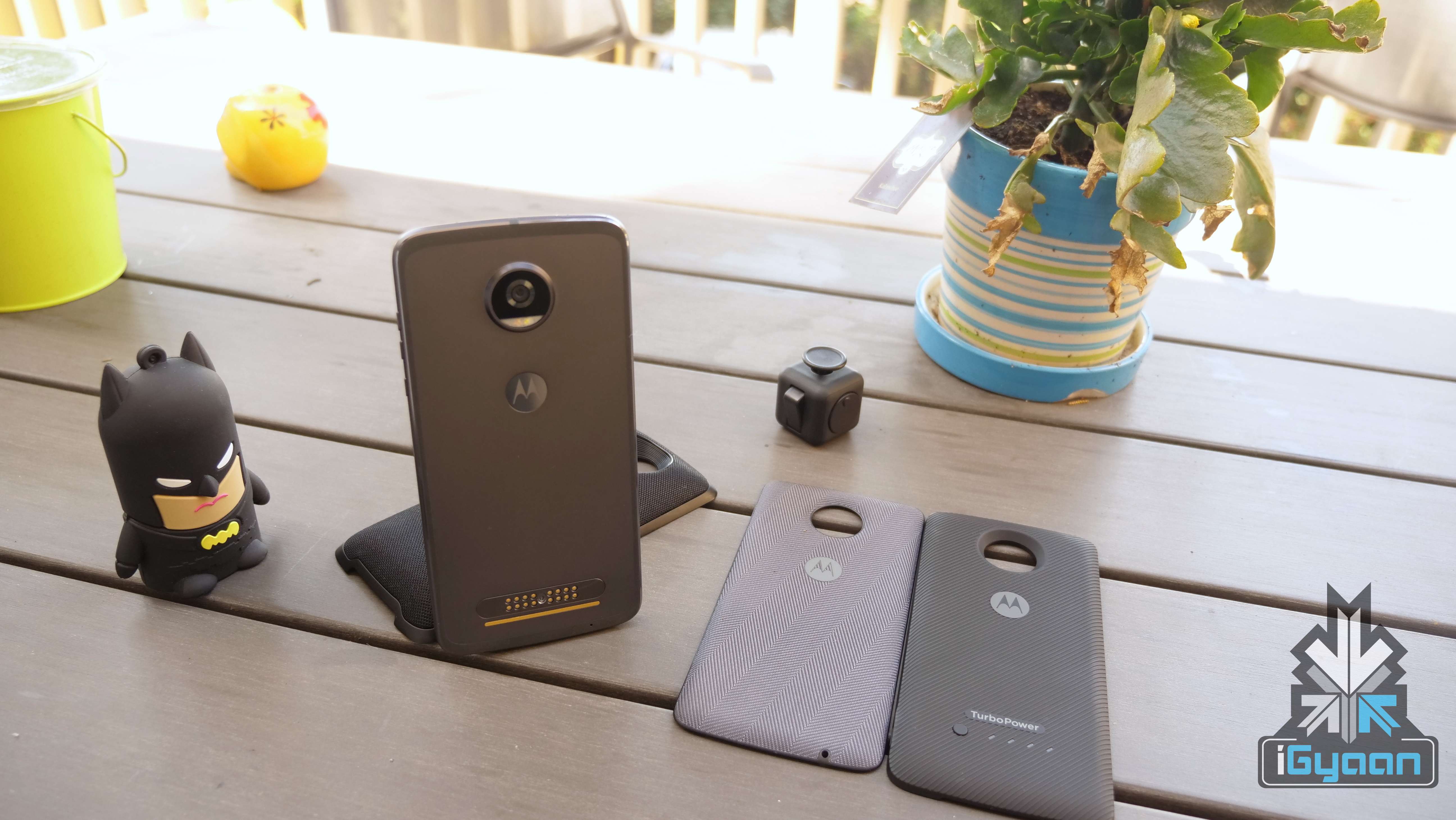
Moto Z2 Play:
The device was originally priced at Rs 29,999 and is now available for Rs 13,888.
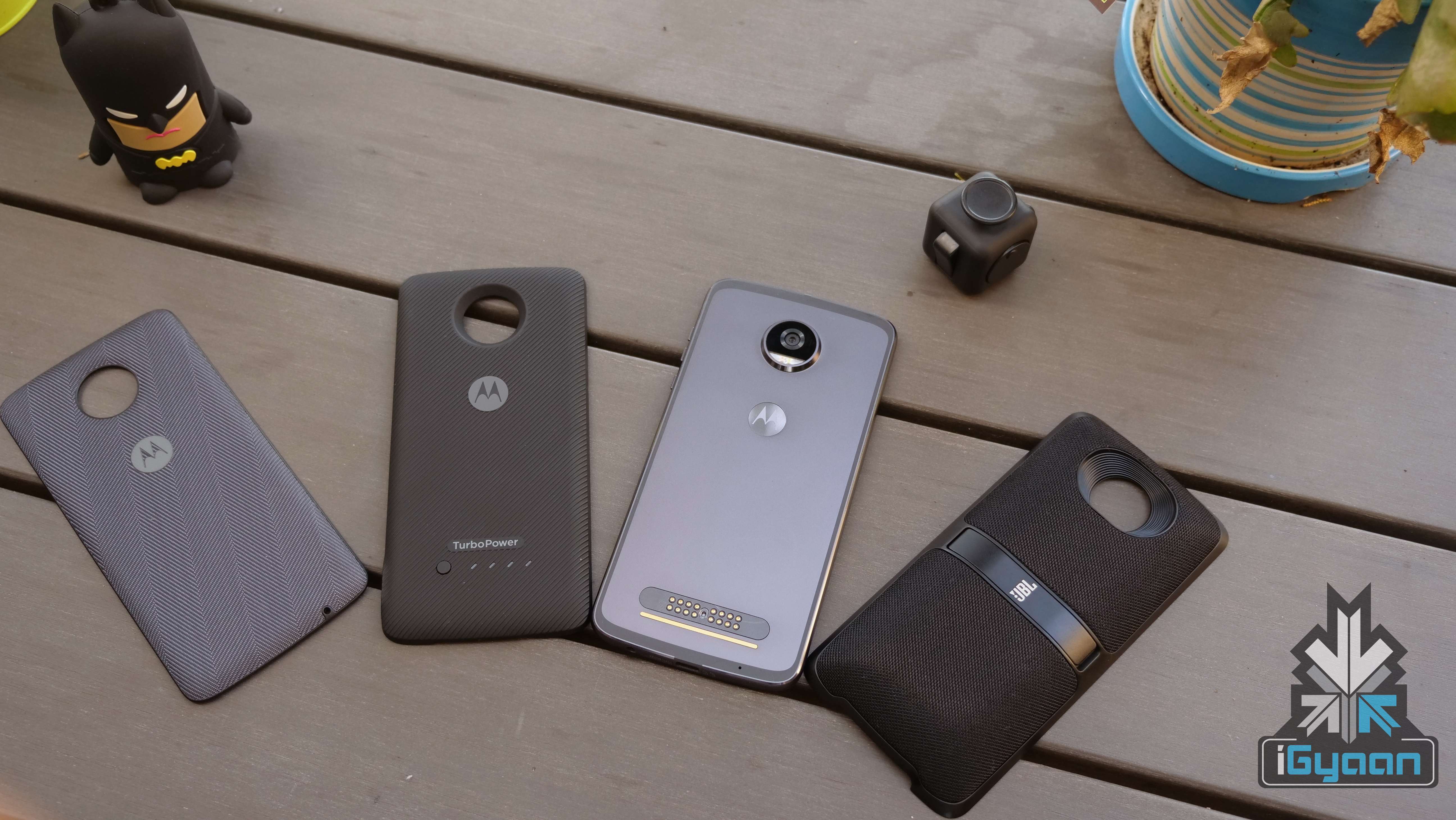
Like the Moto X4 this phone was released in 2017. The device has a 5.5 inch Super AMOLED capacitive touchscreen. It has a resolution of 1080 x 1920 pixels and a pixel density of 401 ppi. The device is powered by the Qualcomm Snapdragon 626 along with an Adreno 506 GPU. Motorola has planned this device to get Android 9.0 upgrades. In terms of connectivity it has Wi-Fi, Bluetooth 4.2, and 4G capabilities. The device has a 12 MP main camera and a 5 MP selfie camera. The device also has fingerprint sensor for securly unlocking the phone.
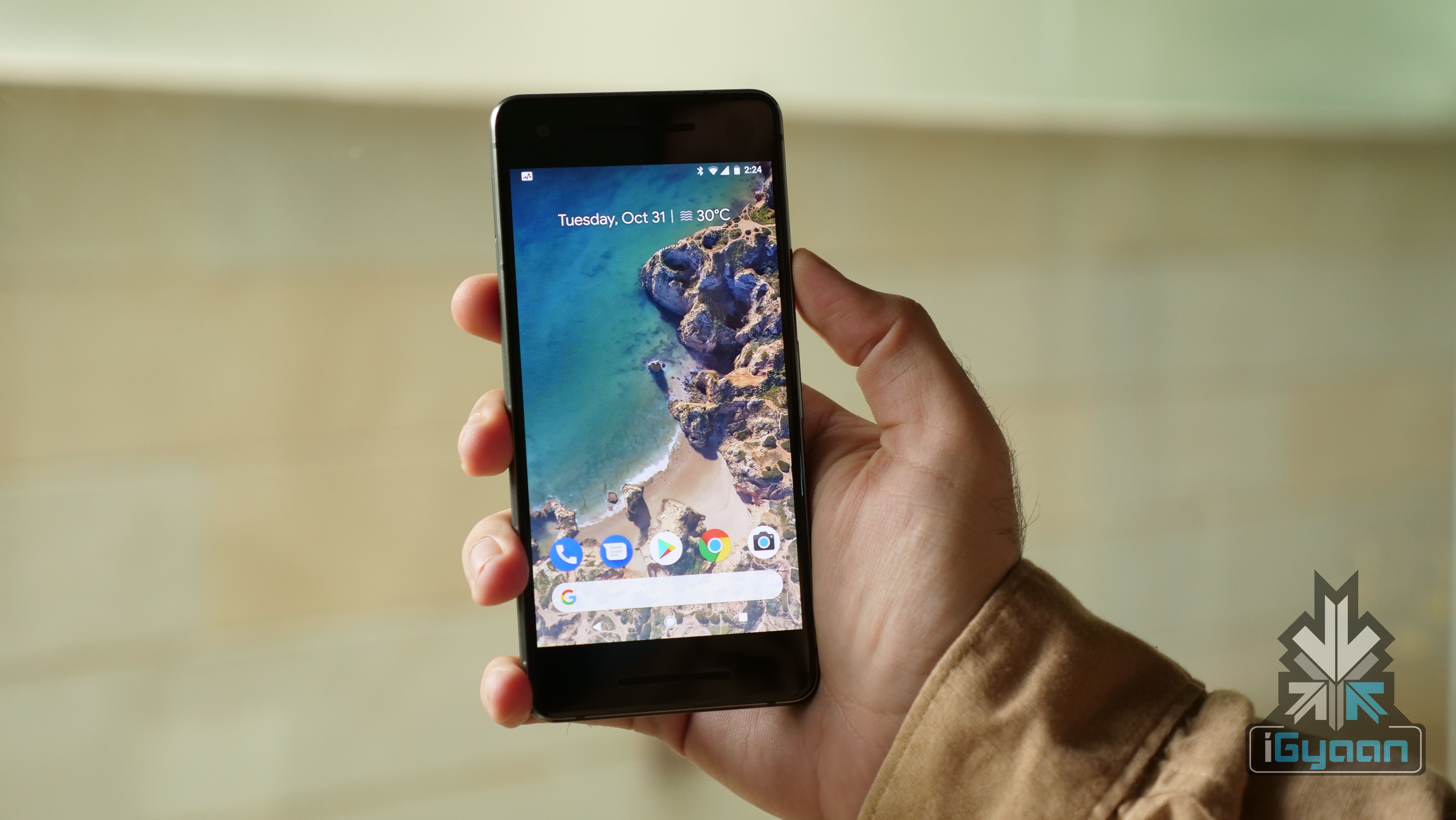
Google Pixel 2:
Google Pixel 2
The device was originally priced at Rs 61,000 and is now available for Rs 47,990.
Launched in October last year, the Pixel 2 is Google’s 2017 flagship. The device has a great camera, good battery and vanilla Android. The smartphone has a 5 inch AMOLED capacitive touch screen with Corning Gorilla Glass 5. The device has a resolution of 1080 x 1920 pixels with a pixel density of 441 ppi. The beast is powered by the Snapdragon 835 Soc. It has 4 GB of RAM with 64 GB of storage. This smartphone has one of the best camera out of all the smartphones in the market.
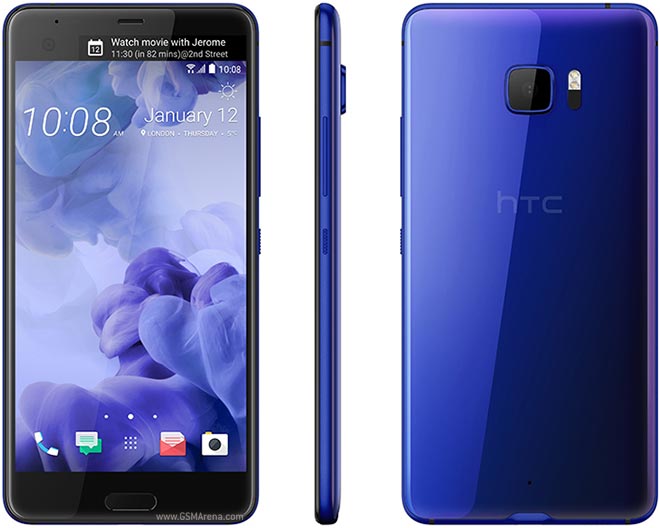
HTC U Ultra :
The device was originally priced at Rs 62,990 and is now available for Rs 29,990.
This is the device that has seen highest price cut in the list. HTC U Ultra is HTC’s last year flagship device. The has a 5.7 inch Super LCD 5 capacitive touchscreen. It has a resolution of 1440 x 2560 pixels with a ppi of 513. It runs on the Qualcomm Snapdragon 821 and the Adreno 520 GPU. The device has 12 MP back camera with Dual-LED flash. The smartphone has 128 GB inbuilt storage and 4 GB of RAM. The device has a 3000 mAh battery with quick charge 3.0.
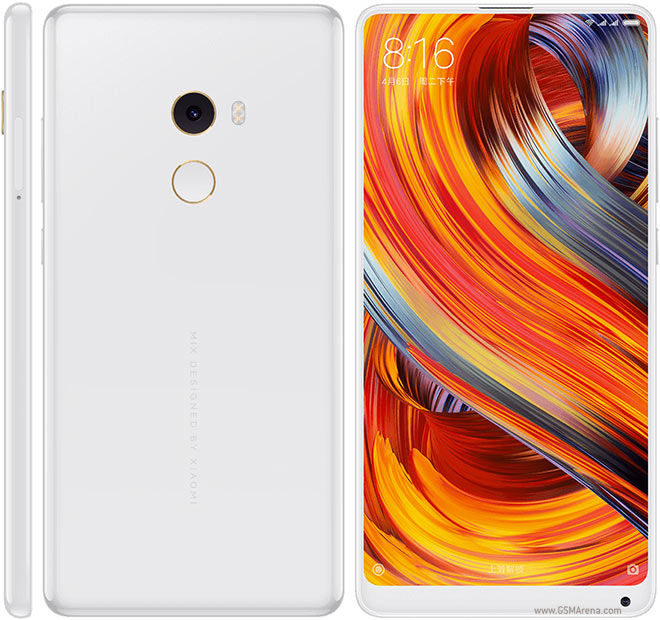
Xiaomi Mi Mix 2:
The device was originally priced at Rs 37,999 and is now available for Rs 28,981.
This is one of the first devices that came with extremely thin bezels and was the flagship offering from Xiaomi in 2017. The device looks stunning. This smartphone has performance of a true flagship. It has a 5.99 inch IPS LCD Capacitive touch screen with a resolution of 1080 x 2160. It has a pixel density of 403 ppi. Under the hood is a Qualcomm Snapdragon 835 along with an Adreno 540. The device has a 3400 mAh Li-ion battery. Connectivity options include WI-Fi, Bluetooth 5.0, NFC and Type-C 1.o reversible connector.
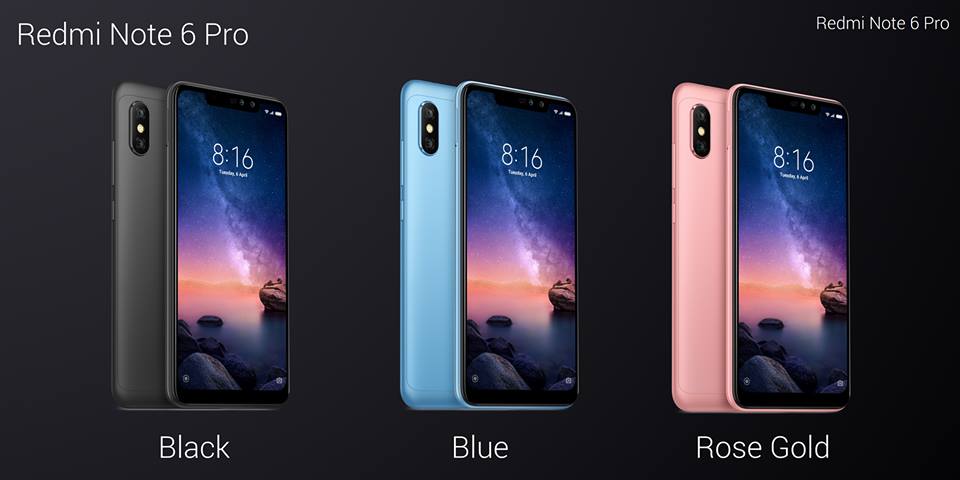
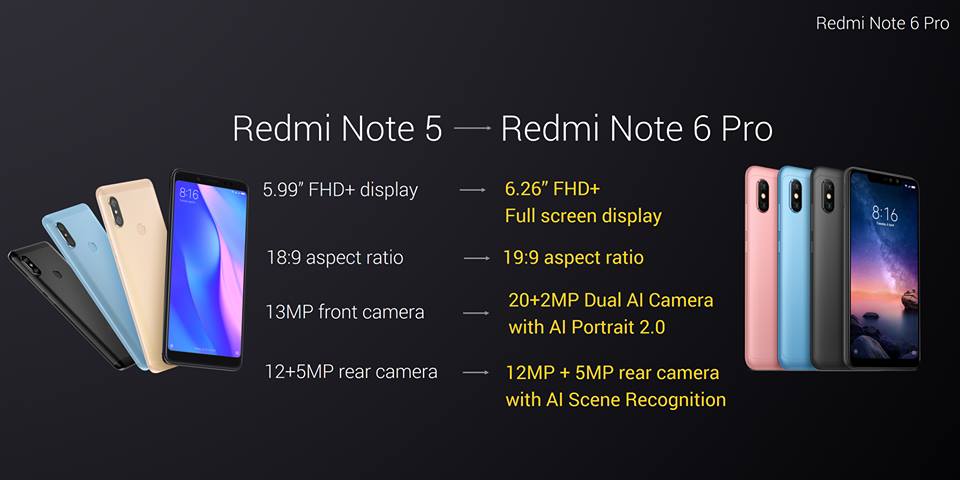
The Xiaomi Redmi Note 6 Pro has been officially launched on the company’s Thai website. The device is the successor to the Redmi Note 5 Pro. Although it has been made official today, the device has already leaked multiple times. It was even available for sale online on 3rd party sites before the official launch.
Redmi Note 6 Pro Specifications:
The Redmi Note 6 Pro has a 6.26 inch display. It is an IPS LCD panel. The screen has a pixel density of 403 ppi and a screen to body ratio of 81.1%. The device runs on the Qualcomm Snapdragon 636. The Snapdragon 636 is an Octa-Core chipset. The device has the Kryo 260 CPU which is clocked at 1.8 GHz along with an Adreno 509 GPU. The phone has a rear-mounted fingerprint sensor and face-unlock technology. The device has a 4000 mAh battery.
The phone is available in three storage options: 32 GB storage with 3 GB of RAM or 64 GB storage paired with either 4 GB/6 GB of RAM. The device has an expandable microSD card slot that takes memory cards up to 256 GB. Though one drawback is the hybrid SIM slot. This means that the device can either accept two SIM cards or one SIM card and a microSD card.
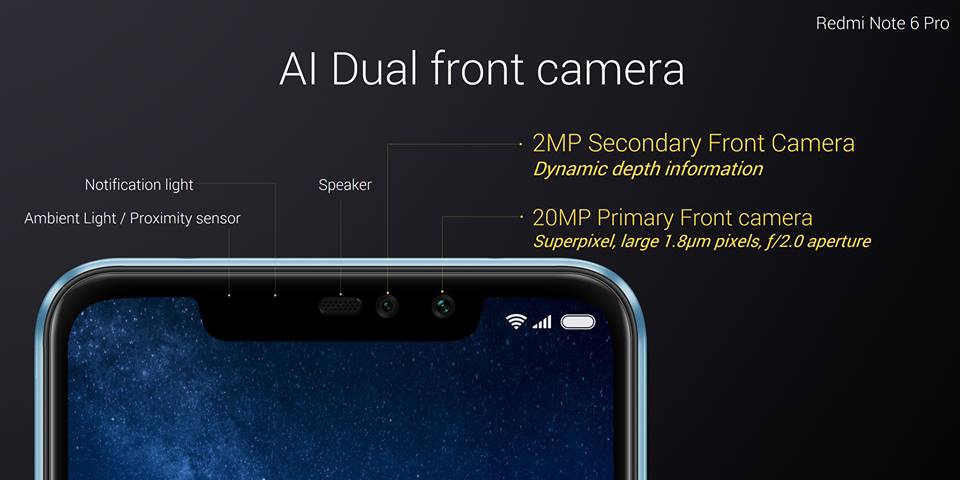
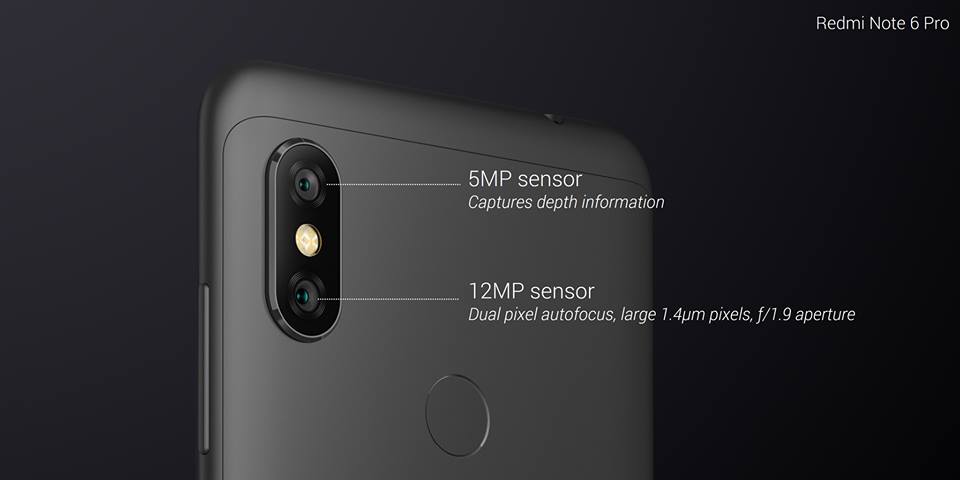
The device is the first Xiaomi phone that has four cameras. The device has dual front cameras, a 20MP and a 2MP depth sensor. The main rear camera setup has dual 12MP and 5MP sensors. It can shoot 2K videos @ 30 FPS. The camera also has AI integration that helps to take better photos based on Artificial Intelligence calculations.
In terms of connectivity it has Bluetooth 5.0, dual band wifi and dual-4G support. It supports OTG connection. Another feature is the Infrared Port which lets you use your phone as a remote control for appliances.
Price & Colours :
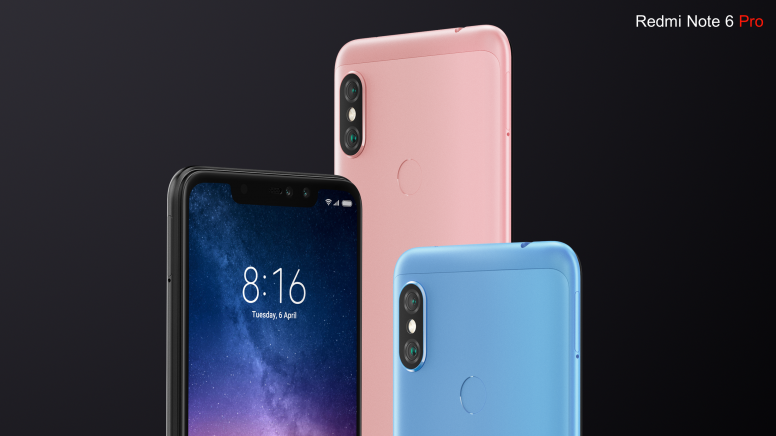
The device is available in Rose Gold, Black and Blue colours. The device costs 6,990 THB(Thai Bhat). This approximately converts to Rs 15,600 for the mid level 4GB RAM and 64 GB storage variant. The device will go on sale on Xiaomi’s Thai website from 27th September.










 A notable leaker from twitter has shared the colour and price options for the upcoming Nokia 7.1 smartphone. He also clarified the confusion that has prevailed online regarding the name of the device. The leaker has been a trustworthy source for quite some time now.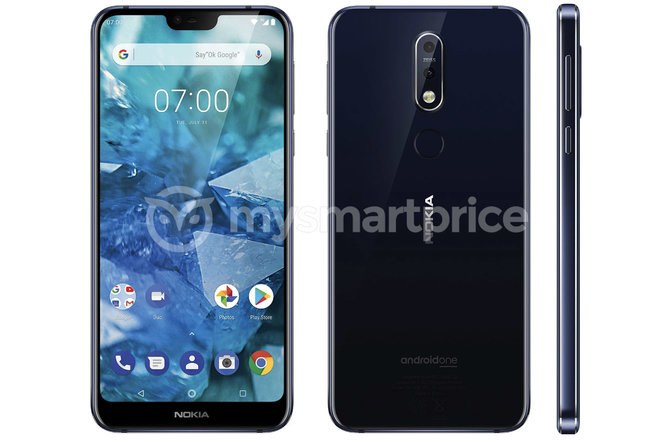
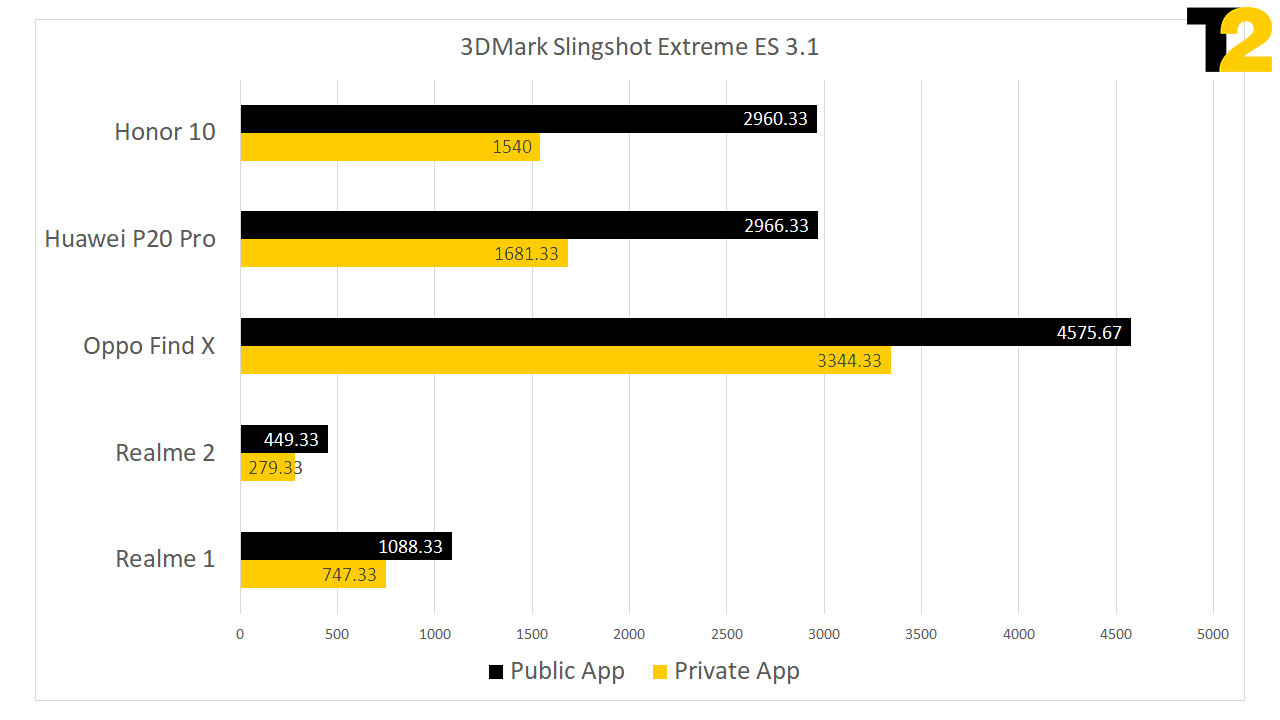 Huawei takes the top spot by a huge margin. Their Honor 10 cheats the benchmark test upto 90%. Huawei P20 Pro also has cheating score of 75 %. Oppo is also found guilty with its Oppo Find X and smartphones from its sub-brand Realme 1 and Realme 2. These devices have a fake bemchmark claim of approximately 36%,45% and 60% respectively.