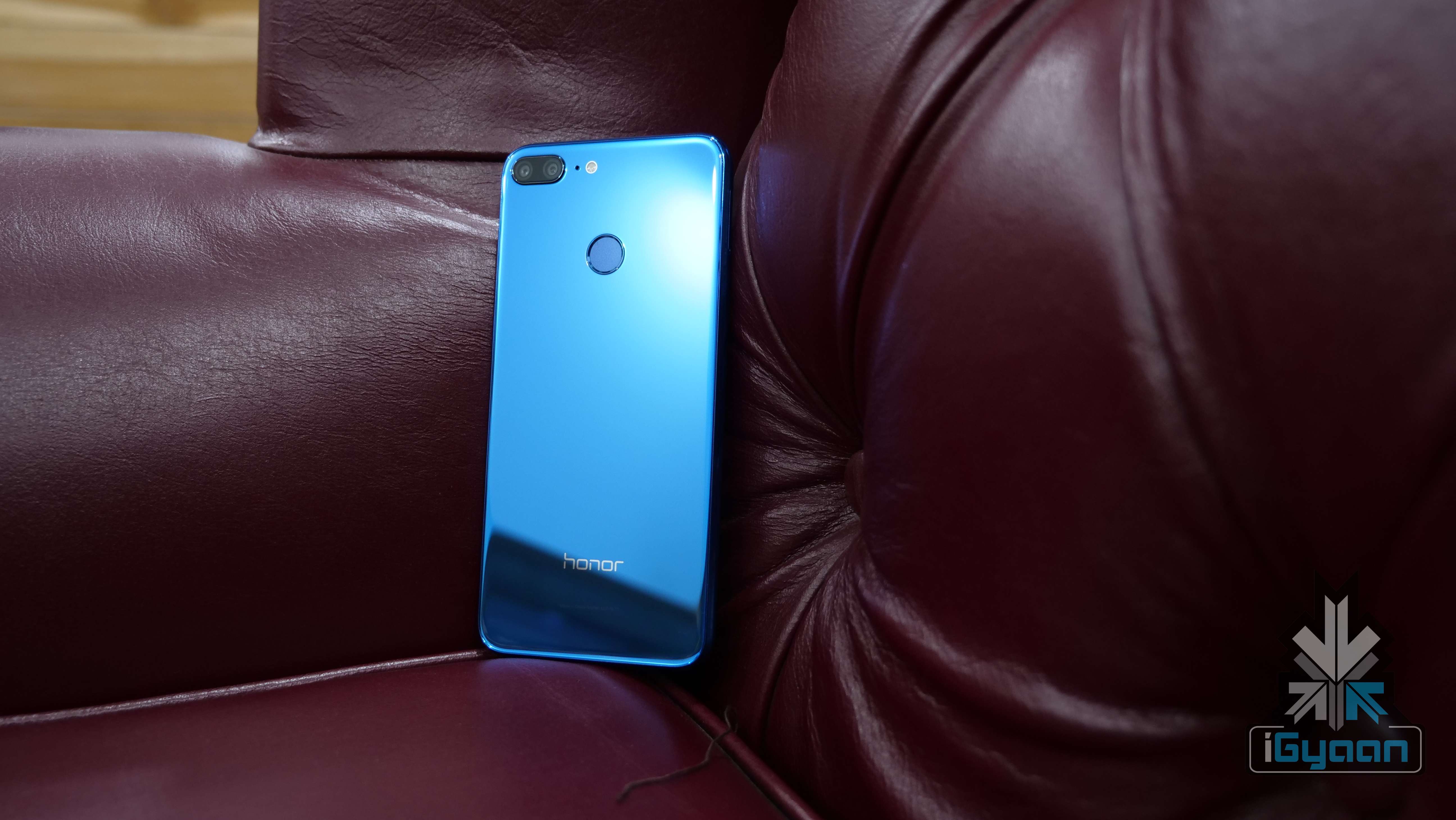
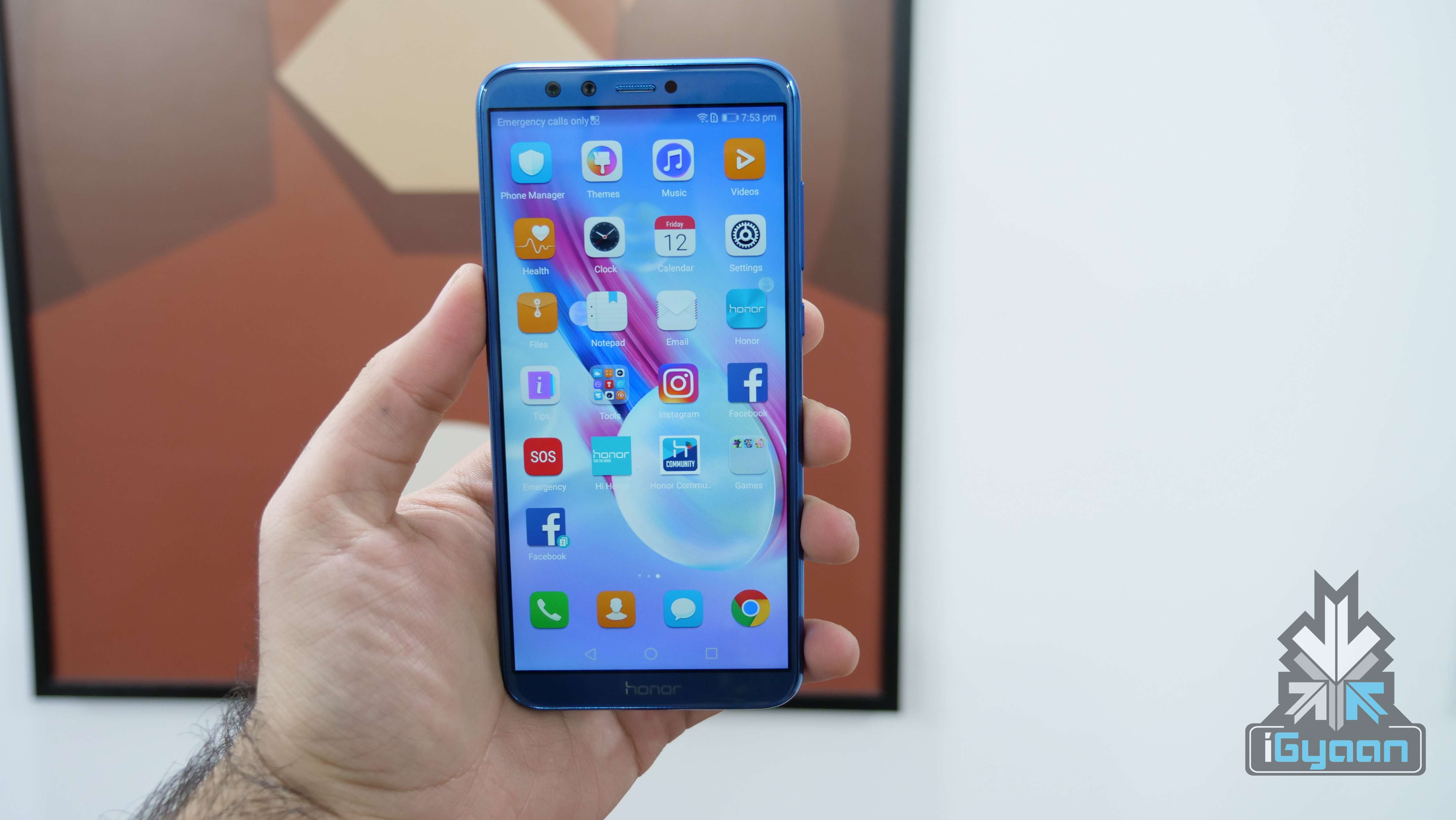
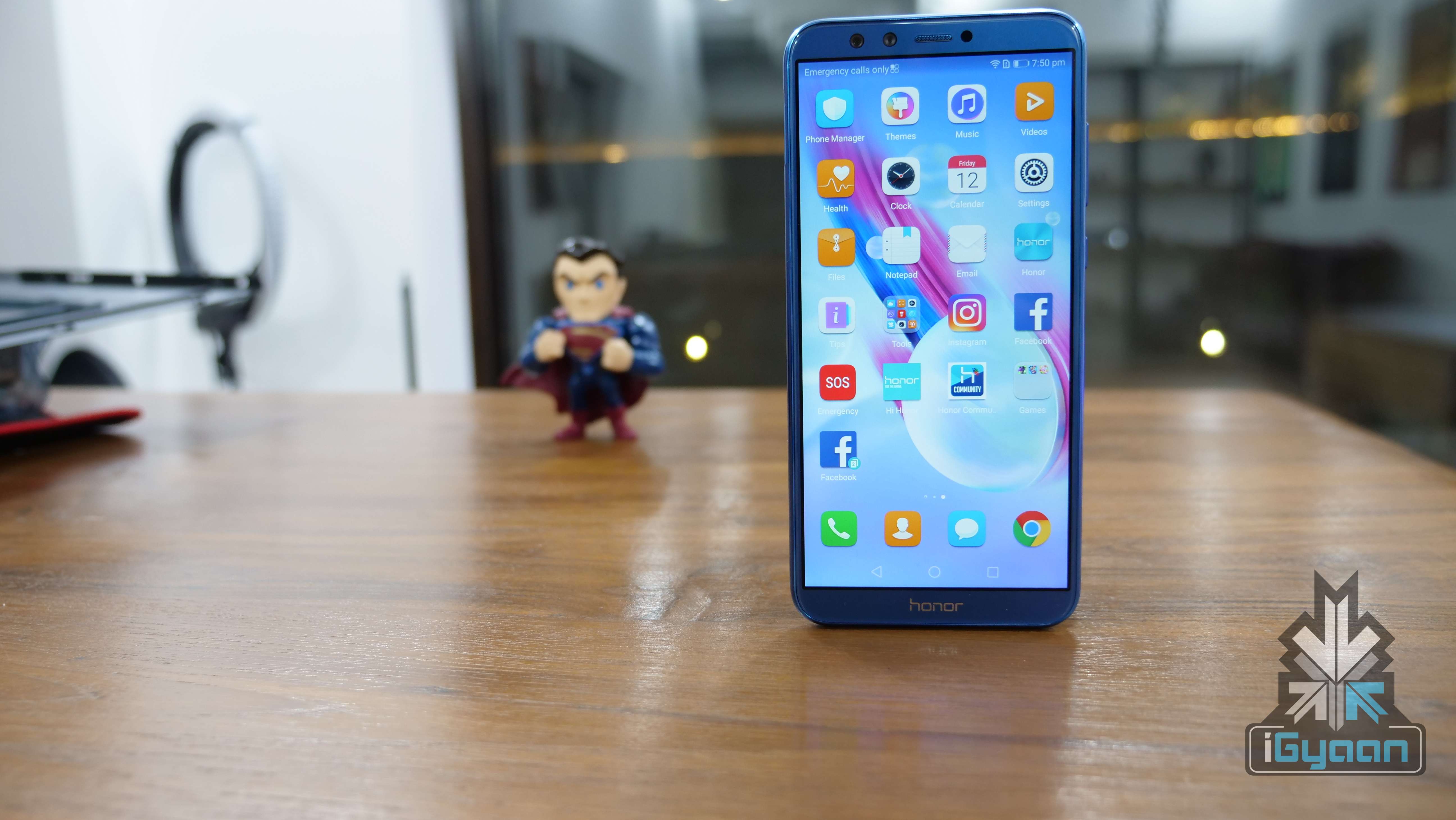
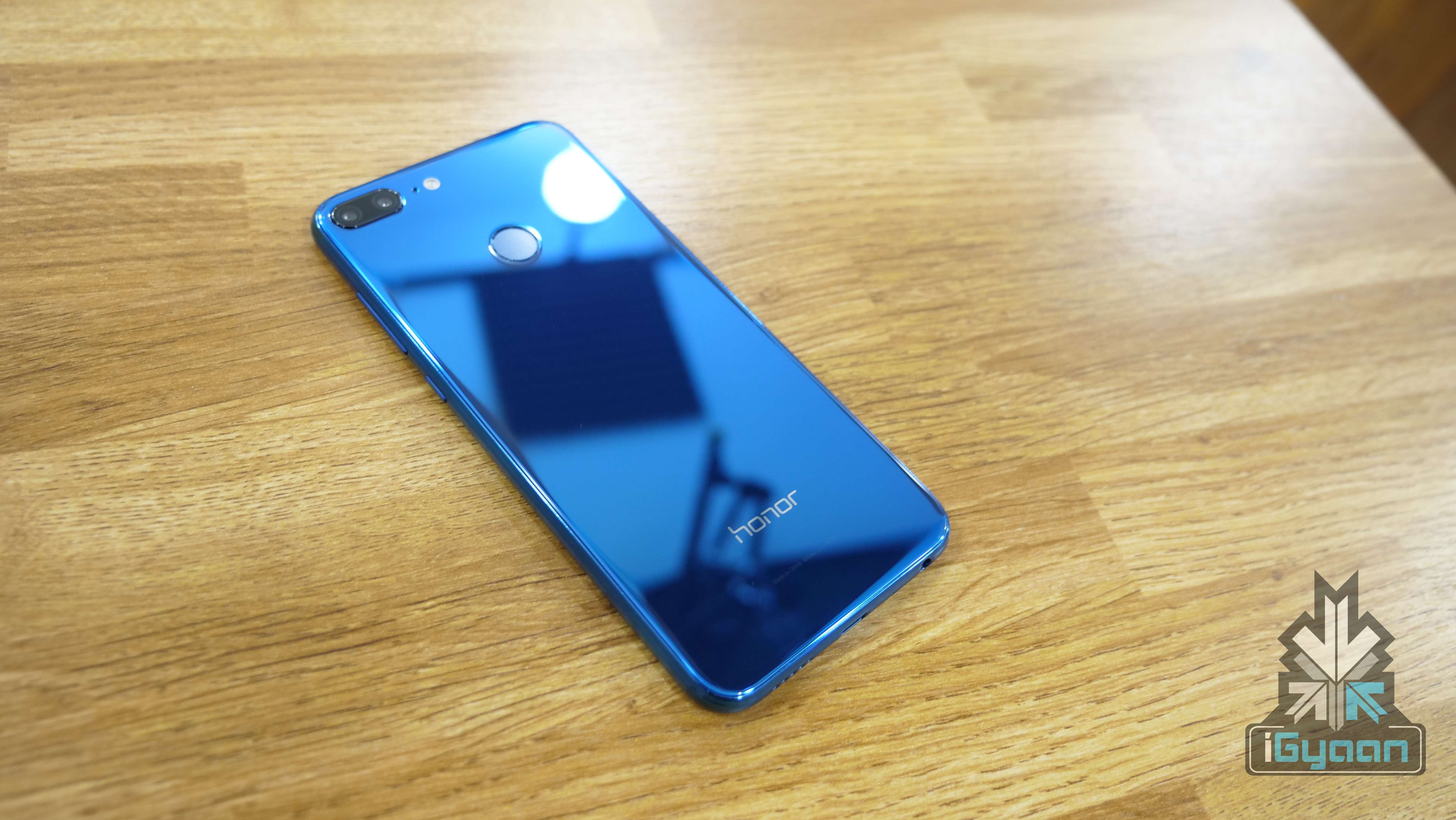
Huawei’s sub-brand, Honor has launched the new Honor 9 Lite in India at a starting price of Rs. 10999. The smartphone will be a Flipkart exclusive will go on sale via the first flash sale on the 21st of January. The 3GB RAM variant is priced at Rs. 10999 while the 4GB RAM variant is priced at Rs. 14999. At this price, the Honor 9 Lite is a great offering by the Chinese smartphone maker.
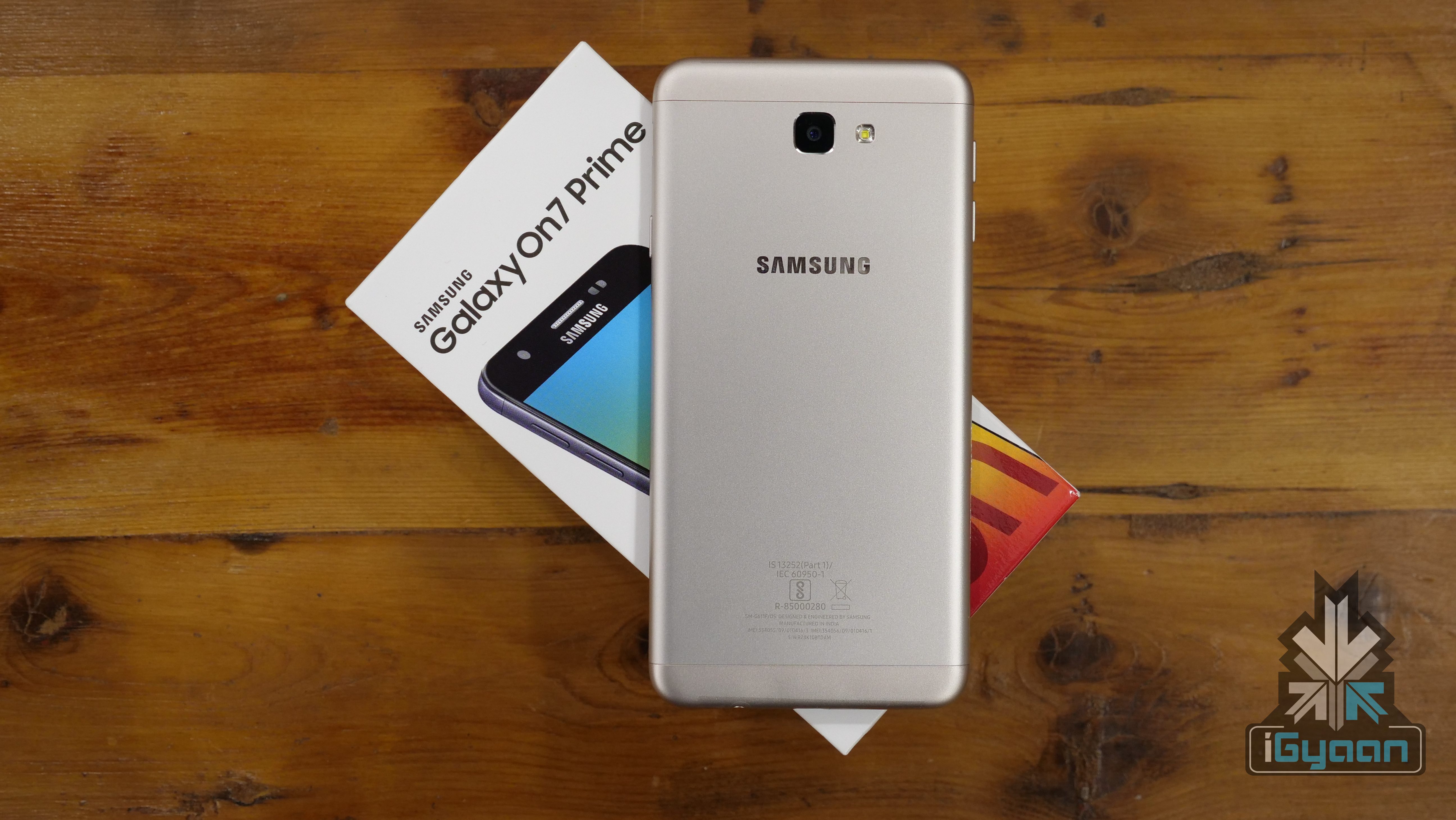
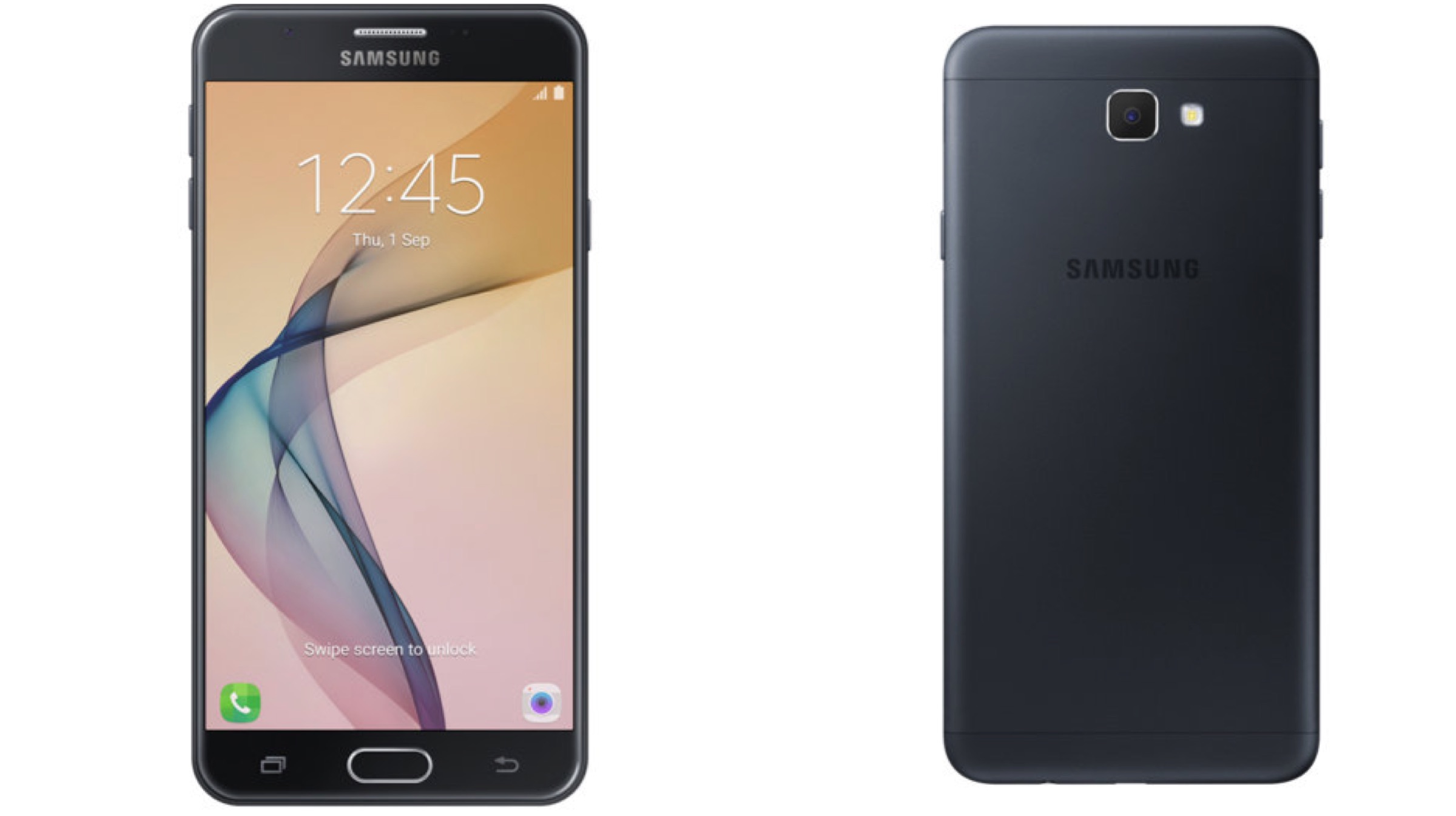
Samsung has launched its new budget smartphone in India, the Galaxy On7 Prime at a price of Rs 12990 for the 3GB RAM variant and Rs. 14990 for the 4GB RAM variant. The smartphone will be sold exclusively via Amazon and will go on sale on the 20th of January during the Amazon Prime Sale.
The Samsung Galaxy On7 Prime coincidentally launched the same day as the Honor 9 Lite and both the smartphones have entered the congested budget segment in the Indian market. The Samsung Galaxy On7 Prime is priced on par with the Honor 7X and the Xiaomi Mi A1 as well as the Moto G5s Plus. With the new smartphone, Samsung has extended its budget offering in the Indian market where it already sells devices like the Samsung Galaxy On8 and the Galaxy J7 Prime.
The Samsung Galaxy On7 Prime has a 5.5-inch display with a 1920 x 1080 px resolution.
Under the hood, the Galaxy On7 Prime will have the Exynos 7870 chipset, a 1.6GHz processor, and Mali-T830 MP1 GPU. The smartphone will be available in two variants, one with 3GB RAM and 32GB of onboard storage and the other with 4GB RAM and 64GB of onboard storage which will be expandable up to 256GB via a microSD card.
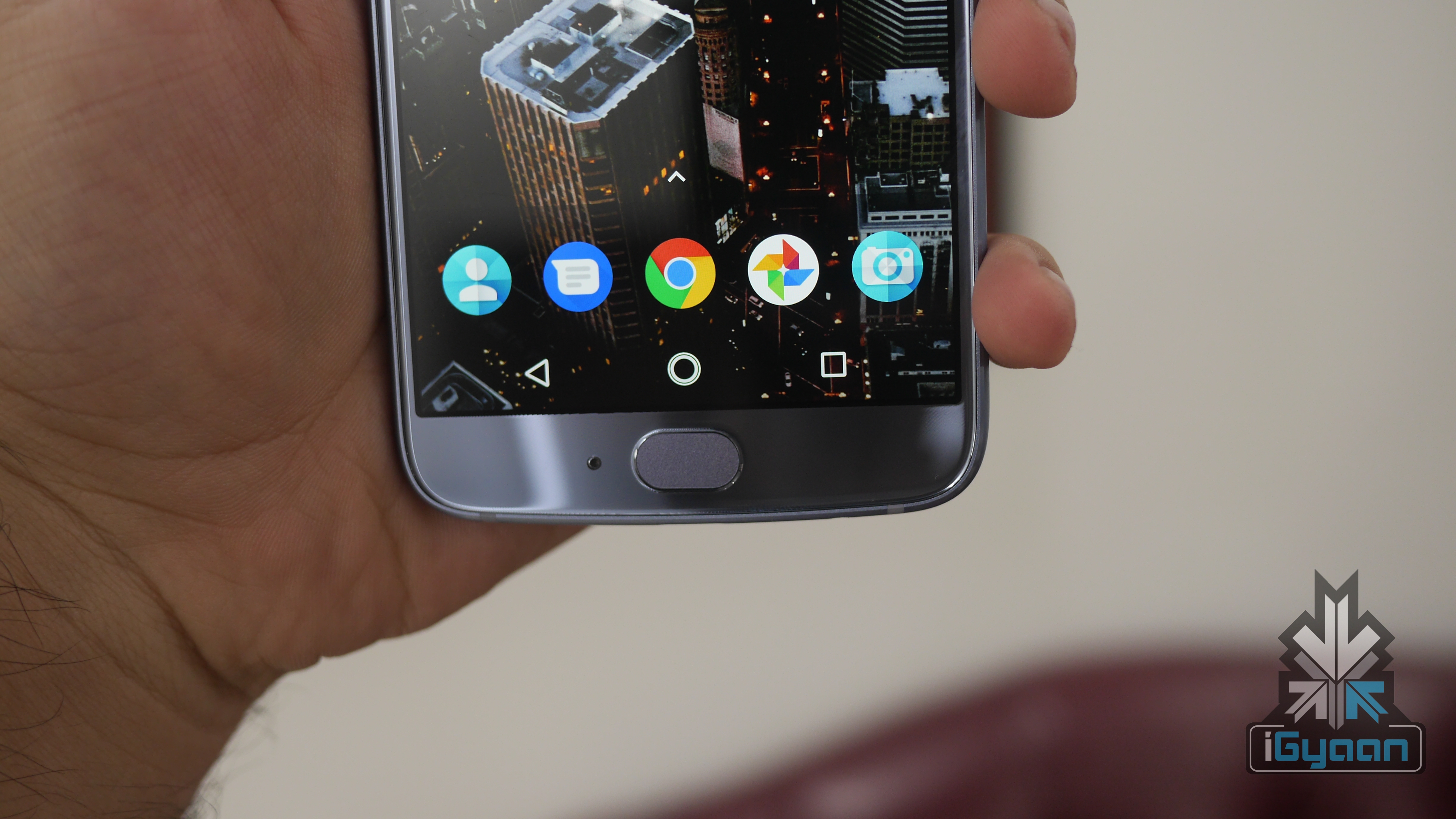
The Galaxy On7 Prime will be powered by a 3300 mAh battery. The physical home button on the front will house the fingerprint sensor as well.
With the new Galaxy On7 Prime, Samsung has also introduced Samsung Mall. The company has tied up with Amazon, Jabong, Shopclues and Tata CLiQ to provide buying links to products that a user might be interested in, from within the Samsung user interface.
The Galaxy On7 Prime will have a 13MP with an f/1.9 aperture on the front and back along with rear-facing LED flash.
Interested users can register for the device by clicking here.
Huawei’s sub-brand, Honor has launched the new Honor 9 Lite in India at a starting price of Rs. 10999. The smartphone will be a Flipkart exclusive will go on sale via the first flash sale on the 21st of January. The 3GB RAM variant is priced at Rs. 10999 while the 4GB RAM variant is priced at Rs. 14999.
Honor has been on a roll in the past couple of months. It recently launched the Honor 7X at a starting price of Rs. 12999 and the Honor View 10 in India at a price of Rs. 29999. The Honor 9 Lite has a similar design with thin bezels and a tall display with the Honor branding housed in the bottom bezel. At a price of Rs. 10999, the Honor 9 Lite goes up against the likes of the Xiaomi Redmi Y1 and Redmi Note 4, although Xiaomi is expected to soon launch the successor to the Redmi Note 4 in India.
It has a 5.65-inch IPS LCD display with a 2160 x 1080 px resolution which translates into an 18:9 aspect ratio.
Under the hood, similar to the Honor 7X, the Honor 9 Lite has the HiSilicon Kirin 659 chipset, an octa-core processor, the Mali-T830 MP2 GPU, 3GB or 4GB of RAM and storage options of 32GB and 64GB. It is worth noting that the onboard storage will be expandable up to 256GB via a microSD card. The fingerprint sensor is placed at the back and the bottom bezel on the front houses the Honor branding.
Powering the device is a 3000 mAh battery which also supports the Super Charge technology.
The Honor 9 Lite has four cameras. To the front and back, it has a 13MP camera along with a 2MP depth sensor and both the setups record 1080P videos at 30fps.
The Honor 9 Lite at this price is a great alternative for people who like the Honor 7X but, are on a tight budget. Not just that, the Honor 9 Lite is powered by a very able chipset, has a dual camera setup on the front and back and a build quality that is unmatched at this price point.
Motorola smartphones are few of the most anticipated devices in their respective price segments. The original Moto G, launched in 2013, was the first budget smartphone that did not compromise a lot on performance and build quality. Ever since then, the Moto G lineup has produced some fine smartphones.
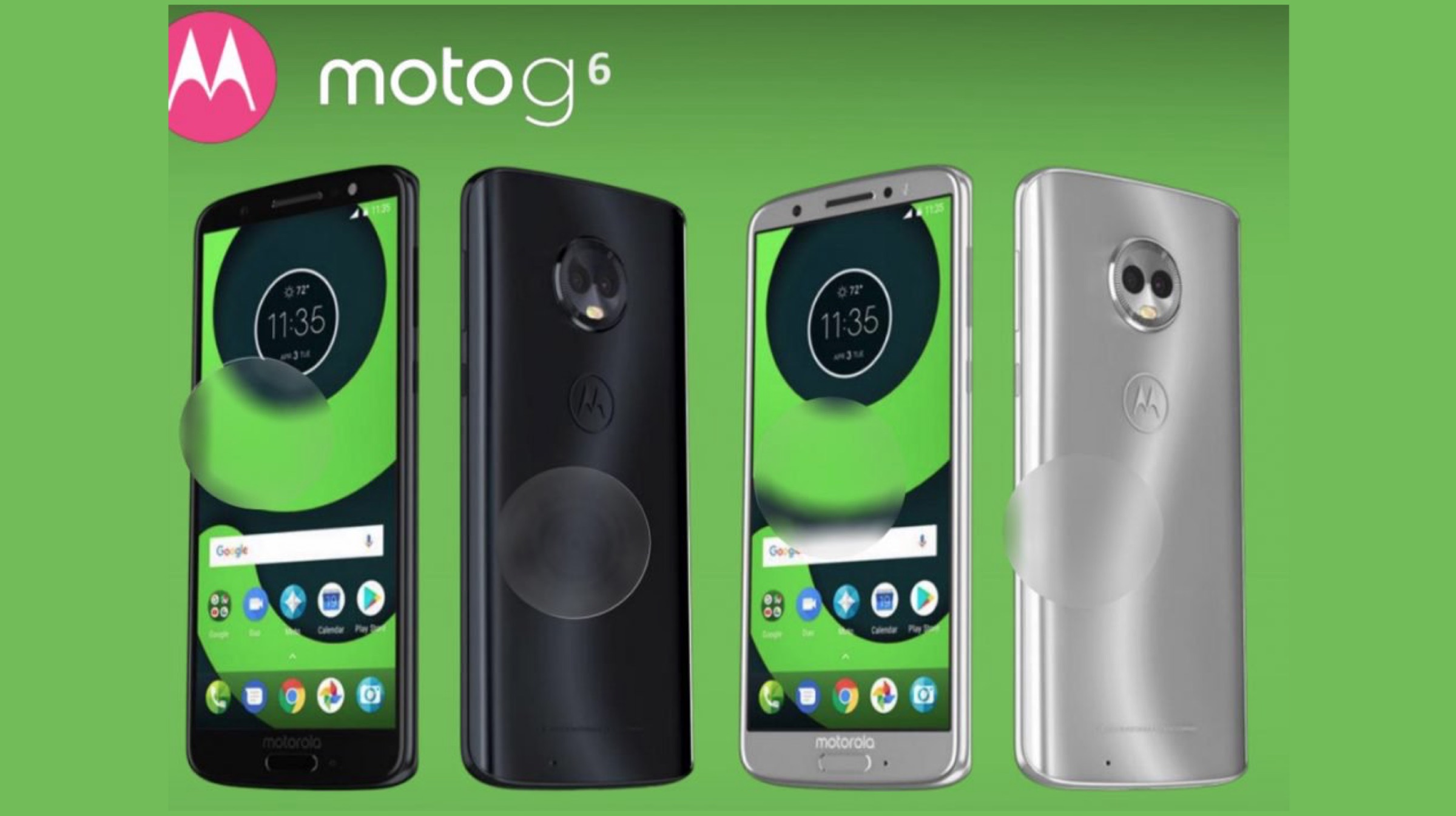
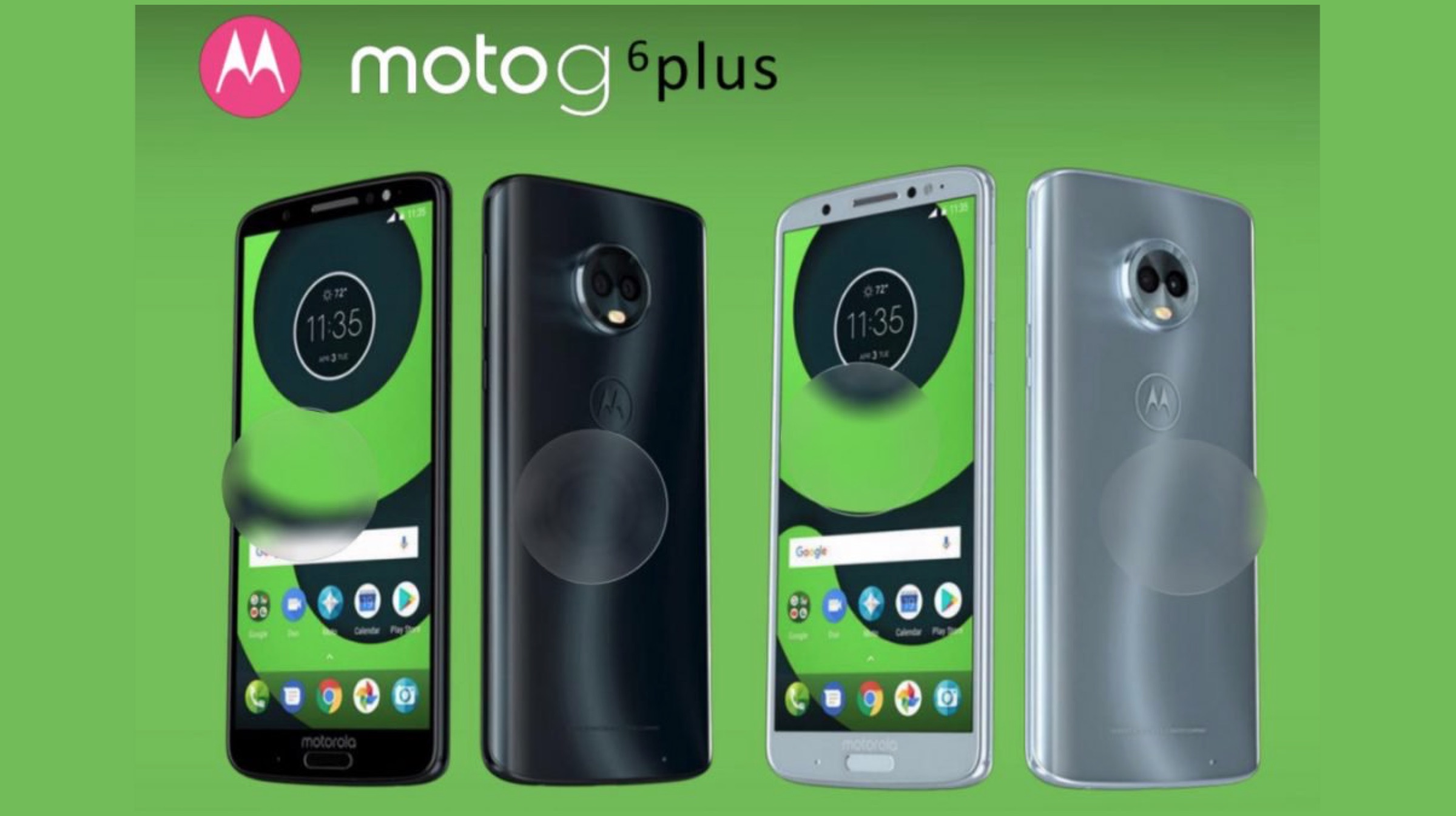
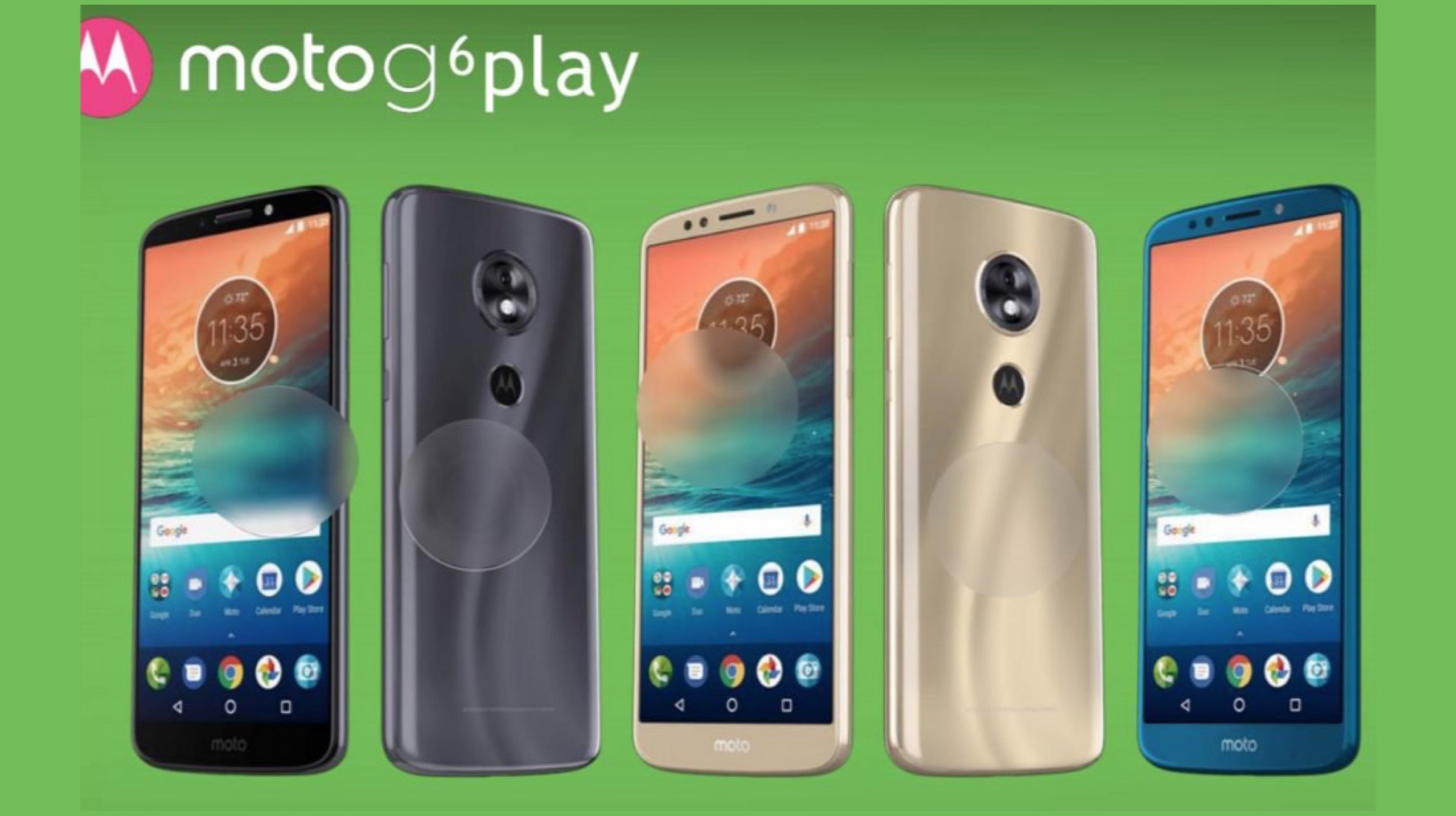
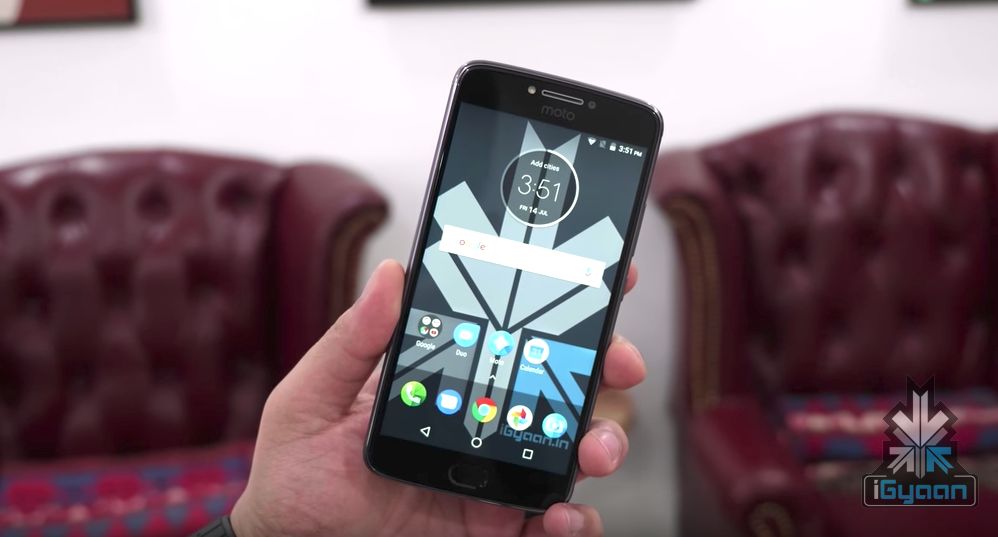
The Moto G5 Plus, launched in early-2017, had a great camera and similarly, the Moto G5s Plus impressed as well. The Moto G6 and G6 Plus are also expected to be launched in the coming months and a few leaked images have revealed the design and key specifications of the upcoming Moto G6, G6 Plus and G6 Play.
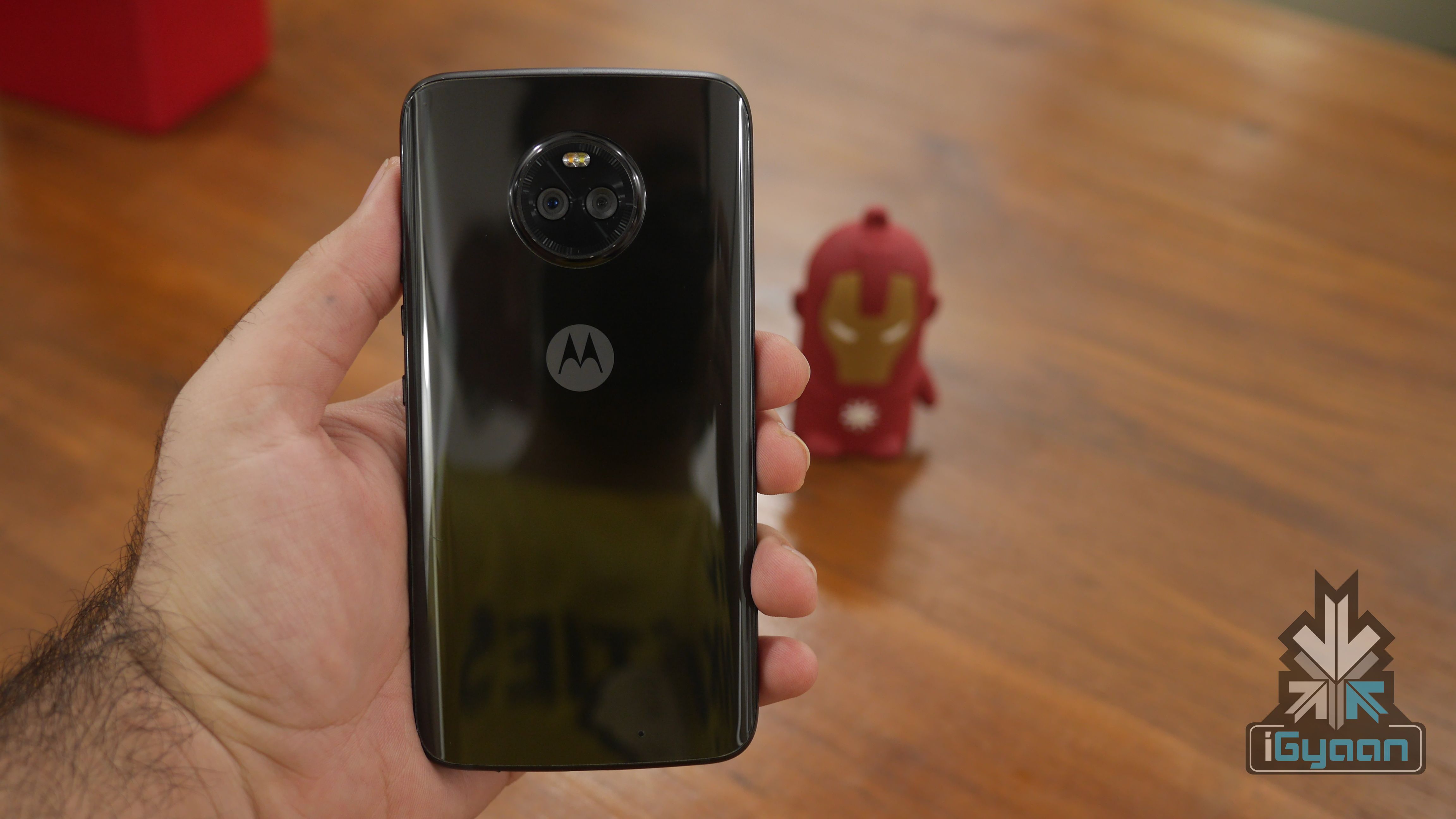
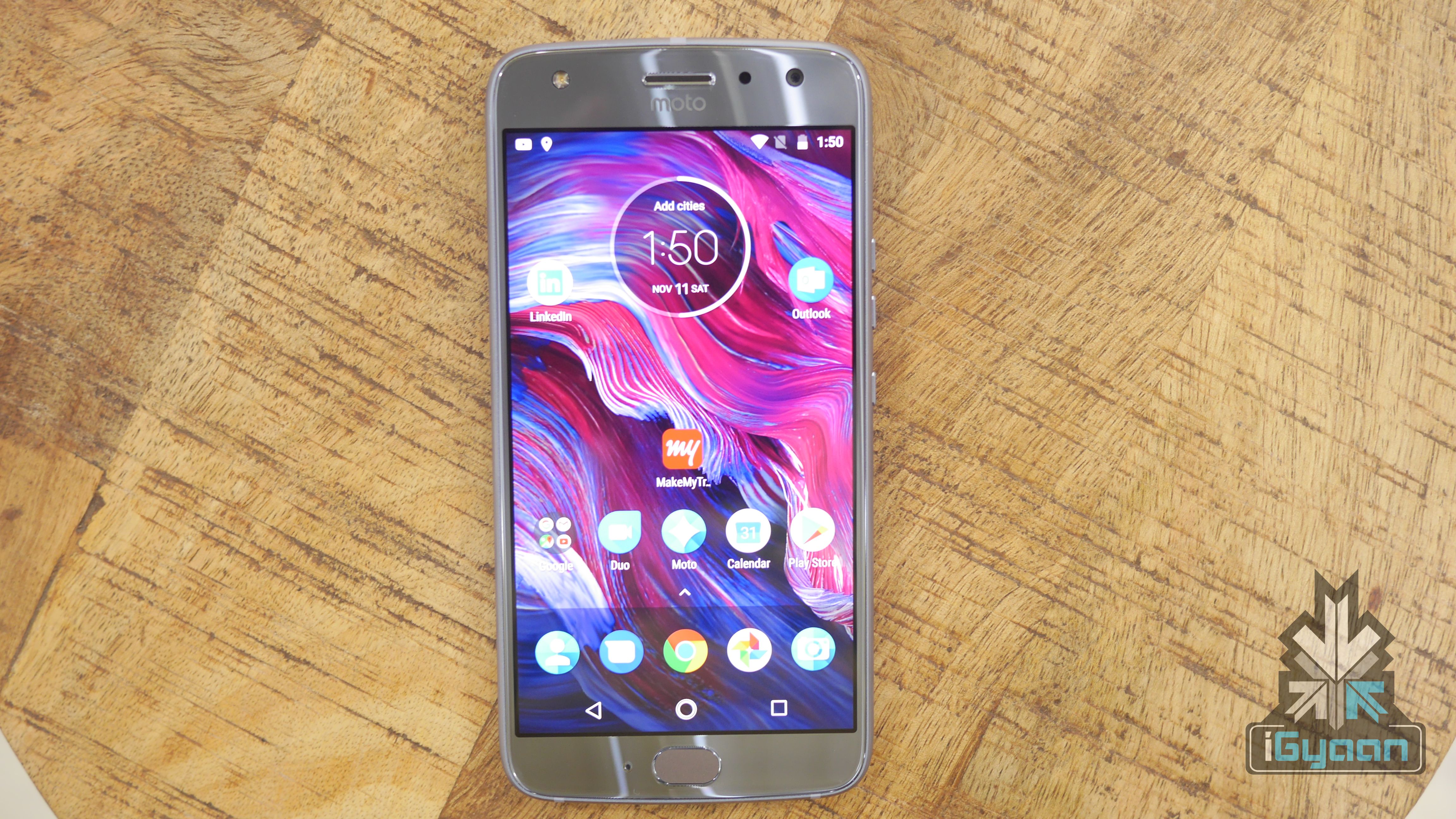
All the three smartphones have a new design very similar to the Moto X4 with 3D glass on the back and protruded cameras. Similar to what we noticed in the Moto X5 leak, the “Moto” branding is now replaced with “Motorola” on all the three smartphones.
Moto G6
The Moto G6 will be the slightly cheaper variant of the Moto G6 Play. According to the leak, the Moto G6 will have a 5.7 inch display with a 2160 x 1080 px resolution. This translates to an 18:9 aspect ratio and the image also reveals thin bezels around the display which gives it a more modern look.
Under the hood, it will be powered by the Qualcomm Snapdragon 450 chipset. It will retail in two variants, one with 3GB of RAM and 32GB of onboard storage while the other one will have 4GB RAM and 64GB storage. The storage will be expandable although, there is no word on whether it will have a dedicated microSD card slot or not. The fingerprint sensor is placed on the front of the device, just below the display which will double up as a navigation button as well.
The smartphone will be powered by a 3000mAh battery and in all likelihood, it will run Android 8.0 Oreo out of the box.
Unlike last year’s Moto G5s, the Moto G6 will have a dual camera setup on the back. It will have a 12MP sensor along with a 5MP sensor and a front-facing 16MP camera.
Moto G6 Plus
The Moto G6 Plus will succeed the highly popular Moto G5s Plus in the Indian market. According to the leak, it will have a 5.93 inch display with a 2160 x 1080 px resolution.
Under the hood, the device will have the Qualcomm Snapdragon 630 chipset as opposed to the Snapdragon 625 found on the Moto G5s Plus. The smartphone will come in three variants this time around, 3GB RAM/32GB storage, 4GB RAM/64GB storage and 6GB RAM/64GB storage. The 6GB RAM variant will be interesting at this price point as so far, smartphones above Rs. 25000 have featured so much of RAM till now. The fingerprint sensor is placed on the front of the device, just below the display which will double up as a navigation button as well.
The Moto G6 Plus will be powered by a 3200 mAh battery and run Android 8.0 Oreo out of the box.
The Moto G6 Plus will have a 12MP sensor coupled with a 5MP sensor with a pixel size of 1.4 microns on the back. To the front will be a 16MP camera, similar to the Moto G6.
Moto G6 Play
As far as the Moto G6 Play is concerned, the leak reveals that it will have a 5.7 inch display with a 1440 x 720 px resolution.
It will be powered by a massive 4000 mAh battery and run Android 8 Oreo out of the box.
Unlike the Moto G6 and the G6 Plus, it will have a single camera setup, both on the front and back. The fingerprint sensor will also be housed inside the Moto logo on the back.
The Moto X4 was launched in India in November with impressive features for its price point. Although a great phone, the Moto X4 had a dated design for a smartphone launching in mid-2017 (global release) with thick bezels around the display. It looks like Motorola has plans to overhaul the ‘X’ series with the upcoming Moto X5.
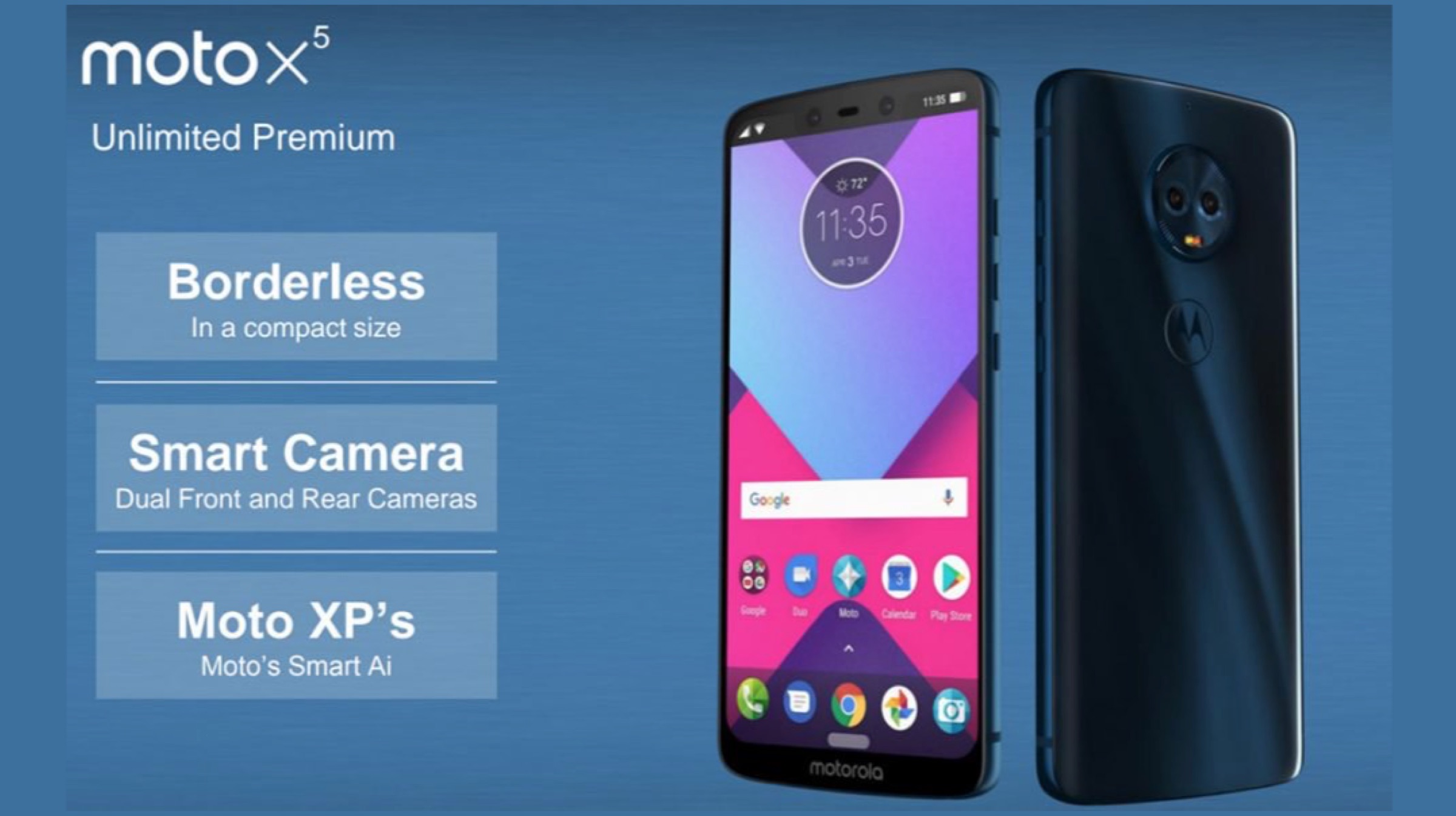
A new promotional image of the Moto X5 has been leaked which reveals a fresh design on the front and a similar design for the back panel which we saw on the Moto X4. The next interesting aspect here is the display and the notch at the top. The leaked image reveals an iPhone X-like notch which appears to house a dual-camera setup along with the rest of the sensors.
It is also worth noting that the three navigation buttons which are common on all Android devices are missing and there appears to be a Homebar-like button at the bottom. The next big thing missing in the image is the fingerprint sensor. There is no fingerprint sensor on the front where it usually is for Moto devices, and the back of the phone also seems to be without a fingerprint reader. It is possible that the sensor is housed inside the Moto logo on the back, similar to the Moto E5 leak we saw yesterday.
However, there is no denying the exciting possibility of the fingerprint sensor being embedded inside the display, as was showcased by Vivo at CES 2018.
The alleged Moto X5 will have a 5.99 inch display with a 2160 x 1080 px resolution. A giveaway that this might not be the most credible leak is the corners of the display. The bottom corners are rounded while the top corners of the display are not. If true, this will be a different implementation by Motorola. The “Moto” branding is now replaced with “Motorola” branding just below the display as well.
While the Moto X5 launch seems a bit far, there is no denying that this leak seems exciting and a different move by Motorola. The decision to go with a notch, if true, would definitely make it to the headlines at the time of its launch.
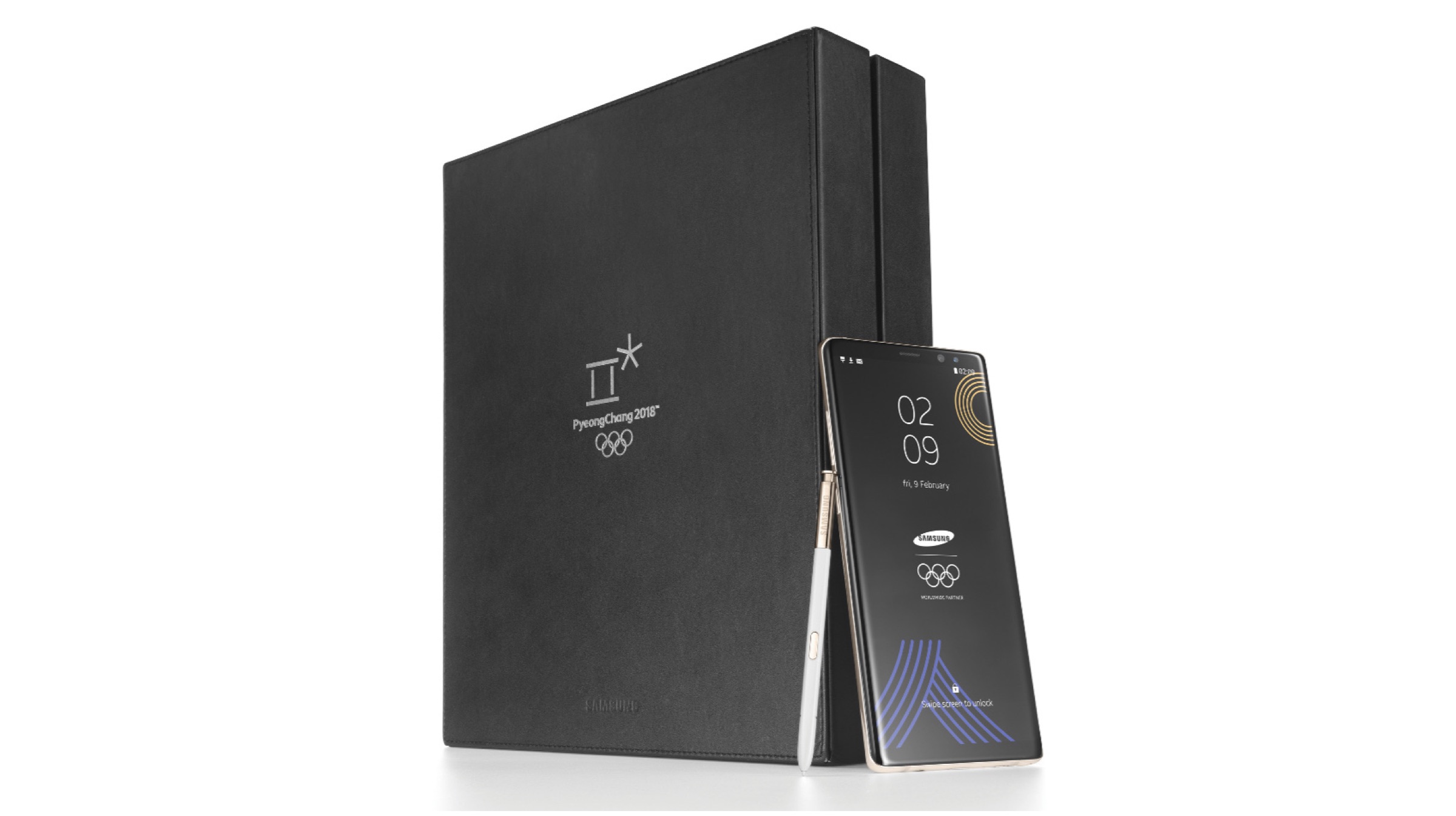
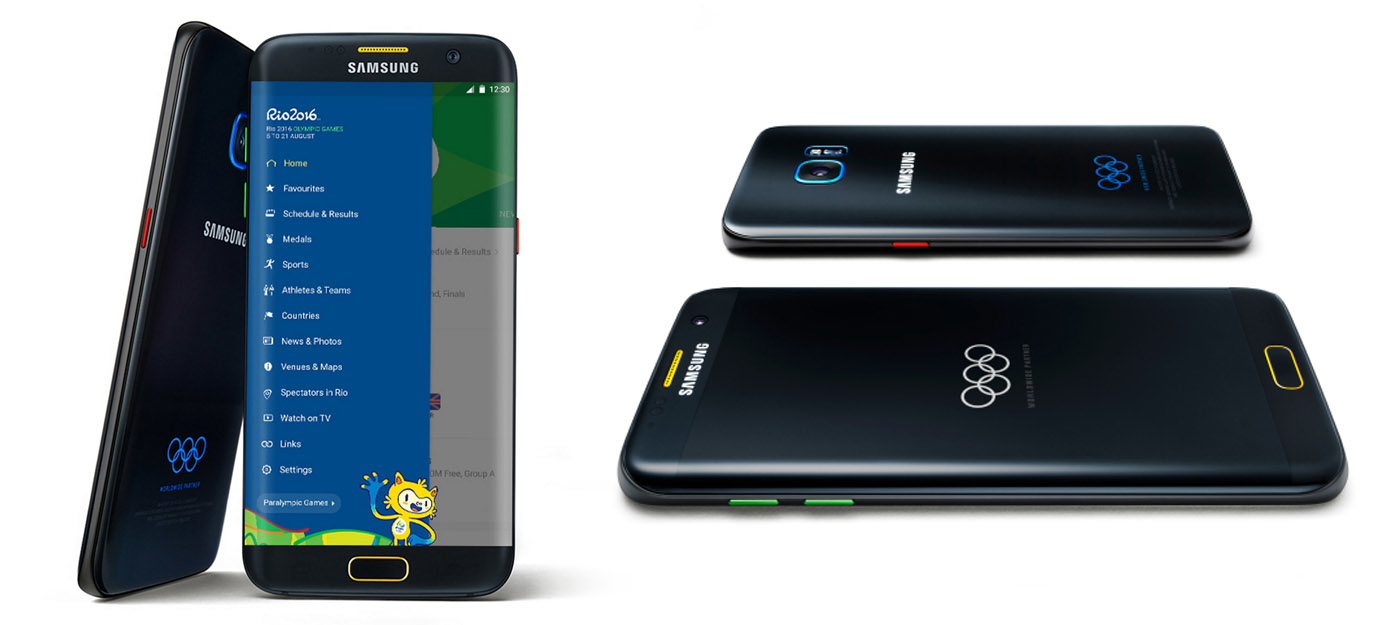
Samsung has unveiled a swanky new variant of the Galaxy Note8 which you may never be able to get your hands on. The 2018 Winter Olympics will take place in PyeongChang, South Korea from the 9th of February to February 25th. Samsung, as one of the main sponsors of the Games, will give more than 4000 personalised Galaxy Note8 devices to athletes and IOC staff. These personalised Note8 devices are called the Samsung Galaxy Note8 PyeongChang 2018 Edition.
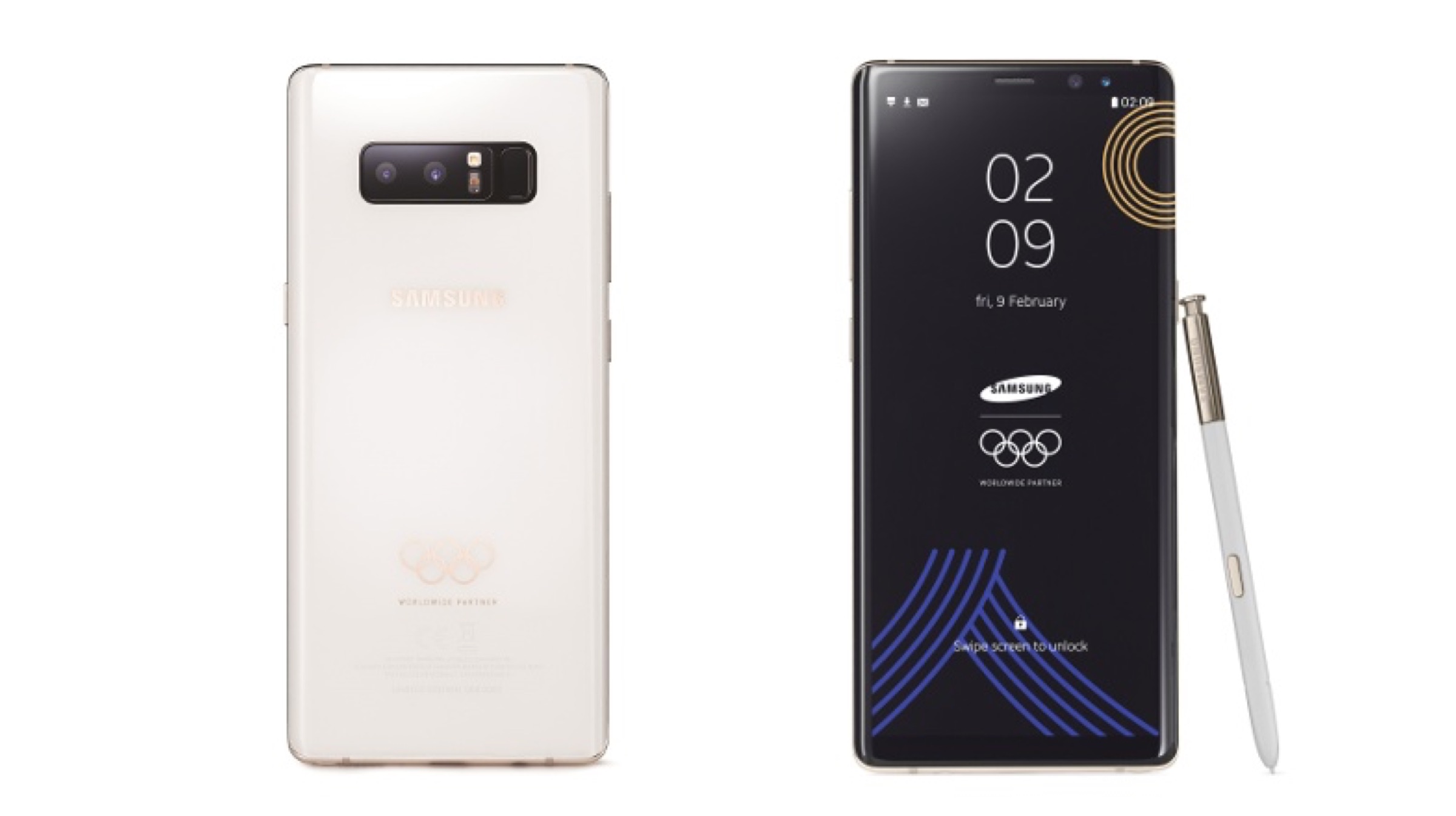
The new smartphone variant has a shiny white back panel with the iconic golden five-ring Olympics logo. The Galaxy Note8 PyeongChang 2018 Edition will also have a gold colour finish on the phone’s rim, buttons and parts of the S Pen. The limited edition variant will also have preloaded PyeongChang 2018 themed wallpapers and apps “to help cultivate the utmost Olympic Games experience”. Paralympians will also receive this smartphone and their phones will come with cases that will have the Paralympic Games logo.
While this device is exclusively for athletes as of now, Samsung might change its plans and launch this device for the public as well. The company released the 2016 Olympics edition Galaxy S7 Edge to the public as well, though it only sold a couple of thousand units worldwide.
The Samsung Galaxy Note8 has a 6.3 inch 2960 x 1440 px 18.5:9 aspect ratio Super AMOLED display with an 83.1% screen-to-body ratio and Corning Gorilla Glass 5 on the front and back of the device.
As is with all Samsung flagship devices, the Galaxy Note8 ships with two different chipsets, the Qualcomm Snapdragon 835, 2.45 GHz octa-core processor with Adreno 540 GPU for USA and China, and the Exynos 8895, 2.3GHz Quad-Core (Custom CPU) + 1.7GHz Quad-Core (Cortex-A53) with Mali-G71 MP20 for the remaining markets. The device also has 6GB RAM and onboard storage options of 64GB/128GB/256GB which is expandable via microSD card up to 256GB.
Galaxy S7 Edge Olympic Edition
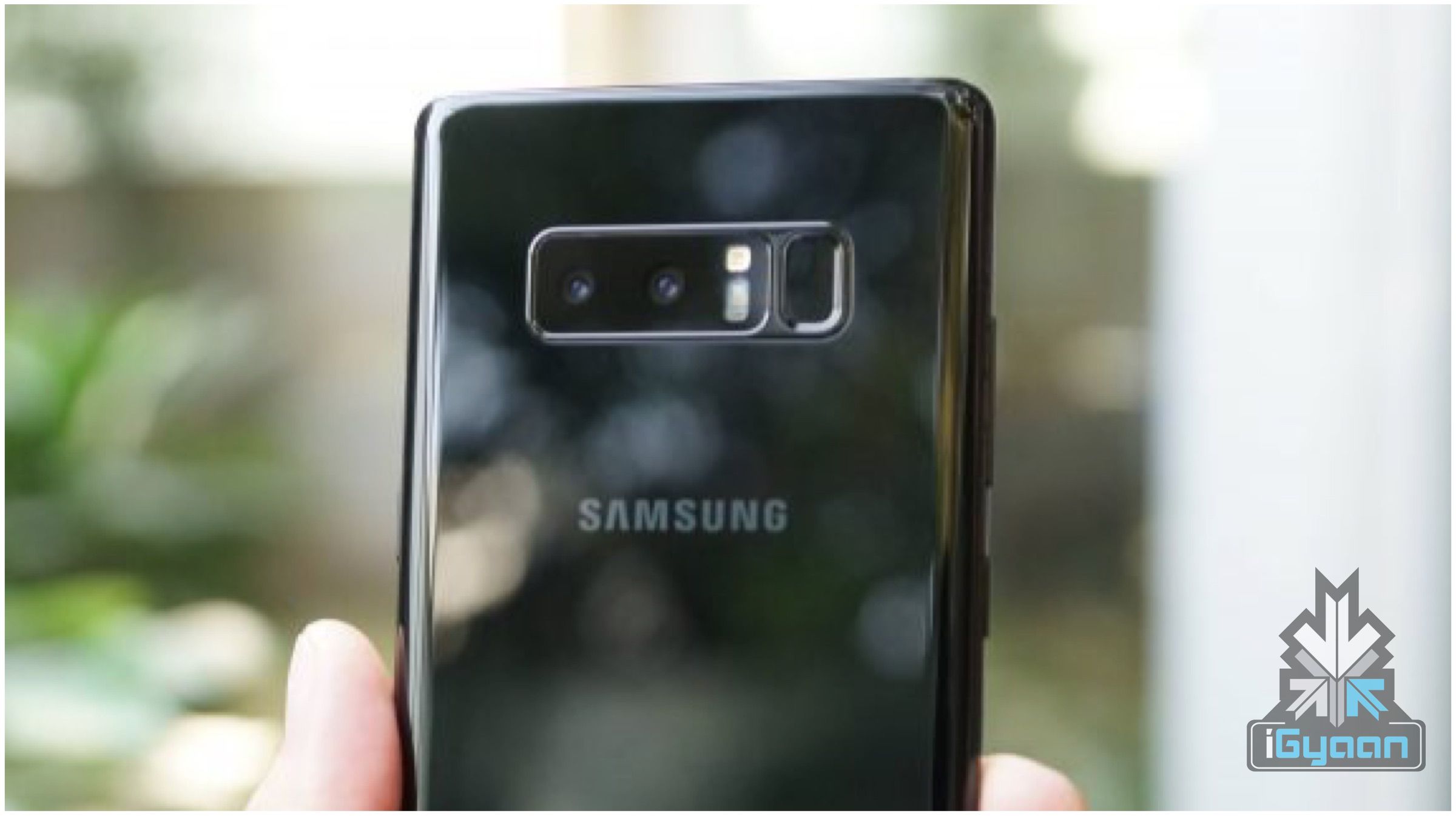
The smartphone is powered by a non-removable 3,300 mAh battery with QuickCharge 2.0 through the USB Type C port and because of the glass at the back, the phone also supports wireless charging as well. The fingerprint sensor sits at the back of the device right next to the dual-cameras.
Horizontally placed dual cameras on the Regular Galaxy Note8
The Galaxy Note 8 runs Android 7.1.2 Nougat with Samsung UX on top. It is also in line to receive the Android 8.0 Oreo update soon.
The Galaxy Note 8 is the first phone from Samsung to feature dual-cameras with a 12MP dual-camera setup, the primary camera has a wide-angle 12MP lens with an f/1.7 aperture and the secondary camera has a 12MP telephoto lens with an f/2.4 aperture. The dual-cameras are capable of capturing 4K videos at 30 FPS. On the front is an 8MP camera with an f/1.7 aperture and captures 4K videos at 30 FPS.
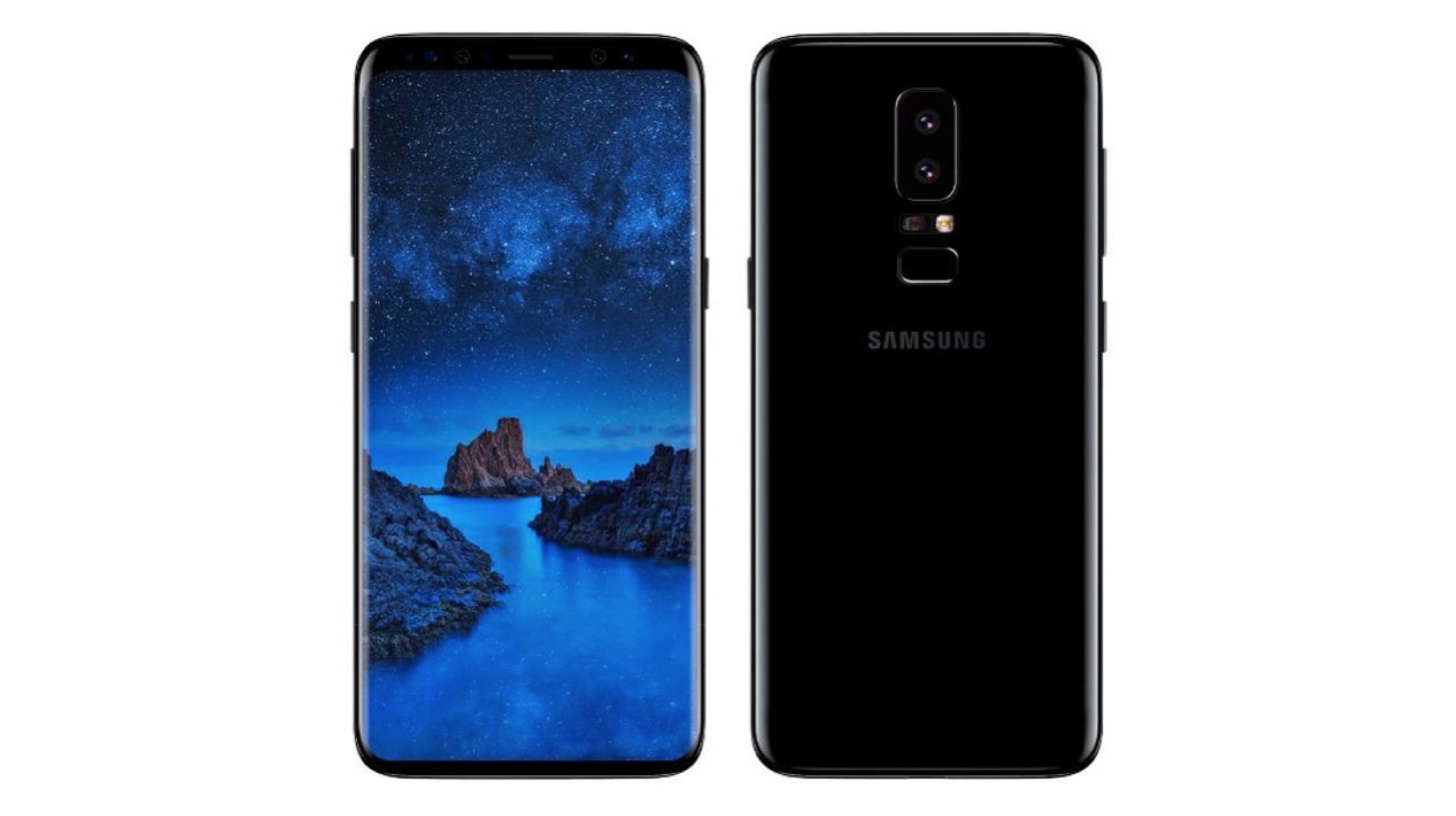
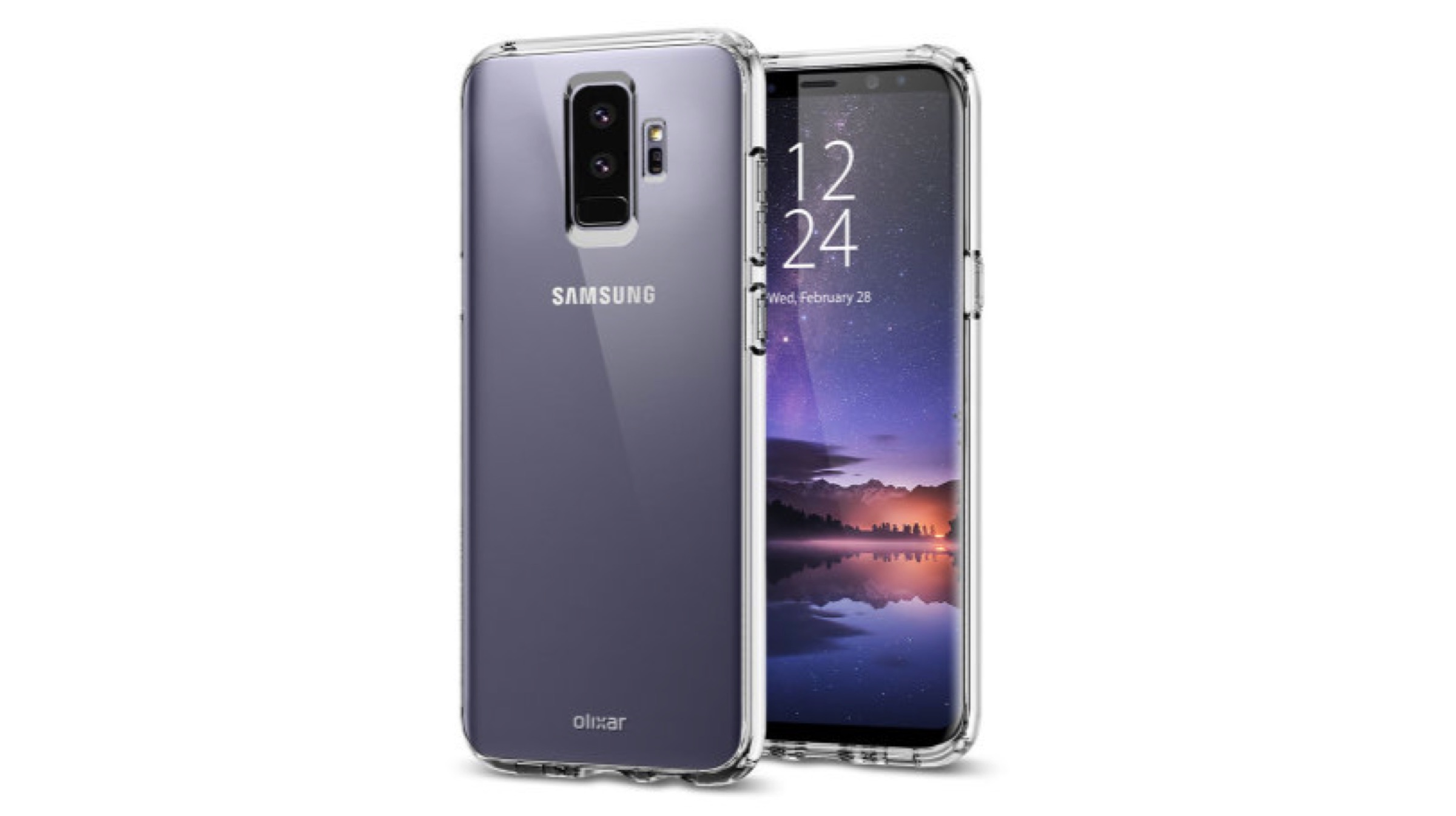
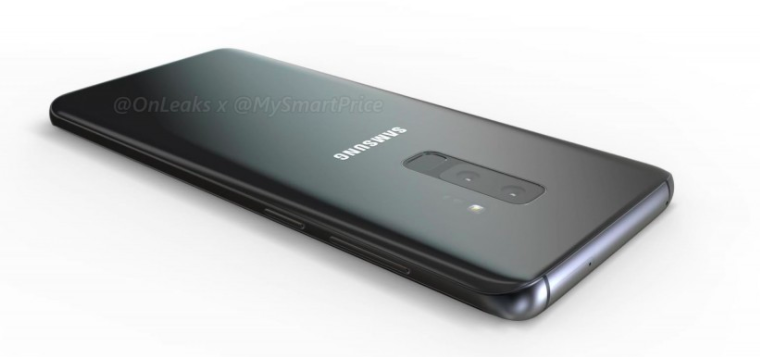
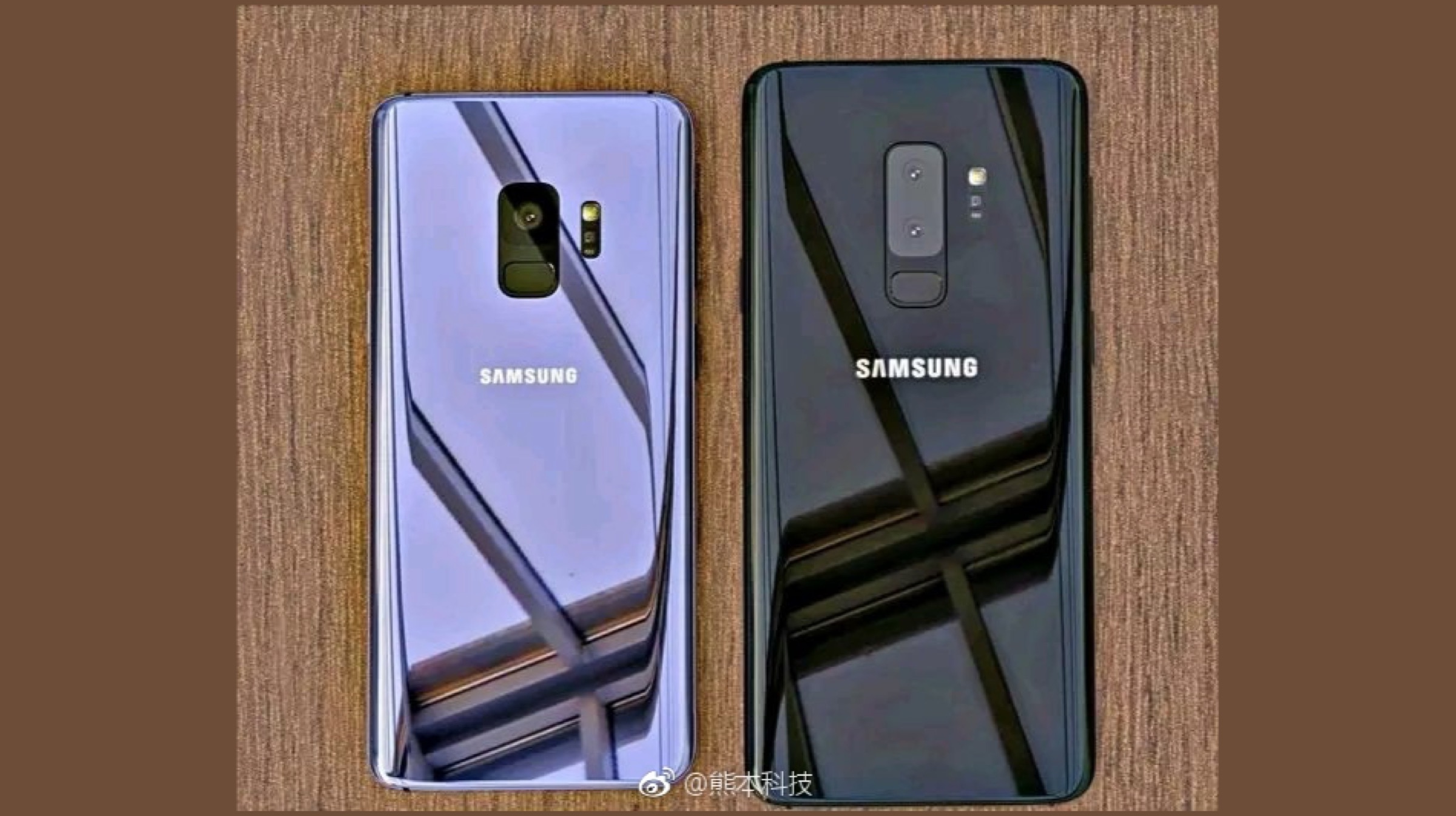
Samsung has already confirmed that it will announce its new flagship smartphones at the Mobile World Congress in February 2018. While the trade show will go on for a few days, there was no clarity as to when the company will announce the smartphones and more importantly, when the devices will go on sale. A new leak, however, attempts to shed more light on the possible Samsung Galaxy S9 and S9+ release cycle.
According to a C-level executive at a major casemaker, the go-to-market schedule for Galaxy S9 / S9+ is as follows:
According to a famous leakster, a “C-level executive at a major case maker” has provided some information regarding this. His intel has suggested that the Galaxy S9 will be announced on the 26th of February, which is Day One of MWC. Subsequently, the pre-orders will start on March 1 and then the devices will start shipping on the 16th of March.
This information falls in line with the general pattern of smartphone releases at MWC as major smartphone announcements happen on the first day itself. While insightful, the leak still doesn’t share any information about the pricing of the smartphones, the only aspect that has so far not been leaked in some manner or the other. However, as we move closer to the announcement, there are chances that the pricing details of the devices will be leaked as well.
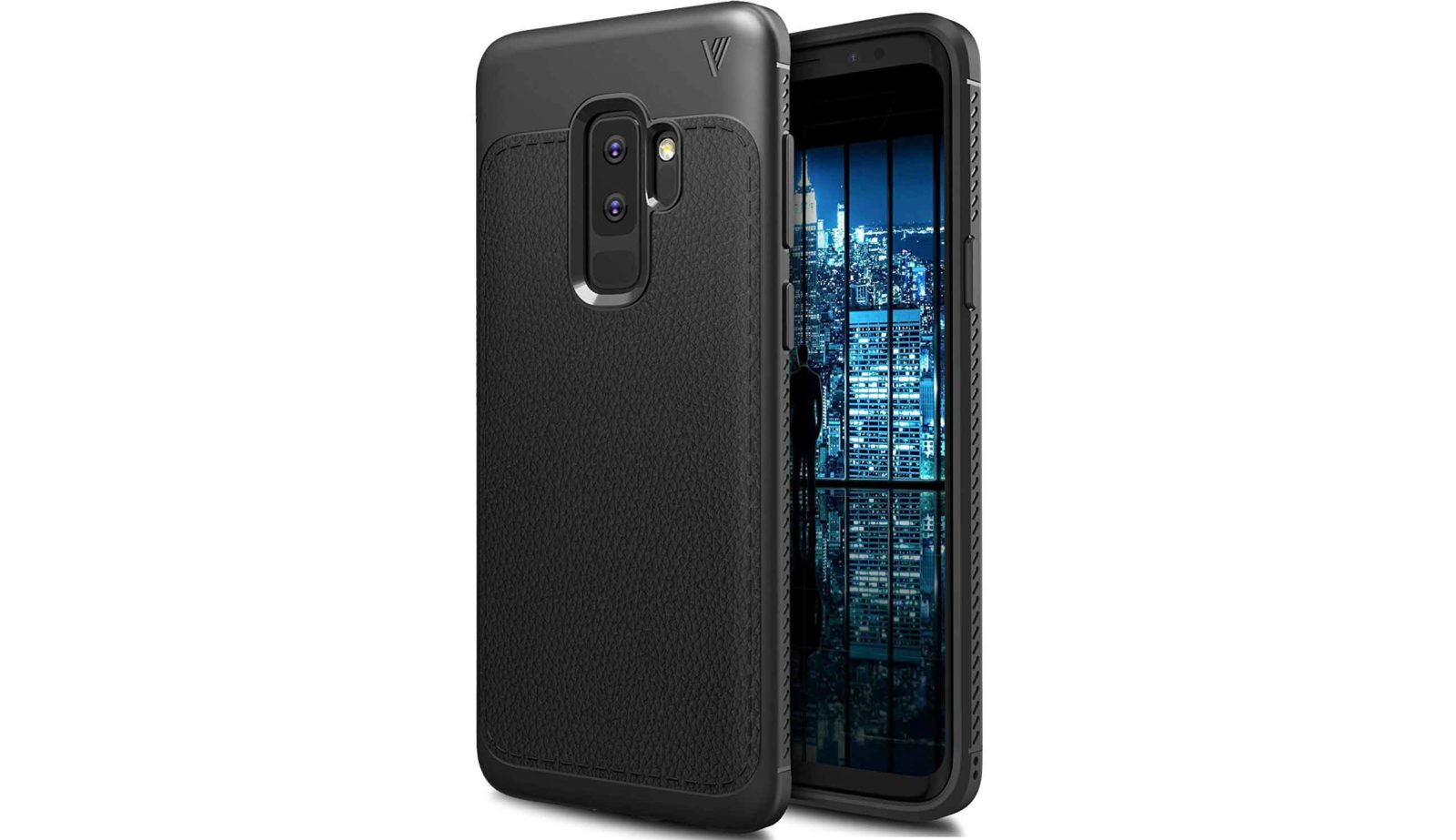
According to recent leaks, the Samsung Galaxy S9 will be offered in two options, 4GB RAM/64GB storage and 4GB RAM/128GB storage. The bigger sibling of the two, the Samsung Galaxy S9+ will be available in 6GB RAM/64GB storage, 6GB RAM/128GB storage and 6GB RAM/256GB models in major markets across the world.
According to the specifications listed on a leaked retail box, the Samsung Galaxy S9 will have a 5.8-inch sAMOLED display with a 2960 x 1440 px resolution. Similar to its predecessor, the smartphone will have a single 12MP SuperSpeed Dual Pixel camera. This time around, however, the camera will have an f/1.5 aperture and record super slow motion videos, probably at 960fps.
The Samsung Galaxy S9 and Galaxy S9+ are expected to be priced at around the price of their predecessors. The price and release dates of the devices will be announced at the time of the launch. India is expected to be one of the first few countries to receive the smartphones.
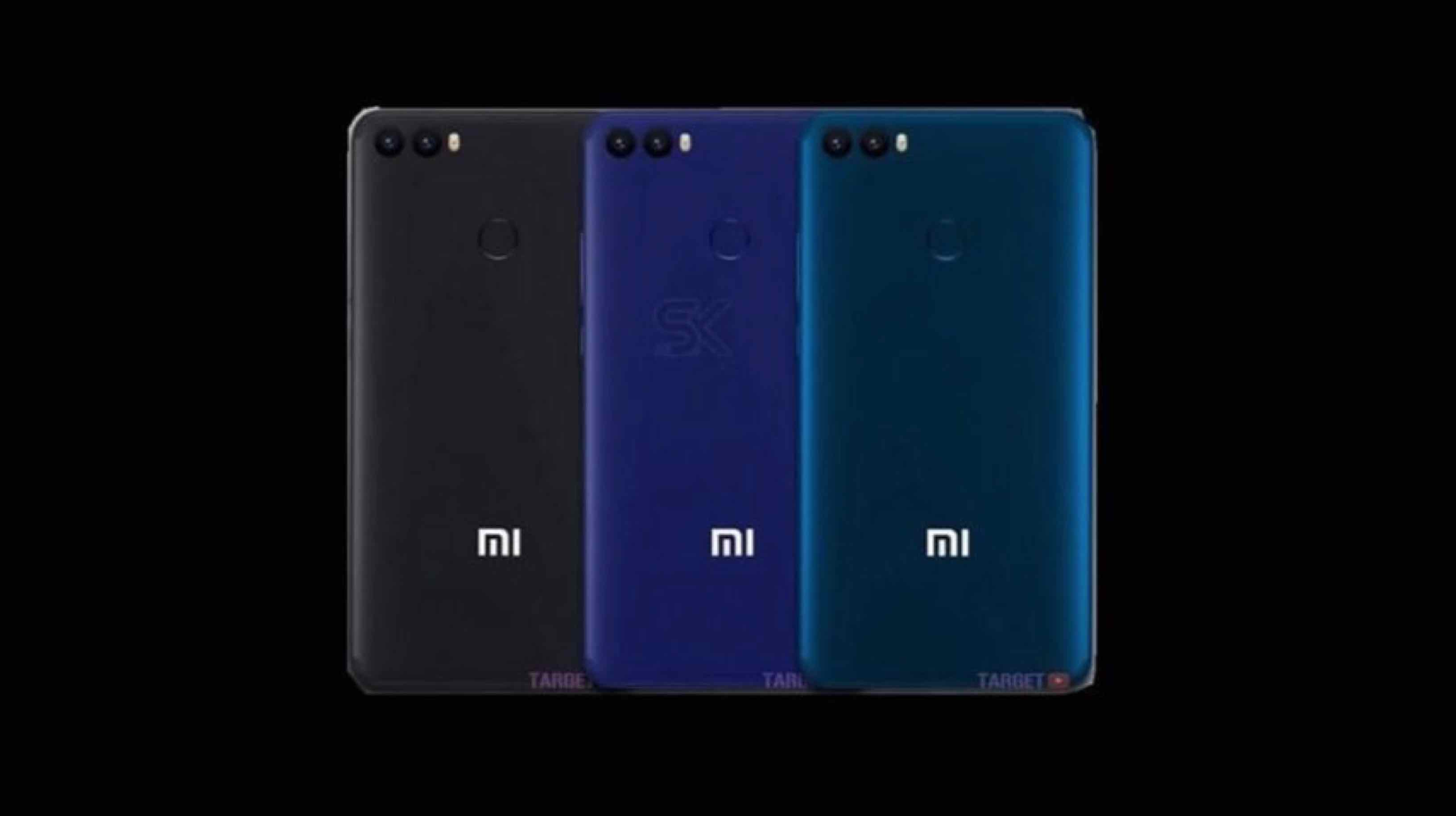
Xiaomi launched the Mi Max 2 back in June of 2017 and is expected to launch the next iteration in the ‘Mi Max’ series by mid-2018. While not a lot is known about the device so far, a new leak has revealed a few key details about the upcoming phablet.
An image was posted on Weibo which has revealed that the Xiaomi Mi Max 3 will sport a 6.99-inch display with an 18:9 aspect ratio. Something that will get increasingly common among smartphones of all price segments.
Under the hood, according to the image, it will be powered by the Qualcomm Snapdragon 635 chipset, have 3GB or 4GB of RAM along with 64GB or 128GB of onboard storage.
The fingerprint sensor will be placed on the back of the smartphone since the bezels are extremely thin on the display. The smartphone will also be powered by a massive 5500 mAh battery.
There are no details about the launch date of the smartphone yet, but, it is expected to be launched during the same time as its predecessor.
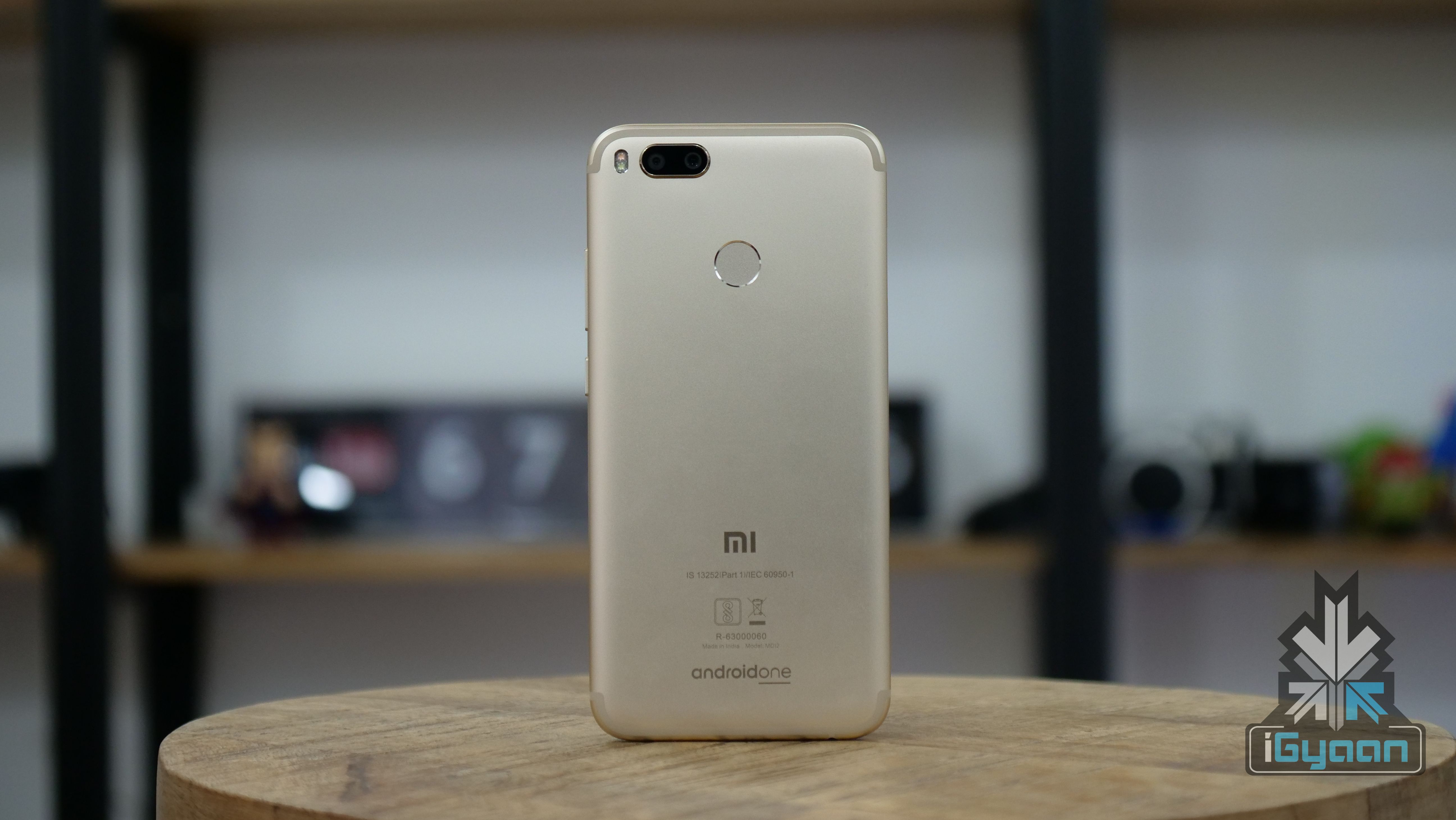
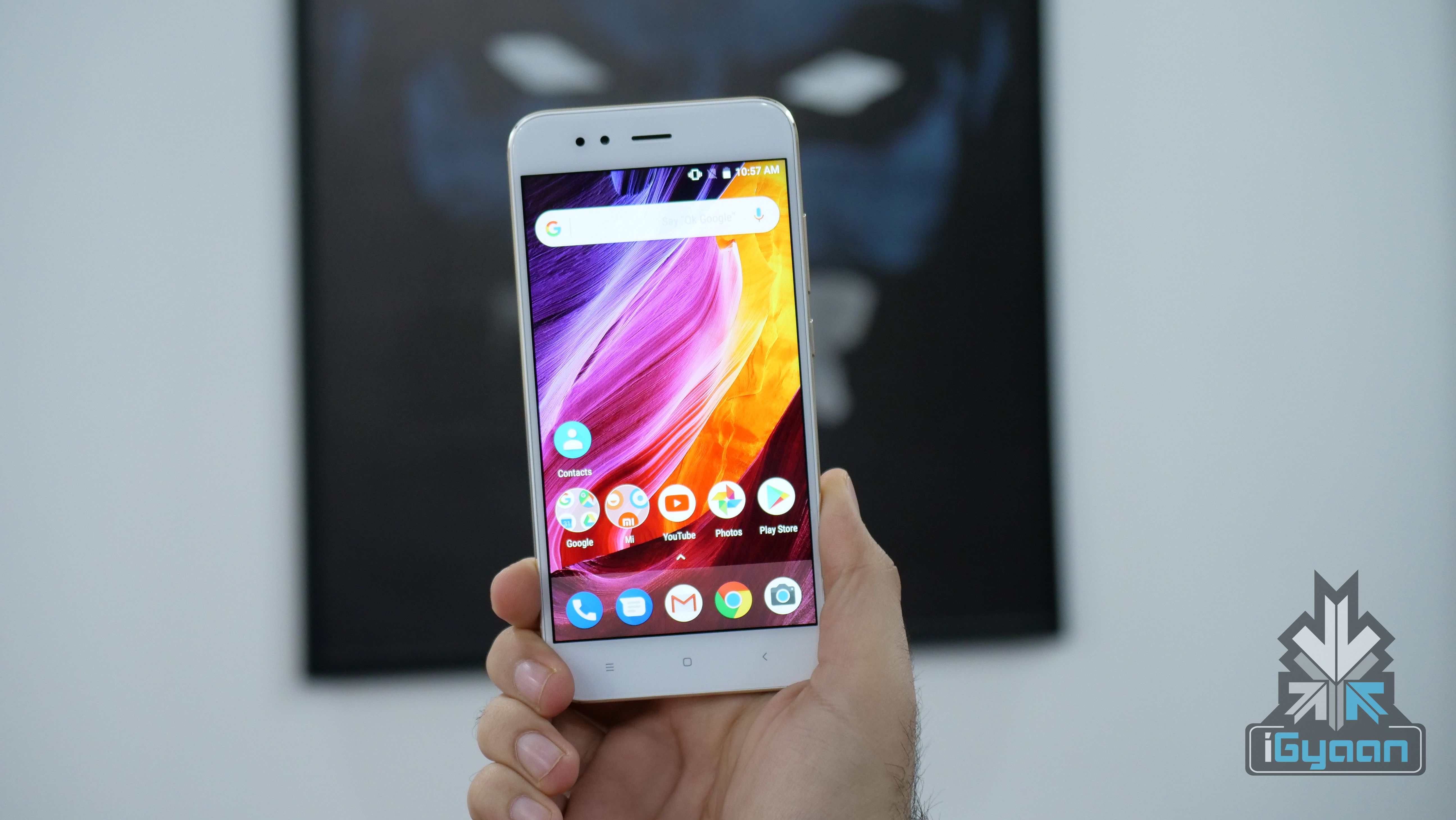
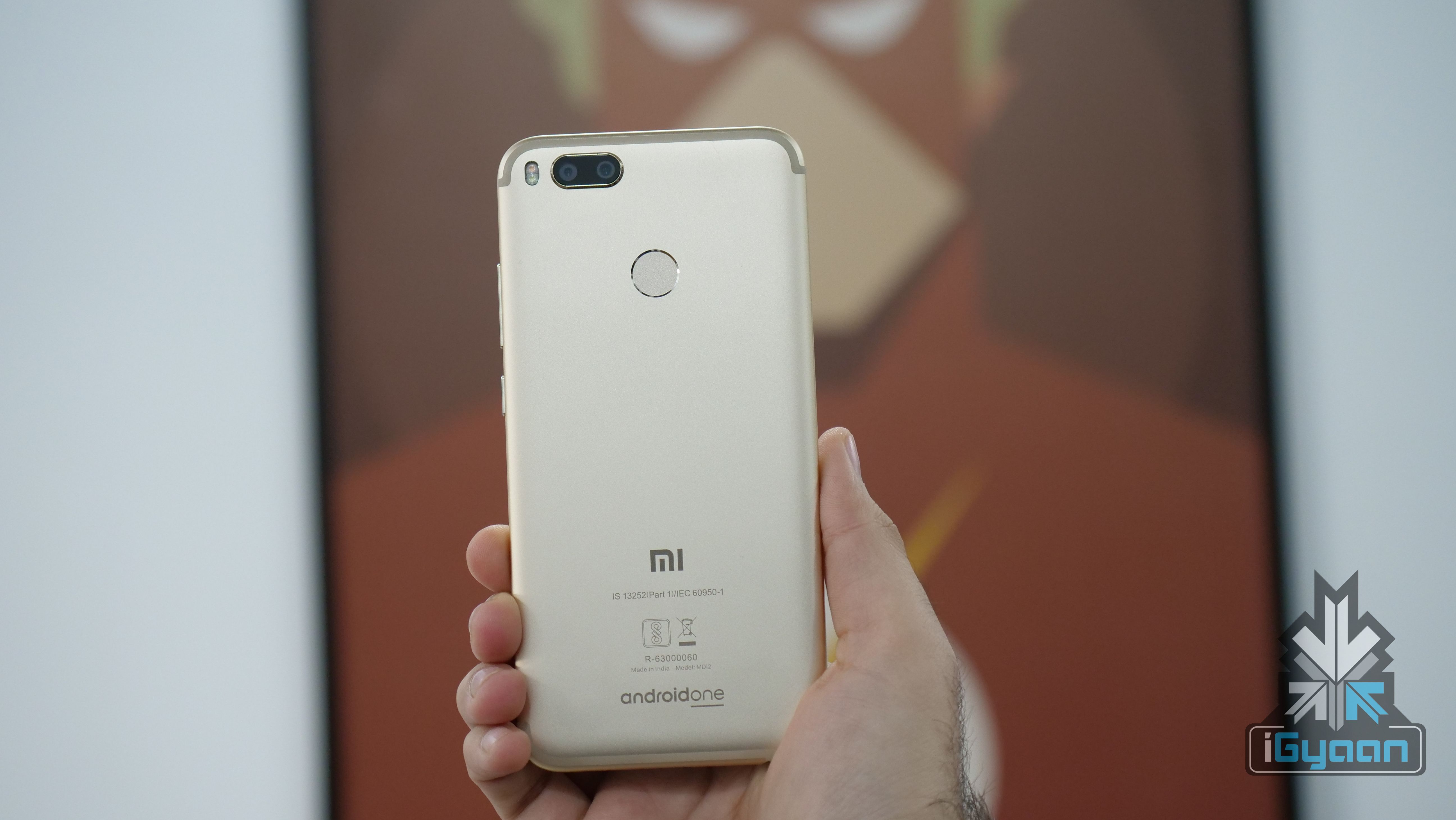
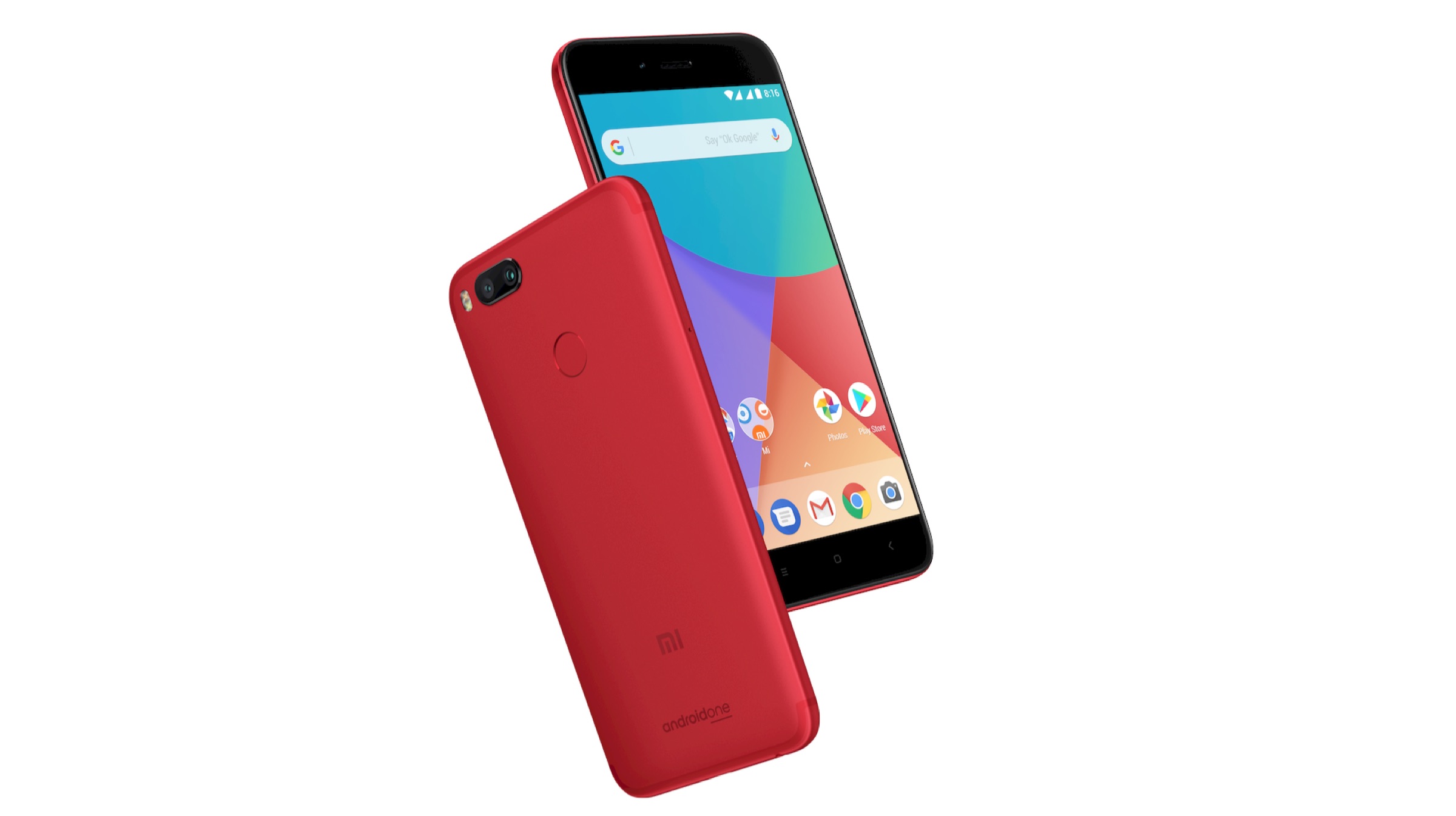
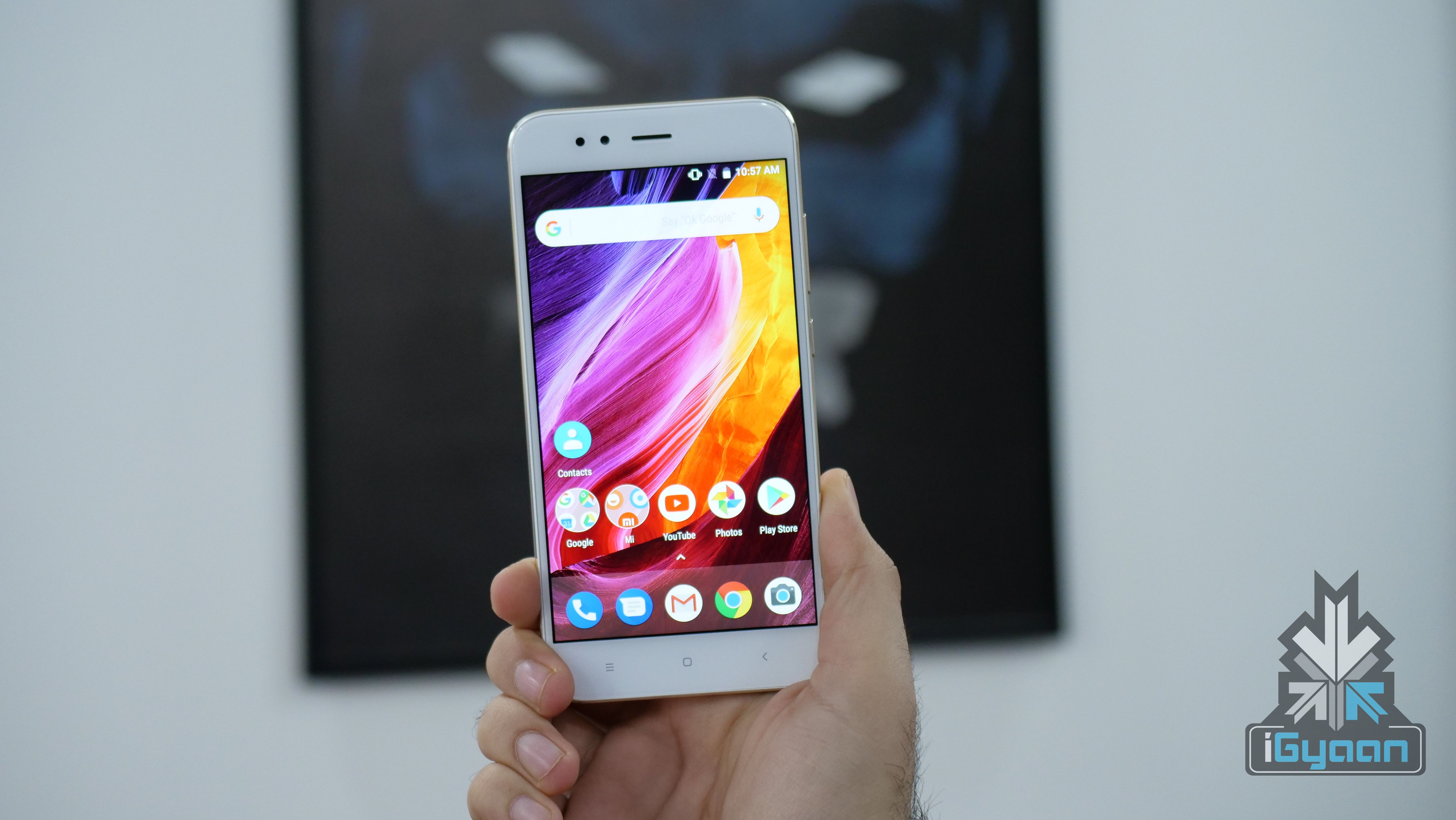
In September of 2017, Xiaomi surprised a lot of people by launching the Xiaomi Mi A1. While a lot of people expected a flagship device in the ‘Mi’ lineup, the Chinese smartphone maker announced its first ever stock Android OS running Mi A1. The device is a part of Google’s Android One program which means that it will receive consistent software updates for a longer period than other smartphones by OEMs that are not a part of the Android One program.
While it could be possible that the Xiaomi Mi A1 was a one-off from Xiaomi since the company truly promotes its own MIUI and there are reports that it has already started working on MIUI 10 called, MIUI X. However, the company won’t be able to ignore the popularity of their stock OS smartphone in India.
If there is a remote possibility of the Xiaomi MI A2 becoming a possibility, what can we expect?
Price
The price of the Xiaomi Mi A1, at the time of its launch, was Rs. 14999 which was marginally cheaper than the Moto G5s Plus. However, the launch of the Honor 7X might have made the company reduce the price of the Mi A1 to Rs. 13999. If the Mi A2 were to be launched in India, the price would remain the same at Rs. 14999.
Display
2018 will, in all likelihood, see a lot of budget and mid-range smartphones launching with a bezel-less design. Xiaomi Mi A2 will have to keep up with its competition, which will be devices like the Moto G6 Plus and Honor 8X. The Xiaomi Mi A2 might have a 6 inch display with a 2160 x 1080 px resolution. Xiaomi is also expected to retain the IPS LCD display as well.
Honor 7X
Hardware
The Xiaomi Mi A1 was powered by the Qualcomm Snapdragon 625 chipset, a very commonly used chip in the budget segment. 2018 budget-oriented smartphones are expected to be powered by the new gen chipsets by Qualcomm. Qualcomm is expected to launch the Snapdragon 670, 640 chipsets which means that the Mi A2 could be powered by one of these chipsets. It is expected to retain the 4GB RAM/64GB storage specification and it might be the only variant the smartphone will be launched in.
Camera
Up until the Xiaomi Mi A1 was launched, Motorola’s Moto G5 Plus and G5s Plus had the best cameras in the segment. However, the Xiaomi Mi A1 had a great dual-camera setup as well and the Mi A2, in order to sway customers will have to have a great camera performance as well. The Xiaomi Mi A2 is expected to have the same “wide-angle and telephoto lens” combination for the primary cameras. The dual-camera setup on the front is becoming popular as well, meaning the Xiaomi Mi A2 could also have a dual-camera setup on the front as well.
Conclusion
The Xiaomi Mi A2 may never be launched but, it could be a great prospect for Xiaomi to further tap into the segment of consumers which still prefer stock Android OS over a customisable third-party skin. If priced competitively just like its predecessor, the Xiaomi Mi A2 could be a very popular smartphone in the budget-segment.
A few days ago, it was reported that the Android 8.0 Oreo update for the Xiaomi Mi A1 was suspended. Xiaomi launched the Mi A1 back in August of 2017 with stock Android 7.1 Nougat. The company promised an update to Android 8 Oreo by the end of the year. Technically, the company delivered on the promise and released the first software update to Android 8.0 Oreo on the 31st of December.
Xiaomi had to suspend the rollout of Android 8 Oreo because a lot of users were complaining about performance-related issues. Users had complained about issues pertaining to an unresponsive camera and dialer app, battery drain when Bluetooth is turned on, unresponsive ambient light sensor and recent app button.
Xiaomi is now pushing out a new version of the Oreo update for the Xiaomi Mi A1. This new update will fix all the bugs that were reported by users. For people who downloaded the previous version, the new update is only 89MB in size while for people who have are still on Android 7.1 Nougat, then it’s a more substantial 1112MB update.
Xiaomi’s update took a lot less time than expected to release a fix and hopefully, this time around, the company won’t suspend it again.
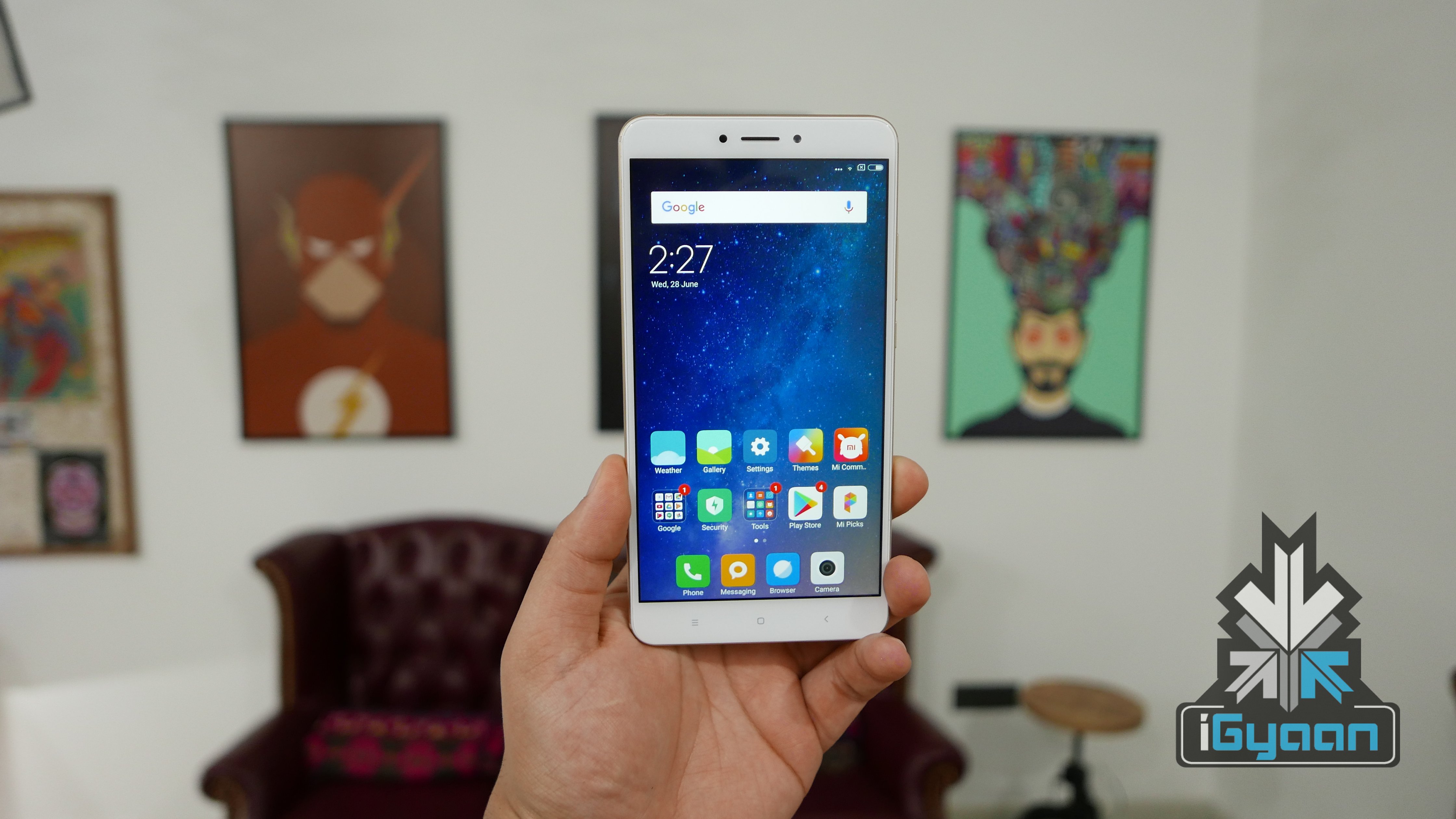
The Mi A1 has a 5.5 inch 1920 x 1080 px LTPS display with Corning Gorilla Glass 3 on top for protection and aluminium unibody build.
The smartphone has the Qualcomm Snapdragon 625 chipset, 8x ARM Cortex A53 2.0GHz 64-bit processor, 4GB RAM and 64GB of onboard storage which is expandable via microSD card.
The Xiaomi Mi A1 has a 12MP equipped with a wide-angle lens with an f/2.2 aperture while the other one is a 12MP telephoto lens with an f/2.6 aperture. For landscape shots, Xiaomi has introduced a wide angle lens while on the front is a 5MP camera.
Samsung has confirmed that its new flagship smartphones will launch at MWC in late-February. With the launch just a few weeks away now, the leaks are coming thick and fast and the latest one delves more into the specifications of the Galaxy S9 and its bigger sibling rather than the design.
The new information comes from Brazil’s National Telecommunications Agency (ANATEL) that has published its certificates of the Samsung Galaxy S9 and Galaxy S9+. According to the document, the Galaxy S9 will have a 3000mAh battery while the Galaxy S9+ will be powered by a 3500mAh. This is the same battery capacity as their predecessors from 2017. The upcoming flagship smartphones will also support QuickCharge 4.0+ thanks to the presence of the Qualcomm Snapdragon 845 chipset.
Not just the battery capacity, almost all the specifications of the Samsung Galaxy S9 were leaked, courtesy of a leaked image of the retail box of the Galaxy S9.
According to the specifications listed on the box, the Samsung Galaxy S9 will have a 5.8-inch sAMOLED display with a 2960 x 1440 px resolution. Similar to its predecessor, the smartphone will have a single 12MP SuperSpeed Dual Pixel camera. This time around, however, the camera will have an f/1.5 aperture and record super slow motion videos, probably at 960fps.
The Samsung Galaxy S9 and Galaxy S9+ are expected to be priced at around the price of their predecessors. The price and release dates of the devices will be announced at the time of the launch. India is expected to be one of the first few countries to receive the smartphones.
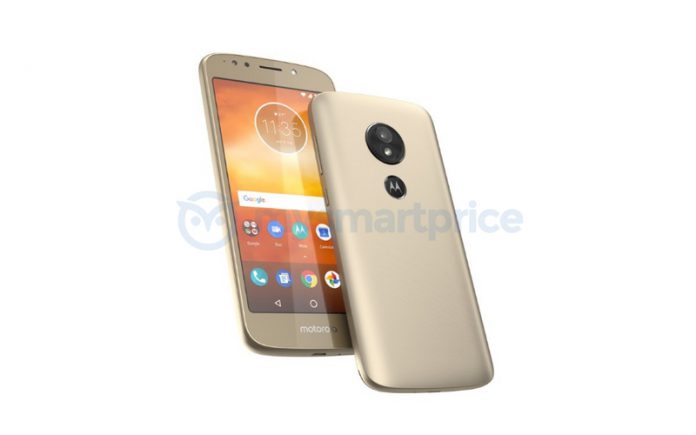
Lenovo-owned Motorola has had a successful stint with its ‘E’ lineup of Android-powered smartphones. The Moto E4 Plus, launched in 2017, has one of the best battery performances in the segment thanks to its massive 5000 mAh capacity. The next iteration of the Moto E series will have to build on that performance and it looks Motorola is close to launching the first Moto E5 of 2018.
The leaked image reveals that the upcoming Moto E5 (tentatively named) will have a similar design to its predecessors. However, what is interesting here is the placement of the fingerprint sensor. Unlike its predecessors, the fingerprint sensor on the upcoming Moto E5 will be housed inside the Moto logo on the back. Something that the company has never done before. This is not the first time that Motorola has decided to go for a rear-mounted fingerprint sensor but, housing it inside the logo itself sure is an interesting move.
There are no other details leaked along with the image. It is expected to have the same 5.5 inch IPS LCD display with a 1280 x 720 px resolution.
Under the hood, Motorola went with a MediaTek chipset last year but, it could revert to a Snapdragon chipset like all its other smartphones.
The battery capacity could remain the same or, Motorola might launch the Moto E5 Plus with a bigger battery and retain a smaller battery for the regular variant, just like it did in 2017.
According to the leaked image, the smartphone will retain the single camera setup on the front and back along with an LED flash.
The Moto E4 was announced in June, and there seems to be no reason for Motorola to disrupt its release cycle. However, it could spring a surprise to its competitors and launch the smartphone earlier, and target the consumers waiting for the Redmi Note 5 to launch.
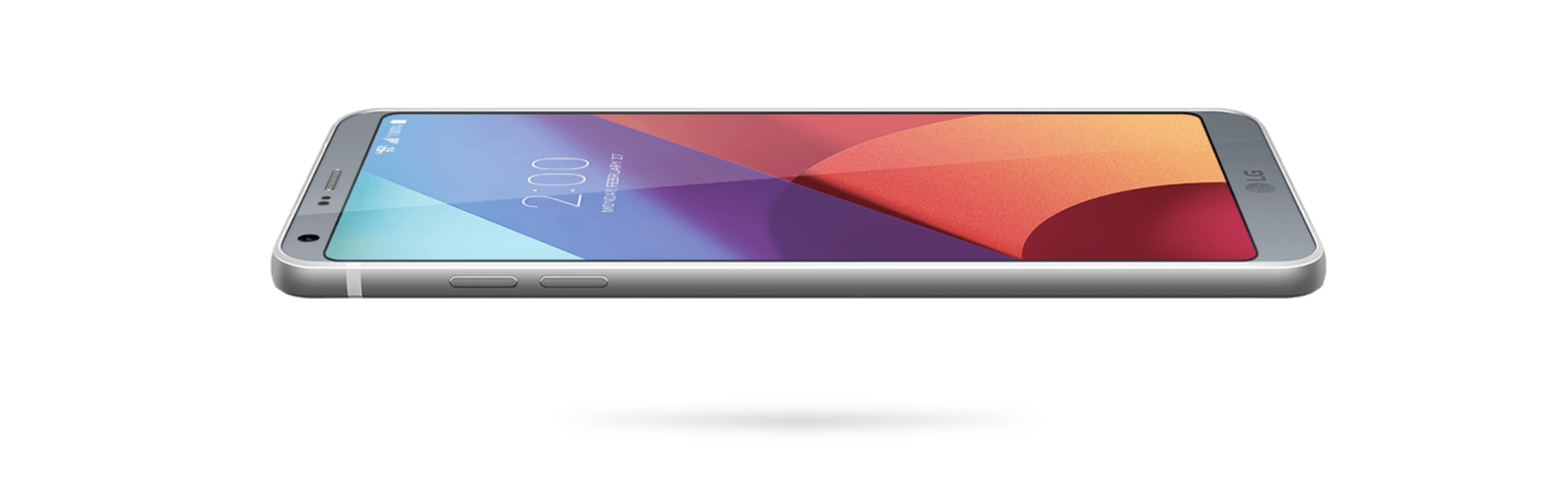
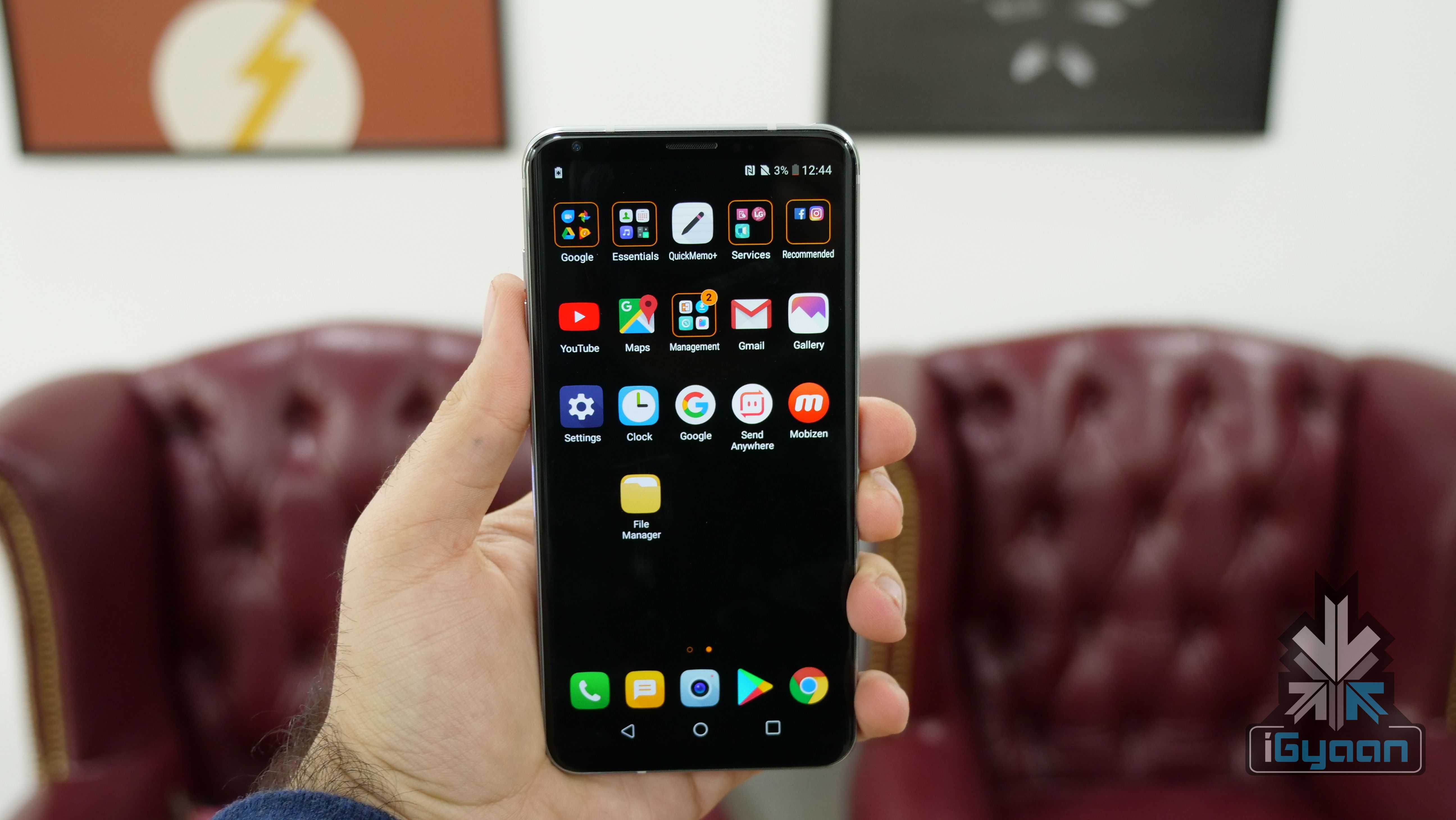
The LG G7 has been a shadow of what the LG G6 was at the same time back in 2017. There have barely been any leaks, rumours or renders of the upcoming flagship smartphone from LG. The company’s smartphone business has not been doing well at all, after ten back-to-back quarterly losses and the eleventh to follow soon.
At CES 2018, LG came out and conceded that it needs to take major steps to turn the tide around for its smartphone business. Subsequently, a rebranding of the LG G series was rumoured and it appears that this move on the cards. According to a report, vice chairman and CEO of LG Electronics, Jo Seong-jin, has effectively cancelled the G6 successor and ordered the development team to completely overhaul the upcoming flagship.
This could also be a part of the company’s changing launch strategy. LG confirmed that it would move away from a traditional annual release strategy, instead retaining existing models over a longer lifespan with incremental variants to its G and V series.
The report, based on claims by an anonymous company insider, notes that this process of complete overhaul will push back the device’s launch until at least April. It further claims that these orders of revision were sent down to working-level officials right after CES concluded. The official also claims that the reasons to rehash the device are internal as well.
The internal speculation is that the company hasn’t been able to find a strong selling point for the G7 smartphone.
A push back to April means that the device will launch much after the Samsung Galaxy S9 and it might be a blessing in disguise for the company. This timeline will let LG use the Snapdragon 845 chipset for its upcoming device and with a refreshed design and new features, it might catch the attention of consumers as the craze of Galaxy S9, S9+ would’ve relatively decreased by then.
However, all of that will depend on what LG puts out instead of the LG G7 and whether it will be called the G7 or not is also a mystery now.
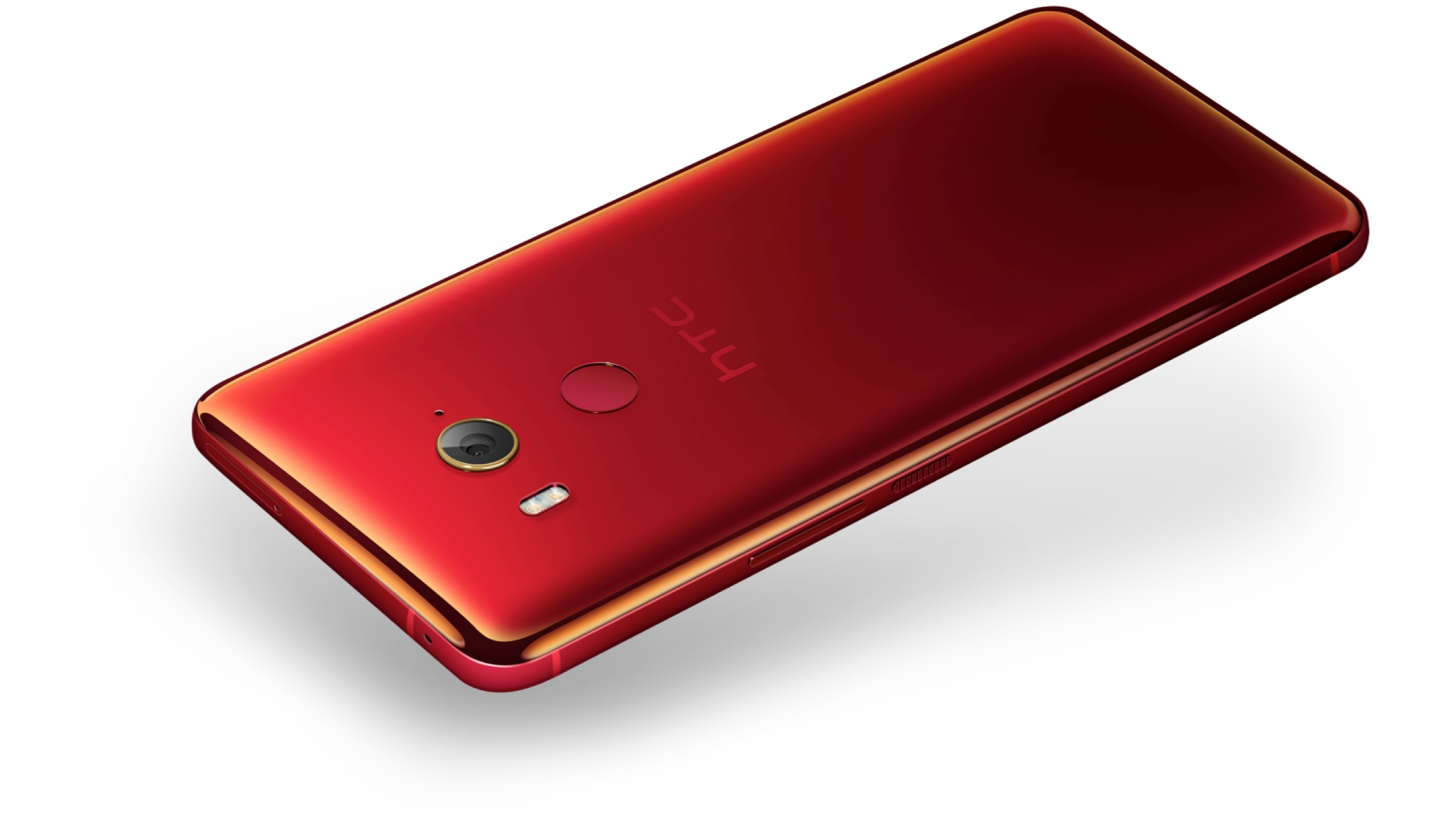
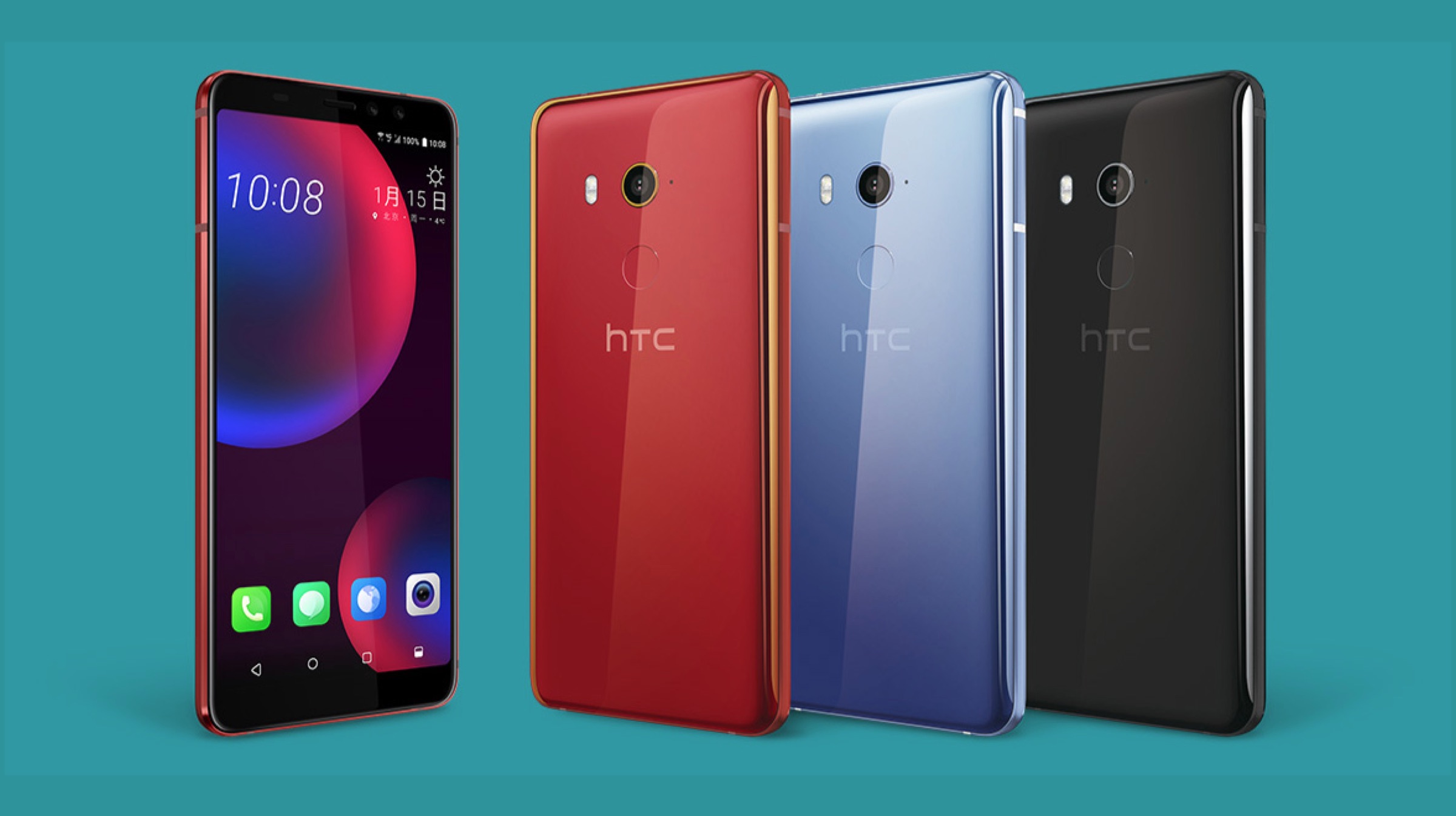
After leaking the device in its entirety on its own official website, HTC has launched the HTC U11 EYEs in Taiwan and China at a price of CNY 3299 (Rs. 32,000 approx.). The device will go on sale from the 25th of January with pre-orders starting today. Back in November, HTC gave in to the industry trend of no headphone jack and thin bezels with the HTC U11+ and now, the HTC U11 EYEs has a face unlock feature.
As expected the HTC U11 EYEs has a 6 inch Super LCD3 display with a 2160 x 1080 px resolution.
Under the hood, the U11 EYEs is powered by the Snapdragon 652 chipset, along with 4GB of RAM and 64GB of expandable storage. The fingerprint sensor is placed on the back of the phone as it has thin bezels around the display. The smartphone also has an IP67 rating for water and dust resistance.
The smartphone also has the largest ever battery found on an HTC device with a massive 3930 mAh capacity which charges via a USB C port. The smartphone will run Android 8.0 Oreo out of the box with HTC’s own Sense UI on top.
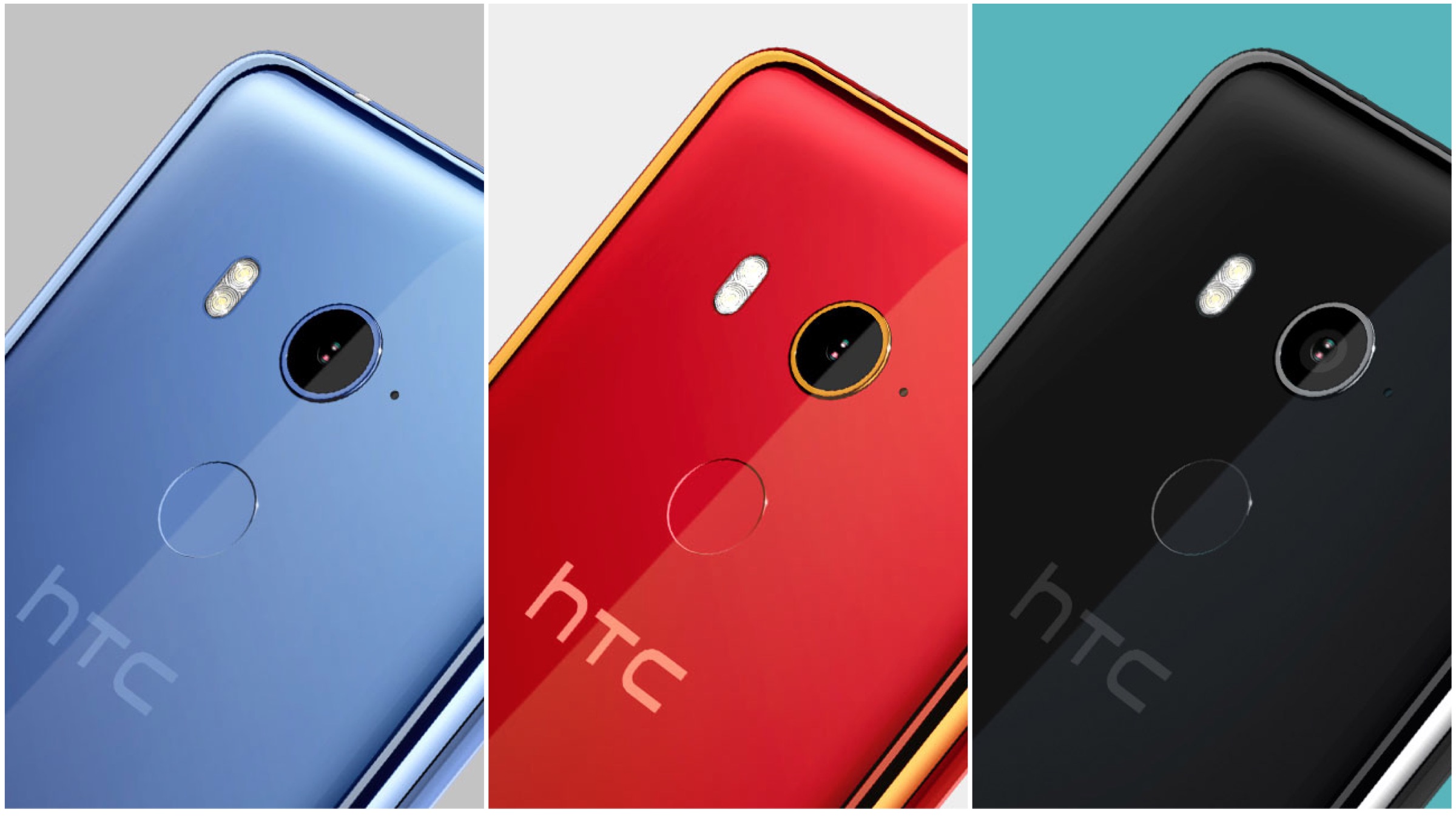
Available in three colours
Like a lot of smartphones from HTC, it has the Edge Sense technology which allows users to squeeze the frame of the phone to launch a particular app or action. This feature can be customised to launch a specific action while inside a certain app.
The HTC U11 EYEs has a 12MP “UltraPixel 3” primary camera with an f/1.7 aperture, OIS and “UltraSpeed” autofocus. HTC has revealed a DxOMark score of 90, which is exactly the same as what the HTC U11 received, which probably means that it is the same camera. To the front is a dual 5MP camera setup which will work together to create a bokeh effect. The dual-camera setup also supports Portrait Mode and AR Snapchat-like stickers.
the HTC U11 EYEs might not make its way to India, especially considering that the previous two devices from HTC never saw the light of day in the Indian market. However, if HTC does plan to launch it in India, it will have to priced much lower than Rs. 32000 to stand any chance in the competitive mid-range segment.
A new leaked image has revealed that the OnePlus 6 could have a mirror finish on the back and an iPhone X-like notch on top. More details will follow, as we move closer to the launch.
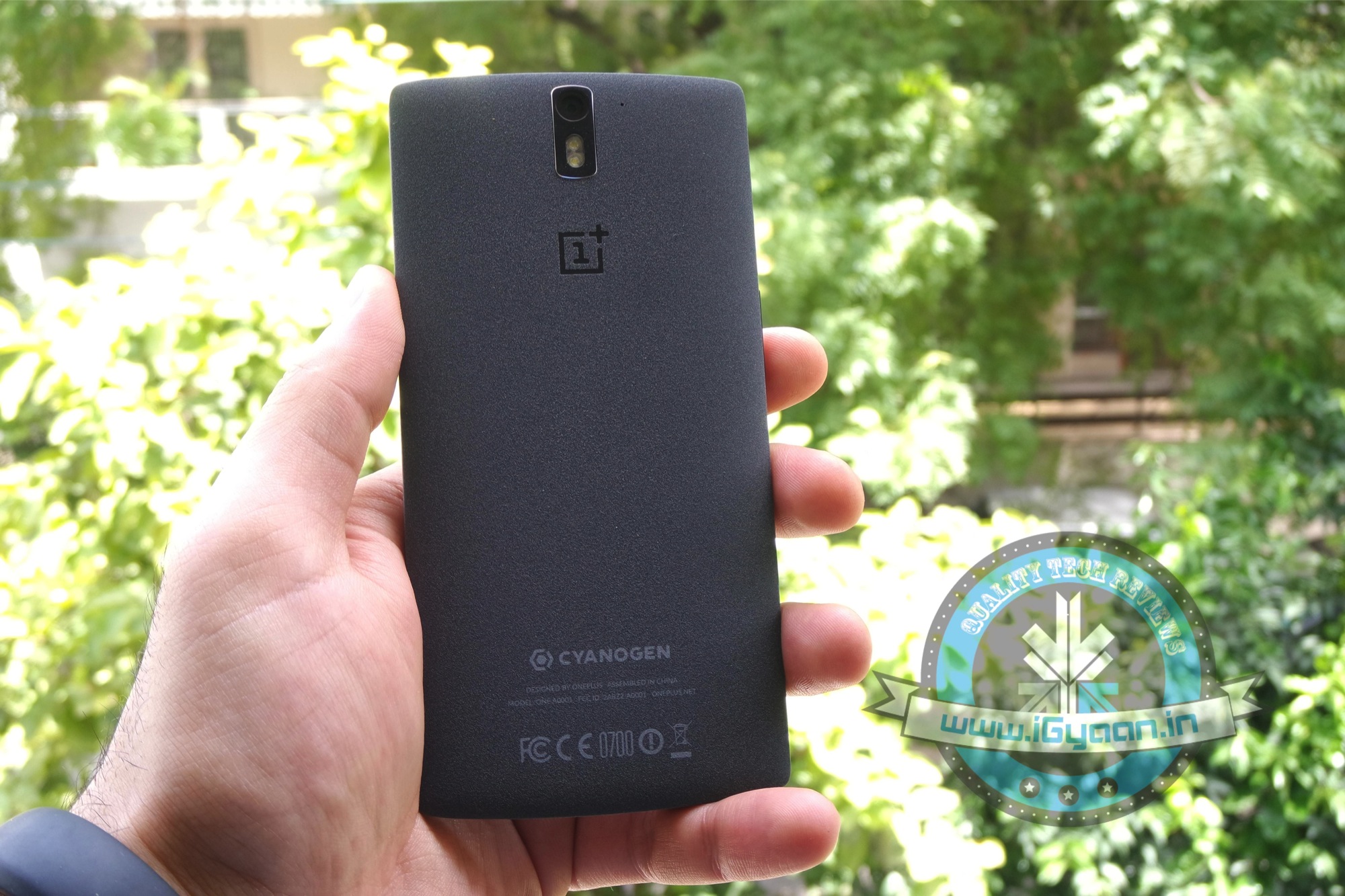
OnePlus is a new Chinese smartphone company that burst on to the scene in 2014. In the era of a clear divide between budget and premium smartphones, the OnePlus One was a breath of fresh air. It provided flagship phone-like specifications with very little compromises at almost half the price of top premium smartphones at that point.
OnePlus One
The company followed up the OnePlus One with the OnePlus Two and even launched the OnePlus X, an even more inexpensive device with a glass build. However, they weren’t received too well by the consumers and in 2016, the company launched the OnePlus 3 and a few months later, the OnePlus 3T. While many OnePlus 3 owners were disappointed with the launch of a better phone just a few months later, the difference between the 3 and 3T was just in the chipset.
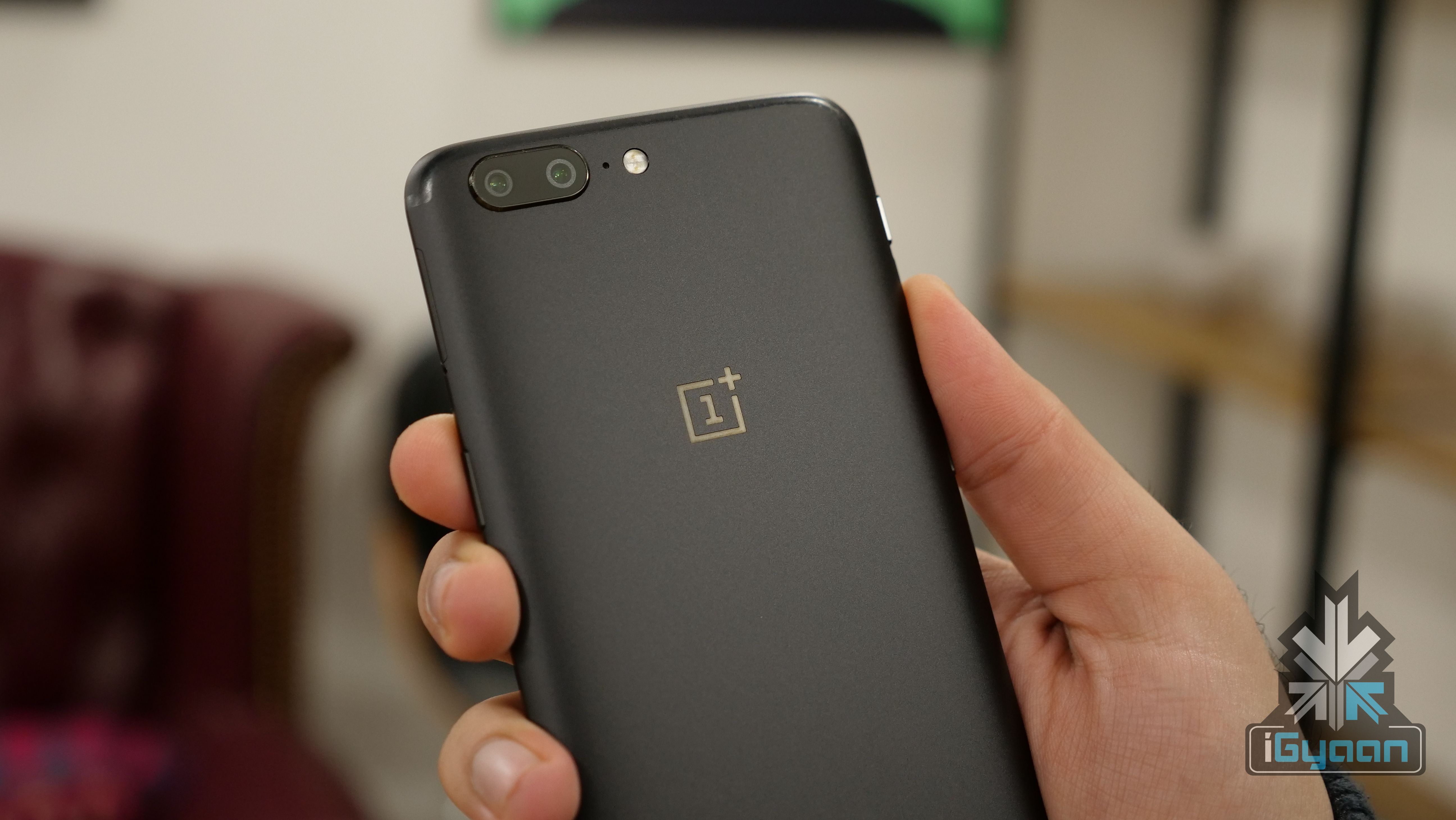
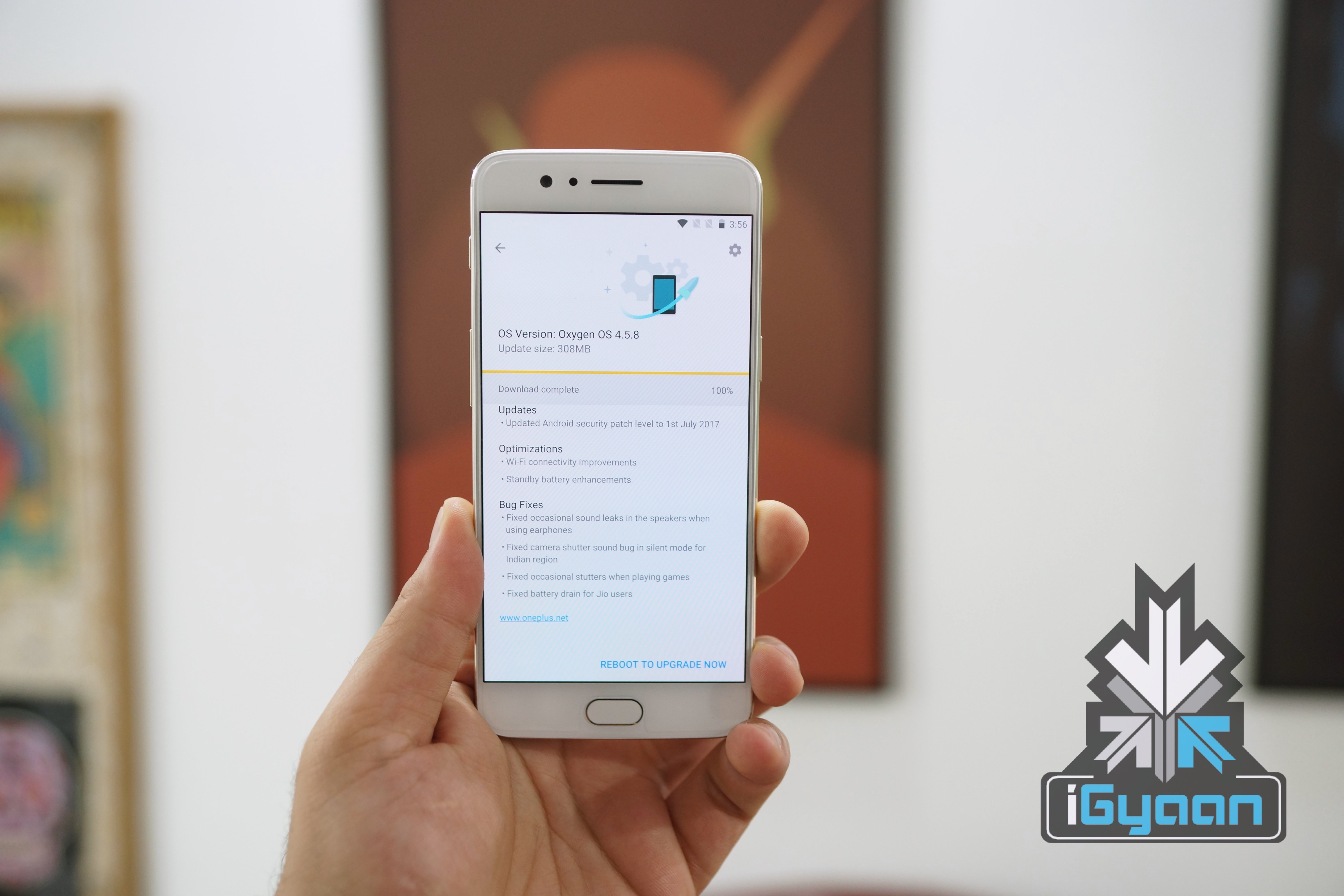
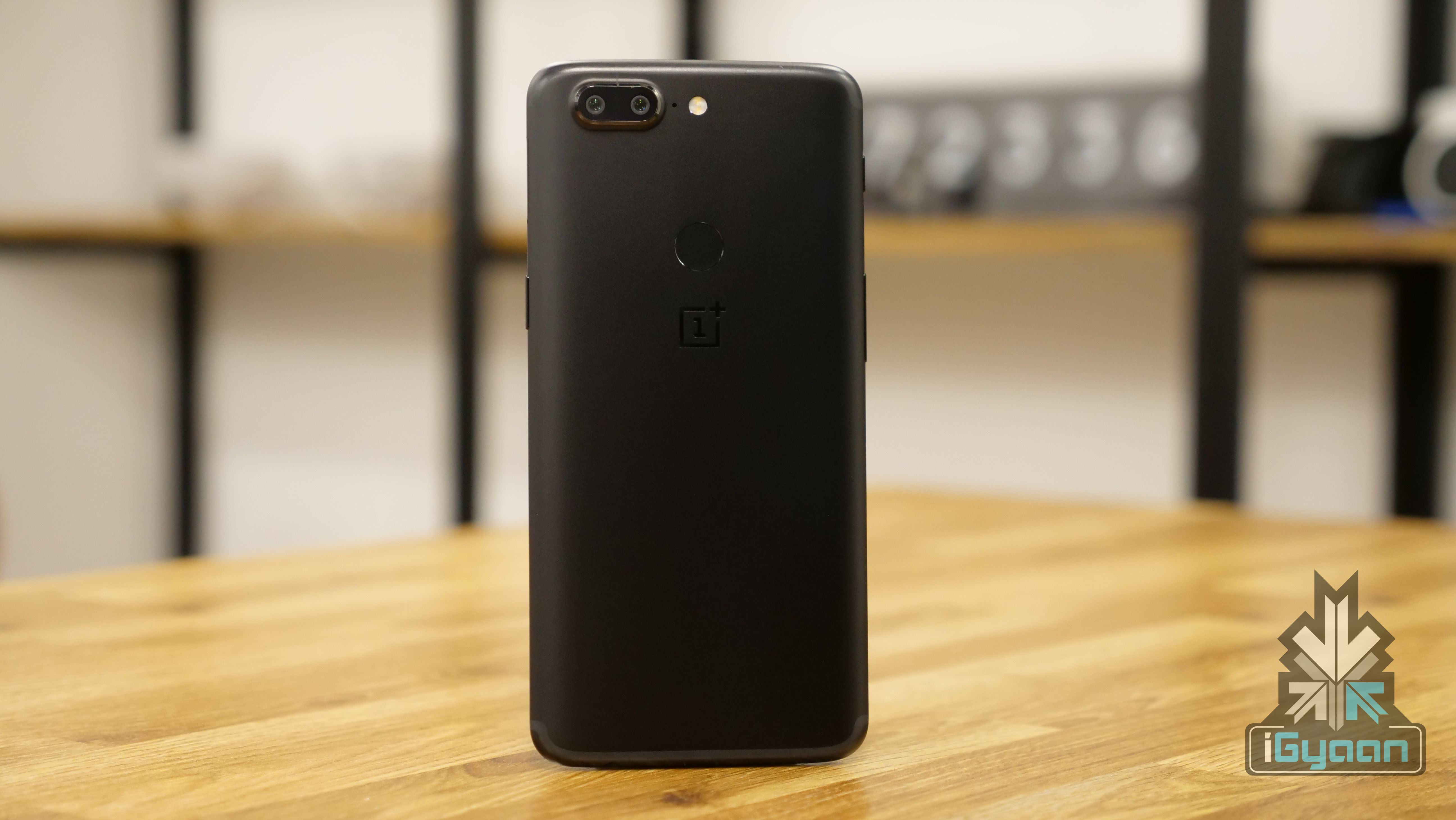
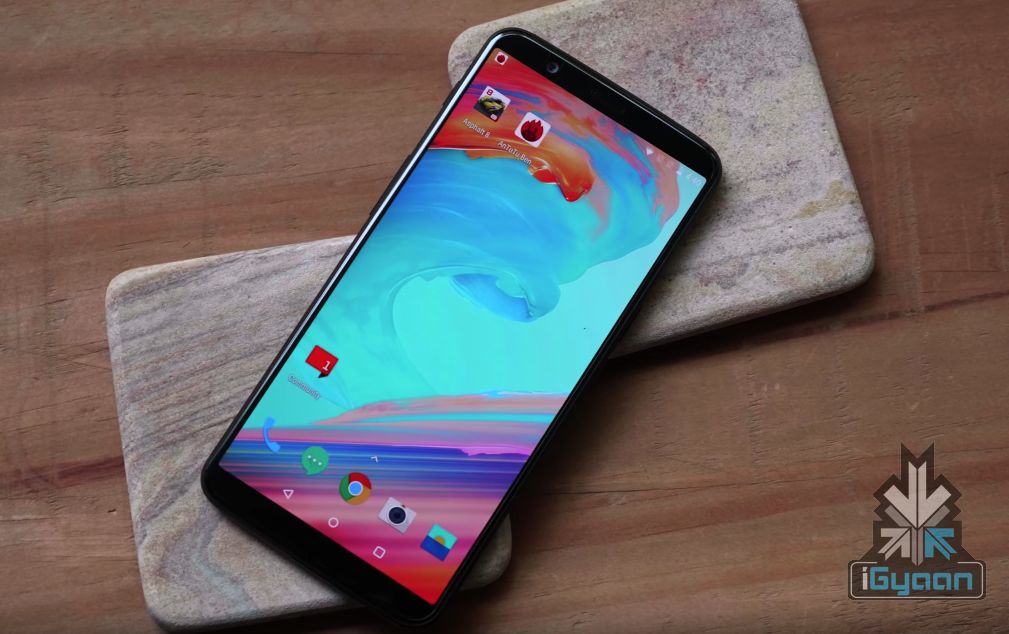
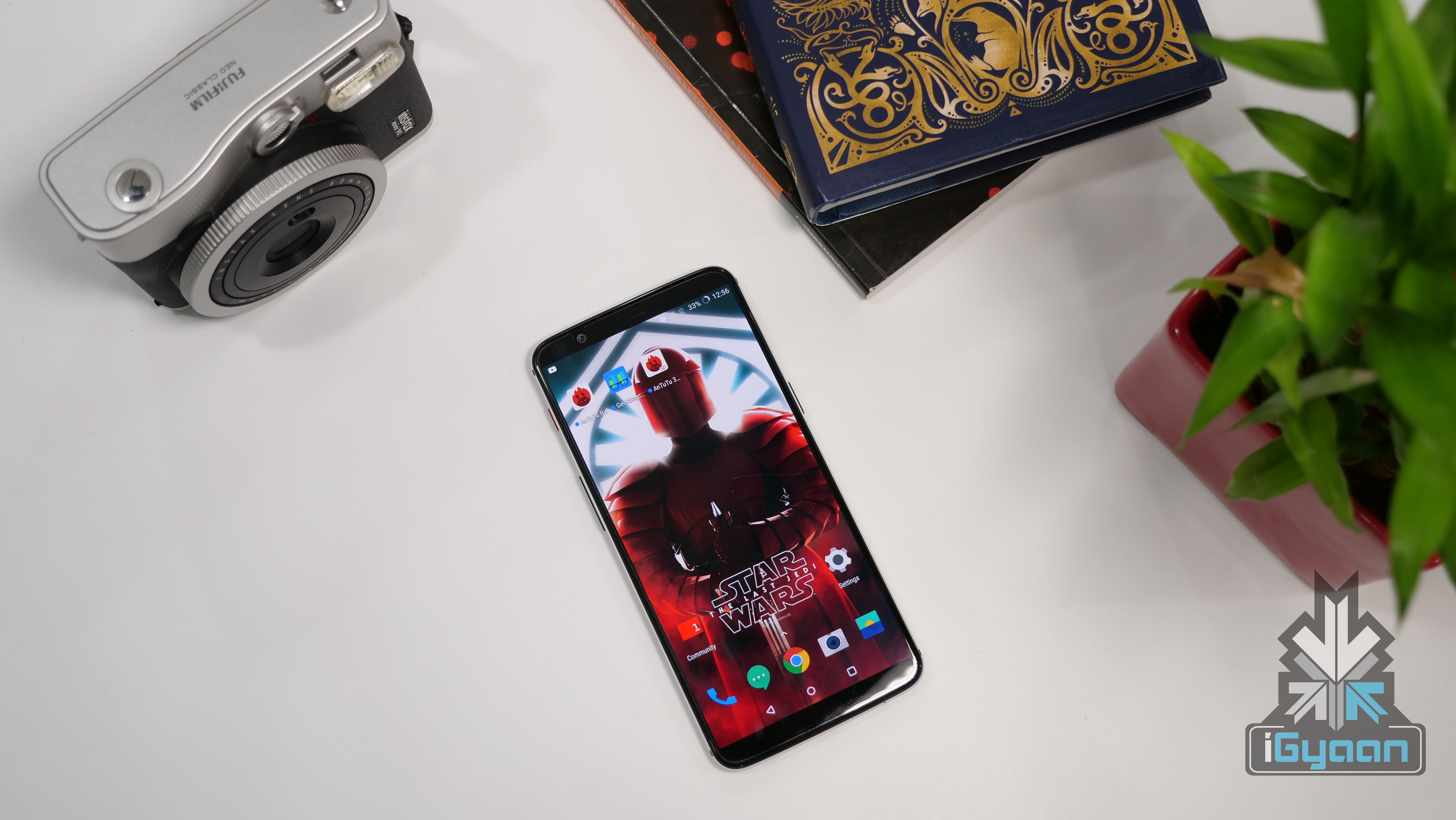
The OnePlus 5 was launched in June of 2017, and the company received some flak from consumers for considerably increasing the price of the OnePlus 5. While it was still much cheaper than other flagship devices, the price when compared to its predecessors was a bit too much for the consumers. The company stuck with its release policy and in November of 2017, launched the OnePlus 5T. The OnePlus 5T had a much better design than the OnePlus 5 and according to the company, improved dual-camera setup as well.
OnePlus 5
The next in line for the company is the OnePlus 6. While there is no confirmation or even a hint from OnePlus on what the devices will be called, the company’s naming policy dictates that it would be the OnePlus 6 indeed. So, what can we expect from the OnePlus 6 in 2018? Let’s find out:
Price
After the launch of the OnePlus 5, the company faced a mini-backlash from consumers for its inflated price. However, the performance of the smartphone and then the OnePlus 5T’s modern design took away the spotlight from its price. The OnePlus 6 could be priced a bit higher especially if the company introduces radically new features in the smartphone. With the history of OnePlus device’s performance, the OnePlus 6 will have no problem justifying its price tag.
Display
6-inch displays are what 5.5-inch displays were in 2016. With thinner bezels and 18:9 aspect ratio becoming the norm, a lot of smartphones will stick to the 6-inch screen size, and the OnePlus 6 could do the same with the Optic AMOLED display. Ever since the OnePlus One was launched, the company has maintained its stance over the Full HD resolution. The OnePlus 6 could continue having the same 2160 x 1080 px resolution.
OnePlus 5T
In-Display Fingerprint Sensor?
Vivo, along with Synaptics, recently announced the first-ever smartphone with an in-display fingerprint sensor. Ever since that announcement, there have been rumours of more smartphone makers launching devices with a similar technology, called Clear ID. There was a recent report that claimed that the OnePlus 6 will have an in-display fingerprint sensor and launch in March 2018. While Pete Lau has confirmed the OnePlus 6 will launch in June, it could be possible that OnePlus introduces an in-display fingerprint sensor in its latest flagship device.
However, it won’t be surprising if the OnePlus 6T is introduced in late-November with an in-display fingerprint sensor.
Under The Hood
Pete Lau also confirmed that the OnePlus 6 be powered by the Snapdragon 845 chipset since it is the latest flagship chip available. Similar to the OnePlus 5 and 5T, the OnePlus 6 will also have 6GB or 8GB of RAM along with 64GB or 128GB of onboard storage. There will be no option for expanding the onboard storage via a microSD card. With AI expected to be huge in 2018 smartphones, it will be interesting to see OnePlus’s approach towards this particular feature.
OnePlus 5T
Face Unlock will, in all probability, be present in the OnePlus 6 and be better than the one found on the OnePlus 5T.
Camera
The OnePlus 5 and the 5T had two different implementations of the dual-camera setup. For the OnePlus 5T, the company focussed on low-light photography and relied on software to create bokeh effect images. The OnePlus 6 will also have a dual-camera setup and after what Google did with one camera on its Pixel devices, smartphone makers will be inspired to make better performing camera smartphones.
Conclusion
While the OnePlus 6 might come with a slightly heftier price tag than its predecessor, it will be another exciting offering from a young smartphone maker. If the OnePlus 6 does come with an in-display fingerprint sensor, it could be the most exciting mid-year smartphone launch and have an advantage over the likes of the Samsung Galaxy S9 and LG G7.