Category: Brands and Companies

All Brands and Company Names

  • Samsung Will Launch An Online-Exclusive Line Of Smartphones In India

    Samsung Will Launch An Online-Exclusive Line Of Smartphones In India

    Samsung will soon launch a line of budget smartphones specifically for the online consumers. This new lineup will directly compete with Xiaomi and its dominant lineup in the sub-15K category. Samsung’s new smartphones will also enter the Rs. 5000-Rs. 15000 price bracket.

    According to IDC, Samsung and Xiaomi were the top two smartphone brands in India for the first time in Q3, 2017. The companies had a market share of 23.5% each, earning them the top spot in the Indian market with over 9.2 million smartphones. However, the top three smartphones sold during the July-September quarter were by Xiaomi. The majority of these sales happened through online channels and that is what Samsung intends to target with these new smartphones.
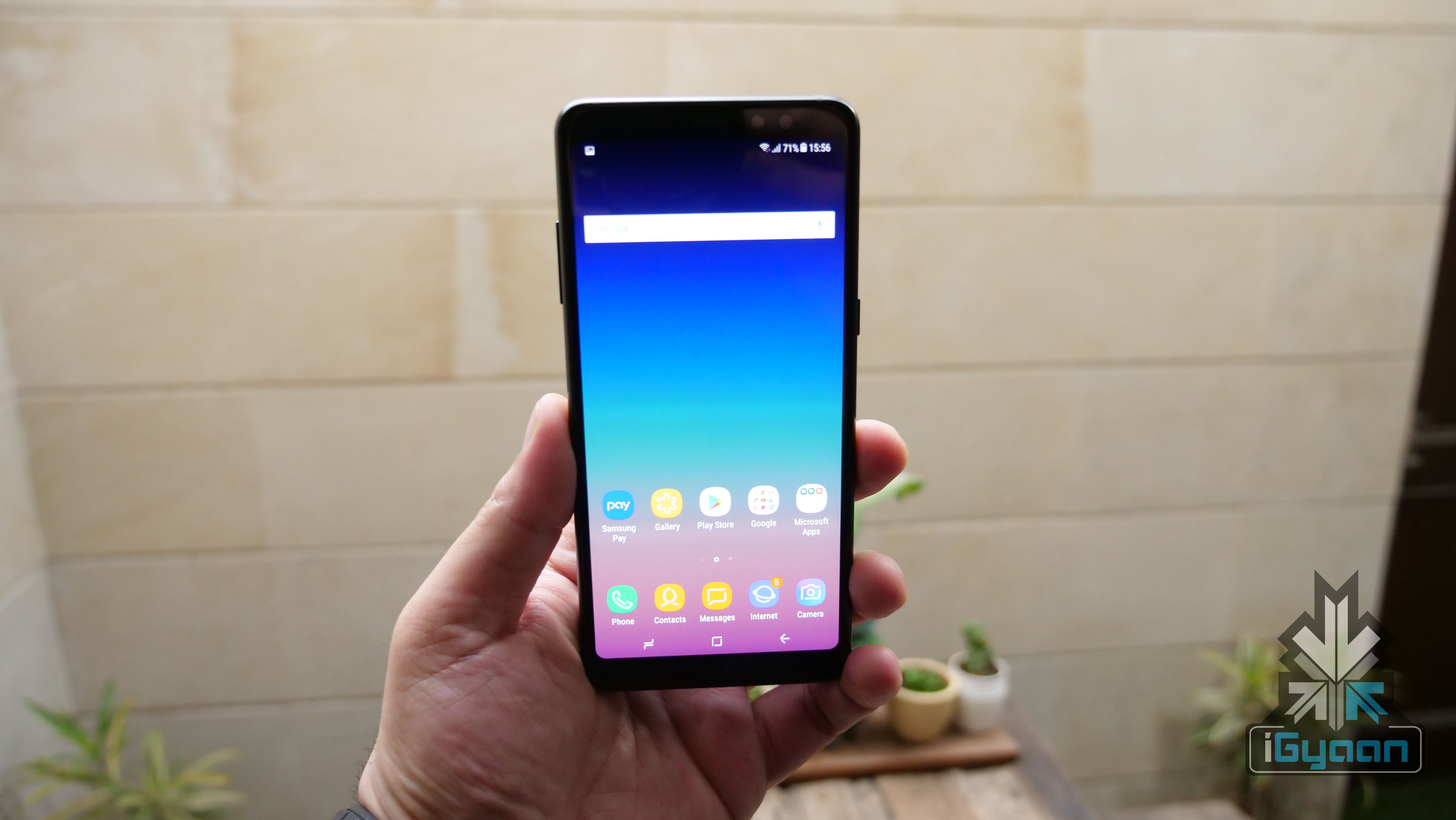
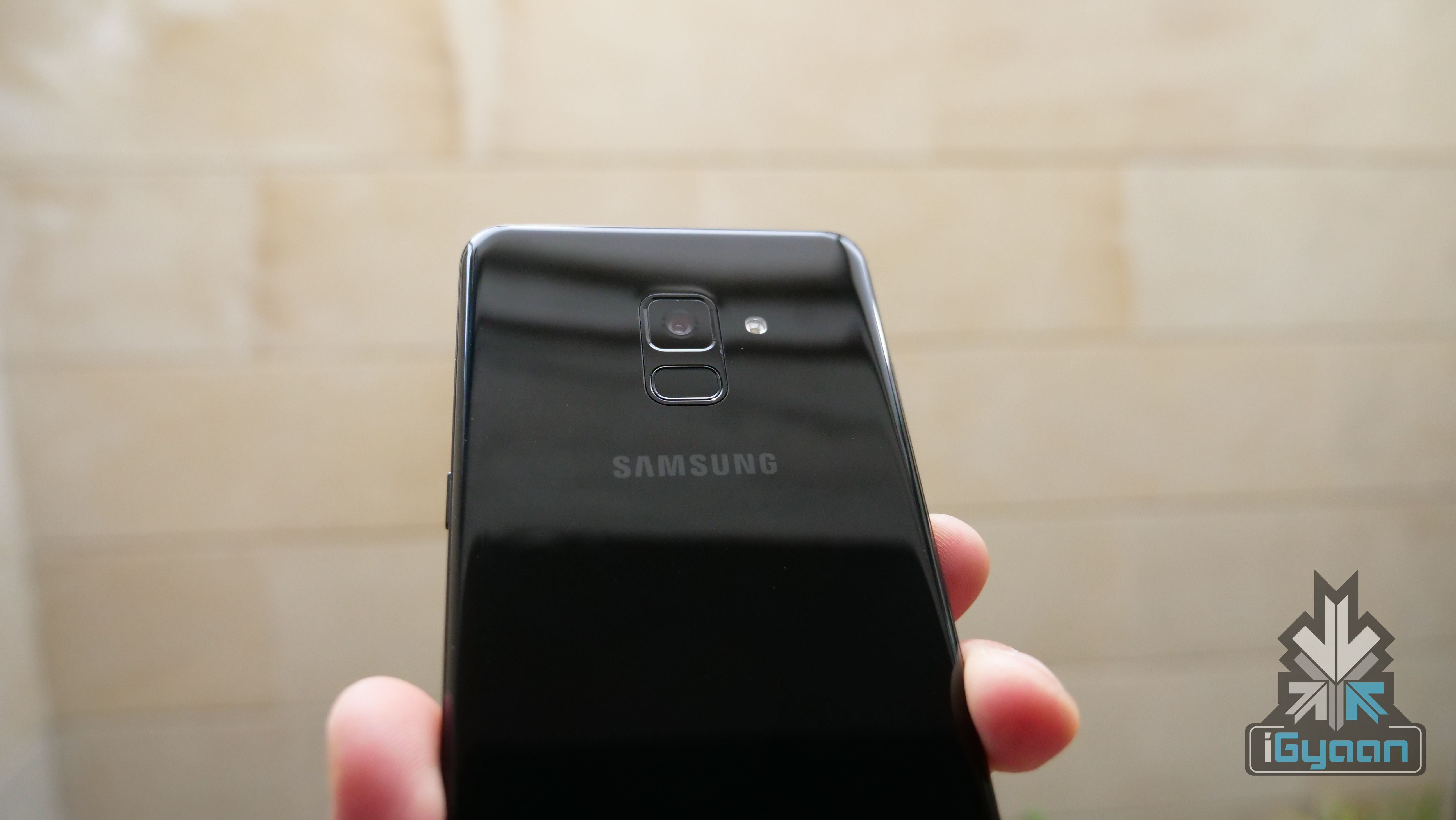
    Samsung Galaxy A8+

    [amazon_link asins=’B01LWNBIQQ’ template=’ProductAd’ store=’igyaan-21′ marketplace=’IN’ link_id=’6c3eab90-f9db-11e7-b162-97e96ad8937c’]

    At this point in time, Samsung online-exclusive line of smartphones is its On series while the recently launched Samsung Galaxy A8+ is also an Amazon-exclusive for now. According to Counterpoint Technology Market Research, a Hong Kong-based research firm, Xiaomi’s rise in India is due to the absence of competition in the online space. According to the MD of Xiaomi India, the brand has almost 50% share of online smartphone sales in India.

    A Samsung Executive has said:

    Samsung wants to extend its lead with Xiaomi which is possible by expanding e-commerce sales while consolidating its presence in offline channels. It will ensure that the 1.5 lakh brick-and-mortar stores selling its handsets are not neglected since Samsung knows it will take time for Xiaomi to build such a vast offline network.

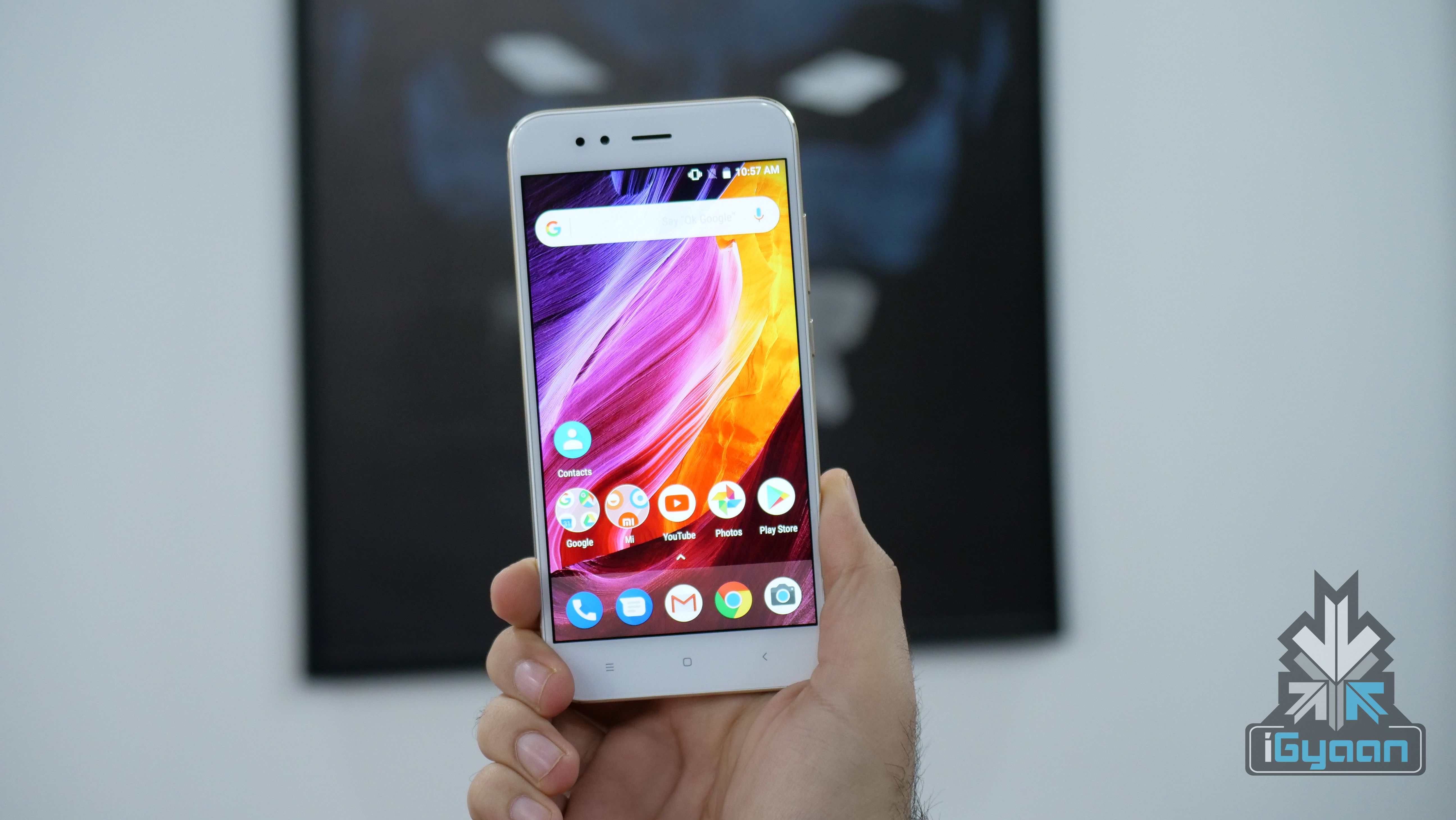
    Redmi 5 Plus

    What smartphones Samsung will launch at this price category is yet to be seen but, they will have to have extremely solid specifications to deter Xiaomi’s top-selling devices in the price category. Furthermore, Xiaomi will soon launch the Redmi Note 5 in India, which will succeed the highly popular Redmi Note 4 and will be priced at around Rs. 11,000.
  • MIUI 9 Rollout For Xiaomi Mi 6 Global Variant Begins

    MIUI 9 Rollout For Xiaomi Mi 6 Global Variant Begins

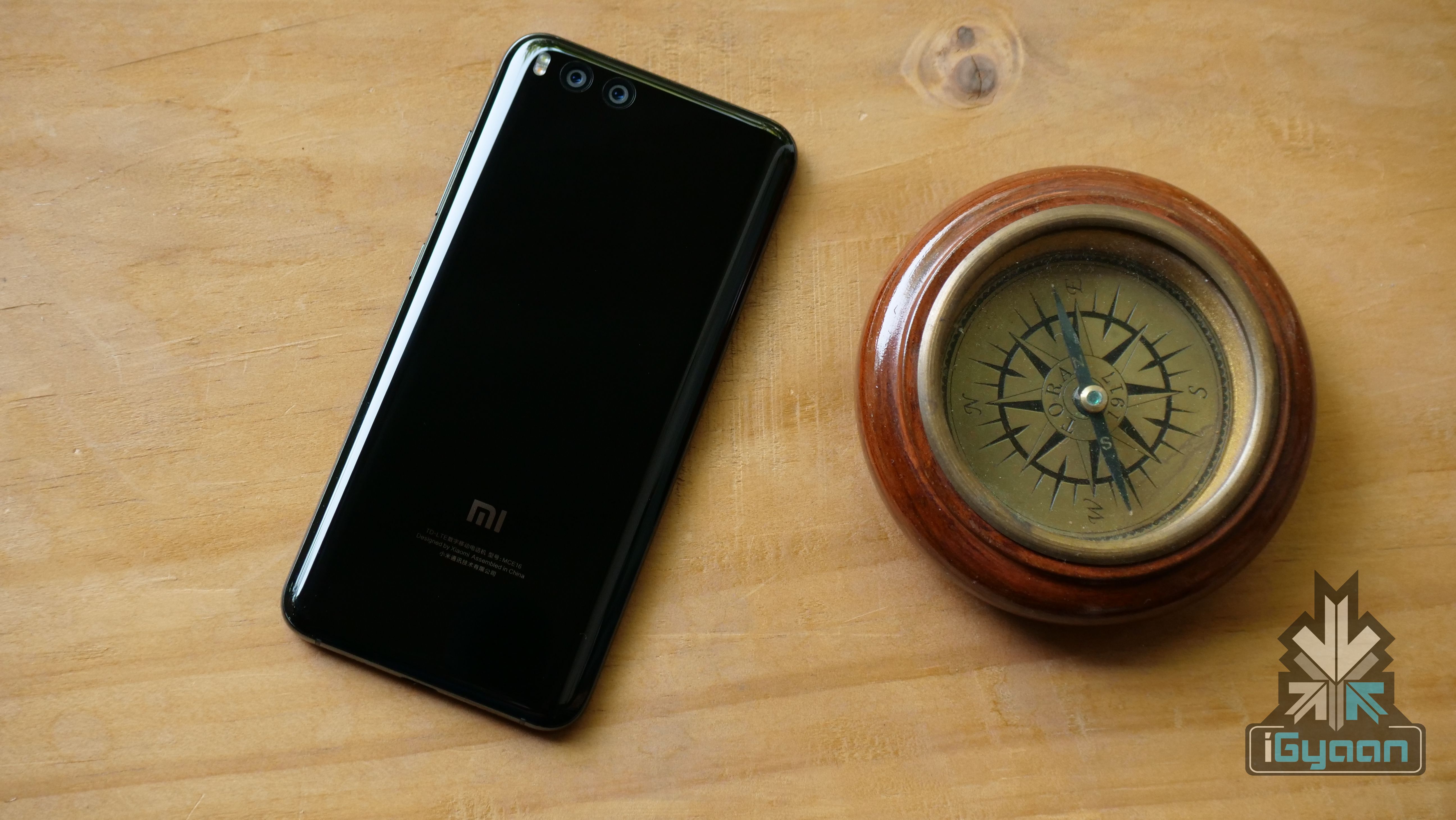
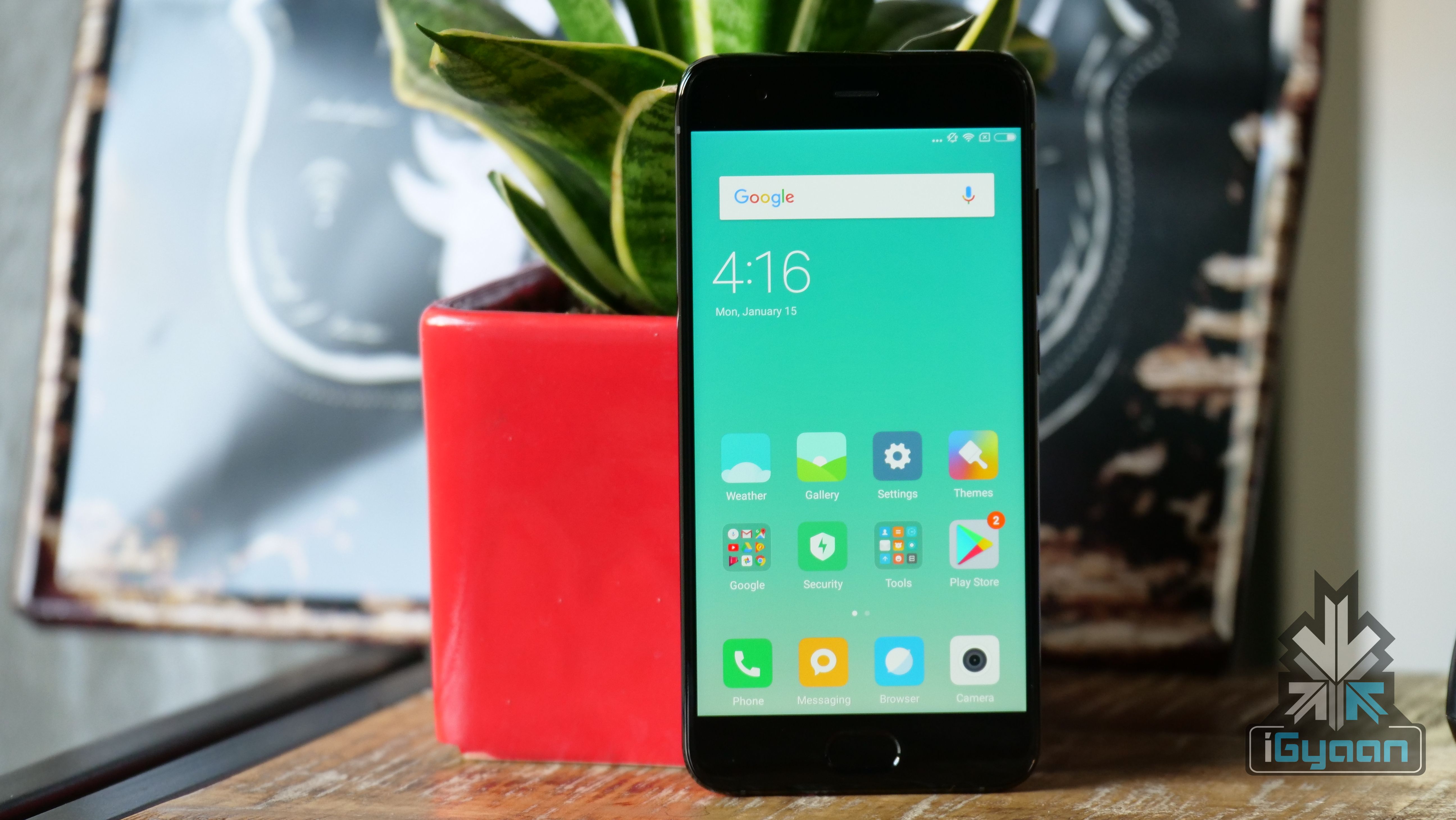
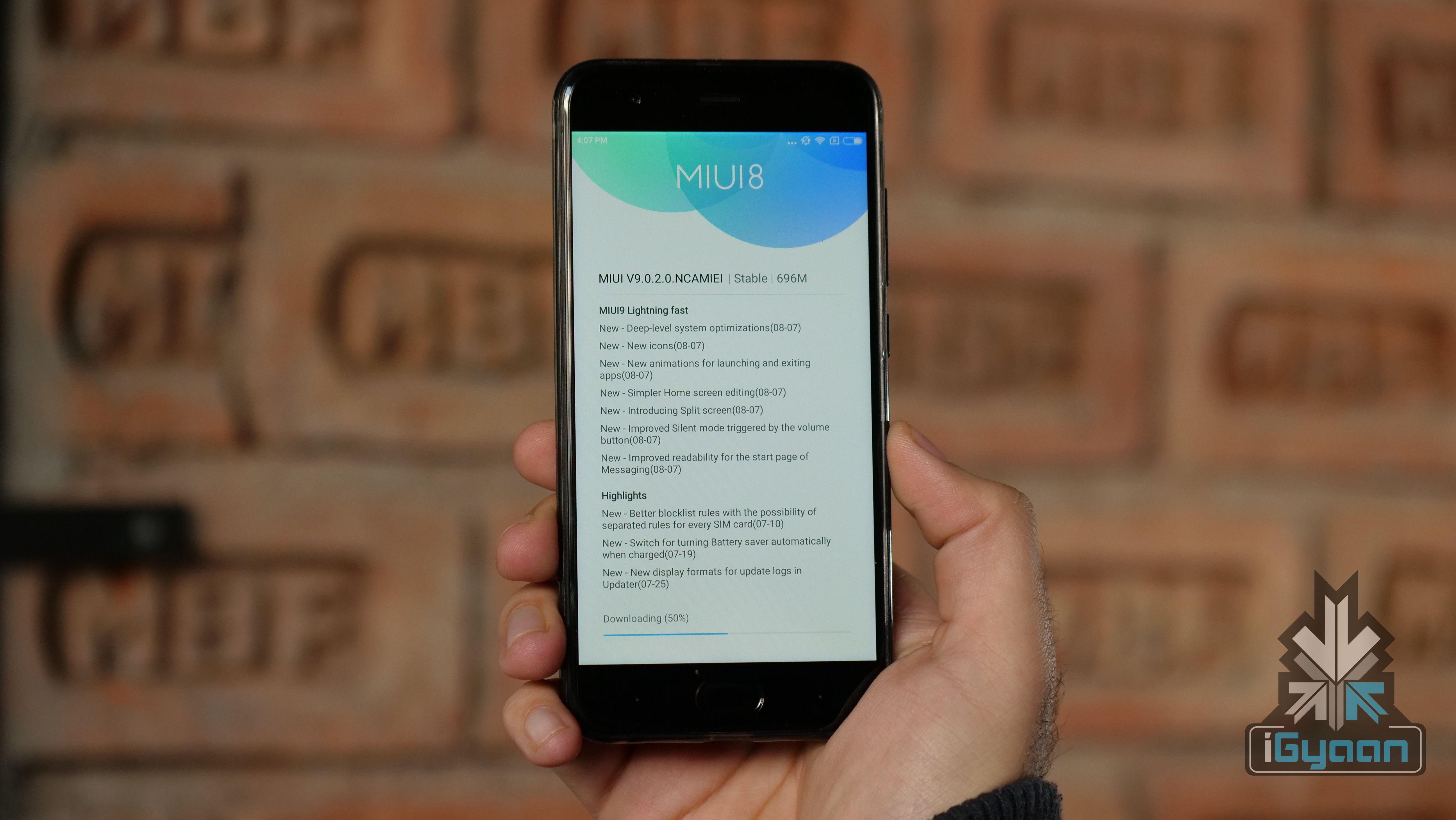
    At the launch event of the Xiaomi Redmi Y1 and Redmi Y1 Lite, the company also announced a list of smartphones that will receive an update to MIUI 9 in the coming months. While Xiaomi Mi Mix 2 was one of the first devices to receive the update, the Xiaomi Mi 6 has now joined the list of smartphones as well. The company has rolled out an update to MIUI 9.0.2 which brings a host of new features with it.

    Here are a few new features that will be introduced with the new MIUI 9:

    Faster App Launching Speed

    One of the main criticisms of MIUI has been its sluggish nature and the slow speed of general usage even in the flagship devices. Keeping that in mind, Xiaomi has promised much faster app launching speeds and navigation between multiple apps will be snappier as well. Performance enhancements are always welcome and this looks to be a step in the right direction for the Chinese giant.


    The ‘Smart’ Features

    Xiaomi has also launched its Smart Assistant to compete with the likes of Google Assistant, Siri, Alexa and even Bixby. The voice assistant will be available in China only for the time being as localisation of the software may take time. Image search allows you to search your image talliers by image context keywords, so if you a looking for pictures of dogs that you have clicked you will be able to do that. It basically means that you can open up a relevant app on the basis of the content on your current app. For example, if a friend sends you a restaurant’s name, you can open up Zomato to look up the restaurant.

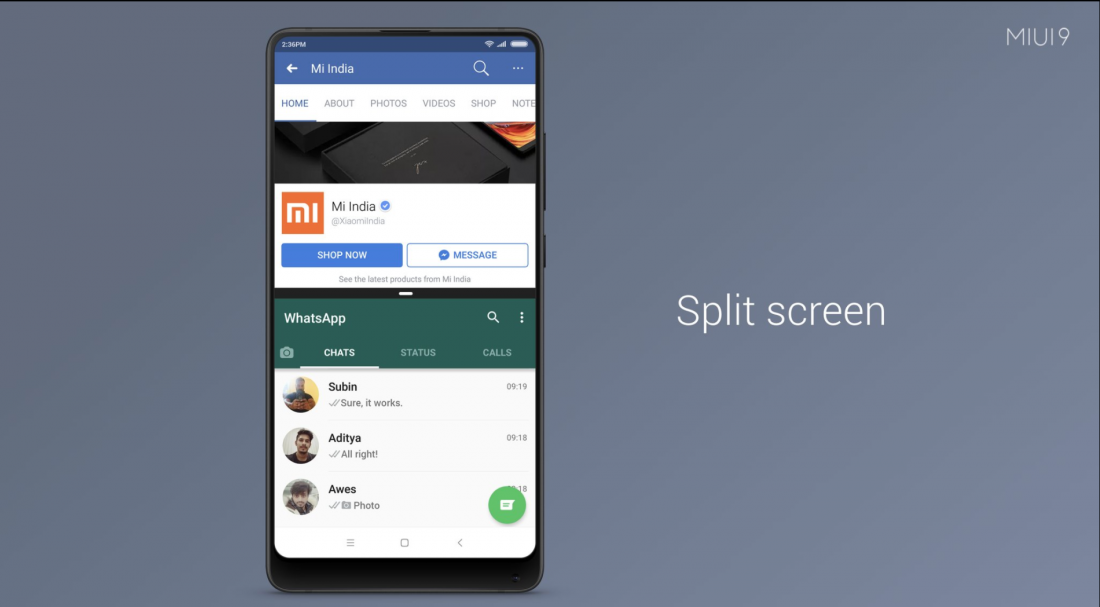
    Split-screen

    The split-screen feature was one of the major upgrades in Android Nougat and a plethora of phones from mid-rangers to flagships have embraced this handy little feature. Xiaomi, on the other hand, has launched it just now with MIUI 9 and it’s a welcome update.

    The Mi 6 has a 5.15 inch LCD display with a 1920 x 1080 px resolution.

    Under the hood, the device has the Qualcomm Snapdragon 835 chipset and Adreno 540 GPU for graphics. The fingerprint sensor is housed inside the home button just below the display. Xiaomi Mi 6 is also splash-resistant, with the SIM tray also sealed against splashes.

    Powering the device is a 3350 mAh battery which charges via a USB C port.

    The Mi 6 has a dual camera set up of two 12MP cameras at the back. One of the cameras has a wide-angle lens with 4-axis Optical Image stabilisation with an f/1.8 aperture while the other one is equipped with a telephoto lens with an f/2.6 aperture for 2X lossless zoom and bokeh effect photos. On its front, it has an 8MP camera which records 1080P videos.

    You can buy the Xiaomi Mi 6 here.

  • Samsung Galaxy S9, Galaxy S9+ Clears FCC Certifications Ahead Of Launch At MWC

    Samsung Galaxy S9, Galaxy S9+ Clears FCC Certifications Ahead Of Launch At MWC

    The Samsung Galaxy S9 and Galaxy S9+ are poised to be launched at MWC in late-February. At the launch event, Samsung will also unveil the release dates of the 2018 flagship smartphones in various countries along with the price point. But, before Samsung readies the smartphones for consumers in the US, the two devices need to FCC certification clearance and it appears that the two devices have done that successfully.

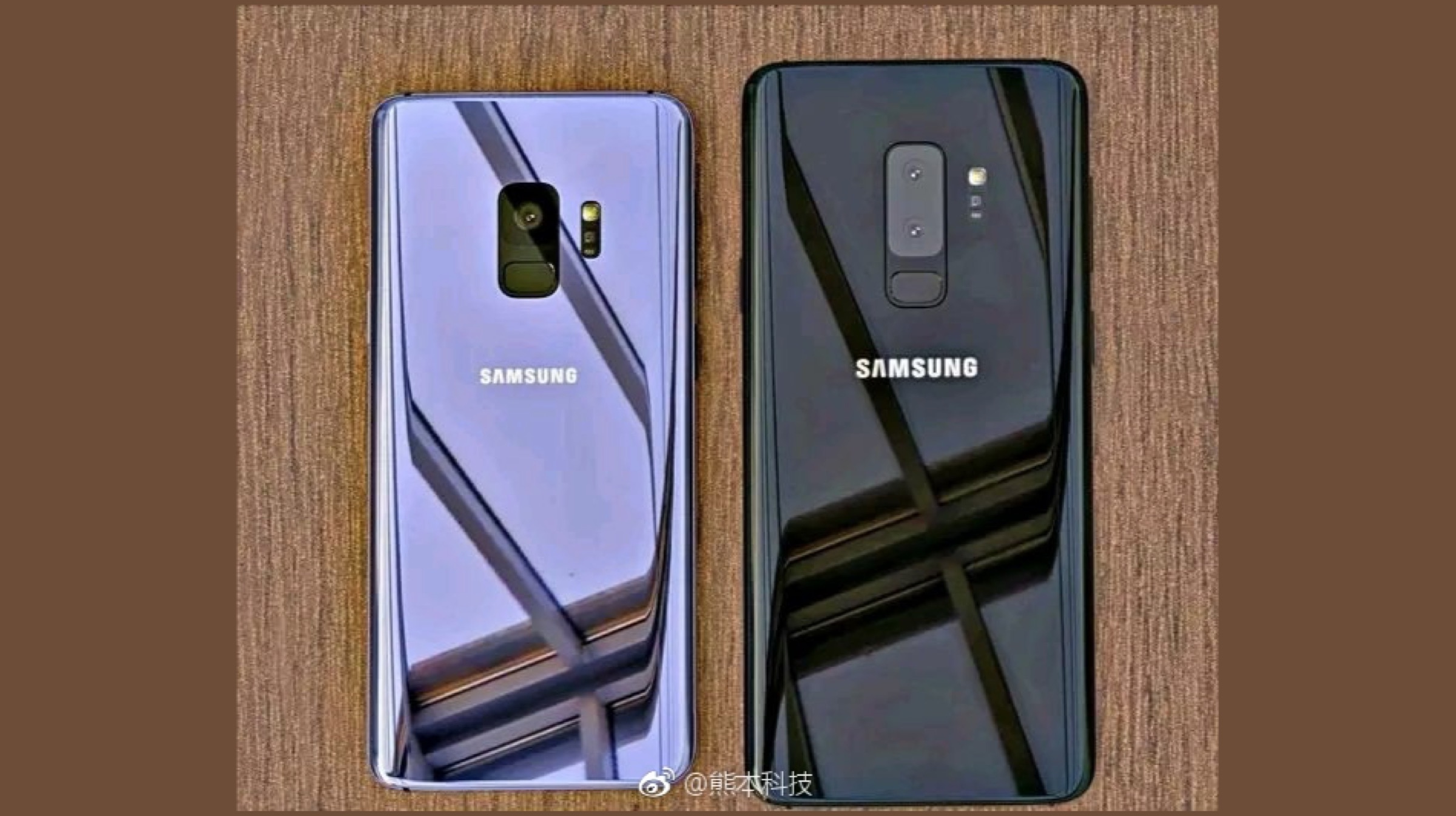
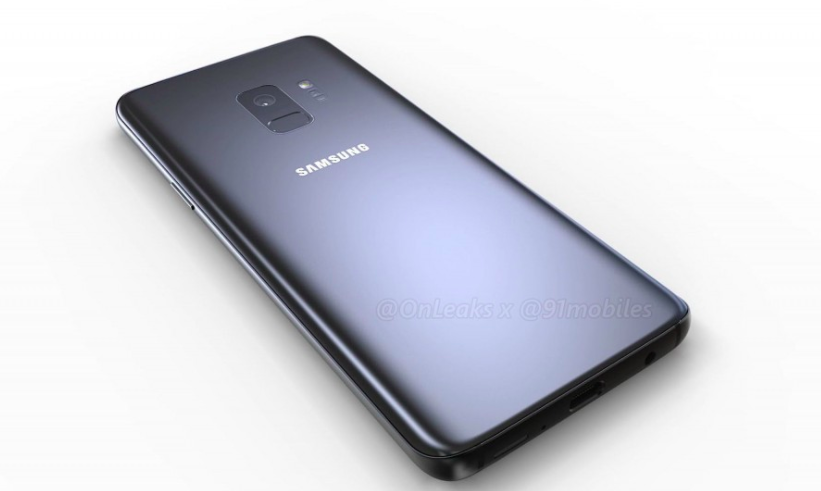
    The Samsung Galaxy S9 and S9+ will carry the model numbers SM-G960U and SM-G965U, respectively. However, the FCC database has not revealed any specifications or real-time images of either device but, there have been enough leaks in the past that give us an idea about the design of the phones. Recent renders have revealed that the Samsung Galaxy S9 and Galaxy S9+ will share the same design language as their predecessors and will have marginally reduced bezels.

    Samsung Galaxy S9, S9+ Leaked Images

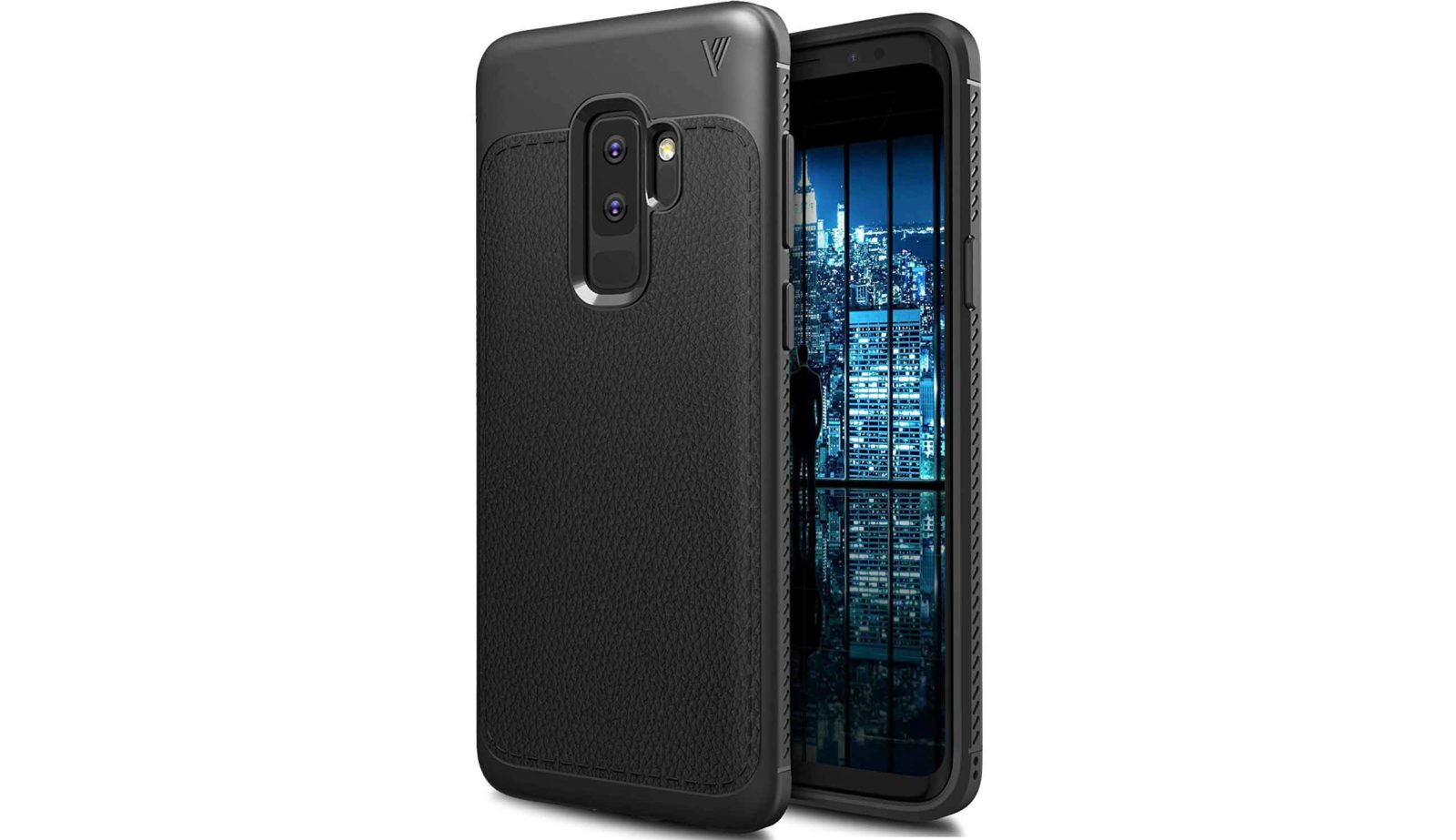
    The other major change is the difference between the regular and the plus variant. While in 2017, only the screen and battery size was the difference between the two variants, in 2018, the Galaxy S9 will have a single camera on the back while the S9+ will have a dual-camera setup, much like the Galaxy Note8. Also, as seen on the recently launched Samsung Galaxy A8+, the fingerprint sensor will be moved to a more ergonomic position, unlike the Galaxy S8 and Note8.

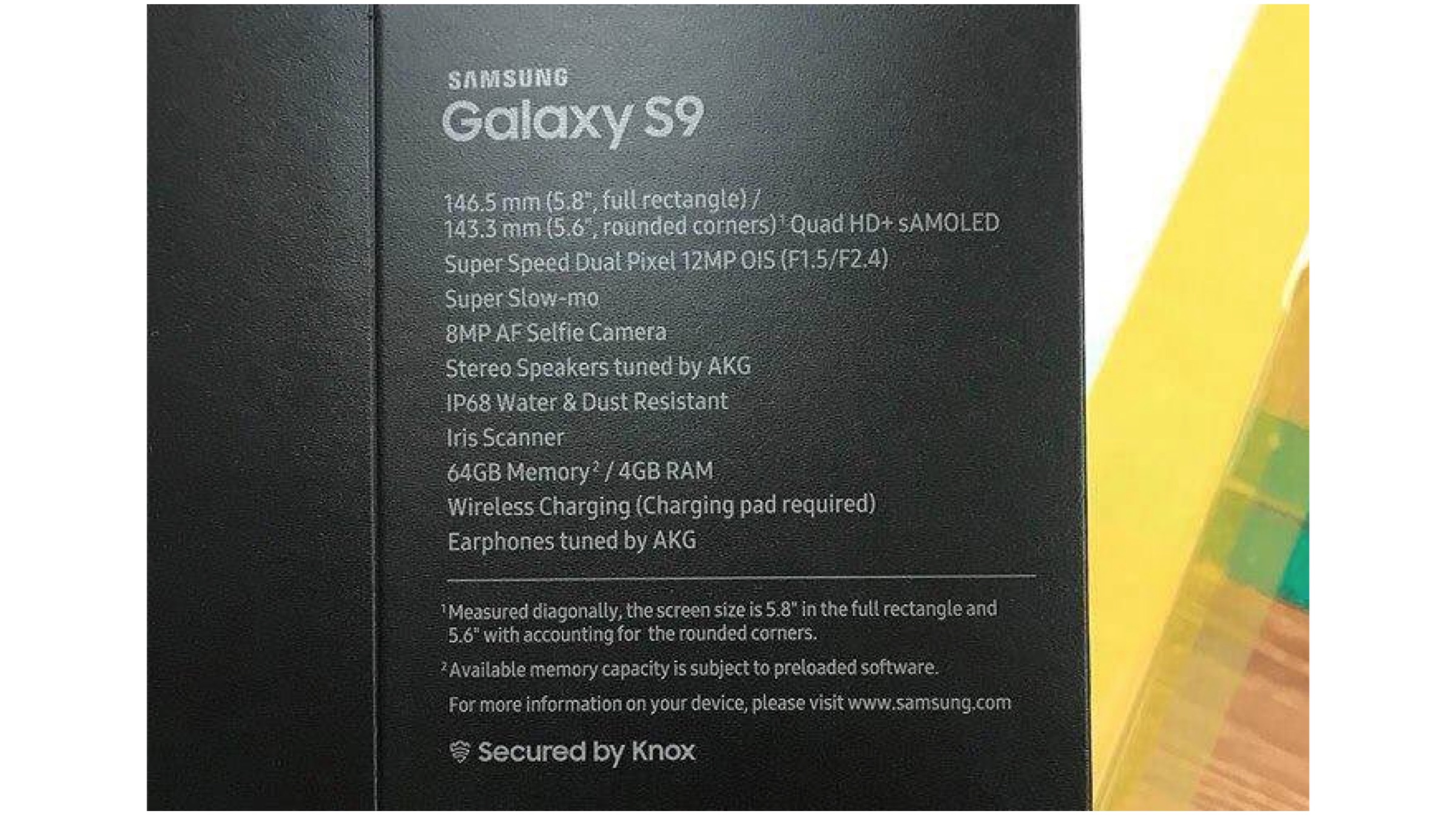
    A recent leak also revealed a lot of features of the Samsung Galaxy S9 courtesy, the image of a leaked retail box.

    According to the specifications listed on the box, the Samsung Galaxy S9 will have a 5.8-inch sAMOLED display with a 2960 x 1440 px resolution. Similar to its predecessor, the smartphone will have a single 12MP SuperSpeed Dual Pixel camera. This time around, however, the camera will have an f/1.5 aperture and record super slow motion videos, probably at 960fps.

    Galaxy S9+ Case Renders

    Other features include an IP68 rating for water and dust resistance, an 8MP front-facing camera and stereo speakers tuned by AKG. Last year’s Samsung Galaxy S8 and S8+ also retailed with AKG earphones and this year, it is expected the same from the upcoming Galaxy S9 and S9+ as well. The Samsung Galaxy S9 will have 4GB of RAM and 64GB of onboard storage.

    While the US and the South Korean variant of the smartphones will be powered by the Snapdragon 845 chipset, the global variants are expected to have the Exynos 9810 chipset under the hood.

    The Samsung Galaxy S9+ is expected to have a 6.2-inch display with the same resolution and aspect ratio. Under the hood, the Galaxy S9+ might have 6GB of RAM and more storage variants unlike the single variant of the Galaxy S9.

  • Is Apple Slowing Down Older iPads As Well?

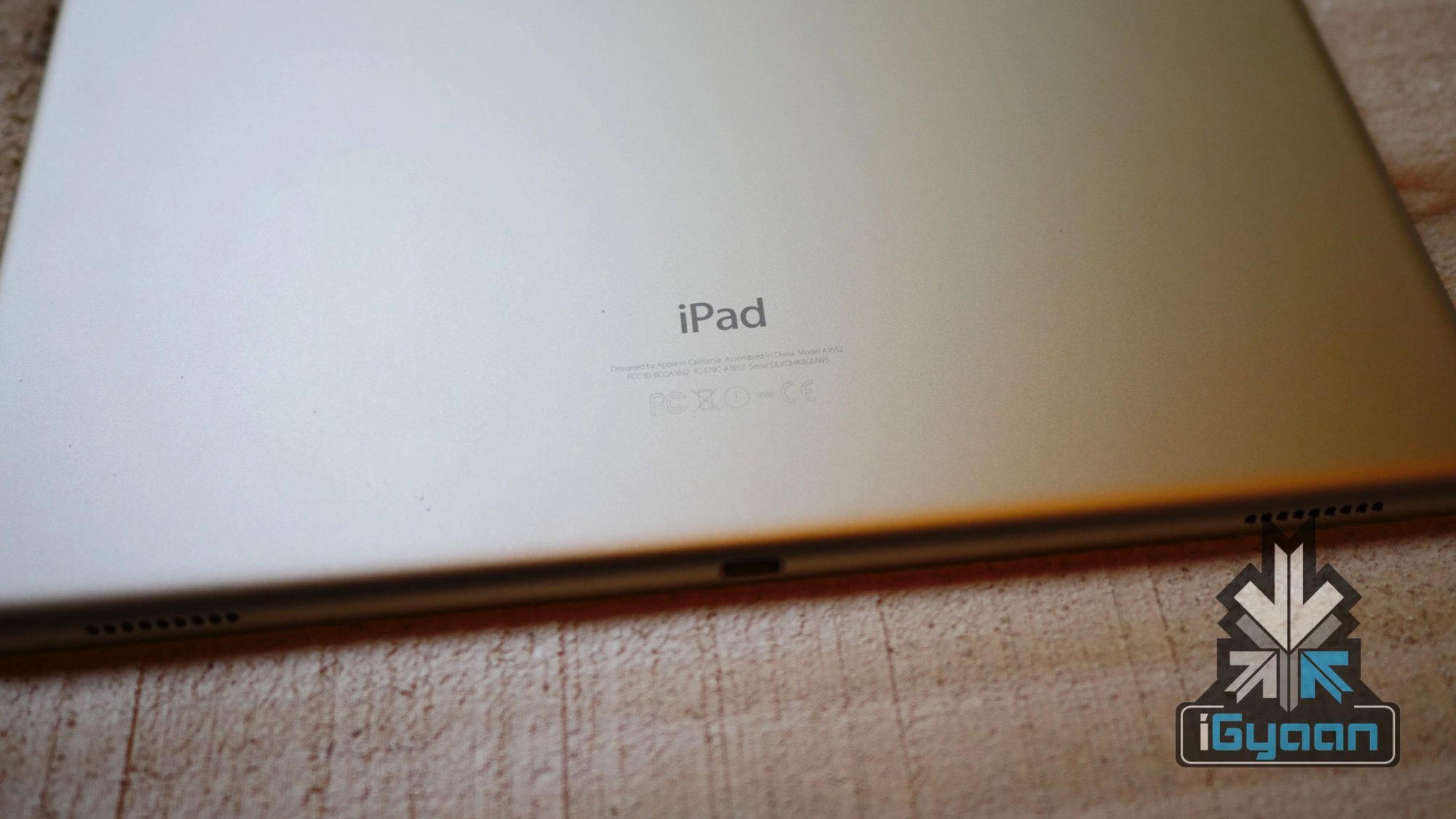
    Is Apple Slowing Down Older iPads As Well?

    Recently, it was unearthed that older iPhones were being slowed down via OTA updates by Apple. As the story broke out a few days after the iPhone X went on sale, people started questioning Apple’s ethics and speculated that Apple does this to influence consumers into buying new iPhones. After a few days of conspiracy theories doing the rounds on the internet, Apple came out and admitted to the doings.

    However, the reason Apple gave was different from what people on the internet were speculating. To tackle battery ageing in a more efficient way, what Apple is doing for older iPhones is it is capping the processor power to prolong the age of the battery. This is an attempt to make people’s phone work for longer with fewer issues, not to get them to switch away from it.

    So, it is fair to assume that iPads will be dealt with the same strategy of slowing down the performance in order to increase battery life. Well, it isn’t. Apple is not capping the performance of the processors found iPads.

    [amazon_link asins=’B06Y6744LJ’ template=’ProductAd’ store=’igyaan-21′ marketplace=’IN’ link_id=’400776ed-f9bf-11e7-87fd-13a73bdb3c8e’]

    The reason Apple went this route of slowing down iPhones was that of the battery. An ageing battery is less able to provide power quickly enough to the system that needs it. This was the main reason for random iPhone shutdowns which Apple addressed in its iOS 10.2.1 update. IN this update, the company introduced a feature to manage the instantaneous performance peaks, only when needed, to prevent an iPhone from unexpectedly shutting down.

    Now, the reason this wasn’t introduced to iPads is twofold. Firstly, an iPad has a much larger battery capacity than an iPhone. For example, the iPhone 6, launched in 2014 has an 1810 mAh (6.9 Wh) battery while the iPad Air 2, launched the same year has a battery capacity of 7340 mAh (27.62 Wh). This means that an iPad battery is much better equipped to handle performance peaks.

    Also, the average consumer uses iPads in a very different manner when compared to an iPhone. Since it usually is a secondary media consumption device, it is charged less often, which affects how the battery will age. For now, iPads are safe and protected from the slowing down software. However, in the coming years, iPads could also receive such software updates to prolong their battery lives.

  • Sony Xperia XA2, XA2 Ultra And Xperia L2 Price Revealed

    Sony Xperia XA2, XA2 Ultra And Xperia L2 Price Revealed

    At the recently concluded CES 2018, Sony took to stage to unveil its three new mid-range and budget smartphones, the Xperia XA2, XA2 Ultra and Xperia L2. While the specifications and key features of the devices were chared by the company, there was no word on their pricing. Now, all the three smartphones are up for pre-orders in the US and UK which reveals the pricing of all the three smartphones.

    The Sony Xperia XA2 is priced at US $350 (Rs. 22,260 approximately), Sony Xperia XA2 Ultra is priced at US $450 (Rs. 28,620 approx.) while the Xperia L2 will retail for US $250 (Rs. 15,900 approx). If and when these smartphones make their way to India, the pricing could be similar to their US price if Sony wants to compete with other brands in the overcrowded budget and mid-range segment.

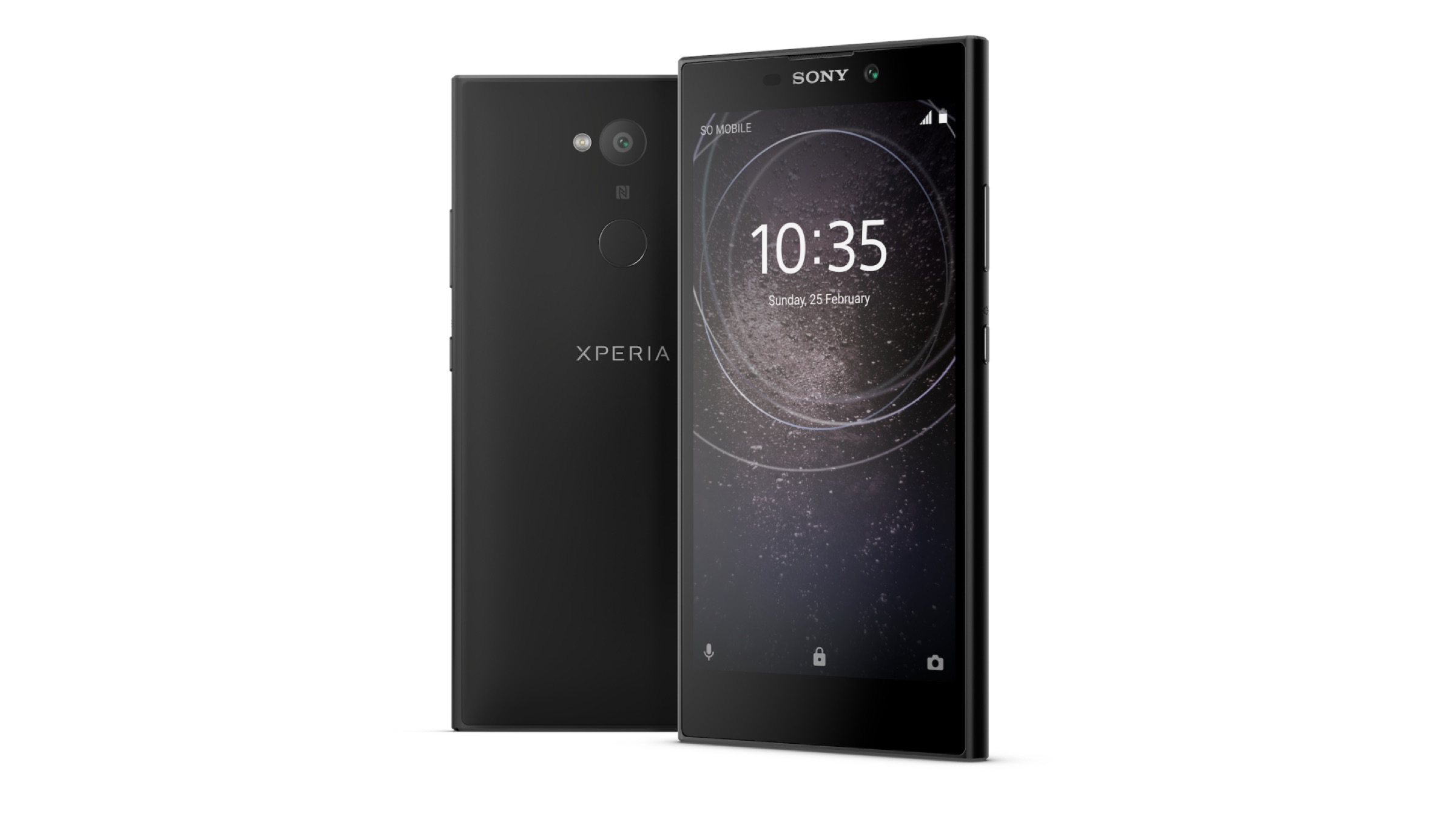
    Sony Xperia L2

    Xperia L2

    The Sony Xperia L2 branches out from the now defunct Xperia E series.

    The Xperia L2 has a 5.5-inch display with a 1280 x 720 px resolution.

    Under the hood, the smartphone has the MediaTek MT6737T chipset, 3GB of RAM and 32GB of onboard storage which will be expandable via a microSD card. The fingerprint sensor has now been moved to the back of the phone and is placed centrally, right below the camera.

    Powering the smartphone is a 3300 mAh battery but there is no word on fast-charging support yet. In a move similar to Samsung’s, the Xperia L2 will run Android 7.1 Nougat out of the box.

    The Sony Xperia L2 has a 13MP camera on the back and an 8MP camera with a wide-angle lens on the front.

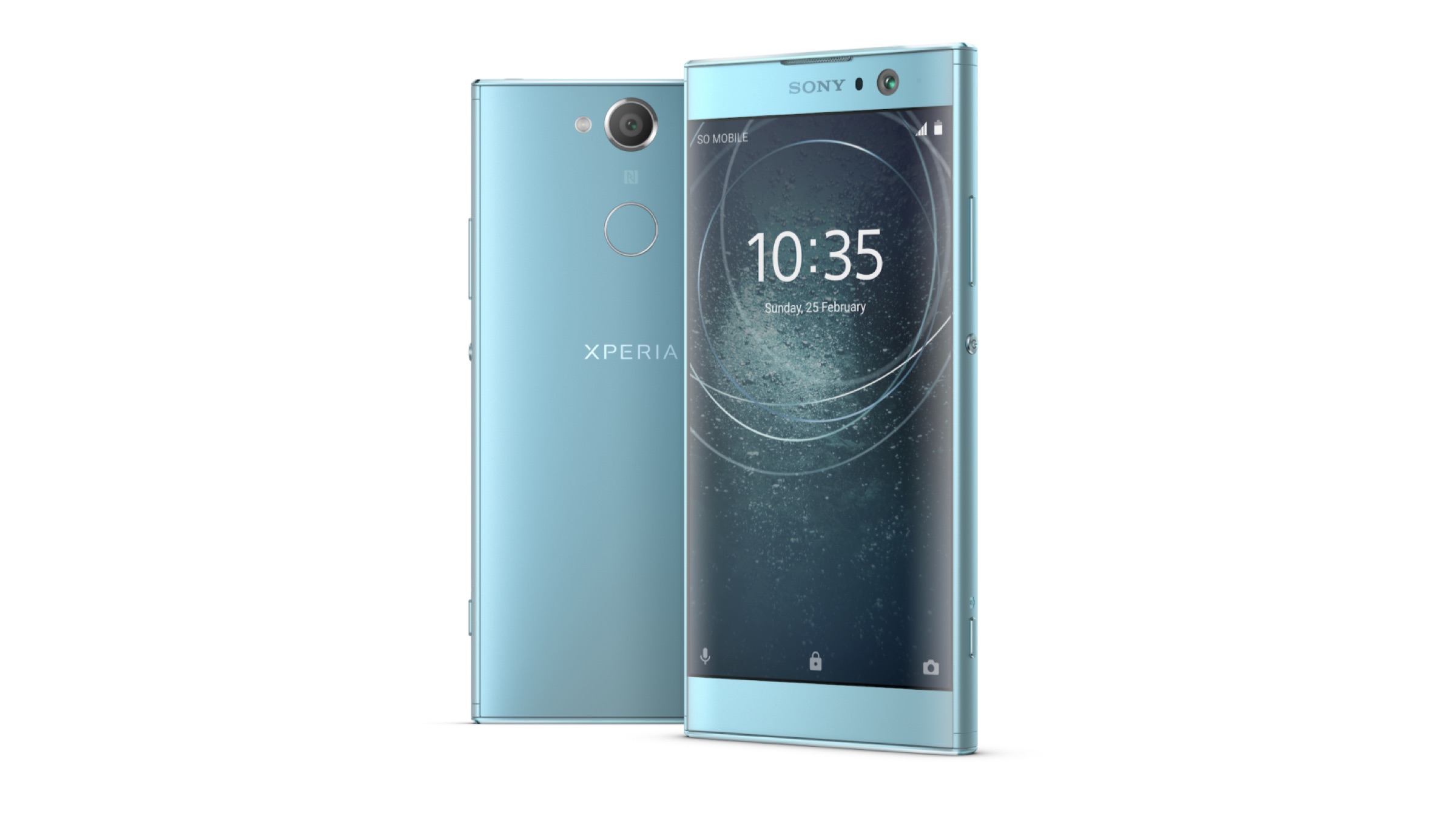
    Sony Xperia XA2 and Xperia XA2 Ultra

    Xperia XA2

    The two mid-range offerings from Sony, the Xperia XA2 and Xperia XA2 Ultra will start shipping in February.

    The Xperia XA2 has a 5.2-inch display while the XA2 Ultra has a 6-inch display but, both the devices have a 1920 x 1080 px resolution.

    Under the hood, both the devices are powered by the Qualcomm Snapdragon 630 chipset and have the Adreno 508 GPU. The Xperia XA2 has 3GB of RAM and 32GB of storage, which is expandable via microSD (hybrid slot on the dual SIM XA2). The larger XA2 Ultra has 4GB of RAM and two storage options of 32GB and 64GB. Thanks to the big bezels and a massive footprint of the device, Sony has provided a dedicated SIM card slot for both the single SIM and dual SIM models.

    The XA2 features a 3,300mAh battery as compared to the XA1’s 2,300mAh unit, while the XA2 Ultra is powered by a 3580mAh. Both of the devices will also support QuickCharge 3.0 via a USB Type-C port. Unlike a lot of Sony devices, the fingerprint sensor now sits on the back of the devices just below the camera module.

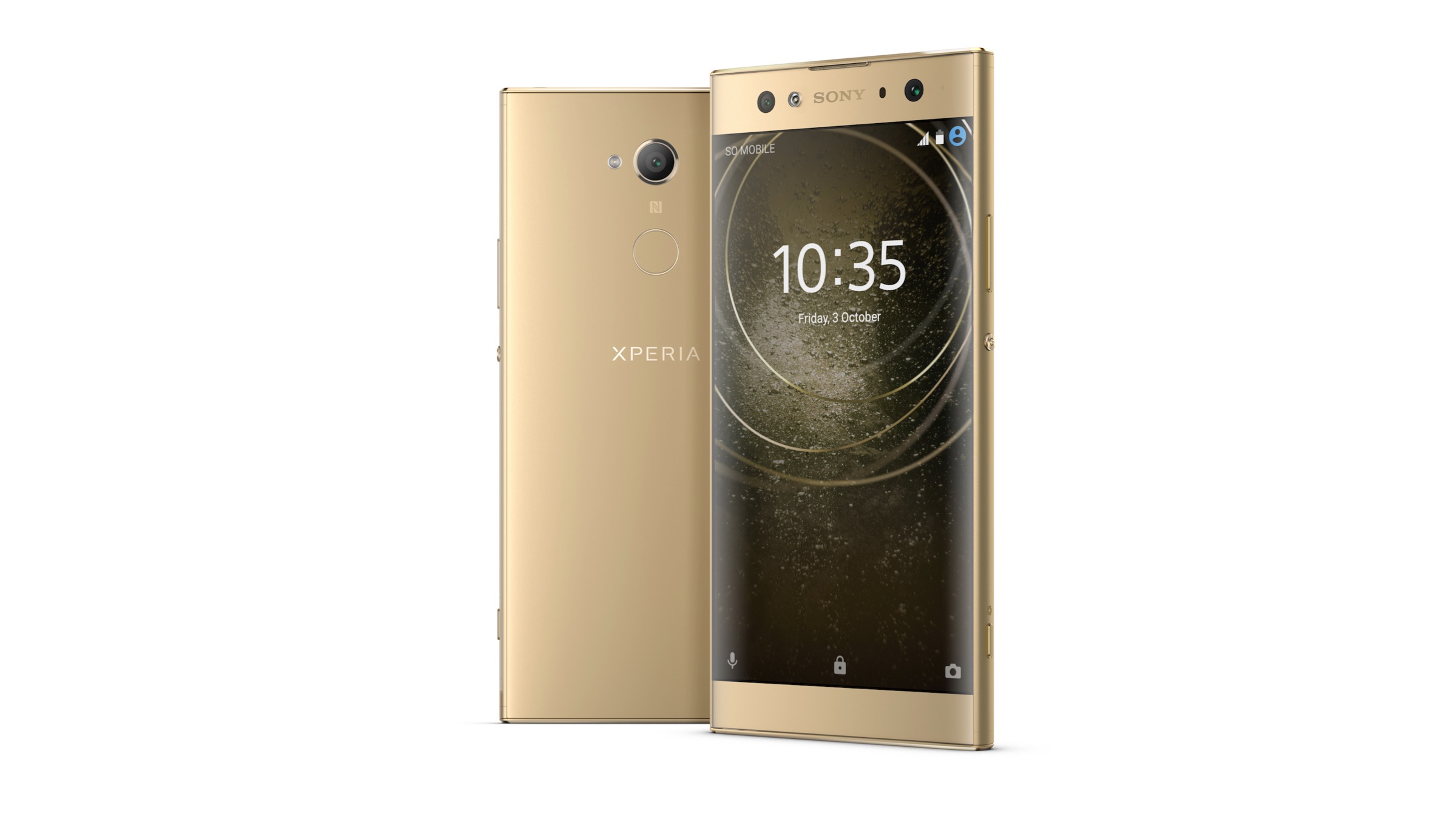
    Xperia XA2 Ultra

    Both the smartphones have a 23MP camera with an f/2.0 aperture. To the front of the Xperia XA2 is an 8MP camera with a wide-angle lens. The Xperia XA2 Ultra has a dual-camera setup on the front, as it has a 16MP camera with OIS along with the 8MP wide-angle lens.

    Sony still hasn’t announced its plans of launching these devices in Asian markets such as India and again, it will have to price these devices competitively to compete with the likes of Xiaomi Mi A1, Honor 7X and the Moto X4.

  • HTC U11 EYEs Specs Leaked On HTC’s Official Website

    HTC U11 EYEs Specs Leaked On HTC’s Official Website

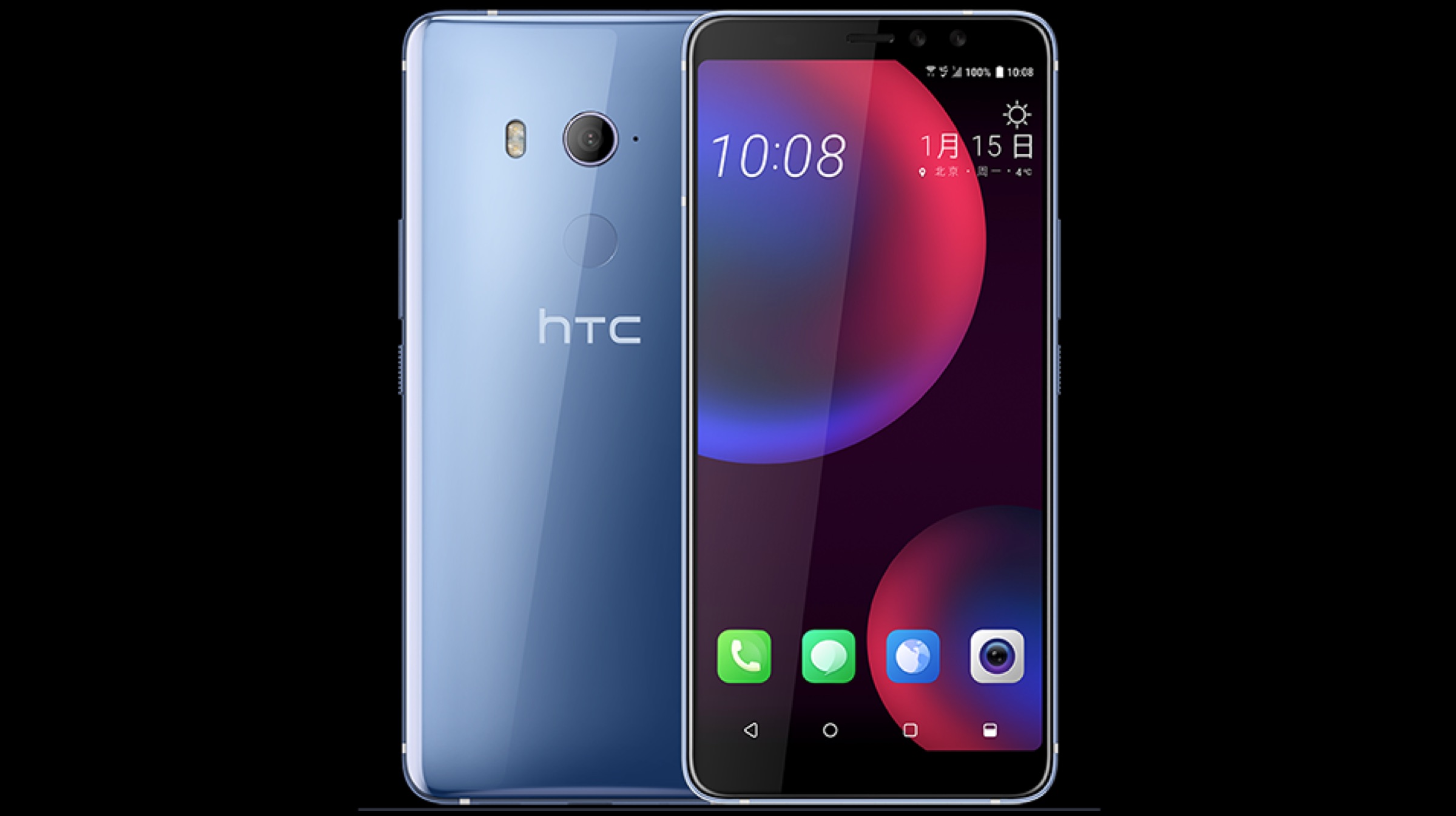
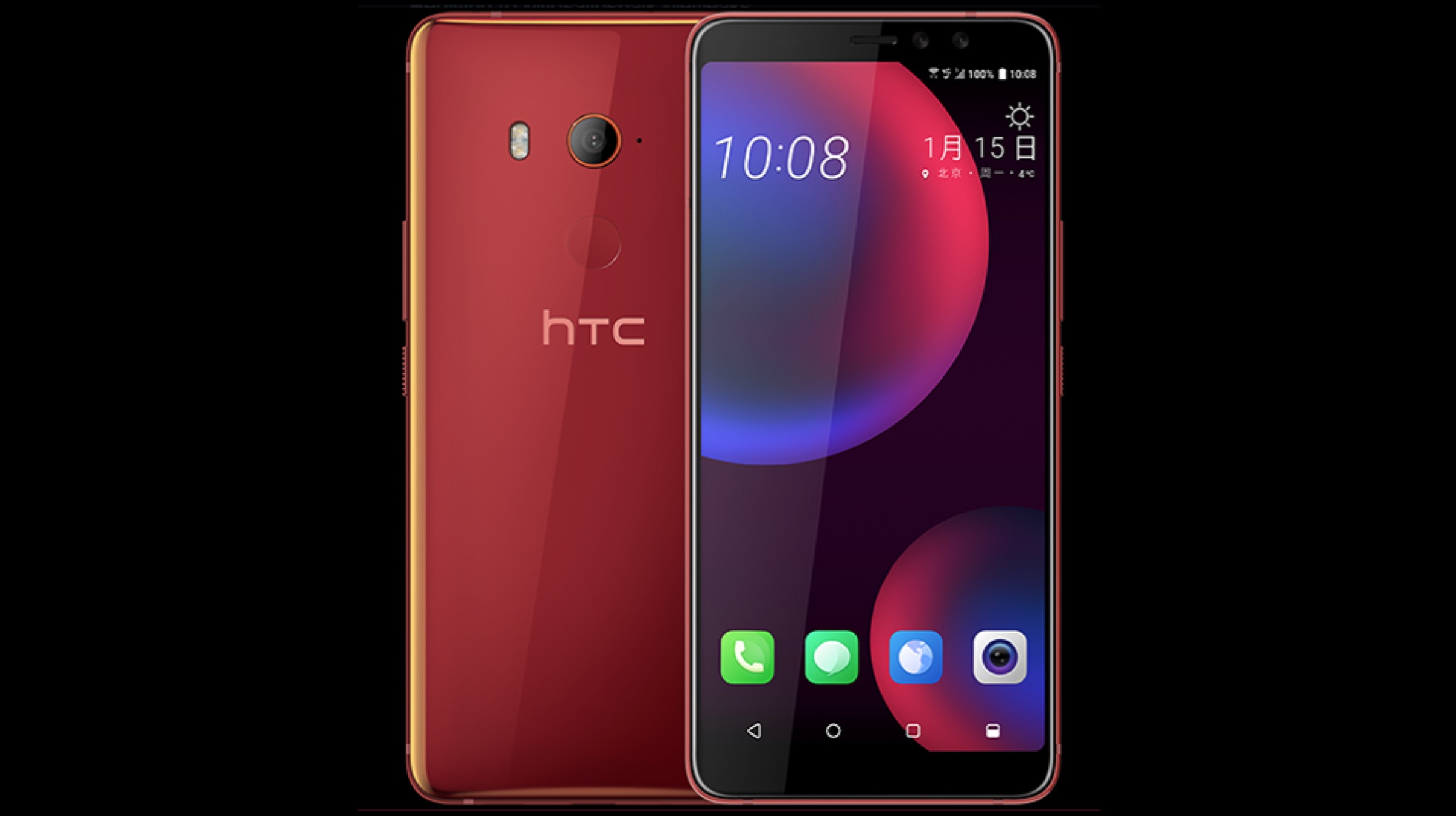
    Smartphone launches nowadays are hardly met with surprise, since a lot of the main specifications and features are leaked way before the official launch. But, while most of these leaks are courtesy of tipsters and renders, sometimes, the smartphone maker itself leaks some important features. HTC has done exactly in the case of the HTC U11 EYEs. The smartphone is scheduled to be launched later in the day but, all the key details of the phone have been revealed via the official HTC website.

    Through a comprehensive leak by a famous tipster on Twitter, we already knew that the smartphone will have a 6-inch Super LCD3 display with a 2160 x 1080 px resolution.

    Under the hood, the U11 EYEs will be powered by the Snapdragon 652 chipset, along with 4GB of RAM and 64GB of expandable storage. The fingerprint sensor will be placed on the back of the phone and it will be IP67 certified for water and dist resistance.

    The smartphone will be powered by a 3930mAh battery with QuickCharge support via a USB C port. Surprisingly, the device will run Android 7 Nougat out of the box even though Android 8 Oreo was launched back in August of 2017.

    The HTC U11 EYEs will have a 12MP “UltraPixel 3” primary camera with OIS and “UltraSpeed” autofocus. HTC has revealed a DxOMark score of 90, which is exactly the same as what the HTC U11 received, which probably means that it is the same camera. To the front is a dual 5MP camera setup which will work together to create a bokeh effect.

    The HTC U11 EYEs will be launched in China and according to the company’s recent launch tactics, it probably won’t make its way to India. It will be priced at CNY 3299 in China which roughly translates to about Rs. 32000 in India.

  • Samsung Galaxy On7 Prime To Launch In India On 17th January

    Samsung Galaxy On7 Prime To Launch In India On 17th January

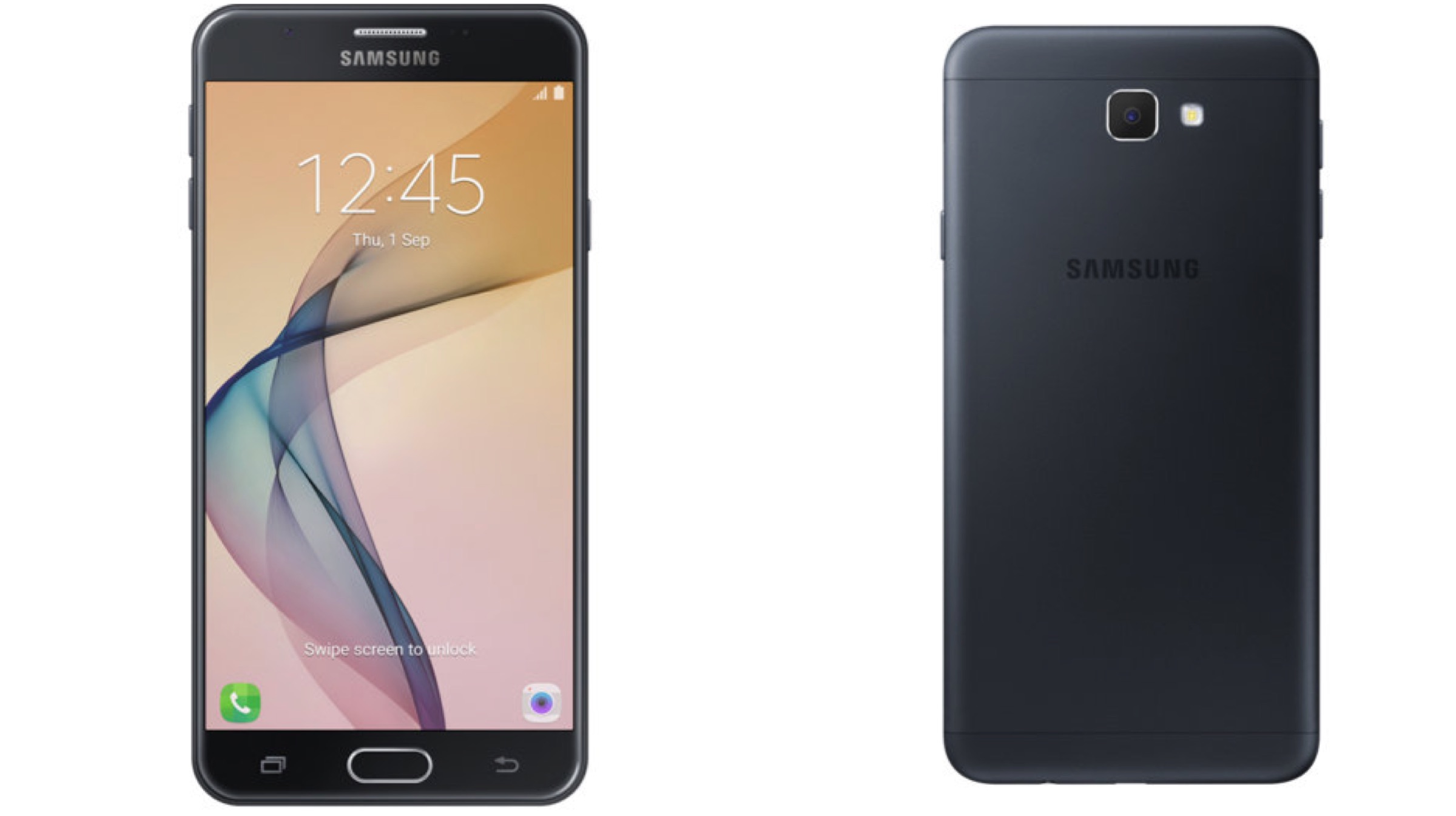
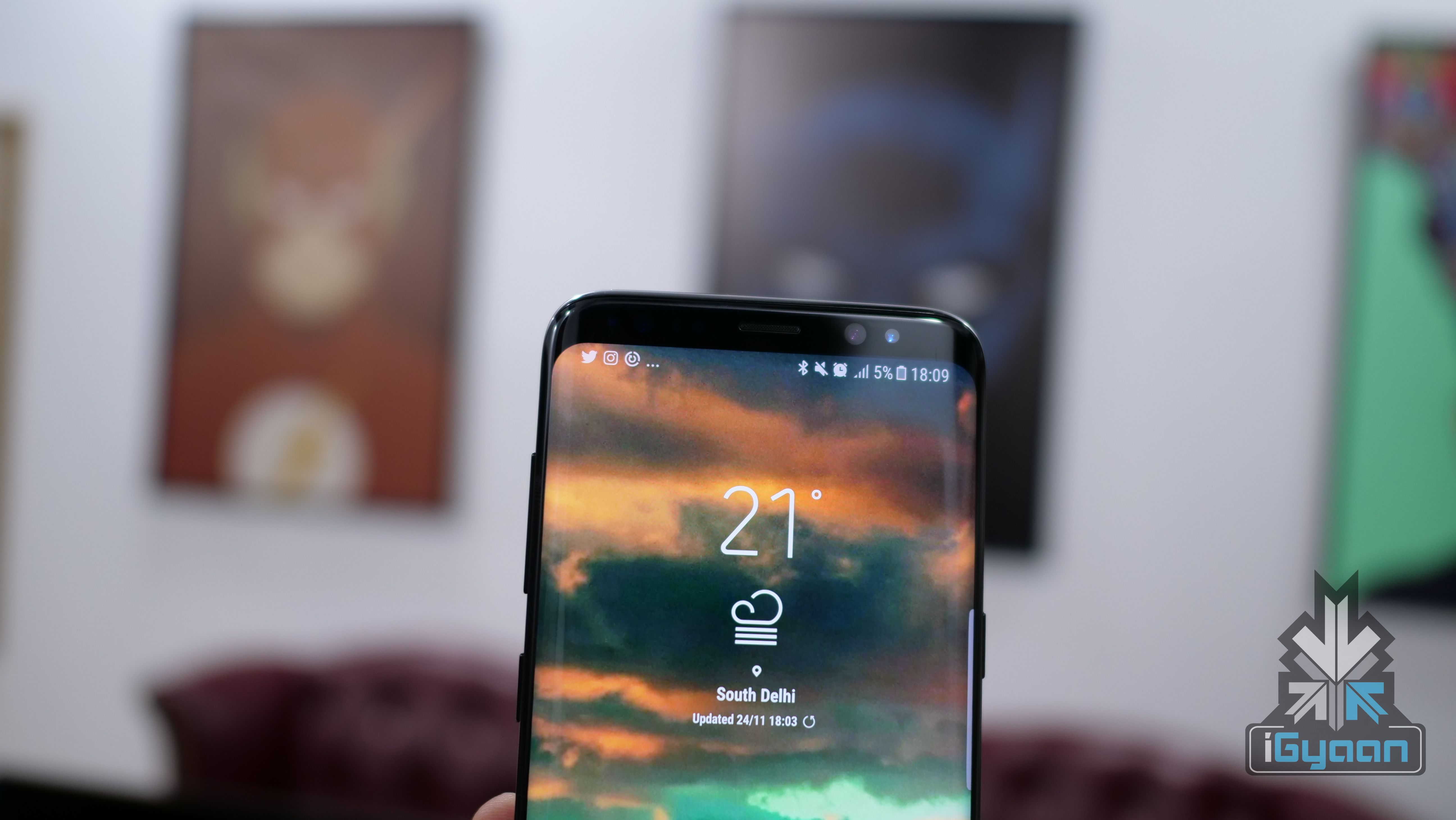
    Samsung Galaxy On7 Prime has been confirmed to be launched in India on the 17th of January. The smartphone will be an Amazon exclusive and the price of the phone is expected to be around Rs. 15000.
    According to the Amazon listing, Samsung Galaxy On7 Prime has a 5.5-inch display with a 1920 x 1080 px resolution.

    [amazon_link asins=’B01DDP7D6W’ template=’ProductAd’ store=’igyaan-21′ marketplace=’IN’ link_id=’33896174-f846-11e7-89d2-45396d1ddb6a’]

    Under the hood, the Galaxy On7 Prime will have the Exynos 7870 chipset, a 1.6GHz processor, and Mali-T830 MP1 GPU. The smartphone will be available in two variants, one with 3GB RAM and 32GB of onboard storage and the other with 4GB RAM and 64GB of onboard storage which will be expandable up to 256GB via a microSD card.

    There is no confirmation on whether the smartphone will have a dedicated microSD card slot or not.

    According to Samsung UAE website, the Galaxy On7 Prime will be powered by a 3300 mAh battery. The physical home button on the front will, in most likelihood, house the fingerprint sensor as well.

    The Galaxy On7 Prime will have a 13MP with an f/1.9 aperture on the front and back along with rear-facing LED flash.

    Interested users can register for the device by clicking here.

  • LG G7 Leaks Reveal Dual Front Cameras And No Bottom Bezels

    LG G7 Leaks Reveal Dual Front Cameras And No Bottom Bezels

    Early months of a year are usually dedicated to the hype around the launch of Samsung’s Galaxy ‘S’ series. Along with the Galaxy S9 and S9+ this year, the LG G7 is also expected to be launched in early-2018, most probably at MWC. Unlike the Galaxy S9, there haven’t been a lot of leaks or renders revealing the possible design of the upcoming smartphone.

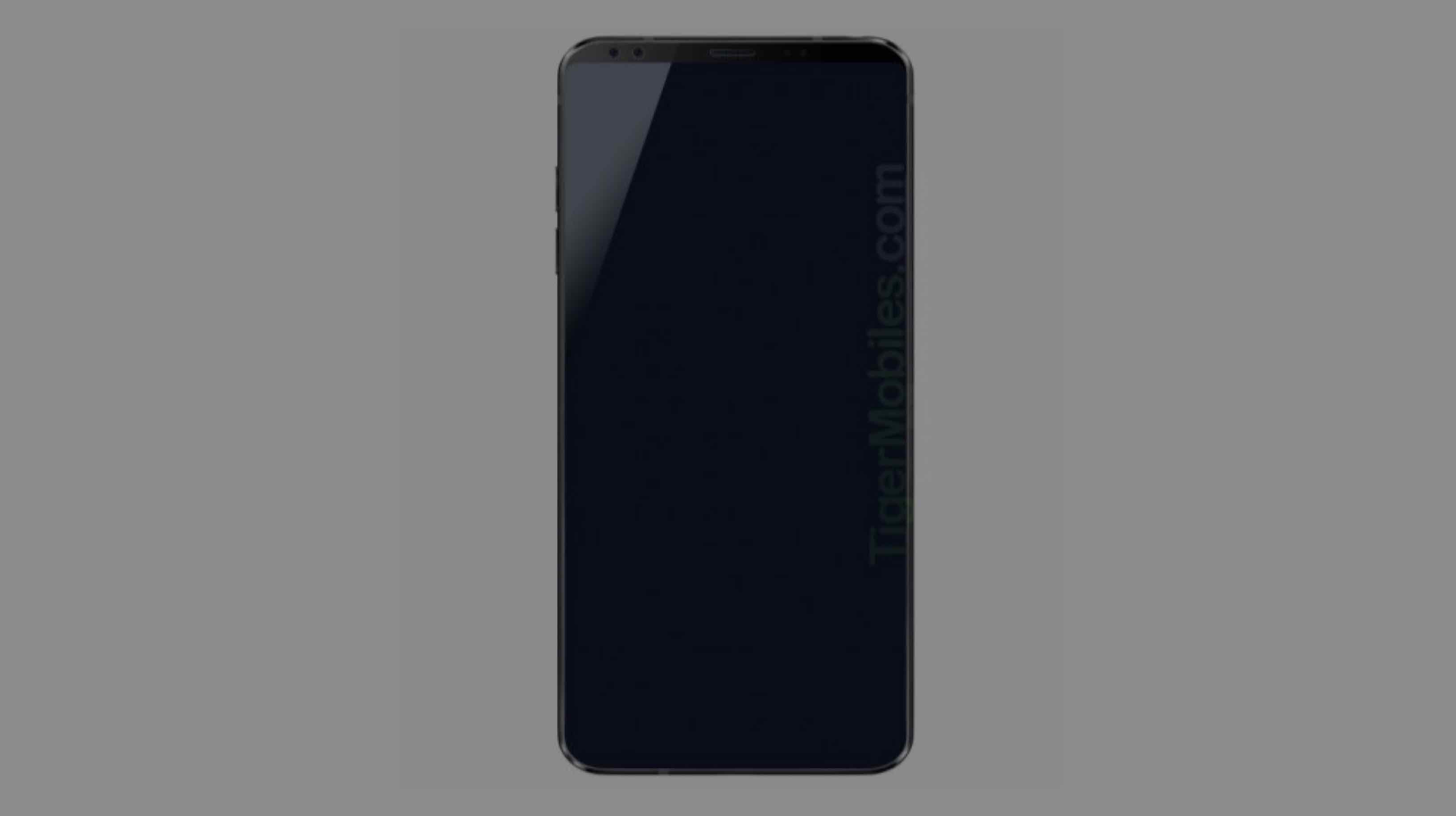
    A new leaked image, however, reveals what could be the LG G7. Two striking aspects of this image are the bottom bezel and the front-facing cameras. According to the image, LG will eliminate the bottom bezel from its next flagship smartphone while keeping a relatively thinner upper bezel.

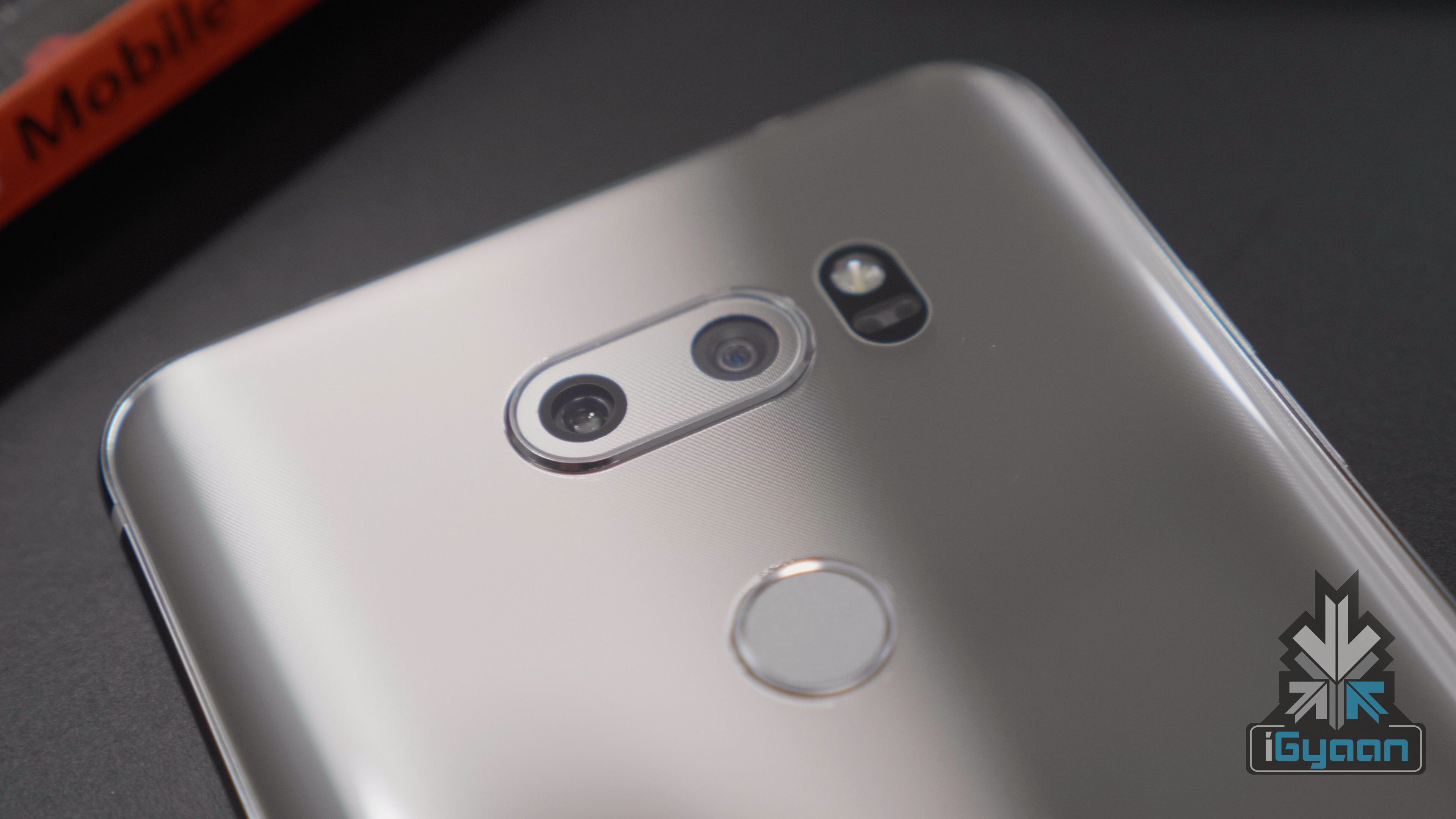
    So far, LG has had very good primary camera setup in its flagship smartphones but, it appears that LG will make a few changes in its front-facing camera module as well. The leaked image in question reveals that the LG G7 could have a front-facing dual-camera setup. It will be interesting to see how the company will implement the two cameras or whether it will be similar to the primary camera setup with a wide-angle secondary lens.

    Other than the design, there was a hint on LG’s official website that the LG G7 will be powered by the Snapdragon 835 chipset rather than the new Snapdragon 845 chipset. This is similar to the LG G6 situation as it was launched during the period when Samsung had exclusive access to the Snapdragon 835 chipset hence, the G6 was powered by the Snapdragon 821 chipset instead.

    The launch of the LG G7 seems nigh, with MWC looming around, it will be interesting to see if the device is launched as the LG G7 or the company will rebrand it, as it was reported earlier.

  • OnePlus 3, 3T To Get Face Unlock Feature

    OnePlus 3, 3T To Get Face Unlock Feature

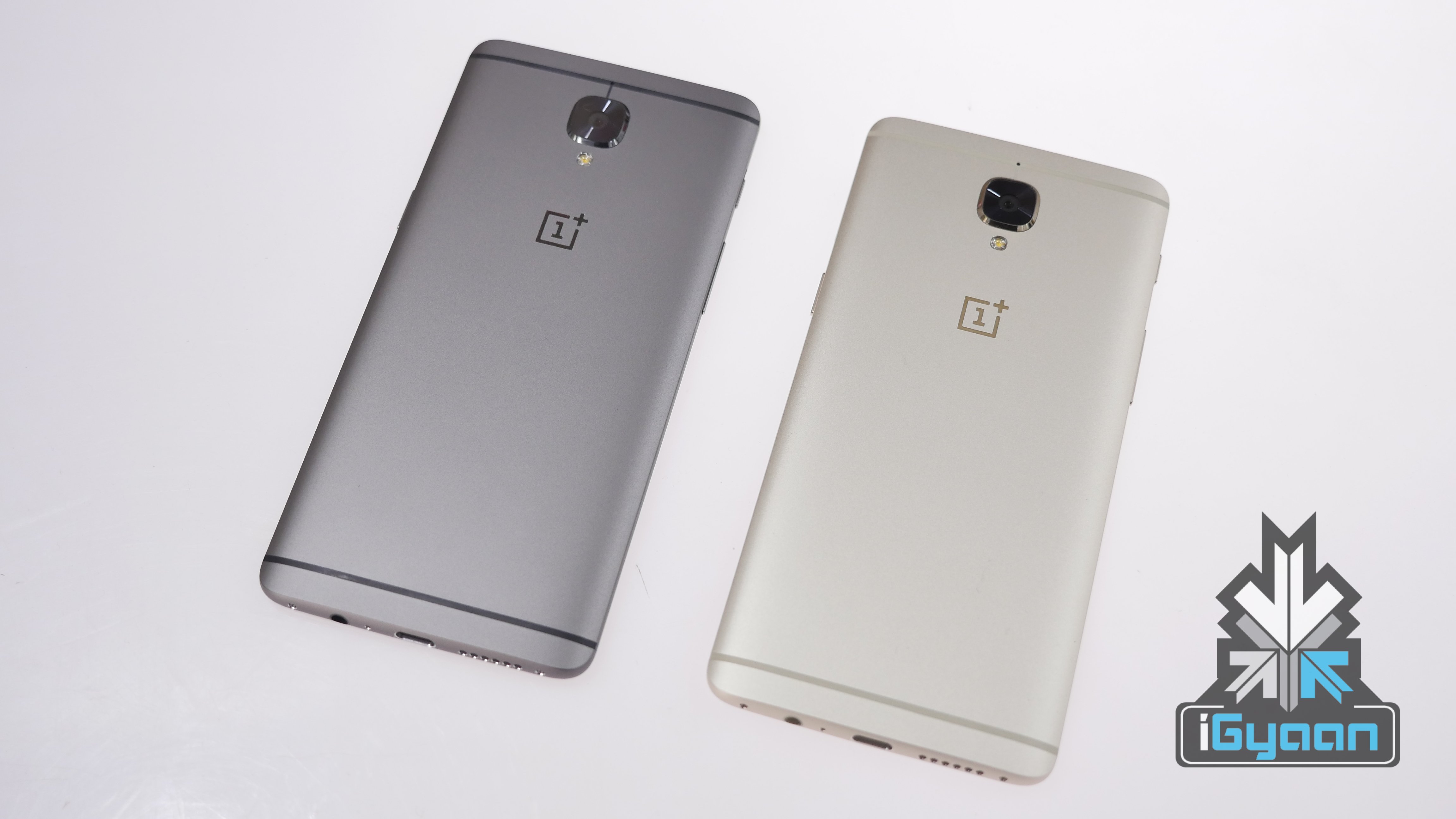
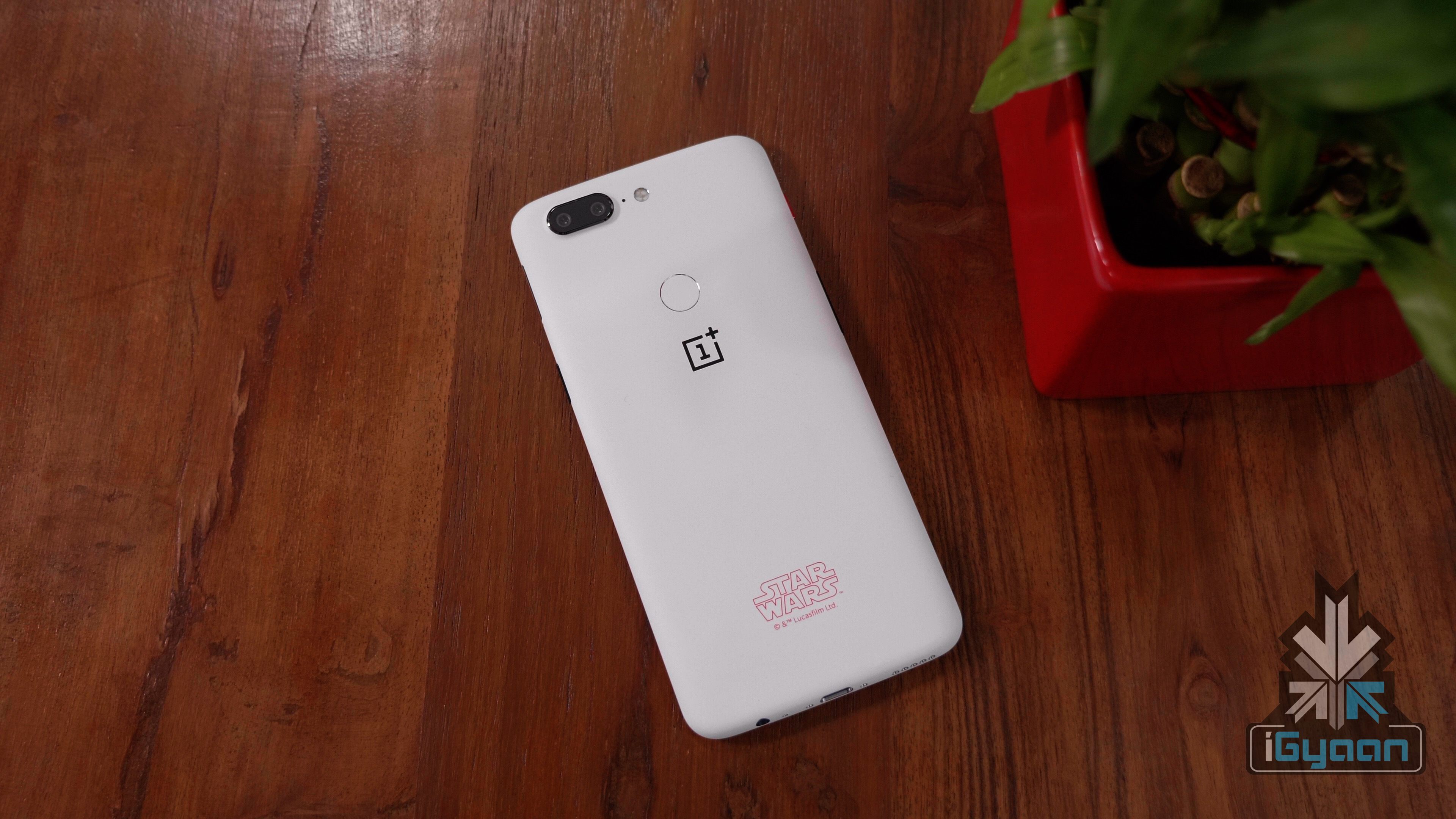
    OnePlus 5T was launched back in early-November 2017 as a refreshed variant of the OnePlus 5. The OnePlus 5T has a modern design with thin bezels and a tall display and has a different camera setup at the back as well. However, OnePlus introduced another feature in the OnePlus 5T that was a first for the company, Face Unlock. Subsequently, the company announced that the OnePlus 5 would soon get Face Unlock via an OTA update and the company’s co-founder, Carl Pei asked OnePlus 3 and 3T users to voice their opinion and demand the Face unlock feature for their devices.

    https://twitter.com/getpeid/status/946428911688323072

    After a couple of weeks of putting out that tweet, Pei has confirmed that the OnePlus 3 and 3T users will get a beta version of Face Unlock via an OTA update. This is possible because OnePlus’ facial recognition is purely software-based, unlike Face ID.

    [amazon_link asins=’B0756ZFXVB’ template=’ProductAd’ store=’igyaan-21′ marketplace=’IN’ link_id=’54df3e1c-f82e-11e7-a722-d954e19208da’]

    The intention behind face Unlock on the OnePlus 5T was the convenience, since the fingerprint sensor was moved to the back. Face Unlock is an easier way to unlock your smartphone, however, it is not as secure as other facial recognition systems such as Apple’s. OnePlus conceded this after Face Unlock received great reviews for incredibly fast and accurate and ideal lighting conditions, that this system can not be used for bank transactions or storing data.

    OnePlus 5T

    OnePlus is not the only company to come up with its facial recognition system, Huawei unveiled its own technology and even claimed that it is faster and more accurate than Face ID while being secure enough for bank transactions. Samsung has been implemented iris scanning on its smartphone for some time now, and there are reports that the upcoming Samsung Galaxy S9 and S9+ will be even more accurate.

  • The Sharp Aquos S3 Has A Design Identical To The iPhone X

    The Sharp Aquos S3 Has A Design Identical To The iPhone X

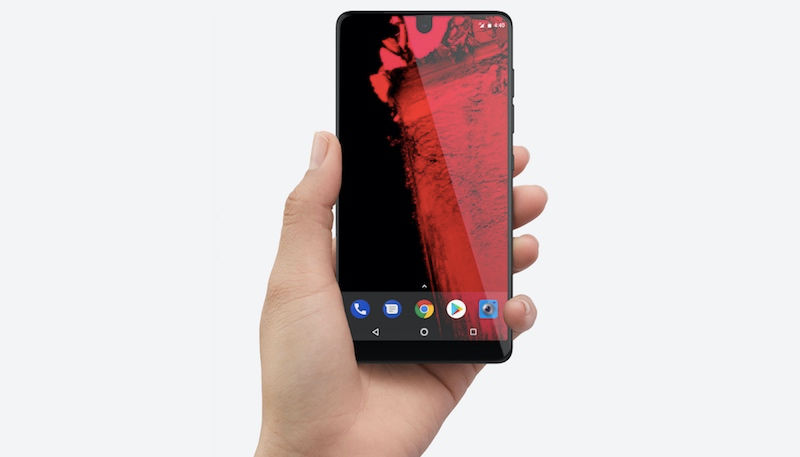
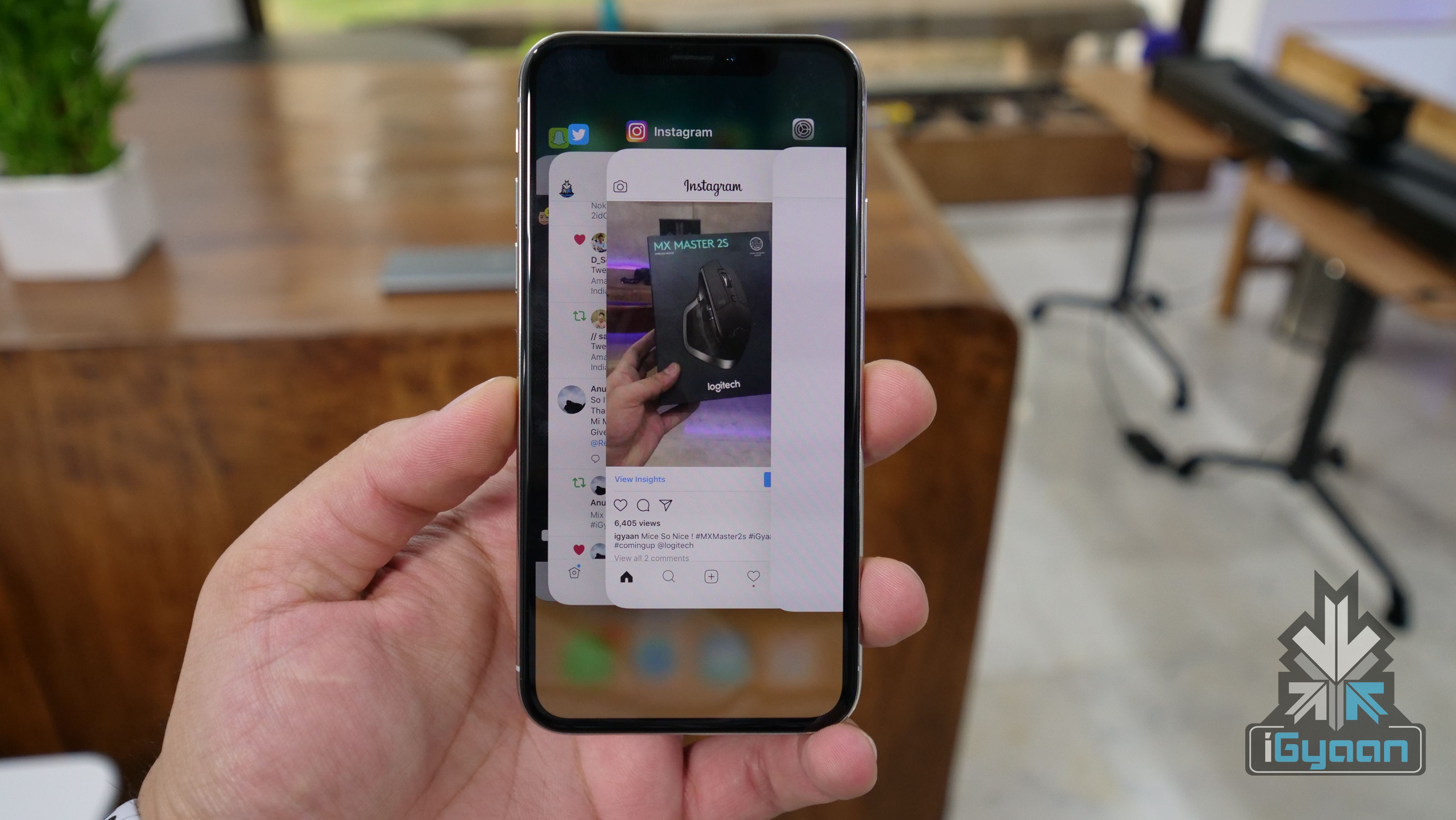
    At the time of its launch, the iPhone X was met with mixed thoughts in terms of its design. However, one thing was certain, the iPhone X notch was going to be a heavily repeated phenomenon in the smartphone industry and so far, it’s holding its true. Even though the Essential Ph-1 did it before the iPhone X, the Ph-1 having a cyborg eye-like cutout for the front camera. The iPhone X however, has a bigger and more prominent notch to fit all the hardware required for Face ID.

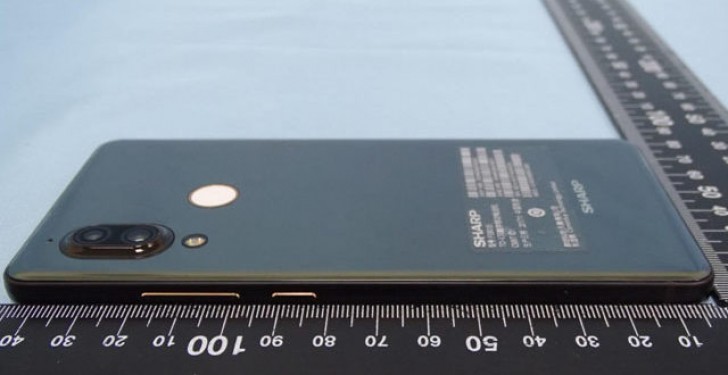
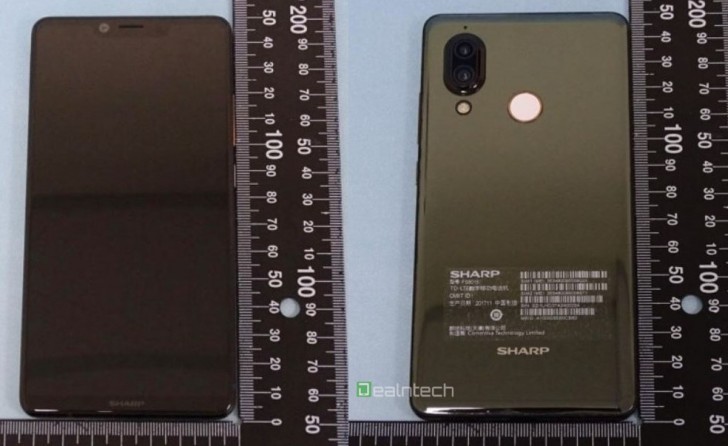
    The upcoming Sharp Aquos S3 will be launched on the 16th of January and its leaked images reveal a design very similar to the iPhone X. The smartphone will have a 5.99-inch LCD display with a 2040 x 1080 px resolution. The images also show off the iPhone X-like notch which appears to house just the earpiece and a camera.

    Under the hood, the Aquos S3 will either have the Qualcomm Snapdragon 660 or the 630 chipset along with 4GB or 6GB of RAM and 64GB or 128GB of onboard storage.

    To the back of the device is a vertically placed dual-camera setup again, uncannily similar to the iPhone X. The visible difference here is that the LED flash is placed below the camera module rather than sandwiched between the two cameras like in the iPhone X. The Sharp Aquos S3 has a 12MP+13MP camera setup on the back but, there are no details about the type of lenses used.

    One thing that a lot of Apple fans would’ve wanted in the iPhone X, is present in the Aquos S3 and that is a rear-mounted fingerprint sensor. While Face ID has been great, the convenience of choosing between Face ID and Touch ID would’ve been ideal but, it also looks like Apple has plans to replace Touch ID with Face ID in all of its iOS and macOS devices.

    The Sharp Aquos S3 is not the first iPhone X lookalike that has made or will make its way to the Chinese market. Doogee, a Chinese smartphone maker recently launched the Doogee V with an iPhone X-like notch on the display and a dual-camera setup similar to the Samsung Galaxy S9+ leaks.

  • You Can Own A Gold Apple iPhone X For Rs. 1,36,000

    You Can Own A Gold Apple iPhone X For Rs. 1,36,000

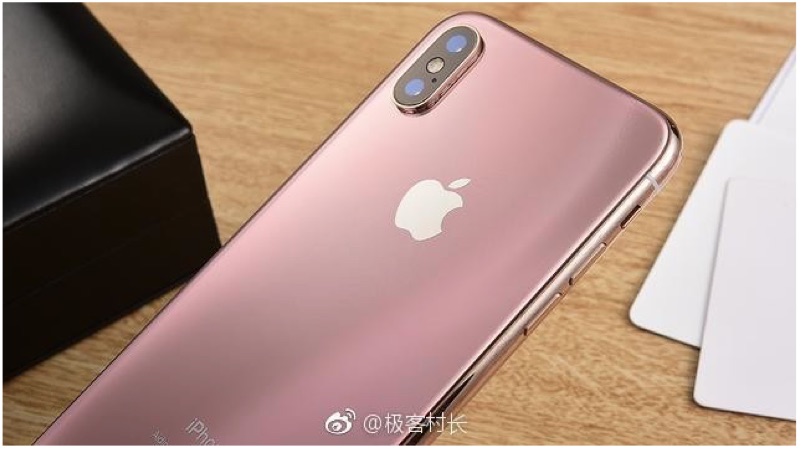
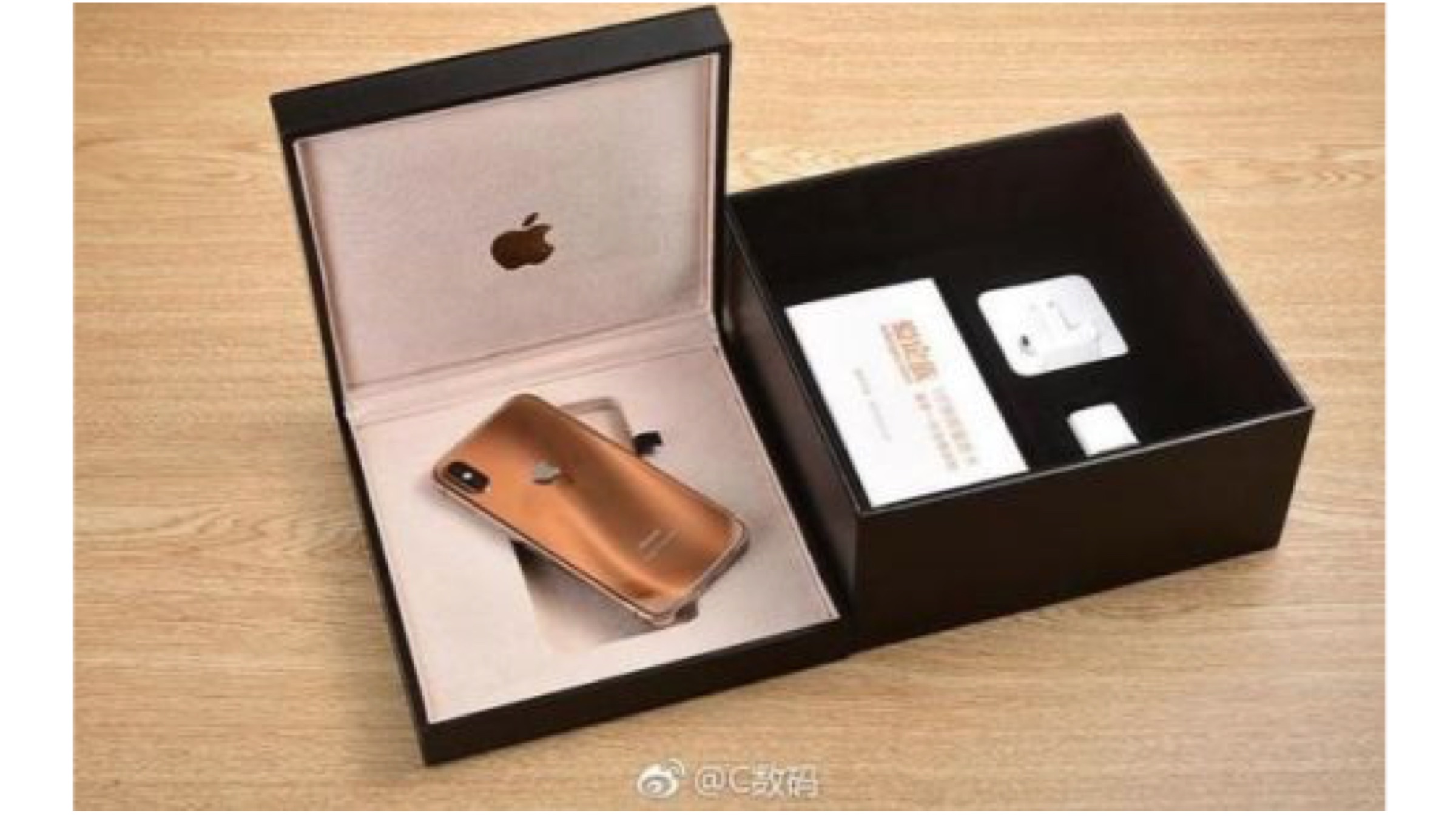
    Apple launched the iPhone X back in September 2017 at a starting price of US $999 while in India, it retails at a starting price of Rs. 89000. While the iPhone X is the priciest iPhone ever launched by Apple, it is certainly not the most expensive iPhone you can buy. If you have about Rs. 1,36,000 burning a hole in your pocket, a Blush Gold iPhone X can be yours.
    A Chinese company has launched the iPhone X Blush Gold, Bronze and Champagne Gold Color customised variants for users in China. It starts at a price tag of CNY 13888 (US $2149 or Rs. 1,36,659 approx) and goes up to CNY 16888 (US $2923 or Rs. 1,85,859 approx.).

    However, it is not just the colour that is customised according to a user’s need, they can also choose a different middle frame of the iPhone X. Customers can either choose an iPhone X-style curved frame or a flat iPhone 4-style frame. That level of customisation obviously deserves top dollar. The box is not the average run of the mill Apple box, it is a big box designed like a gift for every user.

    In 2017, Apple launched the Product RED iPhone 7 and 7 Plus. It is possible that Apple might launch a Product RED iPhone X as well. If you are on the lookout for a special edition iPhone X, then you’d want to wait and see if a red iPhone X will be launched or not. Otherwise, a Blush Gold, Bronze or Champagne Gold colour options are always available.

  • Xiaomi Mi A1 Android 8 Oreo Rollout Suspended

    Xiaomi Mi A1 Android 8 Oreo Rollout Suspended

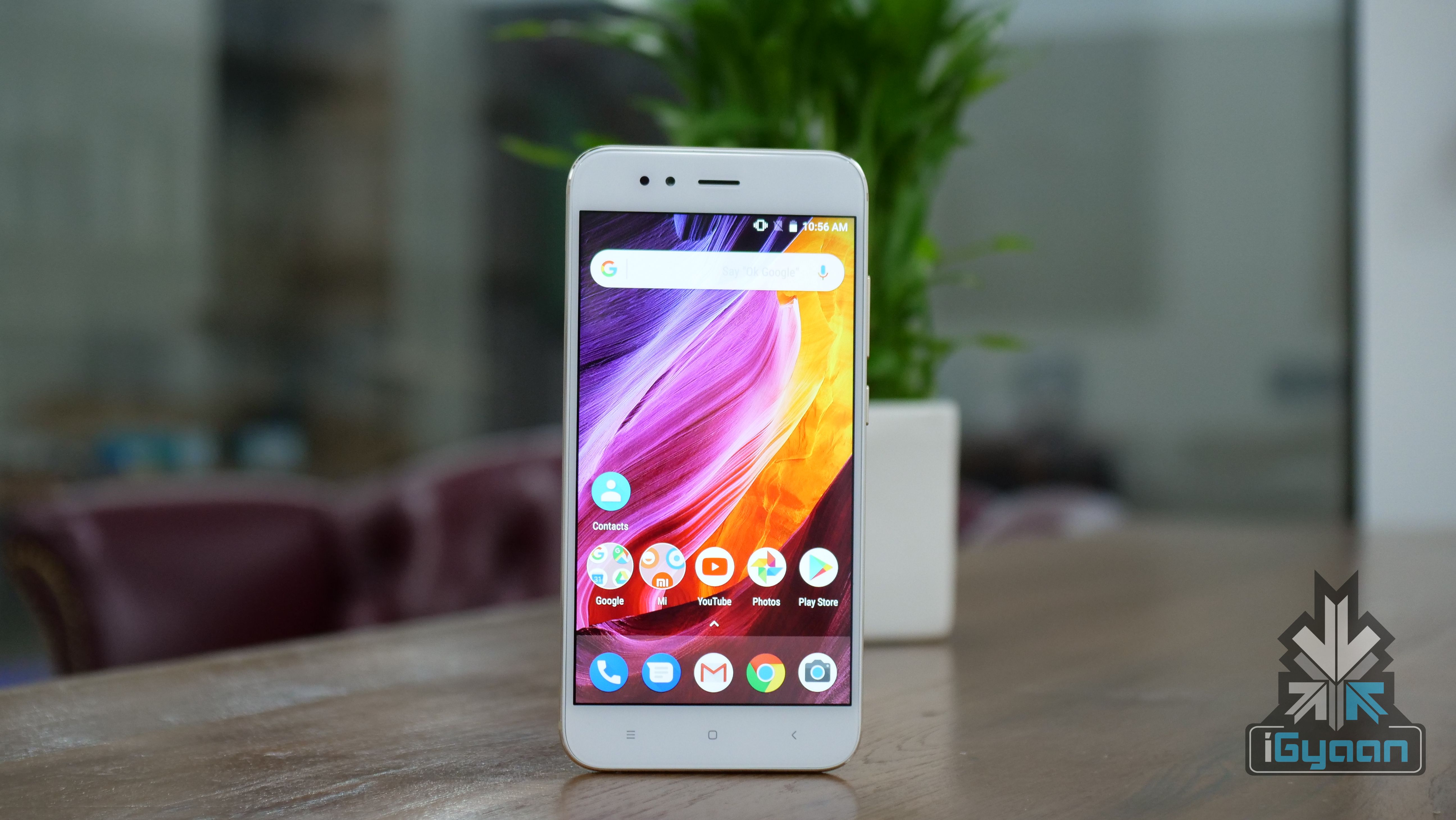
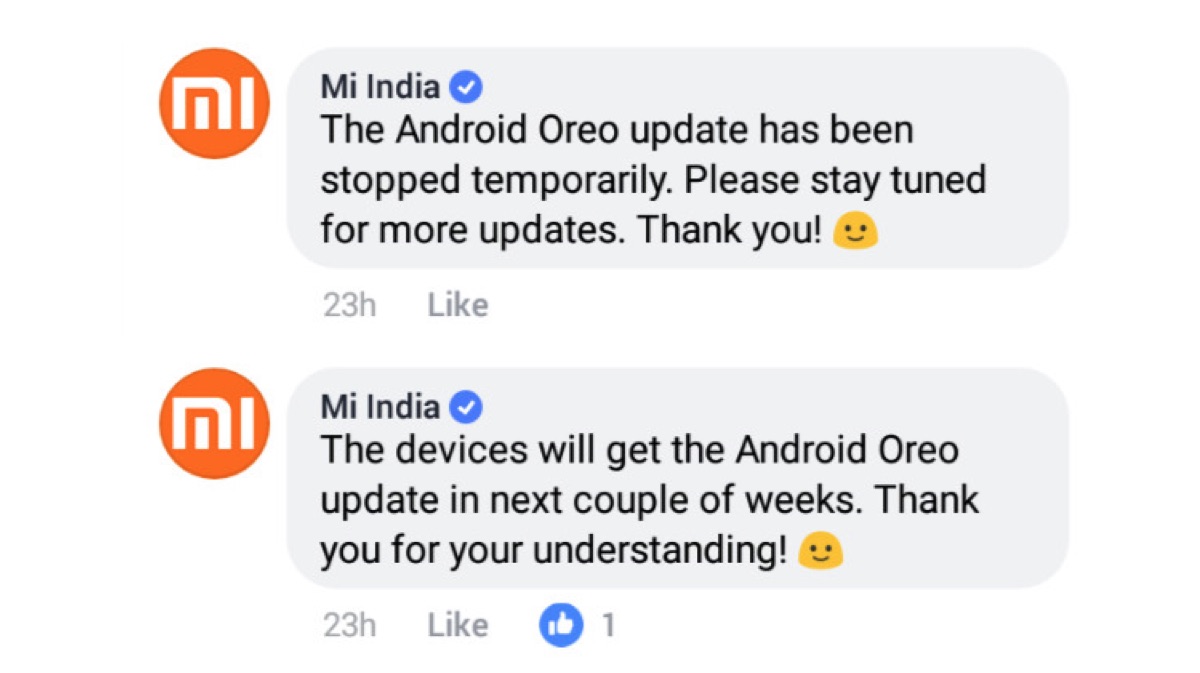
    Xiaomi launched the Mi A1 back in August of 2017 with stock Android 7.1 Nougat. This was the first instance of a Xiaomi smartphone running stock OS out of the box and the company promised an update to Android 8 Oreo by the end of the year. Technically, the company delivered on the promise and released the first software update to Android 8.0 Oreo on the 31st of December.

    However, Xiaomi has now suspended the rollout of Android 8 Oreo owing to a lot of users complaining about performance-related issues. Users have complained about issues pertaining to an unresponsive camera and dialer app, battery drain when Bluetooth is turned on, unresponsive ambient light sensor and recent app button.

    Xiaomi isn’t the first company to suspend the Android 8 Oreo update. OnePlus had to recently halt the Android 8 Oreo update for the OnePlus 5 devices due to performance issues reported by users. However, the issues were fixed soon and the official rollout resumed a few days ago.

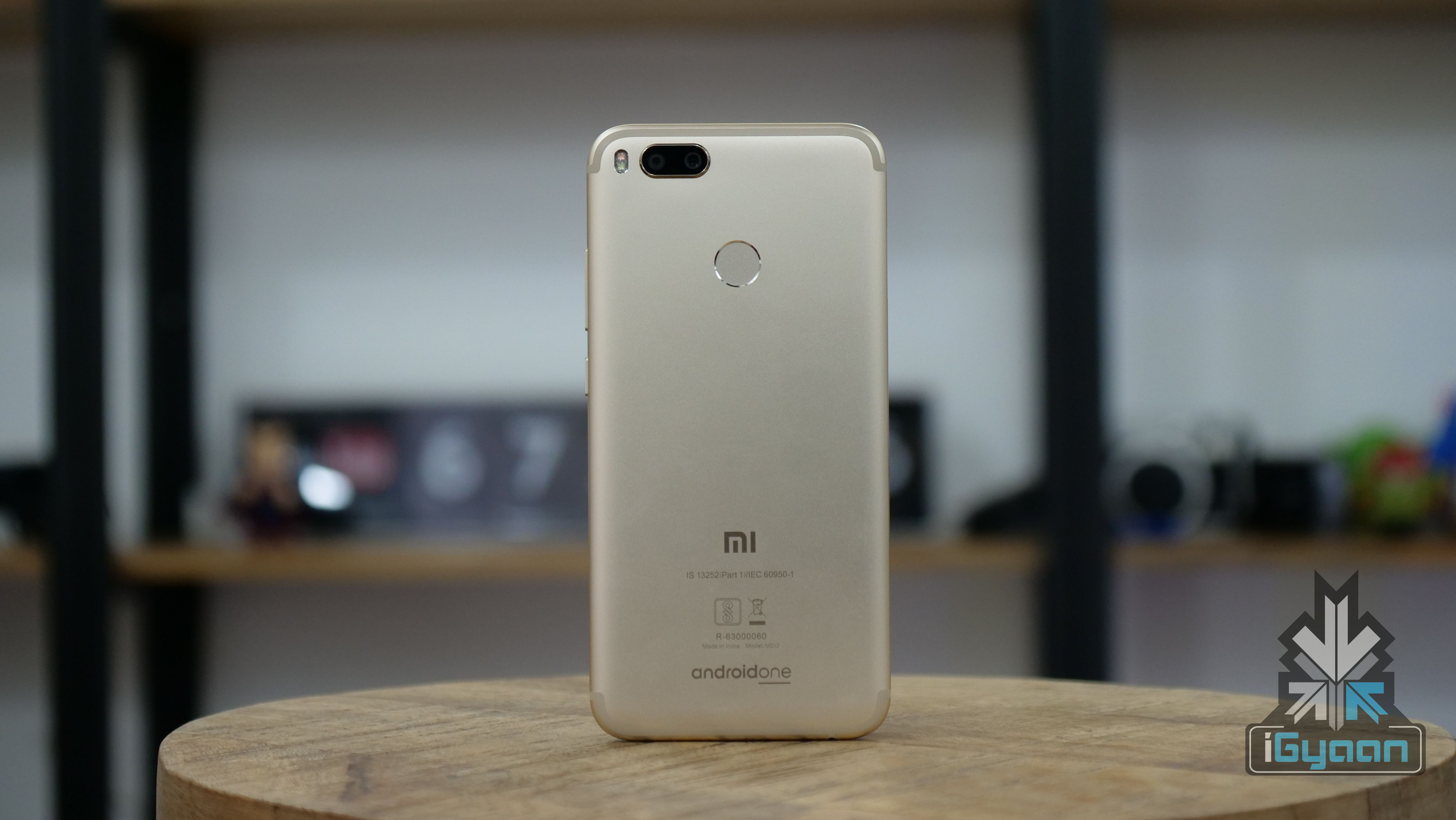
    The Mi A1 has a 5.5 inch 1920 x 1080 px LTPS display with Corning Gorilla Glass 3 on top for protection and aluminium unibody build.

    The smartphone has the Qualcomm Snapdragon 625 chipset, 8x ARM Cortex A53 2.0GHz 64-bit processor, 4GB RAM and 64GB of onboard storage which is expandable via microSD card. Handling the graphics under the hood is the Adreno 505 GPU. The Xiaomi Mi A1 has an IR blaster to control appliances in your home or office. The fingerprint sensor sits at the back of the device below the camera.

    Powering the device is a 3080 mAh battery and 2A charging through the Type C port.

    The Xiaomi Mi A1 has a 12MP equipped with a wide-angle lens with an f/2.2 aperture while the other one is a 12MP telephoto lens with an f/2.6 aperture. For landscape shots, Xiaomi has introduced a wide angle lens while on the front is a 5MP camera.

  • HTC U11 EYEs To Launch On 15th January

    HTC U11 EYEs To Launch On 15th January

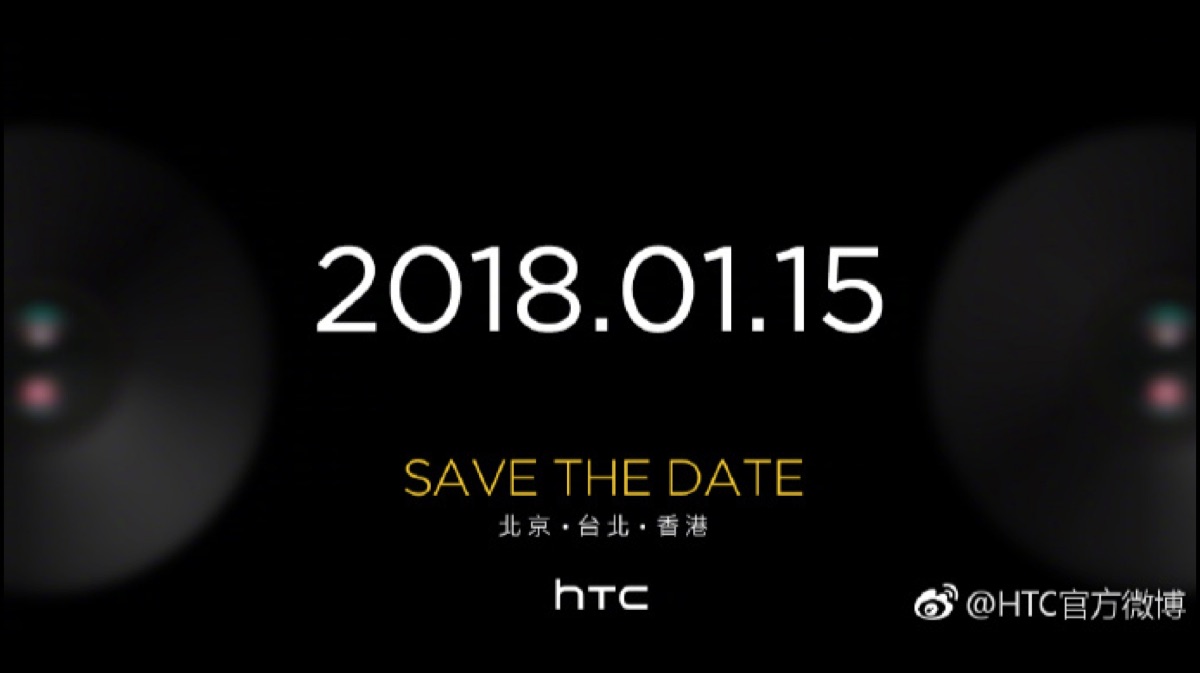
    HTC has confirmed what was being rumoured for a while now. The company will continue to diversify its HTC U11 moniker with a new mid-range smartphone, the HTC U11 EYEs. The company posted an invite on its Weibo account confirming that the U11 EYEs is real and will be launched soon.

    In the image, the date mentioned is 15th January but, doesn’t mention the name of the device. However, in the accompanying post, it does mention ‘Eye,’ effectively confirming that the HTC U11 EYEs will be the centre of attention at the event. It looks like HTC wanted its VR products to be the highlight of its CES 2018 stint and that is why decided to unveil the new smartphone at a separate event.

    The HTC U11 EYEs was leaked a few weeks ago by a popular leakster on Twitter. According to the leaks, the smartphone will have a 5.99 inch LCD3 display with a 2160 x 1080 px resolution.

    Under the hood, it is expected to have the Qualcomm Snapdragon 652 chipset, 4GB of RAM and 64GB of onboard storage which will be expandable up to 256GB via microSD card. Due to the thin bezels, the fingerprint sensor will be placed on the back of the phone since we are a few months away from using in-display fingerprint sensors on a majority of phones.

    The HTC U11 EYEs will also have an IP67 rating for water and dust resistance along with HTC Sense feature which allows users to squeeze the frame of the device to launch a particular app or action. The surprising bit about the smartphone is also the software, as it appears that the HTC U11 EYEs will run Android 7.1 Nougat out of the box, even though the HTC U11+ and U11 Life were launched with Android 8 Oreo out of the box.

    The smartphone will be powered by a 3930 mAh battery which will charge via a USB Type C port.

    Similar to the recently Samsung Galaxy A8+, the HTC U11 EYEs will have a dual 5MP camera set up along with a 12MP primary camera.

    The HTC U11 EYEs may not make its way to the Indian shores as HTC has not launched a smartphone after the HTC U11 in India. The U11+ and U11 Life are yet to be announced in India and the U11 EYEs might be treated the same way by the Taiwanese tech giant.

  • Samsung Galaxy S9 Retail Box Reveals Key Features

    Samsung Galaxy S9 Retail Box Reveals Key Features

    With the MWC 2018 just around the corner, Samsung Galaxy S9 leaks are coming thick and fast. While we already have a fair idea about the way both the smartphones will look, there are plenty of specifications that are merely speculations. This new leak might give us a closer look at what some of the features might be present in the Samsung Galaxy S9.

    A popular leakster has posted an image of the retail box of the Samsung Galaxy S9 which reveals key features of the camera on the Galaxy S9. According to the specifications listed on the box, the Samsung Galaxy S9 will have a 5.8-inch sAMOLED display with a 2960 x 1440 px resolution. Similar to its predecessor, the smartphone will have a single 12MP SuperSpeed Dual Pixel camera. This time around, however, the camera will have an f/1.5 aperture and record super slow motion videos, probably at 960fps.

    Other features include an IP68 rating for water and dust resistance, an 8MP front-facing camera and stereo speakers tuned by AKG. Last year’s Samsung Galaxy S8 and S8+ also retailed with AKG earphones and this year, it is expected the same from the upcoming Galaxy S9 and S9+ as well. The Samsung Galaxy S9 will have 4GB of RAM and 64GB of onboard storage.

    While the US and the South Korean variant of the smartphones will be powered by the Snapdragon 845 chipset, the global variants are expected to have the Exynos 9810 chipset under the hood. Recently, the company talked up about its new chipset’s AI capabilities, hence, it will be interesting to see how the non-Exynos 9810 variants will cope up with that.

    The Samsung Galaxy S9+ is expected to have a 6.2-inch display with the same resolution and aspect ratio. Under the hood, the Galaxy S9+ might have 6GB of RAM and more storage variants unlike the single variant of the Galaxy S9. The Samsung Galaxy S9+ is also expected to have a dual-camera setup at the back which might be similar to the one found on the Samsung Galaxy Note8.

    Samsung Galaxy S9 Renders

    The smartphones will be unveiled at MWC as confirmed by Samsung Mobile president, DJ Koh. More details and pricing will also be announced at the launch event.

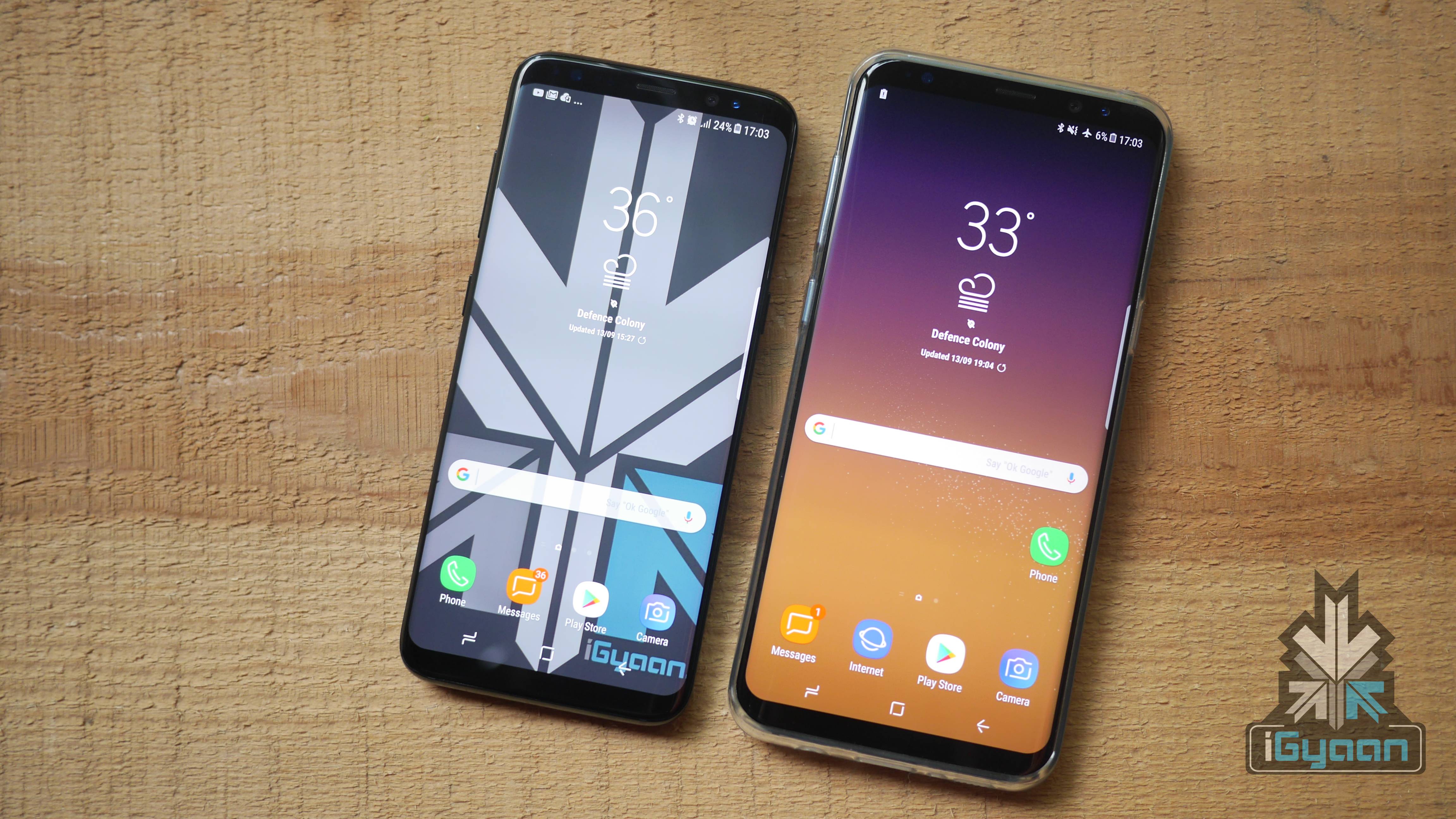
  • Samsung Galaxy S8 And S8+ Android 8.0 Oreo Is Coming Soon

    Samsung Galaxy S8 And S8+ Android 8.0 Oreo Is Coming Soon

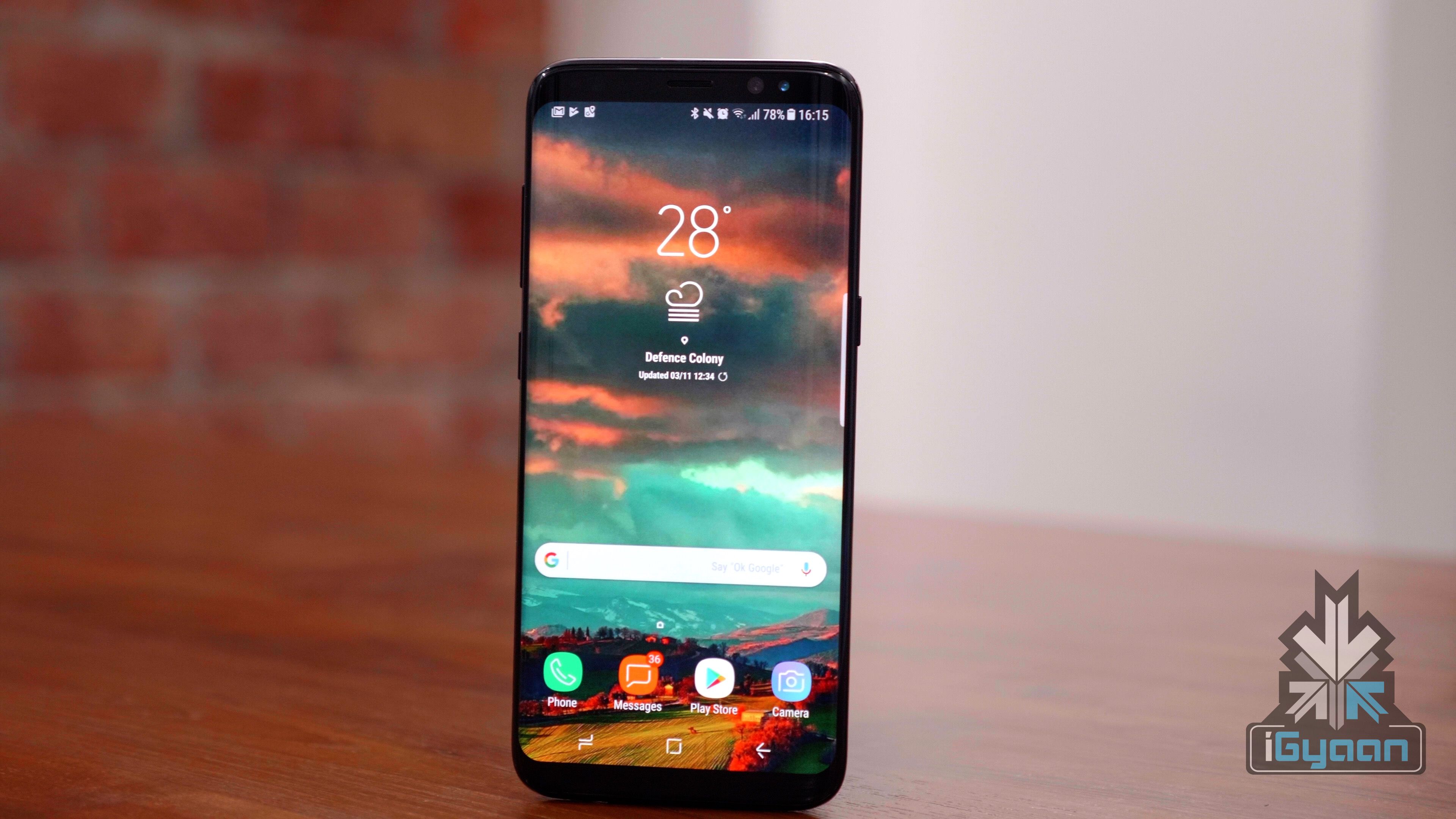
    The latest iteration of Android OS, Android 8 Oreo was officially launched back in August. While the Pixel and Nexus devices have moved on to Android 8.1 Oreo, some smartphones like the Moto X4, Xiaomi Mi A1, OnePlus 5 and others have already received an official update to Android 8.0 Oreo. Two of the most successful flagship smartphones of 2017, the Samsung Galaxy S8 and S8+ however, are still running  Android 7.1 Nougat.

    Not for too long though, as Samsung recently rolled out the last beta version Android 8 Oreo for Galaxy S8 and S8+ users. This means that the official release of the OS is not too far away as most of the bugs, if any, would’ve been ironed out by now. Samsung is not known for fast software updates and recently launched the Samsung Galaxy A8+ in India with Android 7.1 Nougat running out of the box.

    Read: Unboxing The Samsung Galaxy A8+

    However, Google recently announced the Project Treble and early reports suggest that the Galaxy S9 and S9+ will support Google’s Project Treble. With Project Treble, it is expected that the upcoming flagship devices from Samsung will receive the Android P update sooner than its predecessors.

    [amazon_link asins=’B06Y3GYZKW’ template=’ProductAd’ store=’igyaan-21′ marketplace=’IN’ link_id=’61e57840-f78c-11e7-9f06-eb84335bd074′]

    Project Treble is Google’s effort at reducing the time it takes for OEMs to receive the new OS and optimise it for its devices and then push out the update. A few months ago, Android received a new Vendor Interface, which is largely what Project Treble is about. The VI’s aim is to separate the “Vendor Implementation” (that is, “the device-specific, lower-level software written in large part by the silicon manufacturers”), from the Android OS framework.

    What this basically means is that Project Treble compatible smartphones will receive faster software updates since the OEMs won’t have to spend too long customising the latest build of Android OS.

iGyaan Network
Privacy Overview

This website uses cookies so that we can provide you with the best user experience possible. Cookie information is stored in your browser and performs functions such as recognising you when you return to our website and helping our team to understand which sections of the website you find most interesting and useful.