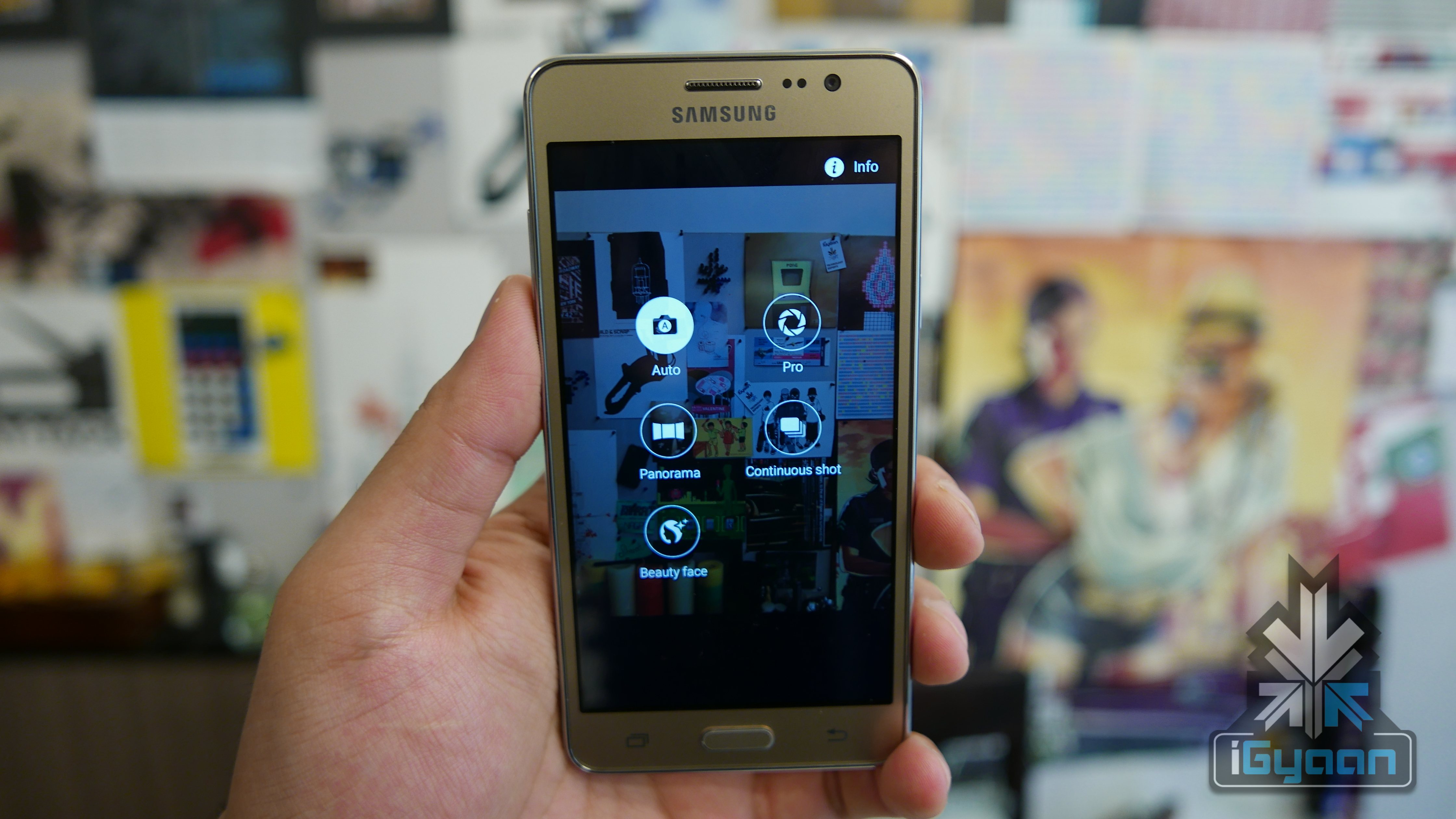
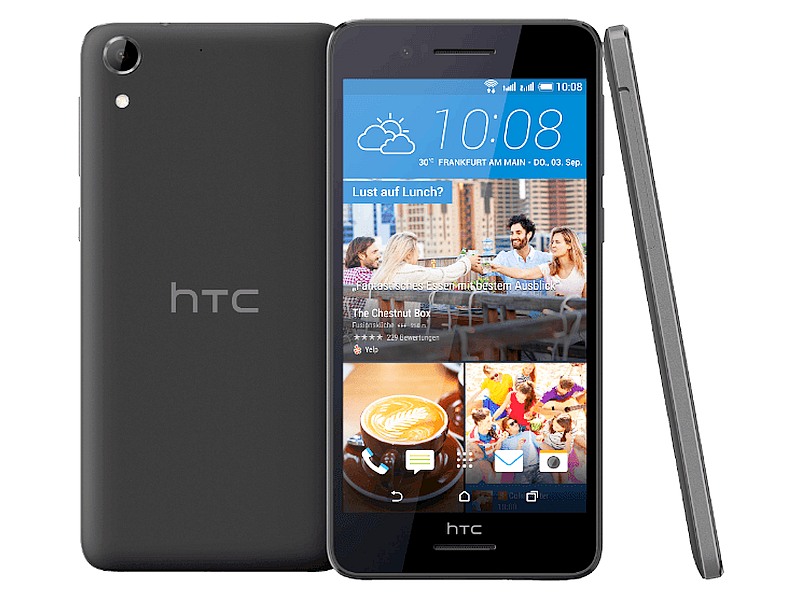
Last month we had mentioned HTC is planning to launch the Desire 728G in India. Today, HTC has indeed launched the phone at a price of Rs. 17,990. The smartphone is offered in Purple Myst and White Luxury colour variants and is available at major offline retailers.
“The new HTC Desire 728G Dual SIM brings distinctive design into a feature-rich smartphone, providing you with a great value smartphone which you can truly make your own. We want to provide a powerful, fully customisable experience to our customers, and the HTC Desire 728G Dual SIM brings this in abundance,” said Faisal Siddiqui, President, HTC South Asia during the launch.
The HTC Desire 728G Dual SIM is housed in a stylish, elegant body and boasts a clean yet striking finish. The device features a 5.5-inch HD (729×1280 pixels) display. It is powered by a 1.3GHz MediaTek octa-core processor paired with 1.5 GB of RAM and 16 GB of internal storage expandable up to 2 TB via MicroSD card slot.
The handset also features a 13 MP primary camera with BSI sensor, f/2.2 aperture and LED flash, and a 5 MP front camera with 1080p video recording capabilities, a 2,080 mAh battery, and will run on Android 5.1.1 Lollipop. Other connectivity features include dual-SIM card slots, Wi-Fi 802.11b/g/n, Bluetooth 4.1 and GPS. The dual SIM, however, does not support 4G.
Online sales of the HTC Desire 728G have yet to begin. We’ll bring word as and when the device becomes available with online retailers in India.
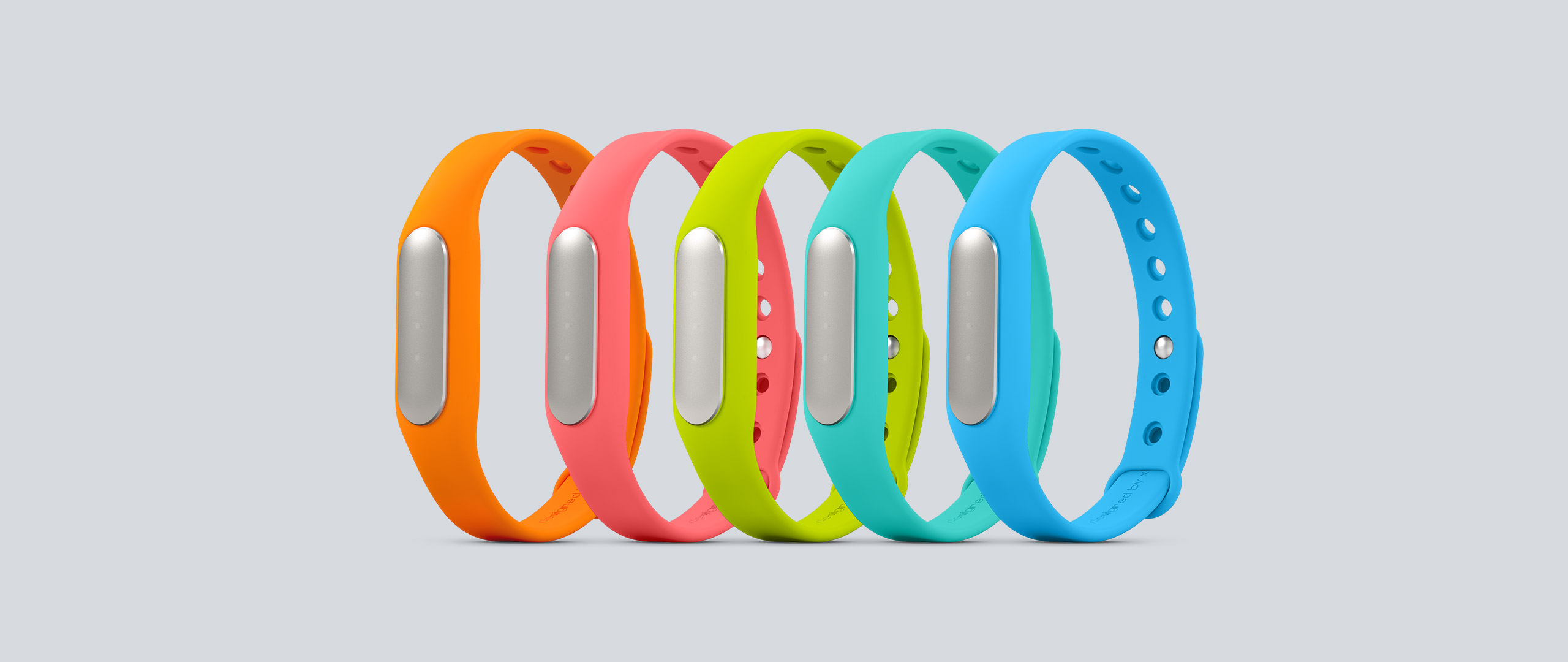
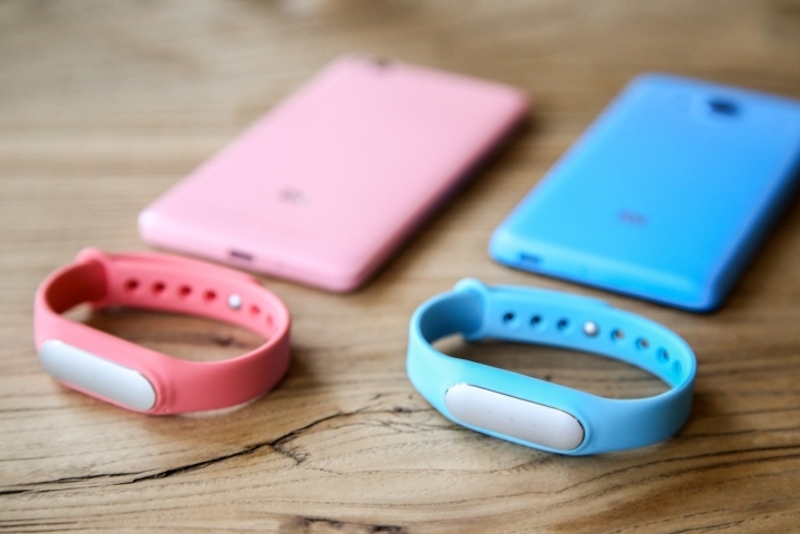
Xiaomi has released two new devices in China, one of them is a fitness band called the Mi Band Plus (or Mi Band 1S) and the second one is the Mi Power bank.
Mi Band Plus Or Mi Band 1s
What’s different about Xiaomi’s new fitness tracker? Well, it comes with a heart rate sensor, which was not present in the previous edition of Xiaomi’s fitness tracker, the Mi Band.
Let’s talk a little more about the heart rate sensor. Firstly, it is based on an optical heart monitoring technology which tracks the blood by illuminating the capillaries with LED. The heart rate sensor monitor will be available as an accessory to the Mi band package.
Apart from tracking one’s heart rate, the Mi Band Plus can also track steps and can estimate the calories burnt along with the distance covered. It is also capable of monitoring the quality of your sleep and can also reportedly nudge you with vibrations before your alarm wakes you up with a start. The Mi band Plus will also alert you for incoming calls and will let you unlock your phone with it.
With the functions out of the way, we can now move over to the slightly static design. The Mi Band Plus looks a lot like the Mi Band and comes with the same hardware and rubber strap. However, there is a slight difference in its weight by 0.5 gms and dimensions at 37×13.6×9.9 mm, which is just slightly larger than the Mi Band.
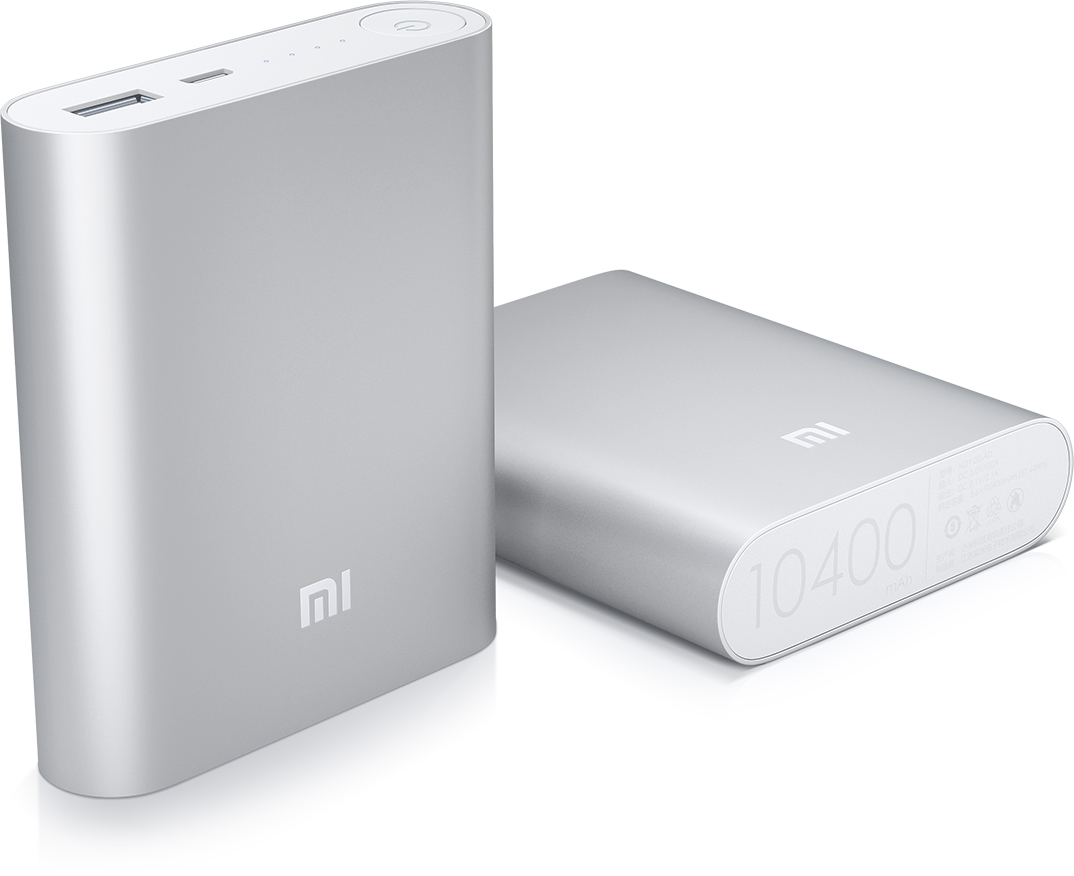
Mi Power Bank (20,000mAh)
Xiaomi has also announced the Mi Power Bank along with the Mi Band Plus or Mi Band 1S. This device will come with a capacity of 20,000 mAh and will come with a plastic body, as compared to the metal body that the company’s other power banks come with. Xiaomi has also mentioned that the battery within the device will be made by LG or Panasonic and will come with a conversion rate of 83 percent with a 5.1V and 3.6A output.
Both devices sound extremely promising, however, they have been released exclusively in China. The Mi Band Plus will be priced at $16 which is approximately Rs.1,062, while the Mi Power Bank is expected to be priced at $24 which is approximately Rs.1,593.
No word yet on when the devices will launch in India. We’ll update you as soon as we have more news on that.
For the first time in the history of selling iPhones in India, Apple is offering a buyback on iPhone 6s and 6s Plus of up to Rs. 34,000 within a month of their launch in the country. The new iPhones are the most expensive in India as compared to other countries around the world. Thus, the buyback scheme is undoubtedly Apple’s attempts to boost its sales post a lukewarm Indian response to the iPhone 6s and 6s Plus.
Other than owing to the unexpectedly high price of the new iPhones, which falls between Rs. 62,000- Rs. 92,000, the fall in the price of the iPhone 6 and 6 Plus from last year by Rs. 8,000- Rs. 9,000 has further led to reduced sales of iPhone 6s and 6s Plus.
One of Apple’s four iPhone distributors, Ingram Micro, has announced the buyback scheme in some Apple stores and a couple of other multi-brand cellphone stores in South India, soon to be available elsewhere in the country. This move will be followed by the other three distributors as Apple attempts to meet its target sales for the October-December quarter.
A senior executive of one of the leading trade partners in the country commented on this, “Earlier companies offering buyback used to give indirect subsidy to retailers to compensate and it was the retailer’s headache to sell the old phone, but this time the entire process is driven by Apple.”
The buyback scheme of Rs. 34,000 on the latest iPhones is against iPhone 6. The offer also includes some hi-end Samsung handsets as well. A separate website has been created by Apple where details of old handsets can be uploaded by retailers against which new models can be bought. This buyback scheme by Apple has followed a 7-11% discount on iPhone 6s and 6s Plus on major e-commerce websites in India. Is the new scheme incentive enough for you to give the new iPhones a try?
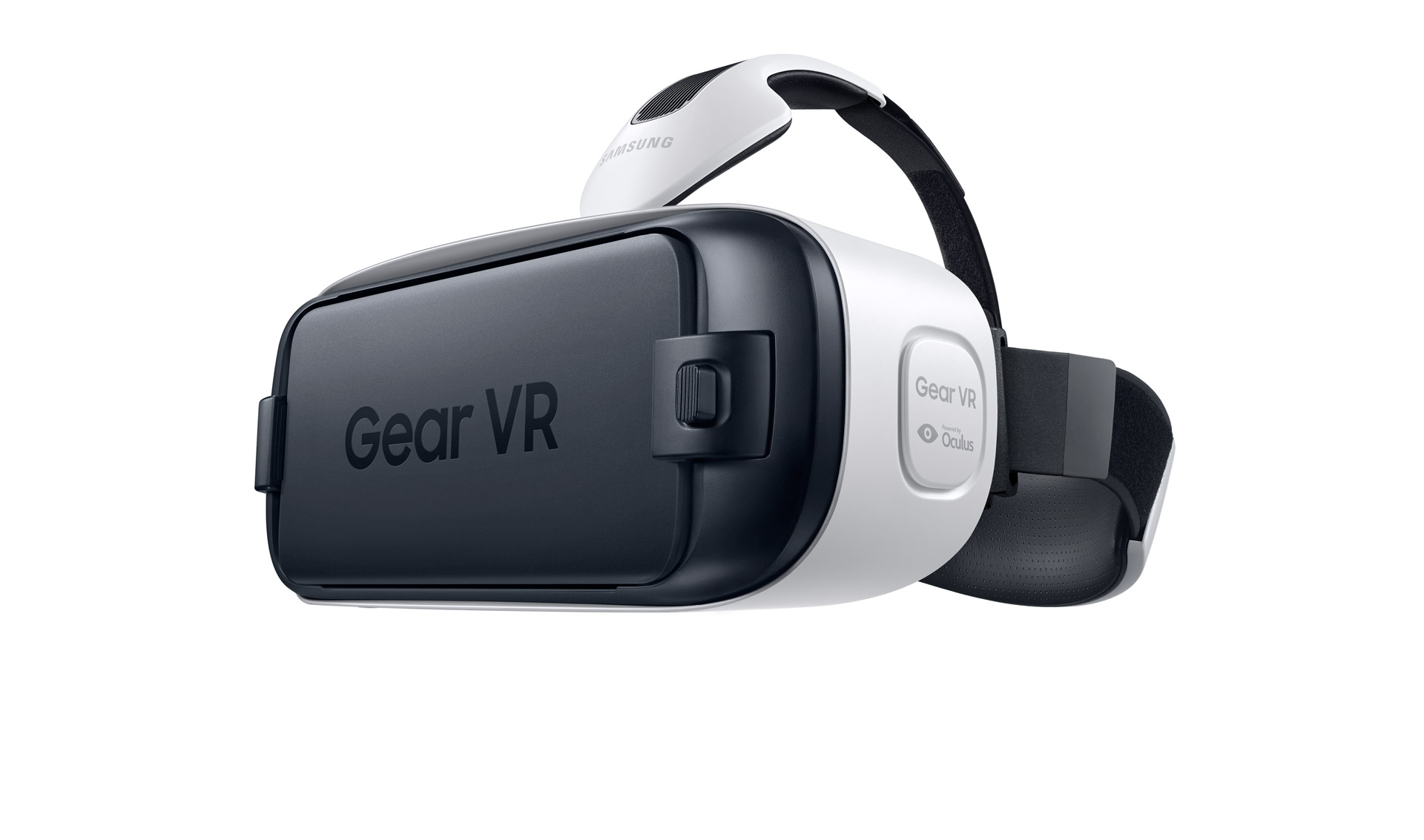
Samsung is all set to release Gear VR, company’s virtual reality headset, before Black Friday that is 27th November. It will be first launched in the US, followed by a UK launch a couple of days later and then other parts of the world. The headset would be shipped with the new Occulus Social app. Vimeo and Twitch videos would also be part of the app which can be watched with other people in anywhere in the world, participating as avatars.
Samsung has also launched Samsung Milk VR, it’s own VR video channel, along with a VR camera Project Beyond which is a 360-degree 3D capture camera built specifically to create videos for virtual reality.
Samsung’s Vice President for VR, Nicholas DiCarlo comments on Gear VR and says, ““Some people think virtual reality (VR) will be isolating but I think it’s clear it’s going to be a social medium… It’s the launch of consumer virtual reality.”
Other than the Occulus Social app and Milk VR, there are also plenty of games, apps such as Facebook 360 videos and Jaunt (a technological initiative that commissions and therefore encourages film-makers to make VR-friendly films) which have been developed for the headset. The headset is priced at $99 (close to Rs. 6,500) and can be plugged into the Galaxy S6, Edge, Edge + and Note 5 and any of the other new Samsung handsets.
Virtual reality seems to be the next big thing in the world of entertainment as well as tech. Would you be willing to give it a try?
Alphabet (Google’s parent company) and Facebook have brought their forces together to develop drones that can provide broadband internet access from above the Earth. Both companies have reportedly registered new drone designs with the US Federal Aviation Administration.
Apart from this, Alphabet is currently planning a secret operation at the Spaceport America allegedly creating a solar-powered drone. With smaller drones gaining the attention of big business firms like Alphabet and Amazon with their project Wing and Prime Air respectively, Google and Facebook are working on a larger drone that will be able to operate even as high as 90,000 feet above ground level.
If their assessments are to be trusted, we can safely assume that these drones could possible be flying for weeks or months, thereby could also potentially provide cities and towns with high-speed internet in underdeveloped countries.
“We’re working on ways to use drones and satellites to connect the billion people who don’t live in range of existing wireless networks,” said Facebook’s CEO, Mark Zuckerberg, in July.
This project was preceded by Facebook last year, setting up an initiative with Nokia, Samsung and others to provide online access to two-thirds of the world via internet.org. However, that was a lone project, this one on the other hand, is a collaboration with Alphabet which would in turn help both companies reach new users in their advertising market. All we can hope for is that this initiative churns out something good. What do you think of this collaboration? Feel free to post your comments in the comment section below.
Has the festive Diwali air gotten to you yet? It is, afterall, the season to be a shopoholic. There are plenty of great offers and discounts available these days, if you know where to look. Today, if you happen to pass by online retailers, you can avail some great discounts on laptops.
The offers have a time period so if you’ve been thinking about getting a new laptop, you may want to head over to one of these websites and add a laptop to your cart soon. However, before you do so, you might need a better idea of what’s on sale. We’ve broken it down in terms of price range. Have a look and decide the right one for you.
Laptops Under Rs. 20,000
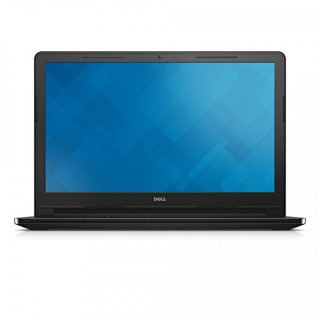
Dell Inspiron 3551
Dell’s new Inspiron 15 3551 does make an impression thanks to its thinner profile and its surprisingly long warranty. Running times are also better than most of the competition. The graphics aren’t the best here and only some 3D games with very low demands are playable with these cards.
2.66GHz Intel Pentium N3540 N3540 processor
4GB DDRL3 RAM
500GB 5400rpm Serial ATA hard drive
15.6 inch screen, Intel HD Graphics
Ubuntu Linux 14.04 SP1 operating system
The laptop is currently available at Rs. 17,999, down from Rs. 20,990, which is a 14% discount.
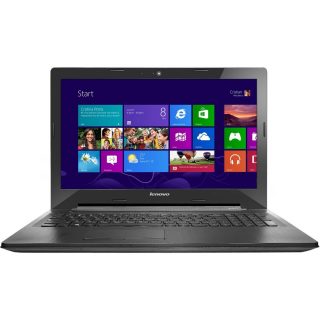
Lenovo G50-30 80G001VNIN
The Lenovo G50 is also being offered at a 20% discount and is currently priced at Rs. 18,499. The laptop offers great performance for a low price. The G50-30 is apt for basic tasks like browsing, Skype or watching videos. The laptop only needs little power and operates quietly.
15.6-inch LED HD display
Intel Pentium Quad Core N3540 Processor
2.16 GHz with Turbo Boost up to 2.66 GHz.
4GB DDR3L RAM
500GB storage and a 720p HD webcam.
Laptops Under Rs. 30,000
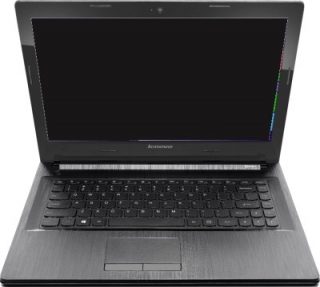
Lenovo G40-45 (Notebook)
Looking for a budget-friendly laptop is not an easy task. Especially one that packs enough punch to get you through the day. Interestingly, the Lenovo G40 series, which is famous for its affordable prices, is powered by AMD A8 processors; a mobile quad-core system-on-chip (SoC) that integrates a Radeon R5 GPU. This laptop comes with an optical drive and gives a decent batter life with its four-cell battery. Overall, the laptop gives you the most bang for your buck.
APU Quad Core A8
8 GB DDR3 RAM
1 TB HDD
Free DOS
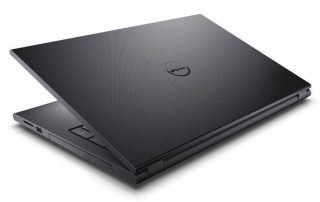
Dell Vostro 15 3558
The Dell Vostro is designed primarily as working device. It is powerful enough for daily tasks. This display isn’t anything to brag about, but it is decent for this price range. There’s a great discount going on for the Dell Vostro right now. The laptop is priced at Rs. 24,999 down from Rs. 28,799 and is being claimed fast.
Priced at Rs. 30,499, the laptop is being offered at a 22% discount. This laptop provides great graphics with a 2GB AMD Radeon graphic card. That is one of the key selling points of the G50 80. The laptop won’t heat much when playing graphically intense games and also comes with 1TB of internal storage.
Intel Core i3 1.9GHz processor.
15.6-inch display with AMD Radeon R5 M230 2GB 3D graphics.
4GB RAM
1TB of internal storage.
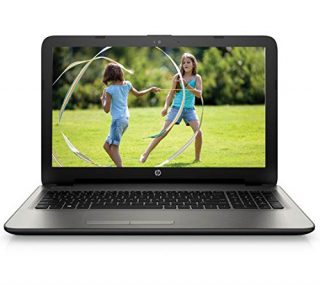
HP 15-ac101TU
For a laptop at this price level, the HP 15 looks really good. Instead of a simple texture, HP has gone with a diamond pattern for the lid which enhances the aesthetic appeal. The laptop is a decent entry point for those looking at a basic Windows 10 OS. The HP 15-ac101TU wins has a slim and sleek design. There’s a 10% discount on this HP laptop. Offered at Rs. 30,990, the deal is 60% claimed as of now.
5.6-inch screen with Intel HD Graphic 5500
2GHz Intel Core i3 5005u processor
4GB RAM and 1TB hard drive.
Windows 10 pre-loaded. The deal is 60% claimed as of now.
Other great deals worth mentioning:
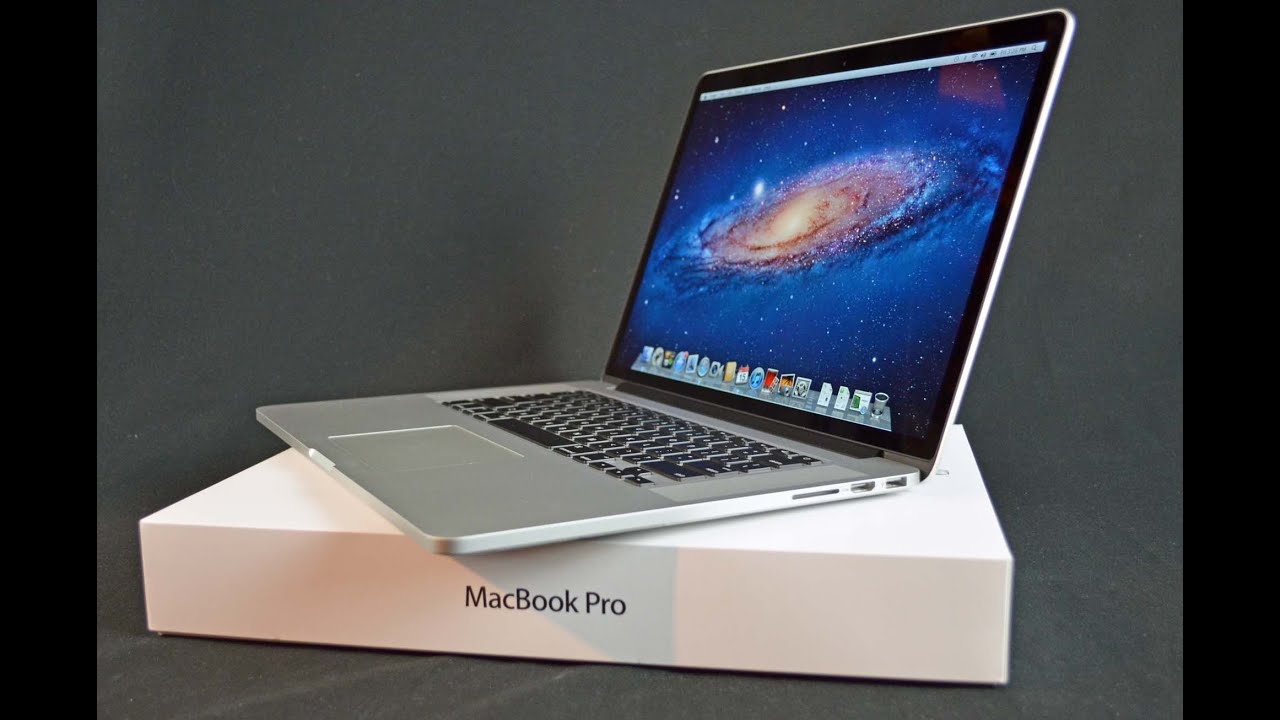
Apple Macbook Pro
The Macbook is currently the best in 50K or above range and is currently available at a sweet price of Rs. 50, 999 down from Rs. 78, 990 which gives you an amazing 35% discount. So if you’re looking for a high-end laptop right now, this is the one to go for. The deal is 76% claimed already, so you may want to decide fast for this one.
We’ll update the list as new deals come in. The prices mentioned above are subject to change as all mentioned deals are for limited periods of time only.
Nexus devices are traditionally examples of what Google wants from companies in the year to come. They are devices designed to run on the latest versions of Android keeping the performance at its best, being a design and performance benchmark of sorts that run pure Android. However this year google seems to have changed its philosophy and has launched two new Nexus devices. So is the cheaper Nexus 5X actually up to standards with what Google usually puts out, or is it Google’s shadow attempt at keeping the mid-tier market happy?
Build Quality and Design
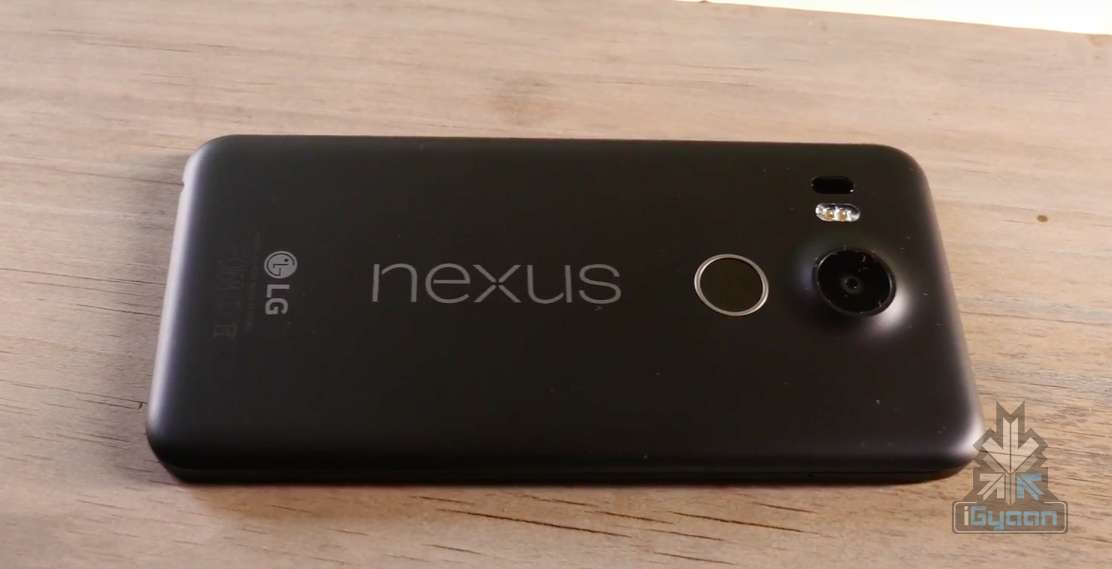
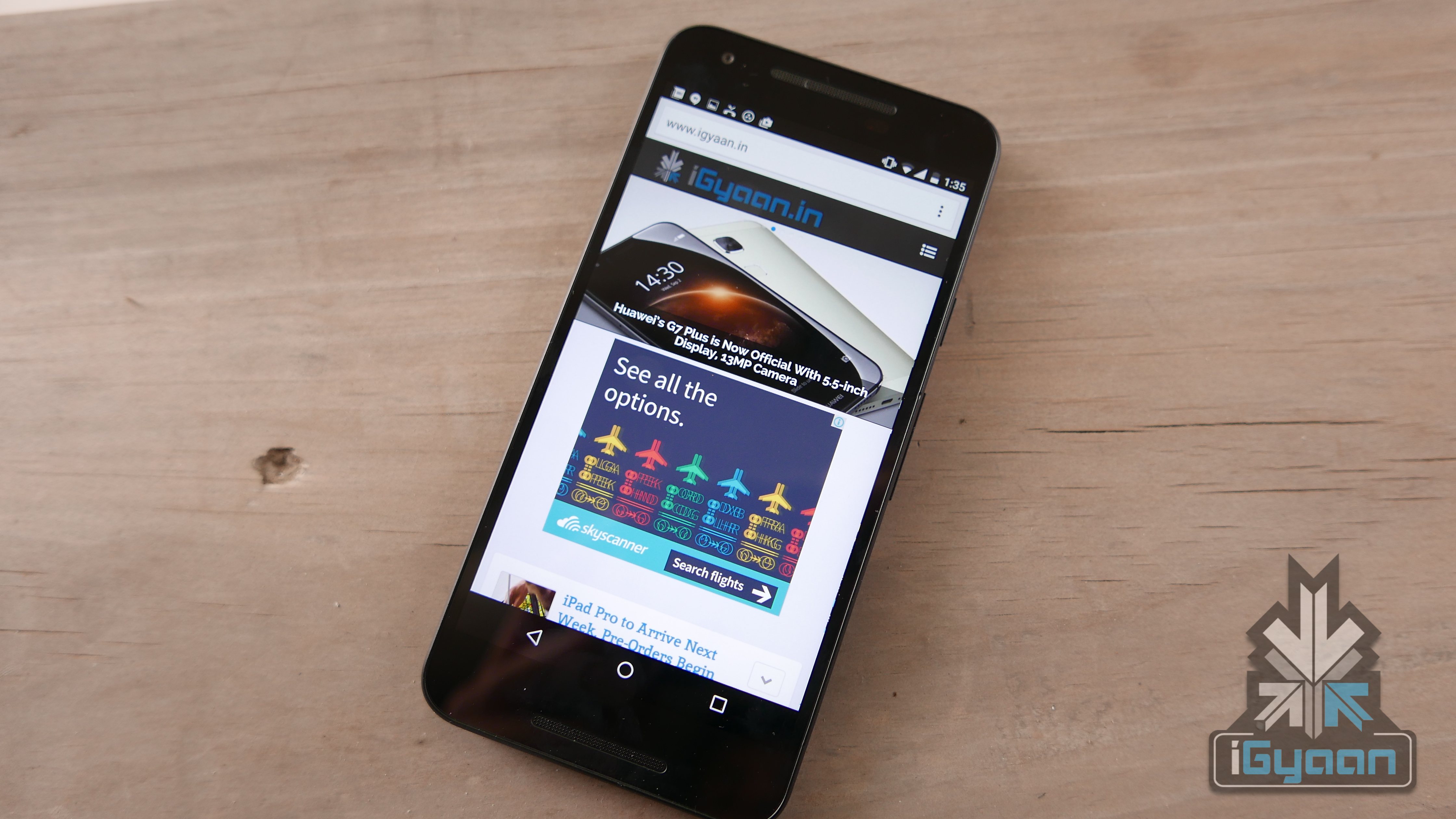
The Nexus 5X made by LG for Google appears to have a little too much plastic, and is extremely light -so much so that it does not feel premium at all. Made entirely of plastic, barring the display, the device is rather flimsy looking. However, it does not feel like it will break easily, the plastic is rigid, but in no way feels anything close to the feel on the Nexus 6 or the Nexus 5 for that matter. No mention of IP ratings and you get an outdated Gorilla Glass 3 with a simple Oleophobic coating.
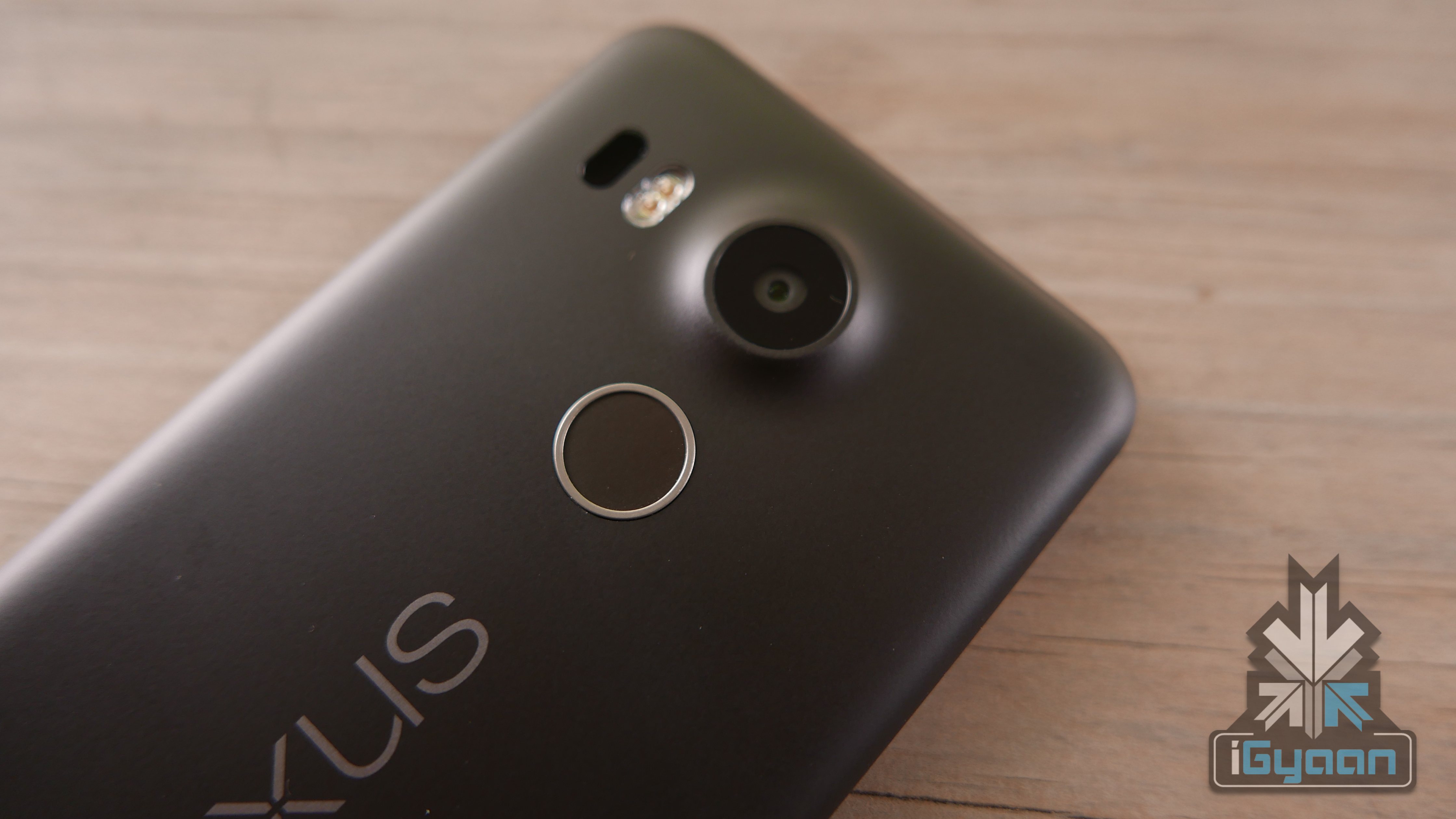
The design is not winning any points for now, the black Nexus 5X is fairly boring with a bump on the back for the camera. The back panel is extremely fingerprint and smudge-friendly and gets stained easily. Laying on a table the Nexus 5X is nothing out of the ordinary, and the complete use of plastic kills not only the aesthetic but a lot of the premium feel at the price bracket. Devices like the Moto X and Samsung A8 offer a lot more design and visual appeal. Push a little further in your budget and you get the Samsung Galaxy S6, one of the “prettiest” phones of 2015.
The great thing about the Nexus 5X is that, unlike the Nexus 6, it is very lightweight at only 136g grams and can easily used with one average sized hand.
Hardware
The hardware on the Nexus 5X seems to be a compromise, with Google sticking to Snapdragon 808 and 2 GB of RAM, the only major improvements are the cameras which now stand at 12.3 MP and 5 MP.
Wi-Fi 802.11 a, b, g, n, ac / Bluetooth 4.2 / NFC / Type-C USB
Operating System
Android OS, v6.0 (Marshmallow)
Price
Rs. 31,990/ Rs. 35,990
Camera
The new Nexus 5X and 6P have similar cameras, and they have to be the best Nexus cameras yet. While low light performance is questionable, the cameras do exceedingly well in good lighting. Good accurate colours, ample amounts of contrast and dynamic range are some the highlights of the cameras.
The main camera captures images just under the full resolution of 12.3 MP at 12.2 MP and UHD video. The front camera comes up with 5 MP pictures and 1920 x 1080p video. While the images are crisp and great to look at, the camera app does slow down once in a while and does not give the experience that is expected from Nexus devices. The rear camera gets laser assisted (IR sensor) auto focus, mostly seen on LG flagship phones, and works pretty efficiently in capturing focus points.
Video quality is great at 4k, but due to the lack of IS, the video tends to be shaky when shot by shaky hands. Sample below.
Android Marshmallow and Experience
The new Nexus 5X, just as each Nexus before it, comes with the latest version of Android, which in this case is Android 6.0 Marshmallow. With this new update you get improved UI features like an App search bar, a new Clock and lock screen messages.
You also get performance upgrades, a brand new RAM manager, standard support for fingerprint scanners and USB type C ports, and hence the new Nexus phones have those both.
Software updates like ‘Now on Tap’ allow you to look at Google Now throughout the UI. Apart from the usual “Ok Google” command, a long-press on the Home button makes the Google Now assistant scan whatever’s on the screen to find extra info online that might be helpful.
Privacy is now been updated and apps can no longer bypass this. A new security feature asks for passwords during boot, and not after booting to prevent unintentional battery drain if a non-owner tries to start the phone.
The new Doze feature is incredible at recognising when the phone is idle to put it in a rested state. This considerably improves battery performance on the Nexus 5X.
Performance and Battery
The Google Nexus 5X is losing out on one big thing and that is performance. Each year Nexus phones stand out as leaders defining performance standards for companies, however, this year the case is different. The higher of the two Nexus devices launched this year, the Nexus 6P, is more of a performance benchmark. The 5X is mostly being sold to cater to those who basically don’t like the idea of an expensive Nexus phone, as was seen last year with the Nexus 6.
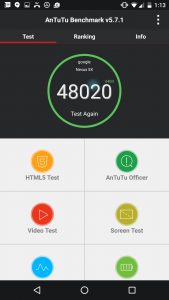
The Nexus 5X runs dated and weak Snapdragon 808 chipset because, most manufacturers have preferred the 808 over the 810 pertaining its heat issues. The 808 scores considerably less on benchmarks achieving 48020 on Antutu which falls roughly below last year’s Note 4 by Samsung. So the Nexus 5X is not a flagship benchmark.
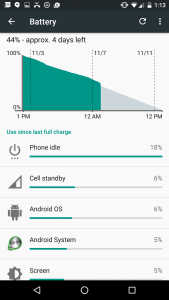
Battery life is assisted by the Doze feature and gives you extended use, especially if you have a long screen-off time.
The Nexus 5X will easily last a day for the average user going into the second day before requiring a charge. With a talk time of around 6 hours, we are not complaining.
Usage
LG Nexus 5X
Talk Time
5.5 – 6 hours
Internet on LTE
4 hours
Internet on Wi-Fi
5 hours
Gaming and Video
5 hours
Standby
6- 7 days
Conclusion
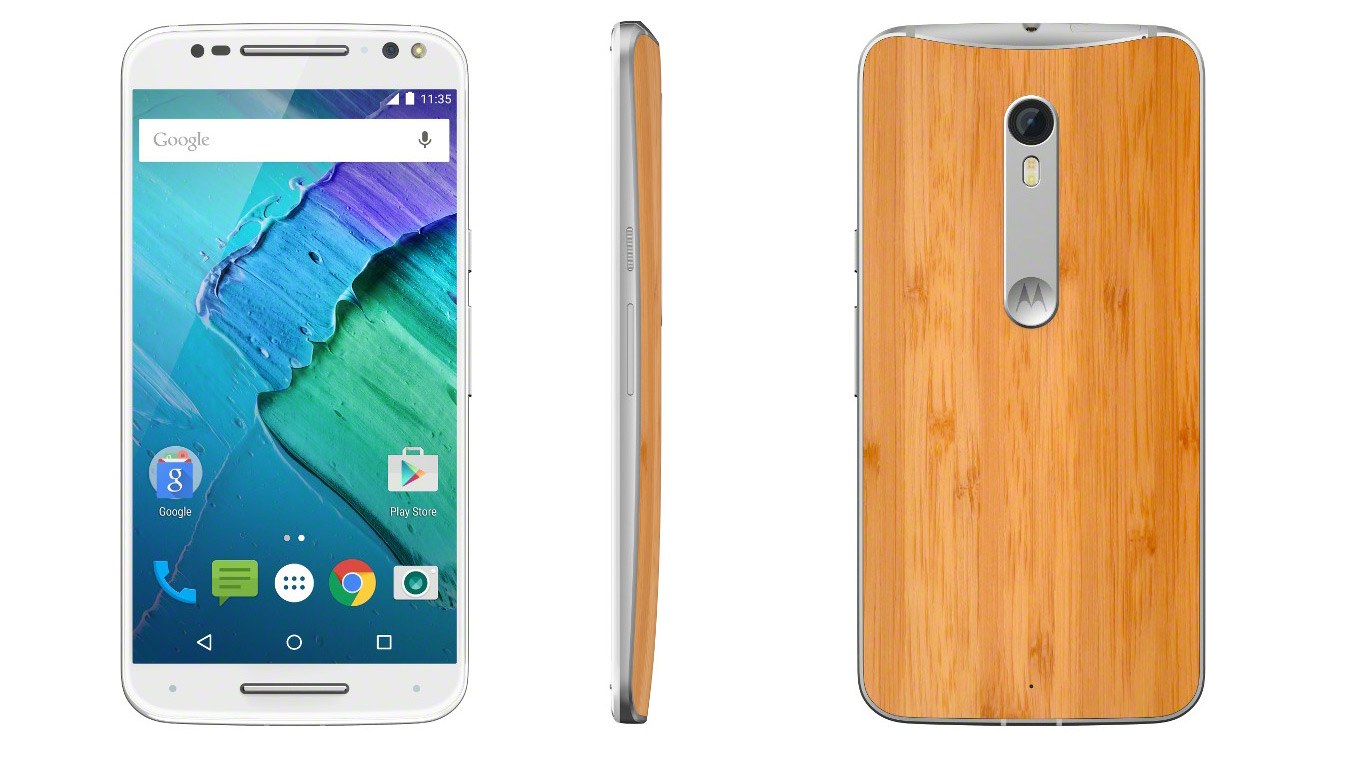
The Nexus 5X is available in India for a price of Rs 29,990 (at the time of review) for the 16 GB variant which is about Rs. 4,000 more than the US$ 379 price. At this price it lacks the essence of a Nexus phone. Its built in plastic lacks a QHD display and comes with 2 GB of RAM, the best advantage of the Nexus remains the quick updates. For a better hardware experience the Moto X Style offer better value for money, at the same price and has a QHD display 3 GB of RAM and better cameras, fast turbo charging and dual sim capabilities. More over you get expandability up to 128 GB. The Moto X style offers a near-Nexus Android experience and will soon get marshmallow.
You should consider one of the many other options instead of the Nexus 5X this year. For LG and Google the intent is wonderful and the phone brings back the brilliance of the Nexus 5, however the Nexus 6P is more Nexus than the Nexus 5X.
Motorola is ushering in this Diwali season with a bunch of new exchange offers and discounts on their handsets. Let us take a look at some of their Diwali deals:
1. The Moto X Style (32GB):
This is part of Motorola’s premium handsets that comes with a 5.7inch display along with a 1440X2560 pixel resolution and corning gorilla glass 3 protection. It runs on the Android OS version 5.1 Lollipop and can be upgraded to 6.0 Marshmallow. The X Style is powered by Qualcomm Snapdragon 808 and comes with a 3GB RAM with internal memory of 32GB expandable via a micro SD card to 128GB. It comes with a 21MP primary camera and a 5MP secondary camera and is fueled by a non-removable 3000mAh battery. The original price of this handset is Rs.31,999, however this Diwali it comes with an exchange offer of up to Rs.15,000 on Flipkart.
2. Moto X Play (32GB):
This handset comes with a 5.5-inch display and a 1080 X 1920 pixels resolution protected by Corning Gorilla Glass 3. It runs on the Android OS version 5.1.1 Lollipop which can be upgraded to the version 6.0 Marshmallow, and is powered by Qualcomm Snapdragon 615. The smartphone comes with a memory of 32GB expandable up to 128GB via a microSD card and also comes with 2GB of RAM. On the camera front it comes with a 21MP primary camera and a 5MP secondary camera; the X Play has a non-removable 3630mAh battery. The original price of this handset is Rs.19,999, but this Diwali it will be priced at Rs.18,999 along with an exchange offer of up to Rs.8,000 on Flipkart.
3. Moto G3 (16GB):
The Moto G3 (16GB) comes with a 5-inch display and 720X1280p resolution while being protected by Corning Gorilla Glass 3. It is currently run on the Android OS version 5.1.1 Lollipop and has a planned upgrade to the version 6.0 Marshmallow. This handset is powered by the Qualcomm Snapdragon 410 and comes with an internal memory of 16GB expandable up to 32GB via a microSD card and has a 2GB of RAM space. It has a 13MP primary camera and a 5MP secondary camera while being fueled by a non-removable Li-Ion 2470mAh battery. The original price of this phone is Rs.12,999, but this Diwali it comes at a discounted amount of Rs.11,999 along with an exchange offer of up to Rs.5,000 on Flipkart.
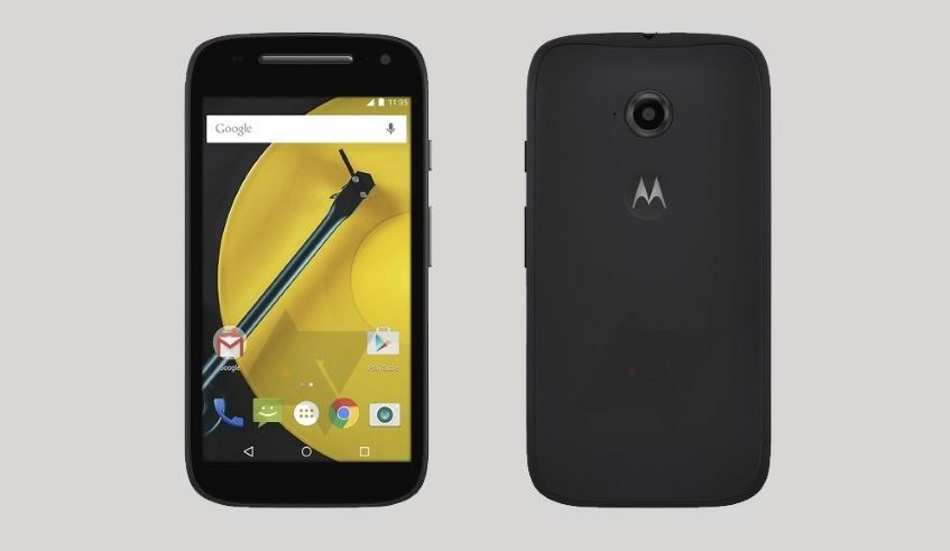
4. Moto E2 (4G):
This lower ranged smartphone comes with a 4.5-inch display and 540 X 960p resolution while being protected by the Corning Gorilla Glass 3 with an oleophobic coating. It is run on the Android OS, v5.0 (Lollipop), upgradable to v5.1 (Lollipop) and is powered by Qualcomm Snapdragon 410. The Moto E Gen 2 4G comes with an internal memory of 8GB expandable up to 32Gb via a micro SD card and comes along with a 1GB of RAM space.On the camera front it comes with a 5MP primary camera and VGA secondary camera. This phone is fueled by a Li-Ion 2390mAh battery. Originally priced at Rs.6,999 it now comes at Rs.5,999 on Flipkart.
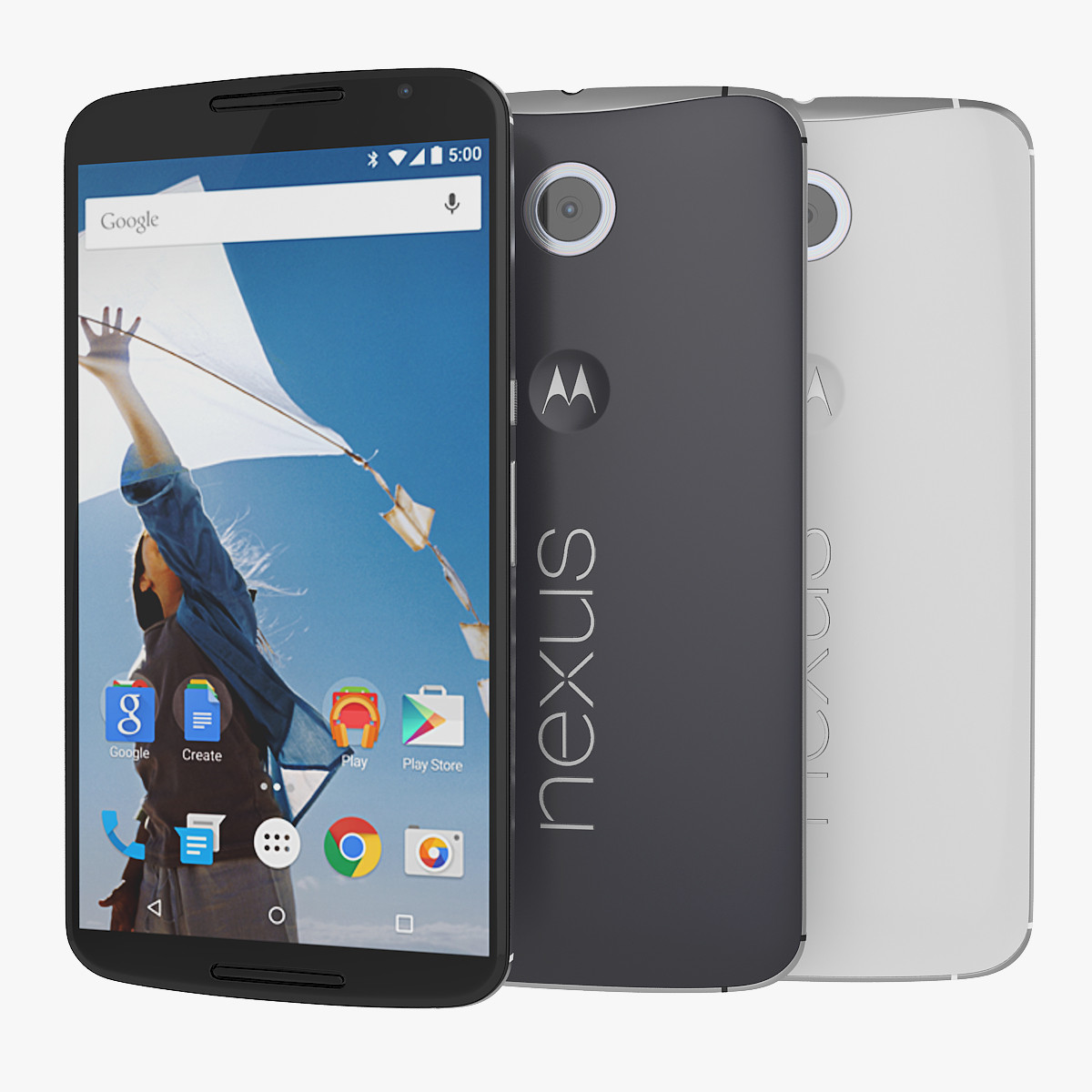
5. Motorola Nexus 6:
This high end phone comes with a 5.96 inches display and a 1440 x 2560 pixels resolution while being protected by the Corning Gorilla Glass 3. It is run on the Android OS, v5.0 (Lollipop), upgradable to v5.1 (Lollipop) and is powered by Qualcomm Snapdragon 805. It comes with an internal memory of 32/64 GB with a 3GB of RAM space. However, this phone comes with an expandable external memory card slot. On the camera front it comes with a 13MP primary camera and a 2MP front camera. The Nexus 6 is powered by a non-removable Li-Po 3220mAh battery. originally priced at Rs.29,999 it will soon be available at Rs.24,999 along with an exchange offer up to Rs.10,000 exclusively on Flipkart.
We hope these offers enhance your Diwali celebrations!
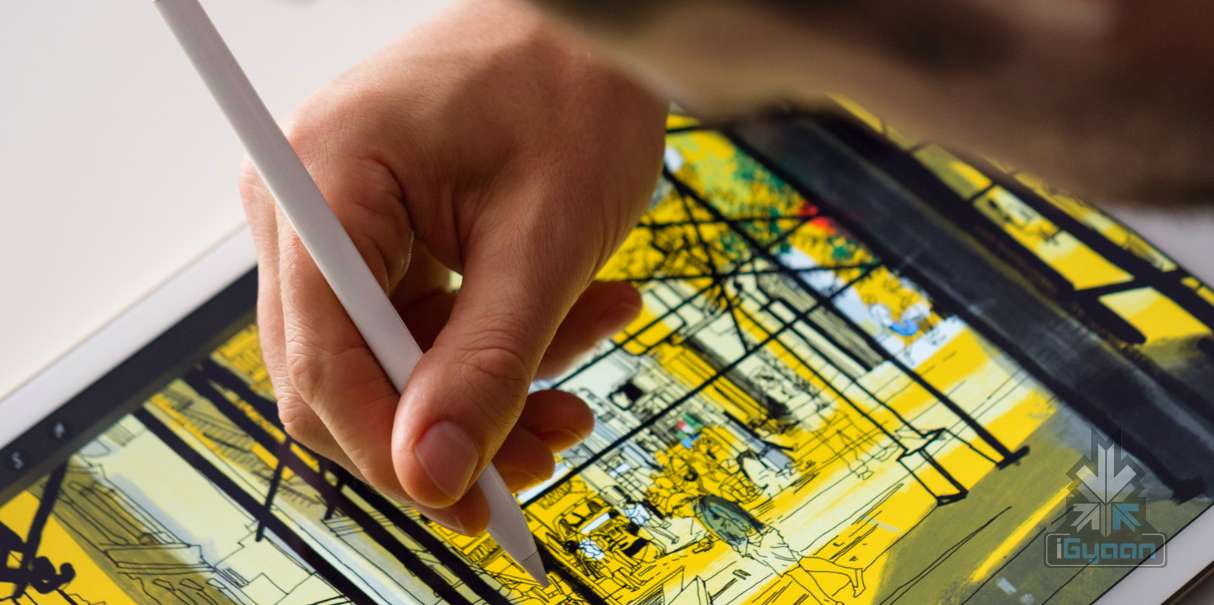
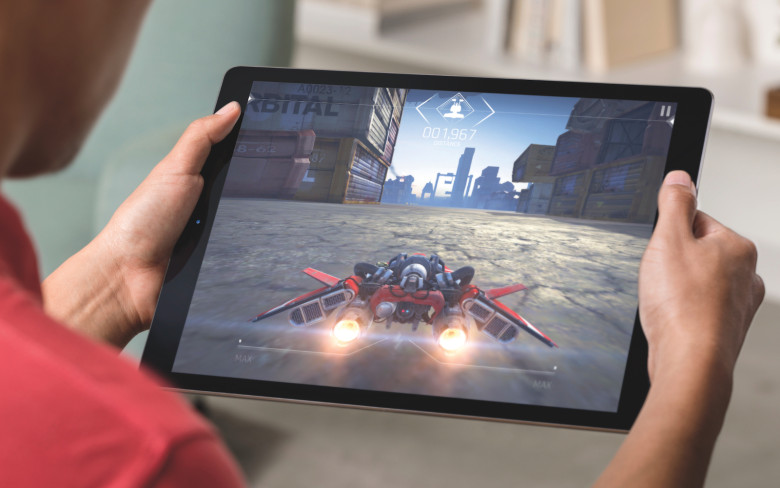
iPad Pro was launched in September amidst all the glitz and glamour of the Apple event in San Francisco. Even though this was followed by an immediate release of the iPhone 6s and 6s Plus in the market, Pro was kept away from the limelight.
Rumours and speculations had placed 11th of November as the release date for Apple’s newest iPad. Looks like we might be wrong, but only by two days. The iPad Pro is expected to arrive on Friday the 13th next week.
Pre-orders for it have already begun on international websites like Sam’s Club. If you choose to place an order on this website, keep in mind that it’s only offering the Wi-Fi only versions of the 32 GB and 128 GB variants. The two devices are priced at $787 (close to Rs. 52,000) and $937 (close to Rs. 62,000) respectively, surprisingly enough both being lower than Apple’s pricing for them.
The iPhone 6s and 6s Plus party has barely piped down, and now a new Apple device arrives in town. How do you think Indian audiences would respond to it – will the response be lukewarm like to the latest iPhones or will it be enthusiastic? Let us know in the comments below.
Source: [tw-button size=”medium” background=”#07ABE2″ color=”” target=”_blank” link=”http://www.cultofmac.com/396108/ipad-pro-tipped-to-arrive-later-than-expected/”]Cult of Mac[/tw-button]
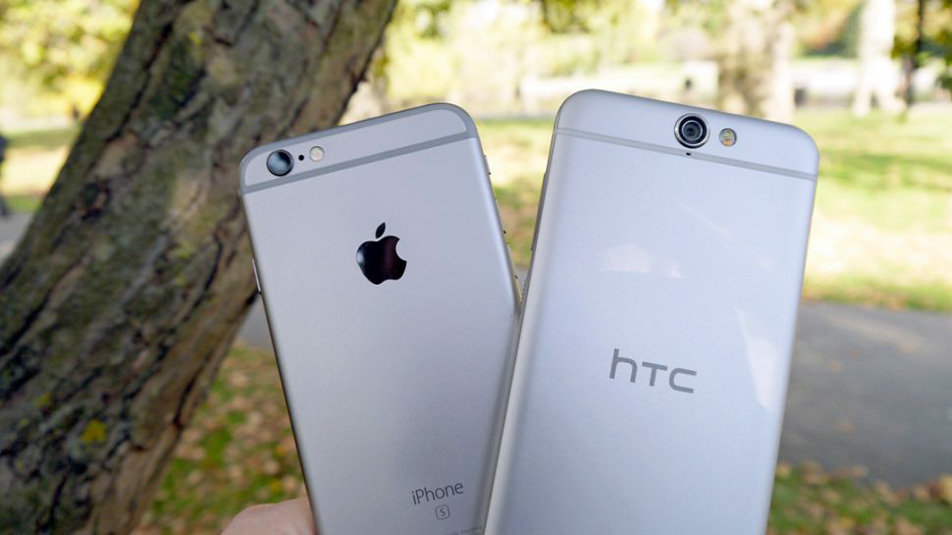
HTC received a truckload of criticism for coming out with an iPhone look alike with the One A9. Yes, HTC did not hesitate in ripping off the most notable iPhone characteristics. The company later came out with a defence stating that Apple copied them first.
This is fine and all, but now HTC has come out with a commercial titled ‘Be Different’, which blatantly copies (read: parodies) Apple’s ‘1984’ advertisement. More than the actual device, the commercial relies heavily on symbolism.
The theme is a familiar one. Back in 1984, Apple launched the Macintosh with a commercial that showed a woman (representing Macintosh) saving humanity from conformity (Big Brother). The idea was based on George Orwells dystopian novel , ‘1984’. Apple’s commercial became iconic for its timing, poetic spirit, and the fact that it truly ushered in personal computing.
Jump to 2015 and we see HTC pulling a ‘1984’. The commercial for the One A9 is eerily similar to Apple’s commercial. It follows the same dystopic theme. Here we have a man running through a dystopian environment with his HTC One A9, while scores of expressionless men and women (all dressed alike) march around him. But because he carries a One A9, he’s “Different” and “Bold”.
The symbolism doesn’t just end there. The true punch comes when the man finds himself at the creepiest looking dinner ever. He proceeds to jump on the table and literally kicks a pile of ‘apples’. Why does he do it? Because the apples have become boring, grey, and generic. And that’s what HTC wants you to ‘break’ away from.
As one would expect, the internet is seeing mixed responses to the commercial. While some are just cringing over how HTC has ripped of iPhone and doesn’t even deny it, others feel that the company is playing it very smart coming out with an iPhone-like phone and commercial.
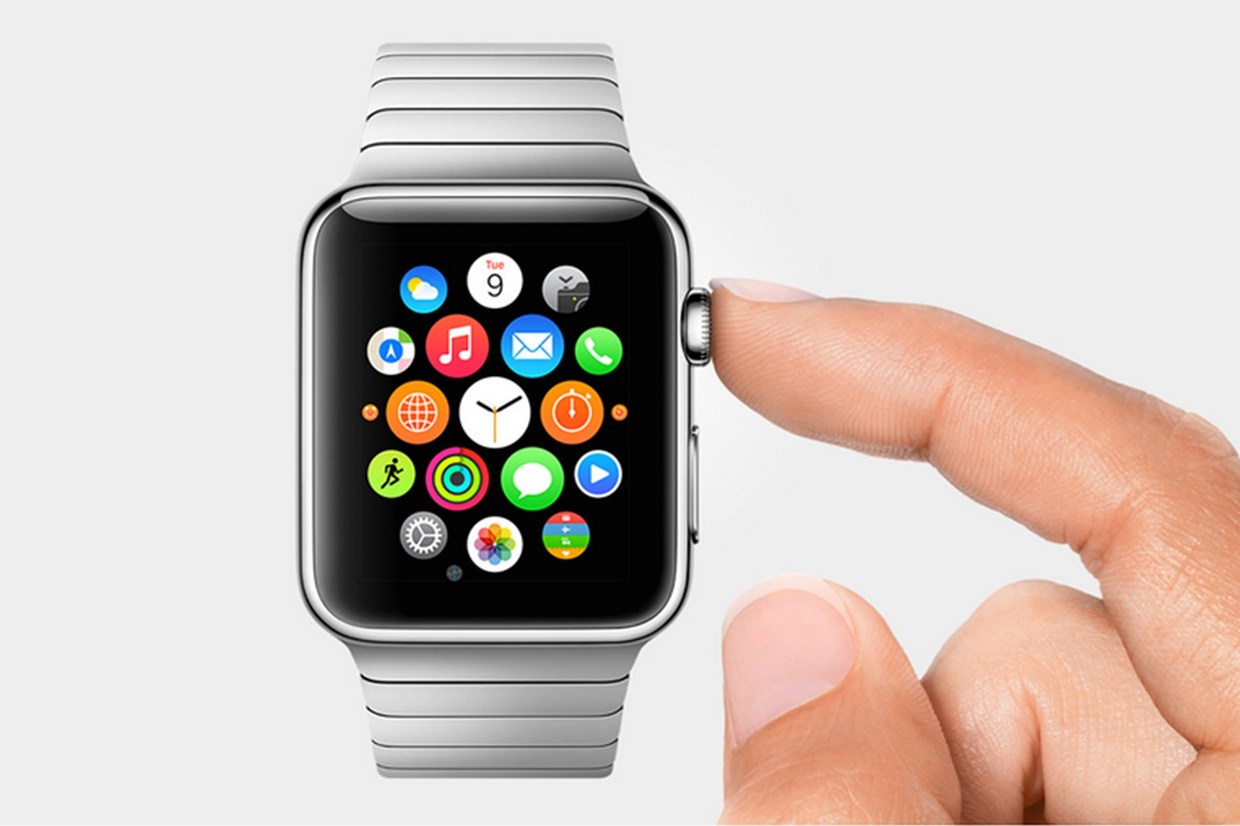
Apple released its Watch range in April, and 7 months later the Watch makes it to the Indian market. The Apple Watch has been launched in India starting at Rs. 30,900. The launch comes a couple of weeks after the iPhone 6s and 6s Plus launch in India and just ahead of Diwali.
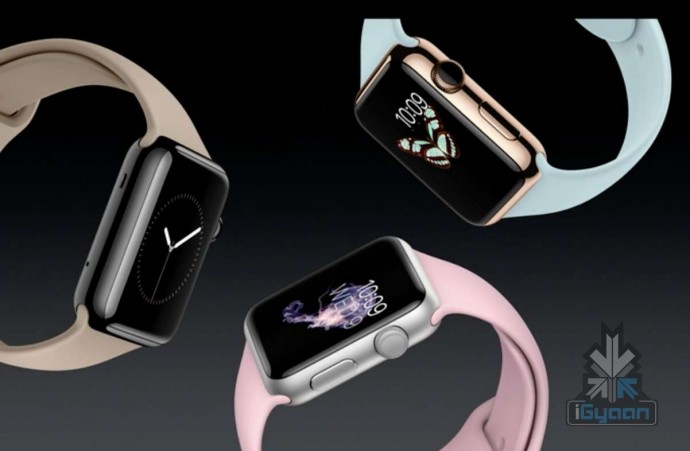
The Apple Watch will be available at Apple retailers across the country. The Watch comes in a variety of colours including gold, Rose Gold, Space Gray, silver anodized aluminium, polished silver or Space Black stainless steel, and 18-Carat Rose Gold or Yellow Gold.
The Watch is among the more fashionable smartwatches in the market and one point of difference is that the Apple Watch provides a lot more apps and features than what is currently available. It comes in 40 combinations and in two display sizes of 38mm and 42mm across three: Apple Watch Sport, Apple Watch Edition and Apple Watch.
The Silver Aluminium Case and White Sport Band are the basic models that are priced at Rs. 30,900 and Rs. 34, 900 for the 38mm and 42mm, respectively. The price goes up with successive models and bands, the most expensive of which is the Apple Watch Edition (made of 18-carat Rose Gold casing) that starts at Rs. 8.2 lakh for the 38mm variant when paired with the cheapest White Sports Band, Rs. 9.9 lakh for the 42mm one, and the most expensive one in the series is priced at Rs. 14.2 lakh.
The Hermes design that was showcased at the Apple event last month has not been launched yet. The Watch comes equipped with the Watch OS 2. The Watch needs to be paired with an iPhone (iPhone 5 or higher) that has the latest iOS. The iPhone will then pair itself to the Watch and you can make calls if your iPhone is within 18-feet of the Watch.
The pricing was always expected to be this high. India is still coming to terms with wearable technology and we’re not sure how well the Watch will do here. The doubts are high since one of the major drawbacks of the Apple Watch is that one will not be able to use features that require internet unless one has an iPhone. This limits potential Watch buyers to mainly those who own an iPhone.
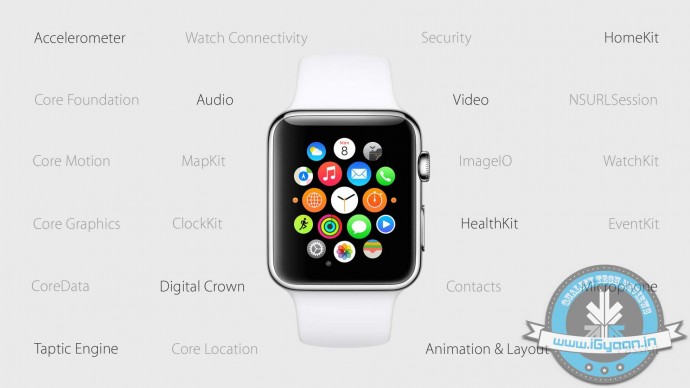
The Watch comes preloaded with 1,300 native apps and a total of 13, 000 apps are available in the Watch App Store. No word yet on when online retailers will begin selling the Apple Watch.
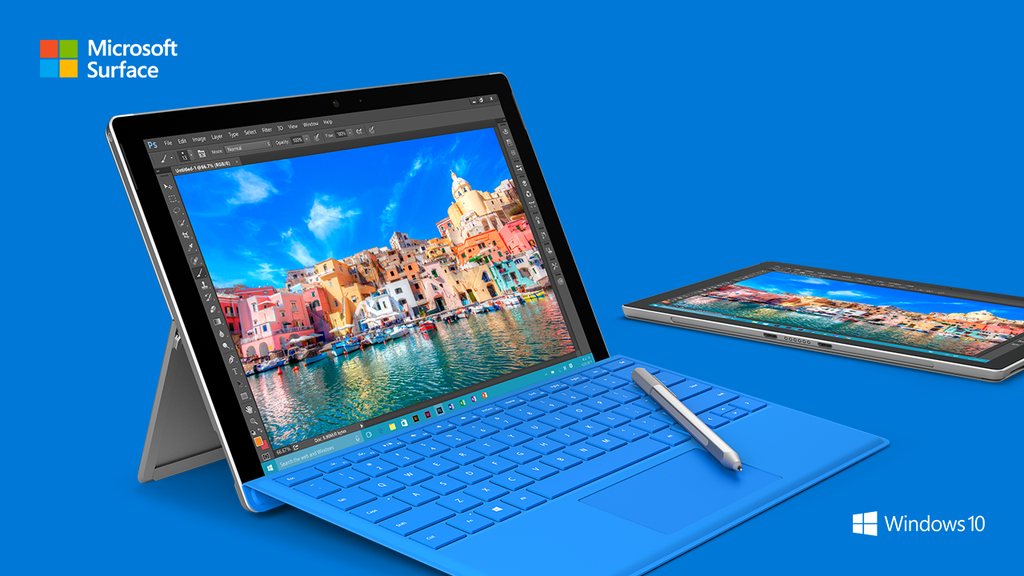
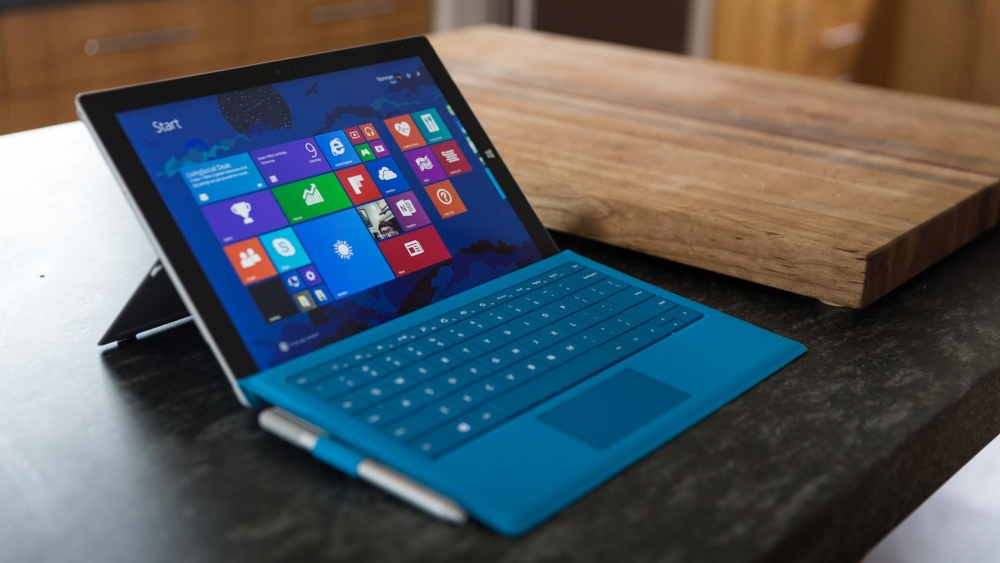
Microsoft held a Future Unleashed event in Mumbai today. CEO Satya Nadella delivered a keynote speech wherein he announced that the Surface Pro 4 will launch in India in January 2016. Microsoft has so far refused to sell the Surface range of tablets in India, believing that the market was not ready for high-end laptops and tablets.
Nadella also announced that the new Windows 10-powered Lumia 950 and Lumia 950 XL smartphones would launch in India next month. He also showcased the much talked about Continuum Mode that lets you hook up the smartphone to a keyboard and display, which in essence lets you use your smartphone like a laptop.
“We are reinventing computing with devices like the HoloLens to Microsoft Band and everything in between.”
The Microsoft Surface Pro 4 starts at $899 (Rs. 60,000), the Pro 4 with i5 is priced at $999 (Rs. 65,000) and the Pro 4 with i7 is a whopping $1599 (Rs. 1 lakh). The Indian pricing may cost a little more due to taxes and there is no word yet on which versions Microsoft plans to bring to India.
Nadella’s trip to India come just a month after PM Narendra Modi’s visit to the Silicon Valley. Microsoft had earlier said that the company was working on making affordable Internet access available to 5 lakh villages in the country. Mark Zuckerberg also held a Townhall at IIT Delhi last week where he spoke about Facebook’s interest in providing basic internet to rural parts of the country.
Let us know your views on Microsofts newest products in the comments below.
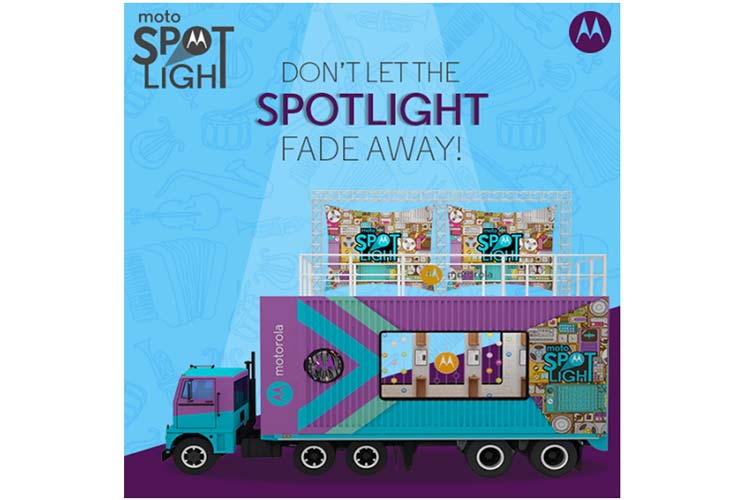
A couple of weeks ago, Motorola had started a 63-day road-trip to give a hands-on experience of many of its devices to potential buyers. The initiative is called Moto Spotlight and, for those who don’t know, it involves showcasing of Motorola devices in 12 cities across the country on a travelling rooftop stage.
You ask why do we bring this month old news up now? Because this Motorola vehicle is going to be in Delhi starting day after tomorrow. You can catch a bus from Pacific Mall, DLF Saket or Cyberhub in Gurgaon over the next couple of days. Click here for other details.
Additionally, aspiring artists and musicians get a chance to perform alongside names like Parikrama and Junkyard Groove by being in the Moto Spotlight. All you need to do is register yourself or the band, and upload a video. The best entries will be made part of the performance. Register yourself on the official website to stand a chance to perform at Moto Spotlight.
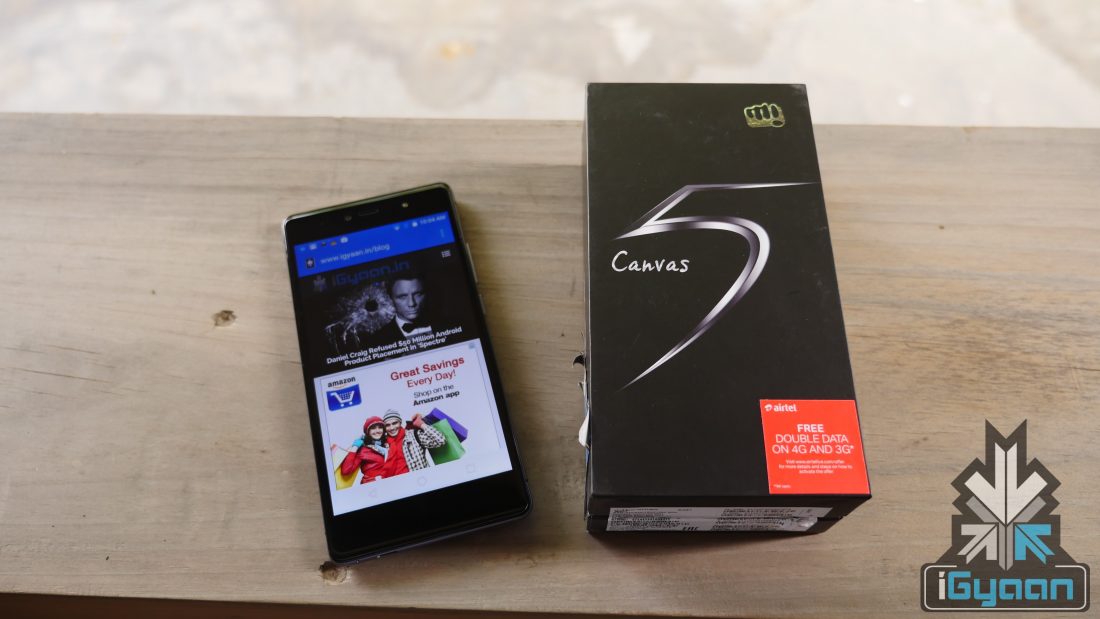
Micromax unveiled the Canvas 5 yesterday and we’ve provided all the technical details as well as a hands-on with the device. But if you’re still a little uncertain about whether you should buy Micromax’s latest flagship then have no worries. We’ve made a list of everything that is going for the Micromax Canvas 5, and if you find your needs mentioned then we suggest you have your wallets ready.
Design
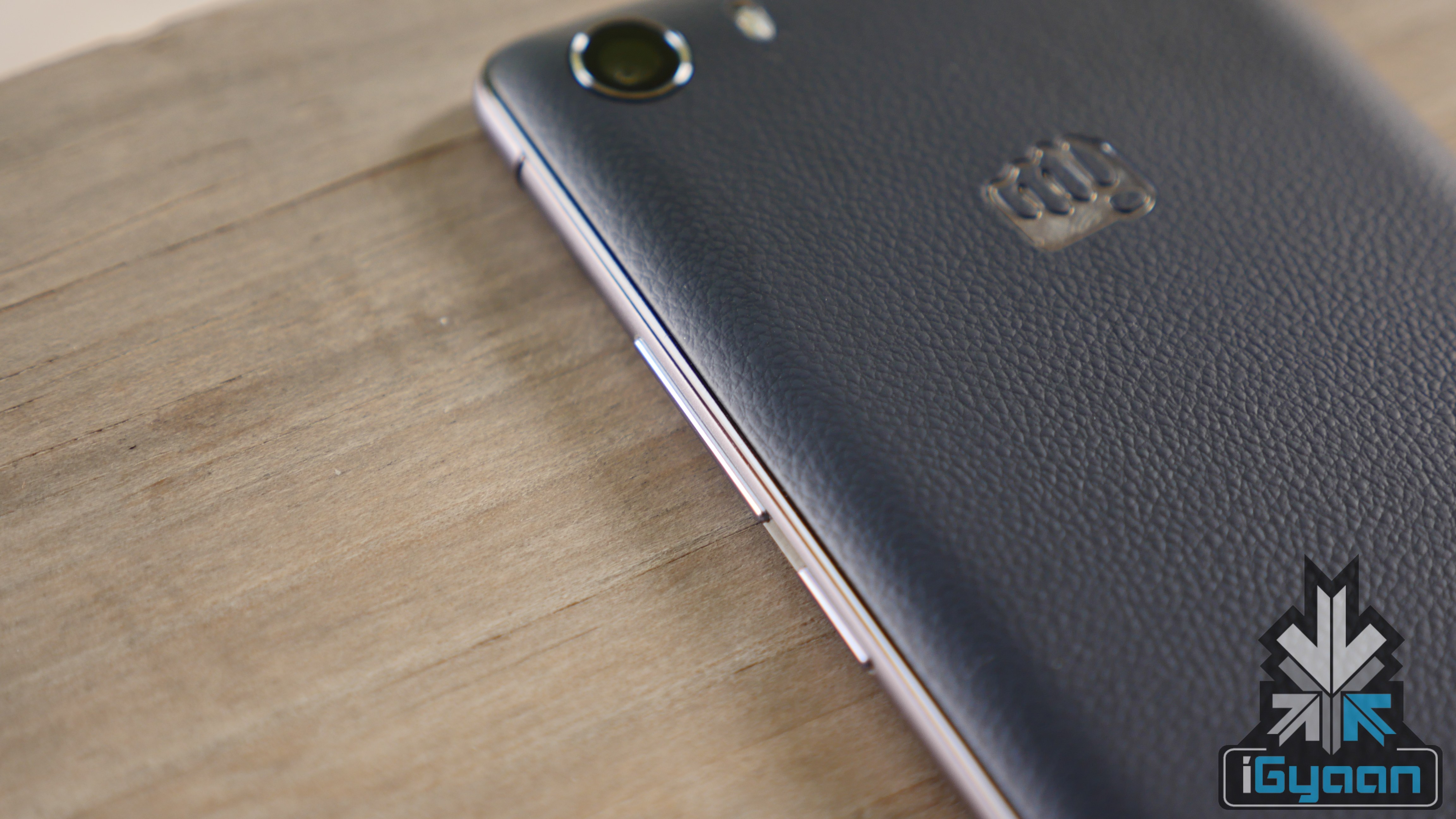
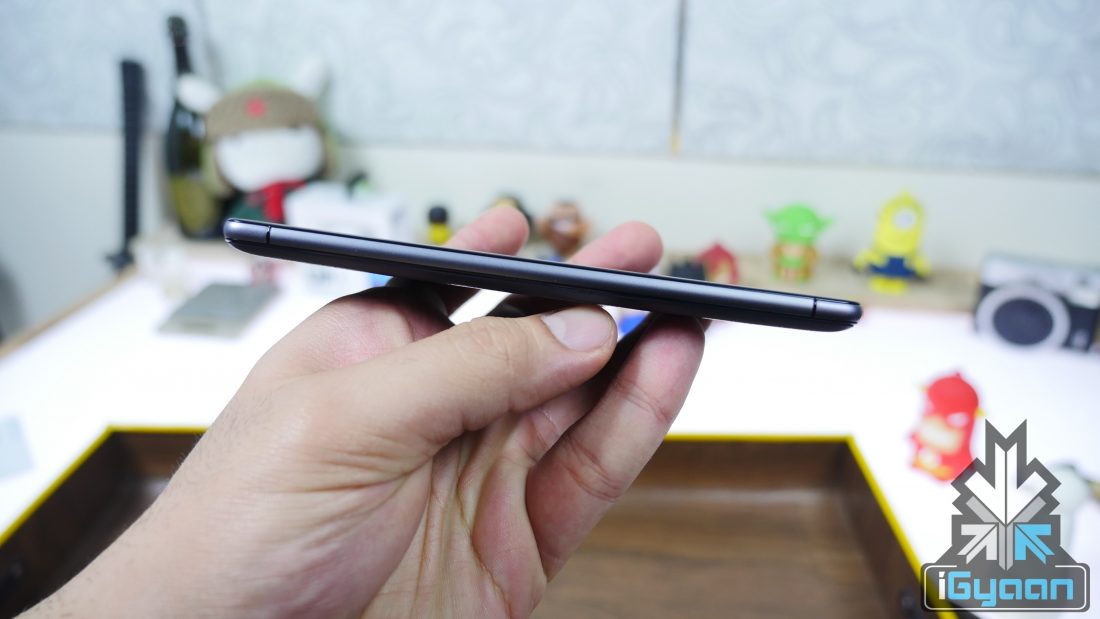
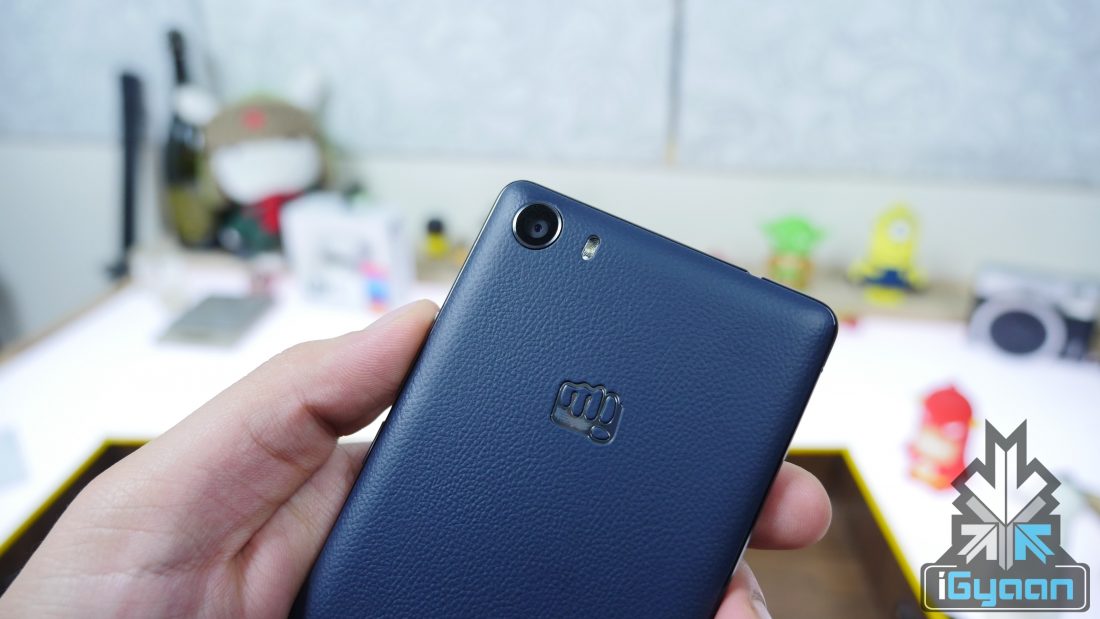
Right off the bat then, the Canvas 5 looks amazing. It has improved a lot since the Canvas 4 in terms of looks. The moment you see the Canvas 5 after unboxing, you’ll notice a shiny and attractive Gorilla Glass 3 on the front that has a 2.5D Curve Touch panel. The glass doesn’t leave smudges and stays pretty clear. This along with a metal side and rounded edge gives the device an iPhone-like feel. In the back you have a removable plastic panel that has a faux leather texture to it. Because it’s extremely flexible, it’s not likely to break any time soon. So if you want a phone that looks and feels great in your hand, you should definitely look to the Canvas 5.
Display
On switching on the device, we found that the 5.2-inch 1920×1080 Full HD display is crisp, clear and bright. The colours are attractive and makes you want to switch on the device even if you have nothing in particular to do. A graphic-intensive game like Asphalt 8 looks great on the device and works pretty smoothly. The details of the game look crisp and also give decent sound clarity.
Performance and UI
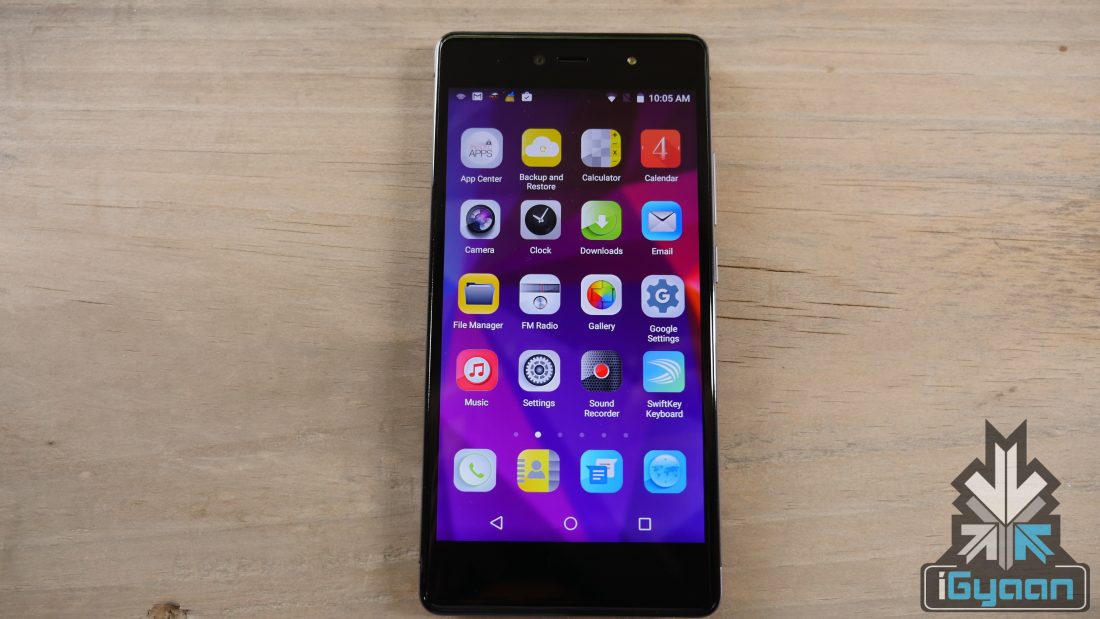
First use of the device right after unboxing will generally give a fast performance. So, it is a little early in the day to know exactly how the device will run. But our initial response to the Canvas 5 is that it gives a solid performance for a phone that is priced at Rs. 11,999. The phone will respond quickly to all your basic day-to-day needs and with no app drawer, you can access your apps a lot faster, as is the case with the iPhone. Though, those who prefer an app drawer may find the screen cluttered with bloatware.
Sliding through the phone quick and fluid and you will love the ease of it all within 5 minutes of usage. A 3 GB RAM for a device under 12K bracket is a rare sight and the Canvas 5 comes with just that. This allows you to multi-task with greater ease and also improves gaming performance. In terms of competition, the Canvas 5 wins over the Moto G (3rd Gen) and the Xiaomi Mi 4i for sure.
Camera
The Canvas 5 actually has a great camera app with loads of modes and pro features like those found on flagship Samsung Galaxy phones. You also get an app that lets you retouch images and give the desired makeup that it needs.
The device features a 13MP primary camera and a 5MP front with flash. The images taken by the primary camera are fairly decent and is quick at capturing images. The added professional modes like ISO, exposure compensations and white balance help you take that perfect shot. So, for a mid-range device, the Canvas 5 gives you a lot to play around with.
Price
Pricing is always key for a successful smartphone (unless it’s an iPhone). The Canvas 5 with all the above mentioned pros would be worth it if it is reasonably priced. And luckily it is. At Rs. 11,999, the Canvas 5 is a terrific phone that gives Motorola and Xiaomi a run for their money. The performance, display and design are premium material. The Canvas 5 along with the OnePlus X show us that it is possible to make a great looking device for a mid-level market. Should you go for it? Well, your interests are ticked in the list above then you definitely should buy the Canvas 5.
Samsung’s newest mid-range ‘On’ series has been officially launched in India on the 3rd of November. The On5 and On7 are the first set of devices in this group. We have been talking about them for a while and now let’s take a look at which of the two devices is a better bet.
Design:
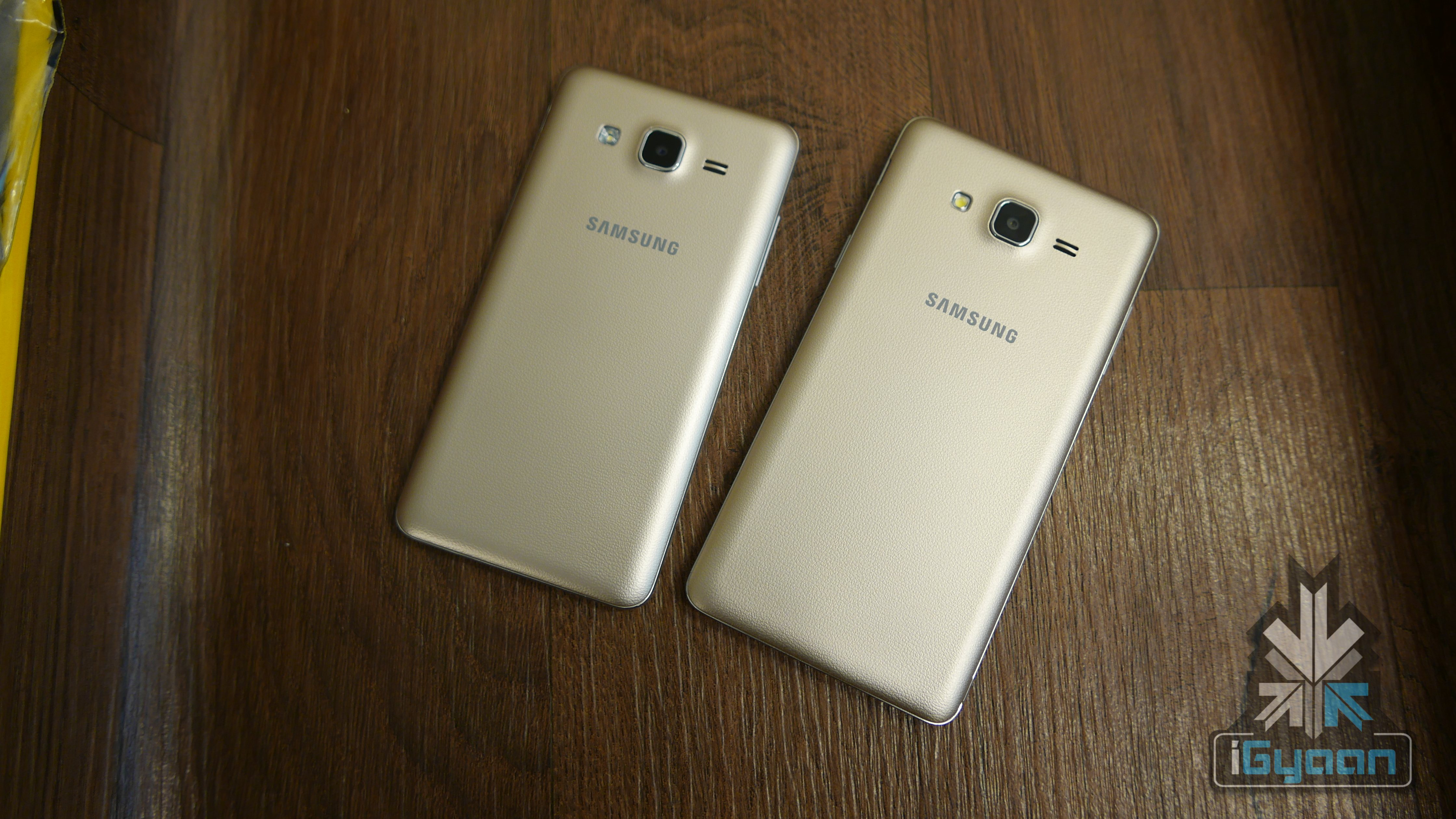
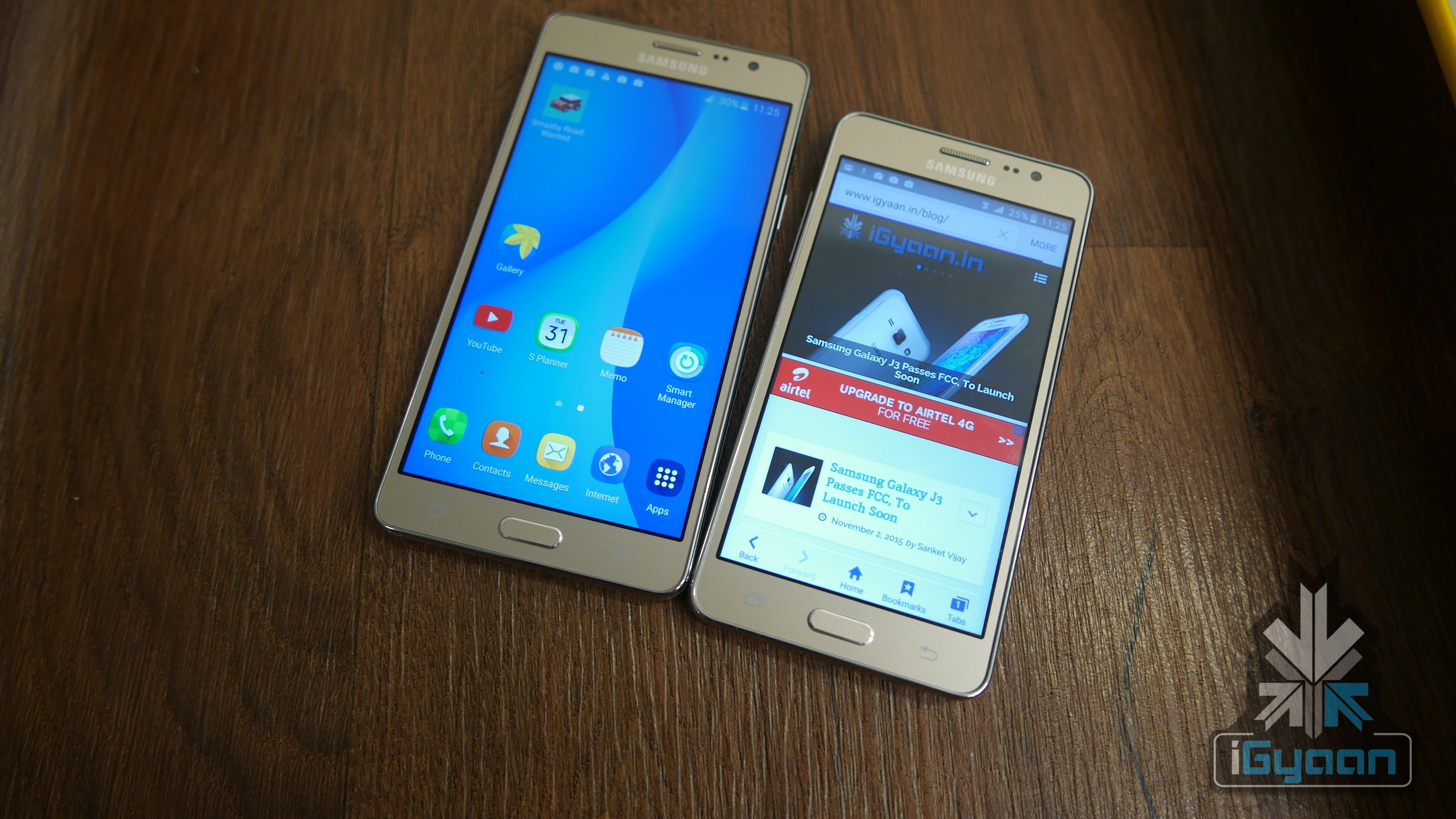
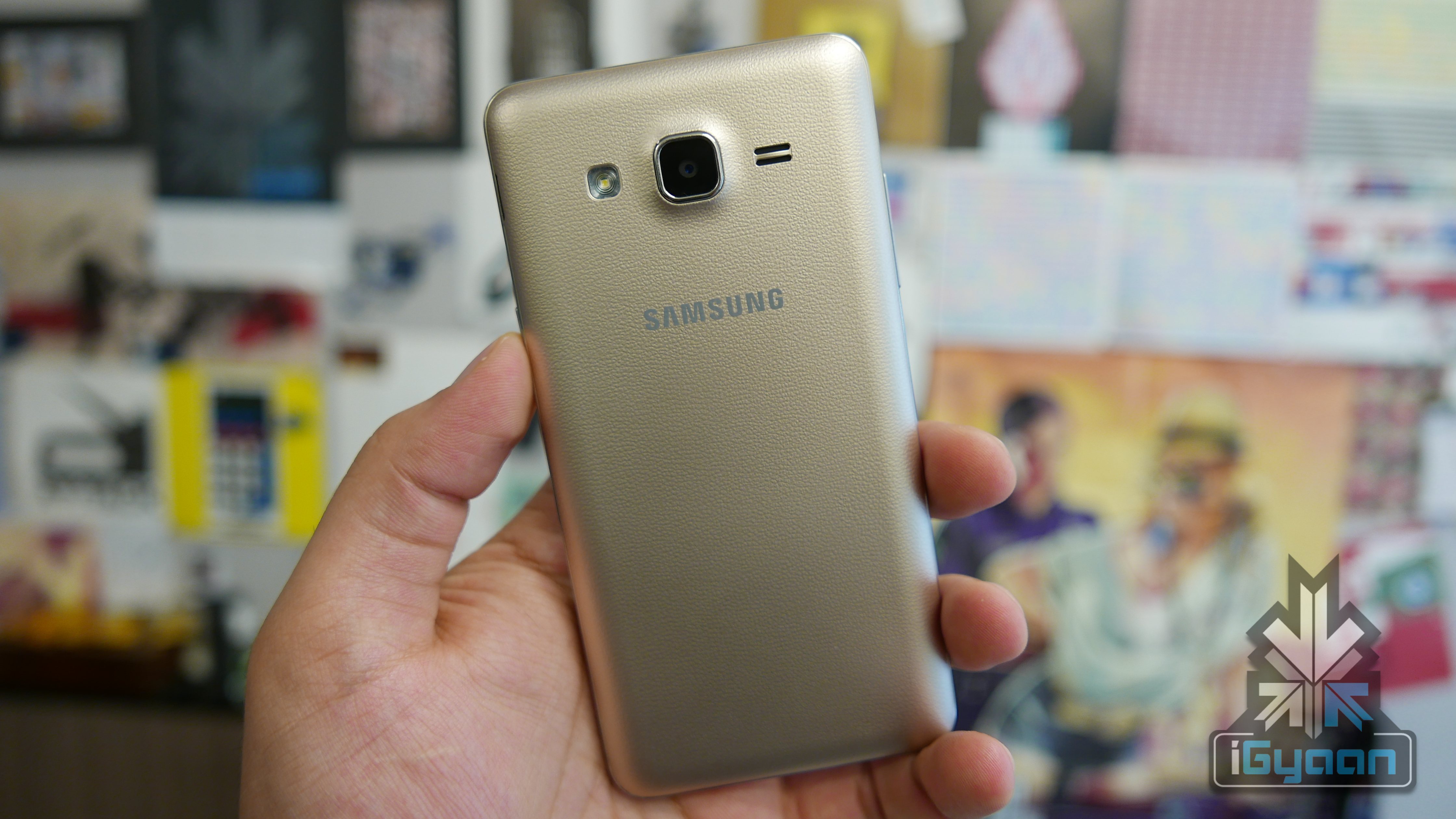
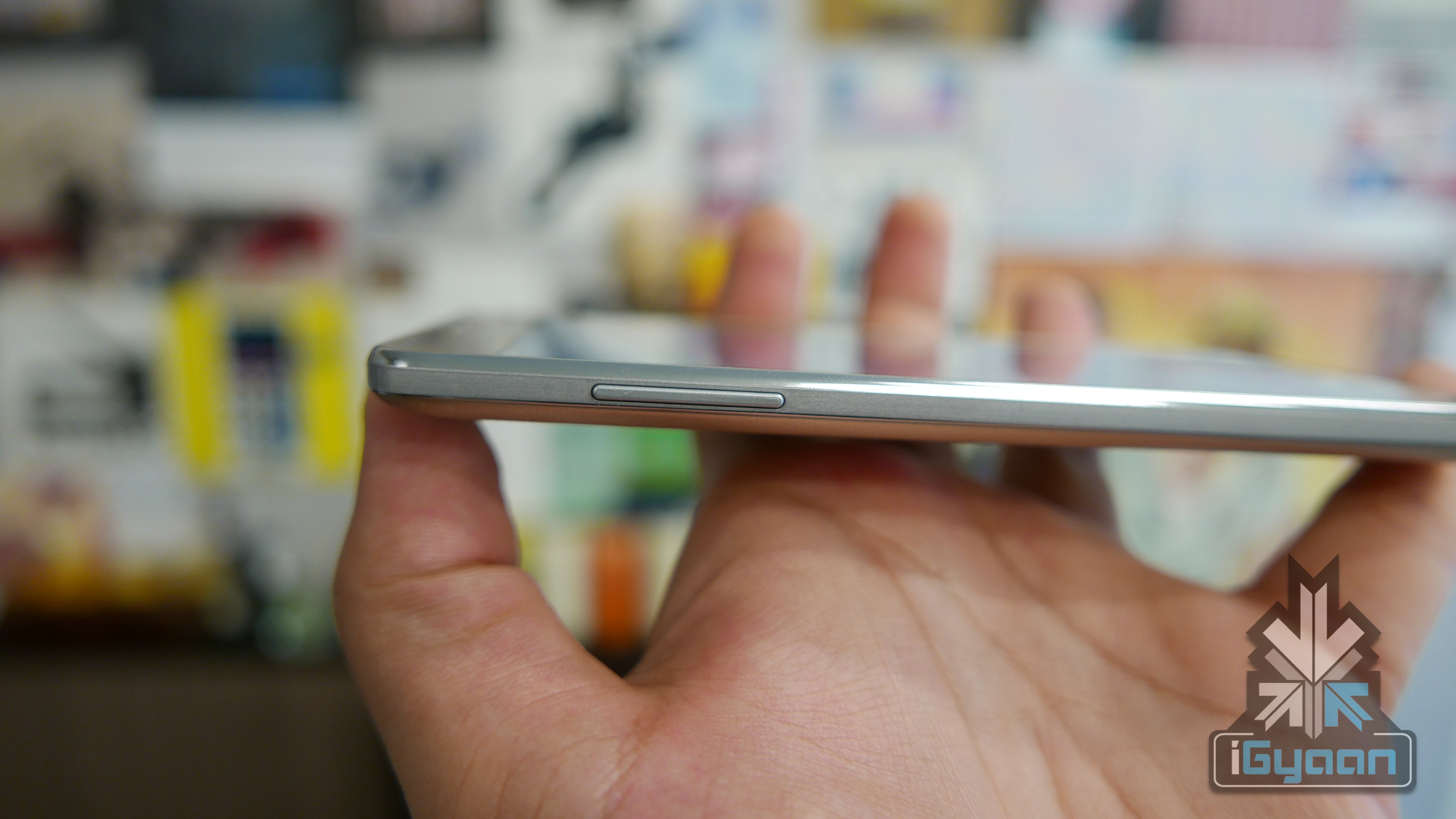
Other than the screen size, On5 measuring a 5 inches while On7 measures a 5.5 inches, both phones are completely identical physically. Because of the screen size, On5 is easier to hold and use with one hand. On5 and On7 also have a tough, sturdy feel thanks to the metal frame of the devices.
It should be noted the two handsets differ in their design from J5, and therefore have a better, more pleasant appearance. J5 is inspired by Galaxy S5 in terms of its design which wasn’t a big success with buyers to begin with. Consequently, J5 doesn’t have design as one of its highlights. It was a smart move on Samsung’s part to ditch the S5 and J5 design for the On5 and On7.
Camera:
With primary cameras marked at 8 MP for On5 and 13 MP for On7, the latter definitely offers better, clearer images. However, the same thing cannot be said for the front camera. Both devices give identical results with their cameras marked at 5 MP each.
Samsung Galaxy On5
Processor:
Given that the On7 is priced higher of the two phones, one would expect the processor to be better as well. But surprisingly that’s not the case. On7 has a 1.2Ghz Quad A53 processor with a Snapdragon 410 MSM8916 chipset, while On5 is equipped with a 1.3GHz Quad Core processor which is powered by Exynos 3475.
Samsung Galaxy On7
User Interface and Display:
The two handsets have the same specs for display that is (720×1280 pixel) TFT display. Both phones are quick to respond as well offering a smooth UI, and keeping usage of apps convenient, smooth and uncluttered.
Samsung Galaxy On5
Price:
The specs and price of the On7 is quite similar to the Galaxy J5 except for a bigger battery in the On7 at 3,000 mAh. This begs one to question why exactly Samsung felt the need to introduce a new series when it already had one that covered the price range. Samsung claims to have young consumers in mind as the target audience for the mid-range On5 (Rs.8,990) and On7 (Rs. 10,990).
Samsung Galaxy On7
Meizu m2, Meizu m2 Note, Xiaomi Redmi 2 Prime, Micromax Canvas 5 and Moto G (3rd Gen) are some of the devices in the same price range On5 and On7 will face competition from in the market.
Additional Highlights:
The devices are touted as youth friendly and come equipped with an Ultra Data Saving mode that compresses data and saves up to 50% data charges during networking and browsing. The devices also come with MixRadio which is an Apple Music-like streaming service that lets users stream millions of songs, while offering curated music based on the user’s preference at the same time.
Samsung Galaxy On5
Verdict:
With similar specs, and a very narrow difference in their pricing, either of the two devices can be opted for. If you prefer a better main camera and a bigger screen which will definitely be easier on the eyes but harder to use with one hand, then On7 is your device.
However, if you’re more of a selfie-oriented person, willing to let go of crisper images for a more convenient handset that is easier to use with one hand owing to its smaller screen, your answer lies in On5. You would also end up saving a few pennies with this one.
The major difference between the two phones is the 2k price gap, which is equivalent to two movie-outings perhaps? We say let go of two social engagements and get the bigger brother, On7. Let us know in the comments below if you agree and which device would you opt for.
For a closer look, check out the specs table below.
Specs
Galaxy On5
Galaxy On7
Display
5.0-inch HD TFT
5.5-inch HD TFT
Resolution
1280 x 720 pixels
1280 x 720 pixels
Chipset
Exynos 3475
Snapdragon 410 MSM8916
CPU
1.3GHz Quad Core
1.2Ghz Quad A53
GPU
RAM
1.5GB
1.5GB
Primary Camera
8MP(F/2.2) w/ LED Flash
13MP(F/2.1) w/ LED Flash
Front Camera
5MP(F/2.2)
5MP(F/2.2)
Storage
8GB
8GB
Expandability
Up to 128GB via MicroSD card slot
Up to 128GB via MicroSD card slot
Battery
2,600mAh
3,000mAh
Connectivity
Bluetooth 4.1, WiFi b/g/n, Wi-Fi Direct, GPS, Glonass
Bluetooth 4.0, WiFi 802.11 b/g/n, GPS, Glonass, Beidou, NFC O (option)






 Dell’s new Inspiron 15 3551 does make an impression thanks to its thinner profile and its surprisingly long warranty. Running times are also better than most of the competition. The graphics aren’t the best here and only some 3D games with very low demands are playable with these cards.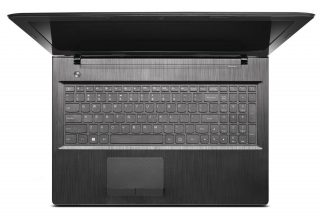








 The Google Nexus 5X is losing out on one big thing and that is performance. Each year Nexus phones stand out as leaders defining performance standards for companies, however, this year the case is different. The higher of the two Nexus devices launched this year, the Nexus 6P, is more of a performance benchmark. The 5X is mostly being sold to cater to those who basically don’t like the idea of an expensive Nexus phone, as was seen last year with the Nexus 6.
 Battery life is assisted by the Doze feature and gives you extended use, especially if you have a long screen-off time.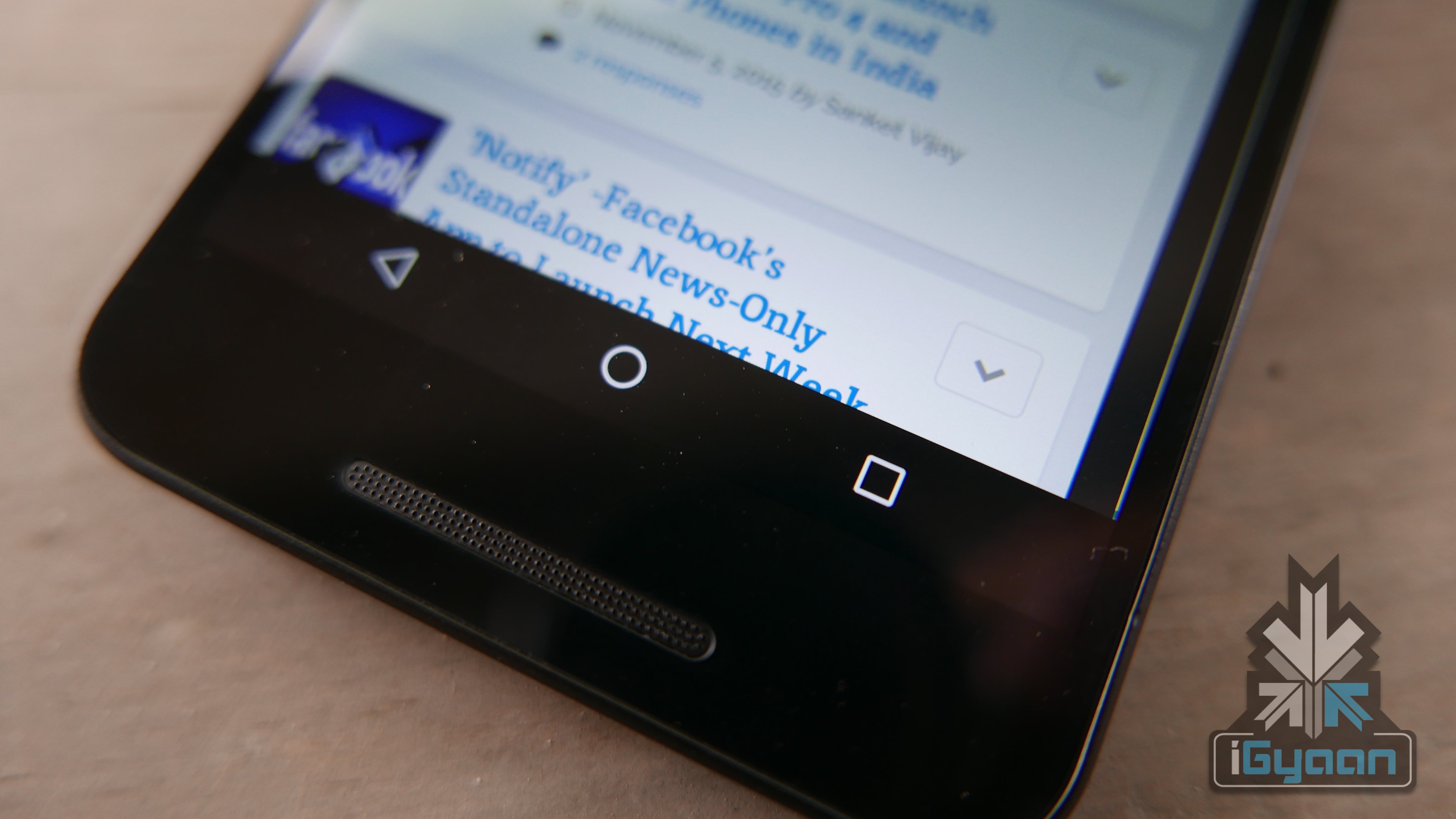

 The symbolism doesn’t just end there. The true punch comes when the man finds himself at the creepiest looking dinner ever. He proceeds to jump on the table and literally kicks a pile of ‘apples’. Why does he do it? Because the apples have become boring, grey, and generic. And that’s what HTC wants you to ‘break’ away from.