Category: Brands and Companies

All Brands and Company Names

  • Google Outs Nexus 6 – Pre Order it for US $ 649 on Oct 29th

    Google Outs Nexus 6 – Pre Order it for US $ 649 on Oct 29th

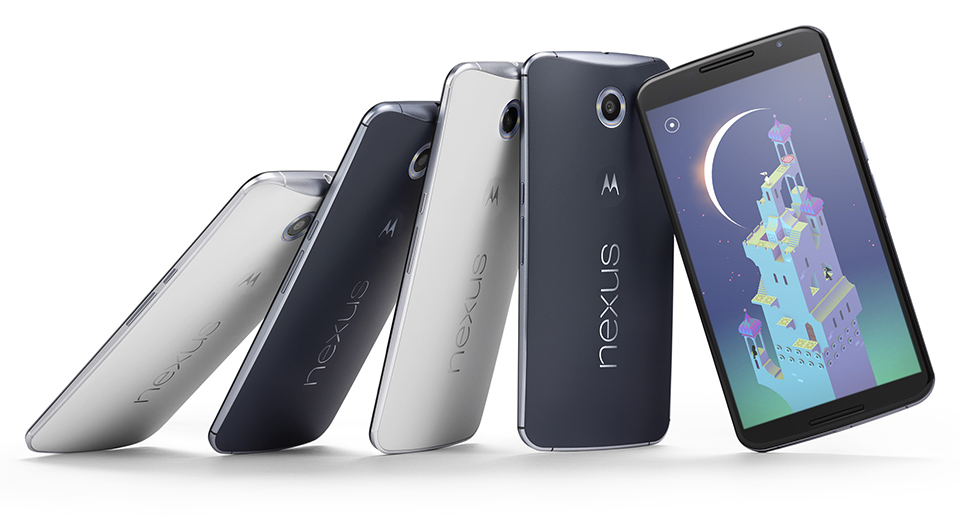
    Google has just made the Nexus 6 official and yes it’s a Moto X on steroids. The Nexus 6 is the first phone to run Android 5.0 Lollipop, yes it’s called Lollipop. For whatever reason, everything that you wanted in the Moto X has actually been given in the Nexus 6. You get a 5.9 inch QuadHD, screen a faster Snapdragon 805 chipset and a heftier 3220 mAh battery.

    Regretting buying that Moto X yet? You get the Moto logo along with a Nexus badge at back and the same 13 MP snapper with the ring dual LED flash.

    The phone will be available in the following sizes 32 GB and 64 GB  in either the Cloud White or the Midnight Blue colors. The Pre-Orders are set to begin on the 29th of October according to The Verge.

    The phone has the same metal structure of the Moto X and also presumably will have the same strength. The button locations are the same, and thanks to the minimal bezel design, the Nexus 6 should look a lot less big.

    As far as India is concerned, there is no news on arrival but we are in talks, so stay tuned.

  • Facebook and Samsung Reportedly Collaborating to Develop a Smartphone

    Facebook and Samsung Reportedly Collaborating to Develop a Smartphone

    Facebook founder and CEO Mark Zuckerberg’s meeting with Samsung Electronics Vice Chairman Lee Jay-yong has triggered rumours that the two firms are discussing the possibility of a new Facebook phone. According to sources, the two parties met at Samsung’s headquarters, they were joined by Facebook COO Sheryl Sandberg, along with Samsung’s mobile chief Shin Jong-kyun along with other top level executives from both companies.

    This raised speculations that Facebook and Samsung are planning a Facebook phone. As we saw in the past, Facebook’s last phone the HTC First, which had Facebook Home software layer with Android UI on top was discontinued, same goes with HTC ChaCha, another Facebook phone which had a physical Facebook button for quick posting to the social network. Though, both devices couldn’t succeed and did not take off.

    It’s not the first time these power houses are working together, the much hyped Samsung Gear VR has been launched in partnership with Oculus last month, which is now owned by Facebook. If rumours are true, it will interesting to see what this device can offer to users and if it can it be a competitor to Google’s Android One Project.

  • OnePlus Reportedly in Talks with Microsoft to Make a Windows Phone

    OnePlus Reportedly in Talks with Microsoft to Make a Windows Phone

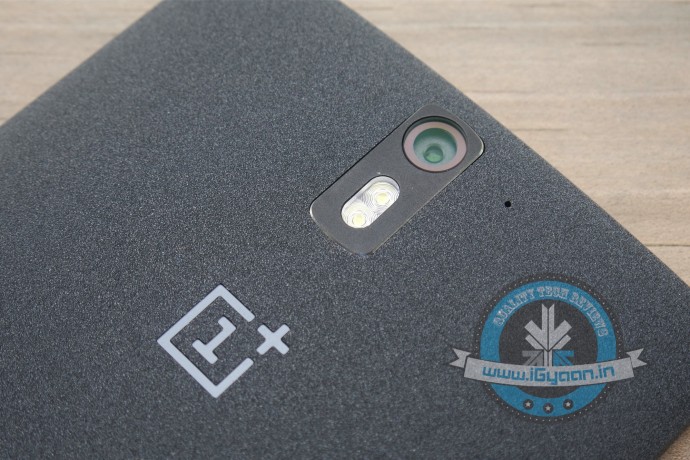
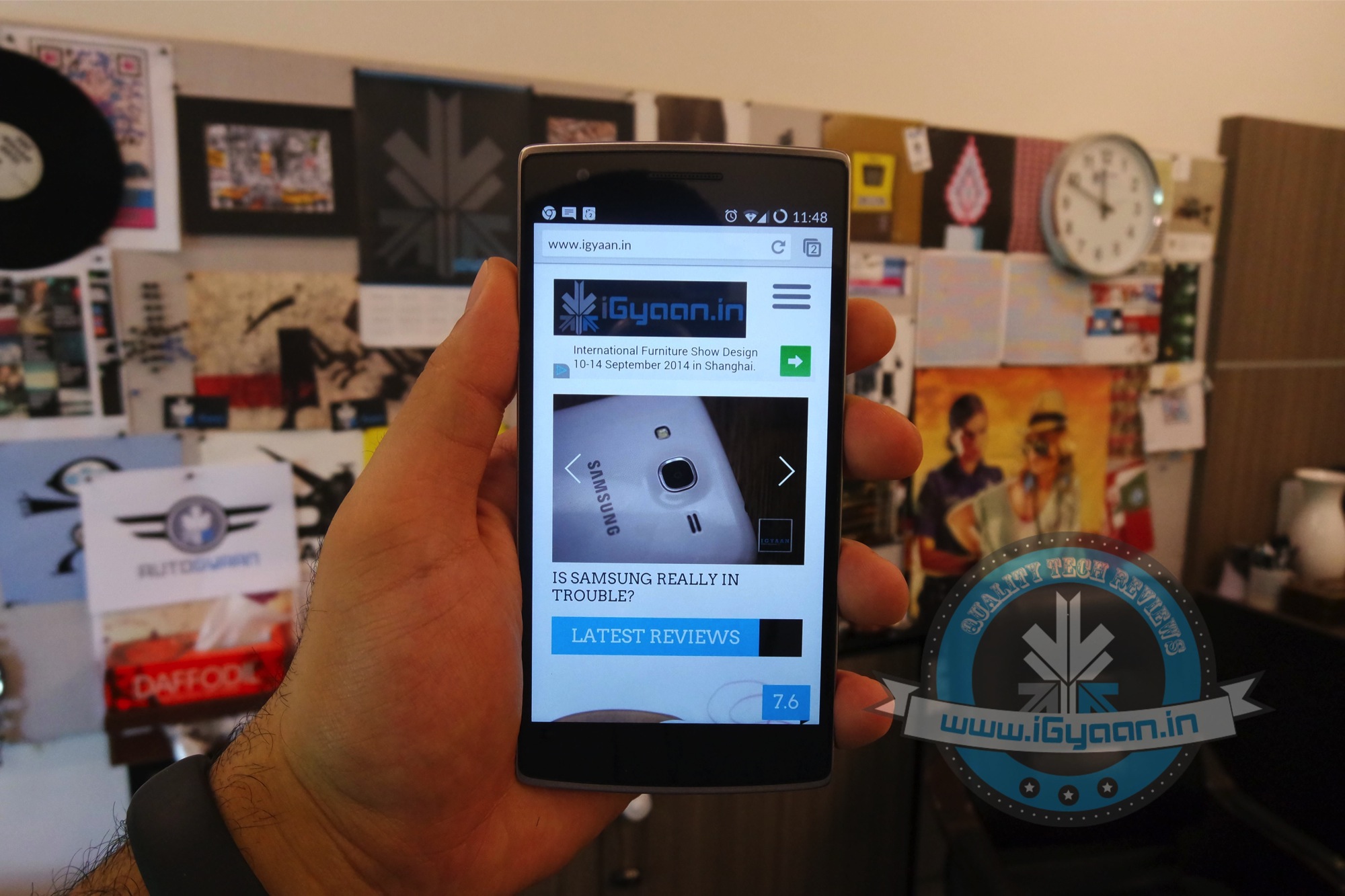
    We have seen lot of Windows handset launched this year, and it look like one more manufacturer is interested in launching a device on the platform. OnePlus, a Chinese company has made waves this year with its zero-margin OnePlus One, a high-end 5.5-inch smartphone running on the Android-derived CyanogenMod OS, which sells for half the price of competing phones.

    Now, the company is looking to branch out into other areas and operating systems. Speaking with the Indian Economic Times, director of OnePlus Global Carl Pei revealed, “We have had discussions with Microsoft over a Windows Phone smartphone. We are still looking into it.”

    OnePlus One iGyaan 3

     At this stage, it is not known whether the manufacturer is looking to offer the OnePlus One with Windows Phone much like HTC has done with the One M8 for Windows or whether an entirely new handset is in the works.

    As the report also notes, OnePlus is planning a successor to the OnePlus One. The OnePlus Two was officially confirmed as being in the works late last month. The OnePlus Two will arrive in the second or third quarter of 2015.

  • Motorola Brings Out its Deck Bluetooth Speaker in India

    Motorola Brings Out its Deck Bluetooth Speaker in India

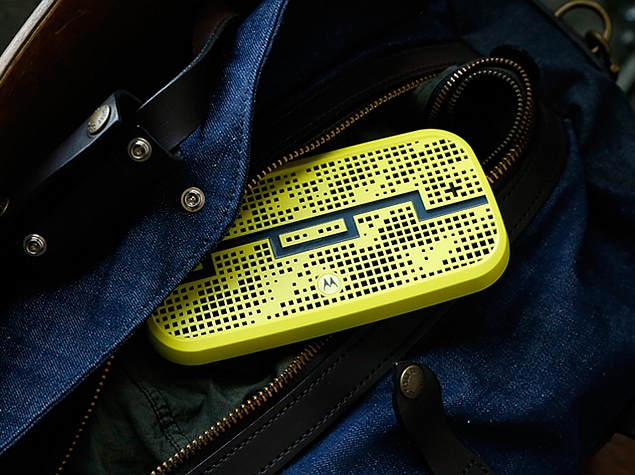
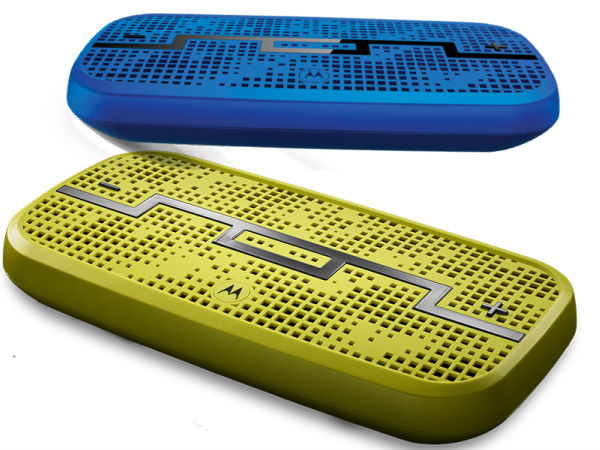
    Motorola launched its Deck Bluetooth speakers in India which will be sold exclusively via Flipkart at Rs. 8,990. The company launched these speakers in collaboration with SOL Republic in the US last year in September .

    The Bluetooth 4.0-enabled Motorola Deck speaker runs on the R2 Sound Engine. The speaker also features LED lights, the color of which change according to the active user controlling the device. The ‘Outdoor Mode’ enhances the audio and is especially made for outdoor usage.

    The Motorola Deck is claimed to feature 360-degree full sound and 300-foot wireless range. Deck is said to be the first wireless speaker with Heist Mode that allows up to five people simultaneously paired to the device and control the music. Heist Mode is supported through Bluetooth and Near Field Communication (NFC).

    25-motoroladeckbluetoothspeakerbysolrepubliccomingsooninindiaatrs8990

     The Motorola Deck Bluetooth Speaker weighs in at 325g and would be available in White, Gun Metal and Blue colors. Motorola, besides unveiling its much-awaited Moto G (Gen 2), Moto X (Gen 2) and Moto 360 smartwatch last month, also took the wraps off two new smartphone accessories – namely Moto Hint (a Bluetooth-enabled earbud) and the Power Pack Micro (a power bank).

    Compatible with Bluetooth-enabled smartphones, the Moto Hint wireless earbud lets users hear notifications, make calls, get directions, perform quick search, and send messages without accessing the handset. The Motorola’s Power Pack Micro while acting as a portable battery, also lets users search for their smartphone or keys by using the Motorola Keylink feature.

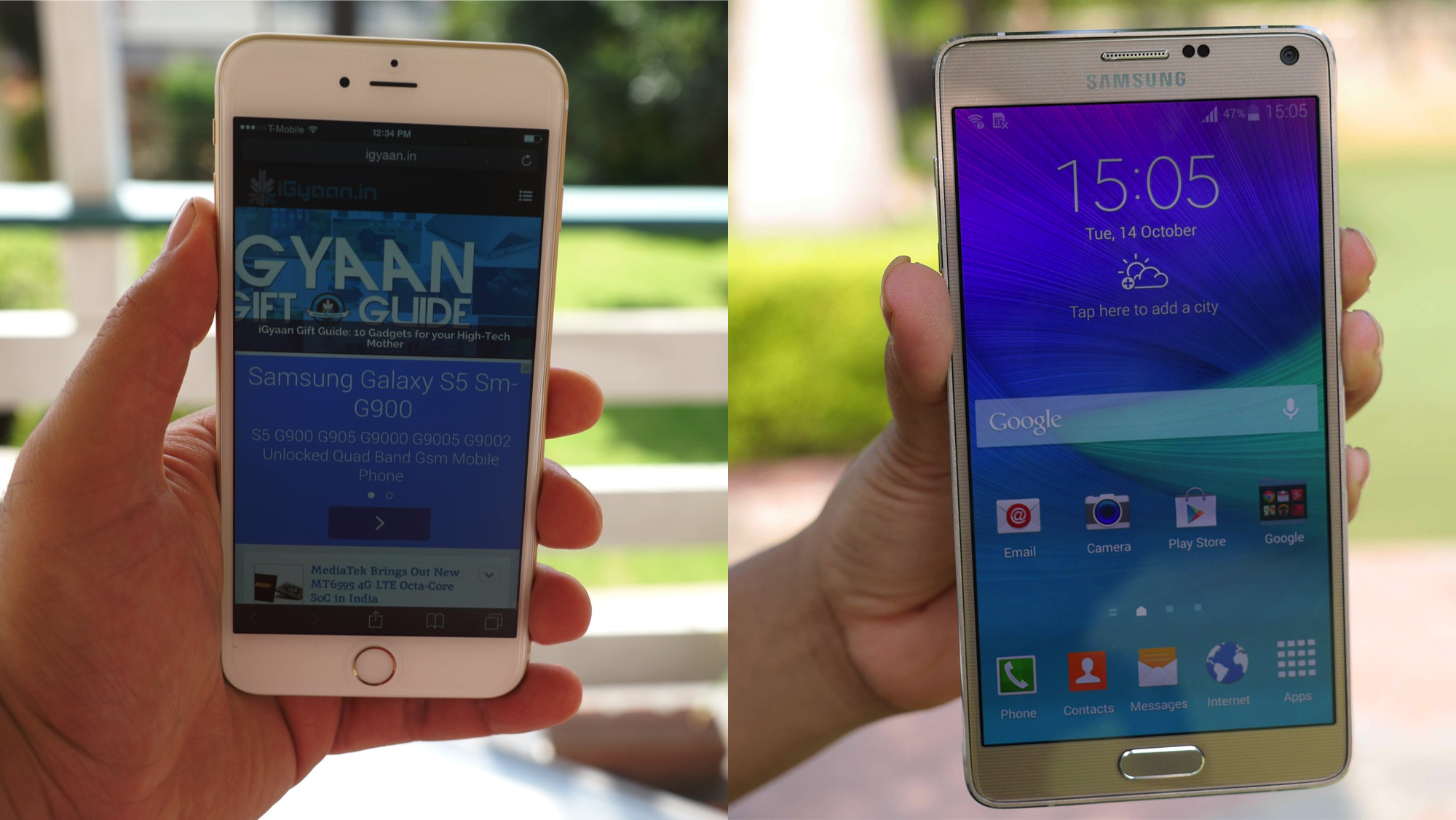
  • iPhone 6 Plus vs Note 4: Which Giant is Right for You?

    iPhone 6 Plus vs Note 4: Which Giant is Right for You?

    The cards have been dealt, and now the markets all around the world are ready to choose between the latest offerings from the two giants of the smartphone business. Apple and Samsung will be taking on each other with their flagship offerings. Samsung’s behemoth will take on the first big screen outing from Apple’s stable. Flagship battle doesn’t get bigger than this. So without wasting a beat, let’s get into it.

    Design

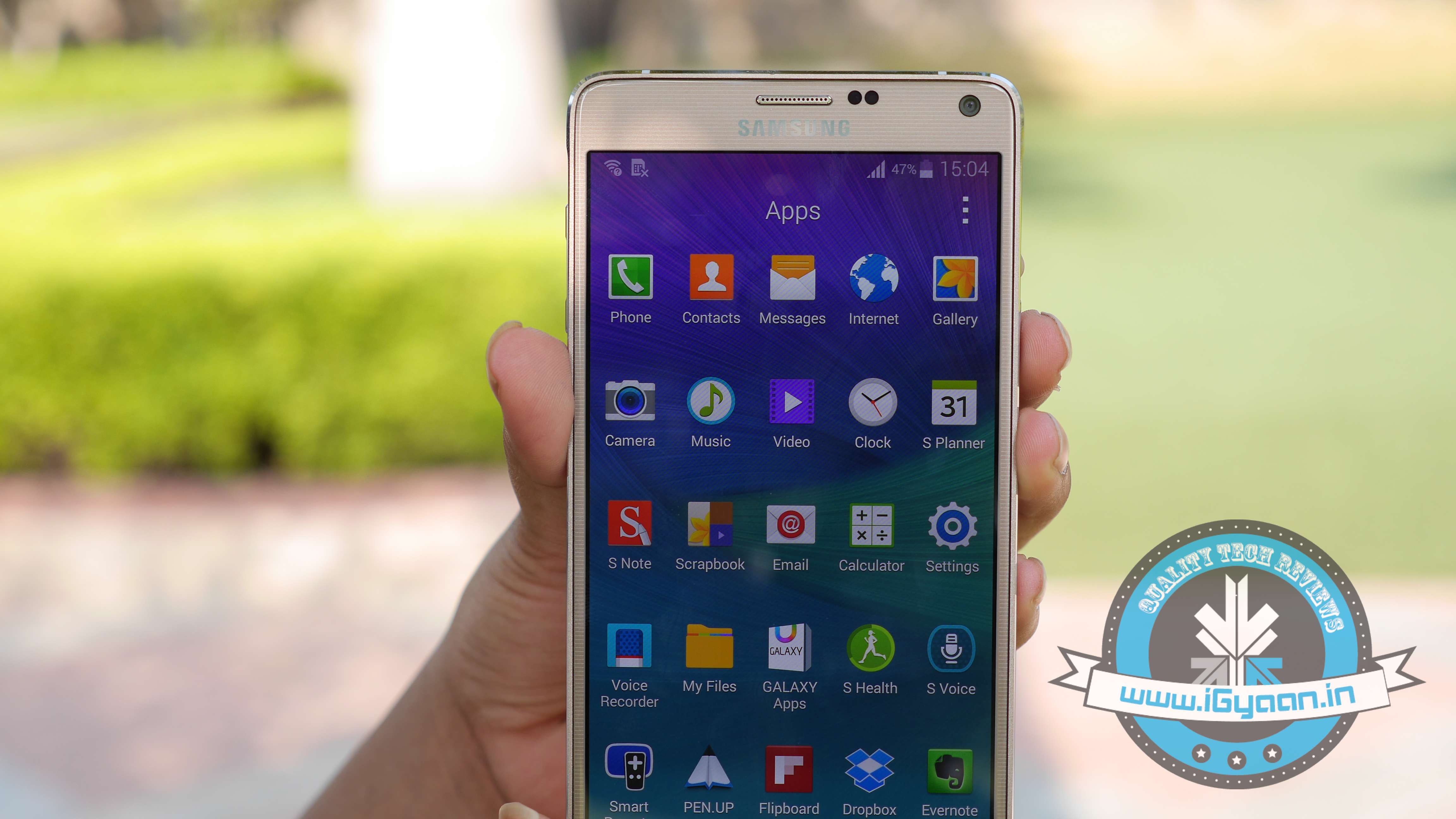
    The Galaxy Note 4 takes on the usual Samsung design patterns but with edgy design features. The phone gets a metal frame to strengthen the device. The massive display has always been the Note series’ USP. But this time they take it much further by introducing the 5.7 inch Quad HD Display with a pixel density of 515 ppi. This display is stunning, and high-quality content on it looks mesmerising. Note’s unique feature, the S-pen also gets some considerable improvement over its predecessors.

    The Note 4 Flaunts its metal frame based design and Super AMOLED Quad HD Display.
    The Note 4 Flaunts its metal frame based design and Super AMOLED Quad HD Display.

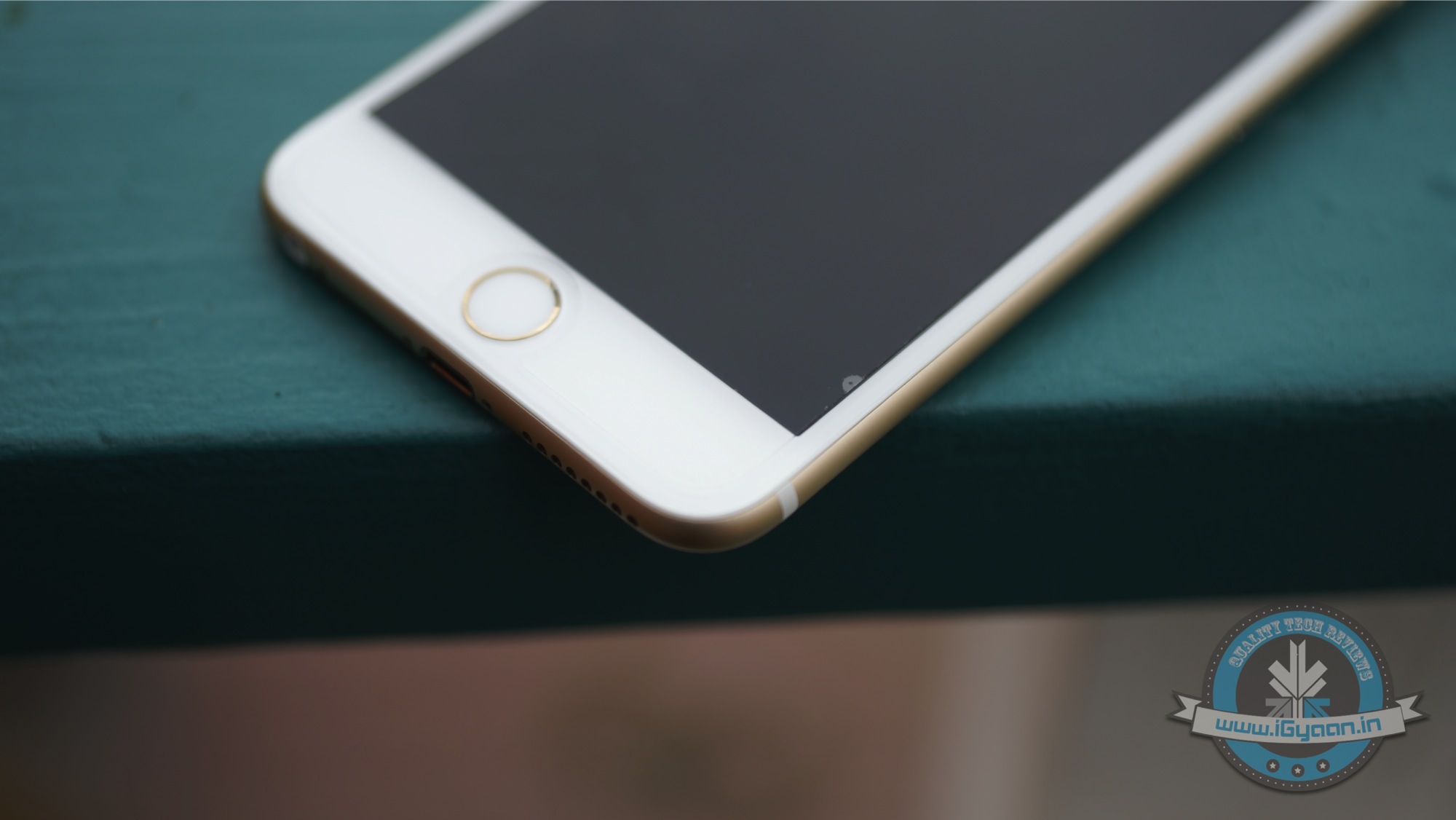
    Apple’s iPhone 6, on the other hand, comes with a 5.5 inch 1080p HD display with a pixel density of 401 ppi. The phone has an Aluminum body which was recently in the news for its bending issue.

    Hardware

    The innards on the Note 4 are top of the charts. The phone is powered by a Quad-core 2.7 GHz Snapdragon 805 processor. It comes with 3 GB of RAM. The internal storage on the device is 32 GB and has options for expandable storage up to 128 GB. Along with the massive QHD display, the Note 4 is a mobile multimedia powerhouse.

    The bigger iPhone comes with a new generation Apple A8 processor clocked at 1.4 GHz along with 1 GB. But we found that even with the seemingly low specifications the phone brings out a smooth and zippy performance. The phones come in three storage options of 16/64/128 GB.

    Camera

    The Galaxy Note 4 sports a 16 MP camera on the front with Optical Image Stabilization (OIS). On the other hand, the iPhone 6 Plus gets OIS too on its 8 MP camera. This device will be loved by selfie enthusiasts. Not only does it give a 90-degree selfie, but using its wide selfie feature you can get an even wider 120-degree selfie which is great for a “Groupfie/Weefie”.

    The camera on the iPhone 6 Plus offers amazing shooting features like Time-lapse and slow motion capture.
    The camera on the iPhone 6 Plus offers amazing shooting features like Time-lapse and slow motion capture.

    iPhone’s features such as time-lapse shooting, Slow motion capture and superior burst mode give it an edge over Note 4’s bigger sensor. Using the multiple features you can almost shoot a professional looking film using the device’s camera.

    Battery

    Both companies have put focus on making these devices with mammoth screens to give more efficient battery backup. Note 4 sports a 3220 mAh battery which tries to quell the hunger of the massive QHD display. Samsung has also added some internal tweaks to make the phone more juice efficient.

    Both phones deliver a good battery backup even with their massive displays.
    Both phones deliver a good battery backup even with their massive displays.

    Samsung’s unique Ultra Power Saving mode is a standout feature for the phone. Using the feature you can use limited features on the phone and extend the life of the phone to multiple days.

    The iPhone 6 Plus comes with a slightly smaller 2915 mAh battery. The phone churns out a good battery backup over the previous outings. It provides a talk time of 6+ hours on LTE networks and 7+ hours on 3G networks, with a switch to 2G we saw upwards of 8 hours. The display consumes the maximum juice on this phone.

    Price

    Note 4 will come to the market at a price of Rs. 61,500 which like in the past may go down even further in a few weeks.

    The iPhone 6 Plus doesn’t come cheap.  The base 16 GB variant will start at Rs. 62,500 which considering the lack of expandable storage is a rough deal. If you are a multimedia enthusiast, the 64 GB and 128 GB variants are quite a hefty buy.

    Special Features

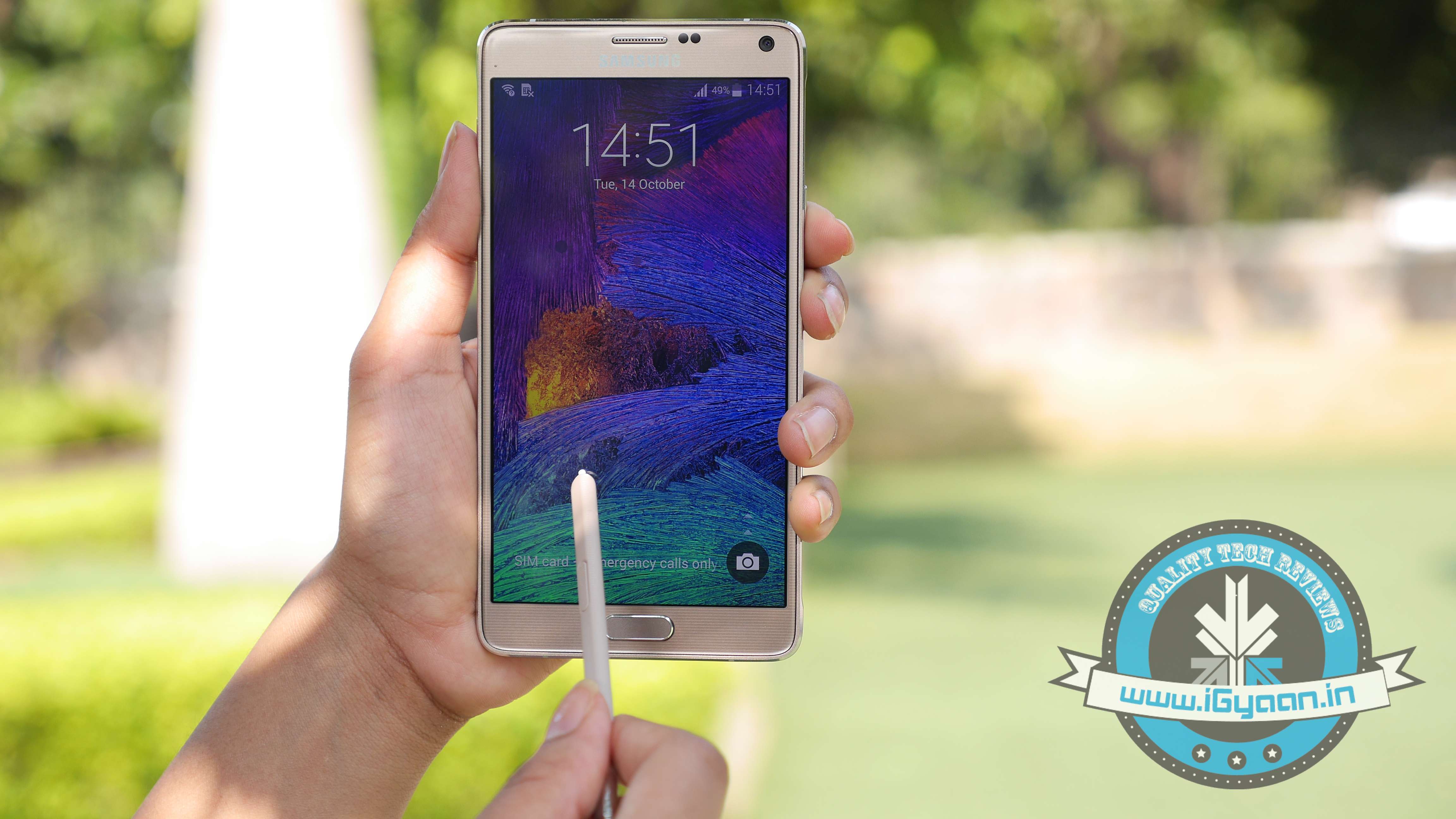
    The S-pen, of course, is the feature that sets the Note as a different smartphone species. Samsung has upgraded the feature of the pen with this outing. With better touch sensitivity and handwriting recognition, the pen will become more of a handy utility than just a gimmick. With options of using calligraphy pens, it brings a more native writing experience.

    Note 4 Stylus come with improved upgrades making it more efficient to use for everyday use.
    Note 4 Stylus come with improved upgrades making it more efficient to use for everyday use.

    Apple though is flaunting its new Apple Pay feature which works using an NFC radio and the Touch ID Sensor on the phone. The single hand mode will also make a lot easier to use the phone and will free the other hand for your tasks.  The landscape options also offer good multitasking options. The system will take some time to come to India but till then you can us the sweet camera on the device to make some great feature style home videos with cool time-lapse and slow motion.

    Conclusion

    The Diwali season will see and enthusiastic rivalry between the two tech giants. Samsung will leave no stone unturned to reach out to new consumers; Apple will have to match up to Samsung’s marketing if it wants to entice the Indian market during the peak spending period in the country. Both phones offer some unique features which cannot be compared but they seem like winners in each of their segments. Now its all up to the market to decide the real winner because only the market has the right to choose that. In the words of the Grail Knight from Indiana Jones and the Last Crusade; Choose Wisely.

  • Google Finds Web Security Flaw Which Makes Browsers Prone to Hacking

    Google Finds Web Security Flaw Which Makes Browsers Prone to Hacking

    Engineers at Google have unearthed a major flaw named POODLE in Web encryption standard SSL 3.0. POODLE is a new security hole in Secure Socket Layer (SSL) 3.0 that makes the 15-year-old protocol nearly impossible to use safely, said Google security engineers Bodo Möller, Krzysztof Kotowicz and Thai Duong in a new report published on Tuesday.

    This flaw allows encrypted information to be exposed by a hacker with access to the network. POODLE (Padding Oracle On Downgraded Legacy Encryption) has become an issue for experts because it’s used by websites as well as web browsers, so POODLE remains a problem as long as SSL 3.0 is supported.

    However, the good news is that not much of the internet is entirely dependent on SSL 3.0 anymore, the reason it remains a problem is that hackers can force the browser to downgrade to SSL 3.0.

    Experts have advised business and computer users to stop using SSL 3.0 technology on their servers and browsers. Google security experts Adam Langley has advised Chrome users to disable SSL 3.0 right away, and has advised to add this command to the browser: ssl-version-min=tls1

    Mozilla security engineer Richard Barnes has advised Firefox users to install a Mozilla security add-on to disable SSL 3.0. There’s also an option if users do not want to use an add on, they can go to about: config and set security.tls.version.min to 1. Firefox 34 will include the fix when it launches in about six weeks.

    Meanwhile, in Internet Explorer 7, users need to go to Internet options, click Advanced tab, uncheck SSLv3 and then click on the OK button.

    Rumors of this new bug in OpenSSL software have been making rounds on Twitter and tech websites in the past few days. Google security expert Adam Langley states that the POODLE issue relies on a common exploit design in SSL and TLS. “SSL got encryption and authentication the wrong way around,” he said, “it authenticates before encrypting.”

    If you don’t have the technological skillsets to do the above mentioned steps yourself, you can wait around for the next browser updates and be sure to update them.

  • Samsung Galaxy Note 4 and Gear S Hands On

    Samsung Galaxy Note 4 and Gear S Hands On

    Samsung unveiled its latest phablet Galaxy Note 4 in India at the price of Rs.61,500. This new addition to Note series, was first unveiled a month back at this year’s IFA Berlin. It has finally arrived in India and will go on sale at midnight on October 17th. Along with that, the company announced the partnership with Vodafone to give 2GB Data free for the users for 2 months.

    Galaxy Note 4 is now the company’s flagship phablet, which comes with a 5.7 inch QHD display. Samsung claims that despite the higher resolution, the Galaxy Note 4 will deliver 7.5% more battery life; it features a 3220 mAh battery with fast charging technology. Meanwhile, under the hood, the Galaxy Note 4 is powered by quad core, Snapdragon 805 chipset clocked at 2.7 GHz, It comes coupled with 3GB RAM. It offers 32GB internal memory with support for expanding  the memory to upto 64GB.

    Samsung Note 4 2

    Along with smartphone today, Samsung also launched Gear S for a price of Rs. 29,000. The Gear S features a 2-inch curved Super AMOLED display with a 360×480 pixel resolution. It comes with 4GB of inbuilt storage and is backed by a 3000mAh Li-ion battery, rated to deliver 2 days of charge with typical usage.

    The IP67-certified dust and water resistant Gear S shows notifications from text messages, social networks, calendars and other applications independently without the need to access the smartphone.

  • Nexus 9 to Reportedly Feature Expandable Memory

    Nexus 9 to Reportedly Feature Expandable Memory

    According to Forbes, both the LTE  as well as the Wi-Fi version of the Nexus 9 will have expandable storage. It is one feature that Nexus fans have repeatedly requested for and Google has not delivered in the past. It will also be the first device to run on Android L.

    Forbes has revealed some of the key features of the HTC built Nexus 9, and it would be nice to see the Taiwanese manufacturer bring this feature in this widely popular device. Sources have revealed that the Nexus 9 sports an an 8.9-inch 2048×1440 display, weigh 480 gm, have a 64-bit dual-core processor, an Nvidia Kepler GPU and a 8MP rear-facing camera and 3MP front-facing camera. The 16GB version is said to cost $399 and the 32GB LTE version will retail for $499. Both devices will have expandable memory.

    There are also reports of HTC’s trademark BOOM sound to be featured on Google’s next tablet including the dual front facing features, something we saw on the One M8 and Desire EYE.  Along with that, there are also reports of an an origami magnetic stand case that will be available with the tablet, that can bend in any shape and fold in multiple directions.

    Since the original HTC built Nexus One, no devices of the Nexus product range came with expandable storage, we’ll find out more of this long awaited feature today. So stay tuned for more updates of this highly anticipated device.

  • Nexus 9 to Launch Today, Will be the First Device to Run Android L

    Nexus 9 to Launch Today, Will be the First Device to Run Android L

    As we reported earlier, the Nexus 9, codenamed the HTC Volantis, will launch today and it will be the first device to run Android L. Apple in an another big event is expected to launch new gen iPad and iMac, however, taking the lead Google is expected to launch the new Nexus device quietly, via a blog post.

    Unlike Apple, Google will apparently eschew a big press event and will instead announce the new platform and the new devices via an official blog post. The company is apparently still fine tuning Android L and it doesn’t want to have a major event for a platform that still needs some refining before its release.

    According to several reports that surfaced last week, the Nexus 9 will be available for pre-order on 17th October and available to purchase on the 3rd November. Although there’s no information on when Android L will be available for other Android devices, and the pre-order and purchasing dates are subject to last minute changes. The 16GB version will cost $399 and the 32GB LTE version will retail for $499. Both devices will have expandable memory.

    nexus-9-by-htc-surfaces-new-nvidia-filing-expected-be-launched-officially-htcs-8-october

    Various reports have also hinted that the new Nexus 9 tablet will have an 8.9-inch 2048×1440 display, weigh 480 grams, have a 64-bit dual-core processor, an Nvidia Kepler GPU and a 8MP rear-facing camera and 3MP front-facing camera. HTC and Google have also opted for a “brushed aluminum” frame, instead of an all metal design, to keep costs down.

    It is also said that some popular HTC features will come with the new tablet including HTC’s boomsound and the dual front facing speakers, both of which featured on the One M8 and Desire EYE.

    However, there is no word on when the Nexus 6 is going to release. According to the previous leaks, the device will feature a QHD display with a resolution of 2560 x 1440 pixels (498 pixels per inch), a quad-core Qualcomm Snapdragon 805 processor, 3GB of RAM, 32GB of storage, a 13-megapixel rear-facing camera, a 2-megapixel front-facing camera, a 3,200mAh battery and Android L.

    Today’s launch will put Google in direct competition with Apple as the iPhone 6 maker is widely expected to reveal its updated iPad on October 16th. Rumours have been circulating around that Apple’s event on Thursday will see the launch of a 9.7-inch ‘iPad Pro’ and possibly a refreshed version of the iPad Air. The larger tablet is likely to see the introduction of Touch ID and both will have the same A8 processor that powers the iPhone 6.

  • iPhone 6 Plus : Bigger Than Bigger May Be Better or Bendier

    iPhone 6 Plus : Bigger Than Bigger May Be Better or Bendier

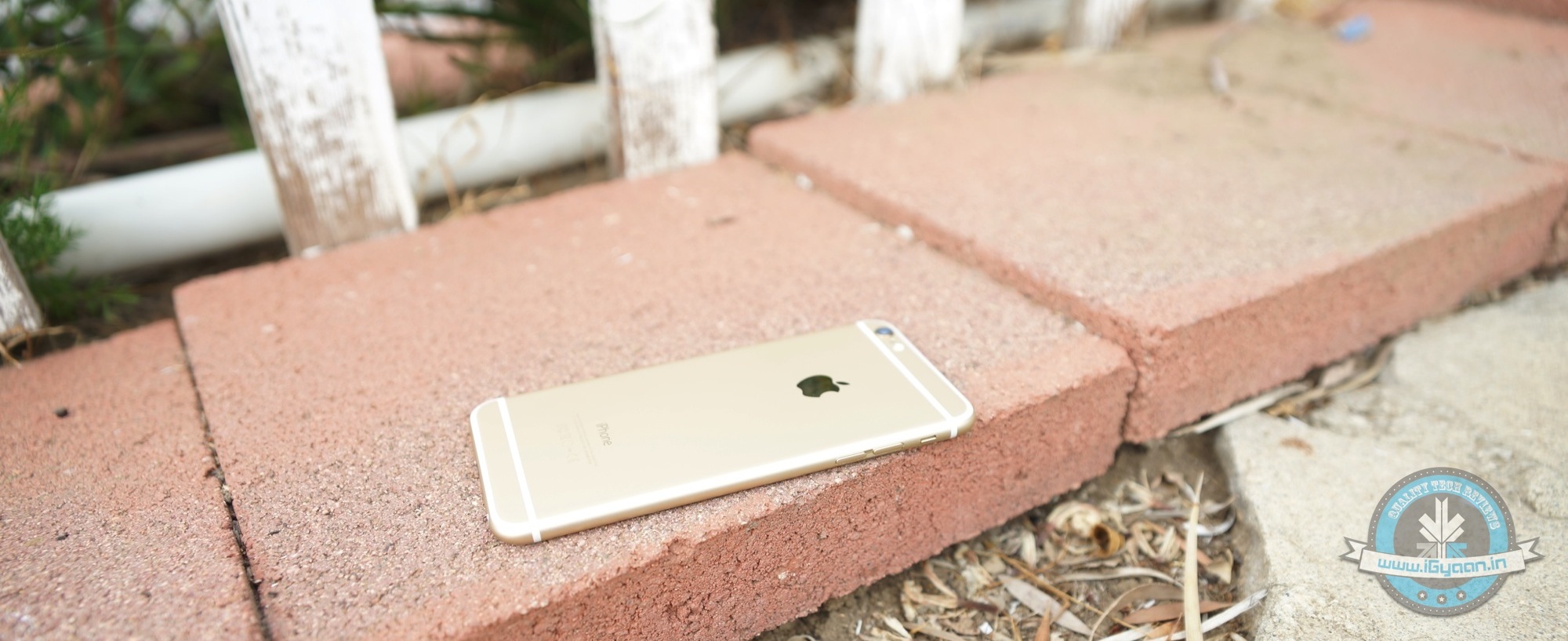
    This is the first time Apple has gone this big with a phone, usually pinging their traditional theories that the phone needs to be designed for one handed use. The iPhone 6 Plus has been the preferred of the two (6 and 6 Plus) by buyers worldwide, simply because those who were using large Android phones could switch to a similarly large iPhone 6 Plus.

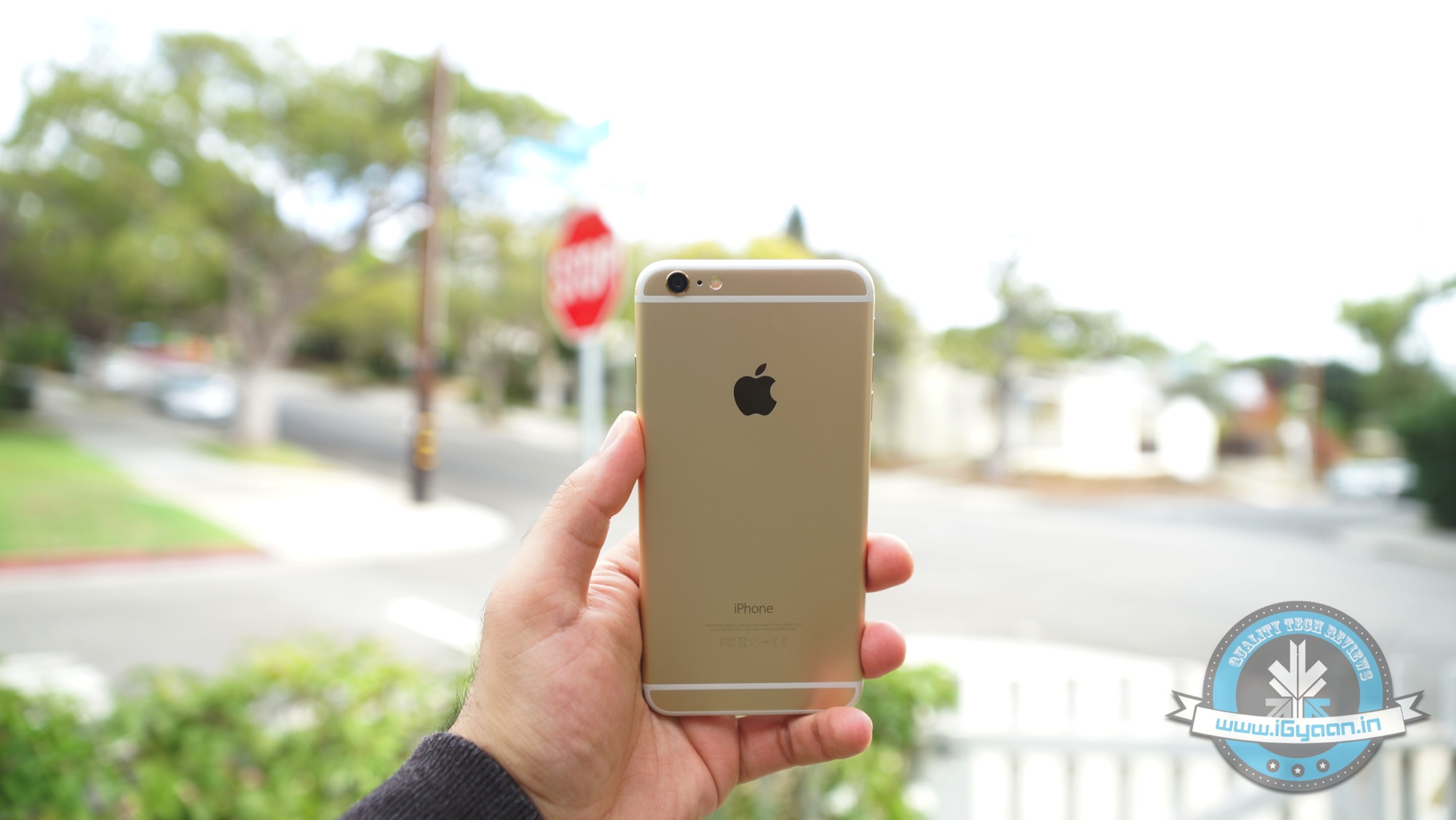
    The iPhone 6 Plus on paper is the better bet, a full HD screen, bigger battery, larger display, optical image stabilization and landscape mode etc.  However that all changes when you first hold the phone and the immediate reaction is “wow its huge”. Does it make a big difference, to the way we use smartphones and is the iPhone 6 plus actually a better phone? Let’s find out!
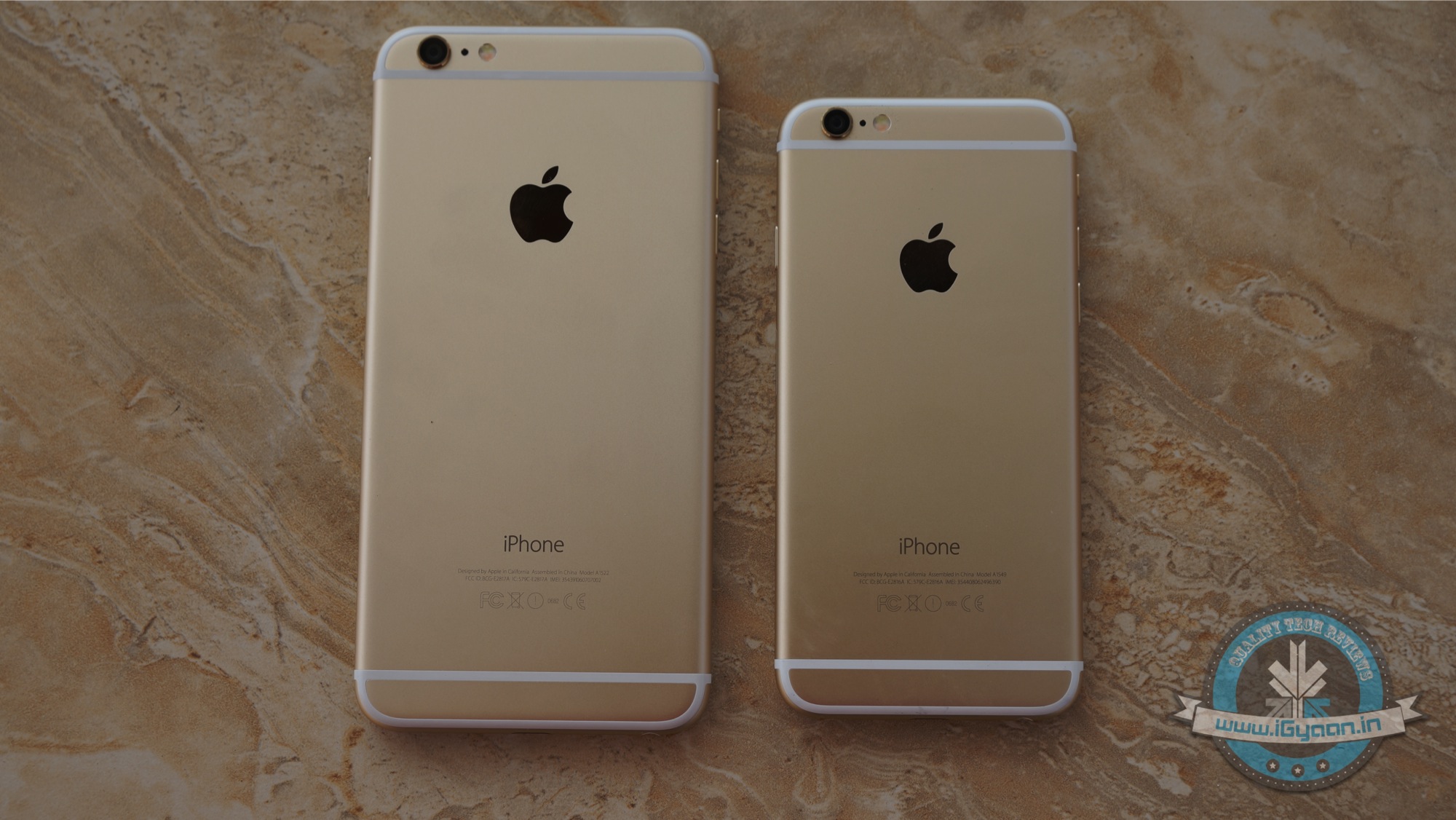
    iPhone 6 Plus 2

    Overview

    The iPhone 6 Plus is the largest phone Apple has ever built, but there is good reason that they did it now, when people wanted it more than ever. The bendgate phenomenon has actually added to the existing hype of the iPhone 6 Plus, making people more aware of the existence of the phone. The idea behind the bendgate died as soon as it emerged simply because it didn’t affect users as much. The phone is essentially a bigger brother of the iPhone 6, but Apple may have done the right things to leverage the bigger size.
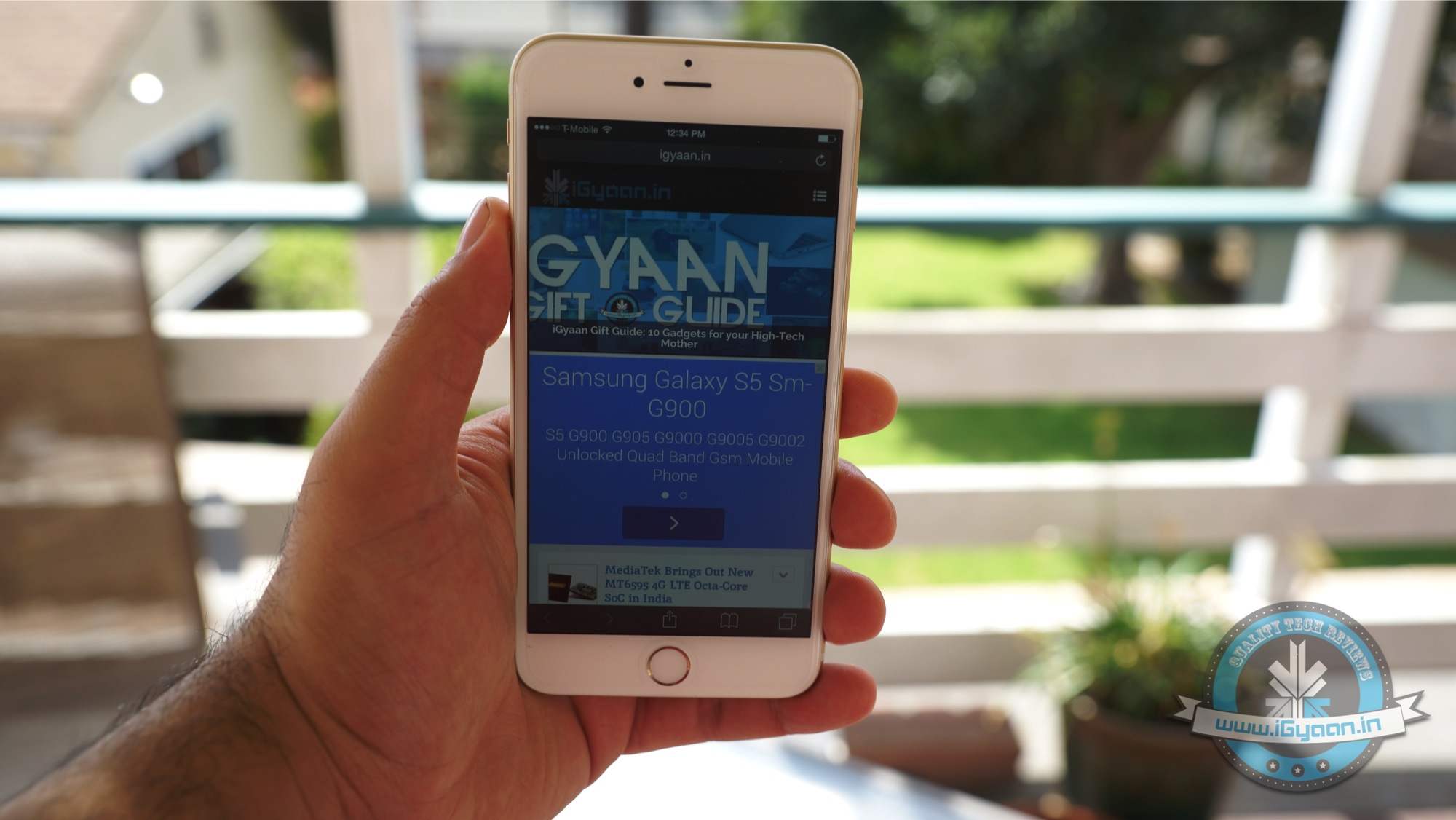
    iPhone 6 Plus 1

    Build Quality and Hardware

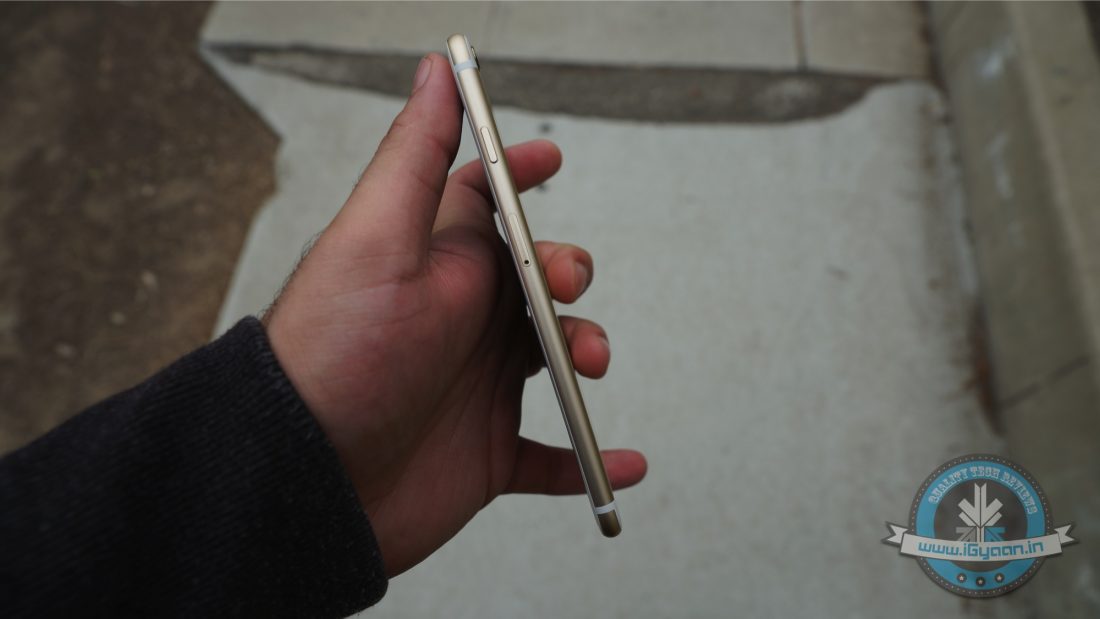
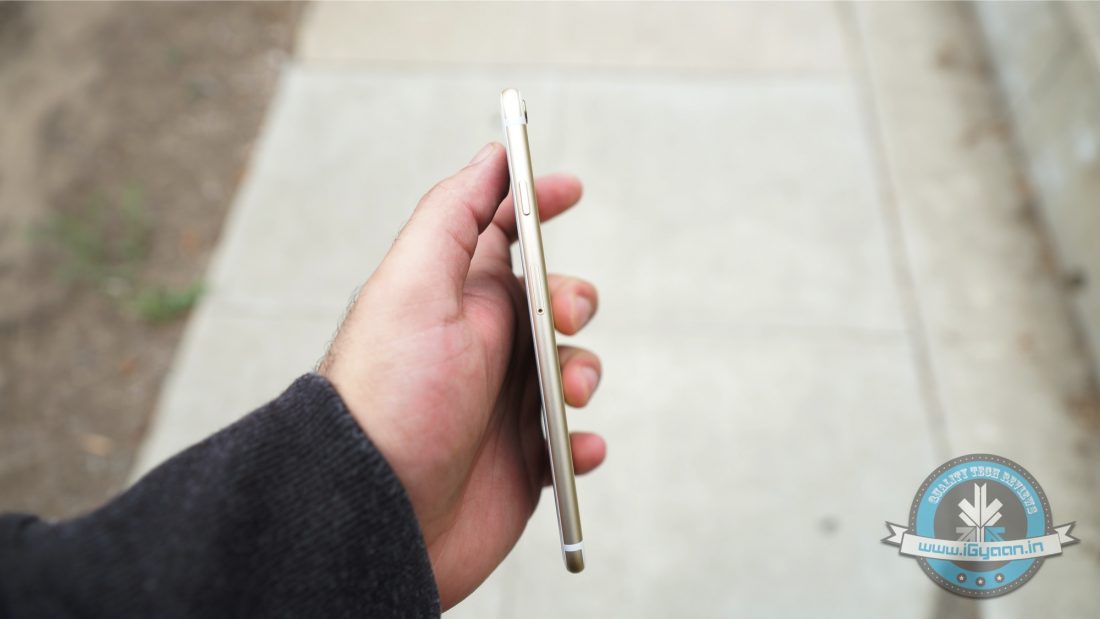
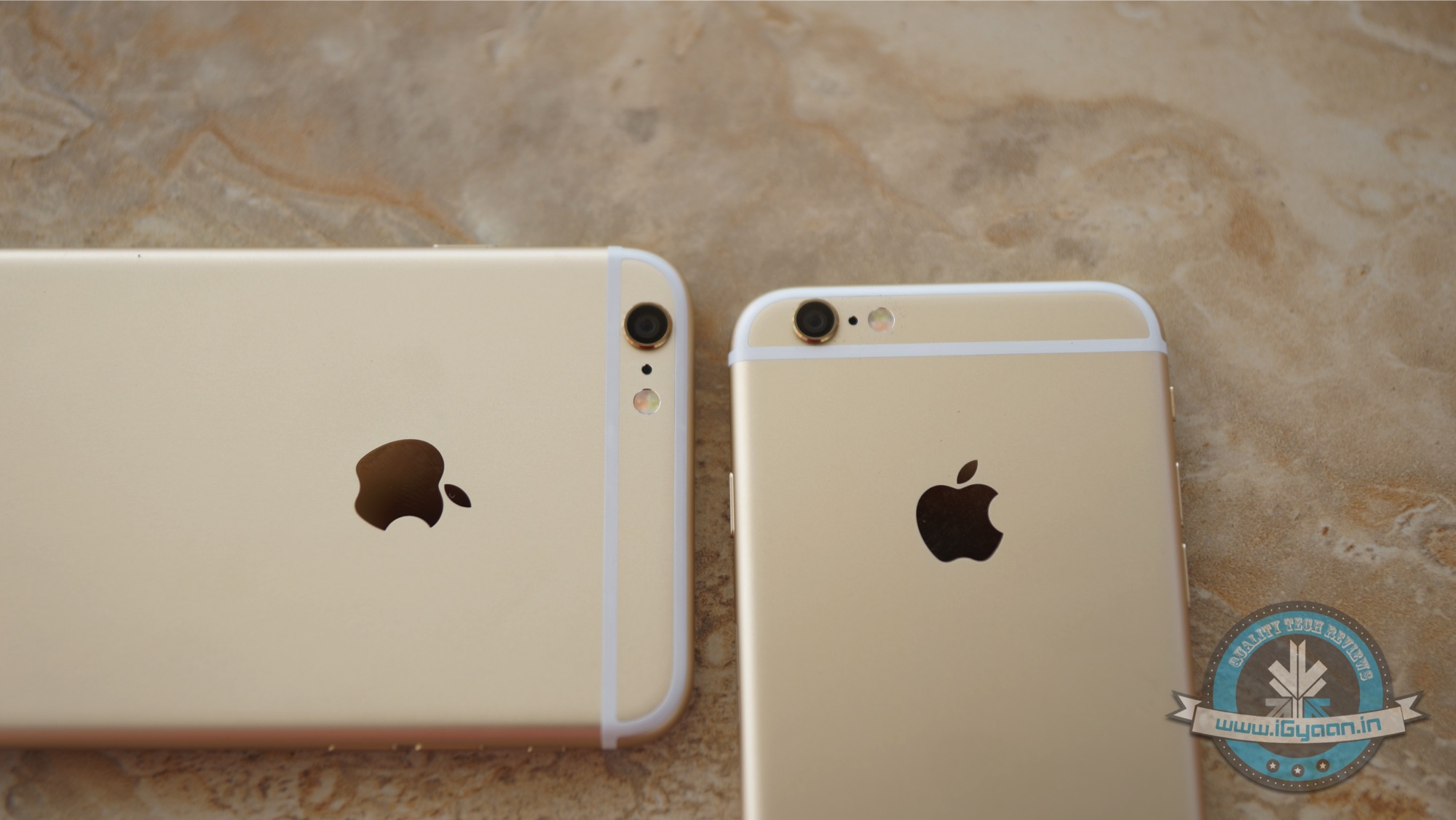
    The iPhone 6 Plus is built on a single rounded piece of aluminum, this not only makes the phone look good but adds a good resistance to damage. The phone however is not as strengthened on the smaller phones, hence bendgate exists. No but it’s not as easy as it looks, the phone does not bend as easily as it appears to on screen, and only under certain circumstances. It is an issue and if you are worried about that happening, you should skip the rest.

    Hardware wise you get a bumped up Dual Core 1.4 GHz Apple A8 chipset with the Quad Core Graphics, same 1 GB of RAM as the little brother and a M8 motion co-processor that also ties into the health app on iOS 8. The battery is a large non-removable 2915 mAh, and you get the three storage options, 16GB , 64Gb and 128 GB.

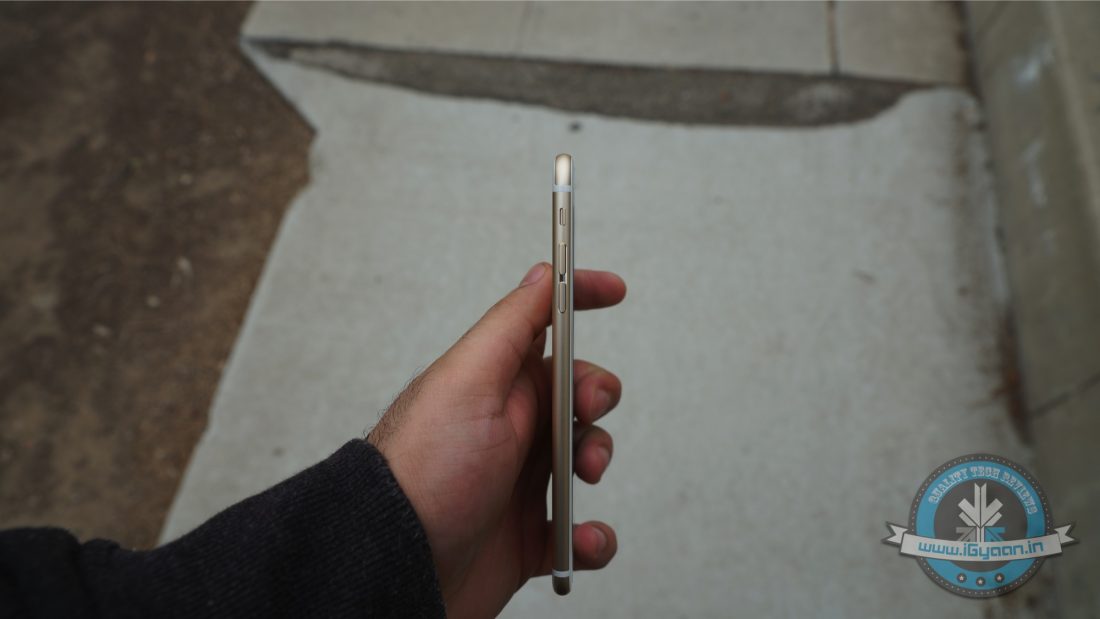
    The front has a massive 5.5 inch with a 1920 x 1080p resolution which feels a little more fulfilling than the resolution on the iPhone 6 although you get the retina display at 401 ppi. Even though its massive in size it is only 7.1 mm thick, making it exceptionally sleek and pocketable.
    iPhone 6 Plus 14Here is how it stacks up with other big boys !

    Specs

    Samsung Note 4

    Sony Xperia Z3

    iPhone 6 Plus

    LG G3

    Galaxy S5

    Display 5.7 inch QHD 5.2 inch Full HD 5.5 inch Full HD 5.5 inch QHD 5.1 inch Full HD
    Processor  2.7GHz Quad-core Snapdragon 805 2.5 GHz Quad-core Snapdragon 801 1.4 GHz Dual-core A8 chipset 2.26 GHz Quad-core Snapdragon 801 2.5 GHz Quad-core Snapdragon 801
    RAM 3 GB 3 GB RAM 1 GB 3 GB 2 GB
    Storage 32 GB 16/32 GB 16/64/128 GB 16/32GB 16/32GB
    Expandable Upto 64 GB 128 GB 128 GB 64 GB
    Main Camera 16 MP 20.7 MP 8 MP 13 MP sensor 16MP sensor
    Front Camera 3.7 MP 2.2 1.2 MP 2.2MP sensor  2 MP
    Battery Removable 3220 mAh Non-removable 3100 mAh Non-removable 2915mAh 3,000mAh 2,800mAh
    Operating System Android 4.4.4 Android 4.4.4 iOS 8 Android 4.4.2 Android 4.4.4
    Price Rs. 61,500 Rs. 51,990 Rs. 62,500 for 16 GB variant Rs. 44,100 Rs. 37,000

    Performance

    The iPhone 6 Plus is no underdog when it comes to performance, and just because it is running relatively low spec’d hardware doesn’t mean that this guy doesn’t pack a punch. Apple has managed to make it work, they own the architecture and the hardware and have optimized the OS to run zippy smooth on hardware which in Android terms would be lame and notoriously dated, props to Apple for this.

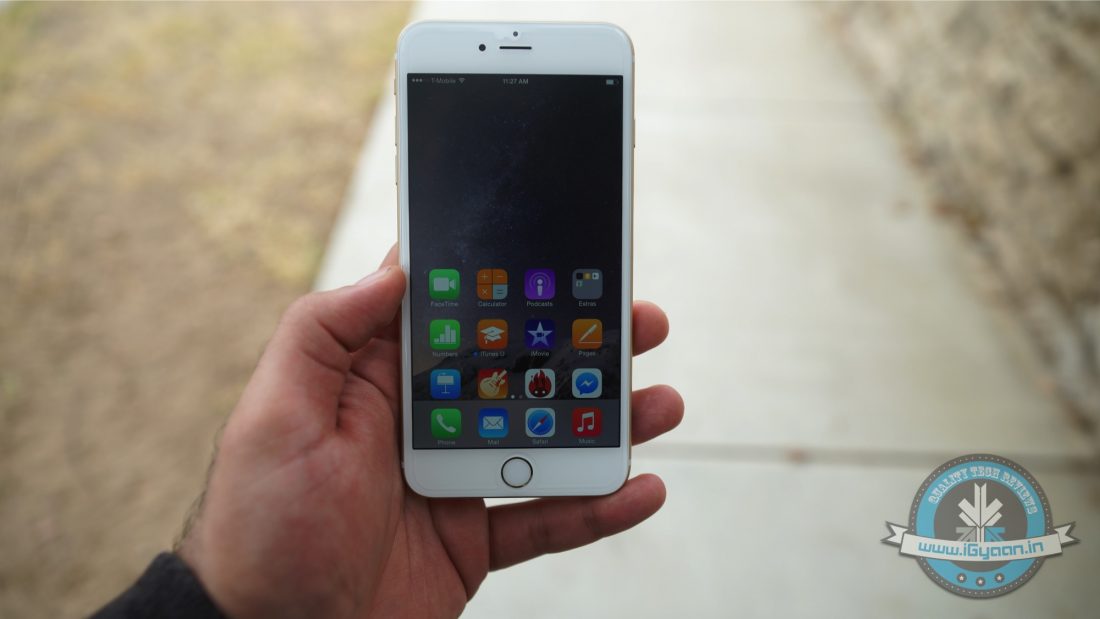
    Everything from playing games, to multitasking to going about your day, works well on the iPhone. Some of the Apps have been designed to leverage the large screen size of the iPhone 6 Plus improving the overall experience by a lot.
    iPhone 6 Plus 0

    Camera

    This is a big mention, and no not because Apple added a might big sensor but because two amazing things happen with the iPhone 6 Plus. First the video is absolutely stunning with the optical image stabilization, you can walk about and get almost steadicam like shots on your iPhone. The phone also shoots brilliant 720p 240fps slow mo that looks absolutely stunning in low light or otherwise.

    Images are sharper and there is definitely less hunting thanks to the on-sensor phase detection that has good and accurate focus capabilities. This overall improvement in focus results in sharper images and better results. The camera on the iPhone has been best in class, the new improved sensor and image processing will only carry that into the next year.

    The large screen on the iPhone 6 Plus makes for a good viewfinder for the camera, and especially in video mode it comes in handy to pick and select your focus points. The fact that you can adjust the brightness on the fly will be appreciated by a lot of people, you can also lock in your points before you click a picture or shoot a video.

    Phone Networks and Battery Life

    The one thing that you immediately notice is the battery life of the iPhone 6 Plus, it will practically last you a day and a half. Even more if you are a light user. The networks are sustained and solid through areas with weak reception. Mostly in areas that we would notice weak reception with the iPhone 5 and 5s we saw great network reception with the iPhone 6 Plus, better than the iPhone 6 even.

    Battery will last you 6+ hours with talk time on LTE networks and 7+ hours on 3G networks, with a switch to 2G we saw upwards of 8 hours which is impressive. The biggest drain on the battery is the display, so if you have less screen on time, then you get more talk time, and vice versa.

    iOS 8

    [pullquote_left]Apple’s biggest strength is the lack of weakness in iOS[/pullquote_left]

    Apple’s biggest strength is the lack of weakness in iOS. Despite a few initial bugs on iOS 8, the next versions have been tweaked and work as flawlessly as any other iOS release ever. There is no denying that iOS is the best if not one of the best mobile operating systems, and also one of the reasons that iPhones have seen success through the years.

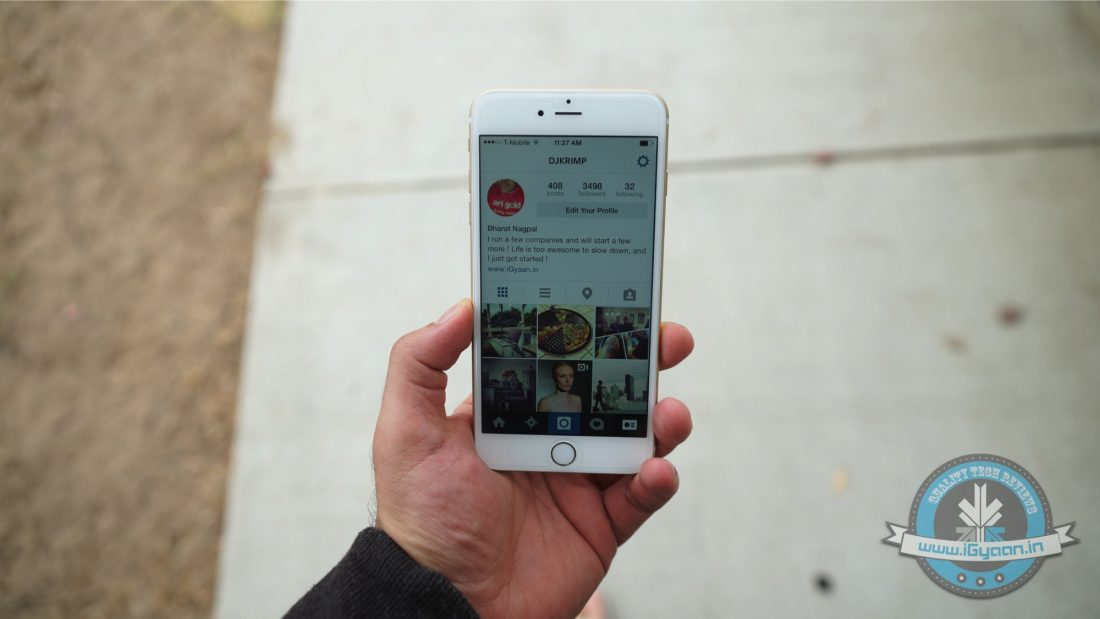
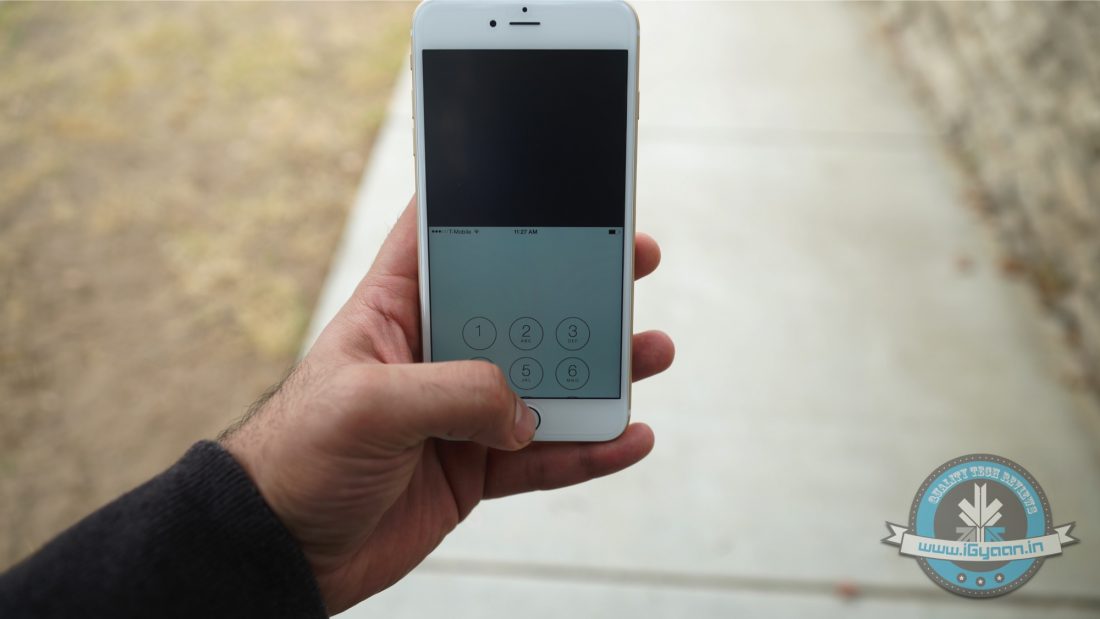
    Apple has taken iOS 8 and moulded it well for the iPhone 6 Plus, and it works great. The iPhone 6 Plus essentially behaves like a mini-iPad, so you get landscape mode on the desktop as well as some essential apps like messaging and mail. Apple’s reachability with the use of the touch-id sensor makes a lot of sense on this gigantic phone. Third parties can leverage the large size of the display to their advantage and we have yet to see unique use case scenarios. However, Apple has updated the dev kit to make this work well.

    Conclusion

    Apple has made a big iPhone and there is no denying it, infact people said the same thing about the iPad when it was first released, and it went on to become the most selling tablet ever. Apple has given the market what they needed, a large size iPhone option. While the 4.7 inch iPhone may be the right size for most people, the iPhone 6 Plus, is just that big boy of a phone which comes with its perks. The large battery life will be a boon to any iPhone user of the past as, chargers will become a thing of the past. Those with a camera fetish will love the slow-mo capability that looks as juicy as the apple being sliced in slow motion. The optical image stabilization, large viewfinder for the display, and excellent use of the large screen to show landscape options truly adds to the already awesome iPhone experience.

    For those looking for a little extra, the Note 4 rival launches the same day as the iPhone 6 Plus in India, so take a healthy pick.

    [tw-column width=”one-half”]

    GOOD THINGS

    • Excellent Battery
    • Solid Networks
    • Wow Camera
    • Slo-Mo video at 240 fps

    [/tw-column]

    [tw-column width=”one-half” position=”last”]

    BAD THINGS

    • It Bends!
    • Seriously, it bends!

    [/tw-column]
  • Samsung Galaxy Note 4 vs Major Flagship Phablets of 2014

    Samsung Galaxy Note 4 vs Major Flagship Phablets of 2014

    Samsung launched its flagship, the Galaxy Note 4 in India today. Along with a sleeker design and an updated metal frame, the Note 4 features a Quad HD display.

    With the likes of Sony, Apple, Xiaomi, LG and HTC setting their own benchmarks in the flagship race, lets see how much mettle the latest Galaxy Note 4 has in this never ending battle for supremacy. We’ve decided to put all flagships for a quick comparison, at least in terms of figures.

    So without further adieu, here’s a comparison between the Galaxy Note 4, iPhone 6 Plus, LG G3 and the Galaxy S5.

    Specs

    Samsung Note 4

    Sony Xperia Z3

    iPhone 6 Plus

    LG G3

    Galaxy S5

    Display 5.7 inch QHD 5.2 inch Full HD 5.5 inch Full HD 5.5 inch QHD 5.1 inch Full HD
    Processor  2.7GHz Quad-core Snapdragon 805 2.5 GHz Quad-core Snapdragon 801 1.4 GHz Dual-core A8 chipset 2.26 GHz Quad-core Snapdragon 801 2.5 GHz Quad-core Snapdragon 801
    RAM 3 GB 3 GB RAM 1 GB 3 GB 2 GB
    Storage 32 GB 16/32 GB 16/64/128 GB 16/32GB 16/32GB
    Expandable Upto 64 GB 128 GB 128 GB 64 GB
    Main Camera 16 MP 20.7 MP 8 MP 13 MP sensor 16MP sensor
    Front Camera 3.7 MP 2.2 1.2 MP 2.2MP sensor  2 MP
    Battery Removable 3220 mAh Non-removable 3100 mAh Non-removable 2600mAh 3,000mAh 2,800mAh
    Operating System Android 4.4.4 Android 4.4.4 iOS 8 Android 4.4.2 Android 4.4.4
    Price Rs.61,500 Rs 51,990 Rs. 62,500 for 16 GB variant  Rs.44,100 Rs.37,000

    From the table, its quite evident that the latest Galaxy Note 4 is one beast when it comes to specs. Powerful internals, QHD display, better design, an S-Pen and future proof connectivity, it has all the ingredients of a superior device. There are also reports of a superior blend of Samsung’s Touch Wiz UI with Android has been achieved to perfection.

    The device will be available for pre-orders in India soon after its unveiling today and goes on sale from October 17th.  However, We’d advise you to wait for our in-depth review of this beast of a machine.

  • LG L Bello Launched in India for Rs.18,500

    LG L Bello Launched in India for Rs.18,500

    LG has officially announced the launch of its L Bello smartphone in India at a price tag of Rs. 18,500. LG believes that the L Bello is an affordable yet powerful alternative to its flagship model  LG G3 and imbibes the same design language.

    The smartphone has LG’s trademark rear key design with an arc curved back and tapered edges. It sports a 5-inch IPS 480 x 854 pixels display with 196 ppi pixel density. It is powered by a 1.3Ghz quad-core processor with Adreno 305 GPU, bundled with 1GB of RAM and a 2540 mAh battery to juice it up. The smartphone runs on the latest Android KitKat OS with LG UI 3.0 on top. The phone has an internal memory of 8GB expandable upto 32GB via SD card.

    It has an 8MP rear camera along with a 1MP selfie cam, which comes with features such as ‘Touch & Shoot’, ‘Gesture Shot’and more. Also include are some UX features such as Knock Code, Smart Keyboard, Guest Mode, Capture Plus, Easy Home and QSlide

    The phone will be available 3 colour variants namely White, Titan Black and Gold. As already mentioned, the LG L Bello is officially priced at Rs.18,500, though you can get it via online retailers in India at a little lower price.


  • Everything We Know About Apple’s Upcoming iMac

    Everything We Know About Apple’s Upcoming iMac

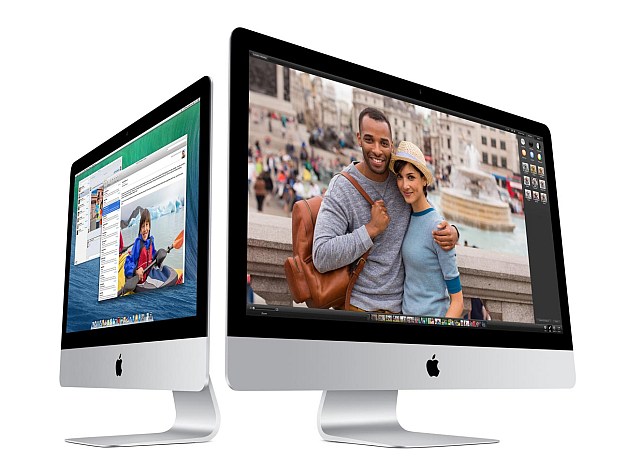
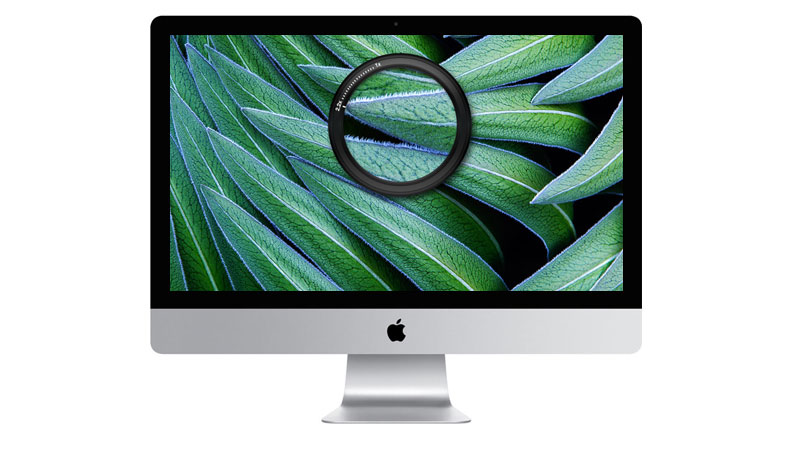
    Back in June, Apple unveiled a new cheaper iMac, but that wasn’t the one we were waiting for. Apple is expected to launch its first iMac with Retina screen on 16th October. The company’s last big update for iMac came last year in September when Apple added the Haswell processor, new graphics, next generation Wi-Fi and faster PCIe flash storage options.

    As reported by 9to5Mac, which cites sources that have used the desktop, the rumored new iMac with Retina display will feature a thin profile similar to the current generation of iMac machines, alongside faster processors and improved Wi-Fi connectivity.

    Retina Display

    According to the multiple reports, Apple will launch a 27-inch iMac with a 5K ‘Retina display’ screen. The screen will have a 5120 x 2880 resolution. This resolution is mentioned in the OS X Yosemite code. Earlier this year, French site, MacBidouille claimed that the developer preview of Yosemite includes a file that refers to a display scaling resolution option for the iMac. Apparently, the file includes a collection of scaling resolution options for the new iMac. They max out at 6400 x 3600 pixels.

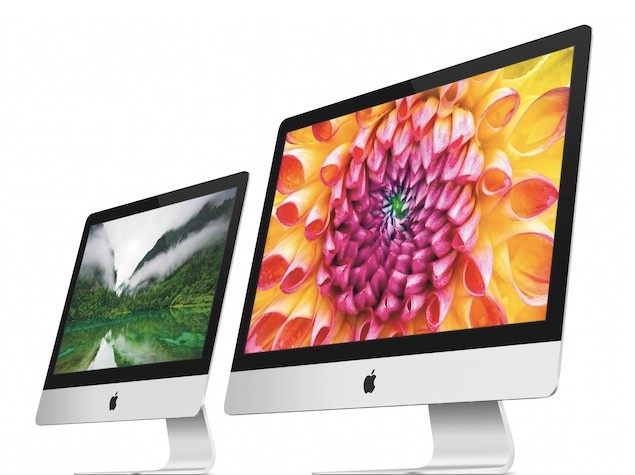
    Also, the recent announcement of DisplayPort 1.3, which can support 5K (5120×2880 pixels) monitors using a single Display Port cable without the use of compression, can also make the 5K resolution in the high-res iMac models a reality. If you compare, the existing 21.5-inch iMac flaunts a 1920×1080 pixels resolution display, while the 27-inch variant boasts a 2560×1440 pixels resolution screen.

    There were previously suggestions that to qualify for the ‘Retina display’ definition, the resolution would only need to be 3,840 x 2,400 if Apple used ‘pixel doubling’. The cost involved in producing a 27-inch iMac with Retina display may also prove prohibitive, resulting in higher prices.

    RETINA-iMac-2015

    Innards

    According to leaks, new iMac will use the Haswell i7-4790K, with a base clock speed of 4.0GHz. We know, you are waiting for the Broadwell processor to arrive in the Mac, but those new Intel processors will “likely be added in an update next year. Also, it is said that the new iMacs will have AMD graphics rather than the Nvidia graphics of the current generation. Little is known about which graphics processor Apple has in mind, but it’ll need to be quite beefy if there is any hope at running 3D games at the native resolution of the display. Apart from this, some sources also hinted an upgrade in iMovie and Final Cut Pro video editing softwares. The software are likely to feature improved tools for editing 4K footage.

    Low-End iMacs

    Well, it is said that the 21.5-inch model won’t be getting any considerable amount of iterations. We can expect the smaller iMac to be pretty much same as the previous generations at 1920×1080 (102 PPI), however, we can expect minor changes in CPU and GPU . While it’s disappointing that only the biggest model is getting a Retina update, it’s not particularly surprising. High-res displays are still very expensive, so it doesn’t make sense for the cheaper low-end iMacs. For now, 5K displays are still a rare and premium feature.

    apple_imac

    When Does it Arrive?

    All the rumors regarding the new iMac have hinted that Apple will launch a new iMac, with a Retina display, at Apple’s confirmed special event on 16 October, which is expected to also see the launch of new iPads.

  • Top 5 Coolest Features of the Samsung Galaxy Note 4

    Top 5 Coolest Features of the Samsung Galaxy Note 4

    Samsung showed off the new Galaxy Note 4 at IFA Berlin 2014. Now, the company has launched latest Note flagship in India for Rs 61,500 today at a press conference in New Delhi. The Galaxy Note 4 takes all the features that made the Note 3 a blockbuster and ups the stake with a premium metal build, a fingerprint scanner and tons of software improvements. And as the name implies, it retains the S Pen stylus that made previous Galaxy Note phones great for taking notes. Other upgrades include a slightly speedier processor and a battery that charges 50 per cent faster.

    We are listing the top 5 features of the new Samsung Galaxy Note 4:

    1. Multi-tasking Made Easy

    note_4_multitasking

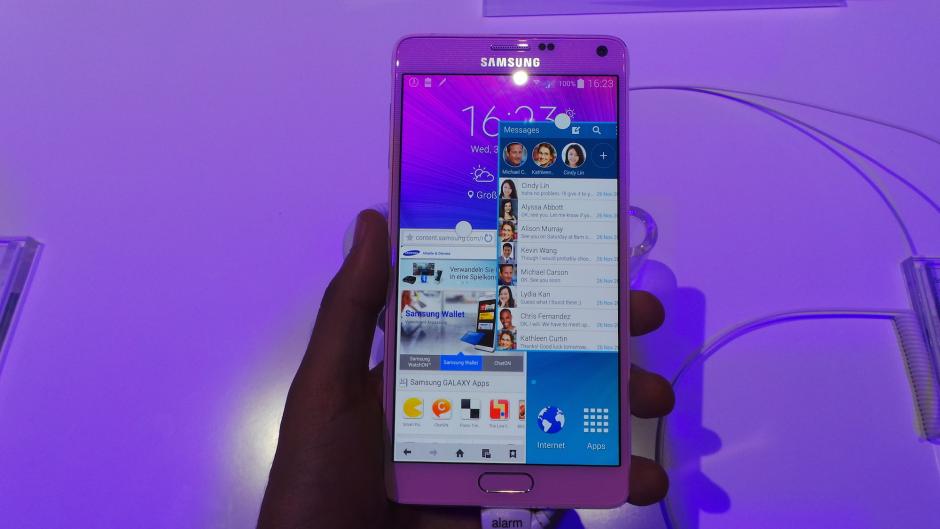
    When it comes to mobile multitasking, Samsung smartphones are one of the best in the market. The Galaxy Note 4 adds even more multitasking options to help you stay productive on the go. The standard Multi Window mode returns, letting you run two apps at once in a split-screen view; just swipe in from the left side of the screen to open the Multi Window app drawer, then drag any two apps onto the screen to view them side-by-side. You can still turn your phone to view the apps stacked horizontally or vertically, and drag the border between them to resize the windows.

    2. Updated stylus

    spen_0

    What makes the Note series a start is its ability take notes with an amazing accessory called S-Pen. As in previous Galaxy Note releases, the Note 4’s stylus stows easily in a slot at the bottom of the device when not in use. Sliding it out instantly transforms your phone into a note-taking machine, letting you write out notes and draw diagrams right on the device’s display. With Note 4, S-pen has also undergone some changes. It is slimmer with better grip and with improved pressure sensitivity on the tip. Compared to the Note 3, the Note 4’s pen recognizes twice as many levels of pressure as you press down on the screen, allowing for smoother, more natural handwriting.

    3. Pro-Selfie Camera

    camera_1

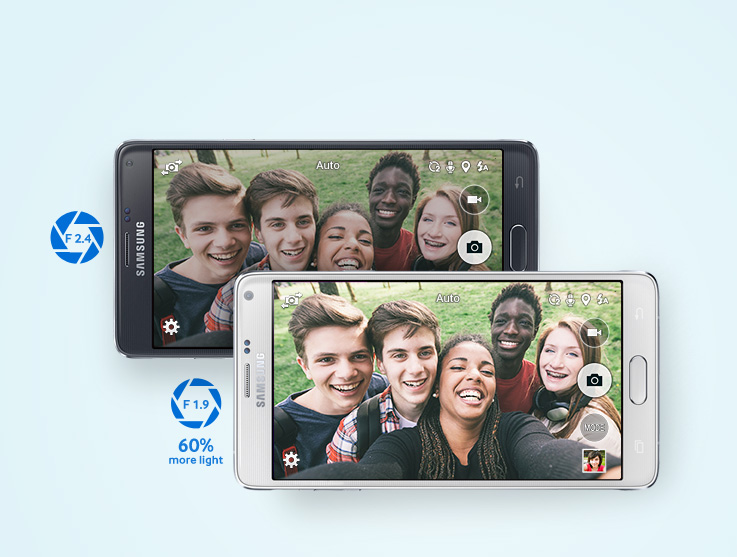
    One other big improvement is the camera.  You can use the camera in unison with the S Pen. A new feature called Snap Note allows you to take a picture of a piece of paper (or whiteboard) and change what’s in the picture. One of the best features on new Note 4 is Wefies or wide selfies, which much like panorama mode lets you take wide selfies. Samsung has also added Optical image stabilization (OIS) in the Galaxy Note 4.

    4.  Security Features

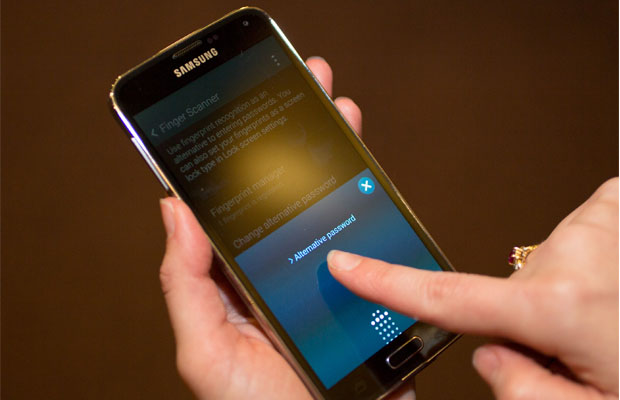
    Galaxy-note-4-fingerprint-scanner

    The Note 4 is the first phone in the line to feature a built-in fingerprint scanner, giving the device a big security boost. It works just like the scanner that debuted with Samsung’s Galaxy S5, just slide your fingertip over the phone’s home button to easily unlock it. The feature helps you keep your work phone locked down, with no need to fuss with cumbersome password screens. And the scanner also lets you access Private Mode, where you can store your most sensitive business files. Also like the Galaxy S5, the Note 4 supports Knox, a suite of security features developed by Samsung. It includes Knox Workspace, which lets you run secure business apps in a special profile that’s separate from the rest of your phone, ensuring that rogue applications can’t access your private data.

    5. Audio Recording

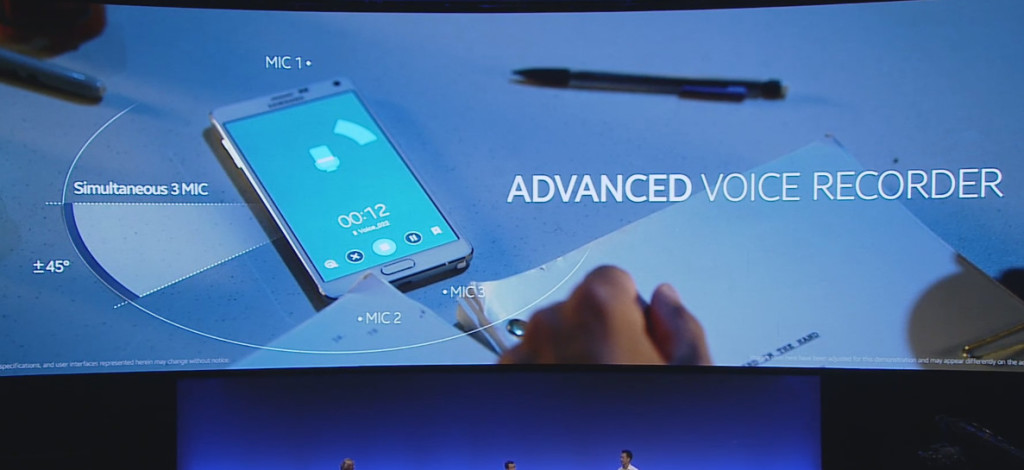
    Note-4-voice-1024x470

    The audio recorder on the device has also received some really handy and functional upgrades. The device can now track voices in 8 distinct directions so it great for getting quality sounds in multi-people environment. The interview mode on the device cancels out the unnecessary ambient noise and hence gives a clearer audio output.

  • Google Reportedly Set to Unveil its New Nexus Tablet Tomorrow

    Google Reportedly Set to Unveil its New Nexus Tablet Tomorrow

    This year’s Nexus offering from Google is expected to be the Nexus 9 which is said to be built by HTC. It seems like the new Nexus tablet could get an official launch before Apple releases its new iPad.

    According to a report published in an online portal called Bright Side of News, Google’s Nexus 9 manufactured by HTC will launch on 15th October, just a day before Apple is slated to launch newer iPads. It was earlier said that the Android L update and the new Nexus devices could be released for the public on November 1st, but the new reports say otherwise.

    The report also states that one can buy the Google/HTC Nexus 9 from 3 November, the day when Nexus 9 is expected to be up for purchase through physical retail stores. Also, the new report added that Nexus 9 will cost $399 and its the mod highly anticipated tablet of the year, apart from iPad.

    nexus-9-by-htc-surfaces-new-nvidia-filing-expected-be-launched-officially-htcs-8-october

    It is also said that unlike previous versions of Nexus devices, the new HTC-made Nexus 9 will not be sold exclusively though Play Store and that it “should be widely available on November 3rd.” Also, that the pre-orders will begin the day the device will be announced, i.e October 15.

    If the rumors are to be believed, the Nexus 9 will arrive with some amazing specifications. The tablet is reportedly packing an 8.9-inch screen with 4:3 aspect ratio, while being underpinned by Nvidia’s 64-bit Tegra K1 processor paired with 3 GB of RAM. The rumor also added that the device will come with an 8 MP primary camera with OIS and a 3 MP selfie camera.

iGyaan Network
Privacy Overview

This website uses cookies so that we can provide you with the best user experience possible. Cookie information is stored in your browser and performs functions such as recognising you when you return to our website and helping our team to understand which sections of the website you find most interesting and useful.