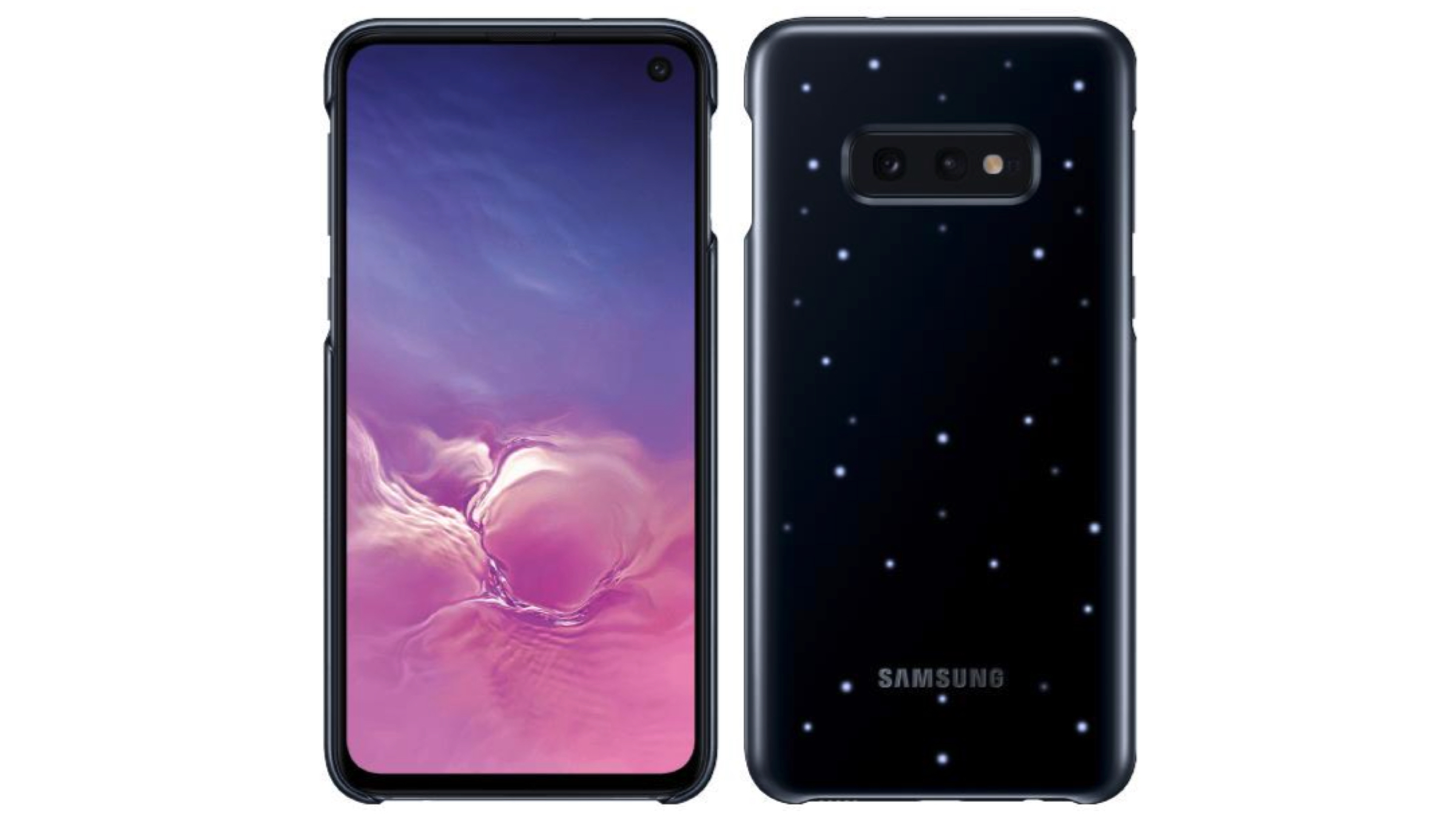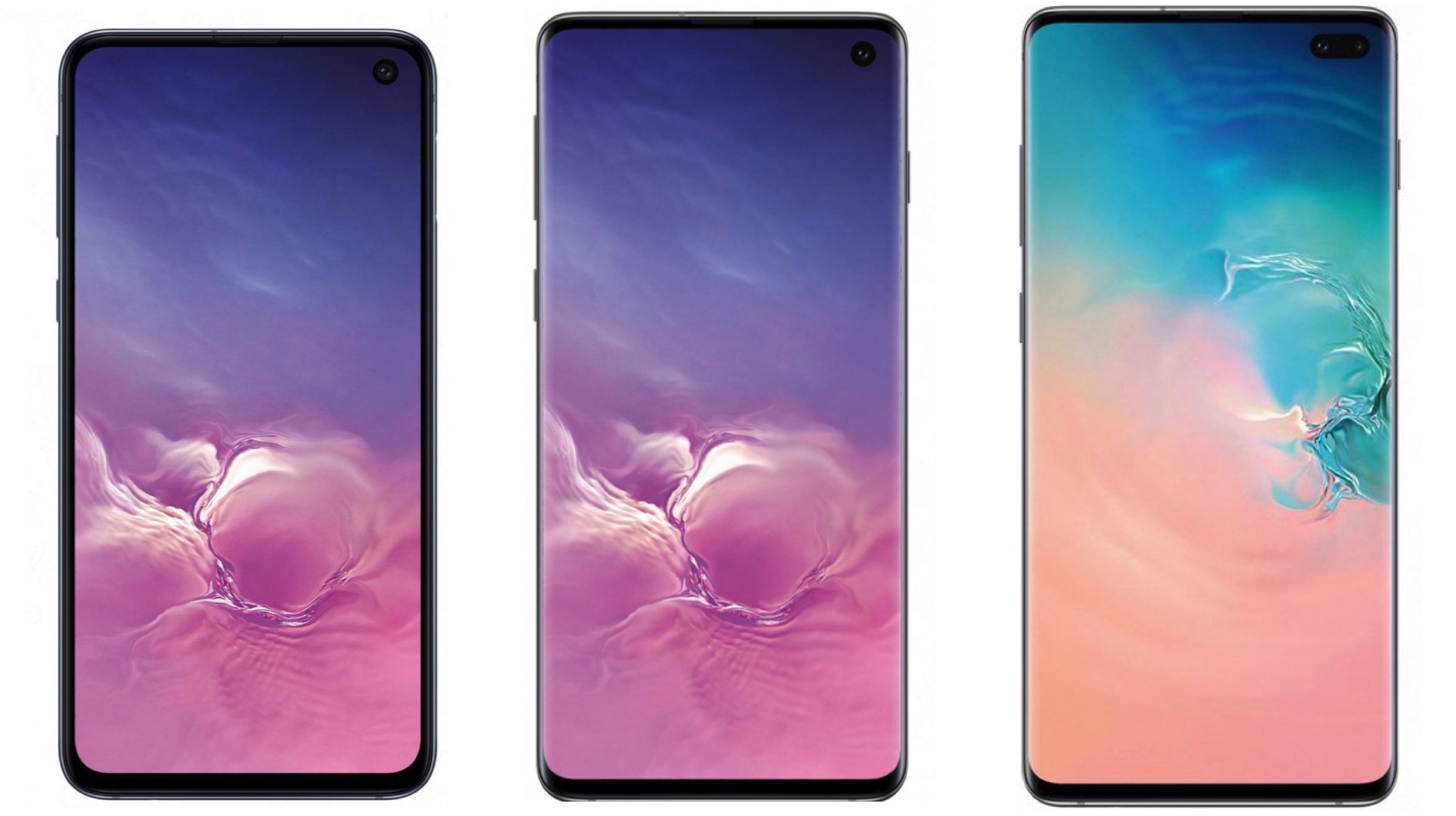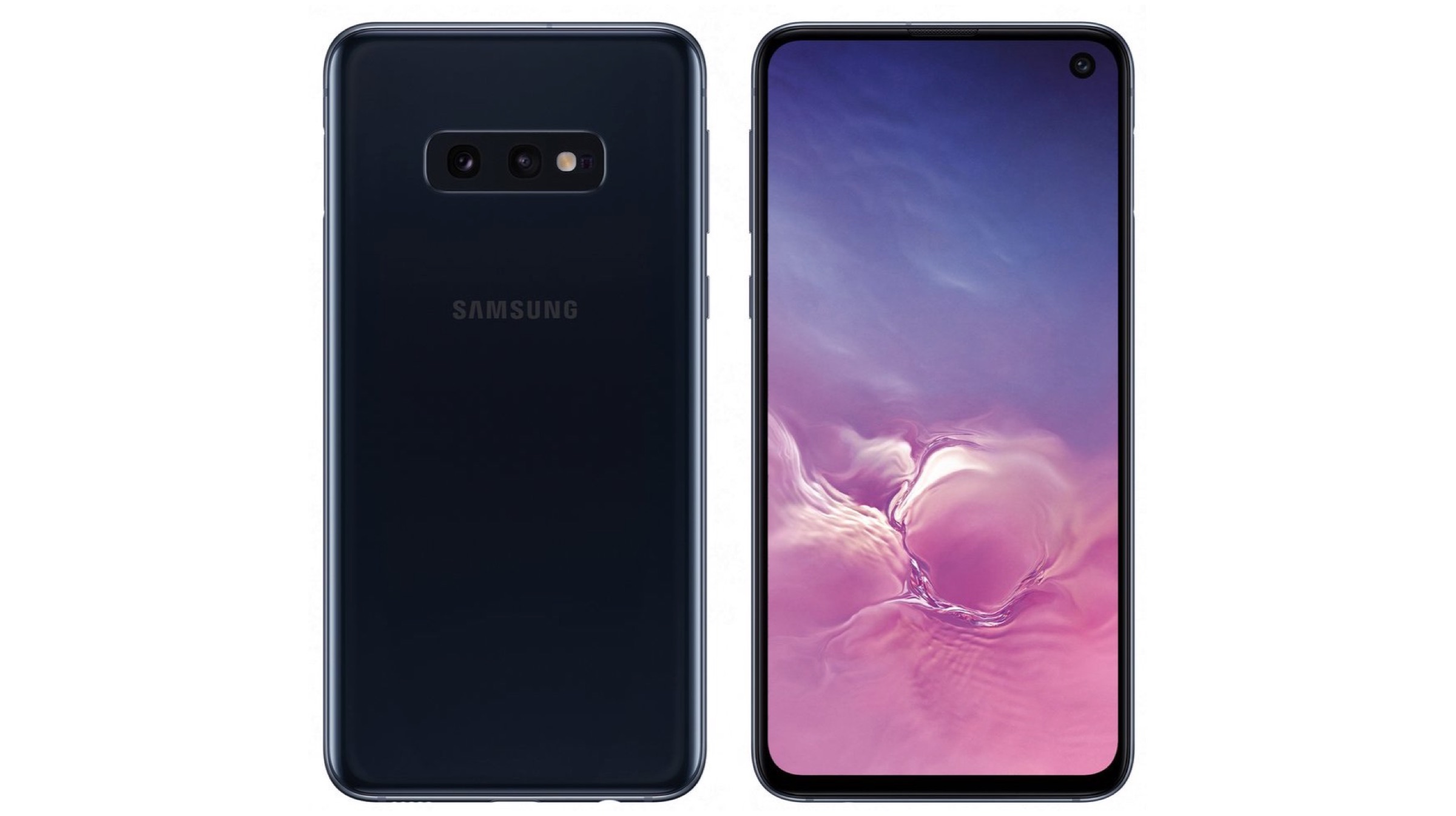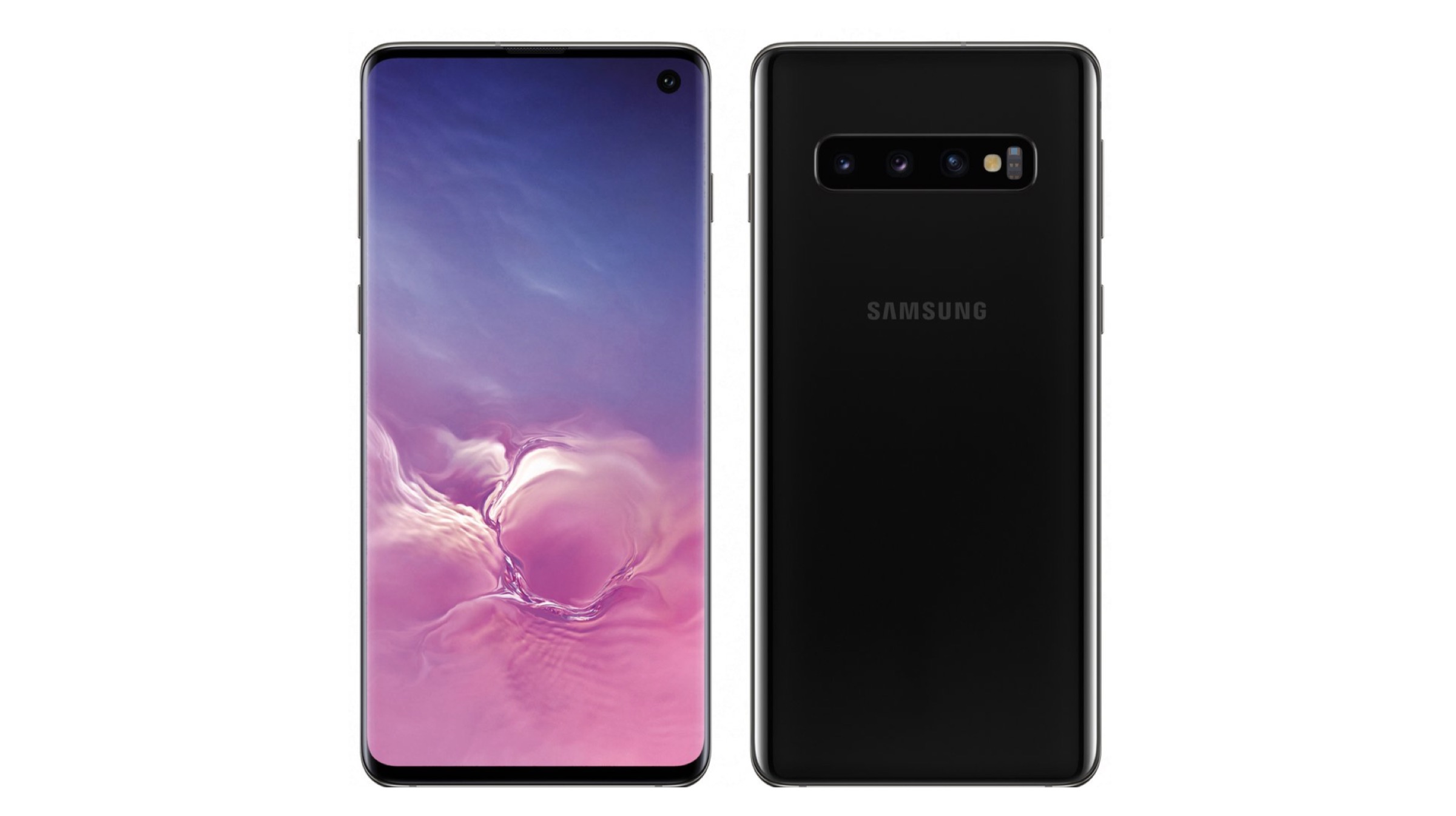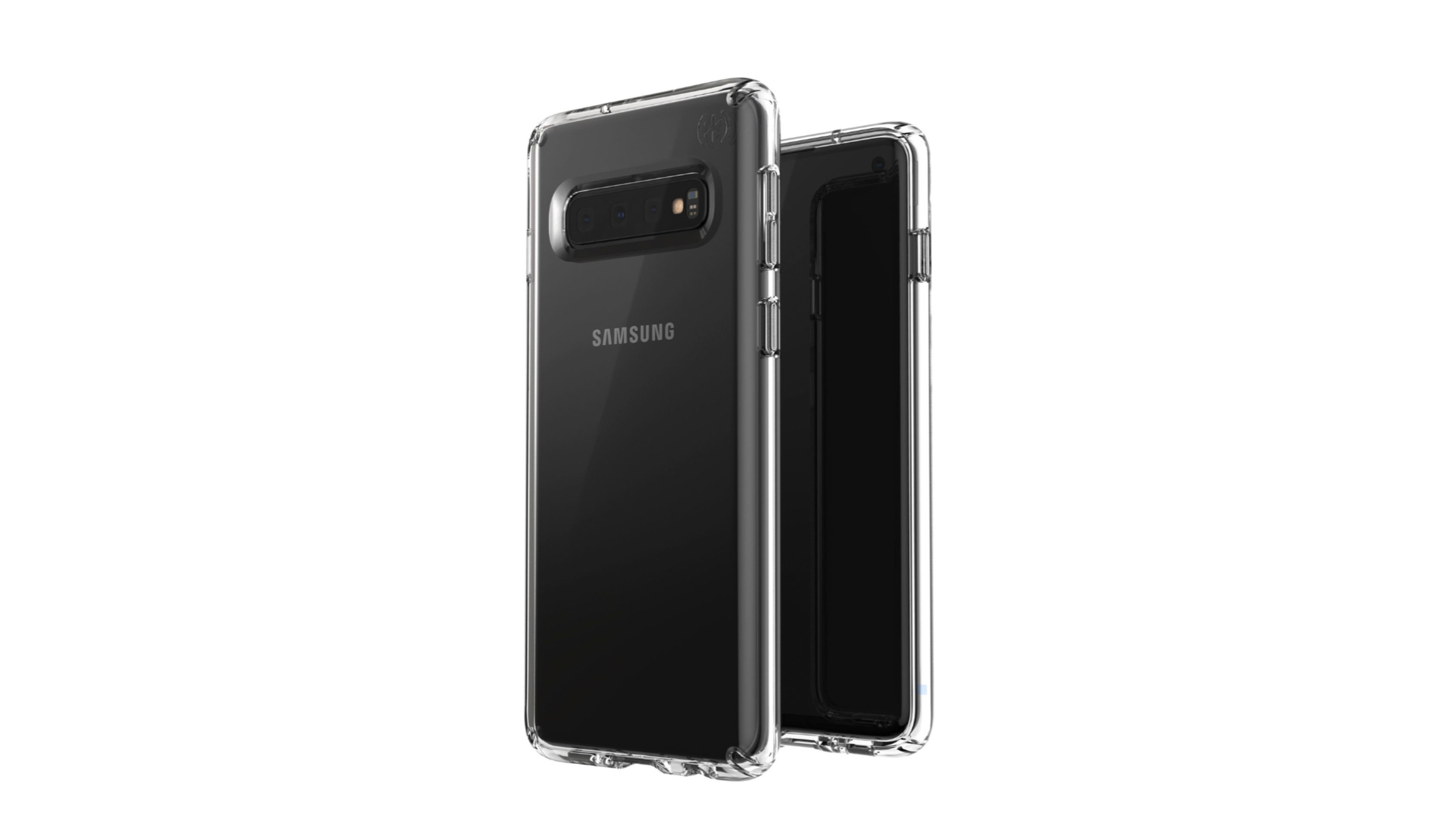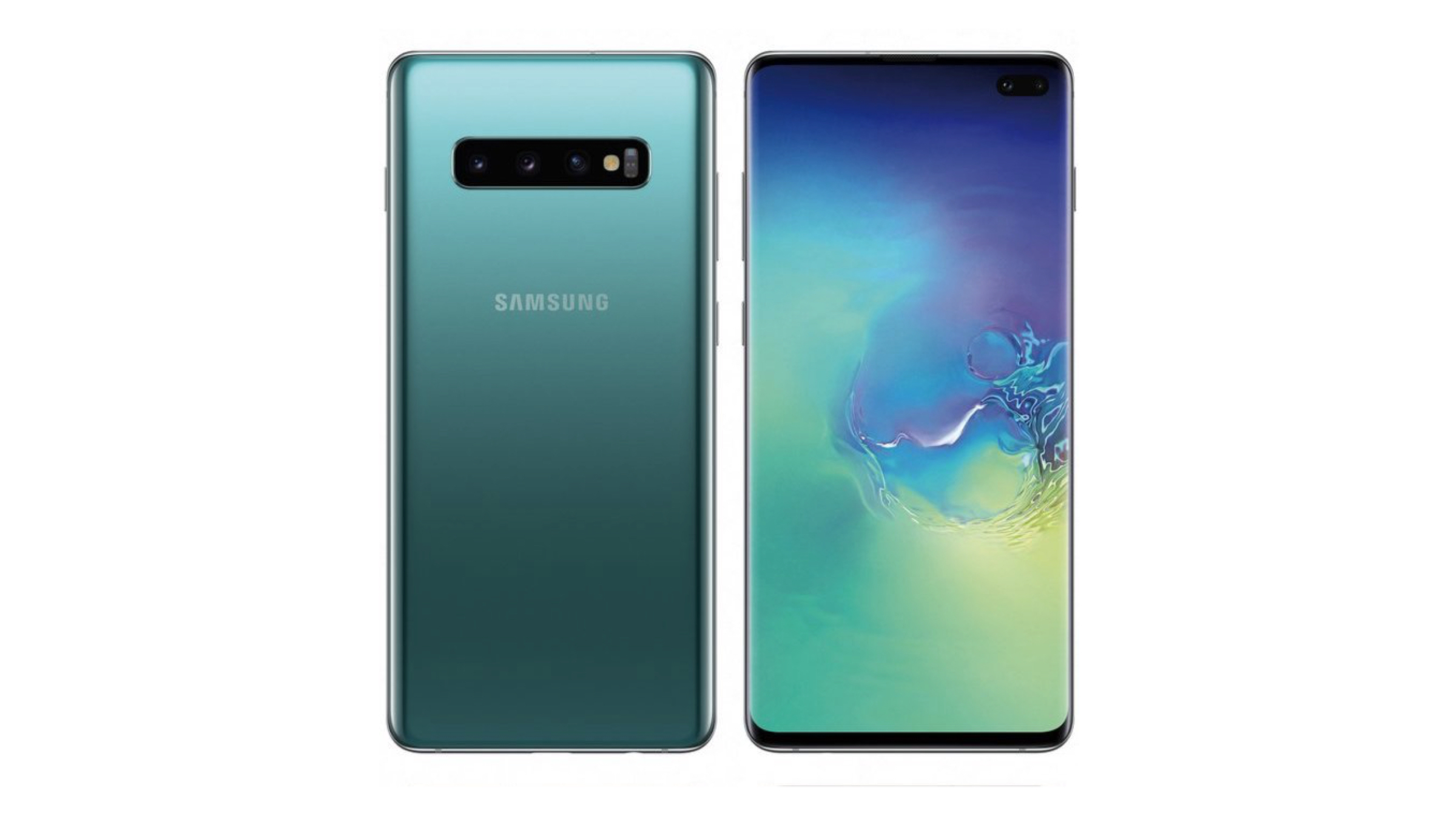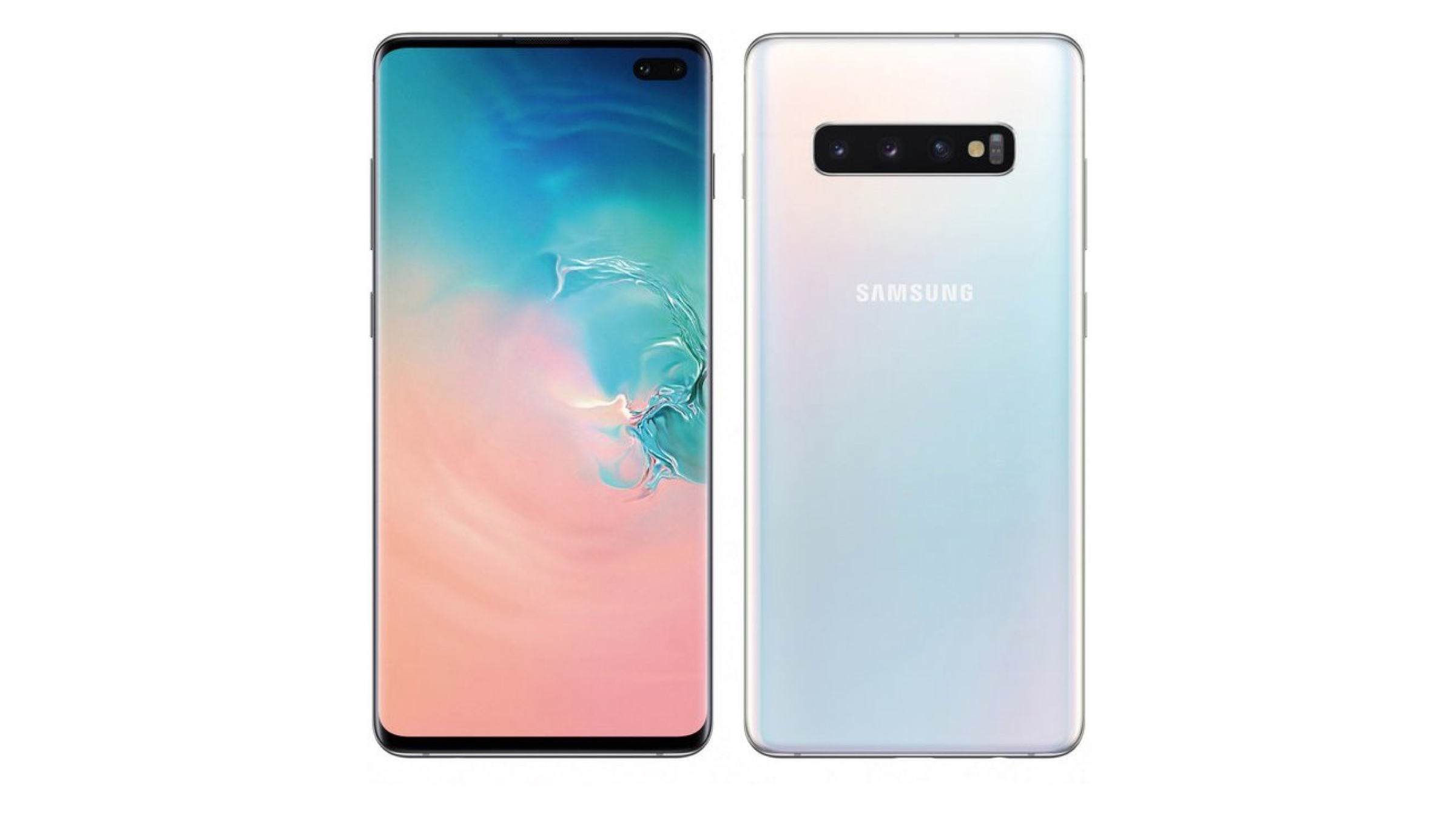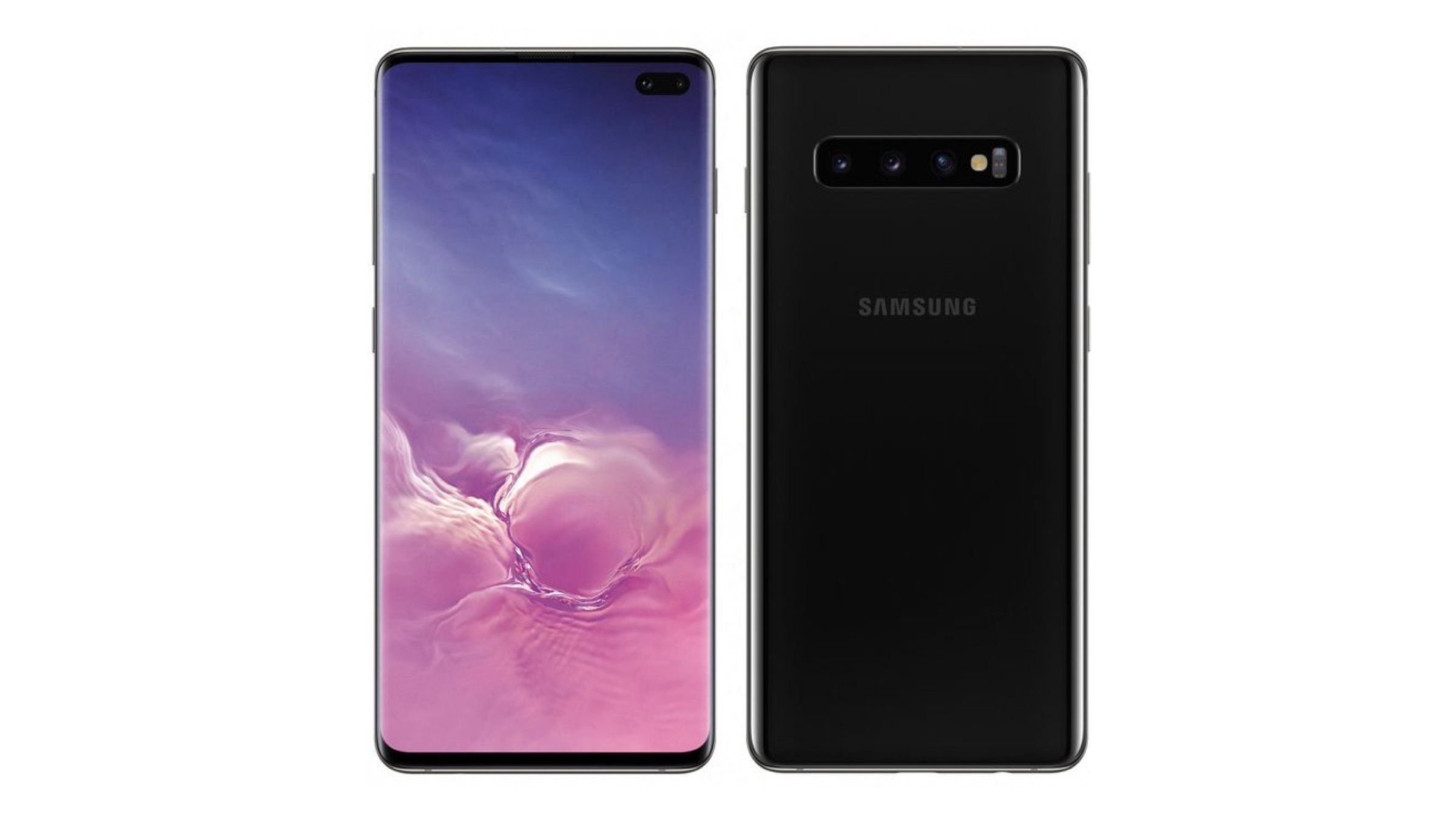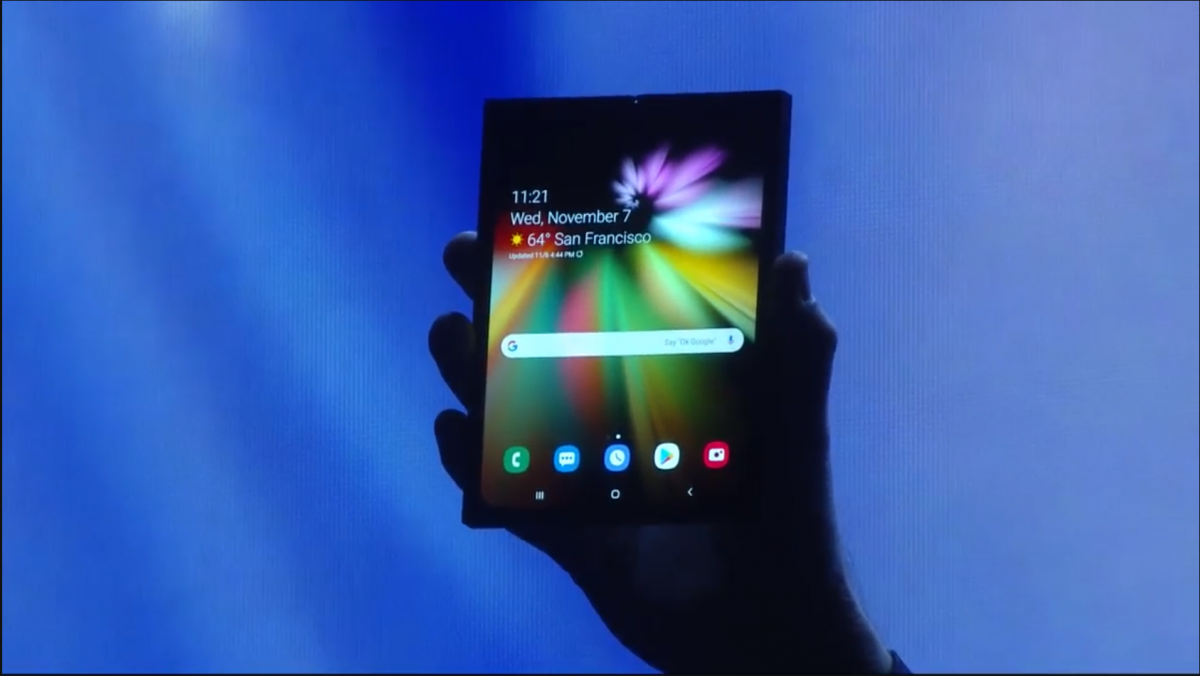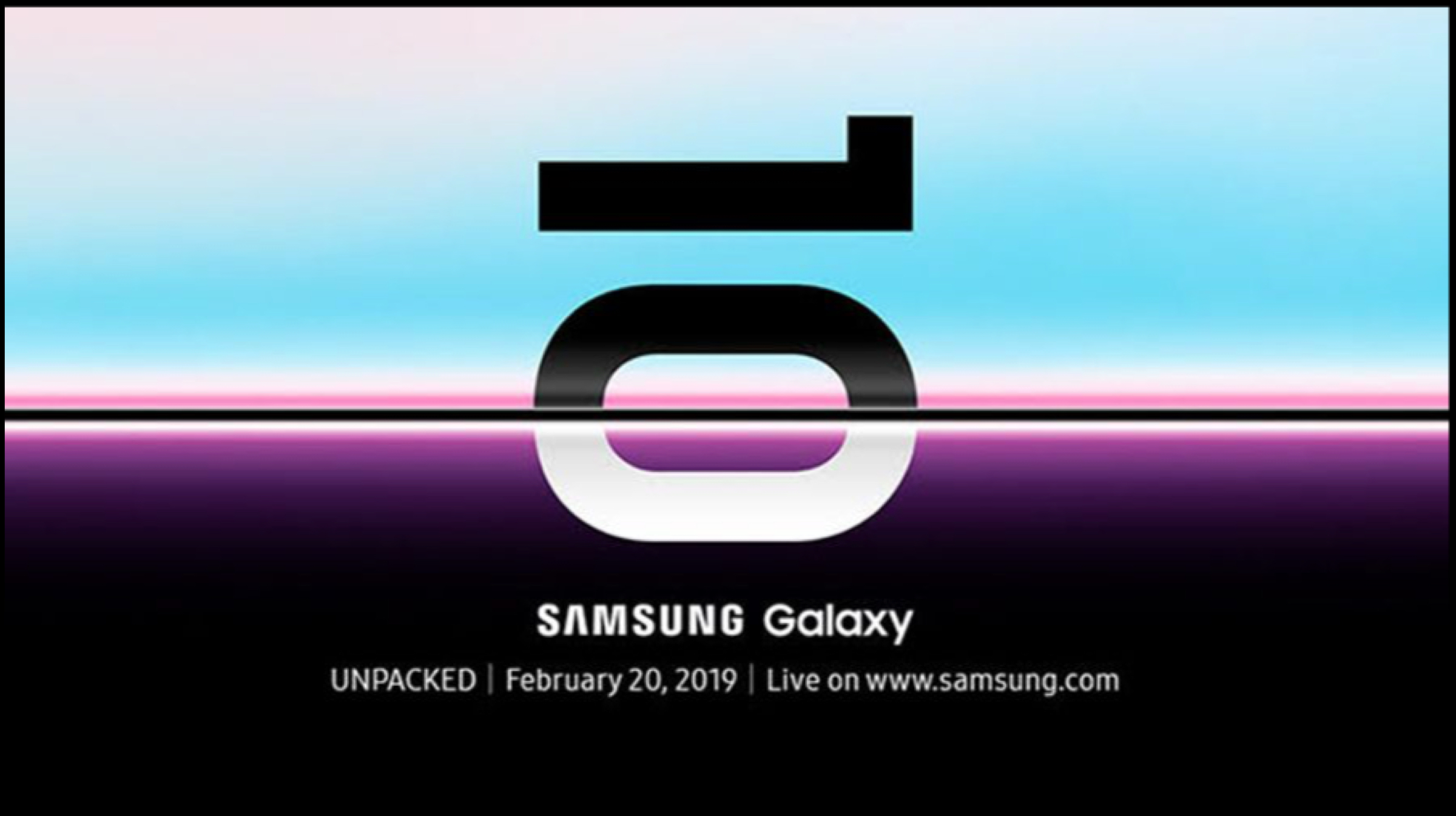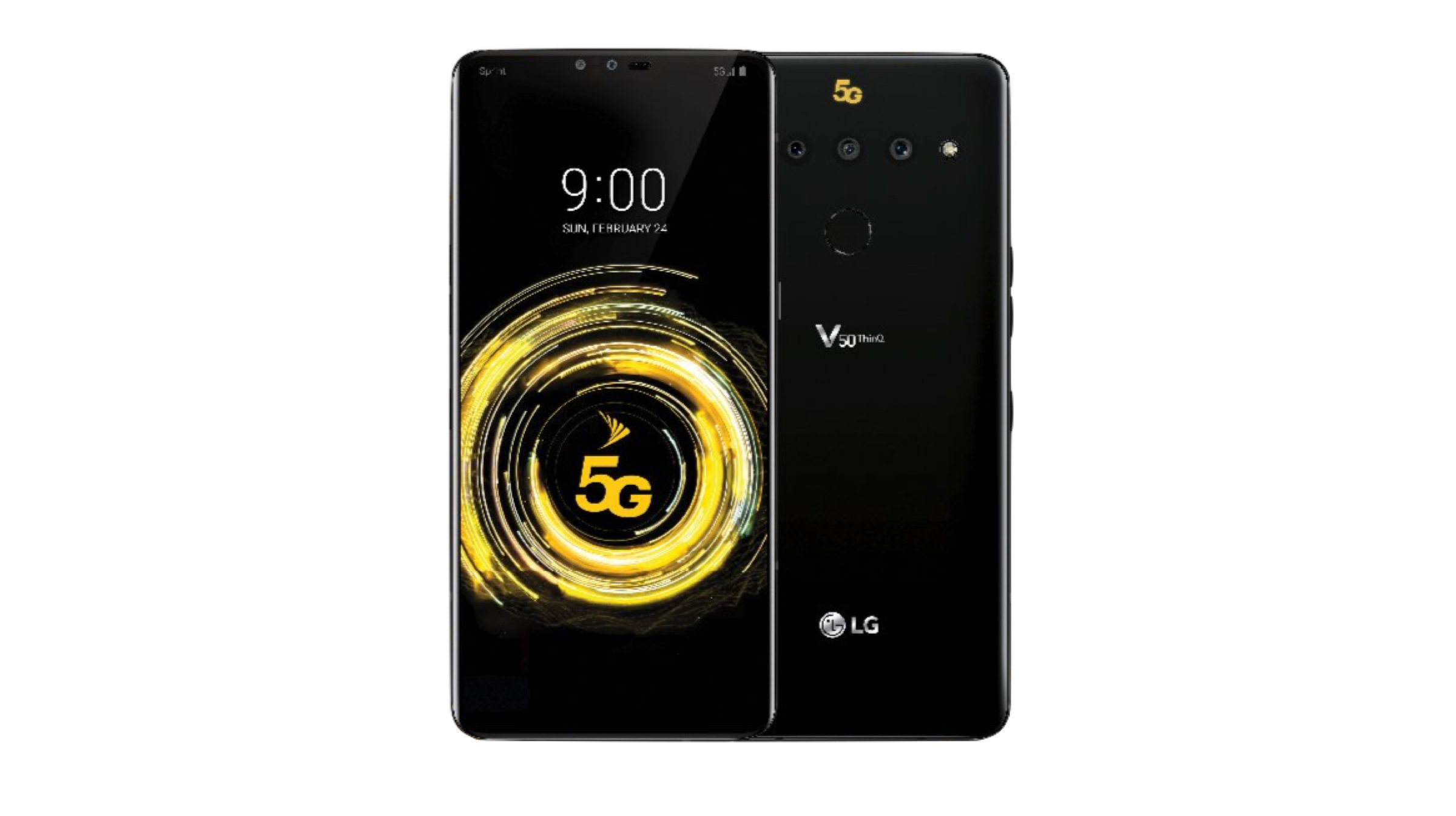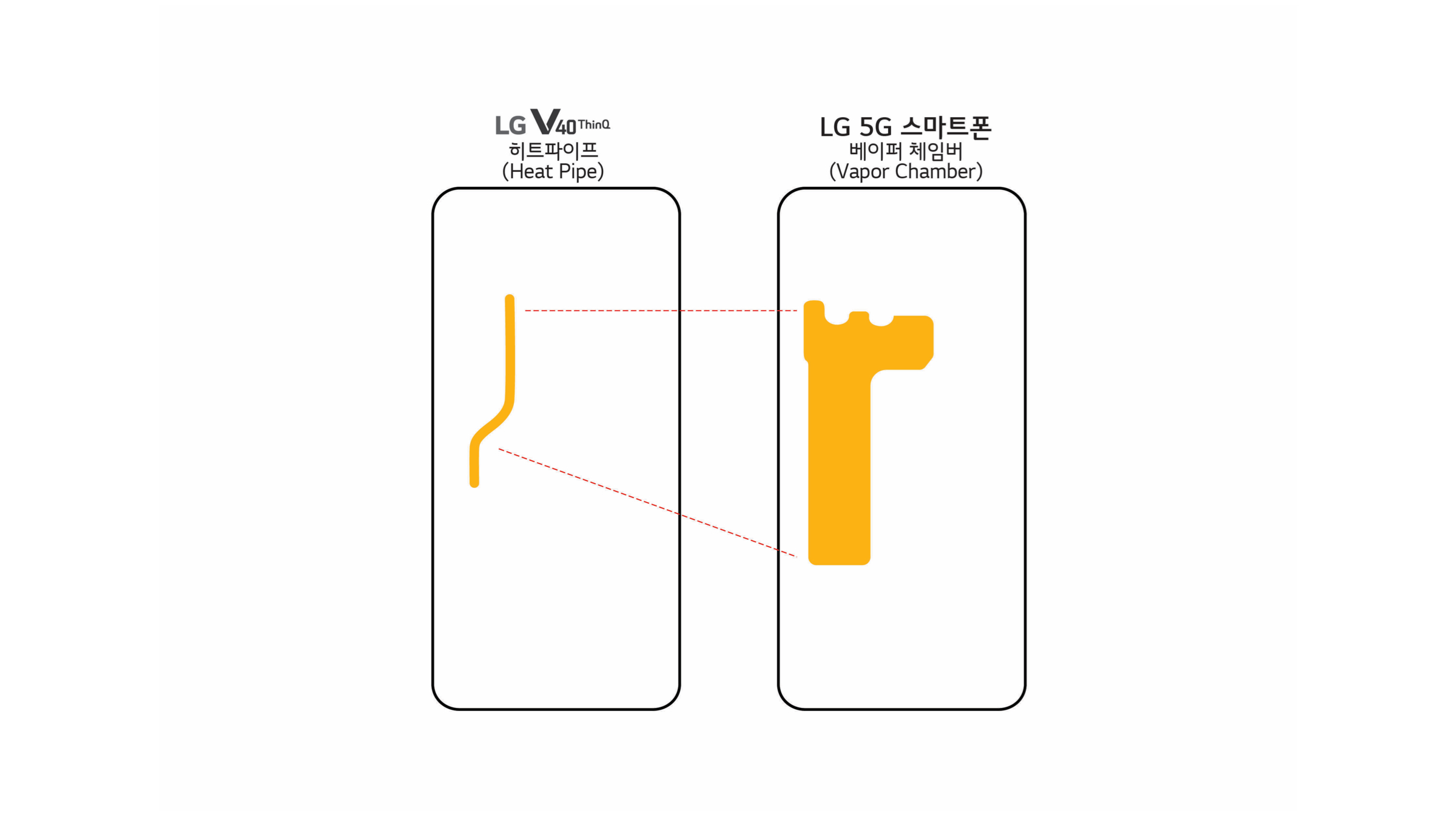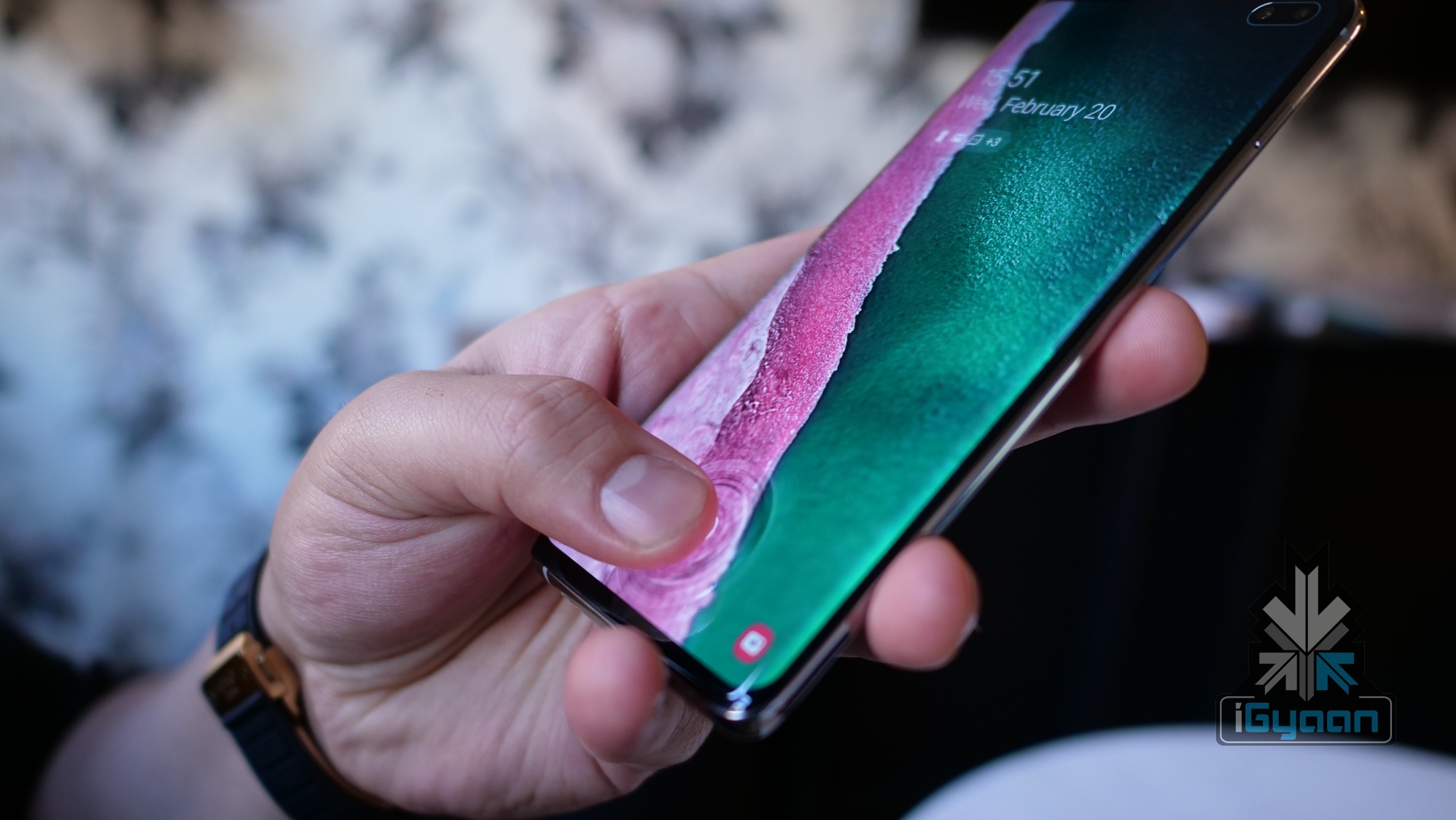
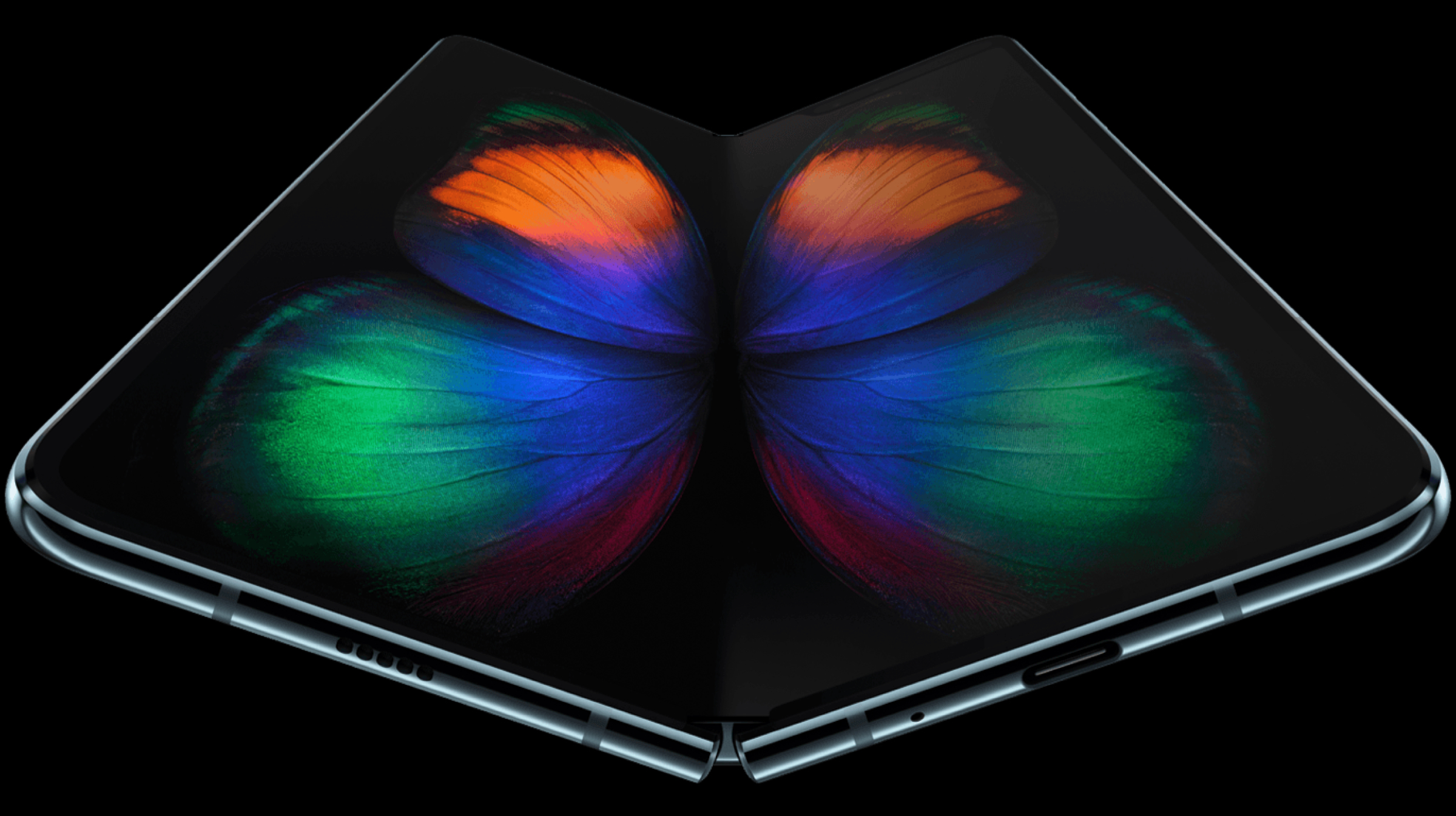
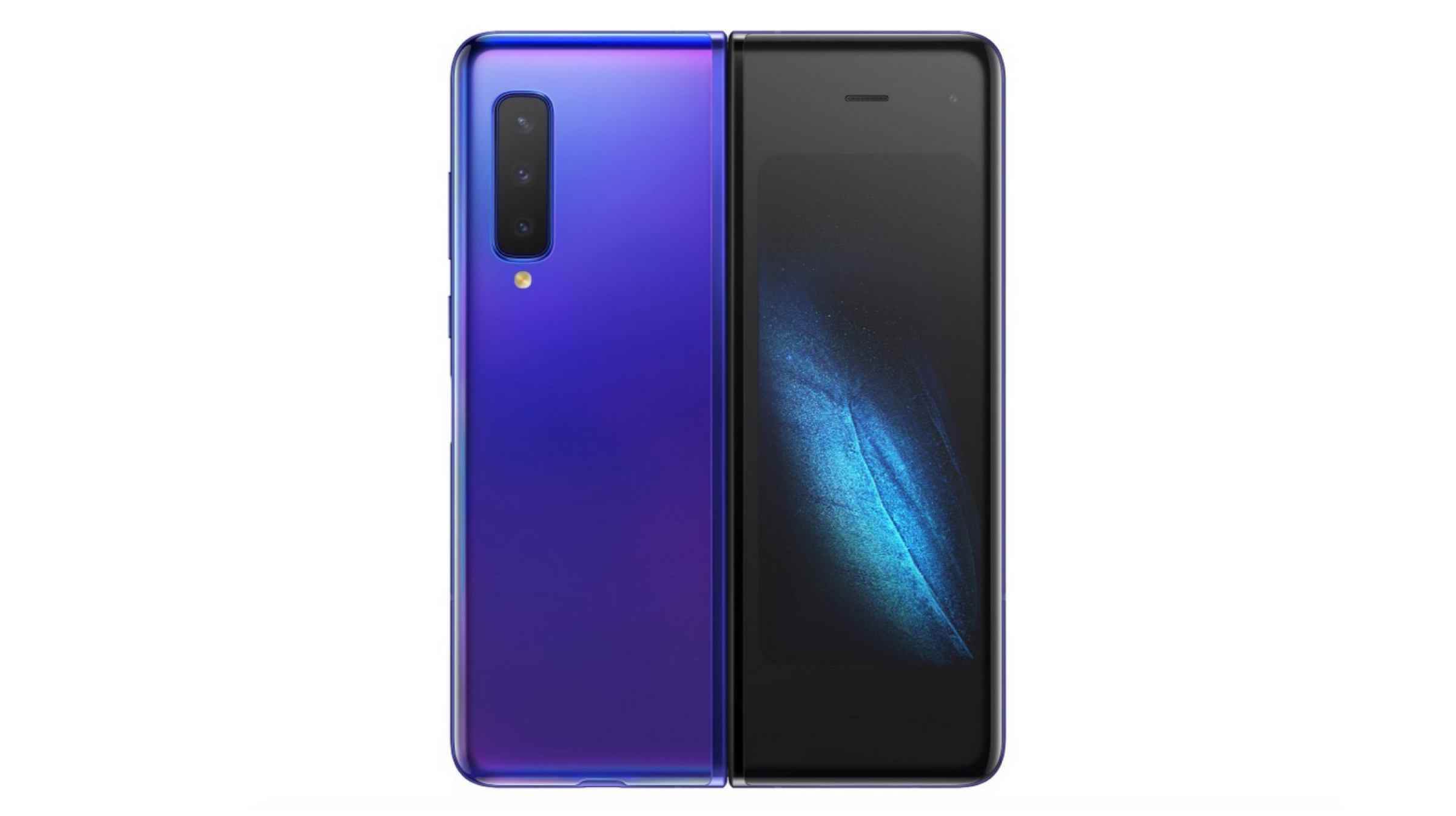
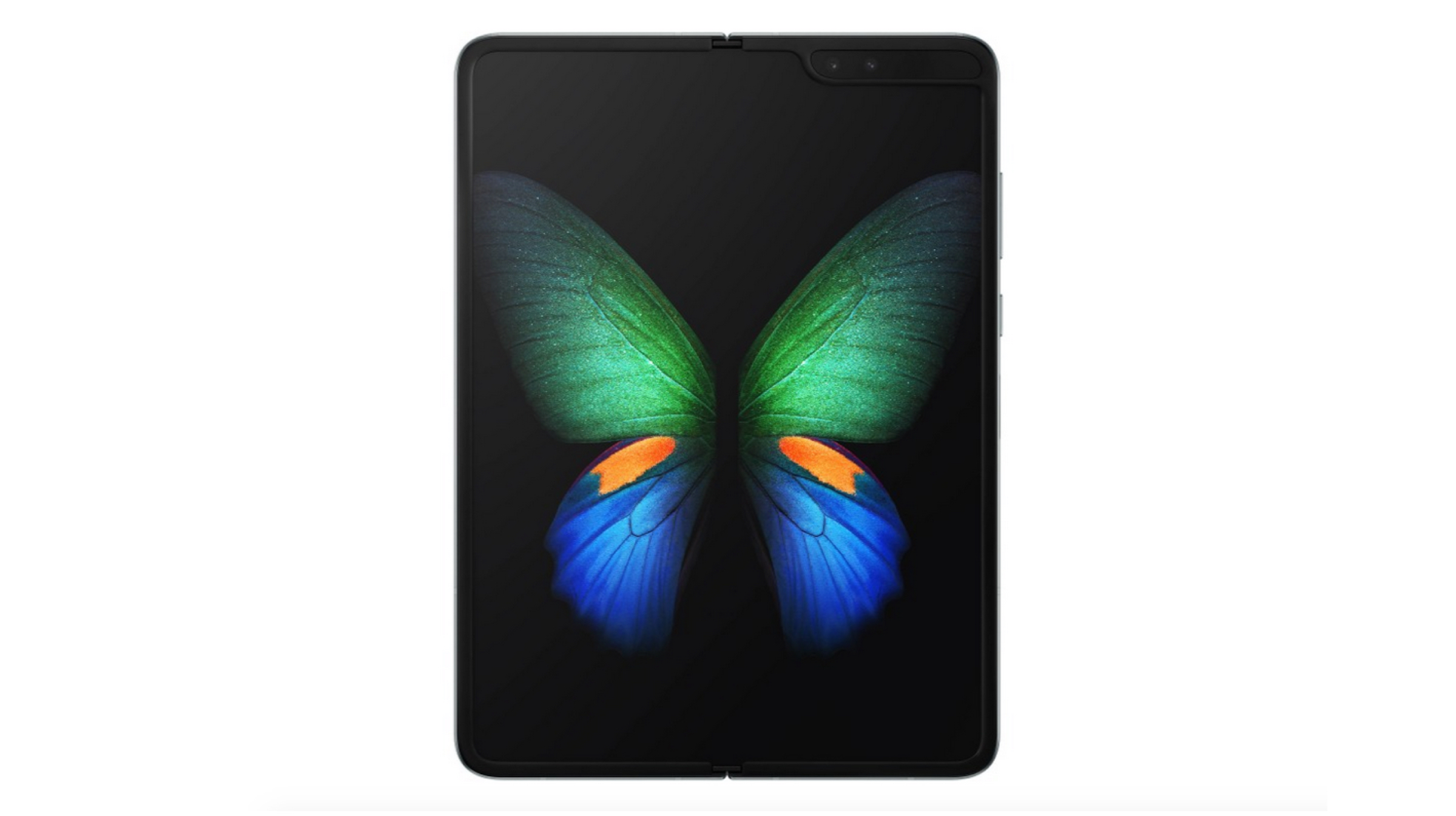
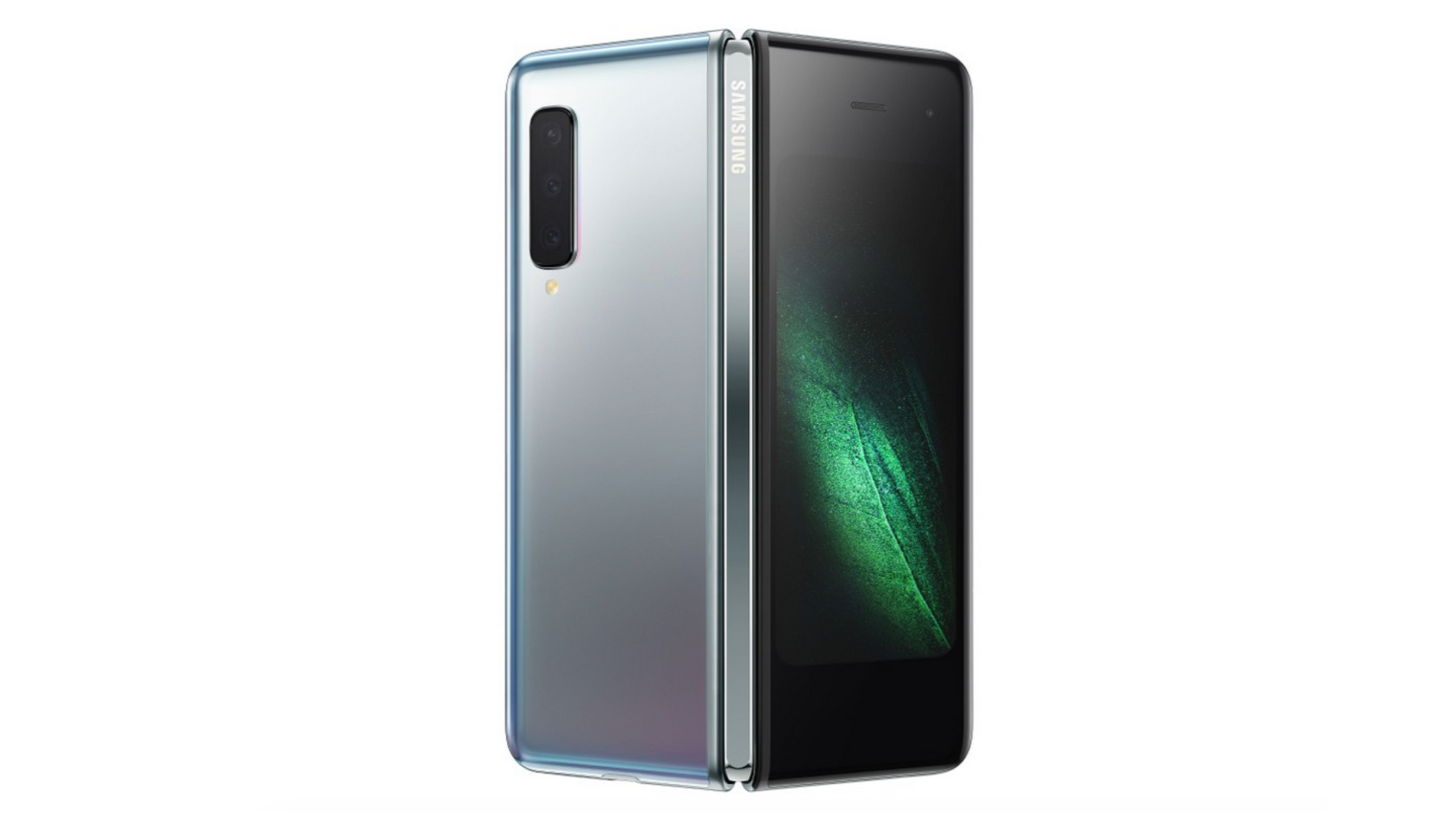
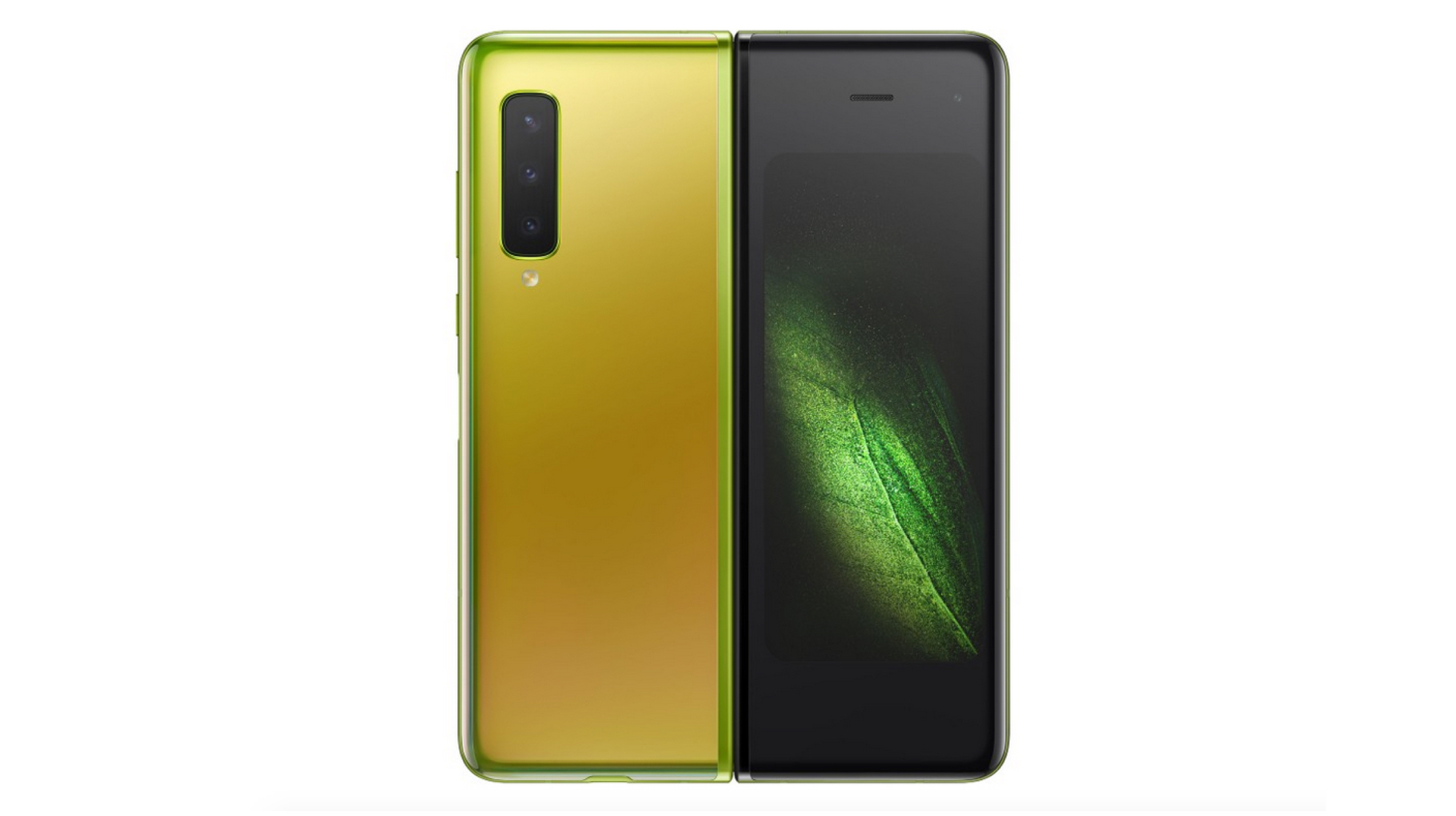
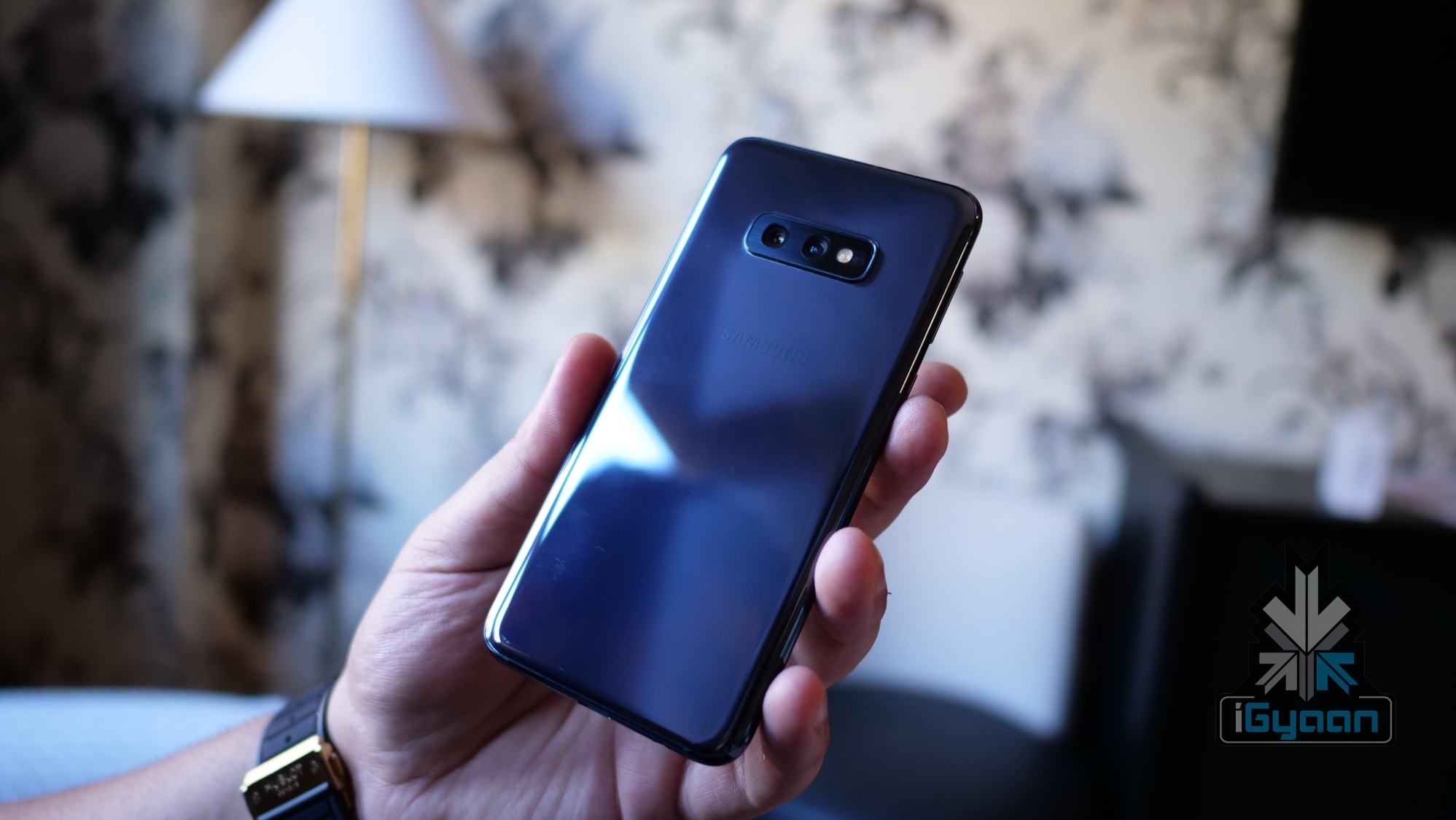
Samsung launched a plethora of products at the Galaxy Unpacked event on February 20. This includes the Galaxy S10 (1,2)lineup of smartphone and the foldable Galaxy Fold device. Along with these gadgets, the company also announced its first smartphone capable of 5G connectivity, the Galaxy S10 5G. The smartphone is a notable upgrade over the regular Galaxy S10 smartphones and will be available for purchase later this year.
Build & Features
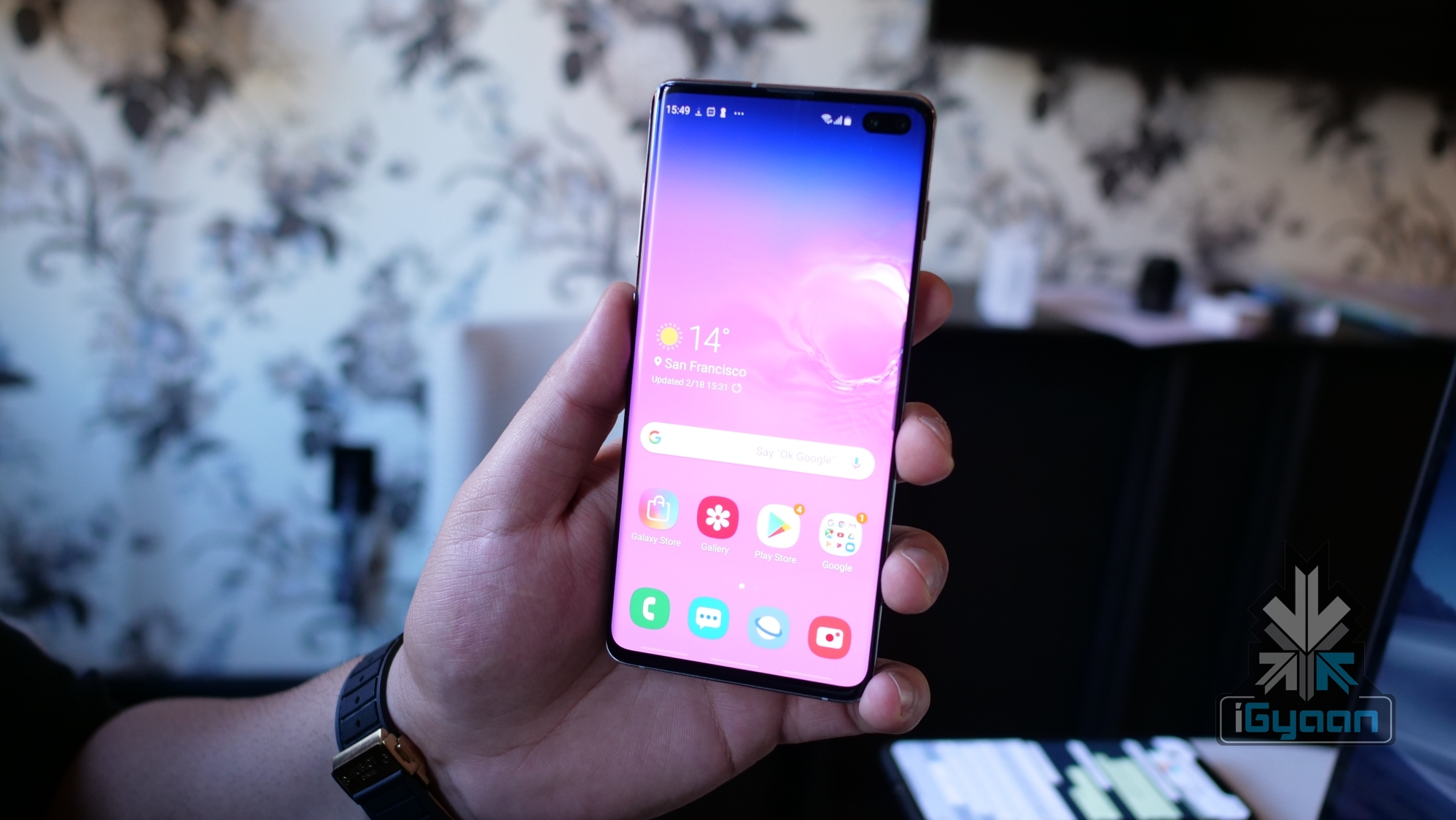 The Galaxy S10 5G measures 162.6 x 77.1 x 7.94mm and weighs 198g. The design of the smartphone is reminiscent of the Galaxy S10+ with Gorilla Glass 6 on the front and Gorilla Glass 5 on the back. The display sports an Infinity-O, 6.7-inch Dynamic AMOLED panel with a resolution of 3040 x 1440 px. It has a pixel density of 505PPI and a 19:9 aspect ratio. Like its siblings the Galaxy S10 and Galaxy S10+, it features an ultrasonic in-display fingerprint scanner and has IP68 certification for water and dust resistance.
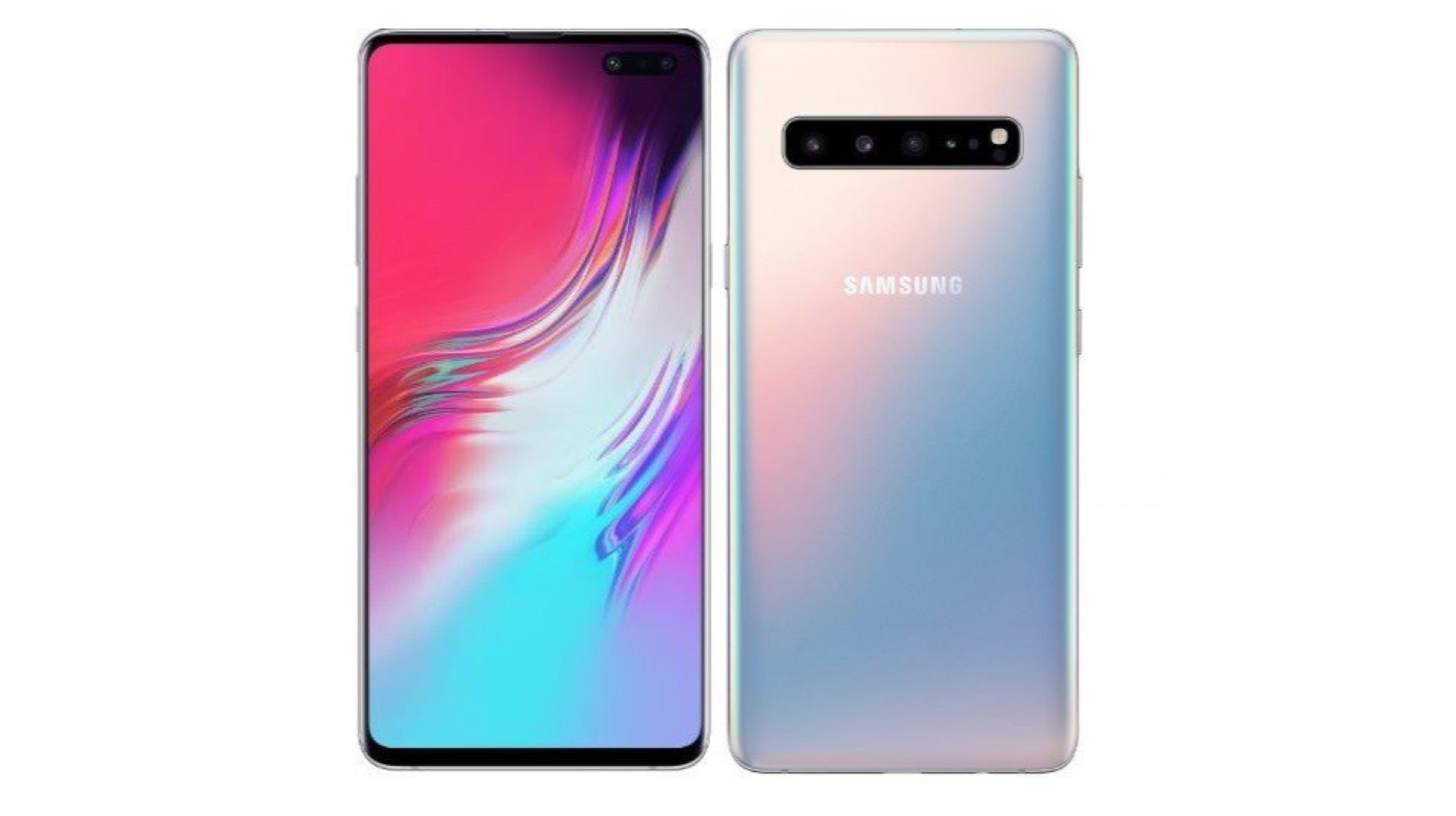
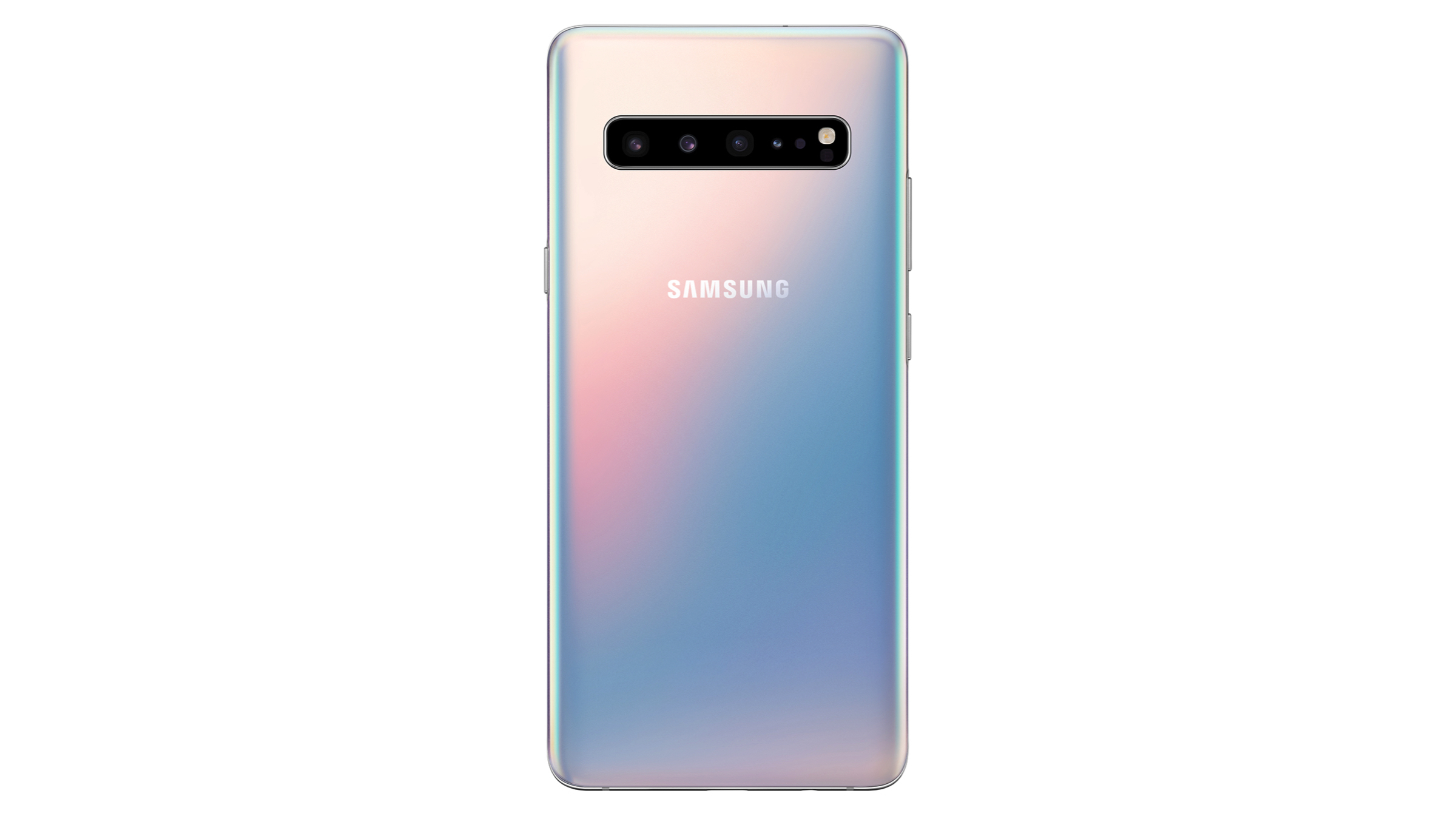
The Galaxy S10 5G features quad rear cameras, unlike the triple rear camera setup found in the Galaxy S10 and the Galaxy S10+. This camera setup includes a 12MP f/1.5-f/2.4 sensor, 12MP f/2.4 Telephoto sensor, 16MP f/2.2 Ultra-wide angle sensor; and a Time Of Flight(TOF) camera for 3D depth recording. The device has two cameras on the front, which are comprised of a 10MP f/1.9 sensor and a secondary TOF sensor to assist with background blur in photos and videos.
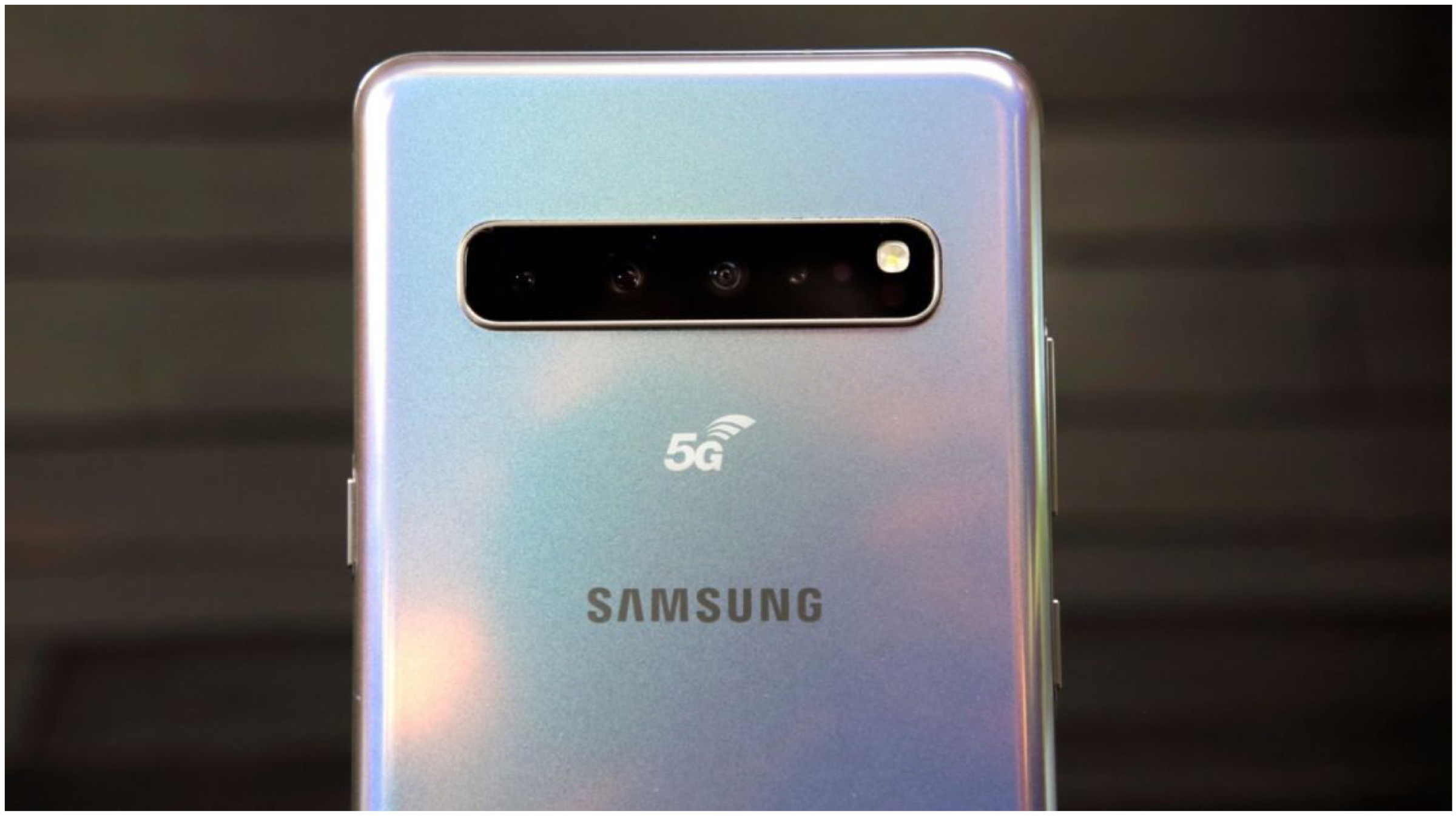 The Galaxy S10 5G runs on the latest Qualcomm Snapdragon 855 SoC which is manufactured using 7nm fabrication process. It has an Octa-core CPU and Adreno 640 GPU. The device features the Qualcomm X50 modem for 5G support. In terms of storage, it features 8GB of RAM and 256GB of onboard storage. There is no support for memory expansion via MicroSD.
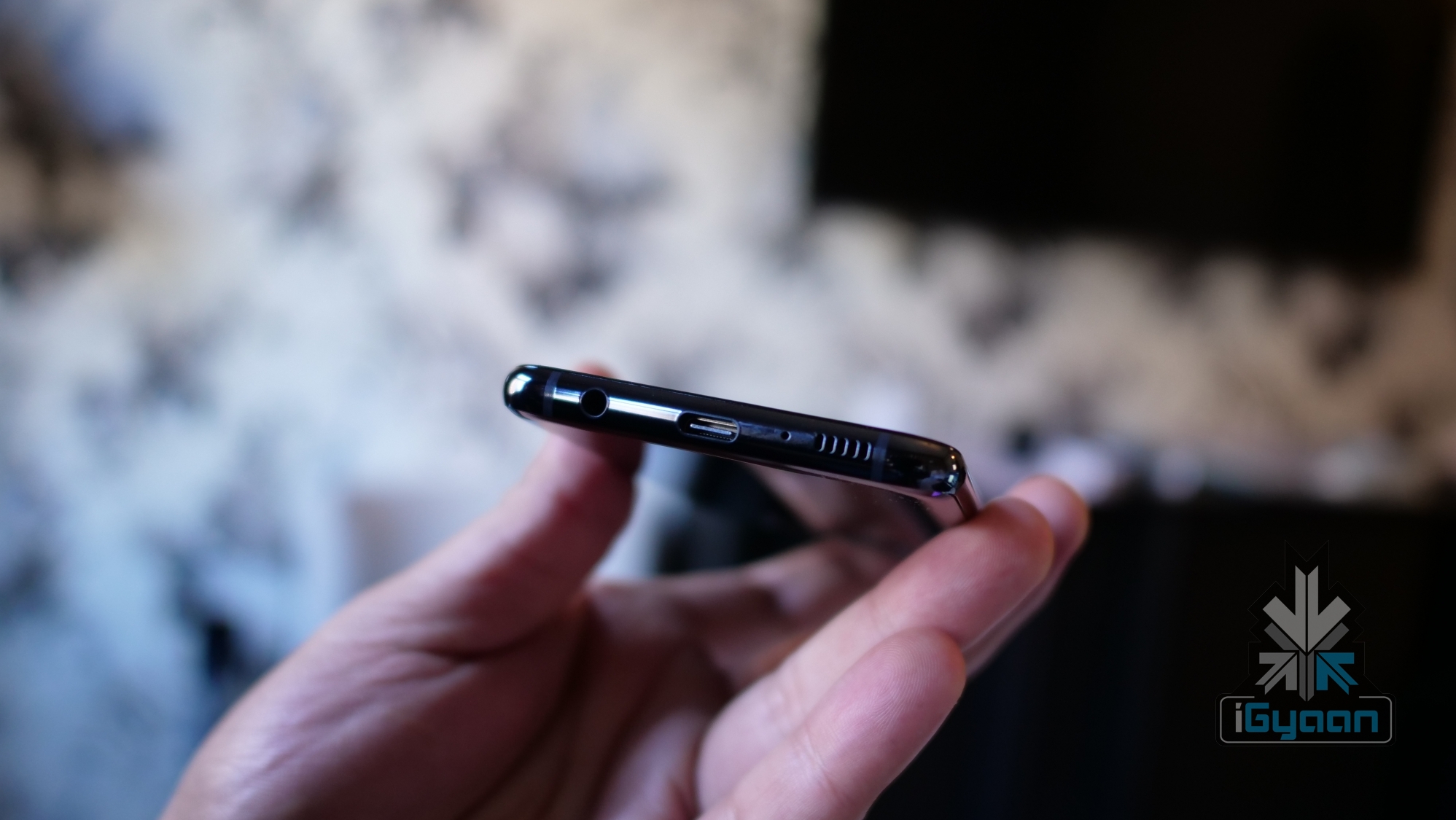
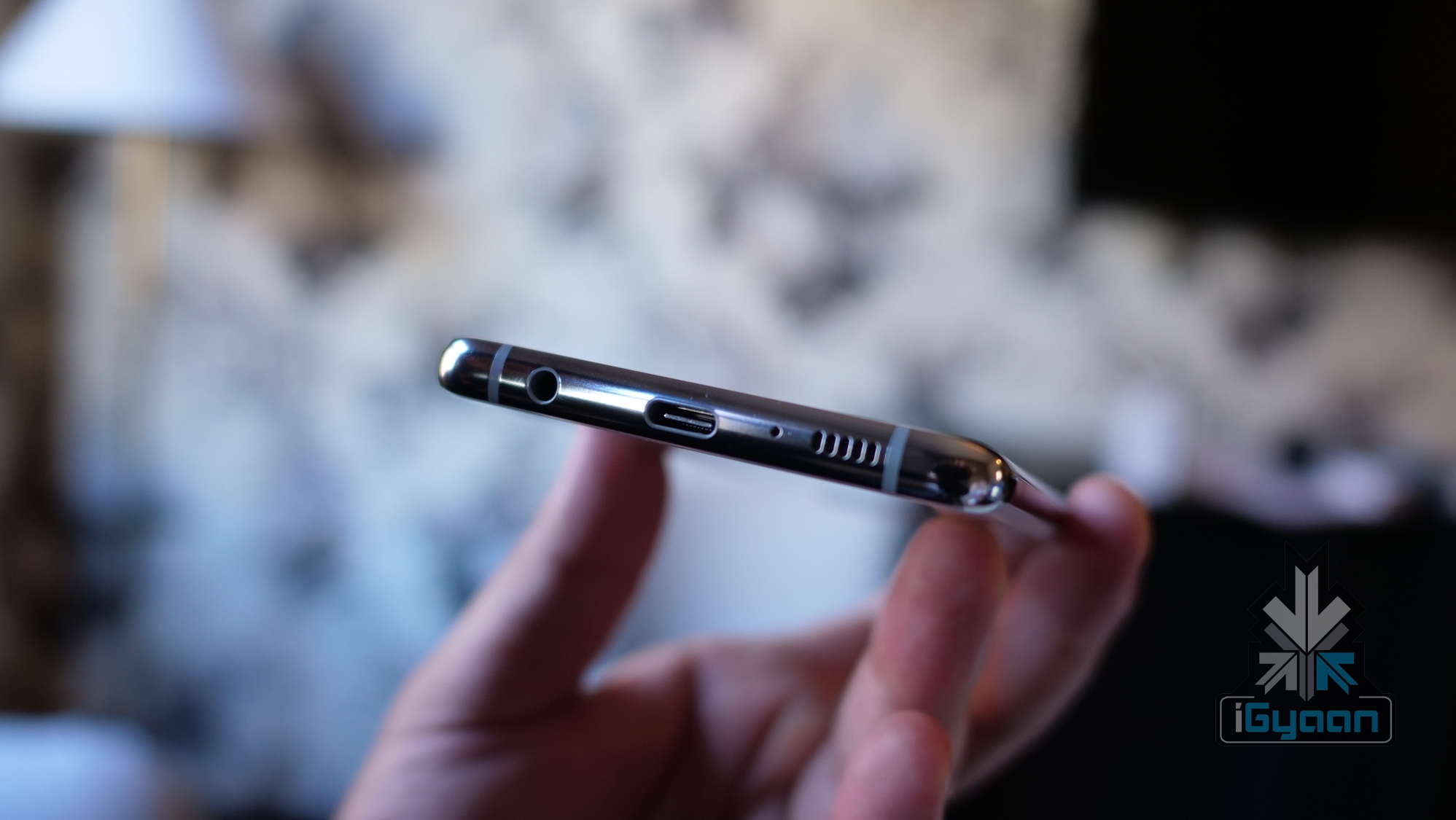 The Galaxy S10 5G is powered by a 4,500mAh battery, larger than the 4100mAh present on the Galaxy S10+. The device supports 25W fast charging via the bottom mounted USB Type-C Port. Noteworthy, the premium smartphone also supports wireless charging. Like its siblings, it also has a reverse wireless charging feature.
Pricing & Availablity
Also read: Samsung Launches The Galaxy Fold Alongside The Galaxy S10 Lineup
The Galaxy S10 5G will be available in the US starting Q2 2019 and will be initially exclusive to Verizon before arriving at more carriers in the future. Unfortunately, the company has not released any information on pricing yet, but reports suggest it may retail at $1,700(around Rs. 1,20,000).
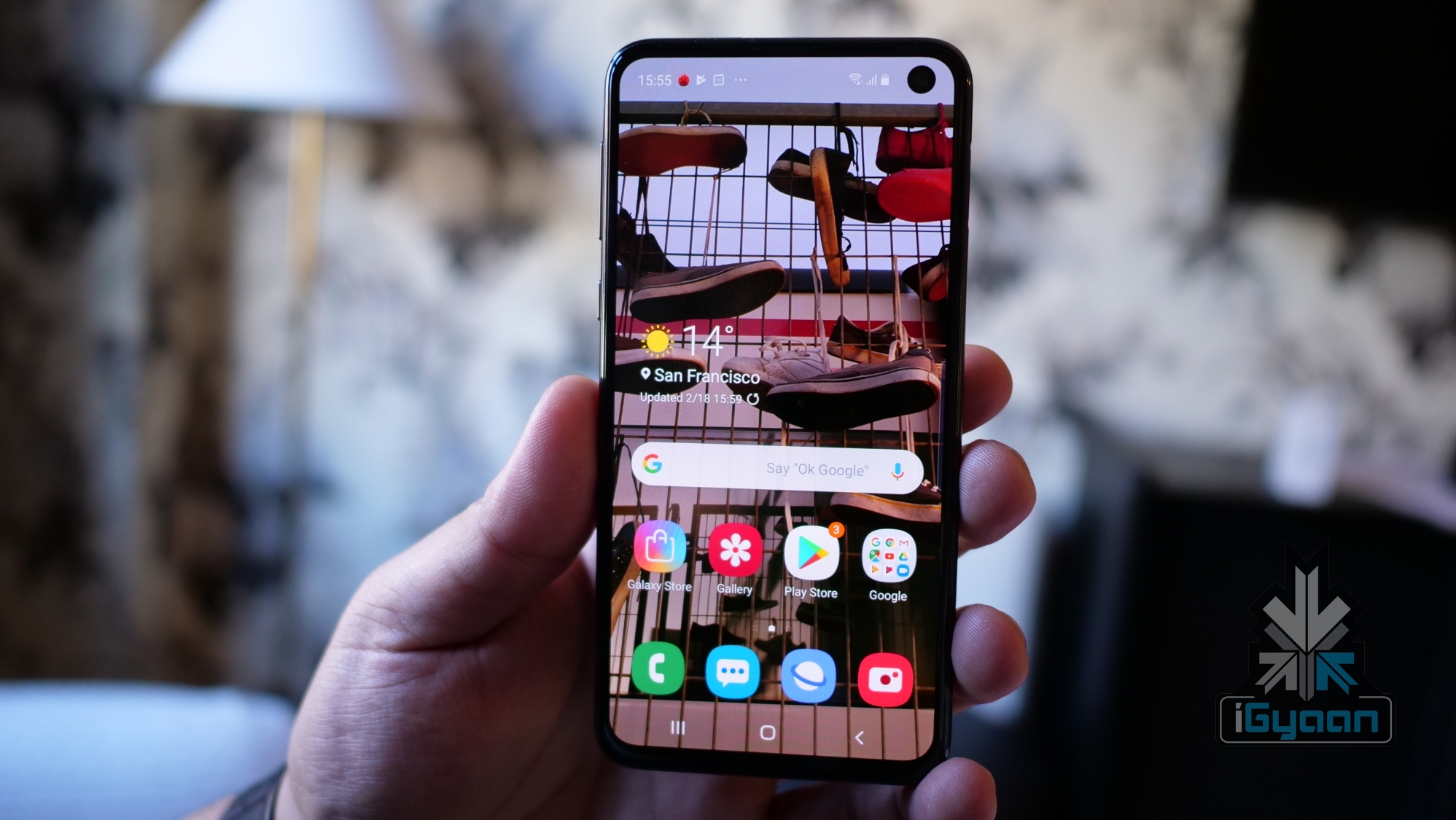
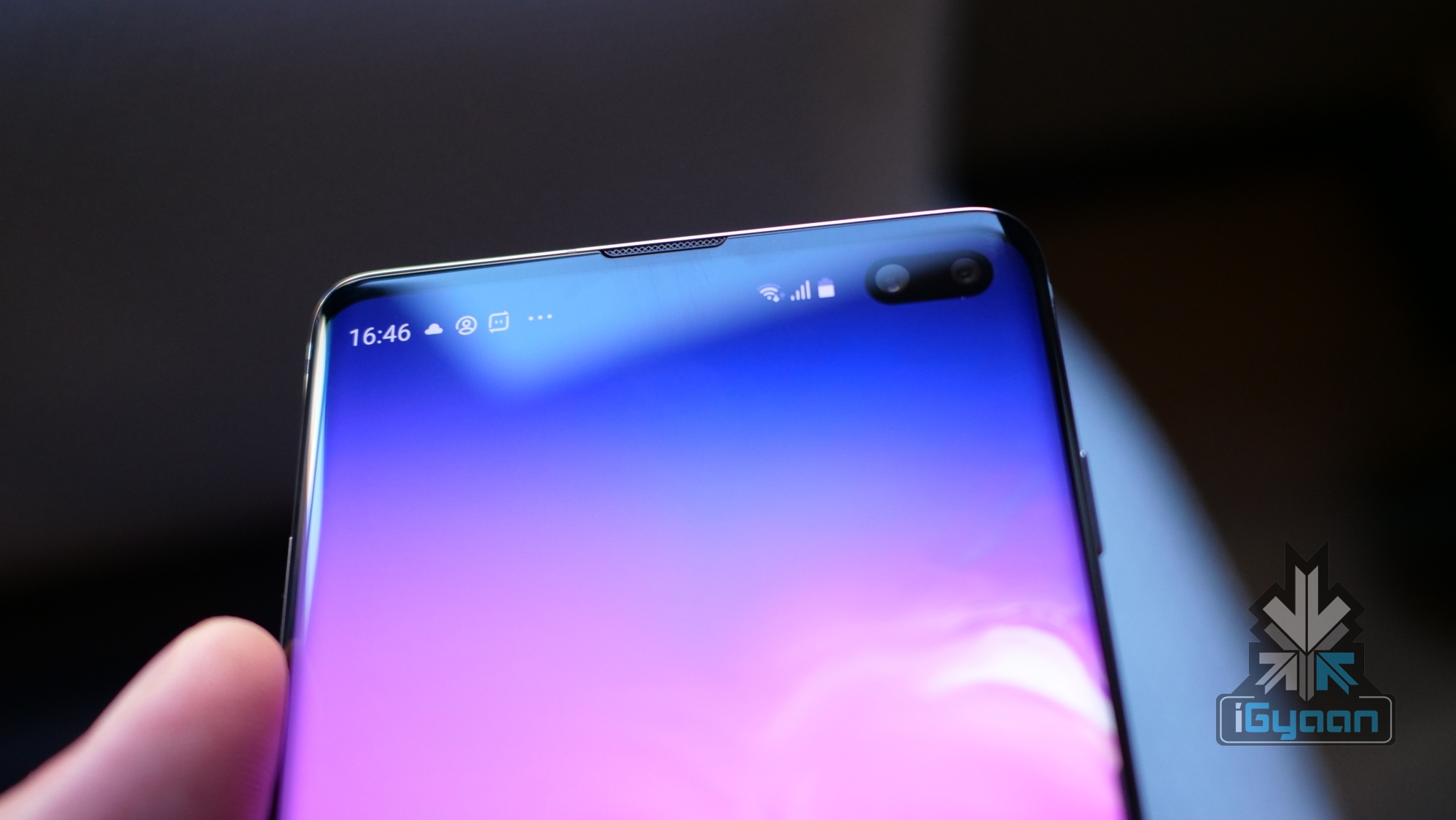 The Samsung Galaxy S10+ is the most feature-rich smartphone in the new Galaxy S10 lineup. It features a 6.4 inch Dynamic AMOLED Infinity-O display. It has an edge-to-edge HDR+ display that tapers towards the sides. The display panel has a resolution of 3040 x 1440 px and pixel density of 522 ppi. To safegurd it against scartches and drops, the front and back of the device is protected with Corning Gorilla Glass. The US/China variant of the Galaxy S10+ runs on the Qualcomm Snapdragon 855. On the other hand, the EMEA variant of the device runs on Samsung’s own Exynos 9820 chipset.
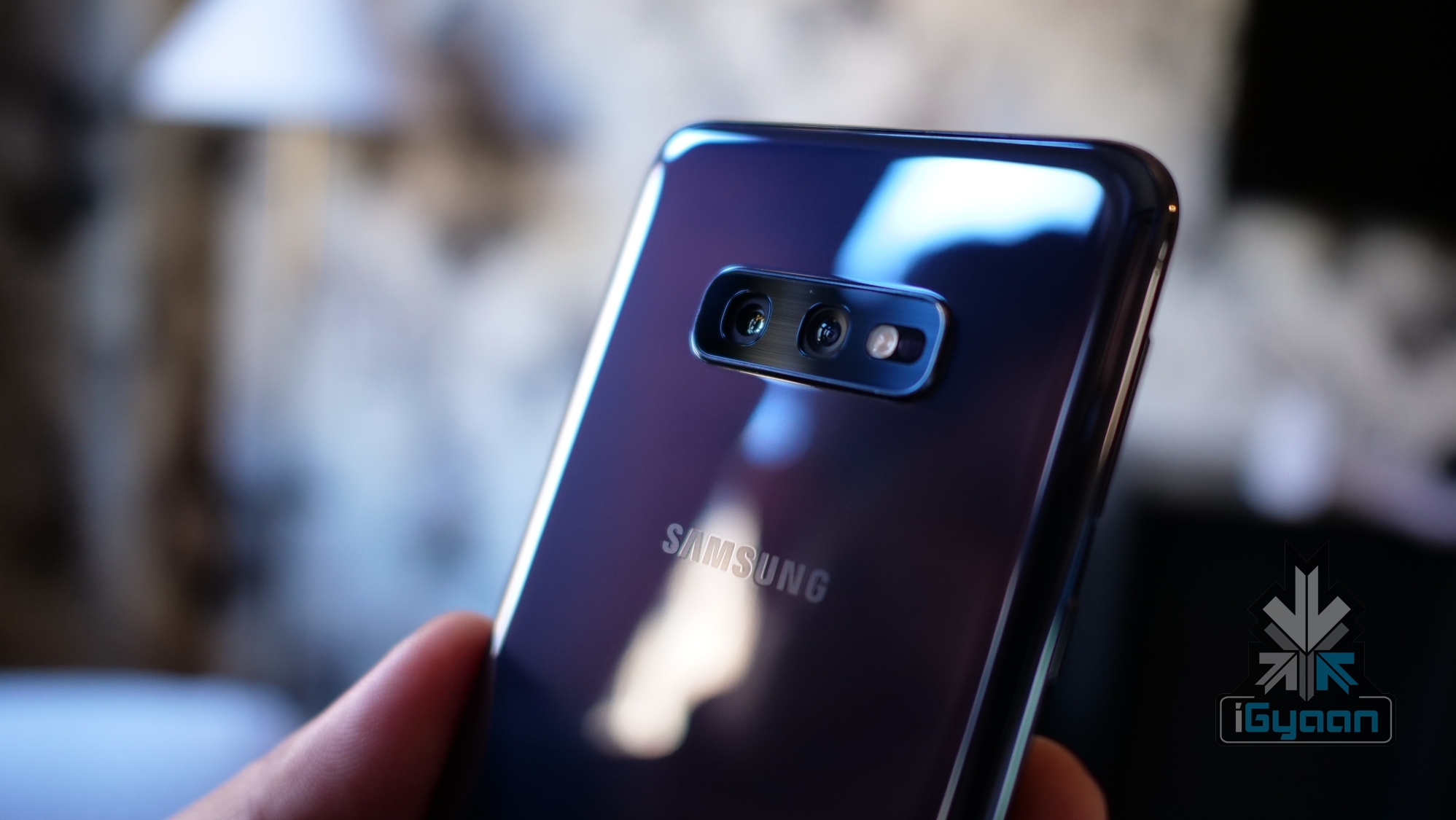
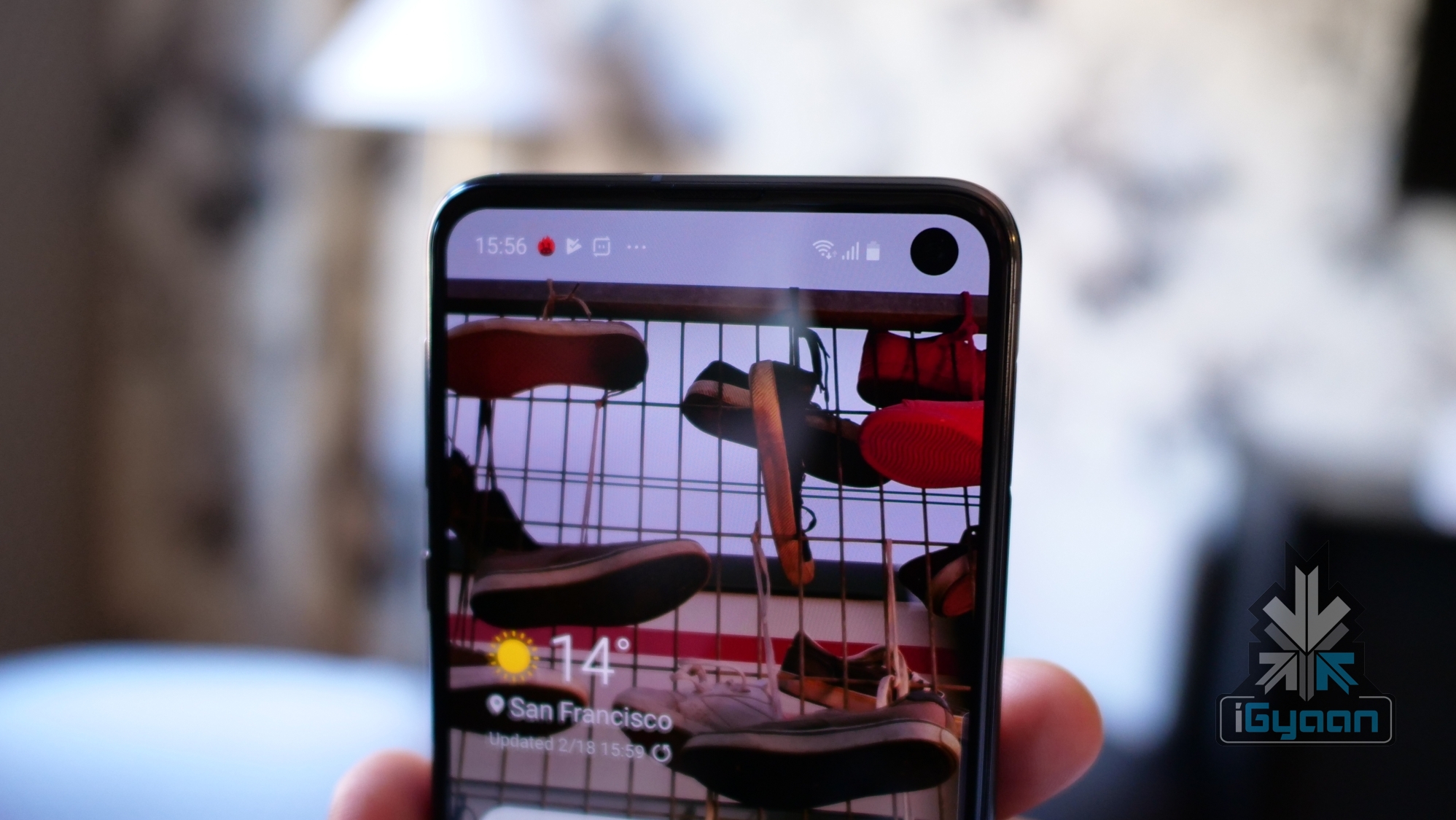
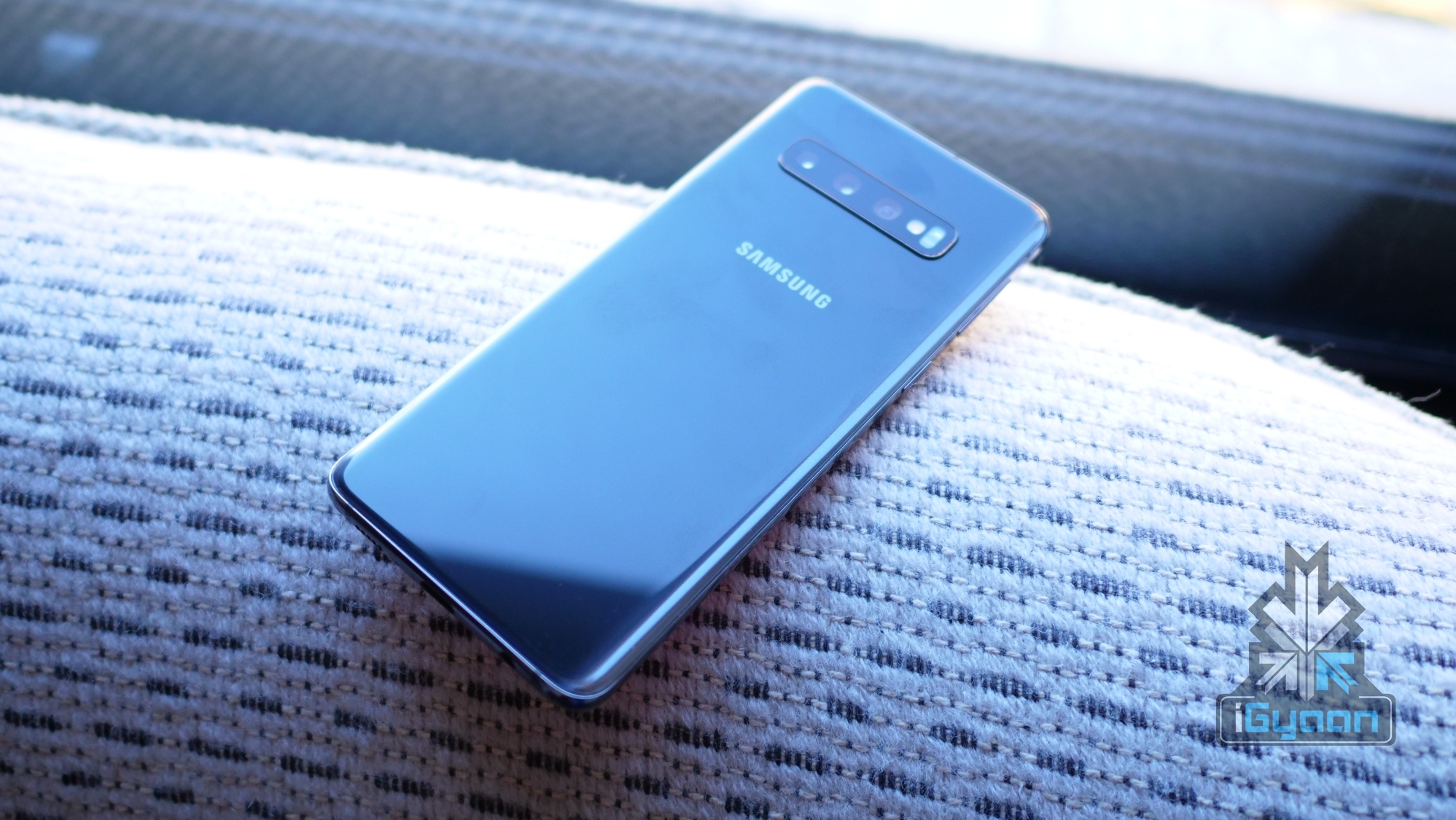 The Samsung Galaxy S10+ sports a triple rear camera camera setup which consists of a 12MP (f/1.5- f/2.4) primary sensor, 12MP (f/2.4) telephoto sensor and a third 16 MP (f/2.2) ultra-wide sensor. The smartphone also has a dual front camera module, which is a combination of a 10MP (f/1.9) sensor and an 8MP (f/2.2) sensor housed in the punch-hole display. The Galaxy S10+ boasts of the world’s first ultrasonic in-display fingerprint scanner in addition to 3D face recognition technology.
 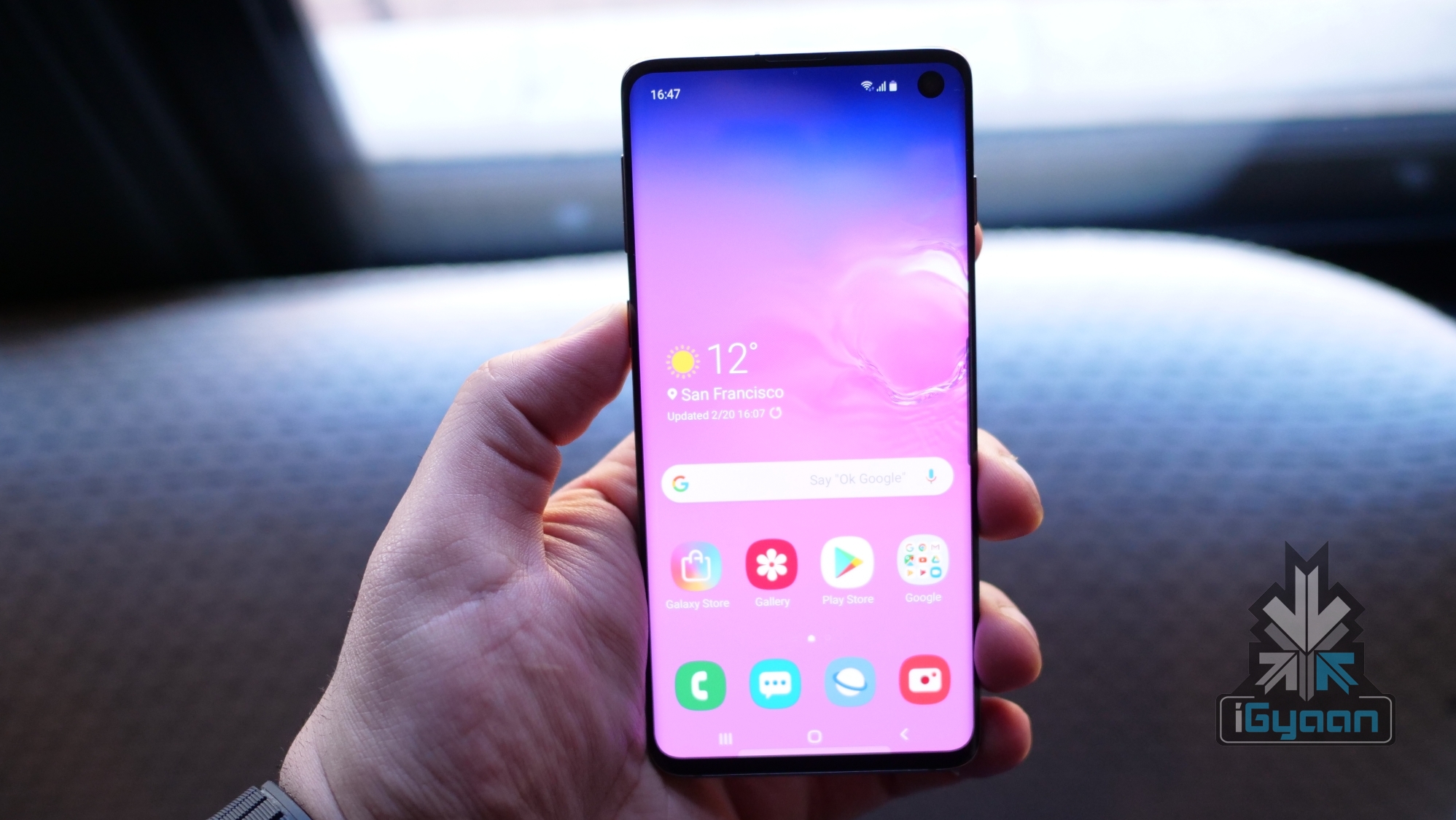 The Samsung Galaxy S10 has a 6.1 inch Dynamic AMOLED, Quad HD+ screen. The Infinity-O display has a resolution of 3040 x 1440 px and a pixel density of 550ppi. The device is protected from scratches and impacts on both sides by Corning Gorilla Glass. Like the Galaxy S10+, the S10 is offered in two different chipset options, Snapdragon 855 and Exynos 9820 which is dependent on the region.
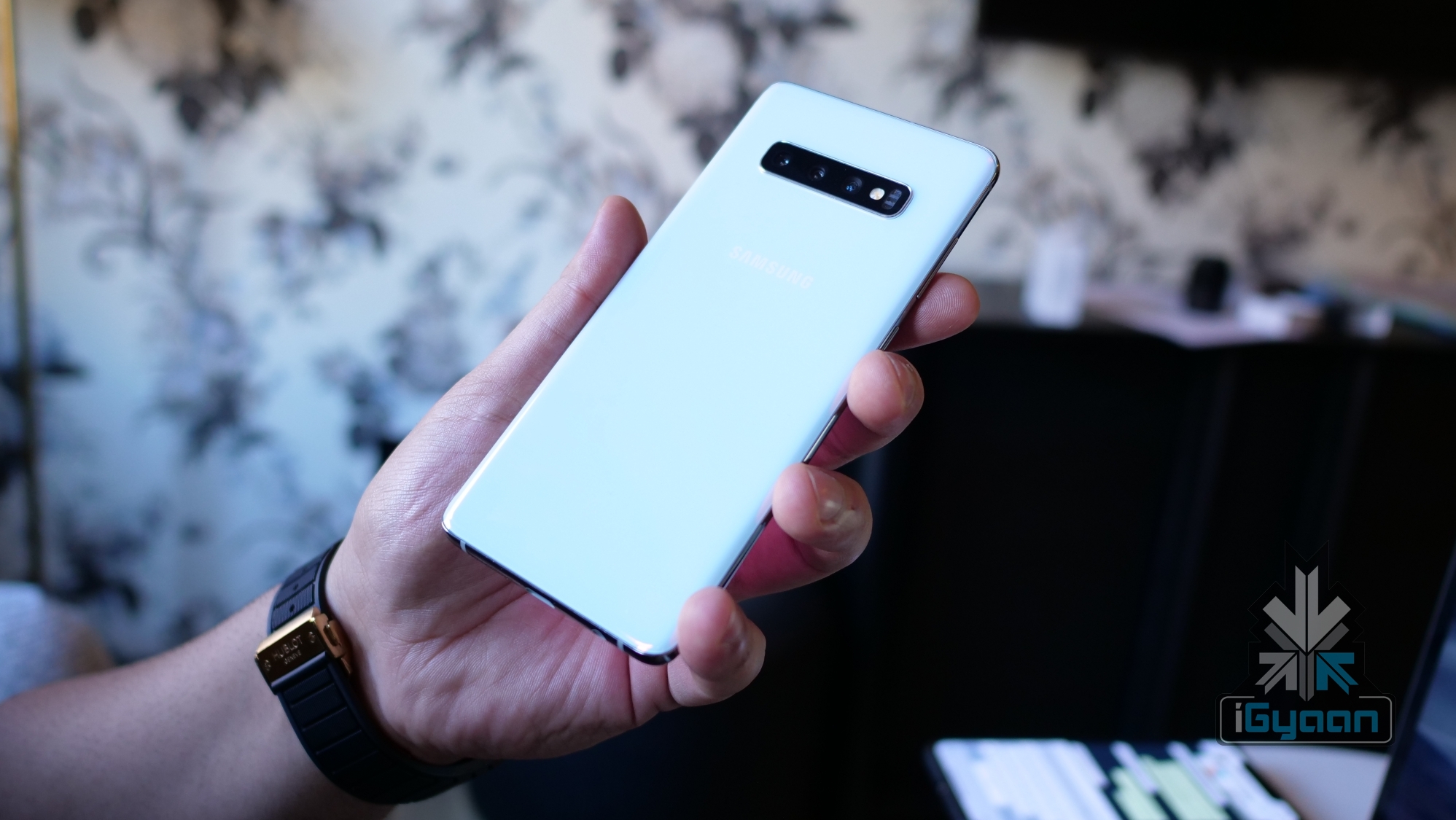 The Samsung Galaxy S10 has a similar triple camera setup to the Galaxy S10+. The device has a 12MP+12 MP+16 MP camera configuration with a single 10MP (f/1.9) selfie shooter housed in the punch-hole display. Also similar to the Galaxy S10+, it has an ultrasonic in-display fingerprint scanner and 3D face scanning technology.
 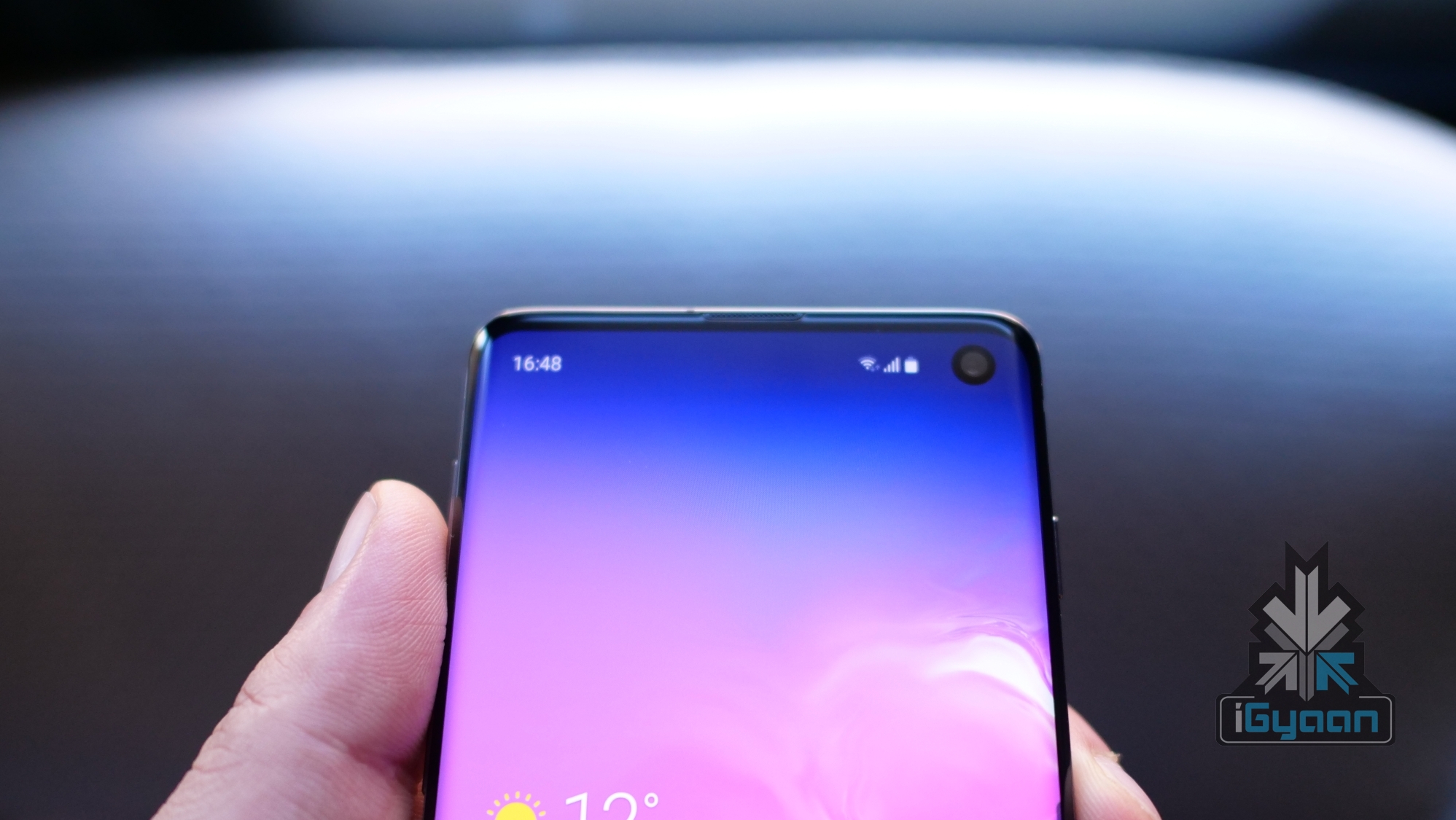 The Samsung Galaxy S10 is available in two storage configurations, a 6GB+128GB version, and an 8GB+512GB variant. It is available in four colour options which include Prism Black, Prism White, Prism Blue, and Prism Green.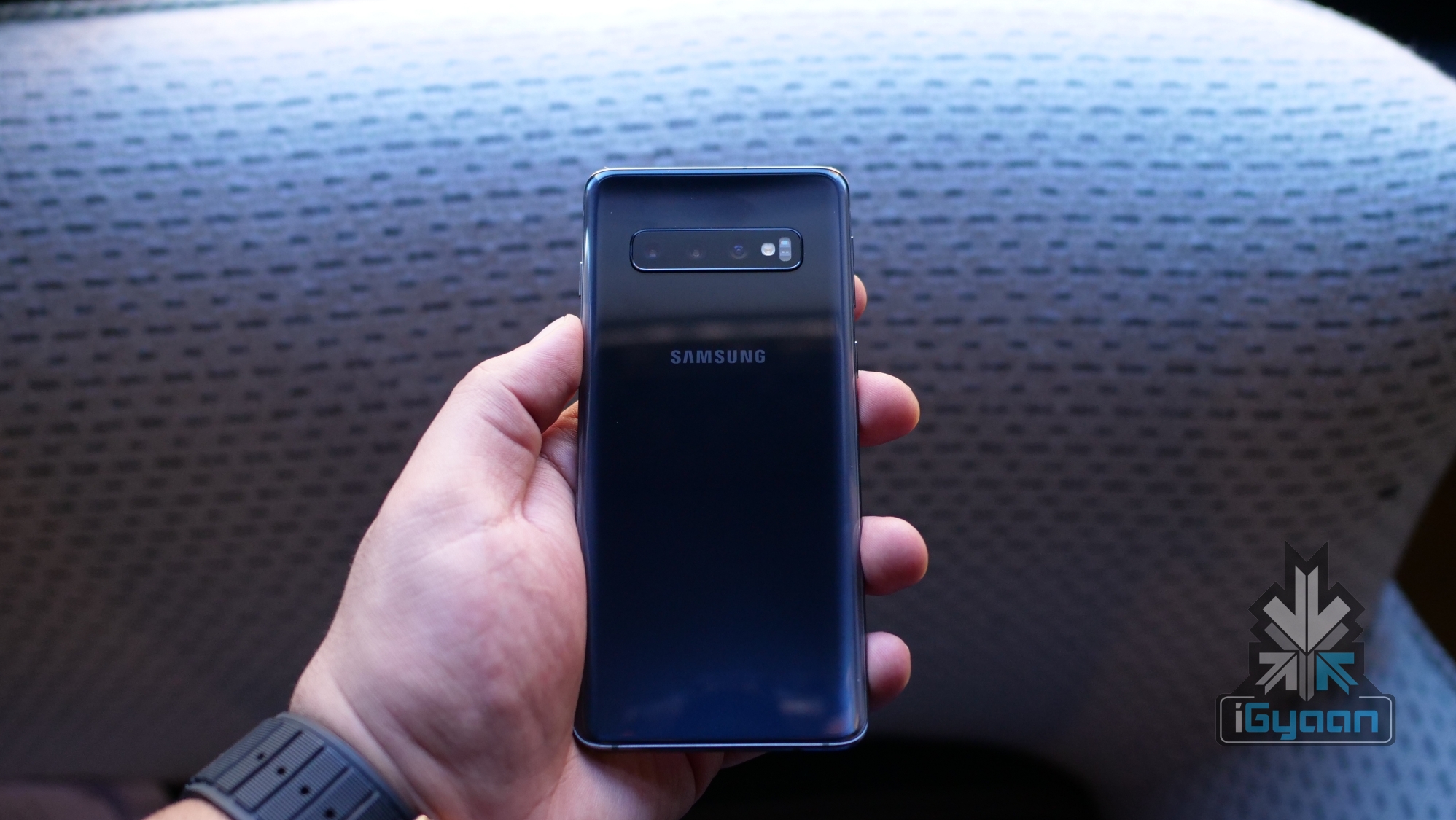
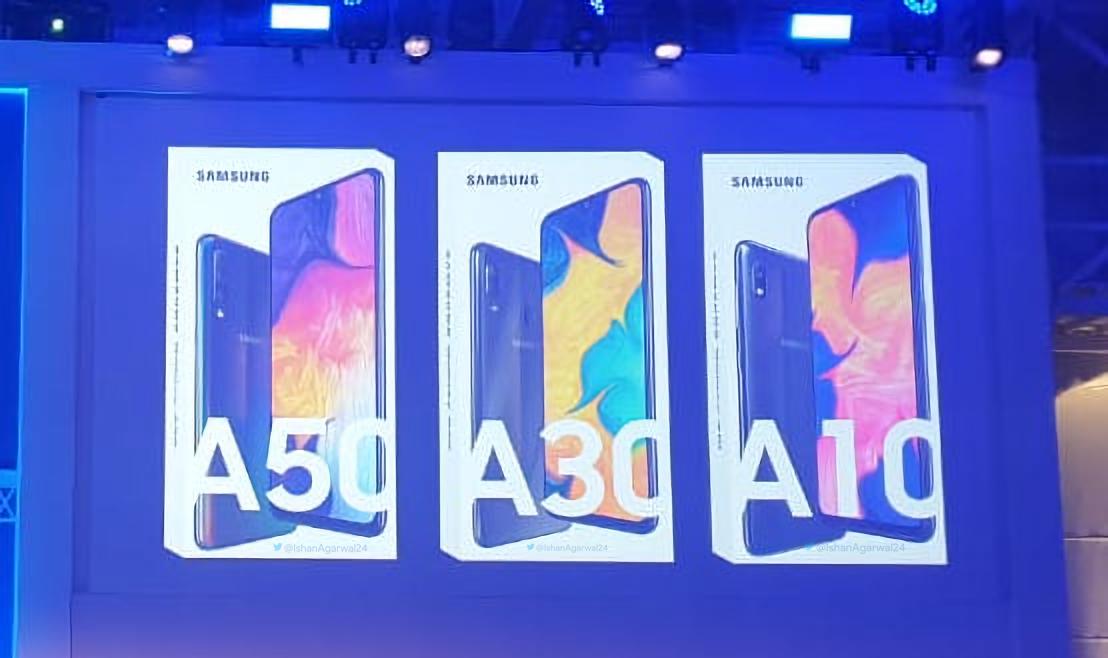
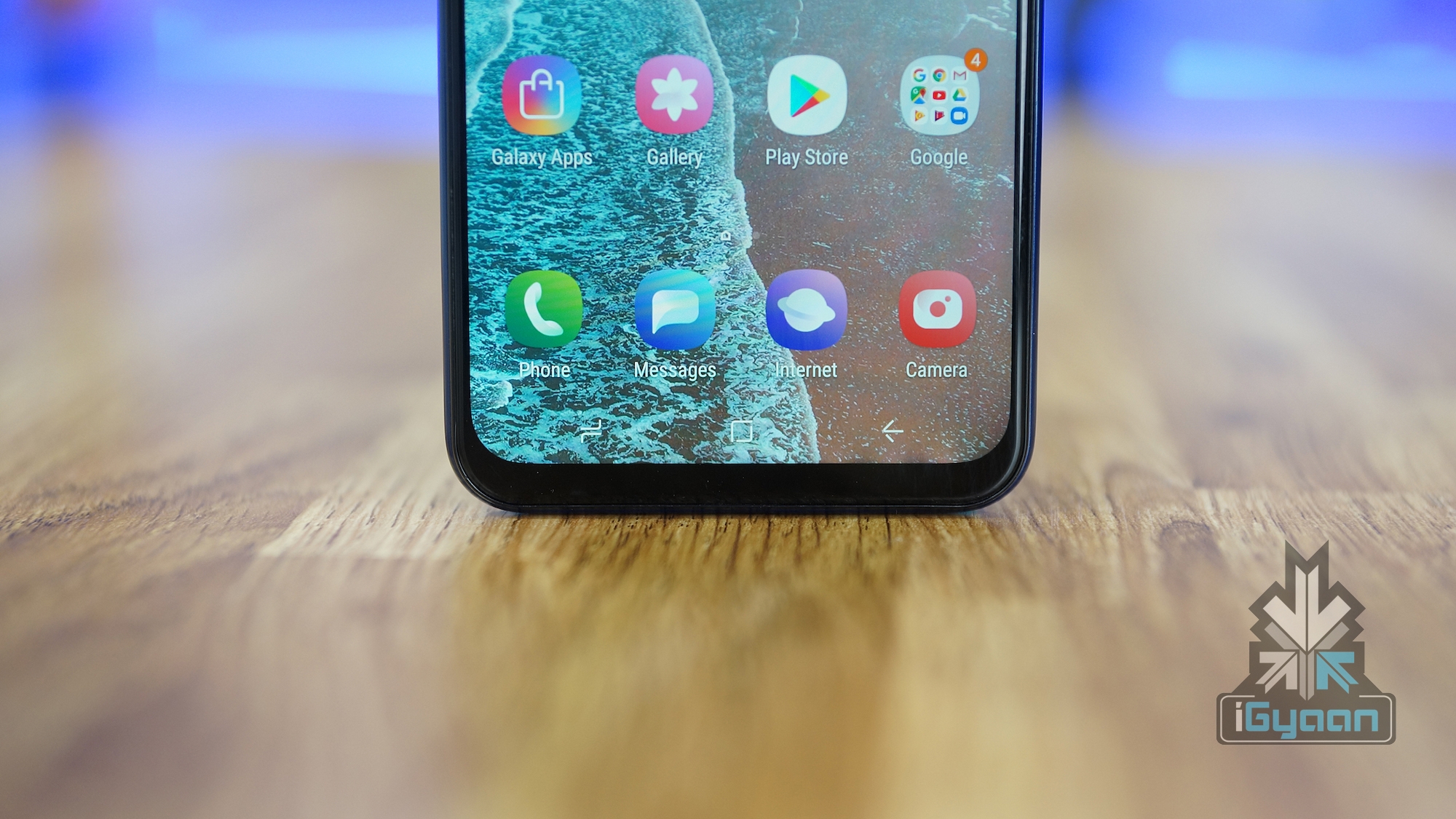
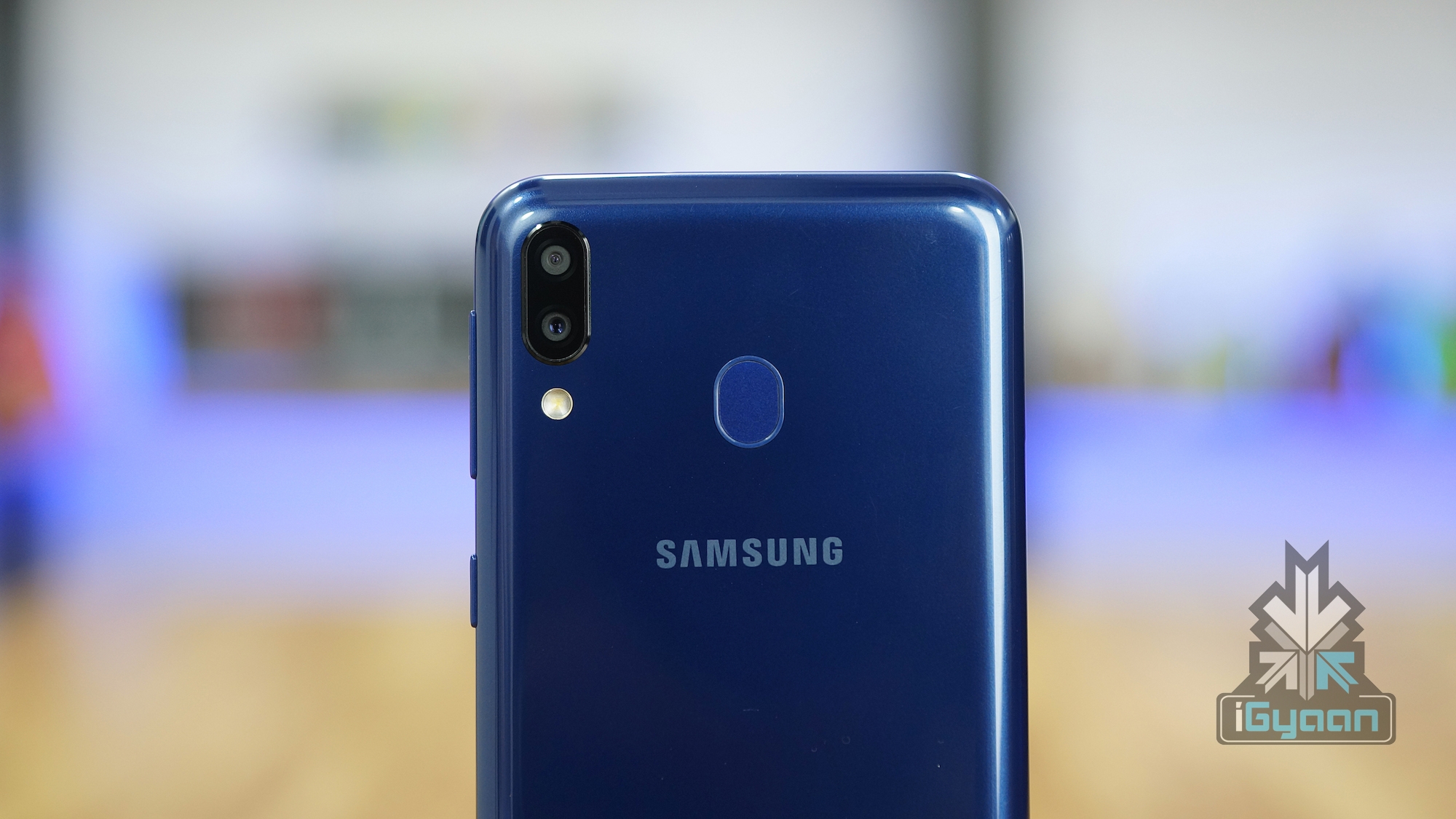 The Samsung Galaxy A30 will have a glossy plastic body. The smartphone will feature a 6.4 inch Super AMOLED, Infinity-U display with a full HD+ resolution. Apart from that, the screen of the Galaxy A30 will also have the ‘Always-On’ feature. As the name suggests, this feature keeps the screen awake for displaying notifications like messages and missed call alerts. The smartphone will run on the 14nm Exynos 7904 chipset with a 1.8 GHz octa-core processor and the Mali-G71 MP2 GPU. The Galaxy A30 will be equipped with a 16 MP (f/1.9) primary sensor with a secondary 5 MP (f/2.2) ultra wide sensor. It will also have a front facing 16 MP (f/1.9) camera. Furthermore, the Galaxy A30 will have a plethora of other features such as AR Stickers, Background Blur and Pro Lighting.
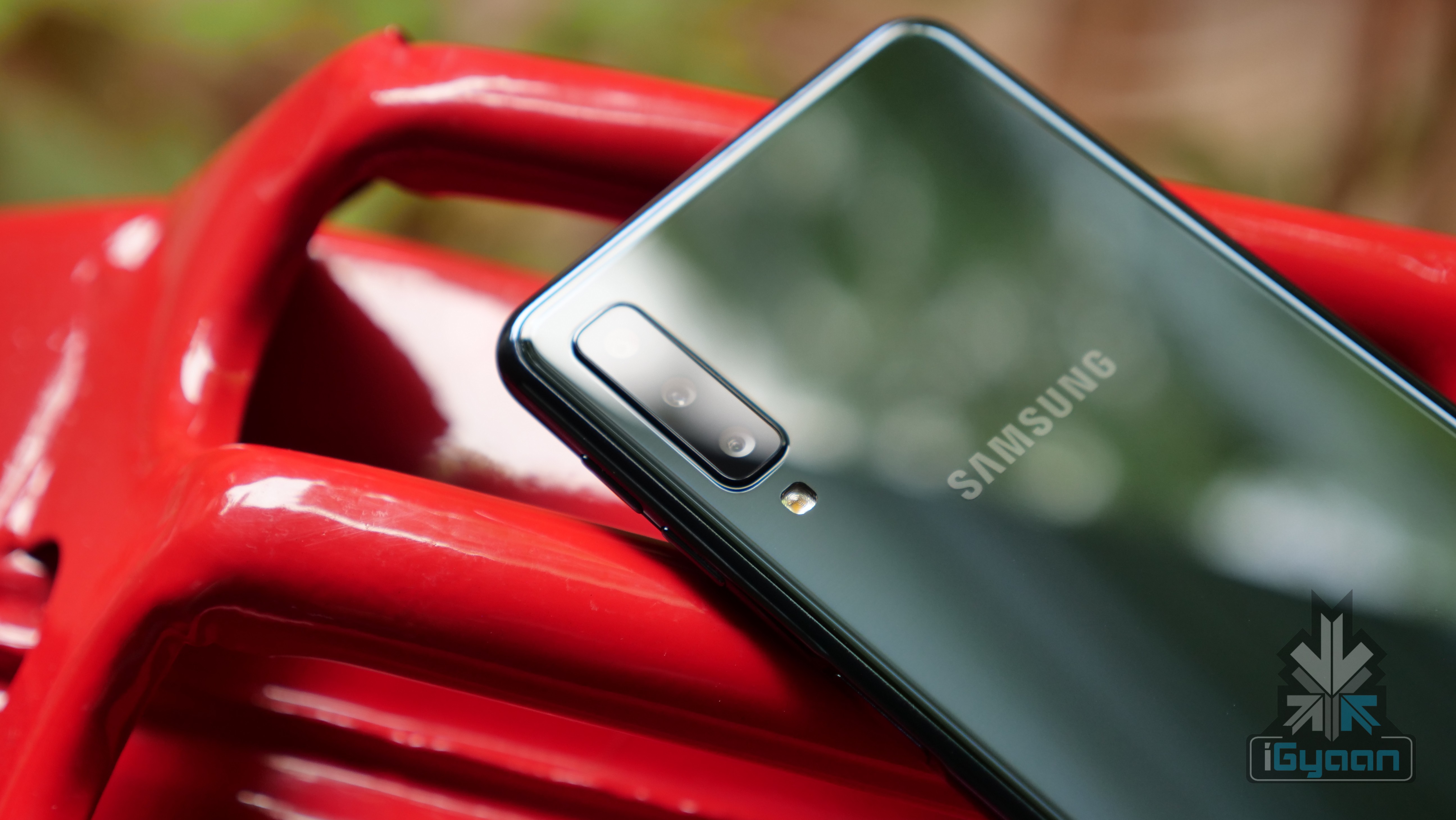 The Samsung Galaxy A50 will be the most feature laden smartphone out of the three upcoming devices. The smartphone’s highlighting feature is an in-display fingerprint scanner which is slowly becoming the industry standard for premium smartphones. The device will run on the Exynos 9610 chipset which consists of an octa-core CPU and the Mali-G72 MP3 GPU.
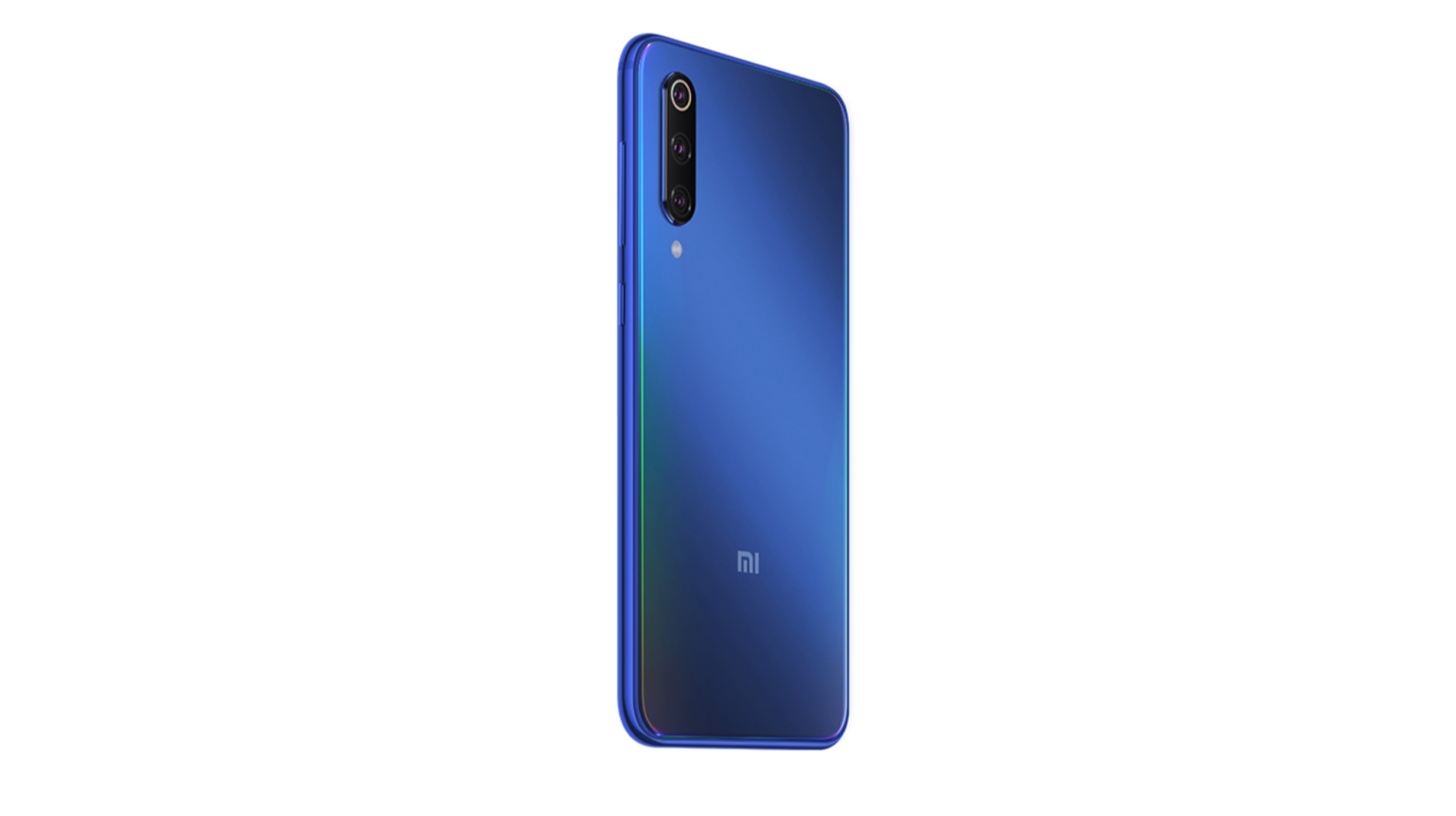
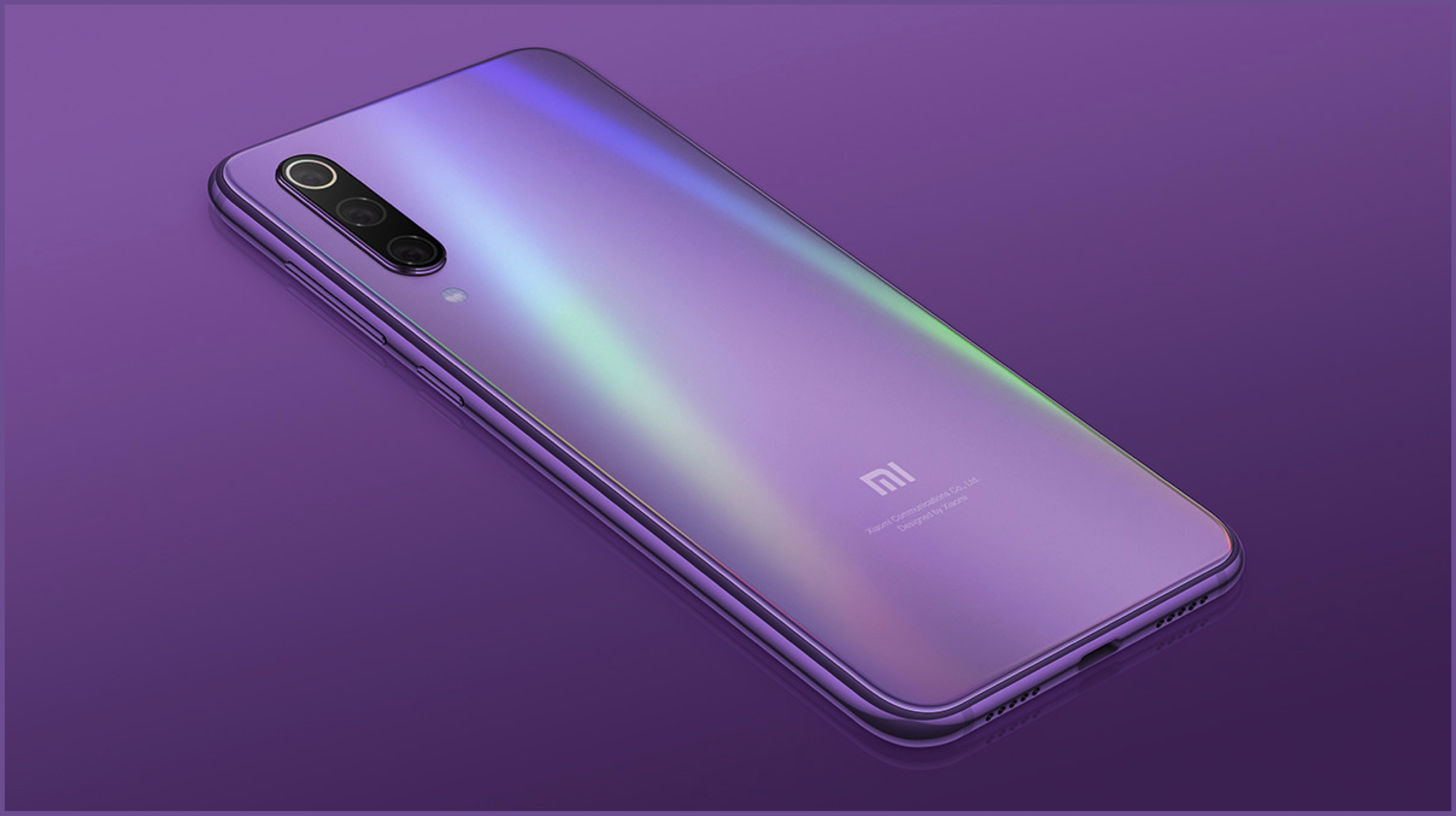
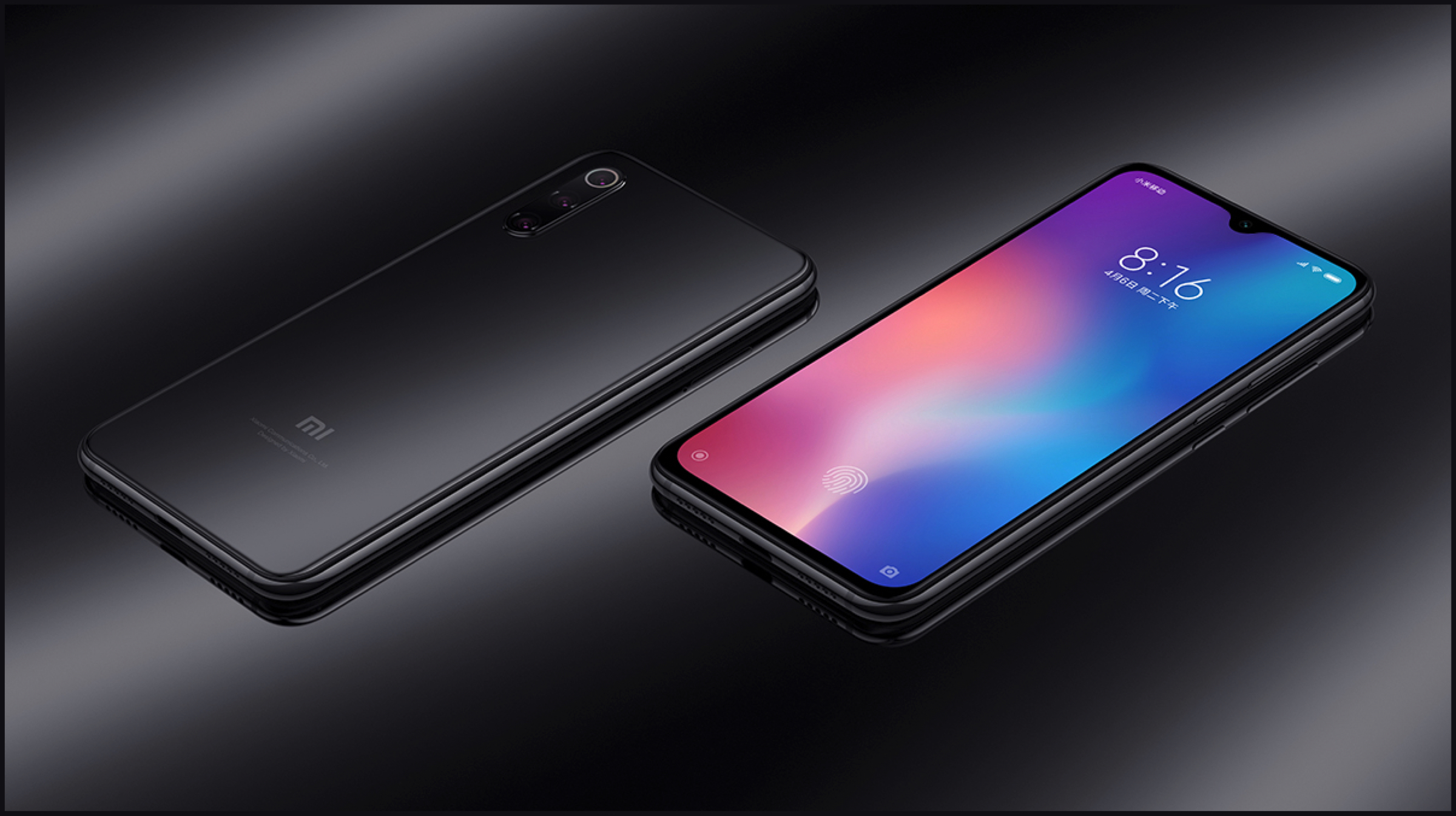
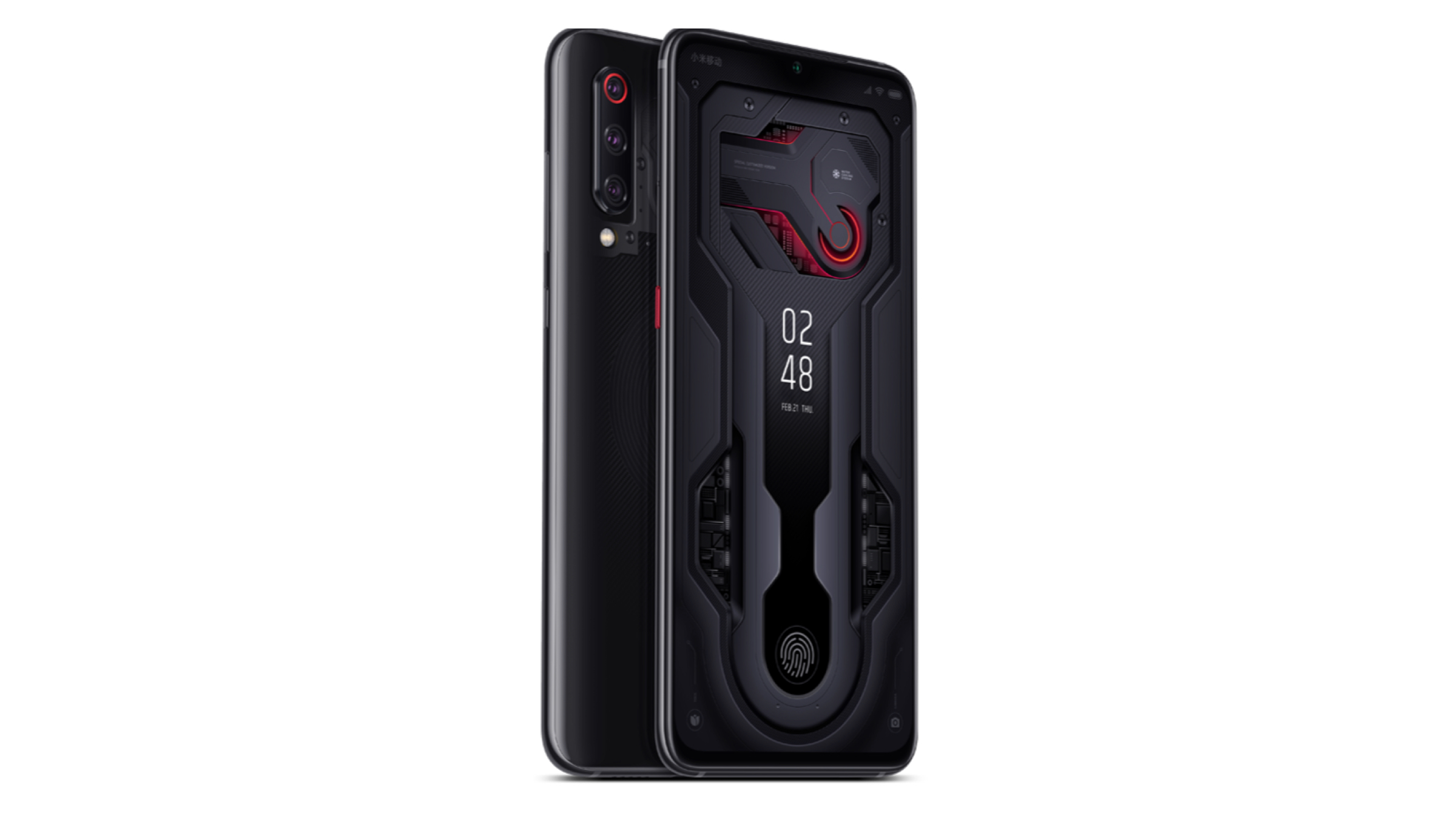
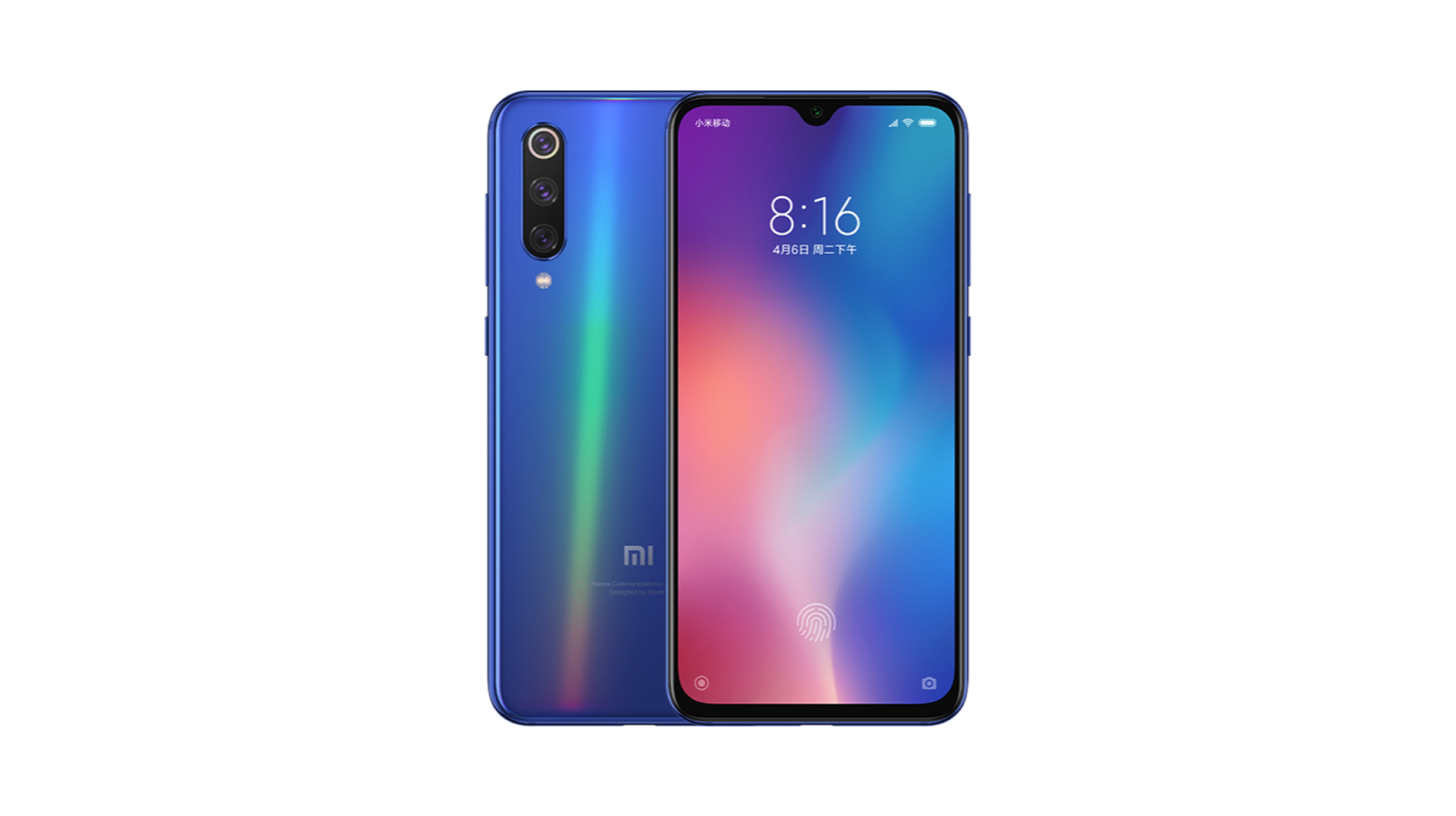 Xiaomi has launched the Mi 9 SE in three colour variants namely Lavender Violet, Ocean Blue, and Piano Black. The smartphone has been priced at CNY 1,999 (around Rs 21,000) for the base model and CNY 2,299 (around Rs 24,000) for the version with 128GB internal storage. Unfortunately, the company has not provided any information about its India launch.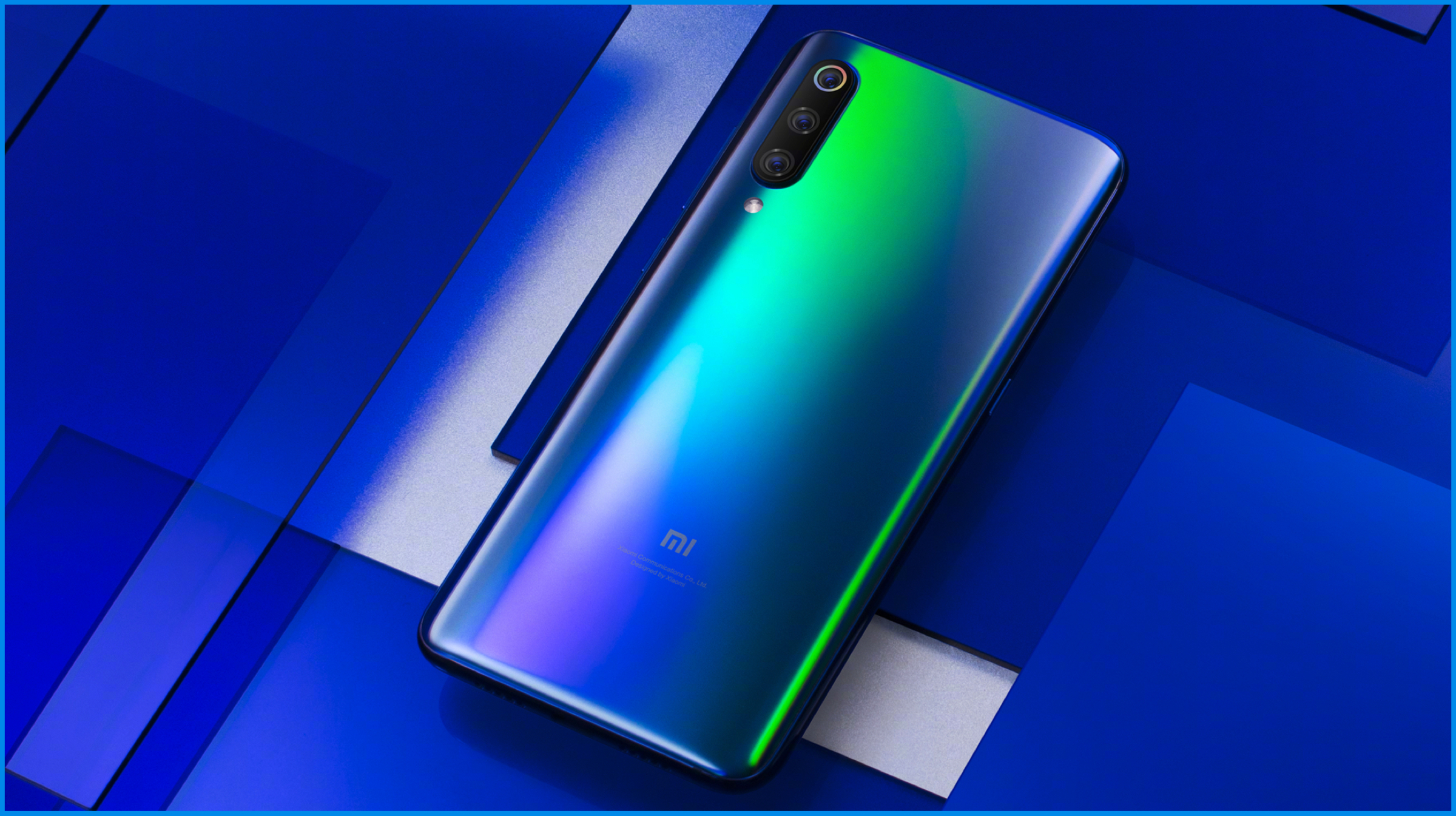

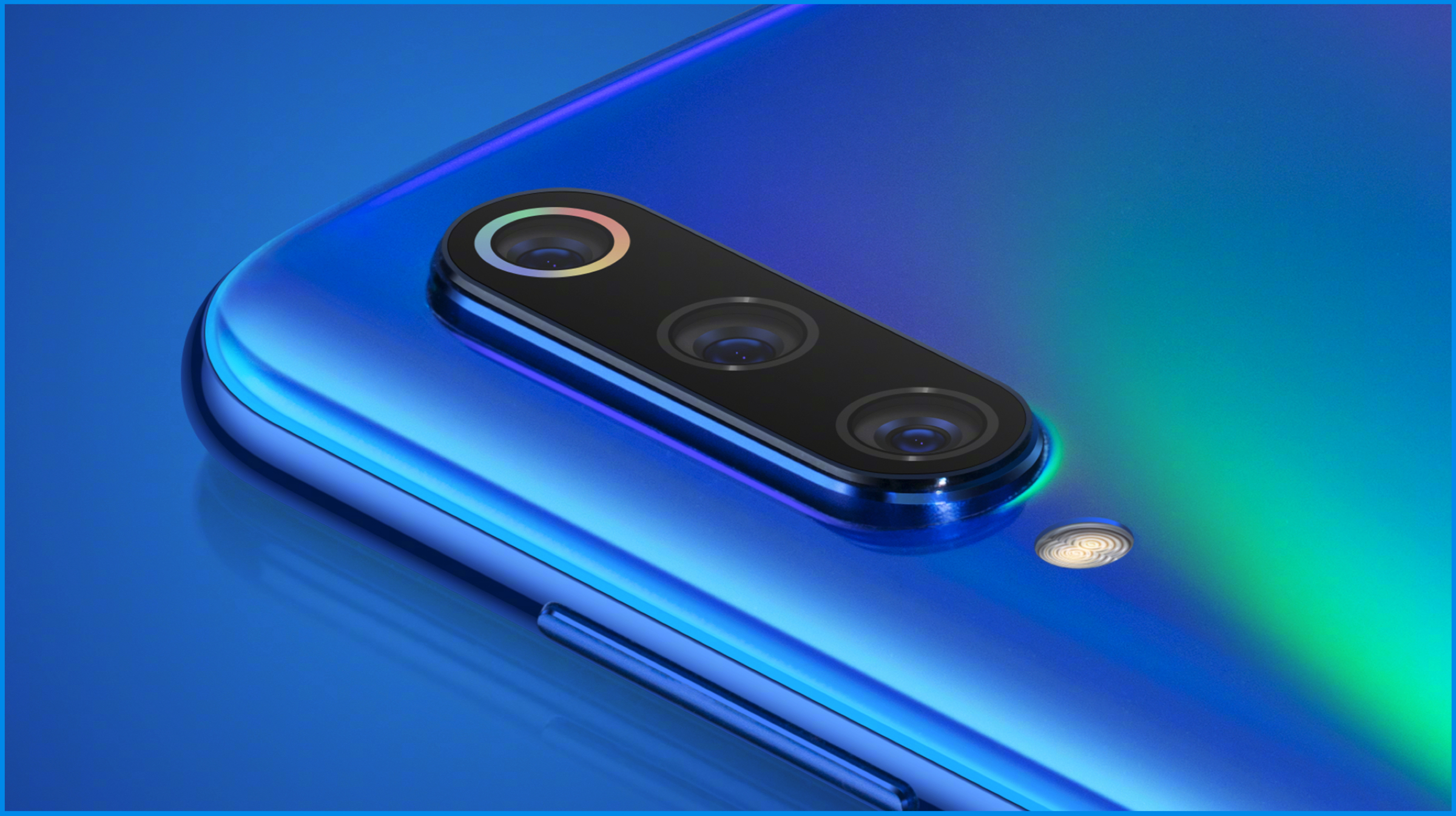
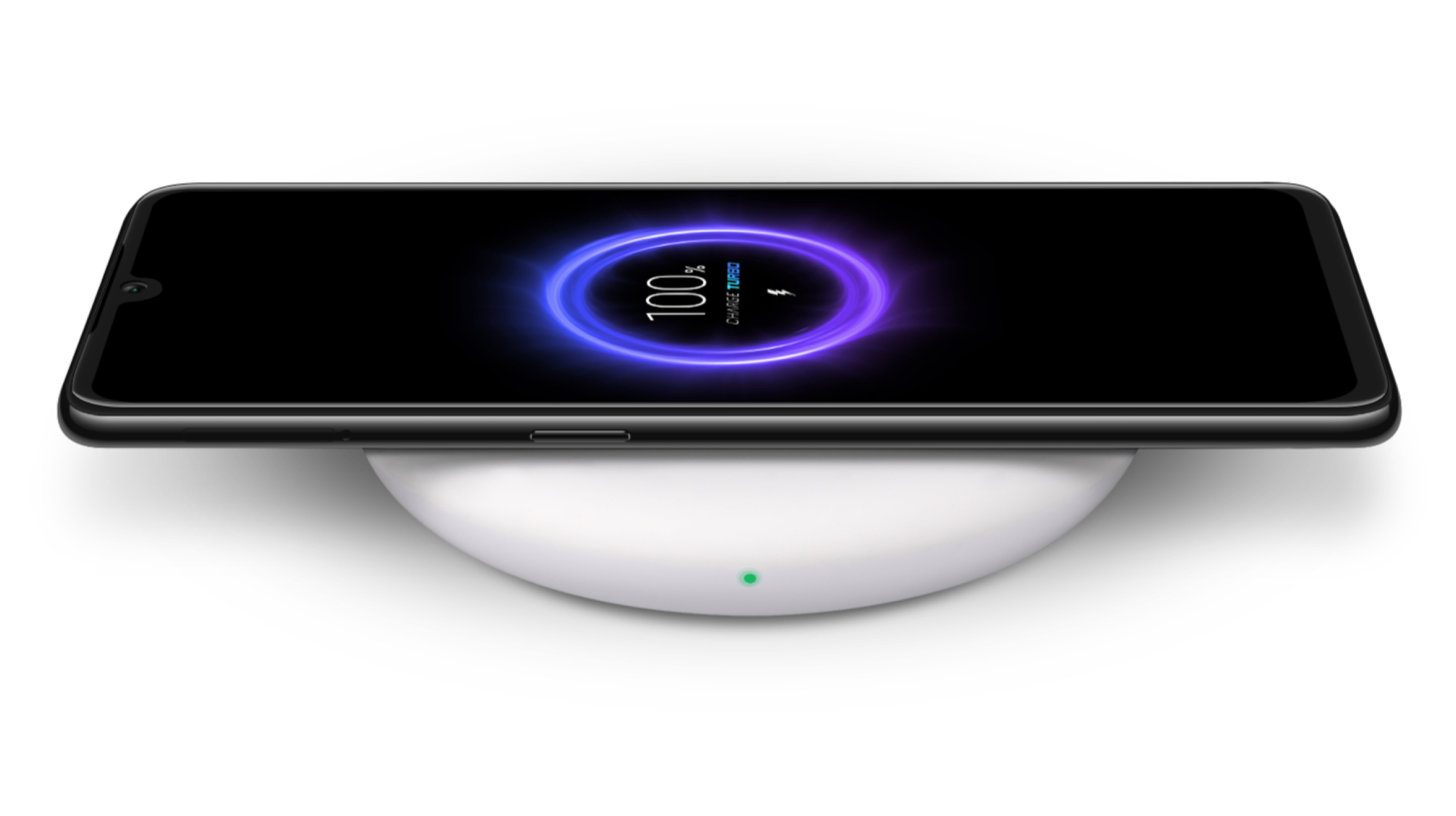
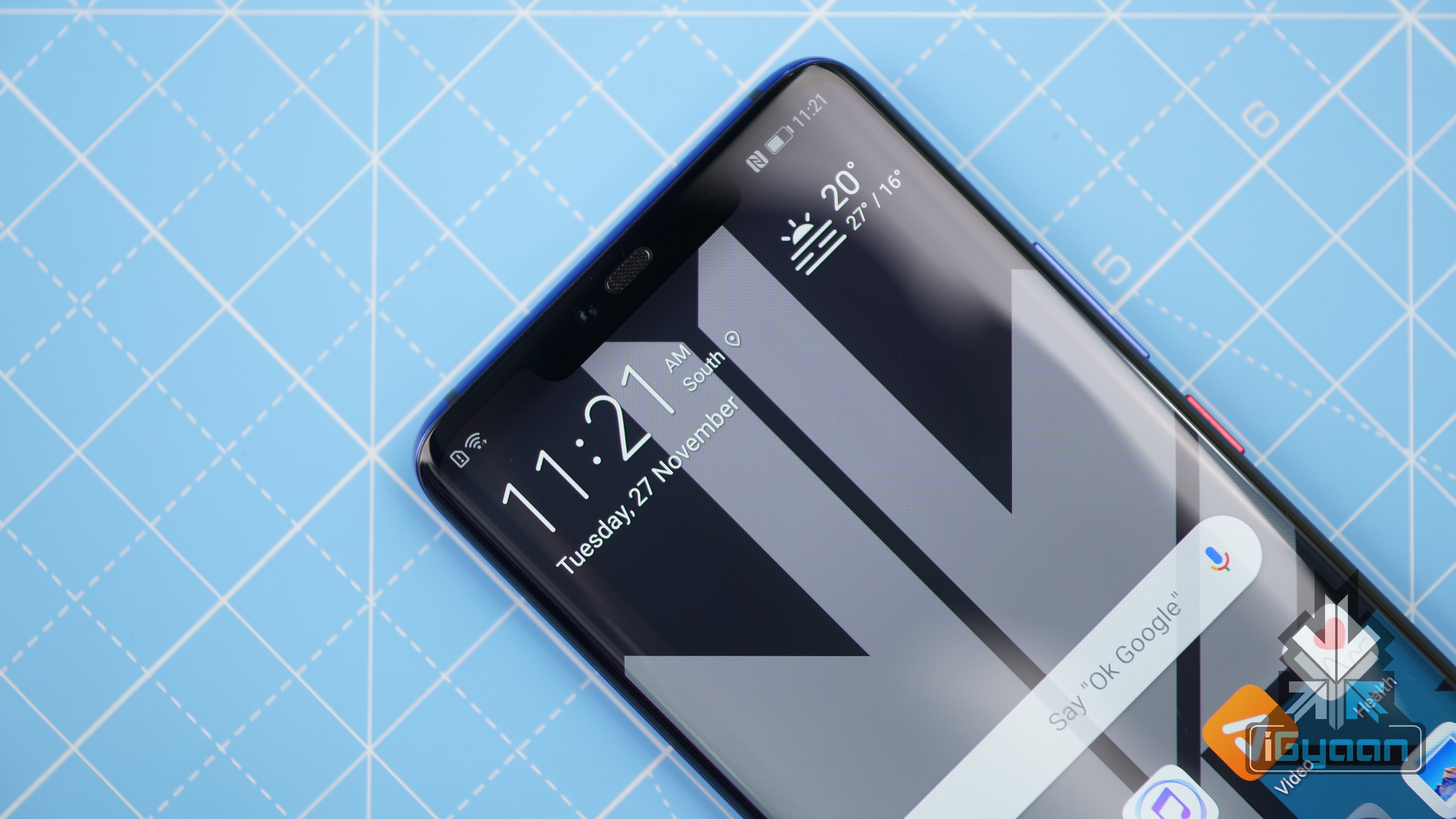
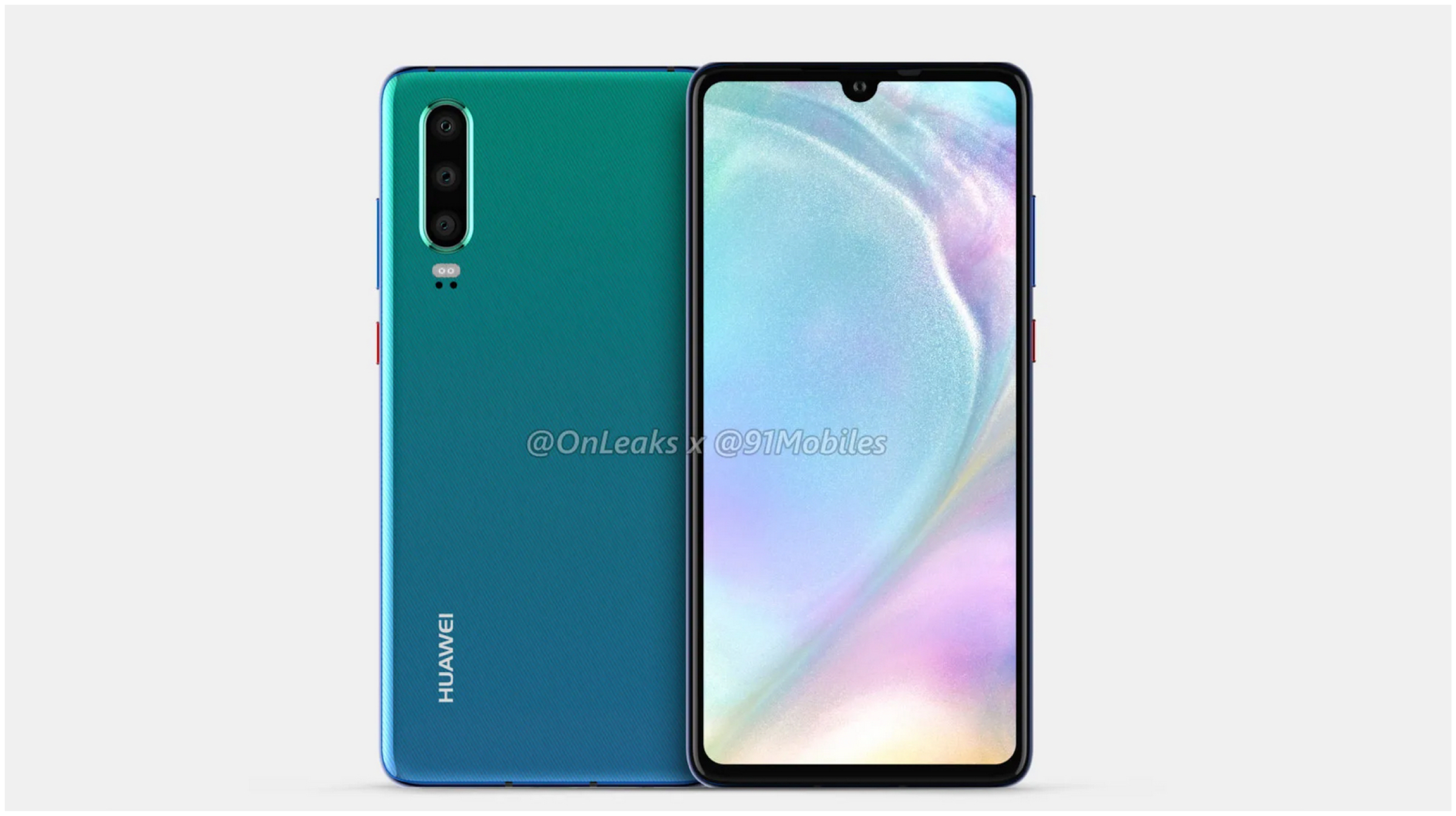 The P30 will help Huawei to establish a foothold in the premium smartphone segment this year. For the same reason, the handset is expected to offer top-of-the-line specifications in the market. Leaked renders suggest that the P30 will feature a glass-sandwich design. The smartphone will reportedly have a waterdrop-style notch and have a high screen-to-body ratio. Renders also show the presence of a 3.5 mm headphone jack on the device, which is an appreciable add-on from the Huawei P20. Like its predecessor, the device may have a similar gradient pattern on the back.
 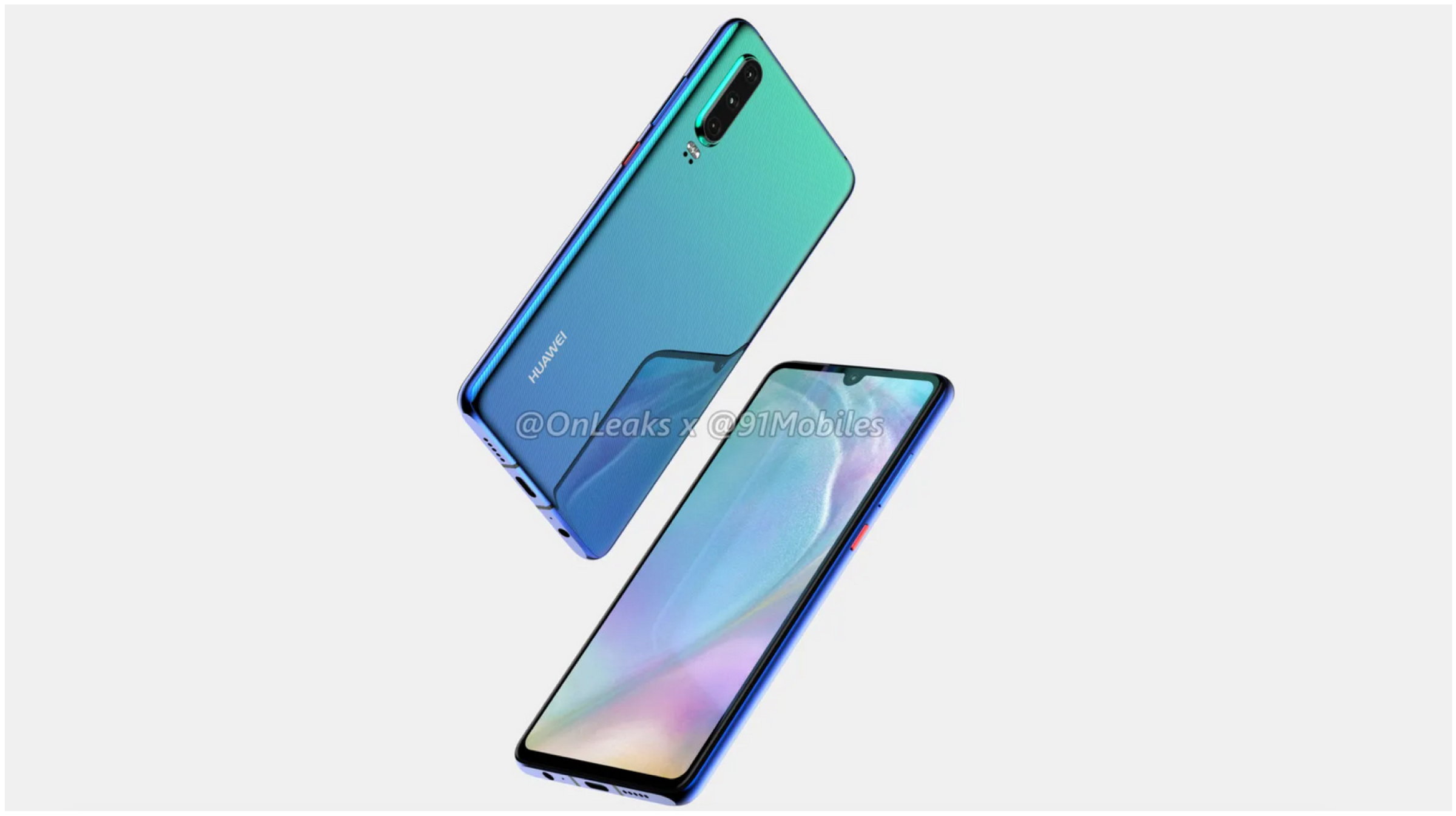 The Huawei P30 will supposedly run on the latest 7 nm HiSillicon Kirin 980 SoC, which features an octa-core processor and the Mali G76 GPU. Furthermore, a ‘pro’ version of the smartphone is also expected to be launched at the same event. The Huawei devices will reportedly have up to 8GB RAM and up to 256 GB of Internal storage.
 The camera will undoubtedly be the highlight of the Huawei P30, because the Chinese company has already proved its capabilities with the Mate 20 Pro. The leaked images suggest that the Huawei P30 Pro will boast of a quad camera set up at the back, whereas the P30 will have a triple camera module. Although the specifications of the camera sensors are not available yet, both the devices are expected to feature a 40MP primary camera sensor. As reported previously, the second and the third camera will be the 3x optical zoom sensor and the ultra wide angle sensor respectively. The