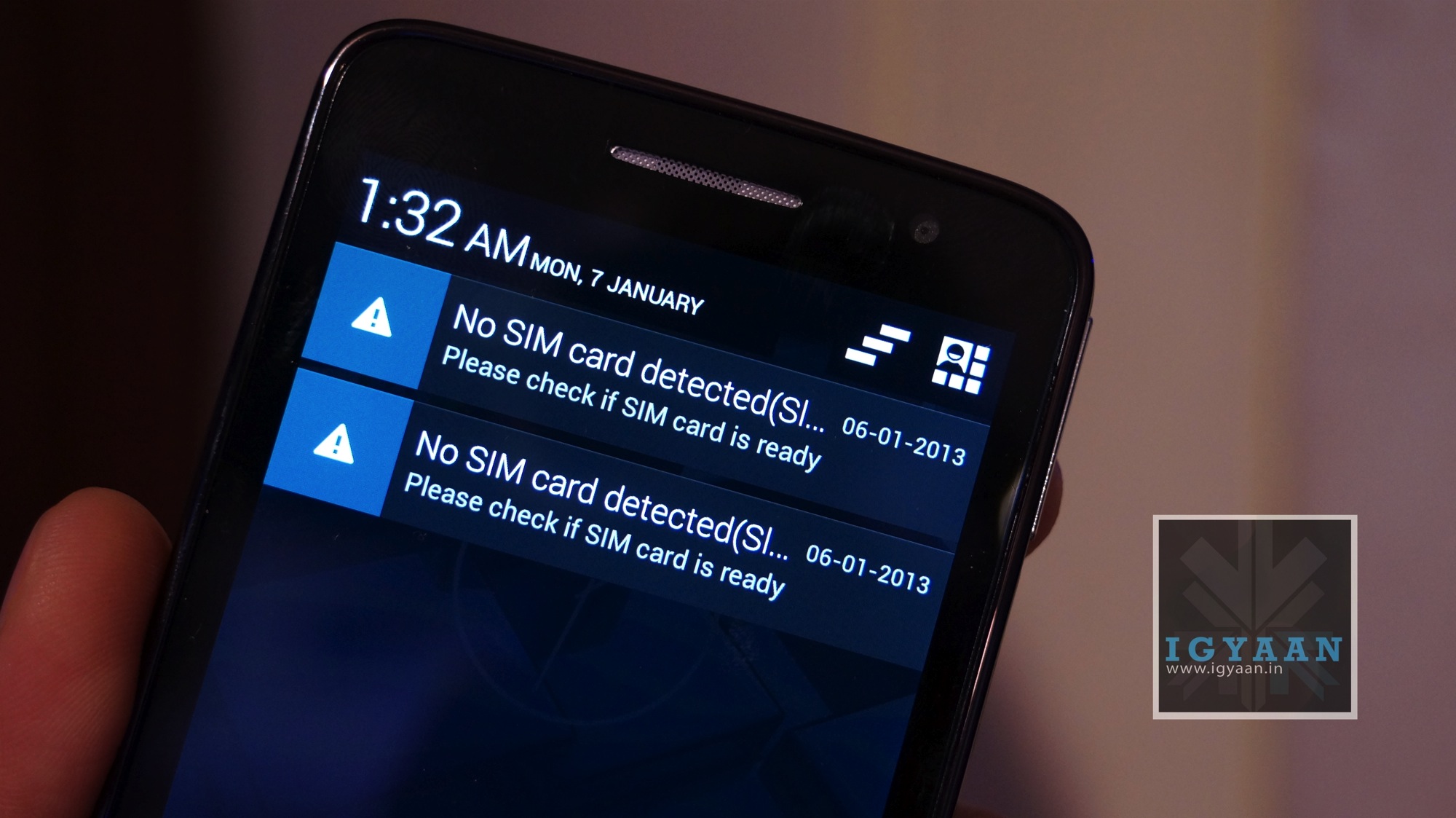
Category: Panasonic

  • Sony And Panasonic Will Team Up To Create 300GB Optical Discs

    Sony And Panasonic Will Team Up To Create 300GB Optical Discs

    The highest capacity optical disc on the consumer market today is Blu-ray. In standard form it can hold 25GB of data or 50GB if dual layer. There’s also been the recent roll out of the BDXL format, which increases that capacity to 128GB. But such levels of storage are fast becoming too small, and both Sony and Panasonic have realized this and decided to do something about it.

    It has been announced today that both Sony and Panasonic are joining forces to create the next generation standard for optical discs. The objective with these discs is to expand their potential for long term data storage. Both companies hope to improve their development efficiency through technologies held by each company, their plan is to release optical discs touting a recording capability of at least 300GB by 2015. Sony and Panasonic will continue to hold discussions regarding the specifications related to the development of this new standard.

    In a joint release, the companies said: “Optical discs have excellent properties to protect them against the environment… they also allow inter-generational compatibility between different formats, ensuring that data can continue to be read even as formats evolve.”

    Much larger volumes of storage are expected to be required in the future both amongst broadcast and motion picture industries but also cloud data centers.

    Of course a new optical disc capable of storing much larger amounts of data could ultimately make its way on to the consumer market, with 4K Ultra HD video the most obvious material, if indeed 4K ever gets a disc format. 

  • Panasonic Launches Three New Mirrorless Cameras

    Panasonic Launches Three New Mirrorless Cameras

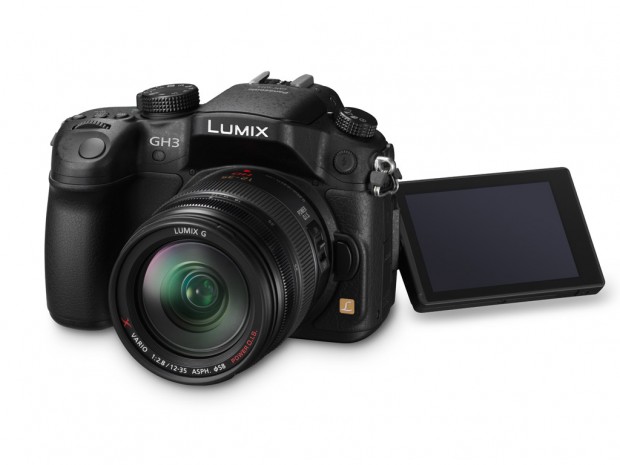
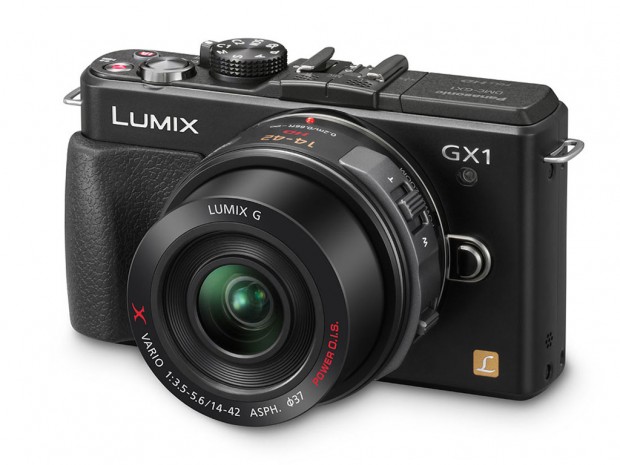
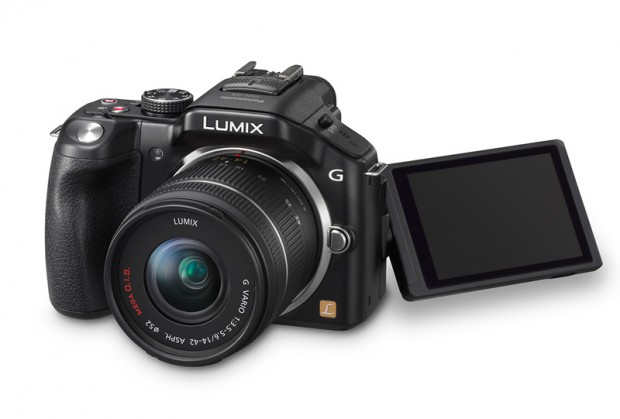
    Panasonic recently added three new cameras to its Mirrorless series- the GX1, G5 and GH3. The price range of the cameras ranges from Rs. 22,000 to Rs. 99,990 (body only).

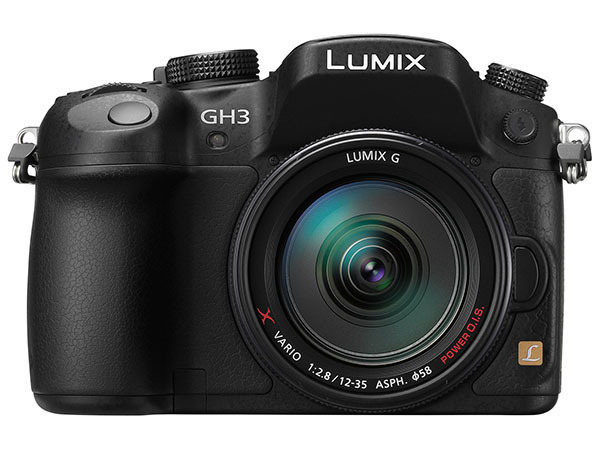
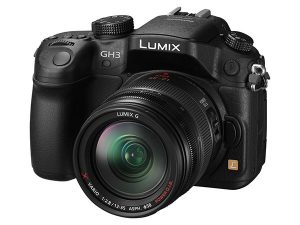
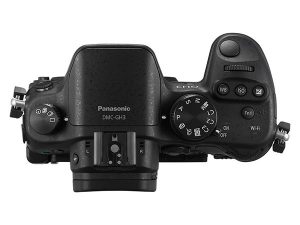
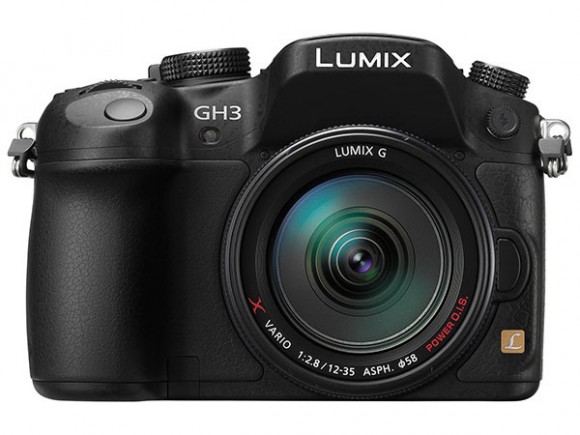
    Panasonic GH3

    Panasonic

    The camera offers smooth high-definition progressive scanning, a host of recording formats, and a heat-dispersing design for extended shooting.

    At the heart of the DMC-GH3 lies a re-engineered 16.05-megapixel Live MOS Sensor. To maximize the resolution of the newly developed Live MOS Sensor, the image sensing block is designed as an integrated unit. The new filter optimizes the conventionally conflicting effects of increasing resolution while suppressing moire. The camera also features the new Venus Engine which has an unprecedented ability to process both still and video signals with razor-sharp clarity.

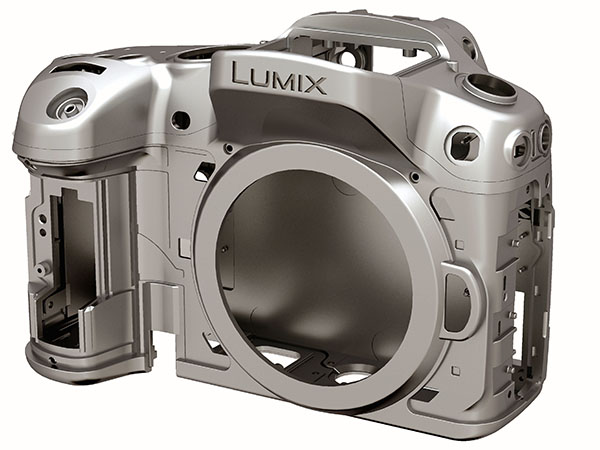
    A rugged magnesium alloy body with a splash proof, dustproof design makes the DMC-GH3 tough enough for active outdoor use. . In the DMC-GH3’s Contrast AF system, the image sensor doubles as the AF sensor to resist any mechanical margin of error.

    The DMC-GH3 uses a variety of advanced recording media, including the SDXC, SDHC, and SD Memory Cards. It lets you transfer your valuable shooting data at lightning fast speeds. The camera also has a built-in Wi-Fi® (IEEE 802.11 b/g/n) function. By installing LUMIX LINK 2.1 or newer, a dedicated application compatible with iOS and Android for smartphones and tablets, you can enjoy a new shooting style using Wi-Fi.

    Price: Rs. 99,990 Body, Rs 154990 with 14140 lens.

    Panasonic GX1

    646-1-Panasonic-Lumix-DMC-GX1-front

    The Panasonic GX1 comes equipped with a 16.0-megapixel Live MOS Sensor. With the dedicated circuit, which reads out signals with minimum noise, the level of noise is significantly suppressed by more than 66%.

    The DMC-GX1 features approx. 0.09 second of ultra-high speed Light Speed AF which is achieved by reducing the detection time for focusing by the synchronization of the lens and the sensor at 120 fps.

    An electric zoom lever on the left side of the lens barrel makes it smoother to zoom when concentrating on the shutter operation with the right hand.

    Price: Rs.34,990 with 1442 mm lens.

    Panasonic G5

    PanasonicG5e

    Panasonic has formally unveiled the LUMIX DMC-G5, a mid-level mirrorless interchangable lens camera. The G5 is built around a 16MP LiveMOS sensor that the company implies hasn’t been used in a G-series camera before. This, combined with the company’s latest ‘Venus Engine’ allows the capture of 1080p video at 60 frames per second. It also gains an additional control lever, higher-resolution 920,000 dot rear LCD and regains the eye-sensor to automatically switch between LCD and electronic viewfinder.

    The Panasonic DMC-G5 features two types of noise reduction: Multiprocess Noise Reduction, which optimizes the noise reduction in the bright parts of the image for both single* and burst shooting, and 3D Noise Reduction, which applies optimal noise reduction by differentiating the edges and the smooth parts of the image in single shots.

    It features the world’s fastest level of auto focusing, called Light Speed AF, which is achieved by reducing the detection time for focusing by doubling the drive speed from 60 to 120 frames per second.* The DMC-G5’s high-speed, high-precision AF functions operate even while shooting videos. The DMC-G5 records high-resolution Full-HD 1,920 x 1,080 60p (NTSC)/50p (PAL) videos with 28 Mbps videos in AVCHD Progressive (MPEG-4/H.264) format.

    Price: Rs. 37,990 with 1442 mm, Rs. 43,990 with 1442 and 45150 mm lens.

  • Panasonic P51 Full Review

    Panasonic P51 Full Review

    Build Quality and Design

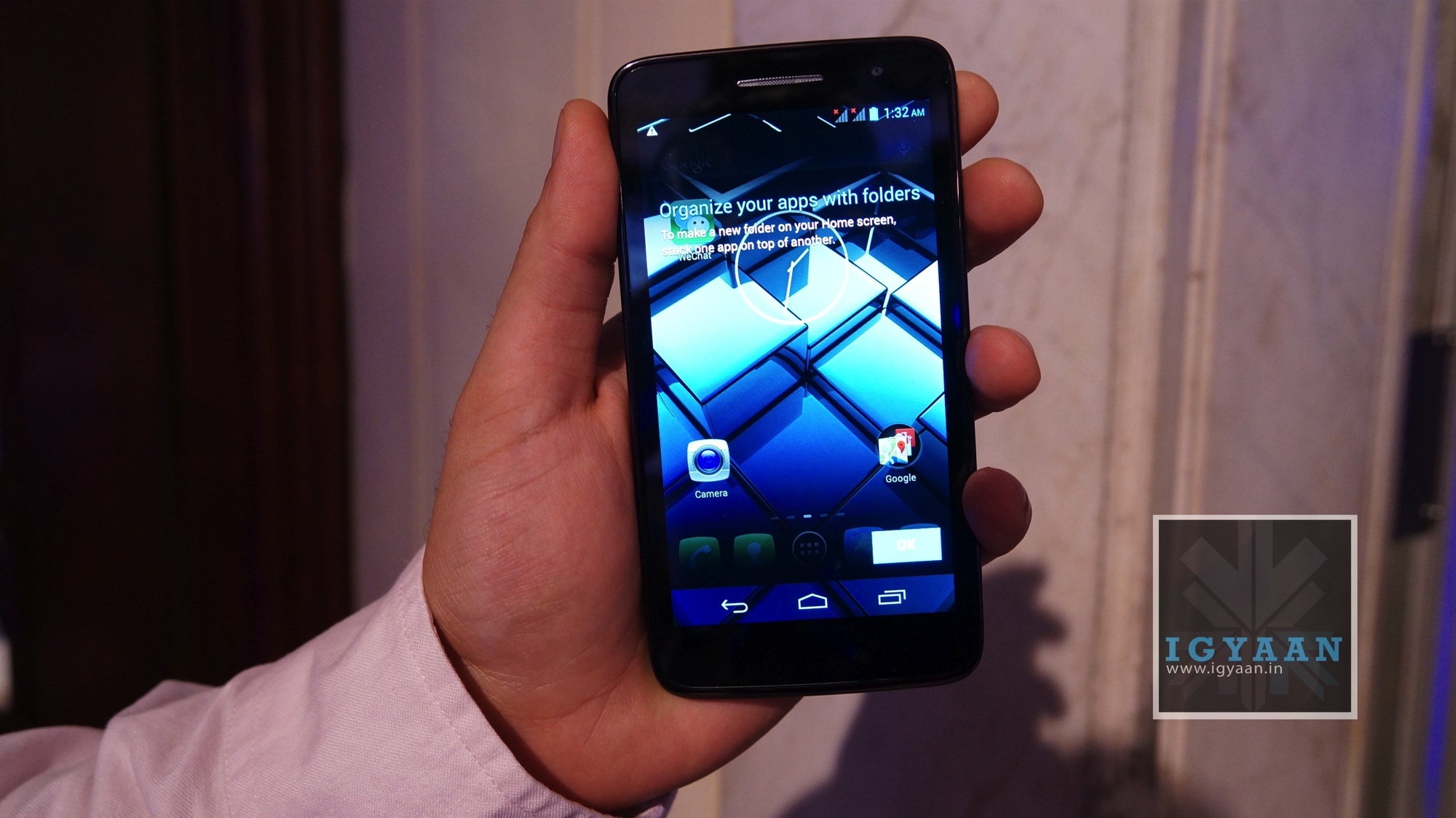
    At its launch event, Panasonic talked a lot about the emphasis and effort that went into the design process of the phone. The idea was to keep it simple and functional. They went for a clean black front with rounded edges and a glossy back. There is a 5-inch screen (with a scratch-resistant Asahi Dragontrail glass) towards the front with the earpiece grill, front-facing camera and a bunch of sensors at the top. There are no touch capactive buttons on the device.

    panasonic p51

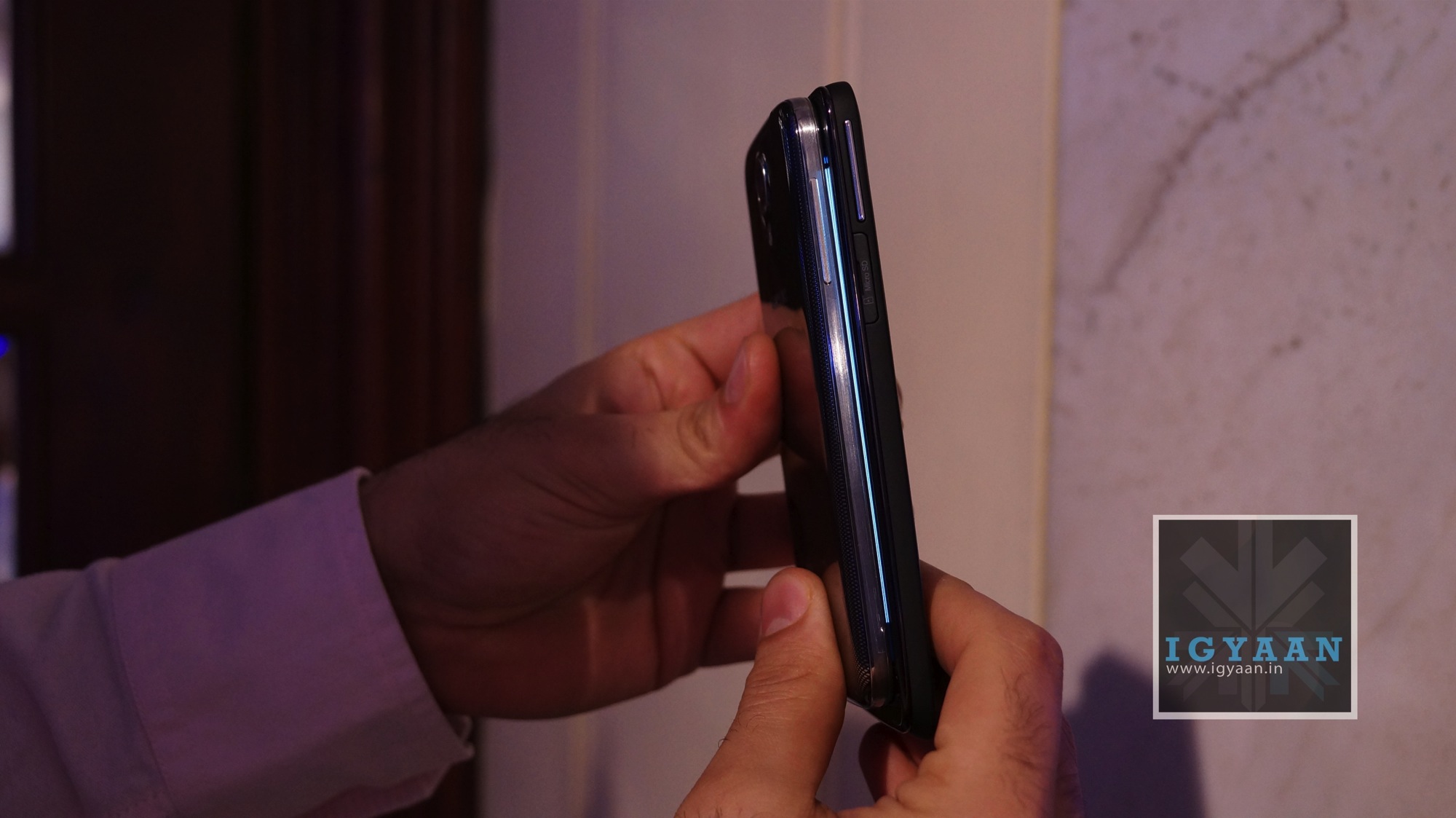
    At the top of the phone, you have the 3.5mm jack besides the plastic power button. Towards the right you have your volume rocker and right below it, the spring loaded micro SD card slot. The left side of the phone houses the two micro SIM card slots and a micro-USB port beneath it.

    panasonic p51

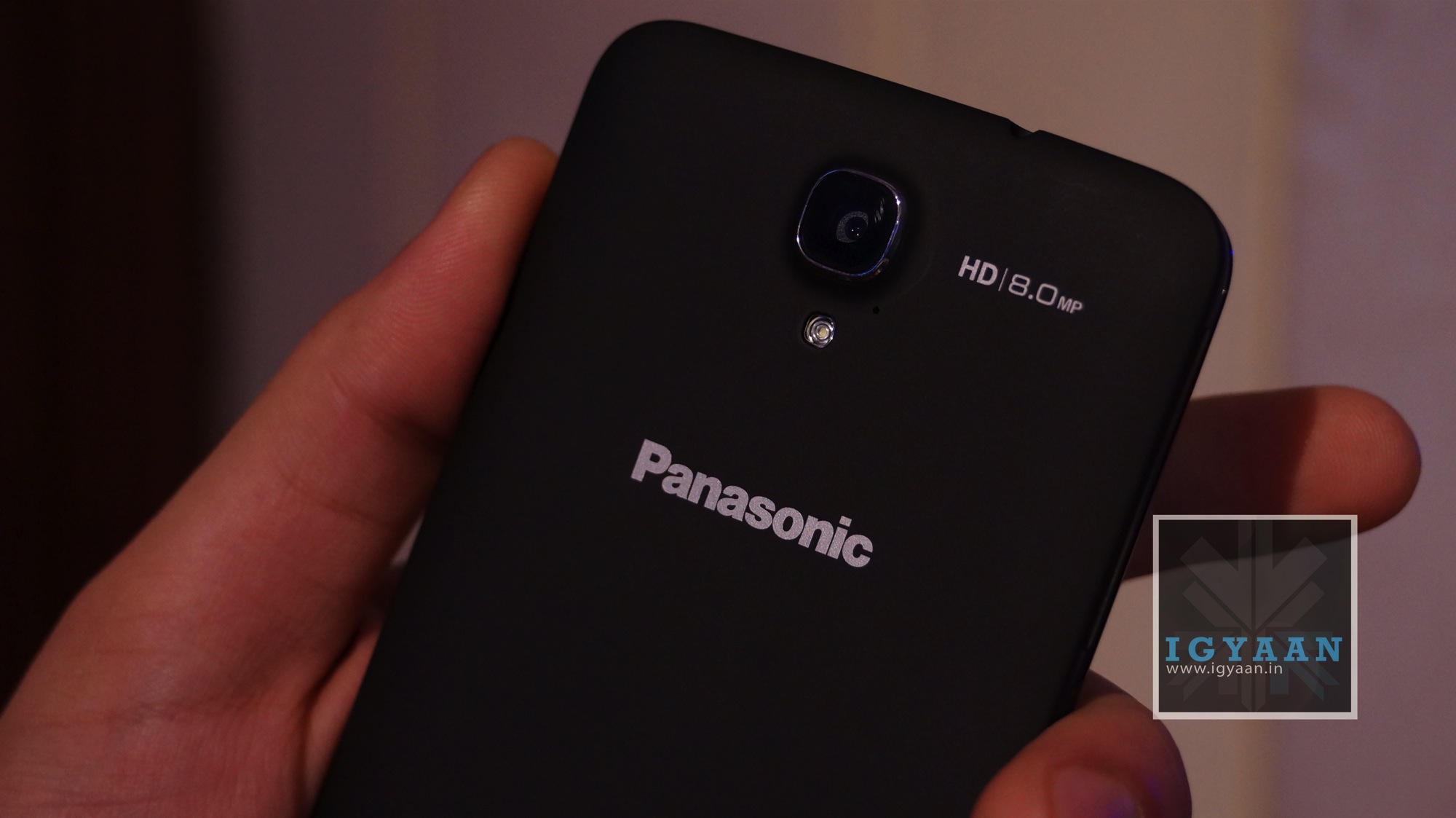
    The glossy back (the black Panasonic P51 has a soft rubber finish back) is not removable and houses the 8MP camera and the LED flash. 

    panasonic p51

    Overall, the build quality of the Panasonic P51 is quite impressive and the device feels really solid in your hands.

    Specifications and Hardware

    The Panasonic P51 is powered by a Quad Core 1.2 Ghz Mediatek MT6589  CPU. The quad core chip is of the Cortex A7 architecture, and is coupled with a PowerVR SGX544MP2 GPU for graphics. The Panasonic P51 also has 4 GB of internal storage and 1 GB of RAM. 

    It has a 5 inch 1280 x720p HD IPS LCD display. For imaging the Panasonic P51 also has an 8 MP main camera and a 1.3 MP front facing camera capable of HD video. 

    This 3G enabled phone from Panasonic also has Dual Sim Capabilities and has a massive 2500 mAh battery, and despite that remains 8.5 mm slim and 135 gms in weight. 

    Display and Multimedia

    The display on the Panasonic P51 has a pixel density of 294 ppi, which makes it as good as any in this segment. The colour reproduction though seems a tad unnatural and the display has a slightly bluish tint to it. Since it is an IPS display, outdoor visibility and viewing angles are really impressive. Brightness is adequate too. Overall, the display is definitely one of the best in this segment. For scratch resistance, Panasonic has used Asahi Dragontrail glass, which is claimed to be better than the popular Gorilla Glass.

    panasonic p51

    Due to the high quality display, the video playback on the device is again a pleasant experience. Couple this with a decent speaker and you have a really capable media consumption device. 

    The built in browser of the Panasonic P51 isn’t quite up to the mark. While text clarity was good due to the sharpness of the display, zooming and kinetic scrolling seemed a bit off. 

    [youtube id=”J7AIr8i9eJg” width=”100%” height=”300px”]

    Gaming on the Panasonic P51 was not up to our expectations. Quite a lot of games stopped in between and loading time seemed quite long. You can watch our gaming review video below.

    [youtube id=”IT2PDjmHkeo” width=”100%” height=”300px”]

    Camera

    The rear camera on the Panasonic P51 takes quite decent outdoor images. Colour reproduction and exposure are good and the only problem we had was with the over-sharpness of the images. Indoor images were not quite up to the mark. Even with the flash turned on, images turned out quite dark and under-exposed. 

    The same was the case with the video recording on the device, with outdoor videos coming out quite nice. The Panasonic P51 picked up ambient noise quite nicely too. To avoid shakes while recording it has incorporated software based image stabilisation.

    Box Contents

    Panasonic provides you with a magnetic flip cover along with the Panasonic P51, which clicks onto the back of the device. The device also comes along with a stylus, but unfortunately it does not have a port to stow the stylus away. 

    Conclusion

    Priced at about Rs. 22,000, the Panasonic P51 seems overpriced given the fact that a lot of manufacturers offer more or less the same features in their smartphones for a lot less money. What works for the Panasonic P51 is its nice display and an impressive camera. Other than that, there is no real feature in this device that would make it feel like a device worthy of a recommendation in its segment. 

    [youtube id=”nfl4nxEAIE4″ width=”100%” height=”300px”]

  • Panasonic P51 Launched in India with 5 inch HD screen, Quad Core CPU,  Magnetic Cover and Stylus

    Panasonic P51 Launched in India with 5 inch HD screen, Quad Core CPU, Magnetic Cover and Stylus

    Panasonic at a press conference here in New Delhi, India, Has launched a new Android 4.2 Jelly Bean based smartphone. Dubbed the Panasonic P51, the device is powered by a Quad Core 1.2 Ghz CPU of an unspecified make. The Panasonic P51 also has 4 GB of internal storage and 1 GB of RAM. 

    The Exterior of the Panasonic P51 is designed mainly of plastic and the front consists of a 5 inch 1280 x720p HD IPS LCD display. For imaging the Panasonic P51 also has an 5 MP main camera and a 1.3 MP front facing camera capable of HD video. 

    This 3G enabled phone from Panasonic also has Dual Sim Capabilities and included in the box is a magnetic flip cover, that just like Apple’s iPad smart cover will turn on or off the display when flipped open or close respectively. The Panasonic P51 also has a massive 2500 mAh battery, and despite that remains 8.5 mm slim and 135 gms in weight. 

    This is Panasonic’s first foray into the “Budget Quad Core, Dual Sim” handsets and by the looks of the Phone is powered by the Mediatek 6589 Chipset as all the specifications align with the device.

    UPDATE : The phone has been launched at a price of Rs. 26,900. A total of 10,000 more than expected. It has also been confirmed that the chipset on the inside is a Mediatek 6589 same as the one seen on the Canvas HD. 

    Panasonic P51 Hands On

    The Panasonic P51 is only 8.5 mm thick, its got nice curves and a raised bezel sort of design which makes it appear, as if, the display is floating above the body. The ID is unique but it is certainly not premium looking, as Panasonic claims it to be. 

    The over all design of the phone seems ordinary, the front has a ASAHI made Dragon Trail glass, which Panasonic claims is better than Gorilla Glass. Panasonic also claims they have put in some camera features like smile shot and auto enhance, that seem to be just software implementations. Honestly the quality and the outlook does not seem justified for the price. 

    The fact that Panasonic claims that performance is top notch when compared to competition, is worry-some especially because one manages to buy two of the other units be it Micromax, Karbonn or any other for the price of this one unit.

    At first is it factually clear that someone somewhere screwed up. The Price seems to have been royally messed up even if Panasonic has really managed to offer up the experience they say they have, on the flip-side LG has launched the Nexus 4 in India, which comes at a price cheaper than the Panasonic P51.


  • Panasonic to Launch Quad Core P51 in India on May 16th

    Panasonic to Launch Quad Core P51 in India on May 16th

    Panasonic is finally ready to take on the Android Ecosystem all over again, and they will launch their first device right here in India on May 16th. The Panasonic P5i is expected to run on a Quad Core Chipset clocked at 1.2 GHz, and will have a 5 inch HD display, an 8 MP main camera and a 2.1 MP front facing camera.

    Funnily enough we had spotted Panasonic’s name during the launch of the Mediatek 6589 chipset, and the rumored specs of the Panasonic P5i manage to match those seen on the Canvas HD. Maybe Panasonic is getting ready to launch a budget phone in India?, or maybe its all hokum. Either way we will know when we make our way to the launch of the Smartphone on 16th May and get you all the details here on iGyaan.

    So Stay Tuned!

  • Panasonic Lumix GF6 Offically Released

    Panasonic Lumix GF6 Offically Released

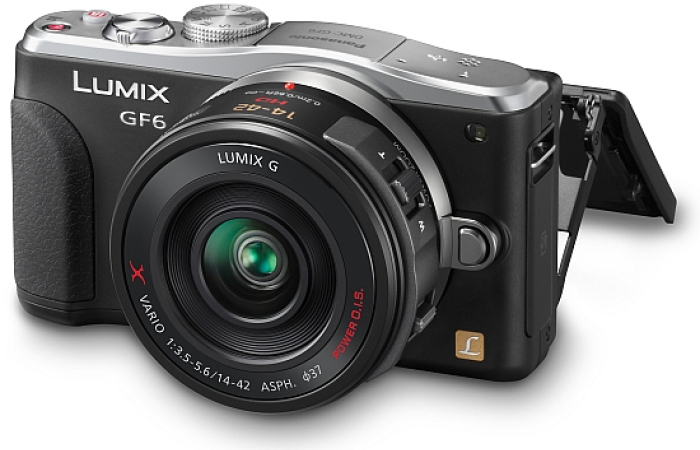
    Panasonic has launched the new Lumix GF6, a mirrorless interchangeable lens camera. The GF6 has a 16 megapixel sensor with a new Venus Engine that can shoot up to ISO 26,000 and can record videos at 1080i/60.

    The Venus Engine has been created to provide users with high-performance signal processing and the advanced noise reduction system, with a max ISO 25600.

    The screen on the Panasonic Lumix GF6 is a slight step up from the GF5 resolution wise: 1040K-dot screen compared to the 920K-dot screen on the outgoing model. It  has a fully articulated screen that can flip 180-degrees, so you can use it for self-portraits.

    The WiFi and NFC support is another advantage, though this has stopped being a novelty after the Samsung Galaxy Camera opened the floodgates for all the others.

    The same can be said about the included app, which needs to be installed on smartphones/tablets and, among other things, can send/receive photos and control the camera from afar.

    The Panasonic Lumix GF6 possesses built-in flash, 3.7 fps burst shooting, low-light autofocus and a 0.5-second start-up time, and JPEG and RAW shooting, plus a new mode dial and a case colored black, white, red or brown.

    Finally, editing the photos/video is possible in Self Shot, Creative Panorama and Stop Motion Animation. And with the popular Creative Control mode, a total of 19 filter effects are made available to the owner.

    The Panasonic Lumix GF6 will be available from the end of May, priced at £499 with the 14-42mm II lens and £649 in a double-zoom kit with the 45-150mm Mega O.I.S.

    Waiting for an India release!

  • Panasonic Lumix GF6 Photos And Specs Leaked

    Panasonic Lumix GF6 Photos And Specs Leaked

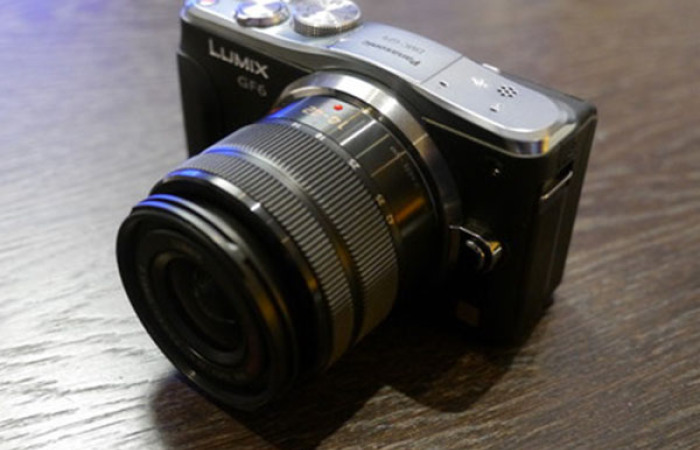
    Panasonic Lumix GF6 images and specifications have been leaked early this week, before its official launch, revealing what you can expect from the new Lumix GF6 when it officially launches later this month.

    The leaked Panasonic Lumix GF6 information revealed that the camera would be priced at £449 or around $680 and comes with the new 14-42mm lens kit.

    It seems that someone with a twitchy finger over at TechRadar accidentally published a hands-on review of the camera a bit too early (likely breaking NDA agreements they signed with Panasonic). Earlier today, an article titled “Hands on: Panasonic GF6 review” appeared on the site.

    Lumix GF6

    Engadget reports that the camera has passed through Taiwan’s National Communications Commission (their equivalent of the FCC), which has been inspecting the built-in WiFi feature of the camera. Wireless communication may be one of the big features in GF6.

    Other features of the new Lumix GF6 include a new retouch function which as been designed to enables users to editing photos directly on the Lumix GF6 camera, with the ability to remove distracting elements from view.

    The Panasonic Lumix GF6 also comes with 19 different creative effects that can be applied and area available on the Creative Panorama shooting mode.

    The leak has given us the first glimpse at the Lumix GF6’s full spec list, which include the same 16-megapixel sensor as the GX1, a new Venus engine to assist with imaging performance, and an electrostatic touchscreen.

    [TechRadar, Engadget] 

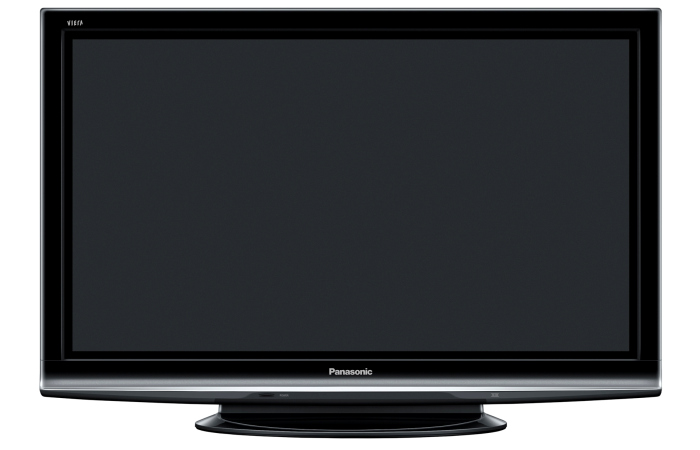
  • Panasonic To Terminate Plasma TV Production In Order To Curb Losses

    Panasonic To Terminate Plasma TV Production In Order To Curb Losses

    Panasonic Corp is considering exiting from the plasma screen market as part of a major restructuring over the next three years, a news report said Monday.

    The embattled consumer electronics producer plans to terminate production of plasma panels at its main plant in the western Japanese city of Amagasaki around the financial year starting in April 2014, the Nikkei business daily reported without citing any sources.

    [pullquote_left] “We are considering a number of options regarding our TV business. But nothing has been decided yet,” a Panasonic spokesperson said. [/pullquote_left]

    A quick look at Panasonic’s books however show that it’s hardly a surprising move. The company has struggled in recent years, with the TV division failing to turn a profit for the past five quarters. It’s thought that Panasonic will instead refocus its efforts on the automotive and enterprise divisions, as well as in-flight entertainment systems, an area where they are proving more successful.

    There’s been suggestion that Panasonic would be pulling plasma production to a halt for some time now, with rumours suggesting the company had stopped pumping money into its plasma research and development centres some time ago.

    It is still widely argued that plasma is the better display technology for picture quality, specifically with fast motion and black level representation. It could be argued that if Panasonic exits the market it dominates, it will sound the death knell for plasma TV technology full stop.

    [Nikkei, Reuters]

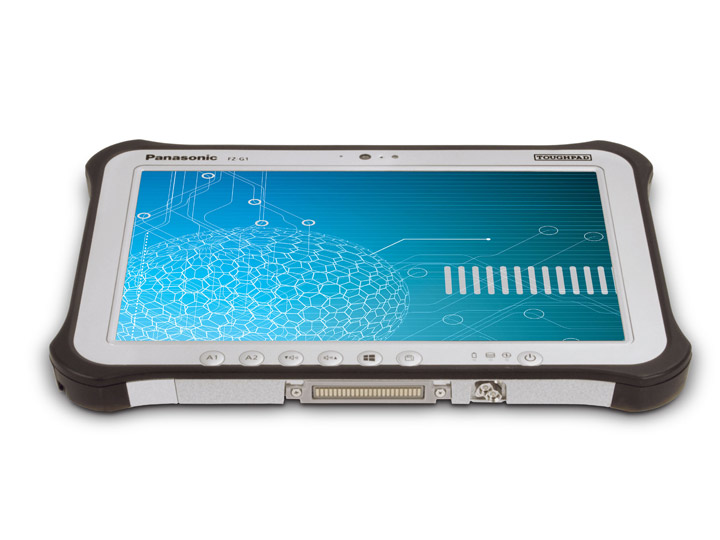
  • Panasonic launches two new Toughpads, FZ-G1 Windows 8 and JT-B1 Ice Cream Sandwich

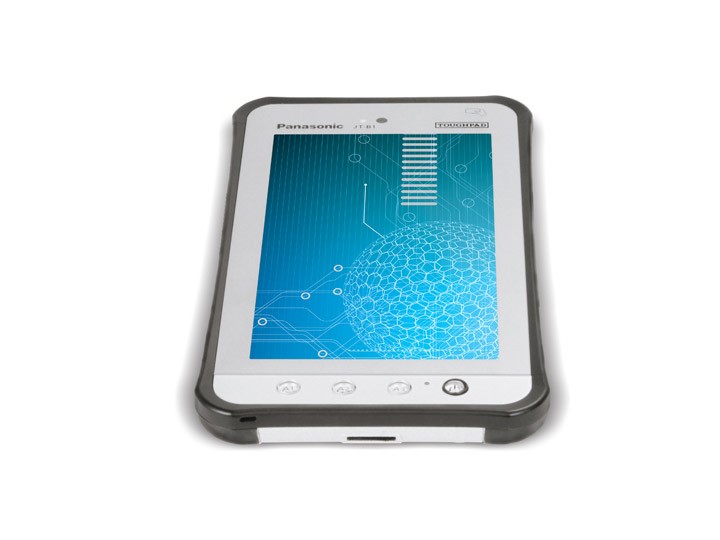
    Panasonic has just launched two new Toughpads at CES 2013, The FZ-G1 is a 10-inch tablet running Windows 8 Pro, while the seven-inch JT-B1 runs Ice Cream Sandwich.

    -toughpad-fz-g1-2


    FG-Z1 10-inch Specs

    •  1,920 x 1,200 display
    • 1.9GHz Ivy Bridge Intel Core i5-3437U vPro CPU
    • 128GB SSD (upgradeable to 256GB)
    • 8GB of RAM
    • eight-hour battery
    • optional microSD slot
    • USB 3.0 and 2.0 ports
    • Bluetooth 4.0
    • 802.11 a/b/g/n WiFi and 3G

    -toughpad-jt-b1-3


    JT-B1 Specs include

    • 1,024 x 600 display
    • 1.5GHz dual-core TI OMAP 4660
    • 16GB storage
    • 1GB RAM
    • built-in microSD slot
    • 13-megapixel rear camera
    • 1.3-megapixel forward facing cameras
    •  5,720mAh battery.

    The FZ-G1 will go on sale in March for $2,900 (or about INR 149,000) the JT-B1 will be available in February and will cost $1,300 (or about INR 71,500). So if you are ready to take your tablet to the extremes, you might want to hold up some spending.


    [toggle_box title=”Press Release” width=”Width of toggle box”]

    PANASONIC EXPANDS TOUGHPAD™ ENTERPRISE-GRADE TABLET LINE


    Ten-inch Windows 8 Pro-based and Seven-inch Android™-powered Tablets offer Choice to Meet Expanding Business Tablet Expectations


    Las Vegas, NV, January 9, 2013 – Panasonic, an industry leader in rugged, reliable mobile computers since 1996, today expanded its Toughpad™ line of enterprise-grade tablets with the introduction of the Toughpad™ FZ-G1, a 10″ tablet featuring Windows® 8 Pro, and the availability of the Toughpad JT-B1, a 7″ Android™-powered unit. Both devices follow the original 10″ Android-powered Toughpad FZ-A1 which became broadly available late last year. With the Toughpad (#Toughpad) family of ruggedized tablets, businesses and government institutions have a single partner delivering a selection of highly reliable and purpose-built devices ideal for numerous operational needs.


    “For nearly 20 years, Panasonic has engineered the most reliable mobile computing devices on the market,” said Rance M. Poehler, president, Panasonic System Communications Company of North America. “Because our customers know they can count on our products to deliver performance and return on investment, Panasonic – through its Toughbook brand – holds nearly 80 percent market share in the rugged mobile device space. We believe our engineering acumen, vertical market expertise and reputation for reliability, backed by our world-class service, will result in the Toughpad family being the leading B2B tablet solution in the coming years.”


    Hide Harada, Director, IT Products Business Unit added, “The goal for Panasonic is to achieve 50% market share in the ruggedized tablet space by 2015.”

    Toughpad tablets are designed for mission-critical and highly mobile workers in fields such as the military, construction, healthcare, public safety, utilities, retail, maintenance, supply chain logistics and insurance. The devices are ideal for a host of usage scenarios, including inventory control, eForms, field sales, field service, route delivery, eCitations, electronic medical records, inspections, mobile point-of-sales and GIS.


    Panasonic Toughpad FZ-G1: Key Features


    Operating System: Windows 8 Pro
    Processor: 3rd Generation Intel® Core™ i5-3437U vPro™ 1.9GHz up to 2.9GHz with Intel® Turbo Boost Technology
    Memory: 128-256GB SSD, 4-8GB RAM, optional micro SDXC
    Rugged: MIL-STD-810G, 4′ drop, IP65, 14° to 122°F (operational temp range)
    Display: 10.1″, sunlight viewable, touch screen and active digitizer, 800nit, WUXGA (1920×1200)
    Battery: 8.0 hours (user-replaceable)
    Dimensions: 10.6″ x 7.4″ x 0.75″
    Weight: 2.43lbs
    Wireless: Bluetooth V4.0, 802.11 a/b/g/n Wi-Fi, optional embedded 4G LTE or 3G
    I/O: Full size USB 3.0, HDMI, optional micro SDXC, Full size USB 2.0, wired LAN, true serial port or dedicated GPS.


    Panasonic Toughpad JT-B1: Key Features


    Operating System: Android 4.0
    Processor: TI OMAP4460 1.5GHz Dual core
    Memory: 16GB ROM, 1GB RAM, micro SDHC
    Rugged: MIL-STD-810G, 5′ drop, IP65, 14° to 122°F (operational temp range)
    Display: 7″, daylight viewable, 500nit, WSVGA (1024 x 600)
    Camera: Front: 1.3Mp fixed focus, Rear: 13.0Mp auto focus w/ LED light
    Battery: 8.0 hours – Large 5,720mAh battery (user-replaceable)
    Dimensions: 8.7″x 5.1″ x 0.7″
    Weight: 1.2lbs
    Wireless: Bluetooth V4.0, 802.11 a/b/g/n Wi-Fi, optional embedded 4G LTE + 3G
    I/O: Micro USB


    Toughpad tablets are MIL-STD-810G tested for drops, fluid ingress and temperature, to assure they deliver reliable performance under circumstances that render typical tablets non-operational. Devices feature daylight viewable screens, user-replaceable or serviceable batteries, a stylus for signature capture and handwriting (on the FZ-G1 and FZ-A1 with 3rd party apps), and multiple options for peripheral connectivity.


    “Our Toughpad tablets were designed based on years of input from customers,” continued Poehler. “This customer feedback is a critical part of the development process and will continue to shape Toughbook and Toughpad devices in the future. The wide variety of devices in the Toughbook and Toughpad families is a clear indication that we build products to meet our customers’ needs.”


    Enterprise-class mobile computing requires an enhanced level of device security and the Toughpad family is designed with this in mind. Security features like encryption, IPsec VPN, trusted boot, root protection and FIPS compliance are available in various configurations of the Toughpad FZ-A1 and Toughpad JT-B1. Compatibility with world-class Mobile device management (MDM) tools are also available to allow IT managers to manage applications, secure devices from unauthorized use and perform many other tasks.


    Toughpad tablets are supported by an ecosystem that includes an enterprise-focused app store, developer tools and deployment support. Panasonic will offer a full set of professional-grade accessories to support the Toughpad line, including cases, mounts, printers, keyboards, magnetic stripe readers, smart card readers and multi-unit storage and charging solutions.


    Pricing and Availability
    The 10″ Windows 8 Pro-based Toughpad FZ-G1 will be available in March starting at $2,899. The 7″ Android-powered Toughpad JT-B1 will ship in February starting at $1,199. The 10″ Android-powered Toughpad™ FZ-A1 is now shipping, starting at $1,299. All Toughpad tablets can be purchased through authorized Panasonic resellers.


    Toughpad FZ-A1 LTE Certification
    Powered by Android 4.0 (Ice Cream Sandwich), the 10″ Toughpad FZ-A1 is now certified on the Verizon Wireless 4G/LTE network.


    All products in the Toughpad family come standard with the industry’s most comprehensive 3-year warranty.

    [/toggle_box]


  • Panasonic strengthens foothold in India : Inaugurates new manufacturing unit – Panasonic ‘Eco Ideas’ Factory

    Panasonic strengthens foothold in India : Inaugurates new manufacturing unit – Panasonic ‘Eco Ideas’ Factory

    panasonic

    Panasonic India, today announced the expansion of its presence in India with the opening of its first model ‘eco ideas’ Factory in India. This is the company’s latest initiative to showcase best practices in sustainable manufacturing and raise level of eco consciousness in the community through outreach activities. With the opening of this manufacturing unit in India, Panasonic reiterated how localization is key for the company’s growth and its commitment in India. This factory promises not just state-of-the-art manufacturing of high-tech products, but also brings much-needed employment, economic growth, and social benefits to the region. In addition to creating hundreds of jobs, vocational trainings will be offered to improve the technical skills of the people working in and around the Jhajjar facility, helping them increase their employment opportunities.

    The factory was inaugurated in the presence of dignitaries like Honorable Chief Minister of Haryana, Shri Bhupinder Singh Hooda; Shri. Pradeep Jain ‘Aditya, Minister for Rural Development, Government of India; Shri Naresh Kumar Sharma, MLA, Badli; Mr. Randeep Singh Surjewala, Industries and Commerce Minister, Haryana; Shri Deepinder Hooda, Member of Parliament; Shri Ram Kishan Gujjar, Chief Parliamentary Secretary Industries and Commerce Department, Mr. Pradeep Puri, CEO of Model Economic Township Company Limited; Mr. Rajeev Arora, Joint Secretary, Ministry of Commerce and Mr. Tarun Bajaj, Managing Director of Haryana State Industrial and Infrastructure Development Corporation (HSIIDC).  Senior representatives from Panasonic also graced the occasion.

    The new Panasonic India Group facility, located at Dadri Toi in Jhajjar Haryana, will implement a wide range of eco initiatives, including development of technologies to support a zero-carbon lifestyle and the adoption of sustainable business practices across the entire company. Panasonic Technopark is designed with various green features, which include a 28.29 KWp solar modules installation at the rooftop of the office, entrance canopy and car park to reduce carbon dioxide (CO2) emissions, and a 100% water recycling system for a sustainable water provision. As part of the factory’s sustainable manufacturing, the company will implement initiatives that focus on three key areas, which include CO2emissions reduction, waste management and recycling, and chemical substance usage.

    [quote]Present at the launch, Shri Bhupinder Singh Hooda said, “Panasonic has demonstrated its strong commitment in contributing to the country’s efforts in environmental protection. Indeed, the newly established ‘eco ideas’ Factory is a prime example of a manufacturer taking stewardship of its processes and products to mitigate any detrimental environmental impact. We hope such efforts will spur even more manufacturers to do the same and this will lead to the overall development of this area as well as the country especially in terms of providing employment to so many people.”[/quote]

    The construction of the manufacturing unit commenced in April 2011 and has an initial manufacturing capacity of over 1,000,000 sets of air conditioners, 400,000 sets of washing machines and 25,000 sets of welding and cutting machines per annum. These environmentally friendly products will cater to the domestic market and the manufacturing unit will be providing employment to approximately 3,500 staff by 2018. Panasonic shall focus on making India a manufacturing hub and will export products from India to other markets like Middle East and Africa region. The percentage of export of products manufactured at Technopark will be 5% by 2013 and 20% by 2015.

    At the factory inauguration, Panasonic India announced its commitment of making “environment” central to all business activities in line with the regional ‘eco ideas’. These actions have been divided as 1) ‘eco ideas’ for Lifestyle – achieving green lifestyles to enrich Indian people’s lives through activities promoting energy saving eco products, developing new comprehensive energy and environment solutions business and expanding Eco Learning Programme; 2) ‘eco ideas’ for Business-style – reducing environmental impact through Green manufacturing and CO2emissions reduction.

  • Panasonic’s GH3 mirrorless camera Launched with16.05MP, WiFi and 72Mbps HD video rugged shell. (PR)

    Panasonic’s GH3 mirrorless camera Launched with16.05MP, WiFi and 72Mbps HD video rugged shell. (PR)

    Panasonic has teased, teased and teased its new G series camera, to finally launch it with interesting specs.  The Micro-Four Thirds almost as bis as a DSLRs and loaded with features  including dust- and splash-proof magnesium alloy body, you’ll find a 16.05-megapixel Live Mos sensor with 200 to 12,800 ISO natively with extension from 125 to 25,600. Alos in the mix is the Panasonic’s latest Venus engine, with 6 FPS burst shooting (20 in 4-megapixel mode).
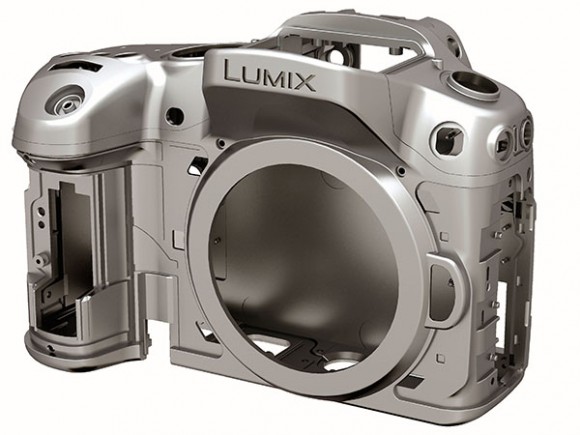
    Video is a major feature for Panasonic’s big baby,  You’ll be able to shoot in either MP4, MOV, AVCHD or AVCHD Progressive, with a maximum bandwidth of “72 Mbps (ALL-Intra) / 50 Mbps (IPB).” The formats can be recorded using frame rates of 24, 30 and 60p (excluding MOV and AVCHD), and you’ll even be able work with SMPTE time-codes for syncing footage easily in post production.

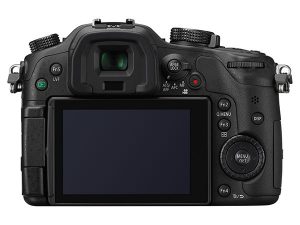
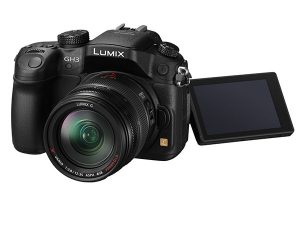
    The GH3 is equipped with two OLED displays, a 1,744k-dot electronic viewfinder (EVF) and 614k-dot, 3-inch LiveView(LV) swiveling screen. In our experience, we found that OLED displays tend to provide greater viewing clarity compared with typical TFT screens. Also a proximity sensor–located near the eyepiece–lets users switch between EVF and LV mode quickly.
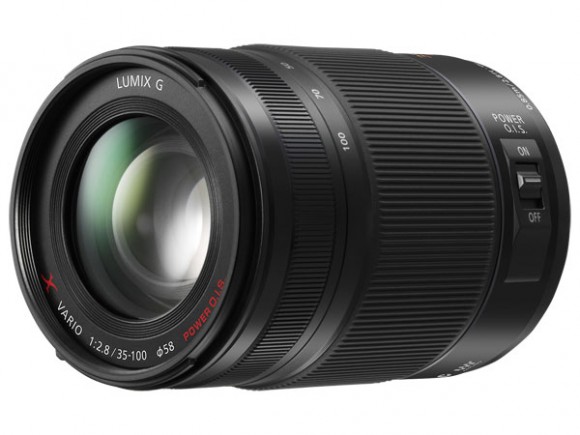
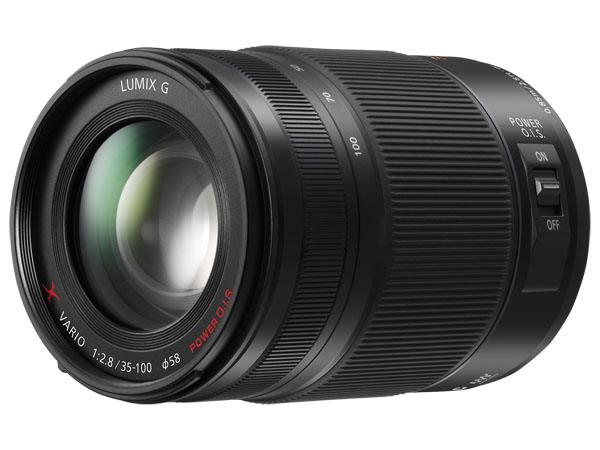
    Also announced is a new Lumix G X VARIO 35-100mm F2.8 zoom lens (70-200mm, 35mm equivalent) that features a constant F2.8 aperture The highlight of this lens is that it uses an inner focusing mechanism which does not extend during zooming and incorporates the company’s proprietary Nano Surface Coating for reduction of flare and ghosting during image capture.


    Panasonic Lumix DMC-GH3 key specifications:


    • New 16.05-megapixel Live MOS sensor
    • Improved Venus Image processor
    • Wi-Fi
    • Weather-proof (dust- and splash-proof)
    • Built-in 1,744k-dot, OLED electronic viewfinder
    • 614k-dot, 3-inch fully articulating LCD display
    • ISO 200 to 12,800 (Expandable to 25,600)
    • 6fps in burst-mode shooting
    • 1080p full-HD video recording
    • RAW image capture

    If you want the most indepth PR read below:


    [toggle_box title=”Press Release” width=”Width of toggle box”]

    THE ALL NEW GH3 – CHANGING PHOTOGRAPHY


    Engineered For The Multimedia Photographer


    September 17, 2012 (Secaucus, NJ) – Panasonic is proud to introduce the new Digital Single Lens Mirrorless DMC-GH3. The LUMIX GH3 is not just a compact, lightweight camera. It is an attractive, top-of-the-line mirrorless single lens system camera that is tough enough to withstand the extreme conditions of heavy field use.


    The new Live MOS Sensor achieves high-resolution images with minimum noise. And the new Venus Engine attains high-speed, high-quality signal processing. These features combine to maximize shooting fun and operating ease. Another prominent feature of the LUMIX GH3 is a tough body that is rugged enough to stand up to professional use. It features a magnesium alloy full diecast body and advanced splash / dustproof construction that was achieved by sealing the sections of the camera body to enable shooting under extreme conditions. Although the LUMIX GH3 integrates features a class above other G Series models, it is still compact when compared with an SLR camera featuring equivalent performance and functions. The body has enabled a new control layout with three dials on the front and back as well as single-function buttons. The LUMIX GH3 allows users to capture images in extreme environments and provides superb mobility. It also records still images consecutively at a rate of about 6 fps. The LUMIX GH3 is proud to assume the role of Panasonic’s flagship digital single-lens mirrorless camera.


    The video recording capability, which is highly acclaimed in the GH2, now comes with more variety of options in its format and bit rate to meet wide-ranging needs. It is packed with advanced technologies developed by Panasonic for professional video creation.

    The LUMIX GH3 uses OLED displays both in its viewfinder and in the rear free-angle monitor. Panasonic has also developed optional accessories to expand the shooting possibility of DMC-GH3. A detachable battery grip DMW-BGGH3 for vertical viewing angle, integrates control featuring splash/dustproof design. The external TTL flash DMW-FL360L comes with wireless function and even integrates LED for video recording. A Stereo Shotgun microphone DMW-MS2 is also available. They represent a first of their kind for Panasonic LUMIX cameras.


    Panasonic also offers a full lineup of lenses that reinforce the LUMIX GH3. The LUMIX G X VARIO 12-35mm / F2.8 ASPH. / POWER O.I.S. (H-HS12035) is currently on the market. In addition to this, Panasonic is releasing a new fast F2.8 telephoto zoom lens LUMIX G X VARIO 35-100mm / F2.8 / POWER O.I.S. (H-HS35100) to introduce with the LUMIX GH3. These two lenses achieve high resistance performance against splash and dust when combined with the LUMIX GH3.


    The LUMIX G lens lineup includes a variety of models with superb image rendering, such as Leica lenses and smooth, silent power zoom lenses suitable for video recording. *This is the largest lineup of interchangeable lenses for a digital single lens mirrorless camera*. And Panasonic will continue to develop and introduce new lenses with distinctive features.
    *As of 17, September 2012.


    Delivering the highest ever picture quality with a new Live MOS sensor
    The DMC-GH3 realizes high-quality photo images with real-to-life details through excellent resolution, image rendering and color reproduction; high-grade lens and precision AF achieves high resolution, optimal balance of resolution and noise reduction achieves lifelike image rendering and high precision auto exposure and white balance with live light metering results in faithful color reproduction.


    The newly developed 16.05 effective megapixel Live MOS sensor boasts wide dynamic range and high sensitivity image recording even at ISO 12,800 or ISO 25,600 in extended mode. The key point here was reducing noise, for which Panasonic focused on the following three areas: (1) minimizing noise in the sensor, (2) preventing sensor noise from entering the output signal, and (3) preventing noise from entering the signal processing circuit, power supply line and grounding line. To reduce noise, it is also important to design the power supply wiring and the signal wiring connected to the engine to be as close to the same length as possible. These measures not only suppress noise but also help to improve processing speed. Standard sensitivity is from ISO 200 to ISO 12,800, but the user can set sensitivity to ISO 125 or ISO 25,600 by using an extension function. The LPF (Low Pass Filter) has been also newly designed to minimize generation of moire while drawing maximum resolution of the image out of the sensor.


    The image processor Venus Engine is also refined to achieve superior noise reduction. With a combination of 3DNR (3D Noise Reduction) and MNR (Multi-process Noise Reduction), both bright area and dark area are faithfully reproduced with minimum noise across the entire focusing range in high sensitivity image recording.


    The built-in flash is enhanced to feature more power and flexibility. The new built-in flash of GN12 equivalent (ISO 100 •m) / GN17 equivalent (ISO 200 •m) covers 24mm wide angle of view. Synchronization for flash dimming and exposure compensation is available with adjustment of 1/3EV Step ±3EV. Manual control and a sync terminal are newly added for more versatile use of external flash.


    The GH3 also integrates HDR (High Dynamic Range) to cope with the extreme bright and dark contrast that you get, for example, with backlighting, or when consecutive photos are taken with different exposure levels and overlapped. Blown highlights and blocked shadows are then deleted and a single photo is composed. All processing is done in the background, so you can take your next shot without having to wait, ensuring that you don’t miss a photo opportunity.


    Other practical shooting functions including Time Lapse Shot or Multiple Exposure are available on DMC-GH3. The electronic shutter with silent operation prevents pixel declination which is undesirable in photographing of commercial products.


    Awesome quality of video for unlimited expressions – versatile recording formats, bitrate and frame rates?
    Panasonic defies the conventional boundaries of a digital camera elevating the potential of video recording capability even higher. Users can freely choose the format from AVCHD, AVCHD Progressive, MP4 or MOV with the frame rate at 60p(NTSC), 30p(NTSC) or 24p according to the usage*. The DMC-GH3 is capable of recording ultra high bit rate video recorded at 72 Mbps (ALL-Intra) or 50 Mbps (IPB). And it is capable of recording continuously for an unlimited time**.


    Heat generated during long continuous recording can cause problems. It not only affects internal components but can also degrade image quality. Effective thermal diffusion is an essential design challenge. By drawing on the expertise accumulated through its many years of developing camcorders, Panasonic has revamped and redesigned the electronic parts arrangement and internal structure to achieve the optimum layout. This has eliminated heat problems in the LUMIX GH3.


    When recording the video in MOV, AVCHD Progressive and AVCHD, the DMC-GH3 automatically generates multiple seamless files for continuous recording. During playback, the AVCHD Progressive / AVCHD files are reproduced with seamless, interruption-free continuity. The DMC-GH3 also embeds SMPTE-compliant Time Code either in Rec Run or Free Run count-up methods, which makes it easy to synchronize the multiple video footage or sound source in the post production workflow. Time Code Value can be started at any point of [Reset], [Manual Input] and [Current Time]. Drop frame or Non Drop Frame time code is selectable***.

    For high quality sound recording, DMC-GH3 adopts Dolby Digital® for AVCHD?Progressive /AVCHD videos and linear PCM(LPCM) for non-compressed video recorded in MOV. In addition to the built-in stereo microphone, the GH3 is equipped with two 3.5mm terminals for an external microphone and headphones to facilitate sound recording.


    The DMC-GH3 also features Creative Video mode: Exposure mode and Slow/Fast-Motion mode. In the Exposure mode, four manual video modes: Program AE / Aperture-Priority / Shutter-Priority / Manual Exposure can be selected and they will faithfully reflect your shooting intent, and give you a wide range of video images. The Slow/Fast-Motion mode enables slow-motion (40% / 48% / 80%) and fast–motion (160% / 200% / 300%), all in Full-HD.


    Not only full-time AF, AF Tracking and Face Recognition AF are also available. The Touch AF in video recording also lets users enjoy professional-like rack focusing. Just by pointing at the subject, the focus is shifted to it and lets it stand out to attract attention.


    *60p(NTSC) video recording is not available in AVCHD and MP4 video recording.
    **In the model for PAL areas, motion image can be recorded up to 29 min 59 sec.
    ***Available in the model for NTSC regions.


    Intuitive response with nimble movement
    All cameras in the LUMIX G assortment adopt Contrast AF for their focus system. Compared with the Phase difference system AF, the Contrast AF boasts higher accuracy when shooting with a bright lens with a wide open aperture.


    The DMC-GH3 features ultra-high-speed AF which makes it possible to capture fast-moving subjects clearly. Both accuracy and speed are improved over high-end DSLRs with Phase difference AF with the GH3’s advanced Contrast AF system. The camera and the lens exchange the digital signal at 240 fps to minimize the time to focus. Together with the quick start-up and short release time lag, the DMC-GH3 never lets photographers miss fleeting shooting opportunities.


    The DMC-GH3 boasts high-precision, high-speed dual OLED (Organic Light-Emitting Diode) displays for LVF (Live View Finder) and rear monitor. Increasing the resolution of the display area to 1,744K-dot equivalent, the new 16:9 Wide Screen LVF boasts approx.1.34x / 0.67x (35mm camera equiv.) magnification and 100% field of view and eye point of approximately 21 mm. By adopting the OLED display, the time lag is minimized dramatically compared with the predecessor DMC-GH2. The image output between the LVF and the rear monitor is switched automatically with the eye sensor on the LVF, which features options of sensitivity – high, low and off – to reduce accidental activation of the rear monitor.


    The 3.0-inch 614K-dot free-angle OLED rear monitor (3:2 aspect) with wide-viewing angle rotates 180° to the side and tilts 270° up and down offers approx. 100% of field of view. The OLED rear monitor adopts static touch control for smoother operation either in shooting or in playback.


    The DMC-GH3 captures moving subjects clearly with the burst shooting at 6 fps in full resolution (max. 18 consecutive shots of RAW+JPEG) and 20 fps in 4-megapixel recording using an electronic shutter(max. 80 consecutive shots of JPEG).


    The DMC-GH3 comes with a Level Gauge which lets the camera detect the horizontal/vertical angle of view with its internal level working with the acceleration sensor. Photos shot in a portrait aspect will be automatically displayed vertically whichever lens is used.


    Superb controllability and rugged design
    Panasonic developed DMC-GH3 in pursuit of the best-balanced body design possible with the ergonomic grip and optimum layout of control buttons and dials. Each button has a single function to allow intuitive operation. Major controls such as shutter speed, exposure compensation, ISO and white balance settings can be quickly adjusted with the front/rear dials and rear jog dial. Users can customize a total of 7 function buttons (5 in buttons and 2 in the touch menu tab) by allotting a function they use often. The control panel is fully redesigned enabling even more intuitive operation. Using the LUMIX G Series’ first detachable battery grip with integrated controls for vertical shooting angle, which was developed concurrently with the LUMIX GH3, the user can operate the dials and buttons easily in virtually the same way when shooting horizontally.


    The new LUMIX GH3 is tough enough to withstand heavy field use. The main structural features of the LUMIX GH3 are its magnesium alloy full diecast frame and splash / dustproof construction.


    Like previous models, the LUMIX GH3 has many moving parts, such as the free-angle OLED rear monitor. Thus, ensuring a high level of splash / dust resistance was not an easy task. In particular, careful attention was given to the popup flash. To prevent vignetting caused by the lens, the popup flash incorporates a sliding mechanism that raises the flash to its operating position. Panasonic has taken thorough measures to prevent the entry of dust and water from this section. There are also splash/dust-proof interchangeable lenses (LUMIX G X VARIO 12-35mm / F2.8 ASPH. / POWER O.I.S. and LUMIX G X VARIO 35-100mm / F2.8 / POWER O.I.S.) and the new Battery Grip DMW-BGGH3 to secure its high resistance.


    5. A variety of interfaces
    The DMC-GH3 comes with a variety of connection terminals for more flexible shooting options. The newly added 3.5mm microphone jack allows high quality audio recording using an external microphone. It also comes with a 3.5mm headphone jack enabling monitoring the recorded audio while shooting video real-time. The DMC-GH3 is also capable of real-time image output not only on the OLED display (LVF or the rear monitor) but also on the external monitor via an optional HDMI mini cable simultaneously while recording video. It is suitable for professional video that requires serious monitoring of the imagery. Users can choose to output only the recording content or the content with the setting menus individually depending on the display.


    In addition to these, the DMC-GH3 offers remote control with optional Remote Shutter DMW-RSL1 and AV output (Audio 2ch, Composite). The compatibility with the UHS-I (Ultra High Speed I) SDXC/SDHC Memory Card allows faster data writing even in RAW recording mode.


    6. Wireless connectivity via Wi-Fi ®
    The DMC-GH3 integrates a built-in Wi-Fi® module for wireless connectivity (IEEE 802.11 b/g/n) to expand shooting possibilities. A smartphone or a tablet can be used to remote control and a remote monitor. What the camera is seeing is displayed live smoothly on the smartphone/tablet, and it is possible to set various controls including focus, exposure compensation, ISO, WB and Photo Style in addition to shutter release via live view using Wi-Fi.

    After shooting, images including RAW files can be transferred to a smartphone or tablet immediately. Users can choose to upload images to the LUMIX CLUB Cloud Sync. Service via Wi-Fi- tethering and to send them to the DLNA (Digital Living Network Alliance) -compliant AV equipment via a wireless router at home. In addition, it is possible to tag the location information to the image by utilizing the GPS (Global Positioning System) log of a smartphone/tablet. All these flexible shooting / browsing / sharing styles are made possible with the DMC-GH3 and Panasonic’s dedicated application software “LUMIX LINK” for Android / iOS smartphones.


    Archiving of images can be accomplished wirelessly with the DMC-GH3. Users can save precious images to the Panasonic’s exclusive “LUMIX CLUB Cloud Sync. Service”. In this cloud service, a personal folder is allotted to the GH3 users to upload image data anytime to transfer the image saved at this space to Facebook™, Flickr™, Picasa™, Twitter™ or YouTube™. With the LUMIX CLUB Cloud Sync Service, not only full-resolution photos but also HD quality videos can be synchronized among the compliant electronic devices you are using (e.g. PC, smartphone and AV equipment) or transferred to the websites you like. The Wi-Fi function also allows playback of images on the DLNA-compliant VIERA HDTV for viewing in private or public*.
    *The wireless access point (router) is required.


    7.?Creative Expression
    The DMC-GH3 incorporates Photo Style and Creative Control for more unique expression tailored for the photographer.


    With Photo Style, users can manually choose from 6 color types to get even more detailed image settings, or to match the shooting situation. In addition, the contrast, sharpness, saturation or noise reduction for each mode parameter can be customized in 11 steps and stored in memory. In Custom Mode, finely customized settings can be stored for easy recall and use.

    The Creative Control lets you enjoy making the image even more impressive. A total of 14 filters are available – Expressive, Retro, High Key, Low Key, Sepia, Dynamic Monochrome, Impressive Art, High Dynamic, Cross Process, Toy Effect, Miniature Effect, Soft Focus, Star Filter and One Point Color. Most of the filters can be used in video recording, too. With the new GUI and menu tabs, switching filter effect is extremely easy and is possible to preview via the Live View. Effect parameter, defocusing area and exposure compensation are also adjustable.


    8. Rich options for further expandability
    Micro Four Thirds System products provide customers with even higher levels of performance in a digital interchangeable lens camera. In addition to LUMIX G lenses, the LUMIX DMC-GH3 can use any interchangeable lens that complies with the Four Thirds System standard via an optional mount adaptor DMW-MA1 and with the prestigious Leica M/R Lenses via DMW-MA2M or MA3R. This gives the user access to an unlimited number of lens properties.


    Also, the LUMIX DMC-GH3 offers a wide variety of options to choose from to match every shooting situation and shooting style.


    New Battery Grip DMW-BGGH3
    The ergonomically designed Battery Grip DMW-BGGH3 enables the GH3 to offer a longer battery life of more than 1,000 pictures*. It offers comfortable grip and easy handling even when shooting vertically.
    *When using LVF and the battery inside the body.


    New External Microphone DMW-MS2
    The new plug-in power type External Microphone DMW-MS2 with windjammer enables high quality audio recording. Directional control Stereo/ Shotgun is switchable in the menu. The holder is designed with a vibration absorption mechanism. This advanced external mic suppresses the camera’s motor noise and handling noise, to capture the sound that you’re aiming for.


    New External Flash DMW-FL360L
    The new GN36( ISO100?m) flash complies with useful bounce lighting. A wireless capability is handy for multiple-flash shooting. The LED light is especially useful for video shooting. Charging is fast at only about 2 seconds, to provide comfortable and easy flash shots.


    • “AVCHD Progressive”, “AVCHD”, the “AVCHD Progressive” Logo and the “AVCHD” Logo are trademarks of Panasonic Corporation and Sony Corporation.
    • Dolby and the double-D symbol are trademarks of Dolby Laboratories.
    • HDMI, the HDMI logo and High-Definition Multimedia Interface are trademarks or registered trademarks of HDMI Licensing LLC.
    • All other company and product names are trademarks of their respective corporations.
    •This unit is compatible with both SD/SDHC/SDXC Memory Cards. You can only use SDHC Memory Cards on devices that are compatible with them. You cannot use SDHC Memory Cards on devices that are only compatible with SD Memory Cards. (When using an SDHC Memory Card on another device, be sure to read the operating instructions for that device.)
    • Some accessories are not available in some countries.
    • The use of recorded or printed materials that are protected by copyright for any purpose other than personal enjoyment is prohibited, as it would infringe upon the rights of the copyright holder.
    • Design and specifications are subject to change without notice.

    [/toggle_box]


iGyaan Network
Privacy Overview

This website uses cookies so that we can provide you with the best user experience possible. Cookie information is stored in your browser and performs functions such as recognising you when you return to our website and helping our team to understand which sections of the website you find most interesting and useful.