The Internet of Things (IoT) is where the tech world is employing immense resources. It is an ecosystem in which everyday devices can converse with each other and make human lives easier. It will be the next generation technology revolution. It seems like the present Indian government recognizes the massive benefits of raising this futuristic industry. It is planning to set up a $50 billion industry by 2020.
The Internet of Things will make everyday devices which require human input into almost sentient interconnected objects. These devices will coordinate together and process the situation, and will provide solutions to human issues in an efficient manner. It will decrease human errors by using algorithmic capabilities to streamline human life. For example, your fridge will recognize that the milk will soon run out, and it will order a carton for you. There can be large scale application of this technology in the fields of medical, transportation, retail, industrial, communication and energy.
Here is a video from intel that explains some city-wide benefits of connected devices:
IoT will also bring immense safety and convenience in the daily lives of the public. The devices would still take human input. So you can imagine a thermostat in your house that recognizes that you are arriving home by tracking your GPS and will set a comfortable temperature inside. How cool does that sound?
This is a great new field that will also bring in thousands of technology jobs. So if you are in the technology field or a budding engineer, you know which area of study to concentrate on. This new industry can easily give way to the next generation of Eric Schmidt’s and Mark Zuckerberg’s.
There will be a lot of privacy concerns though, for which the government has to provide a clear privacy document that could be understood by all. In an age where data is power, it’s absolutely important to safeguard it. 2020 is six years away, and this is the right frontier to point towards.
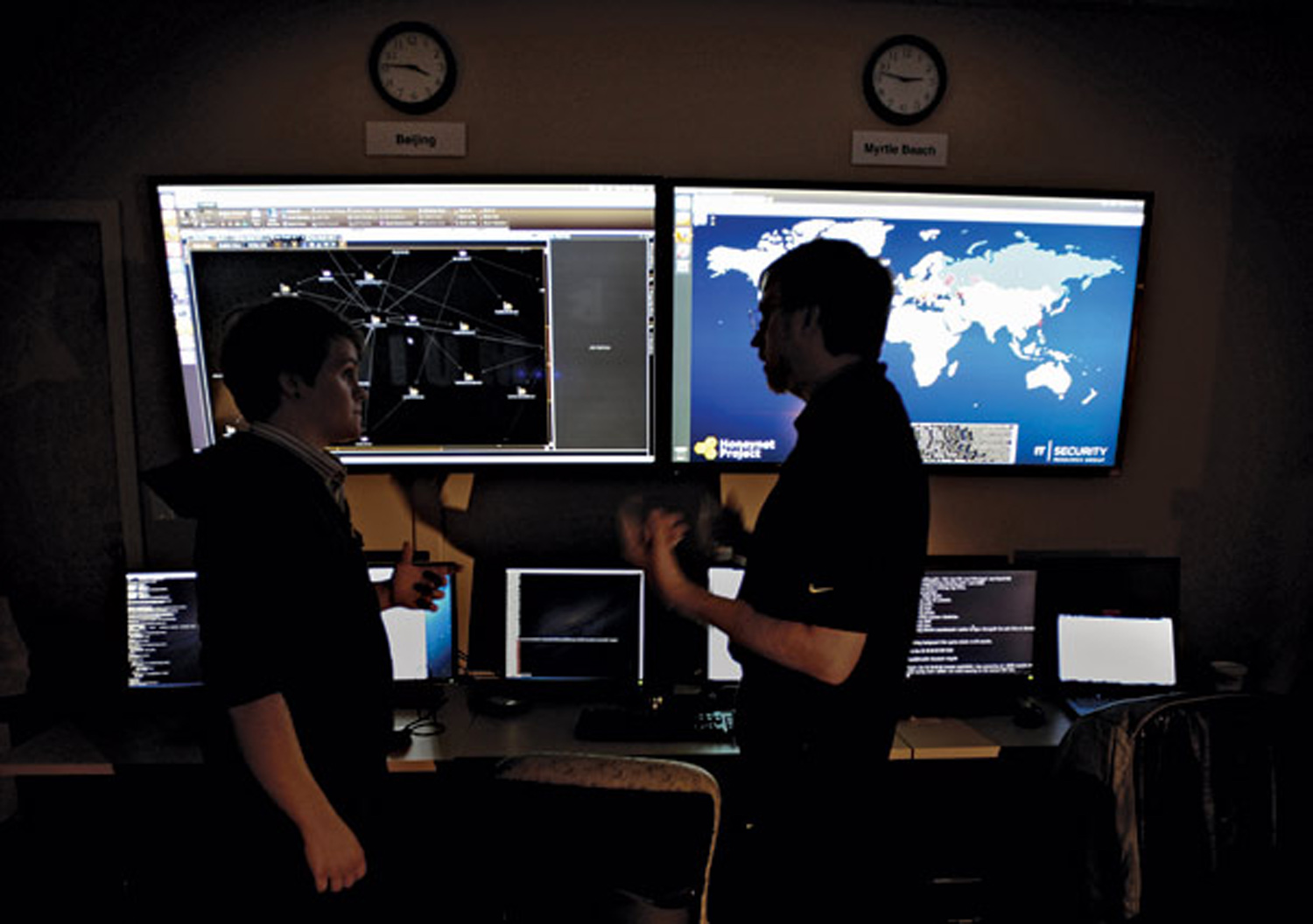
The Indian Air Force (IAF), earlier this week had issued a circular to its employees asking then to refrain from using Chinese phones. The focus was mainly on the hot selling Xiaomi phones. It had cited a report by F-Secure which said that they found that the Redmi 1S was forwarding carrier name, phone number, IMEI (the device identifier) plus numbers from address book and text messages back to Beijing. Even after Xiaomi took proactive steps towards addressing its concern, IAF, is pressing on its officials and families to refrain from using the phones.
Xiaomi had earlier in an interaction with PTI said that IAF must be taking into consideration an earlier privacy concern raised by F-secure. The security solutions company had done a test on the phones and found that they were automatically syncing the files on the cloud. Xiaomi said this was because cloud syncing was on by default on their devices. The company had released an OTA update on 10th August which would give the users the option to manually turn cloud syncing on.
Xiaomi added that F-Secure had acknowledged the efficacy of the new update. The company had also started the process of migration of the international user data out of its Beijing-based servers and started shifting it to Amazon’s AWS data centers.
It is important to know that this issue is not a cause for concern for the general public. The data, that is said to be collected by all service providers and handset manufacturers. The cause of concern was it going into the hands of a Chinese company. The Chinese government is notorious for collecting information without much regard for the legality of its actions. The country’s authorities had raged a man-in-the-middle attack to harvest passwords of iCloud users. Folks working in the military deal with sensitive information and that’s why the Air Force is exercising proactive caution. For the average person, you can go ahead and register for that next flash sale. It’s only going to get better after these incidents.
The present Indian government has put particular focus on the communication infrastructure of the country. The focus is especially on making India a powerful force in the digital era. It envisions mobile connectivity for every Indian and developing the nation through an e-governance system. The Digital India program is the most visible action plan by the government. But experts are asking the Indian authorities to take a breather and first work out a clear strategy for cyber security.
Cyber Security is an important element of a communication infrastructure. It is not just necessary to establish these protocols but to enforce them as well. Currently, according to the Director of the cyber warfare program at the Tel Aviv University’s Institute for National Security Studies, Mr Gabi Siboni, the strategy arena is where India is lacking. This was reported by Economic Times.
According to Mr. Siboni, the paper published by the Indian government released last year on the subject lacked clear direction. The paper envisions a huge infrastructure that would employ over 5 lakh professionals trained in cyber security to protect the national interests in 5 years. But the paper doesn’t mention how these professionals will be acquired or trained.
The report points out that there has been a heavy increase in the number of cyber security attacks on this country’s institutions. According to data gained from the Indian Computer Emergency Response Team (CERTIn), the attacks have increased to a massive 62,189 until May this year from a meagre 23 reported incidents in 2004. This has also increased the costs to businesses whose infrastructure is targeted through such attacks.
Mr. Siboni has pointed out that currently the attackers are way ahead of the defenders. So it’s absolutely necessary to define the minimal defence strategy for civilian, business and government security. There is no fool-proof way of securing the cyber arena but if you have a clear strategy to deal with them, you can repel these attacks to a certain extent. We hope the Indian authorities are taking notice.
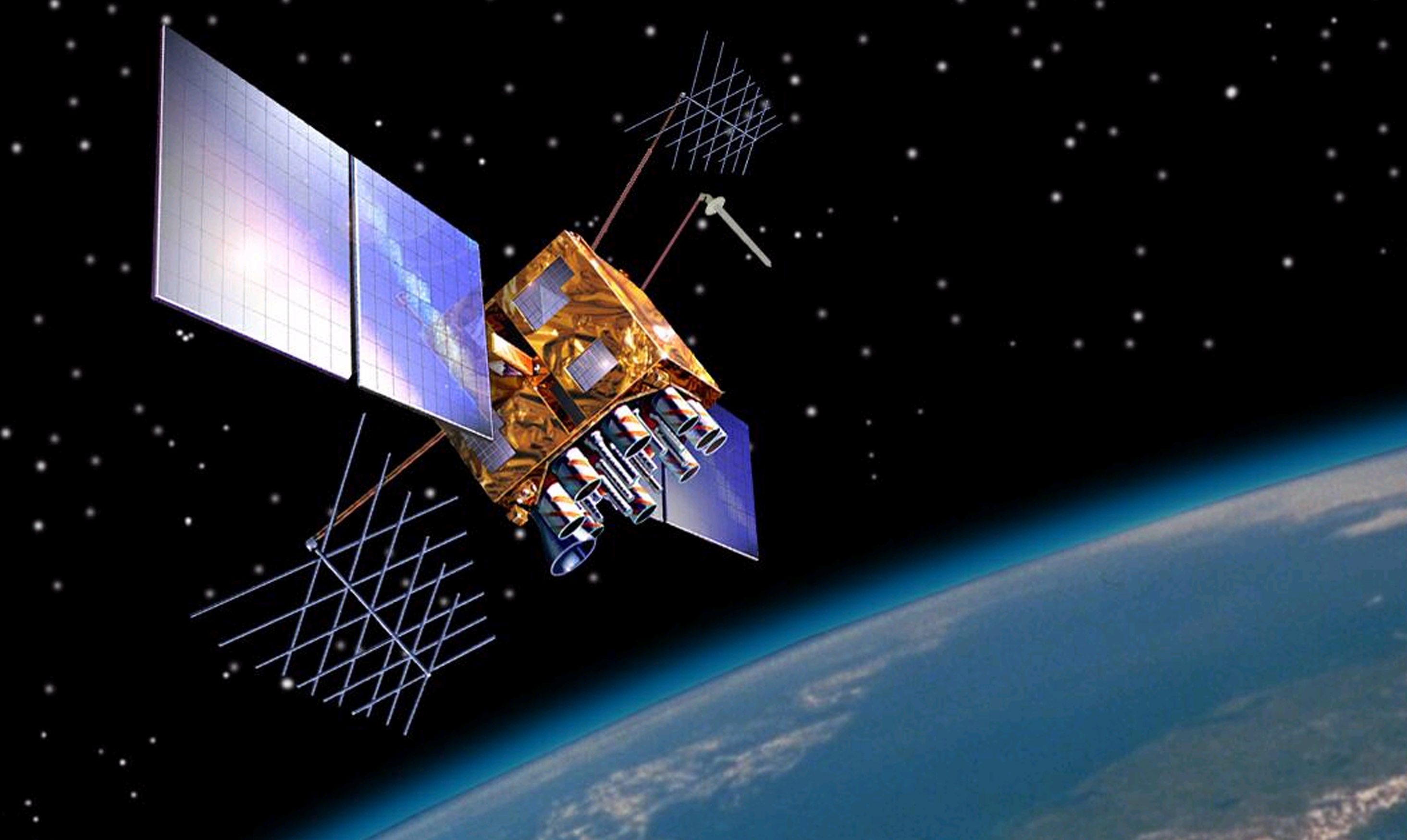
The Global Positioning System or GPS has made our life extremely convenient. If you have access to a GPS device, you are never going to get lost on this planet. The GPS system is currently in control of the United States government. Now the Indian government’s plan to have its own navigation system is underway and got its 3rd satellite today.
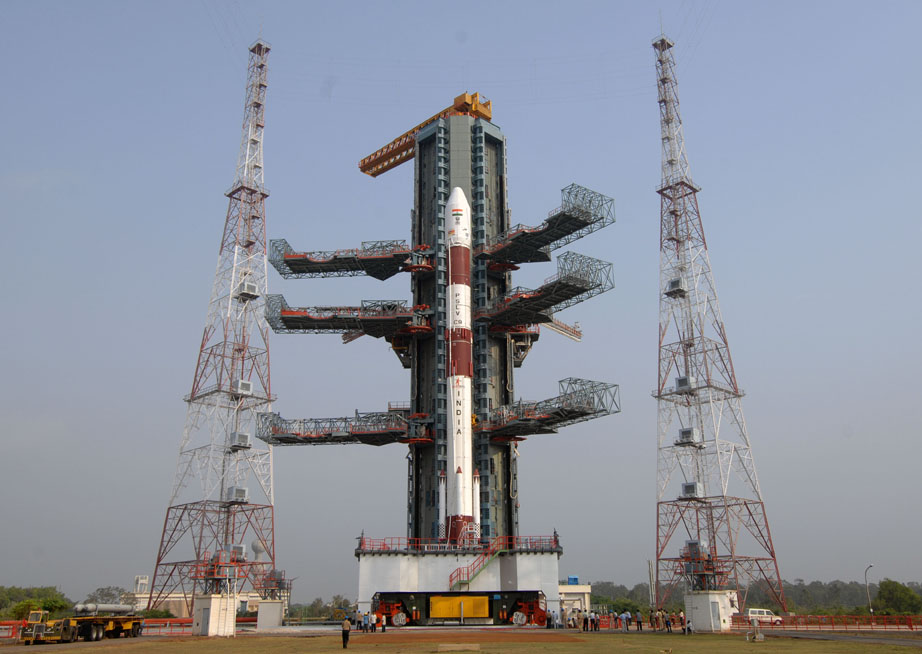
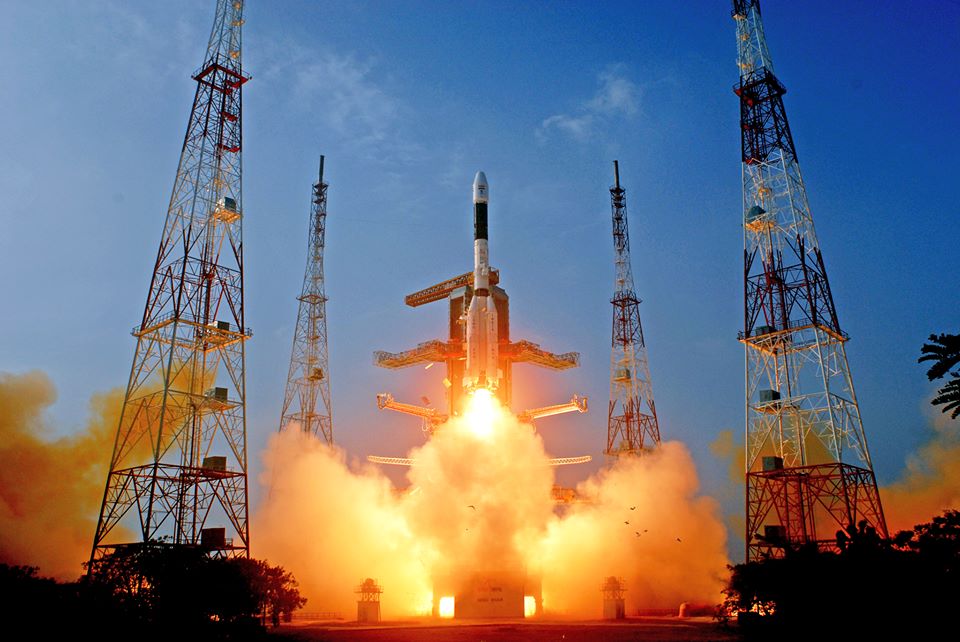
ISRO successfully launched the PSLV-C26 rocket that sent the third satellite in the Indian System. The rocket lifted off from the Satish Dhawan Space Centre in Sriharikota at 1.32 am and injected the satellite into the orbit about 20 minutes later.
The Kargil war of 1999 had incited a need for an in-country navigation system. The US government back then had refused the request of the Indian government to use the navigation system to keep track of enemy movement. This led to the inception of the Indian Regional Navigation Satellite System (IRNSS.)
The 3rd Satellite of IRNSS Constellation was launched through PSLV-C26
The IRNSS will be a network of 7 satellites out of which 3 are already in orbit. The system is expected to be ready by its deadline of 2015, which is next year. Once fully functional, it will provide navigation support for terrestrial, aerial and marine navigation. Like the GPS and Russian GLONASS, it can also be integrated into mobile phones. But they should really think of a cool new name integrating with mobiles; it might be cool to have a navigation feature named in Hindi.
IRNSS is expected to have an accuracy of less than 20 m over the Indian Ocean region and less than 10 m accuracy over mainland India, which sounds awesome. It will have a coverage of 1,500–2,000 kilometres. It will provide two chief functions: Standard Positioning Service (SPS) which is accessible by all users and Restricted Service (RS), which will be encrypted for military use.
With the IRNSS becoming functional, India will join an elite league of countries with their own navigation systems. Currently, there are two functional systems of navigation: GPS and GLONASS. Apart from these there’s the planned European Union’s Galileo positioning system, China’s Beidou Navigation Satellite System and India’s IRNSS. This technological initiative taken by the country is appreciated, and its credit goes to the scientists at ISRO.
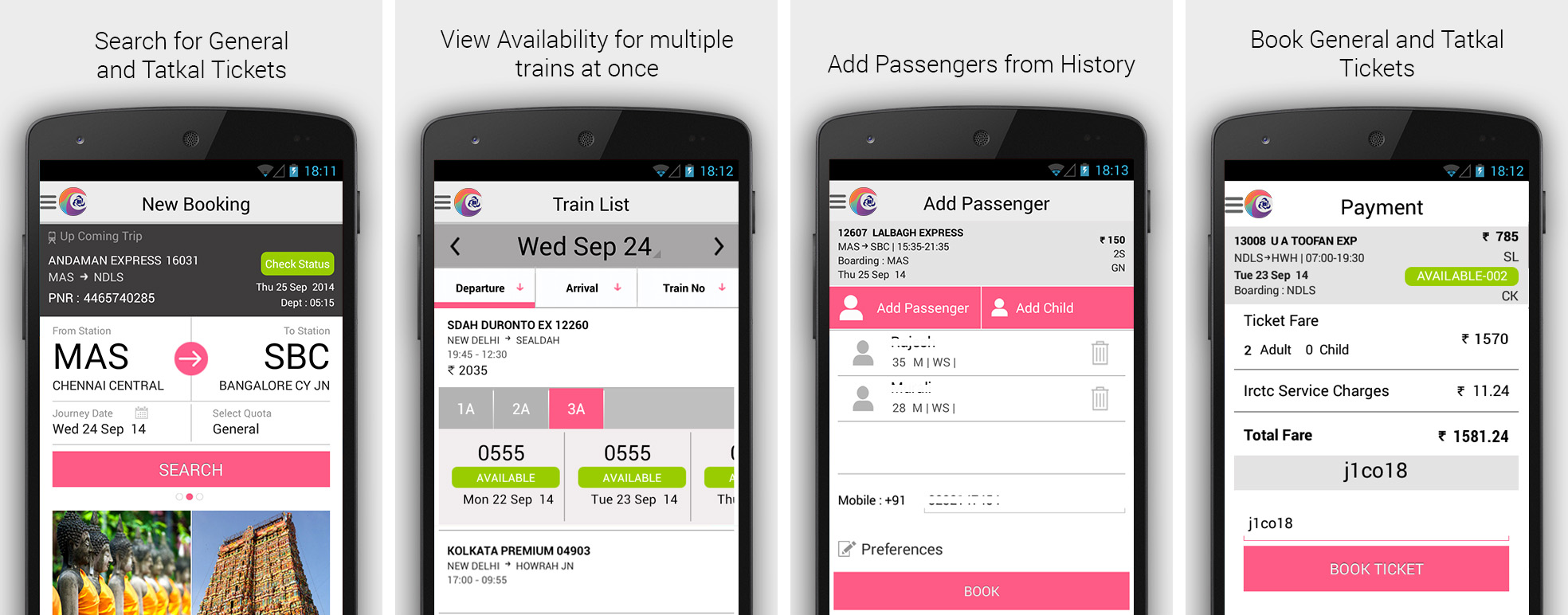
Indian Railway Catering and Tourism Corporation Limited (IRCTC), which is responsible for online train ticket bookings in the country, has finally released its official Android application on Google Play, called ‘IRCTC Connect’.
There are already quite a few third-party IRCTC apps available for Android, but they don’t offer the full functionality that’s available on IRCTC’s website. The official IRCTC Connect App can now be downloaded for free from Google Play India, and is about 12MB in size. The app is compatible with devices running Android 4.1 and above.
The travellers will be able to search and book Indian rail tickets, check out their existing reservations or cancel them, and get upcoming journey alerts in the IRCTC Connect application.
According to IRCTC, the app uses the existing IRCTC website login credentials to work and also allows the users to create new account directly within the app. In addition, the IRCTC Connect retains the passenger details for the recently booked train tickets, so that the travellers don’t have to enter their details again and again.
The app listing says, “Rail ticketing now made simpler just by swipe and shuffle, select and book. Install the newly launched IRCTC android app and book a railway ticket anywhere in India at your fingertips.”
Back in August, IRCTC launched its official ticket booking app for BlackBerry 10 smartphone users. The IRCTC app was available for download on BlackBerry World under the Navigation & Travel section, and was a 5MB download.
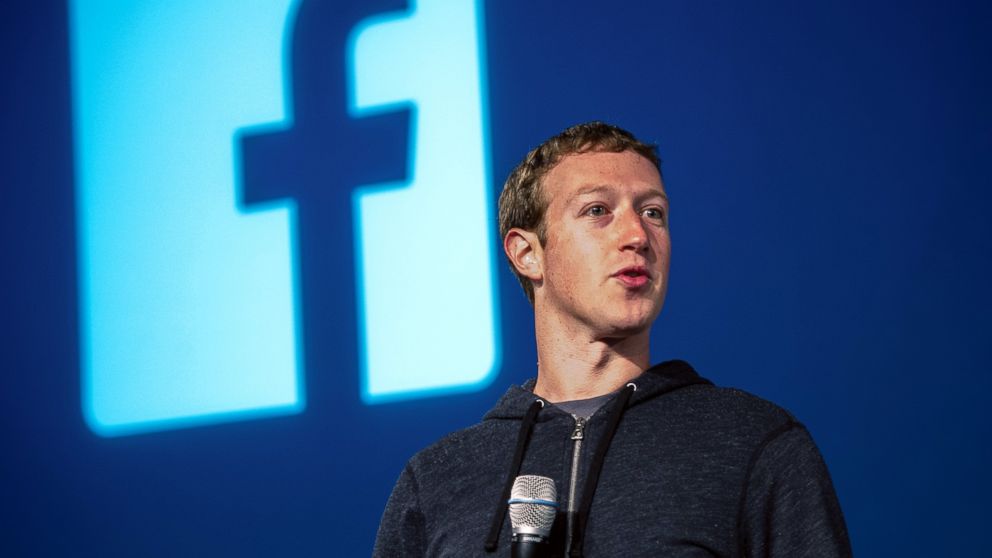
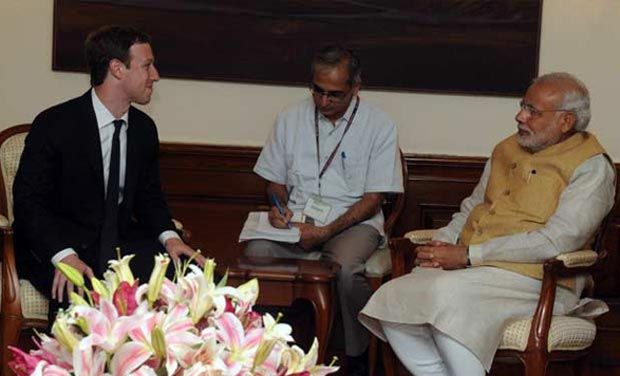
Facebook founder Mark Zuckerberg on Friday met Prime Minister Narendra Modi. One of the highlights of the meeting was the prospect of launching a mobile application devoted to Clean India, while they also discussed the PM’s pet projects such as Digital India and his hopes to use the networking site’s use for social causes and prevent its misuse by terror outfits. Facebook will help in the creation of the Clean India Mobile App and it would be launched soon. This would give a strong impetus to the Swachh Bharat Mission, the Facebook boss told Modi.
“Connecting more than a billion people with internet is not only going to improve lives of people in India but will help the innovation and imagination of Indian people to help turn around the world and we are very excited in opportunities in India,” Zuckerberg said after his meeting with the telecom minister.
“About 2.7 billion people have access to the internet. But that’s only one-third of humanity. Almost 4.5 billion people don’t use the internet,” pointed out Zuckerberg, in Delhi on a two-day visit to India. “Connectivity cannot just be a privilege of the rich and powerful. It is a human right.”
Facebook CEO, Mark Zuckerberg in conversation with PM Narendra Modi
According to The Economic Times report, Zuckerberg told the Prime Minister that he is extremely excited about the government’s Digital India initiative. Modi, a prolific user of social media platforms with nearly 7 million followers on Twitter and around 23 million people following him on Facebook, has asked Zuckerberg to identify domains of the program that it can get involved in and work with the government.
In the conversation, the Prime Minister also expressed some concerns about social media, especially the use of such platforms by terrorist elements to recruit new members. “This is unfortunate and we need to think of the role social media can play to stop terror,” the PM said. He also urged Facebook to promote India’s rich tourism potential and look at how to enhance internet literacy along with connectivity.
India’s new government is putting proactive emphasis on the Digital India Project. The country is a high priority market for smartphone companies with major releases happening almost instantly with an international release. For more than a decade the country has been a tech hub and exports a mammoth number of tech-based workforce all over the world.
But still the country lags behind in terms of inculcation of technology in everyday life. There are various causes for this ranging from red-tapism to lack of understanding of the issues. Some of the major focus arenas are:
Electric Cars
The future of vehicle technology seriously lacks on Indian roads. The most prominent name is the Reva which came at the price of a regular car but doesn’t give acceptable range. India has great technical workforce from automobile engineers to talented designers. If encouraged through the administrative institutions can be a leader in this field. Moreover by subsidizing these cars and incentivizing them, you can have cars that are not just good for your monthly budget, but also for the environment. While its great to know that the present government is focusing attention on Solar energy, pushing for electric vehicles along with solar will be a symbiotic transaction to a clean fuel economy.
Research
For the growth of any civilization, corporation, country, new ideas are absolutely important. There is a lack of funding for research in the country. As mentioned earlier there is no shortage of talented, hardworking individual who can take charge for a change. Currently, India’s share in R&D spending to the total global R&D spending stands at just 2.1 percent while the share of China is 12.5 per cent. For the third biggest economy in the world, that is a puny figure. To bring real change, the government has to aggressively invest in R&D.
Good Internet
An important component of the 21st century economy, the information superhighway, or the internet. It is the economy making force of the 21st century but India is limited by its speed. TRAI classifies the broadband at 512 KBps, which is not an acceptable speed in the first place. AKAMAI’s study showed India lagging behind all Asian and BRICS countries in terms of broadband speeds. With 4K streaming becoming available in most countries, it’s high time India puts its investment in information infrastructure as the world is moving to a knowledge-based economy. An accessible, faster and trustworthy internet would not just bring us closer to the world; it will bring a whole new empowered consumer base for the economy. This should be a priority issue for the government.
Agriculture
India has long touted itself as an agricultural priority country, but its agricultural yield is amongst the lowest in the world. Seed technology also needs to be looked into to prevent ethically immoral MNC’s to dictate terms to Indian farmers. A second green revolution is the need of the hour and the pride of doing it ourselves will help the country raise its sense of self-respect. It is also an important field as people can live without all the gadgets and tech under the sun, but can’t live without food. Apart from raising the number of agricultural research institutions, agricultural knowledge should be effectively disseminated amongst the farmers; the Krishi Darshan on DD just doesn’t cut it anymore. The acute importance of agricultural revolution should also be understood by the general public as they are on the consumption end of the spectrum and it’s always good to know what’s on your plate and how it got there.
There are certainly a lot more areas in need of a technology revolution but none greater than in our educational institutions. We are currently creating a knowledge platform that churns out over 10 lakh engineers every year with a sole goal of earning big pay packages. There is an immediate need for induction of an innovation and entrepreneurial spirit in the minds of the Indian youth. Instead of being cheap labour to international MNC’s, they should instead be able to tie their shoelaces and aim to create the next big thing. Only and only then can this country claim for greatness instead of just brandishing past glories. This country deserves a technology revolution to be an active member of the global decision makers. We got the talent, all we need is leadership.
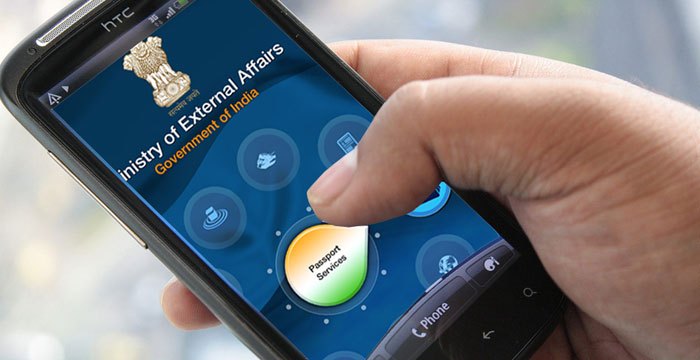
The recent news of email hacking and unethical intrusion of personal accounts by foreign governments has spooked the Indian Government. The government has approved a proposal by Department of Electronics and Information Technology (DeitY) to establish a secure and encrypted email service for government officials.
The government had previously instructed the officials to use the email service provided by NIC for official correspondence. It had also issued a directive to not forward official mail to personal email accounts. This was done to prevent leaks of sensitive government data to third parties.
Now the government wants to bring the official secure email service to five million officials. The service is currently available to one million officials DeitY is in the process of expanding it. The budget for the project is Rs.100 crores, and it will be utilized to expand infrastructure and ramp up security of servers.
The Budget will be utilized to expanding infrastructure and beefing up security of NIC servers
The National Information Center (NIC) will be responsible for the delivering the service. It will handle email service for all departments except the Ministry of Defense which has its own secure email service. The External Affairs ministry too might get its own secure service as it deals with sensitive diplomatic correspondence.
The Edward Snowden revelations last year about the secret data-mining program by US intelligence agency to monitor worldwide Internet data led to these developments. Governments around the world are looking for ways to secure official communication and preventing data theft. Recently a Russian gang leaked a massive password database of millions of email accounts and this also led the government to take these measures.
India is the official king of jugaad (innovative fixes). The country made the cheapest mars mission ever; it costs less than the budget of the movie Gravity. The best part, it made its way to mars in the first attempt. The Mars Orbiter Mission (MOM) aka Mangalyaan now is the crowning glory of the Indian Space Research Organisation (ISRO).
Established in 1969, ISRO works under the Department of Space, Government of India. It was entrusted with the responsibility of using space science for the betterment of the country. ISRO has tremendous achievements under its belt; from launching satellites for other nations to being one of the few nations to send a mission to the moon and now to Mars, ISRO has exhibited a feat unlike anyone in the developing nations except China.
The spacecraft was launched on 5th November 2013
Information about the status of MOM mission was proactively posted on social media and led to a great interest in the mission from the world over. This spacecraft was significant not only because of the low success rate for Mars missions, but also because it was a great feat by a developing economy.
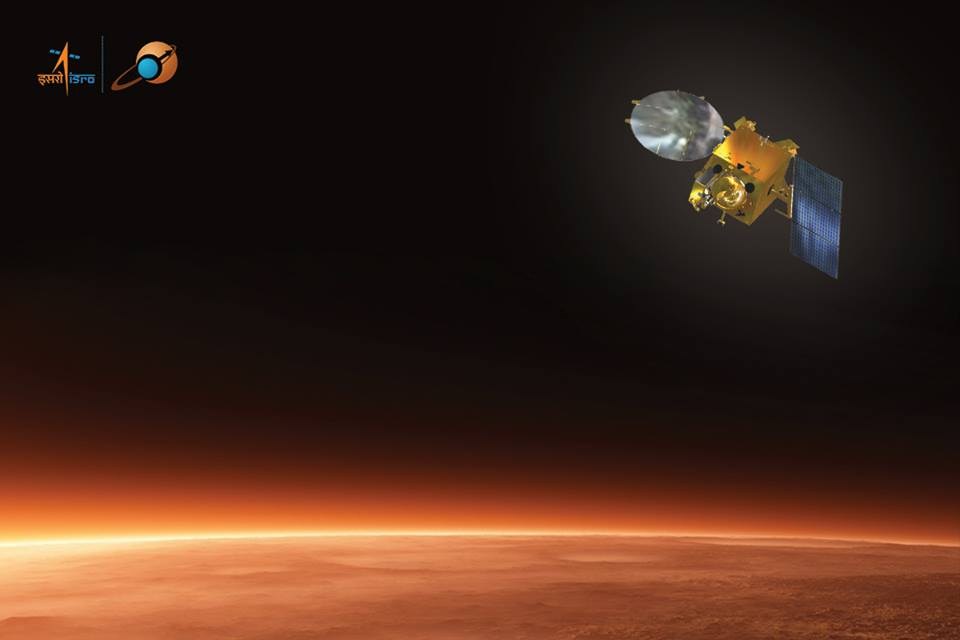
The spacecraft made the 680 million km in under a year. The star of the show is a 1,350kg unmanned robotic satellite about the size of a nano. Its task is to map the red planet for methane, which can help to find the existence of life on the planet. It is equipped with the Mars Colour Camera which will capture images and information about the surface features and composition of Mars.
The Mission achieved its elliptical orbit spanning 423 km X 80,000 km around Mars. At 8.10 AM it was confirmed that MOM has achieved orbital insertion with the engine imparting the required thrust of 1098 metres/second during its 24-minute burst. This led to massive celebrations at the mission control.
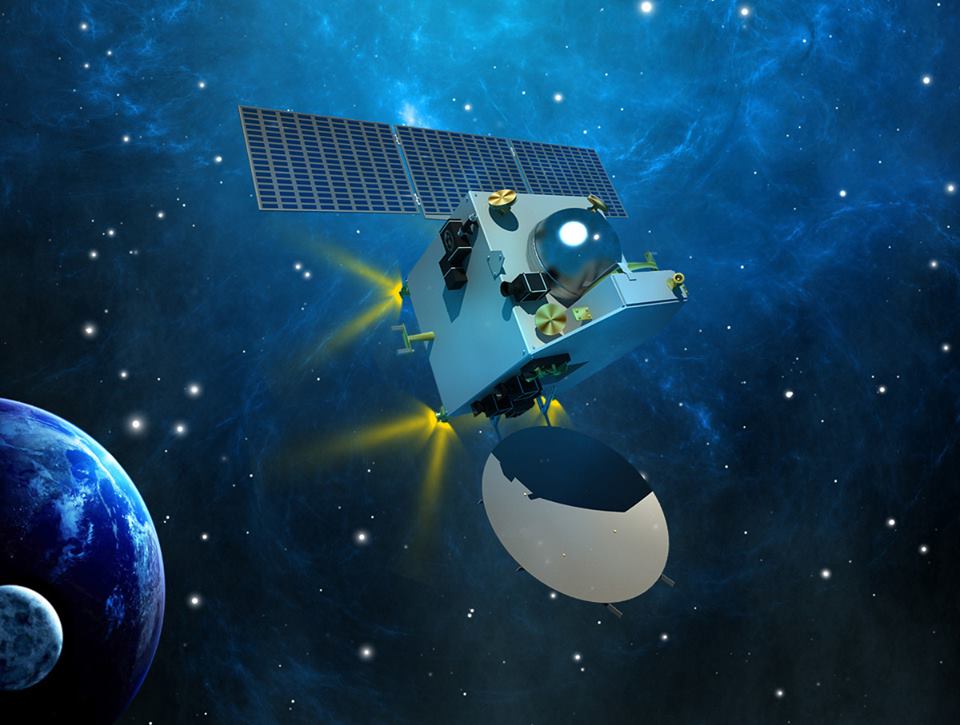
The spacecraft carries a Tata Nano sized satellite which will try to look for methane on Mars
The mission was launched on 5 November 2013 using a PSLV rocket, and it took over 300 days for the mission to reach Mars. The total cost of the mission was Rs. 450 crores or about $74m. The costs include Rs.125 crores (US$21 million) of required studies of the orbiter and the cost of satellite, that is Rs. 153 crores (US$25 million). The mission was announced on 3rd August 2012 former Prime Minister Dr Manmohan Singh and was ready for launch just 15 months later. The mission utilized more than 500 engineers and scientists.
Following the success of the mission, Prime Minister Narendra Modi said “We have gone beyond the boundaries of human enterprise and innovation. If our national cricket team wins a tournament the whole country celebrates. What our scientists have done is far greater.” It is indeed a great feat. With the success of the Mangalyaan mission, India joins the elite league of a handful of countries who have made their way to the fourth rock from the sun. It is also the only country to have a successful mission to mars in the first try where the success rate stands at just 42%.
The mission was basically a test of ISRO’s capabilities for interplanetary missions. Dr. S Radhakrishnan, the Chairman of ISRO called it “technology demonstrator.” ISRO is the highest rated organization for real world applications of its missions as it’s a people oriented organization.
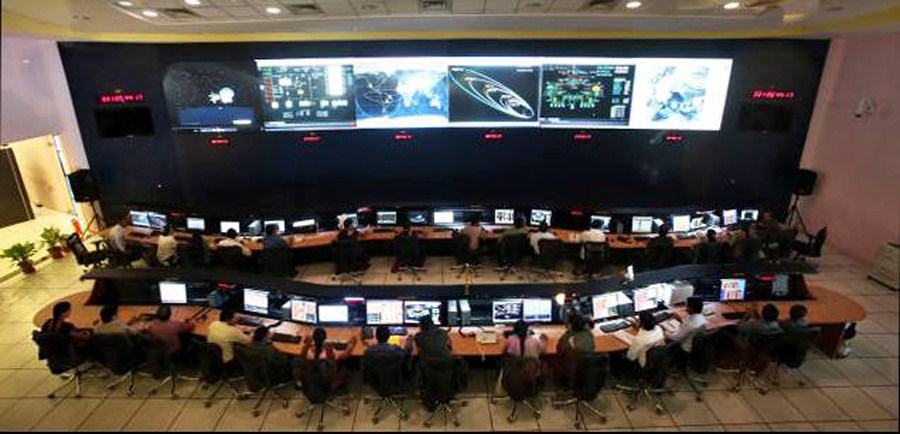
Mission control kept a vigilant eye on the progress of the spacecraft
This is just the beginning of India’s space adventures. Soon ISRO plans to launch the Geosynchronous Satellite Launch Vehicle Mark III (GSLV Mark III) which is the heaviest rocket in its arsenal weighing at about 630 tonnes. It will also carry a dummy astronaut module with it. By sending astronauts to space, India can be on the path to match up to China, which currently is setting up the Tiangong space station that will become operational in 2023. ISRO also plans to send a follow-up mission with a greater scientific payload to Mars in the 2017-2020 timeframe
Space missions are extremely important, especially for growing economies. They provide an aspirational frontier that invigorates a whole new generation to achieve the next step in the evolution of humanity. Space sciences tell us a lot about who we are and where we came from. It requires the collaboration of smart brains from varied fields of research and is a celebration of human intellect that has been gained through millennia’s of curiosity.
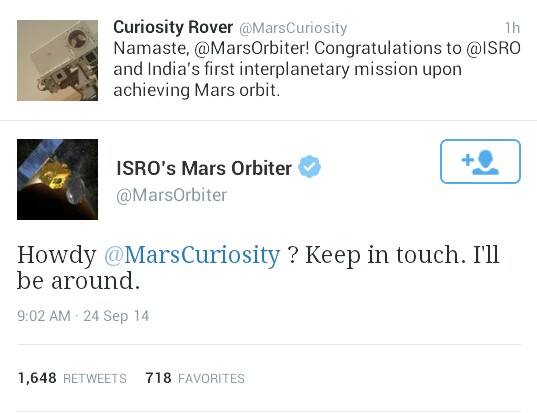
Looks like Mangalyaan already made a friend on arrival at Mars
We heartily congratulate the Indian Space Research Organization for taking this great step for the entire developing world. They have proved that crossing frontiers doesn’t require huge pockets but right intentions and firm determination. Today is a good day.
World’s biggest E-tail giant, Amazon got a jolt from the Karnataka tax authorities yesterday. Amazon’s Bangalore warehouse was taken over by the authorities. The warehouse was dedicated to the ‘Fulfilled by Amazon’(FBA) segment of products. Amazon stores these products in its warehouses and takes care of its delivery to the customers.
A few days back WSJ reported, “The Enforcement Directorate of the Finance Ministry is investigating whether Amazon.com’s fully owned Indian subsidiary has been circumventing restrictions on foreign investment in retail by selling directly to customers while making it look as if the sales are being made by other companies.”
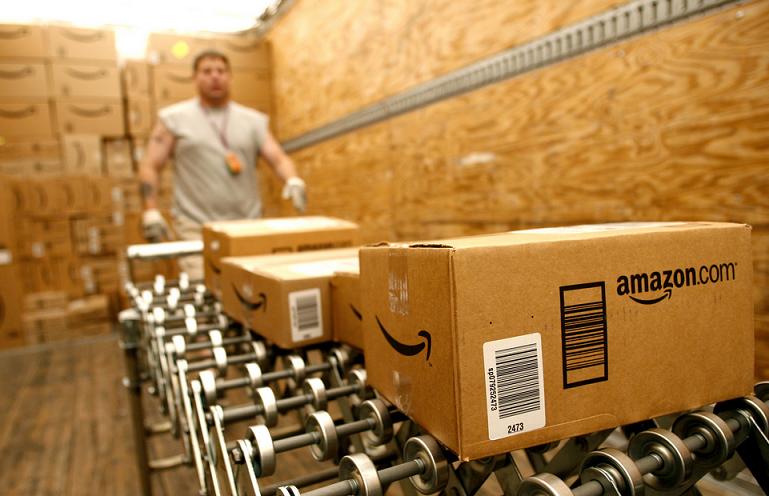
Using Amazon’s Fulfillment service sellers can reduce warehouse and shipment costs.
The Karnataka government went ahead and served notices to over a hundred sellers who used ‘Fulfilled by Amazon’ service. It has ordered them to desist from storing their products in Amazon warehouses. The notice also said the sellers cannot register Amazon’s warehouses as an additional place of business.
There aren’t any set tax regulations for e-commerce businesses as of yet and that lead to this arbitrary action by the authorities. The authorities are known to have said that they cannot let such a practice continue. They should rather find out ways of amicably solving the issue as this could dissuade e-commerce companies from scaling up their functions. This may hamper the growth of the burgoening market.
An Amazon spokesperson said in an email statement to LiveMint, “We understand this to be a case where the laws have not kept pace with the new-age online business models that enable a faster, convenient and nationwide access to customers for sellers, especially small and medium businesses, at significantly low costs. We look forward to an early resolution in order to avoid closing our local warehousing operations in Karnataka and to stay on course for bringing more investments in the state.”
E-commerce is a fast growing segment in this country. India’s e-commerce market was worth about $2.5 billion in 2009; it went up to $6.3 billion in 2011 and to $14 billion in 2012. This year saw many companies going for exclusive tie-ups with several e-commerce websites. E-commerce is also beneficial to the customers as it decreases marketing costs for the company which is passed on the consumer, as was the case with Xiaomi Redmi 1S. The need now is for the government to come up with proper regulations so that issues like this don’t happen in the future. It causes a loss, not just for Amazon, but along with it, the sellers as well as the buyers are left in a limbo.
During the administration of Prime Minister Atal Bihari Vajpayee, a bill was introduced called the Communication Convergence Bill. It was year 2000, way before the emergence of internet and mobile phones as influential communication systems capable of changing regimes in multiple nations. The bill’s objective was to establish a new “converged” regulatory framework to promote and develop the communications sector (including broadcasting, telecommunications and “multimedia”) in an environment of increasing convergence of technologies, services and service providers. Now the present government wants to bring back the bill from the dead.
The bill was to replace the Indian Telegraph Act, 1885; the Indian Wireless Telegraphy Act, 1933; the Cable Television Networks Regulation Act, 1995; the Telecom Regulatory Authority of India Act, 1997. This bill would in the end replace TRAI and the Telecom Disputes Settlement and Appellate Tribunal (TDSAT). The government will form a singular commission called the Communication Commission of India that would overlook all communication infrastructures.
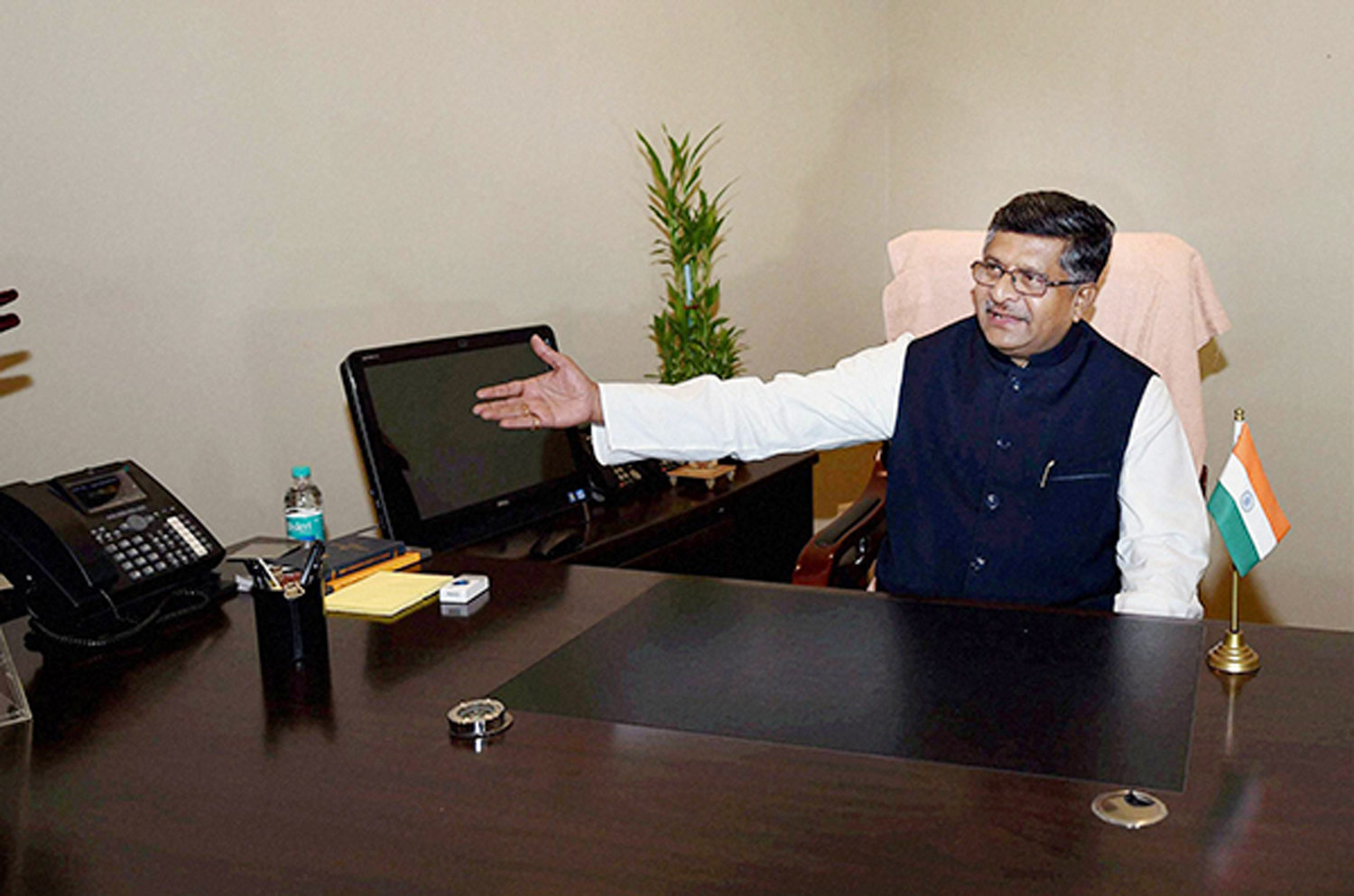
The bill was announced by India’s Minister of Communications and Information Technology, Ravi Shanker Prasad
This would be the second big move for this government after scrapping the long-standing policy body called the Planning Commission. Its scrapping was announced by the Prime Minister in his Independence Day speech this year.
The Communication Commission will have seven members. Each member would be a domain expert on areas such as telecom, broadcasting, information technology, law and consumer affairs and finance. Its mandate would be to stimulate market competition in order to ensure better quality services for the consumer and prevent monopolies.
The new Commission will not just replace TRAI and TDSAT but will also take up some of the powers from the Censor Board; some clearances that the Ministry Of Environment gives out, the Competition Commission of India and the Department of Telecommunications. This will directly try to regulate the content as well as the carriers who distribute that content.
On the face of it, this law seems consumer friendly, but if not planned right it can introduce another set of red tapes. By trying to control content, the government will take upon a major headache and can cause over-centralization, especially at the speed at which content is being generated presently. According to TRAI Chairman Rahul Khullar’s interaction with CNBC-TV18, a super-regulator has a potential to complicate the tough regulatory platform of the telecom industry.
Last time the bill couldn’t pass because of concerns from the other stakeholders. The bill was not persuded by the previous UPA government. This time around, with a massive majority in the parliament, the government can get the law to pass if DoT finalizes it for an introduction by the winter session this year. It will be interesting to see in the coming days, how the government plans to adopt this 14-year old law into the current times. This is an important aspect of governance that citizens need to know about as our present and future economy is getting dependent on good communication infrastructure. Even information rights activists will keep a close eye at the developments of this bill.
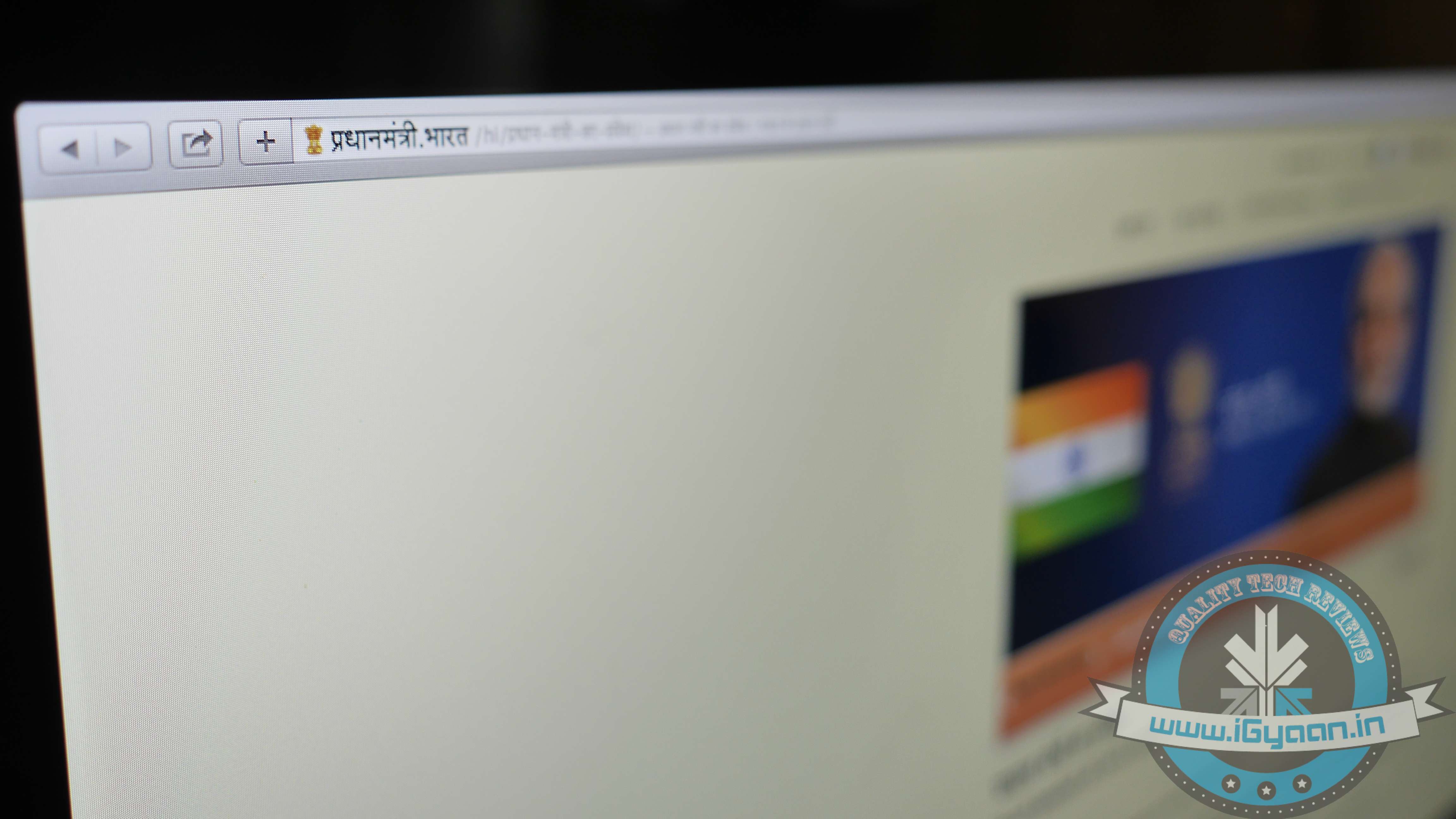
Standing on their promise of bringing technical, infrastructural development to the forefront, the Government of India has launched Dot Bharat domain in Devanagari script. The domain will initially begin support for Hindi, Bodo, Dogri, Konkani, Maithili, Marathi, Nepali and Sindhi languages. It will be later extended to more languages in the future.
This move will make it easy for a lot of people who are not versed in Roman characters. A huge section of Indian population cannot comprehend English, and that makes it hard to introduce them to the internet. This domain will work towards introducing them to the working of the internet that they can use to avail government services. The government is also looking at making government documents available online to create more transparency. They want to create a one window system that will let villagers get the documents they need without traveling to government offices.
The domain was launched by the Minister of Telecom Ravi Shanker Prasad. It is expected to bring a good amount of convenience in the rural areas. The government is planning to make a major shift towards e-governance. It will also help bring business opportunity till now limited to urban centers to the hands of the rural population. This would certainly result in job growth in regions that need them. Dot Bharat was developed by the National Internet Exchange of India in cooperation with Centre for Development of Advanced Computing.
Dot Bharat would also help boost the creation of webpages based on local languages. It will not just help in bringing a lot of people to the internet but create a huge job growth for the technical spectrum from engineers to designers who are comfortable with local languages. Indian Prime Minister too has pressed on more use of local languages in government communication.
It will be interesting to see if the local language sites are better that the mainstream internet or will it too devolve into comment section filled with name calling and undue criticisms.
The Chinese, can be called the shop floor for all of the world’s smartphone needs. If it’s an electronic product, at least one bit of it is produced in China. The communist nation has seen phenomenal economic growth ever since the technocrats running the country transformed the country into a manufacturing giant. Inspired by the boom that the Chinese economy has seen, the Indian government urged the world to manufacture in India.
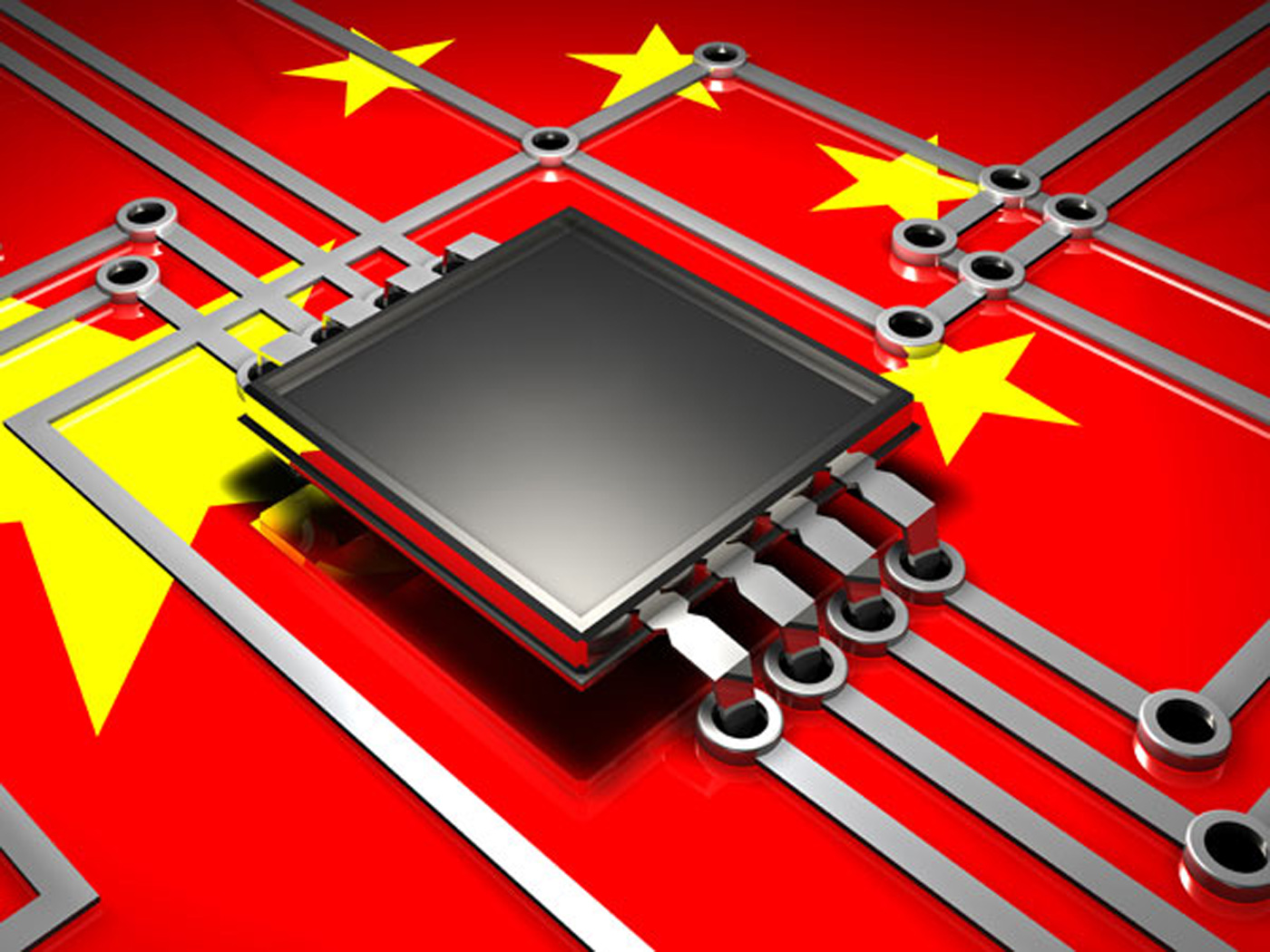
The Chinese are now trying to stake a claim in one more important arena in the international business, the Operating System. China is proactively developing an operating system that will help it decrease its reliance of US-made OS like the ones from Windows, Apple and Google. In fact, China wants to take on the OS giants with their version.
The new OS will be based on Android. It is being developed by a team which is headed by the co-founder of Lenevo, Guangnan Ni. It will be released this October. The OS will be available for the Chinese government offices as well as fr consumer use.
Spying concerns have been cited a reason for China opting for its own OS
China, in recent years, has tried to create an alternative to the US based OS’s. The Chinese Academy of Sciences released the China Operating System (COS), in January of this year, but it wasn’t appreciated as much. This new OS will be first released for desktop and later a mobile version will also be released.
The recent revelation of software backdoors that can be used by agencies like NSA to spy on users was cited as one of the major reasons for the development of the OS. China had recently banned all Windows 8 systems in its government offices after terming Microsoft a monopolistic company.
The country has intense information restrictions and prefers to use systems developed within the country. Getting an OS made at home will also add to the nationalistic pride in the communist nation.
In India, the Rs. 1,13,000 Crore Digital India Project will work towards constructing a informational highway that connects the whole of India. The project will also encourage software systems to be programmed in India for the use of the nation. Clearly the goal of the government of India too is to reduce the dependency on foreign based products. This is a valid thought and if the government puts its money where its mouth is, it will be able to encourage a generation of tech entrepreneurs who are presently working to make foreign enterprises profitable. These entrepreneurs will help create a powerful economy for the future India.
The Dragon has made its mark on the world and is standing as a formidable adversary. It’s for us to see if the Tiger can ever catch up.
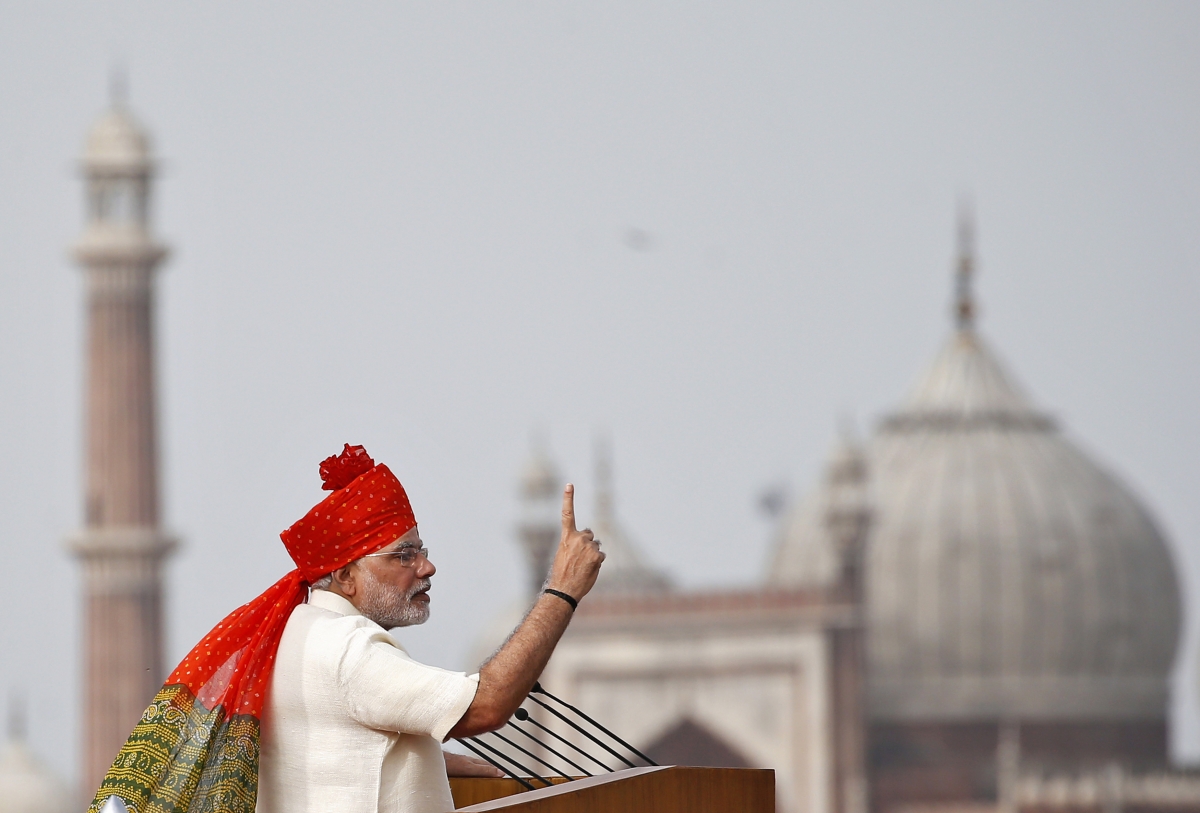
The Indian Prime Minister, Mr. Narendra Modi laid out some bold 21st century goals in his Independence Day speech. One important goal was the Digital India project which would connect India through its length and width. The project has been green-lit by the cabinet of ministers, and the Prime Minister hopes for an India where government services can be delivered through the creation of technological infrastructure.
For starters, the Digital India project is a Rs 113,000 crore project directed towards setting up of a broadband highway. It hopes to connect 2.5 lakh villages by broadband and phones and bring Wi-Fi capabilities in 2.5 lakh schools, all universities and setup public Wi-Fi hotspots for citizens. It is expected to create about 1.7 crore direct and 8.5 crore indirect jobs. It will be particularly beneficial for delivering e-governance and e-services.
As of now mobile phones have reached about 74% of Indian population, which considering India’s massive population is a huge number. While a major portion of this population resides in urban areas, Mr. Modi hopes to change that in the coming future. He wants every Indian citizen to have access to a smartphone by 2019. He hopes to see mobile phones grow as welfare services delivery tool.
The main aim of the Digital India Project is to convert India into a connected knowledge economy which offers world class services. The government plans to take assistance from tech giants such as Cisco and Facebook in creating the infrastructure as well as spread awareness regarding the plan.
E-Governance is not just economical, it provides immense convenience to citizens
The cornerstone of his speech on Independence day was transforming India into a manufacturing hub of the world. The government of India plans to bring net electronics import to zero by 2020 which is an audacious plan. This will also help in curbing down the huge outflow of income that is spent by tech crazy Indian population. The manufacturing process will no doubt get a boost from the high-speed informational connectivity.
The Telecom Minister of India, Ravi Shanker Prasad said that the National Optic Fibre Network (NOFN) venture which had been lying dormant for some years will be reinvigorated. The progress of the network will be monitored by the Prime minister himself.
Investment in Technological infrastructure will lead to a speedy growth in the economy. Not only will it help a farmer in the remote region of the country to know the right price of his produce, it will also make the government functioning transparent. It will also help in bringing better, technology aided education to the children of India, thereby leading to an optimistic future about the country. All we can ask the Prime Minister right now is to bring Google Fibre to India and speed up the urban economy right away.
Delhi’s audacious project of bringing Wi-Fi connectivity to the markets of Delhi has begun at Khan Market. The shopping area now has limited time, free usage internet. After the free usage has expired, the shoppers can just use scratch cards to get access to the network.
To connect to the network, you just have to punch in some basic information such as email ID and phone number. Next you get a one-time password (OTP) on your phone using which you can register into the Wi-Fi network.
The facility was to be extended to Connaught Place (CP) but it is facing some technical delays. The major issue in bringing WiFi access to CP has been the size of the area. To avoid the place from looking cluttered, the cables for the services are being laid underground.
Tata Docomo and Vodafone who have partnered together with NDMC for the service say that CP will be Wi-Fi activated by the end of the month. As of now a beta service is being run in the N-block of CP.
The security agencies based in CP have also raised some issues with the service. According to them the WiFi service may be used to interfere with their network. But the folks at NDMC state that the networks used are extremely secure.
The service providers have got their security clearance after clearing five levels of certification testing. The project can also be monitored by the Department of Telecom, thereby being in safe hands.