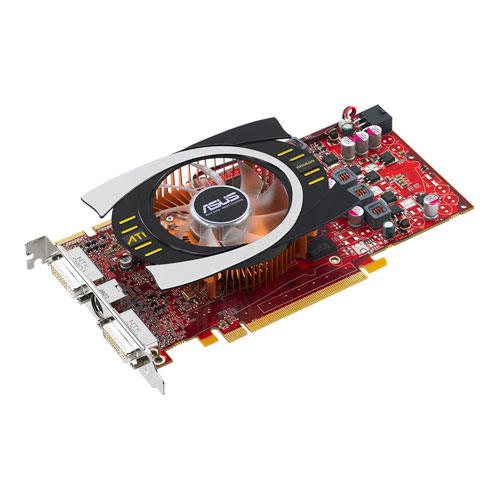
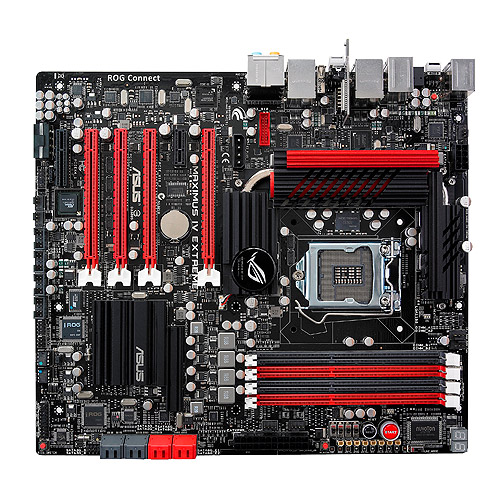
PCI Special Interest Group has just held its annual meeting and developer conference in California, where plans for a 32Gbps PCIe cable were revealed. The connecters are said to be be flast wires made completely out of copper and will have speed to distance ratio of 32Gbps up to 10 feet or 3m approx. This standard will be called the PCI 3.0 and will be available late 2013.
The PCI 4.0 details were not mentioned , but the information that the launch is 4 years away was let out.
Apple launched the original Time Capsule with 2TB of storage for your happiness in 2009. This year Apple has upgraded the Device to offer 3TB of wireless backups for your Apple machines and added Wireless – N capabilities.
Time Capsule is also a full-featured 802.11n Wi-Fi base station. It operates in the 2.4GHz and 5GHz bands simultaneously.
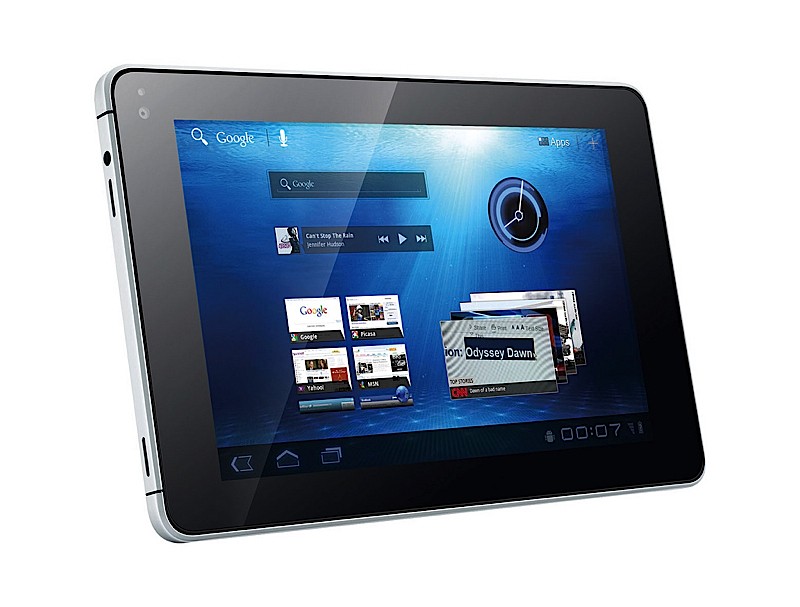
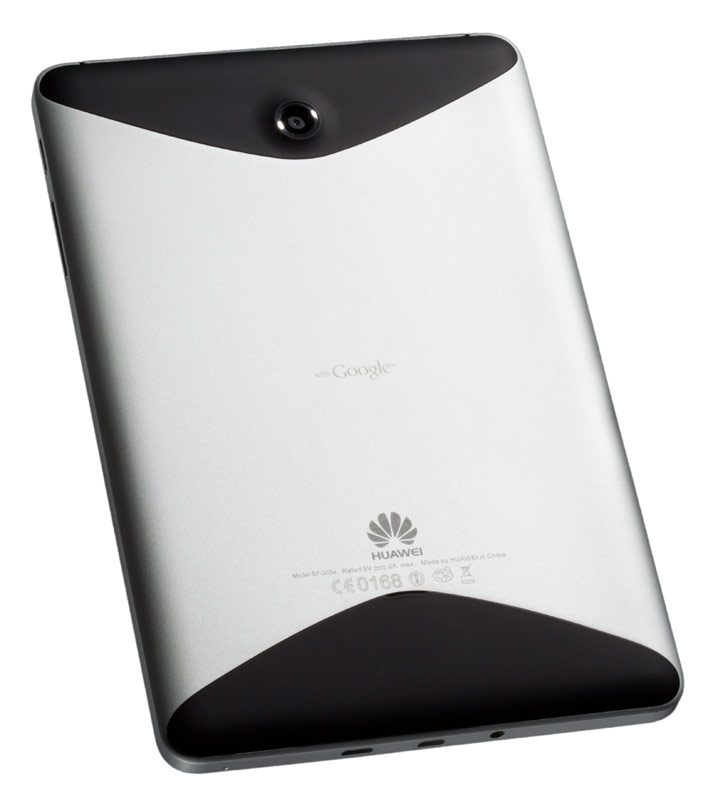
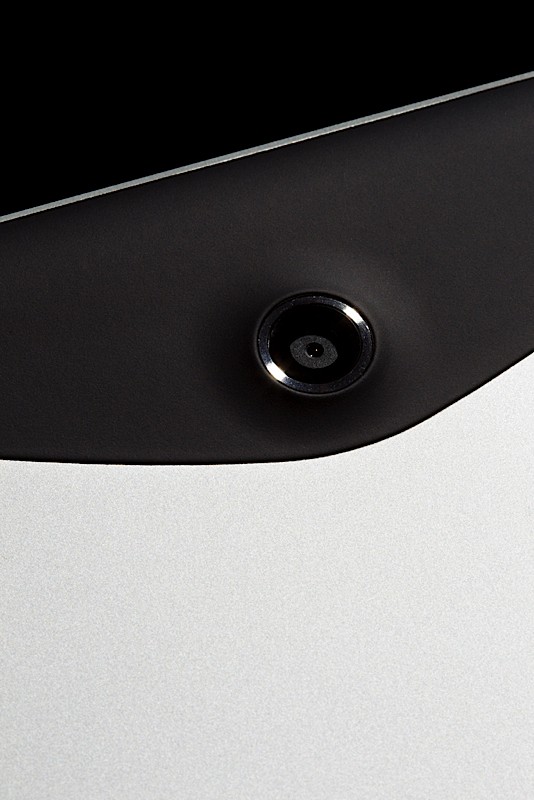
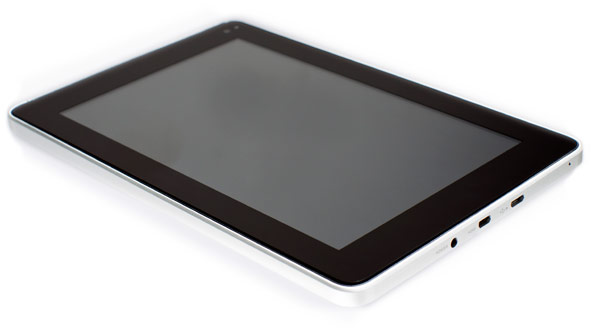
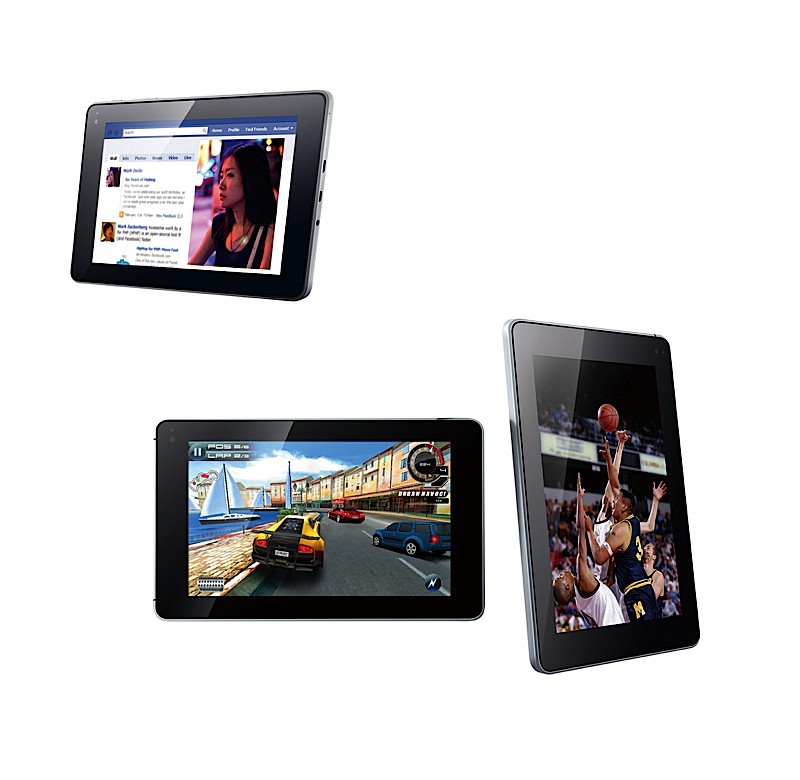
Huawei becomes the first manufacturer to launch an Android 3.2 Device. The 7 inch touchscreen has a capacitive input and a high 217 pixels-per-inch IPS display. There is also the 1.3 megapixel front-facing , 5 megapixel rear-facing cameras which make the device a good business and fun/social accessory.
Check out the demo video below
Specs Include
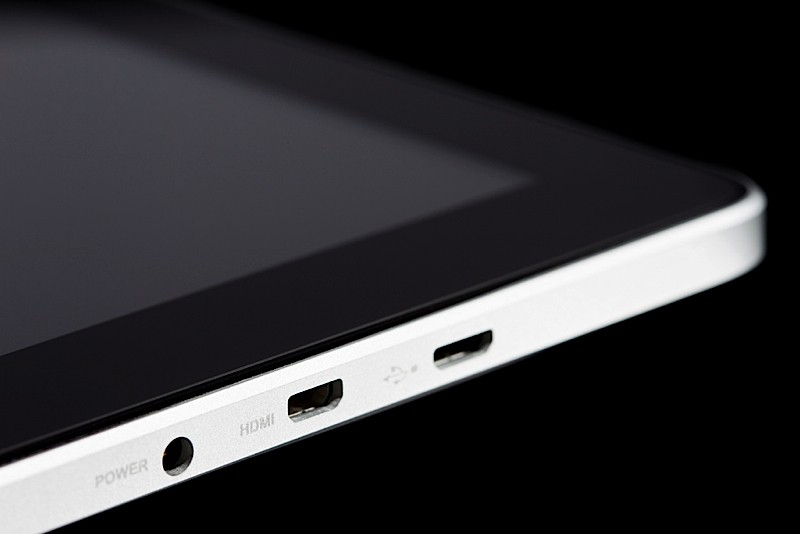
• Android Honeycomb 3.2 OS • 7-inch IPS LCD capacitive touchscreen • 10.5mm (0.4 inches) slim, ~390g weight (0.86 pounds) • 1.3 MP front-facing camera, 5 MP auto focus rear facing camera with HD video recording capabilities • HSPA+ 14.4 Mbps, WiFi 11n • Dual-core 1.2GHz Qualcomm processor • Over 6 hours battery life • 1080P full HD playback and HDMI port • Flash 10.3
Pre-installed Apps • Facebook • Twitter • Let’s Golf • Document to go
[toggle title_open=”COLLAPSE THE PRESS RELEASE” title_closed=”READ THE PRESS RELEASE” hide=”yes” border=”yes” style=”default” excerpt_length=”0″ read_more_text=”Read More” read_less_text=”Read Less” include_excerpt_html=”no”]Huawei Unveils MediaPad – World’s first 7-inch Android 3.2 Honeycomb Dual-Core Tablet
MediaPad set to transform consumers’ entertainment experience
Singapore, 20 June 2011: Huawei, a leading telecom solutions provider, today launched the Huawei MediaPad, the world’s first 7-inch Android 3.2 Honeycomb tablet. The MediaPad is a complete entertainment powerhouse driven by Qualcomm’s dual-core 1.2GHz processor and supported by Huawei Device’s Hispace cloud solution. The MediaPad provides the fabulous user experience in a stylish, high-performing and ultra-portable package.
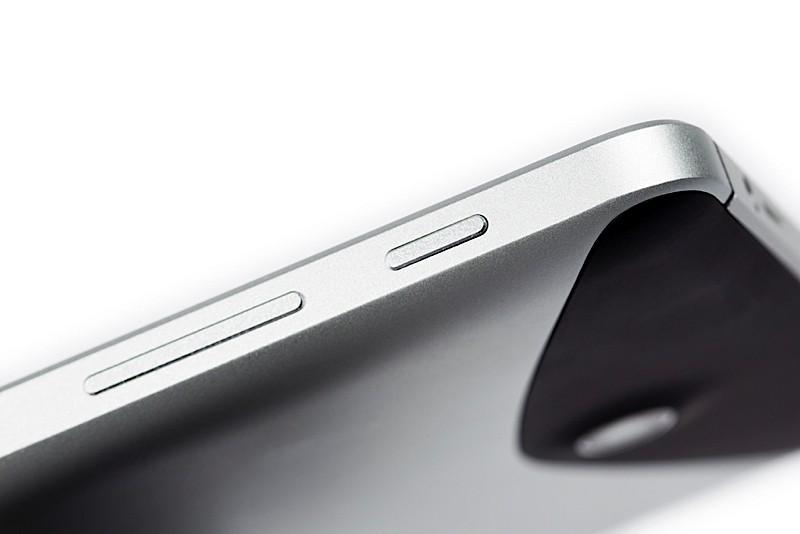
The MediaPad is Huawei Device’s smartest, slimmest and lightest tablet yet, measuring just 10.5mm (0.4 inches) deep and weighing around 390g (0.86 pounds). It supports 1080P full HD video playback and features a 1.3 megapixel front facing camera and 5 megapixel auto focus rear facing camera with HD video recording capabilities. With HSPA+ 14.4Mbps and high-speed WiFi 11n Internet connectivity, the MediaPad doesn’t just entertain – it keeps you connected.
“With the Huawei MediaPad, we are demonstrating yet again that design, functionality and performance is within anyone’s reach,” said Victor Xu, Chief Marketing Officer of Huawei Device. “The MediaPad opens up new worlds of entertainment for consumers by removing the barriers to tablet ownership, increasing access to a truly high-quality mobile entertainment experience fully integrated with cloud-based internet content.”
An Out-of-this-World Entertainment Experience The MediaPad supports HSPA+ data services, Flash 10.3 videos and comes preinstalled with applications such as Facebook, Twitter, Let’s Golf and Documents to Go. With the 7-inch IPS touch screen, the MediaPad offers a standout visual experience for photos, movies and applications. Entertainment and gaming experience are taken to the next level with the MediaPad’s 1.2GHz Dual-Core processor, high definition playback and HDMI port.
Expansion of Huawei Device’s Smart Offerings The MediaPad builds on the global success of the IDEOS S7 Slim tablet and cements Huawei Device’s ability to cater to the explosive demand for tablets. According to the International Data Corporation, sales in the tablet market are expected to increase more than fourfold in the next two years. The MediaPad will be showcased at Huawei’s “Smart for Transformation” booth at CommunicAsia 2011 in Singapore. Along with Huawei’s latest range of smart devices, the MediaPad is a prime example of Huawei Device’s focus on the power of practical innovation.
About Huawei Huawei Device is a global leader in providing smart devices that connect you with the world, simply. Huawei Device partners with 500 operators, including the world’s top 50 operators, across 140 countries. Huawei’s products and solutions have been deployed in over 100 countries and support the communications needs of one third of the world’s population. The company is committed to providing innovative and customized products, services and solutions to create long-term value and growth potential for its customers.
For more information, visit Huawei Device online: www.huaweidevice.com
For regular updates on Huawei Device, follow us on: Facebook: www.facebook.com/huaweidevice Twitter: www.twitter.com/huaweipress YouTube: http://www.youtube.com/user/HuaweiPress
Technical Specs • Android Honeycomb 3.2 OS • 7-inch IPS LCD capacitive touchscreen • 10.5mm (0.4 inches) slim, ~390g weight (0.86 pounds) • 1.3 MP front-facing camera, 5 MP auto focus rear facing camera with HD video recording capabilities • HSPA+ 14.4 Mbps, WiFi 11n • Dual-core 1.2GHz Qualcomm processor • Over 6 hours battery life • 1080P full HD playback and HDMI port • Flash 10.3
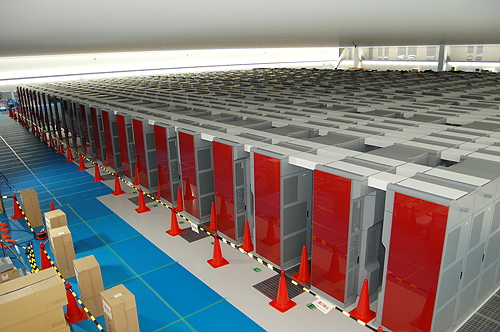
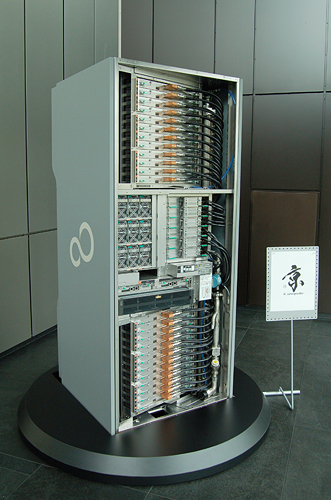
The Kobe based Riken Advanced Institute For Computational Science has a supercomputer capable of 8.16 petaflops of computational power, which has reclaimed the #1 spot in the Top 500 list. The new machine has handsomely widened the gap from the now #2 Chinese Tianhe 1A which delivers almost a quarter of the computational capacity at 2.57 petaflops.
The last time Japan held the #1 spot was in 2004 with their Earth Simulator. The new supercomputer, dubbed the K Computer, uses only CPUs to deliver the massive 8.16 petaflops. It does not use any GPUs or other accelerators. It is comprised of 68,544 eight-core SPARC64 VIIIfx processors which equals 548,352 individual cores. When the machine is commissioned, it will be capable of even higher performance and will deliver more than 10 petaflops using 80,000 of the eight core SPARC CPUs (640,000 cores).
This behemoth comes at a price though. It uses a whopping 10MW of power. This is almost two and a half times the power used by the existing top ten systems at 4.3 MW.
Apple is getting ready to revamp their Mac Pro and Mac mini lineup this August. According to sources the new computers will be powered by Intel’s Sandy Bridge processor architecture and will ship by the beginning of August.
As Apple usually does, an improvement in aesthetics should be seen in both the Apple Hardware units. Apple will add second-generation quad-core Core i5 and Core i7 CPUs (former code-named Sandy Bridge) as well as Thunderbolt data ports.
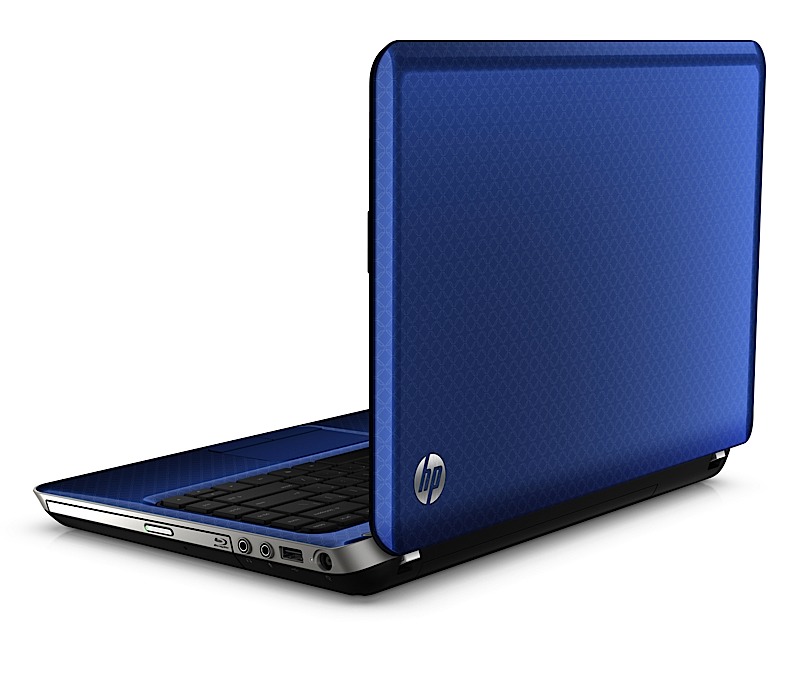
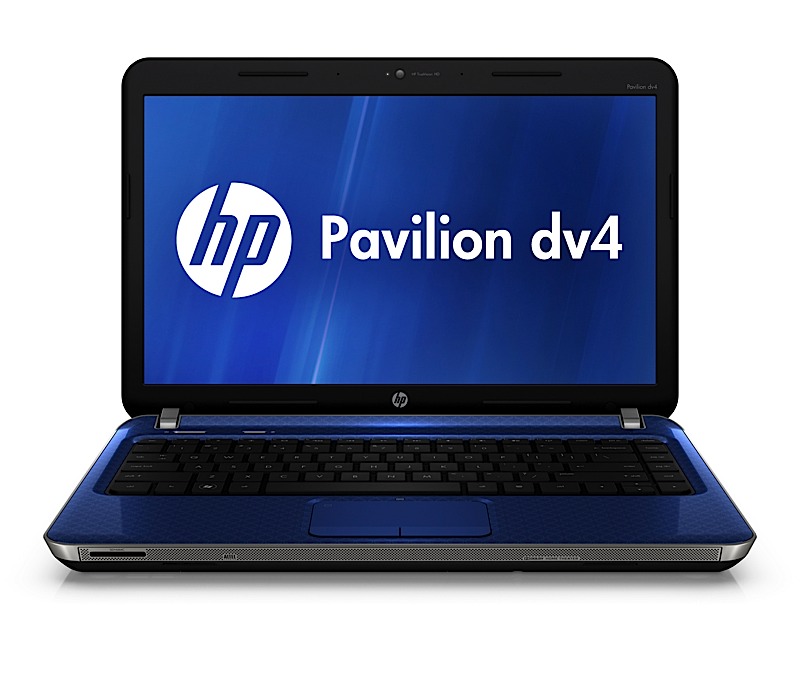
This is not everyday news, infact it is quite the opposite of everyday news. According to Japanese Paper the Nikkei, HP has decided to move production of its Japanese selling notebooks to Japan based manufacturing units at factories in Akishima near Tokyo. HP also plans to hire 50% more workers in Akishima, boosting the number of employees there to 450.
HP claims this will increase efficiency, be closer to the market, stand out with a “made-in-Japan” label, and push down delivery times especially to Japanese business customers. According to Nikkei the delivery of the notebooks will go down to just 5-10 days vs the current 15-30 in Japan. HP currently holds 10% market share in Japan , which makes it the number 5 PC vendor in Japanese territory.
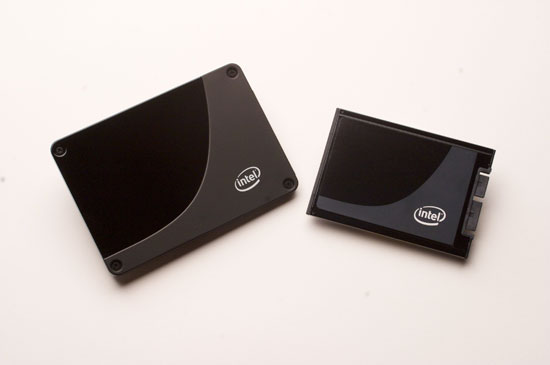
The upcoming 710 Series, codename Lyndonville, and the 720 Series, codename Ramsdale, SSDs from Intel have had their specs leaked via a German Website. Both series are due for release in the next few months and set as replacements for the X-25E series of SSDs.
The 710 series will be available in 100, 200 and 300 GB capacities and will use MLC NAND storage. They will have a read speed of 270 mbps and write speeds of 210 Mbps. While these speeds are not exceptional, these drives are geared towards the enterprise. They come with AES-128 encryption and a mean time between failure of 2 million hours. The 710 series is launching in this quarter and we should have a pricing soon.
The 720 series is what we’re really exited about. It will come in flavours of 200 and 400 GB and will use the more reliable SLC NAND flash storage and will also come with AES-256 encryption. It will be the first Intel SSD line to switch from the SATA interface to a PCI Express interface. This will allow the drives to have a phenomenal read speed of 2200MBps and an unheard write speed of 1800 MBps. That is not a typo. The speeds are in Mega Bytes per second. These devices are expected to launch later this year at prices that would probably be through the roof.
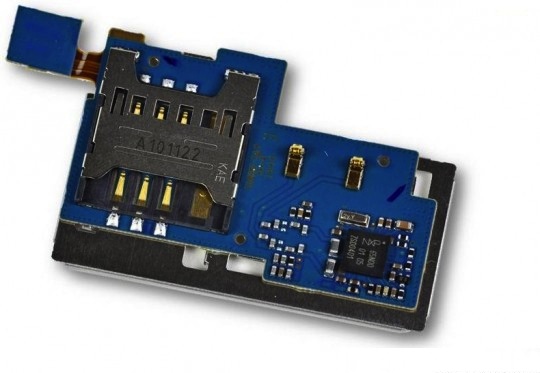
Mobile Phone companies are gearing up to offer the Google Mobile Wallet service to their users. Sony Ericsson is next in line after Samsung to join in on the payment system implementation to order its NFC chips from manufacturer NXP. According to the deal Sony will PN65 and bring it to future future Android-based Xperia models.
Sony Ericsson selects NXP’s NFC Solution for its Android-based Smartphones
Today NXP Semiconductors N.V. (NASDAQ: NXPI) announced that its world leading near field communication (NFC) technology has been selected by Sony Ericsson for inclusion in its Android-based smartphones. Sony Ericsson, a leading, global mobile handset manufacturer focused on communications and entertainment, will use NFC to further enhance its consumers’ mobile experiences, creating a portfolio of smartphones that enable mobile transactions. Using simple touch gestures, consumers will be able to make purchases or connect to a point of sale (POS) terminal, ticketing terminal or location-based promotional tag simply and securely with their NFC-enabled smartphones.
NXP provides complete embedded, secure NFC solutions and recently announced that its NFC software is open source on the Android platform and enables the Google Wallet application. Sony Ericsson intends to use the NXP PN65 NFC solution in their Android-based smartphones, which includes the NFC radio controller, the embedded secure element and NFC software. The embedded secure element enables NFC to be used for mobile transactions. Building on NXP’s extensive background in secure identification, the PN65 uses advanced cryptography to offer the highest level of security for transactions, with the technology already being extensively used in contactless banking cards, e-passports, e-ID cards and secure access systems.
“Building on Sony Ericsson’s leadership in Android and mobile gaming, the integration of near field communication into our Android-based Xperia™ portfolio is another step in delivering the most entertaining smartphones,” said Jan Uddenfeldt, Chief Technology Officer at Sony Ericsson. “NFC offers our consumers the ability to broaden their communication experience beyond the phone, and we are poised to drive the development of new, exciting and creative entertainment experiences.”
“This latest move from Sony Ericsson is another proof point of the strong momentum and potential of NFC,” said Rick Clemmer, president and CEO, NXP Semiconductors. “Based on continued strong customer endorsements we have the opportunity to increase the sales of our NFC products 2-4 times as a percentage of total NXP revenue in the second half of 2011 from the approximately one percent it represents today. NFC offers a game-changing opportunity for mobile phone manufacturers to provide creative and innovative smartphones to their customers.
NFC is a market proven technology co-invented by NXP in 2002. In 2004 NXP co-founded the NFC Forum to lead the collaboration with all industry stakeholders and help standardize the technology. NFC technology evolved from a combination of contactless identification (RFID) and interconnection technologies. Ranked as the number one contactless IC vendor by ABI Research for three years in a row, NXP is the global leader in NFC solutions, field proven in over 150 NFC trials and landmark commercial deployments worldwide.[/toggle]
A huge number of developers rejoiced as Microsoft on Thursday announced the new SDK for Kinect on WIndows. What this means is that the already hacked and exploited Kinect will now bring a full Sdk to be used for gestures and computations while in an open framework officially supported by Microsoft themselves.
This will also begin a new era of Gesture controlled PC games . If you want to download and develop using the SDK head on over to the link mentioned to kick-off.
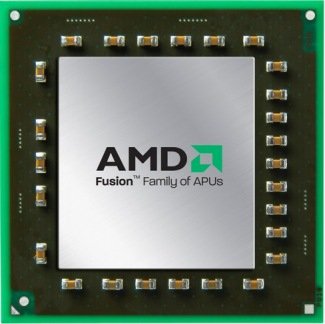
AMD has launched its A-Series Chips. These Chips have a combination CPU + GPU chips in a single package that the company is dubbing APUs or Accelerated Processing Unit. The A-series was formerly known under the code name Llano. The company describes the new chips as follows:
[quote]AMD A-Series APUs combine up to four x86 CPU cores with powerful DirectX 11-capable discrete-level graphics and up to 400 Radeon cores along with dedicated HD video processing on a single chip. [/quote]
The processors will be available as the A4, A6, and A8 and are meant for mid to high-level laptops. The high-end quad-core A8 is targeted for “enthusiast HD and 3D entertainment,” with the quad-core A6 for “HD creation and Blu-ray entertainment,” and the lower-end dual-core A4 (comparable to Intel’s Core i3) for “Photo editing and HD movie playback.” Higher-end Laptops will also offer a separate discrete graphics card on top of the bundled GPU, in a setup called AMD Dual Graphics. The physically discrete GPU can be set to turn off while the system is not plugged into an outlet, in order to extend battery life.
The first company to announce a line of A-Series Laptops is HP. It is not creating new models for these chips but is instead, adapting its existing models for these APUs. These processors should provide Intel’s second generation Sandy Bridge CPUs a run for their money.
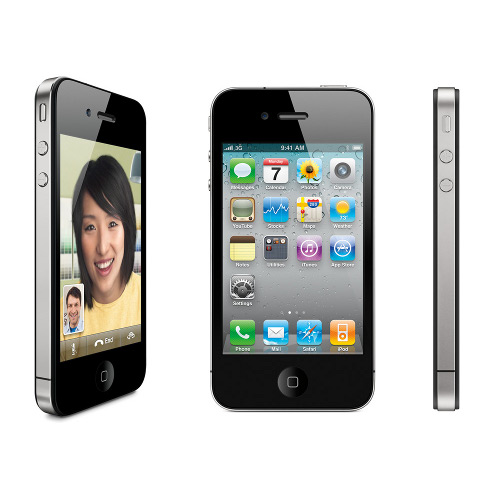
The last space shuttle launch is scheduled towards the end of this year and its going to be carrying some special cargo. Two iPhone 4’s will be on board running special software designed by Odyssey Space Research.
Once the space shuttle docks with the International Space Station, the crew members will use the iPhones to conduct four experiments, using the iPhones’ cameras, gyroscopes, and other sensors.
[quote]”I’m pretty sure this is the very first iPhone to go into space,” said Odyssey CEO Brian Rishikof.[/quote]
The debut of the iPhone 4 in 2010 inspired the Odyssey team to create iOS based space experiments as the new phone had a built in gyroscope. The company has developed software and simulations for guidance and navigation used in several spacecraft; a gyroscope means that the iPhone could potentially be used to determine a vehicle’s orientation in space as well as its position.
The four experiments are:
A “limb tracker,” which lets astronauts take a picture of the Earth’s limb (its curved edge). The app then estimates the iPhone’s altitude.
A sensor calibration tool that uses camera images plus multiple sensors to calibrate the phone’s gyroscope and accelerometers.
Latitude and longitude estimation using photos of the Earth and matching them to wireframes of coastlines.
A test to see if space radiation affects computer memory by watching for unintended changes to single bits in the iPhones’ RAM.
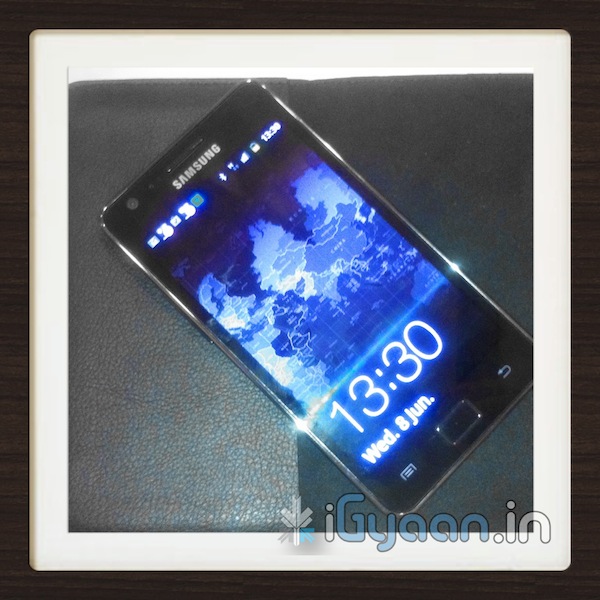
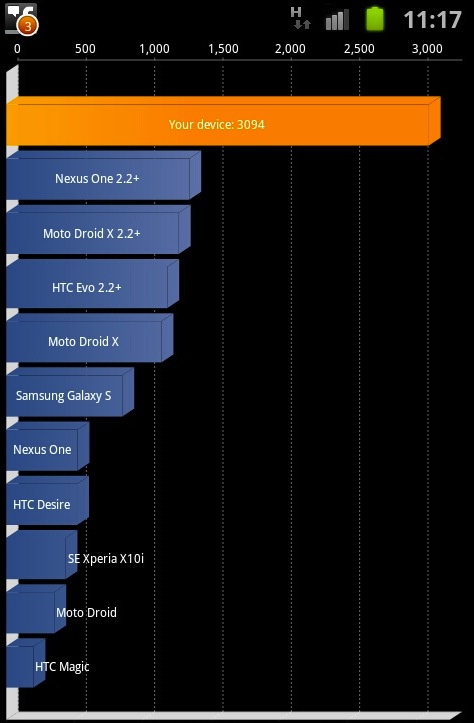
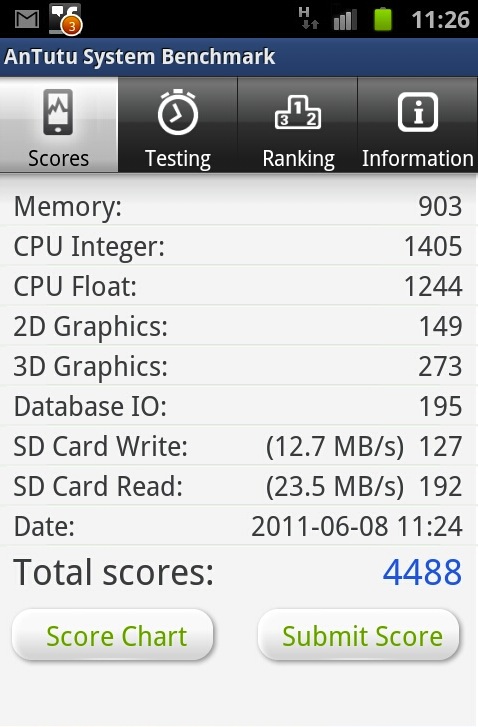
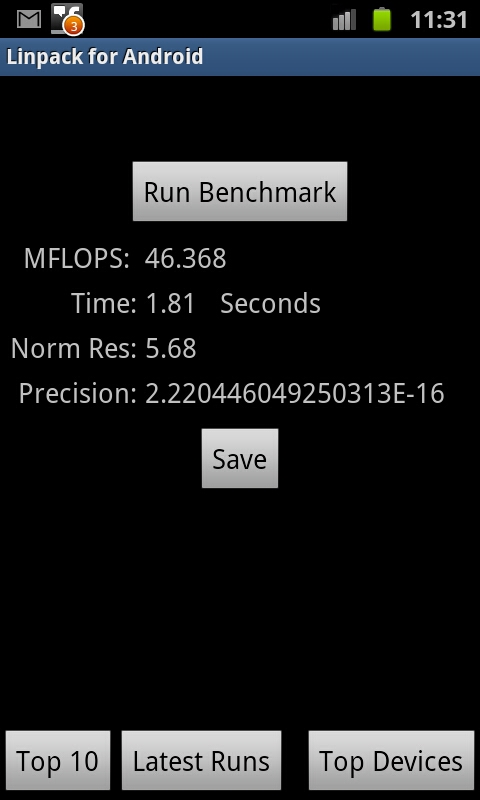
So while we were playing around with the new Samsung Galaxy S2 and found a great screenshot feature so we decided to show you benchmark screenshots: take a look at the amazing scores from Samsung Galaxy S2
ASUS today announced a number of exciting new products for high-performance gaming PCs to further expand its Republic of Gamers (ROG) range.
“The ROG philosophy is based on the core ideals of class-leading performance, innovative user controls and gamer-focused design,” said ASUS Vice President and GM of Worldwide Sales, Jackie Hsu. “The products announced today not only hold true to these ideals, but also introduce a host of new innovations that push high-end PC performance to even greater extremes.”
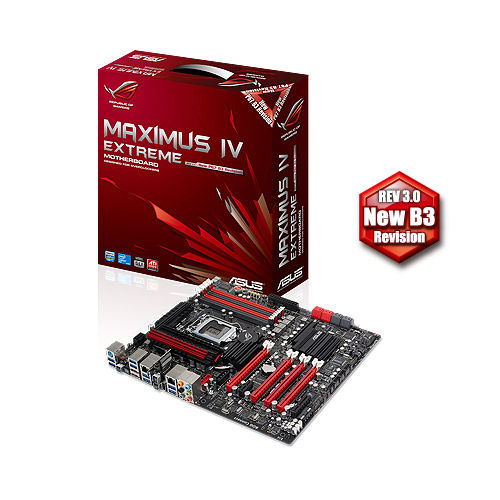
ASUS unveiled today three new ROG motherboards based on the latest Intel® and AMD chipsets.
The Maximus IV GENE-Z and Maximus IV Extreme-Z both use the new Intel® Z68
Crosshair V Formula is the first AMD 990FX-based motherboard supporting both 3-Way SLI™ and CrossFireX™, and with a graphical UEFI BIOS
Two new NVIDIA® GTX 580-based graphics cards
MATRIX GTX580
MARS II
ASUS is also adding gaming peripherals to its ROG range starting with the Vulcan ANC gaming headset with active noise-cancellation and the ASUS VG278H 3D 27-inch display.
Zane Ball, General Manager for Desktops at Intel, said: “We’ve had great success in the gaming market and we appreciate that a vendor like ASUS is devoted to this field. Brands such as ROG demonstrate the best practice for gaming and overclocking PC hardware, and the two new motherboards and one desktop with Intel Z68-based chipsets announced today offer exciting new performance-turning opportunities.”
A flywheel battery is a system that stores electricity in the form of kinetic energy, in a mechanism that has a wheel that spins at tens of thousands of RPM. The batteries are made of carbon fiber and levitated in a vacuum using magnetic bearings. Carbon fibre is perfect for this application as it’s very strong and lightweight; it doesn’t take a lot of energy to keep it spinning.
Flywheels are better than batteries in many applications. They can absorb and release power very very quickly, they don’t need much in the way of maintenance, and, most importantly, the amount of storage that they provide doesn’t degrade over time like chemical batteries do. They tend to be bulky, and the gyroscopic effect of a big spinning thingy means that they can be tricky to integrate into anything that moves, but for stationary power storage applications, flywheels could be the way to go for the future.
It’s pretty easy to understand the basic method of operation of a flywheel. It’s really just a big wheel hooked up to a generator, and you can either put electricity into the generator to speed up the wheel and store energy, or you can suck electricity out of the generator by slowing the wheel down, just like the regenerative braking system in a hybrid car. The system isn’t perfect, and it does cost you something to keep the wheel spinning, but thanks to magnetic levitation and a sealed vacuum, modern flywheel batteries can be up to 97% efficient.
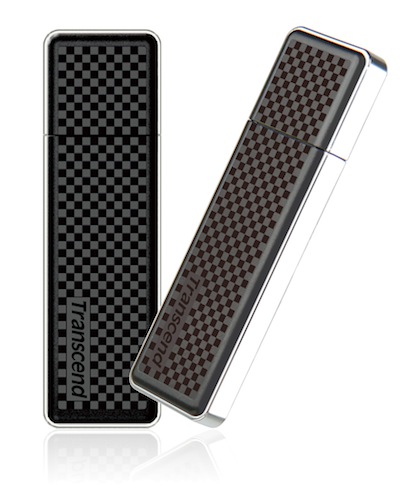
Transcend has launched their new JetFlash 200 Pen Drive / Flash Drive. This time around the thumb-sticks come with enhanced data encryption thanks to Jetflash Secure Drive software which utilizes a 256-bit AES hardware-based encryption.
The MRP for the different capacities are as follows:
MRP of TS4GJF200 (4GB) is Rs. 910/-
MRP of TS8GJF200 (8GB) is Rs. 1380/-
MRP of TS16GJF200 (16GB) is Rs. 2570/-
Not a bad price to pay for the security of your data !
PRESS RELEASE
Transcend Information, Inc. (Transcend), a worldwide leader in storage and multimedia products, unveiled the new series of Jet Flash 200 USB Flash drives with Data Encryption and inbuilt Jetflash Secure Drive software. The new Jet Flash 200 USB is ideal for enterprises to secure confidential and sensitive information from hackers and cyber criminals from gaining access to the information and even stealing it. Besides, Jetflash 200 Flash drives come with a perfect blend of unique design and user-friendly features to match with the requirement of ultimate class along with urban sophistication.
The most attractive feature of the new JetFlash 200 USB is that it secures data through strong 256-bit AES hardware-based encryption that meets FIPS standards, leaving no possibility for hackers to peep inside or even steal files stored on your pen drive. Moreover the multi featured JetFlash 200 comes bundled with the exclusive JetFlash SecureDrive software for extra convenience and security. It helps safeguard your confidential data by creating a password-protected Private Zone, delivering the ultimate USB protection, flexibility and management control that other flash drives can hardly compete with. The unique and trendy designed JetFlash 200 USB offers easy plug and play installation without any need for external power supply.
With dimensions 70.0 mm x 21.0 mm x 8.1 mm and weighing about 7g, the Transcend JetFlash 200 flash drive is compatible with Hi-Speed USB 2.0 ports and offers a maximum write speed and a read speed, of up to 5MB/s and 17MB/s, respectively. Transcend’s new series of JetFlash200 flash drive is available in three different storage capacities 4GB, 8GB and 16GB at a very affordable price with a limited lifetime warranty.
The MRP for the different capacities are as follows:
MRP of TS4GJF200 is Rs. 910/-
MRP of TS8GJF200 is Rs. 1380/-
MRP of TS16GJF200 is Rs. 2570/-
So now Lock, Hide and Encrypt your Secret Files on the New JetFlash Secure Flash Drive, the JetFlash 200 USB Flash drives
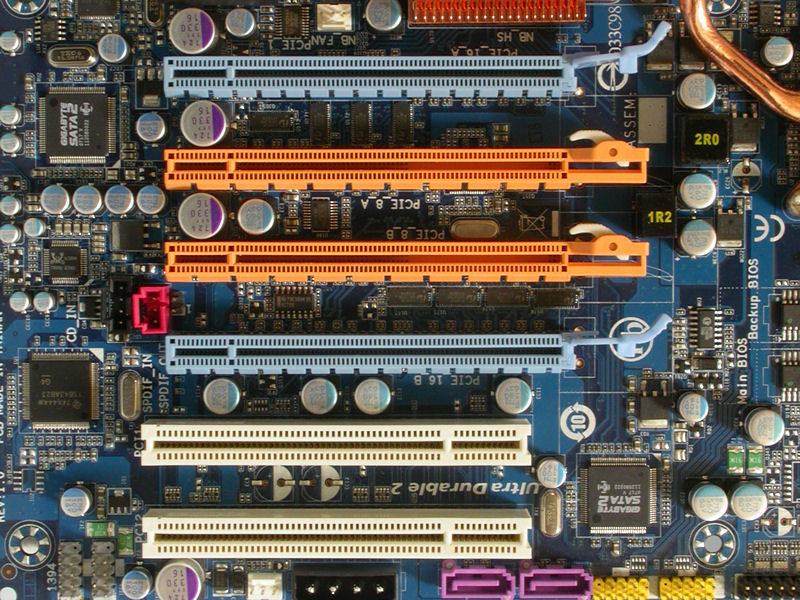
 PCI Special Interest Group has just held its annual meeting and developer conference in California, where plans for a 32Gbps PCIe cable were revealed. The connecters are said to be be flast wires made completely out of copper and will have speed to distance ratio of 32Gbps up to 10 feet or 3m approx. This standard will be called the PCI 3.0 and will be available late 2013.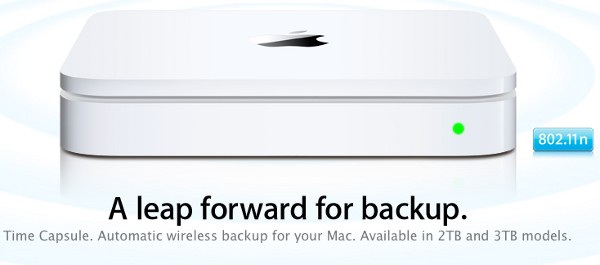



 Mobile Phone companies are gearing up to offer the
 A huge number of developers rejoiced as Microsoft on Thursday announced the new SDK for Kinect on WIndows. What this means is that the already hacked and exploited Kinect will now bring a full Sdk to be used for gestures and computations while in an open framework officially supported by Microsoft themselves.