All the Latest, News, Reviews, Updates, How To, Mobile Phone news, Global and International News, From Cameras to Automobiles, from TV To PC and a lot more! Constantly updating!
In line with the enthusiastic ‘Make in India’ initiative that was kickstarted by Narendra Modi in September 2014, the latest to join the bandwagon is Asus. The Taiwanese Smartphone manufacturer has declared that they will start manufacturing smartphones locally, in Sri City, Andhra Pradesh.
This is a great move by the company as it will christen them into the highly competitive Indian Smartphone market. They ambitiously aim to produce 1.5 lakh phones by the end of this financial year, thereby contributing to 80% of the sales in India, as per reports.
Asus India Country Manager (System Business Group) Peter Chang told PTI:
“India offers us a huge opportunity as smartphone penetration is just 10 per cent. We are excited to announce our local manufacturing facility that will cater to the growing demands of the market,”
Asus isn’t the only one aiming high in the subcontinent. Seeing that India is likely to take over the global Smartphone market in the next few years by throwing USA off its currently held no. 2 position of being one of the largest smartphone manufacturers in the world.
“We are aggressively targeting the Indian market. We aim to achieve five per cent market share in the country by next year.”
Keeping this information in mind, we had earlier told you that Xiaomi, Huawei and Motorola were just some companies that had already begun making their handsets in India and are hoping to make grand profits given the exponential growth the country has, backed by the ‘Make in India’ initiative.
OnePlus came out with its Flagship OnePlus 2 a few months ago. Prior to the launch of the OnePlus 2, the company stated that it is working on a second device for 2015. There have been rumours that this second device will be a scaled down version of the OnePlus 2. The expected phone has been called OnePlus Mini or OnePlus X by many, and more recent rumours are tilting towards X, so we’ll go with X.
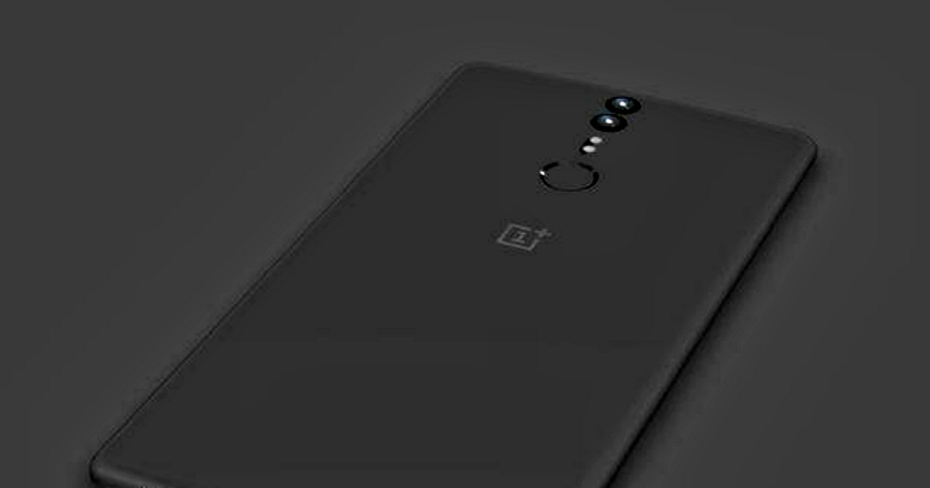
We have already seen leaked renders of the upcoming device like the one shown above. The upcoming OnePlus X is rumoured to sport a design different to the OnePlus 2, and if this is the case it might certainly be called X rather than Mini. The reason behind the design change, apparently, is because not everyone liked the look of the OnePlus 2. If the images are true, the new device does have a clean, sleek look to it as compared to the recent flagship.
Some specs of the upcoming OnePlus device have also been leaked, which suggest that the phone will sport a 5-inch display, which is 0.5 inches smaller than the OnePlus 2 and will be powered by a Snapdragon 801 quad-core processor. The fingerprint scanner is likely to be located below the rear camera.
If the SoC rumour is true, you can expect OnePlus’ upcoming device to fall just below $250 (Rs.16000 approx.) However, that’s only a general guess at the moment. The phone is expected to come out in October, according to Gizmochina.
Facebook has just updated a new profile picture feature for iOS users. Now, your Facebook display picture could be a GIF of yourself.
iOS users will have to check their profiles on the mobile app in order to find the notification. Once on the app, you’ll have to click on the ‘more’ tab and select your name to go to your profile. Then you will be asked to add a new summary bio. After editing that you’ll have to loop a profile video.
For this, you will find an icon between the camera and video symbol on your profile picture. Click on that, and pick whether you want to take a video or upload one. The video is supposed to be only seven seconds long.
The last step is to add featured photos, for this you will find a space for inserting five pictures below the ‘About Me’ section. You’re done. Your profile will look somewhat like this now :
Image Source : wired.com
However, there are a couple of things you need to know about this feature. Firstly, that it’s not yet available to all users and as of now, just a select few have got it. Secondly, the profile GIF can be viewed all across Facebook, but can only be edited via the mobile app. So go check your Facebook as soon as possible and tell us what you think about this cool new feature.
Just a couple of days ago, Google officially launched the Nexus 5X and the Nexus 6P devices. The initial response to the devices have been mixed, to say the least. There have been some strong criticism directed towards the Nexus 5X, in particular. Google has come out with a few answers to questions posed by Redditors.
Some of the main issues revolved around the lack of a Qi wireless charging support (a first since the Nexus 4) and a limited 2 GB RAM and 16 GB internal storage as the baseline. Google answered the former by stating that they felt the USB Type-C charge was good enough and a wireless charge seemed unnecessary, and would have also added to the thickness of the device. “With this year’s Nexii, we support USB Type-C which has a reversible connector so there’s no more guessing. AND it charges incredibly swiftly: 1% to 100% in 97 mins on the 6P for example (the first ~45 mins of charging is especially fast). Meanwhile, wireless charging adds z (thickness),” the Nexus team said in an AMA on Reddit.
As for the latter question regarding the 2 GB RAM and 16 GB storage, which was offered two years ago with the Nexus range, the company stated that what they wanted to offer with the Nexus 5X is good value for money. “We like to think we’re striking a strong balance between premium features/experiences and affordability,” said Krishna Kumar, the product manager Google put in charge of the Nexus 5X team.
The team also answered a frequently asked question on the site as to whether the cameras on the Nexus 5X and Nexus 6P were identical. Kumar replied saying yes.
Both devices have the same camera – a 12.3MP camera, with large 1.55um pixels, which works great in all conditions – especially low light. And both have LDAF for fast auto-focus.” Dave Burke later adds, “[they have the] same sensor (IMX377) and F/2.0 optics. But 6P has more CPU/GPU horsepower so has a few additional features like 240fps slomo (vs 120fps on 5X), Smartburst, and EIS.”
And finally, regarding the naming of the devices as X and P, the Nexus team stated, “X for the core of the Nexus brand (plus it sounds cool!), P for premium.”
The Department of Telecommunications (DoT) has approved a proposal by the Telecom Regulatory Authority of India (TRAI), stating that there will soon be a single emergency number in India.The existing numbers are – 100, 101, 102 and 108. These will exist for a period of one year before being re-routed to a single emergency number 112.
“These numbers will be closed in a phased manner (following a public awareness campaign),” said the DoT.
This number will be accessible to all, even those who do not have a GPS enabled cellphone. However, reportedly, DoT has suggested the telecom regulator to study the impact of enabling all mobile phones with GPS before finalizing the view.
A statement issued by the TRAI mentioned that they would soon be finalizing a date for the incorporation of GPS on all mobile phones in order to have a more accurate location information. Until this works out, we’ll still have to remember a set of numbers.
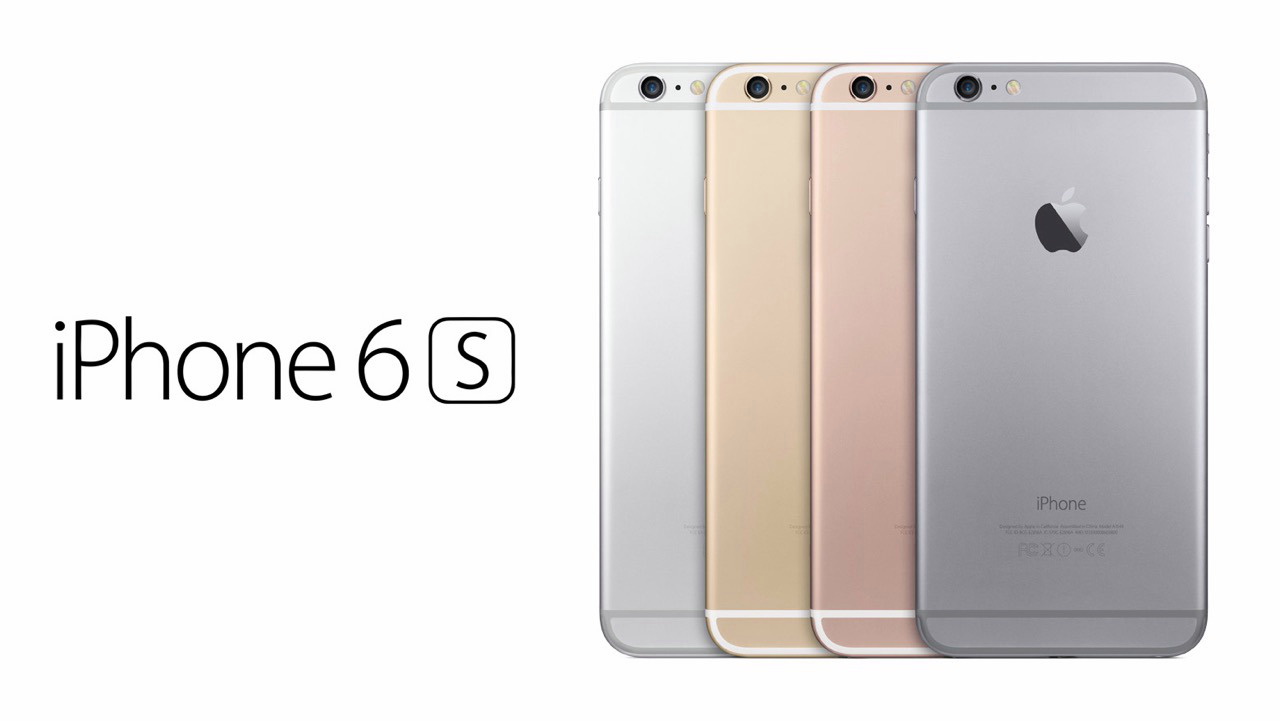
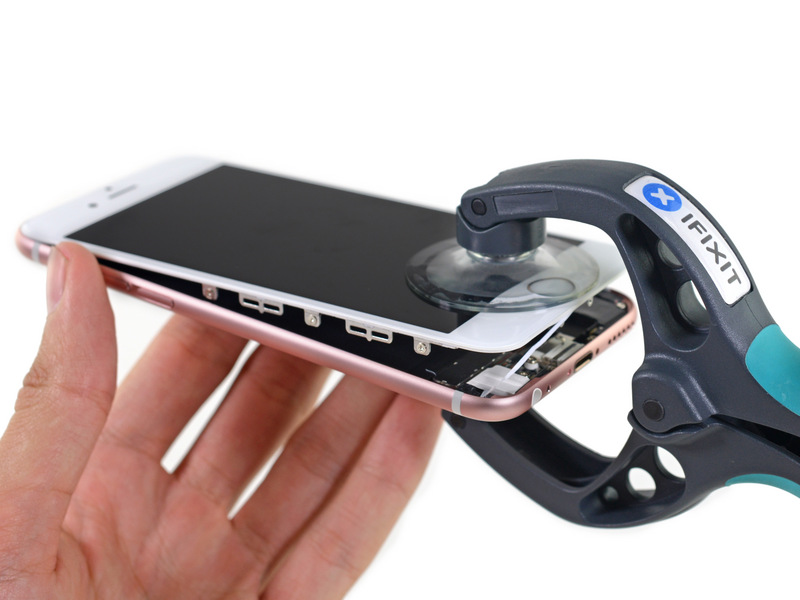
Here’s some very cool news for iPhone 6s users – it is reportedly waterproof. How do we know? Well, some people at iFixit decided to dunk their iPhone 6s into the water in order to see what happens. They found that the iPhone 6s is actually somewhat water-resistant. However, you’re probably wondering why Apple didn’t announce this game changing feature. It’s because the iPhone 6s is not entirely waterproof. So, let’s find out how waterproof the iPhone 6s really is.
Image Source : iFixit
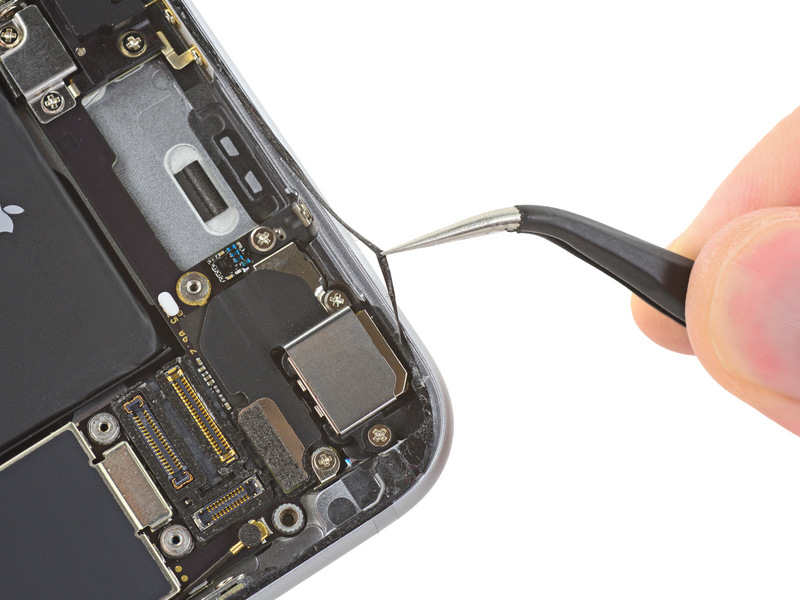
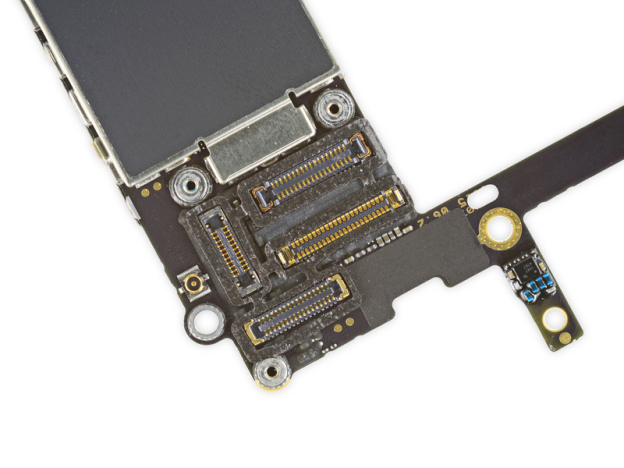
iFixit, a private company, broke down the iPhone 6s for us all, and found that the new device actually has some of the waterproof tech that Apple has already patented. Apple has redesigned the iPhone’s internal structure in order to bring this product closer to its goal of making a fully water-resistant smartphone.
Image Source : iFixit
The purpose of the glue band around the display screen is reportedly more than just to make the screen stick better to the metal. It’s actually also to keep liquids out. When iFixit took a close look at the logic board, they found that every cable connector was surrounded by a small silicon seal, that keeps the water away. This is also reportedly the first time, that Apple has used such a technology.
However, as mentioned before, the reason Apple hasn’t marked this iPhone as waterproof is because all its components haven’t been water-proofed. For example, its headphone jack and speakers will still let water flow in. But, we can most definitely anticipate Apple to create a fully water-proof iPhone soon enough. Let’s hope till then.
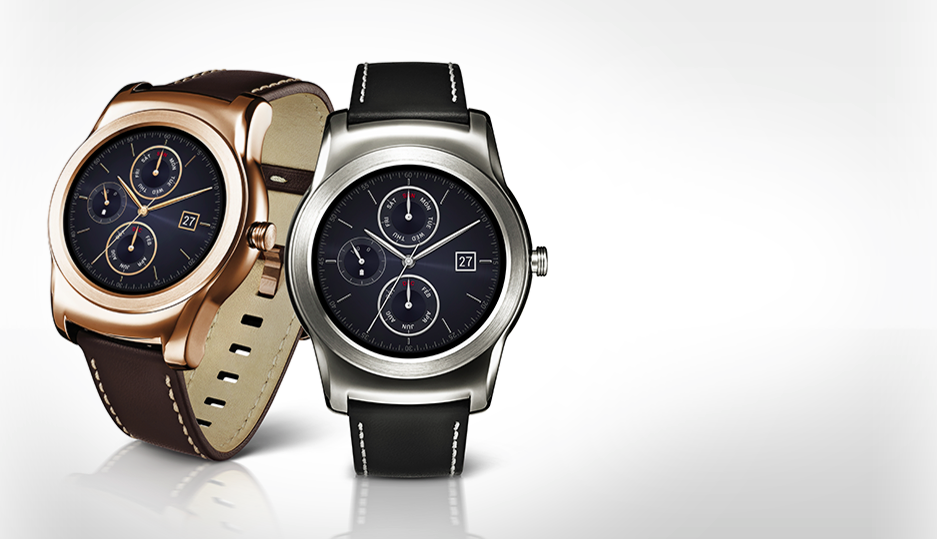
LG Watch Urbane 2nd Edition is now officially the first Android Wear device with a 4G LTE support. Though this feature is enough to make waves in the tech world, the Watch also carries many other interesting things sure to lure buyers into giving this device a try.
https://youtu.be/FdRymDRtPJA
Firstly, on the display and resolution front, Urbane is equipped with a 1.38-inch fully circular P-OLED display, and 480 x 480 pixels along with 348 ppi. Secondly, Qualcomm Snapdragon 400 SoC, 768MB of RAM, and 4GB of built-in memory are some of the other features to be part of the deal. Lastly, the Watch aims to win the buyers over with its built-in sensors which include accelerometer, gyro, compass, barometer, heart rate sensor, and GPS.
The IP67-certified stainless steel body of the gadget -44.5 mm in width and 14.2 mm in thickness -further makes it a device worth noticing. All of this along with a 570 mAh hexagonal battery by LG Chem constitute the long list of fancy components of the Watch.
LG has shown great utilisation of Android Wear, Google’s operating system for Android wearable devices, in the past as well. LG Watch Urbane, the all-metallic luxury previously launched by the company is an example of this. The Watch came with a 1.3-inch circular P-OLED (320x320p resolution) display, along with Qualcomm Snapdragon 400 chipset paired with 512 MB RAM, along with a 4GB inbuilt memory and 410mAh battery.
Clearly, its successor, Urbane 2nd Edition is a significant upgrade in display, battery and RAM. While all the other specs are mostly similar, these additions definitely gives an edge to LG’s latest edition to the world of Android Wear.
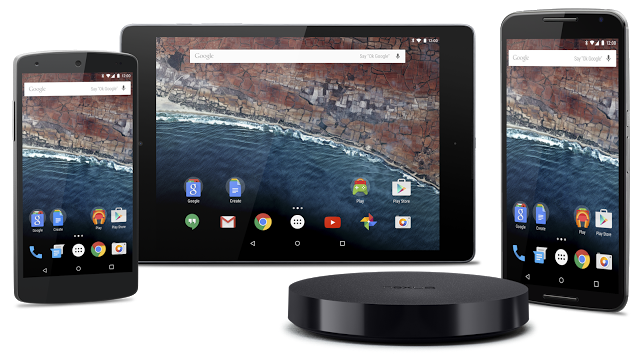
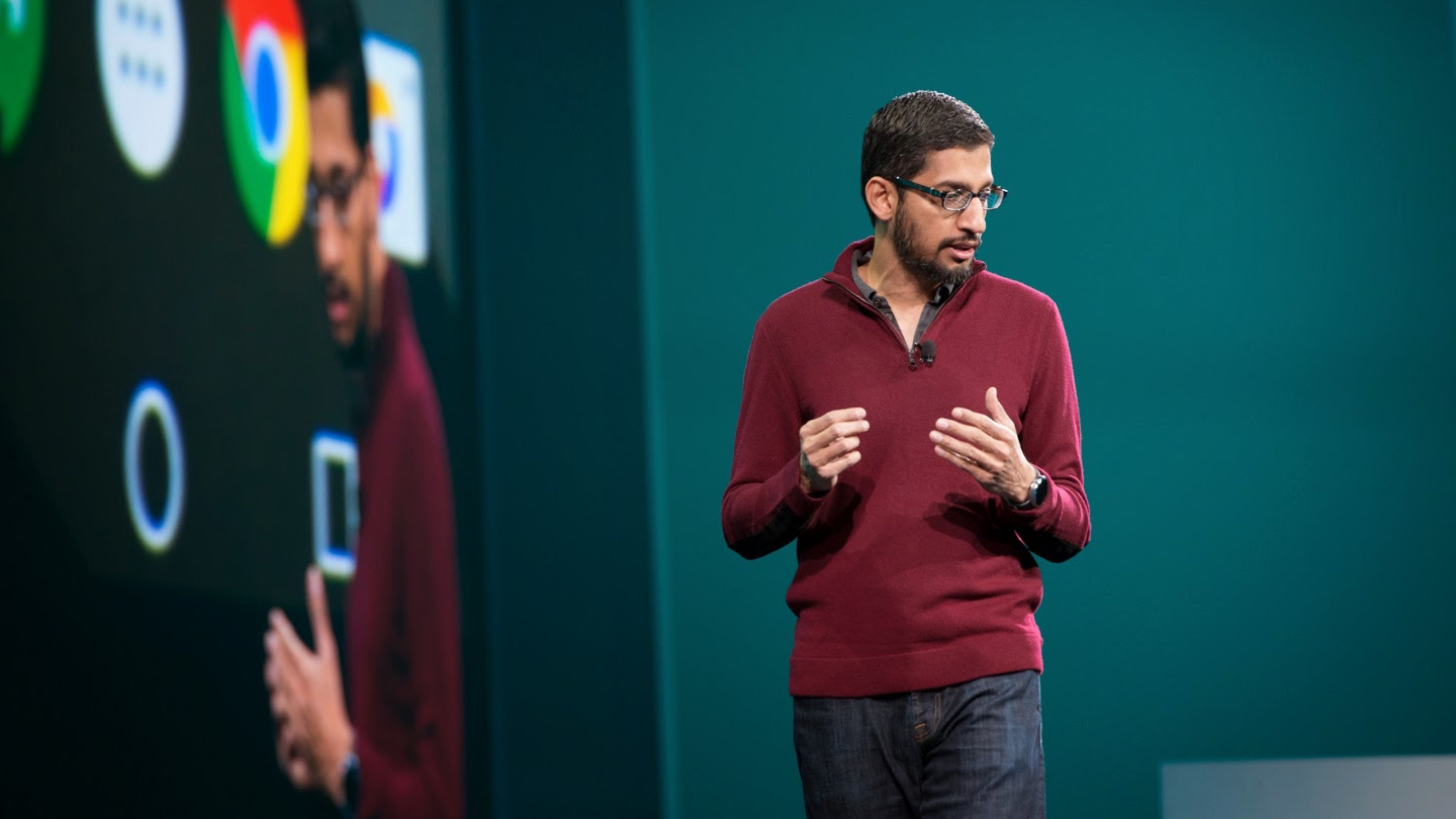
Last night, at the Google I/O Conference, we got a first look at the next big Android update. Google detailed the new features that are going to be made available with Android Marshmallow.
We’ve already spoken about all the major announcements, we’re now bringing the spotlight to Android M. Are you wondering what sets it apart from Lollipop? Check out the list below.
Clearer Security Permissions
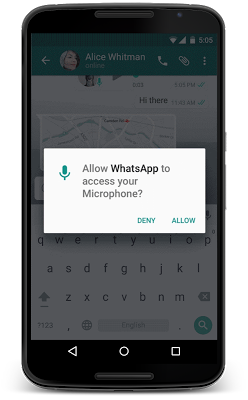
When you launch a newly downloaded app, do the permissions you’re ‘Accepting’ ever worry you? To make things simpler for users, Google has removed that step and instead you’re now going to be asked for a permission, when you choose to use a particular feature within an app. For example, if you’re using WhatsApp and you would like to send a picture directly from the chat box, a pop-up will appear requesting WhatsApp to access your camera.
So how this essentially helps you is that instead of hurriedly accepting the permissions on downloading an app, this way, you know exactly the functions a particular app has access to. This change is very similar to the way iOS handles their app permissions.
Now on Tap
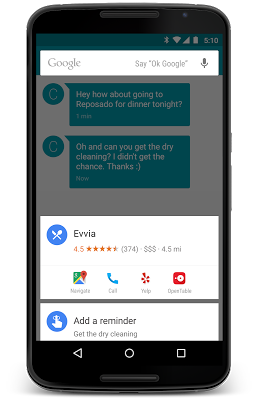
The company has taken Google Now one step further with ‘Now on Tap’. This feature is not just available with a single tap of a button, it can now be launched while you’re viewing a particular webpage or an app. For example, if you’re viewing a friend’s Facebook profile, you can use Now on Tap to find out more details about the person. It may then link you to the person’s Twitter and Instagram profile.
Another quick example, if you’re discussing a restaurant with a friend via chat, Now on Tap can give you details about the eatery. All in all, it can be launched to give context to anything you’re doing – without having to leave an app.
‘Doze’ to Save your Battery
With the new feature ‘Doze’, Android gives your phone the ability to detect if the smartphone has been left unattended for a while. In which case, M will reduce the background activity, giving the phone longer battery life.
Android Pay
At the conference Google also announced Android Pay. Like every other mobile payment system, it will enable Android users to simply and securely use their Android phones to pay in stores or for Android Pay partner apps. Google has taken this one step ahead, it has added useful fingerprint support which allows users to confirm a purchase with their fingerprint. The newly-added fingerprint support can also be used to unlock devices. The company promises that it works consistently across a range of devices and sensors.
Image Credit: Gazette Review
This is only the first look at the latest version of Android. At the conference, Google stressed upon the fact that the company will continue to work on developing it further. Android M is expected to release later this year.
Easier to “Cut, Copy, Paste”
Google understands the number of time we need to copy and paste text from one tab to another. Hence it is going to be making our life easier by bringing the options right above the text we want to cut, instead of at the top of the screen. It may not seem like a major change, but it’s small features like these that combine to make our phone usage quick.
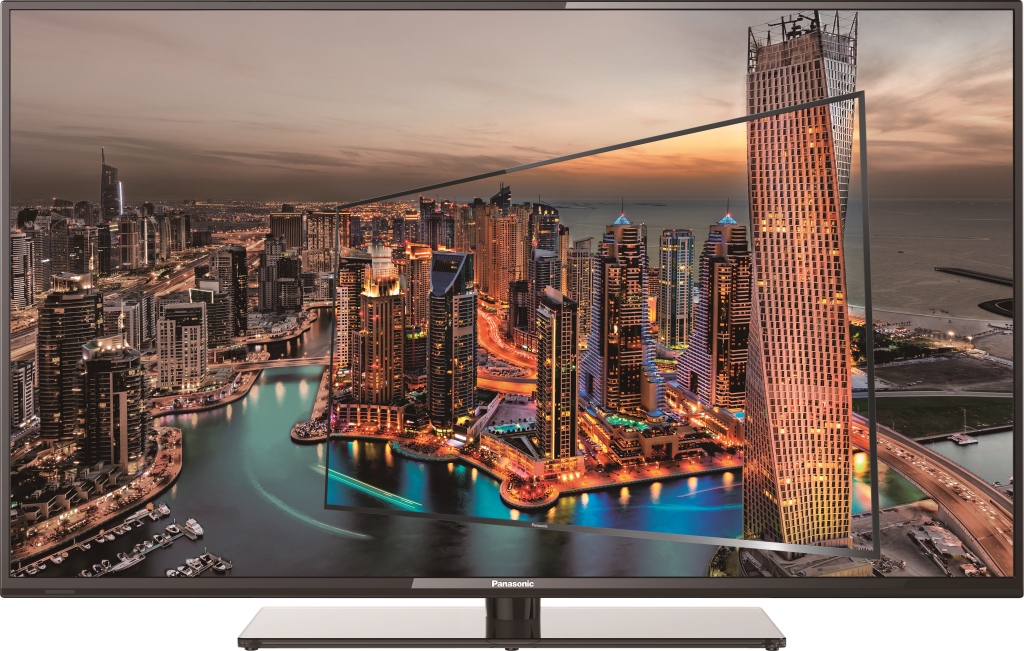
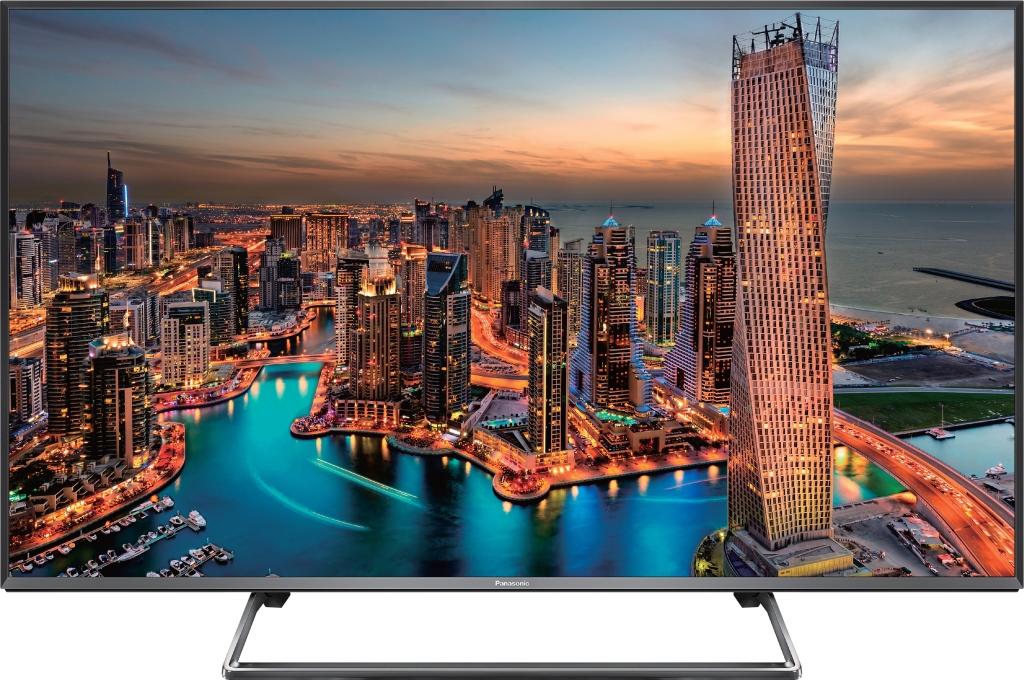
Panasonic has added 5 models to its Viera HD TV range today. There are two new series, namely, the CX700 series of 4K Ultra high-definition 3D TVs and the XXL series. The former will be come in two display sizes, 55, and 60-inch sizes, respectively while, the later will also come in two variants, a 50 and 60-inch wide screen.
“4K technology is the most advanced for Ultra HD TV, delivering sharper and more vivid images than ever before” says Neeraj Bahl, Associate Director, AVD Sales, Panasonic India.
The CX700 series is supported by various apps and devices that run on the internal quad-core processor. The display features an LED Super Bright Plus screen that portrays images illustrated by Panasonic’s HEXA Chroma colour drive. It also has an 800Hz intelligent frame creation feature to capture fast-motion shots clearly.
On the other hand, the XXL full HD range, caters to a person to has a sharp ear for sound, by offering a Dolby Digital Audio with an LED screen that also supports an internal multimedia player across HDMI, USB and PC inputs.
The two new series come with screen mirroring technology, that enables it to connect between Android devices. It can also be controlled by a wireless remote app and through voice interaction technology, along with a light-sensitive LED backlight.
They are both powered by the Firefox operating system and has predictive content preference features such as Home Screen 2.0 and Info Frame. Last but not the least, you can stream web music on it, as well as video and live broadcasts, as it offers a compatibility with apps such as YouTube and Vimeo.
The availability and the price of these products are currently unavailable. However, we will bring you the updates soon enough.
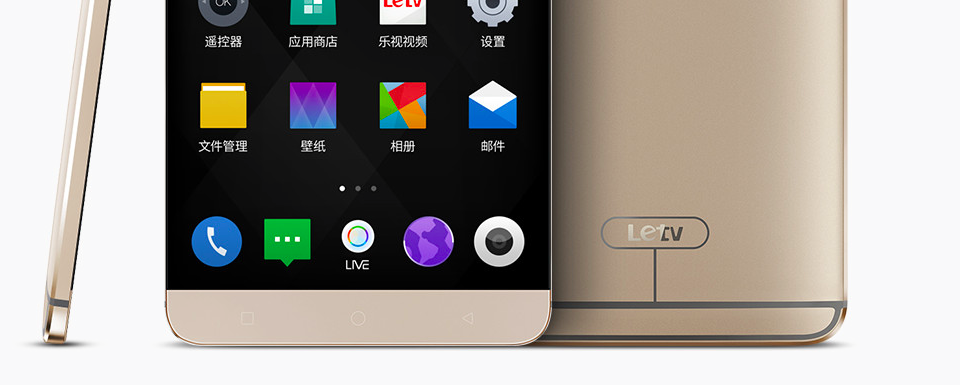
Barely six months after the release of LeTV One series smartphones, leaks about LeTV Max 2 are already doing the rounds. The first set of three smartphones were a big success in the Chinese market and anticipation about their successor is only a natural reaction. Additionally, since Max 2 is a top-end model, some pretty amazing specs are expected of it.The device is expected to come equipped with Snapdragon 820 and 6 GB RAM. Needless to say, the latter is the highlight of the phone. In terms of display and resolution, Max 2 will probably have a 5.7-inch screen and 2K Quad HD.
While the Samsung 1.5Gb x 4 RAM modules (total 6GB RAM) are assumed to be part of it, Sony’s new IMX300 sensor with 23 MP is another specification we can hope to find in the device. Double sided glass design set in a slim body is what you can expect in terms of external design. Speculations about its release date place it somewhere around the end of this year.
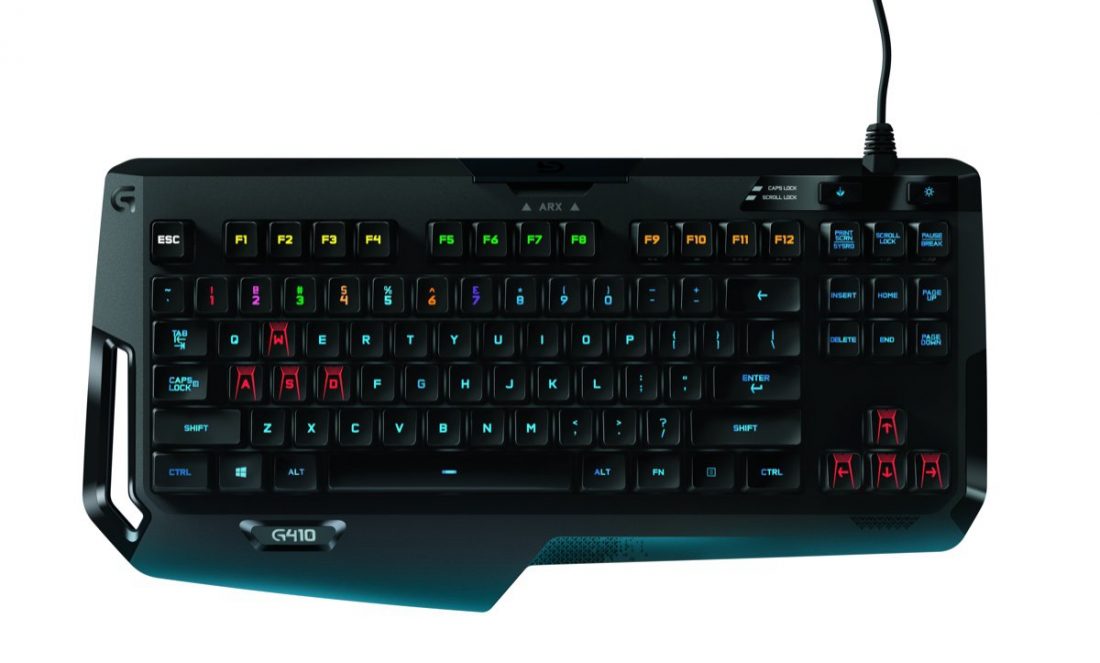
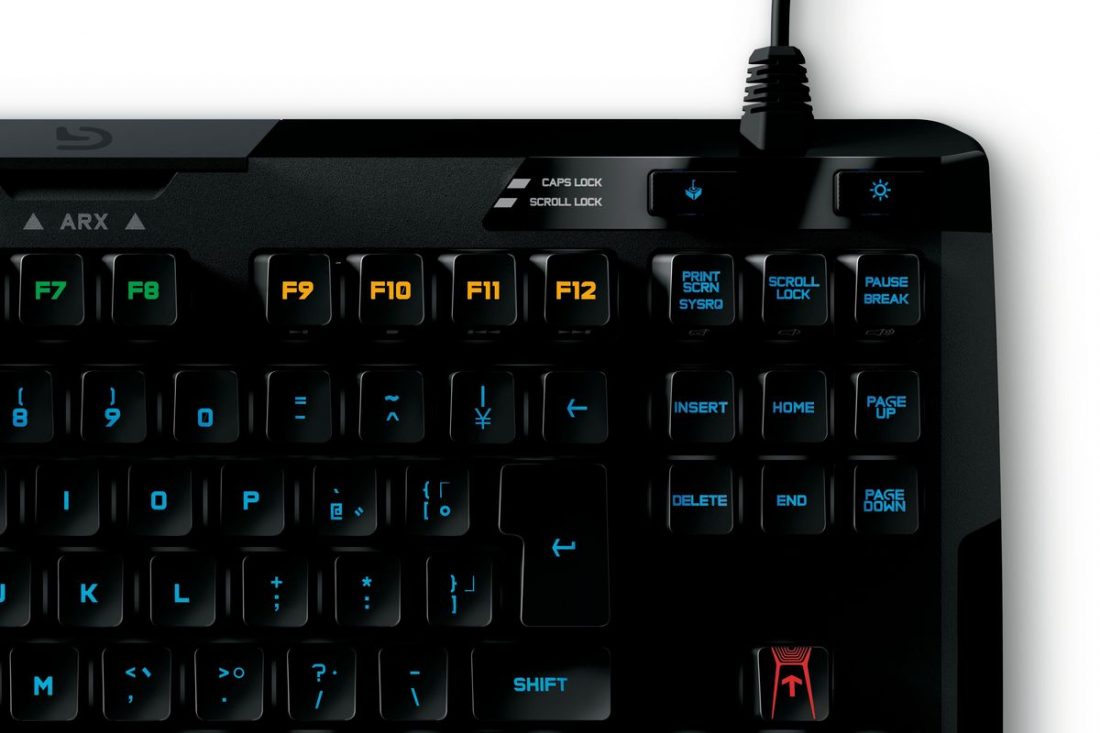
Logitech has come out with a new gaming keyboard, the G410 Atlas Spectrum. Logitech says that fans have been asking for a smaller keyboard that did away with keys that were of no use to gaming whatsoever. So the company did just that with the G410, which has a tenkeyless design (i.e no number pad or macro keys).
The tenkeyless keyboard makes the G410 small and light enough to carry around in your bag. The smaller board also makes it easier to identify keys for gaming and allows for a smoother, easier gameplay.
The keyboard is built around the custom-designed Romer-G mechanical switches. This means the keys have a shallow actuation point (1.5 mm of travel) and is designed to have a softer click as well. The company also says that the Romer-G switches register key presses up to 25 percent faster than its competitors.
Users who still prefer the old-school way of having a mechanical keyboard and who enjoy the loud clicks may find softer voice of the G410 a little too subtle. However, newcomers are sure to love the smaller, lighter board and the RGB (Red-Green-Blue) LED keys that light up the board beautifully when your fingers press on a key.
Typing on the G410 will surely bring back your early PC memories. It has everything a gamer could want, and everything else for everyday use. The G410 is easy to type accurately on, with keys that are easy to find by touch and can be pressed with very little force. However, those who prefer the hard clicking sound of the Logitech G310 will perhaps want to stick with the older keyboard.
Companies like Alienware and Razer have already used multi-colours inside their keyboards, but Logitech cleverly uses those lights to bring a sense of joy in typing, gaming, or simply looking at it. See the keyboard light up in the video below.
The Logitech G410 goes on sale in October at a price of $129.99 in the United States and €149 in Europe. No details yet as to when it will reach India. The G310 Atlas Dawn, however, is available in India on Amazon for Rs. 7,291.
Apple announced today that the latest update to its desktop operating system will be available for free for all Mac users. Apple claims to make features like Windows Management, built-in apps and Spotlight search part of its OS X EI. Performance improvements, to make everyday activities like launching and switching apps, opening PDFs and accessing email, will also be made part of it.
These added features are expected to make the Apple experience more refined and provide better system performance. Apple promises dozens of new features with this one, but we’ll have to wait before the company can deliver them smoothly and successfully. Its hands have been a little more than full with App Store glitches, crashing iOS updates and malware attacks in the recent past. Let’s see if Apple manages to steer clear of them and prove why it has been an undisputed name in the tech world for so long now.
OS X El Capitan is available as a free update starting Wednesday, 30th September from the Mac App Store. It supports all Macs introduced in 2009 and later, and some models introduced in 2007 and 2008.
New reports have suggested, that Chinese smartphone manufacturer, Xiaomi Corp is under investigation for allegedly violating China’s new advertisement law. This new law, that became effective from the 1st of September, 2015, states that the use of superlative adjectives in promoting products would be banned.
Investigation of the matter is being made on suspicion of the usage of phrases such as “the best” to describe their product. Zhu Dalin, an analyst at the Beijing based Internet Consultancy Analyses told the Economic Times :
“The new law will have a certain impact on Internet companies, but not too much-after all, consumers are so accustomed to cliches such as ‘the super phone’ and ‘the omnipotent TV’ that these phrases make no real sense to them now.”
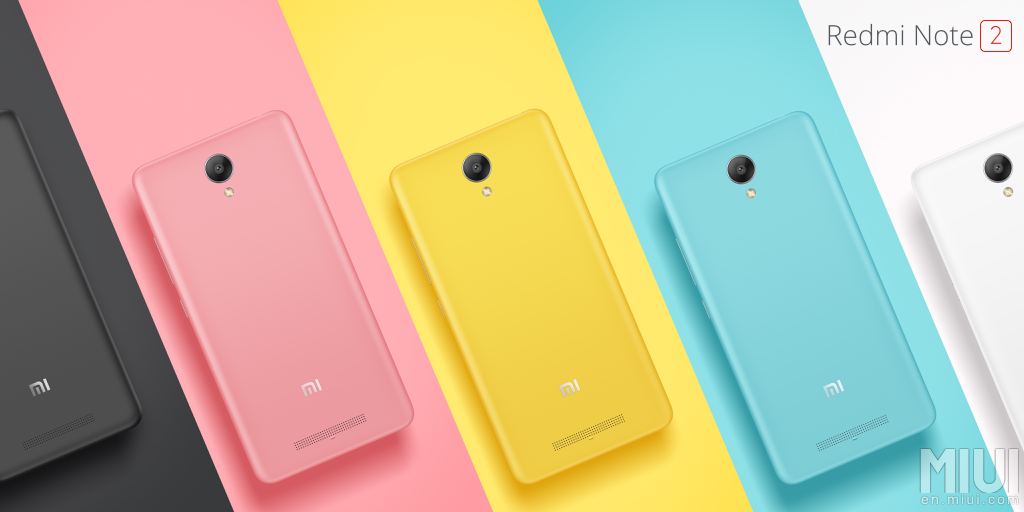
Allegedly, Xiaomi has also been in a similar situation earlier, when it had launched the Red Mi Note 2, where it showed the device to be equipped with panels from Japanese electronics giant Sharp Corp and the Taiwan manufacturer AU Optronics Corp. Soon, after buying the product, consumers found that the screens were actually produced from a Microelectronics Co Ltd based in Guangdong province.
This kind of an allegation is probably going to cost the manufacturer its reputation. However, no official reports have been made by the company so far.
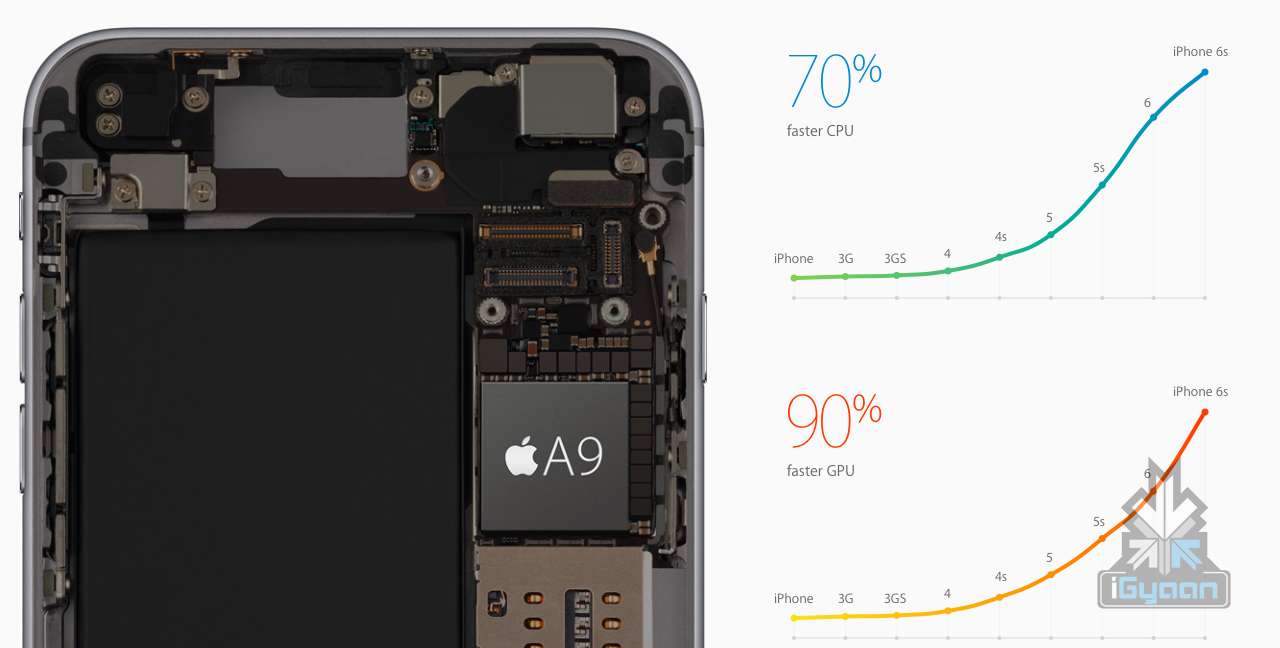
Research firm IHS Technology says Apple’s iPhone 6s and 6s Plus costs $211.50 and $236, respectively, in terms of hardware. The most costly feature of the new iPhones is the 3D Touch which is marked at $52.50. This is followed by the A9 processor at $22. The 16 GB NAND flash chip is believed to cost $5.50 approximately, and WLAN module and battery are estimated around $6 and $4.50.
The on board audio hardware, NFC controller, accelerometer/gyroscope, barometer and compass come in together at $18. Other miscellaneous items that include enclosures, circuit boards and connectors roughly add up to $42, along with assembly fees of $4.50 per device.
Now that you have all the required info, why wait till the 16th of October for the launch of the new iPhones? Tinker away and put your own device together. Who knows where a little bit of ambition and optimism might take you?
Twitter is finally moving past the 140-character limit that has long been the company’s trademark. Twitter recently announced that it is working on a product that will allow users to share long tweets that exceed 140 characters.
Over the past few months, the company has been loosening its 140-character rule. In April, Twitter added a ‘retweet with comment’ option to give more room to comment on tweets they share. The company also did away with the 140-character rule back in June.
As of now it is unclear what this new product will look like or how it will work. There are existing apps such as OneShot that allows you to post images of texts, or TwitLonger, which directs users to a website to read a full tweet. But it looks like Twitter is working on one that will solve the problem within the app itself.
Twitter is also looking at ways to remove links and user handles from the count so that frees up more characters.
In addition to the long-form product, execs have been openly discussing the idea of tweaking how Twitter measures its 140-character limit by removing things like links and user handles from the count, multiple sources say. In the past, Twitter has tinkered with the limit in other ways. Twitter Cards are still beholden to the 140-character limit but are intended to help people (and advertisers) share lots of information, and Twitter added a “retweet with comment” option in April to give people more room to comment on tweets they share.
Users have, for a long time, criticized Twitter on character restriction. And for many years Twitter has paid no heed to the hate, but it finally looks like the company is ready to make some sacrifices for the greater good.