All the Latest, News, Reviews, Updates, How To, Mobile Phone news, Global and International News, From Cameras to Automobiles, from TV To PC and a lot more! Constantly updating!
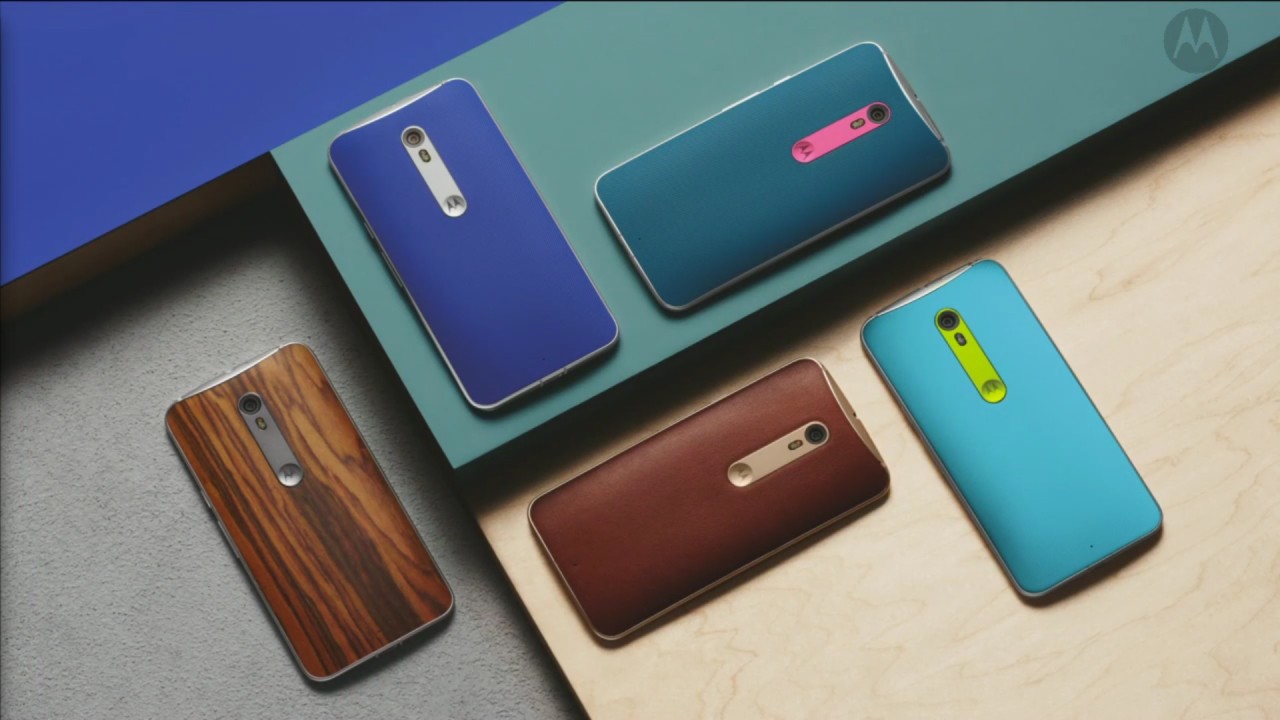
New reports have suggested that Motorola will release the Moto X Style in India soon. There are no confirmed dates for the said device, however this is what was tweeted by the company :
Get ready to live life to the fullest & party in 15 minutes flat with the Moto X Style. Coming very soon! pic.twitter.com/7b9JgGtPPP
That doesn’t seem too bad at all, since they’re already tweeting about it, we can probably expect the process to begin soon.
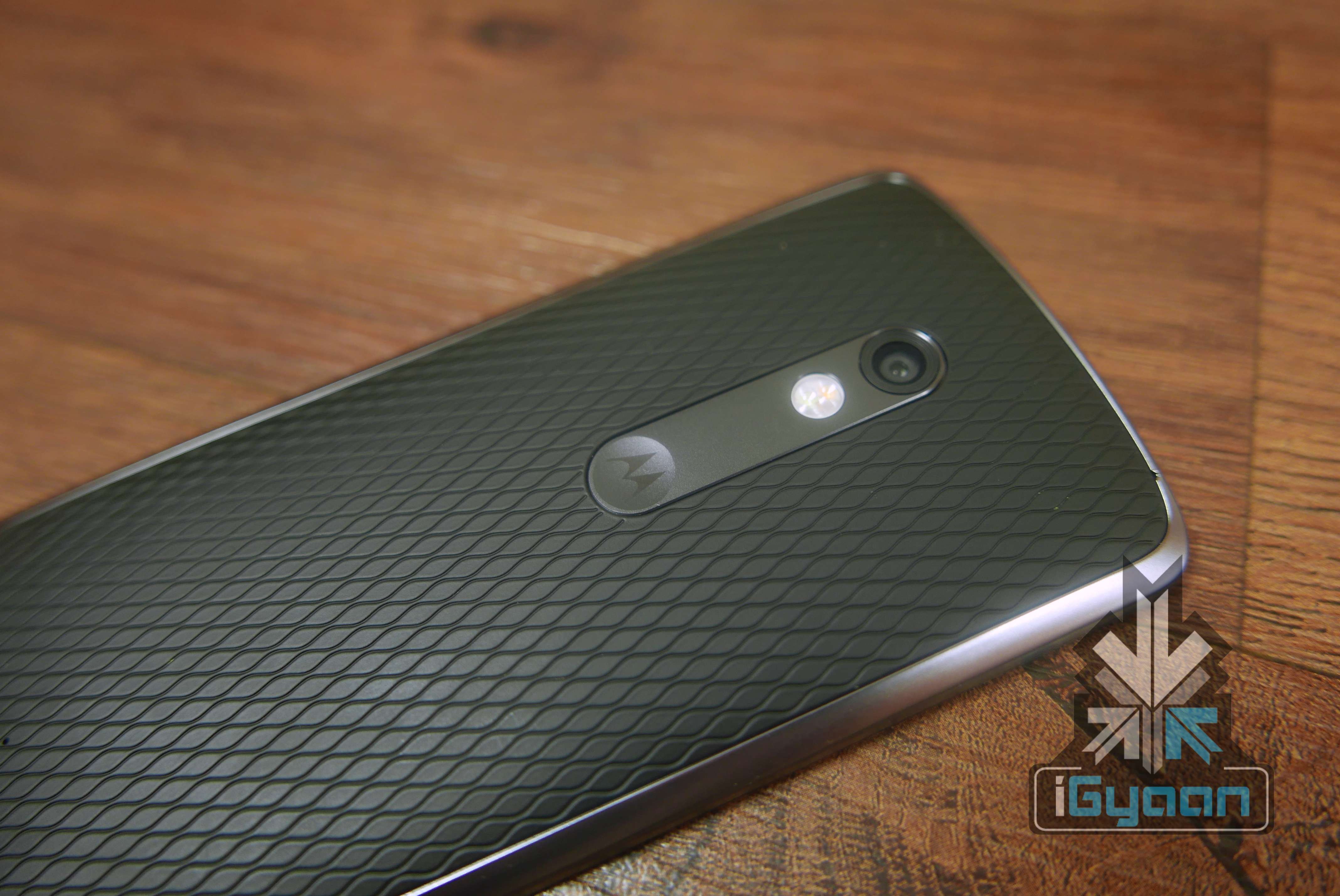
Why should you be excited about the new Moto X Style? Well, apart from being a high-end phone, it is an upgrade from the X Play that Motorola has brought to India in September. It is powered by the Snapdragon 808 processor, contains a 3GB of RAM and flaunts and display that is larger than 5.7 inches. The display is further enhanced by a QHD (2560×1440) resolution too. The Moto X Style will come with a 21MP rear camera and dual SIM support. The only down side of this phone is that it features a smaller battery.
Till now this is all we know. However, we will bring you the latest updates and official announcement of the release dates as soon as it’s out.
Motorola is removing bloatware in a big way, keeping its current lineup of smartphones something special for Android enthusiasts. The company plans to keep the phones light and clean without stuffing them with their own software and application. In an attempt to make the phones more Android pure, Motorola has announced which of its devices will be getting the Marshmallow upgrade and also announced that it would be deleting a few of its own software.
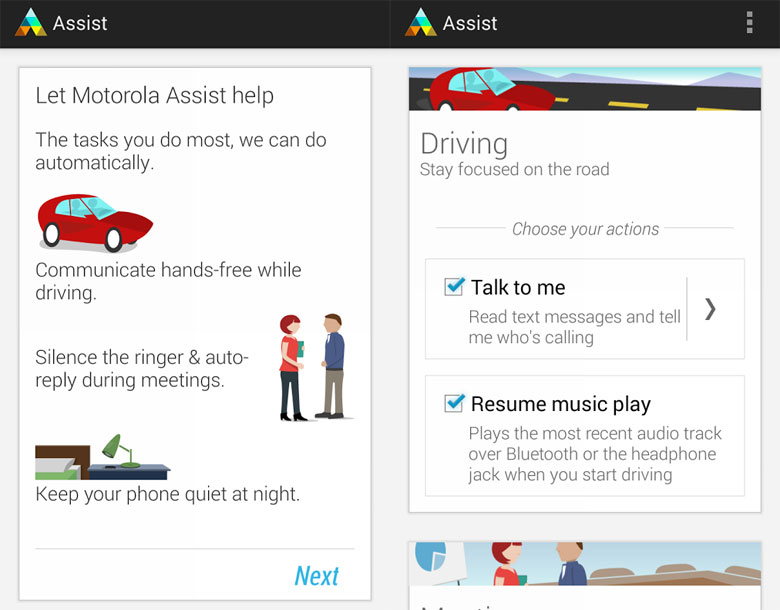
Specifically, Motorola will be removing in-house apps and services like Moto Assist, Motorola Migrate and the Motorola Connect (Chrome extension) and won’t preload them onto devices anymore.
Here’s why this is a good thing – Bloatware takes up a lot of storage space and resources. The extra weight causes slower upgrade process. Many OEMs have taken advantage of Android’s wide scope of applications and have generally stuffed their phones with applications that not only take up space but also don’t particularly enhance user experience since most of the apps are hardly ever used.
Motorola senior VP of software engineering Seang Chau understands why the company doesn’t need to add bloatware to its phone – because if users want an extra application, they can download it from the Google Play, that likely does better than what OEMs offer.
“The release of a new Android version is a great time to take a fresh look at our signature Moto Enhancements to ensure we’re complementing Android (not competing with it),” Motorola explains. “Both of these products were valuable in their time but the world has moved on and they no longer add enough value to justify taking up space in your device.”
This is how Motorola is finding acceptance among Android fans. Not many companies out there would accept that their own services don’t actually improve the overall user experience. Motorola has come to stand out as one of the very best Android OEMs when it comes to not taking up storage space and resources with its own applications.
For existing Motorola users, here’s a full list of devices that will be getting the upgrade to Android 6.0 Marshmallow with the deleted bloatware:
2015 Moto X Pure Edition (3rd gen)
2015 Moto X Style (3rd gen)
2015 Moto X Play
2015 Moto G (3rd gen)
2014 Moto X Pure Edition in the US (2nd gen)
2014 Moto X in Latin America, Europe and Asia2 (2nd gen)
2014 Moto G and Moto G with 4G LTE2 (2nd gen)
DROID Turbo
2014 Moto MAXX
2014 Moto Turbo
Nexus 6
The company will be releasing more information on the timing of these phone upgrades in the coming weeks.
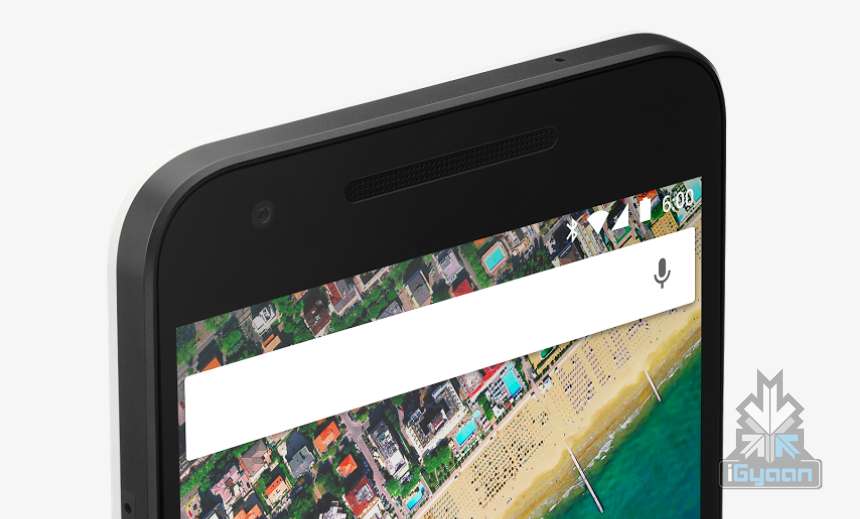
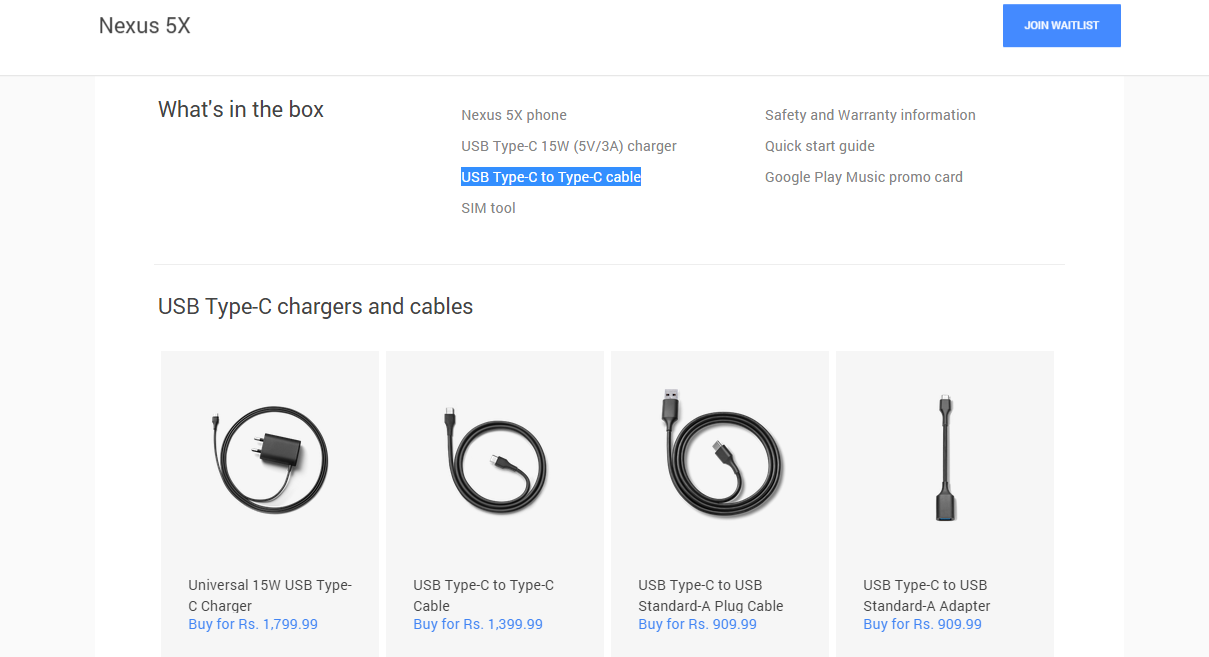
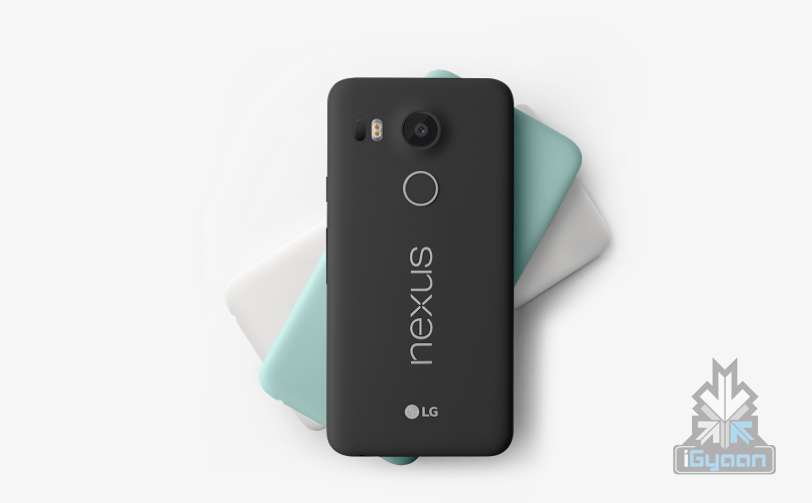
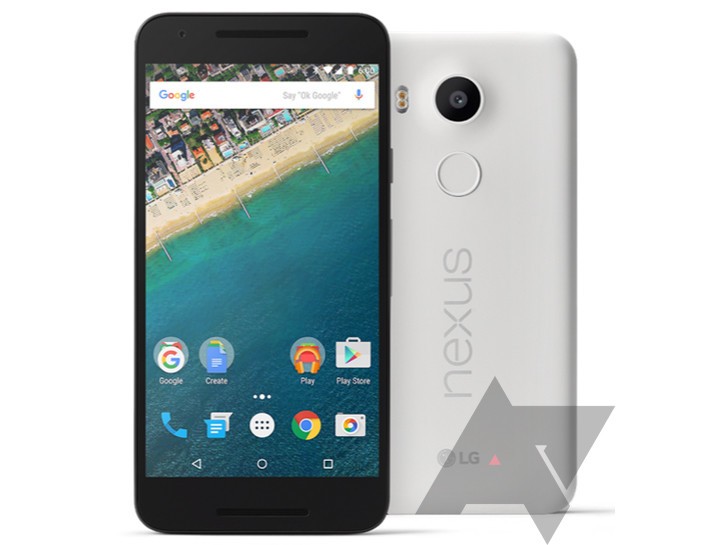
Earlier this week Google launched two new phones at the official event in San Francisco – Nexus 5X and Nexus 6P. As retailers and buyers gear up for the pre-order of these new devices, what comes as a wet blanket is the connectivity problem of 5X – it comes with a USB cable that is not compatible with most computers.The Google website shows that Nexus 5X comes containing a USB Type-C 15W charger and a USB Type-C to Type-C cable. This implies the user would have to spend an extra $13 (about Rs. 900) approximately for a USB Type-C to UBS Standard cable in order to be able to connect the phone to an average computer.
However, buyers of Nexus 6P won’t have to face this problem as it comes with a cable that lets you connect to all standard USB ports.
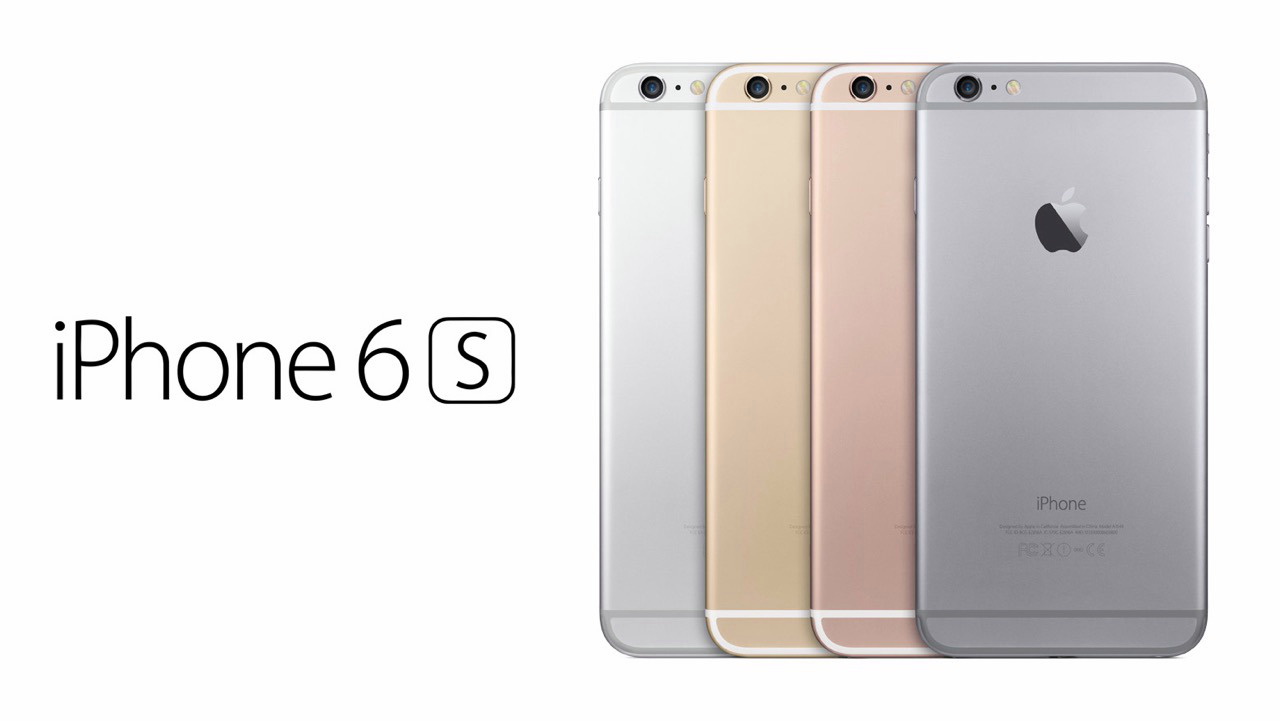
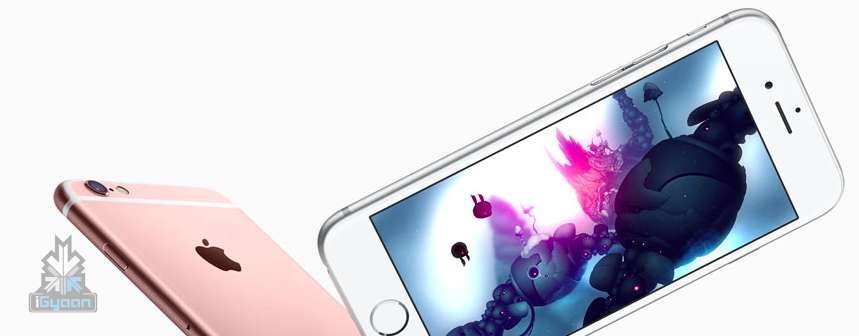
All major retailers in the country have begun with pre-bookings for the new iPhones – 6s and 6s Plus. As per an official statement by the company the smartphones go on sale 16th October.
iPhone 6s will arrive with a price tag of Rs. 62,000 for the 16GB variant. The expected price of the 64GB version is Rs. 72,000 and Rs. 82,000 for the 128GB.
Coming to the iPhone 6s Plus, the base model (16 GB) is expected to be priced at 72,000, 64GB at Rs. 82,000 and 128GB at Rs. 92,000.
In addition to pre-booking with retailers across the country, the MobileStore has announced it will begin taking orders starting this Friday. Based in Mumbai, MobileStore has over 800 outlets, and pre-orders can be placed at any of these for Rs. 2,000 each up to 13th October. The devices will be made available on the night of 15th October.
“The iPhone 6S 64GB variant is the most popular one as of now.Since yesterday we have got at least 100 orders ,” commented Satish Babu, founder of Chennai-based UniverCell Mobiles.
If all this wasn’t enough- there are different ways of getting to lay your hands on an iPhone and one of them is monthly installments, being offered by numerous retailers, along with “freebies” to further lure buyers.
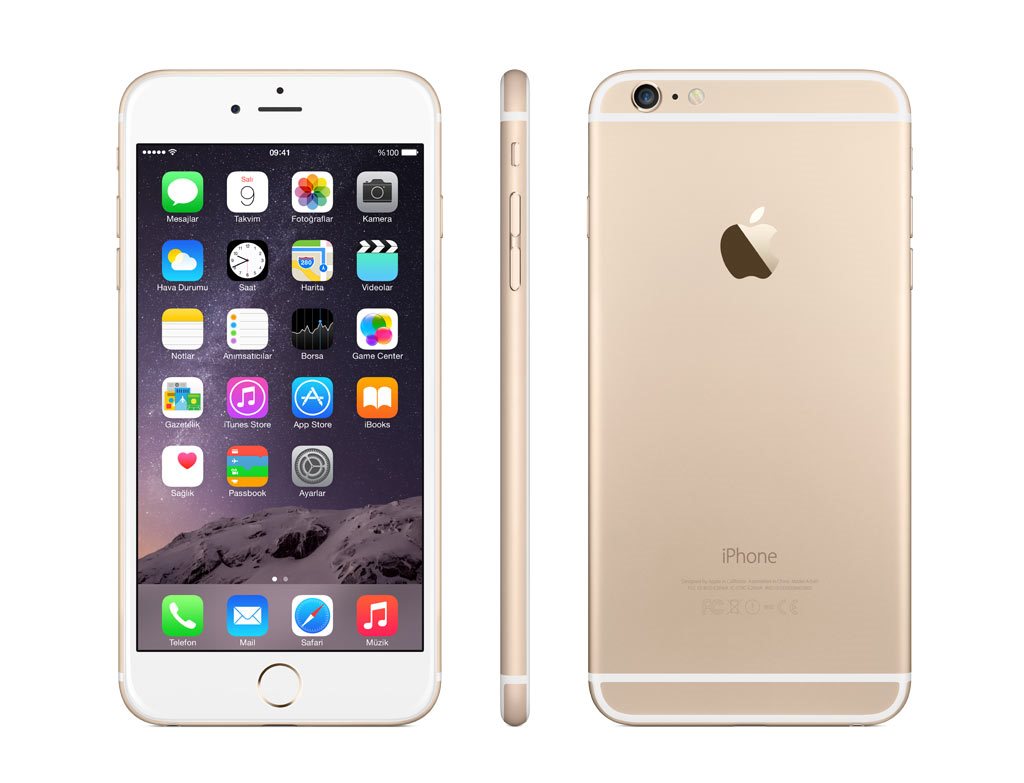
Just for a recap, the iPhone 6s comes with a 4.7 inch display with 1334 X 750 pixel resolution. It has the special force touch technology embedded in its core system and an updated 12MP primary camera with 4K video recording. It is powered by the M9 motion coprocessor and an A9 chipset. Run on the iOS 9, the iPhone 6s comes in three storage variants – 16GB, 64GB and 128GB.
Apple is set to create an unprecedented record for itself once iPhone 6s and 6s Plus go on sale in the country. Looks like it’s time to brace ourselves for the madness that awaits the country next week.
Here is a specification sheet:
Specifications
iPhone 6s
iPhone 6s Plus
Display
Retina HD display with 3D Touch, 4.7-inch (diagonal) LED-backlit widescreen
Retina HD display with 3D Touch, 5.5-inch LED-backlit widescreen
Resolution
1334 X 750-pixel resolution at 326 ppi
1920-by-1080-pixel resolution at 401 ppi
Processor
Embedded M9 motion coprocessor
Embedded M9 motion coprocessor
Chipset
A9 chip with 64-bit architecture
A9 chip with 64-bit architecture
OS
iOS 9
iOS 9
Internal Storage
16GB/64GB/128GB
16GB/64GB/128GB
Exapandibility
N/A
N/A
Rear camera
12-megapixel iSight camera with 1.22µ pixels, ƒ/2.2 aperture
12-megapixel iSight camera with 1.22µ pixels, ƒ/2.2 aperture, Optical image stabilization
Rear Camera Video
4K video recording (3840 by 2160) at 30 fps
Optical image stabilization for video, 4K video recording (3840 by 2160) at 30 fps
Something is cooking up at Microsoft in the gaming department. The company recently bought Irish physics firm Havok for an undisclosed amount. Havok is behind games such as Call of Duty, Assassin’s Creed, Elder Scrolls, and Microsoft’s own Halo, and is one of the leading firms in 3D physics. It looks like Microsoft is planning big things by integrating Havok’s physics engine into the existing Windows and Xbox toolset.
Havok has been known for real-time collisions and dynamics of rigid bodies in 3D. By using dynamical simulation, Havok Physics allows for more realistic virtual worlds in games. “Throughout the company’s history, they’ve partnered with Activision, EA, Ubisoft, Nintendo, Sony, Microsoft and many others to create more than 600 games,” Microsoft stated in a blog. The firm is also known for powering more special effects for films like The Matrix and Troy.
Havok shares Microsoft’s vision for empowering people to create worlds and experiences that have never been seen before, and we look forward to sharing more of this vision in the near future.
In 2007, Intel had acquired Havok, and now Microsoft has taken over. The company is excited to add Havok to its portfolio for developer tools and components like DirectX 12, VisualStudio app development kit, and the Azure cloud platform. Microsoft said that it plans to continue letting Havok license its technology with existing and future gaming platforms. “We will continue to license Havok’s technology to the broad AAA games industry,” Microsoft said in a statement to IGN. “This also means that we will continue to license Havok’s technology to run across various game consoles including Sony and Nintendo.”
It’s uncanny how closely every little act of ours in the Cyber Space is tracked and recorded. Users of the virtual world seem to have consciously surrendered their privacy in exchange for cat videos, Instagram hearts and of course, selfies. Meet the Big Brother of our generation, boys and girls -the Internet. Dangerously close to being disturbing, a user’s privacy is no more a matter of concern for them, or even a territory under their control.
Ever wondered why items from your last visit to Flipkart keep popping up on your Facebook homepage? How does YouTube know about that designer bag you’ve been drooling at on Myntra? Ask any one of these questions and thus begins a trail of creepy realisations. Every time a website is visited by a user, a linked network of all sorts of virtual pathways is put in motion that can be traced back to the user at any given point of time.
A unique identifier for any computer on the internet is called its IP address. This is what the computers use to send data to other computers connected on the network. Your IP address leaves all your online browsing -pretty much your entire virtual existence -vulnerable to any hacker with even a rudimentary knowledge of hacking. Visiting the top 50 websites an average user opens would result in installing over 3000 tracking files on the computer. Though anonymous proxy servers are a great option of hiding your IP address, there’s still an entire sea of information related to your Web surfing stored on your computer.
Cookies are another aspect of browsing which leaves your Web history open to access by others. The user can block cookies entirely, which would also disable online banking and shopping websites as well, or simply third party cookies.
One of the most basic steps of wiping the slate clean is deleting your Web surfing history. Pretty much all browsers allow the user this option of covering their tracks. However despite these guidelines, any network administrator can access the history at the network level even if it is removed from your computer.
Don’t lose heart though for there’s a way around all of this as well – and that is where privacy settings of individual browsers come in. Let’s take a look at the five most used browsers and their privacy settings:
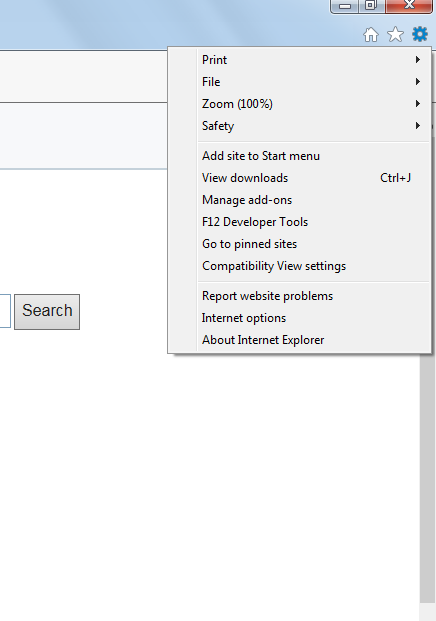
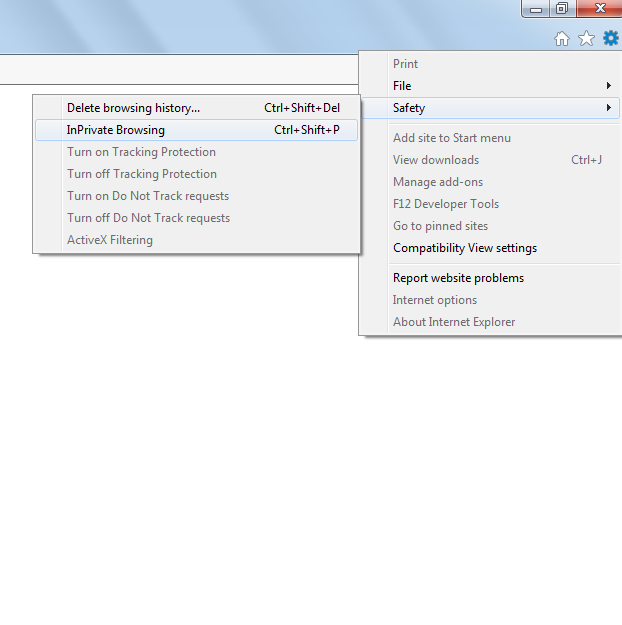
Internet Explorer
1. Open a new tab and select ‘Safety’ on the top right corner tab
2. Select. ‘InPrivate Browsing’ from the new tab that opens. (Control+Shift+P)And voila!
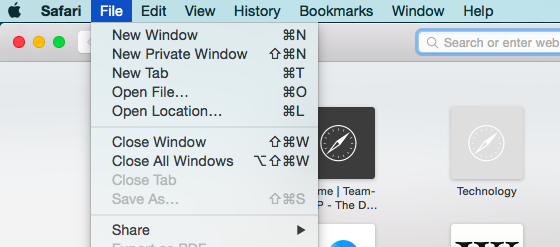
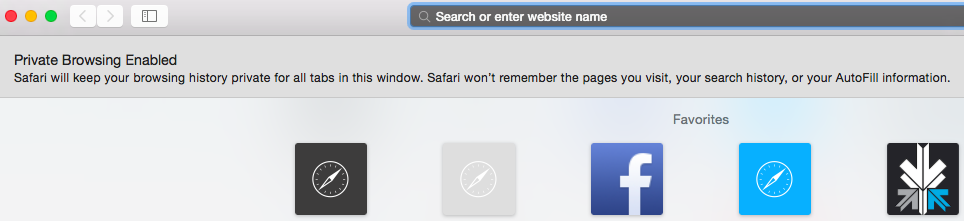
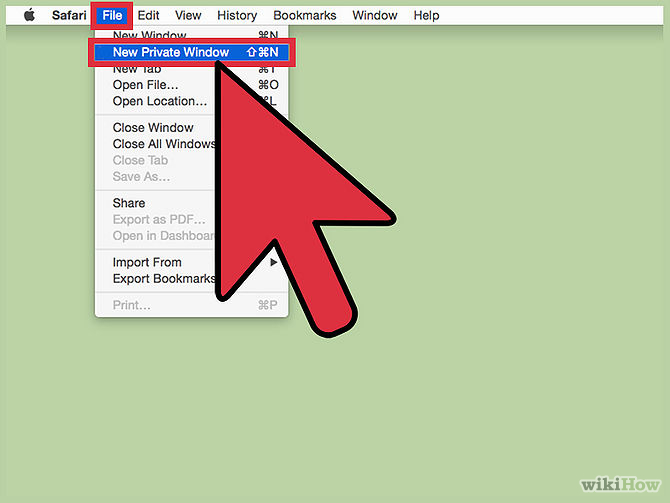
Safari
1. Go to the main Safari menu.
2. From ‘File’, choose ‘New Private Window’. (Command+Shift+N)
You, techno-geek, you, that’s how you make Jobs proud.
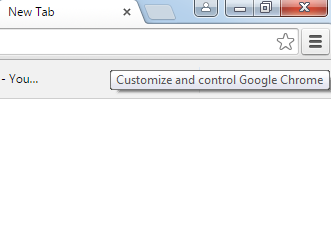
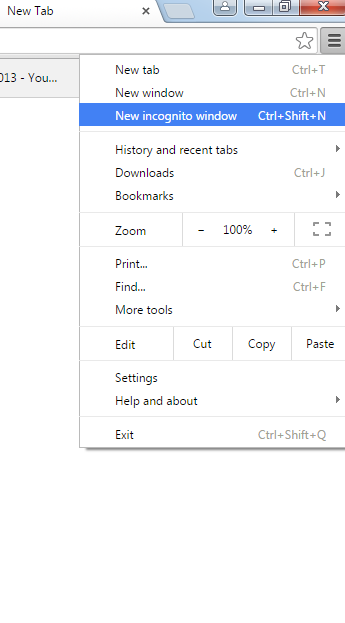
Google Chrome
1. Click on the page icon next to the URL window on the top right of the screen.
Congratulations, Facebook will no longer know about the Mills and Boons you’ve been bulk-buying off Amazon.
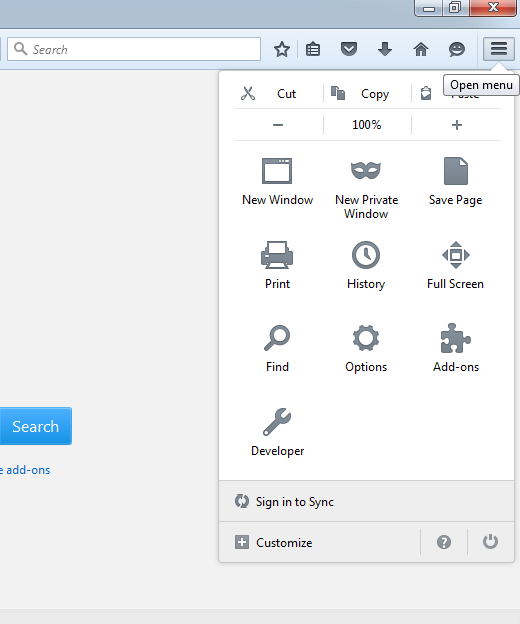
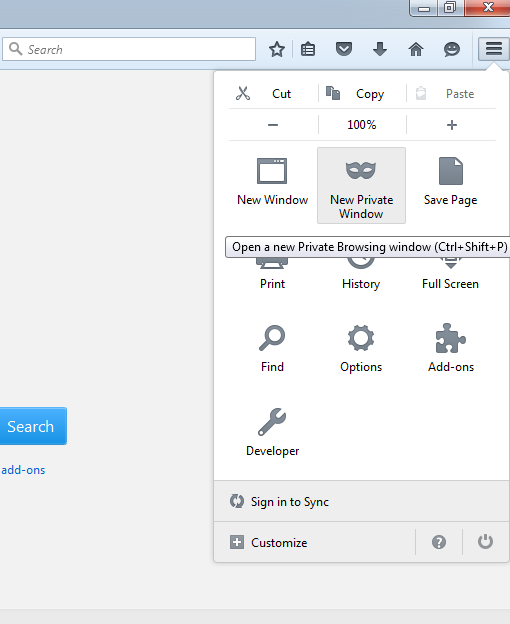
Firefox
1. Click on the menu button on the top right side of the browser window.
2. Click on ‘New Private Window’ (Control+Shift+P)
Yes, it’s that simple. Who would have thought, right?
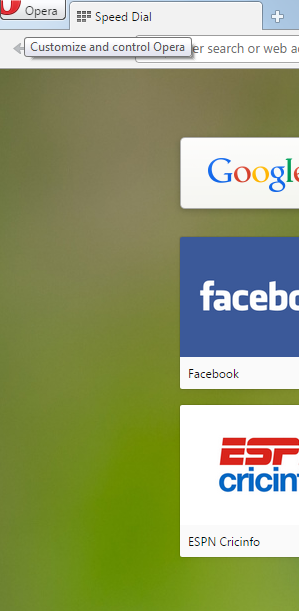
Opera
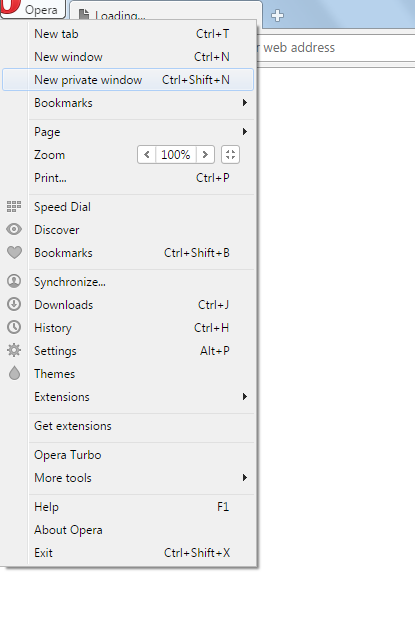
1. Go to the ‘Opera’ button on the top-left corner of the screen.
2. Choose ‘New Private Window’. (Control+Shift+N)
My, my, look at you working out that secrecy muscle now.
These are some basic hacks to help you avoid online tracking. While the country kicks up a ruckus about the recent proposal of storing instant messages for at least 90 days before being able to delete them, all the best hiding your virtual activity from the government for now. May your secrets be dark, deep and worthy of all the trouble of hiding them.
Welcome to the world of 3D printing food technology. Yes, you heard it right, 3D printed food. Candy-maker Katjes has created sweets in Berlin using a 3D printing technique in a first of its kind attempt. Called The Magic Candy Factory, it employs heated fruit gum mixture to create miniature octopuses and pyramids, among other things.
https://www.youtube.com/watch?v=6dFJpXkyhcI
Customers are given a range of fourteen designs to choose from on a tablet. The candy costs 5-10 euros and hopes to draw attention using the technology. We recently reported about 3D doodling pens which allows the user to create art in thin air. From doodling to candies, the world of 3D printing is bent on taking audiences by storm. We can only wonder what technology has to offer next.
Stagefright, Android’s media playback system, was found with a bug earlier this year in July. The bug allowed hackers to break into any device by simply sending a specifically structured text message. However Google promptly responded to this and fixed the bug.
You ask how is this news relevant now, in a world of iPhone launches and Google events, about half a year away from Stagefright’s illness? The answer lies with a similar discovery made by Zimperium, the same company which had earlier found this bug. Stagefright is open to two such similar bugs and requires no more than a certain kind of multimedia message this time.
This basically means that a hacker can remotely execute a code of a device by sending an MP3 or MP4 file containing the required malware to the user. Zimperium mentioned in a blog post,
“The vulnerability lies in the processing of metadata within the files, so merely previewing the song or video would trigger the issue.”
The one way you can protect yourself from malware until these bugs get fixed is to avoid opening messages containing multimedia files from unknown sources.
Cochin becomes India’s first city to have an airport entirely powered by solar energy. This comes as great news for a country already struggling with electricity deficit. The city, famous for its beauty and the consequent tourism, now has another feather added to its cap. The airport is also the largest in the world to operate completely on solar power.
The solar plant was constructed by German engineering giant Bosch with a specification of 12 MWp. It consists of 46,150 solar panels across 45 acres to generate power. The airport further possesses 100 kilowatt peak (kWp) rooftop photovoltaic (PV) plant which was first built in 2013.
According to the Airport Authority’s website, the plant would be able to cut down on carbon emissions over the next 25 years in quantities equivalent to planting 3 million trees, or not driving 1.2 billion km (750 million miles). Inspired by the success of the Cochin airport, the government of India plans to equip 30 airports across the country in the same manner.
September ’15 brought with it two of the biggest events of the tech world – the Apple and the Google Nexus event. Both events took place in San Francisco within a little more than a fortnight of each other. Apple launched its new gadgets on the 9th of September, while Google Nexus had 29th marked on the calendar as the date for its official launch.
Google Nexus Event ’15
It’s a fact universally acknowledged that the world loves to hate on Apple. Consequently, Google ends up receiving more sympathy (for the lack of a better word) votes.
Location:
Apple hosted the event at the ridiculously huge Bill Graham Civic Auditorium with a seating capacity of 7000 people. Google on the other hand was a smaller-scaled, cosy affair with its choice of Left Space, a small studio space in San Francisco. This was a stark difference between the two events.
However, both events were colourful, blingy and complete with their fair amount of hoopla.
Internet Crazies:
Apple as always, began the whole song and dance weeks before the actual event. All over the internet, social media platforms had begun to flood with images and memes regarding the event, upping the anticipation.
Google was quiet in this aspect. The audience didn’t get to see them as significantly on the internet as Apple before an event. While Siri jokes were doing the rounds right before 9th September, things were fairly silent on the Google Nexus front before 29th September.
Apple and Google both launched two new phones each, namely the iPhone 6s and 6s Plus, and LG Nexus 5X and Huawei Nexus 6P. Tablets with keyboards as additional accessories were also part of the launch. Along with these releases, there were updates in terms of software, app store, and accessories related to the devices -basically lots of tech-lingo and fancy gadgets with fancier price-tags. However, Apple was ready with a new video for each of its gadget and launch. Google was once again lacking in this category with no videos at their event. We don’t know if that’s a good or bad thing though. You decide.
Cook vs Pichai:
When Tim Cook took the stage, there was a moment of absolute silence as the air in the room changed. One of the most powerful people of the tech world had presented himself and the only natural reaction was to devote undivided attention to him.
Tim Cook at the September Apple eventSundar Pichai talks at the Google Nexus event.
When Sundar Pichai came on stage, he seemed like someone you would want to talk to. It was a nice, approachable person standing before you who would lead you by the hand through the technicalities of the new launches. The glamorous grandeur of Tim Cook had been replaced by the modesty and simplicity of Sundar Pichai.
One event was definitely a toned down version of another, though there’s pretty much a single, stable bottom line -two events of warring companies waging an eternal battle of the most up to date gadgets, changing the face of the tech-world with their undying determination to invent and innovate. Did one event work for you more than the other? Let us know in the comments below.
The iOS 9.0.2 comes only a week after the release of iOS 9.0.1, the first update of iOS 9 which was released to buyers on 16th September. This update promises users a smoother, glitch free experience and boasts of various features. The list of new things in the update are, as revealed by Apple in an official statement, are as follows:
“This update contains bug fixes and improvements including:- Fixes an issue with the setting to turn on or off app cellular data usage
– Resolves an issue that prevented iMessage activation for some users
– Resolves an issue where an iCloud backup could be interrupted after starting a manual backup
– Fixes an issue where the screen could incorrectly rotate when receiving notifications
– Improves the stability of Podcasts.”
The most important feature of this new update is fixing the lock screen vulnerability. Earlier, hackers had come up with a basic seven step procedure to use Siri to gain access to the user’s contacts and photographs. The latest iOS 9 update has taken care of this security threat.
iOS 9 had rolled out last month with some significant changes to Siri and the entire user interface experience. It includes not only some major updates to the App store and all Apple-based apps but also allows for a multi-tasking feature for the iPad screen.
This update, which comes within a week of the last one, fixes bugs related to iMessage, iCloud, Podcasts and security on the latest iPhones. Let’s hope the new iOS offers the smoothness Apple promises, and not lands the company in another series of update fails, system glitches and hacking trouble that seems to have plagued the company recently.
After purchasing land in Monterey, San Jose, Reno, and Oregon, Apple has gone ahead to secure land for a second ‘spaceship’ campus in Silicon Valley. The size of the campus will be a whopping 777,000-square-feet and it will be located at Central Expressway and Wolfe Road in Silicon Valley.
Though the exact details of the deal have still not been revealed, it is speculated that the land has only been leased and not purchased. This is Apple’s second project in Sunnyvale, California and will definitely draw inspiration in terms of its design and structure from the first campus. Once successfully completed, this could mean 3,000 extra jobs in the area.
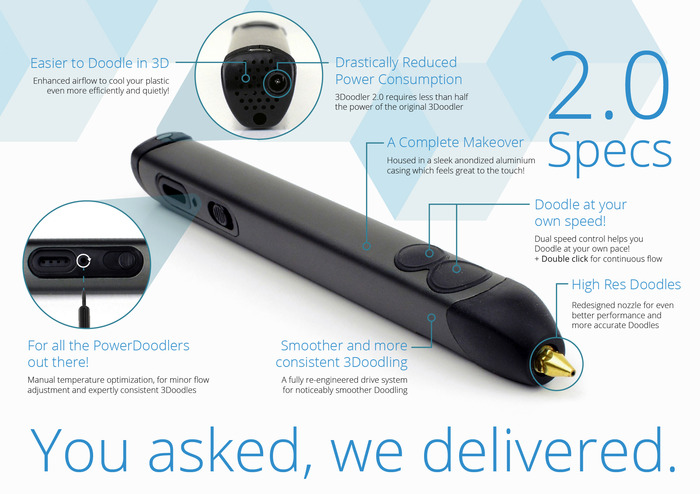
World’s first 3D printing pen, 3Doodler, made its debut about two years ago in 2013. Yes, it is what the name suggests – a device that lets you doodle physical objects in thin air. We know what you’re probably thinking:
Shakalaka Boom Boom pencil in the house, boys and girls.
What we’re talking about instead is a prettier, less creepy and more-within-your reach sort of an option. Developed by Peter Dilworth and Maxwell Bogue of WobbleWorks LLC, the updated version of 3Doodler called 3Doodler 2.0 made its debut earlier this year. Began as a Kickstarter campaign in 2013, 3Doodlers make use of plastic thread which is melted, shaped into an object desired by the doodler and then left to cool.
The updated model is a sleeker, lighter and more convenient version of 3Doodler and is available at a price of around Rs.10,000 in India. Surprisingly enough the older model is available on Amazon for about Rs.24,000. 3D doodling can be used for numerous purposes including design, miniature modelling, in architecture and interior designing, for arts and crafts projects, or for creating the best Halloween masks, if all else fails.
For a closer look at the wonders this little device is capable of, take a look at the video below:
Prime Minister Narendra Modi’s visit to the Silicon Valley was a lot more than just a meeting to bring the heads of Google, Microsoft and Facebook together to invest in India. Beyond the ‘Digital India’ campaign lies a call for young computer engineers in India to create.
The PM has seen the future, and it is a digital future. Think about it. Everything we see, hear about, learn, or need is most likely found on the internet or through an app. There’s practically an app for everything today. There was a time when standard phone messaging was all that existed until someone developed Whatsapp and Snapchat and completely changed the way people interact through messages. Now standard SMS has practically become obsolete.
Every programmer needs to know coding to bring their ideas online. If you’ve always dreamed of creating an iOS or Android app, or full-fledged website, then Siddhant Puri, an Electric Engineer and Computer Science graduate from UC Berkeley, has some tips and suggestions on how to get started.
Why learn coding?
“Obama & will.I.am tried to learn how to code. It’s strange how the tables have turned. Society suddenly respects that kid who used to be on the computer on IRC channels just derping on the internet and learning more about it.” – Siddhant Puri
Until a few years ago, you would be scouring all over your city looking for various products, and then there came apps such as Amazon and eBay that made sure you wouldn’t need to leave your house to buy something.
Apps have not only made life ridiculously easy for us but it has also opened up new possibilities and opportunities for those who have created the apps and made them what it is today. Anyone can create an app based on a simple idea. But before they can do that, they need to know the ‘how to’ aspect. This is where coding comes into play.
A programmer fails 10,000 times before progressing.
The first thing you need to do is know what you want to create. “Instead of learning for the sake of learning, learn with a purpose,” says Puri. It can be an app or a personal website, as long as it is something definitive. Secondly, patience is the key for any programmer. Every website or app will come with its own set of bugs and glitches which can drive you insane if you’re not patient enough about it.
You can always Google for help related to what you want to do and how to go about it. However, here are a few helpful sites suggested by Puri that can help you get started.
Treehouse: This is a paid website where you can learn practically everything from web designing to app development. The site offers hundreds of courses across various topics such as HTML, Javascript, WordPress, iOS, and Android that allows for an in-depth study. The website is useful for both beginners and professionals alike, and it’s worth every penny.
StackOverflow: This is basically Reddit for programmers. It is a place where questions related to bugs and glitches or any programming related queries can be posted and can be answered by anyone.
Coursera: This is a course conducted by University of Michigan. It is a 2-month course that covers the fundamentals of programming using Python and is useful for anyone who has a lot of time on their hands. The applications have already begun and the deadline for the current session (September 15 – November 9) end on October 6th.
Codecademy: With over 25 million users, Codecademy is a great place to learn the basics of coding and connect with other young entrepreneurs. Watch how one developer made it big by joining Codecademy.
Udacity: Offers full programs that guide you step by step. This is perhaps one of the most thorough sites out there that helps you immerse yourself in coding, but it is an expensive affair. “I’ve personally met the team and the course managers and they are a very determined group of people trying to make this process very fruitful for you. This would be my recommendation if money was not an issue,” Puri says.
Finally, whatever course you do plan on taking, and if you are determined to learn the art of coding, you need to stick to it. Having a mentor or finding a community will really help you with your goal.
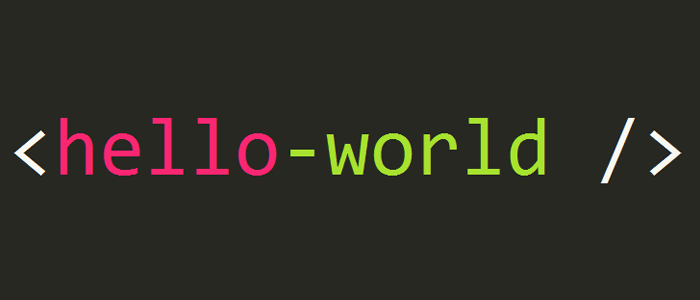
“And make sure the first line of code you print is HELLO WORLD.”
Why ‘Hello World’? It’s because it is typically one of the simplest programs possible in most programming languages, it is by tradition often used to illustrate to beginners the most basic syntax of a programming language.
So get to it, dreamers.
A special thanks to Siddhant Puri for sharing his experience straight from Silicon Valley.
Apple released the latest upgrade to its desktop operating system on Wednesday. The OS X El Capitan is now available as a free upgrade for all Mac users using a 2009 model or newer, and also for some 2007 models as well.
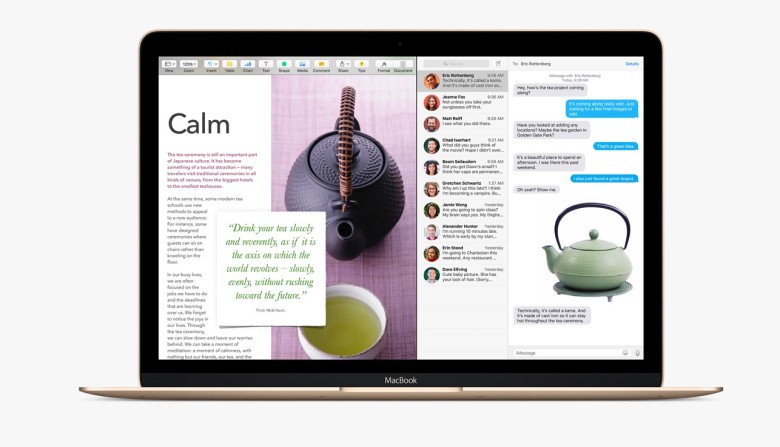
Apple has tried to redefine the Mac experience with a host of new improvements, both big and small, that adds a little something extra to your Mac. From Notes and Safari to Spotlight and Split View, there’s something to be found everywhere.
Find the cursor
This is perhaps the smallest improvement, but an improvement nonetheless. Mac users have found it a bit of problem when it comes to locating the little mouse on the screen. However, with the new upgrade, all you have to do is quickly move your fingers across the trackpad or shake the mouse quickly and the cursor grows in size so that you can spot it easily on screen.
Split View
Apple has already introduced the Split View feature with the iOS 9 for the iPads, now El Capitan OS follows suit. Split view allows two applications to run side by side. There are two ways you can get the split screen activated. You can click and hold the green zoom button of a window and then drag it into place, or open up Mission Control (F3) and drag the two apps of your choice into the same thumbnail at the top.
Spotlight search with natural language
By natural language we mean the way you would naturally speak when looking up something. For example, you could enter “find mail from Sam regarding flight details” and you will get exactly what you were looking for. Basically, Spotlight now has a better grasp of language.
New Mail gestures
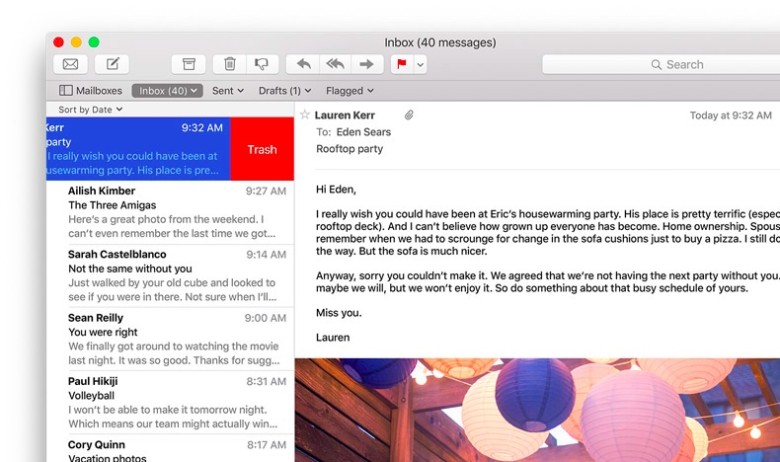
Like the Split View, Apple has borrowed from iOS for the Mail app as well. OS X El Capitan can now allow you to delete mails and access other options by using two fingers to swipe on an item. Mail also recognizes contacts and events in you messages and helps you call or add events to your calendar.
More to do with Notes
The latest iOS 9 brought a whole bunch of changes to the Notes app. The same changes can now be found in the Mac. You can create checklists, import maps and pictures, or insert text formatting. The improvements are still short of Evernote, but the company is getting close.
Send individual videos via AirPlay
Earlier, if you wanted to send a video from Safari to your friends or to the AppleTV, you would have had to share your entire browser window for that. With the new upgrade you can now send just the video. In Safari, click on the AirPlay option just below a YouTube video and you can select your desired destination. It works with YouTube right away, with support for other services to come soon.
Pin tabs in Safari
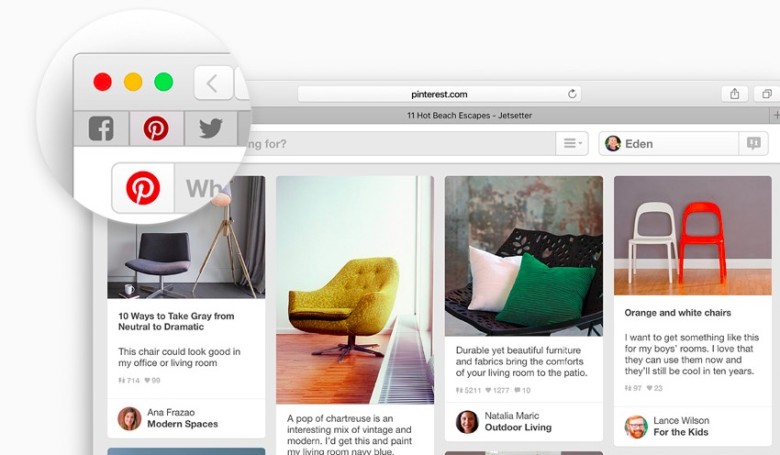
You can now pin sites that are most frequently visited to a new browser tab at the left-hand side of the tab bar. This allows you to quickly access them with just a click. Pinned sites automatically open when the browser is opened.
Skip the Trash
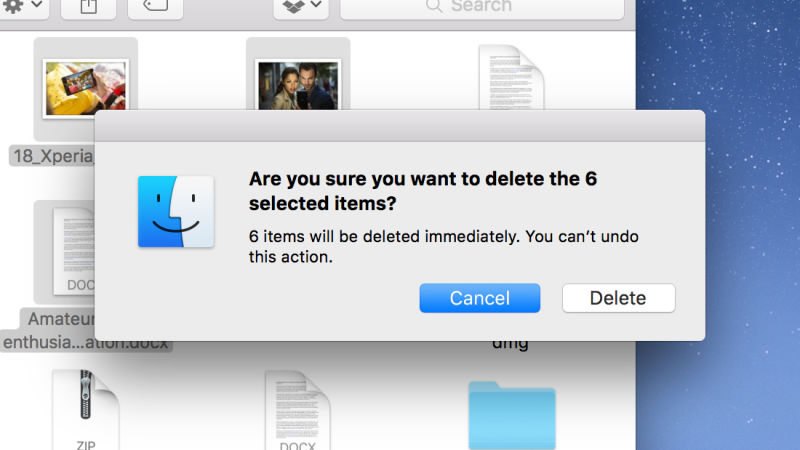
This gives you the option to permanently delete any file you like rather than temporarily deleting them. It saves you the trip of having to go to the trash bin. Press Option+Cmd+Delete to erase files immediately. You can find the option in the Files menu once you select the files you want deleted.
Hide menu bar
The new update gives you more screen space by making the menu bar disappear at the top of your interface automatically the same way as the bottom dock. Go to System Preferences via Apple menu, then go to General heading, and select Automaticallyhide and show the menu bar.