All the Latest, News, Reviews, Updates, How To, Mobile Phone news, Global and International News, From Cameras to Automobiles, from TV To PC and a lot more! Constantly updating!
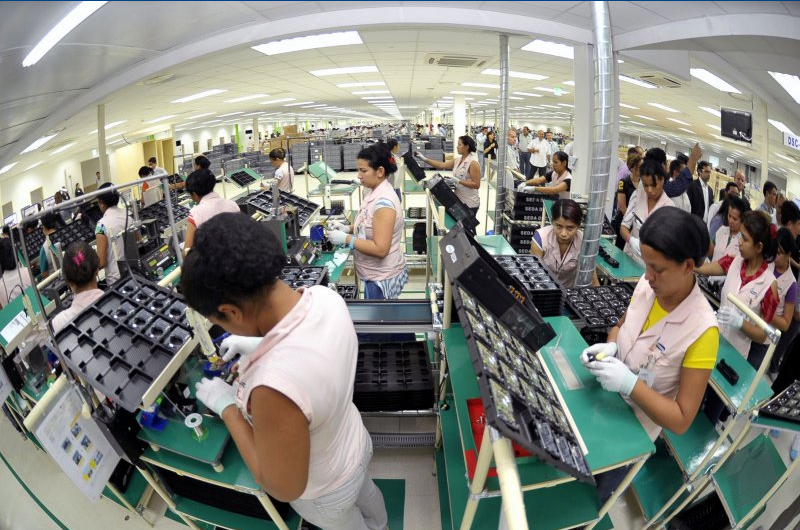
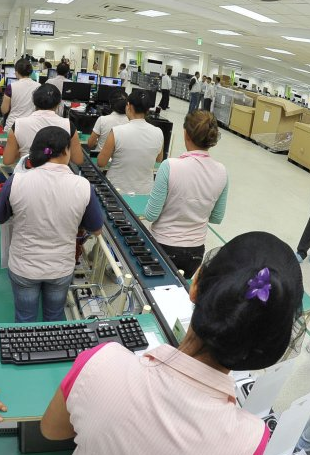
To prepare a box with mobile phone battery charger, headset and two instruction manuals, employee of the Samsung factory located in Zona Franca de Manaus has only six seconds. After this step, the package is transferred to the employee following the assembly line, who’s mission is to scan the package at two different points and then paste stickers. In a single day, the task gets to be repeated up to 6,800 times by the same worker, as seen on the website Reporter Brasil.
One of the factories built by the multinational of South Korean origin, in 2012 reported record a net income of $ 22.3 billion. Here a TV is placed in a cardboard box every 4.8 seconds and the assembly of a smartphone, made by dozens of workers arranged along the production line takes 85 seconds. Whereas, One split air-conditioner is ready in less than two minutes.
According to Reporter Brasil, Brazil’s Ministry of Labor has filed a lawsuit against the Korean company for poor working conditions in the smartphone assembly plant located in Zona Franca de Manaus. Accusations include few chairs to sit on, excessive work hours without rest and an excess of health problems.
In a statement to the Brazilian publication, Samsung says
it will cooperate fully with authorities and have pledged to ensure “the highest industry standards regarding safety, health and well-being.”
Due to the health risks of the employees imposed by the fast pace and the repetitive activity of the assembly line, The government sued for a collective moral damages of at least U.S. $ 250 million from Samsung.
Samsung was prosecuted in Brazil in 2011 over poor working conditions. It has also been accused of hiring children in China and faced a flurry of lawsuits in South Korea from workers seeking compensation for health hazards at its factories.
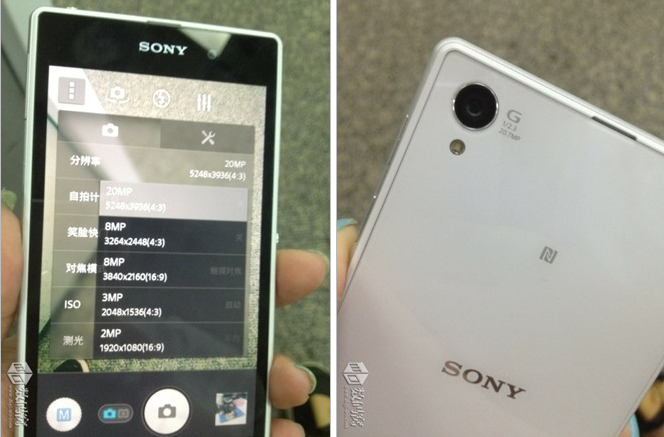
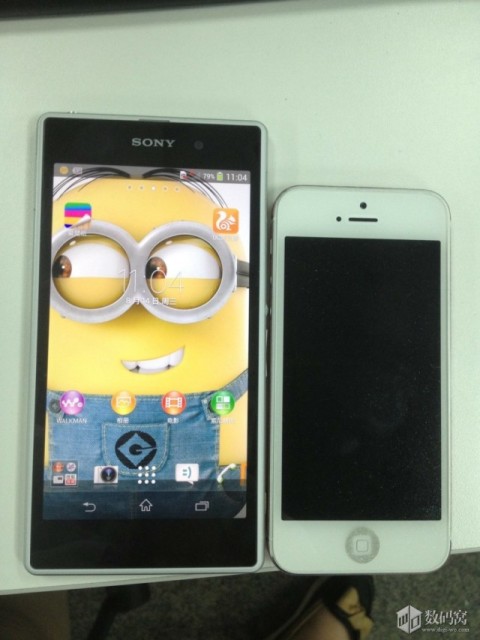
The Sony Honami is said to be the upcoming flagship device from Sony Mobile, and while we have heard our fair share of rumours concerning the Sony Honami, including a “masked” version that was caught in the wild, disguised so that we cannot really tell what the real deal looks like, in addition to an alleged photo snapped with the Sony Honami’s rumored 20-megapixel camera, here we are with yet another alleged Sony Honami device hanging out with the iPhone 5, sporting a shade of white and a minion as its wallpaper.
Though Sony only announced the Xperia Z in January Sony is readying a follow-up device to ensure it isn’t left behind in the constant hardware refresh cycle from Android OEMs.
Expected hardware include a quad-core Qualcomm Snapdragon 800 processor, 2GB of DDR3 RAM, a 5-inch 1080p Triluminous display, which has hugely improved colour saturation and viewing angles over Sony’s former LCDs, and a massive 20MP Exmor RS camera sensor that can shoot 4K video. We’re also hearing a 3000mAh battery will be included.
It’s difficult to discern if the back panel is still made from glass. The rectangular shape remains, though this time the corners are a little softer and there is a metallic surround visually separating the front and rear of the phone while featuring similar ‘panelled’ detailing that we’ve seen on the last few Sony handsets. It is expectedly huge next to the 4-inch iPhone 5, but so are most Android flagships these days.
It’s not clear whether the 20MP camera will produce brilliantly detailed shots, but the sensor size is notably larger, at 1/2.3?, than on regular smartphones. According to purported shots of the camera software, the ISO (light sensitivity) can be raised to 12800, which should allow for some amazing low light shots (albeit with a fair amount of grain).
Sony is expected to launch Honami on September 4th at the IFA conference in Berlin, shortly before Samsung announces the Galaxy Note 3.
Are you one of the millions of people who use Google+ everyday on your Android device. If so, Google has a treat for you in the form of new updates.
Google’s Virgil Dobjanschi took to the website this morning to announce five upcoming updates for Google+ on Android. The updates range from usability improvements to the Google killing off certain features in favor of new ones.
First, Messenger is gone, so no more confusion between the built-in messaging service and the better, independent Hangouts client.
Users can also share their location with friends and family — or anyone in a circle, really — at a precise or city-wide level, and can differentiate based on Circles. It’s not a huge change, and we doubt a lot of people use the service, but since Latitude shut down last week this is now Google’s version of Find My Friends.
Perhaps most important in this update is the ability to access Google Drive photos and videos from within Google+, and they’ll be given the Awesome treatment with no user input. This means photos uploaded to Google+ from Drive will be auto-enhanced and perhaps even animated.
Users can also switch between Google accounts more easily, something that was a bit cumbersome in the past. Lastly, Google Apps for Business features are all supported in Google+ now.
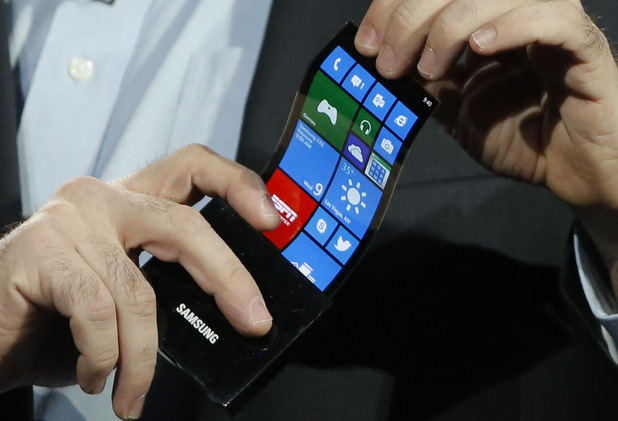
Samsung is looking for business models that revolve around flexible displays as a core value proposition as well as “exceptional design, realistic hardware assumptions and a viable business plan.”
The effort, called Samsung Create: Flexible Future Business Plan Competition, is basically a competition to get entrepreneurs creating startups around flexible display technologies.
Winners will receive cash prizes ranging between $2,500 and $10,000, with entries scored on how improved the flexi display is to the product concept, and the viability of the business plan behind it.
Samsung is not asking you to make assumptions on what your idea would cost. Instead, they want you to figure out what value your business plan creates and compute how much you could pay for flexible displays to make your business plan commercially viable.
Teams can draw up plans for devices measuring between one and 20 inches, with a maximum full-HD resolution of 1920×1080. However, entrants have been informed that only “non-confidential information” may be submitted.
Samsung stipulates that teams won’t get any kind of firm details about when they might actually be able to get any prototype components should their idea be feasible enough to become real, nor will the company reveal anything around component pricing with regards to flexible displays to participating teams.
“Samsung is continuously innovating, and may develop information that is similar to materials submitted in this contest, so only non-confidential information should be submitted,” read a disclaimer.
Users can enter the contest via its official website. Samsung has not specified when prototype versions of the winning entries will be developed.
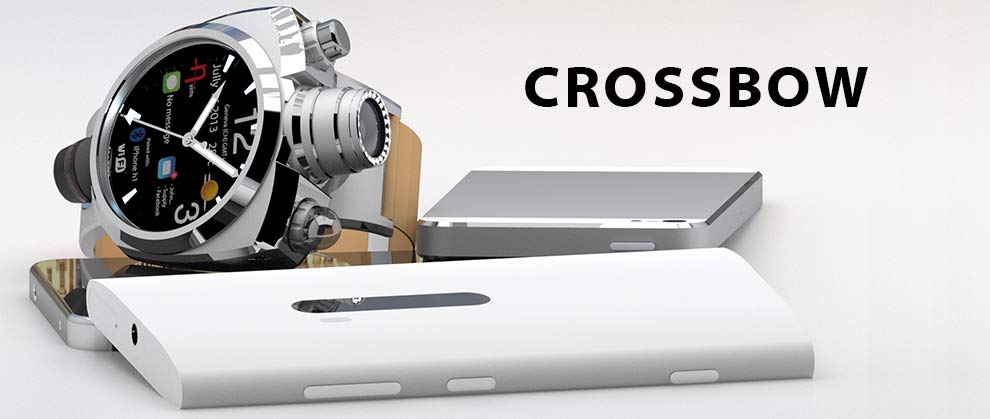
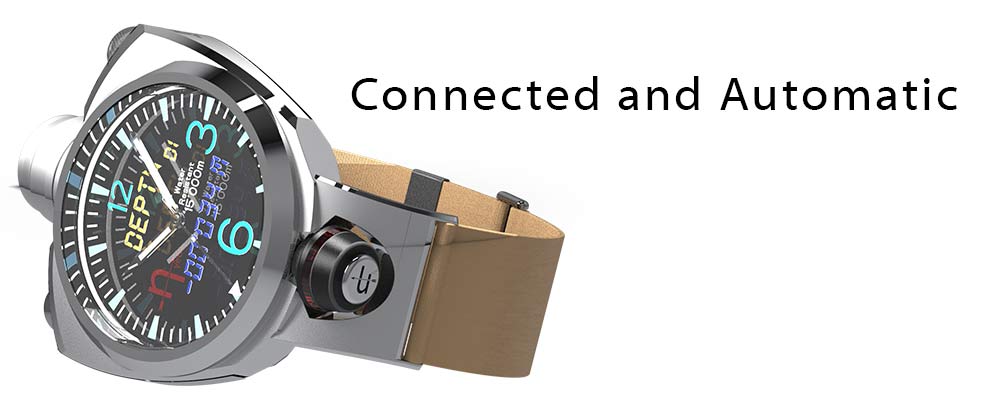
Smartphones might be bludgeoning the point-and-shoot market, and wearable computers like Google Glass may someday return the favor, but there’s a new gadget picking up steam that could help the smartphone retain superiority. We’re talking about the smartwatch, and if the new Hyetis Crossbow is any indication, smartwatches aren’t playing around when it comes to photography.
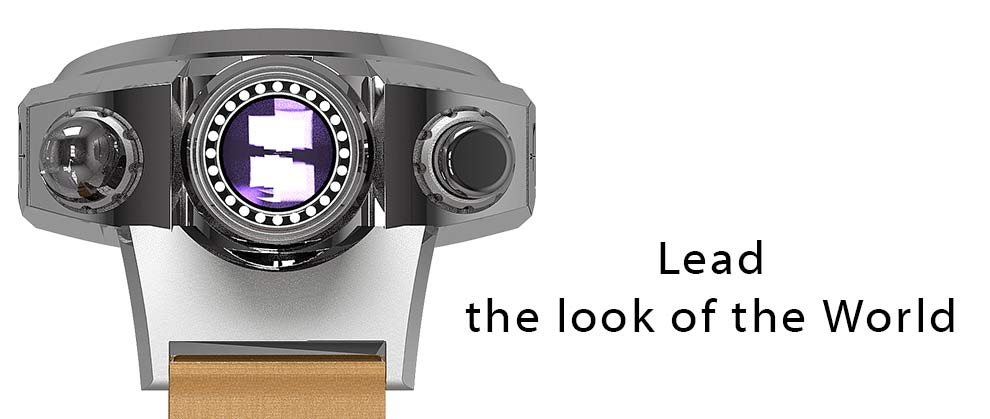
Hyetis has announced its Hyetis Crossbow smartwatch on Tuesday, packing a 41-megapixel camera facing at 12-o’clock, complete with Carl Zeiss optics. It’ll even have a little ring of LEDs built around it to act as a ring flash when necessary.
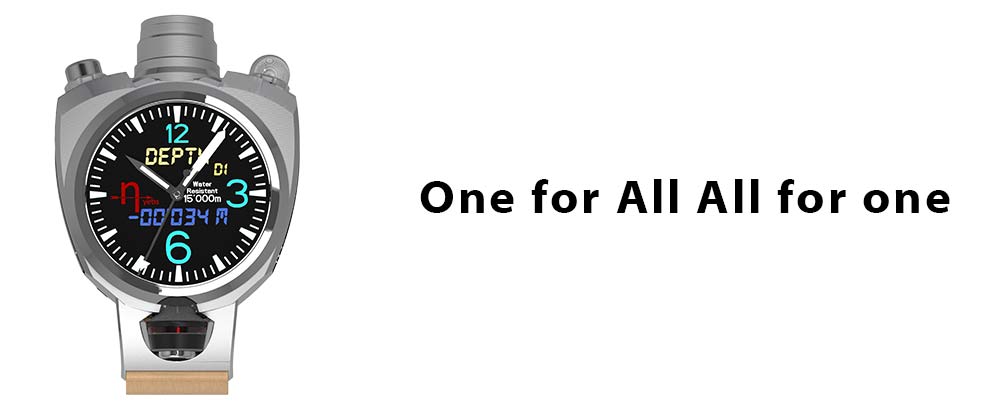
As you would expect, the Hyetis Crossbow has NFC support and is WiFi and Bluetooth-enabled. An altimeter, microphone, thermometer, and other gauges all come included. The band even has biometric sensors that can measure a wearer’s physical condition. The watch is programmed to interact with Android, iOS, and Windows Phone 8 devices, comes with a touchscreen, and did we mention that camera? It’s positioned at the top of the clock where the crown usually would be.
Hyetis plans to make the Hyetis Crossbow available for pre-order soon, with a starting price of $1,200. If you can manage that kind of cash you might want to act fast – only 500 units will be available in the first batch.
Microsoft has just made Windows 8.1 release date official, and it is right on schedule for the operating system’s one-year anniversary.
Windows 8.1, a free upgrade to existing users, will be available on October 17th digitally, and for purchase in stores on October 18th.
As we reported yesterday, preview of the first major update to operating system has been available since June, and Microsoft is said to be now testing near-final versions of new OS.
Windows 8.1 includes a number of concessions for desktop users, as well as new features for the modern interface. Users will be able to boot straight to the desktop, disable modern-style “hot corners” and access key desktop functions by right-clicking on the newly-restored Start button. The modern interface includes major improvements to built-in apps, the ability to use three apps side-by-side, overhauled Bing search and more. The net effect is that it’s easier to stay on the desktop if you want, but not unthinkable to switch to the modern UI.
We already know that the upgraded operating system Windows 8.1 will run Internet Explorer 11, the new version of the web browser which Microsoft have claimed is “fast, fluid and perfect for touch,” providing “the best web experience across the full range of Windows devices and screen sizes”.
Windows 8.1 will also allow users to circumvent the ‘Live tile’ interface built for touch screens and go directly to the desktop mode. And there will be direct support for 3D printers – signalling a hope that the new technology will become mainstream in the near future.
A number of tutorials and explanatory menus will be added to the operating system, Microsoft said, to help users adjust to the updates.
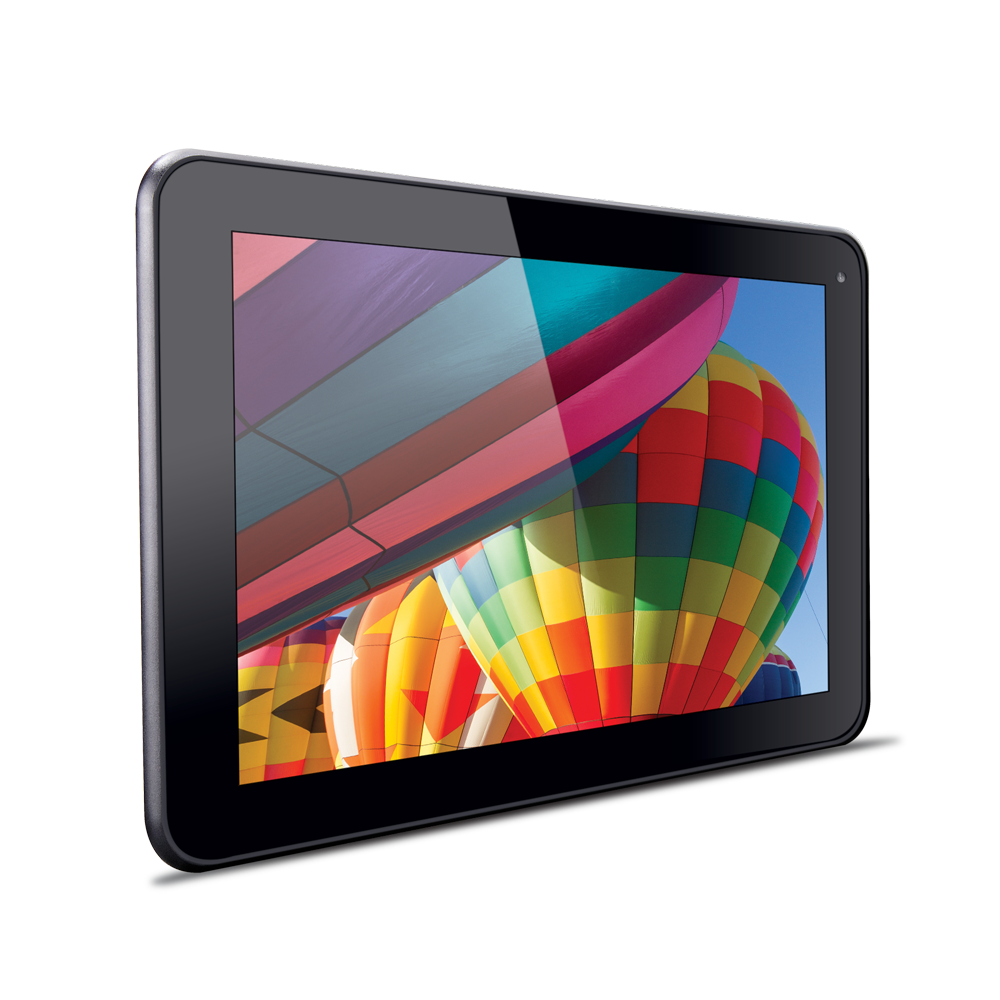
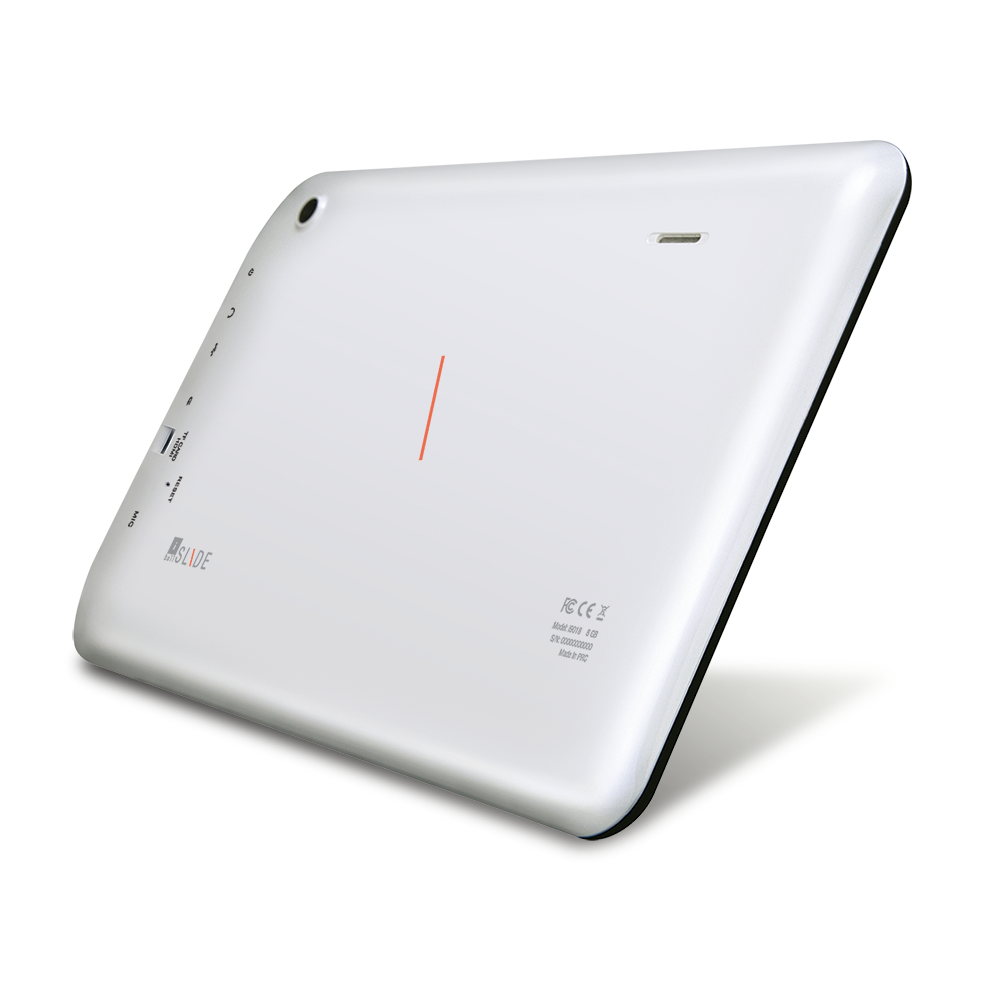
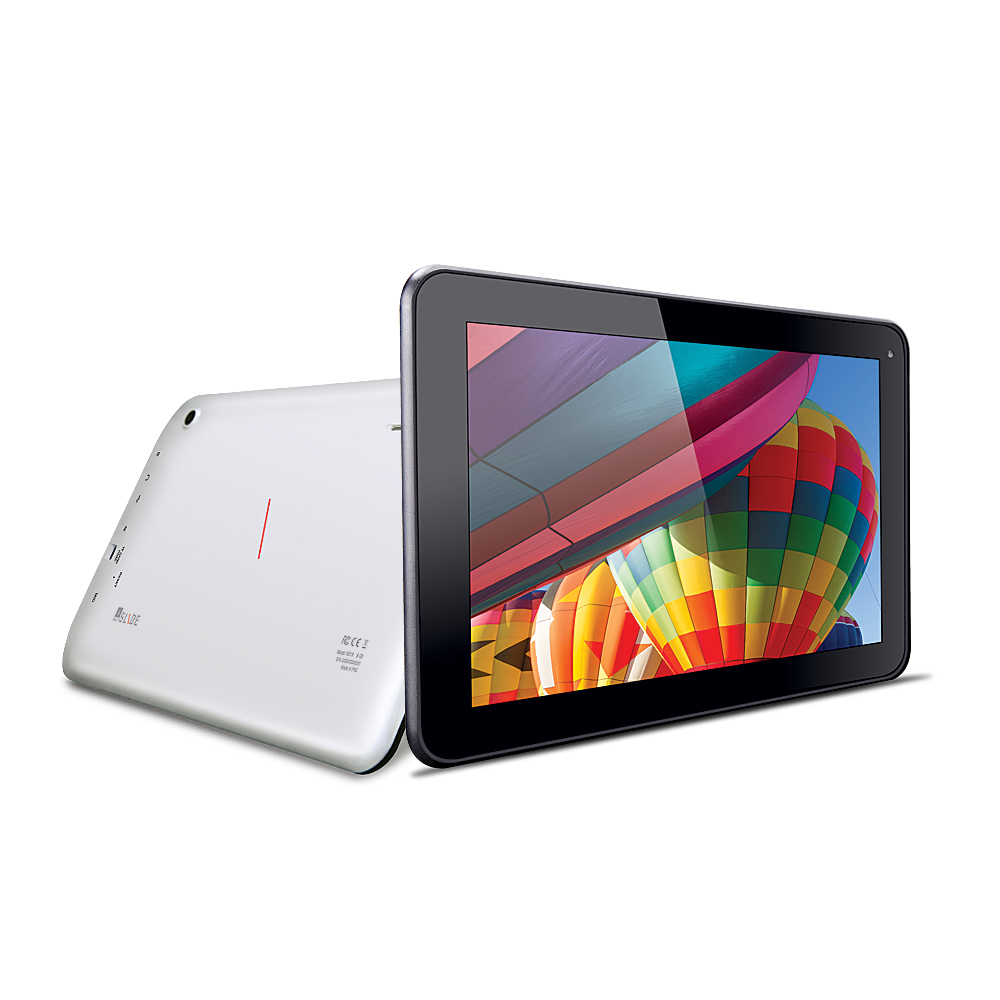
iBall has been expanding its tablet range by introducing tablets in its Edu-Slide and Performance range. The i9018 is an addition to the Performance range of tablets that already has 6 tablets in the portfolio.
The iBall i9018 features a 9-inch HD display with a 1024×600 pixels resolution. The tablet is powered by a Dual core 1Ghz Cortex A7 Processor (CPU) with Mali 400 MP2 GPU for graphics boost and a 1GB of DDR3 RAM. This device has dual cameras, 2-megapixel rear camera and front VGA camera. The device also has 8GB of internal storage that can be expandable up to 32GB via microSD card. The connectivity options are Wi-Fi, HDMI port, Micro-USB port, Bluetooth and 3G on USB dongle. The tablet is packed with a large 5000mAh battery. The tablet runs on Android 4.2 Jelly Bean.
Commenting on the launch Sandeep Parasrampuria, Director, iBall said:
With growing demand for Tablet PCs, need for bigger size screen size at affordable price is seen and we are happy to introduce iBall Slide i9018 with 9″ HD screen and Dual core processor which is being offered for the first time in India.”
Overall at Rs 9,990 it is the user experience that will matter and if iBall delivers on that, then we think it has a winner.
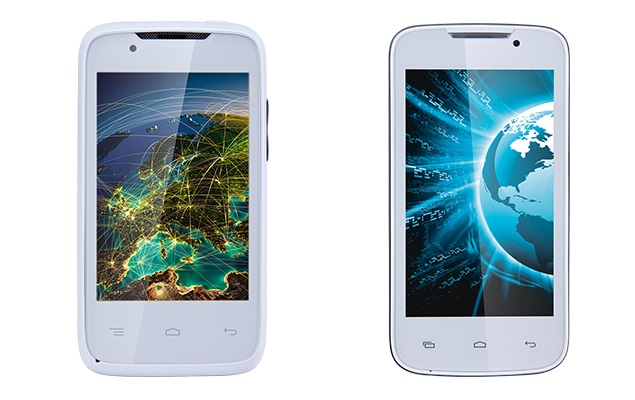
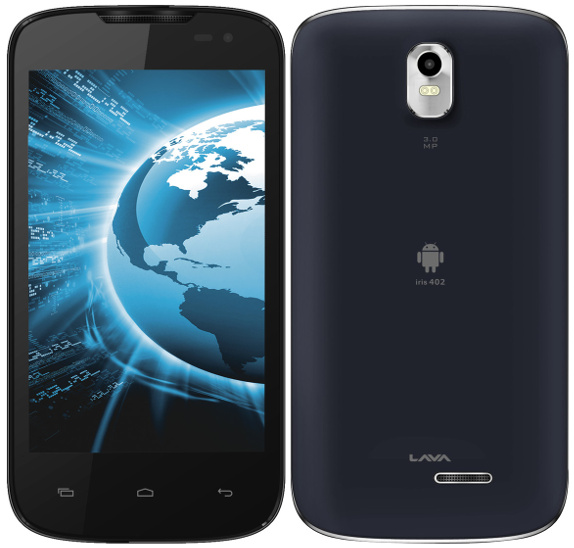
Lava is prepared to introduce its new phone in the Iris series which is the Iris pro, but that does not stops them from introducing two more entry level products in the market. Lava has introduced two new phones in the smartphone range the Lava 3G 356 and the Lava 3G 402 which are available in the market for Rs. 4499 and Rs. 5499respectively.
Lava 3G 356 is powered by a dual core processor and the latest Android 4.2 (jelly bean) operating system with OTA upgrade, the company claims that 3G 356 provides the user with exceptional performance for enhanced multi-tasking and connectivity. With 3.5-inch capacitive touch screen which is HVGA Display (480*320), Lava 3G 356 smartphone comes loaded with 1.3MP camera, a Li-Ion battery with 1500 mAh capacity and proximity sensor for longer battery life which gives upto 5 hours of talktime and 200 hours of stand-by time.
Specification for Lava 3G 356:
Specifications
LAVA 3G 356
Display
Large 8.9 cm (3.5) High-res HVGA Display (480*320)
1.3 Mega Pixel Fixed Focus with Flash/Front- VGA Camera
Connectivity
Bluetooth with A2DP Support
Wi-Fi 802.11 g/b/n
USB
WAP/GPRS/EDGE/3G
Navigation
GPS/A-GPS
Dimensions & Weight
116.9*62.5*12.6mm
Battery
Li-Ion Battery with 1500 mAh
OS
Android v4.2 Jelly Bean with OTA Upgrade
Audio
MP3/MIDI/AAC/AAC+/WAV Player
Video
3GP/MP4/AVI Player
Recording & Playback
MPEG4, H263,H.264 Video Recording at 30 fps
Browser
Android Browser, Opera Browser
Whereas, the Lava 3G 402 is a 4 inch capacitive touch screen smartphone with comes with WVGA Display (480*800) with 16 Million Colors. The 3G 402 runs on latest version of android (jelly bean) 4.2. The smartphone comes equipped with a a 5MP camera. Powered by a dual core 1.2 GHz processor and a 1500mAh battery.
Specification for Lava 3G 402:
Specifications
LAVA 3G 402
Display
Large 10.16 cm (4.0) High-res WVGA Display (480*800) with 16 Million Colors
3.0 Mega Pixel Fixed Focus with Flash/Front- 1.3 MP Camera
Connectivity
Bluetooth with A2DP Support
Wi-Fi 802.11 g/b/n
USB
WAP/GPRS/EDGE/3G
Navigation
GPS/A-GPS
Dimensions & Weight
125.5*64.5*11.4mm
Battery
Li-Ion Battery with 1500 mAh
OS
Android v4.2 Jelly Bean with OTA Upgrade
Audio
MP3/MIDI/AAC/AAC+/WAV Player
Video
3GP/MP4 Player
Recording & Playback
MPEG4, H263,H.264 Video Recording at 30 fps
Browser
Android Browser, Opera Browser
Lava claims that both 356 and 402 give users enough battery hours to browse internet on 3G, download videos & songs and check emails on the go. Both devices comes up with 512 MB ROM + 256 MB RAM, which can be expanded upto 32GB through external memory card.
At Lava, we are committed to constantly strive to innovate and develop great value for our consumers. In line with this commitment, Lava has introduced affordable, yet fully loaded entry level 3G android smartphones which will now fuel the aspirations of the evolving mobile user in India. The Lava 3G 356 and 3G 402 are uniquely designed smartphones which lets a consumer enjoy the power of 3G by consuming online content” said Mr. Hari Om Rai, Co-Founder & Director, Lava International Ltd.
“Internet usage is increasing rapidly in non-metro cities, with more people using internet through mobile devices.As 3G enabled handsets become affordable, mobile internet would be the next big thing in the country which would take penetration to the remote corners of the country.Lava is aiming to drive huge volumes with both models combined”, he further added.
[toggle title=”Press Release “]LAVA storms the entry-level 3G handset market with Android powered 3G 356 and 3G 402 smartphones
New Delhi, INDIA, August 14, 2013: LAVA International Limited, a fast growing company in the mobile handset industry, today introduced its entry level 3G android smartphones- Lava 3G 356 and Lava 3G 402, value for money phones designed with a purpose to give the best possible 3G mobile experience at an affordable price to the consumers who like staying connected to social media and accessing the Internet. Through its feature rich 3G smartphones Lava aims to help the existing 2G users to upgrade to 3G technology, essentially bring the fastest internet access to the masses.
Powered by a fast dual core processor and the latest Android 4.2 (jelly bean) operating system with OTA upgrade, the 3G 356 provides the user with exceptional performance for enhanced multi-tasking and connectivity. With 3.5-inch capacitive touch screen featuring high-res HVGA Display (480*320), Lava 3G 356 smartphone comes loaded with 1.3MP camera, a large Li-Ion battery with 1500 mAh capacity and proximity sensor for longer battery life which gives upto 5 hours of talktime and 200 hours of stand-by time.
The Lava 3G 402 is a 4 inch capacitive touch screen smartphone with high-res WVGA Display (480*800) with 16 Million Colors. The 3G 402 runs on latest version of android (jelly bean) 4.2. The smartphone sports a 5MP camera. Powered by a dual core 1.2 GHz processor and a powerful 1500mAh battery, both 356 and 402 give users enough battery hours to browse internet on 3G, download videos & songs and check emails on the go.
The 3G series comes with 512 MB ROM + 256 MB RAM, which can be expanded upto 32GB through external memory card.
Mr. Hari Om Rai, Co-Founder & Director, Lava International Ltd., said, “At Lava, we are committed to constantly strive to innovate and develop great value for our consumers. In line with this commitment, Lava has introduced affordable, yet fully loaded entry level 3G android smartphones which will now fuel the aspirations of the evolving mobile user in India. The Lava 3G 356 and 3G 402 are uniquely designed smartphones which lets a consumer enjoy the power of 3G by consuming online content”
“Internet usage is increasing rapidly in non-metro cities, with more people using internet through mobile devices. As 3G enabled handsets become affordable, mobile internet would be the next big thing in the country which would take penetration to the remote corners of the country.Lava is aiming to drive huge volumes with both models combined”, he further added.
Priced at Rs. 4499 and Rs. 5499respectively, Lava 3G 356 comes in white, black & greyand 3G 402 comes in – white, grey and red. The accessories that comes bundled with the 3G 356 and 402 includes a screen guard and silicon soft pouch
The handsets are available for sale across all national retail stores, multi-brand outlets across India and leading online stores.
For more information, please visit www.lavamobiles.com. For more updates on these exciting products, follow Lava Mobiles on Facebookand Twitter.
The latest version of Microsoft Windows, Windows 8.1, will not be available to the public until October, according to reports.
A preview of the first major update to operating system has been available since June, and Microsoft is said to be now testing near-final versions of new OS.
Windows 8.1 includes a number of concessions for desktop users, as well as new features for the modern interface. Users will be able to boot straight to the desktop, disable modern-style “hot corners” and access key desktop functions by right-clicking on the newly-restored Start button. The modern interface includes major improvements to built-in apps, the ability to use three apps side-by-side, overhauled Bing search and more. The net effect is that it’s easier to stay on the desktop if you want, but not unthinkable to switch to the modern UI.
We already know that the upgraded operating system Windows 8.1 will run Internet Explorer 11, the new version of the web browser which Microsoft have claimed is “fast, fluid and perfect for touch,” providing “the best web experience across the full range of Windows devices and screen sizes”.
Windows 8.1 will also allow users to circumvent the ‘Live tile’ interface built for touch screens and go directly to the desktop mode. And there will be direct support for 3D printers – signalling a hope that the new technology will become mainstream in the near future.
A number of tutorials and explanatory menus will be added to the operating system, Microsoft said, to help users adjust to the updates.
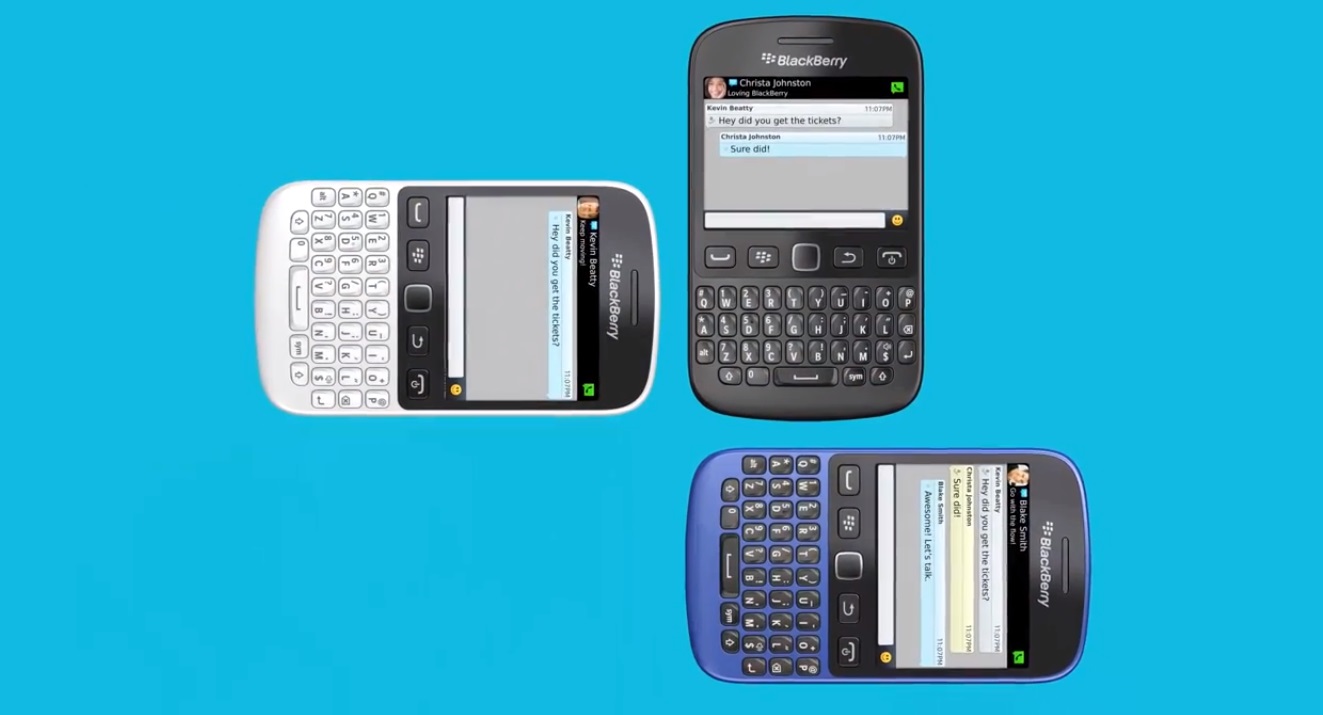
During the BlackBerry Q1 2014 conference call, BlackBerry CEO, Thorsten Heins let it be known a new BlackBerry 7.1 device would be released soon and after many sneek peeks at it in unofficial capacity, the time has come to make it all official. The BlackBerry 9720 has finally been announced and will be making its way to Asia, EMEA and Latin America in the coming weeks.
As its new BlackBerry 10 operating system struggles to get off the ground, the company is still depending on the old version 7. During its last fiscal quarter BlackBerry shipped 6.8 million smartphones, but only 2.7 million phones running the new OS.
The launch of the BlackBerry 9720, which runs a refreshed version of the BlackBerry 7 OS, may play to the company’s dwindling strength. The smartphone has a re-engineered physical QWERTY keyboard with a dedicated BBM key, a trackpad and a a 2.8-inch touchscreen with 480 x 360 pixel resolution. It has 512MB of RAM.
The BlackBerry 9720 also has a 5-megapixel camera and an FM radio. Connectivity options include HSPA, 802.11n and A-GPS. The phone is packed with a 1450mAH removable battery, which is claimed to offer up to 7 hours of talktime and 18 days of standby time.
On the software side, BlackBerry has focused on social networking features. Users can write a message once and post it simultaneously to their friends on BBM, Twitter and Facebook, for example.
The updated interface also lets users swipe to unlock the phone or access the camera from the lock screen, among other enhancements.
Currently there is no indication of pricing or availability in India, but stay tuned for more information.
Reports of a retina display for the iPad mini aren’t aren’t new, but an end-of-the-year release date is. And according to Bloomberg, Apple is looking at a very busy holiday season, with a new iPad mini as well as a new, redesigned iPad, both available before the end of year.
The next version of the iPad will be adapted to look more like the current iPad Mini, with rounded corners and thinner sides, one source told the news organisation.
Details on the new iPad mini were sparse apart from the addition of a Retina display, as featured in the current iPad.
A Retina display would also bring the new iPad Mini in line with other Apple devices, including the iPhone, iPod Touch and MacBook Pro. The current iPad Mini comes with a lower-resolution 132ppi screen from LG and Taiwan’s AU Optronics.
Retina display is a brand name used by Applefor their liquid crystal displays, in which pixelation is imperceptible to the human eye. Other brands also offer higher resolution screens, marketed simply as high definition.
With no firm confirmations, however, the iPad mini with Retina may only be a product refresh rather than the iPad mini 2, which was rumoured to have been pushed back to a 2014 release.
As The Verge reports, the Bloomberg News article makes no mention of the larger, 12.9-inch iPad that’s been rumored previously, and it’s not clear whether we’ll see an iPhone 5S or a new, cheaper model at September 10th event. We’ll just have to wait and see.
Samsung asked us to ‘note” September 4th on our calendars last week. This is when we can expect them to officially unveil the Galaxy Note 3, a follow-up to the original Galaxy Note and the Note II phablet. A new report from reputable site SamMobile has revealed a bevy of new specs.
Depending on the country release, the Galaxy Note 3 will have a couple model numbers – SM-N900 & SM-N9005 – and sport the following specs: 5.68-inch full HD Super AMOLED (1920 x 1080 resolution, 1.8GHz Octa-core Exynos 5420 processor, 3GB RAM, 13MP camera with Optical Image Stabilization (OIS), LTE connectivity, 16/32/64GB internal storage (64GB will be rare) plus a microSD slot, 3,200 mAh battery and running Android OS 4.3 Jelly Bean. No insight into any new S-Pen features.
Samsung announced at the end of July it had started mass production of low power, 3GB LPDDR3 RAM for mobile, and devices using it would appear during the second half of 2013.
The latest leak also hints that Samsung will launch more than one variants of its Galaxy Note 3, similar to the international and U.S. editions of the Galaxy S4 from earlier this year. This is consistent with previous rumors.
There’s no word on the availability, pricing, or colours, but Samsung will show off the Galaxy Note 3 at the upcoming Samsung Mobile Unpacked event during the IFA in Berlin.
Google launched the new Nexus 7 in the market recently and previously we covered that users are facing problems with the GPS in the tablet, it seems that the Nexus 7 is into the the trouble picture again, as per the new reports the Nexus 7 has some issue with its 1920 x 1200 display.
The video clip below demonstrates the bug , where touch targets are sporadically jumping around the screen, occasionally reversed and sometimes registered as a storm of semi-random taps.
Over the past few weeks, chatter on the XDA Developers and Google Product forums suggests it’s fairly common, with a response from Google on the latter stating: “The Android team is aware of this issue and investigating.”
While Google is still investigating this is the second problem that came up for the Nexus 7.
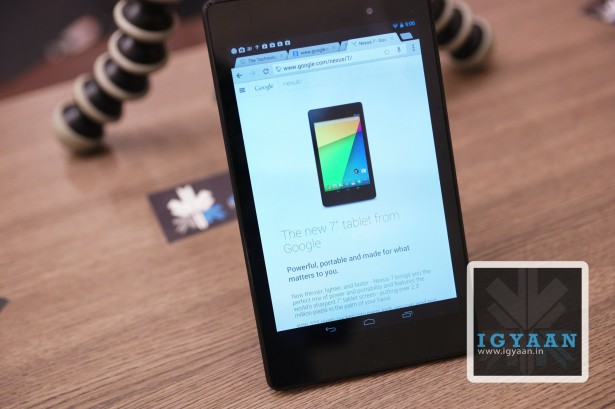
Last year the Google Nexus 7 became the best 7 inch tablet on Android, only because the best 10 inch tablet turned out to be the Nexus 10. This year the Nexus 7 is back in a sleeker and more refined format, only to tackle the title yet again. This is iGyaan’s review of the new Nexus 7.
Build Quality and Hardware
[pullquote_left]Slimmer, Taller, and Thinner[/pullquote_left]
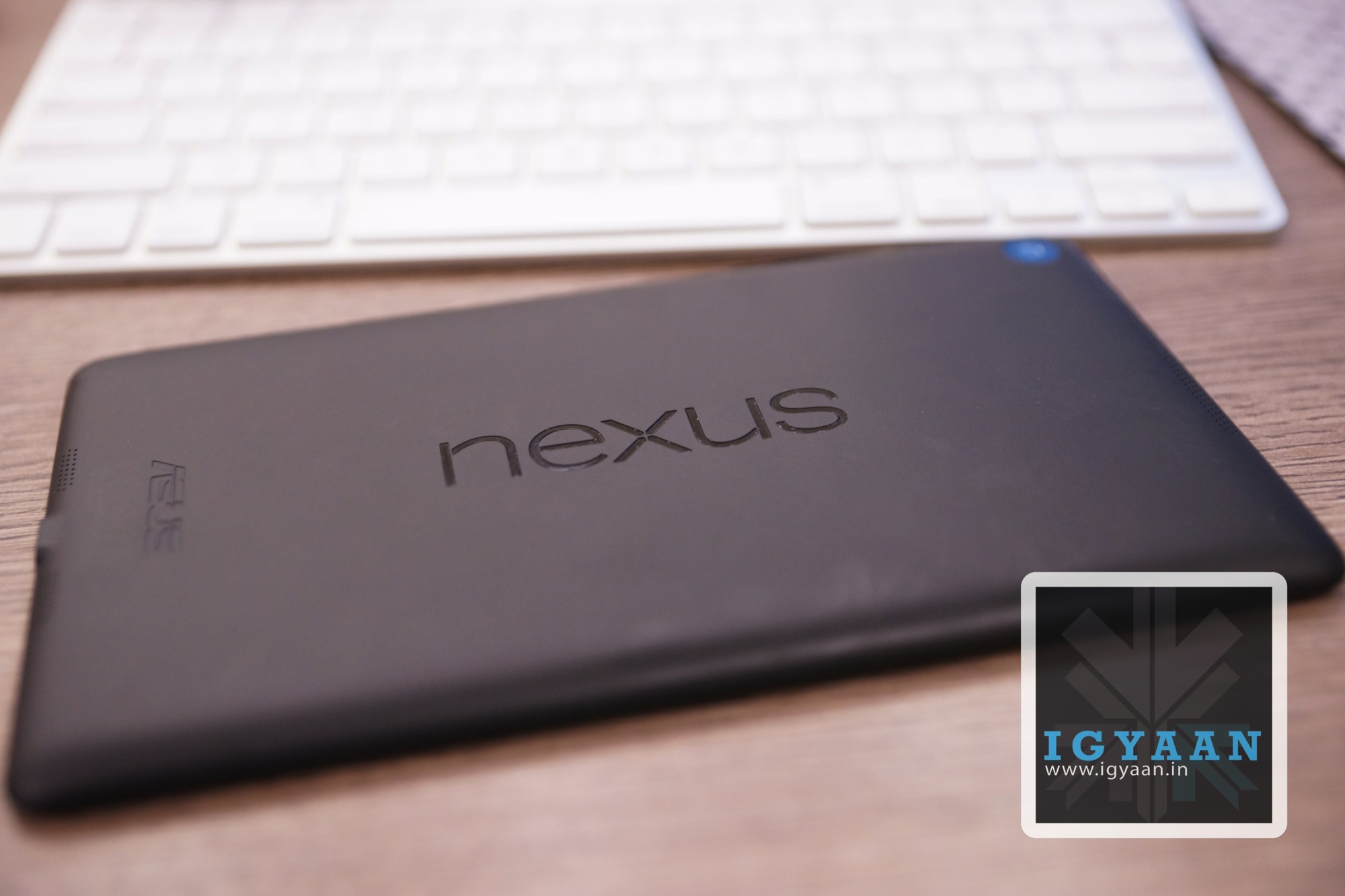
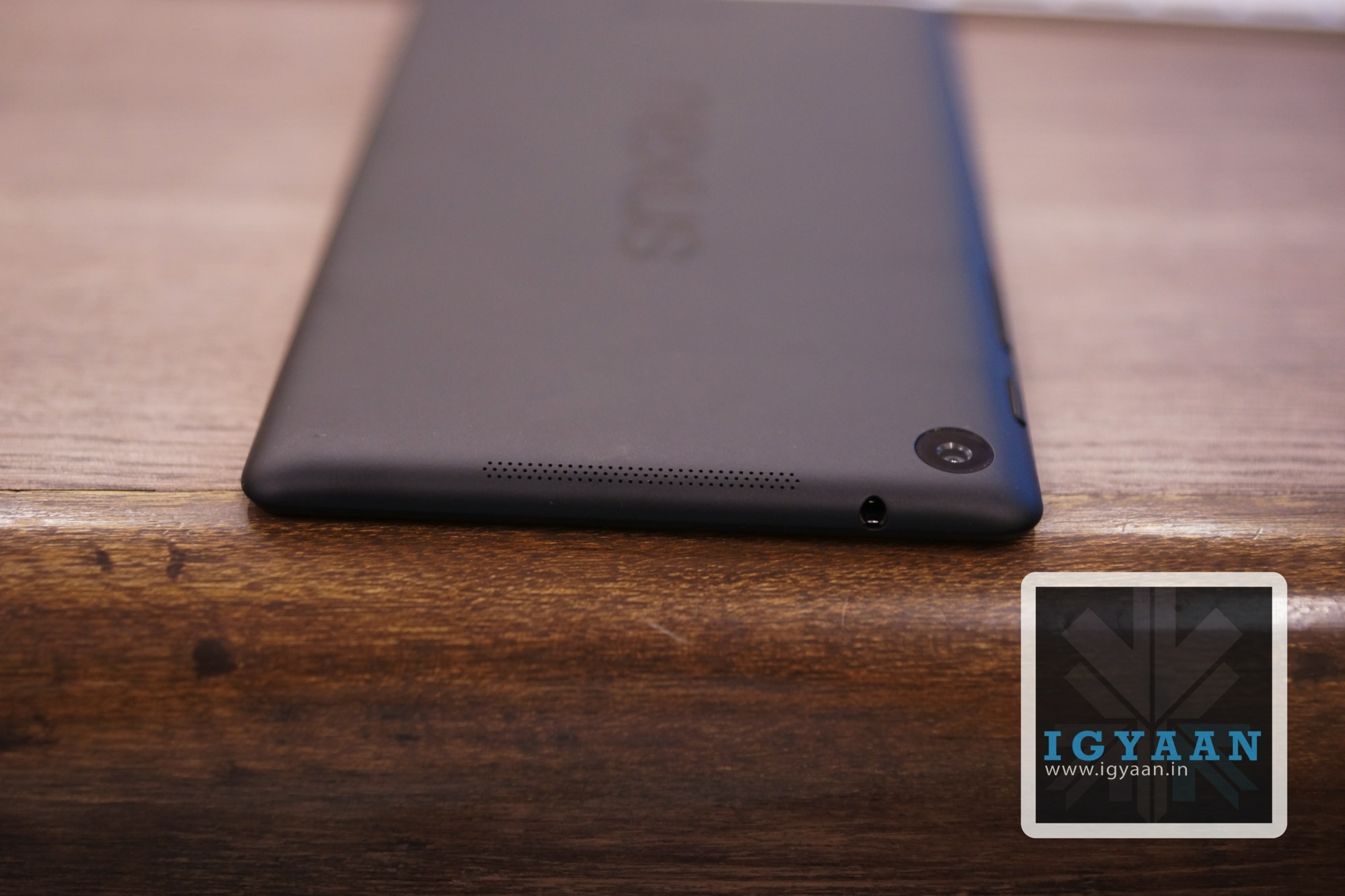
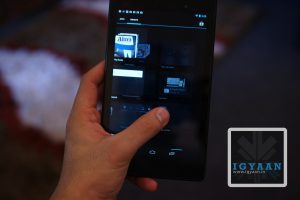
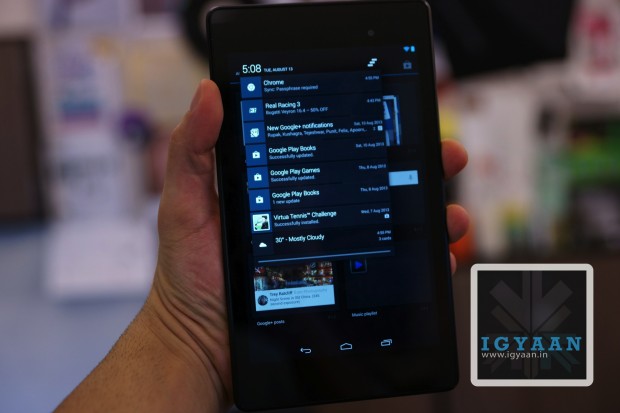
Setting the standards yet again the new Nexus 7 from Google offers the perfect mix of the right build and design you would expect from a tablet today. The back of the Nexus 7 loses the ribbed texture, only to be replaced with a plain soft touch back panel which not only is more comfortable to hold but also adds to the aesthetic. The new Nexus 7 2013 is slimmer, taller, and thinner than the first edition of the market breaking Android tablet.
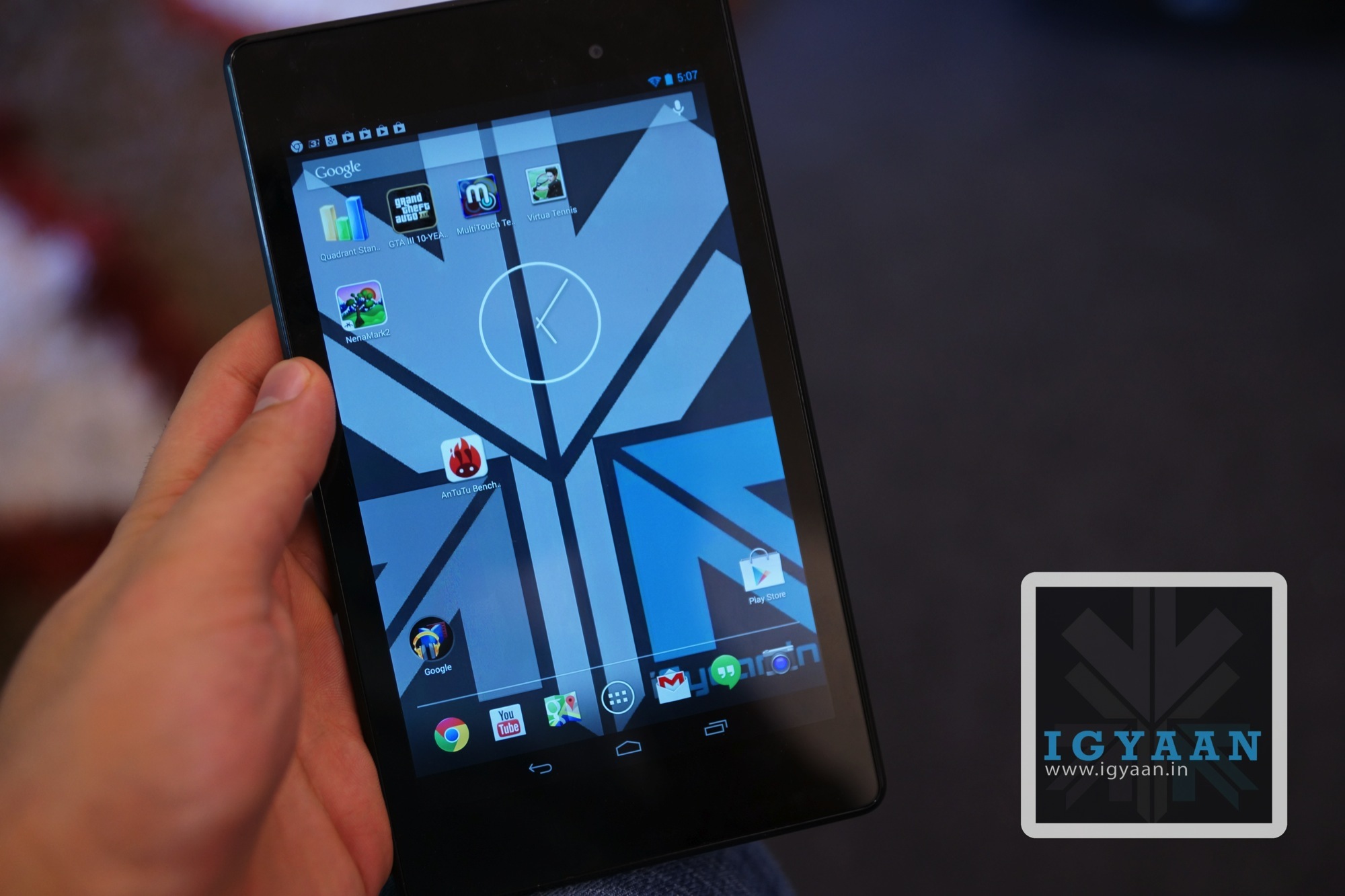
The front of the new Nexus 7 2013 is laden with a Gorilla Glass display that stretches out to 7.02 inches and features a high resolution of 1920 x 1200 px, simply dwarfing any and every tablet in the market today when it comes to the display resolution. The overall pixel density of the display rests at 323 ppi and the Touchscreen will accept a 10 point touch input.
The Innards are comprised of a Quad core Qualcomm Snapdragon S4 Pro chipset with a 1.5 GHz Krait CPU and an impressive Adreno 320 GPU which is clocked at 400 MHz. The 3950 mAh battery provides the juice and the optics are defined by a 5 MP main shooter and a docile 1.2 MP forward facing peephole. All this is supported by fixed internal storage options of 16 GB and 32 GB along with 2 GB of RAM.
Display and Multimedia
Who says extra pixels are not good? On a larger screen the more pixels you can get the less they seem. The New Nexus 7 2013 finds this balance in the display size and pixel density nearing the retina stature for small handhelds. The display is gorgeous no matter what you do with it, movies, browsing and even gaming. The display delivers with vivid colors and excellent viewing angles.
The new Nexus 7 is a great content consumption device you will almost always enjoy picking up the tablet. The interface is instant in terms of response and the overall multimedia experience is just shy of what you could expect from a flagship tablet. The only real downside is the lack of enhanced audio, the inbuilt speakers, although stereo and well placed, simply are not enough.
Cameras
The new Nexus 7 2013 is US $ 20 more expensive than last years edition, most of which can be blamed on the additional 5 MP camera at the back of the tablet. The new camera may be an addition in price, but a lot of owners will accept is as a welcome addition and a valid additional expense.
The camera is no design and engineering marvel, with flat pictures and no real points of emphasis, it is just a camera on a tablet which may as well not have been there. Pictures from the main camera are prone to loss of focus and sometimes exposed inaccurately causing a severe problem in the overall feel when using the new Nexus 7.
Video capture is also average, with a lot of shake getting carried through to the 1080p footage.
Nexus Performance and Gaming
One of the biggest reasons the Nexus 7 came out on top last year was the fact that the tablet ran a completely vanilla Nexus rom with no customizations. Same is the case with newer edition Nexus 7 2013, the experience of pure Android makes performance of the device a notch better, the tablet a notch more responsive than any other custom Tablet UI including those from Samsung and Sony.
Gaming has been best defined in our video below. But, to elaborate a little more, the perfect size of the tablet, the light weigh and the hardware on the inside promises an unmatched gaming experience. You really will appreciate the Adreno 320 Graphics and the S4 chipset in action along with the ample 2 Gigs of RAM which make for an exciting gaming experience.
The new Nexus 7 2013 is more a tablet than its predecessor. Since a modern day tablet has to be portable, powerful, thin and light yet capable of long hours of use, the new Nexus 7 fits those criterion like a glove. The new Nexus 7 is a perfect balance, where on one hand it give you the portability you will need, on the other it offers up the performance you will demand. The tablet choses to look good while doing it as well.
Charging port and Speaker
Buttons Layout
Analogue TV OUT
smooth UI
still pocketable
Conclusion
Since the lower strata of the market is crowded by tablets of the third edition, the slightly expensive Nexus 7 provides the ultimate satisfaction. But since no one is ever fully satisfied, the Nexus 7, just like the iPad, will never be a phone. Honestly, we don’t want it to be a phone, the 4G variant will offer up data on the go for those who need it. The new Nexus 7 has the highest resolution display, the best gaming performance, good looks and portable yet solid construction. Need we say more?
The new Nexus 7 gets tablet of the year 2013 (till September) from iGyaan.We expect the new Nexus 7 to launch in India soon, for pricing and more details click here.
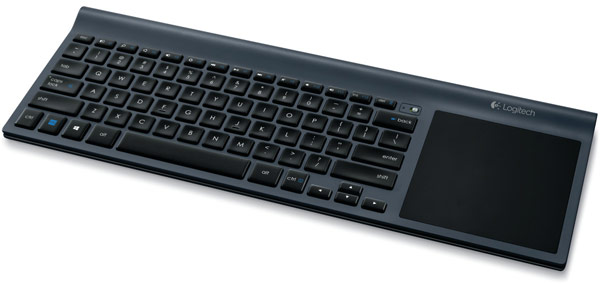
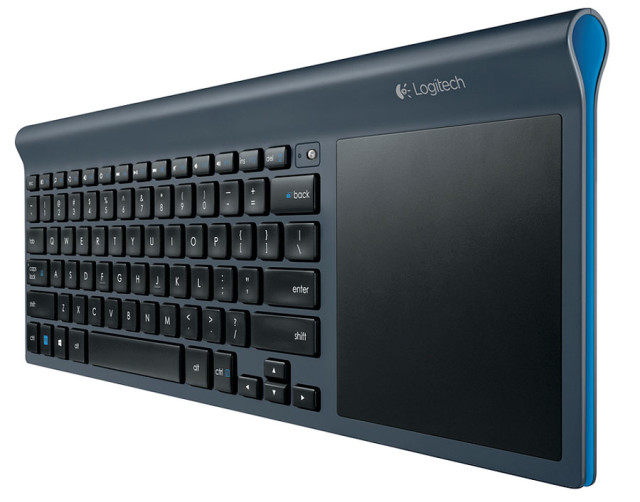
Logitech is a well known name when it comes to keyboards and other computer accessories, and now it’s ready to show off its latest offering: the TK820 which is a compact keyboard with an attached touch surface.
Its slightly concave keycaps feature Perfect Stroke technique, which promises consistent resistance from edge to edge. It might not be useful to everyone, but for those who want to replace a mouse with a touchpad this can be considerable prize. Specially for the new Window 8 based hardware, as they mainly have been designed for touch gestures.
Logitech TK820
While the company says :
Everything you need to control and navigate your computer is integrated in one device. The keyboard has a built in touchpad so you can type, touch and swipe in one. It’s a new and innovative way to navigate.
The touch area is larger than a laptop touchpad so you have more room to point, zoom and swipe. In fact, you can perform up to 13 unique Windows 8 gestures comfortably and smoothly
The wireless, ultra-slim design keeps your desk cable- and clutter-free. The integrated touchpad also means you won’t need a separate mouse.