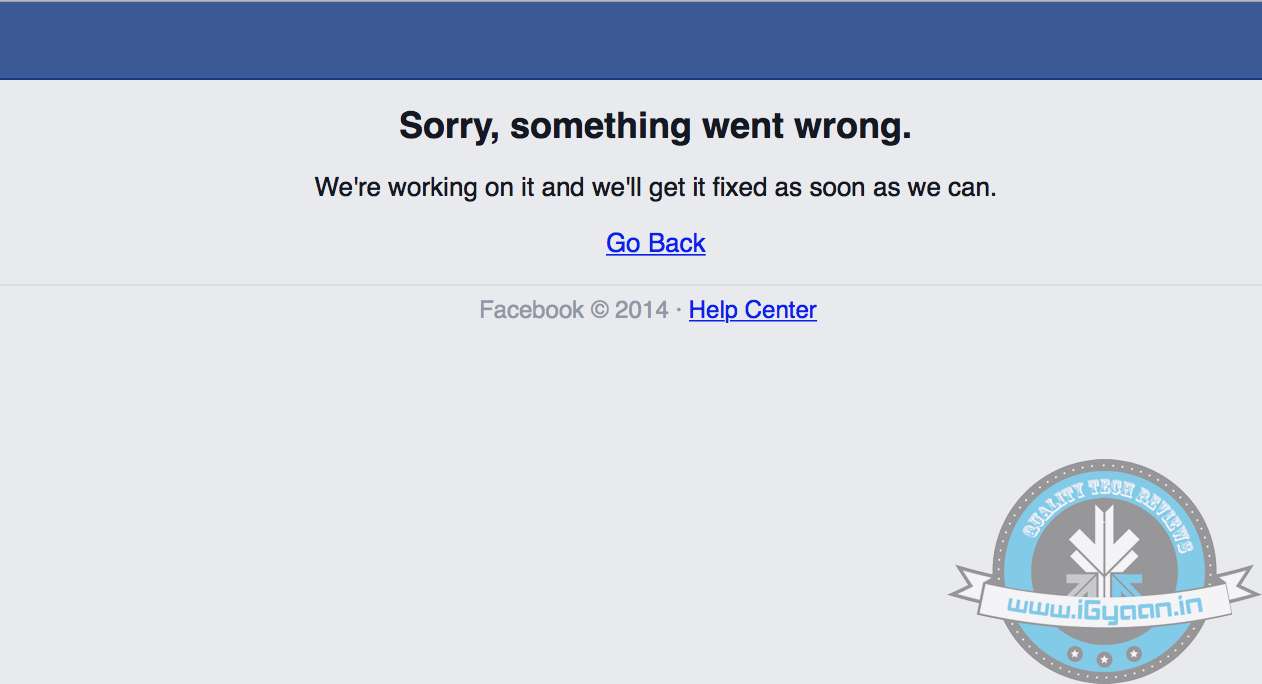
Facebook server seems to be having some trouble. At the time of writing, the Facebook page showed the standard error text ‘ “Sorry, something went wrong,” if you tried to open the website. The error was reported in Europe and the United States, stating that both Facebook and Instagram appeared to be down.
Facebook brought up an error message telling users that “something went wrong” and the problem would be fixed as soon as possible. Meanwhile, Instagram – a photo uploading site that is owned by Facebook – went to a blank page on the desktop while the mobile application failed to load new data.
There were also some reports that Tinder, a popular dating app was hit by an outage. Facebook and Instagram are now back online after shutting out users for just under an hour. The reason for the outage is unknown as yet.
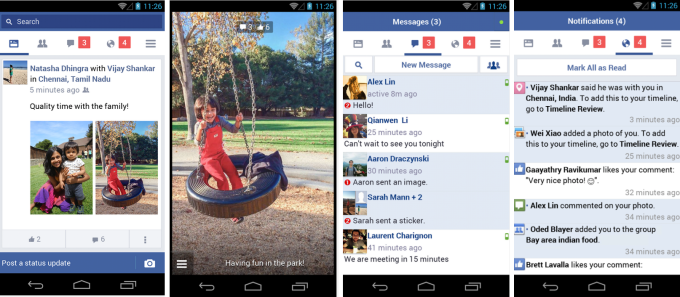
Facebook launched a handful of standalone apps last year including the newest offerings called Rooms. Facebook’s strategy to monopolize and drive funds from its already established multi-billion user base is quite clear. Now, another app, called Facebook Lite has been launched by the company for emerging markets.
Technically, Facebook Lite is specifically designed for low-end Android devices in emerging markets. The app has been quietly rolled out in a handful of countries such as Asia and Africa over the weekend (Bangladesh, Nepal, Nigeria, South Africa, Sudan, Sri Lanka, Vietnam and Zimbabwe to be precise) where it is being tested with the aim to further expand.
Facebook Lite is only 252k in size and look quite similar to the simplified version of the mobile website launched in 2009. The smaller size will accommodate low-end and dated Android devices and those on 2G/poor quality internet connections.
The app is based on Snaptu, Facebook’s feature phone client, however, it includes some familiar Android features such as push notifications and camera integration, to make the experience a more sophisticated one.
Primary focus of the app will be tapping soaring sales of low-end smartphones in Asia. A stand alone app seems to be a perfect way out and taking advantage of the emerging markets. Apparently, the move has seen fruitful results already. It has already crossed 10,000 downloads, with a 4.6 rating from an initial 693 reviewers.
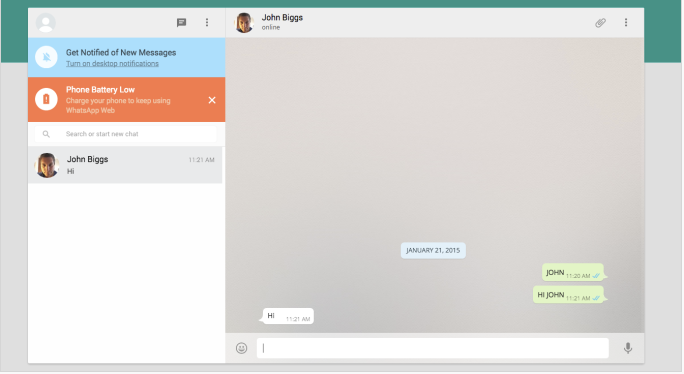
There are rumours and then there are premeditated rumours. WhatApp’s web version was the second one. We have been hearing about the web client of the the popular messaging app for a long time now. Yesterday, the company officially announced a web app that will turn your Google Chrome browser into a WhatsApp window.
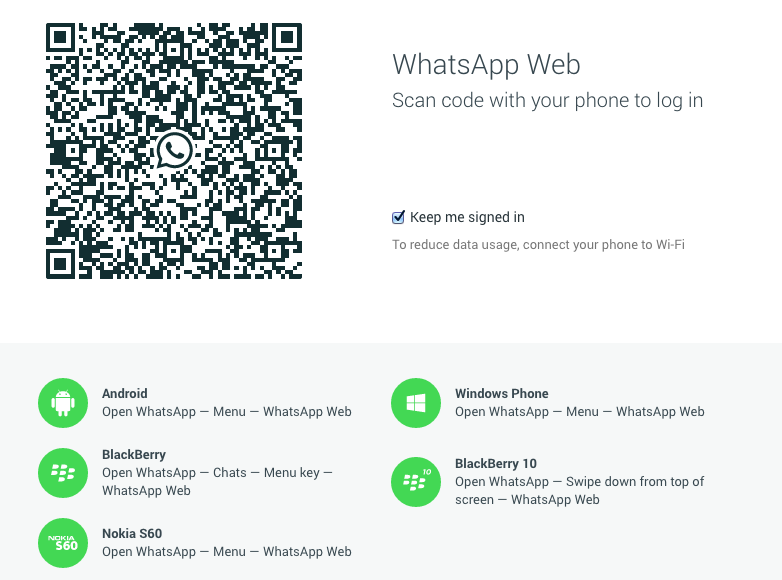
It is a web app not a native client for your desktop, that means you need to be connected to the internet on your phone for the web app to work. It basically mirrors the app on your phone onto the web site. To use it, you need log onto the WhatsApp web page, scan a QR code with the WhatsApp mobile app, then get to typing your messages from there.
This is necessary, presumably, because WhatsApp uses your phone number and SMS verifications rather than usernames/passwords. This currently works on Android, Windows Phone, and BlackBerry, but not on iOS.
One of the main limitations of the app is its dependence on the mobile network, so if your phone dies because of the low battery, the web client won’t work either. However, it is just a start, we expect the company to add more feature and support for other browsers as well as iOS in coming months.
We tried to connect our Android device with the web client, but it seems the update hasn’t reached the Indian shores yet.
Every now and then, you see a pop up notification warning you not to use apps from outside the Play Store; when you side-load apps you open yourself up to all sorts of malware.
WhastApp Plus is an unofficial app which uses WhatsApp’s name and server to get downloads without the company’s permission. There have been various rumors that the company is actually buying the unofficial app because of its popularity. However, WhatsApp has recently cleared the air by initiating a 24-hour ban on users of WhatsApp Plus.
WhatsApp, via FAQ section of it’s website, explained the situation and how the Plus version of messaging service has been running in bad faith.
WhatsApp Plus is an application that was not developed by WhatsApp, nor is it authorized by WhatsApp. The developers of WhatsApp Plus have no relationship to WhatsApp, and we do not support WhatsApp Plus. Please be aware that WhatsApp Plus contains source code which WhatsApp cannot guarantee as safe and that your private information is potentially being passed to 3rd parties without your knowledge or authorization.
Please uninstall your application and install an authorized version of WhatsApp from our website or Google Play. Then, you will be able to use WhatsApp.
The company cleared that the WhatsApp Plus was using its server and that it has banned the unofficial version completely. If you are banned, you have to uninstall the Plus version and have to reacquaint yourself with WhatsApp’s official app from their website or Play Store.
Facebook’s standalone Messenger app is an important part of the company’s offering with 500 million Messenger users sending billions of messages everyday. The company has been focusing a lot on stickers lately, even releasing an app solely dedicated to applying stickers to your photos.
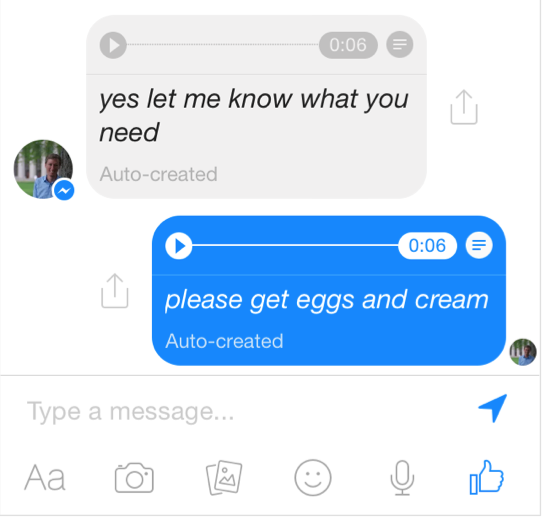
However, now it seems like Facebook is shaking things up. The company is planning to add a new voice transcription feature for its Facebook Messenger. As announced by David Marcus, Head of Facebook’s Messenger team, this feature allows users of the Facebook Messenger app to read transcripts of voice messages instead of listening to them.
So, now when you send or receive a voice clip, you’ll see a text preview of the message. Both sender and receiver can see the text, unless you decide to turn it off.
Unfortunately, most of us won’t see the feature any time soon. Marcus wrote on the Facebook Post :
Today we are starting to roll out a small test that helps people read the voice clips they receive instead of having to play them out loud. Our plan is to test this feature at a tiny scale for now and we’re looking forward to seeing what you think of it before making the experience more widely available.
The transcription is automatic, and will hopefully become a more widely available feature in the future, though that isn’t guaranteed at this point.
Facebook’s previously rumored enterprise-focused social app, Facebook at Work, has been released for public. The company is launching new iOS and Android apps called “Facebook At Work,” along with a web version accessible via its main website.
The app lets companies create their own social networks amongst their employees that are built to look and act like Facebook itself. The main purpose of the app and web tool is to eliminate the presence of E-mails as the primary communication medium and provide a collaboration tool that lets colleagues communicate with a more familiar interface. However, there are handful of differences between the two social apps.
There are zero advertisements and the company doesn’t track users or hold their data. Facebook says a key feature of the app is Groups, which the company believes could replace email lists that appear never-ending and seem to grow larger with time. Employers can create separate log-ins for employees to use with their Work accounts, or users can link these up with their other profiles to access everything in one place.
Facebook is jumping into this existing market with all of its social media knowledge and attempting to make a smooth transition to a business product. The workplace app puts Facebook head-to-head with the likes of Microsoft’s Yammer, Slack, LinkedIn, Convo, Socialcast, and a huge number of others who are trying to tackle this space.
‘Facebook at Work’ is currently free, while most of the other apps offer tiers of pricing. By making this free, Facebook could potentially drive a lot more users to its wider network. Facebook At Work is now available for download on iOS, and we’ll update with link to the Android version once it’s live, though both are usable via a limited access at present.
Last year saw some mega hacks attacking some of the most prominent names in the world. First there was the iCloud hack which led to a leak of personal images of Hollywood actresses. Then came the supposed attack from North Korea on Sony Pictures, which did some considerable damage to the production house. But today something even unprecedented happened; social media pages belonging to US Military establishment have gotten hacked by alleged ISIS sympathizers.
The Twitter and YouTube accounts of US Central Command (Centcom) were hijacked by the hackers who claimed allegiance to the Islamic State. They started posting propaganda videos and threatening messages on the websites. The hackers also uploaded some military documents which Centcom claims aren’t confidential and are available on the internet.
The hackers took over the twitter page and left threatening messages for the US Army.
US Centcom is dedicated to the combat missions undertaken in Iraq, Afghanistan and the rest of the middle east. This is definitely an embarrassing situation for the most powerful military in the world.
Following the information about the hijack, the hacked pages were taken offline but not before the perceptional damage was done. Centcom spokesperson has said that the US military network hasn’t been compromised by the hack, and they see this attack as a case of “cybervandalism.” They also added that none of the documents released by the attackers came from the Centcom’s servers or any other social media website.
After Hijacking the YouTube page the attackers posted propganda videos.
The case is being overseen by the Federal Bureau of Investigation(FBI). The White House also released a statement that said that they are considering the attack seriously and “examining and investigating the extent of the incident.” Several Miltary experts have said that this is an attack on the social media pages and not on the US Military network and hence isn’t a major breach.
The twitter page was taken down for a while and now its back online.
These major releases show that if something is on the internet, it can be stolen with ease. So in these times, just consider any information you have saved on the internet is up for grabs and live in peace with that thought.
Social platform Facebook is widely used by people of all groups. Though, it’s an amazing means to share updates, pictures and more with your friends and family, it sometimes pesters users through advertisements, invitations popping up to play games, posts sharing on your behalf and many more.
Have you ever been in such circumstances where your mum scolded you on Facebook and likes of that post multiplied in minutes with people having a good laugh at it? Well, we all must have come across one or the other issues in the gigantic service, but fret not as the below-listed tips and tricks will keep awkward situations at bay.
1. Remove Facebook Advertisements
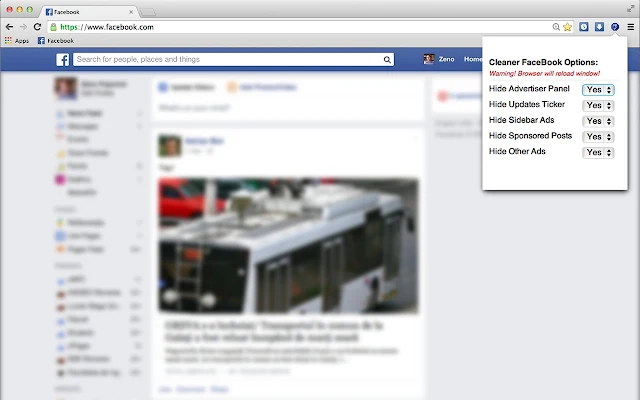
Advertisements are the most annoying part of any web page and same is the case with Facebook. Whenever we login to our account, a plethora of ads force us to leave the page. However, you would no longer be frustrated opening up your Facebook account as ‘Cleaner’ will keep your page tidy. Download Facebook Cleaner and avoid ads and updates on your account.
2. Keep parents off Facebook
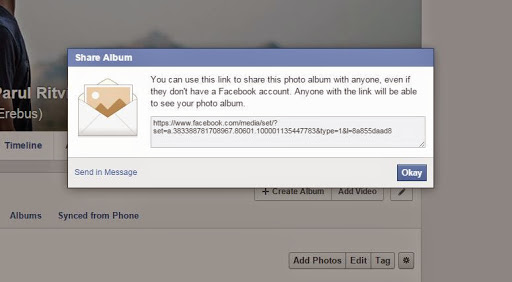
Many a times it is seen that mums are interested in the activities of their grown-up kids. In spite of your mums’ continuous threats to join Facebook, you can sit back and relax as she would no longer complain. Now show her the pictures of your choice and be at the best of your behaviour. All you need to do is open the desired album, tap settings and copy the link. You can send this album as an email or via ‘Send in Message’ option, as per your liking.
3. Discontinue auto-playing Facebook videos
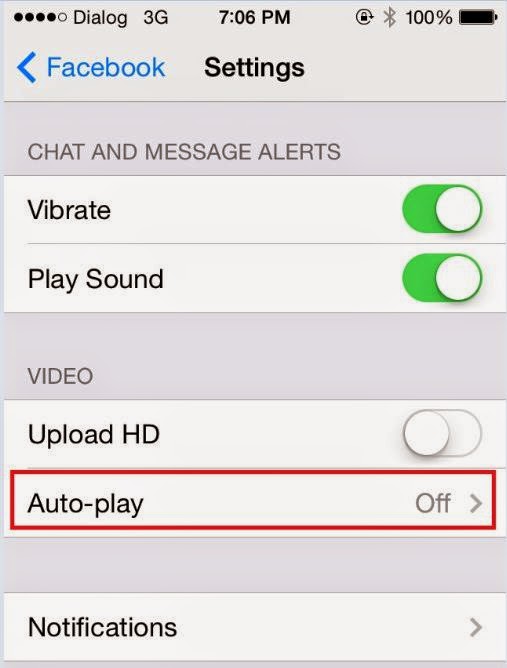
‘This video is completely ridiculous. Why the hell people update such stuff.’ You must have said similar lines for disgusting videos auto-playing on your Facebook page as you scroll down the recent activities of your friends. Many a times we don’t bother and pause the videos individually, but seldom when we’re in a hurry to sneak onto our account for a few minutes, the videos automatically start playing. Well, this can be avoided by making some slight changes. Click on Settings -> App settings and choose Off on the Video AutoPlay option on the Android phone. iOS users can turn it off by choosing Settings on the phone and then clicking Facebook>Settings>Off under Video Auto-play option.
4. Restrict apps’ requests and notifications
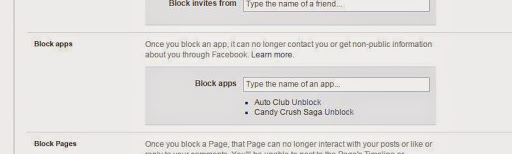
With advancements in technology, games are no more the same as they used to be. You can now connect to Facebook and can ask your friends for help in case you’re stuck in the middle of some game and a lot more. Usually, these games send notifications to your friends or ask you to join it, which is quite pestering. However, you can easily get rid of the irritating updates by clicking the downward triangle icon. Then in your Setting options; click to customise your blocking options. Then enter the name of the apps you no longer want to get notifications of.
5. Stop apps posting on your behalf
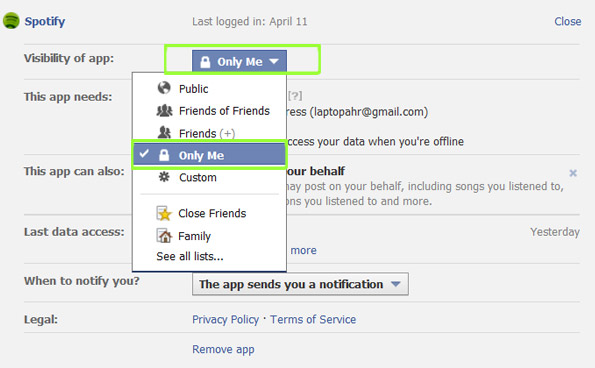
Some of us involve ourselves in Candy Crush or Subway Surfer to beat the boredom, but at the same time we don’t want our boss or teachers get record of our gaming achievements. Many apps insist on posting the recent record break or achievements on the wall, but preventing them is much easier than one would have thought. Go to downward triangle and choose Settings and then Apps. Edit the list of offending apps and set ‘Visibility of app field to ‘Only me’. Your achievements will be updated on the wall but only you will be able to see them.
6. Unfollow People
You may be friends with some people, but you no longer desire to receive or share News Feeds with them. It can be your ex-boyfriend or an irritating friend. Removing them from your friends’ list may hurt them but there’s a way to ignore them without even letting them know.
The easiest way to hide the activities is by going to the status of the unwanted person and choose ‘Unfollow [friend’s name]’. You can also remove a particular uninteresting post from appearing on your page. Also, confine status updates to your close friends by choosing a list in the Friends drop-down option before hitting post.
7. Select Display Pictures Only on Facebook Profile Page
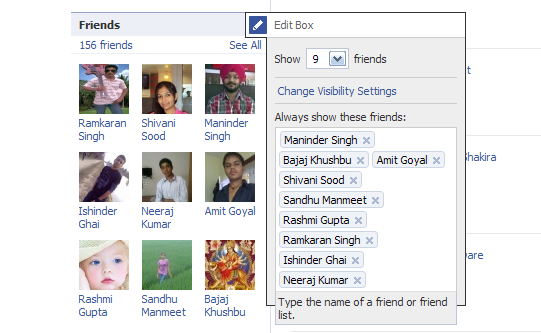
On the left-hand corner of the page, there is a Friends box with tiny pictures of your friends. However, you don’t get in touch with them often and they still appear shamelessly on your page (not your friends, but Facebook is to be blamed for this). But there’s a way you can decide what all friends you want to see on your page. Go to the Edit option on your Friends box and list the names of your friends. The chosen friends will now appear in your Friends box.
Well, it was quite a year for social media. People posted close to 500 million tweets per day, Ellen clicked a selfie, Queen of England photobombed a stranger and Kim Kardashian attempted to break the internet. Needless to say, a lot went down this year.
We are listing top 10 social media highlights of the year 2014.
This picture was taken by actor Bradley Cooper and featured some of the world’s most recognised faces. The selfie clicked during this year’s Academy Awards included Meryl Streep, Jennifer Lawrence, Brad Pitt and Kevin Spacey. It was retweeted on Twitter more than 2 million times by the time the ceremony was over, causing the microblogging website to briefly collapse.
2. Yo!
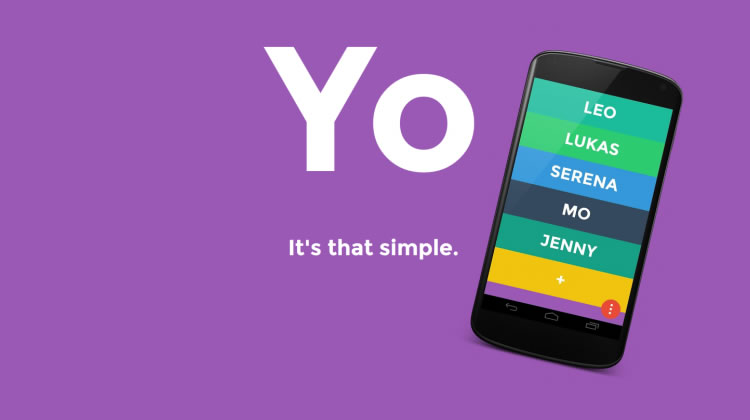
This app’s sole function was to send the user’s friends the word ‘yo’ as a text and audio notification. Since its release, Yo has been downloaded over 3 million times and has over 100 million Yo’s sent in one day. The app had managed to reached number 3 spot on the iOS App Store, but has been dropping ranks since. Yo went viral within days, causing the app to crash a number of times. Critics have shunned it as nonsensical, however, some say its simplicity is what made it super popular.
3. WhatsApp Blue Ticks Cause a Frenzy
Few months back, WhatsApp added an unnecessary feature in the form of blue check marks. These indicated that the recipient had read the message. Earlier, in the interest of privacy, WhatsApp added the choice to conceal the ‘last seen’ notification that informs the other party when that person was last available on the messaging platform. Same happened with the new ‘blue tick’ feature. The instant messaging app quickly did some damage-control and added the option to hide ‘Read Receipts’ feature.
4. Stranger Kissing
First kisses are awkward. And scary. And uncomfortable. And if you’re lucky, it can be romantic enough to make your knees wobble. Los Angeles-based filmmaker Tatia Pilieva, along with Wren Studio, created a short video by asking 20 strangers to kiss for the first time on camera. The result was a candid look at love, romance and chemistry. The sexy advert inspired plenty of parodies.
An Internet meme of a young Target employee bagging items took the Web by storm. He became a viral sensation after thousands of teens tweeted a photo of him working at Target. A photo of the handsome young man, which appears to have been taken without his consent, exploded on Twitter, prompting various publications from BuzzFeed to Washington Post to cover the Internet’s latest obsession.
6. Kim Kimkardashian’s Attempt to Break the Internet
Paper magazine’s winter issue, with the cover shot of Kim Kardashian by Jean-Paul Goude, set out to #BreakTheInternet. She didn’t succeed, but she did have everyone talking about the revealing shoot.
7. CIA Joins Twitter
@CIA we are not confirming or denying this tweet, but welcome to Twitter! #FF
The Central Intelligence Agency made its Twitter debut on 6th June with this cheeky tweet. Their first tweet was shared more than 50,000 times in its first hour.
8. Mutant Spider Dog
This ‘spider dog’ is actually just a cute little pup dressed in a spider costume. But try telling that to the poor victim of this terrifying prank. This Polish prank video starring a “mutant giant spider-dog” was the top trending video this year, according to YouTube, which uses its own methodology blending views, comments, shares and other activity to come up with its annual rundown.
9. PewDiePie – King of Youtube
PewDiePie, a 25-year-old Swedish called Felix Kjellberg whose channel is the most viewed on YouTube (with 32 million subscribers, and 4.6 million Twitter followers,) rose to prominence by commenting on video games as he plays them. He appeared on the TV show South Park this year, while a June article in the Wall Street Journal suggested he was making $4 million a year from the adverts attached to his videos. He is also said to be very influential, his videos about the Skate 3 game saw the 2010 title rise back into the top 20.
10. Kim Kardashian and Kanye West Wedding Picture
???? ???? ???????????? Kim Kardashian West (@kimkardashian)
Kim Kardashian and Kanye West’s wedding photo made Instagram history by attracting 2.4 million likes – the most ever received by the social media platform. Kim Kardashian, who has 22 million followers on the social networking site, posted the photo of herself kissing new husband Kanye West in front of their wall of flowers back in May. She captioned it with a simple diamond ring emoji.
YouTube received an enthusiastic response when it announced that it will soon facilitate audience with viewing videos offline. The company kept its word and recently launched its offline feature during a press event.
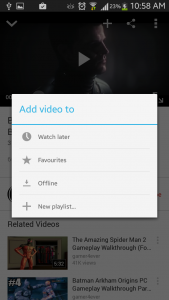
With this new feature, users can watch videos even when offline through the YouTube app. However, to make it possible, one has to first download the video using thier data pack or Wi-Fi. Once the desired video is taken offline, it can be watched buffer-free within the time frame of 48 hours.
The Vice-President of Engineering, YouTube commented:
[quote text_size=”small”]
Already, we’re seeing over 40 per cent of our traffic in India come from mobile devices. By launching this offline experience on YouTube in India today, we hope to help people move past the challenges of data connection, speed and cost to enjoy a smooth, buffer-free version of YouTube.
[/quote]
The offline video service works like when you chose to download a desired video, it asks you for the playback quality of the same. One you chose the quality of the video, it downloads and automatically adds it to the offline section for you to watch it later.
Ajay Vidyasagar, Regional Director of YouTube commented that India is the fifth-largest market for partner revenue in the world. Features like this will just make this stronger. He believes that we could get into the top three markets very soon.
The online video channel has partnered with different music companies and production houses in India like Saregama, T-Series, Shemaroo and Yashraj Films to provide content. The service has also been launched in Indonesia and the Philippines, along with India.
Twitter has been around for a while, and has established itself as one of the top social media giants. However, this time around, the photo-sharing Instagram has made its foot firm. Instagram says that now 300 million people use its photo-sharing app every month; this figure was 200 million nine months back.
Over the past four years, what began as two friends with a dream has grown into a global community.
[/quote]
The numbers depict the clear picture of the achievement of the app. It is reported that almost 70 million pictures are shared on a daily basis and 30 billion+ in total.
It is also looking out to launch verified badges for famed personalities like celebrities, athletes and brands so that people don’t get fooled by fake accounts. This feature has already been in use by Twitter and Facebook and has helped these websites increase their following.
The new features of Instagram include deactivation and deletion of fake accounts. The recent statistics don’t include the fake account holders.
Twitter, the micro-blogging social media platform, has announced that it has started collecting data on the apps its users download and install on their smartphones.
It is no secret that Twitter is looking into stuff to increase targeted ads in your social feed, however, their latest approach is an issue with users concerned about their privacy. The service has revealed that its app will start tracking the list of applications you have installed on your device in order to improve the relevance of both ads and other content that slips into your tweet stream, such as Favorites. The feature is named as ‘App Graph’. Twitter is adamant that it’s not collecting data from within the apps, and will let you know when the monitoring kicks in.
Twitter has been working to personalise users’ timelines with better content as it struggles to convert its numerous passive users, meaning those who don’t sign in or those who have accounts but rarely tweet into active, more engaged users. Twitter has been testing ways to make its service more usable from the initial sign-in, even if you don’t have a network of friends to follow or aren’t sure how to get started. For instance, Twitter’s recently added ‘Instant Timeline’ feature for new users will give people something to see as soon as they sign in for the first time.
Twitter has ensured that the data will be strictly business-oriented and won’t be invading your privacy in any way. However, the mere official statement is not enough for some users and they are opting third-party clients like Tweetbot or Talon who are not facing this problem, at least for now.
Facebook has been a medium to bring together people within India and overseas and now, the online social networking service has taken a step further to team up different groups on a project.
The California-based giant has come up with a new app called ‘Facebook Groups’. This application allows people share information easily and quickly. Although, it is aimed at enterprise collaboration, it can prove useful for student and friends who want to coordinate on assignments. The company stated that the stand alone app will provide a much easier way for Facebook members to access and manage groups from their phones.
The company is not forcing users to migrate to this new app as it did for Messenger. Users can use this new service through the main Facebook site itself. The company has said that it would not sell advertising on the app, at least for now.
The app allows users to create a new group and also discover the already existing groups. The ‘Discover’ tab comes with an added advantage. It gives recommendation based on the user’s page likes history, the groups that their friends follow, and also the city the user belongs to. These groups can also be brought to the home screen for easy access.
The app is available on all iOS and Android devices.
Twitter has evolved considerably over the past few years with small updates and iterations. The micro-blogging website continuously comes up with new features to make itself and the app more interactive and user-friendly.
Recently, another new feature has just arrived on Twitter. After URLs through direct messages (DMs) were made possible again and search was upgraded, the online social networking service has now rolled out a feature that gives you the ability to send public tweets through DMs. The feature comes as a part of the latest update to the social media network and is available on iOS, Android, Twitter for web and Tweetdeck.
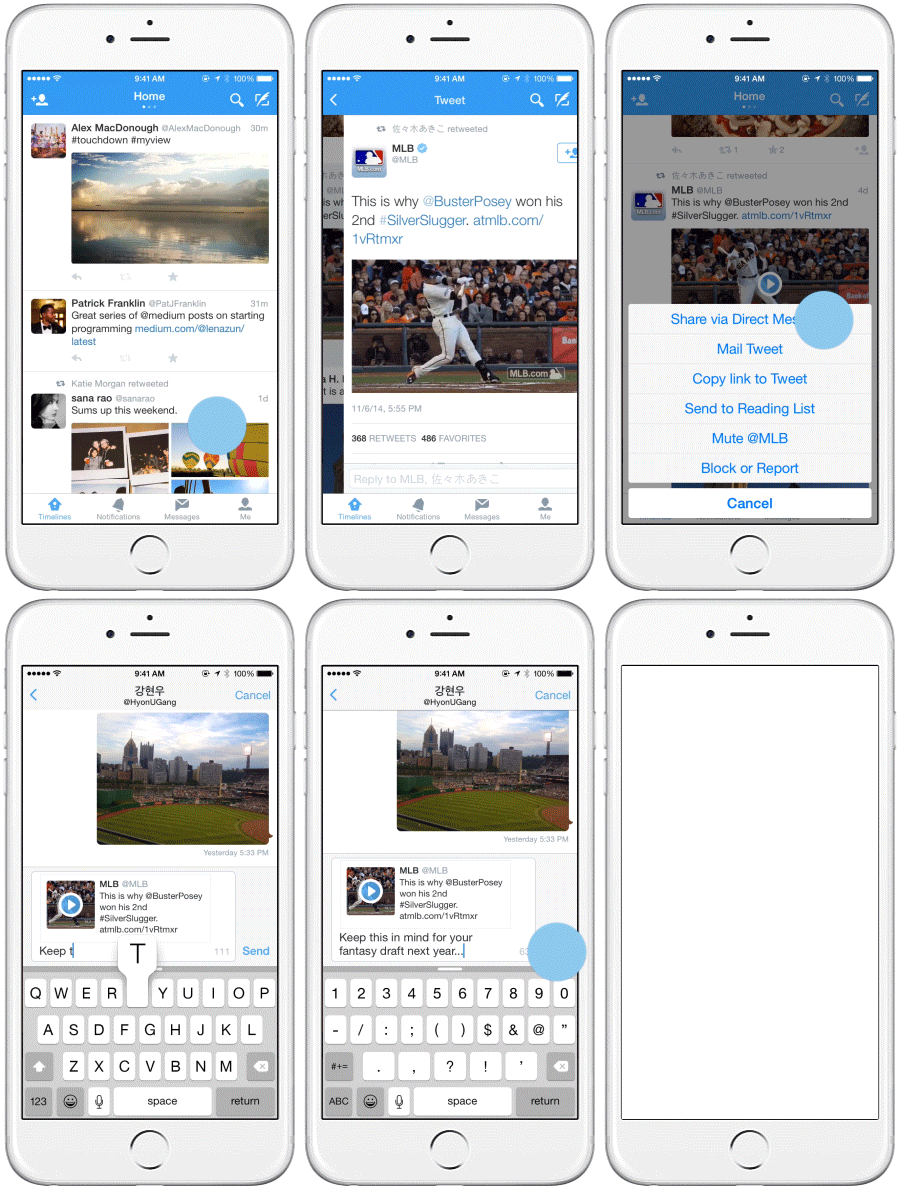
Product Manager Sachin Agarwal announced this update on Twitter’s official blog saying that the update is available from today across platforms globally. “With today’s update you’ll be able to share a Tweet privately with any of your followers. To do this from your mobile app, long-press the Tweet in your timeline and choose ‘Share via Direct Message’,” he explained.
If you want to share a tweet from either the iOS or Android mobile apps, long-press the Tweet in your timeline and choose ‘Share via Direct Message.’ On twitter.com and TweetDeck, tap the ‘••• More’ icon and select ‘Share via Direct Message.’ The person you share a tweet with will get a push notification, and the tweet will display directly in the conversation.
The changes will arrive today on nearly all platforms, web and mobile included, and on the desktop through TweetDeck. TweetDeck for Mac, and apparently – as no mention was made – the Twitter desktop app are delayed in receiving the update, however.
The new option is not exactly a highly demanded feature among Twitter users, but it will be a nice addition for those who have private conversation on the network, as it will allow a lot of users to shift from public content and open discussions to more private conversations.
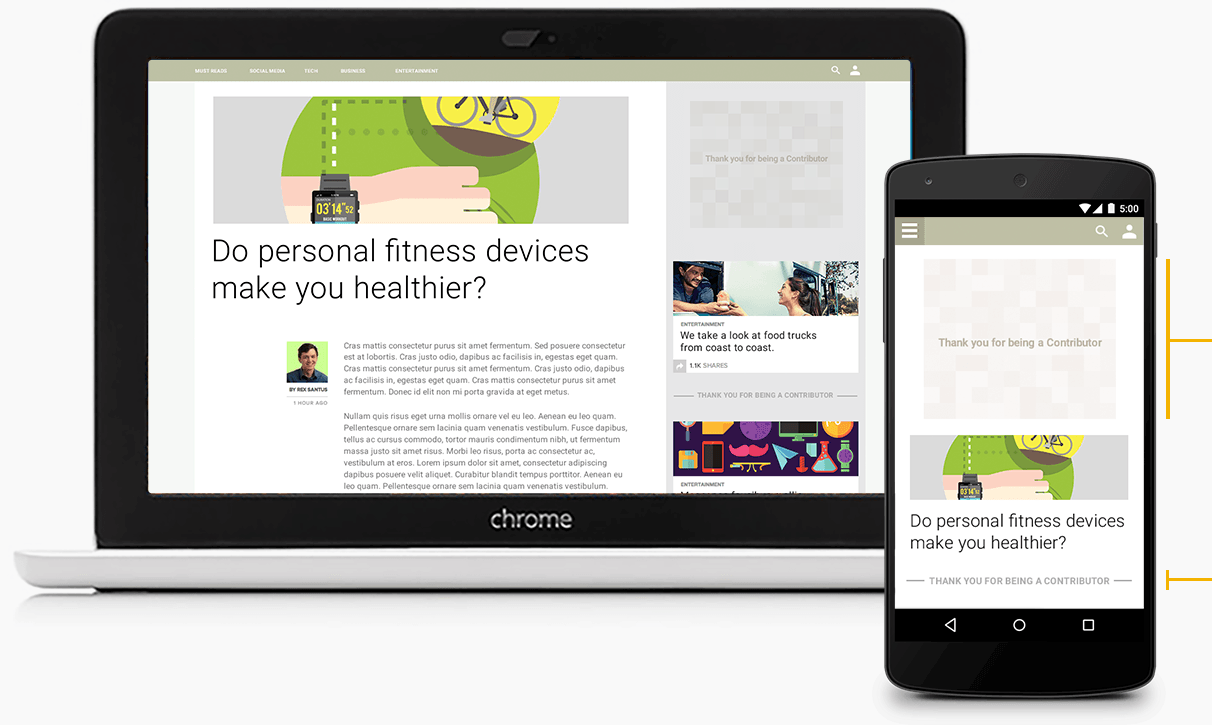
Well, ads irritate each one of us when we browse through the internet. However, in exchange for free content, you have to view some ads that will compensate the cost of creating the content for you people. It’s a clash that has become a major pain point for news websites and other publishers. The rise of ad blockers, which let people surf the web without these annoying ads, is also blocking their revenue. Anyhow, Google has found a way out to this problem, Google Contributor.
The trial is in the US only, and like many of Google’s new undertakings, Contributor is invitation only for now. The contribution, which is handled through a user’s Google account using whatever payment method they have chosen for the service, doesn’t go to all of the participating websites, but is only triggered when that user visits a specific site. That way, as a Google spokesperson said, readers or users can support only the websites and publishers whose sites they visit frequently.
Google has experimented with similar methods in recent months. In June, it announced Fan Funding for YouTube, which lets viewers make donations up to $US500 to the video channels they enjoy the most. Currently in beta, channels must enable the service first, and fans need a Google Wallet account in order to make a donation. Meanwhile, it’s only available for Australian, US, Mexican and Japanese residents.