Category: Social Media

  • WhatsApp To Limit Message Forwarding After Violence In India

    WhatsApp To Limit Message Forwarding After Violence In India

    India has been subject to a lot of violence because of fake news spreading across social media platforms. Because of fake WhatsApp news going viral in the district of Tiruvannamalai, a family of five lost their lives. Facebook currently owns the messaging platform and is now planning to bring major changes in the way WhatsApp works. In their latest announcement, Facebook said that they will limit the number of messages users can forward.

    Also Read: New Twitter Update Will Reduce Follower Count As Locked Accounts Are Removed

    WhatsApp

    The limit currently in India for forwarding a message is 250. The new WhatsApp update will bring this down to just 5 in India and globally the limit will be 20. The latest case of violence happened in Tamil Nadu. 65-year-old Rukmani and other four family members were travelling to a temple in Tiruvannamalai. They stopped at a village close to the temple to ask for direction when a woman wrongly suspected the family as child lifters. The rumour spread across the village via WhatsApp. The woman called her son who was ready with a mob. To avoid them, the family decided to turn back but found themselves surrounded by another mob in the neighbouring village. Again, because the news spread via WhatsApp. The family was then murdered.

    The above mentioned is just one of the many cases where the victims were subject to brutality because of fake news. This led to a dire need for some serious changes in the way the social media platforms work. The Ministry of Electronics and Information Technology, India raised its concerns about fake news to WhatsApp. Which is one of the reasons why the update is now the messaging platform’s top priority.

    WhatsApp
    WhatsApp

    Social media platforms are a space where people can share their opinions. However, people take this freedom of speech for granted. Regulations and protocols for people on social media is still a grey area. It is reassuring to see platforms like WhatsApp taking steps to manage and hopefully control the spreading of such fake information.

    Have something to add? Leave a Comment Below!
  • WhatsApp Beta Update To Enable WhatsApp Stickers

    WhatsApp Beta Update To Enable WhatsApp Stickers

    Facebook, the social network which bought the messaging service, WhatsApp back in February 2014, has been updating the platform. The new beta update for the app brings stickers to its users. Though the WhatsApp beta version has been around for a while, Facebook has never tested this feature for the app before. There are many other messaging platforms which have already embraced this concept. It will be the first time that WhatsApp will introduce stickers to its users.

    The new WhatsApp beta update will bring a lot of interesting sticker packs. A Twitter post shows two sticker packs, Unchi & Rollie and Bibimbap Friends.

    Must Read: OnePlus 3 Gets Beta Android Oreo Update

    Previously, WhatsApp gave its users the option to send GIFs and emojis. The addition of stickers will probably help the app gain more traction. There are several other rumours which claim that the beta update will also provide a sticker store. Whether the store will have region-specific stickers like those found on Hike messenger is unclear.

    The WhatsApp beta update was announced at the F8 conference in May 2018. The beta version with the sticker will be available in the version 2.18.218. The current beta update provides group voice chat and video call features.

    Stickers will have separate categories depending on the type of emotion they depict. Some of the categories are Lol, Wow, Love, and Sad. The developers haven’t confirmed the official release date for this update yet. We are certain, however, that the WhatsApp Beta Stickers update is just around the corner. So if you haven’t already, now will a good time to signup for the Beta release of the app.

    WhatsApp is one of the most downloaded messenger apps of all time. It is natural for Facebook to keep the users engaged with new features.

  • New Facebook Patent Reveals Tech That Will Turn On Your Smartphone Microphone

    New Facebook Patent Reveals Tech That Will Turn On Your Smartphone Microphone

    Facebook, over the past few months, has been in muddy waters when it comes to user data privacy. Ever since the Cambridge Analytica controversy broke out, Facebook has been in the middle of a heated debate surrounding the internet and how brands use data of users. Since then, Facebook has come out and defended its stance while claiming that it doesn’t spy on its users. While that might be true for now, the future might be different.

    A new patent owned by Facebook has been discovered by Metro. The patent essentially details technology that triggers the microphone of a smartphone to start recording ambient audio. Some form of data based on that recording is then sent back to the company. This sure sounds creepy and straight out of a Black Mirror episode.

    The notion of Facebook spying on its users is not new. There have been theories doing rounds on the internet that claim Facebook already records ambient audio. Many people claim that they have deleted the Facebook and Messenger apps from their smartphones after coming across targeted ads for products they had recently discussed on calls. With this patent, Facebook is just proving these theories right.

    Must Read: Baba Ramdev’s Kimbho Messaging App Disappears From Google Play Store Within 24 Hours Of Its Launch

    The patent application was published on 14th June and details how Facebook plans on remotely triggering the microphone of smartphones. According to the patent, Facebook would embed high-pitched audio signals in “broadcast content” that would be inaudible to humans. While the human ears won’t be able to discern it, a client device as a smartphone would be able to hear it. This signal would essentially instruct the phone to start recording ambient audio and send “ambient audio fingerprint” back to Facebook for analysis.

    While this patent sounds a lot like something Facebook, especially after recent events, the company doesn’t intend on ever implying it. In fact, Facebook applied for this patent to protect users from other companies. At least that is what Facebook VP and Deputy General Counsel Allen Lo told Mashable:

    It is common practice to file patents to prevent aggression from other companies. Because of this, patents tend to focus on future-looking technology that is often speculative in nature and could be commercialized by other companies.

    Surely, Facebook would never use methods to gain insights into its users’ habits to earn money from advertisers.

  • WhatsApp Group Voice And Video Calling Feature Rolling Out: Here’s How To Get It

    WhatsApp Group Voice And Video Calling Feature Rolling Out: Here’s How To Get It

    At Facebook’s F8 Conference, the company focussed a lot on data privacy and essentially showing how much it cares for every user’s data. While all of these features are essential for a safer space on the internet, the company also unveiled a few interesting features for Instagram and WhatsApp. One of those features was group voice and video calling. Now, the new feature is rolling out to WhatsApp Beta users.

    First and foremost, only users who have signed up for WhatsApp Beta will be able to use this feature for now. It is worth noting that the WhatsApp Beta program on Play Store is already full. This means that WhatsApp is not signing up any new Beta testers. While the group voice and video calling feature rolled out to a few testers last month, the new beta version is now available to all WhatsApp Beta users.

    Must Read: Apple’s Memoji Feature Will Let Users Create Personalised Animojis

    In order to initiate a group voice call, a WhatsApp Beta user must first call a contact. Then, hit the ‘add new members’ button at the top right corner to add more contacts into the conversation. The same process works for group video calling as well. It is worth noting that for now, maximum of four people can participate in a group call. FaceTime will soon get a feature wherein users will be able to add up to 32 members to a single call.

    Also, users can only add one contact at a time. This means that the process has to be repeated everytime you need to add a new member to the conversation. Users on a stable build of WhatsApp can participate in group voice and video calls. However, they cannot add or remove members from the call.

    WhatsApp is the world’s most popular messaging app and this feature will only make it better. Skype, one of the mainstays of video calling platforms has its work cut out.

  • Google And Facebook Sued For US$ 8.8 Billion For Coercing Users Into Sharing Their Personal Data

    Google And Facebook Sued For US$ 8.8 Billion For Coercing Users Into Sharing Their Personal Data

    In the past couple of day, you must have bee bombarded by every app notifying you of the change in their privacy policy. From Twitter, Facebook to Splitwise, every app has sent a notification to their users about the changes and these changes can have huge ramifications. Facebook and Google, for example, have been hit with lawsuits worth US$ 8.8 billion for coercing users into sharing personal data. The lawsuits were filed by Austrian privacy rights activist Max Schrems.

    [amazon_link asins=’B0772YB7Y1′ template=’ProductAd’ store=’igyaan-21′ marketplace=’IN’ link_id=’c72e3f28-60af-11e8-b479-b7071a16be34′]

    For context, GDPR or the General Data Protection Regulation is a rule passed by the European Union in 2016, resetting guidelines and rules for how companies manage and share a user’s personal data. While the rule applies to EU nations only, the internet’s global nature means that companies had to reset their policies in general. Hence, everyone received notifications about the privacy policies.

    It is worth noting that Google and Facebook have rolled out the new policies since GDPR was enforced. Schrems believes, however, that those policies don’t go far enough. He has singled out the way Google and Facebook obtain consent for the privacy policies, asking users to check a box in order to access services. This is a very common practice of almost every internet service, but, the lawsuit argues that this method forces users into an all-or-nothing choice. That is a clear violation of the GDPR’s guidelines around particularised consent.

    Both Google and Facebook have argued that the measures taken comply with the GDPR guidelines. In a statement, Google said:

    We build privacy and security into our products from the very earliest stages, and are committed to complying with the EU GDPR.

    Must Read: Android 9 P: Google I/O 2018 New Features

    Facebook has said that, “We have prepared for the past 18 months to ensure we meet the requirements of the GDPR.” This is not the first lawsuit Google is facing for violating the privacy of users. The company was recently sued for GBP 3.2 billion for secretly collecting browsing data of iPhone users in 2011 and 2012.

  • YouTube Will Remind Users To ‘Take A Break’ With New Update

    YouTube Will Remind Users To ‘Take A Break’ With New Update

    At the Google I/O 2018 conference, the company unveiled a lot of new technological advancements including Google Duplex. One of the most anticipated announcements was that of Android P. The next iteration of the world’s most populat mobile OS will officially roll out later in the year but, Google gave us a glimpse of what’s in store for us. One of the main areas where Google has worked on is the digital well-being. YouTube appears to be a part of that initiative by Google as the new update to YouTube for Android brings a ‘Take A Break’ feature.

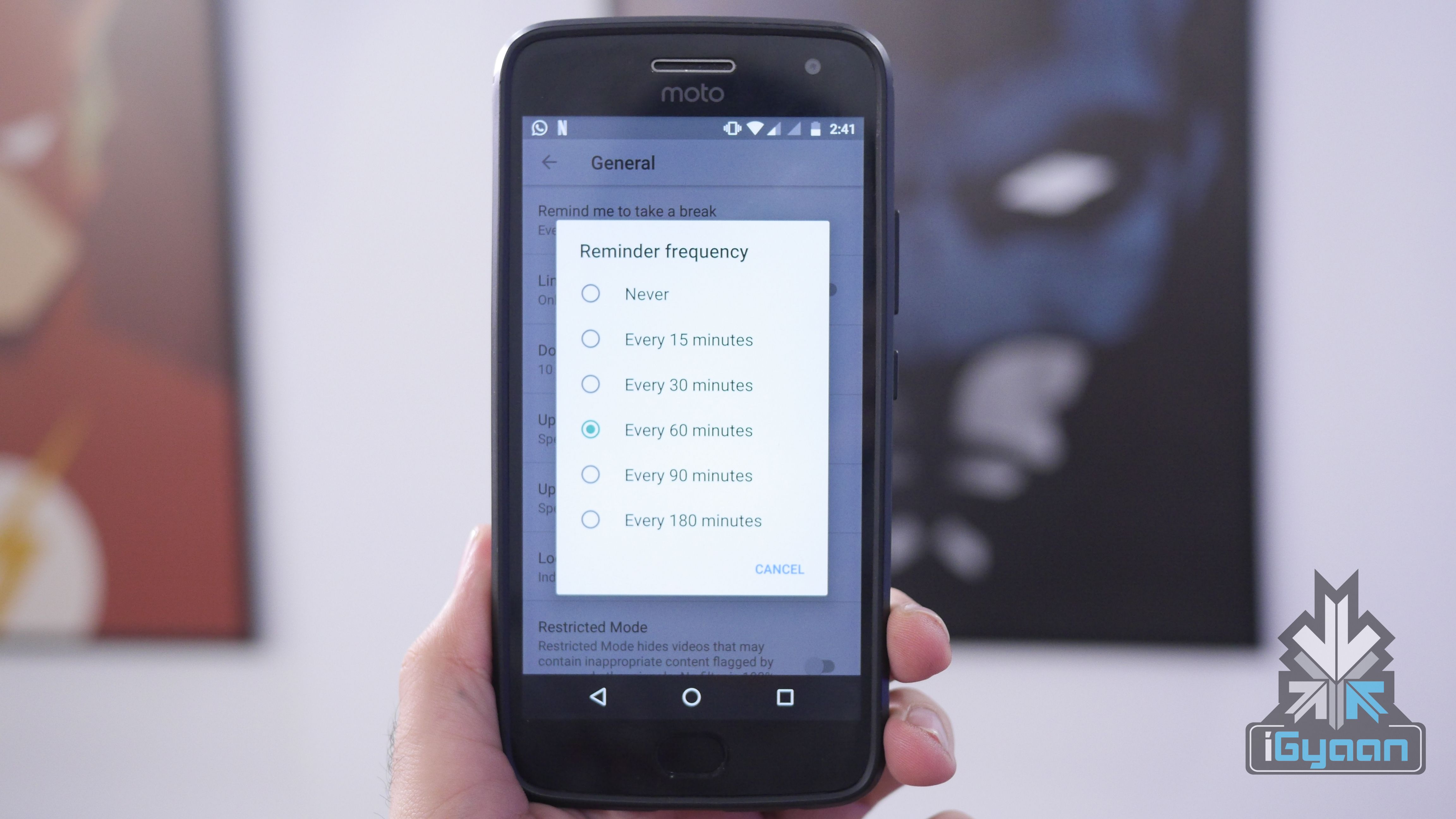
    The ‘Take A Break’ feature will allow users to keep a check on their YouTube habit and monitor their usage of the app. This is in line with what’s in store for Android P in the future. To start using the new feature, head over to the YouTube app’s setting and then click on general. There on, you can choose different ways to monitor your activity and work on your “Digital Well Being.”

    Must Read: Android 9 P: Google I/O 2018 New Features

    Users can set a reminder for 15, 30, 60, or 90 minutes. Once a user sets a reminder for a certain time, YouTube will automatically pause the video at those intervals. A user can decide whether continue to watch the video or dismiss the reminder. Another option available in “Disable sounds & vibrations’ for the app. This will essentially stop all notifications from the app to pop up on the screen. The idea here is that the app won’t try to grab your attention, and the user will be able to avoid getting distracted from constant notifications.

    The third feature available is the ‘Scheduled Digest’ and will again revolve around notifications. This feature lets users get all of their notifications from the app once a day at a time of their liking. Users can select the time they feel they can devote to YouTube and get all the notifications at that particular time.

    The feature is available in the latest version of YouTube app for Android. The version number is 13.17.55 and should be rolled out to all Android devices soon.

  • Apple iPhone Users Can Watch Facebook And Instagram Videos On WhatsApp

    Apple iPhone Users Can Watch Facebook And Instagram Videos On WhatsApp

    A few days ago, Mark Zuckerberg took to stage and announced all the new features coming to Facebook and its properties. WhatsApp, bought by Facebook in 2016 for US$ 19 billion has been receiving a few interesting features over the past few months. WhatsApp on iPhones will now allow users to embed and play Instagram and Facebook video directly within WhatsApp with PIP.

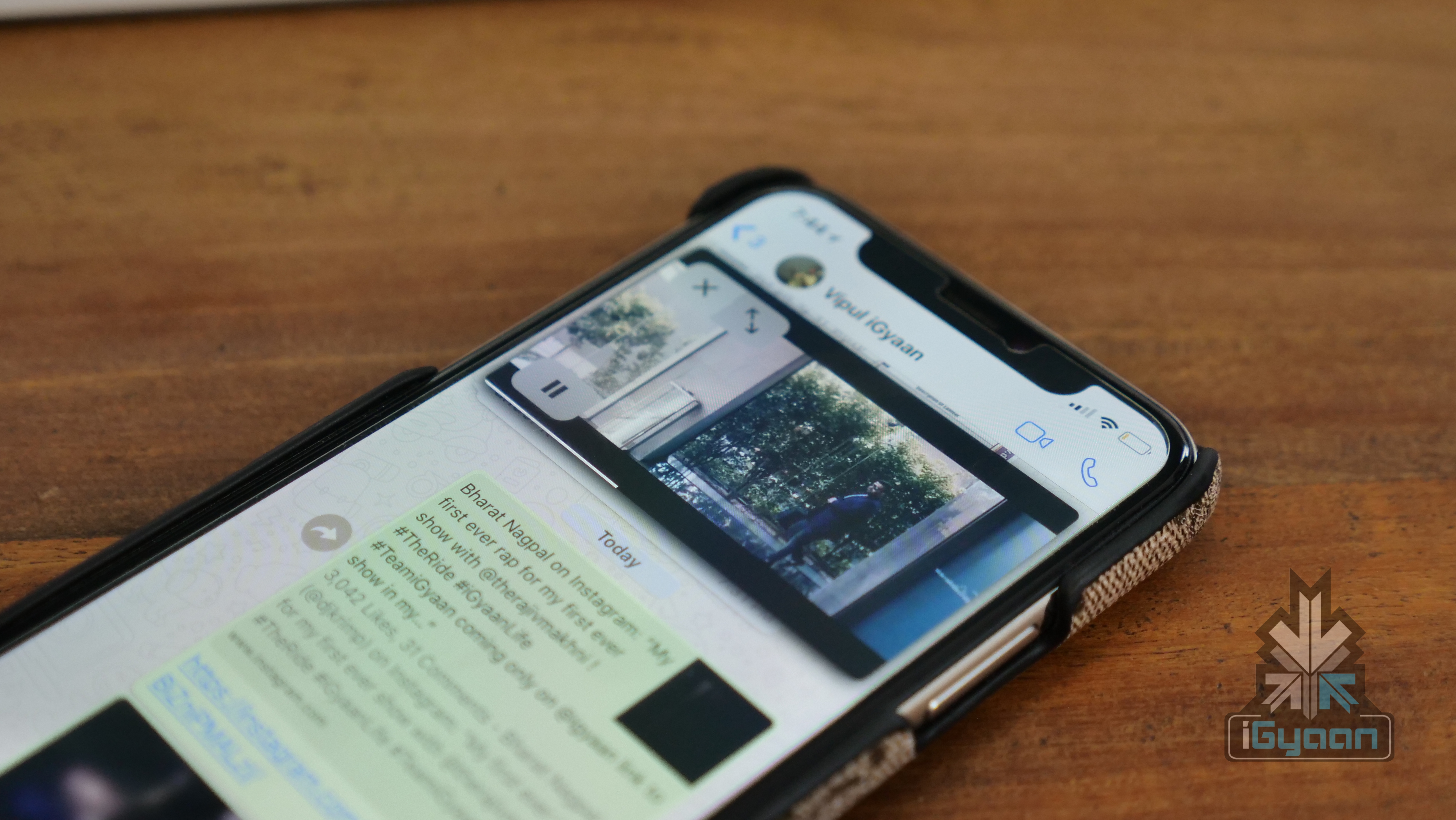
    PiP is picture-in-picture wherein users can essentially watch a video without leaving the current app and simultaneously do other tasks. With the new feature rolling out to WhatsApp for iPhones, users will be able to watch Instagram and Facebook videos within the app, without leaving WhatsApp. This feature is already available for YouTube videos.

    Earlier, if users clicked on a link to an Instagram or Facebook video, it would open in their respective apps installed on smartphones. Users can move the video bubble around the screen. The video bubble comes with play/pause, close, and fullscreen buttons, like YouTube’s PiP video bubble.

    Must Read: Twitter Warns 330 Million Users Of A Password Vulnerability

    Along with the new feature, WhatsApp will soon also receive group video calling feature. Facebook users can already make a group video call and at the conference, Facebook announced that the feature will finally trickle down to WhatsApp and Instagram users as well. On Instagram, users will be able to minimize the video and continue video chatting while using Instagram simultaneously. Facebook is also cracking down on bullying on Instagram. The photo-sharing service getting a new filter to protect users from bullying comments.

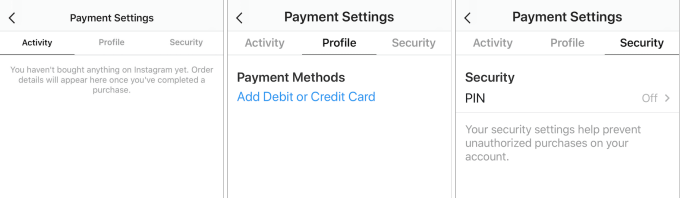
    In-app payment method has become an important feature for Facebook-owned properties. WhatsApp recently introduced the feature and is currently in testing phase. WhatsApp even introduced verified accounts for businesses in order to gain traction from owners and customers of small to mid-level businesses.

    Must Read: Gboard Lets Users Make Their Own GIFs

    Currently, users are able to book appointments at restaurants, spas through a Resy, a third-party dinner reservation app. With the new feature, users will be able to book services from a limited number of businesses on the platform. In March 2017, the company announced its plans to give business profiles the option to let users book their services. At the time, the company said it that it would roll out the feature in late-2017, however, that didn’t happen.

    The new feature has started rolling out to iPhones but, there is no timeline for this feature to reach Android devices.

  • WhatsApp Co-Founder Jan Koum Leaves Facebook Amid Data Privacy Concerns

    WhatsApp Co-Founder Jan Koum Leaves Facebook Amid Data Privacy Concerns

    Facebook has been embroiled in a huge debate about the internet as a whole. As social media has grown to become such an integral part of our lives, it is no secret that users have given more personal information than needed to various social media platforms over the years. Facebook has been under the cosh for allegedly, not using that information in an ethical manner. Now, it appears that the conversation of privacy has trickled down to Facebook-owned properties, mainly WhatsApp. Co-founder and CEO of WhatsApp, Jan Koum has announced that he will be leaving WhatsApp soon.

    https://www.facebook.com/jan.koum/posts/10156227307390011

    Jan took to his Facebook page to announce his departure, making sure he doesn’t give away any reasons that made him quit the company he started. A report by Washington Post claimed that he had a clash with Facebook and the company’s plans of using users’ private data. It also claimed that Jan plans to step down from Facebook’s board of directors.

    In 2014, Facebook bought WhatsApp from Jan for a reported US$ 19 billion. The app has since become the most famous instant messaging service. In July 2017, the company announced that it had reached 1 billion active daily users who were sending 55 billion messages per day, 4.5 billion photos and 1 billion videos.

    Jan Koum

    WhatsApp has always pledged to protect user data and promised to protect that when Facebook bought the messaging service. In 2016, it further solidified its stance by introducing end-to-end encryption. However, Facebook, WhatsApp’s parent company has been accused of letting third parties use sensitive user data to their advantage. His departure will certainly be a blow for Facebook, especially after Brian Acton, co-founder of WhatsApp quit the company in November. Brian Acton, for that matter, has joined the rising voices of people concerned about data protection. The social media campaign, #DeleteFacebook has also gained impetus in the last few months.

    Facebook is yet to respond to reports of Jan quitting due to differences with Facebook about handling user data. However, Mark Zuckerberg, CEO of Facebook did reply to Jan’s post, saying:

    I will miss working so closely with you. I’m grateful for everything you’ve done to help connect the world, and for everything you’ve taught me, including about encryption and its ability to take power from centralized systems and put it back in people’s hands.

    It’ll be interesting to see the repercussions now since both the founders have quit the company. Facebook will be eager to continue building the legacy of its largest-ever acquisition in the wake of questionable times for the parent company.


  • Snapchat Spectacles 2 Launched At US$ 150

    Snapchat Spectacles 2 Launched At US$ 150

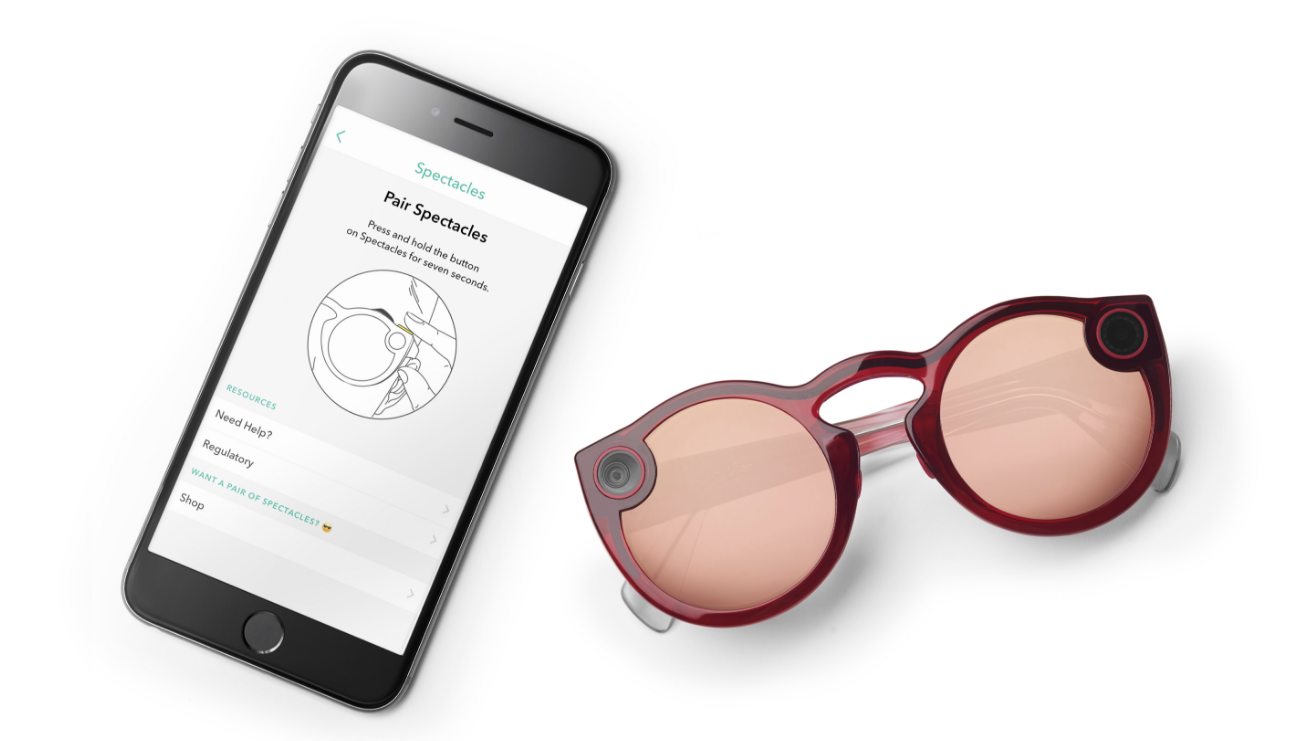
    Snapchat has launched the second iteration of its wearable product, the Snap Spectacles V2. This is not the official name of the specs, as Snapchat is just calling them the Spectacles. The new Spectacles cost US$ 150, which US$ 20 more than the original Specs. This time around, the company appears to have fixed many of the issues that users had with the original Spectacles.

    Unlike the original model, the new Spectacles can also take images along with videos. As is with Snapchat, the videos are recorded for 10 seconds, and users can take continuous videos up to 30 seconds. The glasses are water-resistant at shallow depths, and the company says you can safely dive into a pool with them or splash around in the ocean. The case for the glasses, which also acts as a charger, has also been made splash-proof. The case can charge the glasses up to 4 times on a single charge. This time around, the carrying case is also much smaller.

    The carrying case is smaller because Snap has made the Spectacles thinner and lighter. The specs now have a lot of different glass designs and colour options to choose from. For users in the US, there is also support for people who wear polarised glasses. Snap is working with a company called Lensabl to offer prescription and polarised lenses. This will only be applicable when buying the spectacles from Spectacles.com.

    Snapchat also claims that the file sharing process between the glasses and your smartphone is 4X faster. The pairing process remains the same, wherein users have to wear the specs and point them at their Snapcode. Once paired, their smartphone then has to join a Wi-Fi network created by the glasses. Once that is done, the file sharing process begins wirelessly.
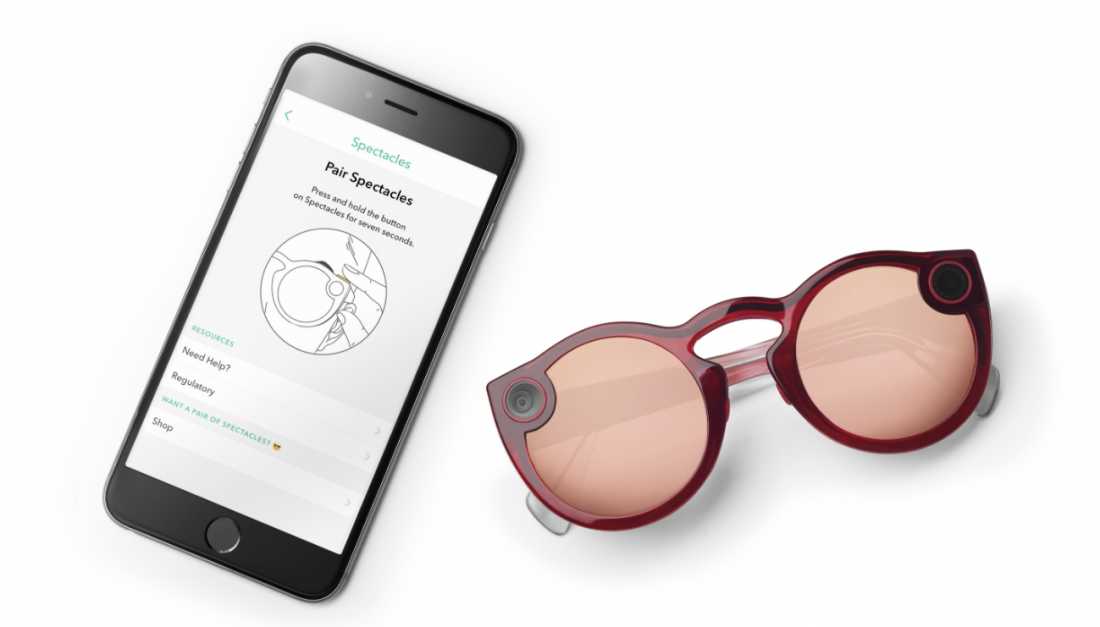
    Compared to the original model, the new Spectacles look much more realistic and closer to regular glasses thanks to the new design and colours. The camera is still visible and should alert bystanders but, the yellow ring around it is gone which helps the lens blend in with the specs a bit more. The Snap Spectacles are on sale in three jewel tones: onyx (black), ruby (red), and sapphire (blue). As of now, these are available in the United States, Canada, the United Kingdom, and France. May 3rd onwards, they’ll be available May 3rd in the Netherlands, Norway, Denmark, Belgium, Finland, Poland, Spain, Italy, and Ireland.

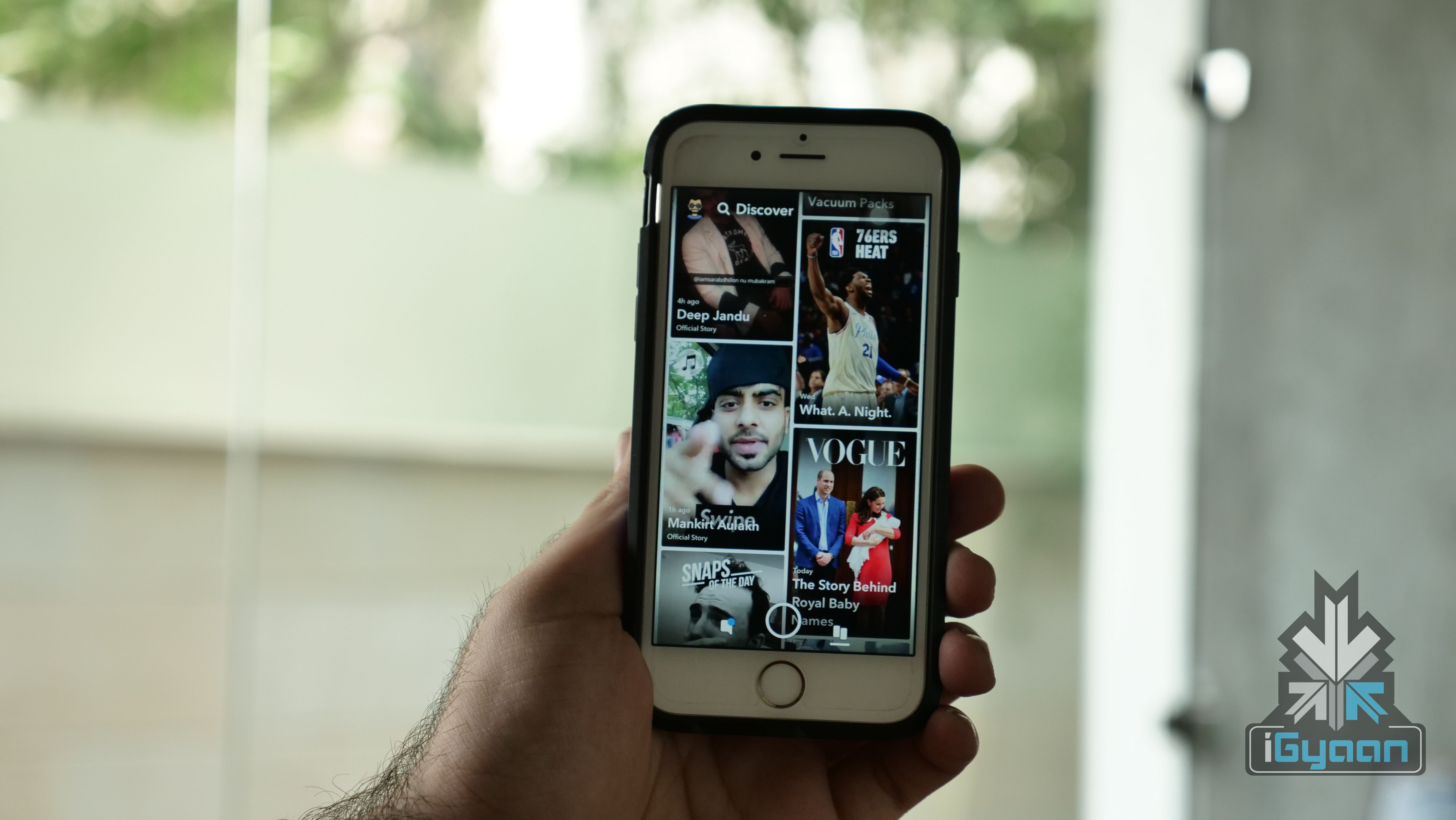
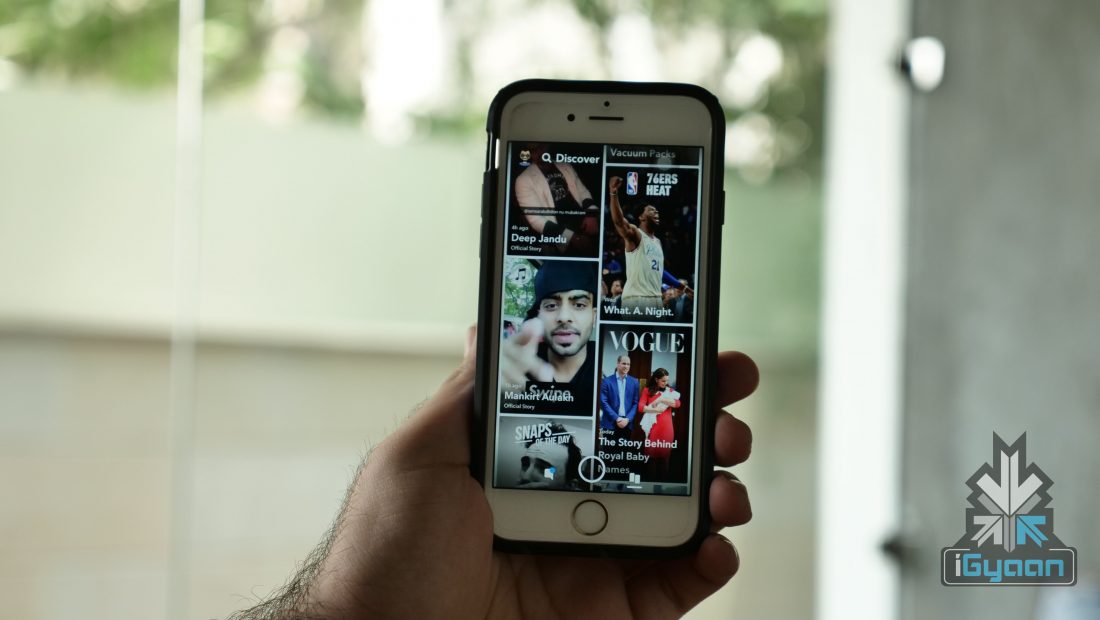
    There have also been reports of Snapchat introducing a dubious feature in its app. Not too long ago, Snapchat went through a complete UI overhaul which, to say the least, did not please its users. Now, it could potentially introduce a feature that might annoy its remaining daily users to a point of no return. Snapchat is reportedly preparing to introduce unskippable advertisements which will only please its stakeholders.

    According to a report by Digiday, citing three sources with “direct knowledge” of the company’s plans, the company will soon insert six-second video ads that will run during select Snapchat Shows. These are short-form video programming from major media companies that run on the platform. The tests for the new advertising format will begin on May 15th. As of now, these ads won’t appear in the app’s Discover feed or in between Stories posted by users.
    Instering unskippable ads on its platform is a telltale sign of the company’s failing business model. It posted its most successful quarter ever in the Q4 of 2017, and still managed to lose about US$ 350 million. It is clear that things are not going well for Snapchat even after recently going public.

    Snapchat was the first was to do what has now become a trend in social media. Personal messages with an exhaustion time limit to adding “stories” in your profile are what made it so famous among teenagers and young adults. However, Facebook, and then Facebook-owned social media platforms Instagram and WhatsApp also adopted that pattern and has been more successful than Snapchat.

    Whether this new advertising format will anyway help the company is yet to be seen. It isn’t clear right now how successful Snapchat Shows is and how many people actually watch it for users to be annoyed with unskippable ads.
  • YouTube Removed 8.3 Million Videos For Violating Guidelines In Q3 Of 2017

    YouTube Removed 8.3 Million Videos For Violating Guidelines In Q3 Of 2017

    YouTube has published its first-ever community guidelines enforcement report. According to the report, YouTube removed 8.3 million videos between October and December 2017. Along with the report, it also launched a Reporting Dashboard that lets users see the status of videos they’ve flagged for review.

    This report comes after the video streaming company promised more transparency in terms of how it handles abuse and decides what videos will be removed. In a blog post, the video-streaming giant said:

    This regular update will help show the progress we’re making in removing violative content from our platform. By the end of the year, we plan to refine our reporting systems and add additional data, including data on comments, speed or removal and policy removal reasons.

    Google-owned YouTube came under the cosh last year when it was reported that a lot of disturbing videos were masquerading as kid-friendly content. Advertisers, in turn, were upset that their commercials had played before videos with violent extremist content. The report also mentions the competence of its bots as 6.7 million of the 8.3 million videos were flagged for review by machines without anyone even viewing them for the first time.

    The company’s AI method of flagging off videos has been criticised time and again as many content creators have complained that they are unable to monetize their videos despite abiding the guidelines set by the company. The report by YouTube, however, differs from these claims. In 2017, about 8% videos were removed from the platform before anyone viewed them. After YouTube implemented machine learning, that number has increased to more than 50%.

    The report seems like YouTube’s way of appeasing the upset advertisers after the controversy broke out regarding child-exploiting videos. It is, however, an insight of sorts into how YouTube handles offensive content and it should be useful in the long run for everyone.

  • Facebook Could Soon Design Its Own Chipsets

    Facebook Could Soon Design Its Own Chipsets

    It might be an understatement to say that Facebook has had a tumultuous month and a half. Ever since the Cambridge Analatyica data breach controversy broke out, Facebook has been under the cosh for its lackadaisical data privacy guidelines. However, not all is gloomy for the social media giant as the company seeks to build its own chipset designing team.

    According to a job listing on its corporate website, Facebook is looking to hire a manager to build an:

    End-to-end SoC/ASIC, firmware and driver development organization.

    The listing indicates that the process of building this team is still in its early stages. Interestingly, Facebook AI researcher Yann LeCun tweeted about some of the job postings as well.

    Facebook, just like a lot of other tech giants, appears to have taken this step to, in the future, reduce the cost of production and also have greater control over the final product. As Apple has proven time and again, optimisation of software and hardware can do wonders for a product.

    The social media company has joined a long list of companies moving away from outsourcing chipmaking tasks. According to a few people close to the matter, Facebook is building a team to design its own semiconductors to lower their dependence on chipmakers such as Intel Corp. and Qualcomm Inc. Apple started making its own chipsets in 2010 and now uses them across many of its major product lines like iPhones, iPads etc. Google as well, has developed its own artificial intelligence chip.

    Facebook has long been rumoured to be working on a bunch of smart speakers. The company will also launch the Oculus Go, a standalone VR headset which will run on a Qualcomm chipset. Building a team to design its own chipsets could be for the future of its hardware business.

iGyaan Network
Privacy Overview

This website uses cookies so that we can provide you with the best user experience possible. Cookie information is stored in your browser and performs functions such as recognising you when you return to our website and helping our team to understand which sections of the website you find most interesting and useful.