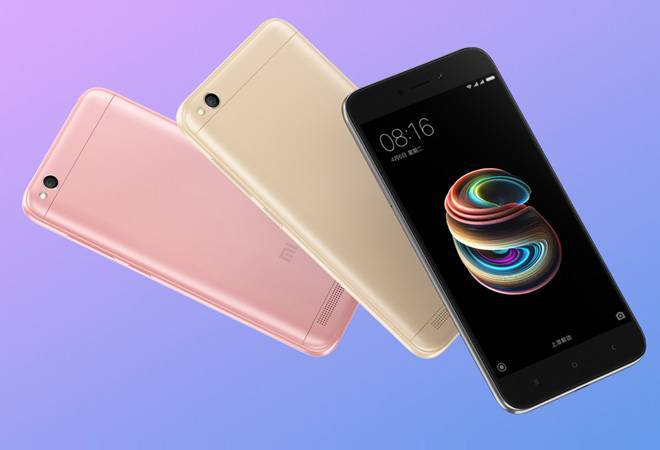
Xiaomi will launch its new Redmi smartphone in India today. It is widely expected that the Redmi 5A will be unveiled as the successor to the Redmi 4A with an even cheaper price tag. Watch the live stream here.
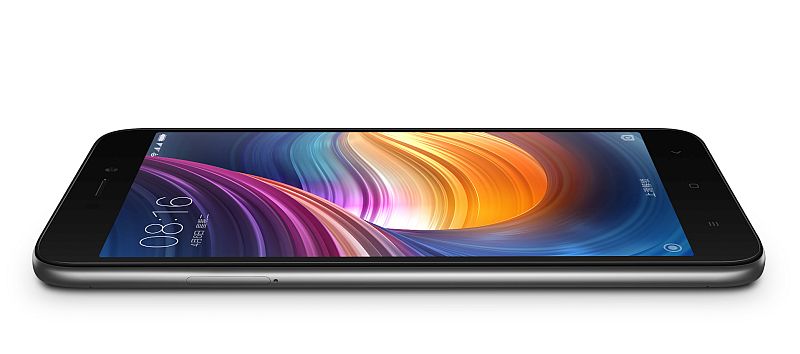
The Redmi 5A has a 5 inch LCD display with a 1280 x 720 px resolution.
The Redmi 5A has the Qualcomm Snapdragon 425 chipset, quad-core CPU clocked at 1.4GHz, along with 2GB of RAM. At the time of its launch in China, only one storage model was announced but, more storage and RAM variants could be introduced for its India launch. The current model has 16GB of onboard storage which can be expanded up to 128GB via microSD card.
The dual-SIM Redmi 5A is powered by a 3000 mAh battery which seems to be a downgrade when compared to the Redmi 4A which packs a 3120 mAh battery. The device will run Android 7.1 Nougat out of the box with Xiaomi’s custom MIUI 9 skin on top.
The Redmi 5A has a 13MP rear camera with an f/2.2 aperture, burst mode, panorama mode, HDR mode, and more. To the front is a 5MP camera with an f/2.0 aperture. The smartphone records 1920 x 1080 px videos.
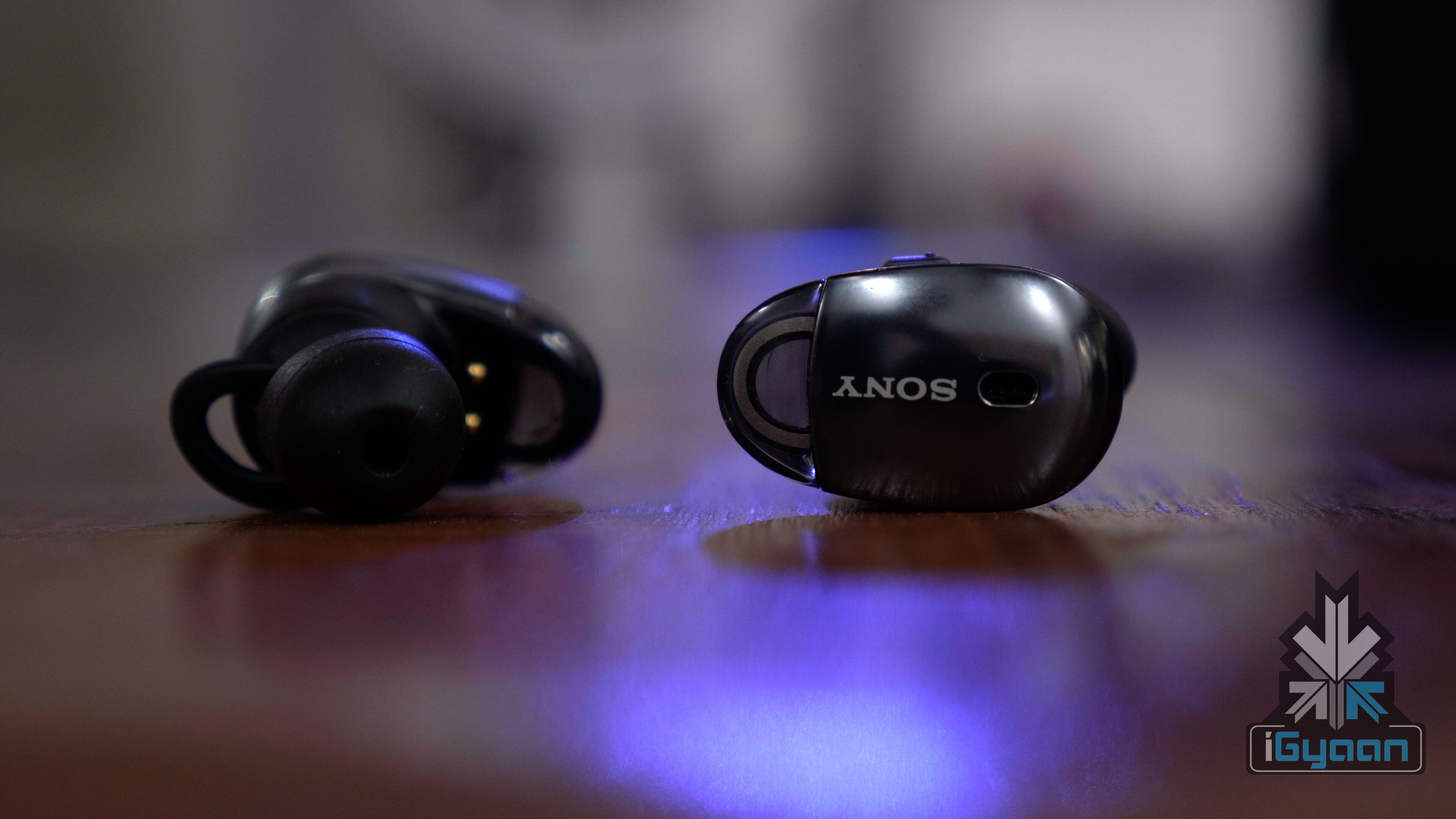
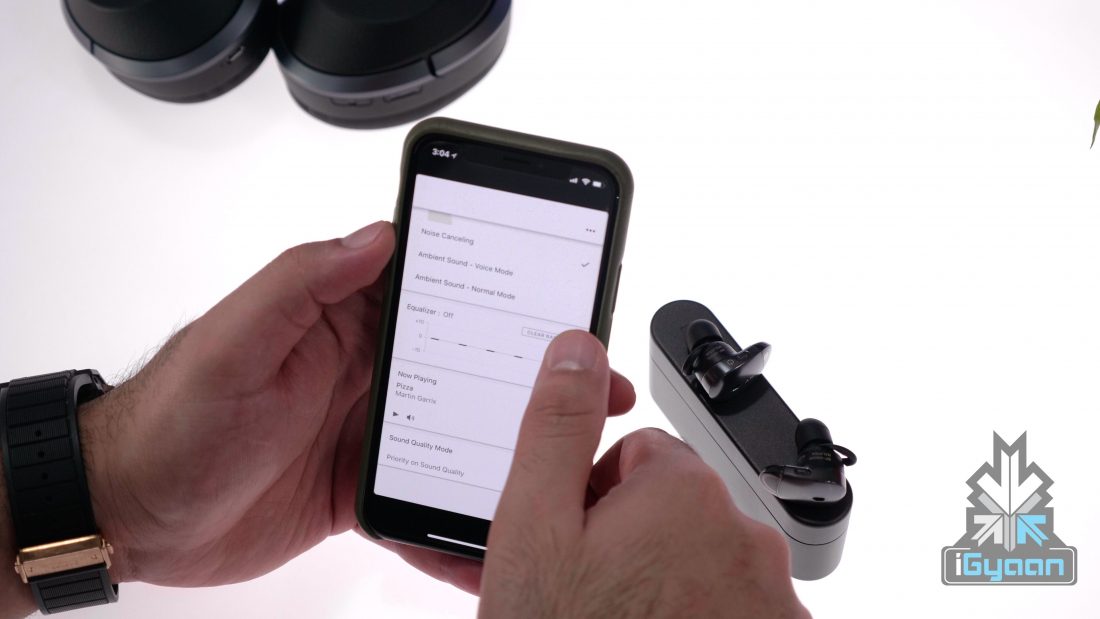
Sony recently launched four new bluetooth headphones in India ranging from truly wireless earbuds to over the ear headphones. We recently unboxed the Sony WH-1000XM2 and now, it’s time we unbox the Rs 14990 priced truly wireless earbuds, the Sony WF-1000X. Let’s see what we get inside the box and have a quick look at the new earbuds:
Sony WF-1000X
Extra ear tips
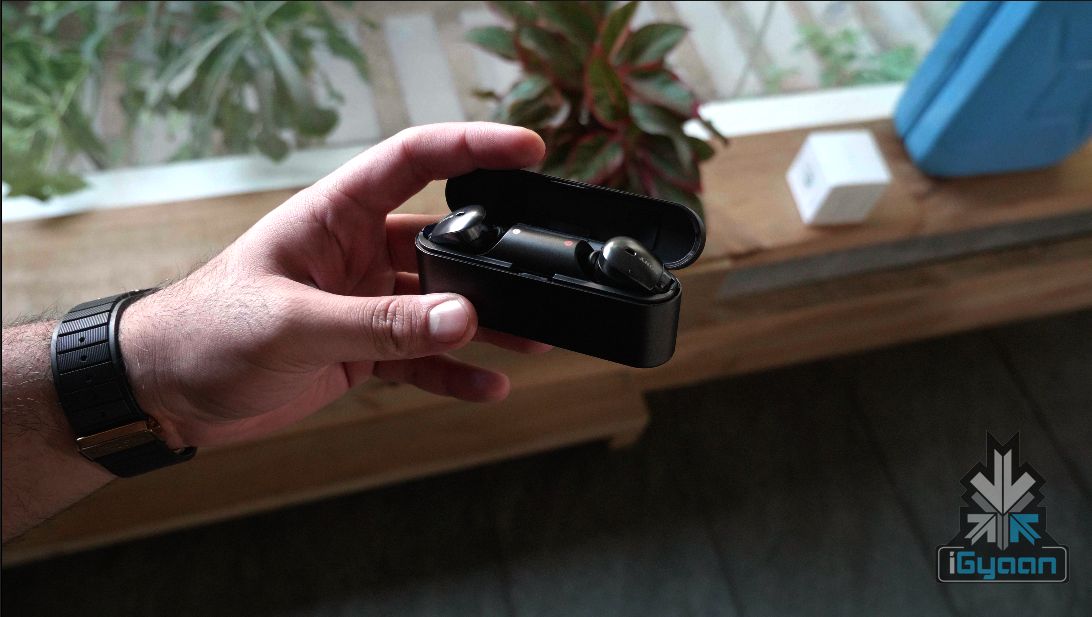
Charging/carrying case
Charging cable
Documentation
The truly wireless earbuds have been the new rage in the headphones industry with every company launching its rendition of the earbuds. The WF-1000X from Sony have a solid build quality and thanks to a slew of ear tips provided, every consumer should have no difficulties wearing these earbuds and going out for a stroll.
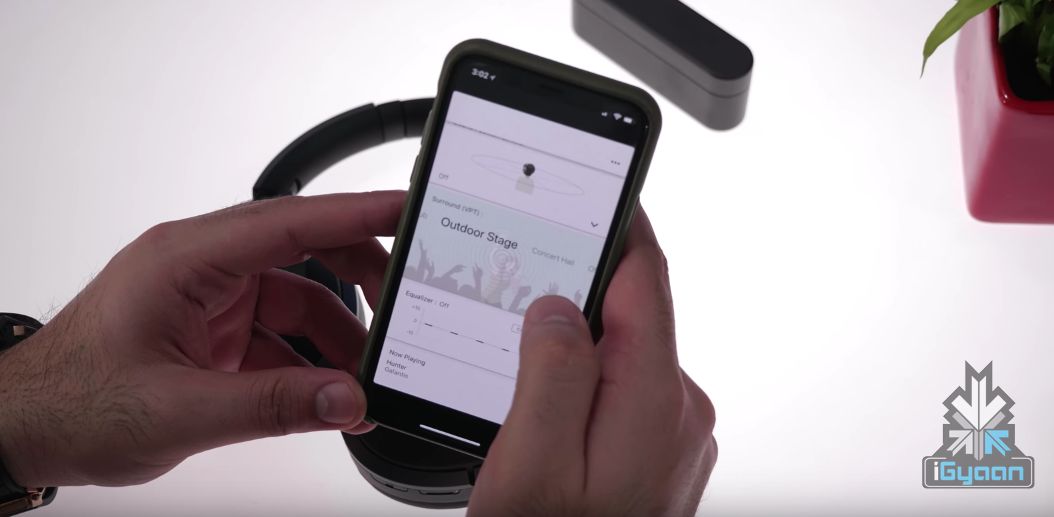
The earbuds feature active noise cancelation and connects to your phone via Headphones Connect app which will let the users fine tune the sound stage according to their preference. It has a 6mm driver unit and weigh in at about 6.8 grams.
It connects via Bluetooth 4.1 or NFC. The earbuds come with a charging case which is also used to carry the tiny earbuds around so that you don’t lose them.
A lot of experts are touting machine learning and AI as the 2018 flagship smartphone feature, similar to what thin bezels and tall displays was for 2017. Google has kickstarted the trend of AI with its tight integration of Google Assistant and machine learning in the Pixel 2 smartphones.
Implementing machine learning in day-to-day seemingly trivial situations will be important. That’s where this new software from Google comes into play. If you travel in public transport a lot, you’d be aware of that annoying feeling when you know someone is staring at your phone while you are watching a video or having a private conversation.
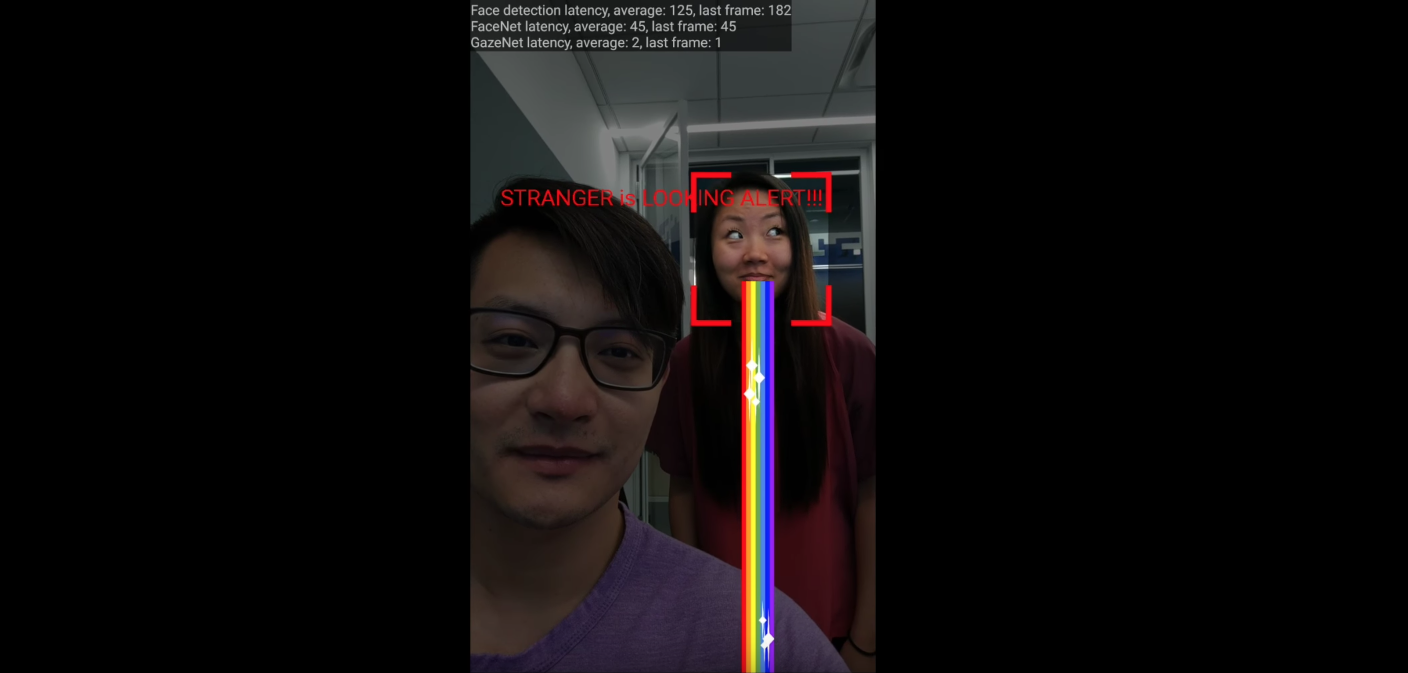
This new software can recognise when a stranger is staring at your phone and will quickly prompt you about it. The software was first spotted by Quartz and is called “e-screen protector”, and is currently in the research stage. It uses your front-facing camera in combination with some face- and gaze-detection algorithms to identify if anyone else is looking at your display.
As you can see in the demo video, it reacts almost instantaneously to a stranger’s glance on your screen. It then uses a Snapchat-like rainbow filter to tag the stranger and prompt him/her that they’ve been caught. The creators of the software, Google researchers Hee Jung Ryu and Florian Schroff, say the system works in all sorts of different lighting conditions, and has a reaction time of just two milliseconds.
Considering Google’s ambitions of making machine learning an integral part of its smartphone ecosystem, this feature might make its way to future Pixel phones when Google is confident about its performance.
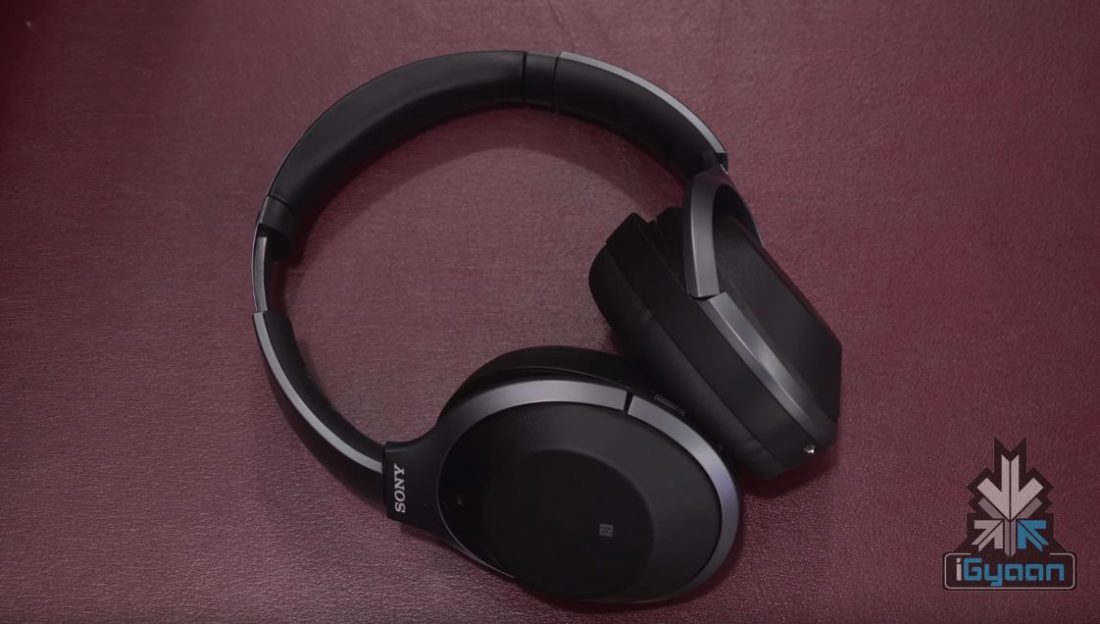
Sony recently launched a host of noise canceling bluetooth headphones and one of them was Sony WH-1000XM2. Priced at Rs 29990, the Sony WH-1000XM2 has some great features and an excellent battery life on paper. let’s unbox the headphones and see what we get inside the box:
Sony WH-1000XM2
In-flight adaptor
Headphone cable
USB Cable
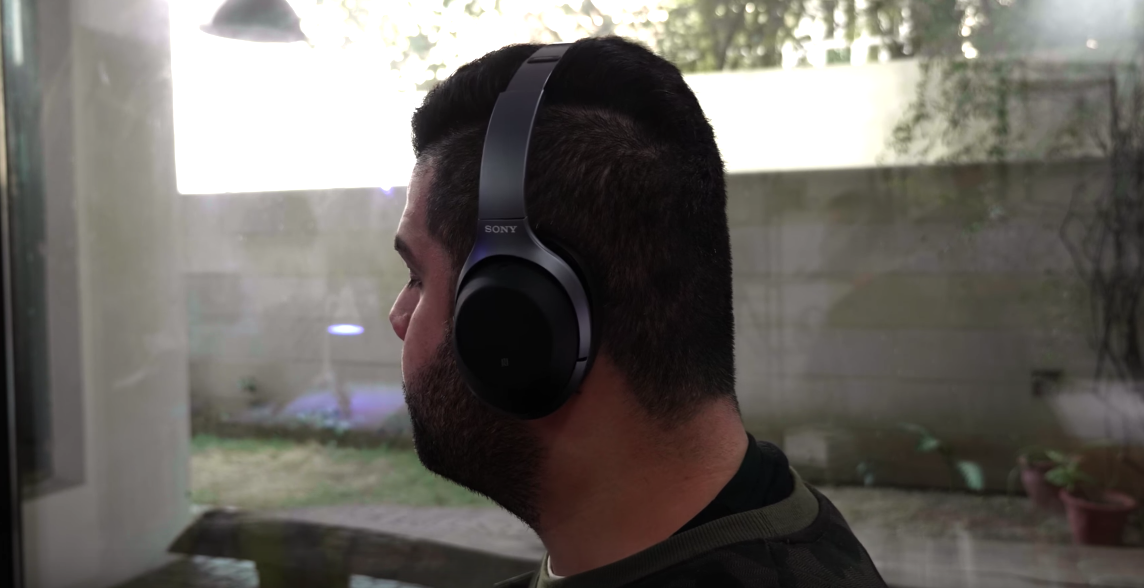
The Sony WH-1000XM2 are the premium headphones offering from Sony. The headphones have a nice fit and the touch enabled ear cups make it easy to control the volume without reaching for the phone.
Here are a few specifications of the Sony WH-1000XM2
40mm dome type Neodymium driver unit
Impedance – 46 ohm when connecting via the headphone cable with the unit turned on, 14 ohm when connecting via the headphone cable with the unit turned off
Detachable headphone cable with Gold-plated L-shaped stereo mini plug
Frequency response – 4 Hz-40,000 Hz
NFC
DSEE HX
Active and Passive noise canceling
Plug Adaptor for In-flight Use
Bluetooth 4.1
Touch sensors for volume control
Battery charge time – 4 hours
Battery life – Up to 38 hours with noise canceling off
Samsung has launched two new wearable devices in India, the Gear Fit2 Pro and the Gear Sport at a price of Rs 13590 and Rs 22990 respectively. The Gear Fit2Pro is a fitness tracking band while the Gear Sport is a smartwatch. Let’s unbox the two wearables and see what we get inside the box:
Samsung Gear Sport box:
Samsung Gear Sport smartwatch
Extra wrist straps
Charging cradle
Documentation
Samsung Gear Fit2 Pro
Samsung Gear Fit2 Pro
Charging base
Documentation
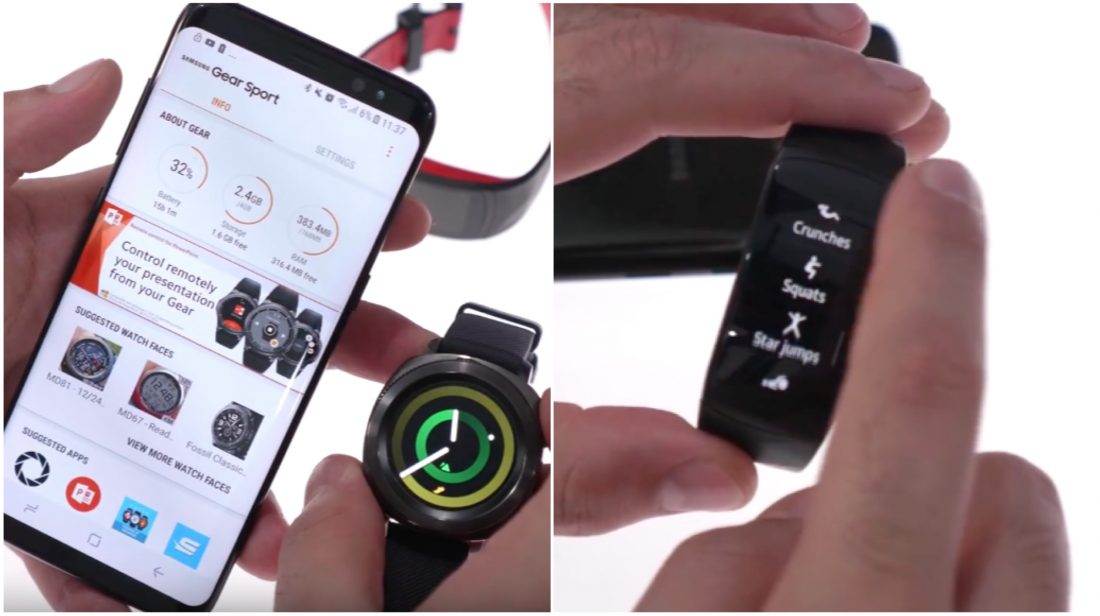
Both the wearables are compact and have different straps depending on the size of the consumer’s wrist which makes it ideal for everyone. Both the wearables can be connected to an Android phone via bluetooth and can be customised through the Samsung Gear app. The Gear Sport has a rotating bezel to interact with the watch which is much more intuitive than tapping on the tiny display.
If you are a swimmer, then the Gear Fit2 Pro can be ideal fro you to keep a track of your swimming performance as the Gear Fit2 Pro has a lot of features for swimming. It can eventrack a user’s stroke type, stroke count, and lap count.
Samsung has launched two new wearable devices in India today. One of them is a smartwatch and the other one is a fitness tracker. The pre-bookings for both the devices will start from the 4th of December and will be available to public on the 11th of December.
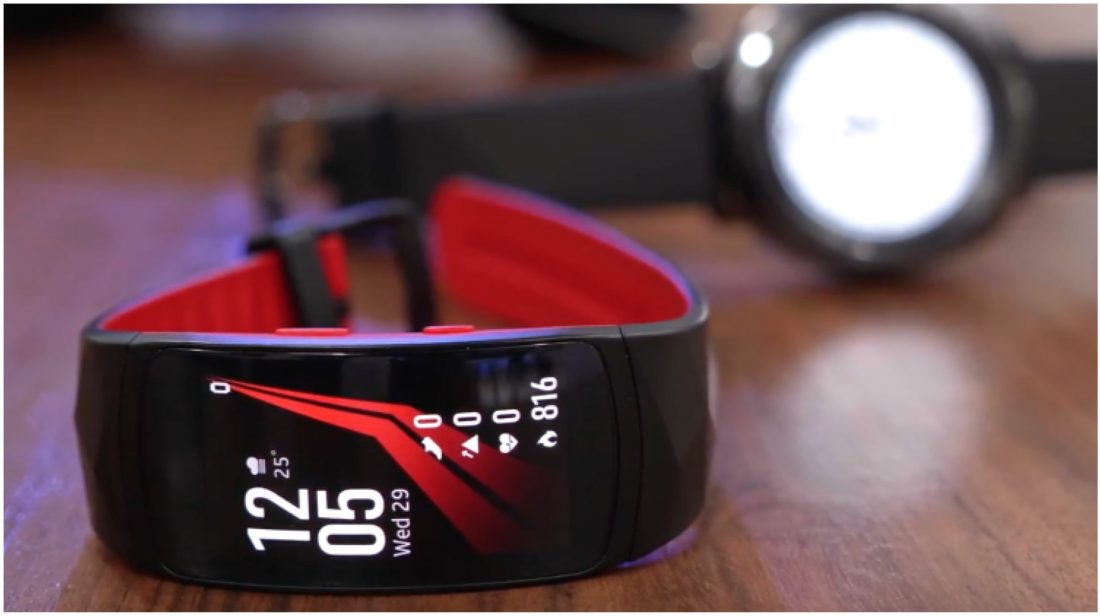
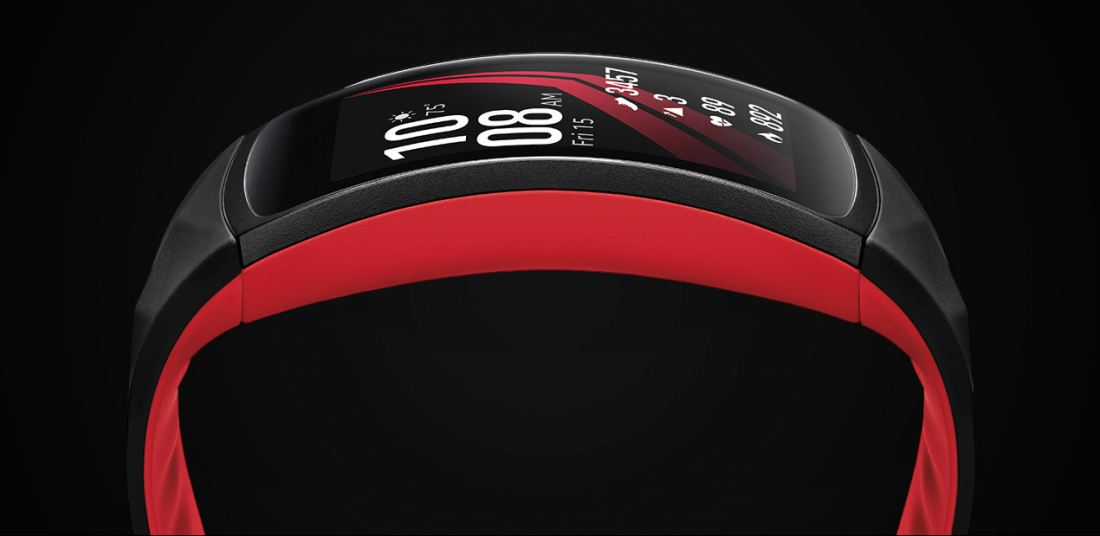
The Samsung Gear Fit2 Pro is priced at Rs 13590 and will be available in Black, and Black/Red colour variants. The fitness tracker has a 1.5-inch curved display, a 5 atm water resistance rating and has features specifically made for swimmers, including ways for the wearable to track a user’s stroke type, stroke count, and lap count. It also has a continuous heart rate monitor.
The Gear Fit 2 Pro has built-in GPS, as well as an automatic workout detection feature.
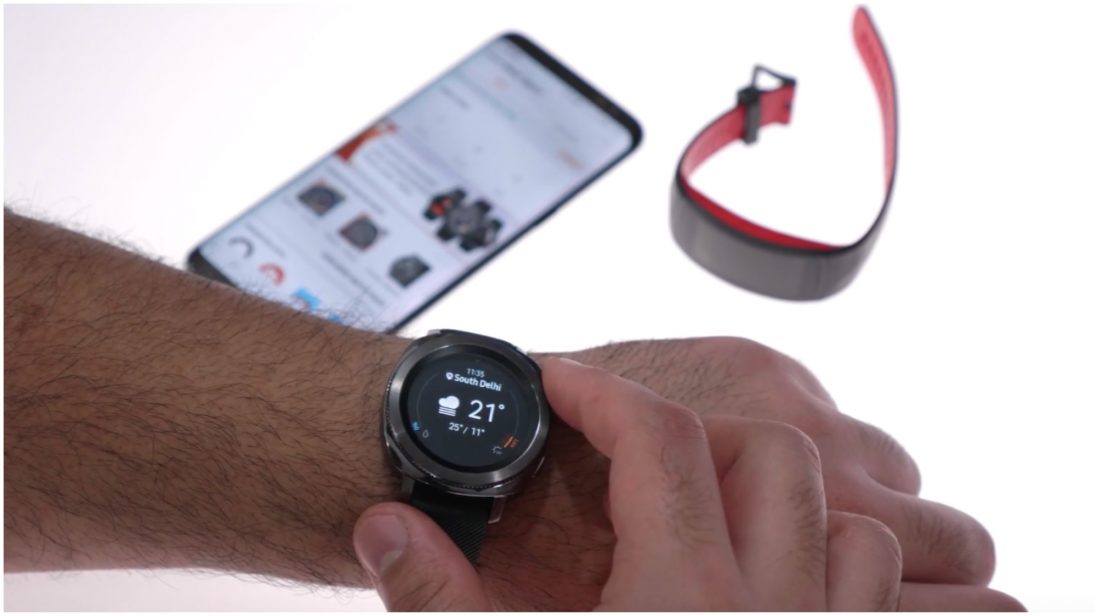
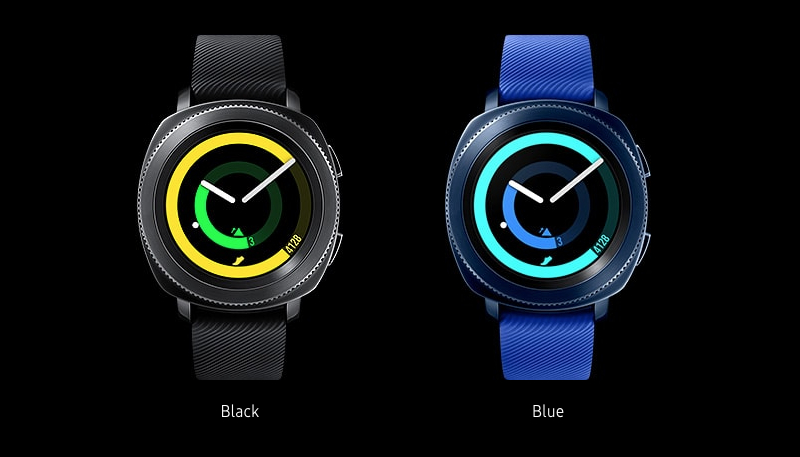
The Samsung Gear Sport is priced at Rs 22990 and has a 1.2-inch circular screen with a 320 x 320 resolution and Gorilla Glass 3, a water resistance rating of five atmospheres, as well as a focus on nutrition, with the ability to monitor your calorie balance throughout the day. The Gear Sport has access to fitness programs, along with a way to help the user complete their weight loss goals.
The new smartwatch can also be connected to Samsung’s smart TVs via the Samsung Connect app, and will support the company’s Samsung Pay service with its NFC hardware. The Gear Sport will be available in Black and Blue and colour variants.
Samsung has launched two new wearable devices in India today. One of them is a smartwatch and the other one is a fitness tracker. The pre-bookings for both the devices will start from the 4th of December and will be available to public on the 11th of December.
The Samsung Gear Fit2 Pro is priced at Rs 13590 and will be available in Black, and Black/Red colour variants. The fitness tracker has a 1.5-inch curved display, a 5 atm water resistance rating and has features specifically made for swimmers, including ways for the wearable to track a user’s stroke type, stroke count, and lap count. It also has a continuous heart rate monitor.
Samsung Gear Fit2 Pro
The Gear Fit 2 Pro has built-in GPS, as well as an automatic workout detection feature.
The Samsung Gear Sport is priced at Rs 22990 and has a 1.2-inch circular screen with a 320 x 320 resolution and Gorilla Glass 3, a water resistance rating of five atmospheres, as well as a focus on nutrition, with the ability to monitor your calorie balance throughout the day. The Gear Sport has access to fitness programs, along with a way to help the user complete their weight loss goals.
Samsung Gear Sport
The new smartwatch can also be connected to Samsung’s smart TVs via the Samsung Connect app, and will support the company’s Samsung Pay service with its NFC hardware. The Gear Sport will be available in Black and Blue and colour variants.
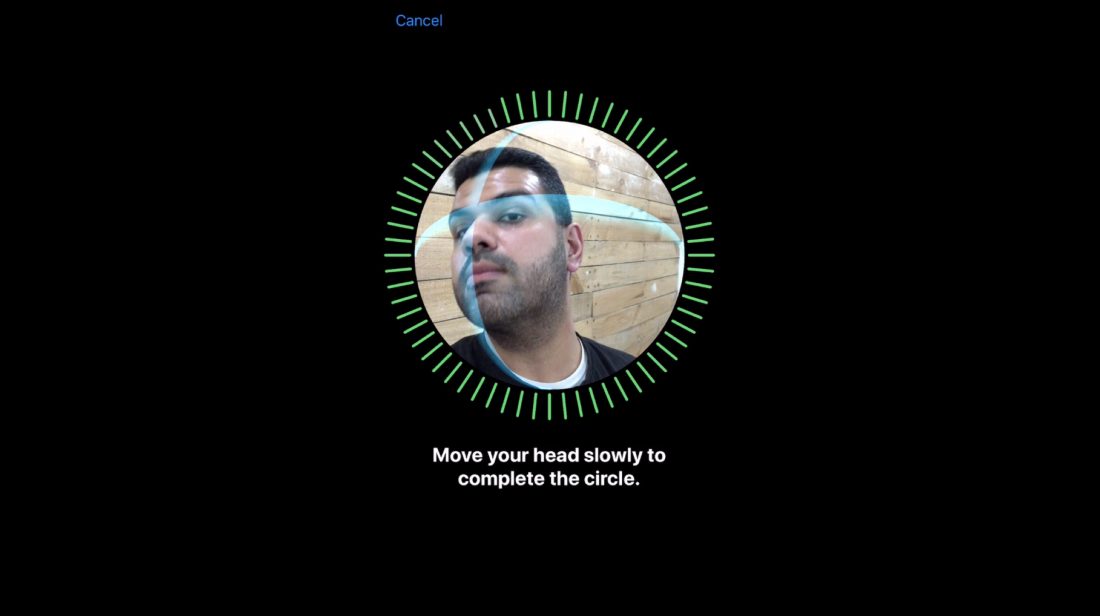
Apple may note be the first one to implement a certain technology in its products but, it does set a trend whenever it does innovate. Facial recognition and its renditions have been prevalent in the smartphone industry long before Apple launched the iPhone X and introduced its Face ID feature.
Apple iPhone X has definitely set the standards in terms of design and the technology that is stuffed inside the body of the iPhone X. Following the reports that OPPO will launch an iPhone X clone, Huawei has announced that it is working on facial recognition technology which is “ten times better” than Apple’s Face ID.
Huawei Facial Recognition Technology
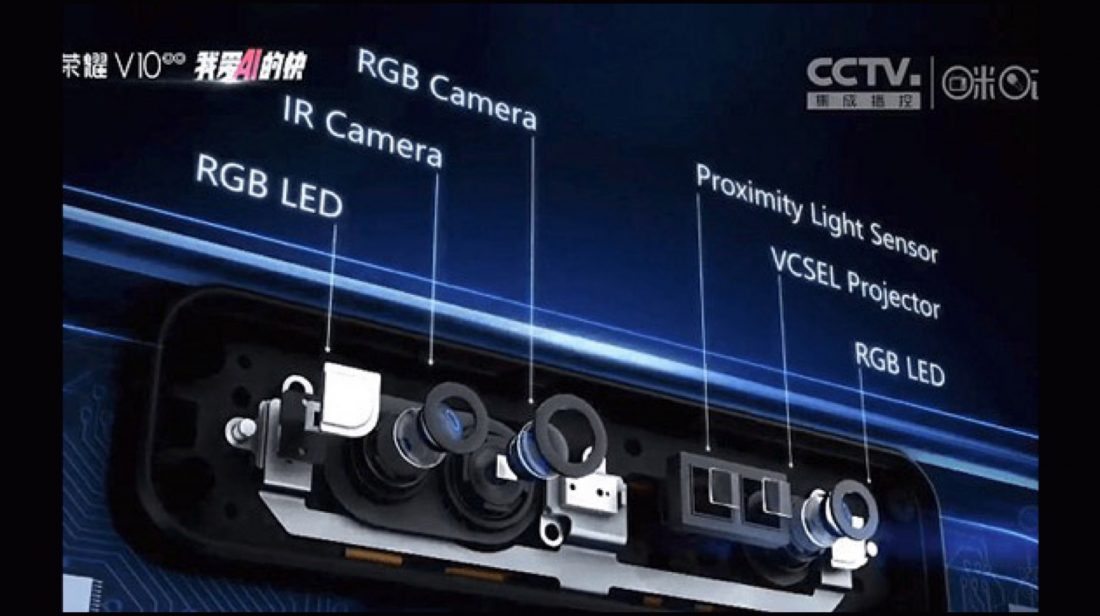
Huawei’s facial recognition technology uses a combination of infrared and a projector to create a 3D map of the user’s face. Why Huawei has claimed that its technology is ten times better than Apple’s is because its 3D sensor captures 300,000 data points which is ten times more than what iPhone X’s FaceID captures.
iPhone X Face ID
Huawei claims that its facial recognition technology is not only secure enough for payments but, is also extremely fast. Huawei claims that once perfected, it will take just 400 milliseconds to unlock the phone. Huawei has not announced which phone will be the first one to take advantage of this technology and there is also no definite timeline for the technology.
Apple’s Face ID technology has another very famous implementation, Animojis. And Huawei took the time to boast about its rendition of 3D animojis as well. Huawei claims that its animojis are more advanced than Apple’s Animojis because apart from mimicking facial expressions, it can even track the movement of your tongue.
Which smartphone from Huawei will get its rendition of Face ID is yet to be seen and whether Huawei will also drop the fingerprint sensor just like Apple did.
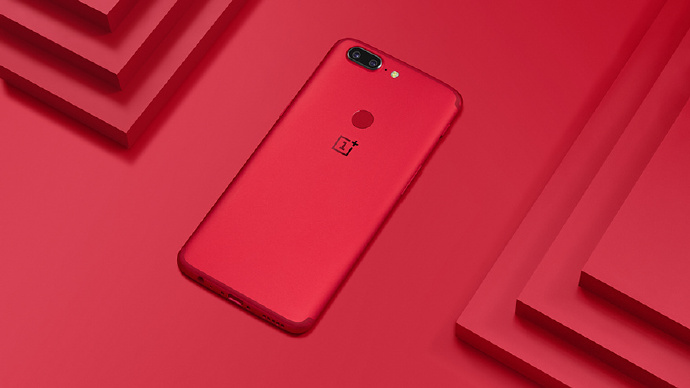
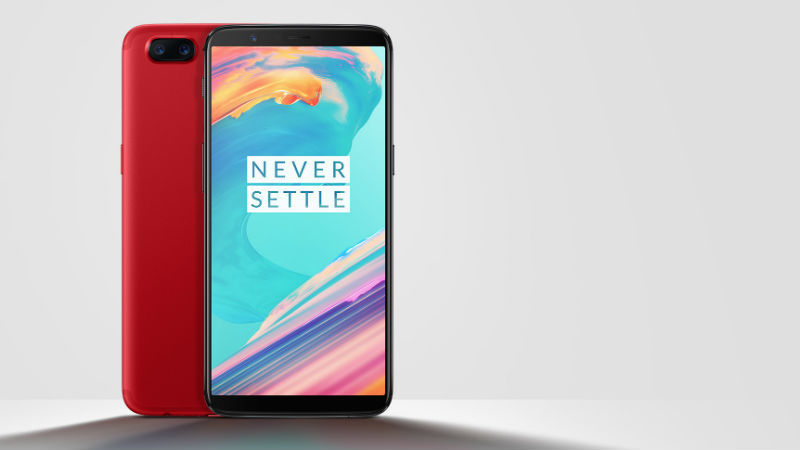
OnePlus is really trying to differentiate the OnePlus 5T from the OnePlus 5. OnePlus has launched its new flagship, the OnePlus 5T in China in a new colour variant called Lava Red. Unlike its predecessors, the OnePlus 5T was only available in one colour, Midnight Black at the time of its launch.
If you are excited to get your hands on the new Lava Red OnePlus 5T, there is a catch. The smartphone is only available in China as of now and in the pricier 8GB RAM model only. There is no word from the company whether this colour variant will be sold outside of China or not.
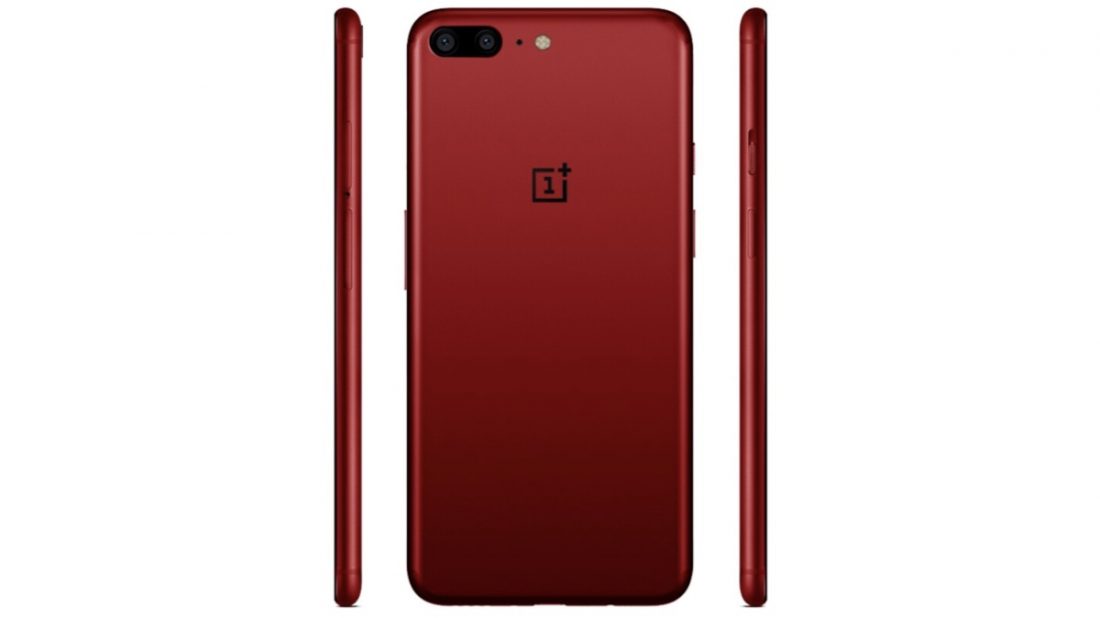
At the time of the launch of the OnePlus 5, there were rumours that a red colour OnePlus 5will be launched. That didn’t happen and instead, OnePlus launched a soft gold colour variant of its summer flagship phone in August. It appears that OnePlus has jumped the RED Product train and similar to what Apple does with its iPhones, a Red coloured OnePlus 5T has been launched.
Other than the fiery red colour, there is no difference in the Midnight Black colour and the Lava Red colour OnePlus 5T.
What A Red OnePlus 5 Could Have Been
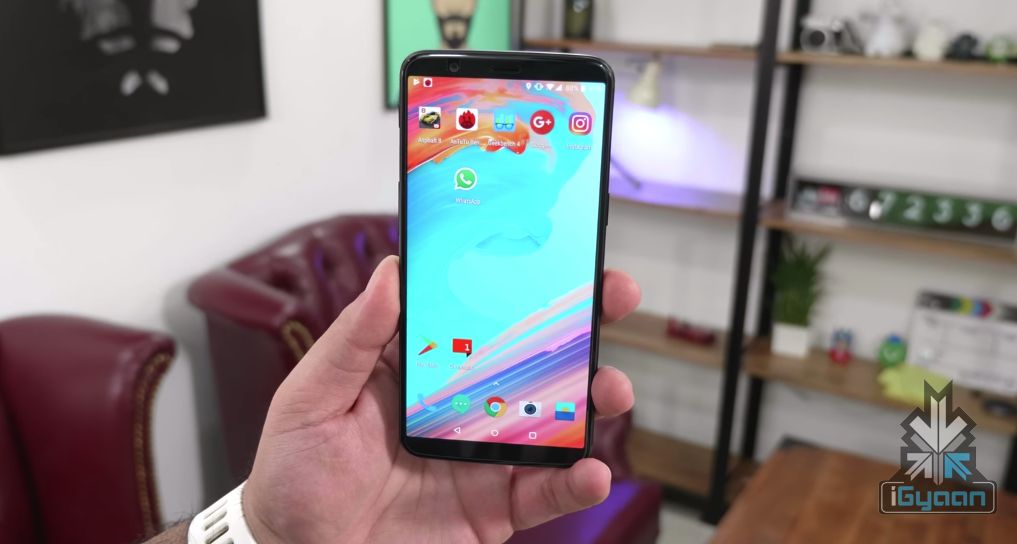
The OnePlus 5T has a 6-inch Full Optic AMOLED display with a 2160 x 1080 px resolution and an 80.5% screen to body ratio. This is a huge detour from the short history of OnePlus devices which have so far had a 5.5-inch display.
Under the hood, the OnePlus 5T has the Qualcomm Snapdragon 835 chipset, a 2.4GHz octa-core processor, 6GB or 8GB of RAM, 64GB or 128GB of onboard storage which cannot be expanded. Powering the device is a 3300 mAh battery which supports OnePlus’ DashCharge technology.
The OnePlus 5T runs stock Android 7.1.1 Nougat with customisability options thanks to the Oxygen OS on top. OnePlus has promised an update to Android 8.0 Oreo by early 2018. The Android 8.0 Oreo beta update will be pushed out to OnePlus 5T in late December 2017.
Due to thin bezels, there is no place for a home button and the fingerprint sensor has now been shifted to the back of the phone and is placed right above OnePlus logo. The OnePlus 5T also features facial recognition for unlocking the device.
OnePlus 5T
One big change in the OnePlus 5T is in the camera department. Unlike the OnePlus 5, the OnePlus 5T no longer has a secondary telephoto lens at the back. Instead, OnePlus has decided to focus on the device’s low-light photography capabilities. The cameras do not have OIS and OnePlus has decided to go for EIS on the dual camera setup at the back. The device has a 16MP camera with an f/1.7 aperture coupled with a 20MP sensor with the same f/1.7 aperture and field of view, ie no optical zoom. On the front is a 20MP camera with an f/2.0 aperture.
Securing our gadgets in this day and age is of utmost priority since most of our lives are now digital. But, it appears that your Mac running MAcOS High Sierra might be susceptible to a serious security hack.
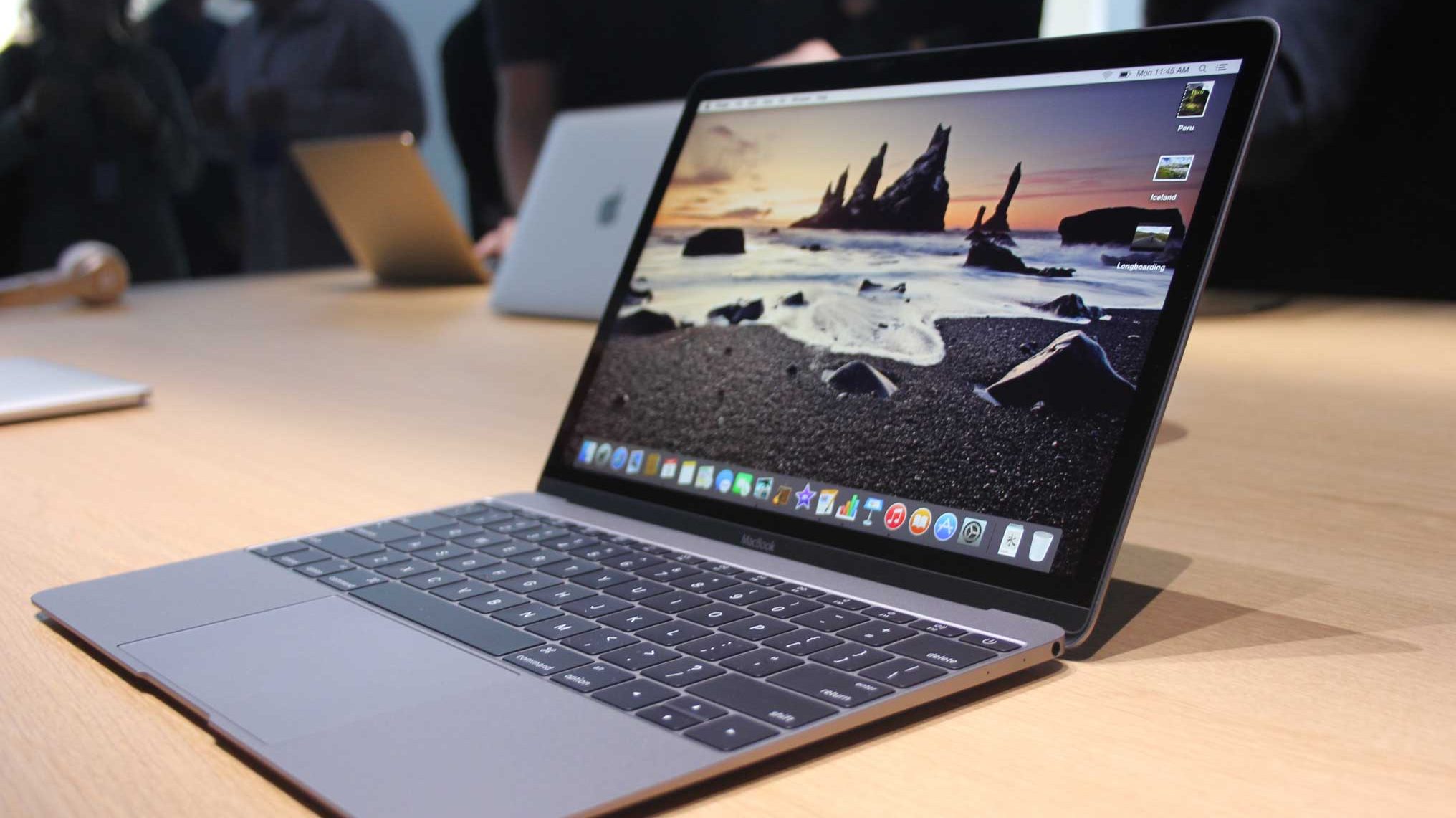
Apple’s latest MacOS High Sierra operating system has a very serious flaw that can allow anyone with access to a Mac gain root access by simply typing “root” as the username. It appears that the flaw doesn’t even require someone to enter a password, which means that anyone with zero hacking knowledge and evil intentions can get into your Mac.
Apple has responded to the complaints and announced that it is working on a fix.
Patrick Wardle, a security researcher with Synack said:
We always see malware trying to escalate privileges and get root access. This is best, easiest way ever to get root, and Apple has handed it to them on a silver platter.
This was Apple’s response:
We are working on a software update to address this issue. In the meantime, setting a root password prevents unauthorized access to your Mac. To enable the Root User and set a password, please follow the instructions here: https://support.apple.com/en-us/HT204012.
If a Root User is already enabled, to ensure a black password is not set, please follow the instructions from the ‘Change the root password’ section.
If you are one of the many people who updated their Mac machine to the latest OS, it will be sensible to follow Apple’s instructions until a new update fixes this major security bug.
WhatsApp has been the most successful instant messaging app and right now, it barely has any competition. But, an app needs to keep on evolving and adding new features incentivises users to come back to your app rather than switching to some other new one.
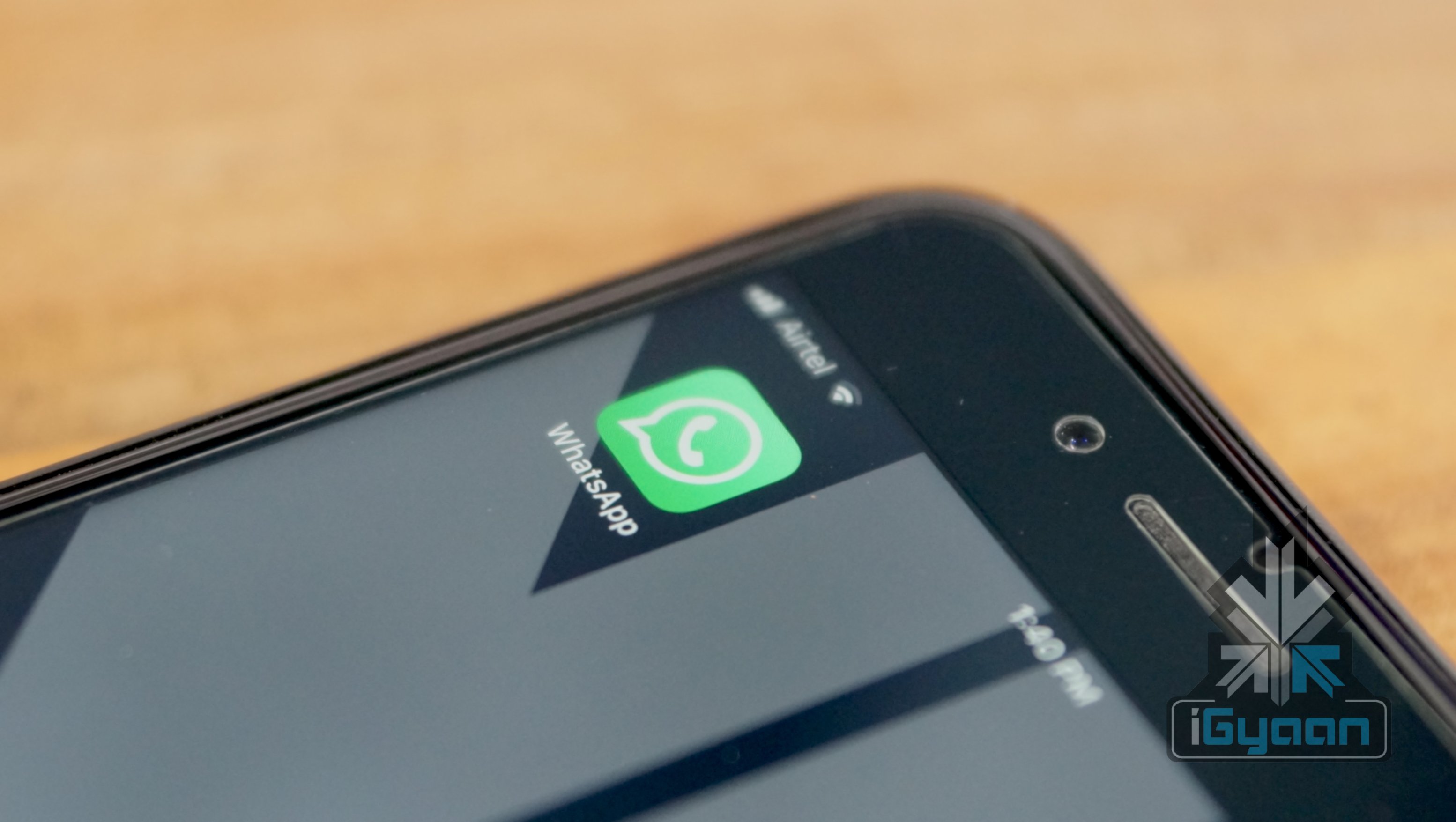
Keeping that in mind, WhatsApp has recently updated its iOS app to add a new functionality which will enable WhatsApp to play YouTube videos within the app.
The new update comes with WhatsApp version 2.17.81, which is currently available to download via the App Store. However, the PiP mode is currently not working and the YouTube link in the conversations still takes you to the YouTube app.
Note that the YouTube feature in WhatsApp is currently disabled, also if the changelog reports it. Probably they missed to enable it. I will inform you when WhatsApp will enable it from the server, probably tonight.
According to WABetaInfo, the YouTube playback feature is not yet enabled from a server side switch, the WhatsApp server. After the update, the app is capable of running PiP mode and it will be functional as soon as WhatsApp enables the switch from its server end.
For Android users, there is no word on this update yet but, the next app update should bring this feature to Android devices as well.
Xiaomi has been teasing the launch of a ‘Desh ka Smartphone’ on social media for a couple of weeks now. The launch is set for the 30th of November and will be a part of the Redmi lineup. Since it is being marketed as the ‘India Ka Smartphone’, it could be priced under Rs 5000 for the base model.
Redmi India’s Twitter account has been teasing a few features of the phone such as long battery life and multiple Indian local languages support. This suggests that Xiaomi could launch the Redmi 5A in India come 30th of November.
The Redmi 5A isn’t a huge upgrade over its predecessor, the Redmi 4A. The Redmi 5A has a 5 inch LCD display with a 1280 x 720 px resolution.
The Redmi 5A has the Qualcomm Snapdragon 425 chipset, quad-core CPU clocked at 1.4GHz, along with 2GB of RAM. At the time of its launch in China, only one storage model was announced but, more storage and RAM variants could be introduced for its India launch. The current model has 16GB of onboard storage which can be expanded up to 128GB via microSD card.
The dual-SIM Redmi 5A is powered by a 3000 mAh battery which seems to be a downgrade when compared to the Redmi 4A which packs a 3120 mAh battery. The device will run Android 7.1 Nougat out of the box with Xiaomi’s custom MIUI 9 skin on top.
The Redmi 5A has a 13MP rear camera with an f/2.2 aperture, burst mode, panorama mode, HDR mode, and more. To the front is a 5MP camera with an f/2.0 aperture. The smartphone records 1920 x 1080 px videos.
Dual cameras, a trend that started in 2016 in flagship phones trickled down to budget smartphones in 2017. From the iPhone 7 Plus in 2016 to Lenovo K8 Plus in 2017, the trend of dual-camera smartphones is here to stay and has become a norm for a top-performing budget Android device. In a sea of budget smartphones with identical specifications and price, which dual-camera phone should you buy this holiday season? iGyaan brings you its pick for the best budget dual-camera phones you can buy right now:
Xiaomi Mi A1
One of the best budget phones to be launched in 2017, the Mi A1 combines Xiaomi’s hardware and Google’s stock Android OS in this perfectly priced budget phone.
The smartphone has a 5.5 inch 1920 x 1080 px display with Corning Gorilla Glass on top for protection and metal unibody build.
The phone has the Qualcomm Snapdragon 625 chipset, 2.0GHz octa-core processor, 4GB RAM and 64GB of onboard storage which is expandable via microSD card. Handling the graphics under the hood is the Adreno 505 GPU. The pyrolytic graphite sheet will help in heat management as well, Xiaomi claims. The Xiaomi Mi A1 has an IR blaster to control appliances in your home or office. Powering the device is a 3,080 mAh battery and fast charging through the Type C port
The fingerprint sensor sits at the back of the device below the camera. Xiaomi has also included a dedicated headphone amplifier for better music listening experience.
The Mi A1 runs pure Android 7.1.2 Nougat OS and thanks to Android One program, the Mi A1 will get software to Android 8.0 Oreo and Android P as well.
It’s worth noting that despite the stock Android OS, Xiaomi has still introduced a few apps of its own like the Mi Camera app, since Google’s app doesn’t support dual-camera right now. Other apps like the Mi Remote and the Mi Store are also present in the Xiaomi Mi A1.
In terms of optics, the smartphone features a 12MP dual-camera setup with 1.25-micron pixel size. Out of the two cameras at the back, the primary one is equipped with a telephoto lens and the secondary camera has a wide-angle lens. The telephoto lens allows the user to take bokeh effect shots with blurred background and a 2X optical lossless zoom. For landscape shots, Xiaomi has introduced a wide angle lens while on the front is a 5MP camera.
Moto G5s Plus
Successor to one of the best budget camera smartphones the Moto G5 Plus, Moto G5s Plus was launched close to the Xiaomi Mi A1 and carries an identical price tag as well.
The Moto G5S Plus has a 5.5 inch 1920 x 1080 px display with Corning Gorilla Glass 3 on top for protection.
The smartphone has the Qualcomm 625 chipset, an octa-core processor clocked at 2.0 GHz with 4GB RAM and 64GB of onboard storage which can be expanded up to 128GB via a microSD card. The fingerprint sensor is housed inside the home button which sits below the display. The device is powered by a 3,000 mAh battery with included turbo charge capabilities.
The Moto G5S Plus runs Android 7.1.1 Nougat with little customisation done by the manufacturer resulting in stock Android OS experience.
The Moto G5S Plus features rear-mounted 13MP dual-cameras with an f/2.0 aperture. The dual camera captures Bokeh, and selective focus shots, along with other capabilities of background replacement and exposure management. On the front is a wide angle 8MP camera with a single LED flash and a panoramic mode. The rear cameras capture videos in 4K at 30 FPS and the front camera records videos in 1080P at 30 FPS. According to Motorola, additional features such as Night Display and Quick Reply enhance the software experience. The implementation of the dual-camera setup on the Moto G5S Plus is different than that on the Mi A1.
Lenovo K8 Note
The Lenovo K8 Note features a 5.5-inch 1920 x 1080 px display with a pixel density of 441ppi and a Corning Gorilla Glass with oleophobic coating for scratch and smudge resistance.
The K8 Note is also splash resistant due to its P2i coating, although the resistance might decrease with time due to wear and tear of the nano coating. The fingerprint sensor sits at the back of the device under the cameras.
The Lenovo K8 Note is run on a MediaTek MT 6797D Helio X23 a Tri-cluster, 64-bit chipset with a 2.3 GHz high-performing deca-core processor and the Mali T-880 MP4 GPU. The device has either a 3GB or 4GB RAM and 32GB or 64GB onboard storage which is expandable via a microSD card.
The Lenovo K8 Note has a 13M Pure cell sensor mated with a 5MP Samsung BSI sensor dual camera setup and dual LED flash at the back. The phone is capable of depth mode effects along with 1920 x 1080 px Video capture. A 13MP camera with LED flash and an f/2.0 aperture sits on the front of the device above the display. The camera UI will also feature a stock Android layout with no customisation offered by Lenovo apart from the depth mode.
Honor 9i
The Honor 9i has a 5.9-inch 2160 x 1080px display with an 18:9 aspect ratio.
It also has Huawei’s in-house octa-core Kirin 659 chipset, octa-core 2.36 GHz processor, along with 4 GB of RAM and 64 GB onboard storage. Powering the device is a 3340 mAh battery which charges via a micro USB port.
The device runs Android 7.0 Nougat out of the box with Huawei’s EMUI 5.1 skin on top
This is the only smartphone on this list which has four cameras. The rear of the phone contains a 16 MP main sensor and a 2 MP secondary sensor, while the front has a 13 MP camera and another 2 MP secondary sensor. A fingerprint sensor is placed at the back of the phone since the phone has thin bezels and no physical button at the front of the phone.
Dual cameras, a trend that started in 2016 in flagship phones trickled down to budget smartphones in 2017. From the iPhone 7 Plus in 2016 to Lenovo K8 Plus in 2017, the trend of dual-camera smartphones is here to stay and has become a norm for a top-performing budget Android device. In a sea of budget smartphones with identical specifications and price, which dual-camera phone should you buy this holiday season? iGyaan brings you its pick for the best budget dual-camera phones you can buy right now:
Xiaomi Mi A1
One of the best budget phones to be launched in 2017, the Mi A1 combines Xiaomi’s hardware and Google’s stock Android OS in this perfectly priced budget phone.
The smartphone has a 5.5 inch 1920 x 1080 px display with Corning Gorilla Glass on top for protection and metal unibody build.
The phone has the Qualcomm Snapdragon 625 chipset, 2.0GHz octa-core processor, 4GB RAM and 64GB of onboard storage which is expandable via microSD card. Handling the graphics under the hood is the Adreno 505 GPU. The pyrolytic graphite sheet will help in heat management as well, Xiaomi claims. The Xiaomi Mi A1 has an IR blaster to control appliances in your home or office. Powering the device is a 3,080 mAh battery and fast charging through the Type C port
The fingerprint sensor sits at the back of the device below the camera. Xiaomi has also included a dedicated headphone amplifier for better music listening experience.
The Mi A1 runs pure Android 7.1.2 Nougat OS and thanks to Android One program, the Mi A1 will get software to Android 8.0 Oreo and Android P as well.
It’s worth noting that despite the stock Android OS, Xiaomi has still introduced a few apps of its own like the Mi Camera app, since Google’s app doesn’t support dual-camera right now. Other apps like the Mi Remote and the Mi Store are also present in the Xiaomi Mi A1.
In terms of optics, the smartphone features a 12MP dual-camera setup with 1.25-micron pixel size. Out of the two cameras at the back, the primary one is equipped with a telephoto lens and the secondary camera has a wide-angle lens. The telephoto lens allows the user to take bokeh effect shots with blurred background and a 2X optical lossless zoom. For landscape shots, Xiaomi has introduced a wide angle lens while on the front is a 5MP camera.
Moto G5s Plus
Successor to one of the best budget camera smartphones the Moto G5 Plus, Moto G5s Plus was launched close to the Xiaomi Mi A1 and carries an identical price tag as well.
The Moto G5S Plus has a 5.5 inch 1920 x 1080 px display with Corning Gorilla Glass 3 on top for protection.
The smartphone has the Qualcomm 625 chipset, an octa-core processor clocked at 2.0 GHz with 4GB RAM and 64GB of onboard storage which can be expanded up to 128GB via a microSD card. The fingerprint sensor is housed inside the home button which sits below the display. The device is powered by a 3,000 mAh battery with included turbo charge capabilities.
The Moto G5S Plus runs Android 7.1.1 Nougat with little customisation done by the manufacturer resulting in stock Android OS experience.
The Moto G5S Plus features rear-mounted 13MP dual-cameras with an f/2.0 aperture. The dual camera captures Bokeh, and selective focus shots, along with other capabilities of background replacement and exposure management. On the front is a wide angle 8MP camera with a single LED flash and a panoramic mode. The rear cameras capture videos in 4K at 30 FPS and the front camera records videos in 1080P at 30 FPS. According to Motorola, additional features such as Night Display and Quick Reply enhance the software experience. The implementation of the dual-camera setup on the Moto G5S Plus is different than that on the Mi A1.
Lenovo K8 Note
The Lenovo K8 Note features a 5.5-inch 1920 x 1080 px display with a pixel density of 441ppi and a Corning Gorilla Glass with oleophobic coating for scratch and smudge resistance.
The K8 Note is also splash resistant due to its P2i coating, although the resistance might decrease with time due to wear and tear of the nano coating. The fingerprint sensor sits at the back of the device under the cameras.
The Lenovo K8 Note is run on a MediaTek MT 6797D Helio X23 a Tri-cluster, 64-bit chipset with a 2.3 GHz high-performing deca-core processor and the Mali T-880 MP4 GPU. The device has either a 3GB or 4GB RAM and 32GB or 64GB onboard storage which is expandable via a microSD card.
The Lenovo K8 Note has a 13M Pure cell sensor mated with a 5MP Samsung BSI sensor dual camera setup and dual LED flash at the back. The phone is capable of depth mode effects along with 1920 x 1080 px Video capture. A 13MP camera with LED flash and an f/2.0 aperture sits on the front of the device above the display. The camera UI will also feature a stock Android layout with no customisation offered by Lenovo apart from the depth mode.
Honor 9i
The Honor 9i has a 5.9-inch 2160 x 1080px display with an 18:9 aspect ratio.
It also has Huawei’s in-house octa-core Kirin 659 chipset, octa-core 2.36 GHz processor, along with 4 GB of RAM and 64 GB onboard storage. Powering the device is a 3340 mAh battery which charges via a micro USB port.
The device runs Android 7.0 Nougat out of the box with Huawei’s EMUI 5.1 skin on top
This is the only smartphone on this list which has four cameras. The rear of the phone contains a 16 MP main sensor and a 2 MP secondary sensor, while the front has a 13 MP camera and another 2 MP secondary sensor. A fingerprint sensor is placed at the back of the phone since the phone has thin bezels and no physical button at the front of the phone.
In the smartphone industry, every year sees a new trend becoming the norm. 2017 saw thin bezels becoming a norm and with the launch of the Google Pixel 2 and Apple iPhone X, it appears that AI will be the next big thing in the smartphone industry. With Samsung being the biggest smartphone maker in the world, you’d expect the South Korean tech giant to be one of front-runners in the AI game as well.
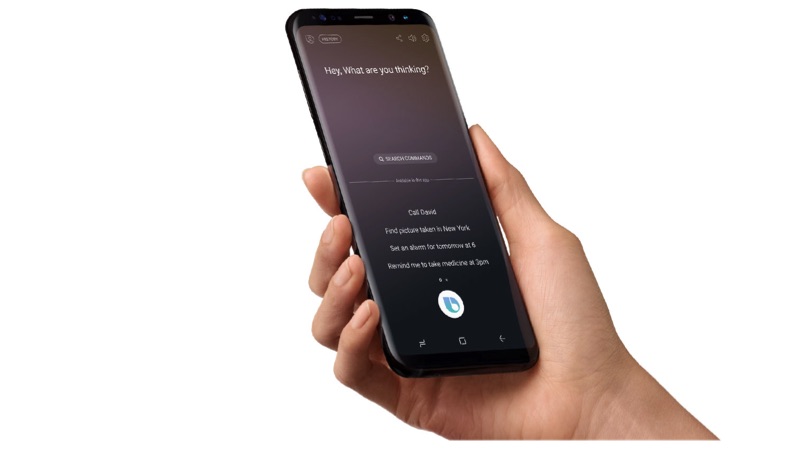
A new acquisition by Samsung shows that it wants Bixby to be the new Google Assistant for all its consumers. According to a report, Samsung has just acquired an AI property, Fluenty, a Korean startup notable for its chatbot of the same name.
Founded in 2015, Fluenty company currently develops a dedicated app and a separate “smart reply” API. The app uses machine learning to give custom response to users and is compatible with a number of popular messaging services like WhatsApp and Facebook Messenger.
This is what the official website of Fluenty says:
Fluenty is able to suggest smart replies that are specific to the person typing them. Let’s say for example that someone likes to say ‘Cheers!’ instead of ‘Bye!’ when closing a conversation. Fluenty is able to pick that up and will suggest it as a way to say goodbye in future messages.
This means that Fluenty uses more than just web searches to customise user experience and adds a personal touch rather just being a robotic assistant.
Bixby could take a few feathers out of Fluenty’s cap thanks to its machine learning capabilities. For example, if you are meeting someone at a bar, Bixby could pull out a Google Map location of the bar and start navigation.
Bixby has not been received very well since it was announced along with Samsung Galaxy S8 and Galaxy S8+. It will be interesting to see how Bixby will incorporate Fluenty’s capabilities and enhance the user experience, and try to replace Google Assistant with Bixby.
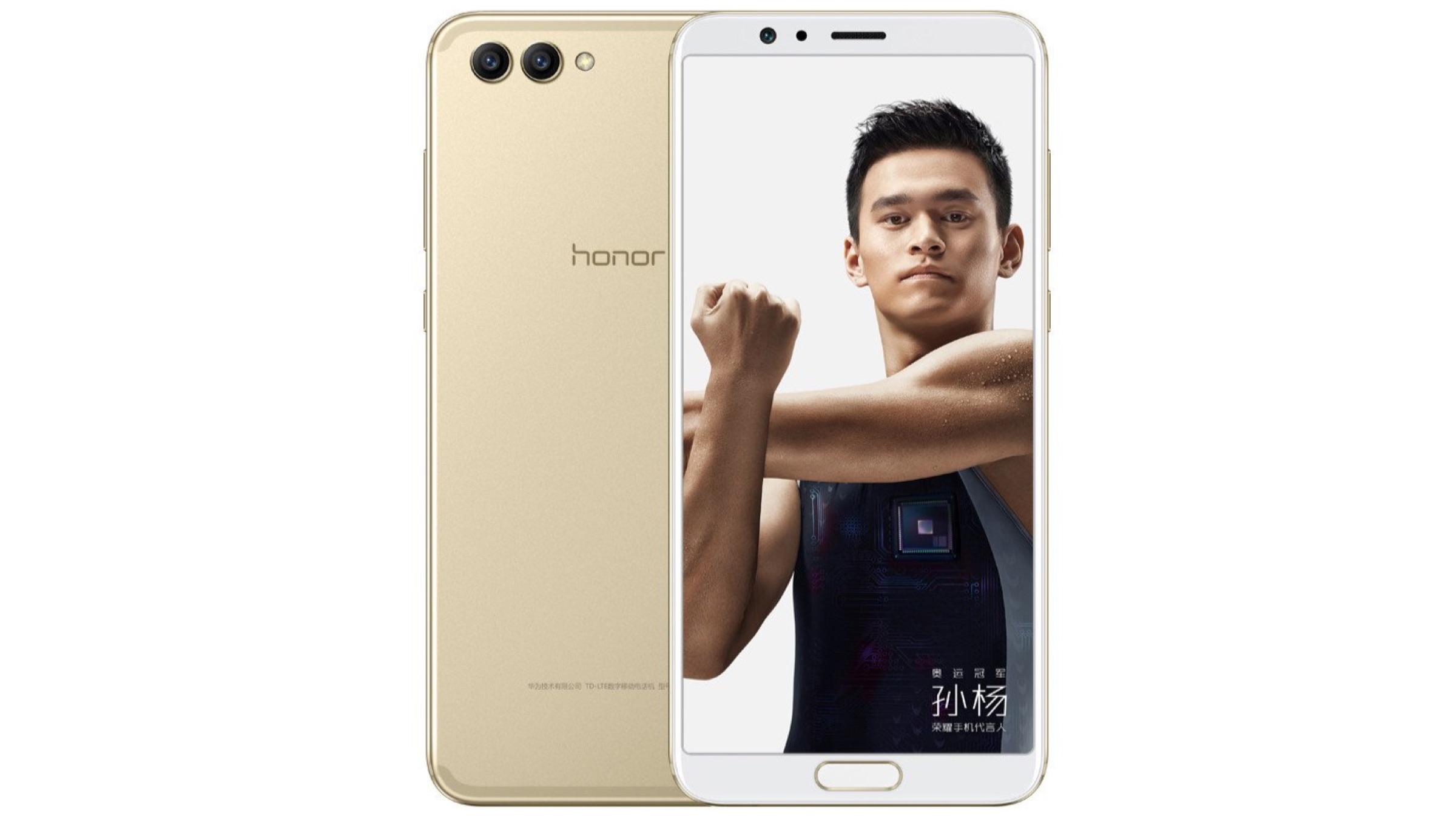
Huawei’s sub-brand Honor is preparing to launch the Honor V10 in London on the 5th of December. However, there have been multiple leaks that have revealed a lot of the specifications and features of the smartphone well before the official launch.
The new leaked images show the phone in a bright red colour. The bezels remain thin around the display and the phone has a front-mounted fingerprint sensor.
A benchmark listing revealed the specifications of the upcoming Honor V10.
The Honor V10 will have 5.99-inch FullView screen with Full HD+ resolution (2160 x 1080 px). An 18:9 aspect ratio means that the phone will have a tall display and thin bezels, which has become a norm in 2017.
Under the hood, the Honor V10 will have the Kirin 970 chipset, Mali-G72 MP12, 6GB of RAM and 64GB or 128GB of onboard storage. As per the leaked images, the Honor V10 will have a fingerprint sensor placed on the back of the phone due to thin bezels and a missing home button. The smartphone is expected to be powered by a massive 4000 mAh battery with support for QuickCharge.
Huawei announced EMUI 8.0 along with the launch of the Mate 10 Pro, which means that the Honor V10 might run Android 8.0 Oreo (since EMUI 8.0 is based on Android 8.0 Oreo) and EMUI 8.0 on top.
The Honor V10, according to the listing, will have a 16MP+20MP setup at the back. Considering how Honor has so far predominantly implemented the dual-camera setup, one of the cameras will have an RGB sensor while the other will be equipped with a monochrome sensor. On the front of the phone will be a single 13MP camera.