Category: Tech

Latest Technology News, Alternative, Bio-Tech, Medical, R&D and Innovations

  • Bitcoin Reaches All-Time High, Approaches USD 10000

    Bitcoin Reaches All-Time High, Approaches USD 10000

    Bitcoin has reached an all-time high of over USD 9800 and is fast approaching the psychological USD 10000 barrier. At the current rate, it is worth more than seven times an ounce of gold. The cryptocurrency, which started the year at USD 1,000, had reached USD 5,000 by October.

    Experts believe that the cryptocurrency is more volatile than ever. Neil Wilson, a senior market analyst at ETX Capital said:

    Rather than a commodity or currency, bitcoin is like owning stock in a company that will only ever issue 21m shares and never pay a penny in dividends.

    The only way it has value is if the next guy is willing to pay you more for it – the greater fool. With no intrinsic value to bitcoin, it’s hard to see this as anything other than a giant speculative bubble

    Bitcoin is a type of cryptocurrency which operates on the encryption technique but, does not have a legal backing from the central bank. It is an unrelated digital private currency created by Satoshi Nakamoto in 2008.

    Bitcoin has no value as it is like a digital form of private currency and does not have any underlying asset of value -base.

    Bitcoin should not be confused cryptocurrency or blockchain. Cryptocurrency is a digital currency in which encryption techniques are used to regulate the generation of units of currency and verify the transfer of funds.
  • Face ID Cracked Yet Again

    Face ID Cracked Yet Again

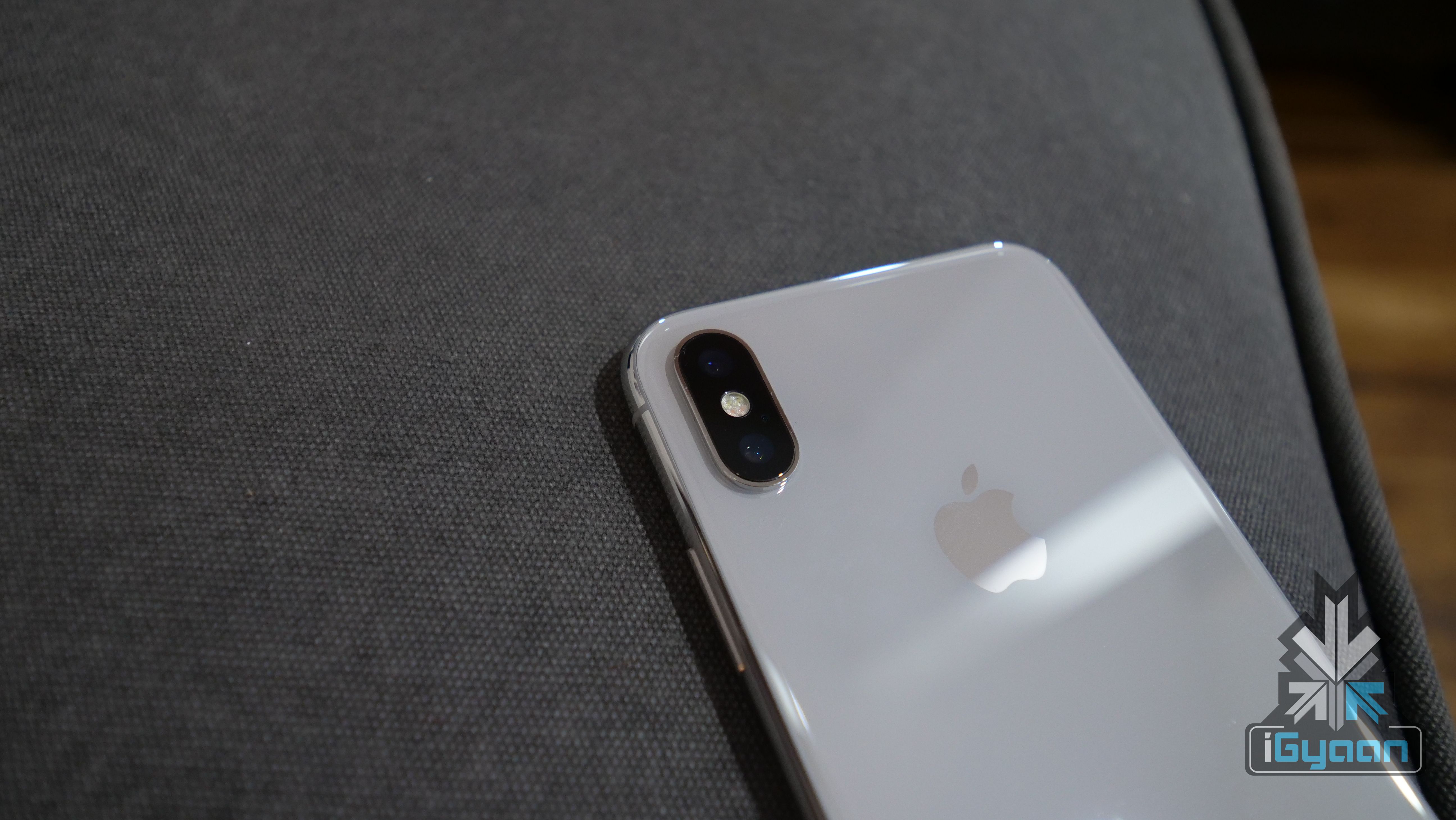
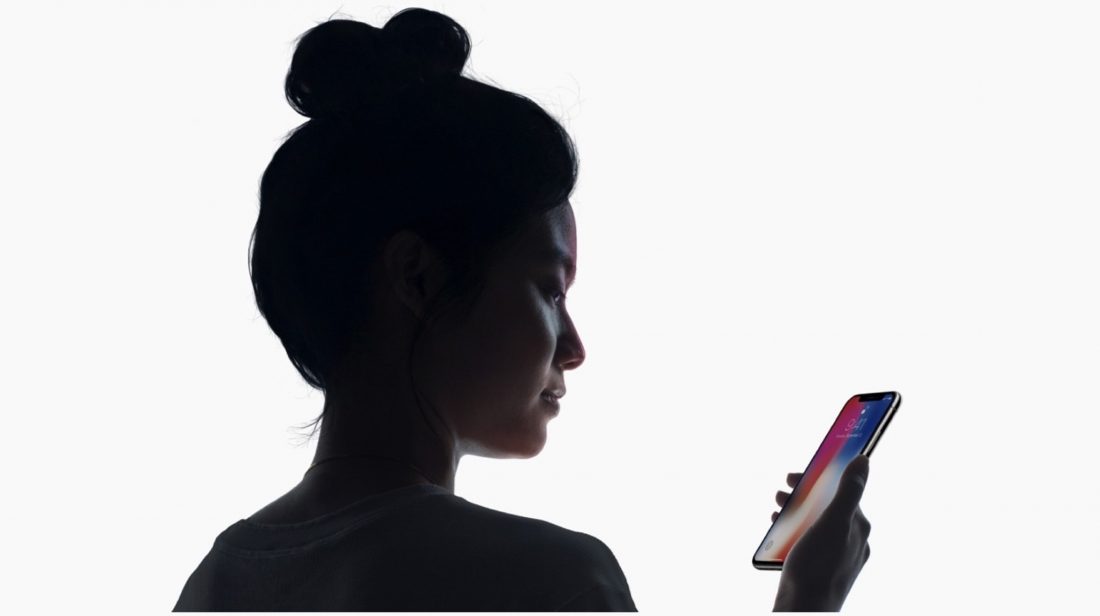
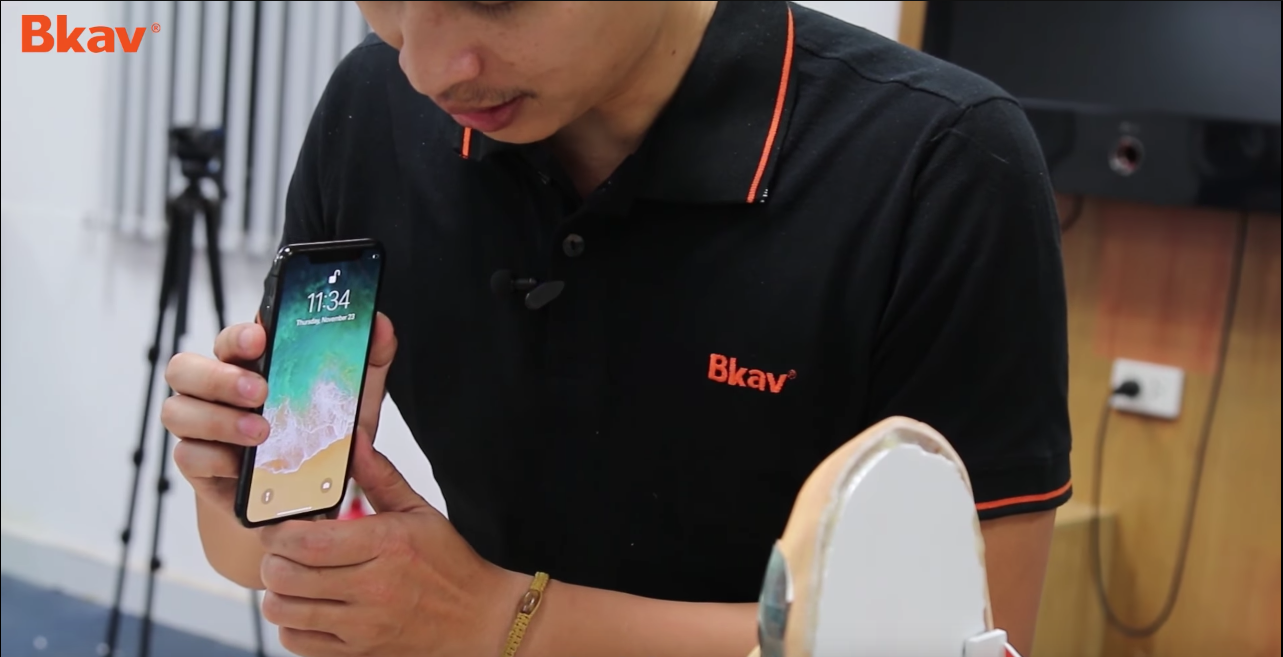
    Face ID might be the future, according to Apple but, it sure has some loopholes. Then again, which technology doesn’t? Vietnamese cyber security research firm Bkav was able to crack Face ID for a second time using a more elaborate mask and nearly US $150 in materials.

    The researchers were able to crack Face ID with a 3D printed mask of the user’s face made of stone powder. Infrared images of the user’s eyes were printed on paper and glued onto the 3D mask to trick the iPhone X’s infrared camera into perceiving that real eyes were looking at it.

    After the first attempt at fooling Face ID, the firm recommended that businessmen and National Leaders not use Face ID for securing their iPhone Xs. After the second attempt, the firm has come to conclusion that Face ID is not secure enough business transactions like Apple Pay.

    To say that your iPhone X is not secure at all and you should stick to a passcode is a little far-fetched. The process that Bkav undertook to fool Face ID is quite intensive and required special equipments to attain the desired results. You would also need access to a high-quality image of the person’s face and uninterrupted time with the user’s iPhone X.

    Apple can take a feather out of Android Jellybean’s hat by adding an extra layer of security wherein the user has to blink before FaceID unlocks the phone. Android Jellybean had a feature called ‘liveness check’ but, it was easily fooled. Face ID on the other hand will implement it much better.

  • Samsung Galaxy S9 Might Have A Feature The iPhone X Should Have Had

    Samsung Galaxy S9 Might Have A Feature The iPhone X Should Have Had

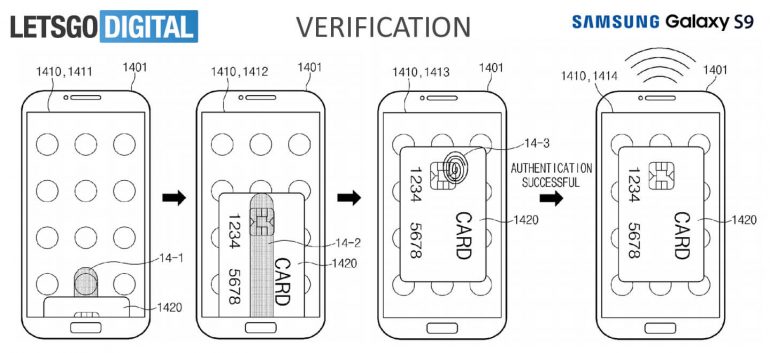
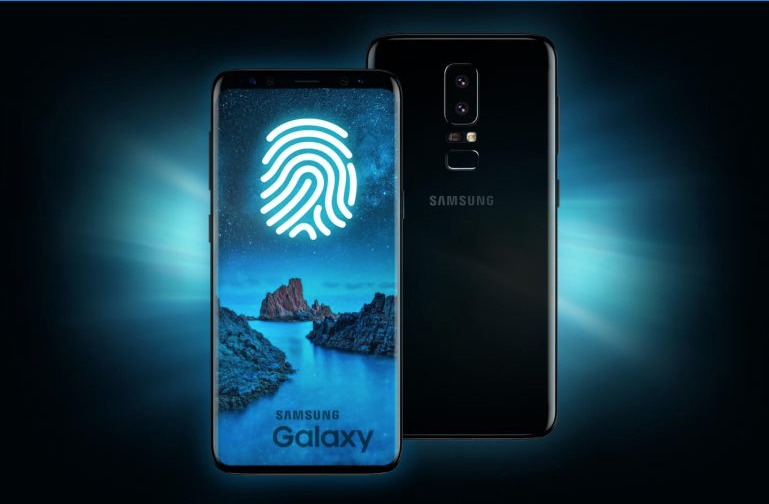
    Samsung Galaxy S9, despite many reports, might have a screen-embedded fingerprint sensor.

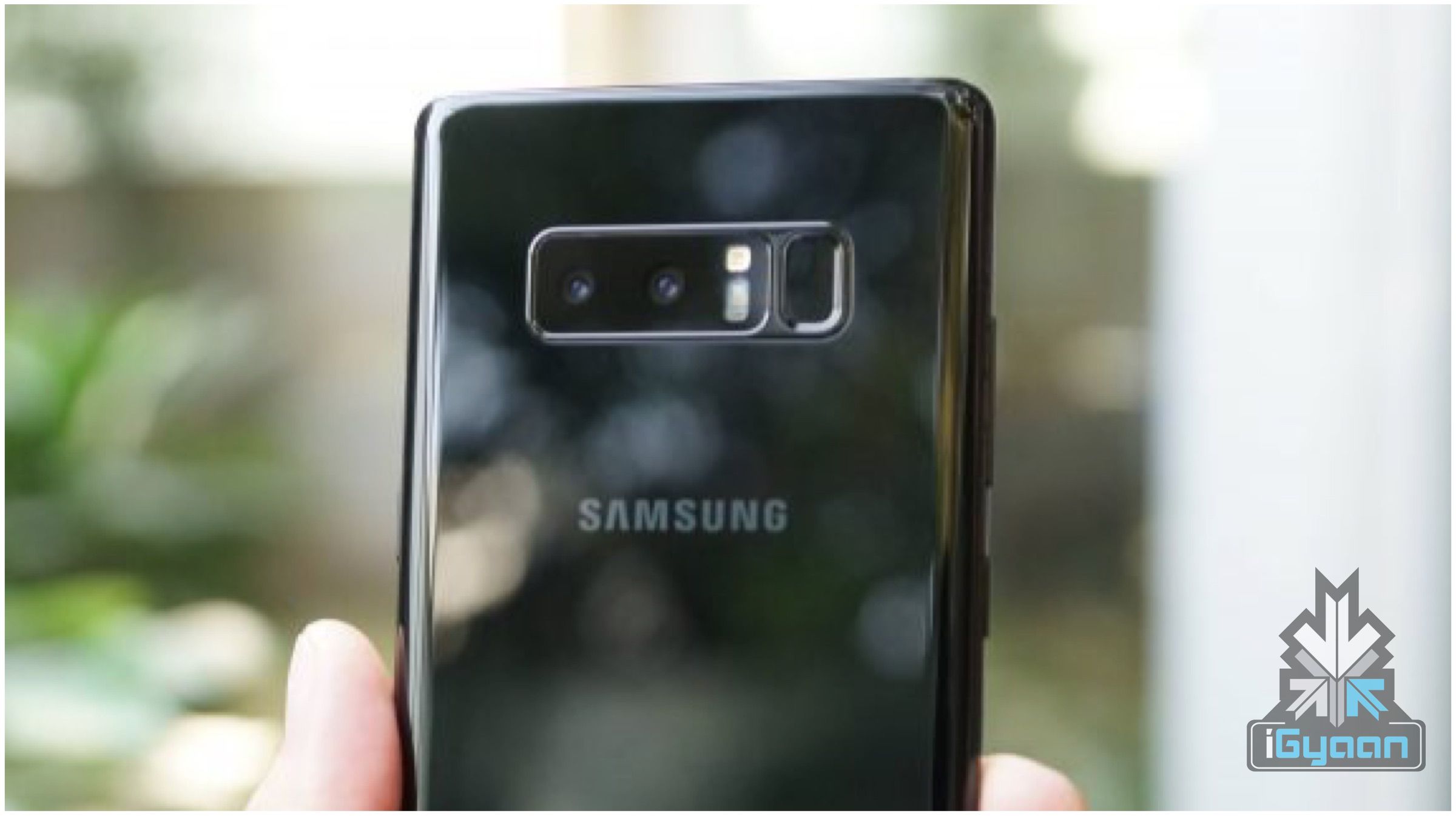
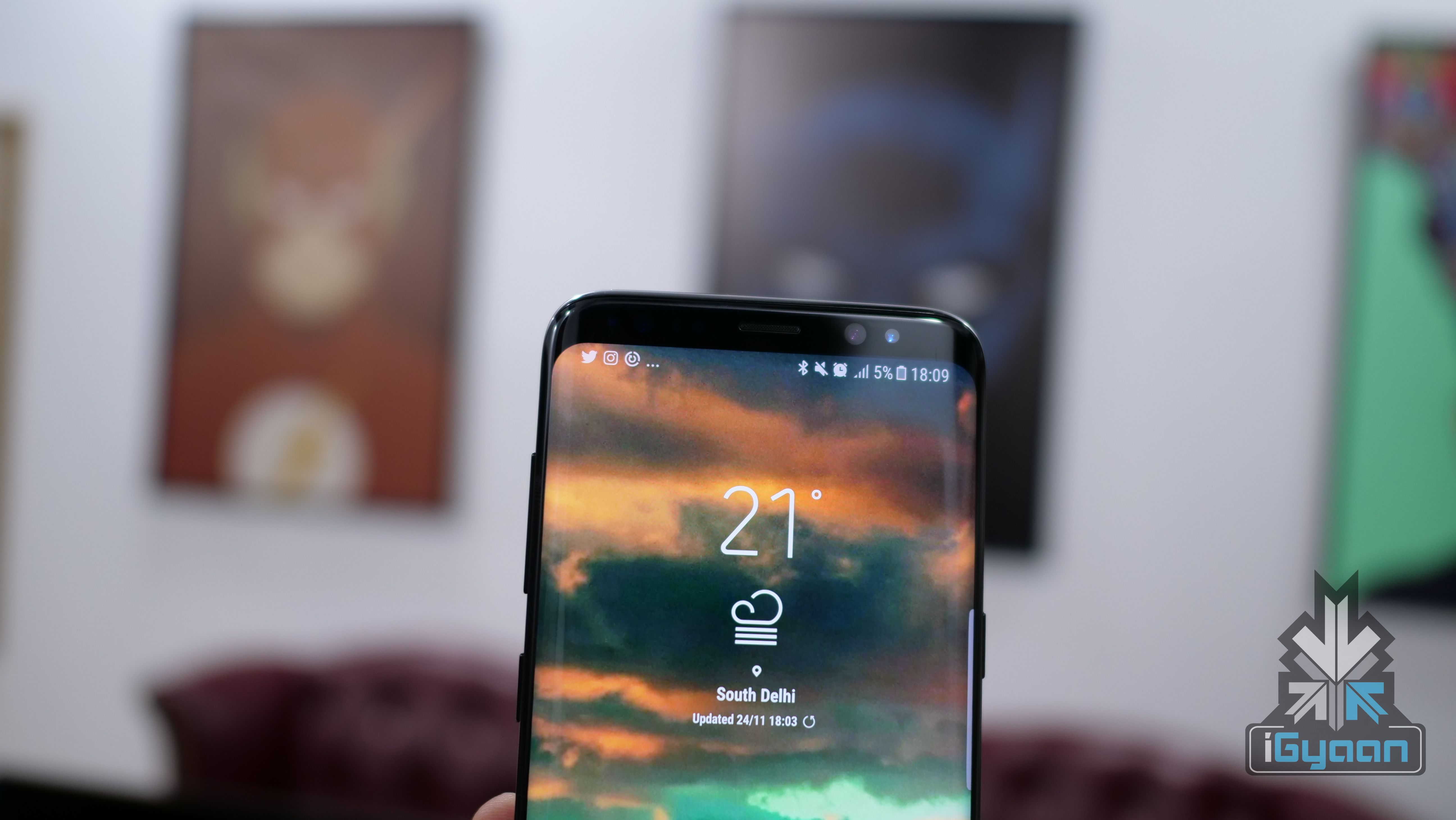
    The Apple iPhone X became available to the public in November, just a few months before the launch of the Galaxy S9. One of the most talked about features of the iPhone X has to be Face ID and the lack of a fingerprint sensor. Similarly, the awkward placement of the fingerprint sensor on the Galaxy S8/S8+ was also a talking point for many and iGyaan pointed it out as well in our full review of the Galaxy S8/S8+.

    It appears that Samsung will fix that by embedding the fingerprint sensor inside the display rather than positioning it in the middle at the back of the phone. The patent was first reported by LetsGoDigital, which notes that the new technology is likely to appear on the Galaxy S9.

    The international patent was submitted in April 2017, while the Korean patent was filed during 2016. This shows that a screen embedded fingerprint sensor has been a long standing aim of the Samsung design team. This looks like the ideal place for the fingerprint sensor instead at the back or completely moving to another way of biometrics like Face ID.

    The Samsung Galaxy S9 is expected to be unveiled at CES 2018. As we have reported, the Galaxy S9 will be the first smartphone to have the Qualcomm Snapdragon 845 chipset, as per a deal with Qualcomm. Other than that, the new smartphone is expected to be an incremental upgrade over the Galaxy S8 although, a screen embedded fingerprint sensor will mean that the Galaxy S9 will grab all the headlines at the time of its launch and might push Galaxy S8 users to upgrade to the Galaxy S9.

  • New Samsung Patents Show What The Future Galaxy Lineup Could Look Like

    New Samsung Patents Show What The Future Galaxy Lineup Could Look Like

    Samsung has been the number one smartphone maker in the world for a quite some time now. The smartphone industry has been stagnant in terms of innovation in the past few years. We have seen a surge in new “bezel-less” phones but, they aren’t really bezel-less. But, it appears that Samsung has a few new designs up its sleeves for the coming years.

    The Samsung Advanced Institute of Technology (SAIT) has been working on batteries that can be recharged in 12 minutes using graphene. That is five times faster than the existing batteries that support fast charging technology but, they still take about an hour to fully charge.

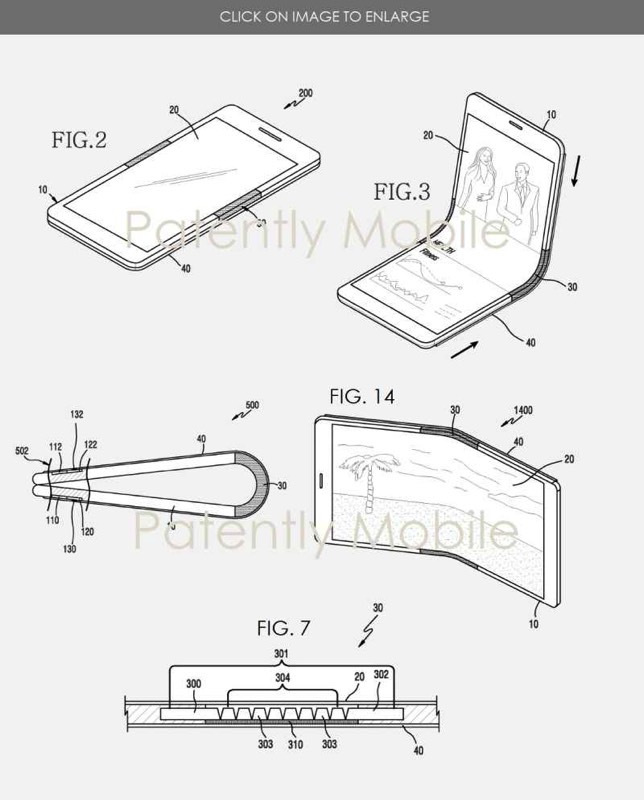
    It is not a news that Samsung is working on a foldable smartphone. The Galaxy X is very much a reality and a launch is expected in the first quarter of 2018. Now, a new patent discovered shows Samsung’s plan for a foldable smartphone. The patents show clamshell and candy bar smartphone designs that feature flexible displays and bodies. It will be interesting to see the implementation of the foldable design on the upcoming Galaxy X (tentatively called).

    What does seem apparent is that the upcoming foldable Galaxy phone will not have an all-screen design.

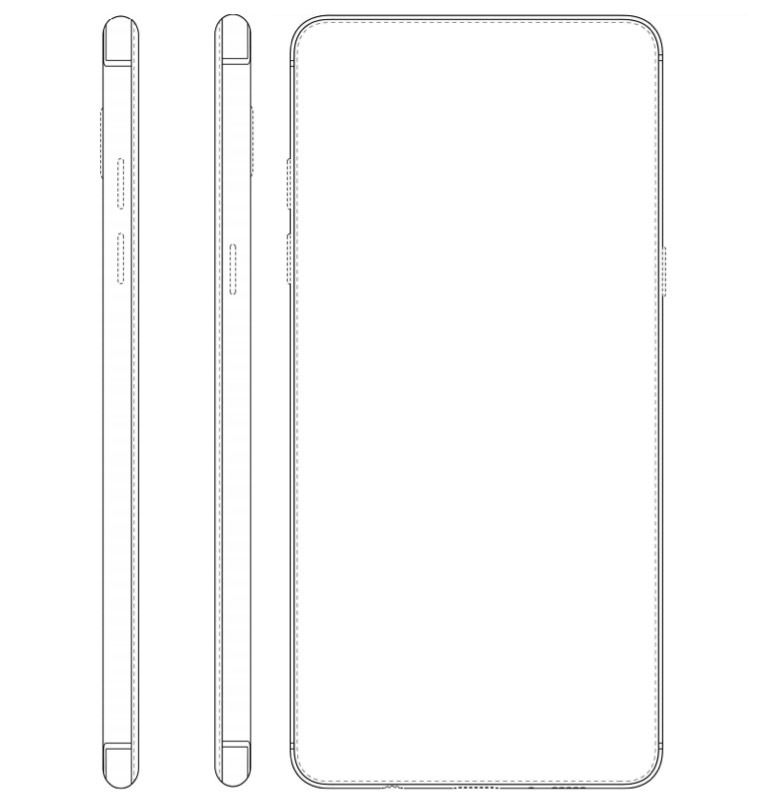
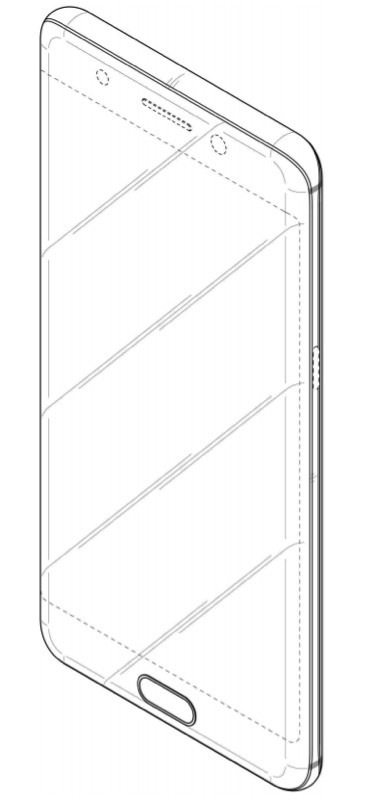
    Another patent unearthed that belongs to Samsung shows an all-screen display with no cutouts for a camera or any of the sensor. It is worth noting that the Galaxy S6/S7 turned out to be very similar to their patents. So, to believe that an all-screen phone from Samsung is not too far in the future won’t be a stretch.


    Galaxy S6/S7 Patent

    A new design change like this along with new offerings like a foldable smartphone which will be available to an average consumer might be the ignition that Samsung needs to stay ahead of the constant competition from Apple.

  • Another Flagship To Launch Along With The Galaxy S9

    Another Flagship To Launch Along With The Galaxy S9

    As we approach the end of 2017, the focus has already shifted to what we can expect from the 2018 flagship phones. A new report suggests that along with the Samsung Galaxy S9, the LG G7 will also be unveiled at CES 2018.

    2017 has seen the Samsung Galaxy S8, Galaxy Note8 and the iPhone X steal the limelight from the likes of the LG V30. That, however, has been the case for a few years now. The LG flagship phones make the list of every tech critics’ ‘Top’ list but, never seem to capture the consumer’s imagination like its rivals.

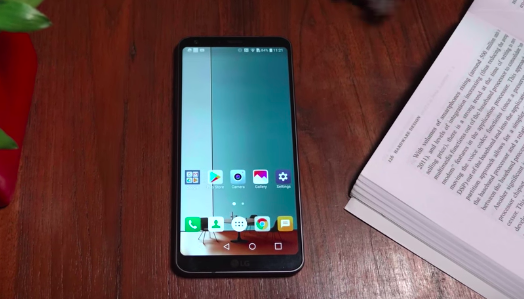
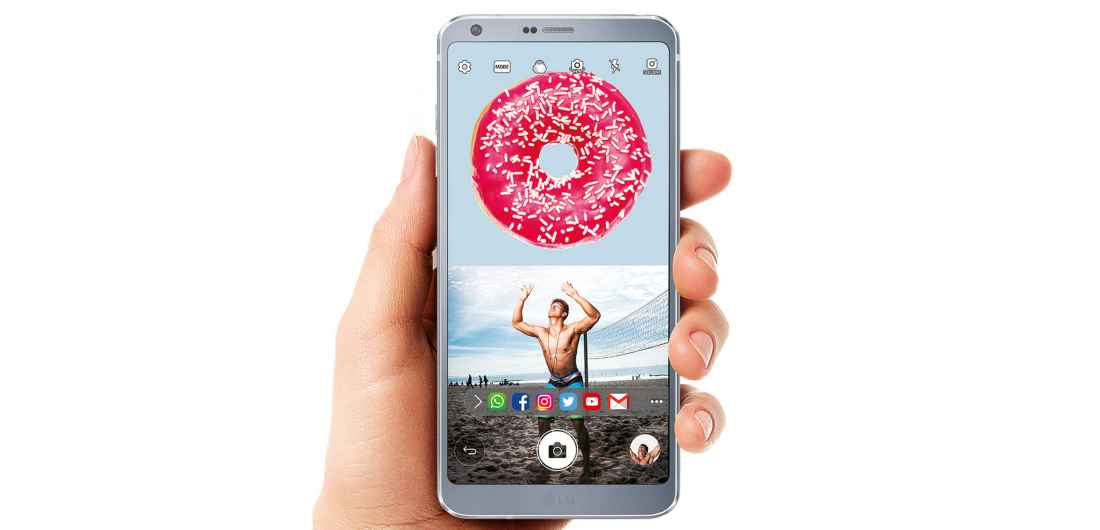
    LG G6

    2018 by the looks of it, won’t be any different. The LG G7 is expected to be launched with the Qualcomm Snapdragon 835 since Samsung will most probably have exclusive access to the Snapdragon 845 chipset for the first few months of 2017. Something similar happened in 2017 when LG G6 launched close to the Samsung Galaxy S8 and had to make do with the Snapdragon 821 chipset.

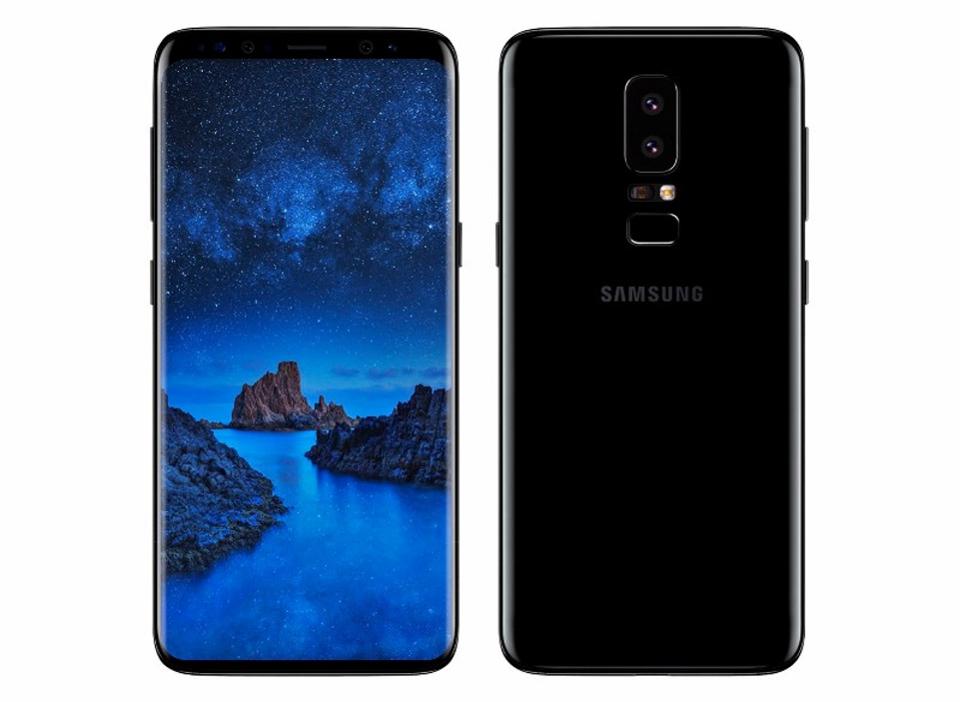
    Samsung Galaxy S9 Renders

    The LG G7 is also rumoured to feature an OLED display, with the fingerprint sensor to be placed under the screen rather than the back. The Samsung Galaxy S9, meanwhile, will have a regular rear-facing fingerprint sensor but, reports suggest that it will be positioned in a better location.

  • Kickstarter Launches India Operations With Amazon And HAX

    Kickstarter Launches India Operations With Amazon And HAX

    Kickstarter, one of the largest crowdfunding platform in the world is entering India in association with Amazon Launchpad and HAX. Together, the three global entities will launch Startup C-Cube, a multi-level challenge for Indian start-ups that flags off in Bangalore on the 5th of December 2017.

    HAX is a hardware accelerator that invests in select startups in their early stages and provides guidance and resources in exchange for equity. Kickstarter is a platform for entrepreneurs to showcase their products and start a crowdfunding program. Amazon Launchpad is a global program that curates, showcases and delivers all kinds of products from startups to Amazon customers.

    Amazon Launchpad In India

    The Startup C-Cube challenge will be officially flagged off by Amazon Launchpad, HAX and Kickstarter at an event in Bangalore on the 5th of December. This will also mark Amazon Launchpad’s one year anniversary in the Indian market. The winning start-up will be supported by the three companies through the entire “concept-to-customer” journey and the joint program will also provide resources to the winner for launch, both in India and in Europe/US, depending on the scalability of the idea.

    Manish Tiwary, VP of Category Management at Amazon India said:

    Business growth of some of the start-ups on Amazon Launchpad has elicited interest in these start-ups from VCs as well as other funding agencies in the last one year.
    We are very happy to bring Kickstarter and HAX to India to give Indian start-ups an opportunity to get their ideas noticed at the global stage and arm them with resources to convert these into real business opportunities.
    If you think you have the idea and the planning to win The Startup C-Cube challenge, then you can enter the competition by clicking here.
  • Here Are All The Samsung Phones That Will Receive Android 8.0 Oreo Update

    Here Are All The Samsung Phones That Will Receive Android 8.0 Oreo Update

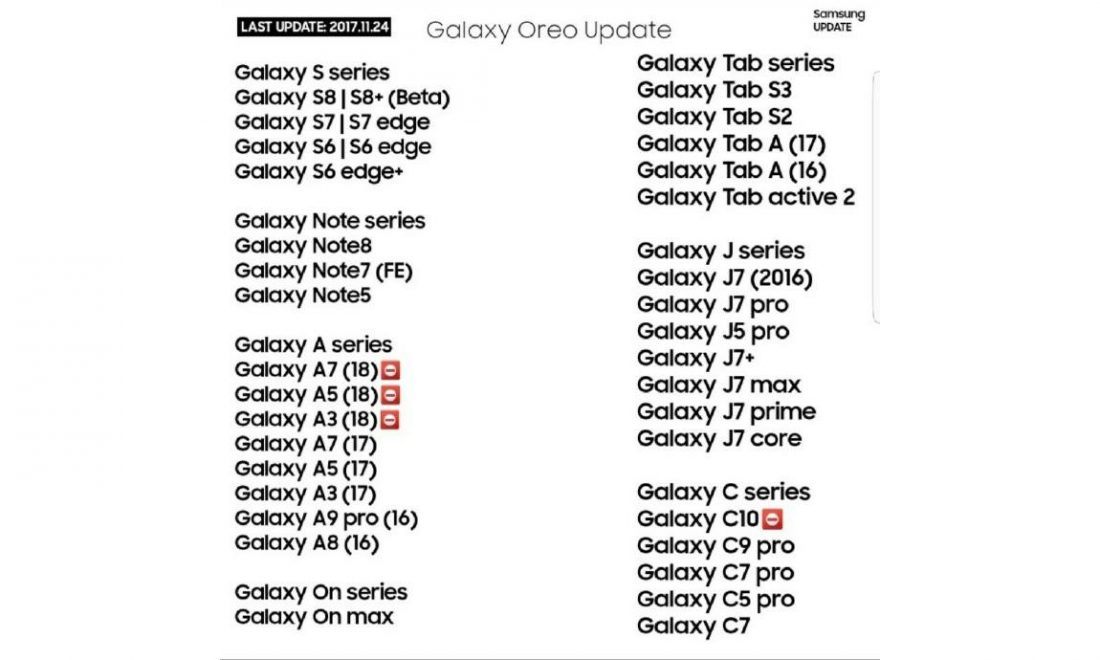
    Android 8.0 Oreo was launched back in August and the adoption rate of the newest Android OS has been abysmal, to say the least. Samsung, however, appears to have great plans for updating a slew of its smartphones to the latest Android 8.0 Oreo in the coming months.

    In the image leaked above, you can see all the phones and tablets from Samsung that will receive the Android 8.0 Oreo update. Android phones have a notorious history of not being updated to the latest software if they are more than a year old. That is one of the reasons why Android adoption rate for the latest OS is so low as compared to iOS. In this list, however, devices such as Galaxy A8 (2016), Galaxy A9 Pro (2016), Galaxy J7 (2016), Galaxy Tab A (2016) and Galaxy C7 were all released back in 2016 and Samsung has plans of updating them to Android 8.0 Oreo.

    Even the Galaxy S6 and S6 Edge, the flagship phones from 2015 will receive the new update. This move from Samsung will definitely be appreciated by the brand loyalists and people who are planning to buy a Samsung mid-ranger in the coming months. It will ensure consumers that their phones will be supported even when newer variants of their phones are launched.

    It is worth noting that the list also includes unannounced 2018 A-series smartphones, which, as per many leaks, will be running Android 7.1 Nougat out of the box.

    [poll id=”50″]

  • Honor V10 Leaked In Official Images

    Honor V10 Leaked In Official Images

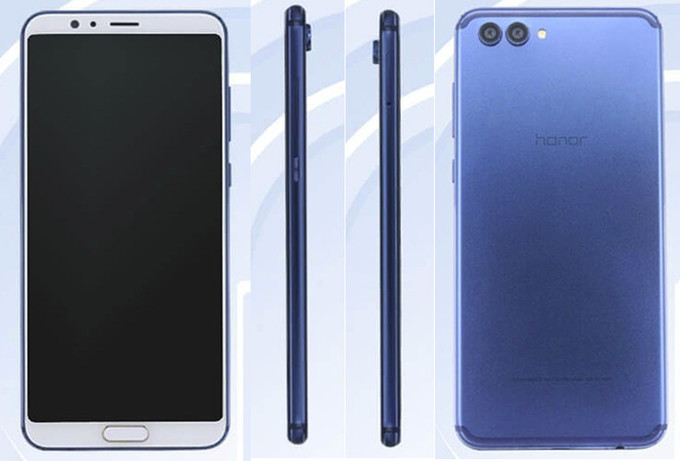
    Huawei’s sub-brand Honor is gearing up to unveil the Honor V10 at an event in China on the 28th of November before the global launch on the 5th of December. While the launch is a few days away, there have been certain leaks revealing what the Honor V10 might offer the consumers.

    In the images above, the tall 18:9 display with thin bezels is on full display with a dual camera setup at the back.

    A benchmark listing revealed the specifications of the upcoming Honor V10.

    The Honor V10 will have 5.99-inch FullView screen with Full HD+ resolution (2160 x 1080 px). An 18:9 aspect ratio means that the phone will have a tall display and thin bezels, which has become a norm in 2017.

    Under the hood, the Honor V10 will have the Kirin 970 chipset, Mali-G72 MP12, 6GB of RAM and 64GB or 128GB of onboard storage. As per the leaked images, the Honor V10 will have a fingerprint sensor placed on the back of the phone due to thin bezels and a missing home button. The smartphone is expected to be powered by a massive 4000 mAh battery with support for QuickCharge.

    You may like – Unboxing The Honor 7X

    Huawei announced EMUI 8.0 along with the launch of the Mate 10 Pro, which means that the Honor V10 might run Android 8.0 Oreo (since EMUI 8.0 is based on Android 8.0 Oreo) and EMUI 8.0 on top.

    The Honor V10, according to the listing, will have a 16MP+20MP setup at the back. Considering how Honor has so far predominantly implemented the dual-camera setup, one of the cameras will have an RGB sensor while the other will be equipped with a monochrome sensor. On the front of the phone will be a single 13MP camera, which means no “four cameras” on this one from Honor.

  • New Google Patent Reveals Self-Adjusting Pixelbook Lid

    New Google Patent Reveals Self-Adjusting Pixelbook Lid

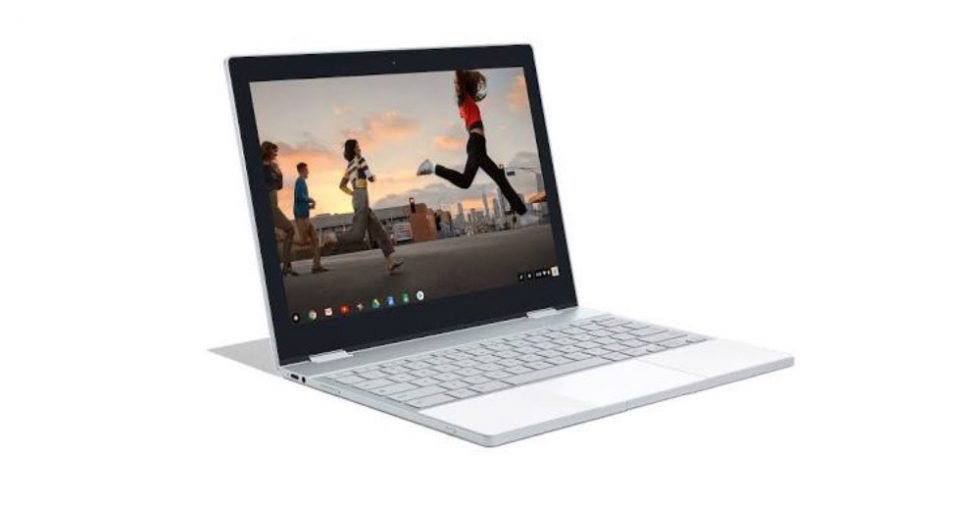
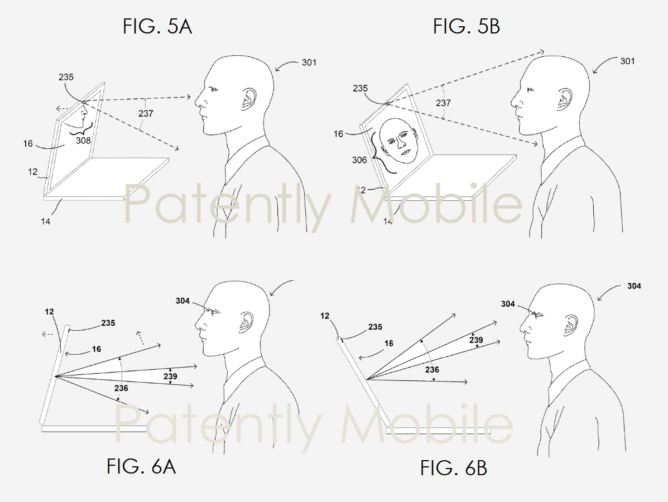
    The Pixelbook was unveiled back in October along with the Pixel 2 smartphones and a few other Google products. It now appears that Google is working on a new Pixelbook which will self-adjust the display angle according to the user’s face and will be activated by a touchpad.

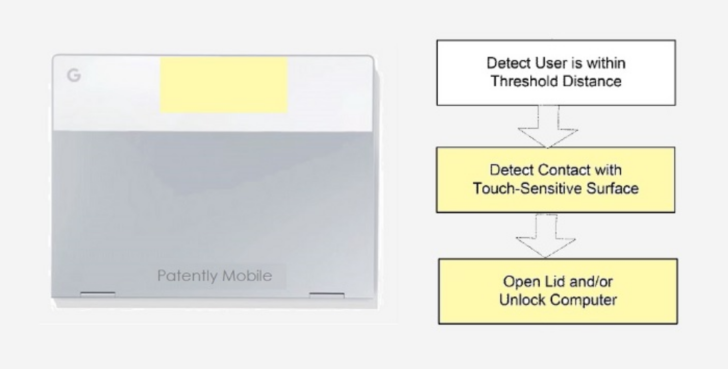
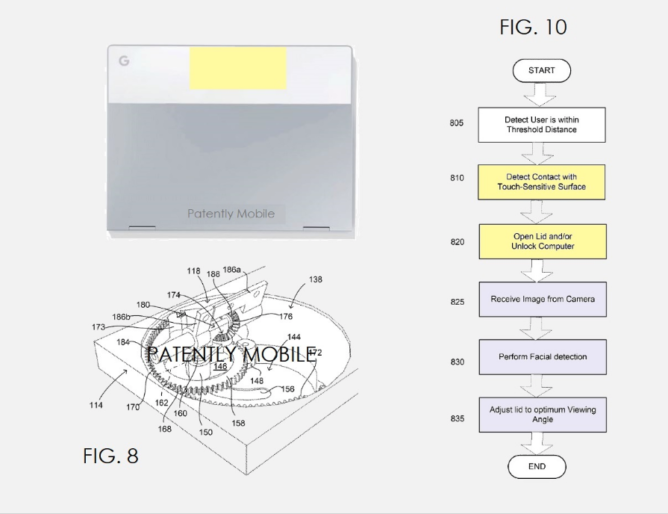
    In a new patent, a motorised lid for the Pixelbook was spotted. This lid would ensure that you wouldn’t have to exert as much physical force to use your laptop.

    The patent was filed back in Q4 of 2013 but, it was only recently granted to the tech giant. It is worth noting here that one of the people credited for the patent is Ken Loo, who is a Senior Product Design Engineer who worked on the Pixel phone, Pixelbook, and as the lead engineer for Google’s self-driving car’s sensors.

    Here’s how this futuristic self-adjusting Pixelbook will work: The user will tap the touchpad with a certain level of pressure or duration of time (which should be customisable), which would make the hinge motor open the lid. The front-facing camera would then track your face and make the hinge’s angle optimal for your the best viewing angle. It won’t be a surprise if face unlock is also incorporated in this laptop since highly accurate cameras or sensors will be used to track the face.

    The lid will keep on adjusting itself while you use the laptop. The computer might even use a body part, or an accessory to predict the location of your face and adjust accordingly. However, if the sensors do not detect a face for x number of seconds, it would automatically close and lock itself. You’d also be able to close it via a certain motion on the touchpad.

    All of this sounds great in theory but, it will be interesting to see how the implementation will done on this Pixelbook. Google’s hardware team has its plate full if it has to nail this technology and make the Pixelbook a viable option in a market where MacBooks and spec’s out PCs dominate the consumer’s mindset.

  • Motorola Mocks Samsung And Apple In A New Advertisement

    Motorola Mocks Samsung And Apple In A New Advertisement

    Motorola has come out with a new advertisement in which it mocks Samsung and Apple. The ad continues from where Samsung’s infamous advertisement ends in which Samsung mocks Apple and the iPhone X.

    https://youtu.be/Dw7verGkl5c

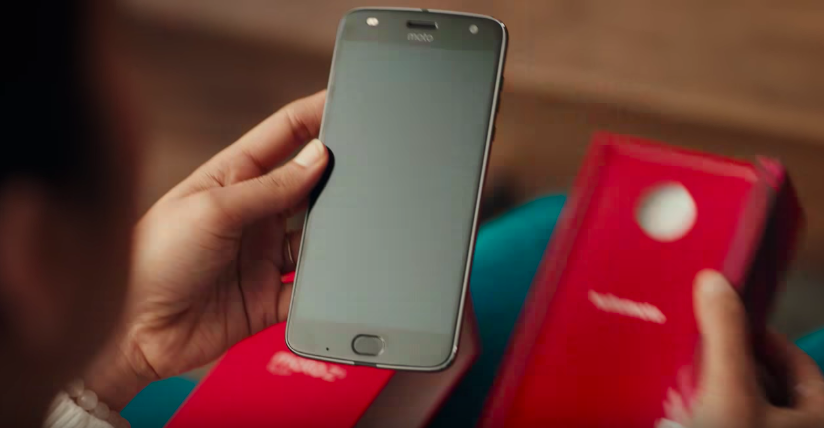
    The new ad from Motorola shows off the projector mod on the Moto Z2 Play. While the Samsung ad was rather elaborate in mocking Apple and its range of iPhones, Motorola has gone ahead and been brief about its attempt at mocking the two smartphone giants. The name of the campaign is “Up-upgrade” in reference to Samsung’s campaign which was called “Upgrade.”

    While many were waiting for Apple’s response to the advertisement where Samsung mocked it, Motorola has swooped in and taken the opportunity to mock the two giants in a single advertisement.

    This trend of rival brands mocking each other appears to be catching up and it will be interesting to see if either company will go ahead and respond to this effort by Motorola.

    https://youtu.be/R59TevgzN3k

  • OPPO R13 Is The iPhone X Clone You Need

    OPPO R13 Is The iPhone X Clone You Need

    The Apple iPhone X is the most expensive iPhone ever. In a country like India, buying the 256GB variant of the iPhone X can cost you over a lakh, which is not a small amount for a smartphone. Now, being the ‘trendsetter’ that Apple is, it has prompted OPPO to go the bezel-less route and embrace the “notch” life as well.

    In new leaked images of the upcoming OPPO R13, the influence of the iPhone X is on full display. The OPPO R13 has been revealed to have a design way too similar to the iPhone X with a glass back, vertically placed dual cameras and a bezel-less display.

    According to a report, OPPO had filed a display patent back in September which showed an iPhone X-like notch on the top alongside a full-screen display. The leaked images certainly reveal the implementation of that patent as OPPO sets out to make an Android-powered iPhone X.

    There is also a home bar at the bottom of the screen, just like the iPhone X. The iPhone X uses gestures for navigation within the OS since there is no home button due to shrunken bezels and, it appears that OPPO has done the same, even though, Android has had on-screen navigation buttons since eternity.

    To recall, the OPPO R11 was also uncannily similar to the iPhone 7 Plus which became more famous because the OPPO R11 was the OnePlus 5 which resulted in comparisons. So, OPPO’s move is not surprising but, the company has gone all out this time.

    Face ID on the iPhone X

    It is worth noting here that there is no fingerprint sensor visible in the photos. Now, either OPPO has housed the sensor in the lock button like the Razer Phone or, has its own version of Face ID. No word on specifications or release date of the phone has been revealed as of now.

  • Apple iPhone SE 2 Is Coming Early 2018, Manufacturing Begins in India

    Apple iPhone SE 2 Is Coming Early 2018, Manufacturing Begins in India

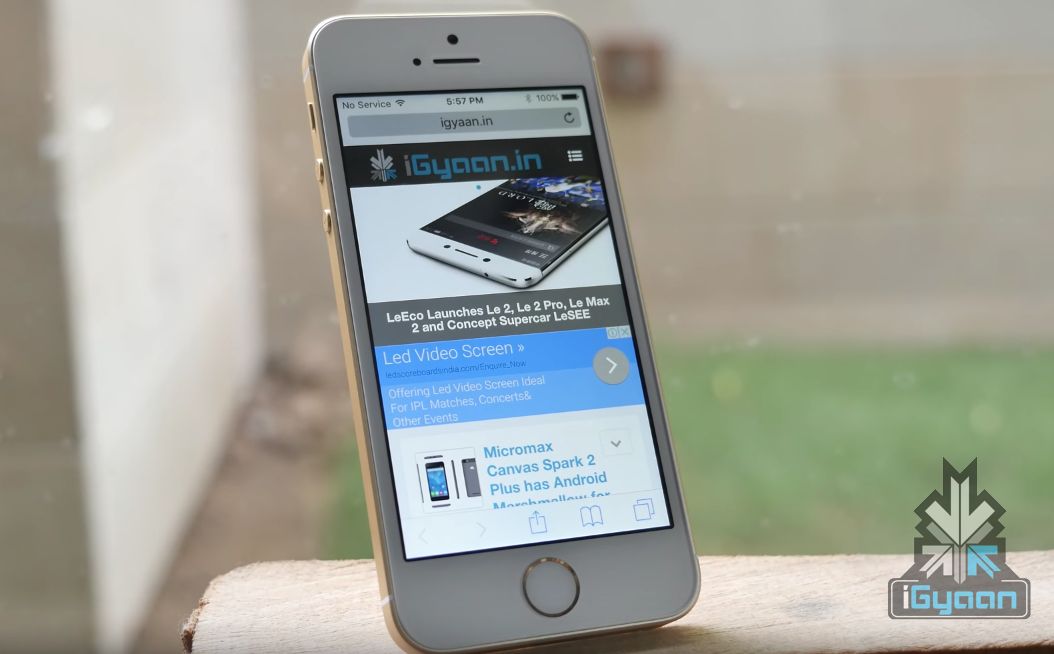
    Apple has had massive success with its budget iPhone SE, especially in markets like India. The iPhone Se is one of the strongest selling phones, and with massive discounts on online sites like Amazon and Flipkart, the iPhone SE continues to be a good seller. However, Apple has plans the retire the raging iPhone SE and replace it with an aptly named iPhone SE 2. The launch of this new iPhone will also kick off Apple’s India manufacturing at Wistron at full swing. The iPhone SE 2 is rumoured to be completely assembled in India to be supplied to the other parts of the world as well.

    Specs wise Apple is said to remove some of the highlight features of the iPhone 8 and iPhone X. Do not expect the iPhone SE 2 to feature wireless charging, an OLED display, Face ID or even an edge to edge display. However, Apple is expected to use a better resolution display than that on the iPhone SE, along with the A10 Fusion processor, and a bigger 1,700 mAh battery. Apple is also expected to improve capacities to 64 GB and 128 GB variants along with the ability to capture 4K at upto 60fps on the new HEVC formats. Apple is also expected to use 2GB RAM and enable fast charging on the iPhone SE 2, features which are relatively cheap to include and are well appreciated by buyers

    The Wistron plant in Bengaluru, which was established early this year, has been producing iPhone SEs for India. But production for the iPhone SE 2 is expected to be ramped up as Apple may supple other regions with the India made units.

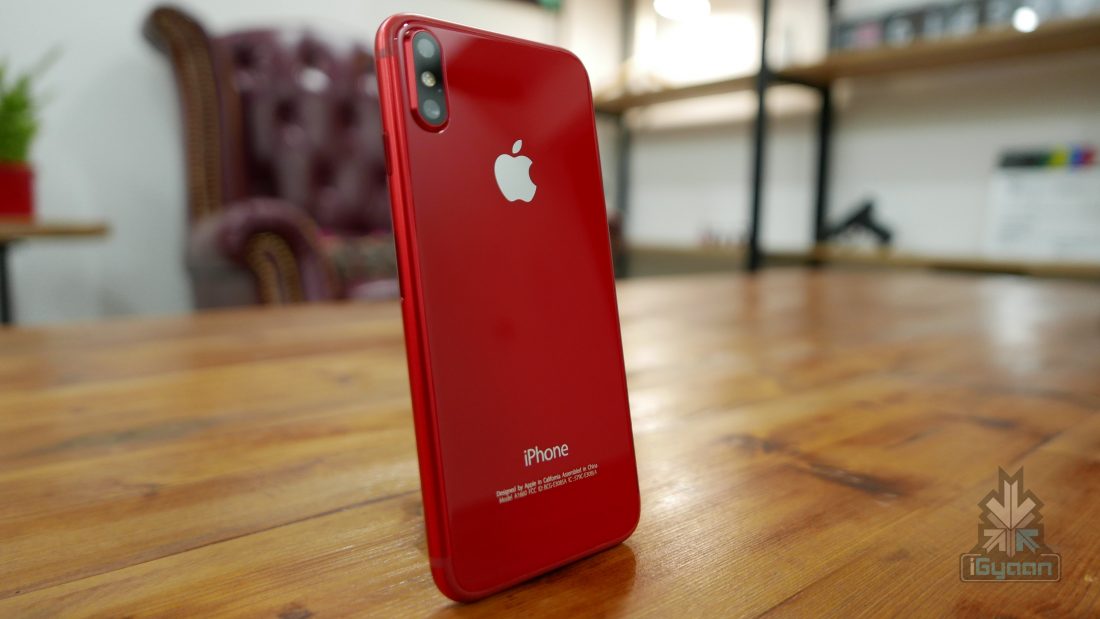
    Price wise Apple is expected to keep in the Rs. 30,000 (US$ 400-500) region for an iPhone SE 2 outright. The iPhone SE may see a Feb-Mar 2018 launch with availability at the same time. Apple is also expected to launch Product RED versions of the iPhone 8, 8 Plus and the iPhone X early 2018.

    You may also like :

  • OnePlus 5 May Be Getting Face Unlock

    OnePlus 5 May Be Getting Face Unlock

    One of the most interesting features of the OnePlus 5T, the facial unlocking system may be coming to its “older” sibling, the OnePlus 5 as well.

    The OnePlus 5T has been in the news ever since its launch. OnePlus decided to keep the price of the OnePlus 5T same as the OnePlus 5 and announced that the OnePlus 5 will be discontinued.

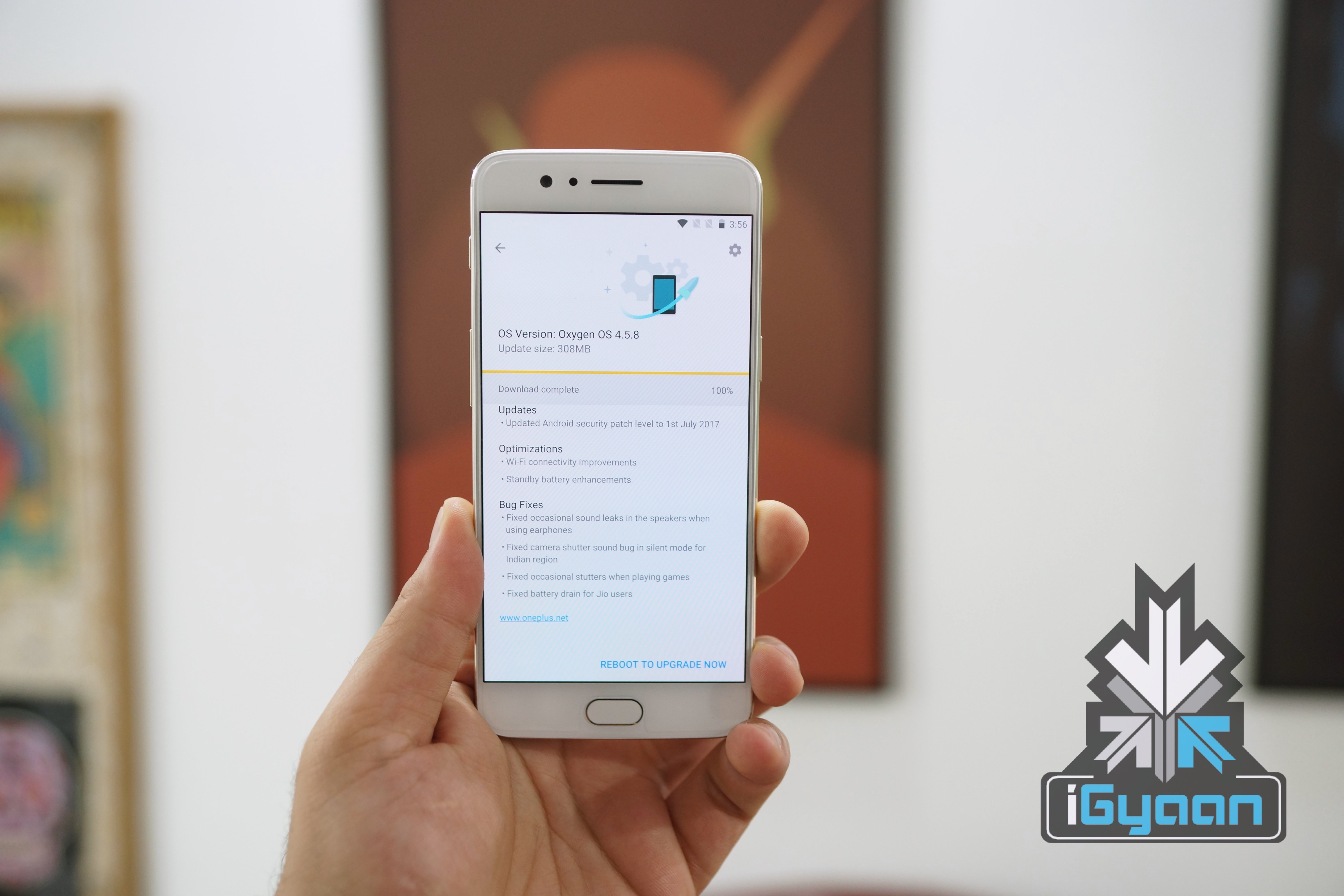
    If you still own the OnePlus 5, it appears that there is a slight chance you’ll get access to Face Unlock as well. Spotted by XDA Developers, an Android Oreo beta for the OnePlus 5 shows Face Unlock as an option, but it’s unclear if it will end up rolling out to everyone in the final build.

    Talking about OnePlus’ implementation of the face unlock, unlike Apple or Samsung’s implementations of face recognition, the OnePlus 5T doesn’t have any special sensors to aid in identifying your face, it just uses the camera. The company says that it uses over 100 unique identifiers to correctly identify who is looking at it. It’s even designed to work with glasses.

    It does so by analyzing, through the front camera, over 100 identifiers on your face such as the distance between your eyes or between your nose and upper lip. We have included numerous parameters, so that Face Unlock works in different lighting conditions as well as when you are wearing glasses.

    OnePlus has however conceded that security is not its main concern with Face Unlock.

    when we moved the fingerprint sensor to the back on the OnePlus 5T, we wanted to provide users a way to unlock the phone from the front of the device – with a focus on convenience and ease of access. Face Unlock is only designed as an additional option to open your device for the sake of convenience.

    The OnePlus 5T went on sale in India on the 21st of November at a starting price of Rs 32999 (same as the OnePlus 5).


  • LG V30 To Launch In India In December

    LG V30 To Launch In India In December

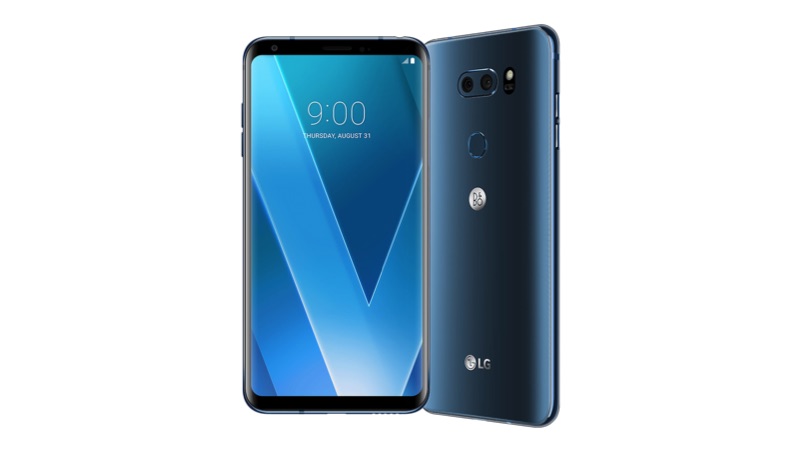
    Lg’s late-2017 flagship phone, the LG V30 is expected to be launched in India in December. According to a report, the LG V30 will be priced at Rs 47990.

    Unveiled back in August during IFA in Berlin, the LG v30 has seen a phased introduction of the phone in different markets. However, there was no news about its launch in the Indian market. with a price tag of under Rs 50000 and significantly cheaper than the likes of Samsung Galaxy S8 and the iPhone X, it appears that LG will launch the device without the HiFi quad DAC, as we had reported earlier.

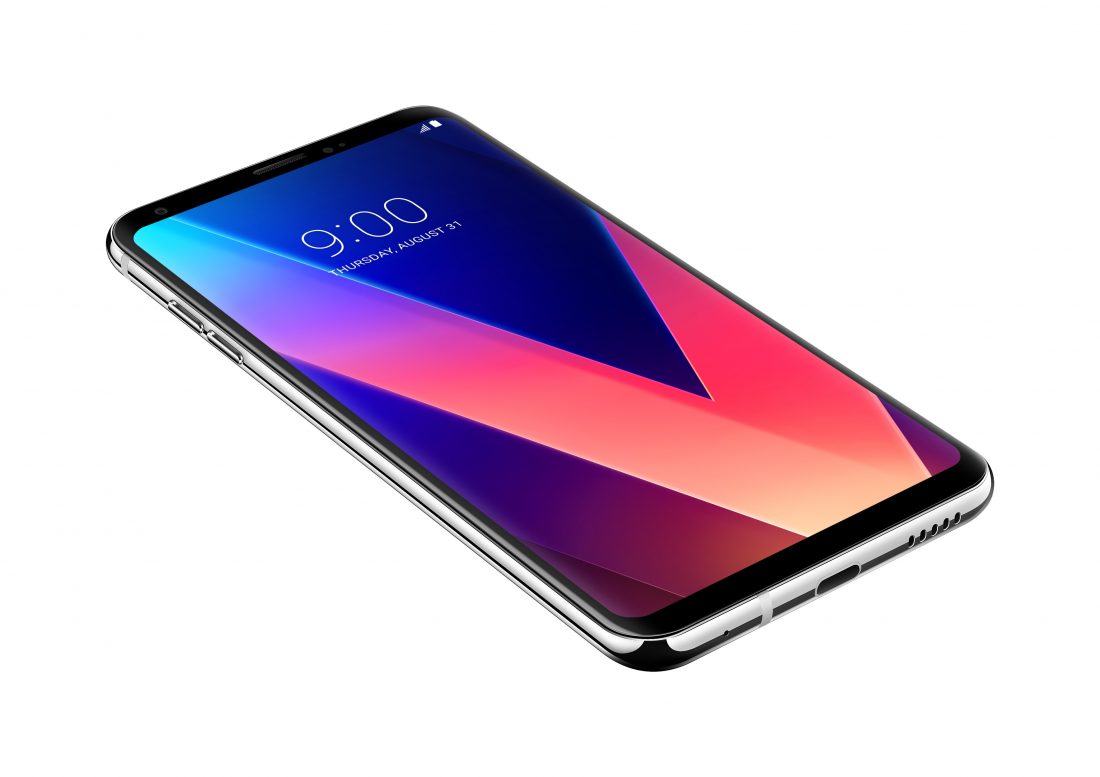
    The LG V30 has a 6 inch 2880 x 1440 px OLED FullVision display with an 18:9 aspect ratio and Corning Gorilla Glass 5. LG’s nearly edge-to-edge OLED display has HDR 10 format for a high level of colour contrast.

    Like other flagships of 2017 the LG V30 has a Qualcomm Snapdragon 835 chipset, a 2.4GHz octa-core processor, 4 GB RAM and 64GB/128GB onboard storage with up to 2TB of expandable storage via a microSD card. The phone also has an  IP68 rating for water and dust resistance and MIL-STD 810G rating for durability. The device is powered by a 3300mAh battery with wireless fast charging, and the phone also supports quick charge 3.0

    The smartphone runs Android 7.1.2 with LG’s UX 6.0+ on top which offers a few customisation options. A big omission from the V30 is the secondary display, which was a signature in the previous V series devices. Instead, LG has introduced a Floating Bar which displays shortcuts and can be disabled when not required.

    Apart from the rear mounted fingerprint scanner which also doubles as a home button, LG has introduced few new security features in the LG V30 such as facial and voice recognition. The voice recognition will even work along with music playback.

    The LG V30 features a dual-camera setup at the back. As LG had announced, this smartphone has the first ever inbuilt camera unit to feature a 16MP crystal clear lens made of glass with an f/1.6 aperture and another 13MP wide angle lens with an f/1.9 aperture. The camera features laser detection AF, optical image stabilisation and electronic image stabilisation. On the front side, the LG V30 has a 5MP wide-angle camera with an aperture f/2.2.

  • Samsung Galaxy S9 May Have A Record Breaking 90% Screen-To-Body Ratio

    Samsung Galaxy S9 May Have A Record Breaking 90% Screen-To-Body Ratio

    Bezel-less displays are the talk of the town. 2017 has been the year of shrinking bezels and it appears that 2018 will take this trend a step further. A new report suggests that the Samsung Galaxy S9 will have a whopping 90% screen-to-body ratio.

    To assume that the Galaxy S9 will have smaller bezels than the Galaxy S8 is not wrong. As an incremental upgrade, it is bound have even more shrunken down bezels but, hitting the 90% mark will certainly set the record straight and the precedence of the best screen-to-body ratio on a phone. All of this will happen fairly early on in the year as well, since the Samsung Galaxy S9 and Galaxy S9+ are expected to be launched in March.

    According to the information we have received, the bottom chin seen on the Galaxy S8 will be next to non-existent on the Galaxy S9, and the top bezel will be narrower than the S8’s bottom bezel.

    With all the high profile launches for 2017 done and dusted, it makes sense that we start receiving “exclusive” and “concrete” information about the 2018 flagship phones and there are a few other things that we know about the Galaxy S9 and Galaxy S9+ so far.

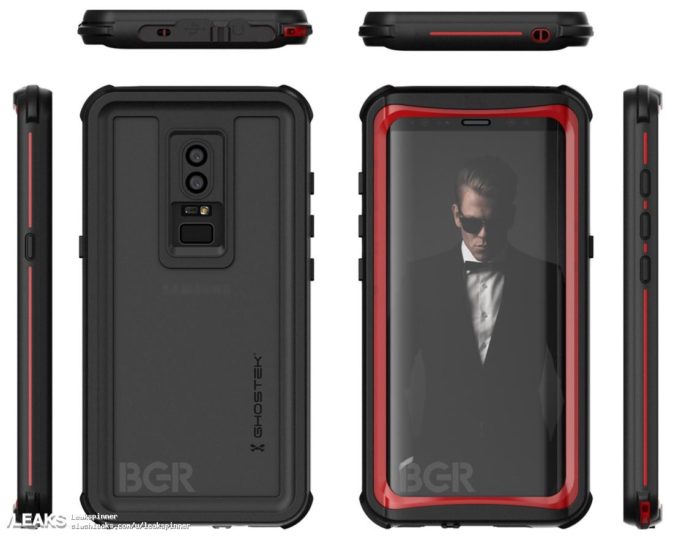
    Galaxy S9 Design Leaked In Case Renders

    The Galaxy S9 series will be nearly identical to their predecessors and will only include some hardware upgrades. The Galaxy S9 is reportedly codenamed Star 1 and will bear the model number SM-G960, while the Galaxy S9+ will be codenamed Star 2 and will have the model number SM-G965.

    The display size of both the phones will be identical to their 2017 counterparts with the Galaxy S9 sporting a 5.8-inch Super AMOLED display while the Galaxy S9+ will have a 6.2-inch display. The bezels will be thinner than the previous generation devices with the infamous curved edges and “Infinity Display.”

    Unlike 2017, where there were barely any differentiating factors between the Galaxy S8 and Galaxy S8+, Samsung is planning something different for 2018. It appears that the Galaxy S9 will have a single camera at the back while the Galaxy S9+ will have a dual camera setup at the back. This will give consumers extra incentive to spend more money on the Galaxy S9+.

    In terms of pricing, it won’t be a surprise if the Galaxy S9+ surpasses the Galaxy Note8 price and touch the thousand dollar mark, similar to the iPhone X.

iGyaan Network
Privacy Overview

This website uses cookies so that we can provide you with the best user experience possible. Cookie information is stored in your browser and performs functions such as recognising you when you return to our website and helping our team to understand which sections of the website you find most interesting and useful.