Valentine’s Day is just around the corner. It’s that time of the year when couples have to put in tremendous amount of thought and patience on gifts that will make the day special.
Well, this time we’d recommend you steer clear of the expected roses and heart-shaped chocolates, and check out the list we’ve compiled. The iGyaan team did a bit of digging around and asked the ladies in our lives, what would they like on Valentine’s day?
Here are the answers:
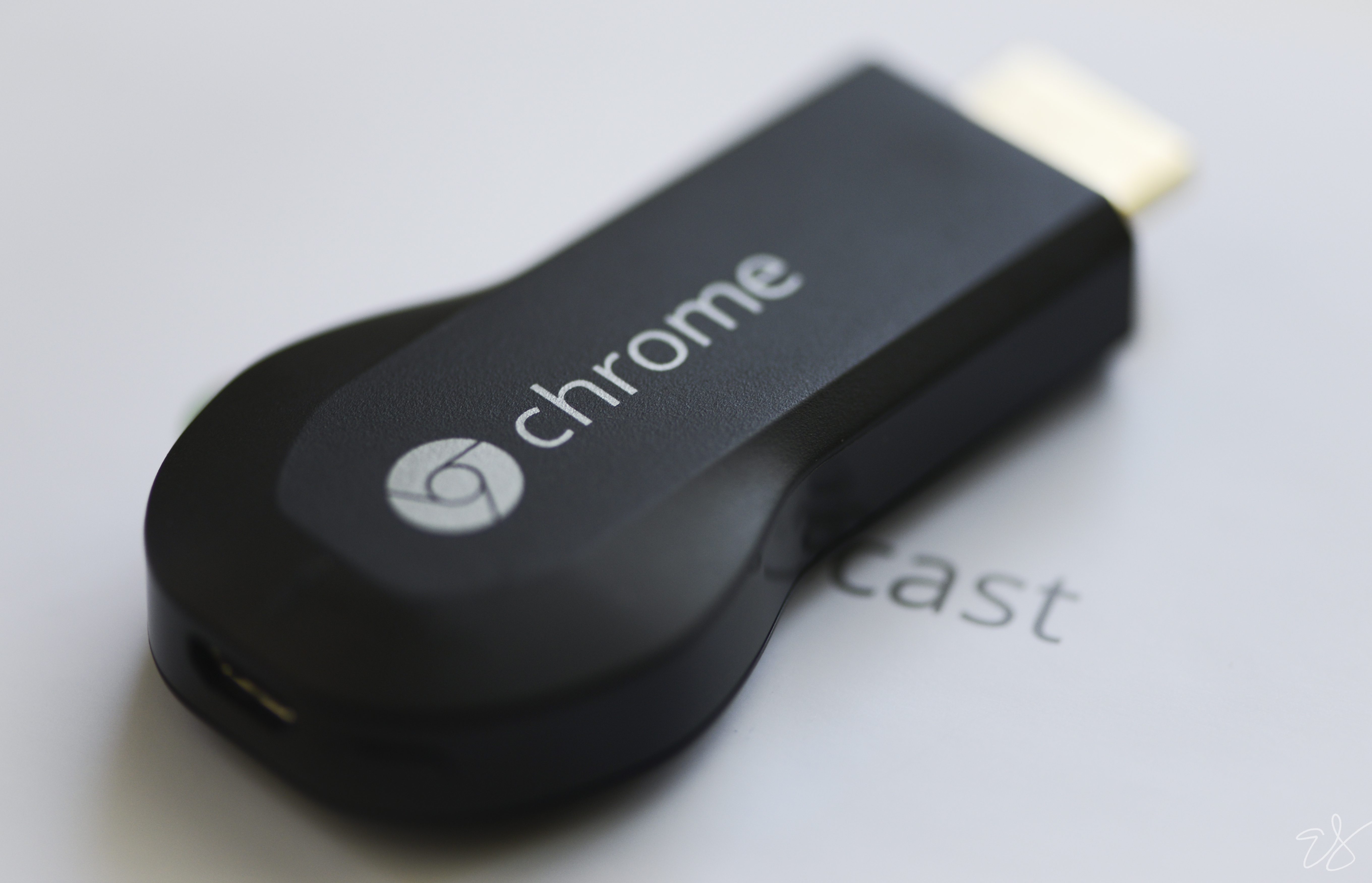
1. Google Chromecast
Chromecast is a thumb-sized digital media player through which you can easily stream content from your laptop, Android phone and tablet to your high definition TV. Your smartphone becomes your personalized remote control. You can browse your favourite movies, videos and more and cast it on your TV. You can pause, play, rewind, make playlists. Just plug in, connect and enjoy.
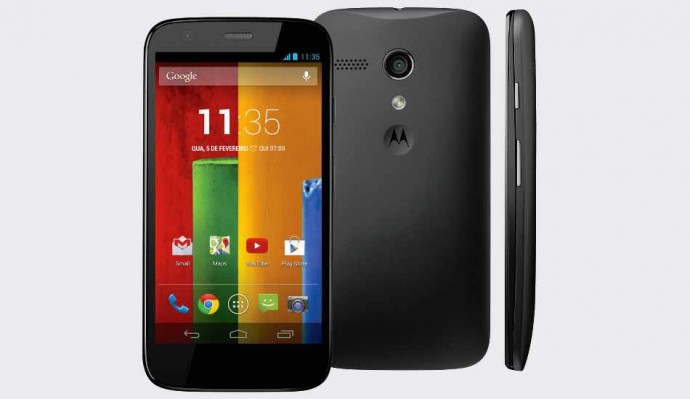
2. Moto G (2nd Gen)
At a price tag of just Rs. 12,999, Moto G (2nd Gen) is a pocket-friendly choice. It has a big 5-inch HD screen and is powered by Android v4.4.4 OS, which can be upgraded to Lollipop. The 1.2GHz quad-core processor churns out some really snappy performance from the device. It has 8 GB of inbuilt memory, 1 GB RAM, and 8MP primary snapper.
3. Skullcandy Knowckout
This pair of headphones has chic floral design that screams femininity. The mix of leather, suede, floral fabric and the gold rim is anything but subtle. The on-ears come with a leather lining, inscribed with the Skullcandy logo. Knockout delivers accurate levels of sound, giving good quality lows. Overall, it doesn’t only hold good looks, but also delivers balanced sound.
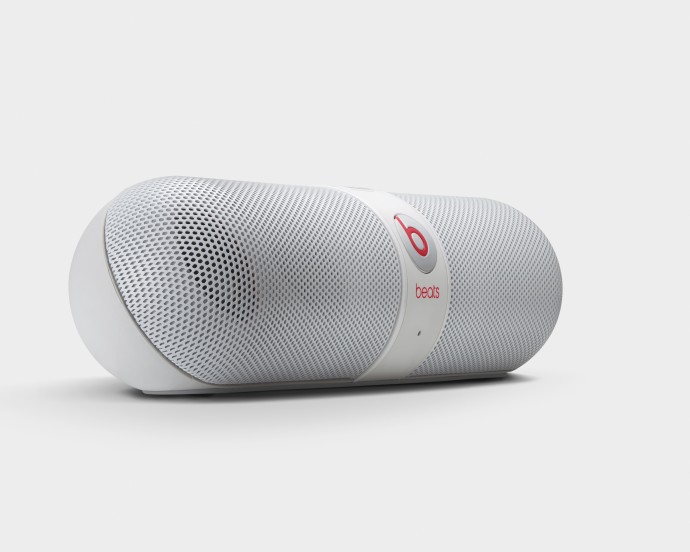
4. Beats Pills 2.0
The Beats Pills 2.0 is a portable speaker that can be carried at any place without any hassle of wires. It works through Bluetooth device with 30-foot range and can go for 7 hours on a single charge. The brand has earned an esteem for itself with delivering superior sound quality.
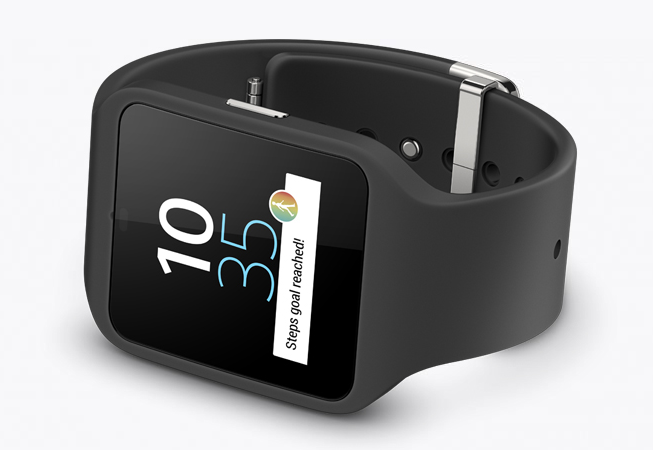
5. SONY SMARTWATCH 3
The smartwatch by Sony is an amazing gadget to gift your girlfriend. With 1.6-inch transflective display, the watch is fit to make and receive calls and perform other functions on its touch capacitive screen. The device runs on Android v4.3 and above and packs 1.2GHz ARM A7 quad-core processor, 512 MB RAM, and 4 GB internal memory. It will also look new every day as its straps are removable and come in multiple colour options.
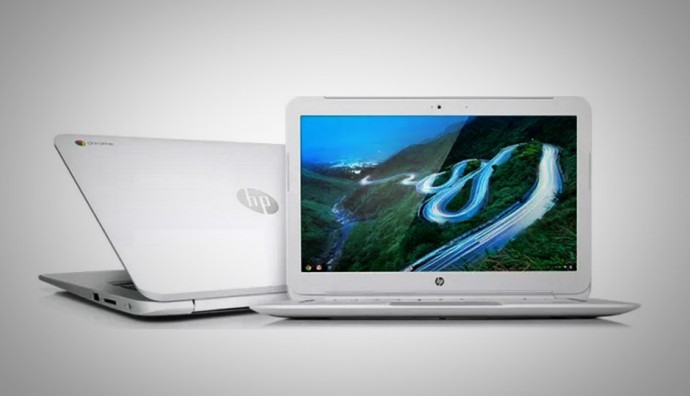
6. HP 14-Q001TU Chromebook
HP Chromebook is sleek and stylish. It’s a 14-inch piece and weighs 1.8 kg. Packed with Intel Celeron 2955U, the chromebook has a dedicated graphic card by Intel. The device has 4 GB of RAM and 16 GB SSD.
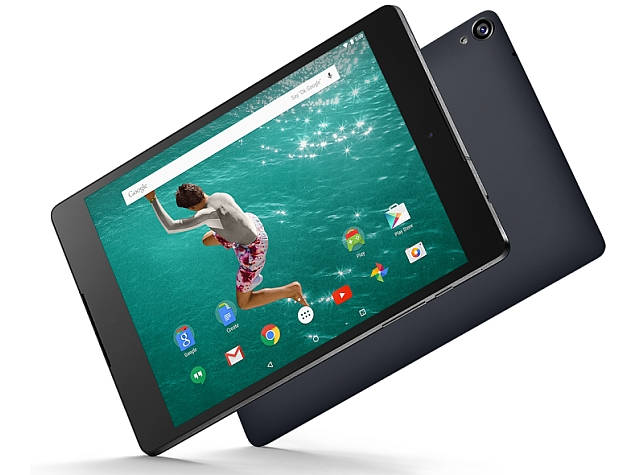
7. Google Nexus 9
Nexus 9 is one beast of a tablet that is slim, sleek and sexy. It sports a 9-inch IPS LCD display with 2048x1536p resolution. Running on Android Lollipop, the device is powered by 2.3GHz 64-bit NVIDIA Tegra K1 Dual Denver processor paired with 2 GB RAM and 16 GB internal memory. The tablet has an 8MP rear camera with 1.6MP front snapper. The battery is a mammoth 6700mAh, which can stand heavy usage.
8. Jawbone UP24
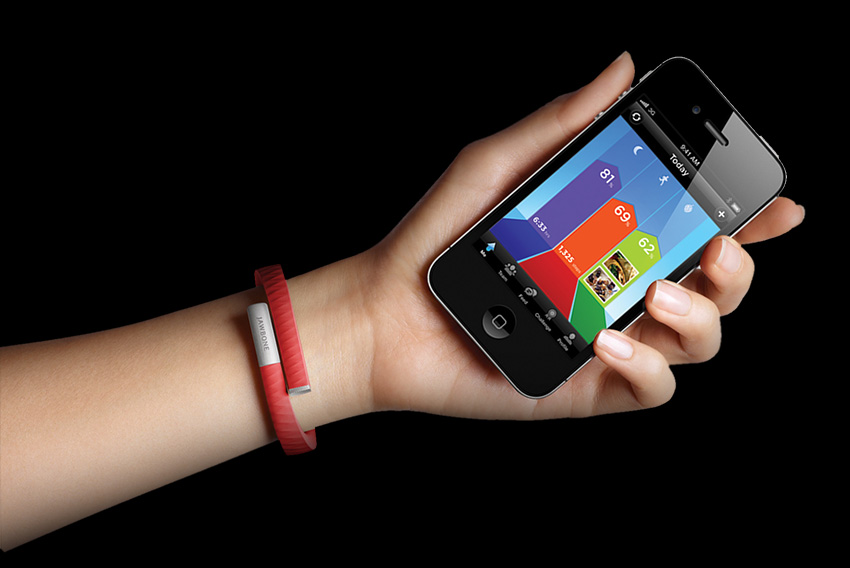
If your partner is a fitness freak, then they would undoubtedly love the Jawbone UP24. This fitness tracker looks like a band and is compatible with devices equipped with Bluetooth 4.0. The UP24 responds to Android 4.3 Jelly Bean or later, and iOS 6.0 or later. It tracks steps, distance, calories burned and works even in sleep. It can also monitor the nutritional information of a food by clicking its picture. This device is functional, portable as well fashionable.
The countdown to the MWC is already in full swing, with prominent manufacturers sending out teasers as to what we can expect from one of the biggest mobile conferences of the year.
Much has already been leaked about Samsung’s upcoming 2015 flagship model. Now, in a blog post on Wednesday, Samsung’s Senior VP and Head of Camera R&D Group talked about how they have been constantly working on improving the cameras used on the Galaxy Series. While talking about the camera on Galaxy smartphones, Senior VP DongHoon Jang admitted that a lot of passion and effort has been put for the release of the 2015 flagship model.
[quote text_size=”small” author=” DongHoon Jang” author_title=” Senior VP and Head of Camera R&D Group, Samsung”]
It will be intelligent and do all the thinking for users, allowing them to take amazing pictures under any conditions, without having to worry about anything more than just pressing the shutter button. It will demonstrate just how far Samsung has advanced smartphone cameras, and once again will open the creative side of our users for new ideas and new possibilities.
[/quote]
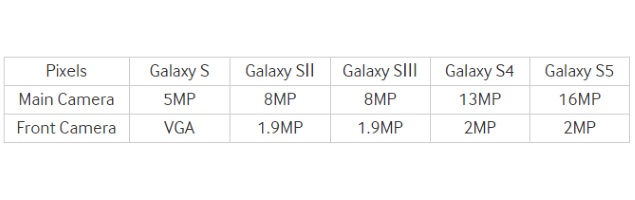
In the blog, there’s also a chart that shows camera progress over the years on the flagship Galaxy smartphones including the Galaxy S, Galaxy S II, Galaxy S III, Galaxy S4, and Galaxy S5.
In addition, Jang also stressed on the importance of the selfie cam, and duly noted that it forms an essential part of the whole eco-system. Meanwhile, a recent report suggested a 20 MP camera sensor along with OIS and a 5 MP front facing shooter on the Galaxy S6 prototype. Both cameras are likely to include sensors from Samsung.
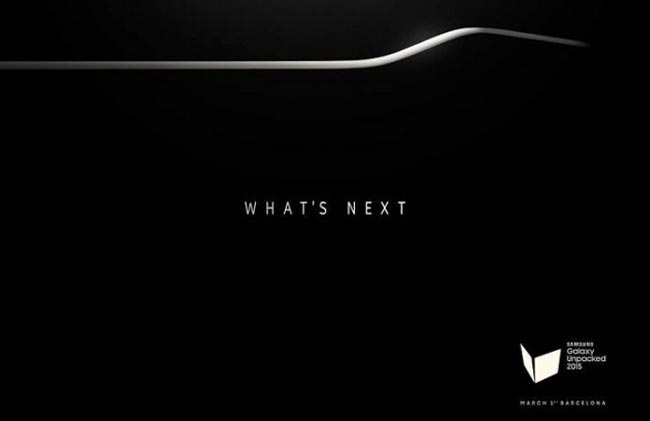
The Korean giant is expected to launch the Samsung Galaxy S6 flagship along with the anticipated curved-display variant, rumoured to be called Galaxy S6 Edge at the Galaxy Unpacked 2015 event scheduled for March 1 in Barcelona.
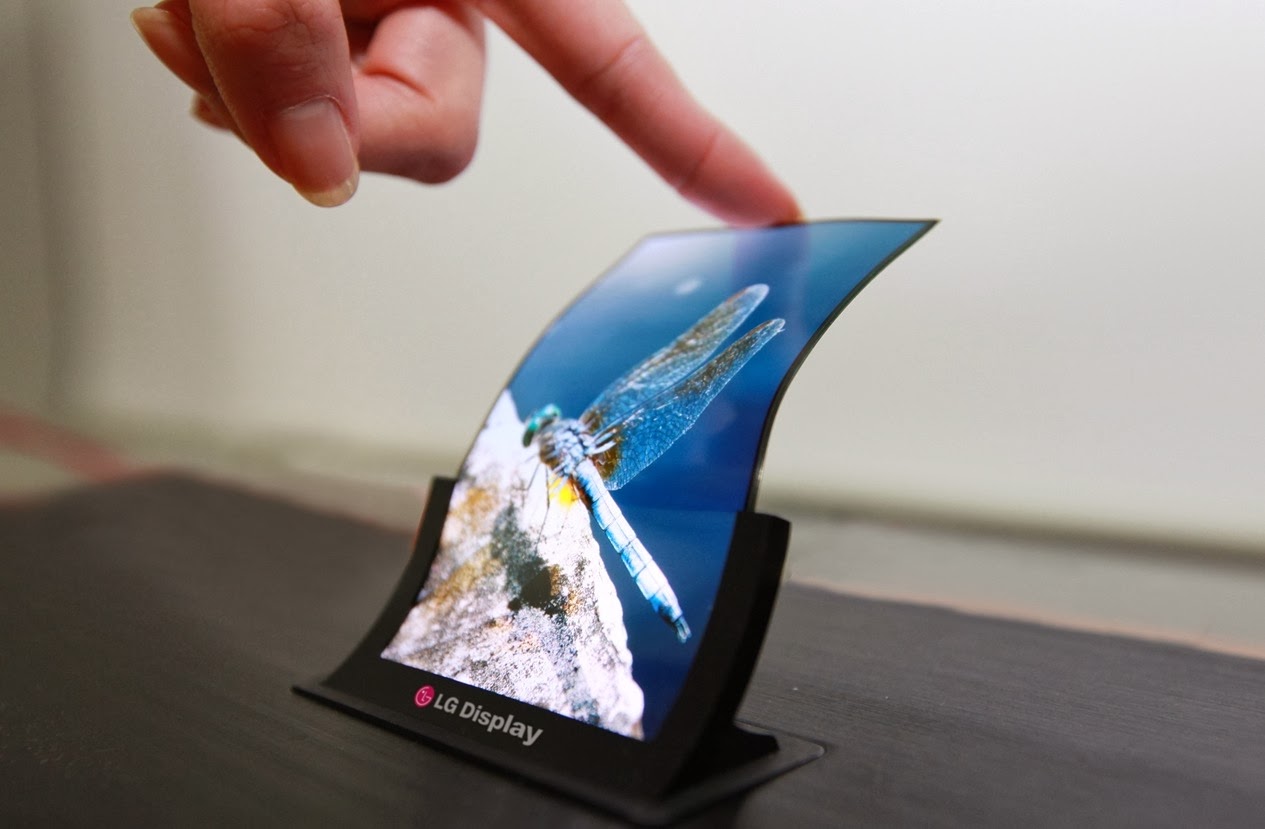
Smartphones come in all shapes and sizes. Now researchers are making headway in creating smartphones that are even easier to carry around and flexible enough to fold and keep in your pocket.
We have heard talks of bendable displays for a long while. Japanese phone maker Kyocera had even showcased prototypes of the device with bendable display called Proteus. It could be used as a bar screen, and the could be wrapped around a wrist or a handlebar. Last year even Apple too patented a design for a flexible device. Later last year Nokia joined in and showcased its foldable displays at the Society for Information Display (SID) 2014 conference.
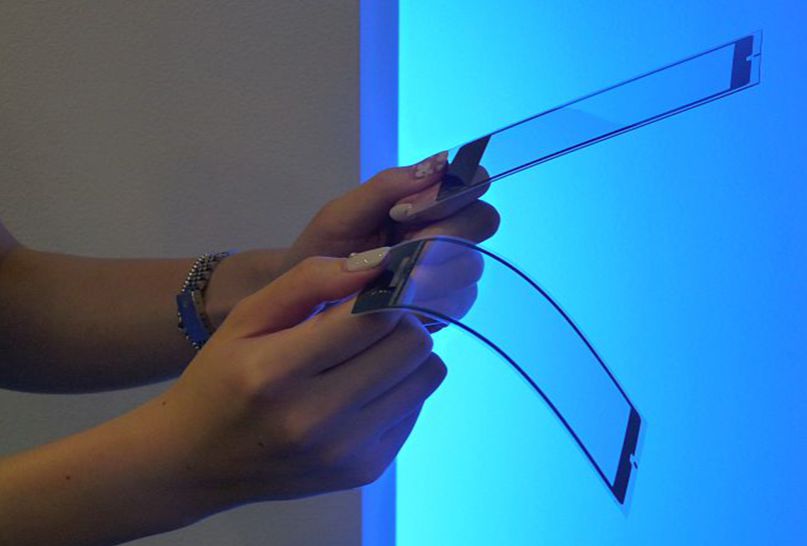
The researchers used Bismuth Ferrite to enhance electrical capabilities of the flexible displays.
A team of South Korean researchers have been experimenting with bismuth ferrite to bring flexible display to the world. Bismuth Ferrite has electric properties that can be controlled using a magnet. It is being used to create energy efficient electronics. The researchers mixed the material with a polymer solution and the final result impressed them. They found that the electrical and magnetic properties were enhanced. The properties remained stable even when the display was folded into a cylindrical shape.
One major reason flexible devices are hard to manufacture is that the important electronic components are not flexible themselves. As a workaround, the researchers have been using tiny bits of silicon and similar materials and embedding them in flexible plastic displays.
They still need to figure out bits like battery life, storage and more. The 3.5 mm jack that might also become obsolete with flexible displays. These displays would make wearables obsolete as they can be given added features like health sensor. So imagine a display in a near future smartphone that sits on your wrist, and you can unwrap it and use it as a regular phone. Now that sounds fantastic as well as convenient.
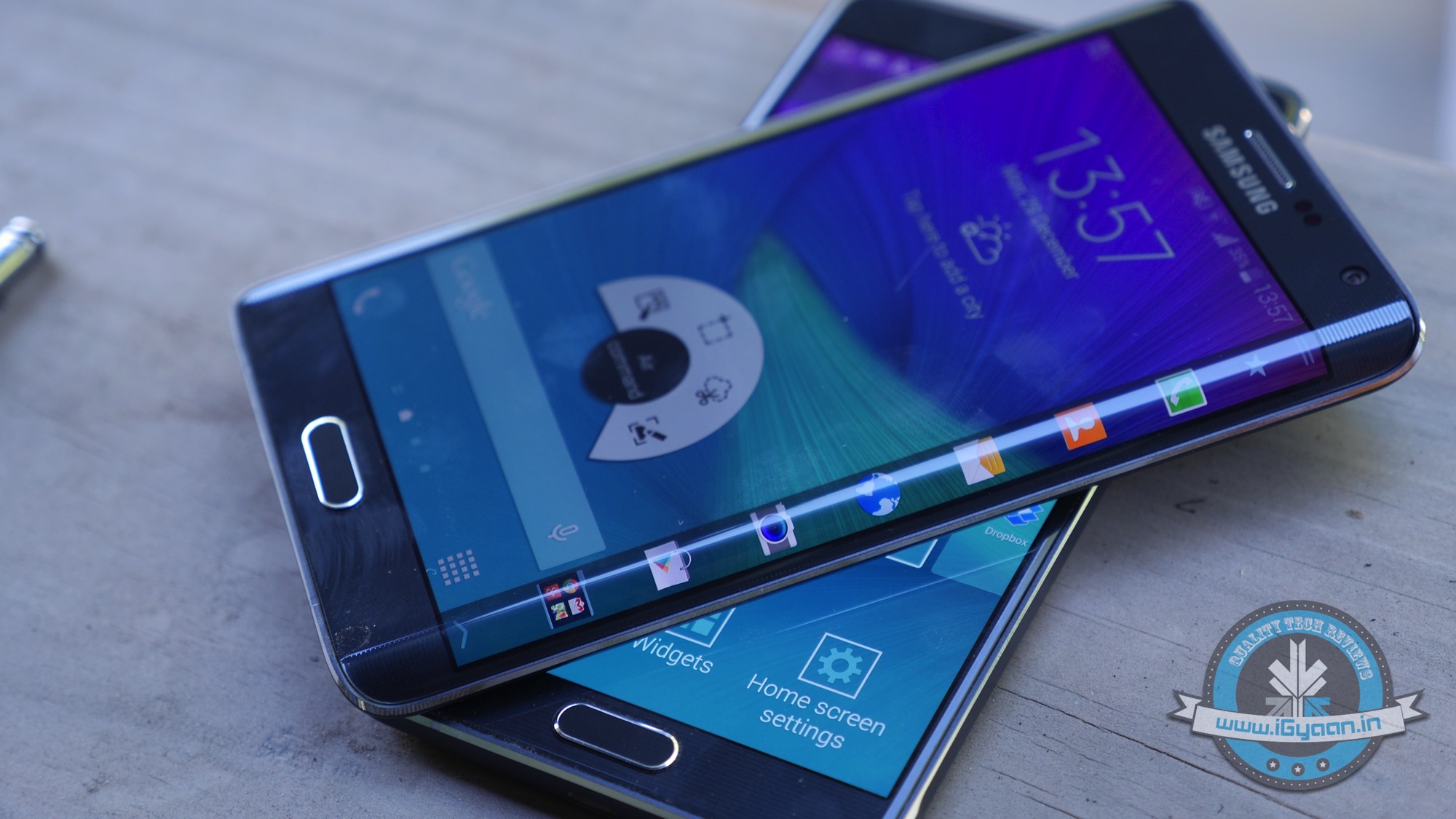
Samsung in the recent past has been unanimously berated for the dull design elements of its smartphones. The company responded to complaints by introducing a new line of metal frame based designs that began with the Galaxy Alpha and the Note 4. Samsung also brought an innovative device called the Galaxy Edge with a secondary display on the right side of the main display. Now Bloomberg is reporting that Samsung might be working on a device with three displays.
According to the report the Korean company is expected to release two top tier smartphones soon, one of which most probably is the Galaxy S6. The second device is expected to have a display on three sides. Both these devices will have all-metal bodies as reported by many rumor reports and will be powered by Samsung’s most powerful Exynos chipset.
The devices are being developed under Samsung’s “Project Zero” initiative that intends to recreate the Galaxy S6 from ground up. With these new launches, Samsung would try to take on its biggest adversary, Apple, which is a market leader in terms of designs. Apple’s designs have “inspired” multiple clones in the Android market.
The new device sounds interesting, but we would have to wait and see if it’s an innovative new display or just two-sided edge screen, which could be pretty impractical. Samsung also needs to bring a major design upgrade to its products in the lower segment of the market. Other phone brands are fast capturing Samsung’s share in this segment, and the company needs to buck up its efforts in this arena.
Apple will soon be launching the new 12-inch Macbook Air. According to a rumour, these new laptops are expected to be powered by Intel’s Broadwell chipsets.
The rumor was reported by Letemsvetemapplem.eu. It says that Apple might choose from three options; a 2.2GHz Core i5-5250U, a 1.8GHz Core i5 chip or a 2GHz Core i7. These are the ultra-low voltage processors and might feature on the new Macbook Air
Apple is expected to give an official word on the release on February 24th. The company is also expected to hold a media event around that time to showcase its new products.
Macbook Air line of laptops is adored for their lightweight and high power functionalities. Apple last updated the device in April 2014, so it was almost time for a CPU upgrade. Intel on the other hand began offering the new chips for device manufacturers in the month of January. There have also been rumours of Apple bringing out a 12-inch Macbook Air Retina display in this quarter so that it might be one of the surprise unveilings from the company. February 24 is also a special day for Apple as it’s the 60th birth anniversary of its founder Steve Jobs.
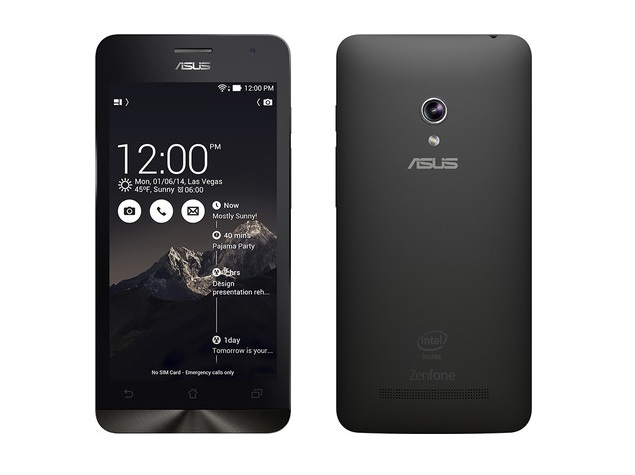
The Taiwanese multinational company ASUS today launched a budget device in the sub-Rs. 6,000 category. The new handset titled ASUS Zenfone C (ZC451CG) is dual SIM and comes at a price of Rs. 5,999. The phone is available on Flipkart today onwards and on ASUS exclusive stores starting 18th February.
Coming to the specifications of the phone, the Zenfone C sports a 4.5-inch FWVGA (480×854) display. The phone is powered by a 1.2GHz dual-core Intel Atom Z2520 processor together with Hyper-Threading Technology. The Zenfone C runs on Android 4.4 KitKat with company’s Zen UI on top.
The internal storage capacity of the device is 8 GB, which can be extended up to 64 GB via MicroSD card. The new Zenfone C features a primary shooter of 5 MP with autofocus and flash, along with a 0.3MP snapper at the front for video calling. Connectivity options comprise of Wi-Fi, Bluetooth and Micro-USB. With 2100mAh battery, the phone can withstand 260 hours on standby.
In this price bracket, the handset faces a tough battle with devices like Iris Win 1, Redmi 1S and the Moto E.
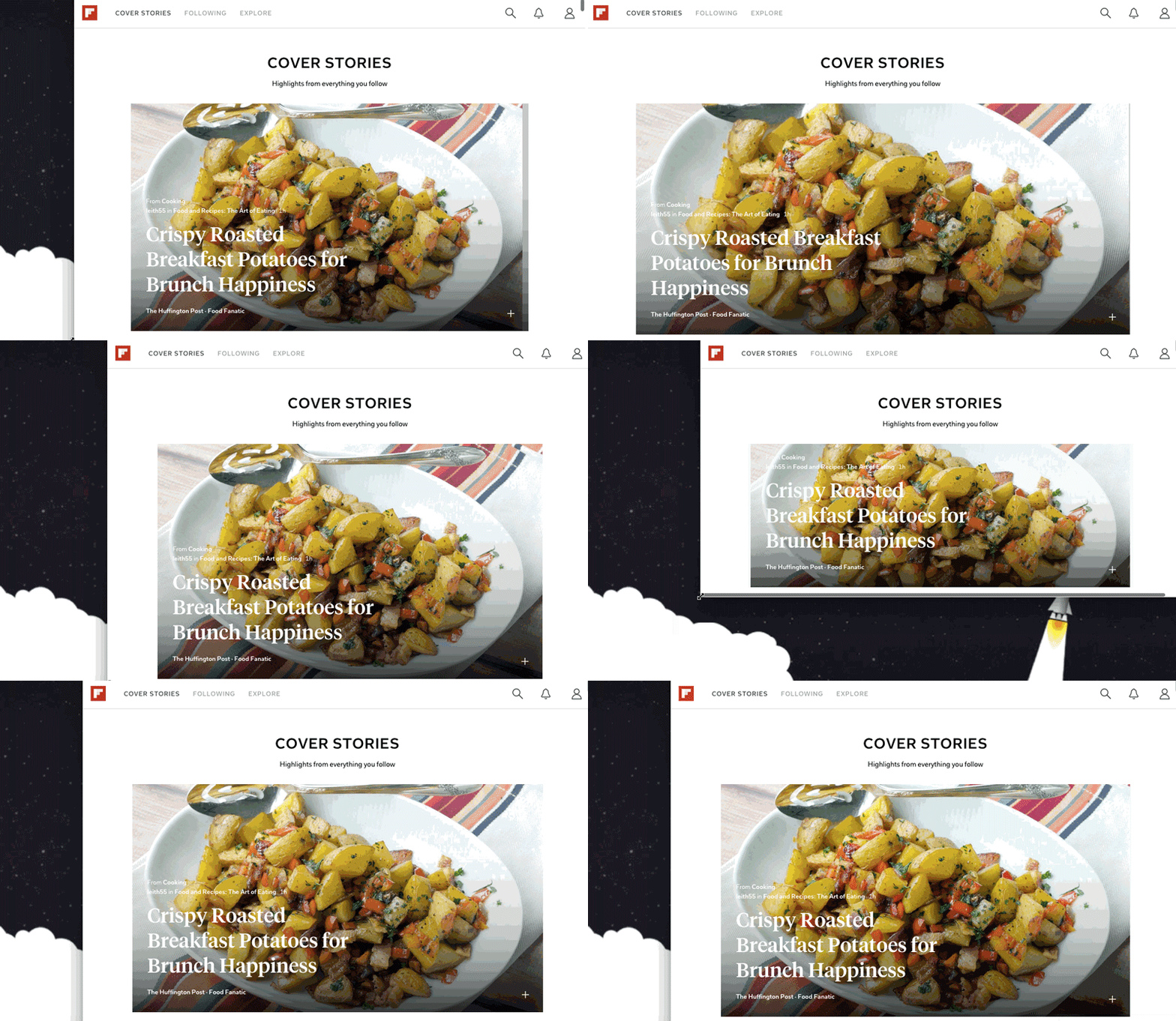
Mobile apps are being pushed to the desktop. Lately, WhatsApp made its way to the web and now Flipboard is joining the league. The news-reading app stepped into the desktop world and launched the web version of the digital magazine service. It is functional now and looks brilliant.
Flipboard hopes to attract the broader spectrum of web readers, which don’t prefer to browse on mobile. Flipboard CEO Mike McCue said in a meeting:
There is a whole group of people who don’t do that much browsing on their phones. That’s what they use their computer for.
Mike says that the thing they are doing is very retro, by which he means shifting the app from a handy and anytime access device to a desktop which is not mobile.
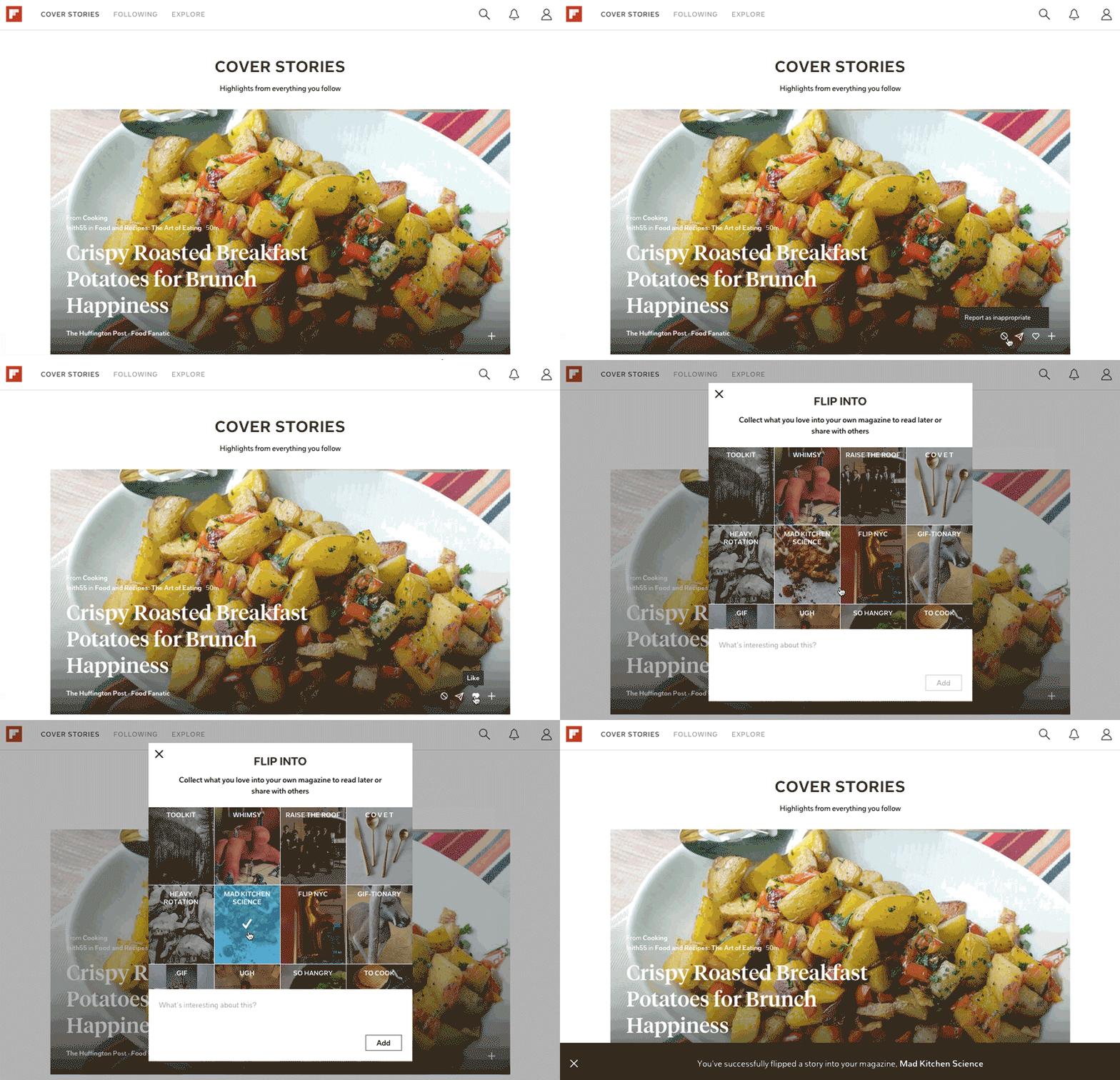
Let’s have a look at how the application works and appears on the desktop:
If you are a Flipboard user then sign in to Flipboard, else make a new account. Once you’re in, make your choice and flip the article in your magazine through the + icon at the extreme right corner below the post. You can also like the post, report it as inappropriate, share it via email, Twitter, and Facebook. Then you have the same option to search for your favourite topics as it’s on mobile.
Flipboard has worked extensively on responsive design, which makes it easier and prettier. Also, it has responsive layouts for diverse screen sizes and has a new scrolling interface as well.
By bringing the web version of Flipboard, the 15 million magazines that could only be read through mobile app until now, can now be browsed on desktop. This gives readers the time to read their personalised magazines on their workstations when in office.
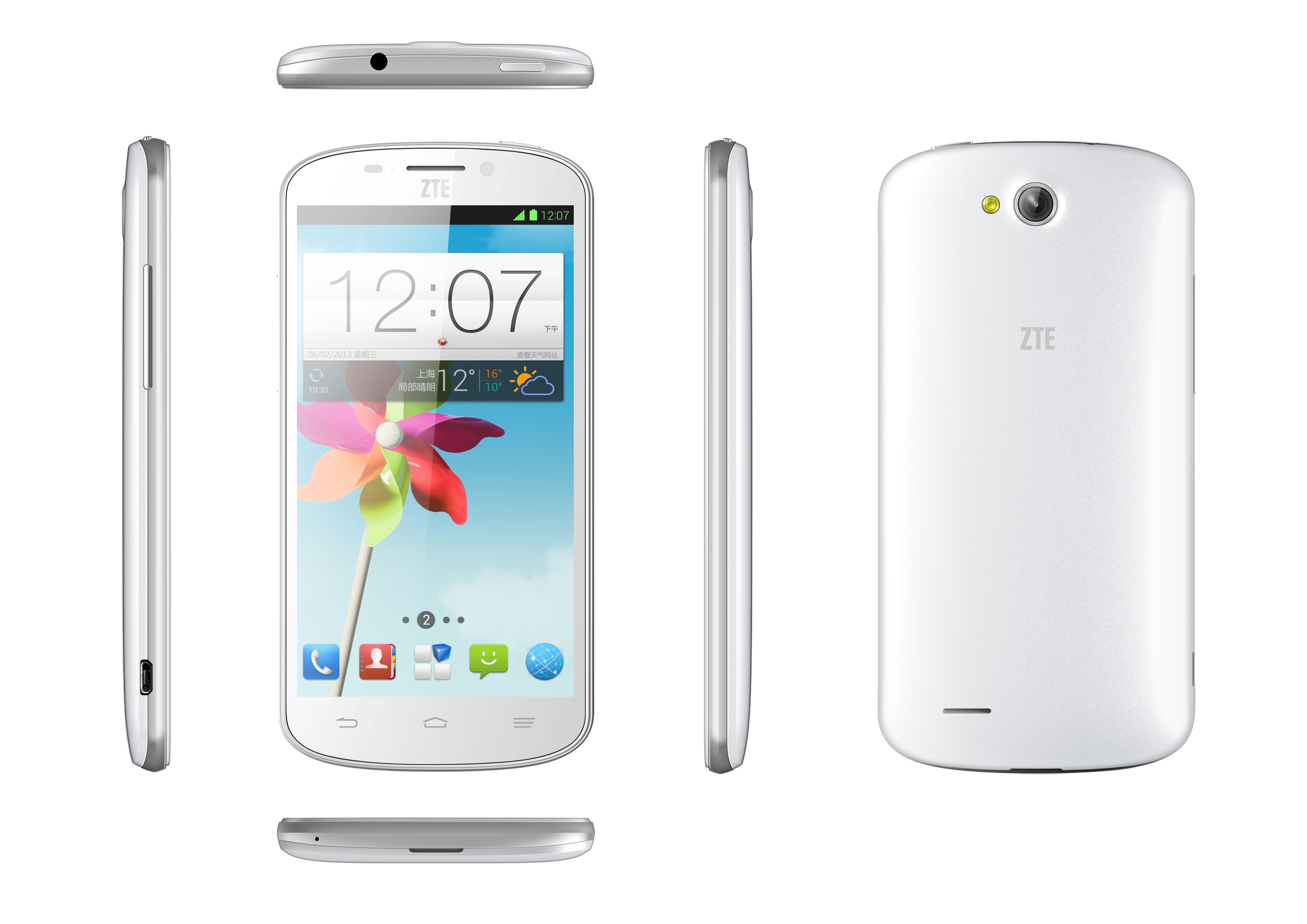
Today, ZTE added another low-budget device to its smartphone portfolio, the ZTE N919D. The handset is designed keeping in mind the requirements of the Indian market and is priced at mere Rs. 6,999. The product is exclusively available at the online retail store ebay.in.
Given the price range, the smartphone has some decent specifications that could make customers go for the device. It has a touch screen display of 5-inch (480x854p resolution) and is powered by a quad-core Snapdragon processor clocked at 1.2 GHz. It comes with 1GB of RAM and 4GB of internal storage capacity which can be expanded up to 32 GB via external memory card. The ZTE N919D runs on Android 4.1 OS.
The phone holds 8MP front snapper with Flash and Auto Focus and a secondary VGA camera. The device houses 2500 mAh battery, which can last for more than 9 hours on a full charge. The connectivity options include Wi-Fi and Bluetooth.
Furthermore, the company has collaborated with Reliance to provide free unlimited internet for 3 months. Some of the features might impress buyers, but the company has tough competition in this segment – namely Xiaomi Redmi 1S and Lava Iris X1 Grand.
Wearable technology is the field where most of the innovations are taking place in the tech sector. All technology brands are trying to woo consumers with new wearable devices. One of the basic features of most of the wearables, especially smartwatches is their ability track the fitness activities of the user. A new study might just spoil the fun for the makers of such fitness trackers as it says that smartphone apps may be just as good as wearables in tracking fitness.
The research letter was published in the Journal of the American Medical Association. The study was conducted by researchers at the Perelman School of Medicine at the University of Pennsylvania.
The study found the mobile apps to be just as good, if not better than the fitness wearables.
The researchers used ten most selling smartphone apps as well as devices for the test. They made participants walk twice on a treadmill for 500 steps and 1500 steps. The participants of the study were packed up with multiple devices during the test. They were made to wear a waistband with one pedometer and two accelerometers, three wearable devices and two smartphones where one was running three apps while the other was running one app.
In their results, the researchers found the smartphone apps to be reasonably accurate, and there was at most a 7% difference in figures between the apps. But when it came to fitness wearables, they found the result varying across the different devices. Devices like the Fitbit One and Zip were found to be accurate in their readings while the Nike Fuelband was found to be off by a huge margin.
This revelation might get consumers to question the need for buying a wearable fitness sensor. Well, the newer smartwatches are coming with more features that give you broader health data than just the distance covered in a day. This study didn’t consider the new smartwatches. Apart from their health benefits, the smartwatches also act as remotes for your various digital appliances and their functionalities will just keep on increasing. So while the study puts to question the need for fitness sensors, the wearable market is still a fertile market for investment by the tech industry.
Just a few years back, BlackBerry was all the rage. In the pre-iPhone era, every celebrity flaunted their BlackBerry. The devices from the company were seen as a status symbol. At their peak, the devices held 43% of the American market. But soon Steve Jobs unveiled his baby, the iPhone, and Google got into the field with its Android ecosystem; they cornered BlackBerry out of the game. At present, the company holds only 0.5% of the market.
The smartphone market is just the brim of what BlackBerry does. The company has developed a plethora of products that are used worldwide by corporations and governments. We follow BlackBerry through its inception, its rise in the communications equipment world to its decline in the smartphone industry.
BlackBerry was founded by Mike Lazaridis and Douglas Fregin in 1984
The Beginnings:
BlackBerry began its operations under the name Research In Motion Limited. It was founded in 1984 by Mike Lazaridis, who was an engineering student at the University of Waterloo, and Douglas Fregin, who was an engineering student at the University of Windsor. This collaboration led to some game-changing devices and immense pop culture significance in the early moments of the smartphone age.
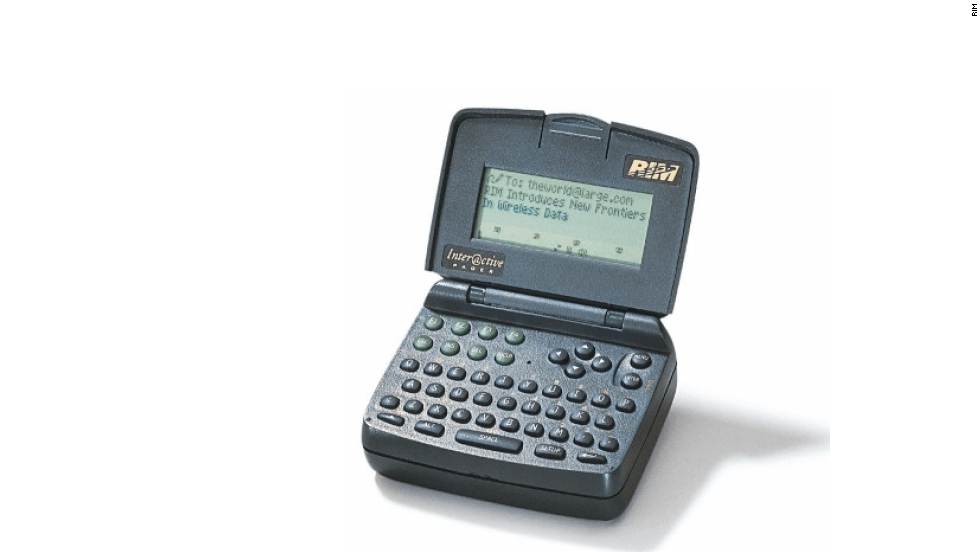
RIM 900
The first device from BlackBerry’s stable was the RIM-900, which was introduced in 1996 and was also known as the Inter@ctive Pager. This pager allowed users to receive and send messages over the internet via a wireless data network known as Mobitex, which was developed by Ericcson. It was followed by the RIM 950, introduced in 1998. It was a phenomenal success, to say the least. The messages could get forwarded to the device on the move. It was a giant deal back then; the only hitch though was that to receive email on the go, you had to leave your desktop switched on. The devices were appreciated by the top jocks of enterprises. People loved receiving messages on their belts as the device was kept in a holster. One CTO even called it digital heroin.
The company used some innovative techniques to market their products. During a launch in the Caribbean, they handed out scannable temporary barcode tattoos. These tattoos stored the user’s personal identification numbers (PINs). So instead of asking for each other’s numbers, people asked if they could scan their PINs.
Establishing the Smartphone brand:
By 2002, the company was bringing in devices with a “built-in mobile phone”. These devices ran on Java and transmitted data over normal 2G networks. These devices were targeted towards businesses, and they would enter the consumer markets much later.
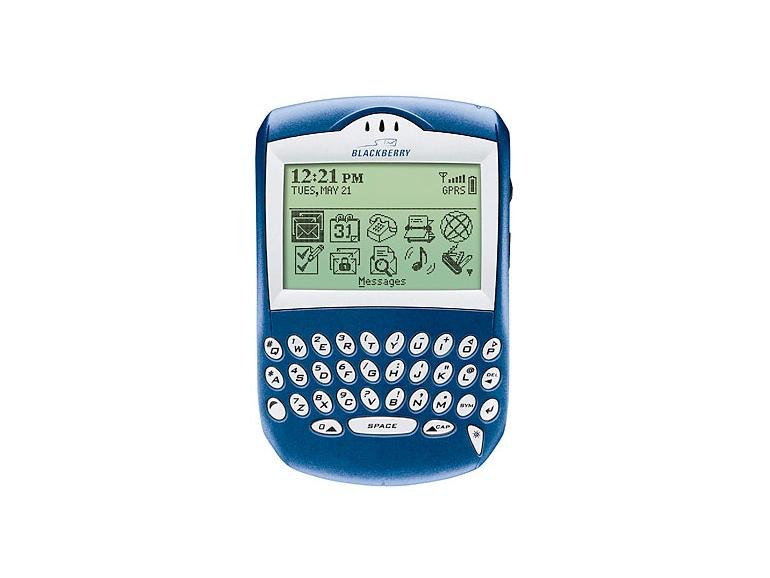
One of the major devices from BlackBerry’s first-generation offerings was the BlackBerry Quark 6230. Launched in 2003, this device had a 34 key Qwerty keyboard. It had 160×100 pixel display and had a 16 MB RAM. This device found a spot in the prestigious Time magazine’s All-TIME top 100 Gadgets list in 2010.
The BlackBerry Quark 6210
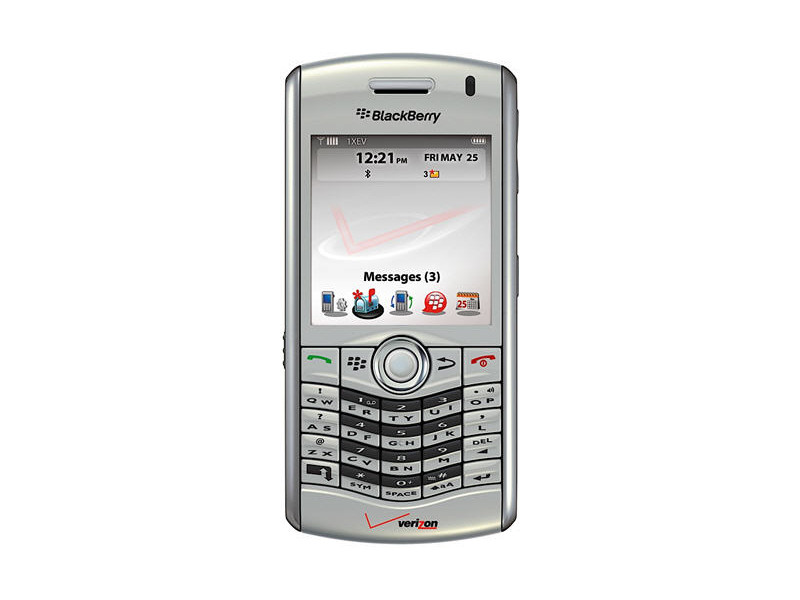
In 2006, BlackBerry’s official foray into the consumer market began with the BlackBerry Pearl family of devices. This bar shaped device was the first to get multimedia features. It included a media player and a camera. The 2 MP camera also had a self-portrait mirror at the back which let users take their own images, this was the first step towards the creation of the selfie generation.
The device flaunted GPS-enabled maps and had 64 MB internal memory that was expandable up to 16 GB MicroSDHC cards. The Pearl also replaced the scroll wheel for a tiny trackball that made it easier to access the phone’s function like a trackpad on a computer. A follow-up device was the Pearl Flip, which was BlackBerry’s first flip phone.
BlackBerry Pearl
Come 2007 and BlackBerry launched the Curve, a prominent family of devices from the company. The family garnered excellent reviews but also received flak for the absence of 3G, Wi-Fi along with the lack of video recording.
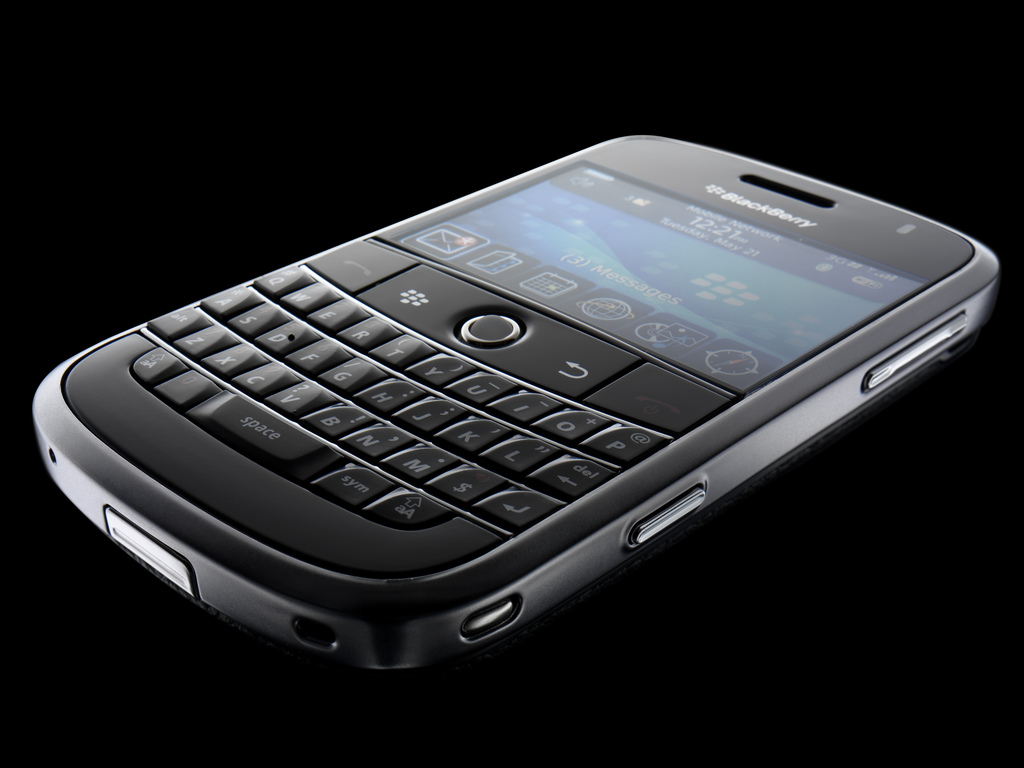
The BlackBerry Bold was one of the most popular form factor’s for the company.
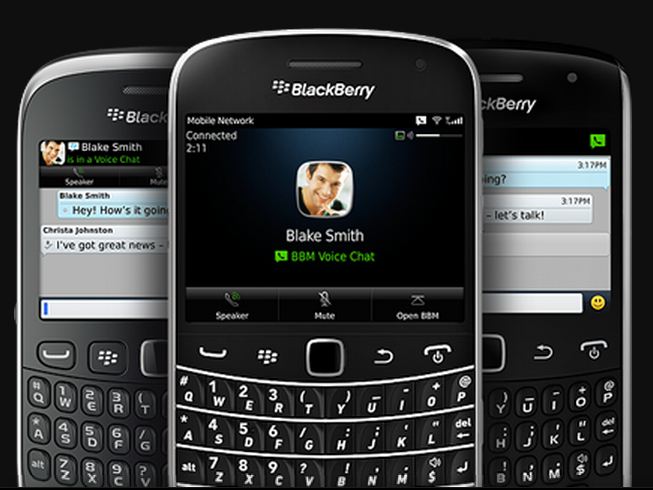
In 2008, the company was at its peak with the launch of the BlackBerry Bold. This device introduced a whole new design feature which made them easier to use and type. It played around in the more premium segment of the market. This successful form factor would be later updated by BlackBerry in 2014 with a new device called BlackBerry Classic.
BlackBerry Torch
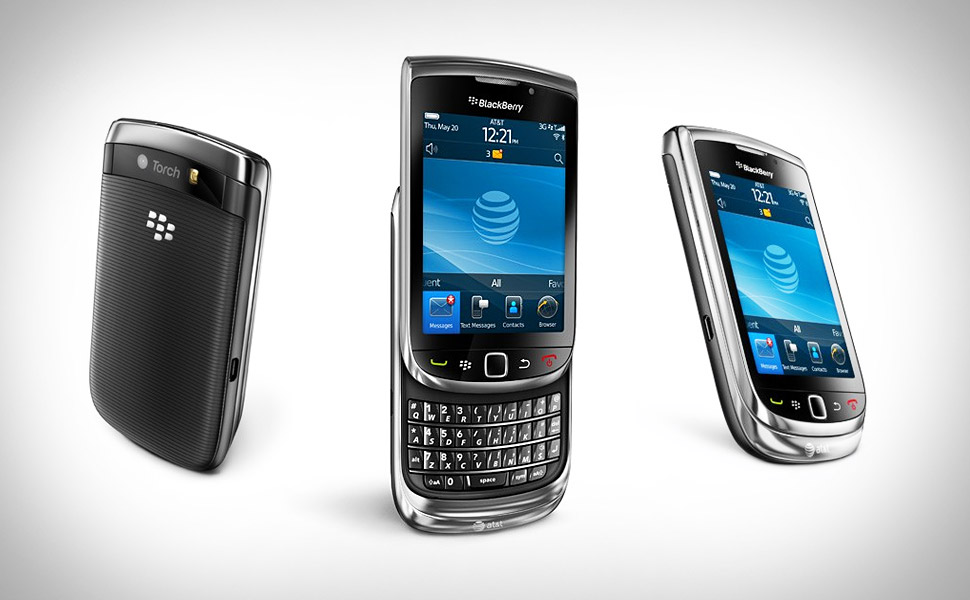
In 2010, Blackberry attempted a change in their form factor with the BlackBerry Torch. It carried the physical QWERTY keyboard but also came with a sliding multi-touch display. The Torch 9800 was the first device in the line-up and it ran on BlackBerry OS 6. The device was criticized for offering lower specs in comparison to its competitors like the iPhone 4 and the Droid X.
In 2012, Research in Motion officially changed its name to BlackBerry.
BlackBerry Messenger:
BlackBerry Messenger or BBM is a popular messaging app on the platform
The BlackBerry Messenger or BBM was one of the most appreciated apps from the company. This default messenger on BlackBerry device was so popular that it was later released for Android and Windows devices. Initially BBM was exclusive to BlackBerry and users required BlackBerry PINs to interact with each other. With BlackBerry 10, users could use video calling. It is estimated that there are over 91 Million BBM users worldwide.
In 2014 BlackBerry decided to give an adrenaline boost to its messaging app and added a plethora of functionalities to it. It added a retraction function so that users could remove chats that they regret sending. It added HD picture transfer to send high quality images through the service. The update also introduced a Snapchat-like time limited messaging service.
The Present:
After holding a considerable amount of influence over the smartphone market, BlackBerry’s market share has consistently depreciated. It now sits at a small corner reminiscing its glory days. This year after failed attempts at making touchscreen based devices, the company finally decided to go back to its roots. It decided to bring back the Qwerty keyboard-based form factor.
Passport received mix reviews but was appreciated for its unique features.
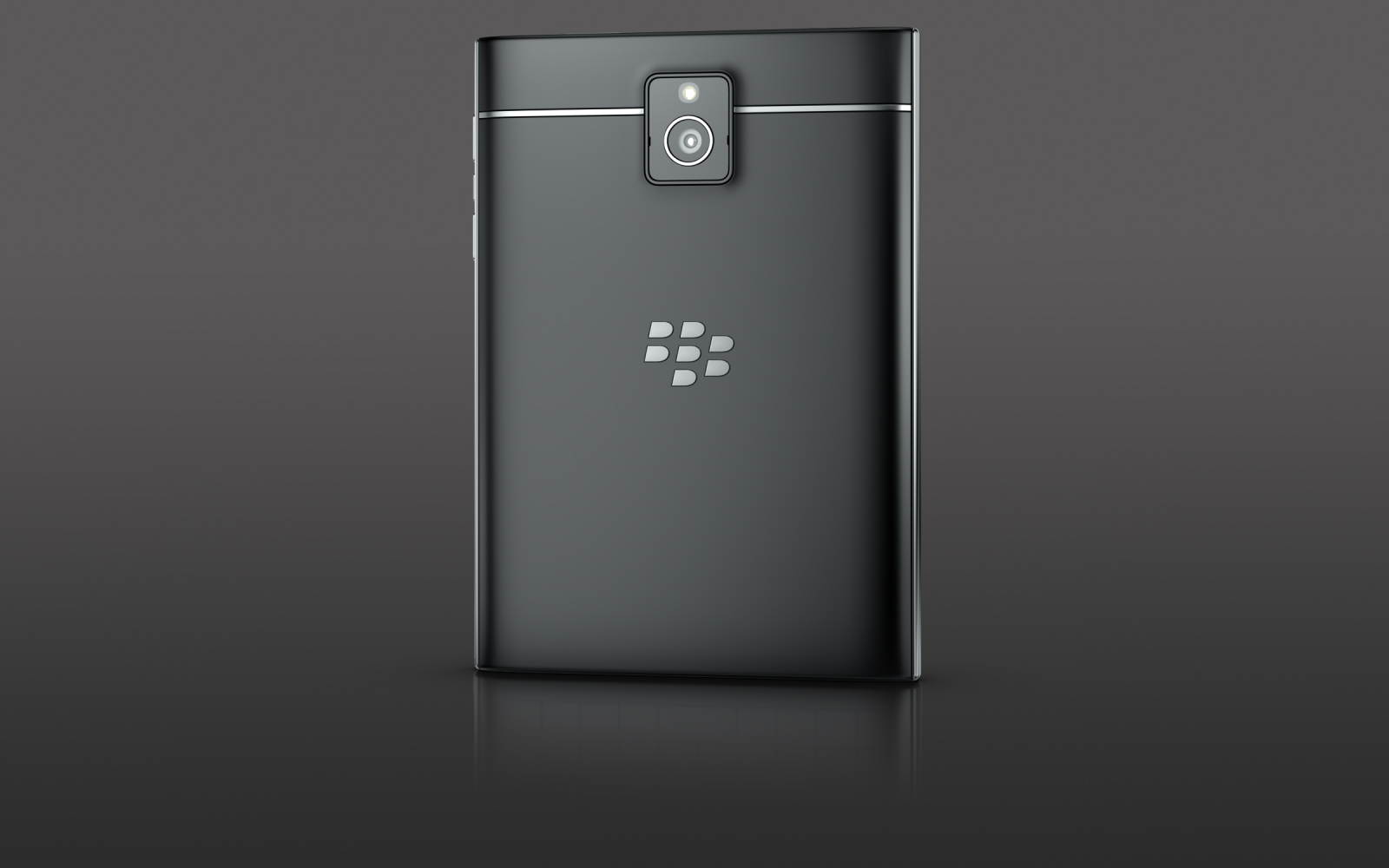
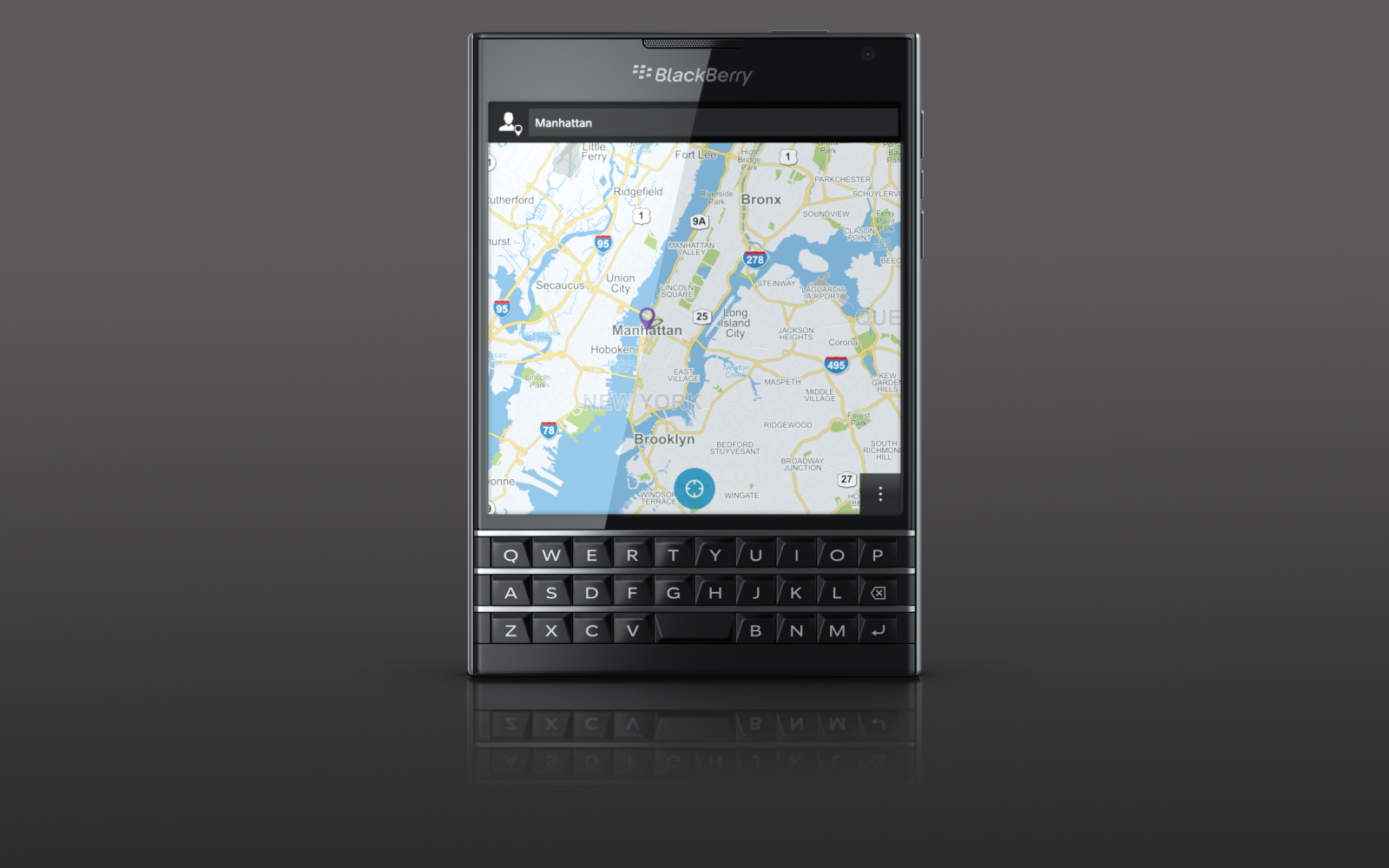
The company launched a unique device called the BlackBerry Passport. The device has a 1400X1400 pixel square display. It features a keypad that doubles as a trackpad. The device got a lukewarm response by the critics and received flak for being too wide to be held by one hand. The device though did good business in the festive season and held the top spot in Amazon’s Black Friday Sales.
BlackBerry returned to its original form factor with the Classic Q20.
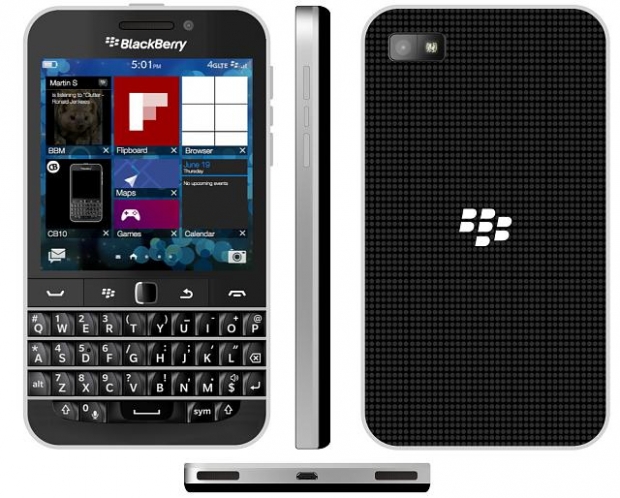
BlackBerry also launched a second device by the end of 2014 called the BlackBerry Classic. This was a kind of a follow-up to the BlackBerry Bold series and has the same form factor. The device sports a Square 3.5-inch 720p LCD display, and comes loaded with the latest specs in a retro design. This might be the device for hardcore BlackBerry enthusiasts to cherish the good old days.
Legacy:
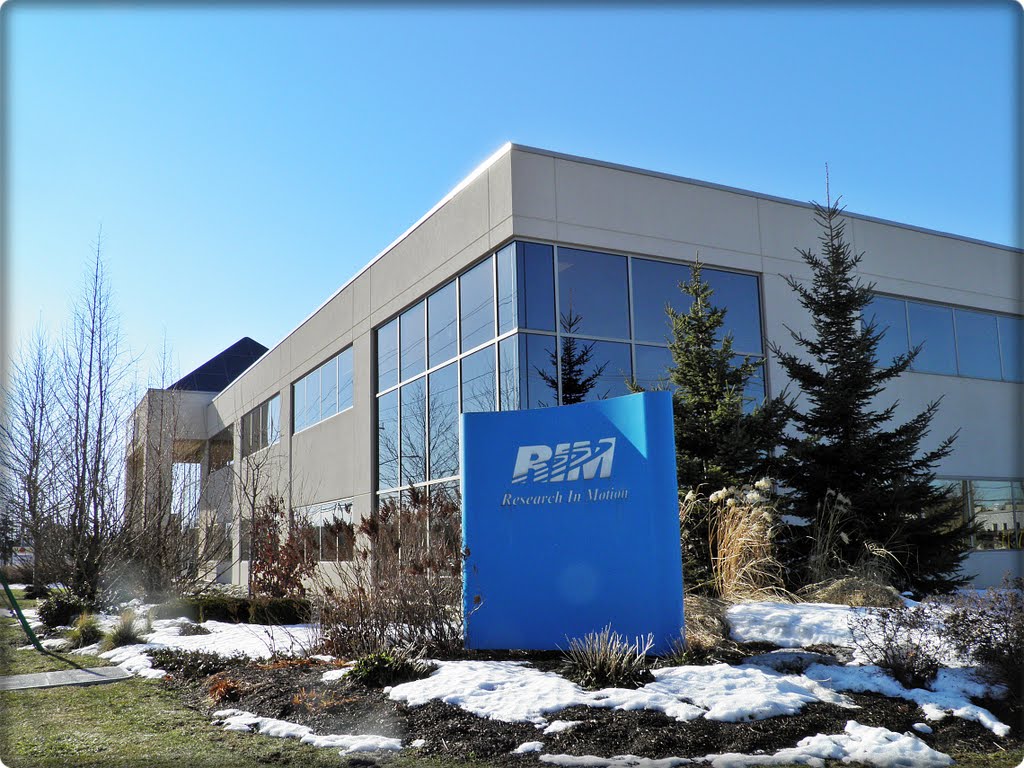
BlackBerry’s HQ in Waterloo, Ontario
At a point, BlackBerry was growing in popularity. Its success had turned Waterloo into a sort of Canadian Silicon Valley. At present, there are over 1000 companies operating there with a combined annual revenue of $30 Billion.
During the damaging Sony Hack by alleged North Korean hackers, BlackBerry phones came really handy. Because of their unmatched security standards, senior executives used the old BlackBerry phones that were stored in a basement. BlackBerry devices are used by top government and corporate honchos to keep their messages secure.
BlackBerry is still in the business, but its market share has been steadily declining for a while. It will be interesting to see how the step of returning back to the basic design format works out for BlackBerry. The company has some great technologies under its belt to share with the world, provided it withstands the challenges of the brutal smartphone business.
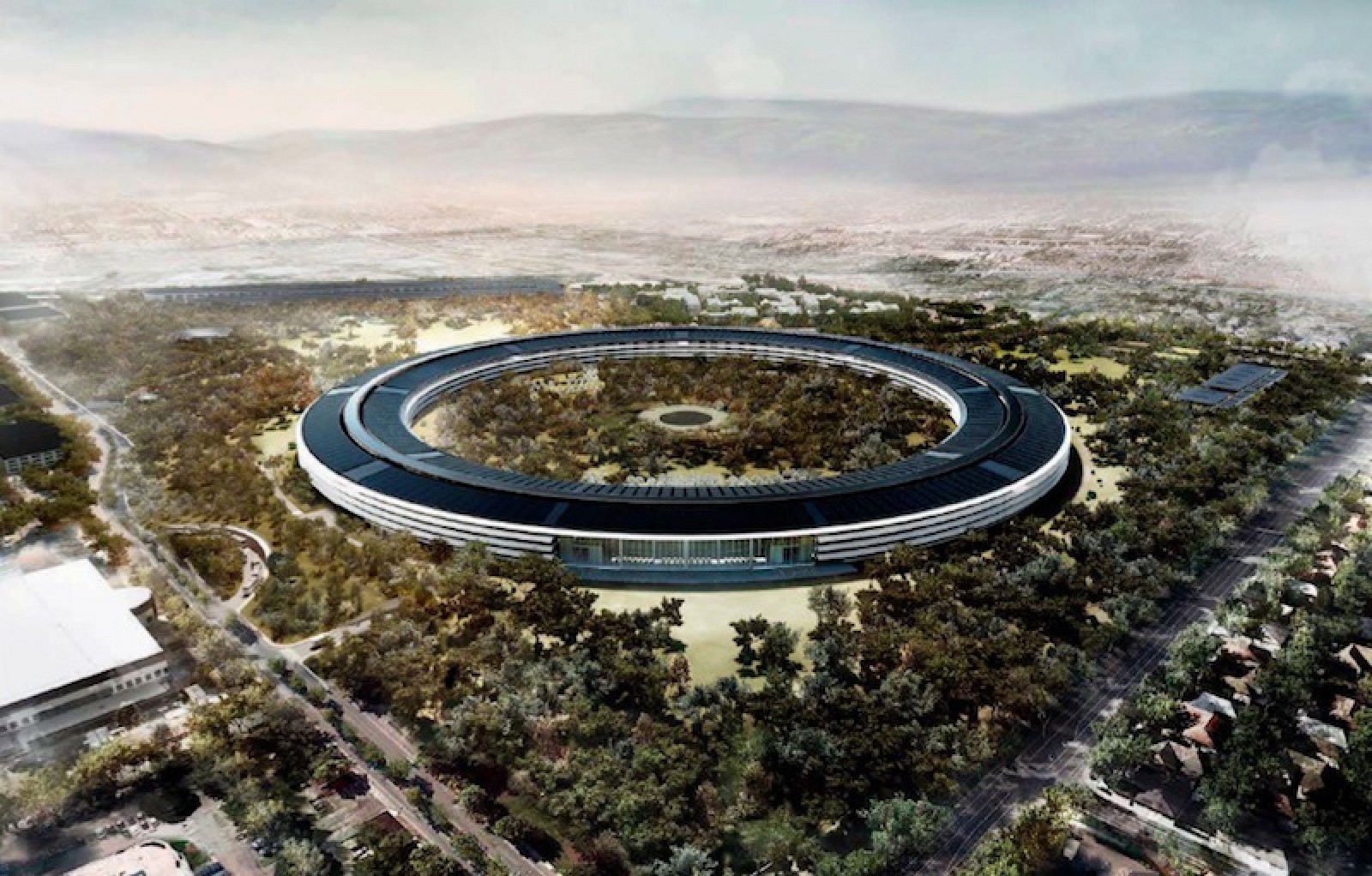
Apple’s new massive headquarters have been in news ever since the first design plans were unveiled. The spaceship like circular building looks spectacular and futuristic, apt for a company known for its superior designs. The new building would also be friendly to the environment as the company is investing $850 Million to power the building through solar energy.
Apple would be establishing a solar farm in an area spanning 2900 acres. It will be built by American photovoltaic manufacturer, First Solar. The building is expected to be fully constructed by next year.
A 25 year contract has been signed between the two companies. This is the biggest commercial power deal for the solar industry. Going completely solar is a great step on the part of Apple as data centers and corporate offices draw massive amount of power which in turn leads to pollution. Apple’s initiative might encourage other companies to rely on green power for their operations.
Environment activists Greenpeace appreciated Apple’s initiative and said:
[quote text_size=”small” author=”Greenpeace”]
Apple still has work to do to reduce its environmental footprint, but other Fortune 500 CEOs, other Fortune 500 companies would be well served to make a study of Tim Cook, whose actions show that he intends to take Apple full-speed ahead toward renewable energy with the urgency that our climate crisis demands.
[/quote]
Apple has a market valuation of more than $700 Billion and its appreciable that the company is investing in future oriented fields. It would also be great if the company brings out some mind blowing gadgetry that it has been known for.
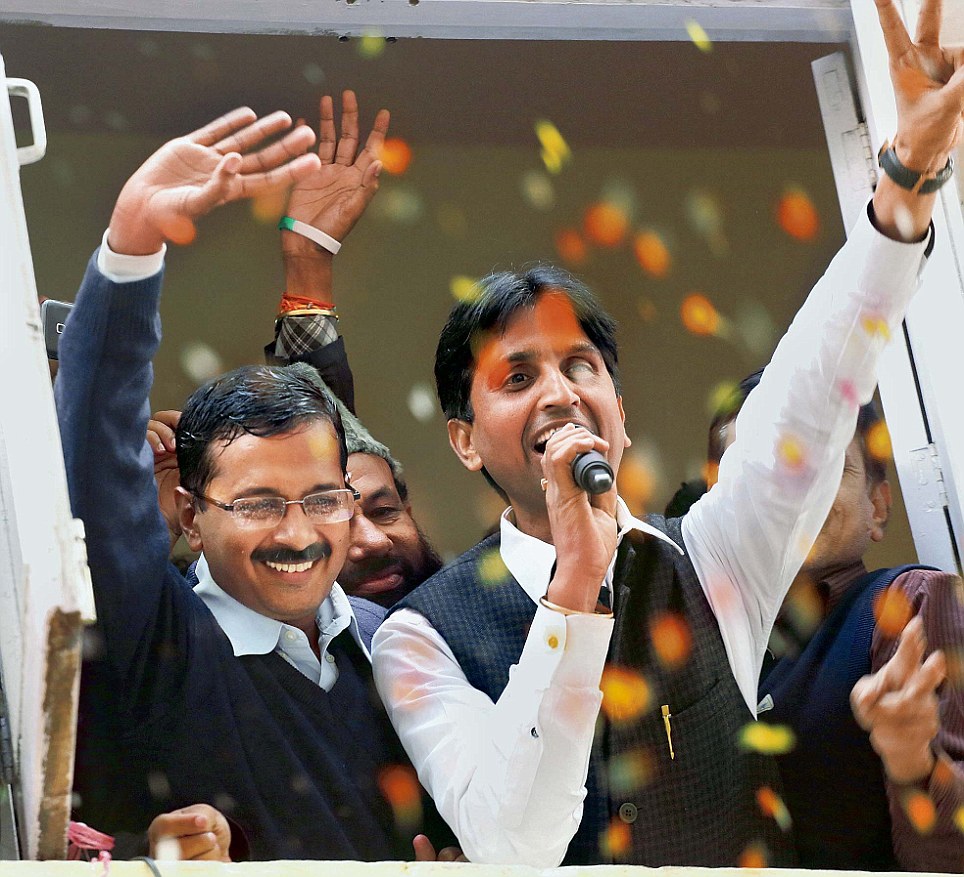
Today, Arvind Kejriwal from the Aam Aadmi Party (AAP) won the Delhi elections with a clear majority, giving little room to the main opposition, the Bhartiya Janta Party (BJP).
At the time when Narendra Modi, leader of the BJP, had run the campaign for the 67th Lok Sabha elections, he had made sure to make his presence felt on social media. In fact, it has been considered as one of the important factors that led to him becoming the Prime Minister of India. He had hired an able team which used Twitter and Facebook well and kept his million followers updated about his every move. Even his YouTube channel had all his updated speeches, neatly arranged in playlists. At that time, Aam Aadmi Party’s social media campaign had been considered ill-focused and misguided.
Things have certainly turned in a new direction – it seems like BJP didn’t give the digital world the same importance for the Delhi election, while AAP played the game to win.
It wasn’t only the two, all parties tried out every possible measure to spread their message to the masses. Social media was heavily utilized and major tactics were adopted.-
Here are some examples of how AAP won the social media war:
Twitter
In the past couple of weeks, Twitter was flooded. #DelhiDecides remained the top trend followed by #AapSweeps. #DelhiDecides saw a total of 81,000 comments and it touched the rate of 160 tweets per minute. AAP followed the footsteps of PM Modi and set up a team completely devoted to checking the posts and it clearly worked in favour of the party.
Facebook the prime focus of the party during the election. Through Facebook, millions of followers could track Arvind Kejriwal's every move during the campaign. Meetings with dignitaries, selfies with celebrities, were shared. It was used as a mini blog, giving an impression that followers were directly receiving messages from the man himself. Arvind Kejriwal's team ensured they stayed in touch and spread his work through Facebook.
Radio Campaigns
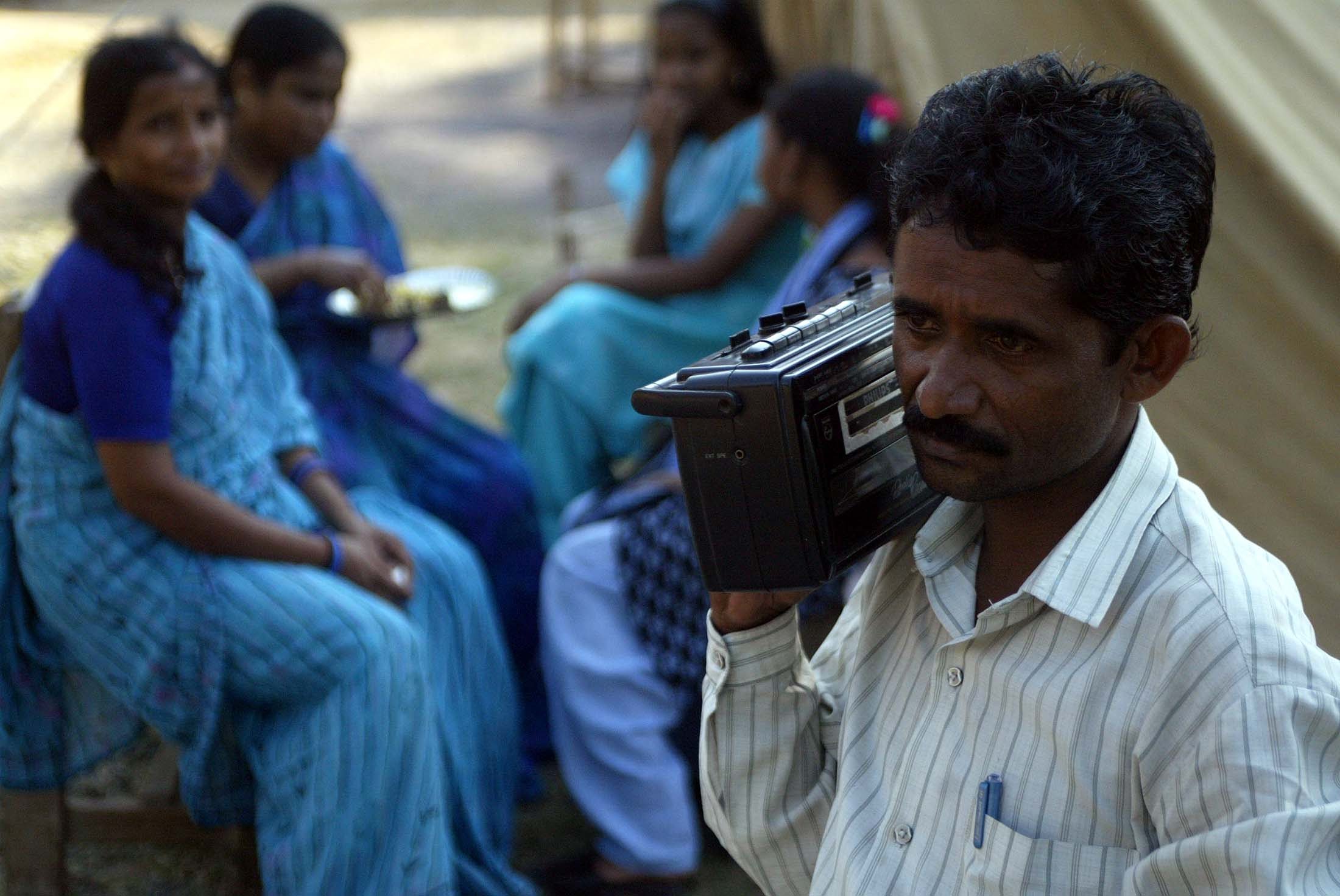
While Radio cannot be considered a social media tool, AAP used it like it was. For weeks before the election, radio was used to reach distinct corners of Delhi that lacks internet access. It became a major medium to connect and speak to the Delhites, and listen to their grievances.
Paanch Saal Kejriwal on YouTube
AAP remained the hot topic on YouTube as well. Vishal and Shekhar composed a song called Paanch Saal Kejriwal which went viral.
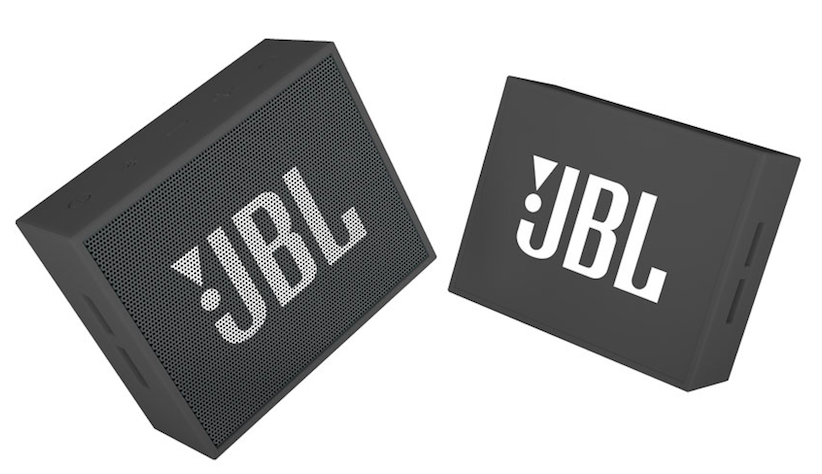
JBL GO wireless portable Bluetooth speakers are now available for the Indian market, exclusively on Snapdeal. The speaker will be available for an attractive price of Rs 1,999.
The JBL GO is a square, box-like device, integrated with buttons for power, Bluetooth, volume and call answering along with a mic. It is also installed with an echo and noise-cancellation technology which works when it is connected to a phone. This ensures there would be no sound distortion while talking on the phone.
It is backed by a 600mAh battery that ensures up to 5 hours of audio playback.
The portable Bluetooth speaker market is booming in India and JBL has taken the lead in gaining significant mindshare in this space. Snapdeal has become the preferred destination for bluetooth speakers with the widest range of products at best prices. Being the largest marketplace with instant access to over 40 million users across the country, it gives brands an opportunity to launch products with instant reach to all our users. JBL Go on Snapdeal will be accessible to consumers across 5000 towns and cities. The product in itself will be a trendsetter in the market and we are excited about this launch.
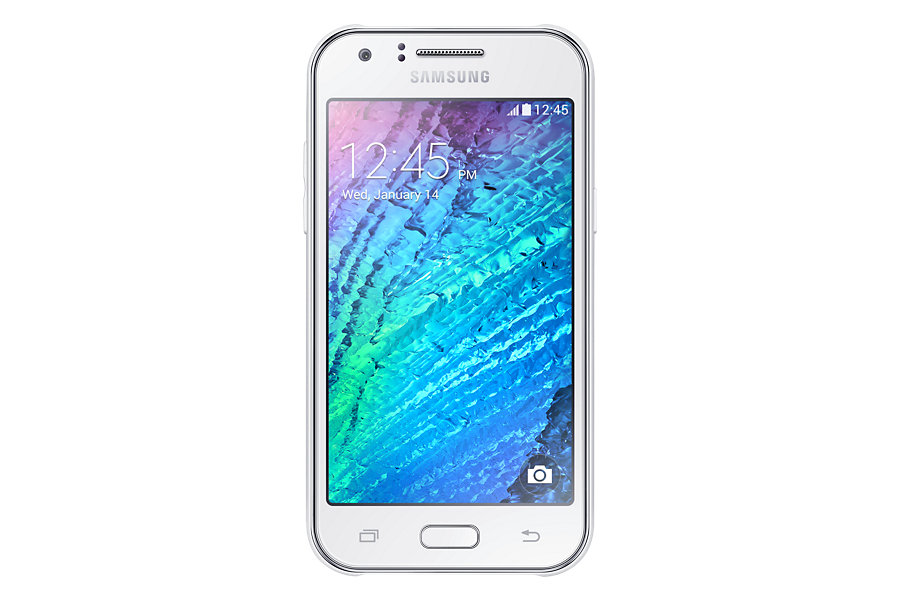
Not long ago Samsung launched the Tizen-based Z1 in India, which failed to impress the Indian customers. Now, the South Korean manufacturer is giving another shot to influence the budget segment and is set to launch Galaxy J1 in India. The device will debut tomorrow, i.e. 11th February, and will cost Rs. 7,199.
Getting to the specifications of the handset, the Galaxy J1 sports a 4.3-inch WVGA (800×480) display. It packs a 1.2GHz dual-core Cortex A7 CPU and a Mali-400 GPU paired with 512 MB RAM. The handset features 4 GB of internal space which is expandable. The Galaxy J1 will run on Android 4.4 KitKat.
The phone encompasses a 5MP primary camera and 2MP secondary shooter at the top. The device gets its juice from the 1,580mAh battery and the connectivity options include Wi-Fi and Bluetooth. The dual-SIM phone will come bundled some exciting offers, as informed by Amazon India.
The phone is not exceptional, and at this price point, Xiaomi and Asus are offering much better specifications. Samsung has to throw some free deal to lure more audience and stay in the competition.
Net Neutrality has become one of the major issues over the last year. The fear of telecom companies establishing a fast lane for folks who pay more and breaking down of internet services have enraged the public, and they have been demanding answers from their authorities. The Department of Telecom (DoT) in India has also said that it will be holding a committee hearing on net neutrality policies for India on February 12th.
The DoT is a part of the Ministry of Communications and Information Technology. The Department formulates developmental policies for the accelerated growth of the telecommunication service and is responsible for granting licenses for various telecom services.
An internal committee of the DoT headed by Mr.AK Bhargava is looking into the prospects of net neutrality. It is examining the advantages, disadvantages, and its economic implications for the telecom sector as well as the content creators. The committee will also come with a proper legal definition of the term too.
Recently the Federal Communication Commission of America had asked for comments from the citizens on the issue. They received overwhelming responses in favor of protecting net neutrality protections. The responses led to the commission opting for classifying the internet as a telecom service that will give FCC the right to regulate it. This was seen as a victory for the open internet advocates, but the telecom companies can still challenge it in court.
Net Neutrality is essential to the survival of the Internet as an open, creative space for expression of ideas and innovations. We hope the Indian government upholds this fundamental value of the internet for the benefit of the people of India.