Category: Top Around the Web

All the best of Online in one place.

  • Here’s Why Apple Slows Down Older iPhones

    Here’s Why Apple Slows Down Older iPhones

    Ever since the iPhone 8 and iPhone X was launched, there have been multiple reports from previous gen iPhone users of their devices slowing down considerably. Theories about how Apple deliberately slows down older iPhones to practically force people into buying the new ones have been doing the rounds ever since.

    Ever since a Reddit post gained attention and the interpretation of subsequent benchmark tests posted by Primate Labs’ John Poole went even more viral, people have been taking shots at Apple for throttling the speeds of older iPhones.
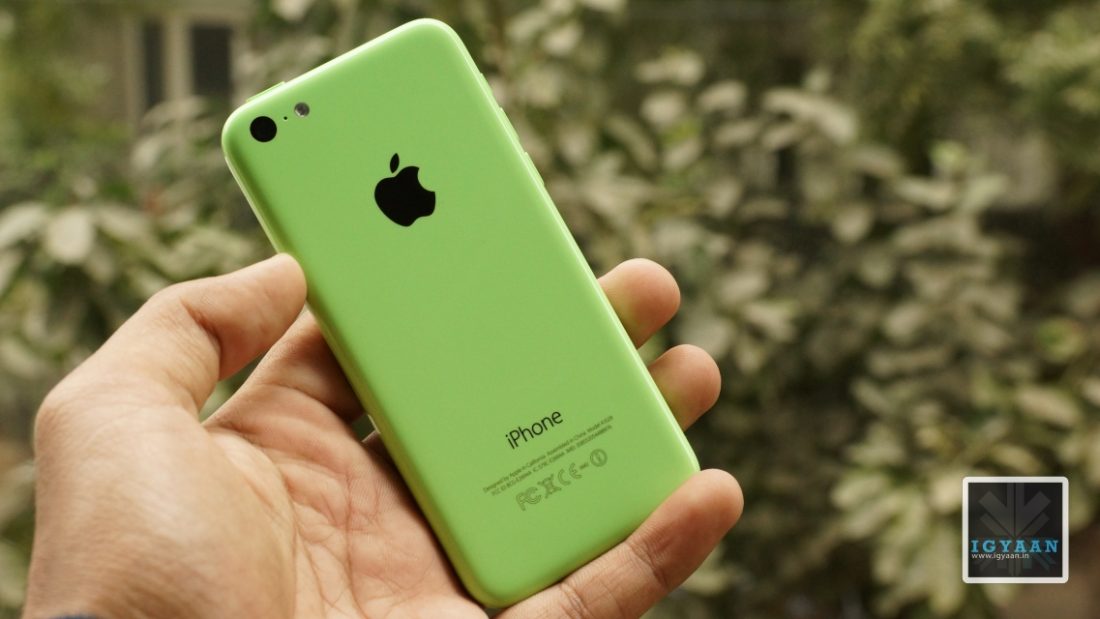
    iPhone 5c Was Launched In 2013

    To actually believe that Apple or for that matter any company would do something so ethically wrong would be unfair. If Apple were to do this, it would likely lead to incredible battles with the governmental that no company like Apple would ever want to happen. In fact, Apple is focusing attention on smoothing out the very high and quick peaks of power draw that can cause problems with older batteries.

    To address the issue and the theories flying around the internet, Apple issued a statement to TechCrunch:

    Our goal is to deliver the best experience for customers, which includes overall performance and prolonging the life of their devices. Lithium-ion batteries become less capable of supplying peak current demands when in cold conditions, have a low battery charge or as they age over time, which can result in the device unexpectedly shutting down to protect its electronic components.

    Last year we released a feature for iPhone 6, iPhone 6s and iPhone SE to smooth out the instantaneous peaks only when needed to prevent the device from unexpectedly shutting down during these conditions. We’ve now extended that feature to iPhone 7 with iOS 11.2, and plan to add support for other products in the future.

    In short, what Poole’s benchmarks are showing is the result of a power curve-smoothing algorithm that Apple rolled out last year to mitigate iPhone shutdown issues.

    To tackle battery ageing in a more efficient way, what Apple is doing for older iPhones is it is capping the processor power to prolong the age of the battery. This is a is a lithium-ion chemistry issue, not an Apple or any other OEM issue. Over time, batteries just become bad. This is an attempt to make people’s phone work for longer with fewer issues, not to get them to switch away from it.

    These changes will not affect the average performance of a device, and it is not throttling; it is capping the peak demands. In doing so, it is not allowing them to be as high and spreading that work out over more cycles rather than one.
  • Samsung Announces Galaxy A8 And Galaxy A8+ With Infinity Display

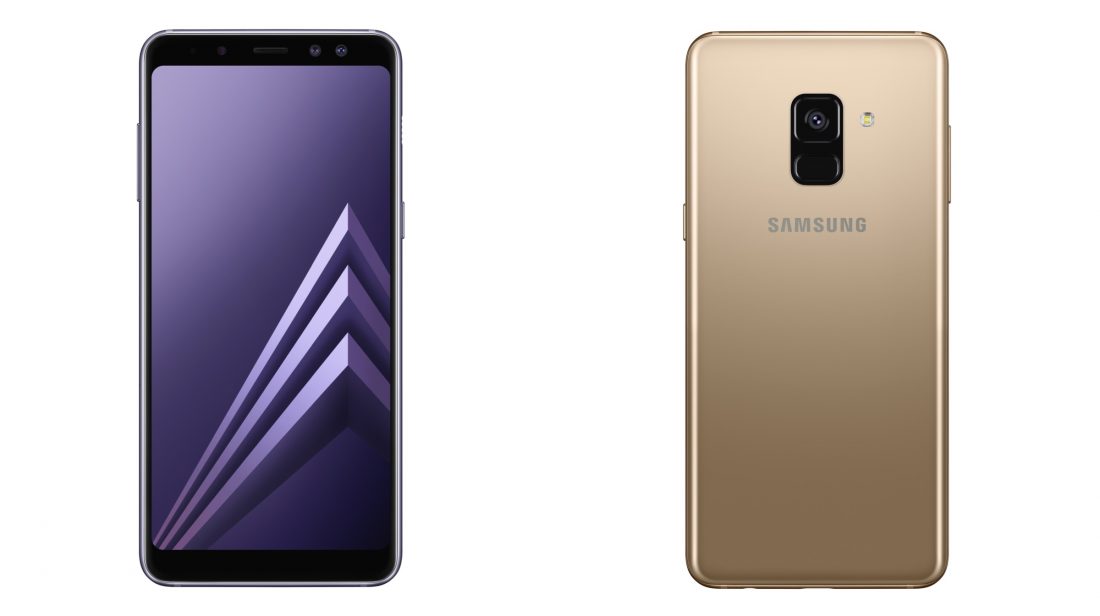
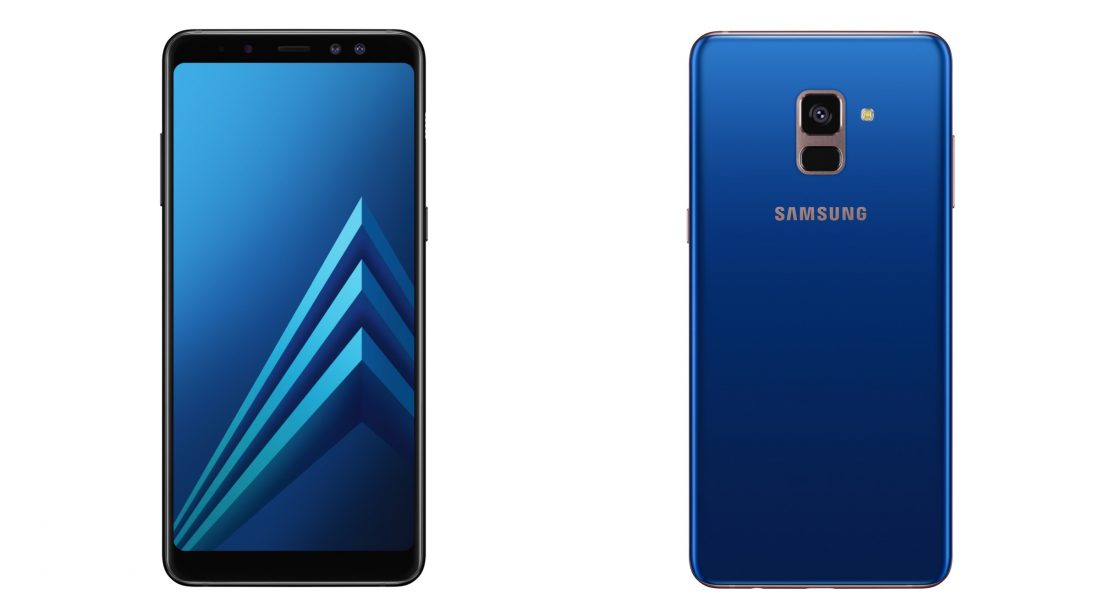
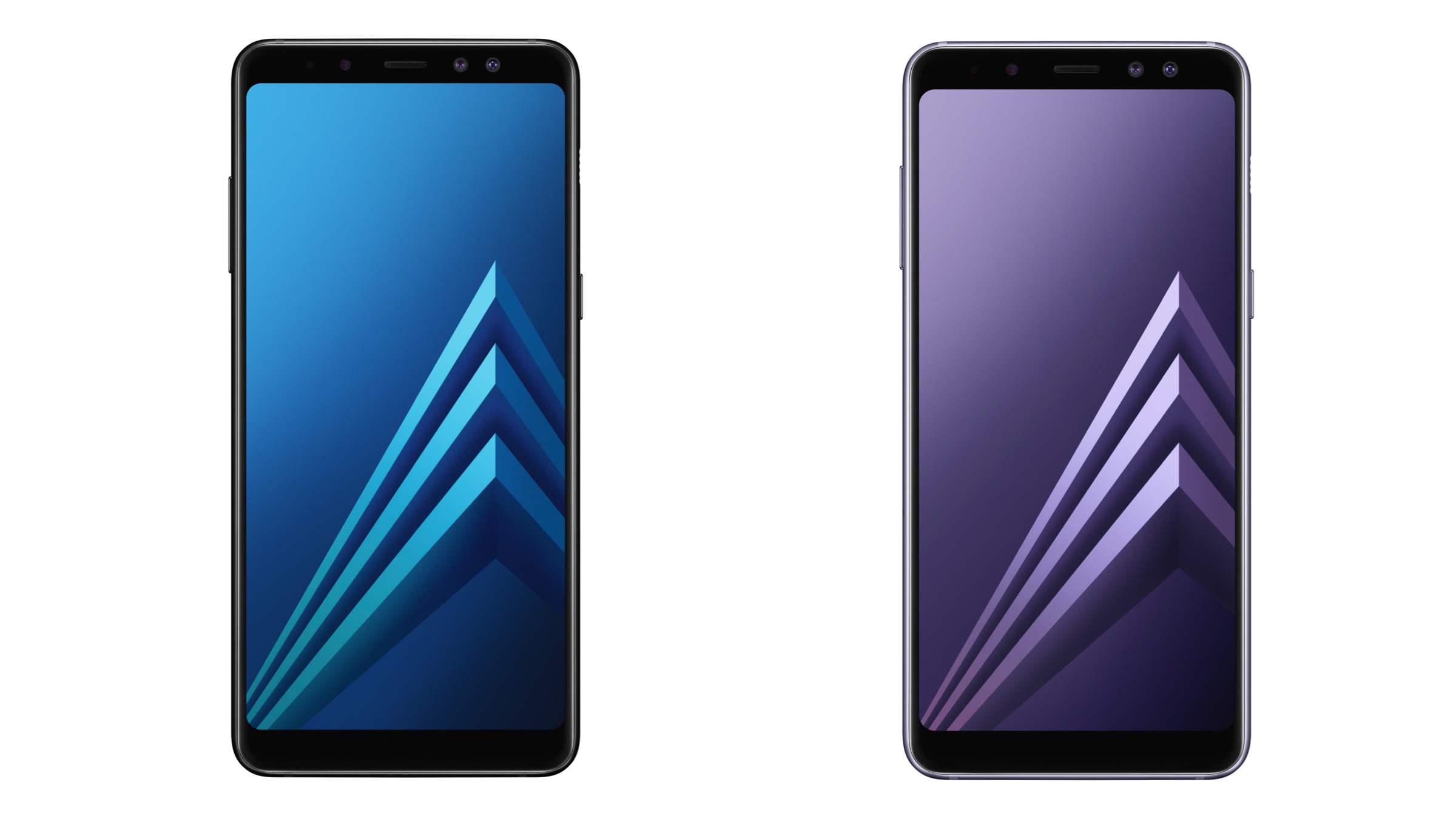
    Samsung Announces Galaxy A8 And Galaxy A8+ With Infinity Display

    After weeks of speculations and leaks, Samsung has announced the Galaxy A8 and Galaxy A8+ at an event in South Korea. What the nomenclature doesn’t tell is that these two phones are the follow up to the Galaxy A5 (2107) and Galaxy A7 (2017). There is no word on the pricing and their availability in countries like India. However, more in-depth information about the two phones will be revealed at CES 2018.

    The Galaxy A8 and A8+ are the first budget-oriented Samsung phones to feature the infinity display. The Galaxy A8 has a 5.6-inch display while the bigger sibling, the Galaxy A8+ has a 6-inch display. Both the phones have a Super AMOLED display panel with a 2220 x 1080 px resolution which translates to an 18.5:9 aspect ratio.

    Galaxy A8

    Under the hood, both the devices have an octa-core (2.2GHz Dual + 1.6GHz Hexa) processor while the chipset is still unspecified, it could be the Exynos 7885 SoC as found in the leaked video. The Galaxy A8 has 4GB of RAM with two storage options of either 32GB or 64GB while the Galaxy A8+ has two variants, one with 4GB RAM and 32GB storage and the other with 6GB RAM and 64GB storage. Just like every other smartphone from Samsung, the onboard storage can be expanded up to 256GB via microSD card. Both the smartphones are IP68 rated for water and dust resistance and support Samsung Pay for contactless mobile payment.

    Powering the Galaxy A8 is a 3000 mAh battery while the Galaxy A8+ has a 3500 mAh battery. Both the devices are charged via USB Type-C port.

    One thing that might come as a surprise, especially for phones launching in 2018 is the OS. Both the phones will run Android 7.1.1 Nougat out of the box with Samsung’s own custom skin on top.

    Galaxy A8+

    The Galaxy A8 and Galaxy A8+ are also the first of Samsung phones to have a dual-camera setup on the front. Both the phones have a 16MP + 8MP camera setup with an f/1.9 aperture. The Live Focus feature lets users chose whether the background should be in focus or blurred to a soft bokeh. The phone will switch between the two front cameras to get the effect the user needs. To the back of the phone is a 16MP camera with an f/1.7 aperture and digital stabilisation.

  • Huawei Enjoy 7S Launched

    Huawei Enjoy 7S Launched

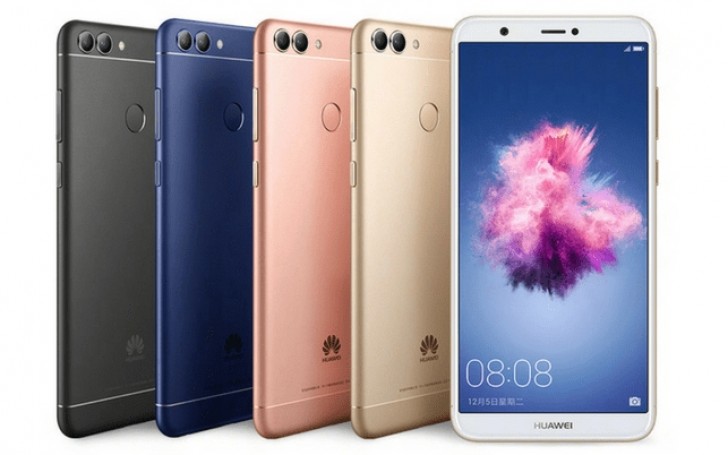
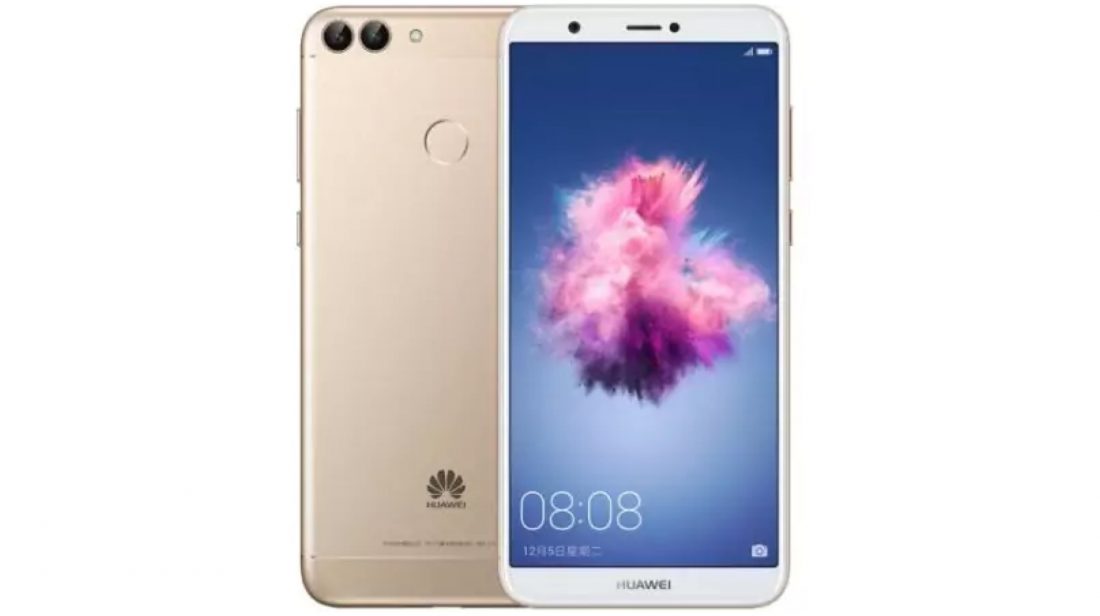
    Huawei has launched a new mid-range smartphone, the Huawei Enjoy 7S at a starting price of CNY1,499 (US $226 approx.). The device will be available in Black, Blue, Rose Gold and Gold/Champagne colour variants and go on sale in China on the 22nd of December.

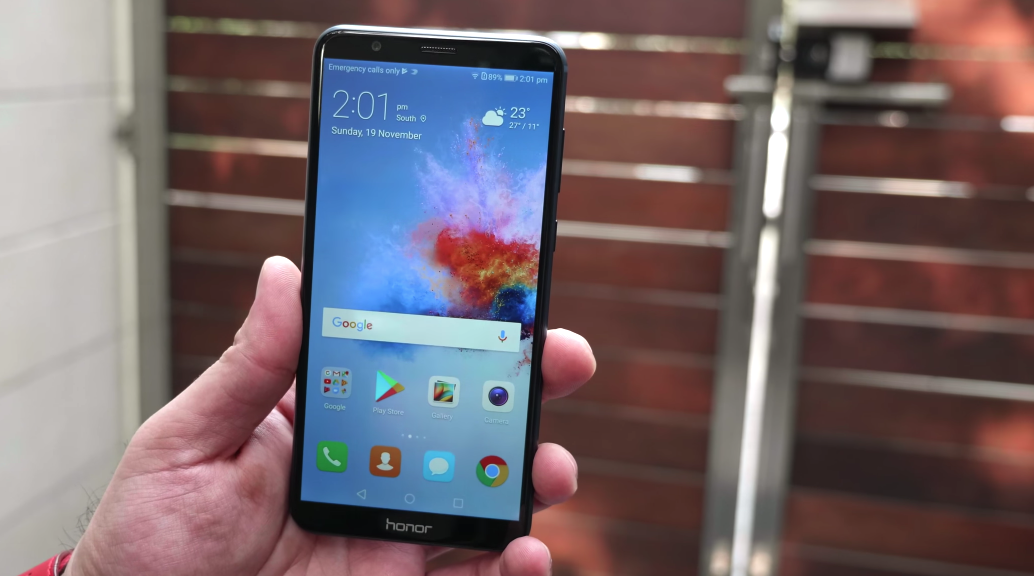
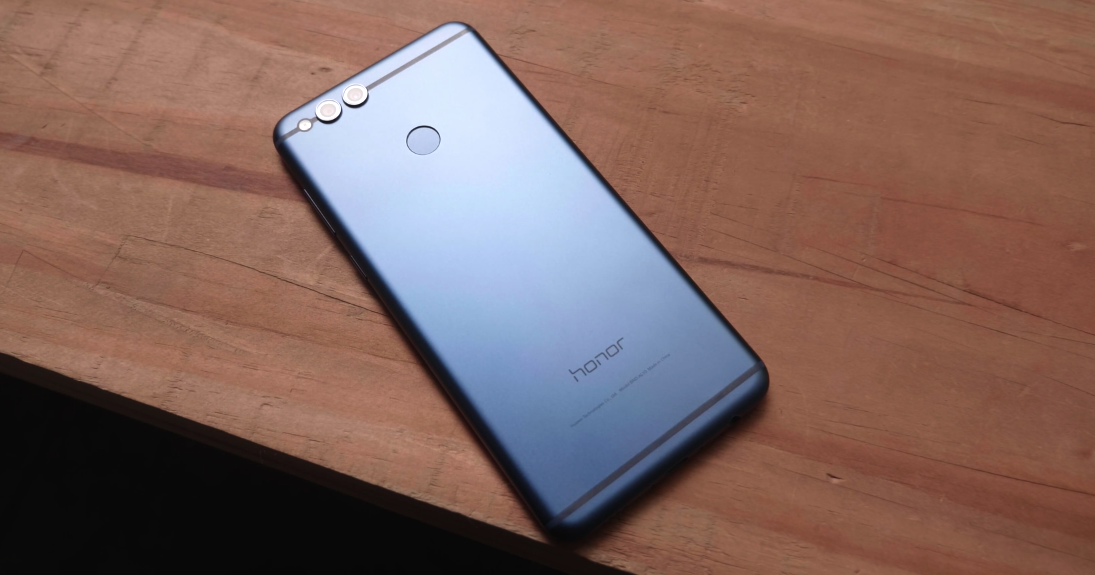
    The Huawei Enjoy 7S has a 5.65-inch FullView display with a 2160 x 1080 px resolution. Similar to the Honor 7X, the thin bezel at the bottom houses the company logo and the fingerprint sensor is moved the back of the phone.

    Honor 7X

    Under the hood, the Huawei Enjoy 7S has the HiSilicon Kirin 659 chipset, octa-core processor clocked at 2.3GHz, and Mali-T830 MP2 GPU. In terms of RAM and storage, the Huawei Enjoy 7S has two variants, one with 3GB of RAM and 32GB of storage and the other with 4GB of RAM and 64GB of storage.

    The Huawei Enjoy 7S runs Android 8.0 Oreo out of the box with EMUI 8 on top.

    Powering the device is a 3000 mAh battery that can be fast-charged thanks to the Super Charge technology.

    The camera setup on the back is 13 MP + 2 MP,  where the secondary camera is a depth sensor for artificial background blur during portraits. On the front is an 8MP camera for selfies.

    There is no word on the device’s availability in other markets such as India right now but, stay tuned to iGyaan for any further updates.

  • Apple iMac Pro To Go On Sale In India At A price Of Rs. 4,15,000

    Apple iMac Pro To Go On Sale In India At A price Of Rs. 4,15,000

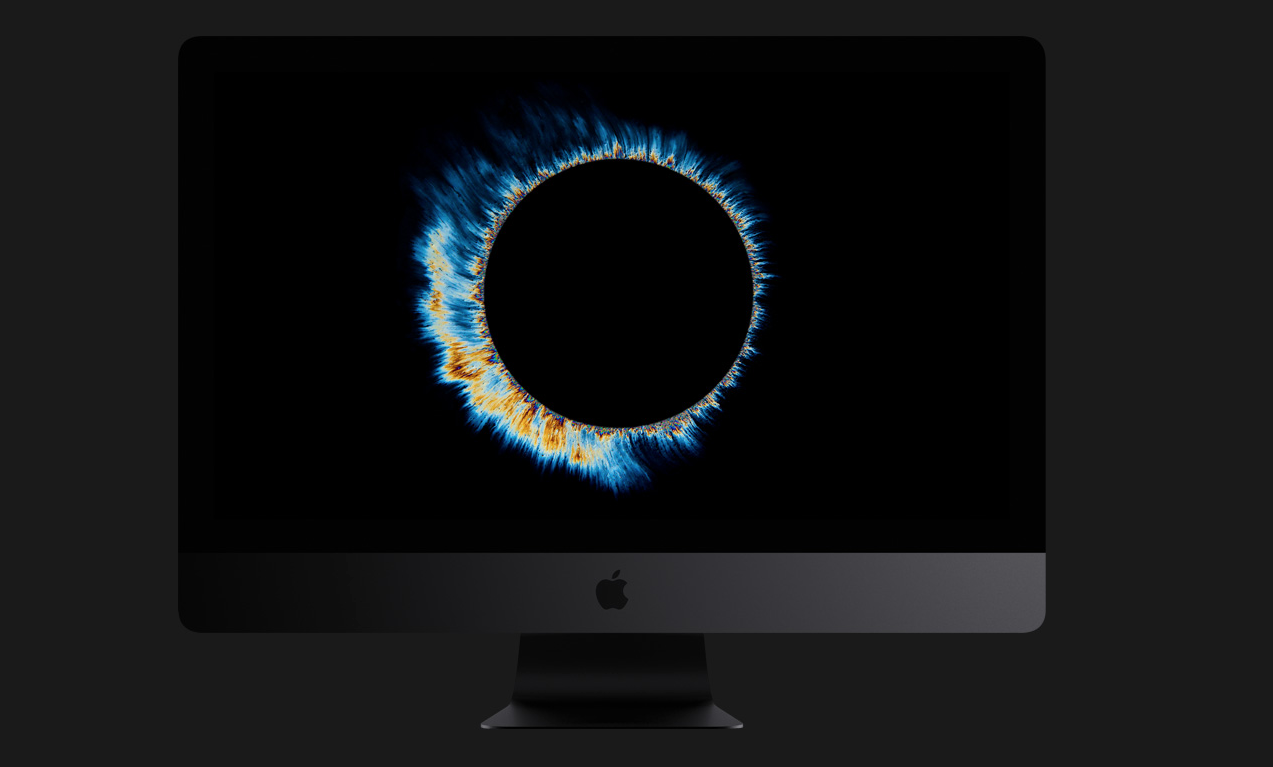
    Apple iMac Pro will go on sale in India at a price of Rs. 4,15,000. Apple recently announced that the iMac Pro will go on sale in the US from the 14th December at a price of US $4999.

    The iMac Pro has a 27-inch Retina 5K display with a 5120 x 2880 px resolution and 500 nits of brightness. The iMac Pro will be available in only one colour variant, Space Gray.

    Under the hood, the iMac Pro’s base model comes with an 8-core Intel Xeon processor which can go up to 18 cores, 32GB of 2666MHz DDR4 ECC memory RAM with the other two variants having 64GB or 128GB of RAM. The base model has 1TB hard drive with 2TB or 4TB being the other two options. Handling the graphics in base model will be the Radeon Pro Vega 56 graphics processor with 8GB of HBM2 memory, this can also be configured up to Radeon Pro Vega 64 graphics processor with 16GB of HBM2 memory.

    Just above the display is an improved 1080P FaceTime camera.

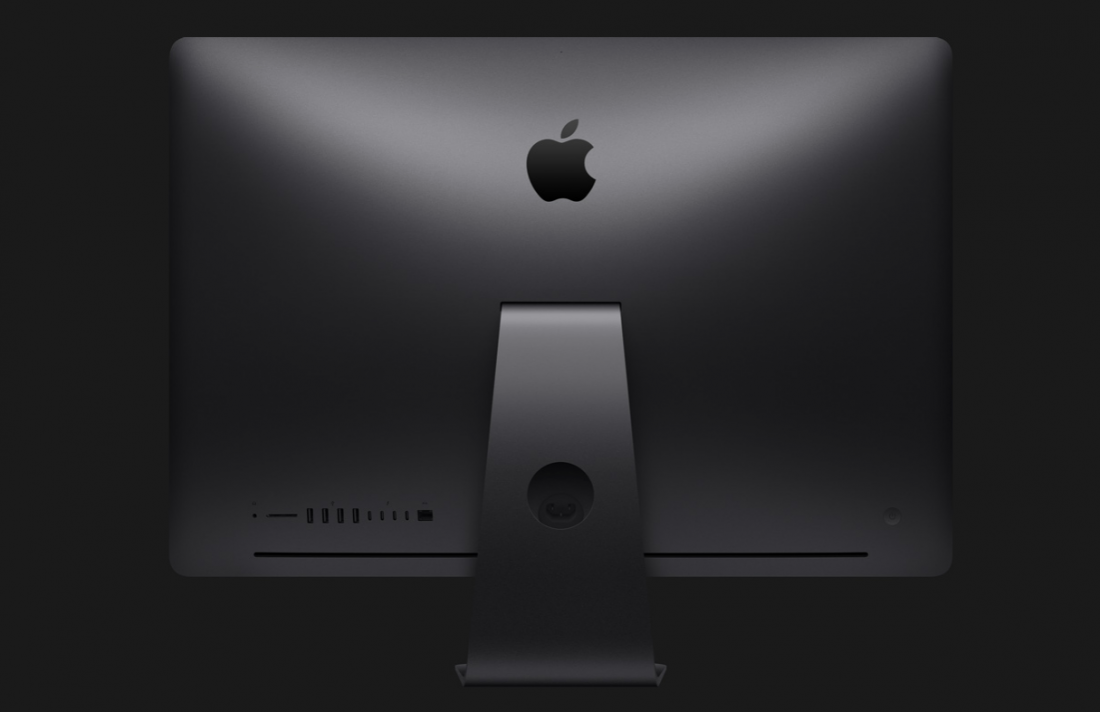
    In terms of the number of ports and connectivity, it has four Thunderbolt 3 (USB-C) ports, a 3.5mm headphone jack, SDXC card slot, and an Ethernet port.

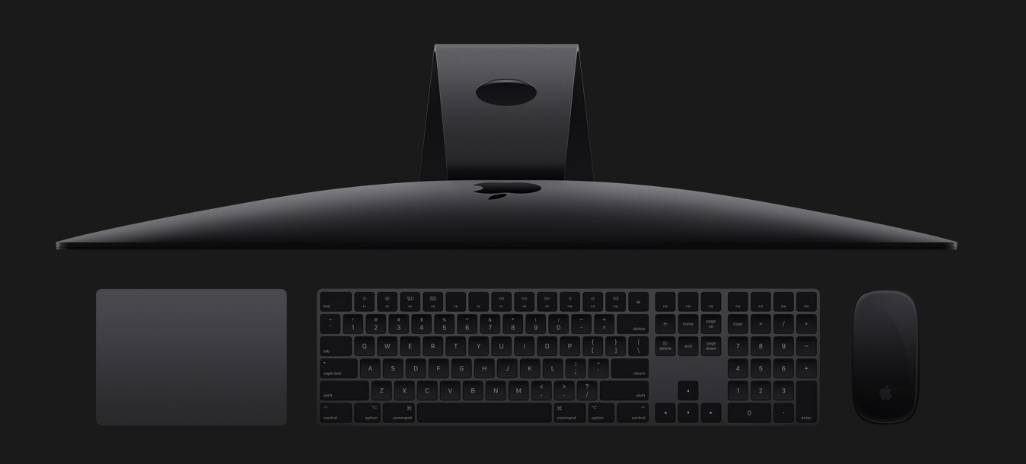
    Along with the iMac Pro, the consumers will also get a Space Gray Magic Keyboard with Numeric Keypad, and a Space Gray Magic Mouse 2 along with the essential cords.

    Apple has not confirmed the date from which the iMac Pro will go on sale in India. We will keep you updated on all the news and the date of sale of the new iMac Pro.

  • Star Wars Limited Edition OnePlus 5T Launched In India At A Price Of Rs. 38999

    Star Wars Limited Edition OnePlus 5T Launched In India At A Price Of Rs. 38999

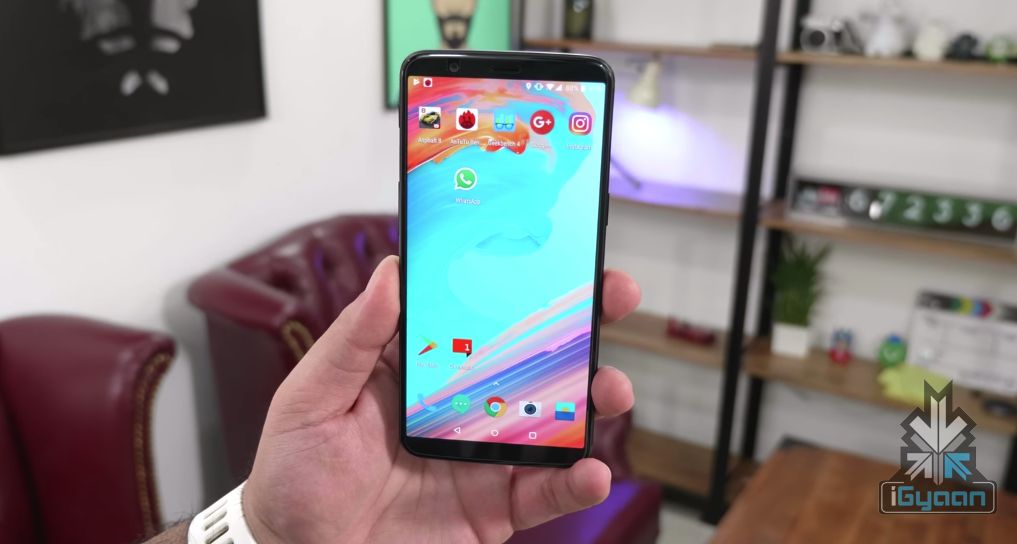
    Star Wars Limited Edition OnePlus 5T has been launched in India at a price of Rs. 38999. The new iteration of the recently launched OnePlus 5T will be sold via Amazon and various OnePlus experience stores in Bengaluru and Noida from the 15th of December.

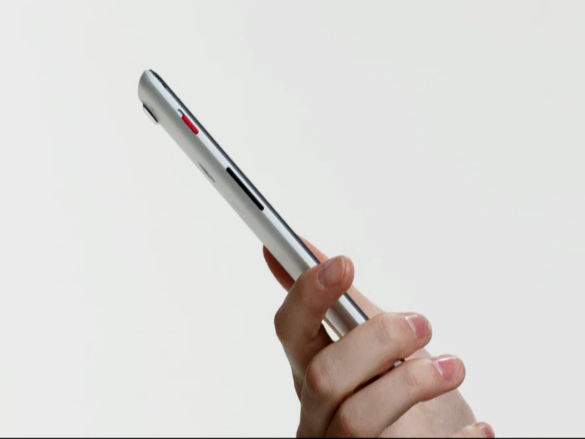
    The main difference between the regular OnePlus 5T and the limited edition Star Wars OnePlus 5T is the colour combination. The new OnePlus 5T has a white back panel with a sandstone finish as a homage to the Planet Crait and the alert slider is now red in colour. There is also a Star Wars logo at the back of the phone which is red in colour.

    The limited edition Star Wars OnePlus 5T will be available only in the 8GB RAM variant with 128GB of onboard storage. Apart from the colour scheme and the Star Wars logo, there is nothing different in terms of hardware.

    The OnePlus 5T has a 6-inch Full Optic AMOLED display with a 2160 x 1080 px resolution and an 80.5% screen to body ratio.

    Under the hood, the OnePlus 5T has the Qualcomm Snapdragon 835 chipset, a 2.4GHz octa-core processor, 6GB or 8GB of RAM, 64GB or 128GB of onboard storage which cannot be expanded. Powering the device is a 3300 mAh battery which supports OnePlus’ DashCharge technology.

    The OnePlus 5T runs stock Android 7.1.1 Nougat with customisability options thanks to the Oxygen OS on top.

    One big change in the OnePlus 5T is in the camera department. Unlike the OnePlus 5, the OnePlus 5T no longer has a secondary telephoto lens at the back. Instead, OnePlus has decided to focus on the device’s low-light photography capabilities. The cameras do not have OIS and OnePlus has decided to go for EIS on the dual camera setup at the back. The device has a 16MP camera with an f/1.7 aperture coupled with a 20MP sensor with the same f/1.7 aperture and field of view, ie no optical zoom. On the front is a 20MP camera with an f/2.0 aperture.

    Buy it here

  • The LG V30+ Vs The Competition

    The LG V30+ Vs The Competition

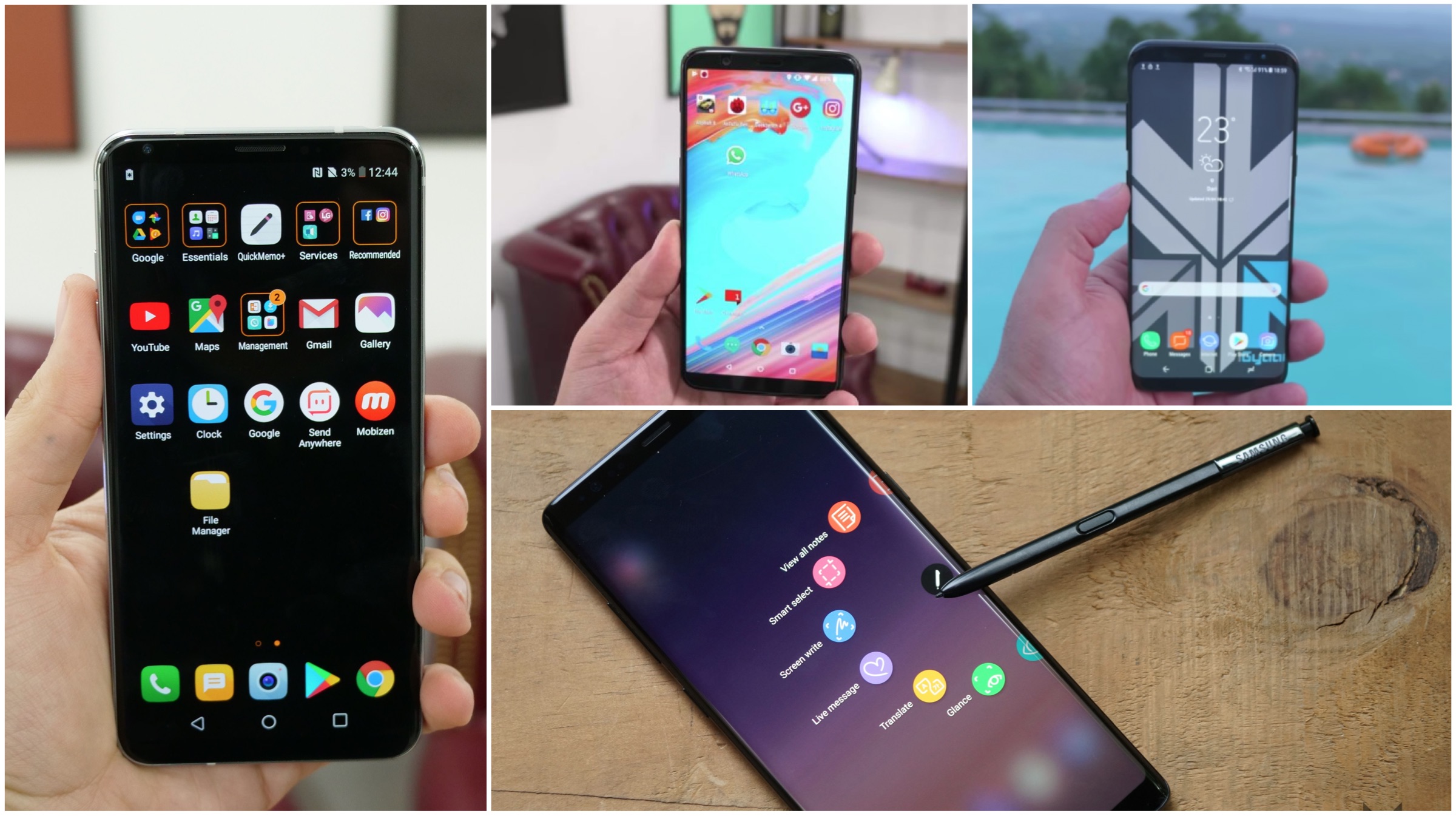
    LG finally launched the LG V30+ in India after globally unveiling it back in August. To many’s surprise, LG competitively priced the LG V30+ at Rs. 44990 and it will go on sale in India via Amazon on the 18th of December. But, as we move closer to the launch of the Samsung Galaxy S9 which will, in all probability feature the new Snapdragon 845, has LG missed a trick and launched the V30+ a little too late?

    let’s peg the LG V30+ against its competition and see which phone comes out on point:

    Specifications LG V30+ OnePlus 5T Samsung Galaxy S8 Samsung Galaxy Note8
    Price Rs. 44990 Rs. 32999 (6GB RAM)
    Rs. 37999 (8GB RAM)
    Rs. 53900 (4GB RAM) Rs. 67900
    Display 6 inch

    POLED display

    6-inch

    AMOLED

    5.8 inch

    Super AMOLED

    6.3inch

    Super AMOLED

    Design Glass front and back
    Metal frame
     Aluminium unibody Glass front and back
    Metal frame
    Glass front and back
    Metal frame
    Resolution 2880 x 1440 px
    537 ppi
    2160 x 1080 px
    401 ppi
    2960×1440 px
    570ppi
    2960×1440 px
    521ppi
    Chipset Qualcomm Snapdragon 835 Qualcomm Snapdragon 835 Exynos 8895 Exynos 8895
    RAM 4GB 6GB/8GB 4GB 6GB
    Storage 128GB, Expandable up to 2TB 64GB/128GB non-expandable 64GB, expandable up to 256GB 64GB, expandable up to 256GB
    Battery 3300 mAh 3300 mAh 3000 mAh 3300 mAh
    Primary Camera 16MP f/1.6 Primary + 13MP f/1.9 wide-angle 16MP f/1.7 + 20MP f/1.7 Dual Pixel 12MP f/1.7 aperture 12MP wide angle lens with an f/1.7 aperture
    12MP telephoto lens with an f/2.4 aperture
    Secondary Camera 5MP f/2.2 aperture 16MP f/2.0 8MP f/1.7 8MP f/1.7
    Other Features HiFi Quad DAC
    Fingerprint Sensor
    Facial and Voice Recognition
    Wireless charging
    Face Unlock
    Fingerprint Sensor
    Fingerprint Sensor
    Iris Scanner
    Wireless Charging
    S Pen
    Iris Scanner
    Wireless Charging

    In terms of specifications, there is very little separating the three phones, with the OnePlus 5T the clear winner if you’re looking for more RAM. The LG V30+ and Galaxy S8 provide the option of expandable storage while the OnePlus 5T runs close to pure Android OS. If you are an audiophile, then the LG V30+ should be your choice considering the presence of the HiFi Quad DAC. The OnePlus 5T loses out in the display department and thanks to a higher ppi count, the Galaxy S8 should have the most vivid display out of the three with the LG V30+ not far behind. If you are a creator and believe that the S Pen can genuinely contribute to the productivity of your day, then the extra cash for the Samsung Galaxy Note8 is justified.

    At the end of the day, it boils down to what features you prefer over the other. If price is your main criteria, then the OnePlus 5T wins by a long shot but, if you can’t compromise on your wide-angle shots, then the Galaxy Note8 and LG V30+ should be the two phones you should consider.

    Watch Our LG V30+ unboxing-

    Watch our full review of the OnePlus 5T

    Watch our Galaxy Note8 Unboxing-

    Watch our full review of the Samsung Galaxy Note8


  • LG V30+ Launched In India At A Price Of Rs. 44990

    LG V30+ Launched In India At A Price Of Rs. 44990

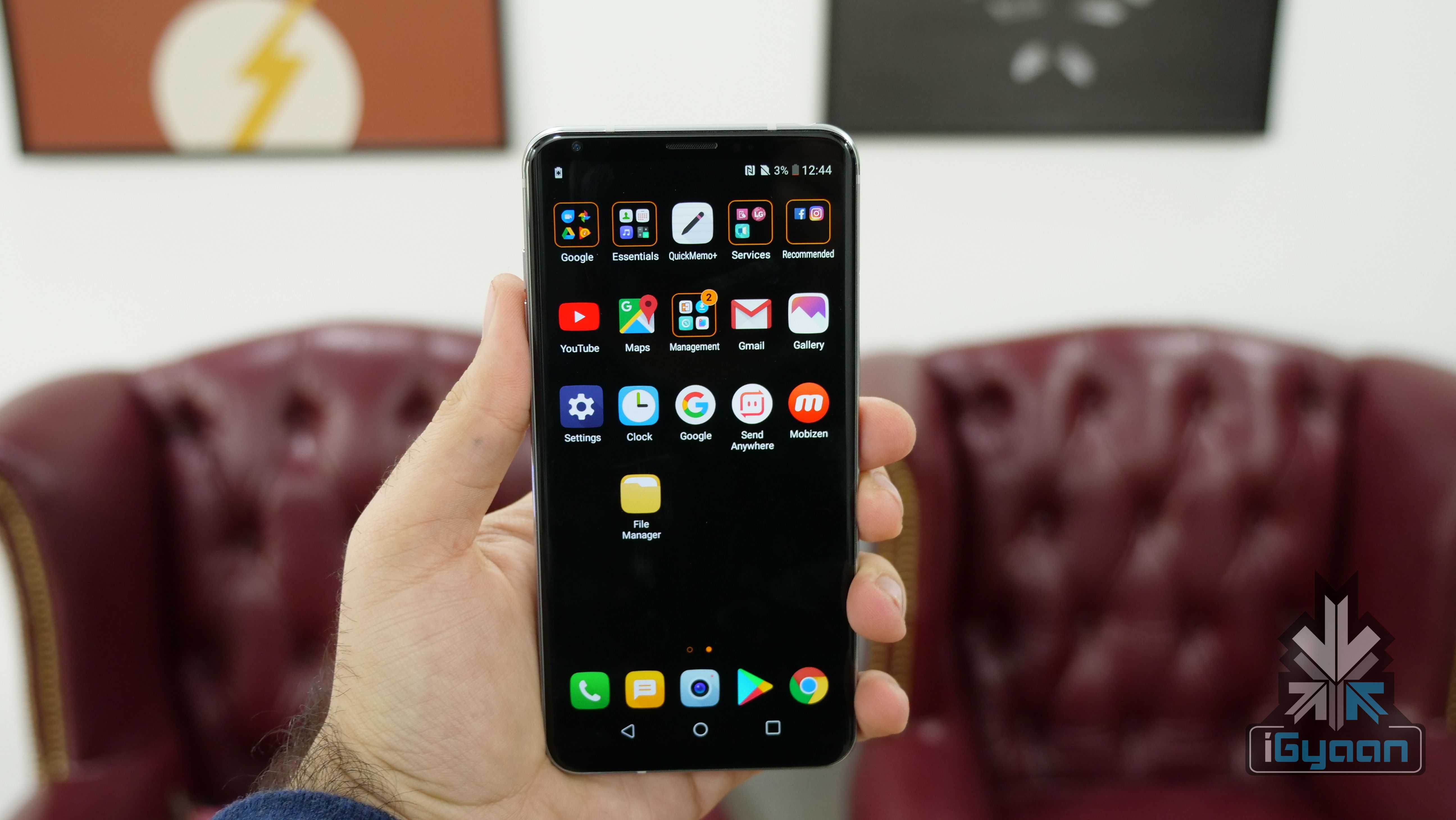
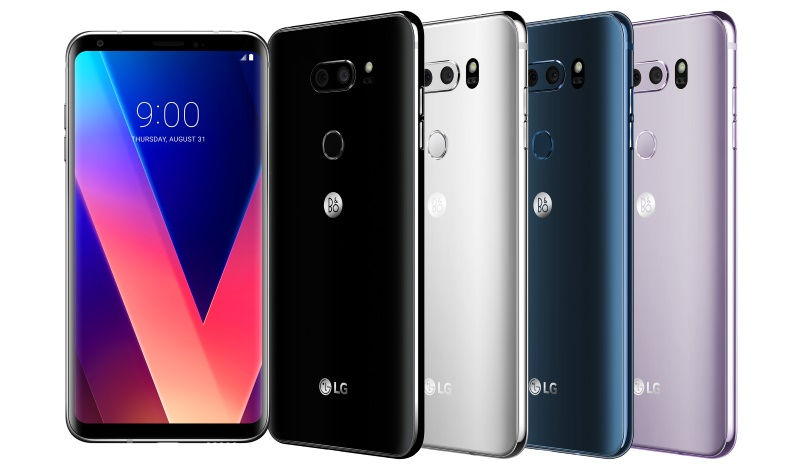
    LG V30+ was first unveiled at IFA 2017 in Berlin on the 31st of August. After slowly entering the US and European markets, it has finally been launched in India at a price of Rs. 44990. Pre-bookings for the LG V30+ will start from the 18th of December and will be sold via Amazon exclusively.

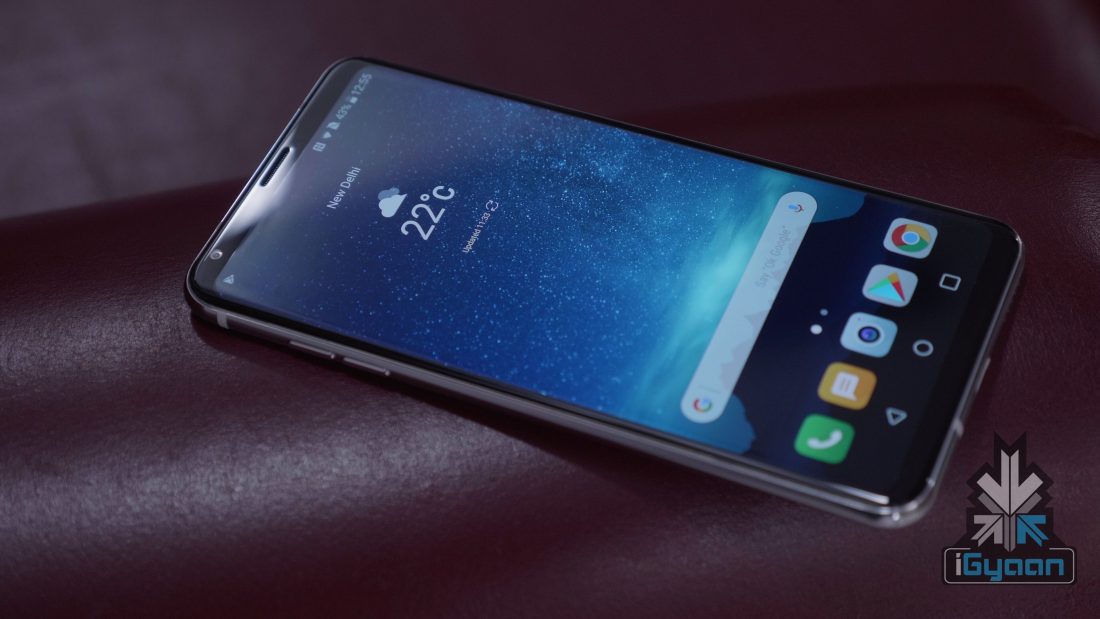
    The LG V30+ has a 6 inch 2880 x 1440 px OLED FullVision display, LG’s first, with an 18:9 aspect ratio and Corning Gorilla Glass 5 for protection. LG’s nearly edge-to-edge OLED display has HDR 10 format for a high level of colour contrast and as announced, the smartphone is Daydream compatible.

    A big omission from the V30+ is the secondary display, which was a signature in the previous V series devices. Instead, LG has introduced a Floating Bar which displays shortcuts and can be disabled when not required.

    The LG V30+ has the Qualcomm Snapdragon 835 chipset, a 2.4GHz octa-core processor, GB RAM and 128GB of onboard storage which can be expanded up to 2TB via a microSD card. The LG V30+ has an IP68 rating for water and dust resistance and MIL-STD 810G rating for durability.  

    The LG V30+ is powered by a 3300mAh battery with wireless fast charging which supports 3.0 quick charge. The smartphone runs Android 7.1.2 with LG’s UX 6.0+ on top which offers a few customisation options.  

    The LG V30+ incorporates a 32-bit Hi-Fi Quad DAC powered by Bang & Olufsen with few sound presets like enhanced, detailed, bass and live. The smartphone also has support for Master Quality Authenticated (MQA) technology for high-resolution audio streaming.

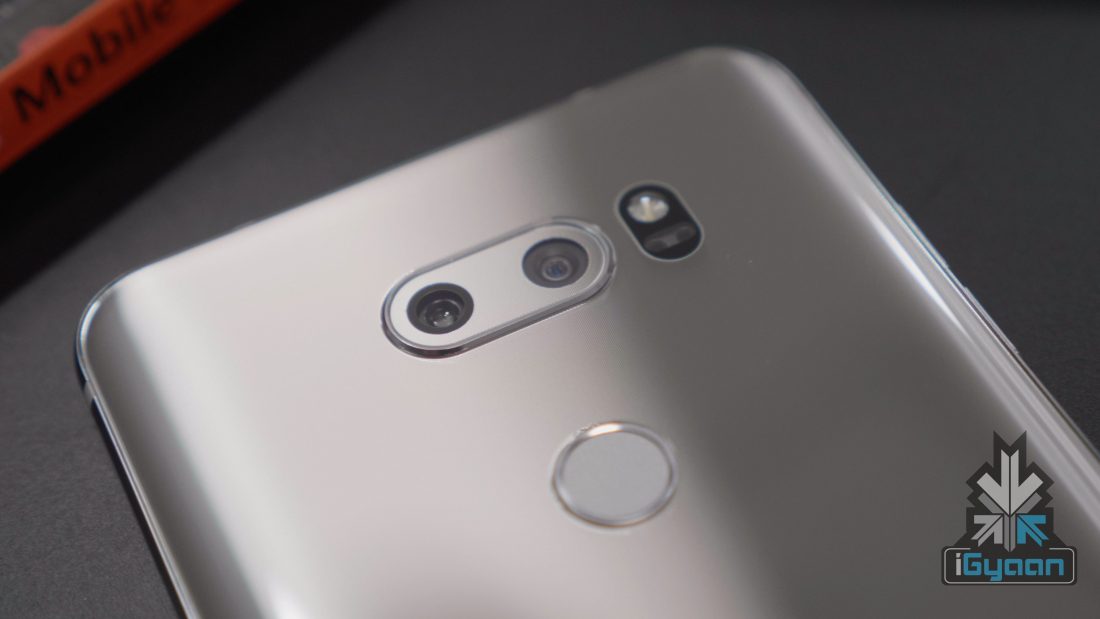
    Aside from the rear-mounted fingerprint scanner which also doubles as a home button, LG has introduced few new security features in the LG V30+ such as facial and voice recognition. The voice recognition will even work along with the music playback.

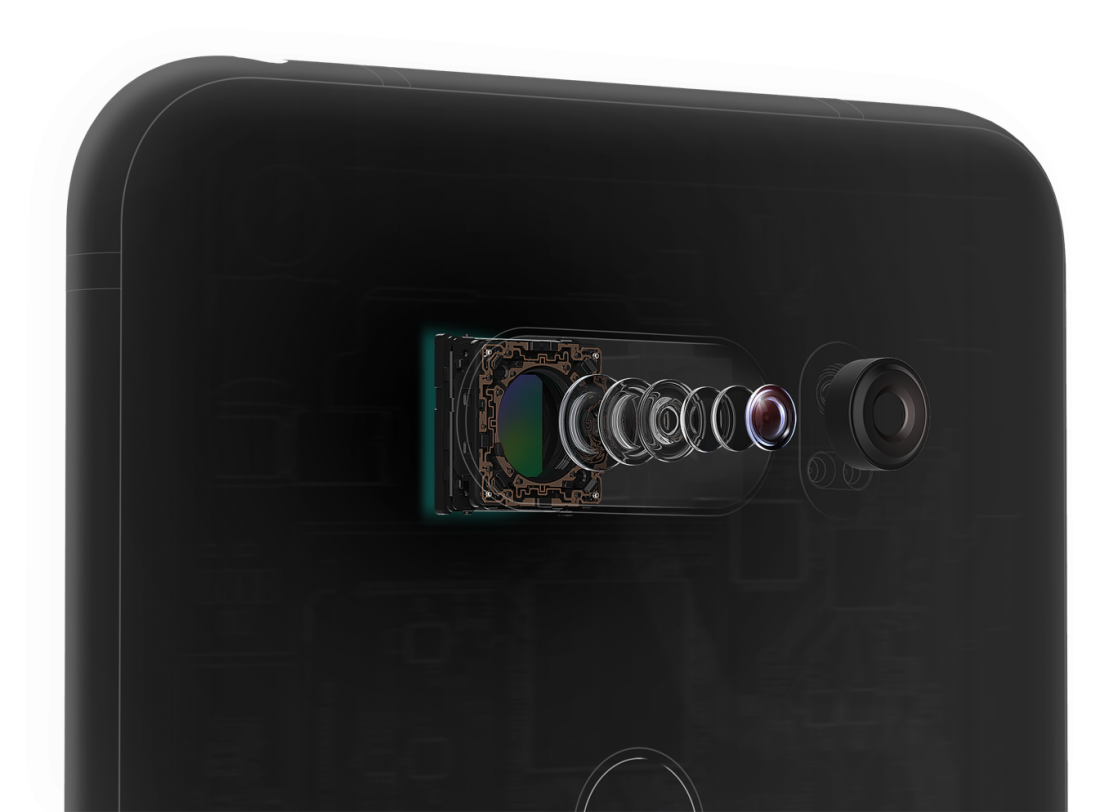
    The LG V30+ features a dual-camera setup at the back. As LG had announced, this smartphone has the first ever inbuilt camera unit to feature a 16MP crystal clear lens made of glass with an f/1.6 aperture and another 13MP wide angle lens with an f/1.9 aperture. The camera features laser detection AF, optical image stabilisation and electronic image stabilisation. On the front side, the LG V30+ sports a 5MP wide-angle camera with an f/2.2 aperture.

    Pre-order here

  • Apple Acquires Music Recognition App Shazam

    Apple Acquires Music Recognition App Shazam

    Last week, it was reported that Apple was on the verge of acquiring of Shazam. On the 11th of December, Apple confirmed the acquisition of the popular music recognition app, Shazam. While neither of the concerned companies disclosed the value of the deal, a report by TechCrunch claims that the deal is worth US $400 million and that Snap and Spotify were potential buyers as well.

    Acknowledging the acquisition, Apple said in a statement:

    We are thrilled that Shazam and its talented team will be joining Apple. Since the launch of the App Store, Shazam has consistently ranked as one of the most popular apps for iOS. We have exciting plans in store, and we look forward to combining with Shazam upon approval of today’s agreement.

    Shazam, one of the most popular music recognition app was launched back in 1999. Since then, the company has claimed that the Shazam app has been downloaded over 1 billion times and its users have used the app to recognise songs over 30 billion times. Shazam released a statement as well, seemingly confirming that the standalone Shazam app will continue functioning:

    Shazam is one of the highest-rated apps in the world and loved by hundreds of millions of users and we can’t imagine a better home for Shazam to enable us to continue innovating and delivering magic for our users.

    Shazam was one of the first few services that took advantage of AI and offered it to a broader audience. As Apple prepares to invest big in AI and make its AI assistant, Siri smarter than the competition, this acquisition might go a long way in doing so.

    Google Assistant, of all the AI assistant, might be the smartest in terms of music as of now, but, with Shazam onboard Siri can definitely compete and even come out on top in the battle of AI assistants. Even some analysts believe that Shazam could add significant value not only with its own service but also by making Siri smarter about music.

    Music is an important part of Apple’s business, particularly as the company prepares to launch its HomePod smart speaker. Slated for a late-2017 launch, the smart speaker will now be launched in early 2018. Apple Music, Apple’s subscription-based music streaming service has roughly 30 million subscribers which is not even a half of what its direct rival Spotify has. Spotify has 60 million paying users as of July and 80 million more on its free service.

    Apple HomePod

    Analysts are saying that this acquisition is similar to one that Spotify made in 2014 when it purchased a music intelligence firm called The Echo Nest. The Echo Nest creates technology that generates music recommendations which is one of the most important features of Spotify.

    Apple’s entry into AI and now the acquisition of Shazam means that Apple is willing to take on Spotify for the number one spot. As of now, the Shazam app redirects users to either Apple Music or Spotify to listen to the recognised song but, that might change in a bit and that might lead to a potential user acquisition.

  • First Ever Mobile Food-Testing Lab Launched in India

    First Ever Mobile Food-Testing Lab Launched in India

    Goa chief minister Mr Manohar Parrikar launched the country’s first ever mobile food testing laboratory. The vehicle, worth Rs 41 lakh was unveiled in Goa in the presence of the Goa Food and Drugs Administration minister Vishwajit Rane. Mr Parrikar said:

    It is entirely funded by the Centre, which will also bear the maintenance cost for five years.

    The laboratory, mounted on a bus will travel across the state and check food samples on the spot. Mr Parrikar said this would be the first ever ‘Food Safety on Wheel’ vehicle in the country. The laboratory will help in the on-the-spot testing of food items and curb adulteration. He continued:

    Besides this, it will also educate people about nutrition and importance of safe food. The mobile lab will do away with the need to get the food samples to the FDA laboratory near Panaji for tests. It will cut the delays. As the time would be reduced, action can be initiated immediately, if the food samples are found unsatisfactory.

    The laboratory, even though mobile, doesn’t slim out on the technology that it needs to function daily. The van comes fully equipped with gadgets such as a milk analyser, hot air oven, hot plate, mixer grinder, digital weighing scale, power generator, air conditioner, and more. It will be used to conduct tests for common adulterants in milk, water, edible oils and other food items, and make it possible to draw on-the-spot samples and generate instant reports of the analysis.

    This is the first ever mobile food testing laboratory in India, and it might prompt the rest of country to launch more of such labs in the country to try and curb the problem of adulterated food.

  • iPhone X Notch Will Come To Huawei P11 Suggest Leaks

    iPhone X Notch Will Come To Huawei P11 Suggest Leaks

    The notch on the iPhone X has divided opinions ever since it was unveiled back in September. Now, it appears that Huawei is ready to embrace the notch life as well with its next flagship phone. XDA Developers took a look at some firmware files acquired by FunkyHuawei and re-created an overlay image that was found in the files.

    The resulting image shows a cross-over of iPhone X’s and Essential Phone’s notch which will house the front-facing camera, sensors and ear-piece. This also might be the result of Huawei’s latest facial recognition technology, which it claims is better and faster than Apple’s Face ID.  back in 2016, Huawei launched the Honor Magic which had Face ID-like features long before Apple launched the iPhone X.

    It used the IR sensor in the phone to scan the face of the user and similar to what Face ID does now, it had a feature of displaying notifications on the lock screen only if the phone recognised the face. So, it is possible that Huawei has improved that technology and with AI being an integral part of Kirin 970 chipset, we might see a Face ID competitor very soon.

    The files also pointed to a certain level of inconsistency in the phone’s screen resolution. Even though a configuration file revealed that the phone will have a 6.01-inch 2160 x 1080 px LCD display, other files indicate the same-sized screen with a 2244 x 1080 px resolution. That discrepancy might have something to do with the notch, with the higher resolution probably reserved for apps that take advantage of that space.

    Notch on the iPhone X

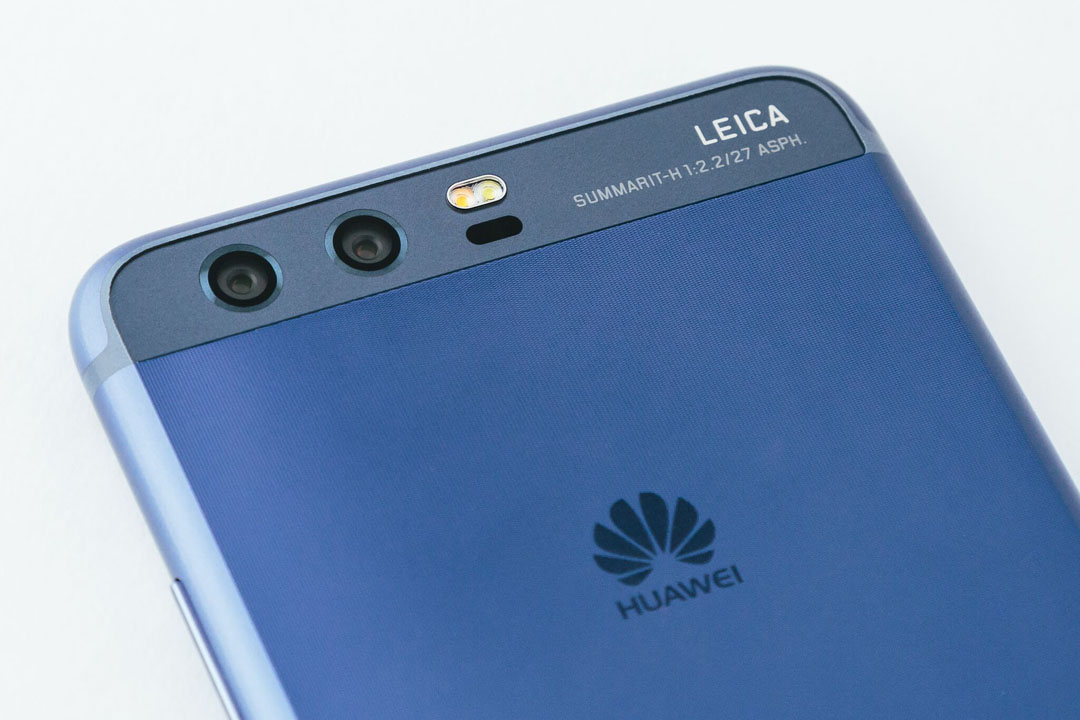
    It is likely that the device in question is the Huawei P11. Recently, an advertisement leak revealed that an upcoming Huawei phone will have a triple-lens 40MP camera co-engineered by Leica.

    If this device is indeed the Huawei P11, then it might be launched at next year’s Mobile World Congress which will happen in late February.

  • Xiaomi Redmi 5 And Redmi 5 Plus Launched

    Xiaomi Redmi 5 And Redmi 5 Plus Launched

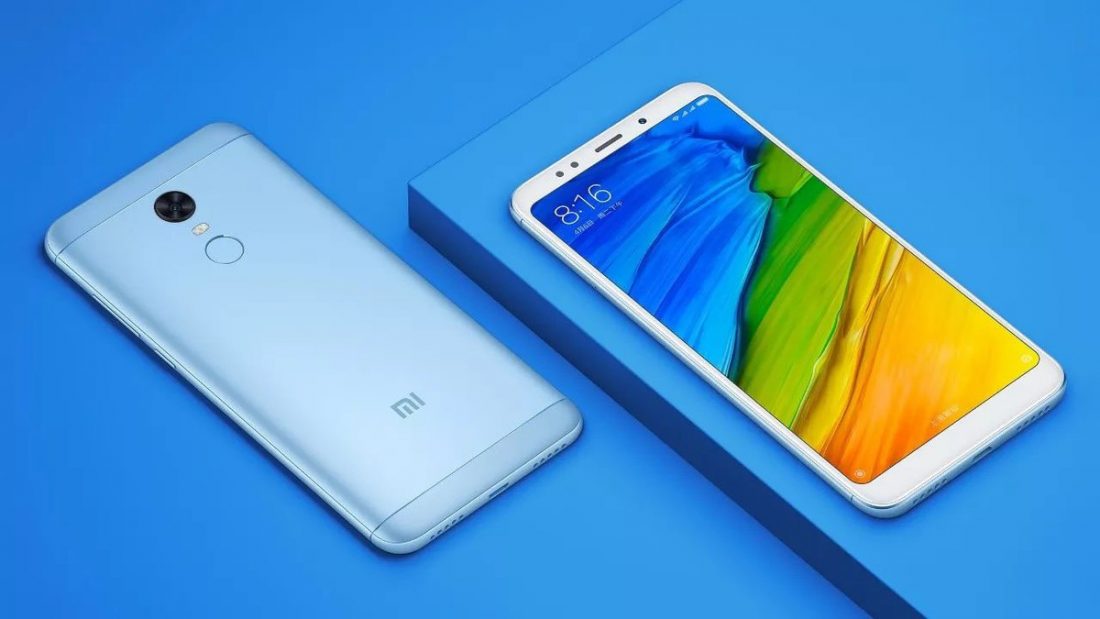
    Xiaomi has launched two new budget-oriented smartphones Redmi 5 and Redmi 5 Plus at an event in China today.

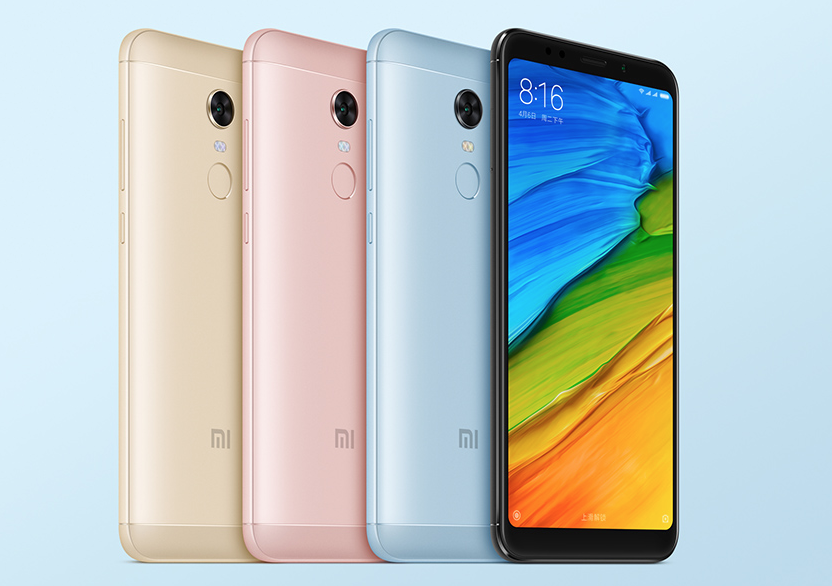
    The Redmi 5 is priced at CNY 799 (Rs 7,800 approx) for the 2GB RAM/16GB storage variant and CNY 899 (Rs 8,800 approx.) for the 3GBRAM/ 32GB storage variant and will be available in Black, Blue, Gold and Rose Gold colours. The Redmi 5 Plus is priced starting at CNY 999 (Rs. 9,800 approx.) for the 3GB RAM/32GB storage variant and CNY 1299 (Rs. 12,700 approx.) for the 4GB RAM/64GB storage option and will be available in the same colours as the Redmi 5.

    Both the devices run Android 7.0 Nougat with Xiaomi’s custom MIUI 9 on top.

    Xiaomi Redmi 5

    The Xiaomi Redmi 5 has a 5.7-inch 1440 x 720 px display with an 18:9 aspect ratio.

    Under the hood, the Redmi 5 has the Qualcomm Snapdragon 450 chipset, a 1.8GHz octa-core processor, Adreno 506 GPU, 2GB or 3GB of RAM, 16GB or 32GB of onboard storage which will be expandable via microSD card. There is a fingerprint sensor placed at the back of the phone just below the camera.

    Powering the device is a 3300 mAh battery which, Xioami claims has a standby time of up to 12 days. The battery is charged via a micro USB slot which means no fast charging. There is a 3.5mm headphone jack placed next to the charging port as well.

    The Redmi 5 has a 12MP camera at the back with 1.25-micron pixel size. The camera records 1080P videos at 30fps. To the front of the device is a 5MP camera with Beautify 3.0, which is Xiaomi’s software for enhanced selfies.

    Xiaomi Redmi 5 Plus

    The bigger sibling of the two is the Redmi 5 Plus. It has a 5.99-inch display with a 2160 x 1080px resolution which again, translated to an 18:9 aspect ratio. Similar to the Redmi 5, its display also has rounded corners.

    Under the hood, the Redmi 5 Plus has the Qualcomm Snapdragon 625 chipset, 2.0GHz octa-core processor, Adreno 506 GPU, 3GB or 4GB of RAM, and 32GB or 64GB of onboard storage which will be expandable via microSD card. The fingerprint sensor sits at the back of the device which has become a Redmi signature irrespective of thin or thick bezels.

    The Redmi 5 Plus is powered by a massive 4000 mAh battery which, according to Xiaomi, has a standby time of up to 17 days. The device has a micro USB port for charging and data syncing along with a 3.5mm headphone jack.

    Just like the Redmi 5, the Redmi 5 Plus has a 12MP primary camera and a 5MP secondary camera with beautify 3.0 software.

    There is no word on the availability in the global market. But, considering the popularity of the Redmi series in India, it won’t be a stretch to assume that at least one of the devices will be launched in India sooner rather than later.

  • Snapdragon 845: Everything You Need To Know

    Snapdragon 845: Everything You Need To Know

    A majority of Android phones are powered by the chipsets made by Qualcomm. From phones priced at Rs 6999 running Snapdragon 212 to the Galaxy Note8 priced at Rs 67900 powered by the Snapdragon 835, smartphones in all price range run on a Qualcomm chipset, with some exceptions running MediaTek chipsets.

    For 2018, the flagship phones will be powered by the new chip from Qualcomm, the Snapdragon 845 which was announced two days ago during the Qualcomm Tech Summit.

    The Snapdragon 845 has the new Kryo 385 CPU architecture and an upgraded Adreno 630 GPU. The chip is built on Samsung’s 10nm LPP FinFET, its second generation 10nm node that offers “10-percent higher performance or 15-percent lower power consumption compared to its first generation”.  Similar to the previous generation, the Kryo 385 is built on Arm Cortex technology. Qualcomm claims that thanks to its customised off-the-shelf design from Arm, the chip promises up to a 25% performance upgrade compared with the last generation Snapdragon 835. The four performance cores clock up to 2.8 GHz and are paired with four energy efficient cores that can reach up to 1.7 GHz.

    A lot of experts claim that what bezel-less design was to 2017 smartphones, AI and machine learning will be to 2018 smartphones. With Apple and Huawei already claiming a stake in the AI space with their new chipsets, a lot will be expected from the Snapdragon 845. In terms of performance, the Snapdragon 845 gets a 3X upgrade in AI tasks over the Snapdragon 835. This comes down to upgraded CPU and GPU performance but, the Snapdragon 845 also includes a third generation Vector DSP with HVX, called the Hexagon 685, which is optimised for AI and imaging workloads.

    Specifications Snapdragon 845 Snapdragon 835
    CPU Core Semi-custom ARM Cortex – Kryo 385 Semi-custom ARM Cortex – Kryo 280
    CPU Configuration 4x 2.8GHz (Cortex-A75)
    4x 1.7GHz (Cortex-A55)
    4x 2.45GHz (Cortex-A73)
    4x 1.9GHz (Cortex-A53)
    GPU Adreno 630 Adreno 540
    Manufacturing Process 10nm LPP FinFET 10nm LPE FinFET
    DSP Hexagon 685 with HVX Hexagon 682 with HVX

    For multimedia, Qualcomm’s latest Spectra image signal processor has been rebuilt from scratch. The new Spectra 280 ISP introduces new video capture options, such as 720P at 480fps, 60 fps video recording at up to 16MP of resolution, and the ability to capture 64x more high-dynamic range colour information than before.

    Qualcomm has also introduced a new security feature. It has added Security Processing Unit (SPU), a hardware isolated security subsystem inside the Snapdragon 845. This dedicated chip acts as a storage unit for any saved biometric information, such as fingerprint, face, or iris scans, and builds on Qualcomm’s existing security software.

    The Samsung Galaxy S9 and S9+ are expected to be the first of the many phones which will be powered by the Qualcomm Snapdragon 845 chipset. Xiaomi also announced that its new flagship, presumably Xiaomi Mi 7 will have the Qualcomm Snapdragon 845 chipset as well.

  • LG V30+ To Be Launched In India On December 13th

    LG V30+ To Be Launched In India On December 13th

    LG’s second flagship of the year, the LG V30+ will be launched in India on the 13th of December. There is no word on the price of the phone yet.

    The LG V30 has a 6 inch 2880 x 1440 px OLED FullVision display with an 18:9 aspect ratio. LG’s nearly edge-to-edge OLED display has HDR 10 format for a high level of colour contrast and the smartphone will be Daydream compatible.

    A big omission from the V30 is the secondary display, which was a signature in the previous V series devices. Instead, LG has introduced a Floating Bar which displays shortcuts and can be disabled when not required.

    The LG V30 has the Qualcomm Snapdragon 835 chipset, a 2.4GHz octa-core processor, 4 GB RAM and 128GB onboard storage with up to 2TB of expandable storage via a microSD card. The V30 has an IP68 rating for water and dust resistance and MIL-STD 810G rating for durability.

    The LG V30 is powered by a 3300mAh battery with wireless fast charging which supports 3.0 quick charge.

    The smartphone runs Android 7.1.2 with LG’s UX 6.0+ on top which offers a few customisation options.

    LG has partnered up with Bang & Olufsen this time around to deliver sound quality ideal for media consumption and the B&O logo appears on the rear of the smartphone just below the fingerprint scanner. Thanks to the partnership, the LG V30 incorporates a 32-bit Hi-Fi Quad DAC powered by Bang & Olufsen with few sound presets like enhanced, detailed, bass and live. The smartphone also has support for Master Quality Authenticated (MQA) technology for high-resolution audio streaming.

    Aside from the rear-mounted fingerprint scanner which also doubles as a home button, LG has introduced few new security features in the LG V30 such as facial and voice recognition. The voice recognition will even work along with the music playback.

    The LG V30 features a dual-camera setup at the back. As LG had announced, this smartphone has the first ever inbuilt camera unit to feature a 16MP crystal clear lens made of glass with an f/1.6 aperture and another 13MP wide angle lens with an f/1.9 aperture. The camera has laser detection AF, optical image stabilisation and electronic image stabilisation. On the front side, the LG V30 sports a 5MP wide-angle camera with an aperture f/2.2.


  • Honor 7X Launched In India At A Price Of Rs. 12999

    Honor 7X Launched In India At A Price Of Rs. 12999

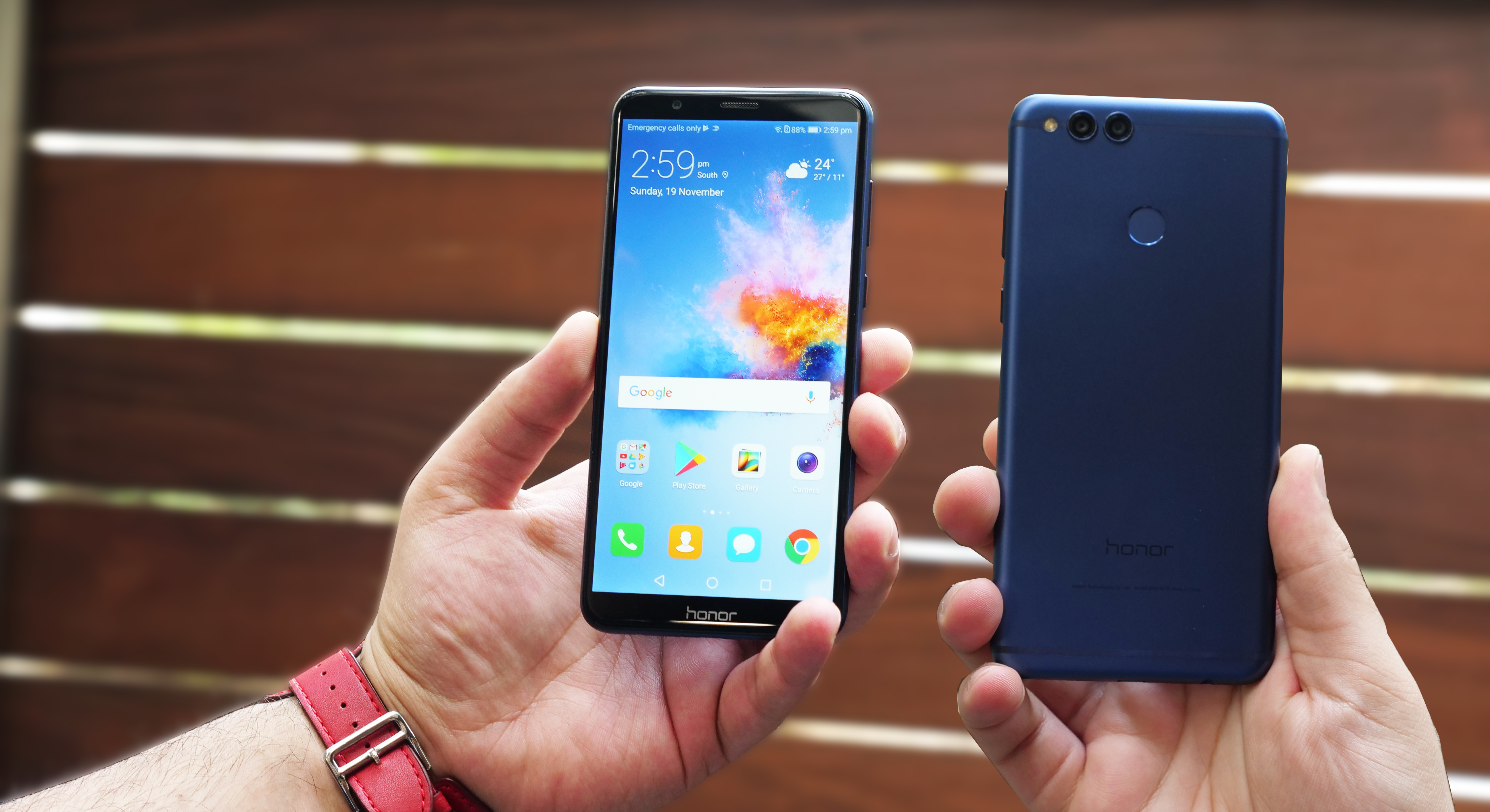
    Huawei’s sub-brand Honor has launched the Honor 7X for India at a price of Rs. 12999. The device will on sale from the 7th of December via Amazon exclusively.

    The Honor 7X has a 5.9 inch LTPS IPS LCD display with a 2160 x 1080 px display which translates into an 18:9 aspect ratio.

    Under the hood, the Honor 7X has the HiSilicon Kirin 659 chipset, Mali-T830 MP2 GPU, 4GB of RAM and 64GB onboard storage. The onboard storage is expandable up to 256GB via microSD card. The device is powered by a 3340 mAh battery which charges via a micro USB slot. Since the device has thin bezels, the fingerprint sensor is placed at the back of the below the dual-camera setup.

    The Honor 7X runs Android 7.0 Nougat with EMUI 6.0 on top which gives a user more options for customising their phones.

    The smartphone has a dual camera setup at the back. One of the cameras is equipped with a 16MP sensor while the other one is a 2MP depth sensor. The camera setup at the back has PDAF and records 1080P videos at 30fps. On the front is an 8MP camera which also records 1080P videos.

    Buy it here

    Watch Our Unboxing –

    [embedyt] https://www.youtube.com/watch?v=JRoUtlwFgP8[/embedyt]

  • Android 8.1 Oreo To Start Seeding Today

    Android 8.1 Oreo To Start Seeding Today

    Android released the developer preview of Android 8.1 Oreo on the 25th of October and has now announced that the official update will start seeding on the 5th of December. Google has kept its promise to release Android 8.1 to the public by the end of the year.

    The Android 8.1 will roll out to the Pixel 2, Pixel 2 XL, Pixel, Pixel XL, Pixel C, Nexus 6P, and Nexus 5X starting today.

    The second developer preview was released last week, which included the much-awaited developer access to the Visual Core image processing chip inside the Pixel 2 and Pixel 2 XL feature. Because of this access, camera app developers will be able to improve their apps to take full advantage of the hardware found on Google’s new smartphones.

    The update also fixes the infamous hamburger and beer emoji found on the Google keyboard app. So, if a consumer was offended by the previous emojis, then they can breathe a sigh of relief.

    With Android 8.1 Oreo out for Pixel and Nexus devices, it begs the question, where is the Android 8.0 Oreo update for other Android devices? So far, only a handful of devices from other OEMs have received an update to Android 8.0 Oreo update.

    One of the main new updates in Android 8.1 Oreo is in its back-end processing. The new feature would automatically flag apps as “inactive” and deprioritise the generation of cache files for that app. The phone will only consider an app as “inactive” if it hasn’t been recently used in the foreground and the app package isn’t being used by another app package in the background.

iGyaan Network
Privacy Overview

This website uses cookies so that we can provide you with the best user experience possible. Cookie information is stored in your browser and performs functions such as recognising you when you return to our website and helping our team to understand which sections of the website you find most interesting and useful.