Category: World

  • Hasbro Helps You Fight Loneliness With its New Robotic Kitty

    Hasbro Helps You Fight Loneliness With its New Robotic Kitty

    Good bye, ‘forever alone’ moments as Hasbro comes up with a solution for the lonely. The company has come out with a robotic cat which purs, meows and responds to touch. You don’t have to worry about cleaning up after them, feeding them, deciphering their unpredictable mood swings and selective affection with these new kitties. Hasbro Robotic Kitty1

    The Joy for All companion pets are primarily designed for the elderly who often find themselves struggling with loneliness. But feel free to get yourself one of these furry robots if they catch your fancy. They are up for sale at a price of $99.99 or about Rs. 6,600.

    Just recently, Japan had introduced us to Pepper, the first ever fully functional humanoid robot meant to provide companionship. A lot of people seem to be welcoming the idea of finding warmth and comfort in Artificial Intelligence and its various forms. Would you be willing to try and connect with an AI a la ‘Her’? Let us know in the comments below.

  • Facebook Activates ‘Safety Check’ Feature Amid Paris Terror Attacks

    Facebook Activates ‘Safety Check’ Feature Amid Paris Terror Attacks

    Today, the world woke up to one of the worst terror attacks in recent times. The Paris massacre last night killed dozens of people and left many more severely injured. In times of such crisis one needs to stay connected to those closest to them, especially if they happen to be near the crisis zone, and Facebook lets you do that with its ‘Safety Check’ feature.

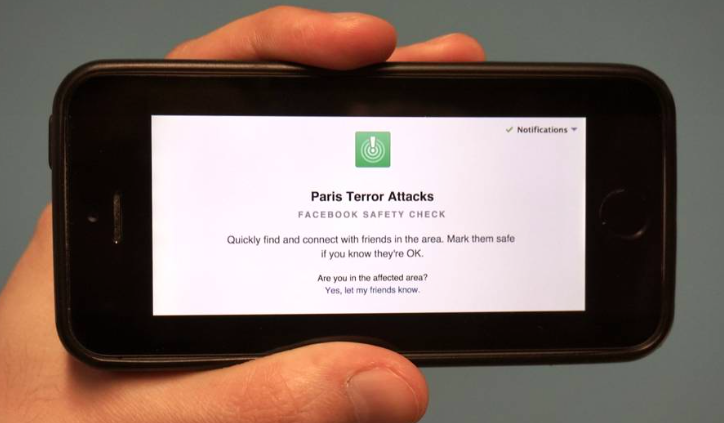
    On Friday, Facebook activated its safety check feature during the Paris crisis to allow users to notify friends and family that they were safe through the site’s ‘Safety Check’ tool. Users began getting notifications telling them that their friends who were in Paris during the attacks were safe.

    Safety check

    The ‘Safety Check’ feature was launched in 2014 and has been activated five times so far. This is the first time the feature has been used in a non-natural disaster setting. in the wake of the attacks, Facebook promptly activated the feature and also released a statement:

    “We are shocked and saddened by the events unfolding in Paris. Communication is critical in these moments both for people there and for their friends and families anxious for news. People turn to Facebook to check on loved ones and get updates which is why we created Safety Check and why we have activated it today for people in Paris.”

    Facebook hasn’t yet shared how many people were marked safe. According to its site, Facebook determines the location of a user by “looking at the city you have listed in your profile, your last location if you’ve opted in to the Nearby Friends product, and the city where you are using the internet.”


  • Scientists Achieve Breakthrough by Making Porous Liquid

    Scientists Achieve Breakthrough by Making Porous Liquid

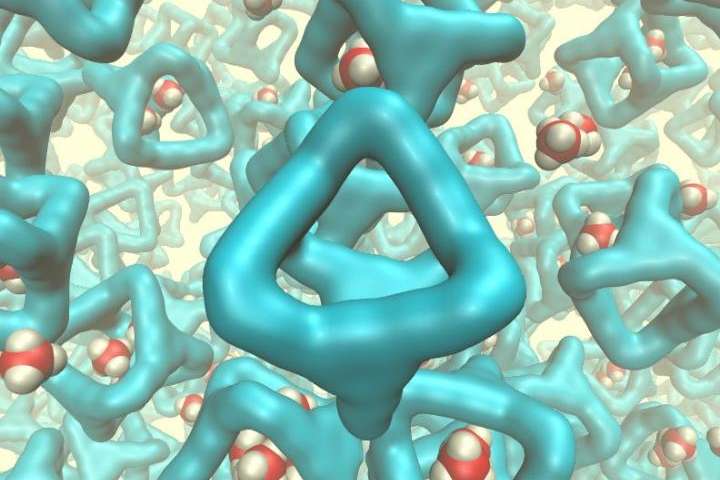
    liquids now have holes thanks to an amazing breakthrough by a team scientists at Queen’s University Belfast. Researchers in the School of Chemistry and Chemical Engineering at Queen’s, along with colleagues at the University of Liverpool, have invented a porous liquid with a potential for a massive range of new technologies including ‘carbon capture’. The liquid has the ability to dissolve massive amounts of gas, which are absorbed into the ‘holes’ in the liquid.

    This discovery will effectively lead to what scientists call ‘carbon capture’ – trapping carbon dioxide from major sources, a fossil-fuel power plant for example, and storing it to prevent its entry into the atmosphere.

    Prosessor Stuart James of Queen’s School of Chemistry and Chemical Engineering said: “Materials which contain permanent holes, or pores, are technologically important. They are used for manufacturing a range of products from plastic bottles to petrol. However, until recently, these porous materials have been solids. What we have done is to design a special liquid from the ‘bottom-up’ – we designed the shapes of the molecules which make up the liquid so that the liquid could not fill up all the space. Because of the empty holes we then had in the liquid, we found that it was able to dissolve unusually large amounts of gas.”

    James went on to say that the discovery is still in its early stages and a few more years will be needed to fully understand the ways in which the porous liquid can work.

    “While these are early findings, this research could pave the way for greener energy production in the future.”

  • China to Target Online Music Platforms in 2016, Apple Music Likely to Suffer

    China to Target Online Music Platforms in 2016, Apple Music Likely to Suffer

    Aren’t we all aware of China’s internet policing? So, nothing it does can further surprise us. Now they are going to tighten their policing on online music services including Apple, in order to filter out “harmful” content before streaming.

    apple music china

    The self-censorship program states that companies offering streaming services will need to start filtering out content from the 1st of January 2016. As of now, Chinese customers rely on local firms such as Ali Baba, Baidu etc for streaming music.

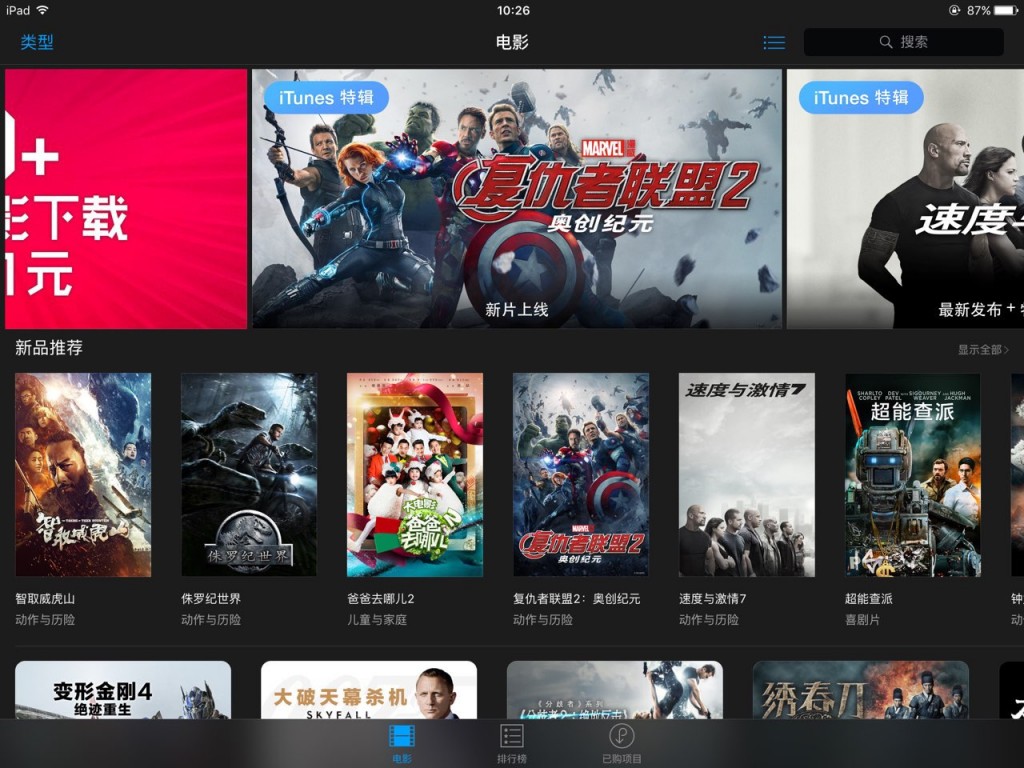
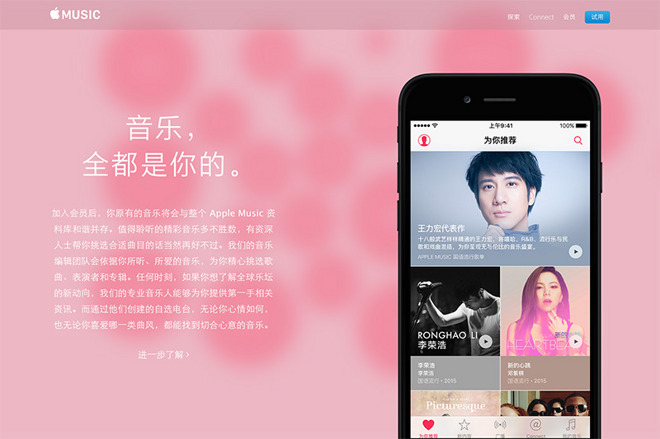
    However, Apple had just launched a special Chinese version of Apple Music alongside an access to iTunes Movies and iBooks. So, customers who signed up then, are halfway through their three-month free trial period, soon after which China will enact the above mentioned regulations.

    apple music china

    As of now, nobody knows how much these regulations will affect Apple Music. Although if Apple Music chooses to give China a miss, which is most likely what will happen because Apple has usually always been against censorship, then it might mean a whole lot of profit for other music platforms such as Spotify and Pandora. But what good is a platform without the global musicians, who might also back out with all the censorship issues? Let us know what you think about this.

  • Siri Beats Google Now and Cortana in Accuracy Tests

    Siri Beats Google Now and Cortana in Accuracy Tests

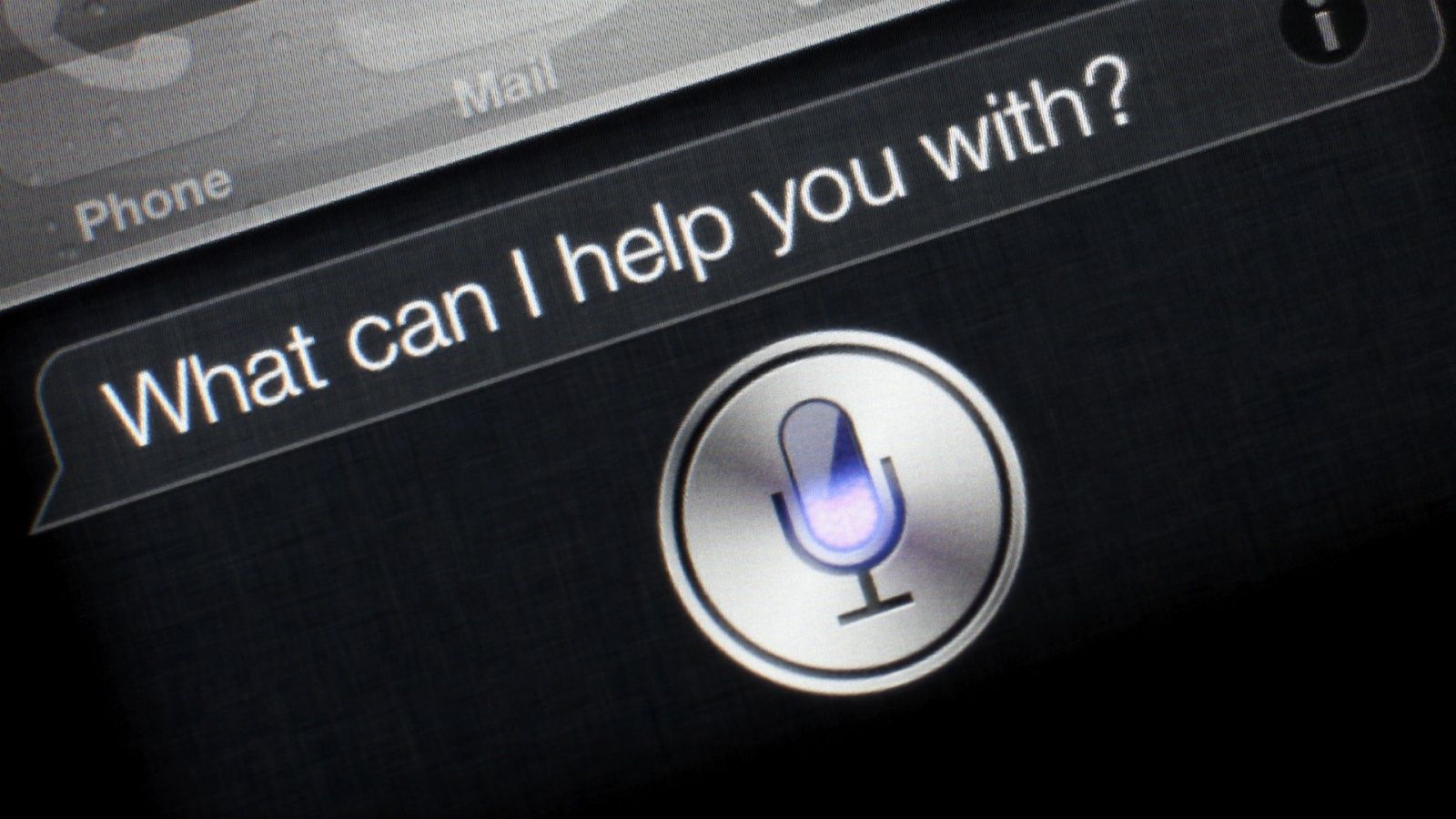
    Ever wondered who will take the cake in a face-off between Siri, Cortana and Google Now? You are not the only one if you have because a company called Experts-Exchange in the US thinks just like you. The three virtual voice activated personal assistants were put to a test where they were asked four questions each and given three tasks to complete. The participants had to keep a record of the follow-up question each assistant required and closely watch for accuracy.ios 7

    The following questions were made part of the test:

    • Who won the Super Bowl in 1978?
    • How many calories in a muffin?
    • Where can I buy tires?
    • When is “Kung Fu Panda 3” coming out?

    The three tasks that the virtual assistants were supposed to perform included:

    •  Ask your phone to set an appointment
    • Turn the Wi-Fi setting on
    • Send a text message.

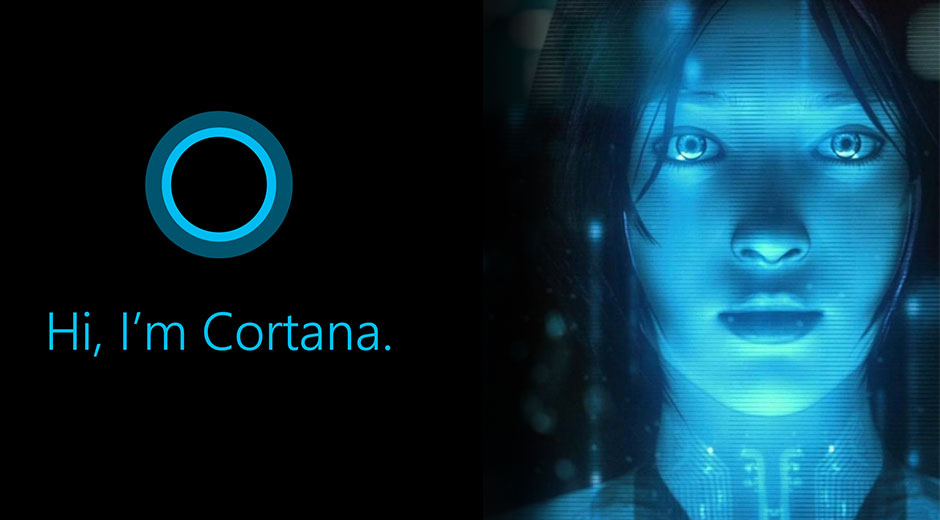
    In terms of the stats, when the first question was asked about the Super Bowl in 1978, Siri answered correctly 95.3% of the times, satisfying 86.1% of the participants. Google Now answered it correctly 88% of the times, and 80% of the times it responded with a web search. As far as Cortana goes, the wrong answer was given a mere 3.3% of the times. CortanaHero

    When asked to set an appointment, Siri once again took the lead by being correct 92.3% of the times, satisfying 89.2% of the users. This was followed by Google Now being correct at 81.3% and satisfying 80% of the users. Cortana came in last with 73.3% and 70% respectively.

    The total number of satisfied users for the three virtual assistants were 81% for Siri, followed by Google Now at 68% and Cortana at 57%. Siri also had the lowest number of incorrect answers, and found itself in a tie with Google Now for having least answers that were responded with a web search. google-now-sign

    While the test results should be a matter of concern for Google and Microsoft, it should be noted that there was a certain pattern that both, virtual assistants as well as participants, followed. People living in the Western states seemed more satisfied with Siri than those living in the Eastern parts of the country. Conversely, Google Now and Cortana saw themselves faring better with people from Eastern states.

    Also, follow-up questions with Google Now and Cortana were twice as much for women as men. On the other hand, Siri asked more follow-up questions with men than with women.  This suggests a pattern and structure in the manner the questions were put forth by both men and women.

    Have you ever conducted a similar face off? Which is your favourite virtual voice activated personal assistant? Let us know in the comments below.

    Source: [tw-button size=”medium” background=”#07ABE2″ color=”” target=”_blank” link=”http://www.phonearena.com/news/Testing-shows-Siri-beating-out-Google-Now-and-Cortana-for-accuracy-user-satisfaction-and-more_id75601″]PhoneArena[/tw-button]

  • Gamergate Cannot be Sorted From the Outside, Says Australian Senator

    Gamergate Cannot be Sorted From the Outside, Says Australian Senator

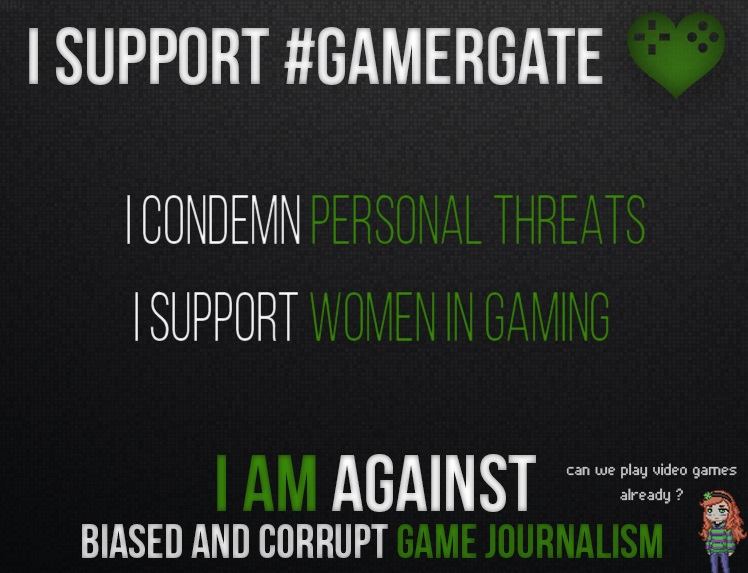
    Some of you may be aware of Gamergate. For those who don’t know, Gamergate was a controversy that began in August 2014. It concerned issues of sexism and progressivism in video game culture. Gamergate began when a former boyfriend of Quinn wrote a lengthy disparaging blog post about her, leading others to falsely accuse her of entering a relationship with a journalist in exchange for positive coverage. Quinn denied the charges, but in the internet world, things escalated quickly.

    The movement resulted in women being harassed online, being driven from their homes in fear of threat and violence. Most of the harassment were coordinated through online discussion forums in websites like Reddit, 4chan and 8chan.

    Gamergate


    Things have changed since then. In the course of two years, the audience for gaming has become more diverse. “The fight has how become about how broad and welcoming the gaming industry can be. Australian Greens senator for Western Australia, Scott Ludlam told Mashable Australia the government has no direct role to play in Gamergate, but doesn’t rule it out entirely. “I don’t think the government has a role in culture wars,” he said. “Anytime a government is engaging in a culture war it always tends to end badly.”

    There is a palpable tension in the going community over whether women and minorities will be included as the industry grows, and Ludlam understands this. But resolution won’t come via legislation. In the end the issue has to be dealt with internally.

    “Ultimately, something like GamerGate can’t be sorted from the outside,” he concluded. “It’s a cultural hand grenade for this community that only it can sort out. It’s not going to get resolved by someone passing a law.”


  • Virtual Reality Takes Art to the Next Level With This Digital Art Museum

    Virtual Reality Takes Art to the Next Level With This Digital Art Museum

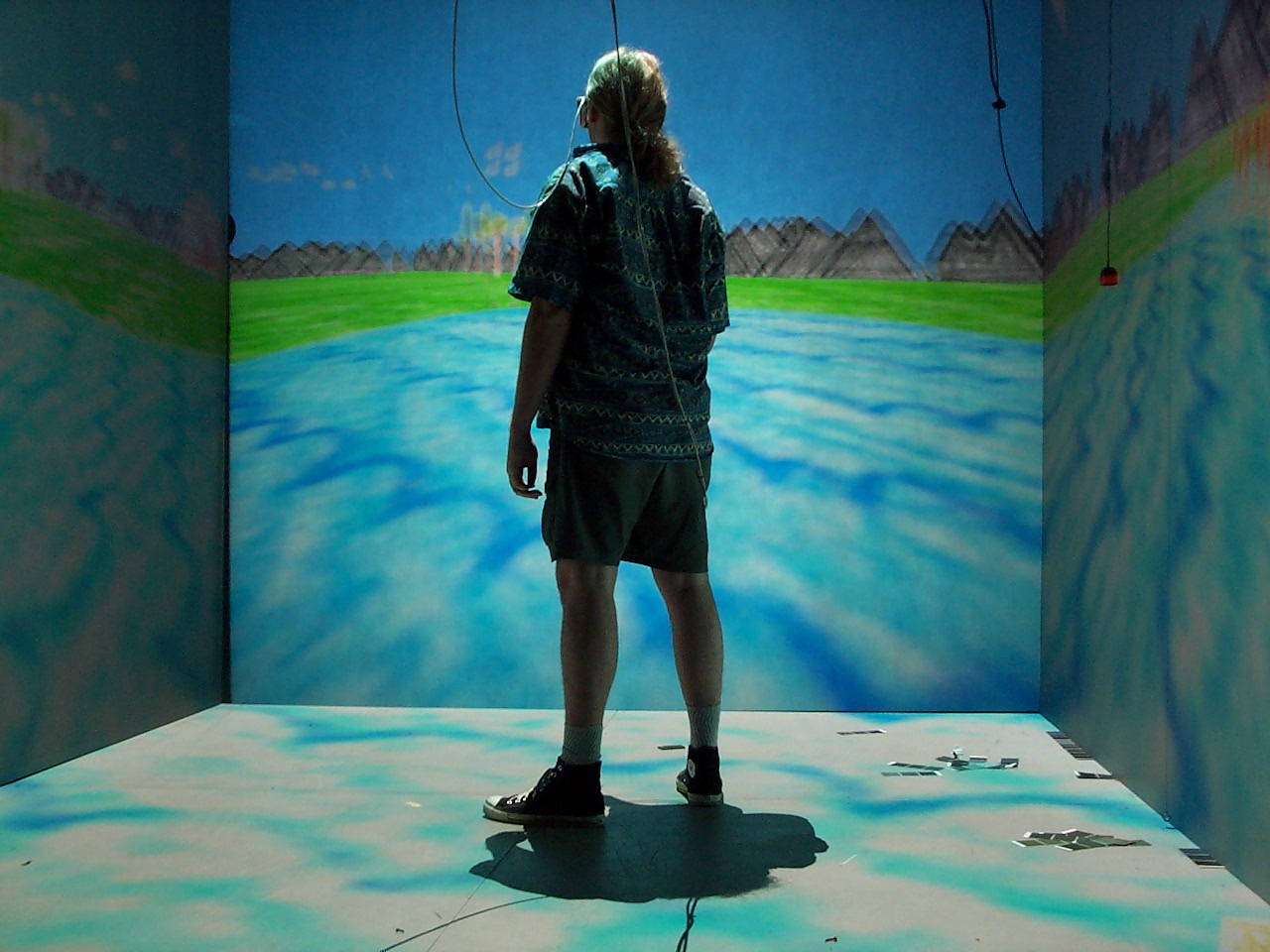
    There is a way for art to reach the masses if one knows how to promote it. Digital art has been trying to gain a following in both the digital, and the non-digital, ‘real’ world. The problem, though, is that real-life digital art in a physical form tends to fade away after a few weeks, while soft copies risk losing their aesthetic value.

    To fight both these plagues, a team of artists have come up with a museum that provides both a real-life virtual reality exhibit, while at the same time does not lose out on the aesthetics. The dates for the exhibition are November 14th through to December 19th and the location is Brooklyn, New York. However, it can be accessed through Mac and Windows apps that can be run from home.

    digital-museum-of-digital-art-2

    The museum is called the Digital Museum of Digital Art or DiMoDA, and it gives artists the ability to reach a wider audience without diminishing the impact of their work. The artists promise a trippy experience with 3D psychedelia artwork that is possible because of virtual reality. Things here aren’t fixed in place and you’ll be able to experience a 360-degree view of the art.

    A generic digital art specimen.
    A generic digital art specimen.

    The atrium of the museum is designed and modeled in 3D by Alfredo Salazar-Caro. Viewers wear the Occulus Rift VR headset to enter DiMoDa. Viewers will then immediately approach a number of ‘portals’ which can be used to access the ‘wings’ of the museum. Exhibiting artists have complete control to shape the virtual environment in which their works are installed inside the museum.

    DiMoDA will present works by Claudia Hart, Tim Berresheim, Jacolby Satterwhite and a project by Aquanet 2001. The idea was conceived in 2013 by Alfredo Salazar-Caro and William James Richard Robertson, DiMoDA launches in November of 2015 with its first exhibition as a pavilion in The Wrong Biennale and a physical exhibition at TRANSFER in New York from November 14 through December 19th, 2015.

  • Let Your Smartphone Help Cure Cancer as You Sleep: DreamLab

    Let Your Smartphone Help Cure Cancer as You Sleep: DreamLab

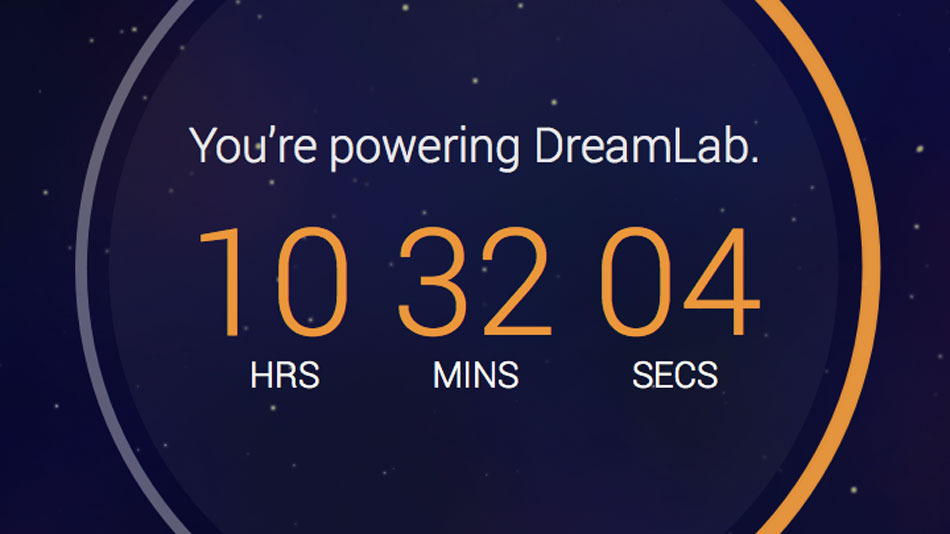
    Set your smartphone to work as you sleep. Let it help cure cancer. DreamLab, which is a three year old collaboration between Vodafone Foundation and Australia’s Garvan Institute of Medical Research, has started an initiative that attempts to use smartphones to get some help in curing cancer.Cancer Research Australia

    You need to begin by downloading the free app from Google Playstore and ensure that the phone is being charged. Next, choose the type of cancer research you want to support -ovarian, pancreatic, prostrate or breast, and then simply choose the amount of internet data you’d like to donate.

    This initiative has been made live only in Australia as of now. If the nation there puts their smartphones together, it will provide Garvan with a supercomputer to be able to conduct cancer research more skillfully. Garvans’s head of the breast cancer unit, Dr. Samantha Oakes, said in an official statement:

    “As a nation who loves their smartphones, we now have a tremendous opportunity to put them to good use and help find a cure for cancer. Together, we can come to a greater understanding of how to treat it more swiftly. With the help of game-changing innovations like DreamLab, I am hopeful that we will see cures of certain types of cancer in our lifetime.”

    The Institute further stated that with 100,000 DreamLab apps working on smartphones in a nation which has about 5 million users, the rate of processing data would increase by 150,000 times and with a speed 3,000 times faster than the current one. The initiative seems a big step in the field of cancer research. Let’s see how long India would have to wait before something like this makes its way to the country.

  • The New York Times Shows the Future of Journalism With its Virtual Reality App

    The New York Times Shows the Future of Journalism With its Virtual Reality App

    Something happened today. There was a sudden burst of virtual reality news all at once that has people everywhere believing that technology has indeed taken the next step. Today, The New York Times has taken a step towards VR by introducing Google Cardboard with their magazine, YouTube updated their Android app to support virtual reality videos, and finally Samsung plans on launching its Gear VR this month. Take a moment to soak all that in.

    So, talking about The New York Times, the American daily newspaper that started in 1851 has now taken a step into the future. It launched the NYT VR app that gives a virtual reality experience of news along with headphones and (optionally) a cardboard viewing device. According to a blog on the NYT website, the goal is “to simulate richly immersive scenes from across the globe.”

    NYT VR

    The app started with three portraits of children “driven from their homes from war and persecution.” The first is of an 11-year old boy named Oleg from eastern Ukraine, an 12-year old Syrian girl named Hana and a 9-year old South Sudanese boy named Chuol. To watch the 10-minute short film, you’ll have to download the app and thereafter the film can be downloaded. Though the films are promoted for VR headcount, they can still be viewed normally.

    nytvr-promo-images-slide-Y2LB-superJumbo
    Some 30 million children are displaced. Chuol, 9, escaped into a vast swamp in South Sudan when fighters swept into his village.

    “This new filmmaking technology enables an uncanny feeling of connection with people whose lives are far from our own,” writes Jake Silverstein, editor of the magazine.

    The New York Times has been at the forefront of journalism for 119 years. The NYT VR app is the future of journalism. The stories will provide you an immersive 360-degree video experience. NYT promises to post new stories told in virtual reality every month. The app is available for download on iOS and Android.


  • Finland Becomes the First Country to Have ‘Naked’ Emoji

    Finland Becomes the First Country to Have ‘Naked’ Emoji

    Finland has surpassed the rest of the world when it comes to trendsetting now. Just when emoji were becoming commonplace and kind of old, Finland comes along and creates its own emoji that make the traditional ones look pretty lame.

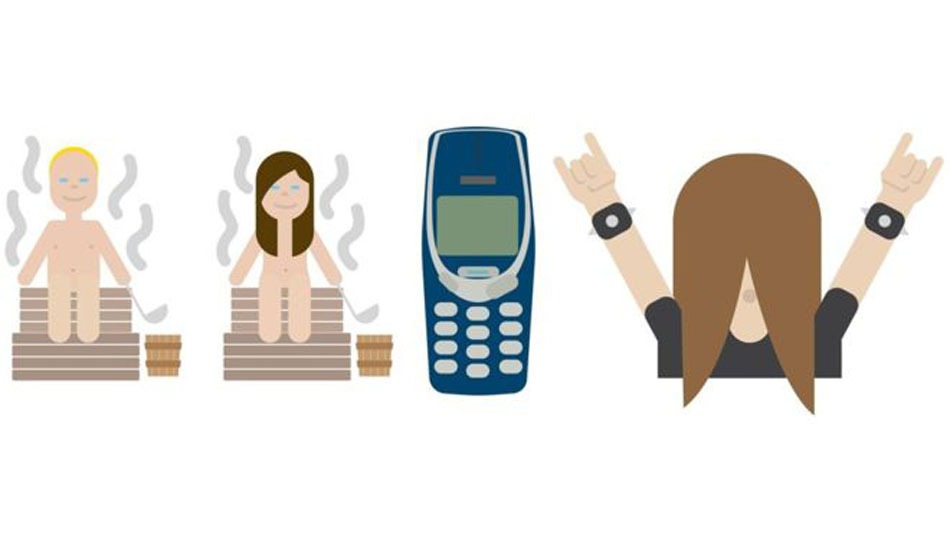
    A naked couple enjoying sauna, a Nokia phone, and a headbanging heavy metal fan are the first three official national emoji of Finland. Why these three? Well, the Finnish or Finns love a nice, hot sauna, they’re proud of their ‘unbreakable’ Nokia 3310, and they trip on heavy metal. Their official names are ‘the Sauna,’ ‘the Unbreakable,’ and ‘the Headbanger’.

    Emoji

    Finland’s official tourism website, ThisisFINLAND, says it’s the first country to have its very own emoji. The Ministry for Foreign Affairs released the Finnish symbols as part of a set of 30 that will be part of a Christmas calendar to be released next month.

    Finland EmojiEmoji 01

    “The emojis used especially by young people have revolutionised [sic] communications in the same way as the invention of the text message. Emojis are used to communicate visually rather than verbally, and that suits Finns,” says Petra Theman, Director for Public Diplomacy.

    You may just be able to have a Finnish Christmas yourself. The Calendar will be available on December 1st in 13 languages.

  • Drones and 3D Printers Soon to be Used For Delivering Post in Australia

    Drones and 3D Printers Soon to be Used For Delivering Post in Australia

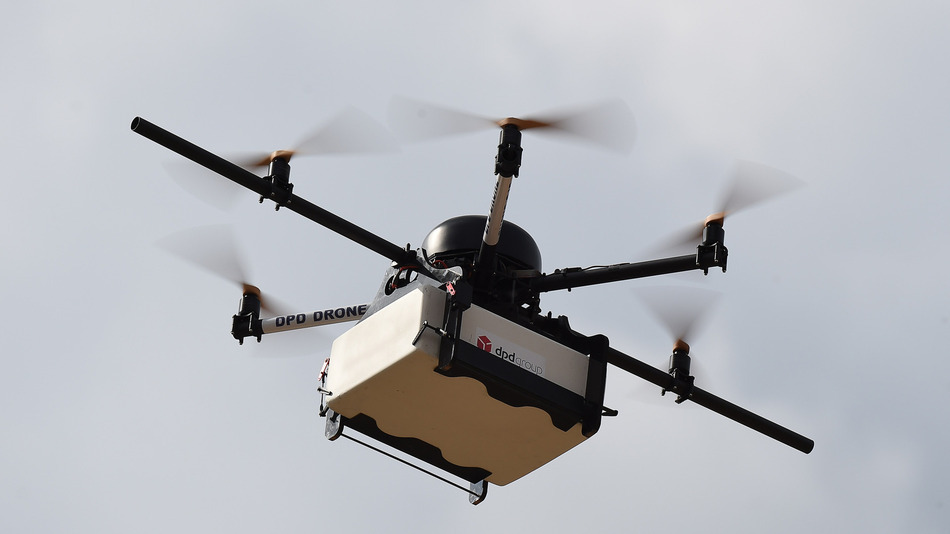
    Postal services in Australia are all set to get more tech-savvy with the help of 3D printers and drones. While Third World countries like India still struggle with basic technology, Australia is all set to incorporate sci-fi Hollywood-like gadgets in their postal system.Drones

    The CEO of Australia Post, Ahmed Fahour, said the service is discussing its plans with online retailers to make drones available in regional communities. As part of the same plans, 3D printers will also be installed in Post offices. Fahour commented,

    “Some things you want, like household items, could be printed right there and then rather than waiting for it. This is the new world, the technological revolution as opposed to the industrial revolution.”

    A fund of 14 million USD has been to set up to provide finances for these plans. They would be provided by the Melbourne Accelerator Programme of University of Melbourne, an initiative for entrepreneurs.

    Drones have earlier been seen in Prime Air program of Amazon. The ones to be introduced in Australia will be similar to those and will be able to carry packages weighing up to 2 kilograms. GPS and back-up motors will be some of the technology they’ll come equipped with, to be able to deliver the package on the right address.

  • Social Media or Social Anxiety: What is the Internet Actually About?

    Social Media or Social Anxiety: What is the Internet Actually About?

    Fear of public speaking, inabilty to communicate face-to-face, the need to stay in the background and establish relationships from a distance, and fear of being judged that leads to insecurities and self-doubt -these are but some of the signs of social anxiety, and many people around the world suffer from it.

    The advent of the internet and social networking sites was supposed to bring people around the world closer. It was supposed to let people socialize even more than they normally do. Meeting friends and family from time to time on specific occasions were now not the only ways for people to connect.

    Internet has changed the way people interact with one another.But how does it affect those who are unable to socialize? Is the internet, and social media in particular, helping or harming the socially challenged? While many studies have suggested that social media has led to more social anxiety among teens and elderly folks, the picture isn’t as cut and dry as that.

    Anonymity Through Social Media

    Socially anxious people shun society and crave solitude. But that doesn’t mean they don’t seek company or contact with others. So if there is a medium to provide that contact without a physical presence, how can it be a bad thing. Granted, therapists and loved ones will suggest that one should be more open, explore and step out of the fear of establishing contact, but actually doing it is never easy.

    Anonymity

    It was generally believed that the internet would be specially useful for those who struggle with social anxiety. There was a sense of anonymity while using a social networking site and people could explore and connect with more ease without the fear of revealing too much. Even today, a public forum like Reddit lets you post questions and opinions on literally anything while staying anonymous. This makes it easy for people to connect who would otherwise be embarrassed and would fear being judged.

    A False Sense of Society, But a Society Nevertheless

    Social media sites like Facebook, Twitter and Instagram also provide a way to be out there. What’s changed is that these sites don’t let you stay anonymous. These sites have become more personal now. A person struggling with social anxiety might spend 30 minutes making sure his Facebook post is perfect so as to not to invite judgement. While looking at pictures on Facebook or Instagram, you may think that people around are having more fun than you. These insecurities do exist, but it doesn’t overshadow other areas that actually improve, namely, relationships.

    Here’s the thing about sites like Facebook – It can help socially anxious people but not always in the right way. Having over 300 friends can make a person feel good despite the fact that one never talks to 299 of them. This false sense of having a lot of friends can be therapeutic, according to some people. However, there is a flip side to this. Having a lot of friends can also cause some people to feel lonely because you end up sacrificing conversation for connection.

    Social Media Lets You Present a Different Self

    A number of studies have explored how social media stimulate sharing and relationship-building among their users. Researchers have also found that the perceived usefulness of a platform positively influences the adoption and spread of said technology by users (Hsieh, Hsieh, & Feng, 2011). In case of social networks, such as Facebook, the illusion of building and maintaining relationships with people is more important than their actual effectiveness.

    Studies have also suggested that chatting online might allow people with social phobia the ability to practice social skills in a non-threatening setting that they could then use in face-to-face social situations. In a face-to-face setting, conversations happen in real time and you can’t control what you’re saying. But texting, email and posting is done through a virtual sphere where people have more time to carefully think about what they want to say.

    The positives and negatives are vast and there is no clear proof of whether social media aids the socially anxious or harms them. The answer will vary from person to person and the discourse will continue as long as social media is an intrinsic part of our lives.


  • 5G Will Become the New Standard by 2020

    5G Will Become the New Standard by 2020

    Trust our species to think ahead. 4G has yet to establish itself firmly around the world and now news has reached our ears that plans on 5G mobile network is very much on. The UN said on Thursday that member countries have approved the roadmap for the development of the next generation of mobile networking – 5G.

    Needless to say, 5G mobile networks will promise lightening-fast downloads and will also help bring driverless cars closer to reality. The future 5G technology will supposedly deliver data speeds up to 1,000 times faster than the current 4G network. Just when you thought such speeds were too farfetched for the present. But a lot can happen in 4 years.

    5g 01

    UN’s 193 member countries have approved the plan and are now working on how to harmonise the development of the next-gen networks. Sanjay Acarya, spokesman for the International Telecommunication Union (ITU) told AFP that the UN agency is “looking at a 2020 timeframe” for rolling out 5G networks.

    Interestingly, many countries have yet to harness the potential of 4G networks. India, too, is far behind in the 4G game. The need is to build infrastructure that can carry mobile signals quickly, consistently, and reliably so as to support split-second activities. Spectrum allocation is the biggest concern and the UN member countries will have to decide how much spectrum can be allocated for this at next month’s World Radiocommunication Conference.

    It has been estimated by Boston Consulting Group earlier this year that mobile companies will need to spend $4.0 trillion on research and investments by 2020 to develop 5G.

  • Your Words But On Someone Else’s Face – Creepy or Exciting?

    Your Words But On Someone Else’s Face – Creepy or Exciting?

    A team of researchers from Germany and the US have developed a first of its kind face break-through in video recording. They have developed a method which copies the facial expressions of the source actor and transfers them as it is to the target actor.

    The software trackers keep a close track of the subject’s face even when it’s away from the camera, or in different light conditions of the source and the target actor. It was at the University of Erlangen-Nuremberg, the Max Planck Institute for Informatics, and Stanford University that this technique of facial expression reenactment was developed. It will be presented in the computer graphics conference in Japan in early November.

    Imagine your words coming out of one of these pretty mouths.

    Imagine your words coming out of one of these pretty mouths.

    Even though the software doesn’t register eye motions, it takes into account the shape, size, colour, angle of the face, and then transfers the facial expressions with the help of a proxy mouth on the target actor’s face. The technology holds immense potential if worked upon further. It can be used in multi-lingual video conferences for real-time translation, along with being used in virtual reality and editing.

    “It seems like there’s a lot of demand for it. Essentially it can do to video what Photoshop did to images,” says team member Matthias Niessner.

    However, as always, this software comes with its own potential dangers if put to misuse. It can be used in identity thefts and wreak different degrees of havoc depending on the person being impersonated. The team which developed this software is convinced that all these activities can be checked and prevented with the right technological regulations.

iGyaan Network
Privacy Overview

This website uses cookies so that we can provide you with the best user experience possible. Cookie information is stored in your browser and performs functions such as recognising you when you return to our website and helping our team to understand which sections of the website you find most interesting and useful.