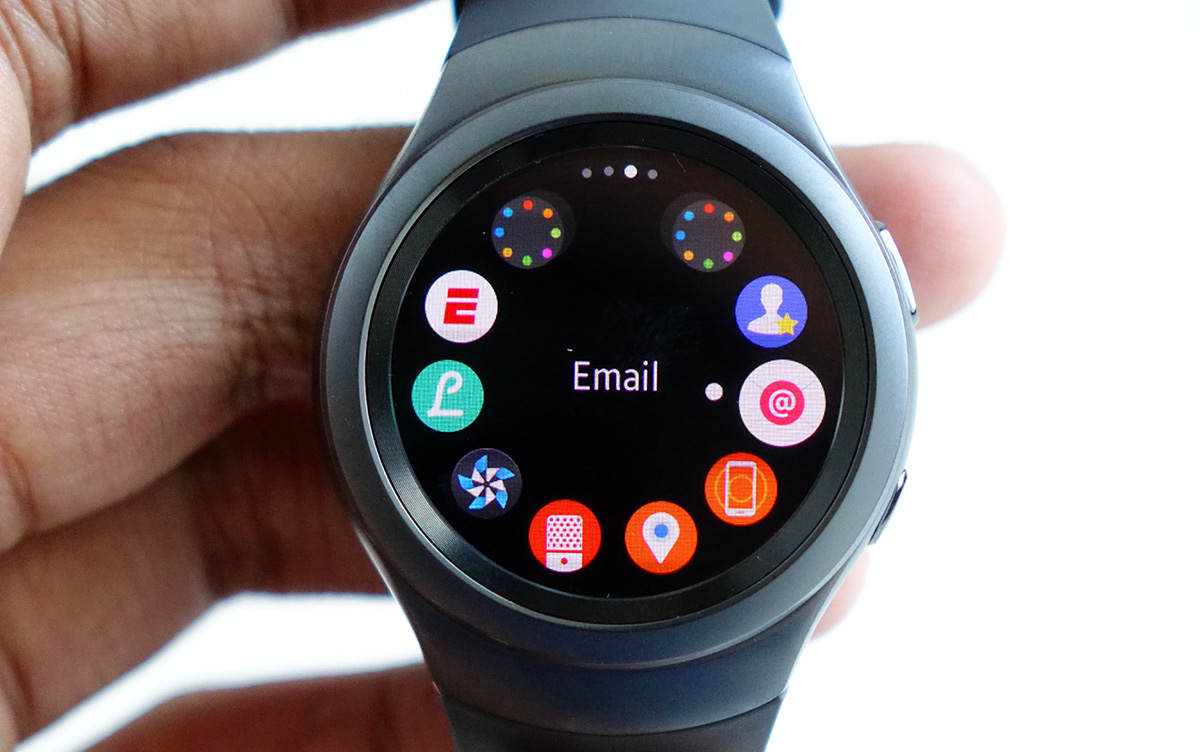
Samsung unveiled the Gear S2 at IFA Berlin last year. The smartwatch has been launched slowly in select countries for the past few months, and will now come to India this week. Samsung India has sent out media invites for the launch event on the 21st of January.
The new smartwatch comes with a 1.2-inch screen with a 360x360resolution (302ppi). To power the device, Samsung has used 1GHz dual-core processor and provided the option of 3G Connectivity. The Gear S2 runs on the company’s very own Tizen OS and uses a rotating bezel, along with the Home and Back buttons, for navigation. Samsung has also added NFC for mobile payments.
The Samsung Gear S2 Reflects Samsung’s Most Progressive Innovation. It Is The Perfect Complement For Any Occasion, Easily Taking You From Day To Night, From Work To Workout
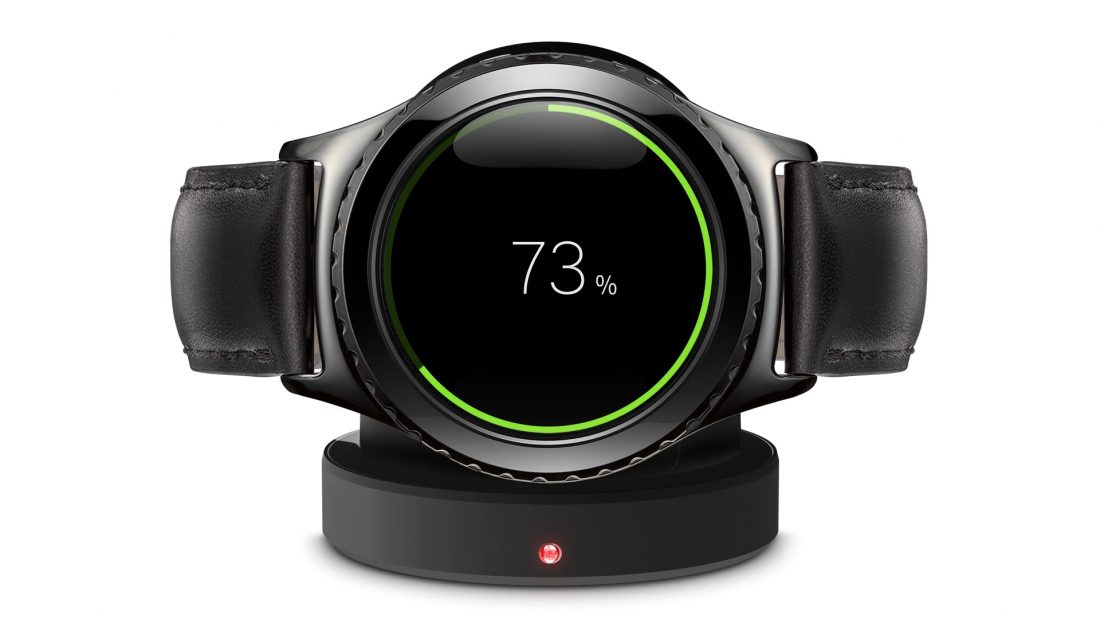
Perhaps, the highlight of the device would be the fact that the company claims it lasts upto 2-3 days on a single charge. Since a wearable is an extra ‘smart’ device that you need to carry around, a long-lasting battery is a necessity. One of the exciting announcements is that the smartwatch has been announced in two variants – Gear S2 and Gear S2 Classic. Other than the design, the only major difference between the two is their size. The Classic has been built smaller and lighter than the Gear S2. For its timeless design, we’re leaning towards the Classic which comes with a black dial and a leather band.
Furthermore, The Gear S2 will be iOS compatible later this year. As of now, the wearables can only work with an Android device.
The event will also see the launch of the Gear VR headset. The Oculus-powered virtual reality headset is compatible with a number of Samsung smartphones including the Galaxy S6, Galaxy S6 Edge, Galaxy S6 Edge+ and the Galaxy Note 5.
Specs
Samsung Gear S2
Display
1.2-inch, Circular Super AMOLED, 360×360, 302ppi
Processor
Dual-core 1.0 GHz
OS
Tizen-based wearable platform
Storage Memory
4GB Internal Memory
RAM
512MB
Connectivity
Wi-Fi: 802.11 b/g/n, Bluetooth® 4.1, NFC
Battery
250mAh Li-ion
Misc
IP68 Certified Dust and Water Resistant, Wireless Charging
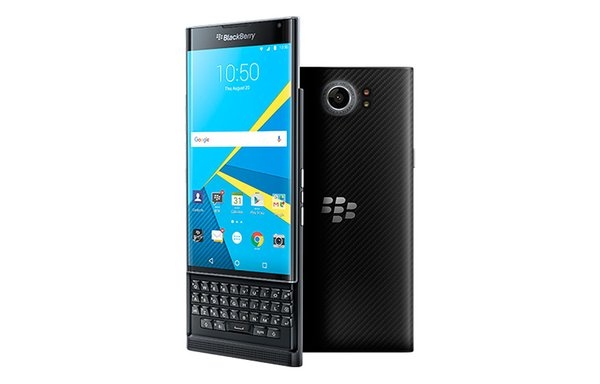
BlackBerry today has sent out invites of a launch event for its first Android OS based device in India. The Canadian company has scheduled this event for 28th January, in Delhi, and at the event it has promised to launch to its patient Indian customers the BlackBerry Priv.
The Priv, which was first unveiled in October is a make or break project for BlackBerry as it sees it leaving its own OS behind in search of greener pastures that Android provides. This shift by BlackBerry is being seen as a move aimed at helping the ailing company’s return to its previous highs.
BlackBerry in its previous interactions with the media had also hinted the company may soon unveil another Android phone this year.
In terms of specs, this offering from the Candian company comes loaded with decent firepower. The Priv on the outside has a 5.4-inch dual-curved Plastic AMOLED screen with a maximum resolution of 2560 x 1440 pixels (540ppi). Under its beautiful display, the device packs a Qualcomm Snapdragon 808 Hexa-Core, 64-bit processor with an Adreno 418 GPU clocked at 600 MHz.
Blackberry Priv further boasts of 3GB low powered RAM and internal storage of up to 32 GB, which is expandable up to an impressive 2 TB. The battery pack that makes this device run is rated at 3410 mAh. It is also equipped with an 18 MP dual-flash Schneider-Kreuznach certified camera to click amazing pictures.
Blackberry which has dubbed the Priv as the ” secure smartphone powered by Android” is going to roll out the smartphone ‘pre-loaded with the brand new BlackBerry DTEK application, designed to help you manage and protect your privacy.’ Blackberry claims that the DTEK app will tell you which apps access your personal data and shows the overall security assessment of your device.
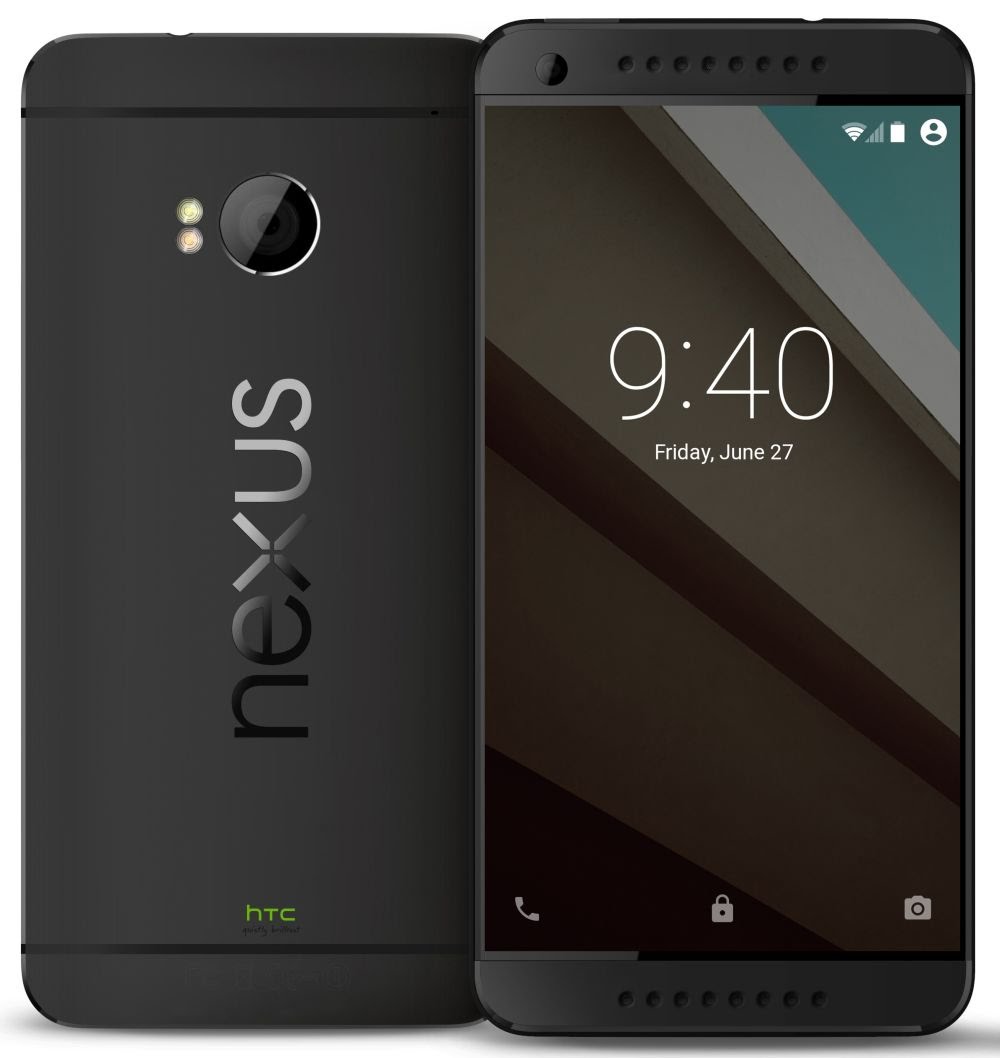
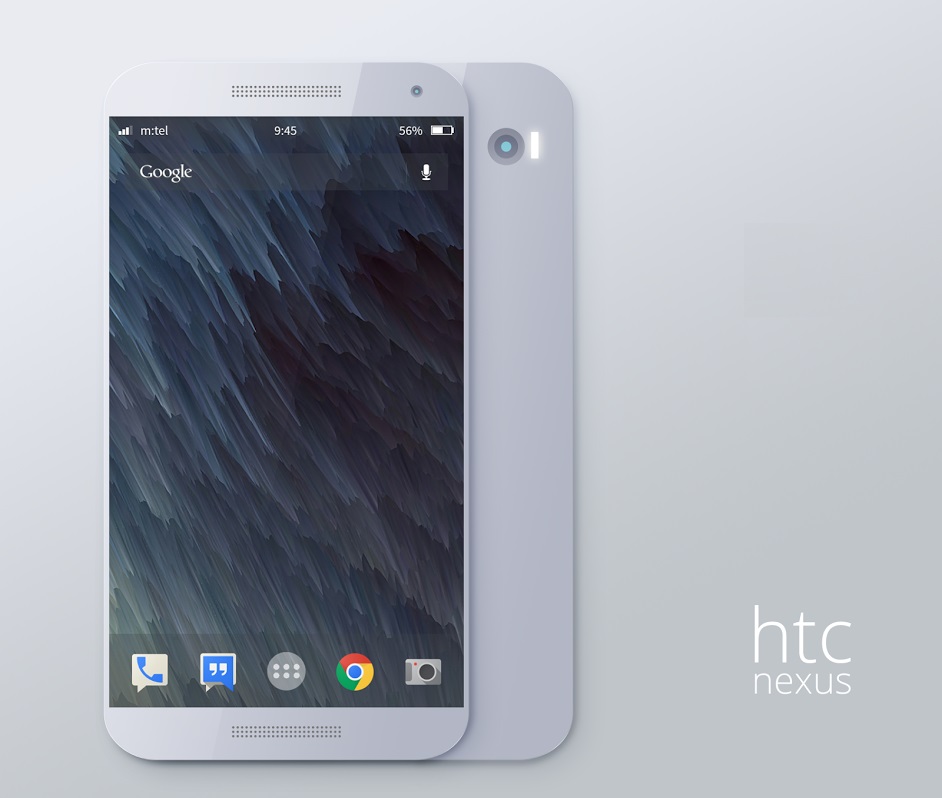
In latest news from the land of leaks and rumours, fresh reports suggest not just one, but two Nexus handsets from HTC this year. This revelation comes courtesy of a post on Weibo. The rumour is that there will be two Nexus smartphones just like last year, but unlike 2015, this time we will see the burden of both these being handled by HTC.
The rumour also claims that these smartphones will come in two display sizes 5-inch and a 5.5-inch. The decision to bring HTC back for both these phones means they could be similar to the Nexus 5X, fueling rumours of similar looking phones for the Nexus lineup this year. Much like what Apple does with its iPhones, and Plus range.
Considering that HTC is going through a bit of rough patch, if it indeed is true, this partnership will be great news for the Taiwanese company, though it is still unclear as to why this decision did not go Huawei’s way after its stellar work with the 6P.
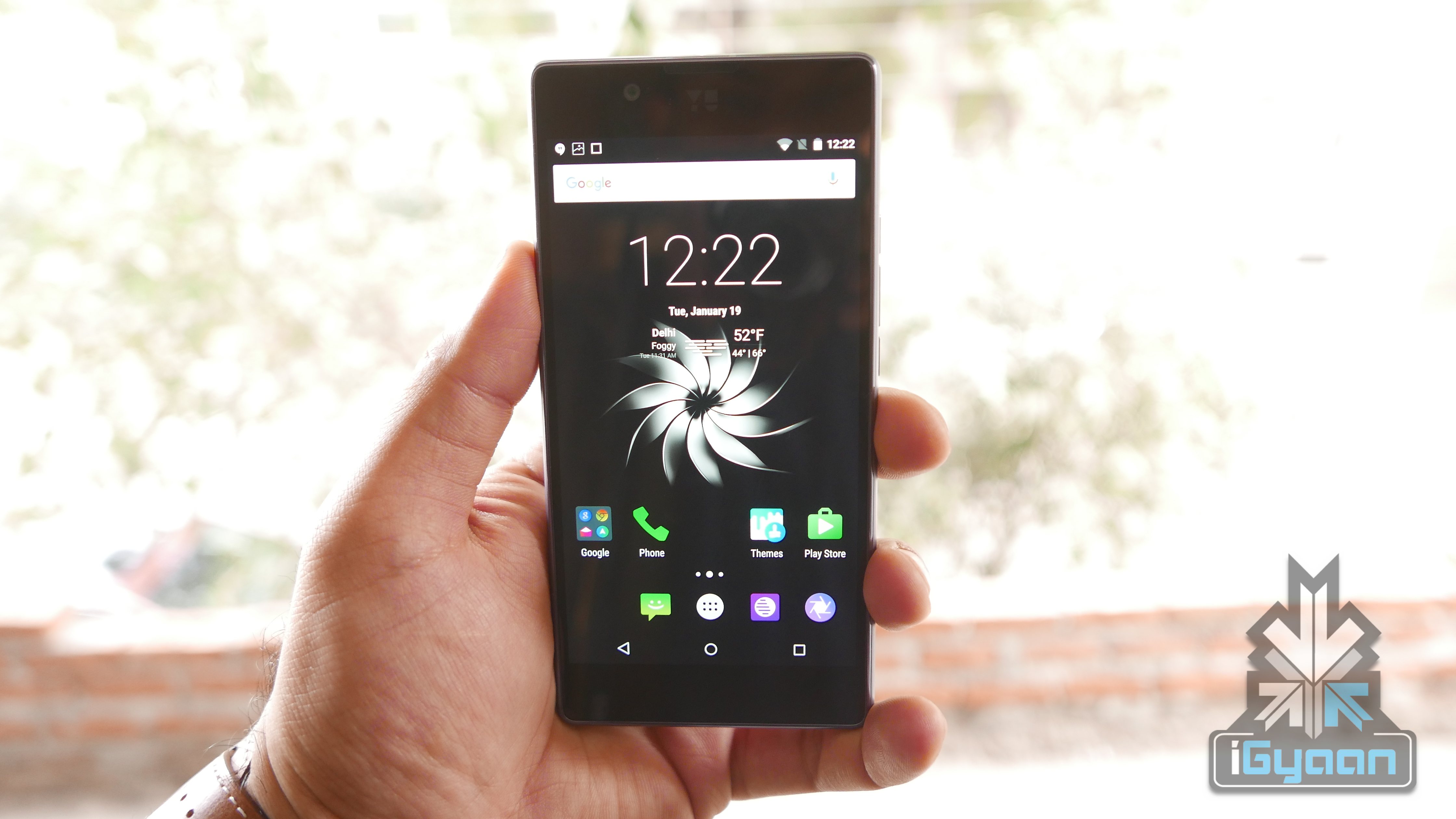
The Yu Yutopia as a handset from the company YU was much awaited, and there is an excellent reason for that. The company tried to create a lot of hype for the product, and everyone had high expectations from the Yutopia.
Does the Yu Yutopia live up to expectations, or does it end up being an expensive handset with too much hype. Let’s find out.
Build Quality and Design
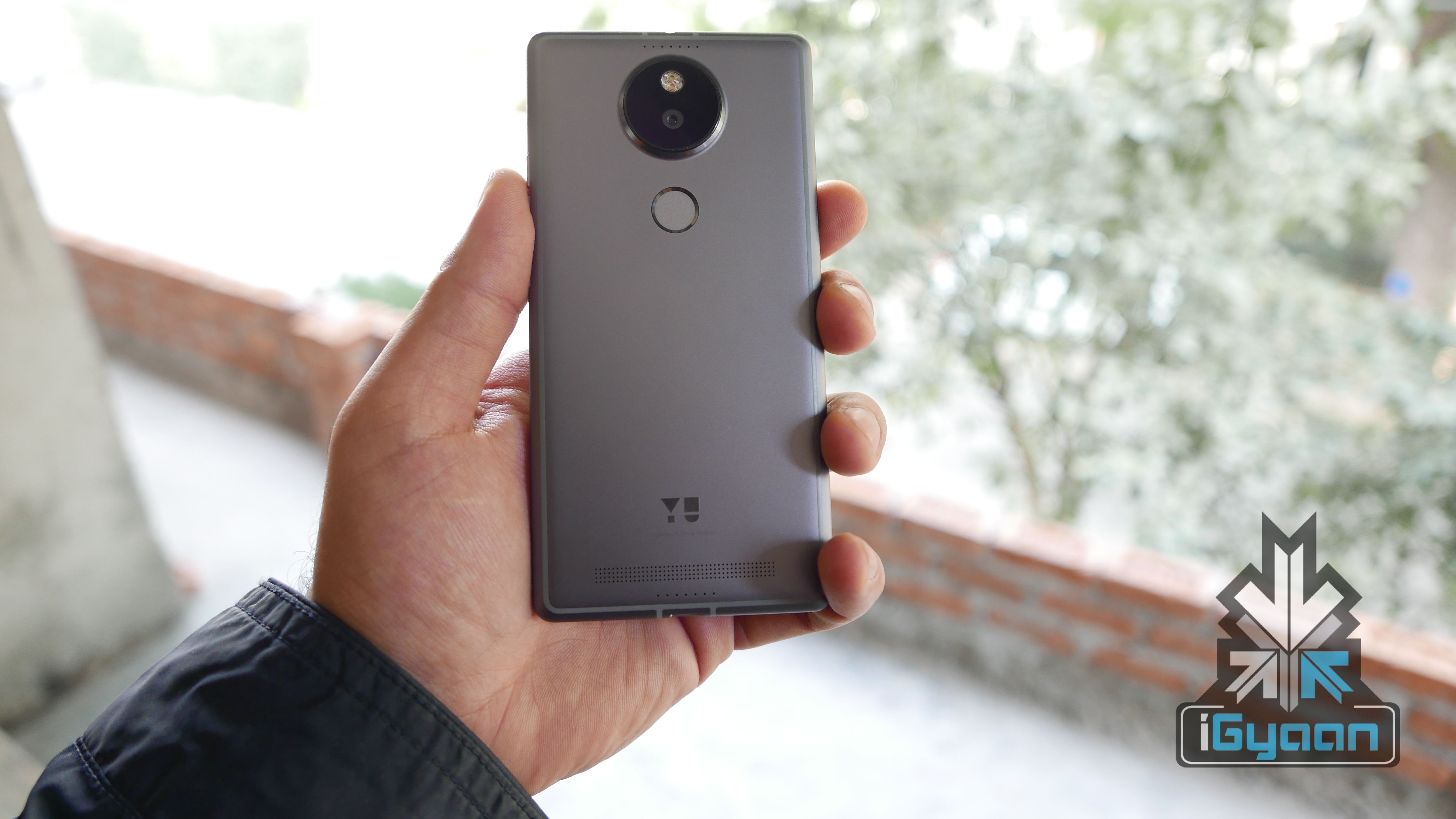
The YU Yutopia is not the prettiest handset out there. In fact out of all the possible purchases that you can make in this price bracket, the YU Yutopia is the least inviting as far as design is concerned.
The design is based on the basic design of their Yuphoria/Yunique handset which is a big let down from an aesthetics point of view. It does have a lot of rounded edges that from an in-hands perspective are really comfortable.
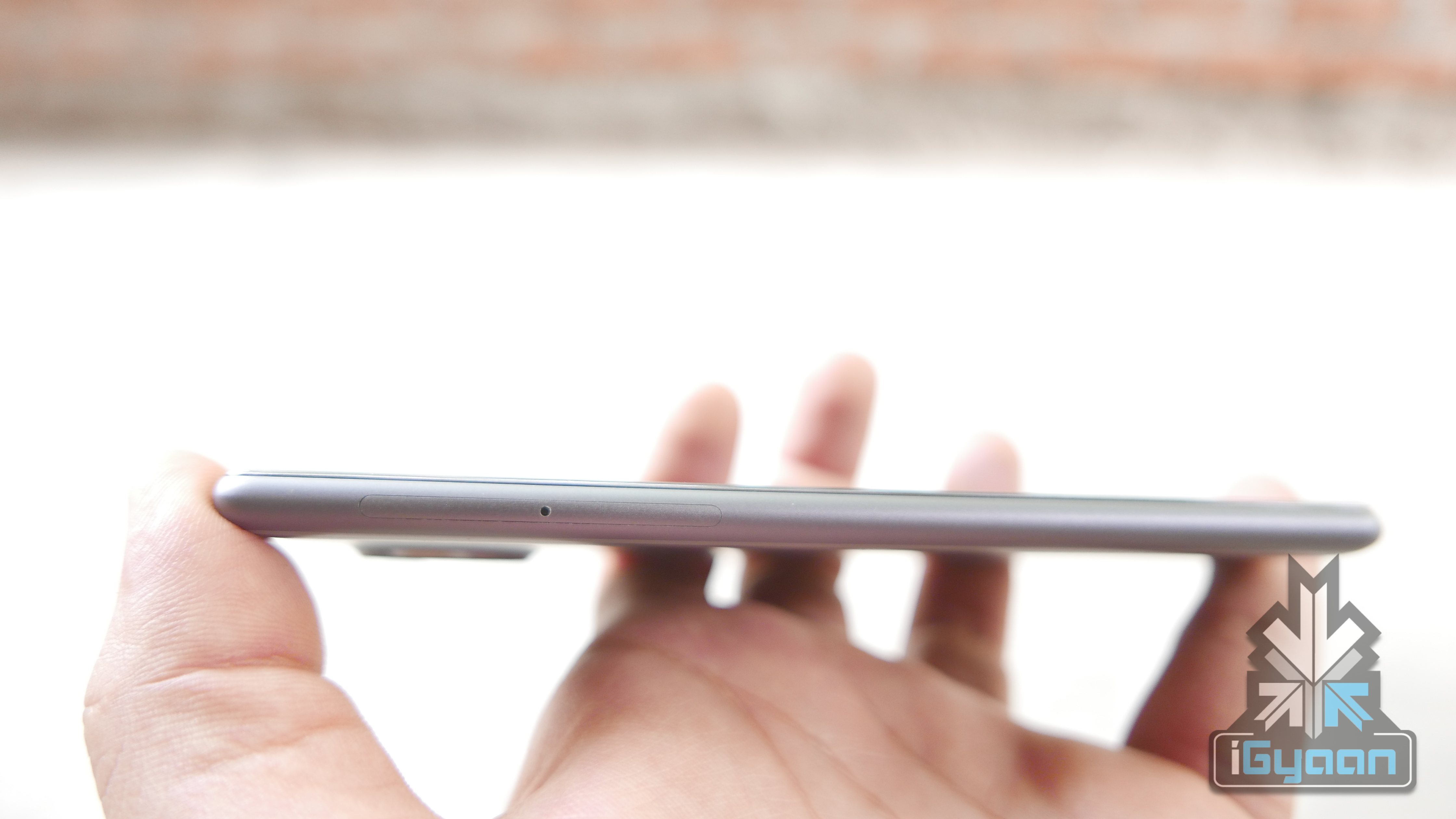
Build Quality otherwise is great, aircraft grade aluminium, which means we get strength while keeping the overall weight of the Yutopia low at 155 grams. The 7.2 mm thickness is also appealing from a build point of view. The phone is pretty slim yet robust and lightweight. The front glass is now a CORNING CONCORE GLASS that is pre-fused with the display made by Sharp, and the capability of Concore is considered the same as Gorilla Glass 3.
The YU Yutopia will handle drops and dings with ease since the phone is metal, it will get dents and may get scratched too, but will not break or shatter easily.
With no removable back, Yu managed to stuff the cards in a ridiculously sized card tray. This tray is inconvenient and impractical, over time you swap memory cards your network SIM card comes out as well.
Hardware
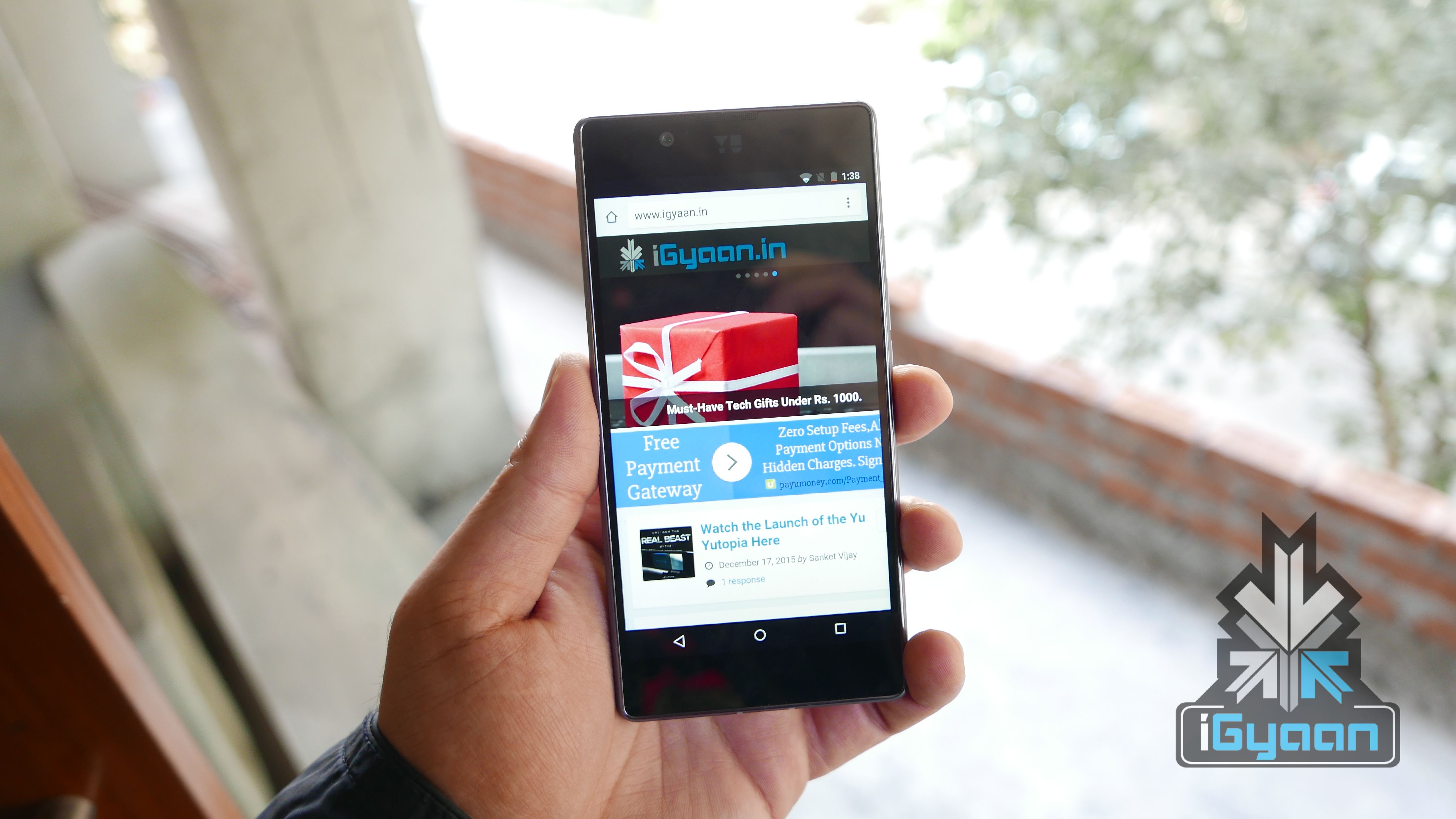
The specs of the Yutopia are the strongest point for the device. The Yutopia beats all in the segment with hardware on paper; you have an SD810 chipset packed in with a 2K QHD display, alongside an amazing 21 MP camera. 32 GIGS of onboard storage and massive 4 GB of RAM.
Specification
YU Yutopia
Display
5.2 -inch Sharp WQHD IPS display, 2K
Resolution
2560×1440 pixels, 567 Ppi
Chipset
64 bit Qualcomm Snapdragon 810
CPU
2.0 GHz Octa-core
GPU
Adreno 430
RAM
4 GB
Front Camera
8 MP FF
Rear Camera
21MP AF camera, 4K video recording
Storage
32 GB
Expandability
Using Micro SD card 128 GB
Battery
3,000 mAh battery with 2.0 Quick Charge
Operating System
Android Lollipop 5.1 with Cyanogen OS 12.1
Price
Rs. 24,999
Performance and Gaming
Whatever the specs on paper, Yu may have underclocked the chipset and the hardware quite a lot. Performance is mediocre, to say the least, and benchmarks tend to underwhelming results. Running Cyanogen helps the YUtopia get past day to day activities with ease and the 4GB of RAM is more than ample for the daily process.
However tests and benchmarks speak a different language, and in their language, the Yutopia performs just about average.
Gaming is pretty good, but when compared to devices with a full HD display seems to be a little laggy. The 2k display seems to be causing the slowdown of the processing power, letting the phone get its primary workload performance only at average quality.
YU has kept its temperatures down despite using an SD 810 chipset that only goes to show that an OS feature governs the chipset, hence causing a slowdown in performance.
The great thing about the YU Yutopia running Cyanogen, however, is the fact that once can quickly install a speed governor and overclock the handset. Rooting is fairly easy and is done by a single third party app.
Camera and Multimedia
The 21 MP camera with a Sony sensor is the big highlight of the YUtopia, with images coming out crisp and full of juicy megapixels, no one will complain. The camera is quick to boot and click and focuses easily too.
The app is a simply the Cyanogen camera app with the usual features, including filters and slow mo video. The more you play with it, the more pictures you will click. Close up shots are not that crisp, and the camera does not focus up close.
4k / UHD content will playback easily on the handset. However, it will be downscaled to fit the screen resolution. The speaker is loud and will make you happy with the outcome. Overall the Yutopia serves well as a multimedia and entertainment device, letting down on gameplay graphics and overall performance. Video playback and audio is great.
Phone, Networks and Battery
The network runs smooth and supports all the main Indian bands including those for LTE. 4G was tested on Airtel in New Delhi, and speeds of up to 50Mbps were achieved. With the situation of networks in the country fairly weak, it ‘s hard to point to either the network provider or the manufacturer for network issues. The Yutopia managed to get the same amount of Signal -DB when compared to popular products from the likes of Motorola, Samsung and even on the iPhone.
The lack of separate trays makes the swapping of SIM cards, or memory cards a tedious process, and hopefully, Yu will not repeat the mistake again.
Battery life is better than expected, with the processor governed and the heat under control, the battery life is much better in this case, but since the reports are erratic, it is unclear as to how many people will have a consistent experience.
Talk Time: 6 hours
Internet Browsing: 6-8 hours
Gaming: 4 Hours
Video: 5- 6 Hours
Cyanogen and Other Features
The YU Yutopia features excellent hardware on paper and great software too. A lot of people like Cyanogen, and it works well for YU. The remanufactured build of Android works great and for the tweak hurry nerd is a playground in paradise. There are some issues, and they would warrant the use of stock Android to Cyanogen.
Cyanogen was one of the quickest to jump to the latest version of Android. That is no longer the case, with more than half a year gone by, Cyanogen still rocks 5.1.1 hence YUtopia does the same. While a marshmallow build is, supposedly, “around the corner” the high wait time is no longer fun. Cyanogen has a significant and large support community of which YU users enjoy the spoils.
The UI is fast and responsive, highly customizable and intuitive to the needs of the user. Allowing users to skin various elements of the OS. You can also add and remove tweaks to enhance the OS.
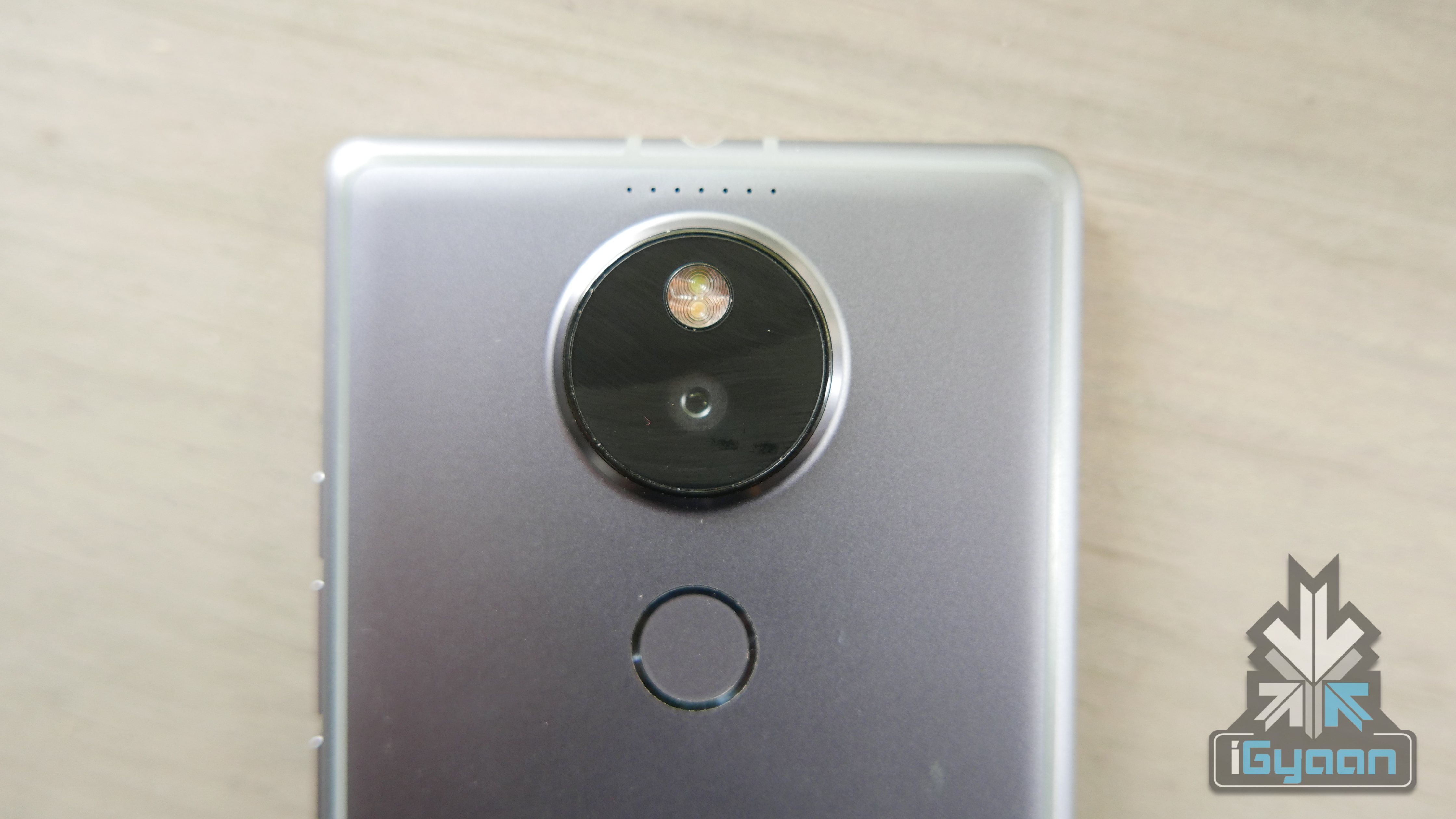
The fingerprint scanner has received many complaints, and it requires the same finger to be scanned from various angles many times to get the issue resolved. It does work but misses the unlock target at times, frustrating the user.
Conclusion
While YU is looking at a lot of firsts with the YUtopia, the phone may not be “all that”. It has fantastic specs, and an excellent build quality, a great OS experience, and a good camera. However, it is priced higher than one would want to spend for a category two phone. Hardware wise the price matches, things like the camera and the display itself warrant the price.
Performance is on the low side, and honestly, the phone is excellent on paper but is not a good looking phone in the hand. While looks may be perceived differently by each user, the general look of the phone is bland, and the design refuses to find a balance between a rough exterior look and a polished premium look.
There are many smartphone options, in the price bracket, that offer an excellent package, but none that give everything that is available in this phone. For the pure hardware enthusiast, this is a gem of a phone. For those looking to flaunt may have to look elsewhere, as the YUtopia is an underdog when it comes to looks.
As far as the price is concerned, the company is expected to launch a slightly cheaper variant of the YUtopia around the 16-17 thousand rupee mark to compete with the likes of the One Plus X, later this year.
The included Marley earphones are a great addon, but are very generic earphones, which sound just “ok”. Price could have been lowered by simply including cheap earphones, or no earphones at all.
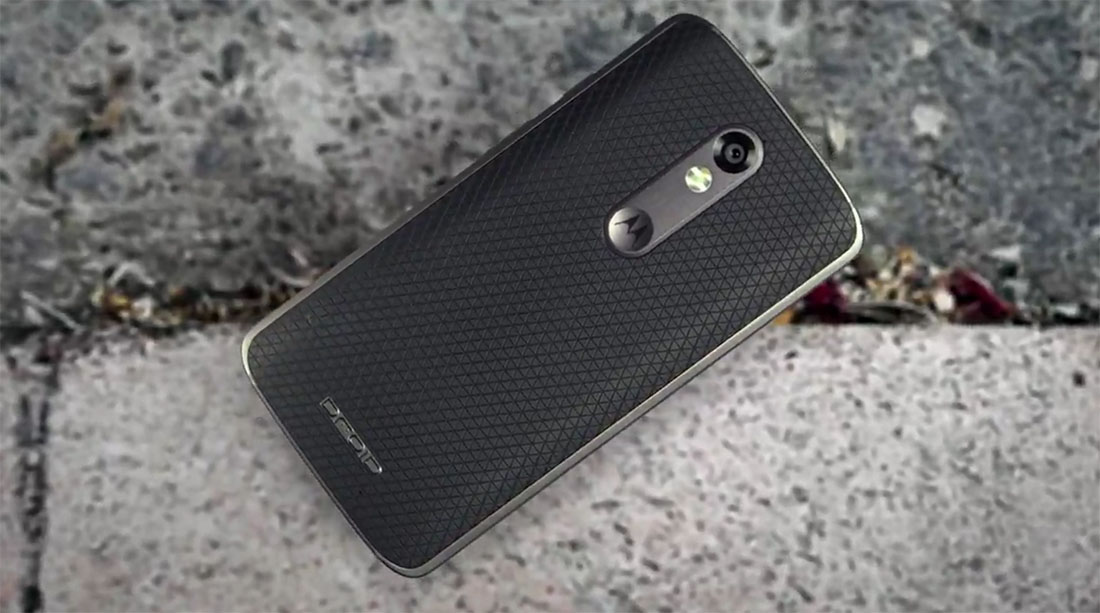
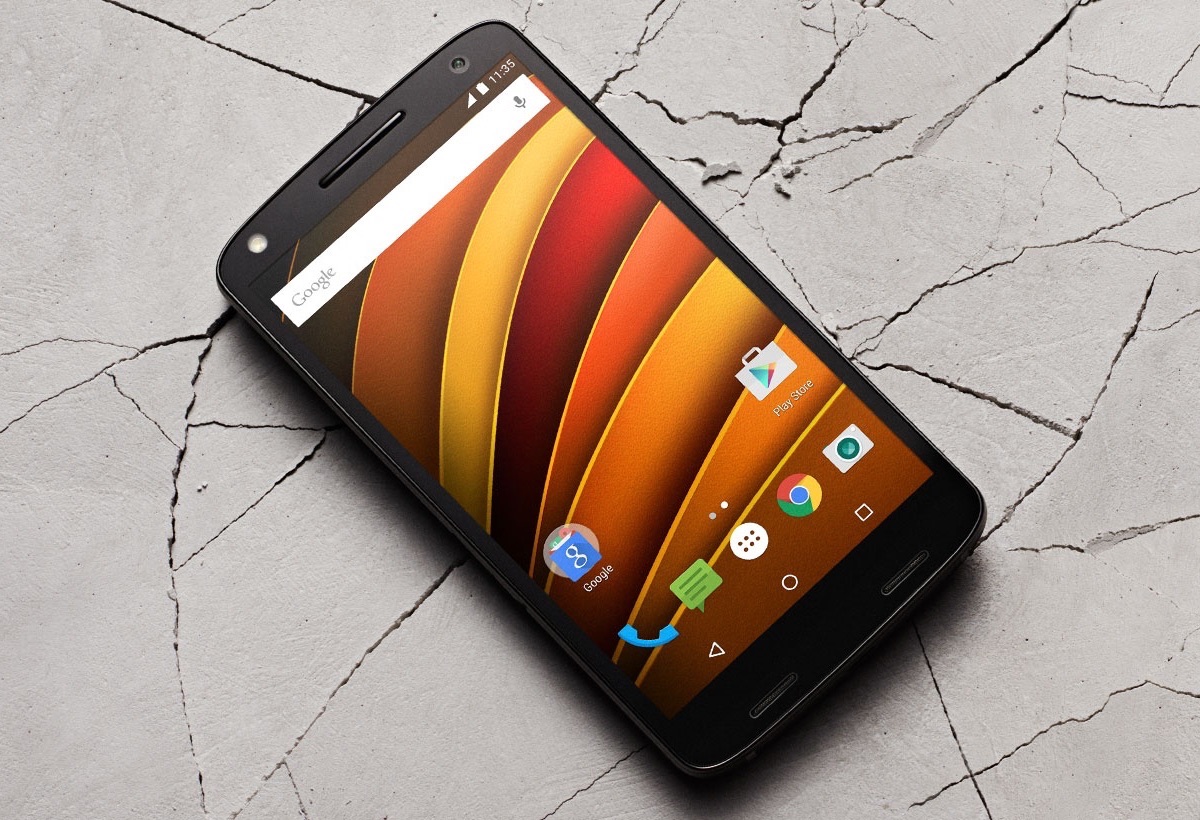
Motorola India yesterday launched a teaser for its upcoming Moto X Force smartphone. The device’s major highlight is its shatter-proof display which is gloriously demoed in this teaser while taking a jibe at some other well-known smartphones out there including the iPhone.
Today it has taken the fight directly to Cupertino-based tech giant, Apple. In a new video shared through Motorola India’s YouTube channel, the company takes a jibe at the iPhone mocking it for the infamous “bend-gate” situation that iPhone 6 users had to face. It further shows an iPhone 6s being dropped from an unspecified height (we’re guessing 10 feet) and switching to the next shot to reveal that the iPhone’s display has succumbed to a gruesome end.
Moto in the video starts by saying” First they bend, then they, break”, and ends it by saying ” and then they choose” followed by the Moto X logo with the words “coming soon” beneath it showing up on screen. Well, if this is what they did to the iPhone, we can only imagine what the marketing team at Motorola has in store for the other big dog in the market, Samsung.
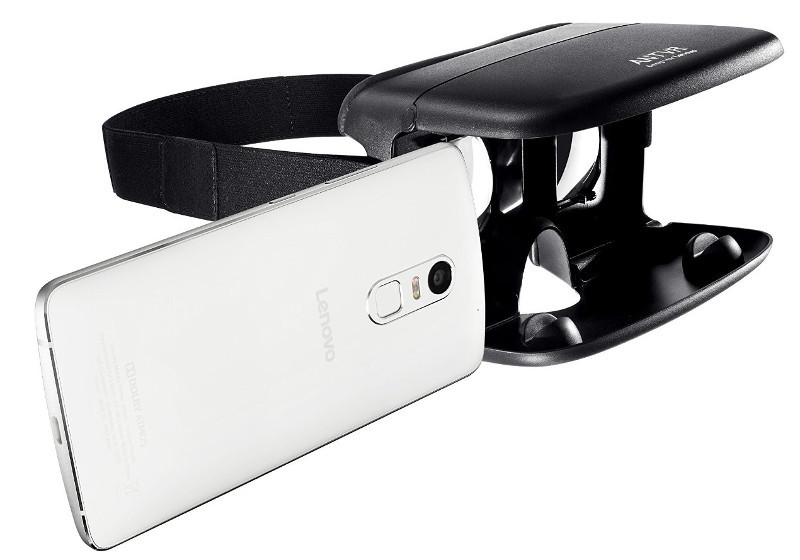
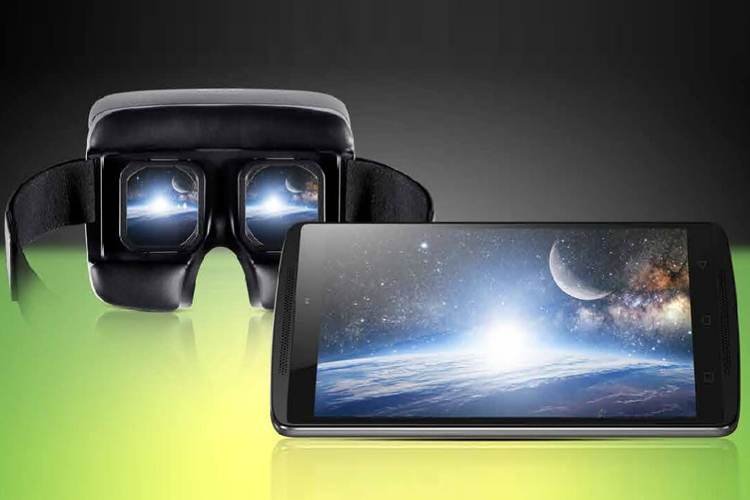
Lenovo K4 Note with ANT VR bundle will be available for purchase on its first flash sale today. The much-anticipated flash sale for which 4,80,566 people have registered will go live on Amazon at 2 P.M IST today. The K4 Note VR bundle is priced at an attractive price of Rs 12,499.
Amazon will see another sale go live tomorrow at the same time exclusively for the Lenovo K4 Note. The K4 Note will be up for sale at a discounted price of Rs 11,999. In what will be welcome news for customers who have registered for the VR Bundle, it has been announced that they will be eligible for the 20th, January K4 Note sale as well. For customers who would like to buy just the ANT VR headset, it is also available on Amazon for a reasonable price of Rs 1,299.
For all you curious souls, the Lenovo K4 Note comes to the market with impressive specifications. The phone sports Lenovo sports a 5.5-inch Full HD Display(401 ppi). It comes equipped with Corning Gorilla Glass 3. Under the hood, it houses an octa-core 64-bit Mediatek MT6753 processor paired with 3GB RAM. It also comes with internal storage of 16GB which is expandable up to 128GB using a microSD card slot.
The phone on the outside features a curved back, and will be 3.8mm thick. It also includes a fingerprint scanner. The K4 Note is the first smartphone to come with Dolby Atmos sound technology on speakers. It also supports 4G connectivity on both the SIM slots.
For all your photography needs, the device packs a 13MP rear camera with dual-LED flash. It also features a 5MP front facing camera. The connectivity options include Wi-Fi, Bluetooth 4.1, USB OTG and A-GPS. The phone gets its juice from a 3300 mAh battery pack.
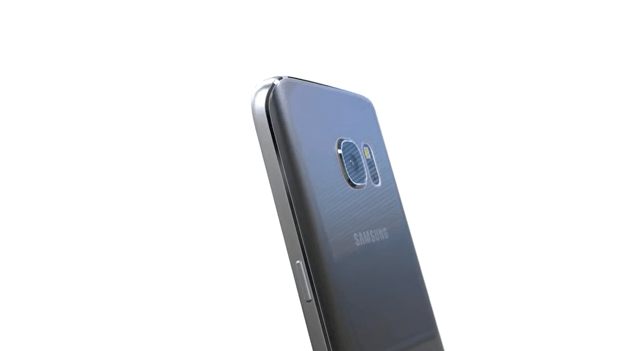
Sources close to iGyaan have suggested that the much-anticipated Galaxy S7 flagship smartphones will only come in ‘edge’ form. This means that you might not see a flat S7 device at all.
This latest rumour brings in line with what past renders of the S7 have revealed. The 5.1 Galaxy S7 will likely come in the form of last year’s Galaxy Note 5 where the sides curve at the back. Meanwhile, the 5.5-inch S7 Edge will have curved edges at the front and so will the 5.7-inch S7 Edge+. The video of the render shows the front design of the S7 having narrower side bezels, 2.5D glass covering the display and the Home Button.
The move to curved-only smartphones makes sense as Samsung won widespread praise for its design language last year. The Galaxy S7 Edge, Edge+ and Note 5 were among Samsung’s best-looking devices in 2015.
Meanwhile, the specs of the device remain unchanged from past rumors. It is already confirmed that the flagship device will sport Qualcomm’s latest Snapdragon 820 chipset. Other likely specs include 4 GB of RAM, 64 GB internal storage, Adreno 530 GPU. The device will run of Android 6.0 Marshmallow (no surprises there).
On the camera front, Samsung is looking to downgrade to 12 MP camera and focus more on improving low-light imaging and wider dynamic range for the upcoming flagship. To do this, Samsung is taking help of the new BRITECELL setup. AnTuTu listing also confirms that the device will sport a 12 MP rear sensor and a 5 MP front. Looks like Samsung is sticking to quality rather than quantity here.
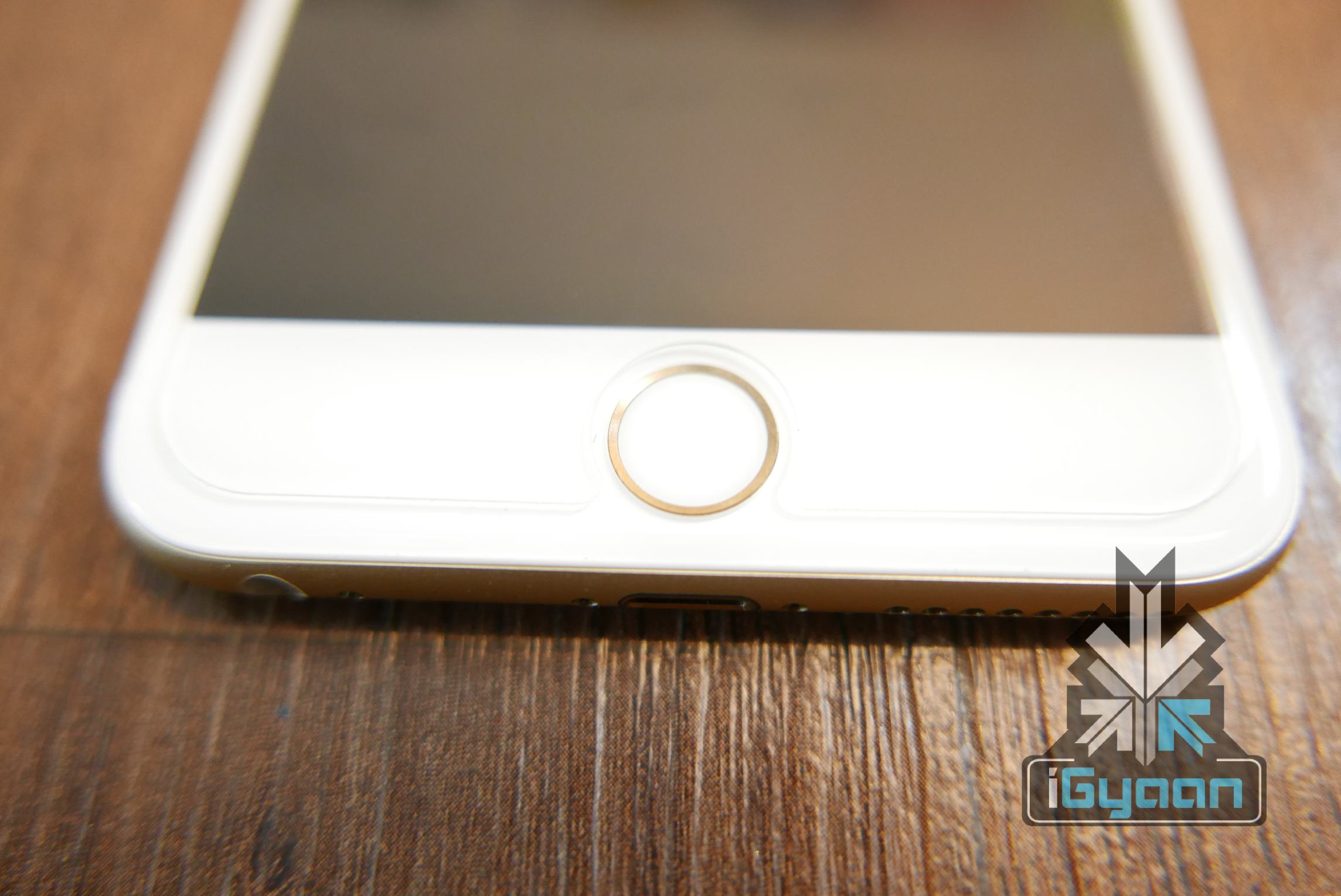
After the removal of the 3.5mm jack, and the addition of a new ‘whole body’ speaker system for their new iPhone, Apple is looking to bring some more out of the box creativity to their next phone.
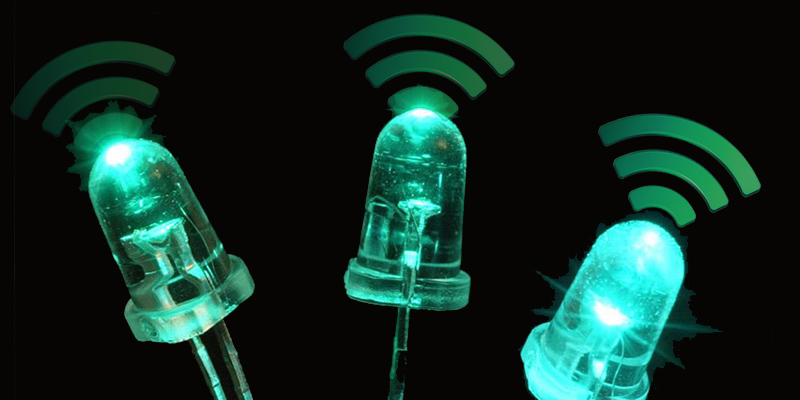
According to reports, Apple is looking at exploring Li-Fi feasibility in the next iteration of the iPhone. This was first reported by a user on Twitter when he spotted ‘Li-Fi Capability’ mentioned in the code of iOS 9.1. This could be an indication that Apple is already testing Li-Fi for its next handset.
Li-Fi is a technology capable of transmitting data via light. What makes Li-Fi so compelling is that it’s more effective than Wi-Fi and can transmit data more than 100 times faster than a standard Wi-Fi connection.The tech uses smart LED light bulbs that flash on and off very quickly, faster than a human eye would be able to see and sends binary information through this blinking.
It can’t be said for sure that Apple will include Li-Fi in its next phone, but if it does, it will herald a new beginning, one that will be full of light, and fast speed wireless data internet.
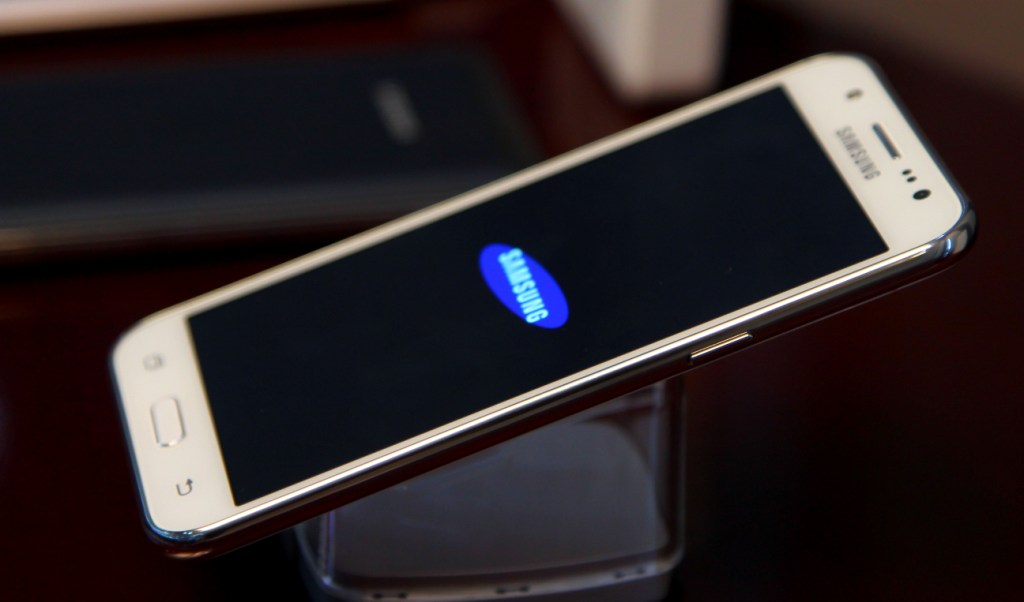
Looks like Samsung is really keen on its budget to mid-range devices, as has been the case for a while now. The Korean giant has been heavily pushing out its ‘J’ and ‘A’ series in the past few weeks with the J1 recently being outed. Now it seems the new Galaxy J5 mid-range smartphone will be out soon too, if the latest benchmarks have anything to say about it.
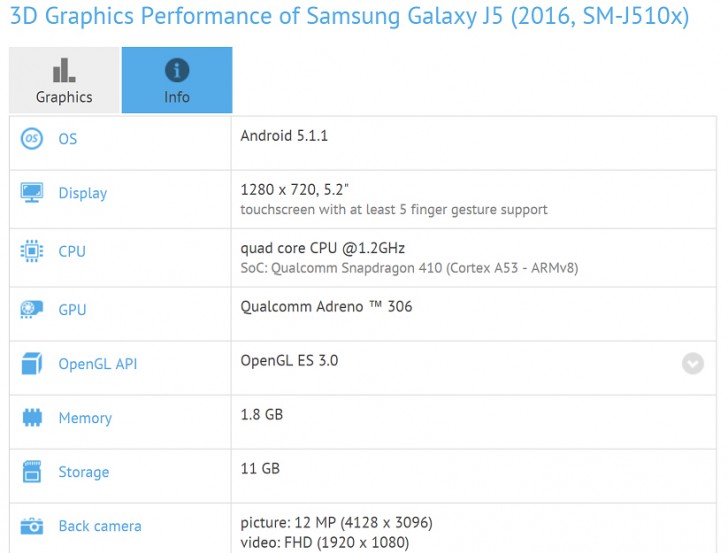
A benchmark listing posted by GFXBench has been discovered that suggests some key specs of the alleged J5 smartphone.
The device is shown to sport a 5.2-inch screen 720p resolution, a 12 or 13 MP (most likely 13MP) rear camera with LED flash, a 5 MP front, 2GB of RAM, and 16GB of built-in storage. The device is powered by Qualcomm’s Snapdragon 410 chipset, which comes with a 1.2 GHz quad-core Cortex-A53 CPU. It runs Android 5.1.1 Lollipop.
According to the listing, the new J5 will come with a slightly bigger screen and memory compared to the previous J5. Nothing has been revealed on the battery front, but its likely to be the same the its predecessor.
Now, pricing will be key to the success of the J5 and since Samsung is launching a slew of devices in the budget to mid-range category, it is important that the J5 be competitively priced. One would expect Samsung to price this slightly updated J5 successor around the same as the previous version, which is Rs. 12,000. We’ll know more when we get closer to the launch of the Galaxy J5.
WhatsApp, the $19 billion messaging service is dropping its $1 annual fee. Yes, the messaging service giant wants to reach out to the entire human population now. Founder Jan Koum explained that although the $1 fee isn’t much and there are millions who use the messaging service – that made the traditional SMS obsolete – there are still many who aren’t using WhatsApp, especially those without access to card payments.
The change takes effect from today, and will be a week or two until it reaches everywhere across all versions of the app. This news, however, has raised a lot of concerns among people. The main question was how WhatsApp will earn now that it’s lost its revenue stream. Naturally, the speculations lead towards advertisements.
But before you begin to panic, WhatsApp has stated that advertisements are not coming, claiming that “we will test tools that allow you to use WhatsApp to communicate with businesses and organizations that you want to hear from.” WhatsApp is likely to slowly take over other functions of your phone (it already has voice calling for one) in a bid to make itself more relevant and practical for users. We’ll just have to wait and see what WhatsApp plans for its future.
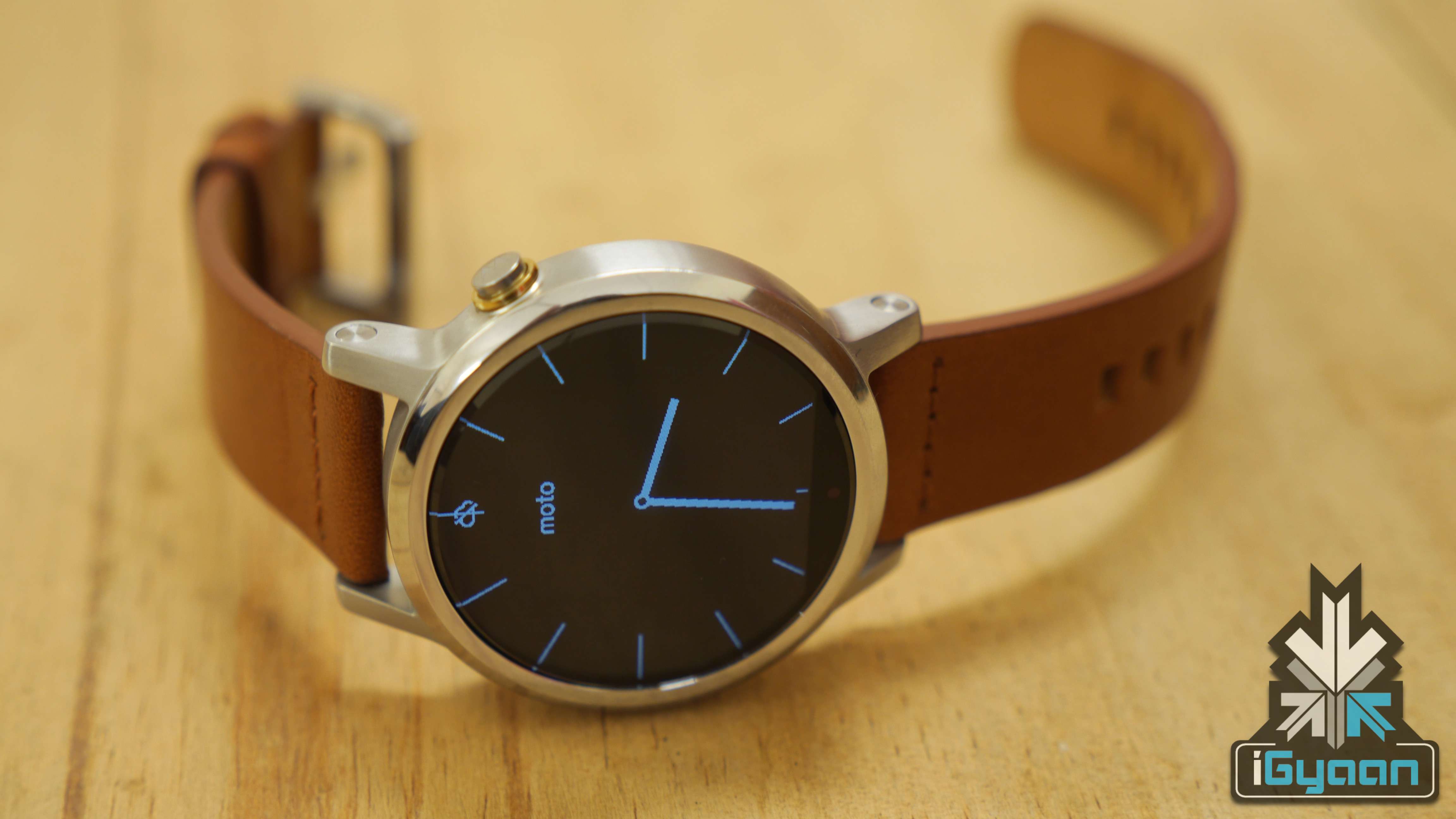
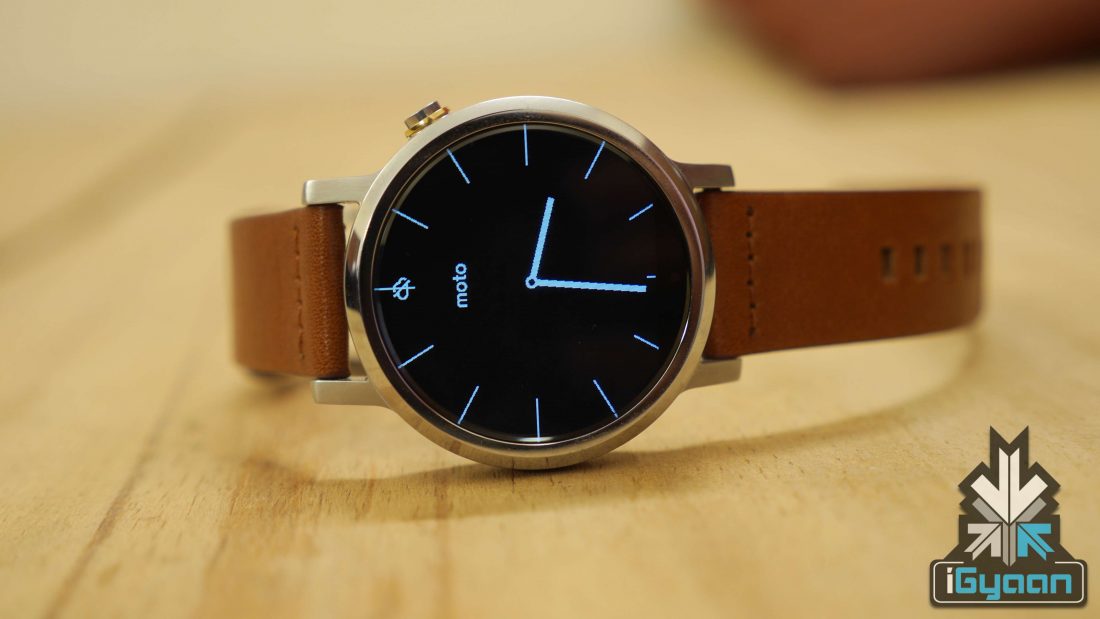
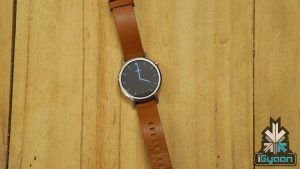
The original Moto 360 was met with a lot of hype, and quite rightly so as it was the device that kicked off the Android Wear trend. While the first iteration was met with a lot of praise, finding a lot of things to love about it and a few faults as well, the second generation Moto 360 builds on its predecessor and improves where it needed to.
Overview
The Moto 360 2nd Gen was unveiled at IFA Berlin last year and was launched in India early September. The smartwatch comes with new design language and customization options including Moto Maker, which, however, is not available in India yet.
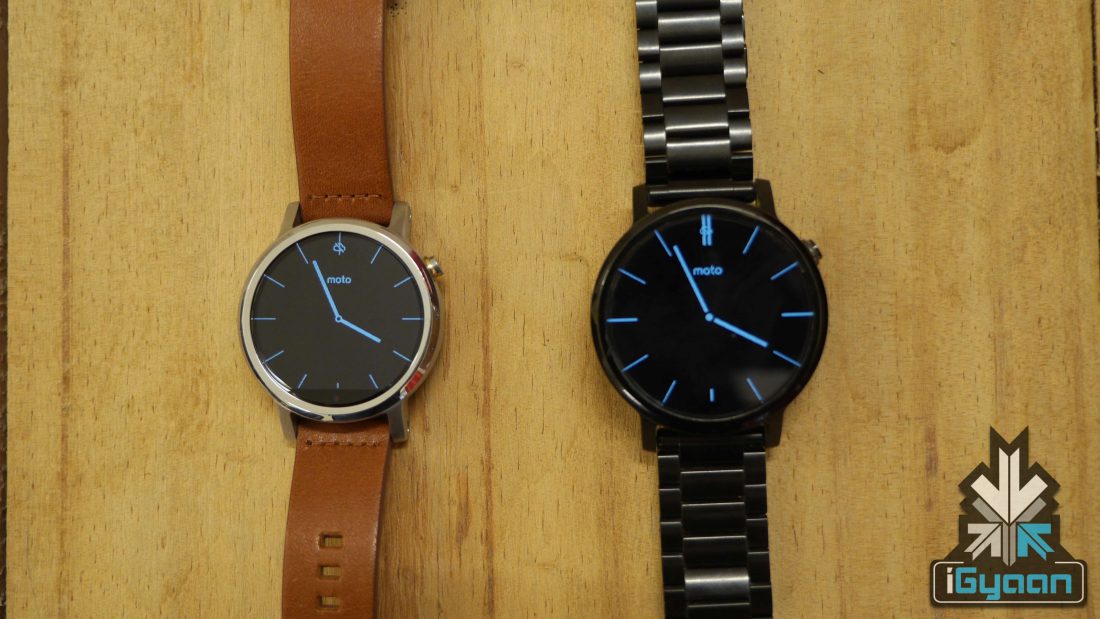
42mm (left), 46mm (right)
The Moto 360 2nd Gen starts at a price of Rs 19,999 for the 42 mm variant and Rs 23, 999 for the 46 mm option. The smartwatch is available on Flipkart and Amazon.
Build Quality and Design
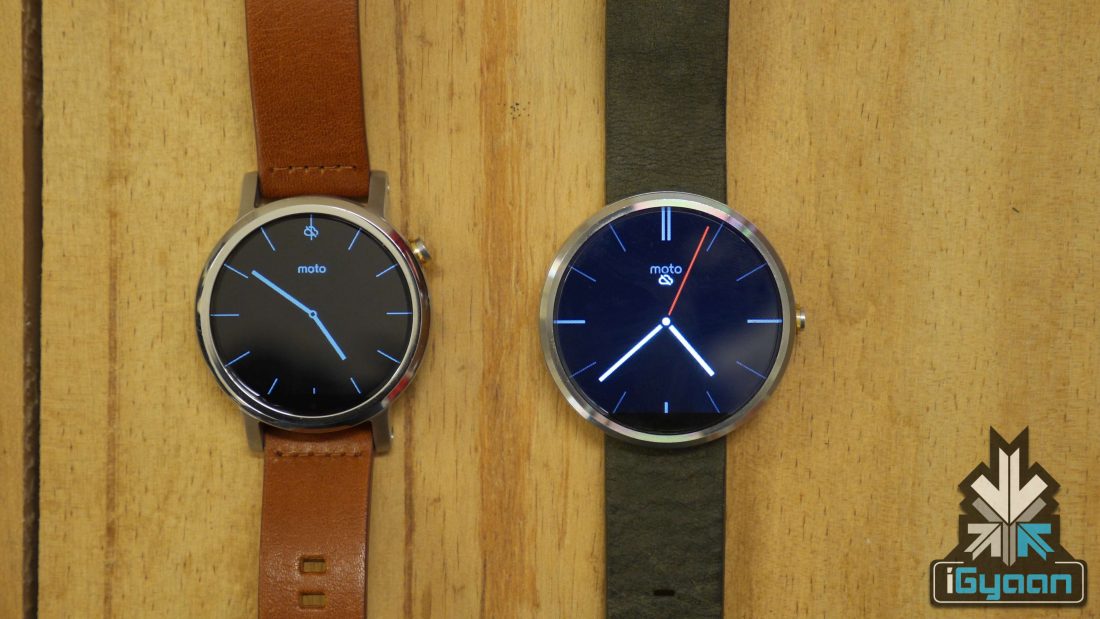
Moto 360 2nd Gen (Left) Moto 360 1st Gen (Right)
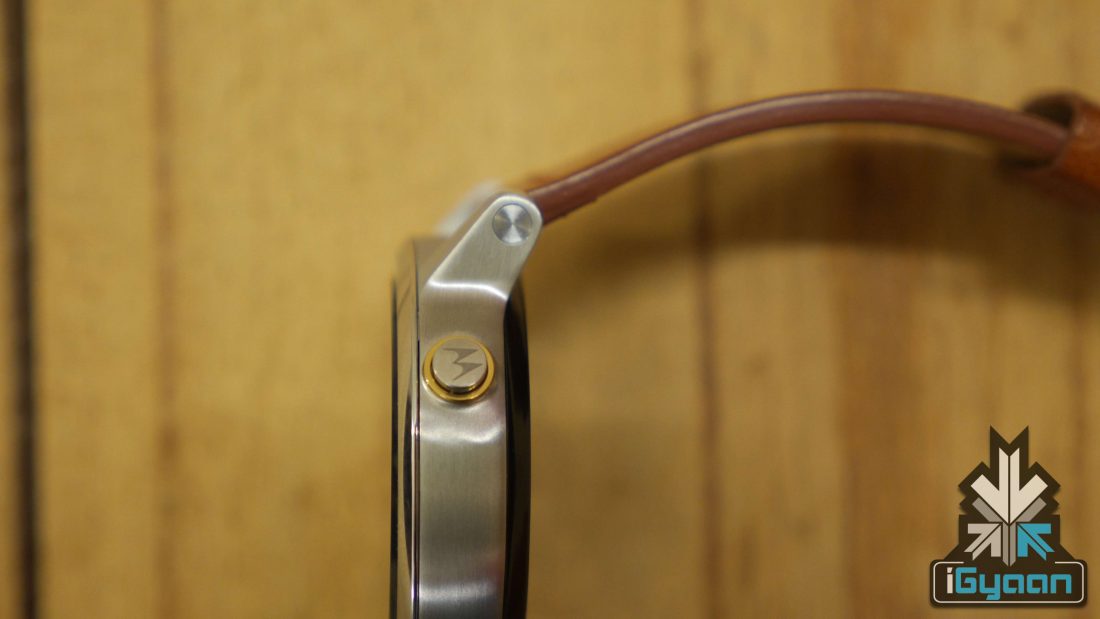
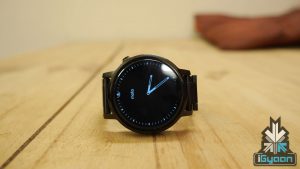
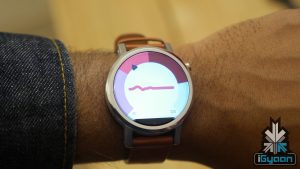
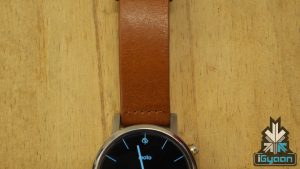
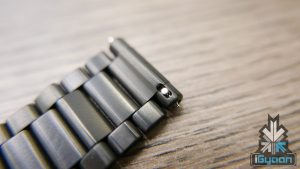
The Moto 360 2nd Gen’s new design language is pretty great. The smooth metallic edge is complemented with thin, refined aluminium bezels. The watch has a firm, strong build and the added nubs give it a better shape and rigidity and gives the device a more watch-like feel to it. The nubs also make changing the straps easier and the lugs are pretty simple to unclasp the band as well. The crown has shifted up a bit to the 2 o’clock position and the top sports the ‘M’ logo.
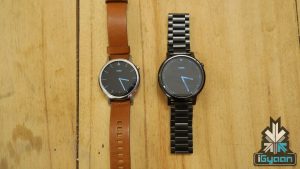
The Moto 360 2nd Gen is available in three different sizes – a 42 mm male and female version and a male-only 46 mm model. The difference between the male and female version is that the latter attaches itself to a thinner 16 mm strap while the former is compatible with a 20 mm strap only. The 46 mm variant is compatible with a strap that measures up to 22 mm. While the size of the straps differ, the models are all 11.4mm thick, which feels just right without looking too bulky.
The button moves to the 2 o’clock position
Size isn’t the only point of variation the Moto 360 offers; it comes with a variety of bands to pick from – metal, leather and silicon. However, the silicon version will not be arriving in India any time soon. The smartwatch also comes with gold, rose gold and silver cases and bands. The leather on the 42 mm variant looks elegant on both men and women, while a metallic strap for the 46 mm model looks great on larger wrists.
Display
The 42 mm and 46 mm variants have a 1.37 inch and 1.56 inch LCD display, respectively, and both come with Gorilla Glass 3 protection. The 46 mm version comes with a 360 x 360 pixel resolution and 233ppi, while the 42 mm version has a display resolution of 360 x 325 and 263ppi.
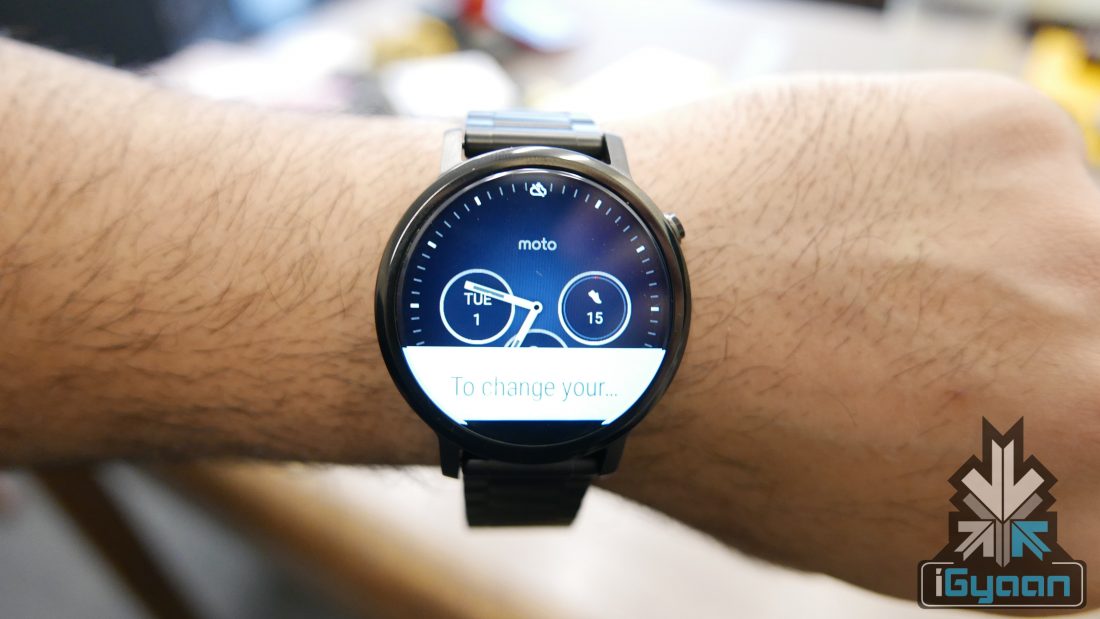
The Moto 360 has received a lot of polarising opinions regarding the display. The popular opinion of it being the first round smartwatch without actually having a fully rounded display stays with the 2nd Gen as well. This is because the screen has a flat-tire like band on the bottom that houses the sensors.
Though many felt the band a little distracting, Motorola has decided to stick with it, and it has come to become something of a defining trait for a Moto smartwatch. After a while with the Moto 360, you tend to grow used to the little band and it really doesn’t feel like an issue. The band also allows Motorola to keep the bezels thin, which is what adds to the look of the device.
The display is quite bright but the LCD screen lacks the vibrancy of an AMOLED display. The light sensor which helps to dim and brighten the screen allows just the right amount of brightness under both light and dark conditions without hurting the eyes. Outdoor visibility is questionable. There’s a ot of glare on the display under sunlight, but you’ll be able to see it just fine when facing the watch directly to yourself.
Hardware and Performance
The Moto 360 Gen 2 is powered by a quad-core Qualcomm Snapdragon 400 processor, an Adreno 305 GPU and comes with a 512 MB of RAM space with a 4GB internal storage on board. Connectivity options include Bluetooth and Wi-Fi. The watch also supports a GPS connectivity, however, it only comes with the Sport range (which unfortunately isn’t available in India yet).
One of the concerns people had with the first iteration was that the device came with a slower OMAP 3 chip, but the second generation rocks a quad-core SD400 processor, and needless to say, there are some differences when using the device. The interface on the 2nd Gen is a lot snappier with very little lag.
Specs
Moto 360 2nd Gen
Display
Men and Women 42mm: 1.37-inch 263ppi (360×325)
Men 46mm: 1.56-inch 233ppi (360×330)
Corning Gorilla Glass 3, backlit LCD
Watch Case Dimensions
Mens:
46mm diameter by 11.4mm high
42mm diameter by 11.4mm highWomens:
42mm diameter by 11.4mm high
Processor
Qualcomm Snapdragon 400 with 1.2 GHz quad-core CPU (APQ 8026)
Adreno 305 with 450MHz GPU
Performance of the Moto 360 2nd Gen is pretty smooth, however, it isn’t the smoothest smartwatch out there. The Moto 360 falls just short of the Apple Watch and Samsung’s Gear S2, but given the price of the Moto 360, we can’t be greedy.
Battery life is good too and an improvement over the first Moto 360, but that’s not saying too much. One of the main problems with smartwatches has been the battery, or the lack therof. Luckily, the Wi-Fi feature helps conserve battery life just a little more.
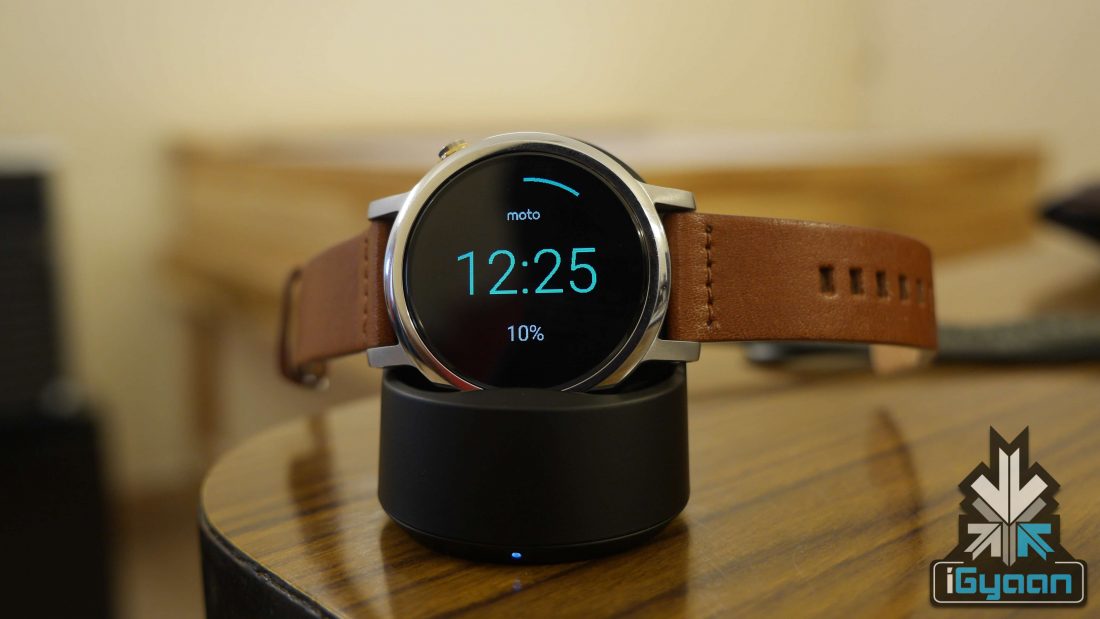
With the Ambient Mode that leaves the display on and dim continuously turned on, the smartwatch lasts a full day. Consequently, with the Ambient Mode turned off, the smartwatch can go on for a day and a half (for the 42mm 300mAh variant) on a single charge. The wireless charging is zippy too, powering up the Moto 360 to about 50% in under an hour.
42mm: 300mAh – Up to 36 hours of use with Ambient Mode off and up to 9 hours with Ambient Mode on (both on basic daily usage)
46mm: 400mAh – Close to 2 days with Ambient Mode off and 11 hours with Ambient Mode on (both on basic daily usage)
Features
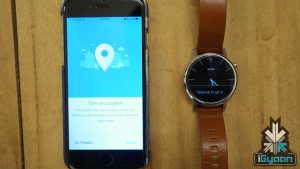
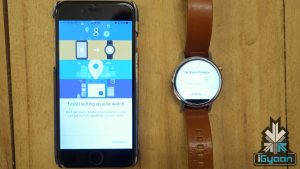
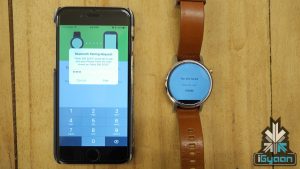
The new Moto 360 is compatible with Android devices as well as iOS due to Android Wear’s move into the Apple Store. This gives the Moto 360 an edge over the Apple Watch as the latter is pricier and works only with iOS. The pairing with iOS is pretty seamless and the watch displays your phone’s or tablet’s notification and messages to which you can voice reply. You need only download the Android Wear app on your iOS device and reset your Moto 360 to begin pairing.
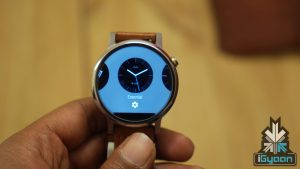
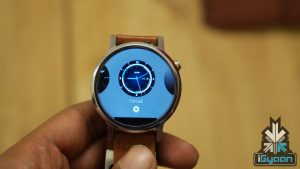
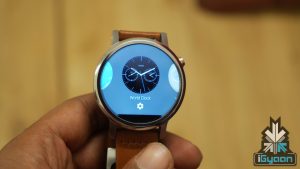
The Moto 360 has a unique feature called Live Dial, which allows its users to set dials on their home screens. Other than a bunch of options provided by Motorola, users can also use their own pictures as the watch-face. There are a number of dials available and you can use your paired smartphone or tablet (including iOS) to set the faces for your watch.
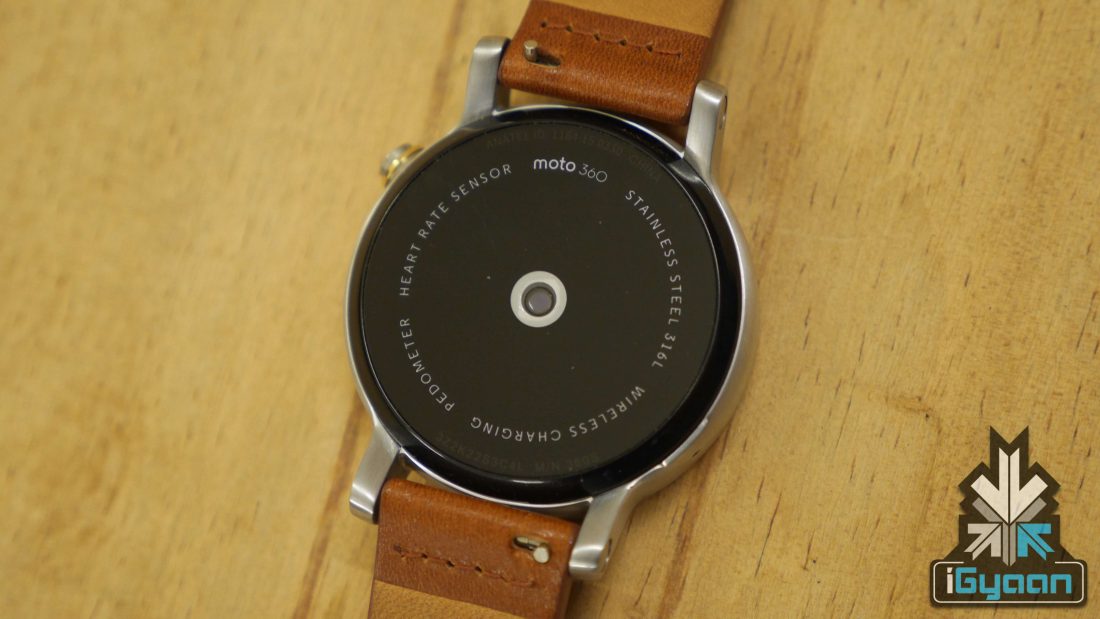
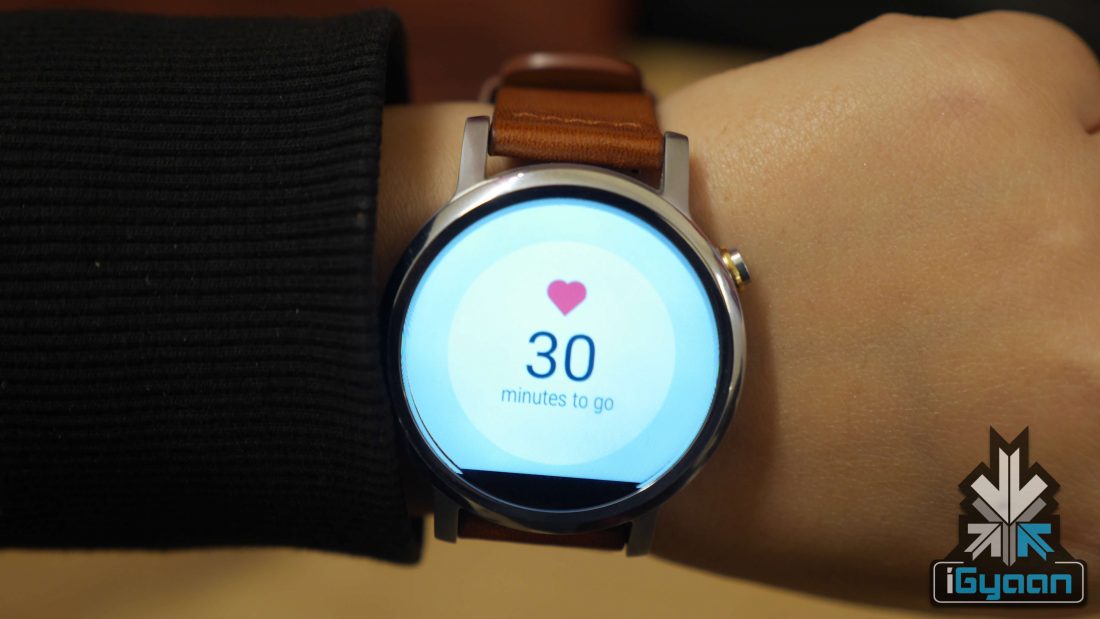
The smartwatch also supports the Moto Body software, that keeps a tab on calories burnt and bpm stats with the help of an optical heart rate monitor. It is packed in with a 400 mAh and 300 mAh battery for the 46mm and 42mm versions respectively. Both variants will come with a charging dock station.
Additionally, the watch is rated at IP67 which means it can be soaked in 1 m (3.3 ft) of water for half an hour. With a leather strap, however, we stress caution and would advise keeping the smartwatch away from water at all costs.
Conclusion
The Moto 360 2nd Gen is a great Android Wear device and a starting price of Rs 19,999 keeps it in the affordable range. The fact that it is iOS compatible makes the watch a strong competitor for the pricier Apple Watch. Changing the straps is easier and the display is sharper. However, there are some cheaper smartwatches out there like the Asus Zenwatch 2, which comes with an AMOLED display and Sony Smartwatch 3. But for those who want a smartwatch that looks like a watch, then the Moto 360 2nd Gen is worth spending a few extra bucks on. indeed, it is the most elegant looking rounded smartwatch currently in the market.
The Moto 360 2nd Gen does feel more like a watch this time around with a solid build thanks to the added nubs, and the customization options here are quite extensive. Furthermore, the upgraded processor makes the Moto 360 pretty snappy to work with. There aren’t too many noteworthy apps here but there’s enough to make it smartwatch-worthy. The design is a big win and it is worth considering just for that. Another noteworthy point is that the Wi-Fi option here will help conserve battery life and you won’t have to leave Bluetooth on all day.
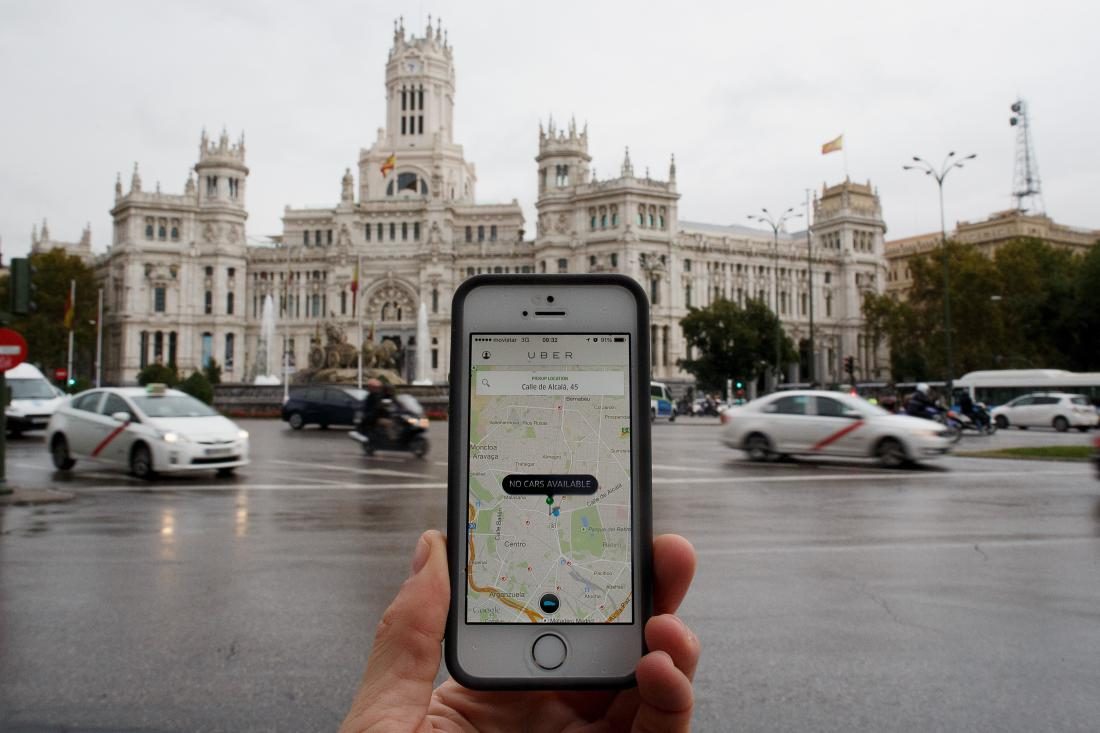
After taking over your city roads, Uber now has plans to take over the vacant skies too with its latest marketing strategy. According to reports, the famous on-demand cab service will be partnering with Airbus to bring to its customer base a new offering, one which will involve helicopters to ferry them around the city.
According to the information disseminated by the company, this will be a pilot project which will include helicopter rides around Utah city during the Sundance Film Festival this month. Reports further cite, that the service will use H125 and H130 helicopters to ferry passengers. Uber will use its cars to get passengers to and from the landing site. Pretty innovative indeed.
Uber has offered helicopter rides before. In 2013, it tried this idea during the United States Formula 1 Grand Prix in Austin. The rides cost a minimum of several hundred dollars back then, and it is expected that these rides during the Sundance Film Festival will also cost a bomb. Nonetheless, this is a positive move and shows that both Uber and Airbus are looking to expand their horizons for potential customers.
We can’t really say if something like this could be done in India soon, or for that matter, if at all it’ll be rejected outright because of the high fare of such Uber powered helicopter rides, but one thing we do know for a fact is, it’ll be pretty cool to see Uber Helicopters show up on our Uber smartphone app.
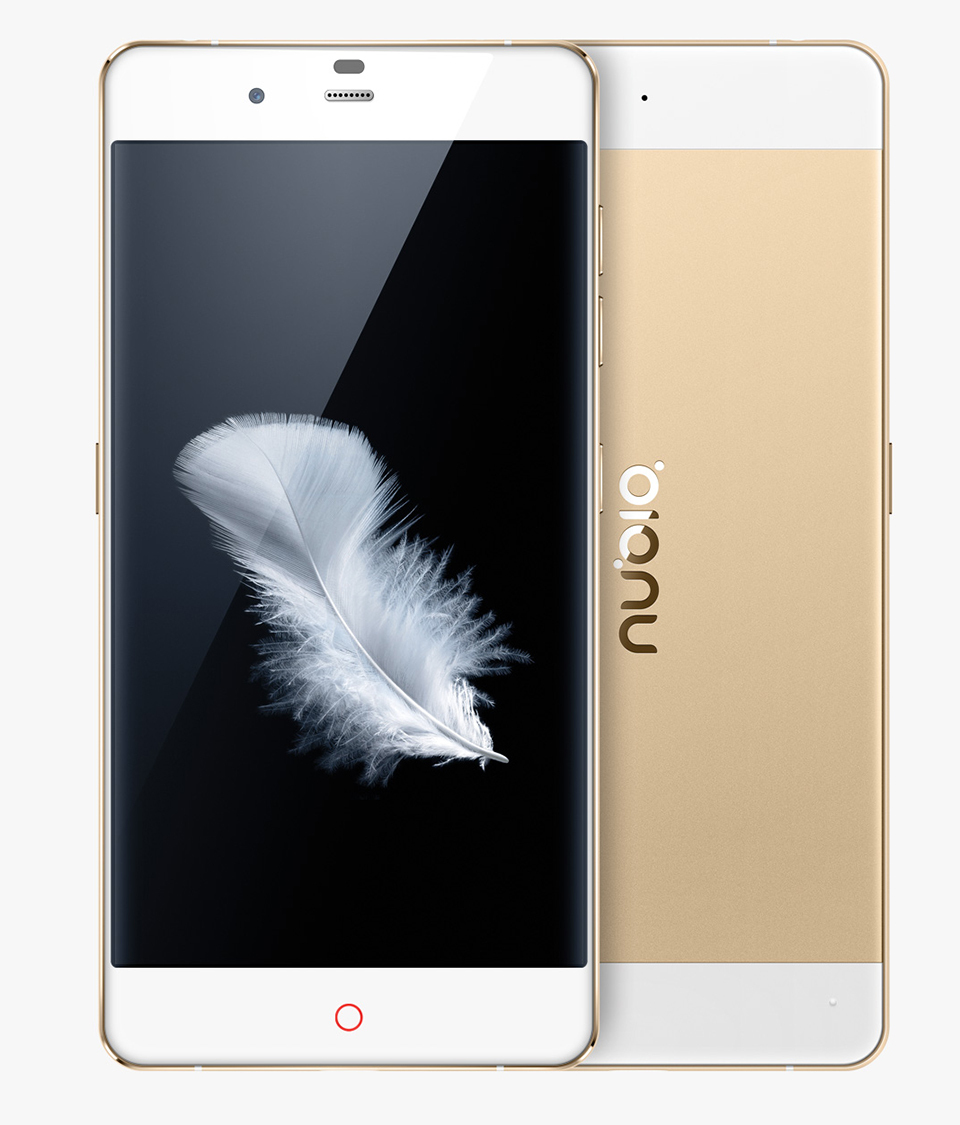
The chinese smartphone company, ZTE, today launched the Prague S, under the branding of its premiuim Nubia range. The chinese smartphone maker revealed that this new handset from the company will be available for pre-order in China starting from 23rd January priced at $380( Approx Rs 25,000). The smartphone will come in Silver and Rose Gold colour options.
The ZTE Nubia Prague S features a 5.2-inch Super AMOLED display with 1920×1080 pixels resolution. The display is scratch resistant with a coating of Corning Gorilla Glass 3 on top. The device is powered by an octa-core Qualcomm Snapdragon 615 processor, paired with 3GB of RAM. The internal storage of the smartphone is 64GB which can be expanded up to 128GB using a microSD card.
The ZTE Nubia Prague S comes equipped with a 13.0-megapxiel rear camera with LED flash and an 8.0-megapxiel front facing camera. On the connectivity front the smartphone includes 4G, LTE, 3G, WiFi, Bluetooth, GPS chips and all of this juiced by a rather meek 2200 mAh battery.
On the outside the smartphone flaunts an aluminium frame body and it also houses an Eyeprint ID scanner. It also comes equipped with Dolby audio and Dolby decoder for a rich audio experience.
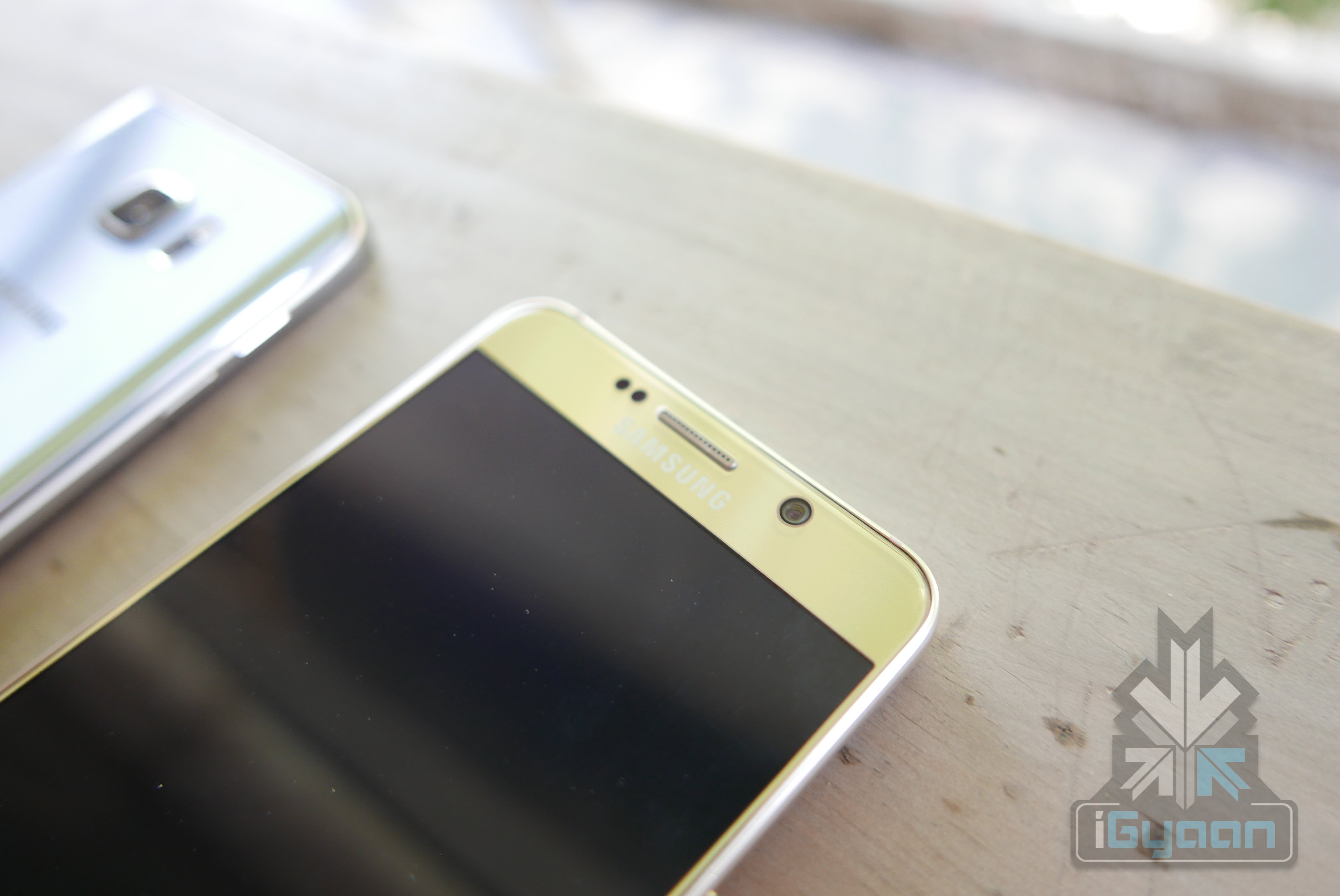
Additionally, the previous single-SIM versions have undergone a price-cut. Though the devices were originally priced at Rs. 53,900 for the 32 GB variant and Rs. 59,990 for the 64 GB variant, they are now priced at Rs. 47,900 and Rs. 53,900 respectively. For a better look at Note 5, check out our hands-on video below.
The Note 5 runs on the Android OS, v5.1.1 (Lollipop) with an Exynos 7420 chipset, a Quad-core 1.5 GHz Cortex-A53 & Quad-core 2.1 GHz Cortex-A57 CPU and a Mali-T760MP8 GPU. As far as storage capacity is concerned, this handset comes in two variants – 32 and 64 GB along with 4GB of RAM. However, it does not have an expandable microSD card slot.
Motorola India has just launched a teaser for its upcoming Moto X Force smartphone. The device’s major highlight is its shatter-proof display which is gloriously demoed in this teaser while taking a jibe at some other well known smartphones out there including the iPhone.
The teaser shows people dropping iPhones, Samsung devices and other devices in slow motion, capturing the many different ways in which the displays can shatter. At the end comes the Moto X Force which is dropped and comes out clean, without a single scratch to the display or dent on the sides.
Motorola claims to have integrated a ‘Moto Shattershield’ technology in the display of Moto Force which, it says, is the first shatterproof screen in a phone ever. The company feels confident enough to affirm the screen would stay intact for up to four years, owing to the multiple layers of different materials used in making it capable of absorbing shock and providing protection against cracking. The phone also boasts of two touchscreen layers, which make sure that the smartphone can be used even if one of the layers is cracked.
On the specs front, Moto X Force packs a 5.4 inch Quad HD display with a resolution of 2560×1440 pixels. It is powered by Qualcomm Snapdragon 810 octa-core chipset along with 3 GB of RAM. The two internal storage options of 32 GB and 64 GB are expandable up to 2 TB with the help of a microSD card.
The Moto X Force is set to launch in India by the end of January. Follow this space for more.