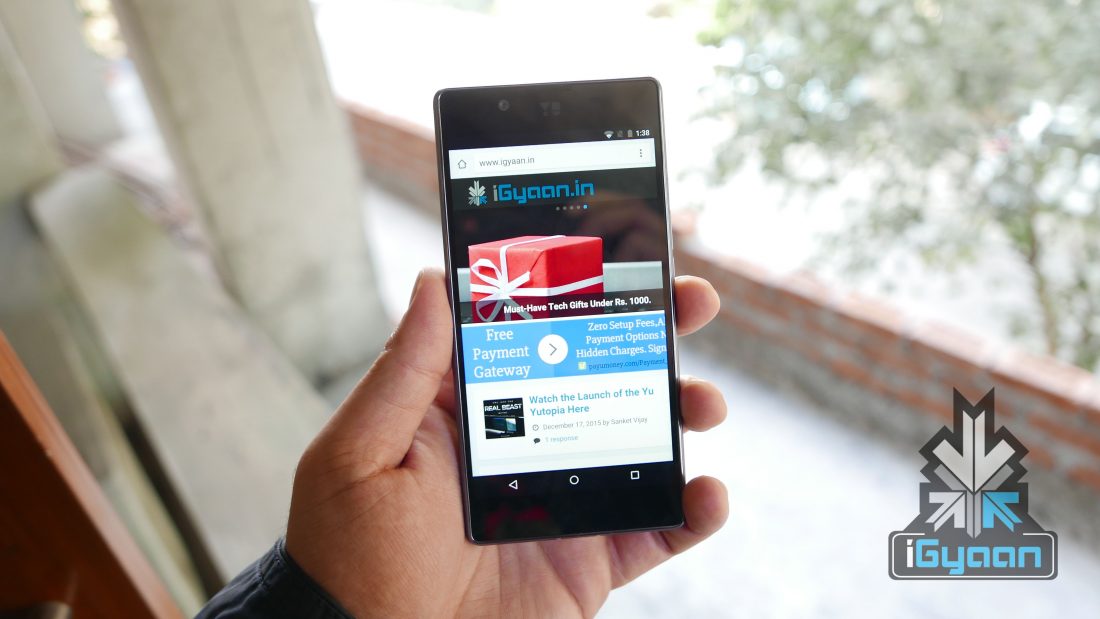
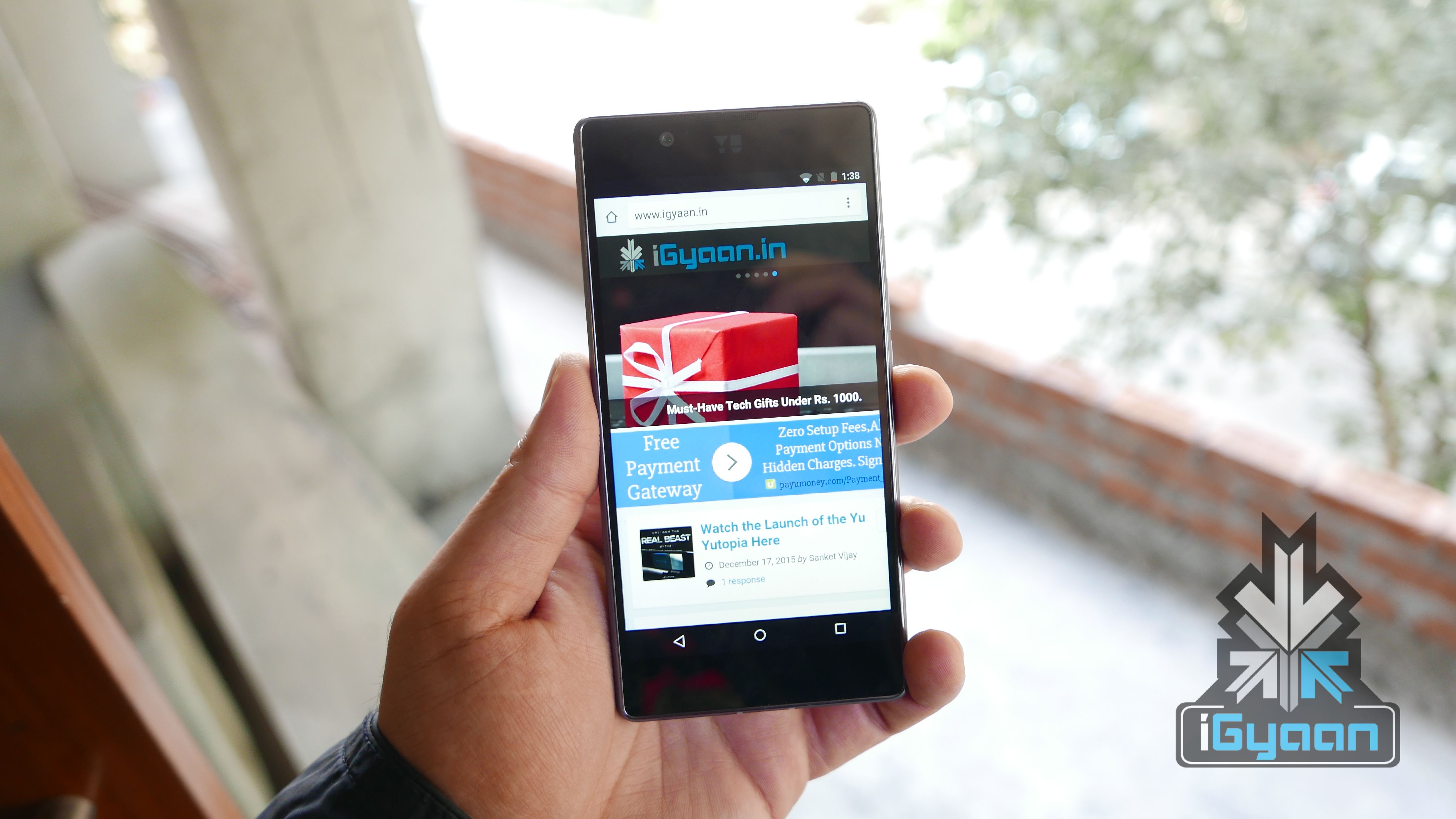
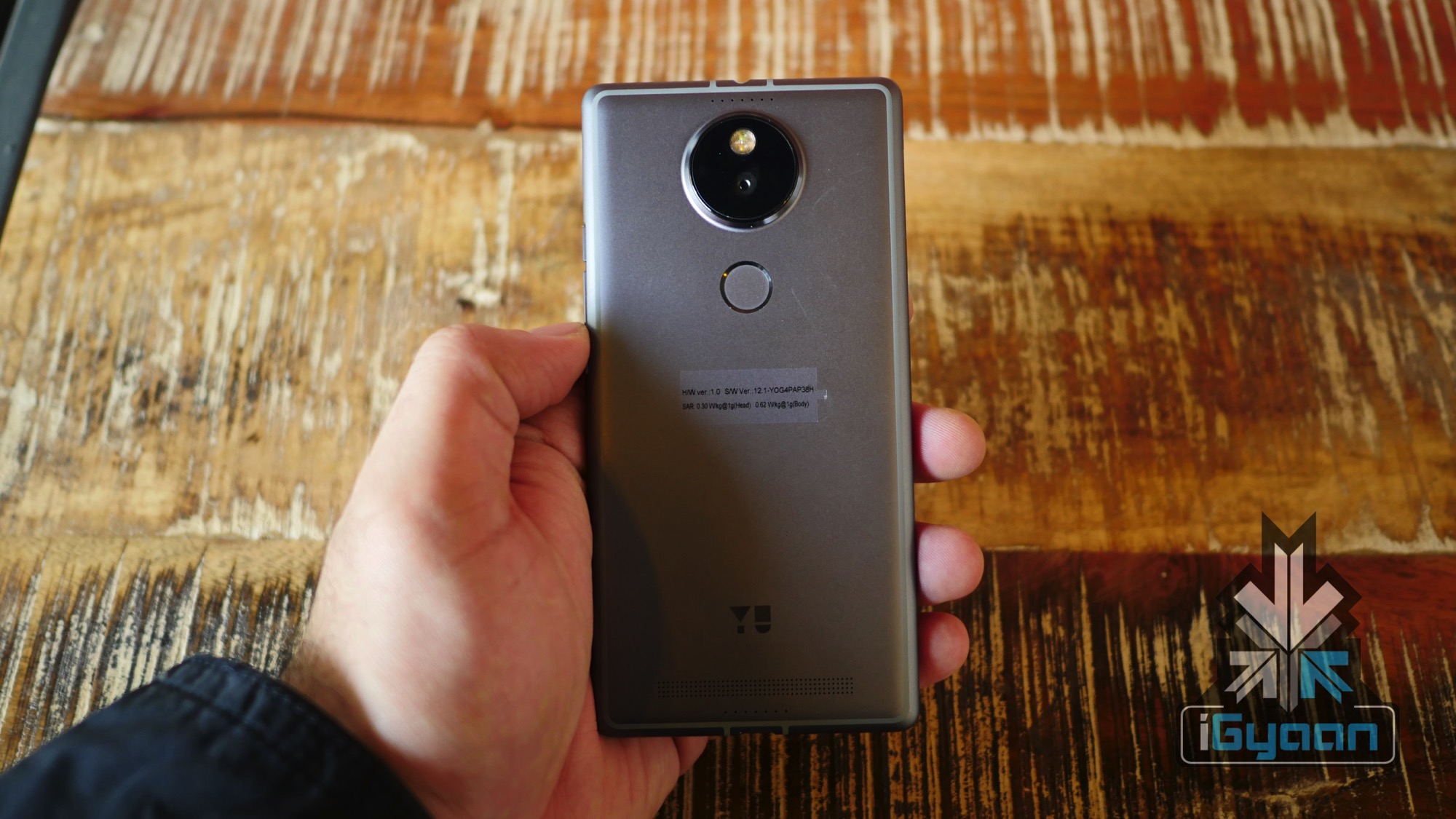
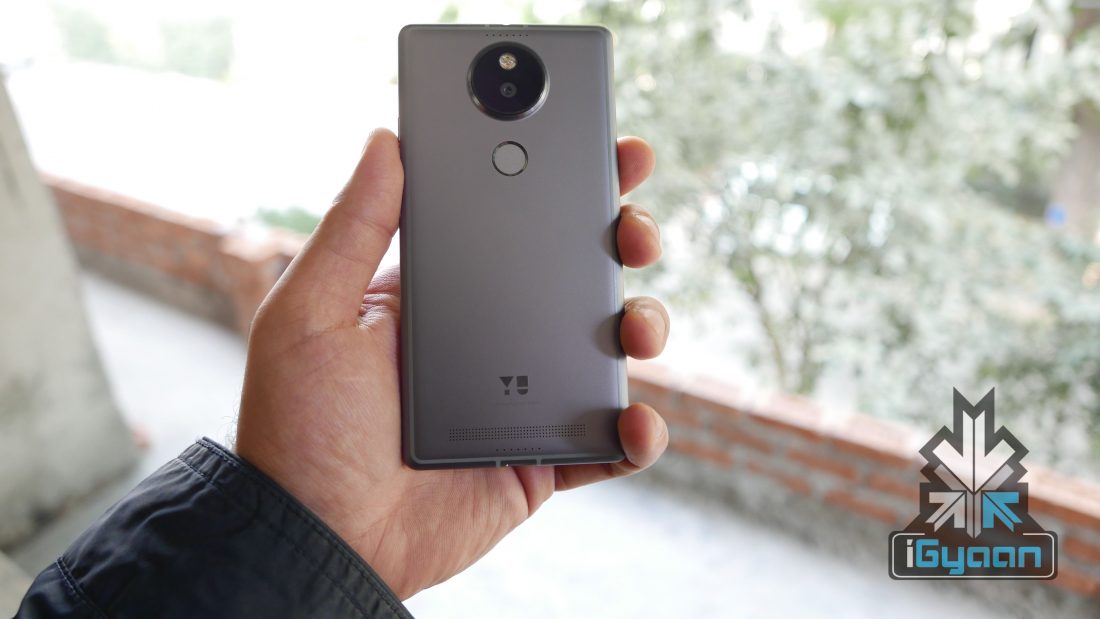
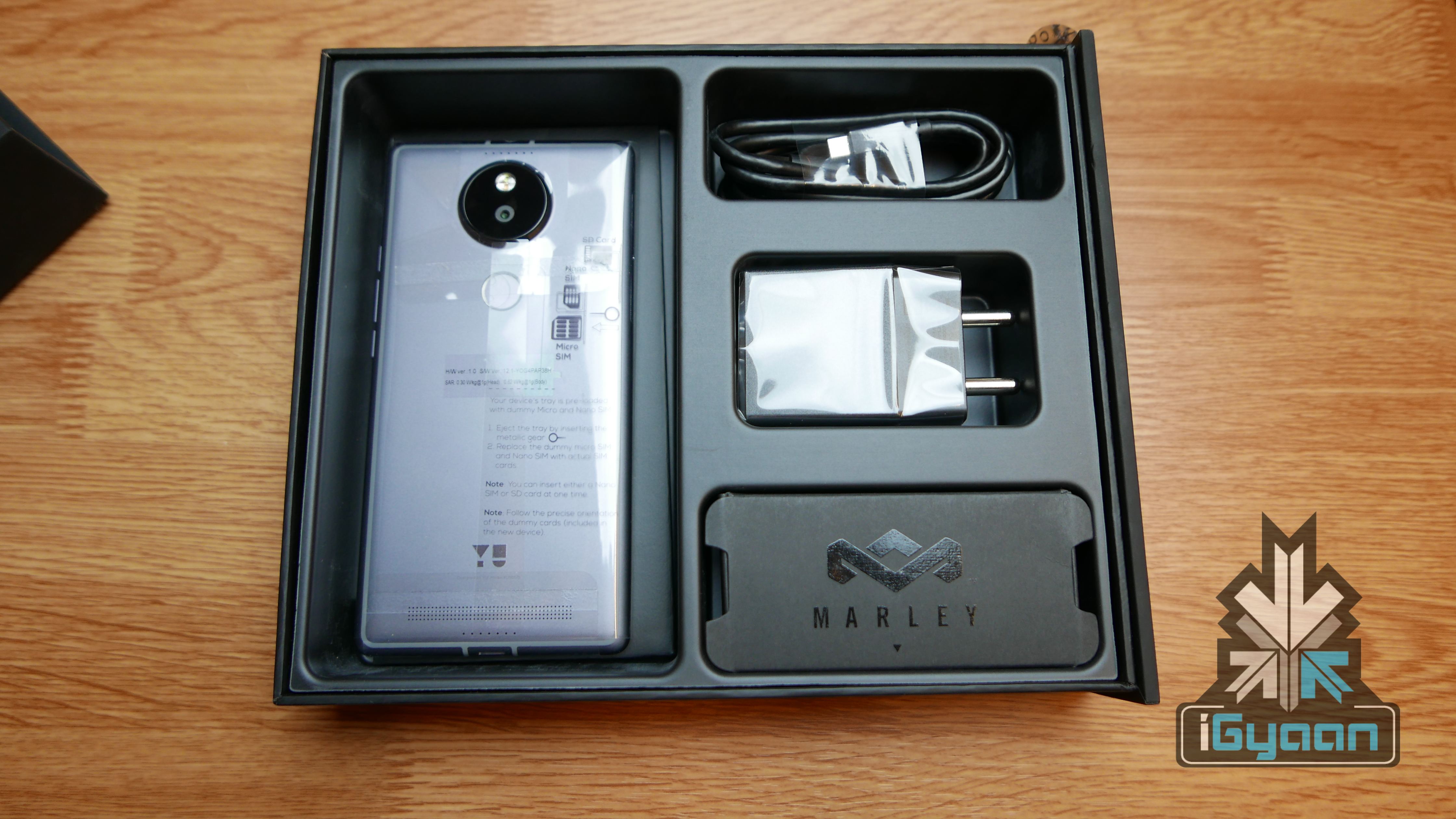
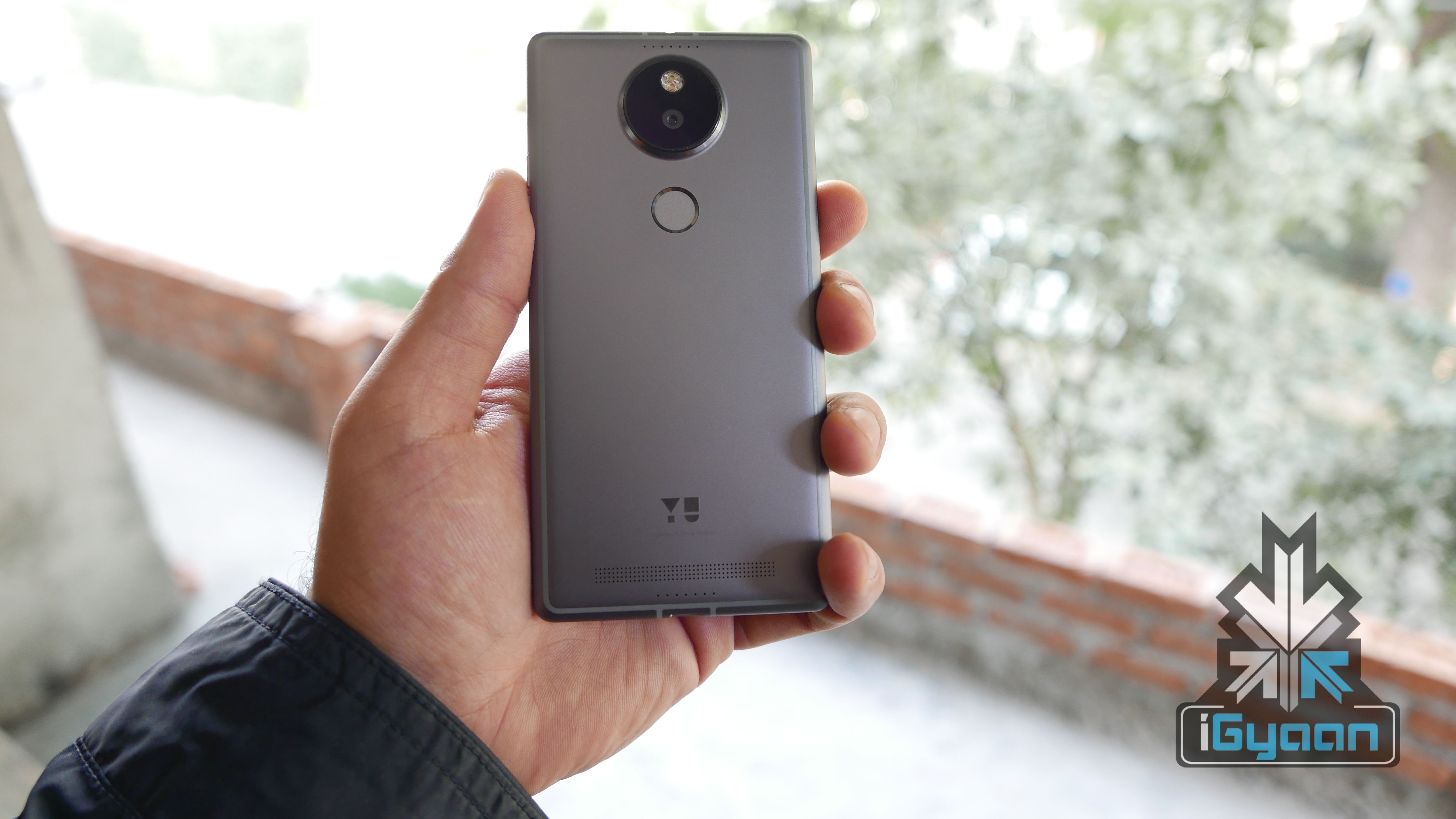
Micromax’s subsidiary Yu Televentures launched the Yutopia smartphone yesterday. At a price of Rs. 24,999, the device has some solid features like an all-metal body and Snapdragon 810 chipset along with 4 GB of RAM. We put the device to test and checked its hardware and graphic capabilities.
Have a look at our benchmark, gaming and heating test:
We ran AnTuTu and Vellamo on our device and here are its scores along with OnePlus 2, and Nexus 5X:
Test |
Yutopia |
OnePlux 2 |
Qiku Q Terra |
| AnTuTu | 60369 | 54929 | 65164 |
| Vellamo (Metal) | 1346 | 1678 | 2226 |
So, as you can see above, Yutopia scored 60,369 in the AnTuTu test and does better than OnePlus 2 but falls short of Qiku Terra’s score. However, a score of 60K is decent in our opinion. The Yutopia does poorly in comparison to the other two devices in the single core Vellamo test.
Questions Answered
The fingerprint scanner on the back is fast and responsive, and unlocks the phone quickly. The response time is right up there with the HTC One A9 and iPhone 6s.
There have been several queries regarding the OTG support on the device. We checked out this aspect and found that Yutopia does support OTG.
The device surprisingly does not heat up and after playing games like Asphalt 8, the phone stayed under 40-degree celsius, which is a sigh of relief for a device sporting a Snapdragon 810 chipset
We will have the full review of the Yu Yutopia soon. Meanwhile, you can click here to watch our unboxing and hands-on video.
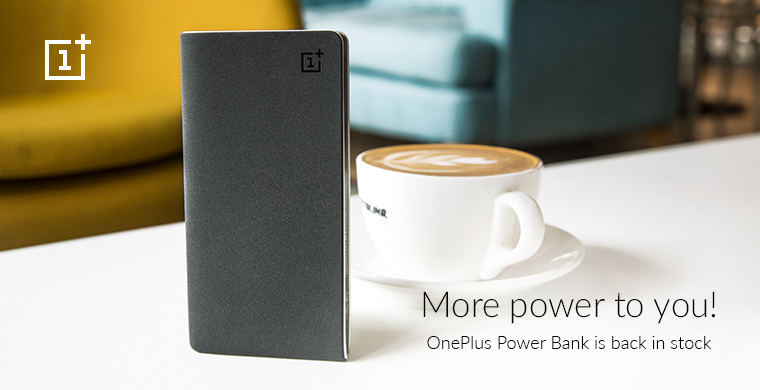





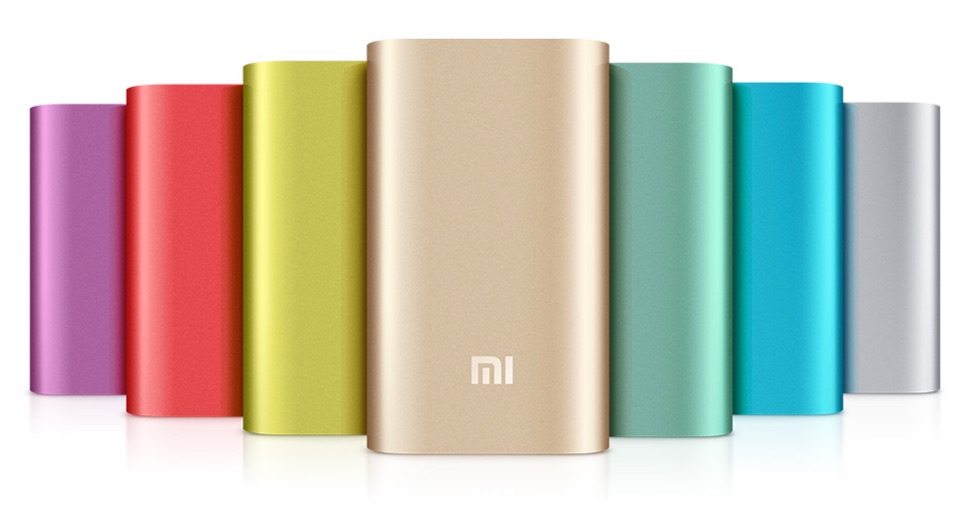
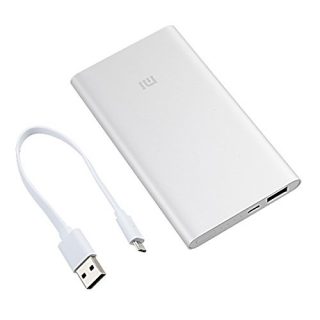
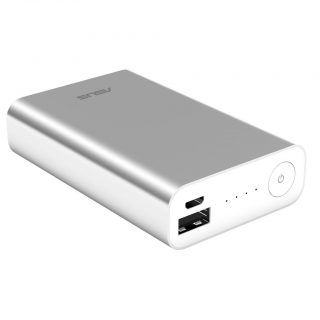
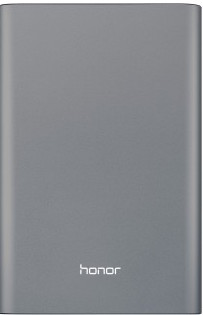
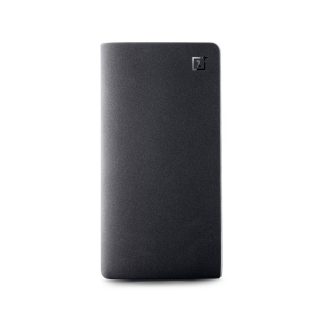
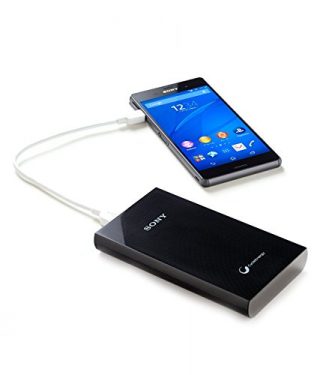 Not only does this power bank charge your smartphone and tablets, but it’s also compatible with other devices including XperiaTM, Cyber-shotTM, Handycam and Walkman players which can be charged via computer’s USB port or AC-USB adapter. The device is priced at Rs. 2,328.


 In an attempt to distinguish itself from countries like the US, especially post the entire NSA spying scandal, Brazil had passed net neutrality laws in 2014, the internet ‘Bill of Rights’ being an example. Two years down the line, things seem to be taking a turn for the worse in Brazil. Soon, individuals would have to enter their address and phone numbers, among other details, to be able to use websites and apps.