Blog

  • Here’s a Close Look at Samsung Note 5’s Design

    Here’s a Close Look at Samsung Note 5’s Design

    Samsung is pinning all its hope on the heavily anticipated Galaxy Note 5. The company hasn’t earned a strong profit this quarter and it has recently shifted the phone’s launch date from September to August. Now, an artist has rendered photographs of what looks like a realistic version of the Galaxy Note 5, using leaked data.

    https://instagram.com/p/5QQbKSPy8F/?taken-by=beespline

    https://instagram.com/p/5QQT3oPy74/?taken-by=beespline

    It should be noted that these images do not represent the final version of the Galaxy Note 5. The company is yet to reveal official images of the phone, which should happen in a matter of a couple of weeks.

    The Samsung Galaxy Note 5 is likely to feature a 5.4-inch or 5.5-inch Super AMOLED display with curves on both the edges. The display is likely to also feature a 4K resolution. According to reports, the Note 5 will feature 3GB LPDDR3 DRAM, 32GB of eMMC (embedded multimedia card) along with a controller. The phone may also feature a 16MP rear camera, 8MP secondary shooter, 4GB RAM and 16GB internal storage.

  • Unboxing and Hands On of Yu’s YuFit

    Unboxing and Hands On of Yu’s YuFit

    After a few months since its inception, the company will launch Yubic, a portable Bluetooth speaker and YuFit, a fitness band it announced back in May. Both of the products have been strategically priced at Rs. 999, which means the company is aiming to counter the likes of Xiaomi, a company known for providing quality products at affordable prices.

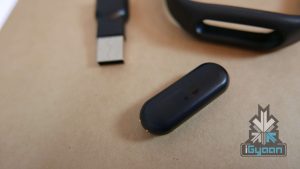
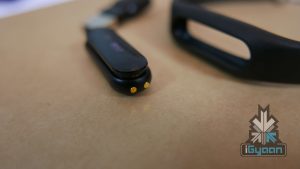
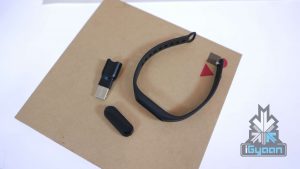
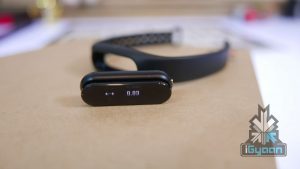
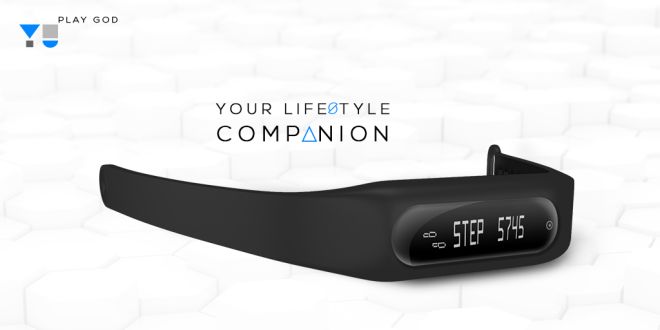
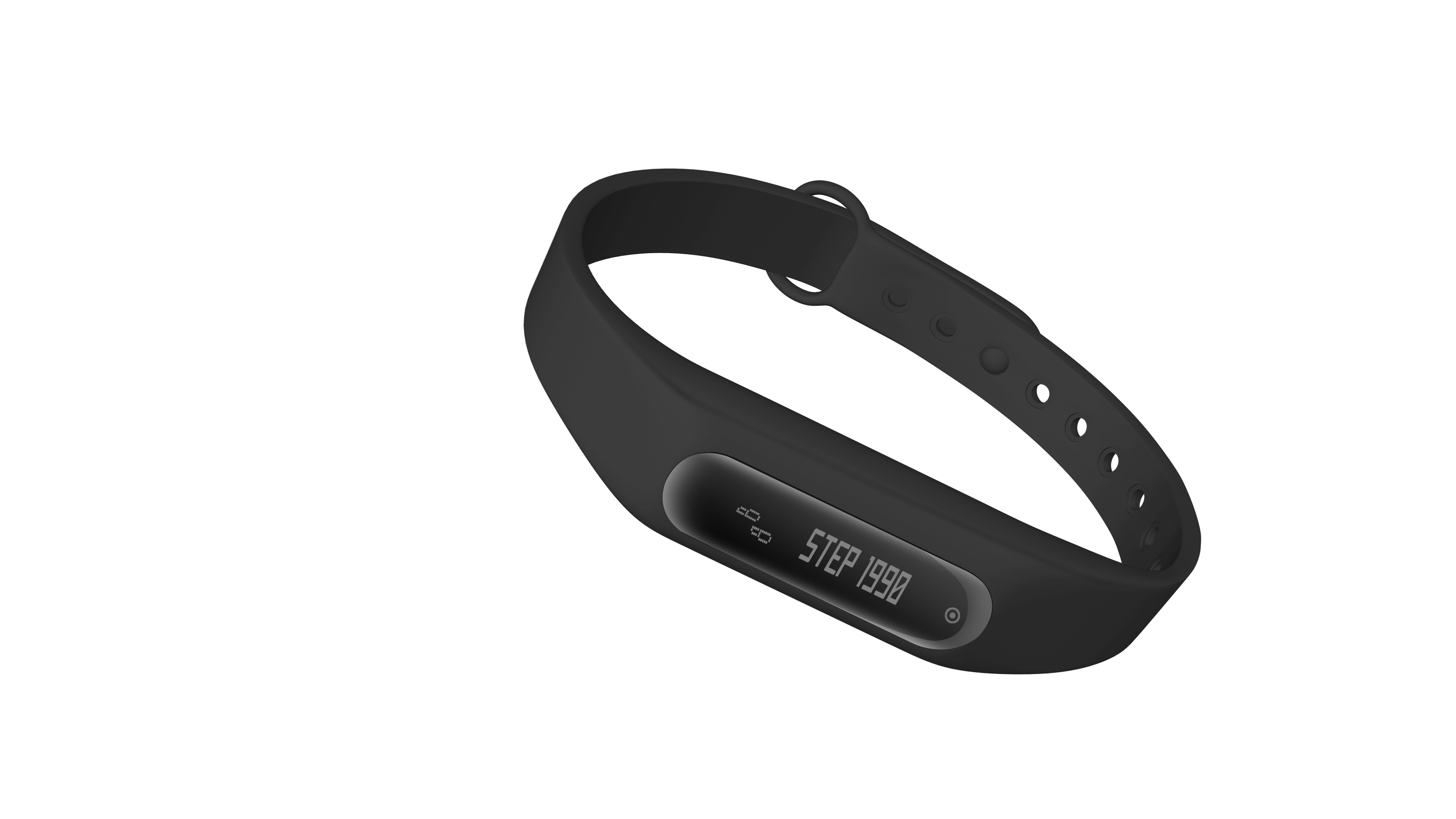
    The YuFit is YU’s attempt to mark its territory in the wearable segment, which is currently new in India. The YuFit has an OLED display that tracks steps taken, sleep cycle and alerts about incoming calls and messages. The fitness band comes along with an accompanying app. This app calculates the calories of any food material you click along with suggesting a healthier alternative.

     On the fitness front, it gives access to group coaching, social fitness, motivation and more.The YuFit will be available on Amazon India at a price of Rs. 999 and the registrations will open on 21st July.

    For more information, watch the video below in which we unbox the YuFit:

  • Unboxing and Hands On – Yu Yureka Plus

    Unboxing and Hands On – Yu Yureka Plus

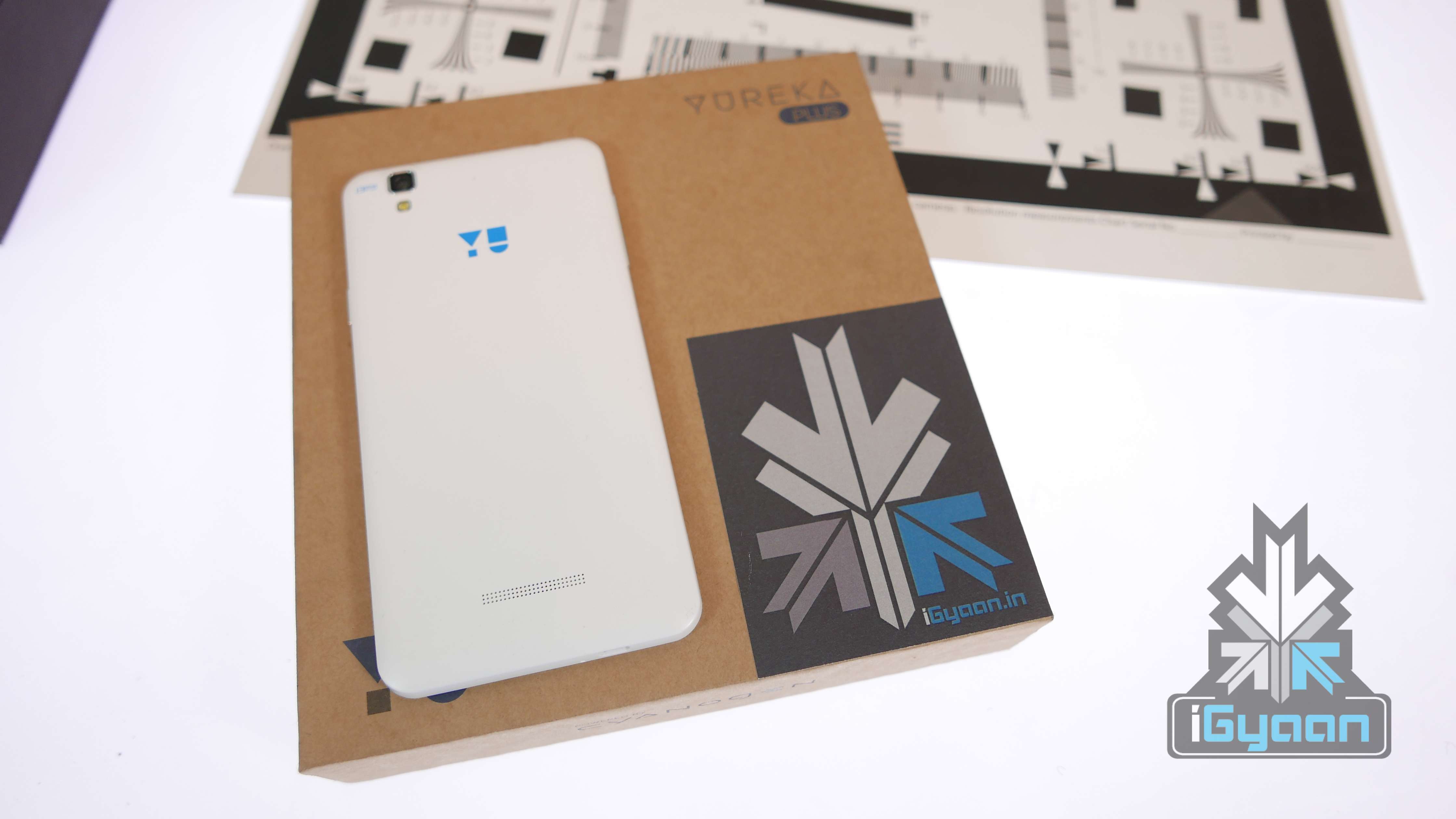
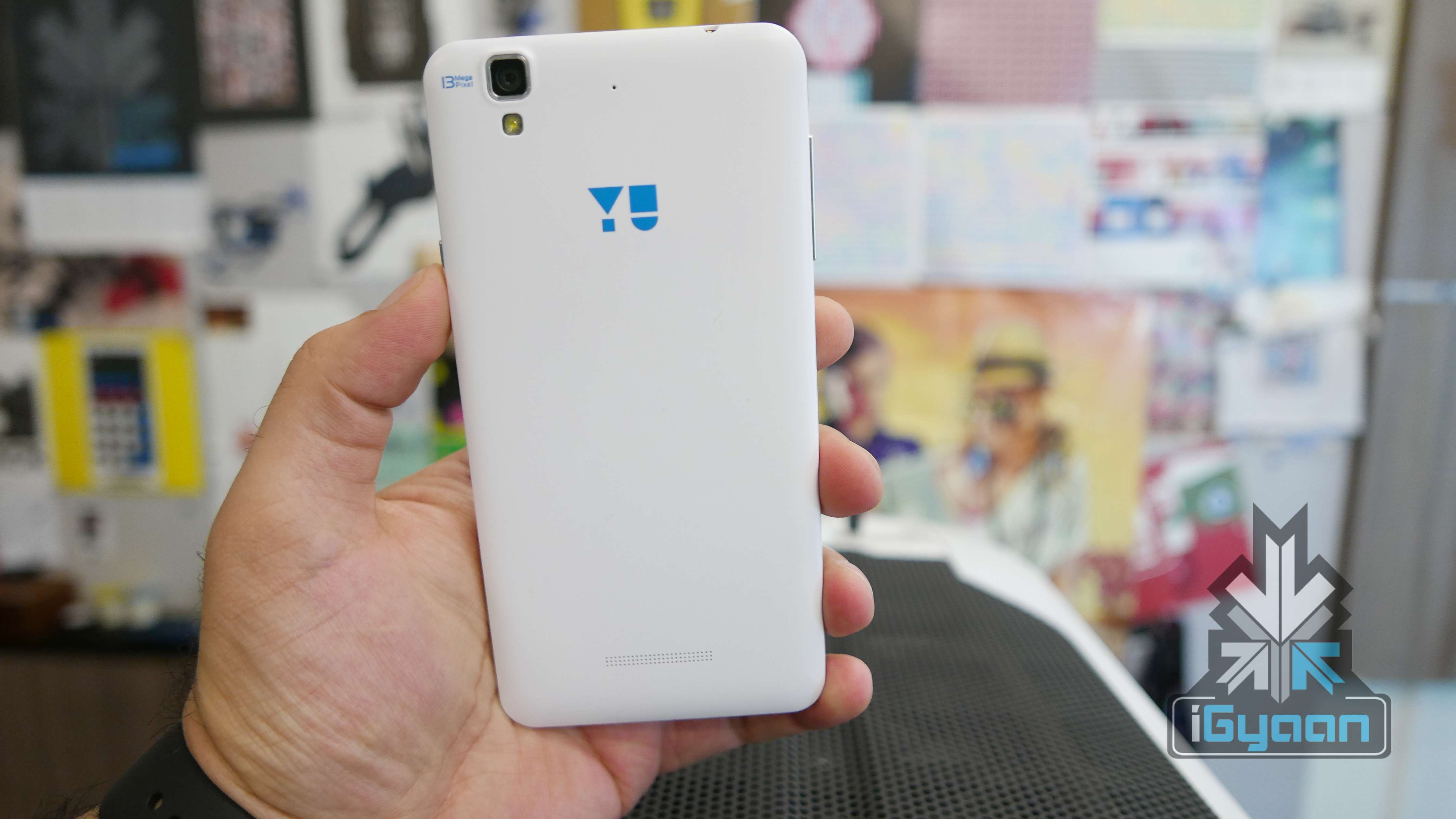
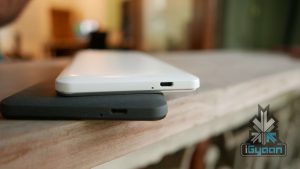
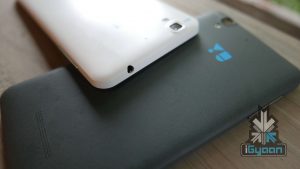
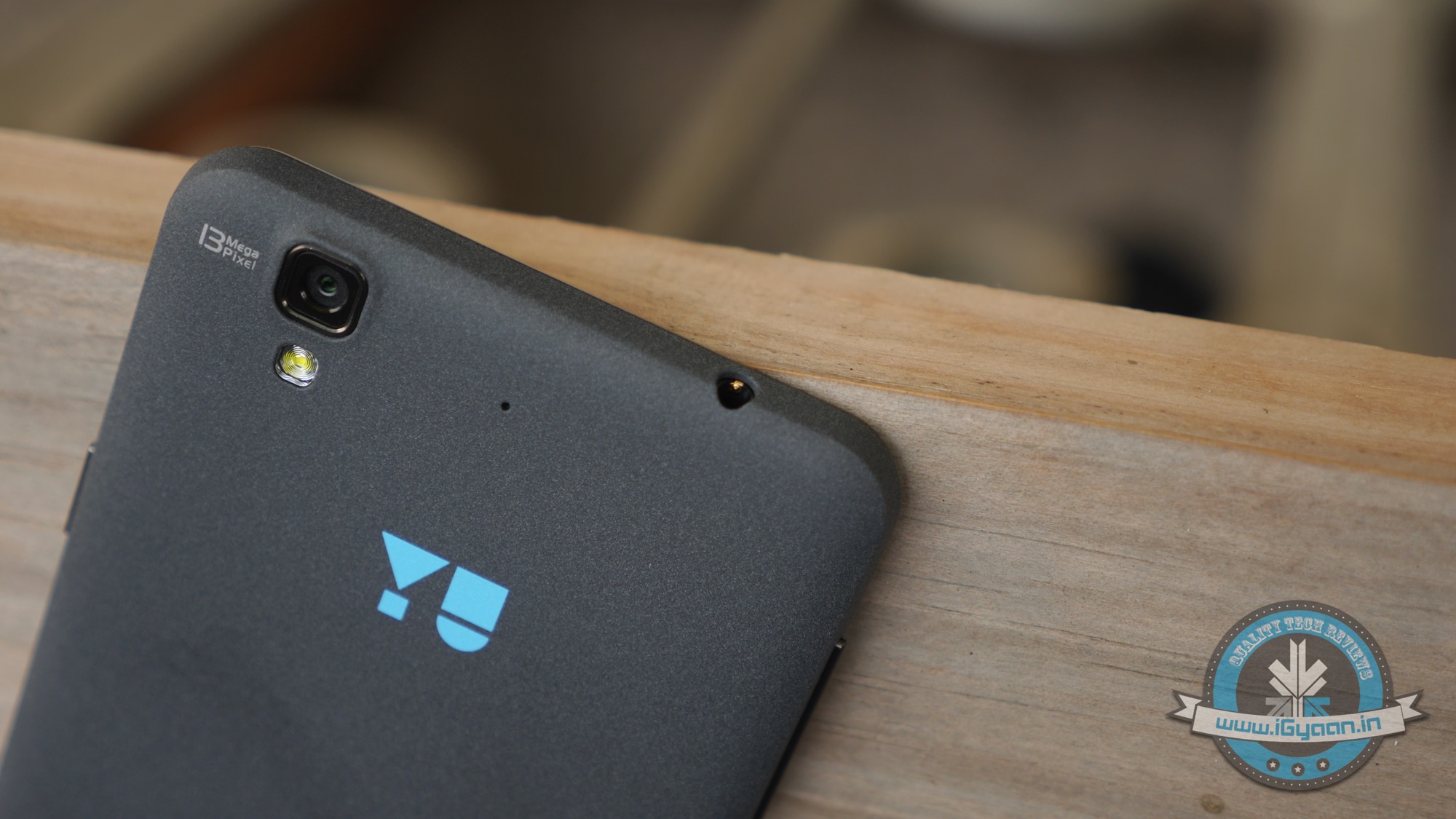
    Micromax-owned Yu Televentures has just launched the new Yu Yureka Plus. Aesthetically the Yureka Plus is quite identical to the original Yureka. However, there are few changes which may be oblivious to the eye, and one change which is majorly apparent.

    YU Yureka Plus 15
    Alabaster White

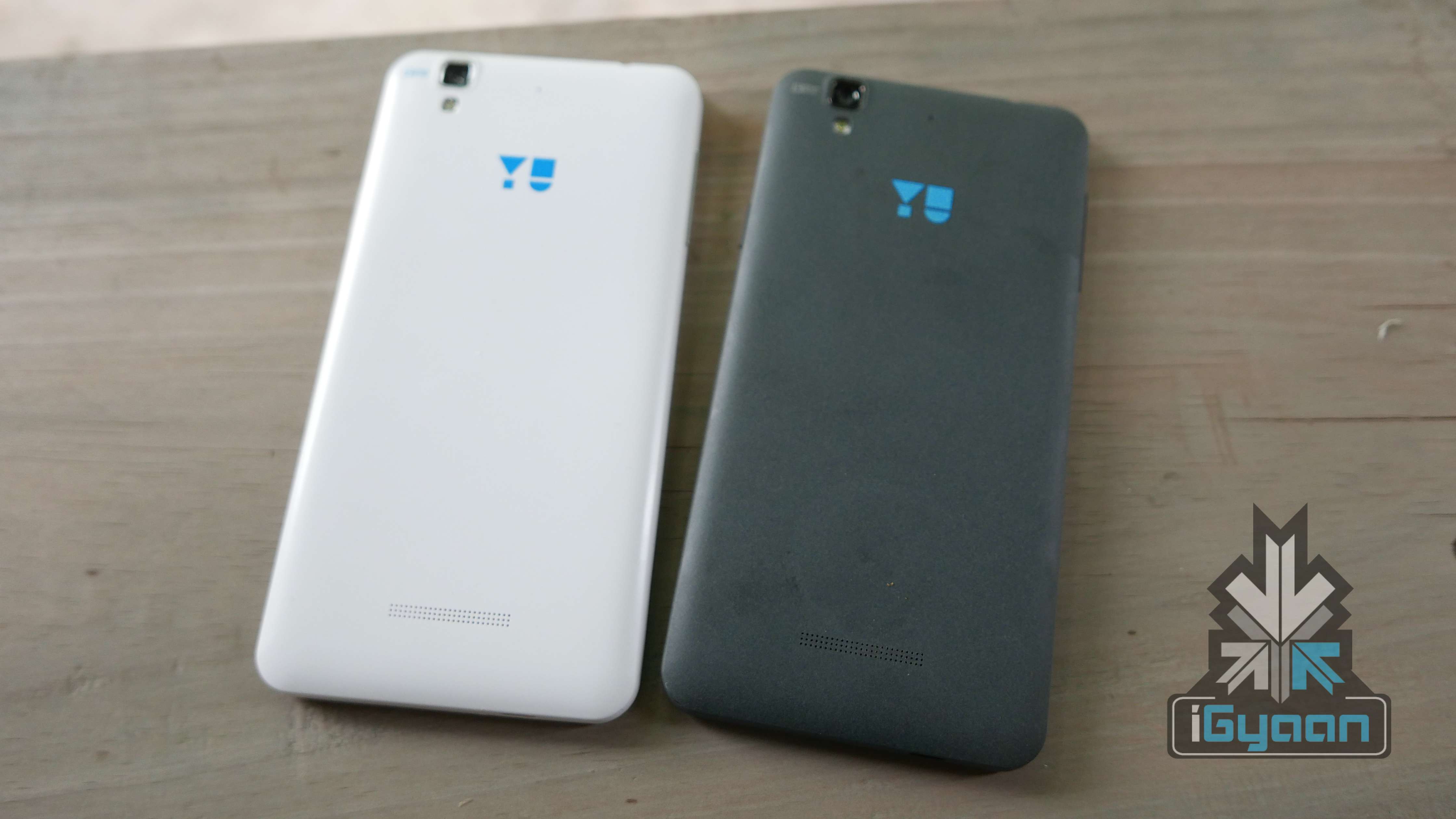
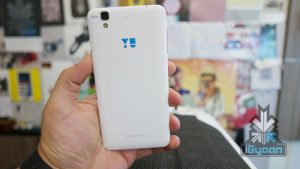
    The alabaster white colour, reminds us of the the remaining out of the two colours that Oneplus One launched with (Silk White and Sandstone), since moonstone grey took care of the rest.

    Hardware Specs Yu Yureka Plus
    Display 5.5-inch FHD Gorilla Glass 3
    Resolution 1920 x 1080px 400ppi
    Chipset Qualcomm Snapdragon 615
    Processor 1.5GHz Octacore | 64 Bit
    GPU Adreno 405
    RAM 2GB
    Primary Camera 13MP  Sony Sensor
    Front Camera 5MP
    Video Recoding 1080p Full HD
    Storage 16GB
    Expandable Up to 32 GB
    Battery 2,500 mAh
    Operating System Android 5.1 Lollipop with Cyanogen 12
    Bluetooth 4.0
    Price Rs. 9,999
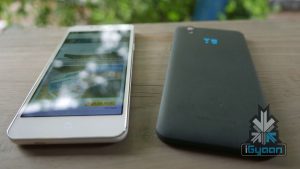
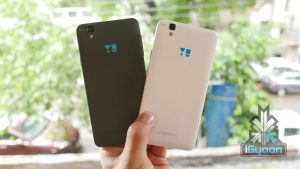
    Alabaster White and Moonstone Grey
    Alabaster White and Moonstone Grey

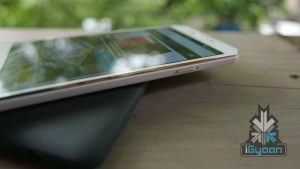
    The Yu Yureka Plus comes with similar things inside the box –  a Handset, Charger, Earphones, USB Cable and Documentation. Specs wise, the Yu Yureka Plus gets a FHD display with Gorilla Glass 3 in the same 5.5 inch size making the pixel density reach 400ppi. New improved camera sensors from Sony will improve picture quality drastically, and a new improved chassis is said to be more resilient. The smartphone is up for registrations on Amazon.

    [tw-button size=”medium” background=”#07ABE2″ color=”” target=”_blank” link=”http://www.amazon.in/b/ref=as_li_ss_tl?_encoding=UTF8&camp=3626&creative=24822&linkCode=ur2&node=6690337031&pf_rd_i=desktop&pf_rd_m=A1VBAL9TL5WCBF&pf_rd_p=656677907&pf_rd_r=1QSDEENHGRZG2R399GT8&pf_rd_s=desktop-hero-kindle-A&pf_rd_t=36701&tag=igyaan-21″]Register Now[/tw-button]

    Check out our images below followed by the unboxing and hands on video. Stay tuned for the full review.

    Yu Yureka Plus Image Gallery

  • Yu Yureka Plus Launched in India

    Yu Yureka Plus Launched in India

    December of 2014 was when Micromax formed and launched their fork called Yu Televentures. The online sale company, is designed completely to take on the likes of Xiaomi and OnePlus. The company had great ambition and a unique business model. It brought in the best of Xiaomi and OnePlus to the Indian masses for a budget.

    The first device, the Yureka, was a huge success for the company and a great product to launch with. At their most recent launch, Rahul Sharma, CEO Yu Televentures, revealed his plans for the company and launched the Yuphoria along with several other devices. This included the recently launched YuFit Fitness band.

    Alabaster White and Moonstone Grey
    Alabaster White and Moonstone Grey

    Today the company has announced the Yu Yureka Plus, priced at Rs. 9,999. Do not be confused by the name, the handset is not larger than the previous Yureka, nor is it bumped up in specs. It does have some minor, yet significant, upgrades. The Yureka Plus comes with a 1920x1080px display vs the 720px on the original Yureka. The Plus version also gets the Corning Gorilla Glass 3 protection layer added to the top of the display. All this is on the same size 5.5-inch display which bumps up the pixel density to 400 ppi.

    The new Yu Yureka Plus also has a new camera sensor, made by Sony, keeping the Mega Pixel count intact at 13 MP. The company is also touting a new improved chassis and better build qualities.

    However, the most important change to us is the new white colour finish back panel option. Which not only gives this handset a distinctive look but a slightly more premium one.

    Registrations for the handset have begun today, and the phone will go on sale on the 24th of July at 12:00 Noon, at Amazon.in. The Yu Yureka Plus comes in two colour options, the Moondust Grey and Alabaster White.

    [tw-button size=”medium” background=”#07ABE2″ color=”” target=”_blank” link=”http://www.amazon.in/b/ref=as_li_ss_tl?_encoding=UTF8&camp=3626&creative=24822&linkCode=ur2&node=6690337031&pf_rd_i=desktop&pf_rd_m=A1VBAL9TL5WCBF&pf_rd_p=656677907&pf_rd_r=1QSDEENHGRZG2R399GT8&pf_rd_s=desktop-hero-kindle-A&pf_rd_t=36701&tag=igyaan-21″]Register Now[/tw-button]

    Hardware Specs Yu Yureka Plus
    Display 5.5-inch FHD Gorilla Glass 3
    Resolution 1920 x 1080px 400ppi
    Chipset Qualcomm Snapdragon 615
    Processor 1.5GHz Octacore | 64 Bit
    GPU Adreno 405
    RAM 2GB
    Primary Camera 13MP  Sony Sensor
    Front Camera 5MP
    Video Recoding 1080p Full HD
    Storage 16GB
    Expandable Up to 32 GB
    Battery 2,500 mAh
    Operating System Android 5.1 Lollipop with Cyanogen 12
    Bluetooth 4.0
    Price Rs. 9999

    Check out the unboxing and hands on of the device here.

  • Yu Yubic Portable Bluetooth Speaker | Unboxing and Hands On

    Yu Yubic Portable Bluetooth Speaker | Unboxing and Hands On

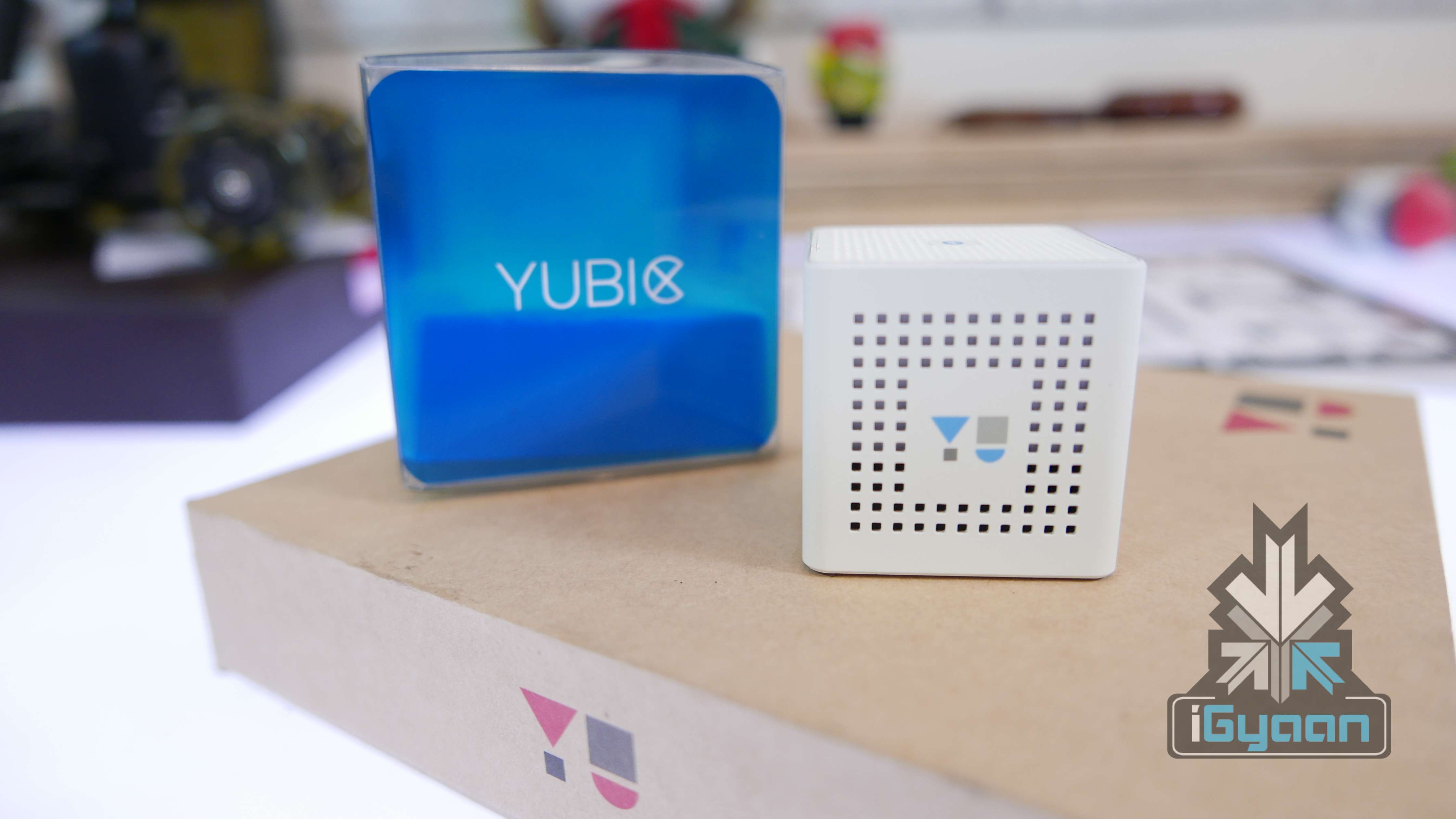
    Today Yu Televentures announces its bluetooth speakers, Yu Yubic, priced at Rs. 999. The device comes in a portable, cubical shape with minimal functions (which serve the purpose). The device comes with a pouch and a USB cable.

    The Yu Yubic may not be the cheapest Bluetooth speaker available in the market, but by keeping the price tag at Rs. 999, YU may tap into the market segment dominated by the likes of JBL and Beats by Dre.

    Watch the unboxing and hands on of the Yubic here:

  • YU Televentures Will Launch a New Smartphone Today

    YU Televentures Will Launch a New Smartphone Today

    Micromax subsidiary, YU Televentures, will launch a new smartphone today. The company had recently tweeted “Your prayers shall be answered…”, featuring a graphic poster of a phone with the caption “The God Shall Return”.

    The company has had it’s share of the limelight since the launch of the Yureka in December 2014. Now the company is expected to launch a sequel to the Yureka. With the videos released in the past by Yu CEO Rahul Sharma, it is expected that the handset will be better built and sturdier.

    A bump up in specs is expected too, with possibly a larger display with better hardware on the inside. A beefier battery and camera are always welcome. A increase in price however may not be appreciated, so hopefully the company can play it well when they announce the new handset later today.

    See the two videos below, and let us know in the comments what you expect from YU today.


  • 5 Gadgets That Make Us Feel Lucky to Be a Part of the Future

    5 Gadgets That Make Us Feel Lucky to Be a Part of the Future

    Those of us who have been born in the 90s are lucky to be in the midst of a technological revolution. In fact, even prior to the 90s and as early as the 70s, cartoons like the Jetsons, depicted the future with video calling, flying cars, mobile phones and talking robots. Who would’ve thought that we were going to be witness to that, thirty years down the line?

    We are living in an age where everything is portable, most things can fly and most importantly, everything is convenient. Let’s take a look at just a few gadgets (even though there’s a wide variety) that make us feel lucky to be a part of the future:

    1. Portable Single Line Printer:

    Image Source: musuemvictoria.com.au
    Image Source: musuemvictoria.com.au

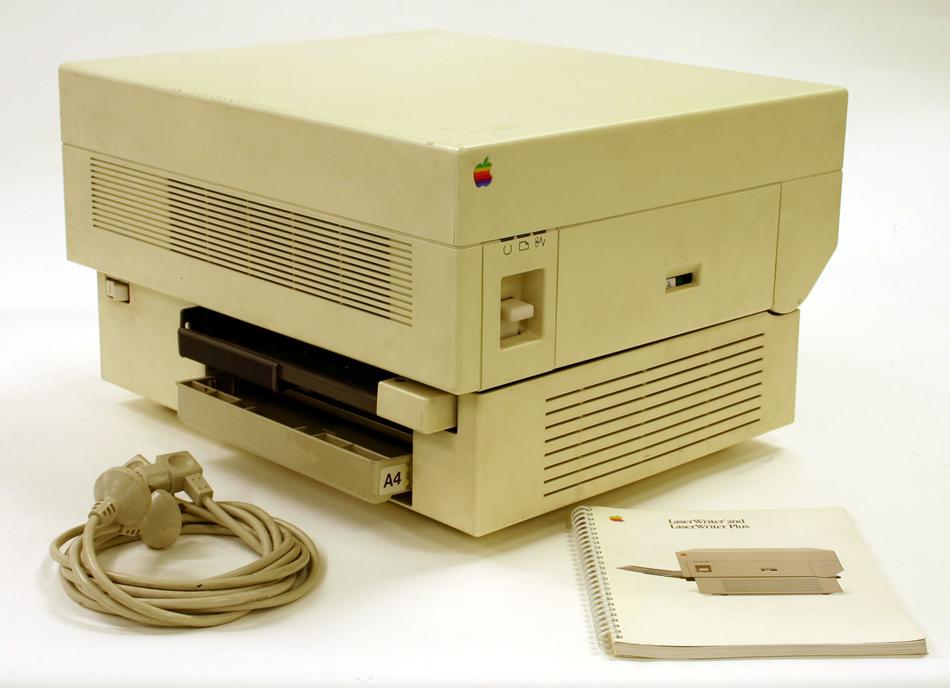
    The printer was first conceptualised in 1938 and the original laser printer called EARS was developed at the Xerox Palo Alto Research Center beginning in 1969 and completed in November, 1971, as reported by inventors.about. However, printers were, until recently, heavy contraptions with wires and plenty of buttons.

    mini printer

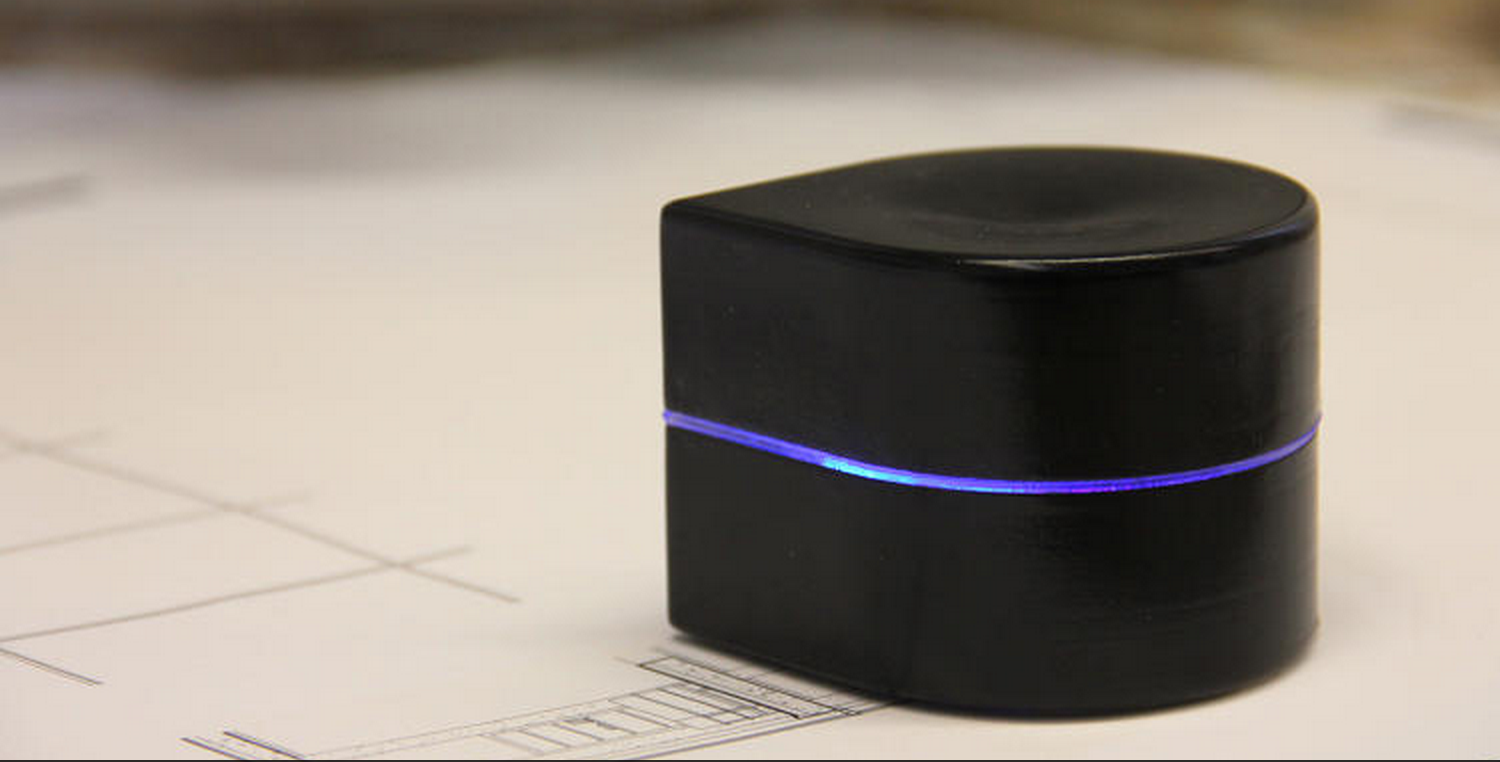
    Today: We have something called the Mini Mobile Robotic Printer which is just what we needed in this age. It uses a mobile phone to function, and is the size of your palm. A product of Zuta labs, this printer costs a mere 135$ (Rs.8,600 approximately) which is a small price to pay for the large convenience it is.

    2. Oculus Rift:

    Image source: itsnewtoyou.me
    Image source: itsnewtoyou.me

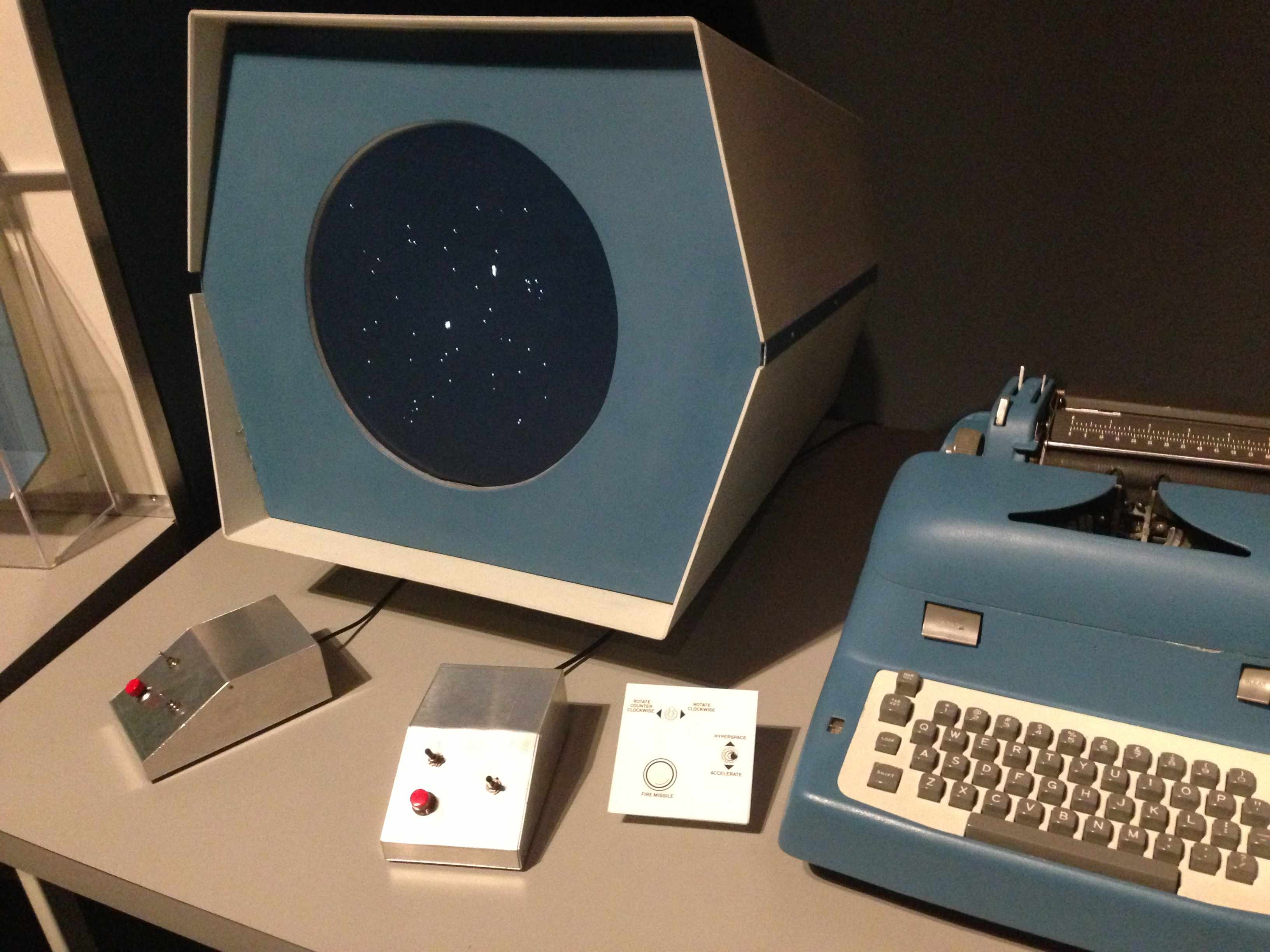
    Physicist Willy Higinbotham invented the first “video game” as early as 1958. It was a table tennis like game and had to be played on an oscilloscope. In 1961, Steve Russell, a student of MIT, created the first computer game called ‘space wars’ after which, there was no stopping the magnanimous evolution that gaming would undergo.

    The Oculus Rift headset is tested by attendees at the Eurogamer Expo at Earls Court in London.

    Today: We have the Oculus Rift, the HTC vive and other Virtual Reality gadgets that don’t just allow you to play the game but actually make you a part of it. As if the amazing visuals weren’t enough, the Oculus Rift recently collaborated with Pebbles Inc to add the use of hand gestures into your gaming experience.

    3. Clock that writes the time for you:

    There used to be  time where our ancestors used to use a sun dial to tell the time and even prior to that, watches were used as an ornament to ward off evil. It was cumbersome and eventually, as early as the 16th century Galileo introduced the concept of using a pendulum to tell time. In 1970, the first digital watch called the Pulsar, was introduced. It had an LED display and was naturally, a hit.

    potclock

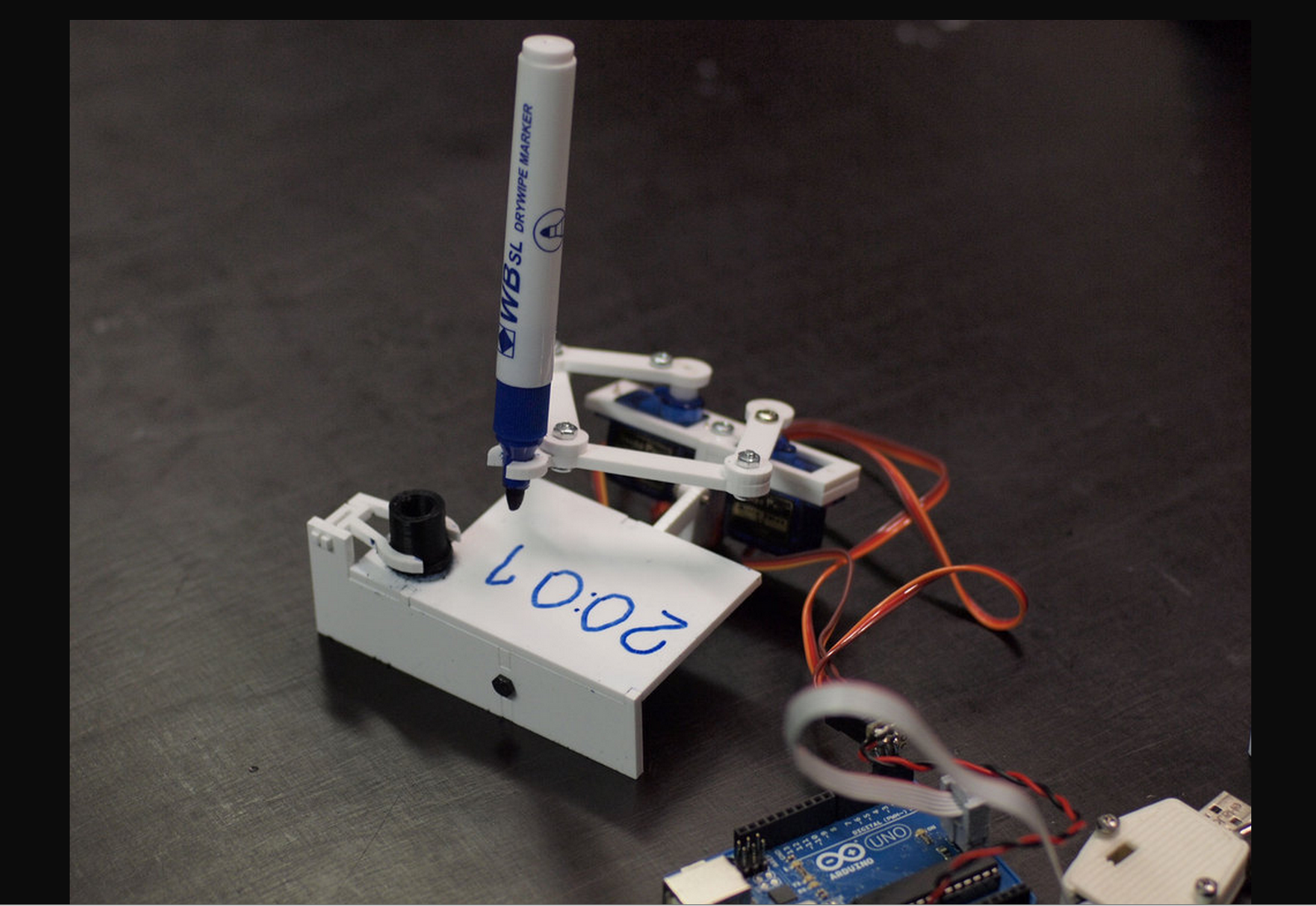
    Today: In 2014, the Potclock was announced. What is it? it is a clock that writes the time for you with a marker, on a white board. It then erases the seconds and continues to do the same with every passing second, minute and hour.It is powered by an Arduino board and the parts of the clock are 3D printed. Cool, isn’t it?

    4. Garbage bin that catches your waste:

    How many times have we chucked a piece of waste paper into a bin, pretending to be Michael Jordan, as it unsuccessfully falls far away from the target? Umpteen number of times. Although, this is a rather amusing invention, one cannot miss its ingenuity. This bin catches your waste automatically so that you never miss. Imagine if India could actually get bins of a larger size that did the same thing, it would truly boost the Swachch Bharat Abhiyan.

    5. Wheelchair that can go up staircases:

    wheelchair

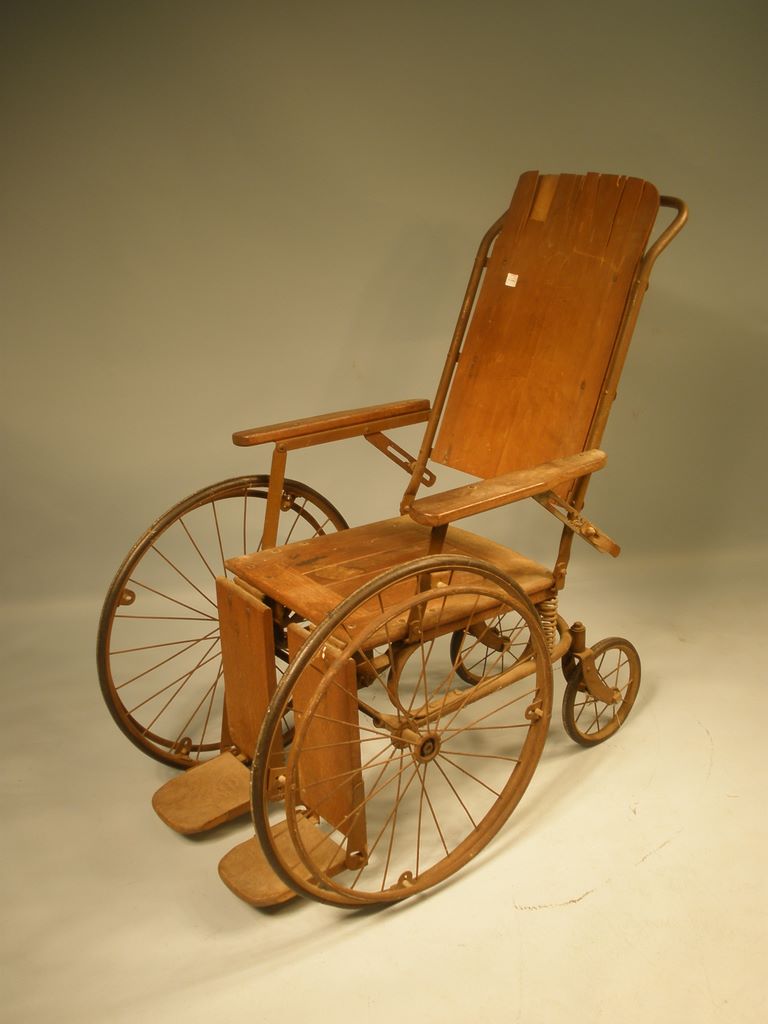
    John Dawson of Bath, invented the wheelchair in 1783. It had two big wheels and a small one and outsold all other wheelchairs or systems that assisted the handicapped, prior to this. However, George Klein brought the Klein Drive Chair in 1953, that was the first motor wheel chair that operated electronically instead of manually. However, handicapped people continued to face difficulties like going up and down rocky terrains and even going up the staircase.

    Today: Technology has made life much easier for the differently abled. They don’t need to depend on people as the ‘Topchair’ is capable of taking you safely up and down the stairs without any assistance whatsoever.

    Obviously, there are numerous other inventions and gadgets that are worth adding on and are even being created as we write this post. This was just a slice of the massive variety of technologies that we are lucky enough to witness, today.

  • Top 10 Tech Failures of the Decade

    Top 10 Tech Failures of the Decade

    Success means a particular technology solves a problem, whether it’s installed on a billion smartphones or handled by a few scientists carrying out techno-scientific work. But many technologies do not achieve success, typically because they fail to reach the scale of approval that would make them relevant. The reasons for failure aren’t foreseen. Let us look at some of the worst technological failures of all time:

    1. Apple Newton (1993)
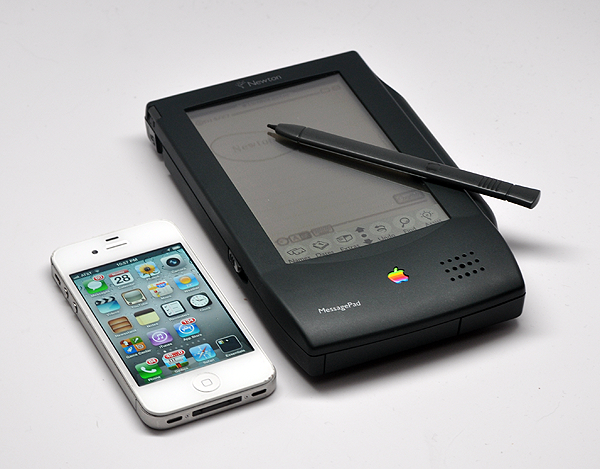
    apple newton

    This one goes way beyond the decade, but was worth first mention.The Newton MessagePad platform was an early personal digital assistant, an ancient ancestor of the iOS platform used in the iPhone and the iPad, and the first tablet platform developed by Apple. Some of the reasons why it did not work out were that it was too big and cumbersome to use. It was almost an inch thick and too heavy to be considered pocket size. The device was too costly, it was priced at $700 for the first model and $1000 for the next variant. The non-backlit LCD screen made it very difficult to read and had a flash memory of only 1/2/4MB. The Newton’s handwriting-recognition software, marketed as one of its most innovative features, was notoriously inaccurate, even earning a mocking cameo in an early Simpsons episode.

    2.HD DVD (2006)

    a pile of blue DVDs

    HD DVD was one of two formats for high-definition DVDs. The other format was Blu-ray. HD DVD was primarily funded and marketed by Toshiba and NEC and was first released as a consumer product in 2006. When HD DVD was first launched, it had a sales lead over Blu-ray. Industry analysts say that Toshiba lost almost $1 billion supporting the format before abandoning it in 2008. There are a number of reasons that the HD-DVD format lost out to Blu-ray, which was championed by Sony (SNE). The most commonly cited explanation is that Sony did a better job convincing major film studios to release high definition editions of movies for Blu-ray. Sony may have had an advantage because it owns one of the largest studios. Analysts believe that when Sony got Warner Brothers to adopt Blu-ray exclusively, it won the battle against HD DVD.

    3. Nokia N-Gage (2003)
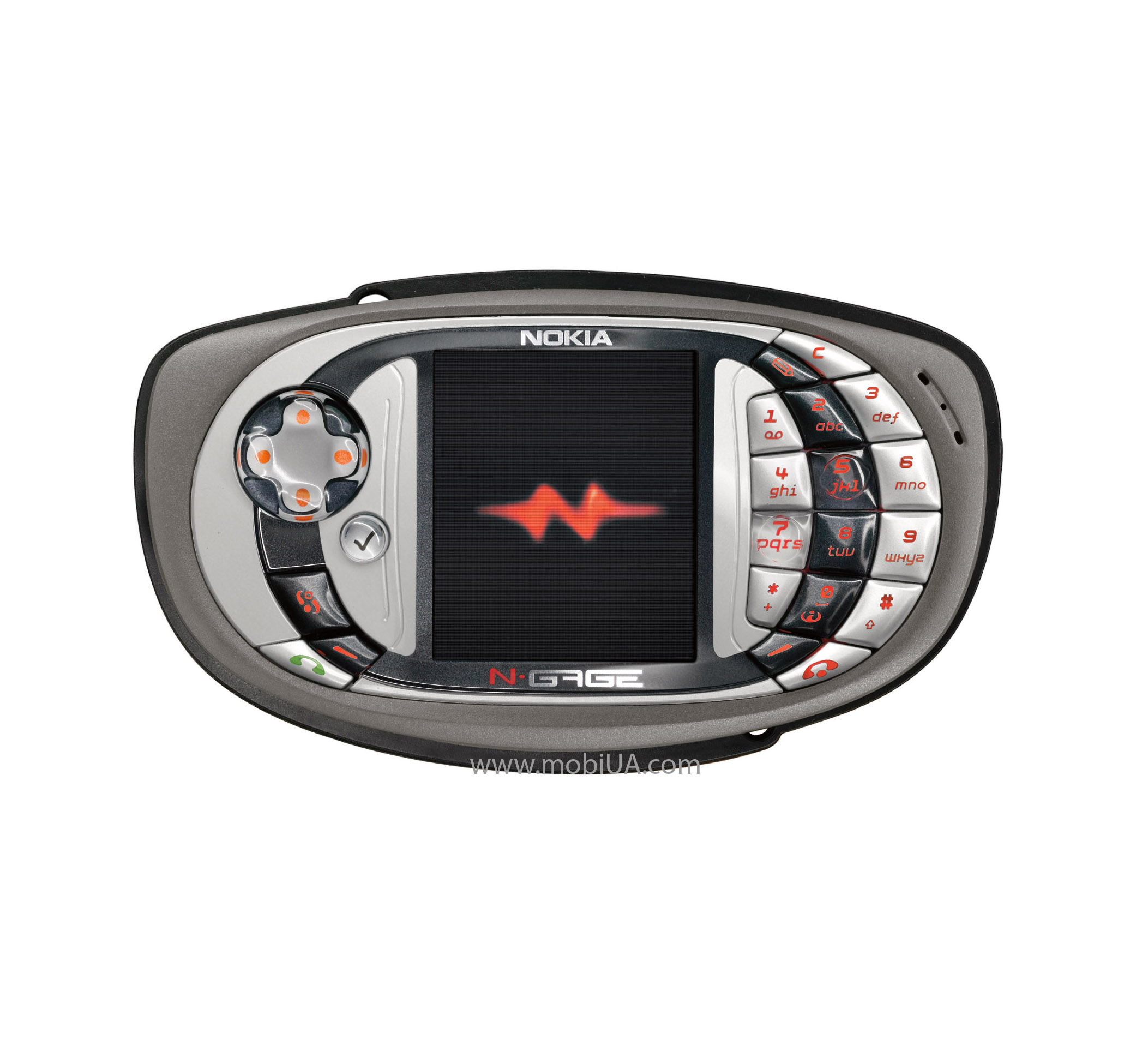
    Nokia N-Gage

    Once upon a time Nokia thought it could compete in the handheld gaming business, and that error revealed itself in the form of the N-Gage. This combination phone and mobile console were so cramped that it was funny—assuming you didn’t waste $299 to get one. For starters, the N-Gage required users to hold it up to their heads sideways to talk, which made it look seemingly uncomfortable. In addition to this, gamers also needed to separate the back cover and battery to swap games. Nokia would release a mobile mea culpa series in the N-Gage 2, but it was too little, too late.

    4. MSN Direct Smart Watches (2004)
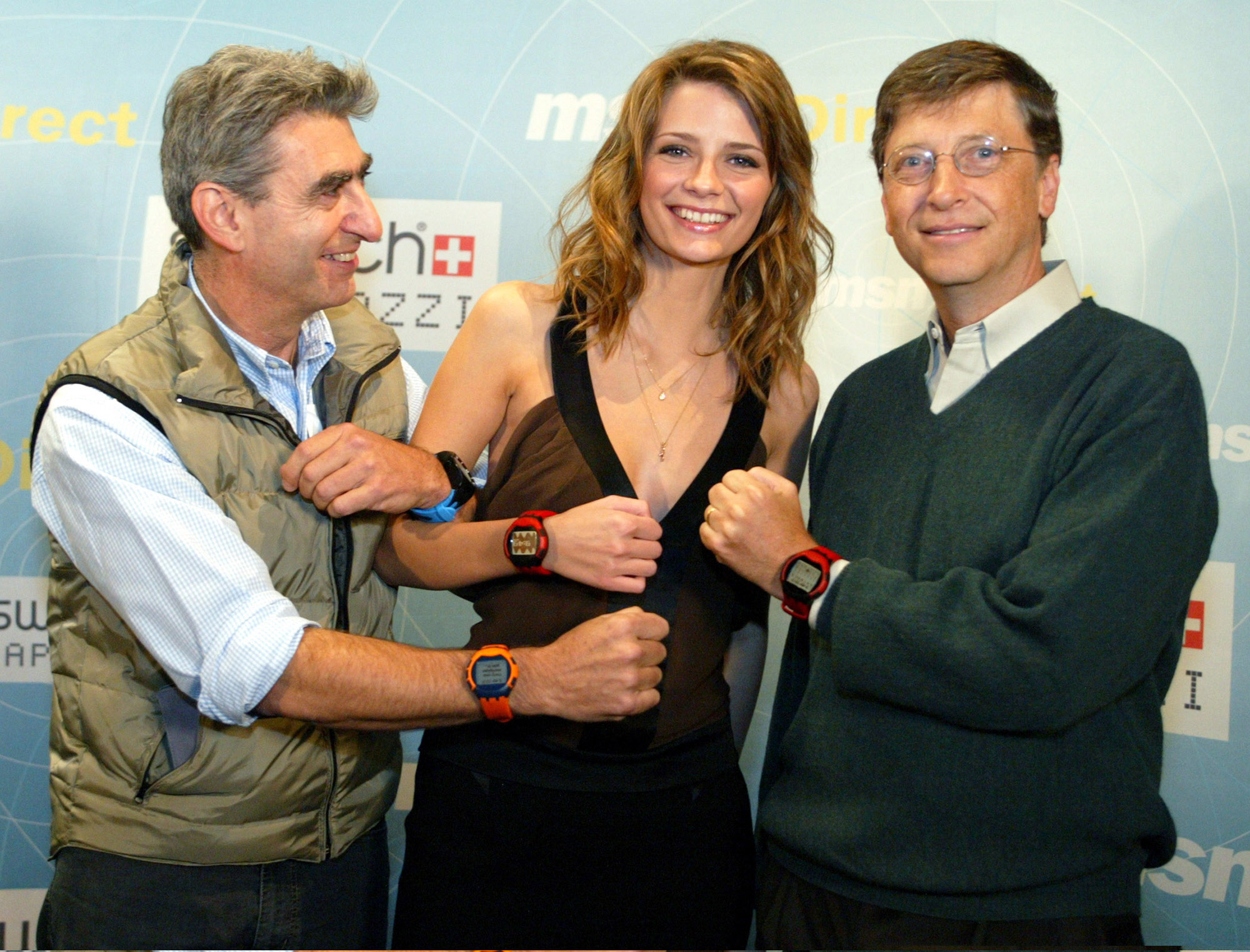
    Bill Gates, (R) Microsoft chairman and chief software architect and Nick Hayek Jr. (L) Swatch Group CEO along with actress Mischa Barton show the new watch line called "Paparazzi" before a news conference in New York, October 20, 2004. The new Swatch watch has joined with MSN Direct, a division of Microsoft, to launch the Paparazzi. The Paparazzi Swatch offers wearers exclusive entertainment information and the opportunity to meet celebrities. In addition, Paparazzi owners can access the MSN Direct service to receive personalized information, such as news, sports, weather, horoscopes, and stock quotes.    Photo by Jeff Christensen

    Literally and figuratively, MSN Direct Smart Watches were way ahead of their time. Made by the likes of Fossil and Swatch, these massive wrist-worn monstrosities fetched stock quotes, news, sports, and weather via FM radio waves for $9.99 per month. Sadly for Microsoft and its partners, smartphones already did the above and much more. The hardware would evaporate from the market by 2008, but Microsoft only recently shut down the network.

    5. OQO Model 01 (2004)
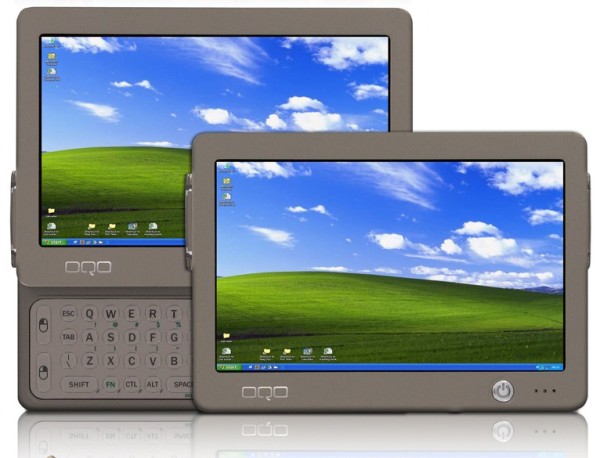
    OQO Model 01

    The power of Windows in the palm of your hand. That was the promise of the OQO Model 01, which ran Windows XP on a 5-inch display. This mobile Internet device was indeed versatile, offering a slide-down thumb keyboard and a desktop dock. It had a very chunky design (.9 inches thick), got dangerously hot, had noise issues and a low battery life that made the $1,999 price tag way too much to digest, even for well-heeled mobile executives.

    6. Sirius S50 (2005)
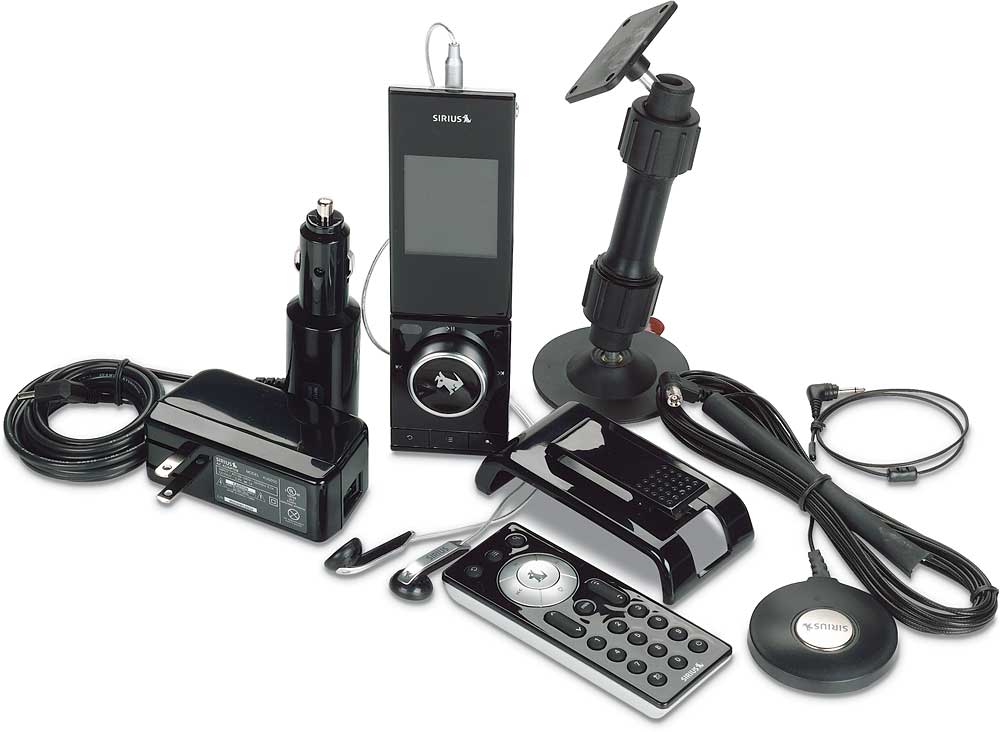
    Sirius S50

    Somehow, the satellite network provider thought that consumers would want a portable radio that wasn’t portable at all. To get live stations, you had to attach the S50 to a car kit. You could listen to recordings on the go, but only for two hours. Maybe that was for the better, since the S50 didn’t even live up to its measly 6 hours of battery life. At the time, XM2Go devices were a much better deal; they were heavier but lived up to the promise of a live satellite radio.

    7. Motorola ROKR E1 (2005)
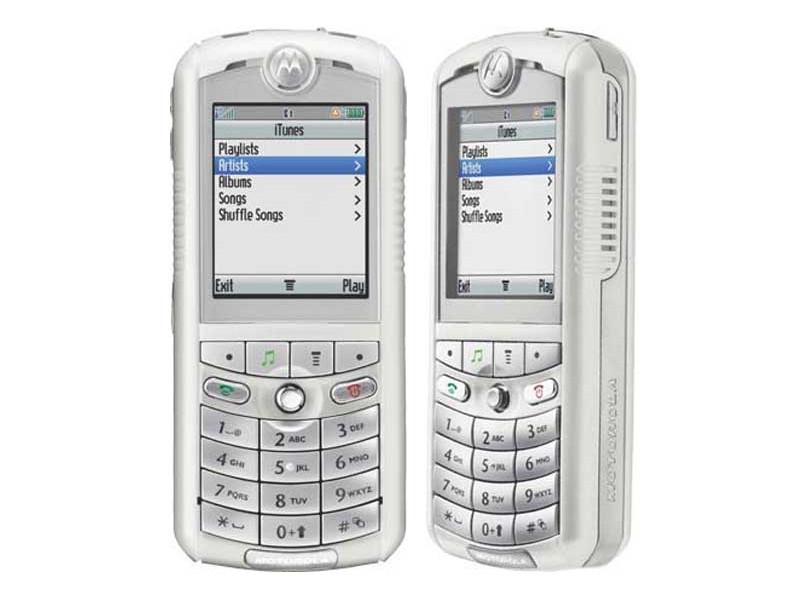
    Motorola ROKR E1

    Before Apple dove into the smartphone market, it tested the waters by associating itself with the Motorola ROKR E1 ($249). Dubbed as the first “iTunes phone,” the ROKR wasn’t even a one-hit wonder. Thanks to its poor 100-song capacity and the incompetence to download tracks from the web, consumers immediately turned this handset out. No one needed an inadequate companion device for their iPod that could make calls; they required it all in one device and Apple would give it to them two years later.

    8. Oakley Thump Sunglasses (2007)
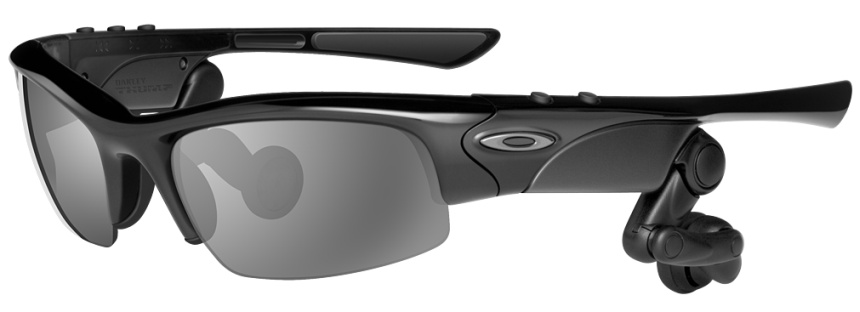
    Oakley Thump Sunglasses

    Before there was Google Glass, there were Oakley’s Thump sunglasses, which blended shades with an MP3 player. Too bad the glasses were ugly, and the audio controls were awkward to use. Plus, users were stuck with a measly 256MB of flash memory at a sky-high $495 price tag.

    9. BlackBerry PlayBook (2011)
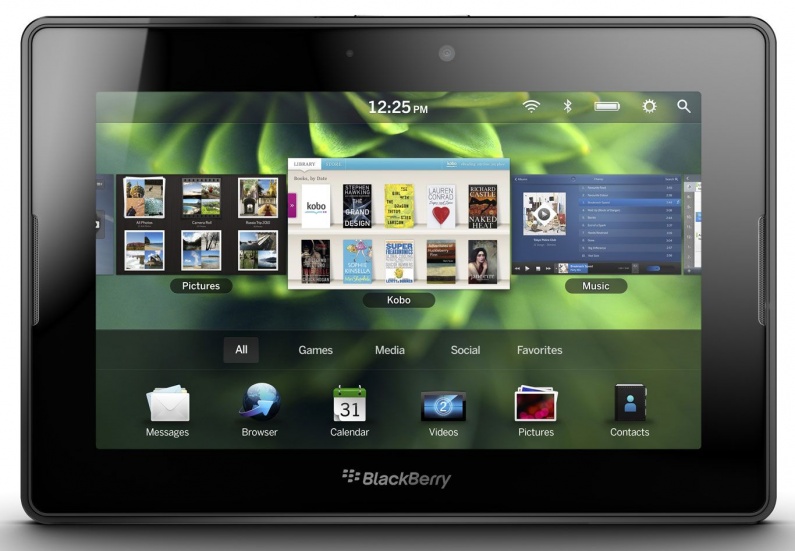
    BlackBerry PlayBook

    If BlackBerry’s recovery fails, the PlayBook will be recognized as one of the nails in the coffin. Research in Motion, or RIM, was so busy showing off the fact that it’s 7-inch tablet could perform and play HD videos via its HDMI port, that it forgot to add native email and calendar apps. That’s right, the PlayBook didn’t let you see your messages or appointments unless you had a BlackBerry phone connected to the slate via Bluetooth. Amazingly, RIM called this apparent weakness a security feature. Less than nine months later, co-CEOs Mike Lazaridis and Jim Balsillie stepped down from their posts.

    10. HP TouchPad (2011)
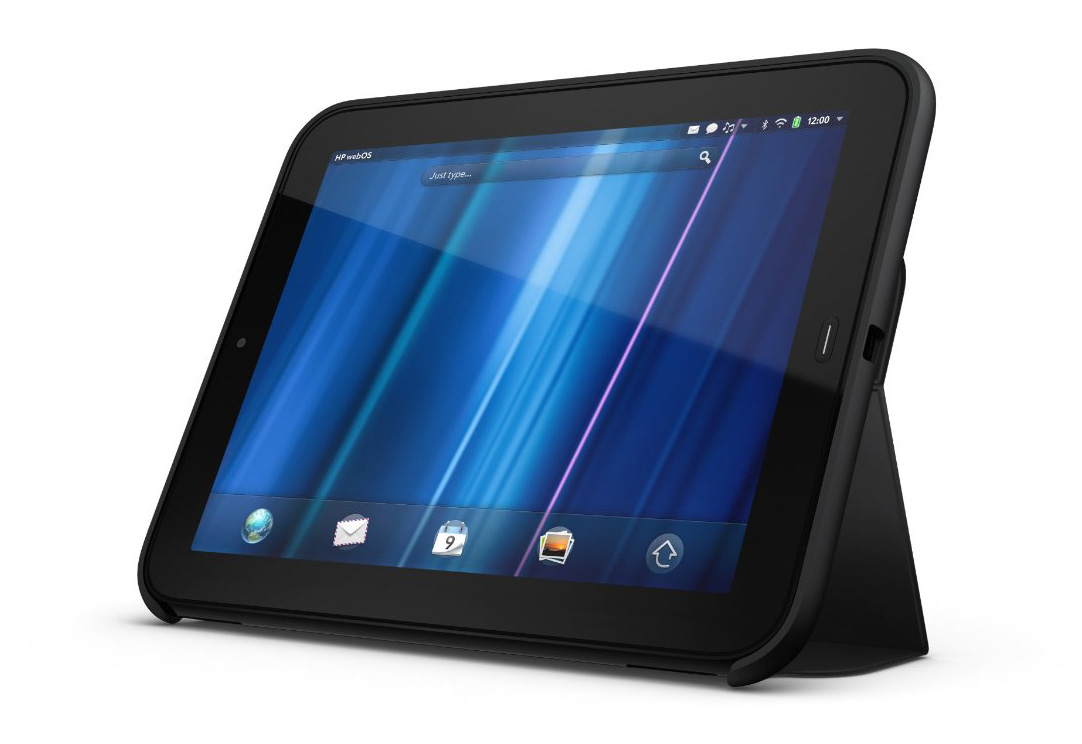
    HP TouchPad

    It’s hard to understand now, but the HP TouchPad was one of the most anxiously anticipated tablets back in July 2011, promising to breathe new life into webOS’ multitasking-friendly interface. Some of the software elements were indeed smooth, such as Stacks for organizing related tasks and a polished notification system. Ultimately, though, a slow and buggy performance and a dearth of apps doomed this slate. After less than three months on sale, HP pulled the plug on the TouchPad and all webOS hardware.

  • Exclusive: YU’s YUFit Band To Go on Sale Starting 29th July, Registrations open on 21st July

    Exclusive: YU’s YUFit Band To Go on Sale Starting 29th July, Registrations open on 21st July

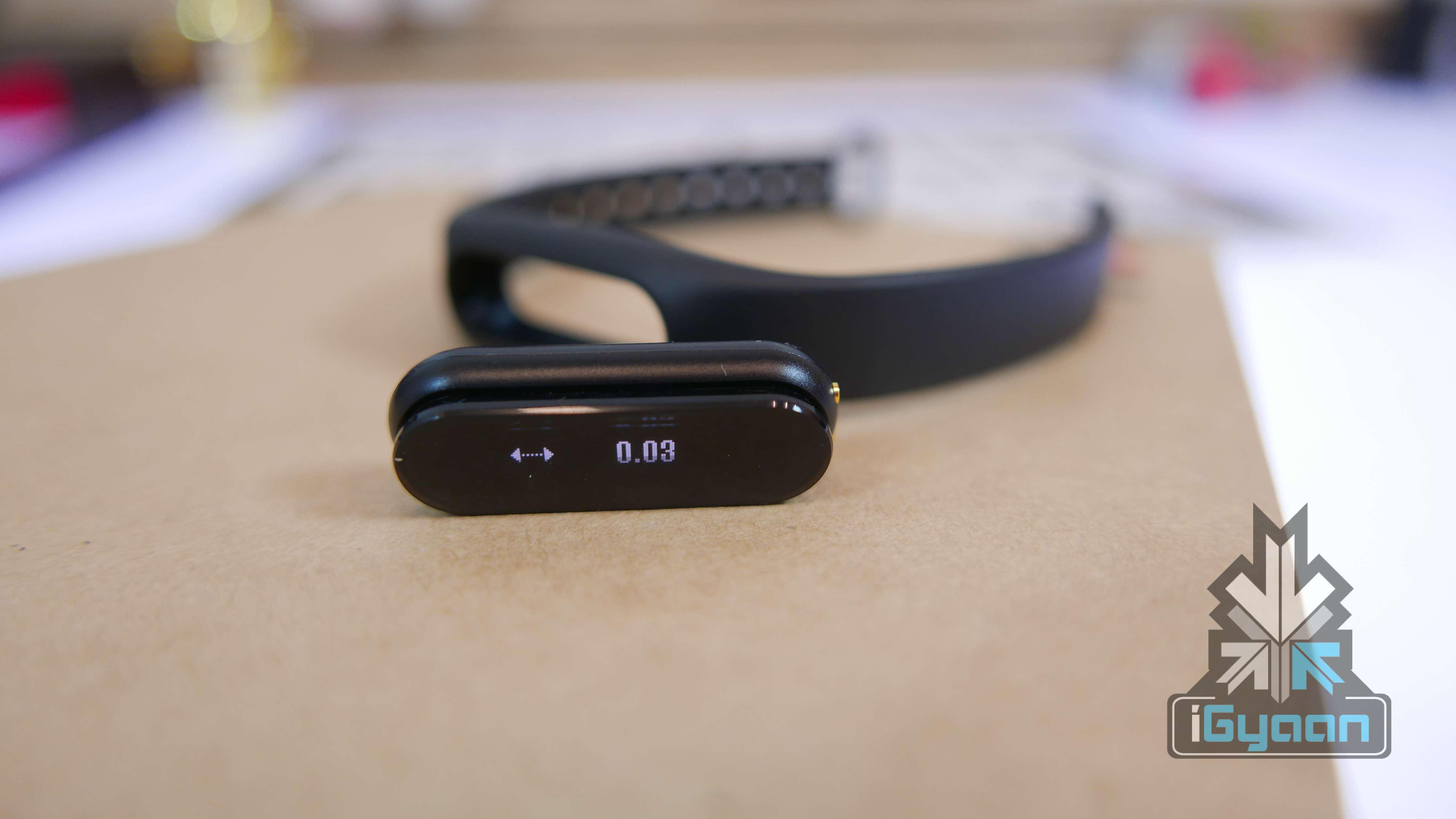
    YU Televentures is venturing into the wearables segment and is starting with the YuFit fitness band. The registrations for the band will start from 21st July and will go on sale on 29th July. The Yufit band has been priced at Rs.999 and will be available exclusively through Amazon India.

    The YuFit has an OLED display that tracks steps taken, sleep cycle and alerts about incoming calls and messages. The fitness band comes along with an accompanying app called HealthifyMe. This app calculates the calories of any food material you click along with suggesting a healthier alternative. On the fitness front, it gives access to group coaching, social fitness, motivation and more.
    YU FIT
    YuFit Band.

    The company will also offer a free personal trainer for the first 1000 YuFit users. Along with the fitness band, YU also revealed another device known as the HealthYU cassette. This device measures body vitals such as ECG, skin temperature, blood oxygen saturation, heart rate and respiration rate and is is priced at Rs. 4,999. This small device can fit into your pocket and has two suction cups that help in attaching the device to a smartphone’s back cover. The device then pairs with an app working on the phone with Bluetooth, and once the pairing is complete, you can keep four fingers on the four sensors on the HealthYu to start tracking the body vitals.
    With inputs by Rishi Baruah.

  • OnePlus Says The New Invite System Will Be Improved This Time

    OnePlus Says The New Invite System Will Be Improved This Time

    OnePlus 2 will be released later this month through a unique virtual reality launch event. In the meantime, OnePlus has been releasing regular teasers to keep its fans occupied ahead of its official launch on 28th July. The newest feature that Pete Lau, CEO of OnePlus, has confirmed is that the device will feature a dual SIM support with dual standby.

    These features have created a high demand for the unreleased phone. And, why not? Some of the partnered companies to help the OnePlus were Samsung, Qualcomm, Toshiba, Japan Display, Texas Instruments, Everlight and many others.

    As a solution to meet the great demand, OnePlus has confirmed that the OnePlus 2 will get a new and improved invite system. The company said on the blog that, “some people thought it was too difficult and time-consuming to obtain an invite or thought it was all some big marketing stunt.” For this reason, a few key improvements to the purchase experience has been made.


    So far we know that OnePlus 2 will run on Snapdragon 810 chipset along with 4GB ram. The phone will sport a 5.5-inch 2k display that will improve the viewing experience of the user. The OnePlus 2 will also have a USB C-Type, the first in a flagship device by a major manufacturer. Just a few days back, the company revealed that the phone will come with a built-in fingerprint scanner.

    oneplus_price_big

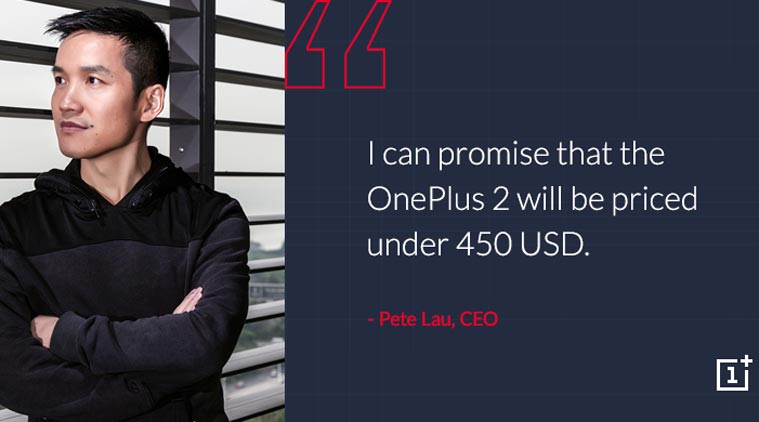
    The company has confirmed its price will not cross more than Rs 28,500. Let’s wait and watch!

    Specification

    OnePlus 2

    Display 5.5 inches LTPS LCD Capacitive touch screen
    Resolution 1080 x 1920 pixels (401 ppi)
    Chipset Qualcomm MSM8994 Snapdragon 810 v2.1 SoC
    Processor Quad-core 1.5 GHz Cortex-A53 & Quad-core 2 GHz Cortex-A57
    GPU Adreno 430
    RAM 4 LPDDR4 RAM
    Storage 16/64 GB
    Expandability N/A
    Rear Camera 13 MP
    Rear Camera Video 2160p@30fps, 2160p(DCI)@24fps, 1080p@60fps, 720p@120fps, HDR, stereo sound rec.
    Front Camera 8 MP (Not confirmed)
    Front Camera Video 1080p@30fps
    Battery Non-removable Li-Po 3300 mAh battery
    Operating System Android 5.1 Lollipop-based Oxygen OS
    Connectivity Wi-Fi 802.11 a/b/g/n/ac, Wi-Fi Direct, DLNA, hotspot
    Bluetooth v4.1, A2DPGPS with A-GPS, GLONASS
    NFC, Radio FM,microUSB v2.0, Type-C reversible connector
    Miscellaneous Fingerprint sensor
    Price  Not more than Rs, 28000
  • Exclusive: Starting at Rs. 55,000, the Turing Phone is Set to Launch in India by September

    Exclusive: Starting at Rs. 55,000, the Turing Phone is Set to Launch in India by September

    In a post-Snowden world, privacy has become an integral part of our lives. We have seen in TV shows and movies where the protagonist and spies carry an uncrackable, heavily encrypted phone. Turing Robotics Industries has launched a smartphone, the Turing Phone, which the company claims is unhackable and unbreakable. Appropriately named after Alan Turing, the first person to develop cryptographic machines, otherwise known as computers, the device will launch in India by the first week of September, starting at a price of Rs. 55,000.

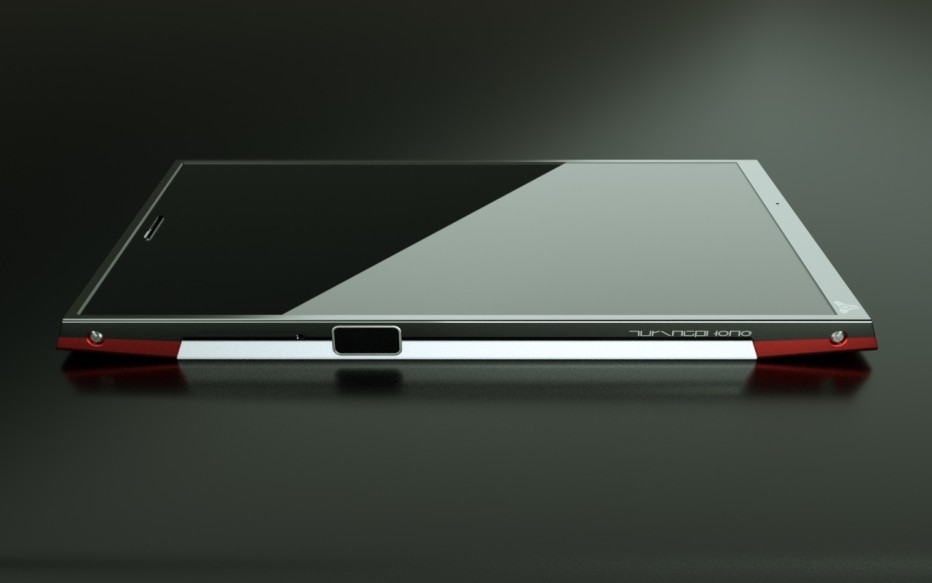
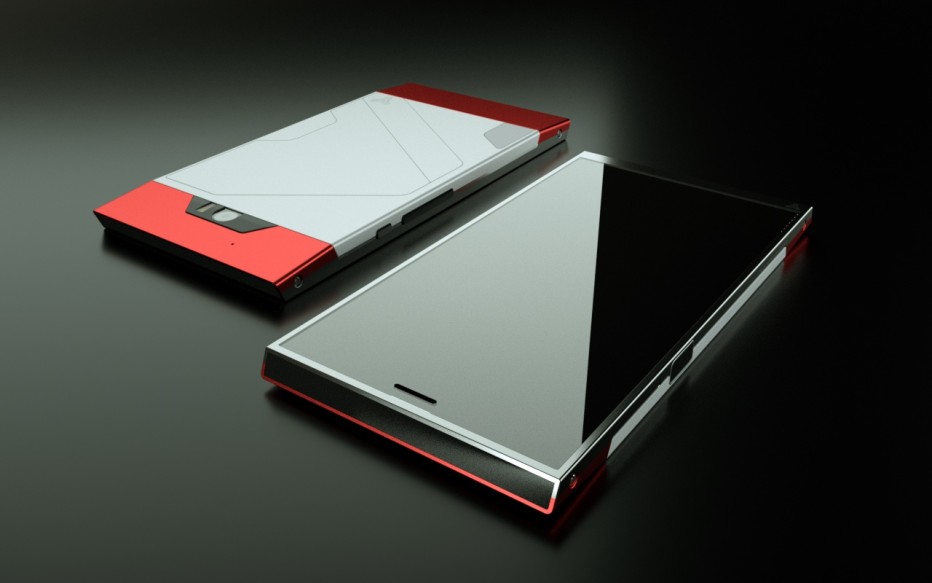
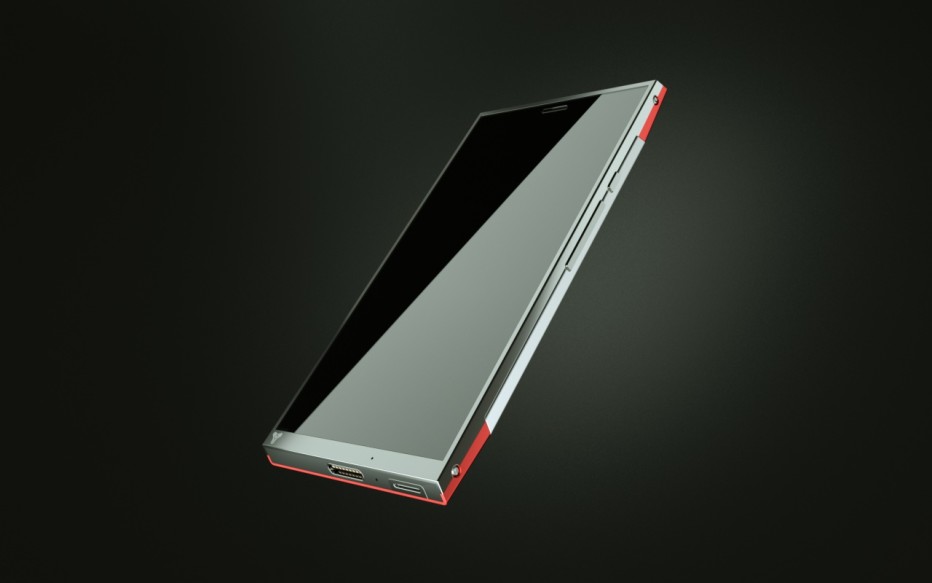
    If the price seems too steep, there is a reason behind it. The Turing Phone has been constructed from a material called Liquidmorphium, which is stronger than titanium and steel. It uses nano-coating to cover the internal parts, which makes it waterproof. To round off its main selling point, the phone has built-in end-to-end encryption in its core apps, which means servers and third parties cannot intercept your calls and messages. The phone has been built keeping security in mind. To that extent, it doesn’t even has a headphone jack or a USB port. It is meant to be unhackable.

    The Turing Phone lacks a headphone jack and USB port. Source: Turing Robotics Industries.
    The Turing Phone lacks a headphone jack and USB port. Source: Turing Robotics Industries.

    On the specifications front, the Turing Phone runs on the 2.5 GHz Snapdragon 801c processor with 3GB of RAM. The phone supports 4G LTE and is powered by a 3000 mAh non-removable battery. The rest include a 5.5 inch full HD display, a 13MP rear and an 8MP front camera and a fingerprint scanner on the left side of the phone. The phone runs on Android 5.1 Lollipop with Turing Aemaeth UI. The phone can be charged via a  magnetically attached power connector, like Apple’s MagSafe.

    TuringPhoneFrontBack-932x583
    Source: Turing Robotics Industries

    It is available in three variants – 16GB, 64GB and 128GB. In India, the 64GB variant will be available for a price of around Rs. 55,000 and the 128 GB variant will be available at a price of around Rs. 68,000. The Turing Phone comes in three models – Pharaoh, Cardinal, and Beowulf, each one taking colour and texture cue from the source material.

    Turing Robotics’ CEO SYL Chao hopes that the material used in the Turing Phone will become standard in the near future. In the present, it seems that the phone will only attract businessmen and people working at higher positions in corporate sectors, considering its steep price tag.

  • Trailers This Week: Suicide Squad, The Revenant, Batman V Superman and More

    Trailers This Week: Suicide Squad, The Revenant, Batman V Superman and More

    This week is turning out to be awesome for any movie buff. For months, people have been waiting to see Jared Leto’s version of Joker, the new Batsuit, and an exciting new film from the person who made Sherlock Holmes.

    Suicide Squad:
    For those who were disappointed for not being able to see the Suicide Squad footage screened for Comic Con, don’t worry. Warner Bros. has released the official trailer for Suicide Squad, featuring Deadshot, Harley Quinn and the Joker. For those uninitiated, Suicide Squad is a group of supervillains who work for the government. Added bonus: Batman riding on top of a car driven by Harley Quinn.

    The film will release in August 2016.

    Batman V Superman : Dawn of Justice:
    After we saw a bare glimpse of the highly anticipated movie earlier this year, a full trailer has been released for Batman V Superman: Dawn of Justice. We finally get a glimpse of Wonder Woman and Lex Luthor.

    Goosebumps:
    No childhood is complete without reading a Goosebump book. The much beloved children’s horror book series is finally getting a movie adaptation. How awesome does the Abominable Snowman looks?

    The Man From U.N.C.L.E. :
    After directing two successful SherlocK Holmes films, cult favourite Guy Ritchie is back with a film adaptation of the TV series of the same name. It stars Henry Cavill (Superman) and Armie Hammer, whom you may know better for playing the Winklevoss twins in The Social Network.

    The Revenant:
    Fan-favourite Leonardo DiCaprio is seeking for revenge in this new trailer for The Revenant. The film has been directed by Alejandro Gonzalez Inarritu, who has become famous for directing the technical marvel Birdman. The film has been shot entirely in natural light and seeing from the footage, it looks amazing.


  • Close Look : Marshall’s New London Smartphone is Pretty Awesome

    Close Look : Marshall’s New London Smartphone is Pretty Awesome

    Yesterday, Music gear and accessory company Marshall audio released information about their upcoming smartphone called the London.  While the news made waves, the phone specifications itself are not that appealing.

    marshall-london-phone-6_3800.0[pullquote_left]What Android Needs Today is More Personality Not More Performance[/pullquote_left]
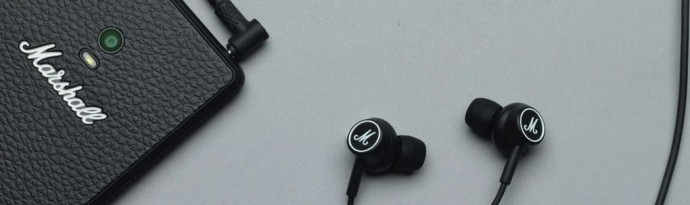
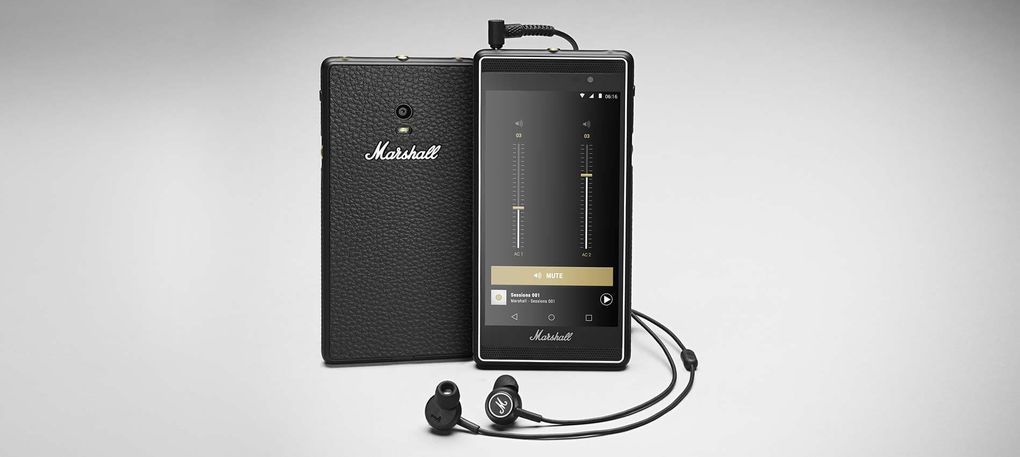
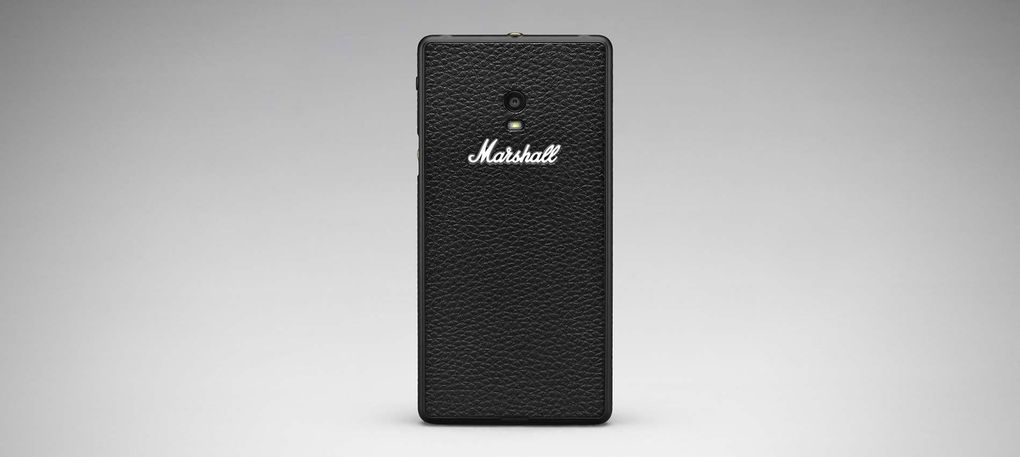
    However the Marshall London is designed not to impress the spec-hungry but more the music hungry. The company claims that Android today needs more personality, and not more performance. The phone is relatively low end with a 4.7-inch, 720p display. Dependant on 2GB of RAM, a 2500 mAh (removable) battery, and a Snapdragon 410 processor which is seen in some of the most popular low end phones.

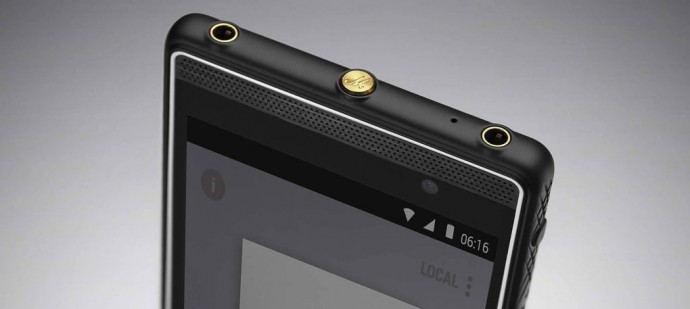
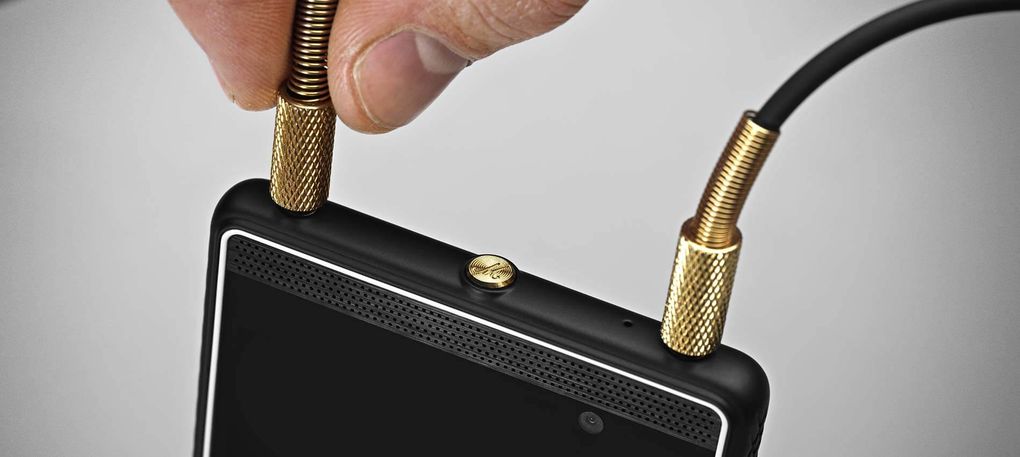
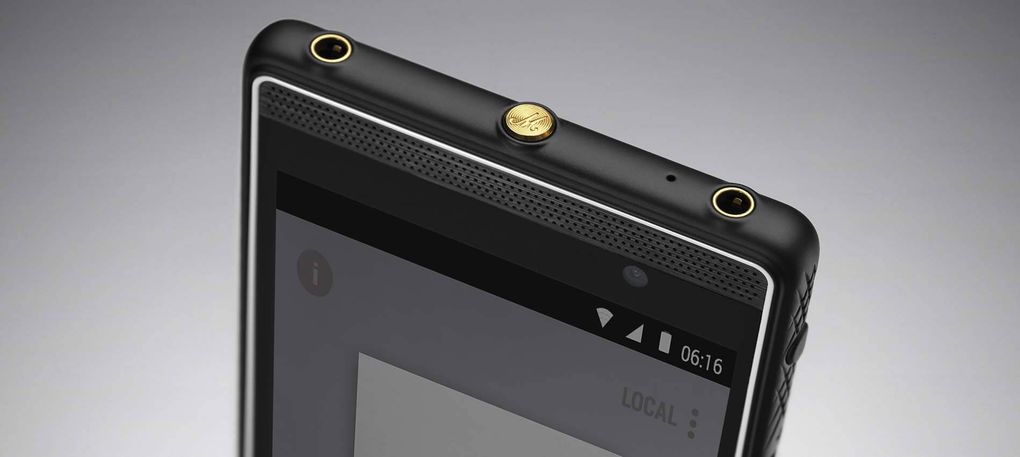
    Marshall London earphonesThe London has been priced higher than expected for roughly US $ 549 or Rs. 35000. But, the intention that the phone serves is different. Apart from being completely brilliant to look at, the music centric London has excellent audio processing. Dual headphone outputs, Dual front speakers and a jog dial for precise controls. There is a dedicated “M” button on the top for easy access to music.
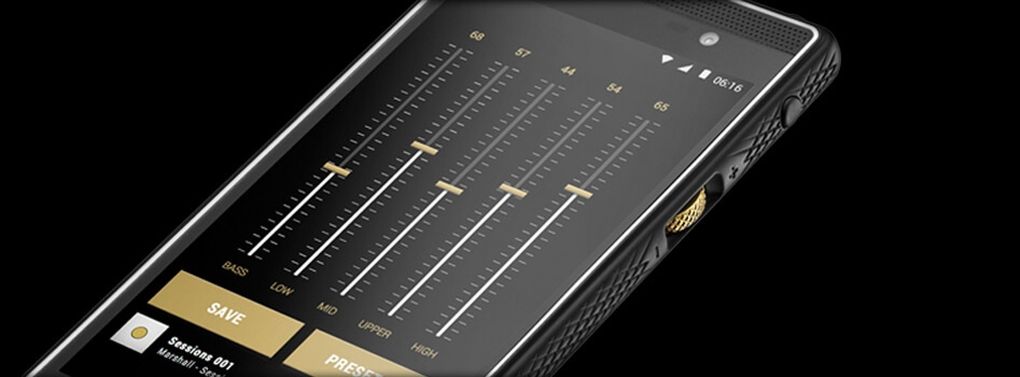
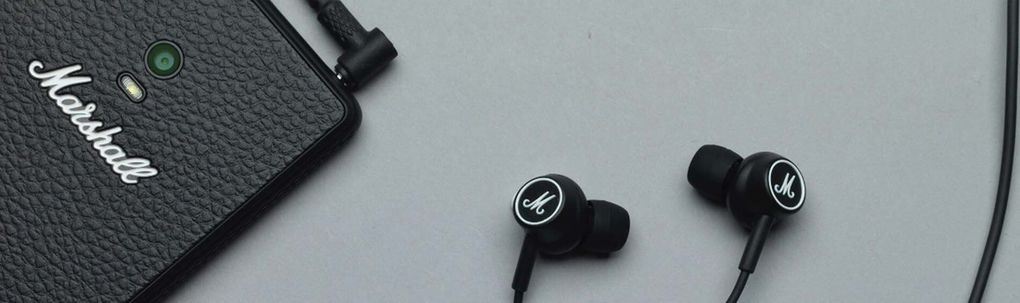
    There, However, seems to be various implications of the dual headphone jacks. Thick of multi track mixing or recording. Dual independent outputs to separate devices, and dual monitoring when mixing tracks on a DJ app. From a use case point of view, it eliminates quite a few hurdles. The phone won’t be available till late Aug, in the meanwhile however, you can check out the pictures of the beautiful Marshall London below.

    Global-Equalizer Marshall London Marshall London earphones Guitar Marshall London marshall-london-phone-2_3800.0 Marshall London Dj marshall-london-phone-8_3800.0 marshall-london-phone-7_3800.0 marshall-london-phone-6_3800.0

  • Cortana’s Beta Version for Android Leaked

    Cortana’s Beta Version for Android Leaked

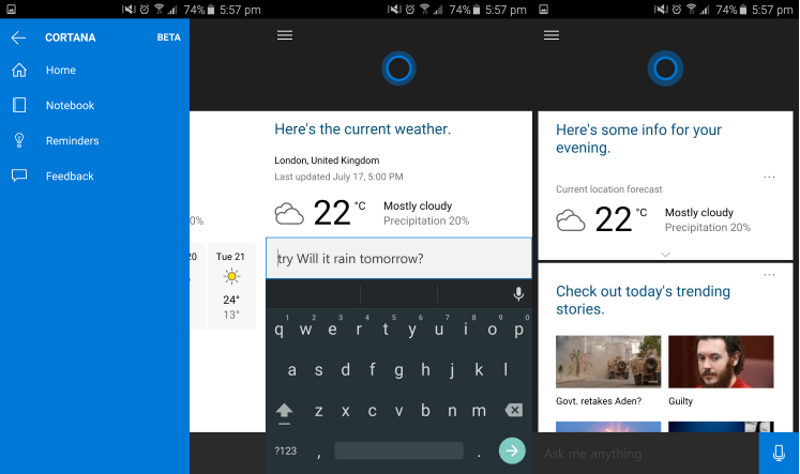
    Microsoft’s plan to release Cortana for Android to coincide with the release of Windows 10 may have received a bit of setback. According to sources, a version of Cortana for Android has leaked earlier than expected. It’s still a beta version, so Microsoft has nothing to worry about.

    Android users who have used the Windows version before, will find nothing new in the Android version. Except for one detail, the beta version is identical to the one found in Windows devices. You can check for weather, set reminders, see sport results, ask it to tell you Rahul Gandhi’s age etc.

    cortana for android
    Source: Microsoft News

    Named after a character in the Halo video game series, Cortana is Microsoft’s answer to Apple’s Siri. The virtual assistant is currently available to only Windows 8.1 phone users. After Microsoft launches Windows 10 later this month, the feature will be made available to both PC and mobile phone users, as well as for Android, iOS and XBox.

    Cortana has proved itself time and time again that it is equivalent to Siri. Last year, Cortana gained its fame when it successfully predicted most of the FIFA World Cup games.

  • Apple’s New Patent Will Use Solar Energy to Power Accessories

    Apple’s New Patent Will Use Solar Energy to Power Accessories

    Apple’s new patent will solve two problems faced by smartphone users and manufacturers – longer battery life and energy conscious batteries. According to Patently Apple (via 9to5Mac), Apple has patented a technology that involves applying solar cells to a touch display surface like a trackpad or iPhone to store power for the device.

    Apple is not the first one to think of incorporating solar charging into its devices. In 2010, Puma launched a phone in tandem with Sagem, which included a solar panel. It’s a different thing that the device didn’t work.

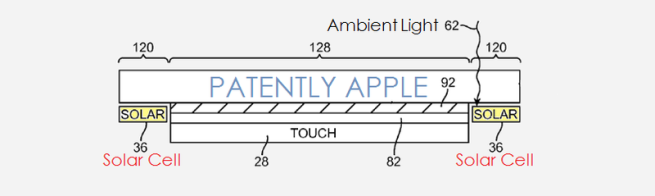
    According to Patently Apple, Apple notes that “the wireless device has a touch sensor and a solar cell that converts ambient light into electrical power. Wireless communications circuitry transmits the touch input to the external equipment using the electrical power from the solar cell. Energy storage devices such as a capacitor and a battery can be charged using the electrical power.”

    Source: Apple Patently
    Source: Apple Patently

    The above technology described can be used for Apple’s Wireless Keyboard or Magic Mouse, which require AA batteries and wirelessly transmit signals through Bluetooth. In the diagram procured by Patently Apple, it seems the new design would be applicable to only Magic Mouse and Magic Trackpad.

    The potential doesn’t end here. In a few years, we can see the new design getting implemented into Macbooks, iPhones and Apple Watch, which could run continuously on solar power, allowing users to continuously perform tasks.

iGyaan Network
Privacy Overview

This website uses cookies so that we can provide you with the best user experience possible. Cookie information is stored in your browser and performs functions such as recognising you when you return to our website and helping our team to understand which sections of the website you find most interesting and useful.