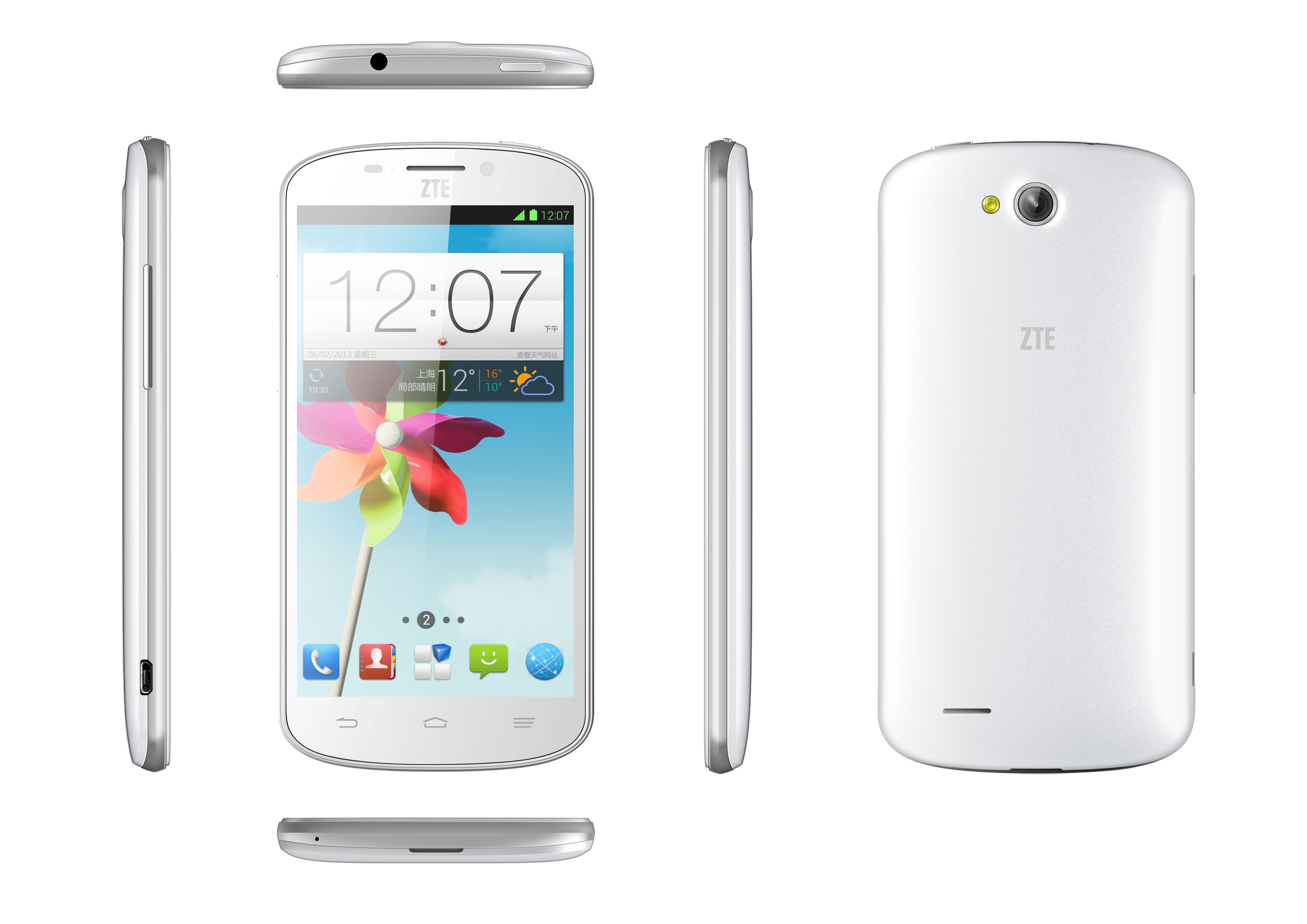
Today, ZTE added another low-budget device to its smartphone portfolio, the ZTE N919D. The handset is designed keeping in mind the requirements of the Indian market and is priced at mere Rs. 6,999. The product is exclusively available at the online retail store ebay.in.
Given the price range, the smartphone has some decent specifications that could make customers go for the device. It has a touch screen display of 5-inch (480x854p resolution) and is powered by a quad-core Snapdragon processor clocked at 1.2 GHz. It comes with 1GB of RAM and 4GB of internal storage capacity which can be expanded up to 32 GB via external memory card. The ZTE N919D runs on Android 4.1 OS.
The phone holds 8MP front snapper with Flash and Auto Focus and a secondary VGA camera. The device houses 2500 mAh battery, which can last for more than 9 hours on a full charge. The connectivity options include Wi-Fi and Bluetooth.
Furthermore, the company has collaborated with Reliance to provide free unlimited internet for 3 months. Some of the features might impress buyers, but the company has tough competition in this segment – namely Xiaomi Redmi 1S and Lava Iris X1 Grand.
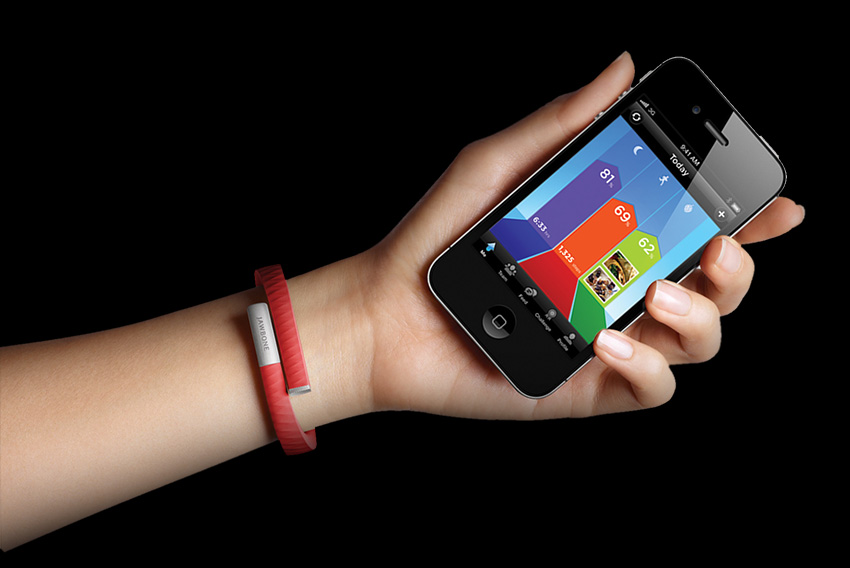
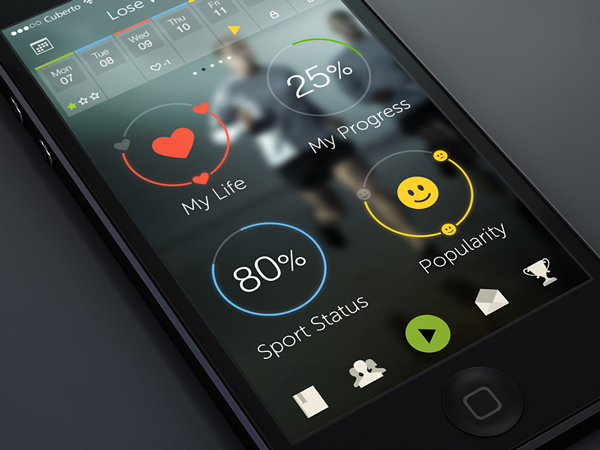
Wearable technology is the field where most of the innovations are taking place in the tech sector. All technology brands are trying to woo consumers with new wearable devices. One of the basic features of most of the wearables, especially smartwatches is their ability track the fitness activities of the user. A new study might just spoil the fun for the makers of such fitness trackers as it says that smartphone apps may be just as good as wearables in tracking fitness.
The research letter was published in the Journal of the American Medical Association. The study was conducted by researchers at the Perelman School of Medicine at the University of Pennsylvania.
The study found the mobile apps to be just as good, if not better than the fitness wearables.
The researchers used ten most selling smartphone apps as well as devices for the test. They made participants walk twice on a treadmill for 500 steps and 1500 steps. The participants of the study were packed up with multiple devices during the test. They were made to wear a waistband with one pedometer and two accelerometers, three wearable devices and two smartphones where one was running three apps while the other was running one app.
In their results, the researchers found the smartphone apps to be reasonably accurate, and there was at most a 7% difference in figures between the apps. But when it came to fitness wearables, they found the result varying across the different devices. Devices like the Fitbit One and Zip were found to be accurate in their readings while the Nike Fuelband was found to be off by a huge margin.
This revelation might get consumers to question the need for buying a wearable fitness sensor. Well, the newer smartwatches are coming with more features that give you broader health data than just the distance covered in a day. This study didn’t consider the new smartwatches. Apart from their health benefits, the smartwatches also act as remotes for your various digital appliances and their functionalities will just keep on increasing. So while the study puts to question the need for fitness sensors, the wearable market is still a fertile market for investment by the tech industry.
Social media has taken over our daily lives; we all now live a second life as a digital creature. We control this side of our lives with regular updates, images and interests. With the proliferation of these accounts, employers are finding it a lot easier to screen their potential employees. But a research paper claims that using computer assessment models, employers can find exactly who they are looking for and they claim it is better than human judgement.
The paper is published in Proceedings of the National Academy of Sciences and is presented by Wu Youyou, Michal Kosinski and David Stillwell. They used a computer model to judge a person’s personality based on their Facebook likes. They claim that the results are even better than a human assessment of personalities.
Many companies have taken the social media route to find the suitable candidate for the job. Some have even shown the audacity to ask for social media passwords. The researchers claim that their ‘likes’ based model can be used as a recruitment tool that will be almost like a dating website. Here the employers can immediately be given options of potential employees based on the job requirement and personality models.
There are, of course, severe privacy concerns. The model uses the activities of the users who don’t put a lot of thought before hitting the like button. It is true that our service providers and companies alike store information of the websites visited by you, but it doesn’t effect your chances at a new job, at present. Who is to say that your various online activities won’t be used against you during a future job interview.
All of these leads to the question, how do I prevent my innocent ‘Like’ on Facebook from influencing my next job search? Well, the answer cannot be to ‘think before liking something on social media’, because that will take all the fun out of your life. That will turn us into a paranoid bunch who’ll be scared to voice our opinion. The control in your hands is to keep your images and posts in a private setting. Also only add ‘friends’ on social networks whom you know in real life, it’s not a race to see who can get more people to click a button on their profile. If you share your innermost thoughts and pictures on social media, it’s a good idea to keep them away from random ‘friends’.
As our dependence on the internet increases, our digital footprint is bound to get more visible. Marketing companies, search engines and government institutions will store more of the personal data. And it will stay there till eternity. So in the end, one way, to react to this issue, is being extremely paranoid and monitor each and all your online activity. While the easier thing to do, is just to make your peace with it and live on doing whatever you do. You may actually be better off than working at a company that judges you based on random online likes before meeting you.
Just a few years back, BlackBerry was all the rage. In the pre-iPhone era, every celebrity flaunted their BlackBerry. The devices from the company were seen as a status symbol. At their peak, the devices held 43% of the American market. But soon Steve Jobs unveiled his baby, the iPhone, and Google got into the field with its Android ecosystem; they cornered BlackBerry out of the game. At present, the company holds only 0.5% of the market.
The smartphone market is just the brim of what BlackBerry does. The company has developed a plethora of products that are used worldwide by corporations and governments. We follow BlackBerry through its inception, its rise in the communications equipment world to its decline in the smartphone industry.
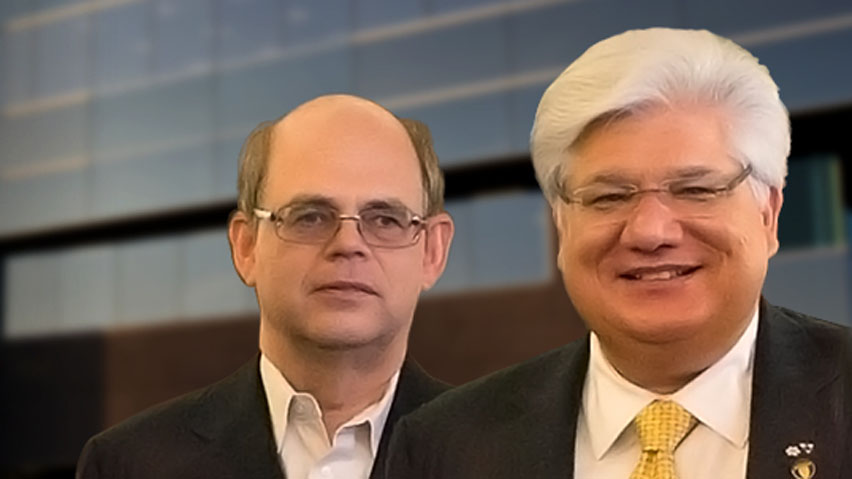
BlackBerry was founded by Mike Lazaridis and Douglas Fregin in 1984
The Beginnings:
BlackBerry began its operations under the name Research In Motion Limited. It was founded in 1984 by Mike Lazaridis, who was an engineering student at the University of Waterloo, and Douglas Fregin, who was an engineering student at the University of Windsor. This collaboration led to some game-changing devices and immense pop culture significance in the early moments of the smartphone age.
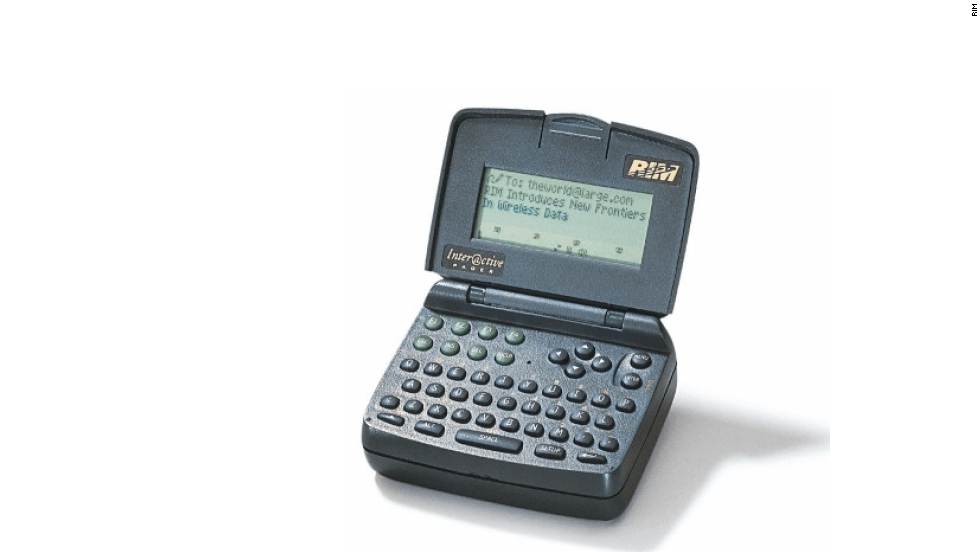
RIM 900
The first device from BlackBerry’s stable was the RIM-900, which was introduced in 1996 and was also known as the Inter@ctive Pager. This pager allowed users to receive and send messages over the internet via a wireless data network known as Mobitex, which was developed by Ericcson. It was followed by the RIM 950, introduced in 1998. It was a phenomenal success, to say the least. The messages could get forwarded to the device on the move. It was a giant deal back then; the only hitch though was that to receive email on the go, you had to leave your desktop switched on. The devices were appreciated by the top jocks of enterprises. People loved receiving messages on their belts as the device was kept in a holster. One CTO even called it digital heroin.
The company used some innovative techniques to market their products. During a launch in the Caribbean, they handed out scannable temporary barcode tattoos. These tattoos stored the user’s personal identification numbers (PINs). So instead of asking for each other’s numbers, people asked if they could scan their PINs.
Establishing the Smartphone brand:
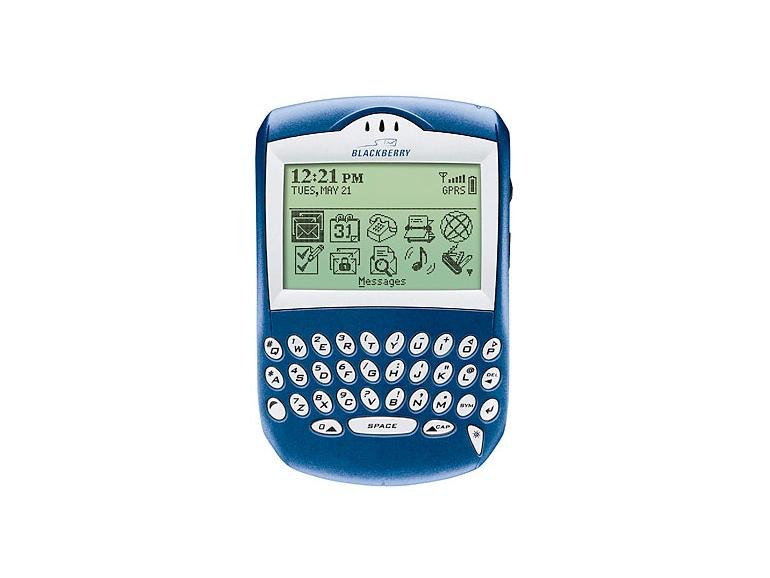
By 2002, the company was bringing in devices with a “built-in mobile phone”. These devices ran on Java and transmitted data over normal 2G networks. These devices were targeted towards businesses, and they would enter the consumer markets much later.
One of the major devices from BlackBerry’s first-generation offerings was the BlackBerry Quark 6230. Launched in 2003, this device had a 34 key Qwerty keyboard. It had 160×100 pixel display and had a 16 MB RAM. This device found a spot in the prestigious Time magazine’s All-TIME top 100 Gadgets list in 2010.
The BlackBerry Quark 6210
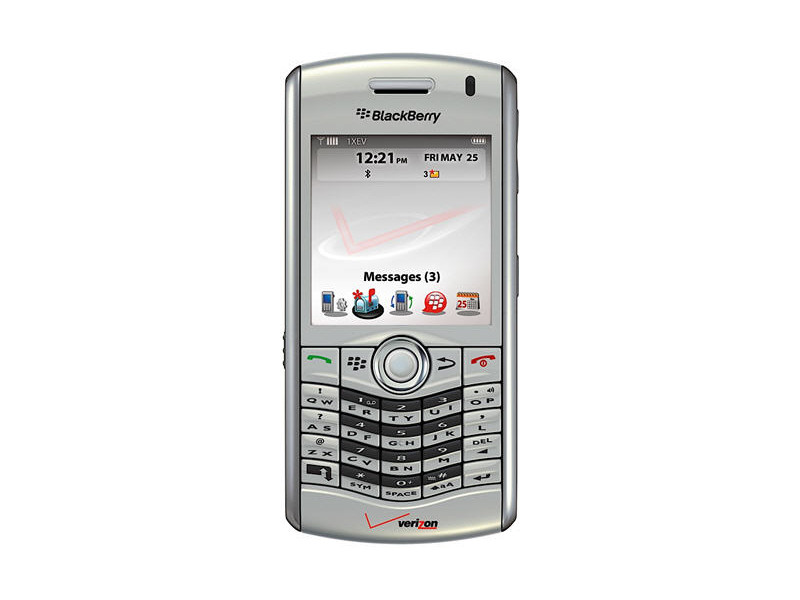
In 2006, BlackBerry’s official foray into the consumer market began with the BlackBerry Pearl family of devices. This bar shaped device was the first to get multimedia features. It included a media player and a camera. The 2 MP camera also had a self-portrait mirror at the back which let users take their own images, this was the first step towards the creation of the selfie generation.
The device flaunted GPS-enabled maps and had 64 MB internal memory that was expandable up to 16 GB MicroSDHC cards. The Pearl also replaced the scroll wheel for a tiny trackball that made it easier to access the phone’s function like a trackpad on a computer. A follow-up device was the Pearl Flip, which was BlackBerry’s first flip phone.
BlackBerry Pearl
Come 2007 and BlackBerry launched the Curve, a prominent family of devices from the company. The family garnered excellent reviews but also received flak for the absence of 3G, Wi-Fi along with the lack of video recording.
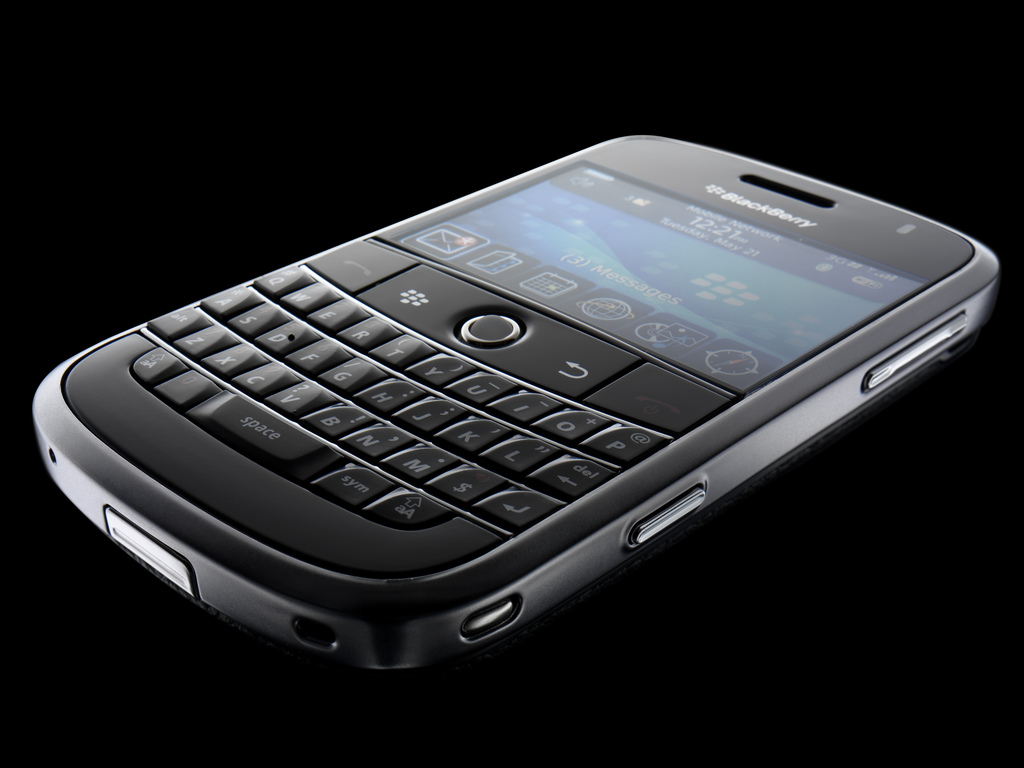
The BlackBerry Bold was one of the most popular form factor’s for the company.
In 2008, the company was at its peak with the launch of the BlackBerry Bold. This device introduced a whole new design feature which made them easier to use and type. It played around in the more premium segment of the market. This successful form factor would be later updated by BlackBerry in 2014 with a new device called BlackBerry Classic.
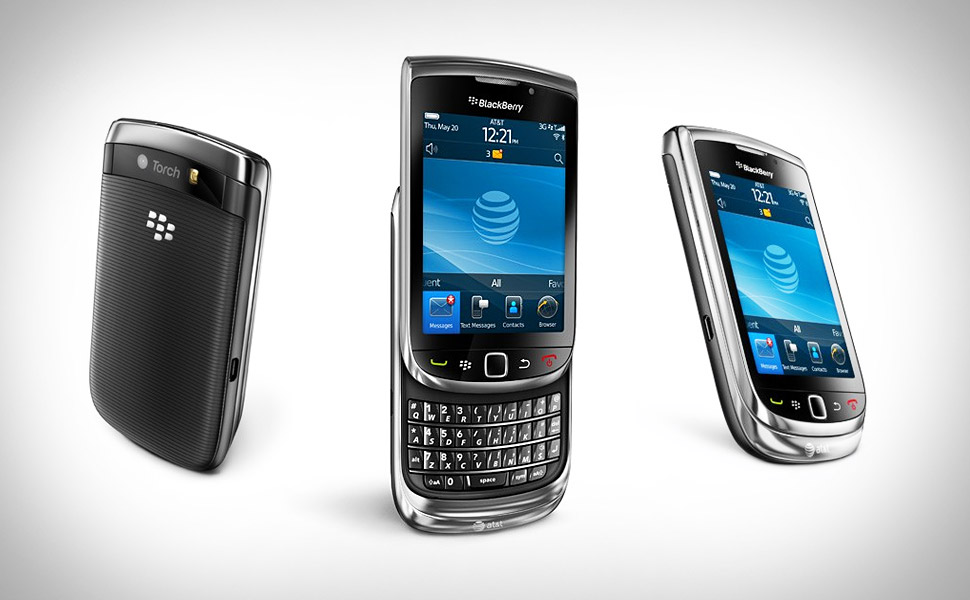
BlackBerry Torch
In 2010, Blackberry attempted a change in their form factor with the BlackBerry Torch. It carried the physical QWERTY keyboard but also came with a sliding multi-touch display. The Torch 9800 was the first device in the line-up and it ran on BlackBerry OS 6. The device was criticized for offering lower specs in comparison to its competitors like the iPhone 4 and the Droid X.
In 2012, Research in Motion officially changed its name to BlackBerry.
BlackBerry Messenger:
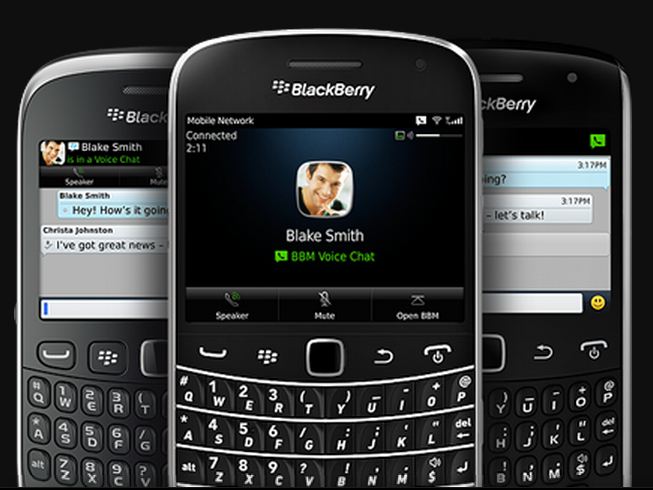
BlackBerry Messenger or BBM is a popular messaging app on the platform
The BlackBerry Messenger or BBM was one of the most appreciated apps from the company. This default messenger on BlackBerry device was so popular that it was later released for Android and Windows devices. Initially BBM was exclusive to BlackBerry and users required BlackBerry PINs to interact with each other. With BlackBerry 10, users could use video calling. It is estimated that there are over 91 Million BBM users worldwide.
In 2014 BlackBerry decided to give an adrenaline boost to its messaging app and added a plethora of functionalities to it. It added a retraction function so that users could remove chats that they regret sending. It added HD picture transfer to send high quality images through the service. The update also introduced a Snapchat-like time limited messaging service.
The Present:
After holding a considerable amount of influence over the smartphone market, BlackBerry’s market share has consistently depreciated. It now sits at a small corner reminiscing its glory days. This year after failed attempts at making touchscreen based devices, the company finally decided to go back to its roots. It decided to bring back the Qwerty keyboard-based form factor.
Passport received mix reviews but was appreciated for its unique features.
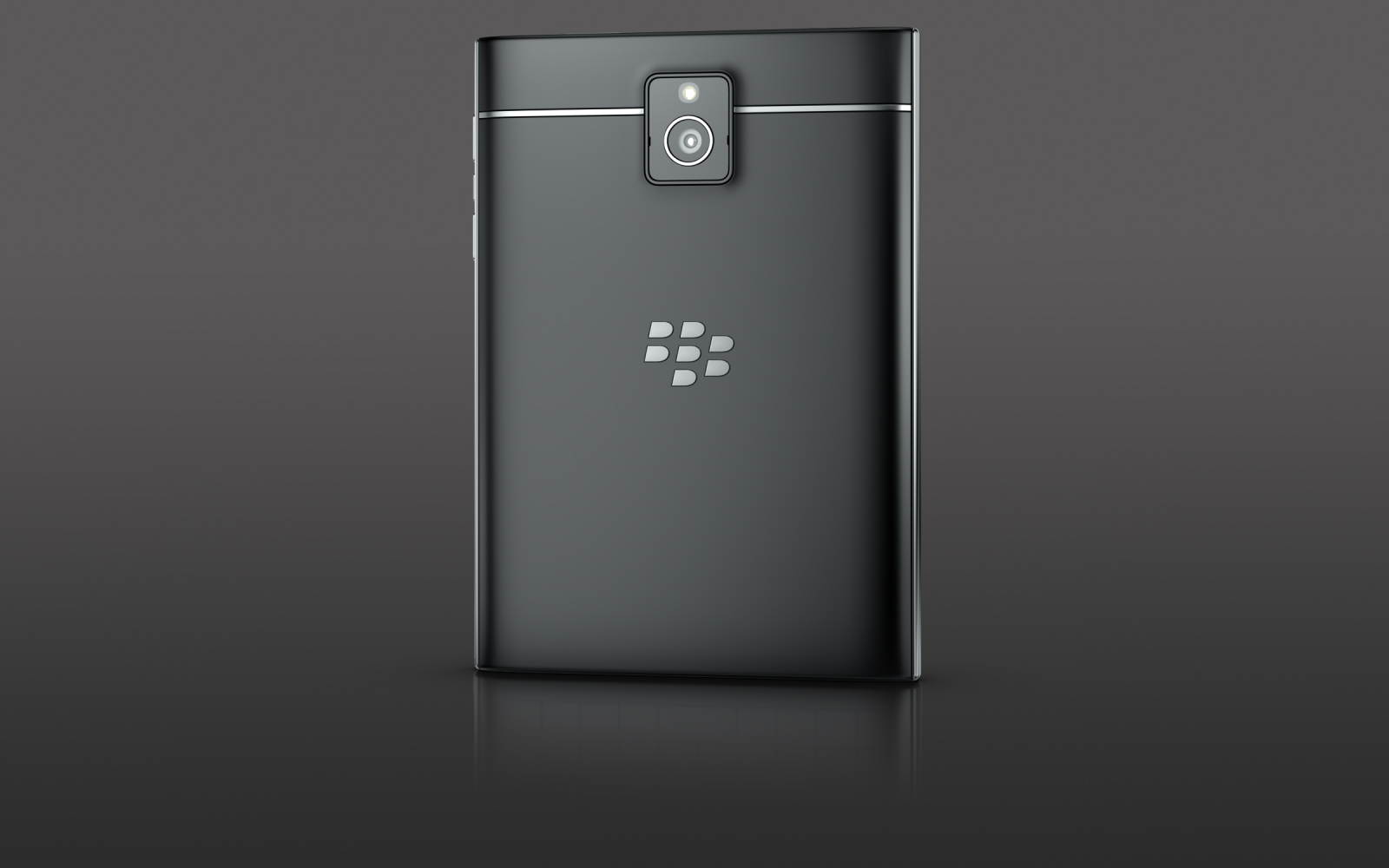
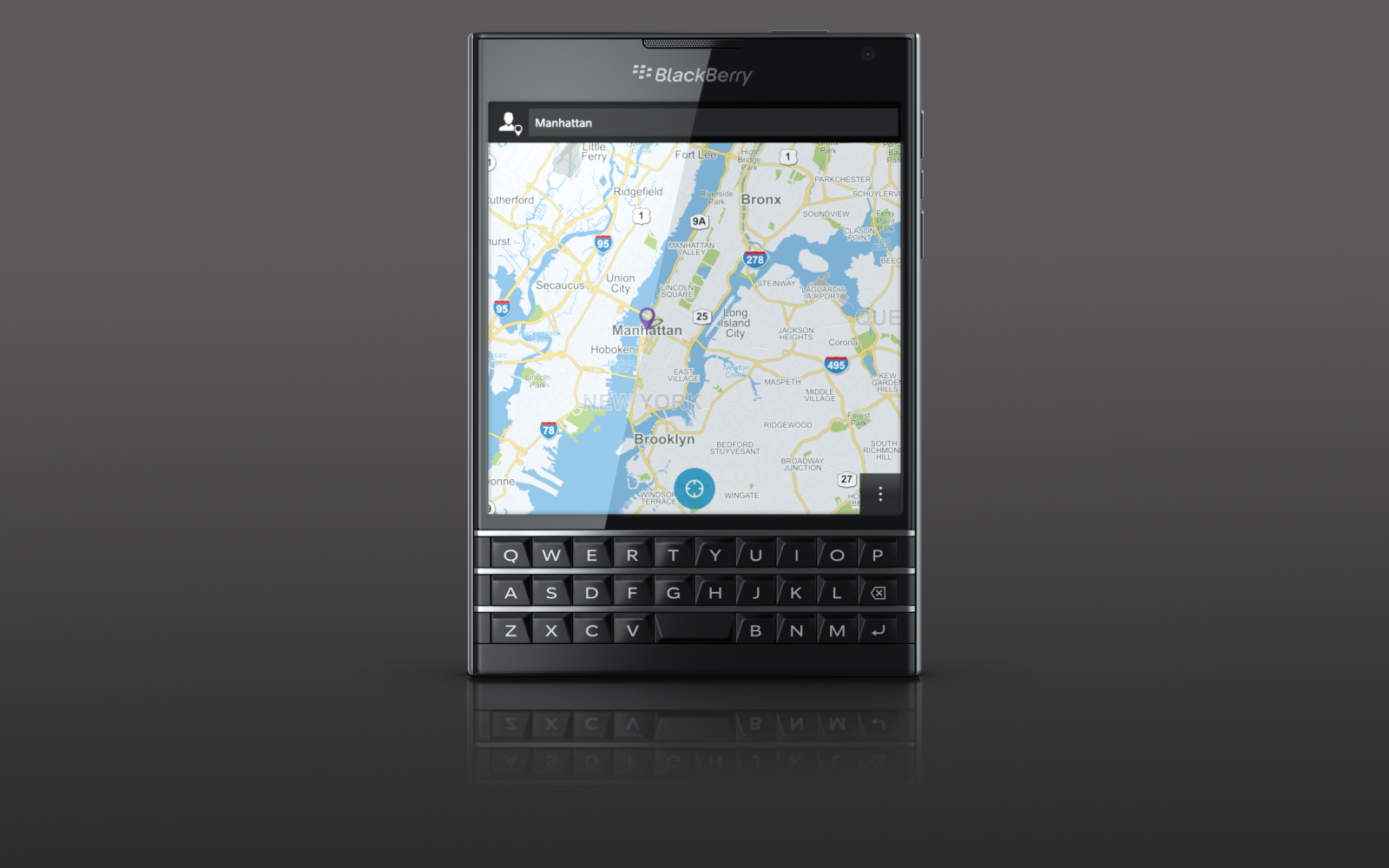
The company launched a unique device called the BlackBerry Passport. The device has a 1400X1400 pixel square display. It features a keypad that doubles as a trackpad. The device got a lukewarm response by the critics and received flak for being too wide to be held by one hand. The device though did good business in the festive season and held the top spot in Amazon’s Black Friday Sales.
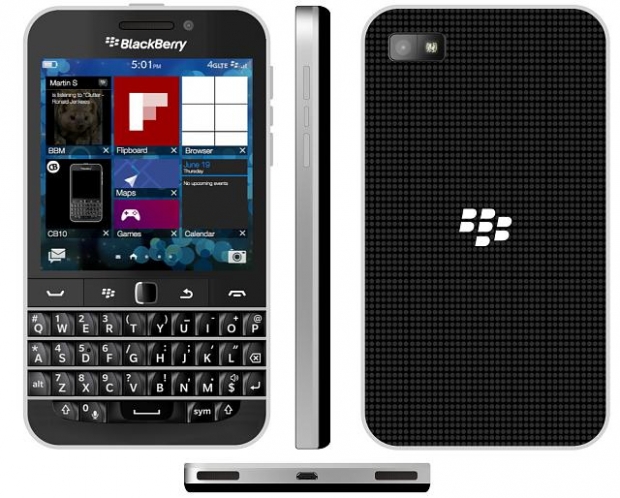
BlackBerry returned to its original form factor with the Classic Q20.
BlackBerry also launched a second device by the end of 2014 called the BlackBerry Classic. This was a kind of a follow-up to the BlackBerry Bold series and has the same form factor. The device sports a Square 3.5-inch 720p LCD display, and comes loaded with the latest specs in a retro design. This might be the device for hardcore BlackBerry enthusiasts to cherish the good old days.
Legacy:
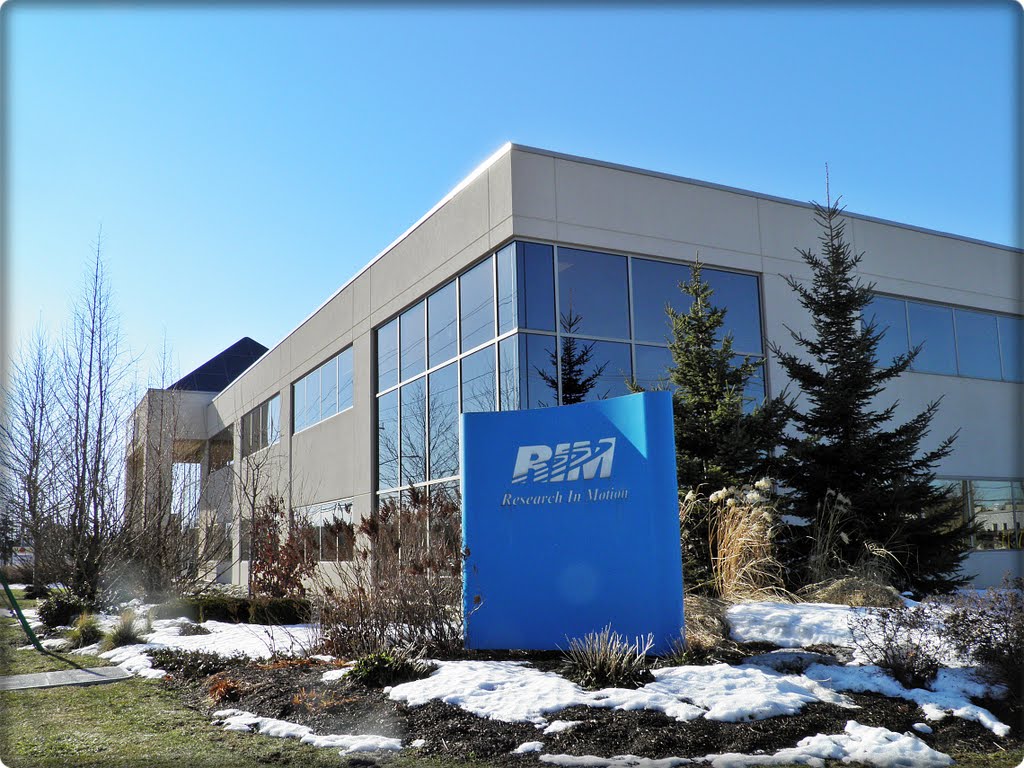
BlackBerry’s HQ in Waterloo, Ontario
At a point, BlackBerry was growing in popularity. Its success had turned Waterloo into a sort of Canadian Silicon Valley. At present, there are over 1000 companies operating there with a combined annual revenue of $30 Billion.
During the damaging Sony Hack by alleged North Korean hackers, BlackBerry phones came really handy. Because of their unmatched security standards, senior executives used the old BlackBerry phones that were stored in a basement. BlackBerry devices are used by top government and corporate honchos to keep their messages secure.
BlackBerry is still in the business, but its market share has been steadily declining for a while. It will be interesting to see how the step of returning back to the basic design format works out for BlackBerry. The company has some great technologies under its belt to share with the world, provided it withstands the challenges of the brutal smartphone business.
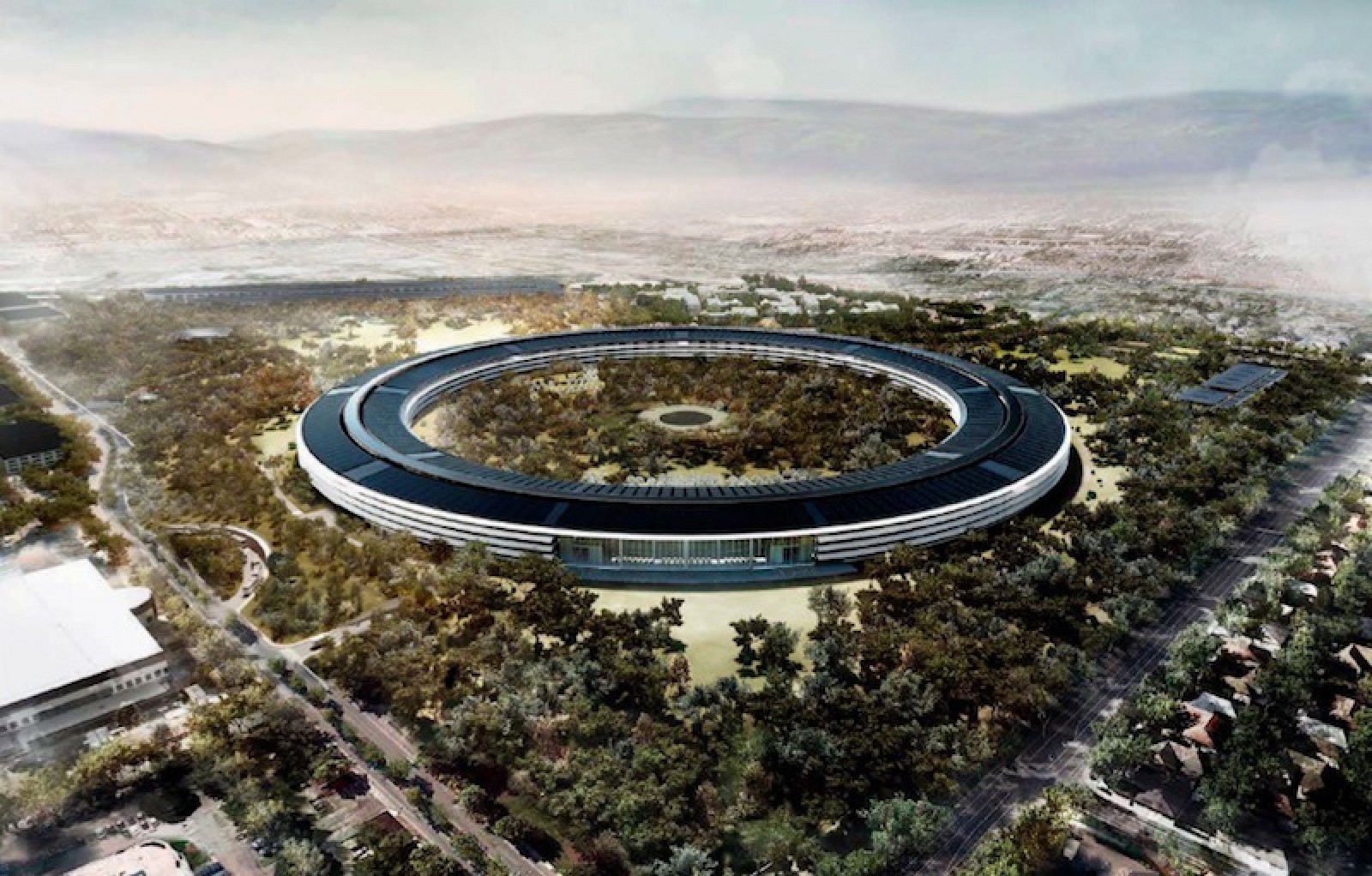
Apple’s new massive headquarters have been in news ever since the first design plans were unveiled. The spaceship like circular building looks spectacular and futuristic, apt for a company known for its superior designs. The new building would also be friendly to the environment as the company is investing $850 Million to power the building through solar energy.
Apple would be establishing a solar farm in an area spanning 2900 acres. It will be built by American photovoltaic manufacturer, First Solar. The building is expected to be fully constructed by next year.
A 25 year contract has been signed between the two companies. This is the biggest commercial power deal for the solar industry. Going completely solar is a great step on the part of Apple as data centers and corporate offices draw massive amount of power which in turn leads to pollution. Apple’s initiative might encourage other companies to rely on green power for their operations.
Environment activists Greenpeace appreciated Apple’s initiative and said:
[quote text_size=”small” author=”Greenpeace”]
Apple still has work to do to reduce its environmental footprint, but other Fortune 500 CEOs, other Fortune 500 companies would be well served to make a study of Tim Cook, whose actions show that he intends to take Apple full-speed ahead toward renewable energy with the urgency that our climate crisis demands.
[/quote]
Apple has a market valuation of more than $700 Billion and its appreciable that the company is investing in future oriented fields. It would also be great if the company brings out some mind blowing gadgetry that it has been known for.
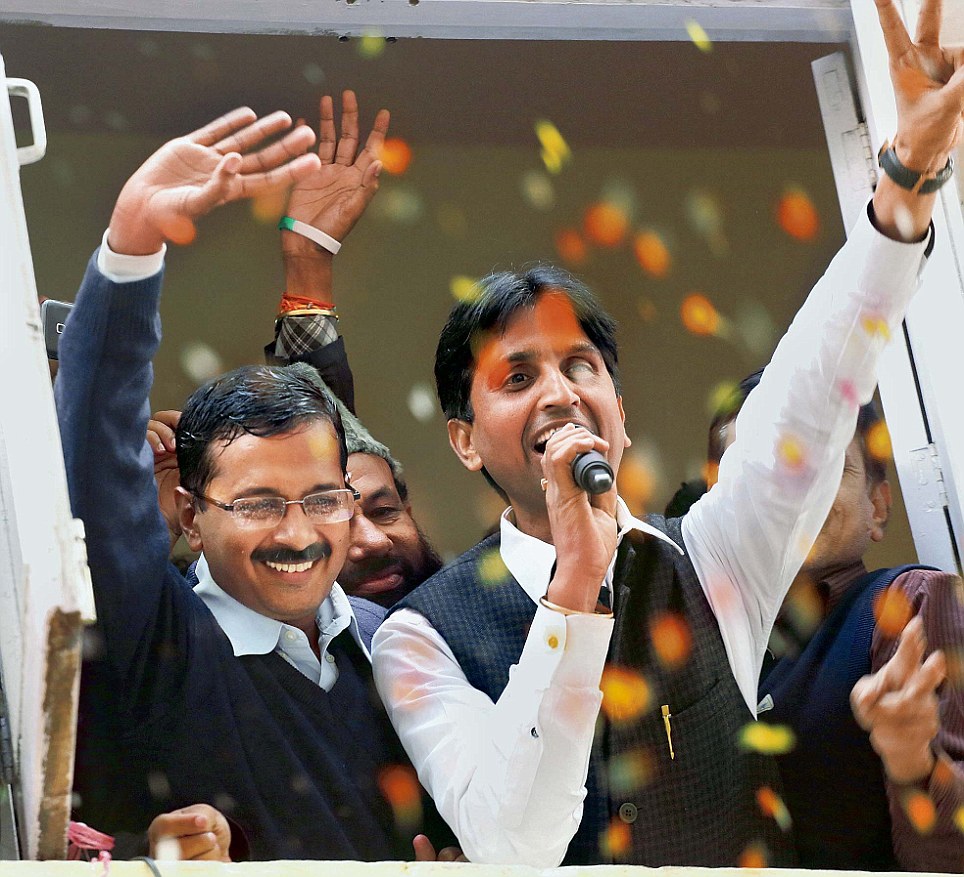
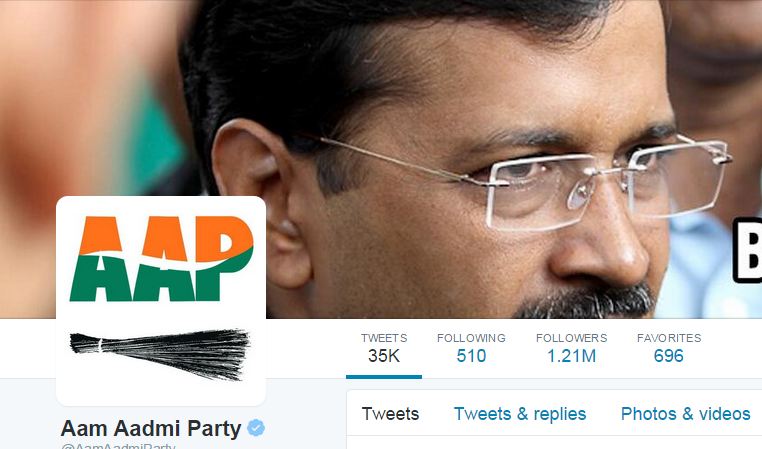
Today, Arvind Kejriwal from the Aam Aadmi Party (AAP) won the Delhi elections with a clear majority, giving little room to the main opposition, the Bhartiya Janta Party (BJP).
At the time when Narendra Modi, leader of the BJP, had run the campaign for the 67th Lok Sabha elections, he had made sure to make his presence felt on social media. In fact, it has been considered as one of the important factors that led to him becoming the Prime Minister of India. He had hired an able team which used Twitter and Facebook well and kept his million followers updated about his every move. Even his YouTube channel had all his updated speeches, neatly arranged in playlists. At that time, Aam Aadmi Party’s social media campaign had been considered ill-focused and misguided.
Things have certainly turned in a new direction – it seems like BJP didn’t give the digital world the same importance for the Delhi election, while AAP played the game to win.
It wasn’t only the two, all parties tried out every possible measure to spread their message to the masses. Social media was heavily utilized and major tactics were adopted.-
Here are some examples of how AAP won the social media war:
Twitter
In the past couple of weeks, Twitter was flooded. #DelhiDecides remained the top trend followed by #AapSweeps. #DelhiDecides saw a total of 81,000 comments and it touched the rate of 160 tweets per minute. AAP followed the footsteps of PM Modi and set up a team completely devoted to checking the posts and it clearly worked in favour of the party.
Facebook the prime focus of the party during the election. Through Facebook, millions of followers could track Arvind Kejriwal's every move during the campaign. Meetings with dignitaries, selfies with celebrities, were shared. It was used as a mini blog, giving an impression that followers were directly receiving messages from the man himself. Arvind Kejriwal's team ensured they stayed in touch and spread his work through Facebook.
Radio Campaigns
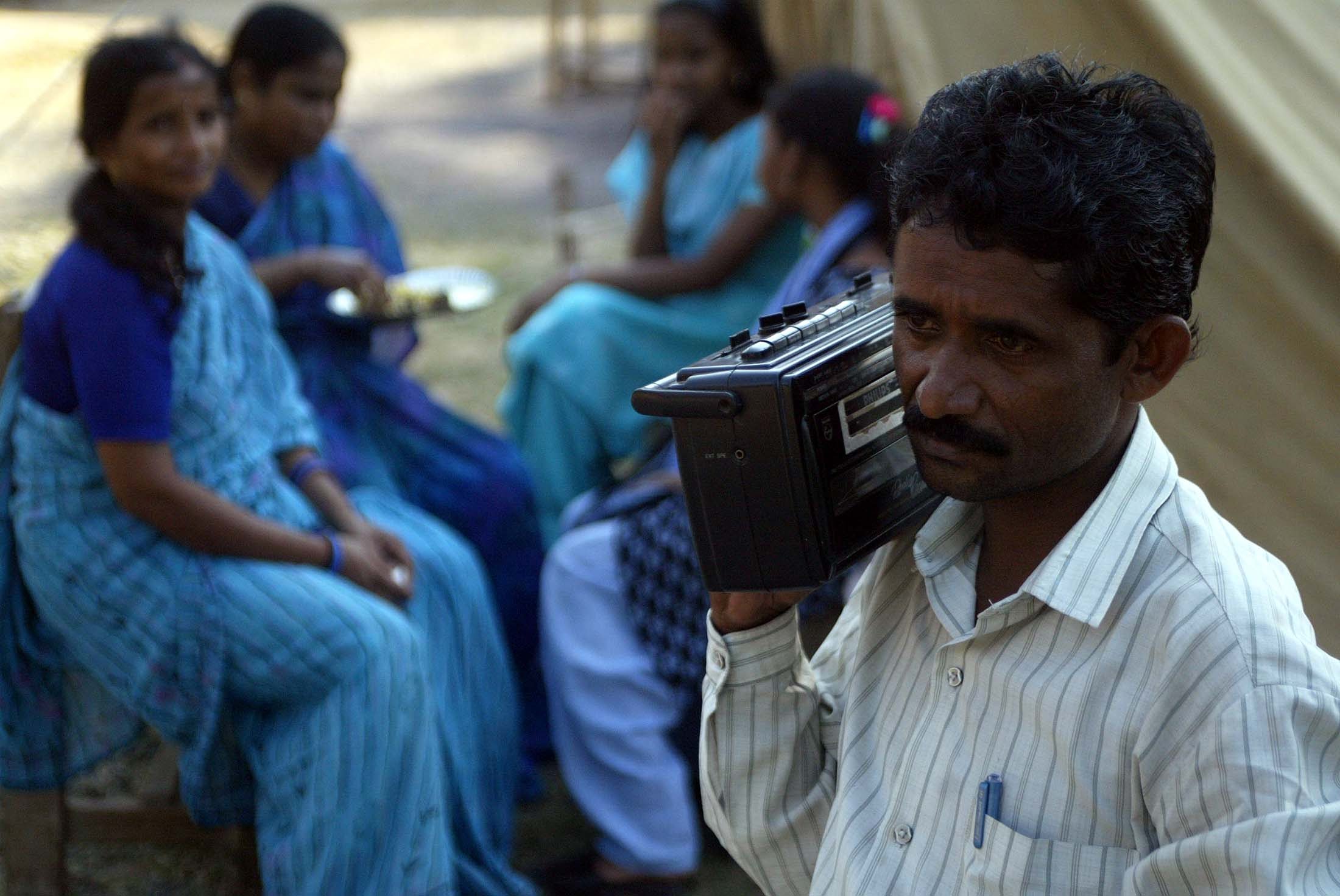
While Radio cannot be considered a social media tool, AAP used it like it was. For weeks before the election, radio was used to reach distinct corners of Delhi that lacks internet access. It became a major medium to connect and speak to the Delhites, and listen to their grievances.
Paanch Saal Kejriwal on YouTube
AAP remained the hot topic on YouTube as well. Vishal and Shekhar composed a song called Paanch Saal Kejriwal which went viral.
The Marvel Cinematic Universe (MCU) is the ultimate in nerdtastic adventure. Marvel has grown from an independent movie studio in 2008 to a multi-billion dollar Hollywood powerhouse. Everyone in the industry is looking to work with this movie studio. For a while, it was being rumored that one of the biggest stars of the Marvel Universe, Spiderman, would be joining the Marvel Universe, and now the news has been confirmed.
Spiderman is one of the major characters in Marvel comics, but the movie rights of the character were with Sony Pictures. Sony has made several successful movies based on the Spiderman franchise. But when Marvel came into the movie business, the fans started demanding one of the star Avengers to come join the big boys of Marvel. After months of negotiations, Sony Pictures and Marvels have signed the deal to get Spider in MCU.
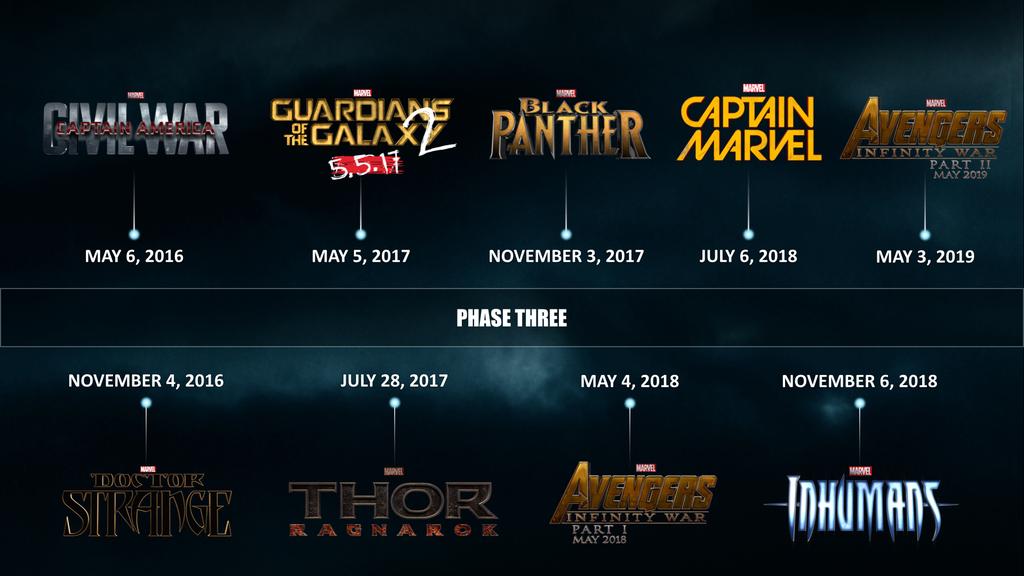
There are speculations that Spiderman may make an appearance as soon as next year with the Captain America: Civil War. This would be a great news for the comic book enthusiasts as Spiderman is one of the major characters in the Civil War storyline.
Spiderman is one of Sony’s biggest cash cow, so the company is not giving up complete control over the character yet. They reserve the right to make independent standalone Spiderman movies. This seems like a precautionary act as Marvel can do much better job with the character than Sony has ever done.
A Spiderman Film is expected to come in place of Thor: Ragnarok
Marvel has reshuffled its release plans and introduced an Untitled Spiderman movie instead of Thor: Ragnarok. Andrew Garfield, who played Spiderman in the last two movies, is not going to be reprising that role so it’s still unclear who would be playing the new Spiderman. But this story has got us on the edge of our seats, and we can’t wait for the Captain America: Civil War to come to our nearest movie theater.
A day before, the world’s biggest chip maker Qualcomm was penalized by the Chinese Regulators for antitrust violations. The chip making firm was fined with a record amount of around $1 billion and the company agreed for a settlement with Chinese antitrust authorities. But the trouble for the US-based firm hasn’t ended yet and the reason for the revenue dip this time is the smartphone producers.
Qualcomm gets a major part of its revenue from the royalties based on the handsets’ value and with companies like Xiaomi and Huawei reducing the handset price to set at the top of the competition, the profit margin is slipping for Qualcomm.
Bernstein analyst Stacy Rasgon made a statement –
You’ve got all these Chinese companies – like Xiaomi, Huawei and Lenovo – that want to go global and take share from Samsung Electronics, HTC and presumably even Apple, but they’re going to do it at much lower price points.
Yesterday, Qualcomm agreed to pay $975 million as fine for settlement with Chinese antitrust authorities. National Research Development Corporation (NRDC) held an anti-monopoly investigation and found Qualcomm guilty. The company underwent changed practices in licensing patents for mobile phones sold in China. Qualcomm did not contest and agreed to pay to the Chinese National Development and Reform Commission.
The chip maker is already under pressure because of increasing competition by Intel, Marvell, MediaTek and HiSilicon. Even major brands are dropping Qualcomm for the next top-tier phones. Qualcomm has to take a step now to sustain the top chip maker position.
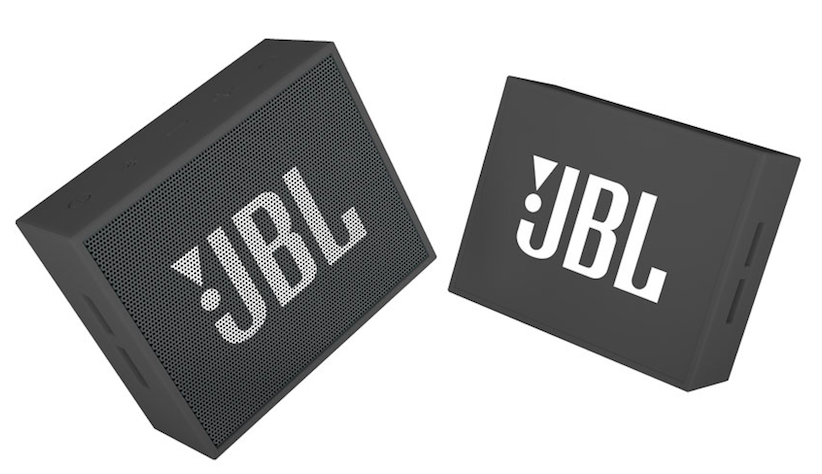
JBL GO wireless portable Bluetooth speakers are now available for the Indian market, exclusively on Snapdeal. The speaker will be available for an attractive price of Rs 1,999.
The JBL GO is a square, box-like device, integrated with buttons for power, Bluetooth, volume and call answering along with a mic. It is also installed with an echo and noise-cancellation technology which works when it is connected to a phone. This ensures there would be no sound distortion while talking on the phone.
It is backed by a 600mAh battery that ensures up to 5 hours of audio playback.
The portable Bluetooth speaker market is booming in India and JBL has taken the lead in gaining significant mindshare in this space. Snapdeal has become the preferred destination for bluetooth speakers with the widest range of products at best prices. Being the largest marketplace with instant access to over 40 million users across the country, it gives brands an opportunity to launch products with instant reach to all our users. JBL Go on Snapdeal will be accessible to consumers across 5000 towns and cities. The product in itself will be a trendsetter in the market and we are excited about this launch.
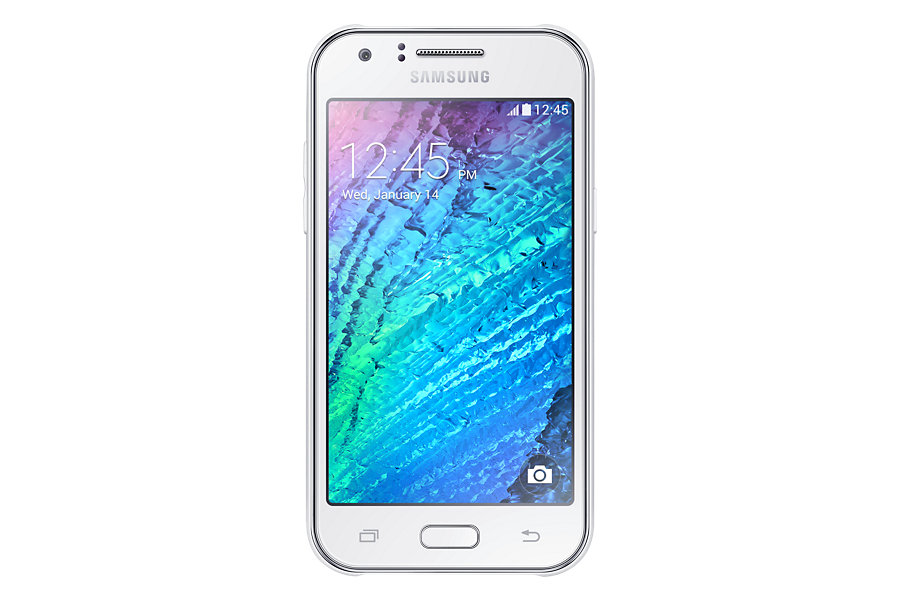
Not long ago Samsung launched the Tizen-based Z1 in India, which failed to impress the Indian customers. Now, the South Korean manufacturer is giving another shot to influence the budget segment and is set to launch Galaxy J1 in India. The device will debut tomorrow, i.e. 11th February, and will cost Rs. 7,199.
Getting to the specifications of the handset, the Galaxy J1 sports a 4.3-inch WVGA (800×480) display. It packs a 1.2GHz dual-core Cortex A7 CPU and a Mali-400 GPU paired with 512 MB RAM. The handset features 4 GB of internal space which is expandable. The Galaxy J1 will run on Android 4.4 KitKat.
The phone encompasses a 5MP primary camera and 2MP secondary shooter at the top. The device gets its juice from the 1,580mAh battery and the connectivity options include Wi-Fi and Bluetooth. The dual-SIM phone will come bundled some exciting offers, as informed by Amazon India.
The phone is not exceptional, and at this price point, Xiaomi and Asus are offering much better specifications. Samsung has to throw some free deal to lure more audience and stay in the competition.
Net Neutrality has become one of the major issues over the last year. The fear of telecom companies establishing a fast lane for folks who pay more and breaking down of internet services have enraged the public, and they have been demanding answers from their authorities. The Department of Telecom (DoT) in India has also said that it will be holding a committee hearing on net neutrality policies for India on February 12th.
The DoT is a part of the Ministry of Communications and Information Technology. The Department formulates developmental policies for the accelerated growth of the telecommunication service and is responsible for granting licenses for various telecom services.
An internal committee of the DoT headed by Mr.AK Bhargava is looking into the prospects of net neutrality. It is examining the advantages, disadvantages, and its economic implications for the telecom sector as well as the content creators. The committee will also come with a proper legal definition of the term too.
Recently the Federal Communication Commission of America had asked for comments from the citizens on the issue. They received overwhelming responses in favor of protecting net neutrality protections. The responses led to the commission opting for classifying the internet as a telecom service that will give FCC the right to regulate it. This was seen as a victory for the open internet advocates, but the telecom companies can still challenge it in court.
Net Neutrality is essential to the survival of the Internet as an open, creative space for expression of ideas and innovations. We hope the Indian government upholds this fundamental value of the internet for the benefit of the people of India.
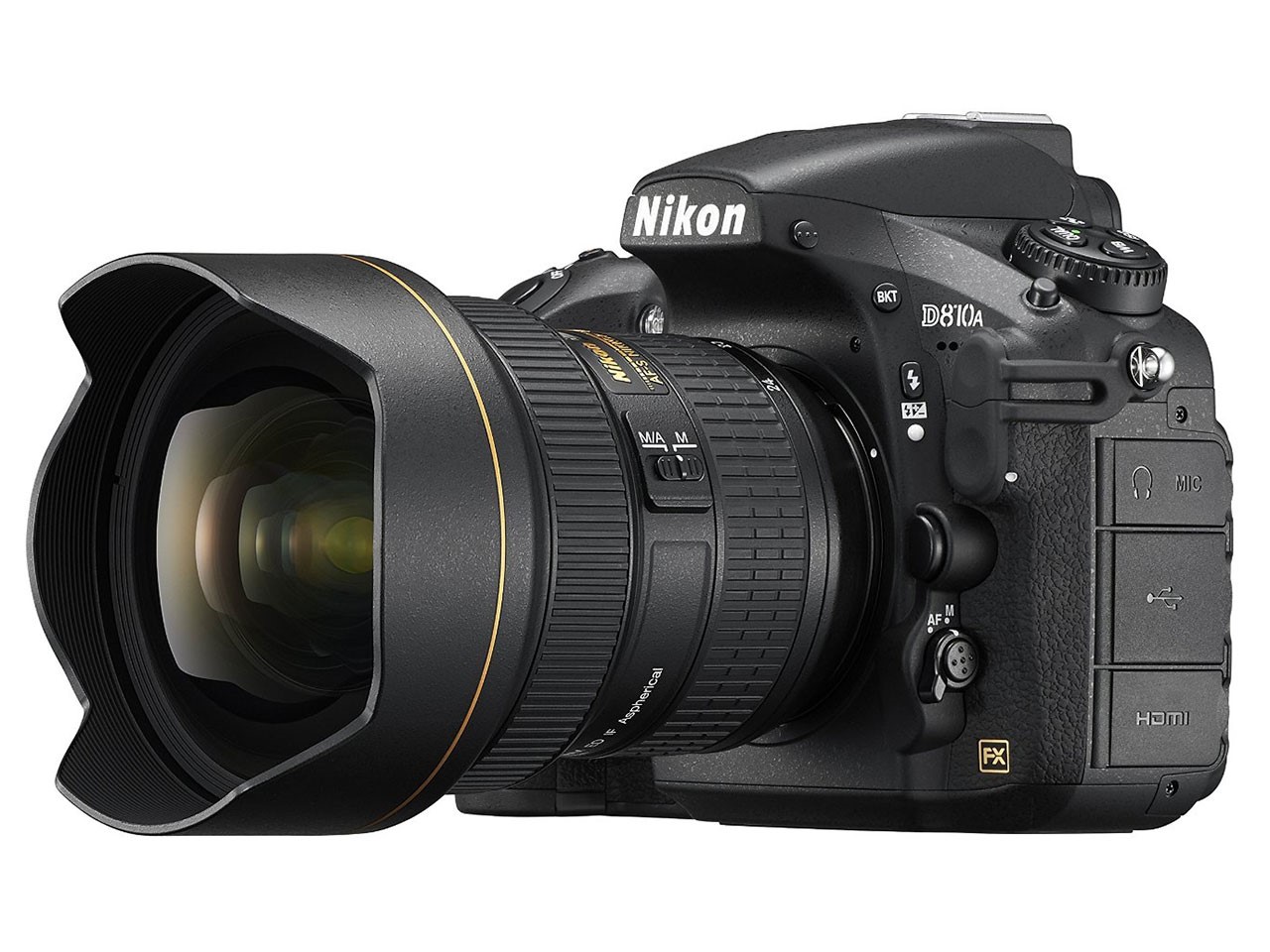
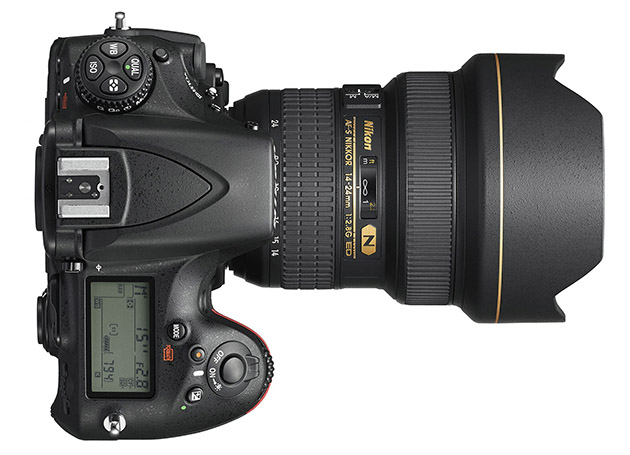
Today, Nikon India launched a camera that astrophotographers would like to get their hands on. The imaging technology beast showcased a high-definition D-SLR D810A, which has been designed to shoot stars.
The D810A, a variant of D810 DSLR, is a 36.3 MP camera with a special optical filter. It is sensitive to emissions of the Hydrogen-alpha wavelength and increases its transmission four times. This allows astrophotography enthusiasts to capture detailed shots of nebulae, constellations and other celestial bodies. The unique long exposure on Manual mode allows capturing pictures in the low-light conditions, offering a shutter speed of up to 900 seconds.
Other features that can enthral photographers are longer exposures in low-light conditions (with minimal noise), and a live view preview function.
Nikon India Vice President Sajjan Kumar briefed about the Nikon D810A –
The Nikon D810A has been designed keeping in mind the obstacles that astrophotographers face; it is a result of an amalgamation of advanced imaging technology and suite of outstanding features. Nikon D810A is a 36.3 megapixels camera crafted with unique ability to capture subjects with H-alpha wavelengths, ensuring rich vibrant capture for images of the cosmos that are true to the eye.
The Nikon D810A will be available from late May and will cost a hefty $3,799.95. However, there have been cameras like this around, but this is the first full-frame DSLR exclusively designed for photographers. So, astrophotography hobbyists can consider it as an option to go for.
However, there have been cameras like this around, but this is the first full-frame DSLR exclusively designed for photographers. So, astrophotography hobbyists can consider it as an option to go for.
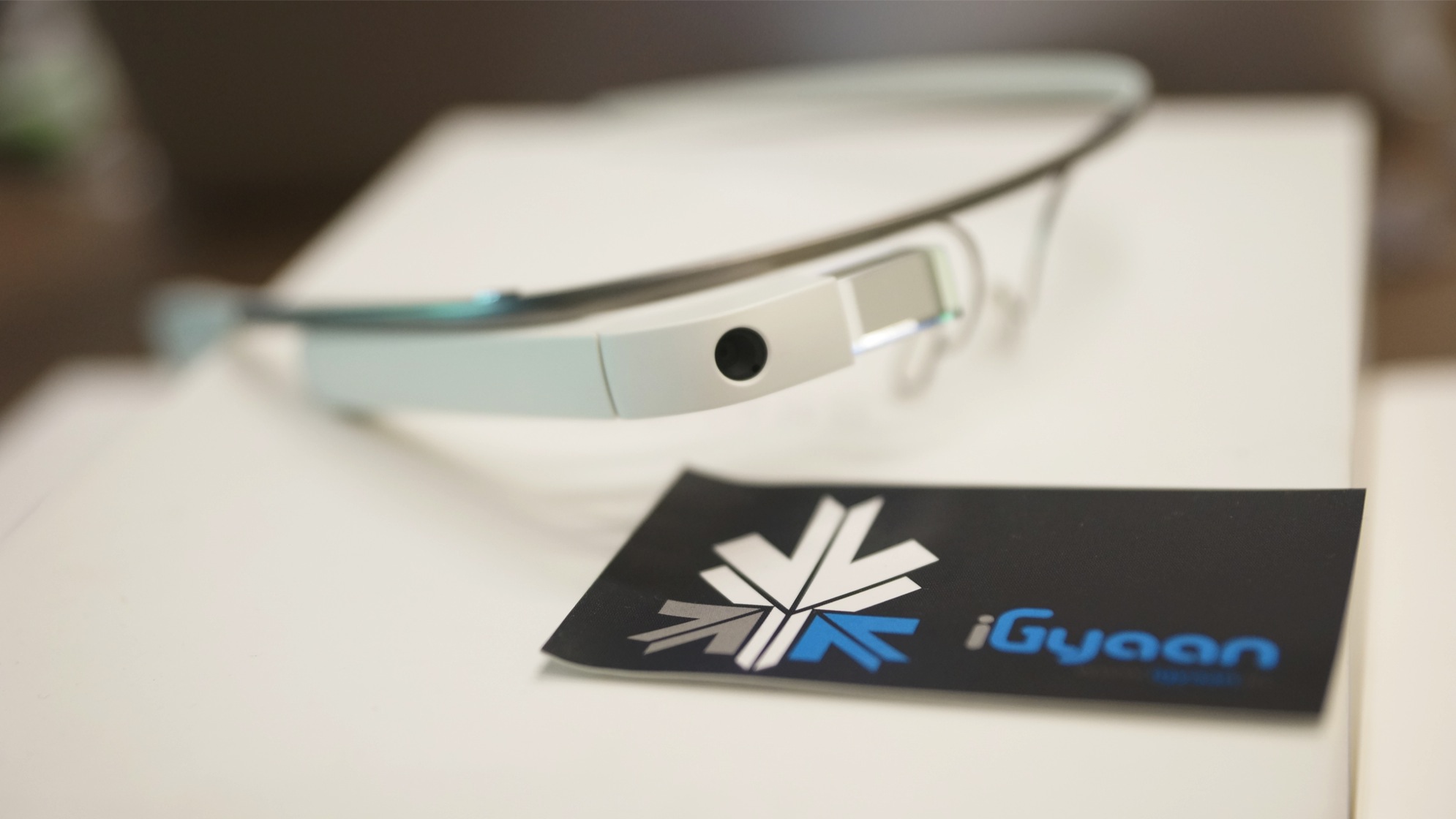
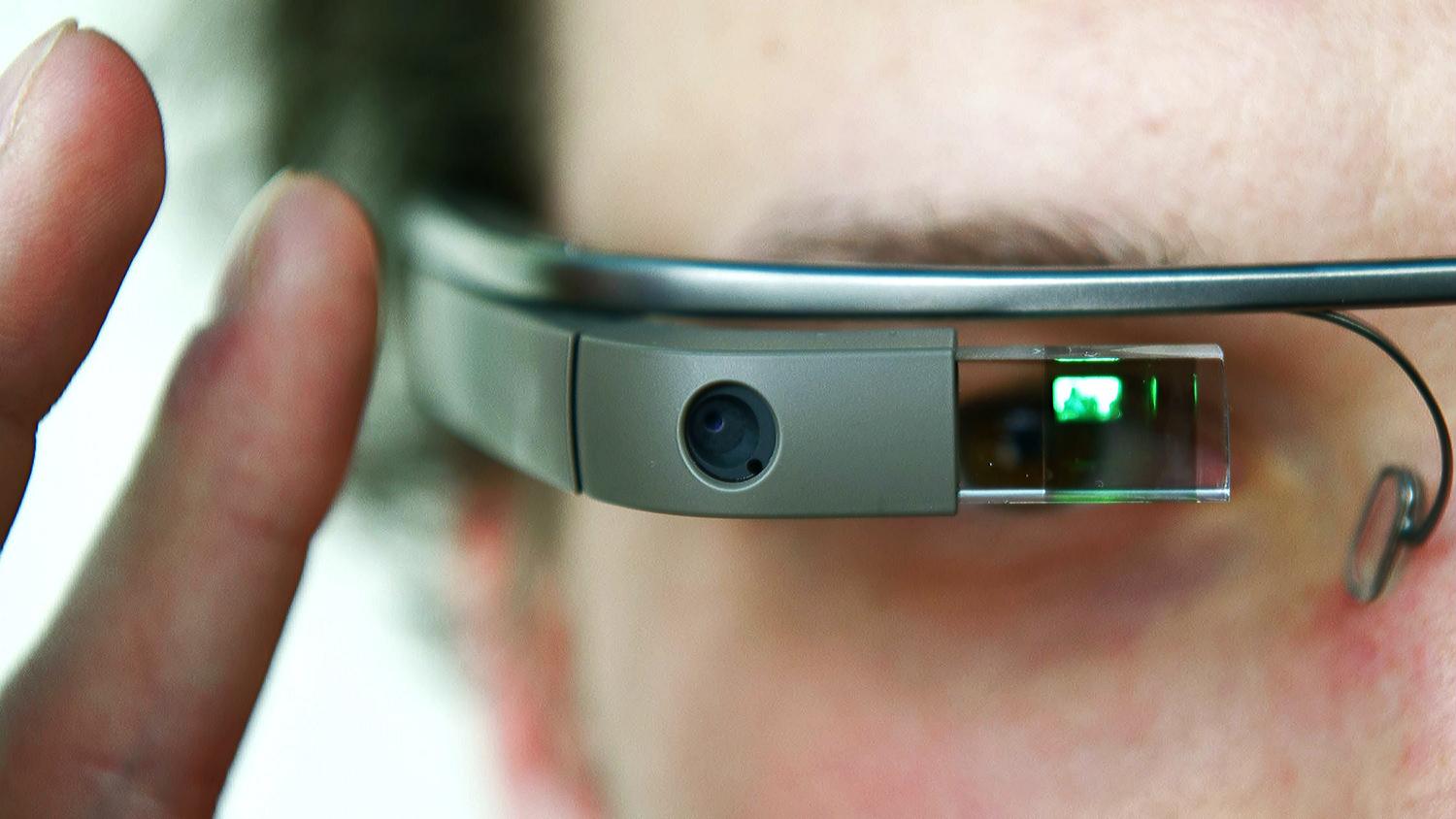
Google Glass is one spectacular device which failed to find an audience. The Glass had received unprecedented hype and was almost touted to replace all our other devices. But the technology felt victim to the “Bluedouche” legacy as people with the glasses were seen as intrusive. Maybe the Glass was too nerdy and ahead of its time to find a mass appeal. But Google seems to have found a new arena where its futuristic eyewear can find utility and that arena is the airport.
Virgin Atlantic, one the major names in aviation had begun using the device mainly for its gate attendants. Now Amsterdam’s Schipol Airport is providing the Google Glass to its staff and security professionals. Airport staff can coordinate with ease and share the information using the device.
Google Glass is being used to research the behavior of passengers to offer them more convenience in the future.
The airport is also put an initiative on trial to assist the passengers by providing them the Google Glass. The camera records what the passengers are looking at and records their voices too. The data is recorded for research purposes. The research will try to find out ways to make the travel more comfortable by providing the right information to them.
Airports have previously absorbed technology that didn’t find enough takers in the market. One shining example is the Segway, which was supposed to replace all other forms of travel, but was rejected by the market. It became a great tool for security personals who get to move around quickly in the massive airport terminals. Google Glass seems to be getting its second life in the airport too and being a good piece of technology it might just find a way back to the consumers. Google is also working on “Glass for Work” initiative with which its exploring utilities to promote the device in the enterprise environment. The Glass is clearly not dead yet.
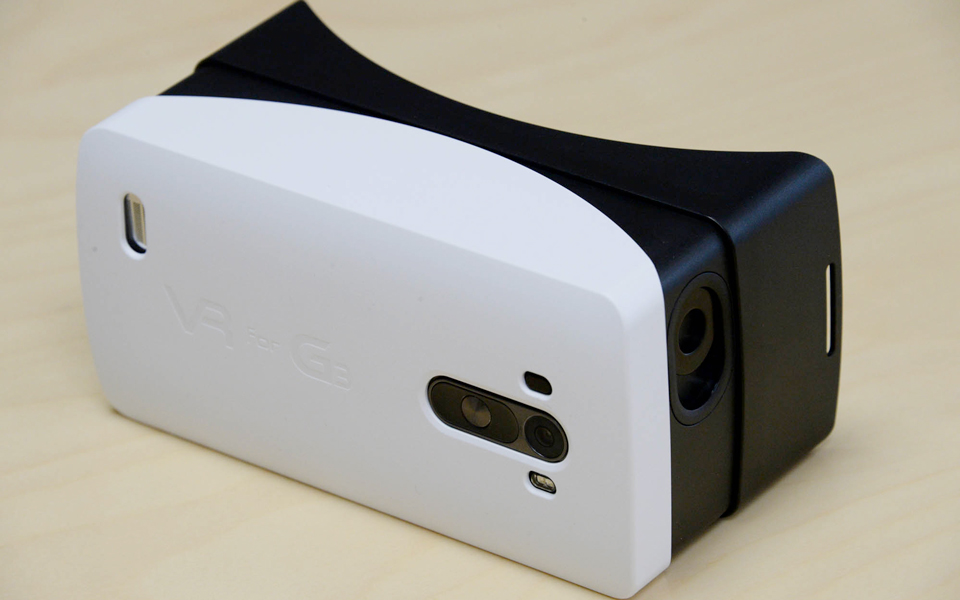
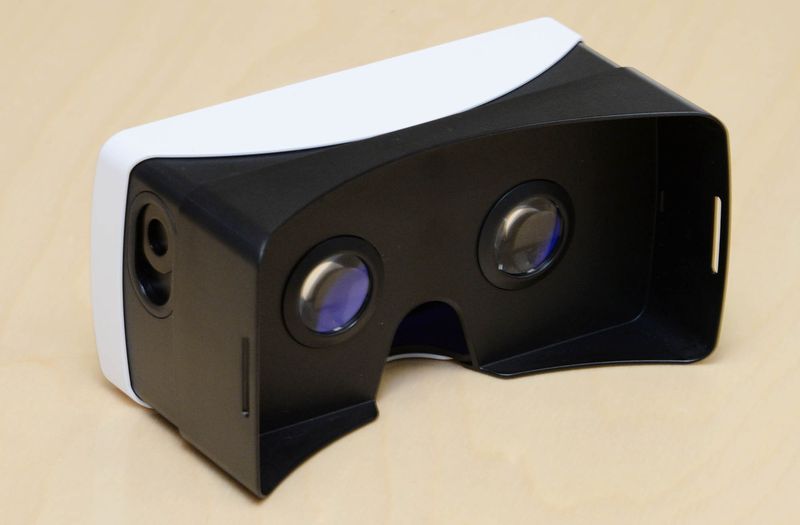
Virtual Reality headsets are the new tech every firm is betting on. But as it tuns out, none of them are available at a budget price – except one. At a mere $20, Google VR is super economical but it’s made out of cardboard. Quality would be no issue with the new VR headset by LG. The South Korean company has made a plastic version of the Google Cardboard that would be low in price. Called VR for G3, the headset will give virtual reality experience using the phone’s internal hardware.
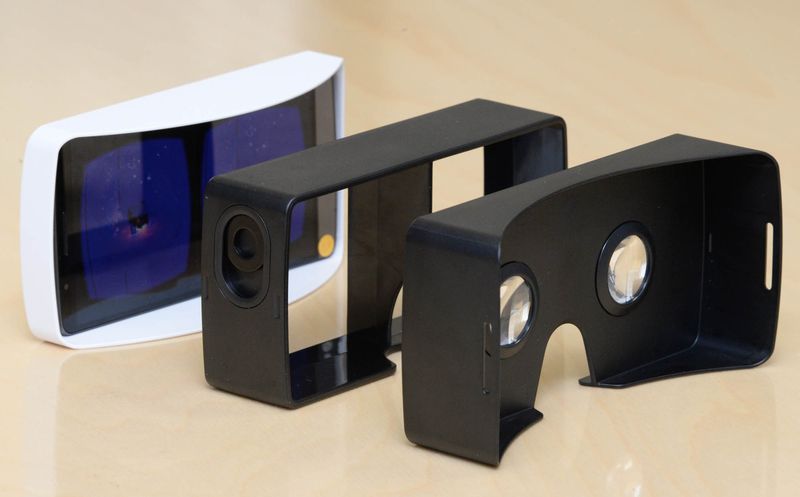
Based on Google Cardboard VR, the VR for G3 is a mere shell with lenses. The LG VR headset has three pieces which come assembled. A ring magnet like in the Cardboard VR headset sits on the left to select menu. A cutout on the back of the device reaches the volume rockers. Also, there are small cutouts for flash, laser autofocus, and speaker. The two slots are seen at the either ends, which can be used for a head strap.
Just strap your phone in the headset and it will send you right in the virtual world. As its plastic, it will cost low, but it is speculated that it may be available for free. Meanwhile, there is no word about its availability and price, and users have to wait till the next announcement.
Samsung released a Gear VR headset last year, but it costs $199. Not only this, one need to buy a Galaxy Note 4 as it is compatible with the Note 4 only.
The VR for G3 is definitely a good step to encourage the virtual reality concept to come into the mainstream.
Facebook founder has been working on an audacious initiative to provide free internet to people who haven’t yet received the benefits of the information superhighway. Internet.org was launched on August 20, 2013 and has till now provided services more than 150 million people total across Africa and Latin America. Now the biggest social network has introduced the service in India.
Internet.org is in partnership with Facebook and six mobile phone companies, namely Samsung, Ericsson, MediaTek, Microsoft, Opera Software, and Qualcomm. It is one of the initiatives along with Google’s Project Loon and Space-Internet plans by Tesla founder Elon Musk. They intend to reach the last 3 Billion people untouched by the internet.
Mark Zuckerberg in a post on Facebook has announced the introduction of the initiative in India. The initiative will begin offering services on the Reliance network in the states of Tamil Nadu, Maharashtra, Andhra Pradesh, Gujarat, Kerala and Telangana. The users will now have free data access to more than three dozen services.
Mr. Zuckerberg also hoped to one day connect everyone, and the power of the internet will serve every community across India and the world. He added that the day is coming soon. This initiative from Facebook is surely appreciable and will help empower the vulnerable communities in the world.