Blog

  • CES 2015: The New Saygus Smartphone Packs a Mammoth Storage

    CES 2015: The New Saygus Smartphone Packs a Mammoth Storage

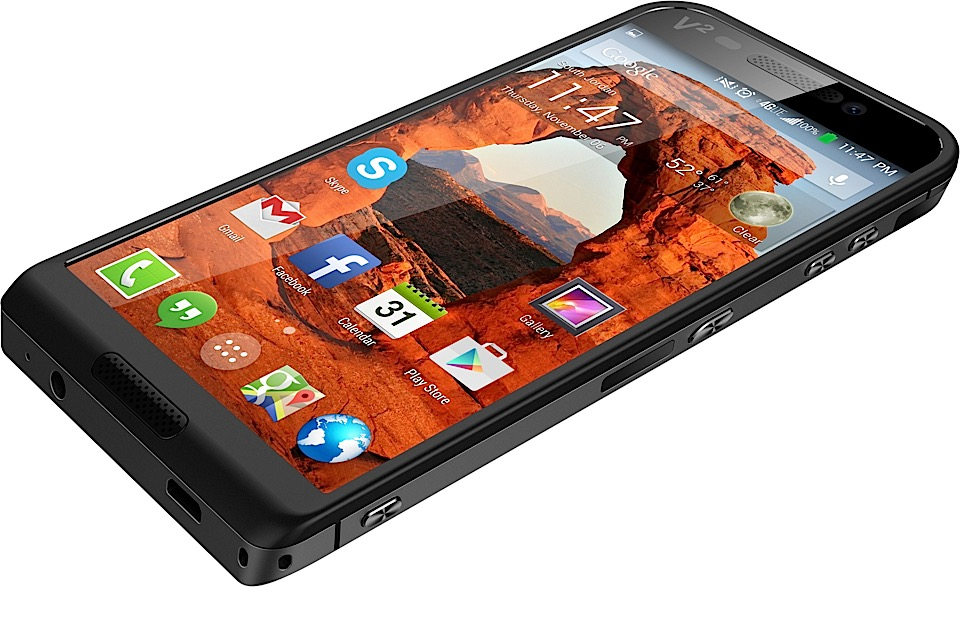
    Many smartphone manufacturers acquired the attention of media and audience alike, be it Samsung, HTC or Lenovo, but there is one unbeatable smartphone that has turned all the heads. The South Jordan-based company Saygus has unveiled V2, a smartphone that has 320 GB of storage capacity.

    Well, it’s hard to believe a phone embedding a storage capacity equivalent to an external hard drive, but it’s true. The 320 GB is fragmented as up to 64GB of internal storage, and two MicroSD card slots which can support up to 128 GB each. This is as high as it gets for a smartphone.

    The Saygus V2 is an Android-based handset with a 5-inch 1080p display. Diving into its specs, the device is powered by a Snapdragon 801 quad-core processor clocked at 2.5 GHz. It runs on Android 4.4.4 KitKat and packs 3 GB of RAM. Additionally, it sports a massive 21MP of rear shooter with dual LED flash and a 13MP selfie snapper upfront.

    Clearly, Saygus has set a benchmark for other renowned brands in regards to its storage capacity. Together with this, it comes with Fingerprint scanner and Wireless Qi charging options. The Harmon Kardon speakers on the phone are sure to make you groove. The firm has also kept in mind the much-talked-about feature on phones these days, root access. The Saygus V2 comes with built-in root access, which allows users to have complete rights over the system.

    As of now, there is no news about its price although the device is likely to launch in the US the spring.
  • CES 2015: Intel’s Button Sized Chipset lets Anyone Make Wearables

    CES 2015: Intel’s Button Sized Chipset lets Anyone Make Wearables

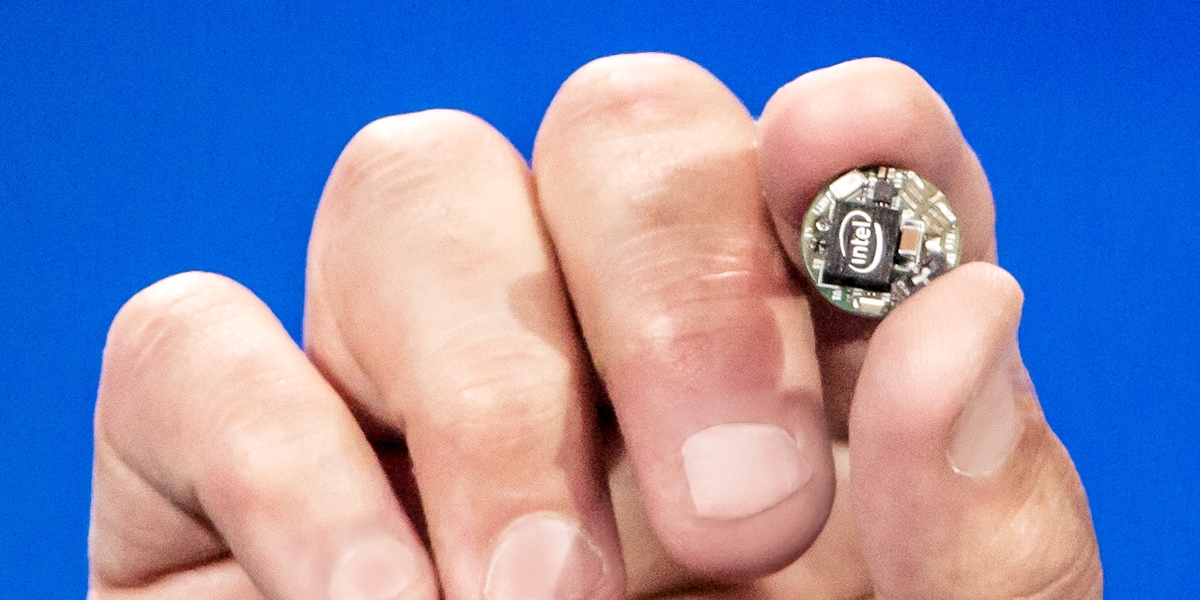
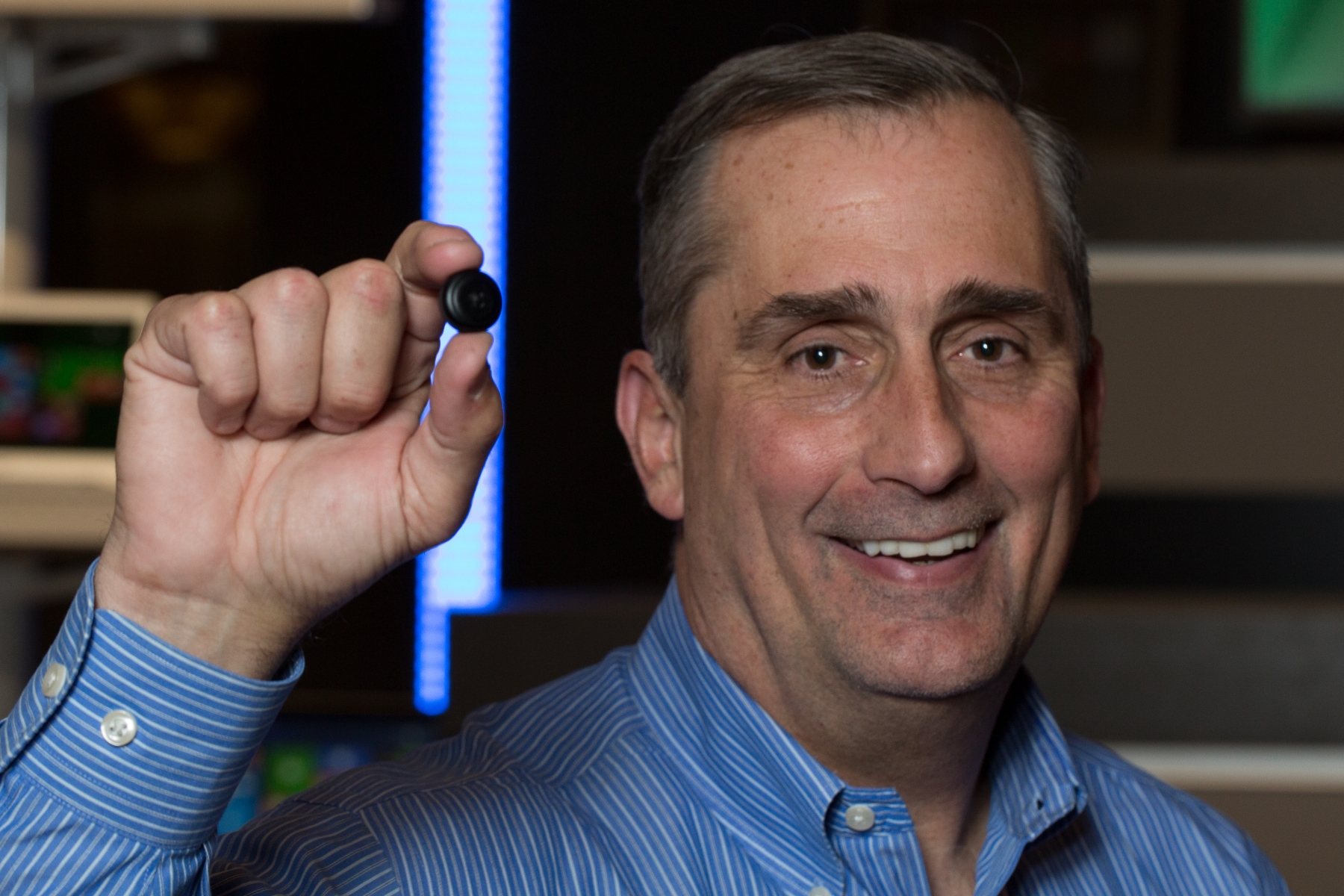
    Future looks quite promising for wearables as prominent manufacturers have shown a renewed interest in the wearable segment. Intel being the latest to jump onto the wearable bandwagon, as the company’s CEO Brian Krzanic announced a new tiny chipset for wearable devices which is the size of a coat button. It’s a low power 32 bit micro controller called the Quark SE which has 384kb of flash memory and 80kb SRAM. In addition, the chipset also features a plethora of sensors including accelerometer, gyroscope and Bluetooth LE support.

     CEO Brian Kraznic with the Intel Curie Prototype
    CEO Brian Kraznic with the Intel Curie Prototype

    Intel also announced a development module called Curie, that will allow companies to manufacture wearable devices out of anything. Krazinch claimed that with Curie and Quark, one could build a wearable device out of anything from rings to handbags, pendants and even glasses.
    Intel seems all geared up to speed up the development of Curie based devices. It is providing complete software and technical support needed to work with its reference wearable applications called Intel IQ Software Kit.  The company believes it will help customers across all demographics, including fashion, sports and lifestyle companies.

  • Beats Co-Founders Sued By Monster for Fraud

    Beats Co-Founders Sued By Monster for Fraud

    Dr.Dre, Jimmy Lovine celebrated publicly on the acquisition of their audio company, Beats by Apple for a sum of $3 Billion. Beats has grown strong since its inception and with massive celebrity endorsements, these expensive (some may consider overpriced) headphones have been selling like hot cakes. Beats now commands over half of US headphone market worth $1 Billion. But now the company has run into legal troubles with Monster, which originally created the technology behind the Beats headphones.

    Monster has been in the audio business since Noel Lee, an engineer and self professed audiophile founded the company in 1979. Since then it has grown to become a respectable audio brand. In 2008, Noel’s son Kevin Lee met Jimmy Lovine as he was looking for partners for a new line of prototype headphones. Jimmy brought Dr.Dre along on the deal and hence Beats audio came into existence. During the signing of the agreement, Monster gave permanent ownership rights to everything under the Beats brand name to Jimmy and Dr.Dre. This meant that even though the technology and designs were created by Monster, it was the Beats team who would reap the profits.

    In 2011, HTC bought 51% stake in Beats which fetched Dr. Dre and Jimmy Lovine about $100 million each. Beats and Monster parted ways in 2012, the reason cited internally was ‘financial disagreement’. Now Monster is alleging that the team at Beats is actively trying to erase the contribution of Monster in the making of the successful brand.

    Beats has fast grown to become the preferred audio brand for about half of the US market.
    Beats has fast grown to become the preferred audio brand for about half of the US market.

    In the complaint filed at Superior Court in San Mateo County, Califorinia, Monster alleges that Beats basically robbed Mr. Lee out of his invention. During the HTC deal a change-of-ownership clause was added which meant that all intellectual property such as technology and designs were to be transferred to Beats brand. After the deal Monster CEO Noel Lee’s stake in Beats was reduced from 5% to 1.25%.

    Monster has also called the HTC deal a sham, orchestrated by Dre and Lovine to cease control of the company. It is asserted in the complaint that Beats repurchased 25.5% of its own shares from HTC less than a month after the deal closed. HTC also sold back the shares of Beats in 2013 which made the complaint sound genuine but we’d rather the judge decide on the verdict.

    Beats most major gain came when last year Apple acquired it for $3 Billion. It’s major focus is on the Beats music service as it tries to take on new generation competitors such as Pandora and Spotify. Apple hasn’t been named as a defendant in the case. It is alleged though that during the deal, the role of Monster in creation of the Beats brand was concealed. It is said that months before the Apple deal Mr.Lee was misled to sell his shares as he was told that there was no “liquidity event” on the horizon for the next year or two.

    This case, if for anything shows the fierce nature of the technology industry. Here knowledge is power, but legal clauses are more powerful as they might make you compete against your own creation, as Monster has to now compete with Beats products. So it is important to not just be a good innovator, but also a good businessman!

  • The Next MacBook Will Be Thinner and Sleeker

    The Next MacBook Will Be Thinner and Sleeker

    With almost all companies showing off their best innovations in the ongoing Consumer Electronic Show, the Cupertino-based giant Apple is geared to showcase its best product. The company is reportedly working on a prototype of the new MacBook Air, which will be launched in 2015. The upcoming 12-inch Air will be even thinner than its predecessors; believe it if you can!

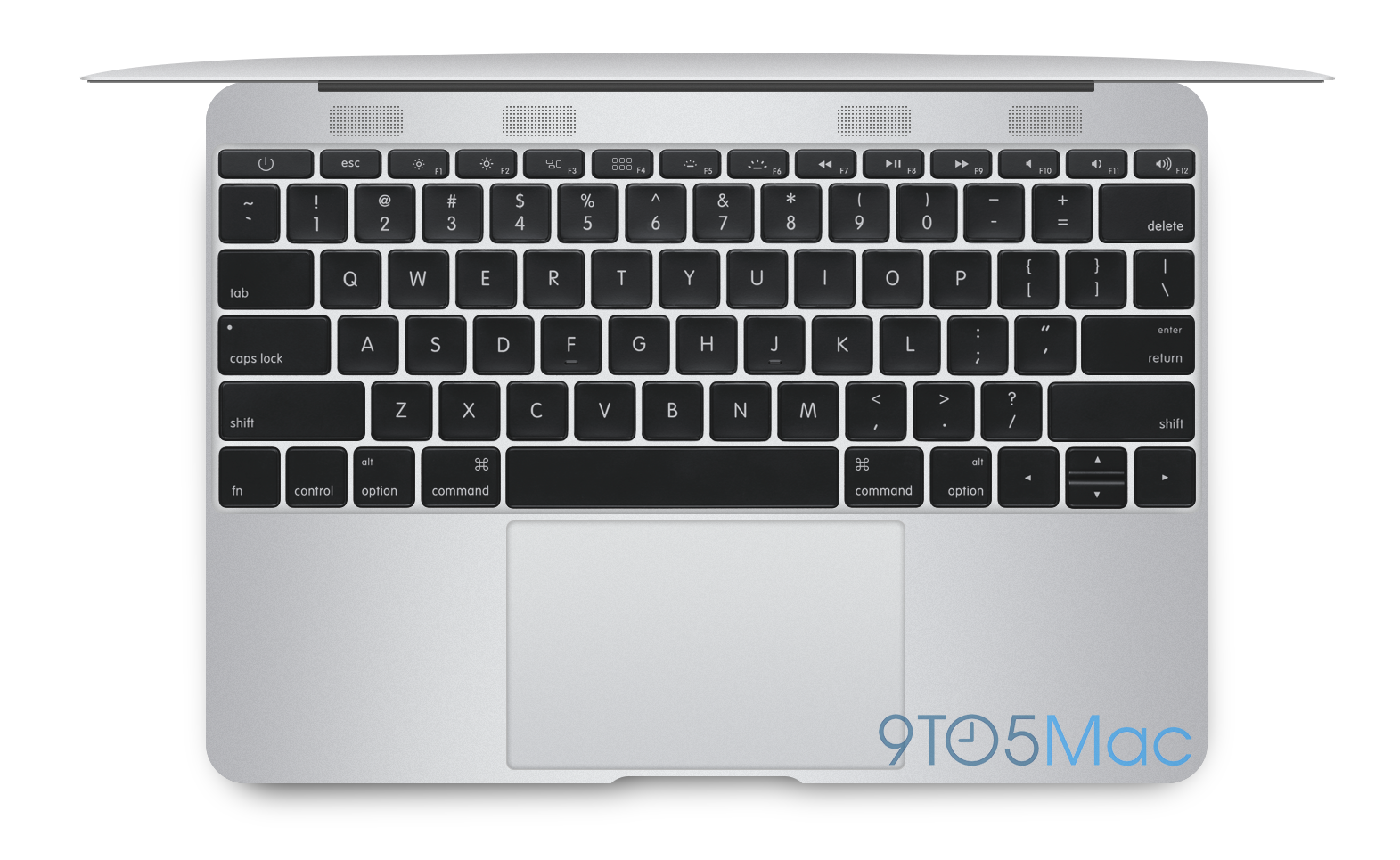
    An authentic source 9to5mac has unwrapped some external details of the forthcoming Mac. It said that the new offering from the company will be completely resigned and will feature full-sized USB ports, MagSafe connectors, and SD card slots.

    macbook air 12 inch

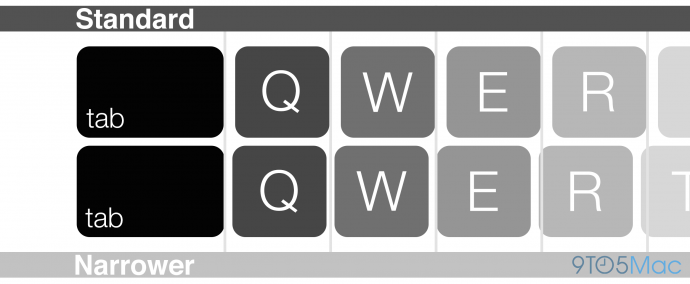
    Internally termed as “MacBook Stealth”, the 12-inch MacBook will be entirely revamped. The keypad is modified and the new keypad sits edge-to-edge to the width of the laptop. Each key is relatively closer and some keys are relocated in order to make the laptop narrow. Above the keyboard, there are four speaker grills that are redesigned to act as ventilation holes to help cool the fan-less model. Furthermore, there will be alternations in trackpad and speakers once it reaches the end-consumers.

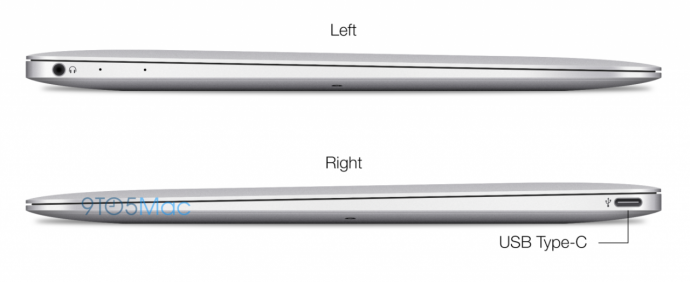
    Apple macbook-12-inch

    The upcoming Air will house comparatively lesser number of ports than the previous versions. There is just one USB Type-C port at the left and a standard headphone jack along with dual microphones on the right-hand side. The USB Type-C port is said to be smaller, more capable and faster than the USB 2.0 and 3.0 ports embedded on the present models. If the latest specifications from the USB foundation are to be believed, then the USB Type-C port cannot only transfer data but can also charge the device, making the MagSafe plugs unnecessary on the new machine.

    According to the source, the 12-inch MacBook Air will be approximately 0.25-inch narrower than the 11-inch model and of course, would be a bit taller. The thickness reduction is to a bare minimum, but it is a nice move to fascinate potential market.

    Internal specifications of the laptop are yet not revealed. There are possibilities that Apple may bring out this new version in gray colour as it has done with its recent offerings. However, there is no notification about when the new Air will roll out; although rumours reveal that it will be shipped in mid-2015.

  • Xiaomi’s Last Sale Sells 90,000 Units Before its Probable Ban

    Xiaomi’s Last Sale Sells 90,000 Units Before its Probable Ban

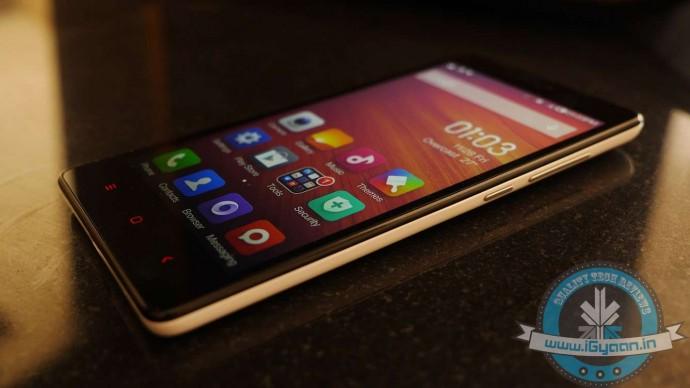
    Xiaomi is in a bit of a legal tussle with Swedish communication giant Ericsson. The Chinese smartphone maker was banned by the Delhi High Court(DHC) on a patent infringement complaint by Ericsson. The court later allowed the company to sell devices with Qualcomm chipsets until January 8th. Xiaomi is making the best of this sale period afforded to it by the DHC and brought huge stocks for its flash sale today.

    According to the companies official FB page they had 50,000 handsets of the Redmi Note 4G and 40,000 pieces of the Redmi 1S. This was the first time the company brought two devices for a flash sale in a single day and the reason is pretty apparent, its the ban that starts from January 9th.

    As usual only only folks who registered yesterday, the 5th of January were allowed to participate in the sale. The flash sale for the Redmi Note 4G was scheduled at 2 PM whereas the Redmi 1S sale was scheduled at 5 PM.

    According to Xiaomi India head Manu Kumar Jain, the Redmi Note 4G went out of stock in just 5 seconds. He also added that there were more that 5,00,000 registration for todays sale.

      The Redmi 1S which went on sale at 5.00 PM too went out of stock almost immediately. According to Manu Jain, it went off the shelves in 4 seconds. Today’s sale shows that the interest in the handsets by Xiaomi hasn’t waned much in India. The company is growing strong worldwide and its strategy of providing high quality specs through online flash sales have really paid off.  

    The next sale is listed to be held on January 13 which is still tentative as the ban on the sale of the devices begins starting January 9th. The High Court of Delhi has set a date of hearing on February 5th 2015. The company now has a big fan base in India and it will be disappointing news for the company if it loses on such a giant market.

    Update: Xiaomi has reported later that due to unforeseen logistic delays they were only able to bring 20,000 units of the Redmi 1S for yesterday’s sale.

  • Delhi-based Frankly.me Bags $600,000 Funding From Matrix Partners

    Delhi-based Frankly.me Bags $600,000 Funding From Matrix Partners

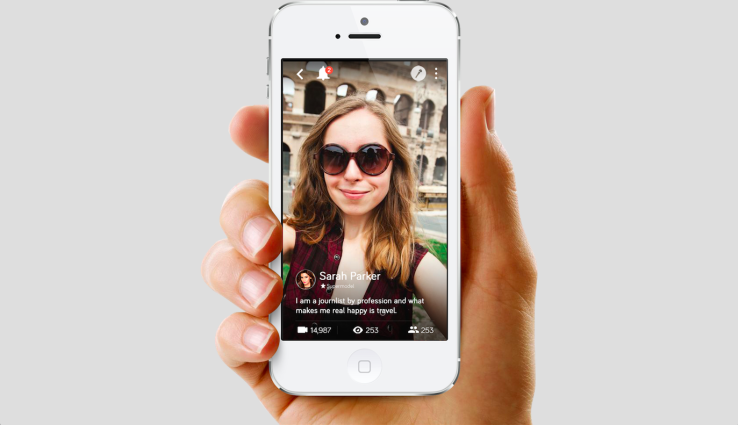
    A Delhi-based startup called Frankly.me, which developed a video Q&A platform, just like VYou, has bagged a an investment of $600,000 from Matrix Partners, that would aid the company to carry its on going development and mark its presence in the Indian market.

    Currently in beta, the app and website, Frankly.me, is a video Q&A platform that serves the purpose of connecting common people with public figures and eliminates the communication gap between them. The platform is compared to VYou which saw more than million  answers posted and raised $3 million in funding before shutting its consumer site down in March 2013 due to lack of user engagement.

    However, according to the founder Nikunj Jain and Abhishek Gupta, Farankly.me will not meet the same fate as there is a drastic difference between the social demographic of India and US. The startup  hopes to take advantage of the country’s fast-growing mobile penetration rate with this week’s launch of its mobile app.

    frankly

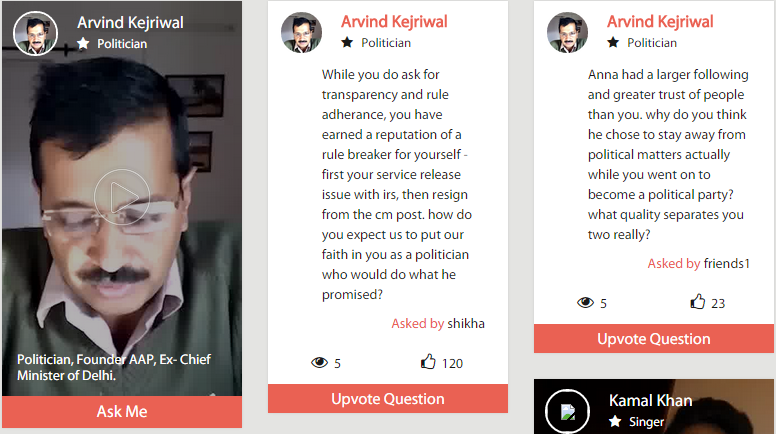
    There is no similar platform in India for people to connect with public figures, such as government officials. Delhi’s assembly elections are expected to take place next month, and representatives from all major parties have already signed up to take questions on Frankly.

    The founders hope the election scenario will help the startup to gain user base and users will stick around on the platform to communicate with other people even after elections. The people engaged with the startup, range from politicians like Arvind Kejriwal, the ex-chief minister of Delhi, to entertainment celebrities, astrologists, and top chefs.

    Exposure from public figures on the platform has resulted in 1,000 to 2,000 new users each day since Frankly launched its beta last week, the company claims. Frankly is still considering different business models, but the company is focused on gaining users for now and founders believe that “if you have a good conversation going on, monetization should not be a problem.”

  • CES 2015 : Samsung Eyes The Internet of Things as its New Cash Cow

    CES 2015 : Samsung Eyes The Internet of Things as its New Cash Cow

    Samsung hasn’t had a good time with its smartphone business in the past couple of years. As the smartphone market gets more saturated by new players, Samsung is looking for a new arena’s to assert its dominance before the other players catch-up. The company says that by 2020, all its devices will connect to the internet and to each other, thereby creating an internet of things ecosystem.

    During its presentation at CES, Samsung showed its dedication to the cause of the Internet of Things (IoT). Samsung, of course, is one of the biggest manufacturers of consumer electronics and hence it has a massive research background to play around with the technology. The company wishes to grab a big portion of the IoT market which is estimated to be worth $7.1 trillion by 2020.

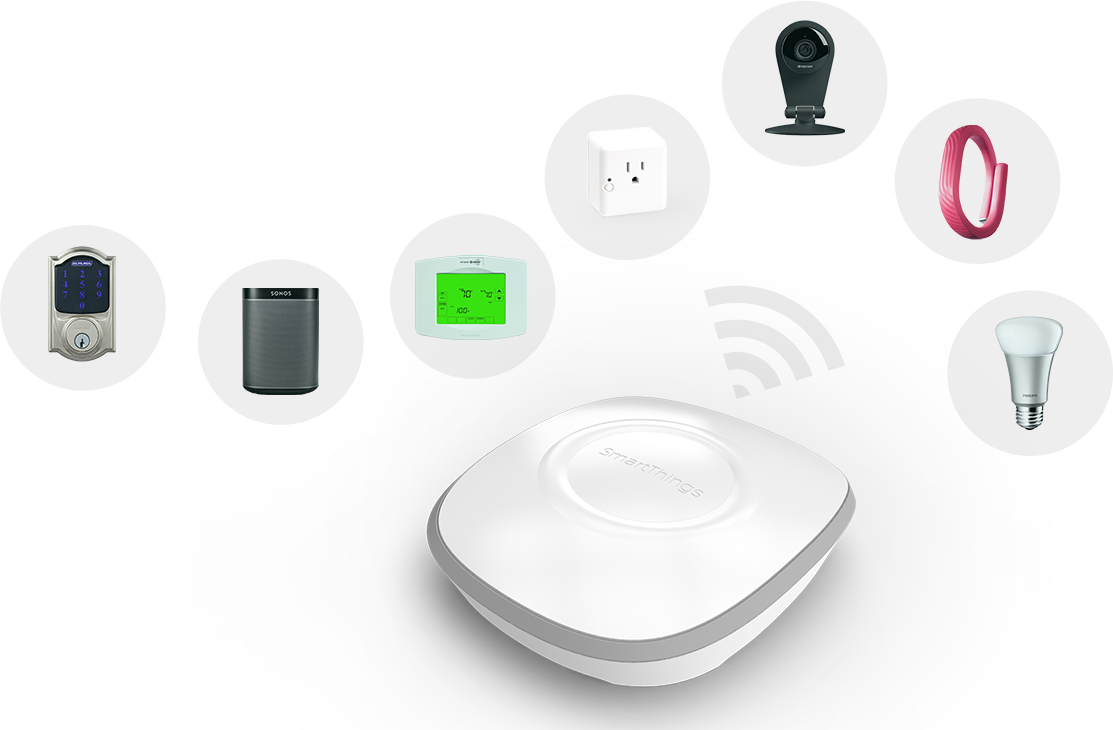
    Samsung acquired SmartThings last August which makes hubs that allow various devices to interact with eachother.
    Samsung acquired SmartThings last August which makes hubs that allow various devices to interact with each other.

    If you don’t already know, Internet of Things is a concept where all devices are interconnected and provide intuitive functionality and provides immense convenience to the users. For example, if you run out of milk, your refrigerator will recognize it and order milk for you. Another example could be that your keys can recognise when you have left the house and power down the house and when you are coming back it can set the lighting and temperature according to your needs.

    Samsung bought a company called SmartThings, last year in August. SmartThings makes hubs that allow internet connected devices to interact with each other. This is what Samsung is banking on for setting up its initial IoT infrastructure. But a proper channel and language for interaction between the various different kinds of devices is still in the process of development. There are some equipments in the market that provide limited experience of IoT, for e.g Google Nest, but a seamless interaction between the devices is still a few years away. Google Nest has an initiative called ‘Work with Nest’ where they are currently working with many companies including LG and Samsung to make the companies devices “smart.”

    One good act on the part of Samsung is that it has decided to keep this ecosystem, meaning that the devices will not be locked inside the Samsung infrastructure. This might help the devices to gain more acceptability in the market as people won’t be enthusiastic about investing in Samsung devices only for their houses.

    The arena of the Internet of Things is wide open for companies and innovators to plant a flag. This industry is still in the beta stage but once IoT is unleashed to its full potential, it will radically change the way we interact with technology. We hope Samsung does a far better job in this arena than it has done with its popular smartphone arm in the last few years.

  • Samsung Brings the Metallic Galaxy A3 and Galaxy A5 to India

    Samsung Brings the Metallic Galaxy A3 and Galaxy A5 to India

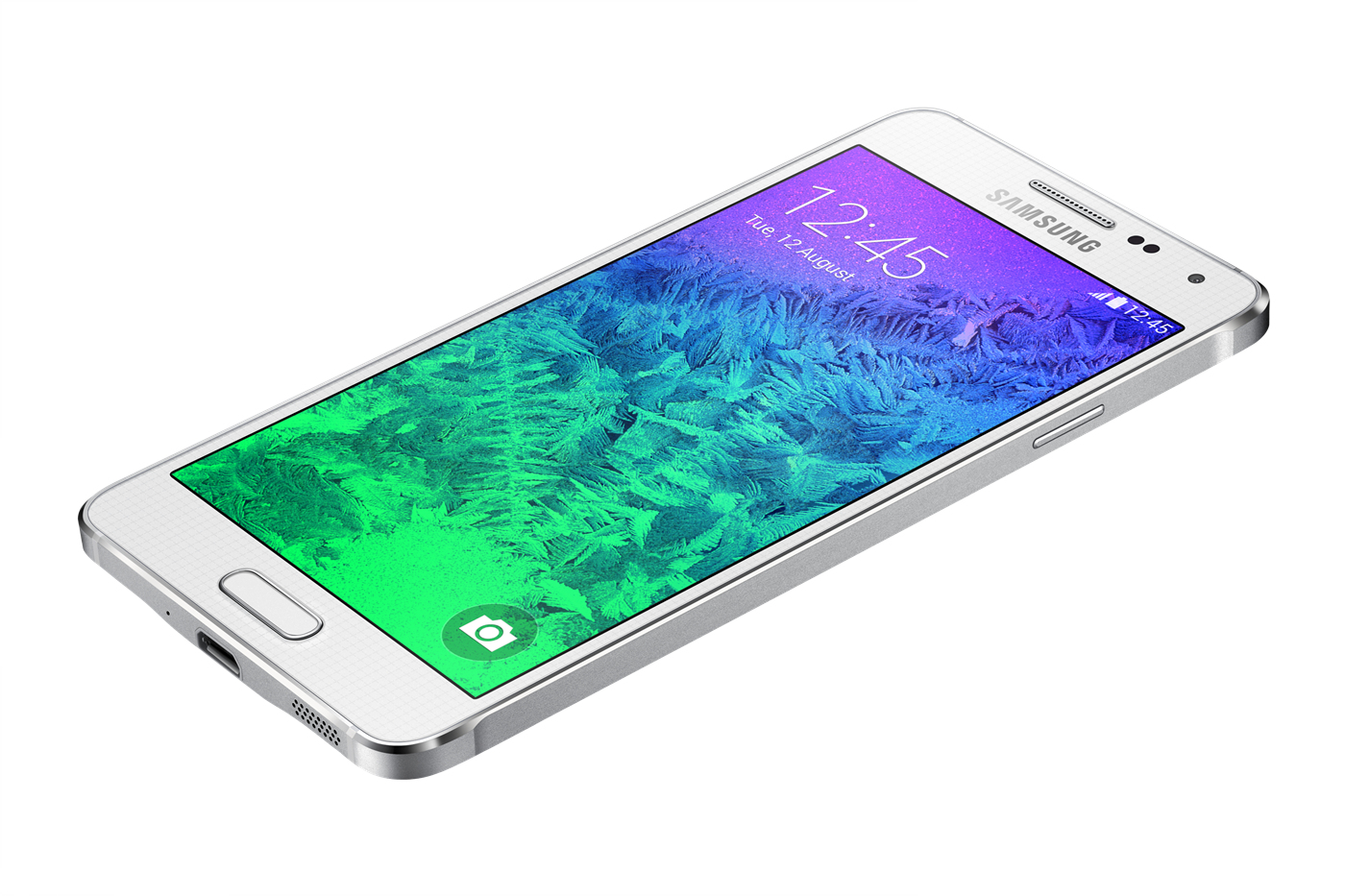
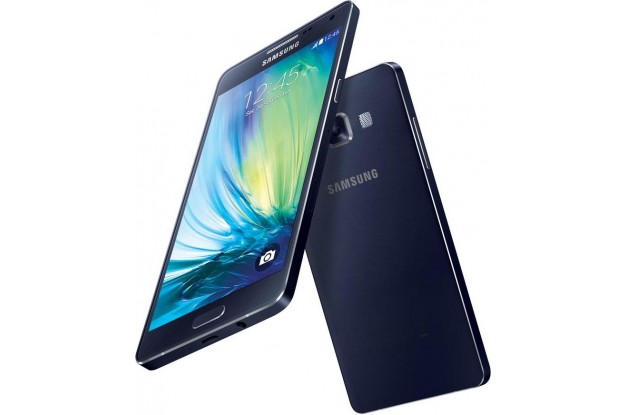
    Samsung has been doing well at the ongoing Consumer Electronic Show in Las Vegas. While launching gadgets at the international platform, the South Korean multinational firm hasn’t forgotten the Indian subcontinent and announced their two latest models in the Indian subcontinent. Samsung today launched the Galaxy A3 and Galaxy A5 in India. Both the smartphones were introduced by the company late last year.

    Samsung-Galaxy-A3

    The Galaxy A3 is priced at Rs. 20,500 and sports a mid-range specifications. The phone flaunts a 4.5-inch Super AMOLED qHD display and is powered by a 1.2GHz Snapdragon 410 quad-core processor. It packs 1.5 GB of RAM and the internal storage capacity of 16 GB that can be expanded up to 64 GB. The device houses a battery of 1,900mAh and the rear snapper of 8 MP along with a 5 MP front shooter.

    samsung galaxy a5

    The Galaxy A5 costs Rs. 25,500 and packs relatively higher-end hardware. With a 5-inch Super AMOLED HD display, the device is powered by a 1.2GHz Snapdragon 410 quad-core processor. Stuffing 2 GB of RAM onto the device, the phone gets its juice from a 2,300mAh battery. It has a 13MP rear end camera along with a 5MP front end camera.

    Both the models have front cameras with 120-degree wide range angle and features support for palm and voice gestures. The smartphones have full metallic body and are comparatively thinner. Other exclusive features include Wide Selfie, Palm Selfie, Rear Cam Selfie, Beauty Face, along with gif mode shooting option. The phones come in seven colour options – pearl white, midnight black, platinum silver, light blue, soft pink, and champagne gold.

  • CES 2015 : Lenovo Launches Two Smartphones and a Fitness Band

    CES 2015 : Lenovo Launches Two Smartphones and a Fitness Band

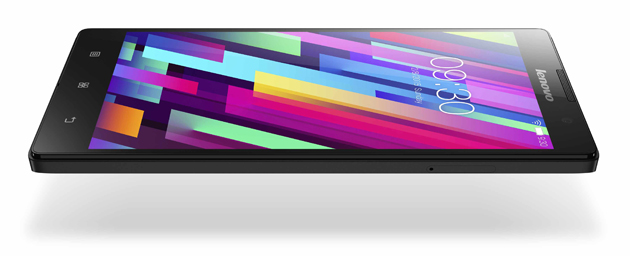
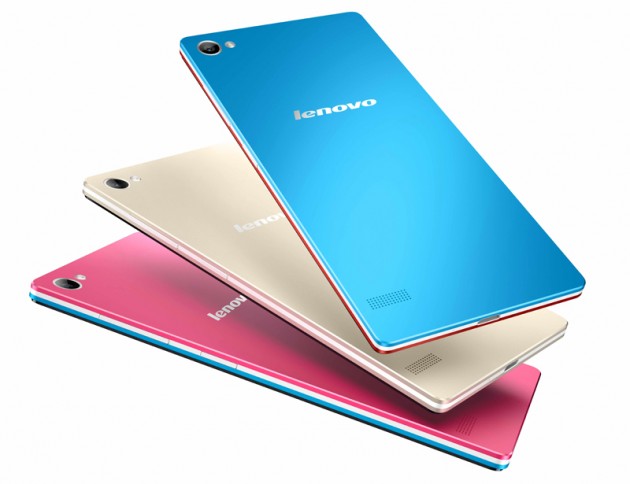
    Lenovo has added two new smartphones, an accessory and a wearable to it portfolio. The company pulled the wraps of the a couple of Android 4.4 KitKat-powered droids dubbed Vibe X2 Pro and P90 along with a unique selfie-flash accessory.

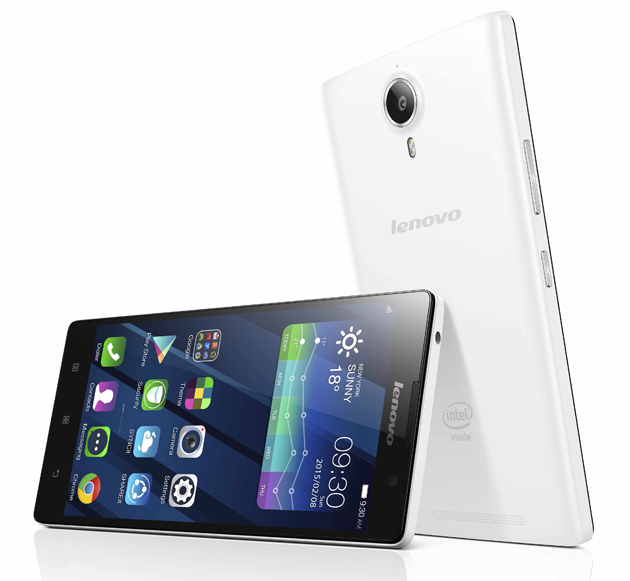
    Lenovo P90, the highlight of the show, is workhorse with an enormous battery. It is also the first phone running on Intel’s 64-bit Atom 1.8GHz quad-core processor, and supports LTE-Advanced (FDD and TDD), which offers theoretical download speeds of 150Mbps.

    lenovo-p90-2
    Lenovo P90

    The Lenovo P90 sports a 5.5-inch 1920×1080 IPS display, 2GB of RAM, 32GB of internal storage, 13 megapixel rear camera with OIS (optical image stabilization), front-facing 5 megapixel camera and a massive 4,000 mAh battery which, according to the company, will last for 2 days on a full charge. The Lenovo P90 will be available in February for $369

    lenovo-vibe-x2-pro-4-630x484
    Lenovo Vibe X2 Pro
  • CES 2015 : Sony Set to Roll Out Lollipop to Xperia Z3

    CES 2015 : Sony Set to Roll Out Lollipop to Xperia Z3

    During CES 2015 at Las Vegas, COO of Sony, Michael Fasulo, announced that the company is all set to roll out Android 5.0 Lollipop to its Xperia Z3 lineup starting next month. Sony had earlier revealed that Android 5.0 Lollipop would come to the “core” Xperia Z2 and Z3 lines in early 2015.

    The company confirmed the previous rumours in December, but the Japanese electronic giant hasn’t been too specific on exactly when this rollout will happen. However, Fasulo revealed that the update will begin rolling out to the Xperia Z3 next month.

    Google released Android Lollipop 5.0.1 to the masses in December 2014 and the wait began as manufacturers optimised the code before pushing it out to their flagship devices. Till now handful of devices like Moto G (Gen 1 and 2), Galaxy S4, Galaxy Note 2 have got the lollipop update.

    Sony’s announcement follows the company’s promise last October to eventually deliver Lollipop to its entire Xperia Z range of devices.

  • CES 2015: Sony Brings Back the Walkman with High Quality Audio

    CES 2015: Sony Brings Back the Walkman with High Quality Audio

    Sony had revolutionized the way we listened to music when it launched the Walkman in the 1980’s. Since then the music players have gotten consistently tinier ultimately reaching the size of a biscuit before being absorbed into the smartphone. But the grandfather of portable music players, Sony, is not giving up on its baby just yet. At CES 2015, they have revived the Walkman as a high definition player which it says is a better entertainment device than any smartphone.

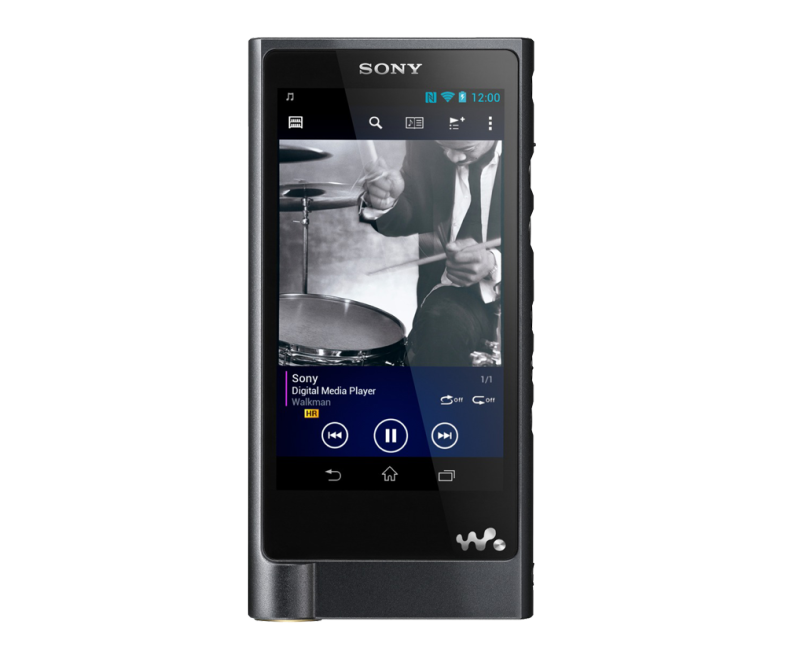
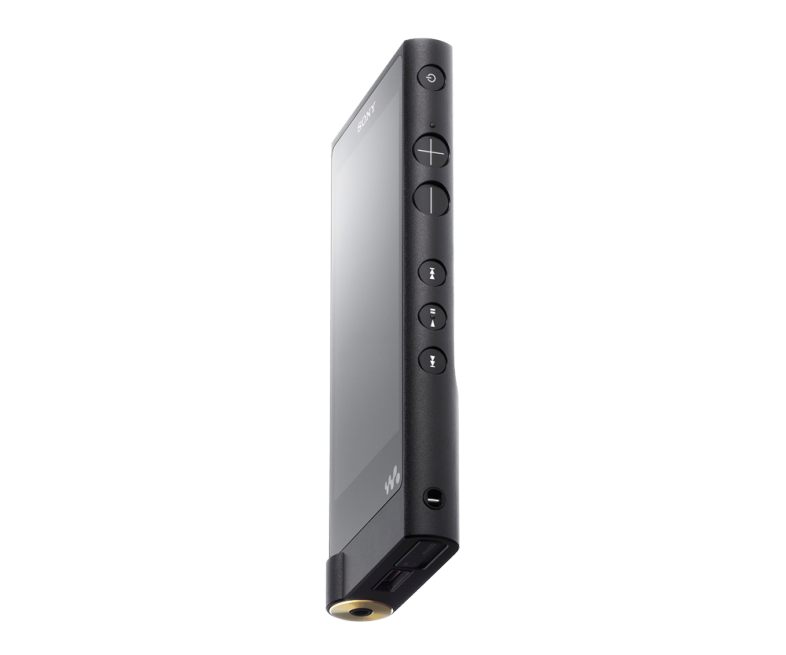
    Sony’s NW-ZX2 Walkman boasts of 128 GB of storage space with up to 60 hours of battery life. The company also claims that this device gives a better sound output than the conventional smartphones. It supports high-quality audio codecs like DSD, WAV, AIFF, FLAC, Apple Lossless, and more. Sony also added that the device is capable of increasing the quality of your existing songs.

    NW_ZX2-walkman

    The ZX2 is a peculiar looking device which has a bit of a retro appeal. It looks like a communication device from the older sci-fi movies. It looks like a big smartphone with a bulge at the bottom for the 3.5 mm headphone jack. The back panel has an uncanny resemblance to the Nokia 3230.

    There is a disappointment though on the software side of things. The device runs on Android Jellybean 4.2 which is presently outdated. It does give you the option to download and use apps from the Play store, so that’s a plus. The Walkman also provides you with a Micro SD slot which lets you extend the storage beyond 128 GB. It also supports Bluetooth and NFC output making this a complete entertainment device.

    But the question does remain; why would someone go for an independent device if they already own a smartphone that does it all and that too at a price of $1200? Well, it can be a device for music professionals to listen to with highest quality tracks. This would probably come handy to music enthusiasts too who want a player that gives them the best output on the move, but they’d definitely need quality earphones to get the best out of it. The device does have limited utility in a time when we have all-in-one devices called smartphones, and not a lot of folks will be enthused by the hefty price tag.

  • CES 2015: HTC Announces the Selfie-Centric Desire 826 and Budget-Friendly Desire 320

    CES 2015: HTC Announces the Selfie-Centric Desire 826 and Budget-Friendly Desire 320

    The Taiwanese smartphone manufacturer HTC knows the right way to disclose cards in a game. Post the announcement to Desire 320 a day before, the company today refreshed its Desire lineup by adding two new devices. HTC, at the event, unveiled the selfie-friendly smartphone Desire 826 along with Desire 320, a device that will not be brutal on the buyer’s pocket.

    Talking about the specs of Desire 826, the handset sports a 5.5-inch display with 1080p resolution. The device is powered by a 64-bit Qualcomm Snapdragon 615 octa-core processor and packs 2GB of RAM along with 16 GB of internal memory storage. A 13MP rear camera and 4-UltraPixel upfront snapper are embedded onto the phone. Running on the latest OS from Google, Android 5.0 Lollipop, the company hasn’t forgotten to include its signature BoomSound speaker which supports Dolby audio enhancement.

    The price of the same is still under wraps. The company declared that the handset will be available in limited stock and Asian countries will be the first to see the same.

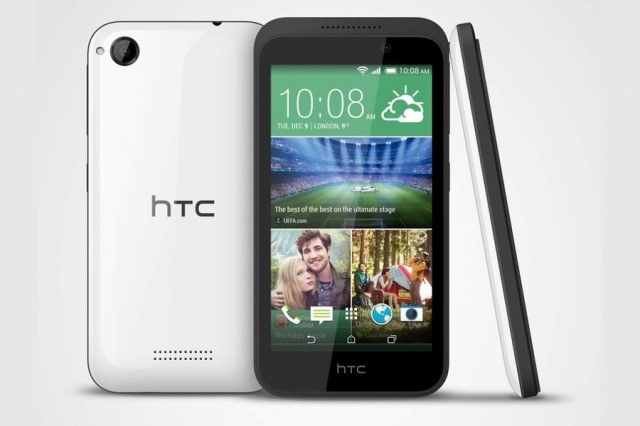
    HTC Desire 320 with 4.5-inch LCD display and 1.3 GHz quad-core MediaTek processor.
    HTC Desire 320 with 4.5-inch LCD display and 1.3 GHz quad-core MediaTek processor.

    Another revelation by the company is the entry-level Desire 320. The device has a 4.5-inch LCD display and runs on 1.3GHz quad-core MediaTek processor. The back of the phone boasts a good 5 MP rear camera, while the 0.3MP shooter at the front is just not appealing. The Desire 320  comes with two storage capacity options – 4 GB and 8 GB, which can be expanded up to 32 GB. Running on Android 4.4 KitKat, the phone is powered by a 2,100mAh battery.
    However, nothing has been said about its price, the expected to be affordably priced. For now, it will be available in the U.K. and Germany, but other markets will get it soon.

    Both the offerings are good, however not exceptional. Well, it will be good to see how these phones perform in the crowded and competitive smartphone market.

  • CES 2015 : Samsung Announces a Diverse Range of Consumer Electronics

    CES 2015 : Samsung Announces a Diverse Range of Consumer Electronics

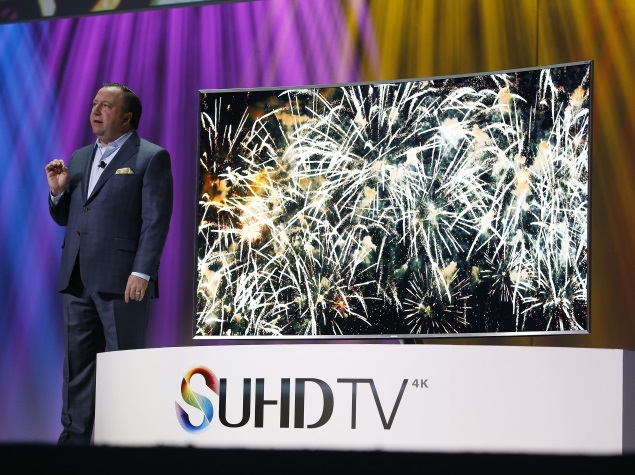
    Samsung’s keynote at Consumer Electronics Show 2015 brought us some big announcements. One of the main highlights of the show was the the Korean brand’s upcoming flagship TVs; these aren’t just UHD TVs any more but are SUHD TVs now. Other than this, the company also pulled the wraps off Milk VR,  portable SSDs and a surprising new Chef Collection.

    1.Super Ultra High Definition TV’s

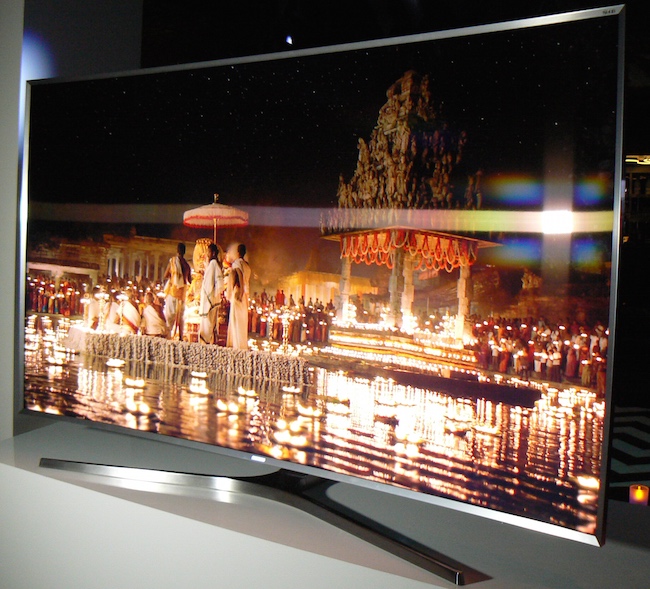
    The company launched the much talked about 2015 4K lineup of its flagship TVs called SUHD TV where S stands for Super. SUHD lineup, which uses quantum dot tech, comprising of three series and nine screen sizes that range from 48-inches up to 88-inches.  According to the company the new TV lineup will support both 10-bit color and High Dynamic Range.

    SamsungSUHDTVBright
    Samsung 65JS9500

    High Dynamic Range or HDR means that the TVs, which will be available in 65, 78 and 88-inch versions, will be bright enough and powerful enough where colour processing is concerned to handle sources mastered to deliver a much wider colour space than you get with the usual industry video standards.

    As the company announced previously, all the 2015 TVs will be powered by Tizen OS. The company said that the Tizen smart TVs will automatically search for nearby Samsung mobile devices and connect to them. The home network will allow the content to be easily shared back and forth. “Users can also watch live broadcasts or TV on their mobile devices, anywhere on their home network, even when their TV is powered off,” Samsung said.

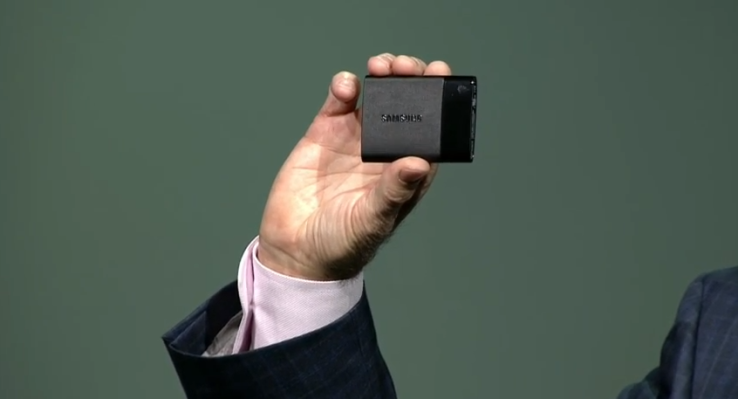
    Samsung SDD T1
    Samsung SSD T1

    2. SSD T1

    The company has also added three new variants of SSD T1 in its offerings.  Available in 250GB, 500GB and 1TB variants, the drives measure a mere 71 x 53.2 x 9.2 mm, which is smaller than a business card, the company claims. It supports AES 256-bit encryption, USB 2.0 and USB 3.0 along with transfer speeds of up to 450MB/s. The SSD T1 models will be made available later this year.

    3. Milk VR

    The company has entered the virtual reality space with the Milk VR, available exclusively for its virtual reality device Gear VR. It will allow users to stream 360-degree video. Along with Milk VR, Samsung has announced the expansion of Milk Music and Milk Video to the web and smart TVs, respectively.

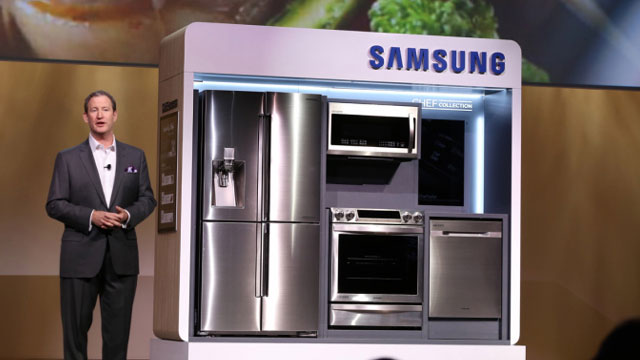
    samsung_chef_collection
    Chef Collection

    4. Chef Collection

    The most intriguing announcement was in the lifestyle section. The company introduced the Chef Collection(hardware for the chefs) along with a new app that comes with recipes and tips from expert chefs which will be available for download for free from Google Play starting next month.

    The announcements for home products also include new Activ Wash+ technology by Samsung washing machines. The new top-load washer comes with built-in sink, water jet and scrubber and Super Speed technology that helps cut down on wash time.

  • CES 2015: LG Launches the Curvy G Flex 2

    CES 2015: LG Launches the Curvy G Flex 2

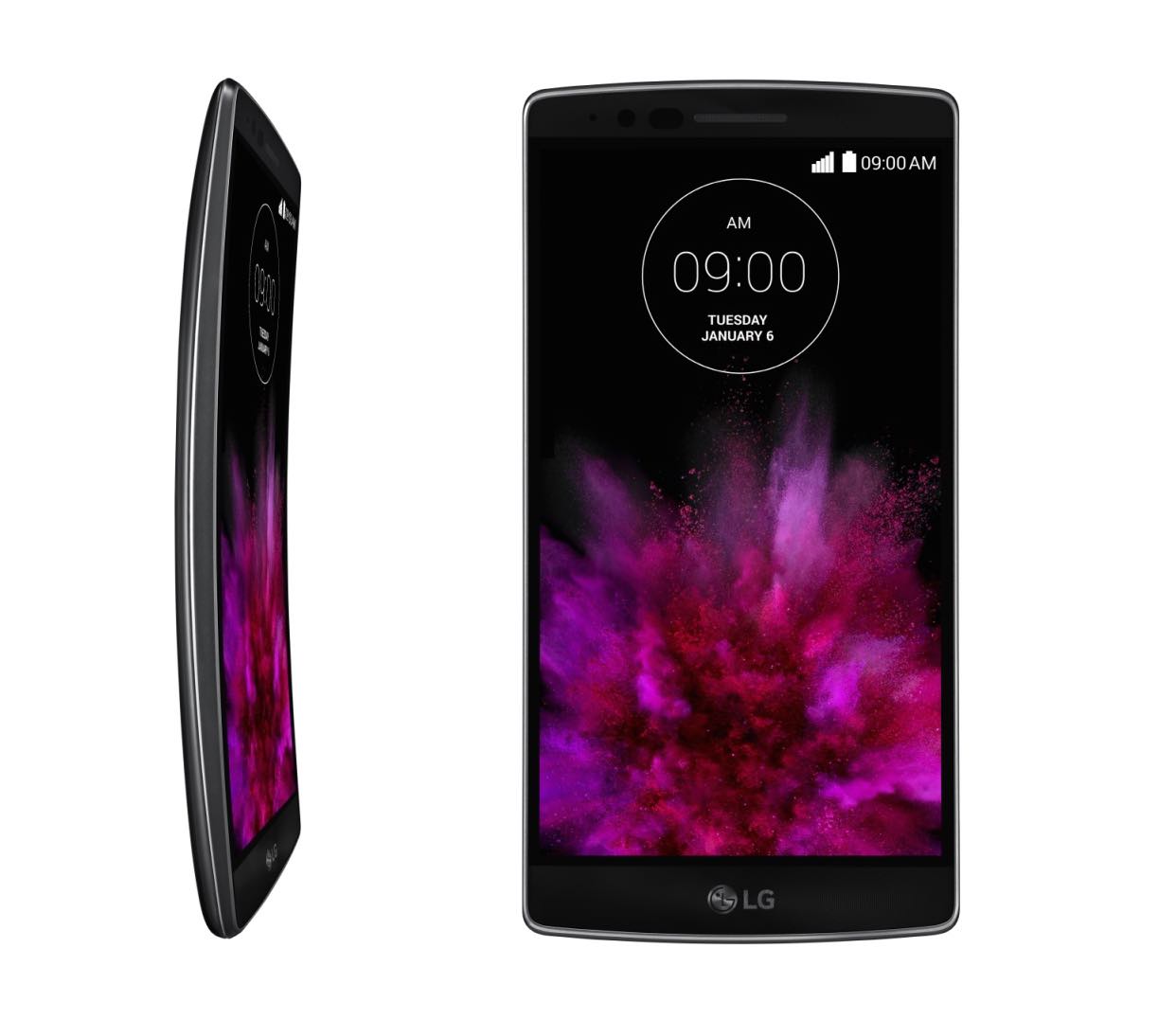
    The South Korean multinational company has put forward its best innovation early in the CES 2015. The trade show saw the unveiling of the curved and powerful LG G Flex2, which is the second offering in the series. The LG G Flex was launched in the same trade show last year.

    The device like its predecessor can be bent, but the body retrieves its original position in 10 seconds as compared to the G-Flex that took around three minutes to heal.

    Apart from its curvy body, the device boasts a 5.5-inch full HD Curved P-OLED display, with a resolution of 1920×1080 pixels. It is powered by a Snapdragon 810 Octa-core processor with 64-bit capability, becoming the first device to pack the latest and powerful processing system. The G Flex 2 sports 2 GB of RAM and runs on Android 5.0 Lollipop.

    lg_g_flex_2

    Coming onto the camera front, then G Flex2 has a 13MP rear shooter along with OIS+ and laser auto focus capacity and a 2.1MP front snapper for your selfie needs. Furthermore the phone features 16 GB or 32 GB of internal storage and has a microSD card support. Above all these, the common glitch is resolved in this handset with the Fast Charge feature. Within 40 minutes of charging, the device can, quite impressively, be charged up to 50 percent.

    The connectivity options of the device include Wi-Fi, Bluetooth Smart Ready 4.1, LTE support, USB 2.0 and NFC. The handset will be available in two colour variants – Platinum Silver and Flamenco Red. The sale of the same will first start in the South Korean market after which they will be expanding their reach to other markets. The price and date of availability as of now remains unknown.

  • CES 2015 : Asus Brings Out Zenfone 2 and Camera-focused Zenfone Zoom

    CES 2015 : Asus Brings Out Zenfone 2 and Camera-focused Zenfone Zoom

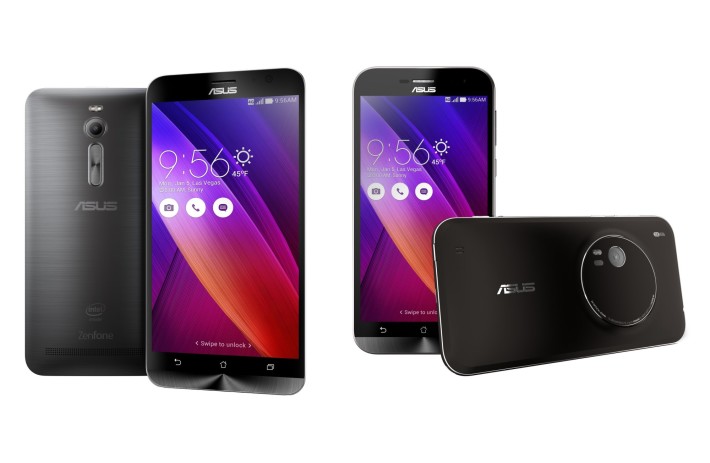
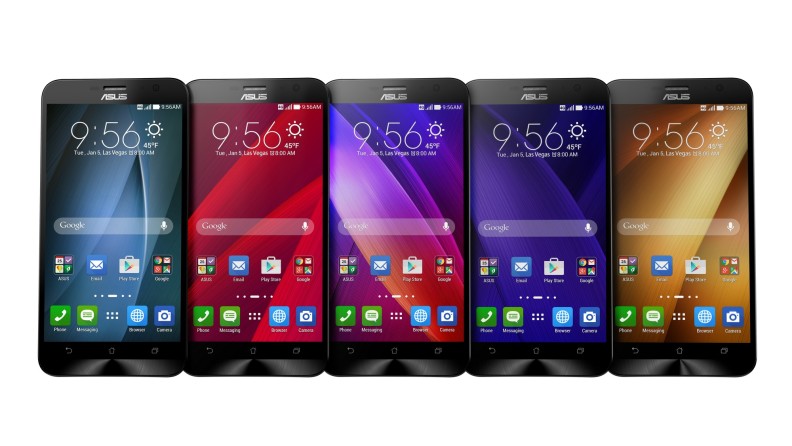
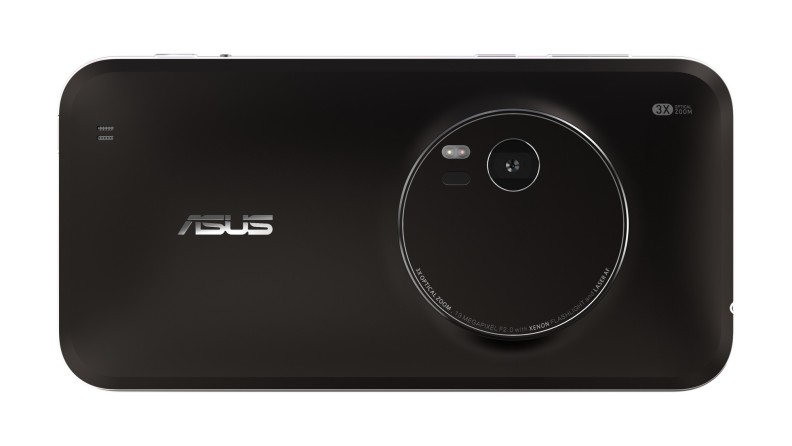
    Asus, Taiwanese smartphone maker, has launched two new variants of its blockbuster phone, Zenfone at CES 2015.  The Zenfone 2 and Zenfone Zoom, both are based on the same hardware platform and run on Android 5.0 Lollipop.

    The Second Gen Zenfone flaunts  a 5.5-inch full HD (1920×1080 pixels) IPS display, with evidently narrower bezels than its earlier devices. In fact, the company claims that the phone features 72 percent screen-to-body ratio. As for power, the smartphone is powered by Intel’s 64-bit Atom Z3580 quad-core processor clocked at 2.3GHz, and it is paired with 4GB of RAM.

    ASUS-ZenFone-2

    On the software side ASUS is now packing Android 5.0 Lollipop and the latest version of its Zen UI custom overlay.  On the photography front, the smartphone features a 13-megapixel “Pixelmaster” camera with an f/2.0 aperture, zero shutter lag, and according to the company, “the world’s best HDR technology.”

    On the front, there is a 5-megapixel selfie snapper with different features including a Beautification mode, which offers real-time image enhancement, skin softening and brightening, blush and colour correction, eye enhancement and cheek thinning. The Zenfone 2 gets its juice from a 3,000 mAh battery with fast charging capabilities.

    ASUS-ZenFone-Zoom

    On the other hand, the Zoom boast the similar specifications as Zenfone 2 but with serious focus on imaging. The Zoom sports a 13MP camera that has 10-element lens, 3X optical zoom, and optical image stabilization. The back of the smartphone is reminiscent of the Nokia Lumia 1020.

    The Zenfone 2 is priced at $199 (Rs 12,600 approximately), and will be available later this year in March. However, the availability and price of the Zoom is yet to be announced.

iGyaan Network
Privacy Overview

This website uses cookies so that we can provide you with the best user experience possible. Cookie information is stored in your browser and performs functions such as recognising you when you return to our website and helping our team to understand which sections of the website you find most interesting and useful.