Back in Google I/O 2014, we first learned about Google’s Material Design language. Since then, we have slowly but surely seen bits and pieces of it rolling out to various Google and 3rd-party apps. And now with Lollipop rolling out gradually, Google has been pushing hard to bring Material Design to all its possible apps while encouraging developers to do the same. Third-party developers are already moving forward with the help of Google’s guidelines.
We are listing top 5 apps that already feature Material Design.
One of the first to adopt Material Design, Wally offers a database of wallpapers, which is sorted by category and colours. This app has provided an example how Material Design can be achieved without the Android 5.0 Lollipop update, after which many developers adopted this strategy.
Google recently updated the Androidify app to version 2.0. The update has more to do with branding and avatars related to the Lollipop version of the Android. The surface of the app has also been improved with a flatter design that Material Design inspires.
Yes, even calculators have been given a makeover with Material Design. The updated Numix Calculator will make you love Algebra more. Well, we guess so.
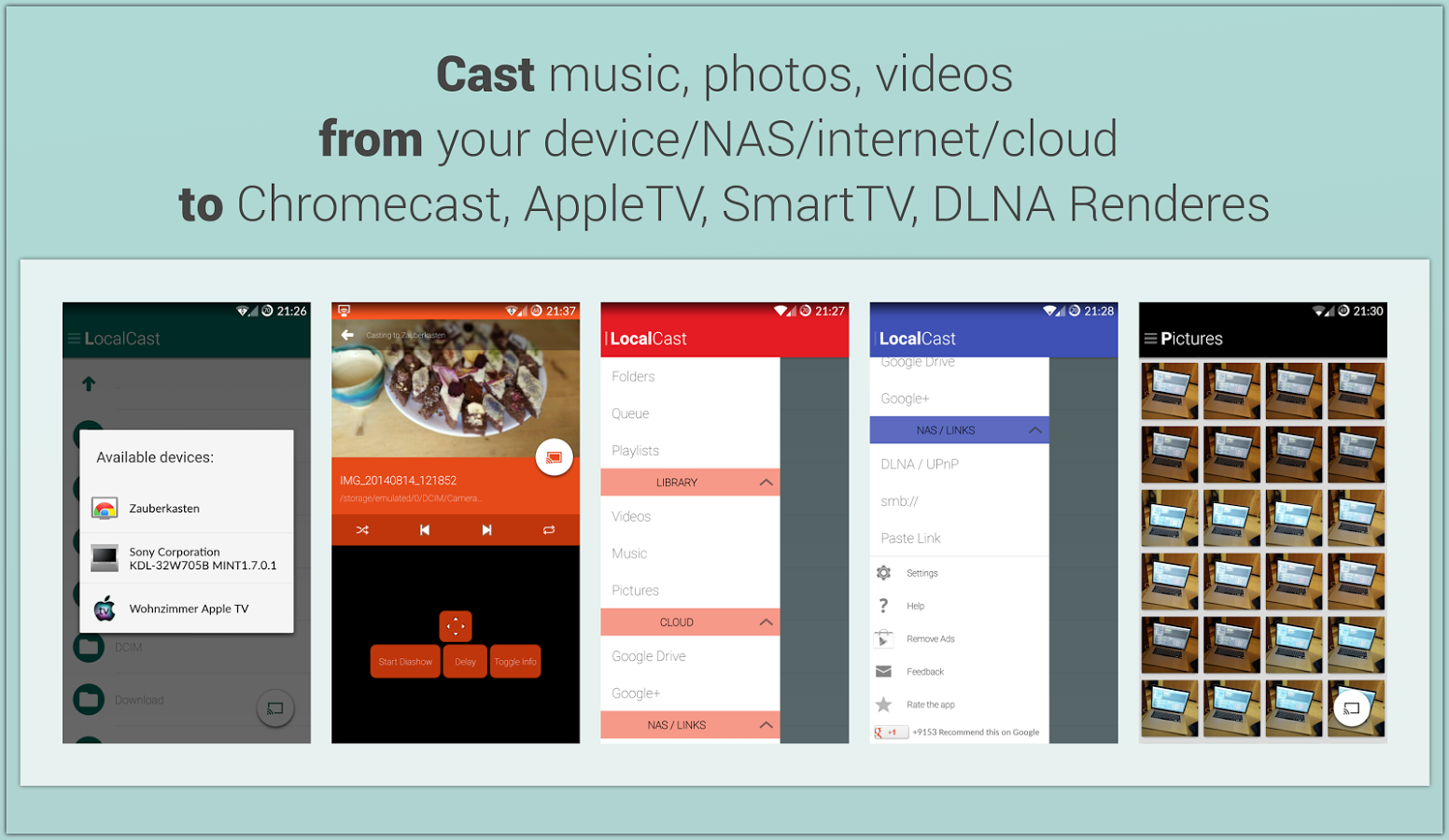
This free ad and donation-supported app offers services of streaming PDFs, images, videos and music locally from one Android device to other. The developers are clearly paying close attention to not only the Material Design, but also to the current Google+ app, which shares the ever-present floating circular button. This button gives it a very Google-like look.
Reddit News Free has updated their app to include Material Design elements and it has been for the best so far. It’s a highly-rated Reddit app with a bunch of features and a lot of happy users. If you’re looking for a modern Reddit experience, this is it!
Social networking giant Facebook is trying to simplify its privacy policy, making it more understandable for the average users with legal jargon. Now, there are a new set of pages called Privacy Basics, which are clickable and laid out with illustrations. Facebook says that the new policy tries to simplify what kind of information Facebook collects and how it uses the data. The new policy is compressed in 2,700 words compared to its old one, which was 9,000 words. In its attempt to simplify things, the new Privacy Basics has introduced three sections: ‘What Others See About You,’ ‘How Others Interact With You’ and ‘What You See.’
There’s also a Facebook page for users where they can submit their comments as what kind of changes they would want to see. Users have until 20th November to post their feedback, after which the finalised version shall be implemented.
Along with that, there’s also a Data Policy page, which is a cause of concern here as the new policy does not take into consideration how much personal data Facebook collects from its users.
For instance, the one paragraph in its Data Policy is worth noting that says, “We share your information with third parties when we believe the sharing is permitted by you, reasonably necessary to offer our services, or when legally required to do so. Even though, users have an option whether they want to share information with third-party apps, they don’t have the option to select what kind of information is shared. As the new Data Policy still clearly mentions that Facebook has the right to use information people share on Facebook to target ads, whether you are logged in or not.
Along with that, Facebook has also allowed businesses to advertise to users based on their specific location. Unlike earlier, when ads were targeted based on the current city mentioned in the profile. The new policy still specifies that they can access user information based on their smartphone’s GPS location. Additionally, Bluetooth and Wi-Fi signals can also be used to reveal user’s exact location.
Another excerpt from its Privacy Policy which makes everything sound reasonable for Facebook, “We may provide information to service providers that help us bring you the services we offer. For example, we may use third parties to help host our website, send out email updates about Facebook, remove repetitive information from our user lists, process payments, or provide search results or links (including sponsored links). These service providers may have access to your personal information for use”.
In addition, Facebook is also testing a tool that lets users buy directly through its site. This tool gives Facebook information about the transaction, including the credit card number, billing, as well as shipping address.
Gone are the days of the good old Facebook, which was just a place to connect with your friends and loved ones. It’s becoming more of a business model as the networking giant wants its users to make the platform a more powerful tool for advertisers. The current state of the World Wide Web is such that it is intensely driven by the ad targeting technologies. The sad fact is that most of the users will not even read the policy, even if they do and express discontent to the way Facebook collects all their information; they are likely to continue using this new ad-driven business model.
Google’s new Android platform Lollipop 5.0 has already got rave reviews. The OS has begun rolling out to select Nexus and Motorola handsets and tablets. You must be preparing yourself for your Android Lollipop update, or you’re just getting the grip of the OS on your new tablet or smartphone. Let us tell you, the new update makes you feel like you own a new device altogether.
We are listing top 5 features of Android 5.0 Lollipop that will change the way you use your smartphone.
1. Project Volta
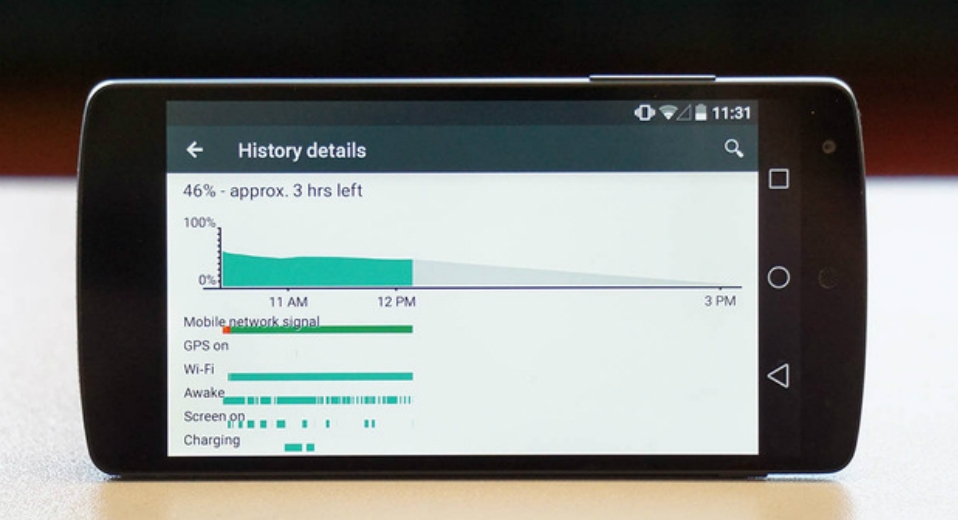
Android smartphones have a bad reputation for short battery life. The amount of juice sucked by the apps and screen has forced Android phone makers to fit larger batteries than iPhone and other rivals to get through the day, but all that may change, thanks to ‘Project Volta’. At its core, Volta represents a concerted effort by Google to address one of the biggest problems affecting smartphones today: battery life. Project Volta is Google’s new initiative for improving battery life. It’s weaved deep into the Lollipop coding. It reorganises background app activity into batches to save unnecessary battery drain. It also automatically detects when you are in an area of weak or no signal to stop the continual network data requests, which is a major source through which your phone’s battery churns out.
2. Interactive Notification
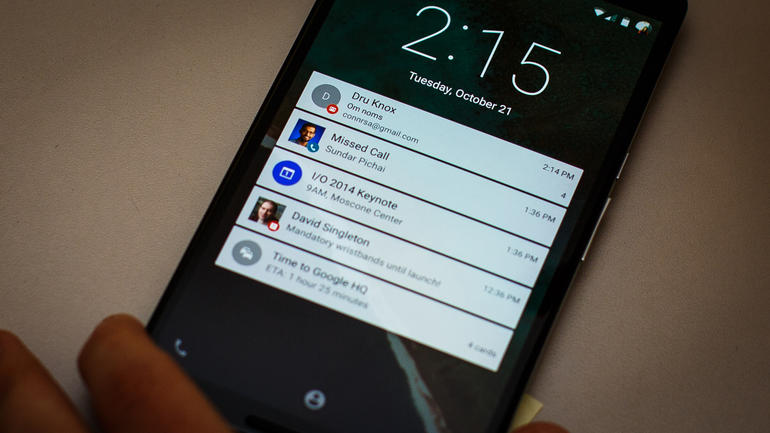
With the new Material Design, notifications do look different. But, the change is not just a cosmetic accessing your updates and interacting with alerts from emails, your social feeds have become more intuitive. It also brings notifications to the lock screen and lets you use them right there, so you can perform tasks without even unlocking your phone. And if you don’t want some of them to bother you every second, you can just put them to your ‘redacted’ list of private notifications. Alerts not only offer quick actions and quick access to settings, but they are incredibly dynamic. They can be expanded or contracted to see more or less information, individually muted for a specific period (e.g. stop Facebook Messages, but not SMS) and prioritised according to your privacy requests.
3. Super Easy Multi-tasking
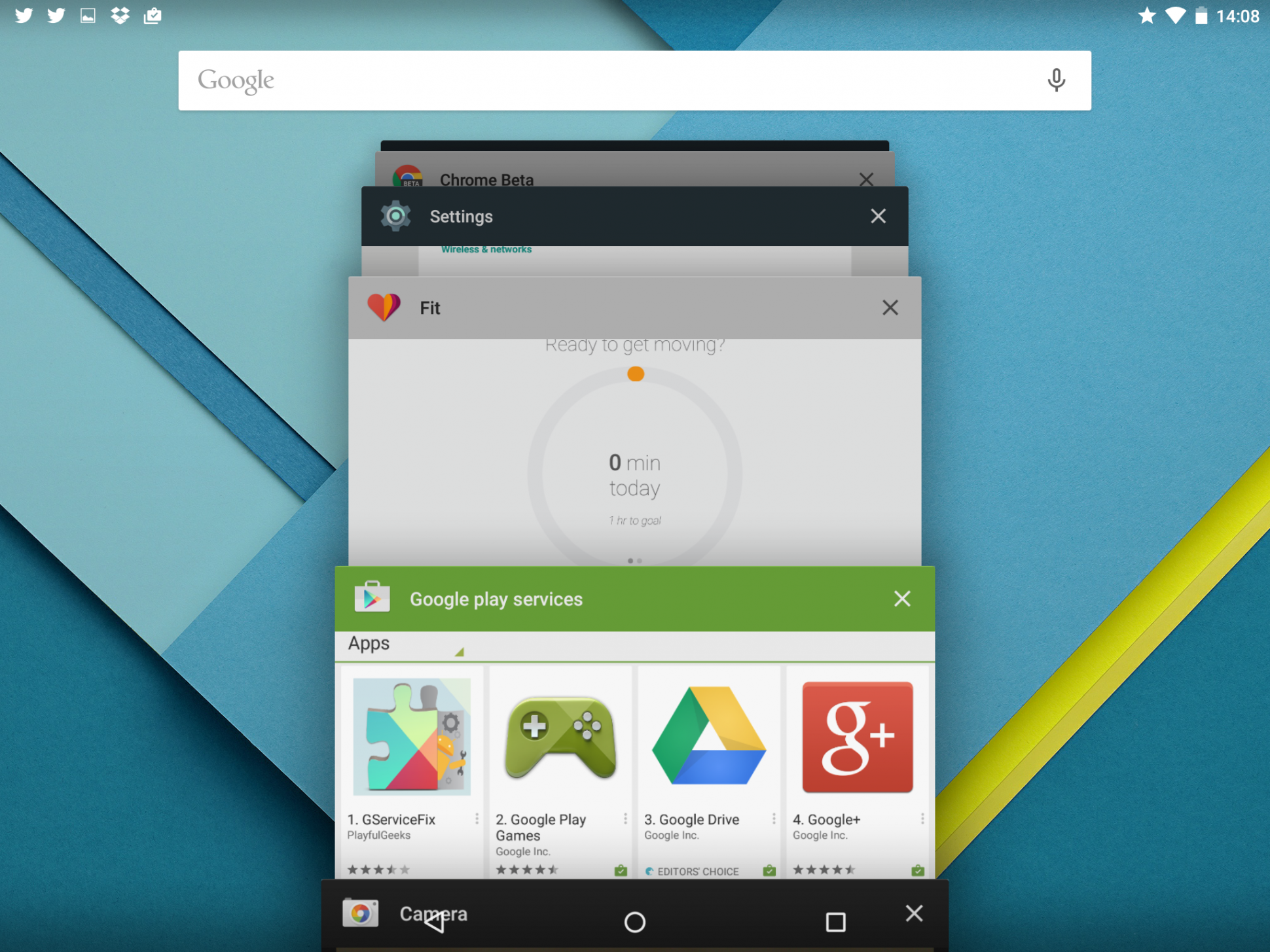
With the new update, multi-tasking feature in Android has gone some fundamental changes. Mostly, the new changes catch up with the trends set by iOS. However, this time around, Google has actually stepped ahead of Apple. Now, instead of just switching between apps, your phone can now switch between operations within the same app. This means you can now switch between two different documents you were working on and also between different browser tabs in Chrome. This basically changes the fundamentals how you use your Android device.
4. Pin Apps
If your phone is borrowed several times a day by friends and family, then this feature will be your favourite one. Pin Apps mode is a simple and very useful addition to Android Lollipop that lets you add an extra layer of security to your phone when somebody borrows it. When enabled, you can lock down your device so that the person using it only has access to one app. Undoubtedly, a convenient feature for those who often offer a device to a child to play games or a friend to check his or her e-mails. Once the app is pinned, the user can navigate anywhere within the app, but he or she can’t leave it. So if you pin Chrome, the user will be able to browse the Internet, but that’s it. Exiting a pinned app requires you to touch and hold the back and overview buttons at the same time. After a couple of seconds, your device will switch to the overview screen.
5. Faster App Response – ART
Earlier, Android used the Dalvik engine to run third-party and core Google applications. Now, the company has switched to ART with Android Lollipop. ART provides larger install footprint and can, as Google says, operate in an ‘always ready’ mode. So when you select it, the application will spring into life faster than it would with the old engine. According to the company, ART is 4x faster than Dalvik and will improve the performance of any Android handset it runs on.
WhatsApp’s last update included a new, controversial, ‘blue tick’ feature which indicated that the recipient had read the message you sent. The addition of the blue check marks was utterly unwanted in our opinion, given that it brought with it the social pressure to reply – which most users considered as an interruption of privacy.
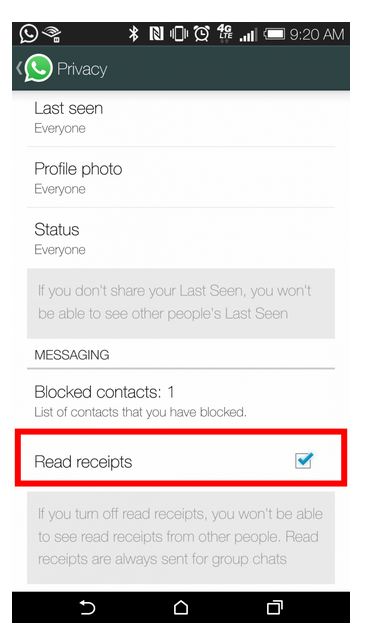
Earlier, in the interest of privacy, WhatsApp added the choice to conceal the ‘last seen’ notification that informs the other party when that person was last available on the messaging platform. Same has happened with the new ‘blue tick’ feature. The instant messaging app has quickly done some damage-control and added the option to hide ‘Read Receipts’ feature.
Once enabled, the ‘blue ticks’ will not show up on the sender’s window. One needs to simply go to the ‘Privacy Settings’ and enable/disable the feature. Obviously, this is a huge sigh of relief for many users.
We still haven’t received this update on our smartphones as yet. But from what we hear, it’s on its way. Stay tuned for more.
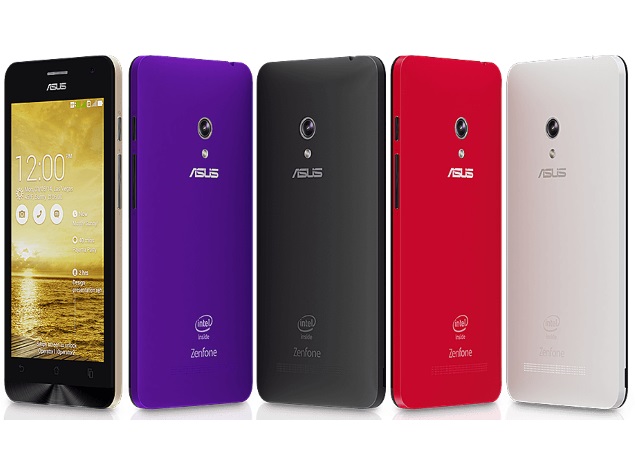
Asus, Taiwanese smartphone maker, has revealed its plan for the next quarter. Asus CEO Jerry Shen on Thursday said that the company plans to introduce the successors to the popular ZenFone 2 series of smartphones next year at CES 2015.
Shen also said that the company is going in to business with another chip maker to swell their shipments next year. He stressed that the new chip maker will help the company produce affordable devices which can be priced as low as NTD 4,990 which is Rs. 10,000 approximately.
Currently, Asus uses chipsets from Intel for its devices starting from the price tag Rs. 5,999 for the ZenFone 4 in India. However, Shen did not reveal the name of the chip maker. The company is planning to bring second generation of ZenFone series with two of the biggest Chinese carriers – China Mobile Ltd and China Telecom Corp, along with various other models designed for global market.
“All of the new phones scheduled for release at the annual trade show will be powered by Intel Corp. chips and will support 4G LTE connectivity. LTE-enabled phones will account for about 30 percent-40 percent of Asustek’s total smartphone shipments in 2015,” Shen said in an interview.
He also added that 4G-LTE handsets powered by Intel chipsets will start at the price of NTD 9,990 (Rs. 20,000 approximately). This is quite high comparing to the current offerings by Asus in India.
The Taiwanese handset maker estimates that it will ship 8 million smartphones by the end of this year and 16 million next year. It intends to double its shipments with availability of its ZenFone series to about 6 new markets, currently the company is present in 14. Shen said that the company will now focus on China and Japan.
The winter season is almost here. If you are living in places of higher elevation, you might have already started experiencing the chills. Now winters are the best season to step outside if you live in the tropical side of the planet, but the drippy nose sure spoils the fun. Well, in the age of technology, there is a lot of stuff you can get that can keep you warm while letting you hit that picnic that you’ve been waiting for through the grueling summer months.
We decided to present some tech fixes to battle the chill and make the best of this season.
1. USB Heated Blanket
You are in an office where the most protection you get from the winter is the layers of clothes you put on yourself. Well, there is a savior for you to get warm and cozy while others shiver around you. The blanket comes with a heating pad which can be removed for washing, you know because all that heat is bound to induce some sweat off you.
2. USB heated Gloves
With the body taken care of, its time to address the issue of the parts of the body that are mostly exposed, the hands. Here a USB heated gloves will come in handy. The best part of this “device” is that even when it stops working, it would still be a working pair of gloves.
3. USB heated Mouse pad
If you are not into gloves then, there is a convenient option for you. The mouse pad comes with a heating plate that heats it up to a comfortable temperature. This might literally be the first thing you’ll dip your hands into. And looking at the funky design options that are offered, you’d want to have these babies everywhere.
4. Earmuff’s with inbuilt headphones
You might be asking right about now, we get that, USB’s are a great source of preserving body heat, but what about the commute to office? Well technology has even got you back here. Headphones are a must for the commute but what if they keep those exposed ears covered while you take the arduous journey to your workspace.
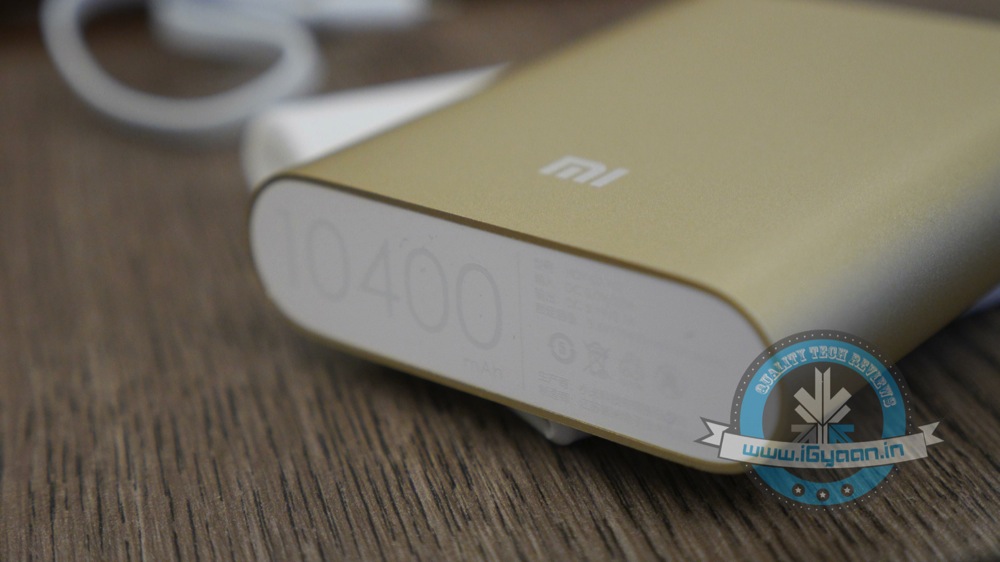
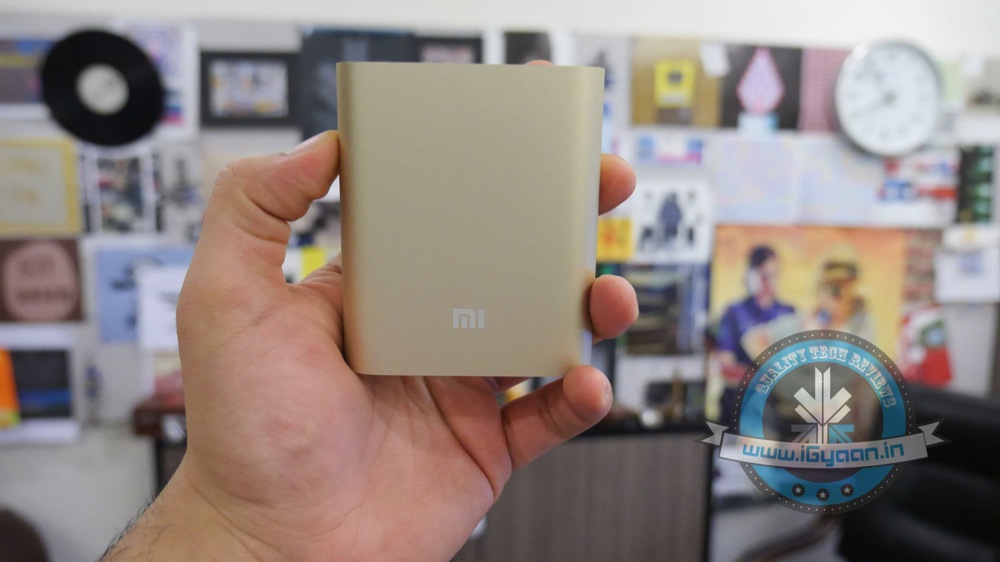
5. Xiaomi 10400mAh Mi Power Bank
Now that we have listed all the cool stuff that you can use to feel warm and cozy, the power source comes into question. Not everyone has an office job so how do you get the juice to your warmer devices when you are away from your computer. The answer lies in power banks. With massive backup and a cheap price tag, Xiaomi’s power bank is ideal for long trips and is a great energy source on the move.
These are some great gadgets to help you beat the chill. If you have some suggestions for some cool gadgets that help you heat up, please feel free to share it with us.
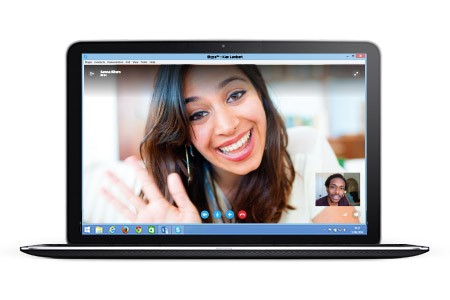
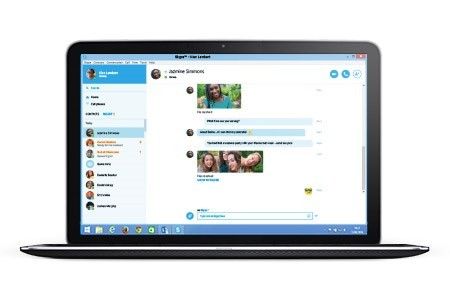
Microsoft seems to focus on Skype a lot these days. A few days ago, the company announced that it will rebrand Lync, enterprise video conferencing software, as Skype For Business. Now, Microsoft announced on Friday that it will soon launch a web-based version of the video-conferencing platform.
Microsoft has gradually started to bring Skype to the web through its Outlook.com service, however, this web-version will work across latest versions of Internet Explorer, Chrome, Firefox, and Safari without the need to use Outlook.com. The new version of Skype, which is still in beta, allows users to log in to their existing accounts from Skype’s website.
The official blogpost reads: “Skype for Web makes it quicker and easier than ever before to connect with friends, family and colleagues around the world, for free – directly from Skype.com. It’s perfect if you prefer using the web rather than an app: perhaps you’re sitting at a computer that doesn’t already have Skype downloaded. Or maybe you’re on the go and using an internet café or hotel computer whilst on vacation where you can’t download Skype at all. Using Skype for Web makes it more convenient to get to your conversations.”
Microsoft is planning to take advantage of Web Real-Time Communication (WebRTC) APIs to enable browser-to-browser voice calling, video chat, and instant messaging in the future. However, for now, you need a small plug-in to enable the service until WebRTC version is ready.
The Skype for Web is still in beta stage, the company acknowledged some glitches with Skype’s current web-based version. Microsoft said that Mac users may experience an “issue with battery consumption,” and outgoing video calls may take longer than normal to connect for all web users.
According to the blog, the company is rolling out the services to limited people at first with a larger rollout to follow in coming months. It is not clear how many users would be a part of the initial process, however, the selected ones will see an invitation when they log in to their Skype account from Skype.com.
It’s no mystery that smartphones are big time battery hoggers. Given the diverse range of multi-function capabilities, battery life has always been a concern for developers, manufacturers and users. Surely, the smart move would always be to have your charger handy. But life doesn’t always go according to the plan. Fortunately, there are plenty of options you can opt to stem the flow of juice from your device.
Here are some essential tips to make sure your phone battery never dies when it is actually needed.
1. Let the battery drain once in a while
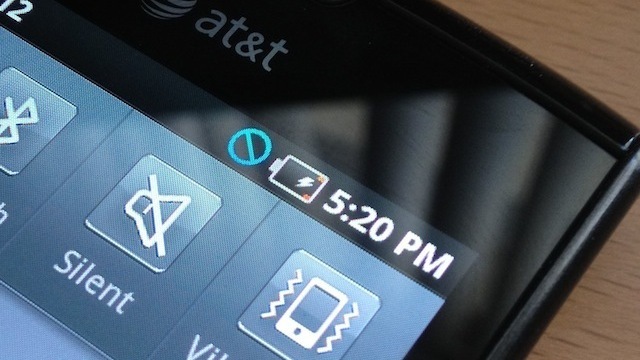
For optimum performance, ‘reboot’ your battery whenever you can by waiting to charge until the battery is down to about 10 percent. Then, charge it up to 100 percent—and remember not to overcharge it. Overcharging actually reduces a battery’s capacity, and every rechargeable battery can only go through the cycle a limited number of times.
2. Minimise notifications
With constant connectivity to the Internet, we tend to get notifications on our smartphones all the time – be it updates on the latest news, emails, high scores from games, add-ons for apps etc. But I’m sure that you would only want to be notified about the more essential events like new text messages or messages from WhatsApp. Set ‘Sleep time’ or ‘Blocking mode’ to switch off Wi-Fi and mobile data when you don’t need them. If your phone is basically off limits at work, set your device to not ring, vibrate or connect to the internet while you’re at work. Likewise, you can set your phone to Airplane mode when you’re asleep, or use sleep or blocking modes to set up limits for what your phone does during certain times of the day, whether that’s while you’re asleep, at work or in a meeting.
3. Update your Apps regularly
Keep your apps up to date. Developers often release updates for apps and games that offer improved optimisation and this can have a big impact on the battery life. If you discover a battery hog, then consider removing it. Don’t use task killer apps. Also, keep your smartphone as cool as possible. Sitting in direct sunlight on the dashboard of your car will actually drain the battery faster.
4. Turn off ‘in-active Apps’
It is amazing that today’s phones have LTE, Wi-Fi, NFC, GPS and Bluetooth, but do you really need them all round the clock? Your phone lets location-based apps reside in the background, and the constant drain of your battery will become noticeable, fast. Wi-Fi hogs a lot of juice on all devices because it’s always searching for a signal. You can also turn off 4G LTE if you happen to be somewhere without a strong signal. Keep the screen as dim as you can stand it, and close apps when you are done with them. This way, they don’t run in the background. Extend the refresh time: Set your email to get new messages every 15 minutes (or even longer) rather than as soon as they arrive on the server. And whenever possible, put your device to sleep. Also, unless you really need that added awareness, turn off vibration. It actually takes more power to vibrate your phone than it does to ring it.
5. Invest in a Mi Power Bank
Its massive capacity can handle all your charging needs for the weekend
Power Banks are the most popular and convenient way of charging your phone on the go. Xiaomi has two offerings at present in the power bank category.With massive capacity and modest pricing, the devices are perfect for the juice thirsty smartphone batteries. The Chinese electronics giant had launched 5200 mAh and 10400 mAh power bank variants. Read our full review of them here.
6. Battery Cases
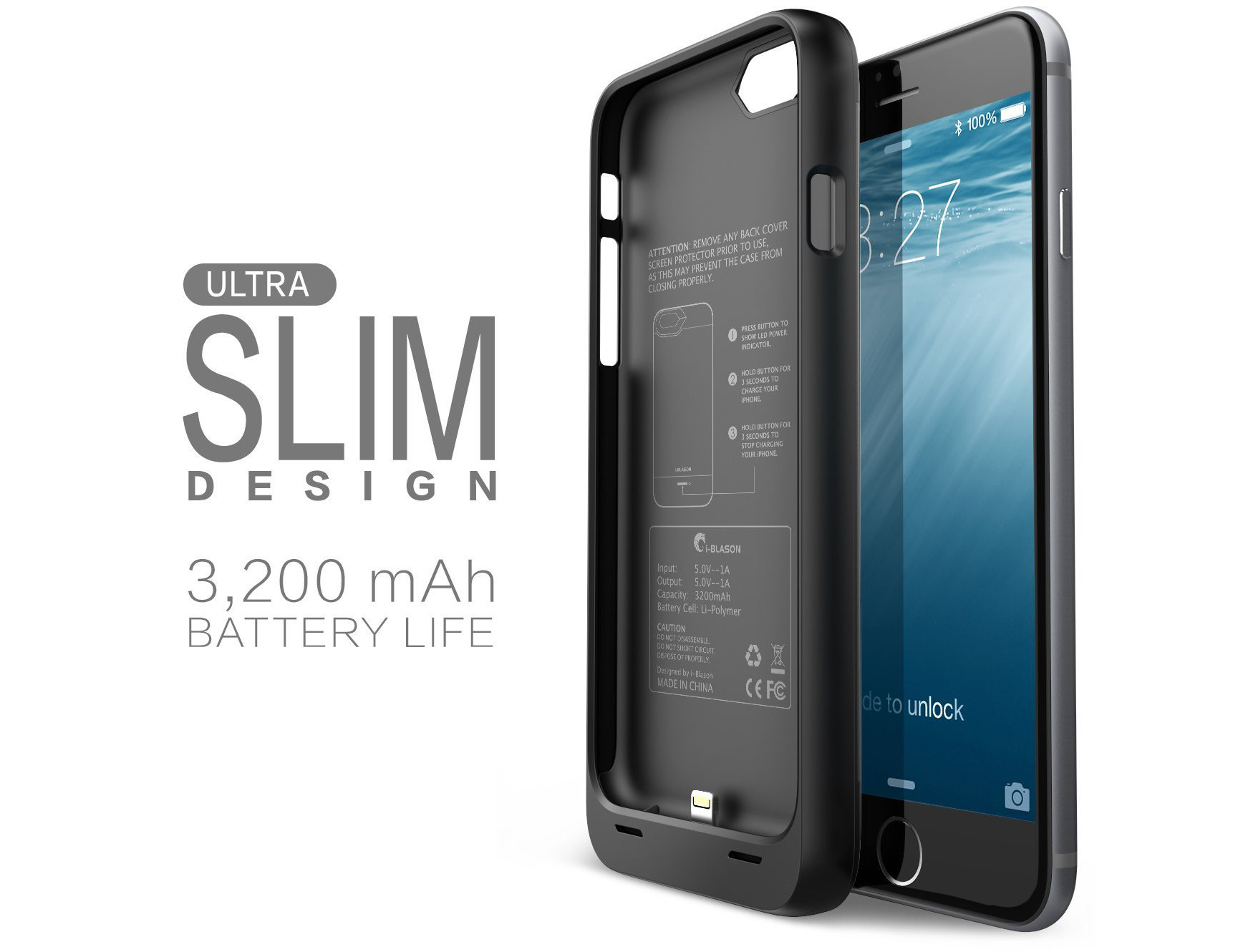
Battery cases combine a hardware enclosure, which protects your phone with an extended battery life that can double your phone’s endurance. You can find models compatible with popular phones from a variety of manufacturers. Also, carrying a power bank might be a tedious option when you are traveling and are during fieldwork for long hours. So, we’re listing some of the best ones for you:
i-Blason cases for iPhones: i-Blason power cases come with amazing advantages which can help you charge your iPhone to 100% battery capacity while working, shopping, or travelling. They are fabricated with impact-absorbing materials and comes with rechargeable battery up to a 4700 mAh capacity battery.
Mugen Power Battery Case for Moto G : Specifically for Moto G, this battery case provides you with 2800 mAh of extra battery. The case has a robust design which, according to makers, can withstand handfull of slips and falls.
ZeroLemon for LG G3 :Rugged Zero Shock Hybrid Protection Case, ZeroLemon case includes Free High Quality Screen Protector and yes a whooping 9000 mAh extended battery (probably the world’s highest).
Samsung Extra Battery Kit for Note 4 : This isn’t exactly a battery case, however it is as useful. The Spare Battery Charger is great for when your battery is low, but you need to continue using your device and are not able to attach it to a wall outlet. Samsung extra battery kit charges your battery without needing to connect the handset. Simply slip the battery into the storage compartment and connect your charging cable. The size of this charger makes it easy to charge at home or on the go.
Earlier we reported that Xiaomi was planning to invest in a Chinese chipmaker Leadcore to offer more cheap devices. Now, according to a report, Xiaomi has acquired 51% stake in the company. It is expected that with the inclusion of these chips, the price of Redmi phones might go even further down.
Leadcore is generally not recognised when it comes to system chips as this segment is ruled by the likes of Qualcomm and MediaTek. However, that isn’t to say that they should be ruled out, especially after a healthy cash injection from Xiaomi. The only processor that could catch our attention is Leadcore LC1860 chip, which will reported be used by Xiaomi in its future devices.
The LC1860 system chip is built around the a 28nm Cortex A7 architecture running at 2.0GHz with a Mali T628 GPU. Now, according to a report by Gizchina, the company is working on a device powered by LC1860 that will be priced at ¥399 and will be LTE capable. This translates to approximately Rs. 4,000 as per Indian currency.
A leaked specification sheet suggests that the SoC can support 2k LCD displays and record up to 720p videos at 120fps and 1080p videos at 60fps. It also has 4G LTE support. In addition, the Gizchina’s report also said that the device will have a 720p HD display and 1 GB of RAM.
Xiaomi’s handsets are really cheap as it is. Now, the phones with LC chips would bring that price further down, which is a good thing (as long as these LC chips can offer decent performance). However, we doubt that Xiaomi will give up on Qualcomm’s Snapdragon processors though, we think that Xiaomi will include these LC chips in their cheapest smartphone line and once again push the limits of low-cost smartphones, while sticking to Snapdragon for their high-end phones.
Good times are about to arrive for the residents of Delhi in a couple of days, especially for those who are frequent to the city’s most prominent market, Connaught Place. The Lieutenant Governor of Delhi Mr. Najeeb Jung will be inaugurating the Public Wi-Fi access facility in the central market on 16th of this month. This will be a great incentive for people to go out of their houses and be stuck on their screens in the open air.
The facility is being provided through a collaboration of Tata Teleservices and NDMC (New Delhi Municipal Corporation). The Wi-Fi service is provided in a range of 4.5 sq.km. The provider claims that the connectivity will be seamless and uninterrupted across the inner and outer circle of the market.
Tata DOCOMO has good service feedback when it comes to Wi-Fi setup. The company holds two records in the Limca Book of Records for the largest Wi-Fi coverage for an indoor and outdoor event. The cellular service provider already provides Wi-Fi service in prominent places like Indira Gandhi International airport (T3), amongst other associations such as Bangalore Airport, Chinnaswamy Stadium, Wankhede Stadium etc.
The service will be inaugurated for the public by the Lieutenant Governor at the Central Park in Delhi at 3.30 PM. Plans are also taking shape to introduce Wi-Fi service in other major population-centric markets in the city. Now, we won’t get truly excited about this until we take it for a spin ourselves.
Google has started rolling out Android Lollipop 5.0 update for Nexus 5. You can expect the new update soon on your device via OTA in the coming days. However, there are some of us who don’t want to wait anymore. It is true that the OTA method is the most convenient way to upgrade your phone. However, we don’t mind doing some hard work to get the new upgrade.
So, here is how you can get Android Lollipop 5.0 right now on your Nexus 5.
1. Go to the phone Settings and make sure the Developer mode is enabled.
2. Put the downloaded Lollipop Zip file into a new folder in the desktop and rename it according to your preference.
3. Make sure the USB debugging option is on; you can find it under Developers option in your phone’s ‘Setting’ window.
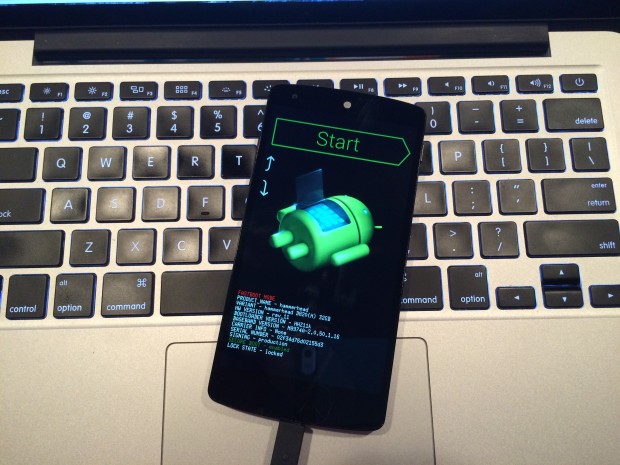
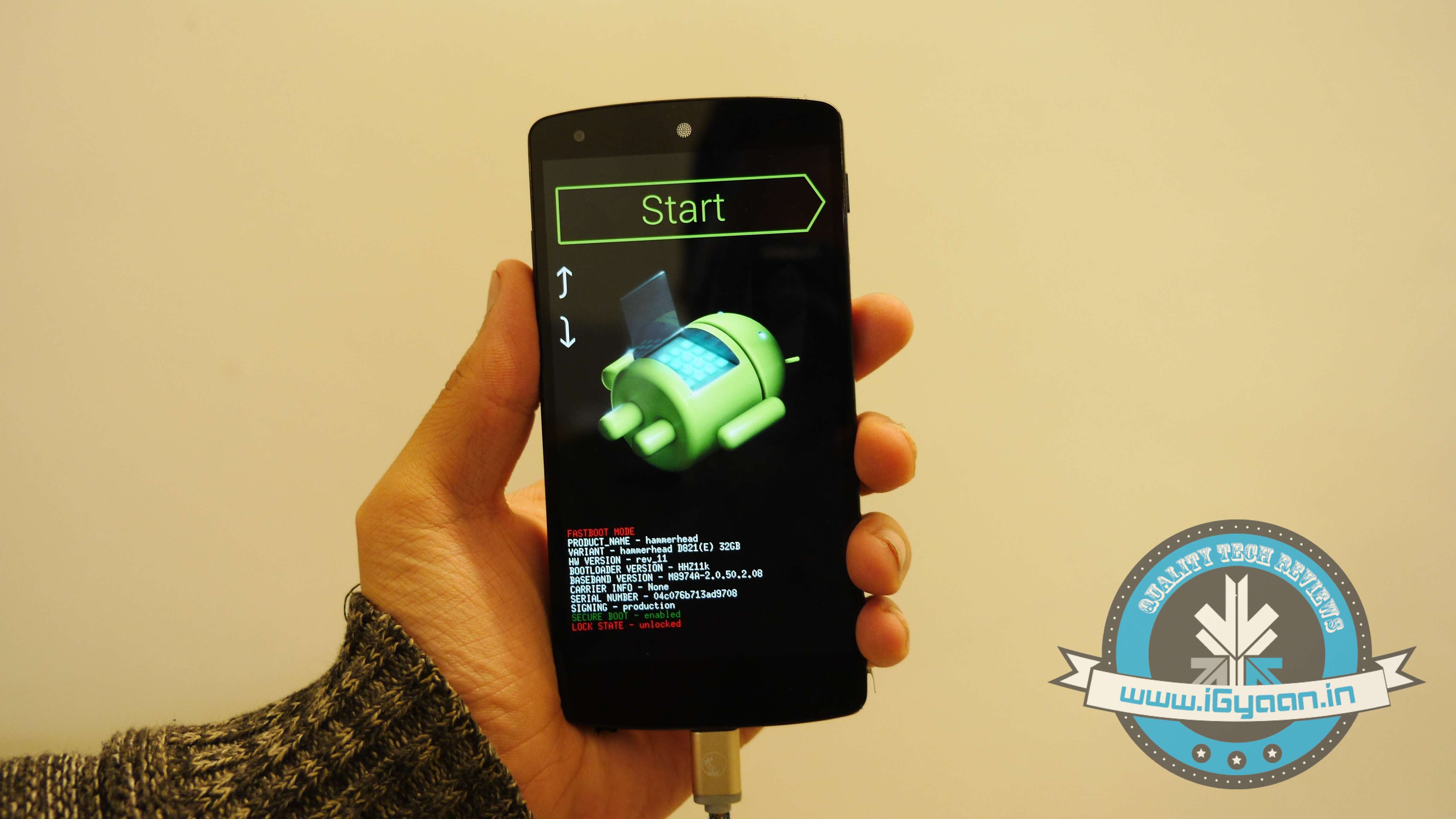
4. Switch off your phone. Now press Volume Down + Power button simultaneously. This will switch on the phone in Fastboot. You will see Start written in big letters on the top of the screen. Use volume buttons to navigate to Recovery Mode. Once found, select it using the Power button.
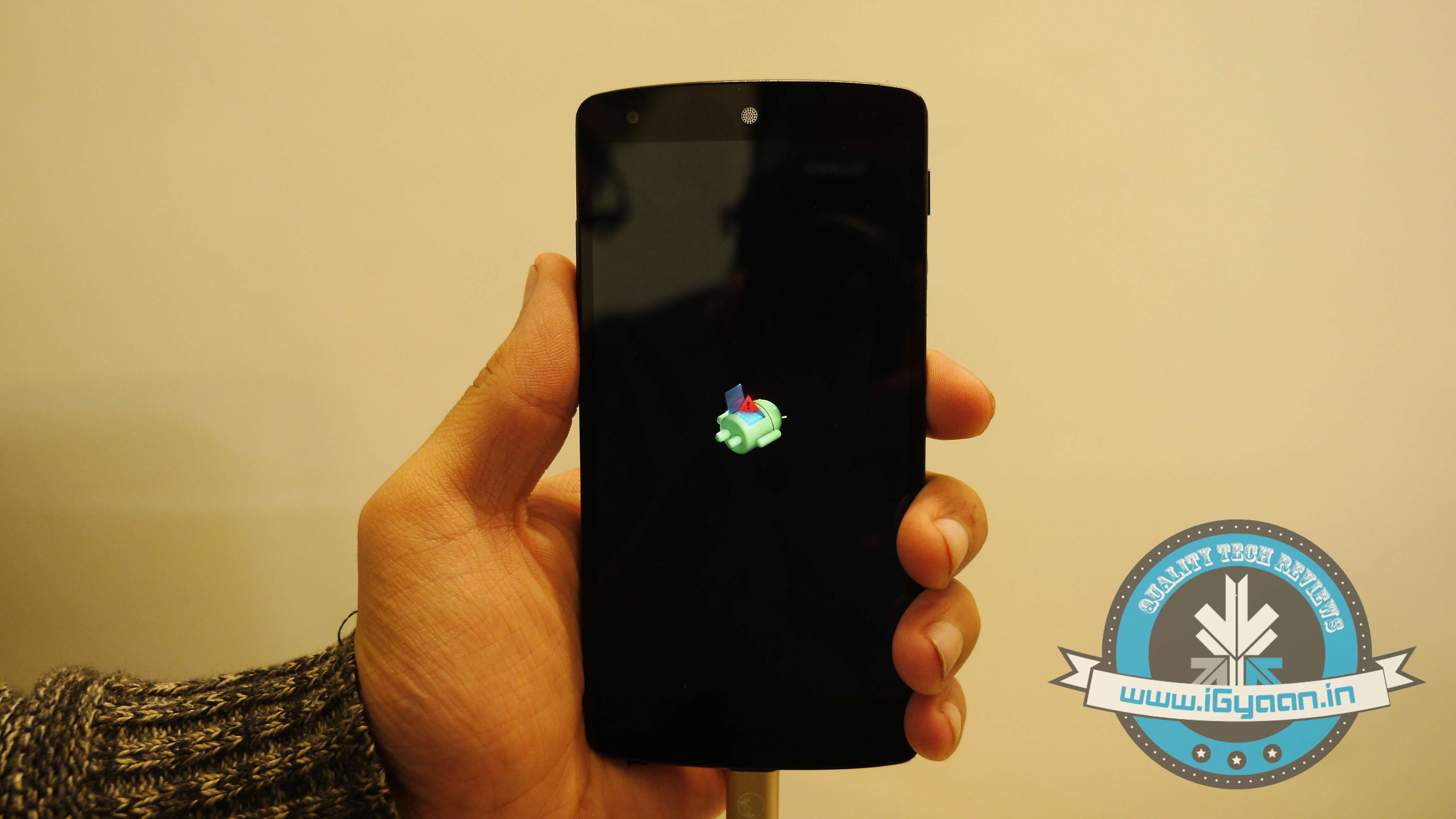
5. You’ll see small Android robot lying flat with a red mark over its belly. Now press the Power button for a couple of seconds and press the Volume Up button once while holding the power button. This will turn on the ADB mode in your device. If it doesn’t, try it again starting from step 4.
6. Once the phone is in Recovery Mode, use volume buttons to highlight ‘apply update from ADB’ and press Power button to select it.
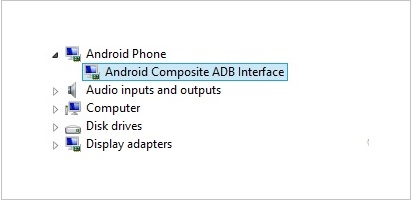
7. Connect your phone with the PC via USB. Make sure the PC recognises the device as Android phone with Android Composite ADB Interface functionality in your computer’s Device Manager. If not, uninstall the drivers and install them again.
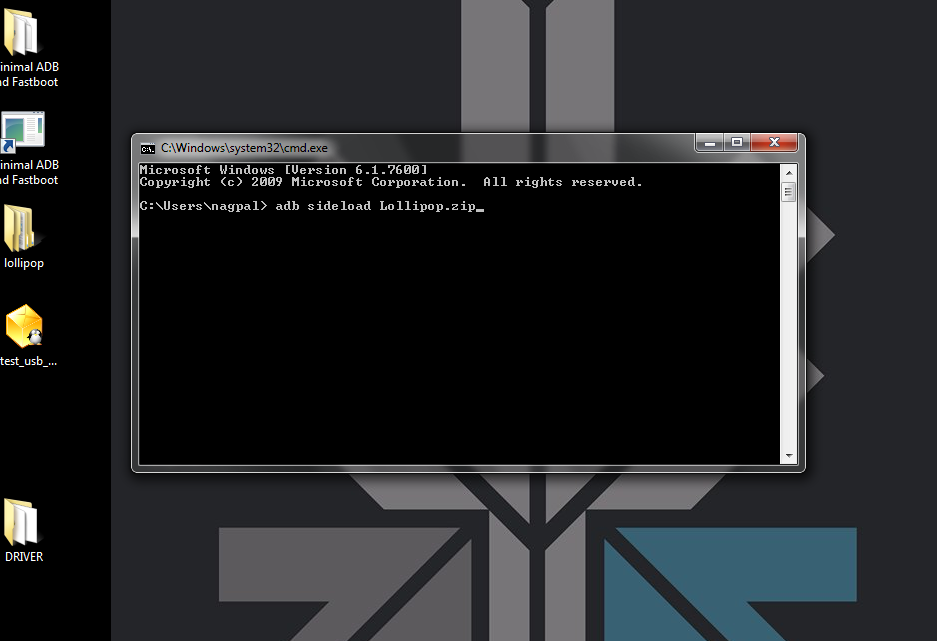
8. Now press ‘Windows+R’ on you keyboard to launch RUN and type ‘cmd’ to open the Command window.
9. Type ‘adb sideload <name of the Lollipop zip file>’. For example, if your file name is Lollipop.zip, then write: adb sideload lollipop.zip and press Enter.
10. Now, you will see that the ROM will be copied onto your phone. This way, Lollipop will be installed. The whole process will take around 10 minutes.
TIP: If you get confused or lose the track somewhere in between, press the Volume Up, Volume Down and Power buttons together to reboot the phone. And remember, never ever pull it off charging.
The online social networking giant Facebook has rolled out a privacy policy which is said to be more user-friendly. This rewritten policy being more user-friendly can be judged by the fact that it is summed up in just 2,700 words, rather than 9,000 words used earlier.
With this, a new feature has also been launched and that is Privacy Basics. It is simply an easy-to-use guide through which you can control your visibility to the world. According to a report by Wall Street Journal, Facebook’s Chief Privacy Officer Erin Egan was quoted saying, “Our goal is to make the information about Facebook as clear as possible. Our hope is that it will not take long for people to read through this and really get it.”
The policy will surely be welcomed by the users as it now informs about what kind of information do the website collects and how you can manage and delete information about yourself. Also, the company shared the fact about how the payment data, credit card data, account authentication information, billing, shipping, and contact information is used.
Meanwhile, users who have gone through this policy can comment on the website. Facebook will finally launch a new policy version next month on the basis of the comments.
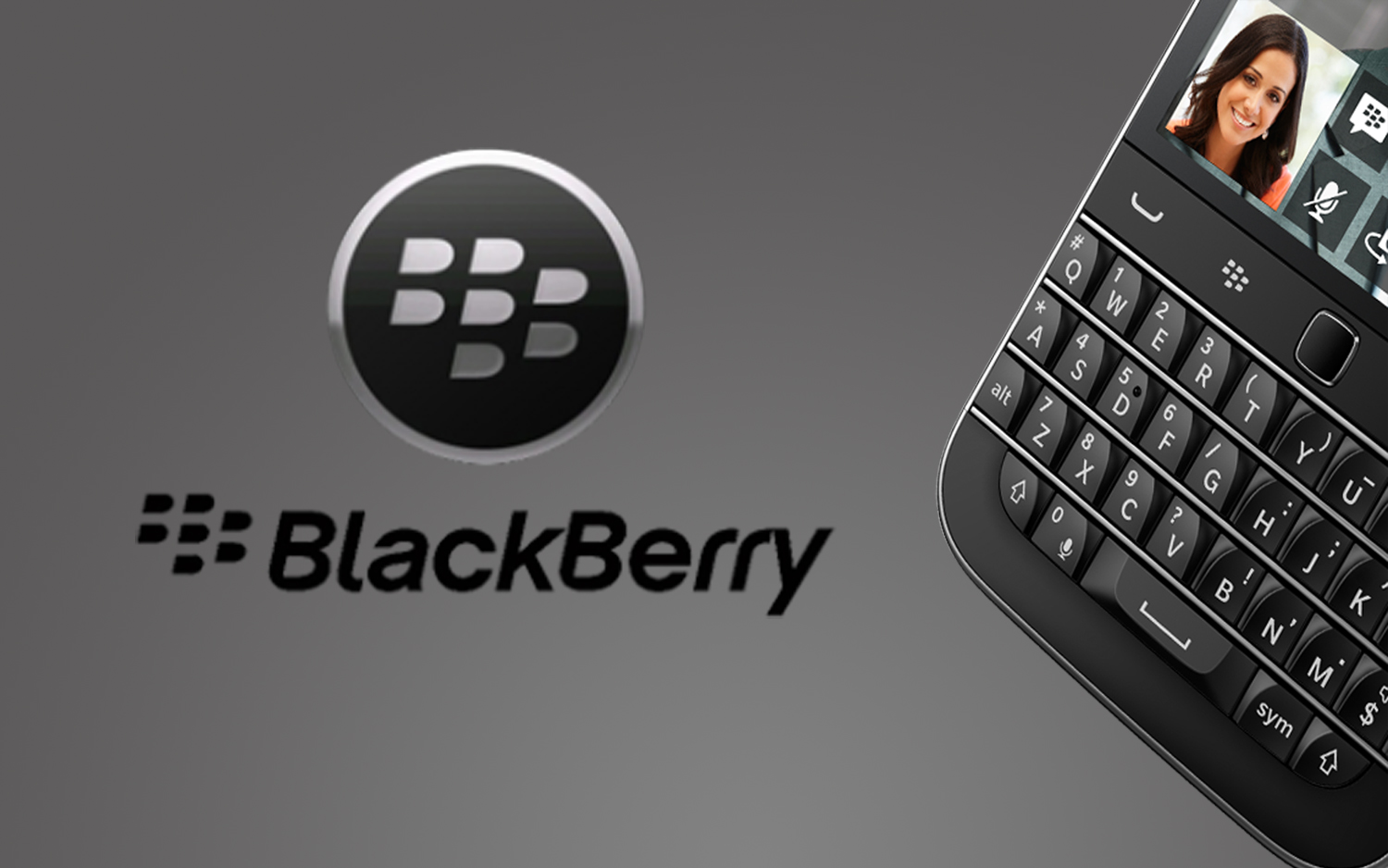
BlackBerry is going back to its roots. In the age of generic bar-shaped smartphones, the company is trying to attract users with the good old days feel. With the release of Passport, the company has made it clear that it will give their most successful form factor a second chance. Now the Passport was a unique device with features unheard of before. But BlackBerry’s Classic promises the goods of yesteryear for people who long for a different user experience.
The Classic will remind you of the era of BlackBerry Bold. The phone is now available for pre-orders in America. It is currently priced at $450 for an unlocked version. The shipments are supposed to start by mid-December.
What is really peculiar though is that BlackBerry hasn’t yet released any other information or specs of the device. The company got people excited about the Passport by showing off its unique 1440X1440 resolution square display. This time around, there was no such revelations. Considering it’s trying to make a comeback, BlackBerry should have released some sneak peeks by now. All we know right now is how the phone looks based on a leak on a Chinese website.
It is expected that BlackBerry Classic is expected to be powered by a 1.5GHz Qualcomm Snapdragon S4 processor with 2 GB of RAM. To provide the classic appeal, the phone has a 3.5-inch screen coupled with a QWERTY keyboard.
Considering the speed at which BlackBerry brought the Passport to India, you can expect the Classic to show up soon in this part of the world. We’ll let you know of the future plans of BlackBerry right here at iGyaan. Keep checking back.
Smartphones are not just a communication device anymore. They are business gadgets and a storage for tons of personal information. With the number of revelations of hacking and stealing content from users phones and cloud account, security of the smartphones has become an important topic of discussion amongst all stakeholders. Samsung has decided to step up its game on security and has partnered with Blackberry for the effort.
Samsung’s own Knox was reported to have a flaw that apparently left the system ‘completely compromised.’ Here Blackberry can come really useful as it has been unanimously praised for having one of the best enterprise security.
This will also be a good opportunity for Blackberry to share the limelight with the global consumer electronics giant. Blackberry has had serious issues in the recent past with the rapid decline in sales.
Blackberry will provide its expertise to enhance the performance of Samsung’s Knox system. It will integrate its BES12 end-to-end encryption system with Samsung’s Knox. The offspring of this alliance will be introduced early next year.
The security option is essential for corporate and government sectors as they deal in sensitive information. These sectors also consume massive inventories from the companies so it would be important for Samsung to convince them of its security standard.
There is no place for silly mistakes in the tech industry and Microsoft has realised that. After dropping the Nokia brand completely, the company has a lot of work to do in terms of brand image as all its key smartphone components are at stake. Windows Phone OS is one of them.
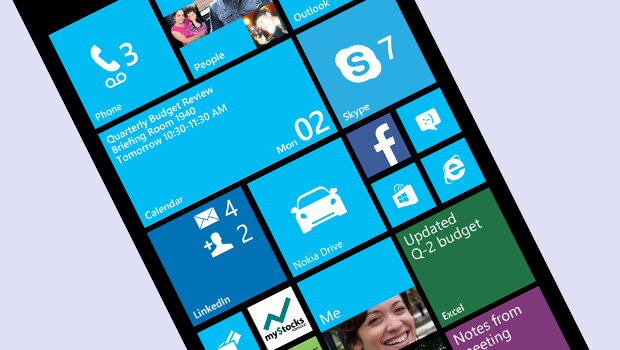
The company, responding to a customer’s query on Twitter, has made it clear that it “plans to upgrade all Windows Phone 8 devices to Windows 10 in the future.” This also includes the Windows 8 devices launched under the name of Nokia. The next big Windows OS, Windows 10, is still in the early development stage, hence, Microsoft is tight-lipped about the arrival of the new OS.
@Kalars07 We plan to upgrade all Windows Phone 8 devices to Windows 10 in the future :)
However, it is a sign of relief to the Nokia Lumia owners who felt backstabbed when the company completely dropped the Nokia branding. Earlier in 2012, Windows lovers were disappointed when Microsoft decided that the existing devices wouldn’t make the jump to Windows Phone 8.
The new operating system was unveiled at San Francisco for Business customers. Microsoft has already released a technical preview version for selected users. It is expected to unveil new consumer features early next year. Windows 10 is expected to reach the market by mid-2015. Considering Microsoft nails its flagship operating system in every alternate release, we have a lot of hopes with this one.


















 For optimum performance, ‘reboot’ your battery whenever you can by waiting to charge until the battery is down to about 10 percent. Then, charge it up to 100 percent—and remember not to overcharge it. Overcharging actually reduces a battery’s capacity, and every rechargeable battery can only go through the cycle a limited number of times.