Google will uncover the first of its series of budget smartphones under the much anticipated Android One today. This initiative gives a key set of references for hardwares to help phone manufacturers make minimal cost smartphones. The phones will be unveiled by Sundar Pichai, Google’s SVP of Android, Chrome & Apps in New Delhi.
Google is expected to launch a range of Android One smartphones, mostly priced under Rs 6,000, via domestic online stores. These have been developed in partnership with local mobile phone manufacturers such as Micromax, Karbonn and Spice. These smartphones are expected to be loaded with top-end features such as dual core chip, 5 MP camera and 4.5-inch display.
Indian tech market has been ruled by budget friendly and value for money devices. The company first unveiled the Android one initiative in June this year at Google’s annual I/O conference as a move to take the platform to markets where low-priced phones with fewer features and less memory are in high demand.
By modifying the working framework, some programming and packaging it with Google’s own service, its web search tool, Android One will help scale up the business for Google.
Android One is tipped to be a game changer in the smartphone market, delivering a better experience to users. The race to make the least expensive smartphone pressed with specs is just going to get bigger as more companies are looking at the budget segment of the Indian market.
The Market has been recently flooded by Chinese smartphones, and everyone is confused. The question, however, has always been : are these phones really worth of all the hype they create?. The Xiaomi Mi3 showed us that a great phone package can come for a decent price, and the Redmi 1s is taking it hard to the competition.
One phone is still missing from the equation and with its arrival in India soon, does the OnePlus One threaten the existence of many brands here in the country? Lets find out.
Overview
The OnePlus One is a complete device when it comes to hardware and build quality. Thanks to the inclusion of CyanogenMod the software is mostly community dependent and is expected to get great support for a long period of time.
Hardware
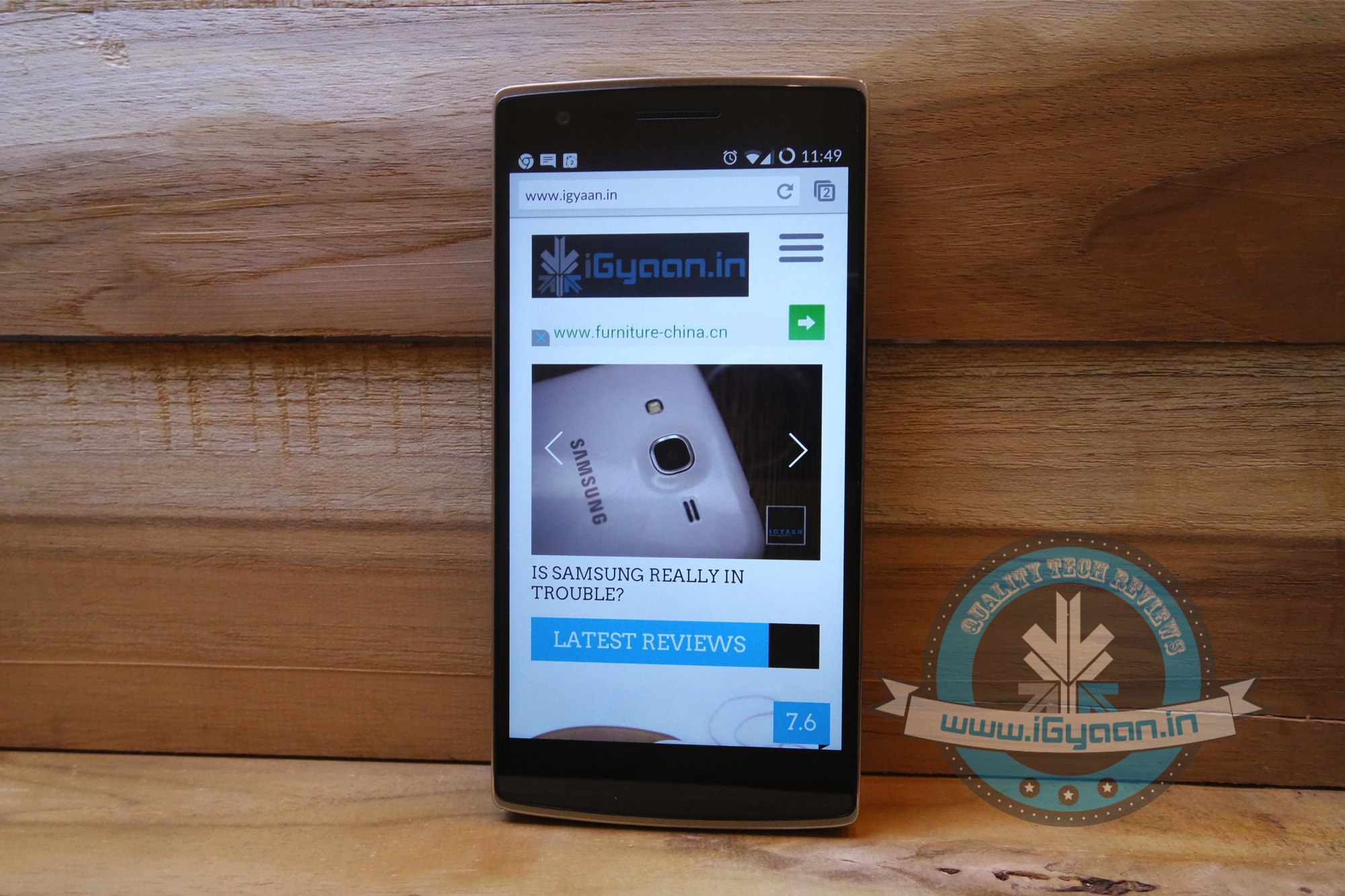
The OnePlus One comes with top notch hardware for its time, apart from the 5.5 inch LTPS display with a 1920 x 1080p resolution, Gorilla Glass 3 :
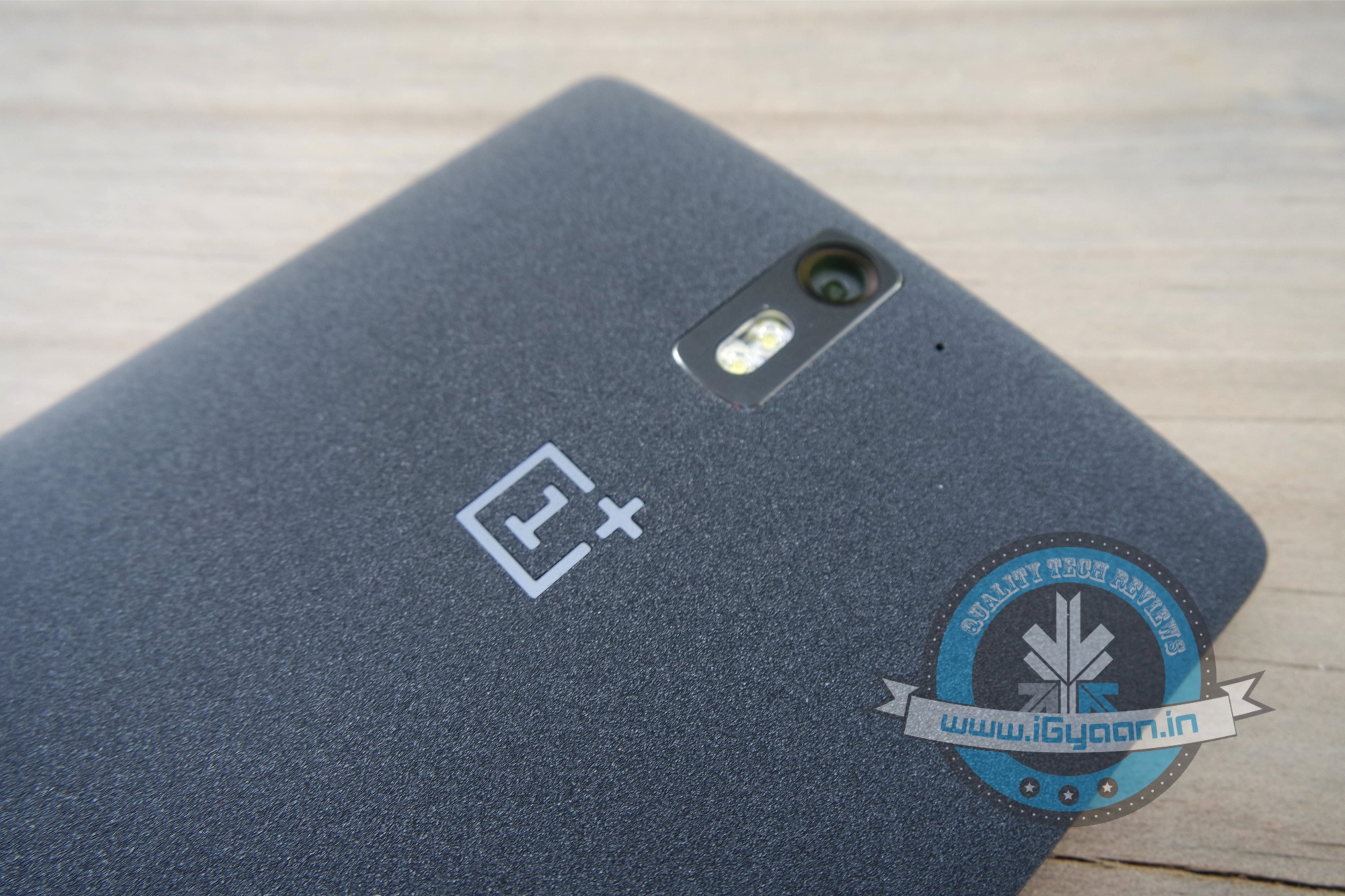
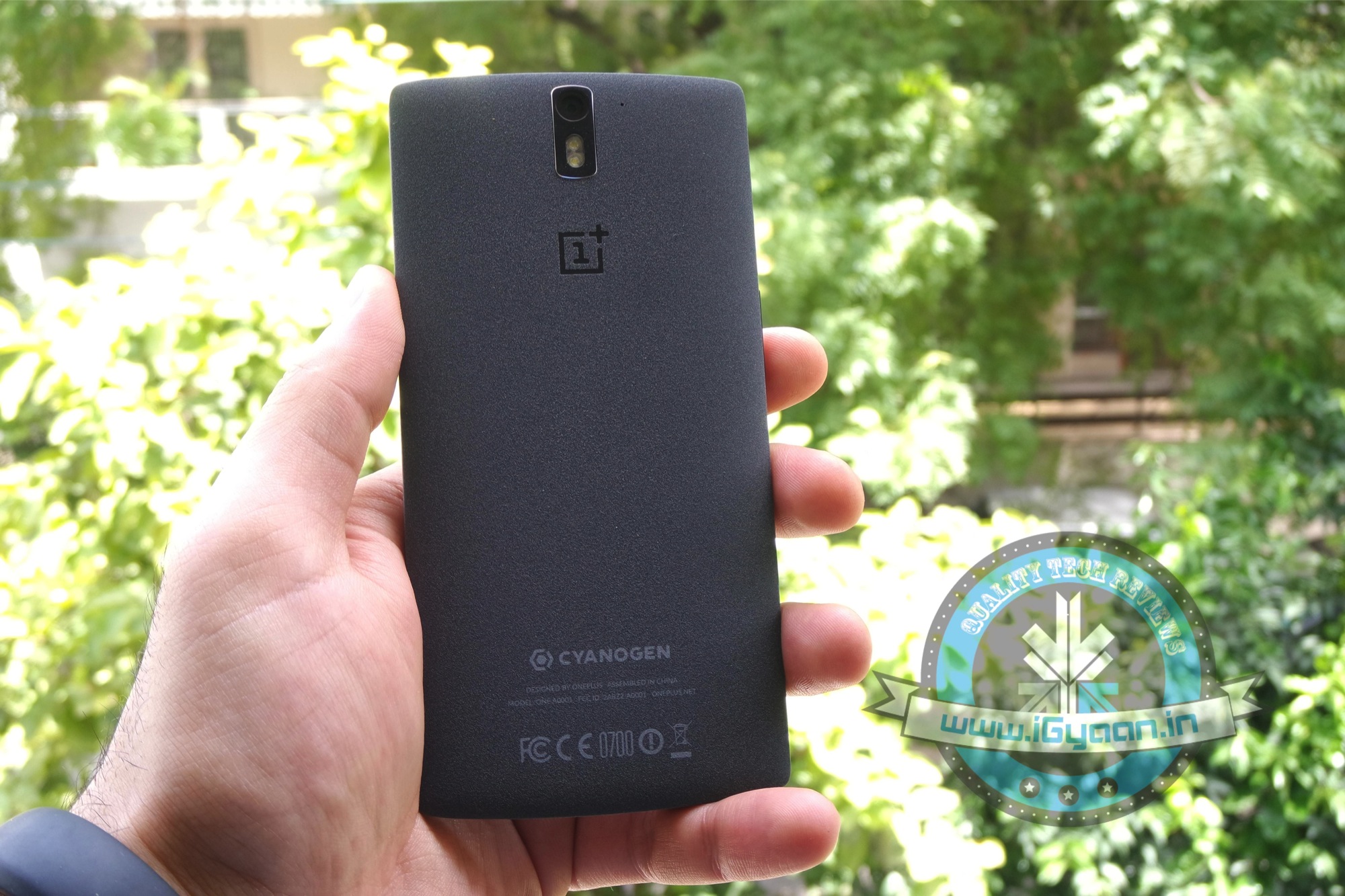
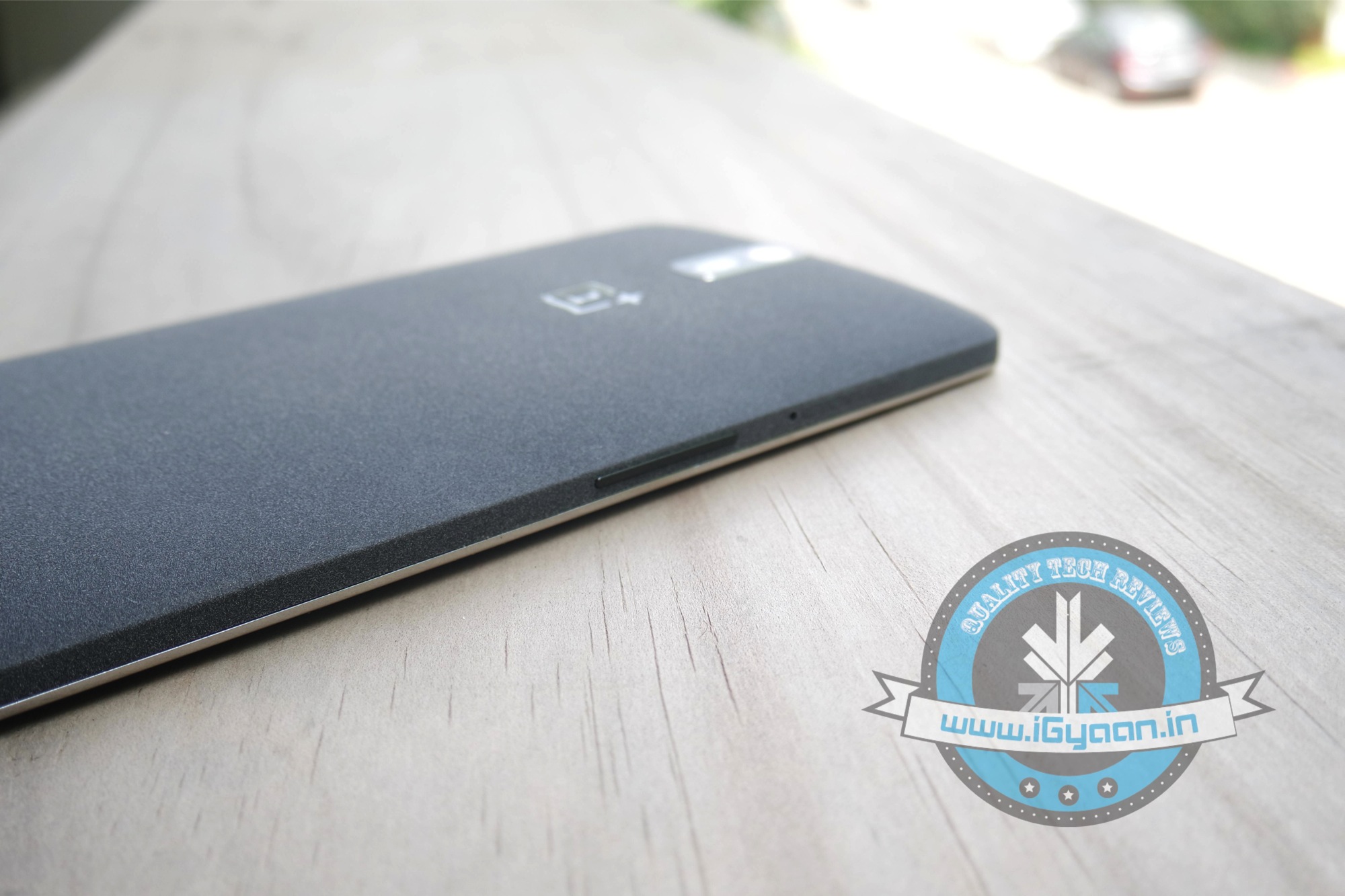
The OnePlus One is superb, the fact is that anyone who has seen the phone in my hand, especially the sandstone variant, has been amazed with the way this phone looks and feels. The brilliance is in fact in the overall look of the phone, it’s just the right size, has just the right amount of chrome and metallic accents, subtle logos, simple buttons and the nicely printed Cyanogen at the back helps too.
The built of the phone is also pretty superior, although we wouldn’t say the phone can be dropped several times (especially because if you break it, you will go through hell to get another one). The display is protected with Gorilla Glass 3, but it’s not the ultimate form of protection, and thanks to the large damageable screen real estate, one should be extra careful. The back is a solid plastic, coated with the sandstone finish in the 64 GB variant and a polycarbonate white on the 16 GB variant, both of which feel great and look great too.
Display and Camera
The LCD is impressive, it’s quick and bright, has great viewing angles and the touch is very sensitive. We also found colours to be very accurate. You do have several display modes that will help you adjust between temperatures and also customise the display of the phone as per your colour tone preference. Video playback is great, and deep blacks and greys are separately identifiable resulting in a viewing experience that will leave you satisfied.
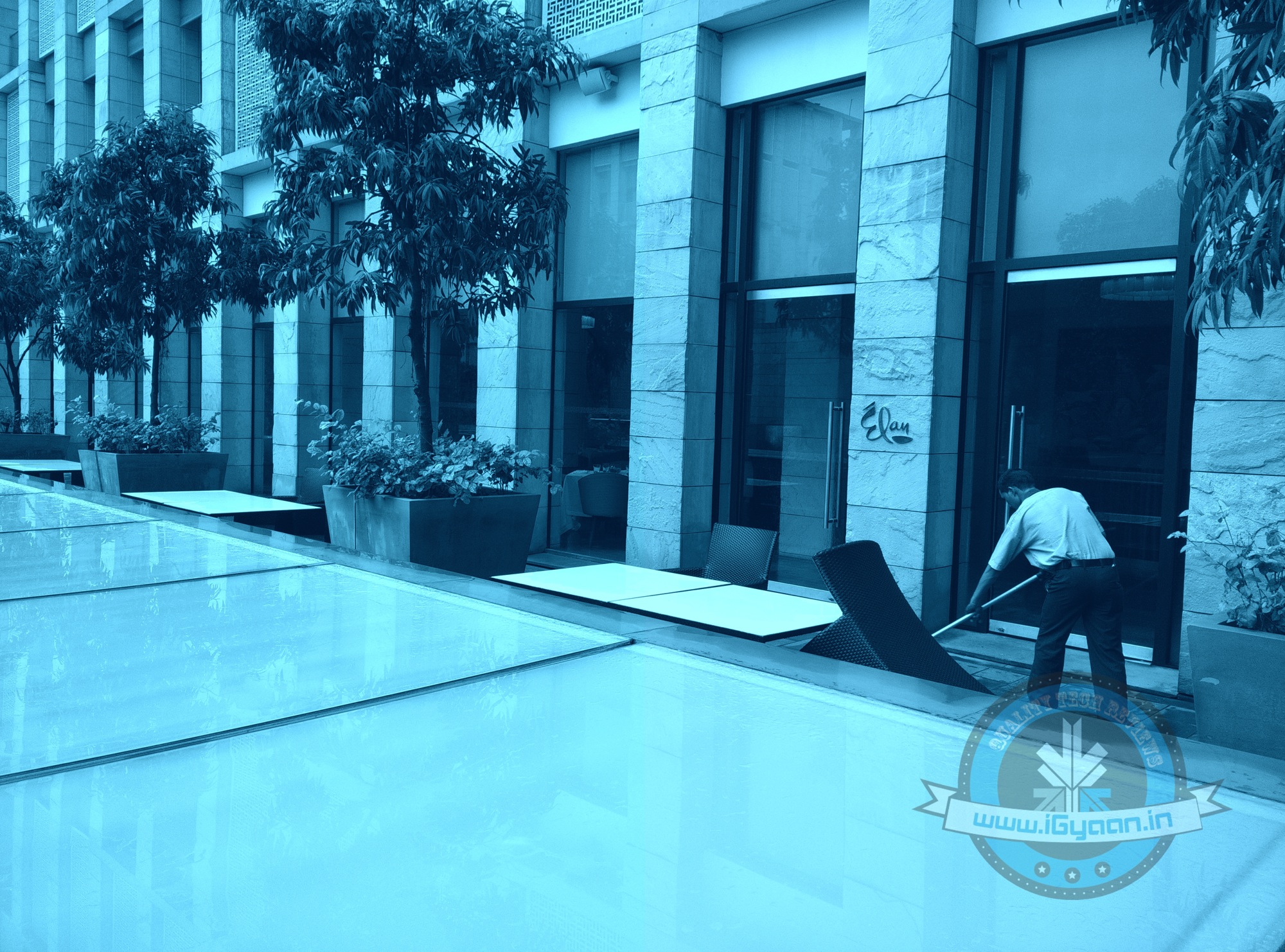
The camera on the OnePlus One is equipped with a 13 MP Sony BSI sensor, which by far is the best implementation of the equipment. Shutter Lag is close to none, the response times are amazing, shot composition accurate, focus fast and colours are deep and rightly defined. The camera is equipped with a dual led flash with one amber and one white light, giving the device the ability to correctly compose the shots, especially so, in low light conditions.
Aqua Filter
Without HDR
HDR
Indoor
The Camera also does 4K video, which in this day of flagships is only restricted to a few. You also get time-lapse and slow motion video at 120 fps on 720p which works really well. Video is really smooth and jitter free, and the end resultant is rather satisfying, included preview filters and pre shooting tweaks make it easy to compose and deliver the right kind of footage.
The sensor is bright with a f/2.0 aperture , giving it a great deal of low light visibility, although noise is still prevalent on low light images.
Multimedia and Performance
Thanks to the mix of the high end specs as well an a fantastic display, Multimedia capabilities are right up there with all other flagship devices. In certain cases even better so than the other. The low end on the spectrum for OS functions in the background, less busy Cyanogen OS and 3 GB of onboard RAM really improve things on the OnePlus One.
Performance wise, the OnePlus One aced all benchmarks and kicked it in gaming, with little of no lag on high end graphics and all games running on full juice. Impressive day to day usage and the fluidity of the performing tasks is really appreciable.
Considering the kind of awesome experience you get with the OnePlus One, we feel that the company should’ve just called it “Two”. because it offers double the experience of any regular manufacturer smartphone, with performance, gaming and built.
Benchmarks and Gaming Video
Cyanogen and Android
Today Android is really in a good place, and with Android L on the verge of launch, a lot is expected from the OS. Generally one should choose hardware that not only supports the update, but a manufacturer that is willing to do so. In most case scenarios you would have to wait months before the next big Android OS would be pushed out by manufacturers. The last version of Android aka Kitkat is now available throughout the segment, however it was announced a year back, and yet today some phones ship with Jelly Bean.
OnePlus One Runs on Cyanogen and it’s a great user experience.
With the Oneplus One and Cyanogen Mod OS, you will never have to worry about that, this group of developers managed to run Android on the HP Touchpad, and now it is updated to Android 4.4.4. So with the Oneplus One you can not only expect quick updates, you can also expect some nifty features and usage improvements.
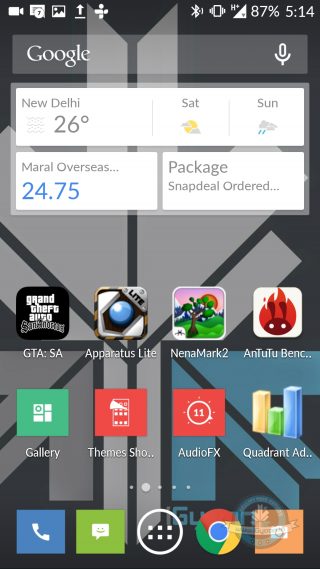
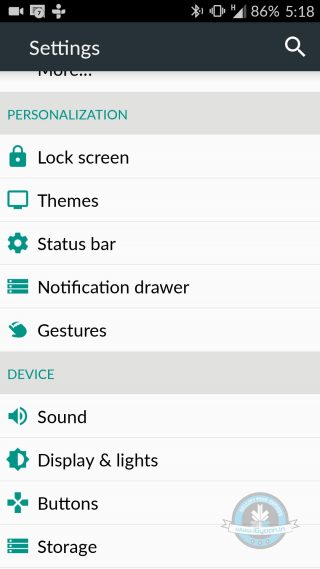
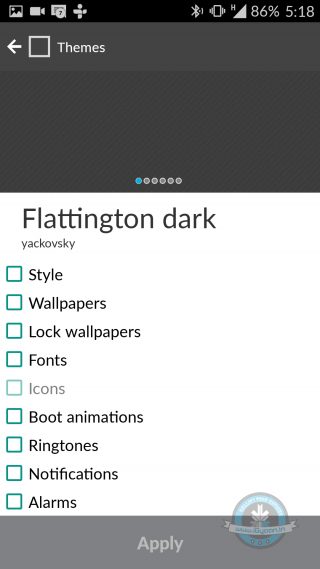
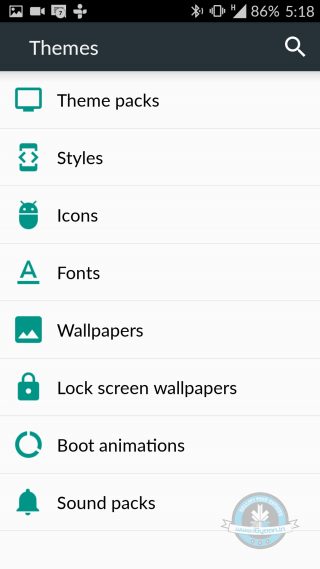
The UI is very customizable and theme-able using their theme changer and by downloading themes from Play Store, and other resources. Cyanogen allows you to mix and match different elements of different themes to make the one perfect theme for you.
Conclusion
The OnePlus One is not here yet, the company is busy working out a strategy and will have the phone in India, as early as Sept-Oct 2014. However, for a price sensitive market like India, the cost of the phone will be a major factor. Another big deal is the fact that the company is doing away with its invite system, and hopefully by the time they arrive in India, they can ensure supplies to the huge and impatient market.
Where companies like Xiaomi have really gained respect and market share simply by cutting down admin, distribution and marketing costs, OnePlus may bring the One at a premium in India.
The Oneplus One is expected to be priced around Rs. 21500 for the 16GB variant and Rs,. 25000 for the 64 GB variant. Although the prices are more than the $ price, they are much less than the Indian price of major flagships. So for the price of one LG G3, HTC One M8 etc you could typically get , “One Plus One” = 2 phones.
If you can get your hands on an invite today, do not think twice and get the phone, in fact you should have owned it yesterday. As far as warranty issues are concerned, the company has great service support, but you will have to deal with shipping to their support centers overseas, or wait for the Indian one/s.
When iOS 8 was announced back in WWDC 2014, one of the main highlights of the new update was the inclusion third-party keyboard apps. This meant that developers would be able to bring third-party keyboard apps to the iPhone, a feature users have been waiting for since practically the launch of iOS.
With this new feature, apps like SwiftKey was expected to be part of the new OS but a new keyboard app is something most iPhone users probably never even expected. The upcoming Popkey keyboard app offer users a totally different keyboard which comprised entirely of animated GIFs.
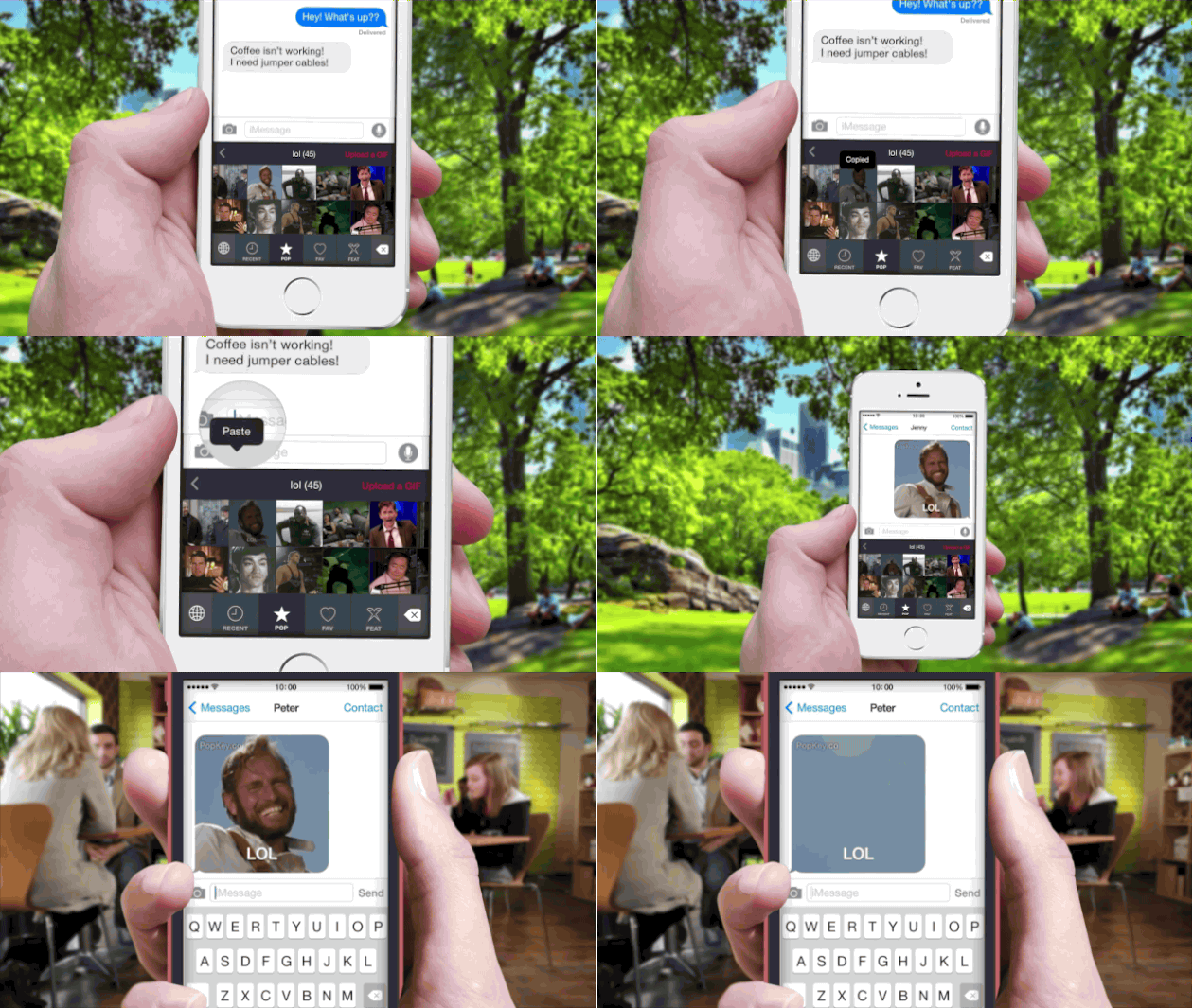
With this new keyboard you’ll be able to browse featured and trending GIFs, upload your own, save your favorites, and quickly access the GIFs you recently used. You can also browse based on keywords: For instance, tapping LOL will bring up a collection of funny GIFs. There are separate sections for “LOL,” “shocked,” “facepalm,” “swag” and other ideas/words frequently expressed in GIF form.
While iMessage already supports inline GIFs (via copy and paste), Adrian Salamunovic, co-founder of WorkshopX, the company behind PopKey, says this app streamlines the process of searching and sending. Much like the existing emoji keyboard in iOS, PopKey contains different themed sections, each of which will include dozens of GIFs. But rather than keywords, the app is organized by reactions and emotions.
There’s no firm launch date for PopKey, but you can sign up to be notified when the app launches on their website.
A 16-year old boy, Arsh Shah Dilbagi, has developed a device that helps people with developmental disabilities, like Locked-In Syndrome and ALS, to communicate using only their breath. Dilbagi entered Google’s Global Science Fair to showcase his device and became the only finalist from Asia to get selected this year.
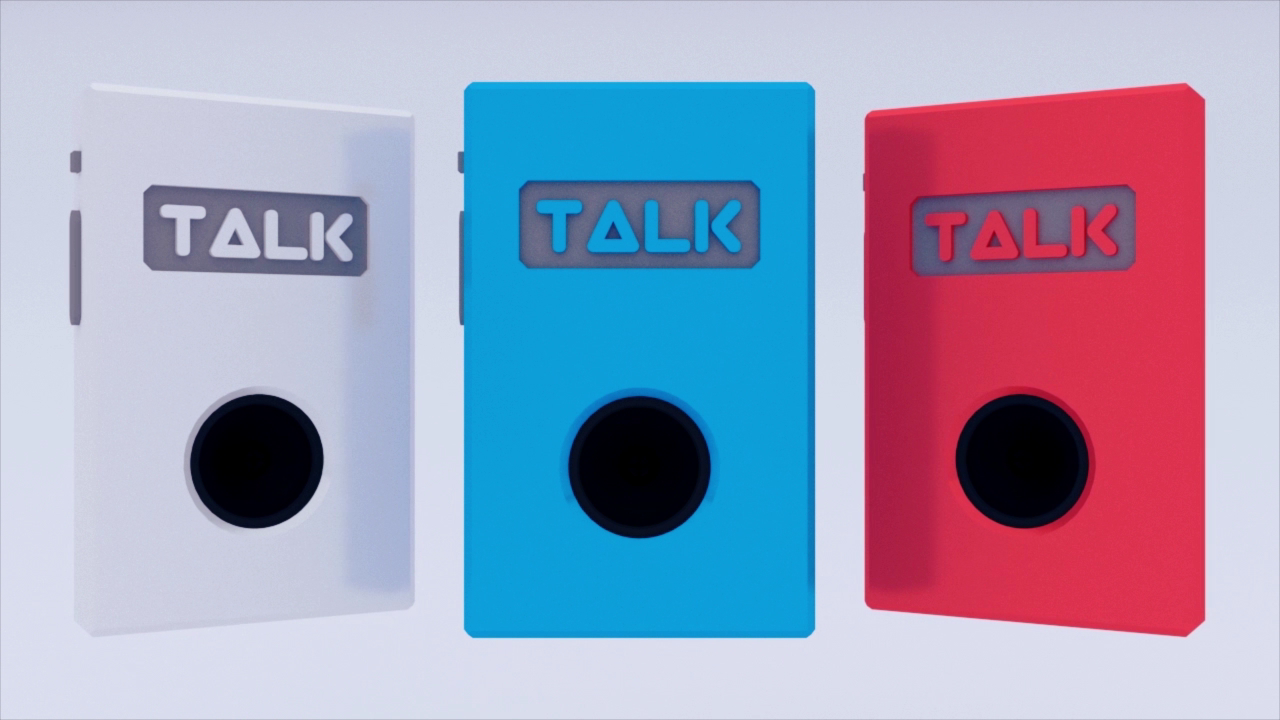
The device which he calls ‘TALK’, turns the breath into signal which are read by Morse code and then converted into speech. A student of 11th standard at DAV International School, Panipat, Arsh claims that the device even allows almost entirely speech impaired and paralyzed people to communicate like never before.
The devices like this, which comes under Augmentative and Alternative Communication (AAC) device category, are usually very expensive like the kind used by physicist Stephen Hawking. However, TALK will be the world’s cheapest and fastest AAC. Dilbagi says it is not possible for all those who have motor-neuro disabilities to afford an AAC device that costs $7,000 (Rs 4.26 lakh).
“AAC devices available in the market are very expensive, slow, bulky and not generic. I decided to find a better solution — an AAC device which is faster, portable and generic and costs only $80 (Rs 5,000), making it affordable to the large population,” he explains.
Dilbagi further explained that TALK expects a person to be able to give two distinguishable exhales with varying intensities, for converting them into electrical signals using a microphone. The signals are processed by a microprocessor, called the ‘Morse engine’, which labels the short exhales as ‘dots’ and longer exhales as ‘dashes’. These are further interpreted through the Morse code which converts the signals into words and then sends them to another microprocessor for synthesizing them into voice. According to Dilbagi, TALK features two modes – one to communicate in English, and the other to give specific commands and phrases. These are communicated in nine different voices enabled according to gender and age.
“I even got predicted results by testing the device on a person suffering from encephalopathy (global brain dysfunction) and Parkinson’s disease,” he has claimed in his proposal to Google. He adds, “In the future, I would like to add auto-predictions to my computing engine and integrate TALK with modern technology like Google Glass to make it easier for people with developmental disabilities.”
This kind of invention shows how this country has capable minds who can produce incredible innovation. So if you think you have a great idea, get on it. Doesn’t matter what your age is or where you come from. As long as you have a great idea, you trust it and are ready to undertake dedicated hard work, you can, “Change the World”. However, we cannot help but think how boring Hector Salamanca from Breaking Bad would have been if he had this device, it’s good that guy only had a bell to blow up.
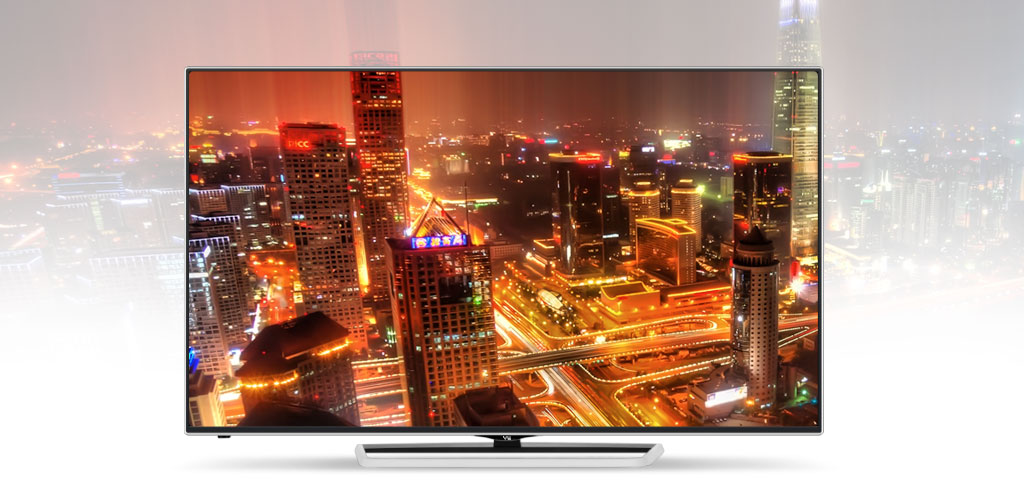
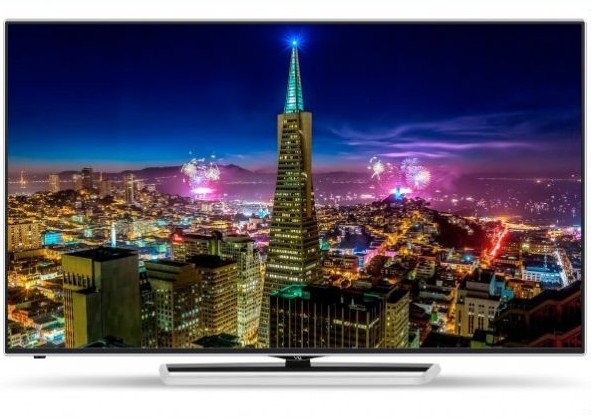
You know that the market is slowly getting set for 4K TVs. You want those super high definition displays for your gaming and entertainment experiences, but when you see the price tags on these devices, you make the wise choice and decide you like food more than UHD displays. Well, now VU gives you a cheaper alternative to the highly priced displays from the big brands.
VU has launched 50-inch and 55-inch 4K TVs which it will be selling exclusively on Snapdeal. The 50-inch TV costs Rs. 89,900 while the 55-inch version is priced at Rs. 1,19,000.
These TV’s are great alternatives to high priced displays from big brands.
The company claims that they have integrated the world’s first quad-core graphics engines in their TV. This engine will assist in accelerated Ultra HD content delivery. The TVs can take the images from the set-top boxes and upscale it to give sharper, more detailed images.
Devita Saraf, CEO and Design Head, Vu Televisions said “The new 50-inch and 55-inch 4K Ultra High Definition televisions from Vu are priced at half the cost of similar models from Sony and Samsung. Samsung’s 48-inch 4K TV is priced at Rs. 1,59,556 while the 55-inch Sony’s equivalent model costs Rs. 2,18,000. The panels are made in Japan and Korea while the plastics are made in China.”
They have multiple convenient connectivity options
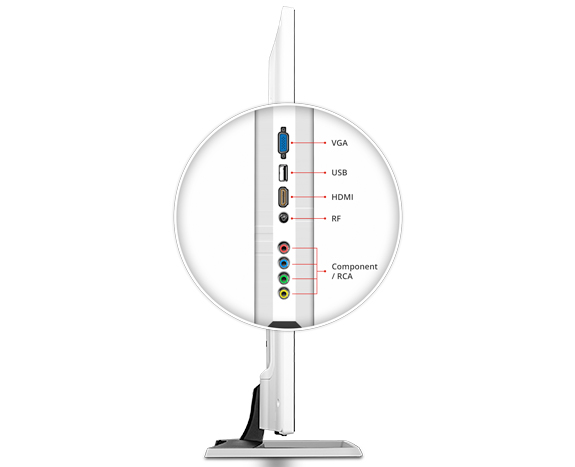
The TV’s have multiple connectivity options which include four HDMI and three USB ports for the 50-inch model and three HDMI and USB ports for the 55-inch variants.
VU promises quality service from its certified customer service center. Saraf also said that customers buying the TVs from Snapdeal will get free shipping, and if there is any damage to the product during delivery, VU will replace it for free. So if you were looking for a 4K display for cheap, the VU seems like a good affordable option for you. Get it for some excellent visual experience and of course, some insane gaming visuals.
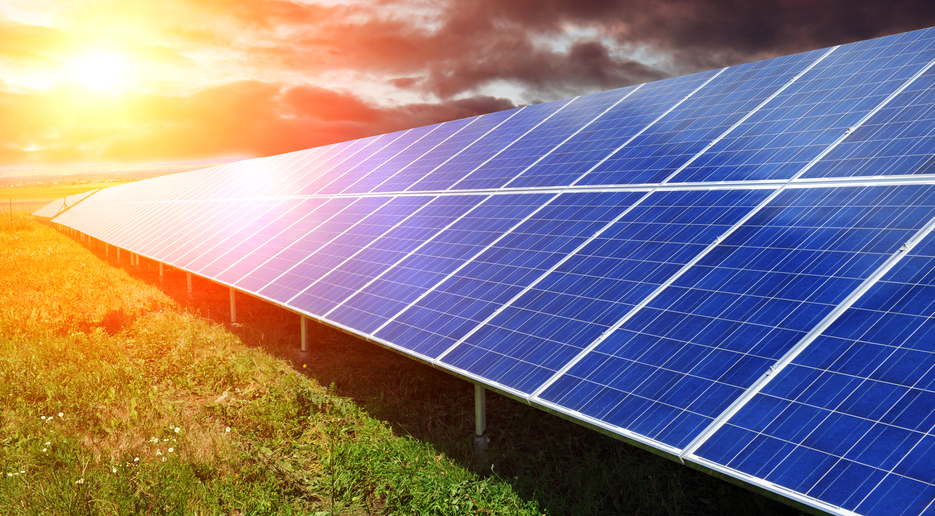
Solar energy is known to be the best alternative energy source. We have known its potential for over a hundred years but haven’t been able to take advantage of this clean energy source because of multiple reasons. Fortunately (or unfortunately), the world is now on an emergency alternative searching mode with the effects of global warming being felt everywhere. There have been a good number of R&D going into making efficient Solar panels that are pocket-friendly too. One such alternative can be found in the manufacturing technology of tomorrow, i.e., 3D Printing.
3D printing is an efficient method of production. Like a regular printer, designs can be downloaded from the internet and printed at any location. As it can be digitally spread, it can be easily sent to any part of the world where it can be copied and printed. It’s a boon for space travel as we don’t need to carry a huge load of spares. Now this revolutionary technology is used by 50 scientists who are experts in various fields to power the planet.
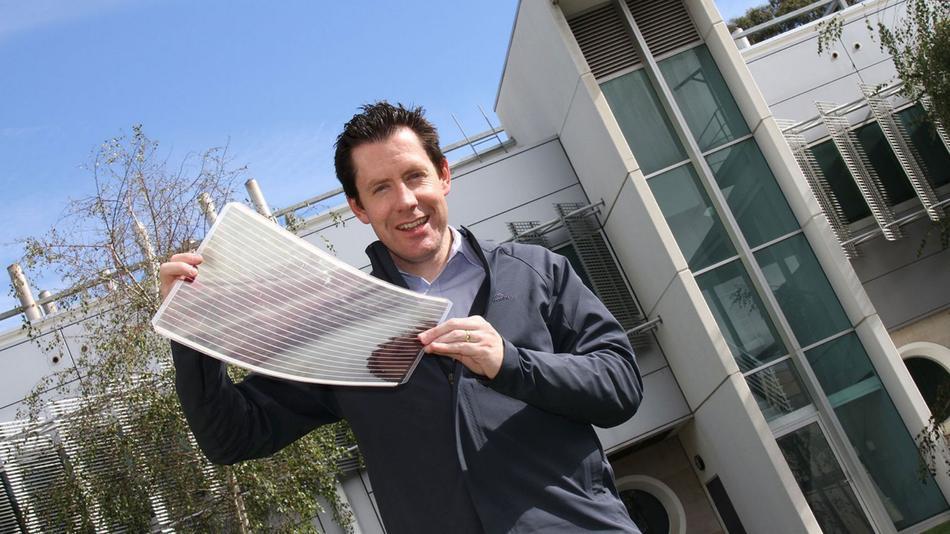
The scientist have worked for years to develop paper-thin, printable solar panels as part of the Victorian Organic Solar Cell Consortium. The consortium is comprised of members of CSIRO, Melbourne and Monash Universities. The technology, they say, will change the way we charge personal electronics. Imagine your laptop bags, Phone and Tablet covers will not just be safely covered but will help charge up the device on the move.
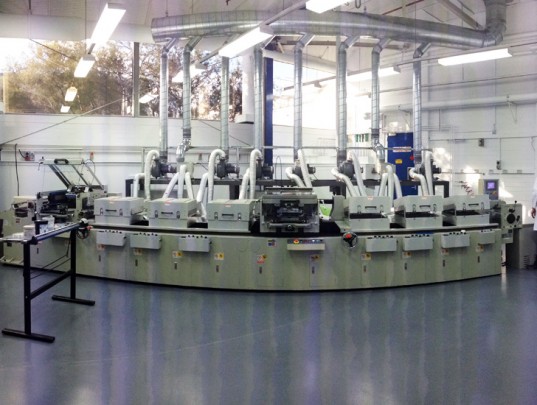
3D printers, printing the Solar Panels
The ultimate goal they say will be to create these panels for all the windows of the skyscrapers so that these building could power up themselves. According to the consortium’s website, the difference between existing solar panels and the technology it is developing is “organic cells offer the potential to allow printing directly onto materials such as roofing and windows and therefore open intriguing building integrated design opportunities.”
The researchers have been successful in reducing the size of the solar panels to the size of a coin. This was achieved by using ordinary 3D printers adapted to work with solar ink. They say this technique results in cheaper solar cells in comparison to conventional silicon rooftop solar panels.
The team wants to take the research to an even more convenient stage. They are presently working on spray painted coating. They say connecting to their solar panels is as simple as connecting a battery.
The potential of this technology is limitless. The researchers see a huge number of consumer applications of the technology like product packaging, windows and window furnishings, temporary structures, remote locations and developing communities.
Many companies seem to be showing interest in this technology. Hopefully this technology is implemented before the present fuel reserves are exhausted and we are left with no light and no internet. The day without Facebook would be the day of the apocalypse.
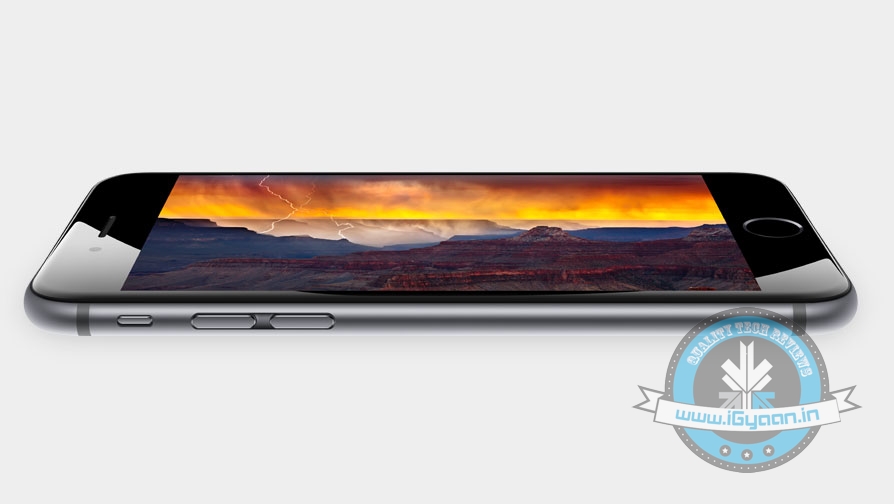
Love it or hate it, the long-awaited Apple iPhone 6 is here to stay. For Apple lovers it was time to meet the world of multimedia friendly big screens with the company releasing two variants this time, the iPhone 6 and the 6 Plus.
Folks on twitter were also pretty excited with the launch and here are some of their reactions:
Some Were Appreciative:
Waking up to hear the news that the iPhone 6 has 128 GB has me saying OMG like: http://t.co/P6htBmIIfW
So excited for the Apple Watch. For centuries, we’ve checked the time by looking at our phones. Having it on your wrist? Genius. #AppleLive — Ellen DeGeneres (@TheEllenShow) September 9, 2014
At the end, Samsung’s sponsored Twitter Trend didn’t go unnoticed:
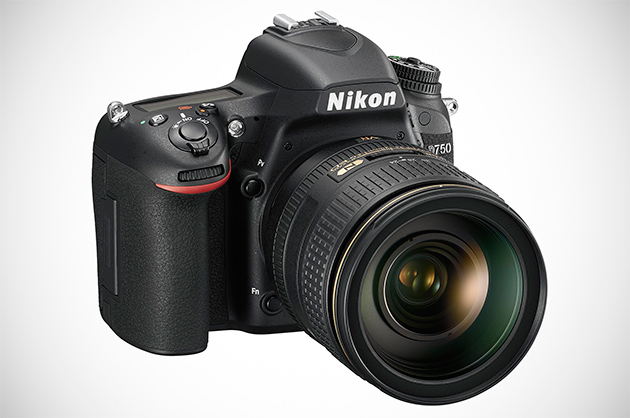
Nikon has launched a new hybrid camera D750. It combines the best features from Nikon’s D810, and the company’s flagship D4S, and wraps them inside a smaller, lighter body. Nikon D750 is full frame DSLR that slots in between the D610 and D810. Replacing the crowd’s favourite D700, this new camera is actually the lightest among Nikon’s traditional pro series.
The D750 has a 24-megapixel FX format CMOS sensor, an Expeed 4 image processor (the same one seen in the much pricier D810), a more light-sensitive 51-point autofocus system, and an ISO range that stretches from 100 to 12,800. It weighs around 750g, it’s significantly lighter than both the D4S and D810, and even bests Nikon’s D610 and Canon’s full-frame EOS 6D
.
It uses a 51-point autofocus system that’s near identical to the higher-end cameras, so you get 15 cross-type AF sensors, 11 of which work up to f/8. The D750 supports burst shooting at 6.5 frames per second in full resolution, which may come as a slight disappointment for those hoping to use it for sports or fast action.
The D750’s greatest strength is its low-light performance. Its ISO range extends from 100 to 12,800 (plus Nikon’s Hi2 mode offers an equivalent of ISO 51,200), and this thing can practically see in the dark and focus at -3EV. That’s a first for any Nikon DSLR. It’s better than what the D810 can manage; even the D4S is only capable of focusing as low as -2EV.
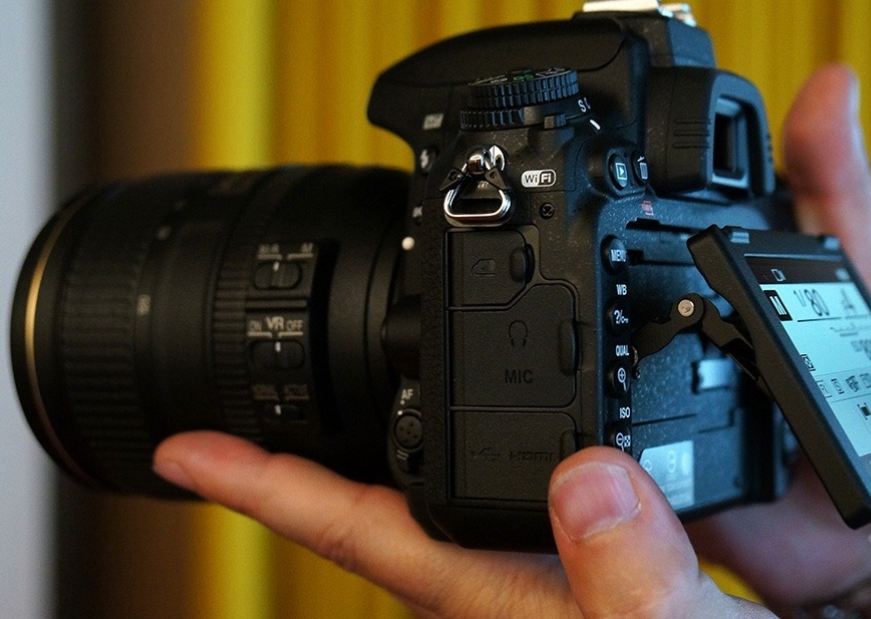
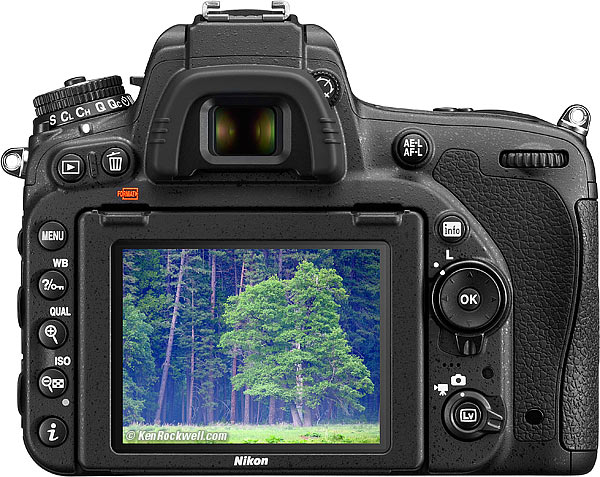
However, the light weight doesn’t come at the cost of functionality. The D750 includes a new 3.2-inch tilting LCD, built-in Wi-Fi, and space for two SD cards. It’s the company’s first FX format camera to have a tilting LCD screen which is 3.2-inches diagonally. It is the first camera to have built-in WiFi which has been crammed into a body that’s thinner than usual. It shoots 1080p at 60, 30, or 24fps with full control over aperture whenever you’re filming. A Power Aperture feature, borrowed from the D810, smooth outs transitions when you’re adjusting aperture.
The Nikon D750 will be available with price tag of $2300 which falls between the $1900 D610 and the $3300 D810. It’s got the same resolution sensor as the D610 as well as a similarly compact design. The D750 is going on sale from September 23rd in a body-only configuration. A kit including Nikon’s 24-120 f/4 lens will follow up in October.
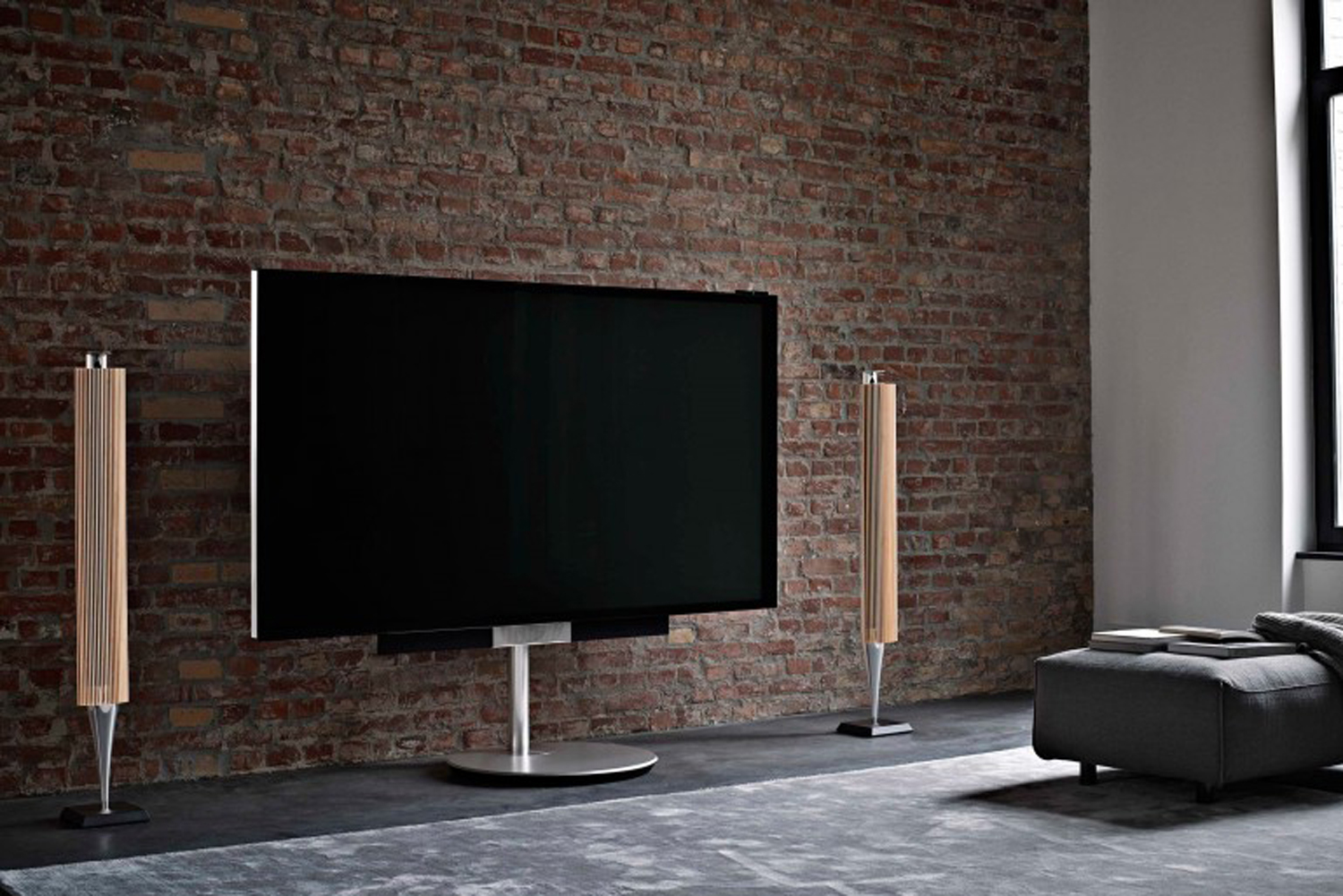
Danish equipment manufacturers Bang & Olufsen have brought out an 85-inch 4K TV which, like its 55-inch sibling, comes with a motorized stand that helps it move around. The TV is called Beovision Avant 85in 4K TV.
Using the motorized stand you can adjust the angle of the TV up to 90 degrees and this can be done through a single push of a button. It will also automatically select the viewer’s favorite channel and sound settings. When you are done, the speakers will automatically fold and return to their original position.
The BeoVision Avant 85 has six HDMI inputs, two USB and an Ethernet port for internet connectivity. The remote provided with the device is called the BeoVision One remote control. It’s a metal bodied universal remote control made of Aluminum. The BeoRemote app is available for iPad and Android tablets too. The remote is capable of controlling your entire entertainment system.
For the audio, the TV comes with eight integrated drivers: three for treble, three for mid and two for the bass. There is an option for three channel surround sound output. Buyers can also connect to B&O speakers wirelessly.
The TV costs a whooping £16,595 (Rs. 16,39,000), and the motorized stand comes separately for an additional £1500 (Rs. 1,48,000). You can be better off buying a Samsung 4K TV which comes at half the price of this TV and buy a mid-segment sedan, with loads of money left on you.
The human population is massive. It is currently estimated to stand at 7 billion. Environmentalists state that the optimum number of humans on the planet should have been 2 billion; we are a resource intensive species. Unlike the animals, we are used to a regular supply of food and water apart from clothing and other resources. Providing food for all of us is a massive affair. Our fertilizer induced lands have lost most of their natural nutrients, and they are overburdened. In these times, it is necessary to find farming alternatives that can help to bring a sustainable change in our food production mechanisms. One such method is Hydroponics.
Hydroponics is a plant growing technique which produces plants using limited water. The technique is so efficient that it saves almost 90% water in comparison to traditional farming methods. It is also space saving so you can get maximum growing potential out of a tiny place.
The makers of Ecofarm
Now a Dutch startup called Ecobird has brought a Kickstarter campaign for their Ecofarm. Ecofarm is a mini-loop ecosystem in which the nutrients from a Goldfish’s excrements are used to grow plants in the grow tank above. As the fish poop is extracted from the water, the water is cleaned too. All that needs to be done for the fish is to feed it.
The triangular shaped Ecofarm’s grow tank will allow you to grow small herbs like basil and thyme. You can also grow small tomatoes in the Ecofarm. The makers claim that the Ecofarm is capable of providing enough nutrients for these plants to grow.
This is a good start and hopefully will engage more people to come up with similar products that will expand their capacity. Hopefully, someday your septic tank will be capable of fueling your food garden making you self-sufficient as well as saving you money for important things in life like beer.
The campaign has a goal of 125,000 Euros which is a big sum. The developers have gotten 13,520 Euros till the writing of this article with 16 days to spare. The idea of the Ecofarm is great, it also shows how a symbiotic relation with nature can help us clean the evil from the world that is hunger. As Charlie Chaplin said in The Great Dictator, “In this world there is room for everyone. And the good earth is rich and can provide for everyone. The way of life can be free and beautiful.”
Inventions like the Ecofarm if supported and taken further by the people will help to make a society free from menace like world hunger. It will also help us concentrate on undertaking more intellectual adventures like a self-sustained space colony.
Apple’s latest flagship is finally out and the new iPhone 6 and iPhone 6 Plus will be available in India from the 17th of October. Many of you are probably waiting to get your hands on one. Though it shows marked improvements from its previous iteration, the new iPhone faces stiff competition from its Android rivals. Furthermore, Apple has been criticized to adopt the new technologies and design in a very slow pace. With handful of smartphones already offering the same technology and productivity, Apple’s new iPhone flagship has already been mocked.
We are listing top 5 smartphones which you can buy instead of iPhone 6 or iPhone 6 Plus.
5. HTC One M8/E8
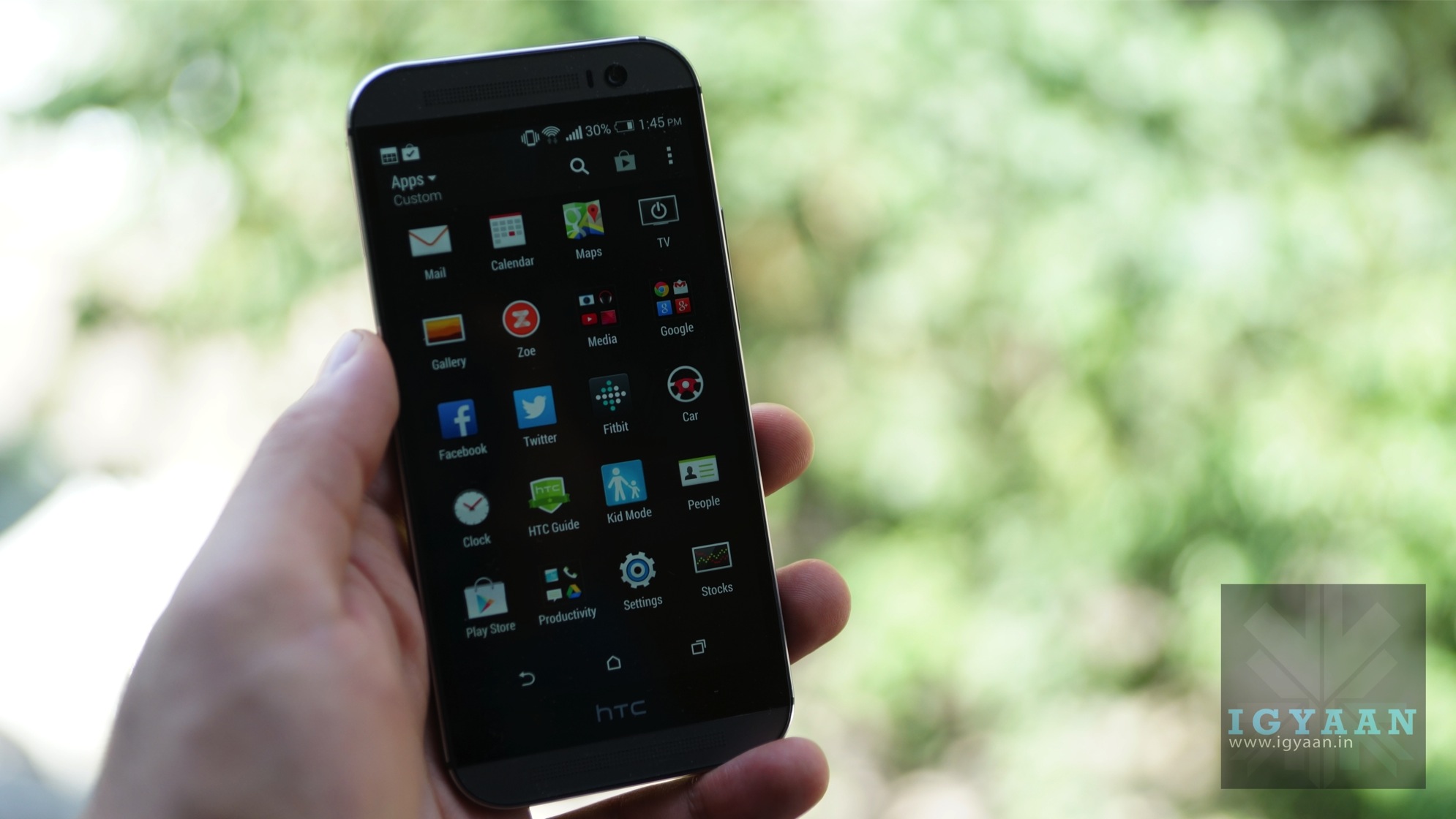
HTC’s flagship is regarded as one of the best Android flagships right now. Sure, it has its flaws, but there’s still a lot to love about it. The HTC One (M8) measures 5-inch, with a chassis of 146.4 x 70.6 x 9.4mm. When compared to the smaller model, it’s clear that the HTC One (M8) is a lot bigger. The HTC One (M8)’s 5in Super LCD3 screen is one of the many reason tech critics love this smartphone.. Throw on top a pixels per inch count of 441 ppi, and the HTC One (M8) boasts a crisp, clear and sharp display protected by super-strong Gorilla Glass 3. The HTC One (M8) is one of the most modern, accomplished smartphones we’ve seen in terms of design. With a fill metal body and elegantly curved edges, it more than matches the iPhone 6.
4. Google Nexus 5
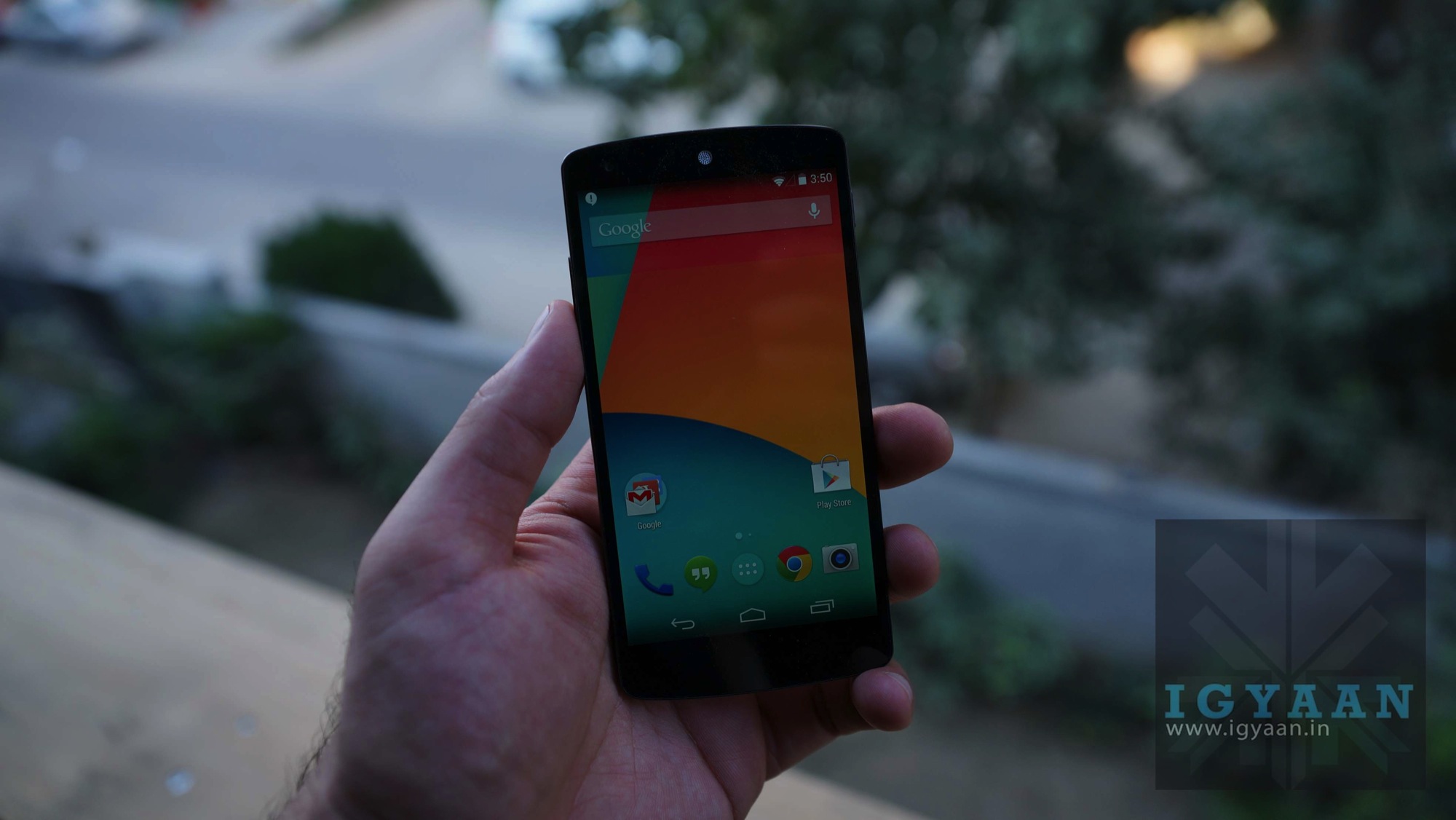
The Nexus 5 has a very competitive display with LG’s “True HD” IPS+ LCD technology which provides some pretty sharp visual quality. It has a 1920 x 1080 pixel full HD resolution on a 4.95-inch panel at 445ppi. Apple’s iPhone 6 launch revealed the company’s new mobile payment system, Apple Pay, which combines Touch ID with NFC to allow you to pay for items at point of sale counters equipped with contactless card readers. However, Nexus 5 gives you great alternative to this with Google Wallet and the built-in NFC and that too at a cheaper price tag.
3. Xiaomi Mi4
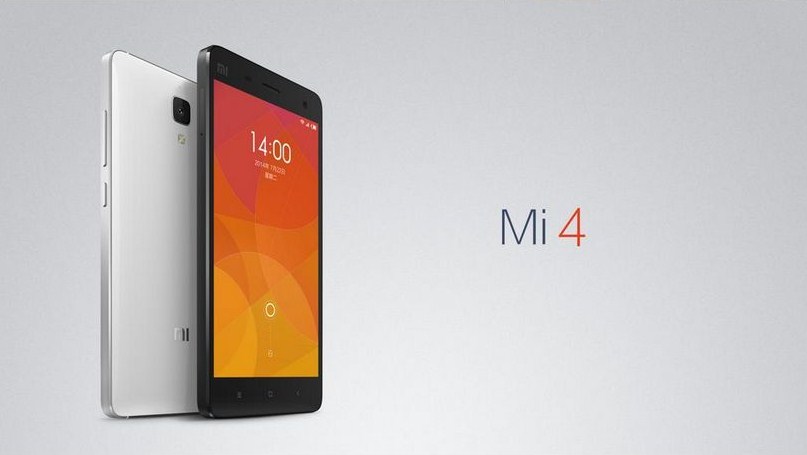
Xiaomi Mi4 provides you with better screen resolution density of 441ppi when compared to the iPhone 6/6+ which are at 336ppi and 401ppi respectively. Xiaomi uses Quad-core 2.5 GHz Krait 400 compared to iPhone 6’s Dual-core 1.4 GHz Cyclone. Also you get 1GB of RAM extra in Mi4 and a better cameras too (Mi4 – Rear: 13 MP + Front Facing: 8 MP vs iPhone 6 -Rear: 8 MP + Front Facing: 1.2 MP). And yes, don’t forget with the pricing, you can buy three Mi4 together in the price of one iPhone 6, once they are launched here that is.
2. OnePlus One
The OnePlus One shares the same display size as the iPhone 6 Plus at 5.5-inches. It has powerful video recording and imaging capabilities, strong performance components and much more, all at an extremely low price point. The phone also uses CyangogenMod 11S, which allows for an amazing amount of flexibility and freedom, unlike Apple’s iOS, which has several restrictions. Also, the OnePlus One costs a third of the iPhone 6 Plus and offers most of the same features.
1. Galaxy Note 4
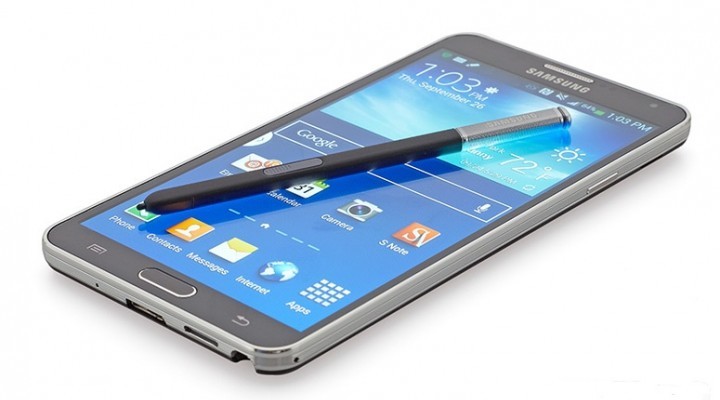
Samsung’s newly launched Note series flagship has been appreciated by reviewers even before it has started shipping. The phone includes all software features of Galaxy S5, in addition to features optimised for the S Pen stylus that Apple can’t even think of touching. Samsung Note 4 has a QHD resolution (2560x1440p) while Apple’s new iPhone 6 has a full-HD display (1920x1080p). The Note 4 also packs in more pixels per inch at 515ppi compared to iPhone 6 Plus (401ppi). This means text and images would look sharper on the Note 4. Also, the Galaxy Note 4 is considered as one of the most powerful Android devices around.
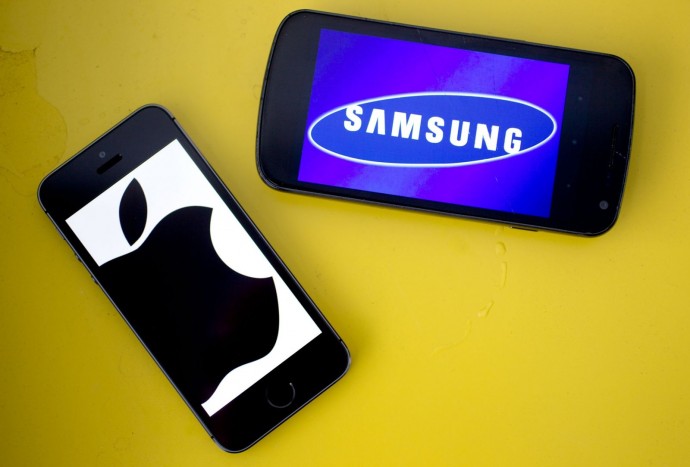
Apple has for long been the king of attack ads. The famous Mac ads starring Justin Long, which went viral before people knew what viral videos were. The company took jabs at Microsoft’s Vista operating system. But it seems Apple has met its match in Samsung, its top competitor in and out of court.
Samsung has recently started baiting Apple. The company had recently brought a campaign calling iPhone user’s “Wall huggers” targeting the phones low battery life. Apple released its new iPhone this week, and Samsung was ready with a barrage of new ads.
This time Samsung went on a serious offensive and brought out six ads taking on Apple. The Ads are titled, “It doesn’t take a genius” and are set in a replica of Apple’s genius bar. The satirical ads are meant for Samsung’s latest Flagship, the Galaxy Note 4. They target every aspect of the new iPhone, from the botched Livestream of the launch event to the lack of S-Pen for the iPhone.
The attack ads also take on the new Apple watch. The tagline in the end says ‘The next big thing is already here” a reference to their Samsung Note 4 and the new Gear S.
The ads are fun to watch and hopefully Apple will buck up and get back into the game of attack ads. If there’s one thing viewers love is a good old battle of wits. So the balls in your court Apple, show us what you got!
Google’s Play Store return policy is one of the best feature the company provides. It has been appreciated by Android community a great deal. The service offers you the option of returning an app you’ve just paid for and downloaded. You can do this by simply heading back into the Google’s store, hit the refund tab, and you’re done.
Obviously, there is a time limit for the refund policy which has been fluctuating since it started because of the reluctant developers who were worried about the loss. Earlier, when the service started Google offered 24 hours to initiate a refund which was bit extreme according to the developers. Then the company pulled down the timeframe to 15 mins where it stood until now.
Google has once again changed its refund policy and increased the return window to a fair 2 hours timeframe. The new 2-hour window strikes a happy medium between the old 24 hours options, giving you a decent length of time to try out an app but not so much that you’d be able to fully utilize an app or finish a game and then return it.
Windows Phone lets willing developers give users a trial period for apps before purchase but mostly you don’t get to play with all the features of the app which defeats the point all together. Apple’s App store in comparison, offers no refund or trial options for the apps and games. Guess it’s time to get apps from Google directly instead of looking for APK files from untrustworthy websites.
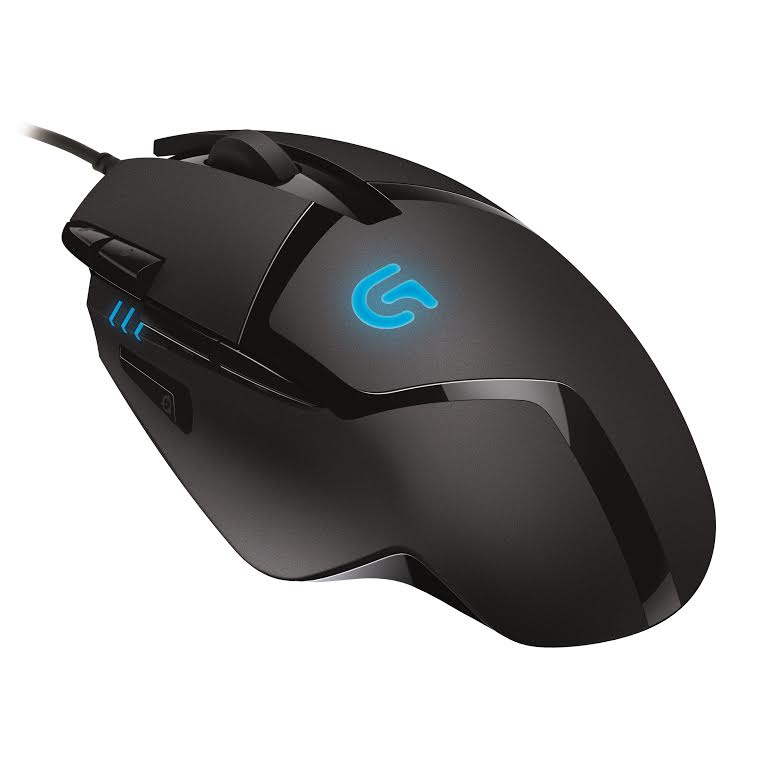
Xbox and Playstation has changed the demographic of our gaming system, however, the thrill is exaggerated when you play the games on your desktop with the good old keyboard and mouse, that is if you ask a hardcore gamer. To fuel the thrill of PC gaming, Logitech, which is of course a leading gaming peripherals maker, has launched its brand new gaming mouse, Logitech G402 Hyperion Fury Ultra-Fast FPS.
The new Hyperion Fury Ultra-Fast FPS has already been named as the world’s fastest gaming mouse. It comes with Logitech’s exclusive Fusion Engine sensor technology that can reliably track over 500 inches per second (IPS) and Logitech’s exclusive Delta Zero sensor technology for unrivaled accuracy.
Ashok Jangra, Cluster Category Manager, India & South West Asia, Logitech said “After three years of intensive R&D, it is a moment of pride for Logitech to finally launch the fastest ever gaming mouse- Logitech G402 Hyperion Fury. The light weight design delivers high speed moves, unprecedented precision with maximum accuracy, which makes the mouse an essential device for a FPS (first person shooter) gamer. With Fusion Engine, it allows you to make fast, furious swipes which enable you to dominate the battlefield.”
The Fusion Engine in Hyperion Fury solves a problem all FPS players face while playing a high-end game; their mouse can’t track as fast as they can move. By combining optical sensor technology with an accelerometer and gyroscope, the company has managed to create Fusion Engine which provides unmatched tracking speed.
The Hyperion Fury has 8 programmable buttons which can be customized according to the gamer’s need with Logitech Gaming Software. The Logitech exclusive Delta Zero technology ensures pinpoint accuracy for Hyperion Fury. Four DPI settings can be accessed in an instant, so you can shift down for pixel-perfect sniping or shift up for high-speed maneuvers, all with maximum precision.
The Logitech G402 Hyperion Fury Ultra-Fast FPS Gaming Mouse is available in India with the price tag of Rs 2,495. The price is great for the awesome gaming experience that it offers.
In times when people are still dealing with the news of the massive iCloud hack, they woke up this morning to the news of another giant leak. This time it was Google Accounts turn. Russian hackers have leaked about 4.93 million Gmail passwords. You can access the entire Google ecosystem using just one password and this was seen as a cause of worry.
The account details were leaked on a Bitcoin forum called btcsec.com by a user named Tvskit. The leaker claimed 60% of these accounts were active.
Google immediately slammed the claim. It tried to calm the fears with a blog post that said “We found that less than 2% of the username and password combinations might have worked, and our automated anti-hijacking systems would have blocked many of those login attempts. We’ve protected the affected accounts and have required those users to reset their passwords.”
Maybe it’s a way of hackers telling you that it has been a long while since you’ve changed your password, so it’s time that you did. Previously, a Russian Gang had claimed that they had stolen over 1.2 Billion passwords. The solution even then was to change the passwords. It’s a necessary measure that needs to be taken regularly. Google this time asked its users to go for two-step verifications to keep their accounts more secure.