Blog

  • Samsung Might Launch Two Metal-Clad Smartphones Along with Galaxy Alpha

    Samsung Might Launch Two Metal-Clad Smartphones Along with Galaxy Alpha

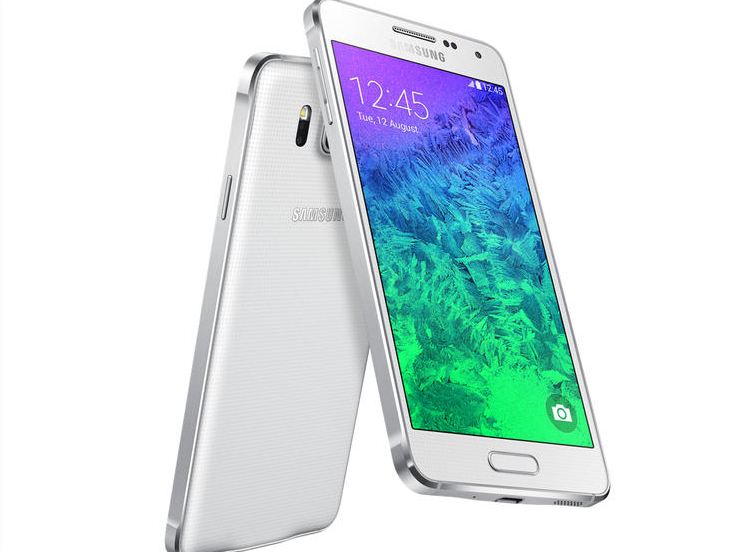
    The Samsung Galaxy Alpha turned a lot of heads when it was announced earlier this month. Thanks to the metal frame, it got a lot of attention. Unlike other Samsung products that have all-plastic bodies, the Galaxy Alpha is a welcomed intervention in Samsung’s design philosophy.

    However, recent reports have revealed that Galaxy Alpha is not the only handset which is part of this intervention. According to a new report from SamMobile, the Samsung Galaxy Alpha is only one of the first smartphones in a new line of products from Samsung which may be called ‘A’ series.

    Reportedly, Samsung will launch three phones that run Android 4.4 KitKat in this series and feature metal components in their cases. Bearing the model numbers of SM-A300, SM-A500, and SM-A700, the three handsets are said to launch in different price ranges.
    galaxy alpha

    In terms of specifications, not much has been leaked. The A300 is reported to offer a qHD (960×540) display while the others could pack HD displays. It’s not clear if these are 720p or 1080p screens. Other than this, the only detail shared by the blog is that the company will offer “better” front-facing cameras.

    The Galaxy Alpha is said to be 6.7mm thick and weighs about 115 grams. The display on the phone is a 4.7 inch screen with a 1280X720 resolution. It has an unnamed Octa core processor (Quad 1.8GHz + Quad 1.3GHz), and it is most likely on an Exynos 5 based chipset. The RAM on the device is 2 GB and has internal storage of 32 GB. It has no expandable storage. The Alpha has a dismal 1860 mAh battery which might dissuade a lot of folks from getting the device. The three new “A” series phones will reportedly debut sometime during Q3 2014.
  • Indian Prime Minister Wants Every Citizen to Own a Smartphone by 2019

    Indian Prime Minister Wants Every Citizen to Own a Smartphone by 2019

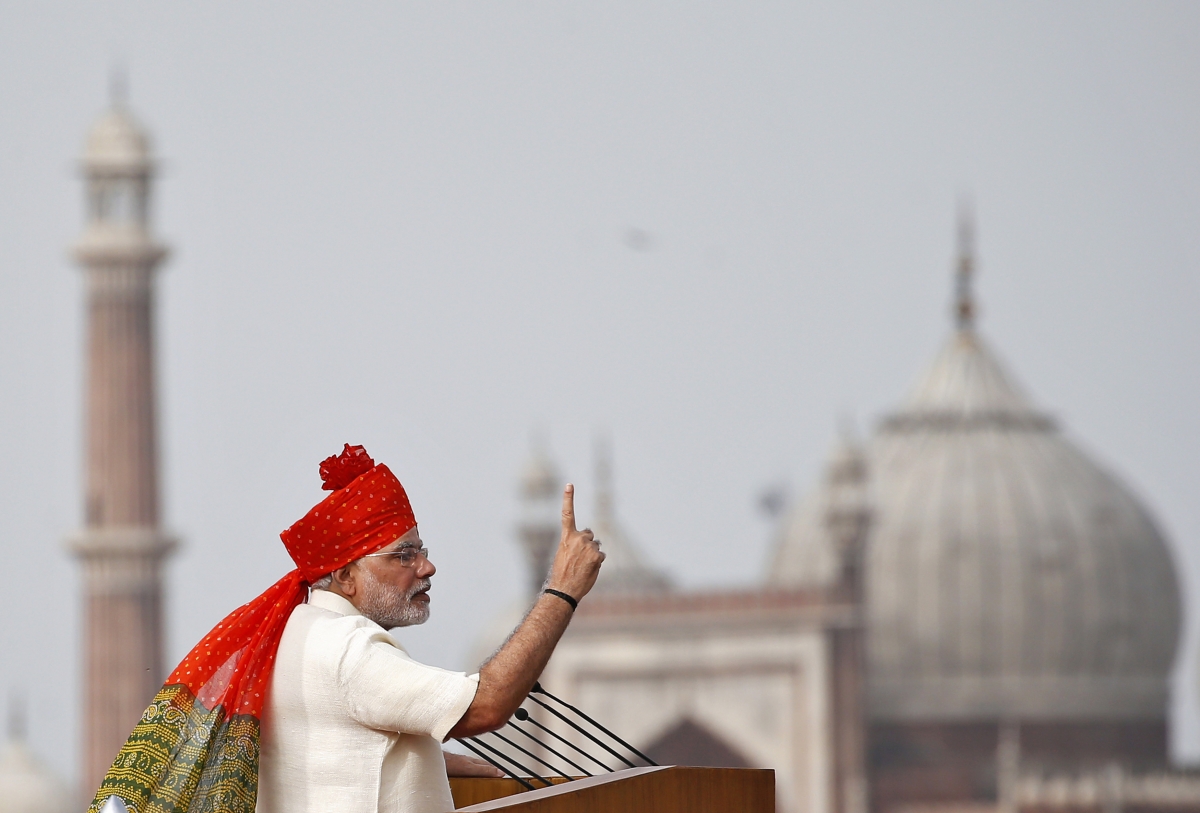
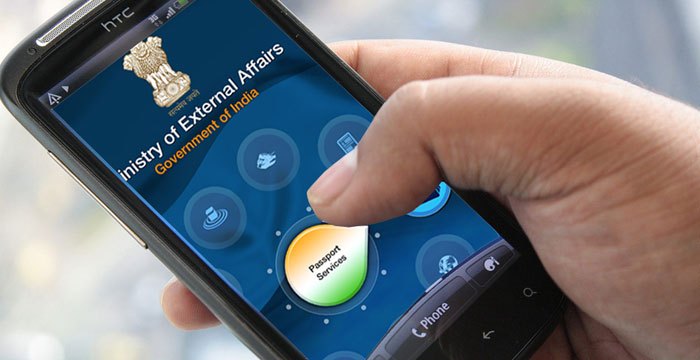
    The Indian Prime Minister, Mr. Narendra Modi laid out some bold 21st century goals in his Independence Day speech. One important goal was the Digital India project which would connect India through its length and width. The project has been green-lit by the cabinet of ministers, and the Prime Minister hopes for an India where government services can be delivered through the creation of technological infrastructure.

    For starters, the Digital India project is a Rs 113,000 crore project directed towards setting up of a broadband highway. It hopes to connect 2.5 lakh villages by broadband and phones and bring Wi-Fi capabilities in 2.5 lakh schools, all universities and setup public Wi-Fi hotspots for citizens. It is expected to create about 1.7 crore direct and 8.5 crore indirect jobs. It will be particularly beneficial for delivering e-governance and e-services.

    As of now mobile phones have reached about 74% of Indian population, which considering India’s massive population is a huge number. While a major portion of this population resides in urban areas, Mr. Modi hopes to change that in the coming future. He wants every Indian citizen to have access to a smartphone by 2019. He hopes to see mobile phones grow as welfare services delivery tool.

    The main aim of the Digital India Project is to convert India into a connected knowledge economy which offers world class services. The government plans to take assistance from tech giants such as Cisco and Facebook in creating the infrastructure as well as spread awareness regarding the plan.

    E-Governance is not just economical, it provides immense convenience to citizens
    E-Governance is not just economical, it provides immense convenience to citizens

    The cornerstone of his speech on Independence day was transforming India into a manufacturing hub of the world. The government of India plans to bring net electronics import to zero by 2020 which is an audacious plan. This will also help in curbing down the huge outflow of income that is spent by tech crazy Indian population. The manufacturing process will no doubt get a boost from the high-speed informational connectivity.

    The Telecom Minister of India, Ravi Shanker Prasad said that the National Optic Fibre Network (NOFN) venture which had been lying dormant for some years will be reinvigorated. The progress of the network will be monitored by the Prime minister himself.

    Investment in Technological infrastructure will lead to a speedy growth in the economy. Not only will it help a farmer in the remote region of the country to know the right price of his produce, it will also make the government functioning transparent. It will also help in bringing better, technology aided education to the children of India, thereby leading to an optimistic future about the country. All we can ask the Prime Minister right now is to bring Google Fibre to India and speed up the urban economy right away.

  • Microsoft is Working on Chromecast-Like Dongle Called Miracast

    Microsoft is Working on Chromecast-Like Dongle Called Miracast

    Google’s Chromecast was a surprise hit when it was launched. And now it appears Microsoft is working on something similar for Windows Phone and probably Windows PCs.

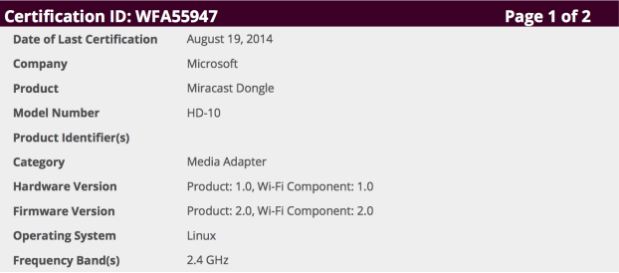
    A document filed with the FCC (Federal Communication Commission) by Microsoft has been spotted for a “Miracast Dongle” media adapter. The filing reveals that the device comes with a HDMI port, Wi-Fi and a USB connection for power supply. Miracast is a screencasting standard for connected devices over Wi-Fi Direct. Microsoft recently added Miracast support to Windows Phone via the Lumia Cyan firmware for Windows Phone 8.1.

    However, Miracast doesn’t seem like a direct Chromecast competitor. It is said that the two devices work a bit differently with Chromecast pulling streaming data from the cloud while Miracast, as its name suggest, just mirrors the display. The big advantage of mirroring a display on your TV is that you don’t have to wait for developers to add Miracast support to their apps, because it’s a system-wide feature.

    miracast microsoft

    It is said that the new dongle would take advantage of Windows Phone 8.1’s Miracast-based Project My Screen feature to broadcast your screen to a TV. This could be used for putting anything from videos and games to presentations and photos on your living room’s big screen. Adding a dongle to support Miracast on TVs is key, because the technology has yet to see wide adoption despite being supported in the latest build of Windows.

    With Microsoft expected to launch a couple of Lumia mobile devices at its upcoming IFA press event in Berlin on September 4th, we will not be surprised if Miracast also get officially unveiled at the same event. Also, we expect that device will support Windows PCs as well.

    Microsoft is also planning to dispatch a Windows 8.1 PC for $199 to contend with the Chromebook. As per reports the laptop will be made by HP and will be known as the HP Stream 14. It will have a 14 inch show with 1366 x 768 pixels determination. It will be accessible in 32 GB and 64 GB variations and will weigh only 1.75 kgs.

    Microsoft has recently lagged behind in offering a universally appreciated user experience. It has a lot of catching up to do. The company is still in its restructuring phase and it will be interesting to see if those massive job cuts would get Microsoft back to tech glory. Also the evolved interconnected ecosystems offered by Chrome and Android on Google’s side and OSX and iOS provided by Apple stand as a formidable opponent in the path of Microsoft. Miracast shows promise but nothing can be said until we lay our hands on the device, so keep checking out this spot.

  • iPhone 6 Screen Troubles Apple, Might Delay Launch

    iPhone 6 Screen Troubles Apple, Might Delay Launch

    We reported earlier that Apple is scrambling to get enough screens ready for the new iPhone 6 smartphone. The new launch of iPhone 6 which is long overdue is said to take place next month. The company has confirmed that it will announce at least one new large-screen iPhone in September.

    It is unclear that if this problem will delay the launch or limit the number of phones initially available to consumers. The supply chains who are making displays for the phone said that display panel production suffered a setback after the backlight that helps illuminate the screen had to be revised.

    Apple is aiming for the thinnest phone possible and initially wanted to cut back to a single layer of backlight film, instead of the standard two layers, for the 4.7-inch screen, which went into mass production ahead of the 5.5-inch version.

    apple-company-logo

    However, the problem is now understood to have been resolved, the delays could limit the supply of the iPhone 6, which is expected to be in heavy demand. Recently, Japan Display, a lead supplier for the new iPhone, said orders for “a huge client” have been completed, however shipments may be postponed in the July-September quarter.

    Japan Display’s dependence on Apple’s cyclical business has spooked a few financial specialists. UBS Securities has conjectured that Apple will help more than a third of the Japanese association’s aggregate income in the year that ends on March 2015. Japan Display’s offer value dropped to a 12-week low of 501 yen after first-quarter income on Aug 7 slacked business expectations.

    The constrains on Apple for delivering exceptional products has increased. Smartphone players such as Samsung and LG and recently, Chinese brands like  Xiaomi and Lenovo have dissolved the U.S. phone maker’s dominance in the business sector .

    The iPhone 6 release and the hype around it has been foreseen to increase Apple shares to new heights. The shares have climbed to above $100 each, since the company posted solid first-quarter income in late-April. The iPhone release along with the Mac OSX Yosemite and the upcoming iWatch will definately spell good news for the company in the coming future.

  • Sony’s Promo Teases Xperia Z3 Tablet Compact and a Mysterious Smartwatch

    Sony’s Promo Teases Xperia Z3 Tablet Compact and a Mysterious Smartwatch

    Japanese electronic-giant Sony is believed to launch another tablet and a waterproof smartwatch at IFA 2014 in Berlin. Well, a week before the expected launch, both upcoming gadgets have been supposedly spilled by the company.

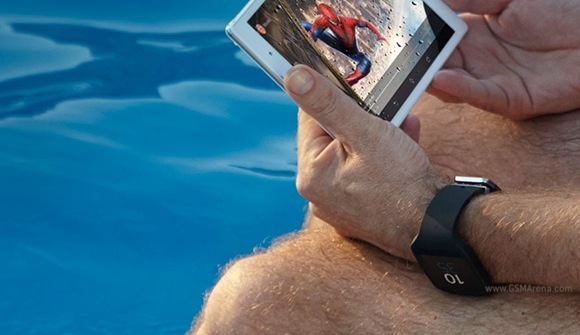
    The picture, posted on a Facebook promo page for the Smartband illustrates a 7 or 8-inch tab and a sweet new smartwatch in the hands of a person enjoying some poolside entertainment. The tab could be, in all likelihood, the expected Xperia Z3 Tablet Compact, whose existence was released a week ago in a client’s manual for a Bluetooth speaker charging dock. Now, we’ve got a full look at the mini-tab, which is a the new size in Sony’s tablet lineup.

    The photo is captured by a swimming pool, clearly an inference to the brand’s waterproof logic. With all the leaks, it may feel like there’s nothing more to learn about the Xperia Tablet Z3 Compact. The intelligent watch, however, is still a mystery.

    sony-tab-smartwatch
    The photo is captured by a swimming pool, clearly an inference to the brand’s waterproof logic

    The tab shown in the image appears to be an 8-incher, and will come with Sony’s traditional waterproof features. Additionally, an alleged Android Wear smartwatch can be seen on the wrist as well, suggesting that it will have water-resistant qualities too.

    The device is expected to use Sony’s custom-built platform based on Android, instead of Android Wear. As usual, the watch will be water proof and dust resistant, though one should expect something new this time around. While we’re not sure if it’s a mistake or if the company wants to tease its upcoming products, it should still come as an exciting news for Sony fans.

    Sony is also expected to launch an updated QX len-style camera at the event as well. Stay tuned, we’ll update you as soon as Sony officially reveals its upcoming devices at the IFA 2014 event in Berlin.

  • LG to Roll Out World’s First 4K OLED Display

    LG to Roll Out World’s First 4K OLED Display

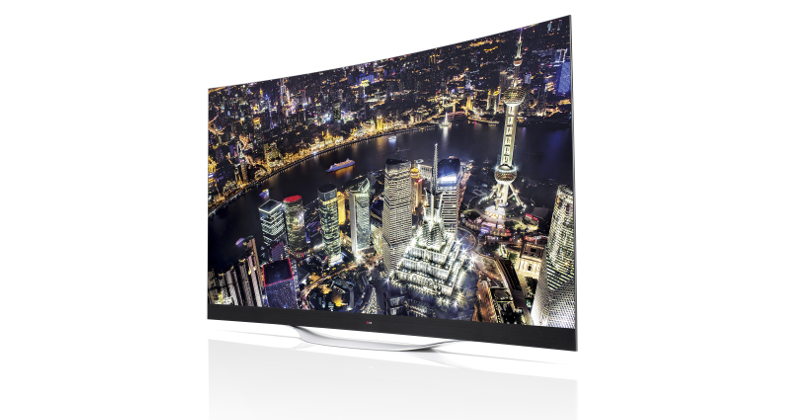
    The battle of pixels just reached a major extreme. LG will become the first company to sell a 4K OLED TV in the world. These TV’s are massive; they come in 65 and 77-inch variant. These monstrosities have a pixel resolution of 3840X2160.

    The 4K OLED TV’s would be first sold in LG’s homeland of South Korea. The company plans to sell the 65-inch variant at a price of 12 million Won ($11,766) that is a huge amount of moolah, but the prices will, of course, come down over time.

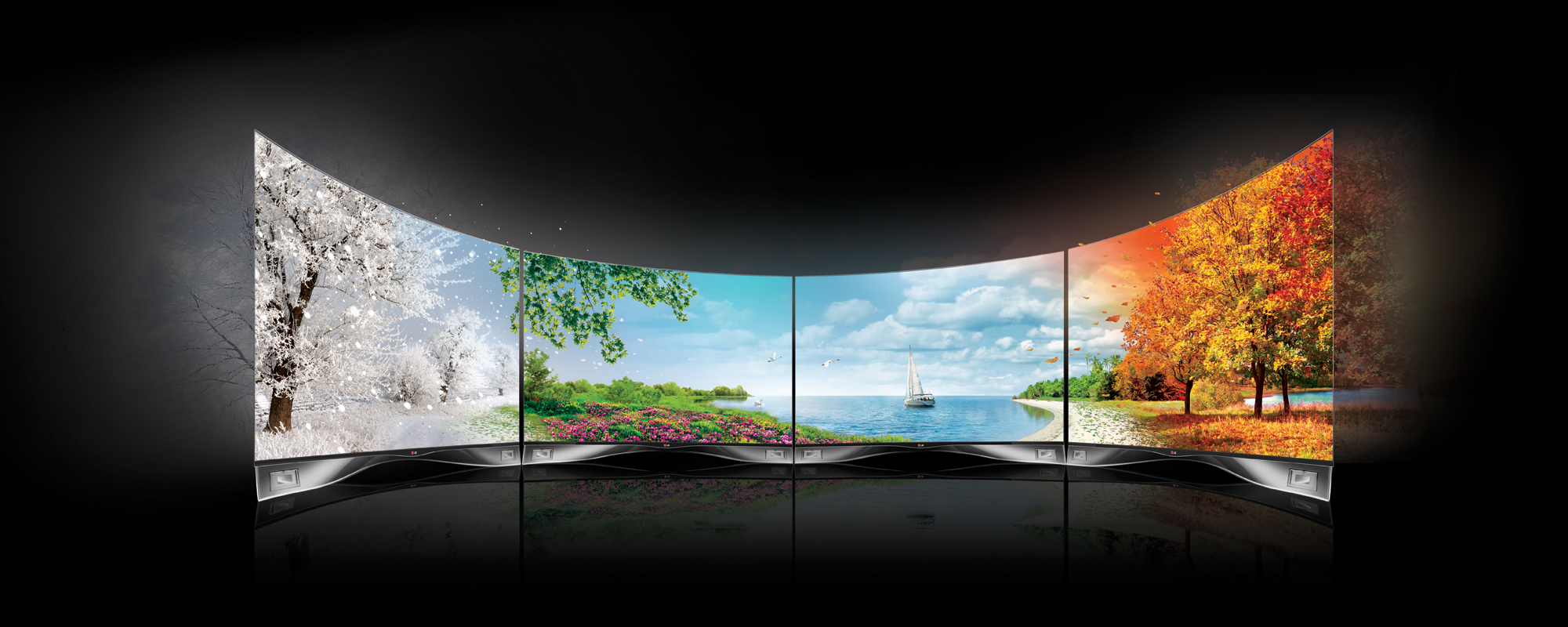
    The OLED TV’s are capable of producing better blacks, fix flickering and blurring, and reproduce colors more efficiently. LG’s 4K OLED TV will also have audio system that has been designed by Harmon Kardon. The operating system on the TV is WebOS, which is really easy to pick up and makes browsing around the options fairly simple.

    The 4K OLED's were introduced at CES 2014
    The 4K OLED’s were introduced at CES 2014

    The main issue with these TV’s is the availability of content that will do justice to such a massive high-def screen. 4K has gained steam in the past few years, but there is a shortage of content for both 2K and 4K. 2K screens have percolated down to mobile devices and have found home in devices like Oppo Find 7, LG’s G3 and the upcoming Note 3. But even here there is a serious lack of content in terms of multimedia and apps. Most importantly, there aren’t enough content delivery mechanisms like discs or USB devices out there for 2K or 4K master quality.

    The only option currently is to access the little amount of content available on the internet. But even here, the streaming options are limited by the internet speeds. Even the ISP’s don’t have the capability to handle the massive resources that 4K requires. Currently, 4K content can only be streamed in America, so LG could have introduced them in USA first, but guess they wanted to unleash the pixel powered brilliance to their compatriots first. The TV’s will arrive soon to North American and European markets.

  • Ready to Note: Samsung Releases Note 4 Teaser

    Ready to Note: Samsung Releases Note 4 Teaser

    Samsung has brought out teasers for the upcoming Note 4. The phone has been prone to several leaks recently. First the specs were leaked through benchmarks app, AnTuTu and soon after that the camera specs were released online. Now Samsung has brought out teasers for the upcoming Phablet. The teasers are tagged “Ready to Note” along with the release date of Note 4 which is 3rd September 2014.

    Note 4 is stated to have a 5.7 inch QHD display and is expected to be powered by a Snapdragon 805 or an Exynos 5 Octa SoC. The device is expected to sport a 16 MP camera on the back and a 3.7 MP front selfie shooter.

    The First ad focuses on the handwriting capabilities of the Note 4 while the second ad focuses on the S-Pen and its capabilities. The teaser shows the air menu so it seems the air menu will continue on the Note 4.

    The date is just a week away and we can’t wait for September to show up with all the amazing gadgetry like the Moto 360, the LG G Watch 2 and of course the iPhone 6.

  • New Teaser Reveals Moto 360-Like Round LG Smartwatch

    New Teaser Reveals Moto 360-Like Round LG Smartwatch

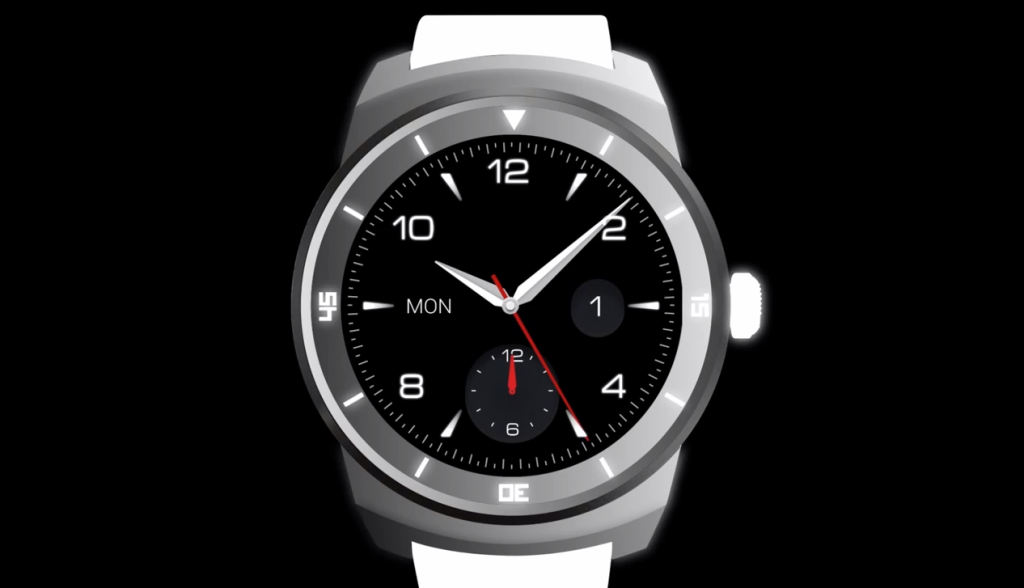
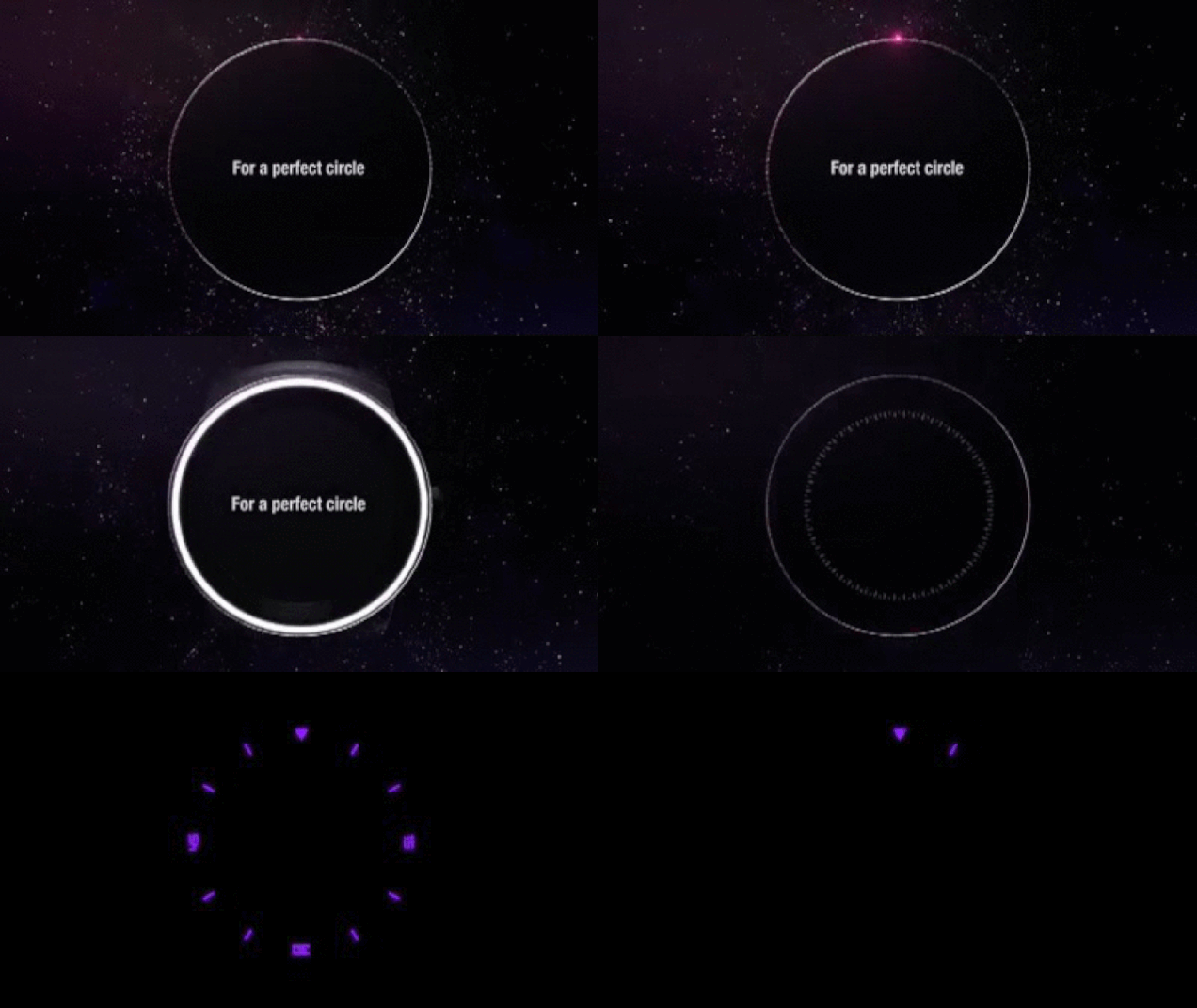
    Last week, we heard that LG is working on a refreshed version of the LG G Watch. And now, a leaked teaser shows that this second generation G watch will be round in shape; same as the much appreciated design of the upcoming and highly anticipated Moto 360 smartwatch. A brief 30-second teaser trailer, posted as unlisted on LG Mobile Global’s YouTube page, doesn’t tell much about the new wearable. In fact, it only reveals one (important) detail —its round shape.

    LG, which officially launched one of the three Android Wear smartwatches (the LG G Watch), appears to now be focusing on individuals’ preference  for round watch faces. The LG watch seems to look like the Moto 360, with a superbly round face that, at any rate as per the teaser, stresses the way that it doesn’t need to leave a little window at the base, as does Motorola’s wearable.

    uftgejuipzvppxbbcg2d

    The design also looks to feature a more traditional case with external lugs, vs Motorola’s design, which might be more appealing for those looking for something that more typically resembles your average, innocuous Timex or Casio.

    The original G Watch was released only two months ago. The new design so quickly could mean that both these watches were developed around the same time. The first-generation G Watch could have been just to test the waters of the wearable market and to get a headstart and be one of the first companies in the Android Wear device market.

    It is said that, LG will be showing off this device at IFA 2014 next week, which means we don’t have to wait too long to get official details.

  • Giveaway : 5 OnePlus One Invites

    Giveaway : 5 OnePlus One Invites

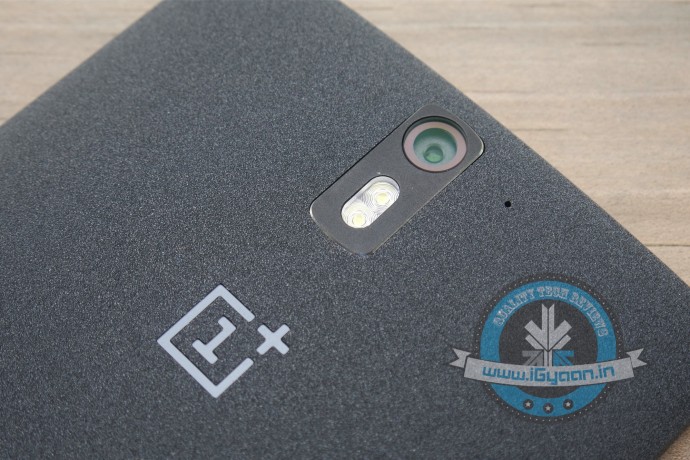
    We recently unboxed the OnePlus One Smartphone, and everyone has been asking us for invites to this mammoth spec’d phone. It’s that time of the month, and we are giving away 5 invites to purchase the OnePlus One Smartphone in the first of our two part giveaway.  Simply enter the sweepstakes below and you stand a chance to win.

    Follow the Instructions carefully and read the terms and conditions on the form as well as here. This Giveaway is open globally, so no matter where you are you can take part by entering below.

    To be clear we are giving away 5 invites in this lot and we will giveaway 5 invites in the next one.

    To Order this phone you will need to be in or be able to order to one of the following countries :

    • United States
    • Sweden
    • Denmark
    • Netherlands
    • United Kingdom
    • Spain
    • Germany
    • France
    • Italy
    • Finland
    • Belgium
    • Austria
    • Canada
    • Hong Kong
    • Taiwan
    • Portugal

    The Contest is Over : Winner Make Sure you register on Oneplus.net with the Same Email.

    Second Giveaway will Start Shortly

  • runScribe: A Wearable That Helps Perfect Your Running

    runScribe: A Wearable That Helps Perfect Your Running

    Running is awesome. It works out the whole body and perhaps is all you need to stay in shape. Plus it has the added advantage that it doesn’t need any equipment; you can just go with the flow. But the makers of a wearable device called runScribe believe that they have found a perfect running companion.

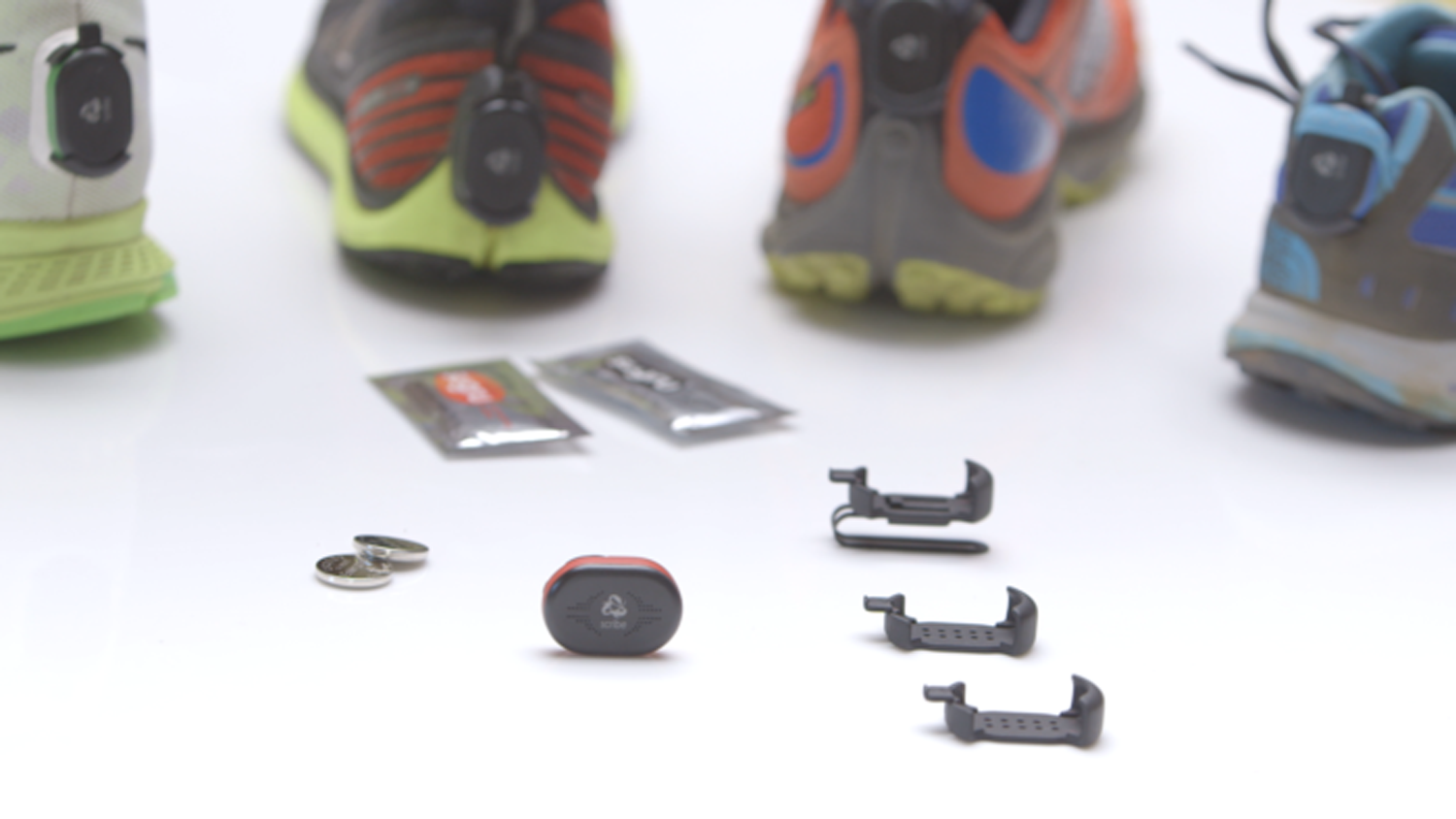
    runScribe is a tiny gizmo that you set on the back of your shoes and just get running. The makers say that the device will help reduce the chances of injuries caused during extraneous runs.

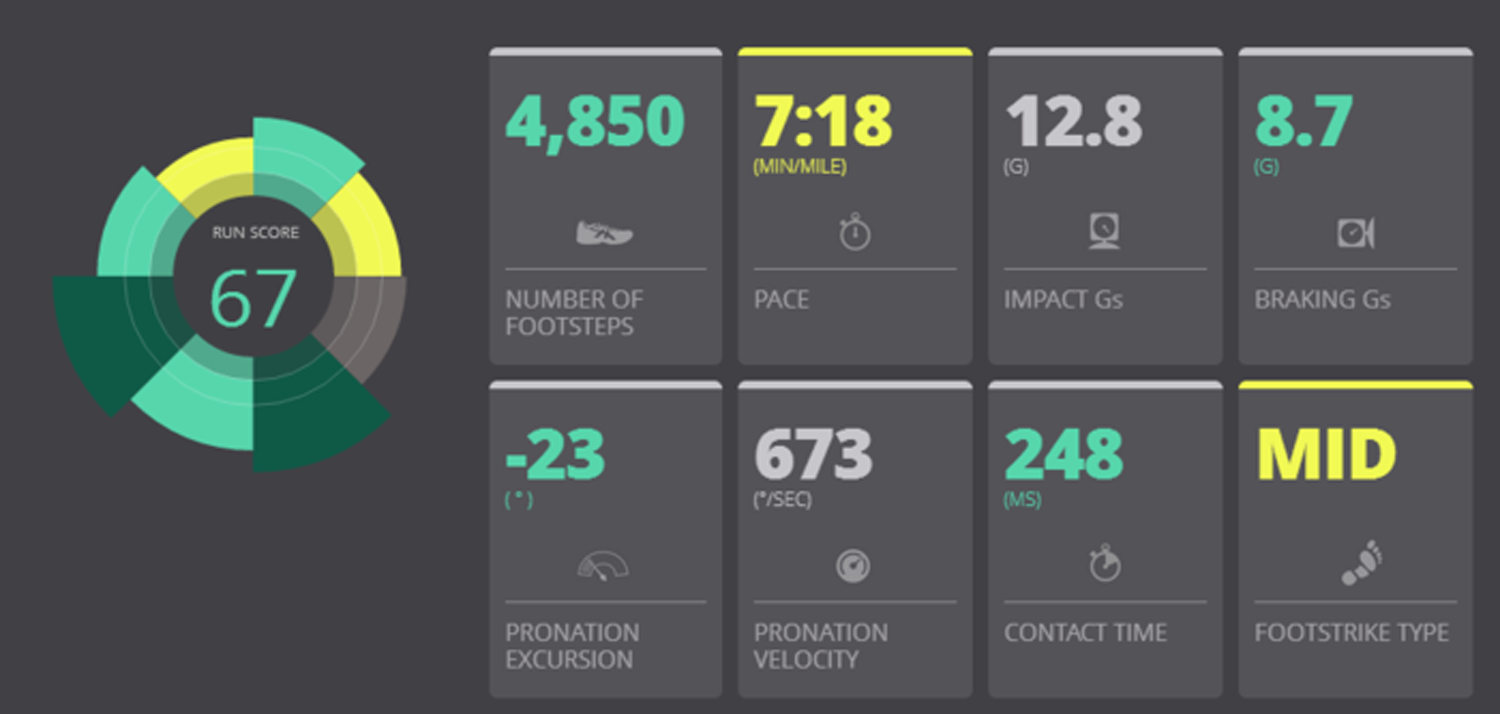
    The device uses its 9-axis sensor to monitors the run and does many calculations that later can be observed on a computer. Unlike other devices only that measure speed and distance traveled, runScribe’s system indulges in measurement of 13 data points. It gives the details like footsteps, pace, pronation excursion, foot strike type and more. It even lets you know the different kind of footwear you should use for your running.

    You can monitor multiple data points using the app that comes with runScribe
    You can monitor multiple data points using the app that comes with runScribe

    The computer application that comes with the device is interactive and helps in effective monitoring of the data gathered by the device. The team at Scribe Labs that makes this device is waiting for crowd-sourced data to turn up so that they can make their system more efficient.

    The device will be helpful for professionals. It has good potential at a time when wearable technology is fast becoming a craze. The project has reached its required goal of $50000 on Kickstarter with 27 days left to spare.

  • SpaceX F9R Rocket Fails, Blows Up Mid-Air

    SpaceX F9R Rocket Fails, Blows Up Mid-Air

    Ever since its inception, SpaceX has taken space travel to great heights. It’s the only private company responsible for taking cargo to and fro from the International Space Station. Its rockets have been appreciated for their safety features; something that came handy yesterday.

    A test rocket which was launched yesterday has a snag that would have made it veer off course. Fortunately, the emergency systems on board automatically stepped in and destructed the rocket mid-air. This is the first major failure in SpaceX’s history. There were no injuries. Well, apart from the injury to SpaceX’s finances; they just lost a really expensive rocket. A second F9R rocket is in its building stage.

    SpaceX’s rocket, the F9R, is a reusable rocket and a successor to the Grasshopper rocket. It is capable of launching and landing back on the launch pad, thereby increasing efficiency and bringing down costs. The rocket has just one stage, and it has three engines to propel it to the skies.

    The company’s founder Elon Musk says he plans for human colonization of Mars and other planets, and that it is an important step in human evolution. Reusable rockets will surely help in organizing resources ensuring faster and efficient delivery of cargo to a future Mars Colony. Musk’s response to the incident was a tweet that said, “Rockets are tricky.”

    SpaceX says that the rocket has been tested previously, but this time they wanted to push its limits harder, and that led to the technical snag.

    It is important to understand that rocket science is hard, ergo the saying, it’s as tough as rocket science. Considering the fact that rocket technology is still in its basic stages, re-usability will surely take it forward. There have been malfunctions that have led to the loss of valuable human life. Space travel is the next frontier, and reaching new frontiers involves sacrifices, sometimes monetary and unfortunately sometimes, human life. Setbacks do happen but it’s necessary to learn from them and move on. Hopefully SpaceX team learns from its mistake and gives us our ride to Mars as soon as possible.

  • Samsung Galaxy S5 Takes the Ice Bucket: Challenges iPhone 5S, HTC One and Lumia 930

    Samsung Galaxy S5 Takes the Ice Bucket: Challenges iPhone 5S, HTC One and Lumia 930

    After a slew of celebrities, looks like its now time for the smartphone brigade to join in. There is no denying the fact that ALS Ice Bucket Challenge has taken over our social media feeds. If there is anyone still wondering why everyone is dousing themselves in iced bucket water, it’s to spread awareness about the Amyotrophic Lateral Sclerosis (ALS) disease.

    The challenge is simple. If you’re nominated, you need to drench yourself in ice cold water and nominate three others to do the same within 24 hours. If you decide against taking it up, you have the option of donating $100 to the ALS Association. Since it started on 29th July, the organisation has already raised a whopping $53 million. A viral social media trend with a cause; we definitely need more of those.

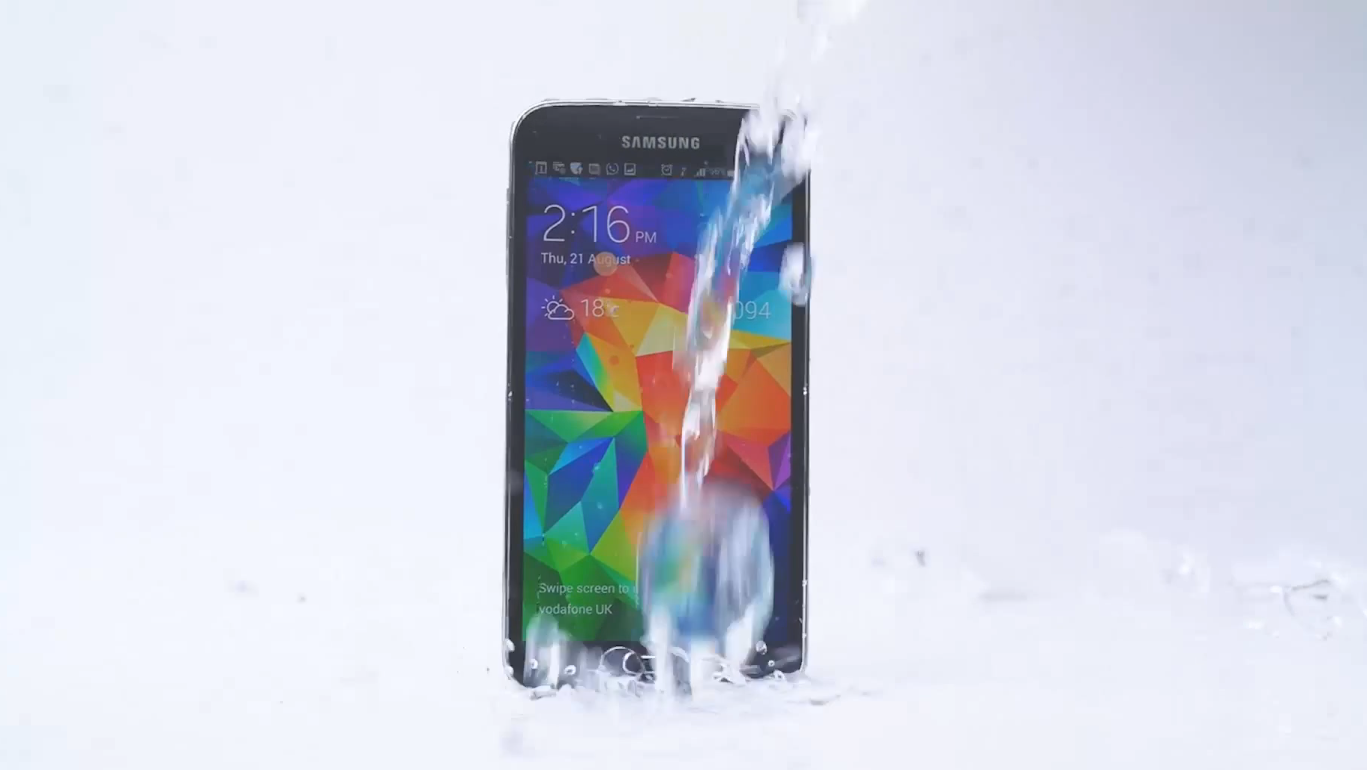
    The Samsung Galaxy S5 took the challenge. In the video, after completing the task, Samsung’s voice assistant nominated iPhone 5S, HTC One(M8) and Nokia Lumia 930 and gave them 24 hours to finish the challenge. A clear jab at their inability to withstand water.

    By taking on the Ice Bucket Challenge, Samsung managed to do two things – spread awareness and raise funds for the Motor Neurone Disease Association and more obviously, it showed off its water-proof abilities.

  • Xiaomi to Introduce Redmi 1S in India on 26th August

    Xiaomi to Introduce Redmi 1S in India on 26th August

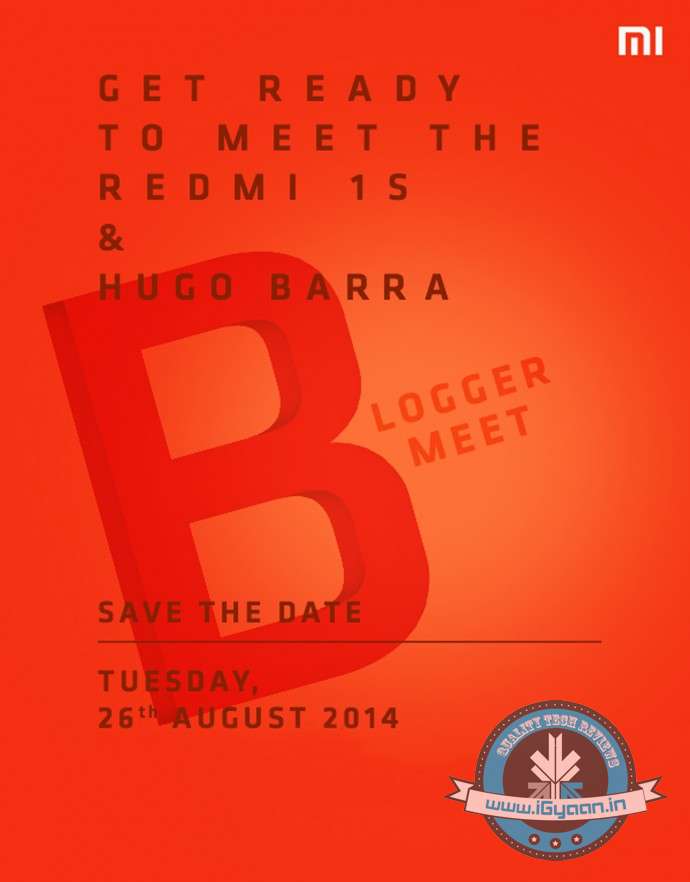
    After a successful opening in the Indian market, Xiaomi is ready for its second adventure. The Apple of China created an immense buzz by bringing its flagship killer MI3 in India. The mobile was sold in flash sales that saw the stocks disappear in moments after the beginning of the sales. Now the company has sent out an invite for the launch of its mid-segment phone, the Redmi 1S.

    The Redmi 1S is expected to do the same to the under 10000 segment that its bigger sibling, the MI3 did to the higher segment and create a lot of furore while doing it. The Redmi 1S too have some market dominating features which will be appreciated by the Indian populace.

    Red mi launch india
    The invite is out for the Redmi 1S

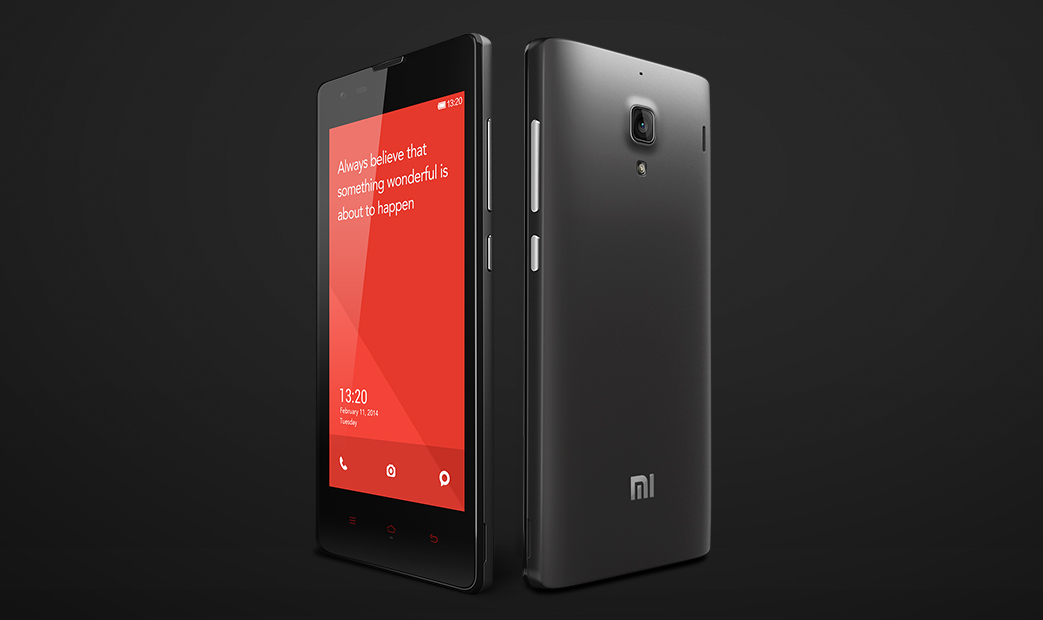
    The phone will be introduced by Xiaomi’s Vice President International, Hugo Barra on 29th August. The Xiaomi Redmi 1S is a dual SIM phone. It has a 4.7 inch IPS display with 1280×720 pixel resolution. It is powered by a quad-core 1.6 GHz Qualcomm Snapdragon 400 mobile chipset and 1 GB RAM, we are sensing a winner right here.

    The phone has 1GB  RAM and internal storage of 8 GB. The part that will make multimedia enthusiast jump with joy is the fact that Redmi 1S gives you an expandable storage option up to 64 GB. So go ahead and load up the all the seasons of ‘Friends’ on your phone.

    Weirdly there is no KitKat for this one, Redmi 1S runs on a version of MIUI that is based on Android 4.3 Jellybean. But considering all that they are offering, we’ll let that one pass.

    The device is an all rounder in terms of Looks, Feature and Price
    The device is an all rounder in terms of Looks, Feature and Price

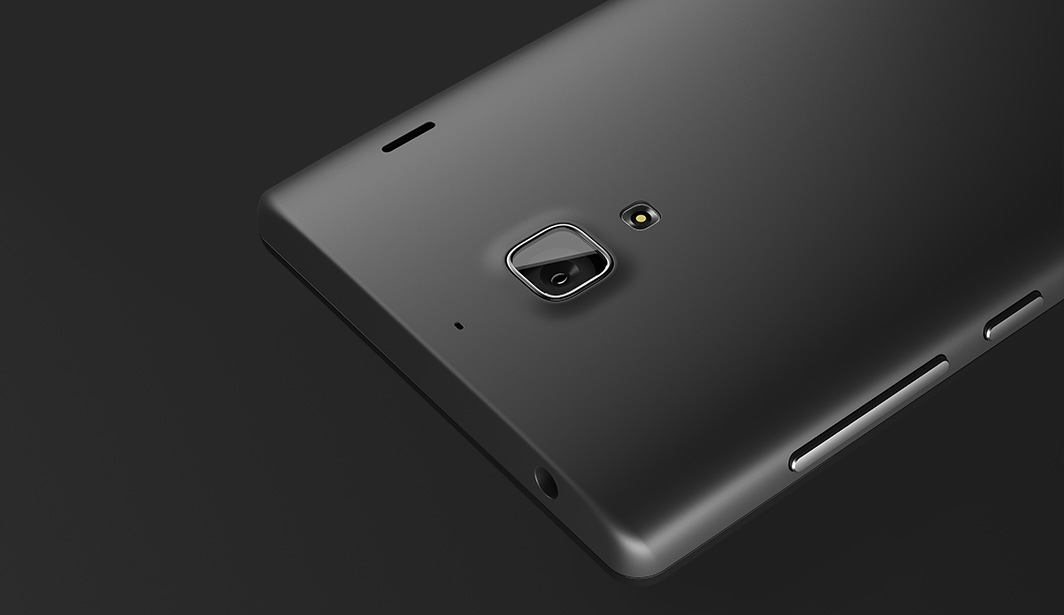
    The device comes with an 8 megapixel camera with a wide f/2.2 aperture and a LED Flash. It offers burst mode, auto-focus, zero shutter lag, HDR and real-time filters. For the selfie lovers the front sports a 1.6 megapixel camera.

    To make use of all these affordable goodness functional, the device gets its juice from a 2000 mAh battery which is perfect for the price. The device also features Bluetooth 4.0 Low Energy, WiFi, and GPS with A-GPS and GLONASS support.

    The device is priced at Rs.6,999 and will be available on Flipkart, most probably by next week. Guess after creating adversaries in flagship phone makers, Xiaomi is ready to take on the Indian manufacturers. Lookout Micromax, Lava, Karbonn; a Chinese hurricane is approaching you.

  • Apple to Replace Selected iPhone 5 Batteries for Free

    Apple to Replace Selected iPhone 5 Batteries for Free

    Apple iPhones are beautiful products. They have been beautifully designed but lack strength in one major arena, the battery. Considering the increased screen size that Apple is planning to bring in the next member of the iPhone family, we might expect a better battery. For now, Apple found that some of its existing iPhone 5 batteries have not been performing up to standard and they needed to be charged more often.

    Apple has recognized a certain batch of devices with the defect and is offering free replacement of the batteries. Users can go to Apple’s website and check if their device is listed there. Apple will replace those batteries for free.

    The users whose devices are listed on the website have to backup their data and wipe out the device before taking it to an Apple Store or Apple-approved retailer. There is though a tiny hiccup in the process, Apple requires you to get damages on screen and others before accepting the device. The cost of damage repair will come from the user’s pockets, so if you have a busted screen, a bad battery and not enough cash, you might as well throw the phone away and get a new one.

    The program has begun in US and China and it will be expanded to other countries from August 29th.

  • Researchers Hack Android and Expose Security Flaws

    Researchers Hack Android and Expose Security Flaws

    Android has become one giant monster of a success with over 50 per cent of market share. It has been integrated across multiple devices and is gaining new grounds each day. Its evolution has been appreciated and its next operating system, the Android L will come out soon. But it seems like researchers at the Riverside, University of California, are about to throw a wrench in the works of the Android.

    The research team hacked into the Android operating system by disguising malicious software in the form of an app. What was a surprising find was that Gmail was one of the easiest app to hack, and the researchers had a success rate of 92% in hacking the app. So its probably not a good idea to leave your compromising information in your Gmail account.

    The researchers say that there is a misconception in people’s minds that mobile apps cannot interact with each other; this hack will show that it’s a myth. They also made clear that they tried the hack on Android, but it might work on iOS and Windows OS too, as they too allow apps to access shared memory on the device.

    gmail
    Gmail was one of the easiest apps to hack.

    The researchers brought forward some serious security flaws in the system. They were able to track all that the user was doing on their phone.

    They were able to hack into apps like H&R Block, Amazon, Newegg, WebMD and Chase Bank. The Chase bank app’s hack revealed some stomach-churning revelation. The bank allows users to pay in checks by just taking the image of the checks. The researchers were able to hack the app and steal the image thereby gaining access to the user’s bank details and signature, which is really scary.

    Google, on the other hand, said that it appreciated the efforts of the researchers. They say that this kind of research teaches them some important lessons that will help to make their system stronger and more efficient.

    At a time when major enterprises are shifting to the mobile solutions for their businesses, this hack might create some hurdles for the device and operating system companies. Hopefully, now that the hackability of the system has been established, the companies will seriously consider the issue and resolve it as soon as possible. And the researchers should keep going on doing their good work.

iGyaan Network
Privacy Overview

This website uses cookies so that we can provide you with the best user experience possible. Cookie information is stored in your browser and performs functions such as recognising you when you return to our website and helping our team to understand which sections of the website you find most interesting and useful.